Tag: Travel
-
One World Trade Center History: From Tragedy to Triumph in the New York Skyline
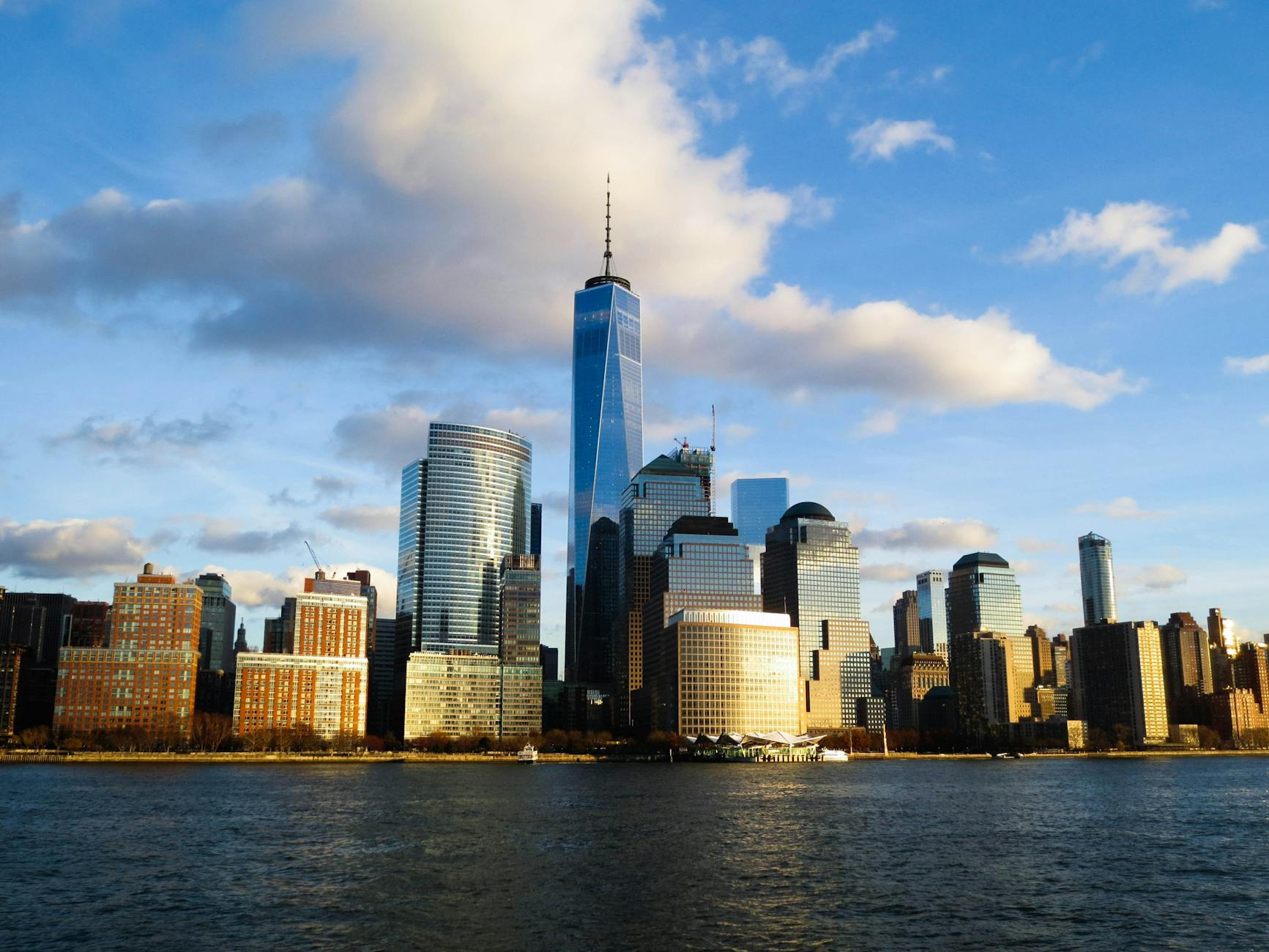
One World Trade Center (OWTC) in New York City symbolizes resilience and hope following the tragic events of September 11, 2001. Built on the site of the Twin Towers, it represents a journey from loss to renewal. The vision for the new tower focused on honoring those lost while creating a vibrant community space. Architect David Childs designed the building to stand 1,776 feet tall, incorporating security and eco-friendly features. Completed in 2013, OWTC has become a bustling business hub and a cultural landmark, fostering healing and reflecting the indomitable spirit of New Yorkers amidst tragedy.
-
Millennium Park History: How Cloud Gate Became Chicago’s Reflective Icon
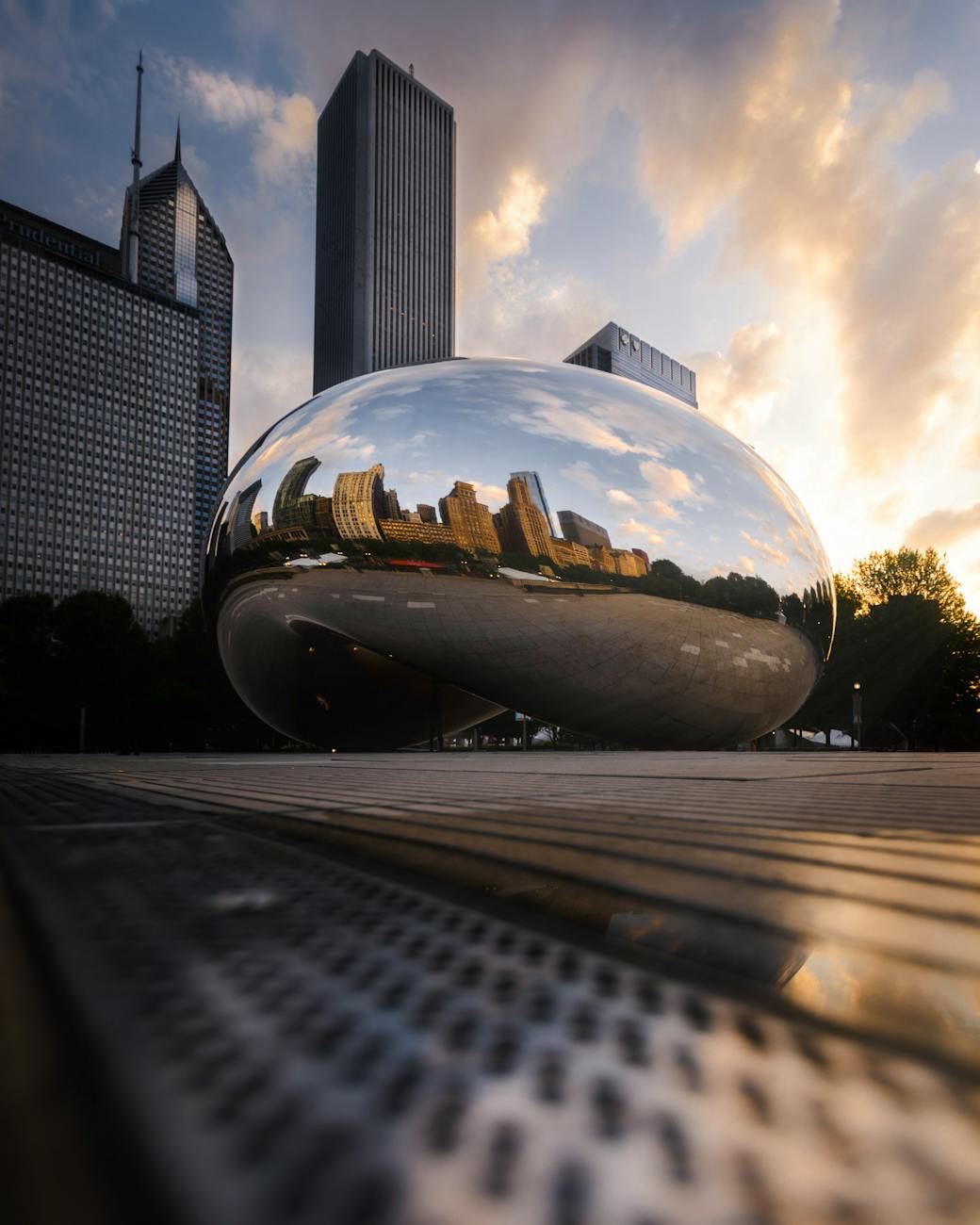
Millennium Park, located in Chicago, symbolizes architectural innovation and community spirit, highlighted prominently by Cloud Gate, known as “The Bean,” designed by Anish Kapoor. The park represents a significant urban renewal project initiated in the late 1990s, aimed at creating a cultural hub. Cloud Gate, with its reflective surface, encourages visitor interaction and reflection while showcasing the city’s skyline. Since its unveiling in 2006, it has become a cultural landmark, attracting millions and fostering dialogue about identity and community. Efforts to maintain this iconic piece reflect the city’s commitment to preserving public art, which continues to inspire and unite visitors.
-
Bellagio Fountains History: The Magic Behind Las Vegas’s Iconic Water Show

The Bellagio Fountains, located at the Bellagio Hotel and Casino, are a major attraction in Las Vegas, mesmerizing millions with their water, light, and music performances. Designed in the early 1990s by Steve Wynn, the fountains reflect luxury and artistry, inspired by Italian fountains. They feature over 1,200 jets capable of shooting water 460 feet high, synchronized with a diverse soundtrack that enhances emotional engagement. Their accessibility makes them a beloved landmark for both locals and tourists. The fountains have established a cultural presence, influencing public art and tourism, while promoting community connection and creativity within urban spaces.
-
Transamerica Pyramid History: The Rise of San Francisco’s Iconic Skyline

The Transamerica Pyramid is an iconic symbol of San Francisco, completed in 1972 and designed by architect William Pereira. The building reflects the city’s growth and ambition, featuring a unique pyramid shape that complies with zoning laws while offering stunning views. With innovations in sustainability and seismic resilience, it set a new standard for skyscraper design. Initially met with skepticism, the Pyramid has become a beloved cultural landmark, representing San Francisco’s creative spirit. Today, it continues to evolve with modern office spaces and community initiatives, ensuring its lasting significance in the city’s architectural heritage and urban identity.
-
Lincoln Memorial History: A Monument to Unity and Freedom

The Lincoln Memorial, located in Washington, D.C., symbolizes unity, freedom, and equality while honoring President Abraham Lincoln’s legacy. Established after his assassination and dedicated in 1922, the memorial embodies the values Lincoln espoused during the Civil War, serving as an inspiration for civil rights movements. Architect Henry Bacon designed it in a Greek style, reinforcing its democratic ethos. The memorial’s significance extends beyond architectural beauty; it has hosted pivotal events, including Martin Luther King Jr.’s “I Have a Dream” speech. Today, it remains a focal point for social justice advocacy, illustrating Lincoln’s enduring impact on American society and global movements.
-
The White House History: Power, Politics, and Presidential Legacy

The White House serves as the official residence of the U.S. President and symbolizes American democracy, power, and history. Built in the late 18th century, its architectural evolution reflects changing political and social dynamics, such as renovations during the War of 1812 and the modernization efforts of President Theodore Roosevelt. The White House has witnessed pivotal historical events impacting presidential power, including the Civil War and the Watergate scandal. Each president has shaped the institution’s legacy, contributing to a narrative of democratic resilience. Ultimately, the White House remains a crucial emblem of governance, accountability, and citizen engagement in shaping American…
-
Chichén Itzá History: Unveiling the Mysteries of the Maya Empire

Chichén Itzá, a UNESCO World Heritage site, exemplifies the cultural and architectural achievements of the ancient Maya civilization in Mexico’s Yucatán Peninsula. Established around the 7th century AD, it flourished as a cultural and economic center, notably during the Terminal Classic period and Late Postclassic period. Key structures like the Pyramid of Kukulcán showcase advanced engineering and celestial alignments linked to religious practices. However, by the 16th century, environmental degradation, social unrest, and Spanish conquest led to its decline. Today, ongoing preservation efforts reveal Chichén Itzá’s historical significance while celebrating the enduring legacy of Maya culture and heritage.
-
Brandenburg Gate History: The Icon That Survived Empires and Walls
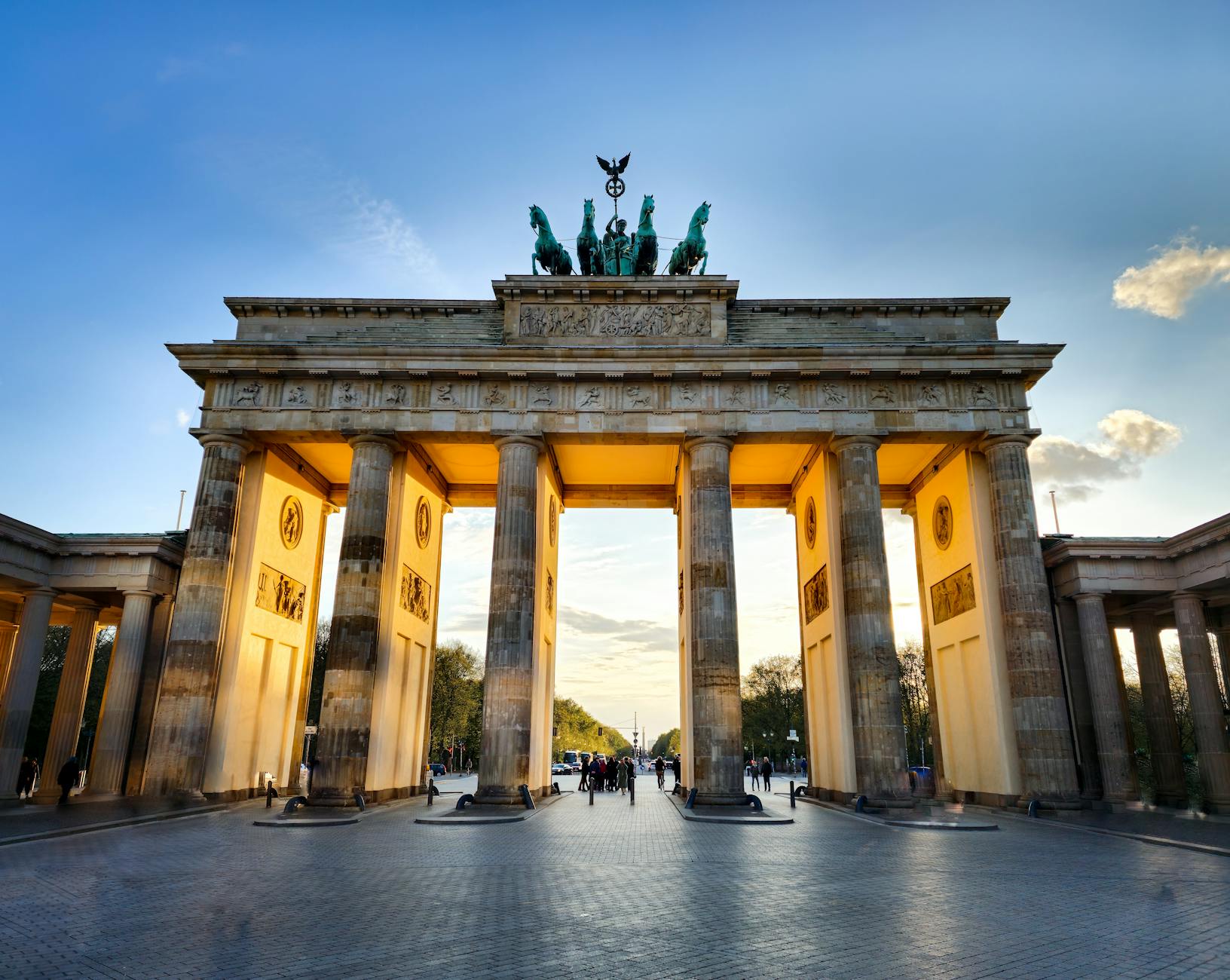
The Brandenburg Gate, a neoclassical symbol of Berlin, reflects the city’s complex history from its construction in the late 18th century as a peace emblem to its role during the Cold War as a monument of division. Initially commissioned by Frederick William II of Prussia, it evolved through various historical phases, including its transformation into an icon of German unity post-1989. Today, it stands as a powerful symbol of reconciliation, attracting millions as a site of cultural celebrations and social movements. Ongoing preservation efforts ensure it remains a significant testament to resilience, unity, and the enduring human spirit in contemporary…
-
Milan Cathedral History: A Masterpiece 600 Years in the Making
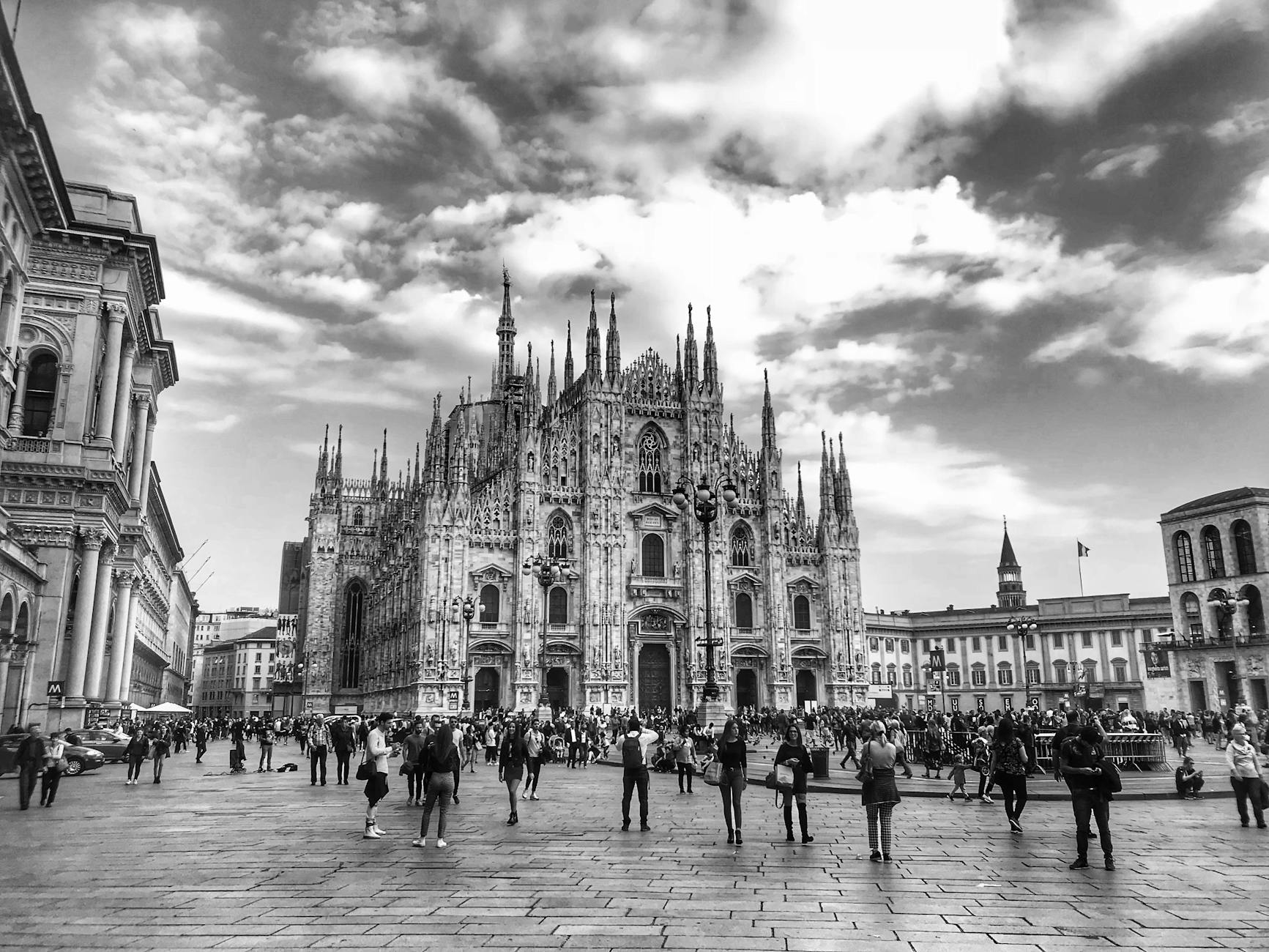
The Milan Cathedral, known as Duomo di Milano, is an architectural wonder reflecting over 600 years of Milan’s spirit and history. Initiated in 1386 by Duke Francesco Sforza, its construction showcases a blend of Gothic and Renaissance styles, featuring intricate facades and over 135 spires. The cathedral serves as both a religious site and a cultural landmark, embodying Milan’s resilience throughout significant historical events. Ongoing restoration efforts ensure its longevity while adapting to contemporary needs, allowing it to remain relevant. As a center of spiritual reflection and cultural engagement, Milan Cathedral continues to inspire both locals and visitors with its…
-
Pisa Tower History: How a Mistake Became a Global Icon
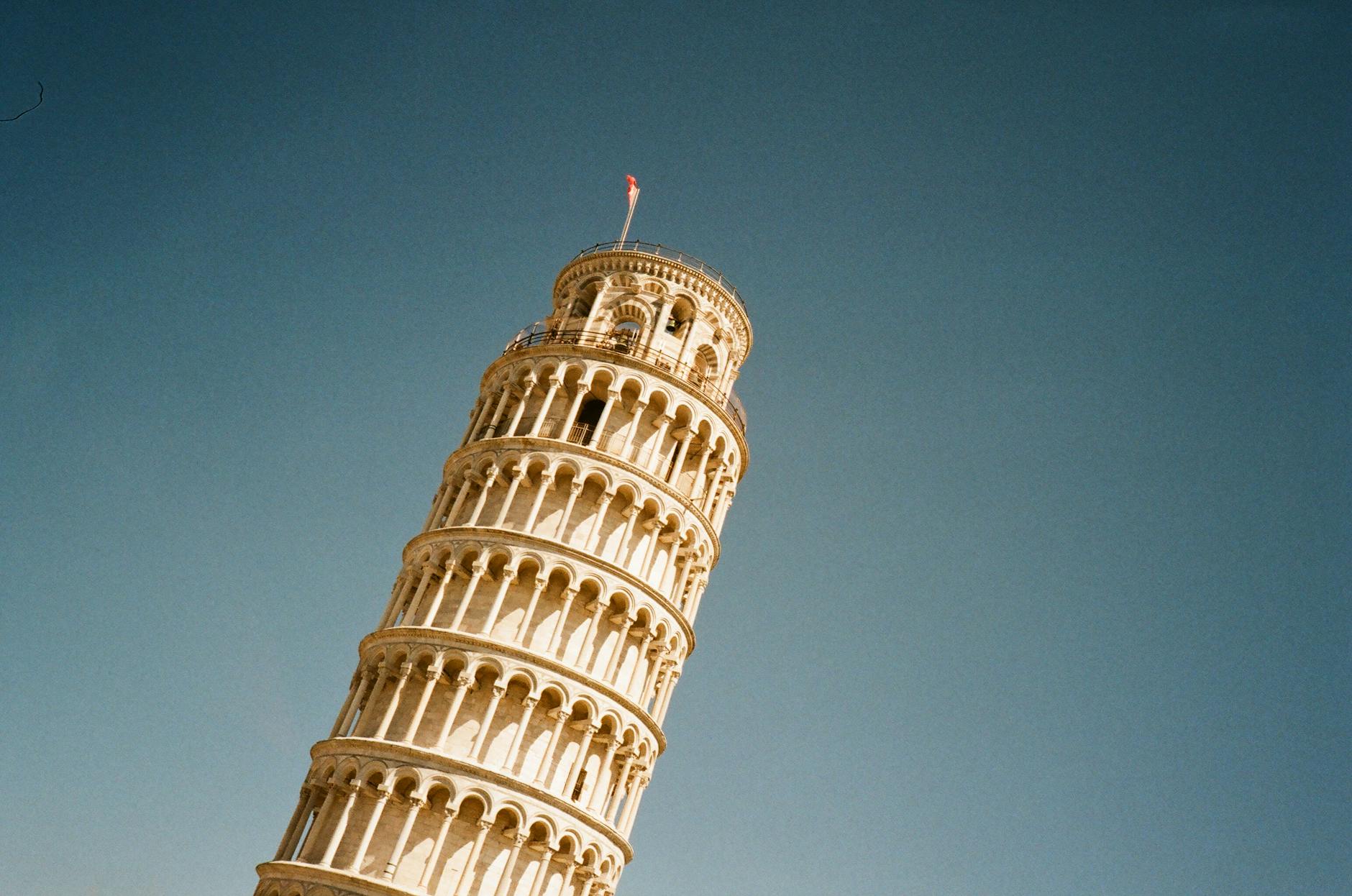
The Leaning Tower of Pisa, an iconic structure in Italy, began construction in 1173 as a bell tower for the adjacent cathedral. Initial architectural ambitions were thwarted by significant foundational issues, leading to a noticeable tilt. Construction paused for nearly a century and, upon resuming, employed innovative techniques to compensate for the lean. Completed in 1372, it became a symbol of resilience and cultural heritage rather than a failure. Restoration efforts in the late 20th century managed to stabilize the tower while preserving its historical character. Today, it serves as a testament to architectural ingenuity and the importance of adaptability…
-
Graceland History: Where Elvis Presley’s Legacy Lives On
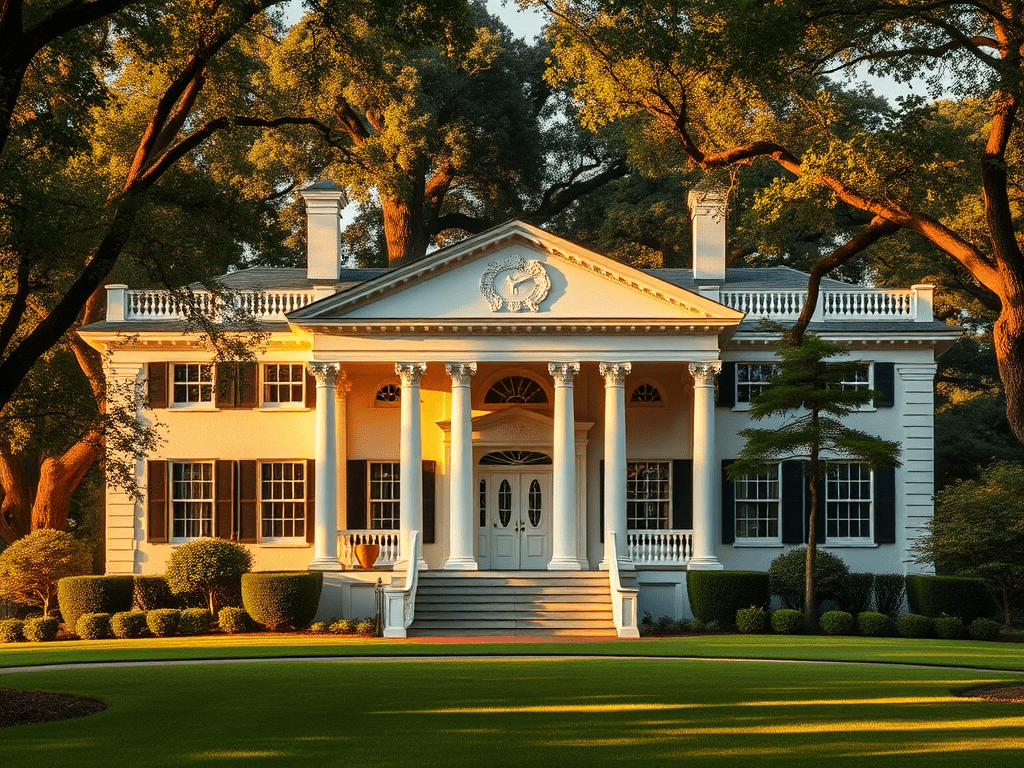
Graceland, the iconic estate of Elvis Presley located in Memphis, Tennessee, serves as a testament to his legacy. Acquired by Elvis in 1957, it has transformed from a private home into a celebrated museum, attracting over 650,000 visitors annually. Graceland showcases personal artifacts, flamboyant costumes, and rooms reflecting his eclectic taste, offering insights into his life. The estate stands as a cultural hub, hosting events that honor Elvis’s impact on music and continually engaging with new generations through exhibitions and digital content. Ultimately, Graceland embodies the spirit of Elvis, ensuring his enduring influence and connection with fans worldwide.
-
Mount Rushmore History: Carving America’s Legacy in Stone
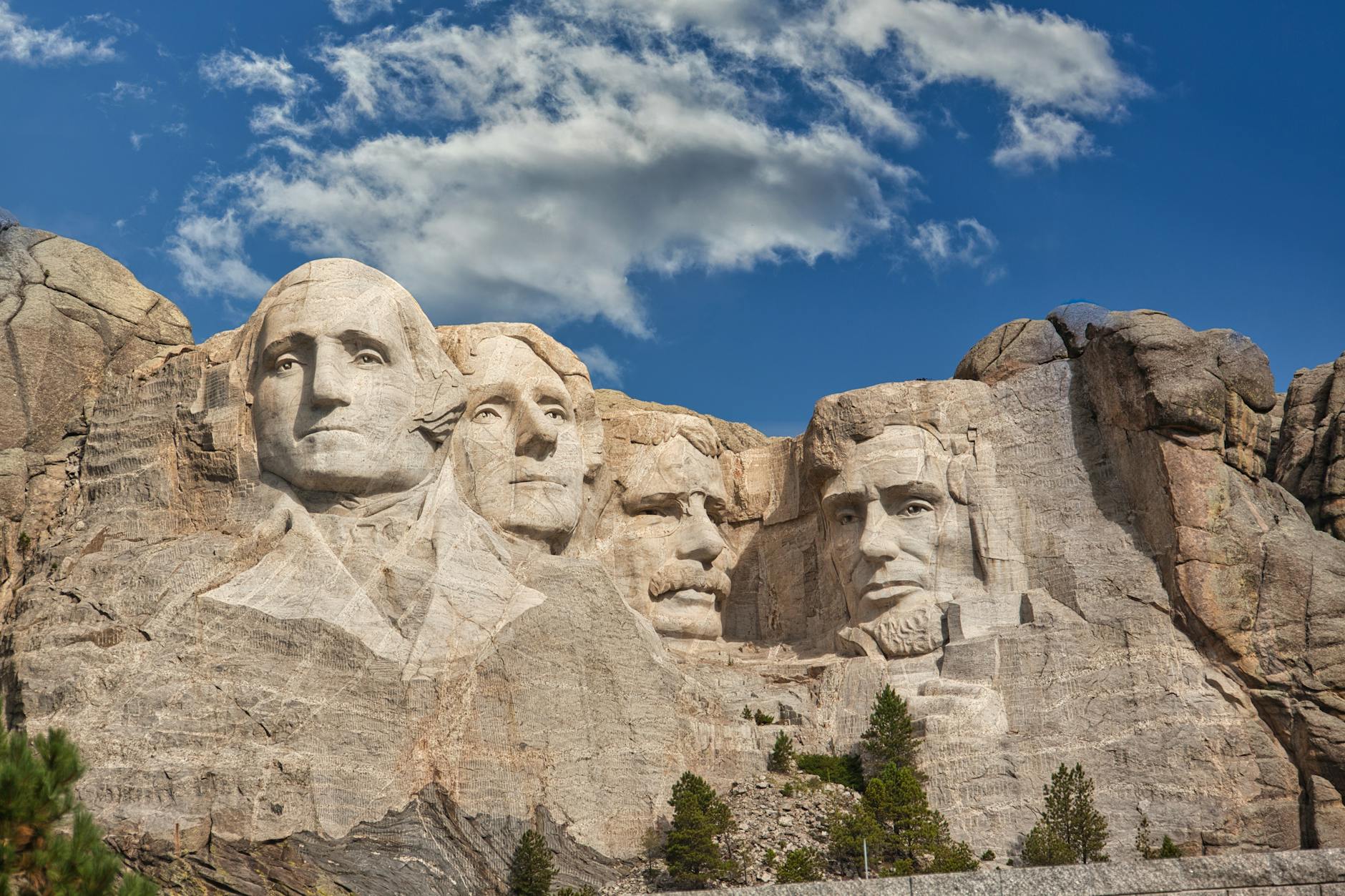
Mount Rushmore is a monumental sculpture in South Dakota, featuring the faces of four U.S. presidents: George Washington, Thomas Jefferson, Abraham Lincoln, and Theodore Roosevelt. Created by Gutzon Borglum, its purpose extends beyond honoring these leaders; it reflects American ideals and aspirations. Completed in 1941, this iconic site attracts millions annually, fostering tourism and local economic growth. However, it also raises significant controversies about Indigenous rights, as it stands on sacred Lakota Sioux land. The monument sparks ongoing dialogue about representation and historical narratives, urging reflection on America’s complex past and its implications for the future.
-
Gateway Arch History: America’s Monument to Westward Expansion
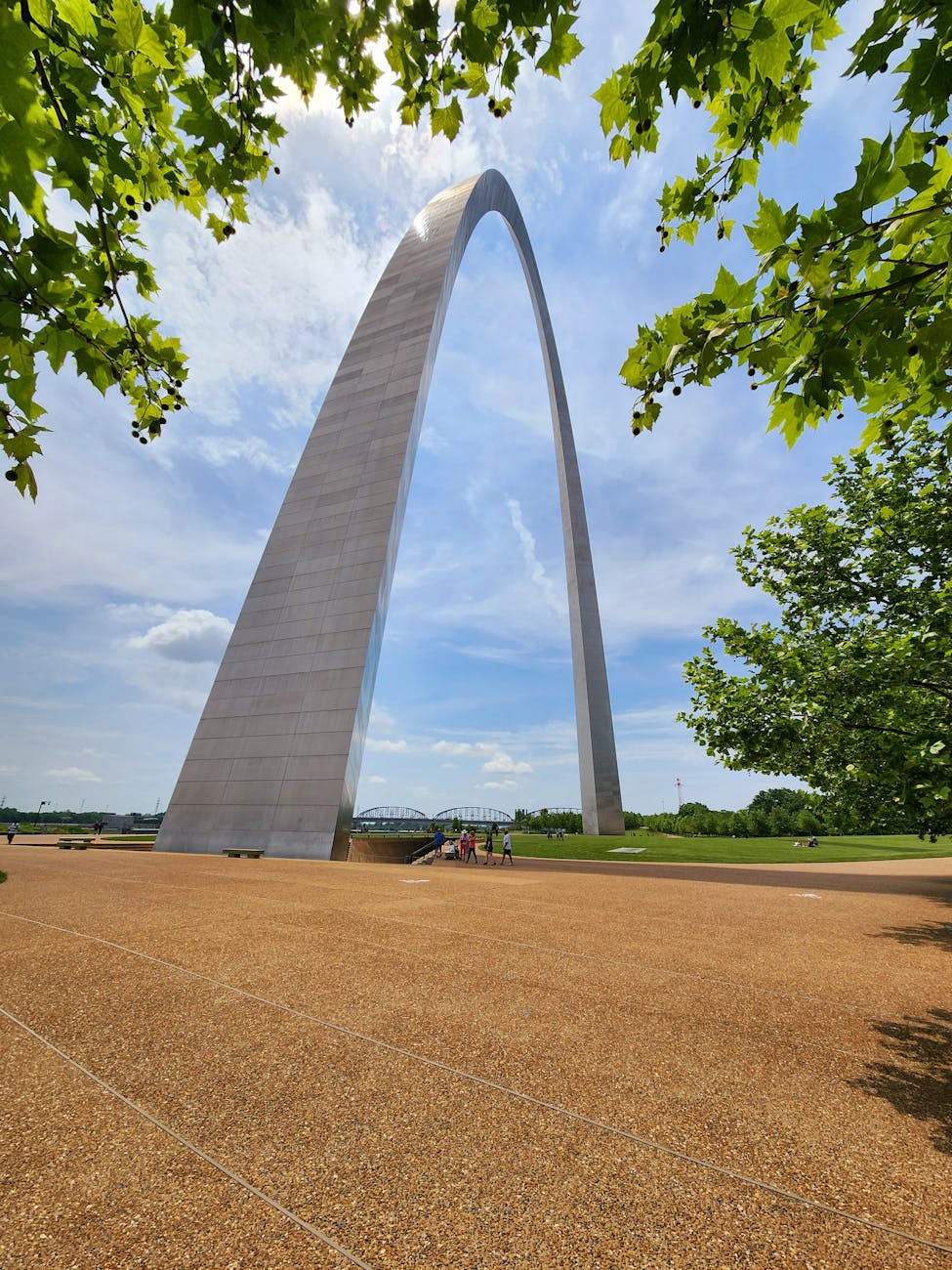
The Gateway Arch, an iconic 630-foot structure in St. Louis, Missouri, symbolizes America’s westward expansion and serves as a tribute to its historical narrative. Designed by Eero Saarinen and completed in 1965, it blends modernist principles with cultural significance, representing both the dreams of pioneers and the complexities of history. The construction faced various challenges, but the collaborative efforts ensured its completion. It features a museum that educates visitors on westward expansion while offering stunning views from its observation deck. Ongoing preservation efforts highlight community involvement, keeping the Arch a vital symbol of American identity and resilience for future generations.
-
Navajo Bridge History: Arching Over Time in the Heart of Glen Canyon

The Navajo Bridge, completed in 1929, is a historically significant steel arch bridge over the Colorado River in Glen Canyon. Initially built to improve transportation for the Navajo Nation and surrounding communities, it facilitated trade and cultural exchange, symbolizing resilience and the blend of indigenous heritage with modernity. The bridge stands as a crucial landmark, attracting tourists and serving as a focal point for cultural events. Preservation efforts address challenges from natural forces and increased tourism, ensuring the structure’s integrity while promoting sustainable engagement with both the bridge’s history and the local Navajo culture.
-
Alcatraz History: From Fortress to America’s Most Infamous Prison

Alcatraz Island, known as “The Rock,” has a complex history that mirrors America’s evolving views on crime and punishment. Initially a military fortress established in the 1850s, it later became a military prison in the late 19th century, housing soldiers guilty of severe offenses. In 1934, Alcatraz transformed into a notorious federal penitentiary, infamous for housing high-profile inmates like Al Capone and notorious escape attempts, particularly by Frank Morris and the Anglin brothers. Today, as a national historic landmark, Alcatraz attracts millions of visitors, offering insights into justice, rehabilitation, and the human experience within its storied walls.
-
Art Institute of Chicago History: A Legacy of Masterpieces and Innovation

The Art Institute of Chicago, founded in 1879, is a leading global art institution celebrated for its extensive collection and commitment to education and accessibility. Originally established as the Chicago Academy of Fine Arts, it evolved into a cultural cornerstone post-Great Chicago Fire, enhancing the local art scene. Its notable collection houses over 300,000 works, including iconic pieces like Grant Wood’s “American Gothic.” The Institute emphasizes community engagement through educational programs for diverse audiences, ensuring art’s transformative power is accessible to all. Its dedication to diversity and innovation continues to influence American art and culture, shaping future generations of artists…
-
Washington Monument History: America’s Tallest Tribute to Its First President
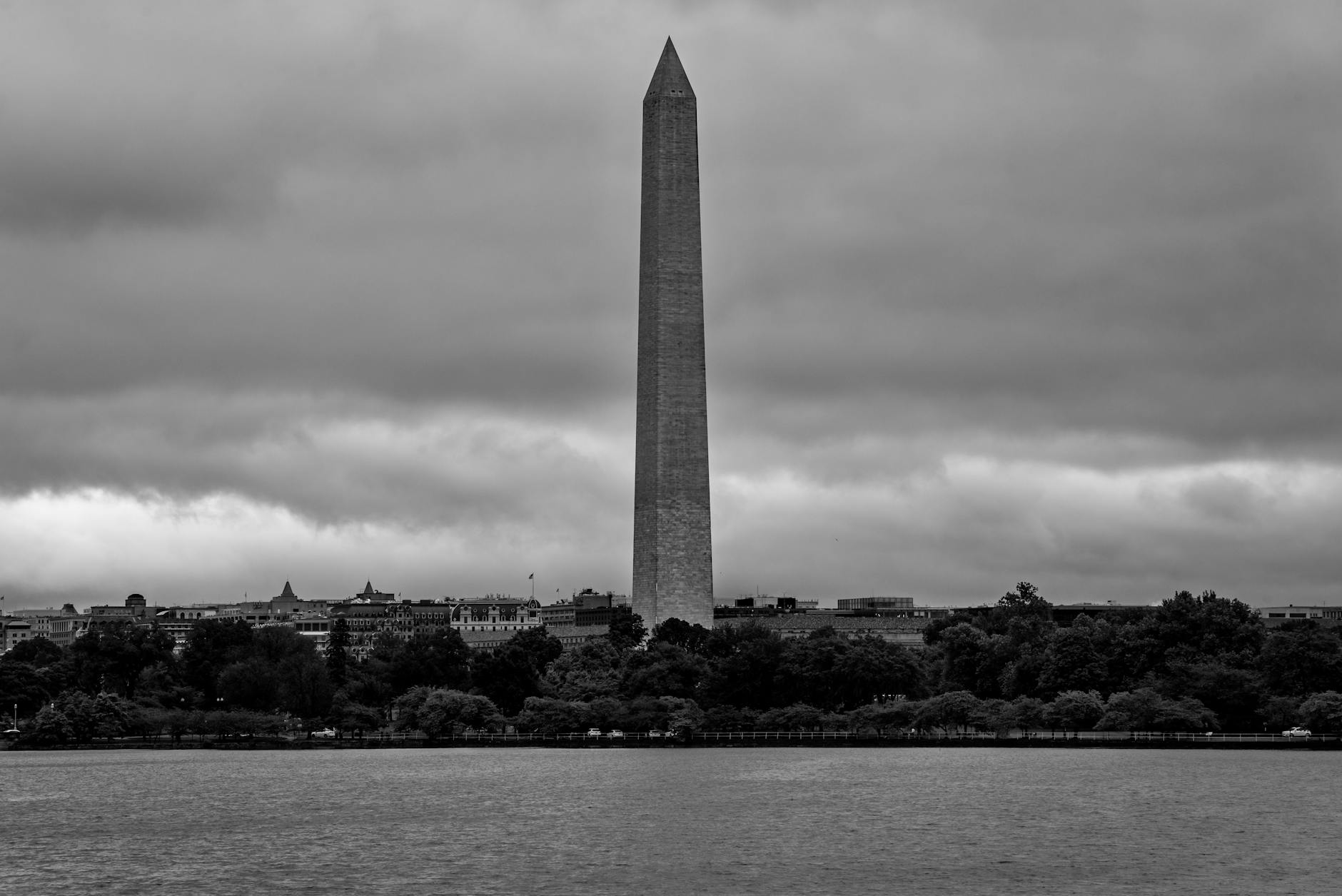
The Washington Monument symbolizes American resilience and honors George Washington’s legacy. Constructed between 1848 and 1884, it faced numerous challenges, including financial struggles and the Civil War, before its eventual completion. Designed by Robert Mills, the obelisk reflects Classical architecture and signifies stability and eternity, embodying Washington’s ideals. Over time, it has served as a backdrop for significant historical events, including Dr. Martin Luther King Jr.’s “I Have a Dream” speech, reinforcing its role in civil rights. Today, the monument attracts millions, emphasizing ongoing dialogues about history and values while honoring America’s commitment to democracy and unity.
-
French Quarter History: The Soul of New Orleans Through Centuries
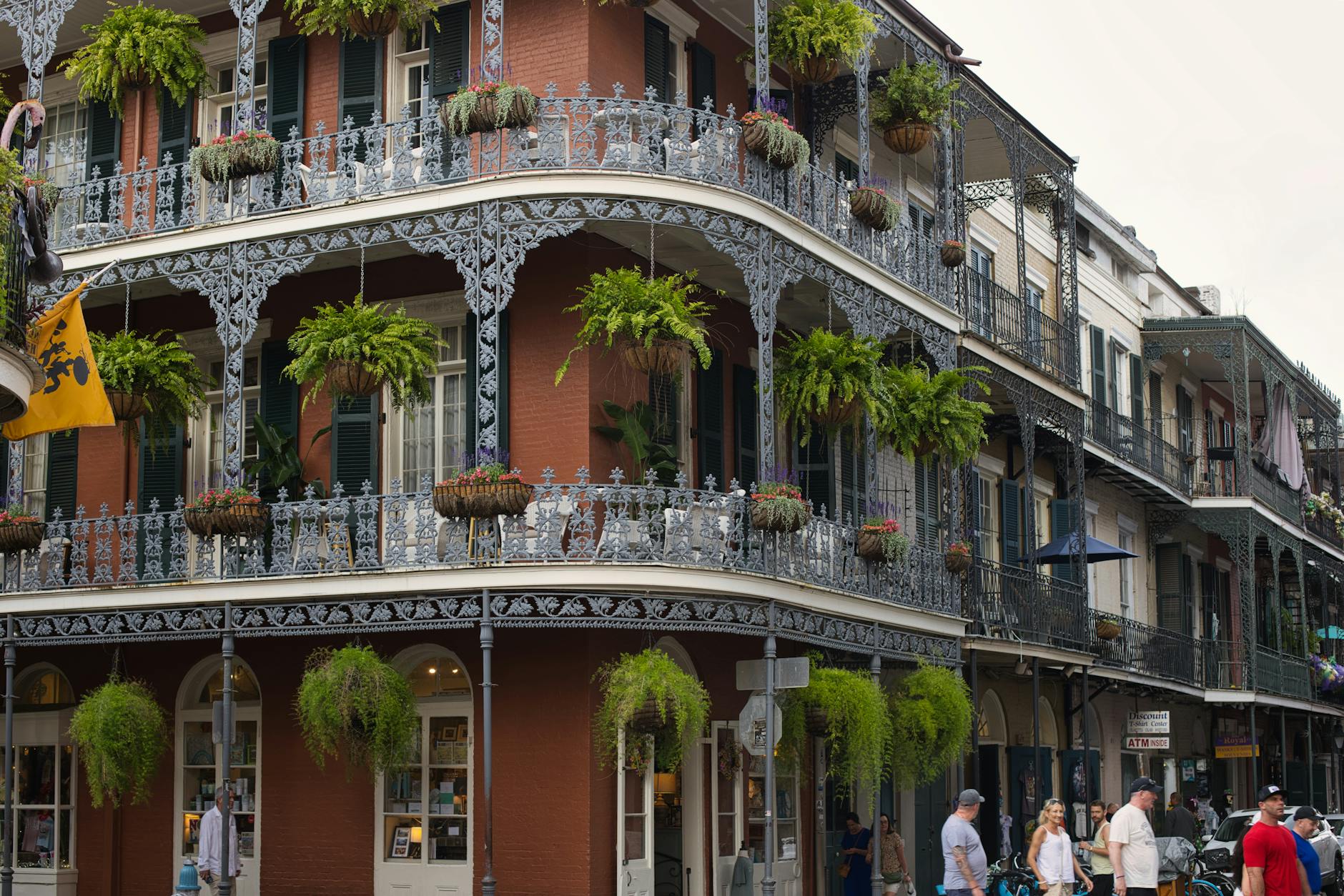
The French Quarter, New Orleans’ oldest neighborhood, embodies the city’s rich history and cultural diversity. Founded in 1718, it evolved through French, Spanish, and American influences, reflected in its architecture and vibrant cultural scene. Historically significant events, such as the Louisiana Purchase and the Civil Rights Movement, shaped its identity. Today, the Quarter faces challenges from tourism and gentrification, risking its authenticity and community ties. However, efforts for preservation and community engagement persist. The French Quarter remains a dynamic cultural hub, showcasing music, cuisine, and festivals, while striving to balance modern demands with its storied heritage for future generations.
-
Mesa Verde History: Exploring the Hidden Cities in the Cliffs

Mesa Verde, a UNESCO World Heritage Site in the southwestern U.S., represents the history of the Ancestral Puebloans, who lived there for over seven centuries. This region features stunning geological formations and impressive adobe architecture, revealing advancements in agriculture and society. The Puebloans, known for their cliff dwellings and trade networks, developed intricate social structures and spiritual practices. Despite challenges like droughts leading to their decline by the late 13th century, their cultural legacy endures, preserved through targeted efforts in education and restoration. Visiting Mesa Verde enriches understanding of their lives, while ongoing preservation initiatives highlight the importance of maintaining…
-
Dolby Theatre History: The Glamorous Home of the Oscars
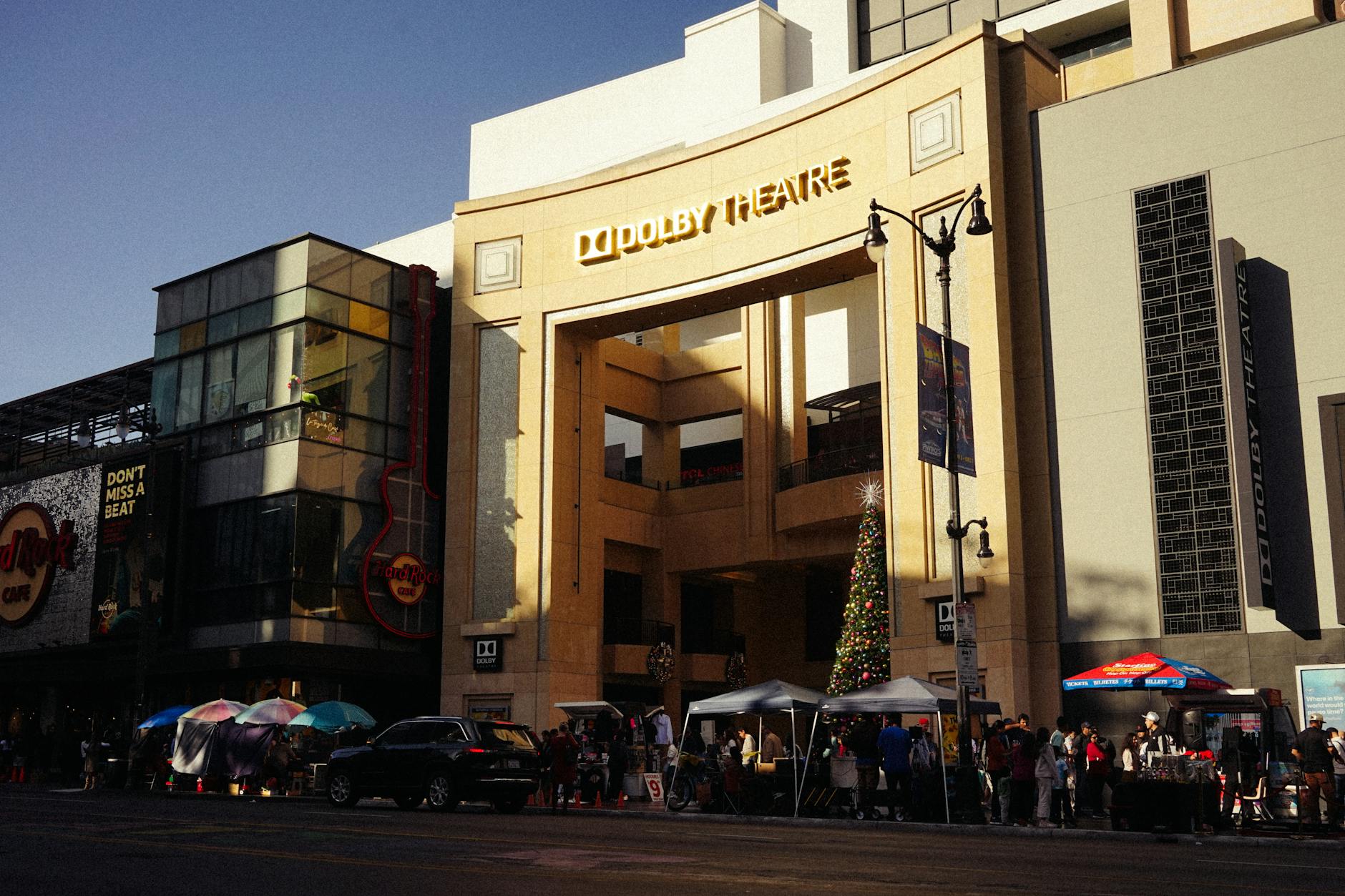
The Dolby Theatre, opened in 2003, is an iconic cultural landmark in Hollywood, best known as the venue for the Academy Awards. With a capacity of over 3,400, it combines luxury and advanced technology, enhancing cinematic experiences. Originally named the Kodak Theatre, it was renamed following Kodak’s financial issues, transitioning to Dolby sponsorship. The theatre features a striking neoclassical design and an advanced Dolby Atmos sound system that revolutionizes audio experiences. Beyond the Oscars, it hosts various cultural events and showcases emerging filmmakers, solidifying its role in promoting diversity and inclusion while remaining pivotal in Hollywood’s cultural landscape.