Category: Biographies

  • The Complex Legacy of Josef Stalin

    The Complex Legacy of Josef Stalin

    Introduction

    Josef Stalin remains one of the most controversial figures in world history, embodying the complexities of totalitarian rule and political power. Born in Georgia in 1878, he emerged from humble beginnings to lead the Soviet Union through significant industrialization and its challenging wartime circumstances. His reign was characterized by both monumental achievements and horrific repression, marking a period of dramatic transformation in Soviet society. The consequences of his policies left an indelible mark on the 20th century, shaping geopolitical dynamics long after his death in 1953. This article delves into the multifaceted history of Josef Stalin, exploring his early life, rise to power, and the lasting impact of his leadership on the Soviet Union and beyond.

    Early Life and Rise to Power

    Josef Stalin, born Ioseb Besarionis dze Jughashvili, spent his early years in the relatively isolated region of Georgia. His father was a cobbler, and his mother worked as a laundress, providing a modest upbringing that was steeped in the culture of the time. At a young age, Stalin displayed a keen intellect and a rebellious spirit, traits that would later define his political career. He attended a local seminary, where he was exposed to revolutionary ideas that conflicted with the orthodox teachings of the Russian Orthodox Church. This exposure would play a crucial role in shaping his political ideology.

    In his early adulthood, Stalin joined the Bolshevik Party and quickly emerged as a key player in the Communist movement. His involvement in revolutionary activities led to multiple arrests, but his determination never waned. During the October Revolution of 1917, he rose to prominence, leveraging his organizational skills to secure vital positions within the Soviet government. By the 1920s, following the death of Vladimir Lenin, Stalin began consolidating power, maneuvering expertly through political rivalries to eliminate opposition.

    His rise to power was marked by a series of strategic political moves, including the use of propaganda and the manipulation of party structures. Stalin’s ability to project loyalty to Lenin’s vision while quietly aligning himself against potential threats solidified his position as General Secretary of the Communist Party. It was this role that granted him unprecedented influence over the party apparatus, allowing him to promote loyalists and marginalize rivals.

    Furthermore, Stalin’s adeptness at using terror as a tool of governance became evident as he established a network of informants and secret police. The political atmosphere became riddled with suspicion, where loyalty was equated with survival. The strategic alliances and betrayals characterized the treacherous landscape of the Soviet political scene during this time, leading directly to the establishment of his authoritarian regime.

    Stalin’s rise culminated in the elimination of key rivals, such as Leon Trotsky. His exile from the Soviet Union in 1929 marked a significant turning point and underscored Stalin’s commitment to his vision of socialism. This moment not only showcased his ruthlessness but also the lengths to which he would go to secure his hold on power. By the onset of the 1930s, Stalin had effectively established himself as the undisputed leader of the Soviet Union, paving the way for the dramatic transformations that would follow.

    As his grip tightened, Stalin focused on implementing his vision for a socialist state, emphasizing rapid industrialization and political consolidation. However, this trajectory was fraught with challenges, including widespread famine and social unrest. The decisions taken by Stalin during these early years of his reign would lay the groundwork for his subsequent policies and their disastrous ramifications for millions.

    The Consolidation of Power: The Great Purge and Repression

    The 1930s represented a dark period in Soviet history, coinciding with Stalin’s consolidation of power through a series of purges and oppressive tactics. In his pursuit of a homogeneous Communist state, Stalin initiated the Great Purge, a campaign aimed at eliminating perceived threats within the Communist Party and Soviet society at large. This period was characterized by widespread political repression, with show trials, executions, and mass imprisonments fundamentally altering the landscape of the nation.

    The purges were fueled by paranoia and the belief that counter-revolutionaries lurked around every corner. Stalin’s fear of opposition led to the establishment of the NKVD, the secret police responsible for enforcing his policies. Thousands were arrested, often without proper evidence or fair trials, and many faced brutal interrogations as part of the regime’s efforts to root out dissent. The infamous Moscow show trials of the late 1930s became symbolic of this era, where former allies of Lenin publicly confessed to imaginary crimes, often under duress.

    Stalin justified these actions as necessary for the survival of the state, framing the purges as a means of protecting the socialist revolution. This rhetoric resonated with segments of the population, but the reality was that paranoia fueled an environment of terror that stifled creativity and dissent. The impact of the purges extended beyond political figures, as entire classes, minorities, and intellectual circles were targeted, leading to a significant loss of life and cultural heritage.

    The consequences of the purges affected various sectors of society, including the military, which suffered major losses due to the execution of numerous officers. This decimation would have lasting repercussions, particularly during World War II. The purges not only reinforced Stalin’s power but also created a culture of fear that permeated Soviet life. Citizens were forced to choose between loyalty to the regime and self-preservation, leading to widespread apathy and compliance.

    As the purges reached their peak, the impact on Soviet society was profound. Families were torn apart, neighborhoods became sites of suspicion, and the very fabric of society was altered. The Great Purge ultimately served to consolidate Stalin’s control, but it came at the cost of millions of lives and a society haunted by trauma and loss.

    Industrialization and the Five-Year Plans

    Stalin’s vision for the Soviet Union included rapid industrialization, which he sought to achieve through a series of ambitious Five-Year Plans. Launched in 1928, the First Five-Year Plan aimed to transform the agrarian Soviet economy into an industrial powerhouse. This effort was driven by the belief that a strong industry was essential for defending socialism and competing with capitalist nations.

    The First Five-Year Plan focused on the development of key industries, including steel, coal, and machinery. The state seized control of the economy, implementing collectivization policies that forced peasants to join collective farms. This aggressive approach aimed to increase agricultural productivity, but it resulted in widespread resistance and upheaval. Many farmers were dispossessed of their land, leading to mass protests and, tragically, famine.

    The consequences of collectivization were dire, particularly in Ukraine, where the forced requisition of grain led to the devastating Holodomor famine of 1932-1933. Millions perished as a result of starvation, marking one of the darkest chapters in Soviet history. Despite these catastrophic human costs, Stalin framed the famine as a necessary sacrifice for the greater good of industrial progress.

    The Second Five-Year Plan, launched in 1933, continued the push for industrialization, emphasizing heavy industry while neglecting consumer goods. Major construction projects, such as the Dneprostroi Dam, symbolized Soviet advancements in engineering and infrastructure. However, the plans were marred by unrealistic targets and harsh working conditions. Workers faced long hours, inadequate supplies, and fierce penalties for not meeting quotas, leading to widespread dissatisfaction.

    The policies of industrialization also had profound social implications. A new class of industrial workers emerged, reshaping the labor dynamics within Soviet society. However, social mobility came at great peril, as workers were often subjected to the same oppressive tactics as political dissenters. Sabotage and failure to meet quotas were met with brutal punishments, reinforcing a culture of fear.

    By the end of the 1930s, despite the dramatic industrial advancements, the human cost and social consequences of Stalin’s policies left lingering effects. The industrial base established during this time would play a crucial role during World War II, but it did so amidst the backdrop of immense suffering and loss.

    World War II: The Soviet Union’s Role and Aftermath

    World War II marked a turning point for both Stalin and the Soviet Union. Initially signing the Molotov-Ribbentrop Pact with Nazi Germany, which included a non-aggression agreement, Stalin aimed to buy time for the Soviet military. However, this strategy was short-lived as Germany invaded the Soviet Union in June 1941, launching Operation Barbarossa.

    The initial stages of the war exposed the vulnerabilities of the Red Army, which suffered heavy losses due to the purges of the 1930s that had decimated its leadership. Despite early setbacks, including the fall of significant cities and the encirclement of troops, Stalin’s resolve solidified as he took personal command of the military efforts. Nationalism and a strong patriotic spirit emerged, galvanizing the Soviet populace to mobilize in defense of their homeland.

    Stalin’s leadership during the war was characterized by both strategic decisions and brutal policies. While he prioritized industrial production to support the war effort, he was also willing to sacrifice enormous numbers of soldiers and civilians in his quest for victory. The Siege of Leningrad and battles like Stalingrad are emblematic of this duality, showcasing both the suffering endured by the populace and the eventual resilience of Soviet forces.

    The turning point in the war came in 1943 with the Soviet victory at the Battle of Stalingrad, which marked a significant shift in momentum against the Axis powers. Stalin’s ability to rally the nation and garner support from allies, such as the United States and Britain, demonstrated the Soviet Union’s crucial role in the Allied victory. The war ultimately left an indelible impact on Soviet society, as millions died, cities lay in ruins, and the political landscape was forever altered.

    In the aftermath of the war, Stalin sought to expand Soviet influence across Eastern Europe, establishing a sphere of influence that would lead to the Cold War. The devastation of the war provided a context for his repressive policies at home, aimed at eliminating any opposition and solidifying his control. The post-war era was marked by increased militarization, propaganda, and the promotion of communist ideologies as a means of consolidating power.

    Stalin’s Death and the Impact on Soviet Society

    The death of Josef Stalin in March 1953 marked the end of an era, initiating a profound transformation within the Soviet Union. His passing prompted an immediate power struggle among the Communist Party leadership, leading to a gradual shift away from the repressive policies that characterized his reign. The subsequent “de-Stalinization” campaign, championed by leaders like Nikita Khrushchev, sought to distance the state from Stalin’s legacy of terror.

    In the years following Stalin’s death, his role in orchestrating purges and oppressive policies came under scrutiny. The revelations regarding the extent of his brutality during party congresses and public speeches sparked a wave of criticism within the party. Khrushchev’s famous “Secret Speech” at the 20th Congress of the Communist Party in 1956 denounced Stalin’s cult of personality and the crimes committed in the name of socialism.

    The societal ramifications of Stalin’s death were significant. Soviet citizens began to experience a gradual thaw in the political climate, with limited opportunities for self-expression and criticism of the past regime. The dawn of the Khrushchev Thaw allowed for a questioning of previous dogmas, as intellectuals and artists found new avenues to explore themes of truth, history, and identity.

    Despite these changes, the legacy of Stalin continued to loom large over Soviet society. The scars of repression and fear ingrained into the collective memory remained palpable. The challenges of reconciling with this legacy while navigating the complexities of post-Stalin governance created tensions within both the political sphere and the general populace.

    Furthermore, the geopolitical dynamics of the Cold War were heavily influenced by the policies established during Stalin’s time. The arms race and ideological confrontation between the Soviet Union and the West were direct offshoots of his reign, demonstrating the lasting impact of his leadership on international relations.

    Conclusion

    Josef Stalin’s legacy is one of complexity, embodying the contrasting narratives of progress and oppression. His reign transformed the Soviet Union into a formidable industrial power but at the expense of millions of lives. The repercussions of his policies extended far beyond the borders of his nation, impacting global geopolitics and the course of history.

    As we reflect on the history of Stalin, it’s essential to grapple with both the achievements under his leadership and the profound human costs associated with them. The stories of those who suffered during his regime serve as a reminder of the fragility of freedom and the dangers of unchecked power. Recognizing this duality in his legacy allows for a more nuanced understanding of the man and the times in which he lived, contributing to the broader discourse on totalitarianism and its consequences in the modern world.

    Sources Consulted

    • Conquest, Robert. The Great Terror: A Reassessment. New York: Penguin Books, 1990.
    • Getty, J. Arch. Origins of the Great Purges: The Soviet Communist Party and the Terror. Cambridge: Cambridge University Press, 1985.
    • Kotkin, Stephen. Stalin: Waiting for Hitler, 1929-1941. New York: Penguin Press, 2017.
    • Service, Robert. Stalin: A Biography. London: Macmillan, 2004.
    • Davies, Norman. Europe at War 1939-1945: No Simple Victory. New York: St. Martin’s Press, 2006.

    This framework provides a comprehensive overview of Stalin’s life and legacy, focusing on the pivotal events that defined his rule and their enduring impact on Soviet society and world history.
  • The Legacy of Winston Churchill: A Historical Chronicle

    The Legacy of Winston Churchill: A Historical Chronicle

    Introduction

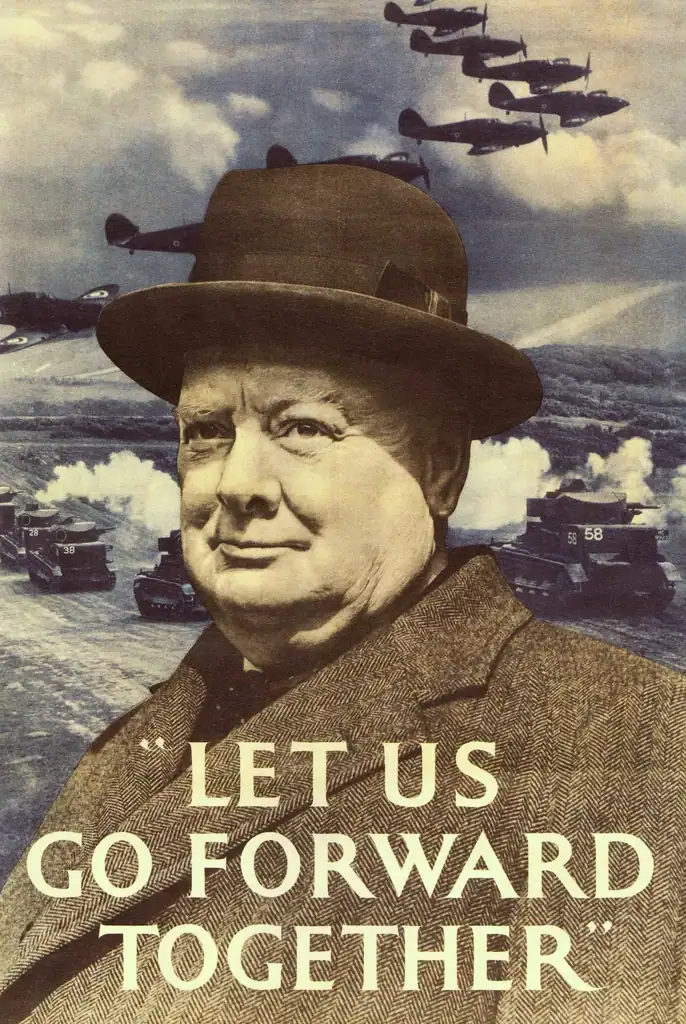
    Winston Churchill remains one of the most significant figures in 20th-century history. His life was marked by a series of pivotal moments that shaped not only his own destiny but also that of Britain and the world at large. Born into an aristocratic family in 1874, Churchill’s early years were spent in the shadow of political legacy and expectation. His journey through military service, journalism, and politics positioned him as a formidable leader during one of the darkest periods in human history: World War II. This article delves into the multifaceted life of Winston Churchill, examining key events and decisions that contributed to his enduring legacy as a statesman, orator, and icon of resistance against tyranny.

    Early Life and Education

    Winston Leonard Spencer Churchill was born on November 30, 1874, in Blenheim Palace, Oxfordshire, England. He was the son of Lord Randolph Churchill, a prominent Conservative politician, and Jennie Jerome, an American socialite. Churchill’s upbringing was steeped in privilege, but it is also crucial to note the complexities of his early family life. His father, though a significant political figure, was often emotionally distant, while his mother was known for her beauty and social connections.

    Churchill’s education began at the prestigious Harrow School, where he proved to be an unruly student. Despite his struggles, he developed a love for history and literature, which would later influence his writing and speeches. After Harrow, Churchill attended the Royal Military Academy Sandhurst, where he excelled in military training and graduated in 1894. This foundation set the stage for his early career in the British Army as a lieutenant.

    Following his graduation, Churchill sought adventure and joined the New Army, participating in military campaigns across the globe. His experiences in the conflict in Cuba and the Second Boer War not only provided him with insights into warfare but also laid the groundwork for his writing career as a war correspondent.

    Churchill’s early life had a profound impact on his worldview, cultivating a belief in the importance of British imperialism, which would later define his political strategies. His mixed experiences of privilege and adversity, coupled with his exposure to diverse cultures and conflicts, molded his character and determined his approach to leadership.

    An examination of Churchill’s formative years reveals a blend of early privilege and subsequent struggles that prepared him for the unparalleled challenges he would face as a leader. This period shaped his thoughts on duty, service, and governance, which became hallmarks of his political narrative.

    Political Career Before World War II

    Winston Churchill’s political career began in earnest when he was elected to Parliament for the Conservative Party in 1900. However, his political journey witnessed several shifts, marked by ideological transformations and party-switching. His early years in Parliament were characterized by a commitment to social reform, a stance that later led him to the Liberal Party in 1904.

    As a member of the Liberal Party, Churchill advocated for progressive policies, including labor rights and free trade, which garnered him attention and respect. His work as First Lord of the Admiralty during World War I was initially hailed, as he pushed for the modernization of the British Navy and supported the development of new technologies, such as the tank. However, the disastrous Gallipoli Campaign tarnished his reputation, leading to his resignation.

    Post WWI, Churchill rejoined the Conservative Party and became a vocal critic of appeasement towards fascist regimes. His speeches during the 1930s warned of the growing threat posed by Nazi Germany and the consequences of underestimating it. Churchill’s insistence on rearmament and preparation for conflict showcased his foresight and resilience, setting him apart from contemporaries who favored a diplomatic approach.

    The decade leading up to World War II saw Churchill solidifying his stance as a steadfast opponent of tyranny and injustice. His relentless advocacy for military readiness resonated throughout Britain, influencing public opinion and eventually leading to his appointment as Prime Minister in 1940.

    In summary, Churchill’s pre-war political career reflects a continuous evolution; from early idealism to a hard-nosed political realist. His experiences and decisions during this period laid a robust foundation for his subsequent role in confrontation and leadership during the war.

    Leadership during World War II

    During World War II, Winston Churchill emerged as a transformative leader whose steadfast resolve played an integral role in rallying a nation under siege. His ascent to Prime Minister in May 1940 came at a critical juncture when Britain faced the threat of Nazi Germany. His resolute demeanor and compelling oratory were focal points for maintaining national morale amid catastrophic circumstances.

    Churchill’s leadership style was marked by defiance and an unwavering belief in victory, encapsulated in his famous speeches. The “We shall fight on the beaches” address exemplified his ability to instill hope and determination, emphasizing resilience during the direst moments. He cultivated a close relationship with President Franklin D. Roosevelt, forging a strategic alliance that was vital to the war effort and the subsequent formation of the United Nations.

    Churchill’s approach was not limited to rhetoric; he took an active role in military strategy. He advocated for unconventional methods, such as the use of Special Operations Executive teams for sabotage and espionage. His decision to prioritize the North African campaign demonstrated his willingness to take calculated risks.

    However, Churchill faced significant challenges, including dissent within his party and differing opinions among military leaders. The defeat at Dunkirk in 1940 strained public confidence. Nevertheless, Churchill’s ability to communicate effectively, combined with his unwavering commitment to victory, ultimately aligned the nation against fascism, spotlighting his unique role as both a wartime leader and a charismatic orator.

    In essence, Churchill’s leadership was a complex interplay of vision, strategy, and communication. He consistently articulated a narrative of hope and courage that resonated deeply with the British public, thereby cementing his place as a pivotal figure during World War II.

    Post-War Influence and the Iron Curtain Speech

    The end of World War II brought significant challenges for Winston Churchill, transitioning from war-time Prime Minister to a peacetime statesman. His post-war influence was marked by his prescient awareness of the emerging geopolitical dynamics, particularly regarding the Soviet Union and Eastern Europe.

    Despite his electoral defeat in 1945, Churchill continued to advocate for a strong stance against communism. This was most notably demonstrated in his “Iron Curtain” speech delivered in March 1946 at Westminster College in Fulton, Missouri. The phrase “Iron Curtain” became a defining metaphor of the Cold War, illustrating the ideological divide between Western democracies and Eastern communist regimes.

    Churchill’s post-war period also revealed his role in advocating for European unity. He envisioned a United States of Europe to foster economic collaboration and prevent future conflicts. His concept highlighted the importance of political and economic alliances as mechanisms for peace and stability in Europe.

    However, this period was not without its controversies, as Churchill’s views often clashed with those of other leaders, including Harry Truman and Joseph Stalin. The complexities of international relations required Churchill to navigate a delicate balance between promoting peace and addressing the threats of totalitarianism.

    In conclusion, Churchill’s post-war influence extended beyond mere political engagement; he fundamentally shaped the narrative of the emerging bipolar world. His foresight and advocacy for European unity laid early groundwork for the eventual formation of the European Union, showcasing his continued relevance in global politics.

    Legacy and Historical Reevaluation

    The legacy of Winston Churchill is profound and multifaceted, often prompting extensive reevaluation by historians and the public. Following his death in 1965, Churchill has been celebrated as a heroic figure, symbolizing resistance against tyranny and a champion of democracy.

    However, recent assessments have brought to light complexities in his legacy, examining his views on imperialism, race, and governance. Critics have illuminated instances of controversial policies during his tenure, including the maltreatment of colonial nations and stances on social issues.

    Moreover, Churchill’s persona as a wartime giant has been juxtaposed against his actions in peacetime, highlighting the discrepancies between rhetoric and reality. Over the years, Churchill’s portrayal has evolved, reflecting broader societal changes and a more nuanced understanding of history.

    The reevaluation of Churchill serves as a reminder of the inherent complexities associated with prominent historical figures. His life story encapsulates both the brilliance and flaws of leadership, serving not only as an inspiration but also as a cautionary tale.

    In sum, Churchill’s legacy remains a rich topic for discussion and analysis, illustrating the enduring significance of his contributions while acknowledging the multifaceted nature of his character and policies.

    Conclusion

    Winston Churchill’s life unfolded against the backdrop of an era marked by tumult and transformation. Through a series of defining moments, he emerged as a leader who not only shaped Britain during its most challenging times but also left an indelible mark on the global political landscape. His early life, political career, wartime leadership, post-war influence, and complex legacy together compose a historical tapestry that continues to inform contemporary discussions on leadership and governance.

    Churchill’s profound understanding of human tenacity and his undeniable prowess as an orator instilled hope in a nation on the brink of destruction. His vision for a united Europe and the warnings he issued regarding the dangers of totalitarianism resonate even today, underlining the necessity of vigilance in safeguarding democracy.

    As we reflect on his legacy, it is essential to recognize the layers of Churchill’s character, acknowledging both his triumphs and the controversies that define his complex narrative. The historical figure we consider today is not just a celebrated leader, but also a symbol of the debates that continue to shape our understanding of leadership ethics in the modern world.

    Sources Consulted

    • “Winston Churchill: A Biography” by Roy Jenkins – Link
    • “The Second World War” by Winston S. Churchill – Link
    • “Churchill” by Paul Addison – Link
    • “The Iron Curtain” Speech | The Cold War Museum – Link
    • BBC History: Winston Churchill – Link
  • The Legacy of Franklin D. Roosevelt: A Deep Dive into History

    The Legacy of Franklin D. Roosevelt: A Deep Dive into History

    Introduction

    Franklin D. Roosevelt, often known as FDR, served as the 32nd President of the United States from 1933 until his death in 1945. His presidency spanned a critical period in American history, marked by the Great Depression and World War II. Roosevelt’s innovative leadership through these tumultuous times is perhaps one of his most significant legacies. Introducing groundbreaking policies and reforms, he reshaped the role of the federal government in the American economy and society. His optimism and resilience inspired a nation facing unprecedented challenges, making him an enduring symbol of hope. This article delves into the multifaceted history of Franklin D. Roosevelt, exploring his early life, political ascent, presidential accomplishments, and lasting influence on both America and the world.

    Early Life and Education of Franklin D. Roosevelt

    Franklin Delano Roosevelt was born on January 30, 1882, in Hyde Park, New York. He hailed from a prominent family with a rich lineage. His father, James Roosevelt I, was a successful businessman and his mother, Sara Delano Roosevelt, came from a wealthy and influential family. Growing up in such a privileged environment provided Franklin with ample opportunities for education and exposure to significant societal issues.

    During his early years, he attended several private schools, including the prestigious Groton School in Massachusetts. There, he developed a passion for history and politics, both of which would later define his career. His teachers recognized his intellectual abilities, which encouraged him to further pursue higher education. In 1903, he entered Harvard University, where he majored in history and was active in various extracurricular activities, including the Crimson football team and debating club. Roosevelt’s time at Harvard broadened his perspectives, laying the foundation for his political aspirations.

    After graduating from Harvard in 1905, Franklin pursued law at Columbia University. Although he never completed his law degree, his studies deepened his understanding of legal frameworks and governance, which would prove invaluable in his future political career. During this time, he also became heavily involved in public service and Democratic Party politics. Roosevelt’s entry into the political arena was partly influenced by his distant cousin, Theodore Roosevelt, who was serving as the President of the United States. This connection fostered Franklin’s ambition and desire to contribute to public life.

    In 1907, he married Anna Eleanor Roosevelt, his fifth cousin once removed. Anna, a strong and independent woman, would later become an influential partner in Franklin’s political journey. The couple had six children: Anna, James, Franklin Jr., Elliott, John, and Debby. While family life was often demanding, Anna and Franklin supported each other’s ambitions, establishing a mutual respect that would become a cornerstone of their relationship.

    The early part of Franklin D. Roosevelt’s career saw him gradually moving from private to public service. He worked briefly as a law clerk before taking a position as the Assistant Secretary of the Navy in 1913 under President Woodrow Wilson. This role thrust him into the national spotlight and allowed him to advocate for naval modernization and prepare the country for potential conflict during World War I. His tenure was marked by a growing awareness of international affairs and the importance of America’s role on the global stage.

    Roosevelt’s early life was characterized by a blend of privilege and public service. His formative experiences in both education and family greatly influenced his capacity for leadership and resilience. These elements set the stage for his future political endeavors, leading to significant achievements that would ultimately redefine the American political landscape.

    Political Rise and New York Politics

    Franklin D. Roosevelt’s political rise began in the early 1920s when he sought to establish himself as a formidable presence in New York State politics. The challenges he faced during this period, including his battle with polio, were transformative, shaping his character and political strategies. In 1920, Roosevelt was nominated as the Democratic candidate for vice president alongside presidential nominee James M. Cox. Although they lost the election to Warren G. Harding and Calvin Coolidge, Roosevelt’s national profile started to rise, garnering the attention of party leaders.

    The year 1921 was pivotal for Roosevelt. It was during a vacation in Canada that he was diagnosed with poliomyelitis, which left him paralyzed from the waist down. This life-altering event led him to reassess his ambitions and approach to politics. Instead of retreating from public life, Roosevelt drew upon his personal experience to connect with diverse constituencies, demonstrating empathy and resilience. This narrative became central to his appeal as a politician, as he embodied a story of overcoming adversity.

    In the early 1920s, Roosevelt returned to New York politics by winning a seat in the New York Senate in 1928. His victory marked a significant milestone in a career that had been marked by considerable challenges. As a state senator, he championed progressive reforms and focused on social welfare issues, establishing himself as an advocate for the working class. His reforms laid the groundwork for subsequent New Deal policies that aimed to address economic disparities in America.

    In 1932, Roosevelt secured the Democratic nomination for president. His campaign was rooted in the promise of a “New Deal” for the American people, appealing to those suffering from the Great Depression. He emphasized the urgent need for government intervention in the economy, advocating for a series of programs to alleviate unemployment and promote economic recovery. As he traveled across the country, he connected with citizens from all walks of life, sharing his vision for a better future.

    FDR’s presidential campaign was marked by his charismatic public speeches and the ability to instill hope among the electorate. His vision resonated with the disenfranchised, earning him widespread support. In November 1932, he won the presidency in a landslide victory, defeating incumbent Herbert Hoover, which showcased the American public’s desire for a change in leadership and policy direction.

    Upon taking office in March 1933, Roosevelt immediately faced one of the worst economic crises in American history. His approach to governance emphasized action and experimentation, leading to the implementation of the New Deal. His early days in office were characterized by a flurry of legislative activity aimed at stabilizing the economy and providing relief to the American populace.

    Roosevelt’s rise in New York politics was not merely a personal journey; it also set the stage for transformative changes that would redefine the role of the presidency and the federal government in American life. His ability to connect with ordinary citizens, coupled with his unwavering commitment to progressive ideals, established him as a central figure in American history.

    The Presidency: Challenges and Achievements

    When Franklin D. Roosevelt assumed the presidency in 1933, he encountered unprecedented challenges that would test his leadership. The Great Depression, which had reached its zenith, left millions unemployed and countless businesses bankrupt. Economic despair permeated every facet of American life, demanding an innovative and robust response from the federal government. Roosevelt’s administration was defined by his dynamic approach to governance, marked by decisive action and creativity.

    The first step Roosevelt took was to restore public confidence in the banking system. Upon assuming office, he declared a national bank holiday, which temporarily closed all banks to prevent further collapses. He then implemented the Emergency Banking Act, which allowed only financially solvent banks to reopen. This act restored public faith in the banking sector, illustrating Roosevelt’s belief in the power of government intervention to stabilize the economy.

    Simultaneously, Roosevelt’s administration rolled out a series of unprecedented social and economic reforms collectively known as the New Deal. These programs aimed to provide immediate relief to the unemployed and stimulate economic recovery. Central to this endeavor was the establishment of various agencies, such as the Civilian Conservation Corps (CCC) and the Works Progress Administration (WPA), which created millions of jobs and improved infrastructure across the nation.

    Roosevelt’s approach to the economy was characterized by a willingness to experiment with different solutions to understand what would work effectively. He believed in “trial and error,” a philosophy that allowed for some of the New Deal programs to face criticism and eventually lead to alterations or cancellations. For instance, the National Industrial Recovery Act aimed to set fair wages and prices, but it faced legal challenges, leading to adjustments that emphasized economic recovery over rigid regulation.

    Public communication was another crucial aspect of Roosevelt’s presidency. His series of “Fireside Chats,” radio broadcasts delivered directly to the American people, created a sense of personal connection between the president and the citizens. These chats served not only to inform the public about policies but also to instill hope and reassurance during difficult times. Roosevelt’s eloquence and accessibility helped maintain public interest and support for his initiatives.

    However, Roosevelt also faced significant opposition. Some critics argued that his New Deal programs expanded the role of government too drastically and threatened free enterprise. In reaction to these concerns, he worked to ensure that various programs addressed a balance between regulatory oversight and economic freedom. His ability to navigate these complexities solidified his reputation as a masterful politician.

    Despite the tremendous challenges, Roosevelt’s first-term accomplishments laid the groundwork for transformational change. His presidency redefined the relationship between the government and the economy, prioritizing the welfare of citizens while fostering recovery and growth. The foundation he established during this period would resonate for generations, affecting how Americans view the role of government in addressing economic and social issues.

    The New Deal: Revolutionizing American Economy

    The New Deal fundamentally transformed the American socio-economic landscape. Introduced by Franklin D. Roosevelt between 1933 and 1939, it consisted of a series of programs and reforms aimed at addressing the devastating impact of the Great Depression. Emerging from stark economic decline, the New Deal sought to provide relief to those in need, promote economic recovery, and reform the financial system to prevent future crises.

    One of the defining features of the New Deal was its multifaceted approach to economic recovery. Programs were established targeting various sectors, including agriculture, industry, and labor. The Agricultural Adjustment Administration (AAA) was one of the key programs, designed to stabilize prices by reducing agricultural overproduction. By paying farmers to limit crop production, the AAA aimed to increase prices for agricultural goods, benefiting farmers affected by plummeting prices.

    Similarly, the National Recovery Administration (NRA) sought to revive the industrial sector by establishing fair competition codes. These codes set minimum wages and maximum working hours, ensuring fair labor practices while stimulating production. Although the NRA faced legal challenges leading to its eventual disbandment in 1935, it marked a revolutionary shift in the relationship between businesses and government.

    The New Deal also emphasized the importance of social welfare. The Social Security Act of 1935 established a safety net for the elderly and unemployed, providing pensions and unemployment insurance. This act marked a significant departure from previous government policies, recognizing that the state had a vital role in ensuring the economic stability and wellbeing of its citizens.

    The impact of the New Deal extended beyond economics; it reshaped the political landscape, too, fostering a new Democratic coalition that included labor unions, African Americans, and other marginalized groups. This shift in political alliances reflected a broader understanding of social justice and equity, as Roosevelt’s administration aimed to address the needs of various demographics historically neglected by the government.

    Critics of the New Deal often voiced concerns about its costs and the potential for government overreach. Some argued that the extensive federal programs threatened individual liberties and free enterprise. However, Roosevelt countered these narratives by emphasizing the necessity of government intervention in the face of a national crisis. He framed the New Deal as a moral imperative, advocating for the vulnerable while stimulating economic recovery.

    While the New Deal did not entirely end the Great Depression, it laid the groundwork for a more equitable and stabilized economy. The programs and reforms implemented during this period played a key role in providing relief and fostering recovery. Roosevelt’s commitment to addressing the plight of the American people exemplified his belief in the power of government to effect meaningful change, transforming the American economy in ways that resonate to this day.

    Roosevelt’s Impact on World War II and the United Nations

    As World War II loomed on the global horizon, Franklin D. Roosevelt’s leadership became crucial in shaping the United States’ response. With tensions escalating in Europe and Asia, Roosevelt understood the need for proactive measures to prepare the nation for potential conflict. His ability to navigate the complex political landscape was instrumental in mobilizing resources and galvanizing public support for the war effort.

    In 1939, as war broke out in Europe, Roosevelt initially sought to maintain America’s neutrality while aiding allies like Great Britain and France. He pushed for the Lend-Lease Act in 1941, which allowed the U.S. to supply military aid to those fighting against the Axis powers without direct involvement in the conflict. This act marked a pivotal shift in U.S. foreign policy, signaling that America was willing to support its allies and uphold democracy abroad.

    When the Japanese attack on Pearl Harbor occurred on December 7, 1941, Roosevelt faced a momentous decision. His response was decisive and immediate. He delivered a powerful address to Congress the following day, famously referring to the attack as “a date which will live in infamy.” Within a day, Congress declared war on Japan, marking the United States’ formal entry into World War II. Roosevelt’s ability to galvanize national sentiment was apparent, as the attack unified the American public in support of the war effort.

    Throughout the war, Roosevelt worked closely with other Allied leaders, including Winston Churchill and Joseph Stalin, establishing a cooperative framework that would shape post-war geopolitics. The planning of major military operations, such as the D-Day invasion of Normandy, exemplified Roosevelt’s willingness to collaborate with foreign leaders, emphasizing diplomacy alongside military strategy.

    Roosevelt also recognized the need for a post-war framework to ensure lasting peace. At the Yalta Conference in 1945, he laid groundwork for the establishment of the United Nations, a significant diplomatic initiative designed to promote international cooperation and prevent future conflicts. The UN would later play a crucial role in mediating disputes and fostering collaboration among nations, embodying Roosevelt’s vision of a more unified global community.

    Tragically, Roosevelt did not live to witness the end of the war or the formation of the United Nations. He passed away on April 12, 1945, leaving behind a complicated legacy. His leadership during World War II not only solidified the United States’ status as a global superpower but also transformed the way countries interacted on the world stage. Roosevelt’s vision of collective security laid the foundations for an international system aimed at promoting peace and cooperation.

    In summary, Franklin D. Roosevelt’s impact on World War II was profound, shaping the military, social, and diplomatic strategies of the United States. His ability to unite a divided nation, mobilize resources, and pursue a vision for global cooperation established him as one of history’s most significant leaders, leaving an enduring legacy that continues to influence international relations today.

    Conclusion

    Franklin D. Roosevelt remains one of the most pivotal figures in American history, shaping the trajectory of the nation during some of its most challenging times. His early life and education instilled in him the values of public service, while his ascent in politics laid the foundation for groundbreaking changes that would redefine the role of the federal government. The New Deal initiatives not only alleviated the suffering caused by the Great Depression but also transformed the American economy and the relationship between citizens and their government.

    Moreover, Roosevelt’s leadership during World War II solidified the United States‘ role as a global superpower and paved the way for international cooperation through the formation of the United Nations. His commitment to advancing social welfare and economic recovery fundamentally altered the American landscape, fostering a legacy that resonates to this day.

    The lessons learned from his presidency continue to inform contemporary policies and political discourse, demonstrating the enduring relevance of Roosevelt’s vision. As we reflect on his life and achievements, it is clear that Franklin D. Roosevelt’s influence remains a significant chapter in the narrative of American history.

    Sources Consulted

  • The Timeless Genius: A Comprehensive Exploration of Leonardo da Vinci’s Life and Achievements

    The Timeless Genius: A Comprehensive Exploration of Leonardo da Vinci’s Life and Achievements

    Introduction

    Leonardo da Vinci, a name synonymous with genius, embodies the Renaissance spirit, merging art and science in profound ways. Born in 1452 in Vinci, Italy, he emerged from modest beginnings to become one of history’s most celebrated polymaths. His insatiable curiosity and innovative ideas laid the groundwork for numerous fields, from painting to anatomy, engineering to hydraulics. This exploration delves into the multifaceted life of Leonardo da Vinci, examining his early years, his groundbreaking artworks, and his scientific contributions. As we trace his remarkable journey, we uncover how his relentless pursuit of knowledge not only defined his era but also influenced countless generations after him. This article aims to provide a comprehensive understanding of Leonardo da Vinci’s extraordinary life, highlighting the unique interplay between his artistic vision and scientific inquiry.

    Early Life and Education of Leonardo da Vinci

    Leonardo da Vinci was born on April 15, 1452, in a small town called Vinci, located in the Republic of Florence. Being the son of a notary, Piero da Vinci, and a peasant woman, Caterina, he held an elevated social status but faced the challenges of being an illegitimate child. At the age of 14, Leonardo began his apprenticeship with Andrea del Verrocchio, a prominent Florentine painter and sculptor. Under Verrocchio’s guidance, Leonardo honed his skills in painting, sculpture, and diverse artistic disciplines. He studied anatomy, geometry, and mechanics, gaining knowledge that would later influence his works.

    Leonardo’s early education encompassed not only traditional art techniques but also a scientific approach to understanding the world around him. As an apprentice, he learned to mix pigments, craft intricate designs, and understand the play of light and shadow. Verrocchio pushed young Leonardo to explore and question the principles of art and perspective. This mentorship was critical in shaping Leonardo’s thinking, encouraging a blend of observation and creativity. His early works, such as the “Baptism of Christ,” painted in collaboration with Verrocchio, showcased incredible attention to detail and an emerging mastery that would soon set him apart.

    Moving beyond the confines of his apprenticeship, Leonardo sought knowledge in various fields. His notebooks reveal a continuous quest for learning, filled with observations and experiments that reflect his diverse interests. Throughout his early years, Leonardo engaged deeply with natural sciences, employing meticulous observation and empirical methodologies. He studied the human body, plants, and animals, leading to detailed anatomical sketches that displayed not only artistic skill but also scientific rigor.

    Leonardo was profoundly influenced by the burgeoning humanist ideals of the Renaissance, which emphasized the potential and achievements of individuals. This cultural backdrop provided fertile ground for his development as a thinker and artist. He was drawn to the idea of combining art with science and philosophy, seeking to depict not only the beauty of the human form but also the underlying principles that govern life. His early exposure to a world filled with intellectual stimulation and artistic ambition set the stage for the prolific career that lay ahead.

    Throughout his formative years, Leonardo faced challenges, including the turbulent political landscape of Italy and societal pressures. However, these experiences fueled his desire to understand human emotion and life’s complexities. As he navigated his early career, he began to develop his distinctive style, blending realism with imaginative elements that captured the essence of humanity. The artistic maturity and intellectual depth he attained in these years were foundational to the masterpieces that would follow.

    In conclusion, Leonardo da Vinci’s early life and education played a pivotal role in shaping his identity as an artist and a scientist. Through his apprenticeship and self-driven exploration, he cultivated a unique approach that integrated art and science, laying the groundwork for his iconic works. Understanding Leonardo’s origins and educational journey not only sheds light on his extraordinary talent but also reflects the broader cultural and intellectual currents of the Renaissance.

    Artistic Milestones and Iconic Works

    Leonardo da Vinci’s esteemed career in art is marked by a series of masterpieces that have not only shaped the course of Western art but have also redefined the relationship between artistic expression and scientific inquiry. His contribution to the world of painting is profound, with seminal works such as “The Last Supper,” “Mona Lisa,” and “Vitruvian Man” embodying his genius.

    “The Last Supper,” painted between 1495 and 1498, is a fresco that captures the moment Jesus reveals that one of his disciples will betray him. This composition is renowned for its innovative perspective and the intricate emotions displayed on the faces of the apostles. Da Vinci’s technique, known as chiaroscuro, enhances the three-dimensionality of the figures and creates a lively interaction among them. The use of atmospheric perspective further adds depth, transporting viewers into a dramatic narrative scene.

    The “Mona Lisa,” perhaps the most famous painting in history, exemplifies Leonardo’s mastery of portraiture. Created between 1503 and 1506, this enigmatic work captivates audiences with its subtle expression and masterful sfumato technique, which allows for soft transitions between colors and tones. The backdrop, with its ethereal landscapes, contributes to the sense of depth and intrigue. Leonardo’s ability to convey a profound sense of personality and emotion in the “Mona Lisa” has made it an enduring symbol of artistry, inviting countless interpretations and analyses.

    Another significant work, the “Vitruvian Man,” illustrates Leonardo’s fascination with the ideal human form. This iconic drawing merges art and science, showcasing his understanding of proportion, anatomy, and geometry. The figure is depicted in two superimposed positions, emphasizing the harmony between human beings and the universe. Through these works, Leonardo da Vinci not only revolutionized artistic techniques but also challenged the boundaries of how art could engage with philosophical and scientific themes.

    Leonardo’s artistic milestones did not occur in isolation. He engaged in vibrant artistic communities in Florence, Milan, and beyond, interacting with fellow artists, patrons, and thinkers. His innovative approaches often inspired those around him, influencing a generation of artists who sought to emulate his style and vision. His curiosity led him to explore light, shadow, and human anatomy, leading to an unprecedented realism in painting.

    Despite facing challenges in his career, including financial struggles and the political climate of the time, Leonardo remained committed to his artistic pursuits. His reluctance to complete projects, stemming from a desire for perfection, resulted in several unfinished works. However, these glimpses into his creative process provide invaluable insights into his artistic methods and dedication to his craft.

    In summary, Leonardo da Vinci’s artistic milestones work together to create a legacy of innovative techniques and profound emotional depth. Through masterpieces such as “The Last Supper,” “Mona Lisa,” and “Vitruvian Man,” he set new standards for art, intertwining science and creativity in a way that resonates through centuries. Understanding these works allows contemporary audiences to appreciate the brilliance of Leonardo da Vinci and his enduring impact on the art world.

    Innovations in Science and Engineering

    Leonardo da Vinci’s innovative spirit transcended the boundaries of art, extending into the realms of science and engineering. His notebooks, filled with detailed sketches and observations, reveal a mind driven by an insatiable curiosity about the natural world. Leonardo’s approach to scientific inquiry was deeply intertwined with his artistic sensibilities, as he believed that understanding the mechanics of nature was essential for creating compelling art.

    One of his most remarkable contributions to science was his extensive study of anatomy. Through meticulous dissections of human bodies, Leonardo produced stunningly accurate drawings that revealed intricate details of muscles, organs, and skeletal structures. His anatomical studies not only showcased his artistic skill but also significantly advanced the field of medicine. Additionally, his observations on human proportions influenced subsequent studies in anatomy and art.

    In the realm of engineering, Leonardo invented numerous machines and devices, many of which were far ahead of his time. His sketches depict concepts for flying machines, armored vehicles, and innovative construction techniques. The flying machine designs, inspired by the observation of birds, laid the conceptual groundwork for future aviation endeavors. Although many of his inventions remained unrealized during his lifetime, they illustrate his visionary thinking and understanding of physics.

    Leonardo’s engineering designs were characterized by a remarkable ability to blend art with technological ingenuity. For instance, his designs for bridges, cranes, and water lifting devices demonstrated a sophisticated understanding of mechanical principles. His fascination with water prompted him to explore hydrodynamics, leading to the creation of devices that could redirect the flow of rivers and improve irrigation systems.

    Moreover, Leonardo’s investigations into light and optics led to a deeper understanding of perspective in art, which also had implications for scientific studies of vision. His detailed studies of how light interacts with objects influenced both artists and scientists in subsequent centuries. The integration of artistic techniques with scientific principles exemplified his belief that observation and experimentation were critical to advancing knowledge.

    Leonardo’s innovative spirit was not limited to practical inventions; it also extended to philosophical inquiries about science and nature. He believed that learning originated from direct observation and experience, advocating for an empirical approach to understanding the world. This perspective positioned him as a precursor to the scientific method, emphasizing the importance of observation, hypothesis, and experimentation.

    In summary, Leonardo da Vinci’s innovations in science and engineering reflect his remarkable ability to interweave art and science. His studies in anatomy, mechanics, and optics not only advanced knowledge in various fields but also illustrated his belief in the interconnectedness of all forms of inquiry. By examining Leonardo’s contributions to both art and science, we gain a fuller appreciation of his extraordinary intellect and the lasting impact he had on both disciplines.

    Influence on Subsequent Generations and Legacy

    Leonardo da Vinci’s influence extends far beyond his lifetime, permeating the realms of art, science, and culture. His pioneering ideas and innovative techniques laid the groundwork for future generations of artists, scientists, and thinkers. The Renaissance ideals that he embodied reverberated through the centuries, inspiring countless individuals to push the boundaries of creativity and knowledge.

    In the realm of art, Leonardo’s techniques, particularly his mastery of perspective, composition, and chiaroscuro, became foundational in painting. Artists like Raphael and Michelangelo drew inspiration from his works, emulating his approach to capturing human emotion and form. The meticulous study of anatomy that Leonardo undertook set new standards for realism in art, influencing the likes of Caravaggio and later Baroque painters. His emphasis on observation and the interplay of light and shadow established a framework that modern artists continue to explore today.

    Leonardo’s scientific inquiries also shaped future disciplines. His anatomical studies, which provided unparalleled insight into the human body, laid vital groundwork for the fields of biology and medicine. Later anatomists, such as Andreas Vesalius, built upon Leonardo’s findings, advancing understanding of human anatomy and enhancing surgical practices. His mechanical inventions, though not realized during his lifetime, inspired future engineers and inventors, including those in the fields of aerodynamics and robotics. The underlying principles he explored are echoed in contemporary technology and engineering designs.

    Culturally, Leonardo’s timeless ideas about the synergy between art and science ignited discussions around the importance of interdisciplinary approaches in education. His belief in the interconnectedness of different fields of knowledge encouraged subsequent thinkers to embrace a holistic view. This integration of multiple disciplines eventually led to the emergence of the scientific method, fostering a more empirical approach to understanding the world.

    Leonardo’s legacy is also reflected in modern popular culture, where his works and ideas are frequently referenced and reinterpreted. The “Mona Lisa” and “The Last Supper” have become icons, fueling literature, films, and various artistic expressions. Through countless adaptations, his art continues to resonate with audiences, provoking curiosity and debate.

    In the 21st century, Leonardo da Vinci’s contributions are celebrated in exhibitions, literature, and educational programs that aim to inspire a new generation of thinkers and creators. Institutions and museums worldwide honor his legacy, showcasing his works and encouraging exploration of his methods. The enduring fascination with his life and ideas underscores the lasting impact he has had on society.

    In conclusion, Leonardo da Vinci’s influence on subsequent generations is indisputably profound. His innovative techniques in art, pioneering studies in science, and philosophical inquiries created a legacy that transcends time. By examining his enduring impact, we recognize the transformative power of creativity and knowledge—principles that remain vital in shaping our world today.

    Leonardo da Vinci’s Contributions to Art and Science: A Synthesis

    Leonardo da Vinci exemplifies the quintessential Renaissance figure, embodying the seamless integration of art and science. His contributions in both fields are not only remarkable but also transformational, showcasing the importance of interdisciplinary thinking. This synthesis of art and science is a hallmark of his legacy, which continues to inspire contemporary creators and thinkers.

    In art, Leonardo’s innovative techniques revolutionized painting. His mastery of perspective and use of color to convey emotion and depth established new standards in artistic expression. The “Mona Lisa,” with its captivating ambiguity, not only demonstrates his technical brilliance but also reflects a psychological depth that engages viewers on a personal level. Similarly, “The Last Supper” showcases an unparalleled ability to depict dramatic narrative moments, influencing compositions in religious art for centuries to come.

    Transitioning to the scientific realm, Leonardo’s approach to observation, documentation, and experimentation cemented his place as a pioneer in scientific inquiry. His anatomical sketches, which reveal an intimate understanding of the human body, laid the groundwork for future advancements in medicine. By marrying art with science, he illuminated the complexities of biological structures and systems, fostering a deeper understanding of human existence.

    Leonardo’s designs for machines—ranging from flying machines to various mechanical devices—illustrate his imaginative foresight and commitment to problem-solving. While these inventions were often not realized in his lifetime, they highlight his forward-thinking nature and the potential consequences of creative exploration. His sketches remain a source of inspiration for engineers and inventors, emphasizing the idea that creativity in design can lead to groundbreaking advancements.

    Furthermore, his studies in optics and light not only enriched his artistic endeavors but also contributed significantly to the understanding of vision and perspective. By exploring how light interacts with objects, he bridged the gap between artistic representation and scientific inquiry. This holistic approach enriched both fields, encouraging future generations to adopt similar interdisciplinary perspectives.

    A key aspect of Leonardo’s legacy is his enduring impact on education. He championed the idea of experiential learning, advocating for the importance of direct observation and inquiry as fundamental components of knowledge acquisition. This philosophical stance has influenced modern educational methodologies, emphasizing critical thinking and creativity across disciplines.

    In modern times, Leonardo’s influence is palpable in numerous fields, from art and design to engineering and medicine. His work continues to inspire scholars, artists, and scientists who seek to push the boundaries of their respective domains. By understanding the interconnectedness of different areas of knowledge, contemporary thinkers can harness the power of creativity and innovation to tackle complex challenges.

    In conclusion, Leonardo da Vinci’s contributions to art and science illustrate a harmonious synthesis that has shaped our understanding of both fields. His legacy serves as a reminder of the value of interdisciplinary approaches in education and inquiry. Through his groundbreaking works and ideas, Leonardo da Vinci continues to inspire generations, inviting us to explore the intricate relationships between creativity and knowledge.

    Conclusion

    Leonardo da Vinci is a towering figure in human history, emblematic of the Renaissance’s profound impact on art and science. His journey from humble beginnings to becoming a celebrated polymath illustrates the power of relentless curiosity and a commitment to understanding the world. From his early life in Vinci to his artistic masterpieces and scientific innovations, Leonardo’s life story is a testament to the value of creativity and exploration.

    The exploration of his art, including iconic works like “The Last Supper” and “Mona Lisa,” reveals a depth of understanding in the human experience that few have matched. Simultaneously, his groundbreaking studies in anatomy, engineering, and optics reflect an insatiable desire to grasp the mechanics behind the beauty of life. Leonardo’s ability to intertwine these disciplines established a legacy that continues to resonate in contemporary culture, academia, and industry.

    As we reflect on his significant contributions, we recognize the importance of fostering a spirit of inquiry that embraces both the artistic and scientific dimensions of knowledge. Leonardo’s approach encourages future generations to look beyond traditional boundaries, promoting a holistic understanding of the interconnectedness of various fields. Ultimately, Leonardo da Vinci’s legacy serves not only as an inspiration for artists and scientists but as a beacon of the limitless potential of human creativity.

    Sources Consulted

    • Isaacson, Walter. Leonardo da Vinci. Simon & Schuster, 2017.
    • Capra, Fritjof. The Science of Leonardo: Inside the Mind of the Great Genius of the Renaissance. Doubleday, 2007.
    • Clark, Kenneth. Leonardo da Vinci. Harper & Row, 1984.
    • Kemp, Martin. Leonardo: The Marvellous Works of Nature and Man. Harvard University Press, 2006.
    • Honour, Hugh & Fleming, John. A World History of Art. 7th ed., Laurence King Publishing, 2019.

    For more detailed information on these topics, please refer to the respective texts or academic articles available online.

  • The Presidency of Woodrow Wilson: A Pivotal Era in American History

    The Presidency of Woodrow Wilson: A Pivotal Era in American History

    Introduction

    Woodrow Wilson, the 28th President of the United States, served from 1913 to 1921 and is often regarded as one of the most significant figures in American history. His presidency was marked by considerable transformation, both domestically and internationally. Advocating for progressive reforms, Wilson aimed to address economic disparities and establish social justice. However, his leadership during World War I solidified his place in history, as he shaped American foreign policy through his vision of a new world order. Moreover, his post-war initiatives, including the push for the League of Nations, underscored his conviction that diplomacy could pave the way for lasting peace. This article delves into the complexities of Wilson’s presidency, analyzing his life, policies, and enduring influence on the United States and beyond.

    Early Life and Political Career

    Woodrow Wilson was born on December 28, 1856, in Staunton, Virginia, into a family steeped in a history of education and church leadership. His father, a Presbyterian minister, and mother, a domestic worker, instilled in him a strong moral compass and an appreciation for learning. Wilson’s early years were marked by the Civil War‘s turbulence, which influenced his ideological development and views on governance.

    Wilson’s academic journey began at the College of New Jersey (now Princeton University), where he excelled in political science and history. After graduating in 1879, he went on to earn a Ph.D. in political science from Johns Hopkins University, becoming the first president of the university’s student government. His scholarly work, particularly on the interpretation of governmental structures, laid the groundwork for his future political ideologies.

    In 1885, Wilson embarked on a career in academia, eventually becoming a professor and later the president of Princeton University. His tenure was characterized by significant reforms, including expanding the curriculum and advocating for a more scientific approach to social sciences. However, Wilson’s ambitions extended beyond academia, leading him into the political arena.

    In 1910, Wilson entered the political fray as the Democratic candidate for Governor of New Jersey. His platform focused on progressive reforms that resonated with voters disillusioned with the Republican machine politics of the time. Wilson won the election and quickly established himself as a strong advocate for social justice and labor rights.

    As governor, he implemented several landmark reforms, such as the direct primary, worker compensation laws, and regulations on utilities. His ability to work across party lines demonstrated a pragmatic approach to governance, garnering increasing support from the public. In 1912, buoyed by his successes in New Jersey, Wilson sought the Democratic nomination for president.

    The 1912 presidential election was a critical turning point not only for Wilson but for American politics as a whole. He faced formidable opponents, including former President Theodore Roosevelt and incumbent William Howard Taft. Wilson’s campaign, built on the principles set forth in his “New Freedom” platform, emphasized antitrust measures, tariff reform, and banking reform. His articulate speeches and compelling vision captured the public’s imagination, leading him to a decisive victory with 41.8% of the popular vote.

    Wilson’s ascent to the presidency marked the beginning of a revolutionary period in American politics. His view of the presidency as a ‘bully pulpit’ set the stage for a more active and engaged executive branch in domestic and foreign matters. This early phase of his career not only shaped his policies but also reflected the complexities and contradictions of his character, which would influence his leadership style throughout his presidency.

    Domestic Policies and Reforms

    Wilson’s domestic policies were marked by a progressive agenda that aimed to tackle the economic inequalities and social injustices of the time. Upon taking office, he faced a country grappling with the fallout of the Gilded Age, which had left many Americans disillusioned by rampant corruption and a lack of accountability in governance. Guided by his “New Freedom” philosophy, Wilson sought to enact significant reforms that would reshape the American economic landscape.

    One of Wilson’s first major legislative achievements was the Tariff Act of 1913, which lowered tariffs and replaced the revenue lost with an income tax, made possible by the recent ratification of the 16th Amendment. This shift aimed to reduce the burden on consumers while encouraging competition, thereby countering the monopolistic practices that had characterized the previous decades.

    Following the tariff reforms, Wilson turned his attention to banking reform, recognizing the need for a stable monetary system that could respond flexibly to economic fluctuations. In 1913, Wilson championed the Federal Reserve Act, which established the Federal Reserve System. This landmark legislation created a central bank that would control the nation’s monetary policy, providing the economy with necessary stability and liquidity. The Federal Reserve was tasked with regulating banking institutions and serving as a lender of last resort, which was crucial during times of financial panic.

    In tandem with these fiscal reforms, Wilson pushed for regulations to protect workers and consumers. The Clayton Antitrust Act of 1914, another key piece of legislation passed during Wilson’s presidency, aimed to strengthen anti-monopoly laws and protect labor unions from antitrust prosecution. This act clarified and expanded the Sherman Antitrust Act, addressing issues such as price discrimination and exclusive deals. Under Wilson’s leadership, the Federal Trade Commission (FTC) was also established in 1914 to monitor business practices and promote fair competition.

    Wilson was also a proponent of social welfare and civil rights, although his record in these areas is complex and often criticized. He established the Children’s Bureau in 1912, which focused on reducing infant mortality and child labor. However, his record on racial issues was contradictory. Wilson infamously segregated the federal government during his administration, an action that reversed progress made during Reconstruction and was disappointing to African Americans seeking equality.

    In education, Wilson advocated for increased federal support, which allowed for the establishment of vocational training programs aimed at equipping workers with skills relevant to the evolving workforce. His administration also focused on women’s suffrage, embodying a growing progressive movement that culminated in the ratification of the 19th Amendment in 1920, granting women the right to vote.

    Wilson’s presidency marked a turning point in the role of the federal government, as he expanded its influence over the economy and society at large. His policies laid the groundwork for future reforms, establishing a precedent for more active government intervention in commerce and public welfare. While his domestic accomplishments were significant, the complexities of his policies often reveal the nuanced challenges of navigating early 20th-century American politics.

    World War I and International Relations

    The onset of World War I in 1914 posed a significant challenge to Wilson’s presidency, forcing him to navigate a complex landscape of diplomacy while maintaining his vision of American neutrality. Early in the war, Wilson’s stance reflected a deeply held belief that the United States should avoid entanglement in European conflicts. His administration advocated for neutrality, emphasizing moral diplomacy and non-intervention as guiding principles for American foreign policy.

    However, as the war progressed, the realities of global conflict began to weigh heavily on American interests and security. The sinking of the Lusitania in 1915—carrying American passengers—by a German U-boat highlighted the perils of Wilson’s policy. In response, Wilson took a firm stand against German aggression, demanding Germany cease unrestricted submarine warfare. Despite repeated warnings, Germany continued its aggressive tactics, leading Wilson to reassess his position.

    In early 1917, the situation escalated further with the revelation of the Zimmermann Telegram, in which Germany proposed a military alliance with Mexico against the United States. This revelation was the tipping point for Wilson and catalyzed his decision to call for a declaration of war against Germany on April 2, 1917. Wilson framed the war as a fight for democracy and as a mission to make the world “safe for democracy,” a defining moment in his presidency that reshaped American identity on the international stage.

    Wilson emphasized the importance of a united effort, leading to the formation of the American Expeditionary Forces (AEF) under General John J. Pershing. Wilson’s leadership during the war signaled a shift in the U.S. military commitment to international conflicts, marking America’s emergence as a global power.

    As the war progressed, Wilson took a unique approach to manage the home front. He established several agencies to oversee various war-related activities, including the War Industries Board to coordinate the production of war materials and the Food Administration to ensure food supplies for soldiers and civilians. These efforts exemplified Wilson’s belief in mobilizing resources efficiently, showcasing his ability to assert federal control during times of national crisis.

    The war culminated in Germany’s surrender in November 1918, paving the way for peace negotiations. Wilson took center stage at the Paris Peace Conference in 1919, where he sought to influence the post-war order. His Fourteen Points, presented as a basis for negotiations, embodied his vision of a just and lasting peace. These points included provisions for open diplomacy, freedom of navigation, the removal of trade barriers, and the establishment of the League of Nations—a precursor to the United Nations.

    However, Wilson faced significant challenges as he navigated the intricate alliances and geopolitical interests of the victors. Many European leaders were skeptical of Wilson’s idealism, focusing instead on retribution against Germany. Despite this, Wilson’s advocacy for the League of Nations aimed to create a platform for resolving international disputes through diplomacy rather than war.

    The Treaty of Versailles in 1919 ultimately reflected a compromise between Wilson’s ideals and the harsh realities dictated by European powers. While the treaty established the League of Nations, it also included punitive measures against Germany, which Wilson believed could sow the seeds for future conflicts. The domestic political landscape proved equally challenging, as Wilson faced criticism from both Republicans and Democrats who were opposed to the treaty’s provisions.

    In a bid to garner support for the League of Nations and the treaty, Wilson embarked on a national speaking tour across the United States, advocating for a broader vision of international cooperation. Tragically, this tour was cut short by health issues, culminating in a debilitating stroke that left him sidelined in his final years in office.

    The legacy of Wilson’s wartime presidency is complex. While he played a key role in shaping modern American foreign policy and the principles of internationalism, the post-war era was marked by a return to isolationism and a rejection of the League of Nations by the Senate. This disconnection between Wilson’s ideals and public sentiment ultimately defined the challenges of his presidency.

    Post-war Efforts and League of Nations

    Following the end of World War I, Woodrow Wilson faced the monumental task of rebuilding not just a war-torn Europe, but also reestablishing and redefining the United States’ role in a rapidly changing world. Wilson believed that America’s involvement in the war had a higher purpose: to promote democracy and prevent future conflicts through international cooperation, as exemplified by his vision for the League of Nations.

    The League of Nations was intended to serve as a forum for resolving international disputes, promoting collective security, and fostering diplomatic dialogue among nations. Wilson articulated his vision in his Fourteen Points, emphasizing self-determination for nations and a commitment to securing peace through cooperative means. His steadfast belief that the League could prevent future wars became a central tenet of his post-war diplomacy.

    However, the domestic landscape in the United States proved challenging for Wilson’s vision. The post-war period was marked by widespread disillusionment and a desire to return to “normalcy” after the upheaval of war. The American public, weary of international engagements, expressed skepticism about the League of Nations, viewing it as a potential entanglement in future conflicts. This national sentiment created an uphill battle for Wilson, who faced significant opposition from both political parties.

    In the Senate, Wilson encountered fierce resistance led by Republicans, most notably Henry Cabot Lodge, who argued that membership in the League would undermine American sovereignty. This opposition was rooted in historical precedents, where the Senate had previously rejected international commitments that could limit its powers. The ideological divide between internationalists and isolationists further compounded Wilson’s difficulties in garnering bipartisan support.

    Despite this opposition, Wilson was determined to secure the passage of the Treaty of Versailles, which included the covenant of the League of Nations. In an effort to rally support, Wilson embarked on a nationwide speaking tour, passionately advocating for the League and addressing the need for a collective security framework in a world still recovering from the devastation of war.

    However, Wilson’s health began to decline, culminating in a debilitating stroke in September 1919. This personal crisis stymied his ability to advocate effectively for the Treaty and the League, leaving him largely incapacitated during critical negotiations. With Wilson unable to effectively communicate or persuade Congress, opposition to the League grew stronger, ultimately leading to the Senate’s rejection of the Treaty of Versailles in 1920.

    The fallout of this defeat had far-reaching consequences for Wilson’s vision of the League of Nations and international cooperation. The United States’ absence from the League undermined its authority and effectiveness, ultimately contributing to the conditions that led to World War II. Wilson’s idealistic approach, though rooted in the desire to create a lasting peace, was marred by the political realities of his time.

    In summary, Wilson’s post-war efforts were aimed primarily at establishing a mechanism for global cooperation through the League of Nations. Despite his initial successes in promoting progressive ideals on an international stage, the challenges posed by isolationist sentiments and political opposition ultimately curtailed his ambitions. The legacy of Wilson’s post-war efforts serves as a poignant reminder of the complexities inherent in reconciling idealism with political realities.

    Legacy and Impact on Modern Politics

    Woodrow Wilson’s presidency left an indelible mark on American politics and history, shaping the course of the nation in ways that continue to reverberate to this day. His tenure illuminates the complexities of leadership, emphasizing the interplay between ideals, practical governance, and public sentiment.

    One of Wilson’s most significant contributions was the establishment of the progressive framework for American governance. His domestic policies, including the Federal Reserve Act and the Clayton Antitrust Act, laid the groundwork for a more active federal government that would regulate the economy and address social inequities. These reforms marked a departure from laissez-faire practices, illustrating the growing recognition that government must play a role in safeguarding the public good.

    His vision of internationalism through the League of Nations was equally influential, despite its challenges. Wilson’s commitment to diplomacy and collective security set the tone for the future of American foreign policy. Though the United States retreated into isolationism after his presidency, the principles he championed would resurface after World War II, influencing the formation of the United Nations and the post-war international order.

    Further, Wilson’s rhetoric regarding democracy and self-determination resonated with various independence movements across the globe, inspiring countless nations to aspire for freedom from colonial rule. His articulation of a world governed by democratic ideals influenced subsequent generations of leaders and movements advocating for human rights and self-governance.

    However, Wilson’s legacy is not without controversy. His administration’s policies on race, particularly the segregation of federal workplaces, reflect the deep-seated racial tensions and conflicts that characterized his era. This aspect of his presidency serves as a reminder of the complexities of leadership and the often-contradictory nature of progressivism in the United States.

    In assessing Wilson’s impact on modern politics, one can observe a dual narrative – one of progressive advancement and one of exclusion. Wilson’s complex legacy serves as a cautionary tale about the limits of idealism in governance and the necessity for inclusivity in addressing the needs of a diverse citizenry.

    Ultimately, Woodrow Wilson’s presidency encapsulated a transformative period in American history. His efforts to reshape domestic policies and redefine America’s role on the global stage not only influenced his contemporary political landscape but have left enduring questions about the responsibilities of leadership in a democratic society. As such, Wilson’s presidency remains a pivotal chapter in understanding the evolution of American governance and its aspirations.

    Conclusion

    Woodrow Wilson’s presidency was marked by profound changes that shaped both domestic and international landscapes. His commitment to progressive reforms revealed a vision of governance striving for justice and equality, while his leadership during World War I and advocacy for the League of Nations emphasized his belief in the potential for collective security and diplomacy to forge a better world.

    Ultimately, Wilson’s legacy is characterized by a blend of significant accomplishments and contentious decisions, reflecting the complexities of early 20th-century American politics. As history continues to evaluate Wilson’s impact, it remains clear that his presidency was a defining moment in the evolution of both American governance and global relations, serving as a testament to the enduring power of ideas in shaping history.

    Sources Consulted

    • “Woodrow Wilson.” The American Presidency Project. Link
    • “Woodrow Wilson: Domestic Affairs.” Miller Center, University of Virginia. Link
    • “World War I and the Treaty of Versailles.” National Archives. Link
    • “The League of Nations and the United States.” U.S. Department of State. Link
    • “Wilson’s Presidency: Accomplishments and Failures.” History.com. Link
  • The Legacy of Martin Luther King Jr.: A Journey Through History

    The Legacy of Martin Luther King Jr.: A Journey Through History

    Introduction

    Martin Luther King Jr. is one of the most significant figures in American history, known for his unwavering commitment to civil rights and social justice. Born on January 15, 1929, in Atlanta, Georgia, his early experiences shaped his beliefs and actions in the larger fight against racial discrimination. Throughout his life, King emphasized the importance of nonviolent protest, inspired thousands, and led pivotal movements that brought attention to the injustices faced by African Americans. His messages of peace and equality resonate even today, influencing various social justice movements worldwide. This article will explore the multifaceted history of Martin Luther King Jr., delving into his early life, significant contributions to the Civil Rights Movement, and the lasting impact of his legacy on society.

    Early Life and Education

    Martin Luther King Jr. was born to a middle-class family in Atlanta, Georgia, where his father was the pastor of Ebenezer Baptist Church. From a young age, King’s environment encouraged a strong sense of justice and a desire for equality. His early experiences with racial segregation in the South profoundly influenced his outlook on life. The family faced various challenges due to systemic racism, but they also instilled in King a sense of hope and determination to combat such injustices.

    King was an exceptional student, attending Booker T. Washington High School, where he excelled academically. He was known for his eloquent speeches and persuasive writing even in his youth. After graduating high school, he attended Morehouse College, one of the most prestigious historically Black colleges in the United States. It was during his time at Morehouse that King first encountered the philosophy of nonviolent resistance, influenced by Mahatma Gandhi’s principles.

    In 1948, King graduated with a Bachelor of Arts degree in Sociology. He continued his academic journey by enrolling in Crozer Theological Seminary in Pennsylvania, where he earned a Bachelor of Divinity degree. His time at Crozer was pivotal, as he further developed his thoughts on social justice and the role of faith in activism. Here, King also engaged with diverse perspectives, which broadened his understanding of racial and social dynamics.

    Throughout this period, King faced personal challenges, including navigating the expectations of his family and the broader societal pressures stemming from racism. However, these experiences fortified King’s resolve to advocate for the rights of African Americans. He believed education was the key to empowerment and worked tirelessly to emphasize its importance in the fight for equality.

    The Civil Rights Movement and Nonviolent Resistance

    The Civil Rights Movement was a defining era in American history, characterized by collective efforts to dismantle systemic racism and secure basic rights for African Americans. King’s involvement was not just as a participant but as a prominent leader whose vision and principles shaped the trajectory of the movement. His commitment to nonviolent resistance became synonymous with the Civil Rights Movement, distinguishing it from other advocacy approaches.

    In 1955, the Montgomery Bus Boycott marked a pivotal moment in King’s activism. Following the arrest of Rosa Parks for refusing to give up her seat to a white passenger, King emerged as a leader of the boycott, which lasted for over a year. The boycott not only exemplified the power of collective action but also catapulted King into national prominence. It demonstrated that organized, peaceful protests could effectively challenge injustices without resorting to violence.

    King’s philosophy of nonviolence was deeply rooted in his Christian faith and the teachings of Gandhi. He believed that love and understanding could disarm hate and oppression. This approach was articulated in his speeches and writings, where he encouraged his followers to embrace love and peace in the face of adversity. His advocacy for nonviolent resistance inspired not only African Americans but people worldwide who sought social justice.

    Throughout the 1960s, King played a crucial role in several significant events, such as the Birmingham Campaign and the March on Washington. The Birmingham Campaign highlighted the brutal realities of segregation, with King’s strategic use of nonviolent protests drawing national attention to the plight of African Americans in the South. The March on Washington culminated in King’s iconic “I Have a Dream” speech, where he envisioned a future of harmony and equality.

    The impact of King’s nonviolent approach was evident in the passage of landmark legislation, such as the Civil Rights Act of 1964 and the Voting Rights Act of 1965. These legislative achievements marked significant milestones in the struggle for civil rights and are a testament to the effectiveness of peaceful activism.

    Key Events and Speeches

    Throughout his lifetime, King delivered numerous speeches that galvanized public sentiment and united diverse groups under the banner of civil rights. His speeches were marked by powerful rhetoric and emotional appeal, reflecting the struggles and aspirations of the African American community.

    One of the most significant speeches was the “I Have a Dream” speech, delivered during the March on Washington on August 28, 1963. In this speech, King vividly painted a picture of his dream for a racially integrated and harmonious America. He called for justice and equality, urging Americans to live up to the ideals enshrined in the Constitution. The speech resonated deeply, becoming one of the most famous orations in history and symbolizing the aspirations of the Civil Rights Movement.

    Another notable event was the Selma to Montgomery marches in 1965, which highlighted the struggle for voting rights. King’s leadership during these marches was instrumental in attracting national attention to the issue of voter suppression. The violence faced by marchers on what became known as “Bloody Sunday” brought outrage across the nation and led to the eventual passage of the Voting Rights Act.

    King’s advocacy extended beyond the confines of race; he addressed issues of poverty, economic justice, and the intersecting struggles of marginalized communities. His “Where Do We Go from Here: Chaos or Community?” speech articulated the need for a broader vision of social justice that encompassed economic equity, reflecting his evolving understanding of the challenges facing society.

    The impact of these events and speeches not only mobilized a generation of activists but also reshaped public perceptions of race relations in America. King’s eloquence and moral clarity inspired countless individuals to join the fight for civil rights, creating a legacy that would endure long after his untimely death.

    Assassination and its Immediate Aftermath

    On April 4, 1968, Martin Luther King Jr. was assassinated in Memphis, Tennessee, tragically cutting short the life of a man who had devoted himself to the cause of justice and equality. His assassination sent shockwaves across the nation and the world, sparking a wave of grief and anger. In cities across the United States, riots erupted as communities expressed their outrage over his death and the systemic oppression that continued to persist.

    King’s assassination marked a turning point for the Civil Rights Movement and left many activists grappling with the loss of their leader. The event led to an outpouring of tributes and memorials, reflecting the profound impact he had made during his lifetime. The grief was palpable, as thousands mourned the loss of a visionary who had dedicated himself to nonviolent activism.

    In the immediate aftermath, many individuals and organizations continued King’s work, albeit under the shadow of his legacy. The Southern Christian Leadership Conference (SCLC), which he co-founded, emerged from the crisis determined to honor his memory and continue advocating for civil rights. His legacy inspired subsequent generations of activists who sought to address not only racial injustices but also issues of poverty, war, and inequality.

    The federal government responded to King’s assassination by taking steps to address civil rights issues more aggressively. In 1968, Congress passed the Public Accommodations Improvement Act, aiming to ensure that public places would not discriminate based on race. However, the underlying issues faced by African Americans remained prevalent, and the need for comprehensive reforms became increasingly evident.

    Following his death, many civic leaders and activists called for unity and perseverance in the face of adversity. King’s philosophy of nonviolence remained a cornerstone of the movement, and leaders emphasized the importance of continuing his work peacefully. Memorials and commemorative events dedicated to Dr. King became focal points for advocacy, reminding future generations of the importance of social justice.

    Long-term Impact on American Society

    The legacy of Martin Luther King Jr. extends far beyond his lifetime, influencing countless movements for justice and equality worldwide. King’s vision of a racially integrated and harmonious society inspired activism across various fields, including women’s rights, LGBTQ+ rights, and environmental justice. His emphasis on nonviolent protest served as a blueprint for subsequent generations of activists seeking to create change through peaceful means.

    In the decades following King’s assassination, several commemorative events and initiatives emerged. King’s birthday was established as a federal holiday in 1983, celebrated each year on the third Monday of January. This holiday serves as a reminder of his contributions to civil rights and provides an opportunity for Americans to reflect on the ongoing struggle for equality.

    The impact of King’s work is also evident in the formation of numerous organizations dedicated to civil rights and social justice. The NAACP, National Urban League, and various grassroots movements continue to build upon the foundation laid by King and his contemporaries. They strive to address the systemic issues facing marginalized communities, advocating for policy changes and social reforms.

    King’s teachings have been incorporated into educational curricula, ensuring that future generations learn about his contributions and the importance of social justice. His speeches and writings are studied in classrooms, providing a framework for understanding the struggles against racism and inequality.

    Additionally, King’s influence extends globally, as his ideas resonate with movements for justice and peace in different contexts. Leaders around the world have cited King as an inspiration in their fight against oppression, highlighting the universal appeal of his message.

    In contemporary society, King’s ideals remain relevant as communities confront ongoing issues of racial inequality, police violence, and economic disparity. Activist movements, such as Black Lives Matter, continue to invoke King’s legacy, challenging systemic injustices and advocating for comprehensive reforms. His philosophy of love and understanding serves as a guiding principle for those striving for change.

    Conclusion

    Martin Luther King Jr. remains a towering figure in the quest for civil rights and social justice in America. His life’s work exemplifies the power of nonviolent resistance in confronting systemic racism and advocating for equality. From his early experiences in Atlanta to his impactful speeches and advocacy during pivotal moments in the Civil Rights Movement, King’s legacy is a testament to the enduring struggle for justice.

    Despite facing immense challenges and ultimately sacrificing his life for the cause, King’s vision of a fair and just society continues to inspire individuals across generations. His remarks on love, empathy, and the importance of community remain relevant, urging all to engage in the ongoing fight against inequity and injustice. Current and future movements for social justice can find strength and guidance in King’s teachings, understanding that the quest for equality is a collective effort that requires unwavering commitment and compassion.

    As we reflect on Martin Luther King Jr.’s legacy, it is essential to recognize the progress made and the work that continues. The fight for civil rights is far from over, and King’s spirit lives on in the hearts of those who persist in the advocacy for equality and justice.

    Sources

    Watch also

  • The Legacy of Mikhail Gorbachev: A Transformative Era

    The Legacy of Mikhail Gorbachev: A Transformative Era

    Introduction

    Mikhail Gorbachev, the last leader of the Soviet Union, is a pivotal figure in world history, renowned for his radical reforms and significant impact on the global stage. Born on March 2, 1931, in Privolnoye, Russia, Gorbachev became a symbol of change during the late 20th century. His policies of perestroika (restructuring) and glasnost (openness) brought about greater transparency and economic reform in a country long shackled by authoritarian rule. Facing immense challenges, Gorbachev’s tenure saw the dissolution of the USSR in 1991, which irrevocably altered geopolitical landscapes. His complex legacy is studied and debated, reflecting the paradox of a leader who sought peace and cooperation while also presiding over the collapse of an empire. In this article, we will delve deeply into Gorbachev’s life, career, and enduring influence on the world.

    Early Life and Education of Mikhail Gorbachev

    Mikhail Gorbachev was born into a peasant family in the small village of Privolnoye, located in the Stavropol region of Russia. The son of Ivan Gorbachev, a farmer, and Maria Gorbacheva, he grew up during the tumultuous years of World War II, which had a profound impact on his worldview. The devastating effects of the war on his family and community shaped his character and instilled in him a sense of responsibility towards his country and its people.

    Gorbachev’s early education was marked by his academic excellence. He attended the local school and demonstrated a keen interest in literature and history. His passion for education led him to pursue higher studies at Moscow State University, where he enrolled in 1950 to study law. It was during this time that he became politically active, joining the Communist Party in 1952. His involvement with the party provided him with the foundational political ideology that would later influence his policies as a leader.

    Upon graduating in 1955, Gorbachev returned to Stavropol, where he took up various roles within the local Communist Party apparatus. Initially, he worked as a secretary and gradually advanced through the ranks, showcasing his leadership qualities and commitment to the party’s principles. His tenure in local politics was marked by a focus on agricultural reforms aimed at improving productivity in the largely agrarian Stavropol region. These early experiences would prove invaluable as he honed his administrative skills and learned the intricacies of Soviet governance.

    As Gorbachev advanced in his career, he became known for his innovative approach to solving regional problems. He was particularly adept at engaging with citizens and promoting grassroots initiatives, which endeared him to the local populace. In 1970, his hard work culminated in his promotion to the position of First Secretary of the Stavropol Regional Committee, putting him on a path towards national prominence.

    In 1978, Gorbachev was called to Moscow, where he joined the Central Committee of the Communist Party. This move was significant, as it placed him within the power structures of the Soviet Union. Here, he worked alongside some of the most influential figures in Soviet politics, gaining insight into the operations of the larger governmental system. His experiences during this period enriched his understanding of the complexities of Soviet governance, labor issues, and economic management.

    During the late 1970s and early 1980s, Gorbachev’s ideas began to resonate beyond the confines of local politics. He advocated for reforms that focused on increasing efficiency within the economy while improving living standards for Soviet citizens, aligning with the broader goals of the Communist Party. By 1985, after becoming General Secretary of the Communist Party, Gorbachev had the platform needed to implement his vision on a national scale. These early years of his life were fundamental in shaping his approach as a reformer, revealing his ambition to modernize the Soviet Union while remaining anchored in its ideological roots.

    Rise to Power: Gorbachev’s Political Career

    Mikhail Gorbachev’s ascent to the highest echelons of Soviet power was not only the product of his remarkable capabilities but also indicative of the turbulent political atmosphere within the USSR during the 1980s. After the death of Leonid Brezhnev in 1982, a series of short-lived leaders, Yuri Andropov and Konstantin Chernenko, held power, signaling a period of stagnation within the Communist Party. It was against this backdrop that Gorbachev was eventually elevated to the General Secretary of the Communist Party in March 1985.

    Gorbachev’s rise can be attributed to his ability to adapt to the changing circumstances of Soviet society. Recognizing the need for reform, he sought to address the economic deficiencies plaguing the USSR, which had entered a crisis characterized by inefficiency and corruption. Upon taking office, Gorbachev introduced his vision for perestroika and glasnost, which would shape his leadership and transform Soviet policies.

    Understanding that previous leaders had failed to implement successful reforms, Gorbachev approached governance with a distinctive mindset. He believed that openness was crucial to engaging with the Soviet populace and addressing the issues that had long been ignored. Emphasizing transparency, Gorbachev encouraged public discussion and debate, thereby fostering a culture of discourse that had been stifled under previous regimes.

    Despite initial resistance from within the Communist Party, Gorbachev pressed forward with a series of reforms aimed at revitalizing the economy. He recognized that the centralized economy was outdated and needed to be decentralized to stimulate growth. Gorbachev’s vision for economic reform involved various measures, such as allowing limited market mechanisms and consumer choice, which represented a significant departure from past approaches. This bold strategy aimed to invigorate the stagnant economy and restore faith in the Communist Party.

    As Gorbachev’s policies began to take shape, it became evident that they were met with mixed reactions. While many citizens welcomed the transparency and opportunities for expression, others viewed these changes with skepticism. Traditionalists within the party feared losing their grip on power and were unwilling to embrace Gorbachev’s vision of reform. This internal conflict created a rift within the Communist Party, which would ultimately complicate Gorbachev’s efforts to implement his agenda.

    Gorbachev’s foreign policy also played a crucial role in his political career. Recognizing the need to reduce tensions with the West, he pursued initiatives aimed at promoting peace and cooperation. His efforts to engage with Western leaders, including U.S. President Ronald Reagan, led to significant arms reduction agreements and a thawing of Cold War hostilities. These diplomatic breakthroughs enhanced Gorbachev’s reputation on the international stage and bolstered his standing at home, as he positioned himself as a leader capable of navigating the complexities of global politics.

    In summary, Gorbachev’s rise to power was a testament to his adaptability and willingness to challenge the status quo. His leadership style, marked by an emphasis on reform and openness, laid the groundwork for his transformative agenda, even as it faced opposition from traditionalists within the party. As he embarked on his mission to modernize the Soviet Union, Gorbachev’s resolve and vision positioned him as a pivotal figure at a time of unprecedented change.

    Perestroika: The Policy of Restructuring the Soviet Economy

    Perestroika, or “restructuring,” emerged as one of the defining policies of Mikhail Gorbachev’s administration and was central to his vision of transforming the Soviet economy. Launched in the mid-1980s, the initiative aimed to revitalize the stagnant Soviet economy by introducing radical reforms that shifted the focus away from the traditional command economy towards a more market-oriented system. The rationale behind perestroika was straightforward: the existing economic structure had proven incapable of meeting the needs of Soviet citizens and responding to contemporary global challenges.

    At the heart of perestroika was Gorbachev’s acknowledgment that the Soviet economy was plagued by inefficiencies, centralization, and a bureaucratic mentality. To tackle these issues, he sought to decentralize economic decision-making. This involved empowering individual enterprises to have greater autonomy in managing their production and operations, allowing for localized decision-making rather than a rigid adherence to central directives.

    One of the most significant aspects of perestroika was the introduction of various economic reforms that encouraged self-management and limited market functions. This included allowing state-owned enterprises to retain more of their profits and promoting cooperatives—small businesses that operated independently within the framework of the Soviet system. Gorbachev believed that by fostering competition and incentivizing productivity, the economy could be infused with a new dynamism that had long been lacking.

    However, the implementation of perestroika was not without significant challenges. Institutional resistance was fierce; many party officials and managers were hesitant to relinquish control and embrace the new economic realities. As a result, the reforms often faced stumbling blocks, leading to a protracted implementation process marked by confusion and inconsistency. Additionally, the gradual introduction of market elements led to short-term disruptions, including shortages of goods and rising inflation, further exacerbating public discontent.

    Economic instability had a direct impact on Gorbachev’s popularity and ability to govern. The initial expectations for perestroika were high, yet the failure to deliver tangible improvements in living standards led to growing disillusionment among the populace. As economic conditions worsened, public frustration mounted, creating a challenging environment for Gorbachev’s administration.

    To compound the difficulties facing perestroika, external factors played a significant role. The falling oil prices in the late 1980s had a devastating impact on the Soviet economy, which had relied heavily on oil exports. This decline diminished state revenues and exacerbated the economic crisis, further challenging the viability of Gorbachev’s reforms.

    Furthermore, the policy of perestroika prompted a reevaluation of long-held beliefs regarding Soviet governance and economic management. As Gorbachev encouraged discussions about reform and innovation, various sectors of society began to voice their grievances and aspirations for change. The growing demand for political and economic freedoms echoed throughout the nation, ultimately leading to a surge in nationalist movements in the republics of the USSR.

    Despite the difficulties, perestroika did facilitate a greater degree of economic experimentation and learning. The exposure to limited market mechanisms ignited a desire among the populace for further reforms and novel approaches to economic management that would have been unimaginable in the previous era. This shift in public consciousness laid the groundwork for a broader societal transformation, as citizens began to envision alternative futures beyond the constraints of the Soviet system.

    Ultimately, while perestroika fell short of its ambitious goals, the policy catalyzed significant changes within the Soviet economy and society. It marked a departure from the status quo, and its legacy can be seen in the reforms that followed, particularly in the post-Soviet landscape. Gorbachev’s struggle to implement perestroika underscored the complexities of enacting change within a rigid political system and highlighted the profound challenges associated with transitioning from a command economy to a more dynamic market-oriented model.

    Glasnost: The Policy of Openness and Its Impacts

    Glasnost, which translates to “openness,” was another cornerstone of Mikhail Gorbachev’s reform agenda and played a crucial role in transforming Soviet society during the 1980s. Introduced alongside his economic policies of perestroika, glasnost aimed to promote transparency, freedom of expression, and open dialogue within a society that had long been stifled by authoritarianism and censorship. Gorbachev believed that by fostering a culture of openness, the government could gain the trust of the people and address the deep-seated issues that had plagued the Soviet Union for decades.

    One of the key objectives of glasnost was to dismantle the stringent information controls that characterized the Soviet regime. Under previous leaders, media outlets were tightly regulated, and dissenting voices were systematically suppressed. Gorbachev’s administration began to relax censorship, allowing for more significant freedom for journalists, writers, and intellectuals to express their views on political, social, and economic issues. This shift resulted in a proliferation of literary works, documentaries, and public discussions that criticized the government and its policies.

    The introduction of glasnost prompted a surge of public engagement and activism, leading to heightened awareness of societal problems that had previously been ignored. Citizens voiced concerns about issues such as corruption, environmental degradation, and human rights abuses. This newfound enthusiasm for public discourse marked a significant departure from the silent compliance of earlier decades, as individuals felt empowered to participate in shaping the future of their society.

    As glasnost gained momentum, a wave of sociopolitical movements emerged across the Soviet Union. Political dissenters, intellectuals, and civil society organizations began to mobilize, advocating for political reform and greater autonomy for various republics. The loosening of restrictions allowed ethnic minorities to express their cultural identities and aspirations, leading to demands for greater representation and rights within the Soviet framework. These movements highlighted the diversity of voices within the USSR and laid the groundwork for the rise of nationalist sentiments.

    Despite the positive developments associated with glasnost, challenges abounded. The rapid influx of information and the opening of public discourse revealed deep-seated grievances and historical wounds. This backlash, combined with economic instability resulting from perestroika, exacerbated social tensions and fueled dissatisfaction among the populace. As public debates intensified, divisions within Soviet society became increasingly apparent.

    Moreover, Gorbachev faced significant opposition from hardline factions within the Communist Party who viewed glasnost as a threat to their traditional authority. These conservatives feared that the embrace of openness would undermine the socialist order and contribute to chaos and disunity within the country. Consequently, Gorbachev grappled with the balancing act of promoting reforms while managing internal party disputes.

    Internationally, glasnost had a profound impact on the Soviet Union’s relations with other countries. The newfound emphasis on dialogue and cooperation resonated positively with leaders in the West. Gorbachev’s willingness to engage in meaningful conversations about disarmament and diplomacy contributed to an easing of tensions during the waning years of the Cold War. His engagements with Western leaders signified a shift from the confrontational stance of previous Soviet administrations.

    While glasnost was instrumental in fostering a climate of openness, its implementation ultimately exposed the vulnerabilities and contradictions inherent in the Soviet system. Gorbachev’s efforts to embrace change inadvertently eroded the foundations of the Communist Party’s authority and control. As publics clamored for more freedom and reform, the very structure that sustained the party came under increasing scrutiny.

    In conclusion, glasnost represented a transformative yet challenging chapter in the history of the Soviet Union. It marked a shift towards openness and civic engagement, allowing for unprecedented public discourse around critical issues. While the policy laid the groundwork for increased awareness and social activism, it also highlighted the difficulties of managing change within a complex, multifaceted society. Gorbachev’s commitment to glasnost ultimately reshaped the civic landscape of the USSR and contributed to the unraveling of the existing political order.

    The End of the Soviet Union and Gorbachev’s Global Influence

    The culmination of Mikhail Gorbachev’s reforms—perestroika and glasnost—coincided with a series of profound political shifts that culminated in the end of the Soviet Union. By the late 1980s, the socio-political landscape had shifted dramatically as various republics within the USSR began to assert their independence and identity. Gorbachev’s attempts to retain the integrity of the Soviet Union while accommodating the aspirations of different nationalities created a paradox that he struggled to navigate.

    The growing wave of nationalism across the republics was fueled largely by the freedoms and openness that glasnost had fostered. The Baltic states of Estonia, Latvia, and Lithuania led the charge for independence, declaring sovereignty and organizing mass protests demanding self-determination. These movements, coupled with popular movements in Ukraine, Georgia, and other regions, highlighted the fractures within the Soviet Union. Gorbachev found himself in an increasingly precarious position, as he attempted to balance his commitment to a reformed Soviet Union with the rights and aspirations of its constituent nations.

    As Gorbachev’s authority waned, the political climate became increasingly tumultuous. In August 1991, a coup attempt orchestrated by hardline communist officials aimed to depose Gorbachev and halt his reforms. The coup failed due to widespread public resistance, particularly in Moscow, where citizens rallied behind Boris Yeltsin, then the president of the Russian Federation. Yeltsin’s defiance against the coup plotters was a pivotal moment that showcased the diminishing power of the Soviet regime and signaled a turning point for Russia’s political landscape.

    The aftermath of the coup significantly weakened Gorbachev’s position and accelerated the momentum toward independence for various republics. In December 1991, the leaders of Russia, Ukraine, and Belarus signed the Belavezha Accords, effectively dissolving the Soviet Union and marking the end of a superpower that had dominated international affairs for decades. Gorbachev’s failure to unify the republics signaled a profound shift in the global order.

    While Gorbachev’s tenure as a leader saw the dissolution of the Soviet Union, it also left a lasting legacy on international relations. His commitment to nuclear disarmament and cooperation led to significant arms reduction treaties, including the Intermediate-Range Nuclear Forces (INF) Treaty signed with the United States in 1987. These diplomatic initiatives solidified Gorbachev’s reputation as a global statesman who prioritized peace and dialogue at a time of heightened nuclear tensions.

    Globally, Gorbachev became a symbol of progressive leadership, advocating for the principles of democracy, human rights, and environmental sustainability. His establishment of the Gorbachev Foundation and other initiatives showcased his ongoing dedication to addressing pressing global issues even after leaving office. Gorbachev leveraged his influence to promote dialogue and cooperation among countries, emphasizing the interconnectedness of global challenges.

    In conclusion, Mikhail Gorbachev’s legacy is complex and multifaceted. His bold reforms aimed at revitalizing the Soviet economy and promoting openness encountered formidable challenges that ultimately culminated in the dissolution of the Soviet Union. While the results of his policies may not have aligned with his original aspirations, Gorbachev’s commitment to change left an indelible mark on the world. As a transformative leader, he challenged the status quo and catalyzed significant shifts in both domestic and international landscapes, reinforcing the notion that bold action can lead to profound change—even in the face of adversity.

    Conclusion

    Mikhail Gorbachev’s tenure as the last leader of the Soviet Union marked a transformative era in world history. From his early life rooted in the hardships of rural Russia to his ambitious attempts at reforming the Soviet system through perestroika and glasnost, Gorbachev’s journey reflects the complexities and challenges of leadership in a time of unprecedented change.

    While his reforms failed to achieve their intended outcomes, they laid the foundation for a new era defined by increased openness and engagement with the global community. Gorbachev’s efforts to reduce tensions with the West and promote disarmament demonstrated a commitment to peace that continues to resonate today.

    Ultimately, Gorbachev’s legacy is one of a visionary leader who sought to innovate and modernize a stagnating system, grappling with deep-rooted challenges that even the most ambitious reforms could not overcome.

    Wacth also

  • Tim Cook: The Legacy and Leadership of Apple’s CEO

    Tim Cook: The Legacy and Leadership of Apple’s CEO

    Introduction

    Tim Cook stands as one of the most significant figures in contemporary technology, serving as the CEO of Apple Inc. since 2011. With a background rooted in operational excellence and a unique leadership style, Cook has overseen Apple’s remarkable transformation into one of the highest-valued companies in the world. Born in Alabama and equipped with an MBA from Duke University, Cook began his career at IBM before moving through various tech companies, eventually catching the attention of Steve Jobs. His tenure has been marked by innovation, a commitment to sustainability, and a focus on user privacy. This article will explore Tim Cook’s life and history, detailing his early years, career developments, innovative contributions, and the leadership philosophy that guides him as he shapes Apple’s future.

    Early Life and Education of Tim Cook

    Tim Cook was born on November 1, 1960, in Mobile, Alabama, into a modest, working-class family. His father, Donald, worked in a shipyard, while his mother, Geraldine, was a homemaker. Growing up in a traditional Southern household, Cook learned the values of hard work and perseverance early on. Attending Robertsdale High School in Robertsdale, Alabama, he developed a keen interest in technology and computers, often spending his free time working on technical projects and tinkering with electronics.

    Cook’s passion for learning led him to Auburn University, where he pursued a Bachelor of Science degree in Industrial Engineering. Here, he gained insights into supply chain management and operations, foundational elements that would shape his later career. During his time at Auburn, he participated in leadership programs and student organizations, recognizing the importance of collaboration and teamwork in achieving goals.

    After graduating in 1982, Cook continued his education by enrolling in Duke University’s Fuqua School of Business. He earned his Master of Business Administration (MBA) in 1988, where he was noted for his emphasis on ethical leadership and a commitment to corporate responsibility. Duke’s rigorous academic environment further enhanced his analytical skills and understanding of business operations, setting the stage for his future endeavors in the tech industry.

    Tim Cook’s formative years instilled a strong work ethic and a belief in the power of knowledge—traits that have defined his approach as a leader. His combination of technical expertise and business acumen has enabled him to navigate Apple’s complex landscape successfully. As he laid the groundwork for his future career, these early experiences would prove invaluable in shaping the visionary leader he would become.

    Professional Journey Before Apple

    Before arriving at Apple, Tim Cook’s career path includes significant experience at various tech companies. His professional journey began with IBM, where he worked in the Personal Computer division as a buyer. This role provided him with a foundation in operations and supply chain management, enabling him to understand the intricacies of the tech industry. Cook’s time at IBM taught him the importance of efficiency and organization within a growing business, lessons he would later apply at Apple.

    After several years at IBM, Cook transitioned to Intelligent Electronics, where he served as the Director of Fulfillment. There, he expanded his knowledge of the tech supply chain and explored innovative methods to improve distribution processes. His next stop was Compaq, where he worked as Vice President of Corporate Materials. At Compaq, Cook’s responsibility was to optimize the company’s global operations and enhance product distribution. Throughout his tenure in these positions, Cook honed his skills in managing operations and built a reputation for his ability to streamline processes and reduce costs.

    Cook’s strong track record drew the attention of Steve Jobs, who was searching for someone to help revitalize Apple during its difficult transition period in the late 1990s. In 1998, after an impressive professional journey, Cook joined Apple as Senior Vice President for Worldwide Operations. His immediate impact at Apple was profound; he implemented efficient inventory management strategies that significantly improved the company’s profitability and operational efficiency. This experience solidified his capabilities and positioned him for greater responsibilities within the company as he moved up the ranks to Chief Operating Officer.

    Ascension to CEO: The Transition Post-Steve Jobs

    Tim Cook became the CEO of Apple Inc. on August 24, 2011, following the passing of the company’s legendary co-founder Steve Jobs. This transition marked a pivotal moment for Apple as it shifted from its visionary founder’s leadership to a new era under Cook’s guidance. The responsibility of leading Apple—especially considering the immense legacy Jobs left behind—was not without its challenges, but Cook was well-prepared, having worked closely alongside Jobs as COO for years.

    As CEO, Cook faced the immediate challenge of maintaining Apple’s innovative edge while ensuring the company’s culture was preserved. Under Jobs, Apple was revered for its transformative products, and the world was watching to see if Cook could sustain this momentum. He adopted a leadership style that placed greater emphasis on collaboration, inclusiveness, and a commitment to ethical practices. While Jobs was known for his intense focus on product perfection, Cook took a more community-oriented approach, valuing team input and feedback.

    In the years following Cook’s ascension to CEO, Apple achieved numerous significant milestones, including the launch of several groundbreaking products, such as the Apple Watch and AirPods. Additionally, Cook successfully expanded Apple’s services sector, positioning the company in new markets through offerings like Apple Music, Apple TV+, and Apple Services. Pursuing diversification not only strengthened Apple’s revenue model but also mitigated risks associated with the rapidly changing tech landscape.

    Despite initial skepticism about whether he could fill Jobs’ shoes, Cook proved his leadership abilities by maintaining Apple’s status as a leading innovator. His calm demeanor, strategic foresight, and operational expertise allowed Apple to thrive under his stewardship.

    Tim Cook, CEO Apple Inc.
    Through innovation, ethical governance, and a focus on the greater good, Cook has established himself as a formidable leader, ensuring that Apple not only meets the challenges of tomorrow but thrives within them.

    Tim Cook’s major Innovations and Contributions at Apple

    Since becoming CEO, Tim Cook has overseen a continuous flow of innovation at Apple, fundamentally shaping the company’s trajectory. Innovations under Cook’s leadership have redefined technology and consumer electronics, showcasing Apple’s commitment to quality and user experience.

    One of the most significant contributions during Cook’s tenure has been the introduction of the Apple Watch in 2015. This marked Apple’s entry into wearables, creating an entirely new product category that emphasized health and fitness. The Apple Watch not only enhanced user interaction with technology but also spotlighted Apple’s commitment to health initiatives. Tim Cook has expressed that one’s health and wellbeing are of paramount importance, which resonates strongly with the Apple Watch’s functionalities.

    Cook also spearheaded the expansion of Apple’s software services. The grueling competition in the streaming market led to the development of Apple Music in 2015 and Apple TV+ in 2019. Under Cook’s guidance, Apple services have grown to become a vital and lucrative segment of Apple’s revenue stream, reflecting a strategic understanding of market trends and consumer behavior.

    Furthermore, Cook’s leadership has extended into areas of social impact and responsibility. He has significantly advanced Apple’s environmental initiatives, working diligently towards making the company carbon neutral by 2030. This commitment to sustainability resonates with consumers, aligning with the rising demand for environmentally friendly technologies. Tim Cook’s vision for a greener future is not only admirable but has positioned Apple as a leader in corporate sustainability.

    These innovations and initiatives exemplify Tim Cook’s forward-thinking approach. By focusing on user experience, diversification, and social responsibility, Cook has ensured that Apple remains at the forefront of technological advancements while addressing emerging societal challenges.

    Tim Cook’s Leadership Philosophy and Future Vision

    Tim Cook’s leadership philosophy is underpinned by a strong commitment to collaboration, transparency, and ethical decision-making. Unlike his predecessor, he emphasizes open communication and encourages a culture of inclusiveness within Apple, believing that diverse perspectives foster creativity and innovation. Cook’s management style is characterized by empowering teams and recognizing individual contributions, creating a positive work environment where employees feel valued and motivated.

    In addition to promoting workplace inclusivity, Cook is also an advocate for social justice, privacy, and sustainability. His leadership approach has seen Apple take firm stances on several social issues, positioning the company as a socially responsible entity that prioritizes the well-being of its customers and the community. Cook has explicitly stated his commitment to privacy, outlining that Apple products must respect the user’s personal data, setting a standard for data protection in the tech industry.

    Looking forward, Tim Cook envisions a future where technology enhances human connection and addresses pressing global challenges. Under his direction, Apple aims to continue leading in product innovation while embracing artificial intelligence and machine learning to create more personalized user experiences. Additionally, Cook is dedicated to addressing climate change, elevating sustainability efforts, and influencing the broader tech landscape to follow suit.

    In essence, Cook’s leadership philosophy and strategic vision for Apple centers around the core idea that technology should serve humanity. As he continues to guide Apple into the future, Cook’s unwavering commitment to ethical leadership and social responsibility will likely define the company’s path for years ahead.

    Conclusion

    Tim Cook’s journey from a small-town boy in Alabama to the CEO of one of the most powerful companies in the world is a remarkable story of determination, innovation, and compassionate leadership. His ascent to leadership has been characterized by a dedication to ethical practices, an emphasis on collaboration, and a deep commitment to social responsibility. Under Cook’s guidance, Apple has navigated through challenges and capitalized on opportunities to remain at the forefront of technology, introducing groundbreaking products and services while enhancing its corporate responsibility.

    As we look to the future, Tim Cook’s leadership not only has implications for Apple but also sets a precedent for the industry as a whole. His vision for a tech landscape that values privacy, sustainability, and inclusiveness is essential in today’s fast-evolving world. Through innovation, ethical governance, and a focus on the greater good, Cook has established himself as a formidable leader, ensuring that Apple not only meets the challenges of tomorrow but thrives within them.

    Sources Consulted

    • Apple Inc. (2023). “Leadership.” Apple Leadership
    • Isaacson, Walter. Steve Jobs. Simon & Schuster, 2011.
    • Lohr, Steve. “Tim Cook’s Journey from Alabama to Apple’s Top Spot.” The New York Times, December 1, 2022. NY Times Article
    • Cook, Tim. “Apple’s Commitment to Privacy.” Apple News Room, January 2023. Apple Newsroom
    • “Tim Cook’s Vision for Business: A Look at the CEO’s Management Strategy.” Harvard Business Review, June 2023. HBR Article

    Watch also

  • The Legacy of Steve Jobs: Innovator and Visionary

    The Legacy of Steve Jobs: Innovator and Visionary

    Introduction

    Steve Jobs, a name synonymous with innovation and entrepreneurship, was a pivotal figure in the technology industry whose influence continues to resonate today. Born on February 24, 1955, in San Francisco, Jobs’s journey from a rebellious youth to one of the most iconic leaders of the 21st century is nothing short of remarkable. He co-founded Apple Inc. in 1976, revolutionizing the personal computing landscape and shaping the digital age. His design ethos, relentless drive for perfection, and focus on user experience would lead to groundbreaking products such as the iPhone, iPad, and MacBook. This article will delve into the history of Steve Jobs, exploring his early life, the successes and challenges he encountered, his philosophy on innovation, and the enduring legacy he left behind.

    Early Life and Education

    Steve Jobs was born to a young, unmarried couple in San Francisco, California. His biological parents, Abdulfattah Jandali and Joanne Schieble, put him up for adoption shortly after his birth. He was adopted by Paul and Clara Jobs, who raised him in Mountain View, California. Growing up in the heart of Silicon Valley, Jobs was surrounded by technology and creativity from an early age. His father, a machinist, introduced him to electronics and mechanics, instilling in him an appreciation for craftsmanship.

    Jobs attended Cupertino Junior High and later Homestead High School, where he was known for his rebellious spirit and ingenuity. It was during these formative years that he first encountered the world of computer technology. In high school, he met Steve Wozniak, a computer whiz who would later become his co-founder at Apple. The two bonded over their shared interests in electronics and engineering, setting the stage for a partnership that would change the world.

    After graduating from high school in 1972, Jobs enrolled at Reed College in Oregon. However, he dropped out after only one semester, feeling that he wasn’t getting value from his education. Despite his nontraditional path, Jobs continued to audit classes that interested him, including a calligraphy course that would later influence the design of the first Macintosh computer. This unconventional approach to education underscored Jobs’s belief in pursuing one’s passion rather than conforming to societal expectations.

    In 1974, seeking direction, Jobs took a job at Atari as a video game designer. He worked alongside fellow employees, including Nolan Bushnell, the company’s co-founder. His experience at Atari was crucial; it shaped his understanding of product development and design, setting the stage for future endeavors. After a brief stint at Atari, Jobs traveled to India in search of spiritual enlightenment. He spent several months studying Buddhism, which profoundly impacted his perspective on life and work.

    Upon returning to California, Jobs and Wozniak began tinkering with electronics in Jobs’s parents’ garage. Their shared vision led to the creation of the Apple I computer in 1976. The duo’s innovative spirit and passion for technology brought them closer to realizing their dreams. The Apple I was a simple yet revolutionary product, offering a personal computer that was accessible to the average consumer. Jobs’s marketing skills and Wozniak’s technical expertise complemented each other perfectly, setting the foundation for what would become one of the most successful companies in history.

    In summary, the early life and education of Steve Jobs were characterized by a blend of creativity, technology, and a desire to challenge the status quo. His experiences and relationships during this time would lay the groundwork for his future innovations and ultimately shape the tech landscape as we know it today. The combination of his upbringing, formal education, and personal quests for meaning influenced his approach to product design and business strategy. This early journey of exploration serves as a testament to the impact of passion and collaboration in driving innovation.

    Founding of Apple and Initial Success

    The founding of Apple Inc. marked a turning point in the world of technology and computing. In 1976, Steve Jobs teamed up with Steve Wozniak and Ronald Wayne to create a company that would soon revolutionize the way people interact with technology. The trio launched the Apple I personal computer, which was initially produced in Jobs’s garage. It was a groundbreaking product that provided hobbyists with a fully assembled circuit board, changing the landscape of computing.

    With the success of the Apple I, they quickly realized the potential for mass-market appeal. Thus, they moved on to develop the Apple II, which was launched in 1977. The Apple II was a significant improvement over its predecessor, featuring color graphics and an open architecture that allowed third-party developers to create software for it. The Apple II became the first commercially successful mass-produced microcomputer, establishing Apple as a major player in the tech industry and solidifying Jobs’s reputation as a visionary leader.

    Capitalizing on the momentum, Jobs’s marketing strategies played a crucial role in Apple’s early success. He understood the importance of branding and designed the Apple logo, which became synonymous with innovation and quality. The “1984” Super Bowl ad, directed by Ridley Scott, is one of the most famous marketing campaigns in history, launching the Macintosh computer and positioning Apple as a rebellious alternative to more conventional computing options. The ad’s dystopian theme resonated with audiences, creating significant hype around the Mac launch.

    As Apple grew, so did the company’s innovative spirit. Jobs was directly involved in design and product development, pushing for elegance and simplicity in all aspects of the user experience. The Macintosh, introduced in 1984, featured a revolutionary graphical user interface (GUI) that made computing more accessible to the general public. This new approach to user interaction set Apple apart from competitors and highlighted Jobs’s commitment to creating user-friendly technology.

    However, the rapid expansion brought its challenges. Internal conflicts arose within Apple as the company grew. Jobs’s demanding personality often clashed with employees and board members, leading to tensions that would eventually culminate in his departure from the company in 1985. Despite this setback, the legacy of Apple’s early days established a foundation that would continue to influence the tech industry for decades to come.

    In conclusion, the founding of Apple Inc. was a pivotal moment in the tech industry that would alter the course of computing history. Jobs and Wozniak’s innovative spirit and dedication to simplicity and design propelled Apple to early success. Yet, it was also a time filled with challenges and conflicts that shaped Jobs’s leadership style. This period laid the groundwork for the future innovations that would define not only Apple’s identity but also the evolution of modern technology.

    Departure from Apple and the Formation of NeXT

    Steve Jobs’s departure from Apple in 1985 marked a significant turning point in his career. After years of successes and innovations, he faced internal power struggles that led to a loss of control over the company he had co-founded. Jobs’s ambitious nature and vision for Apple clashed with the board’s desire for stability and conventional business practices, resulting in a dramatic exit.

    Following his departure, Jobs took the opportunity to reflect on his experiences and plans for the future. He founded NeXT Inc., a computer platform development company, in the same year. With NeXT, Jobs aimed to create high-end computers for higher education and business markets, emphasizing performance and advanced software capabilities. This marked a shift from the consumer-focused products of Apple to a more niche market that appealed to educational institutions and businesses.

    NeXT’s first product, the NeXT Computer, was released in 1988. It was a powerful machine that featured a unique design and advanced capabilities, including a distinct object-oriented operating system known as NeXTSTEP. While the NeXT Computer included groundbreaking technologies such as a built-in Ethernet port and a high-resolution display, it came with a hefty price tag, which limited its market appeal. However, its groundbreaking software and user interface would later influence Apple’s own operating system designs.

    Despite the promising technology, NeXT struggled with commercial success. Jobs’s insistence on perfection and high standards often led to delays in product releases and increased costs. As a result, NeXT could not achieve the expected market penetration. Over time, the company shifted its focus from hardware to software, recognizing a more viable path for growth. The decision to license the NeXTSTEP operating system would ultimately pay off; it became the foundation for Apple’s future operating systems.

    In 1996, Apple, facing challenges of its own, acquired NeXT for approximately $429 million. This acquisition brought Jobs back to Apple and introduced the powerful NeXTSTEP technology, which would evolve into macOS. Jobs’s return to Apple was met with mixed emotions, as some believed he would be a disruptive force, while others anticipated a revitalization of the company.

    Reflecting on the lessons learned from his departure, Jobs emerged a more mature and experienced leader committed to innovation and exceptional user experiences. The experience of leading NeXT taught him invaluable lessons regarding business management, product development, and strategic thinking that he would apply upon his return to Apple.

    In summary, Steve Jobs’s departure from Apple and the formation of NeXT played a significant role in shaping his future, both as a leader and an innovator. The challenges he faced in leading NeXT helped refine his vision for technology and business. By redefining his approach to product design and user experience, he laid the groundwork for future innovations that would ultimately redefine the tech landscape again.

    The Return to Apple and the Launch of the iPod

    Steve Jobs’s return to Apple in 1997 was a watershed moment that would resurrect the company from the brink of bankruptcy. After a tumultuous period in the 1990s characterized by failed products and market competition, Apple needed strong leadership and a reinvigorated vision. Jobs, with his wealth of experience from NeXT, was poised to bring about significant change and innovation.

    Upon his return, Jobs quickly implemented a series of necessary changes to streamline operations and refocus the company’s product strategy. He reduced the number of products in development to narrow Apple’s focus, favoring innovation over redundancy. The company had previously suffered from an overwhelming lineup of products, which diluted its brand identity and prevented it from targeting specific consumer needs effectively.

    The introduction of the iMac in 1998 marked a dramatic reboot for Apple’s product line. The iMac offered a colorful and stylish design, showcasing Jobs’s commitment to aesthetics and user experience. The device was not only notable for its unique appearance but also for its ease of use, which appealed to both tech-savvy users and those new to computing. The iMac quickly became a commercial success, reigniting consumer interest in Apple.

    However, it was the launch of the iPod in 2001 that truly transformed Apple’s trajectory. The iPod was conceived as a portable music player that featured a simple, intuitive interface. Jobs envisioned a device that would change the way people experienced music, allowing them to carry their entire music libraries in their pockets. With its sleek design and user-friendly interface, the iPod quickly gained popularity, establishing Apple as a leader in the consumer electronics market.

    The iTunes Store, launched in 2003, complemented the iPod, providing a streamlined platform for purchasing and downloading music. Jobs’s vision for a complete ecosystem for music consumption was realized, allowing users to easily access their favorite tunes and create personalized playlists. This innovative approach to music distribution not only revolutionized the music industry but also solidified Apple’s position as a dominant force in digital media.

    As the iPod gained ground, Apple’s market share skyrocketed, translating to substantial revenue growth. Jobs’s strategic marketing campaigns and commitment to innovation became a hallmark of the company’s brand. The iPod’s influence extended beyond just music; it laid the groundwork for future products, including the iPhone and iPad.

    In conclusion, Jobs’s return to Apple heralded a new era defined by innovation, design, and consumer-centric products. Through strategic pivots and a renewed focus on simplicity and user experience, Jobs revitalized Apple’s image and laid the foundation for groundbreaking products like the iPod. The success of the iPod not only transformed Apple into a powerhouse in consumer electronics but also reshaped the landscape of digital media consumption forever.

    Lasting Impact and Legacy

    Steve Jobs’s impact on technology, business, and design is profound and enduring. His pioneering spirit and commitment to innovation have left an indelible mark on various industries, shaping the way we live and interact with technology today. Following his death in 2011, the discussion surrounding his legacy has continued to evolve, highlighting both his contributions and the lessons learned from his leadership style.

    Jobs’s approach to product design has significantly influenced the tech industry, emphasizing the importance of aesthetics, functionality, and user experience. He advocated for a seamless integration of hardware and software, which can be seen in all Apple products. This philosophy led to the development of iconic devices like the iPhone and iPad, which have changed how people communicate, work, and consume media.

    Moreover, Jobs’s focus on branding and marketing revolutionized the way tech companies approach consumer engagement. His ability to create a narrative around products transformed Apple into a lifestyle brand, leading consumers to form emotional connections with its products. The “Think Different” campaign, for instance, positioned Apple as a brand for innovators and dreamers, inspiring a sense of community among its users.

    Jobs’s impact extended beyond technology; his relentless pursuit of perfection serves as a lesson in passion and perseverance. Stories of his demanding nature and high expectations are well-documented, often highlighting the balance between innovation and teamwork. Although this led to tensions within Apple, it ultimately fostered a culture of excellence that drove the company toward unprecedented success.

    In an era dominated by rapid technological advancements, Jobs’s vision and leadership remain relevant today. Companies continue to seek inspiration from his strategies while navigating the complexities of the tech landscape. His legacy emphasizes the importance of innovation, creativity, and the pursuit of excellence while reminding leaders to balance ambition with empathy in the workplace.

    In conclusion, Steve Jobs’s lasting impact on the technology industry, consumer behavior, and business practices is undeniable. His relentless dedication to design, marketing, and innovation has shaped a modern world in which technology is woven into the fabric of daily life. As both an innovator and a visionary, Jobs’s legacy will continue to inspire generations of entrepreneurs and tech leaders for years to come.

    Conclusion

    The history of Steve Jobs is a testament to the power of innovation, creativity, and resilience. From his early life and education to his eventual reconstruction of Apple, Jobs’s journey is filled with pivotal moments that have shaped the technology landscape profoundly. Each phase of his career showcases his commitment to excellence, design, and user experience, reinforcing the notion that passion and resilience can lead to remarkable achievements.

    Through groundbreaking products like the original Apple computer, the iMac, the iPod, and beyond, Jobs’s influence continues to resonate in today’s technology-driven world. His unique ability to blend technology with artistry has inspired countless innovators and created a lasting impact on how we interact with technology. As we reflect on his legacy, it is essential to remember not only the products he created but also the values he championed — a dedication to simplicity, creativity, and the relentless pursuit of a better future.

    Sources

    • Isaacson, Walter. Steve Jobs. Simon & Schuster, 2011. Link
    • Apple Inc. “Apple – About Apple.” Link
    • “How Steve Jobs Changed the World.” CNN Business. Link
    • “The Legacy of Steve Jobs.” Harvard Business Review. Link
  • The Revolutionary Legacy of Vladimir Lenin

    The Revolutionary Legacy of Vladimir Lenin

    Introduction

    Vladimir Lenin, a pivotal figure in the 20th century, transformed the political landscape of Russia and the world. Born in 1870, Lenin’s early exposure to revolutionary ideas set him on a path to become a leading Marxist theorist and revolutionary architect. His leadership during the Russian Revolution of 1917 marked a turning point in history, enabling the establishment of a socialist state. This article will explore Lenin’s life, his influential role in shaping Soviet ideology, and his lasting impact on global politics. By examining his early life, revolutionary endeavors, economic strategies, and legacy, we can understand the complexities of his character and the profound changes he instigated. This exploration of Lenin’s life not only highlights his pivotal role in Russian history but also invites reflection on the broader implications of his revolutionary ideals.

    Early Life and Education of Vladimir Lenin

    Vladimir Ilyich Ulyanov, known as Lenin, was born on April 22, 1870, in Simbirsk, Russia. The son of educated parents, Lenin’s father, Ilya Ulyanov, was a school director who fostered a respect for education in his children. His mother, Maria, played an equally critical role in shaping young Vladimir’s intellectual curiosity. The Ulyanov family emphasized the importance of learning, an environment that profoundly influenced Lenin’s early development.

    Tragedy struck in 1886 when Lenin’s father died from a heart attack. Despite this, his mother ensured that her children received a high-quality education. Lenin excelling in his studies led him to enroll at Kazan University in 1887, where he initially studied law. His time at the university proved formative, and he was soon drawn to revolutionary politics, influenced by the assassination of Tsar Alexander II in 1881 and the growing discontent directed at the autocratic regime.

    At Kazan, Lenin became involved in student protests against the government and was recognized for his oratory skills, rallying his peers around the cause of political reform. However, his revolutionary activities led to his expulsion from the university just one year after enrollment. Undeterred, Lenin continued his self-education, reading extensively on Marxism and revolutionary theory, refining his political beliefs during this period.

    His revolutionary fervor only intensified, leading to the formation of Marxist circles in St. Petersburg, where he later moved. In 1893, Lenin relocated to St. Petersburg, and it was here that he became more entrenched in the revolutionary movement. He joined the Russian Social Democratic Labour Party (RSDLP) and began writing for numerous party publications. His writings were remarkable, showcasing not only his theoretical understanding but also his ability to connect with the burgeoning working-class movement.

    In 1895, Lenin was arrested for his political activities and spent over a year in prison. After his release, he was exiled to Siberia, where he continued to write and think deeply about the direction and strategies of the revolutionary movement. His time in exile allowed him to reflect extensively on the nature of socialism in Russia, and it was during this time he further developed his revolutionary theories. Lenin’s experiences shaped his outlook and strategies, laying the groundwork for his later leadership during the revolution.

    Lenin’s return from exile in 1900 marked another significant phase in his life. He established the newspaper Iskra, which sought to unite the various factions of the RSDLP. His ability to articulate socialist ideas coupled with a deep understanding of the Russian socio-political landscape began to earn him recognition among party members. Lenin’s advocacy for a vanguard party became essential to his revolutionary strategy, emphasizing the need for a disciplined and centralized organization that could lead the working class.

    By the early 1900s, Lenin had firmly established himself as a leading figure in the Russian socialist movement. His call for revolution resonated deeply, and he effectively utilized all available mediums to disseminate his ideas. The early life and education of Vladimir Lenin not only shaped his ideological convictions but also prepared him for the tumultuous journey that lay ahead, characterized by revolutionary fervor and an unyielding commitment to the principles of socialism.

    Lenin’s Role in the Russian Revolution of 1917

    In 1917, the political landscape of Russia was ripe for transformation. The country was embroiled in World War I, suffering immense casualties and economic hardship. Public discontent was fueled by food shortages, military failures, and ongoing societal inequalities. Amid this turbulence, Lenin’s return from exile in April 1917, after the abdication of Tsar Nicholas II, became a catalyst for revolution. His arrival in Petrograd galvanized the Bolshevik faction of the RSDLP, which sought to establish the leadership needed to capitalize on the momentous political shifts underway.

    On April 16, Lenin delivered his famous April Theses, where he outlined his vision for Russia, calling for “all power to the Soviets” and the immediate end of the war. His radical proposals, including the redistribution of land to the peasantry and the withdrawal of Russia from the ongoing conflict, played a critical role in mobilizing support among workers, soldiers, and peasants who were disillusioned by the Provisional Government that had replaced the Tsar.

    Lenin’s adept political maneuvering positioned the Bolsheviks as the primary voice of the discontented masses during the summer of 1917. By July, the Bolsheviks garnered significant support, yet events threatened to unravel their momentum. The failed July Days uprising was a moment of crisis where the Bolsheviks appeared to lose credibility, leading to Lenin’s temporary retreat to Finland to avoid arrest. However, the political landscape shifted again as the Provisional Government demonstrated its inability to address the pressing issues faced by the population.

    In the wake of the Kornilov Affair in August 1917, where General Kornilov attempted a coup against the Provisional Government, Lenin seized the opportunity to rally support for the Bolshevik cause. The fear created by Kornilov’s actions propelled many leftists to see the Bolsheviks as a necessary force to prevent counter-revolution. This crucial moment significantly boosted Lenin’s influence, and the Bolsheviks began to emerge as the dominant revolutionary force.

    By October, Lenin decided that the time for revolution was at hand. He meticulously planned the Bolshevik seizure of power, ensuring that all preparations were made for an organized uprising. The October Revolution began on the night of October 24, leading to a bloodless coup that effectively dismantled the Provisional Government. The Bolshevik-controlled Red Guards occupied key locations in Petrograd, and on October 25, Lenin proclaimed the establishment of a socialist government, marking a historical turning point.

    Lenin’s contributions during the Russian Revolution were not limited to mere rhetoric; his strategic organization and political acumen were pivotal to the successful takeover. His vision for a socialist state was grounded in the realities of the people’s needs and aspirations, allowing the Bolsheviks to maintain legitimacy in the eyes of the masses. Lenin’s leadership and decisions created a foundation for the new Soviet government, forever altering the political landscape of Russia and the world.

    The aftermath of the revolution was characterized by civil unrest and opposition from various factions, leading to the Russian Civil War. Yet, despite the challenges, Lenin’s role as a leader remained crucial. He centralized power and orchestrated responses to both internal and external threats, solidifying the Bolshevik hold on power amidst significant adversity. The year 1917, marked by Lenin’s revolutionary efforts and leadership, set the stage for the establishment of the Soviet regime, one that would have far-reaching implications throughout the 20th century.

    The Establishment of Soviet Power and the Civil War

    After the October Revolution of 1917, Lenin’s leadership faced the immediate challenge of consolidating power and establishing a new government. The Bolshevik regime was met with fierce opposition from various factions, including the White Army, consisting of a loose coalition of monarchists, capitalists, and political disparate groups determined to dismantle Bolshevik authority. This opposition culminated in the Russian Civil War (1917–1922), a multifaceted conflict that would test the resilience of the new Soviet government.

    The establishment of Soviet power was marked by radical changes in governance. Lenin implemented the Decree on Peace, calling for an immediate withdrawal from World War I, and the Decree on Land, which redistributed land from the gentry to the peasantry. These decrees were crucial in garnering support among war-weary soldiers and impoverished peasants. The Bolsheviks positioned themselves as liberators, appealing to the masses by promising “peace, land, and bread.”

    As the Civil War broke out, Lenin recognized the necessity of a strong military response to secure the fragile Bolshevik hold on power. The Red Army was established in early 1918, drawing from workers and peasants to form a structured military force, which was critical as counter-revolutionary factions mobilized against the Bolsheviks. Trotsky, appointed as the head of the Red Army, played a vital role in organizing and training the troops, emphasizing discipline and ideology.

    Throughout the Civil War, Lenin faced challenges not only from the White Army but also from disillusioned factions within the working class, including strikes and uprisings against Bolshevik policies. The Kronstadt Revolt of 1921 exemplified the discontent among sailors and soldiers. Lenin’s response was stringent; he recognized that maintaining power required managing dissent and instilling fear of counter-revolution. His controversial use of violence and repression, such as the Red Terror, served both as a means of controlling opposition and as a psychological tactic to deter further insurrection.

    As the conflict escalated, the Bolsheviks employed a doctrinaire approach to governance. Lenin believed that a centralized and authoritarian structure was essential for the survival of the revolution. The establishment of War Communism was a key strategy during this period, where all industry was nationalized and grain requisitioned from peasants to supply the army and urban workers. While this policy aimed to ensure resources for the war effort, it also entrenched significant economic difficulties, leading to widespread famine and suffering.

    Despite facing formidable oppositional forces and the dire economic conditions, the Red Army emerged victorious by 1922, securing Bolshevik control over Russia. Lenin’s leadership during the Civil War earned him both reverence and criticism. His vision was characterized by a relentless pursuit of power, albeit at a tremendous cost to the population.

    By the end of the Civil War, the foundations of the Soviet state were laid, with Lenin at the helm navigating the complexities of post-war recovery. His policies and leadership style left an indelible mark on the governance of the Soviet Union, defining Soviet power dynamics for decades. Lenin’s authority solidified through the Civil War allowed for the establishment of a one-party state, leading the way for the further institutionalization of communist ideology. His strategic decisions during this tumultuous period were paramount in shaping the future of the Soviet Union, ensuring a legacy that would resonate well beyond his lifespan.

    Lenin’s Economic Policies and the New Economic Policy (NEP)

    As the Russian Civil War drew to a close, Lenin faced the daunting task of revitalizing an economy ravaged by years of conflict and war communism. The 1921 famine highlighted the failures of strict state control over the economy, leading to a critical reassessment of Bolshevik economic policies. Lenin acknowledged that in order to attain stability and regain the support of the peasantry and workers, a more flexible economic approach was necessary. Thus, he introduced the New Economic Policy (NEP) in March 1921, which marked a significant departure from war communism.

    The NEP aimed to restore economic health and encourage agricultural and industrial production through a mix of private and state enterprise. Under this policy, small-scale private businesses were allowed to operate, and peasants were permitted to sell surplus grain on the open market. This represented a major shift away from the requisitioning of grain and an acknowledgment of the necessity of peasant incentives in boosting agricultural output. The NEP was pragmatic, reflecting Lenin’s understanding that the revolution could not succeed without addressing the immediate economic needs of the populace.

    The introduction of the NEP successfully revitalized agricultural production. In the years following the NEP’s implementation, grain output surged as peasants re-engaged with farming, driven by the prospect of profit. Additionally, the re-legalization of small private enterprises fostered a resurgence in local manufacturing and trade, leading to increased consumer goods availability. The economic relief that the NEP brought helped in restoring public morale and reducing dissatisfaction with Bolshevik policies—at least in the short term.

    However, the NEP was not without criticism. Lenin faced opposition from within the Communist Party, particularly from the more radical left-wing fraction who feared that the policy represented a betrayal of socialist ideals. Many party members argued that the NEP allowed capitalist tendencies to creep back into the new state, undermining the revolutionary spirit and the ultimate goal of establishing a fully communist society. Lenin defended the NEP as a necessary compromise that would enable the consolidation of socialism in the long run.

    While the NEP contributed to economic recovery, it also created a fragmented socio-economic structure; the re-emergence of capitalist elements led to disparities in wealth, causing tensions between the peasantry and the urban working class. The rise of the “Nepmen,” private entrepreneurs who thrived under NEP conditions, stirred resentment among those who believed that the state should control all facets of the economy. Lenin recognized these tensions and sought to balance the competing interests by promoting policies that favored both industrial workers and peasant producers.

    To further strengthen the economy, Lenin implemented measures to nationalize key industries, establishing state control over vital sectors. The state took on the role of major employer, ensuring that industry remained aligned with the broader goals of socialism. This duality of state control alongside private enterprise encapsulated the complexity of the NEP and its implications for the trajectory of Soviet economic policy.

    In summary, the NEP was a fundamental turning point in Lenin’s economic strategy, illustrating his ability to adapt policy in response to realities on the ground. While it restored economic health and garnered support among the peasantry, it also sowed the seeds of future conflicts within the Communist Party and the broader society. Lenin’s pragmatic approach reflected his understanding of the need to balance ideological commitments with practical governance, setting the stage for future developments in Soviet economic policy.

    Lenin’s Last Years and Posthumous Legacy

    Vladimir Lenin’s last years were marked by significant internal and external challenges, resulting in a complex legacy that shaped the Soviet Union long after his death. In May 1922, Lenin suffered a stroke that severely impacted his health, limiting his ability to lead the country. During this time, political factions within the Soviet government began to vie for power, most notably between Joseph Stalin and Leon Trotsky. Lenin, aware of the growing tensions, penned his “Testament,” expressing concerns about Stalin’s concentration of power and recommending that he be removed from his position as General Secretary.

    Lenin’s deterioration in health prevented him from asserting control over the party, and his death on January 21, 1924, plunged the country into a power struggle. At his funeral, his embalmed body was placed in a mausoleum at Red Square, a symbol of his enduring influence and the reverence bestowed upon him as the architect of the Soviet state. In death, Lenin was revered as the father of the revolution, solidifying his role as an iconic figure in revolutionary history.

    Posthumously, Lenin’s legacy became a powerful tool for the Communist Party. His theories, particularly those on imperialism and the role of a vanguard party, were turned into dogma, legitimizing the party’s rule. Throughout the 1920s and 1930s, Leninist principles were woven into the fabric of Soviet governance, laying the intellectual groundwork for Stalin’s policies. The cult of personality that emerged around Lenin exalted him as a hero, juxtaposing his ideals against the state’s authoritarian practices.

    However, Lenin’s legacy is multifaceted. While he is celebrated for bringing about significant social change and establishing a socialist state, he also presided over an era of political repression, economic hardship, and civil conflict. His use of violence and coercive tactics to consolidate power raises ethical questions about the methods employed in the name of revolution. Moreover, the NEP, initially a pragmatic approach to governance, revealed the tensions between ideological purity and economic necessity.

    Debates surrounding Lenin’s legacy continue within both historical discourse and political spheres. In Russia, post-Soviet leaders grappled with the legacy of communism, as Lenin’s image has been both venerated and critiqued. Some view him as a visionary who fought for the rights of the working class, while others condemn his authoritarian practices and the violent trajectory of the Soviet regime that followed his leadership.

    In contemporary discussions, Lenin represents a symbol of revolutionary possibilities and the complexities of state-building. His life and work remain relevant as scholars examine the intersection of ideology, power, and governance. Overall, Lenin’s enduring legacy compels critical reflection on the interplay between revolutionary ideals and the implications of their actualization.

    Conclusion

    Vladimir Lenin’s profound impact on Russian and global history is undeniable. His evolution from a young intellectual to a revolutionary leader was characterized by strategic foresight, unwavering commitment to socialist ideology, and a remarkable ability to leverage the socio-political climate of his time. Through his role in the Russian Revolution, the establishment of Soviet power, and the introduction of policies like the NEP, Lenin sought to reshape society in the pursuit of a socialist future.

    The complexities of Lenin’s leadership illustrate not only the triumphs but also the inherent contradictions of revolutionary governance. His legacy is a poignant reminder of the delicate balance between ideology and practicality in the quest for social transformation. As we continue to grapple with the ramifications of his actions, it is crucial to study and reflect upon the lessons from Lenin’s life, as they resonate with contemporary issues surrounding power, governance, and the quest for equality in an ever-changing world.

    Sources

    • Lenin, V.I. What Is to Be Done? Retrieved from Marxists.org
    • Pipes, Richard. The Russian Revolution. Knopf, 1990.
    • Service, Robert. Lenin: A Biography. Harvard University Press, 2000.
    • Figes, Orlando. A People’s Tragedy: The Russian Revolution: 1891-1924. Penguin Books, 1996.
    • Trotsky, Leon. The History of the Russian Revolution. Pathfinder Press, 1991.
  • The Legacy of Benjamin Franklin: A Historical Perspective

    The Legacy of Benjamin Franklin: A Historical Perspective

    Introduction

    Benjamin Franklin stands as one of the most influential figures in American history, embodying the spirit of the Enlightenment and embodying the virtues of innovation, diplomacy, and civic responsibility. Born in 1706 in Boston, Franklin carved a unique path through various domains, including science, politics, and literature, establishing himself as a polymath who significantly shaped the young nation’s identity. His relentless pursuit of knowledge led to inventions that revolutionized daily life and advancements in a myriad of fields, earning him a place in the annals of history as a pioneering thinker. Beyond his scientific achievements, Franklin’s role in the American Revolution and his advocacy for unity among the colonies demonstrate his commitment to the ideals of democracy and governance. This article explores the life, work, and enduring legacy of Benjamin Franklin through detailed analysis, showcasing his multifaceted contributions that continue to resonate today.

    Early Life and Education of Benjamin Franklin

    Born on January 17, 1706, in Boston, Massachusetts, Benjamin Franklin was the fifteenth of seventeen children born to Josiah Franklin, a candle maker, and his wife, Abiah Folger. His early upbringing in a modest household instilled in him the values of hard work, thriftiness, and education. Benjamin’s formal education was cut short at the age of 10 when he was taken out of school to work in his father’s shop. Nevertheless, he continued to pursue knowledge on his own, developing a voracious appetite for reading. He explored a variety of subjects, including science, philosophy, and literature, which set the foundation for his future endeavors.

    At a young age, Franklin became an apprentice to his older brother James, who published a newspaper called the New England Courant. This experience ignited Benjamin’s passion for writing and journalism. He often contributed anonymous articles, demonstrating his wit and intelligence at just 16 years old. Despite the close bond and conflicts with his brother, this period was crucial in shaping Franklin’s views on freedom of the press and the importance of public discourse.

    Franklin’s desire for self-improvement prompted him to create a plan of self-education. He compiled a list of important authors and works, including classics from notable philosophers like Aristotle and Cicero, which he read extensively. This dedication to learning would later influence his approach to life, emphasizing the pursuit of knowledge and intellectual growth. He also established a lending library in 1731, which made literature accessible to the public; this initiative demonstrated his belief in the power of education in uplifting society.

    Another significant influence in Franklin’s early life was the Enlightenment, a European intellectual movement that emphasized reason, science, and individualism. This environment inspired Franklin to adopt a pragmatic approach to problems, emphasizing empirical evidence and observation. He was influenced by figures such as Isaac Newton, often reflecting on their theories and applying them to his own experiments in science.

    Despite his lack of formal education, Franklin’s relentless curiosity and resourcefulness led him to develop practical skills. He became a successful businessman, first in the printing industry and later through various ventures. His work ethic, combined with his innovative ideas, allowed him to amass wealth and establish a reputation as a prominent figure in Philadelphia, where he eventually moved.

    Ben Franklin’s early life serves as a testament to the importance of education and self-reliance. The values he cultivated during his formative years greatly influenced his later achievements and contributions to society. His diverse experiences and relentless pursuit of knowledge laid the groundwork for becoming one of history’s most admirable figures. The blend of his challenges, successes, and philosophies shaped Franklin into a figure synonymous with American ingenuity and visionary thinking.

    Franklin’s Contributions to Science and Inventions

    Benjamin Franklin’s aspirations as a scientist and inventor began when he moved to Philadelphia, where he immersed himself in the intellectual circles of his time. His curiosity about the natural world, combined with his methodical approach to experimentation, led to groundbreaking discoveries that significantly advanced various scientific fields.

    One of Franklin’s most famous experiments was his kite experiment in 1752, which demonstrated the electrical nature of lightning. By flying a kite during a storm and retrieving an electric charge from a key attached to the string, he effectively proved that lightning was a form of electricity. This discovery not only contributed to the understanding of electricity but also laid the groundwork for the development of the lightning rod, an invention that protected buildings from lightning strikes, saving countless lives and properties thereafter.

    Franklin’s scientific inquiries weren’t limited to electricity; he also made notable contributions to meteorology as he studied weather patterns and published his observations. He created his own “weather map” by correlating temperature and barometric pressure prior to storms, showcasing his innovative spirit and deep interest in understanding natural phenomena.

    In addition to his scientific pursuits, Franklin was an inventive mind, responsible for several practical innovations. He developed the Franklin stove, an efficient and space-saving heating system that provided better heat distribution while using less fuel. This invention improved home comfort and reduced wood consumption, reflecting his commitment to sustainability long before it became a contemporary issue.

    Franklin also innovated in the field of optics. He invented the bifocal glasses, which allowed users to see both at a distance and close up without needing to switch between different lenses. His practical approach to solving everyday problems through invention has had a lasting impact on daily life.

    Beyond his contributions with inventions and theories, Franklin was also a renowned science communicator. His ability to convey complex scientific ideas in a relatable and engaging manner made him a popular figure among the general public. He frequently published articles in his own newspapers and other periodicals, sharing his findings and adventures in science, thus inspiring others to explore and engage with scientific inquiry.

    In summary, Benjamin Franklin’s contributions to science and inventions were characterized by his innovative spirit, empirical approach, and a dedication to understanding the natural world. His experiments not only provided valuable knowledge but also resulted in inventions that significantly improved daily life and safety. Franklin’s legacy in the scientific community endures, inspiring generations to adopt a bond between curiosity and practical problem-solving.

    Franklin’s Role in Politics and Diplomacy

    Benjamin Franklin’s impact on American politics and diplomacy was marked by his keen understanding of governance, persuasive communication, and skillful negotiation. His contributions during the colonial era and the American Revolution were pivotal in forging the path to independence and shaping the new nation.

    As a delegate to the Continental Congress, Franklin played a crucial role in advocating for independence from British rule. His belief in liberty and self-governance drove him to echo the sentiments of many colonists dissatisfied with British policies. Franklin’s diplomacy became essential as he navigated differing views among the delegates, often acting as a mediator to unite the colonies in a common cause. His influence was instrumental in the adoption of the Declaration of Independence in 1776, a revolutionary document stating the colonies’ intent to separate from British dominion.

    One of Franklin’s significant diplomatic achievements came from his role in securing French support during the Revolutionary War. Recognizing that military assistance was essential for the fledgling nation, he traveled to France in 1776 with the goal of gaining the French alliance. His charm, wit, and intimate understanding of French culture enabled him to make connections with influential figures, such as King Louis XVI and the French Foreign Minister, Charles Gravier, Count of Vergennes.

    Franklin’s efforts paid off, as he successfully negotiated a Treaty of Alliance in 1778, which provided America with much-needed military support. The French navy’s assistance proved vital at key moments in the war, such as the victory at Yorktown in 1781, ultimately leading to the end of British colonial rule. Franklin’s ability to build and maintain relationships with foreign powers showcased his diplomatic prowess and highlighted the importance of collaboration in achieving national objectives.

    In addition to his work abroad, Franklin was a staunch advocate for a unified approach among the colonies. He proposed the Albany Plan of 1754, which aimed to create a unified government for the colonies under British oversight. While it was ultimately rejected, the plan demonstrated Franklin’s vision for a collaborative structure, foreshadowing the unification efforts that would emerge during the Revolutionary War.

    Following the war, Franklin played a substantial role in shaping the United States’ constitutional framework. As a delegate at the Constitutional Convention in 1787, he contributed to the discussions on balancing power between the federal government and the states. His wisdom and experience guided several key debates, influencing the structure of the newly established government.

    Franklin’s political philosophy centered around compromise, debate, and rational discourse. He believed in the importance of civic engagement and the need for a participatory citizenry in governance. His writings and speeches reflected his commitment to Enlightenment ideals, urging citizens to embrace knowledge, reason, and collective responsibility.

    In conclusion, Benjamin Franklin’s role in politics and diplomacy was marked by his innovation, desire for cooperative governance, and persuasive abilities. His contributions during the Revolutionary War, efforts to secure international support, and involvement in the formation of the U.S. Constitution solidified his place as one of the founding fathers of the United States. Franklin’s legacy in the political landscape endures, highlighting the importance of unity and collaboration in the pursuit of liberty.

    The Philosophical Thoughts and Writings of Benjamin Franklin

    Benjamin Franklin was not only a scientist and diplomat but also an influential philosopher and writer whose thoughts and writings reflected the ideals of the Enlightenment. He focused on practical wisdom, ethics, and the nature of human agency, which echoed through both his public and private life.

    In his widely read autobiography, Franklin chronicles his journey from humble beginnings to becoming one of the most respected figures of his time. The narrative serves not only as a personal recollection but also as a guide for self-improvement, emphasizing the virtues of hard work, perseverance, and moral integrity. Franklin explored the concept of self-made success, advocating for individuals to take charge of their destiny by harnessing their talents and efforts.

    Franklin’s pragmatic philosophy extended to his belief in self-examination and accountability. He devised a system of thirteen virtues aimed at self-improvement, including temperance, silence, order, resolution, frugality, industry, sincerity, justice, moderation, cleanliness, tranquility, chastity, and humility. Franklin kept a daily journal tracking his progress, underscoring the importance of personal discipline and continuous reflection in the pursuit of moral excellence.

    Moreover, Franklin’s thoughts on education laid a foundation for modern perceptions of learning. He was a strong proponent of secular education and its availability to all, regardless of socioeconomic status. Establishing the first public library and educational institutions demonstrated his commitment to empowering communities through knowledge. Franklin saw education as the cornerstone of a well-informed citizenry, essential for the flourishing of democracy.

    His writings also reflected a strong belief in the importance of civic duty. Franklin passionately advocated for public service, philanthropy, and volunteerism, often engaging in community projects that served the greater good. Whether founding the first firefighting company in Philadelphia or leading initiatives to improve local infrastructure, Franklin believed that active participation in civic life was a moral obligation of every citizen.

    Additionally, Franklin’s essays and publications addressed themes such as religious tolerance, freedom of expression, and the necessity of rational discourse. His famous saying, “The only thing more expensive than education is ignorance,” encapsulates his belief in the value of enlightenment through reason and critical thinking. Franklin used humor and wit to convey profound ideas, employing satire in papers like Poor Richard’s Almanack to deliberate on societal norms and human behavior.

    Franklin’s legacy as a philosopher and writer is characterized by his commitment to practical wisdom, civic engagement, and the belief in human potential. His ideas and principles resonated with individuals not only in his era but also continue to inspire modern thinkers and activists who seek to improve society. Franklin’s writings promote values of responsibility, education, and collaborative progress, emphasizing the power of thought and action to shape the world positively.

    The Lasting Impact of Benjamin Franklin on American Society

    Benjamin Franklin’s impact on American society extends far beyond his lifetime, as his contributions have shaped not only the political framework of the nation but also its cultural and social values. Franklin’s multifaceted legacy continues to influence contemporary America, epitomizing the principles of democracy, innovation, and civic responsibility.

    One of Franklin’s significant contributions is his role in establishing the foundations of American democracy. As a founding father and diplomat, Franklin’s advocacy for civil liberties and governance based on the consent of the governed played a crucial role in crafting the nation’s identity. His influence can be seen in the Constitution and the Bill of Rights, which protect individual freedoms and ensure a system of checks and balances within the government.

    Moreover, Franklin’s commitment to education and knowledge-sharing laid the groundwork for the development of schools and institutions throughout the nation. His belief in accessible education resonated, leading to a legacy of public education that prioritizes enlightenment as a means to empower citizens. Educational structures that promote critical thinking and creativity are often traced back to Franklin’s philosophies, inspiring generations of learners to pursue knowledge and engage in societal progress.

    In addition to education, Franklin’s innovative spirit continues to impact various fields, from science to technology. His inventions, including the lightning rod and bifocal glasses, revolutionized everyday life, while his scientific inquiries paved the way for future researchers and thinkers. Franklin’s approach to inquiry and experimentation can be seen as a precursor to the scientific method, fostering a culture of curiosity that encourages exploration and innovation.

    Franklin also played a critical role in fostering a sense of community and civic engagement among Americans. His idea of the public library, where all members of the community can access knowledge and literature, illustrates his belief in the importance of collaboration and mutual support. To this day, libraries remain integral hubs for education and cultural exchange, reflecting Franklin’s vision of a connected society.

    Furthermore, Franklin’s writings and ideas on ethical living, self-improvement, and civic duty continue to resonate with modern audiences. His emphasis on personal responsibility and active participation in community affairs inspires countless individuals to engage in volunteerism and philanthropy. Franklin’s legacy as a moral compass reminds society of the importance of contributing to the common good and advocating for social justice.

    In summation, Benjamin Franklin’s lasting impact on American society is evident in the democratic values he promoted, his influence on education, and his innovative contributions to various fields. As a quintessential figure of the American Enlightenment, Franklin’s legacy serves as a constant reminder of the potential of human ingenuity and the collective responsibility of citizens to foster progress in their communities. His ideas and principles continue to inspire individuals and shape the trajectory of American culture and politics.

    Conclusion

    The exploration of Benjamin Franklin’s life reveals a remarkable individual whose diverse contributions have shaped the course of American history. From his innovative scientific pursuits to his influential role in politics and diplomacy, Franklin’s multifaceted legacy is a testament to the power of intellect, curiosity, and civic responsibility. His philosophies advocate for education, self-improvement, and active participation in society, serving as a guiding light for future generations.

    As one of the founding fathers, Franklin’s vision for a unified nation built upon the principles of democracy and liberty resonates strongly in contemporary America. His commitment to fostering knowledge, cultural enrichment, and community engagement laid the groundwork for a society that continues to value these ideals. In essence, Benjamin Franklin remains an enduring symbol of the American spirit, inspiring individuals to harness their potential for the betterment of themselves and their communities. The breadth of his contributions underscores the importance of curiosity, creativity, and collaboration in shaping a brighter future.

    Sources

  • The Legacy of Abraham Lincoln: A Deep Dive into His Life and Presidency

    The Legacy of Abraham Lincoln: A Deep Dive into His Life and Presidency

    Introduction

    Abraham Lincoln, the 16th President of the United States, is widely regarded as one of the nation’s greatest leaders. His presidency, marked by pivotal moments in American history, including the Civil War and the abolition of slavery, continues to resonate in contemporary discussions about freedom, equality, and leadership. Born in a humble log cabin in Kentucky, Lincoln’s journey to the White House is a testament to resilience and determination. His self-education and rise through politics demonstrate a commitment to public service and the ideals of democracy. As we explore Lincoln’s life and presidency, we dive into the complexities of his leadership style, the challenges he faced during tumultuous times, and his enduring legacy that shapes American society today.

    Early Life and Education of Abraham Lincoln

    Abraham Lincoln was born on February 12, 1809, in Hardin County, Kentucky, to Thomas and Nancy Lincoln. He was the second child in a family that would face their fair share of hardships. The Lincolns were primarily farmers, and the family struggled with poverty. In 1811, when Lincoln was just two years old, his family moved to Indiana, seeking better opportunities. This move was a defining moment, as it marked Lincoln’s first experience of a frontier life that would shape his character.

    Lincoln’s childhood was marked by a lack of formal education. The rural areas where he lived offered limited schooling, yet Lincoln showcased an unquenchable thirst for knowledge. He was an avid reader, often borrowing books from neighbors and devouring whatever literature he could find. This self-education would later contribute significantly to his eloquence and thoughtfulness as a leader. By the age of 16, he had already developed an interest in literature and language, reading texts on mathematics, grammar, and the classics.

    Despite his early hardships, landscape and experiences in Indiana cultivated a strong sense of justice and fairness in young Lincoln. Though he had to work on the family’s farm, he often found time to debate with locals and engage in discussions that shaped his political views. His ability to articulate his thoughts and understanding of the world around him would soon pave the way for his future endeavors.

    In 1830, the Lincolns moved once more, this time to Illinois. This move was pivotal in Lincoln’s life, as it provided him with new opportunities. Eventually, he sought a more formal career path. Lincoln worked various jobs, including rail-splitting and store keeping, before pursuing a career in law. A self-taught lawyer, he would study legal texts and apply his knowledge practically. His early work in the legal field established him as a prominent figure in his community.

    Lincoln’s rise in the Illinois legal community led to his entry into politics. In 1834, he was elected to the Illinois State Legislature as a member of the Whig Party. His work in the legislature began to reflect his deep-rooted principles, advocating for internal improvements and the abolition of slavery. This was just the beginning of Lincoln’s influential career in politics as he rose through the ranks, shaping his understanding of governance and societal issues.

    Political Career Before the Presidency

    After his initial foray into politics, Abraham Lincoln’s political career continued to flourish throughout the 1830s and begun 1840s. His tenure in the Illinois State Legislature was marked by a focus on infrastructure projects, capitalizing on the growing demand for internal improvements as the nation expanded. His determination to improve the lives of his constituents was evident in his advocacy for roads, railroads, and education. These experiences would lay the groundwork for Lincoln’s future policies as President.

    In 1846, Lincoln was elected to the United States House of Representatives, where he served a single term. Although his time in Congress was relatively short, it was significant. He bravely opposed the Mexican-American War, arguing that it was driven largely by the expansion of slavery. This stance, alongside his Whig Party affiliation, began to shape his reputation nationally as a politician committed to justice and the principles of the founding fathers.

    Following his congressional term, Lincoln returned to Illinois to focus on his law practice. It was during this period that he established himself as a highly regarded attorney, known for his persuasive skills and integrity. His legal career kept him deeply entrenched in Illinois politics, allowing him to build networks and continue to advocate for the issues he passionately believed in.

    The political landscape began to evolve in the 1850s with the rise of the Republican Party, which was galvanized by opposition to the expansion of slavery into the territories. Lincoln instantly aligned himself with the party’s principles, emphasizing the importance of freedom and equality. His involvement in the Illinois Republican Party further solidified his leadership role, and he gained recognition for his articulate speeches and unwavering stance against slavery.

    The Lincoln-Douglas debates of 1858 were pivotal in catapulting him to national prominence. During his campaign for the U.S. Senate against Stephen A. Douglas, Lincoln showcased his remarkable oratory skills, engaging in debates that raised important points about human rights, governance, and the morality of slavery. Though he lost the Senate race, the debates cemented his status as a prominent Republican figure.

    As the country approached the volatile political climate of the 1860 presidential election, Lincoln’s name emerged as a leading candidate for the Republican nomination. His ability to unite various factions represented a new hope for the party. Ultimately, Lincoln secured the nomination and won the presidency in a time marked by deep divisions and impending conflict.

    The Civil War Era: Leadership and Decisions

    With the election of Abraham Lincoln in 1860, the United States faced unprecedented challenges. His presidency began amidst the swirling tensions of sectionalism, which would soon erupt into the Civil War. The South’s fears of losing their way of life, particularly regarding the institution of slavery, combined with Lincoln’s ascension to power, led to the secession of seven Southern states shortly after his election. Lincoln’s commitment to preserving the Union would define his leadership during this tumultuous period.

    Immediately upon taking office, Lincoln’s priority was clear: he would not allow the Union to disintegrate. His approach was marked by a delicate balance—seeking to preserve the Union while responding to the ramifications of the Southern states’ secession. Lincoln’s leadership style was characterized by a combination of humility, resolve, and strategic foresight. He understood that the country needed clear direction, which necessitated decisive actions even amidst uncertainty.

    The early months of Lincoln’s presidency were consumed by the escalating conflict between the North and South. He faced enormous pressure from various factions, each demanding different approaches to the conflict. Many in the North initially believed that the war would be short-lived, yet as battles raged on, it became evident that the struggle would be long and arduous.

    A turning point during this period was the First Battle of Bull Run in July 1861, where Union troops suffered a surprising defeat. This loss highlighted the need for more effective military leadership and strategic planning. Lincoln took decisive action by appointing General George B. McClellan as the commander of the Army of the Potomac, hoping to instill a sense of discipline and strategy within the Union forces. However, McClellan’s reluctance to engage aggressively would lead to frustration in Lincoln and among the general public.

    As the war progressed, Lincoln demonstrated remarkable adaptability in military leadership. He sought to learn from his initial failures and engaged directly with his generals about strategies. The appointment of General Ulysses S. Grant marked another significant shift; Grant’s aggressive tactics and relentless pursuit of victory reflected Lincoln’s own vision of warfare. Together, they epitomized a new approach in military strategies that would ultimately prove effective in securing Union victories.

    Beyond military concerns, Lincoln was deeply committed to the question of emancipation. As the war unfolded, he began to recognize that the abolition of slavery was not just a moral imperative but also a strategic necessity to undermine the Confederate war effort. In 1862, Lincoln issued the preliminary Emancipation Proclamation, which set the stage for a transformative shift in the war’s goals. His decision was met with both acclaim and criticism, further illustrating the complexities of his leadership.

    Lincoln’s ability to navigate the ever-changing landscape of the Civil War showcased his resilience as a leader. Through correspondence, public addresses, and personal communication, he conveyed his unwavering commitment to the Union’s survival. His famous speeches, such as the Gettysburg Address, underscored the larger ideals at stake—not just the preservation of the Union, but the principles of democracy and liberty that are foundational to the nation.

    Emancipation Proclamation and Its Impact

    One of the most consequential decisions of Abraham Lincoln’s presidency was the issuance of the Emancipation Proclamation on January 1, 1863. This landmark executive order transformed the nature of the Civil War, making clear that the struggle was not only about preserving the Union but also about emancipation and human rights. The proclamation declared that all enslaved people in Confederate-held territories were to be set free, shifting the focus of the conflict toward a fight for liberty.

    The Emancipation Proclamation was a strategic move that reflected Lincoln’s evolving views on slavery and its relationship to the war. Initially wary of imposing abolition as a national policy due to fears of alienating border states and moderates in the North, Lincoln’s perspective shifted as the war progressed. He recognized that emancipation would weaken the Confederacy’s ability to sustain the war effort, and it would transform the conflict into one that could rally the North’s moral commitment.

    The document was not without limitations; it did not immediately free all enslaved individuals, as it only applied to the states in rebellion. However, it set the stage for a broader pursuit of freedom. The proclamation galvanized enslaved people to escape from bondage and seek refuge with Union forces. Many individuals took great risks to assert their freedom, and thousands responded to Lincoln’s call to arms, enlisting in the Union army. The participation of former enslaved individuals would play a critical role in the eventual Union victory.

    Beyond its military implications, the Emancipation Proclamation signified a moral and ideological shift in the war. It aligned the Union’s cause with the principles of freedom and equality, challenging the nation to confront its history of enslavement. Lincoln promoted the proclamation as a necessity for achieving broader goals, emphasizing that slavery would not only be challenged but also dismantled as a “wrong which must be righted.”

    Internationally, the Emancipation Proclamation painted the Union in a favorable light, gaining support from countries such as Britain and France, which had frowned upon slavery. It transformed the Civil War into a struggle not just for the Union but for human dignity, making it more difficult for foreign powers to intervene on behalf of the Confederacy.

    However, the proclamation also attracted criticism from various factions. Some abolitionists felt it did not go far enough, while conservatives viewed it as an overreach of presidential authority. Nevertheless, Lincoln defended his actions, emphasizing the necessity of the decision during wartime. The proclamation ultimately laid the groundwork for the passage of the Thirteenth Amendment, which abolished slavery altogether.

    The impact of the Emancipation Proclamation reverberated through history, establishing Lincoln as a key figure in advancing civil rights and reshaping national identity. His unwavering commitment to the principles enshrined in the document underscored a legacy that continues to resonate in contemporary discussions about freedom, equality, and justice.

    Lincoln’s Legacy and Assassination

    Abraham Lincoln’s presidency came to a tragic end with his assassination on April 14, 1865. Just days after the surrender of Confederate General Robert E. Lee at Appomattox Court House, Lincoln was shot by John Wilkes Booth, a Confederate sympathizer. The assassination shocked the nation and plunged America into mourning, marking a significant turning point in the country’s history.

    Lincoln’s legacy as a leader is defined by his resolve in uniting the country and advocating for the abolition of slavery. His leadership style, characterized by empathy, resilience, and a commitment to moral principles, continues to inspire generations. Lincoln viewed democracy not merely as a system of governance but as a moral force that hinged on the principles of equality and human rights.

    In the years following his death, Lincoln’s contributions were recognized and celebrated. The passage of the Thirteenth, Fourteenth, and Fifteenth Amendments, aimed at securing civil rights for all Americans, can be directly attributed to the groundwork laid during his presidency. His vision for a united nation free from the shackles of slavery became foundational to the civil rights movements that would emerge throughout American history.

    Moreover, Lincoln’s speeches, such as the Gettysburg Address and his second inaugural address, remain cornerstone texts of American rhetoric. They encapsulate the essence of his ideals, emphasizing unity, reconciliation, and the critical nature of human rights. These speeches continue to inspire not only political leaders but also citizens seeking to effect social change.

    The various monuments, memorials, and literary portrayals of Lincoln highlight the profound impact he made during his time and the ways in which he is venerated as a symbol of hope and perseverance. His birthday is celebrated, and his likeness appears on currency and in numerous institutions, ensuring his place in the annals of history.

    Despite the challenges during his presidency, Lincoln’s unwavering commitment to the Union and his deep moral convictions leave an indelible mark on American history. He embodies the ideals of democracy and social justice, serving as a reminder of the ongoing struggle for equality. As contemporary society grapples with issues of division and inequality, Lincoln’s legacy continues to inspire dialogue and action toward a more just and inclusive world.

    Conclusion

    The history of President Abraham Lincoln is a testament to the power of resilience, leadership, and moral conviction. From his humble beginnings to becoming one of the most revered figures in American history, Lincoln’s journey illustrates the challenges of governance during tumultuous times. His presidency, defined by the upheaval of the Civil War and the transformative Emancipation Proclamation, left an enduring legacy that shapes the nation today.

    Lincoln’s unwavering commitment to preserving the Union and promoting the ideals of freedom and equality serves as a powerful reminder of the importance of leadership in the face of adversity. His ability to communicate profoundly and empathetically set a precedent for future leaders. As we reflect on his life, we recognize that America’s journey toward justice—and the ideals embraced by Lincoln—is a continual process that requires active participation from all citizens.

    Through his determination, Lincoln paved the way for a nation to confront its identity and recommit to the values enshrined in its founding documents. The lessons learned from his presidency resonate deeply today, highlighting the importance of unity, resilience, and unwavering dedication to justice and equality. Lincoln’s legacy is not merely a chapter in history; it is an ongoing story of struggle, hope, and the pursuit of a better future for all.

    Sources

    • “Abraham Lincoln: A Life” by Michael Vorenberg. Link
    • “Team of Rivals: The Political Genius of Abraham Lincoln” by Doris Kearns Goodwin. Link
    • “Lincoln’s Emancipation Proclamation: The End of Slavery in America” by Allen C. Guelzo. Link
    • “Abraham Lincoln and the Fight for Union and Freedom” by John Stauffer. Link
    • National Park Service. Abraham Lincoln. Link

  • The Life and Contributions of Alfred Nobel

    Introduction

    Alfred Nobel, born on October 21, 1833, in Stockholm, Sweden, was an inventor, engineer, and philanthropist whose life was marked by significant achievements that left an enduring impact on society. Best known as the inventor of dynamite, he revolutionized the construction and mining industries, paving the way for safer and more efficient explosive materials. However, Nobel’s legacy extends far beyond his inventions; his establishment of the Nobel Prizes reflects his deep commitment to recognizing and rewarding outstanding contributions in various fields of human endeavor, including science, literature, and peace. This article delves into the remarkable life of Alfred Nobel, exploring his formative years, scientific achievements, philanthropic endeavors, and the lasting influence of his work on contemporary society.

    Early Life and Education

    Alfred Nobel was born into a family with a strong engineering background. His father, Immanuel Nobel, was an inventor and engineer, which exposed Alfred to the world of science and technology at a young age. The family initially enjoyed a period of prosperity in Sweden, but their fortunes dwindled after moving to St. Petersburg, Russia, where Immanuel established a successful business in construction.

    During his childhood, Alfred experienced the hardships of financial instability when his father’s business faced significant challenges due to economic fluctuations and wars. His mother, Andriette Nobel, took on a prominent role in supporting the family, showcasing resilience that would later influence Alfred’s character. Despite the financial difficulties, his parents stressed the importance of education, instilling a sense of curiosity and a love for learning in their children.

    Alfred was a gifted student, excelling in subjects like languages, literature, and sciences. His education came primarily from private tutors, which allowed him to delve deeply into areas of interest. Notably, he developed a fervent passion for chemistry and literature. At the age of nine, Alfred began to write poetry and plays, demonstrating his early inclination toward the arts.

    In 1850, the family returned to Sweden, hoping for a fresh start. During this transitional period, Alfred devoted himself to his studies and began to explore the emerging field of chemistry. He ventured to the United States in 1852, where he worked in a chemical laboratory. This experience was crucial in shaping his understanding of explosives, which would become central to his future endeavors.

    Nobel\’s educational journey also involved extensive self-study, allowing him to explore various branches of science. By the mid-1850s, he had returned to Europe, where he began experimenting with nitroglycerin, a highly unstable explosive created by mixing glycerin with nitric acid. Despite facing numerous challenges and accidents—one of which resulted in the death of his younger brother Emil—Nobel remained undeterred in his quest for safer explosive materials.

    Alfred Nobel\’s early life and education were instrumental in defining his character, perspective, and approach to invention. His scientific background, coupled with his literary interests, would shape his contributions to society and influence his thoughts on the moral obligations of innovators, a theme that would resonate throughout his life.

    Invention of Dynamite and Its Impact

    The invention of dynamite stands as one of Alfred Nobel\’s most significant achievements, fundamentally altering the landscape of construction and mining. After experimenting with nitroglycerin, which was known for its volatility, Nobel sought to create a safer alternative that could be used in practical applications without the inherent risks associated with its predecessor.

    In 1867, after years of experimentation, Nobel succeeded in stabilizing nitroglycerin by absorbing it in an inert material, resulting in the creation of dynamite. This innovative explosive was not only safer to handle but also more effective for use in construction projects. Nobel patented this invention, which enabled it to be manufactured on a larger scale, thus making it commercially viable.

    The impact of dynamite was profound. It revolutionized the construction industry by facilitating the excavation of tunnels, demolition of structures, and the optimization of quarrying operations. Major infrastructure projects, such as railroads, roads, and bridges, benefitted immensely from the application of dynamite. Nobel\’s innovation enabled laborers to accomplish tasks that were previously deemed impossible, effectively transforming the dynamics of industrial work.

    However, the introduction of dynamite also raised ethical questions regarding its use. Although it greatly improved efficiency in construction, it found application in warfare and militaristic pursuits, leading to devastating consequences. Nobel himself was troubled by the destructive potential of his invention, leading him to reflect on the implications of scientific innovations on humanity.

    This internal conflict culminated in Nobel\’s decision to establish the Nobel Prizes. He intended to create a legacy that would honor those who contribute to the betterment of society—an attempt to offset the destructive capabilities that come with scientific advancement. Despite the risks, Nobel’s invention of dynamite marked a pivotal moment in history, influencing both industry and ethical considerations surrounding scientific progress.

    Establishment of the Nobel Prizes

    In 1895, Alfred Nobel signed his last will and testament in Paris, outlining his intention to establish a series of prizes to honor extraordinary contributions to humanity. The decision stemmed from both his desire to promote science, literature, and peace and his wish to ensure that his legacy would be measured through the impact of his inventions.

    The Nobel Prizes were first awarded in 1901, and they encompassed categories such as Physics, Chemistry, Medicine, Literature, and Peace. These awards reflect Nobel’s hopes of encouraging excellence in fields that he deemed essential for the progress of mankind. Additionally, Nobel\’s insistence on including the Peace Prize highlighted his aspirations to promote harmony and reconciliation in a world often marred by conflict.

    The Nobel Prizes have since grown into one of the most prestigious honors globally, celebrated for their recognition of outstanding achievements. They have rewarded remarkable thinkers, innovators, and leaders who have made significant contributions to society. Laureates such as Marie Curie, Martin Luther King Jr., and Albert Einstein serve as testaments to the diverse range of fields honored by these accolades.

    Nobel\’s decision to allocate the bulk of his fortune to fund the prizes reveals his commitment to using wealth as a tool for positive change. He envisioned a future where scientific discoveries and literary contributions could lead to a more enlightened and compassionate world. The establishment of the Nobel Prizes has provided an enduring framework for acknowledging and celebrating human excellence, reflecting the ideals that Nobel championed throughout his life.

    Today, the Nobel Prizes continue to inspire countless individuals and organizations, illustrating the profound influence of Nobel’s vision. He turned his reflections on the implications of scientific progress into an institution that recognizes and rewards those striving for the greater good. By focusing on the pursuit of knowledge, creativity, and peace, Nobel’s legacy lives on, shaping the future of various fields and inspiring generations to come.

    Contributions to Science and Literature

    Apart from his groundbreaking inventions, Alfred Nobel took an active interest in science and literature throughout his life. His contributions extended beyond his patents, as he engaged with scientific advancements and literary pursuits that showcased his intellectual breadth.

    Nobel’s scientific contributions were closely tied to his inventions, particularly in the development of explosives. His refinement of dynamite marked a scientific milestone that paved the way for further research into safer explosives. Beyond dynamite, Nobel also explored other chemical compounds and their applications in various industries. His innovations contributed to advancements in construction techniques, pyrotechnics, and more. Moreover, his work in explosives can be seen as foundational to modern chemistry and engineering.

    In addition to his scientific endeavors, Nobel had a profound appreciation for literature. He was a prolific writer and poet, expressing his creativity through various literary forms. His early writings included plays and poems, revealing his romantic inclinations and deep appreciation for the arts. Even as an inventor, Nobel maintained his literary pursuits, often corresponding with prominent writers and intellectuals of his time.

    Nobel\’s dual interests in science and literature highlight the importance of interdisciplinary dialogue. He believed that advancements in science should be accompanied by thoughtful reflection on their implications for humanity. This belief is reflected in the selection of Nobel Prize winners; the emphasis on peace and humanitarian contributions underscores his desire for achievements in science and literature to serve a greater purpose.

    By integrating his scientific ingenuity with literary expression, Nobel illustrated the synergy between these two domains. His legacy continues to inspire scientists and writers alike, emphasizing the need for creative thinking and ethical considerations in both fields. Nobel’s contributions to science and literature remain deeply interwoven, showcasing a life dedicated to proportional advancement of human knowledge and creativity.

    The Legacy of Alfred Nobel

    The legacy of Alfred Nobel is nuanced, encompassing his contributions to science, literature, and philanthropy. His life was marked by a commitment to innovation, knowledge, and humanitarian ideals, which continue to influence contemporary society.

    Alfred Nobel\’s impact extends far beyond his inventions; the Nobel Prizes embody his vision for a world that values knowledge and progress. By recognizing outstanding achievements in various fields, Nobel established a blueprint for fostering excellence and inspiring future generations. The prizes serve not only as individual recognition but also as a collective aspiration toward a better world.

    Moreover, Nobel’s introspection regarding the implications of his inventions laid the groundwork for discussions about ethics in science and technology. He was acutely aware of the potential consequences of his work, which sparked discussions that are still relevant today. As scientists and innovators grapple with the ethical implications of their discoveries, Nobel’s legacy acts as a guiding principle, reminiscent of the balance between innovation and responsibility.

    The influence of the Nobel Prizes reaches far beyond awards; they inspire critical discourse about the role of scientific discovery and artistic expression in shaping society. Nobel’s commitment to recognizing contributions that advance peace, knowledge, and understanding encourages ongoing efforts to address global challenges.

    As we reflect on Nobel\’s life and contributions, we recognize a legacy rooted in the pursuit of knowledge and the promotion of humanitarian values. His vision continues to resonate in contemporary efforts aimed at ending conflict, fostering understanding, and advancing scientific and cultural progress. Through his inventions and the establishment of the Nobel Prizes, Alfred Nobel has left an indelible mark on the world, encouraging us all to aspire toward greatness and contribute positively to humanity.

    Conclusion

    Alfred Nobel’s life journey encompasses remarkable scientific achievements, a devotion to literature, and an unwavering commitment to humanitarian principles. From his early years and groundbreaking inventions to the legacy of the Nobel Prizes, Nobel’s contributions have transformed industries and inspired countless individuals across various fields. His reflective nature regarding the ethical implications of scientific advancements underscores the significance of balancing innovation with social responsibility.

    Today, the legacy of Alfred Nobel lives on through the Nobel Prizes, celebrating outstanding achievements and encouraging the pursuit of knowledge, creativity, and peace. As we continue to explore the complexities of science and literature, Nobel’s vision remains a guiding light, urging us to recognize the potential of human endeavor and strive for a better world.

    Sources

  • The Life and Legacy of Thomas Edison

    Introduction

    Thomas Edison, often dubbed as the \”Wizard of Menlo Park,\” is one of history\’s most celebrated inventors and entrepreneurs. Born on February 11, 1847, in Milan, Ohio, Edison exhibited an early interest in science and technology, driven by a curiosity that laid the foundation for his future innovations. With over a thousand patents to his name, his impact on modern life is immeasurable. This article takes a detailed look at his life, beginning from his humble beginnings to his groundbreaking inventions, particularly in the fields of electricity and sound. Through his dedication and inventive spirit, Edison transformed industries and changed the way we live, ultimately cementing his legacy as a pioneering figure in the annals of American history.

    Early Life and Education

    Thomas Alva Edison was born into a modest family, the youngest of seven children. His father, Samuel Edison, was a modest businessman, and his mother, Nancy Elliott Edison, was a school teacher. From a young age, Edison faced challenges in his educational journey. He was often described as restless and disruptive in classroom settings, which ultimately led to his formal education ending at the age of 12. His mother took it upon herself to educate him at home, emphasizing reading and practical knowledge over traditional schooling.

    Edison’s fascination with experimentation began during his early years. Notably, he sold newspapers on a train route, where he first became curious about telegraphy. This led him to work as a telegraph operator, where he gained insights into electrical currents. As a teenager, he took every opportunity to learn about the electric and mechanical systems he encountered, which set the stage for his later inventions.

    Edison’s early life was marked by self-education and experimentation. He established a newspaper within his peer group, showcasing his initiative and communication skills. He began to tinker with telegraph equipment, creating his first invention, an improved stock ticker. This innovation allowed him to secure his first patent in 1869.

    Edison moved to New York City in search of work and opportunities. After several unsuccessful attempts, he finally found a job that allowed him to hone his skills, working on a device for the Western Union Company. His determination, resilience, and innovative spirit began to take shape during this period. Each failure and success fueled his passion for invention, and he soon realized that combining creativity with practicality was key to his future success.

    Overall, Edison\’s early life laid a solid groundwork for his achievements. The combination of his unusual educational path, his early job experiences, and his entrepreneurial spirit formed the bedrock of what would become one of the most influential careers in history.

    Invention of the Phonograph

    Edison invented the phonograph in 1877, and it marked a significant moment not just for him, but for the entire music industry. Driven by a desire to create a device that could record sound, Edison experimented extensively with different materials. The machine worked by capturing vibrations from sound waves and imprinting them onto a cylinder coated with tinfoil, making it the first device capable of recording and reproducing sound.

    Edison\’s initial motivation was to improve upon the telegraph. Still, the phonograph\’s success opened new avenues for entertainment and communication. The moment he recorded the nursery rhyme “Mary Had a Little Lamb,” he realized the potential of his invention. Edison famously exclaimed, \”I was able to hear the voice of a human being that was not present,\” emphasizing the profound effect it had on him.

    Despite its groundbreaking nature, the phonograph faced skepticism and was not an immediate commercial success. Conservatively deemed a novelty item, it struggled to gain traction. However, Edison saw the potential and focused on refining the device, improving durability and sound quality. His efforts led to commercial production in 1887, transforming the music industry and eventually giving rise to the record player.

    The phonograph laid the groundwork for future audio technologies, including the gramophone and, eventually, digital formats. Its impact rippled through the decades, altering how people consumed music and leading to the music industry\’s evolution into a significant cultural force. It wasn\’t long before the world embraced recorded sound as a staple of everyday life.

    Edison\’s invention opened up discussions about copyright and intellectual property associated with recorded music, reshaping societal views on artistic ownership. It established the foundation for the legal frameworks we see today in protecting creators\’ rights.

    In retrospect, the phonograph was not merely an invention; it was a revolution in how society engaged with sound. It demonstrated Edison\’s remarkable ability to envision a product that transcended technical innovation, redefining culture on a global scale. Edison\’s contribution to sound recording technology laid the foundation for generations of musicians, composers, and audio engineers.

    Development of the Electric Light Bulb

    Thomas Edison\’s work on the electric light bulb is perhaps his most famous achievement. While he was not the sole inventor of the electric light, his persistence in refining incandescent lighting transformed it into a practical solution for everyday use. Faced with competition from others, such as Sir Humphry Davy and Joseph Swan, Edison improved on their designs by focusing on the filament, which ultimately resulted in the successful light bulb we know today.

    In 1879, after countless experiments with different materials for filaments, Edison discovered that carbonized bamboo could last for more than 1,200 hours. This breakthrough paved the way for the commercial production of electric light fixtures. Edison\’s work established not just a new technology but also an entirely new industry.

    Edison\’s approach to invention was characterized by methodical trials and failures. His laboratory in Menlo Park became a hub for innovation, where a team of workers collaborated on various projects. This model of invention, coupled with Edison\’s marketing acumen, allowed him to promote electric light not just as a technological advancement but as a necessary part of everyday life.

    By 1880, Edison founded the Edison Electric Light Company, which facilitated the electrification of homes and businesses. His demonstration of a complete electrical system at the Menlo Park laboratory was a pivotal moment in showcasing the feasibility and safety of electric lighting. Edison\’s vision of a world lit by electricity became a reality as he installed the first commercial electric utility in lower Manhattan in 1882.

    The success of the electric light bulb not only changed the way people illuminated their homes but also influenced urban development. As cities sought to become more modern and accessible after dark, the demand for electricity surged. Edison\’s innovations played a significant role in the establishment of power utility systems, fundamentally altering the economic landscape and enabling the growth of industries.

    Moreover, Edison\’s work had a profound social impact, shaping how humans interacted with their environments. No longer limited by daylight, cities came alive at night, fostering nightlife, entertainment, and commerce. This societal shift reflected a significant change in human behavior and interaction.

    Ultimately, Edison\’s development of the electric light bulb epitomized his ability to enhance existing technology, effectively combining creativity with practicality. It solidified his status as one of the most influential figures in history and laid the groundwork for the electrified world we inhabit today.

    Creation of the Motion Picture Camera

    Edison\’s contributions were not limited to sound and light; he also ventured into the world of moving images. The creation of the motion picture camera, known as the Kinetoscope, emerged from his desire to develop a new form of entertainment. In the late 1880s, Edison and his team began working on a system capable of capturing and projecting moving images, culminating in the patenting of the Kinetoscope in 1891.

    The Kinetoscope showcased short films that could be viewed by individuals through a peephole viewer. Edison\’s vision for the motion picture extended beyond just the Kinetoscope, as he foresaw the potential for film to evolve into a collective public experience. This led to his collaboration with other creators, ultimately giving rise to the first commercial film exhibitions.

    Edison\’s early films were predominantly short and simple, reflecting the technology of the time. They included vaudeville performances, dramatic reenactments, and travelogues, captivating audiences and laying the foundation for the entertainment industry. Although the Kinetoscope was a commercial success, it faced criticism for its limited capacity for projecting films to larger audiences.

    To address these limitations, Edison and his team subsequently developed the Vitascope in 1895, allowing for projection onto larger screens. This innovation encouraged the development of movie theaters and transformed motion pictures into a shared cultural experience, significantly impacting the entertainment landscape.

    Edison\’s foresight into the potential of motion picture technology cannot be overstated. It paved the way for future innovations in cinema, including editing, sound integration, and narrative storytelling. The advancements in film lasting benefit contributed to the arts, business, and even societal discourse.

    While Edison’s ventures faced competition from rivals like the Lumière brothers, his contributions to the motion picture industry were pivotal. His vision and determination helped create a new form of art and entertainment, leading to the development of Hollywood and the worldwide film industry that continues to thrive.

    Ultimately, Edison\’s work in cinema represented more than just technological advancements; it reflected the evolving human experience and the desire for connection through shared stories. By creating a platform for visual storytelling, Edison profoundly influenced entertainment, culture, and the way people engage with narratives.

    Edison’s Business Ventures and Later Life

    Throughout his career, Thomas Edison not only shone as a brilliant inventor but also as a shrewd businessman. His entrepreneurial ventures included the establishment of multiple companies, from the Edison Electric Light Company to the Edison Manufacturing Company. He was always looking for ways to capitalize on his inventions and ensure their widespread adoption.

    Edison’s flair for marketing played a key role in promoting his innovations. He understood the importance of building public interest and was adept at crafting narratives that positioned his inventions as indispensable. His ability to blend technological advancements with marketing strategies allowed him to navigate the complexities of patent laws and competition effectively.

    As his business interests expanded, Edison faced various challenges and controversies. One notable conflict was with Nikola Tesla, who worked briefly for Edison. Tesla\’s ideas about alternating current (AC) clashed with Edison’s commitment to direct current (DC), leading to what became known as the \”Current War.\” This rivalry brought attention to the underlying technological debate and ultimately led to a shift in the power distribution industry toward AC systems.

    In his later years, Edison continued to explore new technologies and ventured into various fields, including storage batteries and cement. His relentless pursuit of innovation never wavered, even as he experienced personal tragedies, including the deaths of family members. He remained dedicated to his work, demonstrating resilience in the face of adversity.

    Edison\’s impact extended beyond his inventions; he became a cultural icon capable of inspiring future generations. He emphasized the importance of perseverance in achieving success, famously stating, \”Genius is one percent inspiration and ninety-nine percent perspiration.\” His belief in hard work resonated with many aspiring inventors, encouraging them to embrace a similar work ethic.

    In recognition of his contributions, Edison received numerous accolades and honors throughout his life. In 1928, he was awarded the first-ever American National Academy of Arts and Letters gold medal, celebrating his role in shaping modern society. As his life drew to a close, he continued to work on new projects, demonstrating an enduring commitment to innovation.

    Thomas Edison passed away on October 18, 1931, leaving behind a legacy characterized by exploration, creativity, and determination. His contributions to technology, entertainment, and industry remain influential and relevant. Even decades after his death, his impact can still be felt in various aspects of daily life, inspiring new generations of inventors and dreamers.

    Conclusion

    The life and legacy of Thomas Edison are testaments to the power of curiosity, innovation, and resilience. From his early years filled with challenges to becoming one of history\’s greatest inventors, Edison\’s journey is a source of inspiration for many. His work in sound recording, electric lighting, motion pictures, and business ventures significantly reshaped society and laid the groundwork for modern technologies.

    Edison’s willingness to embrace failure as part of the process exemplifies the spirit of invention. His contributions were not limited to his numerous patents but extended to his ability to envision a world transformed by his innovations. Today, Edison\’s legacy lives on, reminding us that the pursuit of knowledge and creativity can lead to groundbreaking advancements.

    As we reflect on his remarkable career, we recognize that Thomas Edison\’s influence transcends time, inspiring countless individuals to explore the realm of possibilities and strive for greatness. His unwavering dedication to improvement and innovation serves as a powerful reminder of the impact one individual can have on the world.

    Sources

  • How Amancio Ortega Revolutionized Fast Fashion with Zara

    How Amancio Ortega Revolutionized Fast Fashion with Zara

    Introduction

    Amancio Ortega, the founder of Zara and the driving force behind Inditex, has become one of the most influential figures in global fashion. Born in Spain in 1936, Ortega began his career in fashion at a young age, learning the trade through hard work and an innovative spirit. His company, Inditex, which stands for Industria de Diseño Textil Sociedad Anónima, would go on to become the world’s largest fashion retailer. The story of Ortega’s journey from humble beginnings to becoming one of the wealthiest people on the planet is a testament to his visionary approach to business and his relentless pursuit of efficiency and innovation. This article will explore the key moments and strategies that defined Ortega’s career, including the founding of Zara, the creation of Inditex, and his unique approach to business that revolutionized the retail industry.

    Early Life and Humble Beginnings

    Amancio Ortega Gaona was born on March 28, 1936, in Busdongo de Arbas, a small village in the northern region of Spain. Raised in a working-class family, Ortega’s early life was marked by financial struggles. His father, a railway worker, and his mother, a housewife, were not wealthy, and Ortega’s childhood was influenced by the economic hardships faced by his family during the Spanish Civil War. Despite these challenges, Ortega’s family emphasized the value of hard work and perseverance, qualities that would shape his future endeavors.

    At the age of 14, Ortega left school to work as a delivery boy for a local shirt maker. This early exposure to the fashion industry would lay the groundwork for his career. He quickly learned the intricacies of the garment business, from design to production, and developed a keen interest in the fashion world. After a few years, he moved to the city of La Coruña in northwest Spain, where he began working at a local store called “Gallega de Ropa.” Here, he worked as a tailor and learned about the manufacturing and distribution aspects of fashion retail.

    During this time, Ortega’s ambition began to shine through. He recognized that the fashion industry lacked the speed and efficiency needed to meet consumer demand. While many companies were focused on producing seasonal collections months in advance, Ortega saw the potential for a more responsive model that could adapt to trends almost in real-time. This concept would later become the cornerstone of Zara and Inditex.

    Ortega’s early career was marked by a deep commitment to understanding the intricacies of both fashion design and retail operations. He was known for his relentless work ethic, often spending long hours in the workshop and collaborating closely with seamstresses and designers. It was during this period that Amancio Ortega began to refine his vision for what would eventually become Zara: a fashion brand that could deliver trendy, affordable clothing with remarkable speed.

    By the late 1960s, Ortega had saved enough money to start his own small company, called Confecciones Goa, which made bathrobes. His business was modest at first, but Ortega’s focus on efficiency and quality quickly garnered attention. In 1975, Ortega took a major step in his career when he opened the first Zara store in La Coruña, Spain. The concept of Zara was revolutionary: a store that offered high-fashion designs at affordable prices, with a rapid turnaround from design to production, and an ability to quickly adapt to shifting consumer trends.

    Zara’s opening marked the beginning of Ortega’s remarkable journey, from a humble beginnings in a small village to creating one of the most successful fashion brands in history. His early experiences in the fashion industry were crucial in shaping his innovative business strategies, and they set the stage for the global empire that would later be known as Inditex.

    The Birth of Zara

    The opening of the first Zara store in 1975 was a pivotal moment in Amancio Ortega’s career. Located in the Spanish city of La Coruña, the store offered a radical new approach to fashion retail: offering the latest styles at affordable prices, with a quick turnaround time from design to shelf. This concept was revolutionary because it contrasted sharply with the traditional fashion retail model, which relied on lengthy production cycles and seasonal collections. Ortega’s vision for Zara was to provide customers with trendy clothing on a continuous basis, rather than waiting for months for new collections to arrive.

    The key to Zara’s success was its ability to quickly produce and distribute new styles. Ortega’s strategy was built on the idea of fast fashion, a model that allowed Zara to bring new designs to the store shelves in as little as two weeks, compared to the typical six-month turnaround time of traditional fashion brands. This efficiency was made possible by Zara’s vertically integrated business model, where Ortega controlled nearly every aspect of the production and distribution process. The company owned its factories, controlled the design and manufacturing of its products, and managed its own logistics and distribution networks.

    Zara’s success was also driven by its ability to stay on top of emerging trends. Amancio Ortega had an uncanny ability to anticipate what customers wanted, and he ensured that Zara’s design team could quickly produce those styles. This fast-moving approach allowed Zara to keep up with the latest trends, making it a favorite among fashion-conscious consumers who were eager for affordable, trendy clothing.

    The success of the first Zara store quickly led to the expansion of the brand. Over the next decade, Zara opened new locations across Spain and eventually began to expand internationally. The company’s unique business model allowed it to outpace many of its competitors, and it quickly became one of the most popular retail chains in Europe.

    One of the key factors that set Zara apart from other fashion brands was its focus on customer feedback. Ortega and his team paid close attention to what customers were purchasing, using that data to inform future designs. In fact, customer input became an essential part of Zara’s design process, with store managers constantly feeding information back to the central design team. This customer-centric approach allowed Zara to continuously refine its offerings and adapt to changing consumer preferences.

    By the early 1990s, Zara was well on its way to becoming a global retail powerhouse. Ortega’s focus on quality, speed, and affordability helped the brand establish a loyal customer base, and its unique business model made it a leader in the fast fashion industry.

    The Creation of Inditex

    In 1985, Amancio Ortega took a major step in his business journey by founding Inditex (Industria de Diseño Textil Sociedad Anónima), the parent company of Zara. Inditex was the vehicle through which Ortega would eventually transform Zara into a global fashion giant and expand his business into other retail brands. Under Inditex, Ortega could leverage Zara’s success to develop new brands, expand internationally, and refine the business model that made Zara so successful.

    The creation of Inditex allowed Ortega to diversify his business and take a more strategic approach to retail. While Zara remained the flagship brand, Ortega launched additional brands under the Inditex umbrella, such as Massimo Dutti, Pull&Bear, Bershka, Stradivarius, and Uterque. Each brand was designed to target different segments of the fashion market, from luxury to budget-conscious consumers, while still adhering to the core principles of fast fashion that made Zara successful.

    Inditex’s success was driven by Ortega’s commitment to innovation and efficiency. The company’s vertically integrated business model allowed it to control every step of the supply chain, from design to production to distribution. This control over the entire process allowed Inditex to maintain the speed and flexibility that set Zara apart from competitors.

    gondola in canal
    Zara’s success was also driven by its ability to stay on top of emerging trends. Photo by giovanni on Pexels.com

    In addition to Zara, one of Inditex’s most successful brands was Massimo Dutti, which focused on more sophisticated, high-end fashion. The brand catered to an older, more affluent demographic, while Zara continued to target younger, trend-conscious consumers. The creation of these additional brands helped Inditex capture a broader market and reinforced Ortega’s reputation as a visionary in the fashion industry.

    Another key factor in Inditex’s success was its global expansion strategy. Ortega was quick to recognize the potential for Zara’s business model to succeed outside of Spain. The first Zara store outside of Spain opened in Portugal in 1988, and the company soon expanded to other European markets. By the mid-1990s, Zara had made its way into the United States, marking the beginning of its global dominance.

    Inditex’s expansion was also aided by Ortega’s unique approach to real estate. Rather than opening stores in high-rent areas, Ortega focused on securing prime retail spaces in key cities around the world. This strategy allowed Inditex to maintain a strong presence in top shopping districts while keeping costs low.

    Inditex’s growth continued throughout the 2000s, as the company expanded into Asia, Latin America, and the Middle East. By the early 2010s, Inditex had become one of the largest fashion retailers in the world, with over 7,000 stores in more than 90 countries. Ortega’s ability to scale Zara’s business model globally, while maintaining the efficiency and speed that made it successful, was key to Inditex’s dominance in the fashion industry.

    Business Strategy and Innovation

    Amancio Ortega’s business strategy, particularly his approach to fast fashion and vertical integration, has been key to the success of Zara and Inditex. Unlike traditional retailers that relied on long production cycles, Ortega revolutionized the fashion industry by introducing a model that could rapidly respond to changing trends. His strategy was built around speed, efficiency, and customer feedback, and these principles continue to define Inditex’s operations today.

    One of the most innovative aspects of Ortega’s strategy was his use of vertical integration. By controlling every aspect of the supply chain, from design to manufacturing to logistics, Amancio Ortega was able to create a highly efficient system that allowed Zara to get new products into stores in just two weeks. This rapid turnaround time was a game-changer in the fashion industry, where traditional brands typically took six months to produce and distribute their collections.

    Ortega’s focus on speed was also reflected in Zara’s inventory management. Instead of producing large quantities of a single item, Zara produced smaller batches of clothing, which allowed it to quickly adjust to customer demand. This approach minimized waste and allowed the company to keep its stores stocked with the latest trends.

    Another key element of Ortega’s strategy was his use of customer feedback. Zara stores around the world were equipped with sophisticated data systems that allowed store managers to report back on what customers were buying. This data was then used by the design team to create new products that met the evolving demands of the market. This constant loop of feedback helped Zara stay ahead of its competitors and ensured that it could quickly respond to changing consumer preferences.

    In addition to speed and efficiency, Ortega also embraced technology to enhance Zara’s operations. The company invested heavily in IT systems to streamline its supply chain and improve its inventory management. Zara’s stores are equipped with advanced barcode scanners that allow staff to track sales in real-time, ensuring that popular items are restocked quickly.

    Zara’s success has also been driven by its globalization strategy. Amancio Ortega was quick to recognize the potential for his business model to succeed outside of Spain, and he expanded Zara into international markets as early as 1988. By the mid-1990s, Zara had stores in the United States, and by the early 2000s, the company had established a presence in Asia and Latin America. Today, Zara operates in over 90 countries and has more than 7,000 stores worldwide.

    Ortega’s focus on efficiency, speed, and customer-centricity has been a key factor in Zara’s success. The company’s ability to produce trendy, affordable clothing at breakneck speeds has made it a global leader in the fashion industry.

    Philanthropy and Legacy

    Amancio Ortega has long been known for his philanthropy, particularly his efforts in the fields of education and healthcare. Although he is often described as a private and reserved figure, Ortega has quietly contributed significant sums to charitable causes throughout his career. One of the key elements of Ortega’s philanthropic legacy is his commitment to education. Through his charitable foundation, the Amancio Ortega Foundation, he has funded numerous initiatives aimed at improving education in Spain, including scholarships and grants for students.

    In addition to his work in education, Amancio Ortega has also made substantial contributions to healthcare. His foundation has supported various medical research projects, including efforts to combat diseases such as cancer. Ortega has also donated to hospitals and medical institutions, further cementing his legacy as a philanthropist committed to improving the lives of others.

    Ortega’s impact on the fashion industry, however, is perhaps his most significant legacy. His creation of Zara and Inditex revolutionized the way the world thinks about fashion retail. By introducing the fast fashion model, Amancio Ortega changed the game for designers, retailers, and consumers alike. His business innovations, from rapid production cycles to vertical integration, have been widely emulated by competitors, and his influence on the global fashion industry remains profound.

    Despite his immense success, Ortega has remained remarkably humble. Unlike other billionaires, he has avoided the spotlight and lived a relatively low-key lifestyle. His decision to pass on the day-to-day management of Inditex to other executives has allowed him to focus on his personal interests, including his family and his philanthropic efforts.

    As one of the wealthiest individuals in the world, Ortega’s influence extends beyond the fashion industry. He is often cited as a model of business success, demonstrating that with a combination of hard work, vision, and innovation, it is possible to build a global empire from humble beginnings. His journey from a small village in Spain to the founder of the world’s largest fashion retailer is an inspiring story of perseverance and entrepreneurial spirit.

    Conclusion

    Amancio Ortega’s life and career serve as a powerful testament to the impact of vision, innovation, and dedication in transforming industries. From his humble beginnings in a small Spanish village to his creation of Zara and the Inditex empire, Ortega’s journey highlights the power of entrepreneurial ingenuity. His introduction of the fast fashion model has reshaped the global fashion landscape, making high-fashion accessible to millions around the world. Furthermore, his strategic leadership in expanding Inditex into a global powerhouse, alongside his focus on efficiency and customer feedback, has set a new standard for the retail industry. Amancio Ortega’s legacy extends beyond his business success, with his significant contributions to education, healthcare, and philanthropy underscoring his commitment to improving the world. His story is one of resilience, ingenuity, and visionary leadership, and it continues to inspire entrepreneurs and business leaders worldwide.

    Check more about Zara by reading our article The Fast Fashion Evolution: How Zara Changed Retail

    Learn more about Ortega family and their wealth

  • The History of Donald Trump: From Real Estate to the White House

    The History of Donald Trump: From Real Estate to the White House

    Introduction

    Donald Trump, a name that commands attention and elicits strong reactions, has played a pivotal role in shaping contemporary American politics and culture. From his roots in a wealthy New York family to becoming the 45th and 47th president of the United States, Trump’s journey is marked by bold ventures, controversial statements, and a unique approach to governance. His rise in the business world set the stage for a later foray into politics, where his unorthodox style resonated with millions of voters seeking change. This comprehensive article delves into key stages of Trump’s life, highlighting his early years, business endeavors, political rise, presidency, and post-presidency impact. Through this exploration, we aim to understand the complexities of Donald Trump’s legacy and his influence on American society.

    Early Years and Education

    Donald John Trump was born on June 14, 1946, in Queens, New York, to Frederick C. and Mary MacLeod Trump. He was the fourth of five children in a well-to-do family. His father was a prominent real estate developer who instilled a strong work ethic in his children while shaping young Donald’s perspectives on business and success. Growing up in a privileged environment, Trump was exposed to the world of real estate from an early age, setting the stage for his future career.

    From a young age, Trump displayed a competitive and ambitious personality. He attended the Kew-Forest School, where he was often described as a bright student but struggled with discipline. At the age of 13, he transitioned to the New York Military Academy, where his parents hoped that a structured environment would help him mature. The military school provided Trump with some discipline and helped cultivate his leadership skills. He engaged in various activities, including athletics, contributing to his development as a confident and driven individual.

    Following his graduation from the military academy in 1964, Trump enrolled at Fordham University, where he spent two years before transferring to the prestigious Wharton School of the University of Pennsylvania. At Wharton, he focused on real estate and finance, ultimately graduating in 1968 with a Bachelor of Science degree in economics. This academic background laid the foundation for his understanding of business and finance, which would prove instrumental in his career.

    Upon graduation, Trump faced the draft for the Vietnam War. He received multiple deferments, claiming medical issues—including bone spurs—prevented him from serving. This aspect of his life would later attract attention and criticism during his political career. After fulfilling his military obligations, Trump joined his father’s real estate company, E. Trump & Son. Initially, he worked on various projects, learning the ropes of the real estate industry while developing a keen eye for opportunity.

    In the 1970s, Trump began to carve out his niche in the business world. His first significant venture was the renovation of the Commodore Hotel, which he transformed into the Grand Hyatt New York in partnership with Hilton Hotels. This successful project propelled him into the public eye and helped establish his reputation as a savvy businessman. Trump’s ability to leverage his family name and his innovative marketing strategies attracted attention and set a precedent for his future ventures.

    By the end of the 1970s, Trump had built a diverse portfolio of real estate holdings and business interests. His early years and educational experiences shaped him into a dynamic figure capable of navigating the complexities of the business landscape. The foundation laid during this period would significantly influence his later ventures, allowing him to navigate the challenges that accompanied his rise to fame and notoriety.

    Business Career and Major Ventures

    Donald Trump’s business career is characterized by both remarkable successes and significant failures, making it a subject of extensive discussion. After establishing himself in the real estate market, Trump expanded his empire into various industries. His efforts to diversify his investments illustrated his ambition and desire to remain in the public eye.

    In the 1980s, Trump became a household name due to high-profile projects such as the Trump Tower, a luxury skyscraper located on Fifth Avenue in Manhattan. This iconic building exemplified Trump’s brand of opulence and success. During this time, he also delved into casino ownership, launching ventures like the Trump Taj Mahal, which opened in 1990. The Taj Mahal was touted as the “eighth wonder of the world,” yet it faced challenges almost immediately, leading to bankruptcy just a year later. This marked one of Trump’s first major failures, raising questions about his business strategies and financial decisions.

    Trump’s approach to business was often characterized by high-risk ventures and aggressive marketing. He frequently appeared in the media to promote his projects and lifestyle, which played a critical role in establishing his brand. However, his ventures were not without controversy. Trump’s casinos, including the Trump Plaza and Trump Marina, faced financial difficulties, leading him to file for bankruptcy multiple times throughout the 1990s. These bankruptcies raised concerns among investors and brought scrutiny to his management style and business ethics.

    In addition to real estate and casinos, Trump ventured into other industries, including reality television. The reality show “The Apprentice,” which aired in 2004, propelled him into mainstream media and helped solidify his status as a celebrity. The show’s success allowed Trump to rebrand himself as a successful entrepreneur and negotiator, further enhancing his public persona.

    Despite his successes, Trump’s business career was marred by controversies regarding ethics and practices. He faced multiple lawsuits, including allegations of fraud related to Trump University, a for-profit educational institution accused of misleading students. These controversies highlighted the complexities of his approach to business, where successes were often overshadowed by failures and legal challenges.

    Throughout the late 1990s and early 2000s, Trump navigated a tumultuous business landscape. While he continued to achieve notable successes, the financial struggles of his casinos and various lawsuits created a mixed legacy. Trump’s fearless business endeavors were emblematic of his personality—both bold and brash—mirroring the rollercoaster nature of his career. As he transitioned into politics, the experiences gained during these entrepreneurial challenges would inform his approach to leadership and governance.

    Political Ascendancy and 2016 Election

    Donald Trump’s entry into politics marked a significant turning point in his life and heralded a new chapter in American political discourse. In June 2015, he announced his candidacy for the presidency as a Republican, launching a campaign that defied conventional political norms. Trump’s platform focused on issues such as immigration, trade, and national security, appealing to a base of voters dissatisfied with traditional politicians and the status quo.

    Trump’s campaign kicked off with a controversial statement regarding immigration, where he characterized Mexican immigrants as “criminals” and “rapists.” This statement ignited a firestorm of debate and media coverage, often overshadowing other candidates in the Republican primary. His unfiltered approach to communication resonated with voters seeking authenticity and challenged political correctness in discourse, allowing him to differentiate himself from his competitors.

    As the Republican primaries unfolded, Trump employed a media strategy that leveraged social media—particularly Twitter—to engage directly with his supporters. This ability to control the narrative and communicate instantaneously became a hallmark of his campaign. Trump’s rallies drew large crowds, and his messaging centered on a populist theme of restoring American greatness, which captivated many disaffected voters.

    Throughout the primary season, Trump faced seasoned politicians yet managed to maintain a lead over the packed Republican field. His straightforward style and ability to articulate grievances regarding the political establishment garnered him considerable support. By the time he secured the Republican nomination in July 2016, Trump had transformed the party’s platform, prioritizing nationalist and populist themes.

    The general election campaign against Democratic nominee Hillary Clinton was marked by heated debates and polarizing rhetoric. Trump’s ability to connect with voters in key swing states played a crucial role in his strategy. Issues such as economic inequality, job creation, and immigration were central to his campaign, and he effectively communicated these themes to resonate with working-class voters.

    Despite controversies, including scrutiny over his business dealings and personal conduct, Trump won the election on November 8, 2016, with a narrow victory in the Electoral College, despite losing the popular vote. His victory sent shockwaves through the political landscape, prompting discussions about the future of political engagement in the United States. Trump’s candidacy and subsequent victory were emblematic of a broader trend of populism and discontent with conventional politics.

    The election of Donald Trump as president marked a watershed moment in American history, provoking intense reactions from supporters and critics alike. His rise in politics spotlighted the deep divisions within American society and raised fundamental questions about governance, identity, and the role of the media in contemporary politics. As he prepared to assume office, the implications of his election and style of leadership were still unfolding.

    President Trump Postlaunch Remarks (NHQ202005300077)
    Donald Trump, a name that commands attention and elicits strong reactions, has played a pivotal role in shaping contemporary American politics and culture.
    President Trump Postlaunch Remarks (NHQ202005300077) by NASA HQ PHOTO is licensed under CC-BY-NC-ND 2.0

    Presidency: Policies and Administration

    Donald Trump was inaugurated as the 45th president of the United States on January 20, 2017, bringing with him a new approach to governance that diverged sharply from his predecessors. His administration was marked by rapid changes, a focus on deregulation, and an “America First” foreign policy.

    One of his first significant actions as president was the signing of an executive order to withdraw the United States from the Trans-Pacific Partnership (TPP) and the Paris Agreement on climate change, signaling a shift toward nationalism and prioritization of American interests. Trump’s administration emphasized tax reform, culminating in the passage of the Tax Cuts and Jobs Act in December 2017, which aimed to stimulate economic growth by lowering tax rates for individuals and businesses. Proponents hailed the legislation as a successful tool for economic revitalization, while critics argued it disproportionately favored corporations and high-income earners.

    Immigration policy became a defining issue during Trump’s presidency. He implemented controversial measures, such as the travel ban targeting several predominantly Muslim countries and efforts to construct a wall along the U.S.-Mexico border. These initiatives drew sharp criticism, including accusations of promoting xenophobia and racism. However, Trump defended his immigration policies as necessary measures to protect national security and uphold the rule of law.

    Deregulation became another hallmark of the Trump administration, with extensive efforts to roll back federal regulations across various sectors. The administration argued that deregulation would spur economic growth and reduce the burden on businesses, while opponents expressed concerns about public safety and environmental protections. These actions raised questions about the balance between economic interests and regulatory oversight.

    Trump’s foreign policy was characterized by unpredictability and a willingness to challenge traditional alliances. His approach to international relations included contentious meetings with world leaders and a focus on bilateral agreements. Trump’s summit with North Korean leader Kim Jong-un in 2018 was historic, as it represented the first time a sitting U.S. president met with a North Korean leader to discuss denuclearization. Although the meetings garnered significant attention, the outcomes were met with skepticism as follow-up agreements fell short of substantial progress.

    Throughout his presidency, Trump faced considerable challenges, including investigations into alleged connections between his campaign and Russian interference in the 2016 election, leading to a two-year inquiry by Special Counsel Robert Mueller. While the investigation did not result in criminal charges against Trump, it contributed to a climate of division and contentiousness within American politics.

    Trump’s presidency was a period of profound ideological polarization, with supporters lauding his ability to challenge the establishment and critics condemning his divisive rhetoric and actions. The legacy of his administration remains fiercely debated, as discussions about governance, accountability, and the future direction of American democracy continue to unfold.

    Post-Presidency Influence and Legacy

    After leaving office on January 20, 2021, Donald Trump’s influence on American politics remained significant and contentious. His departure was marked by the January 6 Capitol riot, when a mob of his supporters stormed the U.S. Capitol in an attempt to overturn the election results. This unprecedented event provoked widespread condemnation and raised serious concerns about the state of democracy in the United States. In the aftermath, Trump faced a second impeachment, making him the only president in U.S. history to be impeached twice. However, he was acquitted by the Senate, reflecting deep partisan divisions in Congress.

    Trump’s post-presidency period has been characterized by a continued commitment to his political brand and a focus on maintaining influence within the Republican Party. He championed candidates in the 2022 midterm elections who embraced his vision and utilized his endorsement power to sway primaries in favor of loyalists. This strategy illustrated Trump’s enduring popularity among his base and his ability to shape the party’s agenda.

    His frequent public appearances, rallies, and social media engagement allowed him to remain relevant in political discussions. Trump’s messaging often focused on themes of victimhood and grievances about the 2020 election, reinforcing the notion of a stolen election among his supporters. This narrative fostered ongoing divisions within the Republican Party and heightened tensions between differing factions.

    The legacy of Donald Trump continues to spark intense debate. Supporters argue that his presidency revitalized American nationalism and prioritized American interests, while critics contend that his actions have undermined democratic institutions and norms. The polarization generated during his tenure has reshaped political engagement in the United States, prompting significant discussions about the future of democracy and governance.

    Researchers and political analysts grapple with the impact of Trump’s presidency on the Republican Party, the role of populism in contemporary politics, and the evolving landscape of American society. As events continue to unfold, discussions surrounding Trump’s legacy are likely to remain relevant, serving as a critical case study in modern American history.

    Transition Authorization Act Signing (NHQ201703210001)
    By 2025, Trump’s legacy continued to be a topic of intense debate and reflection.
    Transition Authorization Act Signing (NHQ201703210001) by NASA HQ PHOTO is licensed under CC-BY-NC-ND 2.0

    Trump’s Life from 2021 to 2025

    The years following Donald Trump’s presidency, from 2021 to 2025, were marked by a series of significant events that underscored his ongoing influence in American politics and the evolving dynamics within the Republican Party. After leaving office, Trump remained a dominant figure within the party, leveraging his vast base of support while navigating a divided political landscape.

    Following the tumultuous end to his presidency and the events of January 6, 2021, Trump faced scrutiny regarding his role in inciting the Capitol riot. Nevertheless, he quickly shifted his focus back to political life, establishing a presence through public speeches, rallies, and a robust social media strategy, despite being banned from major platforms. He maintained his commentary through his own channels and conservative media outlets, allowing him to address his supporters directly and shape the political narrative.

    In the 2022 midterm elections, Trump played a pivotal role by endorsing candidates who aligned with his vision of America First. Many of the candidates he supported successfully won their primaries, showcasing Trump’s enduring popularity among his base. However, the midterms also revealed fractures within the Republican Party, with some traditional conservatives pushing back against Trump’s more radical elements. These tensions foreshadowed a challenging path for party unity as the 2024 presidential election approached.

    Throughout this period, Trump faced various legal challenges. These included ongoing investigations into his business practices and potential election interference. In particular, the New York Attorney General’s office and the Manhattan District Attorney’s office conducted extensive inquiries, leading to civil and criminal cases against him concerning financial dealings and alleged tax fraud. Trump vehemently denied any wrongdoing and characterized these investigations as politically motivated assaults, reinforcing the narrative of victimhood among his supporters.

    Despite the legal pressures, Trump remained undeterred and continued to assert his position in political discourse. His rallies and public appearances were characterized by familiar themes of grievance and resistance against perceived injustices, further energizing his base and solidifying his status as a key player in American politics.

    As the 2024 presidential election cycle began, Trump officially announced his candidacy, seeking a second term in the White House. His campaign emphasized familiar slogans, such as “Make America Great Again,” and focused on core issues, including immigration, economic recovery post-COVID-19, and critiques of the Biden administration’s policies. Trump’s ability to mobilize supporters and dominate media coverage was evident throughout his campaign events.

    His main challengers within the Republican Party included notable figures who sought to distinguish themselves from Trump’s influence while appealing to the party’s base. This led to heated primary debates and contests, further amplifying the ideological divide both within the party and among the electorate. Despite the competition, Trump’s influence remained formidable, and he consistently led in polls among Republican voters.

    By 2025, Trump’s legacy continued to be a topic of intense debate and reflection. His presidency had provoked deep societal divides, influencing not only political discourse but also cultural conversations around nationalism, populism, and media representation. Supporters viewed him as a champion for the forgotten American worker, while critics pointed to his actions as detrimental to democratic norms.

    Amid his ongoing legal battles and the complexities of his campaign, discussions surrounding Trump’s potential impact on the future of the Republican Party intensified. Many political analysts speculated about the party’s direction post-Trump and whether a new generation of leadership could emerge. However, it was clear that Trump’s brand of politics had indelibly altered the landscape, raising fundamental questions about the values and priorities of American conservatism.

    Conclusion

    The comprehensive history of Donald Trump underscores the complexities of his trajectory from a New York real estate developer to President of the United States. His early life and education shaped his ambitious nature and entrepreneurial spirit, leading to a diverse business career marked by both significant successes and notable failures. Trump’s rise in politics represented a significant departure from traditional political norms, resonating with millions of voters who sought change and authenticity.

    His presidency was characterized by rapid transformations, controversial policies, and unprecedented challenges, all of which contributed to an evolving political landscape. Following his departure from office, Trump’s ongoing influence in the Republican Party and American politics signals that his legacy remains a subject of fervent discourse. Understanding the history of Donald Trump offers valuable insights into contemporary American society and the complexities of political engagement in an increasingly polarized environment.

    Sources Consulted

    Watch also

  • The Story of Jeff Bezos: From Garage Startup to Amazon Empire – History, Biography, Facts and Events

    The Story of Jeff Bezos: From Garage Startup to Amazon Empire – History, Biography, Facts and Events

    Introduction to Jeff Bezos story

    The story of Jeff Bezos is one of ambition, innovation, and remarkable success. As the founder of Amazon, he revolutionized the way we shop and transformed entire industries through his visionary thinking and relentless drive. Born in 1964 in Albuquerque, New Mexico, Bezos showed an early interest in technology and entrepreneurship. His journey from a young boy who loved to tinker with gadgets to the founder of one of the most valuable companies in the world is inspiring. This article delves into the key milestones in the story of Jeff Bezos, examining his early life, the establishment of Amazon, the innovative strategies that propelled its growth, the challenges he faced along the way, and his philanthropic efforts as he seeks to impact the world beyond retail.

    The Early Life of Jeff Bezos: Childhood and Education

    Jeff Bezos was born on January 12, 1964, in Albuquerque, New Mexico. Raised by a teenage mother, he spent most of his early childhood in Houston, Texas, and later moved to Miami, Florida. Throughout his formative years, Bezos exhibited remarkable aptitude for the sciences and technology. He enjoyed dismantling and reassembling electronics, showcasing an intelligent curiosity that presaged his future career in tech.

    Jeff early life experiences were crucial in instilling resilience, creativity, and a willingness to take risks. His upbringing taught him the importance of hard work and dedication. These lessons would become instrumental as he embarked on the daunting journey of building a multinational e-commerce empire. As he transitioned from the corporate world to the entrepreneurial arena, Bezos applied the skills and insights he had accumulated throughout his education and early career, setting the foundation for what would become one of the most successful ventures in modern history.

    The Founding of Amazon: From Idea to one of the biggest companies in the world

    Jeff Bezos’ transition from Wall Street to building Amazon was both audacious and visionary. The idea to launch an online bookstore was prompted by the internet’s burgeoning potential in the 1990s. In early 1994, Bezos identified that the web was growing at an unprecedented rate around 2,300% per year—fostering significant opportunities for online business. Motivated by this potential, he drafted a business plan for his startup, ultimately deciding to focus on selling books online, primarily because of the vast inventory options available compared to a physical bookstore.

    Bezos adopted a customer-centric approach from the outset. He emphasized the need to deliver exceptional user experience characterized by extensive selection, low prices,  fast delivery—attributes that would become synonymous with the Amazon brand. To keep initial costs low, Bezos sought investor funding, reaching out to family and friends. One of his key early investors was his mother, who contributed $300,000, showcasing an incredible belief in her son’s vision.

    Amazon’s website quickly garnered significant attention and traffic. By 1997, the company went public, expanding its product offerings beyond books to eventually include music, electronics, clothing, and practically every consumer good imaginable. The inaugural year of Amazon saw $15.7 million in sales, and by the end of the decade, the company had morphed into a multi-billion dollar enterprise.

    Bezos demonstrated an uncanny ability to innovate and adapt in an ever-changing technological landscape. He introduced features such as customer reviews, personalized recommendations, and an intelligent search that improved user experience. Each of these features was grounded in a commitment to customer satisfaction reinforcing a culture of innovation at Amazon. In 2002, Bezos expanded his vision further by launching Amazon Web Services (AWS), recognizing the growing need for cloud computing and data storage solutions.

    As the years went on, despite significant loss in the initial stages, Bezos remained resilient, pivoting the company toward profitability while aggressively investing in technology and infrastructure. His leadership style fostered an environment that encouraged experimentation, leading Amazon to diversify its business operations successfully. The launch of services like Amazon Prime showcased his understanding of consumer trends, providing subscribers with exclusive content, free shipping, and other benefits, which further solidified customer loyalty.

    Innovations and Growth Strategies: Key Moves that Shaped Amazon

    Amazon’s legacy is not just about being a marketplace; it’s about how it revolutionized the very nature of retail and e-commerce through relentless innovation and strategic growth. After establishing a strong foothold in books, Bezos was not content to rest on his laurels. Instead, he constantly sought to expand Amazon’s offerings and capabilities, pushing the boundaries of what an online retailer could achieve.

    Bezos also anticipated the rise of mobile commerce and invested heavily in developing mobile-friendly platforms and applications. The launch of the Amazon mobile app allowed customers to shop seamlessly, further revolutionizing the retail experience. Bezos understood that capturing the mobile user base would be critical for Amazon’s sustained growth, and thus Amazon became one of the early masters of e-commerce optimization for mobile devices.

    Furthermore, Bezos pioneered the concept of customer-centric innovation with initiatives like Amazon Prime, launched in 2005, which appealed to a growing demand for convenience. For a fixed annual fee, members received benefits such as free two-day shipping and access to streaming services. Amazon Prime became a game-changer, drastically increasing the company’s membership and promoting customer loyalty leading to significant increases in sales across the board.

    Another innovation was voice shopping through Alexa and the Echo device launched in 2014. This technology seamlessly integrated artificial intelligence into the consumer experience, paving the way for hands-free shopping. By providing personalized recommendations and making it easy for users to order products using voice commands, Amazon maintained its edge in the competitive marketplace.

    Additionally, investing in logistics and distribution was paramount to Amazon’s growth strategy. Bezos saw that efficient delivery logistics could give Amazon a competitive advantage. The establishment of fulfillment centers worldwide facilitated rapid shipping and handling, allowing Amazon to offer same-day or two-day deliveries. By prioritizing logistics and supply chain efficiency, Bezos turned Amazon into a retail powerhouse.

    Ultimately, these innovations and growth strategies manifested Bezos’s vision of making Amazon the “everything store. By consistently pushing for advancements and embracing technological changes, he transformed consumer shopping patterns and set new industry standards. Amazon’s growth strategy underscored a constant quest for improvement and adaptation an ethos that still drives the company today.

    the story of jeff bezos
    The story of Jeff Bezos is one of ambition, innovation, and remarkable success. As the founder of Amazon, he revolutionized the way we shop and transformed entire industries through his visionary thinking and relentless drive. | Photo by Sagar Soneji on Pexels.com

    Challenges and Controversies: Navigating the Business Landscape

    While the story of Jeff Bezos and Amazon is largely one of success, it has not been without its share of challenges and controversies. Throughout his journey, Bezos faced significant obstacles, from financial struggles in Amazon’s early days to the public scrutiny surrounding management practices and the company’s impact on retail and labor.

    Additionally, as Amazon expanded its footprint, it found itself embroiled in controversies regarding worker conditions and labor practices. Reports of grueling work hours, unrealistic performance expectations, and inadequate safety measures in warehouses painted a troubling picture. Labor advocates criticized Amazon for fostering a highly demanding workplace culture that prioritized productivity at the cost of worker welfare.

    In response to mounting pressure from labor organizations and media, Bezos aimed to address these issues and improve working conditions. In recent years, Amazon introduced measures to enhance employee welfare, including raising their minimum wage to $15 per hour, implementing safety protocols, and providing benefits like healthcare and paid time off. These measures helped mitigate negative perceptions, although debates surrounding labor practices continue to persist.

    Moreover, Amazon has faced scrutiny over its market dominance and competitive practices. Critics argue that Amazon’s rapid growth has stifled competition, driving smaller retailers out of business and creating a monopoly-like environment. In 2020, the U.S. House Antitrust Subcommittee launched an investigation into Amazon, alongside other tech giants like Google, Apple, and Facebook, to explore antitrust violations and review the implications of monopolistic behavior on the marketplace.

    Bezos himself publicly advocated for regulation in the tech industry, acknowledging the need for oversight to ensure fair competition. While his interest in combating monopolistic behavior is commendable, critics remain cautious, wary of Amazon’s capacity to influence policy decisions due to its economic power.

    Overall, these challenges and controversies underscore the complexities of Bezos’s journey and the multifaceted nature of leading a global enterprise. The ability to navigate adversity and emerge with renewed strength has been a hallmark of Bezos’s leadership style. By consistently addressing concerns raised by employees, customers, and regulators, he has sought to redefine and adapt Amazon’s role in the global economy.

    Philanthropy and Future Ventures: Jeff Bezos impact Beyond Amazon

    As Amazon flourished, Jeff Bezos began to reconsider his role and legacy beyond the realm of e-commerce. His philanthropic efforts have become increasingly prominent in recent years, demonstrating his commitment to addressing significant global challenges. Bezos’s philanthropic journey has been characterized by a desire to effect meaningful change in society and beyond.

    Another notable initiative is the Bezos Earth Fund, launched in 2020 with a $10 billion commitment. This fund focuses on supporting projects that aim to combat climate change and promote sustainability. By aligning his contributions with scientific endeavors and environmental innovation, Bezos acknowledged the urgency of addressing climate-related challenges. Through partnerships with a variety of organizations, he aims to drive initiatives that foster sustainable practices worldwide.

    Beyond these philanthropic endeavors, Bezos has also expressed interest in space exploration through his aerospace company, Blue Origin, founded in 2000. His vision of establishing a human presence in space reflects his long-standing fascination with space travel and exploration. Blue Origin’s goals include developing technologies to enable more accessible space travel and ultimately facilitate human habitation beyond Earth. Bezos’s commitment to this venture illustrates his broader ambition to innovate and explore new frontiers, reinforcing his legacy as a pioneer in technology.

    With plans to take humanity to the Moon, and subsequently to Mars, Bezos believes that expanding human civilization beyond Earth’s limitations can ensure the long-term survival of humanity. His substantial investment in Blue Origin, combined with advancements in rocket technology, positions the company as a formidable player in the race for commercial space travel.

    As Bezos transitions away from day-to-day operations at Amazon, he embarks on a new chapter focused on these philanthropic and exploratory ventures. By advocating for education, environmental conservation, and space exploration, he underscores a commitment to leveraging his success for the greater good. This phase of his life suggests a desire to reflect on his legacy and contribute positively to the world, reinforcing the notion that the story of Jeff Bezos is still unfolding.

    Conclusion

    The story of Jeff Bezos is a testament to the power of vision, resilience, and innovation. From his modest beginnings to founding Amazon and ultimately redefining the e-commerce landscape, Bezos’s journey is characterized by a relentless pursuit of excellence and the desire to impact lives positively. Through strategic thinking, unparalleled adaptability, and a focus on customer experience, Bezos has transformed Amazon into not just a retail giant, but a global behemoth representing the future of commerce.

    As he steps back from the daily management of Amazon, Bezos opens a new chapter dedicated to philanthropic ventures and space exploration. Invested in addressing pressing global challenges, he has committed substantial resources to initiatives that prioritize education, sustainability, and technological advancement. Ultimately, the story of Jeff Bezos is one of learning, growth, and ongoing evolution—an inspiring narrative that will continue to unfold for years to come.

    Sources

    • Biography.com
    • Forbes Magazine
    • Harvard Business Review
    • The New York Times
    • Amazon’s official press releases

  • The Mind Behind Microsoft: The Life and Legacy of Bill Gates

    The Mind Behind Microsoft: The Life and Legacy of Bill Gates

    Introduction

    Bill Gates, co-founder of Microsoft, is one of the most influential figures in the technology industry. Born on October 28, 1955, in Seattle, Washington, Gates displayed an early interest in computers and programming, which would shape his future. After studying at Harvard University, he dropped out to establish Microsoft with his childhood friend Paul Allen in 1975. Microsoft’s mission was to put a computer on every desk and in every home, a vision that transformed the approach to personal computing and software development. Gates’ relentless drive for innovation and his business acumen propelled Microsoft into becoming the world’s leading software company. Beyond his corporate achievements, Gates is known for his philanthropic endeavors, significantly impacting global health and education through the Bill & Melinda Gates Foundation. This article explores the life and legacy of Bill Gates, examining the key stages of his journey and his enduring influence on technology and society.

    Bill Gate’s Early Life and Education

    Bill Gates was born into a well-off family, where both his parents encouraged his intellectual curiosity and aspirations. His father, William H. Gates Sr., was a prominent attorney, while his mother, Mary Maxwell Gates, served on the board of directors for several organizations, including the United Way. Growing up, Gates showed an early affinity for numbers and problem-solving, often participating in math competitions.

    During his early school years at Lakeside School, Gates encountered his first computer, a General Electric machine, which ignited his passion for programming. He began writing computer programs at the age of 13 and quickly became the top student in his class, demonstrating prodigious talent. His early experiences also included an entrepreneurial endeavor with friends, where they developed a scheduling program for his school. They charged students for the use of the program, marking Gates’ first foray into business.

    Gates’ education continued as he moved on to Harvard University in 1973, where he further developed his programming skills. It was at Harvard where he met Steve Ballmer, who would later become the CEO of Microsoft. Gates thrived in the intellectually stimulating environment, but ultimately, his passion for computing eclipsed his academic pursuits. In 1975, he made the controversial decision to drop out of Harvard to start Microsoft with Paul Allen, a move that would fundamentally change the landscape of computing.

    The early years of Microsoft were marked by determination and innovation. Gates and Allen focused on developing software for personal computers, a relatively new concept at the time. Their breakthrough came when they created an operating system for IBM‘s first personal computer, which would lead to the widespread adoption of personal computing. Gates was driven by a vision to democratize technology, believing that software could empower individuals and foster innovation. This belief laid the foundation for Microsoft’s growth and influence in the tech industry.

    With his strong work ethic and relentless pursuit of excellence, Gates cultivated a team-oriented approach that fostered collaboration and creative problem-solving. He encouraged his team to think outside the box and challenge conventional wisdom, resulting in revolutionary products such as Microsoft Windows. Gates’ ability to adapt to market changes and anticipate customer needs became a hallmark of his leadership style.

    In conclusion, Gates’ early life and educational experiences played a pivotal role in shaping his future achievements. His curiosity, passion for computing, and entrepreneurial spirit set the stage for Microsoft’s rise and his eventual legacy as a leader in technology.

    Founding Microsoft and the Rise of Personal Computing

    The inception of Microsoft is a fascinating story of vision, tenacity, and a bit of luck. After Gates and Allen dropped out of their respective educational pursuits, they founded Microsoft in 1975 in Albuquerque, New Mexico, focusing initially on developing software for the Altair 8800, one of the earliest personal computers. Their partnership was fueled by a shared belief in the potential of personal computing to change lives, a conviction that would set them on a path to monumental success.

    In the early years, the company operated from a modest office, and resources were scarce. Gates often wore many hats’ programming, managing, and even marketing’s as he sought to build Microsoft’s brand in an emerging industry. His keen understanding of software and the capabilities of early computers allowed Microsoft to develop innovative solutions, such as their first programming language, BASIC. This was a crucial stepping stone that showcased their ability to create user-friendly software accessible to non-technical users.

    As the personal computing market began to flourish, Microsoft seized the opportunity to capitalize on the growing demand for computer software. The partnership with IBM in 1980 was a game-changer that would elevate Microsoft’s status in the tech world. IBM sought to create a personal computer (PC) and needed an operating system. Gates and his team provided a version of the BASIC programming language for the IBM PC, successfully positioning Microsoft in the industry’s forefront.

    However, the defining moment came when Microsoft was contracted to provide the operating system for IBM’s PC. Gates recognized that this was an unparalleled opportunity. Instead of developing a new OS from scratch, his team purchased the QDOS operating system from Seattle Computer Products, rebranded it as MS-DOS, and supplied it to IBM. This strategic move not only secured Microsoft’s foothold in the burgeoning market but also set the stage for its dominance in the PC software industry.

    Through aggressive marketing and continuous software innovation, Gates guided Microsoft through rapid growth during the 1980s. The release of Windows 1.0 in 1985 marked a significant shift in the software landscape, introducing a graphical user interface that would eventually become the standard for operating systems. Microsoft Windows became synonymous with personal computing, and Gates’ relentless focus on usability and user experience contributed to its widespread adoption.

    Gates’ management style contributed significantly to Microsoft’s success. He fostered a challenging work environment where employees were encouraged to excel and innovate. His commitment to hiring the best talent ensured that Microsoft remained at the cutting edge of technology. Moreover, Gates was not afraid to disrupt market competitors, often employing aggressive tactics to gain market share. This determination propelled Microsoft to become the leading software company of the era, reaching nearly 90% market share in the PC operating system market by the 1990s.

    As Microsoft grew, so did Gates’ reputation as a visionary leader. His ability to foresee trends and adapt to market demands set him apart from his contemporaries. Gates was not just building a company; he was shaping an industry. His work laid the groundwork for the digital age, affecting how technology is integrated into everyday life.

    In summary, the founding of Microsoft and the rise of personal computing mark a pivotal chapter in Bill Gates’ life. His innovative thinking, strategic decision-making, and dynamic leadership fueled the company’s ascent to a technological powerhouse. Gates’ vision of a computer on every desk became a reality, fundamentally altering the landscape of business and personal productivity around the globe.

    Philanthropy and Global Health Initiatives

    Bill Gates’ journey is not solely defined by his entrepreneurial achievements; his philanthropic efforts have also significantly impacted global health and education. After stepping down from his day-to-day role at Microsoft in 2006, Gates dedicated more time to philanthropy through the Bill & Melinda Gates Foundation, which he co-founded in 2000 with his then-wife, Melinda French Gates. The foundation focuses on addressing some of the world’s most pressing challenges, including poverty, disease, and educational inequality.

    One of the foundation’s flagship initiatives is its commitment to improving global health. Gates recognized early on that many preventable diseases disproportionately affected the world’s poorest populations. By leveraging his technological expertise and business acumen, he has directed billions of dollars towards research, development, and distribution of vaccines and treatments for diseases such as malaria, tuberculosis, and HIV/AIDS. The foundation’s investment in vaccine research, specifically, has been transformative, leading to the development of new and more effective vaccines that save millions of lives annually.

    In 2010, Gates launched the Global Vaccine Action Plan to eradicate polio, highlighting the foundation’s dedication to immunization. Working with governments, organizations, and health agencies across the globe, the initiative has made significant strides in reducing the incidence of polio, contributing to the global effort to eradicate the disease entirely. Gates’ advocacy for vaccination programs has raised awareness about the importance of immunizations not only as a key health intervention but as a moral imperative.

    Education is another critical focus of the Gates Foundation. Gates firmly believes that education is the most effective tool for breaking the cycle of poverty. The foundation has invested heavily in educational reforms in the United States, seeking to improve educational outcomes for underprivileged students. Through initiatives that promote access to quality education, support for teachers, and innovative learning tools, the foundation aims to increase opportunities for all children, regardless of their socio-economic background.

    Gates’ philanthropic approach is characterized by data-driven decision-making. He prioritizes evidence-based initiatives, ensuring that funds are directed towards programs that demonstrate measurable results. For instance, the foundation has invested in improving health data systems to track the effectiveness of interventions globally, ensuring that resources are allocated efficiently to maximize impact.

    Moreover, the foundation has played a pivotal role in addressing global health disparities exacerbated by the COVID-19 pandemic. Gates has been vocal about the need for equitable access to vaccines and therapeutics, advocating for global cooperation and funding to ensure that vaccines reach populations in low-income countries. This response underscores his vision of health equity and the necessity of collaborative approaches in tackling global health crises.

    Gates has also engaged in advocacy efforts, often using his platform to raise awareness about issues such as climate change and its impact on public health. He acknowledges the interconnectedness of these challenges, advocating for sustainable solutions that address both environmental and health concerns. His work emphasizes the importance of proactive measures in mitigating the effects of climate change on vulnerable populations.

    In conclusion, Bill Gates’ philanthropic efforts through the Gates Foundation have left an indelible mark on global health and education. By directing resources towards innovative solutions and advocating for equitable access to healthcare and education, Gates is leveraging his influence to create lasting change. His legacy is one not only of technological innovation but also of a commitment to improving the lives of millions around the world.

    Bill Gate’s Influence on Technology and Business

    Bill Gates’ influence on technology and business extends far beyond the creation of Microsoft. His innovative approach has revolutionized industries and shaped the global economy, making him a pivotal figure in the transition to the information age. Gates’ emphasis on software development has fundamentally transformed how businesses operate, communicate, and interact with consumers.

    During Microsoft’s rapid growth in the 1980s and 1990s, Gates recognized the potential of software as a powerful tool for productivity. He introduced concepts that emphasized the importance of user-friendly interfaces and enhanced functionality to simplify complex tasks. This foresight led to the widespread adoption of personal computers in homes and offices, changing the landscape of business operations. Organizations began to rely on software to streamline processes, enhance communication, and improve decision-making.

    Gates’ business strategies also paved the way for the emergence of the software industry. By licensing software rather than selling it outright, he created a model that allowed for continuous updates and improvements. This model not only ensured a steady revenue stream for Microsoft but also laid the groundwork for other software companies to follow suit. Today, subscription-based services such as software-as-a-service (SaaS) are ubiquitous, demonstrating the lasting impact of Gates’ approach.

    Another key aspect of Gates’ influence is his belief in continuous innovation. Throughout his career, he emphasized the need for businesses to adapt and evolve in response to market trends and consumer demands. Microsoft’s various product iterations, from MS-DOS to Windows to Office Suite, exemplify this commitment. Gates’ ability to foresee the trajectory of technology’s such as the shift to cloud computing’s further solidified Microsoft’s position as a leader in the tech industry.

    In addition, Gates’ contributions to the rise of the internet cannot be overstated. Recognizing the potential of the web in the late 1990s, he positioned Microsoft to take advantage of the digital revolution. The launch of Internet Explorer in 1995 enabled users to access the broad expanse of online information, catalyzing the growth of e-commerce and digital communication. Gates understood that the future of business lay in leveraging online platforms, and Microsoft’s investment in internet technologies positioned the company for continued success.

    Moreover, Gates has been an advocate for technology education, emphasizing the importance of equipping future generations with the skills necessary to thrive in a digital economy. He supports initiatives that promote STEM education, ensuring that students have access to the knowledge and resources needed to succeed in a rapidly changing job market. By promoting technical literacy, Gates is fostering a workforce prepared to navigate and contribute to an increasingly tech-driven landscape.

    His influence extends to the realm of entrepreneurship, where he has inspired countless innovators and business leaders. Many tech entrepreneurs cite Gates as a role model, drawn to his relentless pursuit of excellence and willingness to take risks. His journey from a college dropout to a billionaire CEO serves as a testament to the possibilities that arise from innovation, creativity, and dedication.

    In a broader context, Gates’ business practices have raised discussions about ethics in the tech industry. Microsoft’s market dominance sparked debates about anti-competitive practices and monopolistic behavior, prompting regulatory scrutiny. These discussions have led to a reevaluation of business practices not only in the tech sector but across various industries. Gates’ legacy includes not only technological advancements but also the lessons learned about corporate responsibility and ethical business conduct.

    In conclusion, Bill Gates’ influence on technology and business is profound and multifaceted. From pioneering software development to advocating for education and ethical practices, his contributions have shaped the landscape of the tech industry. Gates’ approach to problem-solving and innovation continues to inspire generations of entrepreneurs and business leaders, making him a lasting figure in the annals of business history.

    Reflections on Leadership and Future Vision

    Bill Gates is not only a prominent entrepreneur and philanthropist but also a thought leader whose reflections on leadership and vision have significant implications for the future. Throughout his career, Gates has articulated key principles that define effective leadership in an ever-evolving landscape, emphasizing the importance of adaptability, collaboration, and social responsibility.

    One of Gates’ central beliefs is that leaders must be willing to embrace change. He often cites the fast-paced nature of technological advancements as a driving force behind industry evolution, insisting that successful leaders must continually adapt to emerging trends and challenges. His experience at Microsoft, where he navigated the company through periods of rapid growth and market shifts, serves as a case study in the importance of agility in leadership. Gates encourages future leaders to cultivate a mindset that values innovation and is open to new ideas, understanding that stagnation can hinder progress.

    Collaboration is another critical aspect of Gates’ leadership philosophy. He recognizes that no single individual possesses all the answers, and effective leadership involves building strong teams and fostering a culture of collaboration. Gates has often reflected on the collaborative environment he cultivated at Microsoft, where diverse perspectives were encouraged, leading to innovative solutions and breakthroughs. This principle extends to his philanthropic work, as the Gates Foundation collaborates with governments, NGOs, and other organizations to tackle complex global challenges.

    Furthermore, Gates advocates for a sense of social responsibility among leaders. He believes that business leaders have the power and obligation to create positive change in society. This idea is reflected in his philanthropic efforts, where he emphasizes the need to address health disparities, education inequities, and climate change. Gates encourages leaders to leverage their resources and influence for the greater good, fostering a culture of accountability and social impact in the business world.

    As Gates looks to the future, he emphasizes the critical importance of technology in addressing pressing global challenges. He envisions a world where innovation can drive sustainable solutions, particularly in the realms of health, education, and environmental sustainability. Gates often speaks about the role of technology in combating climate change, advocating for investments in renewable energy, carbon capture, and sustainable agriculture. His commitment to addressing these challenges reflects a forward-thinking approach that recognizes the interconnectedness of global issues.

    Moreover, Gates envisions that future leaders must prioritize equitable access to technology and education. He believes that the benefits of technological advancements should be accessible to all, particularly marginalized communities that have historically been left behind. By advocating for inclusive policies and equitable resource distribution, Gates aspires to create a future where technology serves as a tool for empowerment and progress.

    In the face of growing concerns about data privacy, misinformation, and the ethical implications of emerging technologies, Gates emphasizes the need for responsible innovation. Leaders must navigate the complexities of the digital age with integrity, prioritizing the well-being of individuals and society. Gates encourages a proactive approach to ethical considerations in technology development, ensuring that advancements align with societal values and benefit the greater good.

    In summary, Bill Gates’ reflections on leadership and future vision highlight the key principles that will define the leaders of tomorrow. His emphasis on adaptability, collaboration, and social responsibility serves as a guide for navigating the complexities of the modern world. By fostering a culture of innovation and prioritizing equitable access to technology, Gates envisions a future where leaders harness the power of innovation to create lasting positive change.

    Conclusion

    The life and legacy of Bill Gates illustrate the profound impact one individual can have on technology, business, and global societal issues. From his early beginnings as a computer enthusiast to becoming one of the wealthiest individuals in the world, Gates has continuously demonstrated a relentless pursuit of innovation. His role in founding Microsoft revolutionized the personal computing landscape, providing individuals and businesses with powerful tools that have transformed how we interact with technology.

    Beyond his entrepreneurial success, Gates has committed his resources and influence to philanthropy through the Bill & Melinda Gates Foundation. His initiatives in global health and education reflect his belief that technology and access to knowledge are key drivers of progress. Gates’ work has saved millions of lives, improved educational opportunities, and catalyzed meaningful change in addressing global disparities.

    As he reflects on leadership, Gates emphasizes the importance of adaptability, collaboration, and social responsibility. His visionary approach inspires future generations of leaders to harness technological advancements for the greater good, ensuring that innovation serves as a tool for empowerment and progress.

    In conclusion, Bill Gates’ journey is a testament to the power of ambition, creativity, and a commitment to making the world a better place. His legacy continues to inspire and challenge individuals across the globe to envision a future where technology and compassion coexist harmoniously, driving societal change and igniting hope for a better tomorrow.

  • Friedrich Hayek: A Pioneer of Free Market Economics

    Friedrich Hayek: A Pioneer of Free Market Economics

    Introduction

    Friedrich Hayek, an Austrian-British economist and philosopher, made significant contributions to the fields of economics and political theory in the 20th century. Born in 1899, Hayek’s work spanned several decades during which he published influential texts that challenged prevailing notions of government intervention and central planning. His most renowned work, The Road to Serfdom, argued that government control of the economy inevitably leads to totalitarianism. Hayek’s ideas on decentralized knowledge, the importance of free markets, and the role of individual choice have positioned him as a pivotal figure in the development of modern economic thought. This article delves into Hayek’s life and presents an in-depth analysis of his contributions to economics, exploring how his legacy continues to shape discussions around freedom, economics, and government policy.

    Early Life and Education

    Friedrich Hayek was born on May 8, 1899, in Vienna, Austria, into a prominent family. His father was a schoolteacher and botanist, while his mother came from a wealthy banking family. Growing up in an intellectually stimulating environment, Hayek was exposed to a variety of perspectives, laying the groundwork for his later academic pursuits. He enrolled at the University of Vienna in 1917, initially to study laws but quickly gravitated towards the social sciences.

    In 1921, Hayek completed his doctorate under the supervision of renowned economist Hans Mayer. During his time in Vienna, he became acquainted with members of the Austrian School of economics, including figures like Ludwig von Mises. Mises’s ideas significantly influenced Hayek’s thinking, particularly regarding the importance of individual choice in the market process.

    After earning his degree, Hayek worked as an assistant to Mises and collaborated with the Austrian National Bank. In 1923, he published his first article on business cycles, marking his entry into academic economics. His early work focused on the interplay between monetary policy and economic fluctuations, a theme that would continue to inform his writings throughout his career.

    By 1924, Hayek had established himself in the economic community and began to engage with broader philosophical questions, particularly the implications of economic theory for social and political structures. He moved to the United Kingdom in 1931, taking up a position at the London School of Economics (LSE). This transition marked a significant turning point in Hayek’s career, leading to the development of his ideas on the relationship between economics and freedom.

    At LSE, Hayek participated in the vibrant intellectual environment of the interwar period, interacting with various scholars and engaging with both Keynesian economics and classical liberalism. He gained recognition for his critique of Keynesian ideas, particularly in relation to government intervention in the economy. This critique culminated in his establishment as a leading figure in the defense of classical liberalism.

    Hayek’s early life and education were critical in shaping his worldview and intellectual pursuits. His exposure to various economic theories, coupled with formative academic experiences, laid the foundation for his seminal contributions to economics.

    The Road to Serfdom

    Friedrich Hayek’s most famous publication, The Road to Serfdom, released in 1944, stands as a critical examination of the relationship between economic control and personal freedom. The book was written during World War II, a time when the major powers were grappling with the economic disruptions of wartime economies and the rise of totalitarian regimes. In this context, Hayek sought to articulate the dangers posed by government overreach in the economy and the implications it held for individual liberties.

    At the heart of Hayek’s argument is the contention that government control over economic decision-making leads to the erosion of personal freedom. He carefully dissected the attempts by various governments to plan economies, asserting that such centralization inherently stifles individual initiative and creativity. Rather than ushering in prosperity and social equity, Hayek argued that government intervention often results in tyranny and oppression.

    The book outlines the “fatal conceit” of planners—the idea that a central authority could possess the knowledge necessary to control complex economic systems efficiently. Hayek emphasized the importance of dispersed knowledge, arguing that individuals in a free market are better positioned to make decisions based on localized information and personal circumstances. This insight laid the groundwork for his advocacy of free-market economics, asserting that markets function best when allowed to operate without interference.

    Moreover, Hayek discussed how the establishment of planned economies often leads to the concentration of power in the hands of a few, thereby negating the very democratic ideals that such systems purportedly aimed to achieve. He depicted the gradual creep of governmental control over economic activity as a pathway to serfdom, where individual freedoms are curtailed for the sake of collective goals.

    The Road to Serfdom also brought forth the argument that socialism, while initially appealing in its equity goals, inevitably leads to unequal distributions of power and the suppression of dissenting voices. This critique resonated with readers from various backgrounds, particularly in the context of the post-war landscape, where discussions around socialism and capitalism were increasingly prominent.

    Hayek’s book played a pivotal role in the resurgence of free-market ideas in the mid-20th century and influenced a generation of economists, policymakers, and intellectuals. This work remains relevant today as discussions surrounding government intervention in economies continue, reflecting the enduring nature of Hayek’s warnings about the pursuit of centralized planning.

    Throughout The Road to Serfdom, Hayek’s articulate prose, coupled with compelling arguments, established him as a leading figure in the defense of economic freedom. His insights continue to inspire debates on the balance between state intervention and individual liberty, underscoring the book’s significance as a timeless treatise on economics and governance.

    Economic Theory and Business Cycles

    Friedrich Hayek’s contribution to economic theory, particularly concerning business cycles, is profound and nuanced. His exploration of this topic begins with an analysis of the interplay between monetary policy and economic fluctuations, a theme that he developed in detail in his earlier works.

    Hayek’s theory of business cycles emerged from his observations of the economic turmoil following World War I, particularly the hyperinflation experienced in Austria and Germany. He argued that fluctuations in the business cycle are inherently linked to the manipulation of credit and interest rates by central banks. In this context, he posited that artificially low-interest rates incentivize excessive borrowing and investment in unsustainable economic activities—ultimately leading to a boom that is followed by a bust.

    In lighter stages of the business cycle, when interest rates are artificially low, businesses rush to invest in capital projects, often without the grounding of genuine consumer demand. This scenario creates a misallocation of resources, as businesses operate on the premise of continued availability of cheap credit. Such investments may appear profitable in the short term, yet they are fundamentally unsustainable. When interest rates eventually rise or economic reality intervenes, a painful correction emerges, leading to widespread bankruptcies and unemployment.

    Hayek underscored the importance of the structure of production in understanding these cycles. He described how the economy is organized not merely as a coordinated set of transactions, but as a tiered structure where various stages of production are interrelated. Disturbances in earlier stages can have cascading effects on later stages, leading to greater economic instability.

    This perspective diverged from contemporary theories, particularly John Maynard Keynes’s emphasis on aggregate demand and government intervention. Hayek viewed the government’s attempts to manage the economy through fiscal stimulus as misdirected, arguing that such measures often distort the natural adjustment processes in the market. Instead, he advocated for a system where prices, determined through supply and demand, would guide investments more effectively and mitigate the volatility associated with business cycles.

    Hayek’s work on business cycles is perhaps best captured in his essay “Monetary Theory and the Trade Cycle,” where he presents a detailed analysis of the mechanisms underpinning his theories. His insights elucidated how policies aimed at short-term fixes could perpetuate long-term economic distortions, emphasizing the necessity for a more stable monetary policy that respects the organic rhythms of the market.

    The implications of Hayek’s theories on business cycles extend beyond economics, influencing policy debates on monetary regulation and the ethics of governmental intervention. While his ideas faced criticism, particularly during periods of economic difficulty when the call for government action became louder, they laid the groundwork for later criticisms of central banking practices.

    In sum, Hayek’s analysis of business cycles offers an enduring contribution to economic thought, highlighting the significance of interests rates, credit supply, and the inherent complexities of the market. His emphasis on decentralized decision-making and the spontaneous order of economic activities continues to resonate in contemporary discussions about monetary policy and economic resilience.

    Social Order and Spontaneous Order

    Friedrich Hayek’s exploration of social order and the concept of spontaneous order fundamentally reshaped discussions surrounding free markets and societal organization. In his seminal works, Hayek articulated how complex societies can function effectively without centralized planning, relying instead on the dynamics of individual choices and interactions in a fluid market environment.

    At the core of Hayek’s philosophy is the idea that social order emerges not from top-down directives but from the voluntary actions of individuals pursuing their interests. He posited that when individuals operate freely within a market system, they create patterns of order that reflect their preferences, needs, and knowledge. This phenomenon, known as spontaneous order, is pivotal in understanding how societies evolve and adapt over time.

    Hayek’s illustrations of spontaneous order often draw on examples from nature and the economy. Just as ecosystems demonstrate self-regulating mechanisms, so too do economies function as complex systems where countless interactions contribute to an overarching order. Hayek believed that individual agents, through their decisions in the market, contribute to this order, creating efficient resource allocation, innovation, and growth without needing a central authority to dictate actions.

    This concept challenges the traditional view that state intervention is necessary to solve social problems. Hayek argued that many of the issues governments attempt to address through regulation often stem from a lack of understanding of the intricate workings of markets and the resulting consequences of intervention. Instead, he emphasized the importance of respecting the organic development of institutions and practices that emerge from human behavior over time.

    The implications of Hayek’s theories extend into various realms of societal organization, including legal frameworks, cultural norms, and economic policies. He contended that the rule of law and property rights are essential for protecting the conditions that enable spontaneous order to thrive. Without these foundational principles, the fabric of society could fray, leading to increased uncertainty and instability.

    Hayek’s criticism of collectivist ideologies also stems from this understanding of order. He argued that collectivism seeks to impose an artificial structure on society, undermining the natural processes that enable a flourishing social order based on individual autonomy. He posited that such impositions lead not to greater equity but to a restriction of freedom and creativity—results that could ultimately result in authoritarianism.

    In modern discourse, Hayek’s ideas resonate in debates concerning economic regulation, social welfare, and institutional development. Advocates for free-market policies often cite Hayek’s work to argue against government interventions that distort market signals, asserting that markets can more effectively address social needs when left to operate freely.

    Overall, Hayek’s exploration of social order and spontaneous order remains a cornerstone of classical liberal thought. His ideas encourage a reevaluation of how societies can best organize themselves, recognize individual freedoms, and foster economic and social development without the need for overarching control.

    Legacy and Influence

    Friedrich Hayek’s impact on economic thought and policy extends far beyond his lifetime, solidifying his place as one of the most influential economists of the 20th century. His contributions, particularly in advocating for free markets and critiquing government intervention, have left a lasting legacy that continues to shape contemporary discussions on economics, governance, and individual freedoms.

    One of the hallmarks of Hayek’s legacy is the revival of classical liberalism during the second half of the 20th century. His seminal works, especially The Road to Serfdom, inspired a resurgence of interest in free-market policies, particularly in situations where the efficacy of state intervention was being questioned. The ideas he presented resonated with policymakers and intellectuals alike, contributing significantly to the ideological shifts in nations like the United States and the United Kingdom during the 1980s.

    In the U.S., Hayek’s influence is evident in the rise of the Chicago School of Economics and the broader free-market movement spearheaded by economists such as Milton Friedman. The policies of Ronald Reagan in the U.S. and Margaret Thatcher in the UK are often associated with Hayekian principles, as both leaders championed deregulation, tax cuts, and a reduction of government influence in the economy. This alignment with Hayek’s ideas has led to a significant reconstruction of the economic landscape in both countries, emphasizing the role of market forces in driving growth and innovation.

    Furthermore, Hayek’s ideas have found resonance in international economic institutions. Organizations like the World Bank and the International Monetary Fund have integrated some of his principles into their frameworks, particularly in advocating for market liberalization and privatization in developing countries. The emphasis on reducing the role of government in economies aligns with Hayek’s assertions regarding the importance of individual choice and spontaneous order.

    In addition to his influence on policy, Hayek’s work has been foundational in academic institutions. His ideas continue to inspire generations of students and scholars in economics, political science, and philosophy. His contributions to the understanding of business cycles, social order, and the interplay between economics and freedom remain central to modern economic theories and critiques of state intervention.

    However, Hayek’s legacy is not without controversy. Critics of Hayek often argue that his ideological commitment to free markets can lead to neglect of social justice issues and income inequality. They contend that while Hayek effectively underscores the perils of government overreach, he underestimates the potential for market failures and the need for some regulatory frameworks to ensure equitable outcomes. This ongoing discourse highlights the complexity of applying Hayekian principles in practice and the balance between freedom and social responsibility.

    In summary, Friedrich Hayek’s legacy is multifaceted, encompassing his contributions to economic theory, policy, and the broader intellectual landscape. His steadfast advocacy for individual liberty, market efficiency, and skepticism of government intervention continues to resonate today, shaping economic discourse and influencing policymakers across the globe. The critical examination of his ideas encourages ongoing discussions about the best approaches to fostering economic growth, ensuring freedom, and promoting social welfare in an increasingly complex world.

    Conclusion

    Friedrich Hayek’s contributions to economic science and political theory have fostered vital discussions around the role of government, individual liberty, and the dynamics of free markets. From his early life and education to his groundbreaking works, Hayek’s intellectual journey offers insights into how the interplay of ideas shapes the economic landscape.

    His seminal text, The Road to Serfdom, serves as a profound warning against the perils of government control, underscoring the importance of individual choice and decentralized knowledge in fostering a prosperous society. The theories he developed regarding business cycles and spontaneous order further challenge conventional wisdom, advocating for a more nuanced understanding of market dynamics and social organization.

    As we reflect on Hayek’s legacy, it is essential to acknowledge both the strengths and limitations of his ideas. While his critiques of interventionism have inspired decades of policy initiatives promoting economic freedom, the complexities of modern economies necessitate an ongoing dialogue about the balance between regulation and individual liberty.

    In conclusion, Hayek’s work remains vital as we grapple with emerging economic challenges in an era marked by rapid change and uncertainty. His insights continue to inform debates on the best paths to achieving prosperity, equality, and freedom in modern societies, illustrating the enduring power of his intellectual legacy.

    References

    • Hayek, F. A. (1944). The Road to Serfdom. Chicago: University of Chicago Press.
    • Hayek, F. A. (1931). Monetary Theory and the Trade Cycle. London: Routledge.
    • Caldwell, B. (2004). Hayek’s Challenge: An Intellectual Biography of F. A. Hayek. Chicago: University of Chicago Press.
    • Laidler, D. (1999). The Demand for Money: Theories, Evidence and Issues. London: Macmillan.
    • MacMillan, L. (2014). The Classical Liberalism of Friedrich A. Hayek. London: Bloomsbury Academic.
  • Joseph Schumpeter: Contributions to Economic Theory

    Joseph Schumpeter: Contributions to Economic Theory

    Introduction

    Joseph Schumpeter, an influential economist of the 20th century, is best known for his theories on innovation, entrepreneurship, and economic change. Born in 1883 in Austria, Schumpeter’s academic career spanned numerous roles, culminating in his position at Harvard University. His foundational idea of “creative destruction” illustrates how innovation can disrupt established industries and create new growth opportunities. By understanding the mechanisms of entrepreneurship and economic cycles, Schumpeter laid the groundwork for modern economic thought. His ideas remain prevalent among economists, policymakers, and business leaders, thereby influencing discussions about capitalism’s dynamic nature and its capacity for continuous renewal.

    Introduction to Joseph Schumpeter: Life and Ideas

    Joseph Schumpeter’s life tale is as vibrant as his theories on economics. Born on February 8, 1883, in Triesch, Austria-Hungary, Schumpeter exhibited an affinity for intellectual pursuits from an early age. His educational journey took him to the University of Vienna, a center of economic thought, where he was exposed to the ideas of renowned thinkers like Carl Menger and Eugen von Böhm-Bawerk. Schumpeter’s academic career led him to various universities, including the University of Graz and later Harvard University, where he reached his zenith as a professor.

    Schumpeter’s early work focused on business cycle theories, reflecting his keen interest in how economic fluctuations can lead to transformation. His seminal book, “The Theory of Economic Development” (1911), introduced significant concepts related to entrepreneurship and innovation, positing that entrepreneurial activities are the primary drivers of economic growth. Unlike many economists of his time, Schumpeter emphasized the importance of not merely capital accumulation but of innovation as a catalyst for change.

    One of Schumpeter’s most notable contributions is the concept of “creative destruction,” which he articulated in his later work, “Capitalism, Socialism and Democracy” (1942). This term describes the process where established industry structures are dismantled and replaced by new innovations, effectively revitalizing the economy. Schumpeter contended that such upheaval is essential for economic advancement, allowing new, more efficient businesses to emerge while fundamentally transforming the market landscape.

    Throughout his career, Schumpeter maintained a complex view of capitalism. He acknowledged the system’s ability to foster innovation and growth while expressing concerns about the potential for monopolies that could stifle competition. His insights into entrepreneurship extended beyond mere economic transaction; he viewed entrepreneurs as pivotal agents capable of driving societal change through their innovative endeavors.

    In the academic realm, Schumpeter is often celebrated for bridging economics with social sciences, stressing how cultural, social, and psychological factors influence economic processes. While Schumpeter’s life ended in 1950, his ideas continue to echo through modern economic theories, enriching our understanding of capitalism and its dynamics. His work inspires economists, scholars, and entrepreneurs alike, encouraging them to explore the intricate dance between innovation, creative disruption, and economic growth.

    The Concept of Creative Destruction

    Creative destruction is at the heart of Schumpeter’s theories, elucidating how economic development relies on the cycles of innovation and obsolescence. This concept highlights the duality of progress; while innovation leads to the creation of new industries and job opportunities, it simultaneously renders existing systems and jobs obsolete. Schumpeter believed this process was integral to the capitalist system, suggesting that for an economy to thrive, it must continuously evolve—displacing older technologies and methodologies in favor of superior alternatives.

    The essence of creative destruction lies in its ability to foster an environment where new ideas can flourish. Schumpeter argued that entrepreneurs are the primary agents of this transformation, harnessing their vision, skills, and resources to implement innovative solutions. These entrepreneurs identify gaps in the market, develop new products or services, and disrupt established businesses that fail to adapt. Such dynamics not only encourage competition but also propel economic growth as efficient, innovative businesses replace less dynamic incumbents.

    However, the process of creative destruction can lead to significant short-term disruptions in the economy. Industries facing obsolescence may experience job losses, instability, and resistance from stakeholders invested in maintaining the status quo. Schumpeter recognized these challenges and argued that while painful, disruptive change is necessary for long-term economic health. Ultimately, he posited that economies that embrace change would emerge stronger and more resilient in the face of future challenges.

    Historical examples of creative destruction abound, illustrating how innovations have reshaped entire industries. The rise of the internet is a prominent example; traditional media and retail sectors faced regressive effects as new digital platforms emerged. Companies that adapted by leveraging technology thrived, while those that resisted change struggled to survive. Schumpeter’s insights resonate in today’s rapidly evolving economic landscape, where digital transformations and technological advancements continually shape market dynamics.

    In contemporary economic discourse, creative destruction is not merely a descriptive concept but serves as a framework for policymakers and business leaders. Understanding the interplay between innovation and obsolescence can inform strategies that foster sustainable economic development. By creating environments conducive to entrepreneurship and innovation, governments can promote growth and equip societies to navigate the complexities of change.

    Schumpeter’s legacy in articulating the concept of creative destruction remains critical in our understanding of capitalism’s transformative power. His ideas serve as a reminder that while change can be daunting, it can also give rise to unprecedented opportunities for growth and innovation. Embracing the concept of creative destruction allows societies to recognize the potential inherent in disruptive change and encourages them to adapt, innovate, and thrive in an ever-evolving economic landscape.

    The Role of Entrepreneurship in Economic Development

    Entrepreneurship plays a central role in Joseph Schumpeter’s economic theories, acting as the driving force behind innovation, economic growth, and societal progress. Schumpeter viewed entrepreneurs not merely as business owners but as visionaries who possess the capacity to challenge existing paradigms and introduce novel ideas that reshape industries. His perspective on entrepreneurship underscores the essential link between individual creativity, market dynamics, and economic advancement.

    In Schumpeter’s framework, entrepreneurs are characterized by their willingness to take risks, their innovative spirit, and their ability to identify and exploit market opportunities. Unlike traditional capitalists who focus primarily on resource allocation, Schumpeterian entrepreneurs actively seek to disrupt established norms by creating new products or services. This process is not just about economic transactions; it embodies a broader societal role as entrepreneurs catalyze change that can lead to improved living standards and enhanced societal welfare.

    Schumpeter’s focus on entrepreneurship emphasizes the importance of innovation as a cornerstone of economic development. He argued that technological advancements spurred by entrepreneurs drive productivity, stimulate economic growth, and facilitate the emergence of new industries. By fostering a culture of innovation, economies create an ecosystem where entrepreneurial ventures can thrive, leading to job creation and economic diversification.

    The impact of entrepreneurship on economic development can be observed through various historical case studies. For example, the emergence of the tech industry in Silicon Valley showcases how entrepreneurial ventures can transform entire regions and economies. Innovations from startups like Apple, Google, and Facebook reshaped communication, commerce, and entertainment, generating significant economic growth and creating millions of jobs.

    Additionally, entrepreneurship contributes to social and economic resilience by creating diverse business landscapes that can adapt and respond to changes in consumer preferences and market conditions. In contrast to monopolistic structures that can hinder competition and innovation, a healthy entrepreneurial ecosystem encourages a dynamic marketplace that thrives on creativity and adaptability.

    Despite the critical role of entrepreneurship, Schumpeter recognized that not all entrepreneurial efforts succeed. Failure is an inherent part of the entrepreneurial process, and it is through trial and error that groundbreaking ideas emerge. Schumpeter argued that the willingness of entrepreneurs to take risks and learn from failures ultimately contributes to the overall health of the economy.

    For policymakers seeking to promote economic development, fostering entrepreneurship is a vital strategy. Creating supportive environments that encourage risk-taking, provide access to capital, and enable knowledge sharing can stimulate entrepreneurial activity. This requires a multifaceted approach involving education, regulatory frameworks, and investment in infrastructure that fosters collaboration between entrepreneurs, investors, and institutions.

    In today’s interconnected global economy, entrepreneurship continues to serve as a key driver of innovation and economic progress. Schumpeter’s theories resonate in contemporary discussions about the importance of fostering entrepreneurial ecosystems that encourage creativity, collaboration, and competition. By recognizing the pivotal role of entrepreneurship in economic development, societies can harness the transformative power of innovation to create a more prosperous and adaptive future.

    Schumpeter’s Business Cycles and Economic Dynamics

    Joseph Schumpeter’s theories on business cycles offer a profound understanding of the dynamics that govern economic fluctuations. Schumpeter challenged the classical view that economies naturally tend toward equilibrium, proposing instead that economic development is inherently uneven and characterized by periodic cycles of boom and bust. This perspective is essential for comprehending how innovation, entrepreneurship, and external factors interact to shape the economic landscape.

    Schumpeter’s analysis of business cycles centers around the interplay between innovation and economic performance. He argued that technological innovations and entrepreneurial activities disrupt established economic patterns, leading to cycles of expansion and contraction. In his view, these cycles can be categorized into three primary phases: innovation, diffusion, and saturation.

    During the innovation phase, entrepreneurs introduce groundbreaking technologies or business models that create new markets and opportunities. As these innovations gain traction, they lead to increased investment and economic growth, marking the beginning of an economic expansion. This phase is characterized by rising employment, consumer spending, and overall optimism in the economy.

    The diffusion phase occurs as innovations spread throughout the economy. Established businesses begin to adapt to these new technologies, and competitive pressures increase as more firms enter the market. This period is often marked by healthy competition, driving further improvements in efficiency and productivity. However, as the market becomes saturated with similar products or services, the economic momentum may begin to wane.

    In the saturation phase, economic growth slows, leading to a decline in profitability and rising unemployment. At this stage, excessive competition and diminishing returns can trigger economic contractions or recessions. Schumpeter believed these cycles are natural and necessary for the evolution of the economy, as they facilitate the process of creative destruction, wherein outdated businesses are replaced by more innovative counterparts.

    Schumpeter’s business cycle theory also emphasizes the role of external factors in shaping economic dynamics. Global events, regulatory changes, and shifts in consumer preferences can significantly influence the trajectory of business cycles. These factors create a complex interplay between innovation and the broader economic environment, driving the need for continuous adaptation by businesses and entrepreneurs.

    Understanding Schumpeter’s business cycle framework provides valuable insights for policymakers aiming to manage economic fluctuations. Recognizing the inevitability of cycles allows policymakers to implement strategies that mitigate the adverse effects of downturns, while also fostering an environment conducive to innovation and growth. For instance, investing in research and development, supporting education and training, and enhancing access to capital for entrepreneurs can stimulate economic activity during downturns and promote resilience.

    In conclusion, Schumpeter’s theories on business cycles and economic dynamics underscore the importance of innovation and entrepreneurship in shaping economic trajectories. His insights into the cyclical nature of economic development provide a lens through which to understand the complexities of modern economies. By embracing the interplay between cycles of growth and decline, societies can better navigate the challenges and opportunities presented by an ever-changing economic landscape.

    Legacy and Relevance of Schumpeterian Economics Today

    Joseph Schumpeter’s contributions to economic theory continue to resonate, shaping contemporary discussions on entrepreneurship, innovation, and economic dynamics. His insights into the mechanisms of creative destruction and business cycles serve as foundational elements in understanding the complexities of modern economies. Today, Schumpeter’s legacy is evident across various fields, influencing economists, policymakers, and business leaders grappling with the challenges of a rapidly changing global landscape.

    One of the most significant aspects of Schumpeter’s legacy is his emphasis on innovation as a central driver of economic growth. In an era marked by unprecedented technological advancements, Schumpeter’s ideas underscore the importance of fostering an entrepreneurial culture that encourages experimentation and risk-taking. As societies confront challenges such as climate change, economic inequality, and rapid technological disruptions, harnessing the innovative potential of entrepreneurs has become more critical than ever.

    Furthermore, Schumpeter’s concept of creative destruction remains relevant in discussions about market competitiveness and economic resilience. In a constantly evolving global economy, businesses must adapt to new technologies and consumer preferences. Companies that embrace innovation are better positioned to thrive, while those that resist change may face obsolescence. Schumpeter’s insights remind us that disruption is not only inevitable but essential for progress and growth.

    In the policy arena, Schumpeter’s theories inspire efforts to create environments that nurture entrepreneurship. Governments and institutions are increasingly recognizing the need to support startups and small businesses as engines of job creation and innovation. Initiatives that promote access to capital, provide entrepreneurial education and foster collaboration between academia, industry, and government mirror Schumpeter’s belief in the transformative power of entrepreneurship.

    Moreover, Schumpeter’s contributions extend beyond economics, influencing fields such as sociology, business management, and innovation studies. His interdisciplinary approach underscores the interconnectedness of economic, social, and cultural factors in shaping entrepreneurial behavior and market outcomes. As scholars continue to explore the implications of Schumpeterian economics, his theories provide valuable frameworks for understanding the dynamics of entrepreneurship, innovation, and societal change.

    As we navigate the complexities of the 21st-century economy, Joseph Schumpeter’s ideas remain a vital source of inspiration. His emphasis on the role of entrepreneurship and innovation in driving economic growth continues to inform our understanding of capitalism’s dynamic nature. By embracing Schumpeterian principles, societies can cultivate environments that encourage creativity, resilience, and adaptability, ultimately ensuring a prosperous and sustainable future.

    Conclusion

    The contributions of Joseph Schumpeter to economic theory have left a lasting impact on our understanding of entrepreneurship, innovation, and economic dynamics. His concepts of creative destruction and business cycles illuminate the intricate relationships between innovation and market evolution, highlighting the pivotal role of entrepreneurs as agents of change. Schumpeter’s insights transcend traditional economic thought, bridging disciplines and fostering a holistic understanding of the forces shaping our economies.

    As we confront the challenges of an increasingly complex global landscape, the relevance of Schumpeterian economics grows more pronounced. Emphasizing the importance of innovation and adaptability, Schumpeter’s theories serve as guiding principles for policymakers, business leaders, and scholars alike. By fostering entrepreneurial ecosystems and embracing the transformative potential of creative disruption, societies can navigate uncertainties and harness opportunities for growth.

    In celebrating Joseph Schumpeter’s legacy, we are reminded of the enduring power of innovation—the driving force that propels economies forward and reshapes our understanding of capitalism. By embracing his vision for economic development, we can cultivate a future characterized by resilience, creativity, and sustainable progress.

    Sources

    • Schumpeter, Joseph. The Theory of Economic Development. Harvard University Press, 1911.
    • Schumpeter, Joseph. Capitalism, Socialism and Democracy. Harper & Brothers, 1942.
    • Backhaus, Jürgen G. “Joseph A. Schumpeter: The Economics of Innovation.” The New Palgrave Dictionary of Economics, 2008.
    • Kirzner, Israel M. “Competition and Entrepreneurship.” University of Chicago Press, 1973.
    • Baumol, William J. “Entrepreneurship: Productive, Unproductive, and Destructive.” Journal of Political Economy, 1990.