Category: Cities
-
Houston History: a full guide
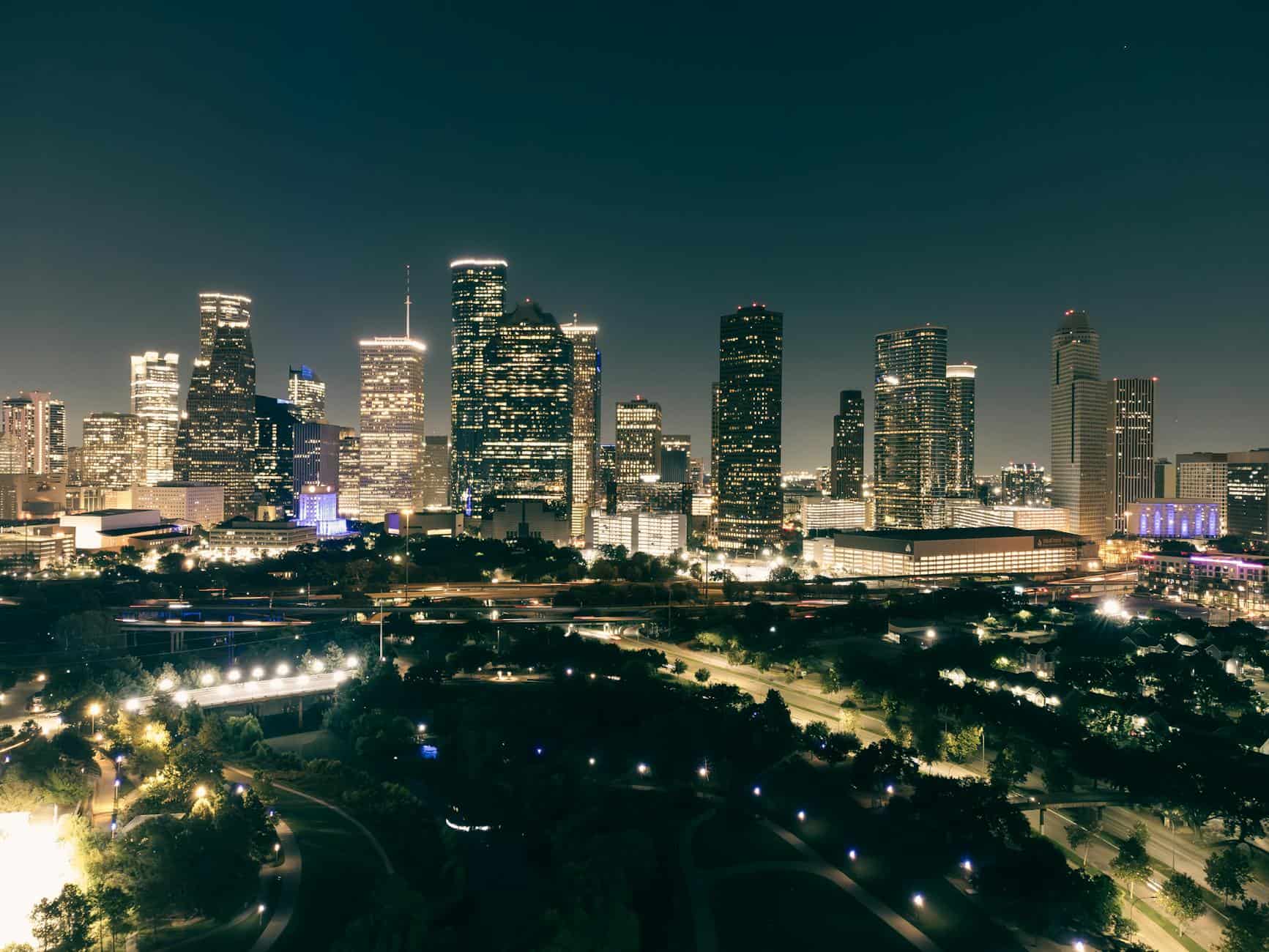
Houston, Texas, founded in 1836 by Augustus and John Kirby Allen, evolved from a trading post to the fourth-largest city in the US, greatly influenced by its role in the Texas Revolution. Initially serving as a temporary capital for the Republic of Texas, Houston grew into a vital commercial hub, shaped by a diverse population and a blend of cultures. The discovery of oil in the early 20th century propelled its economic expansion, establishing Houston as a centre for the energy industry. Today, it retains its significance through contributions to space exploration, education, and technological innovation, reflecting a dynamic and…
-
The Rich History of Baghdad: A Journey Through Time

Baghdad, the capital of Iraq, has a rich and complex history dating back to its founding by the Abbasid Caliph Al-Mansur in the 8th century. Initially emerging as a cultural and commercial hub during the Abbasid Caliphate, the city became a centre for scientific and intellectual advancement, particularly during the Golden Age, which saw significant contributions in various fields like mathematics and philosophy. Under Ottoman rule from the 16th century, Baghdad experienced relative stability but also faced challenges, such as ethnic tensions and political unrest. Despite tumultuous 20th-century events, including conflicts and governance issues, Baghdad’s resilient spirit endures as efforts…
-
The Rich History of Mérida, Spain
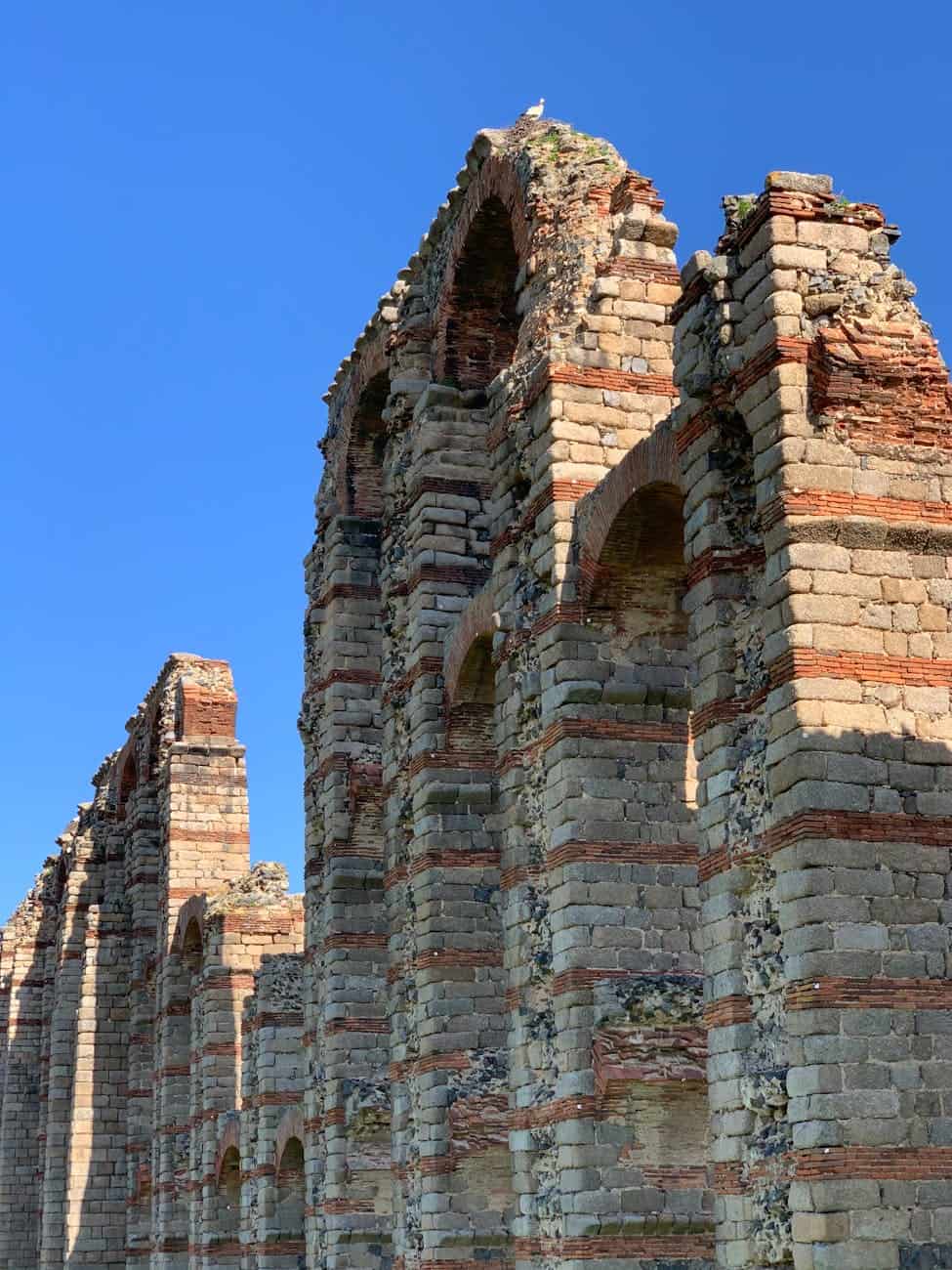
Mérida, the capital of Badajoz, Spain, boasts a rich historical heritage dating back to its foundation as Emerita Augusta in 25 B.C. Recognised for its well-preserved Roman ruins, including a UNESCO Heritage site, the city reflects a blend of cultures through various eras—Roman, Visigothic, Moorish, Renaissance, and Baroque. Each period has contributed significantly to Mérida’s architectural and cultural landscape, with the Visigoths introducing Christianity, and the Moors enhancing agriculture and urban design. Today, Mérida thrives as a cultural hub, balancing modern tourism with historical preservation, and continues to showcase its vibrant legacy and enduring significance.
-
The History of the Madrid Mission: A Comprehensive Overview
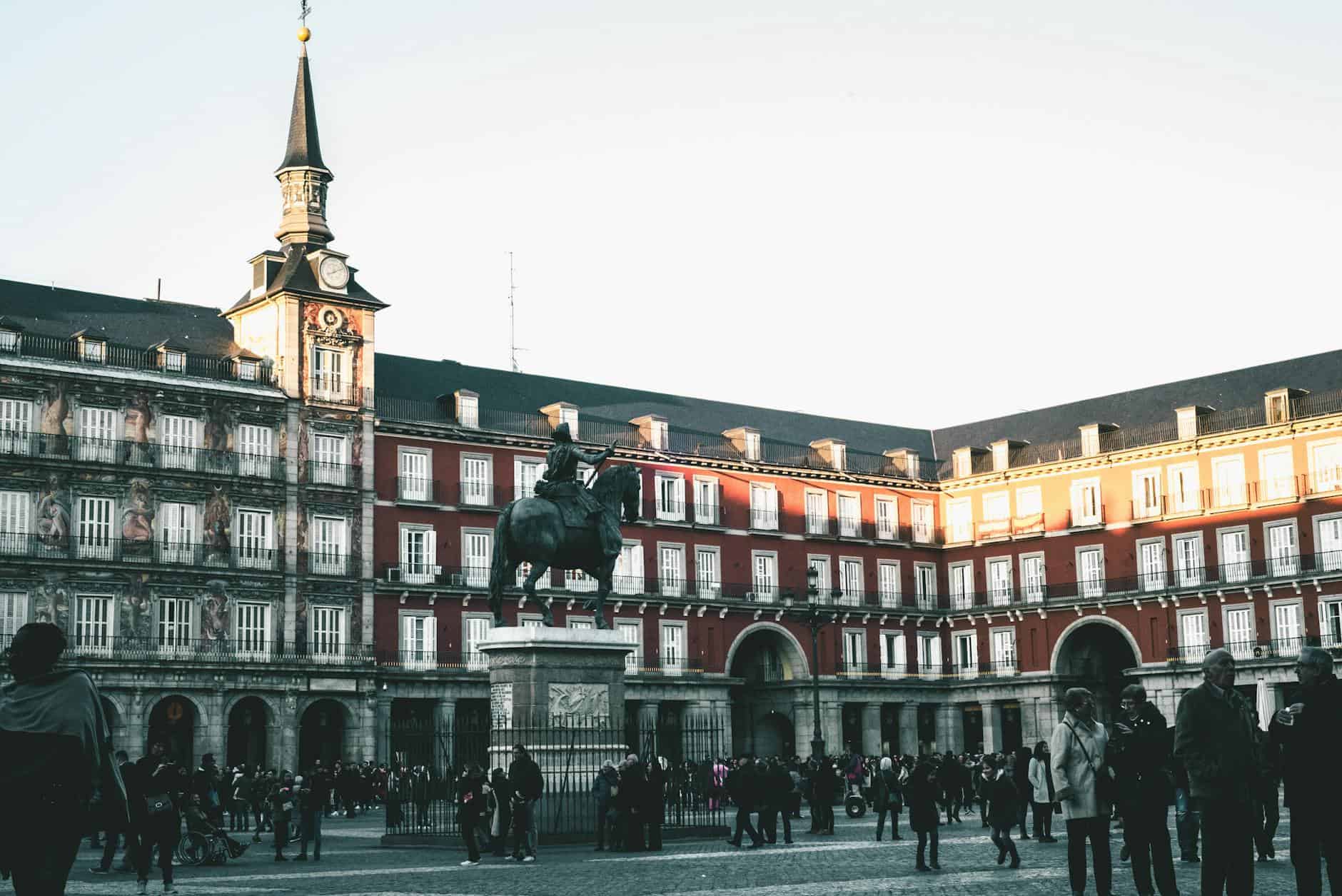
The Madrid Mission has a rich history beginning in the late 16th century, aimed at expanding religious outreach and fostering community in Spain’s capital. Established by local clergy, it provided spiritual guidance and educational resources, especially to the underprivileged. The mission significantly influenced Madrid’s cultural landscape by promoting education, supporting the arts, and leading social justice initiatives. Throughout its evolution, the mission adapted to societal changes, becoming a sanctuary during crises like the Spanish Civil War. In the modern era, it addresses contemporary issues such as poverty, inequality, and mental health, while continuing to foster interfaith dialogue and community support.
-
The History of Moscow
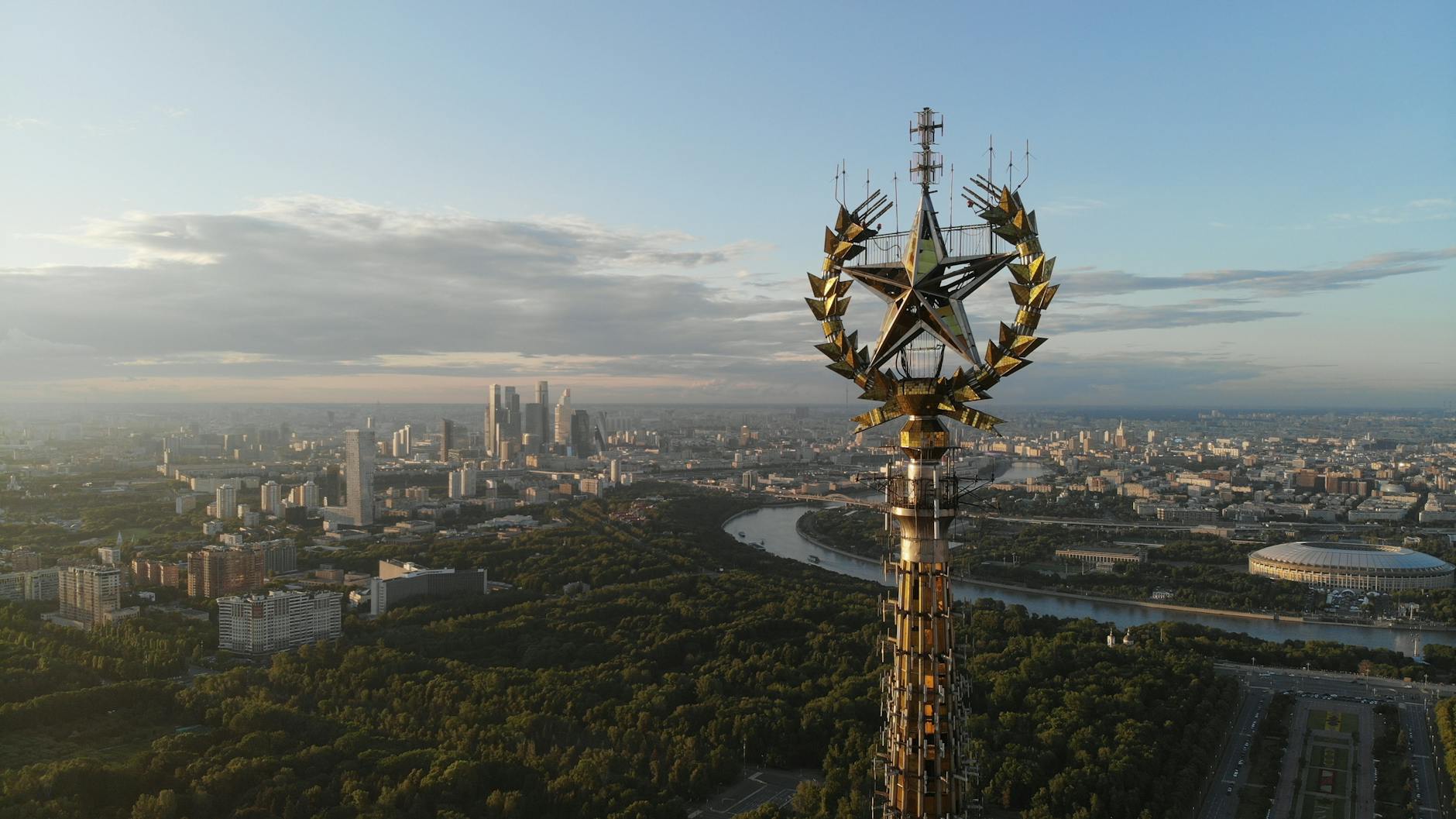
Moscow, the capital of Russia, has a rich history dating back to the 12th century, evolving from a modest settlement to a major metropolis. Early on, it became a strategic trade and political centre, experiencing significant turmoil during the Mongol invasion. The Grand Duchy of Moscow emerged as a powerful entity in the 14th and 15th centuries, notably under Ivan III and later Ivan IV. The Time of Troubles followed Ivan IV’s death, leading to instability until the Romanov dynasty restored order. The 20th century marked further transformation with the Russian Revolution and the rise of the Soviet Union. Post-1991,…
-
The Rich History of Liverpool: A Journey Through Time
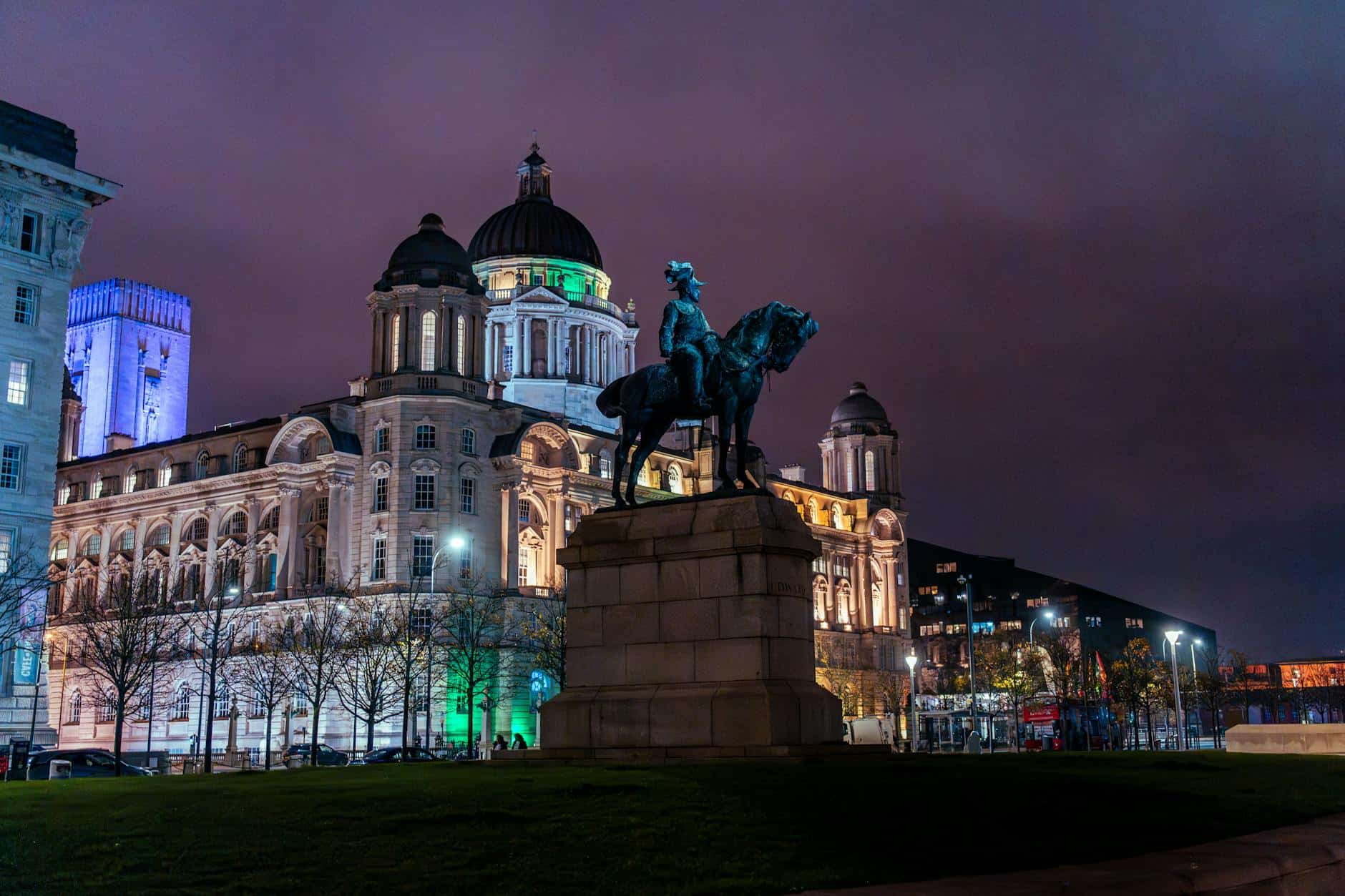
Liverpool, founded in the 13th century, evolved from a small fishing village into a vital maritime and industrial hub, significantly influencing the UK’s history. The city prospered in the 18th century through the transatlantic slave trade, despite the moral conflicts it engendered. The Industrial Revolution further transformed Liverpool, fostering growth in shipping, manufacturing, and urbanisation. During World War II, Liverpool became a strategic military site, demonstrating resilience amidst devastation. In recent years, it embarked on a cultural renaissance, becoming a vibrant destination and addressing socioeconomic challenges. Overall, Liverpool’s complex history reflects its enduring spirit of innovation and community.
-
History of Venice: Economic and Cultural Impact
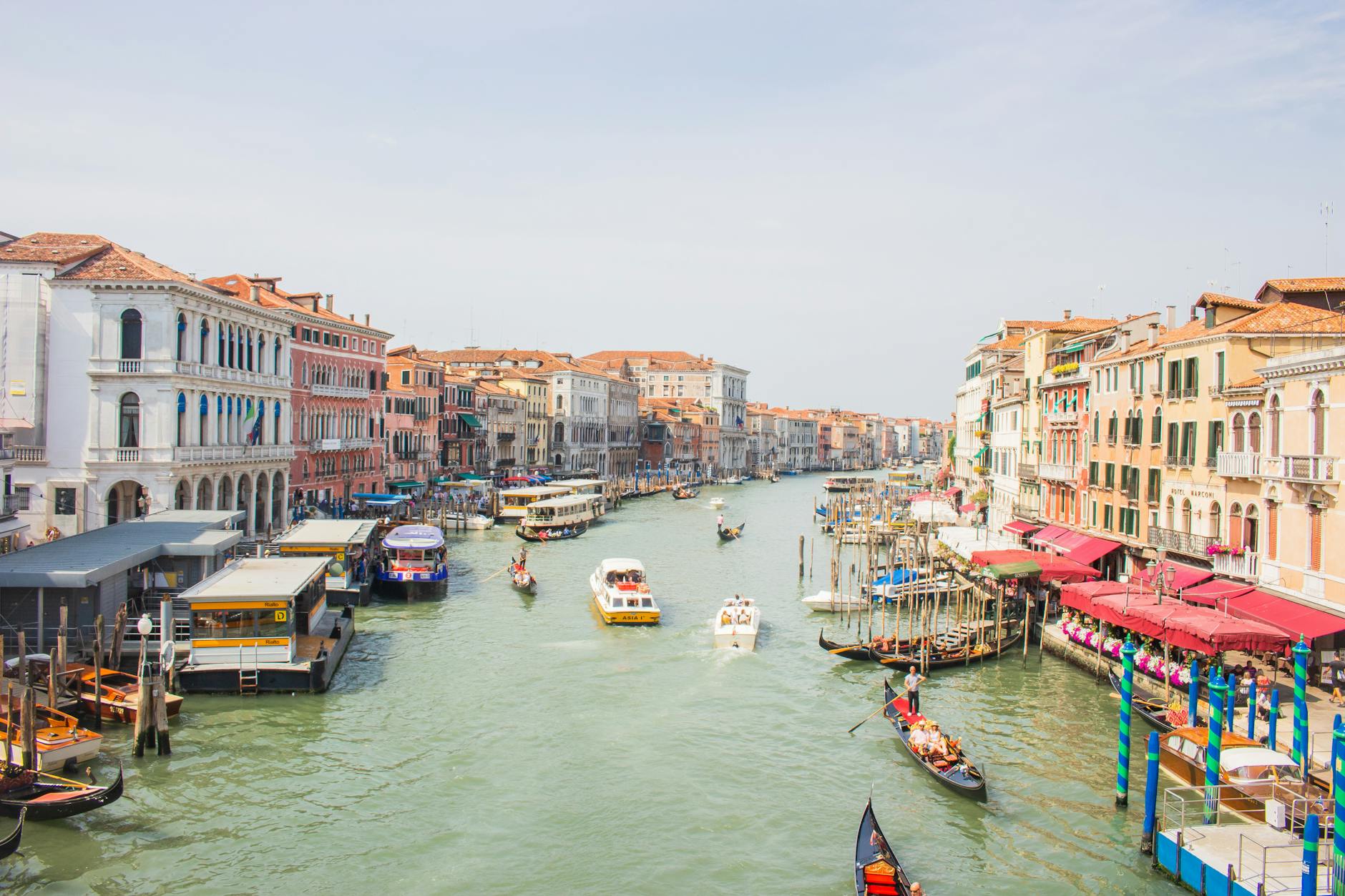
Venice, a city rich in history and culture, emerged in the 5th century as a refuge from barbarian invasions and developed into a powerful maritime republic. Its strategic location facilitated trade with the East, fostering economic growth and cultural exchanges while establishing Venice as a hub of artistic innovation during the Renaissance. However, from the late 17th century onwards, the decline of Venice began due to new trade routes, military conflicts, political stagnation, and economic mismanagement, culminating in its loss of independence in 1797. Today, Venice faces challenges from overtourism and climate change but remains dedicated to preserving its cultural…
-
Tracing the Legacy: The History of Chicago

Chicago, the third-largest city in the US, has a rich history marked by resilience and transformation. Founded in 1833, it rose from a trading post to a significant metropolitan hub, experiencing substantial growth driven by its strategic location and the Illinois and Michigan Canal. The Great Fire of 1871 devastated the city but spurred a rebuilding effort that introduced modern construction practices. As industrialisation progressed, Chicago became a vital commerce centre, attracting diverse immigrant populations. The early 20th century saw a cultural renaissance with flourishing arts and music scenes. Today, Chicago continues to face challenges while celebrating its diverse heritage…
-
City of London: The evolution of the financial district

The City of London, established as Londinium by the Romans in AD 43, has evolved into a pivotal global financial hub. This transformation involved various historical phases: Roman origins provided a commercial foundation; the Medieval era fostered trade and governance, highlighted by the creation of merchant guilds and local autonomy. The Great Fire of 1666 catalyzed urban planning and financial innovations. The 18th and 19th centuries saw the rise of modern finance, with institutions like the Bank of England and the Stock Exchange. Today, the City faces challenges from fintech, sustainability demands, and geopolitical shifts while drawing on its rich…
-
Mtskheta History: Exploring the Sacred Heart of Georgian Civilization
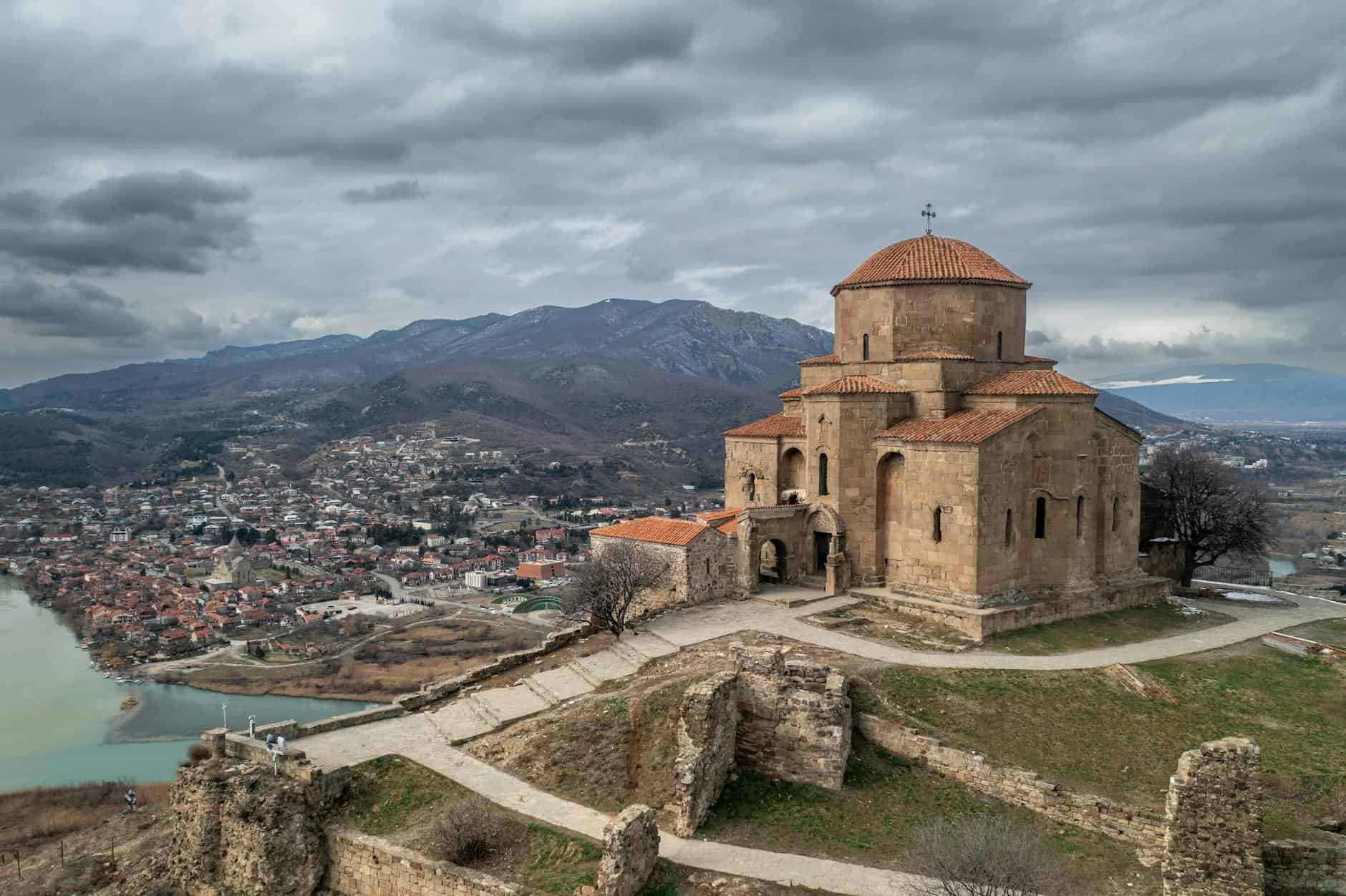
Mtskheta, one of the oldest cities globally, serves as a significant center of history, culture, and spirituality in Georgia. Its rich past, highlighted by the Svetitskhoveli Cathedral, a UNESCO World Heritage site, emphasizes its pivotal role in the religious landscape after the early 4th century when Christianity was adopted. The city’s archaeological sites and trade routes showcase centuries of cultural exchanges, while its resilience to invasions reflects its national identity. Today, modern Mtskheta balances heritage with contemporary life, promoting tourism and engaging community initiatives. Preservation efforts underscore its ongoing significance, ensuring its historical treasures inspire future generations.
-
Jaipur History: Exploring the Pink City of Royal Palaces and Rajasthani Architecture
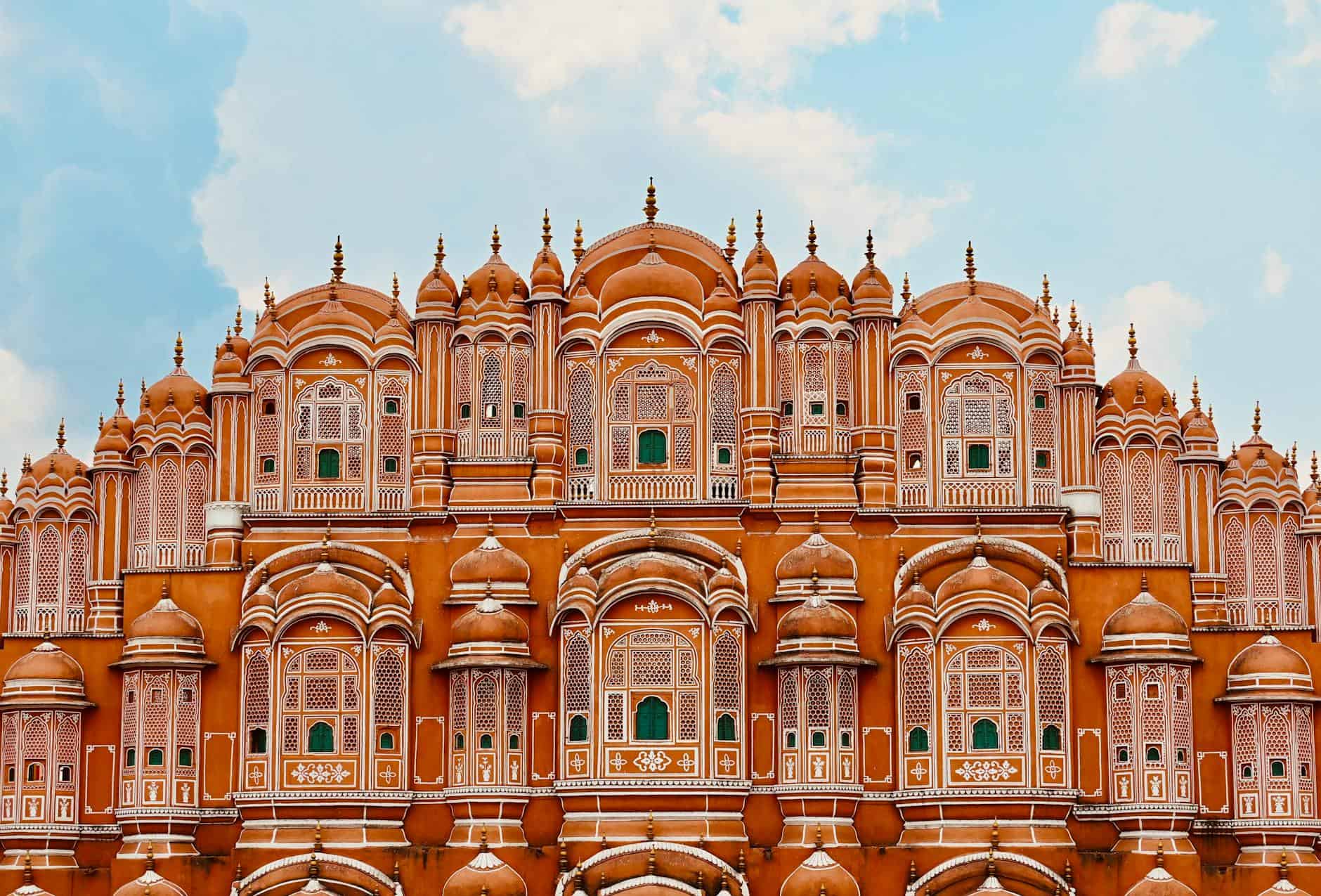
Jaipur, the capital of Rajasthan, India, known as the “Pink City,” was founded in 1727 by Maharaja Sawai Jai Singh II as a blend of royal heritage and modernity. Meticulously planned by architect Vidyadhar Bhattacharya, the city’s unique pink buildings symbolize hospitality and reflect advanced urban design principles. With majestic forts like Amer Fort and architectural gems such as the City Palace and Hawa Mahal, Jaipur showcases its rich history. Modern-day Jaipur thrives on tourism, boasting educational institutions and a growing economy while preserving its cultural identity through festivals, cuisine, and traditional crafts, making it a dynamic destination for visitors.
-
The History of New York City: A Comprehensive Overview
New York City, referred to as \”the Big Apple,\” has a rich and vibrant history that showcases its evolution from early settlements by Native American tribes to a global hub. European exploration began in the 16th century, leading to the establishment of New Amsterdam by the Dutch in 1624. After the English seized control in 1664, the city developed into a cultural melting pot. The Revolutionary War marked a significant turning point that shaped its identity. The 19th century saw a massive influx of immigrants, further enriching its cultural landscape. The 20th century brought modernity, economic challenges, and social movements,…
-
Tbilisi Old Town History: Where East Meets West in the Heart of Georgia
Tbilisi Old Town, the historic center of Georgia\’s capital, showcases a rich tapestry of architectural styles and cultural influences from its founding in the 5th century to the modern day. Renowned for its colorful balconies, ancient churches, and fortresses, Tbilisi has evolved into a crossroads of cultures owing to various civilizations, including Persians, Ottomans, and Russians. Significant landmarks like Narikala Fortress and Sioni Cathedral highlight its historical significance. As Tbilisi embraces modernization, efforts to preserve its heritage are paramount, balancing contemporary needs with the authenticity of its past. This dynamic environment continues to attract visitors, reflecting the city’s enduring spirit…
-
Palmyra History: The Desert Bride That United Ancient Civilizations
Palmyra, known as the \”Desert Bride,\” was a vital trade hub in ancient Syria, connecting East and West. Its strategic location facilitated cultural and economic exchanges, making it a melting pot of diverse civilizations. The city\’s architectural achievements, such as the Temple of Bel, showcased blending styles from Hellenistic, Roman, and Persian influences. Political dynamics, especially under Queen Zenobia, marked Palmyra’s ambition and independence until Roman forces reasserted control, leading to its decline. Despite falling into obscurity, Palmyra\’s ruins symbolize resilience and the interconnectedness of civilizations, underscoring its lasting legacy in history and culture.
-
History of Toronto: From Settlement to Modern Metropolis
Toronto, as Ontario\’s capital, reflects a vibrant history shaped by Indigenous tribes and European settlers. Originally a military outpost known as Fort York, it evolved into a significant global city for finance, culture, and education. The War of 1812 reinforced its strategic importance, while industrialization in the late 19th century propelled urban growth and demographic changes, transforming it into an industrial hub. Today, Toronto thrives as a multicultural metropolis, home to over 160 languages and a dynamic arts scene. Its commitment to diversity and inclusivity serves as a model for urban development, symbolizing resilience and progressive thinking amidst contemporary challenges.
-
The Economic Growth of New York City
New York City, founded in the early 17th century, evolved from a small Dutch settlement into a global economic powerhouse. Its economic journey features significant phases, including the initial fur trade, the transformation under British control, and later waves of immigration that fueled industrial growth. The late 19th century saw the rise of financial services, with Wall Street becoming a central hub. Despite facing challenges such as deindustrialization and social issues in the 1970s, the city adapted and diversified its economy. Entering the 21st century, technology and globalization became pivotal, influencing the economy while addressing income inequality and housing affordability.
-
Luang Prabang History: Exploring Laos’ Royal City of Temples and Tradition
Luang Prabang, a UNESCO World Heritage Site in Laos, is renowned for its spiritual and historical significance. Once the capital of the Lane Xang Kingdom, it features a mix of traditional Lao architecture and colonial influences, reflected in its exquisite temples like Wat Xieng Thong. The Mekong River is crucial for the local economy and holds cultural importance, serving as a site for rituals and trade. Annual festivals, such as Boun Pi Mai, showcase vibrant traditions. Since its UNESCO designation in 1995, preservation efforts have focused on maintaining heritage while promoting responsible tourism, ensuring a sustainable future for this historic…
-
Cahokia Mounds History: Uncovering the Largest Pre-Columbian City in North America

Cahokia, near modern St. Louis, Missouri, was the largest pre-Columbian city in North America, thriving from 600 to 1400 AD as a center of trade, agriculture, and culture. With a peak population of 20,000 to 40,000, it boasted remarkable earthen mounds, like Monks Mound, highlighting its architectural and communal achievements. Cahokia developed complex social structures, advanced agricultural techniques, and extensive trade networks, but its decline resulted from environmental degradation, social strife, and shifting trade dynamics. The lessons drawn from Cahokia emphasize sustainable resource management, community engagement, and resilience, offering vital insights for modern society\’s relationship with the environment and urbanization.
-
Chan Chan History: The Rise and Fall of Peru’s Desert Empire
Chan Chan, an ancient city in northern Peru, was the cultural and political center of the Chimu civilization from the 9th century. Known for its unique adobe architecture and advanced irrigation systems, it thrived amidst environmental challenges. The Chimu society operated on a decentralized political model, with local leaders facilitating trade and cultural practices. However, the decline of Chan Chan resulted from environmental changes, social unrest, and military pressures from rival civilizations, especially the Incas. Today, it remains an archaeological testament to human ingenuity and the complex dynamics of pre-Columbian civilizations in South America, inviting exploration and reflection on its…
-
French Quarter History: The Soul of New Orleans Through Centuries
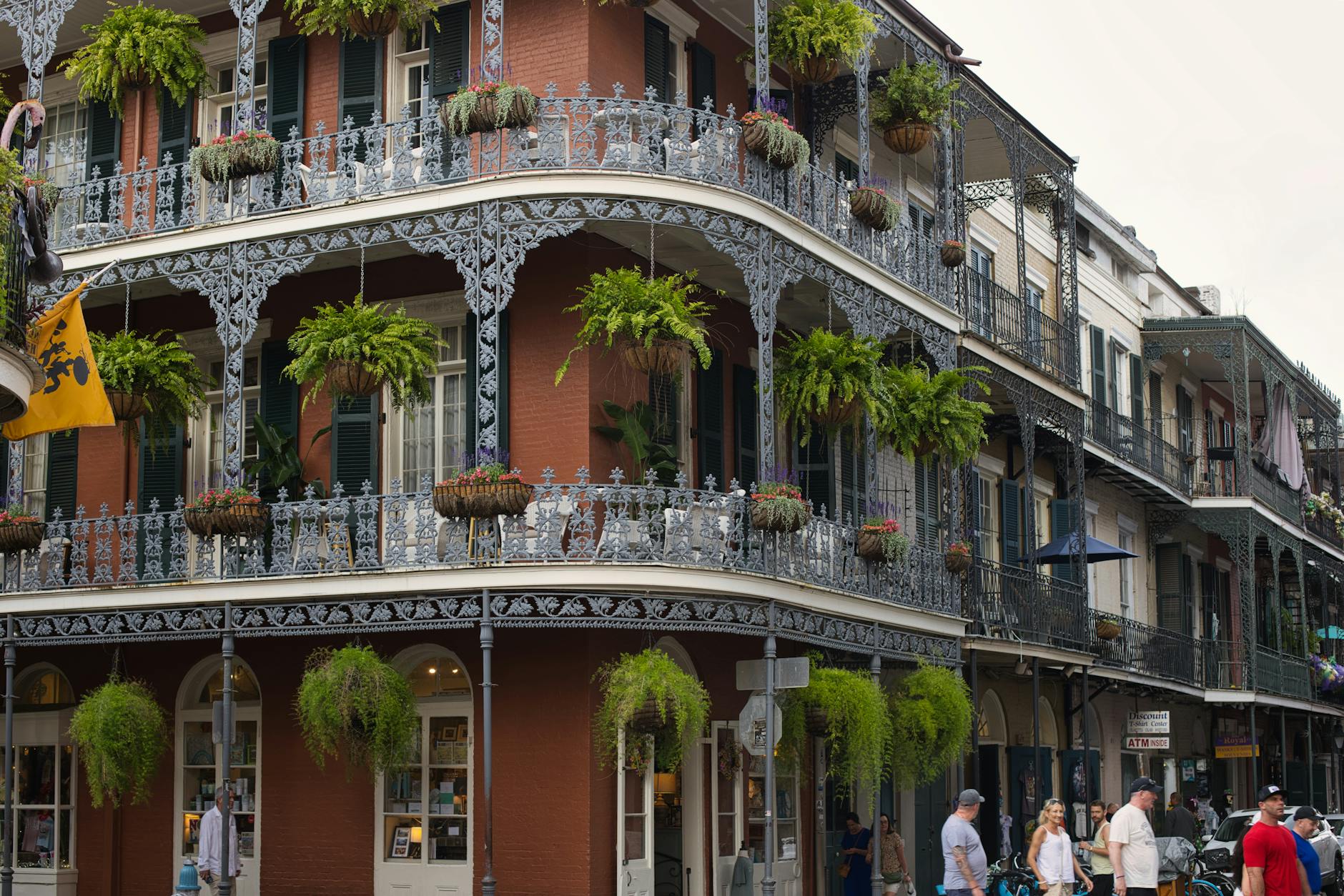
The French Quarter, New Orleans’ oldest neighborhood, embodies the city’s rich history and cultural diversity. Founded in 1718, it evolved through French, Spanish, and American influences, reflected in its architecture and vibrant cultural scene. Historically significant events, such as the Louisiana Purchase and the Civil Rights Movement, shaped its identity. Today, the Quarter faces challenges from tourism and gentrification, risking its authenticity and community ties. However, efforts for preservation and community engagement persist. The French Quarter remains a dynamic cultural hub, showcasing music, cuisine, and festivals, while striving to balance modern demands with its storied heritage for future generations.