Category: Art & Museums

Everything about art and museums that people and tourists can visit

  • Centre Pompidou History: Inside the Museum That Turned Architecture Inside Out
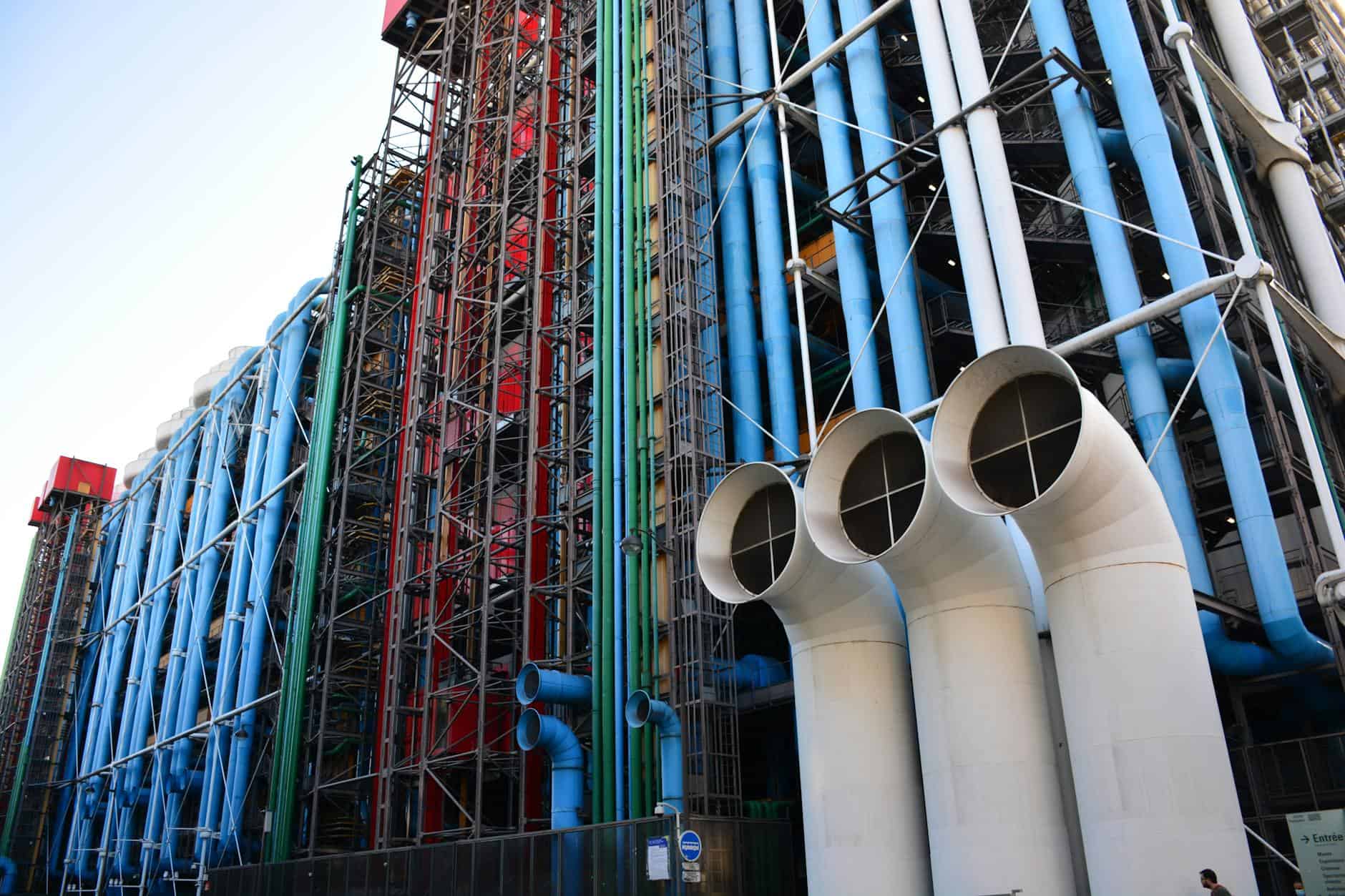
    Centre Pompidou History: Inside the Museum That Turned Architecture Inside Out

    Introduction

    The Centre Pompidou, nestled in the heart of Paris, is not just a museum; it is a revolutionary architectural landmark that has significantly influenced the art world. Opened in 1977, it was designed by architects Renzo Piano and Richard Rogers, representing a break from traditional museum designs by placing its structural and mechanical systems on the outside. This daring approach to architecture embodies the notion of “turning architecture inside out,” allowing for greater flexibility in space usage and a unique aesthetic appeal. The Centre is a vibrant hub of creativity, housing a vast public library, cinemas, and a music research center alongside its renowned art collection. Over the years, it has become a symbol of modern art and an essential destination for art lovers and tourists alike, sparking conversations about art, architecture, and cultural diversity.

    The inception of the Centre Pompidou: Vision and Planning

    The genesis of the Centre Pompidou is rooted in the ambitious vision of then-French President Georges Pompidou. In the late 1960s, Pompidou proposed the establishment of a cultural institution that would serve as a center for modern art, culture, and the public’s engagement with these fields. His approach was revolutionary for its time, aiming to democratize access to culture and art by creating a space that would welcome all, regardless of socioeconomic status.

    This vision presented a unique challenge to architects, prompting a national competition for design proposals under the auspices of the Ministry of Culture. Renzo Piano and Richard Rogers, two relatively unknown architects at that time, submitted a bold design that would eventually capture the essence of Pompidou’s vision. Their concept was radical: they placed all of the building’s functional components—such as elevators, pipes, and electrical systems—on the exterior, allowing the interior space to be entirely flexible and adaptable for different art installations and public programs.

    The design not only challenged the norms of museum architecture but also redefined how cultural institutions could interact with the urban environment. The location was carefully selected, situated in the Beaubourg area of Paris, which had previously been an industrial zone. The architects envisioned the Centre Pompidou as a catalyst for urban regeneration, transforming the surrounding area into a lively cultural precinct.

    Despite the innovative design, the project faced significant criticism and controversy during its planning and construction phases. Many prominent architects and critics dismissed the design as overly industrial and inappropriate for the historical context of Paris. They argued that the Centre Pompidou’s bold presence would clash with the city’s traditional aesthetic, raising questions about the place of modernity in a city steeped in history.

    Nevertheless, Pompidou and his supporters remained resolute. They recognized that the Centre Pompidou would serve as a challenge to convention, embodying a new perspective on how art and architecture could converge. This visionary tenacity paid off when the Centre Pompidou was inaugurated in January 1977, solidifying Pompidou’s legacy and altering the landscape of cultural architecture in Paris and beyond.

    The significance of the Centre Pompidou extends beyond its architectural merits; it symbolizes a broader cultural shift towards inclusivity and accessibility in art. Its creation marked the beginning of a new era in which cultural institutions sought to break away from elitist traditions, inviting people from all walks of life to engage with art in innovative and interactive ways.

    view of building
    The Centre Pompidou

    Moreover, the Centre serves as an educational platform, hosting workshops, films, performances, and lectures, further widening its appeal. By fulfilling Pompidou’s original vision of a center for the public, the Centre Pompidou not only revolutionized museum architecture but also reshaped the relationship between art, culture, and the community.

    As we delve into the architectural innovations and design philosophy of the Centre Pompidou, we must acknowledge its inception’s profound impact on contemporary cultural landscapes, an impact that continues to inspire new generations of artists, architects, and enthusiasts globally.

    Architectural Innovations and Design Philosophy

    The architectural innovations embodied in the Centre Pompidou are not merely aesthetic choices; they reflect a fundamental rethinking of what modern architecture could achieve. At its core, the design by Renzo Piano and Richard Rogers champions transparency, accessibility, and functionality. By placing essential services like escalators, plumbing, and electrical systems on the outside of the building, the architects provided an unprecedented level of versatility for the interior spaces, gaining international attention and acclaim.

    The use of a colorful, exposed skeletal framework is emblematic of the high-tech architectural movement that emerged in the 1970s. This movement emphasized the expression of technology within architectural form, prioritizing materials like glass and steel that would highlight a structure’s inner workings rather than conceal them. The Centre Pompidou’s façade, with its vibrant colors and playful forms, is a visual feast that invites curiosity and exploration. The architects designed the building with a flexible system of modular spaces to adapt to various exhibitions and events, reinforcing the idea that the museum is a living entity that evolves over time.

    Moreover, the Centre Pompidou’s design prompts a reevaluation of the relationship between a building and its environment. Instead of standing in stark contrast to the Parisian landscape, the Centre engages with its surroundings, challenging the dialogue between historical architecture and modern design. Its open plaza encourages social interaction and invites visitors into a space of cultural exchange, blurring the lines between public and private realms.

    Piano and Rogers meticulously considered the integration of the Centre Pompidou into the city, establishing it as a cultural landmark that serves the community. The vibrant public space surrounding the building has become a crucial part of Paris’s urban fabric, hosting performances, artistic installations, and everyday leisure activities. This focus on community engagement reflects a broader trend in contemporary architecture that seeks to address urban challenges by fostering inclusivity and encouraging collaboration among diverse groups.

    The importance of natural light in the design cannot be overstated. Large glass façades allow for an abundance of daylight, illuminating exhibition spaces and creating a welcoming atmosphere for visitors. This emphasizes another tenet of modern architecture: blurring indoor and outdoor experiences. Visitors can slide through the transparent walls, seamlessly transitioning between the external plaza and the vast, open exhibition areas within.

    exterior of centre pompidou
    The Centre Pompidou

    The Centre Pompidou also employs sustainable architectural practices, aiming to minimize its environmental impact. Its innovative approach to energy efficiency, such as using natural ventilation, has paved the way for more environmentally conscious design in future cultural institutions.

    Ultimately, the architectural innovations and design philosophy of the Centre Pompidou have transcended its physical structure, serving as a model for a new generation of buildings. It exemplifies how architecture can encourage social connection, promote cultural engagement, and challenge traditional conventions, redefining what a cultural institution can be and represent within the urban setting it occupies.

    Controversies and Criticism Surrounding the Centre

    The Centre Pompidou has never been without its controversies and criticism. From the moment its design was unveiled, it elicited passionate reactions from various stakeholders, including architects, critics, and the general public. Many viewed the building as an affront to Paris’s architectural heritage, arguing that its bold industrial aesthetics were out of place in a city renowned for its classical and Renaissance architecture.

    Prominent architects of the time, including the likes of Jean Nouvel and Charles Jencks, voiced strong objections, alleging that the Centre Pompidou’s exposed structure and mechanical systems compromised the integrity of urban aesthetics. Critics referred to it as an “eyesore” and contended that it interrupted the visual harmony of the surrounding area. This sentiment reflected a broader apprehension about modern architecture’s capacity to complement or enhance historical landscapes.

    In addition to visual and aesthetic criticisms, socio-political responses to the Centre Pompidou often focused on its implications for cultural access and democratization. Many questioned whether such an avant-garde structure would genuinely serve the public interest. Some argued that the energy spent on creating such an elaborate and costly structure could have been better allocated to support community art initiatives and grassroots cultural movements. These discussions ignited a debate on elitism in the art world; was the Centre Pompidou an emblem of progress or a symbol of cultural elitism that ultimately served a more privileged audience?

    As the Centre Pompidou began its operations, it quickly attracted a diverse pool of visitors, and while many celebrated its groundbreaking design, others were skeptical about its capacity to fulfill Pompidou’s original vision of accessibility and community engagement. The challenges of maintaining such an expansive and multifaceted institution presented ongoing scrutiny regarding its operational practices. Critics raised concerns about whether the programming and exhibitions reflected a true representation of contemporary art or simply showcased works from established, predominantly Western artists.

    Moreover, as the Centre Pompidou’s reputation evolved, it became synonymous with the commercialization of art. With the increasingly lucrative art market and high-profile exhibitions, many critics argued that the Centre was forgetting its foundational commitment to accessibility in favor of financial gain. This scenario epitomizes a broader tension faced by many cultural institutions today: the necessity of funding versus the mission of enhancing community access to art and culture.

    Over the years, as the Centre Pompidou has adapted to changing contexts, criticisms have persisted but also transformed. The rise of contemporary art from diverse global perspectives has gradually shifted the narrative around the Centre. It has increasingly sought to broaden its exhibitions to represent a more inclusive range of voices, pushing back against accusations of elitism and ensuring that its programs resonate with an ever-evolving audience.

    These controversies surrounding the Centre Pompidou, while often polarizing, have ultimately sparked important conversations about the role of modern architecture in historical contexts, the challenges of democratizing art access, and the evolving nature of cultural institutions. Despite the criticisms, the Centre’s enduring legacy defies categorization; it remains a fixture of debate and discussion, highlighting the intersection of art, architecture, and community engagement in the modern world.

    Impact on Contemporary Art and Culture

    The Centre Pompidou has had a profound impact on the landscape of contemporary art and culture since its inception. Its innovative approach to architecture and curation has redefined how museums engage with artists, audiences, and the broader cultural dialogue. This impact can be understood through several key dimensions: the promotion of avant-garde art, the facilitation of artist collaborations, the expansion of public engagement initiatives, and the Centre’s role as an incubator for new ideas and practices within the art world.

    When the Centre Pompidou opened its doors in 1977, it quickly positioned itself as a leading institution for modern and contemporary art, housing a vast collection that includes works by legendary artists such as Pablo Picasso, Georges Braque, and Henri Matisse, among many others. It serves not only as a repository of art but as a platform for new and emerging artists whose practices challenge traditional norms. The Centre has consistently spotlighted avant-garde movements and experimental art forms, encouraging visitors to engage with concepts that may be challenging or provocative.

    Moreover, the Centre Pompidou has facilitated numerous artist collaborations and residencies, enabling artists to produce work within its walls and interact with the public. By fostering an environment of creativity and collaboration, the Centre has become a space where artistic ideas can be nurtured and explored. Such collaborations have allowed emerging artists to have visibility on a global stage, often leading to exciting dialogues that transcend conventional boundaries of art.

    Initiatives such as the Centre Pompidou’s public programs, workshops, and educational offerings further amplify its impact on contemporary culture. By engaging with the community directly, the Centre opens its doors to a diverse audience, breaking down traditional barriers that separate art institutions from the public. This commitment to outreach encourages innovation and creativity in various communities, illustrating art’s ability to inspire change and spark dialogue on critical social issues.

    modern architectural street view of pompidou center
    The Centre Pompidou

    The Centre’s impact extends beyond its physical space, as it actively contributes to the global discourse surrounding contemporary art and culture. By hosting international exhibitions, conferences, and symposiums, the Centre Pompidou fosters a sense of connectivity between artists, curators, and cultural practitioners across the globe. This exchange of ideas promotes cross-cultural understanding and amplifies the voices of artists who may otherwise be marginalized.

    Furthermore, the architectural innovation of the Centre Pompidou has sparked discussions about the role of cultural institutions in urban environments. Its transparent, inviting design encourages visitors to think critically about the relationship between art and architecture, as well as the dynamic nature of public spaces. As museums around the world look to the Centre Pompidou as a source of inspiration, many are reconsidering how they can create more engaging and inclusive environments for their visitors.

    As contemporary art continues to evolve, the Centre Pompidou remains a vital institution that champions new ideas and practices, promoting dialogue and understanding in an increasingly interconnected world. The legacies of its groundbreaking history, innovative programming, and commitment to community engagement ensure that the Centre will continue to shape the cultural landscape for generations to come.

    The Future of the Centre Pompidou

    As we look towards the future of the Centre Pompidou, several key themes emerge that will guide its evolution in the coming years. The institution faces various challenges and opportunities in a rapidly changing cultural landscape, including the impact of digital technology, the need for sustainability, and the responsibilities associated with public engagement and accessibility.

    With the rise of digital technology and the changing dynamics of art consumption, the Centre Pompidou has an opportunity to expand its reach beyond the physical space. Virtual exhibitions, online workshops, and digital programming can attract global audiences, allowing the institution to share its rich collections and innovative programming with communities that may not have the means to visit in person. By leveraging digital platforms, the Centre can continue to democratize access to contemporary art, ensuring that innovative works and discussions resonate with a broader audience.

    However, the digital transition also comes with challenges. There are ongoing discussions about the necessity of preserving the sanctity of physical spaces and the in-person experience of engaging with art. How can the Centre Pompidou find an equilibrium between maintaining its physical structure’s authenticity and embracing the benefits of digital innovation? The response to this question will shape how institutions adapt their practices in a tech-driven era while ensuring that artistic experience remains a core priority.

    Moreover, sustainability will undeniably be at the forefront of the Centre’s future undertakings. As global consciousness about environmental issues rises, cultural institutions like the Centre Pompidou must address their ecological impact through sustainable design, energy efficiency, and responsible programming. By pioneering sustainable practices, the Centre can serve as a leading example for other institutions, aligning its values with the growing demand for accountability and stewardship in cultural production.

    Public engagement remains another critical aspect of the Centre Pompidou’s future. The institution’s commitment to fostering inclusivity is paramount as it strives to engage a diverse range of voices and perspectives within its exhibitions and programming. Community-led initiatives, dialogues, and partnerships can enrich the Centre’s offerings, ensuring that it remains a vital hub of cultural exchange and innovation. Collaborating with local artists, marginalized communities, and other institutions can strengthen the Centre’s relationship with the public, reaffirming its vital role as a space for dialogue, understanding, and empowerment.

    In addition, the Centre Pompidou’s programming must evolve to reflect the shifting landscape of contemporary art, embracing a multitude of practices and mediums that are redefining artistic expression. As art transcends mediums and borders, the Centre should prioritize interdisciplinary engagement that encourages experimentation and explores the intersections between art, technology, and social issues. By promoting diverse narratives and embracing non-traditional art forms, the Centre can become a dynamic space for innovation that speaks to the realities of contemporary society.

    As the Centre Pompidou looks forward to its next chapter, it must strike a balance between honoring its rich legacy and embracing transformative possibilities for the future. By navigating the complexities of technological advancement, environmental stewardship, and public engagement, the Centre can reposition itself as an essential cultural institution that embodies resilience, creativity, and inclusivity in an ever-changing world. Continuing to foster dialogue and collaboration will ultimately define the institution’s success and relevance in the years to come.

    Conclusion

    The Centre Pompidou stands as a testament to the transformative power of architecture, art, and cultural engagement. Since its inception, it has challenged traditional boundaries by redefining how art and architecture relate to the public, creating a space that reflects the diversity and dynamism of contemporary society. Although it faced considerable criticism and controversy, the Centre has emerged as a vital institution that has played a significant role in the evolution of modern culture and art, inspiring generations of artists, architects, and art lovers.

    As we consider the impact of the Centre Pompidou, it is clear that its innovative design and commitment to inclusivity have made it a model for cultural institutions worldwide. The future presents exciting possibilities for the Centre to continue building on its legacy, leveraging technology, prioritizing sustainability, and enhancing public engagement to ensure that it remains a beacon of creativity and thought-provoking discourse.

    Ultimately, the Centre Pompidou epitomizes the intersection of art, architecture, and community. Its bold vision has not only revolutionized museum design but also reinforced the idea that culture is a living, breathing entity that exists beyond the confines of traditional formats. As we look to the future, the Centre Pompidou promises to continue playing a pivotal role in shaping the cultural landscape, inviting all to participate in this shared journey of exploration and discovery.

    The story of the Centre Pompidou | Video

    The story of the Centre Pompidou
  • Rijksmuseum History: Inside Amsterdam’s Most Celebrated Museum

    Rijksmuseum History: Inside Amsterdam’s Most Celebrated Museum

    Introduction

    The Rijksmuseum, located in the heart of Amsterdam, stands as a testament to the rich artistic heritage of the Netherlands. Established in the early 19th century, this renowned museum has evolved into one of the most significant cultural institutions in the world. With its vast collections that encompass works from the Dutch Golden Age, including masterpieces by Rembrandt and Vermeer, the Rijksmuseum invites visitors to explore the depth of Dutch art and history. The museum is not just a repository of art; it is also a vibrant cultural hub that engages with the community and connects the past with the present. As the Rijksmuseum continues to innovate and expand its offerings, it remains firmly committed to its mission of making art accessible to all. This article delves into the fascinating Rijksmuseum history, exploring its origins, architectural transformations, remarkable collections, cultural significance, and future directions.

    The Origins of the Rijksmuseum

    The Rijksmuseum’s story begins in the early 19th century, when the need for a national museum in the Netherlands became apparent. Established in 1800 in The Hague during the existence of the Batavian Republic, the museum was initially named the “Nationale Kunstgalerij” (National Art Gallery). Its purpose was to house an extensive collection of artworks and historical objects that reflected the nation’s cultural identity.

    In 1808, King Louis Napoleon, the brother of Napoleon Bonaparte, commissioned a more central and permanent location for the museum, which resulted in its relocation to the newly constructed museum building in Amsterdam. However, it wasn’t until 1815 that the museum officially became known as the Rijksmuseum, a name that translates to “State Museum.” This name change marked the museum’s transformation into a royal institution dedicated to the preservation and exhibition of Dutch art and history.

    The early collections of the Rijksmuseum were modest, primarily consisting of works acquired from various national collections and individual donations. Key acquisitions included artworks from the Golden Age, with pieces by prominent artists such as Rembrandt, Frans Hals, and Jan Steen. The museum gradually built a reputation for showcasing the best of Dutch art, attracting both local and international visitors.

    As the 19th century progressed, the Rijksmuseum underwent significant changes in both its collection and vision. Under the directorship of figures like the influential curator and historian A. A. H. L. Mousset, the museum began to emphasize the importance of education and public access to the arts. This shift in focus led to the development of educational programs and exhibitions designed to engage a broader audience.

    The original building of the Rijksmuseum, known as the “Oude Rijksmuseum,” was not adequately equipped to handle the growing collection, leading to discussions about a new architectural vision for the museum. In 1885, the renowned architect Pierre Cuypers was commissioned to design a new building that would embody the grandeur of Dutch museum architecture while providing adequate space for the expanding collections.

    Cuypers’ design was inspired by Gothic and Renaissance styles, prominently featuring a stunning red-brick façade, large arched windows, and intricate detailing. The new Rijksmuseum was inaugurated in 1885, instantly becoming a symbol of national pride and cultural significance. This architectural masterpiece not only enhanced the museum’s ability to display its collections but also provided a rich historical context to the artworks within.

    During the early 20th century, the Rijksmuseum’s influence continued to grow, with significant acquisitions that enriched its already impressive collection. The museum began actively acquiring contemporary works and expanded its scope to include international art, thereby cementing its status as a central player in the global art scene. The impact of World War II on the museum was profound; many artworks were hidden or looted, and the museum’s premises suffered damages during the conflict.

    After the war, restoration efforts were implemented, and the museum was reestablished with a renewed focus on accessibility and education. The collaborative spirit of Dutch artists and curators flourished during this time, leading to innovative exhibitions and outreach programs aimed at engaging the public.

    Throughout its history, the Rijksmuseum has not only acted as a custodian of Dutch art but has also played a vital role in shaping the narrative of Dutch cultural identity. Its evolution—from a small national gallery to one of the most celebrated museums in the world—serves as a reflection of the dynamics of Dutch society and the ever-growing appreciation for art and history.

    Architectural Evolution and Renovations

    The architectural journey of the Rijksmuseum is as rich and layered as the collections it houses. When Pierre Cuypers designed the new Rijksmuseum, which opened in 1885, he intended not just to create a space for art, but an emblematic building that reflected Dutch national identity. Cuypers incorporated elements of Gothic architecture seamlessly with Renaissance influences, creating a structure that would capture the imagination of its visitors.

    The museum’s façade, adorned with intricate stone carvings, majestic towers, and vibrant stained glass windows, serves as an inviting entrance to its vast collections. The central atrium, with its grand staircase, is designed to echo the enlightenment ideals of public access to art. Visitors are greeted with a sense of grandeur that anticipates the treasures within. The iconic ‘I AMSTERDAM’ sign has become part of the museum’s identity and is a popular photo destination for tourists.

    As the years passed, it became clear that the museum required extensive renovations and expansions to accommodate its growing collection and to enhance the visitor experience. In 2003, a major renovation plan was set in motion, led by the architectural firm Cruz y Ortiz. This renovation aimed to modernize the museum while preserving its historical character. The project involved extensive restoration work on the façade, equipping the museum with state-of-the-art climate control and lighting systems to protect the delicate artworks.

    A significant addition to the museum was the creation of the new Asian Pavilion, which opened in 2012. This modern space was designed to showcase the museum’s extraordinary Asian collection, including ceramics, textiles, and paintings. The pavilion stands in stark contrast to the original structure, with its minimalist lines and expansive glass walls, allowing natural light to flood the space, enhancing the viewing experience. This juxtaposition of old and new reflects the Rijksmuseum’s commitment to continually evolve while respecting its historical roots.

    In 2013, the renovations culminated in a grand reopening that celebrated the museum’s rich heritage and modern advancements. The revitalized Rijksmuseum offered visitors a renewed sense of discovery and connection to art, enriched by cutting-edge technology, educational exhibits, and interactive displays. The museum reintroduced iconic pieces, such as Rembrandt’s “The Night Watch,” allowing visitors to experience these masterpieces in all their glory within a contemporary context.

    planters filled with tulips in the pond in front of rijksmuseum in amsterdam
    The Rijksmuseum, Amsterdam

    The integration of visitor-centric facilities, including a new café, shop, and improved access for individuals with disabilities, transformed the Rijksmuseum into a modern cultural hub. The museum now encourages visitors to interact with art, offering programs and workshops that appeal to diverse audiences.

    Moreover, during the architectural evolution of the Rijksmuseum, sustainability emerged as a guiding principle. The renovation incorporated eco-friendly practices and materials, aligning with global trends toward environmental responsibility in museum practices. This focus on sustainability involves not only minimizing the museum’s carbon footprint but also engaging the community in environmental initiatives.

    A hallmark of the Rijksmuseum’s architectural evolution is its ability to function as a bridge between the past and the present. Through careful restoration and innovation, the museum manages to remain relevant in a rapidly changing cultural landscape. The careful planning and execution of renovations reflect not only a desire to preserve artistic heritage but also a commitment to public service and education.

    The story of architectural evolution at the Rijksmuseum mirrors the journey of the Netherlands itself, transitioning from a narrative rooted in its illustrious past toward an inclusive future in which art continues to inspire and engage generations to come. As visitors ascend the grand staircase of the Rijksmuseum, they are stepping into a living history, where every corner tells a story of artistic endeavor, national pride, and a dynamic dialogue between eras.

    The Collection: Highlights and Masterpieces

    The Rijksmuseum is home to an extraordinary collection of artworks spanning over eight centuries, making it one of the most comprehensive repositories of Dutch art in the world. With more than one million objects in its collection, including paintings, sculptures, decorative arts, and historical artifacts, the museum tells the story of the Netherlands through its artistic heritage. The collection’s highlights are staggering, with a specific focus on the Dutch Golden Age, a period marked by unprecedented artistic achievement and cultural development.

    One of the most celebrated works in the collection is Rembrandt’s masterpiece, “The Night Watch,” painted in 1642. This monumental painting is renowned for its dramatic use of light and shadow, known as chiaroscuro, which imbues the figures with a sense of life and movement. “The Night Watch” not only represents a pivotal moment in the evolution of group portraiture but also serves as a symbol of Dutch identity, reflecting the pride and civic duty during the Golden Age. The museum’s meticulous efforts to restore and display this iconic work have made it an unmissable highlight for visitors.

    Another jewel in the Rijksmuseum’s crown is Johannes Vermeer’s “The Milkmaid,” painted around 1658. This quiet yet captivating depiction of a domestic scene captures the beauty of everyday life with incredible detail and a masterful use of light. Vermeer’s ability to create a sense of intimacy and tranquility in his paintings resonates deeply with audiences, making “The Milkmaid” an essential part of the museum’s narrative of Dutch art.

    The collection also features significant works by other masters of the Golden Age, such as Frans Hals, whose lively portraits showcase the vitality and personality of his subjects. Hals’ “The merry drinker” is a fine example of his ability to capture character and moment through spontaneous brushwork and vibrant colors. The variety of styles and subjects represented in the collection allows visitors a comprehensive view of the artistic trends that flourished during this period.

    In addition to Dutch artists, the Rijksmuseum also houses a remarkable selection of international works. The collection of Asian art, for example, includes exquisite Chinese ceramics, Japanese prints, and Indian miniatures, showcasing the Netherlands’ historical trade connections and cultural exchanges. The diversity of the collection speaks to the museum’s dedication to a comprehensive understanding of art history, engaging visitors with different cultural narratives.

    The decorative arts are also a crucial aspect of the museum’s collection, featuring intricate porcelain, furniture, and textiles that illustrate the craftsmanship and artistic innovation of the Netherlands. The imposing display of Dutch Delftware highlights the technical prowess of ceramic artists, while the lavish interiors of period rooms transport visitors back in time to experience the elegance of Dutch domestic life.

    As an educational institution, the Rijksmuseum is committed to making its collections accessible to a broad audience. Digital initiatives, such as virtual tours and online exhibitions, allow visitors from around the world to engage with the museum’s treasures. Additionally, the museum frequently organizes thematic exhibitions, workshops, and presentations that delve deeper into the stories behind its artworks, fostering a greater appreciation for both Dutch and global art.

    Furthermore, the Rijksmuseum emphasizes its role as a cultural ambassador by collaborating with other institutions, both nationally and internationally. These partnerships enable loan exchanges and traveling exhibitions, extending the reach of its collection and enhancing global dialogues through art.

    The importance of the Rijksmuseum’s collection extends beyond mere aesthetics; it serves as a preservation of history, memory, and identity. Each artwork encapsulates a unique story, reflecting the values and experiences of those who lived in tandem with these masterpieces. By engaging with the collection, visitors are invited to contemplate the narratives that shaped the Netherlands across centuries.

    In conclusion, the collection of the Rijksmuseum stands as a testimony to the artistic achievements of the Dutch people. With its astounding array of masterpieces and artifacts, the museum provides an immersive experience that allows visitors to explore the intricate tapestry of art and culture. As we delve deeper into the significance of each piece, the Rijksmuseum becomes a portal to understanding not only Dutch identity but the universal language of art itself.

    The Role of the Rijksmuseum in Dutch Culture

    The Rijksmuseum holds a pivotal role in the cultural landscape of the Netherlands, acting as a steward of artistic heritage and a catalyst for cultural dialogue. As one of the most important art institutions in the country, it not only preserves and exhibits a remarkable collection of artworks but also fosters a deep connection between art, history, and society.

    At the heart of the Rijksmuseum’s mission is the commitment to educate and inspire. The museum serves as a cultural hub, offering a plethora of programs designed to engage diverse audiences. Through guided tours, workshops, lectures, and interactive exhibits, the Rijksmuseum opens its doors to visitors of all ages, encouraging them to explore and appreciate the beauty and significance of art.

    The museum’s educational initiatives extend beyond its walls, engaging with schools, students, and communities across the country. Outreach programs invite schools to partner with the museum, providing students with opportunities to learn about art history, creativity, and critical thinking. These efforts help nurture a new generation of art enthusiasts and cultural advocates.

    Additionally, the Rijksmuseum plays a crucial role in promoting Dutch culture and identity on an international stage. Through traveling exhibitions, partnerships, and collaborations with institutions worldwide, the museum showcases the richness of Dutch artistic heritage to global audiences. The value of Dutch masterpieces, ranging from Golden Age paintings to contemporary installations, underscores the country’s ongoing contributions to the world of art.

    The impact of the Rijksmuseum is not confined to the realm of art; it also provokes conversations around broader cultural themes and societal issues. The museum often addresses topics such as identity, diversity, and inclusion, fostering discussions that resonate with contemporary audiences. By contextualizing historical artworks within present-day narratives, the Rijksmuseum invites visitors to reflect on the ongoing relevance of art and its capacity to inspire change.

    In the wake of global challenges, the museum has adapted its strategies to remain a vibrant community resource. Engaging with current events and societal movements, the Rijksmuseum seeks to be a platform for dialogue and understanding. Initiatives that champion inclusivity and representation exemplify the museum’s commitment to reflecting the complexity of contemporary society.

    rijksmuseum in amsterdam
    The Rijksmuseum, Amsterdam

    Moreover, the Rijksmuseum embraces modern technology to enhance visitor engagement and accessibility. Digital platforms, virtual exhibitions, and interactive multimedia installations provide new avenues for exploration and connection. By leveraging innovative tools, the museum invites visitors to experience art in dynamic ways, bridging traditional practices with contemporary advances.

    The museum’s role in Dutch culture is further exemplified by its dedication to conservation and preservation. The Rijksmuseum is not only responsible for displaying artworks but also for ensuring their longevity for future generations. The meticulous care taken in restoration and preservation efforts highlights the museum’s responsibility as a caretaker of cultural heritage.

    As a public institution, the Rijksmuseum encourages active participation from the community. Events such as exhibitions, festivals, and collaborations with local artists foster a sense of ownership and belonging among visitors. The museum aims to create an inclusive environment where art becomes a shared experience, enriching the lives of individuals from diverse backgrounds.

    Lastly, the Rijksmuseum’s presence contributes to Amsterdam’s status as a leading cultural destination, attracting millions of visitors each year. The city’s rich tapestry of art and culture is enhanced by the museum’s offerings, drawing tourists and locals alike to engage with its collections. The economic impact of the museum also translates to broader benefits for the community, supporting jobs, tourism, and local businesses.

    In conclusion, the Rijksmuseum is much more than a repository of art; it is a dynamic cultural institution that serves as a vital link between the past and the present. Its commitment to education, community engagement, and the promotion of Dutch culture solidifies its place at the forefront of the cultural landscape. As an essential part of the Netherlands’ identity, the Rijksmuseum invites all to explore the infinite stories and connections that art offers, enriching lives and inspiring future generations.

    Future Directions and Community Engagement

    As the Rijksmuseum looks ahead, it remains dedicated to evolving and adapting to meet the changing needs of society and art. The future directions of the museum are anchored in innovation, accessibility, and community engagement, all while honoring its deep-rooted legacy in Dutch art and culture.

    In an era where technology plays a pivotal role in shaping the cultural landscape, the Rijksmuseum is committed to leveraging digital platforms to enhance visitor experiences. Innovations in virtual reality and augmented reality are being explored as ways to create immersive experiences that allow visitors to engage with artworks in new and exciting ways. By developing digital exhibitions and virtual tours, the museum reaches a global audience, ensuring that art is accessible to all, regardless of geographical boundaries.

    The growing emphasis on sustainability is also central to the Rijksmuseum’s future vision. As conversations around climate change and environmental responsibility continue to gain momentum, the museum is taking proactive steps to implement eco-friendly practices within its operations. Initiatives focused on reducing energy consumption, minimizing waste, and promoting sustainable practices in exhibitions and programs reflect the museum’s commitment to being an environmentally responsible institution.

    In tandem with sustainability, the Rijksmuseum prioritizes diversity and inclusion as fundamental aspects of its future direction. It seeks to represent the multifaceted narratives of Dutch history and culture, providing platforms for underrepresented voices and perspectives. By collaborating with contemporary artists from diverse backgrounds, the museum aims to foster meaningful dialogues within its exhibitions and programs. This commitment ensures that the museum resonates with a wide range of audiences and reflects the complexity of society.

    Community engagement remains a cornerstone of the Rijksmuseum’s mission. The museum actively seeks to connect with local communities, enhancing its role as a cultural hub for all citizens. Programs designed to facilitate collaboration with local artists, cultural organizations, and schools serve to enrich the cultural landscape. The museum’s outreach initiatives not only foster creativity but also build lasting relationships with the community, ensuring a sense of ownership and pride in the institution.

    The Rijksmuseum also places a strong emphasis on lifelong learning, providing a diverse array of educational programs for audiences of all ages. From school partnerships to workshops for adults, the museum promotes critical thinking and creativity. By engaging with educators, the museum aims to develop resources that complement classroom learning, enabling students to explore art in a contextual and authentic way.

    painting on wall in rijksmuseum in amsterdam
    The Rijksmuseum, Amsterdam

    Furthermore, the museum’s commitment to enhancing the visitor experience includes the ongoing development of facilities and services. Upgrades to accessibility features, improved visitor amenities, and the incorporation of feedback from attendees reflect the museum’s dedication to providing an inclusive environment. Ensuring that all visitors feel welcome and can fully enjoy the collections is paramount to the Rijksmuseum’s efforts.

    The leadership at the Rijksmuseum is also focused on fostering interdisciplinary collaborations with institutions worldwide. Partnerships with museums, universities, and cultural organizations facilitate Share resources and research insights, leading to enhanced exhibitions, joint projects, and a broader exchange of ideas. These cooperative endeavors contribute to the global landscape of art and culture, amplifying the impact of Dutch heritage internationally.

    Finally, the future directions of the Rijksmuseum revolve around a commitment to reflection and growth. Understanding the evolving role of museums in society requires continual assessment and adaptation. Conducting research, engaging in dialogues with thought leaders, and staying attuned to the cultural zeitgeist enable the Rijksmuseum to remain relevant and impactful.

    In conclusion, the Rijksmuseum is poised for a future filled with possibilities. By embracing technology, sustainability, inclusion, and community engagement, it aims to ensure that art remains a living and vibrant part of society. As the museum transforms and evolves, it will continue to honor its rich legacy while opening new pathways for exploration and connection to the past and present. The Rijksmuseum stands as a beacon of inspiration, inviting all to engage with the transformative power of art and culture.

    Conclusion

    The Rijksmuseum is not just a museum, it is a living testament to the artistic achievements of the Netherlands and a crucial part of its cultural identity. From its humble beginnings as a national gallery to its status as a world-renowned institution, the museum’s journey reflects the richness of Dutch art and its evolution over time. Housing masterpieces by Rembrandt, Vermeer, and countless other artists, the Rijksmuseum offers visitors a profound insight into the nation’s Golden Age, as well as its social, political, and cultural transformations.

    Beyond its collections, the museum itself stands as an architectural symbol, blending historic grandeur with modern innovation following its extensive renovation. The Rijksmuseum continues to serve as a place of learning, inspiration, and reflection, connecting past generations with the present and future. By preserving and showcasing centuries of artistic expression, it reinforces the importance of cultural heritage in shaping national identity. Ultimately, the Rijksmuseum remains a cornerstone of Amsterdam and a must-visit destination, celebrating creativity, history, and the enduring power of art.

    A Night at the Rijksmuseum – Documentary Video

    A Night at the Rijksmuseum – Documentary
  • Sulawesi Cave Art History: Uncovering the World’s Oldest Human Expressions

    Introduction

    The Sulawesi cave art, discovered in Indonesia, has emerged as a groundbreaking revelation in the study of prehistoric human expression. These ancient artworks, dating back over 40,000 years, provide invaluable insights into the cognitive and cultural development of early humans. They depict not only animals and human figures but also abstract symbols that challenge our understanding of the creative capabilities of our ancestors. The significance of these findings extends beyond the confines of the caves, influencing our comprehension of art, cultural narratives, and the evolution of human thought. This article delves into the Sulawesi cave art history, exploring the archaeological discoveries, the contextual background of these artistic expressions, and the implications they have on our understanding of humanity\’s past.

    Overview of Sulawesi Cave Art Discoveries

    The cave art of Sulawesi, Indonesia, has astonished researchers and historians alike with its age and complexity. Discovered in the limestone caves across the region, these artworks are among the oldest known examples of human artistic expression. The Sulawesi cave sites, including Leang Timpuseng, Leang Oha, and Leang Buratan, have yielded remarkable paintings that have redefined our understanding of prehistoric art.

    Initial discoveries began in the late 20th century, but it wasn\’t until recent years that advanced dating techniques revealed the true antiquity of these artworks. Radiocarbon dating of charcoal from the cave paints suggests that these artworks date back to at least 40,000 years ago, making them contemporaneous with the caveman art found in Europe, such as the famous Lascaux cave paintings in France. The significance of the dating process cannot be understated; it highlights not only the early emergence of artistic expression but also the complex social structures that likely accompanied it.

    The images in the caves feature a range of subjects. Among the most significant are the depictions of wild animals, including the anoa (a type of buffalo), and human figures that appear to engage in various activities. Some of these figures have been interpreted as shamanistic or ritualistic in nature, suggesting a deep connection between art, spirituality, and social organization in early human communities.

    Moreover, the presence of hand stencils—where individuals blew pigment onto their hands to create outlines—serves as a poignant reminder of the personal involvement of the artists. These stencils offer a glimpse into the identity and social connections of the individuals who created them. This aspect adds a layer of intimacy to the art, as it represents not only a creative endeavor but also a way for these individuals to assert their existence and place within the world.

    Despite the age of the Sulawesi cave art, it raises numerous questions about the cognitive and cultural capabilities of early human populations. The production of such detailed and symbolic art indicates that these societies likely possessed complex languages, shared beliefs, and rich narratives—a stark contrast to previous views that depicted early humans as mostly simplistic in their expressions and lifestyle.

    Ongoing research into these cave sites continues to unveil more about the motivations and lives of the artists. Investigations are being conducted on the pigments used in the cave art, revealing the natural resources available to these early humans for creating vivid colors that have withstood the test of time. Further studies have also focused on the spatial arrangement of the artworks within the caves, examining how the layout may evoke different meanings and interpretations.

    In conclusion, the discoveries of cave art in Sulawesi are incredibly significant as they not only enrich our knowledge of prehistoric human expression but also challenge and expand the narrative of human cognitive evolution. As excavations and studies progress, they will invariably shed light on further nuances of early human culture, offering a more comprehensive understanding of how our ancestors perceived the world around them.

    Historical Context of Early Human Expression

    The discovery of Sulawesi cave art invites a deeper exploration into the historical context of early human expression, serving as a critical bridge between primitive existence and the complex civilizations that followed. To comprehend the origins of these artistic endeavors, it is essential to consider the evolutionary and societal developments leading to the creation of such artwork.

    Humans, evolving from a common ancestor with primates, developed language, social structures, and increased cognitive abilities that set them apart. The capacity for abstract thought is a defining characteristic of our species, paving the way for creativity, including art. This ability likely emerged out of necessity—humans needed to navigate their environments, communicate ideas, and create social bonds. As such, the origins of cave art can be traced back to the fundamental drives for survival, social interaction, and cultural expression.

    The period during which Sulawesi cave art was created coincides with the Upper Paleolithic era, a time marked by significant advancements among human populations. During this era, known for its hunter-gatherer societies, early humans exhibited an increasing understanding of their surroundings, and their ability to manipulate materials became more sophisticated. The cave artists of Sulawesi were not only focusing on survival but were likely also engaged in rituals and storytelling, as evidenced by the diverse iconography presented in their paintings.

    To contextualize these artworks within the broader spectrum of early human expression, it is vital to examine notable findings in contemporary regions. For instance, the cave art in Europe, particularly in sites such as Chauvet and Lascaux, demonstrates similar themes but showcases differing styles and focuses. While European cave art often emphasizes large game animals, Sulawesi\’s imagery includes both fauna and human figures, suggesting cultural variances in symbolic representation and social significance.

    The cave art in Sulawesi also reflects the interactions between early humans with their environment. Animals depicted in the artwork may represent important resources for hunting or serve as vessels for ritual significance. The rich biodiversity of Sulawesi, with its unique fauna such as the babirusa and the aforementioned anoa, is mirrored in the art, providing clues to the everyday lives and interactions of its creators.

    As anthropologists and archaeologists study this art, they recognize it as a vehicle for understanding early human spirituality. The depiction of figures involved in activities is thought to signify ritualistic practices, which might illustrate the beginnings of shamanistic or animistic beliefs. The act of representing these figures indicates a desire to convey stories, a crucial element in the evolution of cultural identity and shared experiences among groups.

    Moreover, the social dynamics of the time heavily influenced the production of art. As small groups banded together for mutual aid and protection, the need to communicate effectively became paramount. Cave art possibly served not only as a form of expression but also as a means of storytelling and shared memory among group members. This shared experience fostered unity and identity within early human societies, contributing to the establishment of kinship networks.

    In the contemporary world, the exploration of cave art continues to yield insights into the foundations of human creativity and social organization. The historical context surrounding Sulawesi cave art showcases a compelling intersection of biological, social, and environmental factors that played a role in shaping human expression. This foundation serves as a lens through which we can appreciate the evolution of artistic endeavors and the significance of art within human history.

    Techniques and Materials Used in Cave Art

    The techniques and materials employed in the creation of Sulawesi cave art reveal the ingenuity and resourcefulness of the early artists, unlocking further appreciation for their artistic endeavors. The methods used in these ancient paintings not only reflect the skill level of the artists but also their understanding of the environment and available resources.

    One of the most notable techniques discovered in the Sulawesi caves is the use of natural pigments. The caves exhibit a range of colors including red, yellow, and black, which were derived from basic minerals and organic materials. The reds and ochres were likely made from iron oxide, while black pigments could be obtained from charcoal or manganese dioxide. These pigments provided a vibrant yet stable coloring agent for paintings, demonstrating a sophisticated knowledge of material properties by the artists.

    The application of these pigments appeared to follow various methodologies. For some artworks, observers can see evidence of brush-like techniques where early humans may have created textured surfaces from animal hair or plant fibers. Other instances point towards the use of finger painting, wherein the artists used their hands to smudge and create intricate designs, evident in some of the hand stencils found in the caves. The hand stencils are particularly fascinating as they present a direct connection between the artist\’s presence and the artwork, reinforcing the idea of the artist as an individual who leaves behind a tangible mark of existence.

    In addition to traditional painting, some studies suggest that the artists may have employed an airbrush technique, where they likely used primitive blowpipes to spray pigment over their hands or stencils. This method can create outlines that are remarkably precise, revealing advanced techniques that challenge the notion of early humans as simplistic artists. This type of application translates into a more intricate representation of both the human form and the spatial aspect of the art, indicating a thoughtful approach to composition and perspective.

    Materials were not only across the pigment spectrum; tools used were rudimentary yet functional. The artists utilized natural items such as animal bones, sticks, and even carefully selected stones to help fashion tools suitable for painting. These materials were integrated into the creative process, showing their adaptability in utilizing available resources for artistic expression.

    The significance of these techniques lies not only in their complexity but also in their communication of cultural values and practices. The choices made in color, style, and application methods reflect the social and spiritual beliefs of the time. For example, the use of ochre—often associated with ritualistic practices—may represent a deeper symbolic connection to earth, life, and the cosmos. This intertwining of material culture and artistic expression suggests that these artists were not merely creating decorative pieces; they were engaged in a dialogue with their environment and their own place within it.

    As archaeologists continue to explore the Sulawesi cave art, the understanding of these techniques deepens. Analyses of the pigment compositions and residues on the cave walls can reveal more about the artists’ practices, as well as their interactions with the world around them. The exploration of cave art techniques enables researchers to reconstruct the processes behind these ancient artworks while shedding light on the cognitive development of those early communities.

    Thus, the techniques and materials used to create the Sulawesi cave art serve not only as a testament to early human creativity but are also markers of the evolving complexity of social lives. As we continue to study this prehistoric art form, each discovery offers us an opportunity to reframe our understanding of the cognitive and cultural dynamics that shaped our ancestors.

    Significance of Sulawesi Cave Art in Global Art History

    The Sulawesi cave art stands as a pivotal cornerstone in understanding the development of art globally, reshaping art history through its implications on early human cognition and culture. The significance of these ancient artworks transcends geographical boundaries and connects with wider narratives about humanity\’s artistic evolution.

    Art is often perceived as a reflection of a society\’s complexity, and the intricate designs painted onto cave walls in Sulawesi offer compelling evidence of the nuanced lives led by early humans. This art is not merely decorative; it serves as a profound indicator of the cognitive capacities of its creators. Unlike the simpler expressions of some of their predecessors, the creators of Sulawesi cave art exhibit an early understanding of representation, narrative, and symbolism.

    When compared to contemporaneous art forms found in Europe, the significance of Sulawesi cave art becomes even more evident. Historical studies show that art has emerged in various forms across different cultures, often aligning with the development of language and complex social structures. The cave paintings found in Sulawesi are contemporaneous with similar artworks from Europe yet showcase distinct thematic choices and styles. This divergence invites a re-examination of the notion that art developed in a linear trajectory, as Sulawesi\’s cave paintings reveal alternative paths of representation and meaning.

    The global significance of Sulawesi cave art also lies in its contributions to our understanding of the spread of modern humans. As genetic and archaeological evidence suggests, the migration patterns of early humans led them to various regions, creating a tapestry of experiences and artistic expressions. Sulawesi cave art showcases not only the creative output of local populations but also the shared human experience of storytelling and communal identity that artists across the globe resonate with.

    Sulawesi cave art\’s implications extend to the exploration of spirituality and existential thought among early humans. The depiction of human figures, especially in apparent activities that may be ritualistic in nature, reflects a deeper engagement with the human experience. The art appears to not only document an observable reality but also delve into the metaphysical, representing an emerging consciousness about life, death, and the unknown—a theme that is often echoed in larger narratives of art and identity globally.

    Furthermore, the research surrounding Sulawesi cave art places it at the forefront of discussions regarding the origins of artistic tradition. As researchers enhance their understanding of the tools, techniques, and cultural contexts surrounding the creation of this art, they challenge assumptions about the evolution of creativity. The presence of cave art in Sulawesi alongside contemporary developments in Africa, Europe, and beyond encapsulates the idea that art as a form of communication and representation is an inherent aspect of being human.

    In this vein, it is crucial to recognize the role of Sulawesi cave art in shaping contemporary appreciation for indigenous and ancient art forms worldwide. While different cultures possess unique artistic expressions, the shared experience of creating art reveals a commonality that transcends cultural divides. Understanding Sulawesi cave art within the context of global art history encourages a more integrative approach, appreciating the narratives of diverse cultures and fostering dialogues about heritage and identity.

    In conclusion, Sulawesi cave art holds tremendous significance not only as one of the oldest forms of artistic expression but also as a vital piece of the broader puzzle of human history and culture. By illuminating the richly woven tapestry of artistic traditions, this art broadens our understanding of human evolution, creativity, and the inherent desire to express and connect across time and space.

    Ongoing Research and Future Discoveries

    Ongoing research into Sulawesi cave art continues to inspire excitement and inquiry among archaeologists, anthropologists, and art historians alike. Each new discovery presents an opportunity to deepen our understanding of the past, illustrating not only the lives of early humans but also the very nature of artistic expression itself. As methodologies advance and new technologies are applied, the potential for uncovering further insights into these ancient artworks remains high.

    First and foremost, advancements in dating techniques have significantly enhanced our understanding of the timeline associated with Sulawesi\’s cave art. The use of precise radiocarbon dating on organic material found alongside or within the art has allowed researchers to establish clearer chronological relationships between different artworks. By refining the timelines, researchers are better equipped to place the cave art in the context of human migration and cognitive development, thus weaving a more vibrant narrative of early human existence.

    In addition to dating, scientific analyses of the pigments used in the cave paintings have been paramount in ongoing research. The examination of chemical compositions can shed light on the sources of the materials the artists utilized, revealing intricate details about their interactions with the local environment. For instance, studies of the mineral compositions may uncover specific local geology that early humans exploited for their artistry. By understanding the origins of these materials, we can gain insights into social networks, trade routes, and the environmental knowledge of ancient peoples.

    The study of the spatial arrangement of the artworks within the cave context is another avenue of exploration. Scholars are employing spatial analysis techniques to understand how artworks relate to one another and the environment surrounding them. Such investigations may demonstrate how the placement of specific art pieces contributes to greater narratives or rituals, reflecting communal beliefs or practices. This exploration of spatiality highlights a level of intentionality about how these artworks were displayed, possibly indicating that they served not only as aesthetic expressions but also as focal points in social and spiritual gatherings.

    Moreover, interdisciplinary approaches involving the sciences and humanities are increasingly prevalent in the study of Sulawesi cave art. By collaborating with experts in geology, biology, and even psychology, researchers are developing a holistic understanding of both the physical aspects of the art and its psychological impacts on the community of creators. This intersection of disciplines fosters innovative methodologies for understanding complex patterns in art-making practices and human behavior.

    As new techniques and collaborations flourish, there is immense anticipation for future discoveries yet to emerge from Sulawesi\’s caves. Exploratory excavations in previously unexamined areas within these caves may yield additional artworks, potentially pushing back timelines or introducing new forms of expression. The application of non-invasive imaging techniques could further uncover layers of paintings previously obscured by time or geological changes, promising an exciting frontier in understanding prehistoric creativity.

    The significance of ongoing research extends beyond the academic realm, inviting conversations about the preservation and appreciation of cultural heritage. As new findings emerge from Sulawesi cave art, it underscores the necessity of safeguarding such sites for future generations. These artistic treasures provide invaluable insights into humanity\’s shared past and its capacity for creativity.

    In conclusion, the ongoing research and future discoveries related to Sulawesi cave art offer a window into the lives of early humans, illuminating not only their creative capabilities but also the complex social dynamics that shaped their societies. As scholars continue to scrutinize these ancient artworks, their findings will enrich our understanding of art history and the evolution of human expression, reminding us of the remarkable journey of our species.

    Conclusion

    The exploration of Sulawesi cave art unveils profound narratives about early human creativity and social evolution. From its groundbreaking discoveries that redefine our understanding of artistic expression to the intricate examination of techniques and materials used, this ancient art forms a critical part of global art history. Each aspect analyzed—from its historical context to its global significance—highlights the complexity of human life, thought, and culture during prehistoric times.

    The implications of Sulawesi cave art reach far beyond the individual artworks; they provide a crucial lens through which we can appreciate the cognitive developments that enabled early humans to express themselves artistically. Every painting, hand stencil, and pigment applied to the cave walls speaks to a shared human experience, one that shapes contemporary understandings of identity, creativity, and community.

    As ongoing research continues to uncover new findings, it reaffirms the importance of these ancient creations in documenting the evolution of artistic traditions. The understanding of this art not only enriches our knowledge of the past but also emphasizes the need for preservation and protection of cultural heritage sites.

    Ultimately, Sulawesi cave art serves as a testament to humanity\’s enduring quest to express, connect, and find meaning in the world around us. In celebrating these ancient expressions, we honor the legacy of our ancestors and acknowledge the timeless power of art to transcend time and space, weaving a shared tapestry of human experience.

    The Oldest Cave Art of Sulawesi |Video

    51,200-YEARS-OLD! The Oldest Narrative Cave Art EVER Discovered
  • Art Institute of Chicago History: A Legacy of Masterpieces and Innovation

    Art Institute of Chicago History: A Legacy of Masterpieces and Innovation

    Introduction

    The Art Institute of Chicago, established in 1879, stands as one of the most prestigious art institutions in the world. From its inception, the Institute has been at the forefront of showcasing masterpieces that span various styles and periods, serving as a vital cultural hub in Chicago. Its impressive collection includes works from renowned artists such as Grant Wood, Georges Seurat, and Georgia O’Keeffe, among others. The Institute’s commitment to innovation is evident not only in its vast array of art but also in its educational programs designed to engage the community and foster appreciation for the arts. This article delves into the rich history of the Art Institute of Chicago, exploring its founding, architectural development, expansive collections, and significant impact on both local and national art scenes.

    Founding and Early Years of the Institute

    The Art Institute of Chicago was founded in 1879 by a group of artists and architects who sought to create a place where the public could explore and appreciate fine art. Initial efforts took the form of the Chicago Academy of Fine Arts, which aimed to serve the burgeoning artistic community within the city. Its first president, the prominent architect William Le Baron Jenney, envisaged a space that not only exhibited artwork but also provided education in the arts. In 1882, the institution formally adopted the title of the Art Institute of Chicago, cementing its mission to be a cultural cornerstone.

    The late 19th century was a transformative period for Chicago, marked by rapid economic growth and urban development, particularly after the Great Chicago Fire of 1871 reshaped the city. The Art Institute emerged as a response to this surge in cultural aspiration. It became a pivotal institution for Chicago’s ambitious art scene, drawing artists, students, and art lovers from far and wide. In its early years, the Institute offered classes in painting, sculpture, and architecture, aligning with the contemporary art movements of the time, such as Impressionism and Post-Impressionism, which were gaining popularity in Europe and beginning to resonate with American artists.

    The significance of the Art Institute increased dramatically after the 1893 World’s Columbian Exposition. The event showcased the achievements of Chicago and America and introduced many to avant-garde ideas in the visual arts. The Institute played a crucial role in influencing public taste, expanding its holdings and establishing itself as a competitor to other major institutions on the East Coast, such as the Metropolitan Museum of Art.

    art institute of chicago in chicago illinois usa
    Art Institute of Chicago

    Throughout its history, the Art Institute has been characterized by a commitment to accessibility and education. Early on, the institution created outreach programs, allowing schools and community groups to engage with the art on display. This dedication to fostering a love of art has remained a core value. The addition of exhibitions, lectures, and workshops further entrenched the Art Institute’s role as an educational leader. To this day, the impact of its early dedication to accessibility can be seen in the numerous programs geared towards students and families, helping to inspire wonder and creativity across generations.

    Architectural Evolution of the Building

    The architectural design of the Art Institute of Chicago is as iconic as the art within its walls. The original Beaux-Arts style building, constructed in 1893, became an emblem of the city’s cultural aspirations. Notably, it features a grand entrance marked by a monumental staircase and a portico supported by impressive columns. This striking façade serves not only as a ceremonial entryway but as a powerful statement of the city’s cultural importance, symbolizing the Institute’s dedication to enriching the public sphere through the arts.

    As the Institute’s collection grew, so did the need for additional space. A major expansion occurred in 1933, designed by the renowned architect Hugh M. Hardy. This new wing, called the Modern Wing, exemplifies a stark contrast to its traditional counterpart while harmonizing with the original structure. The addition features a sleek, minimalist design that emphasizes natural light and openness, showcasing the Institute’s contemporary collections and allowing for a seamless flow of visitors throughout the building.

    Through various renovations and expansions, the Art Institute has continuously adapted to meet the changing needs of the public and the evolving art world. Each architectural addition tells a story of the Institute’s growth and ambition, with thoughtful designs that invite exploration and engagement. Guided by the belief that architecture influences the experience of art, these initiatives reflect a broader philosophy within cultural institutions today: art is not just to be observed but interacted with and lived alongside.

    Additionally, in the modern architectural era, artists and architects have collaborated to create installations and spaces that challenge conventional perceptions of viewing art. Temporary outdoor installations and innovative exhibition spaces have transformed how the public engages with the gallery, often blending the line between art and architecture. This dynamic interplay serves to spark creativity and provoke thought among visitors, reinforcing the Institute’s status as a pioneering institution where traditional and contemporary art practices coexist.

    Collections and Notable Artworks

    The Art Institute of Chicago boasts an encyclopedic collection that encompasses over 300,000 works of art. Among its most prized possessions are iconic pieces such as Grant Wood’s “American Gothic,” Georges Seurat’s “A Sunday on La Grande Jatte,” and Edward Hopper’s “Nighthawks.” Each of these masterpieces represents not only the skills and creativity of their respective artists but also the journey of American art as it has evolved over time.

    The Institute’s commitment to diversity is evident in its collections, which span thousands of years and include artifacts from cultures all around the globe. The gallery presents works from ancient civilizations, European masters, American realism, and contemporary pieces, offering visitors a comprehensive overview of the development of artistic expression worldwide. The focus on fostering cross-cultural dialogue is crucial, allowing visitors to appreciate the myriad influences and connections across different artistic traditions.

    In addition to its vast collections, the Art Institute is revered for its dedication to high standards in curation and exhibition design. Throughout its history, the Institute has hosted numerous exhibitions that contextualize art within broader narratives, often highlighting collaborations with contemporary artists and curators. Special exhibitions help to illuminate lesser-known artists or movements, ensuring that the stories told through the art on display are inclusive and representative of diverse perspectives.

    The museum’s ongoing commitment to collecting contemporary art is evident in its latest acquisitions, which reflect current societal themes and push boundaries in both medium and message. This proactive approach supports local and international artists, fostering a profound appreciation for emerging talent. By integrating contemporary works alongside historical pieces, the Art Institute allows visitors to engage in a conversation that transcends time and encourages personal interpretation.

    By offering educational resources, lectures, and interactive experiences, the Art Institute challenges visitors to think critically about art’s role in society and to consider their connections to the world around them. The artworks in the collection become catalysts for discussion, shedding light on pertinent social issues and historical events, prompting audiences to draw parallels between past and present.

    Educational Programs and Community Engagement

    The Art Institute of Chicago places a significant emphasis on education and community engagement, recognizing that these elements are foundational to its mission. The Institute offers a wide range of educational programs designed to elucidate its collection and inspire ongoing learning. Collaborating with schools, teachers, and various communities, the Institute nurtures a love for the arts through immersive experiences and hands-on workshops.

    One notable initiative is the Museum’s curriculum-based programs, specifically tailored for students from diverse backgrounds. These programs align with national education standards and engage students in critical thinking about art while empowering them to express themselves creatively. The Institute also provides resources for educators to incorporate art into their classrooms, fostering a holistic approach to learning.

    Additionally, family programs are integral to the Art Institute’s vision. The art labs and family-friendly exhibitions create spaces for families to explore art together, fostering dialogue and engagement across generations. Through storytelling, guided tours, and hands-on activities, families experience art in dynamic ways, ensuring that the appreciation of culture and creativity becomes shared family values.

    The inclusivity of the programs affirms the Institute’s commitment to dismantling barriers to access. Programs specifically designed for individuals with disabilities ensure that everyone can experience the transformative power of art. By providing sensory-friendly exhibits and tailored resources, the museum bridges the gap between the art world and individuals facing challenges, forming a more inclusive cultural landscape.

    Moreover, the Art Institute frequently organizes community events, such as lectures, workshops, and cultural festivals, that bring together diverse groups to celebrate creativity. Collaborations with local organizations and artists enrich programming, making the museum a vital part of Chicago’s cultural fabric. The friendly atmosphere encourages open dialogue, social interaction, and a sense of belonging, reinforcing the idea that art truly is for everyone.

    In addition to fostering community connections, the Art Institute remains committed to the professional development of artists and educators. The institution hosts symposiums and workshops that explore contemporary issues in art education and practice. These initiatives provide a platform for dialogue, ultimately fostering a stronger community of advocacy for the arts.

    The work of the Art Institute thus transcends the traditional role of a museum. It actively seeks to engage with the community, cultivating a vibrant artistic environment that resonates far beyond its walls. In emphasizing education and outreach, the Institute confirms its dedication to not just showcasing art, but also nurturing the next generation of artists, educators, and art lovers.

    Influence on American Art and Culture

    As one of the foremost art institutions in the United States, the Art Institute of Chicago has long played a pivotal role in shaping American art and culture. Its extensive collection reflects the evolution of artistic styles and movements that have defined the landscape of American art, from the Hudson River School’s romantic landscapes to the modernist expressions of the 20th century.

    The Institute’s influence can be seen in its support for American artists—a commitment that has persisted since its inception. The museum has provided a platform for groundbreaking exhibitions and new dialogues surrounding American art and identity. Notably, the “American Painting from the 1930s to 1960s” exhibition showcased the important contributions of artists like Jackson Pollock and Mark Rothko, positioning them alongside their European contemporaries. Through these efforts, the Art Institute has contributed to elevating American art on the global stage, fostering an appreciation for its unique characteristics and themes.

    The institute’s initiatives extend to collaborations with local artists and organizations, ensuring that the voices of diverse communities in America are heard. This outreach provides an opportunity for broader discussions about art, culture, and history, intertwining narratives from various backgrounds and experiences. By incorporating a multitude of perspectives, the museum facilitates critical conversations that challenge dominant historical narratives and empower underrepresented voices.

    In addition to these efforts, the Art Institute’s exhibitions have become essential for art historians and scholars studying American culture. They serve as comprehensive reflections of the social, political, and cultural movements of their times. By cataloging and preserving works that resonate deeply with American history, the Institute creates a living archive that informs contemporary discourse on identity, race, and the power of art as a tool for social change.

    Furthermore, the Art Institute’s educational programs continue to foster a burgeoning generation of artists, curators, and educators who contribute to reshaping the discourse surrounding art in America. By emphasizing inclusivity and interdisciplinary approaches, they cultivate an understanding of art that considers history, social contexts, and personal narratives. In doing so, the institution not only influences the artists of tomorrow but also plays a crucial role in shaping the broader cultural landscape of the nation.

    The legacy of the Art Institute of Chicago is not solely confined within the walls of its galleries. It reaches far beyond, impacting the artistic practices, educational opportunities, and cultural dialogues that define America. Its ongoing commitment to excellence ensures that it will continue to be a beacon for innovative thought, inspiring generations of artists and audiences alike.

    Conclusion

    The Art Institute of Chicago stands as a testament to the enduring power of art and culture, showcasing a rich legacy of masterpieces and innovative practices. From its founding in 1879 to its continued influence on American and global art, the Institute has consistently championed the importance of accessibility, education, and community engagement. Its vast and diverse collections celebrate history while fostering new dialogues for the future, ensuring that it remains a vital part of Chicago’s and America’s cultural identity. The legacy of this institution is evident in the lives it touches, the creativity it inspires, and the conversations it ignites, affirming that art is not merely a static entity but a dynamic force that shapes our understanding of the world around us. The continuous evolution of the Art Institute reflects a broader commitment to embracing change while honoring the artistic narratives that have paved the way. As it looks to the future, the Art Institute of Chicago undoubtedly will remain a significant player in the vibrant landscape of the arts.

    Art Institute of Chicago – Modern Art Impressionism

    Art Institute of Chicago – Modern Art Impressionism
  • The History of the Tretyakov Gallery: From Private Collection to National Treasure

    The History of the Tretyakov Gallery: From Private Collection to National Treasure

    Introduction

    The Tretyakov Gallery, located in Moscow, is an institution of unparalleled significance in the world of art. Its journey from a private collection amassed by Pavel Tretyakov in the mid-19th century to becoming a national treasure of Russia is both fascinating and emblematic of the evolution of Russian culture and identity. Pavel Tretyakov, a successful merchant and passionate art collector, laid the foundation for the gallery by curating a diverse range of Russian art that not only included the works of renowned masters but also celebrated lesser-known artists. This article explores the multifaceted history of the Tretyakov Gallery, tracing its origins, expansions, transitions, and the pivotal role it plays in contemporary society. Through examining its rich legacy, we gain insight into the evolution of artistic expression in Russia, providing a deeper appreciation for the treasures housed within its walls.

    The Origins of the Tretyakov Collection

    The Tretyakov Gallery’s story begins in the heart of 19th-century Russia with Pavel Tretyakov, a visionary art collector who recognized the importance of preserving Russian art. Born in 1832 into a wealthy merchant family, Tretyakov initially ventured into the family textile business but soon discovered his passion for art. His interest was piqued during visits to exhibitions and galleries, and he began acquiring works from contemporary Russian artists, motivated by a desire to promote national culture.

    Tretyakov’s approach to collecting was both ambitious and discerning. He sought to represent the breadth and diversity of Russian artistic talent, embracing a wide array of styles and genres. From portraits to landscapes, historical scenes to genre paintings, his collection reflected the societal changes and artistic movements of his time. By 1870, Tretyakov had established a significant collection housed in a private mansion on Lavrushinsky Lane in Moscow, which served as a nucleus for Russian art.

    One of the distinguishing features of Tretyakov’s collection was his commitment to supporting living artists. He actively sought to purchase works from emerging talents and fostered relationships with prominent figures such as Ilya Repin, Vasily Surikov, and Ivan Shishkin. Tretyakov’s patronage not only provided artists with financial support but also elevated their status within the art community, encouraging them to explore their creativity more fearlessly.

    Additionally, Tretyakov carefully curated his collection with the intention of representing the evolution of Russian art from its folk origins to the more cosmopolitan influences of Western Europe. This vision culminated in a diverse array of works that celebrated both the rural and urban experiences of Russian life. The collection served as a testament to the nation’s artistic heritage and aspirations, capturing the sentiments of a rapidly changing society during a period marked by social reform and cultural awakening.

    By 1892, Tretyakov made a monumental decision to bequeath his entire collection to the city of Moscow, thereby transforming it into a public institution. This act was revolutionary for its time, as it reflected Tretyakov’s desire to make art accessible to the public, allowing future generations to appreciate and engage with Russia’s artistic legacy. The Tretyakov Gallery officially opened its doors to the public in 1893, marking a pivotal moment in the cultural landscape of Russia.

    The significance of the origins of the Tretyakov Collection cannot be overstated. It set a precedent for the establishment of other public art institutions and demonstrated the potential for private collections to evolve into cultural treasures. Moreover, it underscored the importance of fostering national identity through art, enriching the dialogue between the past and the present. The foundation laid by Pavel Tretyakov is not merely about the preservation of art; it speaks to the central role of culture in shaping a nation’s identity and collective memory.

    As the collection grew, it sparked interest among scholars, artists, and the general public, catalyzing a deeper appreciation for Russian art and culture. The Tretyakov Gallery became a beacon of artistic achievement, inspiring artists to push boundaries while offering visitors an immersive experience that connected them to the richness of Russian heritage. Through Tretyakov’s foresight and generosity, the stage was set for the gallery’s evolution into a national treasure, reflecting the values and aspirations of the Russian people.

    The Expansion of the Collection and its Impact on Russian Art

    While the initial collection laid a strong foundation, the expansion of the Tretyakov Gallery played a crucial role in shaping the trajectory of Russian art. Throughout the late 19th and early 20th centuries, the gallery continued to acquire works from a wide range of artists, representing various styles and movements that emerged during this vibrant artistic period. This expansion not only diversified the collection but also facilitated a dialogue between different artistic genres and cultural influences.

    One significant aspect of this expansion was the emphasis on showcasing emerging movements, such as Peredvizhniki (the Wanderers) and modernism. The Peredvizhniki, a group of realist artists, sought to depict the social realities and struggles of the Russian people, moving away from academic conventions. Their socially conscious approach resonated with the public, attracting attention to the gallery and establishing it as a center for contemporary art discourse. The works of artists like Repin, Kramskoi, and Levitan, acquired during this period, enriched the gallery’s reputation as a custodian of pivotal artistic developments.

    Moreover, the collection’s expansion included not only the works of Russian artists but also pieces that showcased the cultural exchange between Russia and other countries. This inclusivity reflected a broader understanding of art as a universal language, transcending geographical and cultural boundaries. The gallery curated exhibitions that highlighted international trends while celebrating the uniqueness of Russian artistry, positioning itself as a global player in the art world.

    The impact of the expanded collection extended beyond its physical walls, influencing future generations of artists and art movements. The Tretyakov Gallery became a source of inspiration, inviting artists to explore their heritage and experiment with innovative techniques. By housing a diverse range of works, the gallery fostered a sense of continuity and evolution in Russian art, allowing creativity to flourish against the backdrop of historical and social changes.

    As the 20th century progressed, the Tretyakov Gallery continued to adapt to the changing artistic landscape. The rise of avant-garde movements, such as Constructivism and Suprematism, challenged traditional notions of representation and aesthetics. The gallery recognized the significance of these new directions and actively sought to incorporate works from influential figures like Kazimir Malevich and Vladimir Tatlin. This openness to experimentation solidified the gallery’s reputation as a forward-thinking institution that embraced innovation while respecting its historical roots.

    The expansion of the Tretyakov Collection is also intertwined with the broader socio-political context of Russia. The gallery became a site of reflection during periods of upheaval and transformation, serving as a mirror to the changing national consciousness. It witnessed the tumult of the Revolution, the establishment of the Soviet Union, and the subsequent shifts in artistic expression, embodying the resilience and adaptability of Russian art in the face of challenges.

    In sum, the expansion of the Tretyakov Collection transformed the gallery into a living testament to the evolution of Russian art. By embracing diverse artistic movements and fostering a dialogue between past and present, the gallery has played an indispensable role in enriching the cultural landscape of Russia. Its commitment to preserving and showcasing the entirety of Russian artistic heritage ensures that future generations can appreciate the depth and complexity of their cultural identity.

    The Transition to a Public Museum

    The transition of the Tretyakov Gallery from a private collection to a public museum marked a watershed moment in the cultural landscape of Russia. With Pavel Tretyakov’s bequest in 1892, the gallery opened its doors to the public in 1893, signaling a shift in how art was perceived and accessed. This transition not only democratized the appreciation of art but also established a new model for public art institutions in Russia and beyond.

    The decision to create a public museum stemmed from Tretyakov’s desire to ensure that his collection would serve as a source of inspiration and education for the Russian people. He envisioned a space where individuals from all walks of life could engage with art, fostering a sense of cultural ownership and pride. By doing so, Tretyakov laid the groundwork for what would become one of the most important art institutions in the country.

    Upon its opening, the Tretyakov Gallery quickly gained acclaim for its extensive collection, attracting visitors eager to experience the breadth of Russian artistic talent. The gallery’s inaugural exhibition showcased over 1,000 works, providing an unparalleled opportunity for the public to explore the history and evolution of Russian art. This emphasis on public accessibility was revolutionary, offering a stark contrast to the exclusive nature of many European art institutions at the time.

    The gallery’s initial success was due in part to its commitment to education. The Tretyakov Gallery became not only a repository of art but also an educational hub, organizing lectures, guided tours, and workshops to engage the public. This emphasis on education helped cultivate a deeper appreciation for art and its societal relevance, fostering a dialogue between artists, scholars, and the general public.

    Furthermore, the transition to a public museum coincided with a growing national consciousness in Russia. The Tretyakov Gallery emerged as a symbol of cultural identity, reflecting the aspirations and struggles of the Russian people. In a rapidly modernizing society, the gallery became a sanctuary for artistic expression and a bastion for preserving national heritage. It stood as a testament to the resilience of Russian culture amidst political and social upheaval.

    As a public institution, the Tretyakov Gallery faced unique challenges and responsibilities. It had to navigate the complexities of state patronage, especially during times of political change. The Bolshevik Revolution in 1917 profoundly impacted the gallery, as it adjusted to the new socio-political landscape and embraced the ideological tenets of the Soviet regime. The gallery took on a new role as a promoter of socialist realism, showcasing artworks that aligned with the state’s vision of art as a means of fostering social change.

    Despite these challenges, the Tretyakov Gallery maintained its core mission of promoting Russian art and culture. It adapted to the changing political climate while remaining committed to its founding principles of accessibility and education. The gallery played a crucial role in shaping public perceptions of art, fostering a collective cultural identity that resonated with the Russian populace.

    The transition to a public museum also meant that the Tretyakov Gallery had to redefine its curatorial practices. It embraced the responsibility of preserving its collection for future generations while actively acquiring new works that reflected contemporary artistic trends. The gallery implemented a systematic approach to exhibitions, focusing not only on showcasing its vast collection but also on highlighting the contributions of modern and contemporary artists.

    In conclusion, the transition of the Tretyakov Gallery to a public museum was a transformative moment in Russian cultural history. By democratizing access to art and embracing educational initiatives, the gallery carved out a place for art in the lives of everyday people. Its legacy as a national treasure continues to resonate, and it remains a vital institution that nurtures artistic creativity and fosters a sense of cultural pride among the Russian populace.

    Architectural Developments and Renovations

    The Tretyakov Gallery’s architectural evolution reflects the broader dynamics of Russian culture and society over the decades, with each phase of renovation telling a unique story about its history and aspirations. Since its inception as a private collection, the gallery has undergone multiple transformations, not only to accommodate its expanding collection but also to enhance the visitor experience and adapt to changing artistic trends.

    Initially, the Tretyakov Gallery was housed in a modest mansion on Lavrushinsky Lane that was adapted to display Pavel Tretyakov’s growing collection. The intimate setting allowed for personalized interactions with the artworks, fostering a close relationship between the viewer and the art. However, as the collection expanded and the demand for public access increased, it became evident that significant architectural changes were necessary to transform the gallery into a world-class institution.

    In 1902, as visitor numbers swelled, the gallery commissioned architect Sergey Malyutin to design an extension that would integrate with the original structure. This new wing, completed in 1904, introduced a grander architectural style, characterized by ornate decorations and an emphasis on the splendor of Russian cultural heritage. The extension not only provided additional exhibition space but also elevated the gallery’s status as a prominent cultural institution. This expansion reinforced the gallery’s commitment to making Russian art accessible to a broader audience while showcasing the richness of its cultural narrative.

    The architectural developments continued into the Soviet era when the need for modernization became imperative. In the 1920s and 1930s, the gallery underwent significant renovations to align with the principles of socialist realism. This period marked a shift in curatorial focus, as the gallery aimed to reflect the ideological tenets of the time. The renovations included modifications to exhibition spaces to accommodate larger-scale works and to create areas specifically designed for the public to engage with art in a more interactive manner.

    The most notable architectural transformation occurred in the late 20th and early 21st centuries, when significant renovation projects aimed to modernize the gallery while preserving its historical essence. In 1985, the Tretyakov Gallery received another expansion, which added a contemporary wing that blended modern architectural elements with traditional Russian design. This new space allowed the gallery to showcase cutting-edge exhibitions and contemporary works, establishing it as a dynamic space for artistic innovation.

    The gallery’s commitment to architectural excellence is evident in its choice to collaborate with renowned architects for its renovation projects. This fusion of contemporary design with historical architecture creates a harmonious environment that respects the past while embracing the future. The gallery’s renovations have expanded its functionality, offering amenities such as lecture halls, research facilities, and multi-purpose spaces for community engagement and educational activities.

    Moreover, the architectural developments at the Tretyakov Gallery have played a crucial role in enhancing the visitor experience. The layout of the gallery has been thoughtfully designed to create a seamless flow between different exhibition spaces, allowing visitors to engage with the artworks in a cohesive manner. The inclusion of modern lighting and climate control systems ensures the preservation of collections while creating an inviting atmosphere that encourages contemplation and reflection.

    The architectural evolution of the Tretyakov Gallery is not merely a physical transformation; it symbolizes the gallery’s enduring commitment to fostering a vibrant cultural dialogue. Each renovation reflects the changing artistic landscape and societal values, adapting to meet the needs of a diverse audience while remaining true to its mission of promoting Russian art. The gallery’s design encapsulates the spirit of artistic inquiry and exploration, inviting visitors to traverse the corridors of history while engaging with the nuances of contemporary artistic expression.

    In summary, the architectural developments and renovations of the Tretyakov Gallery illustrate the institution’s journey through time, mirroring the transformations within Russian society and culture. By thoughtfully integrating modern design with historical context, the gallery has become a space not just for exhibiting art but for fostering a deeper understanding and appreciation of Russian heritage. Its architectural narrative is a testament to the power of art to transcend the physical space it occupies, inspiring generations to engage with the rich tapestry of creativity that defines the nation.

    The Tretyakov Gallery in Contemporary Context

    The Tretyakov Gallery stands as a testament to the resilience and adaptability of Russian culture, evolving alongside societal changes and artistic trends in the contemporary world. In recent years, the gallery has emerged as a dynamic institution that not only preserves but also actively engages with the evolving landscape of art, ensuring that it remains relevant in an increasingly globalized society.

    In the wake of technological advancements and shifting cultural paradigms, the Tretyakov Gallery has embraced digital innovations to enhance the visitor experience. The integration of virtual tours, interactive exhibits, and online collections has broadened access to its vast art historical resources. By leveraging technology, the gallery invites a global audience to explore its treasures, breaking down geographical barriers and allowing individuals to engage with Russian art from anywhere in the world.

    Moreover, the gallery has recognized the importance of fostering a dialogue with contemporary art movements. In recent years, it has actively sought to incorporate works from living artists and contemporary practitioners, providing a platform for new voices and innovative ideas. By curating exhibitions that showcase the intersections between traditional Russian art and contemporary practices, the Tretyakov Gallery emphasizes the relevance of its collection while celebrating the diversity of artistic expression.

    The gallery’s commitment to education and community engagement remains a cornerstone of its mission. Through workshops, lectures, and educational programs, the Tretyakov Gallery continues to inspire a new generation of art enthusiasts and aspiring artists. It has established partnerships with schools, universities, and cultural organizations to promote collaboration and knowledge sharing, reinforcing the idea that art is a communal experience that brings people together.

    In addition to its educational initiatives, the Tretyakov Gallery has also become a vibrant space for cultural events, including film screenings, live performances, and thematic discussions. These multifaceted programming efforts enrich the gallery’s role as a cultural hub, inviting dialogue and fostering an appreciation for the arts that transcends traditional boundaries. By opening its doors to diverse voices and perspectives, the gallery cultivates a sense of belonging and encourages creativity within the community.

    Furthermore, the Tretyakov Gallery’s role extends beyond its physical location. It serves as a custodian of Russian cultural heritage, representing the stories, struggles, and triumphs of its people. The gallery’s commitment to showcasing the breadth of artistic expression resonates in its exhibitions, where visitors can engage with complex narratives that reflect the multifaceted nature of Russian identity. It stands as a space for reflection, dialogue, and exploration, inviting individuals to connect with the past while contemplating the future of art in a rapidly changing world.

    In the context of cultural diplomacy, the Tretyakov Gallery also plays a vital role in promoting Russian art on the global stage. Through collaborative exhibitions and partnerships with international institutions, it showcases the richness of Russian culture while fostering cross-cultural exchanges. This engagement not only elevates the profile of the gallery but also enhances Russia’s standing in the global art community, reinforcing the importance of cultural heritage in fostering mutual understanding and appreciation.

    In conclusion, the Tretyakov Gallery’s contemporary context is one of dynamism and engagement, reflecting the vibrant and evolving nature of Russian art and culture. By embracing technological advancements, fostering education, and promoting community engagement, the gallery has positioned itself as a vital institution that not only preserves the past but actively shapes the future of artistic expression. Its commitment to inclusivity and diversity ensures that it remains a relevant and cherished cultural treasure, inspiring generations to connect with the rich tapestry of Russian heritage.

    Conclusion

    The Tretyakov Gallery’s remarkable journey from a private collection to a national treasure encapsulates the dynamic interplay between art and culture in Russia. Founded by Pavel Tretyakov, the gallery has evolved over the years, continually adapting to meet the needs of society while preserving the rich artistic legacy of the nation. Through meticulous collecting, thoughtful curation, and architectural innovations, the gallery has transformed into a vibrant institution that fosters appreciation for both historical and contemporary art.

    As it stands today, the Tretyakov Gallery not only serves as a custodian of Russian artistic heritage but also as a platform for dialogue and engagement within the contemporary cultural landscape. Its commitment to accessibility, education, and community involvement underscores the gallery’s role in shaping collective cultural identity. By embracing technological advancements and nurturing new artistic voices, the gallery has ensured that it remains relevant in a rapidly changing world.

    The Tretyakov Gallery is more than just a repository of art; it embodies the spirit of the Russian people, reflecting their struggles, aspirations, and creativity. It remains a vital institution that inspires future generations to engage with art, fostering a deeper understanding of the cultural narratives that define Russia. As it continues to evolve, the Tretyakov Gallery will undoubtedly play a key role in the ongoing story of Russian art, standing as a symbol of resilience, creativity, and cultural pride.

    Tretyakov Gallery Video

    Tretyakov Gallery
  • The History of London’s Science Museum: Where Curiosity Meets Invention

    The History of London’s Science Museum: Where Curiosity Meets Invention

    Introduction

    The Science Museum in London stands as a testament to human curiosity and innovation, evolving from a small collection of scientific instruments into one of the world’s leading institutions dedicated to the pursuit of knowledge. Established in 1857, the museum has played an integral role in the public understanding of science and technology, showcasing groundbreaking inventions and promoting exploration. With over 300,000 items in its collection, the museum not only traces the history of scientific achievement but also inspires future generations to engage with science. From fascinating exhibits that detail the evolution of medicine to displays highlighting the advancements in space exploration, the Science Museum serves as a hub for learning, interaction, and inspiration. As we delve into its rich history and significance, we will uncover the key milestones in its development, explore its architectural marvels, and consider its ongoing impact on society.

    Origins and Establishment of the Science Museum

    The roots of the Science Museum can be traced back to the Great Exhibition of 1851, which was held in the Crystal Palace in Hyde Park. This landmark event, organized to showcase the wonders of industrial technology and design from around the world, laid the groundwork for the museum’s eventual formation. The exhibition was a celebration of progress and ingenuity, attracting millions of visitors and igniting public interest in science and technology. Following its success, there was a growing demand for a permanent institution that would house the artifacts and innovations displayed.

    In 1857, the Science Museum was officially established as part of the South Kensington Museum, which would later become known as the Victorian Albert Museum. The initial collection consisted of items that were emblematic of the technological advancements of the time, such as industrial machines, scientific instruments, and models of important inventions. The founding vision was to provide the public with direct access to the fruits of scientific endeavor, fostering an environment where knowledge could be shared and learned.

    Over the years, the museum expanded its collections significantly, thanks to the efforts of pioneering curators and benefactors who recognized the importance of documenting scientific achievements. Notable figures such as Sir Henry Cole, the museum’s first director, played a significant role in promoting education in science, advocating for the incorporation of practical science in schools, and establishing a museum that appealed to all, including those who were not academically inclined.

    The museum’s mission was clear: to promote understanding and appreciation of science and its transformative role in society. By the late 19th century, the Science Museum began to gain importance as a center for scientific education and public engagement. The museum offered a variety of educational programs, lectures, and exhibitions designed to enlighten visitors about the crucial role science played in their daily lives.

    A transformative moment for the museum came with the appointment of Dr. Richard Owen as its first superintendent. Owen was not only a prominent anatomist and paleontologist, known for his contributions to the field of comparative anatomy, but also a visionary leader who championed the idea that science museums should be places of learning for the general public. Under his guidance, the museum curated exhibits that were accessible, engaging, and informative, paving the way for future curators and educators.

    The establishment of the Science Museum as a standalone institution took place in 1909, when it was officially separated from the South Kensington Museum. This marked a significant shift in its identity, allowing it to curate exhibitions and collections that highlighted the history of scientific progress independently. Throughout the 20th century, the museum continued to grow, acquiring notable additions to its collection, including historical artifacts, medical devices, and space exploration exhibitions that reflect humanity’s quest for knowledge and understanding of the universe.

    As a result of its ever-expanding focus, the Science Museum became a repository of not just scientific instruments but also an active participant in the advancement of scientific understanding. Exhibitions began to incorporate interactive elements, encouraging visitors to engage with the exhibits and explore concepts in science firsthand. The museum’s dedication to becoming a leader in public education set a precedent that inspired other institutions worldwide, allowing them to follow suit in making science accessible to everyone.

    In summary, the origins of the Science Museum are deeply intertwined with the celebration of human accomplishment and the desire to educate the public about scientific advancement. Its establishment in the wake of the Great Exhibition marked the beginning of a journey that would transform how science is perceived and understood, fostering an ongoing dialogue between innovation and societal impact that continues to resonate today.

    Architectural Evolution and Design Influences

    The architectural significance of the Science Museum is equally as compelling as its collection, reflecting changes in design philosophies and technological advancements throughout its history. Originally, the museum shared its physical space with the Victorian Albert Museum, but as its collection and visitor numbers grew, the need for a dedicated structure became apparent.

    The design of the first building, completed in 1881, was spearheaded by the architect Captain Francis Fowke, whose vision harmonized striking architectural elements with functionality. The initial grand facade of the museum was characterized by classical features, creating an inviting atmosphere that emphasized the importance of knowledge and enlightenment. The use of brick and terracotta not only provided aesthetic beauty but also durability, reinforcing the institution’s presence as a cornerstone of scientific learning.

    Throughout its history, the Science Museum expanded significantly, adding new galleries and exhibition spaces. Each architectural addition showcased contemporary design principles, incorporating modern materials and styles that reflected the technological progress celebrated within its walls. For instance, the 1960s saw the construction of the modernist wing, designed by the renowned architect Sir Hugh Casson. This new space was carefully designed to foster interaction between various exhibits and improve the visitor experience, showcasing how architectural evolution could harmonize with evolving exhibition methodologies.

    The importance of creating an environment conducive to engagement extended beyond simple exhibit space. The museum’s design underwent further transformations in the late 20th century, with a focus on creating a cohesive visitor experience that included interactive elements, educational spaces, and areas for rest and reflection. Architects were enlisted to enhance accessibility, ensuring that the building catered to all visitors, including those with physical challenges. This sensitivity to inclusivity reinforced the museum’s dedication to public engagement and education.

    In 2000, the museum embraced a major redevelopment, led by architect Sir Richard Rogers, whose design redefined the visitor experience through innovative use of space and light. The centerpiece of this redevelopment was the ‘Who Am I?’ gallery, a groundbreaking installation that combined modern design with interactive displays aimed at personal engagement with science. This evolution mirrored a broader trend in museums worldwide, emphasizing the importance of user experience and accessibility.

    The contrast between the traditional aspects of the museum and the modern interventions offers visitors a compelling narrative about the relationship between science and architecture. Each phase of the Science Museum’s architectural evolution brings forth a story, a reflection of societal values and priorities, underscoring the idea that museums themselves are spaces for innovation as much as their collections.

    In conclusion, the architectural evolution of the Science Museum not only mirrors advancements in design but also emphasizes the importance of accessibility and engagement in the museum experience. As it continues to adapt to contemporary needs and expectations, it stands as a powerful example of how built environments can enhance learning and foster an appreciation for the scientific achievements that shape our world.

    Iconic Exhibitions and Collections

    The Science Museum houses an extensive array of exhibitions and collections that highlight the milestones and breakthroughs in science and technology. From its inception, the museum has curated displays that capture the imagination, provoke thought, and instill a sense of wonder in its visitors. Iconic exhibitions provide glimpses into historical achievements, enhancing our understanding of scientific discovery while serving as a portal to the future.

    One of the museum’s most famous exhibits includes the “Making the Modern World” gallery, showcasing groundbreaking inventions that have shaped contemporary life. Visitors marvel at the displays featuring the original locomotive “The Rocket,” as well as the first airplane, the “Wright Flyer.” This gallery allows individuals to explore the intersection of industry and innovation, unpacking the societal impacts of these inventions. Interactive displays encourage guests to engage with the mechanics of these iconic machines, fostering curiosity about how they revolutionized travel and commerce.

    The “Exploring Space” exhibition is another highlight of the museum, celebrating humanity’s quest to understand the farthest reaches of our universe. This exhibition showcases an array of artifacts, including space probes, satellites, and models of groundbreaking spacecraft. Notably, the museum displays the actual Soyuz TMA-19 spacecraft used by astronaut Tim Peake during his mission to the International Space Station. This exhibit not only highlights the technological achievements of space exploration but also emphasizes international collaboration in the pursuit of knowledge.

    The Science Museum’s medical collection is equally impressive, providing insight into the evolution of healthcare and medical science. The “Medicine: The Wellcome Galleries” exhibits an extensive variety of artifacts, including rare medical instruments and early diagnostic tools. Visitors can engage with narratives that detail the advancements in medical treatments, ranging from the discovery of anesthesia to the development of antibiotics. This exhibition highlights the ethical considerations surrounding medical practices and offers reflections on the societal implications of these advancements throughout history.

    Another fascinating collection within the museum’s walls is the history of communications technology. The “Telecoms” gallery chronicles the evolution of communication methods, from early telegraphs to modern mobile technology. This exhibition provides insight into how communication shapes human interaction, emphasizing the transformative role that technology plays in connecting individuals and communities. Visitors can see historic telephones, radios, and even the first computer developed by Charles Babbage. As they explore this gallery, they not only encounter the devices themselves but also engage with stories that illuminate the technological advancements that make global communication possible today.

    The Science Museum is also home to temporary exhibitions that often spotlight contemporary scientific research and societal challenges. These exhibits encourage dialogue about pressing issues such as climate change, biotechnology, and energy sustainability. They reflect the institution’s commitment to remaining relevant in an ever-changing world and its belief in the importance of involving the public in conversations about the future of science and technology.

    Overall, the iconic exhibitions and collections of the Science Museum capture the essence of human ingenuity and curiosity. They serve as a reminder of the transformative power of science, presenting visitors with a multifaceted view of how knowledge has advanced through history. By connecting the past with the present, the museum plays a significant role in shaping public understanding and appreciation of science while inspiring future generations to pursue their own discoveries.

    Impact on Education and Public Engagement

    The Science Museum has long been at the forefront of educational outreach, playing an instrumental role in shaping how science is taught and understood. With its vast array of resources and interactive exhibits, the museum provides an invaluable platform for engaging audiences of all ages in conversation about scientific inquiry and discovery. This commitment to education manifests in various forms, including programs for schools, public events, and collaborative initiatives aimed at fostering a lifelong love for science.

    Through its educational programs, the Science Museum reaches thousands of students every year, offering tailored learning experiences that align with the National Curriculum. Workshops, demonstrations, and hands-on activities allow students to explore scientific concepts in an immersive environment. For instance, the “Science in the Making” workshops encourage students to engage with historic artifacts, learning about the methodologies and practices behind significant scientific advancements. These interactive experiences aim to ignite curiosity, critical thinking, and a passion for discovery that students can carry with them beyond their time at the museum.

    Moreover, the museum is committed to enhancing digital engagement through its online resources. The Science Museum’s website features a wealth of educational materials, including videos, virtual tours, and downloadable activities that educators can use to complement classroom learning. This initiative aims to bridge the gap between museum experiences and formal education, enabling teachers to incorporate science into their lessons effectively. The museum’s online presence also serves to reach a wider audience, allowing anyone, regardless of their physical location, to access information about significant scientific achievements and exhibitions.

    Public engagement initiatives play an equally significant role in the museum’s mission. The Science Museum offers numerous public lectures and discussions featuring leading scientists and thinkers, providing insight into current scientific research and its relevance to everyday life. These events foster a sense of community, allowing visitors to interact with experts and ask questions, thereby deepening their understanding of complex scientific issues.

    Additionally, the museum organizes special events, such as the annual “Science Museum Lates,” which invite adults to explore the museum in a relaxed atmosphere after-hours. These themed evenings feature talks, hands-on activities, and opportunities for networking with fellow science enthusiasts. This initiative emphasizes that learning can occur in various contexts, encouraging adults to engage with science outside a formal educational setting.

    In collaboration with local schools and community organizations, the Science Museum has further embraced its role as a catalyst for social change and inclusivity. Programs specifically designed for underrepresented groups aim to create pathways into the sciences, ensuring that diverse voices are heard and represented within the scientific community. These outreach efforts empower individuals to explore careers in science and technology, reflecting the museum’s commitment to enriching society through education.

    Overall, the impact of the Science Museum on education and public engagement is profound. By offering varied learning experiences and fostering dialogue around scientific topics, the museum serves as a bridge between academic knowledge and public understanding. Its dedication to inspiring curiosity and promoting science literacy ensures that generations will continue to engage with science, empowering them to explore, innovate, and contribute to the advancement of knowledge.

    Future Directions and Innovations in the Science Museum

    As the world continues to evolve at a rapid pace, the Science Museum is poised to embrace future directions that reflect the changing landscape of science and education. Amidst technological advancements and global challenges, the museum is committed to remaining a beacon of knowledge, inquiry, and innovation. Its forward-thinking approach encompasses various aspects, including the integration of cutting-edge technology, sustainable practices, and a commitment to inclusivity and diversity.

    One area where the Science Museum is leading the charge is in the embrace of digital technology as a means of enhancing visitor experiences. Notably, augmented reality (AR) and virtual reality (VR) applications are being explored to create immersive exhibitions that transport visitors into the heart of scientific phenomena. Imagine stepping into a virtual model of the solar system or experiencing key historical moments through interactive simulations. By incorporating these technologies, the museum aims to communicate complex scientific principles in engaging and relatable ways.

    Moreover, the Science Museum is committed to addressing contemporary issues such as climate change, health disparities, and ethical questions surrounding emerging technologies. Future exhibitions will likely delve into these themes, encouraging visitors to reflect on the implications of scientific advancements on society and the environment. By fostering a space for critical dialogue, the museum seeks to inspire action and empower individuals to navigate the complexities of modern scientific challenges.

    Sustainability initiatives are also set to play a crucial role in the museum’s future direction. As global awareness of environmental issues increases, the Science Museum is committed to incorporating sustainable practices into its operations and exhibitions. Efforts to reduce energy consumption, minimize waste, and utilize eco-friendly materials will be key components of future planning. This commitment to sustainability extends to educational programming, empowering visitors to understand their role in fostering a sustainable future and advocating for responsible stewardship of the planet.

    Furthermore, the museum intends to continue its focus on inclusivity and diversity, acknowledging that science is enriched by diverse perspectives and voices. Future initiatives will emphasize representation across scientific disciplines, ensuring that visitors see themselves reflected in the stories told within the museum. Outreach programs will actively engage marginalized communities, providing equitable access to resources and fostering a welcoming environment for all.

    Finally, collaboration with scientists, educators, and artists will be essential in shaping future exhibitions and programming. By establishing partnerships across different fields, the Science Museum aims to explore interdisciplinary approaches to scientific inquiry and storytelling. This collaborative spirit not only brings new ideas to the forefront but also allows for a more comprehensive understanding of the interconnectedness of science and society.

    In summary, the future directions of the Science Museum reflect a commitment to innovation, sustainability, inclusivity, and collaboration. By embracing emerging technologies, addressing pressing global challenges, and fostering diverse voices, the museum is dedicated to remaining a relevant and inspiring institution as it navigates the complexities of an ever-evolving world. Its ongoing mission to educate, engage, and inspire will ensure that curiosity continues to meet invention within its walls for generations to come.

    Conclusion

    The Science Museum in London embodies the intersection of curiosity and invention, stemming from its rich history that reflects the evolution of scientific understanding and public engagement. From its origins during the Great Exhibition to its status as a world-renowned institution, the museum has continuously adapted to fulfill its mission of making science accessible to all. Through an impressive array of iconic exhibitions and collections, it has ignited a fascination with innovations that have transformed society and empowered individuals to think critically about the role of science in their lives.

    The impact of the museum goes beyond its exhibitions, as it has become a vital educational resource, engaging students, educators, and the public in meaningful dialogue about scientific concepts and contemporary issues. With a strong commitment to inclusivity and sustainability, the Science Museum is actively shaping its future to remain a relevant space for exploration and learning in a rapidly changing world.

    As we look ahead, the museum’s focus on digital innovation, interdisciplinary collaboration, and environmental consciousness positions it to continue to inspire generations to come. By nurturing curiosity and promoting scientific literacy, the Science Museum will play a vital role in shaping a society that values inquiry, celebrates diverse perspectives, and embraces the limitless possibilities of human ingenuity. In this way, the museum remains a beacon of knowledge, where curiosity meets invention, driving progress for the future.

    Video Tour of Medicine: The Wellcome Galleries at The Science Museum

    The Curator’s Tour of Medicine: The Wellcome Galleries at The Science Museum
  • History of Musée d’Orsay and l’Orangerie: From Railway Relics to Artistic Landmarks

    History of Musée d’Orsay and l’Orangerie: From Railway Relics to Artistic Landmarks

    Introduction

    The Musée d’Orsay, housed in a former railway station, offers a fascinating glimpse into the evolution of art, architecture, and culture. Transitioning from its initial purpose as a train station in 1900 to its current role as a renowned museum, this space has witnessed significant historical moments. Alongside it, l’Orangerie stands as a captivating complement, showcasing masterpieces that further enrich Paris’s cultural landscape. As we delve into the history of Musée d’Orsay and l’Orangerie the significance of these two iconic locations, it becomes clear that both institutions not only host invaluable art pieces but also represent the architectural brilliance that characterizes the city.This exploration highlights their journey from functional structures to treasure troves of creativity, illustrating how they continue to captivate visitors with their rich narratives and stunning architectural designs inspired by the picturesque Bruges architecture.

    The Origins of the Musée d’Orsay

    The history of Musée d’Orsay began its journey in the 19th century as the Gare d’Orsay, a vital railway station designed by Victor Laloux for the 1900 Exposition Universelle. This architectural masterpiece exemplified Beaux-Arts style, known for its grandeur and attention to detail. The station serviced the Orléans railway line, connecting Paris with cities further south and facilitating travel for both passengers and freight.

    As urban dynamics evolved, the need for a more extensive rail network became apparent, and by the 1930s, the station fell into disuse. Its fate hung in the balance, as discussions emerged about potential renovations or demolitions. However, instead of succumbing to neglect, the building’s insightful vision led to its conversion into a museum in 1986, primarily focusing on 19th and early 20th-century art. This transition mirrors broader trends in the reuse of historic buildings, which is increasingly prominent in the landscape of modern urban architecture and mirrors a style reminiscent of Bruges architecture, where historical structures are magnificently repurposed without losing their inherent charm.

    the musee d orsay clock formerly paris orleans museum in paris france
    The Musée d’Orsay

    One of the most striking aspects of the Musée d’Orsay is the preservation of its original structure during its transformation into a museum. The station’s expansive, light-filled atrium remains a focal point, showcasing its iron framework and glass-roofed design. This design not only echoes the grand railway stations of the past but also captures the essence of the era’s architectural innovation. The combination of Victorian and classical styles throughout the station creates an engaging space that art lovers, historians, and tourists alike can appreciate, expanding upon earlier variations seen in Bruges architecture.

    The museum’s collection, spanning entire artistic movements, is a testament to this era’s creative outpouring. With over 4,000 artworks, including famed pieces by Monet, Van Gogh, and Degas, the museum is instrumental in showcasing how Impressionism and post-Impressionism defined the art world. Visitors to the museum stroll through halls adorned with breathtaking paintings, each capturing the essence of modern life and landscapes of the period, echoing the vibrancy found in the gorgeous streets and canals of Bruges, where architecture flourishes with its own narrative.

    The Musée d’Orsay not only preserves artworks; it also serves as a vital educational institution. Guided tours, workshops, and temporary exhibitions ensure a continuous engagement with the public, fostering a deeper understanding of the significance of the artworks and the history behind them. The relationship between the museum and its visitors mirrors the communal spirit found in Bruges’ public squares, where shared experiences enrich cultural appreciation.

    Moreover, the evolution of the Musée d’Orsay reflects broader societal changes. As Paris became an epicenter for artistic innovation and cultural exchange, the station-turned-museum proudly narrates the complex histories of the artists who sought inspiration within its walls. This intermingling of art, architecture, and social movements reveals the intricate connections that have shaped the city’s identity.

    The Musée d’Orsay serves as more than just a museum; it is a living, breathing entity steeped in history and culture. Its origins as a bustling train station to a renowned gallery mirror the aspirations of Paris as a global cultural powerhouse. The careful preservation of its architectural beauty ensures that the legacy of both the original structure and the art it houses continues to inspire future generations while maintaining a captivating relationship with structures reminiscent of Bruges architecture.

    Architectural Marvels: A Journey Through Time

    The architectural evolution of both the Musée d’Orsay and l’Orangerie presents a fascinating story of reinvention and artistic expression. Built during a time marked by rapid industrialization and social change, the buildings showcase stylistic innovations that have become emblematic of their respective eras. The blending of different architectural styles in these museums offers a unique insight into their significance, much akin to the rich and varied Bruges architecture, which harmoniously integrates various influences and motifs over centuries.

    clock in the musee dorsay
    The Musée d’Orsay

    The Musée d’Orsay is primarily recognized for its Beaux-Arts style, characterized by grandeur, symmetry, and opulence. Victor Laloux’s design is reminiscent of the classical ideals prevalent in 19th-century France, where structures were imbued with meaning and intended to reflect the aspirations of the nation. The striking façade, adorned with intricate sculptures and vast arched windows, echoes the majestic architecture typical of railway stations in Europe, making it an iconic landmark on the banks of the Seine.

    Upon entering the museum, the visitor is greeted by a stunning atrium dominated by an impressive clock – a testament to the building’s history as a transit hub. The clock not only serves as a way to connect the past with the present but also symbolizes the passage of time within the context of art. The use of iron and glass in the museum’s construction is a nod to industrial advancements of the time, drawing parallels with other iconic structures from the same period, including several seen in Bruges architecture.

    In contrast, l’Orangerie showcases a different architectural narrative. Originally constructed in the 1850s to house orange trees during the winter months, its design reflects a more understated elegance typical of Neoclassical architecture. Architect Walter Gropius and painter Claude Monet later influenced its transformation into an art gallery, entrusting it with their vision for how art should interact with nature. The building’s structure, with its large oval rooms and natural light, is meticulously designed to provide an immersive experience for visitors as they admire Monet’s monumental Water Lilies.

    Both museums embody the struggle to preserve historical identity while accommodating modern needs. This tension is a prominent theme reflected in Bruges architecture as well, where new constructions often respect and integrate with the old, creating a vibrant dialogue between the past and the present. The decision to convert functional buildings into cultural spaces in Paris mirrored similar efforts seen in Bruges, where historical preservation is equally revered.

    As art movements evolved, so did the role of museums in society. Initially designed to be utilitarian spaces, museums began to transform into cultural institutions that engaged with broader societal issues, reflecting the dynamic times they inhabit. The adaptations made to the Musée d’Orsay and l’Orangerie exemplify a commitment to preserving heritage while embracing contemporary cultural expressions.

    the inside of a large building with people walking around
    The Musée d’Orsay

    The journey of both the Musée d’Orsay and l’Orangerie remains ongoing, with continuous renovations and updates to enhance visitor experience. The commitment to maintaining the architectural integrity of these buildings while implementing modern facilities is crucial to sustaining their status as premier cultural destinations. By ensuring that these spaces remain relevant, they honor the past while paving the way for future generations of art enthusiasts and history lovers.

    Ultimately, the architectural marvels of the Musée d’Orsay and l’Orangerie are testaments to the evolution of cultural consumption, reflecting how society interacts with art across timelines. The blending of styles, preservation efforts, and continued renovations draw intriguing parallels with Bruges architecture, inspiring us to appreciate the narratives embedded within each structure. Just as Bruges stands as a monument to artistic heritage and innovation, so too do these Parisian museums hold a mirror to the rich history of art and architecture that defines the city.

    The Art Collection: A Testament to Impressionism

    At the heart of the Musée d’Orsay lies an extraordinary collection that showcases the evolution and significance of Impressionism and the artistic movements that followed. Housing over 4,000 works from the world’s most celebrated artists, the museum’s collection is not only remarkable in scale but also in its storytelling. It serves as a reflection of the cultural and social transformations that defined the late 19th and early 20th centuries, cementing itself as a crucial repository for understanding the essence of modern art.

    The Impressionist movement emerged in the late 1860s as a radical departure from traditional artistic conventions. Artists like Claude Monet, Pierre-Auguste Renoir, and Edgar Degas sought to capture fleeting moments of light, color, and daily life, often painting en plein air to convey their experiences of the world. The Musée d’Orsay’s comprehensive collection hosts significant works from these artists, including Monet’s iconic “Impression, Sunrise,” which famously gave the movement its name. This particular artwork represents a pivotal moment in art history, as it encapsulates the essence of Impressionism—its emphasis on perception over realism, mirroring the transient beauty found in Bruges architecture.

    a statue of a woman in a museum
    A statue of a woman in a museum

    The museum’s commitment to showcasing the breadth of the Impressionist movement continues with its display of post-Impressionist works by artists such as Vincent van Gogh and Paul Cézanne. Van Gogh’s “Starry Night Over the Rhône” and Cézanne’s “The Bathers” provide insights into the emotional depth and innovative techniques that these artists employed, establishing them as predecessors of modern art. The evolution from Impressionism to post-Impressionism reflects a broader narrative of change, reminiscent of how Bruges architecture evolved to embrace new styles while respecting historical contexts.

    Moreover, the arrangement of artworks within the museum is meticulously curated to provide a cohesive narrative exploring different facets of Impressionism. The significance of color, light, and brushwork is deliberately highlighted, inviting visitors to engage with the artworks on a deeper level. Special attention is given to the dialogues formed between different artists and movements, demonstrating how each influenced the other throughout the years.

    In addition to its permanent collection, the Musée d’Orsay hosts temporary exhibitions, presenting lesser-known works and themes that enrich the understanding of artistic movements. These exhibitions foster a dynamic conversation around the artists and their contributions to the cultural landscape, allowing room for exploration that echoes the diverse architectural styles found in Bruges architecture. Just as Bruges draws tourists into its historical depth through its buildings and streets, the museum invites exploration through evolving art narratives.

    As a gathering place for art lovers, scholars, and casual visitors alike, the Musée d’Orsay serves as a cultural hub that fosters appreciation for the arts. Each piece serves as a portal to the past, illuminating the social contexts, experimentation, and technical advances that influenced artistic expression. The presence of Impressionist works emphasizes the importance of capturing the immediacy and emotion that translates the essence of human experience into visual form.

    Through their artistic pursuits, Impressionists captured moments in daily life and nature that resonate with a universal audience. Their focus on the ordinary—a sunlit scene in a garden, bustling Parisian streets, or the changes in seasons—echoes the narratives embedded within Bruges architecture. Both serve as testaments to how art and architecture can evoke emotions and transport viewers to different times and places.

    The art collection at the Musée d’Orsay stands as a vibrant testament to the power of Impressionism and its enduring legacy within the world of art. It provides an avenue for listeners to explore narratives of creativity, technique, and emotional depth, drawing inspiration from moments both grand and subtle. The museum not only preserves these extraordinary works but also serves as a beacon reflecting the cultural intricacies shaped by the artists themselves, much like the exquisite tapestry woven by Bruges architecture over centuries.

    The Role of l’Orangerie in Parisian Culture

    While the Musée d’Orsay captivates visitors with its extensive collection of Impressionist and post-Impressionist art, the adjacent l’Orangerie serves as a vital cultural institution within Paris, enriching the city’s artistic landscape. Though originally constructed to protect delicate orange trees from the harsh winter, l’Orangerie underwent significant transformation, which led to its designation as an art gallery. With its focus on Monet’s Water Lilies and other impressionist works, it occupies a unique place among Parisian museums, representing a harmonious blend of nature and art.

    Walter Gropius and Monet envisioned l’Orangerie not just as a place for art, but as a sanctuary where visitors could experience the profound connection between nature and artistic expression. This design philosophy is evident in the museum’s layout, featuring two oval rooms designed to house Monet’s monumental Water Lilies murals. By inviting natural light into these spaces, l’Orangerie creates an atmosphere that encourages reflection, urging visitors to engage not only with the art but also with the emotion it evokes.

    woman in blue and white polka dot dress sitting on gray concrete bench
    l’Orangerie

    Monet himself believed that capturing the beauty of nature was imperative to creating impactful art. His Water Lilies series portrays serene landscapes, filled with reflections, movement, and a sense of tranquility. The layout of l’Orangerie allows visitors to experience these masterpieces in a manner similar to how one might stroll through an exquisite garden. Much like the surrounding architecture in Bruges, which often integrates natural elements, the structure of l’Orangerie encourages contemplation and appreciation for the marriage between art and environment.

    The role of l’Orangerie extends beyond its stunning collection. As a cultural institution, it offers educational programs, workshops, and exhibitions aimed at fostering art appreciation among a diverse audience. The museum organizes lectures and events that engage visitors with the context of the artworks on display, as well as the historical significance of the artists. This educational component is integral to l’Orangerie’s mission of promoting cultural dialogue—an endeavor shared by many institutions across Paris.

    The relationship between l’Orangerie and local communities is paramount to its existence. By hosting collaborative exhibitions with contemporary artists, the museum positions itself in a dynamic conversation around modern art and its implications. This exchange echoes the artistic spirit of Bruges, where local artists continue to draw inspiration from historical contexts, fostering a thriving contemporary art scene that embraces its roots while evolving along with society.

    Throughout the years, l’Orangerie has played a pivotal role in public life, becoming a meeting place for artists, scholars, and cultural enthusiasts. Its architectural beauty and tranquil environment invite visitors to immerse themselves in the arts, offering an escape from the hustle and bustle of Paris. Much like the picturesque canals in Bruges, which provide calm amidst the urban environment, l’Orangerie acts as a serene refuge where individuals can connect with art and nature.

    The enduring stature of l’Orangerie within Parisian culture is further enhanced by its efforts to maintain its historical significance. As discussions around art, architecture, and heritage continue to evolve, l’Orangerie stands as a guardian of tradition while exploring contemporary creations. This duality enriches the visitor experience, proving that the past and the present can exist in harmony, much like the intricate blend seen within Bruges architecture.

    l’Orangerie’s role within Parisian culture transcends mere exhibition space; it serves as a vital institution that fosters appreciation for both natural beauty and artistic expression. By highlighting the interplay between art and environment, the museum continues to inspire generations of visitors to embrace creativity in all its forms, reflecting the rich tapestry of culture and heritage that defines not only Paris, but also regions like Bruges. As we explore the layers of meaning embedded within l’Orangerie’s walls, we understand that art truly knows no boundaries, bridging gaps between time and space.

    Future Prospects and Ongoing Developments

    As both the Musée d’Orsay and l’Orangerie continue to grow in size and significance, their futures are vibrant with possibilities. The ongoing development of these institutions involves an essential commitment to adaptability, sustainability, and inclusivity. As art and cultural consumption evolve, fostering connections within the community remains paramount.

    The Musée d’Orsay stands at the forefront of innovation among Parisian museums, balancing contemporary methodologies with its historic offerings. The promise of expanding its temporary exhibitions ensures that the museum remains relevant to visitors while simultaneously honoring the legacy of its founders. Plans to enhance visitor experience, such as the implementation of digital guides and interactive installations, emphasize the museum’s aspiration to engage younger audiences—ensuring that the joy of immersive art exploration continues to be passed down through generations.

    To accommodate an increasing number of visitors while preserving the integral elements of its vast collection, the Musée d’Orsay aims to invest in infrastructural improvements. Proposed renovations may include reimagining gallery spaces to facilitate better flow and interaction between the artworks, similar to how many contemporary architects draw inspiration from Bruges architecture and its emphasis on harmonious integration.

    Moreover, the museum remains committed to enhancing educational outreach programs that foster deepening connections between visitors and artists. By organizing workshops and collaborative projects with schools, the museum emphasizes the importance of community engagement in art appreciation. These initiatives underscore a shared vision of ensuring that cultural access transcends demographics and social barriers, empowering all individuals to experience the beauty of creative expression.

    Similarly, l’Orangerie pursues strategic developments aimed at amplifying its role within Parisian culture. With a focus on contemporary art and collaboration, the museum plans to launch temporary exhibitions that highlight both established and emerging artists. By featuring works from diverse perspectives, l’Orangerie demonstrates a commitment to championing voices that contribute to the contemporary art narrative.

    Key to l’Orangerie’s evolution is its ongoing dedication to conservation and sustainability. Efforts to implement eco-friendly practices within its operations can resonate with modern audiences seeking alignment with their values. The museum’s aim to create a greener environment mirrors the ethos of picturesque Bruges architecture, where maintaining a connection to nature is central to design philosophy.

    The relationship between l’Orangerie and the larger Parisian landscape is vital to its growth. By collaborating with local artists, institutions, and cultural organizations, the museum enriches the artistic dialogue that flourishes within the city. This interconnectedness emphasizes a collective responsibility to uphold and celebrate the cultural heritage that defines Paris while nurturing creativity in future generations.

    Ultimately, the future of both the Musée d’Orsay and l’Orangerie is defined by their adaptability, integrative practices, and commitment to community engagement. These institutions stand poised to thrive in an ever-evolving cultural landscape while maintaining their historical significance. By embracing innovation, championing diversity, and prioritizing sustainability, the museums pave the way for a future that respects the past while continuously inspiring new artistic expressions.

    The stories of the Musée d’Orsay and l’Orangerie serve as a compelling testament to the power of art, architecture, and cultural heritage. Their respective journeys reflect the broader narrative of Paris as a vital center for creativity. Just as Bruges architecture speaks to the rich history of its region, these museums preserve and elevate the artistic lineage that flows through humanity, inviting all to explore the treasures within their walls.

    Conclusion

    The journey from a train station to a treasure trove of art is a stunning encapsulation of the history, culture, and architectural brilliance embodied by the Musée d’Orsay and l’Orangerie. These institutions not only house remarkable collections but also serve as cultural landmarks that reflect the evolution of art and society. Their stories—woven from the threads of history, creativity, and community—remain vital in inspiring future generations to appreciate and engage with art.

    As we draw connections between past and present, we are reminded of the significance of preserving our cultural heritage while embracing the changes that come with time. The Musée d’Orsay and l’Orangerie exemplify this balance beautifully, harmonizing history with innovation. .In these spaces, visitors can immerse themselves in the beauty of art and architecture—similar to strolling through the cobblestone alleys of Paris, where each corner reveals another chapter of creative brilliance. The history of Musée d’Orsay and l’Orangerie is not just about the masterpieces on display; it is also about the transformation of spaces, the adaptation of heritage to modern needs, and the ongoing dialogue between artists and audiences.

    Whether you’re admiring Monet’s water lilies or discovering lesser-known works from the Impressionist and Post-Impressionist periods, the experience is both intimate and grand, educational and emotional. These museums serve not only as guardians of artistic legacy but also as dynamic cultural spaces that continue to evolve. Through careful preservation and passionate curation, they invite us to contemplate beauty, question perspectives, and celebrate creativity in all its forms—making every visit a journey through time, imagination, and inspiration.

    The Huge Challenge of Building Orsay Station in Paris Video

    The Huge Challenge of Building Orsay Station in Paris
  • The Guggenheim Bilbao: How One Museum Transformed a City and Redefined Modern Art
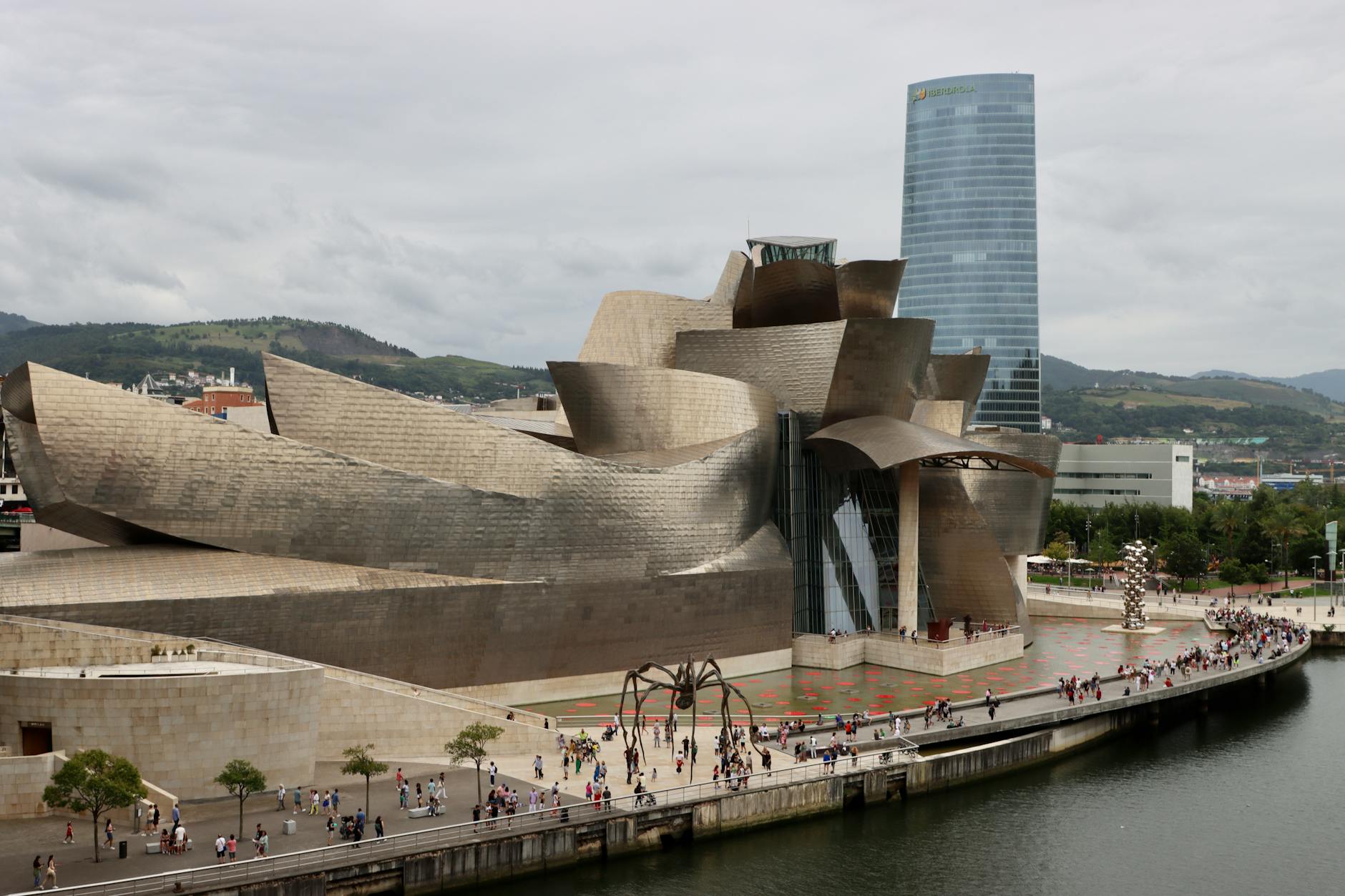
    The Guggenheim Bilbao: How One Museum Transformed a City and Redefined Modern Art

    Introduction

    The Guggenheim Museum Bilbao is not just an artistic hub; it symbolizes the revival of a city that was once considered industrial and unremarkable. Opened in 1997, the museum was a transformative catalyst for not just the local economy but for global perceptions of contemporary art. Nestled along the Nervión River, its striking architecture, designed by Frank Gehry, has become an icon in its own right, attracting millions of visitors each year. Beyond its role as a museum, the Guggenheim has spurred urban renewal, drawing attention to Bilbao and reshaping it into a cultural destination. This article will explore the profound impact of the Guggenheim Bilbao, examining how this museum has redefined modern art, provided an economic boost, and altered cultural landscapes not just locally, but globally.

    The Historical Context of Bilbao Before the Guggenheim

    Before the opening of the Guggenheim Museum, Bilbao was a city grappling with the remnants of deindustrialization. Located in the Basque Country of Spain, Bilbao had thrived during the industrial boom of the late 19th and early 20th centuries, primarily due to its shipbuilding and steel industries. However, by the late 20th century, the city faced significant economic decline. The industries that once fostered growth began to dwindle, which led to high unemployment rates and a diminishing population.

    The urban landscape of Bilbao reflected its economic hardships. Much of the city was characterized by abandoned factories, pollution, and architectural remnants of its industrial past. The decline was not purely economic; it was also cultural. Bilbao struggled to find its identity beyond the industrial narrative that had defined it for so long, leading to a pervasive sense of stagnation. The local government, recognizing the urgent need for revitalization, began to seek innovative solutions to reimagine the city’s future.

    In the 1990s, local officials sought international recognition and economic dynamism through cultural investment. Inspired by similar urban transformations seen in cities like Barcelona, they initiated plans that would lead to the development of the Guggenheim Museum. The aim was to anchor the city’s revitalization efforts in cultural tourism, leveraging art to rebuild the community’s sense of pride and purpose.

    As the discussions around the Guggenheim flourished, there was a shift in focus towards the potential impact of contemporary art. The museum was envisioned not just as a space for art but as a space for dialogue, creativity, and inspiration. Through the Guggenheim, local leaders saw the opportunity to reshape Bilbao’s narrative from that of decay and dilapidation to one of rejuvenation and innovation. The message was clear: a cultural institution could serve as a beacon of hope and prosperity, marking the turning point for the city.

    Moreover, the selection of the Guggenheim brand brought a powerful association with a respected lineage of modern art. The Guggenheim Foundation, established by philanthropist Solomon R. Guggenheim, was already renowned for its commitment to promoting avant-garde art. The decision to build a Bilbao outpost was significant; it demonstrated a commitment to modernity while also signaling the city’s desire for a place on the map of contemporary culture.

    The story of Bilbao before the Guggenheim is one of resilience and transformation. Local leaders and citizens alike recognized the museum as a potential key to unlock economic prosperity, cultural revival, and global attention. It became a symbol of hope, representing both a response to the past and a vision for the future. The groundwork laid by this historical context set the stage for what would become a monumental shift in the identity of Bilbao and its place within the global art landscape.

    Architectural Marvel: Frank Gehry’s Design

    Frank Gehry’s architectural design for the Guggenheim Bilbao Museum is often described as revolutionary, not only in its aesthetic appeal but also in its innovative construction techniques. As the visionary behind the museum, Gehry took inspiration from the industrial heritage of Bilbao, creating a structure that resonates with the city’s history while simultaneously pushing the boundaries of contemporary architecture.

    The design process began with a vision of creating a building that would blend harmoniously with its surroundings yet stand out as a landmark of modernity. Gehry used a computer-aided design (CAD) system to explore new forms and geometries, which enabled him to break from traditional architectural norms. The outcome was a series of interconnected volumes, each with distinct shapes and sizes, clad in titanium, glass, and limestone. This choice of materials not only added to the aesthetic appeal of the museum but also enhanced its functionality, allowing for natural light to flood the exhibition spaces while providing a striking visual contrast to the industrial backdrop of the city.

    The titanium panels, shimmering in the Basque sunlight, became one of the most iconic features of the museum. They catch and reflect light in various ways throughout the day, creating a dynamic façade that changes with the weather and time of day. This fluidity embodies the essence of modern art, which often seeks to challenge conventions and engage with its audience on multiple levels. The museum’s form, with its curvilinear shapes and flowing lines, evokes a sense of movement and energy, drawing visitors in and inviting exploration.

    guggenheim museum bilbao
    The Guggenheim Bilbao

    Internally, the layout of the Guggenheim is as remarkable as its exterior. The main atrium is an expansive space that serves as the heart of the museum, offering sightlines to the various galleries and exhibitions. This open design encourages visitors to traverse the museum freely, facilitating an organic flow that enhances the viewer’s experience. Notably, the exhibition spaces have been designed to be flexible, allowing for the accommodation of a wide range of artistic expressions, from large-scale installations to intimate works.

    Gehry’s design transcended mere functionality; it fostered a dialogue between architecture and art. The museum’s very structure acts as an artwork in itself, inviting visitors to contemplate the relationship between the space and the art it houses. This interplay has redefined how people experience museums, blurring the lines between the exhibit and the environment.

    Moreover, the Guggenheim Bilbao’s architectural success has inspired countless other projects around the world. Cities began to recognize the potential of iconic architecture in attracting tourists and generating economic growth. The success of the museum has prompted a new wave of cultural institutions to seek the expertise of renowned architects, thus changing the face of urban design on a global scale.

    The Guggenheim Bilbao, designed by Frank Gehry, stands as a testament to the possibility of innovation in architecture. The museum not only represents a new way of experiencing art but has also become a transformative icon for the city of Bilbao. Its dynamic design continues to inspire and challenge architects, artists, and urban planners worldwide, solidifying its place in the narrative of contemporary culture.

    Economic Impact: Revitalizing a City in Decline

    The opening of the Guggenheim Museum Bilbao heralded a significant economic turnaround for a city on the brink of decline. Prior to the museum’s construction, Bilbao struggled with high unemployment and widespread urban decay. The Guggenheim, however, became a pivotal instrument in the city’s revitalization strategy, stimulating economic growth and attracting investment in ways that were previously unimaginable.

    One of the most immediate effects of the museum’s opening was the influx of tourists. The Guggenheim quickly became a must-see destination, drawing millions of visitors from around the globe. In the first year alone, more than 1 million people flocked to the museum, far surpassing initial projections. This surge in tourism had a cascading effect on the local economy, creating jobs and generating revenue across various sectors, including hospitality, retail, and transportation.

    Hotels and restaurants experienced a boom as tourists sought accommodations and dining options during their visits to the museum. New businesses emerged, catering to the diverse needs of visitors and locals alike. This economic uptick provided much-needed employment opportunities, reducing the unemployment rate and enhancing the overall quality of life for citizens. Furthermore, the increased foot traffic helped revitalize areas of the city that had been neglected for years, demonstrating the power of culture as a catalyst for urban renewal.

    Additionally, the Guggenheim’s success prompted local officials to explore further investments in Bilbao’s cultural and artistic offerings. The city began hosting a variety of festivals, exhibitions, and performances, reinforcing its identity as a cultural hub. Public investments in infrastructure, including transportation improvements and the enhancement of public spaces, complemented the museum’s impact, creating a vibrant environment conducive to both tourism and local engagement.

    Moreover, the Guggenheim Museum Bilbao attracted international attention, positioning the city as a model for urban transformation. This newfound recognition led to partnerships with global organizations, art institutions, and cultural foundations. Bilbao’s brand began to shift from an industrial backdrop to a flourishing center for contemporary art and culture. The city’s enhanced reputation attracted prospective investors and corporations seeking to establish a presence in this revitalized locale.

    The economic stimulus generated by the Guggenheim was further bolstered by the museum’s role in cultural diplomacy. As an institution dedicated to modern and contemporary art, the Guggenheim Bilbao became a space for dialogue and exchange, fostering connections between artists, curators, and audiences from various backgrounds. This collaborative spirit facilitated the exchange of ideas and practices, enriching the local artistic community while elevating Bilbao’s status on the global stage.

    Despite initial skepticism regarding the museum’s potential impact on the local economy, the success of the Guggenheim Bilbao has proven that investment in culture and the arts can yield substantial economic returns. The experience of Bilbao serves as a powerful example for other cities grappling with similar challenges, demonstrating that a bold vision and commitment to cultural investment can pave the way for economic revitalization and growth.

    The economic impact of the Guggenheim Museum Bilbao is a multifaceted narrative of renewal and transformation. By attracting tourists and fostering business growth, the museum has played an instrumental role in redefining the economic landscape of Bilbao. It stands as a testament to the power of culture as a driver of urban regeneration and a model for sustainable development in cities facing decline.

    Cultural Significance: A New Era of Modern Art

    The Guggenheim Museum Bilbao has not only transformed the economic landscape of the region but has also fundamentally changed the dialogue surrounding modern art. As a major institution dedicated to contemporary art, the museum has redefined cultural significance, positioning itself at the forefront of artistic innovation and exploration.

    From the moment it opened its doors in 1997, the Guggenheim Bilbao has been committed to presenting cutting-edge exhibitions and showcasing the work of leading contemporary artists. Its curatorial approach emphasizes experimentation, engagement, and interdisciplinary practices, allowing for a richer and more diverse array of artistic expressions. This commitment to modernity and relevance has attracted numerous world-renowned artists, designers, and architects who strive to push the boundaries of their craft.

    The museum’s exhibitions often delve into pressing social and political issues, reflecting an evolving understanding of what it means to be an artist in the contemporary world. By giving a platform to artists who address themes such as identity, globalization, and technology, the Guggenheim has positioned itself as a space for critical discourse and reflection. This approach invites visitors to not only appreciate the aesthetic qualities of the artworks but also engage with the deeper narratives that inform them.

    One of the hallmarks of the Guggenheim Bilbao is its dedication to site-specific installations and large-scale artworks that transform the museum’s galleries into immersive experiences. Artists like Anish Kapoor, Jenny Holzer, and Richard Serra have created works that are specifically designed to resonate with the unique architectural space of the museum. This synergy between art and architecture fosters a dynamic experience, where visitors are encouraged to explore their surroundings in new and unfamiliar ways. The museum evolves with each exhibition, offering a fresh lens through which to view contemporary art.

    Moreover, the Guggenheim’s commitment to education and community engagement amplifies its cultural significance. The museum actively engages with local communities through educational programs, workshops, and outreach initiatives. These efforts aim to nurture an appreciation for contemporary art among diverse audiences, fostering dialogues that transcend geography and socioeconomic boundaries. By empowering local residents and art enthusiasts alike, the Guggenheim fosters a sense of ownership over the cultural legacy being curated within its walls.

    The significance of the Guggenheim Bilbao extends far beyond the borders of Spain. The museum’s influence reaches a global audience, inspiring countless institutions around the world to embrace innovative approaches to showcasing contemporary art. Its success has led to a proliferation of “Bilbao Effect” museums, where cities worldwide have sought similar cultural investments as a means to uplift their identities and economies. The transformative power of the Guggenheim has initiated a cultural renaissance, with cities recognizing the potential of art to shape their futures.

    In exploring the cultural significance of the Guggenheim Bilbao, it is crucial to acknowledge its role in shaping a new narrative surrounding contemporary art. The museum challenges traditional notions of what art can be, opening avenues for artistic experimentation and cultural dialogue. It has become a space of exploration, inquiry, and creativity, celebrating the spirit of innovation that characterizes modern art.

    The Guggenheim Museum Bilbao stands as a beacon of cultural significance, redefining the landscape of modern art and fostering a new era of artistic expression. Through its exhibitions, community engagement, and educational initiatives, the museum continues to influence both local and international art scenes, solidifying its role as a critical player in the narrative of contemporary culture.

    The Guggenheim’s Influence on Global Museum Trends

    The Guggenheim Museum Bilbao has not only transformed the city of Bilbao but has also played a pivotal role in shaping global museum trends. Its innovative design, commitment to contemporary art, and strategic cultural investments have set a benchmark for other museums worldwide. The “Bilbao Effect”—a phenomenon where cities invest in iconic architectural landmarks to stimulate economic and cultural revitalization—has become a prevalent theme in urban planning and cultural policy.

    One of the most significant trends instigated by the Guggenheim Bilbao is the embrace of avant-garde architecture in museum design. The success of Frank Gehry’s masterful creation has inspired countless cities around the world to invest in bold architectural statements as a means to attract tourists and communicate a commitment to cultural excellence. New museums—ranging from the contemporary Saatchi Gallery in London to the spectacular MAXXI in Rome—seek to emulate the enigmatic allure and innovative spirit exemplified by the Guggenheim.

    This architectural trend is accompanied by a broader shift in how museums approach curation and public engagement. No longer are museums solely repositories of static collections; instead, they strive to become dynamic platforms for dialogue, experimentation, and community interaction. The Guggenheim Bilbao understood the critical importance of creating a space that is adaptable and responsive to the needs of diverse audiences. As a result, many new museums have adopted flexible exhibition spaces that can host a wide variety of artistic formats—encouraging public participation while challenging traditional hierarchical structures.

    Moreover, the Guggenheim’s influence extends to its commitment to interdisciplinary partnerships and collaborations. This collaborative spirit fosters a climate in which artists, galleries, and cultural institutions can engage in innovative exchanges, leading to multidisciplinary exhibitions that resonate with contemporary issues. Contemporary museums are increasingly recognizing the value of cross-disciplinary partnerships, engaging with artists, scientists, and technologists to enrich their offerings and make meaningful connections with broader societal challenges.

    The focus on accessibility and inclusiveness has also become a pillar of modern museum practice, a principle championed by the Guggenheim. The institution actively endeavors to engage with diverse communities, provide educational resources, and create programming that reflects cultural plurality. This commitment to inclusivity fosters an environment where voices from underrepresented groups are amplified, broadening the scope of artistic practices and narratives in contemporary art.

    Furthermore, the Guggenheim Bilbao has set a precedent for the incorporation of technology within museum experiences. As digital and interactive technologies evolve, museums are increasingly harnessing these tools to engage visitors in innovative ways. The Guggenheim has embraced digital media and augmented reality to enhance visitor experiences, offering interactive installations that not only illuminate artworks but foster deeper connections between art and audience. This trend toward integrating technology parallels the evolution of societal engagement and offers exciting possibilities for how art is experienced in the 21st century.

    The Guggenheim Museum Bilbao has reshaped the landscape of global museum trends, pioneering innovative architectural designs, curatorial practices, and community engagement initiatives. Its legacy continues to influence how cultural institutions approach their missions in an ever-evolving world. The Guggenheim serves as a model of how the intersection of art, architecture, and community can create a transformative experience, ensuring that museums remain vibrant and relevant in contemporary society.

    Conclusion

    The Guggenheim Museum Bilbao’s influence extends far beyond its stunning architecture and modern art collections. It has transformed the city of Bilbao into a vibrant cultural hub while setting a global benchmark for how contemporary art can revitalize communities and inspire economic growth. Through its commitment to innovation, accessibility, and community engagement, the Guggenheim has redefined the role of museums in society, emphasizing their potential as agents of change.

    The museum’s legacy continues to inspire cities around the world, demonstrating the profound impact that a single cultural institution can have on its surroundings. As cities grapple with challenges ranging from economic decline to environmental sustainability, the Guggenheim’s model serves as a testament to the transformative power of art as a catalyst for urban renewal and cultural identity. In this ever-evolving landscape, the Guggenheim Museum Bilbao stands as a beacon of hope, creativity, and possibility—inviting us all to engage with the world through the lens of contemporary art.

    Inside The Guggenheim: Architecture and Legacy-Video Story

    Wondering Why the Guggenheim Museum is So Famous?
  • Van Gogh Museum History: A Tribute to the Life and Legacy of a Genius

    Van Gogh Museum History: A Tribute to the Life and Legacy of a Genius

    Introduction

    The Van Gogh Museum, located in the heart of Amsterdam, stands as a monumental tribute to one of history’s most influential artists, Vincent van Gogh. Established in 1973, the museum houses the largest collection of Van Gogh’s works, showcasing over 200 paintings, 500 drawings, and numerous letters that provide insights into the artist’s turbulent life and creative genius. The museum not only celebrates Van Gogh’s unique artistic contributions but also serves as a vital educational institution committed to sharing the impact of his art on contemporary society. With millions of visitors each year, it has become a pilgrimage site for art lovers, offering a profound experience of Van Gogh’s legacy. This article will delve into the history of the Van Gogh Museum, exploring its origins, architectural development, collection significance, educational efforts, and its influence on global art discourse.

    The Origins of the Van Gogh Museum

    The inception of the Van Gogh Museum originated from a growing interest in Vincent van Gogh’s work during the early 20th century. After the artist’s tragic death in 1890, his brother Theo played a pivotal role in advocating for his art, ensuring that his contributions would not be forgotten. Theo and his wife Jo created an initial collection of Van Gogh’s works that formed the foundation for what would later become the museum. The posthumous exhibitions of his paintings in various galleries throughout Europe sparked increased public interest, and soon the need for a dedicated space to honor Van Gogh’s legacy became clear.

    In 1910, the first significant exhibition dedicated solely to Van Gogh took place at the Stedelijk Museum in Amsterdam, which received a warm reception. This was followed by various exhibitions that continued to showcase his work, drawing increasing crowds and praise. In the following decades, art collectors and institutions began to acquire more of Van Gogh’s pieces, further solidifying his status as a pivotal figure in art history.

    van gogh museum in amsterdam netherlands
    Van Gogh Museum, Amsterdam

    By the 1960s, the idea of establishing a dedicated museum to house Van Gogh’s complete works became a reality when the Van Gogh Foundation was formed in 1962. The foundation was created to manage and preserve the collection amassed by the Van Gogh family, particularly focusing on ensuring that Van Gogh’s art was accessible to the public. A significant milestone was reached in 1973, when the Van Gogh Museum officially opened its doors to the public at its current location in Amsterdam.

    The museum’s founding marked a significant moment in the recognition of Van Gogh’s contributions to art, as it was the first institution in the world solely dedicated to an individual artist. The mission was not only to exhibit paintings but also to educate visitors about the life, struggles, and innovations of Van Gogh. In this context, the museum embarked on its journey to become a leading art institution, committed to preserving the legacy of a genius who had long been underestimated during his lifetime.

    Over the years, the Van Gogh Museum has expanded its focus beyond merely showcasing artwork. It has become a vibrant cultural center that engages with the public through various programs, exhibitions, and studies aimed at understanding Van Gogh’s impact on art and society. This commitment extends to collaborative projects with other institutions, ensuring that the legacy of Van Gogh continues to inspire future generations. The museum’s founding represents not only the recognition of a long-neglected artist but also the determination of advocates and art enthusiasts to celebrate his monumental genius and human experience.

    Architectural Evolution and Design

    The architectural design of the Van Gogh Museum reflects a blend of modernity and respect for the historical context of Vincent van Gogh’s life and work. When the museum was first established in 1973, the building was designed by architects Gerrit Rietveld and Cornelis van de Kuilen, creating a spacious and inviting environment for both art and visitors. The museum’s structure was intended to allow natural light to flood the galleries, an essential aspect for displaying Van Gogh’s vibrant colors and intricate brushwork. Ample wall space was planned strategically to enable a spacious layout that does justice to the artist’s vast oeuvre.

    In the early years, the museum underwent several updates and expansions to accommodate the growing number of visitors and the expansion of the collection. In 1999, a significant expansion project led by the architect Kisho Kurokawa was realized, resulting in a new wing dedicated to temporary exhibitions and increased exhibition space overall. This expansion not only enhanced the museum’s capacity to showcase more of Van Gogh’s works but also allowed for thematic exhibitions that contextualize his art within broader art movements and societal issues.

    The architectural evolution of the museum reflects an ongoing dialogue between Van Gogh’s artistic vision and contemporary architectural practices. The building’s aesthetic draws inspiration from the elements of Van Gogh’s life, evoking the textures of the rural landscapes and the vibrant palette of his paintings. The design cleverly marries form and function, incorporating spaces for reflection and contemplation, allowing visitors to connect emotionally with the exhibits.

    The museum has also invested in sustainable practices, seeking to minimize its environmental impact while maximizing the visitor experience. This commitment is evident in its energy-efficient systems, which help maintain climate control within the galleries—an essential aspect of preserving oil paintings. The architecture thus embodies a harmony of aesthetic beauty, functionality, and ecological consciousness, all aimed at enhancing the understanding and appreciation of Van Gogh’s legacy.

    The architectural evolution of the Van Gogh Museum is a testament to its commitment to honoring the life and work of Vincent van Gogh. The museum’s design and continuous development reflect an understanding of the importance of contextualizing his art within both historical and contemporary frameworks. As a result, it serves not only as a repository of Van Gogh’s genius but also as a significant cultural landmark in Amsterdam and around the world.

    The Collection: A Treasure Trove of Van Gogh’s Works

    The Van Gogh Museum’s collection is one of the most extensive and meticulously curated assemblages of Vincent van Gogh’s art, providing invaluable insights into the artist’s evolving style and personal narrative. With over 200 paintings, 500 drawings, and numerous letters, the collection tells the story of Van Gogh’s life, from his early years as a struggling artist to his posthumous fame as a genius. Each piece reveals different aspects of his character, emotions, and evolving artistic techniques.

    The breadth of the collection includes iconic works such as “The Starry Night,” “Sunflowers,” and “The Bedroom,” each representing pivotal moments in Van Gogh’s artistic journey. These masterpieces are complemented by lesser-known works that showcase his experimentation with color, form, and perspective. The collection also illustrates the artist’s constant evolution—how he absorbed influences from the Impressionists and Post-Impressionists, as well as his pioneering use of impasto technique that adds depth and texture to his paintings.

    One of the key strengths of the Van Gogh Museum’s collection is its comprehensiveness concerning the artist’s correspondence. The letters that Van Gogh wrote, primarily to his brother Theo, provide valuable context for his works and insight into his thoughts and struggles. They reveal an artist grappling with intense emotions and a desire for recognition, lending depth to the paintings on display. These letters are often included in exhibitions, allowing viewers to connect more deeply with Van Gogh’s life experiences, thus enhancing their understanding of his art and its emotional impact.

    The museum continuously seeks to expand and refine its collection by acquiring new pieces when possible and on occasion, lending artworks to other institutions. Special exhibitions are organized to highlight specific themes, periods in Van Gogh’s life, or showcase works from other collections alongside his paintings. This approach allows the museum to keep the collection dynamic and relevant, encouraging returning visitors to experience new interpretations and insights each time they visit.

    Additionally, the Van Gogh Museum invests significantly in research, collaborating with art historians and scholars worldwide to uncover more about Van Gogh’s techniques and the cultural contexts of his works. This research often leads to new discoveries and interpretations, further enriching the museum’s collection and the narratives surrounding Van Gogh’s art. Moreover, the museum hosts various temporary exhibitions featuring works by artists influenced by Van Gogh, providing a broader understanding of his lasting impact on the art world.

    The accessibility of the collection is another key aspect of the Van Gogh Museum’s mission. Efforts are in place to make the artworks approachable for diverse audiences, including providing detailed explanations and context in multiple languages. Interactive displays and digital resources enhance the visitor experience, bringing an educational component that fosters a greater appreciation of the artworks.

    The Van Gogh Museum’s collection represents an invaluable treasure trove of Vincent van Gogh’s works that bridges the artist’s life, emotions, and artistic development. Through a careful curation of both well-known masterpieces and lesser-known pieces, alongside the inclusion of his letters, the museum provides a comprehensive insight into the genius of Van Gogh. Its ongoing dedication to research and public engagement ensures that this collection remains a significant cultural resource, enriching the lives of countless visitors and continuing to inspire future generations.

    Educational Programs and Community Engagement

    Education lies at the heart of the Van Gogh Museum’s mission, as the institution recognizes the importance of connecting Van Gogh’s artistic legacy to contemporary audiences. By offering a variety of educational programs and community engagement initiatives, the museum seeks to make art accessible to everyone, regardless of age or background. These programs help foster an appreciation for art and encourage dialogue about Van Gogh’s significance in both art history and modern society.

    One of the primary educational initiatives is the museum’s guided tours, which cater to various interest levels and age groups. Tours for school groups are particularly popular, allowing students to engage with Van Gogh’s work in an interactive and meaningful way. Guided tours often incorporate discussions about Van Gogh’s techniques, themes, and personal story, enabling students to connect their own experiences with those of the artist. By making art relatable, these programs help cultivate a new generation of art enthusiasts.

    In addition to guided tours, the museum also offers workshops designed to inspire creativity and hands-on exploration of Van Gogh’s techniques. These workshops allow participants to experiment with color palettes, brushwork, and even the impasto technique, which is a hallmark of Van Gogh’s style. Such experiences invite attendees to interpret the world around them through their artistic lenses and encourage personal expression. It creates a dialogue between the participant, Van Gogh’s legacy, and the broader world of art.

    The Van Gogh Museum also actively engages with the local community and beyond by organizing temporary exhibitions, lectures, and events that explore broader themes in art and culture. These initiatives are often designed to appeal to diverse audiences, ensuring that the museum remains relevant and responsive to societal issues. Collaborations with local artists and schools enhance this engagement, showcasing contemporary creativity and how it intersects with Van Gogh’s legacy.

    Moreover, the museum recognizes the importance of accessibility for people with disabilities. Efforts are made to provide inclusive programs that open avenues for everyone to experience Van Gogh’s work. This includes audio guides for individuals with visual impairments, sensory-friendly tours for those with autism, and specialized workshops that accommodate diverse learning needs. These initiatives underscore the museum’s commitment to ensuring that Van Gogh is appreciated by all.

    One notable aspect of the Van Gogh Museum’s educational outreach is its digital initiatives. The museum maintains an extensive online presence, including virtual tours and interactive educational resources. These offerings have become especially vital during the periods when physical attendance was restricted, reaching audiences globally. Online exhibitions allow art enthusiasts from around the world to connect with Van Gogh’s legacy and explore his works alongside educational materials, discussions, and resources for deeper understanding.

    Community engagement also extends to the museum’s commitment to fostering dialogue about the relevance of art today. By organizing discussions, panels, and partnerships with various cultural institutions, the Van Gogh Museum stimulates conversations around art’s role in societal change, mental health, and the human experience. These efforts highlight how Van Gogh’s art speaks to universal themes that resonate with contemporary audiences.

    The educational programs and community engagement initiatives at the Van Gogh Museum emphasize the importance of fostering connections between Vincent van Gogh’s legacy and all who encounter his work. Through guided tours, hands-on workshops, community collaborations, and digital outreach, the museum remains committed to enriching lives through art. In doing so, it not only honors Van Gogh’s contributions to the art world but also strengthens the cultural fabric of society, ensuring that his genius continues to inspire and resonate with people from all walks of life.

    The Museum’s Role in Global Art Discourse

    The Van Gogh Museum plays a vital role in global art discourse by acting as a center for research, scholarship, and cultural dialogue. This institution not only preserves and showcases Vincent van Gogh’s work but actively contributes to ongoing conversations about art, its interpretation, and its impact on society. As one of the leading museums dedicated to an individual artist, the Van Gogh Museum has the unique capacity to influence how Van Gogh is understood and appreciated worldwide.

    The museum engages in prolific research initiatives aimed at deepening the understanding of Van Gogh’s art and his contributions to various artistic movements, including Post-Impressionism and Expressionism. Art historians, curators, and scholars collaborate to study his works, letters, and the rich historical context in which he created. The museum frequently publishes findings in catalogs and scholarly papers, contributing to academic discourse surrounding Van Gogh. Such initiatives ensure that new insights are continually brought forth, reinforcing the relevance of his work in today’s art world.

    Furthermore, the Van Gogh Museum often collaborates with other institutions, organizing international exhibitions that place Van Gogh’s work alongside that of his contemporaries. This approach offers viewers the opportunity to see how Van Gogh interacted with other artistic voices and trends, positioning him within the larger narrative of art history. Traveling exhibitions showcase not only Van Gogh’s genius but also highlight the influence he has had on artists around the globe.

    In recent years, the museum has actively embraced digital innovation to expand its reach and influence. By creating online platforms that allow for virtual exhibitions and immersive experiences, the Van Gogh Museum democratizes access to art. Global audiences can engage with his masterpieces regardless of geographic barriers. This digital presence encourages discourse not only among art enthusiasts but also invites new voices into the conversation about Van Gogh’s significance in contemporary culture.

    The museum’s commitment to public programs—including lectures, workshops, and panel discussions—serves as a platform for critical discussions about the role of art in society. By inviting artists, scholars, and cultural leaders to share their perspectives, the museum stimulates dialogue that spans various themes, from mental health issues to the intersection of art and activism. This dedication to fostering conversation underlines the ways in which Van Gogh’s work extends beyond the canvas, reflecting broader societal themes relevant today.

    Moreover, the museum addresses contemporary issues such as diversity and inclusion within the art world, seeking to promote representation and equity in how art is perceived and disseminated. These discussions contribute to a global understanding of how art reflects societal values and histories, reinforcing the notion that art is a powerful tool for dialogue and change.

    The Van Gogh Museum actively supports emerging artists, often providing them a space in exhibitions to showcase their interpretations of Van Gogh’s work or influence. This nurturing of new talent not only keeps Van Gogh’s legacy alive but continues to ensure that the conversation around his impact evolves across generations.

    The Van Gogh Museum’s role in global art discourse is multifaceted and significant. By fostering research, collaboration, and community engagement, it enhances our understanding of Van Gogh’s contributions to art while encouraging dialogues about contemporary issues. Through its commitment to making art accessible and relevant today, the museum cements Van Gogh’s legacy as an enduring source of inspiration and insight for people around the world.

    Conclusion

    The Van Gogh Museum stands as a testament to the enduring impact of Vincent van Gogh’s artistry, embodying both a celebration of his life and a commitment to sharing his legacy with the world. From its origins in the early 20th century to its evolution into a leading cultural institution, the museum has made significant strides in preserving and presenting Van Gogh’s work. This journey is marked by a continuous dedication to education and community engagement, ensuring that visitors from all walks of life can connect with the artist’s brilliance.

    The museum’s extensive collection, consisting of masterpieces and lesser-known works, offers a multifaceted view of Van Gogh’s artistic evolution while incorporating his personal correspondences that reveal the emotional depth behind the paintings. Through diverse educational programs and community initiatives, the institution fosters an inclusive environment where art is accessible and relatable.

    Moreover, the museum contributes to global art discourse by promoting critical scholarship, collaborative exhibitions, and dialogues that extend beyond Van Gogh’s art to address broader societal themes, reiterating the importance of creativity in shaping cultural narratives. As a vibrant hub for art and education, the Van Gogh Museum remains committed to honoring the genius of Vincent van Gogh while inspiring new generations to appreciate art’s profound capacity to engage and transform lives.

    Van Gogh Museum Video Guide


    Discover the Van Gogh Museum in Amsterdam, Netherlands
  • The Hermitage Museum: Unveiling the History of Russia’s Cultural Treasure

    The Hermitage Museum: Unveiling the History of Russia’s Cultural Treasure

    Introduction

    The Hermitage Museum, located in St. Petersburg, Russia, stands as a monumental testament to the rich tapestry of Russian culture and history. Founded in 1764 by Catherine the Great, the museum has evolved over centuries into one of the world’s largest and most prestigious art institutions. With its vast collection of over three million items, ranging from ancient artifacts to contemporary artworks, the Hermitage offers a unique glimpse into the artistic and cultural development of different eras and regions. Visitors are not merely spectators of art; they embark on a journey through history, experiencing the narratives and events that have shaped not only Russia but also the broader world. The museum is not just a sanctuary for art but a pivotal cultural hub that hosts exhibitions, educational programs, and community events, making the Hermitage an enduring symbol of heritage and creativity.

    The Founding of the Hermitage Museum

    The inception of the Hermitage Museum can be traced back to the ambitions of Empress Catherine the Great, who was determined to cultivate a vibrant cultural and artistic landscape in Russia. In 1764, she acquired a remarkable collection of 225 paintings from a Berlin merchant, which marked the humble beginnings of what would soon transform into a grand museum. The choice to house these artworks in a former Winter Palace reflected Catherine’s vision of making art accessible to the public and fostering an appreciation for cultural heritage.

    Catherine’s commitment to the arts extended beyond mere acquisition; she actively collected pieces that aligned with her aesthetic preferences and philosophical ideals. This commitment laid the groundwork for a remarkable collection that encompassed European masterpieces alongside Russian art forms. The museum’s name, “Hermitage,” derives from the French word “ermitage,” which means “a place of solitude,” aptly describing the serene environment that Catherine envisioned for her artistic sanctuary.

    Throughout the late 18th and 19th centuries, the Hermitage continued to grow, bolstered by the contributions of subsequent rulers who expanded the collection with notable pieces from across Europe. Tsar Alexander I and Tsar Nicholas I further enhanced its holdings by acquiring art from the Napoleonic Wars and commissioning works from talented Russian and European artists. The museum evolved to reflect a cultural dialogue between Eastern and Western art, highlighting an integration of styles and techniques that enriched the Russian artistic landscape.

    As the Hermitage expanded, so did its architectural footprint. The museum’s complex consists of several buildings, each showcasing different architectural styles that narrate the evolution of Russian design. The highlight is the main building, the Winter Palace, an opulent structure that showcases Baroque and Neoclassical design elements. The palace’s grandeur provides a fitting backdrop for the rich artistic treasures housed within.

    The establishment of the Hermitage represented more than a personal collection; it was a reflection of Catherine’s ambitions for Russia’s cultural prominence on the global stage. Through her vision, the museum became a crucial player in the international art scene, illustrating how art can transcend borders and foster mutual understanding among diverse cultures.

    Today, the Hermitage continues to build upon its legacy, hosting a wealth of exhibitions featuring artists from around the world, thereby remaining a vibrant and relevant institution. Its founding story serves as a reminder of the transformative power of art and the importance of cultural institutions in preserving and promoting heritage for future generations.

    Architectural Marvels of the Hermitage

    The architectural splendor of the Hermitage Museum is as compelling as the art it houses. The complex encompasses several buildings, primarily the Winter Palace, which served as the residence for Russian emperors and is an embodiment of imperial power and elegance. Constructed between 1754 and 1762 under the direction of Bartolomeo Rastrelli, the Winter Palace is a striking example of Rococo architecture, characterized by ornate detailing, gold leaf accents, and a vibrant color palette that commands attention.

    the exterior of winter palace in st petersburg russia
    The exterior of Winter Palace in St Petersburg

    The façade of the Winter Palace is adorned with intricate stucco work and sculptures, creating a visual narrative that captures the opulence of the Russian imperial court. The palace’s design features a harmonious blend of spaces, including grand staircases, expansive halls, and intimate galleries. The lavish interiors are as impressive as the exterior, with opulent furnishings and decorative arts reflecting the period’s artistry.

    Complementing the Winter Palace are several other buildings within the Hermitage complex, including the Old Hermitage, the New Hermitage, and the Hermitage Theatre. Each structure contributes to the museum’s architectural narrative, showcasing various styles that chronicle Russia’s historical and cultural evolution. The Old Hermitage, built in the early 19th century, serves as a gallery space, housing important collections of Western European art.

    The New Hermitage, constructed in the mid-19th century, was designed to accommodate the expanding collection and features a breathtaking collection of Greek and Roman antiquities. This building is notable for its innovative use of natural light, allowing art to be displayed in a manner that enhances its beauty and context. The galleries within the New Hermitage also reflect a significant focus on the accessibility of art to the public, aligning with Catherine the Great’s vision of making art an integral part of social life.

    Beyond the architectural marvels, the Hermitage also incorporates modern elements, such as the General Staff Building, which was renovated to host contemporary exhibitions and loaned artworks from other institutions. This blending of historical and modern architecture underscores the Hermitage’s dedication to remaining a dynamic cultural institution while honoring its rich past.

    The architectural features of the Hermitage serve not only as a backdrop for art but also as a narrative of the evolution of Russian architecture itself. Each building tells a story of the artists, architects, and leaders who committed themselves to creating a cultural legacy that transcends time. Visitors find themselves enchanted not just by the collection of art but also by the very spaces that house them, each corner inviting exploration and reflection.

    As the museum continually embraces modernity, it ensures that the architectural integrity remains intact, striking a delicate balance between historic preservation and contemporary innovation. The Hermitage Museum stands as a prime example of how architecture can serve to create an experience that goes beyond the visual, inviting visitors into the rich, layered stories of a nation’s cultural heritage.

    The Collections: A Window into Art History

    The Hermitage Museum’s collections are a veritable treasure trove, offering an extensive survey of global art spanning various epochs and cultures. With over three million items, the museum is not merely a repository of artifacts; it serves as a narrative thread that weaves together the histories, philosophies, and artistic expressions of humanity.

    The museum’s core collection of European art includes masterpieces from renowned artists such as Rembrandt, Michelangelo, and Raphael. The Russian portrait gallery, which features works from the 18th and 19th centuries, is particularly impressive, showcasing pieces by Russian artists like Ivan Kramskoy and Ilya Repin, who captured the essence of the Russian spirit through their brushstrokes. This segment of the collection paints a vivid portrait of the social dynamics, cultural identity, and historical events of the time.

    In addition to European masterpieces, the Hermitage boasts an exceptional collection of Asian art, including Chinese, Japanese, and Indian objects that highlight the richness of Eastern artistic traditions. These include ancient ceramics, intricate textiles, and exquisite sculptures that reflect the philosophical and aesthetic principles underlying Asian art. Visitors can marvel at the craftsmanship and cultural nuances encapsulated in each piece, which together narrate an intercultural dialogue between East and West.

    The museum’s collection of antiquities further emphasizes its role in art historical scholarship. The vast array of classical artifacts, including Greek and Roman sculptures, Egyptian mummies, and Mesopotamian tablets, provides key insights into early civilizations and their contributions to collective human heritage. Scholars and students alike gather here to study these pieces, as they represent the foundational underpinnings of art and culture that continue to influence contemporary works.

    Moreover, the Hermitage plays host to an array of decorative arts, including applied arts and crafts that reflect the evolution of design and aesthetics across various periods. From elaborately designed Fabergé eggs to ornate furniture and ceremonial objects, these items illustrate the intersection of artistry and functional design, showcasing the skills of craftsmen who imbued everyday objects with beauty and cultural significance.

    The museum’s commitment to inclusivity is evident in its efforts to present diverse narratives across its collections. Special exhibitions often spotlight underrepresented artists and movements, providing a platform for marginalized voices within the art world. By engaging with contemporary issues and themes, the Hermitage remains dynamic and relevant, fostering discussions and reflections on the role of art in society.

    Furthermore, the institution’s dedication to utilizing cutting-edge technology has enhanced the accessibility of its collections. Virtual tours and digital exhibitions allow audiences worldwide to engage with the Hermitage’s vast trove of artistic treasures from the comfort of their homes, breaking down geographical barriers and democratizing access to art.

    Through its diverse and expansive collections, the Hermitage Museum serves not only as a visual feast but also as a vital educational resource. It invites visitors to explore the intricate connections between art, culture, and human experience, encouraging a deeper understanding of how art reflects the complexities of society throughout history.

    Various Exhibitions and Cultural Events

    The Hermitage Museum is not only an art repository but also a vibrant cultural hub that hosts a diverse range of exhibitions and events throughout the year. These initiatives play a crucial role in engaging the public and fostering a deeper appreciation for the arts and humanities. The museum organizes various exhibitions showcasing thematic displays of both its own collections and traveling exhibits from other museums, ensuring a dynamic experience for every visitor.

    One of the standout features of the Hermitage’s exhibition program is its commitment to thematic exhibitions, which focus on specific art movements, historical contexts, or cultural dialogues. These carefully curated exhibitions unite works from different periods and regions, offering visitors an immersive experience that facilitates cross-cultural understanding and appreciation. For example, a recent exhibition may have explored the dialogue between Western and Eastern art, featuring works from renowned artists of both traditions, illustrating how they influenced one another throughout history.

    In addition to thematic exhibitions, the Hermitage frequently collaborates with international museums and cultural institutions to host major traveling exhibitions. By bringing in works from museums worldwide, the Hermitage enriches the cultural landscape of St. Petersburg and creates opportunities for visitors to encounter artworks they might not typically have access to. These collaborations exemplify the Hermitage’s role as a global player in the cultural exchange, promoting dialogue between artists, curators, and audiences beyond borders.

    The museum’s dedication to education is also manifested in its array of cultural events. Lectures, workshops, and panel discussions are organized regularly, offering visitors deeper insights into the exhibitions and the art world at large. These educational programs not only engage art lovers but also serve the community by breaking down barriers to knowledge and critical discourse surrounding art and culture. For artists, students, and scholars, the Hermitage offers a unique platform for exploration and discussions on contemporary themes, social issues, and artistic innovations.

    Moreover, the Hermitage Museum plays host to performances and concerts that intertwine art with various forms of creative expression. This initiative creates an engaging atmosphere that resonates with the creative energies present in the museum. Dance performances, musical recitals, and theatrical shows often take place within the museum’s breathtaking architectural spaces, providing a multisensory experience that immerses audiences in the world of art.

    As part of its mission to engage with the community, the Hermitage also initiates special outreach programs aimed at underrepresented groups, including children and students. These programs include guided tours, art appreciation workshops, and collaborative projects with local schools, ensuring that the arts remain accessible to the broader public. By nurturing creativity in young minds, the museum fosters a love for the arts that transcends generations.

    In response to global events and the evolving landscape of cultural engagement, the Hermitage has also embraced digital initiatives. Virtual exhibitions, online lectures, and interactive experiences allow audiences to connect with the museum from anywhere in the world. By harnessing technology, the Hermitage expands its reach, ensuring that even those unable to visit in person can access its wealth of creative resources.

    Overall, the Hermitage Museum’s diverse exhibition and cultural program exemplifies its commitment to promoting art and culture as a means for understanding and connecting humanity. Through its dedication to education and community engagement, the Hermitage fosters an inclusive and vibrant cultural landscape that celebrates the transformative power of art.

    The Hermitage in the 21st Century: A Modern Perspective

    As we forge ahead into the 21st century, the Hermitage Museum continues to evolve, adapting to contemporary artistic trends while honoring its storied past. This dynamic adaptability is crucial for ensuring the museum’s relevance in an ever-changing cultural landscape. The Hermitage embraces modernity through both its expansion and innovation, positioning itself as a leader among global cultural institutions.

    A significant aspect of the museum’s evolution is its commitment to sustainability and responsible stewardship of its collections. The leadership at the Hermitage has recognized the importance of being guardians of not only art but also the environment. Initiatives aimed at reducing the museum’s carbon footprint and promoting sustainability have been implemented, demonstrating a forward-thinking approach to preserving cultural heritage for future generations.

    In addition to environmental considerations, the Hermitage strives to enhance visitor experiences through technological advancements. The integration of digital technology into exhibitions offers opportunities for deeper engagement and interactivity. Augmented reality experiences, interactive guides, and mobile apps are designed to enrich the visitor journey, encouraging a more immersive understanding of the artworks and their contexts.

    The Hermitage’s acknowledgment of diverse narratives and experiences reflects a broader push for inclusivity in cultural institutions. The museum has placed a greater emphasis on representing marginalized voices and underrepresented artists within its programming. By presenting diverse perspectives, the Hermitage promotes dialogue that resonates with contemporary socio-political themes, fostering understanding and appreciation among diverse communities.

    International collaborations continue to play an essential role in the Hermitage’s ongoing relevance. By partnering with global institutions, the museum facilitates cross-cultural exchanges that amplify its artistic and scholarly horizons. This collaboration includes traveling exhibitions and joint research initiatives that delve into modern artistic practices, as well as contemporary cultural phenomena, thus expanding the breadth of its contributions to the global art discourse.

    Furthermore, the Hermitage engages actively with the local community, offering programs that invite residents to partake in discussions around art, history, and their own narratives. As a vital component of civic engagement, the museum seeks to break down barriers between art and the public, allowing for diverse voices to contribute to the cultural conversation. This outreach strengthens community ties and cultivates a shared sense of ownership over the cultural heritage represented within the museum walls.

    As cultural landscapes continue to shift and transform, the Hermitage Museum demonstrates a commitment to remaining a vital and adaptable institution. By threading its rich legacy with contemporary perspectives, the Hermitage not only honors its past but also embraces the future, continually inviting artists, scholars, and audiences to explore the vast realms of creativity and cultural understanding that lie ahead.

    Conclusion

    The Hermitage Museum stands as a monument to the rich cultural tapestry that defines Russia and the broader world. Through its storied history, impressive architectural design, vast collections, and commitment to community engagement, the museum has solidified its place as a cornerstone of cultural heritage and artistic expression. From its founding by Catherine the Great to its contemporary relevance in the global art scene, the Hermitage exemplifies the power of art to transcend boundaries, spark dialogue, and foster appreciation.

    As the museum embraces modernity and the ever-changing landscape of art and culture, its mission remains steadfast: to preserve and promote the legacy of artistic genius while engaging audiences of all ages and backgrounds. The Hermitage is more than a museum; it is a vibrant cultural institution that invites all to explore the narratives and stories that unite us as a society. By continuing to honor its rich history while forging new paths, the Hermitage Museum serves as an enduring testament to the transformative power of art, inspiring generations to come.

    Video: History of the Museum.


    History of the Museum. The State Hermitage Museum, St Petersburg Russia
  • Exploring the Uffizi Gallery History: The Heart of Florence’s Artistic Heritage
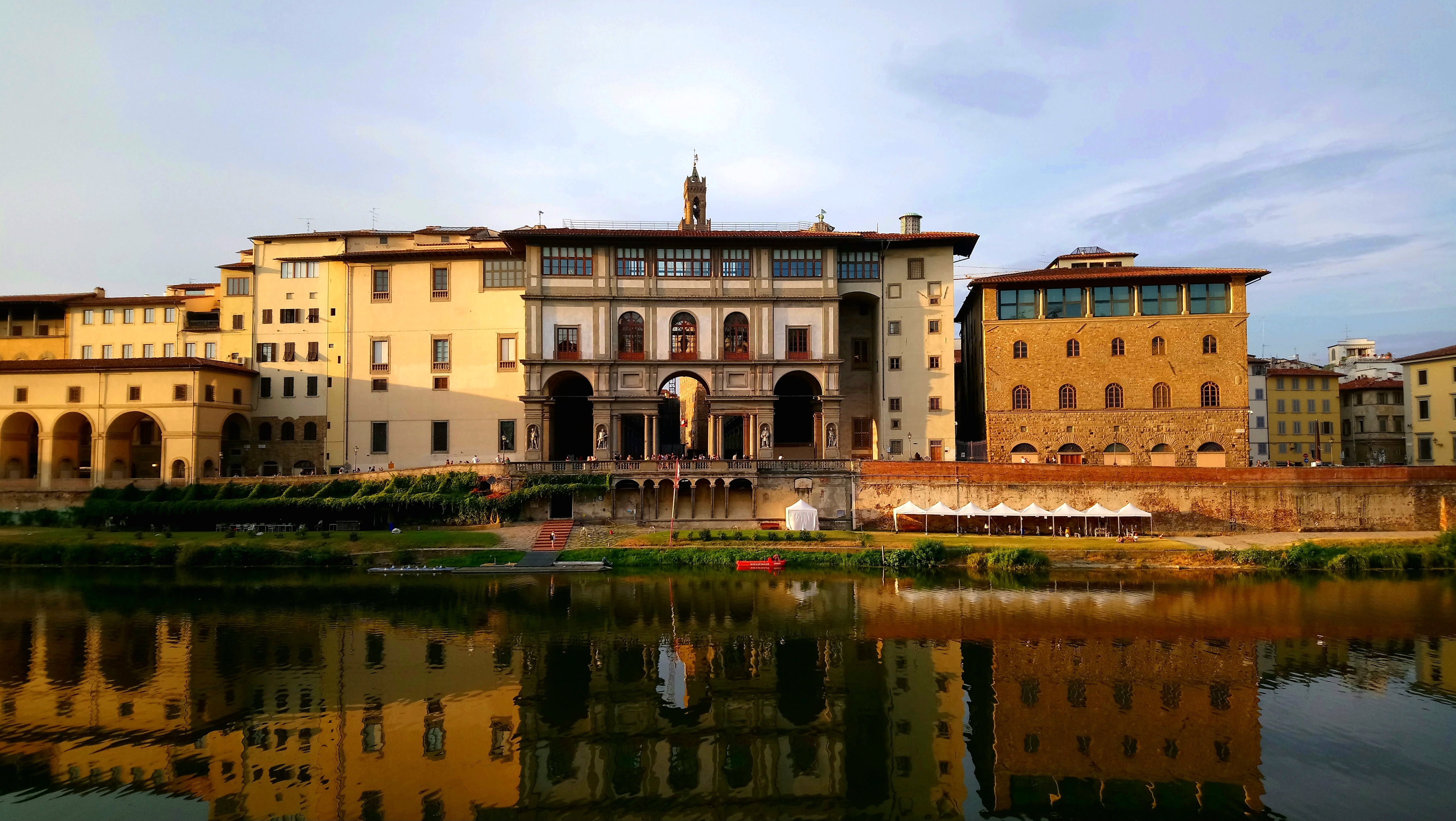
    Exploring the Uffizi Gallery History: The Heart of Florence’s Artistic Heritage

    Introduction

    The Uffizi Gallery, located in the heart of Florence, is one of the most celebrated art museums in the world. Established originally as a government office, the Uffizi has evolved into a treasure trove of art, showcasing masterpieces from the Renaissance and beyond. Its history is as rich as the artworks it houses, and it stands as a testament to Florence’s profound influence on the art world. This article explores the Uffizi Gallery History, its architectural features, the notable artists whose works adorn its walls, its cultural impact, and its modern-day significance. By delving into these aspects, we aim to appreciate the role of the Uffizi Gallery as a pillar of Florence’s artistic heritage and its continued relevance in today’s cultural landscape.

    Historical Origins of the Uffizi Gallery

    The Uffizi Gallery’s origins date back to the late 16th century, conceived under the direction of Francesco I de’ Medici, Grand Duke of Tuscany. Initially, the space was designed to house offices for Florentine magistrates, hence the name “Uffizi,” which means “offices” in Italian. The design was entrusted to Giorgio Vasari, a prominent architect and painter known for his work on the Palazzo Vecchio and as a leading figure of the Mannerist style. The gallery was completed in 1584, but its evolution into an art museum emerged gradually, influenced by the Medici family’s passion for art and their collections.

    As the Grand Ducal family amassed an extensive collection of artworks, the Uffizi began serving as a gallery to exhibit these treasures. This shift from a governmental function to an artistic one was quite revolutionary, reflecting the Medici’s desire to display their power and cultural status through art. By the time of Cosimo I’s death in 1574, the foundation had been laid for a public treasure trove that would eventually be accessible to scholars and connoisseurs.

    One of the pivotal moments in the gallery’s history occurred in 1737 when the last Medici ruler, Anna Maria Ludovica, bequeathed her family’s art collection to the city of Florence, ensuring that these artworks would be preserved for public viewing. This act solidified the Uffizi’s role as a public museum, allowing access to a wider audience to appreciate the masterpieces collected over generations. The accumulation of these works includes pieces by iconic artists such as Botticelli, Michelangelo, and Caravaggio, thus, the Uffizi began to gain recognition as a significant cultural institution.

    Throughout the 18th century, further renovations and expansions were carried out to accommodate the increasing number of visitors and artworks. This period saw the introduction of a more systematic and scholarly approach to art curation. The museum continued to thrive, leading to its reconstruction after a flood in 1966 that threatened many pieces within its collection. Remarkably, artists and art historians rallied to save and restore artworks, showcasing the deep-seated reverence for the cultural heritage housed within the Uffizi walls.

    The Uffizi Gallery History encapsulates the essence of Florence itself—a city deeply rooted in artistic innovation, resilience, and cultural pride. The gallery not only serves as a repository of exquisite paintings and sculptures but also represents a beacon of historical significance that continues to draw art enthusiasts from around the world.

    Architectural Significance and Design Features

    The architectural design of the Uffizi Gallery is one of its most striking features, reflecting both functional and aesthetic qualities. Commissioned by Francesco I de’ Medici, the gallery was built to a specific vision that fused together the ideas of Renaissance architecture with practicality. Designed by Giorgio Vasari, the layout emphasizes symmetry and proportion, key elements of Renaissance design that provide a sense of harmony throughout the space.

    The façade of the Uffizi is crafted in the classical style, with columns and pediments that evoke the grandeur of ancient Rome. The original structure consists of a long, rectangular block that facilitates a linear flow of exhibition space, allowing visitors to navigate through the artworks seamlessly. This design not only serves a practical purpose but also creates a cohesive visual experience, where each gallery leads into the next amidst a backdrop of stunning architecture.

    Inside the gallery, visitors are greeted by high ceilings adorned with intricate frescoes that enhance the cultural richness of the environment. The use of natural light streaming through large windows illuminates the artwork, creating an atmosphere that invites contemplation and admiration. Moreover, the careful arrangement of paintings along the walls ensures that each piece can be appreciated in its own right without overwhelming the viewer.

    Another critical aspect of the Uffizi’s architectural significance is its connection to the Ponte Vecchio, historically linking the gallery to the heart of Florence. The Vasari Corridor, an elevated passageway built by Vasari, allowed the Medici family to move between the Uffizi and the Palazzo Vecchio safely. This innovative addition not only showcases the architectural ingenuity of the time but also highlights the intertwining of art, power, and urban planning in Florence.

    Over the years, the Uffizi has undergone several renovations, adapting to contemporary needs while preserving its historical character. These updates have included enhancements to visitor amenities and exhibition spaces, demonstrating the commitment to making the museum accessible to a broader audience. The architectural evolution of the Uffizi reflects the continuous dialogue between history and modernity, retaining its allure as a vital hub for art enthusiasts.

    The Uffizi Gallery remains not only an invaluable repository of art but also an architectural marvel that embodies the spirit of the Renaissance. Its design features and aesthetic principles continue to inspire architects and artists alike, ensuring its place as a cornerstone of Florence’s cultural landscape.

    Major Artworks and Artists Represented

    The Uffizi Gallery is renowned for its expansive collection of artworks that span centuries, showcasing some of the most significant masterpieces in Western art history. The gallery’s holdings comprise over 1,800 works, with a notable focus on the Renaissance period when Florence was at the forefront of artistic innovation. Among the most celebrated artists featured in the Uffizi are Botticelli, Michelangelo, Raphael, Caravaggio, and Titian, each contributing a unique perspective that reflects the cultural zeitgeist of their times.

    One of the foremost works in the Uffizi is Sandro Botticelli’s “The Birth of Venus” a quintessential representation of the humanist ideals of beauty and mythology. Painted in the mid-1480s, this iconic piece captures the moment Venus emerges from the sea, symbolizing love and grace. The innovative use of color and composition exemplifies the Florentine’s mastery of form and narrative, providing viewers with a glimpse into the Renaissance’s exploration of classical themes.

    Sandro Botticelly: The Birth of Venus by Anna Sukhareva
    Botticelly’s “The Birth of Venus” by Anna Sukhareva

    Another noteworthy work is Michelangelo’s “Doni Tondo,” a stunning circular painting that depicts the Holy Family. This masterpiece stands out for its dynamic composition and the expressive quality of the figures, showcasing Michelangelo’s unparalleled skill in capturing the human form. The bold use of color and the intricate detailing make this artwork a highlight of the gallery, reflecting the deep spiritual and artistic currents of 16th-century Florence.

    Michelangelo's "Doni Tondo" by Anna Sukhareva
    Michelangelo’s “Doni Tondo” by Anna Sukhareva

    Raphael’s contributions to the Uffizi include the poignant “Madonna of the Pinks,” which exemplifies his ability to convey tenderness and grace within a religious context. This work, painted around 1506, exemplifies Raphael’s mastery of chiaroscuro and soft colors, creating a harmonious balance between the sacred subject and an intimate setting. Visitors to the Uffizi often find themselves captivated by the emotional depth and technical precision found in Raphael’s works.

    Additionally, the gallery features Caravaggio’s intense realism and dramatic lighting in compositions like “Medusa.” Painted as a part of the artist’s exploration of dramatic subjects and psychological depth, this work showcases Caravaggio’s signature style and has become emblematic of his revolutionary impact on Baroque painting.

    Caravaggio's "Medusa" by Anna Sukhareva
    Caravaggio’s “Medusa” by Anna Sukhareva

    Finally, the Uffizi collection encompasses pieces by Titian, who is represented by works such as “Portrait of a Young Man.” This painting illustrates Titian’s remarkable ability to convey character and identity through color and texture, setting a precedent for portraiture in the European tradition. The emotional connection portrayed through the subject’s gaze adds layer and complexity to the narrative, engaging viewers on a personal level.

    The Uffizi Gallery not only serves as a repository for art but also as a cultural nexus where these masterpieces encourage dialogue about artistic heritage and its implications on contemporary society. Each artwork tells a story, connecting the past with the present, and allowing viewers to appreciate the richness of human expression through the ages. Through its vast collection, the Uffizi Gallery continues to inspire, educate, and cultivate a deeper understanding of art history for generations to come.

    Cultural Impact on Florence and Beyond

    The Uffizi Gallery’s influence extends far beyond its physical location in Florence; it has played a pivotal role in shaping the cultural landscape of the city and the broader art world. Functioning as a significant cultural institution, the Uffizi has contributed immensely to the promotion, preservation, and appreciation of Renaissance art, which in turn has influenced generations of artists, scholars, and art enthusiasts globally.

    At the heart of its cultural impact is the gallery’s ability to attract millions of visitors each year, making it one of the most visited museums in the world. This influx of tourists not only bolsters Florence’s economy but also positions the city as a central hub for art education and appreciation. With its rich historical context, the Uffizi serves as a virtual classroom, where people from diverse backgrounds can engage with the masterpieces firsthand, fostering a shared appreciation for art.

    Moreover, the Uffizi Gallery stands as a vital link in the ongoing narrative of art history. It has cultivated a tradition of academic scholarship that explores the significance of its collections, providing a platform for research and discourse on Renaissance art. Publications, exhibitions, and conferences hosted by the gallery contribute to the global conversation about artistic heritage, inspiring new interpretations and creative innovations.

    In Florence, the Uffizi’s cultural impact is evident in its influence on local artists and the art community. The gallery has inspired a sense of pride among Florentines, who regard it as a testament to their city’s rich artistic legacy. Many contemporary artists draw inspiration from the works housed in the Uffizi, finding motivation in the techniques, themes, and narratives presented by their artistic predecessors. This ongoing dialog between historical and contemporary art enriches the city’s creative environment and nurtures a vibrant artistic scene.

    Furthermore, the Uffizi Gallery has become a beacon for cultural exchange, hosting international exhibitions and collaborations that introduce diverse audiences to its treasures. Special exhibitions often highlight connections between the Uffizi’s collection and global artistic movements, bringing together works from different periods and cultures to foster a more robust understanding of art’s universality.

    The gallery’s commitment to accessibility and education has expanded its cultural outreach through various initiatives. Programs designed for schools, families, and people with disabilities aim to democratize art appreciation, ensuring that the Uffizi’s treasures can be enjoyed by all. The gallery’s online presence has also evolved, allowing virtual visitors to explore its collection and participate in educational programs, further extending its impact.

    In sum, the Uffizi Gallery represents more than an artistic venue; it is a key player in the cultural narrative of Florence and the art world at large. By fostering appreciation for Renaissance art and promoting scholarly engagement, the Uffizi continues to shape the cultural discourse, connecting past, present, and future within the realm of artistic heritage.

    The Uffizi in Modern Times: Restoration and Accessibility

    In modern times, the Uffizi Gallery has embraced the challenges and opportunities of preservation, restoration, and accessibility, ensuring its legacy endures for future generations. The museum’s commitment to maintaining its collection while adapting to contemporary visitor needs reflects a forward-thinking approach that balances respect for history with the demands of modernity.

    The story of restoration at the Uffizi is marked by resilience, especially following the devastating flood of 1966. This catastrophic event threatened countless artworks, prompting urgent efforts to save and restore significant pieces. Artisans, conservators, and volunteers joined forces to restore damaged works, a collective effort that underscored the importance of preserving cultural heritage. The experience resulted in improved conservation techniques and established protocols for the museum’s ongoing restoration initiatives.

    Today, the Uffizi employs a multidisciplinary approach to restoration that combines traditional methods with contemporary scientific techniques. This commitment to innovation ensures that the artwork is preserved appropriately, considering the intricate layers of history that each piece embodies. Collaborations with universities and research institutions have enhanced the gallery’s capabilities in art conservation, making it a leader in the field.

    Equally important is the gallery’s focus on accessibility, reflecting a broader cultural shift towards inclusivity in the arts. To make the Uffizi’s treasures available to a wider audience, initiatives have been implemented to accommodate visitors with various needs. Enhanced signage, guided tours, and audio-visual aids aim to ensure that everyone can engage with and enjoy the artistic legacy housed within the gallery.

    The adoption of digital technology has played a significant role in this transformation. The Uffizi’s online platform offers virtual tours, interactive exhibitions, and educational resources, reaching audiences far beyond Florence. This digital outreach not only democratizes access to art but also cultivates a global community of art lovers who can explore the gallery’s treasures remotely.

    Furthermore, the gallery has initiated programs aimed at enriching the visitor experience, such as themed exhibitions, workshops, and lectures designed to foster deeper engagement with art. These endeavors allow the public to connect with the Uffizi on multiple levels, transforming a visit to the gallery into an immersive experience that resonates emotionally.

    The Uffizi Gallery exemplifies the enduring power of art to connect people across time and space. By prioritizing restoration and accessibility, the gallery not only safeguards its rich legacy but also extends its cultural impact, ensuring that the brilliance of Florence’s artistic heritage continues to inspire future generations.

    Conclusion

    In conclusion, the Uffizi Gallery stands as a monumental emblem of Florence’s artistic heritage. Its rich history, stunning architecture, and extraordinary collection of masterpieces collectively narrate the story of the city and the broader artistic movements that flourished in the Renaissance. From its origins as a governmental office to its evolution into a preeminent museum, the Uffizi embodies the dedication to art and culture that defines Florence.

    The gallery’s influence extends beyond the boundaries of its walls, serving as a vital source of inspiration, education, and cultural exchange both locally and internationally. It invites millions of visitors each year to engage with the masterpieces of renowned artists, fostering a shared appreciation for art’s power to transcend time and space. Moreover, the Uffizi’s commitment to preservation and accessibility reflects a modern understanding that art should be nurtured and shared with future generations.

    As this iconic institution continues to evolve, it remains deeply rooted in its historical significance while embracing contemporary developments in art conservation and visitor experience. The Uffizi Gallery not only preserves the treasures of the past but also paves the way for a future where art remains a vital part of our collective identity. Thus, the Uffizi Gallery is not merely a repository of artistic achievements; it is a living cultural landmark that invites us all to partake in the beauty and creativity that define the human experience.

    Uffizi Gallery Video Guide

    10 Artworks to See at the Uffizi Gallery I Behind the Masterpiece
  • From Popes to Paintings: The Epic History of the Vatican Museums
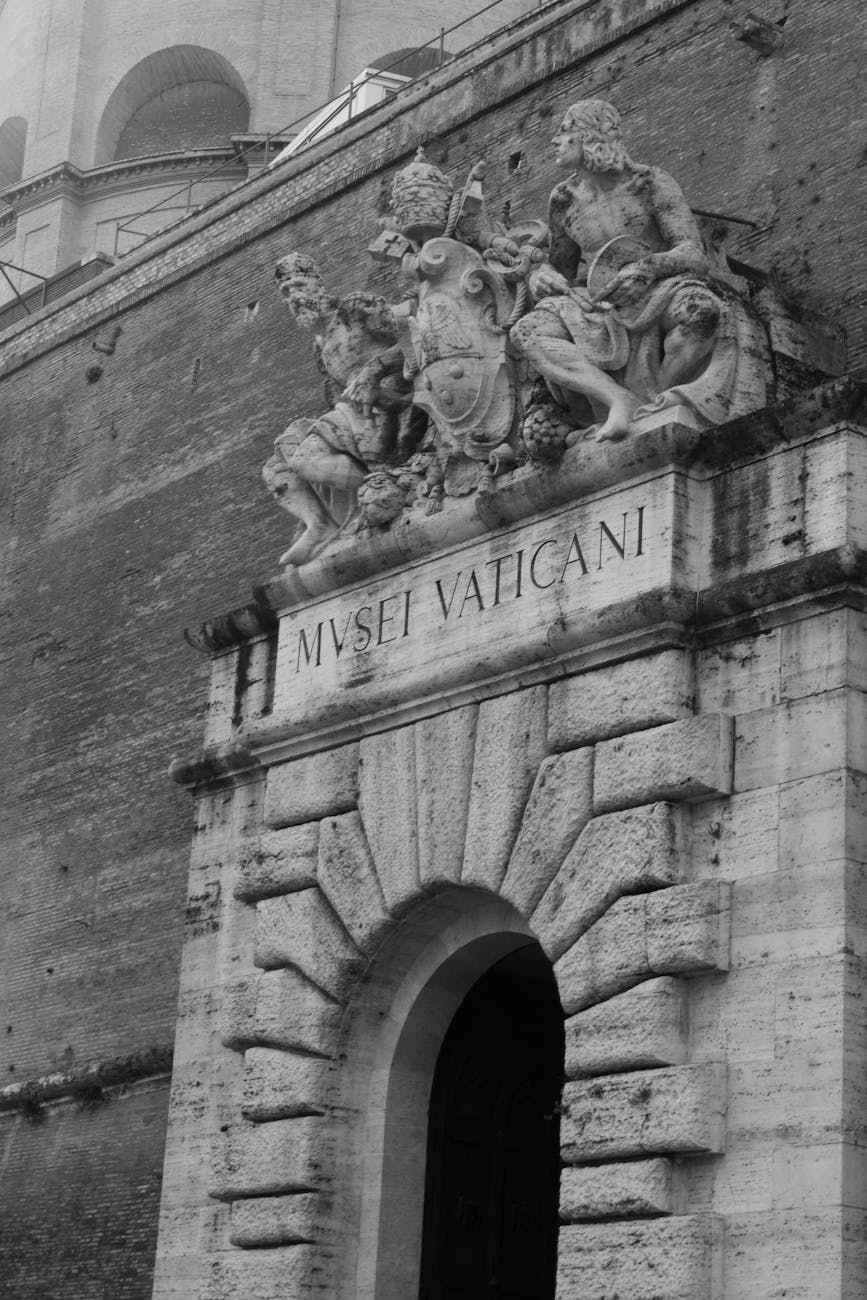
    From Popes to Paintings: The Epic History of the Vatican Museums

    Introduction

    The Vatican Museums, an illustrious institution nestled within the heart of the Vatican City, offers a glimpse into one of the most important collections of art and historical artifacts in the world. Established in the early 16th century, the museum has grown from a modest collection initiated by Pope Julius II to a sprawling complex housing over 70,000 works of art. Each gallery and exhibit narrates stories of religious significance, artistic genius, and cultural evolution, symbolizing the Vatican’s enduring influence over the centuries. Visitors are not only immersed in the beauty of renowned masterpieces from artists such as Michelangelo and Raphael but also discover the museum’s deep-rooted connection to the papacy and Christianity. This exploration will unveil the museum’s origins, its most celebrated works, the architectural splendor, its role in preserving art, and the profound impact it has on contemporary culture and tourism.

    The Origins of the Vatican Museums: A Historical Overview

    The Vatican Museums’s origins can be traced back to the early 16th century, a period marked by profound changes in art, culture, and religion. The story begins with Pope Julius II, often referred to as the “Warrior Pope,” who was a significant patron of the arts. Julius II’s vision was to consolidate the papal image and influence through art, and he initiated collecting statues and artifacts he believed represented the height of classical achievement.

    The first significant acquisition for the Vatican Museum was the Laocoön and His Sons, a magnificent marble sculpture unearthed in Rome by a laborer in 1506. The pope was so taken by the piece that he immediately ordered it to be transported to the Vatican. This event marked a pivotal moment, signaling the beginning of the Vatican’s transformation into a major center for art and culture.

    In 1503, Julius II commissioned Michelangelo to paint the ceiling of the Sistine Chapel, which would go on to become one of the most important masterpieces in Western art. The Sistine Chapel ceiling not only showcased the artistic genius of Michelangelo but also highlighted the Vatican as a focal point of spiritual and artistic endeavors. The completion of this monumental work in 1512 solidified the Vatican’s reputation, drawing the attention of artists, scholars, and visitors from across Europe.

    sistine chapel ceiling frescoes in the vatican museums
    The Sistine Chapel

    Under subsequent popes, the Vatican Museums expanded considerably. Pope Clement XIV, in the 18th century, continued Julius II’s legacy by acquiring numerous collections and artworks. The Vatican’s archives and libraries flourished, housing texts and manuscripts of immense historical value. The continued patronage of art contributed to the museum’s growing reputation, leading to the establishment of the Gregorian Egyptian Museum in 1839, which displayed the Vatican’s expansive collection of Ancient Egyptian artifacts.

    Entering the 19th century, the Vatican Museums underwent further transformation. The papal states’ political challenges and external pressures prompted the Vatican to modernize and expand its collections. Museums began to attract a wider audience, and openness to the public became a priority. The Vatican Museums evolved from an exclusive gathering of papal possessions into a public institution, reflecting the dynamic socio-political landscape of the time.

    The Vatican Museums officially opened their doors to the public in 1771, allowing art lovers, scholars, and common folk to appreciate its treasures. This move transformed the Vatican into not just a religious institution but a cultural beacon, symbolizing the intersection of faith and art. Over the years, the museum has continued to expand, now encompassing various collections, including the Vatican Historical Museum, the Museum of Modern Religious Art, and the Raphael Rooms, which prominently display works that bridge significant cultural epochs.

    Throughout the centuries, the Vatican Museum has acted as a custodian of art and history, preserving the legacy of the Catholic Church while simultaneously embracing a broader artistic narrative. This historical overview is crucial for understanding the evolving identity of the Vatican Museum and its significance in the global art landscape.

    Key Artworks and Artists: Masterpieces of the Vatican

    Among the myriad treasures housed within the Vatican Museum, several key artworks and artists stand out, shaping the cultural and artistic identity of not only the museum but also the broader European art scene. The collection is testament to the Vatican’s storied past, showcasing artworks that span various styles and epochs, from classical antiquity to the Renaissance and beyond.

    One of the most renowned masterpieces is Michelangelo’s Sistine Chapel ceiling. Completed between 1508 and 1512, it is a monumental accomplishment that represents the zenith of Renaissance art. The ceiling features a series of frescoes depicting scenes from the Book of Genesis, including the iconic Creation of Adam, which illustrates the divine spark of life. This piece demonstrates Michelangelo’s unparalleled skill in portraying the human form, employing a mastery of anatomical precision and emotional depth. Visitors to the Sistine Chapel often report a profound spiritual experience while gazing at the frescoes, highlighting the intersection of art and religion.

    Another notable artist represented in the Vatican is Raphael, whose School of Athens, part of the Raphael Rooms, showcases the artist’s mastery of perspective and composition. Completed between 1509 and 1511, this fresco depicts prominent philosophers and thinkers from ancient Greece, including Plato and Aristotle, engaging in discourse. Raphael’s ability to synthesize classical ideals with Renaissance humanism is evident in this work, making it a quintessential representation of the era. The Raphael Rooms themselves, exquisitely decorated, have become a focal point for visitors who seek to understand the evolution of visual language during the Renaissance.

    Additionally, the Vatican Museums houses significant works by Caravaggio, a revolutionary figure in Baroque art known for his dramatic use of chiaroscuro—the contrast of light and shadow. His masterpiece, The Calling of Saint Matthew, uses this technique to create a sense of immediacy and emotional depth, powerfully portraying the moment of spiritual awakening. Caravaggio’s works not only reflect religious themes but also challenge traditional representations, establishing a new narrative style that would influence generations of artists.

    Beyond painting, the Vatican Museums are also home to exquisite sculptures, most notably the Pietà by Michelangelo. Crafted during the late 15th century, this marble sculpture depicts the Virgin Mary cradling the lifeless body of Christ. The emotional intensity and the delicate rendering of both figures highlight Michelangelo’s understanding of human emotion and physical form. The Pietà has become an enduring symbol of grief and solace, resonating deeply with viewers.

    madonna della pieta statue
    The Pietà by Michelangelo

    In addition to these masterpieces, the Vatican’s collections boast an array of artifacts and historical pieces that narrate the story of the Catholic Church and its interaction with the world. Ancient Roman sculptures, Byzantine mosaics, and even contemporary art pieces contribute to a narrative that spans millennia, reflecting the Vatican’s ongoing role as a cultural custodian.

    Visitors to the Vatican Museums experience not only a journey through art history but also an emotional and spiritual odyssey, as each artwork invites contemplation and dialogue. The melding of artistic brilliance with religious devotion creates a unique atmosphere that has drawn countless visitors, ensuring that the Vatican Museum remains a vital hub of cultural heritage.

    Architectural Evolution: The Design and Structure of the Museum

    The architectural evolution of the Vatican Museum is a captivating story that parallels the gallery’s rich artistic collection. The museum’s architecture reflects centuries of artistic endeavor, combining elements from various styles and periods, resulting in an intricate tapestry of design that narrates the ongoing dialogue between art and architecture.

    The museum’s roots can be traced back to the Belvedere Courtyard, designed by Donato Bramante in the early 16th century. This grand space was intended to showcase the Vatican’s classical sculptures in an environment that resonated with the ideals of the Renaissance. Bramante’s design emphasized symmetry and proportion, borrowing heavily from ancient Roman principles. The Courtyard served as a precursor to the complex that would later expand to house thousands of artworks.

    As additional layers of the museum were added, various popes commissioned significant architectural projects. Pope Sixtus IV, known for establishing the Sistine Chapel, also played a pivotal role in developing the museum’s early designs. The chapel itself, completed in 1480, became a central point of reference, its classic Renaissance style granting an air of dignity and grandeur to the surrounding structures.

    One of the notable features of the museum is the Gallery of Maps, designed by Francesco Musi and completed in 1580. This gallery is adorned with stunning topographical maps of Italy, visually connecting the Vatican to its geographic context. The intricate frescoes and painted ceilings create a sense of continuity with the surrounding architecture while also providing a bridge between science and art, reflecting the humanist ideals of the period.

    During the Baroque period, the Vatican Museums underwent significant transformations under Pope Urban VIII. His vision included the construction of the famous Spiral Staircase, designed by Giuseppe Momo in 1932, which is emblematic of the museum’s ability to marry form with function. The staircase’s swirling design engages visitors, inviting them to ascend while experiencing a visual delight of curves and lines that enhance the overall architectural narrative.

    spiral staircase at vatican museums
    The famous Spiral Staircase, designed by Giuseppe Momo

    The Vatican Museums’ expansion in the 19th century marked a pivotal moment in its architectural history. With the increasing popularity of the museum, the need for larger exhibition spaces became apparent. The construction of the new wings began, housing important collections and allowing the museum to display its treasures more effectively. This period also saw the incorporation of Neo-Renaissance and Neo-Classical architectural elements, further enriching the museum’s aesthetic appeal.

    Throughout the 20th century, modern architects contributed to the Vatican’s architectural landscape. The recent additions have sought to honor the heritage of the existing structures while incorporating innovative design elements. An example is the contemporary Museo della Scultura, which emphasizes glass and steel, creating a dialogue between modernity and traditional aesthetics.

    The architectural evolution of the Vatican Museums serves not only as a physical representation of its history but also as an expression of the cultural and spiritual aspirations of the Catholic Church. Each structure, gallery, and corridor tells a story, inviting visitors to reflect on the interplay between space, art, and the divine. As a result, the architectural journey through the Vatican Museum becomes an integral aspect of the overall experience, celebrating centuries of creativity and devotion.

    The Role of the Vatican in Art Preservation and Cultural Heritage

    The Vatican Museums plays an essential role in the preservation of art and cultural heritage, acting as a custodian of countless works that bear witness to the socio-historical fabric of humanity. Its significance extends beyond merely showcasing art; it involves a deep commitment to safeguarding cultural artifacts, thereby ensuring that future generations can engage with and learn from these treasures.

    At the heart of the Vatican’s preservation efforts is a profound respect for the artistic integrity of each piece. The museum employs a range of conservation techniques and practices to maintain and restore artworks, from oil paintings to delicate frescoes. Highly trained conservators work diligently to address issues caused by time, climate, and environmental exposure. These efforts not only combat physical deterioration but also strive to preserve the historical context and narratives that accompany each work of art.

    One of the most celebrated conservation projects undertaken by the Vatican Museums was the restoration of the Sistine Chapel’s ceiling, a monumental endeavor that began in 1980 and concluded in 1994. The restoration aimed to remove centuries of grime and candle soot, revealing Michelangelo’s vibrant color palette and intricate details that had faded over time. This project not only reinvigorated public appreciation for Renaissance art but also articulated the Vatican’s commitment to maintaining its cultural heritage.

    Moreover, the Vatican’s extensive archives and libraries serve as vital resources for art historians and researchers, providing access to a wealth of documents, manuscripts, and historical records. This repository of knowledge enhances the understanding of the historical and cultural significance of the artworks housed within the museum. The Vatican’s dedication to making its resources available through educational programs and research initiatives underscores its commitment to disseminating knowledge and fostering academic discourse.

    The Vatican Museums is also at the forefront of international collaborations focused on cultural preservation. By participating in initiatives like the UNESCO World Heritage program, the Vatican contributes to global efforts to protect and celebrate cultural sites and artworks, recognizing the interconnectedness of cultural heritage across borders.

    Sustainability has emerged as a vital consideration in the context of art preservation, and the Vatican Museums actively seeks to balance contemporary environmental challenges with its preservation mandates. Strategies for protecting artworks in an era of climate change include improved humidity control systems, energy-efficient lighting, and innovative materials that minimize the impact of environmental factors on fragile artifacts. These initiatives ensure that the Vatican remains a leader in the field of conservation, adapting to modern challenges while honoring its historical mission.

    Lastly, the Vatican’s influence extends beyond the walls of the museum, as its commitment to cultural heritage fosters a broader global dialogue about the value of art and history. By advocating for the importance of preserving cultural identity, the Vatican Museums emphasizes art as a powerful medium for healing, understanding, and unity in a diverse world.

    The Vatican Museum transcends its role as a mere collection of artworks; it occupies a critical position in the discourse surrounding art preservation and cultural heritage. Through its commitment to conservation, scholarship, and international collaboration, the Vatican ensures that the stories of the past continue to resonate in the present, inspiring future generations to appreciate and engage with the rich tapestry of human creativity.

    The Impact of the Vatican Museums on Modern Art and Tourism

    The Vatican Museums’s grandeur and cultural significance have made it a cornerstone of modern art appreciation and tourism. Attracting millions of visitors each year, the museum serves as a vital nexus where history, spirituality, and artistry intertwine, influencing both contemporary art movements and global tourism landscapes.

    The museum’s extensive collections, which include works by legendary artists such as Michelangelo, Raphael, and Caravaggio, have long been a source of inspiration for modern artists. Their explorations of faith, humanity, and existential themes resonate with contemporary artistic expressions. For instance, the emotional depth and introspective qualities found in Renaissance works continue to influence artists grappling with similar themes in today’s society. Modern visual artists often draw upon the techniques and aesthetics of their predecessors, channeling the foundational ideas established in the Vatican into new and relevant contexts.

    Moreover, the Vatican Museum’s significance as a cultural hub has encouraged art dialogues on a global scale. Art fairs, exhibitions, and symposiums often utilize the museum as a touchstone, providing a historical lens through which contemporary debates about aesthetics, identity, and societal values can be examined. The Vatican’s commitment to contemporary art is evidenced by initiatives such as the Museum of Modern Religious Art, which seeks to interrogate and celebrate the spiritual through modern artistic practice.

    In terms of tourism, the Vatican Museums plays a crucial role in shaping the visitor experience in Rome. As one of the most visited museums in the world, its reputation attracts diverse audiences, including art enthusiasts, pilgrims, scholars, and casual tourists. The Vatican Museum’s significance extends beyond its physical realm, becoming a pilgrimage destination where people seek not only artistic enrichment but also spiritual and cultural fulfillment.

    The phenomenon of “art tourism” has burgeoned in recent years, with more travelers engaging with destinations renowned for their cultural and artistic heritage. The Vatican Museums exemplifies this trend, combining an appreciation for historical art with the sacred dimension of the Vatican. Visitors often describe their encounters with the artworks as transformative experiences, and the interplay between spirituality and artistry enhances the museum’s allure.

    The Vatican Museums’s impact on tourism is also reflected in the economic contributions it makes to the local and national economy. Increased foot traffic generates revenue for surrounding businesses, from hotels to restaurants, contributing to the overall vitality of Rome as a cultural destination. Special events, exhibitions, and educational programs further engage and enrich the visitor experience, allowing the Vatican Museum to maintain its status as an important player in the cultural tourism sector.

    Alongside its economic impact, the museum facilitates cross-cultural exchange, encouraging dialogue among visitors from diverse backgrounds. Engaging with the art and artifacts housed within prompts reflections on shared histories and human creativity, fostering a sense of connection among individuals from different cultures and perspectives. This cultural dialogue enriches the global understanding of art and fosters appreciation for the commonly held values of faith, beauty, and heritage.

    In addressing modern challenges such as accessibility and inclusivity, the Vatican Museum remains committed to enhancing the visitor experience. Initiatives that provide multilingual resources, educational programs, and physical accessibility empower a wider audience to engage with its collections, thus broadening the museum’s impact and relevance in contemporary society.

    The Vatican Museums’s impact on modern art and tourism is profound and multifaceted. Its esteemed collection has inspired generations of artists while simultaneously serving as a pilgrimage destination that attracts millions of visitors from around the world. By fostering dialogue, generating economic vitality, and promoting inclusivity, the Vatican Museums ensures its continued relevance, solidifying its place as both a guardian of cultural heritage and a catalyst for contemporary artistic engagement.

    Conclusion

    The Vatican Museums’s rich history and comprehensive collections intertwine to create a compelling narrative of art, spirituality, and cultural heritage. From its origins under Pope Julius II to its present-day status as a cornerstone of global art and tourism, the Vatican Museums embodies the dynamic relationship between faith and creativity. Its role as a custodian of art not only preserves significant works for future generations but also fosters contemporary dialogues about identity, spirituality, and the universal language of art.

    In addition to being a treasure trove of masterpieces by renowned artists, the museum exemplifies architectural evolution that tells a story of resilience and adaptation throughout history. As the Vatican continues to engage with the challenges of modernity, it remains committed to cultural preservation, accessibility, and inclusivity, ensuring that its vast collections are not only preserved but also appreciated by diverse audiences worldwide.

    Visitors leave the Vatican Museums enriched not only by the beauty of art but also by a profound understanding of the shared human experience. From the breathtaking Sistine Chapel ceiling to the scholarly pursuits found in the archives, the Vatican Museums creates a unique intersection of the artistic and the spiritual. Its legacy as a cultural institution will continue to shape and inspire the realms of art, education, and tourism for generations to come, reinforcing its position as a vital beacon of creativity and faith in a rapidly changing world.

    Inside the Vatican Museums Video

    Inside the Vatican Museums
  • From Vision to Icon: The History of the Metropolitan Museum of Art

    From Vision to Icon: The History of the Metropolitan Museum of Art

    Introduction

    The Metropolitan Museum of Art, affectionately known as “The Met,” stands as a cultural beacon in the heart of New York City. Established in 1870, it was driven by a vision to create a universal museum that would provide access to art for all, transcending social and economic barriers. Over the decades, The Met has brought together a vast array of artworks from ancient times to the modern era, offering an unparalleled glimpse into human creativity and expression. This article traces the history of The Met from its inception, highlighting the founding vision that inspired its creation, the evolution of its architectural design, and the innovations that enriched its curatorial practices. It also examines the cultural impact The Met has had on society, positioning itself not just as a museum, but a vital part of the community. Finally, we will explore the future trajectory of this iconic institution as it continues to inspire and educate generations to come.

    Founding Vision: The Birth of the Metropolitan Museum of Art

    The creation of the Metropolitan Museum of Art was an ambitious endeavor rooted in the belief that art should be accessible to everyone. The museum was incorporated on April 13, 1870, by a group of American citizens, including businessmen, artists, and philanthropists. Their vision was audacious: to establish an institution that would provide the public with a sense of connection to the world’s artistic heritage. Among the early proponents was the French artist Jean-Baptiste Carpeaux, who advocated for the establishment of a museum that would rival the grand institutions of Europe.

    The inspiration for The Met’s founding can be traced to a growing appreciation for the arts in 19th century America, compounded by a surge of philanthropy. This was a time when industrialization was reshaping society, and the emergence of a wealthy class sparked a desire to give back to the community. The founders sought not only to educate the public but also to elevate American culture to the level of Europe’s esteemed art institutions.

    The Met’s first location was in a modest building in Manhattan’s Bryant Park, which served as a temporary exhibition space. Even in its early days, the museum was committed to showcasing a diverse range of collections, emphasizing not only fine arts but also decorative arts, ancient artifacts, and contemporary works. This eclectic approach laid the foundation for The Met’s expansive collections and set a precedent for future curatorial decisions.

    By 1880, The Met moved to a more prominent location on Metropolitan Museum Mile, where it quickly outgrew its space due to the increasing public interest and the amount of works being donated. This growth reflected not only the museum’s burgeoning reputation but also the public’s demand for greater access to art. Donations poured in from wealthy patrons, artists, and art collectors, expanding the museum’s collection significantly. Contributions came from notable figures such as Samuel P. Avery, who provided a trove of European paintings, and Mrs. William H. Vanderbilt, who donated a collection of decorative arts.

    The founding vision of The Met was not just about compiling a collection; it was about fostering a community around art. This ethos informed the museum’s educational programs, which were integral to its mission from the very beginning. The founders believed that by offering lectures, guided tours, and educational resources, they could demystify art and make it relevant to everyday life. This commitment to education and public engagement has remained a cornerstone of The Met’s philosophy.

    In the early 20th century, The Met continued to expand its influence, establishing itself as a primary destination for art lovers from around the globe. Exhibitions highlighted various themes and artists, fostering dialogue and appreciation for different cultural perspectives. As the museum grew in size and prestige, it became a symbol of American cultural aspiration, reflecting a nation’s journey towards establishing its own identity in the art world.

    Through the years, The Met has adhered to its founding vision despite the challenges and changes it faced, continuing to adapt to the evolving landscape of art and culture. Its dedication to accessibility, education, and diverse representation has allowed it to thrive and influence generations of visitors and artists alike. The path from a small civic endeavor to a world-renowned museum underscores the powerful impact of visionary thinking and community engagement in the realm of the arts.

    Architectural Evolution: Designing the Museum

    The architecture of the Metropolitan Museum of Art has played a pivotal role in shaping the institution’s identity and enhancing the visitor experience. Initially, the museum was housed in a modest structure in Bryant Park, but as its collections grew, a more substantial and prominent home was necessary. The decision to create a new building marked a transformative moment in The Met’s history and established its presence on the prestigious Museum Mile along Fifth Avenue.

    In 1880, the museum appointed the prominent architect Richard Morris Hunt to design its new location. The Beaux-Arts style that Hunt embraced mirrored the grandiosity of European museums and was emblematic of American ambitions to establish a noteworthy cultural institution. The first wing of the building, completed in 1888, featured expansive galleries and a grand entrance that invited patrons to explore the treasures within. This design was intentional, signaling to visitors that they were about to embark on a journey through history and art.

    Hunt’s original design focused on an open layout that would encourage visitors to engage with the artworks in a meaningful manner. The layout included a grand staircase, now iconic, that draws visitors upward toward the galleries, creating an immediate sense of theatricality. The exterior’s classical elements, including stately columns and intricate sculptures, conveyed the museum’s gravitas and significance. However, as the collections continued to expand and evolve, it became clear that further architectural developments were necessary to accommodate the growing desire for exhibition space.

    Subsequent expansions were led by renowned architects, each contributing their unique vision to The Met’s architectural narrative. The addition of the North Wing in 1902, designed by the firm of Babb, Cook & Willard, provided much-needed space for the European paintings collection. Then, in the latter half of the 20th century, the museum embarked on a major expansion that would reinforce its status as a premier art institution. The inclusion of the Met’s modern wing, designed by architect Daniel Libeskind, introduced a contemporary perspective that contrasts with the more classical elements of the original structure.

    Libeskind’s design was bold and innovative, utilizing sharp angles and dynamic shapes that break from traditional architectural models. This modern addition serves not only as an exhibition space for contemporary art but also as a statement of the museum’s commitment to evolving with the times. The juxtaposition of the historic and the modern highlights the ongoing dialogue between different artistic movements and serves as a physical representation of The Met’s dynamic identity.

    Throughout its architectural evolution, The Met has endeavored to maintain a balance between honoring its storied past while embracing contemporary advancements. Each architectural decision reflects a dedication to creating spaces that resonate with visitors, encouraging them to not only admire the art but also engage in a profound dialogue with it. The design of galleries fosters intimacy while also accommodating larger exhibitions, ensuring that The Met remains relevant in a rapidly changing cultural landscape.

    The museum’s architecture serves as a metaphor for its overarching mission—to be a place where the art of the past continues to inform and inspire contemporary creators. As The Met moves forward, the architectural decisions made will undoubtedly reflect the ongoing commitment to art accessibility and education, remaining faithful to the founding vision while stepping boldly into the future.

    symmetrical view of the interior of the metropolitan museum of art in new york
    Photo by Franklin Naula on Pexels.com

    Curatorial Innovations: Shaping the Collection

    Curatorial innovation has been a defining feature of the Metropolitan Museum of Art since its inception, allowing the museum to remain relevant in an ever-evolving cultural landscape. The Met’s understanding of its role transcends merely displaying artworks; it is engaged in a continuous dialogue about how to represent narratives, contexts, and histories that align with its mission to educate and inspire.

    The early curators of The Met faced unique challenges due to the vast diversity of its collections. With an initial focus on assembling a comprehensive representation of European and American art, the curatorial team set up systems to evaluate and classify the artworks systematically. This foundational work laid the groundwork for a more nuanced approach to curation which would develop over the ensuing decades.

    One of the most significant advancements in the museum’s curatorial practices occurred during the mid-20th century when the museum began emphasizing thematic exhibitions over traditional chronological presentations. Thematic exhibitions allowed curators to explore specific ideas, movements, or cultural dialogues that transcended time and geographical boundaries, reflecting the interconnectedness of art history. They highlighted motifs such as impressionism, modernism, and various cultural exchanges, inviting audiences to engage with art in new and innovative ways.

    This curatorial shift had profound implications for how visitors understood the collection and experienced the artworks. Rather than viewing pieces in isolation, thematic exhibitions allowed for deeper exploration of historical contexts and the motivations behind various artistic trends. The enhancement of educational programs that accompanied these exhibitions further enriched the visitor experience, enabling attendees to glean insights through lectures, panel discussions, and workshops.

    With the advent of technology in the late 20th and early 21st centuries, The Met adopted digital tools to enhance its curatorial practices and engage new audiences. The introduction of online catalogs, virtual tours, and interactive aids transformed the way visitors interacted with the collections, allowing for broader access and engagement. These digital initiatives enabled curators to present artworks with rich context, making the museum more accessible to a global audience and underscoring its commitment to artistic education.

    Moreover, curatorial practices at The Met have increasingly embraced diversity, promoting underrepresented artists and art movements in its exhibitions. Curators have worked to address historical imbalances by shedding light on the contributions of women artists, indigenous cultures, and artists of color, enriching the narrative of art history within the museum’s walls. These efforts seek not only to tell a more inclusive story but also to inspire dialogue and understanding among visitors from diverse backgrounds.

    One notable example of this drive toward inclusivity was the 2017 exhibition “Loving Blackness,” which showcased work from African American artists throughout history, illustrating their profound influence on the trajectory of American art. The curation of this exhibition was a testament to The Met’s commitment to bridging historical divides and enriching visitors’ understanding of the multifaceted nature of art.

    Additionally, The Met has embraced the concept of co-curation, collaborating with artists, communities, and cultural organizations to create exhibitions that resonate with contemporary audiences. This approach allows for fresh perspectives and authentic representations of cultural narratives, reinforcing the idea that museums must evolve alongside the societies they serve.

    Through continuous innovation and a relentless pursuit of inclusivity, The Met has redefined curatorial practices, transforming the museum into not only a repository of art but also a living dialogue that reflects the diverse tapestry of human experience. As it moves forward, The Met’s commitment to innovative curation will continue to shape the way visitors engage with art, ensuring that it remains a vibrant centerpiece of cultural exploration and education.

    Cultural Impact: The Museum in Society

    The cultural impact of the Metropolitan Museum of Art extends far beyond its walls, influencing not just the art world but also the broader social context in which it operates. As one of the most visited museums globally, The Met serves as a vital public institution that promotes access to art, culture, and education for diverse communities. Its rich collections and educational outreach programs reflect the museum’s commitment to fostering a deeper understanding of the arts and their significance in society.

    The Met has consistently positioned itself as a leader in dialogue about the role of art in contemporary life. Through thoughtfully curated exhibitions and public programs, the museum engages with complex societal issues, encouraging visitors to reflect on historical narratives and their impact on the present. This engagement is particularly evident in exhibitions that tackle themes such as colonialism, identity, and social justice. By addressing these pertinent issues, The Met fosters critical discussions that resonate with a broad audience, allowing visitors to confront the uncomfortable truths of history while celebrating cultural achievements.

    Furthermore, The Met has emphasized educational initiatives as a way to deepen its relationship with the community. From school partnerships to family programs, the museum invites individuals from all backgrounds to explore the world of art and creativity. The Met’s outreach efforts extend to underserved communities, providing access to guided tours, workshops, and family days that facilitate engagement with art. These endeavors underscore the museum’s dedication to inclusivity and accessibility, making it a resource for learning and inspiration.

    The annual Met Gala, often referred to as the “Oscars of Fashion,” serves as another example of the museum’s cultural impact. The event raises significant funds for the museum’s costume institute, allowing for the continued preservation and celebration of fashion as a significant art form. Beyond its fundraising purposes, the Met Gala brings attention to the intersection of fashion and art, engaging both celebrities and the public in discussions about cultural expression through attire. The gala serves as a platform for highlighting pressing social issues, with each year’s theme reflecting contemporary conversations around identity, culture, and representation.

    In addition, the museum’s role as a cultural ambassador extends internationally, as The Met collaborates with institutions worldwide to share its collections and expertise. Collaborative exhibitions, research initiatives, and scholarship programs strengthen cross-cultural ties and foster dialogue among diverse communities, affirming the idea that art transcends borders. These partnerships foster mutual understanding and appreciation for different artistic traditions and practices.

    The Met also recognizes its responsibility towards sustainability, actively incorporating environmental considerations into its operations. Initiatives aimed at reducing carbon footprints, conserving energy, and promoting eco-friendly practices signify The Met’s commitment to addressing the global climate crisis. As a leader in the museum community, The Met encourages other institutions to adopt similar practices, exemplifying the role that cultural organizations can play in advocating for social change.

    Moreover, the museum serves as a haven for creative expression, promoting local artists through exhibitions and collaborative projects. By providing emerging artists with a prominent platform, The Met not only enriches its collection but also supports the art community, allowing for new voices to emerge in the dialogues surrounding contemporary art.

    As the Metropolitan Museum of Art continues to evolve, its cultural impact remains profound, engaging individuals in meaningful ways that extend well beyond traditional museum functions. Through education, community outreach, and artistic innovation, The Met reaffirms art’s power to challenge societal norms, promote inclusivity, and inspire generations to value creativity in all its forms. This transformative role solidifies the museum’s place in the fabric of contemporary society, ensuring that it continues to inspire, educate, and connect with diverse audiences for years to come.

    Looking Forward: The Future of the Metropolitan Museum of Art

    As the Metropolitan Museum of Art looks to the future, its commitment to innovation and relevance remains paramount in the face of changing societal dynamics and evolving visitor expectations. The Met stands at a juncture where the needs of a diverse audience intersect with the need for sustainable practices and progressive engagement with art. This section explores the future trajectory of The Met, highlighting the strategic priorities that will shape its mission and vision in the coming years.

    One of the most significant focal points for The Met is the continued embrace of technology and digital engagement. The museum is increasingly utilizing digital platforms to enhance outreach, making art and education accessible to a broader audience beyond its physical location. The advent of virtual reality, augmented reality, and interactive apps offers novel ways for the public to engage with exhibitions, facilitating a more immersive experience. The Met’s commitment to expanding its digital presence aims to accommodate the changing preferences of a tech-savvy audience while retaining the essence of personal engagement that characterizes traditional museum visits.

    Furthermore, The Met is embracing inclusivity as a guiding principle for its future endeavors. This involves integrating diverse narratives and perspectives within its collections, exhibitions, and programming. By prioritizing the contributions of underrepresented artists and communities, The Met underscores its responsibility to reflect the multicultural fabric of society. This initiative will necessitate a re-evaluation of curatorial practices, as curators develop innovative methods for representing marginalized voices and creating spaces for dialogue.

    In tandem with inclusivity, The Met is keenly aware of its role in fostering a sense of belonging among all visitors. As the museum continues to attract international audiences, ensuring that everyone feels welcome and represented is more critical than ever. The development of community-driven programs and participatory initiatives will play an essential role in creating personalized experiences that resonate with diverse populations. By cultivating partnerships with local organizations, The Met can expand its outreach efforts and strengthen ties with communities throughout New York City and beyond.

    The question of sustainability is also at the forefront of The Met’s future planning. As climate change presents unprecedented challenges, the museum is committed to incorporating environmentally sustainable practices within its operations. This includes sustainable exhibition design, energy-efficient infrastructure, and waste reduction initiatives. By pioneering sustainability in the cultural sector, The Met can set an example for other institutions to follow, demonstrating that commitment to the environment is inherently tied to artistic expression and cultural stewardship.

    Looking ahead, The Met recognizes the importance of partnerships and collaborations with educational institutions, community organizations, and international cultural entities. These collaborations open doors for interdisciplinary initiatives and provide opportunities for innovative programming. Joint exhibitions, cross-institutional research, and cooperative education programs will ensure that The Met remains at the forefront of artistic exploration while also fostering an ecosystem of shared knowledge and resources.

    As The Met embarks on this journey into the future, its dedication to education and community engagement remains steadfast. Expanding educational resources, tailored programming for schools, and workshops designed for diverse audiences will enhance the learning experience while connecting art to contemporary issues. Through initiatives that drive academic and artistic exploration, The Met can inspire a lifelong engagement with art among all visitors.

    Ultimately, the future of the Metropolitan Museum of Art hinges on its ability to adapt to a rapidly changing world while remaining true to its founding vision. Balancing tradition with innovation, inclusivity with sustainability, and education with community engagement will shape The Met’s identity as it moves forward. The museum stands poised to continue its legacy as a vital cultural institution, inspiring generations to appreciate, engage with, and champion the arts in an ever-evolving global landscape.

    Conclusion

    In conclusion, the history of the Metropolitan Museum of Art is a testament to the enduring vision and dedication of its founders, curators, and supporters. From its modest origins to its establishment as a vital cultural institution, The Met has continually evolved in response to the needs of its diverse audience. By embracing inclusivity, fostering a commitment to education, and utilizing innovative technologies, the museum has secured its role as a beacon of creativity and inspiration.

    The journey of The Met reflects broader societal changes, exemplifying how art can serve as a powerful catalyst for dialogue, understanding, and cultural preservation. As the museum looks toward the future, its commitment to accessibility, sustainability, and community engagement will be essential to navigating the complexities of the contemporary world. The Met’s legacy is not just confined to its vast collections but lies in its ability to foster connections and inspire future generations to appreciate the transformative power of art.

    The Metropolitan Museum of Art stands not only as a mere repository of artistic treasures but as a vibrant cultural center that enriches lives and fosters a sense of belonging. As we celebrate its history and look forward to its future, The Met reminds us of the importance of art in shaping our understanding of ourselves and the world around us—proving that, indeed, art is for everyone, and its relevance endures across time and cultures.

    Video tour of The American Wing at the Met

    THE MET, The American Wing at 100
  • Victoria and Albert Museum History: London’s Treasure Trove of Design
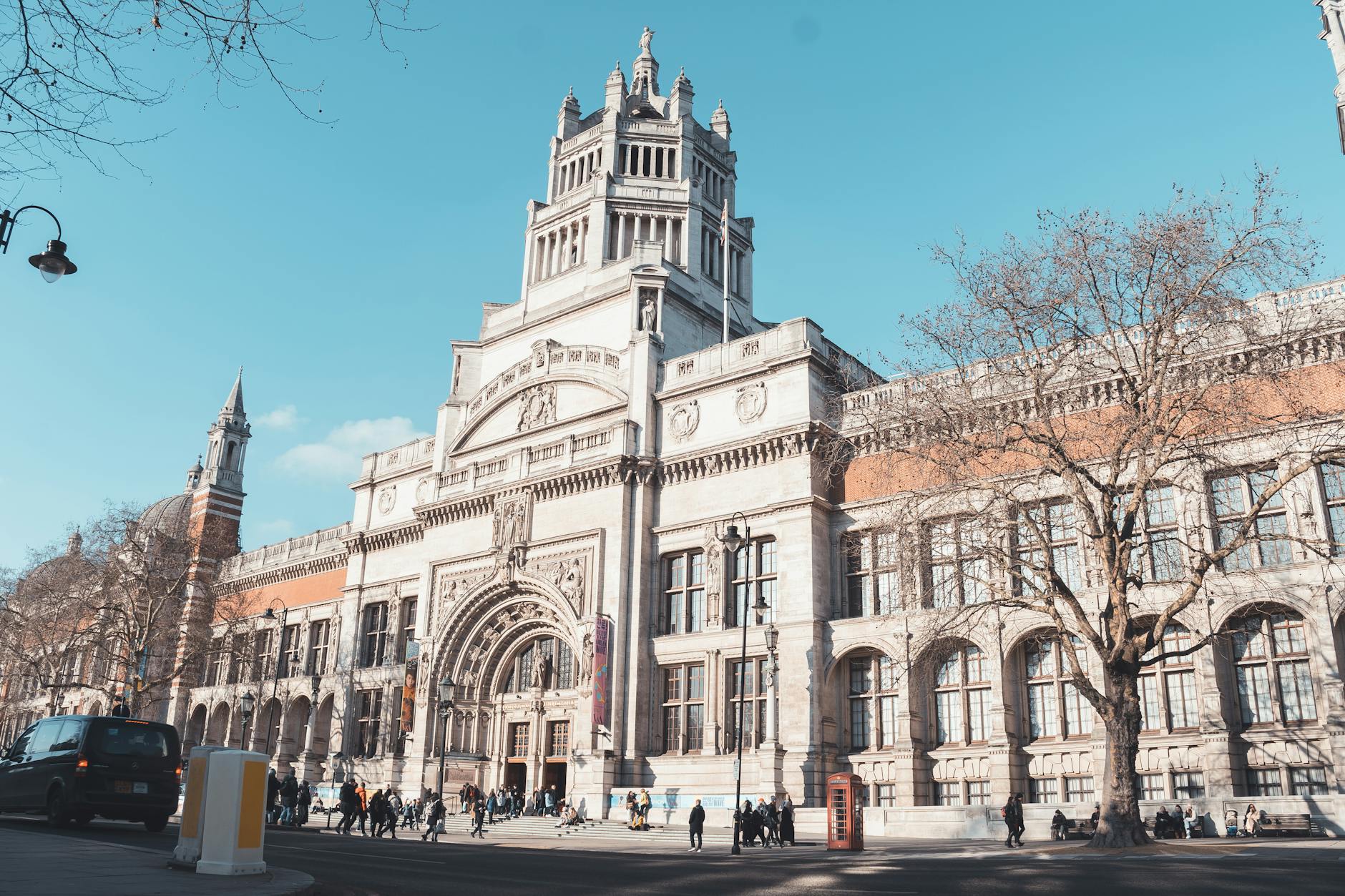
    Victoria and Albert Museum History: London’s Treasure Trove of Design

    Introduction

    The Victoria and Albert Museum (V&A) in London stands as a beacon of art, design, and culture, showcasing humanity’s creative endeavors across centuries. This extraordinary institution, founded in 1852, serves not only as a museum but as a vibrant hub where art meets the everyday life of individuals in a rapidly changing world. The collection spans a diverse range of disciplines, including decorative arts, textiles, fashion, and sculpture, with pieces from various cultures and eras that illustrate the artistic dialogue through time. In this article, we delve into the rich history of the V&A, tracing its origins, exploring its extensive collections and architectural developments, and examining its cultural significance and future aspirations. Through understanding the evolution of this museum, we can appreciate how it continues to inspire and engage audiences from all walks of life.

    Founding of the Museum

    The Victoria and Albert Museum, one of the world’s leading art and design museums, has its roots deeply embedded in the great exhibition culture of the Victorian era. Established in 1852, the V&A’s inception was largely a response to the Great Exhibition of 1851, held at the Crystal Palace in Hyde Park. This monumental event showcased the industrial and artistic achievements of the time, reflecting the Victorian commitment to innovation and excellence. The tremendous success of the exhibition prompted a renewed interest in the importance of design and craftsmanship, leading to the necessity for a permanent venue to foster the appreciation of decorative arts.

    Prince Albert, the husband of Queen Victoria, was a significant figure behind the museum’s establishment. He recognized the potential for a museum to educate the public about art and design. The Society of Arts, established by a group of notable Victorian intellectuals, played a crucial role in supporting this vision. In 1852, under the guidance of key figures, including Sir Henry Cole, the first director of the museum, the South Kensington Museum opened its doors. Its primary goal was to promote the study of art and design, making it accessible to the wider public.

    The museum’s name was officially changed to the Victoria and Albert Museum in 1899, reflecting the royal patronage and the desire to honor Queen Victoria and her husband. This renaming marked a significant shift in the museum’s identity, elevating its status and reinforcing its connection to the Victorian ideals of progress and enlightenment.

    Initially, the collection focused on applied arts, such as ceramics, textiles, and metalwork. The acquisition of artifacts was strategic, aimed at providing rich educational resources for students, artisans, and the general public. The V&A became a repository for examples of the best design practices of the time, encouraging British artisans to embrace innovative styles and techniques to compete with international counterparts.

    To this end, the V&A has continuously expanded its role beyond merely being a collections-based institution. It has developed numerous educational programs, workshops, and events that aim to engage the community and inspire the next generation of artists and designers. These initiatives reflect the museum’s mission to connect history with contemporary practices, providing insights into how historical design principles can inform modern creativity.

    Over the years, the V&A has also faced the challenge of adapting to changing cultural and artistic trends. In the late 19th and early 20th centuries, as design movements evolved—ranging from Arts and Crafts to Art Nouveau—the museum enriched its collections with new acquisitions reflective of these styles. This adaptability has allowed the V&A to remain relevant and significant in the art world, continually fostering public interest in design.

    In summary, the founding of the Victoria and Albert Museum was a pivotal moment in the history of art and design in the UK. It was born out of a desire to promote education and appreciation of the arts, influenced by royal vision and public enthusiasm. The institution’s evolution exemplifies a commitment to not only preserving history but also to engaging with contemporary culture, thereby ensuring its lasting significance in the realm of design.

    Key Collections and Exhibitions

    The Victoria and Albert Museum is renowned for its remarkable collections, which span over 5,000 years of art and design history. It houses more than 2.3 million objects, representing cultures from around the world and showcasing a wide array of artistic mediums. One of the most notable aspects of the V&A’s collections is its focus on decorative arts, which are often overlooked in other major museums.

    The museum’s collections are divided into several categories, each reflecting different artistic movements and styles. The textile collection, for instance, is one of the largest and most comprehensive in the world, encompassing fabrics, fashion, and tapestries from various periods and regions. This collection highlights the evolution of textile design and the significance of fabric in cultural expression.

    The fashion gallery is particularly noteworthy, presenting an overview of fashion history through significant garments and accessories. Exhibits range from exquisite historical dresses to contemporary pieces by renowned designers, illustrating the transformative nature of fashion as both art and functional attire. The V&A also hosts temporary exhibitions, frequently spotlighting contemporary designers and emerging trends in the fashion world.

    In addition to textiles and fashion, the museum features extensive collections of ceramics, glass, metalwork, and furniture. Each collection tells a story, demonstrating the craftsmanship and creativity that defined different eras and styles. The ceramics collection, for example, includes significant pieces from the Ming Dynasty and British pottery, showcasing the diversity of ceramic art and its cultural significance throughout history.

    The V&A actively collaborates with artists and designers to curate exhibitions that push the boundaries of traditional artistic expression. These exhibitions often juxtapose historical objects with contemporary artworks, creating dialogues that challenge perceptions of art and design. This innovative approach not only attracts diverse audiences but also emphasizes the museum’s commitment to adaptation and relevance in a global context.

    A highlight of the V&A’s exhibitions is the annual London Design Festival, during which the museum becomes a central hub for designers, artists, and the public to explore new ideas and concepts in design. The festival includes installations, talks, and workshops, encouraging participation from the community and fostering creativity.

    The museum’s role as a cultural institution extends beyond merely displaying artworks. It serves as a platform for discussions about art, design, and societal issues. The V&A engages in contemporary debates regarding sustainability and ethical practices in design, furthering its mission to educate and inspire future generations.

    Through its key collections and dynamic exhibitions, the V&A remains a pivotal institution in the landscape of art and design. It continues to evolve and adapt, ensuring that the rich history of design is accessible and engaging to all, reaffirming its status as London’s treasure trove of creativity.

    Architectural Evolution

    The architectural journey of the Victoria and Albert Museum is a story of evolution, innovation, and adaptation. The original building, designed by Sir Henry Cole in a style known as Victorian Gothic, opened its doors as the South Kensington Museum in 1852. The distinctive features of the early design, including terracotta decorations and pointed arches, were emblematic of the era’s fascination with medieval influences. This initial structure provided a fitting setting for the museum’s extensive collections, emphasizing an atmosphere of grandeur and sophistication.

    As the museum’s ambitions grew, so did the need for expansion and modernization. The first major addition was the Museum’s East Wing, completed in 1909, designed by Sir Aston Webb. This new wing became home to the British Galleries, showcasing British decorative arts from the 14th century to the present day. Webb’s design maintained the Victorian style while introducing elements of classical architecture, bridging the old with the new.

    The V&A’s commitment to innovation in architecture continued throughout the 20th century. In the 1990s, under the direction of Sir Mark Jones, the museum underwent a significant renovation. The addition of the John Madejski Garden in 1999 provided a tranquil outdoor space for visitors, enhancing the overall visitor experience. Designed by landscape architect Kim Wilkie, the garden offered a contemporary contrast to the historic architectural elements of the museum.

    The museum’s most notable architectural addition in recent decades is the state-of-the-art Exhibition Road entrance, designed by Amanda Levete Architects, which opened in 2017. This entrance marks a significant shift towards accessibility and engagement, accommodating increased visitor numbers and providing a seamless connection between the museum and the bustling surroundings of Exhibition Road. The design features a stunning translucent canopy and an open central space that invites visitors into the museum while encouraging interaction with the city.

    The architectural evolution of the V&A is not only about spatial expansion, but it also reflects changing attitudes towards art and design. Each new addition represents a dialogue between historical principles and contemporary needs, ensuring that the museum remains a vibrant, relevant institution. The thoughtful integration of modern architecture into the historic fabric of the museum serves to connect visitors with the past while embracing the future.

    Furthermore, the museum’s architectural identity is closely linked to its mission of education and inspiration. The design of exhibition spaces has evolved to accommodate evolving curatorial practices, allowing for more flexible and engaging displays. This adaptability ensures that the V&A can showcase diverse collections and respond to the dynamic nature of cultural discourse.

    The architectural journey of the Victoria and Albert Museum encapsulates a narrative of progress, ambition, and vision. It exemplifies London’s broader architectural story, where history and modernity coalesce to create inspiring cultural spaces. Through thoughtful design and strategic expansion, the V&A continues to be a beacon of creativity, drawing visitors into its rich historical tapestry while preparing for the challenges of the future.

    Cultural Impact and Educational Role

    The Victoria and Albert Museum has played a pivotal role in shaping the cultural landscape of London and beyond, serving as a catalyst for artistic exploration and educational initiatives. Its extensive collections and dynamic programming have established it as a vital resource for students, educators, and the general public alike, fostering a deeper understanding and appreciation for art and design.

    One of the standout features of the V&A is its commitment to education. The museum offers a multitude of educational programs designed to engage visitors of all ages and backgrounds. These programs include workshops, lectures, and guided tours tailored to enhance the learning experience. By breaking down barriers between art and education, the V&A emphasizes the importance of creative thinking and critical engagement with the arts in an increasingly complex world.

    The museum’s dedicated education department works tirelessly to create opportunities for schools, colleges, and universities to connect with its resources. Through outreach programs, the V&A reaches underserved communities, ensuring that access to art and culture is inclusive. Special initiatives, such as the V&A’s school partnerships, allow students to experience firsthand the richness of the museum’s collections, bridging the gap between academic study and experiential learning. By fostering collaboration with educational institutions, the museum empowers educators to utilize its resources effectively in their curricula.

    In addition to formal education, the V&A engages with the community through a variety of programming that encourages public participation and dialogue. Themed events, family activities, and seasonal festivals create a vibrant atmosphere that welcomes diverse audiences. Programs like the “Friday Late” events draw in crowds for after-hours access to exhibitions, featuring live performances, talks, and interactive experiences that stimulate creativity and conversation.

    The cultural impact of the V&A extends beyond its walls, influencing broader conversations on art, design, and society. The museum often collaborates with contemporary artists, designers, and cultural organizations to address pressing social issues and initiate discussions on themes such as sustainability, cultural diversity, and the role of technology in art-making. These partnerships not only enrich the museum’s exhibitions but also situate it as a responsive and responsible cultural institution.

    Moreover, the V&A has made significant strides in the digital realm, recognizing the need to reach global audiences beyond its physical location. Through virtual tours, online collections, and digital learning resources, the museum expands its educational outreach, allowing individuals from around the world to engage with its treasures from the comfort of their homes. This pivot to digital engagement during challenging times has highlighted the resilience of cultural institutions and their ability to adapt in the face of adversity.

    The museum also serves as an incubator for emerging talent in the arts. Through initiatives like the “V&A and Adobe Creative Residency,” the museum supports artists and designers working on innovative projects, providing them a platform to experiment and showcase their work. This symbiotic relationship between established cultural institutions and emerging creatives fosters an environment where new ideas can flourish.

    In conclusion, the Victoria and Albert Museum’s cultural impact and educational role are paramount in shaping the understanding and appreciation of art and design. By prioritizing inclusivity, innovation, and engagement, the V&A continues to serve as an invaluable resource for learning and inspiration in the contemporary world. Its commitment to education not only preserves history but also propels society toward a more creative and informed future.

    Future Directions and Innovations

    As the Victoria and Albert Museum looks to the future, it stands at the intersection of tradition and innovation, poised to embrace new opportunities while remaining rooted in its rich history. The museum’s forward-thinking approach reflects a deep understanding of the evolving landscape of culture, design, technology, and audience engagement.

    One of the key directions for the V&A is to expand its commitment to sustainability. Like many institutions, the museum recognizes the pressing need to address the environmental challenges facing the planet. In response, the V&A has implemented sustainable practices in its operations and exhibitions, emphasizing the role of the arts in promoting awareness and action on climate change. Collaborations with designers and artists who prioritize eco-friendly materials and processes further reinforce the museum’s dedication to a sustainable future.

    The integration of technology also plays a crucial role in shaping the future of the V&A. As digital engagement becomes increasingly important, the museum continues to invest in innovative technologies that enhance visitor experiences. From augmented reality (AR) applications that allow visitors to interact with objects in new ways to virtual reality (VR) experiences that transport users to different times and places, the V&A is leveraging technology to deepen connections with its collections.

    Additionally, the museum is exploring new formats for exhibitions and programming that reflect contemporary practices and audience expectations. This includes more flexible exhibition layouts that encourage interactivity and participation, allowing visitors to engage with art and design on a personal level. The V&A is also prioritizing diverse narratives, ensuring that a wide array of voices and perspectives are represented in its collections and exhibitions.

    In terms of accessibility, the V&A is committed to enhancing the museum experience for all visitors, regardless of ability. Recent initiatives include improving physical access to exhibition spaces and developing resources that cater to individuals with diverse learning needs. The museum aims to create an inclusive environment where everyone can engage meaningfully with art and culture.

    As the museum evolves, it also places a strong emphasis on collaborative partnerships. By working with artists, designers, cultural institutions, and academic organizations, the V&A is creating a network of support that fosters innovation and creativity. Collaborative projects often result in interdisciplinary initiatives that engage broader audiences and stimulate new conversations about the role of design in society.

    One of the museum’s most ambitious future projects is its continuing focus on global narratives. As the world becomes increasingly interconnected, the V&A recognizes the importance of showcasing diverse cultural expressions and fostering cross-cultural dialogue. This initiative aims not only to enrich the museum’s collections but also to create a platform for storytelling that transcends geographical boundaries.

    In summary, the future directions and innovations of the Victoria and Albert Museum are centered on sustainability, technology, inclusivity, and collaboration. By prioritizing these core principles, the V&A ensures that it remains a dynamic institution, inspiring generations to come. Its ability to adapt to changing cultural landscapes while honoring its storied history positions the V&A as not just a museum of the past, but a vibrant hub for contemporary creativity and dialogue.

    Conclusion

    The Victoria and Albert Museum is not merely a repository of historical artifacts; it is a living institution that continually evolves to meet the needs and interests of a diverse audience. Through its founding principles of education and accessibility, the museum has established itself as a vital part of London’s cultural landscape. As it moves forward, the V&A remains committed to exploring new avenues of engagement, fostering artistic innovation, and promoting a deeper understanding of the importance of design in everyday life. By embracing the challenges and opportunities of the future, the V&A will continue to inspire and enrich the lives of visitors, ensuring its status as a treasure trove of design for generations to come.

    Victoria and Albert Museum Virtual Tour

    Victoria and Albert Museum London Virtual Tour V&A Art Design
  • The Fascinating History of the British Museum: Where Civilizations Meet

    The Fascinating History of the British Museum: Where Civilizations Meet

    Introduction

    The British Museum, founded in 1753, is one of the world’s most significant cultural institutions, housing a vast collection that spans thousands of years and numerous civilizations. It serves as a vital resource for understanding human history and cultural heritage, attracting millions of visitors each year. From its inception, the Museum has been a place where the legacies of ancient Rome, Greece, Egypt, and beyond converge, offering insights into the shared experiences of humanity. As societies evolve, so too does the Museum’s mission—balancing the preservation of artifacts with the responsibility of sharing their stories in a respectful manner. This article delves into various aspects of the British Museum’s rich history, examining its founding, notable exhibitions, architectural features, cultural ramifications, and future challenges, allowing readers to appreciate the institution’s role as a bridge among civilizations.

    Founding and Early Years

    The foundation of the British Museum marked a pivotal moment in the history of cultural institutions. The Museum’s inception can be traced back to the bequest of Sir Hans Sloane, a physician and collector who, upon his death in 1753, generously left his vast collection of artifacts, natural specimens, and curiosities to the nation. This collection formed the cornerstone of the Museum, which opened its doors to the public in 1759, becoming the first national public museum in the world. At that time, the Museum was housed in Montagu House, a former mansion in Bloomsbury, London.

    The early years of the British Museum were characterized by a commitment to education and enlightenment, driven by the ideals of the Age of Enlightenment. The Museum sought to democratize knowledge, making it accessible to individuals from all walks of life, a revolutionary idea at the time. With an emphasis on the pursuit of knowledge, the Museum organized lectures, guided tours, and educational programs for the public, fostering a sense of curiosity and appreciation for the diverse cultures represented within its walls.

    One of the distinguishing features of the Museum during its early years was its emphasis on systematic classification and arrangement of artifacts. The founding curators implemented a classification system that organized objects by type and geographical origin. This approach not only made it easier for visitors to navigate the vast collection but also reflected the Enlightenment-era philosophy of knowledge as an ordered and hierarchical entity. The displays were designed to promote intellectual inquiry, encouraging visitors to draw connections between different cultures and time periods.

    As the Museum expanded its collections through donations, purchases, and explorations, it underwent significant changes. Throughout the late 18th and early 19th centuries, the British Empire’s colonial pursuits fueled the acquisition of numerous artifacts. The Museum began to showcase items from the Americas, Africa, Asia, and the Pacific, making it an international hub of cultural exchange. However, this practice of collecting artifacts from colonized regions raised ethical questions that still resonate today. Critics have argued that many of these items were acquired under dubious circumstances, leading to ongoing discussions about repatriation and cultural ownership.

    In the context of expanding collections, the Museum also became a hub for scholarly research. Scholars, archaeologists, and anthropologists flocked to the Museum to study its vast archives, explore its artifacts, and contribute to the growing body of knowledge about world cultures. This engagement with the academic community established the British Museum as a center for research and education, further solidifying its reputation as a world-class institution.

    The architectural development of the Museum also played a critical role in its identity during these formative years. In 1823, the Museum commissioned the architect Sir Robert Smirke to design a monumental new building to accommodate the rapidly growing collection. The result was a neoclassical structure that harmoniously blended with the architectural styles of the time. The grand façade, adorned with tall columns and pediments, symbolized the elevated purpose of the Museum as a repository of knowledge and culture.

    As the British Museum navigated its early years, it constantly adapted to the changing cultural landscape. The commitment to making the Museum accessible to the public and preserving the integrity of artifacts laid the groundwork for its future endeavors. While the challenges of colonialism and ethical considerations were just beginning to surface, the foundation established during this period remains crucial to the ongoing dialogue about the role of cultural institutions in today’s global society.

    Key Exhibitions and Collections

    The British Museum is home to an unparalleled array of exhibitions and collections, reflecting the richness and diversity of human civilization. Throughout its history, the Museum has hosted numerous landmark exhibitions, each showcasing the intricacies of particular cultures, time periods, or themes. Among these, one of the most notable is the Rosetta Stone, which has become an iconic representation of the Museum’s mission. Discovered in 1799, this ancient Egyptian artifact played a crucial role in deciphering Egyptian hieroglyphs, and its exhibition has captivated audiences for generations.

    In addition to the Rosetta Stone, the Museum boasts a comprehensive collection of ancient artifacts. The Elgin Marbles, salvaged from the Parthenon in Athens, stand as testaments to classical Greek artistry, while the Egyptian mummies and artifacts provide insights into ancient funerary practices. Particularly noteworthy are the Assyrian lion hunt reliefs, which vividly depict royal prowess and ancient storytelling, offering a window into the lives of the Assyrian Empire’s kings.

    Moreover, the Museum houses significant collections from Africa, the Americas, and Asia. The African collections showcase diverse cultural artifacts, such as masks and sculptures, highlighting the continent’s artistic heritage. Similarly, items from the Americas, including indigenous art and artifacts, tell stories of the rich traditions and histories of native peoples. The collections from Asia, including Chinese porcelain and Japanese woodblock prints, demonstrate the intricate craftsmanship and cultural significance of these works.

    In terms of exhibitions, the British Museum’s commitment to presenting new and varied perspectives is admirable. Temporary exhibitions, such as those featuring contemporary artists or thematic explorations of cultural concepts, allow the Museum to engage with current issues and foster connections between the past and present. One particularly impactful recent exhibition explored the representation of colonial histories and how these narratives shape our understanding of cultural artifacts today.

    The Museum’s approach to curating exhibitions involves collaboration with communities, scholars, and artists from around the world. These partnerships ensure that diverse voices and perspectives are represented, acknowledging the complex legacies of the artifacts on display. This collaborative approach is especially important regarding controversial items obtained during colonial times, allowing for a more nuanced understanding of their significance.

    Another crucial aspect of key collections lies in their educational potential. The Museum offers various programs, workshops, and resources designed to enhance the visitor experience while also fostering an appreciation for the diverse cultures represented. By providing context and storytelling around the artifacts, visitors can better understand their historical and cultural significance.

    Throughout its journey, the British Museum’s exhibitions and collections have evolved in tandem with societal changes and shifting perspectives. Through its dedication to showcasing humanity’s collective heritage, the Museum remains committed to promoting dialogue, understanding, and respect for the multifaceted tapestry of human existence.

    Architecture and Design

    The architecture and design of the British Museum serve as reflections of the cultural ideals and aspirations associated with the institution since its inception. Beginning with the initial Montagu House, where the Museum was first located, the architectural vision emphasized enlightenment ideals through grandeur and accessibility. However, it was not until 1823 that the Museum’s architectural identity took shape with the commission of Sir Robert Smirke to design the new building, a neoclassical structure that would become emblematic of the institution.

    Smirke’s design was marked by its classical elements, paying homage to ancient Greek and Roman architecture while influencing the neoclassical movement of the 19th century. The grand façade, characterized by its imposing portico supported by tall columns, creates an impression of strength and durability. The pediment above the entrance invites visitors to partake in the grandeur of human achievement, setting the stage for the treasures housed within.

    One of the most iconic features of the British Museum is the Great Court, completed in 2000. Designed by Lord Foster, this stunning addition features a striking glass roof that floods the space with natural light, creating an interaction between the exterior and interior. The Great Court serves as a central hub within the Museum, connecting different wings and providing a dynamic space for visitors to gather, admire, and engage with the institution’s offerings. The openness of the design reflects a democratization of knowledge, inviting all guests to explore the diverse narratives contained within the Museum.

    The interplay between historical and modern design elements within the British Museum also showcases the institution’s evolution. The juxtaposition of the neoclassical exterior against the contemporary Great Court emphasizes the Museum’s adaptability and commitment to growth. Additionally, the blending of the old with the new allows for a richer visitor experience, where the grandeur of history is accessible in a modern context.

    Accessibility and visitor experience are also integral aspects of the architectural design. The layout navigates through extensive galleries and collections, guiding visitors through time and space while ensuring that all can appreciate the diversity of the artifacts. Wheeled pathways and elevators have been incorporated to accommodate all visitors, acknowledging the importance of inclusivity in cultural institutions.

    An essential feature of the design is the careful consideration of light and display space. The Museum’s galleries are crafted to enhance the viewing experience, utilizing natural light and strategically placed artificial lighting to highlight artifacts without causing damage. This design philosophy reflects a respect for the objects on display, ensuring that their stories can continue to be told for generations to come.

    Moreover, the Museum often embarks on restoration projects, ensuring that the architectural integrity of its historic buildings is preserved. The desire to maintain these historical elements while accommodating modern needs showcases a stewardship that balances preservation with innovation.

    As architectural styles evolve, so too does the British Museum’s commitment to engaging with contemporary design trends. By hosting temporary installations or exhibitions, the Museum opens its doors to cutting-edge artistic expressions, presenting a dialogue between historical artifacts and modern creativity.

    In conclusion, the architecture and design of the British Museum are integral to its identity as a cultural institution. The harmonious blend of historical grandeur with contemporary elements reflects its mission to be a bridge between civilizations and to celebrate humanity’s collective achievements. Through thoughtful design, accessibility, and a commitment to preserving historical integrity, the Museum continues to inspire visitors and engage communities, ensuring that the narratives of civilizations can be shared and cherished for years to come.

    Cultural Impact and Controversies

    The British Museum’s cultural impact has been profound, shaping perceptions of history, art, and cultural heritage worldwide. As one of the largest museums globally, it has provided a platform for exploring, sharing, and preserving the narratives of countless civilizations. However, this influence has also been accompanied by controversies, especially concerning the origins of certain items in its collection.

    The Museum has become a symbol of cultural exchange, attracting millions of visitors each year who come to experience the wonders of human creativity and history. It has played a key role in education, inspiring generations of scholars, students, and visitors alike. By showcasing artifacts from diverse cultures, the Museum encourages a sense of global interconnectedness, reminding us that human experiences transcend geographic and temporal boundaries.

    However, the very diversity of its collection has sparked significant debates regarding colonialism and cultural appropriation. Many artifacts within the Museum were acquired during the British Empire’s colonial expansion, raising questions about the methods of collection and ownership. Critics argue that some items were taken under circumstances that can be deemed unethical, such as through military conquest or colonial exploitation. Prominent examples include the Elgin Marbles and the Benin Bronzes, which have become focal points in discussions over repatriation.

    Calls for the return of these artifacts to their countries of origin have gained traction in recent years, fueled by changing attitudes towards cultural heritage and ownership. Advocacy groups, governments, and cultural organizations have pushed for a reevaluation of the Museum’s collection practices, demanding greater transparency and accountability. In response, the British Museum has initiated various dialogues regarding repatriation and has been open to discussions with source countries. Still, these discussions often reveal deeper tensions over historical grievances and the legacies of colonialism.

    Moreover, the Museum’s effectiveness as a representative of world heritage has been scrutinized. Critics argue that its narrative may often reflect a Eurocentric perspective, sidelining the voices and histories of the cultures it presents. This concern raises important questions about the responsibilities of museums in accurately representing the legacies of diverse civilizations, particularly those that have been marginalized or misrepresented throughout history. The challenge lies in achieving a balance between honoring the artifacts’ histories and ensuring that contemporary narratives are inclusive and equitable.

    Despite these controversies, the British Museum has taken steps to address its cultural impact. The institution now collaborates with descendant communities, indigenous groups, and cultural representatives to foster dialogue about shared heritage. Workshops, educational programs, and community initiatives have been developed to enhance understanding and respect for cultural diversity.

    Furthermore, the Museum has embraced technology to expand its reach and engage with broader audiences. Virtual tours, educational resources, and interactive exhibitions allow individuals from all corners of the globe to access its collections and learn about world cultures. This shift toward digital engagement showcases the Museum’s commitment to inclusivity, opening doors for those unable to visit in person.

    In conclusion, the cultural impact of the British Museum extends far beyond its physical collections, shaping conversations about heritage, history, and identity. While it has played an undeniably influential role in fostering global appreciation for the arts and cultures, ongoing controversies highlight the need for ethical reflection and responsiveness in the museum sector. As the Museum navigates the complexities of its legacy, it must continue to engage in meaningful dialogues that promote understanding and respect for the shared stories of humanity’s diverse civilizations.

    Future Directions and Challenges

    As the British Museum looks to the future, it faces a myriad of directions and challenges that will shape its role as a cultural institution in an increasingly interconnected and complex world. These challenges encompass ethical considerations, technological advancements, public engagement, and the evolving expectations of the global community.

    One of the foremost challenges lies in addressing the ongoing debates around repatriation and the ethical implications of artifact ownership. As discussions surrounding the return of culturally significant items intensify, the Museum must navigate the delicate balance between preserving its historical collections and recognizing the rights and narratives of the cultures from which these artifacts originated. This involves engaging in open dialogue with nations and communities that seek the return of their heritage, fostering collaboration that respects cultural sovereignty while enhancing mutual understanding.

    In parallel, technology presents both opportunities and challenges for the British Museum. The rise of digital engagement tools, such as virtual tours, online exhibitions, and interactive educational resources, has the potential to broaden access and democratize knowledge about world cultures. Embracing these advancements can help the Museum reach diverse audiences, especially those unable to visit in person. However, this digital transition must be approached mindfully, ensuring that it enhances rather than detracts from the tangible experiences of visiting the Museum.

    Furthermore, sustainability has emerged as a paramount concern for cultural institutions worldwide. The British Museum must consider its environmental impact and strive to adopt sustainable practices in its operations, exhibitions, and collections management. From energy-efficient building designs to responsible sourcing of materials, the Museum has the opportunity to serve as a model for responsible stewardship, promoting environmental awareness alongside cultural heritage.

    Public engagement and relevance are also crucial for the Museum’s future success. As societal dynamics continue to evolve, the Museum must actively adapt its narratives, exhibitions, and educational initiatives to resonate with contemporary audiences. This requires an ongoing commitment to inclusivity, ensuring that diverse voices and perspectives are reflected in its collections and programming. Utilizing community feedback and collaboration can help tailor the Museum’s offerings to better reflect the interests and needs of the public.

    In addition, the British Museum must navigate the complexities of cultural sensitivity as it presents artifacts from various civilizations. As discussions about representation, cultural appropriation, and misinterpretation gain traction, the Museum must ensure that its exhibitions convey accurate, respectful narratives that honor the cultural significance of the items on display. This might involve reevaluating curatorial practices and actively seeking input from cultural representatives.

    Ultimately, the British Museum’s path forward will be shaped by its willingness to engage in reflective practices, adapt to changing times, and address pressing societal issues. By embracing innovation, fostering inclusivity, and promoting ethical stewardship, the institution can continue to fulfill its mission as a bridge among civilizations, inspiring understanding and appreciation for the shared heritage of humanity.

    Conclusion

    The British Museum stands as a testament to the complexities of cultural heritage, history, and the responsibilities of collecting and preserving artifacts from around the world. From its founding in the 18th century to its evolution into a global cultural institution, the Museum has navigated challenges and controversies while remaining dedicated to its mission of education and enlightenment. Through its remarkable collections, landmark exhibitions, and the rich architectural tapestry that defines its identity, the British Museum continues to inspire curiosity and appreciation for the diverse narratives of humanity.

    As the Museum looks to the future, it must contend with pressing issues such as ethical repatriation, the impact of technology, and the necessity of representing diverse perspectives accurately. By engaging in open dialogues with global communities, embracing technological advancements, and fostering inclusivity in its programming, the British Museum can honor its legacy while positioning itself as a progressive cultural institution.

    In navigating these complexities, the Museum has the opportunity to reimagine its role as a steward of cultural heritage, fostering appreciation for the interconnected stories of civilizations. As it adapts to a changing world, the British Museum is poised to continue its journey as a vital bridge among cultures, ensuring that the shared experiences of humanity are preserved and celebrated for generations to come.

  • Exploring the Natural History Museum

    Exploring the Natural History Museum

    Introduction

    The Natural History Museum in London stands as one of the world’s most iconic cultural institutions, drawing millions of visitors each year to its stunning halls. Established in the late 19th century, this architectural masterpiece combines Victorian-era design with groundbreaking science. Its mission has always been to preserve, study, and display the natural world in ways that educate and inspire.

    The museum is celebrated not just for its rich history but also for its breathtaking Romanesque Revival architecture, designed by Alfred Waterhouse. Within its walls lie over 80 million specimens spanning zoology, paleontology, botany, entomology, and mineralogy, making it a hub of scientific research and education.

    Among its many attractions, the towering Diplodocus skeleton and cutting-edge interactive exhibits make it a favorite for all ages. As a beacon of global science and conservation efforts, the Natural History Museum remains a timeless bridge between past wonders and future discoveries.

    Origins of the Natural History Museum: Vision and Foundation

    The origins of the Natural History Museum are deeply intertwined with the growth of Britain’s scientific curiosity during the 19th century. Before its establishment, natural history specimens were housed as part of the British Museum, under the stewardship of Sir Hans Sloane’s extensive collections. Sloane, an avid naturalist, bequeathed over 71,000 items, including plants, animals, and cultural artifacts, to the British Museum in 1753. However, as the collection grew exponentially, the need for a dedicated space became apparent.

    In 1856, Sir Richard Owen, an influential biologist and paleontologist, championed the idea of creating a museum exclusively devoted to natural history. Owen envisioned an institution where the natural world’s wonders could be explored by scientists and the public alike. His advocacy was instrumental in securing funding and approval for the new museum.

    The museum’s journey officially began when a prime location in South Kensington, London, was chosen. Construction commenced in 1873 under the direction of Alfred Waterhouse, a renowned architect. By 1881, the doors of the Natural History Museum were opened to the public. Its purpose was revolutionary for its time: to blend education, science, and art within a space that celebrated the natural world.

    This founding phase was marked by challenges, including debates over the separation from the British Museum and the complexities of cataloging and transporting millions of specimens. Despite these hurdles, the museum established itself as a leader in public engagement and research. Its foundation marked a pivotal moment in making natural history accessible to all, setting the stage for over a century of scientific discovery and cultural enrichment.

    Architectural Marvel: The Romanesque Revival Design

    The architectural splendor of the Natural History Museum is one of its most distinguishing features, and much of its charm owes to the vision of Alfred Waterhouse. A proponent of the Romanesque Revival style, Waterhouse designed a building that combined functionality with aesthetic grandeur, turning the museum itself into a work of art. Construction began in 1873, and the building was completed in 1881, instantly becoming an architectural landmark.

    The Romanesque Revival style draws inspiration from medieval European churches and abbeys, characterized by rounded arches, symmetrical forms, and intricate stone carvings. Waterhouse adapted this style for the museum, creating a cathedral-like structure that reflected the sanctity and wonder of nature. The use of terracotta, a durable and decorative material, was revolutionary at the time and allowed for intricate detailing that celebrated the natural world. The walls, columns, and arches are adorned with sculptures of flora and fauna, including extinct species, which symbolically underline the museum’s mission.

    A defining feature of the architecture is the grand Central Hall, now renamed Hintze Hall. With its soaring vaulted ceiling and a dramatic staircase, it offers a breathtaking entry point for visitors. At the heart of Hintze Hall stood the iconic Diplodocus skeleton, nicknamed “Dippy,” for over a century. Although Dippy has since been replaced by a blue whale skeleton named “Hope,” the hall remains a symbol of the museum’s grandeur.

    The design also prioritized practical needs. Waterhouse’s layout allowed for natural light to illuminate the galleries, creating a welcoming environment for both visitors and researchers. The building’s terracotta façade, with its self-cleaning properties, ensured the museum would stand the test of time.

    Waterhouse’s architectural masterpiece not only housed invaluable collections but also embodied the spirit of discovery and learning. Today, it remains a striking symbol of Victorian innovation and a fitting home for one of the world’s most renowned museums.

    Collections That Inspire: Highlights From the Museum’s Treasures

    The Natural History Museum in London boasts one of the most extensive and diverse collections of natural specimens in the world, housing over 80 million items that span billions of years of Earth’s history. The collection is divided into five major categories: zoology, paleontology, botany, entomology, and mineralogy. Each category holds treasures that have become symbols of scientific curiosity, exploration, and discovery.

    One of the most iconic exhibits is the fossilized skeleton of a Diplodocus, affectionately known as “Dippy,” which greeted visitors in the Central Hall for over a century. Although Dippy has been replaced by the blue whale skeleton “Hope,” it remains a beloved emblem of the museum’s history. The current centerpiece, Hope, represents the museum’s commitment to conservation and the protection of endangered species.

    The museum’s paleontology collection is particularly noteworthy, featuring over nine million fossils. Highlights include a near-complete skeleton of a Stegosaurus, ancient marine reptiles such as Ichthyosaurs and Plesiosaurs, and even fragments of dinosaur eggs. The Earth Hall, with its striking escalator ascending through a model of the Earth, showcases meteorites, gemstones, and minerals, including the 3,500-year-old Williamite meteorite from Egypt.

    Another area of fascination is the Darwin Centre, which provides a behind-the-scenes look at the museum’s zoological and entomological collections. This facility allows visitors to explore over 22 million insect specimens and 80,000 plant specimens. Its most famous resident is Archie, a 9-meter-long giant squid preserved in a tank, offering a rare glimpse into the mysterious deep sea.

    The mineralogy section, with over 500,000 specimens, includes the stunning Vault exhibit, showcasing gemstones, meteorites, and precious metals. Among these treasures is the Aurora Pyramid of Hope, a dazzling collection of 296 naturally colored diamonds.

    The museum also holds a wealth of cultural and historical items, such as the first edition of Charles Darwin’s On the Origin of Species and specimens collected during Captain James Cook’s voyages. These artifacts bridge the gap between science and history, illustrating the impact of exploration on our understanding of nature.

    Interactive and temporary exhibits further enhance the museum’s appeal. Visitors can experience rotating exhibitions such as “Wildlife Photographer of the Year,” which showcases the world’s most compelling nature photography.

    In summary, the Natural History Museum’s collections are more than mere displays; they are gateways to the mysteries of the natural world. Through its carefully curated treasures, the museum continues to ignite curiosity, inspire awe, and foster a deeper appreciation for our planet.

    The Dinosaur Gallery: A World-Famous Exhibit

    The Dinosaur Gallery is one of the most popular and iconic attractions at the Natural History Museum, drawing millions of visitors annually to marvel at the prehistoric wonders of Earth’s ancient past. Situated in the Blue Zone of the museum, this gallery offers a captivating journey into the age of dinosaurs, combining scientific research with engaging displays.

    Upon entering the Dinosaur Gallery, visitors are greeted by life-sized replicas, fossilized skeletons, and interactive exhibits that explore the biology, behavior, and extinction of dinosaurs. The highlight of the gallery is the towering animatronic Tyrannosaurus rex, a lifelike depiction that roars and moves, creating an unforgettable experience for visitors of all ages. This immersive exhibit showcases the advancements in paleontology, using cutting-edge technology to bring the prehistoric world to life.

    The gallery features a wide range of fossil specimens, from the fearsome Allosaurus to the plant-eating Iguanodon, providing insights into the diversity of dinosaur species. One of the most significant exhibits is the fossilized remains of Baryonyx, a crocodile-like dinosaur discovered in Surrey, England, in 1983. This remarkable find offers a unique glimpse into the life of a predatory dinosaur and underscores the museum’s role in documenting British paleontology.

    The Dinosaur Gallery also delves into the scientific methods used to study dinosaurs. Exhibits explain how paleontologists use fossil evidence, such as footprints, bones, and eggs, to reconstruct the behavior and environment of these ancient creatures. Visitors can examine dinosaur skulls to learn about their diets and study fossilized nests to understand their reproductive habits.

    For younger visitors, the gallery includes interactive stations where they can become “junior paleontologists.” Activities such as digging for fossils, piecing together skeleton puzzles, and engaging with touchscreens make the learning process enjoyable and memorable.

    Beyond the visual spectacle, the Dinosaur Gallery addresses critical scientific debates, such as the cause of the dinosaurs’ extinction. Exhibits explore theories like the asteroid impact, volcanic activity, and climate change, encouraging visitors to think critically about Earth’s evolutionary history.

    Temporary exhibitions within the Dinosaur Gallery add a dynamic element, ensuring that repeat visits remain exciting. These special displays often feature rare fossils from partner institutions around the world, providing fresh perspectives on dinosaur discoveries and ongoing research.

    The gallery’s educational impact is immense, inspiring countless children and adults to develop an interest in paleontology and natural history. It embodies the museum’s mission to combine entertainment with education, fostering a deeper understanding of life on Earth.

    In conclusion, the Dinosaur Gallery is not just an exhibit; it is an experience that bridges the gap between science and storytelling. By showcasing the awe-inspiring world of dinosaurs, it continues to captivate and educate, solidifying its place as one of the most beloved features of the Natural History Museum.

    Interactive Experiences and Modern Innovations

    The Natural History Museum has embraced modern technology and interactive elements to engage visitors and provide immersive experiences that go beyond traditional exhibits. These innovations not only enhance the museum’s appeal but also make complex scientific concepts accessible to a broader audience, ensuring its relevance in the digital age.

    One of the standout interactive features is the Investigate Centre, a hands-on science lab where visitors can act as scientists for a day. Equipped with microscopes, specimens, and expert guidance, the centre allows children and adults to explore real fossils, bones, minerals, and plants. This tactile experience encourages curiosity and critical thinking, making science feel tangible and exciting.

    Digital innovation plays a significant role in transforming how visitors interact with the museum’s vast collections. The DinoLab Virtual Reality Experience is a prime example. Using VR headsets, visitors can step into a prehistoric world, walking alongside life-sized dinosaurs and witnessing their habitats as they existed millions of years ago. This cutting-edge technology immerses users in a vivid simulation, providing a dynamic way to learn about the past.

    The museum’s Explore App is another modern tool that enriches the visitor experience. This mobile app offers interactive maps, detailed information about exhibits, and self-guided tour options. Through augmented reality (AR), users can even view digital recreations of extinct species layered onto physical spaces, blending the real and virtual worlds seamlessly.

    Natural History Museum, London, England
    The Natural History Museum in London stands as one of the world’s most iconic cultural institutions, drawing millions of visitors each year to its stunning halls. Established in the late 19th century, this architectural masterpiece combines Victorian-era design with groundbreaking science. Photo by Joshua on Pexels.com

    Temporary exhibitions often feature innovative technology to keep content fresh and engaging. For example, the “Ice Rink Experience,” hosted during winter months, incorporates projections of wildlife and natural scenes, creating a magical, immersive environment that highlights the museum’s seasonal appeal. Similarly, the “Fantastic Beasts” exhibition blended natural history with the fictional world of J.K. Rowling’s Wizarding World, using interactive displays to bridge fantasy and reality.

    Interactive learning also extends to environmental and conservation topics. Exhibits such as “Our Broken Planet: How We Got Here and Ways to Fix It” use touchscreens and multimedia installations to explore humanity’s impact on the environment. These displays encourage visitors to reflect on pressing global issues, such as climate change, biodiversity loss, and sustainable living, while offering actionable steps for a better future.

    Behind the scenes, the museum leverages digital tools for scientific research and public engagement. Digitization efforts have made millions of specimens available online, opening up access for researchers and enthusiasts worldwide. Through initiatives like “Digital Darwin,” users can explore Charles Darwin’s handwritten manuscripts and correspondence, connecting them to his revolutionary ideas.

    Workshops and live demonstrations further enhance interactivity. Programs such as “Dinosaur Live” feature expert-led talks with animatronic puppets, blending entertainment and education. Meanwhile, night-time events like “Dino Snores for Kids” offer families the chance to camp under the museum’s iconic skeletons, transforming the space into an unforgettable adventure.

    In conclusion, the Natural History Museum’s commitment to interactive experiences and modern innovations reflects its mission to inspire curiosity and lifelong learning. By integrating technology with traditional displays, the museum ensures that visitors of all ages and backgrounds can connect with the natural world in meaningful, unforgettable ways.

    Global Contributions to Science and Conservation

    The Natural History Museum in London is more than just a showcase of specimens; it is a global leader in scientific research and conservation efforts. With a legacy spanning over a century, the museum has contributed significantly to understanding biodiversity, climate change, and the intricate connections within Earth’s ecosystems.

    One of the museum’s most impactful initiatives is its role in cataloging and preserving global biodiversity. The museum houses over 80 million specimens, many of which serve as reference points for identifying and classifying new species. Scientists at the museum have described thousands of species over the decades, contributing to the broader understanding of Earth’s rich diversity. This research is crucial for conservation efforts, as identifying species is often the first step in protecting them.

    The museum is also at the forefront of environmental monitoring and climate research. Projects such as PREDICTS (Projecting Responses of Ecological Diversity In Changing Terrestrial Systems) use global biodiversity data to study how human activities impact ecosystems. This research informs policymakers and conservation organizations, aiding efforts to mitigate the effects of habitat destruction and climate change.

    One of the museum’s most notable conservation programs focuses on endangered species. The Darwin Centre, a state-of-the-art facility, serves as a hub for studying and preserving vulnerable species. For example, the museum’s scientists have played a critical role in studying pollinator decline, examining the ecological importance of bees and other insects. Such research highlights the interconnectedness of life and the urgent need to address environmental challenges.

    The museum’s Urban Nature Project is another groundbreaking initiative aimed at fostering local biodiversity in urban areas. By creating green spaces in cities and studying how wildlife adapts to these environments, the project seeks to inspire sustainable living and reconnect urban populations with nature. Educational programs tied to this initiative empower communities to participate in conservation efforts, ensuring that the next generation understands the importance of protecting the planet.

    On the global stage, the museum collaborates with institutions and governments worldwide. Its partnerships extend to areas such as tropical rainforest conservation, marine biodiversity studies, and the protection of fossil heritage sites. For example, museum scientists have worked in the Amazon to document its unparalleled biodiversity, contributing to efforts to preserve this vital ecosystem.

    Digitization has also amplified the museum’s global impact. By digitizing millions of specimens and making them available online, the museum allows researchers from around the world to access invaluable data without needing to visit London. This open-access approach democratizes science and accelerates discoveries in fields ranging from medicine to ecology.

    Public engagement is another cornerstone of the museum’s conservation mission. Through exhibits like Our Broken Planet and events such as the Wildlife Photographer of the Year competition, the museum raises awareness about critical environmental issues. These platforms encourage visitors to think critically about their role in shaping the future of the planet.

    In conclusion, the Natural History Museum’s contributions to science and conservation resonate far beyond its walls. By advancing research, fostering global collaboration, and engaging the public, the museum exemplifies its commitment to understanding and protecting the natural world for generations to come.

    Architectural Marvel: The Design and Evolution of the Museum Building

    The Natural History Museum in London is as much an architectural treasure as it is a scientific institution. Often referred to as a “cathedral of nature,” the building’s stunning design and intricate details reflect the Victorian era’s fascination with the natural world. Conceived by architect Alfred Waterhouse, the museum opened its doors in 1881 and remains a masterpiece of Romanesque Revival architecture.

    The exterior of the museum is a striking blend of grandeur and symbolism. Built from terracotta tiles, a material chosen for its resistance to the city’s polluted air, the façade is adorned with intricate carvings of flora and fauna. These decorations celebrate the diversity of life on Earth, with creatures from both prehistoric and modern times represented. Gargoyles shaped like reptiles and birds add to the building’s unique character, creating a visual link between the architectural style and the museum’s purpose.

    Waterhouse drew inspiration from continental cathedrals, evident in the imposing central towers and arched windows that dominate the structure. The museum’s grand entrance hall, known as the Hintze Hall, echoes a cathedral nave, with soaring ceilings and a central focus that once showcased the iconic “Dippy” the Diplodocus. Today, the blue whale skeleton, named “Hope,” serves as the centerpiece, symbolizing the museum’s commitment to conservation.

    Inside, the museum’s layout balances functionality with aesthetic appeal. The galleries are arranged by themes, including dinosaurs, human evolution, and Earth’s treasures, allowing visitors to explore specific aspects of natural history. The design encourages both education and wonder, with expansive spaces that accommodate large exhibits while preserving the intimacy needed for detailed displays.

    The architecture also incorporates innovative features for its time. The use of terracotta not only provided durability but also allowed for the intricate detailing that defines the building’s character. Large windows and skylights flood the interiors with natural light, creating an inviting atmosphere that enhances the viewing experience. The open-plan design of many galleries reflects the Victorian ideal of making knowledge accessible to the public.

    The museum’s architecture has evolved to meet modern needs while preserving its historical integrity. Recent renovations, such as the transformation of Hintze Hall, have introduced contemporary elements that complement the building’s original design. The addition of new facilities, such as the Darwin Centre, integrates cutting-edge technology and research capabilities without detracting from the museum’s historic charm.

    The museum gardens, an often-overlooked aspect of its architecture, provide a tranquil space that complements the grandeur of the main building. These gardens are designed to support biodiversity, featuring native plants that attract pollinators and other wildlife. Seasonal exhibits in the gardens, such as butterfly houses and the Christmas ice rink, further enhance the museum’s appeal.

    In conclusion, the Natural History Museum’s architecture is a testament to the Victorian era’s ambition and creativity. Its blend of artistry and practicality has made it an enduring symbol of scientific exploration and public education. By preserving its historical features while adapting to contemporary demands, the museum ensures that its architectural legacy will continue to inspire future generations.

    Conclusion

    The Natural History Museum in London is far more than a repository of specimens—it is a dynamic institution where history, science, and culture converge. From its inception as a Victorian-era marvel to its modern-day role as a hub of global research and public engagement, the museum has consistently inspired awe and curiosity. Its vast collections, groundbreaking exhibits, and iconic architecture embody the human quest to understand and preserve the natural world.

    Through interactive experiences, conservation initiatives, and educational outreach, the museum has remained relevant in a rapidly changing world. It bridges the past and the future, using both traditional displays and cutting-edge technology to spark interest in science among diverse audiences. Its role in addressing critical global issues, such as biodiversity loss and climate change, underscores its importance not only as a cultural landmark but also as a beacon of hope for the planet.

    As visitors walk through its halls, they are not just spectators but participants in a larger narrative about the Earth’s history and its future. The museum’s commitment to fostering wonder, knowledge, and action ensures that it will continue to be a source of inspiration for generations to come. The Natural History Museum stands as a testament to the enduring power of science and art to shape and elevate the human experience.

  • The Prado Museum: A Journey Through Art History

    The Prado Museum: A Journey Through Art History

    Introduction

    The Museo del Prado in Madrid is one of the world’s most prestigious art museums, housing a vast collection of European art, particularly Spanish masterpieces. Founded in 1819 by King Ferdinand VII, the Prado was initially designed to showcase the Spanish royal collections and has since grown into a cultural beacon, offering an unparalleled glimpse into the history of Western art. With works by masters such as Velázquez, Goya, El Greco, and Titian, the museum’s collection spans centuries of artistic evolution, making it an essential destination for art enthusiasts and scholars alike. The Prado’s role in preserving and interpreting Spain’s rich cultural heritage is matched by its influence on the global art community. This article explores the museum’s origins, its extraordinary collection, architectural significance, and its contributions to art education and cultural engagement, providing a comprehensive guide to one of Madrid’s most iconic landmarks.

    The History and Origins of the Prado Museum

    The Museo del Prado’s history dates back to the early 19th century when Spain’s royal collections were first consolidated under King Ferdinand VII. Prior to the establishment of the museum, many of the nation’s finest artworks were housed in the Royal Alcázar of Madrid, the royal palace, and various other locations. However, with the increased political and social upheaval of the time, including the Napoleonic invasion of Spain (1808–1814), King Ferdinand saw the importance of establishing a dedicated institution to preserve Spain’s art and heritage.

    The idea of creating a national art museum was initiated by Ferdinand’s advisors, who were inspired by similar projects in France and other European nations. The initial collections consisted mainly of works commissioned by the Spanish monarchy, particularly from the Renaissance and Baroque periods. These collections were enriched by the contributions of the Habsburg dynasty, with paintings by Titian, Rubens, and other European masters. Notably, during the reign of Charles III, Spain acquired several works that would later form the core of the Prado’s holdings.

    The museum’s official opening in 1819, however, was not without controversy. The public reception was mixed, as the Spanish art world was initially skeptical about the idea of creating a museum that could rival the Louvre in Paris. But under the leadership of artists and curators, the Prado gradually established itself as a symbol of Spain’s cultural and artistic prominence.

    In its early years, the Prado’s collection grew quickly, largely through acquisitions of art from Spanish royal collections and through the legacy of the Spanish Golden Age. King Charles IV and his family played a pivotal role in expanding the museum’s holdings, acquiring works from leading artists of the period. For instance, the museum’s collection of paintings by Francisco de Goya, including his iconic The Third of May 1808, solidified the Prado’s reputation as an institution dedicated to preserving Spain’s artistic heritage.

    As the 19th century progressed, the Prado’s holdings expanded to include significant works from other European artists, such as the Dutch painters Rembrandt and Vermeer, as well as Italian Renaissance artists like Raphael and Caravaggio. Despite political challenges, including the loss of Spain’s colonies and financial crises, the museum continued to grow and evolve. The Prado soon became not only a repository of Spain’s past but also a symbol of cultural pride for the Spanish people.

    In the 20th century, the museum’s influence spread globally, attracting art lovers and scholars from around the world. With its continued expansion and renovation, including the creation of new wings to house modern art and temporary exhibitions, the Prado Museum remains a living institution, deeply connected to Spain’s national identity and its broader place in world history.

    Masterpieces of the Prado: Key Works in the Collection

    The Museo del Prado is renowned for its unparalleled collection of European art, with some of the most iconic works of Western art history displayed within its walls. Among the many treasures housed at the Prado, a few masterpieces stand out as central to its identity and reputation.

    One of the most celebrated works in the collection is Las Meninas (1656) by Diego Velázquez, which is often regarded as one of the most important paintings in the Western canon. This complex and enigmatic portrait of the Spanish royal family, featuring the young Infanta Margaret Theresa and her entourage, is notable for its sophisticated play with perspective, light, and the relationship between the viewer and the subjects within the painting. Velázquez’s use of reflection and the inclusion of himself in the composition as a painter working in the royal studio has made Las Meninas a subject of endless scholarly debate.

    Another remarkable piece is The Third of May 1808 (1814) by Francisco de Goya. This haunting painting depicts the execution of Spanish rebels by French soldiers during the Peninsular War and is a powerful commentary on the horrors of war. Goya’s stark, dramatic use of light and shadow, combined with his emotionally charged portrayal of the victims, has made this work an enduring symbol of the human cost of conflict.

    El Greco’s The Holy Trinity (1577) is another cornerstone of the Prado’s collection. Known for his dramatic use of color and elongated figures, El Greco was ahead of his time in blending Byzantine traditions with the emerging styles of the Renaissance. The Holy Trinity, with its complex iconography and ethereal quality, represents El Greco’s deeply spiritual approach to art and his mastery of the religious portrait.

    In addition to these iconic Spanish masters, the Prado also boasts a significant collection of works by other European painters. Titian’s Venus of Urbino (1538) is a stunning example of Venetian Renaissance portraiture and sensuality. This work, which portrays a reclining nude woman in an intimate setting, is widely considered one of the greatest depictions of the female form in art history. Similarly, the Prado’s holdings by Peter Paul Rubens, such as The Adoration of the Magi (1609), highlight his mastery of color and movement, showcasing his ability to bring biblical scenes to life with exuberant energy.

    The Prado’s collection also includes works by lesser-known but highly influential artists such as José de Ribera, whose Martyrdom of Saint Philip (1639) presents a chilling depiction of religious persecution, and the Flemish master Anton van Dyck, whose portraiture exemplifies the elegance and sophistication of the Baroque period.

    Together, these works not only represent the high points of Spanish and European art but also serve as a testament to the Prado’s role in preserving these masterpieces for future generations. Whether through Velázquez’s psychological depth, Goya’s emotional intensity, or Titian’s sensuous beauty, the Prado Museum offers an immersive experience into the artistic achievements that have shaped Western civilization.

    The Museum’s Architecture: A Blend of Classicism and Modernity

    The architecture of the Museo del Prado is as much a work of art as the masterpieces displayed inside its galleries. The museum’s design reflects a unique blend of classicism and modernity, capturing both Spain’s rich artistic heritage and its engagement with contemporary trends in architecture.

    The original building, designed by the architect Juan de Villanueva in 1786, was commissioned by King Charles III as part of his vision to modernize Madrid. The project was initially intended to be a natural history museum, but with the establishment of the Prado as an art museum in 1819, the building’s design was adapted to suit its new purpose. Villanueva’s neoclassical structure, characterized by its restrained and elegant proportions, was conceived as a symbol of the Enlightenment ideals of reason, order, and clarity. The building’s facade is marked by its use of classical columns, which evoke the grandeur of ancient Greece and Rome, providing an air of dignity to the institution.

    The Prado’s grand entrance, with its imposing columns and decorative pediment, leads visitors into a series of beautifully proportioned galleries that were originally designed to display the royal collection. The museum’s classical elements, including the use of symmetry, harmonious lines, and restrained ornamentation, reflect the influence of neoclassical architecture that was gaining prominence in Europe at the time.

    In the late 19th century, as the Prado’s collection expanded, the museum’s original structure was no longer sufficient to house the growing number of works. The solution came in the form of several extensions and renovations, most notably the addition of the modern annex designed by architect Rafael Moneo in the late 20th century. Moneo’s design, completed in 2007, sought to create a dialogue between the Prado’s historic architecture and contemporary trends. His addition complements Villanueva’s neoclassical building while introducing modern elements, such as sleek glass facades and open spaces, allowing for a seamless integration of old and new.

    The new extension also provides much-needed exhibition space, with several floors dedicated to displaying modern and temporary exhibitions. This expansion ensured that the museum could continue to showcase its growing collection while maintaining the architectural integrity of its historic building. The use of natural light in Moneo’s design is one of its most striking features, as it illuminates the interior spaces, highlighting the art on display and providing a dynamic viewing experience.

    Overall, the Prado’s architecture tells a story of evolution, reflecting both Spain’s historical cultural heritage and the modern demands of a world-class art institution. The contrast between the neoclassical elements of Juan de Villanueva’s original design and Rafael Moneo’s contemporary additions is symbolic of the museum’s ongoing engagement with both tradition and innovation. This architectural evolution mirrors the museum’s own journey from a royal collection to a global cultural landmark.

    The Prado’s architecture also prioritizes the visitor experience. The museum is designed to guide visitors through its galleries in a way that maximizes the impact of its collection. The layout of the galleries encourages both a chronological exploration of art history and an immersive journey through various artistic movements. The space is not only functional but also deeply connected to the museum’s role as a repository of cultural and historical memory. The classical design elements evoke a sense of reverence, while the modern additions offer flexibility and accessibility for contemporary exhibitions, ensuring that the Prado remains relevant to today’s audiences.

    In many ways, the Prado Museum’s architecture can be seen as a reflection of Spain itself — rich in history, proud of its past, yet open to the future. The blending of classicism with modernity is not just an aesthetic choice but an embodiment of the museum’s mission: to preserve the artistic legacy of the past while embracing the dynamic and evolving nature of art in the present and future.

    The Prado’s Role in the Spanish and Global Art Scene

    The Museo del Prado occupies a central role not only in Spain’s national cultural identity but also within the broader global art scene. As one of the most significant art museums in the world, its influence extends beyond its walls, shaping the ways in which art is understood, studied, and appreciated globally. Over the years, the Prado has helped to define Spain’s relationship with art history and its place in the broader narrative of European culture.

    At the national level, the Prado Museum is a symbol of Spain’s rich cultural heritage. As a custodian of Spanish artistic achievements, the museum has a unique responsibility to preserve and showcase the works of artists who shaped the country’s cultural identity, such as Diego Velázquez, Francisco de Goya, and El Greco. Through its extensive collection of Spanish art, the Prado offers a lens through which Spanish history can be understood, from the Golden Age of the 16th and 17th centuries to the dramatic shifts in the 19th and 20th centuries. Works like Velázquez’s Las Meninas and Goya’s The Third of May 1808 are not only masterpieces of art but also crucial historical documents, reflecting the political, social, and cultural contexts of their time.

    In addition to its role as a national institution, the Prado has long been a beacon for scholars and art lovers from around the world. Its global significance lies in its role as a center for research, scholarship, and artistic exchange. The museum attracts millions of visitors each year, including art historians, curators, students, and tourists, all of whom come to experience its extraordinary collection of masterpieces. The Prado’s exhibitions, publications, and collaborations with other museums and institutions contribute to the global dialogue about art and its history.

    One of the Prado’s most notable contributions to the global art scene has been its leadership in the preservation and conservation of art. The museum has long been at the forefront of developing and employing cutting-edge conservation techniques to preserve its vast collection. In recent years, the Prado has spearheaded several restoration projects, including the meticulous restoration of works by Goya and Velázquez, which has enhanced our understanding of these artists’ techniques and intentions. The museum also plays a vital role in sharing this expertise with other institutions around the world, ensuring the preservation of cultural heritage on a global scale.

    The Prado’s educational outreach is another aspect of its impact on the international art world. Through its exhibitions, educational programs, and scholarly publications, the museum fosters a deeper understanding of art history, making its collection accessible to a diverse and global audience. The Prado also supports research and scholarship in various fields related to art, history, and culture, offering fellowships and collaborating with academic institutions worldwide. These efforts ensure that the museum continues to be a vital center for learning and innovation in the arts.

    In recent years, the Prado has increasingly embraced the digital realm, expanding its global reach through online resources, virtual tours, and digital collections. This shift has made its collections more accessible than ever, allowing people from around the world to explore its treasures without leaving their homes. The Prado’s digital presence has significantly broadened its impact, ensuring that its artistic legacy is not confined to the physical space of Madrid but is available to a global audience 24/7.

    Ultimately, the Prado’s influence on both Spanish and global art cannot be overstated. It is a living institution, constantly evolving to meet the needs of a changing world while remaining true to its mission of preserving and interpreting the masterpieces that define human history. Its contributions to the cultural dialogue, both in Spain and worldwide, ensure that the Prado Museum will continue to be a key player in the global art scene for generations to come.

    The Prado’s Expansions and Renovations Over Time

    Over the years, the Museo del Prado has undergone several important expansions and renovations to accommodate its growing collection and to meet the demands of modern museum practices. As the museum’s collections expanded in the 19th and 20th centuries, the need for additional exhibition spaces became increasingly urgent. The Prado’s ability to adapt and modernize while preserving the historical integrity of its original architecture is a testament to its commitment to both the past and the future.

    The museum’s first significant expansion occurred in the 19th century, shortly after its founding in 1819. The original design by Juan de Villanueva was intended to house the royal collections, but as the museum acquired more works over time, additional space was required. The first major extension was carried out under the direction of architect Francisco Jareño in the mid-19th century. Jareño’s work involved adding new galleries and refining the museum’s interior, making it more suitable for the growing number of works on display. These early renovations laid the groundwork for future expansions and set the tone for the museum’s continued evolution.

    In the 20th century, the Prado’s collection continued to grow, and by the 1960s, the museum’s facilities were again stretched to their limits. To address this, a major renovation and expansion project was launched. In 1992, the museum commissioned the Spanish architect Rafael Moneo to design a new wing that would complement the original neoclassical structure while offering the space and flexibility required for modern exhibitions. Moneo’s design was innovative in that it sought to create a harmonious relationship between the historical building and the new spaces, emphasizing the museum’s role as both a cultural institution and a public space.

    The new extension, which opened in 2007, added an additional 20,000 square meters to the museum, providing much-needed room for the growing collection and improving visitor access. The modern design incorporated contemporary elements, such as glass facades and open spaces, which contrasted with the classical architecture of the original building. The result was a striking synthesis of old and new, where the grandeur of the historical structure was maintained while creating a more functional and welcoming space for contemporary visitors.

    In addition to the physical expansion, the Prado has also undertaken numerous conservation and restoration projects to ensure that its collections remain in optimal condition. These projects have included the restoration of famous paintings like Las Meninas and The Third of May 1808, as well as improvements to the museum’s environmental systems to protect its artworks from the effects of light, temperature, and humidity. The museum’s commitment to the conservation of its collection is one of the reasons why it is regarded as one of the leading institutions in the world in terms of art preservation.

    The museum has also embraced new technologies to enhance its accessibility. The installation of digital displays, interactive installations, and virtual tours allows visitors to engage with the collection in innovative ways. These efforts ensure that the Prado remains relevant to a global audience, embracing both traditional and cutting-edge approaches to art presentation.

    Ultimately, the Prado Museum’s expansions and renovations reflect its ongoing mission to preserve its world-class collection, enhance the visitor experience, and ensure its place as a leading institution in the global art world. By balancing respect for tradition with a forward-thinking approach to design and technology, the Prado continues to thrive as a cultural institution that speaks to both the past and the future.

    Conclusion

    The Museo del Prado stands as one of the world’s most revered art institutions, offering a profound insight into the evolution of European art. From its historical roots in Spain’s royal collections to its present-day status as a global cultural powerhouse, the Prado’s journey is one of continuous growth, adaptation, and celebration of artistic achievement. Its collection of masterpieces by iconic artists such as Velázquez, Goya, and Titian serves as a testament to Spain’s cultural legacy and its important place in the broader narrative of Western art. Through careful expansions, innovative renovations, and a commitment to art conservation, the Prado has maintained its relevance while respecting its rich history. With a growing digital presence and a forward-looking approach to education and outreach, the Prado continues to inspire visitors from around the world. It remains an essential institution for understanding not only Spain’s past but also the universal language of art.

  • Top 5 Museums Around the World You Must Visit in 2025

    Top 5 Museums Around the World You Must Visit in 2025

    Introduction

    Museums are not just places to store artifacts; they are gateways to our past, windows into different cultures, and havens of artistic expression. Among the countless museums scattered across the globe, a few stand out not only for the treasures they house but also for the unique experiences they offer. The Louvre in Paris, the British Museum in London, and the Metropolitan Museum of Art in New York are three of the most renowned institutions, each with its own unique flavor, history, and significance. Visiting these museums is more than just an academic endeavor; it’s an opportunity to immerse oneself in the rich tapestry of human history and creativity. Whether you’re an art enthusiast, a history buff, or simply curious, these museums promise to inspire and educate. In this article, we will explore top 5 museums around the World and why these landmarks are essential stops on any cultural journey.

    The Louvre, Paris: A Treasure Trove of Art and Culture

    The Louvre Museum, located in the heart of Paris, is the epitome of cultural richness. Originally a royal palace, the Louvre opened its doors as a public museum in 1793 during the height of the French Revolution. Today, it is the world’s largest art museum and a historic monument, attracting millions of visitors every year. Walking through its grand halls is akin to stepping back in time, with each piece of art telling a story of humanity’s journey.

    One of the reasons the Louvre is unmissable is its extensive collection, which spans from ancient civilizations to the 19th century. Among its most famous works is Leonardo da Vinci’s “Mona Lisa,” a portrait that has captivated audiences for centuries with its enigmatic smile and masterful technique. The sheer volume of stunning pieces in the Louvre can be overwhelming; the museum houses over 380,000 objects, including antiquities from Egypt, Mesopotamia, Greece, and Rome, as well as masterpieces by artists such as Michelangelo, Raphael, and Delacroix.

    Another highlight is the museum’s commitment to providing a rich visitor experience. The Louvre offers guided tours, allowing visitors to explore its vast collections while gaining insights from knowledgeable experts. Whether you’re an art novice or a seasoned connoisseur, these tours help you appreciate the nuances of each masterpiece, enriching your understanding of their historical context and artistic significance.

    The architecture of the museum itself is a spectacle worth admiring. The Louvre features a fascinating blend of historical and modern elements, most famously embodied in the glass pyramid entrance designed by architect I. M. Pei. This modern structure contrasts dramatically with the classical architecture surrounding it, symbolizing the museum’s dedication to both innovation and preservation. The museum’s exterior is as captivating as the treasures within, with beautiful gardens and intricate sculptures adorning the landscape.

    In addition to its permanent collection, the Louvre hosts temporary exhibitions that showcase specific artists or movements, providing even more reasons for repeat visits. Recently, exhibitions focusing on contemporary art have offered fresh perspectives on historical works by juxtaposing them with modern creations, thus sparking dialogue between past and present.

    For those who value education, the Louvre has a myriad of resources, including lectures, workshops, and family events aimed at making art accessible to everyone. This emphasis on education underscores the museum’s role not just as a repository of art, but as a vibrant educational institution that helps cultivate a love for the arts among audiences of all ages.

    Beyond its art collection, the Louvre is also a symbol of Parisian culture and history. The museum’s presence in the city reflects the long-standing relationship between France and the arts, making it an integral part of any visit to the French capital. Travelers often find themselves enchanted not just by the art they see, but by the ambiance and historical significance of the location itself.

    In summary, the Louvre is not merely a museum; it’s a cultural phenomenon that invites exploration and contemplation. It is a sanctuary for artists, art lovers, and history enthusiasts alike, making it an essential destination for anyone eager to dive deep into the world of art and culture.

    The British Museum, London: A Journey Through Time

    The British Museum is one of the most significant repositories of human history and culture in the world. Founded in 1753, the museum houses a collection of over eight million works that span thousands of years, providing a unique glimpse into the history of humanity. Each artifact tells its own story, and together they weave a narrative of cultural evolution and enlightenment.

    Located in the heart of London, the British Museum is not only a treasure trove of antiquities but also an architectural marvel. Its stunning neoclassical façade and the iconic glass-roofed Great Court are visually striking, inviting visitors to step inside a world of wonders. The museum’s interior is equally impressive, filled with grand halls and galleries that house artifacts from various civilizations, including ancient Egypt, Greece, Rome, the Middle East, and Asia.

    Among its most famous exhibits is the Rosetta Stone, a granodiorite stele inscribed with a decree in three scripts. This artifact is legendary for being the key to understanding Egyptian hieroglyphs and represents a significant breakthrough in linguistics. Another popular display is the Elgin Marbles, a collection of classical Greek marble sculptures that once adorned the Parthenon in Athens. These works of art offer profound insights into ancient Greek culture, ideals, and aesthetics.

    One of the most impressive aspects of the British Museum is its commitment to education and accessibility. The museum offers free admission to its permanent collections, making it an inclusive space for people from all walks of life. Throughout the year, the British Museum organizes lectures, workshops, and family-friendly activities, designed to engage audiences of all ages with the subjects of history, culture, and art. These programs aim to foster a deeper understanding of the artifacts on display and the civilizations they represent.

    Moreover, the museum continually brings in temporary exhibitions that focus on different themes or regions of the world, allowing visitors to experience new perspectives on historical narratives. By collaborating with museums and institutions worldwide, the British Museum curates thought-provoking exhibits that highlight diverse cultures and histories.

    The museum’s role in fostering global connections is paramount. It serves as a place where cultures converge, inviting discussions about cultural exchange, colonialism, and the movement of artifacts. Through its collections, the British Museum encourages visitors to reflect on the complexities of historical narratives, prompting them to consider how these narratives shape our understanding of the present.

    The British Museum is also keen on employing modern technology to enhance the visitor experience. Features such as audio guides and interactive displays provide additional layers of information, ensuring that guests can delve deeper into the stories behind the artifacts. This technological integration complements the museum’s rich historical context, bridging the gap between ancient and contemporary perspectives.

    In conclusion, the British Museum stands as a monumental testament to human history, culture, and achievement. Its diverse collections not only celebrate the richness of the world’s civilizations but also challenge us to engage with and understand the complexities of our shared heritage. For anyone fascinated by the past, a visit to the British Museum is an essential journey through time.

    The Metropolitan Museum of Art, New York: The Heart of Artistic Expression

    The Metropolitan Museum of Art, commonly referred to as “The Met,” is a cultural icon in New York City and one of the largest and most comprehensive art museums in the world. Founded in 1870, The Met’s mission is to collect, preserve, study, exhibit, and encourage appreciation for works of art that collectively represent the world’s diverse cultures and artistic achievements. Spanning over 2 million square feet, the museum’s vast collection encompasses over 2 million works, facilitating an unparalleled exploration of art across various cultures and epochs.

    One of the most captivating aspects of The Met is its varied collections that range from ancient artifacts to contemporary pieces. The museum is divided into multiple sections, including the Met Fifth Avenue, which focuses on European paintings and American art, and the Met Cloisters, which is dedicated to the art and architecture of medieval Europe. Each section offers a distinct experience, allowing visitors to discover different forms of artistic expression at their own pace.

    The iconic Met Fifth Avenue boasts masterpieces from the likes of Van Gogh, Rembrandt, and Vermeer. A highlight here is Vincent Van Gogh’s “The Starry Night,” which is renowned for its swirling skies and emotional intensity. This piece, along with others in the museum, invites viewers to connect with the emotions and stories behind the art, fostering personal interpretations that resonate with their own experiences.

    In contrast, The Met Cloisters transports visitors to a serene environment that embodies the peacefulness of medieval European art and architecture. Set in Fort Tryon Park, this branch of The Met is designed to resemble a medieval monastery and houses an exquisite collection of medieval art, including stunning tapestries and illuminated manuscripts. The surrounding gardens further enhance the tranquil atmosphere, making it a perfect escape from the hustle and bustle of the city.

    Education plays a pivotal role at The Met, with programs designed to engage audiences of all ages. The museum regularly hosts lectures, guided tours, and workshops that provide deeper insights into its collections. Special programs such as “The Met Unplugged” and “Family Programs” invite families to participate in hands-on activities that encourage creative expression, enabling young people to engage with art in meaningful ways.

    The Met is also known for its community outreach initiatives, collaborating with schools, neighborhoods, and local organizations to promote access to art and culture. These outreach programs foster connections between the museum and the surrounding community, ensuring that individuals from various backgrounds can experience the transformative power of art.

    The museum’s commitment to diversity and representation is evident in its evolving collection strategy. The Met’s curators actively seek to acquire works that reflect a wide range of experiences and perspectives, allowing the museum to serve as a more inclusive platform for artistic expression. By doing so, The Met encourages dialogue about representation in art, challenging traditional narratives and promoting a broader understanding of artistic contributions from around the world.

    In recent years, The Met has also embraced technology to enhance visitor experiences. The museum offers virtual tours and digital access to its collections, allowing individuals who may not be able to visit in person to explore its vast offerings. This forward-thinking approach ensures The Met remains relevant and accessible in an ever-changing digital landscape.

    In conclusion, The Metropolitan Museum of Art stands as a beacon of artistic expression and cultural exchange. With its diverse collections, educational initiatives, and commitment to community engagement, The Met invites everyone to explore the narratives embedded in art and connect them to the world around us. For anyone passionate about art and its significance in society, a visit to The Met is an inspiring journey into the heart of creativity.

    The Vatican Museums, Vatican City: A Spiritual and Artistic Pilgrimage

    The Vatican Museums represent the pinnacle of religious art and are a testament to the transformative power of faith and creativity. Established in the early 16th century, these museums hold an unparalleled collection of art and historical artifacts, many of which were commissioned by popes over the centuries. Given their location within the world’s smallest independent state — Vatican City — the museums offer a unique pastiche of spirituality, history, and artistic achievement that draws millions of visitors each year.

    A visit to the Vatican Museums is not merely a viewing experience but a spiritual journey that takes you through the heart of Catholicism’s rich history. The museums consist of numerous galleries, each showcasing exquisite works of art from various eras, cultures, and artistic traditions. Among the most visited areas is the Sistine Chapel, known for Michelangelo’s breathtaking frescoes, including “The Last Judgment” and the iconic ceiling adorned with “The Creation of Adam.” The sheer scale of these masterpieces is awe-inspiring, and standing beneath them evokes a sense of reverence and wonder.

    The Vatican Museums also house significant collections of classical sculptures and artifacts from ancient Rome and Greece, including the celebrated Laocoön and His Sons, which exemplifies the beauty and emotion of Hellenistic art. Each piece invites the viewer to connect with the stories of the past, reflecting the philosophies and cultural values of their time.

    One of the defining features of the Vatican Museums is the unparalleled convergence of art, spirituality, and history. The exhibits are meticulously organized, leading visitors through a narrative that highlights the evolution of religious themes in art over the centuries. This journey invites reflection on how faith has inspired countless artists and how their work, in turn, has influenced the practice of religion.

    Education and outreach are at the forefront of the Vatican Museums’ mission. Guided tours are available to help visitors navigate the vast collections, and knowledgeable guides provide essential context for the works on display. These tours facilitate a deeper understanding of each piece’s significance, connecting the art to larger religious and historical narratives.

    In addition to guided tours, the Vatican Museums also offer special workshops and educational programs aimed at broadening the audience’s understanding of art and spirituality. These initiatives invite individuals from all walks of life to engage with the rich tapestry of Catholic art, emphasizing its relevance in contemporary society.

    The Vatican Museums maintain a commitment to preserving and conserving its vast collections. The challenges of preserving artworks that have endured for centuries in a unique environment cannot be overstated. The efforts made by conservators to protect these invaluable pieces ensure that future generations will be able to appreciate and learn from them.

    Another prominent aspect of the Vatican Museums is their unparalleled access to the Papal audience. For many, witnessing the Pope’s address in St. Peter’s Square is a culminating experience, reinforcing the spiritual connection forged through the art within the museums. The connection between the art and the faith it represents adds a profound dimension to the visitor experience, making it unique and memorable.

    In summary, the Vatican Museums represent a fusion of spirituality and artistry that is unlike any other cultural experience. Through their extensive collections, commitment to education, and focus on conservation, they invite visitors to engage with profound questions about faith, creativity, and the human experience. A pilgrimage to the Vatican Museums is a journey that transcends mere observation; it invites reflection, contemplation, and inspiration.

    The Uffizi Gallery, Florence: A Renaissance Masterpiece

    The Uffizi Gallery, or Galleria degli Uffizi, is one of the most important art museums in Italy and a symbol of the Renaissance period. Located in Florence, the gallery is home to an outstanding collection of masterpieces by renowned artists from the 14th to the 18th centuries. The Uffizi serves not only as a repository of priceless art but also as a historical testament to Florence’s role as a cultural epicenter during the Renaissance.

    Originally designed by Giorgio Vasari in the 16th century as offices (hence the name “Uffizi,” meaning “offices”), the gallery has been transformed into a world-class museum filled with iconic works that have shaped the course of Western art. Visitors can explore a rich tapestry of artworks that reflect the cultural, philosophical, and aesthetic developments of the time and beyond.

    Among the gallery’s most celebrated pieces is Botticelli’s “The Birth of Venus,” a timeless masterpiece that exemplifies the beauty and grace of Renaissance art. The painting depicts the goddess Venus arising from the sea, embodying themes of love, beauty, and rebirth that are central to the humanistic ideals of the Renaissance. This iconic work is just one of many masterpieces that invite viewers to reflect on the nuances of artistic expression and the cultural contexts in which they were created.

    The Uffizi also houses an extraordinary collection of works by Leonardo da Vinci, including “The Annunciation” and “The Adoration of the Magi.” These pieces demonstrate da Vinci’s innovative techniques and his ability to convey complex emotions through his art, making them essential highlights for any visitor. Additionally, the Uffizi features significant works by Michelangelo, Raphael, Caravaggio, and numerous other masters, offering a comprehensive overview of how these artists influenced one another and contributed to the evolution of art.

    Education is an integral component of the Uffizi experience. The gallery provides audio guides and curated tours to facilitate deeper understanding of the artworks and their historical significance. This commitment to education allows visitors, regardless of their level of familiarity with art, to appreciate the masterpieces while gaining insight into the social and political contexts of their creation.

    Moreover, the Uffizi Gallery actively engages with its audience through temporary exhibitions and special events throughout the year. These initiatives often focus on specific artists, themes, or historical periods, providing fresh perspectives and enhancing the visitor experience. This dedication to evolving the narrative of art ensures that there is always something new to discover, making each visit unique.

    The gallery’s architectural design also plays a role in its allure. The combination of light-filled rooms, classical architecture, and stunning views of Florence provides a mesmerizing atmosphere that enhances the appreciation of the artworks. Visitors can enjoy breathtaking vistas of the historic city from the gallery’s windows, creating an enriching experience that connects them to the surroundings.

    Additionally, the Uffizi’s role in preserving and protecting its vast collections cannot be overstated. The gallery employs advanced techniques for art conservation and restoration, ensuring that these invaluable works will continue to inspire future generations. The commitment to preservation extends to educational programs aimed at raising awareness about the importance of conserving cultural heritage.

    In conclusion, the Uffizi Gallery is a veritable treasure of Renaissance art, showcasing the creative genius of some of history’s most celebrated artists. Through its rich collections, commitment to education, and stunning architecture, the gallery offers visitors an immersive experience that transcends time. A visit to the Uffizi is not only a journey through art history but also an opportunity to connect with the cultural legacy that continues to shape our understanding of beauty, creativity, and humanity.

    Conclusion

    In exploring the three best museums in the world — The Louvre, The British Museum, and The Metropolitan Museum of Art, alongside The Vatican Museums and The Uffizi Gallery — it becomes evident that each institution offers a unique blend of history, culture, and artistry. These museums are more than just collections of artifacts; they are vibrant spaces of learning, dialogue, and discovery. They draw together diverse narratives from around the world, inviting visitors to engage with humanity’s collective experience through the lens of creativity.

    As we traverse through the vast halls and galleries of these museums, we are reminded of the beauty of human expression and the importance of preserving our cultural heritage. These experiences transcend geographical boundaries and resonate with us on a personal level, enriching our understanding of art, history, and our place in the world. For anyone seeking inspiration and insight, a visit to these remarkable museums is not just a sightseeing opportunity; it’s an invitation to partake in the ongoing story of civilization and creativity.

    Each museum inspires us not only to appreciate the past but also to contemplate the present and future of art and culture. Whether you are standing before the enigmatic smile of the Mona Lisa, reflecting on ancient civilizations at the British Museum, or marveling at the intricacies of Renaissance masterpieces in Florence, these encounters form lasting impressions that shape how we see the world. In this way, the museums become vessels of cultural connectivity, fostering understanding and appreciation across generations.

    Visiting these extraordinary institutions is a journey that enriches our minds and nurtures our spirits, reminding us of the power of art to bridge divides and spread knowledge. In a world that continues to change, these museums remain steadfast in their dedication to celebrating our shared history and inspiring future generations to engage with the beauty and complexity of the human experience.

  • Guernica: Picasso’s 1937 Iconic Anti-War Masterpiece
    Guernica: Picasso’s 1937 Iconic Anti-War Masterpiece

    Introduction to Pablo Picasso’s Guernica

    Pablo Picasso’s Guernica stands as one of the most powerful anti-war artworks in history. Created in 1937 during the Spanish Civil War, the painting was a response to the devastating bombing of the Basque town of Guernica by Nazi and Italian forces allied with Francisco Franco. Commissioned for the Spanish Pavilion at the Paris World’s Fair, the mural-sized masterpiece became an enduring symbol of the horrors of war and the resilience of the human spirit.

    Rendered in stark monochrome, Guernica combines fragmented forms, anguished figures, and symbolic elements to convey its powerful message. While it was initially met with mixed reactions, its global tour transformed it into an icon of political art and a rallying cry for peace. This article explores the historical and artistic dimensions of Guernica, its journey through decades of political turmoil, and its lasting legacy as a universal symbol of protest and hope.

    The Spanish Civil War and the Bombing of Guernica

    The genesis of Guernica lies in one of the darkest chapters of modern Spanish history: the Spanish Civil War (1936-1939). This brutal conflict pitted the Republican government, supported by leftist and anarchist groups, against the Nationalist forces led by General Francisco Franco. The war was not only a domestic struggle but also a precursor to World War II, as it drew international involvement from both fascist and democratic nations.

    On April 26, 1937, the small Basque town of Guernica became the target of an unprecedented aerial bombing campaign. Conducted by the German Luftwaffe’s Condor Legion and Italian Aviazione Legionaria, the attack was a strategic move to demoralize Republican forces and support Franco’s Nationalists. The raid resulted in widespread destruction, with fires consuming much of the town and hundreds of civilians losing their lives.

    The bombing of Guernica was significant not only for its human cost but also for its symbolic resonance. Guernica was a cultural and historical center of the Basque people, and its destruction represented an attack on their identity and autonomy. Furthermore, it marked one of the earliest instances of deliberate targeting of civilians in modern warfare, signaling a shift in the nature of conflict.

    News of the bombing spread rapidly, thanks to reports by journalists such as George Steer, whose vivid descriptions of the carnage shocked the international community. For many, Guernica became a symbol of the growing threat of fascism and the human cost of political and ideological extremism.

    Picasso, a Spaniard living in Paris at the time, was deeply affected by these events. While he had not previously engaged directly with the war in his art, the bombing of Guernica served as a catalyst for his political awakening. The atrocity struck a personal and national chord, compelling him to channel his outrage and grief into what would become one of his most iconic works.

    The historical context of Guernica is essential to understanding its profound impact. It was born from a moment of profound crisis, reflecting the fear, chaos, and inhumanity of war. Picasso’s response, however, transformed this tragedy into a universal statement, transcending its immediate circumstances to address broader themes of suffering, resistance, and the resilience of the human spirit.

    Commission and Creation: Picasso’s Role in the Paris World’s Fair

    The creation of Guernica was rooted in Picasso’s commission for the 1937 Paris World’s Fair. The Spanish Republican government invited Picasso, then one of the most celebrated artists in the world, to produce a large mural for the Spanish Pavilion. The aim was to use art and culture to highlight the Republic’s cause and garner international sympathy amidst the ongoing civil war.

    Initially, Picasso struggled to find inspiration for the commission. Despite his deep connection to Spain, his art had largely focused on personal and experimental themes rather than political commentary. However, the bombing of Guernica provided the impetus he needed. The atrocity crystallized his sense of moral obligation, transforming the commission into a personal mission to expose the horrors of war.

    Picasso began work on Guernica in May 1937, just weeks after the bombing. Working in his Paris studio, he created a series of preparatory sketches and studies, refining his ideas and experimenting with compositions. These preliminary works reveal Picasso’s process of distilling the chaos and suffering of Guernica into a coherent and impactful visual language.

    The painting itself, completed in just over a month, is monumental in scale, measuring 3.5 meters (11 feet) high and 7.8 meters (25.6 feet) wide. Its stark black, white, and gray palette evokes the visual language of newspapers, linking it to the reportage that first brought the bombing to global attention. The monochrome scheme also heightens the emotional intensity of the scene, stripping away distractions to focus on the raw expressions of anguish and destruction.

    Picasso’s use of fragmented forms and distorted perspectives reflects the influence of Cubism, a movement he had co-founded decades earlier. This stylistic choice amplifies the sense of chaos and disorientation, mirroring the fragmented lives of the bombing’s victims. Key elements of the composition, such as the screaming woman clutching her dead child, the dismembered soldier, and the anguished horse, convey a visceral sense of human suffering.

    The process of creating Guernica was as much about its message as its execution. Picasso’s studio became a space for political discourse, visited by friends, critics, and Republican officials. The painting was not merely an artistic endeavor but also a form of resistance, a bold statement against the forces of fascism and oppression.

    When Guernica was unveiled at the Paris World’s Fair, it was met with mixed reactions. While some recognized its profound power and relevance, others found its abstract style challenging or inappropriate for the pavilion’s political message. However, the painting’s subsequent tour across Europe and the Americas cemented its status as a masterpiece of protest art, demonstrating the enduring power of Picasso’s response to one of history’s darkest moments.

    The Guernica’s Artistic Process: From Concept to Completion

    The artistic process behind Guernica offers a remarkable insight into Pablo Picasso’s genius and his ability to translate complex emotions and historical events into a powerful visual narrative. Spanning just over a month from May to June 1937, the creation of Guernica was an intense, iterative journey that reflected both Picasso’s personal anguish and his desire to capture the universality of human suffering.

    Picasso began his work on Guernica shortly after learning about the bombing, drawing initial sketches to experiment with ideas and forms. These preparatory drawings, over 45 in total, reveal the evolution of the composition and the gradual refinement of its symbolic language. Early studies included isolated figures and fragmented animals, with Picasso exploring how best to convey despair, chaos, and resistance.

    The painting’s final composition is a carefully orchestrated tableau of anguish and destruction. The central figure of the screaming horse dominates the canvas, its gaping mouth and twisted body encapsulating the agony of war. Surrounding it are other fragmented forms: a woman holding her dead child, a fallen soldier whose hand clutches a broken sword, and a woman with arms outstretched in terror. These figures are set within a space marked by stark light and shadow, evoking the fractured reality of the bombing.

    One of the most striking elements of Guernica is its monochromatic palette. Picasso’s decision to use black, white, and shades of gray reflects the somber subject matter and draws parallels to the stark imagery of newspaper photographs. This choice not only enhances the painting’s emotional impact but also underscores its connection to the media reports that first brought the bombing to global attention.

    The interplay of light and dark in Guernica is also significant. The glowing light bulb at the top of the canvas, resembling an all-seeing eye, has been interpreted in various ways, from a symbol of technological advancement’s destructive potential to a representation of divine or moral scrutiny. Meanwhile, the sharp, angular beams of light add to the sense of disarray and heighten the dramatic tension.

    As Picasso worked on Guernica, he continuously revised its elements, often painting over or reconfiguring figures to enhance their symbolic power. For example, the bull in the upper left corner, a recurring motif in Picasso’s work, evolved from a passive observer to a menacing presence, embodying themes of brutality and resilience. Similarly, the dismembered soldier at the bottom of the canvas became a poignant representation of sacrifice and defiance, his broken sword giving rise to a small flower as a symbol of hope.

    The speed with which Picasso completed Guernica is a testament to his urgency and commitment to its message. Working in large-scale dimensions, he combined his mastery of Cubism with a raw emotional intensity, creating a work that transcended its immediate context to become a timeless indictment of war and human suffering.

    Picasso’s process was not merely technical but deeply emotional and philosophical, reflecting his belief in art as a means of confronting and challenging the injustices of the world.

    Symbolism in Guernica: Decoding Its Elements

    The symbolism in Guernica is one of its most compelling features, imbuing the painting with layers of meaning that continue to provoke analysis and debate. Each element of the composition contributes to its powerful critique of war and human suffering, blending personal, cultural, and universal symbols into a cohesive narrative.

    One of the most prominent symbols in Guernica is the bull, situated in the upper left corner of the painting. The bull has been interpreted in multiple ways, ranging from a representation of Franco’s fascist regime to a symbol of endurance and resilience. In Spanish culture, the bull is a powerful national icon, and its ambiguous presence in Guernica reflects the complex interplay of destruction and survival within the narrative.

    The horse at the center of the composition is another key symbol, its contorted body and anguished expression conveying the terror and pain of the bombing’s victims. Traditionally associated with nobility and strength, the horse’s suffering becomes a stark reminder of the vulnerability of even the strongest in the face of violence. Its fragmented appearance, with jagged lines and gaping wounds, mirrors the shattering of lives and communities during the war.

    The human figures in Guernica add to its emotional resonance. The woman clutching her dead child is one of the painting’s most harrowing elements, her open-mouthed scream capturing the raw grief and helplessness of loss. This figure has often been compared to religious imagery, such as the Madonna and Child or the Pietà, linking the suffering in Guernica to broader themes of martyrdom and sacrifice.

    The dismembered soldier at the bottom of the canvas represents the futility and devastation of war. Despite his broken body, his hand clutches a shattered sword from which a small flower emerges. This juxtaposition of destruction and renewal suggests the possibility of hope and resilience amidst despair.

    Pablo Picasso Guernica
    Pablo Picasso’s Guernica stands as one of the most powerful anti-war artworks in history. Created in 1937 during the Spanish Civil War, the painting was a response to the devastating bombing of the Basque town of Guernica by Nazi and Italian forces allied with Francisco Franco. Pablo Picasso by Beaton, Cecil is licensed under CC-BY-NC-ND 4.0

    Another notable symbol is the light bulb, or “eye of the bomb,” positioned near the top of the canvas. This ambiguous element has been interpreted as a representation of technological progress turned destructive or as an all-seeing eye that bears witness to the atrocities of war. Its harsh, artificial glow contrasts with the softer light emanating from the oil lamp held by one of the figures, symbolizing the clash between human warmth and mechanical coldness.

    The angular beams and fragmented space in Guernica enhance its symbolic depth. The shattered forms and overlapping perspectives reflect the disorientation and chaos of the bombing, while the absence of color reinforces the starkness of the tragedy. The painting’s overall composition, with its horizontal layout and crowded figures, evokes a sense of claustrophobia and inescapable doom.

    Ultimately, the symbolism in Guernica transcends its historical context, making it a universal statement about the horrors of war. By blending specific references with abstract elements, Picasso created a work that speaks to the collective human experience of suffering, resilience, and the longing for peace.

    Reception and Impact: The Global response to Picasso’s Guernica

    When Guernica was first unveiled at the 1937 Paris World’s Fair, it elicited a range of reactions. Its raw emotional power and unconventional style were a stark departure from traditional depictions of war, challenging viewers to engage with its profound message in new ways. Over time, the painting became a defining symbol of anti-war sentiment, its impact transcending its immediate historical context.

    At the Paris World’s Fair, the Spanish Pavilion aimed to draw attention to the plight of the Spanish Republic in its fight against Francisco Franco’s Nationalist forces. Positioned among other works of art and cultural exhibits, Guernica served as a centerpiece of the pavilion, demanding attention with its monumental scale and striking monochromatic palette. Some viewers were overwhelmed by its intensity, while others struggled to connect with its abstract and fragmented forms. Nonetheless, its ability to provoke strong emotional and intellectual responses was undeniable.

    Following its debut, Guernica embarked on a global tour to raise awareness and funds for the Republican cause. It traveled to numerous cities in Europe and the Americas, including London, New York, and Los Angeles. At each stop, the painting became a rallying point for anti-fascist movements, inspiring protests, debates, and discussions about the role of art in addressing political and social issues.

    The international reception of Guernica highlighted its dual nature as both a deeply Spanish and universally human work. For Spanish audiences, it symbolized the suffering inflicted by the Civil War and the resilience of the Republican cause. For global audiences, it resonated as a broader indictment of war and violence, capturing the anguish and chaos that transcends national and cultural boundaries.

    Critics and commentators lauded Picasso’s ability to convey such complex themes through abstract forms. While some lamented the absence of traditional realism, others recognized that the painting’s fragmented and distorted imagery mirrored the disintegration of human lives and values during times of conflict. Over time, Guernica came to be seen not only as a masterpiece of modern art but also as a powerful political statement.

    The painting’s impact extended beyond the art world. It became a symbol of resistance and solidarity for oppressed and marginalized groups worldwide. During the Vietnam War, anti-war activists used Guernica as a visual reference in their protests, emphasizing its continued relevance. Similarly, it has been invoked in discussions about human rights abuses, terrorism, and other atrocities, underscoring its enduring message of empathy and resistance.

    Perhaps the most poignant testament to Guernica‘s impact is its role as a cultural and moral touchstone. In 1985, a tapestry reproduction of the painting was installed at the United Nations headquarters in New York, serving as a reminder of the devastating consequences of war. While the original painting remains housed in Madrid’s Museo Reina Sofía, its legacy continues to inspire artists, activists, and audiences around the globe.

    The Guernica’s Journey: From Exile to Return

    The physical journey of Guernica reflects its complex relationship with Spain’s history, politics, and cultural identity. For decades, the painting remained in exile, a symbol of resistance against Franco’s regime. Its eventual return to Spain marked a significant moment of reconciliation, reaffirming its place as a national treasure and a universal icon of peace.

    After its debut at the Paris World’s Fair, Guernica embarked on a world tour organized by the Spanish Republican government. The painting’s travels were part of an effort to garner support for the Republican cause during the Spanish Civil War. However, with Franco’s victory in 1939, the situation changed dramatically. Picasso, a vocal opponent of Franco, declared that Guernica would not return to Spain until democracy was restored.

    In 1939, Guernica was shipped to the United States, where it found a temporary home at the Museum of Modern Art (MoMA) in New York. There, it remained for decades, serving as both an artistic landmark and a political statement. Picasso’s insistence on keeping the painting out of Francoist Spain turned it into a powerful symbol of exile and resistance.

    During its time at MoMA, Guernica continued to inspire and provoke. The museum displayed it prominently, and it became a focal point for anti-war movements, especially during the Vietnam War. In 1970, a protester defaced the painting with red spray paint, emphasizing its status as a living, contested symbol of political and social struggle.

    The painting’s long-awaited return to Spain came in 1981, six years after Franco’s death and the restoration of democracy. After significant negotiations, MoMA transferred Guernica to Spain, where it was initially displayed at the Casón del Buen Retiro in Madrid. This moment marked a turning point in Spain’s reconciliation with its past, as Guernica was embraced not only as a masterpiece of art but also as a symbol of national resilience and renewal.

    In 1992, the painting found its permanent home at the Museo Reina Sofía in Madrid, where it continues to be a centerpiece of the collection. The museum’s careful preservation of Guernica ensures that future generations can engage with its powerful message and historical significance.

    The journey of Guernica from exile to return mirrors Spain’s own journey through dictatorship, exile, and eventual democratic restoration. It remains a testament to the enduring power of art to transcend political and temporal boundaries, offering a space for reflection, dialogue, and healing.

    Guernica’s Legacy: Influence on Art and political and social movements

    Guernica has left an indelible mark on the world, influencing generations of artists, activists, and thinkers. Its enduring relevance lies in its ability to address universal themes of suffering, resistance, and the quest for peace.

    As a work of art, Guernica has been a source of inspiration for countless creators. Its fragmented forms and emotional intensity have influenced movements such as Abstract Expressionism and Neo-Expressionism, as well as individual artists like Jackson Pollock and Jean-Michel Basquiat. Beyond its stylistic impact, Guernica has also inspired works that grapple with political and social issues, affirming the power of art as a medium for activism and protest.

    The painting’s legacy extends beyond the realm of art. It has become a symbol of resistance for social movements worldwide, from anti-war demonstrations to campaigns for human rights and environmental justice. Its stark imagery and moral weight make it a potent tool for advocacy, reminding audiences of the human cost of violence and the importance of solidarity.

    Guernica‘s role as a global icon was reinforced by its reproduction as a tapestry at the United Nations. Installed in 1985, this reproduction has served as a backdrop for discussions on peace and conflict, reminding world leaders of their responsibility to prevent atrocities. The tapestry’s temporary removal in 2003 during a press conference about the Iraq War sparked controversy, highlighting the painting’s continued relevance in contemporary politics.

    The painting’s enduring power lies in its ability to transcend its original context. While it was created in response to a specific historical event, its themes resonate across cultures and eras, making it a universal statement about the human condition.

    Conclusion

    Pablo Picasso’s Guernica is more than a masterpiece; it is a timeless symbol of the horrors of war and the resilience of the human spirit. Born from the tragedy of the Spanish Civil War, the painting transcends its historical origins to address universal themes of suffering, resistance, and hope.

    Through its powerful symbolism and emotional intensity, Guernica has inspired generations of artists, activists, and thinkers. Its global journey, from its creation in Paris to its eventual return to Madrid, reflects its enduring significance as both a national treasure and a universal icon.

    Today, Guernica continues to provoke dialogue and reflection, reminding us of the devastating consequences of conflict and the importance of striving for peace. As a work of art and a political statement, it stands as a testament to the transformative power of creativity in confronting and challenging injustice.

  • Exploring the Uffizi Galleries: Art, History, and Renaissance Legacies

    Exploring the Uffizi Galleries: Art, History, and Renaissance Legacies

    Introduction

    The Uffizi Galleries, located in Florence, are one of the world’s most renowned museums, housing an extensive collection of art from the Italian Renaissance and beyond. Originally conceived as administrative offices by Giorgio Vasari for Francesco I de’ Medici in the 16th century, the Uffizi evolved into a prominent public gallery showcasing the wealth and artistic legacy of the powerful Medici family. Over the centuries, it has become a symbol of Florence’s cultural heritage and a major destination for art lovers globally.

    The gallery’s collection boasts masterpieces by iconic artists like Leonardo da Vinci, Botticelli, Raphael, and Michelangelo. However, the Uffizi’s story is not just about its exceptional art but also about the evolving role it played in shaping Italy’s artistic identity, the Medici’s political influence, and the way art was experienced by the public. This article delves into the history of the Uffizi, exploring its origins, transformations, and lasting impact on art history.

    The Origins and Foundation of the Uffizi Galleries

    The Uffizi Galleries, or Gallerie degli Uffizi, began as a project commissioned by Francesco I de’ Medici in the 1560s. Francesco, the Grand Duke of Tuscany, sought to create a centralized government office in Florence that would also serve as a space for collecting and displaying art. The project was designed by Giorgio Vasari, an architect, artist, and historian closely connected with the Medici family. The word uffizi translates to “offices” in Italian, reflecting the initial purpose of the building as a government administrative center.

    Vasari’s design was innovative, featuring a long, corridor-like structure along the Arno River that connected several buildings, including the Palazzo Vecchio, the family’s official residence, with the Palazzo Pitti. The architectural layout was intended not only for government offices but also for the display of the Medici’s vast art collection, which was already growing in size and importance. This mix of civic and cultural function was symbolic of the Medici family’s approach to governance, using art to project their power and sophistication.

    Although the Uffizi was originally designed to house administrative offices, it quickly began to take on a new role. The Medici family, known for their patronage of the arts, started to fill the galleries with works that showcased both their wealth and their artistic taste. Francesco I, who had a strong personal interest in art, was instrumental in the development of the collection. Under his guidance, the gallery expanded its holdings, and the Uffizi became a major site for the Medici’s artistic and cultural activities. The first works to be displayed included a variety of paintings, sculptures, and works of antiquity that were collected from across Italy and Europe.

    By the late 16th century, the Uffizi began to take on a public role as well, though access to the galleries was initially restricted to the Medici court and select guests. The Medici’s art collection included works by some of the most renowned artists of the period, including Leonardo da Vinci, Sandro Botticelli, and Raphael. This collection would later become the foundation for the museum’s public collection when the Medici decided to open the galleries to the public in the 18th century.

    The foundation of the Uffizi Galleries was not just about creating a space for art, but also about asserting the Medici family’s dominance in the cultural and political landscape of Florence. Through art, the Medici could communicate their wealth, education, and divine right to rule. The Uffizi played a crucial role in reinforcing the Medici’s identity as patrons of the arts and was part of a broader cultural strategy to ensure their legacy in Florentine society. As such, the Uffizi became a symbol not only of artistic achievement but also of the political ambitions and influence of the Medici dynasty.

    The Role of Francesco I de’ Medici and Giorgio Vasari in Shaping the Uffizi’s Identity

    Francesco I de’ Medici, the Grand Duke of Tuscany, and Giorgio Vasari, the renowned artist and architect, played pivotal roles in the creation and early development of the Uffizi Galleries. Their collaboration shaped the identity of the Uffizi as both a space for administration and a center for the Medici family’s art collection. Understanding their contributions is crucial to grasping how the Uffizi became one of the most important art museums in the world.

    Francesco I, who ruled Tuscany from 1574 to 1587, was deeply interested in the arts, and his reign marked a period of significant cultural patronage. He was a collector of rare and valuable works, and his passion for art led him to commission the creation of the Uffizi. His vision was not just to house administrative offices but to create a space that would also display the family’s growing collection of art, sculpture, and antiquities. Francesco’s motivation was rooted in his desire to project the Medici family’s wealth, sophistication, and power through the visual arts. Under his leadership, the gallery began to house works by famous Renaissance artists, many of whom were patronized by the Medici family.

    Giorgio Vasari, a close associate of the Medici, was entrusted with designing the Uffizi. Vasari, who was both an architect and a painter, was already famous for his previous work on the Palazzo Vecchio and the Vasari Corridor, another Medici commission. His architectural vision for the Uffizi was innovative, blending Renaissance principles with functional needs. The building’s long, linear layout, with a central hallway running along the Arno River, was intended to serve as both a practical space for government offices and a gallery to showcase art.

    Vasari’s design emphasized the notion of continuity and unity, as the Uffizi would connect key sites in Florence, including the Palazzo Vecchio and the Palazzo Pitti. The grand corridor created by Vasari also allowed the Medici family to move privately between these buildings, enhancing the sense of control and power. The architectural layout of the Uffizi was carefully crafted to highlight the importance of the art it housed, with an emphasis on creating a harmonious environment for both administration and culture.

    Francesco I’s deep interest in collecting art led to the expansion of the Uffizi’s holdings. He sought out works by the great masters of the Renaissance, and he began acquiring pieces from artists like Leonardo da Vinci, Raphael, Titian, and Michelangelo. The combination of Francesco’s patronage and Vasari’s architectural brilliance transformed the Uffizi into a monumental space for art collection and display. The gallery became a reflection of the Medici’s status, and its collections soon attracted visitors from across Europe.

    Both Francesco I and Vasari understood the importance of art not only as a cultural endeavor but also as a tool for political and social control. The Uffizi, in their hands, was more than just a gallery—it was a mechanism for the Medici to assert their dominance in Florence, Italy, and beyond. As a public space for art, the Uffizi allowed the Medici to demonstrate their wealth, their influence in the world of art, and their commitment to fostering the Italian Renaissance.

    The contributions of Francesco I and Vasari laid the foundation for the Uffizi’s enduring legacy as one of the most celebrated art collections in the world. Their shared vision created an institution that continues to be a powerful symbol of Florence’s cultural heritage and the Medici family’s enduring influence on the world of art.

    The Transformation of the Uffizi into a Public Gallery

    The transformation of the Uffizi Galleries from a private Medici collection to a public museum was a gradual process that unfolded over centuries. Originally, the Uffizi was designed as a space to house the Medici family’s art collection and administrative offices. However, the vision for the gallery evolved over time, especially as Florence underwent political and cultural changes that ultimately led to the Uffizi being opened to the public.

    The early years of the Uffizi saw the gallery function primarily as a private treasure trove of art for the Medici family and their court. While the Medici dynasty was well known for its patronage of the arts, access to the collection was restricted to a small circle of nobility, foreign dignitaries, and invited guests. The family’s extensive art holdings were displayed not only as symbols of their power and taste but also as an assertion of their political control. The art in the Uffizi was part of a larger strategy to project the Medici’s influence across Europe, with the gallery serving as a manifestation of the family’s cultural supremacy.

    The turning point for the Uffizi came in the 18th century. By the time of the 1737 accession of the House of Lorraine to the Grand Duchy of Tuscany, the political landscape of Florence had shifted dramatically. The Medici family, who had ruled Florence for over two centuries, was no longer in power, and the new rulers saw the potential of the Uffizi as a public institution that could showcase Florence’s artistic heritage to a broader audience. The House of Lorraine, under the leadership of Francesco Stefano of Lorraine and his successor, Maria Theresa of Austria, began to make significant efforts to open the gallery to the public. This was part of a broader Enlightenment movement in Europe that aimed to make art and culture accessible to the general populace, moving away from the idea of art as the private possession of the aristocracy.

    The Uffizi Galleries, located in Florence, are one of the world’s most renowned museums, housing an extensive collection of art from the Italian Renaissance and beyond.

    In 1765, under the patronage of Peter Leopold, the Uffizi Galleries officially opened their doors to the public. This decision marked a profound shift in the museum’s identity, transforming it from a royal collection into a civic institution meant to foster cultural education and appreciation. The Uffizi was no longer just a space for the Medici to showcase their wealth and power; it became a cultural space where the people of Florence, and eventually visitors from across Europe, could experience and learn from the great works of art housed within its walls.

    The opening of the Uffizi to the public also had a significant impact on how art was perceived and appreciated. It reflected a changing attitude toward the role of art in society. Art was no longer confined to private spaces of the elite; it was to be seen and experienced by all, becoming a part of the public consciousness and the shared cultural fabric of the city. The Uffizi’s transformation into a public gallery was not just about the accessibility of its collection; it was also a reflection of the Enlightenment ideals of democracy, education, and public engagement with culture.

    However, the opening of the Uffizi to the public was not without its challenges. The gallery had to adjust to the demands of public access, which required the installation of more visitor-friendly features, such as better lighting, signage, and security measures. The logistics of preserving and displaying the collection in a way that balanced public access with conservation concerns also presented new challenges. The Uffizi had to become more than just a repository of art; it had to adapt to the needs and expectations of a wider, more diverse audience.

    The decision to open the Uffizi was not only transformative for the museum but also for Florence itself. The gallery became a major cultural landmark, attracting tourists, scholars, and art lovers from around the world. This shift in the gallery’s role helped establish Florence as a leading center of art and culture in Europe, continuing the legacy of the Medici family but in a new, more inclusive form.

    By the late 19th and early 20th centuries, the Uffizi had become one of the most famous art museums in the world, with its public access now firmly established. The museum’s transformation into a public institution marked a key moment in the history of art museums globally, influencing the development of similar institutions in other parts of Europe and beyond. The opening of the Uffizi was part of a broader trend of museums becoming more democratized, a trend that continues to shape how art is experienced today.

    In conclusion, the transformation of the Uffizi into a public gallery was a crucial step in its development, turning it from a private royal collection into an accessible cultural institution. This change reflected both political shifts in Florence and broader trends in European cultural thought, with the Uffizi serving as a key example of how art museums could evolve to serve the public good.

    The Impact of the Uffizi on the Renaissance Art Scene

    The Uffizi Galleries hold a central place in the history of Renaissance art, not only because of the masterpieces housed within its walls but also due to its role in shaping the way art was experienced and appreciated during the Renaissance period. The Medici family, who were the primary patrons of the Uffizi’s collection, played a significant role in fostering the Renaissance’s growth, and the Uffizi served as both a symbol of their wealth and a testament to the cultural flourishing of Florence.

    During the Renaissance, Florence was the epicenter of artistic innovation, and the Medici were at the heart of this cultural rebirth. As patrons of artists like Botticelli, Leonardo da Vinci, Raphael, and Michelangelo, the Medici transformed the city into a living canvas, and the Uffizi became the focal point for their artistic collection. The Uffizi’s holdings reflect the wide range of artistic achievements of the period, from the delicate elegance of Botticelli’s The Birth of Venus to the groundbreaking technique of Leonardo da Vinci’s Annunciation.

    The impact of the Uffizi on the Renaissance can also be seen in how the gallery helped to solidify Florence’s reputation as the cultural capital of Italy, and indeed Europe, during this period. The Medici used art to communicate their political and social aspirations, and the Uffizi was integral to this. By bringing together works from the finest artists of the period, the gallery embodied the intellectual and cultural ideals of the Renaissance, where art was not just a form of personal expression but a means of achieving a broader cultural and philosophical understanding of the world.

    The Uffizi also played a key role in the development of the Renaissance style itself. Its collection included works that not only exemplified the classical ideals of beauty and proportion but also pushed the boundaries of these ideals, incorporating new techniques and perspectives. Artists like Raphael and Titian, whose works are central to the Uffizi, were at the forefront of developing the Renaissance style, and their work in the gallery helped set the standard for subsequent generations of artists.

    The role of the Uffizi in shaping Renaissance art can be seen not only in the works it collected but in its status as a place of learning and inspiration for artists. As the gallery expanded its collection, it became an important resource for young artists in Florence and beyond. Many of the greatest painters of the Renaissance, including Michelangelo, visited the Uffizi to study the works of their predecessors and contemporaries, learning from the masterpieces housed there and incorporating those lessons into their own work.

    Furthermore, the Uffizi’s emphasis on classical antiquity as part of its collection was crucial in fostering the Renaissance revival of Greco-Roman ideals. The museum’s sculptures, ancient Roman busts, and classical antiquities influenced the development of the Renaissance artistic style, which sought to blend classical forms with innovative new approaches to composition, light, and perspective.

    In conclusion, the Uffizi Galleries had an undeniable impact on the Renaissance art scene, both as a repository for works by the period’s greatest masters and as a symbol of the intellectual and artistic ambitions of Florence and the Medici. Through its collection, the Uffizi helped to preserve and promote the Renaissance ideals of harmony, beauty, and humanism, making it one of the most important cultural institutions of the time.

    Notable Works and Artists in the Uffizi Collection

    The Uffizi Galleries are home to one of the most exceptional collections of Renaissance and Baroque art in the world. The museum’s holdings include works by the great masters of the Italian Renaissance, as well as notable pieces from other periods. Many of the works in the Uffizi’s collection are not only celebrated for their technical mastery but also for their historical and cultural significance. The Uffizi’s walls are adorned with masterpieces that have come to define the Western artistic canon.

    Among the most famous works in the Uffizi is Sandro Botticelli’s The Birth of Venus, a painting that embodies the Renaissance’s ideals of beauty, harmony, and classical mythology. This iconic painting, with its graceful depiction of the goddess Venus emerging from the sea, has become one of the most recognizable works of art in the world. Botticelli’s other works in the Uffizi, such as Primavera, also showcase his mastery of mythological themes and his ability to create dynamic, elegant compositions that are still celebrated for their poetic qualities.

    Another landmark work in the Uffizi is Leonardo da Vinci’s Annunciation. This early masterpiece demonstrates Leonardo’s keen observation of nature and his skill in creating a sense of depth and light through the use of perspective. The Annunciation is an exemplary piece that showcases Leonardo’s technical virtuosity, as well as his innovative approach to depicting human figures and emotions.

    Raphael, one of the Renaissance’s most influential painters, is also well represented in the Uffizi, with works such as The Madonna of the Goldfinch. Raphael’s work, known for its grace, clarity, and divine beauty, had a profound influence on the development of Renaissance art. The Uffizi’s collection of his paintings is a testament to his extraordinary contribution to the period.

    Another monumental figure in the Uffizi’s collection is Michelangelo, whose unfinished sculpture The Dawn is displayed in the gallery. This powerful piece reflects Michelangelo’s ability to convey intense human emotion through marble, capturing the moment of transition from sleep to awakening. The Uffizi also houses several of Michelangelo’s drawings, providing insight into his creative process and his visionary approach to art.

    The Uffizi also contains significant works by artists such as Titian, Caravaggio, and Rembrandt, expanding its collection beyond the Renaissance into the Baroque period and beyond. Titian’s Venus of Urbino and Caravaggio’s The Supper at Emmaus are just two examples of the diverse range of masterpieces that can be found in the gallery.

    The presence of such an impressive array of works by these masters elevates the Uffizi to one of the most important cultural institutions in the world. It is a repository of human creativity and artistic achievement, and it continues to attract visitors, scholars, and art lovers from around the globe. Each of these works offers a glimpse into the artistic innovations and historical context of their time, ensuring the Uffizi’s place as a premier destination for the appreciation of art.

    Conclusion

    The Uffizi Galleries stand as one of the most important cultural institutions in the world, both for its extraordinary collection of art and for its central role in the history of Florence and the Medici family. From its origins as a private collection of the Medici to its transformation into a public gallery, the Uffizi has played a key role in shaping the development of art, culture, and public engagement with the visual arts. Its collection, which includes masterpieces by Botticelli, Leonardo da Vinci, Raphael, and Michelangelo, offers a window into the cultural richness of the Italian Renaissance and beyond. The Uffizi not only preserves these masterpieces but also serves as a symbol of Florence’s historical and artistic legacy. Today, the gallery continues to inspire awe and admiration, standing as a testament to the power of art to transcend time and shape our understanding of history, beauty, and human expression.