Category: Investing & Stock Market

  • The History of Wall Street

    The History of Wall Street

    Introduction

    Wall Street, the financial epicenter of the United States, has a rich and complex history that dates back to the colonial period. Initially a mere street in Lower Manhattan, it transformed into a symbol of American capitalism and economic power. Over the centuries, Wall Street has witnessed monumental events including the establishment of the New York Stock Exchange, market booms, and devastating crashes. This article aims to explore the intricate story of Wall Street, examining key moments and trends that shaped not only the financial world but also the global economy.

    The Origins of Wall Street: The Pre-Revolutionary Era

    The story of Wall Street begins long before it became synonymous with the bustling financial activities of today. Its origins trace back to the early days of New Amsterdam, when Dutch settlers constructed a wall along the northern boundary of their settlement to protect themselves from British and Native American incursions. This wall, built in the 1660s, would eventually give the street its name. As the English seized control of New Amsterdam in 1664, they renamed it New York, and the wall was dismantled in the early 1670s.

    During the late 17th and early 18th centuries, the area where Wall Street is located began to evolve from a residential neighborhood into a commercial hub. Merchants would gather to conduct business, and in 1730, the first formalized exchange of goods, known as the “Coffee House,” emerged. This informal gathering place served as the precursor to the more structured financial institutions that would follow.

    By the mid-18th century, Wall Street was increasingly inhabited by wealthy merchants who played a significant role in the burgeoning economy of the American colonies. These merchants dealt in various commodities, including fur, tobacco, and slaves, establishing trade networks that connected them to Europe and the West Indies. This increase in trade fueled economic activity and laid the groundwork for future financial enterprises.

    The American Revolution brought about significant changes to Wall Street, as loyalties divided between Patriots and Loyalists. The street became a hotbed of political discourse and revolutionary sentiment, culminating in the 1783 signing of the Treaty of Paris, which recognized the United States as an independent nation. The war also led to the displacement of Loyalists, who held much of the wealth and commerce in the city. This vacuum of power allowed new forces to emerge, reshaping the economy.

    After the Revolution, New York City quickly emerged as the nation’s financial center. Prominent traders saw an opportunity to formalize financial exchanges, leading to the establishment of the New York Stock & Exchange Board in 1817. Initially, trades were conducted over the counter, but as commerce grew more sophisticated, greater organization became necessary. By the 19th century, Wall Street was firmly on its path to becoming the heart of America’s burgeoning capitalist society.

    During this formative period, the importance of Wall Street was further exacerbated by the establishment of the first banks, which provided crucial financial services to merchants and entrepreneurs. These institutions facilitated the growth of credit and investment, enabling the expansion of businesses and infrastructure. The Federal government’s establishment of its policies and regulations also began to influence Wall Street, setting a standard for financial practice in the independent nation.

    In summary, Wall Street’s origins are deeply intertwined with the economic and political history of the early United States. From a simple line of defense to a bustling center of trade, it reflects the dynamic and complex nature of American capitalism. This foundational period set the stage for the eventual transformation of Wall Street into a global financial powerhouse that would shape economies around the world.

    The Birth of the Stock Exchange

    The establishment of the New York Stock Exchange (NYSE) was a pivotal moment in the history of Wall Street, which transitioned from a physical marketplace for commodities to a dynamic financial marketplace for securities. The NYSE’s origins stem from the need for standardized trading practices and a structured environment for securities trading during the early 19th century.

    Initially, stock trading in New York was conducted informally, primarily within coffee houses and at the offices of brokers. As demand for trading shares in companies increased, a need for a more organized and reliable system became apparent. In 1817, twenty-four stockbrokers came together to form the New York Stock & Exchange Board, a significant step toward creating an official exchange. The members operated under a simple constitution focusing on how transactions would be conducted, leading to a more disciplined trading environment.

    The first formal trading session of the newly formed exchange took place in 1817 on Wall Street. The brokers met in a space on the corner of Wall and Broad Streets, trading stocks and bonds in a chaotic but vibrant atmosphere. Although the exchange was small, it represented a significant evolution in the trading of securities. As the railroads and manufacturing industries grew in the 1830s and 1840s, companies sought funding through stock sales, creating a fertile ground for the exchange. In 1867, the stock exchange adopted its current name, solidifying its role within Wall Street and the financial landscape of the nation.

    The 19th century brought unprecedented developments, including the expansion of the railroads and industrial enterprises, which fueled further demand for capital. The proliferation of corporate entities seeking public investors for their growth resulted in an explosive increase in stock transactions. With this ambitious growth came challenges; brokers dealt with the complications of limited transparency and communication within trading, leading to corruption and manipulation.

    In 1869, the introduction of the telegraph revolutionized how brokers communicated. Instantaneous information exchange marked a significant leap for Wall Street, transforming stock transactions into a national affair. Investors could know and react quickly to market conditions, allowing for rapid buying and selling of securities. By the late 19th century, technological advancements, such as the establishment of ticker tapes and telephones, only further solidified this rapid communication and enhanced the NYSE’s stature.

    However, with the rise of stock trading also came the volatility inherent in financial markets. Alongside the economic expansion, speculative trading became more commonplace, contributing to the buildup of market risks. The infamous stock market crash of 1929 became the focal point of this reckless speculation, marking a severe downturn that highlighted the consequences of a growing, unregulated financial marketplace. As a result, regulations began to sprout from the need for accountability, culminating in legislative measures like the Securities Exchange Act of 1934.

    The establishment of the New York Stock Exchange not only revolutionized how securities were traded but also laid the foundation for the financial structures that support the American economy today. The ways in which Wall Street adapted to technological, political, and economic changes have solidified its position as a dominant force in global finance. The NYSE continues to evolve with modern innovations, serving as a model for financial exchanges worldwide as it explores the digital landscape while preserving the traditions that define it.

    The Impact of the Great Depression on Wall Street

    The Great Depression of the 1930s was a defining moment in the history of Wall Street, reshaping its landscape and leading to lasting changes in the financial system. The stock market crash of October 1929 is often cited as the catalyst for one of the most significant economic crises in history. This event marked the beginning of an era marked by profound instability, leading to widespread unemployment, bank failures, and a crisis of confidence in the American economy.

    Leading up to the crash, Wall Street had experienced a decade of rapid growth, characterized by skyrocketing stock prices fueled by rampant speculation. Many investors participated in the market, often purchasing stocks on margin—borrowing funds to buy shares. This practice amplified gains during the market’s rise but also increased the risk of catastrophic losses.

    The crash began on October 24, 1929, known as Black Thursday, when panic selling ensued, leading to a massive drop in stock prices. The chaos continued into the following week, culminating in Black Tuesday, where the Dow Jones Industrial Average plummeted further, decimating individual fortunes and institutional investments. The consequences rippled through the economy, erasing billions of dollars in wealth and leading to a drastic reduction in consumer spending and business investment.

    As the stock market fell, confidence in financial institutions also deteriorated. Many banks had invested heavily in the market, and as stock prices collapsed, their solvency was threatened. Unfortunately, this led to a banking crisis, with thousands of banks failing between 1930 and 1933, further exacerbating economic instability. The ensuing deflation created an environment of despair, as unemployment skyrocketed to nearly 25%, and countless families faced financial ruin.

    In response to this crisis, the federal government took unprecedented steps to stabilize the economy. President Franklin D. Roosevelt launched the New Deal, a series of programs designed to provide relief, recovery, and reform. Among the key initiatives was the establishment of the Securities and Exchange Commission (SEC) in 1934, which aimed to regulate the securities industry and restore investor confidence. The SEC introduced regulations that enforced transparency and sought to prevent manipulative practices.

    The Great Depression prompted a reevaluation of Wall Street, leading to a shift toward more stringent oversight of markets and financial institutions. The Securities Act of 1933 mandated that companies disclose pertinent information about their business operations before offering securities to the public, establishing greater accountability in the financial sector. This regulatory framework fundamentally changed the relationship between Wall Street and the government, creating a system of checks and balances designed to protect investors and ensure fair trading practices.

    Despite these regulatory changes, the scars of the Great Depression lingered in public consciousness, leading to a certain wariness of Wall Street that would affect its public image for decades. The perception of Wall Street as a realm of speculation and greed would influence attitudes towards finance and capitalism in America.

    In conclusion, the impact of the Great Depression on Wall Street was profound and multifaceted. It forced changes in regulations that continue to inform the practices of today while also leaving an indelible mark on Wall Street’s identity and the American financial landscape. The lessons learned during this tumultuous time serve as a cautionary tale about the consequences of unchecked speculation and the importance of maintaining a stable financial system.

    The Rise and Fall of Financial Crises: A Timeline

    The history of Wall Street is punctuated by a series of financial crises that have had lasting effects on the economy and society. Each crisis served as a turning point, leading to changes in regulations, practices, and public perception of the financial system. By examining these pivotal moments through the years, we can better understand the evolving landscape of Wall Street and the recurring cycles of boom and bust.

    The Panic of 1837

    The Panic of 1837 marked one of the first major financial crises in American history. Triggered by a combination of speculative land investments and bank failures, the economic downturn resulted in widespread bankruptcies and unemployment. The failure of several key banks led to a collapse in credit, crippling businesses dependent on loans for expansion.

    The Panic of 1873

    Another significant crisis occurred in 1873, ignited by the collapse of Jay Cooke & Company, a prominent banking firm heavily invested in railroads. The panic spread rapidly, resulting in a market crash and a prolonged economic depression known as the Long Depression. It exposed vulnerabilities in the nation’s financial systems, prompting calls for regulatory reform to restore investor confidence.

    The Panic of 1907

    The Panic of 1907 was characterized by a series of bank runs that revealed systemic weaknesses in the financial structure. A lack of central banking authority highlighted the fragility of the banking system, leading to the formation of the Federal Reserve in 1913, a critical move toward stabilizing the financial system and providing better liquidity during times of crisis.

    The Stock Market Crash of 1929

    As previously discussed, the United States faced the devastating consequences of the 1929 stock market crash, which precipitated the Great Depression. The event underscored the need for regulatory mechanisms to prevent excessive speculation and promote transparency within financial markets. Thus, measures initiated during this period laid the groundwork for modern financial regulation.

    The Savings and Loan Crisis of the 1980s

    Another major crisis occurred in the 1980s, when the Savings and Loan (S&L) institutions faced collapse due to poor investments and mismanagement. The crisis prompted a government bailout, resulting in extensive reforms that aimed to restore confidence in the banking system and protect depositors. However, the fallout spurred discussions about the need for stricter regulations within the financial sector.

    The 2008 Financial Crisis

    The financial crisis of 2008 is one of the most significant events impacting Wall Street in recent history. Triggered by the housing bubble and the subprime mortgage crisis, the meltdown of financial institutions resulted in global economic turmoil. The government intervention aimed to mitigate the fallout led to debates on the balance between deregulation and oversight. The Dodd-Frank Act, enacted in response, sought to address systemic risk while ensuring more stringent regulations in the banking and financial industries.

    Each of these financial crises has played a vital role in shaping Wall Street and its regulatory framework. The lessons drawn from these events continue to inform the practices and policies in modern finance. While the reactive nature of regulation often emerges under duress, it is crucial for the financial industry to learn from past mistakes to mitigate future risks.

    The Digital Transformation of Wall Street in the 21st Century

    The turn of the century introduced an era of rapid technological advancements that would fundamentally alter Wall Street and the financial industry as a whole. The rise of digital technologies and the internet transformed trading practices, communication, and access to financial information, leading to both opportunities and challenges for investors and institutions.

    With the advent of online trading platforms in the late 1990s and early 2000s, individual investors gained unprecedented access to the stock market. Companies like E*TRADE and Ameritrade pioneered the shift from traditional brokerage services to self-directed online trading, allowing individuals to trade stocks from the comfort of their homes. This democratization of investing empowered millions and resulted in increased participation from retail investors.

    Concurrently, Wall Street firms began adopting advanced technologies to enhance their trading capabilities. High-frequency trading (HFT) emerged as a prominent trading strategy, utilizing algorithms to execute large volumes of trades within milliseconds. While HFT generated liquidity and efficiency in markets, it also raised concerns about fairness and the potential for market manipulation.

    The proliferation of financial data and analytics facilitated a growth in quantitative trading strategies, where data-driven models became crucial for decision-making. As a result, the complexity of financial markets increased, leading to a melding of finance and technology, popularly referred to as fintech. This fusion has given rise to innovations such as robo-advisors and peer-to-peer lending platforms, changing how consumers interact with financial services.

    Moreover, the 2008 financial crisis led to a renewed focus on risk management and compliance, driving firms to invest in technology to enhance their ability to navigate regulatory requirements. They adopted sophisticated risk modeling techniques and real-time monitoring systems to identify potential threats and vulnerabilities.

    Despite the many advantages brought by digital transformation, Wall Street faces new challenges. Cybersecurity threats have become a significant concern, as the increased reliance on technology puts sensitive financial data and systems at risk. The complexities of regulation in a rapidly changing landscape also raise questions about how well traditional regulatory frameworks can adapt to technological advancements.

    Today, Wall Street stands at the forefront of a digital revolution, integrating artificial intelligence, blockchain technology, and machine learning to enhance financial products and services. As firms embrace innovation, they must navigate the fine line between technological advancement and the risk it poses.

    In summary, the digital transformation of Wall Street has reshaped the financial landscape, paving the way for increased access, efficiency, and innovation. However, it also presents a host of challenges the industry must address to ensure a secure and equitable future for all market participants.

    Conclusion

    The history of Wall Street is a telling narrative that captures the essence of economic growth, risk, and innovation. From its humble beginnings as a street fortified against threats to its emergence as a global financial hub, Wall Street has continuously evolved in response to political, economic, and technological changes. Each key moment, from the founding of the New York Stock Exchange to the tumultuous crises and eventual digital transformation, illustrates the dynamic nature of this vital financial center.

    As we reflect on the events and developments that have shaped Wall Street, it is essential to recognize the lessons learned and the resilience of the financial system. The ability of Wall Street to adapt and reform in the face of adversity has underscored its importance not only in the American economy but also in the global financial landscape.

    Moving forward, the continuous evolution of technology and the economy will present new challenges and opportunities for Wall Street. By understanding its history, stakeholders can better navigate the future, ensuring that the lessons of the past inform decisions for a more robust and equitable financial system.

    Sources Consulted

  • The History of the SEC: A Comprehensive Overview

    The History of the SEC: A Comprehensive Overview

    Introduction

    The Securities and Exchange Commission (SEC) is a cornerstone of the United States’ financial regulatory framework, tasked with overseeing the securities markets and protecting investors. Established in the wake of the Great Depression, the SEC was driven by the need to restore public confidence in the financial system amid rampant fraud and speculation. This article delves into the rich history of the SEC, showcasing how it has evolved from its inception in the 1930s to its current role in regulating a complex global market. We will explore the pivotal moments that shaped the SEC as well as the ongoing challenges it faces in adapting to new technologies and financial instruments. By understanding the SEC’s journey, we can appreciate its significance in ensuring the integrity of the securities market while safeguarding investors’ interests.

    Origins of the SEC: The Need for Regulation in the 1920s

    The origins of the SEC can be traced back to the turbulent economic landscape of the 1920s, particularly the stark realities of the stock market that characterized the period leading up to the Great Depression. During this decade, U.S. investors witnessed an unprecedented rise in stock prices, fueled largely by speculative trading and a lack of regulatory oversight. As people became more enthusiastic about investing in the stock market, fraudulent schemes proliferated. Many investors were drawn into buying stocks based on misleading information, and the inherent risks associated with these investments went largely unaddressed. In this environment, the concept of regulation was seen as a necessary measure to restore order and confidence among the investing public.

    As the stock market boom swelled, the speculative bubble began to show signs of stress. Reports of stock manipulation, insider trading, and accounting fraud began to surface, raising alarms about the integrity of the market. A critical moment came with the stock market crash of 1929, which marked the beginning of a decade-long economic downturn known as the Great Depression. The crash erased millions of dollars in wealth and left many investors devastated, creating a widespread sense of mistrust toward the financial system. In the face of this crisis, it became clear that greater oversight was imperative to protect investors and stabilize the economy.

    In 1933, two significant pieces of legislation were introduced in response to the collapse: the Securities Act and the Securities Exchange Act. The former aimed to provide transparency in the securities industry by requiring companies to disclose financial information to potential investors, thereby ensuring a more informed investment decision-making process. Meanwhile, the Securities Exchange Act of 1934 established the framework for regulating securities transactions on the secondary market, addressing many of the abuses that had come to light during the preceding years. This act laid the groundwork for the creation of the SEC.

    Although the 1920s had given rise to an era of financial innovation and growth, it also highlighted the crucial need for regulatory bodies to maintain market order. It was within this context of economic turmoil and demand for accountability that the SEC was conceived, ultimately representing a major shift towards a structured and regulated approach to securities trading. The pressures from the public and policymakers alike provided the impetus for establishing an agency dedicated to overseeing and protecting the integrity of the financial markets.

    The New Deal and the Formation of the SEC in 1934

    In response to the dramatic financial crisis faced by the nation during the Great Depression, President Franklin D. Roosevelt’s New Deal introduced a series of ambitious reforms aimed at economic recovery and stability. Among these reforms was the formation of the Securities and Exchange Commission (SEC) in 1934, which fundamentally transformed the way the U.S. financial system was regulated. The SEC emerged as a direct response to the failures of the previous unregulated environment, integrating principles of accountability and investor protection that are essential today.

    The establishment of the SEC represented a crucial turning point in economic history, as it signaled a proactive approach to safeguarding the interests of investors. The newly formed agency was tasked with monitoring financial markets and enforcing laws against market manipulation, fraud, and deception. The SEC’s mission was to restore confidence in the financial system, which would encourage the public to reengage with investing and support economic recovery.

    As the SEC began its operations, it faced an enormous workload. The agency was responsible for registering and supervising thousands of securities offerings while executing the principles laid out in the Securities Act. Through its enforcement powers, the SEC was authorized to regulate the practices of stock exchanges, brokers, and dealers, ensuring that all market participants adhered to the rules designed to protect investors.

    With a focus on transparency, the SEC mandated that publicly traded companies disclose comprehensive financial information, including earnings and operational performance, enabling investors to make informed decisions. This requirement had a profound effect, effectively shifting the balance of power from issuers to investors, thereby leveling the playing field. The agency’s role in ensuring that corporate financial statements were accurate and not misleading became a hallmark of its regulatory function.

    During its formative years, the SEC was tasked with addressing the numerous challenges in the financial landscape, including rapid technological advancements that changed trading practices. These included the rise of automated trading platforms and the proliferation of new financial instruments. As such, the SEC continually adapted its regulatory framework to meet the evolving demands of a dynamic market while striving to fulfill its core mission of protecting investors.

    In summary, the SEC’s formation in 1934 was not only a direct response to the challenges posed by the Great Depression, but it also laid the foundation for modern financial regulations. The New Deal reforms, including the inception of the SEC, were instrumental in shaping a regulatory environment focused on transparency, accountability, and investor protection, which ultimately fostered public confidence and facilitated economic recovery.

    Significant Changes and Developments in the SEC’s Functionality

    The functional evolution of the SEC has been marked by significant changes aligned with the shifting dynamics of the financial markets and advancements in technology. Over the decades, the SEC has adapted its regulatory framework to effectively oversee the securities industry while maintaining the trust of investors. Each phase of this evolution reflects broader economic trends and emerging challenges in the financial landscape.

    One of the most significant developments in the SEC’s journey occurred during the post-World War II economic expansion, which saw a surge in capital formation and the rise of institutional investors. As individuals flocked to the stock market, the SEC recognized the need to enhance its monitoring capabilities and refine its regulatory practices. This period marked an increase in investigations and enforcement actions addressing fraudulent activities and misleading practices within the securities firm. Additionally, the SEC expanded its outreach and education efforts, emphasizing investor awareness and promoting informed decision-making.

    The evolution of technology has had an indelible impact on the SEC’s operational effectiveness. The advent of computers and sophisticated trading systems necessitated an ongoing reassessment of regulatory policies to ensure that new methods of trading were subject to adequate oversight. In the 1980s and 1990s, the SEC faced the challenge of regulating the burgeoning market for derivatives and the rise of electronic trading platforms. As financial markets became increasingly complex, the agency invested in its technological capabilities to enhance data collection and analysis, ultimately paving the way for more effective monitoring of market activities.

    In the aftermath of the dot-com bubble burst in the early 2000s, the SEC experienced unprecedented scrutiny of its performance. Critics pointed to a failure to adequately regulate high-risk securities and the advent of corporate scandals involving major companies like Enron and WorldCom. In response to these crises, Congress passed the Sarbanes-Oxley Act in 2002, which drastically restructured the SEC’s authority and enhanced its enforcement powers. The act mandated stricter regulations on corporate disclosures and established the Public Company Accounting Oversight Board (PCAOB) to oversee auditing standards, further promoting accountability within public companies.

    As the financial landscape continued to shift, the SEC ventured into new territories such as the regulation of hedge funds, mutual funds, and private equity firms. The rapid growth and complexity of these investment vehicles raised concerns about investor protection and transparency, pushing the agency to modernize its regulatory framework accordingly. This period also witnessed the acceleration of global markets and international financial transactions, prompting the SEC to engage in collaborative partnerships with foreign regulatory authorities to enhance cross-border oversight.

    Most recently, the SEC has faced new challenges brought about by the rise of cryptocurrencies and decentralized finance (DeFi) platforms, presenting questions about the appropriate regulatory approach to such innovative financial instruments. The agency has initiated efforts to clarify its stance on digital assets and work towards establishing a comprehensive regulatory framework to facilitate innovation while maintaining investor protection.

    In conclusion, the developments and operational changes within the SEC exemplify its commitment to evolving alongside the financial markets while prioritizing investor protection. Each significant change has played a crucial role in reinforcing the SEC’s mission and ensuring the stability and integrity of the securities markets, ultimately contributing to the Agency’s efficacy in upholding public trust.

    Key Legislative Milestones and Their Impact on the SEC

    The history of the SEC is deeply intertwined with key legislative milestones that have shaped its regulatory framework and defined its purpose. Over the years, various pieces of legislation have been enacted to address emerging challenges in the financial landscape, enhance investor protection, and promote transparency within the securities markets. By examining these legislative milestones, we can understand the evolution of the SEC and its significant impact on the broader financial regulatory environment.

    One of the most consequential milestones in the SEC’s history is the Securities Act of 1933. This landmark legislation was one of the first to establish comprehensive regulations on the offer and sale of securities in the United States. It mandated that companies provide detailed disclosures to potential investors, ensuring they had access to essential information about the investment. The act aimed to prevent fraud and misrepresentation by making sure investors could make informed decisions. The Securities Act laid the groundwork for transparency in financial markets, a principle that continues to guide the SEC’s regulatory efforts to this day.

    Another pivotal piece of legislation came with the Securities Exchange Act of 1934, which established the SEC itself. This act authorized the SEC to oversee securities exchanges and enforce regulations to prevent fraud and manipulation in the market. The establishment of the SEC marked a fundamental shift toward a more structured and regulated approach to securities trading, with far-reaching implications for both issuers and investors. The agency’s ability to enforce compliance significantly bolstered investor protection and contributed to restoring trust in the financial system in the years following the Great Depression.

    The Investment Company Act of 1940 and the Investment Advisers Act of 1940 represented significant advancements in the regulation of investment companies and advisors. These two acts established rigorous standards for investment companies and required them to register with the SEC while imposing fiduciary duties on investment advisers. These regulations promoted transparency and ensured that investors’ interests were prioritized, subsequently leading to increased investor confidence in mutual funds and other pooled investment vehicles.

    In the wake of corporate scandals like Enron and WorldCom, Congress enacted the Sarbanes-Oxley Act in 2002. This landmark legislation introduced sweeping corporate governance reforms aimed at enhancing accuracy in corporate disclosures and increasing accountability among corporate executives. Sarbanes-Oxley established new reporting requirements, reinforced internal controls, and imposed stricter penalties for corporate fraud. The establishment of the Public Company Accounting Oversight Board (PCAOB) further underscored the commitment to protecting investors and ensuring the integrity of audits. This act profoundly affected not only the SEC’s regulatory landscape but also public perception and trust in the corporate sector.

    The Dodd-Frank Wall Street Reform and Consumer Protection Act of 2010 emerged in the aftermath of the financial crisis of 2007-2008. The Dodd-Frank Act aimed to address systemic risks in the financial system and promote investor protection. It introduced critical regulations affecting derivatives transactions, established the Volcker Rule to limit proprietary trading by banks, and aimed to protect consumers from financial abuses. The SEC was granted expanded authority to oversee various financial products and market participants, reflecting the recognition of the interconnectedness of financial markets and the need for comprehensive oversight.

    Recently, the SEC has had to address emerging regulatory challenges posed by cryptocurrencies and initial coin offerings (ICOs). In 2021, the agency proposed new rules to enhance transparency and establish standards for the regulation of digital assets. Legislative efforts in this area aim to clarify the regulatory environment without stifling innovation. The SEC’s engagement in this evolving landscape signifies the agency’s commitment to modernizing its approach to financial regulation in an increasingly digital financial ecosystem.

    In conclusion, the key legislative milestones in the history of the SEC signify not only the agency’s evolution but also its essential role in protecting investors and promoting stability in the financial markets. Each legislative initiative underscores the importance of transparency, accountability, and rigorous oversight, reinforcing the SEC’s commitment to safeguarding the interests of investors while adapting to the changing dynamics within the financial landscape.

    The SEC in the 21st Century: Challenges and Innovations

    As we venture into the 21st century, the SEC continues to grapple with a rapidly evolving financial landscape characterized by globalization, technological innovation, and complex market structures. The agency’s ability to adapt to these changes while fulfilling its mandate of protecting investors and maintaining fair markets has become more critical than ever. This section explores the challenges facing the SEC and the innovations it has implemented to navigate the complexities of the modern securities market.

    One of the most pressing challenges confronting the SEC is the increasing globalization of financial markets. As investment activities extend across borders, the SEC must develop collaborative relationships with foreign regulators to ensure effective oversight and protect investors. International cooperation has become essential, as disparities in regulatory frameworks can create loopholes that may be exploited by bad actors. The SEC has participated in numerous global initiatives to standardize regulations and promote best practices among international regulatory bodies, but the ever-changing nature of global finance continues to test the limits of regulatory coordination.

    Technological advancements present both challenges and opportunities for the SEC. The explosion of digital trading platforms, cryptocurrencies, and algorithmic trading has altered the dynamics of financial markets, demanding innovative regulatory responses. The SEC has embraced the use of technology to enhance its ability to monitor market activities and detect irregularities. By investing in sophisticated data analytics and surveillance tools, the agency has improved its capacity to identify potential fraud, manipulation, and insider trading, ultimately bolstering investor protections.

    The rise of cryptocurrencies and decentralized finance (DeFi) platforms has posed significant regulatory challenges for the SEC. The agency has been tasked with determining how existing securities laws apply to digital assets while fostering an environment conducive to innovation. The SEC’s initiatives to educate investors and establish guidelines around cryptocurrencies reflect its commitment to maintaining investor protection in a volatile and rapidly changing market. However, striking the right balance between regulation and innovation remains a priority for the agency as new financial technologies continue to emerge.

    In response to the increasing sophistication of cyber threats, the SEC has intensified its focus on cybersecurity as it relates to the financial sector. The agency has recognized the potential risks posed by cyberattacks, emphasizing the need for public companies to disclose material cybersecurity risks and incidents. In 2021, the SEC introduced new rules to enhance registration and reporting requirements for significant breaches, reflecting an evolving approach to regulatory oversight of cybersecurity in the financial realm.

    Furthermore, the SEC has turned its attention to promoting diversity, equity, and inclusion within the financial sector. Recognizing that diverse perspectives contribute to a more robust regulatory environment, the agency has initiated efforts to assess and address disparities in access to capital among various demographic groups. By advocating for more inclusive practices, the SEC aims to promote fairness within the financial markets and empower underrepresented communities.

    In conclusion, the SEC in the 21st century stands at a crossroads, navigating a myriad of challenges and opportunities brought about by globalization, technological innovation, and shifting market dynamics. The agency’s adaptability and innovative strategies will continue to play a crucial role in safeguarding investors, promoting transparency, and ensuring the integrity of the U.S. securities markets amid an increasingly complex financial landscape.

    Conclusion

    The history of the Securities and Exchange Commission (SEC) illustrates its pivotal role in shaping the regulatory landscape of U.S. financial markets. From its origins in response to the Great Depression to its ongoing efforts to address emerging challenges in the 21st century, the SEC has adapted and evolved to meet the demands of a dynamic financial environment. The agency’s commitment to transparency, accountability, and investor protection underscores its significance in maintaining public trust in the financial system.

    As we look to the future, the SEC must continue to confront new challenges posed by technological advancements, globalization, and innovative financial products. Its ability to balance regulation and innovation will be critical in fostering a robust financial ecosystem while protecting the interests of investors. The lessons learned from the SEC’s history serve as a guide for navigating the complexities of modern finance and securing the integrity of the securities markets for generations to come.

    Sources Consulted

    • U.S. Securities and Exchange Commission. (n.d.). History of the SEC. Retrieved from https://www.sec.gov/history
    • Lo, A. W. (2012). Adaptive Markets: Financial Evolution at the Speed of Thought. Princeton University Press.
    • Hertig, G. & S. N. (2013). The Regulatory Framework of U.S. Securities Regulation. Northwestern University Law Review.
    • U.S. Securities and Exchange Commission. (n.d.). The SEC: A Short History. Retrieved from https://www.sec.gov/about-history
    • Coffee, J. C. (2004). Gatekeepers: The Professions and Corporate Governance. Oxford University Press.
  • The History of the Robinhood Trading Platform
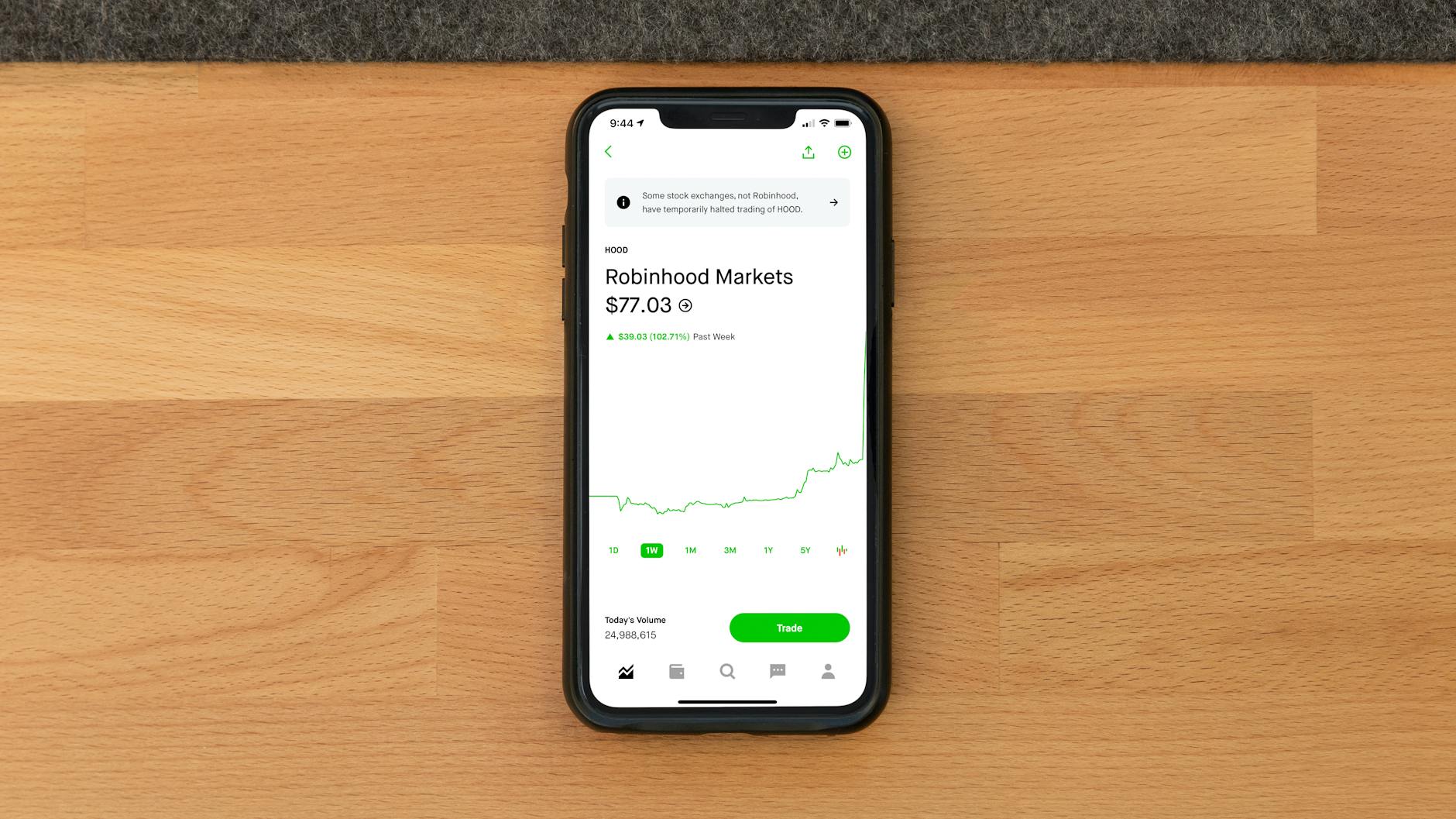
    The History of the Robinhood Trading Platform

    Introduction

    The Robinhood trading platform has dramatically reshaped the landscape of retail investing. Founded in 2013 by Vlad Tenev and Baiju Bhatt, Robinhood aimed to democratize finance for all by offering commission-free trades and an intuitive mobile interface. With its commitment to empowering everyday investors, Robinhood quickly gained popularity, especially among Millennials and Gen Z. This article will delve into the captivating history of Robinhood, exploring its founding principles, growth strategies, and the controversies that have arisen from its meteoric rise. Key developments and technological innovations will also be examined, alongside the platform’s future prospects and its overall impact on the financial markets.

    Foundation and Launch of Robinhood

    The Robinhood trading platform’s origins can be traced back to the visions of its founders, Vlad Tenev and Baiju Bhatt. Both entrepreneurs, who met during their studies at Stanford University, recognized early on the barriers that traditional brokerage firms posed to retail investors. The existing financial landscape was dominated by high fees that discouraged many potential traders, particularly younger individuals with limited disposable income. Tenev and Bhatt aimed to create a platform that would allow anyone, regardless of financial status, to participate in the stock market.

    In April 2013, Robinhood was launched as a mobile application. The platform’s unique selling proposition was straightforward: commission-free trading. This innovation was revolutionary at the time, as most brokerages charged fees per trade, creating a substantial burden for novice traders looking to invest small amounts. Robinhood’s model promised to eliminate these barriers and make investing accessible to all. To finance their operations without charging commissions, the founders implemented a practice known as “payment for order flow,” where they received compensation from market makers for routing trade orders to them.

    The initial rollout of Robinhood was met with enthusiasm, especially among younger demographic groups who found the platform’s user-friendly interface appealing. Within a year of its inception, Robinhood garnered over 1 million users, a remarkable feat for any startup. This early user acquisition was fueled by a referral program that incentivized existing users to invite friends by offering free stocks for each successful referral. The strategy not only expanded Robinhood’s user base but also created a community of engaged investors eager to share their experiences and learn from each other.

    As Robinhood continued to grow, it caught the attention of venture capitalists. By the end of 2014, the platform had secured its first significant round of funding, raising $13 million in a Series A financing led by New Enterprise Associates. This influx of capital was pivotal for the company’s expansion, allowing Robinhood to enhance its technology infrastructure, develop new features, and broaden its market presence. In 2015, the company introduced the ability to trade options, further solidifying its appeal to a broader range of investors.

    Moreover, Robinhood’s branding played a crucial role in its success. Emphasizing its goal to “democratize finance for all,” the company positioned itself as a disruptor in the financial services industry. Its easy-going, approachable branding resonated well with its target audience, reinforcing the idea that investing did not have to be esoteric or reserved for the wealthy. The platform’s name, a nod to the legendary figure who “robbed from the rich to give to the poor,” encapsulated its mission to empower individual investors.

    However, the rapid ascent of Robinhood was not without its challenges. As the user base expanded, so did the scrutiny from regulators. Questions surrounding its business model, particularly its reliance on payment for order flow, led to ongoing discussions about transparency and potential conflicts of interest. Despite these concerns, Robinhood’s impact on the trading landscape was undeniable—by 2020, it had amassed over 13 million users, making it one of the most popular trading applications in the United States.

    The launch of commission-free trading by Robinhood catalyzed a shift that prompted other brokerage firms to re-evaluate their fee structures. Major players like Charles Schwab, TD Ameritrade, and E*TRADE followed suit, eliminating commissions for trades and further validating Robinhood’s disruptive business model. This competitive shift not only transformed the trading industry but also established a new expectation among consumers for low-cost, accessible investment options.

    Growth and User Acquisition Strategies

    Robinhood’s growth was not merely a result of its innovative commission-free model; it was bolstered by strategic user acquisition efforts that leveraged technology, social media, and community engagement. The company recognized that to sustain its rapid growth, it needed to continually attract new users while retaining existing ones.

    One of the pioneering strategies adopted by Robinhood was the referral program, which incentivized current users to invite friends. This strategy proved effective as users of the platform were motivated by the opportunity to receive free stocks—an attractive proposition for those new to investing. The referral program not only encouraged existing users to promote the platform but also facilitated organic growth through trust and personal recommendations.

    In addition to the referral program, Robinhood heavily invested in digital marketing campaigns aimed at younger demographics. The targeted ads were designed to resonate with the Millennial and Gen Z populations who were increasingly dissatisfied with traditional financial institutions. Platforms like Instagram, Facebook, and Twitter became key channels for reaching potential users, with visually engaging content that highlighted the platform’s ease of use and commitment to democratizing finance.

    Partnerships with influencers and financial educators also played a significant role in Robinhood’s user acquisition strategy. By collaborating with prominent figures on social media who advocated for financial literacy, Robinhood effectively tapped into existing online communities eager to learn about investing. These partnerships facilitated a sense of trustworthiness, enhancing Robinhood’s credibility among users who may have viewed investing as intimidating or complex.

    Moreover, the company’s focus on delivering a seamless and engaging user experience through its mobile application contributed significantly to user retention. The simple, intuitive interface made trading accessible even for those with no prior experience. Users were not only able to execute trades effortlessly but were also presented with educational resources, including articles and tutorials, that encouraged informed decision-making.

    A further dimension of Robinhood’s growth strategy involved the introduction of new features continually aimed at enhancing user engagement. For instance, the addition of fractional shares allowed users to invest small amounts in high-priced stocks, broadening their investment opportunities and fostering a culture of ownership. Other features like cryptocurrency trading and a range of investment options attracted a diverse user base, allowing Robinhood to cater to varying investment styles and preferences.

    The introduction of the Robinhood Gold subscription service in 2016 marked another strategic expansion aimed at generating revenue while offering premium features such as access to margin trading and bigger instant deposits. The monetization strategy behind Robinhood Gold demonstrated the company’s innovative approach to diversifying its revenue streams while still adhering to its original mission of making finance accessible.

    Furthermore, Robinhood’s data-driven approach to understanding user behavior allowed the company to refine its offerings and marketing efforts continuously. By analyzing user interactions within the app, Robinhood could identify patterns and preferences, adapting features and promotional strategies accordingly. This nimbleness in responding to user feedback contributed to high user satisfaction rates and loyalty.

    Overall, Robinhood’s growth trajectory is a testament to the efficacy of its user acquisition strategies, emphasizing the combination of innovative features, effective marketing, and leveraging social networks to foster community engagement. As the platform evolved, it successfully established itself as a dominant player in the rapidly changing landscape of retail investing, paving the way for its future advancements.

    Controversies and Regulatory Challenges

    As Robinhood’s popularity soared, the platform became embroiled in several controversies and regulatory challenges that would shape its path moving forward. While the company’s mission centered on democratizing finance, various incidents raised concerns among investors, regulators, and policymakers about the ramifications of its business practices.

    One of the most significant controversies erupted in March 2020 during the COVID-19 pandemic when the platform experienced multiple outages and technical glitches. As volatility surged in the markets, many users attempted to access their accounts to place trades, only to encounter frustrating delays and failures. This incident sparked anger among users, leading to widespread complaints fueled by the sentiment that Robinhood had failed them in times of need. The outages not only caused financial losses for users who missed trading opportunities but also created questions about the platform’s reliability and ability to handle increased traffic.

    In the wake of these outages, Robinhood faced intense scrutiny from regulators, specifically The Financial Industry Regulatory Authority (FINRA) and the Securities and Exchange Commission (SEC). Regulators began investigating the circumstances surrounding the outages to determine if Robinhood adhered to the necessary standards for operational resilience. This scrutiny highlighted the fragile nature of technology-driven trading platforms and the potential implications for investors reliant on their functionality.

    Moreover, the conversation around payment for order flow, a core component of Robinhood’s business model, intensified amid these controversies. Critics raised concerns about potential conflicts of interest that could arise from the practice, wherein Robinhood received compensation for directing orders to market makers. Although this model helped facilitate commission-free trading, it also raised questions about whether users were receiving the best execution prices on their trades.

    In December 2020, the SEC launched an investigation into whether Robinhood adequately disclosed how it generated revenue through payment for order flow. With increased public attention on the issue, the company faced pressure to enhance transparency regarding its business practices. In response, Robinhood implemented measures to improve disclosures and educate users about the intricacies of its revenue generation methods, striving to reassure its user base.

    Another major controversy ensued in early 2021 when Robinhood halted trading on several stocks, notably GameStop, during the height of the short squeeze driven by retail investors on platforms like Reddit. The decision to restrict trading on heavily shorted stocks drew sharp criticism from users who viewed it as a betrayal of the platform’s foundational principles of encouraging free trading. Additionally, legislators initiated inquiries into the incident, questioning whether Robinhood acted in the best interest of its users or capitulated to pressures from institutional investors.

    The backlash prompted Robinhood to confront not only user anger but also a significant reputational challenge. The fallout from the GameStop incident contributed to congressional hearings where Robinhood’s CEO, Vlad Tenev, was summoned to testify. The hearings scrutinized the role of trading apps in exacerbating market volatility and examined whether there should be more stringent regulations governing such platforms.

    In July 2021, Robinhood went public through an initial public offering (IPO), momentarily shifting the focus of narrative around the company. However, the controversies and regulatory inquiries surrounding its operations persisted. Investors and analysts keenly watched how Robinhood would address its ongoing challenges, perceived risks, and the implications for its business model as it navigated the complexities of the financial landscape.

    Beyond these controversies, Robinhood also actively sought to engage with regulators and policymakers to promote dialogue on enhancing market accessibility and investor protection. The company launched initiatives aimed at fostering financial literacy among its user base and advocated for responsible trading practices. By taking a proactive stance, Robinhood attempted to rehabilitate its image and align itself with broader discussions about consumer protection and ethical trading in the financial markets.

    Overall, the controversies and regulatory challenges faced by Robinhood underscore the complexities inherent in disrupting traditional financial models through technology. As the trading industry continues to evolve, such incidents serve as an important reminder of the responsibility that comes with providing trading platforms and the need for robust regulatory oversight.

    Technological Innovations and User Experience

    At the core of Robinhood’s success lies its commitment to technological innovation and user experience. The platform revolutionized retail investing by recognizing the importance of creating a seamless, user-friendly interface that catered to both seasoned investors and newcomers alike. This dedication to enhancing user experience has played a crucial role in Robinhood’s ability to attract and retain millions of users.

    The mobile-first design of Robinhood was among its most impactful innovations. In an era where smartphones increasingly dominate communication and commerce, Robinhood positioned itself as a mobile-centric platform that allowed users to trade stocks, options, and cryptocurrencies directly from their devices. The sleek and intuitive app interface made navigating the various features an effortless experience, providing users with easy access to account management, market data, and trading functionalities.

    Incorporating gamified elements into the app further contributed to an engaging user experience. The platform embraced a more casual approach to investing by allowing users to track their portfolios with visual elements and playful notifications that celebrated milestones like executing their first trade or hitting new account balance thresholds. This gamification resonated particularly well with younger audiences, making investing feel less intimidating and more accessible.

    Security and privacy are critical components of any financial platform, and Robinhood took steps to prioritize these concerns. The app utilized advanced encryption and security protocols to safeguard user information and financial data. Moreover, features such as two-factor authentication added an extra layer of protection, reassuring users that their accounts were secure. This emphasis on security helped to instill confidence in users, allowing them to focus on their investment strategies rather than worrying about the safety of their information.

    Educating users and providing them with comprehensive resources was another hallmark of Robinhood’s innovative approach. Within the app, users found a wealth of information on various investment concepts, trading strategies, and stock analyses. The inclusion of these educational resources empowered users to make informed decisions, demystifying the investing process and fostering a sense of financial empowerment, especially for those new to trading.

    Robinhood also leveraged technology to introduce advanced trading features that catered to diverse investment styles. The addition of options trading and cryptocurrency trading presented users with opportunities to explore new investment avenues. Additionally, the introduction of fractional shares allowed users to invest in high-priced stocks without needing the full amount. This move removed the barrier to entry for many budding investors and enabled them to diversify their portfolios more easily.

    The application’s real-time market data and tailored notifications allowed users to stay informed about market trends and receive updates on their investments. With this functionality, users could respond swiftly to market movements, ensuring they never missed a trading opportunity. Push notifications kept users engaged with their portfolios, prompting them to act when specific price points were reached or when significant news events occurred.

    Furthermore, Robinhood’s integration of social elements became a notable market differentiator. The introduction of features like the Popular Stocks section allowed users to see which stocks were trending among other investors, fostering a sense of community within the app. Additionally, the platform encouraged users to share insights with their connections, further enhancing engagement and collective learning.

    In 2021, while the app underwent enhancements to address user feedback and concerns from regulators, Robinhood maintained its focus on technological advancements. The launch of web trading in addition to the mobile app enabled users to have a more comprehensive trading experience across multiple platforms, catering to diverse user preferences.

    Through continual iteration and innovation, Robinhood’s investment in user experience and technology not only positioned it as a leader in the trading platform space but also contributed to its overall mission of making finance more accessible. By fostering a welcoming and supportive environment for users of all skill levels, Robinhood redefined the overall investing experience and paved the way for a new generation of retail investors.

    Future Prospects and Market Impact

    Looking ahead, the future prospects of Robinhood are characterized by both immense potential and the challenges it must navigate in a rapidly evolving financial landscape. As the platform adapts to regulatory pressures and shifts in user behavior, its approach will likely define its trajectory in the years to come.

    One key area that Robinhood will need to consider is the increasing demand for more advanced investment products and services. With the rise of sophisticated retail investors seeking options beyond just stock trading, Robinhood’s ability to innovate and expand its offerings will be critical. The platform may explore introducing more complex investment vehicles, such as exchange-traded funds (ETFs), bonds, and even financial advisory services, to cater to the diverse needs of its user base.

    Moreover, as financial literacy among users continues to improve, they may seek more proactive guidance and education. In response, Robinhood may enhance its educational resources and introduce tools that assist users in making informed investment decisions, such as personalized portfolio analysis and risk assessment features. This proactive approach could further solidify Robinhood’s reputation as a user-centered platform committed to empowering its investors.

    Another significant consideration for Robinhood pertains to regulatory challenges that have emerged from its business practices. As regulators take a closer look at the implications of commission-free trading and payment for order flow, Robinhood must work to ensure compliance while safeguarding its unique business model. Adapting to increased transparency requirements will be essential in maintaining trust with users and fostering long-term relationships with regulators.

    The competitive landscape of retail investing is also evolving, with traditional brokerages and new fintech entrants entering the space. To maintain its status as a frontrunner, Robinhood will need to continually monitor competitor developments and differentiate itself through unique features, user experience, and value propositions. Partnerships with other financial services companies or improvements in its technology stack may become necessary to stay ahead of the curve.

    As Robinhood navigates these dynamics, its impact on the overall investment ecosystem continues to resonate. The platform has played a significant role in democratizing finance, notably shifting the narrative around investing and open access to financial markets. By leveraging technology to empower individual investors, Robinhood has influenced the way financial institutions and brokerages approach their services, leading to broader changes in the financial industry.

    Additionally, Robinhood has paved the way for increased investor engagement, with a community of users that actively participate in discussions and trading decisions. This cultural shift toward an engaged retail investor base could have lasting implications for how companies communicate with their shareholders and how stocks are valued in the market.

    In summary, while Robinhood faces challenges in the ever-evolving financial landscape, its innovative spirit, user focus, and commitment to democratizing finance provide a solid foundation for future growth and influence. As technology continues to reshape investing, Robinhood stands at the forefront of this transformation, determined to redefine how individuals interact with financial markets and participate in investment opportunities.

    Conclusion

    The history of the Robinhood trading platform is a story of innovation, disruption, and transformation in the financial services industry. From its foundation and mission to democratize access to investing to its meteoric rise in popularity and the controversies it has encountered along the way, Robinhood has made waves that resonate far beyond the boundaries of traditional brokerage firms.

    As we have explored, Robinhood’s commitment to providing commission-free trading and a user-friendly platform has successfully attracted millions of users and transformed the notion of investing for the average person. Through innovative marketing strategies and technological advancements, the company has created an engaging ecosystem for retail investors, empowering individuals to take control of their financial futures.

    However, with growth comes challenges. The controversies surrounding outages, regulatory scrutiny, and its trading practices raise critical questions about the sustainability of Robinhood’s model. Moving forward, how the company navigates these regulatory hurdles, adapts its services to meet evolving user needs, and embraces technological advancements will ultimately shape its future prospects.

    As Robinhood continues to influence the broader financial landscape, it inspires a generation of investors who see finance as an everyday endeavor rather than an exclusive domain for the elite. Its legacy will likely prompt other companies to prioritize transparency, accessibility, and education while reshaping the narrative of consumer finance.

    In conclusion, Robinhood’s journey is far from over. With its ongoing commitment to empowering individual investors and navigating the complexities of the modern financial world, Robinhood is poised to reshape the investing landscape for years to come.

    Sources Consulted

  • The GameStop Saga: A Revolutionary Moment in Wall Street History

    The GameStop Saga: A Revolutionary Moment in Wall Street History

    Introduction

    The GameStop saga represents a seismic shift in the landscape of the stock market, capturing the attention of investors and the general public alike. It started as a typical story of a struggling video game retailer but morphed into a historical flashpoint that examined the convergence of technology, finance, and grassroots activism. Beginning in late 2020, GameStop emerged as a battleground between retail investors and institutional players, leading to an extraordinary surge in its stock price and a national conversation about market integrity. In this article, we will delve deep into the history of GameStop’s Wall Street mission, exploring five key agenda points that illuminate the events leading to this unprecedented moment in financial history.

    Background of GameStop: Understanding the Company’s Origins and Business Model

    GameStop has a storied history in the video game retail industry, originating from the merger of several smaller companies and gradually becoming a leading retailer of video games, consoles, and accessories. Founded in 1984 in Dallas, Texas, as Babbage’s, the company initially focused on selling personal computer software. Over the years, it transitioned to focus on video games, reflecting the rapid growth and evolution of this entertainment sector.

    By the early 2000s, GameStop was poised to capitalize on the booming video game market, attracting a young and dynamic consumer base. The company utilized a brick-and-mortar retail model, with thousands of locations across the United States and various international markets. The retail strategy hinged on providing in-store experiences where customers could discover new titles, trade in old games, and access gaming merchandise, fostering a community of gamers.

    Despite its robust early years, GameStop faced significant challenges as consumer habits changed. The rise of digital downloads and online streaming services threatened its physical retail presence. Competitors such as Amazon and digital gaming platforms, like Steam and Epic Games Store, began capturing market share, drastically affecting GameStop’s sales. This declining trend was exacerbated by the COVID-19 pandemic, which forced consumers to adopt more remote shopping habits.

    In response to these challenges, GameStop attempted to innovate its operations and explore avenues for growth, including digital expansions and alternative revenue streams like selling gaming merchandise and collectibles. However, these initiatives only achieved limited success, tarnishing GameStop’s financial stability and fueling speculation of its imminent collapse.

    Despite these myriad challenges, the retailer’s stock began to attract attention due to its perceived undervaluation, especially among knowledgeable investors in financial markets. This set the stage for the dramatic events that would unfold as a discordant group of retail investors sought not merely to profit but to challenge the established norms of trading and investment within the stock market.

    Stay tuned for the next point where we will discuss the rise of retail investors and how social media and online trading played a significant role in the GameStop phenomenon.

    The Rise of Retail Investors: How Social Media and Online Trading Changed the Game

    The GameStop phenomenon cannot be fully understood without acknowledging the transformative role of retail investors, particularly influenced by the rise of social media platforms and online trading apps. In the years leading up to the GameStop events, retail investing was becoming increasingly democratized, fueled by the growth of user-friendly trading platforms like Robinhood, which removed barriers to entry for everyday individuals wanting to invest in the stock market.

    This accessibility meant that investing was no longer limited to wealthy individuals or institutional investors, which created a vibrant demographic of younger, tech-savvy traders who were eager to explore stock market opportunities. Already predisposed to online communities, these new investors found their footing within forums like Reddit’s r/WallStreetBets, where they could discuss ideas, share investment strategies, and build confidence in their trading knowledge.

    By late 2020, a growing cohort of retail investors was gathering intelligence on GameStop and recognizing its potential as not just a value stock but as a rallying point for a broader movement against hedge funds and institutional investors, known to engage in aggressive short selling strategies. Within the r/WallStreetBets community, discussions shifted into a collective strategy aimed at “short-squeezing” the heavily shorted GameStop stock in an attempt to challenge what they perceived as a lopsided playing field favoring wealthy hedge funds.

    As more members of the community began purchasing shares in GameStop, this grassroots movement gathered momentum, leading to an exponential increase in demand for the stock. The online community thrived on the excitement of challenging the status quo; memes and viral posts boosted morale and encouraged members to increase their stakes in the company.

    Simultaneously, retail trading volumes skyrocketed as more investors sought to join in on the action, resulting in unprecedented price movements on the GameStop stock. As share prices began to soar, the combined effect of retail investors collectively investing in GameStop ignited a feedback loop, leading to even more buying pressure. The events rapidly transformed the discourse around the stock market, revealing the powerful influence of retail investors and their ability to impact the financial landscape.

    The Short Selling Controversy: Analyzing Hedge Fund Strategies and Risks

    The GameStop saga is primarily defined by its short selling controversy, which has been central to the conflict between retail investors and institutional players. Short selling is a trading strategy employed by hedge funds and institutional investors to profit from a decline in a stock’s price. A hedge fund borrows shares and sells them on the open market, planning to buy them back at a lower price. This practice can lead to substantial profits if the stock does indeed decline. However, risks can escalate when the stock price rises instead of falling.

    In the case of GameStop, numerous hedge funds had taken significant short positions, betting against the company’s stock due to its declining performance and the challenges posed by a shifting gaming landscape. One of the most notable firms involved was Melvin Capital, which had amassed a large short position on GameStop, ultimately leading to their financial demise when retail investors turned the tides against them.

    The situation spiraled rapidly as GameStop’s stock price began to rise due to the increasing interest from retail investors. The idea of a “short squeeze” emerged, where the hedge funds that had shorted GameStop would need to buy back shares at higher prices to cover their positions, exacerbating the stock’s upward movement. This scenario unfolded over several weeks, resulting in GameStop’s stock soaring from about $20 at the start of January 2021 to an astonishing peak of nearly $350.

    As the situation worsened for short sellers, panic set in. By mid-January, Melvin Capital required a significant capital infusion from other hedge funds to stabilize its operations. This turn of events demonstrated not only the power of retail investors but also the inherent risks associated with short selling—particularly in a stock that had garnered significant grassroots interest on platforms like Reddit.

    The consequences of the short selling controversy highlighted fundamental issues within financial markets, such as the fragility of certain trading strategies and the potential ramifications when retail investors unite against traditional institutions. The resulting pressure on hedge funds drew the attention of regulators and resulted in an intense public discourse regarding market manipulation, ethical investing, and the fairness of trading practices.

    The Role of Reddit and the r/WallStreetBets Community in the GameStop Phenomenon

    The doubling-down efforts by retail investors on GameStop can largely be attributed to the influence of online communities, particularly Reddit’s r/WallStreetBets. This platform served as a catalyst for organizing investment strategies and collective action, transforming individual investors into an army mobilized against institutional players.

    r/WallStreetBets functions as a social space where users share financial news, memes, investment ideas, and personal experiences related to trading. Unlike traditional investment platforms that may focus more on analytical strategies and financial metrics, r/WallStreetBets is characterized by its irreverent humor and a more laid-back attitude towards investing. This cultural backdrop created an environment conducive to memes, like the “diamond hands” and “to the moon,” which became synonymous with holding investments through volatility.

    As GameStop’s stock gained traction, r/WallStreetBets acted as a virtual meeting point for individuals keen on amplifying their voices and coordinating collective buying efforts. Within this community, members discussed investment strategies and shared insights about short selling, creating a sense of camaraderie and purpose. Their combined enthusiasm bolstered the resolve of individual investors to hold onto their GameStop shares rather than capitulate amid the volatile price swings.

    The community’s rapid growth attracted media attention, leading to mainstream coverage of the events surrounding GameStop. As more people learned about r/WallStreetBets, the narrative evolved into one of resistance against perceived Wall Street elitism. This amplified sense of loyalty and solidarity among community members fueled the momentum of the GameStop movement.

    Despite the spontaneous nature of these investing decisions, members of r/WallStreetBets demonstrated a remarkable understanding of market dynamics, trading algorithms, and the mechanics of short selling. They effectively capitalized on social media’s immediacy and reach by using humor, virality, and group-directed energy to rip through traditional barriers of investing.

    Market Reactions and Regulatory Responses: The Aftermath of the GameStop Event

    As the GameStop saga unfolded, it elicited swift reactions from both the market and regulators, marking a period of intense scrutiny over trading practices and the regulatory environment surrounding financial markets. After the unprecedented volatility surrounding GameStop’s stock prices, multiple brokerage firms, including Robinhood, instituted restrictions on trading the stock and heightened margin requirements. This backlash drew criticism from retail investors who perceived it as an effort to suppress their ability to trade freely.

    The market response was multifaceted, with stock exchanges closely monitoring trading activity in the wake of rapid price fluctuations. The incident raised concerns about market manipulation, trading integrity, and the responsibilities of brokerage firms. Investors and market analysts began questioning whether certain practices could be classified as manipulative, particularly considering how the r/WallStreetBets community mobilized around GameStop.

    In the U.S. Congress, hearings were convened to investigate the events surrounding GameStop, calling in key players, including CEOs from brokerage firms and hedge funds involved in short selling. Lawmakers aimed to understand the intricacies of this extraordinary situation, ultimately seeking to determine whether regulations should be adjusted to prevent similar events from transpiring in the future.

    Regulatory bodies, such as the Securities and Exchange Commission (SEC), expressed their intent to assess the mechanisms that facilitated the rapid escalation of GameStop’s stock price. Investigations commenced to dissect how social media straddled the line of legitimate dissemination of information versus potential market manipulation.

    The GameStop episode has underscored critical factors influencing modern trading practices, exemplifying the role of technology and social media in shaping financial markets. It has also ignited broader discussions regarding financial literacy, the responsibilities of brokerage firms toward both retail and institutional investors, and the necessity of ensuring a level playing field in investment practices.

    Conclusion

    The history of GameStop in Wall Street is emblematic of a shifting narrative in the financial landscape, driven by a confluence of technology, collective action, and the democratization of investing. The remarkable events surrounding its stock have exposed vulnerabilities within conventional market practices, reshaping the interaction between retail investors and institutional players. Retail investors emerged not merely as a fringe element but as a formidable force capable of challenging established norms in finance. This phenomenon serves as a call to consider how investors engage, advocate for deregulation, and influence the broader market ecosystem. As we reflect on this unprecedented saga, it is essential to recognize the importance of evolving market dynamics and the potential for collective action in the face of institutional power, ensuring a more equitable future for all investors.

    Sources

  • The Black Tuesday: A Turning Point in Financial History

    Introduction

    Black Tuesday, which occurred on October 29, 1929, marked a pivotal moment in American financial history, symbolizing the onset of the Great Depression. The stock market crash led to widespread economic turmoil, affecting everyday lives and altering the socio-economic landscape of the nation. The day’s events were not isolated; rather, they were the culmination of speculative excess during the Roaring Twenties, a decade characterized by unprecedented economic growth and stock market expansion. This article delves deeply into the origins, events, and consequences of Black Tuesday as well as its aftermath, providing a comprehensive understanding of this significant occurrence.

    Background of the 1920s Economic Boom

    The 1920s were a period of significant economic expansion in the United States, often referred to as the \”Roaring Twenties.\” Following World War I, the U.S. experienced a surge in industrial growth and consumerism. The economy thrived on technological advancements such as the automobile, radio, and household appliances, which transformed living standards and consumer behavior. The stock market became increasingly accessible to the average American investor, leading to an unprecedented rise in stock prices. Speculation grew rampant as many believed the market would continue to rise indefinitely, making it a breeding ground for risky investment behaviors.

    The Federal Reserve\’s low-interest rates and policies promoting credit availability further fueled this speculative mania. With easy access to margin loans, investors were able to purchase stocks for a fraction of their price, betting on continuous growth. This created an unsustainable bubble, with many people investing money they did not possess. As the decade progressed, the disparity between the real economy and stock market values widened, setting the stage for an eventual reckoning.

    Events Leading Up to Black Tuesday

    The late 1920s set the stage for an economic catastrophe, with indicators hinting at underlying weaknesses despite surface prosperity. A rapid increase in consumer debt, diminishing agricultural profitability due to overproduction, and growing income inequality eroded the stable foundation of the boom. Throughout 1929, stock prices began to wobble as some investors started to sell off their shares, sensing a potential downturn. In September 1929, the market reached an alarming peak, and signs of weakness became evident, yet many remained overly optimistic.

    When the stock market\’s first major decline occurred in October, it was seen as a minor setback, perhaps a natural correction. However, the falls accelerated as panic set in among investors, beginning with the market dropping nearly 10% on Black Thursday, October 24, 1929. Despite attempts to stabilize the market through buying support from wealthy financiers and banks, apprehension and fear spiraled out of control in the days that followed. By Black Tuesday, investors were in a frenzy, frantically attempting to sell their shares; the market lost over 12% of its value. This sell-off would mark the beginning of an economic storm that would affect not only the United States but the entire world.

    The Panic of October 29, 1929

    The events of Black Tuesday stand as one of the most catastrophic days in American financial history. As the opening bell rang on October 29, 1929, the atmosphere was frenzied. Investors, paralyzed by fear and uncertainty, flooded the trading floors, desperate to liquidate their positions and minimize losses. Within hours, the market plummeted, leading to a staggering loss of about 22% of the total value of all stocks traded on the New York Stock Exchange that day. This dramatic decline is often cited as a hallmark of investors’ collective panic.

    At the core of the chaos were thousands of investors who had purchased stocks on margin. As prices dropped sharply, margin calls went out, demanding additional funds to cover loans, which many investors simply did not have. Consequently, more shares were dumped onto the market, causing prices to crash further. The news of the crash spread quickly, leading to subsequent panic selling in the following days. The fallout was catastrophic for many banks and businesses heavily invested in the market.

    As banks began to fail due to massive withdrawals and clients unable to settle margin debts, trust in the financial system eroded. Investors found themselves in a scenario where liquidating their assets resulted in significant losses, leading to despair. The trading floors were filled with chaos as brokers shouted and pushed to meet the demands of their clients. The vast majority of the populace was unaware that this day would be seen as the onset of years of economic despair, marking a transition from the \”Roaring Twenties\” to a grim reality.

    Immediate Aftermath and Government Responses

    In the immediate wake of Black Tuesday, the effects rippled through the economy with alarming speed. The stock market’s collapse triggered an avalanche of financial distress for banks, industries, and everyday citizens. As businesses failed and unemployment rates soared, the earlier prosperity and wealth of the 1920s evaporated almost overnight.

    The U.S. government initially struggled to respond effectively. Many believed that the downturn would be temporary, prompting minimal intervention. However, the desperate circumstances necessitated action. President Herbert Hoover\’s administration faced mounting pressure, as company closures and unemployment were alarmingly high. Hoover’s response was primarily rooted in encouraging businesses to maintain wages and employment, but this proved ineffective as the economic crisis deepened.

    In April 1930, as conditions worsened, Hoover established the Reconstruction Finance Corporation (RFC) to lend money to financial institutions, railroads, and other businesses, yet efforts to quell the crisis remained insufficient. The downward spiral continued into 1931, leading to further bank failures and widespread economic desolation. By 1932, it was evident that a more radical overhaul was needed to restore faith in the system and alleviate the suffering of a population in distress.

    Long-term Implications of the Crash

    The long-term implications of Black Tuesday and the subsequent Great Depression reshaped the United States\’ economic landscape and governance practices. In the depths of the Depression, with millions out of work and poverty rampant, public sentiment shifted towards finding solutions. These circumstances led to the rise of Franklin D. Roosevelt, who promised a \”New Deal\” aimed at economic recovery through government intervention and social welfare.

    The stock market crash caused a re-evaluation of the regulatory frameworks governing financial institutions. In 1933, the Securities Act was enacted to help rebuild investor confidence, requiring transparency in financial statements from publicly traded companies. The establishment of the Securities and Exchange Commission (SEC) in 1934 marked a significant shift towards increased regulatory oversight of the stock market to prevent such a calamity from occurring again.

    Furthermore, the lessons learned from the Great Depression influenced future economic policies, emphasizing the importance of a safety net during downturns. The government took a more active role in managing the economy through fiscal and monetary policies, an approach that continues to shape the economic landscape to this day.

    Conclusion

    The events of Black Tuesday not only marked a catastrophic point in financial history but also served as a turning point that influenced future economic policies and practices. The panic leading up to the crash and its immediate aftermath illuminated the vulnerabilities within the financial system, emphasizing the need for regulation and oversight. As America moved through the tumult of the Great Depression, the required changes led to reforms that sought to prevent similar crises in the future. Black Tuesday remains a critical lesson in the balance between speculation, risk, and economic stability, serving as a reminder of the intricate connectivity between financial markets and everyday lives.

    Sources

  • The History of the NASDAQ Index

    The History of the NASDAQ Index

    Introduction

    The NASDAQ Index represents one of the most significant stock exchanges in the world, known for its tech-heavy index and innovative trading methods. Established in 1971, the NASDAQ revolutionized the trading landscape by introducing electronic trading, which eliminated the inefficiencies of traditional floor trading. Over the decades, it has witnessed extraordinary growth, particularly during the dot-com boom, and has been the stage for some of the most iconic companies in technology. However, the NASDAQ has also faced challenges, including significant market crashes and regulatory hurdles. As we explore the rich history of the NASDAQ Index, we will delve into its origins, its evolution through various economic climates, and the potential future that lies ahead in an increasingly digital and interconnected market.

    The Origins of NASDAQ

    The National Association of Securities Dealers Automated Quotations, known as NASDAQ, was founded in 1971 as the world’s first electronic stock exchange. It was established to facilitate trading in stocks listed on the over-the-counter (OTC) market, addressing a critical need for a standardized and efficient mechanism for trading securities. Prior to NASDAQ’s inception, trading was primarily conducted through a network of dealers, leading to inefficiencies and limited transparency.

    The initial motivation behind NASDAQ was to create a quotation system that would provide real-time price information to traders, allowing for better decision-making. This system was a radical departure from the existing conventions in the stock market, which largely depended on telephone calls and physical exchanges. By utilizing technology, NASDAQ set a precedent that would reshape the future of financial markets.

    NASDAQ’s founders recognized the potential of technology to improve the speed of trading and limit the costs associated with market transactions. By introducing automated trading systems, investors could effectively buy and sell stocks without the substantial delays typical of traditional trading floors. This innovation attracted a significant number of smaller, technology-oriented companies that preferred NASDAQ over more traditional exchanges like the New York Stock Exchange (NYSE). By catering to growth-focused companies, NASDAQ established itself as the premier marketplace for emerging technology firms.

    In its early years, NASDAQ faced skepticism from many investors accustomed to the established brick-and-mortar trading systems. However, as technological advancements continued and investor confidence grew, NASDAQ gained momentum. The inclusion of market makers—entities that provided liquidity by quoting both buy and sell prices—further enhanced trading capabilities, allowing for more efficient transactions.

    By the 1980s, NASDAQ had solidified its status as a leading trading platform, featuring hundreds of companies and fostering a vibrant market for shares. The rise of PC technology and the advent of online trading in the 1990s propelled NASDAQ to even greater heights, directly aligning with the burgeoning growth of technology companies. The index became synonymous with the tech boom, attracting media attention and a surge in individual investors seeking to capitalize on high-growth stocks.

    In summary, the origins of the NASDAQ marked a significant turning point in the history of financial markets. By leveraging technology, it enhanced market transparency and efficiency, paving the way for countless innovations in the trading landscape. As we explore the next stages of NASDAQ’s history, we’ll examine how these early developments laid the foundation for the explosive growth and transformations that followed.

    Technology Boom and NASDAQ Growth

    The 1990s marked a vital chapter in the history of the NASDAQ Index, as the emergence of the internet and the subsequent tech boom transformed the marketplace. As innovative technology companies began to dominate the landscape, NASDAQ quickly became a magnet for these high-growth stocks. This period not only solidified the exchange’s reputation as the leading venue for tech investments but also drew in a new class of investors eager to participate in the burgeoning digital economy.

    During this time, companies like Microsoft, Cisco, and Amazon began their journeys as publicly traded entities, cementing their status on the NASDAQ Index. The shift toward technology-driven commerce and communication had profound implications for traditional industry sectors, and investors recognized the incredible growth potential these new players offered. The technology sector flourished, which translated into substantial gains for the NASDAQ Index, establishing records that highlighted the exchange’s increasing significance in global finance.

    One of the key factors driving the phenomenal growth of NASDAQ during the tech boom was the proliferation of venture capital and angel investing. These sources of funding spurred innovation, enabling startups to scale rapidly. As these companies went public, their inclusion in the NASDAQ represented not only the opportunities presented by the internet but also the growing dependence of the global economy on technology. This dynamic environment attracted a wave of individual investors, many of whom were enticed into the market by the stories of instant wealth generated by tech stocks.

    The exuberance of investing in these technology stocks led to soaring valuations, with the NASDAQ Index reaching unprecedented heights. Between 1995 and 2000, NASDAQ grew exponentially, fueled by speculative fervor. The investment climate was characterized by optimism regarding the future of technology, often leading to inflated stock prices based on projected earnings rather than traditional valuation metrics.

    However, the tech boom was not without warning signs. Analysts observed the growing disconnect between market valuations and the actual performance of many companies. Yet, the euphoria surrounding the NASDAQ Index prevailed, and it became a symbol of the digital age. The combination of rapid gains, increasing trading volumes, and media coverage all contributed to a market environment that appeared unstoppable.

    As the turn of the millennium approached, the NASDAQ reached its zenith, closing above 5,000 points in March 2000. This momentous occasion represented both the epitome of the tech boom and the harbinger of the impending challenges ahead. Investors had become reliant on the notion that the growth of technology companies was limitless; however, this belief would soon be put to the test.

    The consequences of the fervent speculative market during the late 1990s came crashing down with the bursting of the dot-com bubble. Many companies that had experienced skyrocketing valuations saw their stock prices plummet, leading to substantial losses for investors. The NASDAQ Index would take years to recover from this downturn, marking a painful reminder of the volatility inherent in technology-driven investing. The transition from an unparalleled surge to a significant decline embodies the paradox of the NASDAQ’s evolution—while it became a primary platform for innovation, it also exposed the risks associated with speculative markets.

    As we explore the next agenda point, we will analyze the impact of these market crashes on the NASDAQ, focusing on the lessons learned from the dot-com bubble and the subsequent adaptations made by the index.

    Market Crashes and Recoveries

    The NASDAQ Index’s journey through the financial markets has been marked by significant volatility, characterized by catastrophic crashes followed by gradual recoveries. The most notable event during this tumultuous period was the bursting of the dot-com bubble in 2000, which had far-reaching consequences for the index and its investors.

    After reaching its peak in March 2000, when it surpassed the 5,000-point mark, the NASDAQ experienced a dramatic decline that would haunt investors for years. The underlying issue stemmed from the disconnect between the astronomical valuations of many tech firms and their actual profitability. While investors had been lured by promises of rapid growth and innovation, many companies lacked sustainable business models. As skepticism among investors increased and a wave of profit warnings swept through the tech sector, the NASDAQ entered a steep downward spiral.

    Over the next couple of years, the NASDAQ Index witnessed a loss of approximately 78% from its peak, ultimately falling to about 1,200 points by late 2002. The repercussions of this crash were profound, leading to widespread disillusionment among investors, many of whom had lost substantial portions of their portfolios. The collapse not only affected individual investors but also had ripple effects across the broader economy, highlighting the dangers of irrational exuberance and speculative investing.

    In the wake of the dot-com crash, the NASDAQ began a long and arduous path to recovery. The recovery process was not immediate; it took several years of restructuring and reassessment for the index to regain investor confidence. During this period, key lessons were learned about valuations, as investors shifted focus toward companies with solid fundamentals rather than just rapid growth potential. This critical transition paved the way for the development of a more discerning investment environment, one where profits and sustainable models became paramount to stock valuation.

    The introduction of regulations following the recent financial crises also played a pivotal role in reforming trading practices on the NASDAQ. Notably, the Sarbanes-Oxley Act of 2002 was implemented to enhance corporate governance and financial transparency. These changes aimed to restore trust in the financial markets and protect investors from fraudulent accounting practices, which had plagued numerous technology firms during the boom-and-bust cycle.

    Furthermore, the NASDAQ repositioned itself by emphasizing companies with proven records of revenue generation and solid business models. The shift in focus toward metrics such as profitability and earnings helped transform the exchange into a platform for more mature tech companies, leading to a more stable index. Investors began recognizing quality over speculation, resulting in a more sustainable investment landscape.

    As the global economy began to recover, so too did the NASDAQ Index. Tech companies that had weathered the storm emerged stronger, taking advantage of a renewed interest in technology-driven solutions. The innovation cycle continued, ushering in advancements such as cloud computing and mobile technology that would fuel the next wave of growth.

    The Stanford graduate Institute for the Study of Business in the Emerging Markets (ISBE) documented how this recovery was reinforced by the rise of social media, e-commerce, and other tech-driven business models. Firms like Facebook and Google entered the market, catalyzing a new era of innovation that contributed to the NASDAQ’s resurgence.

    In summary, the journey of the NASDAQ Index through market crashes and recoveries is a testament to the resilience of the financial markets. The lessons learned from the dot-com bubble bore essential insights into the importance of sound business practices and the need for regulatory reforms to protect investors. This chapter in the NASDAQ’s history not only reshaped its future but also laid the groundwork for sustained growth in the years to come. As we examine the next point on our agenda, we’ll explore the impact of regulations and changes that further impacted the trajectory of the NASDAQ Index.

    The history of Nasdaq Index
    The NASDAQ Index represents one of the most significant stock exchanges in the world, known for its tech-heavy index and innovative trading methods. Established in 1971, the NASDAQ revolutionized the trading landscape by introducing electronic trading, which eliminated the inefficiencies of traditional floor trading. Photo by Rômulo Queiroz on Pexels.com

    Regulations and Changes

    The evolution of the NASDAQ Index has been significantly influenced by a series of regulations and changes. The aftermath of the dot-com bubble highlighted the necessity for stronger oversight and accountability, leading to substantial regulatory reforms. As the stock market adapted to the lessons learned from past crises, the regulatory landscape became crucial for ensuring investor protection and market stability.

    One of the most significant regulatory responses to the challenges faced by NASDAQ and other exchanges was the implementation of the Sarbanes-Oxley Act (SOX) in 2002. Designed to reform corporate governance and enhance financial transparency, SOX aimed to restore public confidence in the financial markets. The act mandated stricter regulations on financial practices, requiring companies to establish internal controls to improve accuracy in financial reporting. Moreover, SOX imposed harsher penalties for corporate fraud, ensuring accountability among senior executives.

    These regulatory changes had immediate repercussions for companies listed on NASDAQ. Firms were now required to provide greater disclosures to investors, highlighting their financial performance and potential risks more transparently. This increased transparency was instrumental in rebuilding trust with investors who had been disillusioned by the lack of accountability during the dot-com era. In a sense, the NASDAQ’s embrace of these regulations allowed it to evolve into a safer investment venue for a new class of investors.

    In addition to SOX, the regulatory landscape continued to evolve in response to subsequent financial crises. The 2008 financial crisis further emphasized the fragility of the global financial system, leading to the implementation of the Dodd-Frank Wall Street Reform and Consumer Protection Act. This comprehensive reform package sought to address the systemic risks posed by financial institutions and contained provisions aimed at increasing the resiliency of the financial markets.

    As part of Dodd-Frank, the Securities and Exchange Commission (SEC) was granted additional powers to oversee market activities and enforce rules that promote fairness and transparency. Enhanced scrutiny of trading practices and risk management strategies became paramount in creating a more robust market infrastructure. Consequently, NASDAQ streamlined its practices to align with regulatory requirements, ensuring that the exchange maintained high standards of conduct for market participants.

    Another significant response to the changing regulatory landscape was the rise of electronic trading and algorithmic trading. As the NASDAQ had already pioneered electronic trading practices since its inception, the exchange adapted to the growth of technology in finance, embracing innovations such as high-frequency trading (HFT). While HFT brought efficiency benefits, it also raised questions about market manipulation and liquidity, necessitating a re-evaluation of regulatory oversight.

    In this climate, the NASDAQ took proactive measures to enhance its surveillance systems and monitoring capabilities. Implementing sophisticated algorithms and tools allowed the exchange to detect unusual trading patterns, helping to identify potential market manipulation and fraud more effectively. By incorporating cutting-edge technology into regulatory practices, NASDAQ upheld its reputation as a forward-thinking exchange while safeguarding investor interests.

    Amidst these changes, the NASDAQ Index continued to thrive, becoming home to a diverse array of companies, including those in biotechnology and renewable energy, reflecting the evolving market landscape. The regulatory changes not only stabilized the index but also facilitated the entry of companies that aligned with emerging trends. This not only diversified the NASDAQ but also enriched the investment landscape for shareholders.

    In summary, regulations and changes have profoundly impacted the NASDAQ Index’s path, ensuring its resilience in a shifting market environment. The lessons learned from past crises culminated in reforms that enhanced transparency and accountability, securing investor trust. As we look forward, it is essential to continue examining the future trends for the NASDAQ Index, exploring the possibilities that lie beyond current market dynamics.

    Future Trends for NASDAQ

    As we look ahead, the future of the NASDAQ Index appears promising and dynamic. Emerging technologies and shifting market strategies are reshaping the financial landscape, creating opportunities and challenges for investors and companies alike. The integration of artificial intelligence (AI), blockchain technology, and a growing emphasis on sustainability are among the trends that are likely to influence the NASDAQ Index significantly.

    One of the most impactful developments is the integration of AI and machine learning into financial services. As these technologies continue to evolve, companies listed on NASDAQ will increasingly leverage data analytics to enhance operational efficiency, reimagine customer experiences, and drive decision-making processes. The use of AI-powered trading algorithms promises to transform trading dynamics, while data-driven insights can lead to better investment strategies and improved risk management practices.

    As various industries adopt AI, investors may see a shift in focus toward companies harnessing these technologies to gain a competitive edge. The NASDAQ Index is likely to see a growing concentration of stocks representing AI-driven firms, which have the potential to generate significant value in an increasingly digitized economy. It’s important to recognize that as interest in AI expands, regulators will need to keep pace to ensure that the benefits of these advancements are equitably shared.

    Another prominent trend is the rise of blockchain technology and digital assets. As cryptocurrency and decentralized finance (DeFi) gain acceptance, the NASDAQ Index could witness a gradual evolution toward accommodating digital assets within its framework. Companies involved in the blockchain space and those embracing crypto-focused business models may become key contributors to the index’s performance. The intersection of traditional finance and digital assets presents vast opportunities for innovative companies looking to disrupt their respective industries.

    Moreover, sustainability and environmental, social, and governance (ESG) considerations are gaining traction worldwide. Investors increasingly seek to support companies that prioritize sustainable practices and demonstrate a genuine commitment to addressing climate change. This cultural shift is reflected in capital allocations toward green energy, electric vehicles, and companies with strong corporate social responsibility practices. As a result, the NASDAQ Index may attract a new wave of investments as firms dedicated to sustainability become more prevalent.

    In addition, the ongoing evolution of work and the rise of remote working models have influenced industries ranging from technology to real estate. Companies that successfully adapt to this new paradigm—by offering innovative collaboration tools or agile workplace solutions—are likely to find their way onto the NASDAQ Index, further broadening the scope of investment opportunities available to shareholders.

    The interconnectivity of the global economy ensures that international developments—political, economic, or technological—will continue to influence the NASDAQ Index and its listed companies. Traders must remain alert to shifting geopolitical landscapes, as events such as trade disputes and policy changes can have sweeping effects on stock performance.

    In conclusion, the future of the NASDAQ Index is an array of possibilities, underscored by evolving technologies, emerging industries, and shifting investor preferences. Companies that are agile and forward-thinking will likely thrive in this transformative period. By embracing innovation while adhering to sustainable practices, the NASDAQ Index stands to remain a beacon of growth and opportunity in the worldwide financial landscape. As we integrate the history and trajectory of the NASDAQ into our understanding of the market, we witness an exchange that continues to evolve in captivating and impactful ways.

    Conclusion

    In summary, the history of the NASDAQ Index is a compelling narrative of innovation, growth, challenges, and transformation. From its origins as the first electronic stock exchange to its emergence as a haven for technology companies, the NASDAQ has continually adapted to the evolving financial landscape. The lessons learned from past market crashes and regulatory reforms have shaped the index, emphasizing the importance of transparency, accountability, and adaptability in an ever-changing market.

    As we look to the future, the trends influencing the NASDAQ Index—ranging from technological advancements to the growing emphasis on sustainability—pose opportunities and challenges for investors and companies alike. The NASDAQ’s journey serves as a reminder that resilience is indispensable in the face of market volatility. By embracing innovation and change, the NASDAQ Index is poised to continue its legacy as a leader in the global financial ecosystem, providing valuable insights into the market’s future trajectory.

    Sources

  • Stock Market Investing History: Is It Safe to Invest in 2025?

    Stock Market Investing History: Is It Safe to Invest in 2025?

    Introduction

    Investing in the stock market has long been viewed as both a prudent financial strategy and a risky endeavor. Over the decades, countless investors have navigated the complexities of the market, often swinging between optimism and despair. This article endeavors to explore the historical perspective of stock market safety, questioning whether investing in stocks is genuinely secure. By examining the evolution of stock markets, analyzing major financial crises, and considering long-term trends in returns, this exploration aims to provide readers with a nuanced understanding of the stock market’s safety over time. We will also delve into the role of regulations and investor psychology, revealing the multifaceted nature of investment in the stock market and the lessons learned throughout its history.

    The Evolution of Stock Markets: A Historical Overview

    The history of stock markets can be traced back to the 16th century when the first formal stock exchanges began to emerge. The Antwerp Bourse in Belgium was one of the first, where merchants traded shares of companies and commodities. The concept of raising capital through the sale of shares took shape, creating opportunities for investment and growth. As Europe transitioned through the Renaissance and into the Age of Enlightenment, the need for a more organized marketplace surged, leading to the establishment of the Amsterdam Stock Exchange in the early 17th century.

    As stock exchanges proliferated across major cities, new ways of trading and investing emerged. The London Stock Exchange (LSE) was founded in 1801, and in America, the Buttonwood Agreement of 1792 marked the beginnings of what would become the New York Stock Exchange (NYSE). These institutions provided a structured environment for trading securities, fostering a culture of investment that encouraged participation from a wider public.

    The stock market’s early years were characterized by volatility and lack of regulation. Speculative trading often led to bubbles, such as the South Sea Bubble in 1720 and the Mississippi Bubble in 1719. Despite these setbacks, the stock market continued to evolve, with governments recognizing the economic importance of a well-regulated market. With the rise of modern finance in the 19th and 20th centuries, regulatory bodies emerged to enhance transparency and protect investors. The creation of the U.S. Securities and Exchange Commission (SEC) in 1934 was a pivotal moment aimed at preventing malpractices and fostering investor confidence.

    As the global economy grew and diversified, stock markets began to reflect broader socio-economic trends. The post-World War II period saw unprecedented growth, with many investors re-entering the markets as technology advanced and economies stabilized. The bull market of the 1980s and 1990s symbolized a thriving economic landscape, although it was also marked by overvaluation and speculation leading to the dot-com bubble burst at the beginning of the 21st century.

    These historical trends illustrate that while investing in stocks can yield significant returns, it is often accompanied by periods of uncertainty and risk. The evolution of stock markets reveals a pattern of growth intertwined with crises, which raises the question: Is it safe to invest in the stock market in today’s context, considering its tumultuous past? Deciphering this necessitates an analysis of financial crises and their long-lasting effects on investor sentiment and market regulation.

    Major Financial Crises and Their Impact on Investor Confidence

    Throughout history, major financial crises have had profound effects on investor confidence and market stability. The Great Depression of the 1930s is perhaps one of the most significant crises, leading to catastrophic impacts on both the stock market and the broader economy. Triggered by the stock market crash of October 1929, the subsequent economic downturn saw millions of individuals lose their wealth, leading to widespread skepticism towards stock investments.

    The aftermath of the Great Depression necessitated legislative reforms aimed at restoring confidence in the markets. The establishment of the SEC and the introduction of regulations such as the Glass-Steagall Act marked efforts to prevent such a catastrophic failure from reoccurring. However, the scars left by the Depression remained in the collective memory of investors, instilling a cautious approach to stock buying for generations.

    The 1987 stock market crash, known as Black Monday, served as another reminder of the market’s volatility. The sudden drop in stock prices rattled investor confidence, leading to questions about market resilience and the effectiveness of financial regulations. However, the recovery that followed showcased the potential for the stock market to rebound over time. This duality of fear and recovery is often mirrored in subsequent financial downturns, such as the bursting of the dot-com bubble in the early 2000s and the global financial crisis of 2008.

    The 2008 crisis, triggered by the collapse of major financial institutions and an ensuing credit crisis, catalyzed a paradigm shift in how individuals viewed investment in the stock market. It highlighted the interconnectedness of global financial systems and the catastrophic impacts of poor regulatory practices. In response, significant reforms like the Dodd-Frank Act were implemented to enhance oversight and protect consumers, aiming to restore trust in investing.

    While historical crises can create short-term panic, they have often led to stronger regulatory frameworks and improved investor awareness. The lessons learned from these events help shape modern perspectives on investment safety. Understanding the cyclical nature of market performance, alongside the role of regulation and economic indicators, can lead investors to make more informed decisions when considering the stock market.

    Long-term Trends in Stock Market Returns vs. Inflation

    The long-term trends in stock market returns, especially in relationship to inflation, provide invaluable insights into the safety of investing in equities. Historical data reveals that, over extended periods, the stock market has provided a rate of return that exceeds inflation, enabling investors to build wealth. For instance, the average annual return of the S&P 500, adjusted for inflation, has hovered around 7-8% over the last century.

    This robust growth is particularly significant when considering the effects of inflation on purchasing power. In times of economic expansion, companies contribute to increased earnings, which translate into higher stock prices, reflecting a broad-based uplift in the economy. Conversely, during periods of inflationary pressure, essential goods and services become costlier, but well-managed companies often pass these costs onto consumers, protecting their profit margins and stock prices in the long run.

    The historical perspective of returns versus inflation offers a compelling case for long-term equity investments. In contrast to less volatile assets like bonds, stocks generally yield higher returns that can outpace inflationary trends, making them an essential component of a diversified investment strategy. This perspective is crucial for investors looking to safeguard their assets against inflation while capitalizing on growth opportunities.

    investing in stock market
    The history of stock markets can be traced back to the 16th century when the first formal stock exchanges began to emerge. The Antwerp Bourse in Belgium was one of the first, where merchants traded shares of companies and commodities. | Photo by George Morina on Pexels.com

    However, it’s essential to recognize that stock market investing is not without risk, especially in the short term. Market fluctuations can be influenced by a myriad of factors, including interest rates, geopolitical events, and overall economic performance. Therefore, while long-term trends show promise, investors must remain cognizant of these dynamics and adopt a strategy that aligns with their risk tolerance and financial goals.

    Sustaining a long-term viewpoint—despite the market’s inherent volatility—can enhance investor confidence. Historically, those who have weathered downturns have often been rewarded through eventual market recoveries, reinforcing the notion that patience and strategic planning are pivotal in navigating the equities market.

    The Role of Regulations and Safeguards in Modern Markets

    Regulatory frameworks play a crucial role in ensuring the safety and stability of modern stock markets. The financial scandals and crises of the past, including the Enron scandal and the 2008 financial crisis, highlighted the need for robust regulatory systems that protect investors and ensure market integrity. Consequently, a series of reforms were implemented to create safeguards for market participants.

    Key regulations like the Sarbanes-Oxley Act of 2002 were introduced to enhance the accuracy of financial reporting and increase corporate accountability. This act mandated stricter auditing processes and required top executives to personally certify the accuracy of financial statements. By compelling companies to adhere to high standards of transparency, the act aimed to bolster investor trust and deter fraudulent activities.

    Moreover, the Dodd-Frank Wall Street Reform and Consumer Protection Act was enacted in response to the global financial crisis. This comprehensive legislation introduced numerous reforms focused on mitigating systemic risks, increasing consumer protections, and enhancing oversight of financial institutions. The establishment of the Consumer Financial Protection Bureau (CFPB) marked a significant effort to protect consumers from predatory lending and ensure fair treatment in financial services.

    In addition to legislative measures, regulatory bodies like the SEC play a pivotal role in maintaining market order. The SEC oversees securities transactions, monitors corporate takeovers, and implements rules aimed at preventing market manipulation. This regulatory oversight is crucial in fostering a fair and transparent trading environment, ultimately leading to a more sustainable investment landscape.

    It is evident that regulations and safeguards enhance the safety of investing in stock markets. With a demanding regulatory environment, investors can have greater confidence that their interests are protected, and marketplace integrity is maintained. While no system is foolproof, the evolution of regulatory practices underscores the ongoing commitment to improving investor safety and enhancing market integrity.

    Psychology of Investors: Fear and Greed in Stock Market History

    Investor psychology significantly influences the dynamics of the stock market. Emotional responses, primarily driven by fear and greed, often dictate market behaviors, leading to irrational decision-making. Understanding these psychological factors is key to comprehending historical market fluctuations and investor responses.

    Fear typically arises during market downturns or crises when investors experience anxiety about potential losses. This fear can be exacerbated by negative media coverage and a surge of panic selling, compounding market declines. The 2008 financial crisis serves as a prime example of how fear took hold of investors, prompting mass sell-offs amid uncertainty. Linguistic narratives play a substantial role, as the media’s portrayal of events can shape public sentiment and escalate fear, triggering adverse reactions.

    Conversely, greed tends to manifest during periods of market growth, characterized by widespread optimism. In euphoric market conditions, investors often overlook risks and chase higher returns, leading to speculative bubbles. The dot-com bubble of the late 1990s, fueled by technological advancements and a rapidly growing internet sector, illustrates how greed can lead to overvaluation. As valuations soared, investor excitement reached a fever pitch, ultimately resulting in a steep market correction once reality set in.

    Recognizing these psychological patterns can help investors navigate the stock market more effectively. Developing a disciplined investment strategy that focuses on long-term goals can mitigate emotional reactions during market fluctuations. Investors who maintain a rational approach are often better positioned to take advantage of buying opportunities during downturns and avoid the pitfalls of chasing trends during market booms.

    Moreover, historical analysis of investor psychology has informed the development of behavioral finance, which examines how cognitive biases affect financial decision-making. Understanding these biases offers valuable insights into improving investment strategies and better managing emotions in volatile markets.

    Conclusion

    The examination of historical trends surrounding the safety of investing in the stock market reveals a complex interplay of factors. While the stock market has historically provided robust long-term returns that outpace inflation, this journey has not been without its challenges. Major financial crises, coupled with the psychological elements that drive investor behavior, have significantly influenced perceptions of market safety.

    Regulatory reforms have been essential in building a more trustworthy and transparent market, helping to restore confidence after periods of turmoil. Investors who adopt a strategic, disciplined approach can navigate the inherent risks of stock investing and leverage the potential for growth. Ultimately, the lessons gleaned from history serve as a guide for modern investors, highlighting the importance of informed decision-making and the need for a long-term perspective amidst market fluctuations.

    Sources

    • Historical data on stock market performance from financial databases and archives.
    • Analysis and reports from financial regulatory authorities such as the SEC and the CFPB.
    • Scholarly articles on behavioral finance and investor psychology.
    • Books and documentaries covering significant financial crises and market evolution.
    • Economic studies and white papers on inflation and its effects on equity markets.

  • Top Investment Books in History: Timeless Classics for Building Wealth

    Top Investment Books in History: Timeless Classics for Building Wealth

    Introduction

    Investing is a journey that requires knowledge, strategy, and a keen understanding of market dynamics. Throughout history, various authors have shared their insights and experiences, providing invaluable lessons for both novice and seasoned investors. The best investment books stand the test of time, offering theories and strategies that resonate even in today’s complex financial landscape. In this article, we will delve into the best investment books ever written, examining key concepts that have shaped the way we think about investing. From understanding the foundational principles of value investing to recognizing the importance of diversification and long-term strategies, these literary gems serve as guiding lights for anyone looking to enhance their financial acumen.

    Understanding the Importance of Investment Knowledge

    Investment knowledge is more than just a set of skills; it’s a critical component that can substantially impact financial well-being. Historically, the market has rewarded investors who possess a solid understanding of how it operates and the factors influencing performance. This understanding goes beyond knowing which stocks to buy or sell; it encompasses an awareness of market cycles, economic indicators, and the psychological aspects that drive investor behavior.

    The foundation of investment knowledge begins with the study of various asset classes, including stocks, bonds, real estate, and commodities. Each asset class carries its own risks and rewards, and understanding these can help investors make informed decisions. For instance, stocks may offer higher potential returns compared to bonds, but they also come with greater volatility. Consequently, an investor must weigh their risk tolerance against their investment goals to create a balanced portfolio.

    Moreover, comprehending the principles of diversification is crucial. Diversifying one’s portfolio means spreading investments across various asset classes to mitigate risks. This concept is vividly illustrated in classic investment literature, where authors highlight the dangers of putting all capital into a single investment. An investor’s willingness to diversify can protect their portfolio from the full brunt of market downturns.

    Equally important is understanding financial statements and economic indicators. Knowledgeable investors can analyze these documents to assess company performance, profitability, and growth potential. This analytical ability becomes particularly vital during periods of economic uncertainty when information is plentiful but often conflicting. A well-rounded investor can discern truth from speculation, making informed choices instead of knee-jerk reactions driven by market sentiment.

    Additionally, the psychological aspects of investing cannot be overstated. Behavioral finance has illuminated how emotions such as fear and greed can influence market trends and individual decision-making. The best investment books often address these psychological factors, warning against common pitfalls like impulse buying or panic selling. Recognizing these behaviors can empower investors to maintain discipline and adhere to their long-term strategies, even during turbulent market conditions.

    In essence, developing a strong foundation in investment knowledge equips individuals to not only manage their current investments but also adapt to future market changes. The continuous evolution of markets makes it imperative for investors to engage in lifelong learning. The most successful investors are those who stay informed, read broadly, and adapt their strategies as new information and trends emerge.

    Key Principles from “The Intelligent Investor” by Benjamin Graham

    Benjamin Graham’s “The Intelligent Investor” is often referred to as the Bible of value investing. First published in 1949, this book has influenced countless investors, including Warren Buffett, who has referred to it as one of the best investment books ever written. At its core, the book emphasizes the importance of a disciplined and rational approach to investing.

    Graham introduces the concept of the “margin of safety,” which serves as a key principle for any investor aiming to protect their capital. The margin of safety involves buying securities at a price below their intrinsic value, thus providing a cushion against any errors in judgment or unforeseen events. This principle encourages investors to conduct thorough research and analysis, ensuring they do not overpay for their investments.

    Another crucial idea presented by Graham is the distinction between investing and speculation. He argues that many market participants engage in speculation rather than informed investing, leading to risky behaviors that can result in significant losses. By emphasizing the importance of thorough analysis and a long-term perspective, Graham encourages investors to look beyond short-term market fluctuations and focus on the underlying value of their investments.

    Furthermore, Graham advises investors to be aware of market psychology and its impact on investment decisions. He introduces the famous metaphor of “Mr. Market,” a fictional character that personifies the stock market’s volatility and mood swings. Mr. Market’s behavior can be irrational, oscillating between extreme optimism and pessimism. Understanding this concept helps investors remain grounded and make decisions based on logical analysis rather than fluctuating emotions.

    The book also covers the significance of diversification and asset allocation. Graham advocates for spreading investments across various asset classes, thus reducing overall risk. He emphasizes the need for investors to tailor their portfolios according to their individual risk tolerance and investment goals. By balancing high-risk and low-risk investments, investors can safeguard their financial future.

    In summary, “The Intelligent Investor” serves as a cornerstone for anyone looking to navigate the world of investing. Its principles of value investing, margin of safety, market psychology, and diversification remain relevant today, making it a timeless resource for understanding the complexities of financial markets.

    Insights from “A Random Walk Down Wall Street” by Burton Malkiel

    Burton Malkiel’s “A Random Walk Down Wall Street,” first published in 1973, challenges the traditional notions of investing and introduces readers to the concept of the efficient market hypothesis (EMH). Malkiel argues that stock prices reflect all available information, making it exceedingly difficult for investors to consistently outperform the market through stock selection or market timing.

    One of the key takeaways from Malkiel’s work is the idea that markets operate in a random manner. He likens investing in stocks to a random walk, implying that past performance cannot predict future results. Malkiel emphasizes that investors who try to forecast market movements often fall victim to cognitive biases, leading to poor decision-making. As such, he advocates for a long-term investment strategy centered around buying and holding diversified index funds.

    Malkiel discusses the advantages of index funds, which have gained popularity over the decades as a low-cost alternative to actively managed funds. He demonstrates that, on average, most actively managed funds underperform their benchmarks after accounting for fees. This insight has encouraged many investors to opt for passive investment strategies, thereby reducing costs and enhancing returns over time.

    Another significant contribution of “A Random Walk Down Wall Street” is its exploration of assets beyond stocks. Malkiel provides insights into bonds, real estate, and commodities, stressing the importance of asset allocation. By spreading investments across these various asset classes, investors can reduce volatility while enhancing their overall returns. He also highlights the importance of rebalancing a portfolio to maintain the desired asset allocation over time.

    Moreover, Malkiel addresses the psychological barriers that investors face. He advises readers on the importance of maintaining a disciplined approach, resisting emotional impulses to buy high during market euphoria or sell low during panic. Recognizing the cyclical nature of markets, Malkiel encourages investors to focus on their long-term goals rather than short-term fluctuations.

    Malkiel also delves into the significance of understanding one’s risk tolerance. By assessing risk appetite and investment horizon, individuals can make appropriate decisions regarding their investment strategy. His practical insights help readers navigate the complexities of investment choices, empowering them to create well-rounded portfolios.

    In conclusion, Burton Malkiel’s “A Random Walk Down Wall Street” revolutionized the way investors approach the markets. By advocating for passive investing through index funds and promoting a disciplined, long-term strategy, the book remains a go-to resource for both novice and seasoned investors.

    Top investment books
    The best investment books stand the test of time, offering theories and strategies that resonate even in today’s complex financial landscape. | Photo by Photo By: Kaboompics.com on Pexels.com

    Strategies from “The Little Book of Common Sense Investing” by John C. Bogle

    John C. Bogle’s “The Little Book of Common Sense Investing” advocates for a straightforward yet effective investment strategy centered on low-cost index funds. Bogle, the founder of Vanguard Group, argues that consistently successful investing is more accessible than many believe, provided individuals adopt a long-term perspective.

    Bogle’s central message underscores the significance of investing in index funds to achieve market returns while minimizing costs. His research shows how high fees and expenses can significantly erode investment returns over time. Bogle points out that many actively managed funds fail to outperform their benchmark index after accounting for fees, emphasizing that costs matter in the long run.

    One of the essential strategies discussed in the book is the power of compounding returns. Bogle illustrates how a disciplined approach to investing, combined with the advantages of compounding, can lead to substantial wealth accumulation over time. By starting early and investing regularly, individuals can leverage the time value of money to their advantage, making even small investments grow significantly with time.

    Bogle also emphasizes the importance of diversification as a risk management strategy. By investing in a broad market index, investors can spread their risk across various sectors and industries, thereby reducing the impact of a single stock’s poor performance. This diversification helps create a smoother investment journey, fostering confidence and reducing emotional stress during market downturns.

    Moreover, Bogle advocates for staying the course during turbulent times. He encourages investors to resist the urge to react to market volatility, reminding them that short-term fluctuations are a natural part of the investment landscape. Adhering to a long-term strategy and remaining invested in index funds can offer a stable path to achieving financial goals.

    Another striking aspect of Bogle’s philosophy is his focus on the investor’s mindset. He believes that understanding one’s goals, risk tolerance, and investment horizon is crucial for successful investing. By aligning investment strategies with personal financial objectives, individuals are more likely to remain committed to their plans, even when market conditions become challenging.

    In summary, John C. Bogle’s “The Little Book of Common Sense Investing” serves as a practical guide for investors seeking to achieve success through low-cost index funds. His emphasis on cost control, compounding, diversification, and maintaining discipline resonates with investors aiming to build wealth over time.

    Lessons from “Market Wizards” by Jack D. Schwager

    In “Market Wizards,” Jack D. Schwager compiles interviews with some of the most successful traders and investors of the 20th century. Published in 1989, the book offers invaluable insights into the minds of top traders and the principles that underpin their success. Schwager presents their unique approaches to trading, risk management, and market analysis, providing a well-rounded view of what it takes to thrive in the competitive world of finance.

    One of the significant lessons from the interviews is the concept of risk management. Many of the successful traders emphasize that safeguarding capital is paramount. They highlight the importance of positioning size, stop-loss orders, and portfolio diversification. By carefully managing risk, these traders are able to survive periods of underperformance and capitalize on favorable market conditions when they arise.

    Another key theme that emerges from the conversations is the value of discipline and emotional control. Successful traders acknowledge that emotional decision-making can severely impair performance. They share techniques for maintaining composure, such as developing a well-defined trading plan and adhering to it, regardless of market noise. By implementing a disciplined approach, traders are better equipped to make rational decisions, minimizing the impact of fear and greed.

    Moreover, Schwager highlights the significance of continual learning and adaptability. Many traders showcased in the book continuously refine their strategies based on market changes and personal experiences. They emphasize the importance of analyzing past trades to identify mistakes and improve future performance. This mindset of ongoing learning not only contributes to their trading success but also underscores the dynamic nature of the markets.

    The interviews also reveal that successful traders possess a deep understanding of market mechanics. They are often well-versed in technical analysis, market psychology, and economic indicators. This comprehensive knowledge allows them to make informed decisions about entry and exit points, as well as recognizing trends and reversals.

    Lastly, Schwager’s “Market Wizards” serves as an inspiration for aspiring traders and investors. The stories of these successful individuals offer proof that, with the right mindset, discipline, and dedication, it is possible to achieve remarkable success in investing. By showcasing diverse strategies and philosophies, the book encourages readers to find a path that resonates with their individual styles and goals.

    In conclusion, “Market Wizards” provides an engaging exploration of the principles that have guided some of the world’s top traders. The emphasis on risk management, discipline, continuous learning, and a deep understanding of market dynamics make this book a must-read for anyone looking to enhance their trading acumen.

    Conclusion

    In a world where investment strategies can often seem overwhelming, revisiting the timeless insights from classic investment literature can offer clarity and direction. The books discussed in this article—each a pillar of investment knowledge—provide crucial lessons on sound investing principles, risk management, and the psychological aspects that influence market behavior. From Benjamin Graham’s foundational concepts of value investing to John Bogle’s advocacy for low-cost index funds, these works empower investors to make informed decisions that align with their financial goals. As the landscape of investing continues to evolve, the wisdom contained in these books serves as an essential toolkit. Investing is a marathon, not a sprint, and arming oneself with the knowledge from these timeless classics can pave the way to sustainable success.

    Sources

    • “The Intelligent Investor” by Benjamin Graham
    • “A Random Walk Down Wall Street” by Burton Malkiel
    • “The Little Book of Common Sense Investing” by John C. Bogle
    • “Market Wizards” by Jack D. Schwager
    • Various investment blogs and articles reviewing key investment literature.

  • Understanding Returns: Stocks and Cryptocurrencies Explained

    Understanding Returns: Stocks and Cryptocurrencies Explained

    Historical Profitability of Stocks vs. Crypto Assets: A Detailed Analysis

    Agenda Points

    1. Introduction to Historical Profitability
    2. Stock Market Performance Over the Years
    3. Evolution and Performance of Crypto Assets
    4. Comparative Analysis of Risk and Return
    5. Future Trends: Stocks vs. Crypto in Investment Portfolios

    Introduction

    The financial landscape has undergone significant transformation in recent years, particularly with the emergence of cryptocurrency as a viable investment avenue. Traditionally, the stock market has been a reliable source of returns for investors, providing a historical backdrop of performance metrics that spans decades. In contrast, crypto assets have introduced a new paradigm, characterized by volatility yet offering unprecedented opportunities for high returns. This article explores the historical profitability of stocks in comparison to crypto assets, delving into their performance trends, risk factors, and implications for future investments. Over approximately 3000 words, we will analyze how both asset classes have fared historically, providing insights that can guide investors in making informed decisions about their portfolios.

    For more about economics and financial markets subscribe Springer Nature

    Point 1: Introduction to Historical Profitability

    The concept of historical profitability is fundamental to understanding investment performance across different asset classes. Traditionally, the stock market has been viewed as a cornerstone of wealth creation, bolstered by its established history and empirical data. On the other hand, cryptocurrency is a relatively new entrant that has disrupted conventional financial narratives by presenting an alternative investment avenue that is decentralized, digital, and often more accessible to a broader audience.

    Historically, stocks have delivered an average annual return of approximately 7-10% when adjusted for inflation, making them an attractive option for long-term investors. The stock market operates based on established principles such as the law of supply and demand, dividend distribution, and market cycles, contributing to predictable patterns based on historical performance.

    In contrast, the profitability of crypto assets like Bitcoin and Ethereum has been exponential but also marked by extreme volatility. The inception of Bitcoin in 2009 marked the beginning of a new era in finance, with its price surging from mere cents to more than $60,000 at its peak in 2021. This volatility stems from several factors, including market speculation, regulatory news, technological advancements, and investor sentiment.

    A significant component of this discussion is how historical profitability can inform current investment strategies. Understanding the long-term trends observed in the stock market can provide context for assessing the performance trajectories of crypto assets. Furthermore, examining the risk associated with both investment types sheds light on whether an investor should diversify their portfolio by incorporating both stocks and cryptocurrencies.

    Point 2: Stock Market Performance Over the Years

    The stock market’s performance has historically been tied to economic indicators, corporate earnings, and geopolitical events. A detailed examination of stock returns reveals trends influenced by various cycles, including bull and bear markets. For instance, the bull market that followed the 2008 financial crisis saw the S&P 500 index grow by over 400% over the subsequent decade, demonstrating the resilience and growth potential of equities when paired with favorable economic conditions.

    Factors influencing stock market performance include interest rates, inflation, and overall economic growth. Low interest rates typically trigger greater borrowing and spending, which can lead to increased corporate profits and rising stock prices. Conversely, high inflation or an economic downturn can lead to a bear market, where stock prices decline.

    Another critical aspect of stock performance is the concept of dividends, which provide shareholders a portion of a company’s profits. Historically, reinvesting dividends has been shown to significantly enhance total returns over time. Companies that consistently increase dividend payouts tend to perform better in the long run, appealing to income-focused investors.

    Market sentiment also plays a vital role, impacting volatility. External events, such as elections, natural disasters, or changes in government policy, can lead to sudden market shifts. For instance, during the COVID-19 pandemic, stock markets experienced unprecedented declines followed by a rapid recovery, showcasing their dynamic nature.

    The stock market has also displayed an inclination towards sector-specific growth. Technology stocks have been at the forefront, especially in the past decade, as digital transformation accelerated. Investment in sectors like renewable energy and biotech is on the rise, reflecting societal shifts and innovation.

    In summary, stock market performance has been characterized by resilience and adaptability, driven by underlying economic principles, investor sentiment, and sector dynamics. Understanding these elements provides a foundation for investors comparing historical stock performance against the newer cryptocurrency market, which operates under different mechanisms and profit potential.

    Point 3: Evolution and Performance of Crypto Assets

    The emergence of cryptocurrency has radically transformed the investment landscape since Bitcoin was launched in 2009. Initially viewed as a niche technology, cryptocurrencies have gained prominence among both retail and institutional investors. The total market capitalization of all cryptocurrencies exploded from around $1 billion in 2013 to over $2 trillion at various peaks in 2021, highlighting their significant adoption.

    In the early years, Bitcoin was predominantly used for speculative trading rather than as a store of value or means of exchange. However, as the technology matured, other cryptocurrencies emerged, each with unique features and use cases, further fueling interest in the space. Ethereum, launched in 2015, introduced smart contracts, catalyzing the development of decentralized applications (dApps) and prompting increased investment in the ecosystem.

    Performance metrics for cryptocurrencies indicate that they have the potential for extraordinary returns. Bitcoin’s meteoric rise from less than $1 to more than $60,000 within a decade exemplifies this volatility and opportunity. Other cryptocurrencies like Solana and Cardano have also shown impressive growth rates, attracting significant attention from investors seeking high-risk, high-reward opportunities.

    However, the volatility often observed in crypto markets presents both challenges and risks. Prices can swing dramatically within hours, influenced by market sentiment, regulatory developments, technological innovations, and macroeconomic factors. This unpredictable nature requires investors to approach crypto assets with caution, implementing robust risk management strategies.

    The adoption of cryptocurrencies as alternative investments has also prompted financial institutions to explore this space. Many mainstream companies have begun accepting cryptocurrencies as payment or investing in blockchain technology, signaling a shift in acceptance and integration into higher financial systems. Despite this growing acceptance, the lack of regulatory clarity remains a significant hurdle for broader adoption.

    When comparing the historical performance of crypto assets to conventional stocks, it’s essential to consider the different risk profiles between the two. While stocks often exhibit an upward trend over extended periods, cryptocurrencies might present episodic trends characterized by severe downturns and recoveries. This market behavior raises fundamental questions about their role in an investment portfolio as either a diversification tool or a speculative gamble.

    In conclusion, the evolution of crypto assets has introduced a new dimension to investment opportunities, offering both substantial potential and inherent risks. As the market matures and regulatory clarity improves, understanding the historical performance patterns of cryptocurrencies becomes vital for investors looking to navigate this dynamic environment effectively.

    Point 4: Comparative Analysis of Risk and Return

    The comparative analysis of risk and return between stocks and cryptocurrencies is pivotal for investors seeking to navigate these two asset classes. While both offer opportunities for profit, they exhibit distinct characteristics that cater to different risk appetites and investment strategies.

    Stocks, as a traditional investment avenue, are generally considered to have a relatively stable risk-return profile. The historical average return of around 7-10% per year, adjusted for inflation, reflects a balance of long-term growth potential and risk mitigation. Stocks benefit from a well-established regulatory framework, corporate governance practices, and diversified market opportunities spanning various sectors. Additionally, the availability of financial metrics and analyses aids investors in making informed decisions based on historical data.

    Conversely, cryptocurrency is characterized by substantial volatility and uncertainty. The rapid price fluctuations inherent in the crypto market can lead to exceptional returns or catastrophic losses within short periods. For example, Bitcoin witnessed a staggering return exceeding 1000% within a single year but also experienced drop-offs exceeding 80% from historical highs. This extreme volatility makes cryptocurrencies appealing to risk-tolerant investors, but it presents substantial challenges for those with conservative investment profiles seeking stability and predictability.

    Another significant difference is liquidity. Stocks of well-established companies are typically highly liquid, allowing for swift buying and selling without substantially impacting prices. In contrast, smaller or less popular crypto assets may experience lower liquidity, leading to more pronounced price swings or difficulties in executing trades at desired prices.

    A pivotal component of this comparative analysis is the correlation between stock and crypto markets. Historically, equities and cryptocurrencies have demonstrated different behaviors during bullish or bearish market conditions. For instance, when the stock market is performing well, crypto markets may not necessarily follow suit, and vice versa. Understanding these correlations guides investors in constructing diversified portfolios that align with their risk tolerance and return expectations.

    The growing interest in stablecoins, cryptocurrencies pegged to stable assets like the US dollar, introduces yet another layer of complexity in the assessment of risk and return. Stablecoins aim to mitigate volatility, which presents potential as a tool for risk management within the digital asset space, allowing investors to hedge against downturns while maintaining exposure to the crypto ecosystem.

    In essence, the comparative analysis of risk and return between stocks and cryptocurrencies reveals a dichotomy where traditional equities provide stability and predictability, whereas crypto assets offer high-risk, high-reward potential. Understanding these dynamics can help investors align their strategies with specific financial goals, risk appetites, and market conditions over time.

    Point 5: Future Trends: Stocks vs. Crypto in Investment Portfolios

    Looking ahead, both stocks and cryptocurrencies present unique trends that could shape the future of investment portfolios. As the economic landscape evolves, investors are increasingly questioning how to allocate their assets to maximize returns while managing risk effectively. The intersection of technology, regulation, and market sentiment will play critical roles in determining future trajectories for both asset classes.

    For stocks, the ongoing influence of technology-driven innovation continues to reshape traditional markets. Companies focusing on sustainability, digital transformation, and emerging technologies, such as artificial intelligence and blockchain, are forecasted to experience significant growth. Investors may lean towards sectors poised for expansion, potentially resulting in a shift in traditional portfolio allocations.

    Moreover, the integration of Environmental, Social, and Governance (ESG) criteria in investment decisions is gaining traction. Investors are increasingly demanding sustainable investment options, pushing companies towards transparency and responsible practices. This transformation indicates a potential shift in market dynamics, with ESG-focused funds likely to attract more capital, influencing stock selection in the long term.

    In the cryptocurrency market, the future hinges on regulatory developments and mainstream acceptance. Governments and regulatory bodies worldwide are exploring frameworks to govern the digital asset landscape, which could enhance investor confidence and protect against fraudulent activities. Improved regulation may provide a clearer path for institutional adoption, fostering an environment where digital assets can coexist with traditional investments.

    Furthermore, the rise of decentralized finance (DeFi) introduces transformative potential within the crypto space. By offering financial services without traditional intermediaries, DeFi platforms are creating new investment opportunities and reshaping how investors access returns. However, challenges related to security, smart contract vulnerabilities, and regulatory compliance need to be addressed to ensure sustainable growth.

    Integration of cryptocurrencies into traditional financial systems via central bank digital currencies (CBDCs) could also reshape market dynamics. The implementation of CBDCs may encourage the adoption of digital currencies by the general public, potentially padding crypto asset valuations and increasing liquidity in the market as mainstream financial institutions incorporate these innovations.

    As investors look to the future, diversification remains a key strategy. The juxtaposition of traditional stocks with emerging cryptocurrencies allows for risk management across different market conditions. Investors may find that a balanced approach, incorporating both stable equities and high-growth crypto assets, offers a strategy for navigating uncertainty.

    In conclusion, the future trends of stocks and cryptocurrencies indicate an evolving investment landscape defined by technology, regulation, and market dynamics. By understanding these forces at play, investors can position themselves strategically for potential returns while navigating the risks evident in both asset classes.

    Conclusion

    In summary, the historical profitability of stocks compared to crypto assets reflects a complex interplay between traditional investment principles and disruptive innovations. Stocks boast a long track record of generating returns, supported by established financial metrics and market behavior, while crypto assets have introduced unprecedented volatility and potential for high returns. As investors evaluate their options, understanding the historical context becomes vital in determining their future strategies.

    The comparative analysis highlights that stocks often provide stability, while cryptocurrencies offer unique opportunities for significant gains characterized by high risk. The trajectory of both asset classes will be influenced by technological advancements, regulatory developments, and evolving market dynamics.

    As the financial landscape continues to shift, a balanced approach to investing—melding stocks with crypto assets—can enhance diversification and risk management. Armed with a historical perspective, investors can make informed choices to navigate the future investment landscape effectively.

    Sources

    • Financial Market Reports
    • Historical Data from the S&P 500 and Crypto Market Performance
    • Academic Articles on Investment Strategies and Portfolio Management
    • News Articles Analyzing Stock Market Trends and Cryptocurrency Developments
    • Regulatory Updates on Cryptocurrency from Government Agencies
    • Financial Analysis from Investment Firms and Hedge Funds

    For more about economics and investments subscribe Magzter

  • Which are the top historical assets to maximize wealth?

    Which are the top historical assets to maximize wealth?

    Introduction

    Investing in different asset classes has always been a vital aspect of wealth creation and preservation. Historically, certain assets have outperformed others, allowing investors to harness substantial returns over time. In an ever-evolving financial landscape, understanding which assets consistently yield high returns is crucial for both novice and seasoned investors. This article will delve into the historical performance of various asset classes, including real estate, stocks, bonds, and alternative investments. By analyzing past trends and data, we will provide insights into which assets have historically generated the best returns and how investors can strategically position themselves for future gains. Join us as we explore the nuanced world of asset investment, armed with historical evidence and expert analyses.

    Understanding Historical Asset Returns

    The concept of asset returns is rooted in the principle that different types of investments can yield varying levels of profitability over time. Historical data plays a crucial role in shaping our understanding of which asset classes offer the greatest returns. Broadly speaking, historical asset performance can be categorized into two types: nominal returns and real returns.

    Nominal returns represent the gross profit from an investment without adjusting for inflation, while real returns take into account inflation, providing a clearer picture of actual purchasing power gained. By analyzing historical data, we can discern long-term trends across the major asset classes, including equities, fixed-income securities, real estate, and commodities.

    Historically, equities have demonstrated a robust capacity for growth, delivering an average annual return of about 10% over the last century. This figure reflects both capital gains and dividends reinvested, illustrating the compounding effect over time. The stock market, particularly in stable economies, tends to bounce back from downturns. For instance, the S&P 500 Index has seen numerous rebounding phases following recessions, underlining its long-term upward trajectory.

    Real estate, on the other hand, has shown a consistent appreciation in value and a reliable cash flow through rental income, making it an attractive investment. Historically, real estate has provided returns comparable to equities, albeit with lower volatility. An investment in real estate often includes appreciation in property value, rental income, and tax benefits, thus offering multifaceted returns for long-term investors.

    Bonds, viewed traditionally as safer investments, provide a fixed income, primarily through interest payments. They generally yield lower returns than stocks and real estate but offer greater stability, especially during market turmoil. Government bonds, in particular, have a long-standing reputation for being secure investments, though their yields have been under pressure in recent years due to prolonged low-interest rates.

    Finally, alternative investments, which encompass assets such as private equity, hedge funds, and commodities, have gained attention for their potential to diversify portfolios and enhance returns. Historically, commodities have exhibited significant returns during inflationary periods, while private equity has outpaced traditional stock market returns over the long haul.

    Understanding these historical returns allows investors to create a balanced portfolio that aligns with their risk tolerance and investment goals. It is essential to consider these asset classes in combination, focusing not only on potential returns but also on risk management and diversification. Therefore, by examining historical data and trends, investors can make informed decisions that maximize their return potential in the years to come.

    Real Estate as a Long-term Investment

    Real estate has long been regarded as one of the most reliable investments, often boasting impressive returns coupled with the allure of tangible assets. Historically, real estate has shown resilient value appreciation and provided consistent cash flow generation, predominantly through rental income.

    One primary advantage of real estate as an investment is its tangible nature. Unlike stocks, which can be volatile and difficult to understand, real estate provides a physical asset that investors can see, touch, and leverage. This physical presence offers a level of security and stability; even in economic downturns, people always need places to live. As urban populations grow and housing demand increases, well-located properties often appreciate considerably over time.

    Over the past few decades, the U.S. housing market has generally experienced significant price growth. For instance, the median home price in the U.S. increased from about $128,000 in 1997 to over $330,000 in 2021, reflecting profound appreciation. Additionally, homes not only appreciate in value but can also provide substantial annual cash flows through rental income. In many major cities, rental yields have historically ranged between 7% to 12% annually, creating lucrative income streams for landlords.

    Investors can enhance their returns through property improvements and renovations, allowing them to increase rental income and overall property value. Furthermore, leverage is a unique feature of real estate investing—using borrowed funds to acquire properties can amplify returns. For example, an investor who purchases a $300,000 property with a 20% down payment can benefit significantly from a $60,000 investment if the property’s value increases to $360,000.

    Real estate is also known for its tax benefits, including deductions for mortgage interest, property taxes, and depreciation. Such benefits frequently make strategic real estate investments even more attractive, as they can enhance overall returns through tax savings.

    However, it is essential to acknowledge the challenges and risks associated with real estate investing. Market fluctuations, economic downturns, property management issues, and shifts in local demand can all impact investment performance. Investors must undertake thorough research, carefully selecting properties based on location, market trends, and potential for appreciation to mitigate these risks. Additionally, understanding property management, maintenance, and tenant relations is crucial to maximizing rental income potential and reducing vacancies.

    Diversification within real estate is also a sound strategy. By investing in different property types, such as residential, commercial, or industrial properties, investors can spread risk and potentially enhance returns. Additionally, Real Estate Investment Trusts (REITs) offer a pathway for investors who prefer liquidity, allowing them exposure to real estate without the need to own physical properties directly.

    In summary, real estate has proven to be a strong long-term investment, characterized by appreciation, reliable cash flow, tax advantages, and significant leverage opportunities. For investors looking to build wealth over time, incorporating real estate into their investment strategy can be a robust decision. However, careful planning, due diligence, and risk management are crucial to ensuring the successful achievement of investment objectives.

    Stocks and their Remarkable Growth

    Investing in stocks has historically been one of the most rewarding strategies for building wealth, offering substantial returns over extended periods. Stocks represent ownership in a company, and their value typically appreciates alongside the company’s growth, creating a compounding effect that can lead to significant wealth accumulation for investors.

    Historically, the stock market, particularly in the U.S., has delivered a robust average annual return of about 10% since its inception, significantly outperforming other asset classes. This remarkable growth can be attributed to various factors, including economic expansion, corporate earnings growth, and investor sentiment. Over the last century, the U.S. stock market has recovered from numerous downturns, including the Great Depression, the dot-com bubble, and the 2008 financial crisis, highlighting its resilience and long-term growth potential.

    One critical driver of stock market performance is the inflation-adjusted growth of corporate earnings, which tends to outpace inflation over time. As companies expand and innovate, they generate increased revenues and profits, which translate into higher stock prices. Additionally, dividends play a crucial role in stock market returns. Dividends, paid out of company profits, provide a return to shareholders, contributing significantly to overall returns when reinvested. Studies reveal that dividends have accounted for a substantial part of the long-term returns of the stock market.

    Investors can enhance their returns through strategic stock selection. Various investment strategies, such as value investing or growth investing, aim to identify undervalued companies with significant upside potential or those poised for rapid growth. Diversifying across different sectors and industries can minimize risks associated with market volatility, as various sectors often respond differently to economic conditions.

    Additionally, the rise of technology has transformed the stock market landscape, enabling more retail investors to participate in stock trading. Platforms offering fractional shares, commission-free trading, and real-time data have democratized investing, allowing individuals to build diversified portfolios more efficiently.

    The increasing popularity of Exchange-Traded Funds (ETFs) and index funds has also simplified stock investing. These investment vehicles provide exposure to a broad array of stocks, often at lower fees than actively managed funds, making it easier for investors to mirror market indices, such as the S&P 500. This passive investment approach has garnered significant popularity, as it simplifies the investment process and reduces the need for extensive research.

    However, investing in stocks comes with inherent risks. Market volatility can lead to fluctuations in stock prices, causing emotional decision-making to impact investment performance. Furthermore, not all companies will succeed over the long term. Therefore, thorough research and continuous monitoring of investments are essential to maintain a successful stock-based portfolio.

    In conclusion, stocks have demonstrated their capability to provide exceptional long-term returns, fueled by economic growth and corporate profitability. With the right strategies, investors can harness the power of stock market investing to build wealth over time. As always, understanding risks and remaining committed to a disciplined investing approach are vital components for success in the stock market.

    Bonds: Stability and Predictable Returns

    Bonds have long been considered essential components of a balanced investment portfolio, providing stability and predictable returns in an often volatile market landscape. They represent a loan made by an investor to a borrower, typically in the form of governmental or corporate debt. Upon maturity, bondholders receive their principal back, along with consistent interest payments known as coupon payments.

    One of the primary advantages of investing in bonds is their capacity to preserve capital. Unlike stocks, which can experience significant price fluctuations, bonds tend to offer more predictable returns, depending on their credit rating and maturity. Government bonds, particularly U.S. Treasury bonds, are viewed as virtually risk-free since they are backed by the government, making them appealing for risk-averse investors.

    Historically, bonds have provided relatively steady, lower returns compared to other asset classes, typically ranging between 3% and 6% annually. While this may seem modest, the fixed income characteristics of bonds make them an attractive option for income-seeking investors. The coupon payments provide a consistent cash flow, a crucial aspect for retirees or those requiring regular income streams.

    Bonds also play a vital role in diversification strategies, especially in times of economic uncertainty. Often viewed as safe havens, bonds tend to hold their value or even appreciate when stock markets decline, helping to offset potential losses in equities. Thus, the inclusion of bonds in a portfolio can reduce overall volatility and enhance downside protection.

    Corporate bonds, which carry a higher risk than government bonds due to the potential for default, often offer higher yields as compensation. Investors may choose to invest in higher yield (junk) bonds for greater returns; however, it is essential to conduct thorough due diligence and assess the borrower’s creditworthiness.

    Moreover, bonds can be classified as short-term, medium-term, or long-term, providing additional flexibility for investors. Short-term bonds generally offer lower yields while providing quick liquidity; conversely, long-term bonds offer higher yields but come with greater interest rate risk. Changes in prevailing interest rates directly affect bond prices: when interest rates rise, existing bond prices may fall, and vice versa. Consequently, investors typically align their bond investment strategy with their interest rate outlook.

    Recent years have posed challenges for bond investors, characterized by historically low-interest rates across many global markets. In response, many investors have sought alternative bond-like vehicles such as dividend-paying stocks or real estate investment trusts (REITs) to achieve higher income yields.

    Lastly, it is essential for investors to consider the impact of inflation on fixed-income returns. While bonds aim to provide consistent income, inflation effectively erodes purchasing power over time. Inflation-protected securities, such as Treasury Inflation-Protected Securities (TIPS), offer a solution by adjusting the principal value of the bond with rising inflation.

    In conclusion, bonds represent a crucial asset class in investment portfolios, known for their stability and predictable returns. By providing a balance of risk and reward, they play a significant role in helping investors achieve the long-term stability required in uncertain financial environments. Thorough research and an understanding of market conditions are vital for maximizing the benefits of bond investing.

    Alternative Investments: A Diversified Approach

    Alternative investments have emerged as a valuable solution for modern investors seeking to diversify their portfolios beyond traditional asset classes. These investments typically include private equity, hedge funds, commodities, real estate, and collectibles, and serve as potential sources of enhanced returns, especially in volatile markets.

    One of the primary benefits of alternative investments is their ability to provide diversification. Many alternative investments exhibit low correlation with traditional assets such as stocks and bonds, which means that during periods of market downturns, they may still perform well. This characteristic makes them especially appealing to investors looking to mitigate risk and enhance the overall stability of their portfolios.

    Private equity has garnered considerable attention in recent years, characterized by investments in private companies or buyouts of public companies to delist them from stock exchanges. Historically, private equity investments have outperformed public equities in terms of returns, especially over the long term. However, they often require a more extended investment horizon and are associated with high fees, making them suitable mainly for institutional investors and high-net-worth individuals.

    Hedge funds are another popular form of alternative investment, employing various strategies—such as long/short equity, global macro, and event-driven strategies—aiming for above-average returns. Unlike mutual funds, hedge funds can take both long and short positions and utilize leverage, offering the potential for increased profitability. However, they are typically less regulated and may involve higher fees, which can eat into overall performance.

    Commodities, such as oil, gold, and agricultural products, have shown the ability to safeguard capital during inflationary periods. While most investors consider these as traditional assets, their distinct behavior allows them to fit within the alternative category. Commodities can serve as effective hedges against inflation, and when included in a balanced portfolio, they can enhance returns while reducing overall volatility.

    Cryptocurrencies have also emerged as a new frontier in alternative investments. Many investors view cryptocurrencies like Bitcoin as digital gold, offering exceptional growth potential. However, it is essential to approach cryptocurrencies with caution due to their extreme volatility, regulatory concerns, and market maturity.

    Real assets, including art, wine, and classic cars, have grown in popularity as alternative investments, often considered more than mere wealth preservation. These assets can produce substantial returns but usually require in-depth knowledge of the specific market and trends.

    While alternative investments present numerous opportunities, they also carry distinct risks. Illiquidity is a common challenge, as many alternative assets require longer holding periods. Additionally, complexity and lack of transparency can complicate investment evaluations, necessitating thorough due diligence before committing capital.

    In conclusion, alternative investments contribute significantly to a diversified portfolio by offering unique opportunities for enhanced returns and risk reduction. As financial markets continue to evolve, investors increasingly recognize the importance of including alternative assets to navigate changing market dynamics effectively. However, managing alternative investments requires thoughtful consideration and a clear understanding of the associated risks and complexities.

    Conclusion

    In conclusion, understanding the historical performance of various asset classes is crucial for investors aiming to maximize returns while managing risks effectively. Real estate, stocks, bonds, and alternative investments all offer distinct advantages and drawbacks. By carefully analyzing historical data and trends, investors can create a diversified portfolio that aligns with their individual goals and risk tolerance.

    Equities have shown remarkable growth, driven by corporate earnings and economic expansion, while real estate offers stability and consistent cash flow. Bonds provide predictable returns, serving as a stabilizing force in a portfolio, and alternative investments present unique opportunities for achieving higher returns while enhancing diversification.

    In an ever-changing financial landscape, maintaining a well-rounded investment strategy that considers historical performance while adapting to current market conditions is critical. This approach not only fosters long-term wealth accumulation but builds resilience against market volatility.

    Investors must remain vigilant, continuously assessing their portfolios and staying informed about the shifting dynamics within these asset classes. By adopting a balanced perspective and strategically integrating multiple asset types, investors can position themselves for financial success in the years to come.

    Sources of Information

    • Historical Stock Market Returns Data
    • U.S. Federal Reserve Economic Data (FRED)
    • Investment Company Institute Publications
    • Real Estate Investment Analysis Reports
    • Historical Performance Studies on Bonds and Equities
    • Reports from Hedge Fund Research
    • Scholarly Articles on Alternative Investments
    • Market Trends from Financial News Outlets
  • Understanding Dow Jones Historical Returns

    Understanding Dow Jones Historical Returns

    Introduction

    The Dow Jones Industrial Average (DJIA), one of the oldest and most widely recognized stock market indices, serves as a barometer of the overall health of the U.S. economy. Established in 1896, the DJIA originally included just twelve industrial companies and has since expanded to thirty, representing a diverse cross-section of the economy. This article aims to delve into the historical returns of the Dow Jones, providing an in-depth analysis of its performance over the years. Through understanding the trends, factors at play, and comparisons with other indices, we can gain valuable insights into the future potential of this key financial indicator. By examining these elements, investors, scholars, and enthusiasts alike will acquire a clearer picture of where the DJIA stands historically and what it may hold going forward.

    Overview of the Dow Jones Industrial Average

    The Dow Jones Industrial Average (DJIA) is not just a statistic; it is a legacy that reflects the evolution of the American economy. Established by Charles Dow, one of the co-founders of Dow Jones & Company, the index was initially created as a simple average of stock prices of twelve prominent American companies. Today, the DJIA comprises thirty major publicly traded companies, representing various sectors including technology, finance, healthcare, and consumer goods.

    Composition and Calculation

    The DJIA is a price-weighted index, meaning that stocks with higher prices have a greater influence on the index’s performance than those with lower prices. This unique structure can lead to significant fluctuations when high-priced stocks experience volatility. The index is recalculated continuously during trading hours and reflects the total stock market value of its constituents.

    To maintain its relevance, the DJIA periodically updates its components. For instance, companies like General Electric and AT&T were once staples of the index but have been replaced by more dynamic firms such as Apple and Goldman Sachs. These changes ensure that the index continues to represent the leading sectors of the economy effectively.

    Historical Context and Significance

    Historically, the Dow Jones has reflected the economic sentiments and trends over the decades. During periods of growth, such as the post-World War II era, the DJIA surged to unprecedented heights. Conversely, it has also demonstrated vulnerability during economic downturns, such as the Great Depression and the 2008 financial crisis. These fluctuations offer valuable lessons for investors, illustrating the importance of diversification and understanding market cycles.

    Understanding the historical returns of the DJIA provides critical insights into investor behavior, economic health, and market resilience. Analyzing comprehensive datasets illustrates patterns that can help investors make informed decisions, framing the DJIA not just as a past indicator but also as a tool for predicting future market movements.

    Historical Performance Trends

    Historical returns of the Dow Jones reveal notable trends that can be categorized into bull markets, where prices rise, and bear markets, characterized by declines. From 1982 to 1999, the DJIA witnessed tremendous growth, commonly referred to as one of the greatest bull markets in history. The index climbed from approximately 1,000 points to over 10,000 points, reflecting not just corporate profits but also burgeoning consumer confidence.

    This growth culminated in the dot-com bubble, which eventually burst in 2000. The subsequent bear market saw the Dow plummet, with numerous companies facing insolvency. However, the recovery post-dot-com, fueled by a housing bubble, showcased the resilience of the index, pushing it towards records once again until the financial crisis of 2008 brought about another decline.

    Historical Performance Trends

    The historical performance of the Dow Jones reveals a complex narrative marked by major bull and bear markets. Over the years, the index has seen substantial growth periods paired with significant downturns. Analyzing these trends helps us understand not just the returns but the broader economic cycles that influence investor behavior and market movements.

    The Long Bull Market (1982 – 1999)

    The period from 1982 to 1999 is often referred to as one of the most remarkable bull markets in history. During these years, the Dow skyrocketed from around 1,000 points to over 10,000 points. This growth can be attributed to multiple factors, including technological advancements, deregulation, and a favorable economic climate. The rise of computer technology and the expansion of the internet introduced new industries, increasing investor confidence and driving stock prices higher.

    The Dot-Com Bubble Burst (2000 – 2002)

    The exuberance of the late 1990s eventually led to the dot-com bubble, where many tech stocks were overvalued. When the bubble burst in 2000, the Dow experienced a dramatic decline, ultimately erasing nearly 40% of its value by 2002. The bear market highlighted the risks associated with speculative investments and overvaluation, leading a relentless wave of sell-offs as investors reevaluated their strategies.

    The Great Recession (2007 – 2009)

    Another watershed moment for the DJIA was the financial crisis of 2008. Largely driven by subprime mortgage lending and financial products considered unstable, the resulting market collapse saw the Dow tumble from over 14,000 points in 2007 to roughly 6,500 points in early 2009. This period tested the resilience of financial institutions and prompted landmark regulatory reforms to stabilize the market and restore investor confidence.

    Recovery and Growth (2009 – 2020)

    Post-recession recovery efforts launched by the Federal Reserve, including lowering interest rates and quantitative easing, set the stage for one of the longest bull markets on record. The DJIA surged back to new highs, exceeding 29,000 points by February 2020. Factors such as low unemployment, expanding corporate profits, and steady economic growth all contributed to this remarkable rebound.

    The Impact of COVID-19

    Then came 2020, marked by the onset of the COVID-19 pandemic, which resulted in rapid market volatility. The Dow initially plummeted, but the swift intervention by fiscal and monetary policymakers led to a quick rebound. Stocks of certain sectors, such as technology and healthcare, even thrived during the pandemic, illustrating the transformative shift in economic behavior and market dynamics.

    Factors Influencing Dow’s Returns

    The performance of the Dow Jones is influenced by a myriad of factors, including economic indicators, government policies, and global events. Understanding these influences is essential for investors seeking to navigate the complexities of the stock market.

    Economic Indicators

    Economic indicators such as GDP growth, unemployment rates, and inflation play a crucial role in shaping investor sentiment. A robust economy typically translates to increased consumer spending and business investment, leading to higher corporate profits and stock prices. Conversely, economic contractions can trigger downturns in the market, as seen during recessions when companies struggle to maintain profitability.

    Monetary Policy

    The Federal Reserve’s monetary policy decisions significantly impact the stock market. Interest rates set by the Fed directly affect borrowing costs for businesses and consumers. Lower interest rates usually stimulate economic activity, encouraging businesses to invest and expand, while also making stocks more attractive compared to fixed-income investments. Conversely, rising interest rates can slow down economic growth and pressure stock prices.

    Political Events

    Political stability and policy changes also influence the DJIA. Elections, trade policies, and regulatory reforms can create uncertainties that affect market performance. For example, trade tensions or tariffs can lead to declines in stock prices as companies prepare for potential impacts on their profit margins. Additionally, changes in leadership can shape economic policies that alter the market landscape.

    Global Events

    Global events such as geopolitical tensions, natural disasters, and health crises can have a direct effect on the Dow. These events can disrupt supply chains, impact consumer confidence, and lead to increased market volatility. For instance, the COVID-19 pandemic resulted in swift and dramatic changes in consumer behavior, travel restrictions, and supply chain disruptions, all of which influenced stock performance.

    Investor Sentiment

    Investor sentiment is a powerful factor in market movements. Collective optimism or pessimism can lead to trends that may not necessarily align with economic fundamentals. Bull markets may continue as long as investor confidence remains high, while bear markets can persist despite positive economic indicators due to prevailing negative sentiment.

    Comparison with Other Indices

    When analyzing the performance of the Dow Jones, it’s crucial to compare it with other major stock market indices, such as the S&P 500 and the NASDAQ. Each of these indices operates differently and offers unique insights into market segments.

    Dow Jones vs. S&P 500

    The S&P 500, a broader index consisting of 500 of the largest companies in the U.S., provides a more comprehensive overview of the market compared to the Dow, which features just 30 stocks. While both indices can show similar trends during market movements, the S&P 500 tends to be more reflective of overall market conditions due to its diverse representation across various sectors.

    Over the long-term, the S&P 500 has often outperformed the Dow. This is primarily due to the latter’s price-weighted structure, which can lead to disproportionately high influence from a few expensive stocks. Investors aiming for a diversified approach often prefer the S&P 500 for its ability to mitigate risks associated with individual stock performance.

    Dow Jones vs. NASDAQ

    The NASDAQ is known for its high concentration of technology stocks, which tend to be more volatile than the industrial companies typically found in the Dow. This sector-specific focus can lead to rapid growth in the NASDAQ during tech booms, but it also makes it susceptible to significant declines during market corrections.

    While the DJIA has experienced massive swings in response to economic events, the NASDAQ often responds more dramatically to changes in the technology sector. This volatility can create opportunities for investors, but it also comes with added risk.

    Performance During Market Cycles

    Historically, during bull markets, the growth of the S&P 500 and NASDAQ can outpace the Dow, attracting investors seeking higher returns. In contrast, during economic downturns, the Dow may present a more stable investment due to its inclusion of established companies with strong balance sheets and dividends.

    Understanding these comparisons allows investors to align their strategies with their risk tolerance and investment goals.

    Future Outlook and Predictions

    Looking to the future, the prospects for the Dow Jones Industrial Average are shaped by many factors, including technological trends, economic indicators, and market sentiment. While forecasting stock market performance is inherently uncertain, several scenarios and considerations can inform potential outcomes.

    Economic Recovery and Growth Potential

    As economies recover from disruptions such as the COVID-19 pandemic, many analysts are optimistic about future growth. Advancements in technology and innovation are likely to drive productivity and efficiency, leading to increased profitability for many companies represented in the Dow. Sectors such as green energy, biotechnology, and infrastructure are expected to play pivotal roles in shaping the economic landscape, providing potential opportunities for growth.

    Inflation Concerns and Interest Rates

    One significant concern for investors is inflation. Rising consumer prices can erode purchasing power and lead to changes in Federal Reserve policies, particularly when it comes to interest rates. If the Fed raises rates to combat inflation, it can create headwinds for stock prices across indices, including the Dow. Conversely, if inflation remains manageable, accommodative monetary policy may persist, benefiting equity markets.

    Geopolitical Risks

    Geopolitical tensions remain a constant risk factor influencing the Dow’s performance. Developments in trade relations, international conflicts, and diplomatic negotiations can lead to market volatility. Investors will need to stay vigilant regarding the geopolitical landscape as it can have direct implications on corporate earnings and market valuations.

    Investor Sentiment and Behavioral Shifts

    In recent years, the influence of retail investors and their behavior has changed the dynamics of the stock market. The rise of social media platforms and online trading has empowered individual investors, leading to new trends that can significantly impact stock prices. Understanding these behavioral changes can provide insights into future market movements.

    Conclusion

    The historical returns of the Dow Jones Industrial Average serve as a testament to the resilience of the U.S. stock market over more than a century. Throughout its history, the Dow has experienced monumental growth phases alongside equally significant downturns. By analyzing trends, major factors affecting performance, and comparisons with other indices, investors can gain valuable insights into navigating the complexities of the stock market.

    As we look ahead, understanding the interplay of economic recovery, inflation, geopolitical risks, and investor sentiment will be crucial in predicting the Dow’s future trajectory. Ultimately, the lessons learned from the Dow’s historical performance can guide investors in making informed decisions, helping them to adapt to an ever-changing economic landscape.

    Sources Consulted

    • Historical data from Dow Jones & Company
    • Financial reports and market analyses from major financial institutions
    • Economic performance data from the Federal Reserve
    • Research papers and articles on market trends and investor behavior
    • News coverage of significant economic events and stock market trends

  • Analyzing S&P 500: Historical Returns and Future Insights

    Analyzing S&P 500: Historical Returns and Future Insights

    Introduction

    The S&P 500 is one of the most recognized stock market indices in the world, representing the performance of 500 of the largest publicly traded companies in the United States. Its historical returns offer valuable insights for investors seeking to understand market dynamics over time. This article delves into the historical rate of return of the S&P 500, providing a comprehensive overview of its performance, key trends, and the impact of economic cycles. By analyzing various factors that influence returns, including market conditions and investor behavior, we aim to equip readers with a deeper understanding of what drives the performance of this crucial financial benchmark. Whether you are a seasoned investor or a novice exploring the stock market, understanding the historical context of the S&P 500 can provide a solid foundation for future investment decisions.

    For more about economics and investments subscribe Magzter

    Overview of the S&P 500 Index: History and Composition

    The S&P 500 index was introduced in 1957 by Standard & Poor’s to gauge the performance of the U.S. equity market. It includes 500 of the largest companies listed on stock exchanges in the United States, representing approximately 80% of the total market capitalization of the U.S. stock market. The index is weighted by market capitalization, meaning that larger companies have a greater impact on its performance.

    The S&P 500 is considered a proxy for the overall U.S. economy and a leading indicator of U.S. stock market performance. Over the decades, this index has undergone various changes, adapting its composition to reflect the evolving economy and the business landscape. Industries such as technology, consumer goods, and healthcare play significant roles in the index today, highlighting the shift from manufacturing to a service-oriented economy.

    Historically, the S&P 500 has produced robust long-term returns, averaging around 10% annually since its inception. However, these returns are not without volatility. The index has experienced numerous downturns and recoveries, shaped by broader economic conditions, financial crises, and shifts in investor sentiment.

    Moreover, understanding the selection criteria for the index is crucial. Companies eligible for inclusion in the S&P 500 must meet specific criteria, including market capitalization, liquidity, and sector representation. This selective inclusion process helps maintain the index’s relevance and stability.

    In examining the historical performance of the S&P 500, it is essential to account for both nominal and real returns. Nominal returns do not adjust for inflation, while real returns do, providing a clearer picture of purchasing power over time. This distinction can significantly affect an investor’s perception of growth, especially in periods of high inflation.

    To provide a historical perspective, we can look at significant events that have influenced the S&P 500’s trajectory. The dot-com bubble in the late 1990s, the 2008 financial crisis, and the COVID-19 pandemic are notable examples during which the S&P 500’s performance experienced dramatic fluctuations. Each event led to varying recovery periods, reflecting how external factors can impact investor confidence and market stability.

    In summary, the S&P 500 index serves as a crucial barometer for equity market performance and economic health. By understanding its historical composition and the factors influencing returns, investors can better navigate the complexities of the market.

    Average Historical Returns: Trends and Anomalies

    Historically, the S&P 500 has provided significant returns for investors over the long term. On average, the index has returned about 10% annually. However, this figure represents a broad average, masking periods of extreme volatility, both positive and negative.

    The average return is constructed from cumulative gains over many decades, with notable peaks and troughs shaped by various factors. For instance, the bull market following the Great Recession of 2009 saw substantial gains, which contributed to the long-term average, while downturns such as the dot-com bust in the early 2000s affected returns in the opposite direction.

    An examination of historical data reveals that returns can be heavily weighted towards specific periods. For example, the 1980s and 1990s were characterized by strong economic growth, leading to significantly higher returns, while other decades, such as the 1970s, faced economic challenges including stagflation, which resulted in mediocre returns.

    Moreover, the study of annual returns indicates a pattern of volatility where the market can experience double-digit returns in some years and significant losses in others. This variability emphasizes the importance of a long-term investment perspective, as short-term fluctuations can give rise to emotional decision-making and investment missteps.

    Recurring trends in the S&P 500’s historical returns demonstrate resilience in the face of adversity. Throughout its history, the index has consistently rebounded from downturns, showcasing the principle of mean reversion. This characteristic reinforces the notion that patience and a disciplined investment approach can yield positive outcomes over time.

    In addition to annual performance analysis, the frequency of positive versus negative annual returns offers insights into the index’s behavior. Historically, the S&P 500 has tended to show positive returns more often than not, with about two-thirds of years yielding gains. However, the impact of catastrophic events can skew this view, with prolonged bear markets serving as reminders of the inherent risks associated with equity investing.

    Furthermore, examining adjusted returns by considering inflation reveals a more conservative growth narrative. While nominal returns may appear attractive, they often mask the impacts of inflation, which can erode real capital growth. Hence, adjusting returns for inflation is essential for a clearer understanding of the investment landscape.

    To highlight specific periods of growth or decline, it is vital to understand how prevailing economic conditions, interest rates, and geopolitical events played a role in the performance of the S&P 500. Anomalies such as the 2008 financial crisis and subsequent recovery provide a compelling narrative of how market forces can impact investor behavior and overall returns.

    Through an analysis of historical returns, investors can derive lessons about market cycles, economic influences, and the significance of long-term planning. A thorough understanding of these trends can bolster investor confidence and enable strategic decision-making in future investment endeavors.

    Impact of Economic Cycles on S&P 500 Returns

    Economic cycles have a profound influence on the performance of the S&P 500 index, as they dictate investor sentiment, corporate profitability, and market liquidity. Understanding these cycles is essential for investors seeking to navigate the complex landscape of the stock market.

    The economic cycle generally comprises four main phases: expansion, peak, contraction, and trough. During an expansion, economic growth is robust, resulting in higher corporate earnings, increased consumer spending, and rising stock prices, including those of S&P 500 companies. This phase often witnesses a bullish sentiment among investors, contributing to strong returns.

    Conversely, the peak of the cycle is characterized by the highest levels of economic activity before growth begins to slow. During this time, inflation can become a concern, leading to tighter monetary policy by central banks, which can impact market performance. The S&P 500 may experience volatility as investors begin reassessing valuations and future earnings potential.

    As the economy enters the contraction phase, characterized by declining growth and rising unemployment, the S&P 500 often faces downward pressure. Investors may react to lower corporate earnings forecasts and negative economic indicators by pulling back on investments, leading to a decrease in stock prices. This phase is where risk management becomes paramount, as emotional decision-making can lead to significant losses.

    The trough phase signifies the lowest point in the cycle, where economic activity begins to stabilize and signal the potential for recovery. Historical analysis indicates that the S&P 500 typically rebounds from these troughs, with a great propensity for recovery in subsequent expansion phases. This resilience demonstrates why long-term investing strategies—favoring patience and discipline—are often encouraged.

    Significant historical events, such as the 2008 financial crisis, provide compelling examples of how the economic cycle can affect S&P 500 returns. During the crisis, the index experienced a sharp decline, reflecting the widespread panic and uncertainty that gripped both domestic and global markets. The subsequent recovery, however, highlighted the cyclical nature of the economy, as the S&P 500 rebounded strongly in the years following.

    Additionally, external factors, such as government policies, changes in interest rates, and geopolitical tensions, can further influence the economic cycles and, consequently, the returns on the S&P 500. For instance, stimulus measures during economic downturns are designed to spur growth, and as liquidity returns to the market, S&P 500 companies benefit from improved economic conditions.

    To develop a nuanced understanding of how different sectors within the S&P 500 react during various stages of the economic cycle is also critical. Certain sectors may outperform during expansions, while others can demonstrate resilience during downturns. For instance, consumer staples often perform well in downturns due to consistent demand, while technology may excel during expansions due to innovation and growth prospects.

    Identifying patterns in the relationship between the economic cycle and S&P 500 returns can assist investors in making informed decisions about allocation and risk management. Historical data analysis offers valuable insights into expected performance based on economic indicators, enabling investors to adjust their strategies accordingly.

    In conclusion, the interplay between economic cycles and the performance of the S&P 500 highlights the need for a comprehensive understanding of market trends and conditions. By considering these cycles, investors can strategically position themselves to take advantage of opportunities while mitigating risks.

    Comparison with Other Investment Vehicles

    When assessing the S&P 500’s historical performance, it is critical to compare it with other investment vehicles, including bonds, real estate, and international equities. This comparison can provide a broader context for the index’s returns and its role within a diversified investment portfolio.

    Historically, equities, represented by the S&P 500, have outperformed most asset classes over the long term, particularly in terms of total returns. The average annual return for the S&P 500 hovers around 10%, while other investments such as bonds typically yield lower historical returns. For example, government bonds often yield between 3% and 5%, making them safer but less lucrative long-term investment options compared to equities.

    Real estate investments, especially those included in real estate investment trusts (REITs), can also offer attractive returns, typically in the range of 8% to 12%. However, real estate is subject to market cycles, similar to the equity market, and factors such as location, management efficiency, and economic conditions can cause significant variations in performance.

    Moreover, the diversification offered by the S&P 500 is a standout feature when compared to individual stocks or sectors. Holding a broad selection of companies across various industries can mitigate risks associated with investing in a single stock. For example, if technology stocks underperform due to regulatory challenges, gains in consumer goods or healthcare sectors can help cushion losses.

    International equities present a mixed landscape, with varying returns influenced by local economic conditions, currency risks, and geopolitical developments. While some foreign markets may outperform the S&P 500 during specific periods, the index tends to offer a more stable and reliable growth trajectory due to its diverse and large-cap nature.

    In analyzing risk-adjusted returns, the S&P 500 often demonstrates a favorable position. Many investors use the Sharpe Ratio, which measures return relative to risk, to evaluate the efficiency of investments. Historically, the S&P 500 tends to score well on this metric, highlighting its potential for solid returns relative to the volatility experienced.

    This comparative analysis also extends to investment strategies. Passive investment strategies, such as those tracking the S&P 500 through index funds or ETFs, have gained popularity due to their lower fees and ease of access. Investors often find that passive strategies deliver comparable returns to actively managed funds, which may incur higher fees without consistently outperforming the market.

    Furthermore, understanding the role of asset allocation in building a portfolio is vital when considering the S&P 500 alongside other investment vehicles. A well-balanced portfolio might include a mix of equities, fixed income, real estate, and alternative investments, allowing for risk management through diversification.

    Evaluating the S&P 500 against other investments emphasizes the index’s strengths—its historical outperformance, diversification, and risk-adjusted returns. This understanding enables investors to make informed decisions on how best to integrate the S&P 500 into their overall investment strategy.

    The Future of the S&P 500: Trends and Predictions

    Looking ahead, the S&P 500’s future performance is a topic of considerable speculation and analysis among investors and market analysts. Examining emerging trends, shifts in the economy, and technological advancements can provide insights into the potential trajectory of this crucial index.

    One notable trend that could shape the future of the S&P 500 is the ongoing advancement of technology and innovation. Companies within the tech sector have propelled the index’s growth in recent years, and as technology continues to drive business transformation across industries, investor focus on these companies is likely to intensify.

    The rise of artificial intelligence, fintech, renewable energy, and biotechnology indicates that companies in these sectors may dominate the S&P 500 in the coming decades. These transformative industries could stimulate substantial growth for the index as they gain traction and market share. Investors will need to maintain awareness of these trends and adapt their strategies accordingly to leverage early investment opportunities.

    Furthermore, demographic shifts, including aging populations and evolving consumer behaviors, will also affect the composition of the S&P 500. As millennials and Generation Z begin to dominate the consumer landscape, their preferences will shape the companies that thrive and grow. Organizations that prioritize sustainability, social responsibility, and technological integration may see increased demand for their products and services.

    Economic conditions, such as interest rates, inflation, and global economic dynamics, will play a crucial role in determining the S&P 500’s future performance. Persistent inflation could prompt central banks to adopt tighter monetary policies, directly impacting equity valuations. Similarly, economic slowdowns may affect corporate earnings and consequently influence investor sentiment towards equities.

    Global events also pose a wildcard that could alter the course of the S&P 500. Geopolitical tensions, trade wars, and pandemics significantly impact market stability. As seen in recent years, global uncertainties can lead to market volatility, and investors must be prepared for swift changes in sentiment based on worldwide developments.

    Moreover, investors must remain cognizant of the increasing focus on environmental, social, and governance (ESG) criteria. As institutional and retail investors prioritize sustainability, companies that align with these principles may experience enhanced valuations and investment interest.

    Trends in passive investing will likely continue to shape the future as well. The increasing popularity of index funds and ETFs tracking the S&P 500 makes it imperative for investors to consider potential implications for market dynamics. Understanding the demand and supply dynamics driven by passive investment strategies will inform expectations about volatility and price corrections.

    In summary, while predicting the exact trajectory of the S&P 500 remains challenging, key trends in technology, demographic shifts, global economic conditions, and ESG considerations will likely play a significant role in shaping the index’s performance. Investors must remain adaptable and vigilant in monitoring these trends to navigate the evolving investment landscape effectively.

    Conclusion

    In conclusion, the historical rate of return of the S&P 500 serves as a testament to its resilience and importance in global financial markets. By examining its performance over multiple decades, we gain insights into the factors that drive growth, the impact of economic cycles, and investment strategies that capitalize on these trends.

    The S&P 500 not only represents a wide range of industries and companies but also underscores the potential for long-term gains through disciplined investing. While historical performance is no guarantee of future results, understanding key trends and past experiences can inform better investment decisions moving forward.

    As investors engage with the S&P 500, the emphasis should remain on comprehensive analysis, a diversified approach, and a long-term perspective. Continual learning about market dynamics, shifts in economic conditions, and emerging trends will be crucial in navigating the complexities of investing in this benchmark index.

    Sources Consulted

    • Historical S&P 500 data and performance metrics.
    • Academic journals on investing and economic cycles.
    • Investment strategies from financial thought leaders.
    • Market analyses and economic forecasts.
    • Reports from financial institutions and research firms.
  • Top 10 Longest-Standing Dividend Companies

    Top 10 Longest-Standing Dividend Companies

    Introduction

    Dividend payments have long been seen as a stable source of income for investors, representing a portion of a company’s earnings distributed to its shareholders. Among the myriad of companies operating today, a select few have managed to maintain a consistent track record of providing dividends, often for decades or even centuries. These companies not only offer financial reliability but also symbolize a strong commitment to returning value to their investors. This article delves into the richest history of dividend distributions, spotlighting the ten companies that have persevered through economic cycles and industry changes, continuing to prioritize shareholder returns. By examining these firms, we can glean insights into their business strategies and the broader implications of their enduring success.

    The Importance of Dividend Payments in Investment Strategy

    Dividends play a crucial role in the investment landscape, serving as a key indicator of a company’s financial health and stability. For many investors, especially those who rely on their investments for a steady income, dividends represent a critical component of their financial strategy. Unlike capital gains, which can be volatile and unpredictable, dividends provide a more stable source of return, making them particularly appealing during times of market uncertainty.

    Moreover, consistently paying dividends can bolster a company’s reputation. Firms that regularly distribute dividends are often viewed as financially sound since they generate sufficient profits to reward shareholders. This perception can enhance investor confidence and contribute to higher stock valuations. Consequently, businesses that prioritize dividends often attract a dedicated base of investors looking for stability and income, which can positively influence their stock prices.

    Another significant aspect of dividends is the compounding effect they can have on an investor’s portfolio. By reinvesting dividends, investors can purchase additional shares of stock, thus increasing their ownership in the company. Over time, this reinvestment strategy can lead to substantial portfolio growth, particularly when combined with the power of compounding returns.

    Furthermore, dividend-paying stocks tend to have lower volatility than non-dividend stocks. Research shows that companies with a history of consistent dividend payments often outperform their non-dividend counterparts during market downturns. This is because investors are more likely to hold onto dividend-paying stocks to continue receiving income. As a result, even in adverse economic conditions, companies that distribute dividends can maintain a level of investor loyalty and stability.

    For long-term investors, dividends also serve as a hedge against inflation. While inflation erodes purchasing power, consistent dividend increases can help offset these effects. Many companies, especially those with a long history of paying dividends, typically increase their payouts over time, allowing investors to maintain their purchasing power.

    In summary, dividend payments are a vital aspect of investment strategy, providing income stability, enhancing company reputation, facilitating portfolio growth through reinvestment, reducing volatility, and serving as a hedge against inflation. As the stock market continues to evolve, understanding the essential role of dividends will remain crucial for investors aiming to build a sustainable and profitable investment portfolio.

    A Historical Overview of Dividend-Paying Companies

    The practice of paying dividends extends back several centuries, with companies recognizing from early on that rewarding shareholders was essential for attracting initial and repeat investments. One of the earliest forms of corporate dividends can be traced to the Dutch East India Company, which, established in the 1600s, was the world’s first publicly traded company. This trailblazer offered dividends to its investors, setting a precedent that would become standard practice for corporations.

    As the industrial revolution took hold in the 18th and 19th centuries, numerous companies began paying dividends as they profited from burgeoning industries like textiles, steel, and railroads. These companies grew increasingly aware of the advantages of maintaining shareholder loyalty through regular payouts. The rise of the modern corporation in the 20th century—a period marked by upheaval, war, and economic growth—saw the formalization of dividend policies. Many firms established not just the practice of paying dividends but also commitments to safeguard these payments even in turbulent times.

    Throughout the 20th century, the consistency of dividend payments became more pronounced as companies faced challenges such as the Great Depression and World War II. Firms that weathered these economic storms and continued to pay dividends often gained a reputation for resilience, fostering a sense of security among their investors. For example, in the aftermath of the Great Depression, companies like Coca-Cola and Procter & Gamble maintained their dividend distributions, showcasing their commitment to returning value to shareholders.

    As decades progressed, the concept of the “Dividend Aristocrat” emerged, describing companies that not only paid dividends consistently but also increased their dividend payouts annually for at least 25 consecutive years. This term became associated with companies like Johnson & Johnson and 3M, which have cultivated a culture of rewarding investors even amidst economic challenges.

    The technological advancements of the late 20th and early 21st centuries introduced new business models and industries, yet many legacy companies remained committed to their dividend practices. For instance, as the tech boom began, companies like Microsoft shifted their policies to embrace dividend payments, recognizing their importance in maintaining shareholder loyalty and delivering returns.

    Today, a number of companies stand as testaments to the benefits of consistent dividend payments, with histories spanning generations. Their continued existence reflects the intricacies of business dynamics, economic environments, and shareholder priorities. As these dividend-paying stalwarts navigate the complexities of the modern economy, they not only provide financial returns for investors but also serve as symbols of corporate responsibility and stability.

    Profiles of the Top Ten Companies with Long Dividend Histories

    The landscape of dividend-paying companies is populated with many noteworthy entities, but a select few have distinguished themselves through long-standing practices of consistent and consecutive dividend distributions. Below is an overview of some of the top companies recognized for their exceptional records in dividend payments.

    1. Coca-Cola
      Founded in 1886, Coca-Cola has become an iconic brand in the beverage industry. The company is renowned for its dividend payments, having increased its dividends annually for over 50 years. Coca-Cola’s robust marketing strategies and global distribution channels have allowed it to maintain a strong market position while delivering consistent value to its shareholders.
    2. Procter & Gamble
      With a legacy dating back to 1837, Procter & Gamble (P&G) has established itself as a leader in consumer goods. P&G prides itself on its commitment to returning value to shareholders, consistently paying and increasing dividends for over 60 years—a testament to its sound business practices and effective brand management.
    3. Johnson & Johnson
      Since its founding in 1886, Johnson & Johnson has become a prominent player in the healthcare sector. The company has a remarkable record of paying dividends for over 50 consecutive years. Johnson & Johnson’s diversified portfolio and strong product lines across pharmaceuticals, medical devices, and consumer health products contribute to its enduring success.
    4. 3M
      3M, established in 1902, is a global conglomerate known for its innovation in various industries, including healthcare, electronics, and consumer goods. With a history of more than 60 years of consecutive dividend increases, 3M’s commitment to its shareholders is evident. The company’s focus on research and development has propelled its growth and supported its dividend policies.
    5. ExxonMobil
      ExxonMobil, a titan in the energy sector, has a rich history of dividends dating back to the 1800s. Despite the cyclical nature of the oil industry, ExxonMobil has prioritized dividend payments, reflected in its commitment to stable returns for investors even during downturns. The company’s scale, efficiency, and strategic investments in energy projects solidify its position as a reliable dividend payer.
    6. PepsiCo
      Founded in 1893, PepsiCo has rapidly evolved into one of the world’s leading food and beverage companies. With a focus on diversification and brand loyalty, PepsiCo has successfully raised its dividend annually for over 40 years. As a direct competitor to Coca-Cola, PepsiCo’s consistent performance reinforces its status as a preferred choice among dividend investors.
    7. Colgate-Palmolive
      Colgate-Palmolive has been essential in the household products market since 1806. The company has developed a strong reputation for paying dividends consistently for over 50 years. With its extensive suite of oral care, personal care, and household products, Colgate-Palmolive maintains its market share and shareholder value through consistent dividend distributions.
    8. AbbVie
      Founded in 2013 as a spinoff of Abbott Laboratories, AbbVie has quickly established itself in the biopharmaceutical industry. The company’s commitment to dividend payments is notable, consistently increasing its dividends since its inception, which helps foster investor confidence in an increasingly competitive market.
    9. AT&T
      With a history that dates to 1885, AT&T has been a long-standing player in telecommunications. The company is known for its substantial dividends, having increased its payouts for decades. As AT&T navigates changes in technology and consumer preferences, its robust dividend payment history showcases its resilience and commitment to its investors.
    10. Stanley Black & Decker
      Stanley Black & Decker’s roots date back to 1843. The company is renowned for its innovative tools and services. With a commitment to increasing dividends for over 50 years, Stanley Black & Decker exemplifies stability and fiscal discipline, appealing to value-seeking investors.

    These companies have demonstrated resilience in their respective industries, maintaining a commitment to shareholders through regular dividend payments. Their histories not only reflect individual business success but also provide valuable lessons in navigating market fluctuations and adapting to changing economic conditions.

    The Economic Impact of Consistent Dividend Distributions

    Dividend payments extend beyond the financial statements of a company; they have broader economic implications that affect markets and communities. By providing a steady income stream to investors, dividends contribute to consumer spending and overall economic growth. As shareholders receive dividends, they often reinvest these funds back into the economy, whether through stock purchases, real estate investments, or other avenues of consumption.

    The stability that comes from consistent dividend payments helps attract a diverse range of investors. From institutional entities seeking reliability to individual retirees depending on income, companies that make dividend distributions can appeal to a broad investor base. This increased demand for stocks often contributes to stock price appreciation, enhancing market capitalizations and creating a more robust investment environment.

    Moreover, these dividends support job creation within the companies themselves. When companies prioritize shareholder returns through consistent dividends, they often adopt strategies that focus on operational efficiency and sustainable growth. This approach may lead to expansion initiatives, resulting in increased hiring and capital expenditure—ultimately benefiting the workforce and local economies.

    Furthermore, dividends help stabilize financial markets during periods of volatility. In uncertain economic climates, companies renowned for dividend payments often experience less price fluctuation compared to their non-dividend counterparts. This reduced volatility can enhance market confidence, encouraging investors to remain engaged even during downturns, thus contributing to overall market stability.

    Additionally, dividends can serve as benchmarks for corporate governance practices. Companies that prioritize dividends typically have robust oversight mechanisms in place to ensure that profits are utilized effectively. This focus on accountability can lead to improvements in company performance, attracting further investment and fostering innovation.

    In times of economic change, dividend-paying companies often emerge as bastions of resilience. These firms maintain a focus on generating sustainable profits—allowing them to weather downturns while still providing returns to shareholders. This consistency in dividends can have a calming effect on both the market and investors, providing a sense of security and contributing to a stable economic environment.

    Overall, the economic impact of consistent dividend distributions is multifaceted, encompassing the reinvestment of income into the wider economy, the attraction of various investor profiles, the potential for job creation, and the stabilization of financial markets. Understanding these complexities highlights the importance of dividends—not just as a financial instrument but as a contributor to broader economic health and growth.

    Future Trends in Dividend Payments and Investor Considerations

    The landscape for dividend payments continues to evolve, influenced by changing market dynamics, economic conditions, and investor preferences. As we look ahead, several trends are emerging that will shape the future of dividend payments and how investors approach them.

    One significant trend is the increasing emphasis on sustainable dividends, closely tied to environmental, social, and governance (ESG) criteria. Companies are recognizing that investors are not only interested in financial performance but also in ethical practices and sustainability. Firms that can demonstrate their commitment to responsible business practices alongside consistent dividends may find themselves more attractive to socially conscious investors.

    Moreover, technology is transforming how companies approach dividends. The rise of digital platforms has made it easier for companies to communicate dividend announcements and changes, as well as for investors to manage their portfolios. As more investors turn to online trading and robo-advising services, the interplay between technology and dividends will likely intensify. Companies that adapt to these technological advancements will have a significant advantage in appealing to tech-savvy investors.

    Another trend is the continued convergence of industries. As traditional industries blend with innovative sectors, particularly in technology and healthcare, companies are discovering new revenue streams that may impact their dividend strategies. Firms traditionally associated with growth may begin implementing dividend policies to attract a broader investor base as they stabilize their business models.

    Additionally, amid ongoing economic uncertainty, companies may adjust their dividend strategies to remain agile. While many companies have prioritized dividend increases, there may be a growing inclination among some to adopt a more cautious approach—especially when economic forecasts remain unpredictable. Instead of committing to substantial annual increases, these firms may focus on maintaining stable dividends and ensuring fiscal health to weather potential downturns.

    Furthermore, globalization will play a vital role in shaping dividend practices. As firms expand their reach internationally, they will navigate diverse regulatory environments and economic contexts that may influence their dividend policies. Companies operating in emerging markets may face unique challenges and opportunities in delivering dividends, contributing to a diversification of dividend strategies across the globe.

    Lastly, the demographic shift of investors, particularly the aging population, will influence dividend expectations. Retirees often seek reliable income streams from their investments, making dividend-paying stocks increasingly attractive. This demographic trend could prompt companies to not only maintain but also enhance their commitment to dividend distributions, creating a sustained focus on delivering shareholder value.

    In conclusion, the future of dividend payments is being shaped by various trends influenced by societal expectations, technological advancements, economic factors, and demographic shifts. Companies that remain attuned to these dynamics while continuing to value their shareholders through dividends will likely thrive in the changing investment landscape.

    Conclusion

    The legacy of consistent dividend payments speaks volumes about a company’s financial health and commitment to shareholder value. As we’ve explored throughout this article, the select few companies that have maintained a track record of unwavering dividend distributions over the decades exemplify resilience and strategic foresight. These stalwarts not only offer stability in times of uncertainty but also play a vital role in the broader economic landscape.

    Understanding the importance of dividends helps investors navigate their portfolios with confidence, particularly in an ever-evolving financial environment. Investing in dividend-paying companies has been a historically sound strategy for seeking income and long-term growth. As future generations consider their financial goals, these insights into the most successful companies in terms of dividends offer significant guidance.

    Moreover, as investor preferences continue to evolve, corporations will be compelled to adapt their dividend strategies to align with ethical practices and the expectations of a discerning investor base. By prioritizing dividends, companies can ensure continued loyalty and confidence from their shareholders, reinforcing a cycle of growth and stability.

    In summary, dividends remain a cornerstone of many investment strategies and a reflection of corporate commitment to return value. As we observe the ongoing developments in the world of finance, the legacy of dividend-paying companies will undoubtedly serve as a guiding light for investors seeking reliable and fruitful opportunities.

    Information Sources

    • Historical financial reports of listed dividend-paying companies.
    • Investment analysis articles from financial news websites such as Bloomberg and CNBC.
    • Market research studies on dividends and investor preferences.
    • Academic papers on the history and impact of dividends in corporations.
    • Interviews with financial analysts and investment professionals.
  • Top Wealth Building Strategies for Financial Success

    Top Wealth Building Strategies for Financial Success

    Introduction

    Building wealth is a critical goal for many individuals and families seeking financial security and independence. It transcends merely accumulating money; it encompasses a strategic approach to growing one’s financial resources over time. The journey toward wealth creation requires education, patience, and a proactive mindset. By understanding the various methods available for building wealth, individuals can make informed decisions that align with their financial goals. This guide aims to provide valuable insights into the best ways to create and sustain wealth. From investing in assets to establishing multiple income streams and effective financial management, we will explore comprehensive strategies that can lead to lasting financial success. Embracing these principles can empower you not only to accumulate wealth but also to achieve financial freedom and peace of mind.

    Understanding Wealth Creation and Its Importance

    Wealth creation is a fundamental aspect of personal finance that involves increasing one’s financial assets over time. It is essential to comprehend why wealth creation is important, as it serves as the foundation for achieving financial security, providing for future generations, and enabling a fulfilling lifestyle. The significance of building wealth can be highlighted through several key factors.

    The Foundation for Financial Security

    The most apparent reason for creating wealth is to secure financial stability. In today’s uncertain economic climate, having a robust financial base mitigates the risks associated with job loss, unexpected expenses, and economic downturns. Wealth acts as a safety net that allows individuals to navigate life’s uncertainties with confidence. By accumulating assets—whether through savings, investments, or real estate—individuals can create a cushion that provides peace of mind and the ability to address unforeseen challenges without significant stress.

    Ensuring a Comfortable Lifestyle

    Wealth creation is not solely about amassing money; it is also about enabling a desired lifestyle. Financial independence allows individuals to make choices that align with their values and aspirations, whether that’s traveling, pursuing education, or engaging in hobbies. By generating wealth, individuals have the flexibility to live life on their terms, free from the constraints of financial worry. It empowers people to prioritize experiences and relationships over material possessions.

    Building a Legacy

    In addition to providing for oneself, wealth creation plays a vital role in legacy building. Many individuals aspire to leave an inheritance or provide support for future generations. By building wealth, families can create opportunities for their children and grandchildren, whether through education, homeownership, or investment opportunities. This generational wealth transfer can significantly impact family dynamics and ensure that future generations have a solid financial foundation upon which to build their lives.

    The Power of Investments

    One of the most effective avenues for wealth creation is investment. Investments, whether in the stock market, real estate, or other assets, have the potential to grow exponentially over time. Understanding how to invest wisely involves a commitment to education and continuous learning. Engaging with financial professionals, reading relevant literature, and staying informed about market trends are crucial steps toward becoming a savvy investor. The earlier one begins to invest, the greater the potential for compound growth, emphasizing the importance of starting as soon as possible.

    Adapting to Change

    The financial landscape is constantly evolving due to technological advancements, regulatory changes, and global economic shifts. Individuals who focus on wealth creation must maintain adaptability in their strategies. This entails embracing new investment opportunities and understanding emerging trends, such as cryptocurrencies or sustainable investing. By remaining open to change and innovation, individuals can better position themselves for long-term success and resilience in the face of economic challenges.

    In summary, understanding wealth creation is paramount to achieving financial security, ensuring a comfortable lifestyle, and building a legacy for future generations. The commitment to investing and adapting to changing times are critical components of this journey. Equipped with this knowledge, individuals can embark on the path to financial independence, setting the stage for future discussions on how to create and expand wealth through specific strategies.

    Investing in Assets: Stocks, Real Estate, and More

    Investing is a pivotal component of wealth building, representing the active pursuit of increasing one’s financial resources through strategic allocation of funds into various asset classes. The significance of investing in assets lies in their potential for returns that exceed traditional savings methods such as high-yield savings accounts or bonds. By strategically investing in stocks, real estate, and other assets, individuals can accelerate their wealth creation and work towards financial independence.

    Stocks: The Power of Equity Markets

    Investing in stocks is one of the most popular methods for wealth accumulation. Stocks represent ownership in a company, and their value can appreciate significantly over time, particularly for companies that experience growth and innovation. The beauty of investing in stocks lies in the potential for compound growth, where returns can generate further returns. Historically, the stock market has delivered returns averaging 7-10% per year over extended periods, offering an attractive option for long-term investors.

    To invest wisely in stocks, it is essential to conduct thorough research and analysis. This includes evaluating a company’s financial health, understanding its business model, and examining market trends. Diversification is also crucial to mitigate risk—spreading investments across various sectors and industries can help protect against market fluctuations.

    Additionally, individuals can choose between active and passive investing strategies. Active investing involves selecting individual stocks and timing market movements, while passive investing often entails purchasing index funds or exchange-traded funds (ETFs) that mirror the performance of broader market indices. Passive investing can be an effective strategy for those who prefer a more hands-off approach to wealth building.

    Real Estate: A Tangible Investment

    Real estate is another powerful vehicle for wealth accumulation. Investing in property—whether residential or commercial—offers several avenues for generating income and equity growth. Real estate provides passive income through rental properties, where landlords can earn regular cash flow while benefiting from property appreciation.

    When investing in real estate, it is crucial to conduct extensive market research to identify lucrative opportunities. Factors such as location, property condition, and market trends play a significant role in determining the potential for returns. Individuals can choose from various investment strategies in real estate, including buy-and-hold, flipping properties, or even real estate investment trusts (REITs), which allow individuals to invest in real estate without direct ownership.

    Moreover, leveraging financing options such as mortgages can amplify returns. By using borrowed funds to purchase properties, investors can increase their cash-on-cash return when the property value appreciates. However, this strategy requires careful evaluation of risks, as property values can fluctuate, and economic downturns can affect rental income.

    Other Investment Avenues

    In addition to stocks and real estate, there are many other avenues for wealth creation. Precious metals, such as gold and silver, have historically been seen as safe-haven assets during economic uncertainty. Cryptocurrencies, although more volatile, represent a growing sector that can potentially yield significant returns. Bonds and fixed-income securities are also options for those seeking stability and regular income, albeit with lower returns compared to stocks and real estate.

    Investors should also consider alternative investments such as peer-to-peer lending, art, or collectibles. Diversifying across various asset classes can help balance risk and reward, ensuring a well-rounded investment portfolio.

    In conclusion, investing in assets like stocks, real estate, and alternative investment avenues is integral to building wealth. Each investment type has unique characteristics and potential returns, making it essential for individuals to align their investment strategies with their financial goals, risk tolerance, and time horizon. Gradually cultivating an investment portfolio can lead to substantial wealth growth over time, paving the way toward financial independence and security.

    Creating Multiple Income Streams

    Diversifying income is a critical strategy in wealth creation that involves generating multiple sources of income rather than relying solely on a single paycheck. This approach mitigates risk, enhances financial stability, and accelerates the wealth-building process.

    Understanding Multiple Income Streams

    The concept of multiple income streams refers to having various ways to earn money. This can include a combination of active and passive income sources. Active income is the money earned through direct involvement in work, such as a full-time job or freelance projects. Passive income, on the other hand, is generated with minimal effort once the initial setup is complete—common examples include rental income, dividends from investments, or royalties from creative works.

    Establishing several income streams creates financial resilience, especially in times of economic uncertainty. If one source of income is disrupted, such as job loss or decreased sales in a side business, other streams can continue to provide support. This diversification not only ensures a more stable financial landscape but also enables individuals to accumulate wealth more rapidly.

    Strategies for Creating Additional Income Streams

    1. Investing in Real Estate: As discussed earlier, real estate investment can serve as a robust source of passive income. Owning rental properties or engaging in real estate crowdfunding can provide a consistent cash flow while also allowing for asset appreciation over time.
    2. Freelancing or Consulting: Leveraging skills and expertise through freelancing or consultancy work can create an additional income stream. Platforms such as Upwork and Fiverr allow individuals to market their services to a global audience, providing flexible work opportunities based on personal availability and capability.
    3. Creating and Selling Digital Products: With the rise of e-commerce, creating digital products such as e-books, online courses, or stock photography can yield significant passive income. Once created and marketed effectively, these products generate ongoing revenue with minimal additional effort.
    4. Investing in Dividend Stocks: Selecting stocks that pay regular dividends can provide a steady income stream without necessitating frequent trading. Dividend reinvestment plans (DRIPs) allow individuals to reinvest earnings back into purchasing more shares, amplifying future returns.
    5. Starting a Blog or YouTube Channel: Building an audience through a blog or YouTube channel can eventually lead to income opportunities through advertising, sponsorships, or affiliate marketing. While this may require time and effort to establish, the long-term potential can be considerable.
    6. Peer-to-Peer Lending: Engaging in peer-to-peer lending platforms allows individuals to lend money to others in exchange for interest payments. This form of investing can diversify an income portfolio and generate passive income.

    In summary, creating multiple income streams is instrumental in wealth building. By diversifying income sources through various strategies, individuals can enhance their financial stability and increase their overall wealth potential. Embracing a proactive approach towards generating additional income not only accelerates the path to financial independence but also provides the security needed to weather economic challenges.

    Budgeting and Financial Management

    Effective budgeting and financial management are fundamental components of wealth creation. Without a clear understanding of income and expenditure, individuals may struggle to save and invest wisely, hindering their ability to build wealth over time.

    The Importance of Budgeting

    Budgeting serves as a roadmap for managing finances. It involves tracking income, categorizing expenditures, and setting financial goals. Having a budget creates awareness of spending habits, helps identify areas where adjustments can be made, and ultimately encourages discipline in spending.

    The first step in creating a budget is to determine total income. This includes salaries, bonuses, rental income, or any side business profits. Once income is established, individuals should categorize their expenses into fixed (rent, utilities) and variable (entertainment, dining out) costs. Understanding these categories enables individuals to identify discretionary spending that can be minimized or eliminated—freeing up funds for savings and investing.

    Saving and Emergency Funds

    An essential aspect of effective financial management is establishing a saving plan. Individuals should aim to save a percentage of their income regularly, ideally targeting at least 20%. Establishing an emergency fund is particularly vital; this fund acts as a financial buffer that covers unexpected expenses, such as medical bills or car repairs, without derailing long-term savings goals.

    Once an emergency fund is in place, individuals can prioritize saving for specific goals, such as retirement, a down payment on a home, or children’s education. Allocating funds consistently to these goals fosters a sense of progress and achievement.

    Managing Debt Wisely

    Another crucial element of financial management involves understanding and managing debt. While some debt, such as mortgages or student loans, can be a necessary part of wealth creation, high-interest debt—like credit card balances—can be detrimental to financial health. Paying off high-interest debts aggressively should be a priority, as this will free up more disposable income for saving and investing.

    Debt management strategies such as the snowball or avalanche methods can guide individuals in systematically paying off debts. The snowball method focuses on paying off the smallest debt first for psychological motivation, while the avalanche method prioritizes high-interest debts for cost-effectiveness.

    Investing for the Future

    Financial management extends beyond budgeting; it involves making informed decisions about investing. Individuals must constantly assess their financial goals and create a plan that aligns their investments with those goals. This requires understanding risk tolerance, investment horizons, and diversification principles to ensure a well-balanced portfolio.

    Regularly reviewing and adjusting the investment portfolio in response to changes in market conditions or personal financial situations is essential. This proactive approach allows individuals to seize investment opportunities and adapt to potential risks more effectively.

    In conclusion, budgeting and financial management are vital components of successful wealth creation. By establishing a budget, saving consistently, managing debt wisely, and making informed investment decisions, individuals can pave the way for a secure financial future. Taking control of financial habits not only facilitates wealth accumulation but also fosters stability and accountability in personal finance.

    Mindset and Long-term Planning

    The journey of building wealth is significantly influenced by an individual’s mindset and ability to engage in long-term planning. Personal finance is not purely a numbers game; it encompasses psychology, habits, and a commitment to ongoing learning and improvement.

    Cultivating a Wealth Mindset

    A wealth mindset is characterized by attitudes and beliefs that support financial success. It involves viewing money not just as a means of survival but as a tool for achieving goals, creating opportunities, and enriching one’s life experience. Developing this mindset entails embracing certain key principles.

    First, individuals should focus on abundance rather than scarcity. Those with a scarcity mindset often view money as limited, leading to fear and hesitation. In contrast, an abundance mindset fosters the belief that wealth can be created and expanded, encouraging proactive financial behavior.

    Second, cultivating a growth mindset is crucial. This entails viewing challenges and setbacks as opportunities for learning rather than failures. The willingness to educate oneself about personal finance, investments, and economic trends strengthens financial acumen and prepares individuals to seize opportunities.

    Setting Long-term Financial Goals

    Establishing clear long-term financial goals is essential for wealth creation. Setting specific, measurable, achievable, relevant, and time-bound (SMART) goals provides direction and motivation. Examples of long-term goals include saving for retirement, purchasing a home, or funding a child’s education.

    Creating a roadmap of incremental steps toward these goals enhances focus and accountability. Individuals can break down long-term aspirations into shorter milestones, making the journey less overwhelming and more manageable. Regularly reviewing progress against these milestones enables individuals to make adjustments and stay committed.

    The Role of Continuous Learning

    Continuous learning plays a vital role in sustaining a wealth-building mindset. Keeping informed about personal finance, investment strategies, and economic trends is essential for making sound financial decisions. Engaging with resources such as books, podcasts, online courses, and financial advisors empowers individuals to navigate complexities with confidence.

    Furthermore, networking and surrounding oneself with financially-minded individuals can foster growth. Engaging in discussions, sharing experiences, and learning from others helps individuals expand their perspectives and gain insights that can enhance their financial journey.

    Embracing Patience and Discipline

    Building wealth is not typically an overnight endeavor. It requires patience, discipline, and a commitment to long-term planning. Instant gratification can be a significant hurdle, but understanding that wealth accumulation is a gradual process can help individuals remain focused on their goals.

    Discipline is crucial in making sound financial decisions, avoiding impulsive purchases, and adhering to budgeting strategies. Building the habit of making intentional choices that align with financial aspirations can contribute significantly to wealth creation.

    In summary, a wealth-building mindset and long-term planning are essential for successful financial growth. Cultivating positive attitudes toward money, establishing clear goals, investing in continuous learning, and embracing patience will empower individuals to navigate their wealth-building journey with confidence and resilience, ultimately leading to financial independence.

    Conclusion

    In conclusion, building wealth is a multifaceted endeavor that encompasses understanding wealth creation, investing wisely, creating multiple income streams, effective budgeting, and nurturing a wealth mindset. Each element plays a crucial role in achieving financial security and independence. By adopting these strategies, individuals can set themselves on a path toward financial prosperity.

    The financial landscape may present challenges, but with knowledge, discipline, and proactive planning, anyone can navigate their way to wealth over time. Empowering oneself with financial literacy is key to making informed decisions and accelerating wealth accumulation. Ultimately, the journey is not just about the destination; it is about the growth, learning, and experiences gained along the way. With commitment and resilience, building wealth is within reach for everyone striving for a more secure and prosperous future.

  • The Great Depression of 1929: A Global Economic Catastrophe

    The Great Depression of 1929: A Global Economic Catastrophe

    Introduction

    The Great Depression, which began with the stock market crash of 1929, was one of the most severe economic downturns in modern history. Spanning almost a decade, it profoundly changed the financial landscape of the United States and the world. Millions of people faced unemployment, businesses closed their doors, and families struggled to make ends meet, leading to lasting social and psychological effects. The responses of governments and institutions during this tumultuous period shaped the policies and regulations of the present day. This article seeks to explore the multifaceted history of the Great Depression, examining its causes, consequences, and the pivotal lessons learned from this challenging period in American history.

    Causes of the Great Depression

    The Great Depression did not strike spontaneously; rather, it was the result of a complex interplay of multiple factors that converged to create an environment ripe for financial disaster. One of the primary causes was the stock market crash that occurred on October 29, 1929, commonly referred to as Black Tuesday. This event prompted widespread panic as investors rapidly sold off stocks, leading to a drastic drop in stock prices. However, the roots of the Great Depression extend beyond this dramatic event.

    Beyond the stock market turmoil, the 1920s—often dubbed the “Roaring Twenties”—was characterized by speculative investment and excessive risk-taking behavior. Many investors bought stocks on margin, borrowing money to purchase more shares than they could afford. When the market began to decline, these margins became unsustainable, leading to massive sell-offs that accelerated the decline. This heavy reliance on speculation created an unsound financial system, undermining confidence in the market.

    Additionally, the banking system’s weaknesses played a significant role in triggering the economic crisis. Many banks had overextended themselves through risky loans, particularly in real estate. When the stock market crashed, many banks were unable to recover their debts, leading to a cascade of bank failures. As banks closed their doors and depositors rushed to withdraw their savings, the banking system became increasingly unstable, further deepening the economic crisis.

    International trade tensions and protectionist policies also contributed to the downturn. Following the stock market crash, the United States implemented the Smoot-Hawley Tariff in 1930, which significantly raised tariffs on imported goods. This policy aimed to protect domestic industries but backfired as foreign nations retaliated with their own tariffs. The result was a dramatic decline in international trade, exacerbating the economic malaise experienced both in the U.S. and worldwide.

    Furthermore, agricultural overproduction in the 1920s led to plummeting prices for farmers. The Dust Bowl, a severe drought that affected the Great Plains in the 1930s, further devastated agriculture and displaced thousands of families, adding to the economic despair. Many farm families migrated to cities in search of work, only to find unemployment and limited opportunities.

    Finally, the lack of a coordinated international response to economic troubles also played a role. As nations faced their own financial struggles, the absence of effective international cooperation led to an environment of isolationism and a reluctance to implement necessary reforms.

    In conclusion, the Great Depression was a multifaceted phenomenon with roots in financial speculation, banking failures, protectionist policies, agricultural decline, and inadequate international response. Understanding these causes is vital for analyzing the subsequent consequences and lessons learned from this historical period.

    The Great Depression’s economic consequences

    The economic ramifications of the Great Depression were severe and far-reaching. Unemployment rates skyrocketed, reaching nearly 25% in the United States at the height of the crisis. This staggering figure represents millions of individuals and families who lost their sources of income, casting a pall over the entire economy. As businesses shuttered and industries collapsed, the consequences extended well beyond the immediate loss of jobs; the foundations of the economy were shaken to their core.

    The impact on commerce was equally dire. Banks failing resulted in the disappearance of individuals’ savings and further reductions in consumer spending. With people lacking confidence in the financial system, many chose to hoard cash rather than spend it, leading to deflation—a decrease in the general price level of goods and services. As businesses saw their revenues dwindle, they were forced to cut costs, which often meant layoffs and wage reductions. This vicious cycle perpetuated the economic downturn, as decreased spending led to further business closures, resulting in even more unemployment.

    The agricultural sector was particularly hard hit during the Great Depression. Farmers, already struggling with debts from overproduction and falling prices, faced additional challenges as drought conditions in the Dust Bowl destroyed crops and pastures. Agricultural prices plummeted, and many farmers were unable to meet mortgage payments or cover living expenses. This led to widespread foreclosures on farms, resulting in massive dislocation of farming families—many of whom migrated towards California and other states in search of work.

    The effects of the Great Depression were not isolated to the United States but were felt worldwide. Many countries experienced economic downturns in tandem with the U.S., creating a global economic crisis. This situation was exacerbated by interconnected economies, where the economic struggles of one nation rippled through international markets. Import and export rates plummeted, and countries were unable to revive their economies without cooperation or assistance from others.

    In response to the economic turmoil, governments began to implement relief and recovery programs, such as the New Deal initiated by President Franklin D. Roosevelt. This marked a significant shift in government involvement in the economy and laid the groundwork for future economic policies. However, these efforts were often met with resistance and skepticism. The effectiveness of government intervention was debated, evaluating its role in addressing or prolonging the economic hardships.

    Ultimately, the economic consequences of the Great Depression reshaped the financial landscape. Innovations in labor protections, social security systems, and federal regulations aimed at stabilizing the economy were introduced as a direct response to the financial crisis. These measures would pave the way for future economic reforms worldwide.

    Social effects on American society

    The Great Depression had profound and lasting effects on American society, transforming the very fabric of social interactions, community structures, and family dynamics. In the wake of financial collapse, the impact of widespread unemployment, poverty, and hardship rippled through every class and demographic, altering how individuals and families navigated their daily lives.

    One of the most immediate social ramifications of the Great Depression was the staggering rise in unemployment. As businesses closed and jobs vanished, millions of Americans found themselves out of work. The psychological toll of unemployment was significant. For many, work had represented not just a source of income but also a sense of identity and purpose. The inability to provide for one’s family fostered feelings of shame and despair, leading to a rise in mental health issues, including depression and anxiety.

    Family dynamics were also profoundly affected. In many cases, traditional roles were upended, with men—the primary breadwinners—struggling to find work and women increasingly stepping into roles as wage earners. Some women took on domestic work, while others sought employment in factories or other sectors that were less severely impacted by the downturn. The need for dual-income households, although often challenging, began to shift societal expectations around gender roles and responsibilities. As a result, there was a gradual transformation in perceptions of women’s work and capabilities during and after the Great Depression.

    Communities across the country banded together during this tumultuous time, forming support networks to assist those in need. Mutual aid societies, food banks, and community organizations emerged to help families facing hunger and poverty. Neighborly cooperation became a crucial means of survival; however, it also illustrated the social fractures becoming apparent. Ethnic and racial minorities, particularly African Americans and immigrants, often faced disproportionate challenges due to systemic discrimination in accessing employment and government assistance. This inequity laid bare the longstanding racial divides within American society.

    Furthermore, the Great Depression had a lasting impact on the education of children and young adults. Financial hardships led many families to withdraw their children from school to contribute to work. Poverty-stricken families were often unable to afford basic school supplies, leading to diminished educational opportunities for the youth. Such disruptions had long-lasting consequences, hindering the ability of future generations to achieve upward mobility.

    Cultural expressions during the Great Depression also evolved, reflecting the prevailing moods of despair, hope, and resilience. Art, literature, and music from this period captured the struggles, aspirations, and daily realities of the American populace. A notable cultural response was the Federal Art Project initiated as part of the New Deal, which aimed to provide jobs for artists while making art accessible to the general public. Similarly, the themes of folk music and the emergence of socially conscious literature resonated with those grappling with their own hardships.

    Ultimately, the Great Depression left an indelible mark on American society. The experiences of this period fostered a collective consciousness that influenced values regarding community, government responsibility, and economic security. The lessons learned from this era would continue to shape societal attitudes towards the economy and social welfare in the decades to come.

    great depression breadline sculpture in washington dc
    The Great Depression, which began with the stock market crash of 1929, was one of the most severe economic downturns in modern history.
    Photo by Dominik Gryzbon on Pexels.com

    Government response to Great Depression and reform

    The Great Depression precipitated a significant transformation in the relationship between the American government and its citizens. Faced with unprecedented economic hardship, governmental responses evolved from initial inaction to a series of proactive measures aimed at alleviating suffering and stimulating recovery. President Franklin D. Roosevelt’s New Deal emerged as the cornerstone of this response, redefining the role of the federal government in addressing economic and social challenges.

    Initially, the government’s response to the onset of the Great Depression was marked by hesitation and limited interventions. President Herbert Hoover, who assumed office just before the crash, believed in limited government involvement in the market, adhering to the principles of laissez-faire economics. His administration’s efforts to stimulate the economy through voluntary cooperation with businesses were largely ineffective, resulting in widespread frustration among the populace as conditions worsened.

    Recognizing that more aggressive intervention was necessary, Franklin D. Roosevelt took office in 1933, promising a “New Deal” for the American people. This ambitious program encompassed a wide array of initiatives, prioritizing economic recovery, job creation, and social reform. The Hundred Days, a period early in Roosevelt’s presidency marked by a flurry of legislative activity, set the groundwork for sweeping reforms. Key measures included the establishment of the Civilian Conservation Corps (CCC), which provided jobs for young men in public works projects, and the Public Works Administration (PWA), aimed at large-scale infrastructure development to stimulate employment.

    The New Deal also significantly altered the landscape of financial regulation. The Banking Act of 1933, which established the Federal Deposit Insurance Corporation (FDIC), helped restore public confidence in the banking system by insuring deposits. This was crucial in preventing further runs on banks and fostering stability. Additionally, the Securities Act of 1933 instituted regulations on the stock market, aimed at curbing the reckless speculation that contributed to the financial crisis.

    Furthermore, agricultural programs like the Agricultural Adjustment Administration (AAA) sought to address the struggles facing farmers by instituting measures to reduce crop production and stabilize prices. While these initiatives were often controversial, they aimed to mitigate the plight of rural America during a tumultuous time in agricultural history.

    In addition to economic measures, the New Deal initiated significant social reforms, particularly the establishment of social safety nets. The creation of the Social Security Act in 1935 laid the foundation for a system that would provide financial assistance to retirees, the unemployed, and those with disabilities. This marked a critical shift towards a more welfare-oriented state, reshaping America’s social contract with its citizens.

    Despite substantial efforts, the New Deal faced criticism from various quarters. Some believed that Roosevelt’s measures did not go far enough to support struggling individuals and communities, while others argued that the interventionist approach expanded government power disproportionately. Detractors included both conservatives fearing an encroachment upon capitalistic principles and leftist groups demanding more radical reforms.

    The multifaceted response to the Great Depression not only sought to rebuild the economy but also spurred a cultural shift in attitudes towards government intervention. The lessons learned from this period influenced future policies and established a legacy of federal involvement in economic and social welfare that persists to this day.

    Long-Term Impact and Great Depression’s Lessons Learned

    The Great Depression fundamentally reshaped the American economic landscape and has had lasting implications for the world. The struggles and reforms of this era laid the foundations for contemporary economic policies and political ideologies. The lessons learned during this tumultuous period have provided valuable insights into the complexities of managing economic crises and the necessity of resilience in the face of adversity.

    One of the most significant long-term impacts of the Great Depression was the redefinition of the role of the federal government in the economy. The New Deal established a precedent for large-scale government intervention to address economic challenges. Policymakers began to understand that unregulated capitalism could lead to devastating consequences, and thus a balance was needed between market forces and government oversight. The establishment of regulatory bodies, like the Securities and Exchange Commission (SEC) and the FDIC, ensured that safeguards were put in place to protect against future financial catastrophes.

    Moreover, the social safety nets created during the New Deal, including Social Security and unemployment insurance, have become permanent fixtures within the American social welfare system. These programs represent a commitment to the well-being of citizens in times of crisis, offering a measure of economic security that had been previously absent. The collective understanding of the government’s responsibility to care for its citizens during economic downturns continues to influence political discussions about the role of social welfare today.

    The Great Depression also catalyzed social movements advocating for civil rights and labor reforms. The economic struggles experienced by marginalized populations highlighted systemic inequalities that needed addressing, sowing seeds for the civil rights movements in subsequent decades. Labor unions gained strength during the Depression, advocating for workers’ rights and better conditions. This shift towards organized labor would reshape workplace regulations and usher in significant reforms aimed at protecting workers.

    Additionally, the Great Depression taught lessons about the interconnectivity of global economies. The protectionist measures that followed the initial crash, such as high tariffs, created a ripple effect that exacerbated global economic challenges. The experience highlighted the necessity of international cooperation and coordination in resolving economic issues, emphasizing that isolated actions can lead to broader, unintended consequences.

    Finally, the lessons of the Great Depression resonate in contemporary economic discourse. The importance of crisis management, timely federal intervention, and the protection of vulnerable populations remain pivotal themes in national and global economic policies. The economic downturn of 2008, often compared to the Great Depression, underscored the ongoing relevance of these historical lessons and the need for vigilance against economic pitfalls.

    In conclusion, the legacy of the Great Depression shaped not only the policies of the United States but also the ways in which societies around the world address economic crises. The insights gained from this era serve as an essential reminder of the importance of adaptability, cooperation, and compassion in navigating challenges that affect the economic landscape. For more about the lessons from the Great Depression read also our article The Great Depression: Lessons from the Economic Catastrophe of 1929.

    Conclusion

    The Great Depression stands out as a pivotal moment in history that reshaped the economic, social, and political dimensions of American life. The complex interplay of causes leading to the collapse, the profound economic consequences, and the lasting impacts on society illustrate the depth of this historical crisis. Through examining the governmental responses and the lessons learned, we see how transformative this era was for American policy and public perception.

    The challenges faced during the Great Depression still resonate today, shaping contemporary discourse concerning economic stability, welfare, and government intervention. The enduring legacy of this period serves as a testament to human resilience and adaptability in the face of tremendous adversity. As we reflect on the lessons of the Great Depression, it becomes evident that understanding the past is crucial in forging a path towards a more equitable and prosperous future. If you want also to know more about the transformation of american financial system after the Great Depression read our article “The Transformation of the American Financial System after the Great Depression“.

    Learn more about the Great Depression by watching the video above

    Sources

    • The Great Depression: A Diary by Benjamin Roth
    • The Great Crash 1929 by John Kenneth Galbraith
    • America in the Great Depression by David E. Kyvig
    • The New Deal: A Modern History by Michael J. Hiltzik
    • The Age of Roosevelt: The Coming of the New Deal by Arthur M. Schlesinger Jr.
    • New Deal or Raw Deal? by Burton W. Folsom Jr.
    • The Great Depression: An Inquiry into the Causes, Effects, and Responses by Peter Temin