Category: Gadgets & Technology

  • The History of Silicon Valley

    The History of Silicon Valley

    Introduction

    Silicon Valley, located in the southern part of the San Francisco Bay Area, is known as a global center for technology and innovation. Its history is rich and multifaceted, transitioning from a region dominated by agriculture to the birthplace of some of the world’s most influential tech companies. This transformation began in the mid-20th century, with key developments in electronics and computer technology paving the way for a formidable tech ecosystem. Silicon Valley not only became synonymous with high-tech innovation but also fostered a unique culture of entrepreneurship and collaboration that continues to shape the global economy today. As we delve deeper into the history of Silicon Valley, we will explore its origins, the pivotal moments that defined its evolution, and how it has adapted to the challenges of the modern age.

    The Origins of Silicon Valley: From Agriculture to Tech Hub

    Silicon Valley’s roots can be traced back to the agricultural landscape of the Santa Clara Valley. In the 19th century, this area was primarily known for its fertile land and rich agricultural production, which included prunes and apricots. The establishment of the Western Farm Life Association in 1910 marked one of the first significant steps towards innovation in the valley, as it highlighted the importance of agricultural education and technology. By the 1920s and 1930s, higher education institutions like Stanford University began to play a critical role in integrating science and technology into the local economy.

    The post-World War II era marked a pivotal period in Silicon Valley’s transformation. The demand for electronics surged, reflecting broader trends in global warfare technology. Stanford University capitalized on this by encouraging faculty and graduates to commercialize their research and inventions. This gave birth to the first wave of tech startups. Notably, William Shockley, co-inventor of the transistor, set up Shockley Semiconductor Laboratory in 1956 in Mountain View, contributing significantly to the region’s technological foundation. Shockley’s company attracted talented engineers who would later become the backbone of the silicon industry.

    The transition from agriculture to technology was significantly facilitated by government funding in the post-war era. The establishment of the Defense Advanced Research Projects Agency (DARPA) fueled research in advanced technologies, directly influencing the burgeoning tech ecosystem in Silicon Valley. The mix of academic prowess from universities like Stanford and the influx of military funding created a fertile environment for innovation.

    By the late 1950s and 1960s, Silicon Valley began to establish itself as a prominent hub for electronics manufacture and research. The region saw the founding of major companies like Fairchild Semiconductor, which played an integral role in advancing semiconductor technology. The “Fairchild Eight,” the group of engineers who left Fairchild to start their own companies, became the progenitors of many successful firms, including Intel and AMD, further solidifying Silicon Valley’s reputation.

    This period also witnessed an essential shift in the local culture — a shift towards risk-taking and entrepreneurship. The failures and successes of early tech companies instilled an attitude of resilience and innovation, propelling the entire region’s development. Rentable office spaces, networking opportunities, and incubators began to emerge, making it easier for nascent startups to thrive. As the agricultural foundation of Silicon Valley faded, the entrepreneurial spirit took over, laying the groundwork for what would soon become a tech-centric powerhouse.

    As we can see, the origins of Silicon Valley were marked by an extraordinary transformation. Agriculture laid the groundwork, but it was scientific research, military investment, and a robust educational foundation that catalyzed the growth of the technology sector. In the decades that followed, Silicon Valley would further evolve, characterized by explosive growth in tech businesses and the insatiable quest for innovation.

    The Rise of Iconic Companies: The 1970s and 1980s Boom

    In the 1970s and 1980s, Silicon Valley saw a dramatic evolution marked by the emergence of iconic technology companies that revolutionized industries worldwide. It was a period characterized by groundbreaking technological advancements, increased venture capital investment, and the rise of microprocessors, which ultimately fueled the personal computing revolution. This era laid the cornerstone for many household names in the tech industry today.

    The introduction of the microprocessor by Intel in 1971 was a significant milestone that heralded the era of computers. The Intel 4004 was the first commercially available microprocessor, sparking a series of innovations that would transform consumer technology. It enabled the development of early personal computers and drastically reduced the size of complex computing machinery. Various companies began to see the potential of this technology, leading to the foundation of several pivotal organizations in the valley.

    Companies like Apple and Xerox demonstrated the incredible potential of personal computing in the market. Apple was founded in 1976 by Steve Jobs and Steve Wozniak, and they created the Apple I computer, which paved the way for the popular Apple II in 1977. The latter was revolutionary; it brought color graphics and a keyboard to the table, capturing the interest of consumers and home users. Apple not only became a household name but also set a new standard for computer design and user experience.

    Meanwhile, Xerox, with its Palo Alto Research Center (PARC), was pivotal in introducing innovations that would shape computing interfaces. Technologies such as the graphical user interface (GUI), the computer mouse, and advanced networking concepts were pioneering ideas that changed how users interacted with computers. Although Xerox did not capitalize on these innovations as effectively as Apple, its contributions were invaluable in setting the stage for future tech companies to build upon these concepts, impacting the design of operating systems like Windows and macOS.

    The late 1970s and early 1980s also saw the birth of numerous startups, driven by the venture capital boom that Silicon Valley began to experience. The success of companies like Tandem Computers and Sun Microsystems drew substantial investments. Venture capitalists recognized the immense potential in technological innovation and were willing to take risks on startups. This influx of capital enabled ambitious entrepreneurs to launch their ideas without the traditional constraints posed by lack of funds.

    The culture of collaboration and innovation flourished during this period, creating a supportive ecosystem for tech entrepreneurs. Silicon Valley became synonymous with the “garage startup,” where fledgling companies flourished in the humble settings of working-class neighborhoods. This model not only provided cost-effective solutions for fledgling startups but also fostered community and collaboration among innovators.

    As the decade progressed, the market expanded, giving rise to various sectors, from software development to hardware manufacturing. The competitive tension and collaborative spirit in the valley fueled rapid advancements in technology, making it a global symbol of technological progression. The “Valley’s ethos” of “fail fast, learn fast” became the mantra for many startups, fostering an environment where experimentation and resilience were encouraged.

    The burgeoning tech sector also began influencing education in the area, adapting curricula to meet the demands of the industry. Institutions began emphasizing computer science and engineering, producing a skilled workforce that was crucial to sustaining the valley’s growth.

    In summary, the emergence of iconic companies in the 1970s and 1980s marked a watershed moment in Silicon Valley’s history. The convergence of innovative technologies, supportive capital investment, and a dynamic culture resulted in the growth of a tech ecosystem that redefined global interactions with technology. This unusual blend of entrepreneurship and academia would continue to shape the entire industry, setting the precedent for many of today’s most successful tech giants.

    Venture Capital’s Role in Silicon Valley’s Growth

    Venture capital has played a vital role in the growth and evolution of Silicon Valley, acting as the lifeblood of innovation and fostering the entrepreneurial spirit that the region is known for today. The dynamic relationship between venture capitalists and tech entrepreneurs has propelled countless startups to success, creating a thriving ecosystem where new ideas can flourish.

    The concept of venture capital as we know it began to emerge in the mid-20th century. While investment in new businesses existed prior, it was during the post-World War II era that the atmosphere shifted. With government funding ceasing and the promise of new technologies rising, there was a thriving need for private investment in startups that focused on technology. This marked the start of a new era for Silicon Valley, as individuals who understood the potential of technology began establishing funds to invest in aspiring entrepreneurs.

    One of the pioneering venture capital firms that emerged during this period was Draper, Gaither and Anderson, founded in 1959. This firm was instrumental in funding the development of early technology companies, including the famous Fairchild Semiconductor. The firm’s success created a blueprint for subsequent venture capitalists, demonstrating the importance of finances in transforming innovative ideas into viable businesses. As more venture capital firms began to establish themselves, the competition intensified, and the willingness to risk investment in technology startups increased.

    The 1970s marked the beginning of an explosion of venture capital investments in Silicon Valley, especially during the tech boom. With significant returns from successful ventures, such as Intel, Microsoft, and more, venture capitalists saw the potential for enormous profits in backing technology firms. This encouraged a wave of investment, where firms entered the scene looking for the next groundbreaking innovation. The impact of venture capital can be seen in the creation of thousands of tech businesses, some of which went on to become giants in the industry.

    One of the defining traits of venture capital in Silicon Valley is the hands-on involvement of investors in the businesses they fund. Unlike traditional investment avenues, venture capitalists often become active mentors and advisors to the companies they support. They bring their industry expertise, networks, and a vast array of resources, which is crucial for startups competing in a fast-paced environment. This collaborative approach enhances innovation and encourages entrepreneurs to dream bigger.

    The relationship between venture capital and innovation was further solidified with the introduction of the limited partnership structure, which allowed venture capitalists to raise funds from various investors. This mechanism enabled them to pool resources, bringing in substantial capital needed to support growing companies. This foundational system of raising funds continues to be a significant feature of venture capital, allowing diverse investments across startups with untapped potential.

    The dot-com boom of the late 1990s exemplified the peak of venture capital’s influence in Silicon Valley. The proliferation of internet-based companies led to an unprecedented surge in investments. Firms poured billions into ideation and development, giving rise to well-known names like Google, Amazon, and eBay. However, the dot-com bubble eventually burst, leading to a temporary decline in investments—yet the resilience of Silicon Valley came to the forefront once again, spurred by the desire to innovate and adapt.

    Today, Silicon Valley remains a hub of venture capital activity. The significant financial backing enables a continuous cycle of innovation, with new technologies emerging in various sectors, including artificial intelligence, biotechnology, and green technologies. The continued investment in startups ensures that Silicon Valley remains at the forefront of technological advancements.

    In conclusion, venture capital has been a fundamental driving force behind Silicon Valley’s growth. It has provided the necessary funding and expertise to transform ideas into successful businesses, creating an ecosystem where risk-taking is encouraged, and innovation thrives. The collaboration between venture capitalists and entrepreneurs has played a critical role in shaping the technological landscape we see today, and its ongoing influence will inevitably continue to shape the future of the valley.

    The Internet Revolution: How Silicon Valley Became the Digital Epicenter

    The advent of the Internet marked a revolutionary turning point for Silicon Valley, transforming it into the digital epicenter of the world. The rapid progression of technology during the 1990s and 2000s redefined business models, communication, and even daily life for millions. This era catalyzed the emergence of countless companies that would dominate the global technology landscape.

    The groundwork for the Internet’s rise in Silicon Valley can be traced back to early computer networking projects in the 1960s and 1970s. The ARPANET, a precursor to the modern Internet, functioned as a research initiative funded by the U.S. Department of Defense, which connected various academic and research institutions. The concept of packet switching, developed during this period, enabled data to flow seamlessly across networks, paving the way for future innovations.

    As computing technology advanced, so too did the possibilities for connecting computers. Silicon Valley was in a prime position to enhance these capabilities, with many tech firms undertaking initiatives to democratize access to the Internet. The late 1980s and early 1990s saw the rise of the World Wide Web, a critical advancement that made the Internet more user-friendly and accessible. Tim Berners-Lee’s invention of the HTTP protocol laid the foundation for web browsers, which allowed users to navigate the Internet easily.

    The commercialization of the Internet in the mid-1990s brought about a digital gold rush. Silicon Valley was at the forefront, with entrepreneurs and businesses recognizing the potential for e-commerce and digital communication. Companies like Netscape, founded in 1994, introduced web browsers that changed how users accessed information online. Netscape’s initial public offering (IPO) in 1995 marked a significant moment, signaling the beginning of the dot-com boom and enticing a new wave of investment.

    As e-commerce gained traction, significant players began to emerge. Amazon, launched in 1994 as an online bookstore, expanded its offerings and quickly became a leading e-commerce platform driven by the principles of customer satisfaction and convenience. Another notable phenomenon was the rise of eBay, founded in 1995, which capitalized on the Internet’s capabilities to create a global online marketplace. These companies demonstrated that the Internet had the potential to reshape traditional industries.

    During this transformational period, Silicon Valley shifted from being solely a hub for hardware and software development into a center for Internet-based solutions. Tech giants such as Google, founded in 1998, began revolutionizing the way users interacted with information. Google’s search engine rapidly became the dominant force in online information retrieval, showcasing how data could be organized and accessed efficiently.

    The rapid expansion of the Internet also led to a cultural shift in business practices. Traditional marketing and sales methods evolved, giving rise to digital marketing strategies that utilized social media and online platforms. Companies utilizing data analytics gained invaluable consumer insights, enabling them to tailor their products and services more effectively.

    As the Internet evolved and matured, so did the need for security, prompting new sectors to emerge focused on cybersecurity solutions. Startups dedicated to protecting sensitive data and enhancing online trust began to flourish in Silicon Valley, further establishing its importance as a technology hub.

    However, the dot-com bubble burst in the early 2000s as many Internet companies failed to generate sustainable business models. Yet, the resilient entrepreneurial spirit of Silicon Valley prevailed. Many companies adapted and pivoted their strategies while continuing to innovate, leading to the eventual resurgence of growth and success that characterized the subsequent decades.

    The emergence of social media platforms such as Facebook in 2004 and Twitter in 2006 epitomized the evolution of the Internet. These platforms transformed the way individuals connected, communicated, and interacted with one another, further entrenching Silicon Valley’s influence in daily life.

    In conclusion, the Internet revolution was instrumental in Silicon Valley’s ascent as a global technology leader. The fusion of entrepreneurship, innovation, and a supportive ecosystem of venture capital enabled the region to capitalize on emerging advancements continually. As we look forward, Silicon Valley continues to adapt, reinventing itself as a digital powerhouse that plays a critical role in shaping future technologies and global connectivity.

    Current Trends and The Future of Silicon Valley

    As the technological landscape continually evolves, Silicon Valley has become a key focal point for emerging trends that will likely define the future of technology and innovation. The complexity of modern challenges calls for a nuanced approach to development, sustainability, and collaboration. The valley stands at the intersection of transformative technologies that promise to influence various sectors, ranging from artificial intelligence to biotechnology and green technology.

    One of the most significant trends currently shaping Silicon Valley is the rapid advancement of artificial intelligence (AI). AI technologies are being integrated across various industries, from finance to healthcare, enhancing efficiency and decision-making processes. Silicon Valley-based companies have been at the forefront of these advancements, developing machine learning algorithms and natural language processing capabilities, which hold immense potential in automating processes, improving customer experience, and enabling predictive analytics.

    Companies like Tesla are pioneering the use of AI in transportation, pushing the boundaries of autonomous vehicle technology. The competition in this field is fierce, encouraging developers to innovate continuously in the quest for safer and more reliable self-driving systems. The potential implications of AI in everyday life, especially in areas such as personal assistance, smart homes, and industrial automation, underscore the significance of Silicon Valley’s role in shaping the future.

    Another defining trend in Silicon Valley is the commitment to sustainability and green technology. The urgency of climate change challenges has prompted many startups to focus on developing sustainable solutions to energy, transportation, and resource consumption. Companies innovating in renewable energy, electric vehicles, energy storage, and carbon capture technologies are gaining traction, reflecting a profound shift toward environmentally conscious practices.

    Biotechnology is also experiencing rapid growth in Silicon Valley, fueled by advancements in genomics and personalized medicine. Organizations are striving to bring innovative treatments and technologies to market, enhancing healthcare delivery. With the application of CRISPR technology and precision medicine, Silicon Valley companies are pioneering new frontiers and redefining healthcare paradigms, vying for a future where healthcare is more predictive and preventive.

    Furthermore, the rise of remote work and digital collaboration technology has reshaped the way businesses operate. The COVID-19 pandemic accelerated these changes, emphasizing the need for adaptable workplace solutions. Silicon Valley’s tech companies have responded by providing tools that facilitate communication, project management, and virtual collaboration, heralding a new era of work.

    With challenges such as income inequality and housing costs in the region, Silicon Valley must also navigate socio-economic topics as it shapes its future. The increasing cost of living and potential barriers for new talent entering the industry underscore the need for solutions that promote inclusivity, workforce diversity, and affordable housing. This dynamic calls for collaborative action within the tech ecosystem to address these pressing issues.

    As we look toward the future, it is clear that Silicon Valley will remain a focal point of innovation, characterized by continuous reinvention and adaptability. The region’s culture of entrepreneurship fosters a climate where new ideas can thrive, enhancing the agility of companies to meet evolving market demands. The shift toward responsible technology development and prioritizing social equity will play a crucial role in determining the trajectory of Silicon Valley in the coming years.

    In conclusion, Silicon Valley is poised to lead the way in embracing transformative changes that will shape the future. Its commitment to breakthrough technologies, including artificial intelligence, sustainability, and biotechnology, showcases its enduring influence in the tech industry. As the region grapples with socio-economic challenges, the resolution of these issues will be equally pivotal in ensuring that the valley remains a beacon of innovation for the world.

    Conclusion

    The history of Silicon Valley is a tale of transformation, resilience, and innovation. From its agricultural roots to becoming a global technology powerhouse, the valley’s journey illustrates the pivotal role of ideas, investments, and culture in fostering an environment conducive to growth. Key moments, such as the rise of iconic companies, the influence of venture capital, and the Internet revolution, highlight the influences that shaped the tech landscape we know today.

    Looking forward, Silicon Valley faces both opportunities and challenges as it continues to adapt to rapid technological advancements and social demands. Addressing issues of sustainability, inclusivity, and social responsibility will be critical for ensuring its continued leadership in the tech industry. As the valley embraces new trends, its legacy of innovation will shape the future, reinforcing its status as the world’s hub for technological advancement.

    Sources

    • “A Brief History of Silicon Valley” by Stanford University
  • The Evolution of the Chip: A Journey Through Invention and Innovation
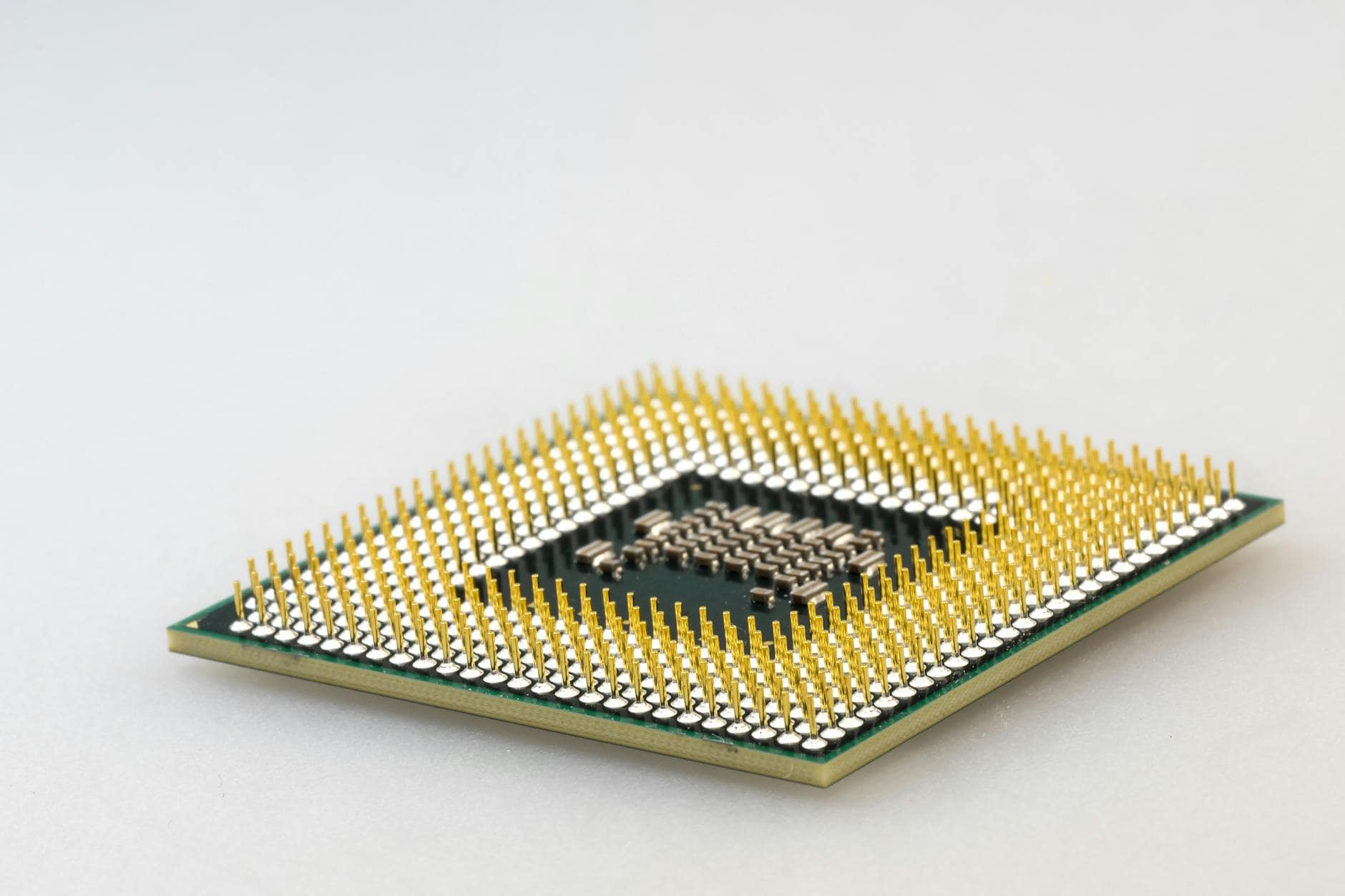
    The Evolution of the Chip: A Journey Through Invention and Innovation

    Introduction

    The invention of the chip, or integrated circuit, marks a pivotal moment in the history of technology. This small, yet powerful component has transformed the way we process information, enabling everything from simple calculators to advanced supercomputers and smartphones. The journey of the chip began long before its formal introduction in the mid-20th century with a series of innovations and discoveries in the fields of electronics and computing. Understanding this history not only sheds light on how chips revolutionized technology but also highlights the brilliant minds behind these innovations. This article will explore the various stages of chip development, the technological advancements that facilitated its creation, and the impact on modern society.

    The Precursor to the Chip: Early Computational Devices

    The foundations for the invention of the chip were laid by early computational devices dating back to the 19th century. Before transistors and integrated circuits, various mechanical and electrical devices paved the way for electronic computing. Charles Babbage’s Analytical Engine, conceived in 1837, is often considered the first design for a general-purpose computer. While it was never completed in Babbage’s lifetime, the machine introduced concepts such as the use of variables and a structured approach to computation.

    In the 1940s, the development of vacuum tubes marked a significant advancement in electronic devices. Vacuum tubes allowed for the amplification of electrical signals and were fundamental in the design of early computers, such as the ENIAC (Electronic Numerical Integrator and Computer). This machine, completed in 1945, utilized nearly 18,000 vacuum tubes and was capable of performing thousands of calculations per second, a monumental achievement for its time.

    However, vacuum tubes had limitations, including size, heat generation, and reliability issues. These challenges led inventors and engineers to seek alternatives that could enhance performance while being smaller and more efficient. Enter the transistor, invented in 1947 by John Bardeen, Walter Brattain, and William Shockley at Bell Labs. The transistor revolutionized electronic circuits, allowing for reduced size, power consumption, and increased reliability. Transistors replaced vacuum tubes in most applications and laid the groundwork for future chip technology.

    The late 1950s saw the integration of multiple transistors onto a single piece of semiconductor material, an innovation pioneered by Jack Kilby at Texas Instruments and Robert Noyce at Fairchild Semiconductor. This was the birth of the integrated circuit, or chip, which combined several functions in one compact unit. Kilby’s initial prototype, created in 1958, was a breakthrough that set the stage for future advancements in microelectronics.

    The introduction of the chip allowed for miniaturization and mass production, drastically changing the landscape of computing and electronic devices. This technological leap enabled not only greater computational power but also a diversification of applications across various industries, from telecommunications to automotive systems.

    As the 1960s progressed, the chip began to dominate the market, leading to the development of increasingly sophisticated systems. The work of pioneers such as Gordon Moore, co-founder of Intel, further propelled chip technology into the mainstream with the introduction of Moore’s Law, which predicted the doubling of transistor density on circuits approximately every two years. This forecast became a driving factor for the industry and established a benchmark for progress in semiconductor technology.

    Overall, the pre-chip era was characterized by a gradual evolution of ideas and inventions that ultimately led to the creation of the chip. Understanding this context emphasizes not only the technological advancements but also the visionary thinkers who recognized the potential of electronic computing and paved the way for the digital age.

    The Birth of the Integrated Circuit: Pioneering Innovations

    The invention of the integrated circuit, or chip, in the late 1950s was a groundbreaking moment in technology that set the stage for the modern computing era. The pioneering work of Jack Kilby and Robert Noyce was instrumental in this development, each contributing uniquely to the concept of integrating multiple components onto a single semiconductor substrate. Kilby’s first integrated circuit was a simple yet revolutionary device, consolidating resistors and transistors into a singular framework.

    In contrast, Noyce’s approach utilized silicon rather than germanium, which offered improved performance. This divergence in techniques highlighted the creative solutions that engineers were exploring, leading to the chips we are familiar with today. The collaboration between these inventors and their respective companies sparked a rapid proliferation of integrated circuits, igniting a technological revolution.

    By the 1960s, the true potential of chips began to unfold as new applications emerged. Companies recognized that integrating multiple functions into a single chip could lead to significant cost reductions and enhanced functionality. The military and aerospace sectors were among the first to adopt integrated circuits, utilizing them in missiles, spacecraft, and advanced weaponry. The technologies developed during this period laid the groundwork for the electronics that would soon become ubiquitous in civilian life.

    The commercialization of chips wasn’t without challenges. Early manufacturing methods were complex and fraught with difficulties, including issues with yield and reliability. However, engineers continually refined the production process, implementing cleaner environments and innovative techniques such as photolithography, which allowed for precise patterns to be etched onto semiconductor materials. As production techniques improved, the price of chips began to decline, leading to their adoption in consumer electronics.

    The momentum generated by advancements in integrated circuit technology paved the way for the microprocessor’s development in the early 1970s. The introduction of the first commercially available microprocessor, the Intel 4004, demonstrated how a chip could serve as a central processing unit (CPU), a concept that revolutionized computing. This led to the growth of personal computers, providing individuals the power of advanced processing capabilities that were previously limited to large institutions.

    As the 1970s progressed, the advent of the microprocessor resulted in dramatic declines in costs for computing devices and an exponential increase in processing power. The implications were profound—computers were now accessible to the general public, spurring the development of software, new applications, and ultimately, the rise of the internet.

    In summary, the birth of the integrated circuit was characterized by the convergence of innovative thinking, technological advances, and the relentless pursuit of miniaturization and efficiency. The innovations from Kilby and Noyce catalyzed a wave of creativity that continues to resonate in the chip technology of today.

    Advancements in Semiconductor Technology: The 1970s and Beyond

    With the dawn of the 1970s, semiconductor technology experienced rapid advancements that transformed the landscape of the electronics industry. The introduction of integrated circuits set the stage for significant innovations, including the development of microprocessors that brought computational power to the masses. During this period, several key advancements in semiconductor technology reshaped the design, production, and applications of chips.

    One of the primary driving forces behind the advancements was the increasing demand for higher performance and reduced costs in electronic devices. As consumer electronics such as calculators, video games, and early computers gained popularity, manufacturers sought to develop faster and more efficient chips. This spurred competition among companies, driving innovation in materials, design techniques, and fabrication processes.

    The transition from planar to three-dimensional (3D) chip architectures was a noteworthy advancement. Traditional 2D designs faced limitations regarding power consumption and heat dissipation as transistors continued to shrink in size. Engineers began to explore more complex stackable designs, which improved performance and efficiency by allowing components to interact more directly. This transition set the foundation for future chip designs, paving the way for innovations such as System on Chip (SoC) architectures.

    Another significant development was the enhancement of fabrication processes. The process technology underwent considerable refinement, leading to smaller feature sizes and increased transistor density. Moore’s Law guided this evolution, forecasting that the number of transistors on a chip would double roughly every two years. As a consequence, manufacturers continuously pushed the boundaries to create chips with increased processing capabilities and reduced power consumption.

    The introduction of complementary metal-oxide-semiconductor (CMOS) technology played a key role in this evolution. CMOS provided power efficiency and scalability, enabling further miniaturization of electronic components. This became particularly important for battery-powered devices, as efficient energy consumption extended battery life while maintaining performance.

    As chips became more powerful and affordable, they found their way into a plethora of applications. The 1970s and 1980s saw the emergence of personal computers like the IBM PC and Apple II, both of which relied heavily on chips to deliver their functionality. Innovations in microprocessor design, such as multiple cores and improved instruction sets, allowed these machines to perform complex tasks that were previously reserved for larger systems.

    Moreover, the introduction of standardized chip interfaces, such as the Peripheral Component Interconnect (PCI), facilitated interoperability among different devices, encouraging the development of diverse peripherals and software. This contributed to the burgeoning ecosystem surrounding personal computing and laid the groundwork for a tech-savvy society.

    The evolution of semiconductor technology during the 1970s and beyond played a crucial role in shaping modern electronics. The sophisticated advancements in chip fabrication and design increased accessibility to computing power, fostering a cultural shift as technology became ingrained in daily life. The innovations pioneered during this era continue to influence the development of contemporary chips, perpetuating the cycle of progress and transformation.

    The Role of Chips in Modern Technology: From Computers to Smartphones

    In the contemporary world, chips serve as the backbone of technology, enabling a wide array of devices and applications that define our everyday experiences. From the simplest calculators to complex supercomputers, and, more recently, smartphones, the role of chips cannot be overstated. As technology has evolved, so too have the demands placed on chips, pushing engineers to innovate at an unparalleled pace.

    One of the most significant milestones in the modern era is the integration of chips into mobile devices. The smartphone revolution, which began in the late 2000s, transformed how we communicate, access information, and interact with the world around us. Smart devices rely heavily on chips for their functionality, combining various capabilities such as processing power, graphics rendering, and connectivity into a single package. This integration enabled manufacturers to create sleek, powerful devices with capabilities that rivaled traditional computers.

    The shift toward mobile computing has ushered in advancements in chip technology specifically designed for mobile applications. Arm-based processors, for example, have become the standard for mobile devices due to their energy efficiency and performance. The balance between power consumption and performance is crucial in mobile technology, as users demand longer battery life without sacrificing speed or functionality. As a result, engineers have focused on designing chips that optimize these characteristics, leading to innovative solutions such as heterogeneous computing, where specialized processors handle specific tasks.

    Beyond smartphones, chips have become indispensable in various sectors, including automotive, healthcare, and the Internet of Things (IoT). In the automotive industry, chips are used for critical functions, from safety features like anti-lock braking systems to advanced driver-assistance systems (ADAS). The growing trend of electric vehicles further emphasizes the need for sophisticated chip technology to manage energy consumption and performance.

    Moreover, the healthcare industry has witnessed significant changes due to chip innovation. Medical devices, such as portable monitoring systems and imaging technology, rely on advanced chips to provide accurate and timely information. The rise of telemedicine has also been facilitated by the integration of chips, allowing for remote patient monitoring and virtual consultations, which have proven invaluable during public health emergencies.

    The IoT represents another frontier where chips play a transformative role. Connecting devices and systems through the internet has created opportunities for smart homes, industrial automation, and data analytics, all reliant on chips to perform real-time processing and communication. As the IoT ecosystem expands, the demand for energy-efficient chips capable of operating in diverse environments continues to grow.

    In summary, chips have become the cornerstone of modern technology, driving innovation across a myriad of sectors. Their integration into everyday devices has fundamentally altered how we live, work, and connect. As we continue to advance technologically, chips will remain central to our progression, enabling new applications and experiences that we have yet to envision.

    Future Trends in Chip Development: What Lies Ahead?

    Looking ahead, the future of chip development is poised for continuous transformation as the demand for computing power and efficiency escalates. Emerging technologies, shifting consumer needs, and environmental considerations are influencing the trajectory of chip innovation, paving the way for exciting possibilities.

    One key trend is the ongoing pursuit of miniaturization. As manufacturers aim to produce smaller and more powerful chips, advancements in fabrication techniques will play a crucial role. The industry is currently exploring advanced lithography methods, such as extreme ultraviolet (EUV) lithography, which allows for the production of smaller features on semiconductor materials. This progression toward even smaller transistors, measured in nanometers, will enable a greater number of transistors to be packed onto a single chip, improving performance and efficiency.

    In parallel, the growing emphasis on energy efficiency is driving a shift toward more sustainable chip designs. As consumer electronics transition to eco-friendly materials and processes, semiconductor manufacturers are adopting practices that reduce waste and energy consumption during production. The urgency to address climate change has prompted companies to innovate by developing chips that consume less power while delivering robust performance, aligning technological advancement with environmental responsibility.

    The rise of artificial intelligence (AI) and machine learning has also influenced chip development. These fields require substantial computational power, pushing engineers to design specialized chips, known as AI accelerators or graphic processing units (GPUs), that can efficiently process large datasets. The integration of chips optimized for AI applications will expand the capabilities of smart devices, enabling them to learn and adapt in real time.

    Quantum computing represents another frontier in chip technology. As researchers explore quantum bits (qubits), the potential for exponentially higher processing capabilities raises complex challenges. Quantum chips could revolutionize fields such as cryptography, drug discovery, and complex system modeling. While still in its infancy, quantum computing is poised to redefine computational possibilities in the coming decades.

    The increasing prevalence of edge computing is also reshaping chip design. As IoT devices become ubiquitous, processing data closer to the source rather than relying solely on cloud computing is essential for real-time performance and reduced latency. Chips designed for edge computing will need to balance between efficient data processing, limited power consumption, and the ability to communicate seamlessly within networked applications.

    In conclusion, the future landscape of chip development is characterized by technological advancements that not only enhance performance but also consider environmental implications and societal needs. The interplay between miniaturization, sustainability, AI, quantum computing, and edge computing will pave the way for groundbreaking innovations that continue to redefine the role of chips in our increasingly digital world.

    Conclusion

    The history of the chip invention encapsulates a fascinating journey of innovation, driven by visionary thinkers and the relentless pursuit of excellence in technology. From the early mechanical computing devices to the sophisticated microprocessors of today, chips have become the foundational elements of modern civilization. Each advancement in chip technology has unlocked new possibilities, shaping the way we live, work, and connect with one another.

    As we look to the future, continued advancements in chip development promise to drive our world forward, addressing contemporary challenges while paving the way for imaginative applications we have yet to conceive. While the components within a chip may be minuscule, their significance is monumental, influencing nearly every aspect of our daily lives.

    Sources Consulted

  • The History of Artificial Intelligence: From Origins to Future Prospects

    The History of Artificial Intelligence: From Origins to Future Prospects

    Introduction

    Artificial Intelligence (AI) has evolved significantly over the past several decades, transitioning from a theoretical concept to a transformative force across numerous sectors. While early development began in the 1950s, the trajectory of AI has been characterized by waves of innovation and periods of stagnation, often referred to as “AI winters.” Today, AI technologies are embedded in many aspects of our daily lives, from personal assistants and recommendation systems to complex decision-making processes in healthcare and finance. This article will explore the rich history of artificial intelligence, tracing its development through various phases, highlighting key technological milestones, societal impacts, ethical dilemmas, and ultimately, envisioning its future prospects.

    The Origins of Artificial Intelligence

    The quest to create machines that can simulate human intelligence can be traced back to antiquity, but the formal study of artificial intelligence began in earnest in the mid-20th century. The term “artificial intelligence” first gained prominence in 1956 during a conference at Dartmouth College, which is often cited as the birthplace of AI as a scientific discipline. Pioneers such as John McCarthy, Marvin Minsky, Nathaniel Rochester, and Claude Shannon gathered with the vision of developing machines that could think and learn like humans.

    The theoretical groundwork for artificial intelligence was laid by earlier developments in mathematics and computer science. Alan Turing, one of the key figures in this field, proposed the Turing Test in 1950 as a criterion for determining whether a machine exhibits intelligent behavior indistinguishable from a human. Turing’s insights about machine learning and algorithmic problem-solving provided a foundation for the future of AI research.

    As the field began to take shape, researchers focused on creating algorithms and models that could solve specific problems. Early successes included the development of simple game-playing programs, such as checkers and chess, which demonstrated that machines could perform tasks previously thought to require human ingenuity. Programs like the Logic Theorist and the General Problem Solver showcased the potential of symbolic reasoning, a principle central to early AI research.

    However, these initial achievements were soon tempered by the limitations inherent in the technologies of the time. AI systems relied heavily on manual programming, and as tasks grew increasingly complex, the approaches struggled to scale. The 1970s saw the onset of an “AI winter,” a period of reduced funding and interest in AI research, largely due to unmet expectations and the realization that many problems took much longer to solve than initially anticipated.

    Despite these challenges, the desire to simulate human-like reasoning persisted. Researchers continued to explore alternate approaches, leading to significant advances in emerging fields like neural networks. The revival of interest in AI in the 1980s can be attributed to the development of more sophisticated machine learning algorithms, which allowed systems to learn from data rather than relying solely on pre-programmed rules.

    Throughout the 1990s, notable achievements like IBM‘s Deep Blue, which defeated chess champion Garry Kasparov, reinvigorated interest in AI and demonstrated the capabilities of computational power paired with advanced algorithms. This period marked the transition of AI from theoretical constructs into applications that could outperform humans in specific tasks.

    The Rise of Machine Learning

    Machine learning, a subset of artificial intelligence, has emerged as a dominant force in the development of AI technologies since the late 20th century. This paradigm shift marked a departure from rule-based systems, enabling computers to learn from data patterns and make predictions or decisions without explicit programming.

    The roots of machine learning can be traced to the earlier conjectures of researchers like Arthur Samuel, who coined the term in 1959 while working on developing a program that played checkers. Samuel’s approach focused on training the computer to improve its performance based on past experiences, laying the groundwork for the machine learning algorithms that would follow.

    In the 1980s, a breakthrough came with the reemergence of neural networks, inspired by the structure of the human brain. Researchers such as Geoffrey Hinton, Yann LeCun, and Yoshua Bengio led the development of deep learning, a technique that utilizes multiple layers of artificial neurons to model complex representations of data. The advent of powerful computational resources, such as GPUs, further accelerated advancements in deep learning, making it feasible to process vast amounts of data and train increasingly sophisticated models.

    One of the key applications of machine learning has been in image and speech recognition. In 2012, a convolutional neural network developed by Alex Krizhevsky, Ilya Sutskever, and Geoffrey Hinton won the ImageNet competition, achieving a remarkable reduction in error rates. This milestone sparked a surge of interest in deep learning and showcased its potential to significantly outperform traditional image recognition methods. These advancements have had far-reaching consequences across industries, as systems can now automatically identify faces, objects, and even emotions in visual content.

    Natural Language Processing (NLP) also witnessed remarkable strides with the emergence of machine learning. Algorithms can now analyze and generate human language, allowing for applications like chatbots, translation services, and sentiment analysis. Systems such as OpenAI’s GPT-3 have demonstrated the capability to produce coherent and contextually relevant text, raising questions about the nature of creativity and communication.

    Moreover, machine learning has also made its way into critical decision-making scenarios. For instance, financial institutions utilize predictive models to assess credit risk and fraud detection, while healthcare providers employ machine learning algorithms to predict patient outcomes based on historical data. The versatility of machine learning has enabled it to penetrate various domains, fundamentally altering how businesses operate.

    However, the rise of machine learning has not come without challenges. Issues concerning data privacy, algorithmic bias, and the interpretability of AI decisions are increasingly relevant. As organizations increasingly rely on AI systems for crucial decision-making processes, addressing these ethical concerns becomes imperative. Researchers and policymakers are now tasked with balancing the benefits of AI technologies with the necessity for responsible and fair use.

    In conclusion, as machine learning continues to advance, it remains a testament to the growing intersection of artificial intelligence with diverse fields, redefining our capabilities and expectations.

    AI in Industry and Society: global impact

    Artificial intelligence has deeply infiltrated various industries, reshaping the way organizations operate and how society interacts with technology. The integration of AI-driven solutions has not only driven efficiencies but has also transformed traditional processes into data-driven, optimized systems that promise improved outcomes across various sectors including healthcare, finance, and transportation.

    In healthcare, AI’s impact is profound. Predictive analytics tools are being widely adopted for early disease detection and personalized treatment plans. For example, AI algorithms can analyze complex medical records and genomic data to identify potential health risks before they manifest. Tools like IBM Watson Health strive to assist healthcare professionals in diagnosing patients and recommending treatment options based on vast datasets. By synthesizing research papers, case studies, and clinical data, AI enhances the accuracy of medical consultations and supports doctors in making evidence-based decisions.

    Moreover, AI technologies facilitate the development of virtual health assistants and telemedicine platforms that improve patient engagement and accessibility to care. These innovations enable real-time monitoring of patients, remote consultations, and the automation of administrative tasks, thereby streamlining operations and reducing the administrative burden on medical staff. However, the adoption of AI in healthcare also raises concerns regarding patient data security and the potential for biased algorithms, underscoring the importance of maintaining robust ethical standards.

    History of artificial intelligence
    Artificial Intelligence (AI) has evolved significantly over the past several decades, transitioning from a theoretical concept to a transformative force across numerous sectors.
    Photo by cottonbro studio on Pexels.com

    The financial sector has experienced a similar transformation with the rise of AI-driven automation. Financial institutions leverage AI for risk management, fraud detection, and trading strategies. Machine learning algorithms can analyze patterns in transaction data to detect anomalies, alerting banks to potential fraudulent activities in real-time. High-frequency trading systems have also benefited from AI, where algorithms can execute trades at unprecedented speeds and efficiencies based on market data analysis.

    As consumers increasingly demand personalized services, fintech companies utilize AI to create tailored financial advice and product recommendations. Chatbots and virtual assistants enhance customer service by providing quick responses to inquiries, improving user experiences while reducing operational costs for financial institutions.

    Transportation is another area where AI continues to revolutionize operations. The development of autonomous vehicles exemplifies the intersection of AI technology with engineering and transport logistics. Companies like Tesla and Waymo are pioneering self-driving cars that leverage advanced machine learning, computer vision, and sensor data to navigate complex road environments. These innovations promise to enhance road safety and reduce traffic congestion while thus transforming public perceptions of transportation.

    However, the societal implications of AI integration cannot be ignored. As industries rapidly adopt AI technologies, the workforce faces significant disruptions. The displacement of traditional jobs due to automation raises questions about job security and workforce reskilling. Furthermore, there is a growing concern regarding socioeconomic disparities as certain sectors may benefit more from AI advancements, potentially exacerbating existing inequalities.

    In summary, while artificial intelligence fosters innovative solutions across various sectors, the impact on industries and society at large underlines the need for collaborative efforts to ensure equitable and ethical AI implementation. The prospect of AI presents exciting opportunities, but its transformative nature compels ongoing dialogue around responsible development and use.

    Ethics and Challenges in AI Development: a new trend

    As artificial intelligence continues to evolve, it presents a host of ethical dilemmas and challenges that warrant serious consideration. The rapid integration of AI technologies into various aspects of society raises important questions about accountability, transparency, and fairness. Among the critical areas impacting AI development are bias, privacy concerns, and the broader implications of automation on the workforce.

    One of the most pressing ethical concerns stems from bias in AI algorithms. Since these systems are trained on historical data, they can inadvertently perpetuate existing inequalities present in society. For instance, facial recognition technologies have faced scrutiny for their higher error rates among people of color, which can lead to discriminatory practices in law enforcement applications. The challenge lies in ensuring that AI systems are designed and trained to be fair and equitable, necessitating the inclusion of diverse datasets and continuous monitoring of algorithmic performance.

    Moreover, transparency is paramount when discussing AI accountability. The “black box” nature of many machine learning models makes it difficult to understand how decisions are made. When AI systems are employed in critical areas such as healthcare, criminal justice, and hiring, the lack of explainability can lead to distrust and resistance from those affected. It is essential for developers to prioritize transparency in AI systems, allowing stakeholders to understand how decisions are reached and ensuring that they are subject to scrutiny.

    Privacy concerns are also at the forefront of discussions surrounding AI development. The extensive data collection required to train AI algorithms raises significant ethical questions about user consent and data protection. As AI systems analyze vast amounts of personal information, there is a growing need for legislation and best practices that safeguard individuals’ privacy rights and prevent misuse of sensitive data. GDPR (General Data Protection Regulation) in Europe has set a precedent by imposing strict rules on data collection, providing a framework that other jurisdictions might follow.

    The implications of automation driven by AI technologies are equally significant. The fear of job displacement looms large as machines increasingly perform tasks once held by humans. While AI presents opportunities to enhance productivity and efficiency, it also poses challenges for workers whose skills may become obsolete. There exists a pressing need for workforce reskilling programs that enable individuals to adapt to the evolving job landscape and for policies that ensure a just transition for affected workers.

    Furthermore, the prospect of autonomous decision-making in AI systems raises ethical questions about accountability. In scenarios where AI is responsible for critical decisions, determining who is liable in the event of an error becomes a complex issue. Establishing clear frameworks for accountability is vital to instill confidence in AI systems and guide their future development.

    In conclusion, addressing the ethical challenges associated with AI development requires a collaborative approach that includes technologists, policymakers, ethicists, and the affected communities. The future of artificial intelligence holds immense potential, but its responsible development will hinge on the ability to navigate these challenges, balancing innovation with the imperative of ethical standards.

    Future Trends in Artificial Intelligence

    As we look ahead to the future of artificial intelligence, a host of emerging trends and advancements in technology indicate the trajectory of AI’s development. From the ongoing evolution of deep learning to breakthroughs in natural language processing, the next decade promises to unveil a new era of AI applications that will reshape industries and enhance human capabilities.

    One of the key trends in AI is the refinement of deep learning techniques. Researchers are exploring novel architectures and training methodologies to improve the performance and efficiency of neural networks. For instance, reinforcement learning, particularly in combination with deep learning, has shown promise in areas such as robotics and game design, where systems learn optimal strategies through trial and error. As computational power continues to grow, the capability of AI to tackle more complex real-world problems will also expand.

    Another exciting area of advancement is the intersection of AI with quantum computing. Quantum computers have the potential to process information at unprecedented speeds and handle vast datasets, revolutionizing how AI models are developed and trained. This synergy could lead to breakthroughs in drug discovery, materials science, and optimization problems that currently exceed the capabilities of classical computing systems.

    In addition to technical advancements, natural language processing (NLP) is positioned to experience significant growth. As seen with models like OpenAI’s GPT-3, the ability of machines to understand and generate human language is advancing rapidly. Future trends will likely include improved sentiment analysis, more sophisticated chatbots, and enhanced capabilities for content generation, potentially transforming industries such as customer service, marketing, and content creation.

    The integration of AI into the Internet of Things (IoT) will also play a pivotal role in shaping future applications. AI-powered smart devices can communicate and learn from one another, optimizing processes and enhancing user experiences. This convergence has implications for areas such as smart homes, healthcare monitoring, and industrial automation, where AI can analyze data from connected devices and make real-time decisions.

    Additionally, the push for ethical and responsible AI development is set to gain momentum. As organizations recognize the importance of building trust and transparency into their AI systems, frameworks for ethical guidelines will become increasingly critical. The establishment of best practices and standards for AI usage will shape the future landscape, prioritizing fairness and accountability while promoting innovation.

    As AI technologies continue to evolve, they hold the potential to augment human intelligence rather than merely replace it. Collaborative efforts between humans and AI systems in creative and analytical domains can foster innovative solutions to complex problems. Emphasizing human-AI partnership models will ensure that rather than solely automating processes, AI enhances decision-making capabilities and drives improvements across various sectors.

    In conclusion, the future of artificial intelligence is marked by a confluence of technological advancements, ethical considerations, and opportunities for collaboration. By navigating these trends thoughtfully, society can harness the transformative power of AI to drive meaningful change while upholding fundamental values of accountability and trust.

    Conclusion

    The history and evolution of artificial intelligence reflect a remarkable journey characterized by innovation, setbacks, and breakthroughs. From its inception in the mid-20th century to its profound integration across industries today, AI has fundamentally transformed the landscape of technology and society. As we have explored in this article, the origins of AI were rooted in theoretical concepts that have burgeoned into revolutionary applications across multiple fields.

    The rise of machine learning has further propelled AI advancements, enabling systems to learn and adapt from data, while also presenting ethical challenges that society must address. The implications for industries like healthcare, finance, and transportation are immense, promoting efficiency and productivity, yet raising concerns about job displacement and privacy.

    As AI technology continues to progress, future trends indicate a future of collaboration between humans and machines, promising significant enhancements in decision-making, personalization, and innovation. Balancing ethical considerations with technological advancements will play a critical role in shaping how AI will impact our lives going forward.

    In sum, the journey of artificial intelligence is far from over.

    Sources

    • Russell, S., & Norvig, P. (2016). Artificial Intelligence: A Modern Approach. Pearson.
    • Nilsson, N. J. (1998). Artificial Intelligence: A New Synthesis. Morgan Kaufmann.
    • Bostrom, N. (2014). Superintelligence: Paths, Dangers, Strategies. Oxford University Press.
    • Marr, B. (2020). Artificial Intelligence in Practice: How 50 Successful Companies Used AI and Machine Learning to Solve Problems. Wiley.
    • Building Ethical AI. Harvard Business Review. Link
    • The Future of AI: 8 Trends to Watch in 2021. Forrester. Link
    • OpenAI Blog. (2020). GPT-3: Language Models are Few-Shot Learners. Link

  • Exploring the History of Nintendo: Key Innovations That Shaped the Gaming Industry

    Exploring the History of Nintendo: Key Innovations That Shaped the Gaming Industry

    Introduction

    Nintendo is a name synonymous with the evolution of the video game industry. From its modest beginnings as a playing card company in the late 19th century to becoming a powerhouse in gaming, the company has consistently pushed the boundaries of technology and creativity. Nintendo’s innovative spirit is evident in its development of iconic franchises, game consoles, and pioneering gameplay mechanics that have redefined how we interact with video games. This article aims to explore the key innovations made by Nintendo throughout its history, examining how they shaped the gaming industry and influenced future generations of game developers and players alike. With a focus on major milestones, this exploration reveals the company’s lasting impact on pop culture and gaming technology.

    The Birth of Nintendo and Early Innovations

    Nintendo was founded in 1889 by Fusajiro Yamauchi, originally producing handmade Hanafuda cards. As a unique form of entertainment in Japan, these cards laid the foundation for Nintendo’s understanding of play and engagement. In the early 20th century, the company experimented with diverse ventures, including a taxi service and a love hotel, but ultimately it was in the 1970s that Nintendo would shift its focus to electronic gaming.

    By the mid-1970s, the gaming industry was beginning to take shape, thanks to the advent of microprocessor technology. The launch of arcade games like “Pong” by Atari helped spark a burgeoning gaming culture. In response to this emerging trend, Nintendo created its first arcade game, “Donkey Kong,” in 1981. This pivotal title introduced players to a new form of interactive storytelling and character development through its iconic protagonists, Mario and Donkey Kong. This marked Nintendo as a serious player in the gaming market.

    “Donkey Kong” was notable not only for its gameplay but for its innovative use of a narrative structure within a platforming format. Instead of simply defeating enemies, players were engrossed in a mission to rescue the damsel in distress, Princess Peach. This narrative-driven approach became a hallmark of Nintendo’s game design philosophy moving forward.

    Building on the success of “Donkey Kong,” Nintendo entered the home console market with the creation of the Famicom system (Family Computer) in 1983. This system played a crucial role in reviving the video game industry, which had experienced a crash in the early 1980s in the U.S. The Famicom’s success was marked by its rich library of titles, including “Super Mario Bros.,” which would go on to become one of the best-selling video games of all time.

    The NES (Nintendo Entertainment System) was launched in North America in 1985 and revitalized the home gaming market, introducing features such as an innovative lockout chip to prevent piracy, a more developed controller design, and a robust third-party licensing system. These features not only created a revenue stream for Nintendo but also helped to ensure a thriving ecosystem of high-quality games.

    In conclusion, the birth of Nintendo and its early innovations paved the way for its continued success in the gaming industry. Their ability to adapt and innovate allowed them to shape the very essence of video gaming and set the stage for future advancements.

    The Rise of Console Gaming: Nintendo Entertainment System

    The Nintendo Entertainment System (NES) was a game-changer in the world of video gaming. Launched in Japan as the Famicom in 1983 and later in North America in 1985, the NES reshaped the landscape of home console gaming. One of its most significant contributions was its ability to revive an industry that had seen better days. At that time, many consumers had lost faith in home gaming systems due to the crash of 1983, which resulted in low-quality games and unsatisfactory consumer experiences. The NES not only regained consumer trust but also established new standards for the industry.

    The NES was a technological marvel of its time, featuring an 8-bit processor that enabled impressive graphics and sound for its era. The introduction of the innovative controller design, which included a traditional D-pad and action buttons, set new industry standards for how players interacted with video games. This design became a template for future gaming consoles and allowed for more intuitive gameplay experiences.

    One of the NES’s key contributions to the gaming industry was its extensive library of titles. Games like “Super Mario Bros.,” “The Legend of Zelda,” and “Metroid” showcased not only captivating gameplay but also innovative mechanics that offered players new experiences. “Super Mario Bros.,” in particular, redefined platform gaming with its level design, power-ups, and use of scrolling backgrounds. It is remarkable how these titles incorporated elements of narrative, exploration, and puzzle-solving seamlessly into gameplay, creating a rich tapestry of interactive entertainment.

    Nintendo’s licensing system also played a critical role in the NES’s success. By controlling the quality of the games released for its console, Nintendo ensured that its platform was associated with high-quality titles. This system helped to establish relationships with third-party developers and encouraged the growth of diverse game genres. Games like “Duck Hunt,” “Mega Man,” and “Final Fantasy” emerged as classics, further entrenching the NES’s position in the cultural zeitgeist.

    Moreover, the NES introduced a marketing approach that emphasized family-oriented entertainment. The tagline “Now you’re playing with power!” highlighted the appeal of gaming to families and children alike, positioning Nintendo as the friendly face of gaming. This strategy helped normalize video games in households across the United States and beyond, making them a common form of entertainment.

    In summary, the rise of the Nintendo Entertainment System was a turning point in the video game industry. By focusing on quality, innovative gameplay, and family-friendly marketing strategies, Nintendo not only revived the home console market but also laid the groundwork for its future innovations.

    Revolutionizing Gameplay: The Introduction of Motion Control

    One of Nintendo’s hallmark innovations came with the introduction of motion control gaming through the Wii console, launched in 2006. By leveraging motion-sensing technology, the Wii offered a radically different approach to gaming that emphasized physical interaction. This innovation appealed to a wide demographic, expanding the gaming audience beyond traditional gamers to families, seniors, and those who might not typically engage with video games.

    The Wii Remote, or Wiimote, was designed to be a natural extension of the player’s body, allowing users to swing, toss, and physically interact with games. This ushered in a new era of intuitive gameplay experiences. Titles such as “Wii Sports” showcased the potential of motion controls, providing players with simple, engaging activities like tennis, bowling, and boxing that could be enjoyed in short bursts. “Wii Sports” became a global phenomenon, propelling the Wii console to tremendous sales figures and making it one of the best-selling video game consoles of all time.

    In addition to expanding the audience, the Wii’s motion controls revolutionized how developers thought about gameplay design. Game mechanics had traditionally focused on button combinations and joystick maneuvers, but now developers had to consider how to create experiences that leveraged physicality while remaining accessible. This prompted the development of a diverse array of gaming experiences, from fitness games such as “Wii Fit” to dance games like “Just Dance,” which encouraged movement and competition.

    Furthermore, the Wii’s success prompted competitors to innovate as well. Motion control technology became a focal point for subsequent gaming systems, leading to similar features introduced by Sony with the PlayStation Move and Microsoft with the Kinect. While Nintendo may not have originated the concept of motion control, it popularized it in a way that unlocked new gaming possibilities, emphasizing interactivity, physicality, and fun in gaming experiences.

    The Wii’s success also highlighted Nintendo’s ability to think outside traditional gaming paradigms. With a slogan of “There are no boundaries,” Nintendo promoted inclusivity and engagement for players of all ages and skill levels. This approach birthed the idea of “gaming for everyone,” which was a significant cultural shift in the perception of video games.

    In conclusion, the introduction of motion control gaming through the Wii is one of Nintendo’s most notable innovations. By making gaming accessible and engaging through physical interaction, it opened the doors to a broader audience and encouraged new gameplay mechanics that appealed to diverse demographics.

    history of nintendo
    Nintendo’s innovative spirit is evident in its development of iconic franchises, game consoles, and pioneering gameplay mechanics that have redefined how we interact with video games.
    Photo by Polina Tankilevitch on Pexels.com

    The Emphasis on Fun and Accessibility: Nintendo’s Approach to Game Design

    Nintendo has cultivated a reputation for prioritizing fun and accessibility in game design, distinguishing itself from its competitors. This design philosophy is not merely about creating entertaining games but ensuring that players of all ages and skill levels can engage with and enjoy their products. This focus has been reflected in their innovative titles, user-friendly interfaces, and family-centered gameplay experiences that challenge the notion that video games are only for hardcore gamers.

    Emphasizing creativity over realism, many Nintendo games choose a stylized aesthetic that appeals to a broad audience. Titles like “The Legend of Zelda: The Wind Waker,” with its cel-shaded graphics, prioritize artistic expression over photorealism. This approach allows for imaginative worlds that spark curiosity and creativity in players while still providing rich gameplay experiences.

    One of the most significant aspects of Nintendo’s design philosophy is the learning curve that players encounter with their titles. Many of Nintendo’s iconic games introduce mechanics in a gradual, intuitive manner. For example, “Super Mario Galaxy” begins with simple platforming challenges, gradually introducing new abilities and techniques as players progress. This incremental learning fosters a sense of accomplishment, helping players feel comfortable with the mechanics before challenging them further.

    Multiplayer gameplay has also been fundamental in Nintendo’s approach to accessibility. Games like “Mario Kart” and “Super Smash Bros.” encourage local multiplayer sessions that strengthen social connections. The ease with which new players can pick up and enjoy these games has made them a staple at parties and gatherings, reinforcing the idea that gaming is better when shared. Nintendo’s commitment to family-friendly gaming experiences ensures that players of different generations can engage together, fostering bonding opportunities and creating lasting memories.

    Moreover, the company’s focus on innovation extends to creating unique gaming experiences through unconventional hardware and gameplay. From the release of the Nintendo DS, which introduced dual screens and touch controls to the Nintendo Switch, which allows for hybrid play styles (docked and handheld), Nintendo constantly seeks to innovate how players interact with their games. The Switch, in particular, showcases the company’s adaptability, as it caters to both casual gamers and dedicated players, effortlessly transitioning from a home console to a portable device.

    Additionally, Nintendo’s inclusive approach is highlighted through its commitment to accessibility for players with disabilities. Titles like “The Legend of Zelda: Breath of the Wild” include features that cater to a wider array of play styles, allowing for customization in controls and settings. This inclusivity demonstrates Nintendo’s intent to create games that everyone can enjoy, regardless of ability.

    In conclusion, Nintendo’s emphasis on fun and accessibility in game design has profoundly influenced the gaming industry. By focusing on creativity, gradual learning, and social interaction, they have created memorable experiences that resonate across generations. This approach reflects Nintendo’s commitment to making video gaming an inclusive and enjoyable pastime for everyone.

    The Legacy of Nintendo: Influencing Current Trends in Gaming

    Nintendo’s legacy is not merely defined by past achievements; it continues to influence current trends in gaming and has shaped the industry’s future trajectory. From handheld gaming to robust online ecosystems, many of today’s gaming standards can be traced back to innovations originally championed by Nintendo.

    One of the most significant contributions is in the realm of handheld gaming. The Game Boy, released in 1989, revolutionized gaming on the go. By popularizing portable gaming, Nintendo created an entire market segment that thrives today. With successors such as the Nintendo DS and Nintendo Switch, which combine handheld and home console play, Nintendo has continually pushed the boundaries of mobile gaming, setting benchmarks that competitors strive to meet.

    Moreover, Nintendo’s influence on narrative and character development cannot be overstated. Franchises like “The Legend of Zelda” and “Metroid” introduced complex storytelling that transcended simple gameplay mechanics. Characters like Mario and Link have become cultural icons, representing something larger than gaming itself. Their universality and relatability have inspired countless titles across genres, encouraging developers to prioritize character-driven narratives.

    The company’s approach to innovation also fosters a creative environment where new ideas can flourish. Nintendo’s unique design philosophies are embraced not only by its teams but also by indie developers who frequently cite Nintendo’s innovations as inspiration. The rise of indie gaming has seen a resurgence of unique and engaging gameplay experiences, echoing the creativity that has long been a staple of Nintendo’s philosophy.

    Additionally, Nintendo’s trend toward online gaming can be seen in several of its newer titles. While some might argue that its online infrastructure has lagged behind competitors, games such as “Super Smash Bros. Ultimate” and “Splatoon 2” have successfully integrated competitive online play and social connectivity in meaningful ways. The move towards an online network within the Nintendo ecosystem allows players to engage globally, highlighting how Nintendo continues to adapt its approach in a rapidly evolving industry.

    Finally, Nintendo’s influence is evident in its commitment to health and wellness through gaming. With projects like “Wii Fit,” the company has led the way in promoting physical activity among players, a trend that continues to grow. The advent of games that encourage movement and activity represents a broader cultural shift in how gaming is perceived and its role in everyday life.

    In conclusion, Nintendo’s legacy continues to resonate within the gaming industry by influencing current trends and setting aspirational benchmarks for innovation and design. Through a focus on creativity, character development, and accessibility, Nintendo remains a hallmark of inspiration, shaping not only how games are made and played but also how they fit into our lives.

    Conclusion

    Nintendo’s journey through the history of gaming reflects a unique combination of innovation, creativity, and a commitment to fun. From its early days producing playing cards to evolving into a global leader in video gaming, Nintendo has consistently prioritized the player experience, shaping the industry in profound ways. Key innovations such as the Nintendo Entertainment System and motion control gaming with the Wii exemplify its forward-thinking ethos and have set a standard that competitors strive to match.

    The emphasis on fun and accessible game design has broadened the appeal of video gaming, inviting players of all abilities and ages into the community. Through captivating storytelling, character development, and social gaming experiences, Nintendo has forged an enduring legacy that remains influential today.

    As we look to the future, Nintendo’s dedication to pushing the boundaries of what gaming can be serves as a source of inspiration for developers and players alike. The innovations that have defined its history will undoubtedly continue to pave the way for future advancements, ensuring Nintendo’s place at the forefront of the gaming landscape for years to come.

    Sources

  • The history of Deepseek: A New Era in Artificial Intelligence

    The history of Deepseek: A New Era in Artificial Intelligence

    Introduction

    Deepseek has emerged as a transformative force in artificial intelligence, redefining how industries leverage deep learning and large-scale models. From its inception, the company has focused on pioneering AI-driven solutions, revolutionizing sectors such as healthcare, finance, and automation. With its cutting-edge innovations, Deepseek has gained a competitive edge, securing a dominant position in the AI landscape. However, its journey has not been without challenges, facing regulatory scrutiny and ethical concerns. This article delves into Deepseek’s history, tracing its origins, major technological advancements, market expansion, and its profound impact on the AI industry. By examining both achievements and obstacles, we provide insight into the company’s influence on the broader AI ecosystem and what the future holds for its continued growth.

    Origins and Founding of Deepseek

    Deepseek was founded with the vision of advancing deep learning and artificial intelligence through cutting-edge research and innovative AI models. Established by a team of AI researchers and engineers, the company sought to push the boundaries of machine learning, neural networks, and data-driven insights. The early days of Deepseek were marked by intensive research and development, focusing on improving AI models’ efficiency, accuracy, and scalability.

    The company’s foundation was rooted in a mission to make AI more accessible to businesses, offering high-performance AI solutions that could be integrated into various industries. Deepseek’s founders recognized the limitations of existing AI models and aimed to build a platform that could provide real-time insights and automation at an unprecedented scale.

    As the company gained traction, it attracted investment from major tech firms and venture capitalists eager to support its vision. By securing funding, Deepseek was able to expand its research capabilities, hiring top talent and investing in cutting-edge computing infrastructure. These efforts led to the development of its first groundbreaking AI models, which quickly gained attention for their accuracy and efficiency.

    With a strong foundation, Deepseek positioned itself as a leader in the AI field, setting the stage for future innovations and market expansion.

    Technological Innovations and Breakthroughs

    Deepseek’s rapid success was fueled by a series of technological breakthroughs that set it apart from competitors. The company focused on developing more efficient neural networks, optimizing AI models for real-world applications, and enhancing natural language processing (NLP).

    One of its most significant innovations was the creation of advanced deep learning architectures that significantly reduced training time while improving accuracy. By leveraging self-learning mechanisms and reinforcement learning, Deepseek’s AI models could adapt and improve over time with minimal human intervention.

    Another major breakthrough came with its advancements in NLP, enabling AI to process and understand human language with greater nuance and context. This technology found applications in chatbots, virtual assistants, and content generation, revolutionizing industries such as customer service and content marketing.

    Deepseek also made strides in AI-driven automation, developing algorithms capable of handling complex tasks across industries such as finance, healthcare, and cybersecurity. These innovations helped companies streamline operations, reduce costs, and improve decision-making through real-time data analysis.

    By continuously investing in research and development, Deepseek solidified its reputation as a pioneer in the AI landscape, pushing the boundaries of what AI could achieve.

    History of Deepseek
    Deepseek has emerged as a transformative force in artificial intelligence, redefining how industries leverage deep learning and large-scale models. From its inception, the company has focused on pioneering AI-driven solutions, revolutionizing sectors such as healthcare, finance, and automation. | Photo by Abdelrahman Ahmed on Pexels.com

    Deepseek’s Market Expansion and Competitive Edge

    Deepseek’s rise in the AI market was driven by its strategic approach to expansion. The company capitalized on growing demand for AI solutions by forging partnerships with enterprises, governments, and research institutions.

    One key factor behind its competitive edge was its ability to offer scalable AI solutions tailored to different industries. Unlike traditional AI models that required extensive customization, Deepseek developed modular AI platforms that could be easily adapted to specific business needs.

    The company’s aggressive expansion strategy included acquiring smaller AI startups, integrating their technologies, and enhancing its product offerings. By leveraging these acquisitions, Deepseek rapidly expanded its presence in sectors such as e-commerce, logistics, and finance.

    In addition to expanding its market reach, Deepseek invested in cloud-based AI solutions, allowing businesses to access powerful AI capabilities without requiring on-premise infrastructure. This move positioned the company as a leader in AI-as-a-Service (AIaaS), making its solutions accessible to startups and large enterprises alike.

    Through strategic partnerships, acquisitions, and innovative product development, Deepseek established itself as a dominant force in the AI industry, competing with major players like OpenAI and Google DeepMind.

    Key Applications and Industry Adoption

    Deepseek’s AI models have been widely adopted across industries, transforming the way businesses operate. One of its most notable applications is in healthcare, where AI-powered diagnostics have improved early disease detection and treatment planning.

    In finance, Deepseek’s AI solutions are used for fraud detection, algorithmic trading, and risk management, providing financial institutions with powerful tools for decision-making.

    The company has also played a significant role in the retail and e-commerce sector, offering AI-driven personalization that enhances customer experiences. By analyzing consumer behavior, Deepseek’s AI enables businesses to optimize pricing strategies, improve recommendations, and boost sales.

    Another major area of impact is cybersecurity, where Deepseek’s AI-driven threat detection systems help organizations identify and mitigate security risks in real time.

    As businesses continue to embrace AI, Deepseek’s technology remains at the forefront of industry adoption, driving efficiency and innovation across multiple sectors.

    Challenges and Controversies

    Despite its success, Deepseek has faced several challenges and controversies. Concerns over data privacy, algorithmic bias, and AI ethics have been at the forefront of discussions surrounding the company’s technology.

    Critics argue that Deepseek’s AI models, while powerful, may reinforce biases present in training data, leading to unintended consequences. Additionally, regulatory scrutiny has increased as governments seek to establish guidelines for AI development and usage.

    Another major challenge has been competition from other tech giants investing heavily in AI. Companies such as Google, Microsoft, and OpenAI continue to push the envelope, making it essential for Deepseek to innovate continuously.

    The company has responded by enhancing transparency, improving AI explainability, and investing in ethical AI research. By addressing these challenges head-on, Deepseek aims to build trust and ensure the responsible deployment of AI technologies.

    Deepseek’s Role in Shaping the AI Industry

    Deepseek has played a crucial role in shaping the AI industry, setting benchmarks for performance, scalability, and usability. Its advancements in deep learning have influenced AI research worldwide, driving innovation in academia and industry.

    The company’s contributions to open-source AI tools have also accelerated AI adoption, enabling developers and businesses to leverage cutting-edge technologies.

    By fostering collaborations with universities and research institutions, Deepseek continues to drive AI advancements, shaping the future of artificial intelligence.

    Looking ahead, Deepseek is focused on expanding its AI capabilities, exploring generative AI, and enhancing AI-human collaboration. The company is also investing in AI safety research, ensuring that its technology is aligned with ethical standards.

    As AI adoption grows, Deepseek aims to play a key role in building AI solutions that are not only powerful but also responsible.

    Conclusion

    Deepseek’s journey from a research-driven startup to a leading AI powerhouse is a testament to the transformative potential of artificial intelligence. Through innovation, strategic expansion, and industry leadership, the company has reshaped AI applications across multiple sectors. However, challenges remain, particularly in the areas of AI ethics, regulation, and competition. As the AI landscape continues to evolve, Deepseek is well-positioned to shape the future of artificial intelligence, driving technological progress while navigating the complexities of AI deployment.

  • Digital Detox: Benefits and Strategies for Unplugging 2025

    Digital Detox: Benefits and Strategies for Unplugging 2025

    Introduction

    In our hyper-connected world, the omnipresence of digital devices has begun to take a toll on our mental and physical well-being. The term “digital detox” refers to the intentional practice of unplugging from technology, particularly smartphones, computers, and social media, for a set period. The need for digital detoxing has emerged as a response to the hardships of excessive screen time, which has been linked to increased levels of anxiety, sleep disturbances, and decreased social interactions. By consciously stepping away from gadgets, individuals not only reclaim their time but also foster deeper connections with themselves and their surroundings. This article discusses what a digital detox entails, its multitude of benefits, actionable strategies for implementation, the common challenges faced during this process, and how to sustain a healthy relationship with technology long after the detox has ended.

    Exploring the Concept of Digital Detox

    The concept of digital detox refers to a period during which a person intentionally refrains from using electronic devices, particularly those that connect to the internet. This idea emerged as people began to notice the excessive impact of technology on their daily lives, including the way they interact with others, manage stress, and perceive their surroundings. At its core, a digital detox is about creating space for oneself by disconnecting from the relentless barrage of information, notifications, and distractions that accompany modern technology.

    As our reliance on digital devices has increased, so too have concerns about their impact on mental health. Research has shown that excessive screen time can lead to feelings of anxiety, depression, and isolation. Many studies highlight that the constant notifications from social media, emails, and texts can create a state of perpetual distraction and stress. This is especially true for individuals who feel the need to be constantly connected for work or social purposes.

    Digital detoxes can take various forms, from complete disconnection for a set period, such as a weekend or week-long retreat, to designated “tech-free” hours in one’s daily routine. The flexibility of the concept means that it can be tailored to individual needs and lifestyles, allowing participants to choose an approach that best suits them. This customization aspect is a key reason why digital detoxing has resonated with a diverse range of people—everyone from busy professionals to students can benefit from intentional disconnection.

    Moreover, understanding the rationale behind digital detox is crucial for its success. Many embark on this journey seeking relief from the pressure of staying updated and connected at all times. The desire to combat the overwhelming nature of constant engagement with technology can spark interest in unplugging for a focused period. This intentional break allows individuals to restore balance in their lives, prioritize self-care, and re-establish meaningful connections with their surroundings.

    A digital detox can also provide an opportunity for individuals to rediscover interests and hobbies that may have been set aside due to the demands of technology. Freed from the allure of screens, individuals might find newfound joy in reading, engaging in outdoor activities, or simply spending quality time with friends and family without the distraction of devices. This reconnection with the physical world is a vital aspect of what makes digital detoxing so appealing.

    To further support the concept of digital detox, it is essential to recognize the role of mindfulness in the process. Mindfulness involves being present in the moment and fully engaging with one’s surroundings, thoughts, and feelings. By incorporating mindfulness into the detox journey, individuals can enhance their overall experience, helping them to focus on rediscovering their passions, fostering gratitude, and ultimately leading to greater fulfillment.

    In summary, the concept of digital detox encompasses a proactive approach to managing technology’s influence in our lives. By intentionally stepping away from screens and devices, individuals can address concerns related to mental health, reestablish meaningful connections, and prioritize self-care. Understanding this concept serves as the foundation for the many benefits that can be harnessed through the digital detox process.

    The Psychological and Physical Benefits of Disconnecting

    The psychological and physical benefits of digital detoxing are extensive and deeply impactful. As individuals navigate the complexities of modern technology, the stress and pressure associated with constant connectivity often take a toll on mental health. Disconnecting from devices can yield profound positive changes across various aspects of well-being.

    One of the primary psychological benefits of a digital detox is the reduction of anxiety levels. In an age where individuals are constantly bombarded with notifications and the pressure to engage online, it’s no wonder that many experience heightened anxiety and stress. Taking a break from digital platforms allows individuals to step back from this constant influx of information and the associated stressors. Many report feeling a sense of relief, as they become less preoccupied with social media dynamics, such as likes, comments, and messages. Through this separation, individuals can recalibrate their thoughts and focus on their mental well-being.

    Furthermore, engaging in a digital detox can lead to improved mood and overall emotional health. Many individuals notice a reduction in feelings of isolation and loneliness that often accompany excessive device usage. By unplugging, people can cultivate authentic connections with others in-person, which strengthens social bonds and fosters a sense of belonging. Meaningful interactions, free from the distractions of technology, have been shown to enhance psychological health by providing emotional support and fulfillment.

    In addition to the psychological benefits, disconnecting from screens has significant positive effects on physical health. Prolonged screen time has been linked to various health issues, including poor posture, eye strain, disrupted sleep patterns, and a sedentary lifestyle. When individuals prioritize a digital detox, they often rediscover physical activities that promote well-being, such as exercising, walking, or engaging in outdoor recreation. Engaging in these activities can lead to enhanced physical fitness and vitality, ultimately improving overall health.

    One of the most notable physical benefits of a digital detox is the potential for better sleep quality. The blue light emitted from screens has been shown to interfere with the body’s natural circadian rhythms, making it challenging to fall asleep and stay asleep. By disconnecting from devices, especially in the evening, individuals often experience improved sleep patterns. Many find that they have an easier time drifting off to sleep and enjoying a more restful night, leading to greater alertness and energy during the day.

    Moreover, a digital detox can encourage healthier eating habits. The distraction from devices can sometimes lead to mindless snacking or eating, as individuals succumb to the habit of multitasking during meal times. When individuals embrace a detox, they may focus on developing a more mindful relationship with food, savoring meals and enjoying the process of cooking. This mindfulness can contribute to a healthier diet and overall lifestyle.

    Additionally, the act of disconnecting allows individuals to engage in self-reflection and self-care—a practice that can often be neglected in the hustle of modern life. Through self-reflection, people can identify their personal values, goals, and desires, leading to greater clarity and motivation in life. This newfound sense of direction and purpose significantly contributes to overall mental wellness.

    In conclusion, the psychological and physical benefits of digital detoxing are extensive and impactful. By reducing anxiety levels, improving mood, enhancing physical health, promoting better sleep, and encouraging healthier eating habits, a digital detox offers transformative potential. This intentional disengagement from technology provides individuals the opportunity to reconnect with themselves and others, paving the way for a more balanced and fulfilling life.

    Practical Strategies for a Successful Digital Detox

    Implementing an effective digital detox requires intention and strategizing to ensure its success. Individuals seeking to step away from technology need to establish a clear plan that accommodates their unique lifestyle and preferences. Here are several practical strategies to help facilitate a successful digital detox experience.

    1. Set Clear Goals and Intentions: One of the first steps to implementing a digital detox is to define specific goals and intentions. Reflect on what you hope to achieve by disconnecting, whether it’s reducing anxiety, improving relationships, or enhancing self-awareness. By articulating these goals, individuals can create a sense of purpose and motivation for their detox journey. Consider writing down your intentions as a reminder to maintain focus during times of temptation.
    2. Establish a Timeline: Choosing a suitable timeframe for the digital detox is critical. Depending on individual circumstances, this can range from a one-day detox to a week or even longer. For those new to the concept, starting with a short detox, such as a weekend, may be more manageable. Gradually increasing the duration over time allows for a comfortable transition. Communicate the chosen timeline with family and friends to create accountability and to ensure they understand your intention to unplug.
    3. Create a Tech-Free Environment: Crafting a tech-free environment at home or during designated hours can enhance the detox experience. Designate specific areas—such as bedrooms or dining spaces—where devices are not allowed to aid in maintaining focus and presence. If you’re at work, consider implementing tech-free lunch breaks where you and colleagues can engage in conversation without the distraction of devices. This intentional physical separation provides a conducive atmosphere for deeper connections and relaxation.
    4. Replace Screen Time with Engaging Activities: Finding alternatives to screen time is crucial for avoiding feelings of boredom or withdrawal during the detox. Reflect on interests or hobbies that have been overlooked and make an active effort to engage with them during the detox period. This could include reading books, practicing a musical instrument, pursuing art and crafts, or indulging in outdoor activities such as hiking or cycling. Filling time with meaningful, fulfilling activities reduces the temptation to revert to old habits.
    5. Practice Mindfulness: Incorporating mindfulness practices enhances the effectiveness of a digital detox. Techniques such as meditation, deep breathing exercises, and yoga can help ground individuals in the present moment, fostering a deeper appreciation for their surroundings. Mindfulness encourages self-reflection and enhances emotional awareness, providing individuals with valuable insights during the detox journey.
    6. Journal Your Experience: Keeping a journal throughout the detox can help individuals track their thoughts, feelings, and insights. Reflecting on the experience not only fosters self-awareness but also serves as a tangible record of progress and growth. Journaling provides an opportunity to articulate challenges and successes, reinforcing the benefits gained while motivating oneself for future digital engagement.
    7. Communicate with Others: Informing friends, family, and colleagues about your digital detox intentions helps create a support system. Sharing your goals allows others to respect your decision and encourages understanding during moments of temptation. Engaging in conversations about the benefits of digital detoxing can also foster curiosity and inspire others to explore similar practices.
    8. Reestablish Tech Use Mindfully: After completing the detox, create a plan for reintroducing technology thoughtfully. Rather than immediately reverting to previous habits, take the time to evaluate how you interact with digital devices and establish guidelines for creating a healthy balance. Consider implementing designated tech-free times or limiting recreational screen time to avoid regressing into unhealthy patterns.

    By following these practical strategies, individuals can create a supportive framework for a successful digital detox experience. Establishing goals, timelines, and tech-free environments, filling time with engaging activities, practicing mindfulness, journaling, communicating with others, and mindfully reestablishing tech use all contribute to the effectiveness of this intentional disconnection. Ultimately, these strategies empower individuals to reclaim their time, focus, and overall well-being in an increasingly connected world.

    Common Challenges and How to Overcome Them

    While embarking on a digital detox can be a life-changing experience, it is not without its challenges. Understanding the common obstacles individuals may encounter and implementing strategies to overcome them can significantly enhance the chances of success during the detox process.

    1. Cravings for Connectivity: One of the most prevalent challenges during a digital detox is the urge to check devices out of habit. Many people have developed a compulsive tendency to check notifications, emails, or social media continually. Overcoming this habit requires self-awareness and active redirection. When the desire to reach for a device arises, individuals can consciously choose to engage in an alternative activity, such as going for a walk, reading a book, or practicing mindfulness. Having a list of enjoyable distractions readily available can be a helpful reminder to redirect attention.
    2. Fear of Missing Out (FOMO): The fear of missing vital information, social events, or updates can create anxiety for those disconnecting from technology. To mitigate these feelings, individuals can plan in advance. Informing friends and family about the detox allows them to share important updates if needed. Alternatively, individuals can choose to stay informed through curated weekly summaries of the news or social gatherings, allowing for connection without constant engagement.
    3. Social Expectations: In an age where being digitally connected is often viewed as essential, individuals may experience pressure to maintain an online presence or respond immediately to messages. To address this challenge, it is crucial to communicate the purpose and benefits of the detox to close friends and colleagues. By doing so, individuals can establish understanding and support from their social circles, which can help counteract feelings of guilt or inadequacy during the detox.
    4. Loneliness or Isolation: For many, digital devices serve as a primary means of social interaction, and disconnecting can evoke feelings of loneliness. To combat this experience, individuals should seek face-to-face interactions and engage in social activities during the detox. Planning outings with friends, joining community clubs, or participating in local events can facilitate genuine connections and diminish feelings of isolation.
    5. Boredom: The absence of digital distractions can initially lead to boredom as individuals adjust to life without constant engagement. Overcoming this challenge requires a proactive approach to fill time with meaningful activities. Reflect on interests or hobbies that have been set aside and commit to exploring them during the detox. This could include cooking, art, music, or outdoor pursuits. By filling time with engaging activities, individuals can create a richer, more fulfilling detox experience.
    6. Guilt or Shame: Some individuals may experience guilt or shame for their perceived dependence on technology. It is essential to recognize that this detox is a journey toward self-improvement and self-care rather than a condemnation of technology itself. Reframing this narrative can empower individuals to embrace the detox positively and understand that stepping away from screens serves as an opportunity to cultivate a healthier relationship with technology moving forward.
    7. Unexpected Life Events: Life is unpredictable, and during a digital detox, individuals may encounter emergencies or important situations that require immediate communication. Preparing for emergencies is vital for maintaining peace of mind during the process. Designating specific individuals who can be contacted during emergencies or creating a protocol for using devices selectively if absolutely necessary can alleviate concerns about repercussions.

    By acknowledging common challenges associated with digital detoxing and implementing proactive strategies to overcome them, individuals can enhance their resilience and likelihood of success. Addressing cravings for connectivity, managing FOMO, navigating social expectations, combating loneliness, embracing boredom, reframing guilt, and preparing for unexpected events are all vital components of a successful detox journey. Ultimately, embracing the process with patience and self-compassion fosters a transformative experience, allowing individuals to thrive beyond the confines of technology.

    Maintaining Digital Well-Being After the Detox

    Completing a digital detox can ignite a profound transformation in one’s relationship with technology, but it is essential to maintain these newfound insights and practices long after the detox ends. Establishing routines that promote digital well-being will reinforce the benefits of the detox and create sustainable habits that support a balanced lifestyle.

    1. Reflect on the Detox Experience: One of the first steps in maintaining digital well-being is to take time to reflect on the detox experience. Journal about what was learned, the challenges faced, and the positive impacts observed during the break. This reflection will serve as a valuable reminder of the benefits that arise from stepping away from technology and will strengthen the commitment to future digital engagement choices.
    2. Set Continuing Tech Boundaries: To sustain the positive effects of the detox, individuals should implement clear boundaries regarding technology use. This might involve designating regular tech-free hours each day, such as during meals or immediately upon waking up. Establishing these boundaries promotes conscious interactions with devices and encourages individuals to prioritize quality time with family, friends, and personal interests.
    3. Prioritize Mindful Consumption: Adopting mindful consumption of technology is vital for maintaining digital well-being. This involves consciously choosing what to view, whom to follow, and how much time to spend on different platforms. Consider curating social media feeds and limiting exposure to negative or toxic content. Engaging with positive, uplifting content fosters a more enriching online experience, allowing for healthy interactions and connections.
    4. Engage in Regular Digital Check-ins: Incorporating periodic digital break intervals can help reinforce the benefits of the detox experience. Engaging in shorter digital detoxes throughout the year, such as tech-free weekends or monthly screen-free days, encourages conscious engagement with technology while nurturing a healthier balance. These regular check-ins allow individuals to recalibrate their relationship with digital devices and recognize when excessive usage creeps back into their lives.
    5. Cultivate Meaningful In-Person Connections: Continuing to prioritize face-to-face interactions is crucial for maintaining a balanced lifestyle following a digital detox. Schedule regular outings with friends and family or consider joining local clubs or volunteers to cultivate community connections. Reinvigorating these in-person relationships reinforces the importance of genuine interactions and combats feelings of isolation that can arise from excessive digital engagement.
    6. Explore New Hobbies and Interests: Following the detox, it is essential to maintain the momentum gained by continuing to engage in hobbies and interests that were prioritized during the disconnect. Dedicate time to explore new skills, such as learning to play a musical instrument, practicing a new language, or immersing in creative pursuits. Balancing technology with rewarding activities helps ensure fulfillment beyond the digital realm.
    7. Create Tech-Free Zones: Just as tech-free environments were established during the digital detox, continue to create specific areas in the home where devices are not allowed. Designate tech-free spaces such as bedrooms or dining areas to foster a relaxing environment conducive to genuine interactions and restful sleep. These zones reinforce the practice of being present and mitigate the urge to check devices constantly.
    8. Practice Self-Care: Finally, integrating self-care practices into daily routines sustains the overall well-being established during the detox. Engage in activities that promote mental and physical wellness, such as meditation, exercise, outdoor activities, or creative pursuits. Regularly prioritizing self-care reinforces the commitment to maintaining a healthy balance between technology and life.

    Maintaining digital well-being after a digital detox requires intentional reflection and the incorporation of sustainable habits. By implementing tech boundaries, practicing mindful consumption, engaging in regular digital check-ins, nurturing meaningful connections, exploring new hobbies, creating tech-free zones, and prioritizing self-care, individuals can reinforce the benefits experienced during the detox. Embracing these practices long-term empowers individuals to navigate the digital landscape with intent and purpose, ultimately leading to a more balanced, fulfilling life.

    Conclusion

    Digital detoxing serves as a vital counterbalance to the fast-paced, technology-driven lives we lead. By intentionally stepping away from screens and devices, individuals can experience a wealth of psychological and physical benefits, fostering clarity, improved relationships, and enhanced well-being. The strategies for implementation, challenges faced, and methods for maintaining digital balance highlight the multidimensional nature of this practice.

    As our reliance on technology continues to grow, taking time for digital detoxing will become increasingly important for mental and physical health. By acknowledging the profound benefits associated with unplugging and actively seeking ways to uphold a healthier relationship with technology, individuals can cultivate enriching lifestyles filled with genuine connections and purposeful engagement.

  • The history of iPhone: how the device Revolutionized Communication and Media

    The history of iPhone: how the device Revolutionized Communication and Media

    Introduction

    The history of iPhone started in 2007, when was introduced by Apple, a device that would redefine the concept of a smartphone and revolutionize the tech industry. Presented by Steve Jobs as a combination of a phone, an iPod, and an internet communicator, the iPhone merged innovation with simplicity. Over the years, it has evolved into a cornerstone of modern communication, shaping how people connect, work, and interact with technology.

    The iPhone’s development reflects Apple’s commitment to pushing technological boundaries while maintaining a user-centric design philosophy. Its influence extends beyond hardware, as the App Store has fostered a thriving ecosystem of developers and businesses. The device has set benchmarks for innovation, driving competitors to innovate and raising consumer expectations globally.

    This article explores the iPhone’s journey, from its groundbreaking debut to its role as a cultural and technological icon. Each section delves into its evolution, the challenges faced, and its lasting impact on society and industry.

    The Launch of the First iPhone: Redefining the Smartphone

    In January 2007, Steve Jobs unveiled the first iPhone during Apple’s keynote presentation at the Macworld Conference. His announcement marked a pivotal moment in technology, with the device combining three distinct functionalities: a phone, an iPod, and an internet communicator. This trifecta was revolutionary, setting the iPhone apart from other mobile phones of the era, which often lacked intuitive design and seamless functionality.

    At the heart of the iPhone’s appeal was its multitouch interface, eliminating the need for physical keyboards and buttons. The 3.5-inch capacitive touchscreen allowed users to interact with their devices in a natural and tactile way, introducing gestures like pinch-to-zoom and swipe navigation. This intuitive approach to user interaction laid the groundwork for modern smartphones.

    Another defining feature of the first iPhone was its integration of software and hardware. Unlike competing devices, which often relied on fragmented ecosystems, Apple’s proprietary iOS ensured a cohesive experience. Features like Visual Voicemail, Safari web browsing, and iPod integration were seamless, offering users a unified and polished product.

    The iPhone’s design also broke conventions. Its sleek, minimalist appearance, featuring a single home button and an aluminum casing, was a stark contrast to the bulky, button-laden phones dominating the market. Apple’s attention to detail extended to packaging and marketing, presenting the iPhone as a luxury device that was both functional and aspirational.

    Despite its innovations, the original iPhone faced limitations. It lacked third-party app support, used 2G connectivity, and had no expandable storage. Yet, these shortcomings were overshadowed by its groundbreaking impact on the industry. The iPhone sold over six million units before being discontinued in 2008, demonstrating its appeal despite a premium price point.

    The launch of the iPhone was not just the introduction of a new product; it was the beginning of a paradigm shift. It set the stage for smartphones to become indispensable tools, altering how people interacted with technology and each other. Competitors scrambled to emulate its success, sparking an era of rapid innovation and intense market competition.

    Technological Advancements: Hardware and Software Evolution

    Since its launch in 2007, the iPhone has undergone significant transformations in both hardware and software, driving innovation and setting industry standards. Each iteration brought new features that enhanced functionality, performance, and user experience, solidifying the iPhone’s position as a market leader.

    Hardware Evolution
    The iPhone’s hardware improvements have been a cornerstone of its success. Early models, like the iPhone 3G and 3GS, introduced features such as 3G connectivity, improved cameras, and faster processors, addressing initial limitations. The iPhone 4 brought a significant leap in design and technology, introducing the Retina display, which offered unparalleled screen clarity at the time, and a front-facing camera, pioneering the selfie culture.

    Subsequent models pushed the boundaries of smartphone capabilities. The iPhone 5 introduced a larger screen and the Lightning connector, replacing the older 30-pin dock. The 6 and 6 Plus series marked Apple’s entry into the phablet market, catering to users who preferred larger displays. With the iPhone X, Apple eliminated the home button, replacing it with Face ID technology, showcasing a sleek edge-to-edge OLED display. This model epitomized Apple’s commitment to innovation, emphasizing biometric security and advanced display technology.

    In later iterations, Apple focused on improving processing power and battery efficiency. The A-series chips, developed in-house, consistently set benchmarks for performance. The introduction of the M1 chip in iPads and MacBooks hinted at future possibilities for cross-platform integration within the iPhone ecosystem.

    Software Advancements
    Apple’s iOS has been instrumental in differentiating the iPhone from its competitors. From the start, iOS emphasized simplicity and user-friendliness, but it has grown into one of the most robust operating systems. Features like multitasking, notifications, and Siri, the virtual assistant introduced in iOS 5, enhanced user engagement.

    iOS updates consistently brought new functionalities. For instance, iOS 7 marked a significant visual overhaul, introducing a flat design that influenced digital aesthetics across the industry. iOS 14, introduced in 2020, allowed for home screen widgets and App Library organization, modernizing the interface and adding functionality.

    Security and privacy have also been focal points of iOS development. Apple’s introduction of features like App Tracking Transparency and advanced encryption has set industry standards for safeguarding user data. These measures have bolstered consumer trust and reinforced the iPhone’s reputation as a secure platform.

    Integration and Ecosystem
    The iPhone’s hardware and software advancements are deeply intertwined with Apple’s broader ecosystem. Devices like the Apple Watch and AirPods seamlessly integrate with the iPhone, creating a connected experience. Features such as Handoff, AirDrop, and iCloud highlight Apple’s emphasis on continuity and convenience across its devices.

    By continuously refining its hardware and software, Apple has maintained its position at the forefront of innovation. The iPhone’s evolution reflects a balance between introducing cutting-edge technology and maintaining a user-centric design philosophy, ensuring that each model builds on its predecessors to offer a superior experience.

    The App Store Revolution: Creating a Global Ecosystem

    When Apple launched the App Store in 2008, it fundamentally changed the smartphone landscape. The platform provided developers with an avenue to create applications for the iPhone while offering users a curated marketplace to enhance their device’s functionality. This simple yet groundbreaking concept revolutionized how software was distributed and monetized, creating an ecosystem that became integral to the iPhone’s success.

    Empowering Developers
    The App Store democratized software development, allowing independent developers and small companies to reach a global audience. By providing robust development tools like the iOS Software Development Kit (SDK), Apple enabled programmers to create applications optimized for the iPhone’s hardware and software. The platform incentivized innovation with a revenue-sharing model that allowed developers to keep 70% of their earnings while Apple retained 30%.

    This open invitation to developers resulted in an explosion of creativity, with apps spanning categories like games, productivity, health, and entertainment. Popular apps like Instagram, Uber, and WhatsApp originated in this ecosystem, showcasing how the App Store facilitated the rise of tech giants and startups alike.

    Enhancing User Experience
    For users, the App Store transformed the iPhone from a functional device into a personalized digital hub. With millions of apps available, users could tailor their phones to meet specific needs, whether for business, education, or leisure. The ability to download and update apps directly from the device was revolutionary, providing convenience and immediacy previously unavailable in mobile computing.

    The App Store also introduced subscription models, in-app purchases, and microtransactions, which expanded monetization opportunities for developers and offered users more flexible payment options. These features allowed companies to provide ongoing services, from streaming platforms like Spotify to fitness apps like Peloton.

    Economic Impact
    The App Store has generated immense economic value, not just for Apple but for the global economy. By 2023, Apple reported that developers had earned over $320 billion through the App Store. The platform has supported millions of jobs in app development, marketing, and related fields, creating a thriving industry centered around mobile technology.

    Challenges and Controversies
    Despite its success, the App Store has faced criticism over its stringent guidelines and revenue-sharing policies. Developers have occasionally clashed with Apple over issues like app rejection and the 30% commission, leading to high-profile disputes, such as the legal battle with Epic Games over Fortnite. Nonetheless, Apple has defended its policies, citing the need to maintain quality, security, and user trust.

    The App Store’s impact on the iPhone’s legacy cannot be overstated. By fostering an ecosystem of innovation and entrepreneurship, it transformed the smartphone from a communication device into a gateway to endless possibilities. The App Store’s success has also inspired competitors, with platforms like Google Play and Microsoft Store adopting similar models.

    iPhone’s Role in Redefining Communication and Media Consumption

    The iPhone has fundamentally reshaped how people communicate and consume media, establishing itself as a central device for modern living. Its influence spans social interaction, news consumption, entertainment, and the ways individuals engage with content and information.

    Revolutionizing Communication
    The iPhone revolutionized traditional modes of communication by integrating various tools into a single, portable device. At its core, it replaced basic voice calls with a richer, more interactive experience. Features like FaceTime, introduced in 2010, redefined personal communication by enabling high-quality video calls that felt more intimate than voice calls. The subsequent addition of FaceTime Audio further diversified communication options.

    The iMessage platform also became a significant advancement, blending text messaging with multimedia sharing, stickers, and encryption. This proprietary system emphasized privacy while offering seamless synchronization across Apple devices. The introduction of Animojis and Memojis in later models added a playful, personalized element to text communication.

    Social media apps, optimized for iPhone, leveraged its capabilities to transform online interaction. Platforms like Facebook, Instagram, and TikTok thrived due to the iPhone’s advanced cameras and touch interfaces, which made capturing, editing, and sharing content effortless. The smartphone became a tool for self-expression and a gateway to social connectivity, fostering the rise of influencers and digital communities.

    Changing the News Landscape
    The iPhone also altered how people consumed news and information. With constant internet connectivity and push notifications, users could access breaking news instantly. Dedicated news apps and platforms like Apple News aggregated content from multiple sources, making information more accessible and curated.

    Podcasts, a medium that gained immense popularity through the iPhone, became a staple of modern media consumption. With apps like Apple Podcasts, users could easily explore a variety of topics, from news and education to entertainment and storytelling.

    iPhone Apple
    In 2007, Apple introduced the iPhone, a device that would redefine the concept of a smartphone and revolutionize the tech industry. Presented by Steve Jobs as a combination of a phone, an iPod, and an internet communicator, the iPhone merged innovation with simplicity. Photo by Tuur Tisseghem on Pexels.com

    Transforming Entertainment
    The iPhone’s role as an entertainment hub is unparalleled. Its ability to stream high-quality video and music has contributed to the dominance of platforms like YouTube, Netflix, and Spotify. Apple’s introduction of the iTunes Store on the iPhone allowed users to purchase and download media directly, setting the stage for on-demand content consumption.

    Gaming on the iPhone also experienced explosive growth. The App Store offered a platform for casual and immersive games, attracting users of all ages. The development of Apple Arcade in 2019 further emphasized the device’s gaming capabilities, providing a subscription-based service for premium games.

    Photography and Video Production
    Perhaps one of the most transformative aspects of the iPhone is its role in democratizing photography and video production. With the introduction of advanced camera systems, such as dual-lens setups and computational photography in later models, the iPhone became a powerful tool for capturing professional-grade content. Features like Portrait Mode and Cinematic Mode allowed users to produce visually stunning images and videos without specialized equipment.

    Social media platforms thrived on this shift, as users could create high-quality content on the go. The iPhone’s influence extended to professional industries, with filmmakers and journalists increasingly using it for projects, highlighting its reliability and versatility.

    The Always-Connected Culture
    The iPhone has fostered an “always-connected” culture, where instant communication and media consumption have become the norm. While this has brought convenience and accessibility, it has also introduced challenges, such as screen addiction and information overload. Apple has responded with tools like Screen Time to help users manage their digital habits.

    In redefining communication and media consumption, the iPhone has become more than a device; it is a cultural phenomenon. By continually innovating and responding to user needs, Apple has ensured that the iPhone remains at the forefront of modern interaction and entertainment.

    Competitors and Market Impact: Changing the Mobile Landscape

    The iPhone’s introduction in 2007 marked a seismic shift in the mobile industry, sparking fierce competition and transforming market dynamics. Its innovative design and functionality forced competitors to rethink their strategies, while its popularity redefined consumer expectations for mobile devices.

    Shaking Up the Industry
    Before the iPhone, companies like Nokia, BlackBerry, and Motorola dominated the mobile phone market. These devices, while functional, primarily focused on voice communication, messaging, and basic multimedia. The iPhone’s multitouch screen, robust operating system, and integrated ecosystem disrupted this model, showcasing a new vision for what a smartphone could be.

    BlackBerry, for instance, was synonymous with mobile productivity, especially for business users. However, its reliance on physical keyboards and enterprise-focused software left it struggling to compete with the iPhone’s more versatile and user-friendly design. Similarly, Nokia, a leader in feature phones, found its Symbian operating system outdated in comparison to Apple’s iOS.

    The Rise of Android
    In response to the iPhone’s success, Google accelerated the development of its Android operating system. Android quickly became a viable alternative to iOS, offering greater customization and a wide range of devices at various price points. Companies like Samsung, HTC, and LG embraced Android, leading to rapid innovation and diverse product offerings.

    Samsung emerged as Apple’s primary competitor. Its Galaxy S series directly challenged the iPhone, offering features like larger screens, AMOLED displays, and stylus support. This rivalry fueled innovation, with both companies striving to outdo each other in areas such as camera technology, performance, and design.

    Market Penetration and Global Reach
    The iPhone’s premium pricing initially limited its market penetration, making it a status symbol in many regions. However, Apple’s introduction of more affordable models, such as the iPhone SE series, allowed the company to capture a broader audience.

    In contrast, Android’s open-source model enabled manufacturers to produce devices at various price points, making smartphones accessible in emerging markets. This approach led to Android’s global market share surpassing iOS, though Apple maintained dominance in profitability and customer loyalty.

    Inspiring Innovation Across the Industry
    The iPhone set standards that competitors adopted and built upon. Features like capacitive touchscreens, app marketplaces, and biometric security became ubiquitous in smartphones. Apple’s focus on design and user experience also influenced the industry, with competitors prioritizing aesthetics and seamless functionality.

    Moreover, the iPhone spurred the development of new technologies, such as 5G connectivity, foldable screens, and advanced AI integration. While Apple often refrains from adopting new technologies until they are mature, its eventual implementation typically sets benchmarks for quality and reliability.

    Legal Battles and Competitive Challenges
    The intense competition between Apple and its rivals has led to numerous legal disputes. Patent lawsuits, particularly between Apple and Samsung, highlighted the high stakes of the smartphone market. These battles often centered on design elements, software features, and intellectual property, underscoring the industry’s rapid innovation and tight margins.

    Consumer Benefits
    The rivalry sparked by the iPhone has ultimately benefited consumers. Companies compete not only on innovation but also on pricing, ensuring a wide range of options for users. Additionally, the competition has accelerated the pace of technological advancements, making features like AI-powered cameras, edge-to-edge displays, and extended battery life standard across devices.

    The Enduring Impact
    While the smartphone market continues to evolve, the iPhone remains a dominant force, with its loyal customer base and tightly integrated ecosystem ensuring consistent success. Competitors have risen to challenge its supremacy, but Apple’s brand strength and ability to redefine consumer expectations keep it at the forefront of the industry.

    The iPhone’s launch reshaped the mobile landscape, creating an environment of intense competition and rapid innovation. This legacy is evident in today’s smartphones, which owe much of their functionality and design to the revolutionary changes introduced by Apple.

    The iPhone Ecosystem: Integration with Apple’s Portfolio

    The iPhone’s success is not solely a result of its hardware or software but also its seamless integration within Apple’s ecosystem. By creating a cohesive network of interconnected devices and services, Apple has ensured that the iPhone serves as the hub of a broader digital experience. This ecosystem strategy has strengthened customer loyalty and differentiated Apple from its competitors.

    The Core of the Ecosystem
    From the outset, the iPhone was designed to integrate with other Apple products. iCloud, introduced in 2011, allowed users to synchronize data such as contacts, calendars, photos, and documents across their Apple devices. This cloud-based service ensured that users could transition seamlessly between their iPhone, iPad, Mac, and Apple Watch.

    Features like Handoff exemplify Apple’s ecosystem approach. A user can start writing an email on their iPhone and continue on their Mac without interruption. Similarly, Continuity features like the ability to answer calls or send text messages from a Mac or iPad further enhance the interconnected experience.

    Wearables and Accessories
    The introduction of the Apple Watch in 2015 marked a significant expansion of the ecosystem. While the Watch initially relied heavily on the iPhone, it quickly evolved into a standalone device for health tracking, notifications, and fitness. Features like heart rate monitoring, ECG capabilities, and fitness tracking made the Watch a valuable companion for the iPhone.

    AirPods, another key accessory, showcased Apple’s commitment to seamless integration. These wireless earbuds connect instantly with the iPhone, offering features like automatic device switching and spatial audio. The success of AirPods underscored the importance of creating products that enhance the iPhone experience.

    Apple Services
    Apple’s ecosystem extends beyond hardware to include a suite of services that enrich the iPhone’s functionality. Apple Music, Apple TV+, and Apple Arcade provide entertainment options directly on the device. Services like Apple Pay have transformed the iPhone into a digital wallet, enabling secure payments with just a tap.

    The introduction of Apple One, a subscription bundle that combines services like iCloud storage, Apple Music, and Apple Fitness+, further exemplifies Apple’s strategy to lock users into its ecosystem. These services are designed to work seamlessly with the iPhone, making it the central hub for entertainment, productivity, and daily tasks.

    Developer Integration
    The App Store plays a critical role in the ecosystem, acting as a marketplace for apps that enhance the iPhone’s capabilities. Developers benefit from Apple’s tools and APIs, which allow them to create apps that integrate deeply with other Apple services. For example, fitness apps can share data with Apple Health, while productivity apps can leverage iCloud for file synchronization.

    Privacy and Security
    One of the key selling points of Apple’s ecosystem is its emphasis on privacy and security. Features like Face ID and Touch ID ensure secure access to the iPhone, while Apple’s stringent privacy policies protect user data across all its services. The company’s commitment to privacy has become a major differentiator in the market, fostering trust among users.

    Building Customer Loyalty
    The ecosystem strategy creates a “walled garden” effect, where users are incentivized to remain within Apple’s product portfolio. Switching to a competitor often means losing the seamless integration and convenience that Apple’s ecosystem provides. This strategy has resulted in high customer retention rates, with many iPhone users upgrading to newer models rather than considering alternatives.

    Global Impact
    Apple’s ecosystem has set a benchmark for the tech industry. Competitors like Google and Samsung have attempted to replicate this model with varying degrees of success. However, Apple’s control over both hardware and software gives it an edge in creating a unified user experience.

    By integrating the iPhone into a broader ecosystem of devices and services, Apple has created a unique value proposition. This strategy not only enhances the iPhone’s appeal but also ensures that it remains an indispensable part of users’ lives, solidifying its position as the cornerstone of Apple’s success.

    The iPhone’s Influence on the Future of Technology

    The iPhone has not only shaped the present of the tech world but has also laid the groundwork for future innovations. Apple’s iconic device has influenced a wide array of technological advancements, from augmented reality (AR) and artificial intelligence (AI) to the broader concept of wearable technology. By consistently pushing the boundaries of what a smartphone can achieve, the iPhone continues to shape the trajectory of global technology development.

    Driving Innovation in Augmented Reality
    One of the most significant technological advancements accelerated by the iPhone is augmented reality. Apple has heavily invested in AR, integrating this technology into iPhones with the release of ARKit in 2017. ARKit allows developers to create immersive experiences that blend the physical world with the virtual one. The iPhone’s processing power and advanced sensors, such as the camera and motion detectors, have made AR more accessible to consumers and developers alike.

    This technology has opened up a range of possibilities for industries such as gaming, education, and retail. Games like Pokémon Go, which gained worldwide popularity, were made possible by AR technology. Retailers now use AR to allow customers to “try before they buy” by virtually placing furniture or clothing in their homes using iPhone cameras. This is just the beginning; as Apple continues to develop AR, the iPhone is poised to be at the heart of this technological evolution.

    Artificial Intelligence and Machine Learning
    Apple’s investment in AI and machine learning has transformed the iPhone into a smart device that adapts to its user’s habits. Through its custom-designed A-series chips, the iPhone is capable of processing AI algorithms on-device, meaning it doesn’t have to rely on cloud processing for some tasks, which enhances speed and privacy.

    AI powers a number of the iPhone’s most recognizable features, such as Siri, the voice assistant that has evolved from a basic query responder to a smart assistant capable of performing a range of tasks, including setting reminders, sending messages, and controlling smart home devices. Machine learning algorithms also enable intelligent photo enhancements, predictive text, and personalized recommendations for music and apps.

    The continuous improvement of the iPhone’s AI capabilities also extends to features like facial recognition, object detection in photos, and even the ability to suggest useful app actions based on a user’s previous behavior. As AI technology becomes more advanced, the iPhone is set to be even more intelligent, capable of anticipating user needs and enhancing productivity.

    Wearable Technology and Health Innovation
    The iPhone’s role in the development of wearable technology is undeniable. While the Apple Watch is the most obvious example, the iPhone has also acted as the cornerstone for a larger movement toward personal health monitoring and wearable devices. Health-focused apps like Apple Health and the integration of features like heart rate monitoring, ECG, and blood oxygen tracking in the Apple Watch show how the iPhone has contributed to the health tech revolution.

    By leveraging sensors and data collection in combination with its iPhone platform, Apple has enabled users to monitor a wide variety of health metrics, empowering individuals to take control of their well-being. This emphasis on health and wellness is expected to expand in the future, with the potential for more sophisticated health tools, including monitoring glucose levels, mental health tracking, and deeper integration with healthcare systems.

    The Evolution of Mobile Payments
    Mobile payments have become an essential part of everyday life, and Apple Pay, launched in 2014, played a major role in popularizing this technology. By integrating a secure, contactless payment system directly into the iPhone, Apple has made it possible for users to make purchases easily and securely from their devices.

    The iPhone’s integration with Apple Pay also laid the groundwork for future developments in mobile banking, digital wallets, and cryptocurrency. As consumers become more accustomed to digital payments, it’s likely that future iterations of the iPhone will continue to refine and expand this functionality. Innovations like biometric authentication for transactions and enhanced encryption measures will increase the security and ease of mobile payments, influencing how money is managed in the digital age.

    Influencing the Future of Smart Homes
    As the iPhone has evolved, so too has its role in managing smart homes. With the introduction of HomeKit in 2014, Apple allowed users to control a wide array of connected home devices, such as lights, thermostats, and locks, directly from their iPhone. This integration with smart home technology is likely to deepen in the coming years.

    Future iPhones will continue to push the boundaries of home automation, incorporating more advanced voice and AI features to control home environments. The iPhone will act as the hub for smart devices, coordinating their functions and making homes more energy-efficient, secure, and convenient. With the increasing trend toward connected homes, the iPhone will remain central in managing the emerging smart home ecosystem.

    A Shift Toward Sustainability
    As environmental concerns grow, Apple has also committed to making its products more sustainable. The iPhone’s influence will likely extend to how technology companies approach sustainability. Apple has already made strides by using recycled materials in its devices and aiming to become carbon neutral across its entire supply chain by 2030. The future of the iPhone could include even more sustainable design features, such as longer-lasting batteries, energy-efficient components, and reduced e-waste.

    The Future of the iPhone
    The iPhone’s future is set to be influenced by advancements in technologies such as 5G, foldable screens, and potentially even new forms of user interfaces, such as holographic displays or voice-controlled interactions. Apple’s continued investment in AI, AR, and wearable technology suggests that the iPhone will evolve to be even more integrated into users’ lives, seamlessly blending into the digital world and offering increasingly intelligent services.

    As the iPhone continues to adapt and innovate, it will remain a pivotal force in shaping the future of technology. Its impact is not limited to smartphones; it has fundamentally altered how consumers engage with the world, laying the groundwork for the next generation of digital experiences.

    Conclusion

    The iPhone’s journey from its 2007 debut to its current iteration has been nothing short of revolutionary. It has not only redefined the smartphone but has also fundamentally altered industries ranging from communication and entertainment to health and finance. By blending cutting-edge technology with sleek design, Apple’s flagship product has set the standard for what modern mobile devices should be.

    At its core, the iPhone is a powerful, user-centric device that has consistently pushed the boundaries of innovation. Through its seamless integration with Apple’s broader ecosystem, the iPhone has become more than just a phone; it is a vital part of daily life for millions of people worldwide. With each new release, Apple continues to introduce groundbreaking features such as AI, AR, and health innovations, further embedding the iPhone into the fabric of society.

    The iPhone’s influence on future technological trends, including wearables, smart homes, and mobile payments, ensures that its legacy will endure for years to come. As Apple evolves and new technologies emerge, the iPhone will remain a driving force behind the next generation of digital experiences. Through its ability to anticipate and adapt to user needs, the iPhone has proven itself to be not just a product but a cornerstone of the modern tech landscape.

    In conclusion, the iPhone’s remarkable impact on the mobile industry and its ongoing evolution will continue to shape the future of technology for generations. Apple’s unwavering commitment to innovation guarantees that the iPhone will remain a critical player in defining how we interact with the world around us, setting new standards for what a mobile device can achieve.

  • How Apple Macintosh Redefined Personal Computing

    How Apple Macintosh Redefined Personal Computing

    Introduction

    The Apple Macintosh, or simply the Mac, revolutionized personal computing when it debuted in 1984. Designed to bring sophisticated technology to everyday users, the Mac represented Apple’s bold vision of intuitive and user-friendly computing. From its innovative graphical user interface (GUI) to its sleek hardware, the Macintosh challenged the dominance of text-based systems like MS-DOS and introduced the world to a new way of interacting with computers.

    Over the decades, the Apple Macintosh has undergone significant transformations, adapting to technological advancements and shifting consumer preferences. From surviving fierce competition in the 1990s to spearheading breakthroughs like Retina displays and Apple Silicon, the Macintosh has remained a symbol of innovation. Its legacy extends beyond hardware, influencing everything from graphic design to software development. This article explores the Mac’s history, examining its milestones, challenges, and enduring impact on technology and culture.

    The Genesis of Macintosh: Apple’s Vision for Personal Computing

    The Macintosh project was born from Apple’s ambitious vision to make personal computers accessible and intuitive for everyone. In the late 1970s, Apple had already made a name for itself with the Apple II, a highly successful product in the burgeoning personal computing market. However, co-founder Steve Jobs envisioned a computer that would transcend the limitations of text-based systems and offer a more engaging and user-friendly experience.

    The inspiration for the Macintosh came partially from the Xerox Alto, a pioneering computer developed by Xerox PARC in the early 1970s. The Alto introduced a graphical user interface (GUI) featuring windows, icons, and a mouse—concepts that were groundbreaking at the time. Jobs recognized the transformative potential of these ideas and sought to integrate them into Apple’s products. While Apple’s Lisa project was the first to incorporate a GUI, its high cost and limited success made it clear that a more affordable solution was needed.

    In 1979, Jef Raskin, an Apple employee and visionary thinker, proposed the idea of a low-cost, easy-to-use computer aimed at ordinary consumers. He named the project “Macintosh,” after his favorite variety of apple. Although Raskin laid the groundwork for the project, Steve Jobs quickly took over its development, infusing it with his relentless drive for perfection and his passion for design.

    The Macintosh team operated like a startup within Apple, working in a separate building and fostering a culture of innovation and experimentation. They were driven by a singular goal: to create a computer that was not only powerful but also delightful to use. This ethos was encapsulated in the team’s mantra, “The journey is the reward.”

    The development of the Macintosh faced numerous technical and financial challenges. Engineers had to devise ways to make the GUI and mouse affordable for mass production while ensuring the system was fast and responsive. The team also faced internal competition from the Lisa project, which complicated resource allocation and company priorities.

    Despite these obstacles, the Macintosh project gained momentum, fueled by breakthroughs in hardware and software. The Mac’s 9-inch monochrome display, 128 KB of RAM, and Motorola 68000 processor were cutting-edge for the time. The system also introduced innovations like the Finder, a file management tool that made navigating the computer intuitive, and MacPaint, which showcased the creative possibilities of a GUI.

    By the early 1980s, the Macintosh was ready to make its debut. It promised not just to be a computer but a revolution in how people interacted with technology. With Steve Jobs championing its development, the Macintosh would soon capture the imagination of the world.

    The Iconic Launch: Introducing the Macintosh in 1984

    The introduction of the Apple Macintosh on January 24, 1984, is often regarded as one of the most iconic moments in the history of personal computing. This was not just the launch of another computer—it was the unveiling of a product that would forever change the landscape of technology. The event was a culmination of years of intense development and innovation, backed by Steve Jobs’ visionary leadership.

    The Macintosh launch was memorable not only for its groundbreaking hardware but also for the way Apple presented the product to the world. Apple chose a unique approach for its unveiling, orchestrating a grand spectacle that would make a lasting impact on the public’s perception of the company. The centerpiece of the launch was a television commercial, directed by the legendary Ridley Scott. The ad, broadcast during the Super Bowl XVIII, was a cinematic masterpiece that drew clear inspiration from George Orwell’s novel 1984. It portrayed a dystopian future where a totalitarian regime controlled the masses through conformity and technology, only to be shattered by a lone woman (symbolizing the Macintosh) who throws a hammer at a screen, symbolizing Apple’s challenge to the status quo. The ad was provocative, audacious, and perfectly encapsulated Apple’s rebellious spirit.

    The commercial itself was a masterstroke in marketing, catching the attention of millions, and immediately placing the Macintosh at the center of public discourse. It set the tone for how Apple would position its products moving forward: not as mere computers, but as instruments of personal freedom and creativity.

    When the Macintosh finally debuted in stores, it represented a radical departure from the traditional personal computers of the era. While most computers of the early 1980s still used text-based interfaces and required complex command-line instructions, the Macintosh featured a graphical user interface (GUI) that allowed users to interact with icons and windows using a mouse—a concept that had been virtually unknown to the mass market.

    The hardware of the Mac was equally groundbreaking. The computer was compact, lightweight, and featured a sleek design that was visually distinct from other computers on the market. Its 9-inch black-and-white CRT display was sharp and clear, ideal for graphics and media—an area where the Mac would eventually thrive. The Motorola 68000 processor, paired with 128KB of RAM, was considered powerful for its time, delivering a level of performance that stood out in the early PC landscape. The Mac also came with a floppy disk drive for software distribution, a feature that would later be replaced with more advanced storage solutions.

    Despite its innovative features, the Macintosh faced immediate challenges. Its price—set at $2,495—was steep for the time, particularly when compared to the IBM PCs that were popular among businesses and professionals. Additionally, the software ecosystem for the Macintosh was still in its infancy, and many of the programs available were not yet as sophisticated or diverse as those available for IBM-compatible PCs.

    Despite these challenges, the Mac’s impact was undeniable. It was a product that demonstrated what personal computing could be: simple, intuitive, and capable of bringing out users’ creativity. While the Macintosh’s initial sales were below expectations, the launch of the product marked the beginning of a long journey of growth and innovation for Apple.

    Innovations and Milestones: Transforming User Interfaces

    The Macintosh’s introduction in 1984 represented a dramatic shift in how personal computers were designed and used. At the heart of this transformation was the graphical user interface (GUI)—a groundbreaking feature that set the Mac apart from its competitors. Prior to the Mac, most personal computers, including IBM PCs, used text-based interfaces that required users to input complex commands. The Macintosh, on the other hand, made it possible to interact with the computer using a mouse to click on icons and navigate through windows‘ a revolutionary concept that would influence not only the personal computer market but the entire tech industry.

    The Macintosh’s GUI was built on ideas that Steve Jobs and his team had taken from the Xerox Alto and Xerox Star systems, but they refined and simplified it to make it more accessible. Apple’s vision was to make personal computing an intuitive experience for the average person, not just for experts. The user-friendly interface featured desktop icons representing files, folders, and applications, with a menu bar at the top of the screen and drop-down menus that allowed for quick access to functions. This interface marked a radical departure from the command-line prompts that dominated the industry at the time.

    Another notable innovation was MacPaint, a graphics editing program that came bundled with the original Macintosh. This program showcased the capabilities of the Mac’s graphical display and demonstrated how easy it was to create and manipulate images with a mouse. MacPaint was one of the first applications that allowed users to interact with graphics in an intuitive way, and it became an instant hit among creative professionals.

    The Finder, another essential element of the Mac, made it easier for users to manage files and folders. Instead of memorizing directory paths or typing in commands, users could simply click and drag icons to copy, move, or delete files. This simplicity and ease of use was a game-changer in the industry, and it played a significant role in making the Macintosh more appealing to non-technical users.

    The Macintosh also introduced the idea of multitasking on a personal computer, allowing users to switch between different applications without having to close and reopen them. This was a huge step forward, as it enabled users to work more efficiently and accomplish more tasks in less time.

    Beyond the interface, the Macintosh set new standards for hardware design. The compact, all-in-one design of the original Mac, with its built-in monitor and disk drive, was unlike anything else on the market. It looked and felt like a device that could be easily used in the home or office, not just a tool for computing professionals.

    These innovations became milestones not just for Apple but for the entire industry. The Mac’s GUI would influence the development of future operating systems, including Microsoft’s Windows. Additionally, the Mac would continue to evolve over the years, introducing even more groundbreaking features, from color displays to retina screens, and eventually becoming synonymous with design and creativity in the tech world.

    Challenges and Competition: Surviving the PC Revolution

    The 1980s and 1990s presented significant challenges for the Apple Macintosh, as it faced intense competition from the IBM PC and the rapidly expanding Windows ecosystem. While the Macintosh had introduced a revolutionary user interface and sleek design, its high price point, limited software availability, and the rise of cheaper, more compatible PCs with MS-DOS and later Windows meant that Apple was constantly fighting for market share.

    In the early 1980s, IBM was the dominant force in the personal computing industry. Its PCs, running on Microsoft’s MS-DOS operating system, were perceived as more business-friendly due to their compatibility with a wide range of software applications. IBM’s open architecture also allowed third-party manufacturers to create accessories and add-ons, which further enhanced the appeal of IBM PCs. Meanwhile, Apple’s proprietary approach to hardware and software, coupled with the high cost of the Macintosh, made it less attractive to businesses looking for a cost-effective and flexible solution.

    Apple Macintosh computer
    The Apple Macintosh, introduced in 1984, revolutionized personal computing with its intuitive graphical user interface, challenging traditional text-based systems. Designed to be accessible and user-friendly, it underwent significant evolution amidst competition from IBM and Windows. Key innovations like MacPaint and the Finder transformed user interactions, while the Macintosh became synonymous with creativity, particularly in design industries.

    The Windows operating system, launched by Microsoft in 1985, began to pose a significant threat to the Macintosh. Windows was heavily based on the concepts introduced by the Macintosh’s graphical user interface, but it was available on a wide variety of PC hardware, often at a fraction of the price. This made it easier for consumers and businesses to adopt Windows-powered machines. By the late 1980s, Windows was gaining momentum, and many software developers began prioritizing Windows versions of their applications, further eroding the Mac’s market share.

    Apple’s challenges were compounded by its internal struggles. The company experienced leadership instability, particularly with the departure of Steve Jobs from the company in 1985. Jobs had been the driving force behind the Macintosh’s development, but after a power struggle with Apple’s board, he left the company and founded NeXT, a computer company focused on high-end workstations for educational and business markets. Without Jobs’ visionary leadership, Apple struggled to maintain its innovative edge, and its focus shifted away from the Macintosh in favor of other products.

    Despite these challenges, the Macintosh managed to carve out a niche in creative industries. Its graphic design capabilities, ease of use, and robust software like Adobe Photoshop and PageMaker made it the go-to platform for designers, artists, and publishers. The Macintosh became synonymous with creativity, and Apple cultivated this image through its advertising campaigns, which emphasized the Mac’s ability to unlock users’ artistic potential.

    By the early 1990s, however, the Macintosh had not gained the widespread adoption that Apple had hoped for. While the Mac enjoyed popularity in certain markets, particularly among graphic designers and educators, it was struggling to compete with the dominance of Windows-based PCs in the broader market. Apple’s market share had steadily declined, and the company faced significant financial troubles.

    The Return of Steve Jobs: Reshaping the Macintosh Lineup

    In 1997, after more than a decade of decline, Apple was on the brink of collapse. The company was struggling with poor sales, mounting financial losses, and a lack of clear direction. That was when Steve Jobs made his triumphant return to Apple, after purchasing NeXT and being brought back to the company he had co-founded. Jobs took the helm as Apple’s interim CEO and immediately set about reshaping the company’s direction and strategy.

    One of Jobs’ first moves was to simplify Apple’s product lineup, which had become cluttered with too many models and configurations. He focused on streamlining the Mac’s offerings, creating clear distinctions between consumer and professional models. Jobs also made a bold decision to adopt Mac OS X, a new operating system based on NeXTSTEP, the operating system Jobs had developed at NeXT. Mac OS X combined the stability of Unix with the ease of use of the Macintosh interface, giving Apple a modern and powerful OS that could compete with Windows.

    Jobs also brought a renewed emphasis on design to the Macintosh. In the late 1990s, Apple released the iMac G3, a bold, colorful all-in-one computer that became an instant hit. The iMac, designed by Jonathan Ive, was a departure from the traditional beige and grey boxes that dominated the PC market. It featured a translucent, bubble-shaped case in various colors and was marketed as a stylish, fun, and user-friendly computer. The iMac G3 was a massive success and helped to reestablish Apple as a company that was both innovative and aesthetically driven.

    The iMac also showcased the new vision for the Macintosh. It was an affordable, easy-to-use computer that catered to consumers, yet it retained the power and sophistication needed for professional users. Apple’s marketing efforts, emphasizing simplicity, creativity, and individuality, resonated with a new generation of consumers who were looking for something different from the utilitarian PCs that were flooding the market.

    Under Jobs’ leadership, the Macintosh began to regain market share and relevance. Apple’s focus on design and user experience continued to set the Mac apart from Windows-based PCs, and the introduction of Mac OS X laid the foundation for the future of Apple’s software ecosystem. The return of Steve Jobs was nothing short of transformative, not just for the Macintosh but for Apple as a whole.

    Modern Mac Innovations: From Intel to Apple Silicon

    In the 2000s and 2010s, the Macintosh continued to evolve with the advancement of technology, bringing groundbreaking innovations that helped Apple stay at the forefront of the personal computing world. One of the most significant changes in this period came with Apple’s decision to transition from PowerPC processors to Intel processors in 2006. This move was pivotal because it allowed the Macintosh to run not only Mac OS X but also Windows, thanks to Intel’s x86 architecture.

    The switch to Intel processors also improved performance, particularly in applications that demanded more processing power. It enabled the Mac to compete on a more equal footing with other PCs that were powered by Intel chips. The change was not without challenges, as Apple had to redesign its hardware and software to support Intel’s architecture, but the move proved to be a success. The Intel-based Macs, including the MacBook Pro and iMac, offered better performance, increased compatibility, and faster processing speeds than ever before.

    However, in 2020, Apple made another bold move by transitioning from Intel chips to its own Apple Silicon processors. The transition to Apple M1, followed by the M1 Pro, M1 Max, and later M2 chips, represented a dramatic shift in how Apple designed and built its computers. Apple Silicon chips are custom-designed ARM-based processors that are optimized for efficiency, power, and integration with macOS. The shift allowed Apple to deliver even better performance, particularly in terms of battery life and processing power, while maintaining a level of control over both hardware and software that had not been possible with Intel processors.

    The Apple Silicon transition marked a new era for the Macintosh, providing the platform with unprecedented speed, power efficiency, and seamless integration with Apple’s broader ecosystem. With the M1 and M2 chips, Apple redefined the limits of what personal computers could do, cementing the Macintosh’s place as a premium choice for users in the creative, professional, and tech sectors.

    The Legacy of Macintosh: Its Impact on Technology and Culture

    The Apple Macintosh has had a profound and lasting impact on both technology and culture. When it was introduced in 1984, the Macintosh was a revolutionary product that brought computing into the mainstream, making it more accessible, user-friendly, and creative. Its emphasis on design, innovation, and ease of use set a new standard for personal computers, influencing not just Apple’s products but the entire tech industry.

    The Macintosh’s most significant cultural impact came in the way it redefined the role of personal computers. Prior to the Mac, computers were primarily seen as tools for businesses and technical professionals. The Macintosh, with its intuitive interface and creative capabilities, made personal computers something that anyone could use and enjoy. It was marketed not just as a piece of technology but as a tool for self-expression. This vision laid the foundation for Apple’s success in the following decades, particularly with products like the iPod, iPhone, and iPad, which continued the tradition of user-centric design.

    In the world of creative professionals, the Macintosh became synonymous with graphic design, music production, video editing, and software development. Its reliability, ease of use, and powerful software suite made it the preferred platform for industries where creativity was paramount. Programs like Adobe Photoshop, Final Cut Pro, and Logic Pro became industry standards, reinforcing the Mac’s reputation as a creative powerhouse.

    Beyond the creative industry, the Mac also helped shape the future of computing with its emphasis on user experience. The Macintosh showed the world that technology didn’t have to be difficult to use or intimidating—it could be fun, intuitive, and approachable. This shift in mindset laid the groundwork for the smartphone revolution of the 2000s, where simplicity, elegance, and integration were key themes.

    The Macintosh also played a crucial role in pushing the boundaries of hardware design. Apple’s focus on sleek, minimalist design and premium materials influenced not just other computer manufacturers but also companies in other industries. The MacBook, with its thin profile and high-quality aluminum construction, set a new standard for laptop design. The Mac’s emphasis on retina displays, high-fidelity sound, and touch-based interfaces became a benchmark for how future consumer electronics would be built.

    Conclusion

    The Apple Macintosh has had a profound and lasting influence on personal computing, transforming not only how we interact with technology but also how technology is designed and perceived. From its early years as a revolutionary product in 1984 to its modern-day innovations with Apple Silicon, the Mac has continuously pushed the boundaries of what a personal computer can be. Its focus on simplicity, design, and usability has shaped the personal computing landscape, and its impact can be seen in every Apple product today, from the iPhone to the MacBook.

    The legacy of the Macintosh is not just in the devices themselves, but in the way they’ve influenced culture, creativity, and the very way we live our lives. Apple’s commitment to innovation and user experience has made the Mac a cornerstone of the tech industry and a symbol of the company’s enduring vision. The Macintosh’s journey, from its humble beginnings to its current status as a tech icon, remains one of the most significant stories in technology history.