Tag: Travel

  • The History of Hilton Hotels: from Local to Global Hospitality
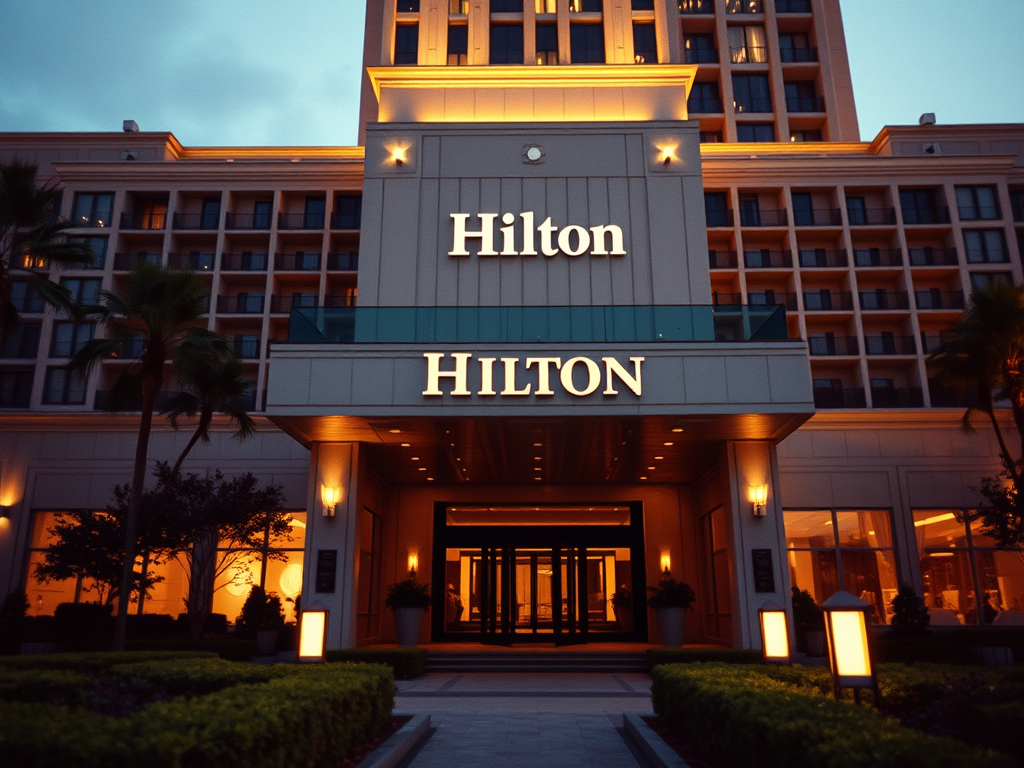
    The History of Hilton Hotels: from Local to Global Hospitality

    Introduction

    Hilton Hotels has a storied history that reflects its evolution from a single hotel into a global hospitality powerhouse. Founded by Conrad Hilton in 1919, the brand has grown to encompass thousands of properties worldwide, becoming synonymous with luxury and exceptional service. This article delves into the rich history of Hilton Hotels, examining the key moments and decisions that have shaped its identity over the decades. From the innovative practices introduced by Conrad Hilton to the brand’s adaptive strategies in the face of change, the history of Hilton Hotels is a captivating story rooted in ambition, resilience, and a commitment to hospitality. As we explore this narrative, we will also reflect on the brand’s significant contributions to the hotel industry and the lasting impact of its founder’s vision.

    The Founding of Hilton Hotels: A Visionary Beginning

    The history of Hilton Hotels begins with its founder, Conrad Hilton, a man driven by ambition and the desire to provide superior accommodation to travelers. Born in 1887 in San Antonio, New Mexico, Hilton’s early experiences influenced his later ventures in the hospitality sector. After a brief stint helping his father in the family grocery business, Hilton entered the hotel industry by purchasing the Mobley Hotel in Cisco, Texas, in 1919. This venture would lay the foundation for what would become a global hospitality empire.

    From the outset, Hilton had a clear vision of elevating the standards of hospitality. He introduced the concept of a “home away from home,” focusing on guest comfort and satisfaction. His experience in Cisco taught him valuable lessons in management and customer service, which he carried forward as he expanded his business. In 1925, Hilton made a significant leap by purchasing the prestigious Occidental Hotel in Los Angeles, which marked a pivotal moment in his career. This acquisition showcased his ability to identify prime locations and capitalize on emerging markets.

    Throughout the 1920s, Hilton continued to expand his portfolio, acquiring hotels in key urban centers. Each new property came with Hilton’s commitment to providing exceptional service and amenities. The introduction of features such as air conditioning, telephones, and room service set Hilton Hotels apart from competitors, solidifying its reputation for excellence. The brand’s growth was not without challenges, however. The Great Depression tested Hilton’s business acumen, forcing him to adapt and innovate in order to survive. He overcame these obstacles through strategic partnerships and a keen understanding of the evolving travel landscape.

    The 1930s saw Hilton’s first foray into merging and franchising, allowing for rapid expansion without compromising quality. This approach proved successful, as Hilton Hotels began to dot the American landscape, becoming a recognizable name in hospitality. The company’s commitment to maintaining high standards meant that each new hotel embodied the Hilton philosophy. By 1943, Hilton had successfully established the first coast-to-coast hotel chain in the United States, a milestone that would redefine the hospitality industry.

    Despite the tumultuous nature of wartime America, Hilton demonstrated resilience by continuing to grow the business. During World War II, Hilton Hotels provided housing for military personnel and their families, showcasing the company’s commitment to service during challenging times. This dedication did not go unnoticed and contributed to Hilton’s reputation as a socially responsible hotelier.

    As the decade progressed, Hilton made strategic decisions that would further cement its place as a leader in the hospitality industry. The opening of the first airport hotel in 1959 at San Francisco International Airport, known as the Hilton San Francisco Airport, revolutionized travel accommodation and set the standard for future developments in the industry. This innovative move catered to the increasing number of air travelers and perfectly aligned with Hilton’s mission to adapt to the ever-changing demands of the hospitality market.

    In summary, the founding of Hilton Hotels marked the beginning of a remarkable journey led by a visionary entrepreneur. Conrad Hilton’s unwavering dedication to quality and service not only spurred the brand’s growth, but also set a benchmark in the hotel industry that persists today. The lessons learned during these formative years laid a strong foundation for future expansions and innovations, ensuring that Hilton Hotels would continue to thrive in the decades to come.

    Expansion and Growth in the Mid-20th Century

    The mid-20th century was a transformative period for Hilton Hotels as the brand embraced expansion both domestically and internationally. The post-World War II era awakened a new wave of travel and tourism, and Hilton was strategically positioned to capitalize on this surge in demand. With returning veterans embarking on family vacations and a growing middle class ready to explore the world, Hilton recognized the need for more accommodations and innovative offerings.

    One of the most significant developments during this era was the establishment of Hilton’s first international property. In 1949, Hilton took a bold step beyond the U.S. border, opening the Caribe Hilton in Puerto Rico. This marked the brand’s entry into the international hospitality market, allowing it to appeal to global travelers. The success of the Caribe Hilton laid the groundwork for Hilton’s future expansion into other countries, establishing a brand presence that would resonate around the globe.

    The 1950s and 1960s saw a flurry of new hotel openings as Hilton strategically expanded into major cities and coveted vacation destinations. The introduction of the Hilton Worldwide headquarters in Beverly Hills in 1958 marked a new chapter in the brand’s operating efficiency and management structure. This innovation reflected the company’s desire to streamline operations and enhance guest experiences.

    During these decades, Hilton implemented a robust franchising model, enabling third-party investors to capitalize on the Hilton brand while ensuring the hotel chain’s standards remained intact. This strategy facilitated rapid growth, as franchisees were able to leverage Hilton’s established reputation and marketing prowess. By the end of the 1960s, Hilton had well over 100 properties, representing not just hotels, but also the flowering of the Hilton brand as a hospitality leader.

    Alongside its expansion efforts, Hilton also embraced the advancements in technology that were impacting the hospitality industry. In the 1960s, Hilton became known as the first hotel chain to offer central air conditioning across its properties. This service innovation became a key selling point for travelers seeking comfort and convenience. The introduction of automated check-ins and the implementation of computerized reservation systems further enhanced operational efficiency, streamlining guest experiences and establishing Hilton as a tech-savvy leader in the hotel landscape.

    In 1964, Hilton Hotels made a landmark move by becoming a publicly traded company, allowing it to raise capital for further expansion. This strategic decision opened doors to new financial possibilities and solidified Hilton’s position as a major player in the hospitality sector. The public offering also attracted the attention of investors interested in capitalizing on the burgeoning travel industry.

    The growth momentum established during the mid-20th century was driven not only by Hilton’s strategies but also by the changing travel landscape. The development of the interstate highway system in the United States made road travel more accessible, leading to a significant increase in demand for roadside accommodations. Recognizing this trend, Hilton responded by constructing motels designed for travelers seeking convenient locations and affordable rates. These properties complemented the luxury offerings of existing Hilton hotels and attracted a broader customer base.

    Conrad Hilton’s vision for the brand continued to shape its future, as he emphasized the importance of guest satisfaction. The company prioritized customer feedback, enabling them to refine their services continually. This commitment to quality and guest experience became a cornerstone of Hilton’s identity during this period.

    In conclusion, the mid-20th century heralded a remarkable chapter in the history of Hilton Hotels. This period marked the brand’s expansion beyond its original borders, establishing itself as a global hospitality leader while maintaining a commitment to high standards and customer satisfaction. Hilton’s ability to adapt and innovate during this transformative era laid the groundwork for the continued success and relevance of the brand in an ever-evolving travel landscape.

    The Introduction of Innovative Services and Technology

    Hilton Hotels has long been recognized as an innovator in the hospitality sector, particularly in terms of introducing services and technology that enhance the guest experience. As the brand grew, so did its commitment to staying ahead of trends and meeting the evolving expectations of travelers. This commitment to innovation became particularly evident during the latter half of the 20th century and into the 21st century, as Hilton implement strategic advancements in service delivery, technology integration, and customer experience.

    One of the earliest examples of Hilton’s innovative mindset emerged in the 1950s when the brand started implementing automated check-in kiosks. This forward-thinking approach reduced wait times for guests and streamlined the check-in process, quickly gaining praise from frequent travelers who appreciated the convenience. Automation in the hospitality realm was rare at the time, and Hilton’s decision to embrace it allowed them to set a standard in the industry that many other chains would later follow.

    As technology rapidly evolved in the 1980s and 1990s, so did Hilton’s efforts to elevate guest experiences further. The advent of personal computers and the internet opened new doors for communication and service delivery. Hilton was quick to establish its presence online, launching one of the first hotel websites that offered real-time booking capabilities in the late 1990s. This early adoption of digital technology not only positioned Hilton as a pioneer in the field but also fundamentally transformed the way travelers sought and booked accommodations.

    Recognizing the importance of customer loyalty, Hilton introduced the Hilton Honors program in 1987, one of the first hotel loyalty programs in the industry. This initiative rewarded frequent guests with points that could be redeemed for free stays, upgrades, and special perks—an idea that was revolutionary at the time. The program helped foster lasting relationships with guests, creating a sense of belonging and deepening brand loyalty. Over the years, Hilton has continued to enhance its loyalty program, introducing mobile app features and offering personalized rewards based on guests’ preferences.

    In the early 2000s, as smartphones became increasingly ubiquitous, Hilton adapted once again and integrated mobile technology into its services. The launch of the Hilton Honors mobile app allowed guests to book rooms on the go, check in digitally, and even unlock their hotel doors using their smartphones. This cutting-edge convenience appealed to a tech-savvy generation eager for seamless travel experiences. Moreover, Hilton embraced artificial intelligence and machine learning to enhance guest interactions, leveraging data to anticipate preferences and tailor services accordingly.

    The introduction of contactless services became particularly vital during the COVID-19 pandemic. Hilton responded swiftly by implementing cleanliness-focused protocols and integrating technology that allowed guests to maintain physical distancing. Initiatives such as Digital Key, which enabled guests to use their smartphones to access rooms, exemplified Hilton’s commitment to safety and convenience amidst evolving health concerns. The brand’s adaptability solidified its image as a leader in innovative hospitality, demonstrating a commitment to meeting guests’ needs while prioritizing their health and safety.

    Alongside these technological advancements, Hilton consistently sought ways to enhance the guest experience through unique services. For instance, the introduction of the “Hilton CleanStay” program in 2020 set new health and safety standards across all properties. This initiative highlighted Hilton’s dedication to creating a safe environment for guests while also assuring travelers that their health and comfort were top priorities.

    In addition to guest-centered innovations, Hilton also focused on sustainability and environmental responsibility. The company implemented eco-friendly practices such as energy-efficient designs in new hotels, comprehensive recycling programs, and initiatives to reduce food waste. These efforts not only appealed to environmentally conscious travelers but also positioned Hilton as a responsible leader in the industry.

    In conclusion, the continuous introduction of innovative services and technology has been a hallmark of Hilton Hotels, driving the brand’s evolution in the hospitality landscape. From early automation efforts to the current push for advanced digital experiences, Hilton has consistently sought to enhance guest satisfaction while remaining adaptable to changing circumstances. The spirit of innovation that characterized the brand’s approach continues to define its legacy and ensures its relevance in the ever-evolving travel industry.

    Hilton Hotels History
    Hilton Hotels has a storied history that reflects its evolution from a single hotel into a global hospitality powerhouse. Founded by Conrad Hilton in 1919, the brand has grown to encompass thousands of properties worldwide, becoming synonymous with luxury and exceptional service. Photo by Thể Phạm on Pexels.com

    The Brand Transformation and Global Presence

    As Hilton Hotels navigated the latter part of the 20th century and entered the 21st century, the brand undertook significant transformations to expand its global presence while adapting to the diverse needs of travelers. This phase in Hilton’s history was marked by rebranding efforts, strategic acquisitions, and an unwavering commitment to maintaining exceptional service across its properties.

    The late 1990s and early 2000s saw a wave of consolidation within the hotel industry, with numerous brands merging or being acquired. Hilton was not immune to this trend and seized the opportunity to diversify its portfolio through strategic acquisitions. In 2006, Hilton was acquired by The Blackstone Group, which initiated a series of transformations aimed at enhancing both operations and brand identity. The investment enabled Hilton to rethink its strategies, expand its global footprint, and focus on incorporating new hotel brands into its existing portfolio.

    During this period, Hilton introduced numerous sub-brands to cater to various market segments. The launch of brands like Hilton Garden Inn, Hampton Inn & Suites, and Curio Collection by Hilton provided guests with more choices, whether they sought luxury accommodations, upscale services, or budget-friendly options. This diversity allowed Hilton to appeal to a broader audience and diversify revenue streams while maintaining the core values of hospitality and quality.

    The emphasis on brand transformation also extended to the visual identity of Hilton Hotels. In 2018, Hilton unveiled a refreshed logo and brand identity, which modernized its image while retaining the core elements that guests had come to recognize. This move signaled Hilton’s intention to remain relevant in a competitive industry while reflecting a contemporary approach to hospitality.

    Global expansion was also a priority for Hilton during this transformative era. The brand focused on setting up properties in emerging markets and regions with growing travel opportunities. This included significant growth in Asia, Europe, and the Middle East, where the demand for quality accommodations continued to rise. By entering new markets, Hilton positioned itself to capture the growing influx of international tourists and business travelers, ensuring a competitive presence on the global stage.

    In addition to expanding geographically, Hilton recognized the importance of cultural sensitivity and tailored offerings to meet the preferences of diverse guests. The brand embraced local culinary influences, decor, and design elements in its properties to create a sense of place that resonated with travelers. This localized approach not only enriched guest experiences but also showcased Hilton’s commitment to integrating itself into the destinations it served.

    The company’s focus on corporate social responsibility and sustainability also played a crucial role in its global presence. Hilton developed initiatives aimed at reducing its environmental impact, conserving water, and minimizing waste across its properties. By committing to sustainability, Hilton attracted environmentally conscious travelers who sought out brands aligned with their values.

    These initiatives culminated in the launch of the “Travel with Purpose” program in 2018, which set ambitious goals for reducing the company’s carbon footprint and supporting local communities. This holistic approach not only solidified Hilton’s reputation as a responsible global citizen but also strengthened its brand identity in an evolving market that increasingly values sustainability.

    In conclusion, the brand transformation and global presence of Hilton Hotels during the late 20th and early 21st century showcased the company’s adaptability and commitment to meeting the changing needs of travelers. Through strategic acquisitions, a diversification of offerings, and a focus on sustainability, Hilton positioned itself as a leader in the hospitality industry. These efforts ensured that the Hilton brand remained highly relevant in an increasingly competitive landscape and that its legacy of superior service continued to thrive around the world.

    The Future of Hilton Hotels: Adapting to Change

    As we look to the future of Hilton Hotels, it’s clear that the brand’s ability to adapt to changing consumer preferences, technology, and global circumstances will remain paramount. The COVID-19 pandemic has reshaped the travel industry, and Hilton has taken significant steps to navigate this unprecedented challenge while positioning itself for future growth.

    One of the most critical aspects of Hilton’s future lies in prioritizing health and safety protocols. The pandemic has heightened travelers’ awareness of cleanliness and safety standards, prompting Hilton to implement measures that enhance guest confidence. Initiatives such as the “Hilton CleanStay” program have set new industry benchmarks, emphasizing rigorous cleaning protocols, contactless services, and employee training to ensure guest safety. As travelers adapt to new expectations regarding hygiene, Hilton’s focus on cleanliness will be instrumental in retaining and attracting guests.

    Embracing technology will remain a cornerstone of Hilton’s strategy moving forward. The rapid advancement of technology has transformed how guests engage with hotels, from booking to in-room experiences. Hilton aims to leverage technologies such as artificial intelligence, machine learning, and the Internet of Things (IoT) to personalize services, anticipate guest needs, and enhance overall experiences. From smart rooms that adapt to guests’ preferences to mobile applications that streamline the entire travel journey, Hilton is poised to remain at the forefront of digital innovation in the hospitality sector.

    Hilton is also likely to continue expanding its global footprint, particularly in emerging markets where travel demand is surging. Regions such as Asia and Africa represent significant growth opportunities, driven by rising middle-class populations eager to explore new destinations. Hilton’s strategic approach to market entry, combined with its commitment to delivering culturally relevant experiences, positions it well to capitalize on these trends.

    Sustainability will remain a key focus for Hilton Hotels as global awareness of environmental impacts grows. The brand’s “Travel with Purpose” program will continue to evolve, with ambitious goals aimed at reducing carbon emissions, enhancing energy efficiency, and contributing positively to local communities. Collaborations with partners committed to sustainability will further enable Hilton to showcase its dedication to responsible hospitality, appealing to a generation of eco-conscious travelers prioritizing social responsibility.

    Moreover, Hilton will likely invest in upskilling and empowering its employees, recognizing that the strength of its workforce is fundamental to its success. By providing ongoing training, education, and growth opportunities, Hilton can cultivate a motivated and skilled team dedicated to delivering exceptional service. Promoting a culture of diversity, equity, and inclusion within its workforce will also be a priority, ensuring that Hilton reflects the rich tapestry of global communities it serves.

    Finally, the future of Hilton Hotels will be shaped by consumer behavior shifts toward experiential travel. Guests increasingly seek unique and authentic experiences during their travels, placing value on immersive local culture and personalized services. Hilton’s dedication to delivering experiential offerings—whether through curated local experiences, culinary adventures, or community-focused initiatives—will ensure that it meets the desires of modern travelers.

    In conclusion, the future of Hilton Hotels reflects a commitment to adaptability and evolution. By prioritizing health and safety, leveraging technology, expanding globally, embracing sustainability, investing in its workforce, and responding to changing traveler preferences, Hilton can maintain its position as a global hospitality leader. The journey continues as Hilton embraces opportunities for growth while ensuring that it remains a trusted name synonymous with exceptional service and innovation in the hospitality industry.

    Conclusion

    The history of Hilton Hotels is a testament to the vision of its founder, Conrad Hilton, and the brand’s ability to adapt to the changing landscape of the hospitality industry. From its humble beginnings in the early 20th century to its status as a globally recognized brand, Hilton has continuously evolved while remaining committed to quality and service. The innovations introduced over the decades have not only reshaped the hotel experience but have also set industry standards that many strive to emulate.

    Hilton’s expansion into international markets and its diversification of offerings have strengthened its presence in an increasingly competitive industry. The brand’s focus on guest satisfaction, technology integration, and sustainability underscores its commitment to meeting the needs of today’s travelers while anticipating the challenges of tomorrow.

    As Hilton navigates the future, its ability to innovate and adapt will be crucial in maintaining its leadership in the hospitality sector. The brand’s history is marked by resilience and a relentless pursuit of excellence, making it well-equipped to tackle emerging trends and challenges in the years to come. For travelers seeking comfort, luxury, and memorable experiences, Hilton Hotels will undoubtedly continue to be a preferred choice.

    Watch also

  • Discovering the amazing Potala Palace: A UNESCO Heritage Site (2025 update)

    Discovering the amazing Potala Palace: A UNESCO Heritage Site (2025 update)

    Introduction

    Perched atop the Marpo Ri hill at an altitude of 3,700 meters (12,100 feet) above sea level, the Potala Palace is one of the most iconic symbols of Tibet and Tibetan Buddhism. This ancient structure, dominating the skyline of Lhasa, has served not only as the residence of the Dalai Lamas but also as a sacred site of immense religious and political significance. Its unique blend of spiritual, political, and architectural marvels has made the Potala Palace a UNESCO World Heritage Site and one of the most revered landmarks in Asia.

    The palace, a monumental structure built with stunning Tibetan engineering and design, reflects centuries of cultural evolution. In this article, we will delve into the rich history of the Potala Palace, exploring the details of its construction, its architectural features, and the deep symbolism that defines its place within Tibetan and global history.

    Early Beginnings: Foundations in Tibetan History

    The history of the Potala Palace begins in the 7th century during the reign of King Songtsen Gampo, one of Tibet’s most influential and revered monarchs. Songtsen Gampo is credited with uniting the Tibetan plateau under a centralized government, establishing Buddhism as the state religion, and introducing a written script to the Tibetan people. His rule marked the beginning of what is considered the Tibetan Empire’s golden age.

    Legend has it that after Songtsen Gampo’s marriage to Princess Wencheng of China and Princess Bhrikuti of Nepal, he decided to build a fortress on the Red Hill (Marpo Ri) in Lhasa, where the Potala Palace stands today. The choice of location was strategic and symbolic: the Red Hill was not only defensible but also held spiritual significance, with many Tibetan myths and legends associating it with divine power. The site was believed to be blessed by Avalokiteshvara, the Bodhisattva of Compassion, whose earthly embodiment is believed to be the Dalai Lama.

    This early construction, however, bore little resemblance to the grandiose structure we know today. Songtsen Gampo’s palace, though impressive for its time, was much smaller in scale and served primarily as a fortress and royal residence. Over the centuries, it fell into disrepair and was largely abandoned as the Tibetan capital shifted to other regions.

    The Vision of the Fifth Dalai Lama

    The modern incarnation of the Potala Palace owes its existence to the Fifth Dalai Lama, Ngawang Lobsang Gyatso, who rose to power in the mid-17th century. Known as the “Great Fifth,” he was a leader of immense political and spiritual influence, consolidating the fragmented Tibetan states and firmly establishing the Gelug school of Tibetan Buddhism as the dominant religious and political authority in Tibet.

    In 1645, the Fifth Dalai Lama initiated the construction of the Potala Palace on the ruins of Songtsen Gampo’s fortress. His vision was grander than that of any previous ruler: he sought to create a spiritual and political center that would symbolize the unity of Tibet under the rule of the Dalai Lama. The Potala Palace was to be the home of the Dalai Lama, the seat of the Tibetan government, and a major pilgrimage site for Buddhists from across the region.

    Construction of the Potala Palace: A Monumental Undertaking

    The construction of the Potala Palace on the steep and rocky slopes of Red Hill posed immense challenges. At an altitude of 3,700 meters, the thin air and harsh climate made the task difficult for the thousands of workers and artisans involved. The steep terrain required careful planning to ensure the stability of the structure, and materials had to be sourced from far and wide. Stone, wood, and earth were used as the primary building materials, with most of the labor done by hand.

    Despite these challenges, the construction of the White Palace (Potrang Karpo), the first phase of the project, was completed relatively quickly by 1648. This section of the palace served as the administrative center and the living quarters of the Dalai Lama. However, the construction of the more elaborate Red Palace (Potrang Marpo), dedicated to religious functions, continued long after the Fifth Dalai Lama’s death in 1682. His death was kept a secret for several years to ensure the completion of the palace, a testament to the importance placed on finishing this monumental project.

    Traditional Tibetan Building Techniques

    The construction of the Potala Palace employed traditional Tibetan building techniques that had been refined over centuries. Stone masonry was used to create thick, sturdy walls, with layers of earth packed between stones to provide insulation and stability. The palace’s walls, some of which are over 5 meters (16 feet) thick at the base, were designed to withstand earthquakes, a common occurrence in the region.

    Wood was another crucial material, used for beams, floors, and roofs. Tibetan builders were experts in carpentry, and they used intricate wooden frameworks to support the palace’s multi-story structure. The palace’s roofs are flat and covered with gilded tiles, a common feature in Tibetan architecture, designed to reflect the intense sunlight and protect the interior from the elements.

    The labor force that worked on the Potala Palace consisted of thousands of workers, many of whom were monks and laypeople who saw their work as a form of spiritual service. The construction process itself was infused with religious significance, with rituals and ceremonies performed at key stages to ensure the palace’s divine protection.


    The Potala Palace is one of the most iconic symbols of Tibet and Tibetan Buddhism, perched atop the Marpo Ri hill at an altitude of 3,700 meters (12,100 feet) above sea level.

    The White Palace and the Red Palace: A Duality of Function and Symbolism

    The Potala Palace is divided into two main sections: the White Palace (Potrang Karpo) and the Red Palace (Potrang Marpo). Each section serves a distinct purpose and reflects different aspects of Tibetan religious and political life.

    The White Palace, the older of the two sections, served as the residence of the Dalai Lama and the administrative center of the Tibetan government. It is characterized by its whitewashed walls, which symbolize purity and peace in Tibetan culture. The simplicity of the White Palace’s exterior belies the complexity of its interior, which houses the Dalai Lama’s private living quarters, offices, and meeting rooms.

    One of the most significant rooms in the White Palace is the East Hall, where the Dalai Lama would conduct important meetings with Tibetan officials and foreign dignitaries. The hall is richly decorated with murals depicting scenes from Tibetan history and Buddhist cosmology. These murals are not only works of art but also serve as visual records of Tibetan religious and political life.

    The White Palace also contains several chapels and shrines where the Dalai Lama and his attendants would perform daily prayers and rituals. These sacred spaces are adorned with thangkas (Buddhist scroll paintings), statues of deities, and other religious artifacts, creating an atmosphere of reverence and devotion.

    The Red Palace: A Sacred Space for Spirituality

    The Red Palace, built after the completion of the White Palace, is the spiritual heart of the Potala complex. Its deep red walls are symbolic of power and protection, and they house the most sacred spaces within the palace. The Red Palace is dedicated to religious functions and contains numerous chapels, shrines, and tombs of the Dalai Lamas.

    One of the most important features of the Red Palace is the Hall of Stupas, which contains the tombs of several Dalai Lamas, including the Fifth Dalai Lama. These stupas, which are large, elaborately decorated structures, are covered in gold and encrusted with jewels. The stupa of the Fifth Dalai Lama, in particular, is a masterpiece of Tibetan art, standing over 12 meters tall and adorned with nearly 4,000 kilograms of gold.

    The Red Palace also contains numerous meditation rooms, where monks and visitors come to pray and meditate. The Great West Hall, the largest room in the Red Palace, is adorned with beautiful murals depicting the life of the Fifth Dalai Lama and other important events in Tibetan history. These murals are a testament to the artistic skill of Tibetan painters and the spiritual significance of the events they depict.

    The Potala Palace as a Symbol of Tibetan Buddhism

    The Potala Palace is not just an architectural wonder; it is also a powerful symbol of Tibetan Buddhism and the spiritual authority of the Dalai Lama. Every aspect of the palace’s design is imbued with religious symbolism, from the layout of the building to the colors of its walls.

    The elevation of the palace, towering over Lhasa, reflects the spiritual elevation of the Dalai Lama, who is regarded as the earthly embodiment of Avalokiteshvara. The palace’s location on Red Hill symbolizes the Dalai Lama’s role as a protector of the Tibetan people and their spiritual leader. The White Palace and Red Palace represent the balance between the temporal and spiritual realms, with the White Palace serving as the seat of government and the Red Palace as the center of religious activity.

    The Potala Palace is also closely associated with the concept of the “Pure Land,” a Buddhist idea of a spiritual realm where beings can attain enlightenment. The palace is considered a physical representation of Avalokiteshvara’s Pure Land, and it is believed that those who visit the palace with pure intentions can receive spiritual blessings and progress on their path to enlightenment.

    Historical Significance and the Role of the Dalai Lamas

    The Potala Palace has played a central role in Tibetan religious and political life for centuries. As the residence of the Dalai Lama, it was the seat of Tibetan government from the 17th century until 1959, when the 14th Dalai Lama fled to India following the Chinese invasion of Tibet.

    Throughout this period, the Potala Palace was not only a religious center but also a political hub, where important decisions regarding the governance of Tibet were made. The Dalai Lama, as both a spiritual and temporal leader, presided over meetings with Tibetan officials, foreign dignitaries, and representatives of Buddhist sects. The palace also served as a repository of Tibetan cultural and religious knowledge, with its vast library of sacred texts, scriptures, and historical documents.

    In addition to its political and religious functions, the Potala Palace was also a destination for pilgrims from all over Tibet and beyond. Pilgrims would travel great distances to visit the palace, which they considered a holy site. The pilgrimage to the Potala Palace was seen as a way to accumulate merit and seek spiritual guidance from the Dalai Lama.

    The Potala Palace in Modern Times

    The 20th century brought significant challenges to the Potala Palace, particularly in the wake of the Chinese occupation of Tibet in 1950 and the subsequent Tibetan uprising in 1959. The departure of the 14th Dalai Lama to India marked the end of the Potala Palace’s role as the political center of Tibet. However, despite these challenges, the palace has remained a symbol of Tibetan identity and spiritual resilience.

    In the years following the Chinese occupation, the Potala Palace, like many other religious sites in Tibet, faced the threat of destruction during the Cultural Revolution. Many monasteries, temples, and religious artifacts across Tibet were destroyed by the Red Guards, but the Potala Palace was spared, reportedly due to the personal intervention of Premier Zhou Enlai.

    Recognizing the cultural and historical importance of the Potala Palace, the Chinese government has undertaken efforts to preserve and restore the structure. In 1989, a major restoration project was launched, and in 1994, the palace was inscribed as a UNESCO World Heritage Site. The palace is now protected as part of China’s national heritage, and further restoration efforts have been carried out to ensure its preservation for future generations.

    Despite these efforts, there remain concerns about the long-term preservation of the Potala Palace, particularly due to the increasing number of tourists and the effects of climate change. The high altitude and harsh weather conditions, combined with the pressures of modern infrastructure, pose significant challenges to the palace’s preservation.

    Conclusion: The Enduring Legacy of the Potala Palace

    The Potala Palace stands as a remarkable testament to Tibetan spirituality, architectural innovation, and cultural endurance. Its history, steeped in religious significance and political power, continues to captivate visitors and scholars alike. The palace’s unique design, blending traditional Tibetan architecture with religious symbolism, has made it one of the most iconic structures in the world.

    Though the political landscape of Tibet has changed dramatically over the centuries, the Potala Palace remains a symbol of Tibetan identity and resilience. Its towering presence over Lhasa serves as a reminder of the rich cultural and spiritual heritage of Tibet, and its preservation ensures that future generations can continue to draw inspiration from its profound history.

  • The History of Brasília: A Brazil’s Capital Reshaped by Vision (2025 update)
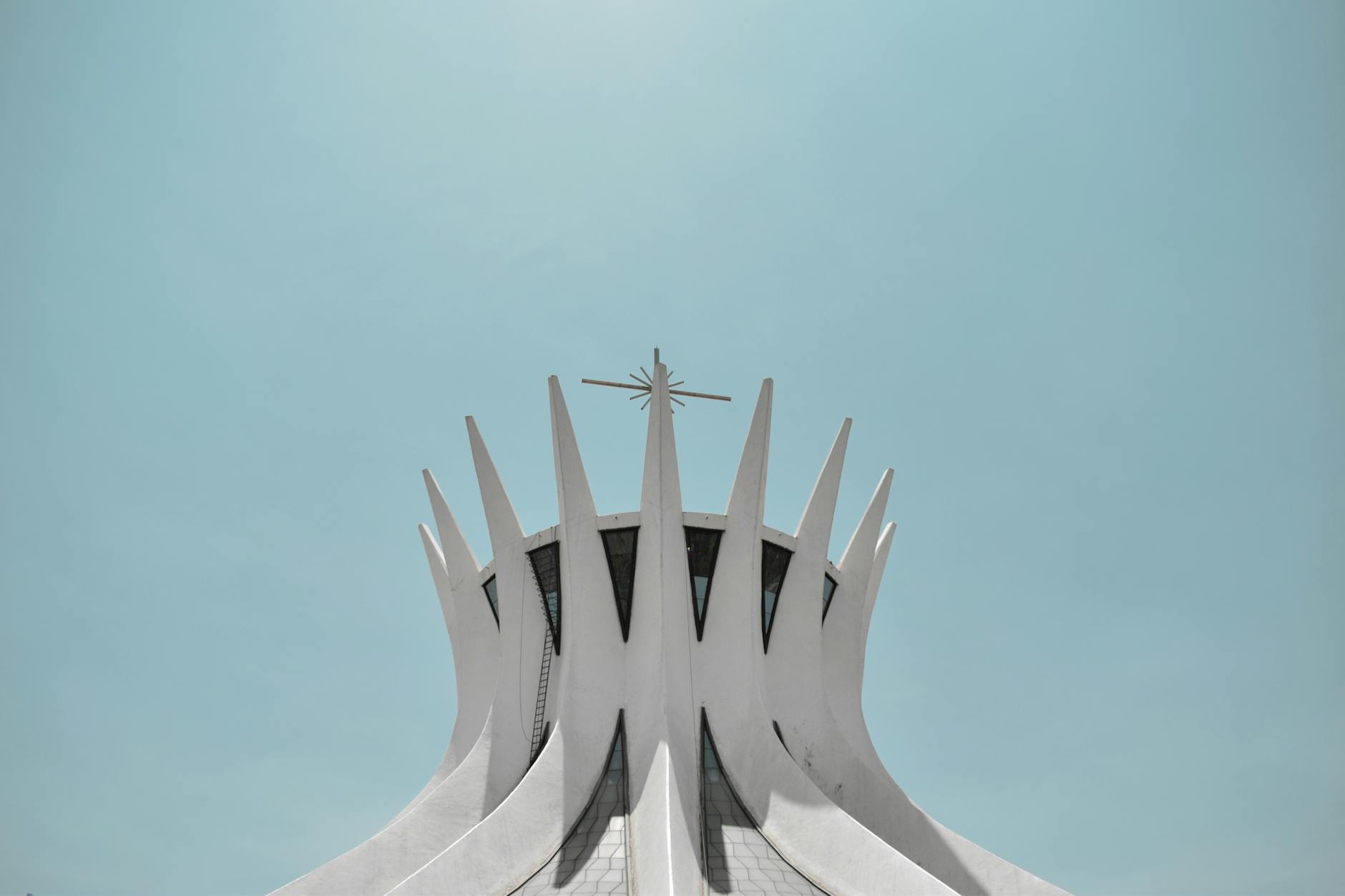
    The History of Brasília: A Brazil’s Capital Reshaped by Vision (2025 update)

    Introduction

    Brasília, the capital of Brazil, stands as a remarkable testament to mid-20th-century urban planning. Founded in 1960, it was envisioned to promote the country’s development and integrate the vast territories of Brazil. Designed by the innovative architect Oscar Niemeyer and urban planner Lúcio Costa, Brasília’s layout resembles an airplane, signaling a break from traditional city planning. The city’s creation was not just an architectural endeavor; it represented a bold political decision aiming to shift the focus of Brazil from the coastal cities to the interior. As the city evolved, it became not only the seat of government but also a unique cultural and social melting pot, reflecting the complexities of Brazilian identity. This article delves into the multifaceted history of Brasília, shedding light on its formation, growth, and the ongoing challenges it faces today.

    The Birth of Brasília: Planning and Design

    The inception of Brasília was primarily the brainchild of President Juscelino Kubitschek, who envisioned a bold plan to facilitate movement and encourage settlement in Brazil’s interior. Recognizing that Brazil’s development was lopsided, heavily concentrated along the Atlantic coast, Kubitschek sought to stimulate growth in the central region by establishing a new capital. The location chosen was strategic; it was relatively central, providing equal access to all regions of the country, thus symbolizing the heart of Brazil.

    In 1956, the Brazilian government commissioned renowned architect Oscar Niemeyer and urban planner Lúcio Costa to bring this vision to life. Niemeyer’s design for the governmental buildings brought an artistic and modern flair that utilized concrete and glass to create flowing, organic forms. Lúcio Costa’s planning for the city showcased a bold and innovative layout: the city plan resembled an airplane in flight, with the central axis serving as the main thoroughfare and distinct sectors designated for various functions such as residential, commercial, and governmental purposes.

    The design incorporated green spaces as a critical aspect of urban life, providing residents a visual respite and contributing to environmental sustainability. However, it faced criticism for being overly utopian and disconnected from the realities of daily life. Critics argued that the city’s design, while aesthetically impressive, was impractical for its users, raising concerns about the social interactions it fostered.

    Despite these criticisms, the groundbreaking ceremony for Brasília took place on April 21, 1957. This date was symbolic, coinciding with the anniversary of the city of Tiradentes, a national hero who symbolizes Brazilian independence. The aggressive timeline set by Kubitschek aimed to complete the city in just 41 months, a task that posed significant construction challenges yet fostered intense nationwide involvement in its development, drawing workers from across Brazil to partake in building the capital.

    The city officially inaugurated on September 7, 1960, coincided with Brazil’s Independence Day. Brasília’s architectural marvels quickly drew attention, with its National Cathedral and the Congress building becoming iconic representations of modern Brazilian architecture. The government made extensive efforts to promote the city, attracting not only government officials but also artists, intellectuals, and citizens seeking new opportunities.

    Through careful planning and execution, Brasília emerged as a symbol of national progress, innovation, and decisiveness. The combination of its unique architectural features and thoughtful urban planning transformed it into a magnet for new ideas and cultural movements, playing a crucial role in shaping Brazil’s identity and aspirations for modernity.

    Construction Challenges and Milestones

    The construction of Brasília was a monumental task, fraught with challenges that tested the limits of engineering, logistics, and the will of the people involved. The swift timeline imposed by President Kubitschek required ingenuity and flexibility from construction teams, workers, and planners alike. Initially, the government faced difficulties in acquiring the necessary land in the central plateau, dealing with various landowners and negotiating as the project moved forward.

    Once the land was secured, the construction teams encountered a myriad of practical challenges. The harsh climate of the Brasília region, marked by dry seasons and heavy rains, meant that construction techniques had to be adapted continuously to prevent delays. The promise of decent wages attracted workers from across the nation, leading to a significant influx into the new capital’s construction sites. This labor, often unskilled, required extensive training and management to maintain efficiency and safety standards, as many were inexperienced in urban construction.

    Technologically, the project was ambitious. Brasília’s construction employed cutting-edge techniques for its time, including reinforced concrete and innovative prefabrication methods that allowed for rapid assembly of residential and commercial buildings. The construction of monumental buildings like the Palácio da Alvorada, the official residence of the President, and the National Congress of Brazil symbolized a new era in Brazilian architecture and public life.

    Despite these advances, the project was not without its controversies. Many questioned the allocation of resources in building a capital poised to represent national unity, especially given Brazil’s ongoing social disparities. Critics pointed out that many citizens could have benefited from funds directed toward social programs rather than a new capital. These debates often became politically charged, with citizens voicing their opinions through demonstrations and writings that depicted Brasília as a luxury reserved for the elite.

    Furthermore, environmental concerns arose as construction disturbed local ecosystems. The rapid expansion into the surrounding landscape raised alarms among environmentalists and indigenous rights advocates. The government responded with promises of creating parks and incorporating green spaces, but the lasting ecological impact of such a large-scale construction project remained contentious.

    Against all odds, the construction of Brasília was officially completed in under four years, with significant milestones achieved along the way. The inauguration of the city showcased not only the architectural prowess of its buildings but also the collective determination and labor of everyone involved. It marked a turning point in Brazilian history, not only as a capital but as a living experiment in urban planning, modernization, and national identity.

    Cultural Development and Identity

    Following its establishment, Brasília began to develop its unique cultural identity, which has been shaped by its diverse population and the influences brought by its residents from all over Brazil. The city attracted artists, intellectuals, and professionals who were drawn to its innovative spirit and opportunities for a fresh start. Over the years, Brasília evolved into a vibrant cultural hub, hosting numerous events and institutions that contributed to its rich cultural landscape.

    One of the fundamental aspects of Brasília’s cultural identity is its architecture and urban design, which reflects the ideals of modernism. The sleek lines and bold structures of Niemeyer’s buildings not only function as government spaces but also as art forms that embody the creative aspirations of Brazil. Some notable cultural landmarks include the National Museum of the Brazilian Republic, which offers exhibitions that celebrate Brazilian art and history, and the Teatro Nacional, a concert hall that showcases local and international performances. These venues have fostered a love for the arts among residents and contribute significantly to the cultural vibrancy of the city.

    In addition to arts and architecture, Brasília has seen a blossoming of various cultural festivals that celebrate both its unique identity and the broader diversity of Brazilian culture. The city hosts events like the Brasília Music Festival, which draws international musicians and showcases various genres, including classical, jazz, and popular Brazilian music. Local celebrations, such as the Festa Junina, integrate traditional Brazilian customs that resonate with residents who come from different regions, embodying a blend of cultural influences.

    Moreover, Brasília has increasingly become a platform for discussing social issues through urban art and street performances. The city is home to vibrant murals and graffiti that reflect the political and social concerns of its citizens, addressing themes such as inequality, identity, and the environment. This burgeoning street art scene reflects the conversations and conflicts present within Brasília, fostering a sense of community and promoting dialogue among its residents.

    The city’s educational institutions play a crucial role in shaping its cultural identity. The presence of universities and research centers has attracted a young and dynamic population, encouraging an environment of intellectual discourse and innovation. These institutions contribute to the city’s modernization narrative by engaging students in critical discussions about the future of Brasília and Brazil as a whole.

    However, the cultural development of Brasília is not without its challenges. The city often faces criticism for its lack of social cohesion, with stark contrasts between affluent and marginalized communities. As urban migration continues, the risk of cultural homogenization rises, posing a threat to the unique identities brought by its diverse inhabitants. Addressing these disparities is vital for fostering a rich and inclusive cultural landscape that stays true to the ideals upon which Brasília was built.

    In conclusion, the cultural identity of Brasília reflects its unique history, architectural grandeur, and the interactions of its diverse populace. As the city continues to grow and evolve, it remains a canvas for artistic expression and a dynamic participant in the broader cultural conversations shaping Brazil today.

    Political Significance and Role

    Brasília’s establishment as the capital of Brazil was not merely a geographic relocation of power but a deliberate strategy to change the political landscape of the nation. The city’s formation symbolized a new era of governance, aimed at centralizing political activity and fostering a sense of national unity. From its inception, Brasília has served as a stage for significant political developments, including hosting legislative battles, diplomatic negotiations, and social movements.

    The very design of Brasília reflected the aspirations of a modern and progressive nation. By relocating the capital from the coastal cities to the interior, the government aimed to integrate the vast and often neglected regions of Brazil, thus promoting decentralization of power. Brasília emerged as a symbol of the Brazilian elite’s desire for a more forward-looking society, signifying the country’s commitment to development and modernization.

    The city is home to key governmental institutions, including the Brazilian National Congress, the Presidential Palace, and the Supreme Federal Court, each remarkable not just for their architectural style but also their operational significance. The National Congress, with its iconic dome and bowl-shaped structures, symbolizes the power of legislative oversight. The Presidential Palace (Palácio da Alvorada) stands as a monument to executive power, while the Supreme Federal Court safeguards the rule of law, making Brasília the epicenter of Brazilian politics.

    As a political hub, Brasília has witnessed some of Brazil’s most critical historical events and decisions. The city played a central role during the military dictatorship from 1964 to 1985, serving as a strategic base for the government. The concrete edifices of Brasília became the backdrop for social upheavals, grassroots activism, and the fight for democracy, as citizens took to the streets to demand greater civil rights and social justice.

    More recently, Brasília has faced political challenges that reflect broader societal issues. The city has been the site of numerous protests, including those advocating for education, health care, and social justice. These movements have highlighted the gaps between government promises and the realities faced by ordinary citizens, revealing the inherent tensions within a rapidly modernizing society. The National Congress has become a focal point for debates on corruption, economic inequality, and governance, with citizens increasingly demanding accountability from their leaders.

    Moreover, Brasília has also emerged as a center for foreign diplomacy and international relations. Its geographic position makes it accessible for navigating discussions between countries, and the diplomatic corps is actively engaged in bilateral negotiations on issues ranging from trade agreements to environmental protections. The city houses several embassies and international organizations, making it a melting pot of cultures and ideologies.

    As Brasília continues to evolve, its political significance remains pivotal to the greater narrative of Brazil. The ongoing dialogues about governance, representation, and equity reflect the aspirations of a nation seeking to redefine itself in a globalized world. In navigating the complexities of modern politics, Brasília stands at the forefront, embodying both the triumphs and challenges of Brazilian society.

    Contemporary Challenges and Future Prospects

    While Brasília has fulfilled many of its founding aspirations, the city faces contemporary challenges that reflect the broader issues confronting Brazil as a whole. The rapid urbanization and population growth in Brasília have strained infrastructure, exacerbated social inequalities, and tested the city’s governance models. These challenges necessitate innovative solutions to foster sustainable growth and ensure that Brasília continues to fulfill its role as a national symbol of progress.

    One of the most pressing issues is urban planning and infrastructure development. Brasília was designed for a population of around 140,000, but as of recent estimates, the population has surpassed 3 million. This boom has led to increased traffic congestion, inadequate public transportation, and a shortage of affordable housing. Many residents are now forced to live in satellite cities, leading to a fragmented metropolitan area that blurs the lines of urban identity and makes it difficult to manage public services effectively.

    The city’s urban sprawl has also raised environmental concerns, particularly regarding deforestation and habitat loss in surrounding areas. The delicate balance between development and conservation presents ongoing challenges for policymakers, who must weigh the thirst for expansion against the need to protect the natural environment. Sustainable urban planning practices, including increasing green spaces and promoting eco-friendly construction, have become integral to addressing these concerns.

    Social inequality remains a critical issue in Brasília, as marginalized communities struggle to access basic services such as education, healthcare, and employment opportunities. The stark disparities between affluent neighborhoods and impoverished areas underscore the urgent need for inclusive policies that promote social mobility and cohesive community building. Programs targeting education and employment initiatives can help bridge the gap, ensuring that all residents have an equal stake in the city’s growth.

    Political instability continues to impact Brasília, reflecting broader national concerns about governance and corruption. As citizens demand greater accountability from their leaders, the city has become a focal point for political movements advocating for transparency and active civic participation. Engaging citizens in the political process through dialogue and action is vital for rebuilding trust and fostering a more inclusive governance model.

    Despite these challenges, Brasília’s future holds significant potential. The city’s rich cultural landscape, bolstered by its unique architecture and diverse population, positions it as a vibrant center for innovation and creativity. As it navigates the complexities of urbanization and social equity, Brasília can leverage its strengths by fostering collaboration among community leaders, government authorities, and civil society organizations.

    Moreover, the global shift toward smart cities—utilizing technology to improve urban living—provides opportunities for Brasília to modernize its infrastructure and public services. By investing in public transportation, energy efficiency, and digital connectivity, the city can enhance the quality of life for its residents while setting an example for sustainable urban development in Brazil and beyond.

    In conclusion, while Brasília grapples with the challenges of contemporary urban life, its resilience and capacity for innovation provide hope for a brighter future. By embracing its historical narrative and envisioning an inclusive and sustainable path forward, Brasília can continue to thrive as a beacon of progress and modernity in Brazil.

    Conclusion

    The history of Brasília is a remarkable narrative of ambition, innovation, and resilience. From its visionary planning and construction challenges to its evolving cultural identity and political significance, the city epitomizes Brazil’s aspirations for modernity and national unity. As Brasília faces contemporary challenges such as urbanization, inequality, and political complexities, the city’s future lies in the hands of its residents and leaders who embrace the principles of inclusivity, sustainability, and active civic engagement. By recognizing its unique heritage and fostering a collaborative environment, Brasília can continue to grow as a vibrant capital that embodies the hopes and dreams of Brazil’s diverse population. Ultimately, Brasília not only reflects the historical journey of a nation but also serves as a canvas for its ongoing transformation, standing tall as a testament to the possibilities of human endeavor and creativity.

    Sources

    • “Brasília: A História da Capital do Brasil” – Historical analysis by local historians
    • “Oscar Niemeyer: The Man Who Built Brasília” – Biographical book about the architect
    • “Urban Planning and the Politics of Brasília” – Journal article on urban studies
    • “Cultural Life in Brasília” – Reports on arts and cultural practices in the city
    • “Challenges in Urban Development: The Case of Brasília” – Academic paper on modern city challenges
    • Brasília Government official website for current policies and urban development updates