Tag: Travel

  • Harvard University History: From 1636 to Global Academic Leadership

    Harvard University History: From 1636 to Global Academic Leadership

    Introduction

    Harvard University, established in 1636, stands as a cornerstone of higher education in the United States and a leader in global academia. Initially founded to train clergy, it has evolved into an institution synonymous with excellence in scholarship and research. Throughout its storied history, Harvard has adapted to societal changes, expanding its mission to provide a broad liberal arts education while upholding a commitment to rigorous academic standards. The university has fostered numerous innovations, contributing significantly to various fields, including law, medicine, and the sciences. This article aims to explore Harvard University history from its founding to its present status as a global academic leader. It will highlight key milestones, societal impacts, and the university’s enduring legacy.

    The Founding Years: Establishing Harvard in 1636

    Harvard University was founded in an era characterized by the need for educated clergy and leadership within the Puritan community of New England. The puritanical emphasis on education was rooted in their belief that understanding scripture was essential for individual salvation and societal order. Recognizing this need, the Great and General Court of the Massachusetts Bay Colony chartered the institution in 1636, originally calling it “New College” or “the college at New Towne.”

    The establishment of Harvard marked a significant shift in the landscape of education in the American colonies. The Harvard Corporation, composed of influential community leaders and clergy, played a crucial role in shaping the institution’s early curriculum and governance. The university’s first president, Henry Dunster, laid the groundwork for the institution, introducing a curriculum heavily influenced by the liberal arts and emphasizing the importance of a theological foundation.

    Dunster’s tenure (1640-1654) was marked by the establishment of a curriculum that incorporated classical languages, philosophy, and the humanities. Dunster himself was a passionate advocate for an educated ministry and worked tirelessly to ensure that students received a well-rounded education. However, his progressive views on education, particularly his openness to different theological interpretations, led to tensions with the more conservative elements of the Puritan leadership.

    In 1642, the college was renamed Harvard College in honor of its first benefactor, John Harvard, an English clergyman who bequeathed his library and half of his estate to the institution upon his death. This endowment would pave the way for the college’s development, allowing for the expansion of the library, the hiring of additional faculty, and the establishment of scholarship funds that would benefit future generations of students.

    As the college began to grow, it faced numerous challenges. The small, tight-knit community of the 1640s transformed into a more extensive institution throughout the latter half of the 17th century. The number of enrolled students increased, leading to the need for more faculty and additional resources. The college’s location moved to its current site in Cambridge, Massachusetts, further solidifying its presence as an educational powerhouse in the region.

    Harvard’s early graduates went on to become prominent figures in American society, contributing to various fields, including politics, literature, and theology. This early success established a strong legacy for the college, positioning it as a significant player in the development of higher education throughout New England and eventually the entire United States.

    Over the next several decades, Harvard continued to expand its curriculum, establishing a reputation for academic rigor and excellence. By the late 17th and early 18th centuries, it had become an essential institution not simply for the local community but for the entire colonial society, transitioning from its initial role of training clergy to a broader educational foundation that encompassed various disciplines.

    As the colonies approached the Revolutionary War, Harvard’s influence grew even further. Many of its alumni played crucial roles in advocating for independence and forming the new nation. Through these tumultuous times, Harvard remained steadfast in its commitment to education, serving as an intellectual hub for those seeking knowledge and enlightenment.

    In summary, the founding years of Harvard University laid the groundwork for an institution that would become a symbol of academic excellence and leadership. Its early challenges, successes, and commitment to education established a strong foundation that continues to influence the university’s mission today.

    Growth and Expansion: The 18th and 19th Centuries

    As Harvard University transitioned into the 18th century, its growth reflected broader societal changes in America, including the Enlightenment ideals prioritizing reason, science, and the individual. The institution began to incorporate these ideas into its curriculum, leading to the advent of a more secular education as opposed to solely theological training. This shift would position Harvard as a central player in the intellectual discourse of the time.

    During the 18th century, notable developments included the emphasis on classical studies and the introduction of science into the curriculum. Except for a brief period when the chair of natural philosophy was established in 1738, the inclusion of science remained minimal. However, the founding of Harvard’s scientific societies, such as the American Academy of Arts and Sciences in 1780, demonstrated a commitment to the advancement of knowledge beyond traditional confines.

    The Revolutionary War brought challenges as many students and faculty members became involved in the conflict. Following the war, Harvard experienced a revitalization under President Joseph Willard, who championed the idea of a liberal education. This vision attracted diverse faculty members and contributed to the burgeoning intellectual community surrounding the university.

    The 19th century witnessed unprecedented growth. Harvard expanded its physical campus, adding new buildings and establishing graduate programs. In 1869, the Harvard Law School opened its doors, followed by the Harvard Medical School in 1782, further broadening its reach and influence.

    In 1865, Charles William Eliot became president and introduced the elective system, allowing students to tailor their education according to their interests. This innovation emphasized educational freedom and the importance of individual choice, setting a new precedent for curriculum development in American higher education.

    Harvard’s embrace of professional studies also reflected broader societal trends. The burgeoning industrial revolution increased the need for trained professionals, leading to the establishment of specialized programs in business, engineering, law, and medicine. Current Harvard institutions, such as the Harvard Business School, showcased an evolving understanding of education’s role in preparing students for the workforce and leadership in the rapidly changing world.

    Internationally, Harvard began to engage with global scholarship and establish relationships that further enhanced its academic credibility. The university’s interest in promoting research and scholarship transcended national boundaries, contributing to an intellectual legacy that would lay the groundwork for future international collaboration.

    By the end of the 19th century, Harvard established itself not only as a leader in American higher education but also as an institution poised to influence educational trends worldwide. The profound changes during this time shaped the university’s identity, fostering a commitment to academic rigor, intellectual inquiry, and societal impact.

    Harvard in the 20th Century: Cultural and Academic Evolution

    The 20th century heralded a period of profound transformation for Harvard University, as it navigated the complexities of a rapidly changing world. This era marked a significant expansion of the university’s academic influence and cultural outreach, further establishing its reputation as a preeminent institution of higher learning.

    In the early 1900s, under the leadership of President A. Lawrence Lowell, Harvard adopted a more modernized approach to education. The curriculum began to emphasize research and interdisciplinary studies, reflecting the evolving intellectual landscape. The introduction of the house system in the 1930s fostered a more vibrant community for undergraduates, promoting collaboration and engagement among students across various disciplines.

    Harvard’s response to the Great Depression showcased its resilience and commitment to education. Despite financial strains, the university maintained its focus on research and scholarship, providing resources to support students and faculty during challenging times. The establishment of numerous research fellowships and the strengthening of libraries reflected ongoing investment in the pursuit of knowledge.

    World War II precipitated further changes within the university, as many faculty members and students contributed to the war effort. Harvard became a hub for scientific research and innovation, playing a crucial role in the development of radar and the atomic bomb through initiatives like the Manhattan Project. This wartime collaboration highlighted the university’s capacity to adapt and respond to global challenges, further solidifying its position as a leader in academia.

    Post-war Harvard saw an influx of resources and a profound expansion of its academic programs. The G.I. Bill facilitated access to higher education for millions of veterans, leading to a diverse student body and enhancing the university’s cultural fabric. This period also marked the establishment of progressive movements advocating for civil rights and social justice, which engaged the Harvard community in broader societal dialogues.

    The latter half of the 20th century was characterized by an increasing focus on internationalism, mirroring the globalization of knowledge and scholarship. African American Studies, Women’s Studies, and Asian American Studies programs emerged in response to a growing need for inclusive representation in academic discourse. Harvard adapted its curriculum to reflect diverse perspectives, reshaping how history, culture, and society were taught.

    The rise of technology and the internet transformed the landscape of education, and Harvard was at the forefront of these changes. The university invested in research surrounding digital media and computing, examining the implications of technology on communication and knowledge dissemination. Online courses pioneered by faculty contributed to the democratization of education, expanding Harvard’s reach beyond traditional campus boundaries.

    As the century drew to a close, Harvard emerged as a distinguished hub of knowledge, creativity, and collaboration. The challenges and opportunities faced during this period catalyzed a cultural and academic evolution that set the stage for the university’s future. The emphasis on research, diversity, and global engagement laid a foundation for Harvard’s ongoing mission to educate leaders who would not only excel professionally but also contribute positively to their communities and society as a whole.

    The Modern Era: Global Influence and Leadership

    Entering the 21st century, Harvard University has solidified its role as a global leader in education, research, and societal influence. The institution’s commitment to fostering a diverse and inclusive academic environment has become a pivotal aspect of its mission, shaping the university’s identity in increasingly complex global landscapes.

    One of the defining features of Harvard in the modern era is its emphasis on global engagement. The university has established numerous partnerships with educational institutions around the world, facilitating collaborative research initiatives and study abroad programs. The Harvard Global Institute epitomizes this approach, promoting innovative solutions to pressing global challenges, such as climate change, public health, and economic inequality.

    In addition, Harvard has embraced technology and digital education, reflecting trends in the modern educational landscape. The “Harvard Online” initiative has expanded access to high-quality education, allowing learners from diverse backgrounds to engage with Harvard’s academic resources. This shift toward online learning has democratized education, enabling students from across the globe to access expertise, research, and courses offered by leading faculty members.

    Harvard’s focus on interdisciplinary studies has further enriched its academic portfolio. As complex global issues require multifaceted solutions, the university has fostered an environment where students and researchers from various disciplines can collaborate. Programs such as the Harvard Kennedy School’s emphasis on public policy and the Harvard T.H. Chan School of Public Health’s focus on global health illustrate the university’s commitment to addressing the interconnected challenges faced by societies.

    The impact of Harvard’s alumni network also plays a crucial role in the university’s global influence. Graduates of Harvard have gone on to lead in every aspect of society, from politics and business to arts and sciences. Their contributions to various fields amplify Harvard’s presence worldwide. Prominent figures in international diplomacy, economics, and cultural discourse often cite their time at Harvard as foundational to their intellectual development and career trajectories. The alumni’s achievements reinforce the university’s status as an incubator for future leaders.

    The university’s mission continues to evolve, with a strong emphasis on social responsibility. Harvard has prioritized initiatives addressing systemic inequities, climate change, and economic injustices, molding the university into a force for positive change in society. Collaborative efforts with local communities, as well as international organizations, reflect Harvard’s commitment to leveraging its resources for the public good.

    However, the modern era also comes with challenges. As concentrations of wealth and privilege continue to grow, so does the scrutiny on elite institutions like Harvard. The university is actively engaged in discussions about access to education, affordability, and diversity, striving to ensure equitable representation within its student body. initiatives aimed at increasing financial aid, outreach programs for underrepresented communities, and ongoing assessments of systemic barriers emphasize Harvard’s commitment to nurturing an inclusive educational environment.

    The intersection of tradition and innovation characterizes Harvard’s contemporary landscape. While the university remains rooted in its rich history, it is poised to adapt to the evolving needs of society and the aspirations of its students. Harvard’s influence will continue to resonate globally as it addresses the challenges of tomorrow, nurturing generations of scholars, leaders, and change-makers committed to advancing knowledge and improving the world.

    Harvard Today: Challenges and Future Directions

    Harvard University stands at a unique crossroads in its storied history, grappling with contemporary challenges while positioning itself for a dynamic future. In a world characterized by rapid technological advancement, shifting societal norms, and escalating global issues, the university’s leadership is both crucial and transformative.

    One of the foremost challenges facing Harvard today is the need to adapt to the digital age. The proliferation of information technology has reshaped how students learn and engage with knowledge. Harvard has invested significantly in digital resources and online platforms to enhance the educational experience, allowing students to engage in greater access to learning opportunities. The integration of artificial intelligence and data analysis into academic programs illustrates the university’s efforts to remain at the forefront of innovative education.

    As the landscape of higher education becomes increasingly competitive, Harvard must also address the evolving expectations of students. Today’s learners prioritize diverse, inclusive environments that promote well-being and mental health. Programs designed to enhance student support, including mental health services, counseling, and well-being initiatives, are becoming integral components of the student experience at Harvard.

    Financial accessibility remains a critical concern for elite institutions. Despite Harvard’s commitment to providing extensive financial aid, the rising costs of education impact prospective students’ ability to enroll. The university is actively working on initiatives aimed at increasing the endowment for scholarship funding and exploring innovative models for affordability to ensure that the brightest minds can access Harvard, regardless of their socioeconomic background.

    Moreover, Harvard faces scrutiny regarding its role in addressing systemic inequalities. As a leader in academia, the university is called to confront issues surrounding race, gender, and socioeconomic status in education. Initiatives focusing on fostering diversity among staff, faculty, and students are being implemented to create a more representative academic community. The ongoing dialogue around issues such as affirmative action reflects the tensions and responsibilities that come with Harvard’s stature.

    The challenge of global engagement persists. As societies confront challenges such as climate change, public health crises, and political instability, Harvard is uniquely positioned to leverage its research capabilities for positive societal impact. Collaboration across disciplines will be essential in addressing complex problems, and the university is actively investing in partnerships that transcend borders to foster innovative solutions.

    Looking ahead, Harvard’s commitment to sustainability will also play a pivotal role in shaping its future. The university aims to achieve carbon neutrality and is actively developing initiatives that address environmental stewardship. Integrating sustainability into the curriculum and research encourages students to become advocates for a more sustainable planet, fostering a sense of responsibility for future generations.

    Ultimately, Harvard stands as a testament to the evolution of higher education. It is committed to nurturing leaders, scholars, and change-makers who will shape the future. By embracing the challenges of the modern world, Harvard is poised to continue its legacy as a global academic leader dedicated to advancing knowledge, promoting social responsibility, and making a lasting impact on society.

    Conclusion

    The history of Harvard University, from its founding in 1636 to its status as a global academic leader today, reflects an institution that has consistently evolved to meet the needs of society. Through its founding years, growth and adaptation to changes in culture, politics, and technology, Harvard has established itself as a pillar of academic excellence.

    As the university navigates contemporary challenges and opportunities, its commitment to diversity, inclusion, and social responsibility remains paramount. The emphasis on collaboration and interdisciplinary studies encourages innovation and prepares graduates to address the pressing global issues of our time.

    Looking to the future, Harvard’s ability to adapt and reimagine its role in education will be essential. By fostering an inclusive environment, investing in research, and embracing technology, the university can continue to inspire and equip future generations of leaders. The ongoing legacy of Harvard is a testament to its historical foundation and its commitment to shaping a better world through education.

    Six Buildings That Shaped Harvard History | Video

    Six Buildings That Shaped Harvard History

  • Kennedy Space Center History: Where Humanity Reached for the Stars

    Kennedy Space Center History: Where Humanity Reached for the Stars

    Introduction

    The Kennedy Space Center, situated on Merritt Island in Florida, stands as a testament to human ingenuity and aspiration. Established in the early 1960s, it served as the launch site for the United States’ most ambitious space missions. The center was pivotal in changing the trajectory of space exploration, culminating in remarkable milestones, including the unprecedented Apollo moon landings and the development of the Space Shuttle program. Over the decades, it has evolved into a hub for international collaborations, paving the way for future missions beyond Earth’s orbit. As we delve into its history, we uncover a tale of perseverance, innovation, and global unity that has not only expanded our understanding of the cosmos but also united humanity in the quest for knowledge and discovery. Join us as we explore five key eras that shaped the Kennedy Space Center and propelled humanity’s ambitions beyond the stars.

    The Origins of the Kennedy Space Center

    The roots of Kennedy Space Center (KSC) trace back to the intense geopolitical climate of the 1950s, during the height of the Cold War. In response to the Soviet Union’s successful launch of Sputnik in 1957, the United States recognized the urgent need to advance its own space program. Consequently, President Dwight D. Eisenhower established the National Aeronautics and Space Administration (NASA) in 1958, setting the stage for a new era of exploration.

    Initially, the Cape Canaveral Air Force Station served as the primary launch site for American space missions. Amidst growing ambitions, NASA shifted its focus, and in 1961, President John F. Kennedy outlined his vision for space exploration. In a speech to Congress, he famously asserted, “I believe that this nation should commit itself to achieving the goal, before this decade is out, of landing a man on the Moon and returning him safely to the Earth.” This ambitious goal necessitated the establishment of a dedicated launch facility.

    In 1962, NASA selected Merritt Island as the site for the new launch complex, citing its strategic location near the equator, which offers additional thrust for spacecraft launching into orbit. Consequently, construction of the Kennedy Space Center began, and the facility was officially inaugurated on July 1, 1962. The center was named after President Kennedy in a tribute to his vision and support for the space program.

    The architecture and design of KSC reflected the technological innovation of the era. Notably, the famous Vehicle Assembly Building (VAB) was completed in 1966. At the time, it was the largest single-story building in the world, designed to house the Saturn V rockets for the Apollo missions. The facility showcased the mighty ambitions of NASA and the United States, fostering a sense of pride among engineers, scientists, and the public alike.

    KSC’s launch pads, most notably Launch Complex 39A and 39B, would become the primary launch sites for the Apollo and Space Shuttle programs. Over the years, KSC expanded its facilities, adding visitor centers, training rooms for astronauts, and environments for rocket assembly, fostering a comprehensive space exploration ecosystem.

    In summary, the origins of the Kennedy Space Center can be traced to the Cold War, sparked by the race for space technology and exploration. Its establishment marked a transformative moment in American history, culminating in countless achievements, and it became a cornerstone of NASA’s ambitions. As we proceed towards examining the subsequent phases in KSC’s illustrious history, we see how it became a launchpad not just for rockets but for dreams that continue to inspire generations.

    The Apollo Program and the Moon Landing

    The Apollo program remains one of the most significant achievements in the history of space exploration, predominantly facilitated by the facilities and engineering marvels at Kennedy Space Center. Launched amid the fervor of the Cold War, the program aimed to fulfill President John F. Kennedy’s 1961 pledge to land a human on the Moon by the end of the decade. This ambitious endeavor marked a critical turning point in human history, transforming our understanding of space and igniting global interest in space exploration.

    The Apollo program was not merely a quest for lunar exploration; it was a demonstration of technological capability, scientific ingenuity, and national pride. NASA undertook significant preparatory work, including the development of the Saturn V rocket, which would become the world’s most powerful launcher. Constructed at the Kennedy Space Center, the Saturn V underwent extensive testing and assembly in the facility’s Vehicle Assembly Building (VAB), a colossal structure that showcased the scale of the mission.

    On July 16, 1969, Apollo 11 launched from Kennedy Space Center, carrying astronauts Neil Armstrong, Buzz Aldrin, and Michael Collins on a journey that would culminate in a series of historic events. Several days later, the Lunar Module, piloted by Armstrong and Aldrin, separated from the Command Module and descended toward the Moon’s surface. On July 20, 1969, humanity made history when Armstrong became the first person to set foot on the lunar landscape, famously declaring, “That’s one small step for [a] man, one giant leap for mankind.” This moment symbolized not only national achievement but also a defining moment for all of humanity.

    Apollo 11’s successful landing and subsequent return served as a catalyst for global collaboration and scientific advancement. The mission yielded valuable data about the Moon’s composition, processes, and history. Notably, the lunar samples brought back to Earth provided insights into not only the Moon’s geological history but also the broader evolutionary narrative of the solar system. These scientific discoveries inspired future missions and fostered greater interest in planetary science and astronomy.

    statues of astronauts in kennedy space center in usa
    Kennedy Space Center

    Following Apollo 11, six more missions successfully landed astronauts on the Moon, culminating in Apollo 17 in December 1972. Each mission contributed significantly to NASA’s knowledge of lunar geology, environment, and potential for future exploration. The missions engaged the global community, demonstrating the power of collaboration in the face of complex challenges.

    The impact of the Apollo program extended beyond immediate scientific achievements; it transformed cultural perceptions of space and inspired a generation of scientists, engineers, and dreamers. The advancements made during this period led to developments in technology, engineering, and materials science that transcended the realm of space exploration and influenced various industries, including telecommunications, medicine, and computing.

    As the Apollo program drew to a close, it left behind a legacy that would continue to inspire future generations. The achievements at the Kennedy Space Center during this monumental era served as more than just a testament to technological prowess; they symbolized humanity’s collective aspiration to explore the unknown and to reach beyond the confines of Earth. As we move on to the next section, we will examine the evolution of space exploration with the introduction of the Space Shuttle program, which continued the pioneering spirit initiated by Apollo.

    The Space Shuttle Era

    Following the monumental success of the Apollo program, NASA transitioned into a new era of space exploration with the development of the Space Shuttle program. This initiative represented a bridge between the moon landings and the new opportunities in low Earth orbit (LEO). Initiated in the early 1970s, the Space Shuttle was designed as a reusable spacecraft that could carry astronauts and cargo to space, enabling a wide range of missions that extended beyond exploration to include scientific research, satellite deployment, and ultimately, the construction of the International Space Station (ISS).

    The first shuttle, Columbia, launched on April 12, 1981, with STS-1, marking a significant technological leap forward. The shuttle program’s reusable design reduced costs and turned space transportation into a more routine operation. Each shuttle flight was a carefully choreographed endeavor, involving a comprehensive team at the Kennedy Space Center. The facilities at KSC were specifically designed to accommodate the shuttle program’s extensive needs, including major modifications to launch pads, assembly buildings, and the addition of the Orbiter Processing Facility (OPF).

    The flexibility and versatility of the Space Shuttle enabled a wide array of missions. Over the course of its 30-year operational history, the shuttle fleet completed 135 missions, connecting diverse objectives ranging from deploying satellites to servicing the Hubble Space Telescope. The shuttle program facilitated groundbreaking scientific research in microgravity, leading to discoveries in fields like biology, physics, and materials science. Each mission contributed to an ever-expanding understanding of the universe and showcased the capabilities of human ingenuity.

    One of the program’s most ambitious objectives was the construction of the International Space Station (ISS). Initiated in the late 1990s, the ISS represented a partnership among multiple nations, illustrating the growth of international collaboration in space. The space shuttle played a crucial role in the assembly of the ISS, delivering modules and astronauts to the station and providing a platform for continuous human presence in space.

    The shuttle program faced its share of challenges, including the tragic losses of Challenger in 1986 and Columbia in 2003. These devastating incidents prompted comprehensive reviews and reforms within NASA, emphasizing the importance of safety and risk management in space exploration. Despite these setbacks, the resilience and dedication of the teams at KSC and across NASA ensured that the program continued to achieve remarkable feats, including record-setting missions and critical research and technology advancements.

    spaceship in space center in florida usa
    Kennedy Space Center

    The legacy of the Space Shuttle era is profound. It not only expanded human presence in space but also solidified the United States’ leadership in global space exploration. The program left behind a wealth of knowledge and technological advancements that continue to influence current and future missions. As we explore the next phase of the Kennedy Space Center’s history, we will delve into the increasing importance of international collaboration in space exploration, particularly as efforts turned towards the development of the International Space Station.

    International Collaboration and the International Space Station

    The inception of the International Space Station (ISS) marked a defining moment in the history of human space exploration, epitomizing international collaboration and scientific advancement. Initiated in the late 1980s and becoming operational in 2000, the ISS represented a unified effort among various countries to foster peaceful cooperation in space. The Kennedy Space Center played a pivotal role in this global project, serving as the launch site for numerous missions that contributed to the construction and operation of the ISS.

    The collaborative nature of the ISS involved fifteen nations, including the United States, Russia, Japan, Canada, and members of the European Space Agency. This unprecedented partnership demonstrated a collective commitment to exploring outer space, fostering scientific research, and enhancing technology. NASA’s expertise in developing launch capabilities and conducting human missions laid the foundation for the ISS’s realization, making the Kennedy Space Center integral to its success.

    One significant aspect of the ISS is its status as an orbiting laboratory, enabling groundbreaking scientific research across several disciplines. The microgravity environment aboard the ISS has facilitated studies in medicine, physics, and materials science. For example, researchers have investigated the effects of microgravity on muscle atrophy and bone density, leading to valuable insights applicable to human health on Earth. Moreover, the ISS provides an unparalleled platform for testing technologies that will be essential for future deep space missions, particularly for Mars exploration.

    The construction of the ISS was a meticulous endeavor, requiring multiple shuttle missions to deliver components to space. Each assembly mission was a carefully coordinated effort, showcasing the complexities of construction and maintenance in a microgravity environment. Key contributions from Kennedy Space Center included the launch of major modules, such as the Zarya and Unity modules, along with numerous replenishment missions that supplied essential supplies and science experiments.

    Beyond its scientific and engineering accomplishments, the ISS has also become a symbol of global unity. Astronauts from various countries work side by side, fostering collaborative relationships and showcasing the shared goal of exploring the cosmos. This unprecedented cooperation in the realm of space exploration highlights how humanity can unite to overcome challenges that transcend individual nations and cultures.

    As the ISS continues to operate, its impact on space exploration remains profound. It has served as a catalyst for future missions, laying the groundwork for aspirations to send humans to Mars and beyond. The experiences gained on the ISS, combined with international collaboration, strengthen our understanding of long-duration spaceflight and prepare us for the challenges associated with deep space exploration.

    In summary, the Kennedy Space Center’s role in the development and operation of the International Space Station exemplifies the significance of international collaboration in space. The ISS has transformed the landscape of human exploration, allowing for scientific discoveries that enhance our understanding of life beyond Earth while inspiring future generations to pursue careers in science and technology. As we turn our focus to the future of space exploration, we will discuss the next steps in humanity’s journey into the unknown.

    The Future of Space Exploration

    As we look towards the horizon of space exploration, the Kennedy Space Center remains at the forefront of innovation and ambition. With the successes of the Apollo program, the Space Shuttle era, and the International Space Station now part of its illustrious history, KSC is poised for a new chapter that promises to take humanity back to the Moon and onward to Mars.

    NASA’s Artemis program, with its ambitious goals to land “the first woman and the next man” on the Moon by the mid-2020s, represents a renewed commitment to lunar exploration. The Artemis missions aim to establish a sustainable presence on the Moon, paving the way for future human exploration of Mars and beyond. The Kennedy Space Center plays a crucial role in this initiative, with its facilities being key to assembling the powerful Space Launch System (SLS) rocket and the Orion spacecraft, which will be used for these deep space missions.

    The Artemis program not only aims to return humans to the lunar surface but also seeks to foster international partnerships, much like those established during the Apollo and ISS missions. Collaboration with international space agencies, companies, and organizations will be essential to enhance knowledge, share resources, and develop innovative technologies. The lunar Gateway, a planned space station orbiting the Moon, will serve as a platform for these collaborative efforts, enabling crew exchanges and research from various nations.

    Moreover, Kennedy Space Center has become a launch site for commercial spaceflight endeavors. The rise of private space companies, such as SpaceX and Blue Origin, has revolutionized the landscape of space exploration and satellite deployment. KSC has embraced this shift, partnering with commercial entities to strengthen the U.S. position in the global space economy. The upcoming missions involving the SpaceX Starship and NASA’s Artemis program will showcase the collaborative potential between government and private sectors in achieving ambitious goals.

    industrial stainless containers beside blue steel structure
    Photo by Alejandro Quintanar on Pexels.com

    In addition, ongoing advancements in technology, such as reusable rockets and in-space resource utilization, could redefine how we conduct future missions. Utilizing lunar resources, such as water ice, has the potential to support life support systems and fuel production for longer journeys, significantly decreasing reliance on Earth-based supplies. These innovations will enhance sustainability and adaptability for missions to Mars and further into the solar system.

    Looking towards Mars, the Kennedy Space Center’s legacy of exploration and innovation continues to inspire the next generation of scientists and explorers. The lessons learned from the ISS, as well as Artemis missions, will inform strategies to ensure human health and performance during long-duration space missions. Engaging the public and fostering interest in space exploration will be crucial in garnering support for future endeavors, as each mission carries the potential to unite humanity in pursuit of knowledge and advancement.

    As we step into this new era, the lessons learned from the history of Kennedy Space Center, combined with continued innovation and collaboration, will pave the way for a profound understanding of our universe. With ambitious goals ahead, humanity remains on the brink of extraordinary discoveries that could alter perceptions of life beyond Earth and our place within the cosmos.

    Conclusion

    The history of the Kennedy Space Center is a testament to human ambition, ingenuity, and the enduring spirit of exploration. From its inception during the Cold War to achieving monumental milestones in the Apollo program, advancing through the Space Shuttle era, and now focusing on international collaboration through the International Space Station and future ambitions such as the Artemis program, KSC has truly become a symbol of progress.

    Each of the significant phases in KSC’s journey reflects not only technological advancements but also the collective aspirations of humanity to explore the unknown. The legacy of the Apollo program, with its remarkable lunar landings, inspired a generation and continues to motivate future explorations. The Space Shuttle program demonstrated the capacity for routine access to space, laying the groundwork for extensive scientific discoveries that expanded our understanding of the universe.

    The establishment of the ISS symbolizes the hope and possibility of international cooperation in space, encouraging countries to work together for the greater good. As we embark on the next chapter of exploration, the foundational lessons of collaboration, resilience, and innovation will guide us. The Kennedy Space Center remains a beacon of aspiration as we reach for new frontiers, fueling dreams of a sustainable presence on the Moon, human missions to Mars, and beyond.

    In the end, the pursuit of knowledge and the quest for discovery are integral to the human experience. As the Kennedy Space Center continues to evolve with the tide of technological advancements, it stands ready to inspire future generations who will look upward at the stars and dream of possibilities yet unimagined. Through perseverance and unity, humanity will forge its path into the cosmos, forever reaching for the stars.

    Kennedy Space Center: 50 Years | Video

    Kennedy Space Center: 50 Years
  • Centre Pompidou History: Inside the Museum That Turned Architecture Inside Out
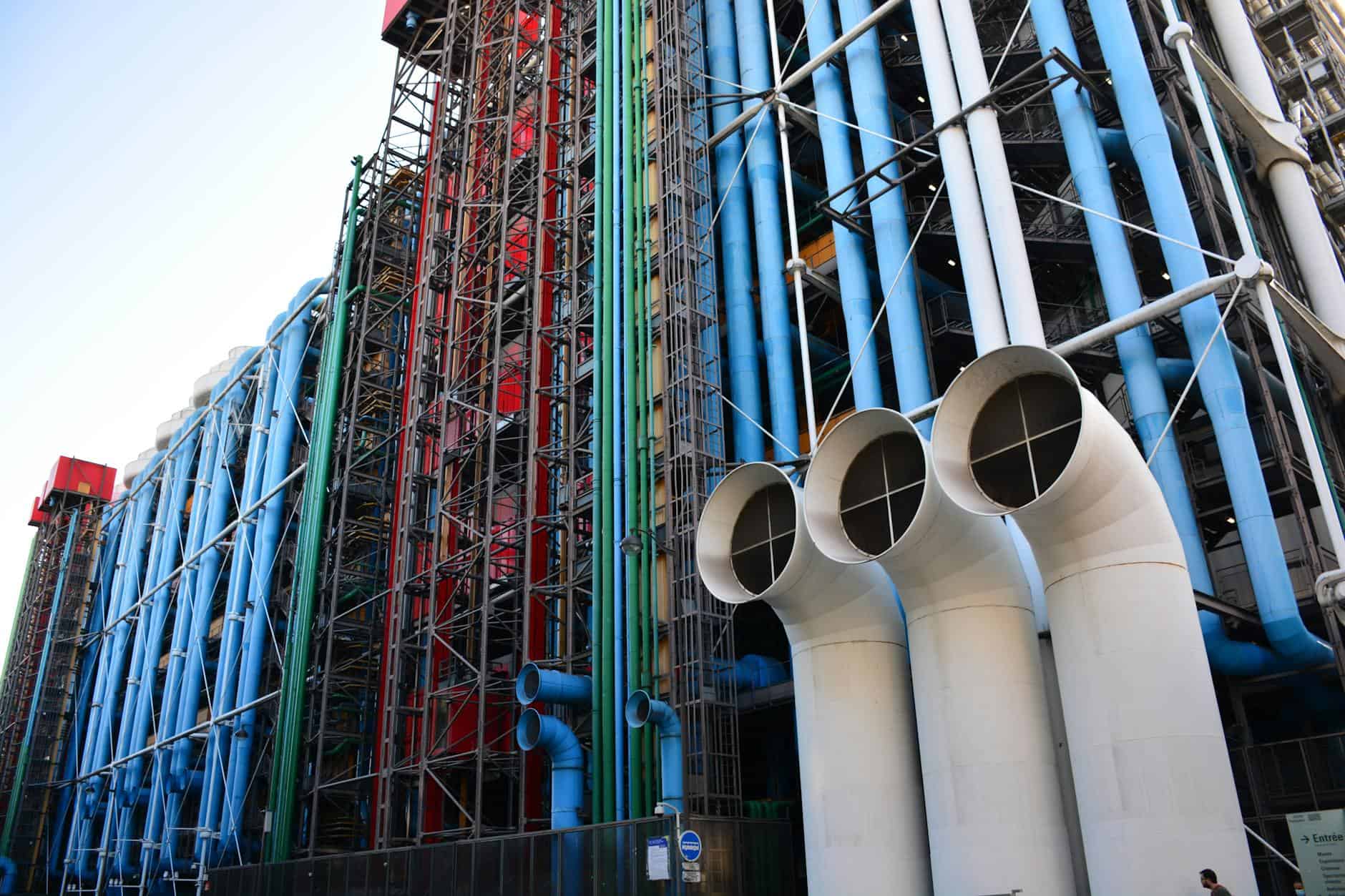
    Centre Pompidou History: Inside the Museum That Turned Architecture Inside Out

    Introduction

    The Centre Pompidou, nestled in the heart of Paris, is not just a museum; it is a revolutionary architectural landmark that has significantly influenced the art world. Opened in 1977, it was designed by architects Renzo Piano and Richard Rogers, representing a break from traditional museum designs by placing its structural and mechanical systems on the outside. This daring approach to architecture embodies the notion of “turning architecture inside out,” allowing for greater flexibility in space usage and a unique aesthetic appeal. The Centre is a vibrant hub of creativity, housing a vast public library, cinemas, and a music research center alongside its renowned art collection. Over the years, it has become a symbol of modern art and an essential destination for art lovers and tourists alike, sparking conversations about art, architecture, and cultural diversity.

    The inception of the Centre Pompidou: Vision and Planning

    The genesis of the Centre Pompidou is rooted in the ambitious vision of then-French President Georges Pompidou. In the late 1960s, Pompidou proposed the establishment of a cultural institution that would serve as a center for modern art, culture, and the public’s engagement with these fields. His approach was revolutionary for its time, aiming to democratize access to culture and art by creating a space that would welcome all, regardless of socioeconomic status.

    This vision presented a unique challenge to architects, prompting a national competition for design proposals under the auspices of the Ministry of Culture. Renzo Piano and Richard Rogers, two relatively unknown architects at that time, submitted a bold design that would eventually capture the essence of Pompidou’s vision. Their concept was radical: they placed all of the building’s functional components—such as elevators, pipes, and electrical systems—on the exterior, allowing the interior space to be entirely flexible and adaptable for different art installations and public programs.

    The design not only challenged the norms of museum architecture but also redefined how cultural institutions could interact with the urban environment. The location was carefully selected, situated in the Beaubourg area of Paris, which had previously been an industrial zone. The architects envisioned the Centre Pompidou as a catalyst for urban regeneration, transforming the surrounding area into a lively cultural precinct.

    Despite the innovative design, the project faced significant criticism and controversy during its planning and construction phases. Many prominent architects and critics dismissed the design as overly industrial and inappropriate for the historical context of Paris. They argued that the Centre Pompidou’s bold presence would clash with the city’s traditional aesthetic, raising questions about the place of modernity in a city steeped in history.

    Nevertheless, Pompidou and his supporters remained resolute. They recognized that the Centre Pompidou would serve as a challenge to convention, embodying a new perspective on how art and architecture could converge. This visionary tenacity paid off when the Centre Pompidou was inaugurated in January 1977, solidifying Pompidou’s legacy and altering the landscape of cultural architecture in Paris and beyond.

    The significance of the Centre Pompidou extends beyond its architectural merits; it symbolizes a broader cultural shift towards inclusivity and accessibility in art. Its creation marked the beginning of a new era in which cultural institutions sought to break away from elitist traditions, inviting people from all walks of life to engage with art in innovative and interactive ways.

    view of building
    The Centre Pompidou

    Moreover, the Centre serves as an educational platform, hosting workshops, films, performances, and lectures, further widening its appeal. By fulfilling Pompidou’s original vision of a center for the public, the Centre Pompidou not only revolutionized museum architecture but also reshaped the relationship between art, culture, and the community.

    As we delve into the architectural innovations and design philosophy of the Centre Pompidou, we must acknowledge its inception’s profound impact on contemporary cultural landscapes, an impact that continues to inspire new generations of artists, architects, and enthusiasts globally.

    Architectural Innovations and Design Philosophy

    The architectural innovations embodied in the Centre Pompidou are not merely aesthetic choices; they reflect a fundamental rethinking of what modern architecture could achieve. At its core, the design by Renzo Piano and Richard Rogers champions transparency, accessibility, and functionality. By placing essential services like escalators, plumbing, and electrical systems on the outside of the building, the architects provided an unprecedented level of versatility for the interior spaces, gaining international attention and acclaim.

    The use of a colorful, exposed skeletal framework is emblematic of the high-tech architectural movement that emerged in the 1970s. This movement emphasized the expression of technology within architectural form, prioritizing materials like glass and steel that would highlight a structure’s inner workings rather than conceal them. The Centre Pompidou’s façade, with its vibrant colors and playful forms, is a visual feast that invites curiosity and exploration. The architects designed the building with a flexible system of modular spaces to adapt to various exhibitions and events, reinforcing the idea that the museum is a living entity that evolves over time.

    Moreover, the Centre Pompidou’s design prompts a reevaluation of the relationship between a building and its environment. Instead of standing in stark contrast to the Parisian landscape, the Centre engages with its surroundings, challenging the dialogue between historical architecture and modern design. Its open plaza encourages social interaction and invites visitors into a space of cultural exchange, blurring the lines between public and private realms.

    Piano and Rogers meticulously considered the integration of the Centre Pompidou into the city, establishing it as a cultural landmark that serves the community. The vibrant public space surrounding the building has become a crucial part of Paris’s urban fabric, hosting performances, artistic installations, and everyday leisure activities. This focus on community engagement reflects a broader trend in contemporary architecture that seeks to address urban challenges by fostering inclusivity and encouraging collaboration among diverse groups.

    The importance of natural light in the design cannot be overstated. Large glass façades allow for an abundance of daylight, illuminating exhibition spaces and creating a welcoming atmosphere for visitors. This emphasizes another tenet of modern architecture: blurring indoor and outdoor experiences. Visitors can slide through the transparent walls, seamlessly transitioning between the external plaza and the vast, open exhibition areas within.

    exterior of centre pompidou
    The Centre Pompidou

    The Centre Pompidou also employs sustainable architectural practices, aiming to minimize its environmental impact. Its innovative approach to energy efficiency, such as using natural ventilation, has paved the way for more environmentally conscious design in future cultural institutions.

    Ultimately, the architectural innovations and design philosophy of the Centre Pompidou have transcended its physical structure, serving as a model for a new generation of buildings. It exemplifies how architecture can encourage social connection, promote cultural engagement, and challenge traditional conventions, redefining what a cultural institution can be and represent within the urban setting it occupies.

    Controversies and Criticism Surrounding the Centre

    The Centre Pompidou has never been without its controversies and criticism. From the moment its design was unveiled, it elicited passionate reactions from various stakeholders, including architects, critics, and the general public. Many viewed the building as an affront to Paris’s architectural heritage, arguing that its bold industrial aesthetics were out of place in a city renowned for its classical and Renaissance architecture.

    Prominent architects of the time, including the likes of Jean Nouvel and Charles Jencks, voiced strong objections, alleging that the Centre Pompidou’s exposed structure and mechanical systems compromised the integrity of urban aesthetics. Critics referred to it as an “eyesore” and contended that it interrupted the visual harmony of the surrounding area. This sentiment reflected a broader apprehension about modern architecture’s capacity to complement or enhance historical landscapes.

    In addition to visual and aesthetic criticisms, socio-political responses to the Centre Pompidou often focused on its implications for cultural access and democratization. Many questioned whether such an avant-garde structure would genuinely serve the public interest. Some argued that the energy spent on creating such an elaborate and costly structure could have been better allocated to support community art initiatives and grassroots cultural movements. These discussions ignited a debate on elitism in the art world; was the Centre Pompidou an emblem of progress or a symbol of cultural elitism that ultimately served a more privileged audience?

    As the Centre Pompidou began its operations, it quickly attracted a diverse pool of visitors, and while many celebrated its groundbreaking design, others were skeptical about its capacity to fulfill Pompidou’s original vision of accessibility and community engagement. The challenges of maintaining such an expansive and multifaceted institution presented ongoing scrutiny regarding its operational practices. Critics raised concerns about whether the programming and exhibitions reflected a true representation of contemporary art or simply showcased works from established, predominantly Western artists.

    Moreover, as the Centre Pompidou’s reputation evolved, it became synonymous with the commercialization of art. With the increasingly lucrative art market and high-profile exhibitions, many critics argued that the Centre was forgetting its foundational commitment to accessibility in favor of financial gain. This scenario epitomizes a broader tension faced by many cultural institutions today: the necessity of funding versus the mission of enhancing community access to art and culture.

    Over the years, as the Centre Pompidou has adapted to changing contexts, criticisms have persisted but also transformed. The rise of contemporary art from diverse global perspectives has gradually shifted the narrative around the Centre. It has increasingly sought to broaden its exhibitions to represent a more inclusive range of voices, pushing back against accusations of elitism and ensuring that its programs resonate with an ever-evolving audience.

    These controversies surrounding the Centre Pompidou, while often polarizing, have ultimately sparked important conversations about the role of modern architecture in historical contexts, the challenges of democratizing art access, and the evolving nature of cultural institutions. Despite the criticisms, the Centre’s enduring legacy defies categorization; it remains a fixture of debate and discussion, highlighting the intersection of art, architecture, and community engagement in the modern world.

    Impact on Contemporary Art and Culture

    The Centre Pompidou has had a profound impact on the landscape of contemporary art and culture since its inception. Its innovative approach to architecture and curation has redefined how museums engage with artists, audiences, and the broader cultural dialogue. This impact can be understood through several key dimensions: the promotion of avant-garde art, the facilitation of artist collaborations, the expansion of public engagement initiatives, and the Centre’s role as an incubator for new ideas and practices within the art world.

    When the Centre Pompidou opened its doors in 1977, it quickly positioned itself as a leading institution for modern and contemporary art, housing a vast collection that includes works by legendary artists such as Pablo Picasso, Georges Braque, and Henri Matisse, among many others. It serves not only as a repository of art but as a platform for new and emerging artists whose practices challenge traditional norms. The Centre has consistently spotlighted avant-garde movements and experimental art forms, encouraging visitors to engage with concepts that may be challenging or provocative.

    Moreover, the Centre Pompidou has facilitated numerous artist collaborations and residencies, enabling artists to produce work within its walls and interact with the public. By fostering an environment of creativity and collaboration, the Centre has become a space where artistic ideas can be nurtured and explored. Such collaborations have allowed emerging artists to have visibility on a global stage, often leading to exciting dialogues that transcend conventional boundaries of art.

    Initiatives such as the Centre Pompidou’s public programs, workshops, and educational offerings further amplify its impact on contemporary culture. By engaging with the community directly, the Centre opens its doors to a diverse audience, breaking down traditional barriers that separate art institutions from the public. This commitment to outreach encourages innovation and creativity in various communities, illustrating art’s ability to inspire change and spark dialogue on critical social issues.

    modern architectural street view of pompidou center
    The Centre Pompidou

    The Centre’s impact extends beyond its physical space, as it actively contributes to the global discourse surrounding contemporary art and culture. By hosting international exhibitions, conferences, and symposiums, the Centre Pompidou fosters a sense of connectivity between artists, curators, and cultural practitioners across the globe. This exchange of ideas promotes cross-cultural understanding and amplifies the voices of artists who may otherwise be marginalized.

    Furthermore, the architectural innovation of the Centre Pompidou has sparked discussions about the role of cultural institutions in urban environments. Its transparent, inviting design encourages visitors to think critically about the relationship between art and architecture, as well as the dynamic nature of public spaces. As museums around the world look to the Centre Pompidou as a source of inspiration, many are reconsidering how they can create more engaging and inclusive environments for their visitors.

    As contemporary art continues to evolve, the Centre Pompidou remains a vital institution that champions new ideas and practices, promoting dialogue and understanding in an increasingly interconnected world. The legacies of its groundbreaking history, innovative programming, and commitment to community engagement ensure that the Centre will continue to shape the cultural landscape for generations to come.

    The Future of the Centre Pompidou

    As we look towards the future of the Centre Pompidou, several key themes emerge that will guide its evolution in the coming years. The institution faces various challenges and opportunities in a rapidly changing cultural landscape, including the impact of digital technology, the need for sustainability, and the responsibilities associated with public engagement and accessibility.

    With the rise of digital technology and the changing dynamics of art consumption, the Centre Pompidou has an opportunity to expand its reach beyond the physical space. Virtual exhibitions, online workshops, and digital programming can attract global audiences, allowing the institution to share its rich collections and innovative programming with communities that may not have the means to visit in person. By leveraging digital platforms, the Centre can continue to democratize access to contemporary art, ensuring that innovative works and discussions resonate with a broader audience.

    However, the digital transition also comes with challenges. There are ongoing discussions about the necessity of preserving the sanctity of physical spaces and the in-person experience of engaging with art. How can the Centre Pompidou find an equilibrium between maintaining its physical structure’s authenticity and embracing the benefits of digital innovation? The response to this question will shape how institutions adapt their practices in a tech-driven era while ensuring that artistic experience remains a core priority.

    Moreover, sustainability will undeniably be at the forefront of the Centre’s future undertakings. As global consciousness about environmental issues rises, cultural institutions like the Centre Pompidou must address their ecological impact through sustainable design, energy efficiency, and responsible programming. By pioneering sustainable practices, the Centre can serve as a leading example for other institutions, aligning its values with the growing demand for accountability and stewardship in cultural production.

    Public engagement remains another critical aspect of the Centre Pompidou’s future. The institution’s commitment to fostering inclusivity is paramount as it strives to engage a diverse range of voices and perspectives within its exhibitions and programming. Community-led initiatives, dialogues, and partnerships can enrich the Centre’s offerings, ensuring that it remains a vital hub of cultural exchange and innovation. Collaborating with local artists, marginalized communities, and other institutions can strengthen the Centre’s relationship with the public, reaffirming its vital role as a space for dialogue, understanding, and empowerment.

    In addition, the Centre Pompidou’s programming must evolve to reflect the shifting landscape of contemporary art, embracing a multitude of practices and mediums that are redefining artistic expression. As art transcends mediums and borders, the Centre should prioritize interdisciplinary engagement that encourages experimentation and explores the intersections between art, technology, and social issues. By promoting diverse narratives and embracing non-traditional art forms, the Centre can become a dynamic space for innovation that speaks to the realities of contemporary society.

    As the Centre Pompidou looks forward to its next chapter, it must strike a balance between honoring its rich legacy and embracing transformative possibilities for the future. By navigating the complexities of technological advancement, environmental stewardship, and public engagement, the Centre can reposition itself as an essential cultural institution that embodies resilience, creativity, and inclusivity in an ever-changing world. Continuing to foster dialogue and collaboration will ultimately define the institution’s success and relevance in the years to come.

    Conclusion

    The Centre Pompidou stands as a testament to the transformative power of architecture, art, and cultural engagement. Since its inception, it has challenged traditional boundaries by redefining how art and architecture relate to the public, creating a space that reflects the diversity and dynamism of contemporary society. Although it faced considerable criticism and controversy, the Centre has emerged as a vital institution that has played a significant role in the evolution of modern culture and art, inspiring generations of artists, architects, and art lovers.

    As we consider the impact of the Centre Pompidou, it is clear that its innovative design and commitment to inclusivity have made it a model for cultural institutions worldwide. The future presents exciting possibilities for the Centre to continue building on its legacy, leveraging technology, prioritizing sustainability, and enhancing public engagement to ensure that it remains a beacon of creativity and thought-provoking discourse.

    Ultimately, the Centre Pompidou epitomizes the intersection of art, architecture, and community. Its bold vision has not only revolutionized museum design but also reinforced the idea that culture is a living, breathing entity that exists beyond the confines of traditional formats. As we look to the future, the Centre Pompidou promises to continue playing a pivotal role in shaping the cultural landscape, inviting all to participate in this shared journey of exploration and discovery.

    The story of the Centre Pompidou | Video

    The story of the Centre Pompidou
  • Westminster Abbey and Palace History: A Thousand Years at the Center of British Power
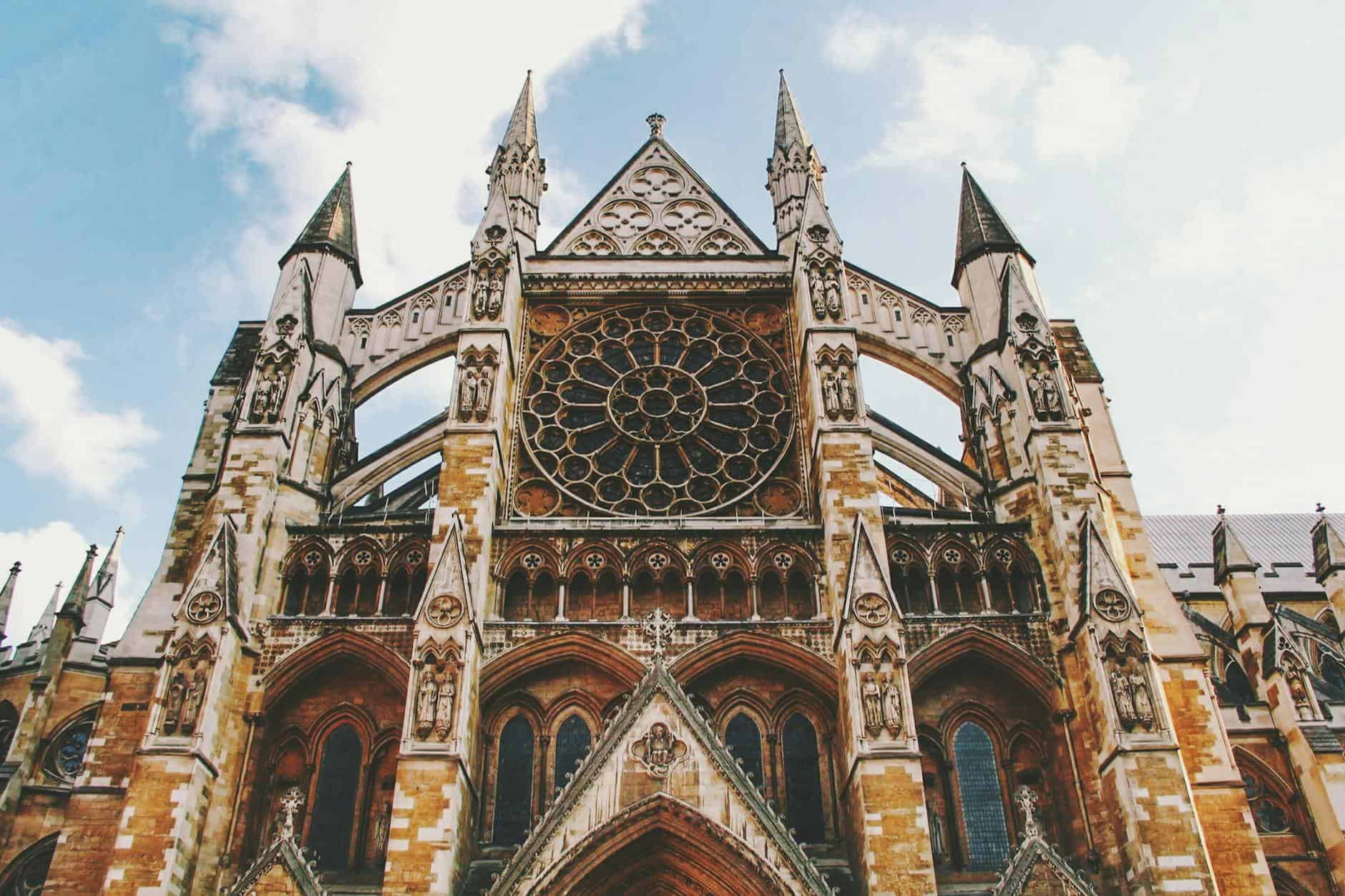
    Westminster Abbey and Palace History: A Thousand Years at the Center of British Power

    Introduction

    Westminster Abbey and the Palace of Westminster have stood for over a thousand years at the heart of British governance and spirituality, embodying centuries of history, tradition, and architectural brilliance. Originally a humble Benedictine monastery established in the 960s, Westminster Abbey evolved into a place of royal ceremonies, burials, and national significance. The adjacent Palace of Westminster, with its iconic Houses of Parliament, has similarly served as the political epicenter of the nation, housing generations of lawmakers who have shaped modern Britain. Together, these structures are not just impressive monuments; they are repositories of collective memory, reflecting the shifting tides of power, religion, and culture. This article explores the deep-seated history, architectural evolution, and the continuing relevance of Westminster Abbey and the Palace of Westminster in the context of British power and identity.

    The Origins of Westminster Abbey

    The origins of Westminster Abbey trace back to the 7th century when a small church was established on the site, and it has undergone remarkable transformations over the centuries. Originally built as a Benedictine monastery, the Abbey’s location was chosen for its proximity to the River Thames, providing both aesthetic beauty and practical access to transportation. However, the site gained prominence under King Edward the Confessor, who was instrumental in its expansion. Commissioned in 1042, the construction of the Abbey began in 1045, and it was consecrated in 1065, just a week before the king’s death.

    Edward envisioned the Abbey not only as a church but also as a royal mausoleum. His desire for a grand ecclesiastical structure paved the way for the subsequent Gothic masterpieces. The Abbey was intended to symbolize the sanctity of the monarchy, and it became the coronation site for subsequent monarchs, starting with William the Conqueror in 1066. The intertwining of church and state began here, marking Westminster Abbey as a pivotal institution in the consolidation of royal power.

    Throughout medieval England, Westminster Abbey’s significance grew. It served as a crucial venue for royal marriages, notable funerals, and political gatherings. With each royal event, the space transformed into a realm where political authority and divine right coalesced. By the 12th century, the Abbey had developed a reputation as a pilgrimage destination due to the relics of saints, and thus, it became a spiritual beacon amid political strife.

    The architecture of the Abbey reflects the evolution of styles from Romanesque to Gothic, capturing the essence of periods in English history. The transition to Gothic design in the 13th century, initiated under King Henry III, marked a significant architectural evolution. This transformation resulted in the magnificent nave and the intricate carvings and stained glass that we admire today. As the official church for the coronations of English monarchs, the roles played by Westminster Abbey in religious and royal ceremonies continued to elevate its status as a cultural symbol.

    stunning view of westminster abbey in london
    Westminster Abbey

    By the mid-19th century, the Abbey’s role further expanded with the establishment of various memorials and significant tombs for notable figures from various fields—ranging from politics and science to arts and literature. The Poets’ Corner became a hallowed ground for authors, offering a microcosm of British cultural history. Writers like Charles Dickens and Geoffrey Chaucer are memorialized within its walls, underscoring the Abbey’s role not just as a sacred site, but also as a cathedral of national heritage.

    Through the centuries, Westminster Abbey has not simply served as a witness to history; it has actively shaped it. The interplay between the monarchy and the Abbey has left a formidable legacy, making the site a cornerstone of British identity. The events and individuals associated with this hallowed institution reveal a significant narrative that intertwines with the socio-political landscape of England, illustrating how a structure can simultaneously reflect and influence the course of a nation.

    The Architectural Evolution of the Abbey and Palace

    The architectural evolution of Westminster Abbey and the Palace of Westminster is a fascinating tale that mirrors the changing socio-political climate of England. Starting with Westminster Abbey, its construction initiated in the mid-11th century showcases the Romanesque style prevalent at that time. However, as architectural tastes evolved, particularly during the Gothic period, significant renovations and expansions embraced more elaborate designs, characterized by pointed arches, flying buttresses, and intricate stained-glass windows.

    King Henry III commissioned a redesign in the 13th century, emphasizing the Gothic style that we see today. This transformation introduced elements such as the stunning vaulted ceilings and ornate embellishments that depict scenes from biblical stories. The Abbey became a visual representation of the divine authority bestowed upon the monarchy, capturing the grandeur intended by Henry III. Each feature of the Abbey tells a story, from the tombs of revered monarchs to the intricate details that adorn nave and chapels.

    Adjacent to the Abbey, the Palace of Westminster has undergone a tumultuous journey marked by fire and political upheaval. Originally established as a royal residence in the 11th century, the Palace transitioned into a center for political activity as the seat of Parliament. The palace witnessed a series of architectural renovations, particularly throughout the 13th and 14th centuries, including the iconic Westminster Hall, which remains one of the oldest parts of the building.

    The great fire of 1834 profoundly impacted the Palace’s architectural narrative, leading to a comprehensive reconstruction. The outcome, designed by architect Charles Barry and his assistant Augustus Pugin, embraced the Gothic Revival style, creating an imposing structure characterized by its stunning towers, such as the famous Elizabeth Tower, housing the famed Big Ben. These changes symbolized a return to traditional forms, paralleling the Victorian era’s interest in national identity and historical heritage.

    city view at london
    The Palace of Westminster, London

    Both the Abbey and Palace serve not merely as functional spaces but as grand statements of power. The rich tapestry of styles illustrates the way architecture adapts to reflect contemporary values. The Abbey’s diverse elements—in which one can observe Romanesque influence morphed into elaborate Gothic forms—exemplify a dialogue between sacred and political life.

    Today, both sites are not only recognized for their architectural beauty but are also significant tourist attractions, drawing millions who wish to explore the grandeur encapsulated in stone. The meticulously preserved details and thoughtful restorations continue to echo the historical narrative, allowing each visitor to walk through a living testament to British history, culture, and architectural prowess.

    The Role of Westminster in the British Monarchy

    Westminster Abbey and the Palace of Westminster are inextricably linked to the British monarchy, serving as the backdrop for pivotal events that shape the nation’s history. The Abbey has been the principal venue for royal ceremonies since its consecration, with coronations, weddings, and funerals deeply embedded in its fabric. This connection signifies the intertwining of religious and royal authority, providing a tangible link between the divine and the regal.

    The tradition of coronations dates back to William the Conqueror in 1066, affirming the Abbey’s status as a sacred site for royal ascension. Each coronation ceremony entails elaborate rituals steeped in tradition, reflecting not just the significance of the role of the monarch but also the cultural customs and values of Britain. The coronation chair, known as King Edward’s Chair, is a symbolic piece that has witnessed the crowning of nearly every monarch since the medieval period. Within the confines of the Abbey, each royal figure pledges to uphold the faith and serve the people, emphasizing the monarch’s role as a divinely ordained authority.

    The weddings of numerous royals have also taken place at Westminster Abbey, from the grand nuptials of Queen Victoria to the modern ceremony of Prince William and Catherine Middleton. These events not only captivate public attention but foster a sense of unity among citizens, celebrating shared national identity. Moreover, royal funerals held at the Abbey represent profound moments of public mourning while honoring the legacy of the deceased monarchs. The altars and memorials within the Abbey bear witness to this deep-seated connection, creating a sacred space where history reverberates with each ceremonial event.

    As the seat of Parliament, Westminster Palace embodies the political dimensions of the monarchy. From the Magna Carta to the establishment of constitutional monarchy, the building has been the venue for pivotal discussions and legislation that reflect the ever-evolving relationship between the monarchy and government. The monarch’s opening of Parliament each year is a traditional event that serves as a reminder of royal authority while also illustrating constitutional boundaries. It encapsulates the balance of power, where the monarch’s presence is a sign of unity and continuity.

    iconic view of big ben and houses of parliament in london
    Photo by Daniel Reynaga on Pexels.com

    The modern monarchy strives to adapt to contemporary values while maintaining ties to its historical roots. In recent years, the role of the monarchy has been scrutinized, and Westminster’s significance as a historical site remains crucial to understanding the evolution of royal authority and public perception. Encapsulated within these walls are tales of triumph and conflict, reverberating through time and contributing to the legacy of the British monarchy.

    In the context of today’s global society, the monarchy at Westminster stands as a symbol of stability and tradition amid change. While reform and modernization are essential, the historical significance embedded within the Abbey and Palace ensures that the monarchy remains a vital thread in the tapestry of British identity. The interplay between the sacred and secular encapsulated in Westminster provides a unique lens through which to understand the evolving nature of monarchy and power in Britain.

    Key Historical Events Associated with Westminster

    Westminster Abbey and the Palace of Westminster are intrinsic to the narrative of British history, having hosted numerous key events that resonate to this day. From solemn funerals to groundbreaking agreements, the history unfolded within these walls tells a story of a nation in evolution.

    One significant historical event is the signing of the Magna Carta in 1215, which, although not performed at Westminster itself, was developed under the watchful eye of the monarchy, illustrating the complex relationship between power and governance. The repercussions of this document laid the foundation for modern democracy and transformed the perception of the monarchy’s role in governance. The notion that a monarch is not above the law began here, paving the way for the rights and liberties enjoyed by citizens today.

    Moreover, the Abbey stood as the venue for the funeral and commemoration of notable figures, marking key moments in England’s social and political landscape. The state funeral of Sir Winston Churchill held there in 1965 epitomized the nation’s respect for its leaders and served as a focal point for collective mourning. Such functions bind citizens to their leaders, reinforcing the relationship between the monarchy and the people.

    The Palace of Westminster has also been the site of various debates and votes that have fundamentally altered British society. The Parliament Act of 1911 significantly shifted the balance of power between the Houses of Parliament, diminishing the House of Lords’s powers in law-making. This landmark event symbolizes the gradual emergence of democracy and popular governance, moving power from the elite toward the public. In this context, the discussions and decisions made within those venerable walls echo through generations.

    Furthermore, the events leading up to and following the English Civil War in the 17th century serve as another touchstone of historical significance. Tensions between Parliament and the monarchy culminated in a conflict that questioned the very foundation of governance in England. The trial and execution of King Charles I in 1649 marked the fall of royal absolutism, resulting in a brief republican experiment led by Oliver Cromwell. The implications of this conflict were far-reaching, reshaping the political landscape and setting the stage for future constitutional developments.

    The shift in the British constitution over the years is emblematic of Westminster’s adaptation to political needs and public sentiment. The Parliament buildings bear witness to protests and discussions that reflect societal changes, including movements advocating for women’s suffrage and civil rights. These progressive narratives have led to meaningful reforms that resonate today, contributing to the ongoing evolution of British democracy.

    Today, Westminster continues to be a focal point for national discussion and legislation, weaving its historical legacy into modern governance. As events unfold within its walls, each encounter shapes the future while paying homage to its past. The Abbey and the Palace are more than just structures; they serve as the lifeblood of British history, encapsulating lessons learned and victories achieved along the journey toward establishing a more democratic society. Ultimately, the threads of history that run through Westminster remain a beacon for future generations, reminding us of the ever-evolving story of a nation.

    The Abbey’s Cultural and National Significance Today

    The cultural and national significance of Westminster Abbey today transcends its historical roots, reflecting contemporary British identity and the country’s ongoing evolution. As a UNESCO World Heritage site, the Abbey is recognized not only for its architectural magnificence but also for its representation of British heritage, spirituality, and cultural continuity. It plays a pivotal role in the national consciousness, symbolizing unity and history amidst a rapidly changing world.

    Westminster Abbey attracts millions of visitors each year, serving as a living museum that educates people about the breadth of British history and culture. Tourists flock to admire its grandeur, pay homage to influential historical figures, and experience a connection to the past. The Abbey’s dual role as a site of worship and a tourist destination allows it to maintain relevance while fostering a deep appreciation for England’s cultural heritage. The presence of significant tombs and memorials—ranging from notable poets in Poets’ Corner to statesmen such as Sir Isaac Newton—showcases the impact of individuals who have contributed to the fabric of British society.

    Moreover, the Abbey remains central to national celebrations and commemorations, perpetuating a sense of belonging among its visitors. Major events like royal weddings and state funerals capture the public’s imagination and serve as focal points for national pride. These ceremonies create a shared identity, bringing together people from diverse backgrounds in collective remembrance of their history and heritage. The sound of hymns echoing through the Abbey during services resonates with tradition, encapsulating the spiritual essence that continues to thrive within its walls.

    In addition to its role in historical commemorations, the Abbey engages with contemporary issues, seeking to remain pertinent in discussions surrounding social justice, peace, and reconciliation. With a commitment to fostering dialogue, it often opens its doors to conversations about critical societal topics, creating a space where faith, ethics, and public policy intersect. As societies grapple with complexities, Westminster Abbey stands as a beacon of moral guidance, providing a framework for understanding challenging issues in light of historical context.

    The Abbey also collaborates with various educational programs aimed at fostering cultural understanding and cohesion. Hosting talks, exhibitions, and outreach initiatives, it reaches communities beyond its immediate vicinity. Through these efforts, Westminster Abbey strives to bridge the gap between history and modernity, reminding people that while we honor our past, there is still work to be done in shaping an inclusive future.

    Culturally, Westminster Abbey embodies the literary and artistic spirit of Britain. The involvement of prominent artists and composers over the years further underlines the Abbey’s significance as a hub of artistic expression. Events like poetry readings and concerts hosted within its grand spaces invite artistic exploration, allowing the Abbey to transcend its traditional boundaries and become a place for cultural engagement.

    In conclusion, Westminster Abbey plays a multifaceted role within British society, serving as a touchstone of history while embracing contemporary relevance. Its integration into national life—through worship, celebration, and education—ensures that it remains a living entity, reflective of the values and aspirations of the nation. The Abbey is not merely a monument; it is a custodian of stories and a symbol of continuity, inviting both respectful remembrance and meaningful dialogue as Britain navigates its future.

    Conclusion

    In summary, Westminster Abbey and the Palace of Westminster are emblematic structures that capture the rich tapestry of British history and culture. Through their architecture, royal ceremonies, and pivotal historical events, they have become repositories of national identity, reflecting the evolution of governance, spirituality, and public sentiment. The Abbey’s origins and its architectural transitions reveal how deeply intertwined church and state have been, while the role of the Palace as the seat of power underscores the dynamic nature of British democracy.

    Over the centuries, Westminster has stood witness to moments of joy and sorrow, triumph and turmoil, each event contributing to the collective memory of the nation. As these landmarks continue to evolve, they adapt to contemporary societal changes while preserving their historical significance. Today, Westminster Abbey and the Palace of Westminster are not only tourist attractions but also functioning institutions that engage with the public, fostering cultural dialogue and understanding.

    Ultimately, the legacy of Westminster is one that endures, serving as a reminder of the past while inspiring future generations to reflect on the complex relationship between power, culture, and identity. These sites are vital to understanding the continuity of British heritage, and they will continue to resonate in the hearts and minds of those who walk through their storied halls.

    Westminster Abbey: Uncovering Henry III’s Sacristy | Video

    Westminster Abbey: Uncovering Henry III’s Sacristy | Time Team
  • Mtskheta History: Exploring the Sacred Heart of Georgian Civilization
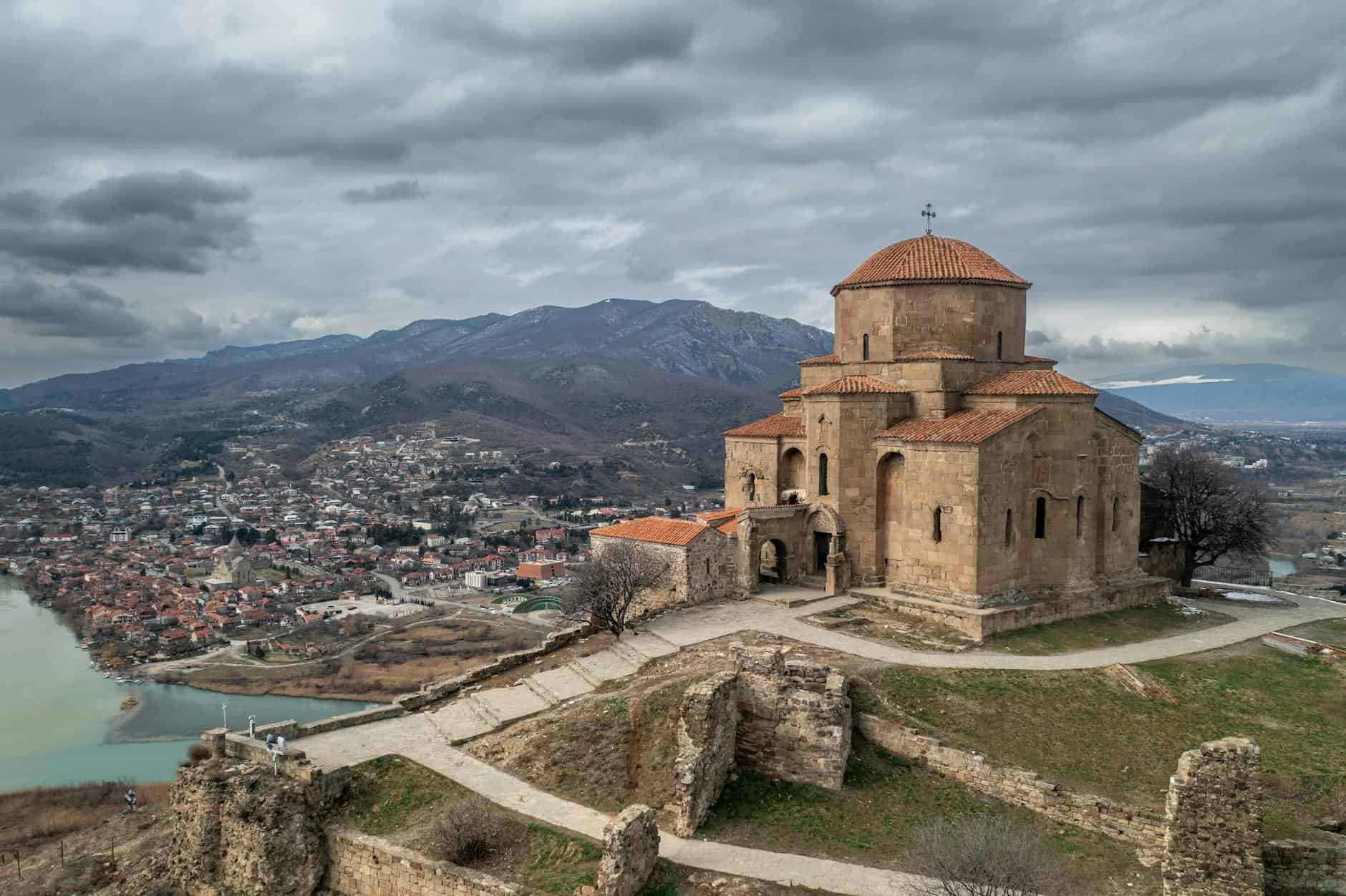
    Mtskheta History: Exploring the Sacred Heart of Georgian Civilization

    Introduction

    Mtskheta, one of the oldest continuously inhabited cities in the world, is a treasure trove of history, culture, and spirituality. Located at the confluence of the Aragvi and Mtkvari rivers, this ancient capital of Georgia is steeped in tales that date back to the early days of human civilization. Mtskheta’s significance spans centuries, playing a crucial role in the religious and political landscape of Georgia. The city is perhaps most renowned for the magnificent Svetitskhoveli Cathedral, a UNESCO World Heritage site and a spiritual heart of the Georgian Orthodox Church. This article explores the rich tapestry of Mtskheta history, the architectural grandeur of Svetitskhoveli, the city’s cultural heritage, its religious importance, and how the modern Mtskheta reflects its storied past while adapting to present-day dynamics.

    Historical Overview of Mtskheta

    Mtskheta’s history is a chronicle of resilience, leadership, and cultural development. As the ancient capital of the Kingdom of Iberia (or Eastern Georgia), which existed from the 4th century BC to the 5th century AD, Mtskheta was a pivotal center of governance and trade. Its strategic position at the crossroads of important trade routes made it a melting pot of diverse cultures and influences. Historical accounts point to Mtskheta as one of the vital hubs where the East met the West, promoting the exchange of ideas, art, and commerce.

    The city’s archaeological sites reveal layers of human habitation and civilization, with evidence of settlements dating back to the 3rd millennium BC. The rich findings include ancient burial mounds, pottery, and tools, highlighting the area’s long-standing significance as a site of human activity. The citadel of Mtskheta, built atop a nearby hill, served as a fortification, protecting the city from invasions while also symbolizing the power and authority of local rulers.

    In the early centuries of the Common Era, Mtskheta became an essential center for Christianity. Traditionally, it is believed to be the place where Saint Nino preached and converted King Mirian III of Iberia to Christianity in the early 4th century, marking a pivotal moment in Georgian history. This conversion laid the groundwork for Georgia’s adoption of Christianity as the state religion in 337 AD, transforming the cultural and spiritual landscape of the region.

    Beyond its religious transformation, Mtskheta served as a political hub during various dynasties, including the early medieval period when it was integral to the formation of the Georgian kingdom. The city’s prominence continued through the Middle Ages, with the construction of important architectural structures. Several ruling dynasties chose Mtskheta as their capital, reinforcing its status in the regional hierarchy.

    As invasions occurred throughout the centuries, Mtskheta faced challenges. The Persian, Arab, and Mongol invasions impacted the city’s development, but it consistently emerged resilient. Architectural relics from these periods reflect cultural exchanges and influences from various conquerors and settlers. This historical ebb and flow of power and culture gives Mtskheta a complexity that makes it a vital part of Georgia’s national identity.

    svetiskhoveli cathedral in georgia
    Svetitskhoveli Cathedral, Mtskheta, Georgia

    By the late 19th and early 20th centuries, Mtskheta began to attract attention from scholars, tourists, and pilgrims interested in its historical and religious significance. This renewed interest led to restoration efforts and investments in preserving its cultural heritage. Today, Mtskheta is a UNESCO World Heritage site, a testament to its historical importance and cultural richness.

    The fascinating history of Mtskheta unfolds a narrative of a city that has been at the forefront of Georgia’s cultural, religious, and political evolution. Each stone, monument, and archaeological find tells a story of the past, offering insights into the lives and beliefs of those who walked its ancient streets. Through this exploration, Mtskheta continues to captivate visitors, scholars, and residents alike, bridging the past with the present.

    The Significance of the Svetitskhoveli Cathedral

    Svetitskhoveli Cathedral, known as the “Living Pillar,” is one of the most revered religious sites in Georgia and an architectural marvel of the medieval period. It stands as a symbol of faith and resilience, embodying the spirit of the Georgian people. The cathedral’s significance extends beyond its religious role; it is also an essential part of Georgian national identity and a showcase of the country’s rich history and artistic heritage.

    The construction of Svetitskhoveli began in the early 11th century, replacing earlier churches that had occupied the same site. The current structure, built under the orders of King David IV, represents a stunning example of Georgian architecture and serves as a historic echo of earlier Christian traditions. The cathedral is designed in a cruciform layout with a high dome, featuring intricate frescoes, sculptures, and stone carvings that reflect the artistic prowess of the era. Its design incorporates elements of Byzantine architecture while showcasing unique Georgian techniques and styles.

    aerial view of historical svetitskhoveli cathedral
    Svetitskhoveli Cathedral

    One of the primary reasons Svetitskhoveli holds such significance is its association with the legendary story of Christ’s robe. According to Georgian tradition, when Christ was crucified, His robe was brought to Mtskheta, where it was buried, turning the location into a sacred site. This tale has cemented the cathedral’s place in the hearts of Georgians, drawing pilgrims and visitors from around the world. The building’s name, “Svetitskhoveli,” translates to “the pillar that gives life,” emphasizing its role as a source of spiritual nourishment for believers.

    The interior of Svetitskhoveli is adorned with stunning mosaics depicting biblical scenes, saints, and important figures in Georgian history. The grandeur of the nave is flanked by extensive frescoes that date back centuries, depicting not only religious themes but also the daily lives of the Georgian people throughout history. These artistic elements provide insight into the cultural values, beliefs, and historical events that shaped Georgian society.

    Centrally located in Mtskheta, Svetitskhoveli has been a place for significant national ceremonies, including coronations and other vital events that shaped the nation’s history. Its role as a spiritual center has made it a gathering place for the faithful, fostering community and dialogue among different generations of Georgians. The cathedral continues to function as an active house of worship, hosting religious services and ceremonies that connect the past to the present.

    In 2010, Svetitskhoveli Cathedral was inscribed as a UNESCO World Heritage Site, recognizing its outstanding universal value as a monument of cultural heritage. This designation has increased awareness and appreciation for the cathedral’s artistic and architectural significance and has inspired preservation efforts to ensure that future generations can continue to experience its beauty and importance.

    Through its architectural splendor and rich tradition, Svetitskhoveli Cathedral stands not only as a testament to the artistic achievements of the medieval period but also as a beacon of faith and cultural identity for the Georgian people. It embodies the spirit of Mtskheta, connecting the past with the present while continuing to inspire awe and reverence in those who visit.

    Cultural Heritage and UNESCO Status

    Mtskheta’s designation as a UNESCO World Heritage site highlights its invaluable cultural heritage and the need for its preservation for future generations. This recognition stems from Mtskheta’s unique historical narrative, showcasing the evolution of Georgian architecture, art, and spirituality. The city’s rich tapestry of cultural influences illustrates the convergence of various civilizations and religions over millennia, establishing Mtskheta as a significant cultural oasis in the region.

    The significance of Mtskheta’s cultural heritage is not solely limited to its monuments but extends to the living traditions, crafts, and practices of its people. The city’s historical role as a center of trade facilitated the exchange of artistic techniques and cultural practices, showcasing the diversity of Georgia’s historical tapestry. Artisans in Mtskheta have preserved traditional crafts, such as weaving, pottery, and metalwork, contributing to the city’s vibrant cultural landscape.

    Much of Mtskheta’s architectural heritage is exemplified in its churches, monasteries, and other religious buildings that dot the landscape. In addition to Svetitskhoveli Cathedral, the Jvari Monastery, perched on a hill overlooking the city, stands as another testament to the height of Georgian ecclesiastical architecture. Built in the 6th century, Jvari is celebrated for its striking design and panoramic views, symbolizing the introduction of Christianity in the region and serves as an emblem of Georgian national identity.

    UNESCO’s recognition of Mtskheta is vital for several reasons. It raises awareness about the importance of preserving the city’s unique cultural heritage and promotes sustainable tourism that respects and values local customs and traditions. Such attention leads to increased funding and support for restoration efforts, helping to safeguard both tangible and intangible cultural heritage from the threats of urbanization, neglect, or dilapidation.

    Moreover, Mtskheta serves as a living museum, where cultural heritage is not merely confined to historical artifacts but is actively practiced and celebrated by local communities. Festivals, religious ceremonies, and traditional events draw upon Mtskheta’s historical and cultural resources, inviting residents and visitors alike to engage in the city’s vibrant legacy.

    As part of UNESCO’s efforts, initiatives aimed at educating the local population about their heritage have been implemented, fostering a sense of pride and responsibility toward preserving the city’s cultural assets. This awareness promotes community involvement in conservation efforts, ensuring that the historical legacy of Mtskheta remains alive and relevant in a modern context.

    Mtskheta’s cultural heritage provides essential insights into the broader narrative of Georgia’s history, identity, and spirituality. The blending of architectural styles, the preservation of traditional crafts, and the continuation of vibrant cultural practices signify the city’s ongoing significance and resilience. As Mtskheta moves forward into the future, this heritage will continue to resonate, inspiring both locals and visitors to cherish and protect its unique legacy.

    The Role of Mtskheta in Georgian Orthodox Christianity

    Mtskheta’s pivotal role in Georgian Orthodox Christianity establishes it as a cornerstone of spiritual life in Georgia. The city has long been recognized as the birthplace of Christianity in the region, stemming from the momentous conversion of King Mirian III and subsequently his subjects in the early 4th century. This transformation marked a watershed moment, making Mtskheta the primary center for ecclesiastical authority and establishing a strong foundation for the development of the Georgian Orthodox Church.

    The city’s significance grew as it became the site of many crucial religious events and milestones. Svetitskhoveli Cathedral, as previously mentioned, was built to honor the arrival of Christianity in Iberia, and it houses numerous relics associated with the faith, making it a pilgrimage site for devout believers. The cathedral is home to the tomb of Saint Mchedlthe Orthodox patron saint of Georgia, further cementing its importance as a pilgrimage destination.

    Mtskheta became a vibrant hub for religious education and training, where seminarians and clergy gathered to study and develop their theological understanding. This role fostered a strong scholarly tradition, contributing to the formulation of Georgian Orthodox doctrines and practices. The city’s monasteries, such as the ancient Shio-Mgvime Monastery and Samtavro Monastery, played an instrumental role in nurturing the next generation of clergy and preserving sacred texts, art, and liturgies.

    fresco of jesus christ in svetitskhoveli cathedral in georgia
    Svetitskhoveli Cathedral

    The spiritual vitality of Mtskheta is also reflected in the numerous festivals celebrated throughout the year, marking significant milestones in the Christian calendar. These events draw thousands of pilgrims, who gather to participate in religious rituals, processions, and communal prayers, reinforcing the sense of community and shared faith within the Georgian Orthodox tradition. The city’s streets come alive with folk music, dance, and traditional cuisine during such festivals, blending spirituality with cultural expression.

    In addition to its religious role, Mtskheta has been an essential player in fostering national unity and identity through faith. The Georgian Orthodox Church has consistently served as a unifying force amidst historical challenges, such as invasions and occupations. Mtskheta’s significance is further amplified by its connection to historical figures who shaped the Georgian church and state, including Saints Nino, Andrew, and others revered for their contributions to spreading Christianity and establishing ecclesiastical traditions in the region.

    Mtskheta has also fostered ecumenical dialogue, promoting understanding and cooperation between different Christian denominations and fostering respect for diverse beliefs and practices. Its religious leaders have often played a mediating role in times of political or social tension, offering moral guidance and fostering reconciliation.

    As modernity continues to shape the world, Mtskheta remains steadfast in its commitment to preserving its spiritual heritage, blending ancient traditions with contemporary practices. The city continues to welcome pilgrims and visitors, further solidifying its role as a beacon of faith and spirituality within the broader framework of Georgia’s national identity.

    Modern-Day Mtskheta: A Fusion of History and Culture

    Today, Mtskheta stands as a testament to the interplay between history and contemporary life. The city has embraced modernity while maintaining a deep respect for its rich heritage, creating an environment where the past coexists with the present. As a popular destination for tourists and pilgrims alike, Mtskheta showcases Georgia’s unique cultural fabric and offers opportunities for visitors to engage with its historical narrative.

    The influx of tourists has highlighted Mtskheta’s importance as a cultural and economic hub, resulting in developments aimed at improving infrastructure and amenities. Local businesses, artisans, and craftsmen have flourished, providing visitors with traditional Georgian products, crafts, and culinary experiences that reflect the city’s history. This fusion allows locals to share their culture while fostering economic growth and sustainability.

    Modern Mtskheta has also adopted inclusive approaches to cultural preservation, engaging in community initiatives that celebrate traditional customs and practices. Festivals and events organized by local authorities resonate with the city’s historical narrative, drawing townsfolk and visitors together. These gatherings strengthen communal ties and foster spirit while showcasing the vibrant cultural expressions that have emerged over centuries.

    Furthermore, educational institutions and organizations have sprung up, aiming to promote awareness and appreciation of Mtskheta’s heritage among younger generations. Programs focused on historical studies, art, and ecology emphasize the significance of safeguarding the city’s cultural resources. Initiatives that encourage engagement with local history enhance the city’s capacity to cultivate future custodians of its heritage.

    Preserving the aesthetics and historical integrity of the Mtskheta landscape is also essential in contemporary planning. Efforts have been made to ensure that new constructions harmonize with the existing architectural styles while providing modern conveniences. Strategic urban planning aims to merge modern functionality with historical preservation, ensuring that new developments do not detract from Mtskheta’s cultural essence.

    As a UNESCO World Heritage site, Mtskheta has also entered the global stage, attracting increased international interest and investment in its cultural preservation. This recognition emphasizes the importance of preserving and promoting the city’s rich heritage as a valuable cultural resource that speaks to humanity’s shared history.

    In summary, modern-day Mtskheta illustrates the enduring relationship between history and contemporary life. As the city navigates an ever-changing world, its commitment to preserving its cultural and spiritual heritage remains steadfast. Mtskheta continues to be a beacon of tradition, innovation, and resilience, fostering a deep appreciation for its historical narrative while forging connections with the future.

    Conclusion

    The rich history of Mtskheta and the grandeur of the Svetitskhoveli Cathedral encapsulate the essence of Georgia’s identity, reflecting its cultural heritage and spirituality. As one of the oldest continually inhabited cities in the world, Mtskheta serves not only as a historical landmark but also as a living testament to the resilience and vibrancy of Georgian culture. Through an exploration of its ancient past, religious significance, and active role in contemporary society, Mtskheta demonstrates the interconnectedness of history, faith, and the human experience.

    The cultural treasures of Mtskheta provide insights into generations of artistic and architectural achievements, while its religious sites continue to inspire devotion and foster communal ties. The preservation efforts supported by UNESCO status ensure that Mtskheta’s legacy endures for future generations, inviting them to witness its unique narrative and appreciate the intersection of tradition and modernity.

    As Mtskheta moves into an uncertain future, it stands as a model for other historical cities navigating the challenges of modernization while honoring their heritage. The city embraces its role as a historical and spiritual beacon, welcoming visitors from all corners of the globe to celebrate the shared legacy of human spirituality and creativity found within its ancient streets. Through continuous engagement and commitment to preserving its cultural identity, Mtskheta will undoubtedly remain a source of inspiration and reverence for generations to come.

    Exploring the Historical Monuments of Mtskheta, Georgia|Video

    Exploring the Historical Monuments of Mtskheta, Georgia

  • Jaipur History: Exploring the Pink City of Royal Palaces and Rajasthani Architecture
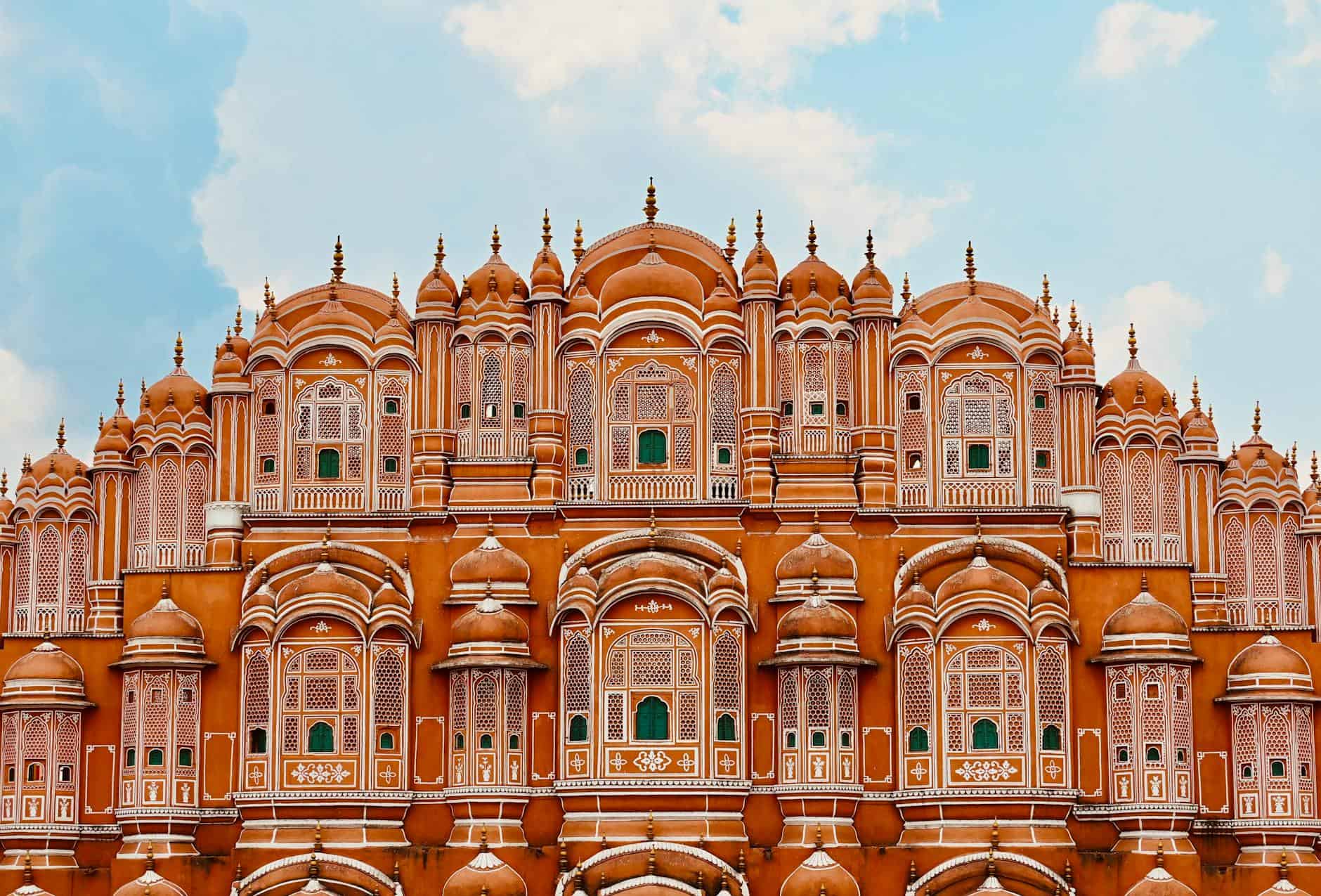
    Jaipur History: Exploring the Pink City of Royal Palaces and Rajasthani Architecture

    Introduction

    Jaipur, the capital city of Rajasthan, India, is renowned for its stunning architecture, rich history, and vibrant culture. Founded in 1727 by Maharaja Sawai Jai Singh II, this city, often referred to as the “Pink City,” is a brilliant amalgamation of the regal past and contemporary life. The unique pink-hued buildings are not just an aesthetic delight; they reflect a carefully executed city planning and architectural prowess. As a hub of Rajasthani culture and traditions, Jaipur offers a fascinating glimpse into the lives of ancient royals through its majestic forts and palaces. This article seeks to explore the deep-rooted Jaipur history, delving into its iconic structures, cultural festivals, and the modern vibrancy that makes it a popular tourist destination today.

    The Origins of Jaipur: A Historical Overview

    The history of Jaipur dates back to the early 18th century, with its establishment being a significant milestone in India’s architectural and urban landscape. Founded by Maharaja Sawai Jai Singh II, the city was built in accordance with the principles of Vastu Shastra, an ancient Indian science that dictates spatial arrangements to harmonize with nature. Before its establishment, the region was a part of the Kachwaha clan’s dominion, with the kings residing in Amber Fort, located just outside the newly planned city.

    Jaipur’s inception was largely driven by Maharaja Jai Singh II’s vision to create a meticulously structured city that would serve not only as a royal capital but also as a center for commerce and culture. With trade flourishing around that time due to the burgeoning Silk Route, he recognized the need for a city that could accommodate the increasing population and serve as a hub for economic activity.

    The planning of Jaipur was undertaken by the renowned architect Vidyadhar Bhattacharya. His design featured wide streets, meticulous zoning, and an efficient water supply system, which demonstrated advanced urban planning of the time. The city was laid out in a grid pattern, a stark contrast to the typically chaotic design of older Indian cities. The major streets were dedicated to different trades, allowing economic activities to thrive alongside residential areas.

    To honor the Maharaja and contribute to the city’s identity, the buildings were painted in a uniform shade of pink – a tradition that persists today and has earned Jaipur its nickname, “The Pink City.” The pink color symbolizes hospitality and was adopted to welcome the visit of the Prince of Wales in 1876, thereby solidifying the city’s reputation as a royal capital.

    During its early years, Jaipur became a cultural melting pot, reflecting the diverse influences of various communities that settled in the area. The city was not just a political center but also a bastion for arts and crafts, with traditional artisans continuing their skills in textiles, pottery, and jewelry. The economy flourished, allowing the royal family to sponsor art, music, and various cultural festivals, which laid the groundwork for an enduring cultural legacy.

    facade of the hawa mahal palace in jaipur india
    Facade of the Hawa Mahal Palace in Jaipur, India

    However, Jaipur’s history is not without its challenges. As with many regions in India, the city saw a decline during British colonial rule when political and economic structures transformed dramatically. The traditional modes of governance were replaced, affecting local leaders’ authority and community unity. Nevertheless, the resilience of Jaipur’s people and their attachment to their cultural heritage helped preserve the city’s architectural and historical significance.

    Post-independence, Jaipur embarked on a path of modernization while striving to maintain its historical essence. The city developed rapidly, welcoming tourists and establishing itself as a historical site to be explored, with a plethora of museums, galleries, and cultural exhibitions showcasing its rich heritage.

    The origins of Jaipur are inextricably linked to the vision of Maharaja Jai Singh II and the meticulous planning of his architects. The city continues to stand as a testament to the innovative spirit of its founders while embracing modernity. Today, the blend of history, art, architecture, and culture makes Jaipur a vibrant destination that captures the imagination of visitors from around the world.

    Architectural Wonders: The Palaces and Forts

    The architectural narrative of Jaipur is marked by majestic palaces and formidable forts, each telling a unique story of the city’s illustrious past. The most notable of these is the City Palace, which showcases a fascinating mix of Rajput and Mughal architectural styles. Constructed by Maharaja Sawai Jai Singh II, the palace complex was an evolving entity, as each successive ruler contributed to its embellishment. Within its sprawling grounds, museums house artifacts that depict Jaipur’s royal history, from intricately designed armaments to exquisite textiles.

    One cannot discuss Jaipur’s architecture without mentioning the iconic Hawa Mahal, or the “Palace of Winds.” With its unique façade adorned with 953 small windows, this architectural marvel was designed to allow royal women to observe street festivities without being seen. Built in 1799 by Maharaja Sawai Pratap Singh, the palace exemplifies the blend of functionality and aesthetics typical of Rajasthani architecture.

    amber fort in amer in india
    The Amer Fort, India

    Moreover, Amer Fort, located just outside the city, stands as a prime example of Rajput architecture. The fort, with its artistic blend of Hindu and Mughal designs, is characterized by its grand entrance, soaring walls, and beautiful gardens. Visitors traverse the fort’s intricate pathways, marveling at the grand Diwan-e-Aam (Hall of Public Audience) and the splendid Sheesh Mahal (Mirror Palace), which further illuminate the luxurious lifestyle of the Rajput kings.

    Other significant structures include the Nahargarh Fort, perched on the Aravalli hills, offering panoramic views of the city, and Jaigarh Fort, known for its colossal cannon and impressive military architecture. Together, these forts and palaces serve as a historical narrative, reflecting the grandeur and ingenuity of the Rajput era.

    Exploring the Cultural Heritage: Festivals and Traditions

    Jaipur’s rich cultural heritage is vividly expressed through its numerous festivals, which showcase the city’s vibrant traditions and the spirit of its people. Celebrations such as Diwali, Holi, and Teej are deeply intertwined with the local customs and reflect the religious diversity of the region. Diwali, the Festival of Lights, sees the entire city come alive with dazzling decorations and illuminated homes, while Holi, the Festival of Colors, witnesses an exuberant display of joy and camaraderie as residents and visitors partake in color-filled festivities.

    Additionally, Jaipur is famous for its traditional Rajasthani music and dance forms, which often take center stage during events and celebrations. From the graceful movements of Ghoomar dancers to the soulful renditions of folk songs, these performances offer a glimpse into the rich cultural tapestry of Rajasthan. The annual Jaipur Literature Festival draws literary enthusiasts worldwide, affirming the city’s role as a cultural hotspot.

    Culinary traditions are also an essential aspect of Jaipur’s culture. Local cuisine reflects the grandeur of Rajasthani royalty, featuring dishes such as Dal Baati Churma, Gatte ki Sabzi, and delectable sweets like Ghevar and Mohanthal. Street food, too, is integral to Jaipur’s culinary scene, with vendors serving mouthwatering snacks like Pyaaz Kachori and Chaat, enticing both locals and tourists alike.

    Traditional handicrafts play a significant role in preserving Jaipur’s cultural heritage. The city is renowned for its gemstone cutting and polishing, textile production, and the intricate art of block printing. Visitors can explore local bazaars, such as Johari Bazaar and Bapu Bazaar, where artisans display their craftsmanship, providing insight into the age-old traditions that continue to thrive.

    The Modern City: Jaipur Today

    Today, Jaipur stands as a thriving metropolis that seamlessly blends historical significance with contemporary advancements. The city’s growth has transformed it into a major administrative and educational center, fostering economic development while preserving its cultural identity. Modern infrastructure, with newly constructed roads, smart city initiatives, and public transport systems, reflects Jaipur’s commitment to progress.

    The city has also seen a surge in hospitality and tourism, with luxurious hotels and heritage properties catering to visitors seeking an authentic experience. The fusion of traditional Rajasthani hospitality with modern amenities ensures that both domestic and international tourists leave with memorable experiences. The Jaipur International Airport enhances connectivity, making the city accessible to travelers worldwide.

    Additionally, Jaipur has embraced technological advancements, with a burgeoning start-up ecosystem that encourages innovation and entrepreneurship. The city hosts numerous business incubation centers and co-working spaces aimed at nurturing new ventures, contributing to the local economy.

    facede of chandra mahal in jaipur
    Jaipur, India

    The blend of modernity and tradition is evident in various fields, including education. Jaipur boasts prestigious institutions contributing to the academic landscape, offering courses in arts, science, and technology. Initiatives aimed at promoting sustainability and environmental consciousness are also making waves, as local government and non-profit organizations promote green practices.

    Moreover, Jaipur’s status as a UNESCO World Heritage Site highlights the city’s commitment to preserving its historical integrity while moving forward. This recognition not only increases international tourism but also reinforces the importance of preserving the unique architectural styles and cultural traditions that define Jaipur.

    Tourism in Jaipur: Attractions and Travel Tips

    Jaipur’s allure as a tourist destination lies in its rich heritage, architectural wonders, and vibrant culture. Several attractions draw visitors from across the globe, including the majestic City Palace, the enigmatic Amer Fort, and the intricately designed Jantar Mantar, an astronomical observatory boasting a series of monumental instruments.

    Other notable spots include the Albert Hall Museum, showcasing an extensive collection of artifacts and art, and the vibrant market scene, where one can shop for traditional handicrafts, textiles, and jewelry. The heritage walk through the city’s old quarters provides an immersive experience, allowing visitors to appreciate the local lifestyle and soak in the city’s bustling atmosphere.

    When visiting Jaipur, it’s essential to embrace local customs and etiquette, which enhances the experience and fosters goodwill. Engaging with the locals not only enriches travel experiences but also facilitates a deeper understanding of the region’s culture. It is advisable to try local cuisine at authentic eateries to savor the true flavors of Rajasthani gastronomy.

    Travelers should plan their visit to coincide with prominent festivals to witness the city in its full vibrancy. Furthermore, understanding the climatic conditions is crucial; the best time to visit is during the winter months, from October to March, when the weather is pleasant.

    Conclusion

    Jaipur’s historical narrative and vibrant culture create an impressive canvas for exploration. The Pink City stands as a testament to the confluence of rich history, architectural brilliance, and a dynamic modern landscape. From its regal palaces and imposing forts to colorful festivals and thriving arts, Jaipur invites visitors to immerse themselves in its legacy and experience the magic of Rajasthan. Whether wandering through bustling bazaars or gazing at the stars from the ancient observatories, Jaipur promises an unforgettable journey through time.

    The city’s carefully planned layout, iconic pink sandstone façades, and masterful examples of Rajasthani architecture reflect a deep understanding of aesthetics, science, and governance. Landmarks such as the City Palace, Hawa Mahal, and Amber Fort reveal stories of royal ambition, cultural exchange, and artistic excellence. At the same time, Jaipur continues to evolve as a living city where tradition and modernity coexist harmoniously. By preserving its heritage while embracing contemporary life, Jaipur remains not only a historical treasure but also a vibrant cultural capital that continues to inspire travelers from around the world.

    The Untold History of Jaipur: Secrets of the Pink City Revealed Video

    The Untold History of Jaipur: Secrets of the Pink City Revealed
  • Rijksmuseum History: Inside Amsterdam’s Most Celebrated Museum

    Rijksmuseum History: Inside Amsterdam’s Most Celebrated Museum

    Introduction

    The Rijksmuseum, located in the heart of Amsterdam, stands as a testament to the rich artistic heritage of the Netherlands. Established in the early 19th century, this renowned museum has evolved into one of the most significant cultural institutions in the world. With its vast collections that encompass works from the Dutch Golden Age, including masterpieces by Rembrandt and Vermeer, the Rijksmuseum invites visitors to explore the depth of Dutch art and history. The museum is not just a repository of art; it is also a vibrant cultural hub that engages with the community and connects the past with the present. As the Rijksmuseum continues to innovate and expand its offerings, it remains firmly committed to its mission of making art accessible to all. This article delves into the fascinating Rijksmuseum history, exploring its origins, architectural transformations, remarkable collections, cultural significance, and future directions.

    The Origins of the Rijksmuseum

    The Rijksmuseum’s story begins in the early 19th century, when the need for a national museum in the Netherlands became apparent. Established in 1800 in The Hague during the existence of the Batavian Republic, the museum was initially named the “Nationale Kunstgalerij” (National Art Gallery). Its purpose was to house an extensive collection of artworks and historical objects that reflected the nation’s cultural identity.

    In 1808, King Louis Napoleon, the brother of Napoleon Bonaparte, commissioned a more central and permanent location for the museum, which resulted in its relocation to the newly constructed museum building in Amsterdam. However, it wasn’t until 1815 that the museum officially became known as the Rijksmuseum, a name that translates to “State Museum.” This name change marked the museum’s transformation into a royal institution dedicated to the preservation and exhibition of Dutch art and history.

    The early collections of the Rijksmuseum were modest, primarily consisting of works acquired from various national collections and individual donations. Key acquisitions included artworks from the Golden Age, with pieces by prominent artists such as Rembrandt, Frans Hals, and Jan Steen. The museum gradually built a reputation for showcasing the best of Dutch art, attracting both local and international visitors.

    As the 19th century progressed, the Rijksmuseum underwent significant changes in both its collection and vision. Under the directorship of figures like the influential curator and historian A. A. H. L. Mousset, the museum began to emphasize the importance of education and public access to the arts. This shift in focus led to the development of educational programs and exhibitions designed to engage a broader audience.

    The original building of the Rijksmuseum, known as the “Oude Rijksmuseum,” was not adequately equipped to handle the growing collection, leading to discussions about a new architectural vision for the museum. In 1885, the renowned architect Pierre Cuypers was commissioned to design a new building that would embody the grandeur of Dutch museum architecture while providing adequate space for the expanding collections.

    Cuypers’ design was inspired by Gothic and Renaissance styles, prominently featuring a stunning red-brick façade, large arched windows, and intricate detailing. The new Rijksmuseum was inaugurated in 1885, instantly becoming a symbol of national pride and cultural significance. This architectural masterpiece not only enhanced the museum’s ability to display its collections but also provided a rich historical context to the artworks within.

    During the early 20th century, the Rijksmuseum’s influence continued to grow, with significant acquisitions that enriched its already impressive collection. The museum began actively acquiring contemporary works and expanded its scope to include international art, thereby cementing its status as a central player in the global art scene. The impact of World War II on the museum was profound; many artworks were hidden or looted, and the museum’s premises suffered damages during the conflict.

    After the war, restoration efforts were implemented, and the museum was reestablished with a renewed focus on accessibility and education. The collaborative spirit of Dutch artists and curators flourished during this time, leading to innovative exhibitions and outreach programs aimed at engaging the public.

    Throughout its history, the Rijksmuseum has not only acted as a custodian of Dutch art but has also played a vital role in shaping the narrative of Dutch cultural identity. Its evolution—from a small national gallery to one of the most celebrated museums in the world—serves as a reflection of the dynamics of Dutch society and the ever-growing appreciation for art and history.

    Architectural Evolution and Renovations

    The architectural journey of the Rijksmuseum is as rich and layered as the collections it houses. When Pierre Cuypers designed the new Rijksmuseum, which opened in 1885, he intended not just to create a space for art, but an emblematic building that reflected Dutch national identity. Cuypers incorporated elements of Gothic architecture seamlessly with Renaissance influences, creating a structure that would capture the imagination of its visitors.

    The museum’s façade, adorned with intricate stone carvings, majestic towers, and vibrant stained glass windows, serves as an inviting entrance to its vast collections. The central atrium, with its grand staircase, is designed to echo the enlightenment ideals of public access to art. Visitors are greeted with a sense of grandeur that anticipates the treasures within. The iconic ‘I AMSTERDAM’ sign has become part of the museum’s identity and is a popular photo destination for tourists.

    As the years passed, it became clear that the museum required extensive renovations and expansions to accommodate its growing collection and to enhance the visitor experience. In 2003, a major renovation plan was set in motion, led by the architectural firm Cruz y Ortiz. This renovation aimed to modernize the museum while preserving its historical character. The project involved extensive restoration work on the façade, equipping the museum with state-of-the-art climate control and lighting systems to protect the delicate artworks.

    A significant addition to the museum was the creation of the new Asian Pavilion, which opened in 2012. This modern space was designed to showcase the museum’s extraordinary Asian collection, including ceramics, textiles, and paintings. The pavilion stands in stark contrast to the original structure, with its minimalist lines and expansive glass walls, allowing natural light to flood the space, enhancing the viewing experience. This juxtaposition of old and new reflects the Rijksmuseum’s commitment to continually evolve while respecting its historical roots.

    In 2013, the renovations culminated in a grand reopening that celebrated the museum’s rich heritage and modern advancements. The revitalized Rijksmuseum offered visitors a renewed sense of discovery and connection to art, enriched by cutting-edge technology, educational exhibits, and interactive displays. The museum reintroduced iconic pieces, such as Rembrandt’s “The Night Watch,” allowing visitors to experience these masterpieces in all their glory within a contemporary context.

    planters filled with tulips in the pond in front of rijksmuseum in amsterdam
    The Rijksmuseum, Amsterdam

    The integration of visitor-centric facilities, including a new café, shop, and improved access for individuals with disabilities, transformed the Rijksmuseum into a modern cultural hub. The museum now encourages visitors to interact with art, offering programs and workshops that appeal to diverse audiences.

    Moreover, during the architectural evolution of the Rijksmuseum, sustainability emerged as a guiding principle. The renovation incorporated eco-friendly practices and materials, aligning with global trends toward environmental responsibility in museum practices. This focus on sustainability involves not only minimizing the museum’s carbon footprint but also engaging the community in environmental initiatives.

    A hallmark of the Rijksmuseum’s architectural evolution is its ability to function as a bridge between the past and the present. Through careful restoration and innovation, the museum manages to remain relevant in a rapidly changing cultural landscape. The careful planning and execution of renovations reflect not only a desire to preserve artistic heritage but also a commitment to public service and education.

    The story of architectural evolution at the Rijksmuseum mirrors the journey of the Netherlands itself, transitioning from a narrative rooted in its illustrious past toward an inclusive future in which art continues to inspire and engage generations to come. As visitors ascend the grand staircase of the Rijksmuseum, they are stepping into a living history, where every corner tells a story of artistic endeavor, national pride, and a dynamic dialogue between eras.

    The Collection: Highlights and Masterpieces

    The Rijksmuseum is home to an extraordinary collection of artworks spanning over eight centuries, making it one of the most comprehensive repositories of Dutch art in the world. With more than one million objects in its collection, including paintings, sculptures, decorative arts, and historical artifacts, the museum tells the story of the Netherlands through its artistic heritage. The collection’s highlights are staggering, with a specific focus on the Dutch Golden Age, a period marked by unprecedented artistic achievement and cultural development.

    One of the most celebrated works in the collection is Rembrandt’s masterpiece, “The Night Watch,” painted in 1642. This monumental painting is renowned for its dramatic use of light and shadow, known as chiaroscuro, which imbues the figures with a sense of life and movement. “The Night Watch” not only represents a pivotal moment in the evolution of group portraiture but also serves as a symbol of Dutch identity, reflecting the pride and civic duty during the Golden Age. The museum’s meticulous efforts to restore and display this iconic work have made it an unmissable highlight for visitors.

    Another jewel in the Rijksmuseum’s crown is Johannes Vermeer’s “The Milkmaid,” painted around 1658. This quiet yet captivating depiction of a domestic scene captures the beauty of everyday life with incredible detail and a masterful use of light. Vermeer’s ability to create a sense of intimacy and tranquility in his paintings resonates deeply with audiences, making “The Milkmaid” an essential part of the museum’s narrative of Dutch art.

    The collection also features significant works by other masters of the Golden Age, such as Frans Hals, whose lively portraits showcase the vitality and personality of his subjects. Hals’ “The merry drinker” is a fine example of his ability to capture character and moment through spontaneous brushwork and vibrant colors. The variety of styles and subjects represented in the collection allows visitors a comprehensive view of the artistic trends that flourished during this period.

    In addition to Dutch artists, the Rijksmuseum also houses a remarkable selection of international works. The collection of Asian art, for example, includes exquisite Chinese ceramics, Japanese prints, and Indian miniatures, showcasing the Netherlands’ historical trade connections and cultural exchanges. The diversity of the collection speaks to the museum’s dedication to a comprehensive understanding of art history, engaging visitors with different cultural narratives.

    The decorative arts are also a crucial aspect of the museum’s collection, featuring intricate porcelain, furniture, and textiles that illustrate the craftsmanship and artistic innovation of the Netherlands. The imposing display of Dutch Delftware highlights the technical prowess of ceramic artists, while the lavish interiors of period rooms transport visitors back in time to experience the elegance of Dutch domestic life.

    As an educational institution, the Rijksmuseum is committed to making its collections accessible to a broad audience. Digital initiatives, such as virtual tours and online exhibitions, allow visitors from around the world to engage with the museum’s treasures. Additionally, the museum frequently organizes thematic exhibitions, workshops, and presentations that delve deeper into the stories behind its artworks, fostering a greater appreciation for both Dutch and global art.

    Furthermore, the Rijksmuseum emphasizes its role as a cultural ambassador by collaborating with other institutions, both nationally and internationally. These partnerships enable loan exchanges and traveling exhibitions, extending the reach of its collection and enhancing global dialogues through art.

    The importance of the Rijksmuseum’s collection extends beyond mere aesthetics; it serves as a preservation of history, memory, and identity. Each artwork encapsulates a unique story, reflecting the values and experiences of those who lived in tandem with these masterpieces. By engaging with the collection, visitors are invited to contemplate the narratives that shaped the Netherlands across centuries.

    In conclusion, the collection of the Rijksmuseum stands as a testimony to the artistic achievements of the Dutch people. With its astounding array of masterpieces and artifacts, the museum provides an immersive experience that allows visitors to explore the intricate tapestry of art and culture. As we delve deeper into the significance of each piece, the Rijksmuseum becomes a portal to understanding not only Dutch identity but the universal language of art itself.

    The Role of the Rijksmuseum in Dutch Culture

    The Rijksmuseum holds a pivotal role in the cultural landscape of the Netherlands, acting as a steward of artistic heritage and a catalyst for cultural dialogue. As one of the most important art institutions in the country, it not only preserves and exhibits a remarkable collection of artworks but also fosters a deep connection between art, history, and society.

    At the heart of the Rijksmuseum’s mission is the commitment to educate and inspire. The museum serves as a cultural hub, offering a plethora of programs designed to engage diverse audiences. Through guided tours, workshops, lectures, and interactive exhibits, the Rijksmuseum opens its doors to visitors of all ages, encouraging them to explore and appreciate the beauty and significance of art.

    The museum’s educational initiatives extend beyond its walls, engaging with schools, students, and communities across the country. Outreach programs invite schools to partner with the museum, providing students with opportunities to learn about art history, creativity, and critical thinking. These efforts help nurture a new generation of art enthusiasts and cultural advocates.

    Additionally, the Rijksmuseum plays a crucial role in promoting Dutch culture and identity on an international stage. Through traveling exhibitions, partnerships, and collaborations with institutions worldwide, the museum showcases the richness of Dutch artistic heritage to global audiences. The value of Dutch masterpieces, ranging from Golden Age paintings to contemporary installations, underscores the country’s ongoing contributions to the world of art.

    The impact of the Rijksmuseum is not confined to the realm of art; it also provokes conversations around broader cultural themes and societal issues. The museum often addresses topics such as identity, diversity, and inclusion, fostering discussions that resonate with contemporary audiences. By contextualizing historical artworks within present-day narratives, the Rijksmuseum invites visitors to reflect on the ongoing relevance of art and its capacity to inspire change.

    In the wake of global challenges, the museum has adapted its strategies to remain a vibrant community resource. Engaging with current events and societal movements, the Rijksmuseum seeks to be a platform for dialogue and understanding. Initiatives that champion inclusivity and representation exemplify the museum’s commitment to reflecting the complexity of contemporary society.

    rijksmuseum in amsterdam
    The Rijksmuseum, Amsterdam

    Moreover, the Rijksmuseum embraces modern technology to enhance visitor engagement and accessibility. Digital platforms, virtual exhibitions, and interactive multimedia installations provide new avenues for exploration and connection. By leveraging innovative tools, the museum invites visitors to experience art in dynamic ways, bridging traditional practices with contemporary advances.

    The museum’s role in Dutch culture is further exemplified by its dedication to conservation and preservation. The Rijksmuseum is not only responsible for displaying artworks but also for ensuring their longevity for future generations. The meticulous care taken in restoration and preservation efforts highlights the museum’s responsibility as a caretaker of cultural heritage.

    As a public institution, the Rijksmuseum encourages active participation from the community. Events such as exhibitions, festivals, and collaborations with local artists foster a sense of ownership and belonging among visitors. The museum aims to create an inclusive environment where art becomes a shared experience, enriching the lives of individuals from diverse backgrounds.

    Lastly, the Rijksmuseum’s presence contributes to Amsterdam’s status as a leading cultural destination, attracting millions of visitors each year. The city’s rich tapestry of art and culture is enhanced by the museum’s offerings, drawing tourists and locals alike to engage with its collections. The economic impact of the museum also translates to broader benefits for the community, supporting jobs, tourism, and local businesses.

    In conclusion, the Rijksmuseum is much more than a repository of art; it is a dynamic cultural institution that serves as a vital link between the past and the present. Its commitment to education, community engagement, and the promotion of Dutch culture solidifies its place at the forefront of the cultural landscape. As an essential part of the Netherlands’ identity, the Rijksmuseum invites all to explore the infinite stories and connections that art offers, enriching lives and inspiring future generations.

    Future Directions and Community Engagement

    As the Rijksmuseum looks ahead, it remains dedicated to evolving and adapting to meet the changing needs of society and art. The future directions of the museum are anchored in innovation, accessibility, and community engagement, all while honoring its deep-rooted legacy in Dutch art and culture.

    In an era where technology plays a pivotal role in shaping the cultural landscape, the Rijksmuseum is committed to leveraging digital platforms to enhance visitor experiences. Innovations in virtual reality and augmented reality are being explored as ways to create immersive experiences that allow visitors to engage with artworks in new and exciting ways. By developing digital exhibitions and virtual tours, the museum reaches a global audience, ensuring that art is accessible to all, regardless of geographical boundaries.

    The growing emphasis on sustainability is also central to the Rijksmuseum’s future vision. As conversations around climate change and environmental responsibility continue to gain momentum, the museum is taking proactive steps to implement eco-friendly practices within its operations. Initiatives focused on reducing energy consumption, minimizing waste, and promoting sustainable practices in exhibitions and programs reflect the museum’s commitment to being an environmentally responsible institution.

    In tandem with sustainability, the Rijksmuseum prioritizes diversity and inclusion as fundamental aspects of its future direction. It seeks to represent the multifaceted narratives of Dutch history and culture, providing platforms for underrepresented voices and perspectives. By collaborating with contemporary artists from diverse backgrounds, the museum aims to foster meaningful dialogues within its exhibitions and programs. This commitment ensures that the museum resonates with a wide range of audiences and reflects the complexity of society.

    Community engagement remains a cornerstone of the Rijksmuseum’s mission. The museum actively seeks to connect with local communities, enhancing its role as a cultural hub for all citizens. Programs designed to facilitate collaboration with local artists, cultural organizations, and schools serve to enrich the cultural landscape. The museum’s outreach initiatives not only foster creativity but also build lasting relationships with the community, ensuring a sense of ownership and pride in the institution.

    The Rijksmuseum also places a strong emphasis on lifelong learning, providing a diverse array of educational programs for audiences of all ages. From school partnerships to workshops for adults, the museum promotes critical thinking and creativity. By engaging with educators, the museum aims to develop resources that complement classroom learning, enabling students to explore art in a contextual and authentic way.

    painting on wall in rijksmuseum in amsterdam
    The Rijksmuseum, Amsterdam

    Furthermore, the museum’s commitment to enhancing the visitor experience includes the ongoing development of facilities and services. Upgrades to accessibility features, improved visitor amenities, and the incorporation of feedback from attendees reflect the museum’s dedication to providing an inclusive environment. Ensuring that all visitors feel welcome and can fully enjoy the collections is paramount to the Rijksmuseum’s efforts.

    The leadership at the Rijksmuseum is also focused on fostering interdisciplinary collaborations with institutions worldwide. Partnerships with museums, universities, and cultural organizations facilitate Share resources and research insights, leading to enhanced exhibitions, joint projects, and a broader exchange of ideas. These cooperative endeavors contribute to the global landscape of art and culture, amplifying the impact of Dutch heritage internationally.

    Finally, the future directions of the Rijksmuseum revolve around a commitment to reflection and growth. Understanding the evolving role of museums in society requires continual assessment and adaptation. Conducting research, engaging in dialogues with thought leaders, and staying attuned to the cultural zeitgeist enable the Rijksmuseum to remain relevant and impactful.

    In conclusion, the Rijksmuseum is poised for a future filled with possibilities. By embracing technology, sustainability, inclusion, and community engagement, it aims to ensure that art remains a living and vibrant part of society. As the museum transforms and evolves, it will continue to honor its rich legacy while opening new pathways for exploration and connection to the past and present. The Rijksmuseum stands as a beacon of inspiration, inviting all to engage with the transformative power of art and culture.

    Conclusion

    The Rijksmuseum is not just a museum, it is a living testament to the artistic achievements of the Netherlands and a crucial part of its cultural identity. From its humble beginnings as a national gallery to its status as a world-renowned institution, the museum’s journey reflects the richness of Dutch art and its evolution over time. Housing masterpieces by Rembrandt, Vermeer, and countless other artists, the Rijksmuseum offers visitors a profound insight into the nation’s Golden Age, as well as its social, political, and cultural transformations.

    Beyond its collections, the museum itself stands as an architectural symbol, blending historic grandeur with modern innovation following its extensive renovation. The Rijksmuseum continues to serve as a place of learning, inspiration, and reflection, connecting past generations with the present and future. By preserving and showcasing centuries of artistic expression, it reinforces the importance of cultural heritage in shaping national identity. Ultimately, the Rijksmuseum remains a cornerstone of Amsterdam and a must-visit destination, celebrating creativity, history, and the enduring power of art.

    A Night at the Rijksmuseum – Documentary Video

    A Night at the Rijksmuseum – Documentary
  • Martin Luther King Jr. Memorial History: A Monument to Justice and the Dream
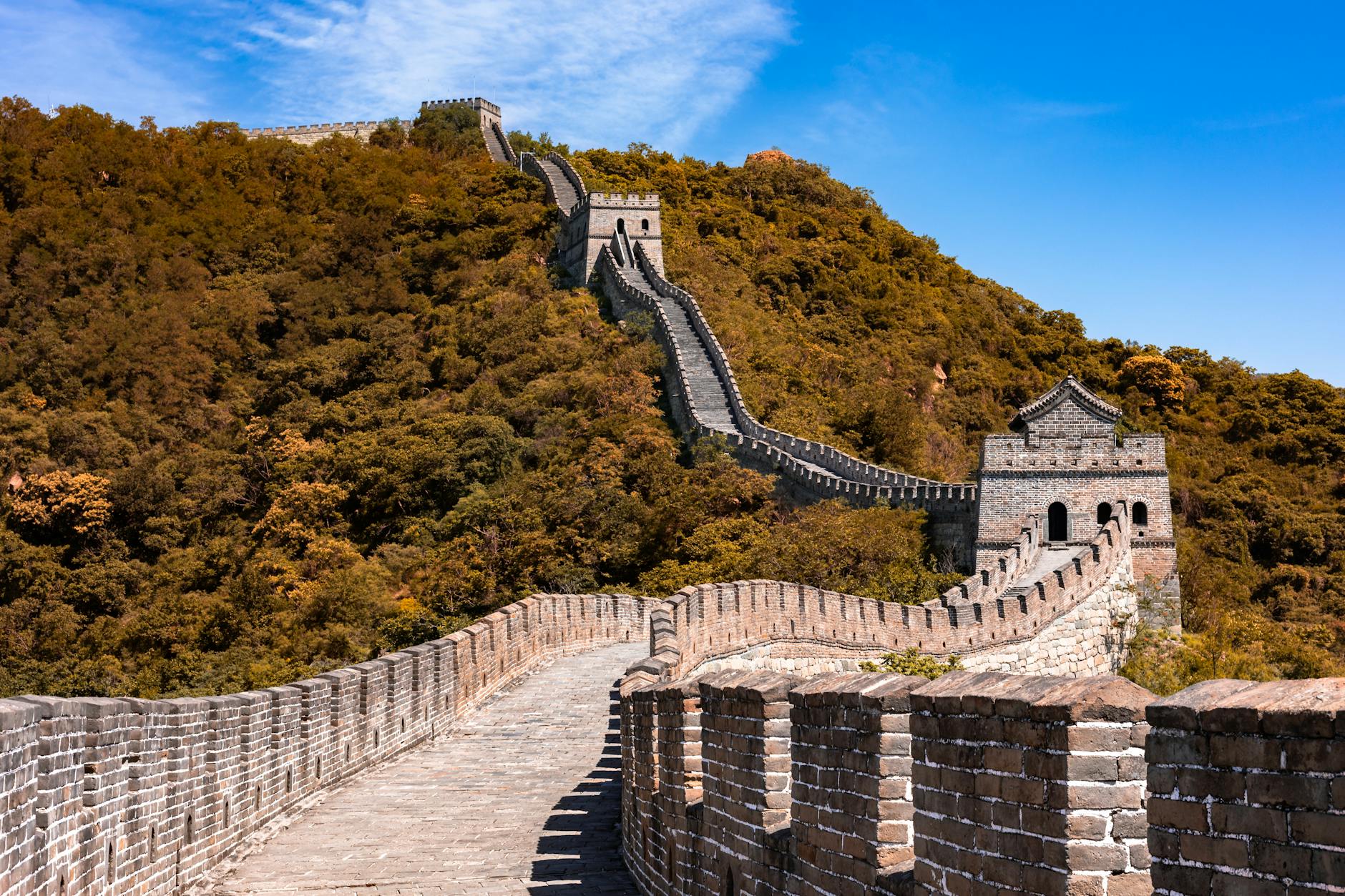
    Martin Luther King Jr. Memorial History: A Monument to Justice and the Dream

    Introduction

    The Martin Luther King Jr. Memorial in Washington, D.C., stands as a powerful tribute to the life and legacy of a man who dedicated his life to the pursuit of justice, equality, and the American Dream. Officially dedicated on October 16, 2011, the memorial not only commemorates Dr. King\’s tireless efforts in the civil rights movement but also reflects the values of hope, courage, and love that he championed. Designed by architect Roma Liñán and sculptor Lei Yixin, the memorial invites reflection and inspiration amidst its serene surroundings. It serves as a reminder of the struggles faced by countless individuals striving for civil rights while honoring Dr. King\’s vision of a society marked by peace and understanding. In this article, we will explore the history of the memorial, its significance, and the ongoing relevance of Dr. King\’s message in today\’s world.

    The Inspiration Behind the Memorial

    The inspiration for the Martin Luther King Jr. Memorial can be traced back to the late 20th century, as the United States grappled with its complex legacy of civil rights and racial inequality. Dr. King\’s relentless pursuit of justice during the 1950s and 1960s not only inspired a generation but also left an indelible mark on the nation\’s conscience. As the civil rights movement gained momentum, calls for a lasting tribute to King grew louder. In the final years of the 20th century, plans began to take shape.

    In 1996, Congress passed a bill to authorize the establishment of a memorial dedicated to King on the National Mall in Washington, D.C. This location was profoundly significant; the Mall has long been the site of many historical events, including the March on Washington in 1963, where King delivered his iconic \”I Have a Dream\” speech. The decision to place the memorial within this hallowed ground signified that King\’s message of equality and justice would be embedded in the very fabric of the nation.

    The selection process for the design of the memorial was rigorous. A national design competition was held, which attracted proposals from architects and artists from around the world. Ultimately, the design by Roma Liñán was chosen, reflecting a vision that emphasized Dr. King’s legacy while promoting values of unity and peace. The design featured a towering statue of King, a \”Stone of Hope,\” which emerges from a wall of granite, symbolizing both his strength and resilience. This metaphorical rising above obstacles served as a tribute to the way King rose above adversity in his tireless fight for civil rights.

    King’s life was characterized by a profound commitment to nonviolence and justice rooted in love, principles that the memorial embodies. His belief in the power of peaceful protest and dialogue was central to his identity, and it was paramount for the memorial to represent these core values. King\’s words and teachings are inscribed on the memorial, allowing visitors to connect directly with his message and reminding them of the ongoing struggle for civil rights.

    \"granite
    Martin Luther King Jr. Memorial

    Also crucial to the inspiration was the input from various stakeholders, including civic leaders, historians, and community organizations. Their advocacy ensured that the memorial would authentically represent King\’s work and impact, while also serving as an educational resource for future generations. To this end, meticulous attention was given to the memorial\’s architecture, landscape design, and educational elements, ensuring that it tells the full story of Dr. King’s life and legacy.

    The memorial is not merely a statue; it embodies the collective memory of those who fought alongside Dr. King. It serves as a gathering place for reflection, remembrance, and renewed commitment to justice. The dedication of the memorial in 2011 was attended by thousands, including prominent leaders and dignitaries who echoed Dr. King’s belief in equality and human rights. The event marked not just the inauguration of a monument but the reaffirmation of a collective dream.

    In establishing the memorial, America sought to confront its past while embracing the ideals that have shaped its future. The inspiration behind the Martin Luther King Jr. Memorial aligns with the ongoing quest for equality, ensuring that Dr. King\’s spirit continues to inspire activism and social justice initiatives today.

    The Design Process and Artistic Vision

    The design process for the Martin Luther King Jr. Memorial was an intricate collaboration involving architects, artists, civil rights leaders, and the wider community to encapsulate the essence of Dr. King\’s life, philosophy, and commitment to justice. The significance of the memorial demanded not only aesthetic consideration but also a deep understanding of King\’s enduring impact on American society. The process began with the establishment of the Martin Luther King Jr. National Memorial Project Foundation in 1996, following the passage of legislation by Congress. This foundation aimed to oversee the construction and ensure that the memorial accurately represented King\’s ideals.

    An international design competition was launched in 2000, inviting proposals from talented architects and artists worldwide. The selection criteria focused on how well the designs reflected King’s values, legacy, and vision for a just society. Among the hundreds of submissions, the design by Roma Liñán stood out for its powerful, yet graceful representation of King. Liñán\’s vision incorporated a towering central statue of King, standing at 30 feet tall, hewn from white granite sourced from China. This striking figure, titled the \”Stone of Hope,\” portrays King with arms crossed, exuding strength and serenity, while gazing towards the horizon, metaphorically inviting future generations to carry forward his dream.

    The choice of materials was highly symbolic, with the use of granite reflecting strength and permanence, emblematic of King\’s commitments to nonviolence and resilience. The \”Stone of Hope\” protrudes from a backdrop of rough-hewn granite, referred to as the \”Mountain of Despair,\” symbolizing the struggles and hardships faced by those pursuing civil rights. This duality underscores the urgency of the quest for social justice, suggesting that hope, while tangible, is often forged in the fires of adversity.

    The artistic vision behind the design also prioritized inclusivity, ensuring that the memorial is accessible and meaningful to diverse audiences. For this purpose, the layout of the memorial includes pathways and green spaces, encouraging visitors to contemplate and engage with the message. Surrounding the main statue, inscriptions of King\’s most significant quotes are etched into the stone walls, inviting reflection on his timeless wisdom and guiding principles. Key phrases from speeches such as \”I Have a Dream\” and those from his \”Letter from Birmingham Jail\” resonate throughout the memorial, echoing King’s unwavering commitment to justice, equality, and love.

    Throughout the design and construction phases, there was significant community involvement and consultation, particularly with civil rights leaders and organizations that had a vested interest in preserving King\’s legacy. Input from these groups ensured that the memorial would serve not only as an artistic tribute but also as an educational platform that could inspire future generations. Furthermore, the selection of the memorial’s location on the National Mall was intentional, symbolizing the heart of American democracy and civil rights.

    \"close
    Martin Luther King Jr. Memorial

    As construction progressed over the years, the design continued to evolve, reflecting feedback and adjustments to ensure that it encapsulated the complexity of King\’s life and the broad spectrum of the civil rights movement. The architectural vision, which integrated the \”Stone of Hope\” with the surrounding elements, ultimately presents a narrative of struggle, hope, and triumph. The design invites interaction, inspiring visitors to reflect on the past while considering their role in contributing to a just future.

    The memorial\’s dedication ceremony on October 16, 2011, was a moment of validation for all involved in the creation of this monument. It not only represented the culmination of years of effort but also reaffirmed the relevance of Dr. King’s message in contemporary society. The artistic vision of the memorial, encapsulated in its powerful design, now serves as an enduring reminder of King\’s legacy, encouraging all who visit to engage with his dream of justice and equality for all.

    The Symbolism of the Memorial

    The Martin Luther King Jr. Memorial is rich with symbolism that conveys the enduring legacy of Dr. King and the values he espoused throughout his life. Every element of the memorial has been meticulously crafted to evoke reflection on themes of justice, equality, and hope. At its center stands the remarkable \”Stone of Hope,\” which depicts Dr. King in a posture of strength and determination. The monument highlights his role as a leader, inspiring countless individuals to strive for civil rights and social justice.

    The choice of materials used in the memorial carries significant meaning. Crafted from white granite, the \”Stone of Hope\” symbolizes purity and hope, emphasizing King\’s belief in the transformative power of love and nonviolence. In contrast, the \”Mountain of Despair,\” from which he emerges, signifies the multitude of struggles faced by African Americans and other marginalized groups in their pursuit of freedom and equality. The interplay of these elements illustrates the duality of despair and hope, encapsulating King’s message that while the journey towards justice may be fraught with challenges, it is essential to remain steadfast in one’s convictions.

    The inscriptions on the memorial further enhance the symbolism it conveys. Key quotes from King\’s speeches and writings are etched into the granite walls, providing insight into his thoughts and aspirations. Phrases such as \”Out of the mountain of despair, a stone of hope\” encapsulate his belief in resilience and the possibility of achieving a better future. These inscriptions serve not only as a tribute to King’s words but also as a call to action for visitors to continue his fight for equality and justice.

    Moreover, the memorial\’s location holds profound significance. Situated on the Tidal Basin, in proximity to other monuments that honor pivotal figures in American history, the memorial connects Dr. King\’s legacy with the ongoing struggle for civil rights in the nation. The surrounding landscape, which includes cherry blossom trees, is symbolic of renewal and the cyclical nature of life, reinforcing the notion that while the pursuit of justice is challenging, it ultimately leads to growth and progress.

    The design and positioning of the memorial together create a contemplative space where visitors can reflect on the importance of Dr. King’s message in contemporary society. The powerful image of King facing the horizon invites individuals to contemplate their roles in shaping a more equitable future. The memorial serves as a reminder that the quest for justice is not only a historical endeavor but also a contemporary one, urging people to engage with the ideas of equality, nonviolence, and love that King exemplified.

    Additionally, the memorial acts as a focal point for public gatherings and demonstrations, allowing it to continue to serve as a platform for civil rights activism. Throughout the years, various movements have gathered at the site, using King\’s legacy as inspiration while drawing attention to ongoing issues affecting marginalized communities. This living nature of the memorial reinforces the concept that the fight for justice is far from over, encouraging new generations to advocate for change.

    In summary, the Martin Luther King Jr. Memorial stands as a profound symbol of hope, resilience, and a commitment to justice. Its carefully constructed elements, from the statue to the inscriptions, collectively honor King\’s legacy while simultaneously calling upon individuals to continue his work. It serves as an ever-relevant reminder of the ongoing struggle for equality and encourages visitors to reflect on their roles in advancing civil rights for all.

    The Impact of the Memorial on the Civil Rights Movement

    Since its dedication in 2011, the Martin Luther King Jr. Memorial has had a significant impact on the civil rights movement, serving as a symbol of unity and resilience in the ongoing fight for justice and equality. The memorial not only pays tribute to Dr. King\’s legacy but also acts as a rallying point for activists, providing a space for reflection, dialogue, and action against the injustices that persist in society today.

    The memorial has reinvigorated public discourse around civil rights issues, with its powerful imagery and inscriptions reminding us of the foundational principles that Dr. King advocated for during his lifetime. As visitors from around the globe come to pay their respects, they are inevitably drawn to the teachings and enduring messages contained within the memorial. This has led to increased awareness and renewed interest in Dr. King\’s philosophies of nonviolence, civil disobedience, and the importance of justice for all.

    For civil rights activists, the memorial serves as a physical embodiment of hope and inspiration that fosters collective action. It provides a backdrop for events, speeches, and programs that address contemporary issues such as racial inequality, police brutality, and socioeconomic disparities. Many organizations have utilized the memorial as a site for demonstrations, marches, and commemorative gatherings, invoking Dr. King\’s vision to advocate for change and mobilize communities engaged in the fight for civil rights.

    One notable instance of the memorial\’s impact occurred during the 50th anniversary of the March on Washington in 2013. Thousands gathered at the memorial, echoing the themes of Dr. King\’s original speech while emphasizing the ongoing struggles faced by marginalized groups. The event not only honored King’s legacy but also highlighted the significant work that remains to be done in achieving true equality. The memorial\’s presence during such commemorations illustrates its role as a touchstone for civil rights movement milestones.

    Beyond the immediate community of civil rights activists, the memorial has drawn attention from educators, scholars, and students seeking to better understand the historical context of the civil rights movement and its modern implications. Educational programs and initiatives centered around the memorial have emerged, inspiring discussions about social justice, activism, and critical engagement with current events. The memorial acts as an educational resource that encourages people to engage with Dr. King’s teachings and their relevance in addressing present-day issues.

    \"profile
    Martin Luther King Jr. Memorial

    The presence of the memorial also challenges individuals and institutions to reflect on their own roles in perpetuating or dismantling systems of injustice. By fostering a shared space for dialogue and connection, the memorial encourages individuals to confront societal inequalities and commit to collective action. This aligns with Dr. King’s belief in the power of individuals to create positive change through their actions.

    Moreover, the memorial has helped spur further artistic and cultural expressions related to civil rights. Artists, writers, and filmmakers have found inspiration in King\’s legacy, producing works that seek to inspire new generations to engage with the tenets of social justice he embodied. The memorial serves as a cultural artifact that contributes to this collective memory of activism and resistance, reminding people of the ongoing nature of the struggle for justice.

    In conclusion, the Martin Luther King Jr. Memorial has had a profound and lasting impact on the civil rights movement by serving as a powerful symbol of hope, resilience, and advocacy. It fosters community engagement and dialogue while reminding individuals of their potential to contribute to an equitable future. As a living monument to Dr. King\’s life and work, it continues to inspire and mobilize advocates for justice, reinforcing the importance of collective action in the ongoing pursuit of equality for all.

    The Legacy of Martin Luther King Jr. in Modern Times

    The legacy of Martin Luther King Jr. endures in modern times, resonating across generations and informing contemporary social justice movements. The values of equality, nonviolence, and love that King championed remain critical touchstones for individuals and organizations fighting against systemic injustice and inequality. The Martin Luther King Jr. Memorial serves as a permanent reminder of his contributions, but King\’s influence extends far beyond the physical monument; it is woven into the very fabric of current social issues and activism.

    In recent years, we have witnessed a resurgence of activism addressing racial inequality and social justice, recalling King\’s call for unity and awareness in tackling the challenges faced by marginalized communities. Movements such as Black Lives Matter have emerged, fueled by the values of compassion and justice that King espoused. These organizations draw upon King\’s teachings to advocate for systemic change, utilizing nonviolent protests and community engagement in their efforts to combat systemic racism and oppression.

    Moreover, in the context of social media and digital communication, King\’s legacy has found new manifestations. Activists leverage platforms to raise awareness, share information, and mobilize supporters around issues of civil rights and social justice. Quotes from King are commonly shared, and his ideals are frequently invoked to underscore the importance of inclusive dialogue and solidarity in addressing the challenges of our time.

    Education plays a significant role in preserving and promoting King’s legacy. Various programs, curricula, and initiatives dedicated to teaching his philosophies have emerged in schools and communities, fostering a new understanding of civil rights history and inspiring students to explore their agency as advocates for justice. By equipping the younger generation with knowledge about King’s ideas, we ensure that the essential messages of love, equality, and justice continue to resonate and inspire action.

    Kings’ legacy is further reflected in political discourse surrounding civil rights issues. Elected officials have invoked his name and teachings when addressing matters concerning equity in education, housing, and healthcare. The ongoing fight for legislation that promotes social justice initiatives is often framed within the context of King\’s vision for a more equitable society. This alignment emphasizes the continued relevance of his message and the necessity of advocating for policy changes that align with his values.

    Nonprofit organizations and community groups also strive to embody King\’s vision through their missions and programs. Many focus on issues such as education, economic opportunity, healthcare access, and the fight against discrimination, working collaboratively to dismantle systemic barriers that affect marginalized communities. In this way, King\’s legacy becomes a guiding force, informing current efforts to promote equality and social justice.

    However, the preservation of King\’s legacy faces challenges. As social issues evolve, it becomes essential to critically engage with his teachings and adapt them to today\’s context. This necessitates a deeper examination of current inequalities and an understanding that King\’s dream of a just society requires ongoing effort, dialogue, and commitment. As youth activists push for change, they often reinterpreted King\’s messages, applying them to contemporary issues such as climate justice, gender inequality, and immigrant rights.

    In conclusion, Martin Luther King Jr.\’s legacy in modern times is characterized by its profound impact on social justice movements and its integration into contemporary dialogue surrounding equality and justice. His teachings continue to inspire individuals and organizations working tirelessly to create a more equitable society, reflecting the urgent need for unity, compassion, and advocacy. The Martin Luther King Jr. Memorial stands as a lasting symbol of his enduring influence, encouraging ongoing engagement and reflection on the path toward justice and inclusivity.

    Conclusion

    The Martin Luther King Jr. Memorial not only commemorates a visionary leader but also serves as a living reminder of the ongoing struggle for justice and equality. Its establishment marks an important recognition of King’s contributions to the civil rights movement and invites present and future generations to carry forward his dream. Through its symbolism and design, the memorial encourages visitors to engage with the principles of nonviolence, hope, and resilience, fostering a collective commitment to social justice.

    As we reflect on the significance of the memorial, it is crucial to acknowledge that Dr. King\’s work is far from complete. The fight for equality and justice remains an ongoing effort, and the memorial stands as a constant reminder of the path we must continue to traverse. Each visit to the memorial offers an opportunity to connect with King\’s lessons, inspiring individuals to confront injustice, promote unity, and advocate for systemic change.

    In honoring Dr. King\’s legacy, we are called not only to remember his words but to embody his values in our everyday lives. The Martin Luther King Jr. Memorial serves as a beacon of hope and inspiration, urging us to strive for a society characterized by compassion, understanding, and justice for all. As we navigate the complexities of our world, may we carry forth King\’s vision, working tirelessly toward the realization of his dream—a dream that can only be fulfilled through collective effort, resilience, and unwavering commitment to a just society.

    The Dr. Martin Luther King Memorial|Video

    The Dr. Martin Luther King Memorial
  • Casa Grande Ruins History: Uncovering the Ancient Legacy of the Hohokam in Arizona

    Introduction

    The Casa Grande Ruins, a significant archaeological site located in Arizona, provide a fascinating window into the ancient Hohokam culture that thrived in the Sonoran Desert. This great structure, with its towering clay walls, serves as a poignant reminder of the sophisticated civilization that inhabited this region for centuries. The Hohokam people, known for their innovative agricultural practices and extensive trade networks, left behind a legacy that continues to intrigue historians, archaeologists, and visitors alike. As we delve into the history of the Casa Grande Ruins, we will explore the origins of the Hohokam culture, the architectural uniqueness of the ruins, the integral role of agriculture in their society, the factors leading to their decline, and the modern efforts to preserve this treasured site. Understanding this rich history not only honors the legacy of the Hohokam but also enriches our appreciation for the diverse cultural heritage of Arizona.

    The Hohokam Culture: Origins and Development

    The Hohokam civilization, whose name translates to “those who have gone,” began to emerge around 300 CE in the arid regions of what is now Arizona. This culture is known for its remarkable developments in agriculture, pottery, and community organization. To comprehend the origins of the Hohokam, one must look at the environmental conditions of the Sonoran Desert, which shaped their way of life. The Hohokam ingeniously adapted to their surroundings by constructing extensive irrigation systems. Utilizing the seasonal floods of rivers like the Gila and Salt, they developed a network of canals that allowed them to transform the desert landscape into fertile farmland.

    As agriculture flourished, so did the Hohokam settlements. The population began to grow, leading to the establishment of larger villages and social hierarchies. The Hohokam were skilled potters, creating unique and intricate designs that reflected their cultural identity. As they traded with neighboring groups, their pottery also absorbed influences from other Indigenous cultures. The Hohokam were adept at utilizing available resources, crafting tools and goods from the natural materials found in their environment. This resourcefulness not only supported their daily lives but also laid the foundation for a burgeoning economy based on trade.

    Another essential aspect of Hohokam culture was their religious beliefs and practices. Archaeological evidence suggests that they engaged in complex spiritual activities, including the construction of ball courts and ceremonial structures, which played a central role in their community. This cultural rich tapestry contributed to a shared identity that united diverse groups of people under the Hohokam banner.

    However, despite their ingenuity and adaptability, the Hohokam faced various environmental challenges. Fluctuations in climate, including prolonged droughts, would test their resilience and eventually impact their society significantly. Throughout their development, the Hohokam managed to forge a connection with the land that sustained them, a relationship that is evident in their advancements and eventual struggles.

    This first point of the agenda sets the stage for understanding how intertwined the lives of the Hohokam were with their environment and establishes a context for the architectural achievements that followed, marked by the construction of the Casa Grande Ruins.

    Casa Grande Ruins: Architectural Significance and Unique Features

    The Casa Grande Ruins stand as one of the most impressive symbols of Hohokam civilization and their architectural ingenuity. Constructed in the late 13th century, the structure is a remarkable example of adobe architecture. Made from a mix of clay, silt, and organic materials, the walls display not only extraordinary craftsmanship but also a deep understanding of the local environment. The construction technique utilized by the Hohokam involved the use of natural resources readily available in the region, which speaks to their adaptability and resourcefulness.

    One of the most striking aspects of the Casa Grande is its size. The main structure, which rises three stories high, exemplifies the Hohokam\’s ability to construct durable and lasting buildings. The walls, measuring up to 3 feet in thickness, were reinforced to withstand the harsh desert climate. The design incorporates large openings, or fenestrations, that allowed natural light to enter the rooms, demonstrating a thoughtful approach to architecture that balanced functionality and aesthetics.

    Further insight into the architectural significance of Casa Grande can be gleaned from its role within the broader context of Hohokam culture. Historians believe it served not only as a residence but also as a center for communal activities, rituals, and possibly even governance. The strategic placement of Casa Grande within the landscape, in proximity to ancient trade routes, suggests it may have also functioned as a hub for economic exchange among different tribes.

    Additionally, the construction features of Casa Grande, including its use of circular rooms and plazas, reflect a sophisticated understanding of geometry and design principles that were advanced for their time. The ingenuity manifests in the way these spaces facilitated gatherings, ceremonies, and communal functions, fostering social cohesion among the Hohokam people.

    Moreover, the remnants of complex drainage systems that surrounded Casa Grande exhibit the Hohokam\’s advanced engineering skills and awareness of their desert environment. These systems played a critical role in managing water flow and preventing erosion around the site, which is crucial for preserving the structure over centuries.

    The architectural legacy of Casa Grande is also a testament to the Hohokam’s adaptation strategies that were essential for survival in a challenging landscape. By creating such resilient structures, they ensured that their community could not only withstand the physical environment but also thrive within it. Casa Grande thus stands as a symbol of an innovative, resilient society that came to define what it meant to live in harmony with one of the most demanding ecosystems in North America.

    As we move to the next agenda point, we can appreciate how the advancements in agriculture played a vital role in supporting such architectural achievements and enhancing the overall lifestyle of the Hohokam civilization.

    The Role of Agriculture in Hohokam Society

    Agriculture served as the backbone of Hohokam society, allowing for the development of complex social structures and facilitating the growth of trade networks. The Hohokam people engaged in farming practices that were uniquely suited to the arid conditions of the Sonoran Desert. By clever manipulation of water sources and extensive use of irrigation, they transformed vast stretches of desert into productive agricultural lands.

    The irrigation systems created by the Hohokam were monumental feats of engineering. They constructed miles of canals, some of which are still visible today. These canals diverted water from rivers, ensuring consistent irrigation for crops such as corn, beans, and squash, which formed the staple diet of the Hohokam people. The ability to cultivate these crops led to not only sustenance but also population growth, as more reliable food sources supported larger communities.

    The productivity of Hohokam agriculture allowed for surpluses, which were crucial for the development of trade. Goods were exchanged both locally and with distant tribes, creating a dynamic economy that extended beyond mere subsistence. Hohokam farmers traded agricultural products for crafts, tools, and materials not available in their environment, highlighting the interconnectedness of various indigenous cultures across the region. The role of agriculture thus expanded beyond individual communities, integrating the Hohokam within a larger network of trade and cultural exchange that shaped the region\’s history.

    Moreover, farming practices contributed to the establishment of social hierarchies among the Hohokam. As agricultural productivity increased and settlements grew larger, questions of land ownership and control emerged, leading to more structured community governance. The ability to manage irrigation and agricultural practices positioned certain individuals in leadership roles, creating a social ladder that had implications for resource distribution and community strength.

    Religion also played an integral part in Hohokam agricultural practices. The Hohokam believed in the spiritual significance of farming, conducting rituals and ceremonies to honor the earth and seek favorable conditions for their crops. These religious practices not only bonded the community but also reinforced a sense of identity tied to agricultural success.

    Despite their impressive agricultural achievements, the Hohokam faced challenges, primarily environmental. Prolonged droughts and fluctuations in climate threatened crop yields, leading to potential food shortages and social unrest. The resilience demonstrated by Hohokam farmers in adapting their practices, such as diversifying crops or improving irrigation techniques, highlights the intersections of innovation, community organization, and environmental awareness that characterized their agricultural society.

    Overall, the role of agriculture in Hohokam society was transformative, fostering the growth of settlements, social structures, and economic networks. Understanding these dynamics is crucial for recognizing how agriculture influenced the subsequent developments of architecture and community practices demonstrated in the remarkable Casa Grande Ruins.

    The Decline of the Hohokam and the Mystery of their Disappearance

    The decline of the Hohokam civilization remains one of the greatest mysteries in the study of prehistoric cultures in North America. Despite their advanced agricultural practices, intricate trade networks, and impressive architectural achievements, by the late 1400s, the Hohokam society began to experience a significant decline. Various theories attempt to explain this phenomenon, including climatic changes, resource depletion, social upheaval, and cultural transformations.

    One significant factor was the increasingly dry climate that affected the region during the late 14th century. Evidence points toward a prolonged period of drought which would have drastically impacted agricultural productivity. As crop yields dwindled, food scarcity would likely have led to social strain and unrest among the Hohokam populations. The reliance on irrigation for farming made them particularly vulnerable to changes in the climate, as water availability became inconsistent.

    Resource depletion, particularly in terms of agricultural land, also played a crucial role. The immense canal systems and farming techniques used by the Hohokam required significant land dedication, which may have led to soil exhaustion and a decline in crop quality over time. As the viability of farming diminished, communities would have faced increased competition for dwindling resources, potentially leading to conflicts and fragmentation within society.

    Additionally, there is the consideration of social upheaval. As pressures mounted from environmental changes and resource shortages, communities might have splintered due to internal conflicts or competing governance structures. The social hierarchy that developed around agricultural practices may have also contributed to disparities that caused disenfranchisement among certain groups, leading to social distress.

    Cultural transformations could also have influenced the Hohokam\’s decline. As interactions varied with neighboring tribes, the Hohokam might have sought new alliances or even cultural practices that changed their social fabric. Some scholars propose that the Hohokam might have relocated or integrated with other tribes in response to these shifts, effectively dissolving their distinct identity.

    The mystery of the Hohokam disappearance is compounded by the lack of definitive evidence regarding their fate. Archaeological studies have not consistently located mass graves or settlements that indicate a sudden collapse, leading to ongoing debates about whether they experienced a gradual decline or a more abrupt transformation.

    Despite their eventual disappearance, the legacy of the Hohokam civilization persists, most notably in the architectural remnants such as the Casa Grande Ruins, which continue to inspire awe and curiosity. While the reasons for their decline may never be fully understood, the impact they had on the landscape and culture of the region is irrefutable.

    Preservation Efforts and Modern Significance of the Ruins

    Preserving the Casa Grande Ruins is essential for understanding the historical significance of the Hohokam civilization and educating future generations about their contributions to Arizona\’s cultural heritage. Established as a national monument in 1892, the site has since become a focal point for preservation efforts aimed at protecting this unique archaeological treasure.

    The preservation of Casa Grande is a complex undertaking, as it involves various strategies to maintain the structural integrity of the ruins while allowing for public access and education. Modern preservation techniques incorporate both scientific approaches and traditional methods to ensure that the effects of weathering, erosion, and human interaction are adequately managed. Continuous monitoring and restoration efforts are essential for safeguarding the ruins from potential damage.

    Educational initiatives surrounding Casa Grande Ruins also play a crucial role in modern preservation. The site serves as a platform for promoting awareness of native histories, the significance of the Hohokam civilization, and the importance of archaeological research. Guided tours and interpretive exhibits provide visitors with insights into the culture, lifestyle, and architectural achievements of the Hohokam people, fostering a deeper appreciation for their legacy.

    Collaborations between local communities, tribal leaders, and historians have further enriched these preservation efforts. By involving Indigenous perspectives and knowledge in the preservation process, modern initiatives acknowledge and honor the cultural significance of the site, creating a more inclusive narrative that resonates with diverse audiences.

    Today, the Casa Grande Ruins stand as a testament to the enduring legacy of the Hohokam civilization while serving as an important reminder of our collective responsibility to protect and preserve cultural heritage sites. The significance of these ruins extends beyond mere architectural marvel; they embody the resilience, creativity, and ingenuity of an ancient society that has shaped the identity of Arizona.

    In conclusion, preservation efforts will ensure that the history and stories of the Hohokam civilization remain accessible for future generations to learn from and appreciate. Protecting these ruins not only helps preserve history but also encourages a greater understanding of the connections between past and present, fostering respect for the diverse cultures that have enriched the region throughout the centuries.

    Conclusion

    The Casa Grande Ruins provide invaluable insights into the legacy of the Hohokam civilization, revealing a story woven from agriculture, architectural prowess, and adaptive strategies that shaped their society. As we have explored, the development of the Hohokam culture positioned them as innovators within the challenging environment of the Sonoran Desert. Their advancements in irrigation, architecture, and community organization reflect a dynamic civilization that thrived for centuries.

    However, the decline and eventual disappearance of the Hohokam highlight the complexities of human adaptation in the face of changing environmental conditions. Although many aspects of their culture came to an end, the Casa Grande Ruins stand as enduring landmarks of their ingenuity, symbolizing both their achievements and challenges.

    In preserving these ruins, we honor the Hohokam\’s remarkable legacy and acknowledge the importance of safeguarding historical sites as part of our shared cultural heritage. By continuing to learn from and appreciate the rich histories of Indigenous peoples, we contribute to the dialogue that fosters understanding, respect, and a sense of collective responsibility for preserving our world’s heritage. The Casa Grande Ruins will continue to be a source of knowledge and inspiration, reminding us of the resilience of human spirit and the enduring connections to our ancestors.

    The Mysteries of the Casa Grande Ruins|Video

    The Mysteries of the Casa Grande Ruins

  • La Fortaleza and San Juan National Historic Site History: Guardians of the Caribbean

    Introduction

    La Fortaleza, the official residence of the Governor of Puerto Rico, stands as a symbol of resilience and history within the San Juan National Historic Site. This site, also known as the Casa Blanca, offers an intricate glimpse into the early days of Puerto Rico and its strategic importance in the Caribbean. Built in the early 16th century, La Fortaleza has witnessed centuries of political, military, and cultural transformations. As a UNESCO World Heritage Site, it serves not only as a residence but also as a reminder of the island\’s complex past, its colonial architecture, and its defensive purposes. Furthermore, La Fortaleza emphasizes the enduring legacy of Puerto Rican culture through its preservation and continued use. In examining the historical context, architectural details, and the sites\’ role in defense, we can better appreciate their significance as guardians of the Caribbean.

    Historical Overview of La Fortaleza

    La Fortaleza, officially known as the Alcázar de San Juan, was constructed in 1533 under the direction of the Spanish crown to serve as a fortification against potential attacks from rival forces in the Caribbean. Situated strategically overlooking the San Juan Harbor, it was essential for controlling maritime traffic and securing the valuable trade routes that passed through the Caribbean. The fortress was one of the earliest structures in this region, demonstrating the Spanish Empire\’s necessity to establish a stronghold in the New World.

    The choice of location for La Fortaleza was not arbitrary. The island of Puerto Rico, discovered by Christopher Columbus in 1493, quickly became an essential hub for Spanish exploration and commerce. By positioning military fortifications in San Juan, the Spanish sought to thwart the increasingly aggressive pursuits of other European powers, such as the French and English. The construction of La Fortaleza marked the beginning of a defensive network that would be expanded over the years with additional fortifications, including El Morro and San Cristóbal, which together formed a formidable barrier against invaders.

    Initially constructed as a simple structure, La Fortaleza underwent numerous renovations and expansions throughout the 16th to the 19th centuries. The changes reflected not only military needs but also evolving architectural styles prevalent in Spain. Notable renovations in the 18th century introduced Baroque elements that enhanced its defensive capabilities, emphasized its grandeur, and adapted to the new technological advancements in warfare.

    During its storied history, La Fortaleza has witnessed significant historical events, including the battles against Sir Francis Drake in 1595 and the English assault in 1625. Each of these confrontations revealed weaknesses in the fortress’s design and led to further modifications. The structure\’s ability to withstand these assaults cemented its reputation as an indomitable bastion and a critical point of defense for Spain\’s interests in the Caribbean.

    Despite its military significance, La Fortaleza also played a crucial domestic role. It became the residence for the governors of Puerto Rico, representing the Spanish crown\’s authority over the island. The transition from a military fort to a governmental residence also illustrated the shifting dynamics of power over time. The blend of military and political significance allowed La Fortaleza to remain a central figure in Puerto Rican history for centuries.

    In 1955, recognizing its historical value, the United States listed La Fortaleza as a National Historic Landmark. This designation further underscored not just its architectural importance but also its role as a cultural symbol for the people of Puerto Rico. Today, it stands as the oldest governor\’s mansion in continuous use in the Americas, showcasing the rich heritage of the island and serving as a reminder of the complex relationships forged through colonization and governance.

    In summary, La Fortaleza\’s compelling history is characterized by its transformation from a military fortress to an emblematic residence for Puerto Rico\’s governors. This evolution reflects broader social, political, and military shifts in the Caribbean, illustrating how architecture can encapsulate the narratives of nations and communities.

    Significance of San Juan National Historic Site

    The San Juan National Historic Site is a testament to the rich cultural and military history of Puerto Rico, highlighting the island\’s strategic importance in the Caribbean during the Age of Exploration and beyond. Established to preserve the legacy of the Spanish colonization, the site encompasses several historic structures, including La Fortaleza, Castillo San Felipe del Morro, and Castillo San Cristóbal. Each of these sites plays a vital role in understanding the historical context of colonialism, defense, and cultural amalgamation in the Caribbean.

    One of the primary significances of the San Juan National Historic Site lies in its representation of military architecture and urban planning from the 16th century onwards. The fortifications, designed by Spanish military engineers, reflect the military strategies employed during a period when naval power defined dominance over territories. At its peak, San Juan became a key military outpost for Spain, controlling not only the trade routes but also acting as a bulwark against the encroaching influences of English and French colonial ambitions.

    \"historic
    La Fortaleza and San Juan National Historic Site

    The layout of the fortifications also provides insight into the European concept of city planning during the colonial period. The walls, bastions, and gates are indicative of the Renaissance military architecture that informed the design of coastal cities around the world. As a UNESCO World Heritage Site since 1983, San Juan showcases the ingenuity and adaptation of Spanish colonial forces to the geographic and cultural landscapes of Puerto Rico.

    Moreover, the site serves as a cultural focal point for understanding the diverse influences that shaped Puerto Rican identity. The intersection of various cultures—indigenous Taíno, African, and European—has significantly contributed to the social fabric of the island. The historic site not only reflects the legacy of Spanish colonization but also highlights the enduring impact of these diverse cultures on Puerto Rican society today.

    As a protected area, the San Juan National Historic Site is vital for ongoing historical research and education. The preservation efforts ensure that future generations can learn about and appreciate the multi-faceted history of Puerto Rico. Workshops, guided tours, and educational programs provided at the site help foster an understanding of the intricate narrative surrounding colonization, resistance, and cultural fusion.

    In recent years, the site has also become a platform for discussing broader themes of colonialism, identity, and heritage. Events, exhibitions, and community engagement initiatives highlight the importance of preserving history while recognizing the complexities surrounding it. This focus on cultural education not only aids in historical understanding but also fosters a sense of belonging and pride among Puerto Ricans.

    In essence, the San Juan National Historic Site is of paramount significance as it encapsulates the military, cultural, and historical narratives of Puerto Rico. It serves as an educational resource, a site of remembrance, and a symbol of the island\’s diverse heritage. Understanding its importance allows us to appreciate the broader implications of colonial history and its ongoing influence on contemporary Puerto Rican identity.

    Architectural Insights into La Fortaleza

    La Fortaleza’s architecture is a testament to its multifaceted role in Puerto Rican history, serving both defensive and domestic functions. Its design reflects a blend of military engineering and colonial aesthetics, illustrating the evolution of fortification techniques and architectural styles across centuries. When one examines La Fortaleza from an architectural perspective, it becomes evident that each phase of construction contributed uniquely to its current form.

    Initially, La Fortaleza was built as a modest structure primarily for defense. The early form consisted of thick stone walls, strategically designed to absorb cannon fire and withstand sieges. The choice of local limestone, known for its durability, not only provided strength but also enabled better adaptation to the island\’s coastal environment. The original layout featured minimal ornamentation, focusing primarily on functionality—an essential characteristic of early colonial military structures.

    As time progressed and military technology advanced, modifications were made to enhance the fortress\’s defensive capabilities. In the 18th century, La Fortaleza underwent significant renovations that introduced baroque elements, influenced by European architectural trends of the era. The addition of rounded bastions and emplacements for cannons represented the changing nature of warfare and the need for fortifications to adapt accordingly. These enhancements allowed La Fortaleza to better protect the harbor and the city from naval assaults.

    The interior of La Fortaleza tells its own story of architectural evolution. As it transitioned from a military fortification to a governor\’s residence, the design adapted to reflect the needs and aesthetics of governance. The interior layout includes formal reception areas, private rooms, and administrative offices, each designed with purpose and elegance. The ceilings, adorned with decorative moldings and wooden beams, showcase the intricate craftsmanship of the era, adding a sense of grandeur to the otherwise utilitarian structure.

    The prevailing style of La Fortaleza merges Spanish Colonial architecture with local influences, creating a unique Puerto Rican identity. The use of courtyards—common in Spanish architecture—helps mitigate the tropical climate, offering shaded areas that are essential for comfort in high temperatures. These external spaces are integral to the building\’s structure, promoting both security and sociability.

    Notably, La Fortaleza has retained its original features while integrating modern amenities to serve its current function as the governor\’s residence. Careful restoration efforts have preserved the historic aspects, ensuring that visitors and residents alike can appreciate the blend of past and present. The interior now includes modern facilities, yet the historical charm remains palpable, reflective of the island\’s heritage and the enduring significance of La Fortaleza.

    The choice of art and decor within La Fortaleza also carries weight, as it incorporates both local and Spanish elements. The artworks often feature themes of governance, maritime exploration, and Puerto Rican landscapes, further embedding the site within the identity of the island. These artistic choices not only adorn the space but also convey the narratives of power, culture, and history that have shaped Puerto Rico.

    In summary, the architectural insights into La Fortaleza reveal a dynamic history of adaptation and preservation. This structure showcases an impressive evolution from a military fortress to a symbol of governance, merging the functional needs of defense with the aspirations of colonial identity. The architectural legacy of La Fortaleza stands as a testament to the complexities of Puerto Rico’s history, reflecting both the resilience of its people and the intricate tapestry of influences that have shaped the island.

    The Role of the Sites in Caribbean Defense

    The role of La Fortaleza and the greater San Juan National Historic Site extends beyond mere architecture; it serves as a linchpin in the intricate web of Caribbean defense during a period characterized by colonial rivalries. The Spanish Empire recognized San Juan as a strategic location, which dictated the development of a network of fortifications designed to safeguard not only the island but also its maritime trade routes. Understanding this defensive role requires an exploration of the geopolitical dynamics that shaped the Caribbean and the specific functions of the fortifications.

    From the moment of its establishment, San Juan became a focal point in the Spanish colonial strategy. The Caribbean was a fiercely contested arena for European powers, with Spain, England, France, and later the Netherlands all vying for control over valuable islands rich in resources and trade potential. La Fortaleza, alongside other fortifications like El Morro and San Cristóbal, was designed to serve as both a military stronghold and a deterrent against naval incursions. These structures allowed the Spanish to control the entrance to the harbors, enabling them to monitor and protect shipping lanes crucial for the flow of goods and wealth.

    As trade and commerce flourished in the Caribbean, so did the necessity for enhanced defense mechanisms. La Fortaleza originally functioned primarily as a lookout point, but its role quickly evolved. During key conflicts, such as Sir Francis Drake\’s attack in 1595, the vulnerabilities of San Juan\’s defenses became apparent. Following such confrontations, La Fortaleza underwent significant renovations to bolster its fortifications, which mirrored the advancements in artillery and military strategy of the time.

    The fortresses allowed for the control of access to vital trade routes, functioning as ultimate guardians of the Spanish Empire\’s interests in the New World. Each era of conflict—whether it was pirate assaults, rival colonial armies, or local uprisings—prompted a reevaluation and enhancement of defenses. The role of La Fortaleza extended far beyond its walls; it was an integral component of a broader system of coastal defenses across the Caribbean, synergistically working with other fortifications to create a fortified network designed to withstand various threats.

    Part of this defensive strategy included the use of eco-defense tactics unique to Puerto Rico. The island’s natural geography, with its rugged coastlines and elevated terrains, were effectively utilized within fort designs. The strategic placement of La Fortaleza allowed for a comprehensive view of any approaching vessels, which was essential for early warning and organizations of responses against incursions.

    Through the changing tides of power dynamics in the Caribbean, La Fortaleza and its sister fortifications adapted and evolved. The changing forms of warfare, including the introduction of more powerful naval artillery and evolving assault tactics, necessitated a continuous adaptation of the forts’ structures. This can be seen in the transition from simple blockades to more complex layered defenses, allowing for multiple lines of protection against invaders.

    The 18th and 19th centuries brought further advancements in military engineering, compelling updates to La Fortaleza\’s capabilities. The implementation of bastions designed to accommodate heavy artillery reflects the shift in military architecture in response to contemporary warfare challenges. The role of La Fortaleza as part of a larger network of fortifications also highlights the collaborative design philosophy observed during this period. It was not just about individual structures; rather, it was about how these fortifications worked together as coordinated defenses against would-be invaders.

    In conclusion, the significance of La Fortaleza within the broader narrative of Caribbean defense cannot be overstated. It was more than a building; it was an essential bastion that embodied the imperial ambitions of Spain and mirrored the geopolitical realities of its time. Understanding its role within the interconnected network of defenses provides a glimpse into the complexities of colonial warfare, commerce, and territorial control in the Caribbean. The enduring presence of La Fortaleza is a powerful reminder of the island\’s strategic importance in historical memory, embodying the resilience and readiness of those who protected it.

    Cultural Impact and Preservation Efforts

    The cultural impact of La Fortaleza and the San Juan National Historic Site extends beyond its military and architectural significance, reflecting the rich tapestry of Puerto Rico\’s history and identity. As a focal point of heritage, these sites represent not only a legacy of colonialism but also a testament to the resilience and evolution of Puerto Rican culture. Over the years, preservation efforts have been crucial in maintaining the integrity of these sites, ensuring that future generations can appreciate their historical narratives.

    La Fortaleza has become a symbol of Puerto Rican identity, representing both the colonial past and contemporary governance. Its history, from a military fortress to an official residence for Puerto Rican governors, encapsulates the island\’s journey through colonization, cultural amalgamation, and independence movements. The preservation of La Fortaleza serves as a reminder of the complexity of these narratives, fostering discussion about identity, heritage, and the implications of colonialism. As such, it acts as a cultural repository, where history is both honored and critiqued.

    Efforts to preserve La Fortaleza and the San Juan National Historic Site have evolved over the years, focusing on maintaining the structural integrity while ensuring accessibility for educational purposes. Both federal and local entities have recognized the importance of these sites, funneling resources into restoration projects and interpretive programs that engage the public. Restoration initiatives have included structural repairs, the conservation of original artworks, and the creation of informative displays that highlight the historical significance of the site.

    In addition to physical preservation, cultural preservation initiatives have aimed to protect the stories and traditions associated with La Fortaleza. Educational programs and community events foster a deeper appreciation of the site, engaging local schools, historians, and cultural organizations. These programs aim to create connections between historical narratives and contemporary Puerto Rican identity, merging past and present in meaningful ways. By weaving in the personal stories of Puerto Ricans and their relationship with the site, the educational efforts promote recognition of the island\’s diverse cultural heritage.

    Moreover, public engagement through various activities enhances the cultural vibrancy of the site. Events that celebrate traditional music, dance, and culinary heritage not only attract visitors but also encourage local participation. These gatherings create a sense of belonging, whereby community members can interact with their history and take pride in their cultural identity. Such engagement is essential for fostering a sense of continuity and relevance in discussions of heritage and preservation.

    The role of partnerships in preservation efforts cannot be underestimated. Collaboration between local governments, historical associations, and international organizations, such as UNESCO, has been instrumental in securing funding and resources for restoration projects. These partnerships ensure comprehensive management plans that address conservation needs while promoting historical education. Consequently, the collaborative approach to preservation amplifies the voices of local historians, cultural practitioners, and the community, allowing them to have a say in how their heritage is maintained and presented.

    Looking to the future, the focus on sustainable preservation practices will play a vital role in safeguarding La Fortaleza for generations to come. Awareness of climate change and its potential impact on coastal historical sites prompts innovative approaches to conservation. This might involve incorporating sustainable materials, enhancing drainage systems, and utilizing modern technology to monitor the integrity of the structures.

    In conclusion, the cultural impact of La Fortaleza and the San Juan National Historic Site transcends mere historical significance, encompassing themes of identity, resilience, and continuity. The preservation efforts not only protect the physical structures but also celebrate the narratives that shape Puerto Rican culture. By fostering community engagement and advocating for sustainable practices, these sites remain vital placeholders in the ongoing dialogue about heritage, identity, and the complexities of history, solidifying their role as guardians of Caribbean culture for future generations.

    Conclusion

    In summary, La Fortaleza and the San Juan National Historic Site play a crucial role in encapsulating the rich tapestry of Puerto Rican history, culture, and architecture. Their stories are woven through centuries of colonialism, military defense, and cultural identity. La Fortaleza stands as a symbol of resilience, evolving from its origins as a military bastion to a governor\’s residence, while still embodying the intricacies of Puerto Rico\’s past.

    The significance of these sites extends beyond their physical structures; they serve as crucial reminders of the strategic importance of the Caribbean in global geopolitics and the multifaceted social interactions therein. The preservation efforts highlight not only the architectural integrity of La Fortaleza but also the cultural narratives that it represents, ensuring that the history it embodies continues to be told and celebrated.

    Engagement with these historic sites fosters a rich dialogue about identity, heritage, and the complex legacies of colonization, inviting present and future generations to reflect on their connections to the past. As guardians of the Caribbean, La Fortaleza and the San Juan National Historic Site remind us of the dynamic interplay of history, culture, and identity, encouraging ongoing appreciation and respect for Puerto Rico’s unique heritage. Through education, preservation, and community connection, we ensure that the stories of these sites remain vital and relevant as we move forward into the future.

    La Fortaleza & San Juan National Historic Site: Puerto Rico\’s Treasures| Video

    La Fortaleza & San Juan National Historic Site: Puerto Rico\’s Treasures

  • Jodhpur and Mehrangarh Fort History: The Majestic Heart of Rajasthan’s Blue City

    Introduction

    Nestled in the heart of Rajasthan, Jodhpur is often referred to as the \”Blue City\” due to its distinctive blue-painted houses that line the streets of its old town. This vibrant city, steeped in history, is dominated by the formidable Mehrangarh Fort, which stands majestically on a hilltop, offering panoramic views of the city below. Founded in 1459 by Rao Jodha, the fort not only serves as a symbol of the city\’s rich heritage but also reflects the architectural brilliance of its time. As one traverses through Jodhpur\’s winding alleys and bustling bazaars, the echoes of its colorful past resonate in the air. This article will delve into the Jodhpur and Mehrangarh Fort history, exploring their significance in the tapestry of Rajasthan\’s culture, architecture, and future as thriving tourist destinations.

    The Historical Significance of Jodhpur

    Jodhpur\’s historical significance can be traced back to its founding in the 15th century by Rao Jodha, a chief of the Rathore clan. The city\’s establishment had strategic motivations; its location not only provided natural defense against invasions but also served as a vibrant trade hub along the ancient trade routes connecting North India to the deserts of the west. As trade flourished, so did the cultural and social fabric of the city.

    One of the remarkable features of Jodhpur is its dual role as a military bastion and a center of governance. The city was designed thoughtfully, with Mehrangarh Fort overlooking the settlement, ensuring the rulers had not only a military advantage but also a vantage point to observe and manage the populace. The stronghold was equipped with robust walls and formidable structures designed to withstand sieges and invasions, notably during the Mughal era.

    The fort’s architecture is a testament to the craftsmanship of the period, featuring intricate carvings, expansive courtyards, and lavish palaces. Key historical events, such as battles fought with the Mughal Empire, shaped Jodhpur\’s evolution. Rao Jodha’s efforts in establishing alliances with local chieftains and the Mughals allowed for a significant exchange of culture and ideas, leading to a richly diverse city.

    Jodhpur was not merely a military stronghold; it became a center for art, culture, and innovation. The rulers patronized musicians, artists, and craftsmen, contributing to a flourishing atmosphere where literature and arts were celebrated. Festivals such as Holi and Diwali are celebrated with immense fervor, reflecting the traditions that have been passed down through generations, enhancing the city\’s historical tapestry.

    The significance of Jodhpur extends beyond its physical structures; it embodies the resilience and spirit of its people. Throughout its history, Jodhpur has faced many trials, from invasions to natural disasters, yet it has persevered, showcasing the indomitable spirit of the Rathore lineage. As one walks through the streets of Jodhpur today, the blend of its historical past with modern life is palpable, rendering it not just a city rooted in history but also a vibrant urban center.

    Moreover, the ongoing interest in Jodhpur’s past has spurred scholarly research, attracting historians, archaeologists, and tourists alike. The preservation of its historical sites has become a focal point for both the government and local organizations, ensuring that the narratives of its past continue to inspire future generations.

    In conclusion, the historical significance of Jodhpur cannot be overstated; it is a city that serves as a living museum, offering invaluable insights into the historical and cultural developments that have shaped Rajasthan. Exploring Jodhpur provides a unique opportunity to witness the convergence of history, culture, and architecture all in one splendid locale.

    Evolution of Mehrangarh Fort: Architecture and Design

    Mehrangarh Fort, which translates to \’Majestic Fort\’, is not just an architectural marvel but a representation of Jodhpur’s historical narrative and resilience. The fort’s construction began in 1459 under the guidance of Rao Jodha, who sought a bastion of safety and power. The fort is constructed on a steep hill, rising a staggering 400 feet abo ve the skyline of Jodhpur, making it one of the largest forts in India.

    From a design perspective, Mehrangarh is an amalgamation of various architectural styles, influenced by the distinct tastes of the Rathore clan rulers, and has evolved over the centuries. The fort’s thick walls, built from red sandstone, provide an imposing silhouette against the blue cityscape while offering durability against sandstorms and invaders alike.

    Each section of the fort serves a unique purpose, showcasing a seamless blend of functionality and artistry. The intricate latticework of carved windows, known as \’jali\’, allows for ventilation while maintaining privacy, a characteristic element of Rajput architecture. A notable feature is the ‘Phool Mahal’, a reception hall adorned with gold and ornate frescoes that exemplifies the lavish lifestyle of the kings. Within these walls, visitors can find a collection of artifacts, including armor, weaponry, and royal attire that narrate the stories of battles fought and treaties signed.

    The fort’s architecture reflects not only defensive measures but also the fusion of cultural influences, with Mughal and European styles evident in various elements. For instance, the majestic ‘Sheesha Mahal’ or Mirror Palace showcases intricate glass inlays, illustrating the artistic collaboration between cultures during the peak of Jodhpur’s power.

    \"majestic
    The Mehrangarh Fort

    Moreover, the fort has been further expanded over the centuries, with successive rulers contributing to its development. Each ruler brought their style and influences, leading to varied designs that reflect the changing dynamics of power and architecture. The fort is divided into several neighborhoods, each with its own significance and history, making it a microcosm of the policies and politics that shaped Jodhpur over the years.

    The fort\’s evolution also reflects the environmental adaptations of the region. High ceilings and massive courtyards provide ventilation during the stifling summer months, illustrating the intelligent design adapted to the climate of Rajasthan. The fort\’s strategic location not only fortifies defenses but also provides sweeping views of the desert landscape, a reminder of both beauty and barrenness that characterizes the region.

    Today, Mehrangarh Fort is not only a historical monument but also a vibrant cultural center, hosting various festivals, art exhibitions, and music performances that continue to celebrate its storied past. The fort’s management emphasizes conservation and sustainable tourism, ensuring that its legacy is preserved for future generations. Visitors frequently remark on the fort’s grandeur and the impressive views it offers, making it a significant draw for tourists from across the globe.

    As time marches forward, the architectural significance of Mehrangarh Fort remains a focal point of study for historians and architecture enthusiasts. Its intricate designs, strategic importance, and the stories embedded within its walls continue to inspire awe, ensuring that the legacy of Jodhpur and its majestic fort endures.

    Key Historical Events Associated with Mehrangarh Fort

    The history of Mehrangarh Fort is interlaced with numerous pivotal events that not only shaped the course of Jodhpur but also had implications across Rajasthan and India at large. One such event is the fort\’s founding in 1459 by Rao Jodha, marking the establishment of the city itself. This event set the tone for Jodhpur’s future as a center of power and culture, forging alliances and establishing trade routes that would elevate the region economically and politically.

    Throughout its history, Mehrangarh Fort played a significant role during various conflicts, particularly during the Mughal era. One notable event was the siege of Jodhpur by the Mughal Emperor Aurangzeb in the 17th century. The fort’s formidable defenses allowed it to withstand the siege, showcasing the strategic military prowess of its rulers. The defense strategies employed not only thwarted the immediate threat but also highlighted the architecture and fortifications designed specifically to repel such attacks.

    In addition to military engagements, the fort was the site of significant diplomatic activities. The Rathore leaders often found themselves at the center of political negotiations, particularly during alliances formed through marriages with other royal families. These political maneuvers often extended beyond regional borders, linking them to the broader political milieu of India during the period. The marriages strengthened ties and showcased the importance of Mehrangarh as a powerful political entity.

    Another key historical aspect is the contribution of Mehrangarh to the cultural landscape of Jodhpur. The fort has witnessed numerous royal celebrations, including coronations and festivals, which have left a lasting impact on the cultural identity of the region. For instance, the festival of Teej, celebrating the onset of monsoon, is still vibrant today, with celebrations rich in folk music and dance that resonate through the fort\’s ancient walls.

    Furthermore, the fort became a refuge during times of crisis. Historical records narrate instances where the fort served as a shelter during invasions by foreign powers. The quick thinking and strategic placement of its defenses allowed many civilians to find safety within its expansive walls during times of turmoil.

    The tales of valor and sacrifice associated with Mehrangarh are complemented by the legends that have emerged through the years. The fort is surrounded by tales of the fort\’s protector, a deity named Chamunda Mata, whose image is revered by the locals. Thus, the fort stands as a symbol of resilience against adversities while embodying the spiritual beliefs that bind the community together.

    The historical events surrounding Mehrangarh Fort are not limited to the past but continue to resonate in current times. The fort has become a focal point for heritage tourism, attracting visitors eager to learn about its storied past. Educational programs and guided tours now aim to share these narratives, inspiring a renewed appreciation for the history embedded in its stones.

    \"imposing
    The Mehrangarh Fort

    In conclusion, the key historical events associated with Mehrangarh Fort not only encapsulate the struggles and triumphs of Jodhpur but also reflect a greater narrative of a region that has weathered transitions through centuries. Each stone and structure within the fort resonates with tales of the past, showcasing a history that is as dynamic as it is rich, ensuring its place as a central figure in Rajasthan’s historical and cultural tapestry.

    The Cultural Impact of Jodhpur and Mehrangarh Fort

    The cultural influence of Jodhpur and Mehrangarh Fort extends far beyond their physical structures, deeply ingraining themselves into the hearts and minds of the people. Jodhpur, with its unique societal architecture shaped by centuries of tradition and heritage, has been a melting pot of diverse cultures, arts, and practices. From its historic festivals to its culinary specialties, Jodhpur serves as a vibrant cultural hub that draws together the rich tapestry of Rajasthani life.

    One of the fort\’s contributions to the cultural fabric of Jodhpur is its role as a custodian of traditions. Mehrangarh Fort has housed numerous festivals and events that celebrate local and regional culture, showcasing the rich folk traditions of Rajasthan. The fort is known for hosting the annual Jodhpur RIFF (Rajasthan International Folk Festival), which brings together musicians and artists from around the world to showcase traditional and contemporary music. Such celebrations serve to preserve and promote the unique art forms of Rajasthan, fostering an appreciation for the region\’s vibrant artistic heritage.

    Furthermore, Jodhpur is traditionally recognized for its distinctive crafts and textiles. The city is a hub for blue pottery, textiles, and handicrafts, which are often inspired by the patterns and motifs found in the fort\’s architecture. The artisanship displayed in the handmade items reflects a cultural legacy passed down through generations. The fort\’s presence reinforces the community\’s commitment to preserving these crafts, with various workshops and exhibitions set up in and around its premises, offering visitors a chance to engage with local artisans.

    Cuisine also plays a vital role in Jodhpur’s cultural identity. The food of Jodhpur, characterized by its rich flavors and unique spices, is often showcased during festivals and family gatherings. Dishes such as \’dal baati churma\’ and \’mirchi vada\’ echo the warmth of traditional Rajasthani hospitality. These culinary practices have been celebrated within the fort’s walls during royal banquets and continue to be an integral part of Jodhpur’s social fabric, attracting food enthusiasts from around the globe.

    Moreover, the architectural grandeur of Mehrangarh Fort has influenced contemporary artists, architects, and filmmakers. Its stunning visuals have appeared in numerous films, documentaries, and art projects, showcasing the fort\’s breathtaking beauty. The combination of history and artistry has allowed it to resonate within the cultural consciousness, serving as a source of inspiration for many creative endeavors.

    \"stunning
    The Mehrangarh Fort

    The fort is not merely a monument; it is a living entity steeped in stories and customs that continue to evolve. The local narratives surrounding the fort, filled with folklore and historical anecdotes, are passed down through generations, creating a shared identity among the residents of Jodhpur. The folk tales often emphasize themes of bravery, love, and sacrifice, connecting the people emotionally to their history.

    In addition to its cultural impact locally, Jodhpur and Mehrangarh Fort also play a crucial role in the global landscape of heritage conservation. As tourism increases, the local government and various organizations continue to emphasize cultural preservation, ensuring that the rich history of Jodhpur is maintained while adapting to modern influences. Educational programs focused on heritage conservation have been introduced to raise awareness and evoke a sense of pride among locals, ensuring their involvement in safeguarding their cultural identity.

    In conclusion, the cultural impact of Jodhpur and Mehrangarh Fort is profound and multifaceted. From traditional festivals to contemporary artistic expressions, the fort stands as a testament to a heritage that is alive and continuously evolving. As Jodhpur embraces modernity while holding onto its rich traditions, the connections forged with its past continue to shape the cultural landscape of the city and influence future generations.

    Preservation and Tourism: The Future of Jodhpur

    The preservation of Jodhpur and Mehrangarh Fort is crucial for maintaining their historical significance and cultural integrity, especially as tourism continues to rise in the region. The fort not only symbolizes Jodhpur\’s historical narrative but also represents a critical resource for economic development through tourism. Consequently, balancing the demands of modern tourism with the need for preservation has become a primary focus for local authorities and cultural organizations.

    Over the years, steps have been taken to ensure the fort\’s structures are well-preserved, allowing visitors to experience its grandeur firsthand. Restoration projects have been initiated to address the wear and tear caused by natural elements and human interaction. Experts in conservation techniques carefully analyze materials to maintain authenticity, ensuring that any repairs are sympathetic to the original architecture. This dedication to preservation helps to prevent the loss of historical integrity while also enriching the visitor experience.

    Regular guided tours of the fort offer visitors insights into its rich history and architectural significance, allowing for a deeper understanding of Jodhpur\’s cultural heritage. Educational programs aimed at both locals and tourists highlight the importance of heritage conservation, fostering a sense of stewardship towards these historical sites. By engaging younger generations through workshops and interactive sessions, local communities become active participants in preserving their cultural identity.

    In the face of increasing tourism pressures, local government initiatives are also focused on sustainable practices. Measures such as restricting vehicle access to certain areas of the fort, providing resources for public transportation, and promoting eco-friendly practices have been implemented. These efforts aim to mitigate the environmental impact while ensuring that the experience of visiting Mehrangarh Fort remains enjoyable and educational.

    Furthermore, embracing modern technology to enhance the tourism experience is becoming increasingly important. Digital guided tours, interactive apps, and augmented reality exhibits can supplement traditional methods, offering visitors an immersive experience while educating them about the history and significance of the fort in an engaging way. Such innovations not only enhance the visitor experience but also help reach a broader audience, potentially increasing global interest in Jodhpur and its heritage.

    The economic benefits of promoting tourism are undeniable, as they contribute significantly to the local economy. Revenue generated from entrance fees, souvenirs, and food services supports local artisans, craftsmen, and businesses, leading to job creation within the community. The influx of tourists also fuels the hospitality sector, with the establishment of boutique hotels and traditional guesthouses that reflect Rajasthan\’s rich heritage and provide an authentic experience.

    However, tourism must be approached with caution to avoid over-commercialization, which could dilute the very heritage that attracts visitors. Preserving the cultural essence while accommodating new visitors requires constant vigilance and collaboration among stakeholders, including local communities, government officials, and conservation experts. Through this collaborative approach, Jodhpur can create a sustainable tourism model that prioritizes heritage preservation and enriches the local experience.

    In conclusion, the future of Jodhpur and Mehrangarh Fort lies in the delicate balance of preservation and tourism. By fostering a culture of preservation, embracing sustainability, and leveraging technology, Jodhpur can ensure that both its history and its vibrancy remain intact for generations to come. As the city continues to evolve, the stories of its past will remain a beacon of cultural pride, guiding its journey into the future.

    Conclusion

    Jodhpur and Mehrangarh Fort stand as iconic symbols of Rajasthan\’s rich history and cultural legacy. From the foundation of Jodhpur in the 15th century to the architectural wonder of Mehrangarh that continues to fascinate visitors today, their narratives intertwine to create a compelling story of resilience, artistry, and pride. The evolution of the fort, marked by key historical events, has shaped not only the local landscape but also contributed to the broader cultural milieu of India.

    As Jodhpur navigates the challenges of modern tourism, it remains committed to preserving its unique identity while adapting to contemporary needs. The fort\’s role as a custodian of culture is more important than ever, encapsulating centuries of traditions that resonate deeply within the community. Cultural events and educational initiatives breathe life into the historic narrative, fostering a connection between the past and the present.

    The careful stewardship of Jodhpur\’s heritage will ensure that future generations can appreciate and learn from its history. As the city continues to thrive as a tourist destination, the story of Jodhpur and Mehrangarh Fort will endure, inspiring awe and admiration from all who visit. Ultimately, this majestic heart of Rajasthan encapsulates the spirit of a city that cherishes its past while looking towards a dynamic future, inviting all to explore its wonders.

    Mehrangarh Fort was built by local tribes using basic tools?|Video

    Did You Know: Mehrangarh Fort was built by local tribes using basic tools? This is how they did it.
  • Tbilisi Old Town History: Where East Meets West in the Heart of Georgia

    Introduction

    Tbilisi, the capital of Georgia, is a city steeped in history that echoes the tales of a vibrant cultural crossroads. Nestled along the banks of the Kura River, Tbilisi Old Town, or \”Tbilisi Kala,\” serves as a living testament to the city’s rich past and its role as a bridge between Europe and Asia. From its narrow, winding streets adorned with colorful balconies to the historic churches and ancient fortresses, the Old Town encapsulates the essence of Tbilisi\’s heritage. Founded in the 5th century, Tbilisi has been influenced by various civilizations, including Persians, Ottomans, and Russians, each leaving their indelible mark on the architecture and cultural landscape. Through this article, we will explore the Tbilisi Old Town history, examining its architectural diversity, significant landmarks, and the interplay of religion and culture in its development. As the city continues to evolve, the Old Town remains a symbol of resilience and the enduring spirit of a vibrant past.

    Historical Overview of Tbilisi Old Town

    Tbilisi\’s history is a fascinating narrative, beginning with its founding by the King Vakhtang I Gorgasali in the 5th century. According to legend, the king discovered a warm spring in the area while on a falcon hunting expedition. This discovery laid the groundwork for what would become a thriving settlement in the heart of Georgia. Over the centuries, Tbilisi evolved into an essential trade hub, strategically located along the Silk Road, which connected the East and West.

    The Old Town\’s growth was influenced not only by its geographical position but also by the diverse populations that passed through. As merchants, travelers, and conquerors arrived, they brought with them their customs, languages, and architectural styles. This melding of cultures has resulted in a tapestry of influences ranging from Persian and Ottoman to Russian and European, making Tbilisi Old Town a unique reflection of Georgia\’s complex history.

    The city\’s status as an important political and cultural center was solidified when it became the capital of the eastern Georgian kingdom of Iberia. It thrived under various dynasties, witnessing numerous battles and changes in governance. In the 11th century, during the reign of King David IV, Tbilisi flourished, expanding its territories and culture through art and religion. The construction of churches, fortresses, and public buildings marked a period of significant development.

    Despite the grandeur of its past, Tbilisi faced numerous challenges, including invasions by the Mongols, Persians, and Ottomans. Each occupation left scars on the city, leading to periods of destruction followed by rebirth. The Persians, in particular, had a lasting impact; they influenced local customs, architecture, and even cuisine. The architecture of Tbilisi Old Town features local materials and designs inspired by Persian and Ottoman styles, evident in the intricate tilework and wooden balconies that adorn many buildings.

    \"ancient
    Tbilisi Old Town

    During the 19th century, Tbilisi became part of the Russian Empire, which brought about modernization and urban planning efforts. This period saw the construction of grand buildings and the improvement of infrastructure, further shaping the Old Town’s landscape. However, even as it grew, Tbilisi retained its historical essence, balancing modernization with preservation.

    Entering the Soviet era, Tbilisi experienced significant changes. Architectural developments reflected Soviet ideals, but the Old Town remarkably managed to retain its charm and cultural significance. As Georgia declared independence from the Soviet Union in 1991, Tbilisi embarked on a new path of rejuvenation and self-discovery, where the Old Town was revitalized. This revival has aimed to honor the historical legacy while embracing contemporary visitors.

    Today, Tbilisi Old Town stands not only as a historical landmark but also as a vibrant cultural hub that showcases the city’s diversity. The continued preservation efforts aim to maintain the authenticity of the area while accommodating the needs of a modern population. The interplay of its rich heritage with contemporary life creates an incredible experience for both locals and tourists, ensuring that Tbilisi remains a city where East meets West.

    Architectural Influences: A Blend of Cultures

    Tbilisi Old Town is a living testament to the architectural influences that have shaped it over the centuries. The fabric of its buildings reflects the convergence of various cultures, each contributing unique elements that add to the city’s character. As travelers stroll through its historic streets, they encounter an array of architectural styles, from medieval churches to elaborate facades showcasing elements of Art Nouveau.

    One of the most striking features of Tbilisi Old Town is its wooden balconies. These elements can be traced to the influence of both Georgian and Ottoman cultures, creating a distinctive aesthetic that is reminiscent of southern Caucasian architecture. The balconies, often ornately carved, serve as gathering spaces for families and are a quintessential part of Tbilisi\’s urban landscape. Visitors are often enamored by the charm of these structures, which seem to weave a cohesive story of the residents’ lives and traditions.

    The Old Town is also home to several important churches, each of which tells a story of its own. The Anchiskhati Basilica, one of the oldest churches in Tbilisi, dates back to the 6th century and exhibits a blend of early Christian and Byzantine architectural influences. Its simplicity contrasted with the elaborate designs of later structures illustrates the evolution of religious architecture in the region. Similarly, the Sioni Cathedral, dedicated to the Virgin Mary, showcases a more ornate style, including classic Georgian cross-dome designs and rich frescoes.

    Moreover, the Narikala Fortress overlooking the Old Town stands as a monumental landmark, exhibiting remnants of its Persian origins. Originally built in the 4th century, the fortress underwent several renovations and expansions over the years, revealing layers of architectural history. The fort’s presence signifies the strategic importance of Tbilisi throughout history, serving as both a defensive stronghold and a symbol of power.

    \"view
    Tbilisi Old Town

    Islamic influences are also evident in the architecture found in Tbilisi. The Juma Mosque, located in the heart of the Old Town, is a prime example of Persian architecture, with its intricately tiled facade and elegant minarets. This structure embodies the era when Tbilisi served as a melting pot of religions and cultures, evidencing how the Islamic architectural style blended with local traditions.

    Alongside religious structures, the 19th-century urban planning efforts introduced European architectural styles to Tbilisi. Wide boulevards and neoclassical buildings emerged during this era, with influences from France and Russia. An example is the Tbilisi City Hall, which features neoclassical elements and stands as a symbol of the city’s administrative authority. This incorporation of Western architectural styles reflects Tbilisi\’s evolution into a modern city while preserving its historical roots.

    As Georgia continues to develop, there is a growing emphasis on maintaining the architectural integrity of Tbilisi Old Town. Restoration projects aim to revive the historical buildings while ensuring they meet contemporary standards. Architects and historians work hand in hand to blend the old with the new, creating a harmonious environment that honors the city\’s rich heritage while accommodating modern needs.

    In conclusion, the architectural influences in Tbilisi Old Town underscore the city’s complex narrative—a place where East truly meets West. Each building, each structure, carries a story of cultural exchange, making Tbilisi a unique city that celebrates its diverse influences while nurturing its historical identity. Visitors cannot help but fall under the spell of its architectural beauty, which serves as a canvas for the stories that have unfolded in its streets for centuries.

    Significant Landmarks and Their Stories

    Tbilisi Old Town is replete with significant landmarks that each have their own unique narratives, representing the city’s rich historical tapestry. From ancient fortifications to vibrant churches, these sites tell the story of a city that has been shaped by varied influences over the centuries.

    One of the most iconic landmarks is the Narikala Fortress, a symbol of Tbilisi\’s resilience. This ancient fortress, perched atop a hill overlooking the Old Town, dates back to the 4th century. Originally built by the Persians, it has been expanded and renovated over time, reflecting the diverse influences of those who occupied the city. Legend has it that the fortress served as an important defense against invaders, including the Mongols and the Ottomans. It stands as a reminder of Tbilisi\’s strategic significance and its historical challenges. Today, visitors can hike up to the fortress for unparalleled views of the city, making it a popular destination for locals and tourists alike.

    Further reflecting Tbilisi\’s religious diversity is the Sioni Cathedral, another crucial landmark. This cathedral, dedicated to the Virgin Mary, has been a center of spiritual life for centuries. Its architectural style combines elements of various periods, showcasing a blend of Byzantine and Georgian traditions. The cathedral is not only an architectural masterpiece but also houses several important relics, including the supposed cross of St. Nino, the patron saint of Georgia. The Sioni Cathedral serves as a venue for religious ceremonies, and its significance is evident during major Georgian festivals when it becomes a gathering place for worshippers.

    The Anchiskhati Basilica stands as the oldest surviving church in Tbilisi, with its roots dating back to the 6th century. This basilica showcases a simple yet captivating architectural style, symbolizing the early Christian faith in the region. Over time, it has undergone various renovations, but its core structure remains intact. The basilica is renowned for its unique plan and makes for an inviting atmosphere that reflects the simplicity of early Georgian spirituality. It is not uncommon for visitors to find themselves mesmerized by the basilica\’s serene beauty.

    \"aerial
    Tbilisi

    Another prominent landmark is the Bridge of Peace, a relatively modern addition to the Old Town, completed in 2010. This pedestrian bridge, made of glass and steel, creates a striking contrast with the surrounding historic architecture. It symbolizes Tbilisi\’s contemporary aspirations and serves as a link between the Old Town and the new city. The bridge is not only functional but also an architectural marvel, featuring a unique design that has garnered international acclaim. Illuminated in intricate light displays, the bridge offers an enchanting experience for visitors during the evening hours.

    Not to be overlooked is the Tbilisi Sulphur Baths, a hallmark of the city’s bathing culture. These baths are located in the historic Abanotubani district and boast therapeutic properties due to the mineral-rich geothermal waters. Tbilisi\’s sulphur baths have been a place of relaxation and healing for centuries, offering visitors a unique experience steeped in tradition. The ornate domed structures, characteristically built from brick, are a testament to Georgia\’s architectural heritage and celebration of communal life. Today, the Sulphur Baths attract both locals and tourists seeking a rejuvenating getaway.

    These landmarks, among many others within Tbilisi Old Town, serve not only as historical sites but as living museums, offering insights into the city\’s past. Each site has its own story, intertwining with the broader narrative of Tbilisi’s development through time. They collectively illustrate the beauty of cultural exchange and the ongoing dialogue between tradition and modernity in this vibrant city.

    The Role of Religion in Tbilisi\’s Development

    Religion has played a fundamental role in shaping the identity and development of Tbilisi throughout its history. Serving as a crossroads of different faiths, Tbilisi Old Town provides a fascinating perspective on how spiritual practice and belief systems have intertwined with the city\’s cultural evolution.

    The origins of Christianity in Georgia can be traced back to the 1st century AD, closely linked to the influence of St. Nino, who is credited with converting the region to Christianity. As a result, Tbilisi quickly became a center for Christian worship and spiritual life, leading to the establishment of numerous churches and religious institutions. The presence of these sacred spaces not only provided spiritual solace to the population but also served to unify the Georgian people under a shared belief system, thereby reinforcing their national identity.

    Among the notable religious sites is the Sameba Cathedral, a relatively recent addition completed in the early 2000s. Despite its modern construction, it symbolizes the revival of the Georgian Orthodox Church post-Soviet Union and the flourishing of national identity in contemporary Georgia. Standing at an impressive height, the cathedral can be seen from various points throughout Tbilisi, acting as a physical reminder of the religious and cultural renaissance the nation has experienced.

    In contrast to the Christian sites, the history of Islam in Tbilisi is also an integral part of its religious landscape. The Juma Mosque, situated in the Old Town, exemplifies the Islamic influence on the city. Built in the 18th century, the mosque serves as a symbol of the coexistence of different faiths throughout Tbilisi’s history. This coexistence is also celebrated in the various festivals and public gatherings that honor the diverse religious communities residing in the city.

    The dialogue between Christianity and Islam creates a vibrant cultural scene, seen in the shared celebrations and festivals that attract people from all backgrounds. Tbilisi often hosts interfaith events that focus on mutual respect and understanding, reinforcing the notion that the city is a place where diverse beliefs coexist harmoniously. These celebrations reflect a shared identity that transcends individual religious practices, illustrating how faith can be a unifying force.

    Moreover, the unique blend of religious architecture in Tbilisi Old Town exemplifies this rich tapestry. The presence of churches, mosques, and synagogues within close proximity highlights the complex interplay between different faiths, shaping not only the physical structure of the city but also its societal dynamics. For instance, just a short walk from the Sameba Cathedral is the historic Tbilisi Synagogue, a place of worship for the Jewish community. This proximity illustrates the harmonious coexistence of different belief systems, reflecting the city\’s multicultural heritage.

    Religion has also influenced Tbilisi’s calendar and daily life, with numerous religious holidays marking the year. Events like Easter and Christmas for Christians and Eid for Muslims highlight the varying traditions that enrich the community\’s cultural fabric. These celebrations often blur boundaries, fostering an atmosphere of inclusivity that allows citizens to partake in each other\’s traditions.

    In summary, the role of religion in Tbilisi’s development is multi-faceted and deeply intertwined with the city\’s identity. The rich diversity of faiths represented in Tbilisi Old Town reveals a history of coexistence and mutual respect. This spiritual heritage continues to play an essential role in shaping Tbilisi’s contemporary landscape, proving that even amid modern changes, the city remains committed to nurturing its profound and diverse religious legacy.

    Modern Tbilisi: Preserving History Amidst Change

    Tbilisi has been undergoing a significant transformation in recent years, balancing modern development with the preservation of its rich heritage. The challenge lies in navigating the complexities of urban growth while maintaining the essence and character of Tbilisi Old Town, an area that serves as both a historical archive and a vibrant cultural hub.

    As economic growth accelerates, the city faces the pressing need for infrastructure improvements and urban development. Many contemporary projects have emerged, aimed at modernizing facilities and enhancing the overall quality of life for residents and visitors. However, these initiatives often raise concerns about potential impacts on historical sites. The desire to create a modern urban landscape must contend with the essential task of preserving the stories and structures that define Tbilisi’s identity.

    Recognizing the value of Tbilisi Old Town, the government has made strides toward restoration and preservation efforts. Various heritage conservation projects have been initiated, focusing on maintaining the architectural integrity of historical buildings while accommodating modern uses. International organizations and local NGOs have also played a pivotal role by providing expertise and resources to ensure the preservation of this culturally significant area. Efforts include careful restoration of facades, ensuring historical accuracy while upgrading facilities to meet contemporary standards.

    Public awareness campaigns are essential in fostering appreciation for Tbilisi’s rich heritage. Local communities increasingly participate in initiatives that promote cultural tourism, hosting guided tours and events that showcase the Old Town\’s history. This collective effort highlights the importance of engaging residents in the process of preservation, empowering them to take pride in their cultural legacy.

    One contemporary aspect of Tbilisi\’s evolution is the introduction of art and creative industries into the urban landscape. Street art, galleries, and creative spaces have emerged, reflecting the city\’s dynamic and youthful spirit. This integration of art promotes dialogue and creativity, drawing in a young, diverse demographic eager to explore their own cultural narratives. Events such as the Tbilisi Art Fair exemplify the flourishing creative scene that intertwines modern expression with traditional roots.

    Though modernization is essential, it is crucial to ensure that development is carried out respectfully and sustainably. Urban planners and architects strive to create harmonious designs that seamlessly blend modern functionalities with historical aesthetics. The construction of new buildings often incorporates traditional design elements, ensuring that contemporary structures resonate with the identity of Tbilisi Old Town. Examples include innovative designs that pay homage to local styles while meeting modern sustainability standards.

    As Tbilisi continues to evolve, the city embraces the concept of adaptive reuse, where older buildings are transformed into modern spaces that retain their historical essence. For instance, former industrial warehouses have been converted into trendy cafes, boutiques, and cultural spaces, fostering a sense of community and innovation while celebrating the past. This trend emphasizes that history does not stand in opposition to progress; instead, it can inform and enhance contemporary life.

    In summary, modern Tbilisi grapples with the duality of growth and preservation. The city stands at a crucial juncture, where economic development must align with efforts to safeguard its cultural heritage. By adopting a philosophy of respect for the past while embracing innovation, Tbilisi is creating a unique identity—one that honors its rich history while incorporating the vibrancy of contemporary life into its historical landscape. This balance ensures Tbilisi Old Town remains a thriving testament to the city’s story, celebrating where East meets West.

    Conclusion

    The history and ongoing evolution of Tbilisi Old Town encapsulate the essence of Georgian culture and its role as a historical crossroads. From its founding days to the modern-day revival, the Old Town reflects a dynamic blend of influences that speak to the city’s rich narrative. The architectural variety, significant landmarks, and the enduring presence of religious institutions portray a vibrant tapestry of life that has thrived across centuries.

    As Tbilisi continues to navigate the challenges of modernization, there is a clear commitment to preserving the historical integrity of the Old Town. Efforts to balance contemporary development with cultural heritage underscore the importance of appreciating the past while embracing the future. In doing so, Tbilisi not only honors its rich history but also sets a precedent for other cities grappling with similar questions of identity, authenticity, and progress.

    The stories of Tbilisi Old Town resonate beyond its physical structures, offering insights into the soul of a city that has withstood the test of time. For visitors and locals alike, exploring its streets is an invitation to uncover the layers of history that have shaped Tbilisi, where East meets West in a celebration of cultural exchange, resilience, and unity. In this remarkable city, history is not confined to the past but lives on, breathing life into the present and inspiring the future.

    Tbilisi\’s old town: a bridge between ancient and modern times|Video

    Tbilisi\’s old town: a bridge between ancient and modern times
  • Palatine Hill and Roman Forum History: Walking Through the Heart of Ancient Rome

    Introduction

    Palatine Hill and the Roman Forum are two of the most significant historical sites in Rome, epitomizing the grandeur and complexity of ancient Roman civilization. Nestled within the heart of the city, these sites provide a window into a world where politics, religion, and culture intertwined in intricate ways shaping the course of Western history. The Palatine Hill, one of the Seven Hills of Rome, is often considered the birthplace of the city and holds a wealth of archaeological treasures that tell the tales of emperors, the aristocracy, and legendary figures. Meanwhile, the Roman Forum served as the pulsating heart of Roman public life, hosting everything from political discourse to social gatherings and marketplaces. Together, these locations offer a vibrant tapestry of narratives that illuminate the evolution of one of history\’s greatest civilizations. This article aims to delve into the rich history and significance of the Palatine Hill and the Roman Forum, inviting readers to explore the remnants of a world that continues to captivate imaginations.

    The Historical Significance of Palatine Hill

    Palatine Hill, rising above the Forum, is steeped in legend and history, serving as one of the foundational pillars of Rome\’s development. Deemed the birthplace of Rome, it is on this hill that Romulus, the legendary founder of Rome, was believed to have established his city around 753 BCE. Historical accounts suggest that the area was initially settled by a group of Latin tribes before evolving into a site of luxurious villas and palaces. The choice of Palatine Hill for elite habitation can be traced back to its strategic vantage point, providing a sweeping view of both the Forum and the surrounding landscape.

    The archaeological evidence from Palatine Hill reveals a complex societal hierarchy. Initially, simple huts erected during the Iron Age transitioned into grander structures as the influence of the ruling class grew. Among the earliest remains discovered are the so-called hut foundations attributed to Romulus himself, symbolizing the mythical beginnings of Rome. The subsequent wealth and power of the elite are illustrated by extravagant palatial complexes, such as the Villa of Augustus, which showcased mosaic floors, lush gardens, and opulent frescoes.

    During the Republican era, the hill further cemented its status as a residential district for Rome’s elite, with notable figures such as Julius Caesar and Emperor Augustus claiming property on its slopes. Augustus, in particular, transformed the hill into a dedicated space for imperial habitation, solidifying his reign and the reverence of the imperial family. His contributions were significant in establishing cultural and artistic expressions that would become the hallmark of Roman aesthetic pleasure.

    \"ancient
    The Palatine Hill

    Despite the focus on elite residential life, Palatine Hill cannot be divorced from the political machinations that defined the city. It was from its heights that many emperors not only governed but also enacted policies that shaped the socioeconomic landscape of Rome. The architecture and city planning of Palatine reflected the power disparity between the ruling elite and the lower classes, a stark contrast to the hustle found in the nearby Forum.

    As the Roman Empire expanded, Palatine Hill evolved to accommodate the needs and aspirations of emperors. The era following Augustus saw further construction of monumental structures, including the grand Severan Palace. These expansions reflected not only the personal ambitions of rulers but also the broader aspirations of a city in the throes of empire-building. Such developments are critical in understanding how architecture served as both a display of power and a tool for controlling narratives of legitimacy and heritage.

    By the time of the later emperors, the landscape of Palatine Hill underwent transformations reflective of the empire’s wealth and diversity. Beautiful gardens, dedicated temples, and public spaces for entertainment and religious observance were constructed, revealing a society that intertwined leisure with governance. However, the fall of the Western Roman Empire led to a decline, leaving Palatine as a series of ruins that speak to its once-glorious past.

    Today, Palatine Hill sits not merely as a collection of relics but as a testament to Rome’s enduring legacy. The archaeological findings and continued excavations allow historians and archaeologists to piece together the lives of its inhabitants, offering insights into the spiritual, economic, and political facets of ancient Rome. Its historical significance, therefore, is multifaceted, resonating with themes of power, myth, and cultural identity that have influenced many civilizations beyond its time.

    The Role of the Roman Forum in Ancient Society

    The Roman Forum, situated at the base of Palatine Hill, played an essential role in shaping the social, political, and economic frameworks of ancient Rome. Originally a marketplace, the Forum evolved into the epicenter of public life, reflecting the dramatic transformations of Roman society from its inception to the height of its empire. This venue not only facilitated trade but also acted as a communal space for the dissemination of ideas and collective decision-making.

    As the city expanded, so, too, did the Forum, becoming increasingly significant in governing the sprawling territories of Rome. The Forum housed numerous important public buildings, temples, and basilicas that exemplified Roman architecture and engineering prowess. It became a place where citizens gathered to voice their political opinions, celebrate triumphs, and grieve public losses.

    The architectural developments within the Forum provide insight into the evolution of political power in Rome. Prominent structures, such as the Curia, served as the meeting place for the Senate, which was pivotal in directing the affairs of the state. As legislative and judicial proceedings took place here, the Forum became synonymous with Roman governance. The presence of various iterations of the Rostra, from which orators delivered passionate speeches, added an audacious dimension to political life, where citizens could engage directly with their leaders.

    Religious practices also thrived in the Forum, further entwining sacred and civic duties. Temples dedicated to deities such as Jupiter, Mars, and Venus were not just spiritual centers but were also symbols of the interdependence of religion and state affairs. The rituals and sacrifices conducted here served to unify citizens under the banner of divine favor, which was integral to the political ideology of Rome. The maintenance of religious observances in the Forum underscored the belief that cultural identity was inherently linked to civic responsibility.

    \"forum
    The Roman Forum

    Moreover, as public spectacles like gladiatorial games or triumphal processions unfolded against the backdrop of the Forum, the social fabric of Roman life was further reinforced. These events showcased imperial authority while also providing entertainment and fostering a sense of community among the citizens. The triumphs celebrated in the Forum became a means for generals to consolidate power, gaining popularity through public displays that resonated deeply with the sentiments of their supporters.

    Over time, the Forum also adapted to the changing political landscape, accommodating the shift from the Republic to the Empire. With the emergence of emperors, the Forum became an arena for demonstrations of power and legitimacy. The construction of the Arch of Titus and the Basilica of Maxentius exemplifies the transition in the architectural narrative as emperors sought to solidify their status through monumental builds.

    As the Western Roman Empire began to decline, the significance of the Forum diminished, but its influence did not fade. The remnants of the Forum provide contemporary visitors not only with a glimpse of the architectural sophistication of Rome but also with a deep understanding of how social and political dynamics shaped the lives of its citizens.

    In modern times, the Roman Forum continues to be an invaluable source of historical inquiry. Archaeological excavations have unearthed artifacts and structures that have enriched our understanding of ancient Roman life and governance. As visitors traverse this historic site, they experience a profound connection to the past, allowing them to appreciate the integral role the Forum played in crafting one of history’s most influential civilizations.

    Archaeological Discoveries and Their Impact on Understanding Rome

    The archaeological discoveries made within Palatine Hill and the Roman Forum have dramatically altered our understanding of ancient Roman society. These findings shed light on the complex tapestry of daily life, politics, and culture, enabling historians and archaeologists to reconstruct narratives that were previously lost to time. The wealth of artifacts, structures, and inscriptions uncovered over centuries offers vital insights into the empire’s social fabric, trade networks, and technological advancements.

    Palatine Hill, with its extensive layers of habitation, provides a remarkable record of Rome’s evolution. Excavations have revealed a variety of artifacts ranging from pottery to tools, each offering clues about the lives of its inhabitants. For example, findings from the foundations of houses and public buildings illustrate not only architectural improvements but also insights into domestic life during different eras. The contrasting styles of domestic architecture over the centuries mark the shifts in social status and wealth among Palatine’s elite residents.

    One of the most groundbreaking discoveries was the House of Augustus, uncovered in the early 20th century. This well-preserved structure includes exquisite frescoes and intricate mosaics that illuminate the aesthetic preferences of the time. Through these artistic artifacts, researchers have gained a richer understanding of the cultural influences that permeated Roman society, as well as the emperor’s role in steering artistic expression. The house serves as an intimate window into the daily lives and values of the first Roman emperor, indicating his attempts to shape public perception through architecture and art.

    In the Roman Forum, archaeological endeavors have unveiled numerous significant sites, each contributing to our understanding of how Romans interacted with their urban environment. The Temple of Saturn, for instance, is one of the oldest structures in the Forum and has been pivotal in exploring the early religious practices of Romans. It was not only a place of worship but also housed the state’s treasury, symbolizing the intertwined relationship between religion and economic power. The meticulous excavation of this site has revealed inscriptions and rituals that illuminate the spiritual beliefs that governed public and private life.

    Moreover, the discovery of the Basilica Julia and the Rostra has deepened our comprehension of Roman social and political dynamics. The Basilica served as a hub for legal proceedings and public meetings, while the Rostra was a platform for orators to address the populace. The artifacts collected from these sites, including coins, inscriptions, and political propaganda, highlight the mechanisms through which leaders communicated power and sought to influence public opinion.

    The Roman Forum has also been the site of compelling socio-political insights, particularly regarding the dynamics of power and class. The various layers of construction, destruction, and rebuilding that characterize the Forum map the shifting political landscape from the Republic to the Imperial era. Archaeologists have found materials and artifacts indicating the evolving roles of different social classes as Rome transitioned from a republic to an empire. This illustrates how the elite manipulated public spaces to reflect their power, while also providing a forum for civic engagement.

    Additionally, challenges in preservation due to urban development and environmental factors have led to innovative archaeological methodologies. Scholars employ modern technologies like 3D scanning and ground-penetrating radar to create detailed maps of buried structures and predict where further excavations may yield significant findings. This synergy of technology and traditional archaeological techniques continues to evolve our understanding of ancient Rome, allowing for a more holistic interpretation of its rich historical narrative.

    While many discoveries have drawn global attention, they often come with challenges regarding preservation and interpretation. Researchers must navigate the complexities of balancing tourism, education, and conservation to ensure that the stories embedded within these artifacts are not lost but instead shared with future generations.

    In conclusion, the ongoing discoveries on Palatine Hill and within the Roman Forum are instrumental in deepening societal understanding, painting a multidimensional portrait of an empire that was, and still is, foundational to Western civilization. Each artifact and excavation site contributes to a collective memory that reverberates through the annals of history, shaping contemporary perceptions of ancient Rome.

    The Architectural Wonders of the Palatine Hill and Roman Forum

    The Palatine Hill and Roman Forum are not only historical epicenters but also showcases of architectural ingenuity that exemplify the evolution of Roman design, engineering, and artistry. The structures that still stand, alongside the ruins that survive, attest to the greatness of the civilization that envisioned and executed such monumental designs. This segment explores the architectural wonders that define these ancient sites, their significance, and their lasting impact on modern architecture.

    The architecture of the Palatine Hill reflects the aspirations and wealth of Rome’s elite. One of the remarkable features is the series of imperial palaces that crowned the hill, illustrating the shift from simple dwellings to luxurious complexes. The Villa of Augustus, constructed between 27 BCE and 25 BCE, exemplifies the architectural style of the time, marked by the interplay of aesthetics and functionality. Augustus designed his palace not merely as a residence but as an emblem of his authority, using the design to convey power while integrating various elements such as gardens, fountains, and expansive atriums.

    Significant architectural advancements are showcased in the remains of the Domus Flavia, the formal residential area built for Emperor Domitian. Its grand halls, adorned with intricate decorations and imposing columns, epitomize the opulence of imperial residences. The use of vaulted ceilings introduced innovative structural elements that allowed for larger open spaces, pushing the boundaries of conventional design. This architectural progression allowed for developing new building technologies, enhancing both the livability and grandeur of imperial residences on the Palatine Hill.

    Contrasting with the imperial grandeur of the Palatine, the Roman Forum presents a different, yet equally impressive, architectural narrative. The evolution of the Forum is marked by the construction of significant buildings, many reflecting Roman values of power, religion, and civic identity. The grandeur of the Senate House (Curia) stands as a testament to the architectural sophistication of the time. The Curia’s design facilitated political discourse and citizen engagement, embodying the ideals of the Republican system while allowing for later adaptations as the political landscape transformed.

    Temples such as the Temple of Vesta, with its circular design and iconic columns, are embodiments of spiritual devotion. Its architectural style, characterized by a colonnaded façade and use of the Corinthian order, illustrates the Roman ability to blend beauty with faith, creating structures of both aesthetic and religious significance. The forum served as a space where political power intersected with divine mandate, as these temples underscored the notion of divine approval of the state’s actions.

    The construction techniques employed throughout both Palatine Hill and the Roman Forum reflect not only aesthetic choices but also technological advancements. The extensive use of concrete allowed for the construction of monumental structures that were both durable and versatile. Innovations in arch and vault construction paved the way for structures that could withstand not only the test of time but also the seismic activities common to the region.

    \"ruins
    The Roman Forum

    The most notable of these engineering feats is the triumphal arches, such as the Arch of Titus, which celebrated military victories and reinforced the idea of imperial power. The detailed reliefs that adorned these arches tell stories of the conquests and achievements of Rome, blending narrative with structural elegance.

    Architecture in these sites was not merely a reflection of power but also served as a means of communicating societal values and identities. The spatial organization of the Forum, designed to facilitate processions and gatherings, illustrates the importance of communal experience in Roman culture. The careful planning of public spaces lay the groundwork for the civic spirit that characterized Roman life.

    In contemporary times, these ancient architectural marvels have influenced countless generations of architects and city planners. The ideals of symmetry, harmony, and monumental scale from Roman architecture can be seen in modern public buildings and civic spaces. The principles established by the architects of ancient Rome have informed both aesthetic and engineering practices across civilizations.

    As we explore the ruins of Palatine Hill and the Roman Forum today, we do not merely encounter remnants of the past, but rather receive a glimpse into the aspirations and philosophies of an ancient civilization. Each structure stands as a testament to the ingenuity, artistry, and vision that propelled Rome into a position of global influence. The architectural wonders of these sites continue to provide inspiration, ensuring their legacy lives on in the fabric of modern urban landscapes.

    Modern Day Exploration and Preservation Efforts

    The modern exploration of Palatine Hill and the Roman Forum has become an integral component of cultural heritage preservation, allowing visitors to engage with the ancient world while ensuring the sites remain for future generations. As both archaeologists and conservationists work collaboratively, they face numerous challenges posed by urbanization, climate change, and the ever-increasing foot traffic of tourism. The strategies employed to navigate these obstacles reflect a commitment to safeguarding these historical treasures while enhancing public understanding and appreciation of ancient Rome.

    Efforts to preserve the Palatine Hill and Roman Forum began earnestly in the 18th and 19th centuries, when interest in classical architecture surged among scholars and the public. Situated within the heart of Rome, both sites have continually drawn tourists seeking to glimpse the remnants of an ancient civilization. As the number of visitors increased, so too did concerns about the wear and tear on these irreplaceable structures. The challenge became how to balance public access with the conservation needs of the archaeological sites.

    Modern preservation efforts have included careful monitoring of the sites’ structural integrity and investigating the environmental impacts of pollution and weathering. Techniques such as regular photogrammetry and laser scanning allow for detailed records of the current state, aiding conservationists in making informed decisions on which areas may require immediate attention. Collaborative interdisciplinary approaches involving architects, engineers, and historians lead to a nuanced understanding of how best to preserve the architectural fabric while also ensuring visitor safety.

    In recent years, advancements in technology have opened new avenues for exploration and preservation. The use of digital mapping and virtual reality has revolutionized how historical contexts are presented to the public. Through engaging applications, visitors can visualize what Palatine Hill and the Roman Forum may have looked like during their peak. This immersive experience attracts a diverse audience and fosters a deeper appreciation for the historical significance of these sites.

    The role of educational programs and guided tours can not be understated. By fostering a connection between the past and present, these initiatives emphasize the importance of protecting cultural heritage. Special programs often contribute funding directly to preservation efforts, creating a symbiotic relationship between appreciation and conservation.

    Moreover, the collaboration between international organizations and Italian authorities plays a crucial role in sustaining ongoing preservation work. By sharing expertise, resources, and best practices, a global community comes together to address issues surrounding degradation, ensuring that the stories of ancient Rome remain alive in the cultural narrative of humanity.

    Challenges are certainly present, particularly in reconciling the demands of tourism with the need for conservation. For example, regulations are in place to limit the number of daily visitors, allowing the sites to manage foot traffic effectively. Additionally, careful planning and restoration efforts are undertaken to protect vulnerable structures from intrusive materials while enhancing accessibility for all visitors.

    As we explore Palatine Hill and the Roman Forum today, we are met with the continuous dialogue between the past and present. Modern preservation not only ensures that these sites endure but also enriches our understanding of Rome\’s intricate history. The commitment to safeguarding these precious remnants invites us to reflect on the cultural legacies that shape our world.

    Conclusion

    The journey through Palatine Hill and the Roman Forum encapsulates the rich history and architectural marvels that have shaped our understanding of ancient Rome. From the legendary founding tales woven into the very fabric of Palatine Hill to the bustling political and social life that thrived within the Forum, these sites offer invaluable insights into a civilization that forged the foundations of Western culture. The historical significance of Palatine Hill with its regal residences stands in contrast to the public life embodied by the Forum, together narrating the complexities of power, faith, and community in ancient Rome.

    As laws and methodologies surrounding archaeological practices evolve, we gain a deeper appreciation for how modern explorations and preservation efforts enable us to connect with the ancient past. The continuous archaeological discoveries and technological advancements keep us engaged with the narratives that are forever entwined with these historical sites, emphasizing their importance in our contemporary cultural landscape.

    Understanding the Roman Forum| Video

    Understanding the Roman Forum
  • Palmyra History: The Desert Bride That United Ancient Civilizations

    Introduction

    Palmyra, often referred to as the \”Desert Bride,\” is a historical gem nestled in the heart of the Syrian desert. Once a thriving metropolis, it served as a crucial nexus connecting the East and the West from antiquity through the Roman Empire. This ancient city, with its remarkable blend of Hellenistic, Roman, and Persian influences, played a pivotal role in the economic and cultural exchanges that shaped civilizations. Despite the ravages of time and modern conflict, Palmyra’s ruins continue to stand as a testament to its rich history and the diverse cultures that converged here. This article delves into the Palmyra history, exploring its geographical advantages, the vibrant trade routes that passed through it, the political endeavors of its leaders, the architectural brilliance evident in its structures, and the impact of its decline. Together, these elements highlight why Palmyra is celebrated as not just a city of historical importance, but as a symbol of unity among diverse civilizations.

    The Geographical Significance of Palmyra

    Palmyra\’s geographical location is one of the most compelling aspects of its historical significance. Situated in modern-day Syria, it lies at the crossroads of several vital trade routes that linked the Mediterranean Basin with the Arabian Peninsula and the Silk Road to the East. This strategic positioning allowed Palmyra to flourish as a major trade hub, where merchants from various cultures met, exchanged goods, and shared ideas.

    The city was traversed by the renowned Incense Route, which facilitated the transportation of valuable commodities such as frankincense and myrrh from Arabia to the Roman Empire. As a result, Palmyra became an essential stop for caravans, offering rest and supplies to traders who relied on its rich resources. The surrounding desert provided natural caravan paths that facilitated travel and commerce, making Palmyra an indispensable link between the East and West.

    The geological features of Palmyra further enhanced its significance. Its proximity to fertile oasis lands, alongside an underground aqueduct system that supplied water, allowed for agriculture and sustenance of the populace, supporting both trade and local commerce. The abundance of resources made Palmyra not only a bustling urban center but also a self-sufficient community.

    Moreover, the city\’s location provided it with defensive advantages. Surrounded by mountains and desert, its topography created natural barriers against potential invaders, enhancing its strategic security. This contributed to the consolidation of power within Palmyra, allowing it to extend its influence over neighboring regions.

    Additionally, the diverse populations within Palmyra reflected its geographical melting pot nature. Trade brought in people from various cultures, including Greek, Roman, Jewish, and various Arabian tribes, each contributing to a unique blend of traditions, languages, and religions. This cultural diversity was not just a byproduct of trade but also a catalyst for innovation and collaboration, enabling the city to thrive in ways few other ancient metropolises could.

    Throughout its history, several empires sought to control Palmyra due to its strategic significance. The Romans recognized the city\’s importance and incorporated it into their empire, allowing it to grow even further. Under Roman influence, Palmyra maintained its unique identity, blending local customs with Roman governance and architecture, leading to its renowned architectural achievements.

    In summary, the geographical significance of Palmyra laid the foundational groundwork for its emergence as a critical node in ancient trade networks, a hub of cultural exchange, and a focal point of political power. Understanding this geographic context allows us to appreciate the multifaceted role Palmyra played in uniting diverse ancient civilizations and the lasting impact it has had through the ages.

    The Cultural Melting Pot of Trade

    The bustling trade in Palmyra was not merely a conduit for the exchange of goods; it was a rich tapestry of cultures interweaving through commerce. Traders from various regions brought their wares, ideas, and practices, creating a vibrant cultural landscape that reflected this confluence of influences. The role of Palmyra as a cultural melting pot can be understood through various dimensions, from the diversity of goods traded to the interchange of ideas and traditions.

    At its peak, Palmyra was renowned for its luxurious goods, including silks from the East, spices, and precious metals. Merchants from far-flung places came to the city, contributing to a bustling marketplace that attracted visitors and settlers alike. The trade routes that converged at Palmyra were not solely for the exchange of commodities; they were also pathways for cultural and technological diffusion.

    The merchant classes in Palmyra played a pivotal role in this cultural interchange. They were not just businessmen; many were also influential patrons of the arts and philosophy. Their wealth allowed them to sponsor projects that celebrated the architectural prowess of the city, incorporating designs and styles from various cultures, particularly Hellenistic and Roman influences. The result was a unique architectural style evident in the colonnades, temples, and the famous Agora.

    In addition to architecture, the interplay of languages greatly enriched the city’s cultural fabric. Aramaic became the local lingua franca due to its widespread use in trade, while Greek and Latin remained prominent among the educated elite, particularly in administrative and commercial contexts. This linguistic diversity allowed for a blending of ideas and practices, fostering creativity and collaboration across cultural boundaries.

    Palmyra also served as a significant religious center. The coexistence of multiple religious practices—paganism, Judaism, and the early stirrings of Christianity—manifested in various temples and sanctuaries scattered throughout the city. The Temple of Bel is perhaps the most notable example, symbolizing the fusion of religious practices and the influence of the various cultures that converged here. With pilgrims and worshippers coming from various regions, Palmyra became a spiritual epicenter alongside its commercial prominence.

    Furthermore, the festivals and public events hosted in Palmyra were occasions for cultural exchange and celebration. These gatherings often featured music, dance, and storytelling that drew on influences from the myriad of cultures represented in the city. Such events fostered a sense of community among the diverse population, reinforcing social bonds despite differences in ethnicity and belief.

    In essence, Palmyra’s status as a cultural melting pot was a reflection of its vibrant trade ecosystem. The exchange of goods, ideas, and cultural practices significantly influenced the social dynamics of the city and set the stage for a unique historical experiment in coexistence. The legacy of this cultural interchange is evident in the archaeological remains of Palmyra today, which continue to captivate the interest of historians and travelers alike, offering insights into how trade can shape civilizations.

    Political Alliances and Power Dynamics

    Throughout its history, Palmyra was not only a hub of trade and culture but also a significant player in the political landscapes of the ancient world. The city\’s strategic importance attracted attention from various empires, leading to a complex web of political alliances and power dynamics that influenced its trajectory. Understanding the political landscape of Palmyra provides insight into how its leaders navigated relationships with powerful neighbors and maintained autonomy amidst external pressures.

    Initially, Palmyra functioned as an independent city-state, leveraging its economic wealth derived from trade to assert its influence over surrounding regions. Its rulers, known as the \”Sultans of Palmyra,\” managed to maintain a degree of autonomy, particularly during the early empire\’s expansion. The leaders of Palmyra recognized the significance of maintaining good relations with both regional and imperial powers, skilled in diplomacy and negotiations to balance their interests.

    One of the most critical phases of Palmyra\’s political history was its relationship with the Roman Empire. As Rome expanded its influence in the East, Palmyra became a vital ally, offering resources and trade routes in exchange for protection and stability. The partnership allowed the city to flourish under Roman rule while retaining a unique cultural identity. However, the power dynamics were not always one of easy cooperation. Tensions occasionally arose as Palmyra sought to maintain its sovereignty while navigating Rome\’s imperial ambitions.

    A turning point in Palmyra\’s political history came with the rise of Queen Zenobia in the early third century CE. As a powerful and strategic leader, she crafted a new political vision for Palmyra that sought to extend its influence beyond its traditional borders. Zenobia famously led a rebellion against Roman rule, declaring Palmyra an independent empire. Under her leadership, the city expanded its territory, encompassing parts of Egypt and Asia Minor. This bold bid for independence highlighted the ambition and resourcefulness of Palmyra\’s leaders, positioning the city as a formidable player on the global stage.

    During Zenobia\’s reign, the concept of political alliances shifted dramatically. She forged strategic alliances with neighboring powers and sought to integrate various cultures and peoples into her realm, promoting a model of governance that prioritized mutual benefit and cooperation. This period of expansion fostered a sense of unity and purpose among the diverse inhabitants of Palmyra, leading to a flourishing of arts, culture, and scholarship that has left an enduring legacy.

    However, the rise of Palmyra\’s significance also provoked the ire of the Roman Empire. The delicate balance of power shifted as Rome perceived Palmyra\’s ambitions as a threat. Eventually, the Romans responded decisively, sending legions to quell the rebellion and reestablish control over the city. Zenobia\’s defeat marked the end of an era for Palmyra and the reassertion of Roman dominance, resulting in significant changes in the political landscape.

    In the aftermath of Zenobia\’s reign, Palmyra\’s political significance diminished as control shifted back to Rome. The city became a provincial settlement, losing much of its former influence. However, the political alliances and power dynamics established during its height laid the groundwork for future interactions between Eastern and Western civilizations.

    Thus, the political history of Palmyra is marked by periods of independence, ambition, and eventual subjugation. Its leaders\’ ability to navigate the complexities of regional politics and forge alliances significantly impacted the city\’s legacy, shaping its identity as a cultural and commercial center of great importance in the ancient world.

    Architectural Marvels: A Testament to Innovation

    Palmyra is famed not only for its rich history and cultural fusion but also for its outstanding architectural feats. The city\’s urban landscape is marked by remarkable structures that reflect its status as a thriving trade hub and a cultural melding ground. Examining Palmyra\’s architectural innovations provides insight into the engineering prowess and artistic ingenuity of ancient civilizations while also showcasing the blend of styles from various cultures.

    The architectural legacy of Palmyra is most noticeably captured in its iconic temples, colonnades, and monumental archways. Among these, the Temple of Bel remains one of the most distinguished examples, symbolizing both religious devotion and architectural achievement. Constructed under the Roman Emperor Tiberius, the temple stands as a testimony to the blend of local and Roman architectural styles. Its grand facade, adorned with intricate carvings and a monumental entryway, exemplifies the aesthetics popularized by Hellenistic architecture while incorporating elements unique to the Palmyrene style.

    The use of local materials was a distinctive feature of Palmyrene architecture. Builders expertly harnessed the local limestone, shaping it into intricate columns and decorative elements that adorned public structures. The wealth generated through trade allowed for the procurement of more lavish materials, including marble from distant quarries, which further enhanced the grandeur of Palmyra\’s buildings. This access to resources contributed to an architectural language that was both opulent and expressive of Palmyrene identity.

    Moreover, the city\’s layout reflects advanced urban planning, with a well-organized grid that facilitated commerce and movement. The Colonnade, a central street lined with columns, served as the main artery of trade, connecting various parts of the city and showcasing a blend of cultural influences through its design. It was adorned with shops, marketplaces, and spaces for public gatherings, creating a vibrant social environment.

    In addition to its temples and public spaces, Palmyra featured elaborate burial sites that indicate its sophisticated funerary practices. The Tower Tombs, monumental structures constructed for the elite, illustrate a blend of Greek and local styles, incorporating elaborate carvings and inscriptions that tell the stories of those interred within. These tombs not only showcase the architectural skill of the builders but also underline the cultural importance placed on burial practices and the afterlife in Palmyrene society.

    Furthermore, the city’s agora served as a public gathering space for commerce and social interaction, heavily influenced by Roman architectural principles. The Forum, with its expansive layout, was strategically designed to accommodate large numbers of people, hosting market activities, political gatherings, and religious ceremonies. Its construction symbolizes the melding of local traditions and Roman influences, showcasing Palmyra\’s adaptability and innovation in architectural design.

    As archaeological discoveries continue to unveil the grandeur of Palmyra, the impact of its architecture remains palpable. The city served as a template for future generations of builders and architects across the region. Elements originating from Palmyra can be observed in subsequent building styles and structures, highlighting its lasting legacy as a center of architectural excellence.

    Ultimately, Palmyra’s architectural marvels stand as a testament to its historical significance and cultural richness. The innovative designs and grand structures bear witness to the city’s thriving commerce, its cultural melting pot identity, and the artistic vision of its builders. The ruins of Palmyra continue to inspire and educate people today, reminding us of the incredible human capacity for creativity and collaboration across time and space.

    The Fall of Palmyra and Its Lasting Legacy

    The decline of Palmyra marks a poignant chapter in its long and storied history. Once a thriving center of trade, culture, and political power, the city faced immense challenges that ultimately led to its downfall. This section will explore the factors contributing to Palmyra\’s decline, the events surrounding its fall, and the enduring legacy it has left on the world.

    The rise of Palmyra as an independent power under Queen Zenobia in the third century CE signaled a new chapter for the city. However, the very ambitions that propelled its growth also made it vulnerable to external threats. The Roman Empire, alarmed by Zenobia\’s attempts at expansion and her declaration of independence, sought to reassert its control over this key location.

    The decisive moment came when Emperor Aurelian mobilized Roman legions to quell the growing power of Palmyra. The conflict intensified, culminating in a siege that would ultimately determine the fate of the city. In 273 CE, Aurelian\’s forces successfully ousted Zenobia from power, leading to the recapture of Palmyra. The once-great city was reduced, witnessing widespread destruction and depopulation as Rome reasserted its dominance.

    The fall of Palmyra had lasting repercussions for its inhabitants and the broader region. Many of Palmyra\’s elite were executed or exiled, marking the end of an era of autonomy and cultural flourishing. The city, stripped of its political influence and economic power, began to decline, transitioning from a vibrant metropolitan center to a provincial outpost within the Roman system.

    Moreover, the looting and destruction of Palmyra\’s architectural marvels during the Roman conquest laid waste to many of its cultural treasures. The monumental structures that once symbolized the city\’s significance were left in ruins, diminishing the physical reminders of Palmyra\’s greatness. The subsequent centuries saw it fall into obscurity, eventually becoming a mere relic of a once-thriving civilization.

    Despite the tragedy of its decline, Palmyra\’s legacy endured. The city\’s rich history and architectural achievements continued to capture the imagination of scholars and travelers. The ruins of Palmyra have become a symbol of resilience and cultural heritage, representing the interconnectedness of civilizations throughout history. They stand as a reminder of the achievements of the ancient world, evoking admiration and fascination even centuries after its fall.

    In modern times, Palmyra has faced new challenges, particularly during the Syrian civil war when its archaeological treasures were threatened by conflict and destruction. However, efforts to preserve and protect its remains continue, highlighting the importance of safeguarding cultural heritage for future generations.

    In conclusion, the fall of Palmyra serves as a powerful reminder of the transient nature of power and the profound impact of historical events on the cultural landscape. While the city may no longer thrive as it once did, its legacy resonates through art, architecture, and the stories of those who once walked its streets. The lessons gleaned from Palmyra\’s rise and fall offer valuable reflections on the fragility of civilizations, the importance of cultural exchange, and the enduring capacity for human ingenuity.

    Conclusion

    Palmyra\’s history as the \”Desert Bride\” that united ancient civilizations is a testament to the intricate tapestry of trade, culture, and politics that characterized this remarkable city. Its strategic geographical location allowed it to flourish as a vital trade hub, fostering exchanges that enriched its cultural landscape. The blend of diverse influences is evident in its architectural marvels, which stand as enduring symbols of innovation and resilience.

    Political dynamics played a significant role in shaping Palmyra\’s destiny, with its leaders navigating complex relationships with surrounding nations and empires. The ambition of figures like Queen Zenobia illustrated the city\’s potential as a formidable power, even as external pressures ultimately led to its decline.

    Despite its fall, Palmyra\’s legacy continues to inspire awe and admiration. The archaeological remains, now more crucial than ever to preserve, remind us of the significant intersections of human civilization. As we reflect on the history of Palmyra, we recognize its role not merely as an ancient city but as an essential chapter in the broader narrative of our shared human experience. The cultural exchanges and innovations that emerged from Palmyra have left a lasting impact on the world, enduring as a symbol of unity among diverse civilizations throughout history.

    Exploring ancient Palmyra |Video

    Exploring ancient Palmyra with photographer Don McCullin | The Story
  • Sulawesi Cave Art History: Uncovering the World’s Oldest Human Expressions

    Introduction

    The Sulawesi cave art, discovered in Indonesia, has emerged as a groundbreaking revelation in the study of prehistoric human expression. These ancient artworks, dating back over 40,000 years, provide invaluable insights into the cognitive and cultural development of early humans. They depict not only animals and human figures but also abstract symbols that challenge our understanding of the creative capabilities of our ancestors. The significance of these findings extends beyond the confines of the caves, influencing our comprehension of art, cultural narratives, and the evolution of human thought. This article delves into the Sulawesi cave art history, exploring the archaeological discoveries, the contextual background of these artistic expressions, and the implications they have on our understanding of humanity\’s past.

    Overview of Sulawesi Cave Art Discoveries

    The cave art of Sulawesi, Indonesia, has astonished researchers and historians alike with its age and complexity. Discovered in the limestone caves across the region, these artworks are among the oldest known examples of human artistic expression. The Sulawesi cave sites, including Leang Timpuseng, Leang Oha, and Leang Buratan, have yielded remarkable paintings that have redefined our understanding of prehistoric art.

    Initial discoveries began in the late 20th century, but it wasn\’t until recent years that advanced dating techniques revealed the true antiquity of these artworks. Radiocarbon dating of charcoal from the cave paints suggests that these artworks date back to at least 40,000 years ago, making them contemporaneous with the caveman art found in Europe, such as the famous Lascaux cave paintings in France. The significance of the dating process cannot be understated; it highlights not only the early emergence of artistic expression but also the complex social structures that likely accompanied it.

    The images in the caves feature a range of subjects. Among the most significant are the depictions of wild animals, including the anoa (a type of buffalo), and human figures that appear to engage in various activities. Some of these figures have been interpreted as shamanistic or ritualistic in nature, suggesting a deep connection between art, spirituality, and social organization in early human communities.

    Moreover, the presence of hand stencils—where individuals blew pigment onto their hands to create outlines—serves as a poignant reminder of the personal involvement of the artists. These stencils offer a glimpse into the identity and social connections of the individuals who created them. This aspect adds a layer of intimacy to the art, as it represents not only a creative endeavor but also a way for these individuals to assert their existence and place within the world.

    Despite the age of the Sulawesi cave art, it raises numerous questions about the cognitive and cultural capabilities of early human populations. The production of such detailed and symbolic art indicates that these societies likely possessed complex languages, shared beliefs, and rich narratives—a stark contrast to previous views that depicted early humans as mostly simplistic in their expressions and lifestyle.

    Ongoing research into these cave sites continues to unveil more about the motivations and lives of the artists. Investigations are being conducted on the pigments used in the cave art, revealing the natural resources available to these early humans for creating vivid colors that have withstood the test of time. Further studies have also focused on the spatial arrangement of the artworks within the caves, examining how the layout may evoke different meanings and interpretations.

    In conclusion, the discoveries of cave art in Sulawesi are incredibly significant as they not only enrich our knowledge of prehistoric human expression but also challenge and expand the narrative of human cognitive evolution. As excavations and studies progress, they will invariably shed light on further nuances of early human culture, offering a more comprehensive understanding of how our ancestors perceived the world around them.

    Historical Context of Early Human Expression

    The discovery of Sulawesi cave art invites a deeper exploration into the historical context of early human expression, serving as a critical bridge between primitive existence and the complex civilizations that followed. To comprehend the origins of these artistic endeavors, it is essential to consider the evolutionary and societal developments leading to the creation of such artwork.

    Humans, evolving from a common ancestor with primates, developed language, social structures, and increased cognitive abilities that set them apart. The capacity for abstract thought is a defining characteristic of our species, paving the way for creativity, including art. This ability likely emerged out of necessity—humans needed to navigate their environments, communicate ideas, and create social bonds. As such, the origins of cave art can be traced back to the fundamental drives for survival, social interaction, and cultural expression.

    The period during which Sulawesi cave art was created coincides with the Upper Paleolithic era, a time marked by significant advancements among human populations. During this era, known for its hunter-gatherer societies, early humans exhibited an increasing understanding of their surroundings, and their ability to manipulate materials became more sophisticated. The cave artists of Sulawesi were not only focusing on survival but were likely also engaged in rituals and storytelling, as evidenced by the diverse iconography presented in their paintings.

    To contextualize these artworks within the broader spectrum of early human expression, it is vital to examine notable findings in contemporary regions. For instance, the cave art in Europe, particularly in sites such as Chauvet and Lascaux, demonstrates similar themes but showcases differing styles and focuses. While European cave art often emphasizes large game animals, Sulawesi\’s imagery includes both fauna and human figures, suggesting cultural variances in symbolic representation and social significance.

    The cave art in Sulawesi also reflects the interactions between early humans with their environment. Animals depicted in the artwork may represent important resources for hunting or serve as vessels for ritual significance. The rich biodiversity of Sulawesi, with its unique fauna such as the babirusa and the aforementioned anoa, is mirrored in the art, providing clues to the everyday lives and interactions of its creators.

    As anthropologists and archaeologists study this art, they recognize it as a vehicle for understanding early human spirituality. The depiction of figures involved in activities is thought to signify ritualistic practices, which might illustrate the beginnings of shamanistic or animistic beliefs. The act of representing these figures indicates a desire to convey stories, a crucial element in the evolution of cultural identity and shared experiences among groups.

    Moreover, the social dynamics of the time heavily influenced the production of art. As small groups banded together for mutual aid and protection, the need to communicate effectively became paramount. Cave art possibly served not only as a form of expression but also as a means of storytelling and shared memory among group members. This shared experience fostered unity and identity within early human societies, contributing to the establishment of kinship networks.

    In the contemporary world, the exploration of cave art continues to yield insights into the foundations of human creativity and social organization. The historical context surrounding Sulawesi cave art showcases a compelling intersection of biological, social, and environmental factors that played a role in shaping human expression. This foundation serves as a lens through which we can appreciate the evolution of artistic endeavors and the significance of art within human history.

    Techniques and Materials Used in Cave Art

    The techniques and materials employed in the creation of Sulawesi cave art reveal the ingenuity and resourcefulness of the early artists, unlocking further appreciation for their artistic endeavors. The methods used in these ancient paintings not only reflect the skill level of the artists but also their understanding of the environment and available resources.

    One of the most notable techniques discovered in the Sulawesi caves is the use of natural pigments. The caves exhibit a range of colors including red, yellow, and black, which were derived from basic minerals and organic materials. The reds and ochres were likely made from iron oxide, while black pigments could be obtained from charcoal or manganese dioxide. These pigments provided a vibrant yet stable coloring agent for paintings, demonstrating a sophisticated knowledge of material properties by the artists.

    The application of these pigments appeared to follow various methodologies. For some artworks, observers can see evidence of brush-like techniques where early humans may have created textured surfaces from animal hair or plant fibers. Other instances point towards the use of finger painting, wherein the artists used their hands to smudge and create intricate designs, evident in some of the hand stencils found in the caves. The hand stencils are particularly fascinating as they present a direct connection between the artist\’s presence and the artwork, reinforcing the idea of the artist as an individual who leaves behind a tangible mark of existence.

    In addition to traditional painting, some studies suggest that the artists may have employed an airbrush technique, where they likely used primitive blowpipes to spray pigment over their hands or stencils. This method can create outlines that are remarkably precise, revealing advanced techniques that challenge the notion of early humans as simplistic artists. This type of application translates into a more intricate representation of both the human form and the spatial aspect of the art, indicating a thoughtful approach to composition and perspective.

    Materials were not only across the pigment spectrum; tools used were rudimentary yet functional. The artists utilized natural items such as animal bones, sticks, and even carefully selected stones to help fashion tools suitable for painting. These materials were integrated into the creative process, showing their adaptability in utilizing available resources for artistic expression.

    The significance of these techniques lies not only in their complexity but also in their communication of cultural values and practices. The choices made in color, style, and application methods reflect the social and spiritual beliefs of the time. For example, the use of ochre—often associated with ritualistic practices—may represent a deeper symbolic connection to earth, life, and the cosmos. This intertwining of material culture and artistic expression suggests that these artists were not merely creating decorative pieces; they were engaged in a dialogue with their environment and their own place within it.

    As archaeologists continue to explore the Sulawesi cave art, the understanding of these techniques deepens. Analyses of the pigment compositions and residues on the cave walls can reveal more about the artists’ practices, as well as their interactions with the world around them. The exploration of cave art techniques enables researchers to reconstruct the processes behind these ancient artworks while shedding light on the cognitive development of those early communities.

    Thus, the techniques and materials used to create the Sulawesi cave art serve not only as a testament to early human creativity but are also markers of the evolving complexity of social lives. As we continue to study this prehistoric art form, each discovery offers us an opportunity to reframe our understanding of the cognitive and cultural dynamics that shaped our ancestors.

    Significance of Sulawesi Cave Art in Global Art History

    The Sulawesi cave art stands as a pivotal cornerstone in understanding the development of art globally, reshaping art history through its implications on early human cognition and culture. The significance of these ancient artworks transcends geographical boundaries and connects with wider narratives about humanity\’s artistic evolution.

    Art is often perceived as a reflection of a society\’s complexity, and the intricate designs painted onto cave walls in Sulawesi offer compelling evidence of the nuanced lives led by early humans. This art is not merely decorative; it serves as a profound indicator of the cognitive capacities of its creators. Unlike the simpler expressions of some of their predecessors, the creators of Sulawesi cave art exhibit an early understanding of representation, narrative, and symbolism.

    When compared to contemporaneous art forms found in Europe, the significance of Sulawesi cave art becomes even more evident. Historical studies show that art has emerged in various forms across different cultures, often aligning with the development of language and complex social structures. The cave paintings found in Sulawesi are contemporaneous with similar artworks from Europe yet showcase distinct thematic choices and styles. This divergence invites a re-examination of the notion that art developed in a linear trajectory, as Sulawesi\’s cave paintings reveal alternative paths of representation and meaning.

    The global significance of Sulawesi cave art also lies in its contributions to our understanding of the spread of modern humans. As genetic and archaeological evidence suggests, the migration patterns of early humans led them to various regions, creating a tapestry of experiences and artistic expressions. Sulawesi cave art showcases not only the creative output of local populations but also the shared human experience of storytelling and communal identity that artists across the globe resonate with.

    Sulawesi cave art\’s implications extend to the exploration of spirituality and existential thought among early humans. The depiction of human figures, especially in apparent activities that may be ritualistic in nature, reflects a deeper engagement with the human experience. The art appears to not only document an observable reality but also delve into the metaphysical, representing an emerging consciousness about life, death, and the unknown—a theme that is often echoed in larger narratives of art and identity globally.

    Furthermore, the research surrounding Sulawesi cave art places it at the forefront of discussions regarding the origins of artistic tradition. As researchers enhance their understanding of the tools, techniques, and cultural contexts surrounding the creation of this art, they challenge assumptions about the evolution of creativity. The presence of cave art in Sulawesi alongside contemporary developments in Africa, Europe, and beyond encapsulates the idea that art as a form of communication and representation is an inherent aspect of being human.

    In this vein, it is crucial to recognize the role of Sulawesi cave art in shaping contemporary appreciation for indigenous and ancient art forms worldwide. While different cultures possess unique artistic expressions, the shared experience of creating art reveals a commonality that transcends cultural divides. Understanding Sulawesi cave art within the context of global art history encourages a more integrative approach, appreciating the narratives of diverse cultures and fostering dialogues about heritage and identity.

    In conclusion, Sulawesi cave art holds tremendous significance not only as one of the oldest forms of artistic expression but also as a vital piece of the broader puzzle of human history and culture. By illuminating the richly woven tapestry of artistic traditions, this art broadens our understanding of human evolution, creativity, and the inherent desire to express and connect across time and space.

    Ongoing Research and Future Discoveries

    Ongoing research into Sulawesi cave art continues to inspire excitement and inquiry among archaeologists, anthropologists, and art historians alike. Each new discovery presents an opportunity to deepen our understanding of the past, illustrating not only the lives of early humans but also the very nature of artistic expression itself. As methodologies advance and new technologies are applied, the potential for uncovering further insights into these ancient artworks remains high.

    First and foremost, advancements in dating techniques have significantly enhanced our understanding of the timeline associated with Sulawesi\’s cave art. The use of precise radiocarbon dating on organic material found alongside or within the art has allowed researchers to establish clearer chronological relationships between different artworks. By refining the timelines, researchers are better equipped to place the cave art in the context of human migration and cognitive development, thus weaving a more vibrant narrative of early human existence.

    In addition to dating, scientific analyses of the pigments used in the cave paintings have been paramount in ongoing research. The examination of chemical compositions can shed light on the sources of the materials the artists utilized, revealing intricate details about their interactions with the local environment. For instance, studies of the mineral compositions may uncover specific local geology that early humans exploited for their artistry. By understanding the origins of these materials, we can gain insights into social networks, trade routes, and the environmental knowledge of ancient peoples.

    The study of the spatial arrangement of the artworks within the cave context is another avenue of exploration. Scholars are employing spatial analysis techniques to understand how artworks relate to one another and the environment surrounding them. Such investigations may demonstrate how the placement of specific art pieces contributes to greater narratives or rituals, reflecting communal beliefs or practices. This exploration of spatiality highlights a level of intentionality about how these artworks were displayed, possibly indicating that they served not only as aesthetic expressions but also as focal points in social and spiritual gatherings.

    Moreover, interdisciplinary approaches involving the sciences and humanities are increasingly prevalent in the study of Sulawesi cave art. By collaborating with experts in geology, biology, and even psychology, researchers are developing a holistic understanding of both the physical aspects of the art and its psychological impacts on the community of creators. This intersection of disciplines fosters innovative methodologies for understanding complex patterns in art-making practices and human behavior.

    As new techniques and collaborations flourish, there is immense anticipation for future discoveries yet to emerge from Sulawesi\’s caves. Exploratory excavations in previously unexamined areas within these caves may yield additional artworks, potentially pushing back timelines or introducing new forms of expression. The application of non-invasive imaging techniques could further uncover layers of paintings previously obscured by time or geological changes, promising an exciting frontier in understanding prehistoric creativity.

    The significance of ongoing research extends beyond the academic realm, inviting conversations about the preservation and appreciation of cultural heritage. As new findings emerge from Sulawesi cave art, it underscores the necessity of safeguarding such sites for future generations. These artistic treasures provide invaluable insights into humanity\’s shared past and its capacity for creativity.

    In conclusion, the ongoing research and future discoveries related to Sulawesi cave art offer a window into the lives of early humans, illuminating not only their creative capabilities but also the complex social dynamics that shaped their societies. As scholars continue to scrutinize these ancient artworks, their findings will enrich our understanding of art history and the evolution of human expression, reminding us of the remarkable journey of our species.

    Conclusion

    The exploration of Sulawesi cave art unveils profound narratives about early human creativity and social evolution. From its groundbreaking discoveries that redefine our understanding of artistic expression to the intricate examination of techniques and materials used, this ancient art forms a critical part of global art history. Each aspect analyzed—from its historical context to its global significance—highlights the complexity of human life, thought, and culture during prehistoric times.

    The implications of Sulawesi cave art reach far beyond the individual artworks; they provide a crucial lens through which we can appreciate the cognitive developments that enabled early humans to express themselves artistically. Every painting, hand stencil, and pigment applied to the cave walls speaks to a shared human experience, one that shapes contemporary understandings of identity, creativity, and community.

    As ongoing research continues to uncover new findings, it reaffirms the importance of these ancient creations in documenting the evolution of artistic traditions. The understanding of this art not only enriches our knowledge of the past but also emphasizes the need for preservation and protection of cultural heritage sites.

    Ultimately, Sulawesi cave art serves as a testament to humanity\’s enduring quest to express, connect, and find meaning in the world around us. In celebrating these ancient expressions, we honor the legacy of our ancestors and acknowledge the timeless power of art to transcend time and space, weaving a shared tapestry of human experience.

    The Oldest Cave Art of Sulawesi |Video

    51,200-YEARS-OLD! The Oldest Narrative Cave Art EVER Discovered
  • Kronborg Castle History: The Renaissance Stronghold That Inspired Shakespeare

    Introduction

    Kronborg Castle, located in Helsingør, Denmark, stands as a remarkable testament to Renaissance architecture and history. Built in the late 15th century, this fortress has witnessed centuries of Danish royal history and political intrigue. Most famously known as the setting for Shakespeare\’s play Hamlet, Kronborg has become a cultural symbol, capturing the imagination of visitors from around the world. The castle\’s strategic position at the narrowest point of the Øresund strait made it a vital maritime fortification during the Renaissance period, serving both as a royal residence and a toll booth for vessels passing through. With its intricate design, majestic towers, and historic significance, Kronborg Castle not only narrates the story of Denmark’s past but also remains a vibrant site of interest, continually enriching the cultural tapestry of the nation. This article delves into the diverse aspects of Kronborg Castle history, architecture, political influences, and its lasting legacy.

    The Origins of Kronborg Castle

    Kronborg Castle’s origins trace back to the late 15th century when King Frederick I commissioned its construction as a defense against Viking raids and to secure the Danish trade route. Initially built as a simple fort, it was strategically positioned on the shoreline to control maritime traffic in the Øresund strait, a crucial passage for shipping between the North Sea and the Baltic Sea. This location underscored the castle’s military importance, granting the Danish crown control over one of northern Europe’s busiest maritime passages.

    The site of Kronborg wasn’t chosen by chance. Its proximity to the waters of Øresund provided a significant advantage in overseeing the movement of ships, allowing the Danish royal authority to impose tolls on these vessels. This naval stronghold quickly evolved from a rudimentary castle into an elaborate fortress as added layers of protection were required to accommodate growing threats from neighboring countries.

    In the early 16th century, under the reign of King Christian IV, Kronborg underwent substantial renovations that transformed its character from a military bastion into a luxurious Renaissance palace. Influenced by the architectural styles of the time, including Italian Renaissance elements, King Christian IV envisioned Kronborg as not only a fortress but also a symbol of royal power and elegance. This phase of expansion included the construction of refined living quarters, opulent halls, and mesmerizing gardens, all designed to impress dignitaries and foreign visitors.

    As the castle developed, its architectural significance became increasingly pronounced. The grand ballroom, known for its remarkable acoustic qualities and decorative murals, exemplified the Renaissance’s fusion of aesthetics and utility. The elaborate decorations and artworks produced during this period showcased the royal family\’s wealth and educational pursuits. Renowned artists and craftsmen were commissioned to create intricate sculptures and paintings that adorned the castle’s walls, enhancing its artistic legacy.

    The castle\’s historical relevance continued to flourish as it played a central role during the Northern Wars and various power struggles involving Denmark. Throughout these conflicts, Kronborg stood resolute, embodying Danish strength and resilience. However, the castle experienced its share of adversity; devastating fires in the late 17th and early 18th centuries led to further repairs and renovations, perpetuating the cycle of development.

    One of Kronborg\’s most remarkable attributes lies in its association with William Shakespeare. When Shakespeare wrote Hamlet, he was indeed inspired by his visit to Kronborg and its haunting legends. The character of Prince Hamlet and the castle\’s eerie ambiance seemed to intertwine perfectly, creating a legacy that intertwined English literature with Danish heritage. As a result, Kronborg became known as \”Elsinore,\” the fictional setting of the play, fostering a deep-rooted connection between the castle and Shakespeare\’s enduring tale.

    As Kronborg burgeoned in complexity and became intricately tied to Danish culture and identity, its historical narrative continued to evolve. Even as Europe moved into newer artistic movements, the castle stood as a reminder of the country’s regal past, intricate architecture, and significant battles fought for power and freedom. Today, the legacy of Kronborg Castle stands as a multifaceted symbol of Denmark, resonating with a blend of history, artistry, and cultural significance that continues to enthrall visitors from around the globe.

    Architectural Significance and Design

    Kronborg Castle is not just a military fortress; it is a masterpiece of Renaissance architecture that encapsulates the grandeur of its era. Following its transformation under King Christian IV, the castle\’s design attracted attention for its intricate details and robust constructions. Built primarily from granite, characterized by its durability and elegance, the castle\’s imposing facade presents a formidable presence to all who approach it. The stark contrast of the deep gray stone against the backdrop of the blue waters of the Øresund strait adds to the castle\’s magnificent aura.

    A distinctive feature of Kronborg’s architecture is the crenellated rooflines, adorned with characteristic gables and spires that reflect the ingenuity of Renaissance design principles. The towers, particularly the five main towers situated at the corners of the fortress, rise confidently, symbolizing both defensive capabilities and aesthetic appeal. Each tower has its complexity, serving various functions: from housing the royal family to serving as military watchpoints.

    \"aerial
    The Kronborg Castle

    Beyond the visible grandeur, meticulous planning was involved in the castle\’s layout. The impressive courtyard is the heart of Kronborg, surrounded by prominent buildings that once hosted royal functions and events. Each space reflects carefully considered design, integrating practical fortification elements with the opulent stylistic features of the Renaissance.

    The interior of Kronborg is equally striking, filled with ornate decorations and intricate woodwork. The grand halls were not simply spaces to be occupied; they served as stages for social gatherings, theatrical performances, and royal ceremonies. The ballroom, in particular, is noted for its remarkable acoustic properties, making it an enchanting locale for music and dance, a testament to the castle\’s role as a cultural hub during the Renaissance period.

    Further, the castle’s kitchen is a nod to the advancements in culinary practices of the time, showcasing large hearths for fire cooking—complex ovens and storage areas were indicative of sophisticated meal preparation that catered to the needs of the royal court. Artefacts from historical excavations offer additional insight into the everyday life within the castle, including utensils, pottery, and remnants of ancient banquets.

    In addition to its architectural beauty, Kronborg\’s design reflects the strategic military thinking of its time. The high walls and deep moats surrounding the fortress were constructed for protection against invaders. Access to the castle was controlled, with drawbridges and fortified entry points that deterred attackers. The strategic positioning allowed defenders an advantageous overview of approaching threats, reinforcing the castle\’s role as a critical component of Denmark\’s military defenses.

    Notably, orbiting Kronborg is a series of bastions that extend into the water, emphasizing the need for holistic defense strategies during a time of maritime conflict. These bastions housed artillery and created a formidable line of defense along the coast. The castle was prepared for long sieges; important supplies could be stockpiled within its walls, contributing to its operational efficiency.

    Finally, the rich artistry embedded throughout the castle provides cultural context to its artistic significance. Renaissance influences can be found in the splendid frescoes adorning the ceilings, depicting gods and legendary figures, which symbolize humanist ideals of the time. The sculptures and reliefs throughout the castle exemplify the technical genius and artistry that flourished during this period.

    Today, Kronborg Castle stands not only as a historical edifice but also as a UNESCO World Heritage Site, regarded for its architectural impact and as an essential piece of Denmark\’s cultural heritage. Through careful preservation and appreciation of its architectural legacy, Kronborg continues to inspire and educate future generations about the grandeur of Renaissance artistry.

    Role in Danish History and Politics

    Kronborg Castle has played a pivotal role in shaping Danish history and politics, acting as a fortress that not only defended the realm but also symbolized royal authority and power throughout its centuries of existence. Originally constructed to safeguard Denmark’s strategic trade routes in the Øresund strait, Kronborg became an essential focal point of royal governance and military strategy.

    During the late Middle Ages and into the Renaissance, the castle acted as a vital trade hub. The Öresund strait was not only the primary maritime passage connecting the North Sea and the Baltic Sea, but it also became a lucrative source of revenue for the Danish crown through toll collection on all passing ships. This financial influx allowed the monarchy to fund extensive military and cultural endeavors, solidifying Denmark’s position as a powerful player in Northern Europe.

    The involvement of Kronborg in significant political events is noteworthy. The castle served as a stage for royal decrees and the hosting of foreign dignitaries, further solidifying diplomatic relationships. For instance, the court of King Christian IV was an energetic epicenter of international politics and cultural life, where treaties were signed, and critical alliances were forged. It was during these auspicious gatherings that Denmark asserted its influence on European affairs, further emboldening Kronborg’s significance within the context of broader political dynamics.

    \"aerial
    The Kronborg Castle

    Kronborg\’s military importance was highlighted during various conflicts, including the Kalmar War (1611-1613) and during the Thirty Years\’ War (1618-1648). As a stronghold, it was strategically vital in repelling invasions, with its fortifications enduring numerous assaults. Kronborg not only functioned as a refuge for the Danish king and court but also offered sanctuary for armed forces and military planning, exemplifying a proactive stance against external threats.

    Additionally, the castle witnessed considerable tension during the shift from a feudal monarchy to a more centralized royal authority. The growing importance of parliamentary governance in Denmark led to shifting power dynamics during the 17th century. Kronborg embodied contradictions of power; while it served the monarchy, it also became a point of contention among nobles vying for influence over governance and taxation.

    The Peace of Roskilde in 1658, which marked a pivotal moment in Danish history, was agreed upon within Kronborg\’s walls. This treaty concluded the Second Northern War, highlighting the castle’s role as a center of negotiation and diplomacy. The royal court operated within its rooms as both a ceremonial venue and a strategic planning hub, positioning Kronborg as a critical player in the evolving landscape of Northern European politics.

    In the centuries that followed, as the political landscape of Denmark transformed, so too did Kronborg’s roles. It transitioned from an active military fortress into a symbol of national pride and cultural significance. While maintaining its status as a military installation during times of need, the castle increasingly catered to the monarchy and became a stage for performing arts and festivities. The intertwining of royal privilege and the castle’s cultural identity began to manifest in festivals and celebrations—integral to the Danish royal tradition still cherished today.

    The castle\’s relationship with literature and arts echoed its historical significance. Shakespeare’s Hamlet elevated Kronborg into international recognition, solidifying its cultural heritage and linking it to the story of power struggles and personal conflict. The imagery of Kronborg as the backdrop to Hamlet’s tragic tale contributed to its allure and importance, demonstrating how political narratives can become interwoven with personal stories.

    Today, Kronborg stands as a reflection of centuries of historical evolution. It serves as a reminder of Denmark\’s past while continuing to play a role in contemporary discussions about heritage and culture. The castle not only attracts tourists from around the globe, keen to explore the tales of drama and intrigue, but also engages scholars and historians seeking to understand the nuances of Danish political history. Kronborg, therefore, is much more than a mere relic; it is an emblem of resilience and legacy that continues to inspire discussions about identity and the complex layers of the Danish crown\’s rich history.

    Cultural Impact and Legacy

    The cultural impact of Kronborg Castle is vast, transcending its physical location and historical context to become a symbol of art, literature, and Danish identity. As one of the most renowned castles in Europe, it has played a significant role in shaping national pride and cultural heritage, resonating with both Danes and international visitors.

    One of the most significant facets of Kronborg\’s cultural legacy is its connection to William Shakespeare\’s Hamlet. Written in the early 17th century, the play has immortalized Kronborg as the fictional setting of Elsinore. This connection has forged a lasting bond between the castle and the literary world, making it a pilgrimage site for literature enthusiasts. The character of Hamlet, grappling with themes of existentialism, betrayal, and revenge, mirrors the castle’s tumultuous past, further enriching its tapestry of cultural significance.

    Kronborg’s influence extends beyond literature; it has also inspired various forms of art, including paintings, music, and theatre. Artists and musicians have drawn inspiration from its grandeur and ambiance, often portraying the castle in romantic and dramatic contexts. Throughout the centuries, the castle has served as a backdrop for numerous exhibitions, performances, and artistic expressions, fostering a continuous dialogue between history and contemporary culture.

    The physical space of Kronborg itself has become interwoven with national identity. As an impressive architectural achievement of the Renaissance, it serves as a symbol of Danish ingenuity and ambition. The castle is often featured in educational curricula, emphasizing its importance in Danish history and architecture. Schools and cultural institutions highlight Kronborg’s legacy, fostering a sense of pride among younger generations and ensuring its story remains relevant.

    Kronborg also plays a significant role in the preservation and promotion of the Danish language and culture. Events such as the annual Hamlet Festival celebrate the connection between the castle and Shakespeare\’s classic work, attracting artists, playwrights, and audiences from around the world. These events not only honor the literary significance of Kronborg but also transform it into a vibrant center of cultural exchange, showcasing the ongoing relevance of the arts.

    \"aerial
    The Kronborg Castle

    In recent years, efforts to maintain and restore Kronborg Castle have underscored its cultural importance. As a designated UNESCO World Heritage site, it is a beacon of architectural and historical significance, drawing attention to Denmark’s commitment to preserving its heritage. Restoration projects enhance visitor experiences while safeguarding the castle’s integrity for future generations. The implementation of modern technologies in preservation ensures that Kronborg remains accessible while maintaining its historical essence.

    The castle’s role in tourism also cannot be overstated. As one of Denmark’s most popular tourist destinations, Kronborg draws visitors from around the globe, providing them with a glimpse into the country’s rich history and royal lineage. Guided tours, exhibitions, and interactive experiences immerse tourists in the narrative arc of the castle, allowing them to appreciate its grandeur and cultural significance firsthand. This influx of tourism boosts local economies and fosters a connection between visitors and Denmark’s cultural heritage.

    Moreover, the castle stands as a symbol of resilience. It has endured fires, military conflicts, and periods of neglect, yet it has continually evolved and adapted, demonstrating the enduring nature of cultural heritage. Kronborg’s preservation amidst challenges narrates a powerful story of heritage management, drawing interest from preservationists and scholars who study the intersection between maintaining history and adapting to modern needs.

    In summary, Kronborg Castle represents a profound cultural legacy that marries history with the arts. Its influence stretches beyond the confines of its walls, permeating literature, theatre, and national identity. As a centerpiece of Danish culture, it continues to inspire curiosity and admiration, ensuring that the stories woven into its fabric are celebrated for generations to come.

    Tourism and Preservation Efforts Today

    With its breathtaking architecture and rich history, Kronborg Castle remains one of Denmark’s premier tourist destinations, attracting visitors from all corners of the globe. The castle not only serves as a historic monument but also as a vibrant cultural hub that offers a variety of experiences for its guests. The continued popularity of Kronborg showcases the effective interplay between tourism, preservation, and educational endeavors.

    Tourism at Kronborg has flourished, largely due to its association with Shakespeare\’s Hamlet. Enthusiasts of the play flock to the castle to witness its grandeur and immerse themselves in the world that inspired one of literature\’s most famous works. The annual Hamlet Festival serves as a focal point for cultural exchange, featuring theatrical performances, workshops, and events that resonate with audiences and introduce newcomers to the timeless tale of Prince Hamlet and his existential struggle.

    Additionally, guided tours offer visitors a chance to explore the castle’s opulent interiors, medieval chambers, and meticulously maintained gardens. These tours provide invaluable insights into the historical events that shaped both the castle and Denmark itself, allowing guests to gain a comprehensive understanding of its significance. Engaging exhibits and informative displays throughout the castle further enrich the visitor experience, blending historical narratives with artistic representations, contributing to a unique educational journey.

    In tandem with tourism efforts, Kronborg Castle’s preservation is paramount to maintaining its historical and architectural integrity. As a UNESCO World Heritage site, the castle is subject to stringent guidelines regarding preservation practices, ensuring that it remains not only a historical remnant but also a living testament to Denmark’s multifaceted past. Restoration projects have undertaken the challenge of reversing the effects of time, fire, and weather on the castle\’s structures, allowing future generations to appreciate its beauty and significance.

    Modern preservation efforts have integrated innovative technologies, such as climate control measures and structural reinforcement systems, to safeguard the castle’s historic elements while enhancing visitor safety. Continued investment in technological advancements aids in effectively monitoring the environment within the castle, mitigating potential risks associated with aging materials and maintaining its integrity.

    Moreover, the role of local organizations, museums, and academic institutions is essential in driving advocacy for preservation efforts. These collaborative initiatives enhance public engagement, providing platforms for discussions around heritage management, conservation methodologies, and cultural education. Workshops, lectures, and research initiatives foster awareness of the importance of preserving such historical sites and encourage a broader appreciation for cultural heritage.

    The local community plays a vital role in supporting preservation initiatives, recognizing the value that Kronborg Castle brings to Helsingør. Engagement with residents enhances community spirit while generating interest in volunteer opportunities related to tourism and preservation. Host events, collaborative art projects, and educational activities promote a shared understanding of the castle’s significance, fostering a sense of ownership among locals and emphasizing the castle’s importance within their cultural identity.

    Looking to the future, the ongoing tourism and preservation efforts surrounding Kronborg Castle highlight the importance of empathy and stewardship. It serves as a vital reminder of cultural responsibility and the need to balance accessibility with conservation, ensuring that this historical jewel stands the test of time for future generations to discover and cherish.

    Conclusion

    Kronborg Castle stands as a magnificent embodiment of Denmark’s rich history, architectural brilliance, and cultural significance. From its early days as a military fortress to its evolution into a royal residence and a prime tourist destination, the castle has remained a vital player in shaping Danish identity and literature. Through its connection with Shakespeare’s Hamlet, Kronborg has entered the global cultural lexicon, highlighting how narratives intertwine with history.

    The castle’s architectural development reflects the trends of the Renaissance, showcasing artistic achievements that continue to inspire artists, historians, and visitors alike. Today, Kronborg is a testament to resilience, having withstood centuries of conflict, natural disasters, and societal changes, adapting to the needs of modern tourism while preserving its storied past.

    As a UNESCO World Heritage site, Kronborg Castle symbolizes the collective responsibility of society to protect and honor its cultural heritage. Through robust tourism initiatives and dedicated preservation efforts, Kronborg not only captivates the imaginations of those who walk its halls but also engenders a sense of pride and connection to Danish history.

    In a rapidly changing world, Kronborg\’s enduring legacy serves as a reminder of the importance of understanding our past to build a future that respects cultural heritage. By fostering appreciation for this historical monument, we ensure that Kronborg Castle continues to inspire wonder and enrich the lives of generations to come.

    Exploring Kronborg Castle: Denmark\’s Majestic Fortress|Video

    Exploring Kronborg Castle: Denmark\’s Majestic Fortress
  • Luang Prabang History: Exploring Laos’ Royal City of Temples and Tradition

    Introduction

    Luang Prabang, often referred to as the royal city of temples, is a spiritual and historical gem nestled in the heart of Laos. Known for its stunning natural beauty and rich cultural heritage, this city was once the capital of the Kingdom of Laos and is now a UNESCO World Heritage Site. The incredible blend of traditional Lao architecture and colonial-era buildings creates a unique atmosphere that attracts visitors from all corners of the globe. Its vibrant history is told through its ornate temples, bustling markets, and local traditions, which paint a picture of a region deeply rooted in spirituality and community. As we delve into Luang Prabang’s past, we will explore its historical significance, the beauty of its temples, the cultural traditions that shape its identity, and the natural environment that sustains it, making this city a true testament to the enduring legacy of Laos.

    The Historical Significance of Luang Prabang

    Luang Prabang\’s history is a tapestry woven with the threads of different cultures, religions, and political influences. Its strategic location at the confluence of the Mekong and Nam Khan rivers has long made it a hub for trade and cultural exchange. Initially, it was a small town called Muang Sua, founded in the 14th century and it quickly flourished into an essential center for the Lane Xang Kingdom. The kingdom\’s establishment played a vital role in the region\’s history – founded by Fa Ngum in 1353, it marked the beginning of a new era characterized by economic prosperity and cultural richness.

    One of the most significant aspects of Luang Prabang\’s historical narrative is its association with Buddhism. The introduction of Theravada Buddhism to the region in the 13th century transformed not only the spiritual landscape but also impacted the political sphere. The city\’s temples, such as Wat Xieng Thong, became centers of learning, art, and community gatherings, playing an essential role in the social fabric of the kingdom. These sacred sites are not merely relics of the past; they symbolize the enduring spiritual legacy that continues to shape contemporary life in Luang Prabang.

    In addition to Buddhism, the influences of French colonialism in the late 19th and early 20th centuries left a significant mark on Luang Prabang. The French established administrative buildings, schools, and infrastructure, blending their architectural style with traditional Lao designs. This fusion is evident in the charming streetscape, where colonial villas coexist harmoniously with ancient temples. As the French left in the mid-20th century, Laos transitioned to a communist regime, placing the city in a new political context. However, the local population’s resilience and commitment to preserving their heritage kept the rich culture of Luang Prabang alive.

    As time progressed, Luang Prabang underwent various changes but managed to retain its historical significance. The UNESCO World Heritage designation in 1995 acted as a catalyst for preservation and restoration efforts, ensuring that the rich history of this royal city was protected for future generations. Cultural continuity has been maintained through the annual festivals and rituals that highlight both traditional and contemporary Lao heritage.

    The historical significance of Luang Prabang is not merely a story of past glories; it is a living narrative that reflects the ongoing struggles and triumphs of its people. Today, as tourists flock to this remarkable city, they not only witness the remnants of a royal past but are also invited to engage with the culture, spirituality, and traditions that continue to flourish. The history of Luang Prabang invites us to reflect on the importance of heritage and the stories that connect us to our past.

    The Architectural Wonders of Temples

    Luang Prabang is undoubtedly celebrated for its rich architectural heritage, particularly its temples, each telling its unique story and contributing to the city’s status as a UNESCO World Heritage Site. The temples of Luang Prabang, with their intricate designs and sacredness, are not only places of worship but also represent a confluence of art, history, and spirituality. Among the most famous, Wat Xieng Thong deserves special mention.

    Built in 1560 during the reign of King Setthathirath, Wat Xieng Thong is a quintessential example of traditional Lao architecture. Its striking roof, sweeping to the ground, symbolizes the relationship with the divine, while the leaf-patterned mosaics and intricate carvings depict scenes from the life of the Buddha. This temple served as the royal family’s place of worship and is still a highly revered site today. Visitors are often captivated by the unique architecture, quiet gardens, and peaceful atmosphere that encapsulates the essence of Luang Prabang.

    Another architectural gem is Wat Mai Suwannaphumaham, renowned for its ornate features and significant historical importance. Initially built in the 18th century, the temple showcases classic Lao architectural style with a rich collection of intricate decorative elements, including wood carvings and vibrant murals that depict Buddhist teachings. Furthermore, the temple has been a pivotal community center and a focal point in the spiritual life of the residents.

    \"traditional
    The Luang Prabang

    The architectural landscape of Luang Prabang is shaped not only by religious establishments but also by the influence of French colonialism. Many buildings reflect this hybrid style—where colonial architecture meets traditional Lao designs—creating an appeal that is both unique and visually striking. Walking through the streets of Luang Prabang is like walking through a living museum, where every corner reveals another chapter of its architectural story.

    Additionally, the temples are deeply intertwined with the cultural life of the city. The annual festivals such as Pi Mai (Lao New Year) and Boun Ok Phansa (end of the Buddhist Lent) see elaborate ceremonies taking place in these sacred spaces, significantly contributing to the spiritual and festive atmosphere in the city. Visitors have the opportunity to witness these events, giving them insight into the cultural and religious practices that have persisted through time.

    In summary, the architectural wonders of temples in Luang Prabang reflect the city’s rich history and deep spiritual significance. They serve as a reminder of the brilliance of Lao artisans and the importance of preserving cultural heritage. Walking through Luang Prabang is not just about exploring the past but engaging with living traditions that continue to thrive in this royal city of temples.

    The Cultural Traditions and Festivals

    The cultural traditions and festivals of Luang Prabang embody the spirit of the city, offering insights into the daily lives of its inhabitants and their connection to spirituality. These traditions are rooted in centuries of history, showcasing a vibrant blend of local customs and Buddhist practices that have evolved over time. One of the most significant elements of the cultural landscape is the traditional Almsgiving ceremony, known as Tak Bat, which takes place at dawn.

    Every morning, as the sun begins to rise, monks clad in saffron robes line the streets of Luang Prabang, collecting alms from the local residents and visiting tourists alike. This sacred ritual represents an important aspect of Buddhist practice, emphasizing the values of generosity, compassion, and community. Locals prepare offerings, including sticky rice, fruits, and other food items, which they place in the monks\’ bowls as a way to earn merit. Participating in Tak Bat offers an intimate glimpse into the spiritual life of the city and highlights the importance of the monkhood in Lao society.

    Apart from the daily rituals, Luang Prabang also hosts numerous vibrant festivals throughout the year that celebrate the rich cultural tapestry of the region. One such festival is Boun Pi Mai, or Lao New Year, which takes place in mid-April. This celebratory event is marked by a series of joyful and colorful traditions, including water pouring ceremonies, traditional dances, and the building of sand stupa offerings. Residents and tourists alike come together to participate in water fights, symbolizing purification and renewal as they splash water on each other and enjoy the festive atmosphere.

    Another significant cultural event is Boun Ok Phansa, an event marking the end of the Buddhist Lent. This festival is held in the month of October and includes vibrant boat races along the Mekong River. Locals decorate their boats beautifully and compete in a display of teamwork and skill. As the races unfold, the atmosphere livens with drums, chants, and cheers. The event forms an essential part of community bonding and brings people together in a celebration of faith and tradition.

    \"facade
    The Luang Prabang

    The cultural traditions in Luang Prabang are also evident in the various handicrafts and local artisan markets that showcase the talents of the community. Visitors can find intricate silk weavings, wood carvings, and traditional pottery, all of which contribute to the preservation of age-old crafts. Workshops and demonstrations offer tourists an opportunity to learn about these skills, fostering a greater appreciation for the hard work and artistry involved in Lao craftsmanship.

    In conclusion, the cultural traditions and festivals of Luang Prabang are vibrant, showcasing a dynamic blend of spirituality, community, and creativity. These practices not only allow the locals to connect with their heritage but also invite visitors to experience the spirit of the city on a deeper level. By immersing themselves in these traditions, tourists gain valuable insights into the lives of the people of Luang Prabang and the rich cultural legacy that continues to thrive in this royal city.

    The Role of the Mekong River in Luang Prabang

    The Mekong River serves as the lifeblood of Luang Prabang, shaping both its natural landscape and the livelihoods of its residents. Flowing through several countries, the Mekong is more than just a river; it is a vital source of nourishment, transport, and spirituality for the communities it touches. In Luang Prabang, the river holds a special significance, contributing to the city’s economy, culture, and sustainability.

    Historically, the Mekong has been the primary route for trade and transportation in the region. Local boats travel up and down the river, facilitating the movement of goods, people, and ideas. Markets brim with fresh catch from the river, as fishing continues to be an important industry for many families. The bounty of the Mekong includes not only fish but also a variety of other resources such as herbs, fruits, and vegetables that thrive in its fertile banks.

    Aside from its economic importance, the Mekong River bears deep cultural and spiritual significance in the lives of the residents in Luang Prabang. It is often referred to as a sacred river, with many Buddhist temples situated along its banks, symbolizing the deep connection between spirituality and nature. Locals often perform rituals and ceremonies along the river, honoring its importance as a source of life and energy.

    The river also serves as a prime destination for tourism, attracting visitors with its serene landscape and activities such as boat cruising, fishing, and kayaking. Many tourists embark on river tours to experience the beauty of the Mekong in the context of the lush countryside, shimmering waters, and picturesque scenery. Furthermore, exploring the river provides visitors with a unique perspective of the city, allowing them to connect with the region\’s natural beauty and rich traditions.

    However, the Mekong River faces various environmental challenges due to increasing development and climate change. Activities such as dam construction and deforestation have raised concerns about the impact on the river\’s biodiversity and the livelihoods of those dependent on its resources. Preservation efforts are crucial to maintaining the ecosystem and the unique cultural landscape shaped by the Mekong’s presence in Luang Prabang.

    In summary, the Mekong River plays a multifaceted role in the life of Luang Prabang. It significantly influences local culture, economy, and spirituality while facing challenges requiring careful stewardship. Protecting this vital resource is essential not only for the community’s survival but also for preserving the unique heritage of this remarkable city.

    Preservation Efforts for a UNESCO World Heritage Site

    Since its designation as a UNESCO World Heritage Site in 1995, Luang Prabang has been at the forefront of preservation efforts aimed at maintaining its unique cultural and historical identity. This recognition has not only provided a platform for safeguarding the city’s rich heritage but has also raised awareness of the importance of responsible tourism and cultural preservation.

    The local government, in collaboration with UNESCO and various non-governmental organizations, has undertaken numerous initiatives to preserve the architectural integrity of the temples, colonial buildings, and traditional homes. These efforts are vital to ensuring that the city’s landscape remains a testament to its historical narrative while accommodating the needs of a modernizing society. Recognized for its unique blend of architectural styles, Luang Prabang faces the challenge of maintaining this delicate balance, often navigating the complexities of urban development versus cultural preservation.

    One of the key areas of focus is on the restoration of significant temples and structures that embody the city’s historical value. Community involvement has been essential in these efforts, with local artisans often called upon to utilize traditional techniques and materials to ensure authenticity. This approach not only contributes to the preservation of cultural heritage but also empowers the local community by providing jobs and fostering pride in their cultural identity.

    \"the
    The Luang Prabang

    Tourism, while a vital part of the local economy, poses challenges to preservation. Increasing visitor numbers necessitate responsible tourism practices, prompting initiatives that educate travelers about the cultural significance of Luang Prabang. By encouraging respectful interaction with local customs and traditions, efforts are made to minimize negative impacts on the community and its heritage. Visitors are often invited to participate in cultural experiences that are both enriching and beneficial to the local population, creating a mutually beneficial relationship between tourists and locals.

    Another essential aspect of preservation is the environmental stewardship of the surroundings, particularly in relation to the Mekong River. Environmental conservation programs play a pivotal role in safeguarding the natural landscape and biodiversity that envelop the city. Sustainable practices, such as responsible waste management and the promotion of eco-friendly tourism, are paramount to maintaining the ecological health of the region.

    Despite the ongoing efforts, challenges remain. The pressure of development, climate change, and the globalizing economy necessitate a continuous dialogue between heritage conservation and modern needs. However, the commitment of the local community, along with support from international organizations, serves as a beacon of hope in the preservation of Luang Prabang’s remarkable heritage.

    In conclusion, the preservation efforts in Luang Prabang represent a collaborative endeavor to honor the city’s rich history while navigating the complexities of modern development. As a UNESCO World Heritage Site, it stands as a testament to the importance of safeguarding cultural heritage and promoting responsible tourism, ensuring that future generations can enjoy and learn from this extraordinary royal city of temples and tradition.

    Conclusion

    Luang Prabang, with its rich tapestry of history, culture, and spirituality, presents a remarkable journey through time. From its roots as the capital of the Lane Xang Kingdom to its current status as a UNESCO World Heritage Site, the royal city of temples serves as a testament to the enduring legacy of Laos. The deep historical significance, architectural wonders, vibrant cultural traditions, and the life-giving Mekong River all contribute to the city’s unique identity.

    As we explored the various facets of Luang Prabang, it became evident that each element plays a crucial role in shaping the experience of both locals and visitors. Preservation efforts highlight the community\’s commitment to maintaining their heritage while fostering a sustainable future. The unique blend of past and present invites individuals from around the world to discover the beauty of this royal city, offering a profound connection to a rich cultural legacy.

    Through the lens of Luang Prabang, we come to appreciate the invaluable importance of safeguarding not just historical sites and traditions, but the stories of those who have lived and thrived in this captivating environment. As we reflect on the cultural richness embedded in Luang Prabang, it remains clear that the lessons learned from the past continue to resonate in the lives of its people today, making it a truly extraordinary place worth exploring and cherishing.

    Explore the Stunning Beauty of Laos\’s Louang Phrabang |Video

    Explore the Stunning Beauty of Laos\’s Louangphrabang | National Geographic
  • Carcassonne History: Exploring the Perfectly Preserved Fortress of Southern France

    Introduction

    Carcassonne, a captivating medieval fortress located in the Aude department of Southern France, is a UNESCO World Heritage site that embodies the grandeur of medieval architecture and rich history. With its dual-layered defensive walls, towering turrets, and cobblestone streets, Carcassonne is not only a significant historical landmark but also a symbol of France’s turbulent past. The fortress dates back to the Gallo-Roman period, showcasing a unique blend of influences from various cultures, including the Romans and Visigoths. Today, it attracts visitors from around the globe, eager to explore its well-preserved structures and immerse themselves in stories of knights and sieges. Carcassonne serves as a remarkable testament to medieval engineering and a beacon of the region\’s historical narrative, ensuring that the spirit of its past continues to resonate in the present.

    Historical Significance of Carcassonne

    Carcassonne’s historical significance is deeply rooted in its strategic location, which has made it an essential military stronghold throughout centuries. Nestled on a hill overlooking the Aude River, it controlled vital trade routes and served as a defensive fort against invading forces. The earliest traces of settlement in Carcassonne date back to the Gallo-Roman era when a fortified town was established around the 1st century BC, known as “Carcaso.” This early settlement laid the foundation for the grandeur that would follow.

    As history progressed, Carcassonne became a significant player in the power struggles of the region, particularly during the era of the Visigoths in the 5th century, who expanded the defenses and made it a crucial administrative center. However, the most notable chapter in its history unfolded during the Albigensian Crusade in the early 13th century, aimed at eliminating the Cathar heresy from the region. The fortress was besieged by Simon de Montfort in 1209, marking a pivotal moment that led to the eventual decline of Catharism in Southern France.

    From the 13th to the 17th centuries, Carcassonne thrived as a significant urban center, exemplifying the unique blend of cultures prevalent in the region. Its strategic military importance was underscored by the construction of a double ring of fortifications, which included 53 towers designed to protect against external threats. The layout we admire today was primarily established in the 1200s, reinforcing Carcassonne’s role as one of the finest examples of medieval fortifications in Europe.

    During the 19th century, local interest in the site surged, leading to extensive restoration efforts initiated by architect Eugène Viollet-le-Duc. This period marked a renaissance for Carcassonne, as it was transformed into a symbol of French nationalism and medieval heritage. The impetus behind these restorations was not only to preserve the site but also to showcase the romanticism associated with the medieval period.

    Additionally, Carcassonne’s historical significance is amplified by its inclusion in various literary and artistic works throughout history. The fortress serves as an iconic representation of the Middle Ages in France, inspiring countless artists and writers who sought to capture its enigmatic beauty and storied past. Today, visitors are not merely observers of ancient walls but participants in a living timeline that unfolds through guided tours, reenactments, and cultural festivals celebrating the rich tapestry of Carcassonne\’s history.

    Architectural Features of the Fortress

    The architectural features of the Carcassonne fortress embody a striking synthesis of different styles and techniques that have evolved over centuries. This impressive structure is renowned for its double fortifications, consisting of an inner and outer wall with numerous towers serving both defensive and aesthetic purposes. The fortress spans approximately 3.6 kilometers in circumscribed length, showcasing the remarkable engineering skills of the medieval builders.

    The outer walls, which were built in the 17th century, provide a robust first line of defense, while the inner walls date back to the 13th century, showcasing early Gothic architecture. These walls were strategically designed to allow defenders to rain down projectiles upon any advancing enemies while providing essential visibility of the surrounding landscape. The myriad of towers, each varying in height and design, add an enchanting silhouette to the skyline of Carcassonne. Notably, the imposing Château Comtal, situated at the heart of the fortress, exemplifies the fortifications\’ sophisticated design. This keep or castle served as the residence of the lords and housed essential military facilities, reinforcing the fortress’s military significance.

    The interior of Carcassonne offers a delightful experience, as visitors stroll through its narrow cobblestone streets, flanked by quaint medieval buildings, shops, and eateries. The architecture of these structures often reflects the various cultural influences present in the region over time, from Roman to Gothic styles. The distinctive use of local materials, such as limestone, enhances the fortress\’s character, providing a harmonious blend with the surrounding landscape.

    One of the most captivating aspects of Carcassonne’s architecture is its meticulously designed gatehouses. The main entrance to the fortress, known as the Porte Narbonnaise, features a series of massive wooden doors and a drawbridge, meticulously designed to thwart invaders. The intricate stone carvings and sculptures serve as testaments to the artisans who brought this fortified city to life.

    \"comtal
    The Carcassonne

    The roofs of Carcassonne are another noteworthy feature, with their characteristic slate tiles embellishing the visual appeal of the fortress. The towers’ conical tops add to their majesty, marking a clear distinction between the functional aspects of the design and the artistic elements.

    As one explores the fortress, it becomes evident that the thoughtful arrangement of spaces and structures within Carcassonne speaks volumes about its purpose. From living quarters for the garrison to workshops and storerooms, each area is designed strategically to meet the needs of its inhabitants while maintaining a sense of grandeur befitting a fortress of its caliber.

    Overall, the architectural features of Carcassonne not only demonstrate the ingenuity of medieval engineering but also reflect the socio-political dynamics of the various epochs it has witnessed. As visitors meander through its winding paths and gaze upon its formidable walls, they are transported back in time, experiencing the essence of a fortress that has withstood the test of time.

    Cultural Influences and Heritage

    Carcassonne stands as an emblem of the confluence of diverse cultural influences that have shaped its rich heritage over the centuries. Nestled between the Mediterranean and the Pyrenees, the fortress has been a crossroads of civilizations, attracting Romans, Visigoths, Moors, and Franks alike. This geographical significance facilitated an exchange of ideas, art, and traditions, all of which contributed to Carcassonne’s unique cultural tapestry.

    The Roman legacy in Carcassonne is evident in its foundational structures and urban layout. Initial construction undertaken by the Romans laid the groundwork for the fortress, with an emphasis on functional design that emphasized military efficiency. The use of Roman architectural elements, such as arches and aqueducts, can still be seen in some remnants today, highlighting the engineering prowess of the era. As the Roman Empire fell into decline, the cultural vacuum was gradually filled by the emergence of the Visigoths, who further fortified the town and infused it with their architectural style, incorporating local materials and techniques.

    The medieval period heralded a significant transformation in Carcassonne as it evolved into a stronghold of Catharism, a religious sect that sought to challenge the prevalent orthodoxy of the Catholic Church. The cultural ramifications of this movement are palpable in the history of the fortress, as it became a focal point for the Albigensian Crusade. The clashes between the Cathars and the Crusaders not only impacted the religious landscape of the region but also influenced the social and cultural dynamics. The suppression of the Cathar movement led to a substantial Catholic reconstruction of Carcassonne, aligning its identity closer to the dominant Catholic Church.

    Throughout the Middle Ages, the fortress thrived as a hub for trade and commerce, resulting in a blend of culinary, artisanal, and linguistic influences. The exchanges between traders, soldiers, and craftspeople brought myriad customs and traditions, which have persisted in local festivals and cuisine. The legacy of these cultural fusions is evident today in the traditional dishes of Carcassonne, which include rich stews and regional wine offerings, deeply rooted in the history of the area.

    \"chateau
    The Carcassonne

    Moreover, the influence of the Moors, who invaded the region in the 8th century, cannot be underestimated. Their incursion introduced advanced agricultural practices and irrigation techniques that transformed the landscape, facilitating more prosperous agricultural endeavors. This fusion of cultures made Carcassonne a melting pot of ideas and values.

    The Renaissance era marked a revival of artistic expression, with Carcassonne experiencing an influx of artists and scholars. This era brought about a renewed appreciation for its medieval heritage, as well as a flourishing of arts, literature, and crafts that left an indelible mark on the region’s cultural landscape.

    In the contemporary context, the cultural heritage of Carcassonne is celebrated through various events and initiatives aimed at preserving the fortress’s history. Annual festivals and reenactments attract visitors and serve to educate future generations about the significance of their heritage. These efforts not only celebrate the rich tapestry of influences that have shaped Carcassonne over the centuries but also underscore the city\’s role as a living testament to the resilience of cultural heritage in the face of historical challenges.

    The Restoration of Carcassonne

    The restoration of Carcassonne represents a captivating chapter in its ongoing saga, bringing to life an historical treasure that had been long overlooked. In the mid-19th century, the fortress faced the threat of decay and neglect due to the industrialization sweeping through France. Many of its exquisite architectural features were at risk of being lost forever. However, the revitalization of Carcassonne began primarily thanks to the tireless advocacy of architect Eugène Viollet-le-Duc, who played a crucial role in its preservation.

    Viollet-le-Duc embraced the ideals of the Gothic Revival movement and envisioned a grand restoration that would immortalize the site’s medieval glory. His extensive efforts between 1853 and 1911 aimed to restore the fortress to its former magnificence, incorporating elements that were sometimes controversial and not necessarily historically accurate. Among his notable interventions was the reconstruction of the donjon, the fortress’s keep, which was redesigned to reflect what he believed a medieval stronghold should resemble.

    Critics of Viollet-le-Duc\’s approach were concerned that his creative interpretations blurred the lines between authentic history and artistic embellishment. Yet, many of his restorations undeniably contributed to preserving the essence of Carcassonne and brought to light its architectural significance. His work resulted in the reconstruction of the double walls—both the inner and outer fortifications—along with the restoration of numerous towers and the reimagining of the fortress\’s entrance, the Porte Narbonnaise. The entirety of this revival catalyzed a surge of admiration for medieval architecture throughout France and beyond, with Carcassonne becoming a celebrated symbol of national pride and architectural excellence.

    Viollet-le-Duc\’s restoration efforts aligned with a broader movement in France that sought to revive an appreciation for medieval history and art during a time when much of it had been neglected. The project gained traction, attracting both political and public support, culminating in Carcassonne’s designation as a historical monument in 1840.

    Following Viollet-le-Duc’s death in 1879, the restoration continued with ongoing maintenance efforts to ensure the fortress\’s structural stability and prevent further deterioration. In 1986, Carcassonne was listed as a UNESCO World Heritage site, validating its significance on a global scale and further emphasizing the need for ongoing preservation efforts. This international recognition brought heightened attention and funding, ensuring that Carcassonne remained a focal point for tourism and education.

    \"historic
    The Carcassonne

    Today, the restoration of Carcassonne is heralded as a success, as the fortress attracts millions of visitors each year, eager to experience its rich history and stunning architecture. The careful balance between preservation and modernization allows guests to explore the fortress while respecting its integrity and authenticity. Moreover, the meticulous maintenance performed by specialized teams ensures that its towers and walls remain resilient against the test of time.

    As stewards of this remarkable cultural heritage, local authorities and organizations remain dedicated to ensuring that Carcassonne’s historical significance endures for future generations. Various educational programs and guided tours have been developed to engage visitors in the fortress\’s remarkable story, bringing alive the tales of knights, battles, and the evolution of architectural innovation.

    Ultimately, the success of the restoration of Carcassonne not only revitalized the fortress but also sparked a renewed interest in the appreciation of medieval history throughout France. The collaboration between architects, historians, and craftsmen has rendered Carcassonne a lasting testament to the importance of safeguarding our architectural heritage, ensuring that the echoes of its storied past continue to resonate and inspire.

    Carcassonne Today: Tourism and Preservation Efforts

    In the modern age, Carcassonne thrives as a major tourist destination, admired not only for its architectural beauty but also for the immersive experiences it offers to visitors seeking a journey through time. The fortress boasts an astonishing average of 4 million visitors annually, drawn by its captivating history and picturesque scenery amidst the rolling vineyards of the Aude region. As one of France\’s most visited historical sites, Carcassonne has successfully married tourism with preservation efforts to ensure the fortress\’s integrity while welcoming an ever-growing number of guests.

    The historical significance and aesthetic allure of Carcassonne have led to the development of various tourism-related initiatives designed to enhance visitor experience without compromising its cultural heritage. For example, guided tours provide an educational lens through which guests can appreciate the rich array of stories, architectural nuances, and historical context surrounding the fortress. Expert guides share in-depth insights about medieval life, the architectural features of the fortress, and the ongoing preservation efforts that have allowed this ancient citadel to flourish.

    Events and festivals form an essential part of tourism in Carcassonne. The \”Festival de Carcassonne,\” held annually, is a vibrant celebration of music, performing arts, and cultural diversity, drawing artists from across the globe to perform in the stunning backdrop of the fortress. These festivities serve not only to entertain the public but also to educate them on the significance of Carcassonne’s cultural heritage, breathing new life into its history.

    Local authorities are acutely aware of the impact of mass tourism on the preservation of Carcassonne. Therefore, they have implemented various sustainable tourism measures aimed at striking a balance between welcoming visitors and maintaining the integrity of the fortress. These measures include limiting access to certain areas during peak periods, implementing strict conservation guidelines, and promoting responsible tourism practices.

    Moreover, investments in infrastructure and amenities have been prioritized to enhance the visitor experience while maintaining the historic character of Carcassonne. The establishment of visitor centers equipped with information about local customs, history, and preservation projects allows tourists to engage with the site\’s storied past on a deeper level. The integration of modern facilities ensures that tourists have access to necessary amenities without detracting from the fortress\’s authenticity.

    Education plays a vital role in preserving the cultural and historical significance of Carcassonne. Local schools and organizations have devised programs that encourage community involvement in heritage preservation efforts, fostering a sense of stewardship among residents. Workshops and programs for children and adults alike cultivate an appreciation for their local history, ensuring that the stories of Carcassonne are passed down through generations.

    In conclusion, Carcassonne stands as a remarkable synthesis of history, culture, and architectural brilliance, enchanting visitors and safeguarding its legacy for the future. The ongoing dedication of local governance, preservation societies, and passionate individuals underscores the importance of maintaining its authenticity, serving as a beacon of inspiration for both tourists and future generations alike.

    Conclusion

    In exploring Carcassonne, one embarks on a journey that transcends the physical boundaries of the fortress itself. Its meticulously preserved architecture, rich history, and cultural significance bear witness to the ebb and flow of civilizations that have shaped it over centuries. From its origins as a Gallo-Roman settlement to its role as a strategic medieval stronghold, Carcassonne encapsulates the essence of historical resilience in the face of change.

    Today, the balance between tourism and preservation efforts reflects a collective commitment among locals, historians, and preservationists to cherish the fortress as a vital component of regional identity and an invaluable cultural asset. As visitors walk through the cobblestone streets, they are invited to step into a living history that continues to inspire awe and wonder.

    The vibrant festivals, educational initiatives, and sustainable tourism practices employed at Carcassonne ensure that its legacy remains vivid and meaningful. By engaging with its past, the present generation plays a crucial role in safeguarding the fortress for the future, cultivating an enduring connection to the stories of knights, battles, and cultural exchanges that define this extraordinary landmark.

    As Carcassonne shines as a testament to the power of restoration and preservation, it invites the world to marvel at its beauty, understand its history, and celebrate the rich heritage it represents. In doing so, we honor the past while paving the way for continued cultural exploration and appreciation in the years to come.

    Carcassonne: Europe’s Greatest Medieval Castle and the Hidden Underworld in France|Video

    Carcassonne: Europe’s Greatest Medieval Castle and the Hidden Underworld in France.

  • Baikal History: The Mystical Lake at the Heart of Buryat Tradition

    Introduction

    Lake Baikal, the world\’s deepest and oldest freshwater lake, is not only a geographical wonder but also a mystical site deeply embedded in the traditions of the Buryat people. Nestled in Siberia, this UNESCO World Heritage site is revered not only for its breathtaking natural beauty but also for its rich cultural significance. The lake, with its crystal-clear waters and diverse ecosystem, has long inspired awe and veneration among the Buryats, who view it as a sacred entity. As we delve into the Baikal history, we uncover its geological origins, its imprint on Buryat spiritual practices, and its evolution through significant historical events. Moreover, we explore the contemporary relevance of Baikal in terms of tourism, environmental sustainability, and ongoing preservation efforts aimed at safeguarding its unique heritage for future generations.

    The Geological Formation and Ancient Myths of Baikal

    Lake Baikal is estimated to be around 25 million years old, making it the oldest freshwater lake in the world. Geologically, its formation is attributed to a rift valley that stretches across the Siberian landscape. This rift, created by tectonic shifts, has resulted in a unique underwater topography that contributes to the lake\’s remarkable depth of over 1,700 meters. The geological phenomena surrounding Baikal not only illustrate the powerful forces of nature but also serve as the backdrop for numerous local myths and legends.

    In Buryat tradition, Baikal is often personified in stories that reflect the close relationship between nature and spirituality. One of the most prominent legends speaks of the lake as the home of powerful spirits, known as \’Ikh Buriad\’, which are believed to protect the land and its people. These spirits, according to folklore, inhabit the depths of the lake and are often revered in various rituals and ceremonies. The Buryats celebrate the lake during the festival of Tsagaan Sar, the Lunar New Year, wherein offerings are made to appease the spirits of Baikal.

    Moreover, Baikal\’s beauty is often described in poetic terms, with its vast, unblemished surface reflecting the sky in shades of blue and green. The clarity of the water is linked to the purity of the Buryat way of life, mirroring their harmonious existence with nature. The surrounding mountains and forests add to the mystique of Baikal, creating a haven for mythical creatures in Buryat folklore.

    \"an
    Photo by cottonbro studio on Pexels.com

    The deep waters of Baikal also serve as a symbol of mystery in Buryat culture. Tales of submerged mythical beings, hidden treasures, and ancient warriors lost to the depths have been passed down through generations. These stories not only connect the Buryat people with their ancestry but also shape their identity and worldview. Baikal, in this context, stands as a pillar of cultural memory, influencing how the Buryats engage with their environment and each other.

    As we investigate the intersection of geology and mythology at Baikal, it becomes evident that this lake is much more than just a body of water. It is a living testament to the history and beliefs of the Buryat people, embodying their reverence for the elements of nature and the spiritual narratives that enrich their lives. The geology of Baikal serves as a reminder of the earth\’s age-old processes, while its myths offer insight into the Buryat\’s collective consciousness and cultural heritage.

    Buryat Culture and the Role of Baikal in Spiritual Practices

    Baikal plays a pivotal role in the spiritual landscape of Buryat culture, with its waters regarded as a source of life and renewal. The lake is not only a physical entity but a spiritual one, believed to house benevolent spirits and ancient ancestors. Many Buryat rituals are centered around the lake, intertwining their daily lives with the vibrations of nature. For instance, during the summer solstice, Buryats gather at the shores of Baikal to perform sacred rites, seeking blessings and connection with the divine.

    Central to Buryat spirituality is the practice of shamanism, where shamans serve as mediators between the earthly realm and the spirit world. These spiritual leaders often conduct ceremonies at sacred sites around Baikal, invoking the “spirit of the lake” for guidance and healing. The rituals involve offerings of food, silk, and other items, which are placed upon the water as symbols of respect and devotion. It is believed that these offerings not only appease the spirits but also ensure the protection and prosperity of the community.

    Moreover, the lake\’s waters are thought to possess healing properties, leading many to undertake spiritual journeys to its shores in search of renewal and restoration. Buryat folklore is rich with stories of individuals who have found solace and enlightenment by connecting with Baikal. This connection to the lake is deeply ingrained in Buryat identity, influencing songs, dances, and storytelling traditions.

    The profound respect for Baikal is also reflected in environmental stewardship within the community. The Buryats recognize their integral role in preserving the lake’s purity and health, leading to a symbiotic relationship with nature. Efforts to maintain ecological balance are often seen as acts of reverence towards Baikal, illustrating a holistic understanding of spirituality and environmentalism.

    Through rituals, songs, and stories, the Buryat people honor Lake Baikal, ensuring that its significance is passed down through generations. In this way, Baikal not only serves as a backdrop to their spiritual practices but is a central character in their cultural narrative, symbolizing life, sustenance, and the enduring connection between humans and the natural world.

    Historical Events Shaping the Legacy of Baikal

    The history of Baikal is punctuated by various historical events that have significantly shaped its legacy and the lives of the Buryat people. Throughout the centuries, the region has experienced the influence of various empires, trade routes, and cultural exchanges, all of which have contributed to the complex tapestry of Baikal’s story.

    In the 17th century, Russian expansion into Siberia marked a turning point for the Buryat people and Lake Baikal. The arrival of Russian settlers altered the social and economic landscape, as the influx of new cultures stirred both conflict and exchange. The Buryats, traditionally nomadic herders, found themselves navigating changing political tides while striving to maintain their cultural heritage. Lake Baikal, in this timeframe, became a focal point for resistance and resilience, as many Buryats saw it as a symbol of their identity amidst external pressures.

    During the Soviet era, Baikal was both revered and commercialized. The establishment of the Baikal-Amur Mainline (BAM) and the development of surrounding industries often came at the expense of environmental and cultural preservation. The lake\’s resources were exploited for economic gain, leading to ecological challenges that continue to affect the region today. The Buryats faced further challenges as their traditional livelihoods were disrupted, prompting movements to regain autonomy and recognition of their rights.

    \"frozen
    Baikal

    An important chapter in Baikal’s history unfolded in the late 20th century with the rise of environmental awareness. In the wake of ecological degradation, a collective effort emerged among Buryat activists and environmentalists to protect the lake. This culminated in the establishment of the Baikal Nature Reserve in 1992, prioritizing conservation alongside cultural preservation. The Buryat community became instrumental in these efforts, emphasizing the importance of Baikal not only as a natural resource but as a cultural and spiritual anchor.

    The connections between the historical events surrounding Baikal and the Buryat people demonstrate the resilience of a culture faced with adversity. Their commitment to preserving the integrity of Baikal reflects a broader understanding of heritage that intertwines ecological sustainability with cultural identity. This ongoing struggle and adaptation illustrate how history has shaped the relationship between the Buryat people and Lake Baikal, forging a legacy marked by both reverence and vigilance.

    Contemporary Significance of Baikal in Tourism and Ecology

    Today, Lake Baikal stands as both a natural wonder and a prime destination for ecotourism, drawing visitors from around the world to experience its beauty and biodiversity. The lake\’s pristine environment, home to unique species such as the Baikal seal and over 1,500 endemic plant and animal species, makes it a focal point for scientists, nature enthusiasts, and travelers alike.

    The growth of tourism has introduced economic opportunities for local communities while presenting challenges related to environmental sustainability. As visitor numbers surge, concerns arise regarding the impact on Baikal\’s delicate ecosystem. Buryat leaders and environmentalists advocate for responsible tourism practices to mitigate these impacts, emphasizing the need to balance economic development with the preservation of cultural and natural heritage.

    Activities such as hiking, boat tours, and cultural exchanges provide meaningful experiences for tourists while fostering appreciation for the Buryat culture that surrounds the lake. Guided tours often include insights into Buryat traditions and spirituality, allowing visitors to connect with the lake beyond its scenic beauty. The community’s involvement in tourism initiatives is crucial, as it ensures that economic benefits directly support local families and reinforce their cultural identity.

    Ecological research and conservation projects are increasingly prioritized as part of the broader understanding of Baikal’s significance. Grassroots organizations and international partnerships seek to address environmental threats, such as pollution and climate change, by implementing conservation strategies that engage local populations. The active role of the Buryat people in these efforts reflects their deep-rooted connection to the lake, reinforcing the notion that ecological well-being is intrinsically tied to cultural survival.

    As Baikal continues to capture the hearts of many, it is essential to promote a sustainable approach to tourism and environmental stewardship. This balance not only protects the richness of the lake but also honors the traditions and stories that have shaped the Buryat people for generations. Lake Baikal remains a symbol of resilience, guiding both visitors and locals alike on a journey towards understanding the importance of preserving this extraordinary natural heritage.

    Preservation Efforts and Future Challenges for Baikal

    Preserving Lake Baikal is a multifaceted challenge that requires concerted efforts from various stakeholders, including local communities, governmental bodies, and international organizations. The region faces several threats, from industrial pollution and deforestation to the impacts of climate change, which necessitate a proactive approach to safeguard its unique ecosystem.

    In recent years, awareness of Baikal\’s precarious situation has led to a surge in preservation initiatives. The creation of the Baikal National Park and the recognition of Baikal as a UNESCO World Heritage site have catalyzed efforts to protect its natural beauty and biodiversity. Collaborative projects involving scientists, local communities, and NGOs aim to monitor environmental health and implement sustainable practices, further underscoring the importance of conservation as a communal responsibility.

    \"unrecognizable
    Baikal

    Engaging the Buryat people in preservation efforts is pivotal, as their traditional ecological knowledge provides valuable insights into sustainable land and water management practices. Initiatives that empower Buryat communities to take active roles in conservation not only strengthen their cultural identity but also reinforce their connection to Baikal. Educational programs focused on environmental awareness are emerging, fostering a sense of stewardship among younger generations.

    Despite these positive strides, significant challenges remain. Ongoing industrial activities pose risks to the lake’s ecosystems, with pollution from mining and tourism threatening its purity. Furthermore, climate change continues to exacerbate these issues, impacting local wildlife and disrupting traditional lifestyles dependent on Baikal’s resources. Continuous advocacy for stronger regulations and enforcement is essential to ensure that economic interests do not compromise ecological integrity.

    Public engagement and international cooperation are critical in the fight to preserve Baikal. Collaborative efforts involving scientists, environmentalists, policymakers, and the Buryat people are vital in crafting effective strategies for safeguarding the lake. Raising global awareness about Baikal’s vulnerabilities can also encourage international support for its preservation, reinforcing its status as a natural treasure shared by all.

    Ultimately, the preservation of Lake Baikal represents a broader commitment to ecological sustainability and cultural heritage. As the Buryat people continue to honor this sacred body of water, they serve as stewards of a legacy that transcends generations, emphasizing the importance of protecting both nature and culture for the well-being of future generations.

    Conclusion

    Lake Baikal, with its mystical allure and profound cultural significance, remains a vital part of the Buryat identity. The intertwining narratives of its geological history, the spiritual practices of the Buryat people, and the ongoing challenges of modernization highlight the importance of this natural wonder. As we explore Baikal\’s past, we recognize its role as a symbol of resilience, strength, and the enduring connection between humans and nature.

    In a rapidly changing world, it is imperative to prioritize the ecological sustainability of Baikal while honoring the rich cultural traditions that have developed around it. The commitment to preserving this unique landscape is not only a responsibility for the Buryat people but a shared obligation that resonates with advocates for environmental stewardship globally.

    As we look to the future, the challenges facing Baikal serve as a reminder of the critical need for harmonious coexistence between economic development and ecological preservation. Through collaborative efforts, education, and sustainable practices, there is hope that Baikal can continue to thrive as a sacred entity, an ecological wonder, and a source of inspiration for generations to come.

    Lake Baikal: A biological treasure trove |Video

    Lake Baikal: A biological treasure trove | SLICE

  • Sigiriya History: Unveiling the Secrets of Sri Lanka’s Lion Rock Fortress

    Introduction

    Sigiriya, often referred to as the Lion Rock Fortress, is one of Sri Lanka\’s most iconic historical sites. Rising 200 meters above the surrounding landscape, this ancient rock fortress is not only a testament to the ingenuity of its builders but also a complex site of historical significance. Believed to have been constructed in the 5th century AD during the reign of King Kashyapa, Sigiriya combines natural beauty with remarkable engineering. The fortress served as a royal citadel, a religious site, and later a source of inspiration for art and architecture in Sri Lanka. Today, Sigiriya stands as a UNESCO World Heritage Site, attracting thousands of tourists and historians eager to explore its secrets. This article delves into the Sigiriya history, revealing the story behind its enigmatic construction and the cultural heritage it represents.

    The Origins of Sigiriya: Historical Background

    Sigiriya, with its majestic rock face and rich historical narrative, traces its origins back to the reign of King Kashyapa I. The king, who ruled from 477 to 495 AD, was born to King Dhatusena and a concubine named Vijayabha. His ascension to the throne was marred by familial conflict, leading him to plot the assassination of his father to secure power. Fearing retribution from his half-brother Moggallana, Kashyapa decided to relocate his kingdom from Anuradhapura to Sigiriya. He chose this particular site for its strategic advantages; the location\’s steep cliffs provided a natural fortress, enhancing its defenses against potential rivals.

    The construction of Sigiriya was an ambitious endeavor that showcased the advanced engineering techniques of the era. King Kashyapa transformed this rocky outcrop into a magnificent citadel surrounded by elaborate gardens and waterways. The design of the fortress incorporated both natural formations and human ingenuity, blending seamlessly into the landscape. At the foot of the rock, the gardens were designed in a way that exemplified ancient Sri Lankan landscaping principles, featuring terraced levels and water features that utilized the region\’s natural resources.

    Historically, Sigiriya served various purposes apart from being a royal citadel. After King Kashyapa\’s reign ended, and Moggallana regained control, the site transitioned into a Buddhist monastery, living on for several centuries in this capacity. The transformation from a royal fortress to a monastic community reflects the changes in Sri Lanka\’s political and religious landscape over time. The remnants of monastic cells can still be seen at the base of the rock today, indicating the site\’s enduring significance.

    In deciphering the ambiguities of Sigiriya\’s past, historian Arthur C. Moule pointed out that the fortress not only served as a mere functional structure but also as a symbol of the socio-political climates of the times. The architectural choices, including the entrance flanked by colossal lion paws, reflected the king’s desire for a strong regal presence, while also enabling a secure escape route if under siege.

    \"rock
    Sigiriya

    Additionally, Sigiriya’s historical significance has continued to evolve. In time, it became a focal point for archeological studies that revealed insights into the lifestyle, culture, and artistry of ancient Sri Lanka. Researchers have uncovered numerous artifacts, inscriptions, and remnants of frescoes that reveal the rich tapestry of life during and after King Kashyapa’s regime. The stories held within the walls of Sigiriya contribute greatly to our understanding of ancient civilizations in South Asia.

    Overall, Sigiriya stands not just as a spectacular piece of architecture but as a rich historical chronicle, epitomizing a period of innovation and cultural flowering in Sri Lanka. The fortress illustrates the complexities of royal lineage, the blend of power and spirituality, and the adaptive reuse of sacred space over centuries. In recent years, various international and local efforts have sought to further explore and preserve the history of Sigiriya, marking it as a crucial site for future generations to learn from and appreciate.

    Architectural Marvels and Innovations

    The architectural prowess displayed in the construction of Sigiriya is nothing short of extraordinary. Built during the 5th century AD, this fortress is renowned not only for its breathtaking views and natural beauty but also for its sophisticated layout and innovative engineering techniques. The design of Sigiriya is a blend of aesthetics and utility, with various structures that not only served functional purposes but were also embellished with artistic elements that showcased the skills of the artisans of that time.

    The most striking feature of Sigiriya is, of course, the rock itself, which rises abruptly from the plains below, creating a dramatic backdrop for the fortress. The choice of this location is integral to its design; the rock is a volcanic plug and offers natural fortification against invaders. The ascent to the fortress involves a series of staircases and pathways that have been meticulously carved into the rock. These staircases are crafted with an understanding of the natural contours, making the journey to the summit both challenging and rewarding.

    As visitors begin their ascent, they encounter a remarkable set of frescoes, which are one of Sigiriya’s most celebrated artistic features. These murals, painted in vibrant colors, depict celestial maidens, or \’apsaras\’, and are believed to have hailed from the time of King Kashyapa. The frescoes are not simply decorative but also serve as an insight into the cultural and religious beliefs of the period. The attention to detail and the use of perspective in these paintings reveal an advanced understanding of visual art, which was ahead of its time.

    Moving up the rock, the famous Lion’s Gate can be found halfway up the ascent. Originally, this entrance was framed by the massive paws of a lion carved into the rock, symbolizing the king’s strength and regal authority. Today, only the paws remain, but the grandeur of the entrance can still be felt. The design illustrates an understanding of symbolism; the lion represents power, bravery, and protection, which were essential attributes for a ruler at the time.

    Upon reaching the summit, visitors are greeted by the remnants of the royal citadel that once housed King Kashyapa. The layout of the citadel reflects a complex understanding of urban planning and landscape design. Elaborate gardens laid out in geometric patterns showcase the importance of botany in the royal lifestyle, as well as water management techniques that utilized the natural landscape to create a harmonious environment. These terraces not only added beauty but also served practical purposes, such as water retention and erosion control.

    \"ancient
    Sigiriya

    The innovations employed in constructing Sigiriya extend beyond mere aesthetics to include advanced engineering practices as well. For instance, the fortress employed hydraulic engineering techniques to manage water flow in the gardens and surrounding areas. The presence of a sophisticated irrigation system indicates a thorough understanding of the principles of drainage and water conservation, which were crucial for sustaining life in the arid climate.

    In conclusion, the architectural marvels of Sigiriya exemplify the brilliance of ancient Sri Lankan builders and artisans. The fortress’s design, with its blend of functionality, artistic expression, and innovative engineering, tells a story of a civilization deeply connected to its environment, tradition, and cultural identity. As it stands today, Sigiriya not only represents a technological achievement of its time but serves as a reminder of the creativity and ingenuity that characterized ancient Sri Lankan society.

    The Artistic Legacy: Frescoes and Carvings

    The artistic legacy of Sigiriya is vividly encapsulated in its breathtaking frescoes and intricate carvings that adorn its surfaces. These artworks provide a glimpse into the aesthetic sensibilities and cultural richness of the period during which the fortress was built. The frescoes, believed to have been created during the reign of King Kashyapa in the 5th century AD, are not just mere decoration; they serve as a historical testament to the artistic achievements of ancient Sri Lanka.

    The most famous of Sigiriya\’s artistic elements are undoubtedly the frescoes that depict celestial maidens, or \’apsaras\’. These vibrant paintings are located on the western face of the rock and have been remarkably preserved, revealing the skill and creativity of the artists. The frescoes are characterized by their flowing lines, exquisite color palette, and the sense of movement captured in the figures. Each maiden is depicted with graceful postures, adorned in elaborate jewelry and garments that speak to the fashion and adornment of the time.

    In addition to their aesthetic appeal, these frescoes hold significant cultural symbolism. The heavenly maidens are often interpreted as representations of the king’s divine right to rule, as well as his connection to spiritual realms. Their ethereal beauty and lively expressions reflect the ideals of feminine beauty and purity prevalent in ancient Sri Lankan society. Furthermore, the use of bright colors and intricate details highlights the artists\’ mastery of technique and their understanding of the human form.

    The artistry of Sigiriya goes beyond frescoes; the rock is also home to significant carvings that enhance its overall splendor. Among these are the lion sculptures at the entrance to the fortress. The remains of a colossal lion, which once stood regally to greet visitors, now consist of only the paws, yet they continue to symbolize strength and majesty. The craftsmanship involved in creating such large-scale sculptures demonstrates the advanced skills of the artisans of the time and their understanding of form and proportion.

    \"ancient
    Sigiriya

    Additionally, inscriptions found throughout the site provide valuable insight into the cultural and social context of the period. These inscriptions, often etched into the rock, include Buddhist texts, poems, and even records of visitors to Sigiriya. They not only offer glimpses into the thoughts and beliefs of the era but also reflect the confluence of art and spirituality in ancient Sri Lanka. The integration of religious motifs and themes in the artistic narrative speaks to the importance of Buddhism in daily life and governance.

    Moreover, the artistic legacy of Sigiriya has had a lasting impact on Sri Lankan art history. The styles and techniques observed in the frescoes and carvings have influenced generations of artists, forging a distinct identity within the broader context of South Asian art. The artisanship found in Sigiriya echoes in other historical sites across the country, cementing its status as a foundational element of Sri Lankan cultural heritage.

    The preservation of these artistic treasures is paramount, as they serve not only as visual spectacles but also as historical documents that narrate the rich tapestry of life during the time of King Kashyapa. Ongoing conservation efforts are crucial to maintain the integrity of Sigiriya’s artworks, ensuring they endure for future generations to appreciate. Modern restorations are guided by a commitment to authenticity, aiming to retain the original spirit of the artistry while making the site accessible and educational for visitors.

    In summary, the artistic legacy of Sigiriya, marked by its frescoes and carvings, offers profound insights into the cultural, religious, and social dynamics of ancient Sri Lanka. It stands as a testament to the creativity and skill of its artists, carrying forward a narrative of beauty, artistry, and tradition that transcends time. Sigiriya is thus not only a historical site but a vibrant canvas that reflects the soul of a bygone civilization.

    The Fortress’s Strategic Importance

    The strategic importance of Sigiriya is multifaceted, rooted deeply in its geographical, military, and political significance during its development in the 5th century AD. Originally chosen by King Kashyapa as a location to escape familial strife and secure his reign, Sigiriya provides an extraordinary vantage point and formidable defense against potential invaders. This unique positioning transformed the rock into an immensely valuable stronghold.

    Geographically, Sigiriya is situated in the Matale District of Sri Lanka and rises dramatically above the surrounding plains, creating a natural fortress that offers an expansive view of the landscape. This elevation was not merely for aesthetic reasons; it provided a tactical advantage against enemy attacks. The steep cliffs, combined with the fortress\’s architectural fortifications, made it a challenging target for siege warfare. Enemies would find it difficult to scale the rock, allowing the king and his troops to defend their realm effectively from a high vantage point.

    Kashyapa’s decision to move his capital to Sigiriya was also politically motivated. By relocating from the established power center of Anuradhapura, he aimed to solidify his hold on the throne and distance himself from potential threats posed by rival factions. Control over Sigiriya allowed Kashyapa to secure the route leading to the central plains, effectively preventing incursions from enemies and asserting his dominance. This central positioning among vital trade routes further underscored its importance, as it facilitated trade and communication with other regions.

    Military prowess at Sigiriya was augmented by state-of-the-art infrastructure designed to enhance both defense and daily life. The construction of fortified walls, moats, and entry points exemplified the king\’s commitment to security. Notably, the Lion’s Gate served not only as an impressive entrance but also as a controlled point of access, diminishing the odds of surprise attacks. The incorporation of defensive features into Sigiriya’s design underscores the foresight of its builders, reflecting extensive knowledge of military architecture and strategy.

    Beyond its immediate military significance, Sigiriya also served as a symbolic representation of power and resilience. The majestic fortress emerged as a potent narrative of Kashyapa’s reign—a stronghold that conveyed messages of authority and divine right to rule. The sheer scale and grandeur of the fortress communicated to the region’s inhabitants a sense of stability, as well as an acknowledgment of the king’s capability to protect and govern. In times of unrest or external threats, the presence of an indomitable fortress inspired loyalty among citizens and bolstered confidence in their leadership.

    After the fall of King Kashyapa, the strategic significance of Sigiriya evolved as it transformed into a Buddhist monastery. The site became instrumental in the spread of religious practices and philosophies in the region. The monastery facilitated interactions between scholars, monks, and devotees, establishing Sigiriya as a beacon of spiritual enlightenment. This shift illustrates the adaptability of the fortress, highlighting its importance across varying contexts in Sri Lanka’s history.

    Today, as a UNESCO World Heritage Site, the ongoing significance of Sigiriya is underscored through tourism and scholarly research. Its historical layers of military and political strategies continue to inform our understanding of ancient Sri Lanka and contribute to discussions on conservation, heritage, and identity. It stands as a protective site for ideas and practices, bridging past and present through the lens of its historical significance.

    To sum up, the strategic importance of Sigiriya is evident in its geographical advantages, military architecture, and profound political implications. As a stronghold, it safeguarded power while simultaneously serving as a platform for cultural and spiritual development. The legacy of its strategic significance continues to shape perceptions of Sri Lankan history and cultural identity, cementing Sigiriya’s place as a pivotal site in the region’s historical narrative.

    Conservation Efforts and Future Preservation

    The conservation of Sigiriya is of paramount importance, recognizing both its historical and cultural significance as a UNESCO World Heritage Site. Since its designation, numerous efforts have been undertaken to preserve and protect this ancient rock fortress from the ravages of time, environmental factors, and human impact. The preservation of Sigiriya is crucial not only for safeguarding its physical structure but also for maintaining its value as a cultural and educational resource for future generations.

    Recognizing the threats posed by natural erosion, climate change, and tourism, conservation efforts have been systematically developed to address these challenges. Significant investment has been initiated by the Sri Lankan government, in collaboration with international bodies such as UNESCO, to implement conservation programs aimed at infrastructure improvements and the stabilization of the rock face. These efforts include geological assessments and restoration projects that focus on preventing rock falls and erosion that could threaten the integrity of the site.

    One of the challenges faced in the conservation of Sigiriya is the delicate balance between allowing public access and protecting the site. Increased tourism, while beneficial for the local economy, can place excessive strain on the structure. To address this, visitor management strategies have been established to control the flow of tourists and minimize physical wear on the existing pathways and features. These initiatives involve systematic ticketing, timed entries, and designated pathways to ensure that tourists can appreciate the beauty of Sigiriya while protecting its historic fabric.

    Moreover, educational programs and awareness campaigns are vital components of conservation initiatives. Increasing public knowledge about the cultural significance and historical value of Sigiriya helps to foster a sense of stewardship among visitors and locals alike. Educational outreach includes guided tours, informational signage, and interpretation centers that engage with the history of Sigiriya, its archaeological relevance, and the importance of preservation. By instilling pride and ownership in the community, these programs encourage collective responsibility for maintaining the integrity of this national treasure.

    Research plays a crucial role in conservation as well. Ongoing archaeological studies contribute to a deeper understanding of Sigiriya’s history and facilitate more informed restoration decisions. Scholars and conservationists comb through ancient texts, fossils, and artifacts while experimenting with modern preservation techniques. This interdisciplinary approach allows experts to develop innovative solutions for safeguarding the fortress without compromising its authenticity.

    The perspectives of local communities are also essential in the conservation dialogue. Engaging with those who live in proximity to Sigiriya fosters cooperative relationships between heritage authorities and residents. This involvement ensures that conservation efforts align with local interests, while simultaneously empowering communities to partake in the protection of their cultural heritage.

    Looking to the future, the preservation of Sigiriya will require continued commitment, investment, and collaboration between various stakeholders. As issues such as climate change and natural disasters become more prevalent, adapting preservation strategies that are resilient and sustainable will be critical. This includes integrating eco-friendly approaches and utilizing local materials and techniques that respect traditional building practices.

    In summary, the conservation efforts at Sigiriya exemplify the broader challenges and triumphs of preserving cultural heritage in the face of modernity. As a site that transcends time and continues to tell the story of ancient civilizations, Sigiriya requires ongoing attention, innovative techniques, and community involvement to ensure that its legacy endures for generations to come. The successful preservation of Sigiriya serves as a model for other historical sites around the world, reinforcing the importance of cultural heritage in our interconnected global society.

    Conclusion

    In conclusion, Sigiriya stands as a remarkable testament to the rich history, cultural significance, and architectural brilliance of ancient Sri Lanka. Its origins as a royal palace and fortress during the reign of King Kashyapa showcase the complexities of political power and the ingenuity of construction that has allowed it to endure through centuries. As visitors ascend the fortress, they encounter not only breathtaking artistic expressions in the form of frescoes and carvings but also a deep sense of history that has shaped the identity of a nation.

    The strategic importance of Sigiriya emphasizes its role as a defensive stronghold, a political statement, and a cultural beacon. The ongoing conservation efforts highlight the collective responsibility we bear to preserve our historical treasures, ensuring they remain accessible for future generations to learn from and enjoy. Sigiriya\’s legacy is a reminder of the interconnectedness of past and present, art and architecture, power and spirituality, forming a tapestry that continues to enrich our understanding of human achievement.

    As we reflect on the multifaceted history of Sigiriya, we recognize its enduring significance—not just as an iconic site in Sri Lanka but as a crucial contributor to the global narrative of heritage preservation. The stories embedded in its rock face and gardens invite us to explore and honor the legacies of those who came before us, inspiring a sense of wonder and respect for the intricate relationship between humanity and the places we inhabit. Sigiriya will undoubtedly continue to captivate the hearts and minds of those who walk its pathways and marvel at its heights, safeguarding its secrets for generations to come.

    Sigiria-Ancient Sky City Built With Advanced Technology|Video

    Sigiria-Ancient Sky City Built With Advanced Technology