Tag: Travel
-
Bagan History: Exploring Myanmar’s Ancient City of a Thousand Temples
Bagan, a UNESCO World Heritage Site in Myanmar, is renowned for its ancient temples and stupas, having flourished as the capital of the Pagan Kingdom since the 9th century. The city, once a political and religious hub, showcased significant architectural achievements influenced by Theravada Buddhism and Indian culture. However, following Mongol invasions in the late 13th century, Bagan\’s decline began. Today, tourism revitalizes the area, bringing economic opportunities alongside challenges such as environmental impact and preservation of cultural identity. Preservation efforts aim to balance development and heritage conservation, ensuring Bagan’s rich legacy remains alive for future generations.
-
Qin Shi Huang Mausoleum History: Unveiling China’s First Emperor and His Terracotta Army
The Qin Shi Huang Mausoleum, built for China\’s first emperor in the 3rd century BCE, is crucial in understanding ancient Chinese civilization. It houses the renowned Terracotta Army, a vast collection of clay figures symbolizing the emperor\’s ambition for immortality. Qin Shi Huang unified China, implementing significant reforms, but his authoritarian methods fostered dissent. The mausoleum\’s construction involved hundreds of thousands of laborers under harsh conditions, highlighting the complexities of his legacy. Both the mausoleum and the Terracotta Army represent advanced artistry and engineering, offering insights into social structures, cultural beliefs, and the interplay of power and authority in ancient…
-
Hue Imperial Citadel History: The Glorious Legacy of Vietnam’s Ancient Capital
The Hue Imperial Citadel, Vietnam\’s ancient capital, symbolizes the nation\’s history, culture, and resilience. Established in the early 19th century by Emperor Gia Long, it served as the political center of the Nguyen Dynasty, blending Vietnamese traditions with Chinese influences. Over centuries, the citadel witnessed significant historical events, from imperial grandeur to colonial struggles, including damage during the Vietnam War. Renowned for its architectural splendor, it reflects cultural intricacies and spiritual beliefs, featuring detailed design and harmonious landscapes. Today, it stands as a UNESCO World Heritage site, emphasizing preservation efforts to maintain its cultural significance for future generations.
-
Mammoth Cave History: Tracing the Footsteps of America’s First Inhabitants
Mammoth Cave in central Kentucky is the world\’s longest cave system, rich in historical and cultural significance. Inhabited by Indigenous peoples for thousands of years, it holds deep spiritual connections for tribes like the Cherokee and Shawnee. Discovered in the late 18th century, it became a popular site for exploration and tourism in the 19th century, ultimately designated as a national park in 1941 to protect its unique ecosystem. Ongoing conservation efforts, emphasizing knowledge, collaboration with Indigenous communities, and scientific research, aim to preserve the cave\’s natural and cultural heritage for future generations. Mammoth Cave exemplifies humanity\’s intricate bond with…
-
Lalibela Monasteries History: Ethiopia’s Rock-Hewn Churches of Faith and Wonder
The Lalibela monasteries in northern Ethiopia, carved from rock in the 12th century by King Lalibela, symbolize the endurance of faith and artistry, crafted to create a \”New Jerusalem\” for Ethiopian Christians. Representing profound spiritual and cultural significance, these UNESCO World Heritage sites attract thousands of pilgrims and tourists annually. The churches reflect a blend of architectural innovation and spiritual symbolism, with a unique construction method. Despite facing challenges from nature, modernization, and tourism, conservation efforts strive to preserve their legacy. Lalibela remains a vital spiritual and cultural hub, embodying Ethiopian identity and offering an enduring connection to its historical…
-
Rila Monastery History: From Medieval Sanctuary to Beacon of Bulgarian Identity
Rila Monastery, a UNESCO World Heritage site in Bulgaria, was founded in the 10th century by St. John of Rila and has served as a crucial cultural and spiritual center. Renowned for its striking architecture, it combines Byzantine and Bulgarian styles, symbolizing national pride and resilience. Throughout its history, especially during the Bulgarian National Revival, the monastery preserved language and culture amidst oppression. Today, it continues to inspire modern Bulgarian identity through education, art, and spirituality, while ongoing preservation efforts ensure its legacy. Rila Monastery remains a vital symbol of hope and cultural heritage for Bulgarians, adapting to contemporary societal…
-
The Ellora Caves History: Exploring India’s Sacred Rock-Cut Marvels of Three Faiths
The Ellora Caves, a UNESCO World Heritage Site in Maharashtra, India, showcase rock-cut architecture representing Buddhism, Hinduism, and Jainism, reflecting India\’s cultural diversity. Built between the 5th and 10th centuries AD, these 34 caves exhibit intricate carvings and significant architectural techniques, particularly the Kailasa Temple, a marvel of Hindu artistry. The caves serve as historical narratives of religious coexistence, promoting ideals of tolerance and collaboration. However, increasing tourism poses challenges for preservation, requiring efforts from government, NGOs, and local communities to protect these artistic and spiritual treasures. Sustainable practices are essential for safeguarding this cultural heritage for future generations.
-
History of Malta Island: Exploring the Megalithic Temples of Hal Saflieni and Mnajdra
Malta\’s Island Megalithic Temples, including the Hal Saflieni Hypogeum and Mnajdra Temples, reveal the island\’s rich ancient heritage and architectural prowess. Dating back to prehistoric times, these sites symbolize advanced societal structures, spirituality, and artistic expression. The Hal Saflieni Hypogeum, discovered in 1902, features intricate underground chambers that served as a necropolis and may have hosted rituals. Similarly, the Mnajdra Temples are renowned for their astronomical alignments and complex designs. These monumental sites not only embody Malta\’s cultural identity but also face preservation challenges due to tourism and environmental factors. Efforts are ongoing to protect and promote their historical significance.
-
The History of Aachen Cathedral: From Palatine Chapel to UNESCO World Heritage
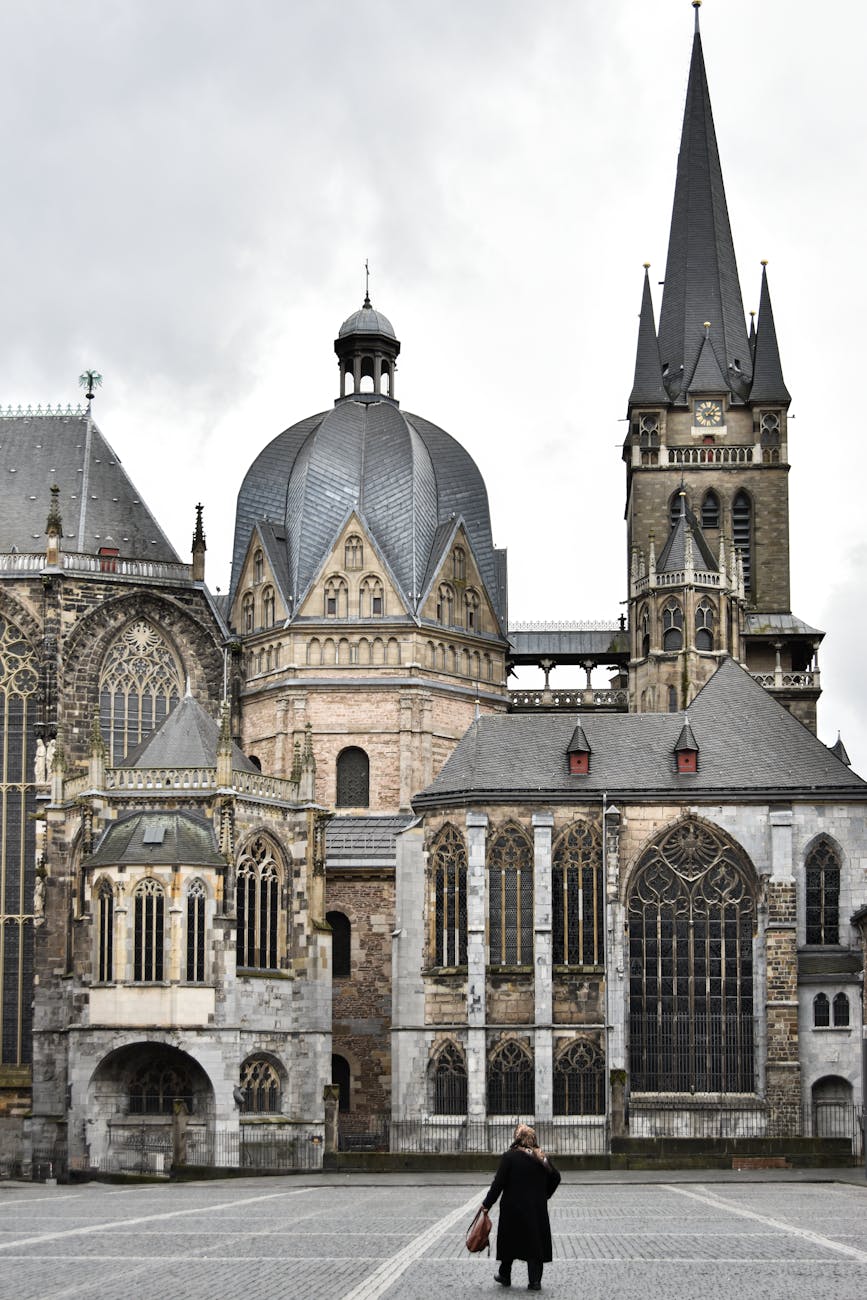
Aachen Cathedral, a masterpiece of Carolingian architecture commissioned by Charlemagne in the 9th century, reflects significant historical, political, and religious roles in European history. Initially a Palatine Chapel, it became a site for the coronation of over thirty Holy Roman Emperors, linking imperial authority with the Church. Its architectural evolution, showcasing Roman, Byzantine, and Gothic styles, symbolizes cultural advancements. Designated a UNESCO World Heritage Site in 1978, it emphasizes both preservation and education. The ongoing commitment to safeguarding this historical monument ensures its legacy continues to inspire and connect generations, enriching Europe\’s shared cultural heritage.
-
The History of Naples Catacombs: Exploring Italy’s Ancient Underground World

The Naples Catacombs, an intricate maze beneath Naples, highlight early Christian history, serving as burial sites and spaces for worship since the 2nd century AD. Constructed from easily excavated tufo rock, they feature organized burial niches and elaborate frescoes that reflect early Christian beliefs and artistry. Beyond their function as tombs, they fostered community, connecting the living and the deceased. Modern preservation efforts aim to protect these historical treasures amid increased interest. Ongoing research uncovers forgotten aspects of their use, ensuring the catacombs\’ significance remains recognized while fostering appreciation for their cultural heritage.
-
The History of Kizhi Pogost: Discovering Russia’s Wooden Masterpiece on the Island of Kizhi

Kizhi Pogost, located on Lake Onega, is a UNESCO World Heritage site showcasing 18th-century Russian wooden architecture, particularly the iconic Transfiguration Church with its 22 domes. Established as a religious hub during Peter the Great\’s era, Kizhi became a center of community life, intertwining faith and artistry. Its unique wooden construction techniques, requiring no nails, reflect the craftsmanship of local artisans. The site also embodies rich folklore and cultural traditions, highlighted through festivals and community engagement. Preservation efforts face environmental challenges, yet local and international collaboration helps maintain Kizhi’s legacy, fostering sustainable tourism while celebrating Russian heritage.
-
The History of Abu Simbel: Exploring the Rock-Temples of Ramses II

Abu Simbel is an ancient temple complex built during Ramses II\’s reign in the 13th century BCE, reflecting his power and divinity. Located on Lake Nassar\’s banks, the Great Temple honors Ramses II, while the smaller temple is dedicated to his wife, Nefertari. The construction showcased advanced engineering and artistry, with alignment to celestial events. Significant for its religious importance, the temples symbolize divine kingship and host crucial rituals. In the 1960s, international efforts saved them from flooding due to the Aswan High Dam, and today they thrive as a tourist destination, symbolizing resilience, cultural heritage, and ongoing preservation efforts.
-
The History of Liangzhu Tombs: Uncovering the Legacy of China’s Neolithic Civilization

The Liangzhu Tombs in Jiangsu, China, dating back to 3300-2300 BCE, showcase the sophistication of Neolithic civilization, revealing advances in agriculture and social structures. Initial discoveries in the late 1920s were expanded through large-scale excavations starting in 2009, highlighting complex burial practices and social hierarchies marked by stratified tombs containing jade artifacts. The architecture reflects impressive craftsmanship and advanced societal organization. The site, recognized as a UNESCO World Heritage Site in 2019, emphasizes the need for preservation and offers insights into cultural identity and historical narratives in China. Ongoing research continues to unveil its significant legacy.
-
The History of Monastery of St. Catherine: Exploring the World’s Oldest Active Christian Monastery
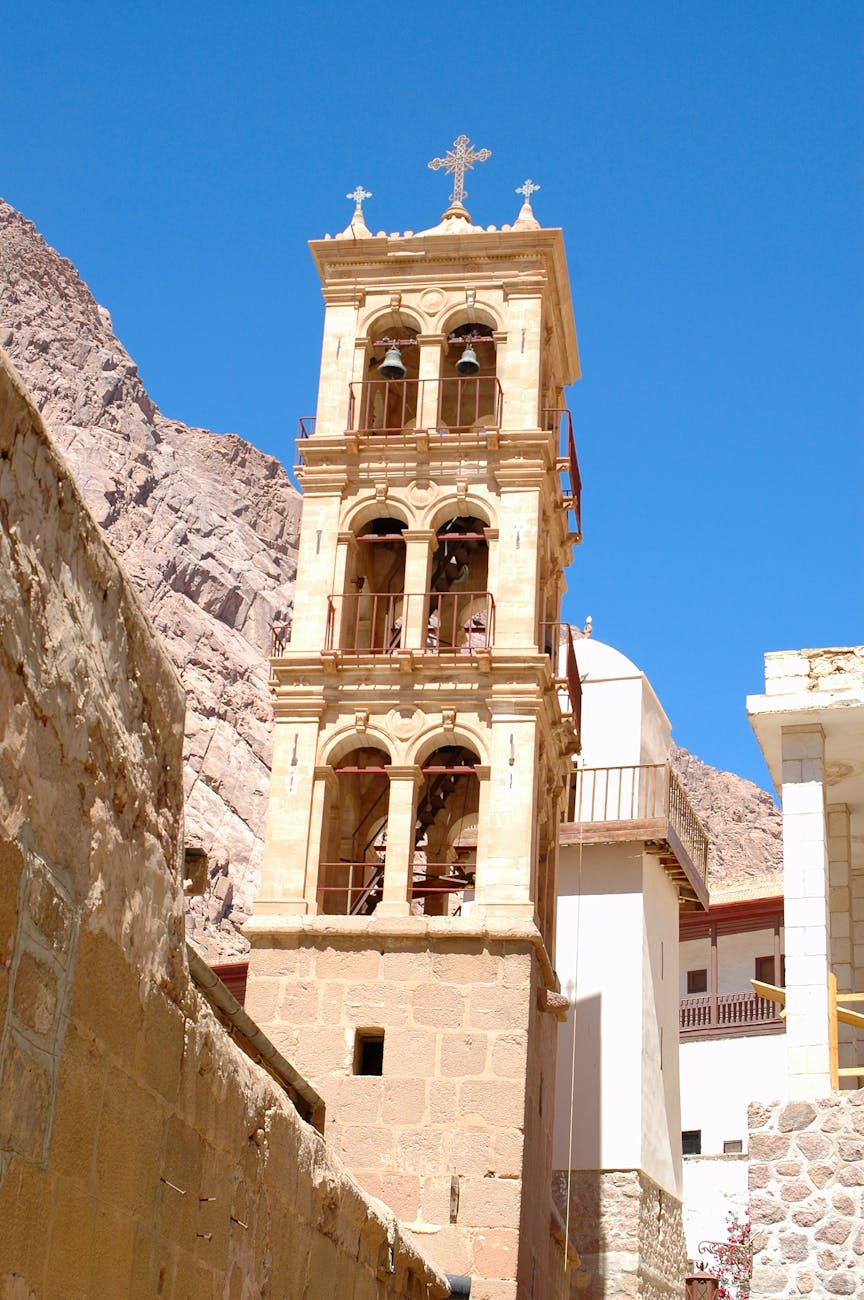
The Monastery of St. Catherine, established in the 6th century at Mount Sinai, is the oldest active Christian monastery, rich in history and significance. It serves as a pilgrimage site, housing valuable manuscripts, artworks, and relics of early Christian thought. Its architectural features reflect Byzantine influences, while the monks embody traditions of faith and community life through structured prayer and hospitality. Despite facing environmental and geopolitical challenges, the monastery\’s ongoing preservation efforts and cultural dialogue initiatives maintain its relevance today. It stands as a sanctuary for spiritual exploration and interfaith understanding, inspiring visitors with its enduring legacy of devotion and…
-
Cahokia Mounds History: Uncovering the Largest Pre-Columbian City in North America

Cahokia, near modern St. Louis, Missouri, was the largest pre-Columbian city in North America, thriving from 600 to 1400 AD as a center of trade, agriculture, and culture. With a peak population of 20,000 to 40,000, it boasted remarkable earthen mounds, like Monks Mound, highlighting its architectural and communal achievements. Cahokia developed complex social structures, advanced agricultural techniques, and extensive trade networks, but its decline resulted from environmental degradation, social strife, and shifting trade dynamics. The lessons drawn from Cahokia emphasize sustainable resource management, community engagement, and resilience, offering vital insights for modern society\’s relationship with the environment and urbanization.
-
Shah-i-Zinda History: Exploring Samarkand’s Majestic Necropolis of the Timurid Era
Shah-i-Zinda is a significant necropolis in Samarkand, renowned for its artistic beauty and cultural importance from the Timurid era. Housing the tomb of Kusam ibn Abbas, a cousin of the Prophet Muhammad, it serves as a vital pilgrimage site. Established in the 14th century, the complex features over 20 mausoleums, showcasing intricate tilework and architectural innovations. The place embodies legends and local folklore, becoming a center for spiritual practices and community gatherings. Preservation efforts aim to maintain its structures and educate visitors, ensuring this remarkable site remains a living symbol of the region\’s rich history and cultural heritage.
-
Borobudur Temple History: Exploring the World’s Largest Buddhist Monument
Borobudur Temple, located in Central Java, Indonesia, is a monumental Buddhist site built in the 9th century under the Syailendra Dynasty. Recognized as the largest Buddhist monument globally, it features intricate carvings and stupas reflecting the teachings of Buddhism, arranged in a mandala layout symbolizing enlightenment. After centuries of neglect, it was rediscovered in the 19th century, leading to extensive restoration projects to protect its architectural and cultural significance. Today, Borobudur serves as a pilgrimage site, a center for cultural exchange, and a UNESCO World Heritage site, symbolizing Indonesia’s rich cultural heritage while promoting sustainable tourism and education.
-
Exploring Taos Pueblo History: America’s Oldest Continuously Inhabited Community
Taos Pueblo, located in northern New Mexico, is one of the oldest continuously inhabited communities in the U.S., showcasing rich Native American heritage and designated as a UNESCO World Heritage Site. Established over a thousand years ago by the Tiwa-speaking people, the Pueblo is known for its striking adobe architecture and vibrant cultural traditions, including various festivals and the preservation of the Tiwa language. While modernization presents challenges such as increased tourism and environmental issues, initiatives are underway to preserve its heritage and foster understanding. Taos Pueblo exemplifies resilience, blending tradition with adaptation in a changing world.
-
Aphrodisias History: Discovering the Ancient City of Love and Art in Turkey
Aphrodisias, an ancient city in southwestern Turkey, is famed for its historical and artistic significance, especially in marble sculpture. Flourishing during the Hellenistic and Roman periods, the city was dedicated to Aphrodite, which influenced its cultural and religious identity. Known for its marble quarries and exceptional artisans, Aphrodisias produced stunning sculptures and architectural marvels, including the Temple of Aphrodite and a grand theater. Its rich archaeological discoveries, including intricate tombs and inscriptions, offer insights into ancient life and beliefs. Today, recognized as a UNESCO World Heritage Site, Aphrodisias continues to captivate scholars and visitors alike with its timeless legacy of…
-
Bandelier National Monument History: Walking Among the Ancient Ancestral Pueblo Ruins
Bandelier National Monument in northern New Mexico showcases the history and culture of the Ancestral Puebloans, who thrived there over a thousand years. This site features ancient cliff dwellings and pueblos, reflecting advanced architectural techniques and agricultural practices. The Puebloans developed a rich spiritual life deeply connected to nature, cultivating crops and creating art, while practicing communal living. The arrival of Spanish colonizers in the late 16th century disrupted their culture, leading to conflicts and adaptations, including the Pueblo Revolt. Today, preservation efforts emphasize cultural heritage and promote understanding of this unique legacy, while highlighting contemporary connections to the environment…