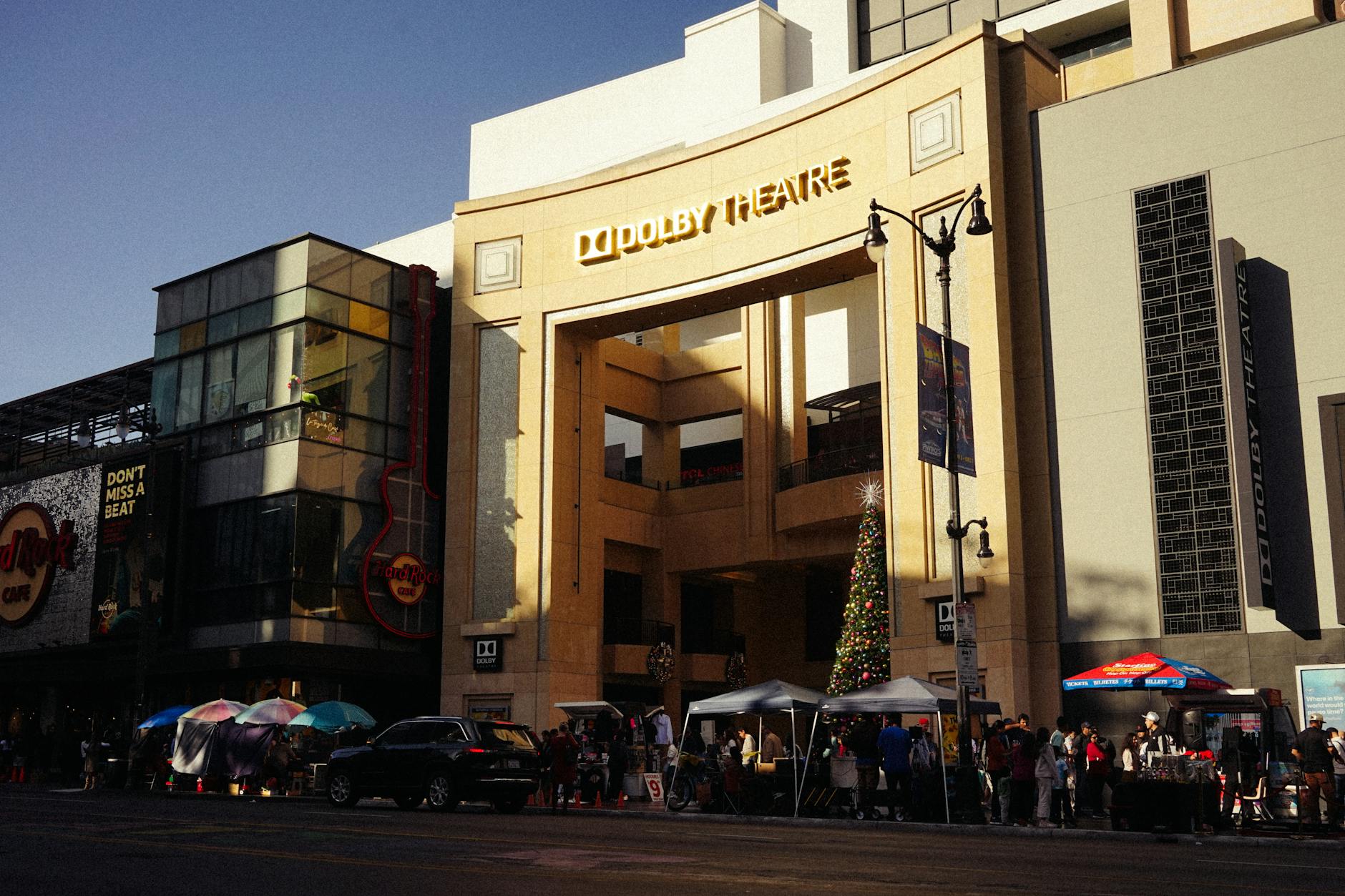
Introduction
The Dolby Theatre, a renowned cultural landmark in Hollywood, serves as the glittering home to the annual Academy Awards, commonly known as the Oscars. Opened in 2003, its establishment marked a new era in the celebration of cinematic achievements. With a seating capacity of over 3,400, it epitomizes luxury and sophistication, drawing thousands of guests, nominees, and film enthusiasts from around the world. As the awards show has evolved, so too has the theatre, incorporating state-of-the-art technology to enhance the viewer’s experience. Beyond its role as an awards venue, the Dolby Theatre has hosted a myriad of events, screenings, and performances, solidifying its status not only in Hollywood but also in the broader realm of entertainment. This article delves into the fascinating history, architectural marvel, and cultural significance of the Dolby Theatre, exploring what makes it an enduring symbol of the film industry.
Origins and Construction of the Dolby Theatre
The tale of the Dolby Theatre begins in the late 1990s when the Academy of Motion Picture Arts and Sciences was in search of a permanent venue for the Oscars. Prior to its opening, the Academy had held its ceremonies in various locations, but the need for a dedicated space that met the needs of a modern awards show became evident. The project took shape after a proposal to construct a new venue adjacent to the historic Grauman’s Chinese Theatre in the heart of Hollywood.
The construction officially commenced in 2001, under the guidance of the architectural firm Gensler. The design of the theatre successfully blends traditional and modern influences, drawing inspiration from the grand halls of Europe while ensuring it maintains a distinctly American character. One of the notable features of the theatre is its sweeping “grand staircase,†which evokes the glamour of Hollywood’s Golden Age and serves as a dramatic backdrop for arriving stars.
The venue was initially named the Kodak Theatre, reflecting its sponsorship by the Eastman Kodak Company. However, in 2012, following Kodak’s financial difficulties, the theatre was renamed the Dolby Theatre, a move that marked the beginning of a new chapter in its history. Dolby Laboratories, known for its innovations in audio and visual technologies, took on the sponsorship with a commitment to enhance the experience of audiences at the theatre.
The Dolby Theatre officially opened its doors on November 9, 2001, with a gala event featuring performances by various celebrities. Its inaugural event was the 2002 Academy Awards, which took place in March of that year. The venue was equipped with cutting-edge sound and display technology, ensuring that it could deliver an unparalleled experience for all attendees and viewers at home. The Dolby Atmos sound system, designed to create an immersive audio experience, quickly became a hallmark of the venue’s design.
Since its opening, the theatre has hosted numerous events, including the American Idol finale and live concerts, reinforcing its versatility beyond just film. Over the years, it has become a popular tourist attraction, with guided tours showcasing its rich history and stunning architecture.
In summary, the origins and construction of the Dolby Theatre reflect a fusion of tradition and innovation, paving the way for a venue that not only honors cinematic achievements but also enhances the overall experience for film lovers and stars alike. Its evolution from the Kodak Theatre to the Dolby Theatre symbolizes the ongoing commitment to excellence in film presentation.
The Oscars: A Dedicated Venue for Annual Celebrations
The Dolby Theatre has become synonymous with the Academy Awards, effectively serving as the premier location for recognizing excellence in filmmaking. Each year, the theatre is transformed into a dazzling celebration of cinematic achievements, where the biggest names in the industry gather to honor outstanding performances, storytelling, and technical artistry.
The significance of the Oscars extends far beyond the accolades themselves; it is a cultural phenomenon that attracts millions of viewers globally. The Dolby Theatre, with its towering red carpet, stately architecture, and opulent decor, serves as the perfect backdrop for this prestigious event. The anticipation surrounding the Oscars builds throughout the year, culminating in a night filled with glamour, suspense, and excitement as nominees await the announcement of the winners.
As the theatre adapted to the demands of modern broadcasting, innovations in camera technology and presentation techniques have transformed the way the Oscars are experienced by audiences at home. The evolution of the Dolby Theatre reflects the changing landscape of entertainment, where live performances combine with technological advancements to create a memorable experience for all.
The Oscars not only serve to celebrate individual talent but also highlight the collaborative nature of filmmaking, emphasizing the roles of directors, producers, writers, and cinematographers. Each category reflects the shared passion and hard work of countless individuals, a fact that resonates deeply within the walls of the Dolby Theatre.
The intimate yet expansive design of the venue allows for a personal connection between the audience and the nominees, enhancing the emotional weight of the evening. As the lights dim and the stars take the stage, a palpable energy fills the air, creating an atmosphere buzzing with excitement and anticipation. The Dolby Theatre, as the host of this illustrious event, plays a pivotal role in the overall experience, framing the narrative of each award given.
A lasting legacy of the Oscars is its influence on the film industry and popular culture. The winners of each category often experience a surge in their careers, and the films recognized at the ceremony gain significant visibility and prestige. The decision to hold the Oscars at the Dolby Theatre has firmly established it as a cornerstone of Hollywood’s identity, reinforcing its historical significance in the tapestry of American cinema.
In conclusion, the role of the Dolby Theatre as the dedicated venue for the Oscars marks it as a significant player in the film industry. Its grandeur and forward-thinking design create an iconic stage that celebrates the artistry and creativity of filmmakers from all walks of life.
Architectural Style and Design Influences
The architectural style of the Dolby Theatre is a harmonious blend of modern design and classic elegance, showcasing an array of influences that reflect its purpose and location. Located in the heart of Hollywood, the theatre embodies the glitz and glamour of the entertainment industry while ensuring that it meets the practical needs of high-profile events like the Academy Awards.
The exterior of the Dolby Theatre is marked by a striking façade that draws inspiration from the principles of neoclassical architecture. Grand columns, sweeping lines, and intricate detailing set the stage for a lavish yet inviting atmosphere. The entrance of the theatre features an impressive marquee that announces upcoming events, adorned with bright lights that evoke the nostalgia of Hollywood’s past. This attention to detail creates an inviting atmosphere for audiences and adds to the excitement of the events held within.
Inside, the design of the Dolby Theatre showcases the utmost in luxury and comfort. The use of rich materials, including elegant fabrics and polished finishes, creates an opulent environment. The seating design ensures that every guest has an unobstructed view of the stage, while the ergonomics of the chairs prioritize comfort during long ceremonies, exemplifying a commitment to the audience’s experience.
The theatre’s main auditorium, with its grand chandelier and expansive ceiling, captures the essence of Hollywood glamour. The design creates a visually stunning setting for performances and award presentations, allowing for memorable moments to unfold against a backdrop of beauty and sophistication. The intricate mosaics and unique design elements throughout the space further enhance the overall aesthetic, inviting guests to immerse themselves in the magic of the theatre.
Technological innovation plays a critical role in the design of the Dolby Theatre. It was engineered not just for luxury but also for outstanding acoustics and visual clarity. The integration of Dolby’s advanced sound systems and projection technologies helps ensure that performances are delivered at their highest quality, an essential factor for a venue that hosts the Oscars. This commitment to cutting-edge technology is evident in the multi-layered design of the space, which allows for a seamless blend of visual and auditory experiences.
In addition to its aesthetic and technological achievements, the Dolby Theatre’s design is deeply rooted in the history and culture of film. The incorporation of Hollywood’s iconic imagery and motifs evokes a sense of nostalgia and pride, connecting the present with the past. This melding of contemporary design with historical elements makes the theatre a fitting place for celebrating the storied legacy of cinema.
The architectural influences found within the Dolby Theatre reflect not only its function as a prominent awards venue but also its role as a cultural landmark in Los Angeles. By encapsulating both style and technological advancements, the theatre establishes itself as a quintessential emblem of the film industry.
Technological Innovations in Film Presentation
The Dolby Theatre stands out not only for its architectural elegance but also for its commitment to incorporating advanced technology into the realm of film presentation. From its inception, this iconic venue was designed to enhance the viewing experience through state-of-the-art audio and visual technologies. The presence of Dolby Laboratories as a sponsor has allowed the theatre to showcase innovations that push the boundaries of what audiences expect from live performances and award shows.
One of the most groundbreaking features is the Dolby Atmos sound system, which revolutionizes the way sound is experienced in a theatre setting. Unlike traditional surround sound systems, which provide sound from fixed channels, Dolby Atmos creates a three-dimensional audio experience. This immersive sound technology allows for sounds to move freely around the audience, enhancing the realism of on-screen action and creating a more engaging experience for viewers. The integration of this system in the Dolby Theatre emphasizes the venue’s commitment to providing an unparalleled auditory experience.
In addition to audio advancements, the visual presentation within the Dolby Theatre is equally impressive. The theatre features high-resolution screens capable of displaying vivid colors and crisp images, allowing for a stunning visual experience during awards shows, film screenings, and live performances. The layout of the theatre is optimized for viewing angles, ensuring that every guest, irrespective of their seating position, can fully appreciate the visual artistry presented on stage.
Moreover, the combination of architectural design and technology facilitates seamless transitions between live performances, pre-recorded segments, and various multimedia presentations. The innovative video technology allows producers to create fluid, dynamic experiences that captivate the audience. This flexibility is particularly advantageous during the Oscars, where the flow of the event is crucial to maintaining engagement and excitement among viewers at home and in attendance.
The Dolby Theatre is also equipped with advanced lighting systems that can be tailored to accommodate various performances and themes. This adaptability allows for the creation of stunning visual displays that enhance the narrative of the productions taking place on stage. The integration of LED screens and projector systems enables the venue to present captivating backdrops, further immersing the audience in the experience.
As a technological hub, the Dolby Theatre not only pushes the envelope of what is possible in film presentation but also serves as a platform for testing and showcasing new advancements in the industry. The theatre has hosted various film festivals, premieres, and screenings, becoming a key player in the ongoing evolution of cinematic technology. This forward-thinking approach reinforces the significance of the theatre beyond just being a venue for the Oscars; it has become a laboratory for the future of film and entertainment.
In summary, the commitment to technological innovations in film presentation at the Dolby Theatre signifies a new era in how audiences engage with cinema. The fusion of advanced sound, visual artistry, and architectural excellence elevates the overall experience, making it a cherished destination for filmmakers and film lovers alike.
Cultural Impact and Legacy of the Dolby Theatre
The cultural impact of the Dolby Theatre extends well beyond its architectural and technological achievements; it serves as an influential symbol of the film industry and its evolution over the years. As the permanent home of the Academy Awards, the theatre has become synonymous with the celebration of cinematic artistry, bringing together diverse talents and nurturing the legacies of films and filmmakers.
Since the first Oscars ceremony held at the Dolby Theatre in 2002, the venue has played a pivotal role in shaping Hollywood’s global identity. The Academy Awards are one of the most-watched television events worldwide, and the theatre’s iconic status contributes to the cultural significance of the show. The shimmering red carpet, the spectacular performances, and the albeit arduous voting process resonate with audiences, fostering collective anticipation and appreciation for cinema.
The Dolby Theatre has established itself as a culturally enriching location by hosting other prestigious film events, including film festivals and premieres. Events such as the American Film Institute’s AFI Fest and various film industry gatherings reinforce the theatre’s role as a hub of cinematic engagement. Such events not only celebrate established works but also elevated emerging filmmakers, illustrating the theatre’s dedication to nurturing new talent within the industry.
Moreover, the Dolby Theatre stands as a beacon for diversity and inclusion in Hollywood. Many of the honorees recognized at the Academy Awards have made meaningful contributions to broadening the representation of different voices in film. The platform it provides for marginalized groups underscores the necessity of diverse narratives in shaping the cultural memory of cinema.
The theatre’s legacy is also evident in its impact on tourism. Visitors flock to the Dolby Theatre to take guided tours, eager to experience the glamour of an iconic film venue and perhaps catch a glimpse of the stars during awards season. This influx of visitors supports local businesses and further cements the theatre’s status as essential to Hollywood’s cultural landscape.
As technology continues to evolve, the Dolby Theatre remains a leader in embracing advancements that enhance the cinematic experience. This enduring commitment to innovation ensures that it will remain a relevant and celebrated venue for generations to come. The influence of the Dolby Theatre on the film industry and the cultural memory of popular cinema is substantial, shaping the narratives that will resonate through the ages.
In conclusion, the cultural impact and legacy of the Dolby Theatre exemplify its significance as the home of the Oscars and a celebrated venue within Hollywood. The fusion of artistry and technology explored within its walls has set the stage for not only honoring excellence in film but also shaping the future of cinema.
Conclusion
The Dolby Theatre stands as a testament to the evolution of the film industry, merging tradition with cutting-edge technology to create a venue that celebrates cinematic excellence. Its origins, marked by a vision to have a dedicated space for the Oscars, showcases the importance of honoring achievements in filmmaking. The beautiful architectural design, enriched by historical influences, sets a glamorous stage for the annual awards show, while the commitment to advanced technologies enhances the audience experience.
Through its role as the home of the Oscars, the Dolby Theatre has become a cultural landmark, uniting film enthusiasts and industry icons alike. The theatre is not just a venue for awards; it has grown to represent the dreams and aspirations of countless filmmakers, reflecting the struggles and triumphs of the human experience through storytelling.
As we continue to celebrate cinematic achievements in the years to come, the Dolby Theatre will undoubtedly remain at the forefront of this dynamic landscape. Its legacy, woven into the fabric of Hollywood, cements its status as a symbol of excellence in film, compelling viewers to explore the rich stories that shape our collective cinematic heritage. The Dolby Theatre will continue to inspire generations of storytellers and audiences, making it an inseparable part of Hollywood’s illustrious journey.
Behind The Scenes of Dolby Theatre Video

Leave a Reply