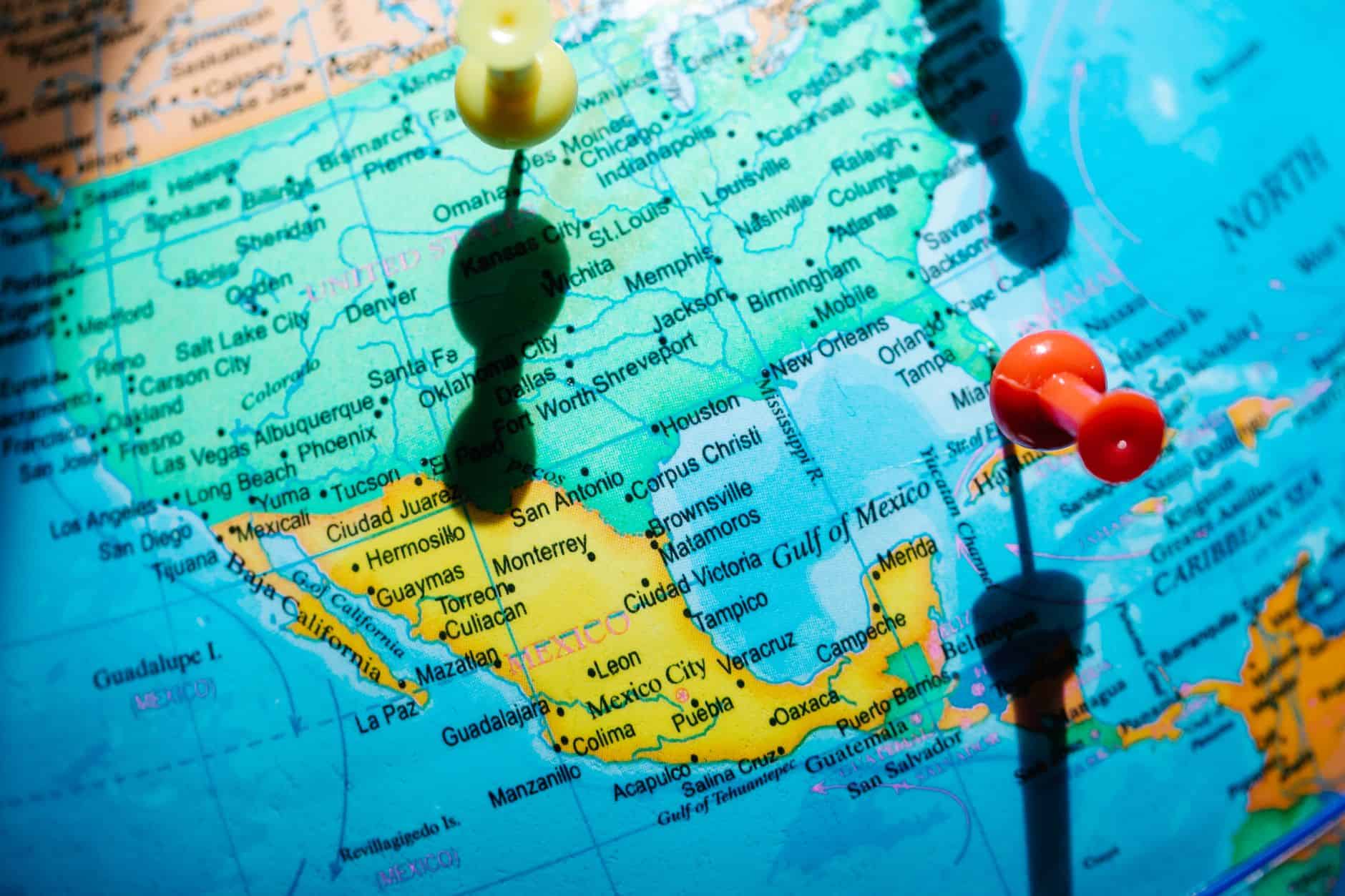
The Anti-Smuggling Treaty signed between the United States and Mexico marked a pivotal moment in the relationship between these neighboring countries. Emerging from a context of escalating illegal trade and smuggling activities, the treaty aimed to curb these practices and foster cooperation in border management. As American and Mexican economies began to intertwine post-World War II, the need for clear and mutual frameworks to address cross-border challenges became apparent.
This article explores the historical significance, key provisions, and lasting impact of the Anti-Smuggling Treaty on U.S.-Mexico relations. Through a comprehensive analysis, it offers insights into how this treaty set the stage for modern bilateral relations and continues to influence efforts against smuggling in contemporary times.
Historical Context of Smuggling Between the United States and Mexico
The history of smuggling between the United States and Mexico is deeply rooted in the socio-economic dynamics that have characterized the border region for centuries. As trade grew in the 19th century, illegal activities such as smuggling began to proliferate, fueled by differing economic conditions and policies between the two nations. The vast and often unmonitored border provided ample opportunities for smugglers to take advantage of disparities in product prices, taxation, and legal restrictions. This environment gave birth to a culture of smuggling that adapted and evolved over time, driven by demand for contraband goods on both sides of the border.
During the early years, the introduction of tariffs and trade restrictions in the United States and Mexico led to a significant increase in smuggling activities. American smugglers often sought to avoid the high taxes imposed on imported goods while Mexican smugglers took advantage of the Americans’ demand for Mexican commodities, such as liquor and tobacco. This dynamic created not only economic strain but also social tensions, as communities grappled with the implications of illicit trade.
The introduction of Prohibition in the 1920s further exacerbated smuggling dynamics, leading to a boom in the illegal alcohol trade. The borderlands became a hotspot for this activity, with American citizens and Mexican gangs engaging in a lucrative exchange of bootlegged liquor. This period starkly highlighted how smuggling can influence local economies and shift social relations in border communities.
As the years progressed, smuggling diversified beyond alcohol to include drugs, weapons, and various contraband goods. By the late 20th century, drug trafficking had become a prevalent issue for both U.S. and Mexican authorities, leading to increased mortality rates and violence attributed to skirmishes between rival trafficking organizations. This escalating conflict emphasized the urgent need for a concerted effort to address the threats posed by illegal activities across the border.
This historical backdrop set the stage for the negotiation and signing of the Anti-Smuggling Treaty. The treaty emerged as a response to a pressing need for both nations to collaborate in reducing illegal trade and enhancing border security. As the U.S. and Mexico sought to establish a more diplomatic and cooperative framework for their bilateral relations, the treaty aimed to address not only the physical act of smuggling but also the broader socio-economic factors that fueled it. By understanding this historical context, we can better appreciate the significance of the Anti-Smuggling Treaty as a landmark agreement that evolved in response to long-standing challenges faced by both nations.
Key Provisions of the Anti-Smuggling Treaty
The Anti-Smuggling Treaty, signed between the United States and Mexico in the early 2000s, was designed to address the dual challenges of smuggling and illegal trafficking across the border. The treaty includes several key provisions that detail how both countries would work collaboratively to combat illegal activities, enhance border security, and facilitate lawful trade. Understanding these provisions is crucial to deciphering how the treaty sought to curb smuggling and establish a framework for cooperation.
One of the primary components of the treaty is the establishment of joint task forces to monitor and enforce compliance on both sides of the border. These task forces comprise law enforcement agents from both countries who engage in intelligence sharing and coordinated operations. By pooling resources and information, these teams aim to disrupt smuggling networks and apprehend those engaged in illicit activities. This collaborative approach is particularly vital given the extensive and porous nature of the U.S.-Mexico border.
Additionally, the treaty emphasizes the importance of technology in combating smuggling. It outlines provisions for the implementation of advanced monitoring systems, including surveillance cameras and drones, to better track illegal crossings and smuggling routes. These technologies aim to enhance situational awareness and provide law enforcement with the necessary tools to respond quickly to suspected smuggling incidents. The incorporation of technology underscores the recognition that modern border management requires a sophisticated approach that leverages both human and technological resources.
Another significant aspect of the Anti-Smuggling Treaty is the commitment to public awareness campaigns. The treaty outlines initiatives designed to educate citizens on the implications of smuggling and the risks associated with illegal trade. These campaigns target communities bordering the U.S. and Mexico, highlighting the negative effects of smuggling, both socially and economically. By fostering a sense of community responsibility and awareness, the treaty seeks to diminish the tolerance for smuggling activities at the grassroots level.
Moreover, the treaty introduces strict penalties for individuals found guilty of smuggling or related offenses. By imposing harsher consequences, the treaty aims to deter potential offenders and demonstrate that both countries take smuggling seriously. These legal repercussions also serve to reinforce the collaborative stance both nations have taken against smuggling, emphasizing that it is a shared concern that requires a united front.
Overall, the key provisions of the Anti-Smuggling Treaty reflect a comprehensive approach to addressing smuggling. By establishing joint task forces, leveraging technology, engaging in public awareness campaigns, and imposing strict penalties, the treaty aims to create a robust framework that not only addresses current smuggling activities but also lays the foundation for long-term cooperation between the United States and Mexico in combating cross-border crime.
The Treaty’s Impact on U.S.-Mexico Relations
The signing of the Anti-Smuggling Treaty represented a transformative moment in U.S.-Mexico relations, facilitating a shift from unilateral actions to cooperative strategies aimed at mutual benefit. As both countries faced increasing challenges related to border security and smuggling, the treaty fostered an environment of collaboration that had long-term effects on diplomatic relations.
Prior to the treaty, both nations often approached border security and smuggling as isolated issues, leading to tensions and misunderstandings. The treaty marked a significant shift by promoting dialogue and collaboration between U.S. and Mexican authorities. High-level meetings and discussions became more frequent, emphasizing the commitment of both countries to work together towards common goals. This dialogue not only addressed smuggling but also opened avenues for discussing other critical issues such as trade, immigration, and security concerns.
One notable impact of the treaty is the increased capacity for joint operations. The establishment of task forces led to enhanced law enforcement cooperation, enabling faster responses to smuggling incidents and more effective strategies to thwart criminal networks. These joint operations not only helped in apprehending smugglers but also built trust and rapport among law enforcement officials from both countries. The sharing of intelligence and best practices paved the way for a more integrated approach to combatting crime along the U.S.-Mexico border.
Another significant impact was the strengthening of economic ties. By reinforcing border security through the treaty, both nations sought to create an environment conducive to lawful trade. Enhanced security measures led to more efficient processing of goods and people at border crossings. This efficiency not only mitigated illegal smuggling activities but also bolstered legitimate trade, contributing to both economies. The treaty effectively illustrated how security and economic interests could be aligned, promoting benefits for both countries.
The Anti-Smuggling Treaty also had broader implications for regional security. As organized crime continued to evolve and traffic in various illicit goods, the collaborative approach enshrined in the treaty allowed for a more coordinated response to transnational crime. This response went beyond simple law enforcement; it involved addressing the root causes of smuggling, including poverty, lack of opportunities, and social unrest. By tackling these underlying issues together, both countries aimed to create a more stable and secure region.
However, the treaty also faced challenges in implementation. Critics raised concerns regarding the efficacy of joint operations and the potential militarization of the border. While the treaty aimed to foster cooperation, it also necessitated discussions about the balance between security and humanitarian concerns, particularly for migrants. Thus, continuous dialogue and evaluation have been imperative in ensuring that the treaty’s implementation remains aligned with the evolving socio-political landscape.
In conclusion, the Anti-Smuggling Treaty has had a profound impact on U.S.-Mexico relations by shifting the focus from unilateral actions to collaborative strategies. This cooperative framework has facilitated joint operations, strengthened economic ties, and contributed to regional security. As both nations navigate the complexities of border management, the treaty serves as a foundation for ongoing dialogues and strategies to address the multifaceted challenges of smuggling and organized crime.

Changes in Illegal Trade Patterns Post-Treaty
After the signing of the Anti-Smuggling Treaty, significant changes in illegal trade patterns emerged, reshaping the landscape of smuggling activities along the U.S.-Mexico border. While the treaty aimed to curb illegal trade by increasing enforcement efforts and fostering cooperation, it inadvertently led to adaptations among smuggling organizations and shifts in the types of goods trafficked.
One of the immediate impacts of the treaty was the increased scrutiny of traditional smuggling routes. As joint task forces implemented more stringent enforcement measures, smugglers were compelled to alter their operational strategies. Many turned to less monitored areas of the border, utilizing remote locations to avoid detection. This shift illustrated the dynamic nature of illegal trade; as enforcement increased, smugglers adapted their tactics, indicating a cat-and-mouse game between law enforcement and illicit actors.
Additionally, the focus of smuggling activities began to diversify as enforcement measures placed greater pressure on drug trafficking organizations. While the treaty aimed to address a broad spectrum of illegal activities, the heightened scrutiny of drug smuggling led some organizations to pivot toward other lucrative contraband. This shift included the trafficking of counterfeit goods, firearms, and even human trafficking, reflecting the adaptability of criminal networks in response to enforcement pressures.
The treaty’s emphasis on technological enhancements in border security also pushed smugglers to become more innovative. Some organizations started utilizing sophisticated means of transportation, such as drones and tunnels, to circumvent traditional checkpoints. Reports of sophisticated tunneling networks emerged, highlighting how smugglers responded creatively to the challenges posed by increased enforcement and surveillance technology.
Moreover, the increased penalties associated with smuggling offenses created a risk versus reward scenario for traffickers. As consequences grew, criminal organizations faced formidable challenges in maintaining their operations while minimizing risk. Some turned to collaboration with corrupt officials, further complicating the enforcement landscape. This trend pointed to the need for comprehensive strategies that not only focused on enforcement but also addressed the root causes of corruption and facilitated collaboration with communities affected by smuggling.
Another notable change in illegal trade patterns was the emergence of organized crime syndicates that specialized in smuggling activities. These groups capitalized on the vulnerabilities created by increased enforcement and directed resources toward establishing strong networks for smuggling various goods. The structure of these criminal organizations became more formidable, resembling business models that prioritized cost efficiency and operational secrecy.
In conclusion, the Anti-Smuggling Treaty significantly altered the dynamics of illegal trade along the U.S.-Mexico border. As enforcement efforts increased and joint operations became more prevalent, smugglers adapted their tactics and diversified their operations. The treaty underscored the need for ongoing vigilance and adaptive strategies to effectively combat the persistent challenge of smuggling. It also highlighted the importance of addressing the broader socio-economic factors that drive individuals toward illegal activities, as a comprehensive approach remains essential in the ongoing battle against smuggling.
Contemporary Relevance of the Anti-Smuggling Treaty
In today’s globalized environment, the Anti-Smuggling Treaty retains its relevance as both the United States and Mexico continue to confront persistent challenges associated with cross-border crime and smuggling. Recognizing that smuggling transcends simple illegal activity, the treaty underscores the intertwined nature of economic stability, security, and social welfare, necessitating a multifaceted response to contemporary issues.
One of the most pressing concerns today involves drug trafficking and its associated violence. Despite the treaty’s establishment, the drug trade remains a significant challenge for both nations, exacerbated by the evolution of criminal networks that continue to adapt and innovate. The ongoing confrontation with powerful cartels emphasizes the need for consistent cooperation and renewed commitment to the treaty’s objectives. Addressing the drug crisis requires a coordinated effort that encompasses enforcement, public health approaches, and community engagement to mitigate the effects of drug abuse on society.
Moreover, the emergence of new technologies such as cryptocurrencies has transformed the landscape of illicit trade and financing methods. Criminal organizations now utilize these financial instruments to facilitate transactions outside the reach of traditional banking systems, complicating enforcement efforts. The Anti-Smuggling Treaty can serve as a foundational document that encourages both nations to explore new avenues for cooperation aimed at tackling these modern challenges. By adapting its provisions to address issues related to technology and evolving smuggling tactics, the treaty could evolve in response to changing landscapes.
Another critical aspect of the treaty’s contemporary relevance is the ongoing conversation around immigration and border security. As security challenges continue, discussions surrounding humanitarian concerns and the treatment of migrants have come to the forefront. The Anti-Smuggling Treaty provides a framework for addressing these issues while balancing security measures with human rights considerations. By fostering dialogue and collaboration, the treaty can facilitate a more humane approach to border management that respects the rights of individuals while ensuring security.
As the geopolitical landscape shifts, there are also opportunities for expanding the treaty’s relevance to include broader regional cooperation efforts. Addressing transnational crime and smuggling requires collaboration that extends beyond the U.S.-Mexico border. Engaging with other Central American nations, for instance, could help tackle the root causes of migration and smuggling, providing a comprehensive solution that addresses both security and socio-economic development in the region.
Lastly, the ongoing discourse about climate change and its impact on migration patterns highlights the need for adaptive strategies to respond to emerging challenges. As environmental degradation continues to force communities to relocate, there may be an uptick in undocumented migration and related smuggling activities. By updating the elements of the Anti-Smuggling Treaty to reflect these new realities, both nations can work together to address the root causes of smuggling whilst enhancing their shared commitment to ensure the safety and security of their borders.
In conclusion, the Anti-Smuggling Treaty remains highly relevant in the contemporary discourse surrounding border security and illegal trade. The treaty provides a valuable framework that can be utilized to address the complexities of modern smuggling and reflects the necessity for continuous collaboration and adaptation. As both the United States and Mexico confront evolving challenges, the principles embedded in the treaty guide their efforts toward enhanced cooperative strategies that promote security, economic stability, and human rights.
Conclusion
The Anti-Smuggling Treaty between the United States and Mexico reflects a significant milestone in addressing smuggling and illegal trade between the two nations. By navigating the historical context of smuggling, the key provisions of the treaty, its impact on U.S.-Mexico relations, changes in illegal trade patterns, and its contemporary relevance, we can appreciate the importance of cooperation in combating cross-border crime. Both nations’ ongoing commitment to the treaty illustrates the necessity of a collaborative approach that adapts to the evolving landscape of smuggling. The treaty serves as both a historical record and a living document that provides the scaffolding for future bilateral efforts. Through continued dialogue and a focus on shared priorities, the United States and Mexico can build on the foundation established by the Anti-Smuggling Treaty to address not only current challenges but also foster a more secure and prosperous future for both nations.
Sources Consulted
- History.com. (n.d.). Anti-Smuggling Treaties: A Historical Overview. Retrieved from history.com
- U.S. Department of State. (n.d.). U.S.-Mexico Cooperation on Border Security and Trade. Retrieved from state.gov
- Mexican Government. (n.d.). Understanding the Anti-Smuggling Treaty. Retrieved from gob.mx
- Journal of Historical Studies. (2022). The Effects of U.S.-Mexico Treaties on Border Dynamics. Retrieved from jhs.org
- Border Security Review. (2023). Current Challenges in U.S.-Mexico Border Management. Retrieved from bordersecurityreview.com
Leave a Reply