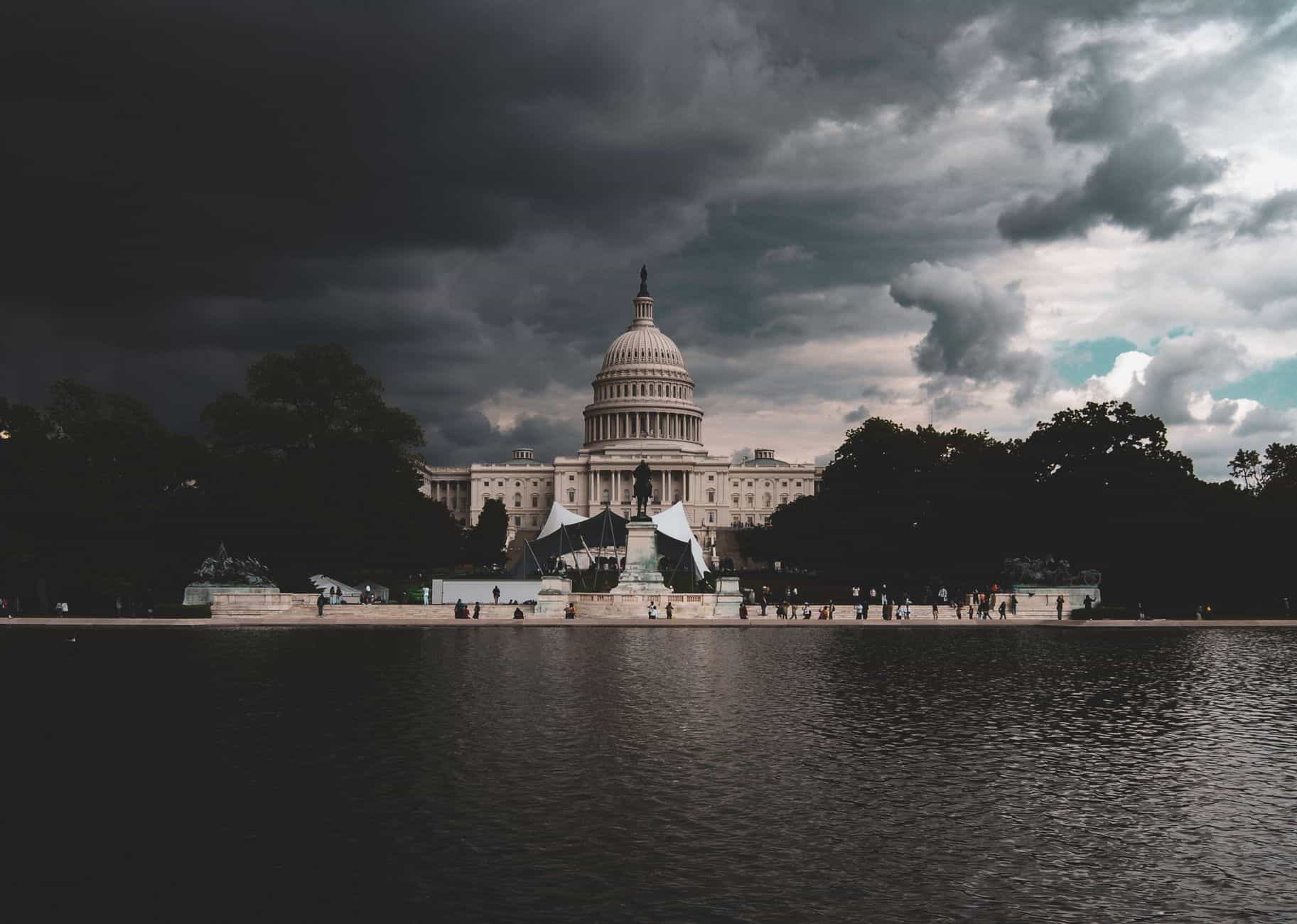
The Watergate scandal remains one of the most significant political events in American history, marking the first time a sitting president was forced to resign. Originating from a break-in at the Democratic National Committee headquarters in 1972, the Watergate scandal spiraled into a national constitutional crisis that revealed deep-seated corruption in the highest echelons of government.
The ensuing investigations uncovered a web of deceit, questionable ethics, and abuse of power, leading to President Richard Nixon’s eventual resignation in 1974. This article explores the intricate history of the Watergate case, examining its origins, the pivotal moments that defined it, and its lasting impact on American politics and public trust.
The Origins of the Watergate Scandal
The Watergate scandal did not emerge from a vacuum; rather, it stemmed from a complex interplay of political ambition, intense rivalry, and a culture of secrecy within the Nixon administration. The roots of this scandal can be traced back to the intense political atmosphere of the late 1960s and early 1970s. Richard Nixon, who had served as Vice President under Dwight D. Eisenhower, won the presidency in 1968 amid widespread social and political turmoil, including the Vietnam War, civil rights protests, and a rapidly changing cultural landscape.
As Nixon took office, he was determined to solidify his power and ensure his electoral success in the upcoming 1972 election. The 1972 presidential campaign was infamously marked by Nixon’s efforts to sabotage his opponents. As early as 1971, Nixon’s aides had begun to discuss methods to undermine the electoral prospects of the Democratic Party, which included illegal tactics to gather intelligence on rival candidates. This climate of political espionage was reflective of Nixon’s broader views on governance, wherein he perceived himself engaged in a constant battle against what he called the “political elite.”
The groundwork for the Watergate scandal was laid with the establishment of the White House Plumbers, a covert unit that Nixon created to stop or respond to leaks of classified information. This group became involved in illicit activities, including the break-in at the Watergate complex, aimed at spying on the Democratic National Committee (DNC). The decision to target the DNC was primarily driven by a desire to maintain an edge over the Democrats in the competition for the presidency and exemplified the Nixon administration’s propensity for manipulation and unlawful conduct.
On June 17, 1972, the plan came to light when five men were arrested in the Watergate complex. They were caught breaking into the DNC headquarters to wiretap phones and steal information. Initially, it appeared to be a minor burglary, but as investigations proceeded, connections began to emerge between the burglars and key figures within the Nixon administration. The incident, however, quickly transformed from a simple case of a break-in to a sprawling investigation that would reveal extensive abuses of power, cover-ups, and a blatant disregard for the rule of law.
The unfolding scandal unveiled the Nixon administration’s concerted efforts to obstruct justice, as high-ranking officials attempted to cover up the administration’s involvement, ultimately leading to the firing of many key aides. The use of campaign funds to finance the break-in and ensuing cover-up further illustrated the ethical decay at the heart of Nixon’s administration. As the media began to delve deeper, the American public became increasingly aware of the extent of the corruption.
In summary, the origins of the Watergate scandal can be traced back to a deliberate amalgamation of political ambition, unethical practices, and a culture of secrecy fostered by the Nixon administration. The break-in at the Watergate complex was merely the tipping point of a much larger narrative about the misuse of power within the highest office in the United States. It set the stage for a profound and public examination of presidential conduct that would ultimately test the resilience of democratic institutions in America.

The Break-in at the Democratic National Committee Headquarters
The break-in at the Democratic National Committee Headquarters on June 17, 1972, was a crucial event that set in motion one of the most significant political scandals in United States history. This event stemmed from a climate of fear and paranoia within the Nixon administration, as senior officials sought to secure an advantage over their political opponents. The White House’s decision to employ illegal tactics ultimately led to an unraveling of trust in the government and brought to light the extent of political corruption.
The break-in was meticulously planned, with members of Nixon’s reelection campaign, known as the Committee to Re-elect the President (CRP), commissioning the operation. The five men who executed the burglary—a group that would become known as the Watergate Five—were not mere burglars; they were connected to intelligence and law enforcement. Their experience fortified a level of confidence that allowed them to execute the operation with what they believed was relative ease. Their goal was to wiretap phones and steal documents to give the Nixon campaign a competitive advantage.
The events of that fateful night are emblematic of a deeper narrative that has continued to resonate in American politics. The initial plan was to install listening devices, or “bugs,” in the DNC’s phones to eavesdrop on conversations that could provide insight or leverage during the election. Yet, things began to unravel when the burglars were caught in the act by a security guard, Frank Wills. Wills noticed tape on the doors and contacted the police, resulting in the arrest of the five men.
Once arrested, the burglars were linked to the Nixon administration through financial records—their security bonds were traced back to CRP funds. This chain of evidence marked the beginning of a prolonged journey for investigators and journalists eager to uncover the truth. Despite the arrest, the initial news coverage downplayed the burglary’s significance, with many believing it would be quickly forgotten. However, as details began to emerge, it became clear that the break-in was part of a larger story about systemic corruption and abuse of power.
The Watergate scandal posed a unique challenge to the American media and raised questions about ethics in journalism. The Washington Post, under the leadership of editors Ben Bradlee and publisher Katharine Graham, decided to pursue the story aggressively. Reporters Bob Woodward and Carl Bernstein took the lead, meticulously investigating the mounting evidence linking the Nixon campaign to the break-in. Their relentless pursuit of the truth was akin to following breadcrumbs that led them deeper into the labyrinth of corruption within the highest offices of government.
As the media’s coverage intensified, the Nixon administration sought to control the narrative through intimidation and disinformation. Attempts were made to downplay the event, with White House officials initially dismissing the break-in as a simple “third-rate burglary.” However, as more information came to light, including the revelation of campaign contributions being funneled to cover legal fees for the burglars, the narrative shifted. The American public began to grasp the implications of the break-in: it was not just a burglary, but an orchestrated effort to undermine democratic processes.
The ensuing investigations would reveal that this operation was the tip of the iceberg. The break-in acted as a catalyst that triggered a cascade of political disclosures, cover-ups, and ultimately legal proceedings that would consume the Nixon administration. The scandal would necessitate congressional hearings, ultimately leading to the resignation of Richard Nixon.
The Role of the Media and Investigative Journalism
As the Watergate scandal engulfed the Nixon administration, the role of the media transformed from a passive observer to an active investigator. This watershed moment in journalistic history underscored the essential duties of a free press in a democratic society—acting as a watchdog, uncovering the truth, and holding power accountable. Investigative journalism rose to prominence during this period, with the Washington Post’s relentless coverage becoming synonymous with the Watergate scandal itself.
Bob Woodward and Carl Bernstein, two young reporters at the Washington Post, were instrumental in bringing critical information to light. Their dedication to the story, combined with their ability to cultivate sources, helped expose a sprawling web of political malfeasance. They diligently sifted through public records, conducted numerous interviews, and followed leads that many other journalists were either hesitant or unable to pursue. Their work exemplified the principles of investigative journalism, where uncovering truth is imperative, even in the face of potential risks.
One of their most notable breakthroughs came when Woodward was able to develop a relationship with an anonymous source known only as “Deep Throat,” who later revealed to be Mark Felt, a former associate director of the FBI. Deep Throat provided critical information and insights about the ongoing investigation, particularly around the extent of the cover-up being orchestrated by the White House. His anonymity and willingness to speak candidly about highly sensitive issues played a crucial role in guiding the reporters toward pivotal developments in the scandal.
The Washington Post’s coverage of the Watergate scandal stood out for its determination to pursue facts relentlessly, even when it faced immense pressure from the Nixon administration. The White House launched aggressive counterattacks against the newspaper, with Nixon famously referring to journalists as enemies. Yet, the Post did not shy away; instead, they doubled down, citing their commitment to investigate the truth for the sake of democracy. This struggle between the administration and the media not only captured public attention but also set a precedent for the relationship between government and the press.
As journalists around the country monitored the events surrounding the Watergate scandal, the ethics of journalism were called into question. The drive to publish became a vital part of the national narrative, and the stakes were high; the outcome had the potential to alter public perception not only of Nixon but also of the media’s role in the political process. The Watergate scandal thus became a significant case study in the power and responsibility of the media, highlighting how critical journalism is in a democratic society.
The relentless investigation by the press also led to broader discussions about privacy, ethics, and the limits of government authority. The public’s growing awareness of the administration’s deception led to a deeper mistrust of government institutions, prompting calls for increased transparency and accountability from elected officials. The Watergate scandal reshaped public attitudes toward the media, with journalism earning an essential place in the fabric of American democracy. The courage displayed by Woodward and Bernstein changed the landscape of investigative reporting, inspiring future generations of journalists to pursue truth doggedly and uphold the principles of a free press.
The fallout from Watergate forever changed the political landscape and solidified the role of journalism as a key player in the health of American democracy. Political leaders understood the power of the media in shaping public opinion, leading to vital reforms in oversight and ethical standards for both journalists and politicians alike.

The Consequences for Nixon and the Presidential Office
The Watergate scandal had profound consequences for Richard Nixon and the office of the presidency itself, leading to a constitutional crisis that would reshape the dynamics of American political power. As the events unfolded, the extent of the deceit and corruption became increasingly apparent not only to the public but also to politicians and members of Nixon’s own party. The fallout led to political ramifications that would resonate for decades.
Initially, Nixon sought to quell the growing scandal by insisting he had no prior knowledge of the break-in or the related cover-up efforts. However, as investigations progressed, evidence emerged that challenged this assertion. The revelation of tape recordings from the Oval Office proved crucial in demonstrating that Nixon was indeed involved in efforts to obstruct justice. The tapes implicated him directly in the attempts to cover up the crime, progressively eroding his credibility.
In July 1974, the House Judiciary Committee approved articles of impeachment against Nixon on charges of obstruction of justice, abuse of power, and contempt of Congress. This historic move marked the first time in U.S. history that a sitting president faced the threat of impeachment. Faced with the impending trial, Nixon found himself increasingly isolated, with even members of his own party urging him to resign. The once-resilient president became a shadow of his former self as cracks began to show in his administration.
Nixon opted to resign on August 8, 1974, becoming the first president in American history to do so. In a televised address, he acknowledged the toll that the Watergate scandal had taken on the nation and expressed his belief that his resignation would help heal the country. On August 9, 1974, he left the White House for the last time, leaving a lasting mark on the presidency and the public’s trust in government.
The consequences of the Watergate scandal extended far beyond Nixon, impacting the broader institution of the presidency. The scandal contributed to a climate of skepticism towards government officials and a heightened demand for accountability and transparency. The reforms that followed were significant: Congress introduced new regulations to limit campaign finance abuses and promote ethical standards in political life. The Freedom of Information Act (FOIA) was strengthened, allowing citizens greater access to government documents, thus fostering a more informed electorate.
Moreover, Watergate ushered in an era of increased media scrutiny of political leaders. The scandal’s legacy propelled journalism into a more pivotal position as a check on government power. The expectation that presidents and elected officials would be held accountable for their actions became a fundamental tenet of American political life—encouraging subsequent generations of journalists to investigate power with diligence and integrity.
The Watergate scandal also had far-reaching effects internationally. The erosion of trust in governmental institutions prompted other nations to reevaluate their political systems and accountability measures. Some countries studied the U.S. model of checks and balances, striving to develop frameworks that would promote transparency in governance.
In conclusion, the Watergate scandal significantly weakened President Nixon and fundamentally altered the nature of the presidency itself. The events of 1972-1974 shaped public perception of governance, leading to lasting impacts that would foster a more critical and engaged citizenry. The scandal’s legacy served as a painful but critical lesson about the importance of ethical behavior and accountability in public office.

The Legacy of the Watergate Scandal in American Politics
The Watergate scandal’s legacy remains deeply ingrained in American political discourse, shaping perceptions of power and ethics in governance for generations to come. As a watershed moment in American history, the scandal set precedents for accountability, legislative reforms, and a more vigilant role for the media in surveillance of government actions. Several key legacies have emerged from the Watergate affair, influencing how American political systems operate today.
Firstly, the Watergate scandal underscored the significance of checks and balances in the American governmental system. The fallibility of political leaders became evident, reinforcing the need for oversight mechanisms that enable the branches of government to hold each other accountable. Congress strengthened its oversight powers in the wake of Watergate, and the principle of bipartisanship in addressing corruption gained renewed importance. The establishment of the Senate Watergate Committee, for instance, showcased the power of collective inquiry, paving the way for future congressional investigations into issues of national concern.
The scandal also catalyzed reform in campaign finance laws, as the unethical practices employed during Nixon’s campaign raised serious doubts about the influence of money in American politics. Legislative measures such as the Federal Election Campaign Act Amendments of 1974 were implemented to promote transparency in political funding and limit the power of money in elections. These reforms established guidelines about contributions to candidates and parties, attempting to curb the pervasive influence of special interests and enhance the integrity of the electoral process.
Furthermore, Watergate marked a turning point in the relationship between the media and the government. The intense media scrutiny that emerged during the scandal led to a paradigm shift in how journalists report on political matters. Investigative journalism evolved into a crucial pillar of democracy, emphasizing the role of the press as a watchdog and a vital player in informing the public about governmental misconduct. The commitment to uncovering the truth, even when under threat, inspired a generation of journalists and highlighted the necessity of a robust journalistic presence in political discourse.
The legacy of Watergate extends to American public attitudes toward government as well. The scandal not only diminished trust in Nixon but also led to a broader skepticism towards political institutions and leaders. The revelations about corruption in high office fostered a culture of cynicism, spurring movements advocating for government accountability and ethical governance. Citizens became more engaged, demanding transparency and fighting for rights that uphold democratic values.
Ultimately, the Watergate scandal became synonymous with a broader discourse on ethics and morality in politics. Subsequent political leaders have often referenced Watergate as a cautionary tale about the dangers of political dishonesty and the imperative of ethical conduct in public office. This scrutiny has remained relevant in contemporary politics, with parallels being drawn in various scandals since Watergate, highlighting the importance of integrity and the need for checks on those in power.
In summary, the legacy of the Watergate scandal profoundly influenced American politics, prompting reforms that fortified democratic institutions and shaped public expectations of ethical conduct among leaders. This historical chapter serves as an enduring testament to the vitality of accountability, transparency, and the indispensable role of journalism in safeguarding democracy.
Conclusion
The Watergate scandal represents a pivotal moment in American history, reshaping the political landscape and demonstrating the crucial role of ethics, accountability, and the free press in a democratic society. What began as a minor break-in evolved into a full-blown constitutional crisis that exposed deep-seated corruption within the highest echelons of power. The scandal not only led to the resignation of President Nixon but also resulted in a series of legislative reforms aimed at preventing such abuses of power in the future.
The legacy of Watergate continues to resonate today, serving as a critical reminder of the importance of vigilance in governance and the essential role of investigative journalism in maintaining transparency. As citizens, it is vital to recall the lessons learned from this scandal, emphasizing the necessity for ethical leadership and robust public discourse. The Watergate scandal ultimately underscored the fragility of democracy, reminding us that the health of our political institutions relies on accountability, integrity, and an informed citizenry.
Sources Consulted
- All the President’s Men by Bob Woodward and Carl Bernstein
- “The Watergate Scandal” – History.com, history.com/topics/watergate
- “Watergate: A New History” by Garrett M. Graff
- “Watergate: The Presidential Scandal That Changed America” – PBS, pbs.org/watergate
- “The Watergate Hearing” – National Archives, archives.gov/exhibits/american_originals/waterg.htm
Leave a Reply