Tag: Politics
-
The Treason of Benedict Arnold: A Historical Analysis

Benedict Arnold, once a revered hero of the American Revolution, became notorious for his treason, which transformed his legacy from celebrated general to symbol of betrayal. His military achievements, particularly at Saratoga, exemplified his leadership and commitment. However, Arnold’s growing frustrations with Congress and feelings of neglect, coupled with financial struggles and personal grievances, propelled him towards defection to the British. His betrayal raised concerns about trust within the Continental Army and altered the course of the war. Arnold’s complex legacy, embodying both valor and treachery, continues to provoke discussions on loyalty, ambition, and redemption in American history.
-
The Signing of the U.S. Constitution: A Turning Point in American History

The Signing of the U.S. Constitution on September 17, 1787, represented a crucial turning point in American history, establishing a unified framework of governance. The event stemmed from the inadequacies of the Articles of Confederation and was shaped by key figures like George Washington, James Madison, and Alexander Hamilton. The Constitutional Convention, driven by intense debates over representation and the role of federal authority, led to significant compromises, including the Connecticut and Three-Fifths Compromises. The Constitution’s ratification sparked ongoing discussions regarding rights and governance, with the promise of a Bill of Rights eventually addressing civil liberties. Its legacy is a…
-
The History of the Anti-Smuggling Treaty Between the United States and Mexico
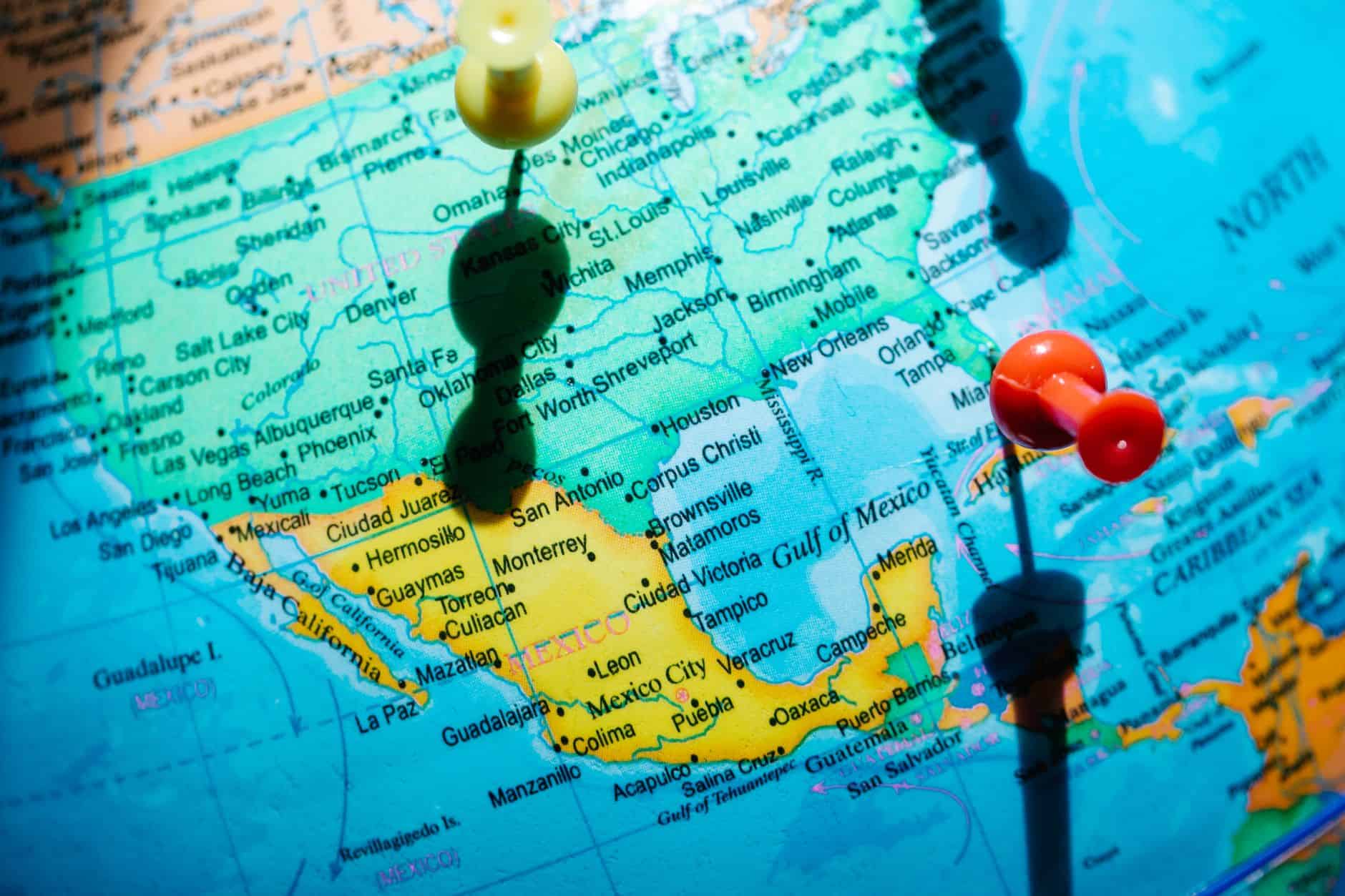
The Anti-Smuggling Treaty between the United States and Mexico marked a historic shift in bilateral relations, aimed at reducing illegal trade and enhancing border security. Crafted in response to escalating smuggling activities and the intertwining economies post-World War II, the treaty established cooperative frameworks, including joint task forces, technological enhancements, and public awareness initiatives. The treaty fostered dialogue between both countries, leading to improved law enforcement collaboration and economic ties. However, it also faced challenges, such as adapting to evolving smuggling tactics. The ongoing relevance of the treaty underscores the necessity for sustained cooperation in addressing contemporary border security and…
-
Understanding the Economic Opportunity Act: A Historical Perspective

The Economic Opportunity Act of 1964 was crucial in addressing poverty and inequality in the US, emerging alongside the civil rights movement. A cornerstone of President Lyndon B. Johnson’s Great Society initiative, it sought to empower underprivileged communities through programmes focused on education, job training, and community participation. Significant provisions included the establishment of the Office of Economic Opportunity and initiatives like Job Corps and Head Start. While the Act laid the groundwork for systemic change and federal involvement in poverty alleviation, it faced challenges related to bureaucratic inefficiencies and criticisms regarding potential dependency on government programmes. Its lasting legacy…
-
The Economic Recovery Tax Act (ERTA): A Comprehensive Historical Overview

The Economic Recovery Tax Act (ERTA) of 1981 was a pivotal reform in American tax policy, introduced during an era of economic stagnation and high inflation. Rooted in supply-side economics, ERTA aimed to stimulate growth through substantial tax cuts for individuals and corporations. Signed into law after extensive negotiations, its provisions included a 25% reduction in individual income tax rates, cuts in corporate tax rates, and incentives for investment. While the Act initially spurred economic activity, criticisms arose concerning rising income inequality and burgeoning federal deficits. Its legacy continues to influence US tax policy and the ongoing debates surrounding fiscal…
-
The Watergate Scandal: Unraveling a Political Crisis

The Watergate scandal, originating from a 1972 break-in at the Democratic National Committee headquarters, marked a significant constitutional crisis in American history, ultimately resulting in President Richard Nixon’s resignation in 1974. Driven by political ambition and a culture of secrecy, Nixon’s administration engaged in unlawful tactics to undermine rivals, leading to extensive investigations of corruption, abuse of power, and cover-ups. The scandal underscored the essential role of investigative journalism, exemplified by reporters Bob Woodward and Carl Bernstein, and fostered public mistrust in government. It prompted significant reforms in campaign finance and strengthened oversight, leaving a lasting legacy on American politics…
-
The History of Abolition Commemoration Day: Remembering Freedom

Abolition Commemoration Day is a profound observance that highlights the significant fight against slavery and the necessity of remembering this historical injustice. Tracing its roots to the late 18th and early 19th centuries, it evolved from initial local celebrations into a recognised global day, linking historical events to contemporary issues of equality and justice. Through public gatherings, artistic expressions, and educational initiatives, communities engage in collective remembrance while fostering discussions on systemic racism and social justice. However, challenges remain, including simplistic narratives and the need for a more inclusive understanding. The day serves as a call for unity and continued…
-
Understanding the Electoral College: A Historical Perspective
The Electoral College, established by the U.S. Constitution, functions as a unique system for selecting the president, balancing state and federal interests. Designed to represent both populous and less populous states, it reflects historical concerns regarding democracy and informed voting. Its operations have raised significant questions about voter equality, especially when candidates win the presidency without securing a majority of the popular vote. Contemporary critiques focus on its potential to marginalise voter influence in non-battleground states, while advocates argue it preserves the federal system. As the U.S. evolves politically and demographically, discussions about reforming or retaining the Electoral College intensify,…
-
The Legacy of Leadership: A Look at the Most Influential Presidents of the United States

The article explores the significant impact of five U.S. presidents—George Washington, Abraham Lincoln, Theodore Roosevelt, Franklin D. Roosevelt, and John F. Kennedy—on the nation’s development. Each leader faced unique challenges and made pivotal contributions: Washington established governmental precedents; Lincoln preserved the Union and advanced emancipation; Theodore Roosevelt promoted progressive reforms and government activism; FDR guided America through the Great Depression and World War II with transformative policies; and Kennedy inspired civic engagement during turbulent times. Collectively, their legacies highlight the importance of leadership in shaping democracy, equality, and public service, urging current generations to uphold these principles for a better…
-
The History of the Democratic Party in the USA

The Democratic Party has been integral to the United States’ political evolution since its founding in the early 19th century. It originated from factions post-American Revolution, officially forming in the 1820s under figures like Thomas Jefferson and Andrew Jackson. Historically representing agrarian interests, it faced ideological rifts over issues like slavery, particularly during the Civil War and Reconstruction. The party transitioned during the Great Depression under Franklin D. Roosevelt, embracing progressive policies. Key events, including the Civil Rights Movement, reshaped its identity towards social justice. In the 21st century, it confronts new challenges while striving to reconcile its legacy with…
-
The History of the Republican Party in the USA

The Republican Party, founded in the 1850s in response to slavery tensions, has a rich history shaping American politics. It grew rapidly, opposing slavery after the Kansas-Nebraska Act and was solidified by Abraham Lincoln’s presidency during the Civil War. Post-war, the party took charge during Reconstruction, advocating for civil rights through significant amendments but faced challenges from Southern resistance. In the late 20th century, under Reagan, it pivoted to conservative ideologies. The election of Donald Trump marked another shift, emphasising populism. The party now confronts ideological divides, demographic changes, and voter expectations that will shape its future and relevance.
-
The History of the US Pentagon

The Pentagon, located in Arlington, Virginia, is a symbol of American military power and has been crucial to the nation’s defence since its construction during World War II. Designed by George Bergstrom, its unique five-sided structure was completed in early 1943 to centralise military operations. As the hub for military planning, it facilitated collaboration among branches of the armed forces, playing a key role in major operations like D-Day. The building’s function and architecture have evolved through various conflicts, especially during the Cold War and post-9/11, adapting to modern threats while maintaining its significance in U.S. defence strategy.
-
The History of the United States Supreme Court
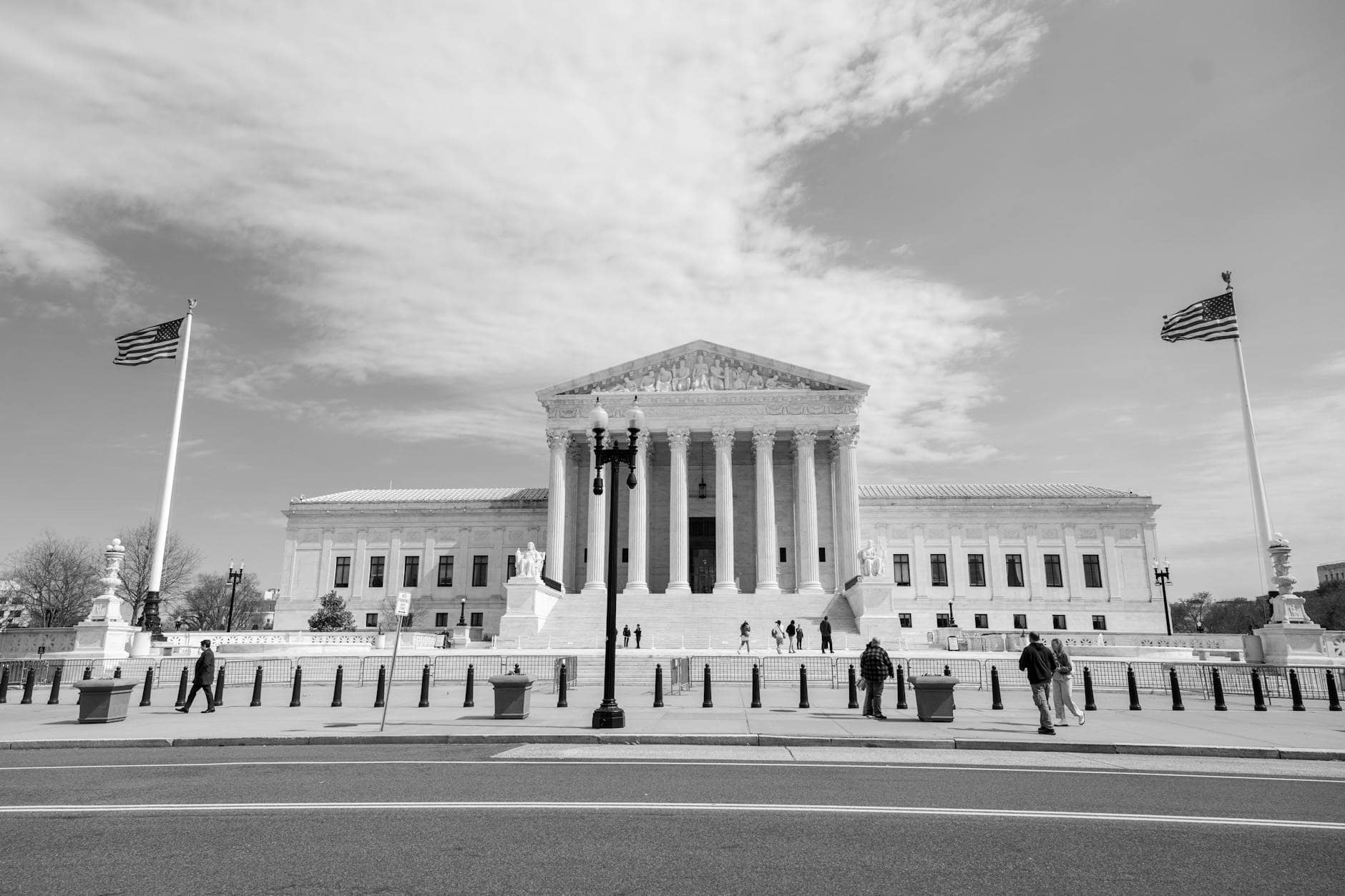
The United States Supreme Court, established in 1789, serves as the highest judicial authority, responsible for interpreting the Constitution and shaping American law. This article traces its evolution from early challenges and foundational cases, such as Marbury v. Madison, to its pivotal role in civil rights, exemplified by Brown v. Board of Education. Throughout history, landmark cases have redefined social norms and legal precedents, illustrating the court’s influence on individual rights. The contemporary court faces significant ideological divisions and contentious cases, reflecting societal changes. As it navigates complex contemporary issues, the Supreme Court remains essential to American democracy and justice.
-
The History of the United States Senate

The United States Senate, established in 1789, is a key part of the American legislative system, comprising 100 senators with two representatives from each state. This article outlines the Senate’s historical evolution, pivotal legislative functions, and the influential figures who shaped its landscape. It highlights challenges such as partisanship and representation issues, urges reforms to restore bipartisanship, and addresses its role in foreign policy and executive oversight. The Senate’s transformation from indirect elections to modern challenges underscores its significance in American democracy. Ultimately, it must adapt to maintain relevance and ensure all citizens are effectively represented.
-
The History of United States and Cuba Relations: why hostility is growing

The historical relationship between the United States and Cuba is marked by complexities, evolving from economic ties and colonisation to conflict and ideological rivalry. The Cuban Revolution of 1959 significantly altered this dynamic, as Fidel Castro’s regime nationalised American businesses, prompting the U.S. to impose an economic embargo. The Cold War intensified hostilities, epitomised by the Bay of Pigs invasion and the Cuban Missile Crisis, creating a legacy of mistrust. Recent attempts at normalisation initiated in 2014 faced setbacks under subsequent U.S. administrations, complicating ongoing discussions. Both nations continue to grapple with historical grievances as they navigate the challenges of…
-
The history of the United States House of Representatives
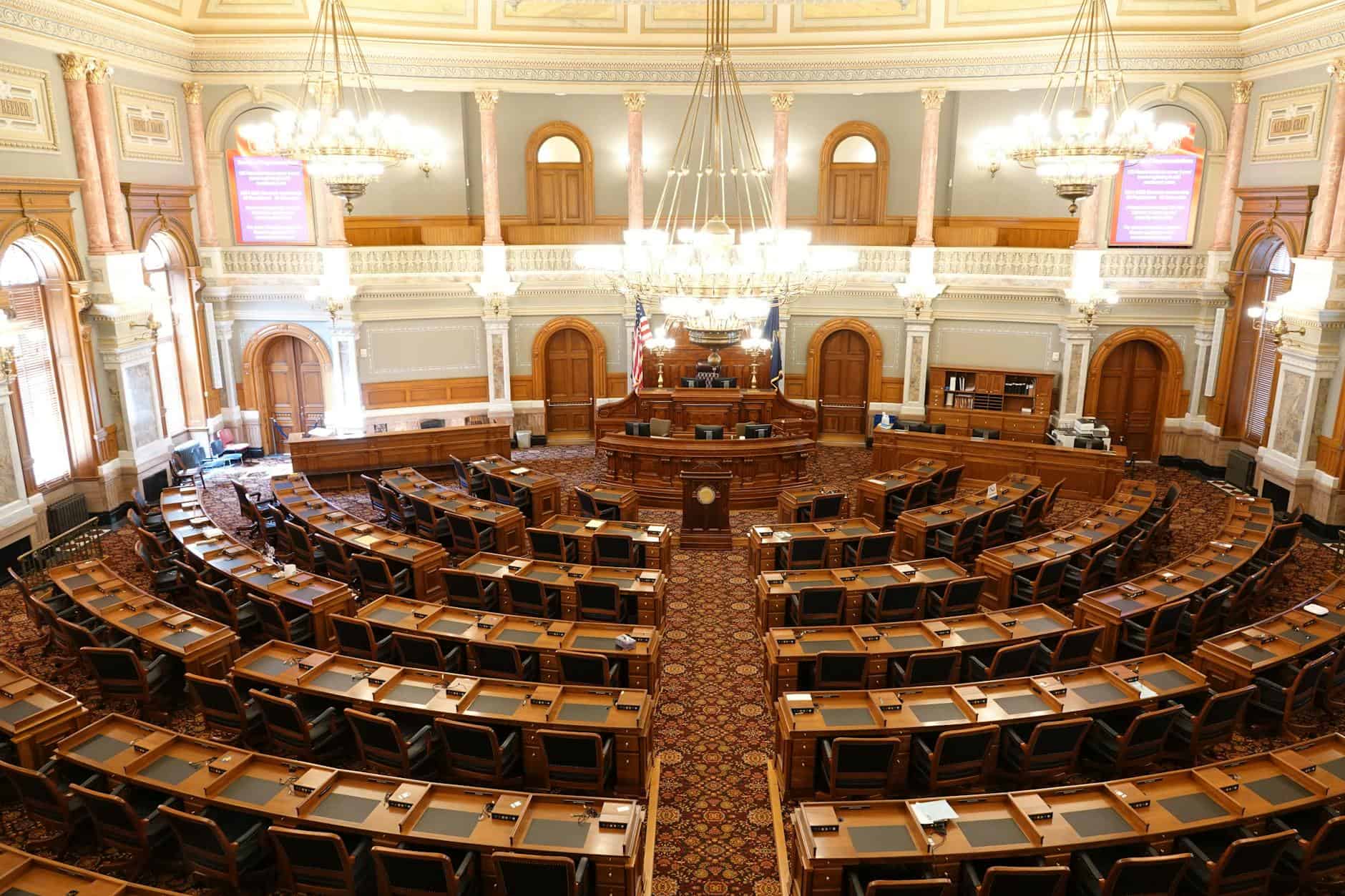
The House of Representatives, established in 1789, has played a pivotal role in shaping American democracy through its evolving mandates. Initially focused on representation and legislative identity, it addressed crucial issues such as the Bill of Rights and the contentious debates surrounding slavery. As the nation expanded and faced civil strife, the House became instrumental in navigating sectional tensions and later aiding in Reconstruction. Throughout the 20th century, it championed workers’ rights and civil rights while grappling with partisanship and social issues. Today, the House continues to adapt, reflecting the will of the people amidst ongoing political challenges.
-
The history and evolution of Birthright Citizenship in the United States

Birthright citizenship in the United States allows individuals born on U.S. soil to automatically acquire citizenship, regardless of their parents’ nationality, as established by the 14th Amendment. Its origins trace back to colonial times and evolved through historical contexts, addressing issues of race and identity. Landmark Supreme Court cases like Wong Kim Ark reaffirmed this principle, asserting citizenship based on birthplace. Contemporary debates focus on immigration and identity, with calls for reform from some groups who argue it encourages illegal immigration. Comparisons with international practices reveal varied approaches, highlighting challenges in balancing inclusivity with national interests in evolving societal dynamics.
-
The KGB: A Deep Dive into its History and Global Impact

The KGB, established in 1954, was a powerful Soviet intelligence agency that significantly influenced both domestic and international landscapes during its existence. Originally formed from revolutionary security organisations, the KGB was involved in espionage, surveillance, and political repression while maintaining strict control over the Soviet population. Its tactics included disinformation campaigns and support for global communist movements, particularly during the Cold War. After the USSR’s dissolution in 1991, the KGB’s legacy endured through its successor, the FSB, and its practices continue to shape contemporary Russian governance, surveillance, and international relations, highlighting the complex interplay between security and civil liberties.
-
The Iranian Revolution of 1979: A Historical Overview

The Iranian Revolution of 1979 was a transformative event that shifted Iran from a monarchy to an Islamic Republic, profoundly impacting regional and global politics. Spurred by widespread discontent under Shah Mohammad Reza Pahlavi, due to authoritarianism, socio-economic struggles, and Westernisation efforts, the revolution saw diverse groups uniting against the regime, led by Ayatollah Khomeini. Key events included escalating protests, military crackdowns, and Khomeini’s triumphant return from exile. The revolution established a theocratic government, inspiring similar movements in the Middle East and causing tensions with the West, particularly evident during the U.S. embassy hostage crisis. Its legacy remains influential in…
-
The Strategic Importance of the Strait of Hormuz: a historical perspective

The Strait of Hormuz is a critical maritime chokepoint connecting the Persian Gulf to the Gulf of Oman, with around 20% of the world’s oil passing through. Its historical significance dates back to ancient trade routes, influencing commerce across civilisations like Persia. European colonial interests in the 18th and 19th centuries intensified control over the strait, leading to ongoing conflicts. In the 20th century, the discovery of oil shifted geopolitical dynamics, heightening tensions particularly during the Iranian Revolution and the Gulf War. Recent developments showcase continuing risks, such as maritime incidents, necessitating international cooperation to ensure security in this vital…