Tag: Politics
-
The Potsdam Conference: A Turning Point in History

The Potsdam Conference, held from July 17 to August 2, 1945, was a pivotal moment in post-World War II history, involving leaders Truman, Churchill (later Attlee), and Stalin. Set against a backdrop of devastation in Europe and rising ideological tensions between communism and capitalism, the conference aimed to create frameworks for peace and stability. Key outcomes included the demilitarisation and denazification of Germany, territorial adjustments in Eastern Europe, and reparations discussions. The conference significantly influenced the Cold War dynamics and shaped the geopolitical landscape, highlighting challenges in post-war diplomacy and foreshadowing future conflicts within Europe.
-
The Yalta Conference: A Pivotal Moment in World War II History

The Yalta Conference in February 1945, attended by Roosevelt, Churchill, and Stalin, was a crucial event near the end of World War II aimed at discussing Europe’s post-war reorganisation. With a focus on military strategies against Nazi Germany and the future of liberated nations, the meeting addressed tensions stemming from differing ideologies between communism and democracy. Major agreements included Germany’s division into four occupation zones and plans for the United Nations. However, conflicting interpretations of these agreements later contributed to the Cold War, establishing a lasting ideological divide and shaping international relations for decades to come.
-
The History of the Iraq-Iran Conflict: A Comprehensive Analysis

The Iraq-Iran Conflict, a significant geopolitical struggle, has roots in historical grievances, territorial disputes, and ideological divides. The war (1980-1988) began due to Saddam Hussein’s fear of Iran’s Islamic revolution and disputes over the strategic Shatt al-Arab waterway. Characterised by tremendous casualties, it ended in a stalemate, with enduring consequences for both nations. Iraq emerged economically devastated, leading to further conflicts like the Gulf War, while Iran, having bolstered its national identity, faced international isolation. The conflict also reshaped regional alliances and tensions, influencing subsequent conflicts and sectarian violence in the Middle East, with repercussions felt today.
-
The Final Days of the Romanov Family

The Romanov family, ruling Russia for over three centuries, faced a tragic end during the tumultuous times of the Russian Revolution. As the world changed around them, this royal family became symbols of an era marked by autocracy, war, and unrest. Their final days, infused with uncertainty and foreboding, reflect a gripping narrative of betrayal, loyalty, and sacrifice. This article seeks to explore the intricacies of the Romanov family’s last days, delving deep into the historical, political, and social contexts that surrounded their final moments.
-
The Presidency of Woodrow Wilson: A Pivotal Era in American History
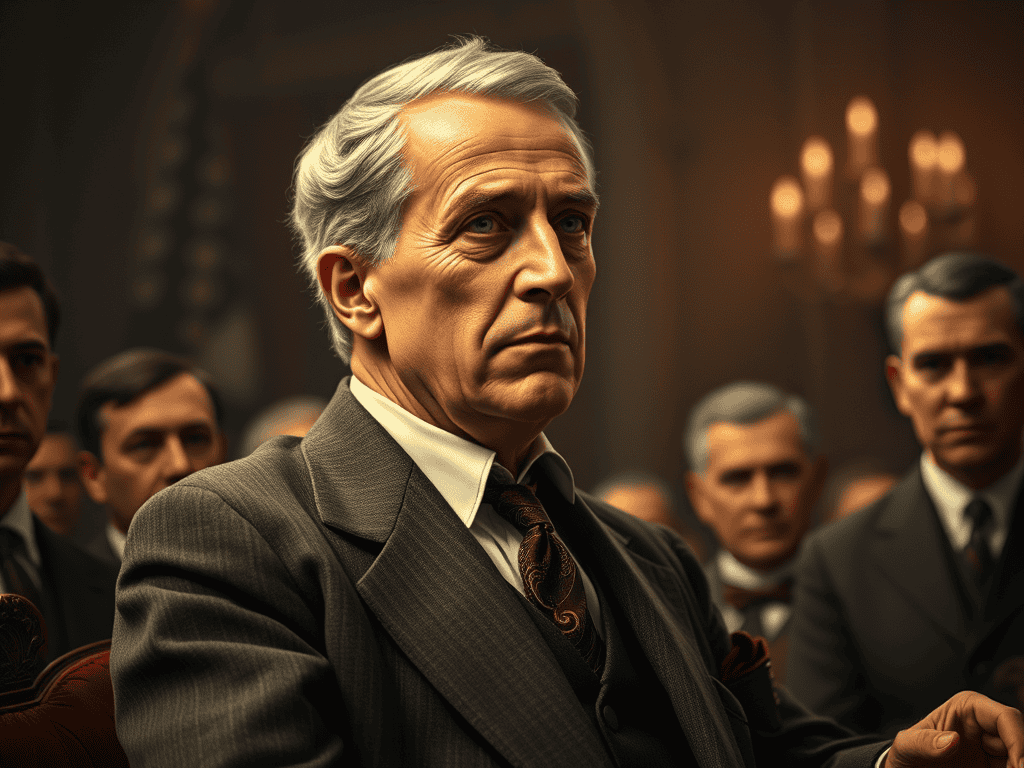
Woodrow Wilson, the 28th President of the United States, served from 1913 to 1921, influencing American history significantly through his domestic and foreign policies. His leadership during World War I marked a pivotal turn, advocating for progressive reforms to address social inequality while promoting a vision of international diplomacy to foster peace, notably through his push for the League of Nations. Despite achieving landmark domestic legislation, his presidency was marred by contradictions, particularly in civil rights. Wilson’s legacy is complex, embodying both progressive advancements and notable failures, shaping future U.S. governance and international relations. His principles remain relevant in contemporary…
-
The History of the League of Nations: A Comprehensive Overview
The League of Nations, established in 1920 after World War I, aimed to maintain peace through diplomacy rather than warfare. Championed by figures like Woodrow Wilson, it sought collective security but faced challenges such as the absence of the United States and the emergence of totalitarian regimes. Early successes included mediating disputes, yet the League struggled against major aggressions in the 1930s, highlighting its impotence. World War II marked its irrelevance, and it was officially dissolved in 1946. Despite its failures, the League’s principles influenced the formation of the United Nations, which aimed to rectify its shortcomings and promote international…
-
The History of the Russian Revolution of 1917
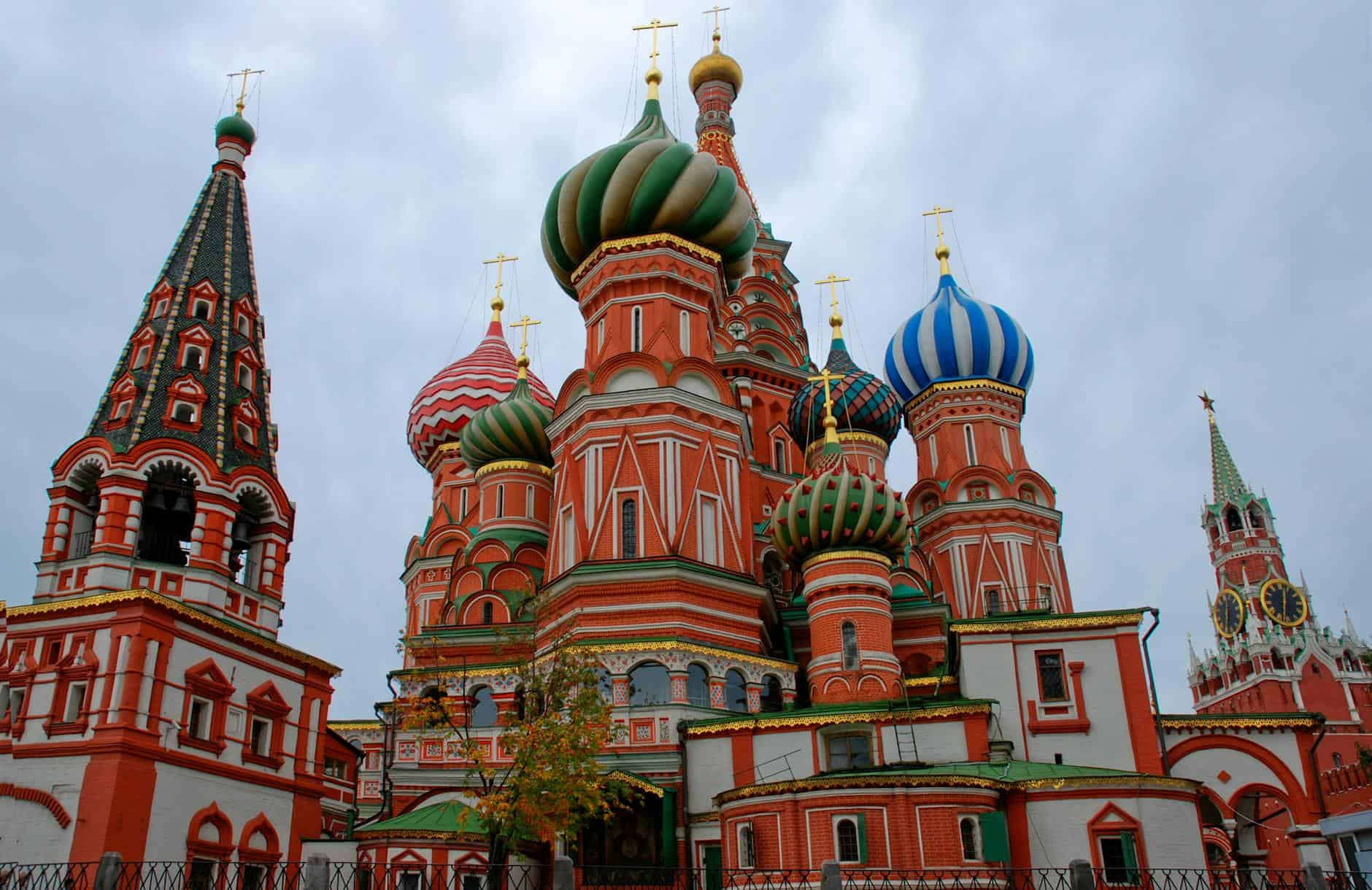
The Russian Revolution of 1917 significantly transformed Russia and influenced global politics. It comprised the February Revolution, resulting in Tsar Nicholas II’s abdication, and the October Revolution, where the Bolsheviks seized power under Lenin. Factors leading to the revolution included military failures, economic hardship, and political repression. The revolution dismantled the autocratic regime, introducing socialist principles and sweeping reforms, such as land redistribution and nationalisation of industries. However, it led to authoritarian governance and state repression, betraying initial ideals of democracy. The revolution’s legacy continues to impact Russian society and global political movements, serving as both an inspiration and a…
-
The Lisbon Treaty: A Milestone in European Union History

The Lisbon Treaty, signed on December 13, 2007, marked a transformative phase in the European Union’s evolution, aiming to enhance efficiency, democratic legitimacy, and coherence in governance. Following the failed 2004 European Constitution, the treaty sought to simplify decision-making and improve EU representation globally. Key innovations included a permanent President of the European Council, enhanced powers for the European Parliament, and increased use of qualified majority voting. While it strengthened EU integration and citizen engagement, critics argue it still suffers from a democratic deficit. The treaty’s legacy remains a pivotal factor in addressing future challenges and fostering cooperation among member…
-
The History of the Treaty of Versailles: A Defining Moment in Global Diplomacy

The Treaty of Versailles, signed on June 28, 1919, concluded World War I and sought to reshape global order. It aimed to address the victors’ grievances while imposing harsh reparations and territorial losses on Germany, causing widespread resentment that foreshadowed future conflicts, including World War II. The treaty established the League of Nations, intended to promote peace but struggled due to its lack of authority, particularly after the United States did not join. Its punitive measures led to socio-economic turmoil in Germany, fostering extremist ideologies and instability in Europe. The treaty’s legacy still influences international relations today.
-
The History of the Bilderberg Group: An In-Depth Exploration

The Bilderberg Group, founded in 1954, is an exclusive assembly of influential leaders from various sectors that meets annually to discuss global issues. Originating amid Cold War tensions, its secretive nature has led to speculation about its true aims, with critics accusing it of elitism and lack of accountability. Key figures from politics, business, and academia have shaped its discussions, impacting policy on crucial topics like climate change and cybersecurity. Despite controversies, including accusations of promoting capitalist interests, the group remains vital for facilitating dialogue and collaboration among powerful leaders in an increasingly complex world.
-
The Evolution of World Order After World War II

The post discusses the evolution of the world order since World War II, highlighting major shifts in geopolitics, economics, and social structures. It examines the establishment of the United Nations in 1945, which aimed to promote global peace and cooperation, and addresses the Cold War’s ideological conflict between capitalism and communism, shaping international relations. The conclusion of the Cold War led to a unipolar world dominated by the US. Additionally, the article covers decolonization, where new nations emerged and contributed to changes in global dynamics, alongside contemporary challenges such as globalization and rising powers, underscoring the necessity for collaboration in…
-
The History of the World Economic Forum: facts and figures to a complete guide

The World Economic Forum (WEF), established in 1971 by Klaus Schwab, has evolved from a European management symposium into a key global platform for dialogue among leaders from various sectors. It addresses pressing issues like economic trends, climate change, and social inequality. During the 1990s and early 2000s, the WEF expanded its agenda to include technology, sustainability, and corporate responsibility. Facing 21st-century challenges, including globalization, populism, and the COVID-19 pandemic, the WEF has emphasised inclusivity and collaboration. Looking ahead, it aims to foster innovative solutions while addressing systemic inequalities and championing sustainable practices.
-
The History of the KGB: A complete guide

The KGB, formed in 1954, was the Soviet Union’s principal security agency and secret police, evolving from earlier organisations like the Cheka. Its mandate included counterintelligence, surveillance, and repression against dissent, leading to a culture of fear among citizens. During the Cold War, the KGB engaged in extensive espionage against Western powers, employing human intelligence and disinformation tactics that have continued to influence modern espionage practices. After the Soviet Union’s collapse in 1991, the KGB was dissolved but its legacy persisted through institutions like the FSB, shaping Russia’s political landscape and global interactions, while raising ongoing discussions about state control…
-
The Cold War and Its Economic Consequences
The Cold War, lasting from the end of World War II to the early 1990s, involved geopolitical tension between the Soviet Union and the United States, marked by ideological battles and proxy wars instead of direct conflict. Roots of this era stemmed from differing political ideologies following WWII, as both superpowers sought influence in war-torn regions. Key events like the Korean War and the Cuban Missile Crisis exemplified escalating crises. Economically, military spending reshaped both nations, with the U.S. benefiting from innovation, while the Soviet Union faced chronic shortages. The Cold War\’s conclusion led to significant geopolitical shifts, influencing contemporary…
-
The Legacy of Teddy Roosevelt: A Historical Analysis
The presidency of Theodore Roosevelt (1901-1909) is marked by progressive reforms and a commitment to conservation, shaping modern American governance. Roosevelt\’s early life instilled resilience, leading him to a prominent political career. He effectively implemented trust-busting measures to combat corporate monopolies while promoting environmental conservation through national parks and forest management. His assertive foreign policy, exemplified by the Roosevelt Corollary and successful negotiations, elevated America\’s global standing. Despite criticisms regarding racial inequality, Roosevelt\’s administration laid the groundwork for significant social justice reforms, establishing a legacy that influences subsequent presidents and exemplifies proactive government involvement in societal issues.
-
The Presidency of John F. Kennedy: A Legacy of Leadership
John F. Kennedy, the 35th president of the United States, was a pivotal figure in American history, elected at the age of 43. His presidency was marked by significant domestic policies, especially in civil rights, where he faced pressure to act decisively. Internationally, he navigated the Cold War\’s complexities, notably during the Cuban Missile Crisis. Kennedy inspired a technological push in the Space Race, culminating in a successful Moon landing goal. His assassination in 1963 shocked the nation, cutting short his ambitious agenda. Despite this, Kennedy\’s legacy in civil rights, international diplomacy, and technological advancement continues to resonate in American…
-
The Presidency of Richard Nixon: A Comprehensive Examination
Richard Nixon, the 37th President of the United States, served from 1969 to 1974, during a tumultuous period marked by significant political and social challenges. His presidency is noted for opening relations with China and navigating Cold War complexities, but it is overshadowed by the Watergate scandal that led to his resignation—the first ever by a sitting president. Nixon\’s domestic policies included the establishment of the Environmental Protection Agency and efforts to curb economic issues like stagflation. His legacy remains complicated, with achievements in foreign policy and environmental reform contrasting sharply with the corruption exposed by Watergate, shaping future governance…
-
Economic Reforms During George W. Bush\’s Administration
The economic reforms during George W. Bush\’s presidency (2001-2009) marked a significant shift in U.S. policy, aiming to stimulate growth and improve social welfare. Key initiatives included tax cuts to boost disposable income, Social Security reform proposals for private investment accounts, and the introduction of the Medicare Prescription Drug Benefit. While proponents argued these measures fostered growth and accessibility, critics raised concerns about income inequality, financial insecurity, and environmental impacts. Additionally, deregulation efforts were intended to spur business growth but faced scrutiny during the 2008 financial crisis. Overall, Bush\’s reforms influenced ongoing debates on fiscal responsibility and economic equity.