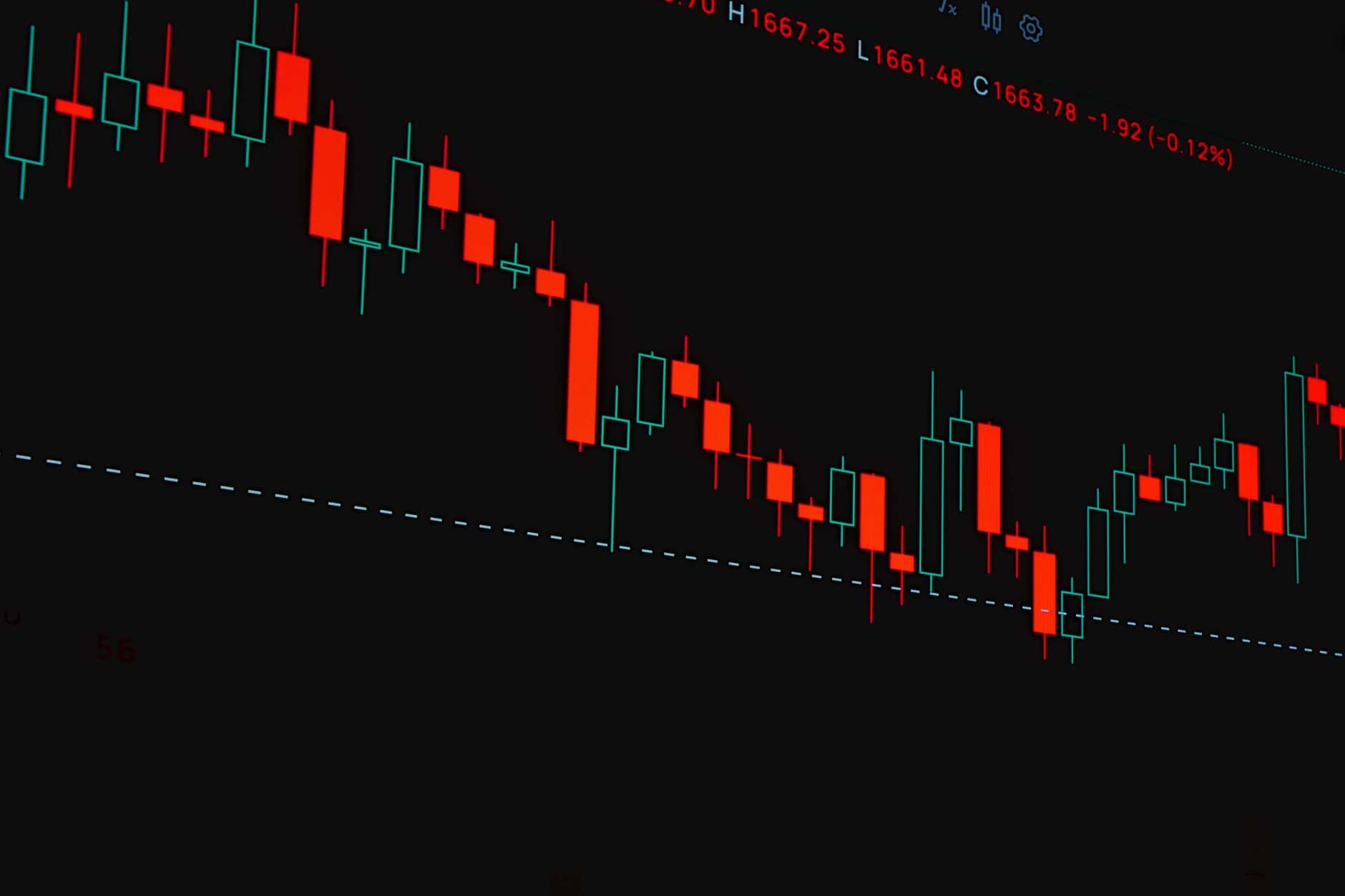
Black Monday, occurring on October 19, 1987, stands as one of the most significant events in financial history, marked by a sudden and devastating stock market crash that left investors and institutions reeling. Triggered by a combination of economic factors, panic selling, and technological vulnerabilities, Black Monday saw the Dow Jones Industrial Average plummet by over 22% in a single day, wiping out billions of dollars in wealth.
This catastrophic event not only reshaped the landscape of financial markets but also served as a catalyst for critical regulatory changes. In this article, we will explore the intricate web of causes leading to this momentous day, examine the events as they unfolded, assess the immediate and long-term repercussions, and extract valuable lessons to avoid such pitfalls in the future.
Understanding the Economic Conditions Leading to Black Monday
The buildup to Black Monday cannot be understood without a keen examination of the economic conditions prevailing in the 1980s. The decade was marked by significant economic growth, often referred to as the “Roaring Eighties.” Following the recession of the early 1980s, marked by high inflation and unemployment, the U.S. economy saw a resurgence characterized by increasing productivity, technological innovations, and a buoyant stock market. However, beneath this façade of prosperity lay systemic vulnerabilities and economic conditions that set the stage for the impending crash.
One of the critical factors was the rapid increase in stock prices throughout the mid-1980s. Investors, buoyed by self-reinforcing cycles of optimism and speculation, drove stock valuations to unprecedented levels. The P/E (price-to-earnings) ratios reached historic highs, leading many analysts to warn that the market was overvalued. Despite these warnings, the bullish sentiment prevailed, fueled by the belief that the economy was fundamentally strong.
Another significant element was the introduction of computer trading systems, which transformed the trading landscape. The advent of portfolio insurance, which allowed institutional investors to hedge against potential market declines, inadvertently contributed to the severity of the crash. As the market began to decline on October 19, these automated systems triggered a wave of sell orders, amplifying the downturn. The reliance on technology without adequate safeguards highlighted a critical flaw in the market structure, exposing traders to unprecedented risks.
International factors also played a role in the economic conditions leading up to Black Monday. The U.S. trade deficit was widening, and concerns about growing debts in other parts of the world, particularly in the Energy sector and emerging markets, stirred unease among investors. Furthermore, geopolitical tensions, including trade disputes and fluctuating oil prices, added to the uncertainty surrounding the global economy.
Moreover, the monetary policy pursued by the Federal Reserve contributed to the environment that would lead to the crash. In an effort to curb inflation and stabilize the economy, the Fed raised interest rates throughout 1987. Higher interest rates increased borrowing costs, deterring investment and slowing economic growth. This tightening of monetary policy occurred alongside a backdrop of rising inflation, creating tension in the financial markets.
Investors, unsettled by these economic indicators, began to reassess their positions as October approached, leading to increased volatility in the weeks leading up to the crash. The confluence of overvalued stocks, the rise of computer-assisted trading, international economic uncertainties, and tightening monetary policy created a perfect storm, setting the stage for the disastrous events of Black Monday.
The Events of October 19, 1987: A Timeline
The events of Black Monday unfolded rapidly, marking one of the most dramatic days in financial history. Early indications of market trouble began when the Asian markets opened, facing their own share of selling pressure. In the United States, news of a significant decline in the futures market on the morning of October 19 fueled panic among investors. The market opened lower, and fears rapidly escalated as selling intensified, prompting a wave of panic selling across the board.
Around 10:00 AM, the Dow Jones Industrial Average was down significantly, losing hundreds of points in mere minutes. Trading floor activity became frantic as brokers scrambled to manage their orders amid a barrage of sell requests. By midday, the market showed no signs of recovery, and the Dow continued its precipitous decline, finally closing down 508 points, or 22.6%, a record drop at that time. The scale of the decline left many stunned, as the financial media struggled to keep pace with the rapidly unfolding events.
The sell-off was exacerbated by the very mechanisms intended to protect investors. Portfolio insurance strategies, which were supposed to shield investors from downside risk, triggered further selling as stock prices fell, compounding the downward spiral. By the end of the day, the stock market had witnessed an unprecedented collapse, with many companies facing drastic declines in their stock values, and individual investors left vulnerable and uncertain about the future of their investments.
The Immediate Aftermath of the Crash: Reactions and Responses
In the wake of Black Monday, the immediate aftermath revealed a landscape of uncertainty and alarm. Investors, bewildered by the rapid and severe decline in stock prices, found themselves grappling with significant losses. Institutional investors, whose strategies contributed to the volatility, faced scrutiny from shareholders and the public. The psychological impact of the crash extended to Main Street, as everyday individuals expressed concern over their retirement savings and investments.
In financial circles, there was a sense of disbelief and urgency. Regulators and market analysts convened to assess the damage and consider appropriate responses to avert similar occurrences in the future. The Securities and Exchange Commission (SEC) launched an investigation into the events leading up to and during the crash, while discussing potential reforms to improve market stability and protect investors.
Corporate America also entered a phase of introspection and recalibration in response to the crash. Many firms reevaluated their risk management practices and began to implement more robust compliance measures to navigate the changing market dynamics. This scrutiny extended beyond individual firms, as the entire financial sector recognized the need for improved transparency and accountability to restore confidence among investors.
Government officials, aware of the potential for widespread panic, took measures to calm the markets. The Federal Reserve, led by Chairman Alan Greenspan, signaled its willingness to provide liquidity to financial institutions, assuaging fears of a liquidity crisis. The Fed emphasized its commitment to maintaining stability in the financial system, reassuring both investors and analysts that it would take necessary actions to support the economy and restore confidence in the markets.
Long-Term Implications of Black Monday on Financial Markets
The long-term implications of Black Monday were profound and far-reaching, affecting regulatory frameworks, market behaviors, and the relationship between investors and financial institutions. In the years following the crash, various reforms were instituted to enhance market stability and oversight. Increased regulation aimed at curbing speculative practices and ensuring greater transparency became paramount in maintaining investor confidence.
One significant outcome was the implementation of trading curbs known as “circuit breakers.” These mechanisms were designed to halt trading temporarily when stocks experience drastic price movements, providing time for market participants to reassess conditions and act rationally rather than emotionally. This proactive approach aimed to prevent panic selling in response to negative market movements.
Moreover, the SEC revisited existing regulations regarding derivative trading and portfolio insurance products, addressing vulnerabilities that had contributed to the intensity of the crash. Financial institutions were required to enhance their risk management practices, ensuring they were better equipped to navigate volatile market conditions in the future.
Additionally, Black Monday shaped investor behavior, leading to a cultural shift in how individuals approached investment. Investors became more cautious, leading to an increased emphasis on diversification and risk assessment. The crash served as a stark reminder of the inherent risks associated with investing, prompting a broader conversation about financial literacy and informed decision-making in personal finance.
Lessons Learned: Regulatory Changes and Historical Analyses
The ultimate lesson of Black Monday lies in the recognition of inherent vulnerabilities within financial markets and the importance of vigilance in maintaining stability. Historians and economists have analyzed the events leading up to the crash extensively, emphasizing the interplay between human behavior, technology, and regulatory frameworks. The need for comprehensive education regarding market mechanics, trading practices, and risk management became evident following the crash.
In examining the historical narrative of Black Monday, experts advocate for a balanced approach to financial regulation, emphasizing the necessity for adaptive regulatory measures that can respond to evolving market conditions and technological advancements. The experience of Black Monday continues to influence contemporary conversations about financial markets, as analysts draw parallels between past crises and current conditions.
Conclusion
In conclusion, Black Monday remains a crucial episode for understanding the complexities of financial markets and the impact of economic conditions on market stability. The events of October 19, 1987, revealed vulnerabilities that prompted significant regulatory changes and shaped investor behavior for decades to come. As history students, professors, and executives reflect on the lessons learned from this significant market crash, it is critical to maintain a robust dialogue about risk management, market behavior, and the importance of equitable investor protections. By analyzing and understanding these events, we equip ourselves with the knowledge necessary to navigate the uncertainties of future markets.
Sources Consulted
- Morgan Stanley. “The 1987 Stock Market Crash.” https://www.morganstanley.com
- Federal Reserve History. “October 19, 1987: A Day of Terror.” https://www.federalreservehistory.org
- SEC.gov. “Report on the October 1987 Market Break.” https://www.sec.gov
- Davis, A. (2020). Dark Days: The Economic Impact of Black Monday. New York: Financial Press.
- Zellner, W. (2012). Black Monday: The Stock Market Crash of 1987 in Historical Context. Chicago: University Press.
Leave a Reply