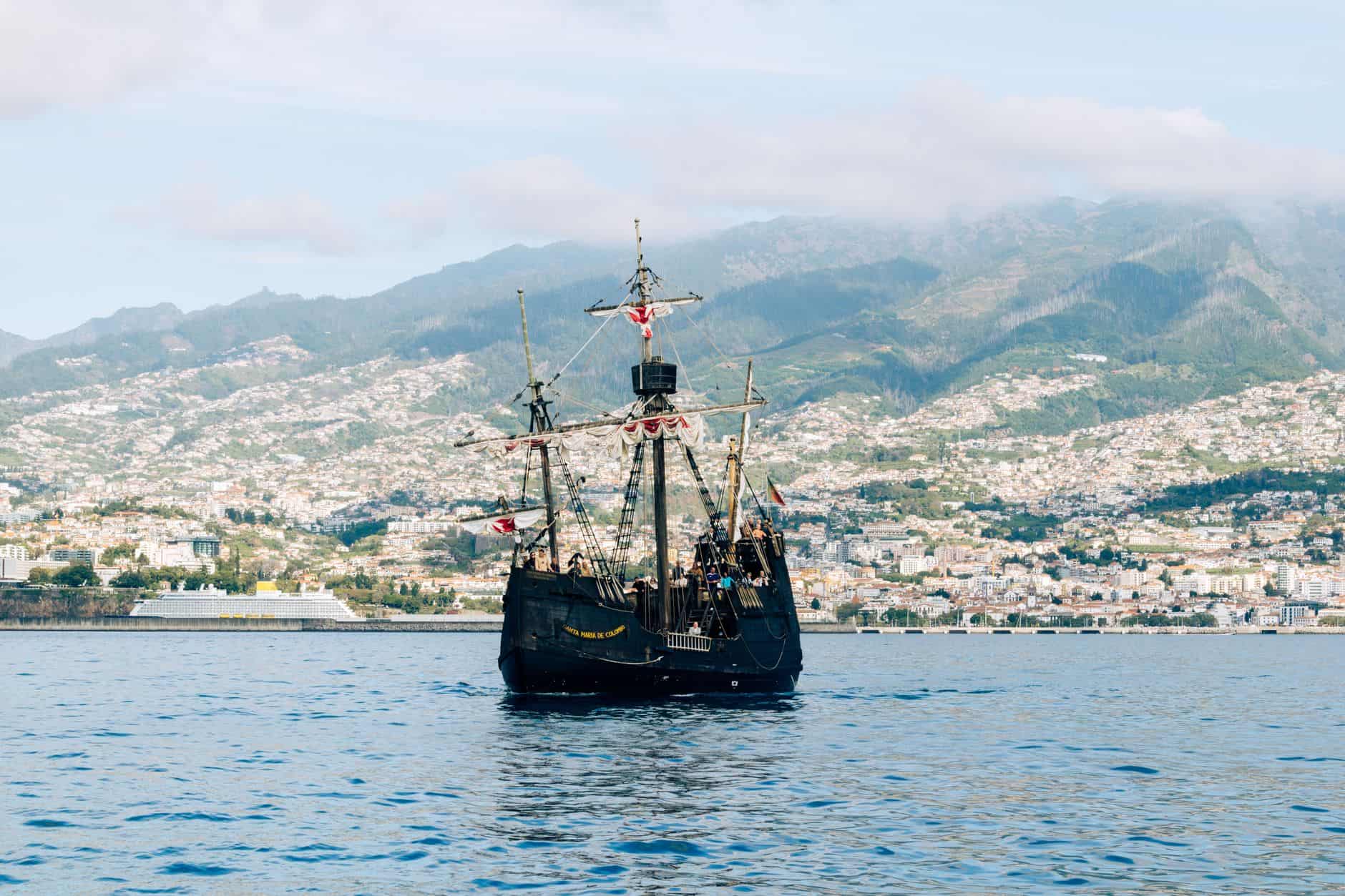
Christopher Columbus’s voyage in 1492 marks one of the pivotal moments in world history, known for ushering in an era of exploration and colonialism that reshaped nations and cultures. Commissioned by Spain, Columbus sought a new route to Asia but instead stumbled upon the Americas, igniting widespread interest from European powers in the untapped resources of this new world. This incident not only altered the course of navigation and trading practices but also initiated a complex encounter between the Old World and the New.
This article delves into the multifaceted history of Columbus’s journey, its intended objectives, the journey’s experiences, and its profound implications for both the indigenous populations encountered and European society, thereby providing a holistic view of Columbus’s voyage.
The Prelude to Columbus’s Journey: Exploration and Navigation in the Late 15th Century
The late 15th century was a time of tremendous change and ambition in Europe, particularly in relation to maritime exploration. This era saw advances in navigation techniques, shipbuilding innovations, and a growing appetite for trade beyond traditional routes. Despite long-standing trade networks that existed between Europe, Africa, and Asia, many European powers sought new paths to access the rich resources of Asia, particularly spices, silks, and precious metals.
Several key factors contributed to this drive for exploration. The rise of the Renaissance instilled a thirst for knowledge and discovery. European nations, especially Spain and Portugal, invested in shipbuilding and navigational technology, resulting in the development of more seaworthy vessels such as the caravel. This new type of ship was critical for long voyages, combining speed and cargo capacity.
In Spain, the unification of the country under Ferdinand and Isabella in 1469 encouraged nationalistic sentiments and ambitious foreign policies. Both monarchs recognized the potential for gaining wealth through new lands, particularly after successfully reconquering Granada in 1492. It was in this climate of ambition and competition that Columbus, an Italian navigator, proposed his revolutionary plan to sail westward to reach Asia.
Columbus’s proposition was initially met with skepticism. Traditional European geographical beliefs placed Asia much farther east, making a westward route seem impractical. However, Columbus had conducted extensive research and believed the Earth was smaller than it truly is, a belief shaped by miscalculations. After gaining the support of the Spanish monarchs, Columbus secured three ships: the Niña, the Pinta, and the Santa Maria.
As Columbus prepared for his expedition, he also shared the knowledge and expertise of contemporary cartographers like the Portuguese scholar, Martin Waldseemüller, who created maps based on the latest navigational data. These maps, combined with celestial navigation, allowed Columbus and his crew to make better-informed decisions during the voyage.
On August 3, 1492, Columbus set sail from the port of Palos de la Frontera, marking the beginning of an extraordinary expedition. Little did he know that this journey would lead to the encounter of two worlds, changing the course of human history forever.
The Journey Itself: Voyage Details and Encounters
On his quest to reach Asia, Columbus undertook a formidable journey that would last for several months, filled with trials, navigation challenges, and unforeseen encounters.
Following a westward course across the Atlantic, Columbus and his crew faced numerous obstacles, including storms, navigational difficulties, and dwindling supplies. The early weeks of the voyage were fraught with uncertainty; the vastness of the ocean and the potential for disaster loomed heavily upon the crew.
Despite these challenges, Columbus remained resolute in his belief that he would soon reach Asian lands. The ship’s crew, however, grew increasingly restless. As weeks turned into months, their morale waned. Columbus had promised them wealth and glory, but a sense of dread began to take hold as the journey extended far beyond initial expectations.
On October 12, 1492, after weeks of anticipation and tension, Columbus finally made landfall in the Bahamas. He initially believed he had reached the outskirts of Asia, naming the islands “San Salvador.” This encounter with the indigenous Taino people marked a pivotal moment in history.
Columbus’s first impressions of the Taino were of a friendly and naive people, who greeted him and his crew warmly. He noted the richness of their cultures and their willingness to share resources, which he and his crew interpreted as a sign of their unguarded nature. Columbus’s journal entries reflect a mix of curiosity and a premonition of exploitation; he recognized the potential for economic gain from these newfound lands.
As Columbus explored the surrounding regions, including Cuba and Hispaniola, he began to impose Spanish claims and establish dominion. His methods of interaction were complex; he sought to convert the indigenous people to Christianity while simultaneously searching for gold and other riches. These initial encounters set the tone for the European exploitation of the Americas.
The significance of Columbus’s first voyage lies not only in the discovery of new lands but also in the initiation of a fraught relationship that would lead to severe consequences for indigenous populations across the Americas. This intersection of worlds marked the commencement of a global exchange of products, cultures, and ideas, forever altering the course of history.
Impacts on Indigenous Populations: Initial Contact and Consequences
The arrival of Columbus in the Americas had immediate and far-reaching effects on indigenous populations. While Columbus initially perceived the Taino people as amiable and generous, his motivations quickly transformed into those of conquest and colonization.
Upon establishing contact with indigenous groups, Columbus and his men began to impose their will on these societies. Initially interested in trade and diplomacy, Columbus rapidly shifted towards exploitation, driven by the desire for gold and resources. His treatment of the Taino exemplified the beginning of a long history of colonial abuse.
Although the Taino were hospitable at first, Columbus’s arrival brought devastating consequences. In pursuit of gold, Columbus enslaved many of the Taino, forcing them to mine for precious metals and omitting their suffering from his writings. Disease also played a crucial role in the downfall of the Taino, introduced by the European navigation crews, leading to a catastrophic decline in their population.
This era of Contact immediately plunged the indigenous peoples into a tumultuous existence, faced with the onslaught of foreign invasions, cultural erasure, and new diseases that wiped entire communities. Historians estimate that within a generation, the Taino population diminished dramatically from hundreds of thousands to merely a few thousand.
The ideology underpinning Columbus’s motivations was one of superiority; he viewed the indigenous people as inferior and believed it was his divine right to claim the land for Spain. This colonization mindset justified the system of exploitation that emerged, which would see more European powers flooding into the Americas. It set a precedent for future conquests and marked the beginning of centuries of oppression for native peoples.
In understanding the impact of Columbus’s voyages on indigenous populations, we acknowledge a paternalistic and imperialistic legacy that resonates in recent discussions among historians and cultural studies. The narrative surrounding Columbus must reconcile the complexities of exploration against the backdrop of oppression and violence against native societies.
The Aftermath: Europe’s Response and the Age of Exploration
Following Columbus’s historic journey, Europe was thrust into an age of exploration that would transform the continent. The discoveries made during his voyage captured the imagination of other European powers, leading to a surge of exploration and colonization efforts.
In Spain, Columbus’s reports of abundant resources, lush lands, and the potential for profitable colonies spurred interest among merchants and the monarchy. The Spanish crown encouraged further expeditions to the Americas, resulting in the conquest of vast territories and an influx of wealth due to resources like gold and silver. The success of Columbus emboldened explorers such as Hernán Cortés and Francisco Pizarro, who ventured into Mexico and South America, respectively.
This period also saw the establishment of the transatlantic slave trade, driven by the labor demands of colonial plantations. As native populations dwindled due to disease and exploitation, European colonists turned to Africa for enslaved laborers who could work the land and contribute to the burgeoning economy. This exploitative system forged new social dynamics that would last for centuries and perpetuate cycles of oppression.
Furthermore, other European nations were quick to stake their claims across the globe, resulting in a competitive frenzy for territories. England, France, and the Netherlands entered the race, leading to a wave of exploration that ultimately defined the geopolitical landscape of the New World for generations. The outcome of these interactions often led to violent conflicts, land dispossession, and cultural upheaval among the indigenous populations.
The repercussions of Columbus’s journeys did not just reshape territorial control; they also altered European social, economic, and political frameworks. The influx of goods from the Americas initiated a global trade system, expanding markets and changing consumer habits in Europe. The newfound wealth resulted in marked changes in power dynamics and encouraged the rise of merchant classes, further entrenching capitalism.
Ultimately, the aftermath of Columbus’s voyages set the stage for a continuous cycle of exploration, conquest, and colonization that reverberated throughout world history. This interlinking of continents initiated by Columbus would serve as a catalyst for both growth and exploitation in the centuries to come.
Long-term Effects: The Legacy of Columbus’s Voyage in Historical Context
Columbus’s voyage not only initiated the Age of Exploration but also triggered subsequent events that would shape the modern world. The encounter between the Old World and New World led to significant cultural exchanges, for better or worse, and fostered a complex legacy that endures to this day.
Historically, Columbus has been a polarizing figure. To many, he is seen as an emblem of exploration and discovery, representing the adventurous spirit that drove European expansion. However, his actions also exemplify colonial violence and the devastating impacts inflicted on indigenous peoples. This duality invites ongoing discussions about how we commemorate historical figures and their legacies.
The Columbian Exchange, a term coined by historians, describes the widespread transfer of plants, animals, diseases, and cultures that fundamentally changed both worlds. It reshaped diets, leading to the introduction of new crops like potatoes and maize to Europe, while also facilitating the spread of European agricultural practices in the Americas. Still, it also caused the decimation of indigenous populations due to diseases such as smallpox, leading to the loss of entire cultures and ways of life.
Furthermore, Columbus’s voyages ignited discussions around sovereignty, colonization, and the human condition, prompting historical reflections on how empires govern and exploit. The ramifications of these discussions reverberate into contemporary dialogues regarding reparations, cultural reclaiming, and the recognition of indigenous rights.
The legacy of Columbus remains complex. Indigenous groups continue to grapple with the repercussions of colonization, and many advocate for re-evaluating historical narratives. Celebrating Columbus Day has become contentious, with movements advocating for the recognition of Indigenous Peoples’ Day, underscoring the need to honor those who suffered due to European expansion.
In examining the long-term effects of Columbus’s voyage, it is crucial to adopt a nuanced perspective—acknowledging both the achievements of exploration and the human cost that accompanied it. As history students, professionals, and avid history lovers, there is an imperative to engage with the past while learning its lessons for present and future interactions in a globalized world.
Conclusion
In conclusion, Columbus’s voyage to the Americas stands as a historic milestone that altered the trajectory of human history. The journey sparked an era of exploration that encompassed both remarkable discoveries and profound consequences for indigenous peoples. Through a detailed examination of the prelude to Columbus’s journey, the voyage, its impacts on indigenous populations, the aftermath of European responses, and the long-term effects of these encounters, we gain a deeper understanding of this pivotal moment.
As history enthusiasts, we must grapple with the complexities surrounding Columbus’s legacy. His voyages symbolize not only an adventurous pursuit of knowledge but also the repercussions of colonialism and the cultural exchanges that defined a new world. Embracing a comprehensive exploration of these subjects empowers us all to engage with history thoughtfully and reflectively.
Sources Consulted
- “The Voyages of Christopher Columbus.” National Park Service. nps.gov
- “1492 and the Columbian Exchange.” World History Encyclopedia. worldhistory.org
- “The Legacy of Columbus.” History.com. history.com
- “The Columbian Exchange: A History of Disease, Food, and Ideas.” The American Historical Association. historians.org
- “A Brief History of the Age of Exploration.” BBC. bbc.co.uk
Leave a Reply