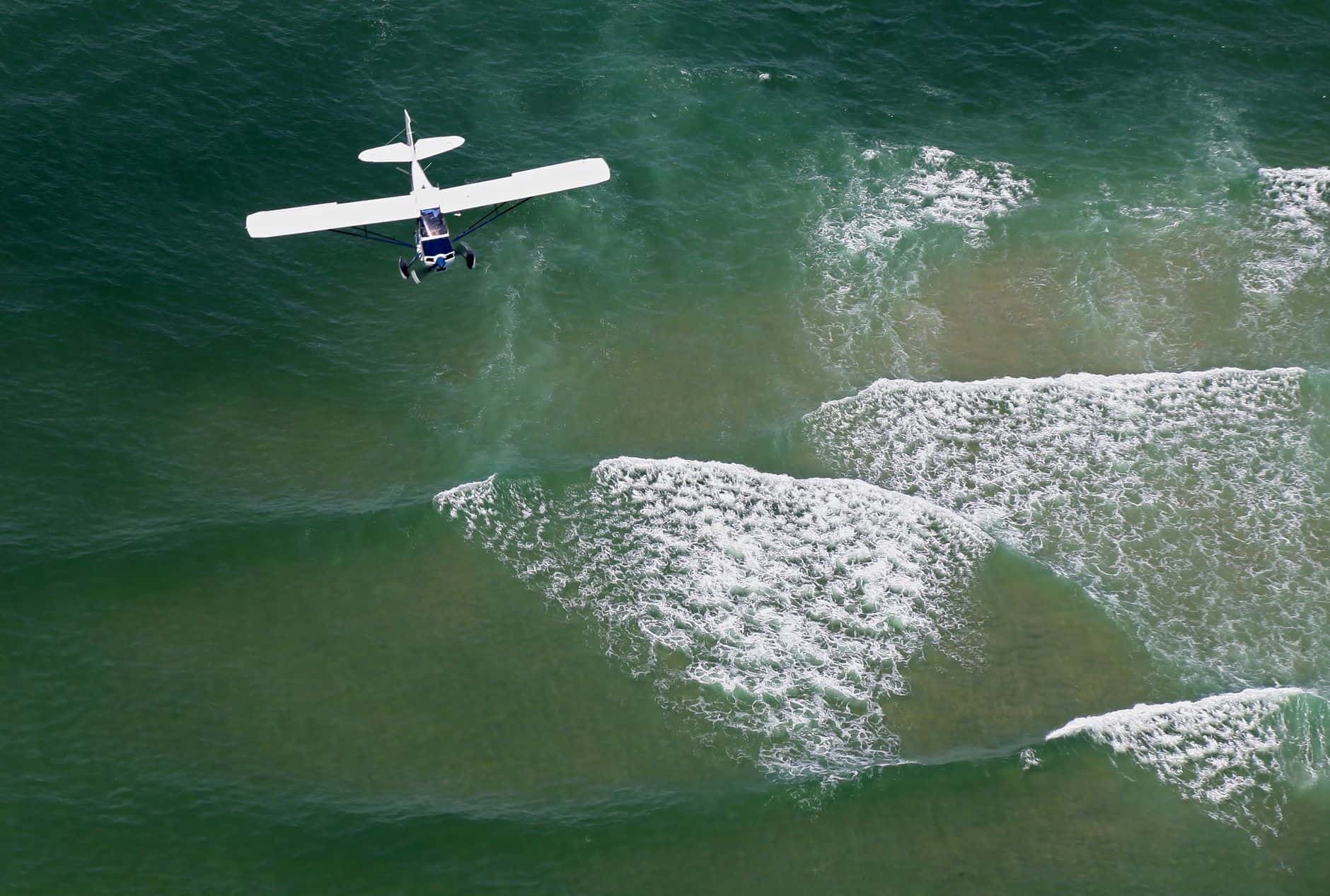
The journey of the first aerial circumnavigation in 1924 marks a significant milestone in aviation history. This bold venture, undertaken by a team of intrepid aviators, demonstrated not only the capabilities of early aircraft but also the spirit of exploration that characterized the era. As nations began to recognize the potential of aviation, this expedition served as a pivotal moment, showcasing the technological advancements and international cooperation necessary for such a daring undertaking.
Across continents and oceans, these aviators faced myriad challenges, from adverse weather to mechanical failures, all while battling the limitations of their time. Understanding the complexities of this historic journey can provide vital insights for history students, professors, executives, and history enthusiasts interested in the interplay between aviation, geopolitics, and human resilience.
The Planning and Preparation for the Expedition
The planning stages for the first aerial circumnavigation began in earnest after World War I as the aviation industry began to solidify its role in global transportation and exploration. The expedition was a collaborative effort between the United States Army Air Service and various private entities, illustrating a unique partnership between military and civilian sectors. The primary instigator of the expedition was General William “Billy” Mitchell, who believed that long-distance flights were feasible and could revolutionize the world’s understanding of air travel.
In 1923, the expedition was officially sanctioned, with an objective to circumnavigate the globe in a manner that was unprecedented. The planning involved meticulous details, from securing aircraft and assembling a skilled crew to developing a comprehensive flight plan. The expedition enlisted four modified Douglas World War I bombers—specifically, the Douglas O-2 and the Douglas O-3. These aircraft were chosen due to their relatively robust designs and adaptations for long-distance travel, which included enhancements for navigation tools and fuel capacity.
Equally critical were the selection of the crew members, which included pilots, navigators, and technical staff all undergoing rigorous training to familiarize themselves with the aircraft and the rigorous conditions they would face. The crew consisted of Lieutenant John A. Macready, Lieutenant Oakley G. Kelly, and others, each bringing specific expertise vital to the challenging expedition.
Nonetheless, preparation was not merely about aircraft and crew. The planning phase included an extensive study of potential routes. The team analyzed maps, weather patterns, and geopolitical considerations meticulously. They sought to avoid areas of political strife and planned refueling stops that considered the availability of infrastructure and support personnel. This foresight demonstrated an acute understanding of the importance of logistics, which would play a critical role during the actual journey.
Another significant aspect of preparation was obtaining the necessary permissions and international diplomatic courtesies required for landing in various countries. This aspect of planning turned out to be a complex task, as the world was still recovering from the aftermath of World War I, and many nations were wary of foreign military incursions into their airspace. Negotiating these agreements showcased the diplomatic skills of the expedition leaders, and it was essential in building necessary international goodwill.
The preparatory phase culminated in an official launch date for the expedition in 1924, where the world was finally abuzz with anticipation for this monumental event. However, all the meticulous planning and preparation underscored an undeniable truth about aviation at the time: the technology was still in its infancy, and many uncertainties lay ahead.
The Launch and Initial Challenges Encountered
As the date for the launch of the first aerial circumnavigation drew near, excitement built across the nation. On June 16, 1924, the moment finally arrived when the team, along with their four aircraft, took off from Seattle, Washington. The departure marked not just the beginning of their journey but also an important chapter in the annals of aviation history.
In the early stages, the focus was primarily on mastering the initial part of the flight. However, shortly after takeoff, the crew experienced several mechanical issues that served to foreshadow the difficulties ahead. One of the aircraft notably faced fuel line problems almost immediately, echoing the technological constraints of the time. Engineers worked feverishly to implement quick fixes as the planes took to the skies, keeping a nervous wait-and-see approach at the forefront of their minds.
Navigational challenges became apparent shortly after they left American airspace, as pilots encountered unexpected weather conditions. Thick fog and turbulence made it exceedingly difficult to maintain a stable course. The pilots relied heavily on map navigation and rudimentary instruments, which were not as reliable as today’s technology. Small mistakes could have resulted in disastrous consequences, further underlining the audacity required for such an adventure.
Additionally, the physical demands placed on the crew were beyond what they had anticipated. Long hours in the air, combined with uncomfortable cabin conditions and minimal rest, began to take a toll on their physical and mental states. As they neared international waters, they began to encounter challenges that tested their teamwork and individual resolve.
This initial phase of the journey also involved lots of time spent in air-to-ground communications or attempting to gain assistance from local aviators, which provided logistical support and local knowledge, sometimes enabling successful landings in new territories. The transitory nature of the adventure tested their ingenuity and adaptability during stops that were often unpredictable.
With each passing day, the gravity of the mission began to take shape. It became clear that this was not just a journey but an endeavor that required immense perseverance, strategy, and unity among crew members to confront the unknown awaiting them on the horizon.
Significant Stops: Key Locations and Events During the Journey
As the team progressed, each stop along their route became a significant waypoint for the crew’s camaraderie and understanding of the world at that time. The first major stop was in Canada, where they encountered enthusiastic crowds and received a hearty welcome from local officials. Here, the team refueled and made necessary repairs to their aircraft, reflecting the importance of collaboration at each stage of their journey.
Continuing their path, the expedition moved on to the United Kingdom, which proved to be a hub of strategic operations. In London, they were met with great fanfare, as the British public was deeply invested in the progress of aviation. The media extensively covered their story, marking the crew as pioneers in aviation history. During this stop, they received essential technical upgrades to their planes and were able to rest and recuperate, which was critical given the condition of their aircraft and crew.
Crossing the Atlantic, a jaunt necessitated by their flight plan, proved tumultuous. As they approached the coast of France, the crew faced treacherous weather. An impromptu landing in a small rural area turned into a significant encounter with local aviators who aided them in their endeavor, illustrating the universal sense of curiosity, excitement, and support for aviators venturing into the skies.
The journey took them through numerous countries, which were at varying stages of recovery from the World War. In Italy, they found themselves enveloped in admiration from spectators, as public interest in aviation had dramatically surged. The opportunistic relationship formed between the crew and local inhabitants showcased communal strength sparked by shared hope and ambition. Each landing facilitated a cultural exchange and heightened their resolve to succeed.
The experiences and interactions at these locations significantly influenced the crew’s morale. Each stop had the effect of reinforcing their purpose and determination to complete the circumnavigation. As they ventured into the Pacific region, their next notable destination was Hawaii, where they faced new encounters with diverse cultural groups, reflecting the intertwining of aviation, exploration, and the intricacies of human connections across nations.
The Conclusion of the Expedition and Its Historical Impact
As the expedition sailed across various continents and oceans, the crew faced one of their most significant challenges—the infamous crossing of the Pacific Ocean. After three months of intense flying and navigating myriad difficulties, the expedition drew to a close upon their return to the United States. The journey concluded on September 28, 1924, a moment punctuated by elation, relief, and historical significance.
Upon landing back in Seattle, the crew was greeted as heroes, symbolizing the triumph of the human spirit against the odds. The impact of their achievement was profound; it illustrated the possibilities of aviation in a world still grappling with the remnants of war and showcasing a nascent technology that could unite distant lands and people. Historians note that this event laid the groundwork for future advancements in air travel that would take place in the subsequent decades.
Moreover, the expedition’s legacy extended beyond the immediate technical feats achieved. It brought together cultures around the shared experience of aviation and highlighted the importance of international cooperation. The success of the expedition also inspired a wave of interest in military exploration and contributed to the burgeoning commercial aviation sector.
The completion of the circumnavigation catalyzed numerous developments, including innovations in aviation safety and technology. Aircraft designs improved exponentially due to the lessons learned from the expedition. New aircraft were built to be more fuel-efficient, longer-range capable, and robust in adverse weather conditions, which opened the floodgates for commercial air travel.
In the contemporary context, the 1924 aerial circumnavigation serves as an influential case study in aviation programs worldwide that emphasize concepts of teamwork, resilience, and innovation. Many aviation leaders regard the expedition as a milestone that cultivated a culture of exploration and pushed technical boundaries, transforming the aviation landscape and inspiring generations to come.
The Legacy of the First Aerial Circumnavigation and Its Influence on Modern Aviation
The legacy of the first aerial circumnavigation in 1924 is etched in the annals of aviation history as a watershed moment that reshaped perceptions of air travel. Decades later, scholars and aviation aficionados alike continue to study the journey with admiration, often linking their accomplishments to the globalization of air travel that is commonplace today.
At the institutional level, the expedition served as a catalyst for establishing air services and commercial airlines that have since spanned the globe, facilitating international relations, commerce, and tourism. Aviation programs in schools and universities now reflect the pioneering spirit despite using advanced technology compared to the 1924 mission.
Furthermore, the expedition’s challenges and successes paved the way for regulatory frameworks governing international aviation. The lessons learned during those perilous flights informed safety protocols and air traffic management systems, which have since become cornerstones of modern aviation today.
The indelible mark this journey created extends into cultural fields, even influencing literature and cinema that romanticizes air travel. The spirit of adventure and exploration evident during the 1924 expedition tends to resonate with audiences, showcasing the allure of flight that continues to inspire young aviators and engineers worldwide.
As air travel and technology have evolved rapidly, the historical significance of the first aerial circumnavigation continues to be a reference point, a testament to what can be achieved when ambition meets innovation, demonstrating the enduring human spirit’s capacity to conquer the skies.
Conclusion
The first aerial circumnavigation in 1924 was not just an ambitious mission but a pivotal moment in aviation history that continues to inspire present and future generations. The intricacies of planning, challenges faced, and the ultimate triumph over adversity showcase the indomitable spirit of exploration embedded in the human experience. This expedition illuminated the transformative power of aviation, catalyzing technological advancements and laying the groundwork for commercial air travel as we know it today.
The legacy of this mission serves as a reminder that with determination, collaboration, and vision, even the most formidable goals can become reality. As we reflect on this monumental journey, it serves not only as a story of an adventure but as a significant chapter in our ongoing quest to explore and understand our world through the lens of aviation.
Sources Consulted
- History.com. (n.d.). The First Aerial Circumnavigation of the World. Retrieved from https://www.history.com/this-day-in-history/the-first-aerial-circumnavigation-of-the-world
- Aerospace America. (2019). The 1924 Aerial Circumnavigation: How it Changed Aviation. Retrieved from https://aerospaceamerica.aiaa.org/
- Smithsonian National Air and Space Museum. (n.d.). The 1924 Air Expedition. Retrieved from https://airandspace.si.edu/collection-objects/1924-douglas-oval-bomber
- Flight Global. (2021). The Legacy of the First Aerial Circumnavigation. Retrieved from https://www.flightglobal.com/
- United States Air Force Museum. (n.d.). The First Around-the-World Flight. Retrieved from https://www.nationalmuseum.af.mil/
Leave a Reply