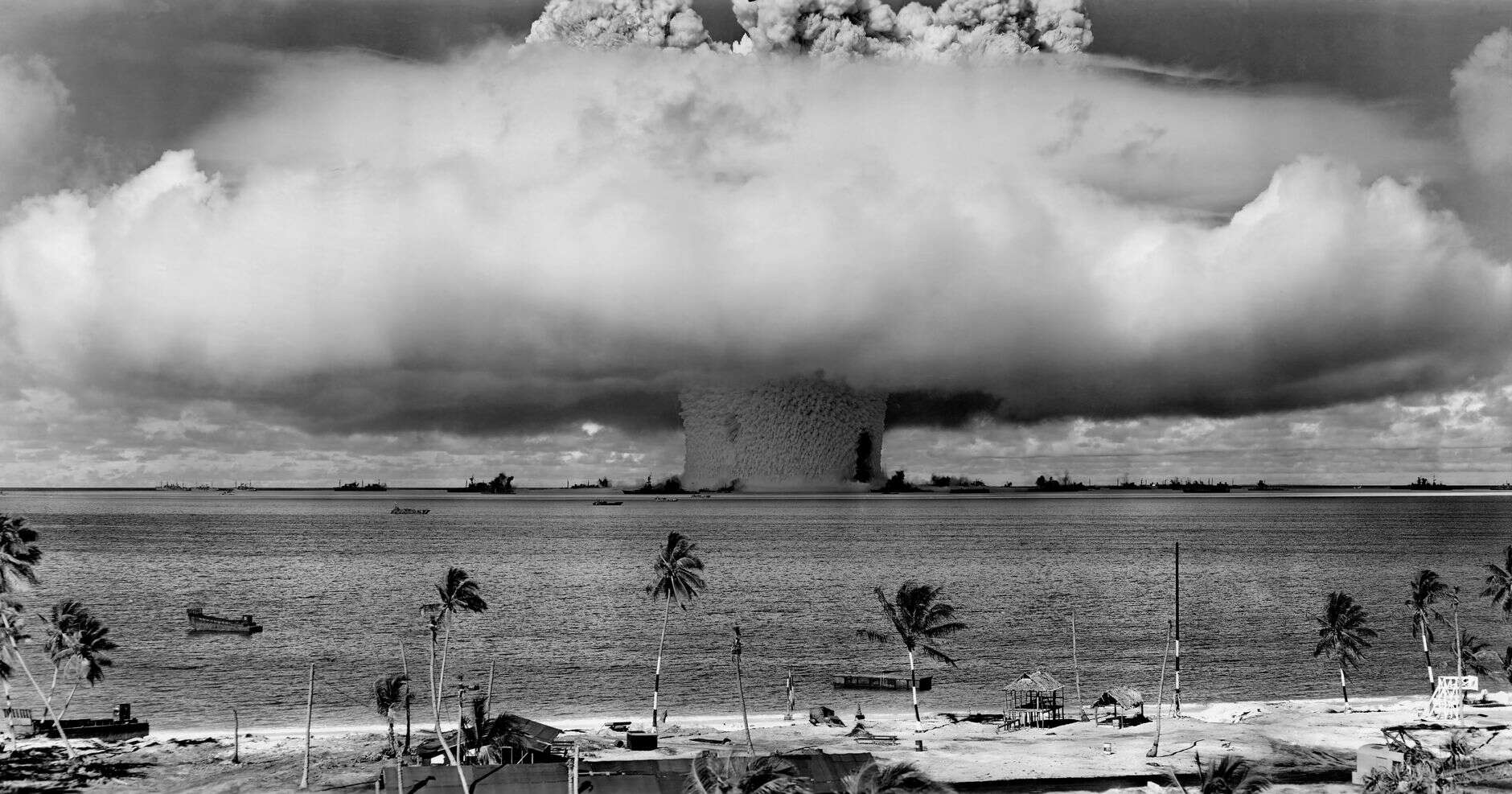
The START I Treaty, signed in 1991, marked a pivotal moment in the history of nuclear disarmament. With the end of the Cold War and the dissolution of the Soviet Union, the treaty emerged as a crucial step towards reducing nuclear arsenals and easing international tensions. It represented the first time that the United States and the Soviet Union agreed to limit their strategic offensive arms, laying the groundwork for future arms control agreements.
As such, the START I Treaty not only aimed to curtail the nuclear capabilities of the two superpowers but also signified a broader commitment to global security and cooperation. This article explores the historical significance of the START I Treaty signature, analyzing its context, key players, provisions, and the lasting impact on international relations and nuclear policy.
Historical Context and Origins of the START I Treaty
During the late 1980s, as the Cold War began to thaw, both the United States and the Soviet Union recognized the dire need for reductions in their nuclear arsenals. The arms race had reached unprecedented levels, with each side possessing thousands of nuclear warheads capable of inflicting catastrophic damage. The escalating tensions and the potential for nuclear conflict brought about a heightened awareness among policymakers of the importance of disarmament.
In this environment, the concept of arms control gained momentum, paving the way for negotiations that would culminate in the signing of the START I Treaty. The winds of change in the Soviet Union, characterized by Mikhail Gorbachev‘s policies of glasnost (openness) and perestroika (restructuring), played a crucial role in facilitating these discussions. Gorbachev’s willingness to engage with the West and explore the possibility of disarmament was revolutionary and marked a significant departure from his predecessors’ more confrontational approach.
Negotiations for the START I Treaty officially began in 1982 under President Ronald Reagan’s administration, aimed at limiting strategic weapons. However, it wasn’t until Gorbachev took office in 1985 that serious progress began to materialize. The two leaders engaged in multiple summits, including meetings in Geneva, Reykjavik, and Moscow, laying the groundwork for what would eventually become the landmark agreement.
The primary focus of the treaty was to reduce the number of strategic nuclear delivery vehicles and warheads deployed by both nations. Negotiators sought to establish a comprehensive agreement that would ensure not only immediate reductions but also mechanisms for compliance and verification. This goal necessitated a considerable amount of trust-building between two powers with a historical backdrop of suspicion.
One significant factor that influenced the negotiations was the growing public sentiment against nuclear weapons. Grassroots movements advocating for disarmament gained traction, pressuring leaders to take action. The global anti-nuclear sentiment underscored the urgency of the situation and created a moral imperative for both sides to pursue arms control.
As the 1991 signing date approached, the political landscape began to shift dramatically with the collapse of the Soviet Union. Despite the uncertainty surrounding the dissolution of the superpower, negotiators remained committed to finalizing the treaty. The signing of the START I Treaty on July 31, 1991, in Moscow marked not just a diplomatic victory but a hopeful turning point in international relations.
This historical context is essential to understanding the significance of the START I Treaty. It illustrated how changing geopolitical dynamics, leadership, and public pressure could converge to achieve a monumental agreement aimed at preventing nuclear proliferation and fostering global peace. The successful negotiation and signing of the treaty served as a crucial foundation for future arms control efforts, highlighting the potential for cooperation in an era characterized by mistrust and rivalry.
Key Negotiators and Their Roles in the Signing Process
The signing of the START I Treaty was the result of the dedicated efforts of key negotiators from both the United States and the Soviet Union, who played instrumental roles in defining its provisions and ensuring its viability. Understanding their contributions provides insight into the complexities of the negotiation process and the diplomacy involved in reaching such a significant agreement.
At the forefront of the U.S. delegation was Ambassador Paul Nitze, a seasoned arms control expert and a prominent figure in American defense policy. Nitze’s extensive background in negotiation and strategic arms reduction made him a critical asset during discussions. He had previously been involved in various arms control talks and brought a wealth of experience to the table. His approach was characterized by a combination of firmness and flexibility, allowing him to navigate the contentious discussions effectively.
On the Soviet side, Deputy Foreign Minister Viktor Karpov was a key figure in the negotiations. Karpov’s experience in arms control and his understanding of international security dynamics enabled him to advocate effectively for the Soviet position. He worked closely with his U.S. counterparts to bridge gaps in negotiation and foster a collaborative atmosphere. Both Nitze and Karpov cultivated a working relationship that emphasized dialogue and mutual understanding, which proved essential throughout the negotiation process.
Another prominent negotiator on the U.S. side was General John Shalikashvili, who later became the Chairman of the Joint Chiefs of Staff. His military background and strategic insight played a vital role in shaping the treaty’s provisions. Shalikashvili focused on ensuring that the treaty contained robust verification measures, as these would be crucial for maintaining accountability between the two nations.
On the Soviet side, General Mikhail Moiseyev was equally influential. As the Chief of the General Staff, Moiseyev understood the military implications of arms control and was instrumental in advocating for measures that would ensure strategic stability. His involvement signaled the importance of military perspectives in treaty negotiations and underscored the complexity of balancing national security interests with the need for disarmament.
In addition to these principal negotiators, numerous aides and experts from both sides contributed their insights and expertise throughout the process. Their joint efforts culminated in a negotiable framework that balanced the interests of both nations while fostering a sense of trust that had previously been elusive.
The culmination of these negotiations in the signing of the START I Treaty in 1991 marked a significant achievement in international diplomacy, reflecting the hard work and commitment of those involved. The personal relationships forged among negotiators served as a powerful testament to the importance of diplomacy in addressing global challenges and establishing essential frameworks for future arms control agreements.

Major Provisions and Objectives of the START I Treaty
The START I Treaty established a comprehensive framework for the reduction of strategic nuclear weapons, with specific limits and verification measures designed to ensure compliance by both the United States and the Soviet Union. Understanding these provisions is essential for appreciating the treaty’s long-term impact on nuclear disarmament efforts.
At its core, the START I Treaty aimed to reduce the number of strategic nuclear delivery vehicles – specifically intercontinental ballistic missiles (ICBMs), submarine-launched ballistic missiles (SLBMs), and heavy bombers. Under the treaty, both nations agreed to limit their total number of strategic warheads to no more than 6,000, while also limiting the number of deployed delivery vehicles to 1,600. This represented a significant reduction from the levels just prior to the treaty’s signing, as both superpowers had amassed vast arsenals capable of devastating global consequences.
One of the defining features of the START I Treaty was its verification provisions. Recognizing the need for transparency and accountability, the treaty included a variety of mechanisms to monitor compliance. These measures encompassed on-site inspections, data exchanges, and notifications about missile launches and test activities. The ability to verify compliance was crucial in building trust between the two nations, ensuring that both parties adhered to the agreed-upon limits.
Furthermore, the treaty allowed for a potential adjustment of limits in response to technological advancements, thereby accommodating changes in military capabilities. This flexibility demonstrated an understanding of the dynamic nature of defense technologies while still maintaining an overarching commitment to disarmament.
Importantly, START I also emphasized the principle of reciprocity, establishing that both nations would commit to reductions on an equal basis. This principle served to reinforce the notion that disarmament was a shared responsibility, fostering a sense of collaboration rather than competition. By framing arms control in these terms, the treaty sought to transform the narrative surrounding nuclear weapons from one of aggressive posturing to one of cooperation and mutual security.
The objectives of the START I Treaty extended beyond mere numerical reductions. The treaty aimed to foster a new framework for U.S.-Russia relations, emphasizing dialogue, trust-building, and the potential for future cooperation on broader security concerns. The positive momentum generated by the treaty’s signing created an environment conducive to further arms control negotiations and agreements, demonstrating that diplomacy could succeed even in a historically fraught context.
In summary, the START I Treaty represented a landmark agreement characterized by ambitious provisions and a commitment to verification and transparency. Its goals not only included the reduction of strategic nuclear arsenals but also sought to reshape U.S.-Russia relations and lay the groundwork for future arms control initiatives. The success of the treaty in achieving these objectives would prove crucial in the years following its signing as the world navigated the complexities of post-Cold War security dynamics.
Impact of the START I Treaty on U.S.-Russia Relations
The signing of the START I Treaty had a profound and lasting impact on the geopolitical landscape, particularly in reshaping U.S.-Russia relations in the post-Cold War era. This period was marked by significant changes, as the two former adversaries sought to redefine their interactions amid shifting international dynamics.
One of the most immediate effects of the START I Treaty was the establishment of a foundation for dialogue and cooperation between the United States and Russia. The treaty signified a willingness on both sides to move away from the adversarial stance that had characterized the Cold War, fostering a climate of engagement. The negotiations leading up to the treaty required extensive communication and collaboration, instilling a sense of joint purpose that continued to influence U.S.-Russia relations.
Moreover, the treaty served to legitimize and institutionalize arms control as a critical component of the bilateral relationship. By committing to nuclear reductions and verification measures, both nations demonstrated a mutual interest in preventing nuclear conflict and promoting global security. This shared goal provided a platform from which they could engage on other pressing issues, such as non-proliferation and regional security challenges.
In the years following the signing of the START I Treaty, further arms control agreements emerged, including the START II Treaty, which continued the trend of reducing nuclear arsenals. However, the progress was not without its challenges. As the political landscape evolved, particularly with the advent of NATO expansions and regional conflicts, tensions began to resurface, straining the progress made through the treaty. The complexities of these geopolitical developments underscore the fragile nature of the bilateral relationship and the importance of sustained engagement through arms control.
Another significant impact of the START I Treaty was its influence on the broader global non-proliferation regime. By taking concrete steps towards disarmament, the treaty bolstered the credibility of the non-proliferation treaty (NPT) framework, reinforcing the principle that nuclear-armed states had a responsibility to pursue disarmament in good faith. This created a ripple effect in diplomacy, encouraging other nations to engage in discussions about nuclear weapons and non-proliferation, ultimately shaping global efforts to prevent the spread of nuclear weapons.
Despite its successes, the START I Treaty also faced criticism from various quarters. Some criticized its provisions for not going far enough in terms of disarmament or expressed concerns about compliance and verification mechanisms. This ongoing debate highlighted the complexities and differing perspectives surrounding nuclear arms control, necessitating continued dialogue and negotiation to adapt to emerging threats.
As the years progressed, geopolitical tensions began to spiral again, particularly in the wake of events such as the 9/11 attacks, the wars in Iraq and Afghanistan, and rising tensions over issues such as missile defense. These dynamics ultimately led to a deterioration in U.S.-Russia relations, as both nations adopted increasingly confrontational stances. The resurgence of Cold War-era rhetoric and actions underscored the challenges of maintaining progress in arms control amid emerging global threats.
In summary, the START I Treaty played a crucial role in reshaping U.S.-Russia relations, fostering an atmosphere of cooperation and dialogue while establishing a framework for nuclear disarmament. Its influence extended beyond bilateral concerns, impacting global non-proliferation efforts. Nonetheless, the subsequent challenges and evolving geopolitical landscape highlight the continuous need for engagement and diplomacy in addressing the complex issues surrounding nuclear proliferation and international security.
Legacy and Lessons Learned from the START I Treaty
The legacy of the START I Treaty is multifaceted, encompassing its immediate achievements as well as the lessons it imparted for future arms control efforts and international diplomacy. Understanding this legacy is essential for appreciating the enduring significance of the treaty in the contemporary nuclear landscape.
One of the most notable legacies of the START I Treaty is the precedent it set for future arms control agreements. As the first comprehensive treaty to address strategic nuclear weapons between the United States and the Soviet Union, START I established a framework that would guide subsequent negotiations, including the START II Treaty and the Strategic Offensive Reductions Treaty (SORT). The treaty’s emphasis on verification and transparency has continued to inform discussions on disarmament, reaffirming the importance of building trust between nations in pursuing common security goals.
Moreover, the START I Treaty underscored the critical role of diplomacy in addressing complex challenges. The successful completion of the treaty in a historically fraught context demonstrated that sustained dialogue and negotiation can yield meaningful results, even between rival powers. This lesson remains relevant today, as contemporary issues such as nuclear proliferation in North Korea and the Iran nuclear deal demand concerted diplomatic efforts to achieve resolution.
One significant lesson learned from the START I Treaty is the importance of adaptability in arms control agreements. The treaty’s provisions allowed for flexibility in response to technological advancements, emphasizing the need for agreements to evolve alongside changing geopolitical realities. Future arms control initiatives must similarly account for emerging technologies and new security challenges to remain relevant and effective.
However, the START I Treaty also serves as a cautionary tale about the fragility of arms control. While the treaty represented a moment of optimism and cooperation, the subsequent deterioration of U.S.-Russia relations highlighted the vulnerabilities inherent in arms control agreements. The repetitive cycle of engagement and conflict underscores the necessity of ongoing dialogue, even amidst challenges, to build and maintain trust between nuclear powers.
Additionally, the treaty’s legacy is shaped by the complex and ever-evolving nature of global security. The events of the 21st century, including the rise of non-state actors and cyber threats, have redefined the threat landscape. As geopolitical dynamics shift, the lessons of the START I Treaty remind policymakers of the need to adapt arms control frameworks to encompass broader security concerns beyond traditional nuclear arsenals.
In conclusion, the legacy of the START I Treaty remains significant, not only for its contributions to nuclear disarmament but also for the enduring lessons it offers for diplomacy and international collaboration. Its impact continues to resonate in contemporary discussions around arms control, emphasizing the necessity of sustained engagement, flexibility, and an understanding of emerging threats in pursuing global security. As the world navigates an increasingly complex landscape, the principles embodied in the START I Treaty serve as crucial touchstones for future efforts to prevent nuclear conflict and promote disarmament.
Conclusion
The START I Treaty represents a landmark achievement in the pursuit of nuclear disarmament, embodying the hopes and aspirations of a world emerging from the shadows of the Cold War. Through its ambitious provisions, emphasis on verification, and the collaborative spirit among key negotiators, the treaty established a framework that would shape U.S.-Russia relations for years to come.
Despite its eventual challenges and the complexities of evolving geopolitical realities, the legacy of the START I Treaty endures, serving as a testament to the power of diplomacy and the importance of sustained engagement in addressing global security concerns. As we reflect on the significance of this pivotal agreement, it is essential to draw upon its lessons for future arms control efforts. The commitment to dialogue, flexibility, and mutual trust remains critical in navigating the intricate dynamics of contemporary international relations, reaffirming our collective responsibility to work towards a safer and more secure world.
Sources Consulted
- U.S. Department of State. “START I Treaty.” Link
- Office of the Historian. “The START Treaty.” Link
- Lawrence S. Wittner. “Confronting the Bomb: A Short History of the World Nuclear Disarmament Movement.” Link
- “The Soviet Union and Arms Control: A Historical Perspective.” Link
- Stanford University. “The History of Nuclear Arms Control.” Link
Leave a Reply