Tag: Tourism
-
The Vibrant History of Carnival Celebrations

Carnival is a dynamic global celebration rooted in ancient traditions that showcases vibrant parades, costumes, and music, offering a temporary escape from daily life. Originating from seasonal rites and later integrating Christian practices, Carnival evolved into a significant cultural phenomenon reflecting community identity and social issues. Variations exist worldwide, each embodying unique cultural elements, such as Brazil’s samba parades and Venice’s masked balls. Modern challenges include commercialization and environmental sustainability, prompting adaptations like virtual celebrations. The future of Carnival hinges on preserving its essence while embracing innovation to ensure its relevance and cultural significance in a rapidly changing world.
-
Harvard University History: From 1636 to Global Academic Leadership

Harvard University, founded in 1636, has evolved from a religious training institution into a leading global academic powerhouse. Initially named “New College,” it emphasized liberal arts and theological studies. Key milestones include the establishment of graduate programs in law and medicine in the 19th century, and a shift towards a more secular curriculum incorporating Enlightenment ideals. Throughout the 20th century, Harvard expanded its academic influence, adapting to modern educational demands and embracing diversity. Today, it faces challenges related to digital education, financial accessibility, and systemic inequities while committing to sustainability and social responsibility, solidifying its role as a leader in…
-
Kennedy Space Center History: Where Humanity Reached for the Stars

The Kennedy Space Center (KSC) in Florida serves as a landmark in space exploration, initiating in the 1960s amid Cold War tensions. It became the launch site for significant missions, including the Apollo moon landings and the Space Shuttle program. KSC is integral to international collaboration, exemplified by its role in constructing the International Space Station (ISS), which facilitates groundbreaking scientific research. As we move towards future missions, such as NASA’s Artemis program aimed at lunar exploration, KSC remains pivotal in advancing technology and international partnerships. Overall, KSC stands as a symbol of human ambition to explore the cosmos and…
-
Centre Pompidou History: Inside the Museum That Turned Architecture Inside Out

The Centre Pompidou in Paris, inaugurated in 1977, is a groundbreaking cultural institution that redefined modern museum design. Created by architects Renzo Piano and Richard Rogers, its exteriorized structural components symbolize transparency and accessibility. Initiated by President Georges Pompidou to democratize access to culture, the Centre has sparked debates on modern architecture’s role in historical contexts. While facing criticism for its unconventional aesthetics, it has become a vibrant hub for contemporary art and public engagement. Looking ahead, it must navigate digital innovation, sustainability, and inclusivity while continuing to challenge traditional art narratives and foster community connection.
-
Westminster Abbey and Palace History: A Thousand Years at the Center of British Power
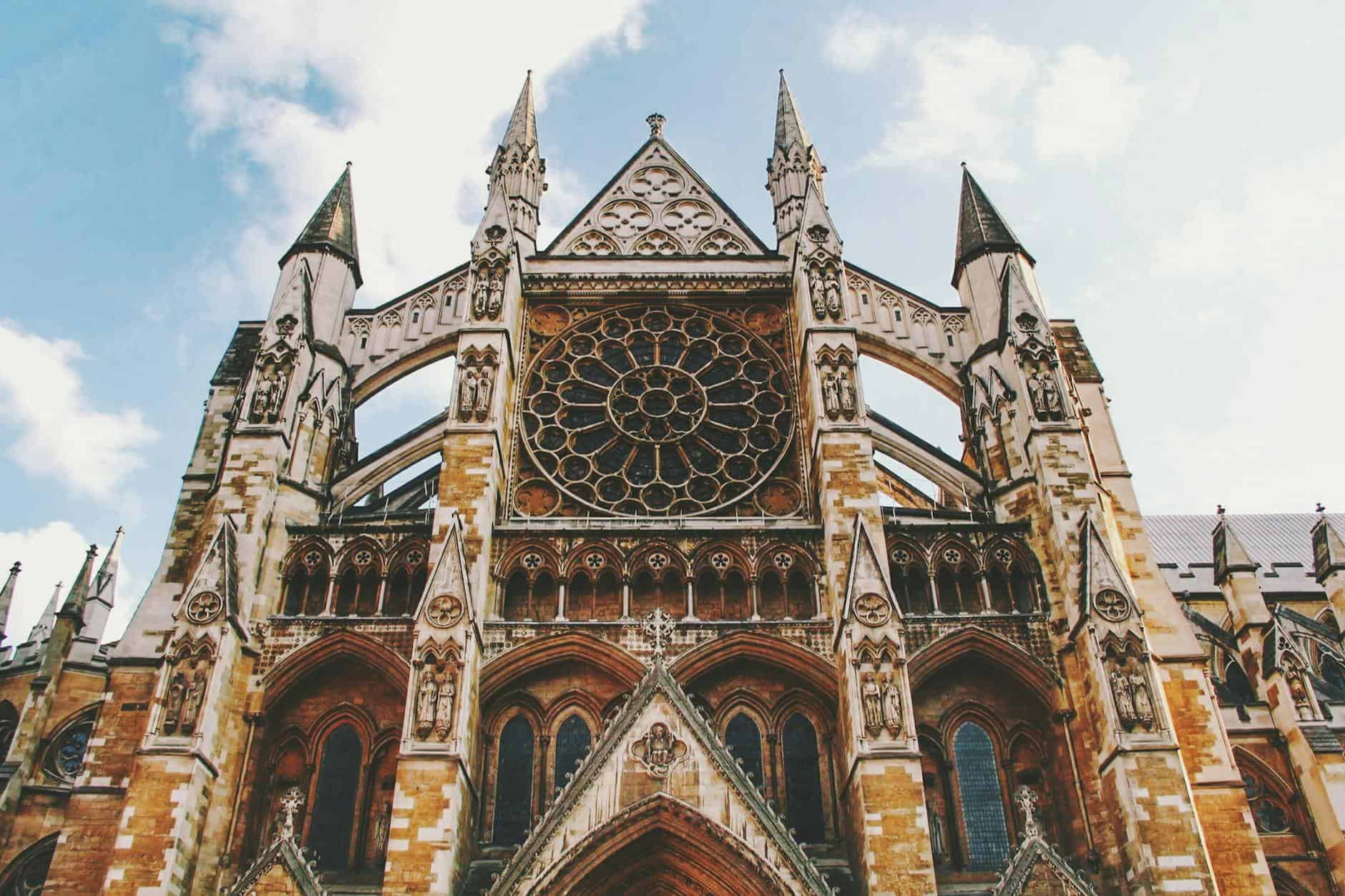
Westminster Abbey and the Palace of Westminster, iconic symbols of British governance and culture, have shaped the nation’s history for over a millennium. Initially a Benedictine monastery, Westminster Abbey evolved into a royal mausoleum and a site for significant ceremonies, reflecting the intertwining of church and state. Its architectural transformation from Romanesque to Gothic showcases England’s historical evolution. Adjacent, the Palace of Westminster, which houses Parliament, has witnessed pivotal events such as the signing of the Magna Carta and debates shaping modern democracy. Today, both institutions remain vital to British identity, serving as sites of worship, national celebration, and cultural…
-
Mtskheta History: Exploring the Sacred Heart of Georgian Civilization
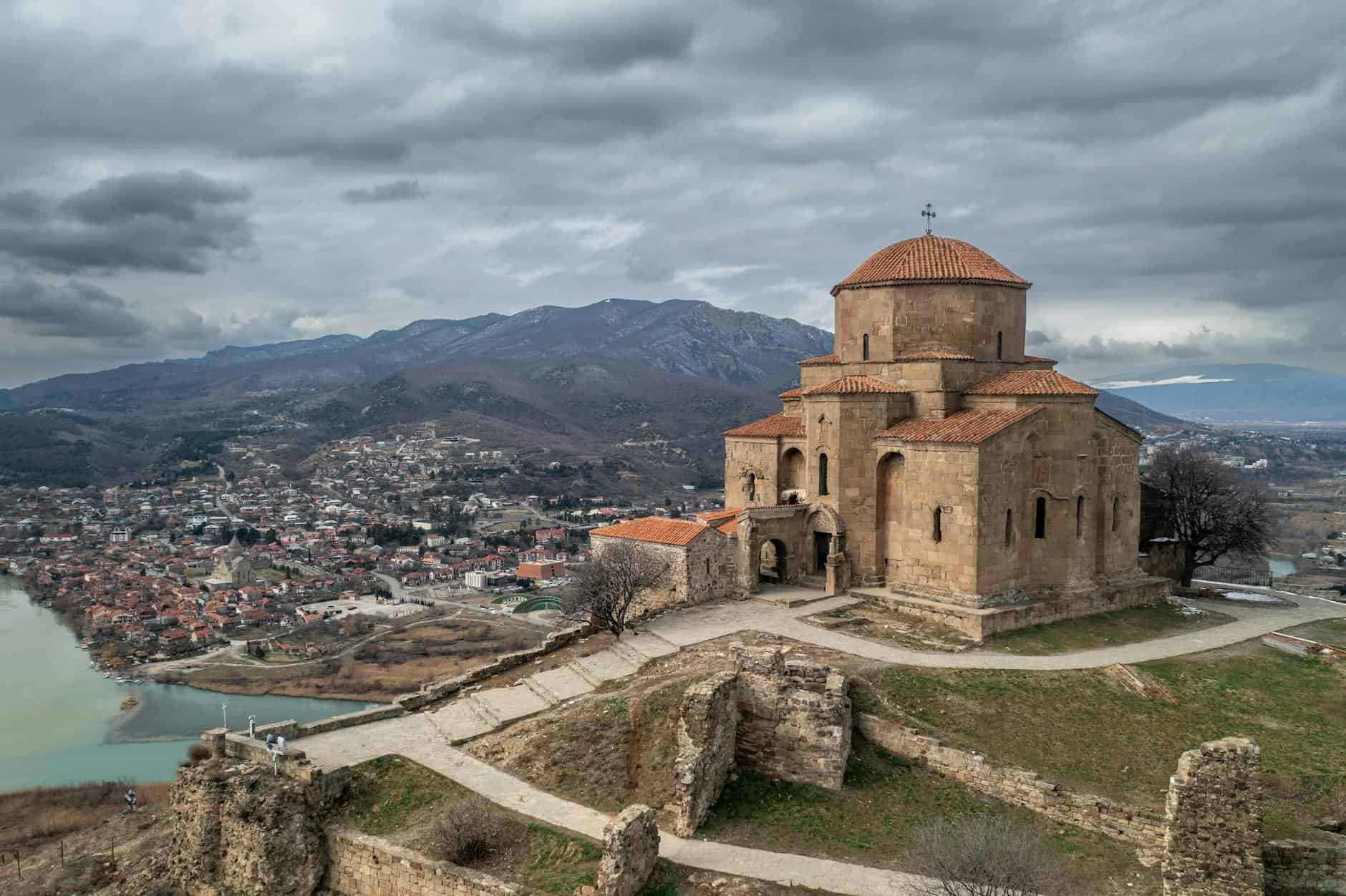
Mtskheta, one of the oldest cities globally, serves as a significant center of history, culture, and spirituality in Georgia. Its rich past, highlighted by the Svetitskhoveli Cathedral, a UNESCO World Heritage site, emphasizes its pivotal role in the religious landscape after the early 4th century when Christianity was adopted. The city’s archaeological sites and trade routes showcase centuries of cultural exchanges, while its resilience to invasions reflects its national identity. Today, modern Mtskheta balances heritage with contemporary life, promoting tourism and engaging community initiatives. Preservation efforts underscore its ongoing significance, ensuring its historical treasures inspire future generations.
-
Jaipur History: Exploring the Pink City of Royal Palaces and Rajasthani Architecture
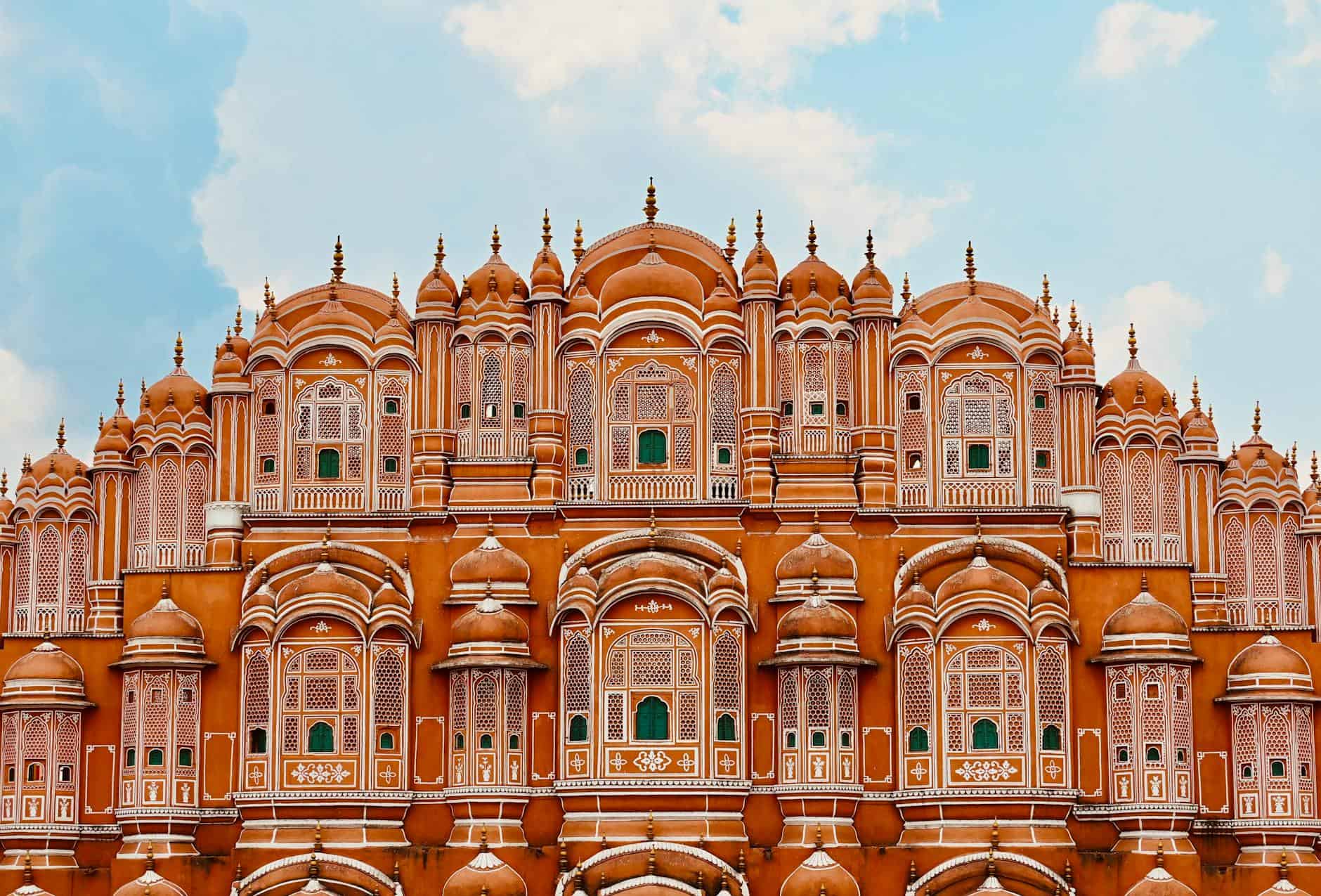
Jaipur, the capital of Rajasthan, India, known as the “Pink City,” was founded in 1727 by Maharaja Sawai Jai Singh II as a blend of royal heritage and modernity. Meticulously planned by architect Vidyadhar Bhattacharya, the city’s unique pink buildings symbolize hospitality and reflect advanced urban design principles. With majestic forts like Amer Fort and architectural gems such as the City Palace and Hawa Mahal, Jaipur showcases its rich history. Modern-day Jaipur thrives on tourism, boasting educational institutions and a growing economy while preserving its cultural identity through festivals, cuisine, and traditional crafts, making it a dynamic destination for visitors.
-
Rijksmuseum History: Inside Amsterdam’s Most Celebrated Museum

The Rijksmuseum in Amsterdam is a key cultural institution illuminating the Netherlands’ artistic heritage, especially featuring works from the Dutch Golden Age. Founded in the early 19th century, it evolved from the Nationale Kunstgalerij to its current status as a state museum. The museum houses over a million artifacts, including masterpieces like Rembrandt’s “The Night Watch” and Vermeer’s “The Milkmaid.” It emphasizes education and accessibility through various programs, engaging the community and promoting diversity. Recent renovations blend historical elements with modern updates, ensuring sustainability and accessibility as it continues to inspire and connect audiences to art and history.
-
Martin Luther King Jr. Memorial History: A Monument to Justice and the Dream
The Martin Luther King Jr. Memorial in Washington, D.C., serves as a tribute to Dr. King\’s legacy of justice and equality, dedicated on October 16, 2011. Designed by architect Roma Liñán, the memorial features the \”Stone of Hope\” statue, symbolizing King\’s resilience amid struggle. Its location on the National Mall links King\’s message with America\’s civil rights history. Inscriptions of his teachings foster reflection on ongoing inequalities. Since its unveiling, the memorial has become a hub for civil rights activism and education, inspiring renewed commitment to social justice. It emphasizes the relevance of King\’s values in current movements and continues…
-
Casa Grande Ruins History: Uncovering the Ancient Legacy of the Hohokam in Arizona
The Casa Grande Ruins in Arizona serve as a vital link to the ancient Hohokam civilization, known for its advanced agricultural practices and impressive architecture. Emerging around 300 CE, the Hohokam developed sophisticated irrigation systems that transformed the Sonoran Desert into productive farmland. Their communal and religious practices, essential to their social structure, influenced their architectural achievements, including the monumental Casa Grande, built in the 13th century. Despite environmental challenges leading to their decline by the late 1400s, the Hohokam\’s legacy endures in these ruins, emphasizing the need for modern preservation efforts and appreciation for Indigenous heritage.
-
La Fortaleza and San Juan National Historic Site History: Guardians of the Caribbean
La Fortaleza, the official residence of the Governor of Puerto Rico, symbolizes the island\’s resilience and historical significance. Constructed in the 16th century, it highlights Puerto Rico\’s strategic importance in the Caribbean. Initially built for defense, La Fortaleza evolved into a governor\’s residence, reflecting shifting political dynamics. As part of the San Juan National Historic Site, it showcases military architecture and cultural influences. Preservation efforts focus on maintaining its structural integrity and promoting educational initiatives that connect locals to their heritage. Overall, La Fortaleza serves as a crucial symbol of Puerto Rican identity, representing a rich history of colonization and…
-
Jodhpur and Mehrangarh Fort History: The Majestic Heart of Rajasthan’s Blue City
Jodhpur, known as the \”Blue City,\” is rich in history and dominated by Mehrangarh Fort, symbolizing the city\’s heritage. Founded in 1459 by Rao Jodha, Jodhpur served as a trade hub and military bastion, marked by cultural and artistic development. Mehrangarh, a major architectural marvel, showcases a blend of tactical design and artistic influence throughout history. The fort has witnessed significant events, like Mughal sieges and royal celebrations, shaping Jodhpur\’s cultural identity. With rising tourism, preservation efforts are vital to maintaining the integrity and heritage of both Jodhpur and Mehrangarh Fort for future generations, ensuring their stories endure and inspire.
-
Tbilisi Old Town History: Where East Meets West in the Heart of Georgia
Tbilisi Old Town, the historic center of Georgia\’s capital, showcases a rich tapestry of architectural styles and cultural influences from its founding in the 5th century to the modern day. Renowned for its colorful balconies, ancient churches, and fortresses, Tbilisi has evolved into a crossroads of cultures owing to various civilizations, including Persians, Ottomans, and Russians. Significant landmarks like Narikala Fortress and Sioni Cathedral highlight its historical significance. As Tbilisi embraces modernization, efforts to preserve its heritage are paramount, balancing contemporary needs with the authenticity of its past. This dynamic environment continues to attract visitors, reflecting the city’s enduring spirit…
-
Palatine Hill and Roman Forum History: Walking Through the Heart of Ancient Rome
Palatine Hill and the Roman Forum are pivotal historical sites in Rome that showcase the grandeur of ancient civilization. Palatine Hill, believed to be the birthplace of Rome, holds archaeological treasures depicting royal life, starting from its founding in 753 BCE. Historical accounts reveal its evolution from basic huts to lavish palatial complexes, highlighting significant figures like Augustus. Conversely, the Roman Forum emerged as the city\’s public life center, hosting important political activities, social gatherings, and religious practices, all reflective of Rome\’s communal spirit. Ongoing archaeological research continues to enrich our understanding of these sites, emphasizing their enduring legacy in…
-
Palmyra History: The Desert Bride That United Ancient Civilizations
Palmyra, known as the \”Desert Bride,\” was a vital trade hub in ancient Syria, connecting East and West. Its strategic location facilitated cultural and economic exchanges, making it a melting pot of diverse civilizations. The city\’s architectural achievements, such as the Temple of Bel, showcased blending styles from Hellenistic, Roman, and Persian influences. Political dynamics, especially under Queen Zenobia, marked Palmyra’s ambition and independence until Roman forces reasserted control, leading to its decline. Despite falling into obscurity, Palmyra\’s ruins symbolize resilience and the interconnectedness of civilizations, underscoring its lasting legacy in history and culture.
-
Sulawesi Cave Art History: Uncovering the World’s Oldest Human Expressions
The Sulawesi cave art, dating back over 40,000 years, represents a significant discovery in prehistoric human expression, revealing insights into early cognitive and cultural development. This ancient art, depicting animals, human figures, and abstract symbols, highlights complex social structures and rituals among early humans. Advances in dating methods, pigment analysis, and spatial arrangement studies have enhanced understanding of these artworks, showcasing artists\’ knowledge of materials and techniques. Comparisons with European cave art underscore diverse cultural representations. The ongoing research emphasizes the importance of preserving these sites while deepening appreciation for our shared artistic heritage and connecting contemporary society with ancient…
-
Kronborg Castle History: The Renaissance Stronghold That Inspired Shakespeare
Kronborg Castle in Helsingør, Denmark, epitomizes Renaissance architecture and rich history, famously linked to Shakespeare\’s Hamlet. Built in the late 15th century, it served as both a military fortress and a royal residence, crucial for controlling maritime trade in the Øresund strait. Renovated by King Christian IV, it became a symbol of royal power with its intricate designs and impressive halls. Its role in Danish politics was significant, hosting treaties and royal events. Today, a UNESCO World Heritage site, Kronborg attracts global visitors, fostering cultural pride and underscoring the importance of heritage preservation amid modern tourism efforts.
-
Luang Prabang History: Exploring Laos’ Royal City of Temples and Tradition
Luang Prabang, a UNESCO World Heritage Site in Laos, is renowned for its spiritual and historical significance. Once the capital of the Lane Xang Kingdom, it features a mix of traditional Lao architecture and colonial influences, reflected in its exquisite temples like Wat Xieng Thong. The Mekong River is crucial for the local economy and holds cultural importance, serving as a site for rituals and trade. Annual festivals, such as Boun Pi Mai, showcase vibrant traditions. Since its UNESCO designation in 1995, preservation efforts have focused on maintaining heritage while promoting responsible tourism, ensuring a sustainable future for this historic…
-
Carcassonne History: Exploring the Perfectly Preserved Fortress of Southern France
Carcassonne is a UNESCO World Heritage site in Southern France, renowned for its medieval architecture and rich history. Dating back to the Gallo-Roman era, its strategic location made it a vital military stronghold, influencing the region’s power dynamics, particularly during the Albigensian Crusade. The fortress features impressive double walls and towers, showcasing Gothic design and medieval engineering. In the 19th century, architect Eugène Viollet-le-Duc led significant restoration efforts, reviving Carcassonne\’s grandeur. Today, it attracts around 4 million visitors annually, blending tourism with preservation initiatives to maintain its authenticity and educate future generations about its storied past.
-
Baikal History: The Mystical Lake at the Heart of Buryat Tradition
Lake Baikal, the world\’s oldest and deepest freshwater lake, holds immense cultural and spiritual significance for the Buryat people of Siberia. Revered for its breathtaking beauty and unique ecosystem, Baikal is intertwined with Buryat mythology, with local legends depicting it as a sacred entity inhabited by spirits. The lake has also been shaped by various historical events, including Russian expansion and the Soviet era, leading to challenges in environmental preservation. Today, it serves as a key ecotourism destination while presenting ecological challenges. Efforts for conservation emphasize the crucial role of the Buryat community in protecting this vital natural and cultural…