Tag: Tourism
-
Bandelier National Monument History: Walking Among the Ancient Ancestral Pueblo Ruins
Bandelier National Monument in northern New Mexico showcases the history and culture of the Ancestral Puebloans, who thrived there over a thousand years. This site features ancient cliff dwellings and pueblos, reflecting advanced architectural techniques and agricultural practices. The Puebloans developed a rich spiritual life deeply connected to nature, cultivating crops and creating art, while practicing communal living. The arrival of Spanish colonizers in the late 16th century disrupted their culture, leading to conflicts and adaptations, including the Pueblo Revolt. Today, preservation efforts emphasize cultural heritage and promote understanding of this unique legacy, while highlighting contemporary connections to the environment…
-
Chan Chan History: The Rise and Fall of Peru’s Desert Empire
Chan Chan, an ancient city in northern Peru, was the cultural and political center of the Chimu civilization from the 9th century. Known for its unique adobe architecture and advanced irrigation systems, it thrived amidst environmental challenges. The Chimu society operated on a decentralized political model, with local leaders facilitating trade and cultural practices. However, the decline of Chan Chan resulted from environmental changes, social unrest, and military pressures from rival civilizations, especially the Incas. Today, it remains an archaeological testament to human ingenuity and the complex dynamics of pre-Columbian civilizations in South America, inviting exploration and reflection on its…
-
Chartres Cathedral History: The Timeless Jewel of Gothic France
Chartres Cathedral, a UNESCO World Heritage site in France, epitomizes Gothic architecture, reflecting medieval artistry and spirituality. Initially built in 360 AD, its current form emerged in the 12th century after a fire, showcasing innovative features like flying buttresses and remarkable stained glass windows, particularly the renowned Blue of Chartres. The cathedral became a pilgrimage hub due to the relic of the Virgin Mary\’s Veil, influencing local economy and culture. Over centuries, it served as a community center for worship and education. Restoration efforts have preserved its historical integrity, underscoring its significance as a cultural landmark and symbol of enduring…
-
The Great Wall of China History: The facts behind the World’s Longest Wall
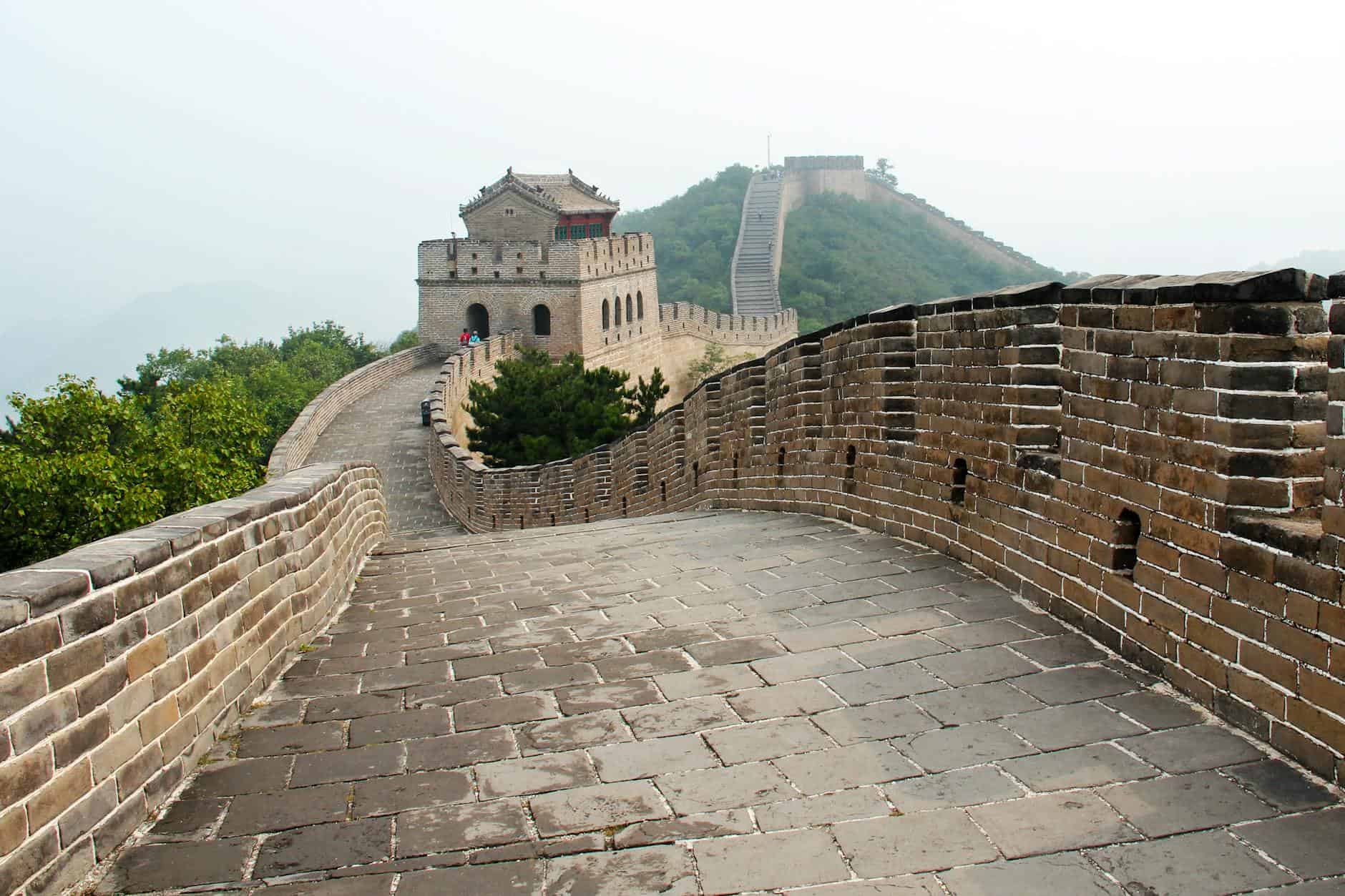
The Great Wall of China, an iconic symbol of Chinese civilization, spans over 13,000 miles and has a history exceeding 2,000 years. Initially built for defense against invasions, particularly from nomadic tribes, it saw significant enhancements during the Qin and Ming Dynasties. The wall represents a blend of military strategy, cultural identity, and resilience, influencing literature and art throughout Chinese history. Modern preservation efforts face challenges from erosion, urbanization, and tourism, emphasizing the need for sustainable practices. As a UNESCO World Heritage Site, the Great Wall continues to embody national pride and serves as a focal point for cultural exchange…
-
Hearst Castle History: From Media Empire to Architectural Masterpiece

Hearst Castle, a magnificent estate in California, embodies the fusion of media influence and architectural innovation attributed to media mogul William Randolph Hearst. Constructed from 1919 under the guidance of architect Julia Morgan, it reflects a unique blend of European architectural styles alongside American identity. The castle, with its 165 rooms and extensive art collection, served as a gathering place for elite figures and cultural exchanges. Despite challenges like the Great Depression, the estate emerged as a testament to perseverance and creativity. Today, as a California State Park, it continues to inspire dialogue about art, history, and identity while emphasizing…
-
Mont-Saint-Michel History: The Timeless Island Fortress of France
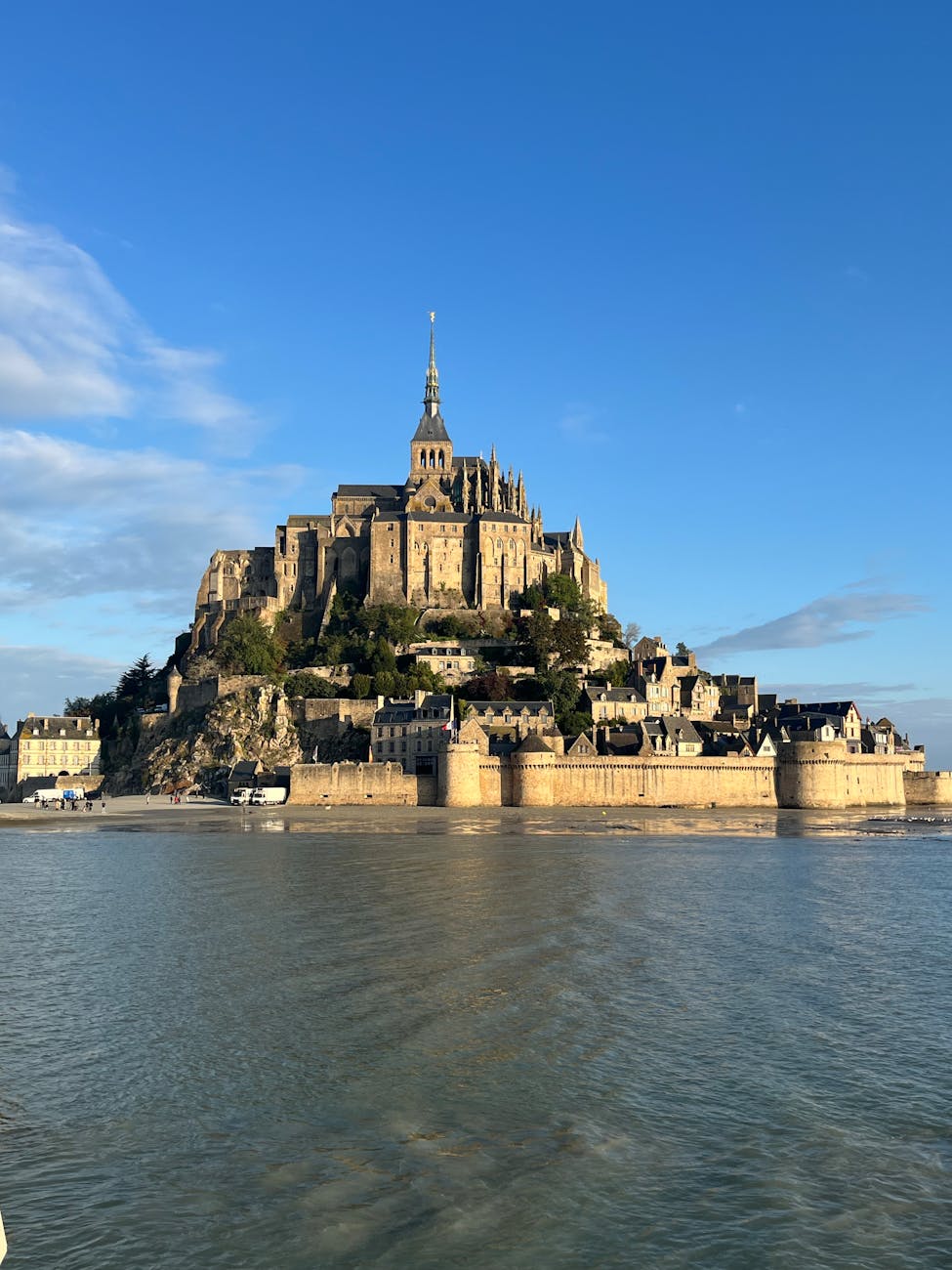
Mont-Saint-Michel, an iconic island commune in Normandy, France, is renowned for its rich history, architectural beauty, and spiritual significance. Established in the 8th century following a divine vision, it evolved from a small church into a formidable abbey, becoming a crucial pilgrimage center by the 10th century. The architectural transition from Romanesque to Gothic styles marks its prominence. Amid the Hundred Years’ War, it stood as a bastion of French resilience, enduring sieges while serving as a sanctuary. Restoration efforts in the 19th century preserved its heritage, and today, Mont-Saint-Michel continues to captivate millions, representing France’s enduring cultural identity.
-
Lotus Temple History: Unfolding the Symbol of Peace in New Delhi
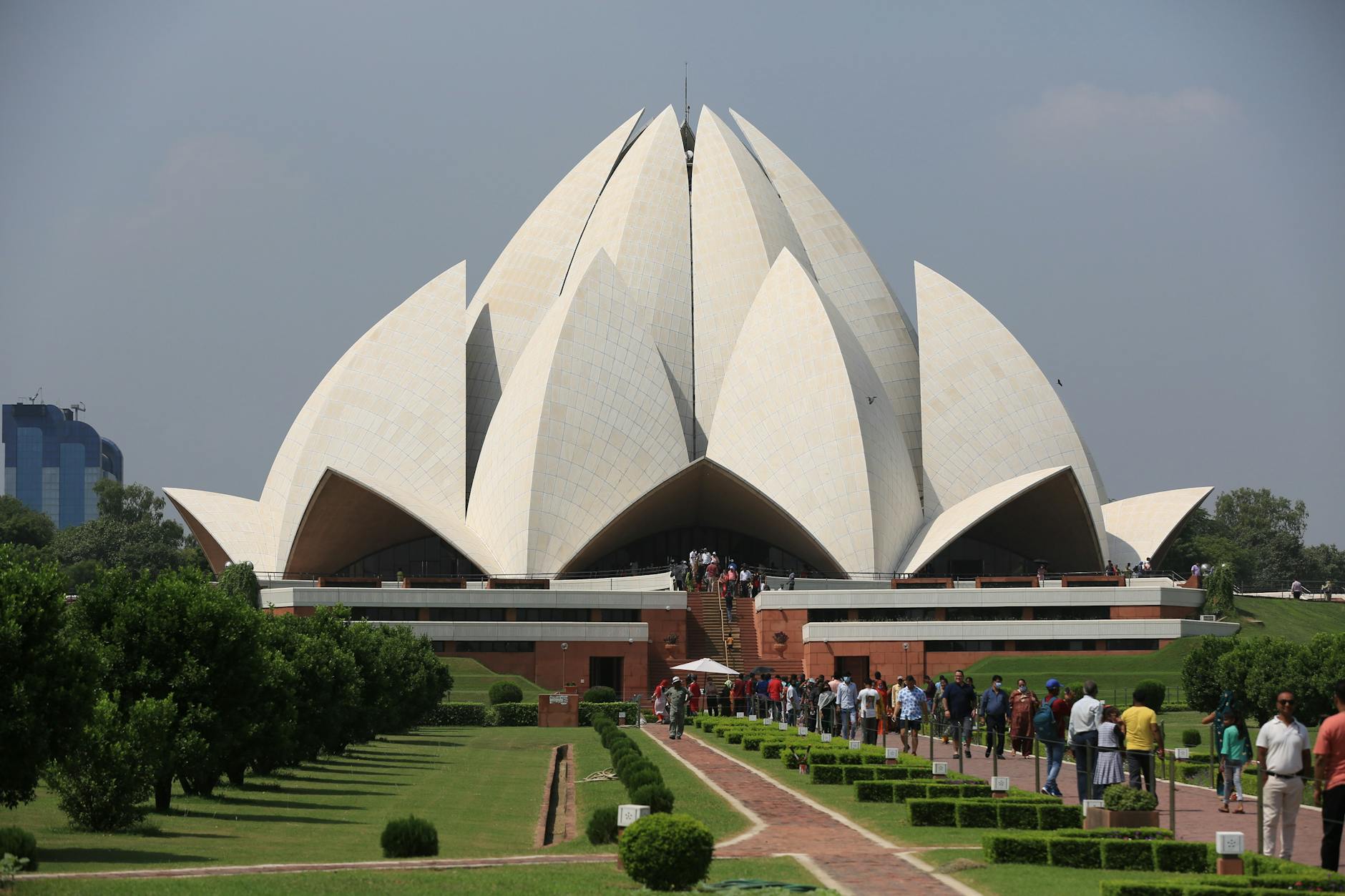
The Lotus Temple in New Delhi, India, completed in 1986, symbolizes peace, unity, and spiritual harmony. Designed by architect Fariborz Sahba, its lotus-shaped structure represents purity and the Bahá’à principles of inclusivity. The temple hosts prayer and meditation for diverse faiths and promotes interfaith dialogue, fostering community connections. Its architectural beauty, featuring 27 marble petals and a large prayer hall, creates a serene environment for reflection. Annually attracting over 10 million visitors, the temple has a global impact as a hub for peace initiatives, education, and cultural exchange, encouraging individuals to recognize their shared humanity and strive for a harmonious…
-
Mexico National Palace History: From Aztec Origins to Modern Democracy

The Mexico National Palace, a historical emblem of the nation, signifies its complex evolution from Aztec roots to modern democracy. Initially the site of Tenochtitlan, its transformation began with the Spanish conquest, where it became a symbol of oppression under colonial rule. The struggle for Mexican independence in the early 19th century reframed the palace as a beacon of resistance and national identity. Today, it functions as both a government center and a cultural repository, reflecting ongoing political dialogues and social justice. The National Palace personifies the intricate relationship between Mexico’s past and its aspirations for a more equitable future.
-
Potala Palace History: The Sacred Heart of Tibet’s Spiritual Legacy

The Potala Palace in Lhasa is a UNESCO World Heritage site symbolizing Tibetan Buddhism and cultural heritage. Constructed in the 7th century, it serves as a significant historical and spiritual center, primarily functioning as the winter residence of the Dalai Lamas. The Palace’s architecture, blending various styles, embodies the spiritual principles of Tibetan Buddhism. Over centuries, it has played a crucial role in Tibetan politics, intertwining spiritual authority and governance. Today, the Potala Palace faces preservation challenges amidst global recognition, acting as a cultural ambassador for Tibetan identity and resilience, highlighting the ongoing importance of preserving its rich artistic and…
-
Potala Palace History: The Sacred Heart of Tibet’s Spiritual Legacy
The Potala Palace in Lhasa is a UNESCO World Heritage site symbolizing Tibetan Buddhism and cultural heritage. Constructed in the 7th century, it serves as a significant historical and spiritual center, primarily functioning as the winter residence of the Dalai Lamas. The Palace’s architecture, blending various styles, embodies the spiritual principles of Tibetan Buddhism. Over centuries, it has played a crucial role in Tibetan politics, intertwining spiritual authority and governance. Today, the Potala Palace faces preservation challenges amidst global recognition, acting as a cultural ambassador for Tibetan identity and resilience, highlighting the ongoing importance of preserving its rich artistic and…
-
Alhambra History: Exploring Granada’s Moorish Masterpiece

The Alhambra, located in Granada, Spain, is a historically significant palatial fortress renowned for its Moorish architecture. Originating in the mid-13th century under the Nasrid dynasty as a fort, it evolved into an opulent palace complex, showcasing intricate tile work, stunning gardens, and a blend of Roman, Islamic, and Gothic influences. Following the Reconquista in 1492, it transformed into a symbol of Catholic dominance, integrating Renaissance elements while still preserving aspects of its Islamic roots. Today, as a UNESCO World Heritage site, it draws millions of visitors, highlighting its architectural brilliance and cultural significance, while also facing preservation challenges amid…
-
Alhambra History: Exploring Granada’s Moorish Masterpiece
The Alhambra, located in Granada, Spain, is a historically significant palatial fortress renowned for its Moorish architecture. Originating in the mid-13th century under the Nasrid dynasty as a fort, it evolved into an opulent palace complex, showcasing intricate tile work, stunning gardens, and a blend of Roman, Islamic, and Gothic influences. Following the Reconquista in 1492, it transformed into a symbol of Catholic dominance, integrating Renaissance elements while still preserving aspects of its Islamic roots. Today, as a UNESCO World Heritage site, it draws millions of visitors, highlighting its architectural brilliance and cultural significance, while also facing preservation challenges amid…
-
Griffith Observatory History: Hollywood’s Gateway to the Stars

Griffith Observatory, established in 1935 and located in the Hollywood Hills, serves as a nexus of astronomical education and public engagement. Founded by Griffith J. Griffith, the observatory was designed to make astronomy accessible to all, inspiring generations through hands-on learning experiences and robust public programs. Its Art Deco architecture complements its scientific mission, offering panoramic views of Los Angeles and the cosmos. The observatory has also made a significant cultural impact, featuring in films and media, symbolizing exploration, creativity, and the quest for knowledge. Today, it remains a vibrant center for science, culture, and community engagement, fostering curiosity about…
-
Griffith Observatory History: Hollywood’s Gateway to the Stars
Griffith Observatory, established in 1935 and located in the Hollywood Hills, serves as a nexus of astronomical education and public engagement. Founded by Griffith J. Griffith, the observatory was designed to make astronomy accessible to all, inspiring generations through hands-on learning experiences and robust public programs. Its Art Deco architecture complements its scientific mission, offering panoramic views of Los Angeles and the cosmos. The observatory has also made a significant cultural impact, featuring in films and media, symbolizing exploration, creativity, and the quest for knowledge. Today, it remains a vibrant center for science, culture, and community engagement, fostering curiosity about…
-
Himeji Castle History: The White Heron Fortress of Japan’s Samurai Era

Himeji Castle, also known as the “White Heron Castle,” is a historic and architectural landmark in Japan, constructed in 1333. Originally a military fortification, it evolved into a symbol of power during the samurai era, showcasing advanced Japanese castle architecture. The castle has survived numerous historical events, including wars and natural disasters, reflecting the resilience of Japanese heritage. Significant restoration efforts led to its designation as a UNESCO World Heritage Site in 1993, emphasizing its cultural significance. Today, Himeji Castle attracts millions of visitors, serving as a testament to Japan’s historical legacy and architectural brilliance, intertwined with samurai culture.
-
Teotihuacan History: Exploring the Abandoned City That Shaped Mesoamerica
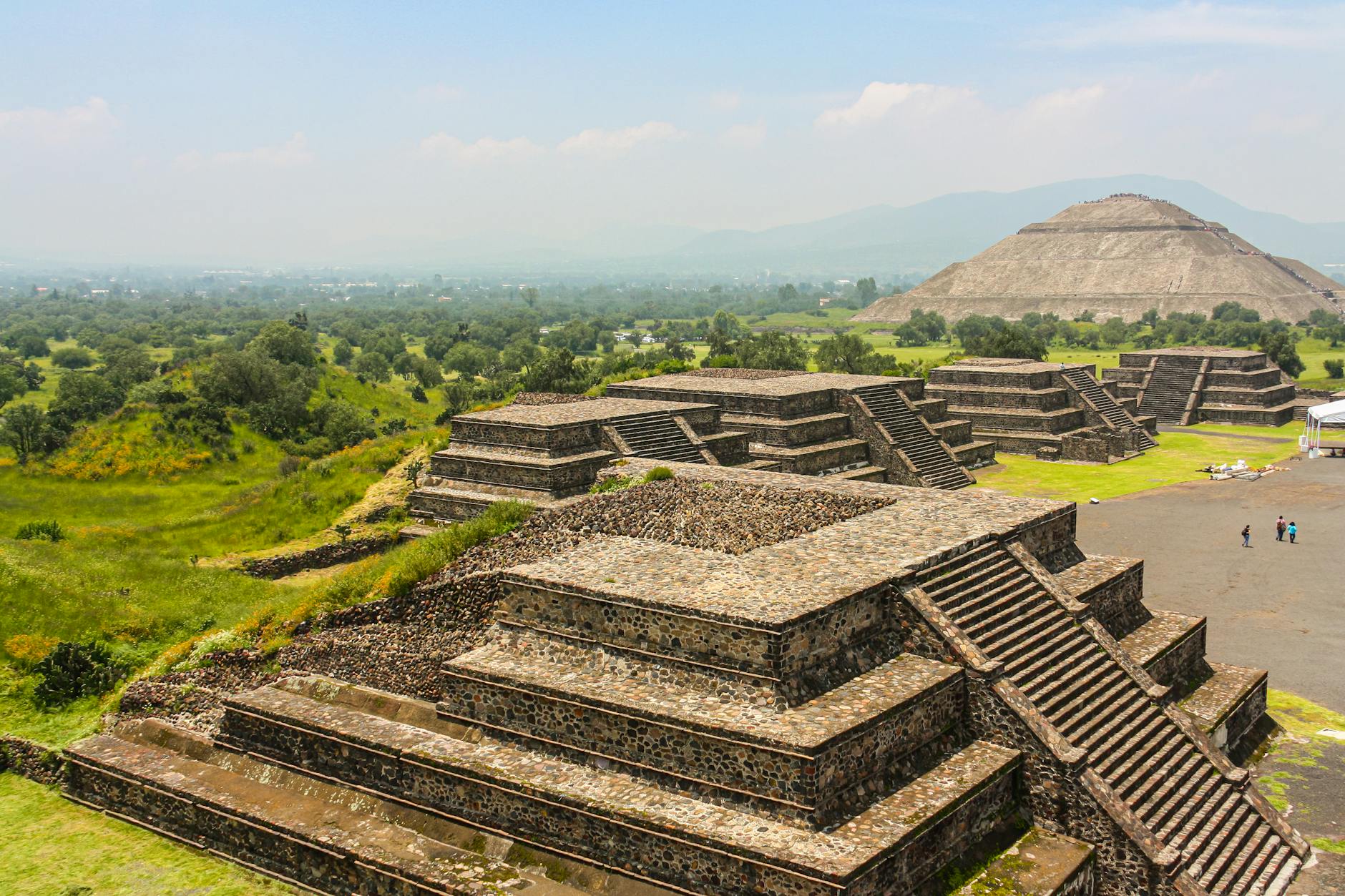
Teotihuacan, an ancient Mesoamerican city near Mexico City, flourished from 100 BCE to 650 CE, becoming a cultural and political hub known for its impressive architectural ruins, including the Pyramids of the Sun and Moon. The city’s origins involve diverse migrants who introduced agricultural practices that supported rapid population growth and social stratification. Teotihuacan was also a center of religious rituals, celebrating polytheism and celestial events. Its decline around 700 CE resulted from environmental challenges, economic instability, and internal conflicts, yet its legacy influenced future Mesoamerican civilizations. Today, Teotihuacan remains a significant archaeological and cultural symbol.
-
Arc de Triomphe History: Paris’s Monument of Victory and Memory

The Arc de Triomphe, an iconic symbol of Paris commissioned by Napoleon Bonaparte in 1806, stands as a tribute to military victories and French nationalism. Completed in 1836, it features neoclassical architecture and intricate sculptures commemorating national heroes and significant events, including the Tomb of the Unknown Soldier added in 1921. The arch has become a focal point for national ceremonies and civic expressions, reflecting France’s evolving identity. Continuous restoration efforts ensure its endurance against environmental challenges. As a cultural landmark, the Arc de Triomphe remains a powerful reminder of sacrifice, unity, and historical significance for both French citizens and…
-
Edinburgh Castle History: Scotland’s Fortress of Kings and Legends
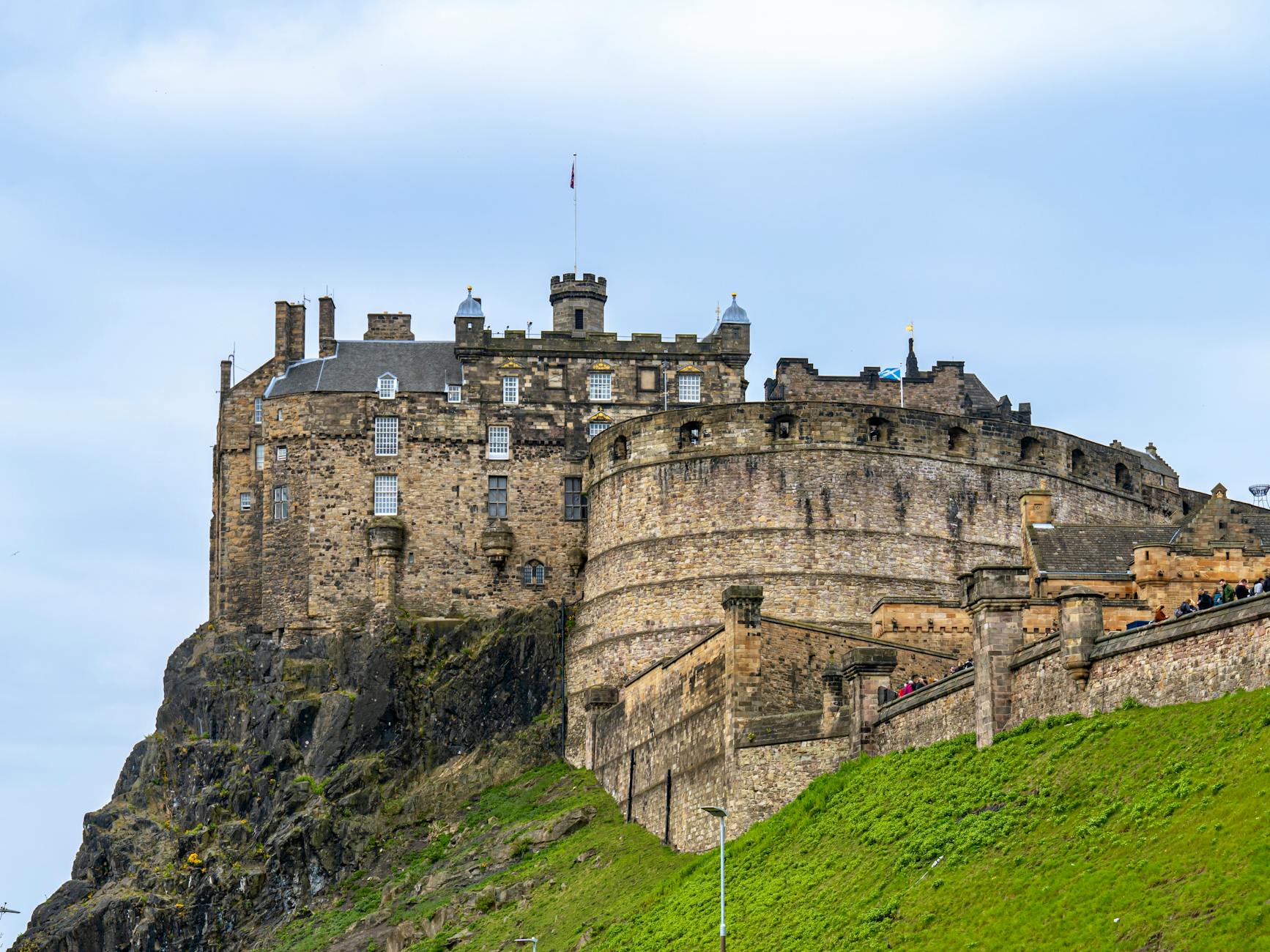
Edinburgh Castle is a significant historical fortress that has influenced Scotland’s narrative for over a thousand years. Perched atop Castle Rock, it has served as a royal residence, military stronghold, and cultural symbol. Established in the 9th century, the castle has witnessed key events, including the Wars of Scottish Independence and the Jacobite uprisings, deeply intertwining its history with Scotland’s struggle for sovereignty. Architecturally, it features notable structures like St. Margaret’s Chapel and the Great Hall, showcasing its evolution. Today, as a UNESCO World Heritage Site, Edinburgh Castle attracts millions of visitors, preserving Scotland’s rich heritage and captivating its enduring…
-
Moai Statues History: Unlocking the Mysteries of Easter Island
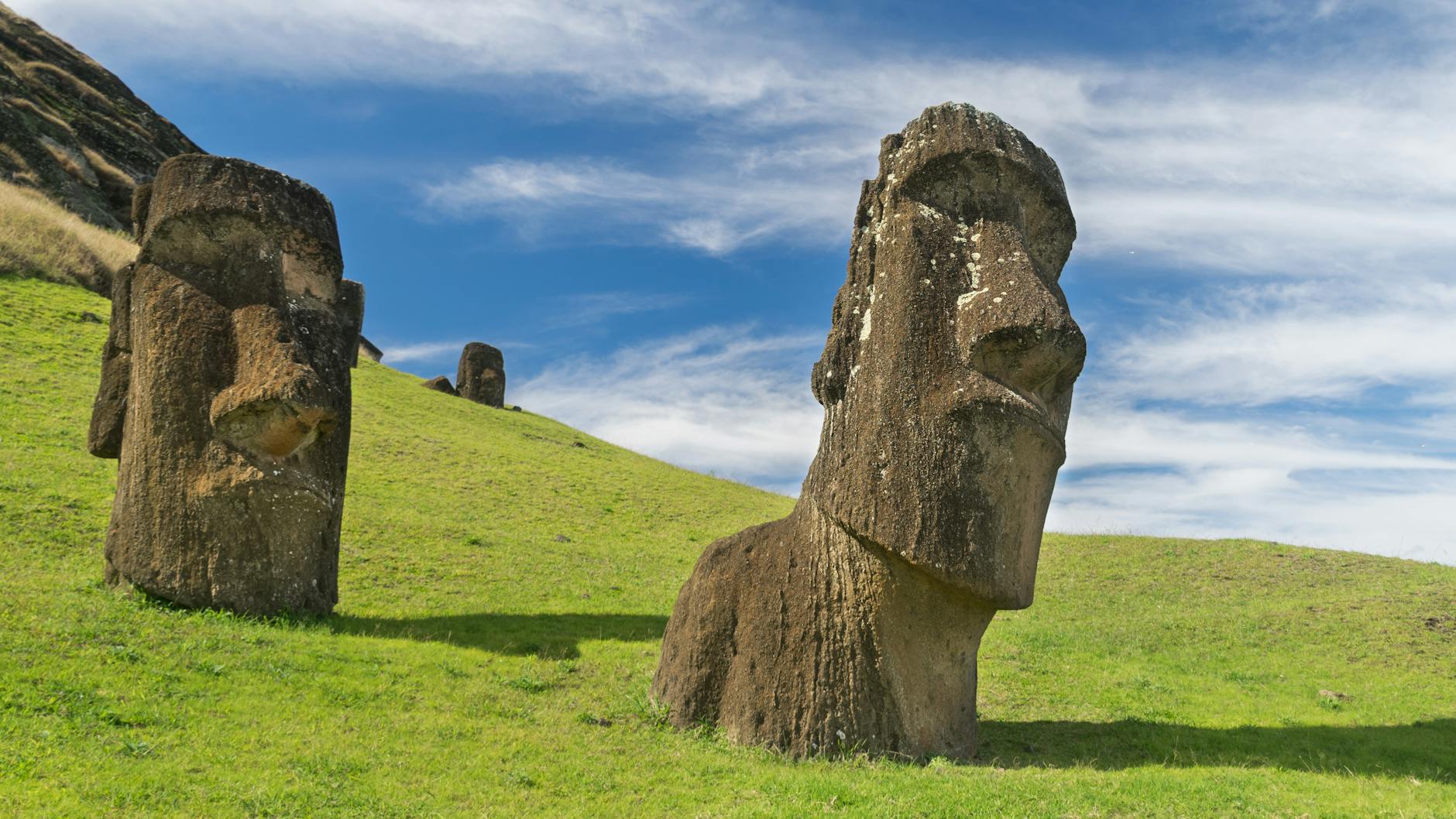
Easter Island’s Moai statues, created by the Rapa Nui people between 1400 and 1650 AD, serve as iconic symbols of the island’s culture, spiritual beliefs, and societal structure. These monumental figures, made primarily from volcanic tuff, represent ancestors and embody a deep connection between the community and their lineage. The Moai’s construction showcased advanced techniques, highlighting the Rapa Nui’s ingenuity and cooperative labor. However, environmental degradation due to deforestation and resource depletion contributed to the decline of Moai culture, leading to a shift in beliefs and practices. Modern preservation efforts focus on sustainability and community engagement to protect this cultural…
-
Big Ben History: How London’s Icon Became a Global Landmark

Big Ben, officially known as the Elizabeth Tower, is an iconic symbol of London and British heritage, representing resilience and democracy. Constructed in the mid-19th century after the Palace of Westminster fire, it features intricate Gothic and Victorian architecture and an innovative clock mechanism that has become a symbol of punctuality. Revered for its cultural significance, Big Ben marks important national events and celebrations, embodying British identity. Restoration efforts that began in 2017 aimed to preserve its historical integrity while modernizing the structure. As a global landmark, Big Ben continues to attract millions, embodying shared values of hope and continuity…