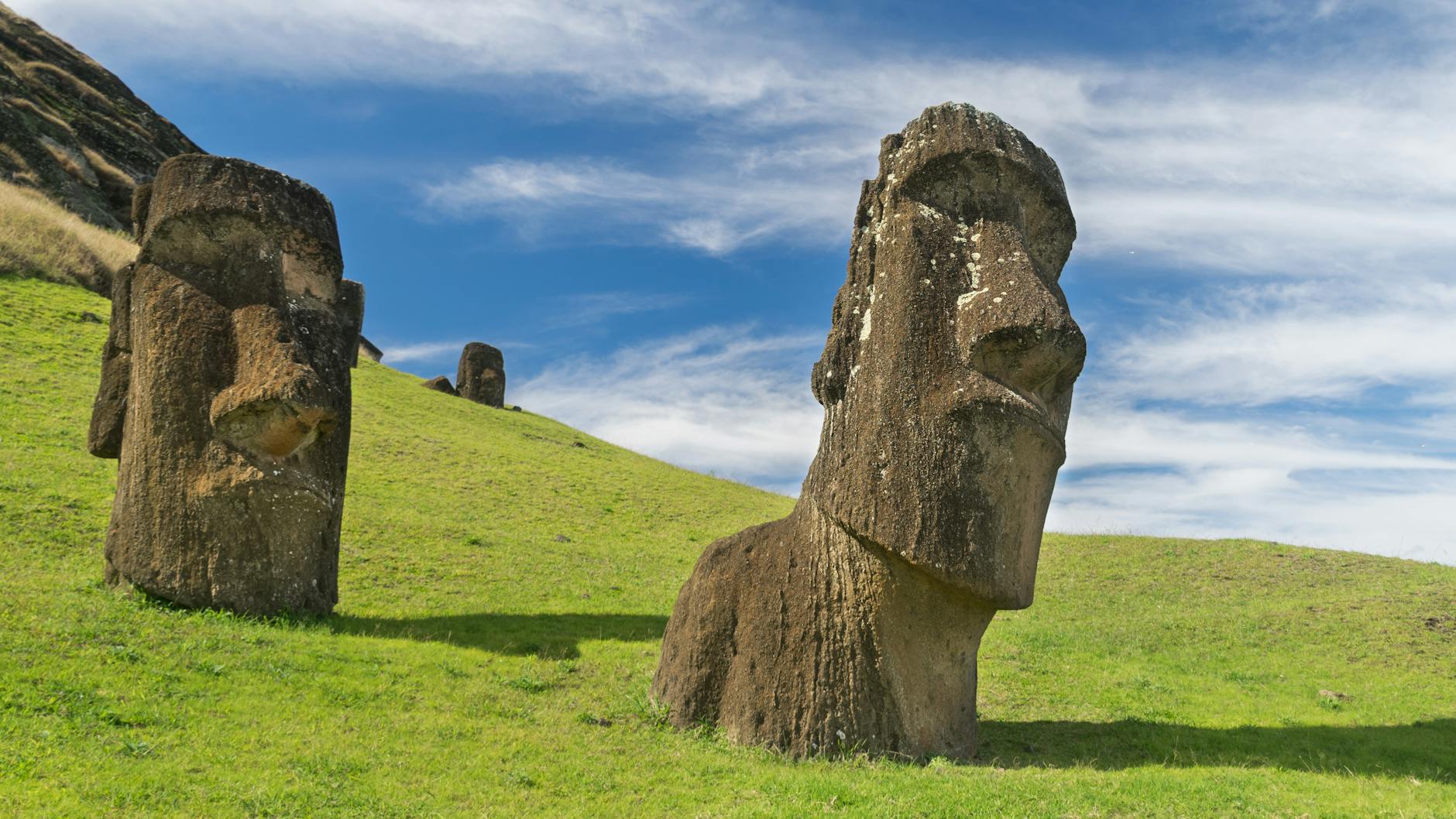
Easter Island, or Rapa Nui, is home to one of the world’s most intriguing archaeological sites, the Moai statues. These monumental stone figures are not only iconic representations of the island’s culture but also embody its rich history and the mysteries that surround it. The Moai, created by the Rapa Nui people between 1400 and 1650 AD, reflect an advanced societal structure and deep spiritual beliefs.
Despite the passage of centuries, their purpose and construction techniques continue to baffle researchers and historians alike. This article delves into the origins, cultural significance, and the decline of Moai culture, while also exploring modern preservation efforts that aim to protect these extraordinary sculptures from the effects of time and environmental challenges. By unlocking the mysteries of the Moai statues history, we gain insight into the extraordinary civilization that once thrived on this remote Pacific island.
The Origins of the Moai Statues
The story of the Moai statues begins with the arrival of the first Polynesian settlers on Easter Island, approximately 800 AD. These early inhabitants brought with them a rich cultural heritage, which included their beliefs, traditions, and the art of stone carving. As they settled on the island, they began to develop a unique identity that was closely tied to their environment and spiritual beliefs.
Archaeological studies suggest that the Moai statues were created as a means of honoring ancestors and conveying power and prestige. The Rapa Nui people believed that the spirits of their ancestors inhabited these statues, which were not merely representations but were thought to provide protection and blessings to contemporary generations. This spiritual connection significantly influenced the design and construction of the Moai, as they were created in various sizes and styles, each representing different lineage and social status.
Geologically, Easter Island is primarily formed from volcanic rock, which played a crucial role in the crafting of the Moai. The primary material used for the statues, volcanic tuff, was sourced from Rano Raraku, the main quarry on the island. This volcanic stone, comprised of compressed volcanic ash, was relatively easy to carve, allowing artisans to create intricate features and details, such as elongated heads, pronounced foreheads, and distinct facial expressions.
The significance of the Moai’s location is not only essential for understanding their origins but also for appreciating the societal organization of the Rapa Nui people. The construction of these statues often occurred in different clans, with each clan responsible for creating and erecting their own Moai. This practice likely fostered competition and rivalry among clans, fueling both the desire to construct larger and more elaborate statues and developing hierarchical structures within the society.

Initially, the Moai were placed on stone platforms known as Ahu, which served as both ceremonial sites and burial places for the elite. The placement of each statue was strategically planned, as it allowed the Moai to face inland, symbolizing the connection to the community and the resources they needed for survival. Over time, as the population grew and resources became scarce, the focus on statue construction shifted, leading to the decline of traditional practices.
In summary, the origins of the Moai statues intertwine with the migration and social structure of the Rapa Nui people. Their genesis reflects both an artistic expression and a manifestation of the islanders’ spiritual beliefs, as well as their complex societal organization. Understanding these roots provides a vital context for unraveling the mysteries surrounding these monumental figures, paving the way for further examination of their cultural significance.
The Construction Techniques and Tools Used
The Moai statues are monumental in both size and cultural significance, and their construction involved sophisticated techniques that highlight the ingenuity and skill of the Rapa Nui people. The process of carving, transporting, and erecting these enormous stone figures reveals much about the societal organization, available resources, and technological capabilities of the island’s inhabitants.
The construction of the Moai began with the selection of suitable volcanic tuff from the Rano Raraku quarry. This quarry served as the primary source for the vast majority of statues, offering a wealth of material for the island’s artisans. Once the stone was selected, craftspeople would outline the basic shape of the Moai using primitive tools made from harder stones, such as basalt. These tools allowed them to chiseling details into the softer tuff effectively. Moreover, they used a basic understanding of leverage, angles and force to create intricate carvings that showcased their artistry and skills.
One of the more fascinating aspects of Moai construction is the size and weight of these statues. Numerous Moai stand well over ten feet tall, with weight estimates ranging from several tons to over 80 tons. To move these colossal figures, the Rapa Nui utilized a combination of manpower and innovative techniques. Research suggests that the statues were transported either upright or laid on wooden sleds. Teams of workers would roll the Moai across the island on logs, while others pulled and pushed the statues into their desired positions. This process required a highly organized workforce and a keen understanding of cooperative labor, showcasing their ability to coordinate efforts in a challenging environment.
Another essential stage of Moai construction was the installation of the statues onto Ahu platforms, often elevated structures composed of stones and earth, designed to house and support the statues. The placement of these structures was not arbitrary; they were often built at significant locations, enhancing the spiritual and cultural weight of the Moai. Researchers believe that these Ahu acted as ceremonial sites, reinforcing the Moai’s connection to the ancestors of the Rapa Nui people.

Despite the ingenuity displayed in the Moai’s construction and transportation, the process was not without challenges. As the island’s population grew, the competition for resources escalated. Deforestation, leading to a decrease in timber and other natural resources, significantly impacted the ability of the Rapa Nui people to continue their traditional methods of statue construction and transportation. This eventual imbalance led to the decline of the Moai culture, as the construction techniques that once thrived became unsustainable.
In conclusion, the construction of the Moai statues is a remarkable testament to the skills and creativity of the Rapa Nui people. Their use of geological resources, innovative transportation methods, and community cooperation demonstrates a deep understanding of their environment and society. By exploring these techniques, we can better appreciate the dedication and artistry that went into creating these monumental figures.
Cultural Significance and Religious Aspects
The Moai statues hold unparalleled cultural and religious significance for the Rapa Nui people and provide important insights into their spiritual beliefs, social structures, and historical development. With each statue representing a revered ancestor, the Moai serve not only as artistic achievements but also as symbols of the islanders’ connection to their spiritual heritage and the forces that governed their lives.
Central to the cultural significance of the Moai is the island’s ancestral worship. Each statue embodies the spirit of a deceased leader or elder, believed to exert a protective influence over the community. This belief system forged a deep spiritual connection between the Rapa Nui people and the physical representations of their ancestors. As such, the Moai are more than stone figures; they epitomize the continuity of tradition and the importance of ancestry within the Rapa Nui belief system.
The construction of Moai also reflects societal values and hierarchies among the Rapa Nui people. Statues were typically commissioned by clans, with their size and intricacy denoting the status of particular ancestors, thereby solidifying the power dynamics within the society. The larger and more detailed the Moai, the greater the status of the individual it represented, showcasing the clan’s ability to mobilize resources and labor towards honoring their lineage. By observing the varying styles, sizes, and placements of the Moai, researchers can glean valuable insights into the social structure, cultural practices, and religious priorities of the Rapa Nui people.
Moreover, the Moai’s placement on Ahu platforms further magnifies their spiritual importance. These platforms served not only as physical support for the statues but also as ceremonial sites where rituals and offerings were made to the ancestors. This emphasizes the essential sacredness of the Moai, marking them as focal points for spiritual communication and communal activities. The rituals conducted at the Ahu reinforce the idea that the Rapa Nui viewed the Moai as active participants in the life of the community, embodying their ancestors’ wisdom and guidance.
The construction and care of the Moai also illustrate the significance of sustainability and environmental stewardship within Rapa Nui culture. As the island’s ecology began to suffer due to resource depletion and overexploitation, the Rapa Nui challenged their beliefs about the relationship between humanity and nature. The challenges faced during the decline of the Moai culture served as reminders for the importance of maintaining balance with the environment, highlighting the evolving relationship between spirituality, community dynamics, and ecological awareness.

Decades of archaeological research have underscored the cultural and religious importance of the Moai, not only to the Rapa Nui people but to the wider global community. Their enduring legacy continues to inspire interest and curiosity, prompting discussions about environmental sustainability, cultural identity, and the interplay of history and spirituality. Museums, scholars, and cultural organizations place emphasis on preserving the Moai and educating visitors about their significance, fostering a greater understanding of the philosophies and values that shape the Rapa Nui worldview.
In summary, the Moai statues are much more than mere monuments; they encapsulate the spiritual essence of a people deeply connected to their ancestry, beliefs, and environment. Through the lens of their cultural and religious significance, we gain a more enriched understanding of the Rapa Nui people and the enduring influence of their ancient wisdom.
The Decline of the Moai Culture
The decline of Moai culture on Easter Island is a compelling narrative marked by environmental challenges, sociopolitical shifts, and the struggle for survival among the Rapa Nui people. As formidable as the Moai statues are, the eventual downfall of the civilization that created them highlights the fragility of cultural achievement when faced with ecological and societal pressures.
The rise of the Moai culture parallels the growth of the Rapa Nui population during the initial centuries of settlement. However, as the population expanded significantly, competition for resources intensified. The construction of Moai required considerable resources, including timber for tools, sledges, and rope, as well as stone, which placed immense strain on the island’s ecosystems. Deforestation began to take its toll, leading to the depletion of vital plant resources and diminishing the availability of food sources.
As environmental conditions worsened, the Rapa Nui faced a critical turning point. The decline in trees profoundly affected agricultural practices, as soil erosion and diminished crop yields became increasingly apparent. Starvation became a real threat, leading to increasing social competition and unrest. This environmental stress likely fueled internal conflicts among clans, as they scrambled to assert dominance and secure access to dwindling resources.
Moreover, the cultural emphasis on constructing ever-larger Moai fueled competition to an unsustainable extent. As clans vied to outdo one another with monumental statues, the costs of labor and resources escalated. This escalating rivalry eventually culminated in social unrest and division within the community. The traditional social structures and systems that supported the creation of the Moai began to fracture in the face of scarcity and conflict.
The completion of the last Moai around the late 19th century marked a significant shift in the cultural narrative of Easter Island. This event coincided with the arrival of European explorers and subsequent colonial influences, leading to further disruption of the island’s traditional practices. The introduction of new diseases, the enslavement of the islanders, and the influx of foreign settlers accelerated the decline of the Rapa Nui culture, further diminishing their capacity to maintain the ancestral worship that the Moai symbolized.
In response to these pressures, the Rapa Nui began to redefine their belief systems and cultural identity. As the traditional spiritual and ceremonial practices associated with the Moai waned, there was a shift towards other forms of expression and resilience in the face of hardship. This adaptation illustrates the resourcefulness of the Rapa Nui people and their ability to navigate challenging circumstances, even as their cultural legacy transformed.
Ultimately, the decline of Moai culture serves as a poignant reminder of the vulnerability of civilizations in the face of environmental degradation, resource scarcity, and social upheaval. By studying the factors that contributed to this decline, we can learn valuable lessons regarding sustainability and the importance of maintaining a harmonious relationship with our environment. The story of the Moai is not simply one of cultural achievement; it is also a cautionary tale that speaks to the broader challenges faced by societies throughout history and the ongoing quest for balance and resilience.
Modern Day Preservation and Research Efforts
In the modern era, the preservation and research surrounding Easter Island’s Moai statues have garnered significant attention from scholars, archaeologists, and conservationists. As these ancient figures face threats from environmental degradation, tourism, and climate change, collaborative efforts aim to safeguard the integrity of this UNESCO World Heritage site while promoting sustainable practices that respect the cultural heritage of the Rapa Nui people.
One of the primary challenges in preserving the Moai statues is their vulnerability to natural erosion, especially from harsh climatic conditions, including rising sea levels and increasingly severe weather patterns. In response, various initiatives have been implemented to monitor and mitigate these environmental threats. Conservationists and local authorities are working together to develop frameworks that combine scientific research with traditional ecological knowledge, ensuring that efforts respect both the land and the cultural practices of the Rapa Nui people.
Sustainable tourism also plays a crucial role in the preservation of the Moai. As one of the most sought-after tourist destinations, Easter Island brings substantial economic benefits to the local community. However, increased foot traffic and infrastructure development pose risks to the statues and their surrounding environments. Education and regulation have become essential components in mitigating these impacts, as local authorities seek to balance tourist interest with the need to protect the island’s cultural and natural resources. Guided tours, strict visitor guidelines, and protective measures around the Moai sites aim to ensure that tourism contributes positively to the preservation rather than detracts from it.
In addition to conservation efforts, ongoing research continues to reveal insights about the Moai and the Rapa Nui culture. Archaeologists employ advanced technologies, such as 3D scanning and aerial mapping, to document the statues and their surroundings accurately. These methods not only facilitate comprehensive analysis of the sites but also promote virtual preservation, allowing individuals worldwide to experience the richness of Easter Island’s cultural heritage without physically impacting the environment.
The involvement of the local community is paramount in these preservation efforts. The Rapa Nui people are increasingly engaged in decision-making processes related to conservation, ensuring that their voices and cultural perspectives shape the future of their heritage. Collaborative projects that foster education, participatory research, and cultural revitalization support the community’s ongoing connection to the Moai and encourage the transmission of traditional knowledge to future generations.
Furthermore, global awareness of the importance of preserving cultural heritage remains a focal point in discussions related to the Moai. International organizations, academic institutions, and cultural preservation initiatives continuously work to secure funding and support for the ongoing management and study of Easter Island’s remarkable statues. This global collaboration underscores the broader significance of the Moai not only as a cultural treasure for the Rapa Nui but also as a study of resilience, resourcefulness, and human connection to the past.
In conclusion, the modern-day preservation and research efforts surrounding the Moai statues represent a concerted response to the challenges faced by the Rapa Nui culture. By embracing sustainability, community engagement, and innovative tools, stakeholders strive to safeguard this unique heritage for future generations. Understanding and respecting the intricate relationship between the Moai and the Rapa Nui people reinforces the importance of cultural resilience, environmental stewardship, and the ongoing relevance of these remarkable statues in an ever-changing world.
Conclusion
The Moai statues of Easter Island stand as a profound testament to the resilience, artistry, and cultural heritage of the Rapa Nui people. Through exploring their origins, construction techniques, cultural significance, decline, and modern preservation efforts, we gain a holistic understanding of the multifaceted legacy that these monumental figures embody.
Reflecting upon the origins of the Moai reveals not only a rich spiritual connection to ancestral worship but also a vivid expression of social structures that once thrived on the island. The techniques used in crafting these statues uncover the extraordinary skills of the Rapa Nui artisans, while the cultural significance connected to Moai’s presence emphasizes the depth of their beliefs and societal values.
Yet, the decline of the Moai culture serves as a poignant reminder of the fragility of civilization when confronted with environmental challenges, resource scarcity, and social strife. It underscores the lessons learned from history about maintaining a sustainable balance between human ambition and the natural world.
As we turn our attention to the modern day, the concerted efforts toward preserving the Moai and the deeper involvement of the Rapa Nui community highlight a path of resilience and hope. The continuing research and education initiatives reaffirm the importance of cultural heritage and environmental stewardship.
Ultimately, as we seek to unlock the mysteries surrounding the Moai statues, we create a space for deeper understanding, appreciation, and respect for the enduring legacy of the Rapa Nui people. Their story encourages us to reflect on our own societal values and ambitions, urging us to engage with our environment with mindfulness and responsibility. The Moai statues will remain iconic symbols of history, culture, and the human spirit, inspiring generations to come.
Ancient Aliens: Uncovering the TRUTH of Easter Island Video

Leave a Reply