Introduction
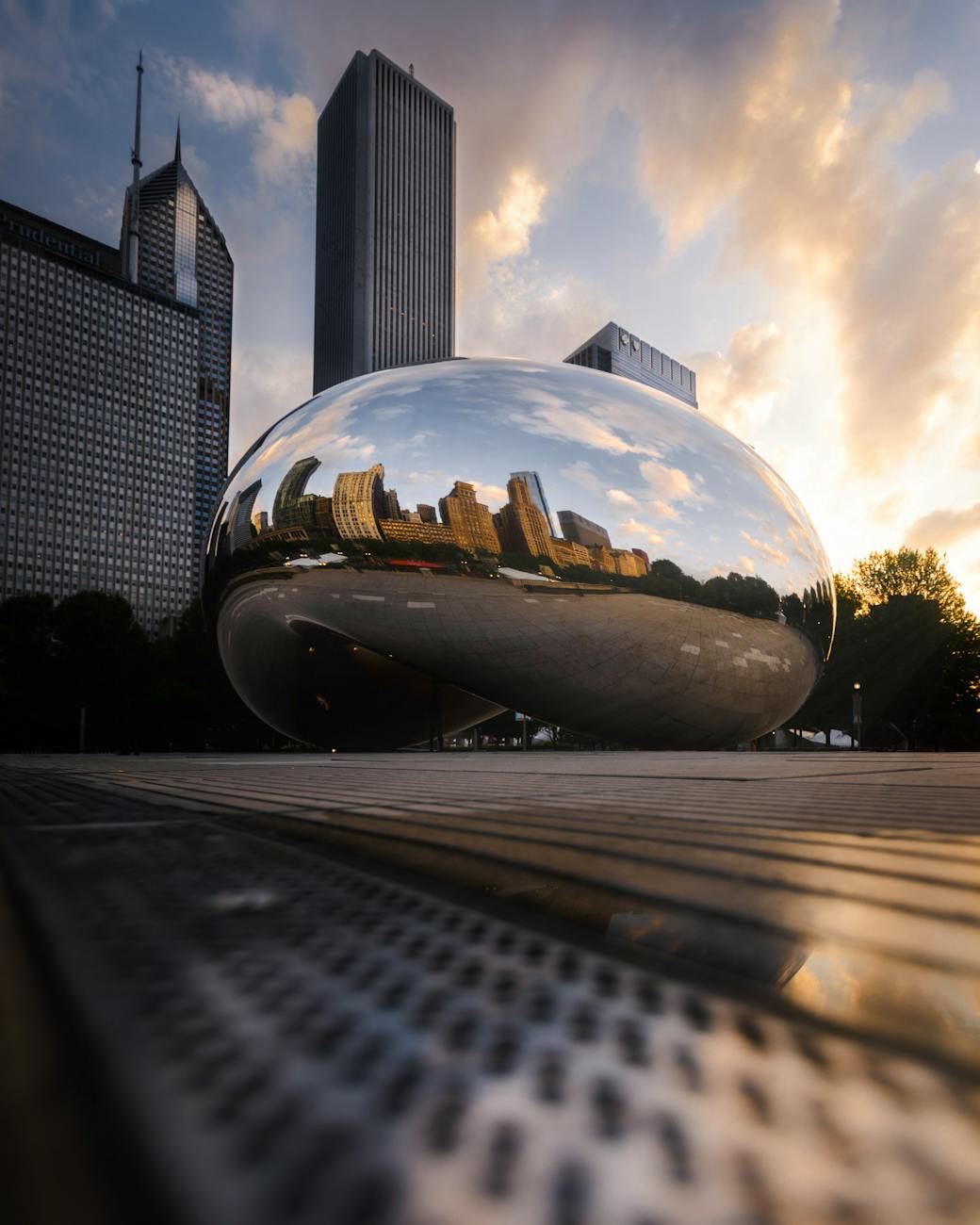
Millennium Park, an urban jewel nestled in the heart of Chicago, is not just a public space; it’s a testament to architectural innovation and the spirit of community. Among its many attractions, Cloud Gate – affectionately known as “The Bean” – stands out as the park’s centerpiece and a global icon. Designed by British artist Anish Kapoor, this mesmerizing sculpture reflects the city skyline and invites visitors to immerse themselves in its polished surface. The Millennium Park history and Cloud Gate involves a rich interplay of artistic vision, municipal planning, and public engagement. This article delves into the multifaceted narrative of how Cloud Gate became synonymous with Chicago, exploring its origins, artistic significance, and the ongoing challenges of preserving the integrity of this beloved work of art.
The Vision Behind Millennium Park
Millennium Park was conceived as part of a larger urban renewal project in the late 1990s, aiming to transform a series of underutilized sites along the waterfront into a vibrant cultural hub. As Chicago sought to reinvent itself for the new millennium, local leaders envisioned a space that would not only celebrate the city’s rich cultural heritage but also serve as a gathering point for residents and tourists alike. The $475 million project received funding from a variety of sources, including private donations, public funds, and sponsorships, which helped offset costs and lay the foundation for a world-class park.
At the heart of this transformation was a commitment to innovation in design and artistry. The city held an international design competition, inviting architects and artists from around the globe to submit their proposals. The aim was to create a unique space that would reflect the city’s identity while providing artistic installations, performance venues, and green spaces. The selection of the design team led by Frank Gehry marked a pivotal moment in the park’s development, as it signaled the city’s embrace of avant-garde architectural styles.
Millennium Park’s vision extended beyond mere aesthetics; it was rooted in the desire to enhance the quality of life for Chicago’s residents. Planners emphasized accessibility, ensuring that the space would be open and welcoming to everyone. This dedication to inclusivity is crucial, as it established the park as a cultural landmark that invites diverse participation. Instead of being a space reserved for the elite, Millennium Park aimed to foster a sense of community, allowing individuals from all walks of life to engage with art, nature, and each other.
The artistic vision came to fruition with the introduction of various installations, including the Crown Fountain and the Jay Pritzker Pavilion. Cloud Gate, however, emerged as the crown jewel of the park, capturing the imagination of all who experienced it. Positioned at the center of the park, the sculpture’s distinctive shape and reflective surface provide a unique interaction with the surrounding urban landscape. Visitors are encouraged not only to admire its beauty from afar but also to engage with it up close, allowing for a truly personal experience.

In response to the initial idea of transforming Chicago for the millennium, Cloud Gate embodies the park’s purpose to serve as a symbol of renewal and community spirit. Its design invites visitors to reflect on their own identities while engaging with the city around them. As a result, Cloud Gate has become more than just a sculpture; it is a dynamic part of the urban landscape, continually evolving with the changing seasons and the multitude of visitors who come to enjoy its beauty.
Ultimately, the vision behind Millennium Park is a blend of art, architecture, and social engagement. The commitment to artistic excellence and community inclusivity has established the park as a new standard for public spaces, encouraging cities worldwide to consider the role art plays in enhancing urban environments. Cloud Gate, as the embodiment of this vision, remains a transformative presence, reminding all who visit Chicago of the power of art to foster connection and reflection.
Design and Construction of Cloud Gate
The inception of Cloud Gate can be traced back to its creator, Anish Kapoor, a celebrated sculptor known for his innovative and often monumental works. Kapoor’s journey with Cloud Gate began when he was invited to create a sculpture for Millennium Park. His vision was to design a piece that would spark wonder and curiosity while engaging with the urban environment. Inspired by both the city’s architecture and the element of reflection, Kapoor conceptualized a stainless steel structure that would echo the cityscape while allowing visitors to see themselves within the art.
From the outset, the construction of Cloud Gate was fraught with challenges. The sheer size of the piece, which measures 33 feet high, 66 feet long, and 42 feet wide, required meticulous planning and engineering. The structure’s seamless, mirror-like surface, created by welding together multiple steel plates, posed additional complications. The initial construction phase revealed significant difficulties in achieving the desired aesthetic; the finish needed to be flawless to reflect both the environment and the people interacting with it.
Once the design was finalized, construction began in 2004, with a team of skilled artisans and engineers working tirelessly to bring Kapoor’s vision to life. The work was not only about physical construction; it involved significant technological innovation. The artists and engineers employed advanced CNC (computer numerical control) machining to create the precise contours of the sculpture. This digital fabrication allowed for the seamless connection of steel plates, resulting in the smooth surface that defines Cloud Gate.
As the project progressed, Kapoor faced ongoing challenges, including budget constraints and the complexities of working in an urban environment. The sculpture’s installation required unique logistical solutions and coordination with city planners to ensure that the project would not disrupt the surrounding park area. Despite these obstacles, the dedication to achieving artistic perfection remained paramount, underscoring Kapoor’s commitment to creating a compelling public artwork.

In May 2006, after two years of construction, Cloud Gate was finally unveiled to the public. Its dramatic entrance into the cultural landscape of Chicago was met with astonishment and acclaim. The sculpture’s dynamic surface captured the energy of the city, inviting visitors to interact with it intimately and personally. As Chicagoans and tourists alike flocked to see Cloud Gate, it quickly became apparent that the installation had succeeded in its overarching goal: to reflect the spirit of Chicago.
Cloud Gate’s design and construction not only represent a triumph of artistic vision but also exemplify the collaborative nature of public art projects. The partnership between Kapoor and the city of Chicago symbolizes a shared commitment to creating a cultural landmark that is accessible and meaningful to all. By successfully navigating the complexities of design, engineering, and community engagement, Cloud Gate emerged as a monumental achievement, solidifying its place as a central feature of Millennium Park and a lasting icon for the city of Chicago.
Cultural Impact and Reception
The unveiling of Cloud Gate marked a significant cultural milestone for both Millennium Park and the city of Chicago. From its inception, the sculpture has captured the imaginations of millions, becoming a symbol of artistic innovation and community engagement. The initial public reaction was overwhelmingly positive, with citizens embracing the sculpture not just for its aesthetic value but for its contemplative qualities. Visitors flocked to snap photos, interact with the reflective surface, and appreciate how it magnified the city’s skyline, creating an optical illusion that adds a layer of depth to the urban landscape.
Beyond its visual impact, Cloud Gate serves as a canvas for social interactions. Each reflection tells a story, capturing moments of people’s lives – from joyful gatherings to quiet introspection. The sculpture’s shape encourages playful engagement, as visitors often pose and create human formations that blend with the reflections. This spontaneous interaction with art fosters a sense of community and connection, making Cloud Gate a significant cultural touchstone for both locals and tourists.
As Cloud Gate became more renowned, it also attracted international attention. The sculpture has been featured in various media, including films, television shows, and social media platforms, further solidifying its presence on the world stage. It has become a must-see destination for those visiting Chicago, contributing to the city’s reputation as a vibrant hub for art and culture. Tourists from around the globe share their experiences with Cloud Gate on platforms like Instagram, further expanding its reach and influence.
Importantly, Cloud Gate exemplifies the role of public art in creating dialogue about identity and community. The reflective surface has inspired discussions around self-perception and how individuals see themselves within the urban context. As people gaze at their reflections juxtaposed against the city’s architectural elements, they engage in a form of collective introspection that resonates beyond the visual realm. The piece becomes a mirror, inviting visitors to consider their place within the broader narrative of Chicago and its diverse communities.
Furthermore, Cloud Gate has highlighted the importance of investing in public art as a means of enhancing public spaces. The successful reception of the sculpture has encouraged other cities to recognize the value that such installations bring to urban life. It serves as a reminder that art can serve as a catalyst for change; it can transform neglected spaces into thriving cultural centers that promote inclusivity, creativity, and connection.

In response to its increasing prominence, the City of Chicago has embraced Cloud Gate as one of its most cherished landmarks. Efforts are continuously made to preserve and maintain the sculpture, ensuring that it remains a safe and accessible space for public engagement. This commitment reflects a broader acknowledgment of art’s significance in the urban landscape and a recognition of the responsibility to safeguard public treasures that enrich the lives of residents and visitors.
In conclusion, Cloud Gate has transcended its role as a mere installation to become a potent symbol of cultural identity and civic pride. Its ability to foster communal connection, inspire dialogue, and engage with diverse audiences has solidified its status as a cherished icon of Chicago. As the city continues to evolve, Cloud Gate remains a constant reminder of the power of art to uplift, unite, and reflect the magnificence of urban life.
Restoration and Maintenance Challenges
While Cloud Gate has dazzled visitors since its unveiling, maintaining such a significant public artwork comes with considerable challenges. The reflective surface, although striking and immersive, presents unique conservation difficulties. As the sculpture endures the elements – from rain and snow to the strong sunlight of Chicago summers – keeping it looking pristine requires a dedicated effort and investment.
One of the primary concerns surrounding the maintenance of Cloud Gate involves minimizing surface damage. Given its location in a highly trafficked public park, the sculpture is susceptible to scratches and dents from accidental collisions, as well as regular wear and tear. To address these issues, the city employs professional conservators who specialize in maintaining stainless steel art. This specialized team is trained to treat any damage promptly, ensuring that Cloud Gate retains its iconic shine and allure.
The removal of graffiti and other marks is another essential aspect of Cloud Gate’s upkeep. Though it is a beloved feature in Chicago, instances of vandalism, such as graffiti, can tarnish its surface. The maintenance team regularly monitors the sculpture to address such damages swiftly. Specialized cleaning agents that are safe for stainless steel are used to preserve the integrity of the piece while restoring its reflective qualities.
Another challenge is the inherent vulnerability of Cloud Gate’s design. The sculpture’s seamless joints, while essential for its aesthetic appeal, can create areas where dirt and grime accumulate. Maintaining the reflective quality, therefore, involves not just surface cleaning but also periodic thorough scrubbing to ensure it remains fog-free and capable of capturing the surroundings beautifully. These cleaning efforts often require scaffolding and specialized equipment, adding an additional layer of complexity to maintaining the piece.
Seasonal changes also impact Cloud Gate’s maintenance routines. Depending on the time of year, the conservators must adapt their cleaning strategies to account for varying levels of pollution, organic debris, and other environmental factors. For instance, during winter, ice and snow removal guard against the freezing temperatures that may lead to water infiltration, although the material itself is resilient against cold weather conditions.
Moreover, as Cloud Gate remains a high-profile attraction, ensuring visitor safety is paramount. The sculpture’s open nature means that crowds often gather around it, making it vital to manage foot traffic and limit the risks associated with high volumes of visitors. This includes implementing strategies to control crowd flow, especially during peak seasons or special events. Security personnel are stationed at Millennium Park to ensure the safety of guests and the preservation of the sculpture.
Ultimately, the challenges of maintaining Cloud Gate reflect the broader responsibilities cities face in protecting public art. The dedication of both conservation specialists and city planners to maintain Cloud Gate has resulted in a sustainable model for urban art preservation, enabling the sculpture to remain a beloved symbol of Chicago for generations to come. Ongoing education about the importance of art conservation among the general public fosters a sense of collective ownership and respect for Cloud Gate, underscoring its significance within the city’s cultural fabric.
Cloud Gate as a Symbol of Chicago Today
As Cloud Gate continues to shine brightly in Millennium Park, it has transcended its role as a mere artistic installation to become a powerful symbol of Chicago itself. Over the years, the sculpture has woven itself into the city’s identity, representing resilience, innovation, and a sense of community. Its presence serves as a reminder of the city’s ability to embrace creativity and artistry in a modern urban context.
In contemporary culture, Cloud Gate has become synonymous with Chicago, often used as a backdrop for various media productions, promotional campaigns, and significant civic events. Its dynamic allure attracts filmmakers, photographers, and artists, making the sculpture a prominent feature in works that highlight the spirit of the city. From commercials to music videos, Cloud Gate serves as an iconic visual representation of Chicago’s artistic scene, capturing the attention of audiences on both local and global scales.
Additionally, Cloud Gate embodies a shared communal experience among residents and visitors. Its playful, interactive nature invites people to engage with one another, fostering connections that transcend differences. The sculpture’s reflective surface encourages moments of personal exploration and collective memory, creating an environment where relationships are forged and stories are shared.
The symbolism of Cloud Gate extends beyond aesthetics; it encapsulates the resilience of Chicago as a city. Rising from a once-neglected area along the waterfront, Millennium Park represents a broader narrative of renewal and revitalization. As a centerpiece fully integrated into the park, Cloud Gate symbolizes hope and the collective aspirations of a city determined to create inclusive spaces that honor its diverse inhabitants.
Furthermore, Cloud Gate has inspired numerous educational initiatives and arts programming. Engaging with local schools, artists, and community organizations, the sculpture serves as a source of inspiration and a catalyst for creativity. Workshops, tours, and events focus on artistic expression and the significance of public art, helping to create a deeper understanding of the sculpture’s importance in shaping Chicago’s cultural landscape.
As the city continues to change, Cloud Gate remains a steadfast emblem of both Chicago’s past and its aspirational future. The spherical form encapsulates CHICAGO’s history, reflecting the diversity, energy, and vitality of the great city. Through various seasons, celebratory events, and interactions with people from around the world, Cloud Gate is a living testament to the spirit of urban life, representing the ongoing dialogue between the past and future that characterizes Chicago.
In closing, Cloud Gate stands proud at the heart of Millennium Park, radiating an energy that reflects the collective spirit of the city. It serves as an emblem of pride for Chicagoans and a beacon that draws visitors from across the globe. As a cultural icon, Cloud Gate occupies a unique space in the artistic canon, redefining public expectations of urban art and community spaces. Its legacy of creativity, inclusivity, and resilience will undoubtedly endure, continuing to inspire future generations for years to come.
Conclusion
Cloud Gate’s history is an incredible journey defined by vision, artistry, and community engagement. From the initial conception of Millennium Park to the realization of Anish Kapoor’s stunning sculpture, the narrative reflects a city’s commitment to innovation, inclusivity, and cultural pride. As a symbol of Chicago today, Cloud Gate captures the essence of urban life, inviting interaction and reflection among its visitors.
Over the years, the sculpture has become an essential part of the city’s fabric, creating connections and shared experiences for all who visit. Its ability to transform perceptions, foster relationships, and inspire community engagement speaks volumes about the impact of public art on urban life.
The challenges of preserving and maintaining Cloud Gate highlight the responsibility cities have in protecting their cultural treasures. The ongoing dedication to ensuring its beauty shines through demonstrates a commitment to art that speaks to both local residents and global audiences.
In essence, Cloud Gate transcends its role as an artistic installation; it embodies the spirit of Chicago—a place where creativity and community intersect. As the city continues to grow and evolve, Cloud Gate will remain a beloved symbol worth celebrating, standing as a testament to what can be achieved when art is embraced as an integral part of urban life. For generations, it will continue to reflect not only the skyline of Chicago but also the hopes, dreams, and stories of those who visit it.
The history of Millennium Park Video

The history of Millennium Park in 3 minutes
Leave a Reply