Tag: Travel

  • Marrakesh: The Rich History of Morocco’s Red City
    Marrakesh: The Rich History of Morocco’s Red City

    Introduction

    Marrakesh, often referred to as the “Red City” due to its distinctive red sandstone buildings, is one of the most iconic cities in Morocco. Situated at the foothills of the majestic Atlas Mountains, Marrakesh has been a cultural, religious, and commercial hub in North Africa for almost a millennium. From its foundation in the 11th century to its modern-day allure as a global tourist destination, the city has played a pivotal role in shaping the history of Morocco and the broader Maghreb region. This article explores the rich history of Marrakesh, from its founding, through its golden ages, periods of decline, and eventual resurgence.

    The Foundation of Marrakesh

    The Almoravid Dynasty and the Birth of the City (1070-1147)

    The city of Marrakesh was founded in 1070 by the Almoravid dynasty, a Berber Muslim empire that controlled a large part of the Maghreb and Al-Andalus (Muslim Spain). The Almoravids, originally a nomadic people from the Sahara, established Marrakesh as their capital under the leadership of Abu Bakr ibn Umar and his cousin Yusuf ibn Tashfin, who is often credited with completing the initial construction of the city.

    The strategic location of Marrakesh made it a crucial hub for trade and communication between the Sahara Desert and the Mediterranean, as well as between sub-Saharan Africa and Europe. The city quickly grew into a major center for commerce, culture, and learning. The Almoravids built mosques, palaces, and military fortifications, many of which still stand today, though often in altered form. Notably, they introduced an innovative system of underground irrigation known as the khettara, which allowed the city to flourish in the otherwise arid environment.

    One of the most famous landmarks from this era is the Koutoubia Mosque, whose original structure was begun by the Almoravids and later completed by the Almohads. Though the Almoravid version of the mosque was demolished, it remains a symbol of the city’s long Islamic heritage.

    The fall of the Almoravid dynasty came at the hands of the Almohads, a rival Berber Muslim group that overthrew them in 1147. The Almohads, under the leadership of Abd al-Mu’min, seized control of Marrakesh and made it their capital, marking the beginning of a new era of expansion and development for the city. The Almohads, like the Almoravids before them, were deeply religious and sought to reform the Islamic practices of the region.

    The Rise of the Almohads (1147-1269)

    Marrakesh continued to grow under Almohad rule, reaching new heights of architectural and cultural splendor. The Almohads were responsible for much of the city’s iconic architecture, including the aforementioned Koutoubia Mosque, which was rebuilt in its current form under their rule. The mosque, with its towering minaret, remains one of the most famous symbols of the city and is a quintessential example of Almohad architecture.

    The Almohads also established a network of schools and madrasas (Islamic schools) in Marrakesh, turning the city into a center of religious scholarship. Their empire extended from Morocco to modern-day Tunisia and even into parts of Spain, making Marrakesh a political and intellectual capital of the western Islamic world.

    However, by the late 13th century, the Almohad empire began to weaken, and the city fell into a period of decline as the political landscape of the Maghreb shifted.

    The Marinid and Saadian Dynasties: Decline and Revival

    The Marinid Era (1269-1554)

    Following the fall of the Almohads, Marrakesh was eclipsed by the rise of the Marinid dynasty, who chose to establish their capital in Fez. During the Marinid period, Marrakesh experienced a significant decline in political importance, as Fez became the new center of power in Morocco. While the Marinids did contribute to the architectural and cultural landscape of Morocco, they largely neglected Marrakesh in favor of their northern capital.

    Marrakesh, however, remained an important city, sustained by its role as a center for trade. The city’s markets and caravan routes continued to attract merchants from across North Africa and sub-Saharan Africa. Despite its diminished status, Marrakesh retained its cultural vibrancy and religious significance, though it was no longer the political powerhouse it had been under the Almoravids and Almohads.

    The Saadian Revival (16th Century)

    The fortunes of Marrakesh began to improve dramatically in the 16th century with the rise of the Saadian dynasty. The Saadians were a Berber dynasty that came to power after defeating the Portuguese and other European forces during the battle of Ksar El Kebir in 1578, marking a pivotal moment in Moroccan history. Under the Saadians, Marrakesh once again became the capital of Morocco.

    The Saadians are perhaps best known for their lavish architectural projects, which included the construction of the Saadian Tombs, a stunning funerary complex that remains one of Marrakesh’s most popular historical sites today. They also built the El Badi Palace, a magnificent structure that was meant to showcase the power and wealth of the Saadian rulers. Though much of the palace was later looted and destroyed, its ruins still inspire awe.

    During this period, Marrakesh re-established itself as a thriving cultural and economic center, with the Saadians fostering trade with Europe, the Middle East, and sub-Saharan Africa. The city’s prominence was further enhanced by its strategic location at the crossroads of these major trade routes.

    The Saadian era marked a renaissance for Marrakesh, but it would prove to be short-lived. By the late 17th century, the Saadians were overthrown by a new dynasty, the Alaouites, who moved the capital once again, this time to Meknes.

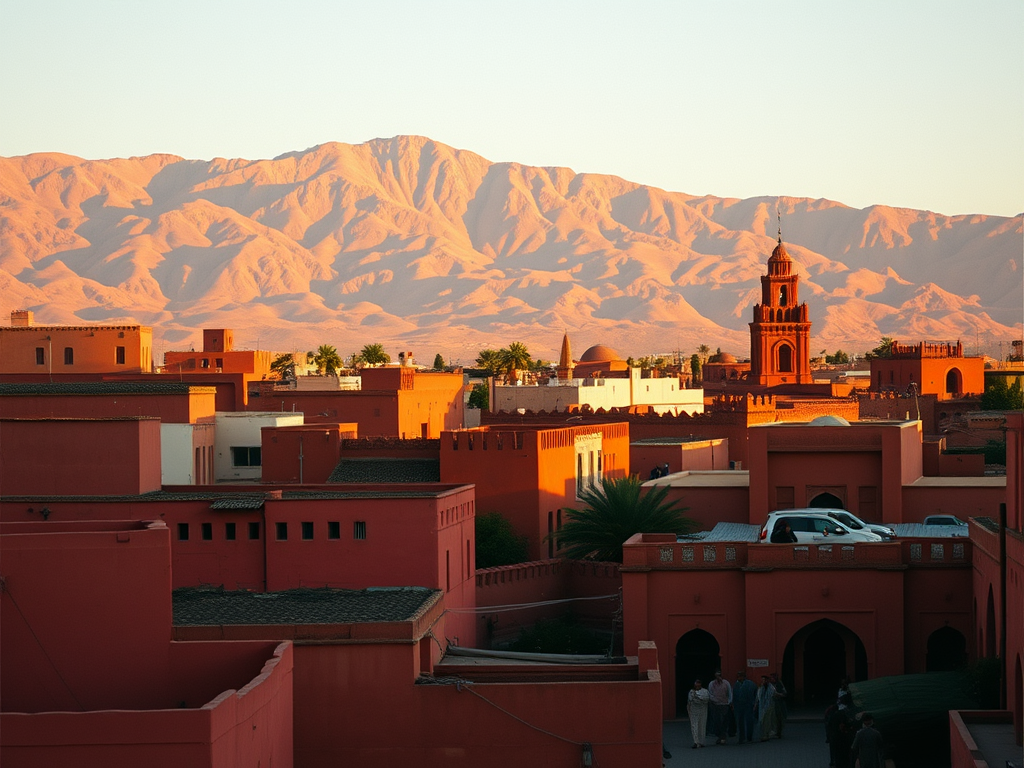
    Marrakesh, often referred to as the “Red City” due to its distinctive red sandstone buildings, is one of the most iconic cities in Morocco.

    The Alaouite Dynasty and French Colonialism

    The Alaouite Period (17th-19th Century)

    The Alaouite dynasty, which came to power in the mid-17th century and continues to rule Morocco today, shifted the political focus away from Marrakesh. While Meknes, and later Rabat, became the new centers of power, Marrakesh remained an important regional hub, though it no longer served as the imperial capital.

    During the Alaouite period, Marrakesh continued to play a role as a commercial and religious center. The city’s famous souks (markets) thrived, attracting traders and artisans from across the region. The city’s distinctive red buildings, constructed from local clay, became its trademark during this era, lending Marrakesh the nickname “the Red City.”

    Though the city’s political importance had waned, the Alaouite sultans did invest in the restoration of several key monuments and mosques, helping to preserve the city’s architectural heritage. The dynasty’s commitment to maintaining the city’s status as a religious center ensured that Marrakesh remained an essential part of Moroccan identity.

    French Colonial Period (1912-1956)

    In 1912, Morocco was formally divided into French and Spanish protectorates, with the French taking control of most of the country, including Marrakesh. The French colonial authorities saw the city as a valuable cultural and economic asset, and they sought to modernize it while preserving its historic charm.

    One of the most significant figures during this period was French Resident-General Hubert Lyautey, who developed a vision for modernizing Moroccan cities while respecting their traditional architectural styles. In Marrakesh, this led to the development of the Ville Nouvelle (New City), which included wide boulevards, European-style buildings, and modern infrastructure. At the same time, the historic medina (old city) was preserved as a cultural and tourist attraction.

    The French presence also brought new economic opportunities to Marrakesh. The city became a popular destination for European tourists, drawn by its exoticism, warm climate, and historical significance. Marrakesh’s growing reputation as a tourist destination laid the groundwork for the city’s modern economy.

    Despite these changes, the French colonial period was marked by political unrest, as many Moroccans sought independence from foreign rule. Marrakesh, like other cities in Morocco, became a focal point for nationalist movements. In 1956, Morocco gained its independence, and Marrakesh, along with the rest of the country, embarked on a new chapter in its history.

    Post-Independence Marrakesh: A Modern Cultural Hub

    The Rebirth of Marrakesh (1956-Present)

    After Morocco gained independence from France in 1956, Marrakesh underwent a period of transformation and modernization. The city remained an important cultural center, attracting artists, writers, and musicians from around the world. During the 1960s and 1970s, Marrakesh became a haven for countercultural figures, including the likes of Yves Saint Laurent and the Rolling Stones, who were drawn to the city’s exotic allure and relaxed atmosphere.

    The city’s economy, now largely driven by tourism, began to flourish. Tourists from around the world flocked to Marrakesh to experience its rich history, bustling markets, and vibrant street life. The city’s medina, with its narrow alleyways, traditional souks, and iconic Jemaa el-Fnaa square, became a UNESCO World Heritage Site in 1985, cementing Marrakesh’s status as one of the most important cultural destinations in the world.

    The Modern City and Global Influence

    Today, Marrakesh is a city that seamlessly blends the old with the new. The historic medina remains at the heart of the city, while the Ville Nouvelle has continued to expand, featuring modern hotels, restaurants, and shopping centers that cater to both tourists and locals. Marrakesh has also become a center for contemporary art and fashion, with events such as the Marrakesh International Film Festival and the Marrakesh Biennale drawing global attention.

    In recent years, the city has seen significant investment in infrastructure, with the development of new airports, roads, and public spaces aimed at accommodating its growing population and tourist base. The city’s reputation as a luxury destination has only grown, with high-end resorts, spas, and cultural institutions offering visitors a taste of both traditional Moroccan life and modern luxury.

    Conclusion: Marrakesh – A City of Timeless Appeal

    Marrakesh’s long and storied history, from its founding by the Almoravids in the 11th century to its modern-day status as a global cultural hub, reflects its unique role in shaping the identity of Morocco and the wider Maghreb. Throughout the centuries, the city has been a center for trade, religion, and learning, as well as a crossroads for diverse cultures and civilizations.

    As one of Morocco’s most iconic cities, Marrakesh continues to captivate visitors with its blend of ancient history and modern vibrancy. The city’s architectural wonders, bustling markets, and rich cultural heritage stand as a testament to its enduring appeal and importance. Whether as the capital of empires, a colonial stronghold, or a global tourist destination, Marrakesh remains a jewel of North Africa, its red walls bearing witness to nearly a thousand years of history.

  • Explore the Best Cruise Destinations of 2025: Caribbean to Norwegian Fjords

    Explore the Best Cruise Destinations of 2025: Caribbean to Norwegian Fjords

    Introduction

    Cruising offers a unique way to explore multiple best cruise destinations while enjoying the comforts of a floating resort. With a plethora of options available, travelers can select itineraries that suit their preferences, whether it’s basking in the sun on Caribbean beaches, delving into the rich history of the Mediterranean, or marveling at the majestic landscapes of the Fjords. The world of cruising is filled with enticing destinations, diverse cultures, and unforgettable experiences that cater to all types of adventurers. This article will delve into some of the best cruise routes from the sun-kissed shores of the Caribbean to the spectacular fjords of Norway. Each section will highlight the attractions, local experiences, and activities that make these locations exceptional, helping you plan your next unforgettable cruise vacation.

    Discovering Caribbean Bliss: Top Destinations and Experiences

    The Caribbean is renowned for its idyllic beaches, turquoise waters, and vibrant cultures, making it a favored destination for cruise enthusiasts. The best cruise itineraries through this enchanting region typically feature a selection of the most captivating islands, each offering unique experiences that cater to a variety of traveler desires.

    One of the most picturesque stops in the Caribbean is St. Thomas, part of the U.S. Virgin Islands. The island is famed for its stunning beaches, such as Magens Bay, where visitors can relax and soak up the sun, or enjoy thrilling water activities like snorkeling and parasailing. The shopping scene in Charlotte Amalie caters to those looking for local crafts and luxury brands, making it a complete package for relaxation and indulgence.

    Moving on, St. Maarten offers a unique blend of French and Dutch cultures, which is reflected in its gastronomy and local traditions. Cruise passengers can explore the island’s beautiful beaches, such as Orient Bay, or wander through the charming streets of Philipsburg, where shops and vibrant markets offer a taste of local life. Culinary experiences here are a highlight, especially at beachfront restaurants where visitors can savor fresh seafood while enjoying breathtaking ocean views.

    Another must-visit is the Bahamas, home to the famous Nassau. Whether it’s lounging on Cable Beach or diving into the surrounding coral reefs, Nassau delivers an abundance of experiences. The Blue Lagoon Island, a private paradise, offers options for swimming with dolphins, and those looking for an adrenaline rush can try the water slides at Aquaventure, a water park located at Atlantis Resort.

    Moving further south, Jamaica beckons with its reggae rhythms and lush landscapes. Cruise visitors to Ocho Rios can hike the majestic Dunn’s River Falls, where they can climb the terraced waterfalls and enjoy swimming in the natural pools. The island’s rich musical heritage can also be experienced through local performances and tours that highlight the life of Bob Marley.

    Lastly, a Caribbean cruise often includes a visit to the Cayman Islands, famous for their unmatched snorkeling and diving opportunities. Grand Cayman’s crystal-clear waters and vibrant underwater ecosystems are home to stunning coral reefs, making it a diver’s paradise. The Seven Mile Beach is perfect for those wishing to unwind, surrounded by swaying palms and warm sands.

    The Caribbean is truly an ideal cruise destination, presenting a patchwork of cultures, stunning landscapes, and vibrant experiences. With each stop, travelers encounter a new facet of island life, from relaxation and adventure to culture and gastronomy.

    The Allure of Mediterranean Cruises: Culture and Scenery Combined

    The Mediterranean offers an unparalleled blend of ancient history, breathtaking landscapes, and diverse cultures, making it one of the most sought-after regions for cruising. The Mediterranean Sea connects countries with rich archaeological backgrounds, stunning coastlines, and lively cities, creating a tapestry of experiences that attract travelers from around the globe.

    A quintessential starting point for Mediterranean cruises is Barcelona, Spain. This vibrant city is famed for its unique architecture designed by Antoni Gaudí, including the iconic Sagrada Familia and Park Güell. Visitors can wander through the Gothic Quarter, stroll along La Rambla, or indulge in authentic tapas at local eateries. The city’s vibrant atmosphere and cultural richness make it a fantastic beginning to any Mediterranean adventure.

    The next stop often includes the charming coastal town of Nice, France. Nestled along the French Riviera, Nice is known for its stunning Promenade des Anglais, where visitors can enjoy a leisurely stroll by the azure Mediterranean. The nearby town of Eze, with its medieval streets and beautiful views, offers a glimpse into the region’s history. Nice serves as a gateway to exploring luxurious nearby destinations such as Cannes and Monte Carlo.

    Continuing on, the sparkling islands of Greece, such as Santorini and Mykonos, are essential highlights of any Mediterranean itinerary. Santorini, with its iconic white-washed buildings and stunning sunsets, captivates visitors with its beauty. Exploring the archaeological site of Akrotiri, a Minoan Bronze Age settlement, adds a cultural layer to the visit. Mykonos, famous for its vibrant nightlife and stunning beaches, offers a different flavor of Greek culture, where sunbathing by day can easily turn into dancing under the stars.

    As the cruise progresses to Italy, a stop in Rome is almost mandatory. The Eternal City brims with ancient history and iconic landmarks, including the Colosseum, the Vatican, and the stunning Trevi Fountain. Passengers can enjoy guided tours that provide insight into the city’s illustrious past or savor authentic Italian cuisine in picturesque piazzas. The allure of Rome is undeniable, inviting travelers to immerse themselves in its history and charm.

    Venice, another Italian gem, offers a romantic ambiance with its winding canals and historic architecture. A gondola ride through the canals is quintessential, allowing visitors to appreciate the city from a unique perspective. The Venetian cuisine, influenced by its maritime heritage, entices food lovers to indulge in fresh seafood dishes and traditional cicchetti.

    Each destination in the Mediterranean provides an opportunity to indulge not only in breathtaking landscapes but also in an exploration of rich histories and vibrant cultures. Travelers will find that no two ports are alike, making every cruise an enriching experience filled with discovery.

    Exploring Alaskan Wilderness: Nature at its Finest

    Alaska, often considered one of the last frontiers, offers a rugged beauty that captures the hearts of adventurers. A cruise through Alaska unlocks access to some of the most spectacular landscapes on earth, including glaciers, towering mountains, and abundant wildlife. This region’s grandeur invites exploration and provides travelers with experiences that are both exhilarating and serene.

    One of the highlights of an Alaskan cruise is Glacier Bay National Park, a UNESCO World Heritage site that showcases magnificent glaciers and vast wildlife. As ships enter the bay, passengers can witness the calving of glaciers, where chunks of ice break off and crash into the water. This awe-inspiring spectacle is a reminder of the raw power of nature and offers photographers ample opportunities to capture breathtaking scenery. Wildlife enthusiasts will delight in spotting humpback whales, sea lions, and seals, all of which thrive in these icy waters.

    Another must-see on an Alaskan cruise is the charming town of Juneau, the state capital that is only accessible by boat or plane. Visitors can take a tramway up Mount Roberts, where they are rewarded with panoramic views of the city and surrounding mountains. Downtown Juneau features a variety of shops and eateries, as well as historical landmarks such as the state capitol and the famous Red Dog Saloon. Adventurous travelers may embark on a guided excursion to Mendenhall Glacier, where they can hike various trails or take part in kayaking tours that allow for exploration closer to the majestic ice formations.

    In Skagway, travelers can step back in time to the days of the Gold Rush. The small town is rich in history, featuring quaint buildings from the 1800s. A popular excursion is taking the White Pass and Yukon Route Railway, a scenic train journey that offers breathtaking views of the mountains and valleys. The vintage train ride transports passengers through stunning landscapes, including waterfalls and deep gorges, providing insight into the region’s gold rush history.

    Further along the coast, Ketchikan, known as the salmon capital of the world, offers a rich cultural experience. This town is steeped in Native American heritage, with totem poles and cultural centers highlighting indigenous history. Visitors can explore the scenic waterfront, fish for salmon, or embark on fishing charters that provide the chance to catch the famed Alaskan King Salmon.

    The wildlife viewing opportunities in Alaska are unparalleled. Beyond whales and seals, bear-watching excursions provide a thrilling experience as visitors observe grizzly bears in their natural habitat. These guided tours ensure safety while offering insight into the lives of these majestic creatures.

    Cruising through Alaska immerses travelers in stunning natural beauty and rich cultural experiences. From glaciers and wildlife to quaint historic towns and rich indigenous history, an Alaskan cruise is an adventure packed with unforgettable moments that leave lasting impressions.

    Adventures in the South Pacific: Islands and Oceanic Wonders

    The South Pacific islands are often referred to as paradise on earth, with their serene landscapes, vibrant cultures, and crystal-clear lagoons. Cruising through this tropical haven allows travelers to explore a multitude of island nations, each offering unique experiences that can range from relaxing beach days to thrilling adventures.

    One of the most famous destinations in the South Pacific is Bora Bora, known for its stunning coral reefs and luxurious overwater bungalows. Upon arriving, visitors can indulge in snorkeling or scuba diving to experience the breathtaking marine life, including colorful coral gardens and tropical fish. Alternatively, enjoying a relaxing day at the beach with its stunning views of Mount Otemanu provides a perfect backdrop for unwinding in a tropical paradise.

    Fiji, another jewel of the South Pacific, offers an exquisite blend of adventure and relaxation. Cruise guests can explore the Yasawa Islands, known for their stunning natural beauty and vibrant coral reefs. Activities such as sea kayaking, stand-up paddleboarding, and hiking through lush rainforest trails are abundant. Visitors can also experience Fijian culture through traditional ceremonies, enjoying the warmth and hospitality of the islanders.

    For those seeking a more cultural experience, many cruises stop at Tahiti, the largest island in French Polynesia. The island’s capital, Papeete, is a vibrant city filled with markets, galleries, and restaurants showcasing unique Tahitian cuisine. Visitors can sample local dishes featuring fresh fish, tropical fruits, and the world-renowned vanilla that Tahiti is famous for.
    Tahiti also serves as a gateway to explore the more remote islands of Moorea and Huahine, where slow-paced living and stunning natural beauty come together. Whether it’s hiking to breathtaking viewpoints or relaxing on secluded beaches, the islands yield memories that linger long after the trip.

    Another highlight is the Cook Islands, renowned for their pristine beaches and friendly locals. Rarotonga, the largest island in the group, offers a rich tapestry of culture and adventure, where visitors can explore the mountainous interior or join local dance performances. A visit to Aitutaki, often regarded as one of the most beautiful lagoons in the world, is a must-do. Here, visitors can take a boat tour to the surrounding motus (islets) for the ultimate beach day experience.

    The South Pacific is also a haven for wildlife enthusiasts. Many islands are home to unique fauna and flora, with guided tours allowing travelers to observe and learn about the ecosystems. Birdwatching, particularly for the exotic seabirds native to this region, adds an educational layer to the adventure.

    Cruising through the South Pacific is a journey to spectacular islands, vibrant cultures, and breathtaking natural wonders. Whether it’s lounging on a beach, immersing in local traditions, or exploring stunning ecosystems, every day brings new experiences that celebrate the beauty of these remote paradise islands.

    The Majesty of Norwegian Fjords: Scenic Beauty and Thrilling Activities

    Norway’s fjords are celebrated worldwide for their stunning beauty and dramatic landscapes. Cruising through these deep blue inlets, surrounded by towering cliffs and cascading waterfalls, allows travelers to immerse themselves in one of nature’s finest masterpieces. The experience of exploring the Norwegian fjords combines breathtaking sights with an opportunity for various thrilling activities.

    One of the most famous fjords, Geirangerfjord, is a UNESCO World Heritage site and is often hailed as the crown jewel of Norway. Visitors can take boat trips through the fjord to marvel at its striking natural beauty. The famous Seven Sisters waterfall and the Suitor waterfall are breathtaking sights that showcase the region’s natural aesthetics. Hiking enthusiasts can explore trails that offer panoramic views of the fjord, pushing up to lookout points that provide sweeping vistas of the surrounding mountains and water below.

    Another notable fjord is Nærøyfjord, which is renowned for its narrowness and towering cliffs. Cruises through this area allow for intimate views of the landscape, where steep sides and lush greenery make it feel almost dreamlike. The hamlet of Gudvangen serves as a great starting point for various outdoor activities. Here, visitors can partake in kayaking, giving them a unique perspective of the fjord, as paddling quietly allows them to appreciate the surrounding nature up close.

    Traveling further along the coast, the charming city of Bergen welcomes cruise passengers. Known as the gateway to the fjords, Bergen boasts a rich cultural scene and historic wooden buildings in the Bryggen Wharf area, a UNESCO World Heritage site. Visitors can ride the Fløibanen funicular for spectacular views over the city and fjords or explore the local fish market to savor fresh seafood delicacies.

    As the cruise progresses, Ã…lesund is another gem that showcases unique Art Nouveau architecture. The town is perched on a group of islands and offers breathtaking coastal views. Visitors can stroll along the picturesque streets or hike up Mount Aksla for stunning panoramas; the landscapes here are simply postcard-worthy.

    Adventurous activities abound in Norway’s fjords. During the summer months, travelers can join guided rock climbing or canyoning excursions, which take full advantage of the fjord’s rugged terrains. The winter months open doors for snowshoeing and skiing opportunities in the nearby mountains, providing a completely different perspective on Norway’s natural beauty.

    Moreover, many cruises through the fjords offer opportunities to learn about the local culture and history. Some itineraries include visits to traditional Norwegian farms where passengers can engage with locals, learning about their way of life and culinary traditions.

    The majestic Norwegian fjords captivate with their dramatic landscapes and rich activities. Each turn in the water unveils new sights, from waterfalls to rugged cliffs to enchanting towns. Travelers return with memories of breathtaking panoramas and exhilarating exploits, leaving a lasting impression of Norway’s striking natural beauty.

    Conclusion

    Cruising remains one of the most exhilarating and enriching ways to explore some of the world’s most stunning destinations. From the idyllic Caribbean islands to the breathtaking fjords of Norway, every itinerary offers a unique blend of natural beauty, cultural experiences, and thrilling adventures. As travelers sail from port to port, they immerse themselves in various worlds, each with distinct landscapes, traditions, and gastronomies.

    The Caribbean enchants with its vibrant island diversity, while the Mediterranean beckons with its historical richness and artistic heritage. Alaskan journeys reward adventurers with its wild landscapes and wildlife encounters, while the tranquil waters of the South Pacific cultivate relaxation mixed with a spirit of exploration. Lastly, Norway’s fjords offer unmatched scenic beauty and numerous outdoor activities that enrich the travel experience.

    Whether seeking sun-soaked beaches, captivating histories, or awe-inspiring natural wonders, there is a cruise route to match every traveler’s preferences. As each destination unfolds, so do memories that linger long after the cruise has ended, transforming these journeys into stories that will be shared for years to come. With every cruise, the world opens up, inviting exploration and the promise of adventure.

  • Discover Taveuni in 2025: The Hidden Gem of Fiji

    Discover Taveuni in 2025: The Hidden Gem of Fiji

    Introduction

    Taveuni, often referred to as “The Garden Island,” is a hidden gem nestled in the South Pacific. Known for its abundant natural beauty, the island boasts sumptuous rainforests, mesmerizing waterfalls, and some of the most spectacular diving spots in the world. Taveuni is a paradise for nature lovers, adventure seekers, and anyone looking to escape the hustle and bustle of everyday life. From lush tropical landscapes teeming with wildlife to the vibrant coral reefs that surround its shores, Taveuni is a destination that caters to a variety of interests. In this article, we will explore the enchanting rainforests, breathtaking waterfalls, world-class diving opportunities, the rich cultural tapestry of the island’s inhabitants, and the burgeoning eco-tourism scene that emphasizes sustainable travel. Join us as we discover the many wonders that Taveuni has to offer.

    The Enchanting Rainforests of Taveuni

    Taveuni’s rainforests are not just a backdrop; they are an integral part of the island’s identity and charm. These verdant landscapes are home to a rich diversity of flora and fauna, making them a crucial treasure trove for wildlife enthusiasts and researchers alike. A visit to Taveuni allows travelers to step into an ecosystem that has remained largely untouched, showcasing nature’s splendor with towering trees, exotic flowers, and vibrant wildlife.

    The rainforests of Taveuni cover approximately 90% of the island’s area and are part of the larger Taveuni National Park, a designated conservation area that protects the natural environment and habitats. This national park is an ecological wonderland, featuring numerous hiking trails, each offering unique perspectives of the thriving rainforest. As you wander through these lush paths, you’ll encounter a vivid display of colors, from the deep greens of the foliage to the striking reds and yellows of local flowers.

    One of the most significant attractions within the rainforest is the Bouma National Heritage Park. This park not only preserves the stunning environment but also celebrates the rich cultural heritage of the island’s indigenous Fijian people. Bouma is home to several famous hiking trails, the most notable being the Lavena Coastal Walk. This trail winds through the rainforest, offering stunning sea views, and leads to beautiful waterfalls where visitors can swim and relax. The trek itself is a unique experience, as hikers are enveloped in an atmosphere of tranquility, punctuated only by the sounds of rustling leaves and bird calls.

    The rainforest is also a haven for birdwatchers. Taveuni is often called the “Birdwatcher’s Paradise,” hosting several endemic species such as the colorful orange-breasted doves and the Taveuni parrot. These avian inhabitants add another layer of richness to the experience, providing visitors with a chance to connect deeper with nature. Guided tours led by knowledgeable local guides can enhance this experience significantly, as they share insights about the unique ecosystems, plants, and animals that call Taveuni home.

    Moreover, the diverse ecosystems within the rainforest are underpinned by a multitude of waterfalls that flow abundantly due to the island’s substantial rainfall. These waterfalls provide not just stunning views but also excellent opportunities for swimming, photography, and appreciating the natural world in all its glory. The most popular falls include the Bouma Falls, where visitors can take a refreshing dip in its cool waters, making it a perfect way to cool off after a long hike.

    As travelers navigate through Taveuni’s enchanting rainforests, they are not only participants in a visual feast but also involved in a crucial conversation about conservation and sustainable tourism. Tourism here is geared towards preserving the delicate ecosystems and ensuring that future generations can enjoy the island’s beauty. Visitors are encouraged to engage in responsible travel practices, ensuring minimal impact on the environment. This commitment to sustainability enhances the experience, allowing travelers to feel part of Taveuni’s conservation efforts while enjoying its breathtaking scenery.

    In conclusion, the rainforests of Taveuni are a remarkable feature of the island that invites exploration and fosters a deep appreciation for the natural world. Whether it’s through hiking, birdwatching, or simply soaking in the peaceful ambiance, the enchanting rainforests offer a unique and unforgettable experience for every visitor.

    Breathtaking Waterfalls: Nature’s Masterpieces

    Taveuni is renowned for its stunning waterfalls, which are often labeled as some of the most beautiful in the world. Each waterfall on the island presents its unique splendor, with features that range from multi-tiered cascades to serene pools that invite visitors to take a dip. The combination of dramatic landscapes and the soothing sounds of rushing water creates an enchanting ambiance that is difficult to resist.

    One of the most popular waterfalls on Taveuni is the Bouma Falls, located within Bouma National Heritage Park. The journey to this majestic site begins with a scenic hike through the verdant rainforest, where visitors can enjoy diverse flora and fauna. The trail is well-maintained and can accommodate visitors of varying fitness levels. After a short trek, the first tier of Bouma Falls greets hikers with a stunning 25-meter drop, creating a picturesque setting for photos and relaxation. The clear turquoise waters below invite even the most hesitant travelers to take a leap into the refreshing pool, making it a perfect spot to cool off.

    The second tier of Bouma Falls is even more awe-inspiring, presenting a higher drop and an expansive pool that stretches invitingly across the rocky basin. This spot offers an incredible opportunity for swimming, as the waters are inviting and the surroundings are peaceful. Many visitors choose to lounge on the rocks, basking in the sun while listening to the soothing sounds of cascading water. For those seeking adventure, adventurous types can climb higher to reach the top tier, which boasts a less accessible but equally breathtaking view. The hike to the top is challenging yet rewarding, offering panoramic views of the lush landscape and ocean in the distance.

    Another remarkable waterfall is the Waitavala Natural Waterslide, a hidden gem that is often overlooked by many tourists. Unlike traditional waterfalls, this site features smooth rocks that create a natural waterslide where visitors can slide down into the cool waters below. The experience is thrilling and fun, and suitable for families and groups of friends looking for excitement. Surrounded by lush greenery, the waitavala waterslide is a must-visit spot for those looking to engage in playful activities while enjoying nature.

    In addition to Bouma Falls and Waitavala, Taveuni is dotted with numerous other waterfalls, each offering a unique perspective of the island’s bounty. Some of the lesser-known waterfalls require trekking off the beaten path, providing an opportunity for adventurous souls to explore Taveuni’s hidden treasures. The further away from popular routes, the more secluded and serene the sites become, providing a profound connection to the natural world.

    Visiting Taveuni’s waterfalls offers more than just stunning views; it also presents opportunities to connect with the island’s culture and history. Local guides often share stories and legends pertaining to the waterfalls, enriching the visit with cultural context. The waterfalls serve not only as natural wonders but also as sacred sites for the local communities, which adds spiritual significance to the experience.

    Ultimately, Taveuni’s breathtaking waterfalls are shining examples of nature’s beauty and power, serving as popular destinations for tourists seeking adventure, tranquility, or a deeper understanding of the island’s culture. Whether engaging in a refreshing swim or enjoying a scenic picnic amongst nature, these waterfalls create unforgettable memories for all who visit.

    Underwater Wonders: World-Class Diving Experiences

    Taveuni is not just known for its lush landscapes and waterfalls; it is also famous for its exceptional diving opportunities. The island’s location in the heart of the South Pacific makes it a prime spot for divers seeking vibrant coral reefs and diverse marine life. With crystal-clear waters and a variety of diving sites, Taveuni offers some of the best underwater experiences in the world.

    The Rainbow Reef, located just off the coast of Taveuni, is one of the most sought-after dive sites in the region. This spectacular reef is teeming with life, featuring an array of corals, fish, and other marine creatures that attract divers from all over the globe. The colorful corals create a vibrant underwater landscape that is both awe-inspiring and crucial for local biodiversity. Divers can expect to encounter a vast range of marine species, including colorful clownfish, elegant manta rays, and majestic turtles. The Rainbow Reef is a diver’s paradise, providing diverse dive environments that cater to both beginners and experienced divers.

    One of the highlights of diving on Taveuni is the famous Great White Wall. This impressive dive site is known for its stunning sheer wall covered in white coral, creating a surreal effect that mesmerizes divers. The wall descends into deep blue waters, and as divers explore its depths, they are treated to the sight of countless colorful fish and delicate sea fans swaying gently with the currents. The Great White Wall is particularly spectacular when illuminated by sunlight, resulting in a magical underwater experience.

    Another popular dive site on Taveuni is the Jerry’s Jellyfish Wall, a unique underwater formation that resembles a jellyfish due to the delicate structure of the corals. This site offers divers the opportunity to witness marine life thriving in their natural habitat. The abundance of rich biodiversity is a testament to the healthy ecosystems supported by Taveuni’s marine environment.

    For those seeking adventure beyond traditional dives, night diving offers a thrilling experience as the underwater world transforms after dark. Local dive operators provide guided night dives where divers can witness nocturnal marine life coming to life. With flashlight beams illuminating the darkness, divers often find themselves surrounded by critters like octopuses, moray eels, and other night-active species. The experience is otherworldly, as bioluminescent organisms can create a dazzling display in the waters.

    Taveuni’s underwater environment also plays a vital role in local conservation efforts. Many dive operators emphasize eco-friendly practices and work closely with local communities to protect fragile marine ecosystems. Divers are encouraged to follow responsible diving techniques, ensuring that they minimize their impact on coral reefs and marine life. By practicing sustainable diving, visitors become stewards of Taveuni’s underwater paradise, contributing to the preservation of its delicate ecosystems.

    For those interested in obtaining diving certification, Taveuni hosts several dive schools that cater to all skill levels. These schools offer certification courses and guided dives, providing travelers with the opportunity to explore the underwater beauty of Taveuni safely. Experienced instructors ensure that divers are well-prepared for their underwater adventure, with a focus on safety and environmental stewardship.

    In conclusion, Taveuni is an underwater haven that beckons divers with its diverse marine life, breathtaking coral reefs, and commitment to preservation. With a myriad of diving opportunities available, from shallow reefs teeming with life to thrilling night dives, Taveuni promises unforgettable underwater adventures for both novice and seasoned divers alike.

    Cultural Insights: The Heartbeat of Taveuni

    To truly understand Taveuni, one must delve into the rich culture and traditions of its people. The island is home to an indigenous Fijian population that has maintained its customs and way of life throughout generations. The vibrant culture of Taveuni is expressed through various art forms, traditional ceremonies, and community events, making it a fascinating aspect of any visit.

    The people of Taveuni, known for their warmth and hospitality, embrace visitors with open arms. Engaging with local communities provides insight into the daily life of Fijians, from fishing and farming to sacred rituals that celebrate their heritage. One of the most significant cultural practices on the island is the kava ceremony, a traditional ritual where the community comes together to consume a beverage made from the roots of the kava plant. This ceremony is an essential aspect of Fijian culture, symbolizing friendship, respect, and community bonding. Visitors are often invited to partake in the ceremony, providing a unique opportunity to connect with locals and gain a deeper appreciation for their traditions.

    Another integral part of Taveuni’s culture is its artistry. The island is home to talented artisans who create beautiful crafts, such as woven mats, wood carvings, and intricate jewelry. Many of these creations are inspired by traditional Fijian motifs and stories, showcasing the skills passed down through generations. Visitors often have the chance to purchase handmade crafts, supporting local artisans and bringing a piece of Taveuni’s culture home with them.

    Traditional music and dance play a vital role in Taveuni’s cultural landscape. The islanders often celebrate significant events with lively performances that reflect their heritage. Traditional dances, such as the meke, incorporate intricate movements and storytelling, often accompanied by rhythmic drumming and singing. These captivating performances allow visitors to witness the expressive spirit of Taveuni and understand the narratives woven into Fijian culture.

    Religious beliefs, particularly the influence of Christianity, have also shaped the culture of Taveuni. Many islanders actively participate in church activities and community gatherings, where music and fellowship are celebrated. Visiting these communal gatherings presents an opportunity for tourists to experience the joyful spirit of the people and their strong sense of community.

    As global tourism continues to impact the island, Taveuni’s communities adopt a philosophy of sustainable practices to preserve their traditions while embracing visitors. This balance ensures that travelers can experience the authentic culture of Taveuni while supporting environmental sustainability and local customs. Engaging with the community through cultural tours, workshops, and collaborative events fosters mutual understanding and respect, promoting the idea that tourism can be a force for good.

    It is important for visitors to approach cultural experiences with an open heart and willingness to learn. Respecting ceremonial protocols, asking permission before taking photographs, and engaging in conversations can enrich the experience and help forge connections with the locals.

    In conclusion, the culture of Taveuni is a tapestry woven with rich traditions, artistry, and community spirit. The island’s people embody a deep connection to their heritage, and visitors have the unique opportunity to engage in authentic cultural experiences that celebrate the soul of Taveuni. For those willing to immerse themselves in the island’s heartbeat, Taveuni offers a fulfilling exploration that goes beyond its scenic beauty.

    Eco-Tourism and Sustainable Travel on the Island

    As tourism flourishes on Taveuni, the island is increasingly recognized as a prime destination for eco-tourism and sustainable travel. With its breathtaking landscapes, rich biodiversity, and vibrant culture, Taveuni provides an ideal framework for travelers seeking meaningful experiences that minimize their ecological footprint.

    The concept of eco-tourism on Taveuni focuses on promoting responsible travel practices while preserving the island’s unique environment and cultural heritage. Local initiatives encourage visitors to engage with nature in respectful and sustainable ways. Taveuni is home to several eco-friendly lodges and resorts that promote conservation and offer guests a chance to experience the island’s natural beauty without compromising its integrity.

    Sustainable lodging options often incorporate practices such as utilizing solar energy, reducing waste, and sourcing food locally. Many accommodations on Taveuni engage in organic gardening and aim to provide guests with fresh, locally grown produce while minimizing their environmental impact. Visitors can enjoy delicious meals that showcase authentic Fijian flavors while supporting local agriculture and reducing carbon footprints.

    Taveuni’s rich biodiversity is a primary focus for conservation efforts in eco-tourism. Tour operators and local guides emphasize the importance of protecting the delicate ecosystems that define the island. Travelers are encouraged to participate in initiatives that promote sustainability, such as beach clean-ups, wildlife conservation programs, and tree-planting activities. Getting involved in these efforts creates a sense of interconnectedness between tourists and the local community, fostering a deeper appreciation for Taveuni’s natural wonders.

    Diving and snorkeling operations on the island also prioritize sustainable practices. Many dive operators collaborate with local organizations to monitor reef health and educate divers about responsible diving techniques. By promoting awareness of marine conservation, these providers work to ensure that Taveuni’s underwater ecosystems thrive for generations to come.

    Hiking through Taveuni’s rainforests and exploring its majestic waterfalls is another way for eco-conscious travelers to appreciate the island’s natural beauty. Various guided tours promote responsible trekking practices, emphasizing the importance of staying on designated trails and minimizing environmental impact. This allows visitors to connect with the island’s diverse flora and fauna while contributing to its preservation.

    Education plays a crucial role in fostering sustainable tourism. Many local organizations conduct workshops and seminars that address environmental challenges facing Taveuni, raising awareness among both locals and visitors. Travelers interested in learning more about conservation efforts can participate in community presentations and discussions, gaining valuable insights into the importance of safeguarding the island’s fragile ecosystems.

    In addition to environmental stewardship, Taveuni’s eco-tourism initiatives highlight cultural preservation. Responsible tourism promotes genuine interactions with the local community, allowing travelers to engage with Fijian culture while supporting traditional practices. By respecting cultural norms and contributing to local economies, visitors play an active role in sustaining the identity and heritage of Taveuni.

    In conclusion, eco-tourism and sustainable travel are integral to the future of Taveuni, allowing travelers to experience the island’s extraordinary beauty while prioritizing environmental and cultural preservation. By choosing eco-friendly practices, visitors can leave a positive impact on Taveuni, ensuring that the island remains a thriving paradise for generations to come.

    Conclusion

    Taveuni is a true wonder of nature, often described as “The Garden Island” for its lush rainforests, breathtaking waterfalls, and vibrant marine life. The island offers a plethora of opportunities for outdoor adventures, from hiking through verdant landscapes to diving in some of the world’s most beautiful coral reefs. Each experience becomes more enriching when one connects with the local culture and the spirit of the island’s people.

    Engaging with Taveuni’s enchanting rainforests and stunning waterfalls allows travelers to immerse themselves in nature’s beauty, providing a sense of peace and tranquility. Meanwhile, the underwater world presents a unique perspective that showcases the vibrant life that thrives beneath the waves. Cultural interactions through traditional ceremonies, local craftsmanship, and community events deepen visitors’ understanding of the island’s heritage and foster connections that transcend geographical boundaries.

    As eco-tourism flourishes on the island, travelers are reminded of their responsibility to protect Taveuni’s precious ecosystem and cultural identity. By choosing sustainable practices and supporting local initiatives, visitors have the opportunity to leave a positive impact on the island while enjoying its remarkable beauty.

    Taveuni is more than just a destination; it is an experience of wonder, discovery, and connection. Whether exploring the lush landscapes, engaging with the local culture, or diving into the vibrant underwater world, Taveuni offers travelers unforgettable memories and invitations to participate in preserving its treasures. This hidden gem in the South Pacific promises adventures that resonate deeply with the spirit of wanderlust and an appreciation for the natural world.

    Fiji: Unlocking the Secrets of Tropical Serenity |Travel Documentary

    Fiji: Unlocking the Secrets of Tropical Serenity | 4K Travel Documentary

  • 5 Days in Majestic Moscow: Your Complete Guide to Russia’s Capital

    5 Days in Majestic Moscow: Your Complete Guide to Russia’s Capital

    Introduction

    Moscow, a city that seamlessly blends its rich history with modern vibrancy, is a must-visit destination for any traveler seeking adventure and culture. Over the course of five days, visitors can immerse themselves in the awe-inspiring architecture, world-class museums, and bustling streets that showcase the heart and soul of Russia’s capital. From the iconic Moscow Kremlin, a symbol of political power, to the serene beauty of Gorky Park, this guide will provide you with an itinerary that captures the essence of Moscow. Each day highlights a unique aspect of the city, allowing you to explore its historical roots while experiencing contemporary life. Whether you’re a history buff, an art enthusiast, or just looking to experience the local culture, this complete guide will help you navigate your journey through Moscow, making it an unforgettable adventure.

    Day 1: Exploring the Kremlin and Red Square

    On your first day in Moscow, immerse yourself in the heart of Russian politics and history—The Kremlin and Red Square. The Kremlin, a formidable fortress that dates back to the 15th century, is a UNESCO World Heritage site that houses the President of Russia and various government offices. Its high red-brick walls and numerous towers present a stunning sight against the skyline, making it a worthwhile hub for both history buffs and photography enthusiasts.

    Begin your exploration at the Kremlin’s main entrance, the Kutafya Tower, which leads you into the majestic grounds. As you traverse the cobblestone paths, you will encounter cathedrals that feature intricate frescoes and gold-plated domes. The Assumption Cathedral, home to the coronation of Russian tsars, showcases beautiful frescoes by famous artists like Andrei Rublev. Don’t miss the Archangel Cathedral, which is the burial site for many Russian princes and tsars, adorned with remarkable icons and an impressive wooden iconostasis.

    The Ivan the Great Bell Tower offers sweeping views of the Kremlin and the surrounding city. Climb to the top for a breathtaking panoramic view and capture the iconic red stars atop the Moscow skyline. As you stroll around, take a moment to admire the Tsar Bell, the largest bell in the world, and the Tsar Cannon, a symbolic representation of Russian artillery from the past.

    After exploring the Kremlin, make your way to Red Square, one of the most famous squares in the world. This historic area has been the site of numerous significant events, from military parades to public celebrations. The vivid colors of St. Basil’s Cathedral with its onion-shaped domes are sure to catch your attention and are an absolute must-see. Here, you can explore the interior of the cathedral, marvel at its ornate decorations, and learn about its fascinating history.

    Take time to visit the State Historical Museum, located on the northern edge of Red Square. The museum showcases Russia’s rich history, with exhibits ranging from ancient artifacts to Soviet memorabilia. A walk through its halls will deepen your understanding of the country’s evolution over centuries.

    Wrap up your first day by experiencing the vibrant atmosphere of the nearby GUM department store. With its stunning glass-vaulted ceilings and luxury boutiques, GUM is a fantastic spot to sample local delicacies at the food hall, including a variety of Russian sweets and dishes. As evening approaches, enjoy a leisurely stroll back through Red Square, where illuminated sites create a majestic ambiance that’ll leave you eager for your next adventure in this magnificent city.

    Day 2: Discovering the Treasures of the State Historical Museum and GUM

    On your second day, take a deeper plunge into the rich cultural tapestry of Moscow by visiting the State Historical Museum and diving into the bustling market atmosphere at GUM. These two iconic locations are crucial for grasping the essence of Russian history and contemporary life.

    Start your day at the State Historical Museum, strategically located on Red Square. This grand structure is noted for its intricate red brick façade and colorful roof. Once inside, you’ll be greeted by a wealth of artifacts that narrate the story of Russia from prehistoric times to the present day. The museum boasts an extensive collection, including archaeological finds, medieval manuscripts, and items from the imperial and Soviet eras. While navigating through the numerous exhibits, you’ll come across ancient weapons, traditional costumes, and art that reflect the evolution of Russian society and its resilience through tumultuous times.

    The highlight of the State Historical Museum is undoubtedly the collection of ancient treasures, including the famous Scythian gold, which provides insights into the lives of the nomadic tribes that inhabited the region. You’ll also find a compelling exhibit dedicated to the Russian Revolution, showcasing photographs, documents, and personal artifacts that illustrate the era’s impact.

    An audio guide or a guided tour can enhance your experience, as the stories behind the artifacts are captivating and weave together the larger narrative of Russian history. Remember to allocate plenty of time to soak in the visual richness and cultural significance each exhibit holds.

    After thoroughly exploring the museum, meander over to GUM, the Russian acronym for Main Universal Store, located directly across Red Square. This shopping complex is celebrated not just for its luxury retail offerings, but also for its stunning architecture featuring glass roofs and arched walkways. GUM dates back to the late 19th century and stands as a testament to the era’s commercial grandeur.

    As you stroll through GUM, indulge in a little retail therapy at shops that range from high-end luxury brands to local artisans. However, the real highlights here lie in the food stalls and cafés that weave through the complex. Treat yourself to traditional Russian delicacies such as pelmeni (dumplings), blini (thin pancakes), or a refreshing glass of kvass—a fermented beverage cherished by locals.

    Make sure to visit the food court situated in the heart of GUM, where you can sample everything from gourmet chocolates to regional specialties. The merry atmosphere created by families and food lovers will make your dining experience memorable. After eating, find a cozy spot to people-watch or simply take in the beautiful surroundings.

    By the end of your second day in Moscow, you will have gained greater insight into not just the history of Russia but also how its cultural heritage continues to thrive in contemporary society. The juxtaposition of GUM’s commercial energy against the historical significance of the State Historical Museum perfectly encapsulates the journey through Moscow’s rich past and vibrant present.

    Day 3: Cultural Immersion at the Bolshoi Theatre and Tverskaya Street

    For your third day in Moscow, indulge in the city’s vibrant arts scene by catching a performance at the illustrious Bolshoi Theatre and then exploring the lively Tverskaya Street, the city’s main thoroughfare filled with charm and excitement.

    Begin your day at the Bolshoi Theatre, one of the most renowned opera and ballet houses in the world. The Bolshoi is an architectural masterpiece that dates back to the late 18th century, exuding grandeur both inside and out. Arriving early gives you the chance to tour the theatre, where you can witness the opulent interiors, intricate chandeliers, and stunning frescoes. Depending on your interest, consider booking tickets in advance for a captivating ballet performance, such as “Swan Lake” or a legendary opera.

    Watching a performance at the Bolshoi is a truly enchanting experience that allows you to dive into the heart of Russian culture. The talent of the dancers and singers is astounding, as they bring centuries of tradition to life on stage. Be sure to check the schedule ahead of time to secure your seats for a show, as tickets can sell out quickly. The atmosphere during performances is electric, with audiences fully immersed in the dramatic stories unfolding before them.

    Post-performance, take a leisurely walk along Tverskaya Street, one of Moscow’s oldest and most significant boulevards. This lively street acts as a central artery, showcasing a blend of contemporary establishments and historical landmarks. As you walk, soak in the sights and sounds of the city, from high-end shops and trendy cafes to street performers and art installations. Tverskaya Street is also home to some of Moscow’s most impressive architectural wonders, such as the former Moscow City Duma and the picturesque Pushkin Square.

    If you feel the urge to take a break, stop in one of the many chic cafés lining the street. Enjoy a cup of Russian coffee or a refreshing tea alongside local pastries like pirozhki (stuffed buns) or pashka (a cream cheese dessert). The café atmosphere lends itself to relaxation, allowing you to chat with locals or revel in the city’s lively energy.

    Continue to explore side streets where you might stumble upon unique art galleries or quirky boutiques showcasing local designers. Tverskaya Street transitions seamlessly from day to evening, with nightlife bursting into view as restaurants serve hearty meals and bars invite visitors to celebrate Russian hospitality.

    As the day winds down, observe the stunning sunset over the city, which casts a golden hue over the impressive structures. Whether you’re attending a remarkable performance at the Bolshoi or soaking in the London’s energy on Tverskaya Street, your cultural immersion in Moscow will create lasting memories of a city filled with artistic expression and life.

    Day 4: Curating Your Experience in Gorky Park and the Moscow River

    On your fourth day in Moscow, shift gears and embrace the lush greenery of Gorky Park along with a serene experience on the Moscow River. This day is all about enjoying the city’s natural beauty, relaxed leisure, and engaging activities.

    Gorky Park, officially known as Gorky Central Park of Culture and Leisure, is an expansive urban park that serves as a beloved escape from the bustling city streets. Begin your visit with a peaceful walk along the tree-lined pathways that meander through the park. Gorky Park is not only a perfect spot to unwind but also a cultural hub filled with art installations, open-air concerts, and various seasonal events.

    In the warmer months, you might find outdoor yoga classes, dance events, or even film screenings taking place amidst the serene backdrop. Rent a bicycle or rollerblades to explore further or perhaps bring a book or a sketchpad to enjoy at one of the many benches or grassy knolls. If you’re traveling with family, let the kids enjoy the playful installations at the children’s area while you savor a coffee at a nearby café.

    As you stroll, stop by the Garage Museum of Contemporary Art located within Gorky Park. This innovative museum houses a rotating collection of contemporary artworks from different artists around the world. Its design is equal parts modern and inviting, featuring thought-provoking pieces while also hosting interesting lectures and workshops. Take the time to wander through the exhibitions, engage with art on a deeper level, and participate in activities offered through the museum.

    When you’re ready to trade greenery for water, make your way to the Moscow River, where you can opt for a river cruise to see the city from a different perspective. Various providers offer sightseeing cruises that unveil iconic sites along the riverbanks, including the colorful Cathedral of Christ the Savior, the impressive Moscow State University, and the grandeur of the Peter the Great Statue. A cruise provides the perfect opportunity to relax, take photos, and gain insights from the onboard commentary.

    Alternatively, if you’re feeling adventurous, consider renting a kayak or paddleboat to explore the river at your own pace. This experience offers a unique way to immerse yourself in the urban landscape while carving out a peaceful oasis on the water. You can also find spots along the riverbank ideal for picnicking, so pack a light lunch to enjoy against the backdrop of flowing water.

    As the sun sets, complete your day with a delightful dinner at one of the riverside restaurants, where you can relish a meal while soaking in the breathtaking views as the city illuminates for the evening. The combination of Gorky Park’s tranquil settings and the picturesque sailing on the Moscow River creates a refreshing balance in your Moscow adventure, allowing you to appreciate the city’s natural beauty amidst historical landmarks and vibrant energy.

    Day 5: A Journey Through Local Markets and Hidden Gems of Moscow

    On your final day in Moscow, dive into the local culture by exploring vibrant markets and discovering hidden gems scattered throughout the city. This itinerary focuses on engaging with the locals and experiencing a slice of daily life in Russia’s capital.

    Start your day at one of Moscow’s bustling markets, like Izmailovsky Market, which stands out as a treasure trove of handmade crafts, traditional Russian souvenirs, and local food delicacies. This market, housed in a picturesque wooden structure, is a gem for those seeking authentic art and cultural artifacts. Stroll between stalls offering everything from intricate matryoshka dolls to handmade leather goods. Interact with vendors who are often more than willing to share stories about their crafts.

    As you meander through the market, don’t miss out on sampling local street food. Try shashlik (grilled meat skewers), pirozhki (stuffed pastries), or freshly made blini from food stalls, each valiant bite reveals the heart of Russian cuisine. Engage with local artisans as they create beautiful handicrafts right before your eyes, giving you a chance to learn about Russian traditions and crafts.

    After exploring the market, head towards Tushinskiy, an area brimming with local cafes and small art galleries. Tucked away from the tourist crowds, this neighborhood offers an authentic view of everyday life in Moscow. Wander down the streets and discover small, quaint cafes serving traditional Russian dishes. Find a cozy spot to sit down and relish a bowl of borscht or a plate of hearty beef stroganoff.

    Next, indulge your curiosity by seeking out hidden artistic gems in the city. Visit the Moscow Museum of Modern Art (MMOMA), located near Tverskaya Street, and experience contemporary art in unique formats—from paintings to multimedia installations. The museum showcases works from both established and emerging artists, providing insights into the lively contemporary art scene in Moscow.

    Finish your day at the Cathedral of Christ the Savior, a stunning architectural masterpiece and one of the most significant Orthodox cathedrals in Russia. Standing majestically on the banks of the Moscow River, this cathedral tells a story of resilience and faith—it was destroyed during the Soviet era, only to be rebuilt beautifully after the fall of communism. Enter the cathedral to witness the intricate mosaics, grand altar, and the golden domes that glitter against the skyline.

    Conclude your journey with a reflective evening stroll along the Moscow River, where you can absorb the beauty of the city concluding your five-day adventure. The blend of local markets, cultural experiences, and personal interactions culminate in a worthwhile exploration of Moscow, imbuing your trip with both cherished memories and a deeper understanding of Russian culture.

    Conclusion

    Moscow is a city that resonates with a rich narrative woven through its historical architecture, modern delights, and vibrant culture. Over the course of five days, visitors are presented with a unique opportunity to immerse themselves in the very essence of Russia’s majestic capital. From the regal finesse of the Kremlin and the artistic prowess of the Bolshoi Theatre to the refreshing charm of Gorky Park, each day unveils a different layer of Moscow’s multifaceted character.

    Exploring markets and engaging with local artisans flavor your journey, connecting you with the creative spirit and hospitality that encapsulates Moscow. Whether navigating the bustling streets of Tverskaya or embarking on a serene boat ride along the river, these experiences accumulate to form unforgettable memories that linger long after you depart.

    As you conclude your adventure, reflect on the beauty and resilience of Moscow, a city that thrives at the crossroads of history and modernity. This complete guide serves as your doorway into the cultural tapestry of Moscow, an invitation to explore its stories and discover the hidden gems that make this city a true marvel of the world.

  • Your Ultimate Guide to Visit Lisbon, Portugal’s Capital
    Your Ultimate Guide to Visit Lisbon, Portugal’s Capital

    Introduction

    Lisbon, the sun-kissed capital of Portugal, is a vibrant city where rich history seamlessly intertwines with modern charm. From its cobbled streets to stunning architecture, Lisbon beckons travelers with its warm hospitality and captivating beauty. This guide aims to provide you with an in-depth exploration of Lisbon, ensuring that you fully immerse yourself in its unique culture, heritage, and culinary delights. Whether you’re wandering through the narrow alleyways of Alfama, indulging in mouth-watering pastéis de nata, or marveling at the intricate designs of the Jerónimos Monastery, Lisbon offers a plethora of experiences that will leave you enchanted. Join us on this journey as we uncover the treasures of this remarkable city, making the most of your adventure in Lisbon, Portugal.

    Exploring Historic Neighborhoods: Alfama and Bairro Alto

    Lisbon’s historic neighborhoods play a crucial role in understanding the city’s character and charm, with Alfama and Bairro Alto standing out as two of the most iconic areas. Alfama, one of the oldest districts in Lisbon, is a labyrinth of narrow streets and alleyways, filled with an authentic atmosphere that transports you back in time. As you wander through Alfama, you will encounter picturesque views of the Tagus River and the majestic São Jorge Castle, perched atop a hill that offers panoramic city views. The district is a treasure trove of history, as it has remained relatively untouched by modernity.

    One of the highlights of Alfama is the Fado music, a traditional Portuguese genre characterized by its melancholic melodies and heartfelt lyrics. Numerous venues scatter the neighborhood where you can enjoy live Fado performances while savoring local cuisine. The essence of Fado is intimately linked to the streets of Alfama, and a visit here is incomplete without experiencing this soulful music.

    As you journey through Alfama, make sure to visit the Largo do Santo António da Sé, where the Lisbon Cathedral stands. This cathedral, dating back to the 12th century, showcases stunning Romanesque, Gothic, and Baroque architectural styles. Another must-see is the Miradouro de Santa Luzia, a stunning viewpoint lined with beautiful tiles and arches, perfect for capturing that perfect Instagram shot.

    Contrasting sharply with Alfama’s old-world charm, Bairro Alto is a lively neighborhood known for its vibrant nightlife and bohemian atmosphere. By day, this area might seem tranquil, encouraging visitors to explore unique shops and artisanal boutiques. However, as night falls, Bairro Alto transforms into one of Lisbon’s hottest party spots. The narrow streets buzz with life, and bars and clubs spill out onto the streets, creating an electric vibe that is infectious.

    A visit to Bairro Alto is not complete without tasting some of Lisbon’s best dishes. The area is home to a variety of restaurants where you can savor delicious petiscos, the Portuguese equivalent of tapas. Pair your meal with a glass of vinho verde, a popular Portuguese wine that adds to the culinary experience.

    The architectural landscape of Bairro Alto is equally fascinating. With 19th-century buildings adorned with colorful façades and intricate tiles, the neighborhood is a visual feast. A stroll through the streets, especially during the golden hour, offers countless opportunities for stunning photography.

    Both Alfama and Bairro Alto encapsulate the spirit of Lisbon in their unique ways. Guided walking tours are available for those who want a deeper insight into the history and culture of these districts. For the more adventurous traveler, these neighborhoods are best explored on foot, allowing you to immerse yourself in the local life and soak up the vibrant atmosphere. Whether you’re discovering hidden gems or indulging in the local flavors, the historic neighborhoods of Lisbon promise an unforgettable experience.

    Culinary Delights: A Foodie’s Tour Through Lisbon

    Lisbon’s vibrant culinary scene is a delightful interplay of traditional flavors and innovative dishes. The city’s gastronomic offerings are a testament to Portugal’s rich history, deeply influenced by the country’s maritime adventures and diverse cultural exchanges. A food tour through Lisbon is not just about satisfying your hunger; it’s an exploration of Lisbon’s identity and heritage through its diverse dishes.

    Your culinary adventure should begin with the iconic pastel de nata, a Portuguese custard tart that has become famous worldwide. The most renowned bakery to sample this delicacy is Pastéis de Belém, where they have been perfecting the recipe since 1837. The crispy, flaky crust complementing the creamy custard topped with a sprinkle of cinnamon and sugar creates an irresistible treat. Don’t be surprised if you find yourself returning for seconds or even thirds!

    As you venture further into Lisbon, you will discover the vibrant Time Out Market in the Cais do Sodré district. This food hall is a gastronomic paradise featuring a diverse selection of stalls run by some of the best chefs in Portugal. You can sample everything from fresh seafood and gourmet burgers to traditional petiscos and artisanal cheeses. The market is the perfect place to get a taste of various Portuguese culinary traditions under one roof.

    For the seafood lovers, Lisbon is a haven. The city’s proximity to the Atlantic Ocean means that fresh fish and seafood are staples in its cuisine. Head to a local tasca (a small traditional restaurant) and try bacalhau à brás, a delicious dish made from shredded codfish, potatoes, and eggs. Pair this with a glass of vinho verde or a smooth red wine from the Douro Valley to enhance the experience.

    Another highlight of Lisbon’s culinary scene is its array of vibrant food markets. Mercado da Ribeira is an excellent spot to buy fresh produce, local cheeses, and cured meats. Exploring the stalls allows you to engage with local vendors and gain insight into the products unique to this region. The market also often hosts cooking classes where you can learn to prepare traditional Portuguese dishes.

    If you’re interested in the more informal side of dining, try the sandes de choco frito, a fried cuttlefish sandwich that locals adore. It’s a street food staple found in various eateries throughout the city. For a hearty meal, consider trying feijoada, a delicious bean stew typically made with meats, perfect for those seeking a fulfilling and traditional dish.

    As the evening settles in, explore the nightlife in Bairro Alto for a casual bar hopping experience. Many bars serve ginjinha, a cherry liqueur that is traditionally served in a chocolate cup. This sweet, fruity drink is a perfect way to end a day filled with culinary exploration.

    In conclusion, a foodie’s journey through Lisbon is a sensory delight that marries tradition and innovation in a unique way. From street stalls to gourmet restaurants, the culinary landscape reflects the heart and soul of Lisbon. Make sure to sample local specialties and engage with Lisbon’s thriving food culture; it’s an integral part of your experience in this remarkable city.

    Cultural Landmarks: Museums, Monuments, and More

    Lisbon is a city steeped in history and culture, with a multitude of landmarks that tell the story of its rich past. From majestic palaces to thought-provoking museums, the capital city boasts a thriving cultural scene that leaves visitors in awe. This section will guide you through some of the must-see cultural landmarks that define Lisbon’s identity.

    Start your cultural journey at the Belém district, home to some of the most significant monuments in Portugal. The Jerónimos Monastery is a UNESCO World Heritage site that exemplifies the Manueline architectural style, which combines Gothic and Renaissance elements. The monastery’s intricate façade and stunning cloisters reflect the wealth of the Age of Discovery, when Portuguese explorers traversed the globe in search of new trade routes. Inside, the church houses the tomb of the famous navigator Vasco da Gama, further emphasizing its historical importance.

    Just a short walk from the monastery is the iconic Torre de Belém, another UNESCO World Heritage site. Originally built as a defense system, it now stands as a symbol of Lisbon’s maritime history. Climb to the top of the tower for breathtaking views of the Tagus River and the surrounding area. This picturesque landmark is particularly stunning at sunset, making it a popular spot for photographs.

    Another significant cultural institution is the Museu Nacional de Arte Antiga, which houses one of the most extensive collections of Portuguese art, spanning from the Middle Ages to the early 19th century. The museum features works by renowned artists such as Bosch and Raphael, alongside a plethora of Portuguese masterpieces. A visit here provides valuable insight into the country’s artistic development and cultural heritage.

    Equally captivating is the Calouste Gulbenkian Museum, which contains a remarkable collection of Eastern and Western art. Founded by an Armenian oil magnate, the museum showcases artifacts and artworks from various cultures and epochs, including ancient Egyptian pieces and Renaissance paintings. The museum is also surrounded by beautiful gardens, providing a serene environment for visitors to unwind and reflect on the art they’ve encountered.

    No cultural tour of Lisbon would be complete without exploring the vibrant street art scene. The city’s neighborhoods are adorned with stunning murals and graffiti that bring life to the urban landscape. Take a stroll through the streets of Bairro Alto and Alfama to discover this form of contemporary art that often carries social and political messages.

    For those interested in more contemporary cultural experiences, the MAAT (Museum of Art, Architecture, and Technology) offers a unique blend of exhibitions that challenge traditional notions in these fields. Housed in a striking building along the waterfront, MAAT features installations and works from leading artists and architects, making it a must-visit for anything modern.

    In conclusion, Lisbon’s cultural landmarks provide a fascinating window into the city’s diverse historical and artistic heritage. From magnificent monasteries to innovative museums, these sites serve as cultural touchstones that help visitors understand the vibrant tapestry that is Lisbon. Engaging with these landmarks will enrich your travel experience and deepen your appreciation for this remarkable city.

    Transporting Through Time: Lisbon’s Unique Tram System

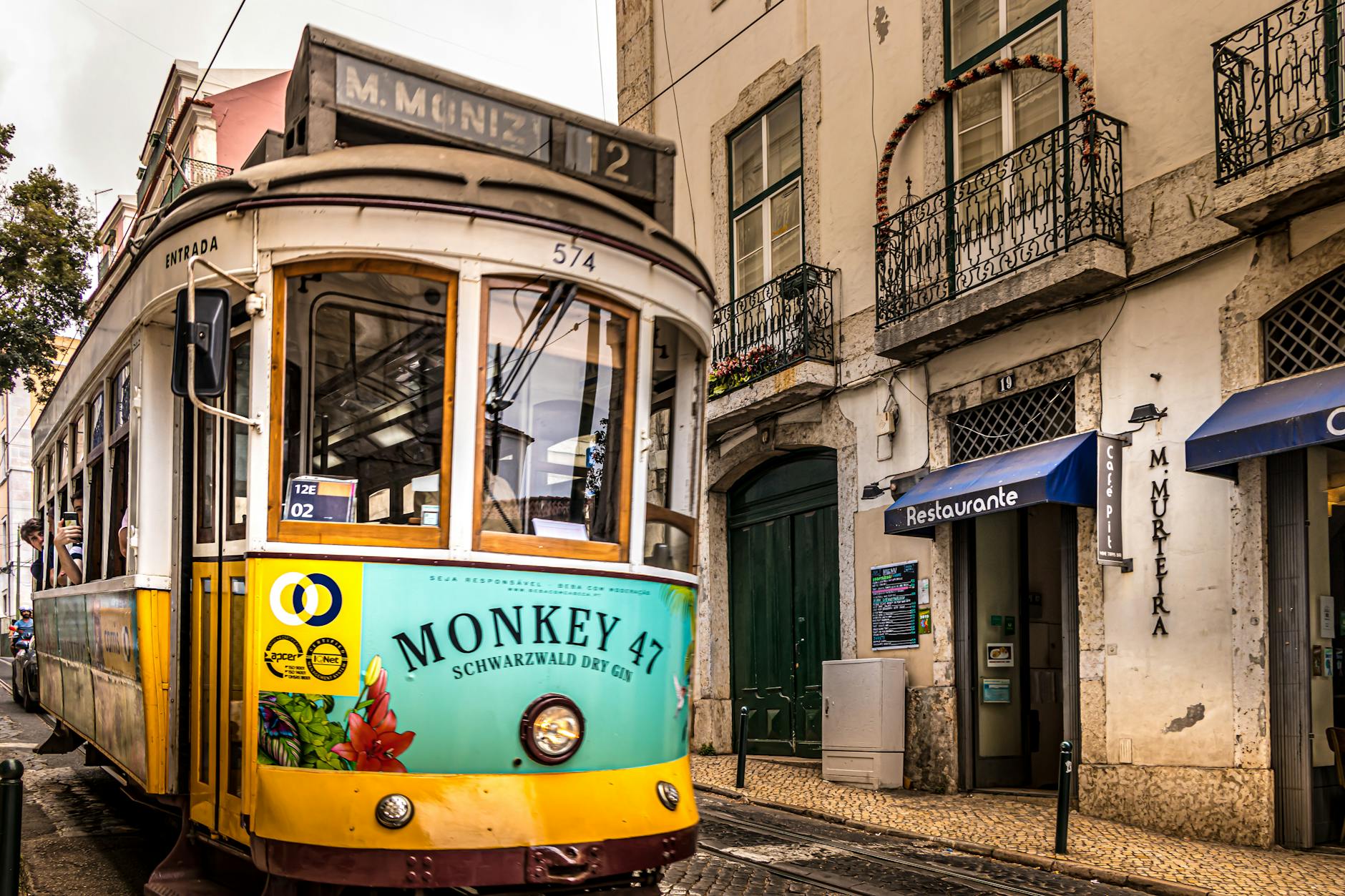
    Lisbon’s transport system is as iconic as its landmarks, offering visitors a charming and efficient way to navigate the city. The most recognizable mode of transport is undoubtedly the historic tram, particularly Tram 28, which takes riders on an enchanting journey through the heart of Lisbon’s most beloved neighborhoods.

    Stepping aboard the vintage yellow trams is akin to stepping back in time. The rickety wooden interiors and the sound of the bell ringing transport you to a different era. Tram 28 is arguably the best tram route for first-time visitors, as it winds its way through spectacular districts such as Graça, Alfama, and Baixa. The tram’s route includes highlights like the stunning view from Miradouro da Graça and the iconic Sé Cathedral, making it an ideal way to experience Lisbon’s charm.

    An important aspect of riding the tram is getting a feel for the city’s layout. The narrow, winding streets of Alfama can be challenging to navigate on foot, making tram travel both exciting and practical. As you ascend the hills, the panoramas of the city and the Tagus River create unforgettable vistas that you can admire from your seat.

    In addition to Tram 28, Lisbon’s tram system includes several other routes, including the funicular and elevador, which ascend the steeper inclines of the city. The Elevador da Glória connects the Avenida da Liberdade to Bairro Alto, offering yet another exciting way to travel uphill while enjoying the bustling atmosphere.

    In recent years, Lisbon has seen the introduction of electric scooters and bikes as part of its public transport system, allowing visitors to explore the city at their pace. Several rental companies operate through user-friendly mobile apps, making it easy to access transportation throughout the city. This eco-friendly option complements the traditional tram rides and offers an exhilarating way to traverse Lisbon’s picturesque streets.

    However, while the tram system is convenient, it is essential to be mindful of pickpockets, especially during peak tourist seasons. Keep your belongings secure and stay alert to ensure a safe and enjoyable experience.

    Despite the modernization of transport options, the charm of Lisbon’s trams continues to be a beloved experience for locals and visitors alike. The history, aesthetics, and practical function of the tram system serve as a vital component of navigating the city. Riding the trams is not just transportation; it’s part of the Lisbon experience, filling each journey with nostalgia and beauty.

    Day Trips and Nearby Attractions: Beyond the City Limits

    Lisbon is not only a vibrant city full of history and culture, but it is also an excellent base for exploring some of the impressive attractions found just a short train ride away. The surrounding region is dotted with picturesque towns and scenic landscapes that are worth a visit for anyone wanting to delve deeper into the charms of Portugal.

    One of the most popular day trips from Lisbon is Sintra, a UNESCO World Heritage site just a 40-minute train ride away. Known for its stunning palaces and lush greenery, Sintra feels like a fairy-tale destination. The highlight is the colorful Pena Palace, perched high on a hill and showcasing an eclectic mix of architectural styles. The palace’s vibrant hues and whimsical design create an extraordinary backdrop, making it a photographer’s paradise.

    Another fascinating site in Sintra is the Moorish Castle, an ancient fortress that offers breathtaking views of the surrounding valley. A hike to this castle is rewarded with panoramic vistas and a sense of historic adventure. The town itself is charming, with quaint streets lined with artisan shops and cafés, where you can enjoy traditional Portuguese pastries.

    Next on your agenda should be the coastal town of Cascais, a picturesque fishing village known for its stunning beaches and vibrant waterfront. Just a short train ride from Lisbon, Cascais is perfect for a leisurely day by the water. Visit the Boca do Inferno, a dramatic cliff formation, where the waves crash relentlessly against the rocks. Enjoy a seaside meal at one of the local restaurants, or take a dip in the refreshing Atlantic Ocean.

    If you seek a more rugged landscape, head to the Arrábida Natural Park, located about 30 kilometers south of Lisbon. This protected area boasts stunning views of the coastline along with beautiful beaches and hiking trails. The park’s dramatic cliffs and lush vegetation provide a peaceful retreat from the hustle and bustle of city life. The nearby town of Setúbal is also famous for its delicious seafood, particularly its fresh sardines.

    For wine enthusiasts, a visit to the region of Azeitão is a must. Known for its vineyards and wine production, you can tour local wineries where you can sample some of the best Portuguese wines, including the famed Moscatel. The charming countryside offers a relaxing atmosphere, complete with rolling hills and picturesque vineyards stretching into the horizon.

    In conclusion, day trips from Lisbon present opportunities to explore Portugal’s diverse landscape and cultural heritage. Sintra, Cascais, the Arrábida Natural Park, and Azeitão are just a few examples of the enchanting experiences waiting beyond the city limits. Each destination encapsulates unique aspects of Portuguese culture, providing a rich complement to your adventures in Lisbon.

    Conclusion

    In summary, Lisbon is a city that effortlessly combines history, culture, and culinary delights, making it a must-visit destination in Europe. This comprehensive guide has highlighted the city’s historic neighborhoods, vibrant food scene, cultural landmarks, unique transport options, and attractive day trips, all of which contribute to a well-rounded experience.

    From the winding streets of Alfama to the lively taverns of Bairro Alto, every corner of Lisbon tells a story that enriches its charm. The culinary journey through its local delicacies presents an opportunity to connect deeply with Portuguese traditions. Exploring its cultural landmarks allows you to appreciate the artistic influences that shape the city’s ethos and identity.

    As you venture beyond the city limits, the picturesque towns and stunning landscapes showcase the diverse offerings of Portugal, inviting you to immerse yourself further in its beauty. Each day spent in this enchanting city reveals new experiences, making your exploration of Lisbon a truly memorable adventure.

    With this guide, you are prepared to delve into the heart of Lisbon. Embrace every moment as you uncover the vibrant history and culture, savor delightful cuisine, and create unforgettable memories in Portugal’s stunning capital.

    Sources of Information

    • Portugal Tourist Board
    • Lonely Planet: Lisbon
    • The New York Times: Travel – Lisbon
    • TripAdvisor: Things to Do in Lisbon
    • Local Lisbon Blogs and Guides
  • 3-Day Charming Edinburgh Itinerary: Explore Scotland’s Capital

    3-Day Charming Edinburgh Itinerary: Explore Scotland’s Capital

    Introduction

    Edinburgh, the capital of Scotland, is a city drenched in history and culture, offering a unique blend of ancient heritage and modern vibrancy. From its iconic castle perched high on Castle Rock to the charming streets of the Old Town, Edinburgh beckons visitors with its enchanting allure. In just three days, you can experience the essential sights and attractions that make this city a must-visit destination. Delve into the heart of Scotland’s history as you navigate through cobbled streets, explore majestic castles, and indulge in its world-renowned culinary offerings. Whether you’re a history buff, a nature lover, or a food enthusiast, Edinburgh provides an array of experiences that cater to every traveler’s taste. This guide will walk you through the top highlights and hidden gems to ensure your visit to this magnificent city is truly unforgettable.

    Exploring Edinburgh Castle

    Edinburgh Castle dominates the skyline of Scotland’s capital, standing as a symbol of Scottish heritage and a testament to the city’s fascinating history. Perched atop Castle Rock, a volcanic rock that has provided natural protection for centuries, the castle has been a royal residence since at least the 12th century. As you approach the castle, the impressive fortifications and dramatic views over the city set the stage for a day of exploration.

    Inside the castle, visitors are greeted with a wealth of historical artifacts. The Crown Jewels of Scotland, displayed in the Crown Room, are an absolute must-see. These ornate jewels, which include the Crown, Sceptre, and Sword of State, were used in the coronation of Scottish kings and queens, embodying the country’s rich regal history. Similarly, the Stone of Destiny, an ancient symbol of Scottish monarchy, is another highlight within the castle. The stone has a storied past, having been used in the crowning of Scottish monarchs for centuries before being taken by the English and finally returned to Scotland.

    Beyond the jewels, Edinburgh Castle also houses the National War Museum of Scotland, which showcases an extensive collection of military artifacts. The exhibits narrate tales of bravery and sacrifice, reflecting Scotland’s martial history. Visitors can also explore the Great Hall, an impressive structure adorned with weapons and armor that serves as a glance into the medieval past. The Great Hall, built in the 16th century, still serves as a venue for formal functions and ceremonial occasions, making it an architectural highlight in its own right.

    Walking through the castle grounds, you’ll come across St. Margaret’s Chapel, the oldest surviving building in Edinburgh, dating back to the 12th century. This small and serene chapel is a quiet refuge and offers visitors a moment of reflection amid the bustling sightseeing. At the heart of the castle, the iconic Half-Moon Battery presents stunning panoramic views of the city, making for an excellent photo opportunity.

    The daily one o’clock gun firing is another exciting spectacle that draws crowds to the castle. A tradition that dates back to 1861, the firing of the cannon serves as a time signal for the citizens of Edinburgh and continues to be a popular attraction for visitors.

    After taking in the castle’s numerous sites, visitors can relax at the café located within the castle grounds, offering a selection of light refreshments and cakes, perfect for recharging after a busy morning exploring.

    In conclusion, Edinburgh Castle is more than just a monumental structure; it serves as a symbol of Scotland’s enduring spirit and rich history. From the stunning architecture to the fascinating exhibitions, a visit to the castle is an essential part of any trip to Edinburgh. Designating several hours for your exploration here will not only enhance your understanding of Scotland’s past but also leave you with lasting memories of this iconic landmark.

    Strolling Down the Royal Mile

    The Royal Mile is often regarded as the heart of Edinburgh, connecting the iconic Edinburgh Castle at the top with the Palace of Holyroodhouse at the bottom. This historic thoroughfare is not just a street; it is a living testament to the city’s vibrant past and cultural significance. Lined with an array of shops, restaurants, and attractions, a stroll down the Royal Mile offers a true sense of the city’s character and charm.

    As you embark on your journey along the Royal Mile, you’ll find a mixture of contemporary shops and traditional Scottish merchandise. The cobbled streets are filled with souvenir shops where you can find tartan scarves, Scottish shortbread, and locally crafted whisky. The pleasant ambiance of street performers and musicians adds flair and vibrancy to your exploration. You might witness talented buskers showcasing folk music, dancers, and other artistic performances, making your stroll even more enjoyable.

    Every few steps, you’ll encounter stunning architecture and historical sites. One notable attraction is St. Giles’ Cathedral, also known as the High Kirk of Edinburgh. With its iconic crown steeple and stunning stained glass windows, this medieval church is an architectural marvel. Visitors can step inside to admire the church’s beautiful interior, hear the symphony of the organ, or simply enjoy a moment of quietness.

    Another highlight along the Royal Mile is the Real Mary King’s Close, an eerie yet captivating site that takes you underground to explore the hidden alleyways and tenements of Old Town. This guided tour reveals the everyday lives of those who lived here in the 17th century and delves into the tales of the plague and its impact on Edinburgh. The experience provides a unique perspective on the city’s history that many visitors cherish.

    As you continue along the Royal Mile, don’t forget to stop by the Heart of Midlothian, a heart-shaped mosaic set in the pavement that marks the location of the old Royalty Theatre. This site is a popular spot for tourists taking photos, but it carries an interesting legend: it is said that spitting on the heart will give good fortune or even ensure a successful visit to the nearby football match.

    A significant aspect of the Royal Mile is the plethora of pubs and eateries available for dining experiences. You could indulge in traditional Scottish fare or discover unique food offerings from various cuisines. A visit to a local pub provides the perfect opportunity to enjoy a meal and sample a pint of local whisky or ale. Many establishments also feature live music, enhancing the authentic Scottish vibe you’re bound to love.

    As you approach the Abbey at the end of the Royal Mile, you reach the Palace of Holyroodhouse, the official residence of the Scottish monarch. This opulent palace welcomes visitors to explore its magnificent rooms, expansive gardens, and an insight into royal life. The juxtaposition of the historical castle at one end of the Royal Mile with the regal palace at the other beautifully encapsulates the breadth of Scotland’s regal history.

    In conclusion, a stroll down the Royal Mile is an essential part of any visit to Edinburgh. This historic street weaves a narrative of Scotland’s past and present, revealing a treasure trove of sights, sounds, and flavors along the way. With each step, you’ll uncover the rich history and cultural depth that this beloved thoroughfare has to offer, leaving you with a deeper appreciation of Edinburgh’s vibrant heritage.

    Discovering Holyrood Palace

    Holyrood Palace, the official residence of the British monarch in Scotland, stands at the foot of the Royal Mile and is an essential landmark for any visitor to Edinburgh. This stunning palace is rich in history, architecture, and resplendent gardens, making it a captivating place to explore. The royal residence has served as the heart of Scottish monarchy for centuries, and its significance is felt throughout the palace’s corridors and opulent rooms.

    Upon entering Holyrood Palace, visitors are greeted with a sense of grandeur as they navigate through the magnificent entrance hall adorned with portraits of the royal family. The layout of the palace tells the story of Scotland’s rich history, with each room brimming with tales of kings and queens, battles, and political decisions that shaped the nation.

    One of the most striking areas within the palace is the State Apartments. These lavish rooms are used for official functions and state visits, showcasing intricate wallpapers, period furniture, and stunning art collections. The Throne Room, with its regal decor, is particularly breathtaking, making it a highlight of the tour. The attention to detail found in every corner of the palace reflects the royal essence that has persisted throughout history.

    Equally significant are the ruins of the old chapel, once part of a 12th-century abbey. The Chapel Royal is an elegant yet solemn site that offers visitors a glimpse into the spiritual history of the palace. Exploring this area provides a reflective moment amidst the grandeur of the palace, highlighting the connection between religious and royal authority throughout Scottish history.

    While much of Holyrood Palace is devoted to historical exhibitions, it also features beautiful gardens that add a natural beauty to the royal complex. The Palace Gardens are meticulously landscaped, showcasing flowering plants, neat hedges, and serene pathways perfect for a leisurely stroll. The backdrop of the palace creates a stunning visual experience, especially during spring when blossoms abound.

    The palace and its grounds are also steeped in tragic history, particularly regarding Mary, Queen of Scots. Her story is intricately tied to Holyrood; her chambers are a significant part of the tour. The life she led and the trials she faced are depicted through exhibitions and narrations that bring her tumultuous reign to life. The dramatic and romantic stories of Mary, along with the political intrigues surrounding her, capture the imaginations of many visitors.

    Additionally, the site hosts various temporary exhibitions that delve deeper into specific historical themes, allowing guests to continually discover something new even if they’ve visited before. The exhibitions often tackle important topics related to Scotland’s monarchy, independence, and notable figures, contributing to a broader understanding of the nation’s history.

    Holyrood Palace is also known for hosting public events, state ceremonies, and the annual garden party during the summer, which provides a glimpse of royal life in contemporary Scotland. Planning your visit around these events can enhance your experience and offer unique insight into modern-day monarchy.

    In summary, a visit to Holyrood Palace enriches any trip to Edinburgh. It serves as a splendid reminder of Scotland’s royal heritage while offering a blend of stunning architecture, lush gardens, and heartfelt historical narratives. The journey through this iconic residence provides visitors with a deep appreciation for the royal history that continues to shape the country today.

    Climbing Arthur’s Seat

    Arthur’s Seat is an iconic landmark that dominates the Edinburgh skyline and a must-visit destination for anyone looking to experience the natural beauty of Scotland’s capital. This extinct volcano, situated in Holyrood Park, rises to a height of 251 meters (823 feet) and provides both locals and visitors with picturesque views of the city, the Firth of Forth, and beyond. It’s an exhilarating adventure that combines history, geology, and stunning landscapes.

    The trek to the summit of Arthur’s Seat is both rewarding and invigorating. A well-marked path leads hikers through varied terrain, allowing you to immerse yourself in the natural environment. As you begin your ascent, you’ll notice the rugged landscape and lush flora that thrive around the volcanic rock. The surrounding area is teeming with wildlife, and it’s not uncommon to spot small birds and other creatures as you make your way up the trail.

    As you climb higher, the panoramic views become increasingly spectacular. Midway along the path, several vantage points offer breathtaking perspectives of Edinburgh. From here, you can admire the sprawling cityscape, the impressive Edinburgh Castle silhouetted against the sky, and the distant hills that frame the horizon. The sight is particularly enchanting during sunrise or sunset when the city bathes in warm, golden hues.

    Reaching the summit of Arthur’s Seat is a triumphant experience. Once at the top, you are greeted with a 360-degree view of the surrounding landscapes. On a clear day, you can see as far as the Pentland Hills, the North Sea coastline, and even the highlands in the distance. There’s something profoundly serene about standing at the peak of an ancient volcano, surrounded by nature’s untouched beauty.

    While the ascent to the top can be challenging for some, there are various routes available that cater to a range of fitness levels. From a gentle climb to a steeper incline, everyone can find a suitable path. Make sure to wear comfortable shoes and carry water for the journey. Once you reach the summit, take your time to soak in the scenery, snap photographs, and enjoy the tranquility of your surroundings.

    The historical significance of Arthur’s Seat adds an intriguing layer to your hike. Ancient legends associate the site with King Arthur and the Knights of the Round Table. Many believe that the hill was the inspiration for Camelot, adding a sense of mystique to the already captivating landscape. Additionally, archaeological evidence suggests that the area was inhabited by our ancestors as far back as pre-history. The ruins of a hillfort at the top reinforce the notion that this site was once an essential hub for early settlers.

    For those who wish to explore further, the surrounding Holyrood Park offers additional walking and cycling trails, including the spectacular Salisbury Crags. These dramatic cliffs alongside Arthur’s Seat provide additional opportunities for exploration and breathtaking views. Birdwatching, picnicking, or simply relaxing amidst the lush greenery is another way to appreciate the natural beauty of the park.

    In conclusion, climbing Arthur’s Seat is a not-to-be-missed experience when visiting Edinburgh. It combines physical activity with breathtaking scenery and rich history, creating an unforgettable outdoor adventure. Whether you are seeking solitude in nature or an exhilarating workout, this iconic landmark invites you to connect with the rugged beauty of Scotland. Your journey to the summit will leave you with lasting memories and a deeper appreciation for the stunning landscapes that define this incredible city.

    Enjoying Edinburgh’s Culinary Scene

    Edinburgh’s culinary scene is a vibrant tapestry of traditional Scottish flavors, modern innovations, and international influences, making it an exciting destination for food lovers. From quaint cafes to Michelin-starred restaurants, the city offers a diverse range of dining experiences that cater to every palate and budget. Discovering Edinburgh’s food culture is an adventure that reflects its history and the creativity of its chefs.

    One cannot visit Scotland without experiencing its iconic dishes. Haggis, often referred to as Scotland’s national dish, is a savory dish made from sheep’s offal mixed with oatmeal, spices, and seasonings. It is traditionally served with neeps (turnips) and tatties (potatoes) and is a must-try for visitors looking for an authentic taste of Scottish heritage. Many restaurants across the city prepare this dish, with some even offering a modern twist on this classic recipe.

    Besides haggis, traditional fare also includes Cullen skink, a hearty smoked fish soup, and the scrumptious Scottish salmon. Restaurants and pubs throughout the city pride themselves on serving fresh, locally sourced seafood that celebrates Scotland’s coastal roots. Exploring markets such as the Edinburgh Farmers’ Market, held every Saturday, offers an opportunity to discover a wealth of local produce, artisan foods, and handmade goods, enabling visitors to sample the region’s culinary bounty.

    Apart from local dishes, Edinburgh is teeming with a multicultural food scene. The presence of diverse communities in the city has resulted in a flourishing array of international cuisine. From Indian to Italian, Thai to Mediterranean, the culinary options stretch far beyond traditional Scottish fare. A visit to Leith, a vibrant area along the waterfront, introduces a myriad of global restaurants that offer something for every taste. Here, you can find world-class dining experiences alongside casual eateries, all contributing to the rich tapestry of the city’s food culture.

    For those looking for a more unique experience, dining in one of Edinburgh’s historic pubs is a great way to enjoy both the local cuisine and the lively atmosphere. Many pubs offer a selection of traditional dishes alongside a wide range of local beers and whiskies. The warm, cozy ambiance of these establishments makes them perfect for savoring a meal while experiencing the convivial spirit of the city.

    As you explore Edinburgh’s culinary offerings, don’t miss the opportunity to indulge in its renowned whisky culture. Scotland is famed for its Scotch whisky, and single malt whiskies are celebrated across the city. Many bars and distilleries offer tasting sessions where you can learn about the whisky-making process and savor some of the finest expressions of Scotland’s national drink. The Scotch Whisky Experience, located near the Royal Mile, provides an interactive journey through the history of whisky, alongside tastings and insightful presentations.

    For those with a sweet tooth, Edinburgh boasts numerous patisseries and bakeries offering delicious treats. Treat yourself to a piece of tablet, a traditional Scottish sweet made from sugar, condensed milk, and butter that melts in your mouth. Alternatively, visit one of the many local shops for freshly baked scones or cakes served with clotted cream—a delightful afternoon treat.

    In conclusion, Edinburgh’s culinary scene is as diverse as it is delightful. From traditional Scottish dishes to international flavors and creative gastronomic experiences, the city offers an abundance of choices for every food enthusiast. Embracing the culinary landscape of Edinburgh provides not only a taste of the local culture but also the opportunity to embark on a gastronomic adventure that reflects Scotland’s depth and creativity.

    Conclusion

    Edinburgh is a city that effortlessly encapsulates history, culture, and natural beauty, making it an ideal destination for a short getaway. In just three days, visitors can explore a wealth of attractions, from the majestic Edinburgh Castle to the tranquil heights of Arthur’s Seat. Each experience enriches one’s understanding of Scotland’s heritage while offering unique insights into its modern identity.

    As you traverse the Royal Mile, the heart of the city, you absorb the vibrant atmosphere, filled with shops, street performers, and architectural wonders, making every step an adventure in itself. The fine historical tapestry woven throughout the city is beautifully showcased in the majestic Holyrood Palace, where centuries of royal history converge.

    Culinary enthusiasts will delight in the diverse food scene that Edinburgh has to offer, savoring traditional Scottish dishes alongside international cuisine that reflects the city’s vibrant cultural makeup. Whether sampling haggis or enjoying a fine whisky, every meal becomes a celebration of local flavors.

    Ultimately, Edinburgh invites travelers to embark on a transformative journey that connects them with Scotland’s past and present. As your time in this historic capital draws to a close, the memories made will linger long after your departure, leaving you with an appreciation for the city’s charm. Each moment spent in Edinburgh is an opportunity to discover, indulge, and connect—making it a destination that deserves to be explored and cherished.

  • AI vs. Travel Agents 2025: Who Does Vacation Planning Better?

    AI vs. Travel Agents 2025: Who Does Vacation Planning Better?

    Introduction

    In recent years, the advent of artificial intelligence (AI) has transformed various industries, and travel planning is no exception. With an increasing number of travelers turning to AI-powered tools to curate their perfect getaways, a question arises: Can AI outperform traditional travel agents in providing a superior vacation experience? While AI offers advantages like rapid data analysis, personalized suggestions based on previous trips, and 24/7 availability, traditional travel agents bring invaluable human insights, emotional intelligence, and a nuanced understanding of customer preferences. This article will explore the divergent strengths and weaknesses of AI and travel agents in planning vacations, examining personalization, cost, information accessibility, problem-solving capabilities, and future trends. By delving into these facets, we aim to provide a comprehensive comparison that will help travelers make informed decisions about how they want to plan their next adventure.

    Understanding Personalization: AI vs. Human Touch

    Personalization has become a cornerstone in the travel industry, with both artificial intelligence and traditional travel agents vying to deliver customized experiences. At first glance, AI appears to hold the upper hand due to its ability to process vast amounts of data rapidly. AI systems collect information from various sources: past travel behavior, social media interactions, reviews, and trends. They use complex algorithms to analyze this data, allowing them to create tailored itineraries that cater to individual interests and preferences.

    For example, algorithms can predict which destinations a traveler might enjoy based on their past history or preferences indicated in their search queries. If someone often searches for tropical beaches and luxury accommodations, the AI would present vacation options that align with those preferences. Moreover, AI can continuously learn from new data, evolving its recommendations to better fit user desires, making it appear extremely personalized over time.

    However, the human touch cannot be simply quantified in data. Travel agents provide insights from firsthand experiences and curate recommendations based on emotions, such as romance, adventure, relaxation, or cultural immersion. An experienced travel agent can interpret the nuances of what a customer truly desires beyond what data alone could determine. For instance, if a traveler expresses a desire for a romantic getaway, a travel agent could suggest unique resorts with personalized services, such as candlelit dinners or custom tours, that an AI might not consider due to a lack of emotional context.

    Moreover, travel agents possess a wealth of knowledge about locations, not limited to the attractions that travelers might assume are ‘best.’ They are equipped with insider information and personal stories that can enhance the travel experience, adding layers of meaning that AI cannot replicate. For instance, a travel agent may know of a secluded beach away from tourist crowds that provides an ideal romantic setting, while an AI might only suggest more popular destinations.

    Another critical aspect of personalization lies in the ability to effectively communicate with clients. Travel agents can ask probing questions to truly understand a traveler’s desires, allowing them to curate travel plans that suit not only preferences for activities but also for style and budget. This interaction fosters a level of trust and personal relationship, which can be paramount for some travelers, especially when planning significant trips. Personal recommendations based on previous clients’ experiences and preferences can lead to a finely-tuned vacation plan that is genuinely reflective of an individual’s unique personality.

    In contrast, while AI excels in handling large-scale data and offering suggestions, it might miss out on emotional undertones or the subtleties that determine the best travel options. Furthermore, while AI can save a wealth of time and energy in sifting through countless choices, it may provide overwhelming options without the guidance that a human agent could offer.

    Ultimately, the effectiveness of travel planning can depend on several individual factors, including the traveler’s personal preferences and the complexity of the trip. Many individuals may prefer the efficiency, scalability, and convenience of AI for straightforward trips, yet they might opt for a travel agent when dealing with intricate plans requiring more emotional intelligence and personal insight. As we analyze the key differences in personalization between AI and human travel agents, one thing remains clear: each has its strengths in understanding individual needs, making it essential for travelers to assess which method resonates more with their unique preferences.

    Cost Efficiency: Comparing AI Solutions and Travel Agents

    The financial aspect of vacation planning often plays a vital role in the decision-making process for travelers. Many individuals seek the most cost-effective options, prompting them to compare the pricing dynamics of AI-based platforms against traditional travel agents. At first glance, AI solutions seem to offer a clear advantage in terms of cost efficiency.

    Utilizing AI for travel planning involves no agent fees—the automated systems work based on data usage and algorithms, making them accessible to anyone with an internet connection. Online platforms and travel apps allow users to compare prices across various airlines, accommodations, and activities directly. This accessibility can lead to savings, as travelers can quickly identify and book the most competitive rates without incurring additional charges that traditional agents might apply.

    Furthermore, AI has the capability to analyze fare fluctuations in real-time. Some systems can even recommend the best times to book based on historic price changes and trends, further optimizing travel costs. Such analytical prowess empowers travelers to secure the best deals swiftly, fostering an efficient way to save money on their trips.

    On the other hand, traditional travel agents often charge fees for their services, leading some to question whether the personalized experience is worth the additional expense. However, skilled agents can leverage industry connections, securing exclusive deals and discounts that may not be accessible through AI platforms. As a result, while initial costs may be higher, the potential for obtaining competitive rates and added value through negotiated perks or exclusive access might justify the investment.

    Additionally, seasoned travel agents possess knowledge about hidden costs, which can be crucial in preventing unexpected expenses from arising. For instance, they can foresee extra fees associated with baggage, resort activities, or travel insurance. An algorithm might overlook these nuances and present a seemingly low-priced vacation package that ends up being far more expensive once additional costs are factored in.

    Moreover, the expertise of travel agents can be especially beneficial in complex scenarios, such as planning multi-destination trips or navigating specific travel restrictions, where miscalculations could lead to costly mistakes. Seeking an agent’s assistance might provide a safety net that ultimately saves money by avoiding pitfalls that inexperienced travelers could encounter.

    For travelers who prioritize their budget, the process of weighing travel agent fees versus AI’s free or low-cost solutions can hinge on the type of trip—a luxurious getaway might justify an agent’s price tag for peace of mind, while a simple weekend trip could be more efficiently handled through an AI travel planner without the overhead costs.

    In conclusion, assessing cost efficiency between AI and travel agents involves analysis beyond mere initial costs. While AI systems often appear more budget-friendly, the depth of knowledge, personalized service, and potential discounts provided by travel agents could yield overall savings that make their involvement worthwhile. Budget-conscious travelers must consider their own travel needs and the complexity of their plans to decide effectively between leveraging AI tools or seeking the assistance of a travel agent.

    Availability of Information: Leveraging Resources

    In the fast-paced world of travel, access to timely and comprehensive information is an essential element of effective vacation planning. Both AI applications and traditional travel agents offer unique approaches to leveraging information, each presenting advantages and drawbacks that can greatly impact a traveler’s experience.

    AI excels in providing instant access to vast amounts of information. With just a few clicks, users can retrieve extensive data on flights, accommodations, local attractions, and restaurants—all tailored to their preferences. This advantage stems from the ability of AI algorithms to scour the internet for real-time updates, including reviews, availability, pricing, and travel advisories, and aggregate this data into manageable formats. The immediacy with which information is relayed can significantly enhance the planning experience, offering travelers the power to make quick decisions based on the latest trends and insights.

    Moreover, AI systems can utilize natural language processing to facilitate engaging conversations with users. Many travel apps feature chatbots that can answer questions and provide recommendations 24/7, ensuring that travelers have access to support at any time of day. This instantaneous availability can be particularly useful for planning last-minute trips or during emergencies when travelers need quick solutions to unforeseen complications.

    On the flip side, traditional travel agents have intimate knowledge of the industry that extends beyond mere data. Their understanding of regional nuances, cultural expectations, and travel patterns can provide insights that generic AI systems might not capture. For example, an agent could offer advice on how to avoid tourist traps based on firsthand experiences or recommend the best times to visit attractions to minimize crowds. They also stay abreast of travel-related news and developments, including changes in regulations or emerging trends that may influence destinations.

    Additionally, agents can curate information according to a traveler’s specific needs and preferences, parsing through the overwhelming volume of data to highlight what is truly pertinent. Personal interactions allow them to engage in meaningful discussions to uncover what matters most to clients, ensuring a level of customization that AI cannot match.

    One fundamental difference lies in the approach to accuracy and reliability of information. AI-based systems rely heavily on algorithms and data available online; if the sourced information is outdated or incorrect, the recommendations may not be trustworthy. Without human discernment, inaccuracies can lead to unfortunate travel experiences or misinformed decisions.

    Conversely, travel agents act as a filter, using their expertise to assess the credibility of sources. While agents may not have the same immediacy of information as AI, they can provide peace of mind through their vetted recommendations. In instances where complex travel needs arise, relying on a knowledgeable human might prove invaluable.

    In summary, while AI tools offer rapid access to an abundance of information, the nuanced insights, calibrations, and personal touch offered by traditional travel agents create a balanced landscape in the travel industry. As individuals weigh the pros and cons of using AI or travel agents, it’s important to reflect upon their personal preferences: will they benefit more from the speed and efficiency of technology, or will they favor the wisdom and insight that a seasoned travel professional can provide?

    Problem Solving: Handling Unexpected Challenges

    Travel can be unpredictable, with unexpected challenges often arising that can disrupt meticulously planned vacations. How these hurdles are resolved can have a significant impact on the overall travel experience, and this is where the contrasting approaches of AI and traditional travel agents truly come into play.

    AI systems typically handle problem-solving through data-driven responses. If a flight is delayed or cancelled, AI tools can automatically assess available alternatives, such as different flights or accommodation options, based on user preferences. This capability allows travelers to receive real-time updates and suggestions, ultimately expediting the process of finding solutions quickly. For instance, if a travel app detects that a user’s flight has been delayed, it can instantaneously notify the traveler of alternative options, potentially including nearby hotels and available rental cars—allowing for quick rebooking and minimal disruption.

    However, the effectiveness of AI in problem-solving is somewhat limited by its impersonal nature. While algorithms can analyze data to recommend solutions, they lack the emotional understanding and flexibility that human travel agents provide. An agent can engage with the traveler to better understand the situation, offering a range of options that may not solely depend on algorithms. They can assess the unique context of the traveler’s situation, providing personalized advice on how to proceed with empathy and consideration.

    For example, consider a scenario where a traveler’s trip goes awry due to unforeseen circumstances, such as natural disasters or strikes. A travel agent can leverage their experience and contacts within the industry to facilitate a more nuanced response. They might recommend alternative destinations or present workarounds that an AI-generated solution may overlook. Additionally, agents can take the initiative to handle cancellations and rebookings on the traveller’s behalf, navigating the complex relationships with various travel suppliers, often yielding better outcomes based on established rapport.

    Another advantage of traditional travel agents is their ability to advocate for the traveler. In situations where problems arise, they can communicate directly with airlines, hotels, or tour operators to represent the client’s interests. This can lead to faster resolutions, more significant discounts, or improved service—outcomes that an automated system cannot guarantee. The human element in advocacy and negotiation can facilitate creative solutions that AI’s process-driven method lacks.

    Moreover, the experience and intuition of travel agents can guide clients through difficult situations, calming tensions and alleviating anxiety. This direct support can make a significant difference during stressful occurrences, putting travelers at ease and reassuring them that they are not alone.

    In contrast, relying solely on AI may lead to a frustrating experience if the system fails to interpret the urgency of the situation. When faced with complicated and nuanced problems, some travelers may find it ineffective to rely solely on technology, preferring a personalized touch to navigate more challenging issues.

    In conclusion, when it comes to handling unexpected challenges in travel, both AI and traditional travel agents have their respective strengths. AI offers efficiency and immediacy in problem-solving, while human travel agents bring empathy, negotiation skills, and personalized support to the table. Travelers should consider their comfort levels within unique situations, recognizing that sometimes technology alone may not suffice.

    Future Trends: The Evolving Landscape of Vacation Planning

    As the world of travel continues to evolve, so do the tools available for vacation planning. The advancements in technology and AI integration indicate a promising future where both AI solutions and traditional travel agents can coexist, creating transformative experiences for travelers. Understanding emerging trends can illuminate how these two strategies are likely to develop and shape the travel landscape in the years to come.

    Firstly, the integration of AI and machine learning within traditional travel agencies is an essential trend gaining traction. Agents are increasingly utilizing AI to enhance their capabilities, streamlining processes, and improving response times. For instance, travel agents can adopt AI tools to manage booking systems, automate inquiries, and analyze customer data to provide tailored recommendations more effectively. This synergy between human agents and AI tools creates a powerful combination that optimizes the planning experience, allowing agents to dedicate more time to personal interactions rather than mundane administrative tasks.

    Furthermore, as travelers seek highly curated experiences, advanced personalization is expected to become more refined. AI advancements will enable more nuanced understanding of preferences and behaviors, allowing for even more tailored planning. Predictive analytics may help agents anticipate emerging travel trends, allowing them to proactively offer clients unique itineraries that cater not just to current preferences but also to evolving interests.

    In addition, virtual reality (VR) and augmented reality (AR) are poised to revolutionize the way travelers explore destinations before booking trips. By allowing customers to visualize their future experiences, these technologies can bridge the gap between AI recommendations and genuine human intuition. For instance, experiencing a VR tour of a hotel or destination can equip travelers with the clarity needed to make informed decisions and approach their travel plans with excitement.

    The growing emphasis on sustainability in travel also heralds changes in the planning landscape. Both AI and travel agents will be pushing forward green travel options, focusing on sustainable accommodations, eco-friendly transport, and responsible tourism practices. AI algorithms can be designed to prioritize eco-conscious travel choices, while agents can leverage their personal expertise to recommend practices that benefit local communities and minimize the environmental impact.

    Moreover, as the demographic of travelers evolves, there will be increasing demand for customizable travel experiences. Millennials, Generation Z, and future generations are likely to prioritize authenticity and individuality in their travels. Traditional travel agents must adapt to these cultural shifts, using technology to foster more collaborative planning processes that consider personal storytelling and genuine experiences.

    Finally, the role of travel agents may evolve into that of travel consultants, guiding clients through more elaborate and complex voyages. While AI may handle basic travel needs, agents will refocus on their expertise in creating bespoke, immersive experiences that harness the magic of human relationships.

    Overall, the future of vacation planning signifies a dynamic evolution, bringing together the best of both AI and traditional travel agents. As the lines blur, the emphasis will shift to collaboration and complementary approaches that enhance personalization, information access, and problem-solving, resulting in well-rounded travel planning experiences that cater to the new generation of travelers.

    Conclusion

    The ongoing debate surrounding whether AI or traditional travel agents offer superior vacation planning services reveals the strengths and weaknesses inherent in each approach. While AI provides impressive efficiency, rapid access to vast information, and algorithm-driven personalization, traditional travel agents bring invaluable human insight, empathy, and advocacy skills into the mix. Travelers must weigh their preferences regarding personalization, cost, availability of information, problem resolution, and emerging trends as they determine which method aligns best with their unique travel needs. Ultimately, both AI tools and travel agents possess their merits, and the most effective approach may often involve a hybrid of both—leveraging technology for speed and accessibility while relying on human expertise for insights, emotional depth, and support during unexpected challenges. As the travel industry continues to evolve, embracing this collaborative nature may lead to richer, more rewarding experiences for all travelers.

  • The Prado Museum: A Journey Through Art History

    The Prado Museum: A Journey Through Art History

    Introduction

    The Museo del Prado in Madrid is one of the world’s most prestigious art museums, housing a vast collection of European art, particularly Spanish masterpieces. Founded in 1819 by King Ferdinand VII, the Prado was initially designed to showcase the Spanish royal collections and has since grown into a cultural beacon, offering an unparalleled glimpse into the history of Western art. With works by masters such as Velázquez, Goya, El Greco, and Titian, the museum’s collection spans centuries of artistic evolution, making it an essential destination for art enthusiasts and scholars alike. The Prado’s role in preserving and interpreting Spain’s rich cultural heritage is matched by its influence on the global art community. This article explores the museum’s origins, its extraordinary collection, architectural significance, and its contributions to art education and cultural engagement, providing a comprehensive guide to one of Madrid’s most iconic landmarks.

    The History and Origins of the Prado Museum

    The Museo del Prado’s history dates back to the early 19th century when Spain’s royal collections were first consolidated under King Ferdinand VII. Prior to the establishment of the museum, many of the nation’s finest artworks were housed in the Royal Alcázar of Madrid, the royal palace, and various other locations. However, with the increased political and social upheaval of the time, including the Napoleonic invasion of Spain (1808–1814), King Ferdinand saw the importance of establishing a dedicated institution to preserve Spain’s art and heritage.

    The idea of creating a national art museum was initiated by Ferdinand’s advisors, who were inspired by similar projects in France and other European nations. The initial collections consisted mainly of works commissioned by the Spanish monarchy, particularly from the Renaissance and Baroque periods. These collections were enriched by the contributions of the Habsburg dynasty, with paintings by Titian, Rubens, and other European masters. Notably, during the reign of Charles III, Spain acquired several works that would later form the core of the Prado’s holdings.

    The museum’s official opening in 1819, however, was not without controversy. The public reception was mixed, as the Spanish art world was initially skeptical about the idea of creating a museum that could rival the Louvre in Paris. But under the leadership of artists and curators, the Prado gradually established itself as a symbol of Spain’s cultural and artistic prominence.

    In its early years, the Prado’s collection grew quickly, largely through acquisitions of art from Spanish royal collections and through the legacy of the Spanish Golden Age. King Charles IV and his family played a pivotal role in expanding the museum’s holdings, acquiring works from leading artists of the period. For instance, the museum’s collection of paintings by Francisco de Goya, including his iconic The Third of May 1808, solidified the Prado’s reputation as an institution dedicated to preserving Spain’s artistic heritage.

    As the 19th century progressed, the Prado’s holdings expanded to include significant works from other European artists, such as the Dutch painters Rembrandt and Vermeer, as well as Italian Renaissance artists like Raphael and Caravaggio. Despite political challenges, including the loss of Spain’s colonies and financial crises, the museum continued to grow and evolve. The Prado soon became not only a repository of Spain’s past but also a symbol of cultural pride for the Spanish people.

    In the 20th century, the museum’s influence spread globally, attracting art lovers and scholars from around the world. With its continued expansion and renovation, including the creation of new wings to house modern art and temporary exhibitions, the Prado Museum remains a living institution, deeply connected to Spain’s national identity and its broader place in world history.

    Masterpieces of the Prado: Key Works in the Collection

    The Museo del Prado is renowned for its unparalleled collection of European art, with some of the most iconic works of Western art history displayed within its walls. Among the many treasures housed at the Prado, a few masterpieces stand out as central to its identity and reputation.

    One of the most celebrated works in the collection is Las Meninas (1656) by Diego Velázquez, which is often regarded as one of the most important paintings in the Western canon. This complex and enigmatic portrait of the Spanish royal family, featuring the young Infanta Margaret Theresa and her entourage, is notable for its sophisticated play with perspective, light, and the relationship between the viewer and the subjects within the painting. Velázquez’s use of reflection and the inclusion of himself in the composition as a painter working in the royal studio has made Las Meninas a subject of endless scholarly debate.

    Another remarkable piece is The Third of May 1808 (1814) by Francisco de Goya. This haunting painting depicts the execution of Spanish rebels by French soldiers during the Peninsular War and is a powerful commentary on the horrors of war. Goya’s stark, dramatic use of light and shadow, combined with his emotionally charged portrayal of the victims, has made this work an enduring symbol of the human cost of conflict.

    El Greco’s The Holy Trinity (1577) is another cornerstone of the Prado’s collection. Known for his dramatic use of color and elongated figures, El Greco was ahead of his time in blending Byzantine traditions with the emerging styles of the Renaissance. The Holy Trinity, with its complex iconography and ethereal quality, represents El Greco’s deeply spiritual approach to art and his mastery of the religious portrait.

    In addition to these iconic Spanish masters, the Prado also boasts a significant collection of works by other European painters. Titian’s Venus of Urbino (1538) is a stunning example of Venetian Renaissance portraiture and sensuality. This work, which portrays a reclining nude woman in an intimate setting, is widely considered one of the greatest depictions of the female form in art history. Similarly, the Prado’s holdings by Peter Paul Rubens, such as The Adoration of the Magi (1609), highlight his mastery of color and movement, showcasing his ability to bring biblical scenes to life with exuberant energy.

    The Prado’s collection also includes works by lesser-known but highly influential artists such as José de Ribera, whose Martyrdom of Saint Philip (1639) presents a chilling depiction of religious persecution, and the Flemish master Anton van Dyck, whose portraiture exemplifies the elegance and sophistication of the Baroque period.

    Together, these works not only represent the high points of Spanish and European art but also serve as a testament to the Prado’s role in preserving these masterpieces for future generations. Whether through Velázquez’s psychological depth, Goya’s emotional intensity, or Titian’s sensuous beauty, the Prado Museum offers an immersive experience into the artistic achievements that have shaped Western civilization.

    The Museum’s Architecture: A Blend of Classicism and Modernity

    The architecture of the Museo del Prado is as much a work of art as the masterpieces displayed inside its galleries. The museum’s design reflects a unique blend of classicism and modernity, capturing both Spain’s rich artistic heritage and its engagement with contemporary trends in architecture.

    The original building, designed by the architect Juan de Villanueva in 1786, was commissioned by King Charles III as part of his vision to modernize Madrid. The project was initially intended to be a natural history museum, but with the establishment of the Prado as an art museum in 1819, the building’s design was adapted to suit its new purpose. Villanueva’s neoclassical structure, characterized by its restrained and elegant proportions, was conceived as a symbol of the Enlightenment ideals of reason, order, and clarity. The building’s facade is marked by its use of classical columns, which evoke the grandeur of ancient Greece and Rome, providing an air of dignity to the institution.

    The Prado’s grand entrance, with its imposing columns and decorative pediment, leads visitors into a series of beautifully proportioned galleries that were originally designed to display the royal collection. The museum’s classical elements, including the use of symmetry, harmonious lines, and restrained ornamentation, reflect the influence of neoclassical architecture that was gaining prominence in Europe at the time.

    In the late 19th century, as the Prado’s collection expanded, the museum’s original structure was no longer sufficient to house the growing number of works. The solution came in the form of several extensions and renovations, most notably the addition of the modern annex designed by architect Rafael Moneo in the late 20th century. Moneo’s design, completed in 2007, sought to create a dialogue between the Prado’s historic architecture and contemporary trends. His addition complements Villanueva’s neoclassical building while introducing modern elements, such as sleek glass facades and open spaces, allowing for a seamless integration of old and new.

    The new extension also provides much-needed exhibition space, with several floors dedicated to displaying modern and temporary exhibitions. This expansion ensured that the museum could continue to showcase its growing collection while maintaining the architectural integrity of its historic building. The use of natural light in Moneo’s design is one of its most striking features, as it illuminates the interior spaces, highlighting the art on display and providing a dynamic viewing experience.

    Overall, the Prado’s architecture tells a story of evolution, reflecting both Spain’s historical cultural heritage and the modern demands of a world-class art institution. The contrast between the neoclassical elements of Juan de Villanueva’s original design and Rafael Moneo’s contemporary additions is symbolic of the museum’s ongoing engagement with both tradition and innovation. This architectural evolution mirrors the museum’s own journey from a royal collection to a global cultural landmark.

    The Prado’s architecture also prioritizes the visitor experience. The museum is designed to guide visitors through its galleries in a way that maximizes the impact of its collection. The layout of the galleries encourages both a chronological exploration of art history and an immersive journey through various artistic movements. The space is not only functional but also deeply connected to the museum’s role as a repository of cultural and historical memory. The classical design elements evoke a sense of reverence, while the modern additions offer flexibility and accessibility for contemporary exhibitions, ensuring that the Prado remains relevant to today’s audiences.

    In many ways, the Prado Museum’s architecture can be seen as a reflection of Spain itself — rich in history, proud of its past, yet open to the future. The blending of classicism with modernity is not just an aesthetic choice but an embodiment of the museum’s mission: to preserve the artistic legacy of the past while embracing the dynamic and evolving nature of art in the present and future.

    The Prado’s Role in the Spanish and Global Art Scene

    The Museo del Prado occupies a central role not only in Spain’s national cultural identity but also within the broader global art scene. As one of the most significant art museums in the world, its influence extends beyond its walls, shaping the ways in which art is understood, studied, and appreciated globally. Over the years, the Prado has helped to define Spain’s relationship with art history and its place in the broader narrative of European culture.

    At the national level, the Prado Museum is a symbol of Spain’s rich cultural heritage. As a custodian of Spanish artistic achievements, the museum has a unique responsibility to preserve and showcase the works of artists who shaped the country’s cultural identity, such as Diego Velázquez, Francisco de Goya, and El Greco. Through its extensive collection of Spanish art, the Prado offers a lens through which Spanish history can be understood, from the Golden Age of the 16th and 17th centuries to the dramatic shifts in the 19th and 20th centuries. Works like Velázquez’s Las Meninas and Goya’s The Third of May 1808 are not only masterpieces of art but also crucial historical documents, reflecting the political, social, and cultural contexts of their time.

    In addition to its role as a national institution, the Prado has long been a beacon for scholars and art lovers from around the world. Its global significance lies in its role as a center for research, scholarship, and artistic exchange. The museum attracts millions of visitors each year, including art historians, curators, students, and tourists, all of whom come to experience its extraordinary collection of masterpieces. The Prado’s exhibitions, publications, and collaborations with other museums and institutions contribute to the global dialogue about art and its history.

    One of the Prado’s most notable contributions to the global art scene has been its leadership in the preservation and conservation of art. The museum has long been at the forefront of developing and employing cutting-edge conservation techniques to preserve its vast collection. In recent years, the Prado has spearheaded several restoration projects, including the meticulous restoration of works by Goya and Velázquez, which has enhanced our understanding of these artists’ techniques and intentions. The museum also plays a vital role in sharing this expertise with other institutions around the world, ensuring the preservation of cultural heritage on a global scale.

    The Prado’s educational outreach is another aspect of its impact on the international art world. Through its exhibitions, educational programs, and scholarly publications, the museum fosters a deeper understanding of art history, making its collection accessible to a diverse and global audience. The Prado also supports research and scholarship in various fields related to art, history, and culture, offering fellowships and collaborating with academic institutions worldwide. These efforts ensure that the museum continues to be a vital center for learning and innovation in the arts.

    In recent years, the Prado has increasingly embraced the digital realm, expanding its global reach through online resources, virtual tours, and digital collections. This shift has made its collections more accessible than ever, allowing people from around the world to explore its treasures without leaving their homes. The Prado’s digital presence has significantly broadened its impact, ensuring that its artistic legacy is not confined to the physical space of Madrid but is available to a global audience 24/7.

    Ultimately, the Prado’s influence on both Spanish and global art cannot be overstated. It is a living institution, constantly evolving to meet the needs of a changing world while remaining true to its mission of preserving and interpreting the masterpieces that define human history. Its contributions to the cultural dialogue, both in Spain and worldwide, ensure that the Prado Museum will continue to be a key player in the global art scene for generations to come.

    The Prado’s Expansions and Renovations Over Time

    Over the years, the Museo del Prado has undergone several important expansions and renovations to accommodate its growing collection and to meet the demands of modern museum practices. As the museum’s collections expanded in the 19th and 20th centuries, the need for additional exhibition spaces became increasingly urgent. The Prado’s ability to adapt and modernize while preserving the historical integrity of its original architecture is a testament to its commitment to both the past and the future.

    The museum’s first significant expansion occurred in the 19th century, shortly after its founding in 1819. The original design by Juan de Villanueva was intended to house the royal collections, but as the museum acquired more works over time, additional space was required. The first major extension was carried out under the direction of architect Francisco Jareño in the mid-19th century. Jareño’s work involved adding new galleries and refining the museum’s interior, making it more suitable for the growing number of works on display. These early renovations laid the groundwork for future expansions and set the tone for the museum’s continued evolution.

    In the 20th century, the Prado’s collection continued to grow, and by the 1960s, the museum’s facilities were again stretched to their limits. To address this, a major renovation and expansion project was launched. In 1992, the museum commissioned the Spanish architect Rafael Moneo to design a new wing that would complement the original neoclassical structure while offering the space and flexibility required for modern exhibitions. Moneo’s design was innovative in that it sought to create a harmonious relationship between the historical building and the new spaces, emphasizing the museum’s role as both a cultural institution and a public space.

    The new extension, which opened in 2007, added an additional 20,000 square meters to the museum, providing much-needed room for the growing collection and improving visitor access. The modern design incorporated contemporary elements, such as glass facades and open spaces, which contrasted with the classical architecture of the original building. The result was a striking synthesis of old and new, where the grandeur of the historical structure was maintained while creating a more functional and welcoming space for contemporary visitors.

    In addition to the physical expansion, the Prado has also undertaken numerous conservation and restoration projects to ensure that its collections remain in optimal condition. These projects have included the restoration of famous paintings like Las Meninas and The Third of May 1808, as well as improvements to the museum’s environmental systems to protect its artworks from the effects of light, temperature, and humidity. The museum’s commitment to the conservation of its collection is one of the reasons why it is regarded as one of the leading institutions in the world in terms of art preservation.

    The museum has also embraced new technologies to enhance its accessibility. The installation of digital displays, interactive installations, and virtual tours allows visitors to engage with the collection in innovative ways. These efforts ensure that the Prado remains relevant to a global audience, embracing both traditional and cutting-edge approaches to art presentation.

    Ultimately, the Prado Museum’s expansions and renovations reflect its ongoing mission to preserve its world-class collection, enhance the visitor experience, and ensure its place as a leading institution in the global art world. By balancing respect for tradition with a forward-thinking approach to design and technology, the Prado continues to thrive as a cultural institution that speaks to both the past and the future.

    Conclusion

    The Museo del Prado stands as one of the world’s most revered art institutions, offering a profound insight into the evolution of European art. From its historical roots in Spain’s royal collections to its present-day status as a global cultural powerhouse, the Prado’s journey is one of continuous growth, adaptation, and celebration of artistic achievement. Its collection of masterpieces by iconic artists such as Velázquez, Goya, and Titian serves as a testament to Spain’s cultural legacy and its important place in the broader narrative of Western art. Through careful expansions, innovative renovations, and a commitment to art conservation, the Prado has maintained its relevance while respecting its rich history. With a growing digital presence and a forward-looking approach to education and outreach, the Prado continues to inspire visitors from around the world. It remains an essential institution for understanding not only Spain’s past but also the universal language of art.

  • Magical Prague Weekend Getaway 2025: Food, Culture & Nightlife

    Magical Prague Weekend Getaway 2025: Food, Culture & Nightlife

    Introduction

    Prague, the capital of the Czech Republic, is a city where history and modernity intertwine in captivating ways. With its stunning architecture, rich cultural heritage, and vibrant atmosphere, it offers an array of experiences that cater to all types of travelers. Whether you’re wandering through its cobblestone streets, visiting its world-renowned landmarks, or savoring local cuisines, Prague promises a memorable weekend getaway. This beautiful city boasts a wealth of must-see sights like the iconic Charles Bridge and Prague Castle, alongside hidden gems such as cozy cafes and galleries that reveal the city’s artistic heartbeat. Additionally, you can immerse yourself in Czech flavors, from hearty dishes to delightful pastries. This guide will explore the iconic sights, lesser-known treasures, delectable food, cultural engagements, and lively markets that make Prague weekend truly unforgettable.

    Iconic Landmarks and Historical Sites

    Prague is often referred to as the “City of a Hundred Spires,” a nickname that reflects the city’s rich history and stunning skyline. A visit to Prague would be incomplete without exploring its most iconic landmarks, which serve as the backbone of its cultural and historical identity. One of the most prominent sites is Prague Castle, which is not only the largest ancient castle in the world but also a UNESCO World Heritage site. This magnificent complex, sitting atop a hill overlooking the city, features a mix of architectural styles from Gothic to Baroque, with intricate details and expansive gardens. Visitors can explore St. Vitus Cathedral, where Czech kings were crowned, and revel in the breathtaking views of the city from its vantage point.

    Next, the Charles Bridge, adorned with 30 statues of saints, connects the Old Town with the Lesser Town. Built in the 14th century, this pedestrian-only bridge offers a unique ambiance with street performers, artists, and vendors lining its path. As you cross the bridge, take time to appreciate the intricate carvings and the stunning views of the Vltava River.

    Moving on, the Old Town Square is the heartbeat of Prague, surrounded by historic buildings like the Gothic-style Týn Church and the vibrant baroque St. Nicholas Church. Here, you’ll find the famous Astronomical Clock, which puts on its hourly show, drawing crowds to witness the animated figures that signal the passage of time. The square is also a great spot to enjoy a coffee or meal while soaking in the atmosphere.

    Don’t miss the Jewish Quarter (Josefov), a poignant reminder of the city’s historical Jewish community. Wander through the well-preserved sites, such as the Old Jewish Cemetery and the numerous synagogues, including the stunning Spanish Synagogue, which showcases Moorish Revival architecture.

    Another must-see is the Vyšehrad, a historic fort situated on a hill offering panoramic views of the city and the Vltava River. The site holds great significance in Czech history and legend, housing the Cemetery of Vyšehrad where many notable Czechs are buried, including composer Antonín Dvořák and architect Alphonse Mucha.

    In addition to these iconic spots, take some time to stroll through the Lesser Town (Malá Strana), known for its baroque buildings and intimate charm. One of its highlights is the picturesque Wallenstein Gardens with beautifully manicured lawns, fountains, and statues that offer a peaceful retreat from the bustling city.

    The landmarks of Prague are more than mere attractions; they narrate stories of the past, reflect the resilience of the people, and showcase the beauty of various artistic movements through the centuries. Each monument serves as a reminder of the city’s rich tapestry of history and culture, making them essential stops for anyone looking to experience the essence of Prague.

    Quaint Neighborhoods and Hidden Gems

    Prague is a city of neighborhoods, each with its own unique character and charm. While iconic attractions are plentiful, venturing off the beaten path unveils a treasure trove of quaint locales and hidden gems that offer a more authentic perspective of the city. One such neighborhood is Vinohrady, known for its beautiful parks, stunning architecture, and local vibe. The area is dotted with trendy cafes, bars, and restaurants, making it a favorite among locals and expats alike. Stroll through Riegrovy Sady, a large park offering lovely views of the city skyline and a lively atmosphere where locals gather for picnics and outdoor activities.

    Another hidden gem is Žižkov, a district renowned for its bohemian spirit and vibrant nightlife. This area is home to the iconic Žižkov Television Tower, which stands as a striking landmark. Climbing to its observation deck rewards visitors with panoramic views and a unique experience of seeing the city from above. In Žižkov, you can explore quirky pubs, such as the famed U Z latec, known for its impressive selection of Czech beers and traditional dishes. The neighborhood’s artistic vibe comes alive through its street art, making it a perfect locale for those who appreciate creativity in urban spaces.

    For a glimpse into the Prague of yesteryear, venture to Malá Strana and wander through its labyrinth of cobblestone streets and breathtaking baroque architecture. Here, the Kampa Island provides a peaceful escape, where you can admire the famous Friedrich Oerter statues scattered around the lush parks. Visit the John Lennon Wall, a ever-evolving graffiti wall that celebrates peace and love. It is a backdrop for many visitors who wish to leave their mark while appreciating the spirit of community and hope.

    Furthermore, the Letná Park offers stunning views of the city and is a local favorite for enjoying a leisurely afternoon. Visitors can find pathways lined with blooming cherry trees, and even a beer garden where they can relax with a cold Czech lager while taking in the beauty of Prague.

    If you’re looking for unique shopping opportunities, don’t miss the HoleÅ¡ovice district. This area has transitioned from industrial roots to a contemporary hub filled with art galleries, design shops, and creative spaces. The DOX Centre for Contemporary Art is a highlight, showcasing thought-provoking exhibitions that challenge conventional perspectives.

    Exploring these quaint neighborhoods and hidden gems allows travelers to connect more deeply with Prague’s essence. Rather than sticking to the main tourist trail, these areas unveil the vibrant spirit of the city through its locals, artistic expressions, and cozy atmospheres. Each hidden corner tells a story waiting to be discovered, revealing the soul of Prague beyond its renowned landmarks.

    Culinary Delights: Traditional Czech Cuisine

    One of the most delightful aspects of visiting Prague is indulging in its traditional cuisine. Czech food is hearty, flavorful, and often influenced by its neighboring countries, creating a unique culinary experience. Start your gastronomic journey with Svíčková, a beloved Czech dish. This creamy sauce made from root vegetables accompanies marinated beef, served alongside dumplings that are a staple in Czech meals. Each bite is rich in flavors, combining the savory taste of the meat with the slightly sweet and tangy sauce.

    Another must-try dish is Goulash, a warming stew that has its roots in Hungarian cuisine but has been embraced by the Czech people. The Czech version is thicker and often served with bread or dumplings, making it a satisfying meal for any day of the week. Goulash variations can be found across many traditional bistros and restaurants, each with its own unique twist.

    When it comes to traditional Czech beer, you would be remiss not to delve into some of the finest brews the country has to offer. The Czech Republic has a proud brewing heritage, and brands like Pilsner Urquell and Budweiser Budvar are just the beginning. Visiting a local pilsner brewery or historic tavern is essential to fully appreciate the craftsmanship of Czech beer. The unique purity and taste stem from local ingredients and traditional brewing methods.

    If you’re looking for a lighter fare, try Trdelník, a sweet pastry that has gained popularity among tourists. While its origins can be traced back to Hungary and Slovakia, it has become a favorite treat in Prague. The pastry is made from rolled dough that is wrapped around a stick, baked over an open flame, and coated with sugar and walnuts. Vendors often fill it with ice cream, chocolate, or fruit, creating a delightful, Instagram-worthy dessert.

    For those keen on exploring the local markets, Naplavka Farmers’ Market is an excellent stop on a Saturday morning. Located along the riverside, this market is bustling with vendors offering fresh produce, artisanal bread, handmade crafts, and delectable street food. It’s the perfect spot to savor traditional Czech pastries like Koláče, filled with fruit, cheese, or poppy seeds. Here, you can also find food stalls serving up options from various cuisines, highlighting the diversity of flavors embraced in Prague.

    Don’t overlook the influence of modernity on Czech cuisine. Many contemporary restaurants are offering a fusion of traditional dishes with modern techniques and ingredients. Places like Field and La Degustation prioritize local sourcing while elevating classic meals into artful presentations on the plate. The interpretation of Czech classics in innovative ways adds new layers to the culinary scene.

    Finally, a visit to Prague wouldn’t be complete without indulging in some local sweets. Palác or Chimney Cakes are often found at festivals and markets and are a crowd favorite. These circular pastries are cooked on cylindrical spits, creating a hollow center that is often filled with various toppings.

    Culinary experiences in Prague are more than just nourishment; they unveil the historical influences and the culture of its people. Each meal tells a story, allowing you to savor the essence of Czech heritage while enjoying the convivial and hospitable atmosphere that accompanies every dining experience. Whether it’s a multi-course meal in an upscale restaurant or the simplicity of street food, Prague’s culinary landscape is a journey worth embarking upon.

    Cultural Experiences: Museums, Galleries, and Theatres

    Prague boasts a vibrant cultural scene that art enthusiasts and history buffs will find irresistible. Home to an eclectic mix of museums, galleries, and theatres, the city celebrates both its historical legacy and contemporary arts. Start your cultural exploration at the National Museum, one of the most significant museums in the Czech Republic. Located at the top of Wenceslas Square, this architectural gem has recently undergone renovations, making its impressive exhibits more accessible to the public. The museum houses extensive collections ranging from natural history to the rich tapestry of Czech culture and history.

    For a more contemporary twist, the DOX Centre for Contemporary Art is a must-visit. Located in the Holešovice district, this innovative space hosts rotating exhibitions featuring both established and emerging artists, addressing social and political themes through various art forms. Its commitment to fostering dialogue through art makes it a unique cultural hub in Prague.

    Art lovers should also explore the Veletržní Palace, home to the National Gallery’s modern art collection. Discover works by renowned Czech artists such as FrantiÅ¡ek Kupka and Otto Gutfreund, alongside international pieces that resonate with the global art scene. This venue provides a thought-provoking experience that highlights the evolution of art through the ages.

    The rich theatrical tradition of Prague is something to behold, with performances ranging from opera to ballet and even puppetry, a significant part of Czech culture. The State Opera House is an architectural masterpiece where visitors can catch world-class performances, showcasing both classical operas and contemporary works. The charm and acoustics of this venue add a touch of grandeur to each performance, truly making it a memorable night out.

    Another prominent venue is the National Theatre, which represents the Czech nation’s cultural heritage. Here, one can experience opera, ballet, and drama, all in a historically significant setting that dates back to the late 19th century. The theatre often conducts guided tours, providing insight into its rich history, stunning architecture, and the artistry that has taken place within its walls.

    For a more alternative experience, delve into the Žižkov Theatre, known for its innovative productions and unique interpretations of classic plays. This vibrant cultural spot encourages local artists and experimental performances, giving visitors a taste of Prague’s cutting-edge art scene.

    Lastly, don’t forget about the Franz Kafka Museum, dedicated to the life and works of the renowned writer born in Prague. Set against the backdrop of the historic Old Town, the museum offers a fascinating glimpse into Kafka’s bohemian lifestyle and the literary movements of the time. Interactive exhibits and archives allow visitors to explore the profound themes that permeated Kafka’s work, making it an intimate experience for literature enthusiasts.

    Cultural experiences in Prague are multifaceted and deeply enriching. By immersing oneself in the city’s museums, galleries, and theatres, visitors gain not only a better understanding of Czech history and creativity but also a glimpse of the vibrant artistic dialogue that shapes contemporary Prague.

    Local Markets and Nightlife Scene

    As the sun sets, Prague transforms into a vibrant city filled with life, energy, and innumerable options for nightlife and entertainment. The local markets and diverse nightlife scene reflect the city’s unique character, providing visitors with a plethora of experiences to create lasting memories.

    During the day, markets provide a lively atmosphere, with stalls brimming with fresh produce, artisanal goods, and unique souvenirs. The Havelské Tržiště, located in the city center, is one of the oldest markets in Prague. Here, visitors can find everything from handmade crafts to traditional Czech snacks. As you explore, be sure to sample the local delicacies, such as trdelník or sweet pastries, and chat with local vendors who provide insight into their crafts.

    In stark contrast to the bustling day, the Naplavka Farmers’ Market comes alive with activity on Saturday mornings, offering an eclectic mix of food, drinks, and social interaction. This vibrant riverside market is a great place to mingle, sample local beers, and enjoy live music while indulging in the delicious offerings from various food stalls.

    As night falls, Prague’s nightlife begins to spark. For a traditional Czech experience, head to the countless beer gardens scattered throughout the city. Many of them have an inviting atmosphere, where locals and visitors alike gather for friendly conversations. One popular spot is the Letná Beer Garden, set in Letná Park, which offers stunning views of the city along with expertly crafted beer selections. Here, you can unwind and enjoy the relaxed social scene.

    If you’re looking to dance the night away, the Roxy stands out as one of Prague’s most famous nightclubs. Housed in a former theatre, this venue hosts incredible DJ sets and live performances that attract music enthusiasts from around the world. The eclectic mix of music genres ensures there’s something for everyone, and the art-filled space adds character to the party experience.

    For those craving live performances, the JazzDock is a must-visit. Situated along the Vltava River, this intimate venue showcases local and international jazz talents, providing a cozy space for music lovers. The ambiance, combined with great cocktails and views of the river, makes for a perfect night out.

    Another noteworthy venue is U Černého Vola, famed for its spirited atmosphere and traditional aesthetic. This popular bar is situated in the Old Town and often features live music events, creating a vibrant nightlife experience that resonates with both locals and tourists.

    If cocktails are your preference, explore the cocktail bars in the city, such as Hemingway Bar, where bartenders are true artists, crafting bespoke drinks and classic recipes using high-quality ingredients. The sophisticated ambiance and knowledgeable staff make this a perfect place to enjoy a refined night out.

    As your night winds down, consider taking a late-night stroll through the beautifully lit streets of Prague. The ambiance is magical as the landmarks shimmer under the stars, creating picturesque moments that perfectly encapsulate the city’s romantic allure.

    With diverse local markets and dynamic nightlife options, Prague offers experiences that encompass both cultural depth and modern energy. Each night out rewards visitors with delightful surprises, creating cherished memories of a vibrant city that comes alive after dark.

    Conclusion

    A weekend in Prague promises a whirlwind of captivating experiences that blend history, culture, and flavors. From the iconic landmarks that tell the tales of centuries past to the hidden gems that showcase the city’s artistic essence, every corner of Prague has something unique to offer. Whether you’re indulging in traditional Czech cuisine, immersed in the local culture through museums and theaters, or enjoying the vibrant nightlife, each moment contributes to the enchanting charm of this city. Traveling through its quaint neighborhoods and local markets reveals the pulse of Prague, fostering a deep connection with its rich heritage. As you depart, the memories of stunning views, delightful flavors, and warm encounters with locals will linger long after you’ve left, urging you to return to this captivating destination that truly captivates the heart.

  • Ultimate Guide to the Trans-Siberian Railway: Scenic Russia Train Journey 2025

    Ultimate Guide to the Trans-Siberian Railway: Scenic Russia Train Journey 2025

    Introduction

    The Trans-Siberian Railway stands as one of the most remarkable engineering feats in history, symbolizing Russia’s vastness and cultural richness. Spanning approximately 9,289 kilometers from Moscow in the west to Vladivostok in the east, this iconic railway not only connects cities but also intertwines various cultures, landscapes, and historical narratives. Travelers embark on this journey seeking adventure, enlightenment, and a deeper understanding of the world’s largest country. Onboard the trains, one experiences the juxtaposition of urban bustling life and serene, untamed nature. The rhythmic clatter of the wheels against the rails invites introspection, while the scenic portrayals outside the window paint a picture of Russia’s diverse geography. For those who crave discovery, the Trans-Siberian Railway offers an unparalleled opportunity to traverse a land steeped in history and natural beauty, leaving passengers with memories that last a lifetime.

    Historical Overview of the Trans-Siberian Railway

    The inception of the Trans-Siberian Railway can be traced back to the late 19th century when Russia was craving a significant infrastructural project that could bolster economic development and improve communication across its vast territories. The 1880s were a time when Russia sought to expand its influence in East Asia and streamline the movement of goods and people. Thus, the concept of a transcontinental railway emerged, envisioned to link the western part of the empire with its rich eastern regions.

    Construction commenced in 1891 under the auspices of Tsar Alexander III. It was a monumental undertaking that required immense resources, strategic planning, and thousands of laborers, many of whom faced challenging conditions. The railway’s path was meticulously plotted to connect critical cities, rivers, and resources, while traversing a multitude of terrains, including mountains, forests, and vast plains. Notably, the project suffered from numerous setbacks, including harsh weather, political turmoil, and financial obstacles. Despite these challenges, the promise of enhanced trade routes and military mobility kept the project going.

    In 1904, the railway reached the city of Vladivostok, marking a significant milestone. This completion not only symbolized a physical connection but also served as a catalyst for social change, migration, and the growth of new towns along its path. The railway’s opening was celebrated as a testament to human ingenuity, but it also had underlying socio-political implications, particularly concerning the movement of Russian populations into Siberia, challenging indigenous communities.

    The early 20th century saw the railway become a lifeline during key historical events, including the Russo-Japanese War and later the Russian Revolution. Troops and supplies moved swiftly to support military efforts, demonstrating the strategic importance of the railway. As Russia evolved politically and socially, so too did the role of the Trans-Siberian Railway, which became not only a channel for commerce but also a means of cultural exchange.

    The railway gradually evolved throughout the 20th century, including modernization efforts that introduced electric trains and improved safety measures. The fall of the Soviet Union in 1991 brought another shift to the rail system, leading to increased competition with road and air travel. Today, the Trans-Siberian Railway is not just a transportation route but a cultural phenomenon that draws travelers from around the globe seeking a unique glimpse into Russia’s heart. The legacy of the Trans-Siberian Railway extends beyond mere tracks; it symbolizes the resilience and ambition of a nation navigating its complexities over centuries.

    The Route: Key Destinations and Landscapes

    Traveling along the Trans-Siberian Railway offers an unmatched opportunity to witness the diverse landscapes and vibrant cities that make up the fabric of Russia. Each stop along the journey provides a unique experience, blending natural beauty with cultural richness.

    The journey begins in Moscow, the bustling capital known for its iconic Red Square and the historic Kremlin. As the train departs, the urban landscape gives way to the serene surroundings of the Russian countryside. The contrast is striking: rolling fields, aspen groves, and quaint village homes dot the landscape, inviting travelers to reflect on the depth of Russian history.

    One of the major stops along the route is Yekaterinburg, located at the border of Europe and Asia. This city is not only known for its historical significance, being the site of the execution of the Romanovs, but also for its burgeoning arts scene and vibrant nightlife. Further along, the train winds through the breathtaking Urals, a mountain range that marked a natural boundary between two continents. Passengers are treated to stunning vistas, with peaks covered in lush forests, rivers cascading through valleys, and wildlife thriving in abundant natural habitats.

    As the journey continues, the vast Siberian taiga unfolds, presenting an expanse of unspoiled wilderness. The beauty of Lake Baikal, the world’s deepest freshwater lake, is a highlight that captivates many travelers. This UNESCO World Heritage Site is surrounded by stunning mountains and offers opportunities for exploration, reflection, and appreciation of one of the planet’s natural wonders.

    The city of Irkutsk, often referred to as the “Paris of Siberia,” serves as a central hub where visitors can delve into the region’s rich history and culture. It boasts beautiful wooden architecture, museums, and vibrant markets that reflect the spirit of Siberian life. As travelers journey onward to Ulan-Ude, the capital of the Buryat Republic, they encounter a blend of Russian and Mongolian influences, evident in the local cuisine, customs, and the famous giant statue of Lenin that dominates the town square.

    As the railway reaches its eastern terminus in Vladivostok, it opens into a bustling seaport, showcasing a blend of cultures due to its proximity to Asia. The city’s vibrant atmosphere, marked by a mix of Russian and Asian influences, offers a fascinating conclusion to the journey. Travelers are welcomed by picturesque vistas overlooking the Pacific Ocean and a sense of adventure that continues long after stepping off the train.

    The diversity of landscapes, each with its historical and cultural relevance, makes the route of the Trans-Siberian Railway not only a means of transportation but a journey of discovery. Each destination enriches the experience, leaving an indelible mark on the hearts of those who dare to take this legendary trip across Russia.

    Cultural Insights along the Journey

    A journey along the Trans-Siberian Railway is not merely about traversing geographical distances; it is also an immersion into the rich tapestry of Russian culture. Each region along the route offers distinct traditions, languages, and cuisines, allowing travelers to gain a deeper understanding of the diverse ethnic backgrounds that make up this vast nation.

    One of the most poignant cultural experiences takes place in the various villages scattered along the route. As the train rolls into remote settlements, passengers have the opportunity to engage with locals, often finding hospitality that is emblematic of Russian culture. Sharing stories over a meal is a common practice, where travelers are invited to taste traditional dishes such as borscht, pelmeni, and blini. Each meal is a reflection of the region’s resources and customs, offering flavors that have been passed down through generations.

    As the journey unfolds, the cultural significance of the Buryat people becomes evident, particularly in areas near Lake Baikal. Buryatia is home to its own unique traditions, music, and arts, significantly influenced by Buddhism and shamanism. Visitors may find themselves participating in local festivals, where traditional dances, throat singing, and crafts illuminate the vibrant cultural fabric of the community. The Buryat food market, bustling with vendors selling handmade goods and local delicacies, creates a colorful atmosphere that showcases the connection between the land and its people.

    Continuing westward, Irkutsk offers a glimpse into the intellectual and revolutionary history of Russia. This city was once a significant stopping point for exiles, intellectuals, and artists who played pivotal roles in shaping Russia’s cultural and political landscape. Artistic endeavors flourished here, and today, the city’s theaters, galleries, and museums highlight the contributions of these historical figures. For travelers, this provides an enriching experience to learn about the artistic movements and historical narratives that emerged from this part of Siberia.

    Russian Orthodoxy also plays a crucial role in the cultural narrative along the railway. Elaborate churches adorned with onion domes can be spotted in almost every town, telling the story of centuries of religious influence in Russian life. Visitors often take time to explore these magnificent structures, observing the intricacies of iconography and celebrating the traditions of Orthodox services that continue to thrive.

    As the train approaches Vladivostok, the influence of Asian cultures becomes more prominent, blending seamlessly with Russian traditions. The city is a melting pot, where culinary experiences vary from hearty Russian feasts to stunning Asian street food. Night markets filled with the aroma of fresh seafood and spices create an atmosphere that celebrates this cultural fusion.

    Traveling through these diverse regions allows passengers to appreciate the interconnectedness of culture and environment, understanding how history, geography, and migration have shaped the identity of the Russian people. The cultural insights gained along the journey foster a sense of appreciation and respect for the myriad of lives that unfold across this remarkable railway.

    Practical Tips for Travelers

    Traveling on the Trans-Siberian Railway can be a once-in-a-lifetime experience, but preparation is essential to make the most of this legendary journey. Here are some practical tips for travelers who are gearing up to embark on this extraordinary adventure.

    First and foremost, choose your route wisely. While the most popular option is the full journey from Moscow to Vladivostok, there are alternative routes such as the Trans-Mongolian and Trans-Manchurian that offer unique experiences and insights into neighboring countries. Researching these routes allows you to tailor your journey according to your interests, whether they lie in profound cultural experiences, breathtaking landscapes, or vibrant cities. Each route has its advantages and attractions, so find the one that resonates with your travel goals.

    Once you know your itinerary, consider booking your tickets in advance. The Railway offers several classes of service, including Third, Second, and First Class, each varying significantly in price, comfort, and amenities. Third Class, or platzkart, might provide an adventurous and social experience, while First Class represents more privacy and comfort with en-suite facilities. Depending on your preferences and budget, choose a class that fits your needs, and secure your reservations ahead of time, especially during peak travel seasons.

    Pack wisely to ensure you have everything you need for a comfortable journey. Given the length of travel, which can span several days, it’s crucial to bring along necessary items such as toiletries, comfortable clothing, snacks, and entertainment. Although trains are equipped with dining cars and convenient stops at stations, having your own supplies can enhance your experience. Consider bringing a travel blanket and pillow for longer stretches.

    It’s also important to be prepared for the changing climate. Russia’s climate can vary drastically depending on the season and region; therefore, checking the forecast and packing layers is advisable. Whether you are traveling in the deep winter or during the summer months, be ready for temperature fluctuations and diverse weather conditions encountered along the extensive journey.

    Engaging with fellow travelers—and even locals—can enrich your experience tremendously. The common areas onboard the train, such as the dining car or shared compartments, provide ample opportunities to socialize. Learning a few basic Russian phrases can also help break the ice and foster meaningful interactions.

    Another tip is to have a flexible mindset and approach your journey with an open heart. Traveling on the Trans-Siberian Railway is about embracing the journey as much as the destination. Unexpected delays, changes in plans, or impromptu adventures can often lead to unforgettable memories and stories. The slow pace of the journey invites reflection, allowing travelers to soak in the beauty of their surroundings and connect with the diverse landscapes and cultures of Russia.

    Finally, don’t forget your camera! The Trans-Siberian Railway traverses some of the most picturesque sceneries in the world—from sprawling forests and majestic mountains to tranquil lakes. Capture these moments to relive the magic of your journey long after it concludes.

    In conclusion, proper planning and openness to experiences are vital to making the most of your voyage on the Trans-Siberian Railway. It is a journey rich with opportunities for learning, discovery, and forging connections that will linger in your memory for years to come.

    The Legacy and Impact of the Railway

    The legacy of the Trans-Siberian Railway extends far beyond its physical tracks and is interwoven with the very fabric of Russian culture, economy, and history. This monumental achievement has facilitated communication and commerce, fostered cultural exchange, and has become a source of national pride.

    From an economic perspective, the railway has significantly influenced the development of Russia’s far eastern territories. By linking remote regions with major urban centers, it has enabled the movement of goods, resources, and people, thus catalyzing industrial growth. Mining, logging, and agriculture have thrived as a result of better infrastructure, making it possible for Siberian resources to be exported to other parts of the country and beyond. This economic activity has aided in the integration of once-isolated communities into the broader national economy, creating a cohesive network of trade and commerce.

    Culturally, the railway has served as a bridge between diverse ethnic groups and cultures that inhabit Russia’s expansive territory. As travelers embark on this journey, they interact with various communities, absorbing their customs and traditions. This cultural exchange reflects the multiplicity of narratives that contribute to the identity of modern Russia. The railway has not only paved the way for tourism but has also revitalized interest in the arts, crafts, and folklore of the regions it traverses.

    The impact of the Trans-Siberian Railway is also felt on an ecological level, highlighting both the beauty and the vulnerabilities of the Russian landscape. While it has enhanced transportation and access to remote areas, the railway’s presence poses challenges to the delicate ecosystems it passes through. Efforts are being made to balance the economic benefits with sustainable practices, emphasizing the need to preserve the natural beauty that attracts travelers from all corners of the globe.

    Moreover, the Trans-Siberian Railway has become a symbol of adventure and romance for countless travelers. It ignites the imagination, drawing people to its tracks in search of exploration and discovery. The idea of embarking on an epic journey across a continent has solidified the railway’s status in popular culture, featured in books, films, and documentaries that capture its allure.

    As history unfolds, the Trans-Siberian Railway continues to adapt to contemporary demands, shaping the aspirations of future generations. Its integration into modern transportation systems reflects an ongoing commitment to innovation and expansion, ensuring that it remains a vital artery within Russia. The growing interest in eco-friendly trains and sustainable travel indicates that the legacy of the railway is not only preserved but is evolving alongside global shifts in transportation paradigms.

    Conclusion

    The Trans-Siberian Railway stands as a monumental testament to human achievement and resilience. As it continues to connect people, cultures, and economies, its legacy endures, offering insights into the history, beauty, and diversity that define Russia. For those fortunate enough to journey along its tracks, the Trans-Siberian Railway is more than just a means of transportation—it’s a memorable adventure that etches itself into the collective consciousness of travelers for generations to come. The Trans-Siberian Railway is not just a railway; it is a journey through history, culture, and nature that beckons adventurers to explore the heart of Russia. Adventure, discovery, and the allure of the unknown await those who choose this legendary path, marking unparalleled experiences that transcend borders and connect lives.

  • Unforgettable 5 Days in Rome: A Guide to Art, Food, and History

    Unforgettable 5 Days in Rome: A Guide to Art, Food, and History

    Introduction

    Rome, often referred to as the “Eternal City,” is a treasure trove of history, culture, and culinary delights waiting to be explored. With a perfect blend of ancient ruins, breathtaking art, and vibrant street life, a visit to Rome promises an unforgettable experience that spans centuries of human achievement. In just five perfect days, travelers can immerse themselves in the distinct neighborhoods, historical landmarks, and local traditions that define this remarkable city. From the grandeur of the Colosseum to the spiritual essence of the Vatican, every corner of Rome tells a story. This guide offers a structured itinerary that highlights the must-see attractions while also encouraging adventure beyond the typical tourist trail. Whether you are a history buff, an art lover, or a foodie, there is something for everyone in Rome, making it a destination that captivates the heart and mind.

    Day One: The Ancient Heart of Rome

    The first day in Rome is all about diving into the city’s ancient history, where every stone whispers tales of glory, power, and sometimes treachery. The day typically begins at the iconic Colosseum, a marvel of engineering that has stood for nearly 2,000 years. As you step inside, you can’t help but imagine the roar of the crowd, the athletes, and the history that unfolded in this vast amphitheater. Guided tours often provide insights into the games that took place here, the architecture, and the significance of the Colosseum in ancient Roman society.

    After exploring the Colosseum, a short walk will take you to the Roman Forum, the heart of political life in ancient Rome. Here, you can wander among the ruins of temples, basilicas, and public spaces that were once bustling with citizens engaged in commerce, politics, and social gatherings. Notable landmarks within the Forum include the Temple of Saturn, the Arch of Titus, and Via Sacra, the main street that connected the Forum to the Colosseum. A knowledgeable guide can help bring these ruins to life, sharing stories of the great leaders and events that shaped Roman history.

    Next, head to Palatine Hill, the legendary birthplace of Rome and the site of lavish palaces belonging to emperors such as Augustus and Tiberius. The panoramic views from Palatine Hill are breathtaking, providing a unique perspective of the Forum and Circus Maximus. As you stroll through the gardens and remnants of opulent villas, you’ll understand why this hill is steeped in myth and history.

    For lunch, consider dining at a nearby trattoria, savoring traditional Roman dishes like Cacio e Pepe or Saltimbocca alla Romana. The atmosphere here is casual yet vibrant, allowing you to relax and recharge for the afternoon ahead.

    In the afternoon, make your way to the Piazza Venezia, where you will encounter the stunning Altar of the Fatherland (Altare della Patria), an enormous monument dedicated to King Victor Emmanuel II. Climbing to the terrace can provide another fantastic view of the city. After taking in the grand architecture, stroll through the bustling streets to your next destination, the Capitoline Museums. Home to a remarkable collection of ancient Roman art and artifacts, these museums allow you a closer look at the art that once adorned this great civilization. Don’t miss the famous Capitoline Wolf, which symbolizes Rome’s legendary founding.

    As your day comes to a close, find your way to the Campo de’ Fiori for dinner. This lively square is home to a market by day and a popular dining spot by night, with numerous restaurants offering everything from pizzas to gourmet meals. Enjoy a glass of local wine and reflect on the sights and stories you’ve encountered throughout your day.

    To wrap up your first evening, consider taking a leisurely stroll across the Ponte Sisto, where you can enjoy the illuminated scenery of Rome. The views of the Tiber River and distant ruins create a magical backdrop as day turns to night, marking the perfect end to a day steeped in the ancient essence of Rome.

    Day Two: The Vatican and Spiritual Exploration

    Day Two revolves around the Vatican City, an independent enclave steeped in religious importance and cultural heritage. Start your exploration early by heading to St. Peter’s Basilica, one of the largest and most impressive churches in the world. The grandeur of its architecture will leave you in awe as you gaze up at the magnificent dome designed by Michelangelo. To fully appreciate the basilica, consider booking a guided tour that highlights the artwork and historical significance, including the impressive tombs of popes and marvel at the stunning mosaics that adorn the ceilings.

    After your tour of St. Peter’s, take some time to wander through St. Peter’s Square, designed by Bernini, which serves as a vibrant gathering place for pilgrims and tourists alike. Look closely at the Colonnade; the 284 Doric columns symbolize the embrace of the Church, inviting visitors into its fold. You might find you are captivated by the atmosphere here, especially when the Pope addresses the public.

    Next, make your way to the Vatican Museums, which house one of the world’s most important art collections. Be prepared to spend a few hours here, as the museums are expansive and filled with incredible artworks from artists such as Raphael and Michelangelo. Don’t miss the Sistine Chapel, where the ceiling painted by Michelangelo is often regarded as one of the finest masterpieces of Renaissance art. The Last Judgment on the altar wall is equally mesmerizing, providing a deep sense of spiritual resonance. It’s advisable to book your tickets in advance to avoid long lines, allowing more time to explore the treasures within.

    As lunchtime approaches, venture to a nearby café for a traditional Italian meal. Whether it’s a simple plate of pasta or a fresh Caprese salad, enjoy the flavors of local cuisine, reflecting on the morning’s experience.

    Post-lunch, dedicate your afternoon to a visit to Castel Sant’Angelo, which served as a mausoleum, fortress, and papal residence. Climb to the top for yet another panoramic view of Rome. The history of this castle, with its ties to emperors and popes, captures the evolution of Roman power and influence over the centuries. The museum housed within details the rich history and significant artifacts from different periods, creating a compelling narrative that ties into your Vatican experience.

    In the early evening, consider walking along the Tiber River, where you might find picturesque views and the chance to witness the softer side of the city as the sun begins to set. The reflection of the buildings on the water creates a dreamlike quality, perfect for contemplation after a day of deep exploration.

    Conclude your day with dinner in the Trastevere neighborhood, known for its charming streets and eclectic dining options. Here, you can enjoy a warm atmosphere, perhaps dining at a family-run trattoria that serves traditional Roman dishes or sampling the vibrant street food.

    This second day in Rome not only brings you closer to the heart of Catholicism but also allows you to feel part of the rich tapestry of history that defines this iconic city.

    Day Three: Art and Architecture in Trastevere

    On Day Three, immerse yourself in the vibrant neighborhood of Trastevere, which boasts a bohemian atmosphere, narrow cobblestone streets, and authentic Roman lifestyle. Start your exploration at the Basilica di Santa Maria in Trastevere, one of the oldest churches in Rome, renowned for its stunning mosaics. The church’s façade is breathtaking, while the interior gleams under soft light, showcasing intricate artwork that tells stories of early Christianity.

    After soaking in the atmosphere within the basilica, meander through the backstreets of Trastevere. Your walk should include the Piazza di Santa Maria, where you can grab a coffee at one of the nearby outdoor cafés and people-watch. The square is often filled with locals and travelers alike, reflecting a rich cultural blend.

    Next, head to the Villa Farnesina, a Renaissance villa that houses impressive frescoes by artists such as Raphael. The ornate design and well-maintained gardens offer a peaceful escape from the busy streets, allowing visitors to appreciate the artistry of the period. Each room presents a fascinating glimpse into the life of the wealthy Roman nobles who once inhabited this space.

    For lunch, enjoy a meal at a local trattoria, indulging in classic Roman fare. Typical dishes include Pasta alla Gricia or a refreshing Insalata Caprese to keep your energy levels high. Pair it with a local wine to complement your culinary experience.

    In the afternoon, visit the Orto Botanico (Botanical Garden) for a moment of serenity amidst nature. The garden spans several hectares and showcases a wide variety of plant species. It’s a great place to relax before continuing your adventure through Trastevere.

    Next, delve into contemporary art at the nearby MACRO (Museum of Contemporary Art of Rome). Although not located directly in Trastevere, it is within a short distance and offers a contrasting experience to the classical art throughout the city. The museum features works from both Italian and international artists, showcasing modern interpretations and innovative exhibits.

    As the sun begins to set, head back to Trastevere, where the evening comes alive with music, laughter, and a warm ambiance. Visit the Ponte Sisto to take in the sunset views over the Tiber, providing a picturesque backdrop to your day’s adventures.

    Dinner options abound in Trastevere, with everything from pizza al taglio to elegant dining establishments. Opt for a restaurant that specializes in Roman cuisine, sampling local specialties such as Artichokes alla Romana (Roman-style artichokes) or Carciofi Cacio e Pepe (artichokes with cheese and pepper). The bustling squares and lively streets make for the perfect dining atmosphere, perhaps even leading to a local gelato shop for dessert afterward.

    End your day by exploring the nightlife of Trastevere. With its lively bars and youthful vibe, you may find that the neighborhood transforms into a galley of sounds and lights, where you can enjoy a drink and continue to soak in the vibrant culture that defines this beautiful corner of Rome.

    Day Four: Culinary Delights and Local Markets

    On Day Four, indulge your senses with the culinary magic of Rome, combining a love for food with the city’s cultural experiences. Begin your day with a visit to markets where locals shop for fresh produce, meats, cheeses, and baked goods. Start at the Campo de’ Fiori Market, a lively hub that draws chefs and residents alike. Strolling through stalls packed with vibrant fruits and vegetables, you’ll encounter vendors passionately sharing stories about their products.

    As you sample local olives, cheeses, or freshly baked bread, interact with the vendors who are often more than willing to share recipes or cooking tips. This market is vibrant, making early morning a great time to interact with local shoppers and immerse yourself in daily Roman life.

    For lunch, pick up ingredients from the market and consider joining a cooking class, where you can learn to prepare traditional Roman dishes. Many local chefs offer classes that focus on making pasta from scratch, providing not only a delicious result but also a memorable and hands-on experience.

    After your class, devour the fruits of your labor, indulging in the dishes you’ve created while gaining insight into the culinary history of Rome. Enjoy how the use of fresh, local ingredients plays a crucial role in Roman cuisine, making each meal a reflection of both the history and culture of the region.

    In the afternoon, continue your culinary journey with a visit to a nearby gelateria. Sampling authentic Italian gelato is a must while in Rome, and with flavors ranging from traditional pistachio to unique berry blends, it’s a delightful treat to cool off and recharge.

    Next, embark on a food tour through one of Rome’s vibrant neighborhoods. These tours typically lead you through various culinary stops, each representing a different aspect of Roman cuisine—like pastries, coffee, wine, and street food. You can find favorites such as Supplì (fried rice balls) and Porchetta sandwiches, often served at family-run establishments with histories intertwined with the community.

    Dinner that evening can be a continuation of your culinary explorations. Opt to dine in the Jewish Ghetto, known for its unique blend of Roman and Jewish cuisine. Taste dishes such as Carciofi alla Giudia (Jewish-style artichokes) and Fried Zucchini Flowers, which are local delicacies that showcase historical influences in Roman cooking.

    As you savor your evening meal, take a moment to appreciate not just the flavors but the stories behind each dish. Engage in conversations with locals who frequent these dining spots, enhancing your understanding of the city’s rich culinary culture.

    Conclude your evening with a stroll along the Tiber or find a cozy wine bar where you can experience the convivial atmosphere of an Italian evening. Perhaps indulge in another gelato or a final glass of wine as you reflect on your immersive culinary explorations throughout this remarkable city.

    Day Five: Hidden Gems and Scenic Walks

    As your time in Rome draws to a close on Day Five, immerse yourself in some hidden gems that reflect the quieter, lesser-known sides of the city. Start your day in Testaccio, a neighborhood often underappreciated by tourists, that hosts a rich assortment of culinary delights and local culture. Explore the Testaccio Market, where you can browse fresh produce, specialty shops, and street food stalls.

    While at the market, taste local delicacies such as Trapizzino or visit a nearby bakery to sample freshly made Maritozzo, a delightful cream-filled bun that is a Roman staple. This district is known as the birthplace of Roman cuisine, although it remains a well-kept secret.

    Continue your exploration at the Cimitero Acattolico (Non-Catholic Cemetery), a serene and beautiful resting place for poets and artists such as John Keats and Percy Bysshe Shelley. The cemetery is flanked by stunning cypress trees and elaborate tombstones, providing a peaceful atmosphere for reflection.

    After absorbing the beauty of this tranquil space, take a short walk to the Aventine Hill, famed for its beautiful gardens and stunning vistas of the city. One of the highlights here is Giardino degli Aranci (Orange Garden). As you stroll through, the fragrant orange trees and mesmerizing views of St. Peter’s Basilica make it a delightful escape from the bustling streets below.

    Following your morning of hidden treasures, make your way back towards the center and prepare for an afternoon visit to the Galleria Borghese. This art gallery is set within the exquisite Villa Borghese gardens and homes breathtaking masterpieces by Caravaggio, Raphael, and Bernini. Advance reservations are recommended, as the gallery limits visitors to ensure an intimate experience with the artwork.

    Immerse yourself in the beauty and intricate detail of Baroque art, and explore the stunning gardens that surround the villa. A scenic walk through the gardens also provides a moment to relax amidst nature, a refreshing change from the historical sites.

    As the day winds down, consider visiting the Spanish Steps, a popular gathering place that is particularly lovely in the early evening. Climb to the top of the steps for one last panoramic view of the city as the sun sets, casting warm colors over the landscape.

    For your last dinner in Rome, choose a restaurant that highlights regional specialties, perhaps in Monti, a neighborhood that has a vibrant food scene. Here, you can forge lasting memories over a meal, accompanied by lively discussions about your Roman adventures. Select a dish that resonates with you, and toast to the experiences you’ve had and the culture you’ve embraced throughout your five-day journey.

    As the evening comes to a close, take one last leisurely stroll through the streets, perhaps returning to any favorite spots or indulging in one final gelato. Let the essence of Rome, with its rich history, stunning architecture, and vibrant culture, linger in your heart as you prepare to bid goodbye to this incredible city.

    Conclusion

    As your five-day exploration of Rome comes to a close, the city leaves an indelible mark on your heart and soul. The blend of ancient history, vibrant culture, and unforgettable culinary delights creates an experience that truly embodies the spirit of the Eternal City. From revisiting iconic sites like the Colosseum and St. Peter’s Basilica to uncovering the charm of neighborhoods like Trastevere and Testaccio, each day offers a unique tapestry of discoveries.

    Every corner of Rome tells a story—stories of emperors, artists, and everyday Romans who have shaped this city over millennia. The culinary adventure, too, enriches your understanding of the culture, showcasing the importance of food and fellowship in Roman life. As you savor traditional dishes and indulge in local flavors, you realize that food is not just sustenance; it is a connection to the past and a celebration of the present.

    Traveling through Rome is like stepping into a living museum where every step reveals layers of history and culture waiting to be uncovered. Whether you find joy in art, architecture, or gastronomy, Rome invites you to engage with its essence, making an indelible imprint on your wanderlust-filled soul. As you reflect on your journey, you’ll carry memories of the Eternal City with you long after your departure, ensuring that a piece of Rome lives on in your heart.

  • Exploring Lord Howe Island in 2025: A Biodiversity Paradise

    Exploring Lord Howe Island in 2025: A Biodiversity Paradise

    Introduction

    Nestled between Australia and New Zealand, Lord Howe Island is a breathtaking destination that captivates visitors with its stunning natural beauty and rich biodiversity. Declared a UNESCO World Heritage Site in 1982, the island offers a unique combination of majestic mountains, lush forests, and pristine beaches, making it an ideal spot for outdoor enthusiasts and nature lovers alike. One of the island’s standout features is its extraordinary variety of flora and fauna, many of which are endemic to this remote paradise. With its unique geography and variety of ecosystems, Lord Howe Island boasts some of the most scenic hiking trails and vibrant marine life in the world. This captivating island not only provides a perfect getaway for those seeking adventure but also presents an opportunity to appreciate and understand the importance of environmental conservation and sustainable tourism.

    Geography and Natural Features of Lord Howe Island

    Lord Howe Island is a striking remnant of a volcanic eruption that occurred approximately 7 million years ago. Its unique geography plays a significant role in its ecological diversity. The island covers an area of about 14.55 square kilometers and features dramatic landscapes, including the iconic Mount Gower, which rises to 875 meters (2,874 feet) and is the highest peak on the island. The rugged terrain is characterized by steep cliffs, sandy beaches, lush forests, and serene lagoons, all of which contribute to the island’s breathtaking beauty.

    Geographically, Lord Howe Island is situated around 600 kilometers (370 miles) east of the Australian mainland. Its remote location leads to a combination of subtropical and temperate maritime climates, providing a unique environmental oasis that supports a variety of ecosystems. The island’s unique basalt cliffs and sandy shores create naturally sheltered bays, which are ideal for both aquatic life and visitors looking to explore.

    The island’s flora is incredibly diverse due to the varied habitats created by its geography. Lord Howe Island is home to around 241 native plant species, many of which cannot be found anywhere else in the world. The dense forests that blanket the island are filled with towering tree ferns, fragrant eucalyptus trees, and colorful flowering plants, creating a vibrant and lush environment. The coastal areas are characterized by stunning beaches and lagoons, including the famous Neds Beach and Lagoon Beach, which are perfect for swimming and snorkeling.

    Notably, the island’s unique geographical location provides essential habitats for numerous bird species, including the striking Norfolk Island Parakeet and the Lord Howe Woodhen, another endemic species. The elevated terrain creates various microclimates, which allow different ecosystems to flourish in close proximity, further contributing to the island’s complex ecological web.

    The surrounding waters host one of the most southern coral reef systems in the world, which forms a vital ecological barrier against ocean swells. This reef system is composed of over 90 species of fish and vibrant coral gardens, thriving in the clear, warm waters. The interdependence between land and sea creates a harmonious balance, making Lord Howe Island an essential spot for ecological research and conservation.

    Overall, Lord Howe Island’s geography and natural features contribute to its status as a World Heritage site, highlighting the island as an ecological treasure with unparalleled natural beauty. The combination of stunning landscapes and diverse habitats provides a captivating destination for travelers and nature enthusiasts alike.

    Unique Flora and Fauna of the Island

    The stunning biodiversity of Lord Howe Island is one of the primary reasons it was declared a UNESCO World Heritage Site. The island serves as a sanctuary for numerous species of flora and fauna, many of which are endemic and found nowhere else on the planet.

    One of the standout features of the island’s vegetation is the dense subtropical rainforest that flourishes in its rich volcanic soil, providing nourishment and sustenance to a variety of unique plants. The island is home to around 241 native plant species, with notable examples like the endemic Kentia palm (Howea forsteriana) and the Lord Howe Island cabbage tree (Cordyline stricta). These trees provide habitat for numerous bird species and contribute to the island’s lush greenery.

    Among the island’s plant life, the distinctive mountain flora is particularly remarkable. At higher altitudes, one can find hardy species that have adapted to the cooler climate, including the endemic Lord Howe Island White-Yellow (Pseudoweinmannia lachnocarpa) and various mosses and lichens that thrive on rocky surfaces. The diverse ecological zones that emerge from the island’s varying altitudes and slopes support a unique assemblage of plant communities.

    The unique fauna of Lord Howe Island is equally impressive. This includes the famous Lord Howe Island Woodhen, a flightless bird that was once on the brink of extinction but has made a remarkable recovery due to conservation efforts. The island also hosts a variety of seabirds, including the Sooty Tern and the Red-tailed Tropicbird, which nest along the cliffs and rocky outcrops around the island.

    In addition to birds, the island’s native reptiles are fascinating examples of evolutionary adaptation. The Lord Howe Island Phasmid, a large stick insect species, was once thought to be extinct but has been successfully reintroduced through conservation initiatives. This insect is emblematic of the island’s efforts to protect its endemic wildlife and prevent habitat destruction.

    Another notable fauna feature is the diverse range of marine life found in the waters surrounding the island. As an integral part of the marine ecosystem, corals, mollusks, and fish species thrive in the coral reefs that encircle Lord Howe Island. Snorkeling and diving opportunities allow visitors to experience this vibrant underwater world, where they can encounter colorful fish and other marine creatures up close.

    In conclusion, the unique flora and fauna of Lord Howe Island highlight its ecological significance and the importance of its protection. The island not only serves as a home for an extraordinary range of species but also represents a critical site for ongoing ecological research and conservation efforts.

    Scenic Hiking Trails and Their Highlights

    Lord Howe Island is renowned for its breathtaking hiking trails, which offer some of the most spectacular views of both the island’s rugged landscapes and its pristine coastline. With a variety of trails catering to different skill levels, there’s a hiking adventure for everyone—from leisurely strolls to challenging treks that lead to stunning vistas.

    One of the most popular hikes on the island is the trek to Mount Gower, which stands at 875 meters (2,874 feet). This challenging walk takes approximately 5-6 hours to complete and should only be attempted by seasoned hikers equipped with proper gear. The trail begins at the southern end of the island and ascends through lush forests and rocky outcrops, providing hikers with an immersive experience in the island’s native flora. The panoramic views from the summit are truly breathtaking, offering a commanding view of Lord Howe Island and its surrounding waters.

    Another iconic hike is the shorter, yet equally stunning, 2.5-kilometer (1.5-mile) trek to the Mutiny on the Bounty monument, which commemorates the shipwreck of the HMS Bounty in 1789. This relatively easy hike welcomes participants of all ages and skill levels, featuring well-marked paths and informative signs along the way. The trail leads through beautiful scenery, culminating in captivating coastal views that serve as a reminder of the island’s tumultuous history.

    For those looking for a more leisurely option, the Lagoon Walk is a must-do. This flat, 2.4-kilometer (1.5-mile) circuit takes hikers around the calm waters of the lagoon, where they can enjoy stunning reflections of the surrounding mountains and potentially catch sight of various bird species. The Trail provides an idyllic setting for spotting marine life in the water and reveling in the island’s vibrant greenery.

    In addition to these popular routes, several other trails weave through the island’s landscapes, each with its own unique attractions. The Short Walk and the Palm Grove Walk are excellent options for those who prefer a gentler exploration, meandering through lush forests filled with palms and ferns, creating a serene atmosphere for leisurely exploration.

    As hikers traverse the island’s network of trails, they are treated to not only the beauty of the natural environment, but also the opportunity to engage with its history and culture. Interpretative signs provide insight into the island’s unique ecosystems, birdlife, and geological history, enriching the hiking experience.

    In conclusion, the hiking trails of Lord Howe Island represent the ultimate combination of physical activity, nature appreciation, and historical exploration. Each hike offers a distinct perspective on the island’s breathtaking landscapes, making the experience an unforgettable highlight for all who venture to this UNESCO World Heritage Site.

    Marine Life and Coral Reefs Surrounding Lord Howe Island

    The marine environment surrounding Lord Howe Island is nothing short of spectacular. As a UNESCO World Heritage Site, the waters around the island are protected, allowing for rich marine biodiversity that attracts snorkelers, divers, and nature enthusiasts from around the world. The island is surrounded by a unique coral reef system that supports an array of marine life, making it a prime destination for underwater exploration.

    Diving and snorkeling in the crystal-clear waters surrounding Lord Howe Island reveal a vibrant ecosystem teeming with life. The coral reefs are home to over 90 species of fish, including parrotfish, wrasse, and clownfish. Hikers and nature lovers will appreciate the chance to see these colorful marine creatures thriving in their natural environment. The shallow coral gardens provide a safe and intriguing backdrop for snorkelers, while scuba diving enthusiasts can venture further to explore deeper waters full of diverse fish populations and intricate coral formations.

    One notable feature of Lord Howe’s marine life is the unique biodiversity found in its coral reefs. As one of the southernmost coral reef systems in the world, the coral here has adapted to cooler waters and boasts a mix of both tropical and temperate species. This unique combination allows visitors to observe various corals, including the large plate corals, branching corals, and fan corals, creating an enchanting underwater landscape.

    The waters around the island are not only home to vibrant corals but also serve as a habitat for other marine animals, such as sea turtles, rays, and dolphins. The waters provide a crucial breeding ground for various fish species, while seasonal migrations of larger marine animals often occur, attracting divers eager to encounter these magnificent creatures.

    The marine life diversity around Lord Howe Island also encompasses various invertebrates. Vibrant sea stars, crabs, and a variety of mollusks can be found residing among the coral formations. The delicate balance of these ecosystems highlights the importance of conservation efforts, which strive to protect the marine environments and the wildlife that depend on them.

    Visitors to the island can participate in guided snorkeling and diving tours, where experts share their knowledge of the marine ecology while facilitating encounters with the island’s diverse underwater inhabitants. Tour operators prioritize responsible practices and promote environmentally friendly behaviors, ensuring that visitors experience the stunning marine life while minimizing their impact on fragile ecosystems.

    In conclusion, the waters surrounding Lord Howe Island are a treasure trove of marine biodiversity, offering exceptional opportunities for underwater exploration and appreciation. The unique coral reefs, diverse marine life, and conservation efforts contribute to the island’s allure and highlight its importance as a protected ecological zone. The undeniable beauty of the underwater world surrounding Lord Howe Island enhances its identity as a premier destination for marine adventurers.

    Conservation Efforts and Sustainable Tourism on the Island

    The conservation of Lord Howe Island’s unique ecosystems is paramount to its identity and future as a UNESCO World Heritage Site. Efforts to preserve the island’s natural and cultural heritage are supported by a combination of government initiatives, community engagement, and tourism practices that emphasize sustainability.

    One of the most notable conservation achievements is the eradication of invasive species, which have threatened the unique flora and fauna of the island. Programs have been implemented to remove pests such as rats, which historically impacted the breeding of native bird populations. The commitment to restoring the island’s ecological balance is evident, with dedicated resources allocated for ongoing research and monitoring to assess the impacts of these efforts.

    Sustainable tourism practices play a vital role in the island’s conservation strategy. Visitors are encouraged to engage in eco-friendly activities that minimize their ecological footprint. Accommodations often adhere to sustainable principles, such as energy-efficient designs and waste reduction. Tour operators are committed to educating visitors about responsible behavior while enjoying the island’s beauty, promoting the importance of wildlife conservation and respecting natural habitats.

    The local community actively participates in various conservation initiatives and educational programs, fostering a sense of stewardship among residents and visitors alike. Workshops, volunteer opportunities, and community events aim to raise awareness of the challenges facing Lord Howe Island and the importance of protecting its unique ecosystems. The collaborative approach involves everyone working together to preserve the island’s natural resources for future generations.

    Alongside these efforts, research projects focusing on biodiversity assessment and habitat restoration are essential components of Lord Howe Island’s conservation strategy. These studies provide insight into the effects of climate change on the island’s ecosystems, informing management practices and allowing for adaptive responses to protect vulnerable species.

    As a testament to the significance of conservation, Lord Howe Island has also focused on engaging visitors with its natural environment through various sustainable tourism initiatives. Guided nature walks, educational programs, and eco-tours contribute to a deeper understanding of the island’s ecosystems, while simultaneously supporting conservation efforts through responsible tourism expenditures.

    The commitment to sustainability and conservation not only enhances the visitor experience but also strengthens the island’s reputation as a premiere eco-tourism destination. By promoting a balance between community needs, tourism, and environmental preservation, Lord Howe Island exemplifies how a commitment to sustainability can enhance both the natural environment and the visitor experience.

    In conclusion, the conservation efforts and sustainable tourism practices on Lord Howe Island are critical in maintaining the island’s remarkable biodiversity and nurturing its ecological integrity. By working together as a community, visitors, and conservationists, the island is poised to continue thriving as a UNESCO World Heritage Site, ensuring that its breathtaking beauty endures for generations to come.

    Conclusion

    Lord Howe Island stands as a remarkable example of natural beauty, ecological diversity, and successful conservation efforts. As a UNESCO World Heritage Site, it offers breathtaking hikes, vibrant marine life, and unique flora and fauna that draw visitors from across the globe. From the stunning landscapes created by its volcanic origins to the diverse ecosystems that thrive both on land and underwater, Lord Howe Island is a treasure that highlights the significance of environmental preservation.

    With ongoing conservation initiatives and a commitment to sustainable tourism, Lord Howe Island not only preserves its unique heritage but also educates and inspires visitors about the value of nature. As travelers explore the island’s picturesque trails and azure waters, they become part of a greater movement to protect and cherish this pristine environment. The balance between tourism and conservation creates a blueprint for future eco-destinations, demonstrating how appreciation for natural beauty can coexist with responsible stewardship.

    The enchanting landscapes and diverse ecosystems of Lord Howe Island serve as a reminder of our connection to the environment. By immersing ourselves in the island’s captivating beauty and fostering a commitment to sustainability, we can ensure that this stunning paradise continues to inspire and awe visitors for generations to come.

    Lord Howe Island – Garden of Eden between Australia and New Zealand Video

    Lord Howe Island – Garden of Eden between Australia and New Zealand
  • Exploring Abandoned Places & Roads in 2025: A Journey into the Past

    Exploring Abandoned Places & Roads in 2025: A Journey into the Past

    Introduction

    As modern civilization continues to expand, countless roads and towns are left behind, fading into obscurity. Abandoned places, often shrouded in mystery and intrigue, present a unique opportunity for adventurers and history buffs alike. Ghost towns, remnants of a time gone by, tell stories of past inhabitants and the circumstances that led to their decline. These eerie yet captivating sites evoke a profound sense of nostalgia and curiosity, drawing explorers into their haunting embrace. Alongside these towns are the abandoned roads that once connected vibrant communities, now serving as haunting trails leading to nowhere. For those who find romance in decay and beauty in the forgotten, these atmospheric routes offer an irresistible journey into the past—a chance to embrace the unknown and discover the remnants of human history in its most poignant form.

    The Allure of Abandoned Places

    Abandoned places possess a certain allure that captivates many. They whisper tales of what once was, evoking emotions that celebrate nostalgia and curiosity. The connection humans have with these sites lies in their desolation, showcasing how nature reclaims spaces once bustling with life. These remnants spark our imagination, inviting us to fill in the gaps with stories of the people who once inhabited them.

    One of the key factors contributing to the allure of abandoned places is their mystery. There’s an undeniable charm in exploring areas that have been locked out of time, where the echoes of the past can almost be heard in the silence. Each ruin carries its own unique story, one that intertwines with the history of its surroundings. Were the inhabitants like us? What dreams did they harbor, and what fears did they confront? These questions resonate with those who venture into these forgotten realms, offering a unique form of connection to the past.

    Moreover, the aesthetic appeal of abandoned places cannot be overlooked. Many photographers and artists are drawn to these sites, captivated by the juxtaposition of decay against the natural beauty that often reclaims these spaces. Overgrown vines crawling up dilapidated buildings and crumbling infrastructure create surreal landscapes that reflect the inevitability of time. The contrast between the man-made structures and the beauty of nature provokes thoughts on resilience, change, and the passage of time.

    This allure is significant in a world that is constantly changing, presenting a longing for something authentic amidst the digital superficiality of modern life. Exploring abandoned roads and ghost towns serves as a visceral connection to history, ripe with lessons of human perseverance and creativity. They remind us of our mortality and the transient nature of existence while simultaneously igniting a sense of adventure that can lead to personal discovery and growth.

    Additionally, many seekers of the extraordinary are drawn to the tales of hauntings and supernatural occurrences associated with these places. Urban legends, folklore, and ghost stories often emerge from these locations, adding layers of intrigue that attract thrill-seekers and paranormal enthusiasts alike. Each unsettling tale gives travelers an extra motivation to tread upon the forgotten roads and delve deep into the ghostly towns, in search of the inexplicable.

    Ultimately, the allure of exploring abandoned places can be dissected into three primary elements: the mystery of the unknown, the aesthetic beauty of decay, and the stories that weave the fabric of human experience. Such explorations grant individuals a symbolic reclamation of history, where the past can be visited and revered, even as it stands in stark contrast to contemporary life. Whether one seeks adventure, artistic inspiration, or simply a moment of reflection on what has come before, the roads less traveled—those that lead to ghost towns and spaces of abandonment—unfold opportunities for discovery that go beyond the physical journey.

    As we discuss further elements of this thematic exploration, it becomes evident that abandoned roads and ghost towns provide not only a view into the past but also an insight into our collective human experience. They stand as testament to the fleeting nature of existence and the connections we forge across time and place, beckoning us to embark on a journey of exploration that transcends mere travel.

    Unveiling the Mysteries of Ghost Towns

    Ghost towns are like time capsules, preserving the essence of human activity while simultaneously encapsulating the mystery of abandonment. Many such towns emerged during periods of prosperity, built around resource extraction or manufacturing booms, only to eventually fall into desolation. The process can be traced to the decline of local economies, natural disasters, or even shifts in societal interests, ultimately leaving behind remnants of a once-thriving community.

    One notable ghost town is Bodie, California, known for its past as a bustling gold mining town. Once home to thousands of residents, Bodie experienced an explosive growth spurt in the late 1800s. However, as gold reserves dwindled and mines closed down, the population quickly declined. By the 1940s, Bodie was practically a ghost town. Today, it is preserved in a state of “arrested decay,” allowing visitors to wander through its remaining structures and experience a slice of history frozen in time. The experience offers an eerie yet fascinating glimpse into the past, showcasing how quickly fortunes can shift and communities can dissolve.

    Exploring ghost towns comes with a rich narrative that often ties back to the culture and people who inhabited them. Stories of miners, families, entrepreneurs, and the challenges they faced can be pieced together through photographs, artifacts, and local lore. Each ghost town has its own unique history that contributes to the overall tapestry of cultural heritage. For the adventurer, there’s an intimate connection formed as they traverse through these remnants, imagining the lives of those who walked before them.

    The psychological thrill of standing where people once lived can be profound. Many explorers report feelings of connection with the past, and a sense of empathy for those who once called these now-silent places home. This emotional resonance drives many people to seek out ghost towns across the country. Everyone comes with their own personal reasons for exploring these spaces, ranging from historical research to a passion for photography, or simply a desire to experience the thrill of the unknown.

    Furthermore, ghost towns often feature unique architecture that hints at the lifestyle of their former inhabitants. Visitors can observe the construction methods, styles, and materials used during the peak years of activity, reflecting the culture and technological advances of that era. This architectural examination serves as an educational opportunity, revealing nuances that detail the past in a way that textbooks and online articles simply cannot convey.

    However, it’s essential to approach these places with respect for their historical significance and acknowledgment of the past. Vandalism and neglect diminish the beauty and value of these sites, often robbing future generations of the opportunity to experience history firsthand. Responsible exploration practices are vital, ensuring that these cultural treasures are preserved.

    For those looking to investigate ghost towns, proper research is crucial. Understanding the historical context, safety measures, and local regulations can ensure a more enriching adventure. Many ghost towns have been designated as historic sites, attracting not only explorers but historians, archaeologists, and environmentalists. This collaborative effort helps to conserve and educate others about these unique places, highlighting their significance.

    Ultimately, ghost towns bear witness to human endeavors, hopes, and dreams, intertwined with a sense of melancholy. The journey into these abandoned places may reveal stories of triumph, heartache, and the bittersweet passage of time. Ghost towns, with their eerie beauty and rich histories, serve as poignant reminders of the transient and unpredictable nature of life.

    Scenic Abandoned Roads: An Adventure Awaits

    Abandoned roads often serve as mysterious highways to history, guiding adventurers through landscapes that once thrived with life. These routes, now overrun by nature, often carry an air of enchantment, inviting explorers to step onto paths less traveled. Each abandoned road tells its own story—of the travelers who once passed, the communities that flourished nearby, and how time relentlessly took its toll.

    One compelling example is the “Route 66”, famously labeled the “Main Street of America.” Although portions remain active, many stretches of this iconic highway lead explorers to abandoned motels, service stations, and roadside attractions. Each dilapidated building along the roadside carries echoes of the bustling tourists who journeyed for leisure and adventure. The remnants now entice a different kind of traveler—those drawn by nostalgia and the thrill of uncovering forgotten histories.

    This spirit of adventure thrives in the realm of exploration. People often feel an adrenaline rush while navigating these dusty roads, surrounded by nature reclaiming what was once alive with energy. The scenery along these roads varies magnificently; from windswept deserts to thick woodlands, each setting enhances the adventure. Travelers can capture mesmerizing photographs that showcase both human creation and nature’s reclamation, highlighting the beauty found in decay.

    Moreover, these routes are often laden with stories and legends. Tales of spirits, hauntings, or peculiar happenings brew in the shadows of these abandoned roads, offering thrill-seekers a reason to explore. Many enthusiasts record their encounters, sharing stories that blend local tales with personal experiences, creating rich narratives that amplify interest in these forgotten paths.

    While the adventurous spirit calls many to traverse these abandoned routes, it’s important to approach them with caution. Unpredictable terrain, damaged infrastructure, and potential hazards present risks. Proper planning involving research into the specific road, its history, and preparation for outdoor exploration can ensure a safer journey. Many explorers recommend bringing a companion along, not just for safety but for shared experiences that build camaraderie and enhance storytelling.

    Photography emerges as a favored activity along these abandoned roads. Each turn invites opportunities to capture stunning visuals that document the interplay of man-made structures and the lush flora reclaiming these spaces. For many, the thrill of photographing forgotten landmarks becomes a personal project—an archive of the past that sits in stark contrast to a fast-paced modern world.

    Ultimately, abandoned roads beckon with whispers of nostalgia, adventure, and stories untold. They present the opportunity for both solitary reflection and shared experiences. The journey along these routes transcends mere travel, offering both a literal and metaphorical passage into the heart of human history. Through exploration, we can find beauty in decay, stories in silence, and connections with the past.

    Safety Considerations for Explorers

    Exploring abandoned roads and ghost towns can be an exhilarating experience; however, it is essential to prioritize safety when embarking on such adventures. The thrill of discovery should never overshadow the crucial aspect of ensuring personal safety and the preservation of the sites themselves. Below are several key safety considerations that every explorer should keep in mind while venturing into these often-unregulated areas.

    First and foremost, thorough research is vital before setting out on any exploration. Investigate the location you plan to visit to understand its historical context and obtain any necessary permissions, if required. Many abandoned places are on private property, and trespassing laws can lead to unwanted legal ramifications. Familiarizing yourself with the legal status of the site can help minimize risks, putting the thrill of exploration within legal boundaries.

    Next, preparation is crucial. Depending on the terrain and weather conditions, it is essential to dress appropriately and carry the necessary equipment. Sturdy footwear, weather-appropriate clothing, and a reliable backpack filled with first-aid supplies, water, and snacks can make all the difference in enhancing your experience. Have a plan for emergencies, including a charged phone or GPS device to coordinate with others or seek assistance if necessary.

    Caution should be exercised when navigating damaged infrastructure found on many abandoned roads and ghost towns. Crumbling buildings, unstable floors, and hidden hazards may pose significant dangers. Always prioritize group exploration, as having companions can provide support in case of unexpected situations. Exploring as a team can also elevate the experience, allowing for shared narratives and encouragement when navigating difficult terrains.

    When documenting your experience via photography, consider the ethics of capturing and sharing images of these locations. While it can be tempting to take personal belongings as souvenirs or engage in vandalism for the sake of art, such actions can lead to lasting harm. Respecting the integrity of these sites honors the history they represent and preserves their mystique for future explorers.

    Communication offers another layer of safety when exploring abandoned roads and ghost towns. Inform friends or family of your plans, including your anticipated return time. Sharing your itinerary ensures that someone is aware of your whereabouts, providing reassurance and support in the event of unforeseen circumstances. Additionally, utilizing social media or local community groups engaged in similar explorations can provide insights into current conditions or any concerns others might have encountered.

    Sound judgment and situational awareness cannot be overlooked as part of a comprehensive safety strategy. Listen to your instincts; if something feels off, it may be a sign to retreat. Keep an eye out for wildlife encounters or environmental changes that signify potential risks. Maintaining focus on the experience while remaining alert fosters an enjoyable and safe adventure.

    Exploring abandoned roads and ghost towns offers a unique glimpse into history, yet safety should always come first. By preparing adequately, considering ethical practices, and being mindful of personal and environmental concerns, explorers can enjoy their adventures while preserving the beauty of these abandoned sites. Through a responsible approach, the thrill of discovery can harmoniously coexist with a commitment to safety and preservation.

    Capturing the Spirit of the Past: Photography Tips

    For many travelers, photography serves as an essential element of exploration, particularly when it comes to abandoned roads and ghost towns. Capturing the spirit of these places through a lens can revive tales long forgotten and showcase the beauty of decay. When armed with a camera, exploring these haunted landscapes transforms into an artistic journey, offering opportunities to immortalize evanescent moments.

    One of the most important aspects of photographing abandoned places is understanding lighting. The time of day significantly affects how decay and light interact, creating varying atmospheres. The early morning or late afternoon—often referred to as the “golden hour”—provides soft, diffused lighting that can enhance the mood of photographs. This natural light casts ethereal shadows, accentuating the textures of crumbling structures and overgrown foliage.

    Another essential tip relates to composition. Pay attention to the elements within each frame, utilizing the surrounding environment to create a sense of depth. The rule of thirds is a helpful guideline; placing key subjects along the intersecting lines draws attention and creates visual interest. Experimenting with different angles, perspectives, and focal points allows photography to evolve beyond mere documentation into an artistic expression that evokes emotion.

    Clear storytelling is essential in photography; capturing the narrative behind abandoned locations breathes life into images. Seek to depict the essence of the space through careful consideration of framing. Including elements like a faded sign, dilapidated vehicle, or a particularly striking tree can accentuate the story encoded within the photograph. Each shot invites viewers into a world of history, inviting them to imagine the tales imbued in silent spaces.

    Additionally, capturing details can provide an intimate glimpse of the past. Close-up shots of peeling paint, rusted metal, or intricate architectural elements can convey the stories held within these remnants. Highlighting textures and colors allows the viewer to connect on a personal level, igniting curiosity about the lives lived within these spaces.

    Post-processing plays a critical role in enhancing images. Utilizing editing software can bring out colors, contrast, and details that may have been lost in the camera. Editing offers the chance to mold visuals into artistic expressions that align with personal vision and intent. However, it is vital to keep a balance; overly dramatic edits can detract from the site’s authenticity.

    Sharing the experience is equally important; engaging with communities passionate about exploring and preserving abandoned spaces can foster interesting discussions and connections. Platforms like social media and photography forums provide spaces for showcasing and celebrating the haunting beauty of ghost towns and abandoned roads. Seeking feedback and inspiration from fellow enthusiasts only enhances the journey and encourages others to explore the spirit of the past through their lenses.

    In conclusion, photography is not merely about capturing a fleeting moment; it serves as a bridge to the past, revealing layered stories hidden within abandoned places. By applying effective techniques, exploring narratives, and engaging with communities, photographers can celebrate the haunting beauty of ghost towns and the nostalgia inherent in forgotten roads. Every image tells a story worthy of sharing, weaving connections between the past, present, and future.

    Conclusion

    Exploring abandoned roads and ghost towns offers a unique and exhilarating journey into the past, blending adventure, history, and personal reflection. These atmospheric routes, rich with mystery, evoke powerful emotions and a deep appreciation for the transient nature of human existence. As we wander through spaces that once flourished, we engage with stories that resonate across time, capturing the essence of what it means to be human.

    The allure of these abandoned places lies in their ability to spark curiosity and evoke nostalgia. Each crumbling structure speaks to the lives that thrived in these now-silent locales. The thrill of exploration invites adventurers into a world where nature reclaims what was once vibrant, fostering a profound connection to our shared history.

    As we have discussed, there are vital considerations for safety and preservation when embarking on these explorations. Respecting the integrity of these sites and approaching them with caution ensures that future generations can share in the wonder of abandoned spaces. The stories they hold should not only be captured through photographs but also respected and preserved for those who will come after us.

    Ultimately, the exploration of abandoned roads and ghost towns enhances our understanding of the fragile balance between progress and history. It challenges us to reflect on our own lives, fostering connections to the past that reveal the richness of human experience. As we seek out these atmospheric routes, we embark on a journey that transcends mere travel—a pilgrimage into the heart of nostalgia, storytelling, and the enduring spirit of humanity.

  • Explore the Enchanting Galapagos Islands in 2025: Unique Wildlife and Ecosystems

    Explore the Enchanting Galapagos Islands in 2025: Unique Wildlife and Ecosystems

    Introduction

    The Galapagos Islands, a UNESCO World Heritage site, are a breathtaking archipelago located in the Pacific Ocean, famous for their stunning landscapes and extraordinary biodiversity. These islands are a living laboratory of evolution, where visitors can encounter unique species that exist nowhere else on Earth. A cruise around the islands not only offers stunning views of the rugged coastline and pristine beaches but also provides a rare opportunity to witness wildlife in their natural habitats. From the iconic giant tortoises to myriad colorful birds and marine life, the Galapagos Islands are a haven for nature lovers and adventure seekers alike. This article will explore the intricacies of the Galapagos ecosystem, delve into the rare wildlife that inhabits the islands, and discuss the importance of conservation, ways to plan your trip, and how to be a responsible tourist while visiting these incredible islands.

    The Unique Ecosystem of the Galapagos Islands

    The Galapagos Islands boast a unique and diverse ecosystem shaped by their volcanic origins and remote location. Formed around five million years ago by volcanic activity, the islands isolated from the mainland have allowed for the evolution of species that are endemic to the islands. This isolation has been critical in developing the distinctive flora and fauna that characterize the archipelago today. The unique geological formations, characterized by volcanic craters, lava fields, and stark landscapes, provide diverse habitats for a wide variety of species.

    The Galapagos Islands consist of 13 major islands, smaller islets, and rocks, each with its own distinct environment. The climate is influenced by both the warm Equatorial Current and the cold Humboldt Current, creating a complex system of ecosystems that range from arid deserts to lush highlands and rich marine environments. This variation in climate and geography contributes to the islands’ vast biodiversity.

    Among the key features of the Galapagos ecosystem is its signature flora, including the iconic cacti, endemic scalesia trees, and numerous species of flowering plants. These plants provide essential habitat and food sources for the diverse wildlife, including the famous Galapagos finches. The finches have adapted to various environments across the islands, showcasing the adaptive radiation that Charles Darwin observed during his visit in 1835, which eventually led to his theory of natural selection.

    The marine environment surrounding the islands is equally rich, with vibrant coral reefs, kelp forests, and underwater volcanic formations. The waters around the Galapagos are teeming with life, making it one of the best diving and snorkeling destinations in the world. Snorkelers and divers can encounter a remarkable array of marine species, from playful sea lions and majestic manta rays to colorful schools of tropical fish and gentle sea turtles. The presence of nutrient-rich waters also attracts large marine predators, including sharks and whales.

    The Galapagos Islands serve as a crucial sanctuary for many species that face threats from habitat loss and climate change. Conservation efforts have played a fundamental role in protecting the islands’ unique environment. The Galapagos National Park, established in 1959, covers a significant portion of the archipelago, and its purpose is to preserve the rich biodiversity and unique habitats of the region. Additionally, the Galapagos Marine Reserve, one of the largest marine protected areas in the world, safeguards the oceanic ecosystem surrounding the islands, ensuring the survival of countless marine species.

    However, despite these protective measures, the islands are not immune to threats. Human activities, including tourism and invasive species, pose significant challenges. Invasive species such as goats, pigs, and rats have disrupted the native animal and plant populations, leading to the decline of several endemic species. To combat these threats, rigorous control measures have been put in place to manage and reduce the impact of invasive species, raising awareness both among locals and visitors to the islands.

    The unique ecosystem of the Galapagos Islands is a testament to the resilience of nature and the importance of conservation. By understanding and appreciating the intricate dynamics of this extraordinary place, visitors can contribute to its preservation and enjoy the chance to witness its many wonders.

    Wildlife Encounters: A Closer Look at Rare Species

    The Galapagos Islands are renowned for their remarkable wildlife, featuring a plethora of species found nowhere else in the world. Visitors to the islands are treated to unforgettable encounters with animals in their natural habitats, ranging from giant tortoises to colorful iguanas and an array of bird species. This section will delve into some of the most iconic and rare species that inhabit the islands, highlighting their unique traits and the importance of their conservation.

    One of the most famous inhabitants of the Galapagos Islands is the Galapagos giant tortoise. These tortoises are the largest living species of tortoise and can weigh over 500 pounds, making them a sight to behold. They are known for their long lifespans, with some individuals living for over 100 years. Each island hosts its own distinct subspecies of giant tortoise, showcasing various physical traits and adaptations to their specific environments. Unfortunately, giant tortoises faced significant threats from human activities, including hunting and the introduction of invasive species. Conservation programs have been established, focusing on captive breeding and habitat restoration to ensure the survival of these majestic creatures.

    Another remarkable resident of the Galapagos is the marine iguana, the only iguana in the world that has adapted to a marine lifestyle. These unique reptiles are known for their ability to dive into the ocean to feed on algae and seaweed. Their dark coloration helps them absorb heat from the sun, which is crucial for their survival. Visitors to the islands can often observe marine iguanas basking on rocky shores, showcasing their distinctive ability to thrive in harsh coastal environments. Conservation efforts continue to monitor their populations and protect their habitats from invasive species.

    The Galapagos Islands are also home to an impressive diversity of bird species, making it a paradise for birdwatchers. The famed Darwin’s finches, a group of 13 species, are prime examples of adaptive radiation and are a significant focus of evolutionary studies. Each species has distinct beak shapes and sizes, reflecting their adaptation to different food sources available on the islands. Observing these finches up close is a must for visitors, as they provide insight into the intricate workings of natural selection and evolution.

    Additionally, the islands are home to several seabird species, including the blue-footed booby and the waved albatross. The blue-footed booby, with its striking blue feet, engages in elaborate courtship displays, making them a delight to observe during the breeding season. The waved albatross, on the brink of extinction, relies on the remote islands for nesting and breeding, highlighting the need for continued conservation efforts to protect their fragile populations.

    Marine life around the Galapagos is equally diverse and fascinating. The waters are home to sea lions, who often playfully interact with snorkelers and divers. These social creatures live in colonies and are known for their acrobatic displays in the water. Further exploration underwater reveals vibrant coral reefs teeming with colorful fish, as well as the opportunity to encounter gentle whale sharks, the largest fish species in the ocean.

    Wildlife encounters in the Galapagos Islands are not only a visual feast but also serve as a reminder of the importance of conservation efforts to protect these rare species and their habitats. Responsible tourism practices play a crucial role in ensuring that future generations can continue to experience the breathtaking wildlife of the Galapagos and appreciate the beauty of this unique ecosystem.

    The History and Conservation Efforts of the Islands

    The Galapagos Islands have a rich history that has shaped not only the ecosystem but also the conservation efforts aimed at protecting the remarkable biodiversity found there. Understanding the historical context provides valuable insight into the current state of conservation and the ongoing challenges faced by this delicate environment.

    The first recorded sighting of the Galapagos Islands occurred in 1535 when Spanish explorer Fray Tomás de Berlanga stumbled upon the archipelago while en route to Peru. Following this discovery, the islands attracted attention from buccaneers and whalers in the 17th and 18th centuries, who exploited the islands for their resources, leading to overexploitation of marine life and the introduction of non-native species. The islands remained largely uninhabited until the late 18th century when the first permanent settlers arrived.

    The islands gained scientific fame in the 19th century when Charles Darwin visited during the HMS Beagle voyage from 1831 to 1836. His observations of the unique wildlife, particularly the finches, provided the foundation for his groundbreaking theory of natural selection, influencing the field of biology for generations to come. This pivotal moment highlighted the scientific importance of the Galapagos Islands and drew attention to the need for conservation.

    As interest in the islands grew, so did the awareness of the threats posed by human activities. By the mid-20th century, the population of the islands was rising, and tourism began to develop as a significant industry. The influx of visitors brought both economic benefits and environmental challenges. The increasing human presence put pressure on the fragile ecosystems, necessitating concerted conservation efforts.

    In response to these challenges, the Galapagos National Park was established in 1959, marking a turning point in the protection of the islands. The park covers a significant portion of the land area and is dedicated to preserving the unique flora and fauna of the archipelago. In 1978, the Galapagos Islands were designated a UNESCO World Heritage site, further underscoring their ecological significance and the global responsibility to protect them.

    One of the central aspects of conservation in the Galapagos is the management of invasive species. Efforts have been made to identify and eradicate non-native species that threaten the delicate balance of ecosystems. Programs have focused on controlling invasive plant species and managing animal populations, such as goats and rats, that have decimated native plant and animal life. These programs have shown success in various areas, allowing for the recovery of endemic species and habitats.

    Furthermore, the establishment of the Galapagos Marine Reserve in 1998 provided a critical layer of protection for marine life surrounding the islands. This reserve is one of the largest marine protected areas in the world, covering approximately 138,000 square kilometers of ocean. The reserve aims to balance human activities, such as fishing and tourism, while safeguarding marine biodiversity and habitats.

    Community involvement has been instrumental in conservation efforts. Local inhabitants and stakeholders have engaged in initiatives that promote sustainable practices and benefit both the environment and the local economy. Education programs raise awareness about the importance of conservation, allowing residents and visitors to become stewards of the islands.

    Despite these significant strides in conservation, the Galapagos Islands continue to face challenges. Climate change poses a substantial threat, affecting marine life and habitat conditions. Increased tourism brings concerns about pollution and habitat degradation, necessitating ongoing efforts to promote responsible tourism practices.

    The history of the Galapagos Islands is a testament to the balance between exploration, coexistence, and conservation. While the unique ecosystems face ongoing challenges, the commitment to preserving the islands’ natural heritage endures, emphasizing the need for vigilant effort in protecting this precious environment for future generations.

    Planning Your Cruise: Best Times and Routes

    Planning a cruise to the Galapagos Islands is an exciting venture that involves careful consideration of timing, itineraries, and the unique experiences available on this remarkable archipelago. This section will provide essential information for potential travelers, including the best times to visit, popular routes, and the experiences to look forward to during a cruise.

    The Galapagos Islands can be visited year-round, but certain times of the year are more favorable for wildlife encounters, weather, and overall experiences. The warm and dry season typically runs from December to May, with average daytime temperatures ranging from 75°F to 85°F (24°C to 29°C). This period is ideal for snorkeling and diving, as waters are clearer and warmer, attracting an abundance of marine life. Additionally, many bird species, including the famous blue-footed booby, mate and nest during this time, providing fantastic opportunities for wildlife observation.

    The cool and dry season extends from June to November, characterized by cooler air temperatures and the Humboldt Current bringing nutrient-rich waters to the surface. This period is excellent for spotting migratory species, such as whales and dolphins. The cooler months can also be advantageous for those looking to avoid the crowds since tourism tends to peak between December and April. Choosing the right time to visit will ultimately depend on your interests, as both seasons offer unique wildlife experiences.

    When it comes to choosing a cruise itinerary, there are several routes to consider, each providing a different perspective of the islands and their stunning environments. A typical itinerary lasts anywhere from four to seven days, allowing travelers to explore various islands and attractions. Some popular routes include:

    1. Central Islands Itinerary: This route typically includes visits to Santa Cruz, Española, and Genovesa Islands, highlighting diverse wildlife such as giant tortoises, marine iguanas, and unique bird species. Visitors can experience the stunning landscapes and sandy beaches that characterize these islands.
    2. Southern Islands Itinerary: Focusing on the southern parts of the archipelago, this route often includes Española Island, where you can observe the waved albatross and the famous blowhole, as well as Floreana Island, which has a rich human history and vibrant marine life.
    3. Western Islands Itinerary: This itinerary allows travelers to explore the remote islands of Fernandina and Isabela, home to fascinating volcanic landscapes and the largest population of giant tortoises. It offers unmatched opportunities for exploration, including snorkeling with diverse marine life and witnessing spectacular volcanic formations.
    4. Northern Islands Itinerary: Though less traveled, this route encompasses Genovesa Island, known for its impressive birdwatching opportunities and stunning cliffs, and the lesser-visited Santiago Island. This less-touristed route provides an authentic experience of the Galapagos.

    Selecting the right cruise operator is essential for ensuring a rewarding experience. Various operators run small and large cruises, catering to different preferences and budgets. Researching operators and reading reviews can help travelers find a cruise that aligns with their interests. Many operators also focus on eco-friendly practices and responsible tourism, which is vital for preserving the delicate environment of the islands.

    Once onboard, guests can engage in a range of excursions, from guided hikes and wildlife observation to snorkeling and kayaking. Knowledgeable naturalists lead excursions, offering insights into the unique ecosystems and the species inhabiting the islands. These guided experiences are invaluable for maximizing wildlife encounters and understanding the ecological significance of the Galapagos.

    Finally, practicality is essential when planning a cruise. Arranging flights to and from the Galapagos requires consideration, as all visitors must initially travel to Ecuador, usually landing in Quito or Guayaquil. From there, domestic flights transport travelers to Baltra or San Cristóbal Islands, the primary gateways to the archipelago.

    Planning a cruise to the Galapagos Islands is an opportunity to immerse oneself in one of the most extraordinary ecosystems in the world. By selecting the right time, route, and operator, travelers can ensure an unforgettable adventure that deepens their appreciation for nature and the importance of conservation.

    Tips for Responsible Tourism in the Galapagos

    Responsible tourism is crucial when visiting the Galapagos Islands, ensuring that this unique ecosystem remains protected while providing visitors with memorable experiences. The delicate balance between human activity and environmental preservation makes it imperative for travelers to adopt sustainable practices. This section offers essential tips to help visitors minimize their impact on the islands and contribute positively to the conservation efforts already in place.

    1. Select Eco-Friendly Tour Operators: Choose tour operators and cruise companies that are committed to responsible tourism practices. Look for those that prioritize environmental conservation, engage in sustainable practices, and follow guidelines set by the Galapagos National Park. Operators that contribute to local communities and wildlife conservation programs are ideal choices for responsible travelers.
    2. Follow Park Regulations: The Galapagos National Park has established regulations that visitors must follow to protect the islands’ ecosystems. These include staying on designated paths during hikes, not touching or feeding wildlife, and keeping a safe distance from animals. Familiarizing yourself with these rules before your visit is essential, as they help preserve the fragile habitats and prevent disturbances to wildlife.
    3. Respect Wildlife: Observing wildlife in their natural habitats is a highlight of any trip to the Galapagos. However, it’s vital to remember that these are wild animals, not attractions. Avoid engaging in behavior that may disturb or stress them, such as getting too close or attempting to feed them. Maintaining a respectful distance is essential for both your safety and the well-being of the wildlife.
    4. Minimize Plastic Use: Single-use plastics can be detrimental to the environment, especially in fragile ecosystems like the Galapagos. Bring a reusable water bottle, cloth bags, and utensils to minimize your plastic waste during your trip. Participate in any beach clean-up initiatives you may come across to help keep the islands clean and improve the ecosystem’s health.
    5. Support Local Communities: Engaging with local communities and supporting their businesses is an excellent way to contribute positively to the Galapagos Islands. Purchase souvenirs and products from local artisans and choose locally-sourced food when dining. Supporting the local economy helps foster sustainable development and encourages residents to engage in conservation practices.
    6. Educate Yourself and Others: Take the time to learn about the unique ecosystems, history, and conservation efforts of the Galapagos before you visit. Understanding the challenges these islands face will deepen your appreciation for their beauty and enhance your experience. Share your knowledge with fellow travelers and promote responsible tourism practices.
    7. Be Mindful of Your Actions: Every action taken as a visitor can impact the environment, so it’s important to remain aware and intentional. Stay on marked trails, avoid picking plants, and refrain from taking rocks or shells as souvenirs. Displaying conscientious behavior during your visit can significantly mitigate your impact on the islands.

    By adopting responsible tourism practices, visitors to the Galapagos Islands can play a vital role in preserving this extraordinary environment for generations to come. A commitment to sustainability fosters a deeper connection with nature and strengthens the relationship between travelers and the communities they visit, ultimately creating a more enriching experience for everyone involved.

    Conclusion

    The Galapagos Islands provide a unique opportunity for travelers to explore one of the most extraordinary ecosystems on the planet. With its rich biodiversity, captivating wildlife encounters, and complex history, the islands captivate the hearts of all who visit. However, as we embark on our journeys, it is essential to recognize our role in preserving these natural wonders. By implementing responsible tourism practices, supporting local communities, and engaging in conservation efforts, we can ensure that future generations will continue to experience the magic of the Galapagos Islands. The commitment to safeguarding this delicate environment not only enriches our own adventures but also honors the remarkable biodiversity that defines this iconic archipelago. Let us embrace the responsibility of being stewards of the Galapagos and celebrate its beauty while contributing to its preservation.

    The Galapagos: Raw Beauty | FULL DOCUMENTARY Video

    The Galapagos: Raw Beauty | FULL DOCUMENTARY | Wildest Islands: Galapagos |
  • Unraveling Lisbon History: Key Events and Cultural Transformations

    Unraveling Lisbon History: Key Events and Cultural Transformations

    Introduction

    Lisbon, the capital of Portugal, is a vibrant city characterized by its rich history and diverse cultural heritage. This cosmopolitan metropolis, perched on the banks of the Tagus River, has witnessed numerous civilizations that have shaped its identity over millennia. From the early Phoenician settlements to the strategic importance it held during the Age of Discovery, Lisbon’s narrative is both intricate and captivating. The city has evolved through challenges, including natural disasters and political upheaval, yet it remains a testament to resilience and innovation. This article aims to delve deep into the various epochs of Lisbon’s history, exploring its transformation from a humble trading post to a significant player on the global stage, and elucidating the elements that contribute to its unique charm today.

    The Foundations of Lisbon: Early Settlements and Influences

    Lisbon’s history can be traced back to ancient times, significantly marked by its geographical location along crucial maritime routes. The earliest known inhabitants of the region were the Phoenicians, who established a trading settlement around 1200 BC. This settlement, known as Alis Ubbo, was ideally positioned for trade with various Mediterranean cultures, serving as a gateway for goods such as metals, textiles, and spices.

    Following the Phoenicians, the city saw the arrival of the Romans around 200 BC. Under Roman rule, Lisbon, then called Olissippo, flourished as a significant administrative and economic center. The city’s layout was transformed with the introduction of Roman architecture, including temples, amphitheaters, and aqueducts. The Romans skillfully adapted the natural landscape, constructing roads that enhanced connectivity with other regions of the Iberian Peninsula. The Roman influence is still evident today in Lisbon, particularly in its archaeological sites that showcase this rich heritage.

    Interestingly, Lisbon’s history during the Roman period is also marked by the syncretism of cultures. The city became a melting pot of various traditions, as it was a hub for trade and cultural exchange. The arrival of the Visigoths in the early 5th century heralded a new chapter, leading to the decline of Roman influence. The city faced various challenges, including invasions and internal strife, resulting in a gradual transformation of its social and political structures.

    In the 8th century, the Umayyad conquest brought the Moors to Lisbon, significantly impacting its culture and architectural landscape. The city’s Islamic period was characterized by the cultivation of knowledge, art, and scientific progress. The foundations laid during these early settlements paved the way for Lisbon’s future prominence as a cultural and economic center.

    The early history of Lisbon is thus foundational in understanding its evolution. The blend of Phoenician, Roman, and later Islamic influences set the stage for the vibrant tapestry of cultures that would define the city. These early interactions not only shaped the physical infrastructure but also contributed to the societal dynamics that would characterize Lisbon for centuries to come.

    Lisbon under Roman Rule: The Transformation of a City

    Under Roman rule, particularly during the first four centuries of the Common Era, Lisbon underwent a remarkable transformation that elevated it from a local settlement to a significant urban center. The Romans recognized the strategic importance of Lisbon’s location along the Tagus River, which provided an accessible route to the Atlantic Ocean, thus enhancing its status as a commercial hub.

    Roman administration introduced various developments in urban planning in Lisbon, most notably in the construction of roads, public buildings, and civil infrastructure. Olissippo was laid out in a grid pattern, a hallmark of Roman city planning, with a forum at its center. This forum served as the political, social, and economic heartbeat of the city, where citizens could gather to engage in commerce and public discourse. Surrounding the forum were essential structures such as temples dedicated to Roman deities, baths for public hygiene, and amphitheaters for entertainment, showcasing the Romans’ commitment to public life.

    The Roman influence also extended to the city’s architecture, evident in the remnants of buildings like the Temple of Diana. This temple, although primarily a ruin now, reflects the grandeur of Roman religious architecture. The extensive aqueduct system constructed during this period significantly improved water supply and sanitation, demonstrating advanced engineering that would not be equaled in Europe until many centuries later.

    Culturally, the Roman presence injected a new dynamic into Lisbon. The Romanization process led to the introduction of the Latin language, which gradually replaced the local dialects. Over time, this shift contributed to the evolution of the Portuguese language, with Latin roots forming the basis of many contemporary terms used today.

    Though Roman rule faced challenges, including revolts and invasions by various tribes, the legacy of the Roman Empire in Lisbon endured. The city remained a vital outpost even after the fall of the Western Roman Empire in the 5th century, with its infrastructure and cultural foundations continuing to influence subsequent generations.

    The legacy of Roman Lisbon highlights the city’s adaptability and resilience. This era played a crucial role in shaping the identity of Lisbon, blending indigenous customs with Roman innovations. As we explore the subsequent historical developments, the impacts of this early era remain palpable, underscoring the importance of these foundations in the city’s enduring appeal and significance.

    The Moorish Era: Cultural Flourishing and Architectural Marvels

    With the arrival of the Moors in the 8th century, Lisbon entered a new era characterized by cultural flourishing and architectural innovation. The conquest of the city in 711 AD marked a significant transformation, as the Moors established themselves in the Iberian Peninsula, bringing with them advancements in various spheres, particularly in science, art, and architecture.

    Under Moorish rule, which lasted until the mid-12th century, Lisbon became known as Al-Ushbuna, a thriving center of trade and culture. This period saw the introduction of new agricultural techniques and crops, including citrus fruits, rice, and various spices that are now integral to Portuguese cuisine. The Moorish influence on agriculture was profound, resulting in a more diverse and productive landscape, which enhanced the city’s economy.

    Architecturally, the Moors left an indelible mark on Lisbon’s skyline. The famous Castelo de São Jorge, originally a Moorish castle, served both as a military stronghold and a royal residence. Its strategic position on a hill provided a defensive advantage and allowed for stunning panoramic views of the city. The castellan fortifications were an embodiment of Islamic architectural principles, incorporating intricate designs and elements reminiscent of the grandeur of the Moorish Empire.

    Further exemplifying the architectural brilliance of this era is the Alfama district, one of the oldest neighborhoods in Lisbon. Characterized by narrow winding streets, traditional houses, and vibrant tile work, Alfama retains much of its Moorish heritage. The use of azulejos—decorative ceramic tiles—can be traced back to this period, as these colorful tiles adorned buildings, telling stories of the city’s diverse cultural tapestry.

    Culturally, the Moorish period catalyzed significant intellectual and artistic achievements. Scholars and thinkers from various regions converged in Lisbon, exchanging ideas and knowledge. This environment of learning fostered advancements in mathematics, astronomy, and philosophy, profoundly influencing Portuguese thought. The legacy of this intellectual pursuit is still apparent in contemporary Portuguese cultural expressions, evident in literature, art, and music.

    The end of the Moorish rule in Lisbon came in 1147 when Afonso I of Portugal captured the city during the Reconquista. Despite being displaced, the Moors’ contributions to the city remained visible, influencing its culture and architecture well into the future. The intermingling of Christian and Islamic traditions created a unique cultural synthesis that would shape Lisbon’s identity for centuries to come.

    The Moorish era is thus a defining chapter in Lisbon’s history. The period not only enabled the city to prosper economically and culturally but also laid the groundwork for the rich architectural heritage that continues to attract visitors today. As Lisbon evolved, the influences from this era would permeate its fabric, contributing to the city’s resilience and enduring appeal.

    The Age of Discovery: Lisbon as a Global Maritime Power

    The Age of Discovery, spanning the 15th to the 17th centuries, marked a transformative period for Lisbon, establishing it as a pivotal maritime power. This era was characterized by the exploration of new trade routes, the establishment of overseas colonies, and an unprecedented expansion of global commerce. Lisbon emerged as the epicenter of this expansion, facilitating the exchange of goods, cultures, and ideas between Europe, Africa, Asia, and the Americas.

    Portugal, driven by ambitious explorers such as Vasco da Gama and Henry the Navigator, sought to discover new lands and trade routes. Lisbon became the launchpad for numerous expeditions as navigators departed from its shores in search of spices, gold, and other valuable commodities. The establishment of a trading empire expanded Portugal’s influence significantly, turning Lisbon into a bustling hub for merchants and traders from around the world. The city’s strategic location along the Atlantic coast enhanced its importance as a transit point for goods heading to and from Europe.

    The wealth generated during this period led to immense growth in Lisbon’s economy, which transformed the city’s social and cultural landscape. With an influx of riches from the colonies, the city became a melting pot of diverse cultures and traditions. The appearance of new goods and luxuries from distant lands enriched everyday life for many Lisbon inhabitants, leading to a vibrant atmosphere of prosperity and creativity.

    This economic boom spurred architectural advancements, as the city sought to showcase its newfound wealth through grand buildings and monuments. The Jerónimos Monastery and the Tower of Belém, both constructed during this period, exemplify the Manueline architectural style—a fusion of Gothic and Renaissance elements enriched by influences from Portugal’s overseas discoveries. These structures not only celebrate the wealth of the nation but also serve as a testament to the city’s maritime prowess.

    Simultaneously, the Age of Discovery fostered a climate of intellectual curiosity and innovation. Lisbon became a center for cartography and navigation, with scholars and mapmakers collaborating to chart new territories. The Portuguese were pioneers in maritime technology, developing navigational instruments that would later be adopted by other seafaring nations. This period of exploration not only expanded geographical knowledge but also facilitated cultural exchanges that had lasting impacts on the world.

    However, the prosperity of the Age of Discovery was not without its darker side. The quest for resources often led to the exploitation and colonization of indigenous populations, raising ethical questions about the consequences of such expansionist policies. This complex legacy remains integral to the understanding of Lisbon’s history and its role in global trade.

    The Age of Discovery solidified Lisbon’s position as a critical player in world history. The wealth, cultural exchange, and architectural advancements that characterized this period laid the foundation for Lisbon’s modern identity. As we continue to explore the city’s story, the indelible marks left by the Age of Discovery continue to resonate within its streets and communities.

    Modern Lisbon: Rebuilding, Revolution, and Resilience

    The 20th century ushered in a series of transformative events for Lisbon, characterized by reconstruction, political upheaval, and resilience. The devastating earthquake of 1755 marked a turning point, leading to significant changes in urban planning and architectural styles. The earthquake, which resulted in widespread destruction, prompted a reimagining of the city. Under the guidance of figures such as the Marquês de Pombal, Lisbon was rebuilt with a focus on modernity and improved infrastructure. The Pombaline architecture that emerged during this period combined functionality with neoclassical elements, reflecting the city’s determination to recover from catastrophe.

    As the century progressed, Lisbon played a crucial role in the political landscape of Portugal. The Republican Revolution of 1910 transformed the monarchy into a republic, altering the fabric of the nation. Lisbon served as a backdrop for political movements and civil unrest as citizens sought to shape their governance and sociopolitical identity. The Salazar dictatorship, which lasted from the 1930s to the 1970s, brought about significant changes in daily life and suppressed dissidence. During this period, Lisbon witnessed a mix of oppression and cultural expression, as artists and intellectuals navigated a regime marked by censorship.

    The Carnation Revolution of 1974 marked another pivotal moment in Lisbon’s history, symbolizing a peaceful transition to democracy. Citizens took to the streets, advocating for freedom and an end to authoritarian rule. The revolution was marked by the iconic imagery of red carnations, symbolizing hope and change. The subsequent democratization fostered an environment of cultural revival, embracing diverse identities and perspectives.

    As Lisbon entered the 21st century, it continued to navigate the challenges and opportunities posed by globalization. The city underwent significant urban renewal, leading to revitalization of neighborhoods and adaptation to modern needs. Lisbon’s economic resilience was tested during the European debt crisis, yet the city emerged stronger, fostering a spirit of innovation and entrepreneurship. Today, Lisbon is celebrated for its vibrant tech scene, artistic endeavors, and commitment to sustainability.

    The modern narrative of Lisbon is one of resilience, creativity, and evolution. While challenges remained—such as housing crises and preservation of cultural heritage—the city has embraced its identity as a dynamic and inclusive metropolis. The blending of historical legacies with contemporary influences exemplifies Lisbon’s capacity for adaptation, making it a unique place of convergence for diverse cultures and ideas.

    Lisbon’s journey through the ages is a testament to its enduring spirit. The city has navigated through natural disasters, political upheaval, and economic challenges, each shaping its character. As we reflect on Lisbon’s modern era, we see a city that honors its past while embracing a vibrant future.

    Conclusion

    Lisbon’s history is a rich tapestry woven from diverse cultural influences, transformative events, and indomitable resilience. From its early settlements and Roman foundations to the flourishing of the Moorish era, the city’s evolution has been marked by significant epochs that have contributed to its unique character. The Age of Discovery established Lisbon as a vital maritime power, propelling the city into a prominent role on the global stage. In modern times, Lisbon has demonstrated remarkable adaptability, navigating challenges while celebrating its heritage.

    Today, Lisbon stands as a vibrant city, with a proud cultural and historical legacy that continues to inspire both residents and visitors alike. The interplay of past and present creates a harmonious blend that defines the city’s charm and allure. As Lisbon continues to evolve, its history serves as a foundation for innovation and creativity, inviting all who wander through its streets to become part of its ongoing story.

    Sources

    • “Lisbon: A Cultural History” by Mark D. McGarvie
    • “The History of Portugal” by David Birmingham
    • “Lisbon: City of the Sea” by Sarah McCoy
    • “A History of Modern Portugal” by James F. Brown
    • “The Age of Discoveries: Navigating the World” by Richard S. Dunn

  • Explore the Blooming Atacama Desert in 2025: Nature’s Colorful Miracle

    Explore the Blooming Atacama Desert in 2025: Nature’s Colorful Miracle

    Introduction

    The Atacama Desert, located in northern Chile, holds the title of one of the driest places on Earth, boasting vast landscapes of barren slopes and salt flats. However, this seemingly lifeless environment undergoes a miraculous transformation every few years when heavy rains fall. The phenomenon, known as the “desert bloom,” literally blankets the desert in vibrant colors, showcasing an unexpected array of wildflowers. The last significant blooming occurred in 2022, attracting nature lovers, scientists, and tourists from around the globe. Visitors to this stark yet beautiful landscape can witness nature’s resilience and the amazing ability of life to flourish even in the harshest conditions. In this article, we’ll dive deeper into the unique aspects of this stunning event, exploring the climate of the Atacama, the flowering phenomena, the varieties of flora that emerge, and what travelers need to know to experience this breathtaking natural spectacle.

    The Unique Climate of the Atacama Desert

    The Atacama Desert is situated between the Andes Mountains and the Pacific Ocean, which creates an arid and inhospitable environment. Its climatic conditions are characterized by extreme dryness, with some areas receiving less than 1 mm of rainfall annually. This low precipitation is primarily due to the rain shadow effect created by the Andes, blocking moisture-laden winds from the ocean. Despite the overwhelming dryness, the desert has a plethora of microclimates and dramatic temperature variations from day to night.

    The Atacama is notorious for its desolate landscapes, which include vast stretches of sand, rocky terrain, and salt flats, contributing to its reputation as a harsh desert. However, seasonal fluctuations can introduce unexpected anomalies, such as the blooming phenomenon triggered by sporadic rain showers. When these rains do occur, typically during the winter months, they breathe life into the dormant ecosystem.

    The combination of nutrients in the soil and a brief surge of nutrients from rainfall provides a fertile ground for wildflower seeds that have lain dormant for years. Conditions such as high UV radiation levels and drastic temperature drops at night guide the evolution of various plants, which have adapted specifically to survive in this challenging environment.

    Climate change has introduced additional variables to the desert’s ecosystem, affecting rainfall patterns and temperatures. Nonetheless, periods of heightened precipitation still occur, allowing for the remarkable blooming displays that attract tourists and scientists alike. It’s during these rare occasions that the Atacama Desert transforms into a surreal canvas painted with nature’s colors, highlighting its unique climatic conditions.

    The blooming of the Atacama Desert is a spectacle of nature that reflects not just a momentary burst of life but also underscores the interaction between weather patterns and desert ecosystems. Understanding the climate is essential for appreciating this incredible event and its rarity.

    The Phenomenon of Desert Bloom

    The desert bloom phenomenon is characterized by the spontaneous eruption of wildflowers across the normally arid landscape, marking a stark contrast to its usual appearance. This transformation occurs infrequently, typically every few years, and is primarily triggered by significant rainfall following prolonged dry spells. The most notable blooms have been observed during El Niño years, when weather patterns lead to above-average precipitation.

    When the rains come, they awaken the seeds that have been dormant in the desert soil. These seeds can remain viable for many years, waiting patiently for the right conditions to germinate. The specific timing of the blooms can vary greatly depending on the species of flowers and the amount of rain received. In some cases, the blooms can last for several weeks to months, providing a dazzling spectacle of color.

    The blooming event is not just a beautiful sight; it also plays a crucial role in the ecosystem of the Atacama Desert. The emergence of flora rejuvenates the soil, contributes to the local ecological balance, and supports various forms of wildlife that rely on these plants for food and habitat. Insects, birds, and other animals are drawn to the blossoms, creating a brief but vital surge in biodiversity.

    The excitement and anticipation surrounding the blooming period result in increased tourism, bringing with it both opportunities and challenges for the local environment and communities. Nature lovers and photographers flock to witness this fleeting beauty, resulting in a temporary surge of visitors that can impact the fragile ecosystem. With responsible tourism practices, visitors can enjoy this phenomenon without causing harm to the delicate environment.

    Overall, the phenomenon of desert bloom is a remarkable event that highlights the resilience of nature and the intricate relationships within the ecosystem. It serves as a reminder of the beauty that can emerge from the harshest conditions and the importance of protecting these unique environments for future generations.

    The Flora of the Atacama Desert

    The flora of the Atacama Desert is a testament to nature’s resilience and adaptability. Despite harsh conditions, a surprise assortment of flowering plants thrives during the blooming season. Various wildflower species emerge, each with unique adaptations that allow them to survive and flourish in one of the harshest climates on Earth.

    Among the well-known flowers that grace the Atacama during the bloom are the “llareta,” a perennial shrub that resembles a green mossy mound, and “daisy” species that burst into vibrant yellows, whites, and purples. The blooming flowers not only provide a visual spectacle but also showcase the evolutionary strategies that enable these plants to endure in extreme environments. Many of these species have developed deep root systems to access underground water, while others have adapted small leaves or developed thick, waxy surfaces to minimize moisture loss.

    The colors and types of flowers that bloom can be influenced by various ecological factors, including soil composition, elevation, and the precise timing of the rain. For example, areas with more nutrient-rich soils tend to host a greater variety of blooms, while specific elevations may favor certain species. This intricate web of conditions leads to a strikingly diverse floral display throughout the desert.

    Moreover, the flowers of the Atacama are not just a beauty; they play essential roles in the local ecosystem. They provide vital food sources for pollinators such as bees and butterflies. The blooms also attract herbivores, which, in turn, supports the food chain within the desert environment. Observing these relationships can be fascinating and highlights the complex interdependence that exists in even the most seemingly inhospitable areas.

    As climate patterns continue to shift, researchers are studying how these adaptations may change over time, seeking to understand the future of desert flora in the context of global warming. This ongoing research emphasizes the need for conservation efforts to protect the unique biodiversity found in the Atacama Desert. The blooming is not just a visual miracle; it serves as a vital reminder of the complexity of life and its interactions within an ecosystem shaped by extremes.

    Ecological Importance of the Blooming Desert

    The blooming of the Atacama Desert has significant ecological implications that extend beyond visual appeal. When the desert blooms, it serves as a vital reminder of the potential for life to adapt and thrive, even in the harshest conditions. The sudden influx of flowers and the subsequent biological activity contribute directly to the stabilization and rejuvenation of the desert ecosystem.

    One crucial ecological role played by the blooming flowers is soil regeneration. As the wildflowers grow, their roots help stabilize the soil, preventing erosion, and promoting soil health. The organic matter from decaying flowers enriches the ground, creating a more hospitable environment for future plant growth. This process not only benefits existing flora but also encourages the germination of new seeds, leading to increased biodiversity.

    Furthermore, the blooming phenomenon attracts a wide variety of pollinators and herbivores, contributing to a temporary spike in local fauna abundance. Insects, birds, and small mammals that depend on these flowers for sustenance thrive during this period. This flourishing of life strengthens the local food web and encourages ecological interactions that are vital for maintaining balance in the ecosystem.

    The bloom also plays an educational role, providing opportunities for scientific research and environmental awareness. Researchers from around the world are drawn to the blooming to study various biological and ecological processes, gaining valuable insights into plant adaptations, climate change impacts, and ecosystem resilience. The bloom serves as a live case study of nature’s remarkable ability to recover and sustain life.

    However, the ecological importance of the bloom is also closely tied to the challenges of increasing tourism. While the bloom brings attention to the desert’s beauty and biodiversity, unchecked tourism can lead to habitat destruction, soil compaction, and disturbance to wildlife. Sustainable tourism practices are essential to balance human interest with ecological preservation, ensuring that the blooming phenomena can continue for generations.

    Overall, the ecological importance of the blooming Atacama Desert goes far beyond mere aesthetics. It embodies a narrative of resilience, adaptation, and interdependence within the ecosystem, highlighting the vital roles that flora and fauna play in the health of the desert environment.

    A Traveler’s Guide to Experience the Bloom

    For those captivated by the prospect of experiencing the extraordinary bloom of the Atacama Desert, careful planning is essential. The unpredictable nature of this natural phenomenon means that it requires an understanding of conditions conducive to blooming and the best practices for visiting the region responsibly.

    Travelers interested in witnessing the blooming should plan their visit during the anticipated bloom periods following significant rainfall. Typically, late winter to early spring (August to October) is the best time to catch a glimpse of this phenomenon. However, staying informed through local weather forecasts and bloom reports can enhance chances of witnessing the spectacle, as blooms can vary year by year.

    Once in the region, various options for accommodations range from luxury hotels to more rustic eco-lodges. Choosing environmentally conscious lodgings can often provide both comfort and sustainability, allowing travelers to contribute positively to the local community and habitat. Additionally, local guides can offer invaluable insights, enhancing the experience while ensuring that visitor activities remain respectful to the fragile ecosystem.

    Exploring the blooming desert can involve walking, hiking, and photography. Many designated trails exist that prioritize conservation while providing access to stunning vantage points for viewing the flowers. It’s crucial to follow Leave No Trace principles, remaining on established paths to avoid disturbing the delicate ecosystems and to refrain from picking flowers or disturbing wildlife.

    Engaging with local communities can enrich the travel experience. Learning about the cultural significance of the Atacama Desert and its ecosystem can foster a deeper appreciation for the land and its inhabitants. Many local tours also focus on sustainable practices that support both the environment and local economies, ensuring that visitors embark on meaningful journeys.

    Lastly, an awareness of environmental responsibilities is paramount. As travelers seek the beauty of the blooming desert, they must also consider their impact. Supporting initiatives aimed at conservation and sustainable tourism can help protect this unique environment for future generations to enjoy.

    Experiencing the bloom of the Atacama Desert offers a once-in-a-lifetime opportunity to witness nature’s resilience firsthand. With careful planning and conscious actions, visitors can enjoy the beauty of this miraculous phenomenon while respecting and preserving the delicate ecology of this extraordinary desert.

    Conclusion

    The Atacama Desert stands as a unique testament to nature’s power and vitality, revealing its hidden wonders through the rare phenomenon of blooming. This breathtaking transformation highlights an intricate balance of life in a notoriously arid environment, painting the landscape with vibrant colors and rich biodiversity. Understanding the unique climate of the Atacama, the remarkable flowering phenomenon, the diverse flora, and the ecological significance of these blooms enhances appreciation for the awe-inspiring display of nature.

    For travelers, witnessing the blooming desert is more than just an idyllic experience; it is an invitation to explore the remarkable harmony between resilience and fragility within ecosystems. While tourism can threaten this delicate balance, responsible travel can ensure that the beauty of the Atacama Desert continues to flourish for generations to come. The marvels of the Atacama are not just a fleeting event; they are a powerful reminder of the intricate relationships within nature and the importance of stewardship in protecting these extraordinary landscapes. Observing the bloom is a celebration of life and an opportunity to reflect on humanity’s connection to the natural world.

    Atacama: Life in the World’s Driest Desert | FULL DOCUMENTARY Video

    Atacama: Life in the World’s Driest Desert | FULL DOCUMENTARY

  • Top 5 Surf Destinations for Every Surf Enthusiast

    Top 5 Surf Destinations for Every Surf Enthusiast

    Introduction

    Surfing is not just a sport, it’s a way of life that connects enthusiasts with the ocean’s power and beauty. Across the globe, surfers are constantly on the lookout for that perfect wave, a thrilling experience that combines adrenaline with serenity. With diverse landscapes, consistent swells, and vibrant surf cultures, some destinations stand out as meccas for surfers of all levels. From the iconic Pipeline in Hawaii, where the waves are both challenging and mesmerizing, to the pristine beaches of Bali, which offer more than just surfing opportunities, these locations are every surfer’s dream. Each destination has its unique charm and challenges, making them ideal spots for those looking to ride the waves and immerse themselves in the local culture. In this article, we will explore top 5 surf destinations worldwide that attract surf enthusiasts from all corners of the globe.

    Pipeline, Hawaii

    Pipeline, located on the North Shore of Oahu, is often considered the holy grail of surfing. Renowned for its powerful, hollow waves, it’s the ultimate testing ground for experienced surfers looking to challenge their skills. The waves here arise from deep underwater reefs, creating perfect barrels that skilled surfers can ride for exhilarating rides.

    The appeal of Pipeline goes beyond its exceptional waves. The stunning backdrop of the Oahu coastline, with its palm trees and sandy shores, creates a picturesque setting that attracts not only surfers but also photographers, videographers, and tourists. The site hosts several prestigious surfing competitions, including the Pipeline Masters, which draw the best surfers in the world. The thrill of watching these professionals tackle the legendary barrels live is an unforgettable experience for anyone passionate about surfing.

    However, Pipeline is not for the faint of heart. The waves can become massive during the peak winter season, reaching heights of 30 feet or more, and the currents can be extremely powerful. It’s crucial for surfers, especially beginners, to respect the ocean’s power and understand their limits. Surf conditions can shift rapidly, making local knowledge essential. For those less experienced, several surf schools in the area offer lessons to help newcomers gain confidence and skill before attempting the waves at Pipeline.

    Beyond surfing, the area around Pipeline offers a vibrant local culture. Local eateries serve up delicious poke bowls, acai bowls, and other Hawaiian specialties that are a must-try for visitors. As sunset approaches, many surfers and beachgoers gather to watch the hues of the sky transform into a canvas of oranges and pinks, a perfect end to a day spent on the water.

    Those looking to improve their surfing skills will find that Pipeline also serves as a hub for surfboard rentals and gear shops. From shortboards to longboards, there’s something for every surf enthusiast. Additionally, local surf shops often provide community events, allowing surfers to connect and share their passion.

    In summary, Pipeline, Hawaii, is an iconic destination that offers both thrilling surf experiences and a rich cultural atmosphere. Whether you’re an experienced surfer seeking your next challenge or a beginner eager to learn, Pipeline provides an unparalleled surfing experience set against one of the most beautiful backdrops in the world.

    Gold Coast, Australia

    The Gold Coast is another premier surf destination known for its stunning beaches and consistent surf breaks. With over 37 kilometers of coastline, the region is home to numerous surf spots suitable for every skill level. Beaches like Snapper Rocks and Burleigh Heads are famous for their high-quality waves and host various international surf competitions.

    What makes the Gold Coast exceptional is not just the waves but the vibrant surf culture that permeates the atmosphere. The area boasts a plethora of surf schools and rental shops, making it an ideal place for beginners to learn the basics or for advanced surfers looking to hone their techniques. Local surf instructors often share tips about the best wave conditions, ensuring that surfers make the most of their time in the water.

    Beyond surfing, the Gold Coast offers plenty of activities for visitors. From theme parks to tranquil national parks, there’s something for everyone. The nightlife in the area is also lively, with a range of bars, restaurants, and clubs that come alive after sunset. Surfers can enjoy a relaxed evening after a day on the waves, indulging in the local cuisine, which features fresh seafood and diverse international dishes.

    Moreover, the weather in the Gold Coast is consistently pleasant, with warm temperatures making it a year-round surf haven. The stunning coastal scenery, combined with welcoming locals and a thriving surf community, creates an inviting atmosphere for surfers of all ages. Whether you’re catching your first wave or looking to ride some of the best breaks in the world, the Gold Coast is a must-visit.

    Bali, Indonesia

    Bali is synonymous with tropical paradise, crystal-clear waters, and stunning beaches – making it one of the top surf destinations globally. Famous spots like Uluwatu and Kuta attract thousands of surfers annually, catering to beginners and seasoned pros alike. The island’s unique geographic position allows it to receive consistent swells from both the Indian and Pacific Oceans, ensuring a year-round surfing experience.

    Uluwatu is known for its beautiful cliffside views and world-class waves that can reach significant heights during the wet season. This well-known surf spot offers different breaks that cater to varying difficulty levels, which makes it a perfect location for surfers looking to transition to more challenging conditions. Kuta, on the other hand, offers ideal conditions for beginners, with smaller waves and surf schools that provide lessons in a fun, supportive environment.

    Bali’s surf culture is vibrant and welcoming. Local surf shops are prevalent, offering not only rentals but also a glimpse into the unique Balinese surf lifestyle. After a long day of surfing, surfers can retreat to beach clubs and cafes to relax and enjoy delicious local dishes or fresh seafood caught daily. The “surf and yoga” retreats that are popular in Bali combine surfing with relaxation, offering visitors a chance to unwind and soak in the island’s serene ambience.

    In addition to its surfing appeal, Bali boasts lush landscapes, vibrant markets, and rich cultural experiences. Visitors can explore ancient temples, partake in traditional ceremonies, and even witness stunning sunsets at iconic locations like Tanah Lot. The combination of surfing and cultural immersion makes Bali a comprehensive travel destination.

    For those looking to extend their surf adventures, nearby islands like Nusa Lembongan and Nusa Penida also offer amazing surf spots. Professional surfers often venture to these islands for their uncrowded waves and stunning environments.

    In summary, Bali is a dream destination for surfers, balancing impeccable waves, local culture, and beautiful landscapes. The island’s combination of excellent surf conditions and cultural richness ensures that every visitor takes home unforgettable memories.

    Trestles, California

    Trestles, located in southern California, is widely recognized as one of the best surf spots in the United States. Known for its consistent waves and surf-friendly environment, Trestles features several breaks like Lower Trestles and Upper Trestles, making it a favorite among surfers. The excellent surf conditions are attributed to the unique geological formations that create perfectly molded waves.

    Lower Trestles is particularly famous for its world-class performances, hosting prestigious competitions like the WSL World Championship Tour. Surfers from around the world come to tackle the light, long waves that provide a thrilling ride. The environment is enhanced by the stunning backdrop of natural scenery, including beautiful coastal vegetation and the serene sounds of the ocean.

    What sets Trestles apart is its commitment to preserving the natural landscape. As a protected area, visitors can enjoy an unspoiled environment that showcases California’s beautiful coastline. The surf community here is also quite tight-knit, with surfers often sharing tips and support with each other, fostering an encouraging atmosphere.

    Beginners will find that there are many opportunities for lessons nearby, with numerous surf schools dedicated to helping new surfers navigate the waves safely. Moreover, the area features beautiful state parks and trails, allowing visitors to explore the coastal regions on foot or bike when they’re not in the water.

    The surrounding area of San Clemente offers a wealth of activities, including charming shops and delicious dining options. After a long day of surfing, visitors can indulge in local gourmet cuisines, enjoying fresh and seasonal dishes that showcase the flavors of coastal California.

    Trestles is also well-known for its ideal weather conditions, with mild temperatures making it accessible year-round. The surf scene is continually evolving, with the latest innovations in surfboards and gear available from local shops. Whether you are a competitive surfer looking to improve your skills or a weekend warrior, Trestles promises a memorable surfing experience.

    Jeffreys Bay, South Africa

    Jeffreys Bay, or J-Bay as it’s affectionately known, is a world-renowned surfing destination famous for its long, powerful right-hand point break. Located along South Africa’s southern coast, J-Bay frequently ranks as one of the top surfing spots globally, attracting surfers seeking the thrill of riding some of the best waves.

    The standout feature of Jeffreys Bay is its mesmerizing waves formed by the unique underwater topography, which creates multiple world-class breaks. The most famous spot, Supertubes, lives up to its name, offering perfectly formed barrels that challenge even the most seasoned surfers. It is not uncommon to see professional surfers turning up to test their skills at Supertubes during the annual World Surf League event held here.

    Besides surfing, Jeffreys Bay is often praised for its beautiful beaches, natural beauty, and relaxed atmosphere that embodies the South African coastal lifestyle. The small town features charming shops and eateries, where surfers can enjoy delicious local dishes, particularly fresh seafood caught the same day.

    Various surf schools and rental shops cater to surfers of all skill levels, making it easy for beginners to learn the ropes. Many locals are enthusiastic about sharing their love for the ocean and the sport, creating an inclusive community that welcomes newcomers. The warm climate and friendly environment further add to the appeal of this surf destination.

    In addition to surfing, visitors can explore the nearby Addo Elephant National Park, which offers wildlife enthusiasts a chance to encounter diverse South African fauna. This excursion is perfect for those looking to experience the rich biodiversity of the region beyond the surf.

    In conclusion, Jeffreys Bay provides surfers with not only world-class waves but also a unique South African coastal experience. The combination of stunning beaches, a supportive surf community, and opportunities for adventure makes J-Bay a must-visit destination for surf enthusiasts.

    Conclusion

    These five destinations—Pipeline, Gold Coast, Bali, Trestles, and Jeffreys Bay—offer an incredible array of surfing experiences tailored to enthusiasts of all levels. Each of these locations possesses its unique charm and challenges, ensuring that surfers can find not only the waves they seek but also a community that shares their passion. From the powerful barrels of Pipeline to the picturesque beaches of Bali, these surf havens provide some of the best surfing experiences available.

    Beyond the adrenaline rush of catching a wave, these destinations are rich in local culture and natural beauty, offering a holistic surfing adventure. Whether you’re traveling solo or with friends, these locations are sure to leave lasting memories and inspire a deeper appreciation for the sport. As surfers continue to flock to these iconic spots, they celebrate the connection between the ocean, the thrill of riding waves, and the friendships forged along the way. So grab your board, choose your destination, and get ready to ride the waves of a lifetime!

  • Cruising 101: Amazing Tips for First-Time Travelers

    Cruising 101: Amazing Tips for First-Time Travelers

    Introduction

    Taking your first cruise experience can be both exhilarating and daunting. For many, the thought of embarking on a floating city that offers a unique blend of relaxation and adventure is enticing. However, the plethora of options and decisions to be made can leave novice cruisers feeling overwhelmed. From selecting the right cruise line to choosing the perfect cabin and ensuring you’re well-prepared for your onboard experience, there are numerous factors to consider. This guide aims to provide first-time cruisers with essential tips to make the planning process smoother and enhance the enjoyment of their journey. By understanding cruising 101, exploring different cabin types, and preparing adequately for the trip, you can set sail with confidence, ready to make unforgettable memories on the open seas.

    Understanding the Basics of Cruising

    Cruising is a unique vacation experience that combines accommodation, transportation, and entertainment all in one. For beginners, it’s important to grasp the fundamental aspects of what a cruise entails, how it operates, and what you can expect during your voyage. Unlike traditional land-based vacations, a cruise offers the opportunity to visit multiple destinations without the need to constantly pack and unpack your bags. As you sail from port to port, you’ll have the chance to explore diverse cultures, cuisines, and landscapes.

    One of the first things to understand is the variety of cruise options available. There are different types of cruises, including ocean cruises, river cruises, luxury cruises, and expedition cruises. Each type caters to different interests and preferences. Ocean cruises typically venture to various destinations across the world’s oceans, while river cruises focus on picturesque waterways, offering a more intimate experience with smaller vessels.

    Cruises are typically categorized by their duration, with options ranging from short weekend getaways to extended voyages that last several weeks. First-time cruisers may prefer shorter cruises, which allow them to familiarize themselves with cruise life while minimizing the commitment of time and budget.

    As you navigate your cruise options, it’s essential to familiarize yourself with cruise terminologies. For example, “embarkation” refers to the process of boarding the cruise ship, while “disembarkation” is the process of leaving the ship at the end of your journey. Understanding terms such as “port of call,” which is a scheduled stop where passengers can disembark to explore the destination, will also enhance your cruising experience.

    Another crucial aspect to consider is the onboard experience itself. Cruise ships are floating resorts that offer a wide array of amenities and activities to keep guests entertained. From dining options that range from casual eateries to upscale restaurants, to pools, spas, theaters, and fitness centers, there is something for everyone. Many cruise lines host nightly entertainment such as musical performances, comedy shows, and dance parties. For families, kids’ clubs and organized activities ensure that younger guests are engaged while parents have time to relax.

    Moreover, dining is a significant part of the cruise experience, and many cruise lines offer flexible dining options that allow passengers to choose when and where they eat. Some even provide specialty dining venues that require reservations and may incur an additional charge. Understanding the dining atmosphere and options available will help you plan your meals accordingly.

    In addition to onboard activities, excursions during port stops are another exciting component of cruising. Excursions can range from guided tours, adventure activities, cultural experiences, to leisurely beach days. Researching potential excursions ahead of time helps ensure you make the most of your time ashore while also allowing you to choose activities that align with your interests.

    Finally, budgeting for your cruise is vital, as navigating the financial aspects can sometimes be challenging for newcomers. While cruise fares may appear to be an all-inclusive deal, it’s important to factor in additional costs such as gratuities, specialty dining, excursions, drinks, and shopping. Having a clear understanding of your budget and potential expenses will help alleviate any surprises and allow for a more enjoyable experience.

    In conclusion, the basics of cruising lay the groundwork for a memorable vacation. By understanding different cruise types, onboard experiences, and budget considerations, you can confidently plan your first cruise and set off on a journey filled with exploration and relaxation.

    Choosing the Right Cruise Line

    Choosing the right cruise line is vital for ensuring that your cruise experience aligns with your expectations and travel preferences. With numerous cruise lines catering to varying demographics, tastes, and budgets, making the right choice can significantly enhance your overall enjoyment. Let’s delve into the different cruise lines and what they offer to help you make an informed decision.

    To start, you’ll want to consider what kind of vacation experience you’re seeking. For instance, if you’re traveling with family, you might prioritize cruise lines known for their family-friendly offerings. Companies such as Disney Cruise Line are well-regarded for their exceptional children’s programming and family-oriented activities. They provide kids’ clubs, character meet-and-greets, and themed entertainment that cater specifically to young passengers. In contrast, if you’re a couple looking for a romantic getaway, lines like Cunard or Silversea offer more intimate voyages that focus on elegance and luxury.

    Once you’ve narrowed down your demographics, research the reputations of various cruise lines. Some companies have earned accolades for their service, dining options, or onboard activities. Websites such as Cruise Critic or industry awards like the Cruise Awards provide insights through reviews and rankings from fellow travelers. Checking these sources offers a glimpse into what each cruise line is recognized for, while also highlighting any potential downsides.

    In addition to the onboard experience, the itinerary can play a pivotal role in your decision. Different cruise lines may offer distinct routes and port stops. For example, if you’re interested in exploring the Mediterranean, cruise lines like Viking or Oceania may provide itineraries that align with your interests along the historic and picturesque coasts. Conversely, if the Caribbean is calling your name, families might find appealing options through Royal Caribbean or Carnival, which typically have numerous ports of call in that region.

    In terms of onboard experiences, not all cruise lines are created equal. Some are known for their active, entertainment-driven environment, featuring water slides, rock climbing walls, and Broadway-style shows; Royal Caribbean is a prime example of this. In contrast, lines like Holland America or Princess Cruises may offer more traditional cruising experiences with an emphasis on relaxation, enrichment programs, and culinary experiences.

    Pricing is another crucial factor that often influences the decision-making process. Cruise lines typically cater to a range of budgets, so it’s essential to establish your budget before exploring specific options. Finding a cruise line that fits your financial constraints while still delivering an excellent experience is key. Be mindful of promotions that may include onboard credits, beverage packages, or excursion discounts, as these can provide significant savings.

    While it’s essential to choose a cruise line that meets your expectations, don’t overlook the size of the ship. Larger vessels generally have more amenities but may feel crowded during busy times. If you prefer a more intimate atmosphere, consider smaller ships or boutique cruise lines, which often provide more personalized service and a unique onboard experience.

    Lastly, be aware of the cruise line’s policies on health and safety. In light of global health considerations, many cruise lines have implemented enhanced protocols to ensure passengers’ well-being. Familiarizing yourself with these measures can provide peace of mind as you embark on your adventure.

    In conclusion, selecting the right cruise line is a cornerstone of ensuring a successful cruise experience. By considering your travel style, researching itineraries, weighing reputation and onboard offerings, and evaluating your budget, you will be well-prepared to choose a cruise line that aligns with your expectations. Your journey is not just about reaching a destination; it’s about the experiences you encounter along the way. A thoughtful choice in cruise line can set the tone for the entire adventure, leading to cherished memories that will last a lifetime.

    Selecting Your Cabin: Inside, Oceanview, Balcony, or Suite?

    The cabin you choose for your cruise can greatly affect your overall experience, making it essential to carefully consider the various options available. Cruise ships offer a range of cabin types, each varying in size, amenities, and views. Understanding the distinctions between these options will help you select the cabin that best suits your preferences and budget.

    Inside Cabins are the most economical choice, located in the ship’s interior without windows. Ideal for budget-conscious travelers, these cabins prioritize affordability over views. While inside cabins may feel modest in size, they are typically comfortable and equipped with essential amenities. For travelers who plan to spend most of their time exploring the ship or destinations, inside cabins can be a practical option. However, it’s worth noting that the absence of windows may impact some travelers’ sense of space and natural light.

    Oceanview Cabins provide a scenic upgrade, featuring a window or porthole that allows natural light and views of the sea. Generally more spacious than inside cabins, these accommodations often include additional amenities. Oceanview cabins appeal to travelers seeking a connection with the ocean without the premium price tag associated with balcony cabins. The added benefit of being able to wake up to the sights of the ocean can create a more immersive cruise experience, especially for those who enjoy watching sunrises or sunsets from the comfort of their cabin.

    For those who seek a more luxurious experience, Balcony Cabins represent a wonderful choice. These accommodations come equipped with a private balcony, allowing guests to step outside and enjoy fresh air and ocean views at any time. Balconies can vary in size but generally provide a space for relaxing, dining, or enjoying morning coffee with a view. Travelers who enjoy scenic ocean vistas, taking in the sights of approaching ports, or spending quiet evenings gazing at the stars will likely find balking cabins to be an excellent investment. However, consider that balcony cabins often come at a significantly higher price than inside or oceanview options.

    Finally, there are Suites, offering the ultimate in luxury on a cruise ship. These spacious accommodations may include separate living areas, larger bathrooms, premium furnishings, and additional amenities such as butler service or complimentary dining at specialty restaurants. While suites can be considerably more expensive than other cabin types, they provide an unparalleled experience for those who wish to indulge. For travelers celebrating special occasions or seeking a lavish escape, a suite can enhance the overall cruise experience significantly.

    When selecting a cabin, consider your travel style and preferences. If you anticipate spending a significant amount of time in your cabin, a balcony or suite may be worthwhile investments. However, if you plan to spend most of your time exploring the ship and destinations, an inside or oceanview cabin might be sufficient.

    Additionally, think about the cabin’s location on the ship. Cabins near elevators or public areas can offer convenience, while accommodations further from these areas may provide a quieter experience. Consider also your cruise itinerary; if you’ll be docking in ports frequently, you might prioritize a cabin that is easy to access as you embark and disembark.

    Before making a final decision, check any available promotional rates or packages. Many cruise lines frequently offer special deals on select cabins, allowing you to upgrade without an exorbitant cost. Investigating these options could lead to an upgrade that enhances your cruise experience.

    Ultimately, the choice of your cabin is an important component of your cruise. By understanding the differences between cabin types and evaluating your own needs and budget, you can select the perfect accommodation that aligns with your cruise experience.

    Preparing for Your Cruise: Essential Packing Tips

    Preparing for your cruise involves more than securing your tickets and choosing your cabin; effective packing plays a crucial role in ensuring a smooth and enjoyable experience. Properly preparing for your trip can enhance your comfort, minimize stress, and help you maximize your adventure. Here are some essential packing tips to consider as you get ready for your cruise.

    Create a Packing List: Before you start tossing items into a suitcase, it’s helpful to create a comprehensive packing list. Categorize items into sections such as clothing, toiletries, electronics, documents, and essentials. This approach will help ensure that you don’t forget anything important and will streamline your packing process. If you are cruising for the first time, consider consulting packing guides specific to cruising, as they often highlight unique needs exclusive to cruise vacations.

    Check the Dress Code: Different cruise lines have varying dress codes, ranging from casual to formal. Research the specific dress guidelines for your cruise line before packing. Some ships may have formal nights where elegant attire is required for dining in upscale restaurants. Bringing a mix of casual clothing for daytime activities and formal wear for evenings will help you bridge the gap between relaxation and elegance. Additionally, pack comfortable shoes for exploring ports as well as for onboard activities.

    Don’t Overpack: While it may be tempting to bring an outfit for every occasion, overpacking can lead to unnecessary stress and limited luggage space. Most cruise cabins have limited storage, so stick to versatile items that can be layered or mixed and matched. Consider packing neutral colors that can easily coordinate with one another. When deciding on clothing, focus on comfort and durability. Opt for lightweight materials that will dry quickly, especially if you plan to engage in activities like snorkeling or hiking.

    Pack Sunscreen and Health Essentials: An often-overlooked packing aspect is skincare. Whether your cruise takes you to sunny beaches or cooler climates, sunscreen is a must. Opt for a high-SPF sunscreen to protect your skin during outdoor activities. Alongside sunscreen, consider bringing any health essentials, including prescription medications, motion sickness remedies, and a small first-aid kit. Make sure you have enough medication to cover your trip duration, and keep them in their original packaging for easy identification.

    Electronics and Entertainment: Don’t forget chargers for your electronics. Many cruise ships provide limited access to power outlets, so it’s wise to pack a power strip. If you enjoy reading, consider bringing an e-reader loaded with books, as there might be ample leisure time while at sea. Additionally, many cruise lines have great Wi-Fi options, but consider downloading entertainment like movies or shows before embarking to enjoy them during downtime or while relaxing on your balcony.

    Documentation and Important Information: Ensure that you have all essential travel documents. This includes your passport, cruise tickets, identification, and any necessary visas. Make photocopies or take digital photos of these documents, storing them separately from the originals in case of loss or theft. Furthermore, gather information on your itinerary, port stops, and any booked excursions. Keeping a printed copy of your reservation confirmations and contact numbers for the cruise line, excursions, and ports will serve you well.

    Leave Room for Souvenirs: As you pack, consider leaving some room in your suitcase for souvenirs or items you may acquire onboard. Cruise lines often have shops and boutiques offering unique merchandise, while your time in port might lead you to local markets. Leaving space will allow you to bring back memories of your travels without the stress of overstuffed luggage.

    With thoughtful packing and proper preparation, you can set sail with confidence, knowing you have everything you need for a fantastic cruise experience. Planning ahead minimizes travel stress and will allow you to focus on enjoying your adventure, whether relaxing by the pool or exploring local destinations.

    Navigating Onboard Activities and Excursions

    Cruising is not just about visiting new destinations; it’s also about enjoying a diverse range of activities onboard and during port stops. Understanding how to navigate these offerings can significantly enhance your cruise experience and ensure you get the most out of your vacation.

    First, it’s essential to familiarize yourself with the variety of onboard activities that cruise lines offer. These can range from entertainment shows, dance classes, culinary demonstrations, trivia contests, art auctions, and even wellness workshops. Refer to the daily schedule provided on board, as it details activities and events, including timing and locations. Participating in organized activities allows you to meet fellow travelers and try new experiences that you might not encounter during land-based vacations.

    For those who enjoy relaxation, many cruise ships offer pools, spas, and fitness centers where you can unwind and recharge. Consider booking spa treatments early in your cruise to secure the best times, as these appointments can fill quickly. If you wish to maintain your exercise regimen, check if the ship has jogging tracks or group fitness classes.

    Dining is also a significant attraction on cruise ships. Beyond standard dining rooms, many ships offer specialty restaurants that cater to various cuisines, which can require reservations ahead of time. Take advantage of embarkation day—popular venues often fill up quickly during the cruise. Exploring different dining options can enrich your journey and create culinary experiences worth savoring. Be sure to inquire about themed dining events, which may delve into regional cuisines, showcasing dishes from destinations you’re visiting.

    On port days, preparing for excursions is paramount. Research and prioritize activities based on your interests and fitness level. Whether you want adrenaline-fueled adventures like zip-lining or less strenuous experiences such as historical tours, there’s something for everyone. Consider the time you need to return to the ship, as missing the departure is a genuine concern. Cruise lines often provide organized excursions that guarantee timely returns, which can relieve any worries about logistics and safety.

    For more flexibility, you might opt to explore independently during port stops. This allows you to pursue personal interests like visiting local markets, trying local street food, or attending cultural events. Familiarize yourself with transportation options at each port, such as public transport, shuttles, or taxis, to streamline your movements. However, researching which areas are safe and accessible for tourists is essential to ensure a positive experience.

    Don’t forget to engage with others onboard or during excursions. Participating in group activities or joining excursions with fellow passengers can forge new friendships and create lasting memories. Socializing enriches the cruise experience and may introduce you to locals or travelers who can share their insights about the ports you visit.

    Lastly, remain open to spontaneity. Some of the most memorable moments can arise unexpectedly, whether it’s discovering a hidden gem at a port or finding joy in activities onboard that you hadn’t planned. By being adaptable and open to exploration, the cruise journey often yields delightful surprises and new experiences.

    In summary, navigating onboard activities and excursions requires planning, flexibility, and a sense of adventure. By taking the time to understand the offerings available on your cruise ship and in each port, you can maximize your enjoyment and ensure that your first cruise is a truly unforgettable experience.

    Conclusion

    Embarking on your first cruise can be an incredible adventure filled with exploration, relaxation, and new experiences. By following the tips and guidelines outlined in this article, you can prepare effectively and make informed decisions that enhance your journey. From understanding the basics of cruising to selecting the right cruise line, cabin type, and preparing meticulously for your trip, each aspect contributes to a smooth sailing experience.

    Choosing the right cruise line tailored to your preferences, learning about the various cabin types, and packing thoughtfully ensures a comfortable and enjoyable time onboard. Engaging in the wide array of onboard activities and excursions allows you to immerse yourself in the cruise lifestyle while embracing the destination’s unique offerings.

    As you plan for your cruise, remember that every moment on board and during port stops presents an opportunity to create lasting memories. By approaching your trip with a sense of curiosity and open-mindedness, you can forge new connections and encounter experiences that inspire and enrich your life.

    In conclusion, as your ship sets sail toward new horizons, remember that the journey itself is just as important as the destination. With proper preparation and a spirit of adventure, your cruise experience will undoubtedly be filled with joy, discovery, and cherished memories that will linger long after you return home. So pack your bags, set your sights on the ocean, and get ready for the adventure of a lifetime. Happy cruising!

  • Captivating Barcelona 2025: Top Attractions and Hidden Gems

    Captivating Barcelona 2025: Top Attractions and Hidden Gems

    Introduction

    Barcelona, a vibrant metropolis bursting with life, art, and culture, beckons travelers to explore its diverse offerings. Renowned for its stunning architecture, iconic landmarks, and rich history, the city seamlessly blends modernity with tradition. From the moment you step on its sun-kissed streets, the allure of Barcelona enchants every visitor. This city is not only famous for its breathtaking views, such as the Sagrada Família and Park Güell, but it also houses charming neighborhoods and hidden gems that tell a story of their own. Whether you’re wandering through the narrow alleyways of the Gothic Quarter or savoring tapas in a local eatery, Barcelona 2025 promises a delightful experience for every traveler. In this article, we will delve into the must-see attractions and uncover the hidden treasures that make Barcelona one of the most beloved destinations in the world.

    The Architectural Wonders of Antoni Gaudí

    Antoni Gaudí stands as one of the most influential figures in the world of architecture, with his creations leaving an indelible mark on the city of Barcelona. His unique style, deeply influenced by nature, religious symbolism, and Catalan culture, presents a visual feast for onlookers. Among his most celebrated works is the Sagrada Família, an extraordinary basilica that has been under construction since 1882. Its towering spires and intricate facades reflect Gaudí’s dedication to his craft, and each element tells a story from the Bible, showcasing his profound spirituality. Visitors often describe the interior as a wonderland, with towering columns that resemble trees, creating a mesmerizing play of light and shadow that changes with the time of day.

    Another notable masterpiece is Park Güell, originally conceived as a residential project, which evolved into a public park filled with whimsical structures. Here, you can wander through colorful mosaics, admire the courtyards adorned with serpentine benches, and enjoy panoramic views of the city. The park is a testament to Gaudí’s ability to merge nature with architecture, demonstrating his belief that buildings should harmonize with their surroundings.

    Other remarkable sites include Casa Batlló and Casa Milà (La Pedrera), both showcasing his ability to bend conventional design rules. Casa Batlló, famous for its organic shapes and vibrant tile work, embodies the essence of Gaudí’s imaginative vision. Casa Milà, with its undulating stone facade and wrought-iron balconies, invites visitors to explore its rooftop, where you’ll find a surreal landscape of chimneys and sculptures that appear almost alive.

    Gaudí’s work is not only limited to structures; it also extends to urban planning, as seen in his designs for the Güell Park, which emphasizes the importance of green spaces within an urban environment. His legacy continues to inspire architects and artists worldwide, encouraging them to push boundaries and see beauty in the unconventional. A visit to Barcelona would be incomplete without immersing yourself in Gaudí’s architectural wonders, which challenge the traditional notions of architecture and create a lasting impact on all who encounter them.

    The Gothic Quarter: A Journey Through History

    The Gothic Quarter, or Barri Gòtic, is the heart of Barcelona, steeped in history that dates back to Roman times. As you stroll through its labyrinthine streets, you can feel the weight of centuries upon you, with Gothic architecture enveloping the visitor in a unique atmosphere. This neighborhood is a veritable time capsule, where every corner reveals remnants of the past, from ancient Roman walls to medieval palaces.

    At the center of the Gothic Quarter lies the Cathedral of Santa Eulàlia, a stunning example of Catalan Gothic architecture. The cathedral is dedicated to the co-patron saint of Barcelona and boasts an impressive façade adorned with intricate carvings and gargoyles. Inside, the tranquility of the cloisters, with their serene gardens and the famous geese, draws visitors into a world of peace and reflection. To explore this sacred space is to walk through the spiritual heart of the city.

    As you continue to wander, the Plaça del Rei invites you to discover its royal history. The medieval square is surrounded by significant buildings, including the Palau Reial Major, the former residence of the counts of Barcelona. Here, you can see the remnants of the ancient city’s importance, with interpretations of its storied past housed in the Museu d’Historia de Barcelona. This museum allows you to journey through time, showcasing artifacts from the Roman settlement of Barcino to the present day.

    The Gothic Quarter is not just a historical site, but a living neighborhood. Its narrow, winding streets are filled with trendy boutiques, artisan shops, and inviting cafes, where locals and tourists alike gather to enjoy the vibrant atmosphere. You can take a break with a coffee or indulge in some traditional Catalan pastries while watching the world go by. As night falls, the area comes alive with an array of bars and restaurants that exude an eclectic energy, echoing the sounds of laughter and conversation.

    Another hidden treasure of the Gothic Quarter is the Jewish Quarter, or El Call, which offers a glimpse into Barcelona’s rich and complex history. This area is characterized by its narrow streets and historical significance, as it was once home to one of the largest Jewish communities in medieval Spain. Here, you can visit the ancient Sinagoga Major de Barcelona, one of the oldest synagogues in Europe, which serves as a poignant reminder of the past.

    Exploring the Gothic Quarter of Barcelona offers a captivating journey through time. The juxtaposition of ancient structures and modern life creates a unique atmosphere that enchants every visitor. It is a testament to the city’s cultural heritage and serves as a reminder of the many stories waiting to be uncovered within its historic walls.

    The Lively La Rambla: Heart of the City

    La Rambla, the famous tree-lined boulevard in the heart of Barcelona, is often considered the city’s beating heart. Stretching approximately 1.2 kilometers from Plaça de Catalunya to the Christopher Columbus Monument at Port Vell, this vibrant street is a hub of activity, attracting both locals and tourists. The lively atmosphere is palpable, with street performers, artists, and entertainers filling the area, offering an eclectic mix of sights and sounds.

    The walk along La Rambla is an experience in itself, as you pass by a diverse array of shops, cafes, and kiosks. Here, you’ll find everything from artisan crafts to souvenirs, allowing you to take a piece of Barcelona home. The famous La Boqueria Market, one of the oldest and most colorful markets in Europe, is not to be missed. As you enter, the rich aromas of fresh fruits, spices, and local delicacies envelop you, beckoning you to explore further. A visit to La Boqueria is a feast for the senses, and indulging in a fresh juice or a tapa is a must as you soak in the vibrant market atmosphere.

    Along La Rambla, you’ll also encounter the vibrant street art culture that has flourished in Barcelona. The dynamic murals and graffiti that adorn buildings serve as an expression of the city’s artistic soul. Be sure to pause and appreciate the works of local artists, which often portray powerful social messages or whimsical themes.

    As you stroll further down La Rambla, you’ll reach Plaça Reial, a lively square that serves as a gathering place for both locals and tourists. Surrounded by palm trees and beautiful porticoed buildings, the square is dotted with cafes and restaurants where you can grab a bite to eat or simply enjoy a drink while people-watching. The energy of this square is infectious, especially in the evenings when live music and performances light up the scene.

    As you approach the end of La Rambla, you’ll find the Columbus Monument, a tribute to Christopher Columbus’ first voyage to the Americas. Climbing to the top of the monument provides sweeping views of the harbor and cityscape, allowing visitors to appreciate the expansive beauty of Barcelona from a new vantage point. The area also connects to the waterfront, where you can take leisurely strolls along the promenade and enjoy the sights of the Mediterranean Sea.

    Despite its popularity, La Rambla retains a certain charm that reflects the lively spirit of Barcelona. It serves as a gateway to explore nearby neighborhoods like El Raval, where you can discover trendy art galleries, creative spaces, and an array of international cuisine. This vibrant boulevard encapsulates the essence of Barcelona, inviting you to experience the city’s dynamic culture, history, and everyday life.

    Hidden Gems: Off-the-Beaten-Path Locations

    While Barcelona boasts numerous well-known attractions, there exists a treasure trove of hidden gems that offer a more intimate glimpse into the city’s true spirit. Venturing off the beaten path allows you to discover unique neighborhoods and captivating sites often overlooked by tourists. One such hidden gem is the Bunkers del Carmel, an abandoned anti-aircraft bunker that offers breathtaking panoramic views of Barcelona. Originally built during the Spanish Civil War, the site has become a popular spot for locals to gather, especially during sunset. The sweeping vistas of the city skyline and the Mediterranean coast render it a perfect backdrop for photography enthusiasts.

    Another remarkable yet lesser-known attraction is the Laberint d’Horta, Barcelona’s oldest garden. This romantic neoclassical park features a maze of trimmed hedges, waterfalls, and sculptures, providing visitors with a peaceful escape from the city’s hustle and bustle. Walking through the labyrinth is an enchanting experience, often accompanied by the sounds of birds singing and the gentle rustle of leaves. The gardens are an ideal spot for a leisurely stroll or a picnic, allowing you to immerse yourself in nature and unwind.

    In the bustling neighborhood of Gràcia, you’ll find charming plazas filled with bohemian cafes, artisanal shops, and vibrant street art. The local atmosphere in Gràcia is welcoming and relaxed, providing a stark contrast to the more tourist-heavy areas of the city. Visiting Plaça del Sol, a lively square often frequented by locals, offers a taste of daily life in Barcelona. Enjoy a glass of wine or a coffee while absorbing the atmosphere and mingling with locals who flock to the square to unwind.

    Another under-the-radar gem in Barcelona is the beautiful Recinte Modernista de Sant Pau, a UNESCO World Heritage site. This impressive complex is one of the most significant examples of Catalan modernism and consists of stunning pavilions adorned with mosaics, sculptures, and stained glass. Once a hospital, it now serves as a cultural center, hosting various exhibitions and events. Exploring the grounds provides insight into the innovative architecture of the early 20th century, and the beautifully landscaped gardens offer a serene escape from the bustling city.

    For art lovers, the Museu Nacional d’Art de Catalunya (MNAC) is another hidden gem deserving of attention. Situated in the Palau Nacional, the museum houses an extensive collection of Catalan art from the Romanesque period to the mid-20th century. The grand architecture of the building itself is a work of art, and the panoramic terrace offers stunning views over the city and the magical fountains of Montjuïc.

    Exploring these hidden gems unveils a different side of Barcelona, allowing visitors to experience the city’s rich culture and charm beyond the popular attractions. These locations are not only serene and less crowded but also encourage authentic connections with the local community, enriching your overall experience of this captivating city.

    Culinary Delights: Exploring Barcelona’s Food Scene

    Barcelona’s culinary scene is a vibrant tapestry of flavors that reflects its rich cultural heritage and diverse culinary influences. From traditional Catalan dishes to avant-garde gastronomy, the city is a gastronomic paradise for food enthusiasts. One of the first stops for any culinary adventure in Barcelona should be exploring the traditional markets. La Boqueria, located just off La Rambla, is a sensory explosion, showcasing an array of fresh produce, cured meats, seafood, and artisanal cheeses. The vibrant stalls offer the chance to taste local delicacies such as jamón ibérico, fresh seafood tapas, and an assortment of fruits.

    Tasting tapas is an essential part of the Barcelona culinary experience. These small plates are perfect for sharing and often highlight seasonal ingredients sourced from local farms. Some must-try tapas include patatas bravas (fried potatoes served with spicy sauce), pan con tomate (bread rubbed with ripe tomatoes and drizzled with olive oil), and escalivada (roasted vegetables). Many bars and restaurants offer tapas, but one of the best experiences can be found in traditional taverns, where locals gather to enjoy good food and conversation.

    For those seeking a more upscale dining experience, Barcelona is home to several Michelin-starred restaurants that showcase innovative culinary techniques and creative presentations. One shining star is El Celler de Can Roca, consistently ranked among the best restaurants in the world. The Roca brothers craft a menu that emphasizes Catalan flavors while incorporating modern techniques, creating dishes that tantalize the palate and ignite the senses. Reservations are highly sought after, making it a must-try for those willing to indulge in a culinary journey.

    Exploring different neighborhoods can also reveal hidden culinary gems, where you can find local eateries serving heartfelt dishes inspired by family recipes. In districts like Gràcia and El Born, impromptu food tours unveil vibrant street food stalls and small bistros that serve extraordinary food at affordable prices. Discovering these locales offers a more authentic experience and allows you to connect with the local culture.

    Additionally, Barcelona is a city that embraces international cuisine. You can find everything from delicious Argentinian empanadas to mouthwatering Japanese sushi. As a melting pot of cultures, the city celebrates culinary diversity, and many restaurants don’t hesitate to incorporate global influences into their menu. The food scene reflects this fusion, creating unique dishes that are hard to resist.

    Completing your food adventure should involve sampling the famous Catalan dessert, crema catalana, a rich custard topped with a layer of caramelized sugar. Many local bakeries and restaurants take pride in crafting this delightful treat, and its creamy texture paired with the crisp crust makes it an enticing finish to any meal.

    Exploring Barcelona’s food scene is not just about the dishes; it’s about the experience of sharing and celebrating meals together. Whether it’s a bustling market, a cozy village tavern, or an elegant restaurant, every meal evokes a sense of belonging that resonates with the region’s rich culinary tradition. This feast of flavors is sure to leave a lasting impression on anyone fortunate enough to savor the delights of Barcelona.

    Conclusion

    Barcelona is a city that captivates the heart and soul of every traveler. Its blend of rich history, mesmerizing architecture, and vibrant culture creates a unique atmosphere that beckons exploration. From the awe-inspiring works of Antoni Gaudí to the enchanting streets of the Gothic Quarter, each corner of the city tells a story waiting to be uncovered. The lively atmosphere of La Rambla, the charm of hidden gems, and the culinary delights offer a glimpse into the diverse experiences that await anyone who visits.

    By exploring both iconic attractions and lesser-known spots, visitors gain a deeper understanding of what makes Barcelona truly special. The city invites you to indulge in its art, culture, and gastronomy, inviting you to create your own memories. As you wander through its streets, engage with locals, and savor delectable dishes, you’ll find that Barcelona is more than just a destination; it’s an experience that stays with you long after you leave. So, whether it’s your first visit or a return trip, Barcelona’s beauty awaits to be discovered anew.

  • Family-Friendly Airline Policies: What to Look For in 2025

    Family-Friendly Airline Policies: What to Look For in 2025

    Introduction

    Traveling with children can often be a daunting task, especially when it comes to choosing the right airline that will make your journey as smooth as possible. There are numerous factors to consider that will enhance your travel experience, from baggage policies to onboard entertainment. Airlines have varying standards and services, which can significantly impact your family’s comfort and convenience during the journey. By knowing what to look for, you can select an airline that meets your family’s needs, making the entire trip more enjoyable for both parents and kids. In this article, we will explore key criteria, including baggage allowances, safety measures for child seats, meal options, onboard comforts, and identify which airlines stand out as the best choices for families traveling with children. Understanding these components will help you make an informed decision, ensuring a more pleasant travel experience.

    Baggage Allowances and Policies

    When traveling with children, understanding the baggage allowances and policies of various airlines is crucial for a stress-free experience. Families often require additional items such as strollers, car seats, diaper bags, and more, which can lead to complications if the airline’s policies are not accommodating. Different airlines have different baggage policies regarding weight limits, the number of carry-ons allowed, and fees for excess baggage.

    When searching for family-friendly airlines, look for those that offer additional allowances for children’s luggage. Some airlines may allow a larger personal item or an extra carry-on for children, which can be incredibly useful when packing essential items like snacks, entertainment, and comfort objects. Additionally, certain airlines provide options to check in strollers and car seats for free or at a reduced fee, which can alleviate some pressure on parents juggling multiple bags at the airport.

    It’s also important to take into account what each airline considers a personal item or carry-on. For example, some airlines may allow diaper bags to be carried onboard as an additional personal item, while others may count them toward your total carry-on limit. Knowing these distinctions can aid in planning how to pack for your journey more efficiently.

    Check how flexible the airline is with their baggage policies as well. Some airlines may have stricter rules, where extra fees are incurred for almost any deviation from standard policies. Others offer promotional family packages that might include free baggage for children, priority boarding, or waivers on certain fees, which can save you both time and money.

    Moreover, consider international travel regulations if you’re flying to another country. Baggage allowances can differ greatly when traveling internationally, so be sure to check the specific requirements and restrictions of both your departing and arrival countries. This is especially true regarding items like baby formula or medication, which may have special packaging rules due to security regulations.

    In conclusion, comprehending the baggage policies of different airlines is a pivotal factor when traveling with kids. A family-friendly airline that offers generous baggage allowances, flexible policies for children’s items, and clear guidelines for what can and cannot be brought onboard is invaluable. Always conduct thorough research prior to booking your flights to ensure a hassle-free travel experience for you and your little ones.

    Child Seats and Safety Measures

    One of the most critical aspects of flying with children is ensuring their safety. Child seats provide the necessary protection for young passengers, and the regulations surrounding their use can vary significantly between airlines. Before booking your flight, it’s essential to check the airline’s policy regarding child seats. Not all airlines allow the use of child seats on board, and those that do may have specific seating requirements or restrictions.

    If your child is of a certain age or weight, using an approved child safety seat is highly recommended. Many airlines allow families to join the boarding process earlier, giving you enough time to settle your child in a safety seat without the stress of the general boarding rush. This type of arrangement is invaluable for families with infants or toddlers who require additional safety measures during the flight. For older children, the flight crew may offer to assist with the installation of a child seat if queries arise, ensuring it is properly secured.

    Some airlines have special sections of their seating designated for families, often featuring additional room and proximity to the rear restrooms. This can be a considerable asset when traveling with young children, as it makes accessing baby-changing facilities easier and provides extra convenience when needing to reach items stored in overhead compartments.

    Another aspect worth considering is the airline’s safety record and their staff’s training in dealing with families traveling with children. An airline that prioritizes family safety, which includes specialized training for flight attendants to assist with child safety seats, can greatly enhance peace of mind during your journey. Understanding how flight attendants can help, and what protocols are in place should an emergency arise, helps parents to feel more secure about their children’s wellbeing during the flight.

    Furthermore, be aware of the age-related restrictions on certain types of child seats. Most airlines adhere to FAA regulations, which require that safety seats be approved for use on an airplane. Familiarizing yourself with these requirements will save potential headaches when checking in.

    Ultimately, selecting an airline that provides favorable and comprehensive policies regarding child seats can make a significant difference in your travel experience. Prioritize airlines that have a track record of accommodating families safely and comfortably. Understanding these aspects of child safety can put your mind at ease and enrich the overall travel experience, letting you focus on what matters most: spending quality time with your family.

    In-Flight Meals and Dietary Options

    In-flight meals can significantly impact the travel experience, especially when children are part of the equation. Kids can be notoriously picky eaters, and long stretches of time without appropriate meal options can lead to discomfort and tantrums. Therefore, it’s essential to choose an airline that caters specifically to families with regard to meal service.

    Many airlines offer special children’s meals, often referred to as “kid’s meals,” which come with child-appropriate portions and flavors. These meals generally include simple and familiar ingredients that are more likely to appeal to younger palates. For example, many airlines provide pasta, chicken tenders, and fruit, but the quality and availability can vary. Thus, it’s critical to check what options the airline offers, especially for long-haul flights where children will need several meals during the journey.

    Another aspect of in-flight dining is dietary restrictions. Families traveling with children who have allergies or specific dietary preferences may face challenges if the airline does not accommodate these needs. A few airlines allow travelers to pre-order special meals tailored to allergies or dietary restrictions, such as gluten-free or vegetarian options. Researching which airlines offer flexibility in meal planning can save you a great deal of stress.

    Moreover, consider the amenities available for meals during the flight. Some families appreciate carriers that offer snack options, which can be substantial for children who may need frequent munching when in the air. Airlines that provide complimentary snacks and beverages will often be more equipped to keep children satisfied in between meals, reducing the chances that they will feel hungry or cranky during the trip.

    It is also worth noting the airline’s policy on bringing food onboard. Some airlines have specific restrictions regarding outside food, while others are more lenient. Bringing your child’s favorite snacks can be a great way to ensure they have something familiar to eat while traveling, thus minimizing potential food-related issues. Familiar treats can comfort children, helping them manage anxiety or stress that flying can sometimes cause.

    In summary, choosing an airline that offers a variety of child-friendly meal options tailored to dietary restrictions can transform the flying experience for families. A thoughtful meal service can help mitigate distress and keep little ones happy throughout the journey. Engaging with airlines that prioritize catering to family needs regarding in-flight food can save parents significant stress and improve overall travel enjoyment.

    Onboard Comfort and Entertainment

    On a lengthy flight, keeping children entertained and comfortable is crucial to maintaining a peaceful environment. Onboard comfort involves aspects such as seating arrangements, legroom, and entertainment options – each factor contributing to an enjoyable travel experience for families.

    Family-friendly airlines often provide seating configurations that accommodate parents traveling with children, allowing for more space or the option to sit together on the same row. Booking those extra legroom seats can provide additional comfort for restless little ones, making it easier for them to stretch out during the flight. Some airlines also allow children to sit in specially designated family sections with enhanced safety measures, supply of amenities like bassinets, and more space for shared activities.

    Entertainment options are equally as vital. Airlines that offer personal entertainment systems or in-flight movies can considerably enhance the travel experience. Children are more likely to remain engaged and content with access to a variety of films, TV shows, and games. Many airlines now provide tablets or screens with extensive kid-friendly content, enabling families to enjoy quality entertainment together during the flight.

    If the airline does not provide individual entertainment systems, it’s wise to prepare in advance. Bring tablets or handheld games pre-loaded with content suitable for your children. Ensuring they have familiar devices can serve as a useful distraction during long segments of travel. Likewise, in some cases, airlines may provide communal screens with movies that appeal to kids, which can facilitate family bonding as you watch together.

    Additionally, onboard amenities like pillows, blankets, and children’s kits containing activities can enhance the travel experience significantly. Some airlines offer “kids’ packs” that contain coloring books, puzzles, and toys for young passengers. These additions can provide relief for parents trying to entertain their children, while also reducing discomfort caused by long hours spent sitting.

    Lastly, take note of the airline’s seating policy regarding larger families. Some airlines may allow two adults to sit with multiple children, while others may have limitations. Knowing this can help prevent awkward situations at check-in and ensure a more accommodating experience.

    In conclusion, airlines that prioritize onboard comfort and entertainment can contribute tremendously to a pleasant flight for families with children. Understanding the available seating arrangements, entertainment options, and additional amenities can help prevent discomfort and boredom, making the travel experience all the more enjoyable for both parents and kids.

    Airlines with the Best Family-Friendly Policies

    When it comes to flying with children, some airlines stand out due to their commitment to family-friendly policies. Knowing which airlines prioritize service and comfort for families can make a huge difference in your travel experience. Here, we will explore some of the best airlines renowned for their family-oriented services.

    First, consider airlines that provide ample opportunities for families to board early. This option grants parents the time to arrange their children’s seating, stow away necessary items, and settle in without the pressure of a crowded cabin. Airlines such as Southwest and American Airlines often give families with young children priority boarding, allowing ample time to get organized for the flight.

    Beyond boarding policies, certain airlines excel in their kids’ programming and in-flight services aimed at younger travelers. For instance, JetBlue features an extensive array of children’s programming on their in-flight entertainment system, showcasing popular family movies and TV shows. Families can take advantage of complimentary snacks and beverages during the flight, adding to the overall convenience of the travel experience.

    Many airlines also go above and beyond to ensure that parents can travel with ease, introducing innovative policies tailored to families. For example, some offer free checked bags for children or allow for additional toddler items, such as strollers or car seats, to be checked in without additional charges. Airlines like Emirates and Singapore Airlines are often praised for their generous baggage allowances specifically for families, allowing you to bring the essentials without incurring hefty fees.

    Frequent flyer programs can also offer benefits to families. Certain airlines allow families to pool points, providing an opportunity for discounts on luggage, upgrades, or even free flights. Being a member of a loyalty program can be advantageous as your family travels more, encouraging families to stick with airlines that offer good family rewards.

    Lastly, airlines recognized for their exceptional customer service can make interactions during travel smoother. Whether it’s assisting families with special requests, reassurance during turbulence, or providing extra attention for kids who need it, an airline with exemplary staff can enhance your overall experience.

    In summary, selecting airlines with robust family-friendly policies can greatly impact your travel experience. By understanding which airlines offer better services positioned to support families, you can greatly enhance the likelihood of the travel experience being enjoyable for all. Airlines that provide priority boarding, dedicated kids’ programming, flexible baggage rules, generous frequent flyer options, and attentive staff can make traveling with children much less stressful.

    Conclusion

    Choosing the right airline for traveling with children involves a careful examination of multiple factors to create a stress-free journey. From understanding baggage allowances to ensuring child safety measures and meal options, making informed decisions can elevate the overall experience. Airlines that prioritize family comfort, cater to kids’ specific needs, and provide quality entertainment onboard help contribute to a smoother travel experience.

    Having the right information at your disposal will enable you to select an airline that aligns with your family’s travel requirements effectively. While each component plays a vital role in the overall assessment, focusing on airlines renowned for their family-friendly policies can lead you to better choices. Traveling can be an adventure filled with cherished memories, and selecting the right airline can ensure this adventure starts off on the right foot. Happy travels!