Tag: Travel

  • Dynamic Seoul 2025: A 5-Day Journey Through Culture and K-Pop Vibes

    Dynamic Seoul 2025: A 5-Day Journey Through Culture and K-Pop Vibes

    Introduction

    Dynamic Seoul 2025 promises a captivating experience that intertwines the rich culture and electrifying K-Pop vibes of South Korea’s bustling capital. Over the course of five days, participants will delve deep into the vibrant tapestry of Seoul, where tradition meets modernity, and local flavors collide with international influences. The journey begins with an exploration of historical landmarks, laying the foundation for understanding the city’s cultural evolution. K-Pop, a global phenomenon, will take center stage as we uncover its history, impact, and influence on both local and international landscapes. Culinary adventures await in the bustling markets and refined restaurants, showcasing Seoul’s diverse gastronomic offerings. As the sun sets, Seoul’s nightlife reveals secret hotspots and entertainment hubs. Finally, we will unwind in its beautiful parks, enjoying a brief escape from the urban hustle. This journey through Seoul will surely leave an indelible mark on every traveler.

    Exploring the Historical Centers of Seoul

    Dynamic Seoul is rich with history, blending its ancient traditions with rapid modernization. The first day of our five-day journey takes us through the historical centers where ancient palaces, stone walls, and historic shrines coexist with towering skyscrapers, encapsulating the essence of what makes Seoul unique.

    We begin our adventure at Gyeongbokgung Palace, the largest of the Five Grand Palaces built during the Joseon Dynasty. As we stroll through its serene gardens, the majestic architecture tells tales of a bygone era. A visit to the National Folk Museum, located within the palace grounds, further enhances the experience, offering insights into the daily lives of Koreans throughout history. The changing of the guard ceremony adds a layer of excitement, as participants witness a tradition that dates back centuries.

    facade of a temple
    Photo by 대정 김 on Pexels.com

    Continuing our exploration of Seoul, we roam through Bukchon Hanok Village, a picturesque area lined with traditional hanok houses that showcase authentic Korean architecture. As we navigate the narrow alleys, it is as if we have stepped back in time. Interacting with local artisans and participating in workshops will provide a hands-on understanding of the craftsmanship that has been preserved through generations.

    Next, we make our way to Insadong, a vibrant district merging the old with the new. Here, visitors can find art galleries, traditional tea houses, and antique shops. This cultural epicenter is a great place to purchase unique souvenirs while absorbing the artistic spirit that characterizes Dynamic Seoul. Engaging with local culture, we can join in on traditional activities, such as hanji (Korean paper) making or calligraphy.

    As we wind down our first day, we visit Changdeokgung Palace, another UNESCO World Heritage site known for its splendid Secret Garden. The blend of nature and architecture showcases the harmony that defines Dynamic Seoul. A guided evening tour offers insight into the seasonal changes in the garden, enveloping us in the tranquility that contrasts with the bustling city life outside its gates.

    The historical centers of Seoul are more than just places to visit; they are living narratives that offer profound insights into Korea’s past. By the time we leave, we will have formed a connection with the roots of this vibrant city, setting a solid foundation for the rest of our journey.

    Immersion in K-Pop Culture and Its Global Impact

    As we transition into the second day of our adventure in Dynamic Seoul, we dive headfirst into the world of K-Pop, a cultural phenomenon that has captured hearts worldwide. South Korea’s captivating music industry has given rise to a new generation of stars, each contributing to the rich tapestry of Dynamic Seoul’s cultural landscape.

    Our day begins with a visit to the iconic SM Entertainment building, one of the major players in the K-Pop industry. Here, we will have a chance to participate in a workshop led by industry professionals, learning about the rigorous training and dedication it takes to become a K-Pop idol. The art of vocal training, dance choreography, and even fashion styling will be explored, highlighting the hard work behind the glitz and glamour.

    Afterward, we head to the famous Myeongdong district, a hub for fans and tourists alike. The streets are lined with merchandise stores, showcasing the latest albums, clothing lines, and collectibles from popular K-Pop groups. Fans can engage in lively discussions and share their passions for their favorite artists, creating a vibrant community atmosphere.

    In the afternoon, we will visit a live K-Pop concert or music show taping, standing on the same stage where our favorite idols perform. Experience the electric energy of fandoms, complete with light sticks and chanting, embodying the spirit of Dynamic Seoul. Understanding the appeal of K-Pop transcends language barriers, bringing people together from various cultures and backgrounds.

    Our exploration of K-Pop doesn’t end with live performances; we will also delve into its global influence. We will have discussions with cultural experts who will shed light on how K-Pop has reshaped global music trends and influenced fashion, beauty standards, and even social movements. This deep dive provides valuable context for understanding why Dynamic Seoul has become a beacon of modern cultural innovation.

    By the end of the day, participants will not only have experienced the excitement of K-Pop firsthand but will also have gained insight into its profound societal impact. The energy of Dynamic Seoul is palpable, resonating within its vibrant K-Pop scene, which blends artistry and entertainment in a uniquely Korean way.

    Culinary Delights: A Taste of Seoul

    On our third day in Dynamic Seoul, we turn our attention to the culinary scene, renowned for its diversity and flavors that reflect the country’s rich cultural history. From traditional dishes to innovative modern cuisine, this city offers an array of dining experiences that are sure to tantalize our taste buds.

    Our culinary journey begins with a morning visit to Gwangjang Market, one of the oldest traditional markets in Seoul. Here, we will immerse ourselves in the sights and sounds of bustling street food stalls. We will savor signature dishes such as bindaetteok (mung bean pancakes) and tteokbokki (spicy rice cakes), all while engaging with local vendors who are passionate about their crafts. The experience is not only about the food, but also about understanding the stories and traditions behind each dish.

    Midday, we shift gears and take part in a cooking class, where we will learn to make kimchi, a staple in Korean cuisine. With guidance from professional chefs, participants will explore the importance of seasonal ingredients and fermentation techniques that make this dish unique. Understanding the process behind making kimchi opens a new perspective on Korean culinary practices and the dedication involved in each family recipe.

    After our hands-on experience, we head to a contemporary restaurant that puts a modern twist on classic dishes. Here, we will relish in fusion cuisine that fuses Korean flavors with international influences. Tasting courses will allow us to appreciate how chefs in Dynamic Seoul are redefining traditional dining experiences, creating gastronomic masterpieces that delight palates worldwide.

    As evening falls, we embark on a food tour through the vibrant Hongdae district. The lively atmosphere is complemented by an array of eateries, street food vendors, and stylish cafes. From Korean BBQ to unique dessert spots, we will sample a plethora of culinary creations that showcase the modern dining landscape of Dynamic Seoul. Special attention will be given to the colorful presentation and innovative combinations that define today’s food culture.

    By the end of this culinary exploration, we will have developed a deep appreciation for the diverse food scene in Dynamic Seoul. Each meal tells a story, reflecting the culture and history of the people, making it an integral part of our journey.

    Nightlife and Entertainment in the Heart of Seoul

    As the sun sets on our fourth day in Dynamic Seoul, we transition to its vibrant nightlife and entertainment scene—an essential aspect of understanding the city’s culture. The energy of Dynamic Seoul is palpable at night, where the streets pulsate with life, infused with music, laughter, and a sense of camaraderie.

    We begin our evening in the Hongdae district, known for its youthful spirit and dynamic nightlife. The area is filled with bars, clubs, and live music venues, each offering unique experiences. We will start by visiting a local pub where we can enjoy Korean craft beers while mingling with locals. The ambiance in these establishments celebrates creativity and self-expression, with many hosting open mic nights, where aspiring artists showcase their talents.

    people walking on street at night
    Photo by Ethan Brooke on Pexels.com

    Afterward, we head to a live music venue to enjoy a performance by up-and-coming indie bands. This part of Dynamic Seoul thrives on originality, where musicians experiment with various genres influenced by both Korean and global music. Engaging with artists and fellow music lovers not only enhances our appreciation for the local culture but also highlights the role of music in fostering community connections.

    As the night progresses, we explore the club scene, where iconic DJs and K-Pop-themed dance parties reign supreme. With themed nights and intricate light displays, these clubs create immersive experiences that reflect the vibrant energy of Dynamic Seoul. Dancing the night away, we become a part of this electrifying atmosphere, celebrating the fusion of modern sounds and traditional Korean elements.

    Finally, our night out wouldn’t be complete without indulging in midnight snacks. We head to popular street food stalls where we can enjoy dishes such as kimbap, hotteok, and fried chicken. The post-party food scene is an essential part of Seoul’s nightlife, providing sustenance and a final touch to a memorable night out.

    As we return to our accommodations, the experiences of the night resonate with us, reflecting the freedom and creativity that characterize the social scene in Dynamic Seoul. We leave with an understanding of how nightlife serves as a vital part of the city’s identity, where fun and exploration intertwine.

    Nature Escapes: Parks and Recreation in Seoul

    On our final day in Dynamic Seoul, we slow down the pace and explore the city’s lush green spaces, providing a refreshing escape from the urban hustle and bustle. This side of Dynamic Seoul showcases the importance of nature and leisure in the lives of its residents.

    We begin our journey at Namsan Park, a scenic oasis that surrounds the iconic N Seoul Tower. We embark on a hike up the mountain, where various trails offer breathtaking views of the city skyline. Along the way, we come across numerous gardens and blooming flora, reminding us of the harmony between nature and urban life. Once at the top, we take in the panoramic views while learning about the tower’s history and significance as a cultural landmark.

    n seoul tower behind trees
    Photo by Naufal Shidqi on Pexels.com

    From Namsan Park, we make our way to Hangang Park, which stretches along the Han River. This recreational area is a favorite among locals, providing opportunities for cycling, picnicking, and water sports. Participants can rent bikes and explore the scenic trails or join in activities such as paddleboarding, experiencing firsthand the diverse offerings available in Dynamic Seoul’s outdoor spaces.

    As we unwind by the riverbanks, there’s also a chance to engage in group sports with locals, making connections that transcend language barriers. The atmosphere is vibrant and inclusive, serving as a reminder of how nature fosters community spirit in the heart of the city.

    For a more tranquil experience, we spend the afternoon at Seoul Forest, a large park that combines ecological, cultural, and recreational spaces. The park features deer enclosures, butterfly conservatories, and walking paths, allowing us to immerse ourselves in nature and observe wildlife in a serene setting. Relishing the peaceful ambiance, we take a moment to reflect on our journey through Dynamic Seoul and the experiences we’ve shared.

    As the day comes to a close, we return to the city for a farewell dinner at a traditional Korean Hanok restaurant. Surrounded by nature, culinary delights take center stage, allowing us to savor authentic dishes while reflecting on the remarkable journey we’ve had.

    Conclusion

    As we conclude our five-day journey through Dynamic Seoul, we leave with an enriched understanding of this vibrant city, where tradition harmoniously coexists with modernity. From exploring historical landmarks to immersing ourselves in K-Pop culture, indulging in culinary delights, enjoying exhilarating nightlife, and reconnecting with nature, every experience has painted a vivid picture of Seoul’s dynamic identity.

    The encounters with locals, the flavors that danced on our tongues, the sounds of music that echoed in our ears, and the rich tapestry of history weaved through every step, have all contributed to a transformative experience. The energy of Dynamic Seoul resonated with us, highlighting the warmth of its people and the innovative spirit that drives its cultural scenes.

    We depart with memories that go beyond mere sightseeing. Each moment spent in this remarkable city has left an imprint on our hearts, igniting a passion for exploration and cultural appreciation. Dynamic Seoul is not just a destination; it is a vibrant narrative waiting to be shared with the world, and we are grateful to have been part of its unfolding story.

  • Amazing Singapore 2025: A Journey Through Gardens, Skyscrapers, and Flavors
    Amazing Singapore 2025: A Journey Through Gardens, Skyscrapers, and Flavors

    Introduction

    Amazing Singapore is a dynamic city-state that continuously enchants visitors with its stunning blend of nature, architecture, and culture. Singapore is set to showcase more than ever, with a focus on sustainability, innovation, and diversity in every facet of life. From the enchanting gardens that flourish amidst the urban landscape to the towering skyscrapers that redefine the skyline, Singapore is a testament to human ingenuity and natural beauty. The culinary scene is equally captivating, presenting a plethora of flavors that reflect the rich tapestry of cultures that call this island home. Travelers can expect to immerse themselves in a variety of cultural experiences while witnessing the next chapter of innovations that will further elevate Singapore as a world-class destination. Join us on this journey to discover the wonders waiting to be unveiled in Singapore.

    The Enchanting Gardens: Nature’s Masterpieces

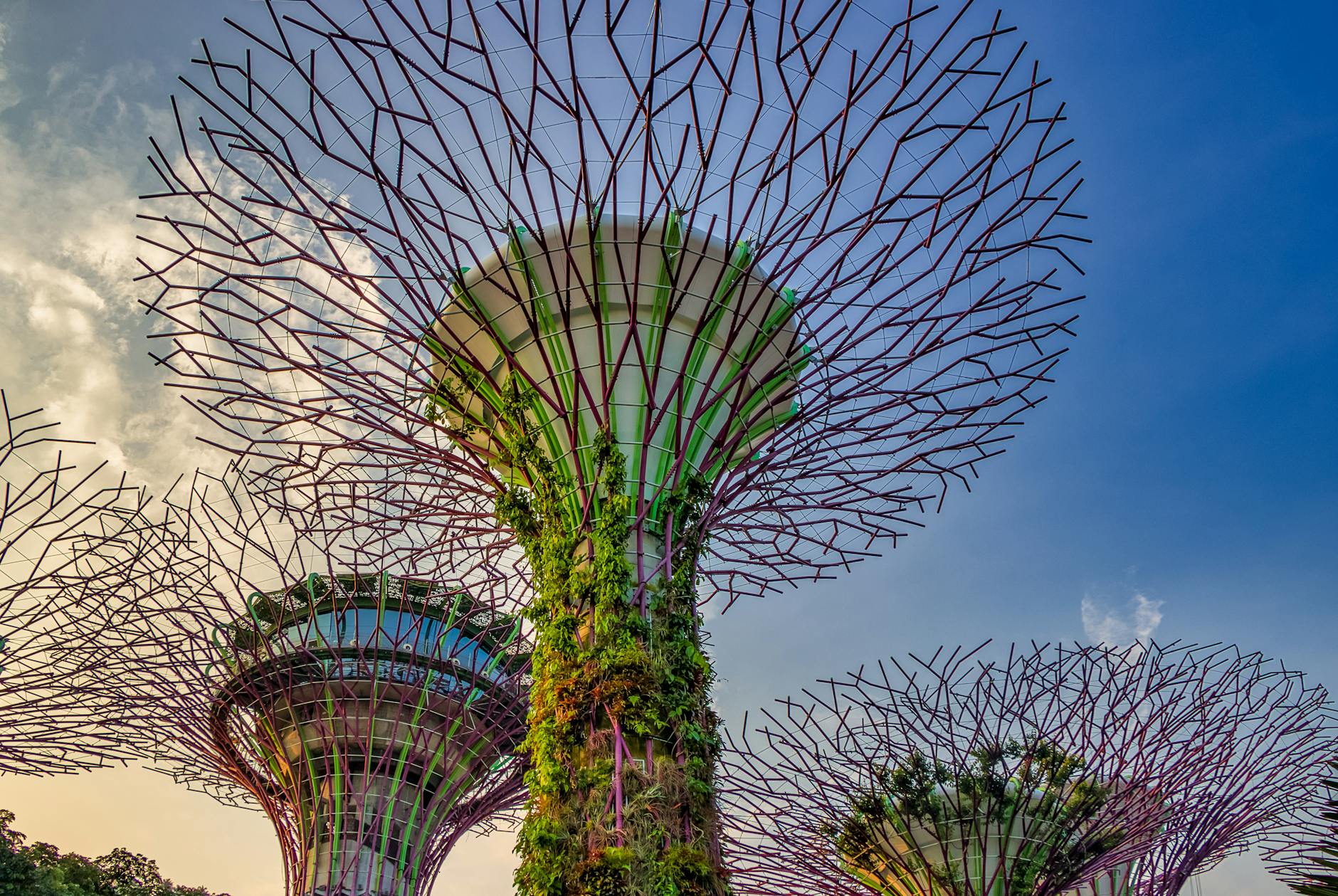
    Singapore is renowned for its lush greenery and meticulously designed gardens that showcase its commitment to sustainability and harmony with nature. The Gardens by the Bay serves as the crown jewel of this botanical endeavor, featuring the iconic Supertree Grove, where towering structures made of steel and solar cells mimic the natural canopy of the rainforest. Visitors can explore the Cloud Forest and Flower Dome, where flora from around the world thrives in carefully controlled climates. The nighttime Light and Sound Show offers a magical experience as the Supertrees come alive, adding a captivating twist to the garden experience.

    Singapore’s lush parks and gardens extend beyond just the Gardens by the Bay. The Singapore Botanic Gardens, a UNESCO World Heritage Site, features the National Orchid Garden, home to a stunning array of orchids that reflect the diversity and beauty of Amazing Singapore. The park is a place of refuge for residents and tourists alike, where one can stroll along serene pathways enveloped in natural beauty.

    tropical flowers on an airport in singapore
    Photo by Anita Kieseler on Pexels.com

    In addition to formal parks, Singapore’s commitment to incorporating green spaces into urban planning is evident in the various rooftop gardens and vertical greenery found throughout the city. The concept of integrating nature into urban living has the dual benefit of beautifying the city and improving air quality, contributing to the overall health of residents.

    Moreover, initiatives aimed at rewilding urban areas have led to the creation of new habitats for local wildlife, fostering biodiversity within the city limits. Singapore exemplifies how urban development can coexist with nature, making it an exemplary model for other cities worldwide.

    the garden by the attraction in singapore
    Photo by vitalina on Pexels.com

    Visiting the gardens in Singapore is not merely a stroll through beautiful landscapes; it’s an immersive experience in the heart of the city. Educational programs, guided tours, and interactive exhibits provide insight into environmental sustainability and conservation efforts. The gardeners and researchers behind these lush spaces are continually innovating, ensuring that Amazing Singapore remains at the forefront of botanical artistry and ecological awareness.

    Skyscrapers Touching the Sky: Architectural Wonders

    As you traverse the urban landscape of Singapore, you are greeted by an impressive skyline filled with architectural wonders that reflect the city’s vibrant economy and cultural identity. The Marina Bay Sands, a quintessential symbol of Amazing Singapore, is not only an engineering marvel but also a hub for entertainment, dining, and luxury accommodations. Its unique design, featuring three towering hotel blocks topped by a distinctive sky park, symbolizes the fusion of innovation and style.

    The skyline of Singapore is continually evolving, with modern skyscrapers such as the One Raffles Place and the Tanjong Pagar Centre serving as examples of cutting-edge architecture. These buildings not only provide office spaces but also contribute to the city’s aesthetic appeal, showcasing a mix of glass, steel, and innovative designs that capture the essence of Amazing Singapore’s forward-thinking ethos.

    photo of marina bay sands building complex in singapore at night
    Photo by sungmu heo on Pexels.com

    Beyond aesthetics, many skyscrapers in Singapore prioritize sustainability, utilizing green technologies and energy-efficient systems. The Oasia Hotel Downtown stands as a testament to this commitment, with its lush vertical gardens and design aimed at reducing the urban heat island effect. Visitors can marvel at how Amazing Singapore’s skyscrapers harmoniously blend function and beauty while respecting environmental considerations.

    Visiting these heights offers panoramic views of the city, with observation decks providing a breathtaking perspective of Amazing Singapore. The Spire at One Raffles Place is among the best spots for spectators, offering a 360-degree view of the vibrant city below, underlining why Amazing Singapore is a muse for architects and travelers alike.

    marina bay sands singapore
    Photo by Kin Pastor on Pexels.com

    The significance of architecture in Amazing Singapore also shines through initiatives that encourage public art and interactive installations. The integration of art into public spaces complements the awe-inspiring buildings and enhances the overall experience of exploring the city. Events like the Singapore Art Week highlight the synergy between architecture and the arts, showcasing how Amazing Singapore appreciates creativity in all its forms.

    In conclusion, the architectural landscape of Amazing Singapore tells a story of progress and innovation. Each structure contributes to the narrative, whether reflecting cultural heritage or paving the way for the future. Singapore’s skyline will undoubtedly continue to grow, serving as a beacon of hope and inspiration for city-dwellers and visitors alike.

    Culinary Delights: A Taste of Diverse Flavors

    One cannot explore Singapore without diving into its rich culinary scene, which is as diverse as the city itself. The gastronomy in Singapore is a multicultural tapestry that showcases flavors from various regions, highlighting the influence of its history and people. Hawker centers, the heart and soul of Amazing Singapore’s food culture, offer an array of affordable and authentic dishes. Here, visitors can indulge in local favorites such as Hainanese chicken rice, laksa, and char kway teow, each reflecting the city’s multicultural influences.

    Laksa, with its spicy coconut milk broth, is an absolute must-try; this dish embodies the fusion of Chinese and Malay culinary traditions. Similarly, Hainanese chicken rice—a simple yet flavorful dish—has become synonymous with Amazing Singapore, captivating taste buds around the world. At the heart of it all lies the vibrant hawker culture, where culinary artisans dedicate their lives to perfecting their craft.

    Fine dining is equally impressive in Amazing Singapore, with numerous Michelin-starred restaurants showcasing the art of gastronomy at its finest. Renowned chefs bring innovative twists to traditional dishes, creating a culinary experience that appeals to both locals and international visitors. The vibrant dining scene is complemented by rooftop eateries like Ce La Vi, where guests can savor exquisite dishes while enjoying stunning views of Marina Bay and the breathtaking skyline.

    Moreover, food festivals held throughout the year celebrate the diversity of flavors in Amazing Singapore, bringing together food enthusiasts to sample delicacies from across the globe. These events highlight the importance of food in fostering cultural understanding and community spirit, further enriching the dining experience in Amazing Singapore.

    The culinary landscape continues to evolve, embracing trends such as plant-based cuisine and sustainable dining practices. Chefs and restaurateurs in Singapore are increasingly focusing on sustainability, offering dishes made from locally-sourced ingredients and minimizing food waste. This commitment to sustainability not only enhances the dining experience but also aligns with Amazing Singapore’s overall goals for environmental responsibility.

    In conclusion, the culinary journey in Singapore is an exploration of flavors, cultures, and traditions that come together in a delicious celebration. From bustling hawker centers to exquisite fine dining establishments, the gastronomic delights await to enchant your palate, making Amazing Singapore a true feast for the senses.

    Cultural Experiences: A Melting Pot of Traditions

    Singapore is a vibrant tapestry of cultures, and nowhere is this more evident than in its cultural experiences. The city is home to a multitude of ethnic enclaves, each offering unique traditions, festivals, and practices that enrich the societal fabric of Amazing Singapore. Visitors can explore Chinatown, Little India, and Kampong Glam, each reflecting the history and heritage of the communities that have shaped the city.

    Chinatown, with its bustling markets and traditional buildings, offers a glimpse into the rich heritage of the Chinese community in Singapore. The vibrant streets are lined with shops selling incense, tea, and traditional crafts. The annual Chinese New Year celebrations, characterized by lion dances and vibrant street parades, attract locals and tourists alike, showcasing the spirit of festivity that defines Amazing Singapore.

    Likewise, Little India stands as a testament to the Indian culture flourishing within Singapore. The district is adorned with colorful temples, aromatic spice shops, and inviting eateries serving tantalizing Indian cuisine. Events like Deepavali, the Festival of Lights, transform the area into a dazzling display of lights and colors, inviting visitors to partake in the celebrations and experience the warmth of Indian hospitality.

    Kampong Glam highlights the Malay and Islamic influence in Amazing Singapore, featuring stunning mosques, traditional textile shops, and a diverse range of Malay cuisines. The cultural richness is celebrated through events such as Hari Raya Aidilfitri, where the community comes together to give thanks and feast, opening their hearts and homes to visitors.

    Art and cultural festivals constantly breathe life into the city, showcasing local talents and international artists. These events encourage interaction and appreciation of the arts, making Singapore a haven for creativity and expression. The annual Singapore Art Festival and the Singapore International Festival of Arts are perfect opportunities to immerse oneself in the local art scene.

    Moreover, cultural institutions like the National Museum of Singapore and the Asian Civilisations Museum play essential roles in preserving and promoting the diverse history of the region. These institutions host exhibitions, workshops, and programs that educate visitors about the rich heritage of Amazing Singapore.

    Singapore’s commitment to cultural preservation and promotion will continue to thrive, further enriching the experiences available to residents and tourists alike. Cultural activities in Amazing Singapore are not just events; they are the heartbeats of the community, an invitation to connect, learn, and appreciate the beauty of diversity.

    Future Innovations: The Next Chapter of Amazing Singapore

    Singapore continues to position itself as a global leader in innovation and technology. The government’s emphasis on becoming a smart city sets the stage for transformative changes that will enhance the quality of life for residents and visitors alike. Initiatives such as the Smart Nation program aim to integrate technology into various aspects of daily life, fostering a more efficient and convenient urban environment.

    Singapore is also a pioneer in sustainable urban planning, harnessing technology to address challenges such as climate change and urbanization. The city has made significant strides in promoting green initiatives, integrating smart technologies into transportation systems, public utilities, and urban infrastructure. The future of public transportation in Amazing Singapore, for instance, will see the implementation of autonomous vehicles and smart traffic management systems, reducing congestion and enhancing connectivity.

    As part of Singapore’s sustainability goals, innovative projects such as the Jurong Lake District redevelopment aim to create a model of a balanced, walkable, and eco-friendly urban environment. This model will integrate residential, commercial, and recreational spaces, fostering a sense of community while maintaining a green footprint.

    Furthermore, the integration of technology in education is poised to revolutionize learning experiences in Amazing Singapore. The Singaporean education system is continuously evolving, embracing digital tools and resources to prepare students for the future workforce. Initiatives promoting STEM education and coding are rapidly gaining momentum, ensuring that the next generation is equipped with the skills needed for a technology-driven world.

    Another realm where innovation is evident is the health sector, where Amazing Singapore is at the forefront of medical research and healthcare technology. The city aims to become a hub for medical advancements, focusing on personalized medicine and telehealth solutions, thereby improving health outcomes for all residents.

    Singapore also recognizes the importance of fostering a vibrant startup ecosystem. Initiatives supporting entrepreneurship provide resources and mentorship to aspiring business owners, encouraging innovation and economic growth. Collaborations between government, academia, and industry further drive ingenuity and establish Amazing Singapore as a global innovation center.

    In summary, the future of Singapore is bright, filled with opportunities for innovation and progress. The city’s commitment to smart living, sustainability, and technological advancement ensures it remains a vibrant hub of activity, creativity, and inspiration, setting the stage for what lies ahead in Singapore.

    Conclusion

    Singapore stands as a beacon of innovation, diversity, and sustainability. The journey through its gardens, skyscrapers, and culinary delights reveals a city continually shaping itself while honoring its rich heritage. Each element of Amazing Singapore intertwines to create an unforgettable experience for all who visit. From the enchantment of its gardens to the architectural wonders that stretch towards the sky, Singapore captivates and inspires.

    The culinary scene is a testament to the multicultural fabric that defines Singapore, offering delectable flavors that entice food lovers from all over the world. As cultural experiences thrive and grow, they highlight the beauty of diversity and foster a sense of belonging among communities.

    Looking toward the future, Singapore’s foresight in innovation and sustainability prepares it for the challenges and opportunities that lie ahead. By blending tradition with modernity, Singapore is set to carve its path as a leader in urban living, ensuring a balanced, prosperous, and vibrant society for generations to come.

    Join us in celebrating the incredible journey through Singapore, a destination that promises not only breathtaking sights and flavors but also a forward-thinking vision for an inclusive and sustainable future.

  • Magical Koh Phi Phi 2025: Discover Thailand’s Island Treasure
    Magical Koh Phi Phi 2025: Discover Thailand’s Island Treasure

    Introduction

    Magical Koh Phi Phi, nestled in the Andaman Sea, is one of Thailand’s most cherished gems, known for its awe-inspiring natural beauty and vibrant culture. As we step into 2025, the allure of Koh Phi Phi continues to captivate travelers seeking adventure, relaxation, and memorable experiences. With its mesmerizing beaches, crystal-clear waters, and lush landscapes, this archipelago provides a stunning backdrop for a myriad of activities, from snorkeling among colorful reefs to hiking up scenic trails. Visitors can also immerse themselves in the rich local culture, savoring delicious Thai cuisine and participating in traditional festivals. Importantly, the emphasis on sustainable tourism ensures that Magical Koh Phi Phi remains a pristine paradise for future generations. This article aims to guide you through all the charms of Magical Koh Phi Phi, inspiring you to explore this enchanting island treasure and discover its undeniable magic.

    The Enchanting Beauty of Koh Phi Phi

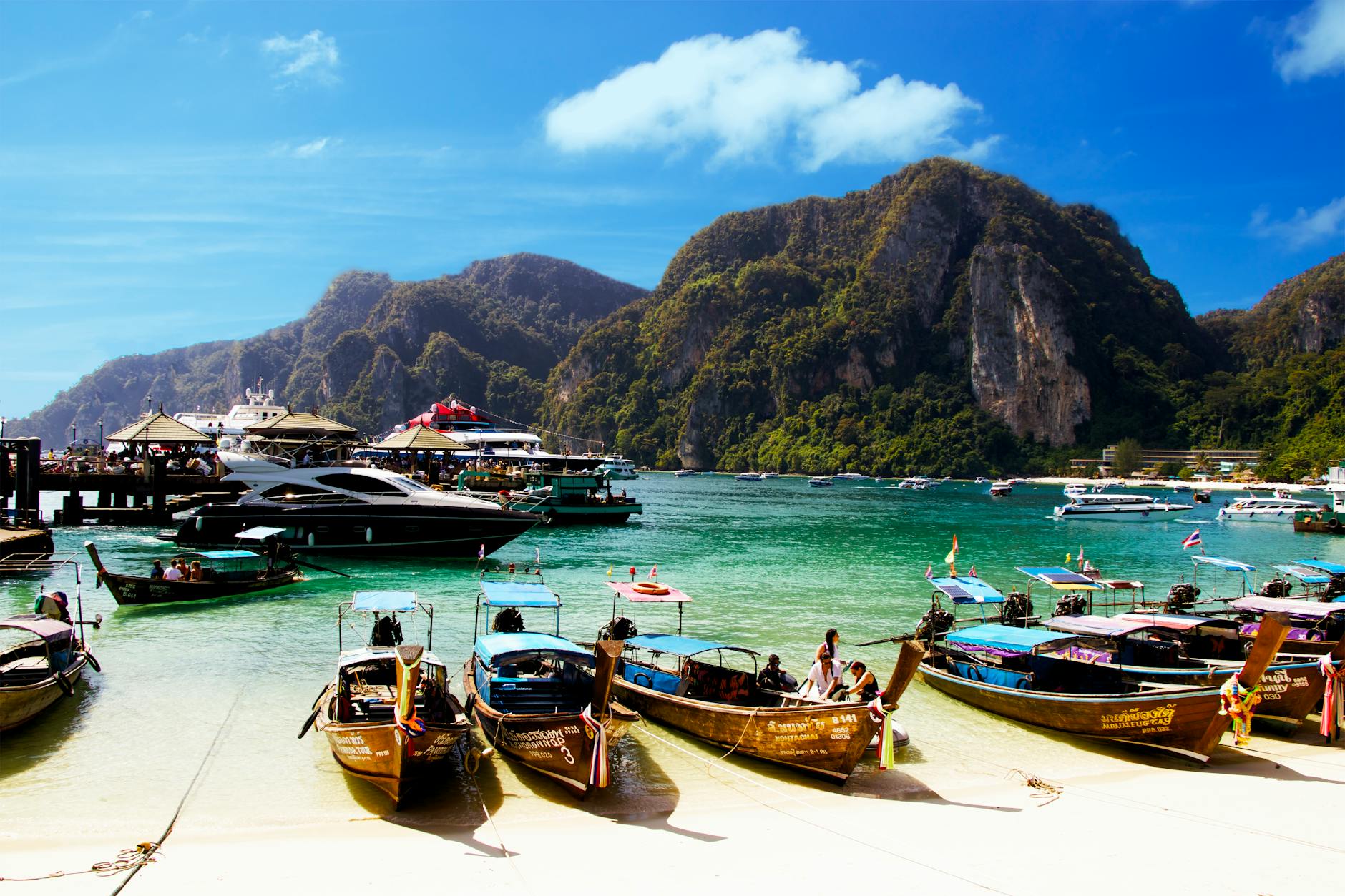
    The enchanting beauty of Koh Phi Phi is a significant draw for visitors from around the world. The archipelago consists of six islands, but Phi Phi Don and Phi Phi Leh are the most well-known, each offering a unique blend of breathtaking landscapes and stunning scenery. Magical Koh Phi Phi is characterized by its dramatic limestone cliffs, lush vegetation, pristine beaches, and vibrant marine biodiversity.

    Upon arriving at Koh Phi Phi, your senses are immediately overwhelmed by the captivating views. The islands rise majestically from the azure waters of the Andaman Sea, creating a breathtaking tableau that seems straight out of a postcard. The cliffs, formed over millions of years, are home to diverse flora and fauna and offer panoramic views that leave many awestruck. It’s no wonder that the islands feature prominently in travel brochures showcasing Thailand’s natural beauty.

    The beaches of Magical Koh Phi Phi are nothing short of spectacular. Loh Dalum Beach, known for its gentle waves and soft white sands, is perfect for relaxing under the sun or enjoying a leisurely swim. The beach offers a tranquil atmosphere and is lined with cozy beach bars that invite visitors to sip cocktails and soak up the vibrant surroundings. In contrast, Long Beach provides a quieter setting for those looking to escape the crowds. Stretching for over a kilometer, this beach is ideal for sunbathing and offers some of the most picturesque sunsets you will ever witness.

    Phi Phi Leh, on the other hand, houses Maya Bay, which gained international fame from the movie “The Beach.” This idyllic bay is surrounded by towering cliffs and boasts stunning turquoise waters. Although access may be regulated due to conservation measures, a visit to Magical Koh Phi Phi is incomplete without experiencing the beauty of this iconic location. The bay’s allure lies not only in its breathtaking scenery but also in its peaceful atmosphere, where visitors can snorkel or simply relax while surrounded by nature.

    beautiful rock formations on body of water
    Photo by Silent Sightseer on Pexels.com

    Underwater, the beauty of Magical Koh Phi Phi continues to astound. The crystal-clear waters teem with marine life, making it a diver’s paradise. Snorkeling and diving excursions around the islands offer opportunities to encounter colorful coral reefs, tropical fish, and even majestic sea turtles. The underwater ecosystem is one of the main attractions that entice visitors to explore the depths and witness the ocean’s wonders.

    The hiking trails on Magical Koh Phi Phi present another angle of the islands’ beauty. The trek to the viewpoint on Phi Phi Don rewards hikers with breathtaking panoramic views of the archipelago. This moderately challenging hike leads through lush jungles and culminates in a vantage point that showcases the stunning scenery below. The sight of crystal-clear waters framed by rugged cliffs and vibrant green foliage creates a memorable landscape that captivates the heart.

    Every moment spent in Magical Koh Phi Phi contributes to an unforgettable experience. The combination of stunning landscapes, magnificent beaches, and vibrant marine life embodies the essence of a tropical paradise, making this destination truly magical. The island’s natural beauty continues to inspire visitors, leaving them eager to explore every hidden cove and immerse themselves in the enchanting allure that is Magical Koh Phi Phi.

    Adventure Activities on Koh Phi Phi

    Koh Phi Phi is not just about breathtaking views; it offers an array of adventure activities that appeal to thrill-seekers and nature lovers alike. With its crystal-clear waters and stunning landscapes, the island is a playground for various outdoor pursuits. Whether you are an adrenaline junkie or someone looking to try something new, Koh Phi Phi has something to offer everyone.

    One of the most popular activities on the islands is snorkeling and diving. The underwater world surrounding Koh Phi Phi is brimming with vibrant marine life, making it a prime spot for divers and snorkelers. Various local tour operators provide guided snorkeling tours that take you to the most breathtaking spots, where you can swim with colorful fish and explore coral reefs. Some popular snorkeling locations include Shark Point, where you might encounter blacktip reef sharks, and Bamboo Island, known for its crystal-clear waters.

    brown and black turtle on seabed
    Photo by Leonardo Lamas on Pexels.com

    For those who crave a bit more adventure, scuba diving provides an opportunity to explore even deeper into the underwater realm. Magical Koh Phi Phi is home to several dive schools that cater to all levels, from beginners seeking their first dive experience to seasoned divers looking for challenging sites. The waters around the islands boast rich biodiversity, and the chance to dive at popular sites like Hin Muang and Hin Daeng allows you to discover underwater pinnacles and wall dives teeming with life.

    If you prefer staying above water, kayaking is an excellent way to explore the hidden coves and private beaches scattered throughout the islands. Rent a kayak and paddle around the shoreline of Phi Phi Leh or venture to uninhabited islands nearby. This leisurely activity allows you to soak up the sun while discovering secluded lagoons and snorkeling opportunities without the hustle and bustle of large tour groups.

    For adventure enthusiasts, rock climbing presents an exhilarating challenge. Magical Koh Phi Phi features numerous climbing spots with breathtaking views of the sea and surrounding islands. Experienced climbers can tackle routes on the limestone cliffs, while beginners can find guided climbing instruction to safely embark on their first ascent. The experience of climbing while enjoying stunning vistas creates a unique blend of excitement and beauty.

    As the sun sets, the nightlife in Magical Koh Phi Phi transforms the island into a lively hotspot. Beach parties featuring fire shows, music, and dancing create a vibrant atmosphere. Numerous bars and clubs line the beaches, offering a mix of local and international music. Join fellow travelers and locals as you celebrate under the stars, creating memories that will last a lifetime.

    If you’re seeking something unique, consider taking part in a night snorkeling tour that allows you to explore the ocean after dark. Witness the bioluminescent plankton that lights up the waters as you swim, creating a surreal and magical experience in the nighttime sea.

    The diverse range of adventure activities available in Magical Koh Phi Phi ensures that every visitor can tailor their experience to match their interests and thrill levels. From thrilling underwater encounters to exhilarating cliff climbs and vibrant nightlife, Magical Koh Phi Phi guarantees an adventure-filled getaway that is unforgettable.

    The Local Culture and Cuisine of Koh Phi Phi

    Exploring the local culture and cuisine of Koh Phi Phi offers visitors a chance to connect with the heart and soul of this enchanting island. The rich heritage of the islands can be seen in its customs, traditions, and daily life, while the culinary scene showcases the flavors and ingredients that define Thai cooking.

    The culture of Koh Phi Phi is a blend of traditional Thai customs and the influences of various cultures that have passed through the islands over centuries. As you explore the villages and interact with the friendly locals, you will notice their warm hospitality and openness to share their way of life. Traditional fishing practices still thrive, and the islanders maintain a strong connection to the sea, which influences the community’s customs and daily rituals.

    Visitors can partake in cultural experiences by joining local workshops or guided tours that give insight into daily life on the islands. You might learn about traditional fishing techniques, handicrafts, or even participate in local festivals that celebrate the island’s cultural heritage. Engaging with the community allows travelers to appreciate the rich history and vibrant traditions that make up the fabric of life on Koh Phi Phi.

    Cuisine is a significant part of the local culture, and Koh Phi Phi offers an incredible array of flavors to explore. Dining options range from casual beachside stalls serving delicious street food to upscale restaurants with stunning views. The availability of fresh seafood is a highlight of the island’s culinary scene. Grilled fish, succulent prawns, and spicy seafood curries are just a few of the mouthwatering dishes you can savor.

    The island’s culinary offerings also reflect the local agricultural produce, with fruits and vegetables sourced from nearby farms. Traditional Thai dishes, such as Pad Thai, Tom Yum soup, and Green Curry, are popular choices among visitors and locals alike. Street food stalls dot the beaches and streets, providing a casual yet delicious culinary experience that shouldn’t be missed. Be sure to try Mango Sticky Rice for dessert—a sweet treat that perfectly encapsulates the essence of Thai flavors.

    Moreover, many restaurants take pride in using locally-sourced ingredients, ensuring that dishes are not only fresh but also support the local economy. Enjoying meals at these establishments fosters connections between travelers and residents, enhancing the overall experience of visiting Magical Koh Phi Phi.

    In addition to traditional fare, you may encounter a fusion of cuisines as international influences have found their way to the islands. This eclectic food scene reflects the diverse backgrounds of residents, creating a melting pot of flavors and options for diners. Whether you’re craving authentic Thai dishes or international cuisine, Magical Koh Phi Phi has something for everyone.

    Celebrating local festivals is another way to immerse yourself in the culture of Magical Koh Phi Phi. Festivals, such as Loy Krathong, see the locals and visitors alike coming together to offer respects to water spirits by releasing decorated floats onto the sea. These vibrant events showcase traditional dance, music, and delicious food, providing an authentic slice of island life.

    The local culture and cuisine of Magical Koh Phi Phi create a vibrant tapestry that enhances your travel experience. Engaging with the community and indulging in delightful culinary creations offers a deeper appreciation for the island, leaving you with cherished memories and a yearning to return.

    Sustainable Tourism Initiatives in Koh Phi Phi

    As Koh Phi Phi continues to attract tourists from around the globe, there is increasing awareness of the need for sustainable tourism practices. With the stunning natural beauty and vibrant wildlife of the islands under pressure from rising visitor numbers, local organizations and businesses are actively promoting initiatives to protect the environment and preserve the cultural heritage that makes this destination special.

    One of the key areas of focus for sustainable tourism in Koh Phi Phi is marine conservation. The islands are surrounded by rich coral reefs and diverse marine life, and efforts to protect these habitats are crucial to maintaining the island’s ecological balance. Local diving companies and environmental organizations have initiated programs aimed at minimizing the impact of tourism on sensitive ecosystems. For example, education initiatives encourage divers and snorkelers to follow guidelines that protect coral reefs and aquatic life. Many tour operators also offer eco-tours that include reef rehabilitation activities, allowing visitors to participate in hands-on conservation efforts.

    Efforts to reduce plastic waste have also taken center stage in Magical Koh Phi Phi. Many businesses are taking steps to eliminate single-use plastics, encouraging visitors to bring reusable water bottles and shopping bags. Educational campaigns aimed at raising awareness about the impact of plastic pollution serve to inform both tourists and locals about the importance of reducing waste and protecting the environment.

    Community involvement is another crucial aspect of sustainable tourism initiatives. Local residents are engaged in the decision-making process regarding tourism development, ensuring that their voices are heard and their needs are met. By fostering community participation, Magical Koh Phi Phi aims to create a sustainable tourism model that benefits both visitors and locals. Many local artisans, craft vendors, and small businesses rely on tourism for their livelihoods, and supporting these enterprises enables visitors to contribute directly to the community’s well-being.

    Sustainable accommodations are becoming more common on the islands, with many resorts adopting eco-friendly practices. From using renewable energy sources to implementing waste management systems and promoting locally-sourced products, these establishments are mindful of their impact on the environment. Staying at these sustainable hotels not only provides comfort but also supports a commitment to preserving the unique character of Magical Koh Phi Phi.

    Another initiative focuses on responsible tourism practices among visitors. Tour operators often provide guidelines to tourists about respecting local customs, conservation measures, and responsible behavior while exploring nature. Visitors are encouraged to be mindful of their impact on the environment and to engage in practices that help protect the islands for future generations.

    Ultimately, the emphasis on sustainable tourism is key to ensuring the long-term preservation of Magic Koh Phi Phi’s stunning landscapes and rich cultural heritage. By engaging with initiatives that prioritize environmental protection and community support, both visitors and locals can work together to maintain the island’s magic. As you explore Magical Koh Phi Phi, embracing sustainable practices will not only enrich your experience but also contribute positively to the preservation of this extraordinary destination.

    Travel Tips for Your Visit to Koh Phi Phi

    Traveling to Magical Koh Phi Phi can be an exciting adventure, but preparation is essential for a smooth experience. Here are some helpful travel tips to ensure that your trip to this island treasure is enjoyable and memorable.

    1. Timing Your Visit: The best time to visit Koh Phi Phi is during the dry season, which usually spans from November to April. This period offers pleasant weather, with sunny days and minimal rainfall. However, be prepared for larger crowds during the peak holiday months, so planning your trip during the shoulder season can provide a more peaceful experience.
    2. Getting There and Getting Around: Most travelers arrive at Koh Phi Phi via ferry from Krabi or Phuket. It’s a good idea to book your ferry tickets in advance, especially during peak season. Once on the islands, transportation mainly consists of walking, as cars and motorbikes are not permitted. Bring comfortable walking shoes so you can easily explore the stunning landscapes.
    3. Packing Essentials: When packing for your trip to Koh Phi Phi, be sure to include sunscreen, a reusable water bottle, swimwear, lightweight clothing, and insect repellent. Since many activities involve water, packing a waterproof phone case or camera can also be beneficial. Bringing a light rain jacket is advisable during the shoulder season, as sudden rain showers can occur.
    4. Respecting Local Customs: Engaging respectfully with the local culture is important while visiting Koh Phi Phi. Dress modestly when visiting temples and traditional sites, and be polite when interacting with residents. Learning a few basic Thai phrases can also enhance your experience and show appreciation for the culture.
    5. Staying Safe and Healthy: Drink bottled water to ensure safe hydration, as tap water may not be potable. Check that you have travel insurance that covers activities you plan to undertake, such as diving or hiking. Maintaining basic first aid supplies, including any personal medications, is also advisable to stay prepared for minor health issues.
    6. Contributing to Sustainability: Embrace sustainable practices during your visit by avoiding single-use plastics, supporting local businesses, and participating in conservation efforts. Respect wildlife and local natural environments by following guidelines, ensuring that Magical Koh Phi Phi remains beautiful for future generations.

    By following these travel tips, you can ensure a pleasant and enriching experience while exploring Koh Phi Phi. This island paradise promises unforgettable adventures, breathtaking views, and the magic of a vibrant culture, making it a destination worth celebrating.

    Conclusion

    Koh Phi Phi captivates the hearts of travelers with its stunning landscapes, rich culture, and commitment to sustainability. As we look toward 2025, this island treasure continues to shine brightly in the spotlight of travel destinations. The enchanting beauty of Magical Koh Phi Phi, combined with a myriad of adventure activities, delicious local cuisine, and vibrant cultural experiences, promises to leave lasting impressions on all who visit. By embracing sustainable practices and supporting the local community, travelers can ensure that Koh Phi Phi retains its charm and allure for generations to come. Whether you’re seeking relaxation on pristine beaches, thrilling underwater explorations, or encounters with the welcoming locals, Koh Phi Phi invites you to discover its unique magic and create memories that will linger long after your visit.

  • Majestic Agra 2025: Discover the Beauty Beyond the Taj Mahal

    Majestic Agra 2025: Discover the Beauty Beyond the Taj Mahal

    Introduction

    Agra, often overshadowed by the breathtaking Taj Mahal, is a city that holds many secrets, waiting to be uncovered. In 2025, visitors to this majestic city will find an array of attractions that showcase the beauty and heritage of Majestic Agra. From historical monuments that whisper stories of the past to vibrant cultural experiences that enliven its streets, Agra is more than just its iconic mausoleum. The architecture, traditions, and local cuisine contribute to a unique tapestry that makes Agra an alluring destination. As travelers seek new experiences, the essence of Agra emerges, revealing the hidden gems that define its character. In this article, we will delve into the enchanting aspects of Agra, highlighting the remarkable offerings that extend far beyond the Taj Mahal.

    The Historical Significance of Agra

    Agra boasts a rich historical narrative that captivates the imaginations of historians and tourists alike. Founded in the 16th century, this city has been a significant center of power under various dynasties, notably the Mughals. Each reign has left a distinct mark on the cultural landscape, from architectural marvels to significant political events that shaped India’s history.

    One of the most notable historical landmarks in Agra is the Agra Fort, a UNESCO World Heritage Site. Constructed in red sandstone, this fort served as the main residence of the Mughal emperors until the capital was moved to Delhi. The fort’s expansive complex includes stunning palaces, audience halls, and enchanting gardens. Its architecture showcases a blend of Persian, Islamic, and Indian styles, illustrating the cultural exchanges that defined this era.

    brown concrete building under the blue sky
    Photo by VARAN NM on Pexels.com

    As visitors stroll through the fort, they encounter historical relics that reflect the opulence and grandeur of the Mughal empire. The fort itself is a testament to the military ingenuity of its time, with formidable walls and intricate designs that speak to the artistry and ambition of its builders. The fort’s role in the history of Majestic Agra cannot be understated, as it symbolizes the city’s strategic importance in the Mughal empire.

    Another essential aspect of Majestic Agra’s history is the influence of the Mughal dynasty on art and culture. The fusion of various artistic traditions during this period led to the development of unique styles in miniature painting, calligraphy, and music. These artistic expressions are showcased in various cultural programs and festivals in Agra, allowing visitors to experience the vibrant heritage that persists into the present day.

    Moreover, Majestic Agra is linked to notable historical figures, such as Akbar the Great, whose reign was marked by a commitment to cultural synthesis and religious tolerance. The legacy of Akbar can be explored at the nearby Fatehpur Sikri, another UNESCO World Heritage Site, which served as his main capital. The striking architecture and thoughtful urban design of Fatehpur Sikri offer visitors a glimpse into the ambitious vision of a ruler who sought to unite disparate cultural identities.

    Visitors in 2025 will have the opportunity to engage with these historical narratives through guided tours, exhibitions, and interactive experiences that breathe life into the stories of Majestic Agra. Walking through the ancient streets, travelers can immerse themselves in the atmosphere of an era that continues to influence contemporary Indian society.

    The rich historical tapestry of Majestic Agra is both inviting and informative, promising visitors a profound connection to the past that enhances their travel experience. Whether one is a history buff or simply curious about the stories that shaped India, the historical significance of Agra is an essential aspect to explore and understand.

    Architectural Wonders Beyond the Taj Mahal

    Majestic Agra is often associated with the Taj Mahal, yet its architectural treasures do not end there. The city is home to a myriad of structures that highlight the diverse architectural styles that have evolved over the centuries. Beyond the radiant white marble of the Taj, one can explore Agra’s other gems that narrate tales of grandeur and creativity.

    One such wonder is the Itimad-ud-Daulah’s Tomb, often referred to as the “Baby Taj.” This mausoleum was built for Mirza Ghiyas Beg, the grandfather of Emperor Shah Jahan, and it showcases intricate inlay work and exquisite craftsmanship. Visitors are drawn to its intricate designs, which feature beautiful floral motifs created with semiprecious stones. This tomb is significant as it introduced the concept of using decorative marble in Indian architecture, paving the way for the construction of the Taj Mahal itself.

    sunlit wall of itmad ud daula in agra
    Photo by AXP Photography on Pexels.com

    In addition to the tomb, a visit to the Mughal Gardens surrounding the monument is highly recommended. These gardens are a splendid example of the charbagh (four-part) layout that symbolizes paradise in Islamic tradition. The lush greenery, fountains, and vibrant flowers create a tranquil atmosphere that invites reflection and appreciation of the beauty surrounding the architectural marvels.

    Another remarkable site is the Jama Masjid, one of the largest mosques in India. Its grand entrance, towering minarets, and spacious courtyards are masterpieces of Mughal architecture. As visitors enter, they are enveloped in an ambiance of serenity and spirituality. The intricate lattice work and fluid design reflect the artistic spirit of the Mughal era.

    Furthermore, the architectural landscape of Majestic Agra is also enriched by the Sikandra Fort, the mausoleum of Akbar. This impressive structure is characterized by its red sandstone and white marble combo, representing a fusion of traditional Indian and Persian designs. The serene gardens and reflective pools enhance the site’s beauty, offering a peaceful retreat for those looking to escape the hustle of the city.

    Each architectural gem contributes to the narrative of Majestic Agra, showcasing the city’s dedication to craftsmanship and design. As visitors explore these sites, they are not merely observing buildings; they are stepping into the vestiges of a glorious past that is still relevant today.

    In addition to these prominent landmarks, there are many lesser-known architectural sites scattered throughout Agra that deserve recognition. The historic city streets themselves boast a charm of their own, with houses and buildings that reflect local craftsmanship. Exploring these paths introduces visitors to the everyday life of the city, creating a deeper understanding of its culture and traditions.

    In 2025, Majestic Agra aims to enhance visitor experience, allowing deeper engagement with these architectural wonders. Through guided tours and technological innovations such as augmented reality, tourists can gain insights into the stories behind the structures.

    The architectural wonders beyond the Taj Mahal make Majestic Agra a vibrant canvas of history, art, and culture. As one navigates through this city, every corner reveals a new story, with structures whispering tales of bygone eras and the confluence of diverse influences that define the artistic heritage of Majestic Agra.

    Cultural Experiences in Agra

    In addition to its architectural marvels, Agra is deeply enriched by its vibrant cultural scene that offers immersive experiences for travelers. The city is a melting pot of traditions, languages, and customs, revealing the mosaic of India’s cultural diversity. In 2025, visitors can engage more closely with Agra’s local communities, experiencing the heritage that thrives within its borders.

    One of the most significant cultural experiences in Agra is attending traditional music and dance performances. These events provide a window into the age-old practices that have been passed down through generations. The sounds of classical Indian music echo through the streets during festivals and special occasions, inviting both locals and travelers to join in.

    Visitors can participate in workshops that teach traditional art forms such as pottery, weaving, and painting, allowing for hands-on experiences that foster appreciation for local craftsmanship. This interaction not only supports local artisans but also enriches tourists’ awareness of the historical significance behind these practices.

    Moreover, Agra’s festivals are vibrant celebrations that bring the community together. Events like Diwali, Holi, and Eid showcase the rich tapestry of cultural influences, inviting visitors to partake in the festivities. The visual splendor, filled with colors, lights, and joyous music, perfectly encapsulates the spirit of Majestic Agra.

    Culinary experiences also play a crucial role in the cultural landscape of Agra. The city is famous for its exquisite Mughlai cuisine, characterized by rich flavors and aromatic spices. Tours that focus on food offer an incredible avenue to explore Agra’s culinary heritage. Local cooking classes, street food tours, and dining experiences with families present opportunities to taste authentic dishes that tell stories of comfort and tradition.

    From savory kebabs to sweet delights like Petha—a candy made from ash gourd—every bite reflects the rich history and cultural diversity that define Majestic Agra. In 2025, travelers can expect curated food festivals that highlight local chefs and culinary innovations, further enhancing their gastronomic journey.

    Moreover, the art of storytelling is integral to the cultural experience in Agra. Local storytellers narrate tales of historical figures and folklore while walking through the old quarters of the city, captivating audiences with their animated style. These stories, infused with culture and history, connect present-day Agra to its storied past, enriching visitors’ understanding of the market streets and hidden alleys.

    The cooperative efforts between local governments and cultural organizations will ensure that the cultural experiences in Majestic Agra are accessible and engaging for all travelers. As 2025 approaches, further emphasis on cultural tourism signifies a recognition of the need to preserve and celebrate local heritage while providing unforgettable experiences for visitors.

    In conclusion, the cultural experiences in Agra offer an authentic glimpse into the lives of its people and history. Engaging with the traditions, customs, and stories of this majestic city creates lasting memories that resonate long after the journey is over. Travelers in 2025 will find themselves not merely observing a culture, but actively experiencing the vibrancy and richness that is Majestic Agra.

    Natural Attractions and Parks

    Majestic Agra is often celebrated for its historical and cultural significance, yet it is also a city blessed with stunning natural attractions and parks that provide respite for both locals and tourists. In 2025, visitors will have the opportunity to explore these green havens that harmoniously coexist with the architectural wonders that Agra is known for.

    Among the most noteworthy natural attractions is the Mehtab Bagh, an impressive garden situated directly across the Yamuna River from the Taj Mahal. This garden offers a unique perspective of the iconic mausoleum, especially at sunset when the marble reflects golden hues. Originally designed by the Mughal emperor Shah Jahan, Mehtab Bagh is a perfect spot for photography enthusiasts, romantics, and nature lovers alike. Visitors can leisurely stroll through its pathways, admire the meticulously manicured lawns, and breathe in the fragrant blooms, creating a serene ambiance that complements the bustling city life.

    Another gem is the Wildlife SOS Elephant Conservation and Care Center, which embodies the commitment to wildlife preservation in the region. The center provides a sanctuary for rescued elephants, allowing visitors to learn about these majestic animals while promoting ethical tourism. In 2025, programs will focus on educating patrons about the conservation efforts, appealing to animal lovers and environmentalists who round out Agra’s appeal. Visitors can witness firsthand the care these elephants receive and participate in feeding sessions to forge connections with these gentle giants.

    For those seeking a more active experience, the Sur Sarovar Bird Sanctuary is a must-visit. Spread over 7.5 square kilometers, this sanctuary is home to a diverse range of avian species, making it a paradise for bird watchers and nature enthusiasts. The tranquil environment fosters opportunities for hiking, bird-watching, and photography, allowing visitors to immerse themselves in the rich biodiversity of this natural haven.

    The parks and green spaces in Majestic Agra are not just about aesthetics; they serve as vital ecosystems that support local flora and fauna. The beautification of these parks is also a significant initiative by local authorities to promote sustainability and environmental awareness. Efforts to increase green cover around the city reflect a collective desire for sustainable development while enhancing the quality of life for residents.

    In 2025, Majestic Agra’s parks will likely unveil new recreational facilities such as jogging tracks, cycling zones, and picnic areas, encouraging families and individuals to immerse themselves in nature. The growing emphasis on green spaces reflects a holistic approach to urban planning that prioritizes well-being.

    The River Yamuna itself offers additional scenic beauty, with various areas along its banks being developed into promenade-style parks. These spaces provide opportunities for leisure activities such as fishing, boating, and riverside picnics. Additionally, the preservation efforts aimed at revitalizing the river and its ecosystems contribute to Majestic Agra’s commitment to sustainability.

    These natural attractions, paired with the rich history and culture of the city, create a balanced and appealing environment. In 2025, visitors will discover that nature and culture intertwine in Majestic Agra, providing a diverse spectrum of experiences that cater to all interests.

    In summary, the natural attractions and parks in Majestic Agra weave a narrative that transcends the man-made marvels of the city. As a space for relaxation, adventure, and exploration, the greenery surrounding Agra enhances the urban landscape and provides an essential contrast to the bustling streets.

    Gastronomic Delights of Agra

    No exploration of Majestic Agra would be complete without indulging in its gastronomic delights. The richness of the local cuisine reflects the city’s cultural heritage, offering a tantalizing array of flavors that tell stories of its diverse communities. In 2025, visitors can look forward to a culinary journey that showcases traditional Mughlai dishes, street food, and innovative dining experiences.

    Mughlai cuisine is a hallmark of Agra, deeply rooted in the culinary traditions of the Mughal emperors. The juxtaposition of complex spices with rich flavors results in dishes that are nothing short of extraordinary. Biryani, a fragrant rice dish cooked with marinated meat, is a must-try, often accompanied by raita—a cooling yogurt condiment. The dhabha-style restaurants, found throughout the city, serve generous portions of succulent kebabs, showcasing various meats marinated and grilled to perfection.

    One cannot discuss the food of Agra without mentioning its signature sweet, Petha. Made from ash gourd, this translucent candy is enriched with sugar and flavored with cardamom or saffron. The sweet delight comes in various forms and is a popular souvenir for travelers to take home. In 2025, expect unique culinary shops specializing in artisanal Petha, introducing innovative flavors that blend traditional tastes with modern creativity.

    The vibrant street food scene in Agra is a culinary adventure in itself. The bustling food stalls create a sensory explosion, with tantalizing aromas wafting through the air. From chaat—a savory snack made with crisp fried dough and tangy sauces—to dahi bhalla, a dish featuring lentil dumplings smothered in yogurt and spices, the variety is limitless. The busy night markets become animated as locals and travelers alike gather to savor these local delights.

    In addition to traditional cuisine, the culinary scene in Agra is evolving to embrace international flavors and modern dining experiences. Upscale restaurants and cafes are emerging, blending traditional recipes with contemporary culinary techniques. These establishments cater to diverse palates while keeping the spirit of Agra alive, showcasing the city’s adaptability and creativity.

    Beyond the buffet of flavors, culinary experiences in Agra will offer interactive cooking classes led by local chefs in 2025. This hands-on approach allows visitors to create authentic dishes while learning about the stories and cultural significance behind local ingredients. Such experiences foster connections with local communities, bridging cultural gaps through the shared love of food.

    Moreover, food festivals and culinary events throughout the year spotlight the richness of Agra’s gastronomy. These festivals create a joyous atmosphere where locals and travelers come together to celebrate flavors, cooking techniques, and culinary heritage. Incorporating workshops, demonstrations, and tastings, such events provide a platform for preserving traditional recipes while promoting innovative practices among chefs.

    In conclusion, the gastronomic delights of Agra are a feast for the senses, inviting travelers to partake in a culinary journey that reflects the city’s history and culture. The richness of traditional Mughlai cuisine, combined with the excitement of street food and evolving dining experiences, makes Majestic Agra a true culinary hub in 2025. Visitors will find joy not only in tasting the dishes but also in the stories that accompany them, enriching their travels with each delectable bite.

    Conclusion

    As we look towards 2025, the allure of Agra extends far beyond the shimmering Taj Mahal. This historically rich city invites travelers to immerse themselves in its diverse experiences—from exploring the depths of its historical roots and architectural wonders to enjoying the vibrancy of local culture, nature, and gastronomy.

    Agra is a celebration of unity in diversity, as its historical narratives converge with modern cultural expressions. Each facet of the city reflects the resilience and creativity of its people, enhancing the traveler’s experience and connection to the rich heritage of the region. As visitors embark on this journey, they uncover the layers of stories that make Agra a remarkable destination.

    Whether marveling at the intricate designs of the Agra Fort, savoring the rich spices of Mughlai cuisine, or exploring tranquil green spaces along the Yamuna, the essence of Agra resonates with every traveler. Agra, as it steps into the future, promises lingering memories that endure long after one departs, a testament to the city’s timeless charm and beauty that deserves to be discovered in 2025 and beyond.

  • Magical Phuket 2025: Your Ultimate 5-Day Island Adventure

    Magical Phuket 2025: Your Ultimate 5-Day Island Adventure

    Introduction

    Welcome to Magical Phuket 2025, where your dream island adventure awaits! This tropical paradise is famous for its stunning beaches, vibrant culture, and diverse activities that cater to every traveler’s desires. Over five days, you can immerse yourself in the charm and allure of Magical Phuket while exploring its captivating scenery and rich history. From wandering the colorful streets of Old Phuket Town to diving into exhilarating water sports, each day promises a unique experience that captures the essence of this enchanting destination. The local culinary delights will treat your taste buds, while the pristine beaches provide the perfect backdrop for relaxation and rejuvenation. As we guide you through this thrilling itinerary, get ready to create unforgettable memories in Magical Phuket, a true gem of the Andaman Sea!

    Discover the Enchanting Streets of Old Phuket Town

    Your journey begins with a visit to Old Phuket Town, a vibrant area that beautifully captures the essence of Magical Phuket’s rich history and culture. Here, you can explore the unique blend of architectural styles that reflect the island’s past as a bustling tin mining center in the 19th century. The colorful Sino-Portuguese buildings, adorned with intricate details and vibrant hues, line the streets and beckon you to step inside.

    Start your exploration at Thalang Road, the heart of Old Phuket Town. This lively street is renowned for its eclectic shops, charming cafes, and art galleries. Don’t miss the Sunday Street Market, where local vendors showcase handcrafted goods, fresh produce, and delicious street food. It’s the perfect opportunity to engage with residents and learn about their lives and traditions, deepening your connection to Magical Phuket.

    As you meander through the picturesque streets, visit iconic sites such as the Jui Tui Shrine and the Thai Hua Museum. The Jui Tui Shrine is a significant site for the local Chinese community, showcasing stunning architecture along with vibrant festivals. Meanwhile, the Thai Hua Museum offers an immersive look at Phuket’s history and the influence of early Chinese immigrants. Through photographs, artifacts, and interactive displays, you will gain insights into how Magical Phuket has evolved over the years.

    photo of a clock tower near cars
    Photo by Michael Rafael on Pexels.com

    For lunch, treat yourself to a meal at one of the local eateries, where you can sample traditional Thai dishes such as Laksa or Hokkien Mee. These flavors reflect the multicultural heritage of the island and offer a delightful culinary experience that resonates with the spirit of Magical Phuket.

    In the afternoon, take a guided tour to learn about the local art scene, where contemporary artists draw inspiration from the island’s mesmerizing landscapes and cultural diversity. Visiting local galleries allows you to appreciate the creative expressions that thrive in Magical Phuket, making art an integral part of the island’s charm.

    As the sun begins to set, make your way to one of the scenic viewpoints, such as Khao Rang Hill, for stunning panoramas of the landscape below. Watching the sunset transform the sky with vivid colors is a perfect way to end your first day in Magical Phuket, reminding you of the beauty and magic that awaits in the days to come.

    After soaking in the majestic views, seek out a local restaurant for dinner. Enjoying fresh seafood while sitting outdoors, surrounded by the warm evening breeze, provides a wonderful conclusion to this memorable day in Old Phuket Town. Your heart filled with the island’s history and culture sets the perfect foundation for the exciting activities ahead.

    Experience Thrilling Water Activities and Sports

    As you embark on the second day of your ultimate adventure, prepare for a day filled with thrilling water activities that showcase the best of what Magical Phuket has to offer. The island is surrounded by stunning waters that are perfect for a plethora of water sports, creating an exhilarating day bathed in sunshine and adventure.

    Start early by heading to Kata Beach, renowned for its diving and snorkeling opportunities. The clear waters are home to colorful coral reefs and an array of tropical fish, providing an unforgettable underwater experience. Whether you’re a novice or an experienced diver, local dive shops offer guided tours to various diving sites where you can explore the vibrant ecosystem beneath the waves.

    If snorkeling is more your style, rental shops along the beach provide all the equipment you need. Swim alongside darting fish and marvel at the intricate coral formations that dot the seafloor. Spending the morning in the water allows you to connect with the magical marine life, ensuring your experience is both relaxing and thrilling.

    After a morning of adventure, it’s time to shift gears and try something new. Patong Beach, known for its lively atmosphere, offers thrilling options such as jet skiing and parasailing. Feel the rush of adrenaline as you zoom across the waves on a jet ski or experience the sensation of flying high above the beach, soaking in breathtaking views of the coastline and the lush landscape of Magical Phuket.

    For those seeking even more excitement, consider taking part in a guided kayaking tour. Paddle through the stunning bays and lagoons, allowing you to escape to serene locations that are often overlooked. Navigate through mangroves and limestone caves while keeping an eye out for local wildlife, ensuring an adventure that is both exhilarating and tranquil.

    At lunchtime, indulge in a beachside meal, enjoying fresh seafood and local specialties. Many beach shacks offer delicious Thai dishes, so be adventurous and try something new. Savoring local flavors while overlooking the sparkling waves creates lasting memories that highlight the essence of Magical Phuket.

    The afternoon can lead you to engage in further water activities or simply relax on the beach. Relax on a sunbed with a refreshing drink in hand, allowing the soft sands and warm sun to rejuvenate your spirit. Marvel at the beauty of the ocean while reflecting on the excitement of your day.

    As the sun begins to set, consider taking a leisurely stroll along the beach, soaking in the vibrant colors of the sky and the gentle sound of waves lapping the shore. This breathtaking scene serves as a perfect conclusion to an action-packed day in Magical Phuket, reminding you of the island’s ability to provide both adventure and serenity.

    Island-Hopping to Explore Nearby Paradises

    On your third day in Magical Phuket, embark on a remarkable island-hopping adventure to discover some of the nearby paradises that define this tropical destination. The surrounding islands are teeming with beauty and offer a chance to explore breathtaking landscapes, indulge in water activities, and unwind on pristine beaches.

    Begin your day early with a boat tour to the Phi Phi Islands, among the most iconic destinations near Magical Phuket. The swift ride across the azure waters is invigorating, and you’ll soon find yourself enveloped in the stunning vista of limestone cliffs rising dramatically from the sea.

    Arriving at Phi Phi Don, the largest island in the archipelago, take a moment to soak in the vibrant atmosphere. Spend the morning exploring the island’s beaches or engaging in snorkeling amidst captivating marine life. The spots around Bamboo Island and Maya Bay are perfect for diving under the crystal-clear waters to swim alongside colorful fish and coral formations.

    After a morning filled with aquatic wonders, enjoy a picnic lunch on the beach, savoring authentic Thai dishes prepared by the tour operators. Dining on the soft sands while gazing out at the turquoise waters creates a magical moment that is quintessential to your experience in Magical Phuket.

    As the day unfolds, set out for a guided tour to the captivating lagoons and hidden beaches that dot the Phi Phi Islands. Explore the famous Maya Bay, known for its stunning natural beauty and tranquil waters. Although access may vary due to conservation initiatives, the surrounding areas still provide ample opportunities for swimming, sunbathing, and marveling at the scenery.

    As you venture to Bamboo Island, indulge in some much-deserved relaxation. This small and uninhabited island features powdery white sands and inviting waters that create a serene atmosphere— perfect for unwinding and taking in the stunning surroundings.

    As you hop from one enchanting island to another, don’t forget to capture the scenic views— each island presents a backdrop that is nothing short of breathtaking.

    On your return trip to Magical Phuket, reflect on the day filled with exploration and discovery. As the sun dips below the horizon, enjoy the mesmerizing colors that illuminate the skies. The beauty of this island-hopping adventure lingers in your heart, a testament to the allure of Magical Phuket.

    Cap off your day with dinner at a beachfront restaurant, indulging in fresh seafood while listening to the gentle waves crashing against the shore. Sharing stories about your adventures creates moments that you’ll cherish long after your vacation comes to an end.

    Indulge in the Flavors of Local Cuisine

    On your fourth day in Phuket, immerse yourself in the island’s rich culinary traditions. Thai cuisine is celebrated for its vibrant flavors and fresh ingredients, making your gastronomic experience a highlight of your adventure. Today is dedicated to exploring the local dishes that reflect the culture and heritage of Magical Phuket.

    Start your day with breakfast at a local eatery, trying traditional dishes such as “Khao Niew Mamuang” (mango sticky rice) or “Jok” (Thai rice porridge). These delightful options set the tone for a day dedicated to discovering the culinary gems of the island.

    Once fueled for the day ahead, head to the bustling markets like the Banzaan Fresh Market in Patong or the Chillva Market. Here, you’ll find a treasure trove of ingredients, fresh produce, and street food stalls offering various snacks. Take your time to wander the stalls, chatting with vendors and sampling local fruits and delicacies. This engagement deepens your connection to Magical Phuket, showcasing the importance of food within the local community.

    For lunch, consider participating in a cooking class, where you’ll learn to prepare traditional Thai dishes. Many classes guide you through the market to select ingredients and then teach you the techniques behind classic recipes such as Pad Thai, Green Curry, and Tom Yum Goong. Engaging in a cooking class allows you to appreciate the rich flavors and techniques that define the cuisine of Magical Phuket.

    After your class, take a stroll through the charming streets to try some local street food for a mid-afternoon snack. Delight in tasting dishes like “Satay,” grilled skewers served with peanut sauce, or “Som Tum,” spicy green papaya salad. Each dish tells a story and provides insight into the culture of Magical Phuket.

    As evening approaches, pamper your taste buds once again by dining at a fine local restaurant that specializes in seafood. Many restaurants are set along the coastline, providing picturesque views that make dining a magical experience. Savor fresh fish, calamari, or shrimp prepared with local herbs and spices—these meals will create lasting memories of your culinary journey.

    To round off your evening, consider visiting a nighttime market where food stalls come alive. Dining among vibrant lights and the buzz of the crowd adds an exceptional charm to your Magical Phuket experience. Sample various dishes, from “Pad See Ew” to “Roti,” showcasing the variety and richness of Thai cuisine.

    As you contemplate the day spent indulging in flavors, your palate will be enriched with the diverse tastes that epitomize Phuket. Dining experiences become cherished memories, providing a deeper understanding of the island’s culture and its connection to food.

    Relax at Stunning Beaches and Luxurious Resorts

    As your five-day adventure draws to a close, take a well-deserved break on your fifth day in Magical Phuket. This day is all about unwinding at the island’s stunning beaches and luxurious resorts, allowing you to relax and recharge after a whirlwind of activities and explorations.

    Start your day with a leisurely breakfast at your resort, relishing the delicious buffet spread while enjoying the beautiful ocean view. Afterward, head to some of Phuket’s most picturesque beaches, such as Kamala Beach or Surin Beach. These beaches are less crowded than resort hotspots and provide the perfect atmosphere for relaxation.

    At Kamala Beach, you can lay back on a sunbed or take a refreshing swim in the emerald waters while being surrounded by palm trees and gentle waves. If you’re feeling adventurous, consider trying stand-up paddleboarding or taking a yoga class on the beach, allowing you to connect with the tranquil environment.

    For a more luxurious experience, spend your afternoon at a high-end resort’s beach club or spa. Resorts like the Amari Phuket or The Surin Phuket offer exclusive amenities, including infinity pools overlooking the ocean, world-class spas, and attentive service. Treat yourself to a rejuvenating spa treatment using traditional Thai techniques and natural ingredients, promoting relaxation and self-care.

    people on beach having summer vacation
    Photo by Dee Onederer on Pexels.com

    After a pampering session, enjoy a delightful lunch at the resort’s beachfront restaurant, where fresh seafood and authentic Thai cuisine create a culinary oasis amidst the tropical setting. Dining by the beach allows you to unwind further and relish every moment of your final day in Phuket.

    As the afternoon unfolds, take time to explore the serene beaches. Savor the simple pleasure of enjoying the sun, collecting seashells, or simply listening to the rhythm of the waves. Consider taking a peaceful walk along the shore, gazing at the beautiful sunset that paints the sky in vibrant hues.

    In the evening, enjoy a farewell dinner at one of Phuket’s renowned seafood restaurants—dine with your toes in the sand, relishing the flavors of sensational Thai dishes while celebrating the bonds you’ve formed during your journey. The atmosphere is magical under the starlit sky, creating lasting memories as you say goodbye to this remarkable island.

    As your day in Phuket draws to an end, reflect on your experiences filled with adventure, exploration, culinary delights, and serene moments by the beach. The connections made, sights seen, and flavors tasted form an enchanting mosaic of your magical island adventure.

    Conclusion

    As your ultimate five-day adventure in Magical Phuket comes to a close, the experiences you’ve accumulated will linger in your heart for years to come. From the captivating streets of Old Phuket Town to exhilarating water activities and the indulgence in local cuisine, each day has revealed the unique charm of this beautiful destination.

    The island’s breathtaking landscapes, rich culture, and warm hospitality have created a magical backdrop for your journey. Whether you were paddleboarding through serene waters, participating in a cooking class, or savoring the flavors of authentic Thai dishes, every moment has left a profound impact that enriches your travel experience.

    As you prepare to leave Phuket, remember the connections you’ve made and the memories you’ve crafted. The beauty of this island lies not only in its physical allure but also in the friendships formed and the stories shared. Carry the spirit of Phuket with you, igniting a sense of adventure and wonder that inspires you long after you leave.

    May your journey continue to be filled with magical discoveries, welcoming experiences, and a thirst for exploration that reflects the essence of your time spent in this enchanting paradise. Until we meet again, may the magic of Magical Phuket echo in your adventures everywhere you go!

  • Magical Antalya 2025: A 5-Day Escape to the Turkish Riviera

    Magical Antalya 2025: A 5-Day Escape to the Turkish Riviera

    Introduction

    Antalya, often referred to as the jewel of the Turkish Riviera, promises an unforgettable escape in 2025. This stunning coastal city, where the Taurus Mountains meet the sparkling Mediterranean Sea, offers an alluring blend of natural beauty, rich history, and vibrant culture. Over the course of five days, visitors can immerse themselves in an array of experiences that cater to every traveler’s needs—whether seeking relaxation on pristine beaches, exploration of ancient ruins, or indulgence in exquisite local cuisine. In this article, we will outline a perfect itinerary for discovering the enchanting allure of Antalya, ensuring that every moment spent here leaves lasting memories. Prepare to be captivated by the charming streets of Kaleici, the inviting waters of the Mediterranean, the fascinating historical sites, the delightful flavors of Turkish cuisine, and the refreshing relaxation that Antalya has to offer.

    Day 1: Arrival and Exploration of Kaleici

    As you arrive in Antalya, the excitement of your adventure begins. The first day is all about immersing yourself in Kaleici, the old town brimming with character and charm. Upon stepping into this historic district, you will be greeted by narrow cobbled streets lined with beautifully restored Ottoman-era houses, boutique shops, and a variety of cafes. It is a place where history comes alive, with its ancient city walls and the iconic Hadrian’s Gate marking the entrance to a stunning journey through time.

    Start your exploration by visiting Hadrian’s Gate, which was built to honor the Roman emperor Hadrian’s visit to the city in 130 AD. This monumental arch features exquisite carvings and stands as a testament to Antalya’s rich past. From here, wander through the quaint streets and stop by local artisan shops that showcase hand-crafted jewelry, ceramics, and textiles. Kaleici is a shopper’s paradise, where you can find unique souvenirs to take home.

    Next, make your way to the Antalya Marina, a picturesque harbor surrounded by cafes and restaurants. Here, you can enjoy stunning views of the harbor as small boats sway gently in the breeze. Consider taking a leisurely boat trip along the coastline, allowing you to see Antalya from a different perspective. The sight of the turquoise waters meeting the rugged cliffs will leave you awestruck.

    After your boat tour, indulge in a traditional Turkish lunch at one of the many local eateries. Sample local dishes such as pide (Turkish pizza), kebabs, or mezes (small appetizers) paired with refreshing ayran, a yogurt-based drink. Dining in Kaleici is a delight, with countless options that reflect the rich culinary heritage of Turkey.

    In the afternoon, visit Yivli Minare Mosque, an architectural gem built in the 13th century. Its distinctive fluted minaret towers above the skyline and offers splendid views of the surrounding areas. Take a moment to appreciate the intricate tile work and the tranquil atmosphere of this historic mosque.

    As the sun starts to set, head towards Mermerli Beach, a small yet beautiful beach located close to the marina. Here, you can unwind on the sandy shores or take a refreshing dip in the sea. The beach’s serene environment is the perfect spot to relax after a long day of exploring.

    In the evening, embrace the vibrant nightlife that Kaleici has to offer. Walk through the streets adorned with lights, and enjoy the lively atmosphere as locals and tourists gather at cafes and bars. Try a glass of raki, an anise-flavored spirit, while savoring the lively ambiance.

    Finally, conclude your day with a leisurely stroll, soaking in the beauty of the illuminated city and perhaps finding a local dessert shop to indulge in some baklava or lokum (Turkish delight), bringing a sweet end to your first day in magical Antalya.

    Day 2: Discovering the Beaches and Water Activities

    Antalya is renowned for its stunning beaches, and Day 2 of your adventure is dedicated to soaking up the sun and enjoying a variety of water activities. From popular public beaches to secluded coves, there’s a perfect spot for everyone.

    Start your day at Konyaalti Beach, one of the most famous in Antalya. This long stretch of pebbled shoreline offers pristine waters, beautiful surroundings, and a host of facilities. Finding a comfortable spot to lay your towel down and enjoy the Mediterranean sun is easy here. Spend some time swimming in the refreshing waters or simply relax while admiring the panoramic views of the Taurus Mountains.

    For the adventurous spirit, consider engaging in thrilling water activities available at the beach. Options include parasailing, jet skiing, or paddleboarding. The thrill of soaring above the coastline or racing over the waves creates unforgettable memories and an adrenaline rush that complements the serene atmosphere of the beach.

    After a morning filled with fun, treat yourself to a beachside lunch at one of the many nearby restaurants. Dine on seafood freshly caught from the Mediterranean or try a traditional Turkish meal while enjoying a view of the sea. The combination of delicious flavors and a warm sea breeze sets the perfect mood.

    In the afternoon, explore Lara Beach, another gem of Antalya known for its golden sands and chic beach clubs. Here, you can choose to lounge by a pool or indulge in various wellness treatments offered at the beach resorts. Consider booking a massage or spa day, allowing you to unwind and rejuvenate. The luxurious ambiance and world-class services found here ensure a decadent experience.

    For those craving more adventure, head to nearby Düden Waterfalls, located just a short drive from the beaches. The falls create a stunning spectacle as the water cascades down into the Mediterranean Sea. It’s an excellent opportunity to capture stunning photographs amidst the lush surroundings. Surrounded by parks and picnic areas, this is a refreshing break from the beach scene.

    As evening approaches, return to the shore for a dazzling sunset. Many beach bars host sunset parties where you can sip cocktails while enjoying live music and mingling with locals and other travelers. The atmosphere becomes electric as the sun dips below the horizon, painting the sky in hues of orange and pink.

    Conclude your day with dinner at one of the beachside restaurants, choosing from a menu that highlights the fresh, vibrant flavors of the region. Whether you opt for grilled fish, meze platters, or hearty meat dishes, dining al fresco with a view of the ocean will elevate your culinary experience.

    Day 2 offers a beautiful blend of adventure, relaxation, and culinary delights, showcasing the best of Antalya’s beach culture.

    Day 3: Cultural Excursion to Historical Sites

    On Day 3, immerse yourself in the rich history and culture of Antalya by exploring its most significant historical sites. The region is steeped in history, with influences from various civilizations, including the Romans, Byzantines, and Ottomans.

    Start your day at Perge, an ancient city located just a short drive from Antalya. Once a thriving Roman settlement, the ruins showcase impressive architecture and extensive remains, including a theater, stadium, and a monumental gate. As you stroll through the site, imagine life in Perge thousands of years ago, envisioning its bustling streets and vibrant culture. Don’t miss the well-preserved mosaics that tell stories of the past and provide insight into the artistry of the time.

    After exploring Perge, head to Aspendos, famous for having one of the best-preserved ancient theaters in the world. This remarkable structure was built in the 2nd century AD and could once accommodate approximately 20,000 spectators. As you enter the theater, be sure to admire the stunning acoustics that allow even whispers on stage to be heard clearly in the back rows. If you’re fortunate enough to be visiting during a performance or festival, experiencing live events in this historic setting will be unforgettable.

    For lunch, stop at a local eatery nearby and savor traditional Turkish dishes. Try kebab or pide along with fresh salads, and, of course, Turkish tea or coffee to complete your meal. The regional dishes offer a flavorful reflection of the culture and history that surrounds you.

    In the afternoon, visit the Antalya Archaeological Museum, one of the most important in Turkey. This museum showcases artifacts from the prehistoric period to the Ottoman era, allowing you to understand the diverse history of the region. Among the highlights are the beautiful statues of Roman gods and the famous finds from the ancient city of Perge. Guided tours are available, providing context and stories behind the exhibits, making your visit even more enriching.

    Following your museum visit, venture to Termessos, an ancient city built high in the mountains, which offers breathtaking views and a unique insight into ancient life. Hiking through the ruins, you’ll discover remains of temples, theaters, and baths, all surrounded by stunning landscapes. The journey to Termessos is as rewarding as the destination itself; the fresh air and panoramic views provide a perfect backdrop for reflection and exploration.

    As your cultural day draws to a close, return to Antalya and enjoy dinner in Kaleici. Experience the atmosphere of its vibrant streets while indulging in a meal that showcases the flavors of the region. Whether you prefer a cozy restaurant or a lively atmosphere, Kaleici has a variety of options that will cater to your taste.

    Day 3 provides a deeper understanding of Antalya’s rich history, allowing travelers to appreciate the cultural gems that define this enchanting city on the Turkish Riviera.

    Day 4: Culinary Journeys and Local Markets

    Day 4 is dedicated to immersing yourself fully in the culinary delights of Antalya. The region boasts an exceptional food culture that is interwoven with its history and local ingredients. This day will take you through the vibrant bazaars, local markets, and cooking workshops, offering an engaging and flavorful experience.

    Begin your day at the Antalya Farmers’ Market, held weekly and bursting with fresh produce, spices, and local delicacies. As you wander through the stalls, take in the vibrant colors and aromatic scents of fruits, vegetables, herbs, and spices. Engage with local farmers and vendors, learning about the seasonal offerings and unique ingredients used in Turkish cuisine. Don’t forget to pick up some sucuk (spicy sausage) or börek (savory pastries) for a morning snack.

    Next, join a cooking class to learn about traditional Turkish cooking techniques and recipes. Many local chefs offer workshops where you can learn how to prepare dishes such as dolma (stuffed grape leaves), kofte (meatballs), and manti (Turkish dumplings). Engaging in the cooking process not only enhances your culinary skills but also gives insight into the cultural significance of each dish. Enjoy your creations at the end of the class, experiencing the satisfaction of preparing traditional meals yourself.

    After lunch, explore the Kaleici district further by stopping at traditional cafes and tea houses. Savor Turkish tea and sample local desserts such as kunefe (a sweet cheese pastry) or revani (a semolina cake soaked in syrup). These delights are best enjoyed while sipping tea and engaging in conversations with the locals, allowing you to immerse yourself in the community.

    In the afternoon, visit one of the many spice shops in Kaleici. Here, you can find an array of spices, herbs, and teas, perfect for recreating the flavors of Antalya at home. Take the opportunity to learn about the origins and uses of various spices from the vendors, who are often eager to share their knowledge.

    As the day winds down, consider participating in a Turkish night experience. Many venues offer themed events featuring traditional music, dance performances, and shows that celebrate Turkish culture. Dinner is often included, allowing you to sample a variety of dishes while enjoying captivating entertainment. This lively atmosphere is an excellent way to conclude your culinary adventure in Antalya while experiencing the rich cultural tapestry of the region.

    Day 4 offers an immersive culinary journey through Antalya, celebrating the region’s vibrant flavors and fostering deeper connections with the local culture.

    Day 5: Relaxation and Departure

    As your magical escape in Antalya draws to a close, Day 5 is dedicated to relaxation and reflection before your departure. This is the perfect opportunity to soak up the last moments of your trip, embracing the beauty and tranquility that defines the Turkish Riviera.

    Begin your day with a leisurely breakfast at your hotel or a charming café. Treat yourself to a spread of traditional Turkish breakfast items, including olives, cheeses, freshly baked bread, tomatoes, cucumbers, and honey. This hearty, wholesome meal will provide you with the energy to enjoy your final day in Antalya.

    After breakfast, head to Olympos Beach, a short drive from Antalya. Renowned for its natural beauty and relaxed atmosphere, this beach is surrounded by stunning mountains and ancient ruins. Spend your day lounging on the soft sands, swimming in the clear turquoise waters, or taking peaceful walks along the shoreline. It’s an ideal setting to unwind and reflect on your journey.

    For those interested in history, explore the nearby Olympos ruins, where you can wander through ancient structures nestled within lush green vegetation. Continue to the Chimaera, a fascinating natural phenomenon where flames burst from the ground in a mystical display. Legend has it that this was the lair of the mythical Chimera, adding a touch of mythology to your exploration.

    As the afternoon sun begins to set, book a traditional Turkish hammam experience for a rejuvenating spa session. Allow the soothing ambiance and therapeutic treatments to wash away the stress of traveling. Indulging in a hammam is not only a relaxing experience but also a vital part of Turkish culture, allowing you to immerse yourself in local traditions.

    After your spa treatment, enjoy a final dinner at a scenic restaurant overlooking the Mediterranean Sea. Take the time to reflect on the experiences of the past few days and the memories you’ve created throughout your stay in Antalya. Choose from a variety of local dishes, paired with a glass of Turkish wine, to savor your last evening in this beautiful region.

    Before saying goodbye, take a moment to explore some local shops for souvenirs. Consider purchasing handcrafted items, such as carpets or ceramics, to remind you of your enchanting stay in Antalya.

    When it’s time to depart, feel fulfilled and rejuvenated, knowing you’ve experienced the magic of the Turkish Riviera. Antalya’s blend of natural beauty, rich history, and delightful cuisine will surely linger in your heart and inspire future travels.

    Conclusion

    In conclusion, Antalya presents a captivating escape that combines stunning natural landscapes, rich cultural heritage, and vibrant culinary experiences. Over the course of five days, visitors can engage in an array of activities that cater to diverse interests—whether exploring historical ruins, lounging on idyllic beaches, or indulging in delightful local cuisine. Each day of your journey in magical Antalya is packed with memorable experiences that create lasting impressions.

    As you prepare for your departure, carry with you the warmth of Turkish hospitality, the beauty of the Mediterranean coast, and a newfound appreciation for the cultural richness that defines Antalya. Your adventure in this beautiful region of Turkey not only allows you to discover its wonders but also inspires a desire to return and explore even more of its hidden gems. The memories made here will always remind you of the magic of Antalya, forever beckoning you back to its enchanting shores.

  • 5 Days in the amazing St. Petersburg: A Cultural Odyssey in 2025

    5 Days in the amazing St. Petersburg: A Cultural Odyssey in 2025

    Introduction

    St. Petersburg, often referred to as the cultural capital of Russia, boasts a rich history, stunning architecture, and a vibrant arts scene. Established by Tsar Peter the Great in 1703, the city is a testament to Russian history and ambition, blending European influences with its own unique heritage. From the opulent palaces and sprawling museums to the enchanting canals and avenues lined with history, St. Petersburg offers an unforgettable experience for travelers. This five-day journey will guide you through some of the city’s most iconic landmarks as well as hidden gems, ensuring you capture the essence of what makes St. Petersburg so captivating. Whether you’re an art lover, a history buff, or simply seeking a picturesque getaway, each day unveils a new facet of this enchanting city, truly making it a place worth exploring.

    Day 1: Exploring the Hermitage Museum

    The Hermitage Museum stands as one of the foremost cultural treasures of Russia, housed in the majestic Winter Palace. Founded by Catherine the Great, the museum boasts a collection that spans thousands of years and includes artworks from renowned masters such as Leonardo da Vinci, Rembrandt, and Michelangelo. Upon entering the museum’s opulent interiors, visitors are greeted by a plethora of artistic expression housed in grand rooms, each telling its own story through the masterpieces it contains.

    One of the highlights of the Hermitage is the sheer scale of its collection. With over 3 million pieces, the museum takes several days to fully appreciate. However, on your first day, focus on the highlights: the Masterpieces of Western Art section is a must-see. Walking through the ornate galleries, it’s impossible not to be awed by works like Rembrandt’s “The Return of the Prodigal Son” and the serene beauty of Claude Monet’s “Water Lilies.” Each painting offers a glimpse into the thoughts and emotions of the artist, making this more than just a visual experience but an emotional journey through time.

    In addition to paintings, the Hermitage also boasts an extensive collection of sculptures and decorative arts. The Greek and Roman antiquities section provides insights into ancient civilizations that once thrived, showcasing the beauty of their craftsmanship. It’s a great opportunity to reflect on the influence of these cultures on art and society over the millennia. The museum’s curators have done an exceptional job of creating thematic exhibits that allow visitors to understand the historical context of the artworks.

    Another aspect that elevates the experience in the Hermitage is its architecture. The Winter Palace itself is a masterpiece of Baroque architecture, with its lavishly decorated ceilings and grand staircases. The opulence is not just in the collections but also in the very space that holds them. Make sure to take time to explore the building’s architectural details, from the golden embellishments to the intricate murals adorning its halls.

    To enhance your visit, consider joining a guided tour. Knowledgeable guides can provide fascinating anecdotes and historical context that enrich the experience. They can help navigate the vast layout of the museum, ensuring you don’t miss key works and offering background stories that bring the art to life. For many, visiting the Hermitage is a dream come true, and a guided tour often contributes to a more fulfilling experience.

    After exploring the museum, you might find it worthwhile to take a leisurely stroll along the nearby Neva River or enjoy a coffee at one of the quaint cafes in the vicinity. The ambiance of the area is infused with a mixture of history and modern-day vibrancy, making it a great spot to reflect on your day filled with art and culture.

    As the sun sets over St. Petersburg, the city transforms into a magical place, with bridges casting reflections on the water and historical buildings illuminated with warm lights. This is a perfect segue into tomorrow’s adventures as you continue to delve deeper into the cultural richness of this incredible city.

    Day 2: The Majesty of the Church of the Savior on Spilled Blood

    The Church of the Savior on Spilled Blood is undoubtedly one of St. Petersburg’s most iconic landmarks, steeped in history and artistic grandeur. Its vibrant façade, adorned with colorful onion domes, resembles a fairytale castle and provides an alluring contrast to the city’s more classical architecture. The church was built on the site where Emperor Alexander II was assassinated in 1881, serving as a tribute to his memory and the resilience of the Russian people.

    Entering the church, visitors are greeted by an interior that is nothing short of breathtaking. The use of mosaics throughout the church is remarkable; it boasts over 7,500 square meters of mosaic work, crafted with thousands of pieces that depict various biblical scenes and saints. The colorful mosaics absorb light in an enchanting way, casting a warm glow throughout the space; you’ll find it hard not to be captivated by the intricacy and detail of each piece.

    One of the most significant features of the church is the splendid central dome, which soars high above the nave. The dome is adorned with an image of the “Savior,” centered amongst a mosaic depiction of Heaven, inviting visitors to take a moment to ponder their own beliefs and connection to the divine. This focal point embodies the essence of the church as a space for reflection and worship, bringing a sense of serenity to all who enter.

    The church is not only an architectural marvel but also a masterpiece of Russian history and culture. Its stylistic elements reflect the fusion of traditional Byzantine architecture with distinctly Russian motifs, showcasing national pride and cultural identity. As you explore, take note of the intricate decorations, including the carvings of symbolic motifs that often draw from Russian folklore and Orthodox Christianity.

    When visiting, consider taking the time to understand the rich narrative that lies within the church’s walls. Guided tours often include storytelling that highlights Alexander II’s reformative efforts and his tragic end. This provides a deeper understanding of the church’s significance and how it relates to the broader historical context of Russia. The journey through history, enshrined in this sacred space, enables visitors to grapple with profound themes of sacrifice, beauty, and faith.

    The surrounding area of the church offers many charming spots to explore as well. The canals, often referred to as the “Venice of the North,” provide a picturesque backdrop for leisurely walks. Enjoy the sights and sounds of street performers and artists showcasing their talents, blending seamlessly with the historical essence of St. Petersburg.

    As dusk approaches, the church becomes even more enchanting when illuminated. The colorful domes against the twilight sky offer an opportunity to capture stunning photographs that will serve as lasting memories of your visit. Sit on a nearby bench and soak in the ambiance, allowing the blend of history and beauty to resonate with you.

    The Church of the Savior on Spilled Blood embodies the spirit of St. Petersburg—an enduring testament to the city’s complex past, artistic achievements, and religious significance. When planning a fifth-day adventure, remember that this church serves not only as an artistic endeavor but also as a place to reflect on the resilience of the Russian spirit and the beauty that can emerge from tragedy.

    Day 3: Discovering Peterhof and Its Extravagant Gardens

    No visit to St. Petersburg is complete without a trip to Peterhof, often referred to as the “Russian Versailles.” Located just outside the city, this grand summer palace complex was commissioned by Peter the Great in the early 18th century as a symbol of Russian power and ingenuity. The journey to Peterhof is as delightful as the destination itself, with the scenic views of the Gulf of Finland offering glimpses of the vast, blue waters that framed Peter’s dream.

    As you approach the estate, the first sighting of the Grand Palace is nothing short of awe-inspiring. The golden domes glisten in the sunlight, evoking a sense of royalty and grandeur. Upon entering the palace, visitors are treated to opulent interiors adorned with splendid furnishings, royal portraits, and intricate decorations that reflect the lifestyle of the Russian aristocracy.

    However, the true allure of Peterhof lies in its magnificent gardens, which are often hailed as one of the highlights of the estate. These gardens are designed in the French formal style, characterized by meticulously manicured lawns, symmetrical pathways, and a series of beautifully arranged flowerbeds. As you stroll through the gardens, each turn reveals a new vista that showcases the breathtaking landscape, making it an Instagram-worthy experience.

    One of the most famous features of the gardens is the Grand Cascade, an impressive display of fountains that leads down to the sea. The cascade is adorned with numerous gold-leaf statues, waterworks, and decorative pools, capturing the grandeur of Peter the Great’s vision. The sound of rushing water from the fountains creates a mesmerizing atmosphere, inviting visitors to sit and relax while taking in the splendor around them.

    St. Petersburg Hermitage Museum
    Photo by Максим Светлов on Pexels.com

    The intricate engineering behind the fountains is a marvel in itself. Unlike many fountains that rely on pumps, the Peterhof fountains operate through a gravity-fed system, utilizing the natural elevation of the estate and the surrounding hills. This means that the fountains can produce amazing displays without the need for modern machinery, a testament to the innovative spirit of Peter the Great and the artisans who built the estate.

    For those intrigued by history, a guided tour of the palace and gardens can provide fascinating insights into their construction and the lives of the Romanov family. Learn about the stories of the various rulers who inhabited the palace and their relationships with the gardens, including how they hosted grand events and festivities that reflected Russian culture and traditions.

    As you wander further through the gardens, be sure to visit the numerous smaller pavilions, each unique in its architecture and charm. The Monplaisir Palace, designed as a private retreat for Peter the Great, offers stunning views of the gardens and the Gulf of Finland beyond, providing a tranquil escape to contemplate the beauty that surrounds you.

    As the sun begins to set, the gardens shimmer in golden hues, creating a magical atmosphere that envelops visitors. The fountains, with their classical music accompaniment, set the stage for an unforgettable evening. This enchanting experience draws people back to a time of grandeur and elegance, making it a fitting conclusion to a day spent in the imperial gardens.

    Peterhof serves not only as a historical monument but as a place where one can reflect on the ambition and vision that transformed a vision into reality. This day trip will resonate as a highlight of your journey, reminding you of the beauty that emerges from nature and human creativity. The extravagant gardens, fountains, and palaces of Peterhof are an essential chapter in the story of St. Petersburg, one that you’ll carry with you long after you leave.

    Day 4: Immersing in Russian Literature at the Dostoevsky Museum

    On the fourth day of your St. Petersburg adventure, delve into the world of literature by visiting the Dostoevsky Museum, located in the very apartment where the esteemed author spent the last years of his life. Fyodor Dostoevsky, one of Russia’s literary giants, penned some of his most significant works during this time, including “The Brothers Karamazov” and “The Idiot.” The museum itself serves as a tribute to his literary legacy, offering a glimpse into both his life and the environmental influences that shaped his writings.

    Upon entering the museum, you are greeted by the atmosphere of 19th-century St. Petersburg, with rooms carefully preserved to reflect the author’s living space. Each room invites visitors to step back in time, showcasing original furniture, personal belongings, and letters that provide insight into Dostoevsky’s daily life and creative process. You can almost hear echoes of his thoughts and the sounds of a bustling city outside the window—a city that inspired much of his work.

    One of the highlights of the museum is the collection of manuscripts and first editions of Dostoevsky’s novels. These artifacts offer a tangible connection to the author and provide literature enthusiasts with the opportunity to see the evolution of his writings. Exploring his handwritten notes and edits reveals the dedication and artistry behind his complex characters and profound philosophical insights.

    In addition to the static exhibits, the museum often hosts literary discussions, exhibitions, and themed events that celebrate Dostoevsky’s work. Participating in these events can deepen your understanding of his literary themes, such as existentialism, morality, and the human condition. Engaging with other literary enthusiasts allows for rich conversations that explore how Dostoevsky’s perspectives continue to resonate in today’s world. It’s a unique opportunity to connect with fellow visitors who share a passion for literature, making your time at the museum even more meaningful.

    The surroundings of the museum also play an essential role in understanding Dostoevsky’s life and works. The streets of St. Petersburg, as described in his novels, come alive as you wander through the city. Take a short stroll to nearby landmarks like the Nevsky Prospekt, where the hustle and bustle of city life carries echoes of the characters that flit through his pages. This walk brings to life the urban landscape that inspired many of his settings and plots, allowing visitors to see the real locations that permeate his fiction.

    As you explore the museum, it is worth taking a moment to reflect on Dostoevsky’s themes of suffering, redemption, and humanity’s struggle. His work often attempts to navigate the darker sides of the human soul, providing insights into the moral dilemmas faced by his characters. One can’t help but think about how these themes speak to both Russian society of his time and the contemporary world we live in today.

    To wrap up your visit to the museum, consider spending some time in the museum’s small café, where you can enjoy a cup of Russian tea while contemplating Dostoevsky’s profound insights. The combination of serenity and literary ambiance makes for a perfect ending to a day dedicated to exploring one of Russia’s greatest authors.

    Immersing yourself in the world of Dostoevsky is more than just a visit to a museum; it’s an exploration of the human condition through literature. The Dostoevsky Museum invites you to reflect on life, ethics, and the complexities of existence, making it an enriching experience that enhances your understanding of not only the author but also yourself.

    Day 5: A Stroll Along the Neva River and the White Nights Experience

    As your five-day journey through St. Petersburg comes to a close, dedicate your final day to experiencing the enchanting beauty of the Neva River and the captivating phenomenon of the White Nights. These long summer evenings, where twilight stretches into night, offer a special magic unique to St. Petersburg. The city transforms during this time, creating a vibrant atmosphere bursting with life and opportunities for exploration.

    Begin your day with a leisurely stroll along the banks of the Neva River. The river serves as the lifeblood of the city, offering panoramic views of remarkable landmarks such as the Peter and Paul Fortress and the historic Spit of Vasilyevsky Island. The shimmering waters reflect the beauty of the city’s architecture, providing perfect photo opportunities as you weave your way along the promenade.

    Consider indulging in a river cruise, which allows you to experience St. Petersburg from a different vantage point. The waterway offers access to the city’s various islands and canals, showcasing how seamlessly nature and architecture intertwine. As you glide along, commentary from the guides highlights the historical significance of different sites and stories, enriching your understanding of St. Petersburg’s culture and history.

    After your boat ride, explore the surrounding areas, stopping at local cafes for a taste of traditional Russian cuisine. A bowl of borscht or some freshly baked pirozhki will energize you as you prepare for your final evening in the city.

    As night falls, prepare to experience the spectacle of the White Nights in full swing. During this enchanting time, the city buzzes with festivals, concerts, and events. Venues throughout the city host performances ranging from classical music concerts to lively folk dances, celebrating the rich cultural heritage of Russia. Check local listings to see what’s available during your visit; you may even catch a performance at the Mariinsky Theatre or an open-air concert.

    One of the most mesmerizing features of the evening is the bridge openings, where major drawbridges along the Neva go up to allow ships passage. This sight is not only practical but also a spectacular event that draws crowds along the waterfront. Settle in with a group of locals or fellow travelers, and share in the excitement as the illuminated bridges rise against the backdrop of the soft twilight.

    As you conclude your evening with a stroll through the city, take in the ambiance created by the soft glow of streetlamps, the laughter of friends gathering for meals, and the sounds of music echoing from open-air venues. This interplay of light and life beautifully encapsulates the essence of St. Petersburg during the White Nights.

    Reflect on the journey you’ve taken over the past five days, from exploring world-renowned cultural institutions to connecting with historic figures through literature. St. Petersburg has offered insights into Russia’s rich heritage and its enduring legacy, leaving you with memories that will linger long after you leave.

    In conclusion, experiencing St. Petersburg during the White Nights is a unique culmination to an incredible journey. It is a celebration of life, culture, and the irresistible charm that this city imparts. Embracing the vibrancy of the Neva River and the long summer evenings, your exploration of Russia’s cultural capital reaches its apex, inspiring you to carry the magic of St. Petersburg with you wherever you go.

    Conclusion

    St. Petersburg is a city steeped in history, art, and culture, making it a mesmerizing destination that offers visitors an array of experiences. From the breathtaking Hermitage Museum to the stunning Church of the Savior on Spilled Blood, each landmark reveals a unique piece of the city’s rich tapestry. The extravagant gardens of Peterhof exude royal grandeur, while the Dostoevsky Museum invites you to immerse yourself in the world of one of Russia’s most influential authors.

    Your journey culminates in a night alongside the Neva River during the enchanting White Nights—a fitting finale that captures the lively spirit of St. Petersburg. These five days offer just a glimpse into the city’s endless charms, each moment accentuated by the vibrant culture that pulses through its streets.

    Whether you seek artistic inspiration, historical insight, or simply the joy of wandering through picturesque avenues, St. Petersburg delivers in abundance. As you leave, you carry with you not just the memories of magnificent palaces and art but also a deeper appreciation for the resilience and creativity that define Russia’s cultural capital. The essence of St. Petersburg stays with you, reminding you of a journey filled with beauty, meaning, and profound connection.

  • Discover the Amazing Dubrovnik: Castles, Beaches and Cuisine 2025 Guide
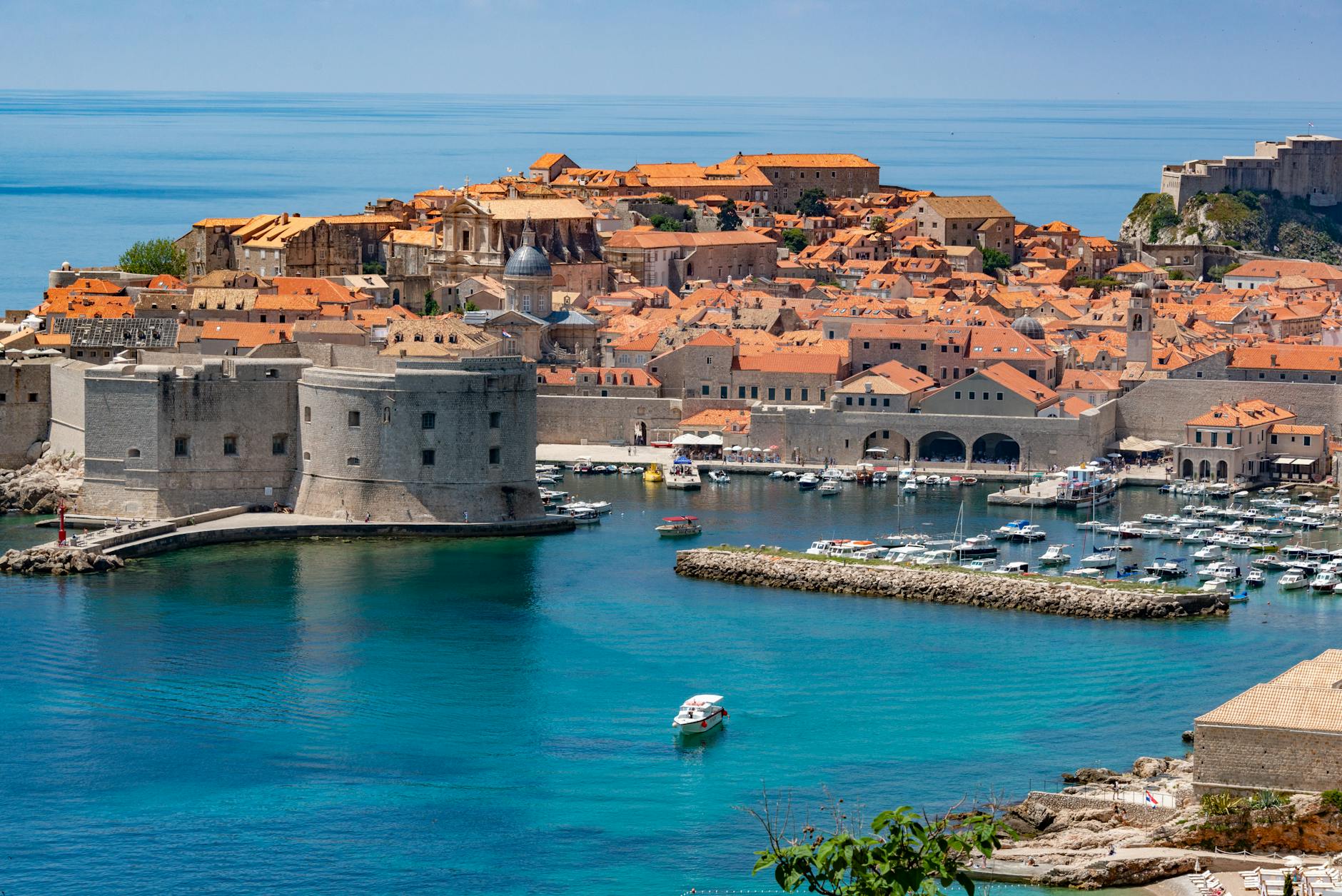
    Discover the Amazing Dubrovnik: Castles, Beaches and Cuisine 2025 Guide

    Introduction

    Amazing Dubrovnik, often referred to as the “Pearl of the Adriatic,” is a stunning coastal city located along the southern shores of Croatia. Its rich history, breathtaking architecture, and vibrant culture make it a top destination for travelers seeking both adventure and relaxation. The city’s well-preserved medieval walls, which encircle the Old Town, serve as a striking reminder of its resilience and importance throughout history. Scenic coastlines dotted with picturesque beaches invite visitors to unwind and soak in the sun, while a wealth of cultural attractions, including museums and galleries, provide insight into the region’s artistic heritage. Culinary enthusiasts will find a vibrant food scene that highlights local flavors and ingredients, with bustling markets and charming restaurants offering delectable dishes. Adventure seekers can explore the surrounding natural beauty through various outdoor activities, ensuring that Amazing Dubrovnik is truly a destination that caters to every interest.

    The Enchanting Walls of Dubrovnik

    The robust city walls of Amazing Dubrovnik are among the best-preserved fortifications in the world, serving as a symbol of the city’s historical importance and resilience. Stretching roughly 2 kilometers, the walls offer a unique perspective on the city’s architectural marvels, including baroque buildings, palaces, and hidden squares. These remarkable structures date back to the 13th century and were built to protect the city from invasions, showcasing the ingenuity and determination of Dubrovnik’s inhabitants.

    Visitors can start their journey on the walls at the Pile Gate, the main entrance. As you walk along the battlements, you’ll be treated to panoramic views of the Adriatic Sea, the rugged coastline, and the terracotta rooftops of the Old Town. The walls feature multiple towers and fortresses, from the Minceta Tower, which stands proud at the northern end, to the Bokar Fortress, situated at the southwestern wall. Each of these structures holds stories of battles fought and the strategic importance they served in protecting the city.

    One of the most captivating experiences along the walls is witnessing the changing light throughout the day. From the golden hues of sunrise to the fiery oranges and reds of sunset, these enchanted fortifications take on a different character, making for unforgettable photographs and memories. It’s not just the scenery that is engaging; the walls themselves narrate the city’s rich history. Informative plaques and guided tours enhance the experience, offering insight into the architectural techniques used and the events that shaped the city over centuries.

    As part of the historical narrative, visitors are often captivated by the tales of notable sieges, including the Siege of Dubrovnik during the Croatian War of Independence. This historical context deepens the appreciation for the city’s cultural heritage and the importance of preserving such sites for future generations. The walls also play host to various cultural events and festivals throughout the year, including the Dubrovnik Summer Festival, where theaters and musicians bring the walls to life with performances that echo through the ages.

    Beyond their protective function, the walls foster a sense of community and connection among both locals and travelers. Cafés and shops nestled along the walking paths invite visitors to take a break, sip on a refreshing drink, and engage with the welcoming spirit of Amazing Dubrovnik. As you climb to the highest points of the walls, the gentle breeze carries the sounds of laughter and conversation, weaving a tapestry of shared experiences that transcend time.

    The appeal of these ancient walls lies in their ability to blend history with the present. The combination of breathtaking views, fascinating stories, and the opportunity to walk in the footsteps of history makes the city walls of Dubrovnik a must-visit. A journey along these fortifications provides not just an overview of the city itself, but a deeper understanding of the spirit of resilience that defines Amazing Dubrovnik. In doing so, visitors leave with a rich sense of the city’s past, and a newfound appreciation for its contributions to the cultural tapestry of Europe.

    The Allure of Dubrovnik’s Beaches

    The beaches of Amazing Dubrovnik are just as enchanting as the historical landmarks. Nestled along the stunning coastline, these sandy stretches and pebbled coves cater to every type of beachgoer. From bustling public beaches filled with locals and tourists enjoying sun-soaked days to hidden gems where you can find peace and solitude, Dubrovnik’s beaches are an integral part of the city’s charm.

    One of the most popular spots is Banje Beach, which offers spectacular views of the Old Town and the towering city walls. The beach is equipped with sun loungers, parasols, and a beach bar that serves refreshing cocktails and snacks. This lively atmosphere makes it a great place for socializing and enjoying the vibrant energy of Dubrovnik during the day. The shallow azure waters are perfect for swimming, and the beach tends to be bustling, especially during the warm summer months.

    For those seeking a quieter escape, the nearby Sveti Jakov Beach is a hidden treasure. Accessible via a short walk down a steep flight of stairs, this beach offers a more intimate setting, where visitors can relax away from the crowds. The clear water is ideal for snorkeling, and the scenic views of the Old Town from this vantage point are nothing short of breathtaking. It’s the perfect spot for couples looking for a romantic retreat or families wishing to spend quality time together in a serene environment.

    Another noteworthy mention is Lapad Beach, located in a beautiful bay surrounded by lush greenery and resorts. This beach is family-friendly and offers various amenities, making it a popular choice for visitors traveling with children. With shallow waters, kids can safely wade in and enjoy playful splashes, while parents can unwind under the sun or take leisurely strolls along the promenade. Restaurants and cafés are conveniently located nearby, providing delicious meal options to recharge after a day of swimming and sunbathing.

    Further along the coast, the stunning island of Lokrum is just a short boat ride away from Dubrovnik. This natural oasis features beaches surrounded by crystal-clear waters, making it a fantastic day-trip destination. Visitors can explore the island’s botanical gardens or take a dip in the famous Dead Sea, a small saltwater lake that is perfect for relaxing. The ferry ride offers an exciting opportunity to witness Dubrovnik from a different perspective, setting the tone for a day of exploration and adventure.

    The atmosphere at Amazing Dubrovnik’s beaches is enhanced by the warm Mediterranean climate, making them year-round attractions. Even in spring and autumn, the mild weather entices locals and visitors to enjoy the seaside. Various water sports, such as kayaking, paddleboarding, and jet skiing, are also readily available for those looking to inject some adventure into their beach experience.

    In summary, the allure of Dubrovnik’s beaches lies in their diversity. From the vibrant atmosphere of Banje Beach to the tranquility of Sveti Jakov and the family-friendly Lapad Beach, there is a perfect spot for everyone. Whether you’re looking to soak up the sun, splash in the waves, or enjoy a peaceful escape, the beaches of Amazing Dubrovnik are a magical part of your journey to this Adriatic gem.

    Cultural Treasures: Museums and Historic Sites

    Dubrovnik’s cultural treasures are abundant, with an array of museums and historic sites that provide a fascinating glimpse into the city’s heritage. The rich tapestry woven through centuries of history comes alive in the preserved architecture, historical artifacts, and vibrant art exhibitions that can be found throughout the city. Exploring these cultural landmarks is essential for any visitor eager to understand the significance of Dubrovnik beyond its stunning coastal views.

    One of the must-visit museums is the Dubrovnik Museum of Modern Art, located in an old villa overlooking the sea. The museum showcases an impressive collection of Croatian paintings and sculptures from the 20th century to the present, allowing visitors to appreciate the evolution of artistic expression in the region. The picturesque setting and carefully curated exhibitions complement the art, making it a beautiful experience for anyone with an interest in culture and history.

    The Rector’s Palace is another iconic site that draws countless visitors each year. Once the residence of the rector of the Republic of Ragusa, the palace now serves as a museum exhibiting the rich history and governance of the city-state. Its stunning Gothic-Renaissance architecture, adorned with ornate columns and arches, reflects the prosperity of Dubrovnik in the past. Exploring the inner chambers, visitors can see the impressive collection of artifacts, documents, and artworks that tell the story of the city’s political significance.

    For literature enthusiasts, the Franciscan Monastery is a captivating destination. Home to one of the world’s oldest pharmacies, established in 1317, the monastery allows visitors to step back in time and witness the healing arts that have been practiced for centuries. The intricate architecture, serene cloisters, and beautifully landscaped gardens provide a peaceful escape for reflection and research into the historical context of medicine in Dubrovnik.

    No visit to Amazing Dubrovnik would be complete without experiencing the city’s rich traditions during local festivals. The Dubrovnik Summer Festival, held annually, transforms the Old Town into a vibrant hub of artistic expression. Performers from around the world come to showcase their talents through music, theatre, and dance. Taking place on historic streets, local squares, and even rooftops, the festival celebrates the city’s rich cultural heritage and unites residents and visitors alike in a shared appreciation of the arts.

    Another significant site is the Sponza Palace, a marvel of Renaissance architecture that also served as a treasury and customs house. Today, it houses an archive with documents that reveal the city’s political and social history, allowing visitors to delve deeper into the timeline of Amazing Dubrovnik’s illustrious past. The beautiful atrium and intricately carved details of the palace provide a stunning backdrop for photographers and historians alike.

    Furthermore, the city’s rich maritime heritage is explored at the Maritime Museum, located in the historic baroque building of the St. John Fortress. The museum chronicles the maritime history of Dubrovnik through exhibits featuring ship models, navigational instruments, and historical documents. For those interested in the sea’s role in shaping the community and economy of Dubrovnik, this museum is a treasure trove of information.

    Moreover, the beauty of Dubrovnik’s cultural treasures lies in their accessibility. The compact nature of the Old Town allows visitors to navigate the historic sites easily, and guided tours often enhance the experience by providing deeper insights into the significance behind the architecture and artifacts.

    In summary, Dubrovnik’s cultural treasures are not just a reflection of its past but an invitation to connect with its ongoing story. From ancient palaces to modern art museums and vibrant festivals, the city’s rich heritage offers something for every curious traveler. The cultural landscape of Amazing Dubrovnik is a kaleidoscope of history, art, and tradition that enriches the overall experience and leaves a lasting impression on all who visit.

    Gastronomic Delights: Cuisine and Local Markets

    Dubrovnik’s culinary scene is as vibrant and diverse as its cultural landscape. The city offers a delicious fusion of Mediterranean and local flavors, with an emphasis on fresh, seasonal ingredients that reflect the region’s agricultural bounty. Gastronomic experiences abound, from traditional Croatian dishes to innovative culinary creations in contemporary restaurants. A foodie’s journey through Dubrovnik would be incomplete without exploring its bustling local markets, quaint cafés, and exquisite dining establishments.

    One of the best places to immerse yourself in the local food culture is the Gundulić Square market, where vibrant stalls burst with fresh produce, artisanal products, and local delicacies. Each morning, vendors display a colorful array of fruits, vegetables, olives, and cheeses, allowing visitors to engage with local farmers and learn about the origins of their goods. Sampling freshly made prosciutto or indulging in sweet figs and honey is a sensory delight that showcases the region’s flavors.

    Joining a food tour can provide an even deeper understanding of Amazing Dubrovnik’s culinary landscape. Guided tours often include stops at various eateries, where travelers have the opportunity to taste must-try dishes such as black risotto, filled with cuttlefish ink, or the famed peka, a dish made with meat and vegetables slow-cooked under a bell-shaped lid. These tours allow an exploration of how culinary traditions have evolved while showcasing the techniques used to create authentic Croatian cuisine.

    Seafood lovers will find the Adriatic Sea to be a rich source of inspiration, with many restaurants specializing in fresh catch. Grilled fish seasoned with simple herbs and olive oil epitomizes the Mediterranean lifestyle, allowing the ingredients to shine in their natural glory. Local establishments often prepare dishes that highlight the seasonal catch, ensuring that guests enjoy the freshest seafood that the region has to offer. Accompanying these meals with local wines, produced from vineyards scattered throughout the picturesque countryside, enhances the experience and provides a taste of the region’s viticulture.

    For those looking to indulge in a sweet treat, a visit to a local bakery is a must. Traditional pastries such as štrukli and baklava tempt the senses and provide a delightful conclusion to a meal or a perfect snack during a day of exploration. The fragrant aroma of freshly baked bread fills the air, and the artistry in pastry making represents the deep culinary roots of the region.

    As evening falls, the dining scene in Amazing Dubrovnik comes alive with opportunities to enjoy romantic dinners overlooking the harbor. Fine dining establishments offer a unique blend of traditional and contemporary cuisine, often employing innovative cooking techniques. Expect to find dishes that incorporate local ingredients, presented with a creative flair, and paired excellently with regional wines. The luxurious eateries along the coastline create an idyllic setting for an unforgettable dining experience.

    In addition to traditional cuisines, Dubrovnik’s culinary scene has embraced international trends, leading to a diverse array of dining options. Restaurants that offer fusion dishes provide a delightful change of pace, appealing to modern palates. You can find Asian-inspired restaurants, vegetarian-friendly café options, and also modern takes on classic Mediterranean dishes.

    Food festivals and events celebrating local cuisine often take place throughout the year, allowing visitors to engage with the community and experience the culinary arts firsthand. During these events, both chefs and home cooks share their recipes and secrets, inviting everyone to partake in the tradition of Croatian cooking.

    In conclusion, the gastronomic delights of Amazing Dubrovnik are a delicious journey that reflects the city’s rich cultural heritage. From exploring local markets filled with fresh produce to dining at exquisite restaurants that celebrate culinary innovation, there is a flavor for every palate. Engaging with the culinary scene not only satisfies hunger but also deepens one’s understanding of the local culture and traditions. A culinary adventure in Dubrovnik promises to leave a lasting impression on all who indulge in its delightful offerings.

    Adventurous Activities: Beyond the Ordinary

    Beyond the stunning architecture and rich culture, Amazing Dubrovnik offers a wealth of adventurous activities for those looking to explore the great outdoors. With its breathtaking landscapes, azure waters, and rugged terrains, the region provides countless opportunities for thrill-seekers and nature enthusiasts alike. From hiking picturesque trails to kayaking in hidden coves, adventures await around every corner in this captivating coastal city.

    One of the most popular activities is hiking in the nearby hills. The SrÄ‘ Mountain offers an array of trails that cater to different skill levels, with paths winding through lush forests and ultimately leading to breathtaking panoramic views of Dubrovnik and the Adriatic Sea. The journey to the top is a rewarding experience, and once there, the vistas provide a perfect backdrop for memorable photographs. For those who prefer a more guided experience, organized hiking tours are available, providing insight into the local flora and fauna along with a deep sense of the region’s natural beauty.

    For a unique perspective of the stunning coastline, kayaking is a must-try activity. Renting a kayak allows visitors to paddle through the tranquil waters, exploring hidden caves and secluded beaches that are often inaccessible by land. Guided kayaking tours often include stops for snorkeling or swimming, giving participants the chance to immerse themselves in the vibrant marine life that thrives in the crystal-clear waters of the Adriatic. Paddling in the early morning or late evening often reveals a serene atmosphere, with fewer crowds and the gentle sounds of nature all around.

    Another exciting adventure is sailing in the picturesque waters around Amazing Dubrovnik, whether on a chartered yacht or joining a group excursion. The flexibility of sailing provides the opportunity to visit nearby islands like Lokrum or the Elaphite Islands, where pristine beaches and lush landscapes await. Relaxing on a sailboat while navigating the azure waters is an invigorating experience that allows travelers to connect with both nature and the azure expanse of the sea.

    Cycling through scenic routes is another exhilarating way to experience Dubrovnik and its surroundings. Biking trails lead through picturesque countryside, charming villages, and coastal paths that offer breathtaking views. Enthusiasts can challenge themselves on uphill routes or enjoy leisurely rides along the coastline, soaking in the sights, sounds, and smells of the Mediterranean landscape. Rental services are widely available, and guided cycling tours provide an opportunity to learn about the local history while engaging with the stunning scenery.

    For those looking for a thrill, adventure parks in the vicinity offer zip-lining, rock climbing, and other adrenaline-pumping activities. The scenery from the heights is remarkable, and the combination of nature and adventure creates an unforgettable experience. Zip-lining over the beautiful landscapes and coastal views offers an exhilarating way to appreciate the beauty of the region from above.

    Additionally, scuba diving allows for an extraordinary experience, exploring the underwater world of the Adriatic. Numerous diving schools offer courses for both beginners and experienced divers, providing opportunities to encounter colorful marine life and explore ancient shipwrecks. The clear waters ensure excellent visibility, and diving enthusiasts often return with fascinating stories and memories of their aquatic adventures.

    Amazing Dubrovnik is not just a city of history and culture, but a playground for adventure seekers. From hiking and kayaking to cycling and scuba diving, there is an abundance of activity options to satisfy even the most daring adventurers. Embracing the adventurous spirit of Dubrovnik offers a rewarding way to connect with nature and experience the beauty of the Adriatic coast while also appreciating the city’s charm from a different perspective.

    Conclusion

    Amazing Dubrovnik is undoubtedly a captivating destination that weaves together its rich history, stunning landscapes, vibrant culture, and mouth-watering cuisine. A journey to this magical city offers an unforgettable exploration, inviting visitors to experience the enchanting walls, serene beaches, cultural treasures, culinary delights, and adventurous activities that make it exceptional.

    As travelers stroll along the ancient fortifications, bask in the sun on picturesque shores, and sample authentic local dishes, they will find themselves deeply immersed in the essence of Dubrovnik. The city’s beauty is not only visual; it encompasses the warmth of its people and the stories they share. Engaging with the locals, participating in festivals, and savoring the tastes of the region create connections that linger long after departure.

    Dubrovnik serves as a reminder of resilience, creativity, and the ability to adapt through the forces of nature and time. It beckons travelers to explore its wonders, embrace its adventures, and celebrate its cultural heritage. As you conclude your visit, you will undoubtedly carry a piece of Amazing Dubrovnik with you, a treasure forged by memories, adventures, and experiences that will last a lifetime. Whether it’s your first visit or a return to familiar shores, the magic of Dubrovnik never fades, leaving you enchanted and yearning to return.

  • Aurelio Lech: Luxury Boutique Chalet in the Alps 2025 review

    Aurelio Lech: Luxury Boutique Chalet in the Alps 2025 review

    Introduction

    Nestled in the picturesque landscape of the Austrian Alps, Aurelio Lech offers an unparalleled boutique chalet experience characterized by luxurious accommodations and premium service. This haven, situated in the charming village of Lech, is designed to provide a perfect blend of relaxation and adventure. With its stunning mountain views, guests are treated to a serene environment where every detail has been thoughtfully curated to ensure their comfort and enjoyment. The chalet not only serves as a restful retreat after a day spent exploring the expansive alpine region but also offers a unique opportunity to indulge in the local culture and culinary delights. Whether you are a skiing enthusiast or in search of a tranquil escape, Aurelio Lech presents the ideal setting to unwind and connect with the beauty of nature, making it a premier destination for discerning travelers.

    Overview of Aurelio Lech and its Unique Offerings

    Aurelio Lech stands as an emblem of luxury within the enchanting surroundings of the Austrian Alps. This boutique chalet is not just an accommodation; it is a carefully orchestrated experience designed to appeal to those who appreciate the finer things in life. Upon arrival, guests are welcomed with a warm ambiance that immediately sets the tone for their stay. The aesthetic of the chalet beautifully marries traditional alpine charm with contemporary elegance, featuring wood accents, plush furnishings, and expansive windows that showcase the breathtaking views of the surrounding mountains.

    The uniqueness of Aurelio Lech lies in its commitment to personalization and excellence in service. Each guest’s experience is tailored to ensure their stay exceeds expectations. From private concierge services that arrange bespoke itineraries to spa treatments and wellness programs designed to rejuvenate the body and mind, every aspect is aimed at offering a memorable retreat. The staff, trained to uphold the highest standards of hospitality, are dedicated to anticipating the needs of guests, often going beyond the call of duty to create a seamless and enjoyable experience.

    Accommodations at Aurelio Lech range from opulent rooms to luxurious suites, each equipped with modern amenities while retaining a rustic charm that reflects the local character. High-quality linens, state-of-the-art technology, and en-suite bathrooms with indulgent toiletries are standard in every room, contributing to the overall sense of well-being and relaxation. Furthermore, many rooms feature private balconies or terraces, providing an intimate area for guests to soak in the stunning alpine vistas.

    In addition to comfort and aesthetics, Aurelio Lech prides itself on its sustainable practices. The chalet has been designed with environmental consciousness in mind, utilizing eco-friendly materials and systems that minimize its ecological footprint. Efforts to preserve the breathtaking natural surroundings are evident, making it a responsible choice for environmentally-aware travelers. Eco-conscious guests can feel good about enjoying the majesty of the Alps without contributing to its degradation.

    The location of Aurelio Lech is another aspect that sets it apart. Situated in one of the most prestigious ski resorts in Europe, it offers ease of access to world-class skiing and snowboarding during the winter months, as well as hiking and mountain biking in the summer. For those who seek adventure, the surrounding landscape provides endless possibilities, from exploring hidden mountain trails to embarking on guided excursions that delve into the cultural and historical significance of the region. More than just a place to stay, Aurelio Lech serves as a gateway to experience the breathtaking beauty and diverse activities that the Austrian Alps have to offer.

    The social atmosphere at Aurelio Lech plays an essential role in its charm. Guests often mingle in the communal areas, sharing stories of their daily adventures over a glass of wine by the fireplace or enjoying conversations in the outdoor lounge while taking in the stunning views. The connections made here are often as memorable as the experiences themselves, fostering a sense of community among adventurers from all walks of life. This inviting atmosphere encourages guests to forge lasting friendships, enhancing the overall experience at Aurora Lech.

    In conclusion, the overview of Aurelio Lech reveals a boutique chalet that is committed to offering a luxurious and personalized retreat in the Austrian Alps. With its unique offerings, attention to detail, and dedication to sustainability, it stands out as a premier destination for those seeking an extraordinary escape.

    Luxurious Amenities and Services Provided

    Aurelio Lech prides itself on providing a range of luxurious amenities and services that elevate the guest experience to extraordinary heights. From the moment one steps into this exquisite chalet, it is evident that every detail has been thoughtfully curated to ensure both comfort and indulgence. One of the standout features is the exceptional wellness area designed to rejuvenate and relax guests.

    Upon entering the wellness zone, visitors are greeted by a peaceful ambiance, complete with ambient lighting, soothing sounds, and a variety of treatment options. The spa facilities include a state-of-the-art sauna, steam room, and an outdoor hot tub that overlooks the enchanting alpine scenery. Guests can choose from an impressive menu of treatments, including massages, facials, and body rituals, all designed with natural products to promote relaxation and holistic well-being. Couples can indulge in a private treatment room, allowing them to share intimate moments while being pampered by expert therapists.

    Beyond wellness, Aurelio Lech enhances the experience with an extensive range of concierge services. The dedicated staff is always on hand to cater to specific guest requests, be it arranging private transportation to and from the airport, booking exclusive ski lessons with local experts, or creating personalized itineraries for exploring the area. Whether guests desire a guided mountain hike, a ticket to a local cultural event, or a reservation at the finest dining establishments, the concierge team excels in making arrangements to suit individual preferences.

    In addition to the concierge services, Aurelio Lech features a chic lounge and bar area, offering a cozy space for guests to unwind after a day of exploration. It is elegantly designed, with plush seating, a curated selection of books, and a sophisticated ambiance that encourages conversation and relaxation. The bar serves an impressive array of beverages, from artisan cocktails to carefully selected wines, adding a touch of glamour to the evenings spent at the chalet. Guests can also interact with the staff, who are well-versed in the local wines and spirits, enhancing the experience with bespoke recommendations.

    An essential aspect of luxury hospitality is the culinary experience, and Aurelio Lech excels in this regard. The in-house restaurant showcases the best of Austrian cuisine, prepared by talented chefs who are passionate about using fresh, local ingredients. A changing seasonal menu reflects regional specialties, allowing guests to savor the authentic flavors of the culture. Breakfast is an elaborate affair, featuring gourmet options like smoked salmon, regional cheeses, and freshly baked pastries, setting the tone for a fulfilling day ahead.

    For those who wish to dine in the comfort of their rooms, room service is available, offering a wide selection of delectable dishes that can be enjoyed in the privacy of one’s suite. The team is attentive to dietary requirements and preferences, ensuring that each meal is a delightful experience tailored to individual tastes.

    Furthermore, the chalet is equipped with modern technological amenities to enhance comfort and entertainment. Wi-Fi is available throughout the property, ensuring guests can stay connected if needed. Each room comes equipped with a smart TV and a variety of streaming options, allowing guests to unwind with their favorite shows after an adventurous day.

    In summary, the luxurious amenities and services provided by Aurelio Lech are designed to create a seamless and unforgettable experience for every guest. From wellness treatments to personalized concierge services, exquisite dining options, and entertainment amenities, each detail adds to the overall impression of unparalleled luxury that exemplifies the essence of this boutique chalet.

    The Breathtaking Location: Nature Meets Elegance

    The location of Aurelio Lech is perhaps one of its most compelling features—perched amid the majestic Austrian Alps, it offers a picturesque backdrop that enhances the charm and elegance of the retreat. The breathtaking views of snow-capped mountains, lush valleys, and pristine natural landscapes create an awe-inspiring atmosphere that beckons guests to explore the region’s beauty.

    As one approaches the chalet, the magnificent panorama unfolds, showcasing the striking contrasts between rocky peaks and verdant meadows. The picturesque village of Lech, known for its rich cultural heritage and vibrant alpine lifestyle, serves as the perfect setting for this luxurious retreat. Surrounded by natural splendor, Aurelio Lech provides a tranquil sanctuary that feels removed from the hustle and bustle of everyday life.

    Accessibility to outdoor adventures is another advantage of this extraordinary location. In the winter months, guests can indulge in world-class skiing and snowboarding, with access to some of the best slopes in Europe. The expansive ski area of Arlberg boasts a dizzying array of trails for all skill levels, ensuring that both novice and experienced skiers find their spot of paradise. Ski lifts and slopes are conveniently close to the chalet, allowing for effortless transitions from luxury to adventure with minimal effort.

    Summer months bring a different kind of magic to the region, with opportunities for hiking, mountain biking, and exploring nature trails that showcase the breathtaking alpine flora and fauna. The trails are well-marked and cater to various fitness levels, making it easy for guests to embark on their preferred outdoor journeys. Guided excursions are readily available for those wishing to delve deeper into the natural wonders of the area, providing insight into the geology, ecology, and local folklore of the region.

    Moreover, the surrounding area is rich in cultural experiences that amplify the appeal of Aurelio Lech’s location. Guests can immerse themselves in the local culture by visiting charming villages nearby, where traditional alpine architecture, shops offering locally handcrafted goods, and delightful cafés allow for authentic moments of exploration. The cultural events and festivals held throughout the year highlight the vibrant community spirit that characterizes the region, providing guests with opportunities to engage with local traditions and celebrate the essence of alpine living.

    The benefits of the chalet’s location extend beyond outdoor adventures and cultural experiences; the region is also known for its serene environment and fresh alpine air. The quiet tranquility allows guests to disconnect from their daily routines, promoting relaxation and rejuvenation. Nature’s embrace fosters a peaceful atmosphere, where one can unwind and recharge amidst the vibrant greens of summer or the deceptively inviting winter landscapes.

    In conclusion, the breathtaking location of Aurelio Lech seamlessly combines nature’s elegance with luxurious comforts. With proximity to both exhilarating outdoor activities and cultural experiences, guests are inspired to embrace the enchanting beauty of the Austrian Alps. The location enriches the overall experience, making Aurelio Lech not just a destination for leisure but also an adventure into the heart of nature’s splendor.

    Culinary Delights: Fine Dining Experience

    At Aurelio Lech, the culinary experience is elevated to an art form, with a focus on delivering exceptional tastes and unforgettable dining moments. The fine dining restaurant at the chalet serves as a gastronomic haven where guests can indulge in exquisite dishes crafted from the highest quality ingredients sourced from local and sustainable producers. The menu is thoughtfully curated to showcase regional specialties and seasonal flavors, allowing diners to experience the essence of Austrian cuisine while enjoying the luxurious atmosphere of the chalet.

    Breakfast at Aurelio Lech sets the stage for the day, inviting guests to immerse themselves in a gourmet feast. An expansive buffet features a wide range of options, including artisanal breads, freshly baked pastries, local cheeses, and cured meats. Guests can also enjoy made-to-order dishes, such as fluffy omelets, perhaps paired with perfectly brewed coffee or traditional Austrian teas. This idyllic start energizes guests for their adventures in the stunning alpine landscape.

    As the day transitions to evening, the dining experience undergoes a transformation, becoming a celebration of culinary creativity. The restaurant’s ambiance evolves, with candlelight and soft music creating an intimate setting. The accomplished chefs take pride in presenting a menu driven by the seasons—each dish tells a story of the region’s agricultural heritage. Fresh produce, game meats, and seafood are crafted into sumptuous plates, accompanied by the finest regional wines which the knowledgeable staff gladly helps pair with the meals.

    For those seeking a personalized dining experience, the executive chef is open to crafting custom menus based on guest preferences and dietary requirements. This attention to detail ensures each dining experience is unique and tailored, allowing guests to explore new tastes in a welcoming environment.

    Moreover, the kitchen often takes part in interactive experiences, enabling guests to engage with the culinary team during cooking classes or special gastronomic events. These occasions allow for a deeper connection with the craft of cooking and the opportunity to learn about the ingredients being used. Guests take home not only new skills but also a sense of pride in their ability to recreate the delightful dishes they’ve enjoyed during their stay.

    Aurelio Lech also offers private dining experiences, allowing guests to enjoy a meal in the comfort of their own suites or in exclusive settings within the chalet. Whether it’s a romantic dinner for two or a celebratory gathering with friends and family, these customizable dining options elevate every experience, making it truly special.

    Overall, the culinary delights at Aurelio Lech are a true testament to the ambiance of luxury, elegance, and artistic expression. Each meal is a journey in itself, inviting guests to embrace not only the flavors of Austrian cuisine but also the surrounding culture that influences each dish. Dining at Aurelio Lech is much more than just a meal; it is an experience that resonates within and creates lasting memories of indulgence and delight.

    Activities and Experiences: Embracing the Alpine Lifestyle

    Aurelio Lech is perfectly situated to offer guests a variety of activities and experiences that embrace the captivating alpine lifestyle. With both winter and summer seasons providing unique opportunities, visitors can immerse themselves in the magic of the mountains throughout the year. Whether seeking heart-pounding adventure or quiet contemplation, a diverse range of activities ensures that every guest finds their perfect experience.

    During the winter months, the region transforms into a white wonderland, attracting skiing and snowboarding enthusiasts from all over the globe. The nearby Arlberg ski area boasts vast ski slopes, offering over 300 kilometers of runs suitable for various skill levels. For those new to skiing, the chalet collaborates with local instructors to provide personalized lessons, ensuring guests build confidence on the slopes while enjoying breathtaking vistas. Adventurous guests can also explore opportunities for freeriding, a thrilling experience that allows for skiing or snowboarding off-piste in untouched snow.

    Moreover, for those looking to enjoy winter from a different perspective, the area offers unique experiences such as snowshoeing and winter hiking. Well-marked trails guide guests through the serene winter landscape, allowing for peaceful exploration surrounded by nature’s beauty. As the trails wind through enchanting forests and past frozen lakes, guests can embrace the tranquility of the season—perfectly complemented by invigorating fresh alpine air.

    As the temperatures rise and the snow melts away, the summer months reveal a different side of the Austrian Alps. Hiking trails become accessible, providing a plethora of options for exploration. From leisurely walks along scenic paths to challenging mountain hikes that lead to secluded peaks, there is an adventure waiting for everyone. Guided hikes are available, offering insights into the flora and fauna of the area while ensuring that guests discover hidden gems along the way.

    Mountain biking enthusiasts can also revel in the summer offerings, with trails catering to various experience levels. Guests can rent high-quality bikes directly from the chalet, allowing them to explore the beautiful landscapes at their own pace. The exhilarating combination of mountain biking and stunning views creates memories that linger long after the journey ends.

    Additionally, Aurelio Lech is committed to providing guests with cultural and social experiences that further enhance their stay. The chalet often organizes excursions that introduce visitors to the rich local traditions and crafts, such as cheese-making workshops or visits to local artisans. These activities allow guests to connect with the community by engaging in time-honored practices, creating unique personal experiences that resonate beyond the vacation.

    For those looking to unwind and indulge in leisure, the chalet’s luxury spa offers an extensive menu of treatments designed to promote relaxation and well-being. Yoga and meditation sessions, guided by skilled practitioners, can be arranged upon request, allowing guests to embrace stillness and reflection amidst the beauty of nature. In this serene environment, one can reconnect with themselves and experience the rejuvenating power of the alpine Lifestyle.

    In summary, the activities and experiences available at Aurelio Lech provide an enriching opportunity to embrace the alpine lifestyle fully. Each season brings its unique offerings, inviting guests to explore the breathtaking landscapes, relish in recreational adventures, or engage in immersive cultural experiences that deepen their connection with the region. At Aurelio Lech, every moment is an invitation to discover the beauty of the mountains and create unforgettable memories.

    Conclusion

    In conclusion, Aurelio Lech stands out as a premier boutique chalet that masterfully combines luxury, comfort, and the breathtaking beauty of the Austrian Alps. With its thoughtfully designed accommodations, exceptional service, and an array of personalized amenities, guests are guaranteed an unforgettable experience. The chalet’s stunning location serves as a gateway to adventure, inviting visitors to explore an exciting blend of winter sports and summer activities in a picturesque alpine setting.

    The culinary delights offered at Aurelio Lech highlight the essence of Austrian cuisine, allowing guests to enjoy a delightful gastronomic journey as part of their stay. Meanwhile, the spa and wellness facilities create an idyllic environment for relaxation and rejuvenation, ensuring a well-rounded experience that satisfies both mind and body.

    As visitors embrace the activities and experiences available, they connect more deeply with the enchanting surroundings and the local culture, forging memories that will last a lifetime. By providing opportunities to participate in the alpine lifestyle, Aurelio Lech allows guests to immerse themselves fully in this magnificent setting.

    Whether seeking adventure or tranquility, Aurelio Lech is the perfect destination for travelers wishing to escape the ordinary and embrace the extraordinary in the heart of the Alps. It is a haven where every guest can create their unique experience, leaving with a newfound appreciation for the stunning beauty and rich culture that define this exceptional region.

  • Top Family Cruise Destinations for an Unforgettable Vacation in 2025

    Top Family Cruise Destinations for an Unforgettable Vacation in 2025

    Introduction

    Family cruises are a wonderful way to bond with your loved ones while exploring new destinations in a hassle-free environment. Unlike traditional vacations, cruising offers the unique advantage of multiple locations without the constant need to pack and unpack. With numerous cruise lines catering to families, you will find an array of choices that can entertain children of all ages. From themed activities and play areas to child-friendly dining options, cruises are designed to enchant young travelers. This flexibility, combined with the allure of visiting exotic locales, makes family cruises a growing trend among vacationing families. In this article, we will explore the various aspects of family cruises, including the best destinations, onboard activities, and valuable tips to ensure your adventure is enjoyable and memorable for everyone.

    Benefits of Family Cruises

    Family cruises offer a multitude of benefits that make them an attractive option for families looking to vacation together. The overall convenience of a floating hotel means that families can unpack once and enjoy their surroundings while the ship travels to various destinations. This eliminates the logistical complexities involved in more traditional vacations, which often require time-consuming transfers between different accommodations.

    One of the standout advantages of family cruises is the wide array of itinerary options available. Families can choose from various themes such as adventure, relaxation, or educational experiences—all tailored to engage children and adults alike. For instance, some cruises may focus on historical sites, while others may revolve around nature excursions. This choice allows families to bond while sharing experiences that cater to their interests.

    Moreover, cruise ships are designed with family-friendly amenities that enhance comfort and enjoyment. Most ships include kid-specific pools, dedicated play areas, and comprehensive kids’ clubs where little ones can socialize and participate in supervised activities. As parents enjoy some relaxation time or connect with each other, children can explore the ship’s offerings with peers their own age.

    Safety is another priority for families cruising with children. Cruise lines have implemented strict safety regulations and procedures to ensure a secure environment on board. Trained staff supervise all children’s programs, allowing parents to have peace of mind while their kids enjoy various activities.

    Moreover, family cruises often provide options for different types of accommodations, from spacious suites to interior cabins. This variety allows families to choose the option that best suits their budget and space requirements. Many cruise lines even offer special family packages that include perks such as free meals or excursions for children.

    Finally, cruising fosters family bonding through shared experiences and time spent together. Excursions at ports of call allow families to explore diverse cultures, taste new cuisines, and engage in recreational activities that encourage teamwork and cooperation. Whether it’s snorkeling in crystal-clear waters, hiking in lush parks, or visiting ancient ruins, the adventures families embark on together create lasting memories that deepen their connections.

    In summary, family cruises provide a unique blend of convenience, safety, and fun, making them an appealing choice for families looking to create memorable vacations together.

    Top Destinations for Family-Friendly Cruises

    When planning a family cruise, selecting the right destination plays a vital role in ensuring that everyone enjoys the journey. Families with children should look for destinations that not only cater to young travelers but also offer a rich array of activities, excursions, and experiences suitable for all ages. Here are some top destinations that consistently rank high for family-friendly cruises:

    1. Caribbean

      The Caribbean is perhaps the most popular destination for family cruises due to its stunning beaches, vibrant culture, and plethora of activities. Major cruise lines like Disney, Royal Caribbean, and Carnival offer itineraries that include stops at multiple islands, each with its unique attractions. Families can enjoy snorkeling, zip-lining, or exploring ancient ruins, ensuring that children remain engaged throughout the journey. St. Thomas and Cozumel, for instance, are known for their family-friendly excursions, including water parks and wildlife encounters.
    2. Alaska

      For families seeking an adventure rich in natural beauty and wildlife, Alaska offers a breathtaking alternative to warmer climates. Family cruises in Alaska often include visits to stunning glaciers, opportunities for whale watching, and the chance to explore charming coastal towns. Additionally, many cruise lines provide educational programs on board that teach about the region’s unique ecosystem, making it an enriching experience for children and adults alike.
    3. Mediterranean

      The Mediterranean region is a fantastic choice for families interested in history, culture, and exploration. Cities like Rome, Barcelona, and Athens offer opportunities for guided tours of ancient sites, museums, and culinary experiences tailored for all ages. Family-friendly cruise lines often include excursions that allow for hands-on learning while ensuring that children remain captivated with interactive activities such as treasure hunts or cooking classes.
    4. Hawaii

      A cruise around the Hawaiian Islands offers stunning scenery, fascinating culture, and an abundance of outdoor activities. Families can enjoy swimming with dolphins, hiking in lush rainforests, and visiting Hawaiian cultural centers. Ports such as Maui and Kauai provide numerous kid-friendly excursions, making it a wonderful destination for family bonding.
    5. Bahamas

      The Bahamas is another ideal destination for family cruises, largely due to its proximity to the U.S. mainland. Kids can indulge in everything from underwater exploration to cultural experiences in local communities. Cruise lines offering stops at private islands provide exclusive activities like water slides, beach games, or spontaneous treasure hunts, capturing the adventurous spirit of children.

    When choosing a destination for a family cruise, considering the interests and ages of your children can guide you towards the most suitable options. Ultimately, destinations that provide a rich assortment of activities and learning opportunities will ensure memorable experiences for the entire family.

    Onboard Activities for Kids

    One of the most significant advantages of family cruises is the abundance of onboard activities designed specifically for children. Cruise ships have evolved into floating entertainment centers, providing a variety of fun, engaging programs that cater to kids of all ages. Whether your child is a toddler or a teenager, there is something to keep them happily occupied while parents can enjoy some well-deserved leisure time.

    Most cruise lines feature kids’ clubs where children can interact with their peers while participating in creative learning activities. These clubs often have age-specific sections, ensuring that kids are grouped with others of similar ages. From arts and crafts creations to interactive games and themed nights, children can immerse themselves in a vibrant social environment.

    For those with younger children, many ships offer nurseries where toddlers and infants can play under the supervision of trained staff. This allows parents to take a break while knowing their little ones are safely engaged in appropriate activities. Facilities are designed with safety in mind, providing age-appropriate toys and safety features.

    Teenagers can sometimes feel left out on family vacations, but cruise ships are increasingly catering to older youth, so they have their own activities and hangout spaces. Onboard lounges, game rooms, and even dedicated dance parties create opportunities for teens to socialize and enjoy the cruise experience with friends. Some lines also include activities like rock climbing wall challenges, dance classes, or video game tournaments, keeping them entertained.

    Another highlight of cruises is themed parties and events that resonate with children. From pirate-themed treasure hunts to superhero nights, these special events infuse excitement into onboard life. Interactive shows, talent contests, and movie nights cater to a variety of interests and encourage family participation.

    In addition to scheduled activities, cruise ships boast a range of recreational facilities such as pools, waterslides, and mini-golf courses, providing ample opportunities for spontaneous fun. These amenities keep children engaged and active, contributing to a fulfilling cruise experience.

    Dining on a cruise also presents family-friendly aspects, with many ships offering children’s menus that circle back to classic favorites. Buffets provide variety, ensuring even the pickiest eaters can find something they enjoy. Many cruise lines are also flexible with dining times, accommodating families’ schedules.

    Lastly, safety is a priority on board, with ships ensuring trained staff supervise all activities for children. Most cruise lines also have child safety measures in place, allowing parents to relax while knowing their kids are safe during their adventures.

    In conclusion, the onboard activities for kids are a unique element of family cruises that contribute to a memorable vacation experience. By providing varied entertainment options, cruise lines create an environment where children can have fun, learn, and connect with friends, all while parents unwind.

    Tips for Traveling with Children

    Traveling with children can be a rewarding experience, but it also comes with its challenges. To ensure a smooth and enjoyable family cruise, consider these essential tips that can help minimize stress and maximize fun for everyone.

    1. Plan Ahead

      Begin your cruise planning months in advance. Research cruise lines that cater to families and consider their amenities, activities, and itineraries. Booking in advance allows families to secure the best accommodations and any special excursions suited for children.
    2. Choose the Right Cabin

      When selecting your cruise cabin, consider the layout and size. Family cabins are specifically designed to accommodate parents and children comfortably. Some lines even offer connecting cabins for larger families. Having enough space can significantly enhance the cruise experience by reducing the likelihood of overcrowded conditions.
    3. Pack Smart

      Create a packing list that includes all the essentials for your family, including comfortable clothing, swimwear, hats, sunscreen, and any necessary medications. Consider bringing some portable activities, such as coloring books or electronic devices with downloaded movies, to keep children entertained during downtime. Don’t forget swim gear, as most ships have extensive aquatic facilities.
    4. Arrive Early

      On the day of departure, arrive at the port a few hours before boarding time. This ensures a smoother check-in process and allows families to get accustomed to the ship’s layout. Arriving early also means you can enjoy lunch onboard before the busy crowds arrive.
    5. Establish a Routine

      Maintaining a sense of routine can help children feel more secure while traveling. Discuss daily schedules with your kids and explain what to expect during the cruise. This familiarity can reduce anxiety and provide comfort during the trip.
    6. Involve Children in Planning

      Engage your children in the planning process. Allowing them to choose excursions or activities they’d like to participate in builds excitement and encourages investment in the journey. This way, children can feel empowered and be more engaged in the entire experience.
    7. Avoid Over-Scheduling

      While excitement can lead to a packed schedule, it’s crucial to leave ample free time for relaxation. Children may become overwhelmed or fatigued with constant activities. Striking a balance between planned events and downtime allows everyone to recharge and enjoy the cruise.
    8. Utilize Kid’s Clubs and Programs

      Encourage your children to explore the onboard kids’ clubs. These programs are designed to cater to their interests, allowing for socialization and interaction with peers. Parents can take this opportunity to unwind, knowing that their children are in safe and capable hands.
    9. Know the Dine-in Options

      Familiarize yourself with the dining options available on board. Many cruise lines offer flexible dining arrangements, ensuring families eat when it suits them. Children’s menus are often catered to picky eaters, making mealtimes less stressful.
    10. Safety First

      Discuss basic safety rules with your children, especially if they’re allowed to roam independently during certain activities. Make sure they know how to reach you on board and understand the boundaries regarding safety in unfamiliar environments.

    By following these tips, families can navigate the challenges of cruising with children effectively, allowing everyone to enjoy a stress-free and memorable vacation.

    How to Choose the Right Cruise Line for Your Family

    Choosing the right cruise line for your family is critical to ensuring an enjoyable and hassle-free vacation. Each cruise line has its unique characteristics, amenities, and target demographic, which can significantly influence your experience. Here are some considerations to help you make the best choice:

    1. Assess Your Children’s Ages

      Different cruise lines cater to different age ranges, with varying programs and activities for kids. Research cruise lines that specifically offer robust offerings for your children’s ages. For example, Disney Cruise Line excels in engaging younger kids with character experiences and themed activities, while Royal Caribbean is known for adventure and action-packed activities that appeal to older children and teens.
    2. Investigate Onboard Activities

      Review the onboard activities of cruise lines to ensure they align with your family’s interests. Look for ships with water parks, sports facilities, gameplay lounges, and kids’ clubs with diverse programs. Some cruise lines offer unique features, such as surf simulators or ice-skating rinks, ensuring thrilling experiences for your children.
    3. Consider Destinations and Itineraries

      Each cruise line has varying itineraries and destinations. If your family is interested in certain ports of call, ensure that the cruise line you’re considering includes those in its itinerary. Destinations that provide family-friendly excursions and activities should be a top priority.
    4. Look into Dining Options

      Food options onboard are essential when traveling with children. Investigate the dining experiences provided by the cruise line, including kids’ menus, buffet offerings, and flexibility with meal times. Most cruise ships also provide varying cuisines, so families can cater to all taste preferences.
    5. Check for Family Packages

      Many cruise lines offer family deals, including discounts on children’s fares, free meals, or bundled excursions. Look for promotions that make the trip more economical for your family, maximizing your vacation budget.
    6. Review Safety and Health Measures

      Safety and health protocols should be a top priority when selecting a cruise line, especially for families with young children. Research the ship’s facilities, staff training, and safety measures in place to ensure a secure environment for your family.
    7. Read Customer Reviews

      Reading reviews from other families can provide valuable insights into the cruise line’s strengths and weaknesses regarding family-friendly experiences. Family-focused blogs, forums, and travel websites can offer honest feedback from parents who’ve embarked on similar adventures.
    8. Evaluate Cabin Options

      Consider the types of cabins available across cruise lines, especially when traveling with several family members. Look for accommodations that provide enough room for everyone to be comfortable and cozy.
    9. Explore Entertainment Options

      Investigate the entertainment schedule for the week, which can make or break the family’s cruise enjoyment. Family movie nights, live shows, or themed parties cater to various ages and help the entire family engage continuously.
    10. Ask Questions

      Don’t hesitate to contact cruise line representatives with any questions or concerns you may have. They can provide detailed information about amenities and assist you in making an informed choice specific to your family’s unique needs.

    By carefully evaluating these factors, you can find the right cruise line that best fits your family’s preferences and ensures a memorable, enjoyable experience on the high seas.

    Conclusion

    Family cruises offer incredible opportunities for bonding, adventure, and unforgettable experiences. As we explored, selecting the right cruise involves considering various elements, including destinations, onboard activities, and careful timing. The key lies in thorough planning, which can help create a fulfilling journey that caters specifically to the interests and needs of every family member. From toddler to teenager, there is something special aboard a cruise ship that resonates with each traveler, turning time spent at sea into cherished memories.

    Whether you choose to immerse yourselves in the breathtaking beauty of Alaska, bask in the sun-soaked Caribbean, or uncover the culture-rich Mediterranean, the joy of exploring new horizons as a family is unparalleled. With a wealth of adventures waiting to be discovered, cruising with kids transforms from a mere vacation into an enriching experience, creating lasting bonds that the whole family will treasure. As you and your family set sail on this exciting journey, allow the waves of adventure to wash over you, guiding you towards wonderful family memories for years to come.

  • Volcanic Hot Springs of Termas de Chillán: Health Benefits Revealed 2025

    Volcanic Hot Springs of Termas de Chillán: Health Benefits Revealed 2025

    Introduction

    Nestled in the breathtaking Andes Mountains, Termas de Chillán is a sanctuary for those seeking rejuvenation and relaxation. Known for its magnificent volcanic hot springs, this wellness destination combines the healing power of geothermal waters with the serene beauty of nature. As visitors dip into the mineral-rich springs, they are enveloped in the landscape’s tranquility, providing an ideal escape from the stresses of everyday life. Beyond the therapeutic waters, Termas de Chillán offers a range of hydrotherapy treatments that enhance well-being, as well as outdoor activities for adventure enthusiasts. With stunning views of the Andes and a rich cultural history, this locale is not only a spa destination but also a gateway to experiencing Chile’s natural wonders. Whether seeking relaxation or adventure, Termas de Chillán has something unique to offer every traveler.

    The History of Termas de Chillán

    The origin of Termas de Chillán dates back centuries, deeply rooted in the indigenous Mapuche culture, who recognized the therapeutic properties of the region’s geothermal springs long before they were discovered by European settlers. The Mapuche believed that the hot springs were a gift from the gods, offering healing powers not only for the body but also for the spirit.

    In the early 20th century, Termas de Chillán began to gain popularity among Chileans and international tourists alike. The area was developed into a resort, attracting those looking to experience its natural wonders. With time, infrastructure was built to accommodate visitors, transforming the once quiet retreat into a thriving wellness hub.

    Today, the resort features modern amenities that meld seamlessly with its environmental beauty. Different thermal pools with varying temperatures allow guests to find their perfect sanctuary. The waters are filled with a variety of minerals such as sulfur, magnesium, and calcium, each known to promote health and wellness.

    Not only is the water itself healing, but the setting is spectacular, surrounded by the majestic Andes Mountains. The interplay of lush forests and rugged peaks provides an ideal backdrop for relaxation and self-reflection. The rich wildlife in the area is also a testament to the ecological integrity preserved since ancient times.

    The emergence of international attention has resulted in a greater appreciation for the historical and cultural narratives of the area. Guided tours are available that educate visitors about the significance of the hot springs as well as the ancient traditions of the Mapuche. Through storytelling and cultural immersion, guests gain insight into the heritage that defines Termas de Chillán.

    Furthermore, the connection between health and nature continues to draw individuals striving for balance in their lives. The history of Termas de Chillán is a story of cultural respect, natural beauty, and a holistic approach to wellness. As visitors indulge in the revitalizing waters, they are reminded of the strong ties between the earth and one’s own well-being.

    In both the past and present, Termas de Chillán stands as a testament to the enduring power of nature and culture working in harmony. Its evolution from an ancient sacred site to a modern wellness resort brings forth an array of experiences for those looking to deepen their connection with themselves and the surrounding beauty. Whether seeking solace or adventure, the history of Termas de Chillán enchants and inspires, inviting new generations to enjoy its treasures.

    Benefits of Volcanic Hot Springs

    The geothermal waters of Termas de Chillán are not only captivating, but they also offer an abundance of health benefits. The mineral-rich hot springs are an essential component of wellness tourism and have been utilized for centuries due to their therapeutic properties.

    First and foremost, soaking in hot springs promotes relaxation and stress relief. The warmth of the water helps to soothe tense muscles and calm the mind, allowing individuals to unwind completely. Studies show that warm water immersion can significantly reduce cortisol levels, the hormone associated with stress. This makes the hot springs an ideal sanctuary for those seeking respite from the hustle and bustle of daily life.

    In addition to relaxation, volcanic hot springs are rich in minerals that can improve overall physical health. The presence of minerals such as sulfur and magnesium has been shown to alleviate skin conditions, such as eczema and psoriasis. They also help detoxify the body by promoting circulation, which can flush out toxins and improve skin appearance.

    Hydrotherapy in the mineral springs is known for its range of therapeutic effects on the body. The buoyancy in water reduces stress on joints, making it an excellent option for those with arthritis or chronic pain. Regular visits to the hot springs can lead to improved joint mobility and a reduction in inflammation, providing relief to those who suffer from various musculoskeletal conditions.

    Another significant benefit of volcanic hot springs is the positive impact they have on mental health. The serene ambience created by the natural surroundings combined with the soothing properties of the warm water can facilitate better mental clarity and emotional stability. Many visitors report feeling rejuvenated and refreshed after soaking in the springs, often attributing this to improved sleep quality and reduced anxiety.

    Moreover, the therapeutic effects extend beyond physical health. Spending time in nature and immersing oneself in hot springs can lead to deeper connections with both oneself and others. The stunning Andes views provide an inspiring backdrop, encouraging mindfulness and appreciation for the present moment. Connecting with the natural world can enhance feelings of gratitude and well-being, contributing to a more sustainable approach to mental wellness.

    At Termas de Chillán, guests have access to a variety of hot spring pools, each offering its unique ambience and temperature. Whether one is seeking an invigorating dip in a hotter pool or a more soothing experience in cooler waters, there is an option to cater to individual preferences.

    The combination of numerous natural elements—heat, minerals, and tranquility—creates an environment that nurtures both the body and mind. As visitors allow themselves to absorb the healing properties of the volcanic hot springs, they forge a deeper connection not only with their own health but with the vibrant ecosystem that surrounds them.

    The volcanic hot springs at Termas de Chillán remain a cornerstone of its identity as a wellness haven. Through harnessing the ancient wisdom of these natural resources, countless individuals can experience the transformative benefits they offer—a truly enriching aspect of visiting this mountainous paradise.

    Hydrotherapy Treatments Offered

    Hydrotherapy is a central component of the wellness experience at Termas de Chillán. The integration of various water-based treatments aims to enhance the healing effects of the volcanic hot springs while offering personalized solutions for individuals seeking relief and rejuvenation.

    At the heart of hydrotherapy are the diverse treatments available to guests. Each treatment targets specific areas of the body, using water’s natural buoyancy and therapeutic properties. Among the most popular offerings is the mineral bath, where guests immerse themselves in pools infused with essential minerals. These baths help relieve aches and pains, promote relaxation, and improve skin conditions.

    In addition to mineral baths, the resort features hydro massage therapies that combine water pressure and temperature variations to stimulate circulation. These treatments can alleviate muscle tension, reduce pain, and improve flexibility. Clients may choose from varying intensity levels to customize their experience according to their needs.

    Another appealing option for visitors is alternate therapy sessions, such as mud wraps or volcanic ash exfoliation. These treatments utilize local natural resources to nourish the skin and detoxify the body, harnessing the unique properties of the Chilean landscape in rejuvenating experiences. They often leave the skin feeling soft and rejuvenated, offering holistic benefits along with the advantages of the mineral baths.

    For those looking to expand their wellness journey, guided hydrotherapy classes are also available. These classes feature exercises designed to improve strength, balance, and flexibility while utilizing the buoyancy of water to minimize impact on the joints. This is especially beneficial for those recovering from injuries or looking to enhance their physical fitness in a supportive environment.

    The innovation of hydrotherapy at Termas de Chillán does not stop with traditional treatments. Spa packages are available, allowing guests to explore a combination of therapies designed to optimize relaxation and wellness. These comprehensive experiences may include a series of baths followed by massage therapy, providing a holistic approach to self-care.

    The tranquil environment plays a key role in the effectiveness of hydrotherapy treatments. Each treatment area provides a serene and calm atmosphere, allowing visitors to disconnect from the outside world and fully immerse themselves in the therapeutic experience. Soft lighting, verdant views, and the gentle sound of water create a peaceful space for clients to relax.

    Moreover, trained professionals at Termas de Chillán guide guests through their hydrotherapy experiences, ensuring that each individual receives personalized attention. Therapists assess specific needs and recommend treatments that align with guests’ wellness goals. As a result, visitors receive a tailored wellness journey that respects their unique body and preferences.

    As word spreads about Termas de Chillán’s hydrotherapy offerings, individuals from around the world flock to experience these innovative treatments. The combination of traditional wisdom and modern wellness practices creates deeply enriching experiences for guests, allowing them to discover the transformative effects of hydrotherapy.

    Hydrotherapy treatments at Termas de Chillán not only address physical ailments but also provide mental clarity, emotional healing, and improved overall well-being. As guests indulge in the restorative properties of the waters, they forge a deeper connection with their health journey and an appreciation for the healing powers of nature.

    Activities and Amenities in the Area

    Termas de Chillán captivates visitors with its stunning landscapes and enriching experiences. Besides basking in the therapeutic waters, guests have numerous activities and amenities at their disposal, designed to create memorable adventures both on and off the resort.

    Outdoor enthusiasts are drawn to Termas de Chillán not just for the hot springs but for the wide range of outdoor leisure activities available year-round. In winter, the region transforms into a popular ski destination, with the nearby Nevados de Chillán ski resort offering slopes for all skill levels. Skiing and snowboarding opportunities abound, and visitors can enjoy breathtaking views of the Andes as they navigate the diverse terrain.

    For those who prefer summer and warmer weather, hiking trails abound in the surrounding national parks. Various trails can cater to both novices and experienced hikers, leading through lush forests and to picturesque viewpoints. The opportunity to witness local flora and fauna is especially appealing, with endemic species adding a sense of adventure and connection to the environment.

    In addition to skiing and hiking, more leisurely pursuits await. The scenic landscape invites nature walks and bike excursions, allowing guests to explore the area at their own pace. Guided eco-tours provide educational insights about the natural surroundings, focusing on ecology and conservation efforts.

    Back at the resort, amenities abound to enhance the overall experience. On-site dining options emphasize local Chilean cuisine, drawing inspiration from fresh ingredients sourced from the region. From traditional dishes to modern interpretations, the culinary offerings allow guests to indulge in the flavors of Chile while enjoying the beautiful views.

    Furthermore, the wellness center offers a variety of spa services, ensuring that guests not only unwind in the hot springs but also experience treatments that refresh and revitalize. Massages, facials, and body treatments are just a few options available, providing a holistic approach to relaxation.

    The social aspect of Termas de Chillán cannot be overlooked. The vibrant atmosphere allows visitors to meet and connect with fellow adventurers and wellness seekers. Group activities, workshops, or themed nights foster a sense of community and camaraderie amongst guests, making the experience even more rewarding.

    Accommodations at the resort range from luxurious rooms to comfortable lodges, all presenting stunning views of the Andes. The blend of comfort and natural beauty allows guests to unwind in a serene setting, enhancing their relaxation experience after a day of activities.

    For families traveling to Termas de Chillán, kid-friendly activities ensure that everyone enjoys their time. Whether exploring nature through organized activities or engaging in games at the resort, families find options that suit all age levels, creating lifelong memories together.

    The wealth of activities and amenities available at Termas de Chillán highlights the region’s duality as both a tranquil wellness retreat and an adventurous getaway. Whether skiing down snowy slopes or soaking in thermal waters, visitors leave with a deeper appreciation for nature, health, and community. The perfect balance of relaxation and adventure sets Termas de Chillán apart as a truly unique destination.

    Travel Tips for Visiting Termas de Chillán

    When planning a visit to Termas de Chillán, it is essential to be equipped with a set of travel tips to ensure a seamless and enjoyable experience. From practical advice to recommendations on the best times to visit, these tips aim to guide travelers in making the most of their trip to this wellness haven.

    1. Optimal Time to Visit: The best time to enjoy Termas de Chillán depends on personal preferences. For skiing enthusiasts, visiting during the winter months (June to September) is ideal, as this is when snow activities are in full swing. In contrast, travelers looking for hiking and outdoor exploration should consider going during the warmer months (October to May) when the weather is mild, and trails are more accessible.
    2. Packing Essentials: Given the nature of the destination, packing appropriately is crucial. Swimsuits, towels, and flip-flops are a must for enjoying the thermal baths. Additionally, warm clothing and layers are advisable for those engaging in outdoor activities, as temperatures can vary significantly in the mountainous terrain. Comfortable footwear is also essential for hiking and exploring.
    3. Reservations: It is advisable to book accommodations and spa treatments in advance, particularly during peak travel seasons. This ensures that guests secure their preferred rooms or treatments, allowing for an uninterrupted wellness experience. Researching any special packages or promotions available can also lead to added value during the stay.
    4. Hydration and Nourishment: Staying hydrated is key when soaking in hot springs. Guests should make a conscious effort to drink plenty of water, particularly before and after enjoying the thermal waters. On-site dining options offer a variety of healthy meals that highlight local cuisine—trying traditional Chilean dishes is recommended. Opting for balanced meals can enhance the overall wellness experience.
    5. Plan for Downtime: With so much to see and do at Termas de Chillán, it can be tempting to fill each day with activities. However, allowing time for relaxation and self-reflection is essential too. Setting aside moments to soak in the hot springs and enjoy the mesmerizing views can nourish the body and mind, ensuring a holistic experience.
    6. Consider Guided Tours: For those unfamiliar with the area, joining guided tours can deepen the experience. Knowledgeable guides can share insights about the historical and cultural significance of Termas de Chillán, enriching visitors’ understanding of its heritage.
    7. Explore Beyond the Resort: While the hot springs and wellness treatments are highlights, it is also beneficial to explore the surrounding area. Plan day trips to nearby national parks to fully experience the natural beauty of the Andes. Engaging in outdoor activities such as kayaking or horseback riding allows for exploration beyond the resort.
    8. Connect with Others: Termas de Chillán attracts a diverse range of visitors. Embrace the social aspect of the resort by engaging with fellow guests. Sharing experiences can lead to newfound friendships and enriching conversations, enhancing the overall journey.

    By following these travel tips, guests can maximize their experience at Termas de Chillán, ensuring both relaxation and adventure in this stunning location. The enchanting atmosphere, therapeutic waters, and breathtaking landscapes await those looking to escape the ordinary and embrace the beauty of wellness tourism.

    Conclusion

    In summary, Termas de Chillán embodies the perfect blend of wellness, adventure, and natural beauty. With its history rooted in ancient traditions, the volcanic hot springs and hydrotherapy treatments provide endless benefits for the body and mind. The array of activities and amenities ensures that visitors experience the region’s vibrant landscapes and local culture fully.

    As travelers indulge in the rejuvenating waters, they create lasting memories amidst the majestic Andes, allowing the serenity of the surroundings to wash over them. The integration of nature into relaxation and wellness becomes a cornerstone of the Termas de Chillán experience, inviting guests to unwind and reconnect with themselves.

    Whether seeking healing treatments, engaging outdoor adventures, or a moment of pure tranquility, Termas de Chillán serves as a sanctuary for rejuvenation and self-discovery. By embarking on this journey, guests are not only enriched through their experiences but also leave with a renewed perspective on wellness and a deeper appreciation for the wonders of nature.

  • Explore Majestic Mecca in 2025: A Pilgrimage of Faith and Reflection
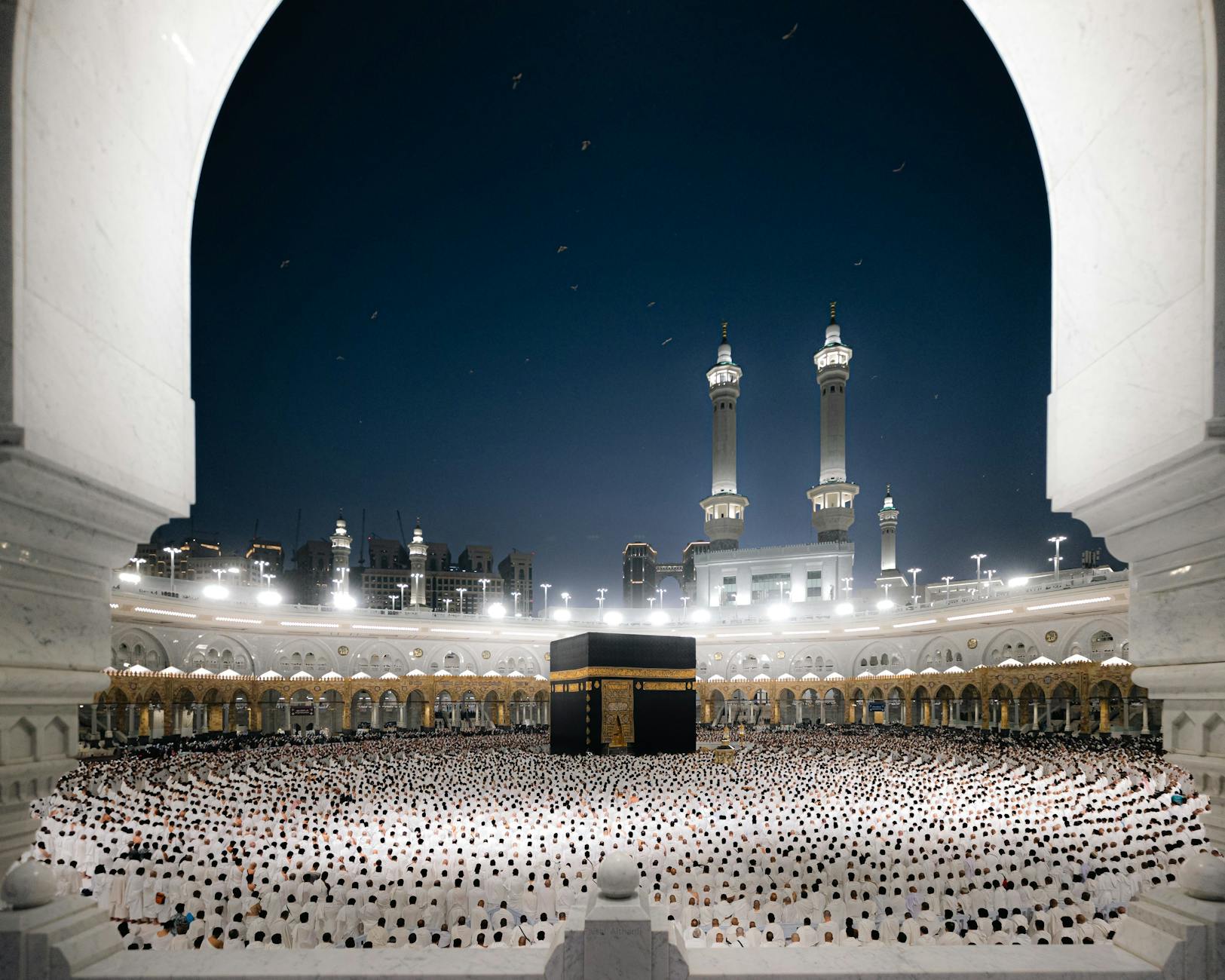
    Explore Majestic Mecca in 2025: A Pilgrimage of Faith and Reflection

    Introduction

    Mecca visiting is a profound journey that goes beyond mere geography; it is a pilgrimage into the very soul of Islam. As the holiest city in Islam, Mecca draws millions of faithful Muslims from around the globe each year, particularly during the Hajj, which is one of the Five Pillars of Islam. It has been a cornerstone of Islamic faith and pilgrimage since the time of the Prophet Muhammad. The city is rich in history, and its sacred sites, including the Kaaba, serve not only as spiritual symbols but also as powerful reminders of the communal and historical identity of Muslims. In this article, we will explore the historical significance of Mecca, the revered Kaaba, the rituals of the Hajj pilgrimage, cultural traditions, and the city’s vast influence on Islamic arts and architecture.

    The Historical Significance of Mecca

    Mecca’s historical significance is not limited to its status as a religious center; it is also deeply rooted in the broader history of the Arabian Peninsula and the Islamic world. The city has long been a hub for trade and commerce, attracting merchants and travelers from diverse regions. Its strategic location along trading routes enabled it to flourish economically, which in turn contributed to its cultural and religious development.

    Historically, Mecca was inhabited by various tribes before the advent of Islam, most notably the Quraysh tribe. The Quraysh played a critical role in the early days of Islam, representing both the challenges and support the Prophet Muhammad faced during his prophetic mission. The city itself is mentioned in numerous Islamic texts, attributing to it a sacred significance that garnered reverence even before the revelation of the Quran.

    The earliest historical records describe how Mecca, particularly the Kaaba, was a site of pilgrimage long before Islam. The Kaaba, believed to have been built by the Prophet Abraham and his son Ishmael, became a focal point of pilgrimage, attracting people who sought to worship the one true God. This pre-Islamic tradition of pilgrimage laid the foundations for what would later develop into the Hajj, further intertwining Mecca’s historical and religious heritage.

    The day that the Prophet Muhammad conquered Mecca in 630 CE marked a pivotal moment in Islamic history. The city was cleansed of its idols, reaffirming the monotheistic foundations of Islam. This event not only solidified Islam’s presence in the Arabian Peninsula but also played a crucial role in its expansion beyond the region. Following the conquest, Mecca became the spiritual center of the Muslim world, a place where Muslims could unite in their faith.

    As Islam spread, Mecca maintained its status as a spiritual beacon. The establishment of the annual pilgrimage, Hajj, which occurs in the Islamic lunar month of Dhu al-Hijjah, became an obligatory practice for all able-bodied Muslims. This pilgrimage is not only a profound act of worship but also acts as a historical reminder of the struggles faced by early Muslims and their eventual triumph.

    In terms of cultural heritage, Mecca has been shaped by its diverse population of pilgrims and traders over the centuries. The interactions between different cultures—Arab, Persian, African, and others—have enriched the city’s social fabric. This cultural amalgamation has left a lasting impact, influencing language, cuisine, attire, and music, which can still be witnessed today.

    Mecca’s historical significance is underscored by its ongoing role as a site of pilgrimage and its impact on the development of Islamic thought. The city represents not only the birthplace of the religion but also the ongoing journey of faith that millions undertake each year. The historical narrative surrounding Mecca is thus one of resilience, unity, and an unwavering connection to the divine.

    The Kaaba: A Symbol of Unity and Faith

    The Kaaba, often referred to as the “House of Allah,” holds an unparalleled position in the hearts of Muslims. This cube-shaped structure is located at the center of the Masjid al-Haram in Mecca and serves as the qibla, the direction toward which Muslims across the globe face during their prayers. Its significance extends beyond mere architecture, as the Kaaba embodies the core beliefs of Islam, including unity, submission, and the oneness of God.

    The construction of the Kaaba is believed to trace back to the Prophet Ibrahim (Abraham) and his son Isma’il (Ishmael). Islamic tradition holds that this sacred site was divinely ordained as a place of worship dedicated to the one true God. Over centuries, the Kaaba has undergone various renovations, yet it retains its symbolic essence. The black stone embedded in its eastern corner is especially revered, believed to have been sent down from Heaven and is seen as a symbol of God’s covenant with humanity.

    Upon arriving in Mecca, pilgrims are overcome by a profound sense of purpose as they make their way towards the Kaaba. The sight of the Kaaba elicits tears of joy and reverence, thick with centuries of profound faith. As they approach, they usually make a sacred intention and recite the Talbiyah, expressing their readiness to engage in the pilgrimage.

    During the Hajj, the circumambulation of the Kaaba, known as Tawaf, is a central ritual. Pilgrims walk around the Kaaba seven times in a counter-clockwise direction, emphasizing the importance of unity as they make this journey together, regardless of their nationalities, cultures, or backgrounds. This is a powerful testament to Islam’s emphasis on equality and fraternity among believers.

    Moreover, the Kaaba symbolizes the ultimate act of submission to God’s will. As Muslims gather to perform Tawaf, there is a palpable sense of communion; they share a singular focus on the Kaaba, forgetting their individual differences. This collective worship fosters a spirit of brotherhood and solidarity that echoes the teachings of the Quran.

    The Kaaba’s role extends beyond Hajj; it holds daily significance for Muslims. Every prayer, performed five times a day, is directed towards the Kaaba, reinforcing the importance of place in spiritual practice. The rituals surrounding the Kaaba serve to continually remind believers of their divine purpose and their connection to the global ummah (community of believers).

    While visiting the Kaaba is a physical journey, it is also a spiritual undertaking that prompts believers to reflect on their lives, intentions, and purpose in the vast tapestry of existence. The mere act of being in its presence is transformative, instilling a deep sense of serenity, gratitude, and devotion.

    Through the Kaaba, Mecca remains a living testament to faith, bridging generations of Muslims who have experienced its power and majesty. Its influence on Islamic spirituality is immeasurable, making it a timeless symbol of the religion and a focal point for millions seeking solace and connection with the Divine.

    The Pilgrimage of Hajj: Its Meaning and Rituals

    The Hajj pilgrimage stands as one of the most significant events in the Islamic calendar, drawing millions of Muslims from all corners of the globe to the holy city of Mecca. Hajj is a unique blend of spiritual, communal, and historical experiences, rooted deeply in the traditions and teachings of Islam, particularly through the example set by the Prophet Muhammad and the lives of the prophets.

    At its core, Hajj is an obligation that every Muslim must fulfill at least once in their lifetime, provided they are physically and financially capable of undertaking the journey. This profound act of worship is not merely a religious duty but serves as a reminder of the values of humility, sacrifice, and devotion. The pilgrimage takes place annually during the Islamic month of Dhu al-Hijjah, culminating in a series of rituals that are steeped in deep meanings and symbolism.

    The journey begins long before the pilgrims arrive in Mecca. Pilgrims prepare themselves spiritually and physically by reflecting on their intentions, seeking forgiveness for past sins, and engaging in acts of charity. This preparatory phase is crucial, as it aligns the pilgrims’ minds and hearts with the significance of what they are about to undertake.

    People from diverse backgrounds, cultures, and nationalities gather together in a demonstration of unity and equality before God. It is often said that Hajj is a microcosm of the world itself. Pilgrims don simple, white garments known as Ihram, symbolizing purity and the equality of all believers before God. The elimination of distinctions such as wealth, nationality, and social status during Hajj underscores the fundamental principles of Islam—humility, unity, and submission to God.

    The pilgrimage is rich with symbolic acts, each carrying deep spiritual significance. One of the first major rites is the Tawaf, where pilgrims circle the Kaaba seven times in a counter-clockwise direction. This act is a reminder of the centrality of God in a believer’s life. Pilgrims recite prayers and supplications as they circumambulate the Kaaba, invoking God’s mercy and blessings.

    Following the Tawaf, pilgrims proceed to the Station of Ibrahim, where they offer prayers reflecting on the devotion of Prophet Ibrahim and his family. This is followed by the Sa’i, a ritual that commemorates Hagar’s desperate search for water for her son Ishmael. Pilgrims walk back and forth between the hills of Safa and Marwah seven times, demonstrating unwavering faith and endurance in the face of hardship.

    The climax of Hajj occurs on the Day of Arafah, where pilgrims gather at the plain of Arafah to offer supplications and seek God’s mercy. This day is deemed the most important of the Hajj, symbolizing the ultimate act of worship and a chance for forgiveness. The collective prayers of millions during this time create a heartfelt atmosphere, uniting believers in their shared yearning for divine mercy.

    The following day marks Eid al-Adha, or the Festival of Sacrifice, commemorating the willingness of Prophet Ibrahim to sacrifice his son at God’s command. Pilgrims partake in the act of Qurbani, or animal sacrifice, distributing the meat to the needy, emphasizing the values of charity and compassion.

    As the pilgrimage concludes, the rituals of Hajj serve as a period of reflection, self-renewal, and commitment to the teachings of Islam. Pilgrims return home enriched by their experiences and renewed in their faith, feeling a profound connection to the global community of Muslims.

    The Hajj is much more than just a series of rituals; it is an encompassing experience that blends history, spirituality, and community. It is a transformative journey that reinforces the importance of faith and unity, leaving an indelible mark on the hearts of those who undertake it.

    Cultural Aspects of Mecca: Living Traditions

    Mecca is not merely a religious site; it is a vibrant city with a rich cultural tapestry shaped by centuries of history and diverse populations. The cultural aspects of Mecca reflect the customs, traditions, and lives of its inhabitants and visitors, weaving a fascinating narrative that complements the city’s spiritual significance.

    The customs and practices of the people of Mecca are deeply intertwined with their religious beliefs. From culinary traditions to local art forms, the culture has evolved through the dynamic interactions among diverse groups of people, including traders, pilgrims, and scholars. The fusion of Islamic beliefs with local customs results in a unique Meccan identity that is both devout and diverse.

    Culinary practices in Mecca are particularly noteworthy. The city is renowned for its vibrant food culture, offering a blend of traditional Hijazi cuisine and dishes from around the world. One of the most celebrated dishes is Kabsa, a fragrant rice dish cooked with spices, served with meat, and often adorned with nuts and raisins. Pilgrims and locals alike gather in street stalls and restaurants to enjoy these beloved meals, sharing not just food but also the stories and traditions that accompany each dish.

    Hospitality is a cornerstone of Meccan culture. Generosity towards guests is considered a virtue, and this is reflected in how locals welcome visitors during the Hajj and throughout the year. The spirit of hospitality often transcends the cultural barriers, as Meccans take pride in sharing their traditions and experiences with pilgrims from various backgrounds. It fosters a sense of camaraderie and brotherhood amongst those who gather in Mecca to fulfill their spiritual obligations.

    Music and dance also play a pivotal role in Meccan culture. Traditional forms of dance, such as Al-Mizmar, showcase the rich heritage of the region, often performed during celebrations and religious events. These performances evoke a sense of joy and community, illustrating the social fabric that ties together the diverse population of the city.

    As a center of learning, Mecca has historically been a hub for scholars and intellectuals. The presence of institutions such as Al-Azhar University highlights the city’s significance as a center for Islamic education. Today, Mecca attracts students and researchers keen to delve into Islamic studies and theology. This scholarly pursuit is celebrated not just in academic circles but also within the broader community, fostering a culture of knowledge and understanding.

    Religious traditions are not confined solely to the rituals of Hajj; they permeate the daily lives of Meccans. The call to prayer resounds throughout the city five times daily, serving as a constant reminder of faith in everyday life. This creates a unique rhythm within the community, as both locals and visitors pause to reflect and engage in prayer, reinforcing the sacred connection they share.

    Throughout each day and night, the streets of Mecca resonate with vibrancy, teeming with life and spirituality. Local markets, known as souks, are filled with vendors offering a variety of goods, from prayer beads to traditional clothing. Shopping is not merely an economic activity; it transforms into a cultural exchange where interactions among diverse groups occur, allowing unique experiences to unfold.

    Events such as Ramadan further enhance the cultural dynamics of Mecca. The month-long observance brings the community alive with nightly gatherings for iftar, the meal breaking the fast. Special attention is given to serving a variety of dishes, symbolizing generosity and togetherness. Pilgrims joining the local populace during this time add an additional layer of unity and shared experience.

    Over the years, while modernity has made its indelible mark on Mecca, the city strives to maintain its unique character. Efforts to preserve local customs alongside modernization reflect the dynamic balance between tradition and progress. Mecca’s cultural aspects are a testament to the ongoing story of a city that represents faith, community, and resilience—a place where time-honored traditions meet the evolving landscape of contemporary society.

    Mecca’s Influence on Islamic Arts and Architecture

    The profound spirituality of Mecca is mirrored in its extraordinary arts and architecture, which have evolved over centuries. The influence of this holy city extends far beyond its borders, shaping Islamic art and architectural styles that resonate within the broader Muslim world.

    Mecca stands as a testament to diverse architectural styles, ranging from the early constructions of the Kaaba to modern architectural marvels. The Kaaba, the heart of the Holy Mosque, is not just a religious center but also an architectural symbol of faith, inspiring Islamic structures worldwide. Its simple cubic form, adorned with the Kiswah (the black silk covering embroidered with gold calligraphy), speaks to the aesthetics of modesty and grandeur simultaneously.

    The historical significance of the Kaaba has led to various interpretations in Islamic art. Calligraphy, particularly, has flourished in the region, with mastery in the art form becoming an essential part of the cultural heritage. Verses from the Quran are artistically rendered on various surfaces, ranging from manuscripts to calligraphic walls in mosques. This form of art serves not just as decoration, but as a spiritual expression of devotion, fostering a connection between the divine and the believer.

    Influencing the design of mosques worldwide, Mecca’s Masjid al-Haram serves as an architectural model characterized by grand open spaces, towering minarets, and intricate motifs. The architectural elements of the mosque represent a blend of historical influences, including Byzantine and Persian styles, merged with traditional Islamic aesthetics. This architectural style has inspired the designs of mosques across the globe, showcasing a commitment to creating spaces that facilitate communal worship and reflection.

    As the city evolved, so did its architectural landscape. The modern extensions of the Masjid al-Haram, including expansive plazas and sky bridges, demonstrate an innovative approach to accommodating the millions of pilgrims who visit annually. These enhancements maintain the sanctity of the space while embracing contemporary construction techniques.

    Beyond architecture, Mecca has played a vital role in the evolution of Islamic literature and poetry. Scholars and poets have drawn profound inspiration from the sacred city, infusing their works with themes of love, devotion, and the quest for spiritual enlightenment. This literary legacy continues to be celebrated, inspiring generations of writers across the Islamic world.

    Pilgrimage itself becomes a source of artistic expression for many who visit Mecca, with personal narratives translated into poetry, prose, and visual art. Artists often capture the essence of the Hajj experience, portraying the emotions and connections formed during this spiritual journey. The stories of millions of pilgrims represent an ever-growing tapestry that enriches Mecca’s artistic heritage.

    The craft of textile design also flourishes in Mecca, with many artisans producing elaborate garments and prayer rugs. The traditional craftsmanship of weaving and embroidery is passed down through generations, ensuring that the artistic techniques remain alive within the local culture. The textiles created in Mecca often embody Islamic teachings and narratives, further conveying the spiritual ethos of the city.

    Moreover, Mecca’s arts and architecture play a crucial role in bridging cultural conversations. With ever-growing globalization, Mecca maintains its significance as a meeting point for diverse cultures, fostering intercultural dialogues within the arts. The pilgrimage offers a platform for sharing artistic expressions from different backgrounds, establishing a beautiful tapestry of creativity woven through faith.

    As Mecca continues to inspire artists, architects, and scholars, its enduring influence on Islamic arts and architecture will undoubtedly remain a vital part of its legacy. The city’s unique blend of spirituality and creativity weaves a narrative that transcends geographical boundaries, uniting Muslims in their devotion to the divine.

    Conclusion

    Visiting Mecca is an unparalleled spiritual journey that encompasses rich historical narratives, profound cultural practices, and artistic influences that resonate far beyond its borders. The city stands as a symbol of unity for Muslims, inviting millions to partake in its sacred rites, particularly during the Hajj pilgrimage. Each visitor carries away not just memories of the spiritual encounters, but also a deeper understanding of their faith and identity within the global ummah.

    The experience of standing before the Kaaba, participating in the rituals, and sharing moments with fellow pilgrims creates a powerful sense of belonging and connection. Mecca fascinates and inspires, evoking emotions that reflect the beauty and complexity of Islamic spirituality. The intertwining of historical significance and contemporary dynamics allows Mecca to maintain its relevance within the modern world.

    Beyond the pilgrimage, the cultural and artistic contributions of Mecca serve as enduring reminders of the city’s heritage. From its architectural marvels to its deep-rooted traditions and vibrant stories, Mecca embodies the essence of faith, resilience, and unity.

    As the years progress and the world continues to change, the significance of Mecca as a home for spiritual exploration and personal transformation endures. It stands as an everlasting beacon, calling believers to seek a deeper connection with the divine, uphold the values of compassion and generosity, and honor the rich history that unites Muslims across continents. Visiting Mecca is not just a journey to a place; it is a pilgrimage toward the heart and soul of Islam itself.

  • 3-Day Vibrant Madrid Itinerary: Palaces, Tapas, and Art

    3-Day Vibrant Madrid Itinerary: Palaces, Tapas, and Art

    Introduction

    Madrid, the capital of Spain, presents a captivating blend of history, culture, and culinary delights. This article takes you on a comprehensive 3-day journey through the heart of the city, guiding you through regal palaces, charming neighborhoods, and tantalizing tapas bars. From the grandeur of the Royal Palace to the vibrant streets filled with artwork, Madrid is a city that never fails to amaze. Each day promises a mix of sightseeing, dining, and experiencing local traditions, ensuring that you immerse yourself fully in the Spanish way of life. Whether you are a history buff, a foodie, or an art lover, this guide will offer you an unforgettable adventure, revealing the essence of Madrid in just three days.

    Exploring the Majesty of Royal Palaces

    The Royal Palaces of Madrid stand as monumental symbols of Spain’s rich history and regal heritage. The first day of our journey begins with an exploration of the extravagant Royal Palace, located in the heart of the city. Built in the 18th century, it is the official residence of the Spanish royal family, although they primarily reside in the Palacio de la Zarzuela on the outskirts of Madrid. With over 3,000 rooms, the palace is the largest in Western Europe, showcasing stunning architecture influenced by various European styles.

    Upon entering the palace, visitors are greeted with opulence. The Grand staircase, adorned with majestic chandeliers, leads to the main floor where numerous rooms tell stories of Spain’s royal past. The Throne Room, with its lavish decor and a pair of thrones representing the Spanish monarchy, is a must-see. It is here that state ceremonies take place, offering a glimpse into the regal lifestyle once lived by Spain’s kings and queens.

    Pay close attention to the Royal Armory, which houses an impressive collection of armor and weapons dating back to the 15th century. This armory preserves the history of Spain’s military prowess. The attention to detail in the craftsmanship of each piece is astonishing and reflects the skill of craftsmen from centuries past. Adjacent to the armory is the royal pharmacy, which gives a fascinating insight into the medicinal practices of earlier times.

    As you exit the palace grounds, the surrounding gardens—the Sabatini Gardens and the Campo del Moro—provide a serene escape from the busyness of the city. The carefully manicured hedges, fountains, and sculptures create a picturesque setting perfect for a leisurely stroll or a moment of reflection. These gardens not only enhance the royal vibe of the palace but also offer stunning views of the architectural wonder itself.

    After a morning spent at the Royal Palace, it’s time to indulge in some of Madrid’s culinary delights. A short walk from the palace leads to a variety of tapas bars, where traditional Spanish dishes await. Madrid is known for its rich culinary traditions, and sampling tapas is an essential part of experiencing the culture. Dishes such as patatas bravas (spicy potatoes), jamón ibérico (Iberian ham), and croquetas (fried savory bites) are just the beginning. Pair these delectable bites with a glass of local wine or a traditional vermouth to enliven your culinary adventure.

    The combination of history and gastronomy on this first day lays a solid foundation for the rest of your journey. You’ll not only absorb the royal grandeur but also taste the essence of Spain, setting the stage for the vibrant days ahead.

    Indulging in Authentic Spanish Cuisine

    The second day of our journey is dedicated to Madrid’s culinary scene, an essential part of experiencing the local culture. Spanish cuisine is a tapestry of flavors and traditions, with an emphasis on freshness and quality. Madrid, being a melting pot of cultures, offers an array of dining experiences that range from traditional tapas to avant-garde cuisine.

    Begin your day by visiting the bustling Mercado de San Miguel, a historic market that brings together some of the best food vendors in the city. The market is a feast for the senses, with colorful displays of fresh produce, seafood, and cured meats. The atmosphere is lively, as locals and tourists alike gather to sample a variety of dishes. Here, you can try an assortment of tapas, from olives and cheeses to exquisite seafood dishes like octopus and prawns. Don’t miss the chance to taste the local dish, callos a la madrileña, a hearty tripe stew that warms the soul.

    As the day progresses, consider joining a food tour that not only shows you the culinary highlights but also shares the stories behind them. A knowledgeable guide can take you to hidden gems off the beaten path, where locals enjoy their meals. One must-try experience is participating in a traditional cooking class, where you can learn to prepare classic Spanish dishes such as paella or tortilla española. Engaging in this process not only enhances your culinary skills but also deepens your appreciation for the country’s gastronomy.

    Lunchtime provides another opportunity to indulge in Madrid’s diverse culinary offerings. Venture into a local restaurant where you can savor a three-course meal, complete with a refreshing glass of sangria. The midday meal is a cherished tradition in Spain, often featuring regional specialties. A typical menu podría include an appetizer of gazpacho, a main course of roasted lamb, followed by a delectable dessert of churros with chocolate, which is perfect for satisfying your sweet tooth.

    In the evening, explore Madrid’s vibrant food scene further by visiting a rooftop bar or restaurant that offers stunning views of the city skyline. Dining al fresco while enjoying adorable sunset views adds an extra layer of joy to your culinary experience. Here, you can savor creative tapas that give a modern twist to traditional flavors, showcasing the innovative spirit of Madrid’s chefs.

    The second day will leave you with a satisfied palate and a deeper understanding of Spain’s culinary traditions. As you enjoy the diverse flavors that Madrid has to offer, you will see the connection between food and culture, making your journey all the more enriching.

    Discovering Madrid’s Rich Art Scene

    Day three invites you to immerse yourself in Madrid’s vibrant art scene, a true testament to the city’s creative spirit. As one of Europe’s cultural hubs, Madrid is home to world-class museums and galleries that showcase both classical and contemporary art. Begin your exploration at the renowned Museo del Prado, one of the finest art museums in the world, offering an impressive collection of European art, including works by masters like Velázquez, Goya, and Bosch.

    Upon entering the Prado, you are transported into a realm of artistic genius. The museum’s extensive collection features over 8,000 paintings and 700 sculptures, and it’s essential to have a plan to navigate through its many halls. Highlights include Velázquez’s iconic “Las Meninas”, a captivating portrayal of the Spanish court, and Goya’s haunting “The Third of May 1808”, which depicts the brutalities of war. Don’t forget to take a moment to appreciate the intricate details and rich histories behind these masterpieces.

    After indulging in classical art at the Prado, make your way to the nearby Museo Thyssen-Bornemisza. This museum boasts an extensive collection ranging from medieval art to modern works, acting as a bridge between the classical and contemporary. The museum features pieces by renowned artists such as Caravaggio, Van Gogh, and Monet, allowing you to appreciate the evolution of art over centuries. The museum’s relaxed ambiance and well-curated exhibitions make it a delightful place to lose track of time.

    An afternoon at the Reina Sofía Museum completes your art exploration. This modern art museum houses an impressive collection of 20th-century artworks, with a focus on Spanish artists like Salvador Dalí and Joan Miró. The crown jewel, however, is Pablo Picasso’s monumental “Guernica”, a powerful anti-war piece that resonates with visitors. The painting’s size and emotional intensity leave a lasting impact, making it a highlight of any visit to the museum.

    Beyond these major institutions, Madrid is also filled with smaller galleries and street art that reflect the city’s creative energy. Wander through the Hipster neighborhood of Malasaña, where you’ll discover vibrant murals and eclectic art spaces. Many local artists showcase their work in pop-up galleries, offering a glimpse into the contemporary art scene that thrives within the city.

    Don’t forget to take a break at one of the many coffee shops or cafes that adorn the art districts. Enjoying a cup of local coffee while surrounded by inspiring artworks creates a perfect synergy of creativity and relaxation.

    By the end of your exploration, you’ll not only gain a deeper appreciation for art but also witness how it intertwines with the life and culture of Madrid. This final day provides the opportunity to reflect on the beauty and creativity that permeate through the city, enriching your overall experience of Madrid.

    Strolling Through Historical Districts

    On your fourth day in Madrid, it’s time to immerse yourself in the charming atmospheres of the city’s historical districts. Madrid is comprised of various neighborhoods, each with its own unique character and rich history. Start your day in the picturesque streets of La Latina, known for its narrow alleyways, delightful plazas, and an abundance of tapas bars.

    On Sundays, La Latina comes alive with the Rastro, Madrid’s largest open-air flea market, where you can find everything from antiques to handmade crafts. Explore the stalls, hunt for unique souvenirs, and enjoy the vibrant atmosphere filled with musicians and street performers. This market gives you a taste of the local culture, where both locals and tourists gather to socialize and shop.

    After your shopping spree, meander through the heart of Madrid’s historic center, the area surrounding the stunning Plaza Mayor. This grand public square has been a focal point of the city since its construction in the early 17th century. Here, you can admire the impressive architecture, and perhaps stop at one of the many cafes that line the square for a coffee or a refreshing drink. Take a moment to soak in the ambiance, observing the elegant buildings and the lively interactions of passersby.

    As you continue your exploration, head towards the literary quarter of Las Letras, named after famous writers like Cervantes and Lope de Vega. The neighborhood is rich with literary history, and you can find fun street signs honoring these great authors scattered around. A stroll through the cobbled streets will lead you to beautiful plazas, quaint bookshops, and inviting bars that pay homage to Spain’s literary heritage.

    Make sure to visit the stunning Royal Botanical Garden, a hidden gem next to the Prado Museum. This tranquil oasis features an impressive collection of flora from around the world. Take your time to stroll through the manicured gardens, relax by the ponds, and enjoy the peacefulness that this green space offers within the bustling city.

    In the afternoon, head to the Gran Vía, a bustling avenue known as the “Spanish Broadway.” This grand thoroughfare is lined with beautiful 20th-century buildings showcasing architectural styles ranging from Art Deco to Neo-Mudéjar. You can visit flagship stores, theaters, and restaurants that give a lively atmosphere to this important street. Don’t miss the chance to pop into the famous Edificio Telefónica for panoramic views of the city from its observation deck.

    Conclude your day by visiting the neighborhood of Chueca, the heart of Madrid’s LGBTQ+ community. This vibrant area is known for its lively nightlife, trendy bars, and welcoming atmosphere. Whether you choose to explore the chic boutiques or enjoy a dinner in one of the many innovative restaurants, Chueca encapsulates the modern spirit of Madrid.

    Exploring these historical districts not only highlights Madrid’s past but also weaves a connection to the present, showcasing the city as a vibrant tapestry of culture and history. This day will surely deepen your appreciation for the sights, sounds, and stories that define this remarkable capital city.

    Enjoying the City’s Vibrant Nightlife

    Madrid’s nightlife is an exhilarating mix of energy, creativity, and culture. As the sun sets, the city comes alive with music, laughter, and the clinking of glasses, creating an irresistible atmosphere that beckons social interaction. On your fifth day, embrace Madrid’s vibrant nightlife and experience its various offerings, from traditional flamenco shows to trendy clubs.

    The evening often begins with a leisurely meal at a local restaurant, where sharing tapas is the norm. The dining culture in Madrid is social and communal, setting the tone for a fantastic night ahead. After dinner, head towards the renowned flamenco district of La Latina. Witnessing a live flamenco performance is a must during your visit. The passionate dance, beautiful costumes, and soulful music embody the spirit of Spanish culture. While there are many flamenco venues throughout the city, establishments like Casa Patas or Corral de la Morería are popular choices for an authentic experience.

    As the night deepens, the energy will gradually shift towards the bustling neighborhoods of Malasaña and Chueca. These areas are known for their eclectic bars, stylish clubs, and vibrant LGBTQ+ scenes. Enjoy a pub crawl through Malasaña, where you can find everything from vintage cocktail bars to alternative music venues. This neighborhood fosters creativity, offering places where local artists and musicians gather, making for a lively backdrop to your night.

    Chueca, famous for its welcoming energy, is another hotspot that promises a night of fun. From chic bars to lively clubs, the options are endless. Many venues have themed nights or live DJs, ensuring that there’s something for everyone. Dance the night away at a popular club such as Teatro Kapital, which boasts multiple floors of music and atmosphere, or enjoy a more intimate setting in one of the trendy bars lining the streets.

    Naturally, no night out in Madrid would be complete without experiencing the local late-night food scene. As the club atmosphere begins to wane, head to a sidewalk eatery for a late-night snack. Here, you can enjoy street food staples like kebabs, hot dogs, or churros dipped in chocolate—perfectly indulgent treats to satisfy your cravings after a night of dancing and revelry.

    Lastly, as the dawn approaches, don’t miss the opportunity to witness Madrid’s breathtaking sunrise from one of the city’s viewpoints. Places like the Templo de Debod offer a stunning backdrop as the sun rises over the landscape, providing a peaceful conclusion to a lively night.

    Experience Madrid’s vibrant nightlife to the fullest as it represents the city’s heartbeat, brimming with creativity and spontaneity. From traditional flamenco performances to modern clubbing, the nightlife is a colorful reflection of Madrid’s diverse culture, leaving lasting memories of your journey.

    Conclusion

    As your 3-day journey through Madrid comes to an end, you leave with not only a sense of discovery but also a profound appreciation for the rich tapestry of experiences the city has to offer. From exploring royal palaces steeped in history to indulging in mouthwatering Spanish cuisine, each day offered new opportunities to connect with Madrid’s heart and soul.

    Wandering through the charming streets of historical districts, you were transported back in time while still embracing the modernity and vibrancy of the city. The dynamic art scene provided a feast for the senses, showcasing the creative talents that continue to thrive in Madrid. And finally, the lively nightlife welcomed you into a world where the spirit of celebration and social connection reigns supreme.

    Madrid is a city that captivates its visitors with every step, revealing layers of culture, history, and tradition. Whether you find solace in its art, joy in its flavors, or energy in its nightlife, Madrid promises to leave an indelible mark on your heart. With memories to cherish and stories to tell, your journey through Madrid has surely been an unforgettable adventure.

  • Experience Amazing Macao: History, Casinos, and More 2025
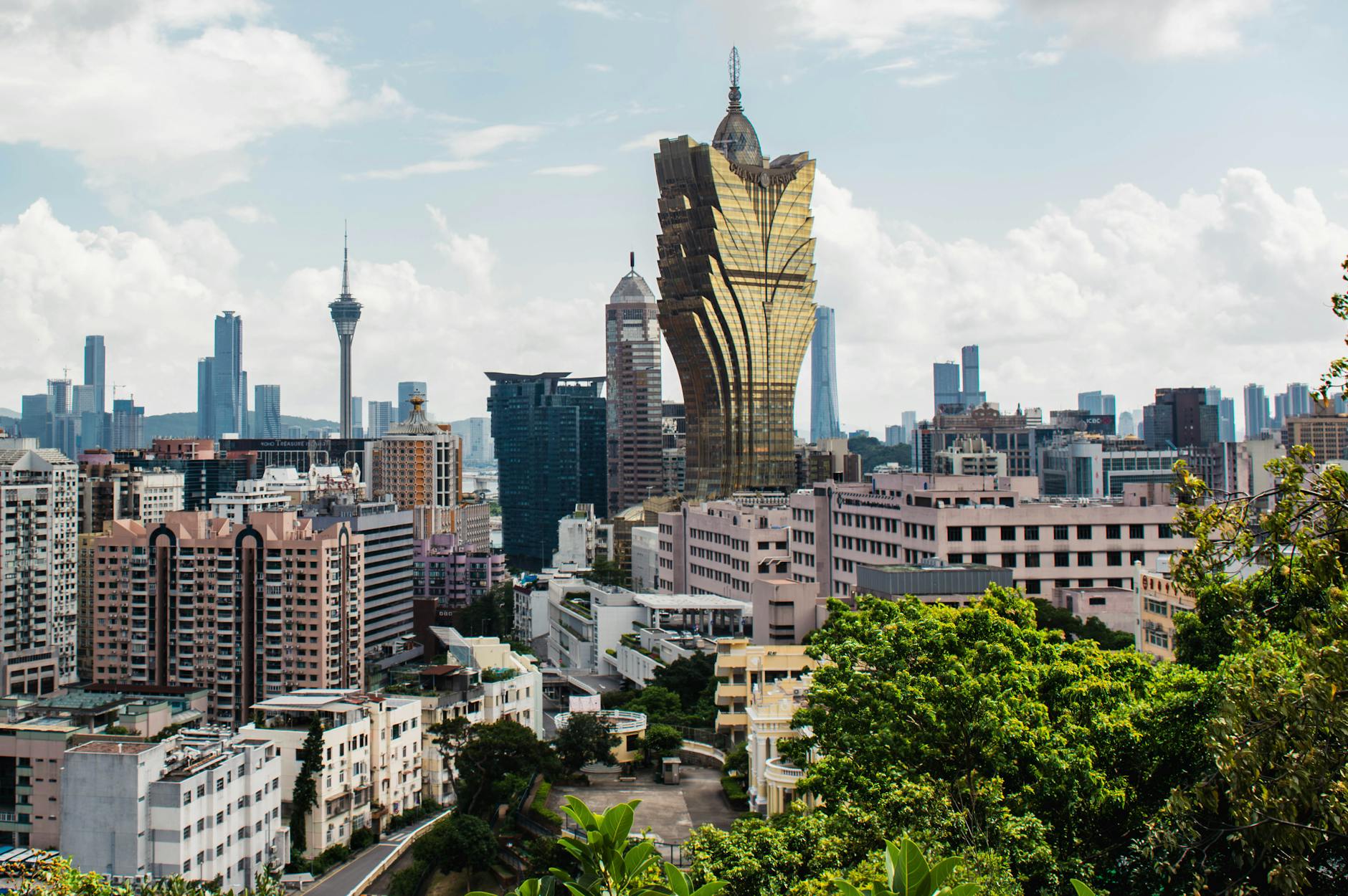
    Experience Amazing Macao: History, Casinos, and More 2025

    Introduction

    Nestled on the southern coast of China, Macao is often dubbed the “Las Vegas of Asia,” yet it remains a gem of cultural richness and history. This unique destination offers visitors a blend of glamour and tradition, marked by its Portuguese colonial architecture and bustling casinos. As you step into Macao, you are greeted by the shimmering lights of world-class resorts, yet just a few streets down, you can experience the charming heritage sites that tell the stories of its diverse past. From the enchanting streets lined with pastel-colored buildings to its vibrant culinary scene influenced by various cultures, Macao presents an adventure unlike any other. This article explores the multifaceted attractions of Macao, providing insights into its history, entertainment, gastronomy, cultural heritage, and activities that await travelers eager to explore this dynamic region.

    A History of Macao: The Fusion of Cultures

    Macao’s history is a tapestry woven from the threads of its early settlements, colonial influences, and contemporary growth. Originally a small fishing village, the area was inhabited by the Chinese for centuries. In the 16th century, Portuguese traders arrived and established a significant presence, turning Macao into a vital port and trading hub. This marked the beginning of a cultural amalgamation that would shape the identity of Macao.

    The Portuguese influence is evident in Macao’s architecture, language, and customs. Buildings like the iconic Ruins of St. Paul’s and the Senado Square showcase a unique blend of European and Asian design. The coexistence of these two cultures is not only a historical fact but a living reality that shapes the lives of the people in Macao today. Portuguese and Cantonese are the official languages, reflecting the dual heritage that defines the city.

    As a colony, Macao operated under different laws from China until the late 20th century, when it was handed back to China in 1999. This transition posed both challenges and opportunities for its citizens, leading to a period of rapid economic growth, particularly in tourism and gambling. Today, Macao’s economy relies heavily on its casino industry, which has evolved from a traditional past into a luxurious attraction that draws millions of visitors annually.

    Despite the modernization, many elements of Macao’s historical identity are preserved. The city is home to numerous museums that narrate its storied past, such as the Macao Museum and the Maritime Museum. Festivals like the Macao Arts Festival celebrate the region’s rich cultural heritage, attracting artists and performers from various backgrounds to showcase their talents.

    This historical richness is not merely confined to museums; it can be experienced in everyday life. Walking through the cobblestone streets of Macao, one can see local markets, traditional Chinese medicine shops, and pastel-tinted homes, all juxtaposed against the backdrop of modern skyscrapers. This unique blend of old and new creates a fascinating environment that charms visitors and residents alike.

    Additionally, Macao’s strategic location as a gateway between the East and West has allowed for a continual exchange of ideas, cuisine, and traditions. Over the centuries, the city has become a melting pot, where Filipino, Indian, and African influences can also be felt. Festivals celebrating these diverse cultures add another layer to Macao’s vibrant atmosphere.

    Ultimately, the history of Macao is essential in understanding its present and future. As it evolves, this unique city continues to honor its past while embracing the modern world, making it a compelling destination for adventurous travelers seeking both excitement and enlightenment.

    The Vibrant Casino Scene: More Than Just Gambling

    The casino scene in Macao is legendary, drawing millions of tourists eager to try their luck in the world’s gaming capital. Yet, there’s more to this lively atmosphere than mere gambling; the casinos are entertainment hubs that offer a plethora of experiences. With grand venues such as The Venetian, City of Dreams, and MGM Cotai, the excitement begins long before you even place a bet.

    Each casino is designed to transport visitors into a world of opulence and creativity. The Venetian, for example, features gondola rides along indoor canals, mimicking the romantic ambiance of Venice complete with singing gondoliers. The intricate designs and decor tell a story, ensuring that each moment spent within these walls is a visual spectacle.

    Beyond gaming tables, many casinos host lavish shows, concerts, and events featuring international artists and performers. The fusion of top-notch entertainment and spectacular gambling options creates an atmosphere unmatched anywhere else in the world. Guests can catch a breathtaking Cirque du Soleil performance or enjoy a live concert from renowned artists, adding another layer of excitement to their visit.

    For those who are less interested in gaming, casinos offer a variety of fine dining options. World-class chefs from around the globe operate restaurants in these resorts, allowing visitors to indulge in a gastronomic journey without leaving the venue. From Michelin-starred establishments to casual eateries, the culinary offerings cater to every palate.

    The vibrant nightlife in Macao is also a significant draw for visitors. Stylish bars and lounges within the casinos offer inventive cocktails and lively music, creating a social atmosphere that calls to party-goers. The nightlife in Macao rivals that of any major city, with venues that keep the celebration going well into the early hours.

    Moreover, safety is paramount in Macao’s casinos. Stringent security measures ensure that guests feel secure and can enjoy the excitement without concern. The staff is trained to provide a welcoming and enjoyable atmosphere for everyone, whether they are seasoned gamblers or first-timers.

    As gambling continues to be a significant aspect of Macao’s economy, the government is taking steps to diversify and broaden its appeal. Initiatives aimed at promoting tourism beyond gaming attract families and other demographics, creating a balanced visitor experience that encompasses culture, history, and entertainment.

    In conclusion, Macao’s casino scene is a multifaceted environment brimming with choice and opportunity. While gaming may be the main attraction for many, the broader offerings ensure that everyone can find something to enjoy. The blend of entertainment, cuisine, and vibrant nightlife makes Macao’s casinos a destination in their own right, ensuring that visitors leave with more than just stories of their luck at the tables.

    Culinary Delights: The Taste of Macao

    Macao’s culinary landscape is as diverse as its history, merging eastern and western flavors into a dining experience that is truly unique. The city is a gastronomic hub, attracting food lovers from around the world who come to taste its exquisite and eclectic offerings. With influences from Portuguese, Chinese, and other international cuisines, the food scene in Macao is vibrant and varied, promising something for every palate.

    One of the most celebrated dishes in Macao is the iconic Portuguese Egg Tart. This flaky pastry filled with creamy custard has become a symbol of Macao’s culinary fusion. Originating from the pastéis de nata of Portugal, this delightful treat presents a perfect blend of sweetness and texture. Bakeries across the city serve these tarts fresh from the oven, often with a light caramelization on top, making them an irresistible snack for locals and tourists alike.

    Another must-try is the Macanese cuisine, often characterized by its use of spices, garlic, and chili peppers. Dishes like African Chicken, a spicy chicken braise often cooked with coconut milk and turmeric, showcase the bold flavors that define this unique culinary tradition. Minchi, a savory stir-fry made with minced meat, potatoes, and soy sauce, offers a comforting taste of home that reflects the city’s cultural melting pot.

    Street food is a vital part of Macao’s culinary culture, and a stroll through its bustling markets will reveal a plethora of delicious options. From pork chop buns to fried durian, vendors present an array of flavors that embody the spirit of Macao. Sampling these street delicacies not only satiates hunger but also allows visitors to immerse themselves in the local food scene.

    Macao also boasts a selection of fine dining establishments, many of which have earned prestigious Michelin stars. These restaurants showcase not only the local cuisine but also reinterpret traditional dishes through modern culinary techniques. Diners can indulge in creative tasting menus that highlight seasonal ingredients and innovative cooking styles, providing a unique dining experience that transcends expectations.

    Wine and dining culture in Macao have also evolved significantly. Wine bars and beverage pairings are increasingly common as the city embraces its status as a top culinary destination. The proximity to wine regions in Portugal allows for an impressive selection of Portuguese wines, which are expertly paired with local dishes to enhance the flavors.

    Additionally, Macao hosts food festivals and events that celebrate its diverse culinary heritage. The annual Macao Food Festival draws food lovers to sample a variety of dishes from different cultures, fostering a spirit of collaboration among chefs and local vendors. These events highlight not just food but the stories behind it, giving visitors a deeper appreciation for what they are tasting.

    In essence, Macao’s culinary scene is a celebration of its historical and cultural influences. Whether indulging in street fare, enjoying fine dining, or sampling local delicacies, every meal offers an opportunity to explore the unique flavors that define this remarkable destination. For food enthusiasts, Macao is a paradise waiting to be discovered, promising flavors and dishes that resonate with vibrancy and originality.

    Cultural Heritage: Museums, Temples, and Festivals

    Macao’s rich cultural heritage is manifested in its vast array of museums, historical sites, and vibrant festivals, providing visitors with an opportunity to delve into the city’s storied past. The blend of Chinese and Portuguese influences creates a unique identity that is celebrated through various cultural expressions and events.

    To begin with, Macao is home to several museums that cater to both history buffs and casual visitors. The Macao Museum, located in the Fortaleza do Monte, provides an insightful overview of the city’s history from its early days to the present. Exhibits showcase artifacts, photographs, and multimedia presentations that highlight the evolution of Macao’s cultural landscape.

    The Maritime Museum offers a fascinating look at the region’s significant role in maritime trade and exploration. With engaging displays featuring ancient vessels and interactive exhibits, guests can learn about Macao’s importance as a trading post during the Age of Discovery. These museums serve as vital educational resources, allowing visitors to gain a deeper understanding of Macao’s unique identity.

    Temples also play a crucial role in Macao’s cultural fabric. The A-Ma Temple, dedicated to the goddess of seafarers, is one of the oldest and most revered temples in the region. Visitors can wander through its beautifully laid-out grounds, marveling at the traditional architecture and intricate decorations. The temple is often bustling with worshippers and tourists, creating an atmosphere of reverence and community.

    The exploration of cultural heritage in Macao wouldn’t be complete without mentioning its festivals. The Macao Arts Festival, held annually, showcases local and international artistic talent through performances, exhibitions, and workshops. This event highlights the city’s commitment to nurturing creativity and fostering artistic expression, bridging cultural gaps through the arts.

    Chinese New Year is another significant celebration in Macao, marked by colorful parades, lion dances, and fireworks. The festive spirit envelops the city as residents engage in various traditional customs aimed at ushering in good fortune for the year ahead. Visitors are encouraged to partake in the vibrant celebrations, transforming their experience in Macao into an immersive cultural adventure.

    The Macao International Fireworks Display Contest is an awe-inspiring event that attracts pyrotechnics experts from around the globe. As the skies illuminate with vibrant colors and synchronized music, the spectacle represents not only local pride but also international collaboration and creativity. This event draws both locals and tourists, allowing everyone to connect through the joy of shared celebration.

    Community events, like the Macao International Marathon, also showcase the city’s culture through the spirit of sports and health. Participants from around the world gather to experience the picturesque routes while engaging with local culture. Such events foster a sense of community and connection among participants and spectators alike.

    In conclusion, Macao’s cultural heritage is a rich tapestry woven from its museums, temples, and festivals. Each experience provides a glimpse into the city’s identity, allowing visitors to appreciate the diverse influences that shape Macao today. Embracing these cultural elements not only enhances the travel experience but also fosters a greater understanding of the world around us.

    Adventure Awaits: Activities Beyond the Strip

    While gambling and entertainment dominate the scene in Macao, the city also offers a wealth of activities for those seeking adventure beyond the casinos. From thrilling outdoor experiences to vibrant markets, there’s much to explore that showcases the natural beauty and energy of this unique destination.

    For adventure enthusiasts, the Macau Giant Panda Pavilion is a must-visit spot. Nestled within the Seac Pai Van Park, this exhibit allows visitors to observe these magnificent creatures in a naturalistic environment. Families can spend the day learning about panda conservation efforts while witnessing the playful antics of these beloved animals.

    For those who appreciate the great outdoors, hiking trails along the coastline offer stunning views of the South China Sea. The trails provide opportunities for scenic walks, jogging, or picnicking in nature, where visitors can escape the hustle and bustle of the city. The picturesque views create an inviting backdrop for both quiet reflection and energetic exploration.

    Water sports are also a popular highlight. Parasailing and jet skiing allow thrill-seekers to experience the beautiful waters surrounding Macao from a unique perspective. The adrenaline rush of soaring above the sea or gliding across the waves provides an exhilarating contrast to the gaming and entertainment found on the strip.

    Shopping in Macao is another enjoyable adventure, with local markets selling everything from artisanal crafts to delectable street food. The Rua do Cunha in Taipa is a vibrant area full of shops and stalls where visitors can try local snacks, purchase souvenirs, and interact with friendly vendors. This experience immerses travelers in the local culture while satisfying their wanderlust.

    Adventurous souls should consider booking a boat trip to the nearby islands, such as Coloane, which offers serene beaches and lush landscapes. These islands provide a peaceful refuge where visitors can spend the day swimming, sunbathing, or hiking through scenic trails, making it easy to escape the city’s fast pace.

    Additionally, Macao’s rich maritime history lends itself to fun activities such as fishing and yachting, which are popular among both tourists and locals. Chartering a boat for the day can be a remarkable way to enjoy the coastal scenery and catch glimpses of the famous skyline from the water.

    For a blend of education and adventure, guided tours of historical sites offer an engaging perspective while immersing travelers in Macao’s heritage. Local guides share fascinating stories and insights into the city’s past, allowing adventurers to absorb the culture while exploring its landmarks.

    In conclusion, Macao is far more than a gaming destination. With its array of outdoor activities, beautiful landscapes, and vibrant local culture, adventure seekers will find multiple ways to engage with the city beyond the casino strip. Whether exploring nature, enjoying water sports, or immersing in local culture, Macao presents endless opportunities for adventure and exploration.

    Conclusion

    In summary, Macao is an extraordinary blend of history, culture, and entertainment, offering a rich tapestry of experiences for every type of traveler. From its historical roots that narrate tales of cultural fusion to its vibrant casino scene that draws tourists from across the globe, Macao captivates its visitors with a unique charm. The diverse culinary offerings are a testament to its cultural melting pot, showcasing flavors that excite the palate and enhance the overall travel experience.

    As visitors explore the myriad of museums, temples, and celebrations, they gain a greater appreciation for the deep cultural heritage that defines this remarkable city. The adventure does not end at the gambling tables; activities beyond the strip provide ample opportunities for those seeking exploration and excitement.

    Macao stands as a testament to the beauty of cultural amalgamation and the spirit of adventure. As travelers seek to uncover its hidden gems, they discover a city rich in stories, flavors, and experiences that create lasting memories. For those looking to create the perfect getaway, Macao offers a dynamic escape that unduly combines the thrill of modern entertainment with the richness of its historical heritage.

  • Discover Vipava Valley: A Wine Lover’s Paradise in Slovenia 2025

    Discover Vipava Valley: A Wine Lover’s Paradise in Slovenia 2025

    Introduction

    Nestled between the Julian Alps and the Adriatic coast, Vipava Valley in Slovenia offers an enchanting blend of natural beauty and culinary delights, making it a prime destination for wine enthusiasts. This picturesque region is characterized by its lush vineyards, warm Mediterranean climate, and stunning landscapes. The valley is home to numerous wineries, each with its unique offerings, highlighting the rich viticultural heritage of Slovenia. Visitors can immerse themselves in the world of wine, exploring local varietals and enjoying exquisite tastings that reflect the unique terroir. Beyond wine, the valley also boasts an intriguing culinary scene, where traditional Slovenian dishes are often paired with the region’s finest wines. Whether you’re a seasoned sommelier or a casual wine drinker, Vipava Valley is a paradise waiting to be discovered.

    Overview of Vipava Valley: A Wine Lover’s Dream

    Vipava Valley, often referred to as the jewel of Slovenian wine country, unfurls beneath the majestic jagged peaks of the Julian Alps. The valley stretches approximately 30 kilometers from the town of Ajdovščina to the village of Vipava, a region that has a long-standing tradition of viticulture dating back to Roman times. The unique geography of the valley—where the river Vipava runs through a picturesque landscape of rolling hills, lush vineyards, and small villages—creates an idyllic setting for both growing grapes and enjoying wine.

    One of the most striking features of Vipava Valley is its microclimate, influenced by both the Alps and the Mediterranean Sea. This combination allows for warm, dry summers and mild winters, creating optimal conditions for growing a diverse range of grapes. The valley’s soil, rich in minerals and diverse in composition, further contributes to the distinct flavors found in local wines. This amalgamation of favorable conditions has made Vipava Valley a hotspot for winemakers seeking to produce exceptional wines that reflect the region’s character.

    Local wineries are dedicated to sustainable viticulture, employing traditional practices that respect the land while also incorporating modern techniques. Many vineyards are family-owned, and the passion for winemaking is palpable as you wander through the vines, where winemakers are often eager to share their stories and invite visitors to participate in the process of wine production. This deep-rooted love for the craft translates into the quality and character of the wines, making a trip to Vipava Valley not just a journey through the region’s beautiful landscapes, but also a step into a world of artisanal craftsmanship and dedication.

    In addition to its commitment to quality wine production, Vipava Valley is home to several wine festivals and events throughout the year, celebrating the region’s illustrious viniculture. These gatherings not only showcase the local wines but also create a sense of community among winemakers and wine lovers alike. Visitors can participate in tastings, workshops, and guided tours, allowing for a deeper understanding of the wine-making process and the unique qualities of the local grapes.

    As you delve into the heart of Vipava Valley, the sense of place becomes increasingly apparent. The blend of natural beauty and rich cultural heritage enriches the wine experience, creating a narrative that is as captivating as the wines themselves. This enchanting valley is indeed a sanctuary for wine enthusiasts, where the lush vineyards and Mediterranean ambiance contribute to an unforgettable oenological adventure.

    The Region’s Unique Terroir and Climate

    The term “terroir” is essential to understanding the allure of Vipava Valley’s wines. Terroir encompasses the unique environmental conditions and characteristics that influence the growth of grapes, including soil composition, climate, and topography. Each of these factors plays an integral role in determining the flavors, aromas, and overall quality of the wine produced in this region.

    Vipava Valley’s terroir is notably diverse, contributing to the complexity of its wines. The predominant soil types range from clay to sand, with limestone and marl deposits providing the vineyards with vital minerals that nourish the vines. The varied soil types allow for a wide array of grape varieties to flourish in the valley, each expressing the unique characteristics of its terroir.

    The valley’s climatic conditions are also vital to its reputation as a premier wine-growing region. The Mediterranean climate ensures plenty of sunshine throughout the growing season, promoting the ripening of grapes while also allowing for sufficient rainfall to support vine health. The influence of the nearby Adriatic Sea results in milder temperatures and protects the vines from extreme weather conditions. As a result, grapes in Vipava Valley enjoy a long growing season, allowing for the development of rich, concentrated flavors.

    Temperature fluctuations between day and night in the summer months also play a crucial role in the overall quality of the grapes. The cooler nights help to preserve acidity, which is essential for creating balanced and refreshing wines. The region’s elevation, with vineyards situated at various altitudes, contributes to variations in microclimates that can produce distinctly different wines even from neighboring vineyards.

    The practice of vineyard management in Vipava Valley is another testament to the care taken by local winemakers to enhance their terroir. Many producers practice organic or biodynamic farming techniques, working in harmony with nature to promote healthy soil and robust vine growth. This commitment to sustainable practices not only helps protect the environment but also contributes to the authenticity and quality of the wines produced.

    Locally grown varieties, such as the indigenous Zelen and Rebula grapes, thrive in this unique terroir, showcasing the depth of character found in Vipava Valley wines. Zelen is known for its bright acidity and fruity notes, while Rebula presents mineral qualities alongside sophisticated flavors. Together, these grapes exemplify the region’s capability to produce wines that reflect their origins.

    Overall, the interplay of terroir and climate in Vipava Valley creates a symphony of flavors in each bottle, inviting wine lovers to savor the essence of this idyllic region. The commitment to understanding and respecting the land shines through in each sip, making Vipava Valley a beacon for those who appreciate the intricacies of fine wine.

    Local Varieties and Signature Wines

    As you venture into the vibrant world of Vipava Valley’s wines, you’ll discover an enticing array of local grape varieties that embody the distinct character of this picturesque region. Slovenia, often overshadowed by its neighbors in the wine world, quietly delights with a rich tapestry of indigenous and internationally recognized grape varieties, allowing it to carve out a niche that is profoundly unique.

    The local grape varieties primarily include Rebula, Zelen, and Pinot Gris, each bringing its signature qualities to the valley’s wine offerings. Rebula, an ancient white grape, reigns supreme in Vipava Valley. Known for producing wines with vibrant acidity and complex aromas, Rebula often exhibits notes of green apples, citrus, and stone fruits. Its versatility shines, making it an ideal candidate for oak maturation, which contributes additional layers of flavor and depth to the wine. As a result, many wineries have embraced Rebula as their flagship varietal, producing vibrant and age-worthy wines that garner recognition both locally and internationally.

    Zelen, another indigenous white grape that qualifies as a hidden gem, has been experiencing a renaissance in recent years. Characterized by its bright acidity and refreshing profile, Zelen typically showcases floral notes accompanied by citrus and herbal undertones. It has the potential to harmonize beautifully with the region’s seafood dishes, making it a favorite in local gastronomy.

    While white wines dominate the region, the production of red varieties is also noteworthy. The most prominent red grape in Vipava Valley is the Merlot, which yields wines that exhibit the rich red fruit characteristics of cherry and blackcurrant, along with hints of spice. Winemakers frequently blend Merlot with local varieties, creating complex and balanced red blends that embody the essence of Vipava Valley.

    In addition to these standout grape varieties, the winemakers in Vipava Valley also experiment with lesser-known grapes, such as Sauvignon Blanc and Chardonnay. These global varietals adapt well to the valley’s climate and conditions, resulting in captivating wines that showcase both their origin and the unique terroir of the region.

    Signature wines from Vipava Valley have received accolades at international wine competitions, where they have been praised for their high quality and distinctive flair. For instance, wineries have seen recognition at the Decanter World Wine Awards and the International Wine Challenge, drawing attention to the incredible potential of Slovenian wines on a global scale.

    This burgeoning reputation shows no signs of slowing, as numerous wineries actively promote their offerings through tastings, events, and partnerships with local restaurants. The wine culture in Vipava Valley fosters collaboration among winemakers and encourages the sharing of knowledge, strengthening the overall wine community, and uplifting both established and emerging talent.

    Beyond the sheer joy of tasting, engaging with the wines of Vipava Valley opens the door to understanding the dedication and artistry that goes into each bottle. Local varietals and signature wines carry a story that connects drinkers to the land, the grape growers, and the winemakers. This experience offers not just a moment of pleasure but also a deeper appreciation for the incredible journey of wine, culminating in a glass filled with the essence of Vipava Valley.

    Wine Tourism: Experiences to Savor

    Wine tourism in Vipava Valley promises a captivating experience for every visitor, blending the thrill of discovery with the pleasures of tasting. This enchanting region has increasingly become a sought-after destination for travelers seeking to immerse themselves in the world of wine, explore picturesque landscapes, and indulge in culinary delights.

    The journey into wine tourism begins with a visit to local wineries, which serve as gateways to understanding the intricacies of winemaking. Many vineyards offer guided tours, providing an opportunity to explore the vineyards, learn about the growing practices, and delve into the winemaking process from grape to glass. Experienced guides share their knowledge, enriching the visitors’ understanding of the vital connection between the land and the wines produced.

    Tastings at local wineries are an essential component of the experience, inviting guests to savor the unique expressions of the terroir. Sampling a flight of local varieties, including Rebula and Zelen, allows wine enthusiasts to appreciate the nuances of flavor and aroma that define the region’s offerings. Many wineries also offer food pairings during tastings, enhancing the overall experience and showcasing the harmonious relationship between local wines and Slovenian cuisine.

    In addition to guided winery tours, visitors can partake in immersive experiences through wine workshops. These workshops often focus on specific themes, such as blending practices, nuances of tasting, or food and wine pairing techniques. Participants may have the opportunity to create their wine blends, gaining hands-on experience and a deeper appreciation for the skill involved in winemaking.

    Beyond the wineries, Vipava Valley’s breathtaking landscapes provide ample opportunities for adventure and exploration. The valley is rimmed with stunning views of the Julian Alps and dotted with charming villages, making it perfect for hiking, cycling, or simply enjoying a leisurely stroll through the vineyards. While many wineries are easily accessible, others may offer beautiful trails leading to hidden gems, allowing visitors to create an unforgettable experience in nature.

    As the wine tourism culture flourishes, the region is also home to various wine festivals and events designed to celebrate local wines and their producers. These festivities create a lively atmosphere, showcasing the vibrancy of the wine community. Visitors can sample a wide array of wines, attend educational seminars, and engage with local winemakers, making it an ideal opportunity to discover the diverse offerings of Vipava Valley.

    Another aspect of wine tourism that is gaining traction is the integration of wellness experiences. Many wineries have begun to embrace the concept of wine as part of a holistic lifestyle. Some vineyards now offer wellness retreats that include yoga in the vineyards, mindful tastings, and workshops on the health benefits of wine, inviting guests to reconnect with the land while indulging in relaxation and rejuvenation.

    As wine tourism continues to flourish in Vipava Valley, local businesses have collaborated to create unforgettable package experiences. This synergy includes partnerships with local hotels and restaurants, allowing visitors to enjoy stays that integrate wine tasting and culinary excellence. From farm-to-table dining experiences to vineyard picnics surrounded by picturesque views, the possibilities for exploration and indulgence are limitless.

    The embrace of wine tourism in Vipava Valley is not merely about wine; it speaks to the region’s desire to share its culture, traditions, and commitment to quality with the world. Enthusiasts’ journeys through the magical landscape unfold like a story, revealing the deep connections between people, land, and the art of winemaking. For anyone intrigued by the beauty of wine and the richness of flavors, Vipava Valley offers an unparalleled experience waiting to be savored.

    Culinary Pairings: The Perfect Complements to Local Wines

    A journey through Vipava Valley would be incomplete without delving into the culinary delights that beautifully complement its array of wines. The region’s gastronomy is deeply intertwined with its winemaking, as local chefs draw inspiration from traditional Slovenian dishes while highlighting the freshness and quality of local ingredients. Wine and food pairings in Vipava Valley create a seamless experience, enhancing the flavors of both the wine and the cuisine.

    In Vipava Valley, fresh, locally-sourced ingredients take center stage. The region’s fertile soil yields an abundance of fruits, vegetables, and herbs, allowing chefs to create dishes that celebrate the seasonality and uniqueness of the area. Traditional recipes are often passed down through generations, infusing every dish with cultural significance. Culinary offerings typically include local meats, cheeses, and seafood, making it essential for visitors to explore the diverse flavors that this culinary landscape has to offer.

    When it comes to pairing food with local wines, the key lies in understanding the balance of flavors. For white wines such as Rebula and Zelen, fresh seafood dishes are often an excellent match. The bright acidity of Rebula harmonizes with the delicate textures of fish or shellfish, while Zelen’s herbal notes can elevate a dish featuring seasonal vegetables. Try pairing a glass of chilled Rebula with a simple grilled sea bass garnished with fresh herbs, or enjoy Zelen alongside a beautiful asparagus risotto that showcases the complexity of both the wine and the dish.

    For red wine enthusiasts, local dishes featuring marinated meats or hearty stews provide ideal pairings. The rich fruit profiles of Merlot can enhance the flavors of grilled lamb or venison, while also finding a perfect companion in a rich mushroom risotto that combines earthiness and depth. The interplay of flavors can create a memorable experience for diners, as they fully embrace the region’s culinary marvels alongside its exquisite wines.

    Additionally, cheese lovers will find joy in exploring local cheese pairings. Traditional Slovenian cheeses, such as Tolminc and Mohant, provide a delectable contrast to the crispness of white wines. The creaminess of these cheeses marries exquisitely with Zelen, creating a delightful sensory experience with every bite and sip. For red wines, aged cheeses can hold their own against the rich tannins in a glass of Merlot, resulting in a satisfying tasting journey.

    Summer brings forth the chance to enjoy outdoor dining experiences, where picnic lunches in the vineyards create a delightful setting for wine and food pairings. Local wineries often provide curated tasting menus that highlight their wines, allowing visitors to savor the perfect combinations of wine and food while immersing themselves in the breathtaking surroundings. Seasonal dishes featuring fresh produce—from heirloom tomatoes to fragrant herbs—paired with the latest vintage showcase the depth of flavor found within the valley.

    The culinary scene in Vipava Valley is not limited to traditional fare alone; innovative chefs are also exploring modern interpretations of Slovenian cuisine. These chefs often embrace farm-to-table practices and collaborate with wineries to create experimental dishes that push the boundaries of flavor. By introducing unexpected elements, such as local spices or fusion techniques, they transform the dining experience, inviting guests to embark on an adventure through taste.

    As the popularity of Vipava Valley continues to rise as a gastronomic destination, visitors are encouraged to join culinary tours that emphasize the union of food and wine. These tours often include stops at local farms, artisan cheese makers, and renowned restaurants, allowing guests to interact with producers and understand the craft behind both wine and food. Each encounter enriches the overall experience and creates lasting memories.

    Ultimately, the harmony between gastronomy and wine in Vipava Valley elevates dining into an art form, drawing on the richness of local traditions, the dedication of winemakers, and the creativity of chefs. Exploring these culinary pairings invites visitors to discover not just the flavors of the region, but the stories and passion that bring them to life.

    Conclusion

    Vipava Valley stands as a breathtaking destination for wine lovers and culinary enthusiasts alike, characterized by its lush vineyards, picturesque landscapes, and vibrant local culture. With its unique terroir and favorable climate, the region produces an impressive array of wines, from indigenous varietals like Rebula and Zelen to notable international grapes. Each winery offers a distinct experience, inviting visitors to explore the art of winemaking through tastings, workshops, and guided tours.

    The wine tourism experience in Vipava Valley is further enriched by engaging with local gastronomy, where traditional Slovenian dishes beautifully complement the local wines. The passion of winemakers and chefs echoes through every glass and plate, offering a seamless fusion of flavors that captivates the senses.

    Whether seeking adventure in the scenic landscapes, indulging in exquisite wine pairings, or immersing oneself in the wine-making process, Vipava Valley shines as a paradise for wine lovers. It encompasses an ethos of quality, craftsmanship, and connection to the land, inviting all who venture here to partake in an extraordinary journey that celebrates the true essence of this enchanting region.

  • Exploring Beautiful Albarracín in 2025: History, Architecture & Nature
    Exploring Beautiful Albarracín in 2025: History, Architecture & Nature

    Introduction

    Nestled in the hills of Teruel, Albarracín is a mesmerizing escape that feels like stepping into a fairytale. This medieval town, with its charming, pink-hued buildings, winding cobblestone streets, and breathtaking landscapes, offers visitors a unique blend of history and natural beauty. The town’s rich heritage dates back to the Roman era and is characterized by its medieval architecture, including the well-preserved walls and the stunning cathedral. Surrounded by dramatic cliffs and lush forests, Albarracín is set against a backdrop that enhances its ethereal charm. Whether you’re wandering through the narrow streets, enjoying the panoramic views, or immersing yourself in the local culture, Albarracín promises an unforgettable experience steeped in history. This article delves into the captivating elements that make Albarracín a must-visit destination.

    The History of Albarracín: From Medieval Roots to Modern Charm

    The history of Albarracín is as captivating as the town itself. Believed to have been founded by the Romans, this town evolved through various historical periods, shaping its unique character. Its strategic location on the hills allowed it to be fortified, a feature that has been preserved to this day.

    The medieval period marked a significant turning point for Albarracín, as it became the capital of the Taifa of Albarracín, an important Muslim kingdom during the 11th century. The discovery of archaeological remains, including Arabic inscriptions, attests to its rich Islamic heritage. During this era, the town flourished economically and culturally, becoming a center of trade and learning. Many of the architectural elements that remain today, including the ancient walls and the impressive castle, were built during this Islamic period.

    The Reconquista in the late 15th century brought about a shift in power, as Catholic Monarchs took control. The transition was met with resistance but eventually led to the integration of Albarracín into the Kingdom of Aragon. This change significantly influenced its architectural landscape, as Gothic and Renaissance styles began to dominate. The construction of the Cathedral of Albarracín, built on the site of an earlier mosque, symbolizes this blending of cultures.

    Walking through Albarracín today, visitors can see the remnants of its illustrious past through the town’s architecture. The fortified walls encircle the historical center, offering a glimpse into the town’s medieval defenses. The walls date back to the 10th century and stand as a testament to the town’s enduring strength. The castle, perched high atop a hill, was built to provide protection against invasions and offers breathtaking views of the surrounding countryside.

    In the 20th century, Albarracín faced challenges with modernization and urbanization, but a commitment to preservation helped maintain its charm. The town was declared a historic-artistic monument in 1961, ensuring that its historical and cultural heritage would be preserved for future generations. This designation has attracted tourism, leading to a vibrant local economy while allowing residents to maintain their traditions.

    Today, Albarracín is not just a relic of the past but a living town that showcases its history. The local government and community actively engage in preserving its buildings and promoting its heritage. Cultural events, such as music festivals and art exhibitions, celebrate the town’s history while fostering a sense of community among its residents and visitors.

    The rich tapestry of Albarracín’s history is pivotal to understanding its current charm. It’s a place where the echoes of its medieval past resonate through every street corner and building facade. The commitment to preserving its unique character while embracing modernity makes Albarracín a remarkable destination. Visitors can walk in the footsteps of history, exploring the layers of time that have shaped this enchanting town, making it an essential stop for history enthusiasts and curious travelers alike.

    Architectural Wonders: Exploring the Town’s Pink-Hued Buildings

    The architectural landscape of Albarracín is undoubtedly one of the town’s most enchanting features. Known for its striking pink-hued buildings, the town exemplifies a cohesive style that merges functionality with aesthetic beauty. The vibrancy of the structures, built from local sandstone, adds to the fairytale-like atmosphere that envelops Albarracín.

    As you stroll through the narrow, winding streets, the first thing that captures your attention is the uniformity of the colors and materials used in the buildings. The soft, rosy tones of the sandstone soften the harshness often found in other medieval towns, creating a warm and inviting environment. This unique hue not only serves a practical purpose—insulation against the harsh heat of the summer and cold of the winter—but also stands as a testament to the craftsmanship of local artisans through the centuries.

    One of the standout architectural gems in Albarracín is the Cathedral of Saint Mary. Built between the 16th and 18th centuries, this striking structure combines elements of Gothic and Renaissance styles. The façade, adorned with intricate carvings and towering spires, draws visitors’ eyes upward, while the interior boasts magnificent altars and beautiful stained glass. The cathedral serves not just as a religious center but also as a cultural hub, hosting various community gatherings and traditional celebrations that reflect the town’s deep-rooted heritage.

    Another notable building is the Town Hall, located in the central plaza. A fine example of Mudejar architecture, the Town Hall features elaborate wooden balconies and arches that reflect the blending of artistic influences experienced in Albarracín during the medieval period. This central square is often bustling with life, as cafes and shops line the fringes, providing visitors with a taste of local cuisine and culture amidst the stunning architectural backdrop.

    The fortified walls of Albarracín, stretching over 1,000 meters, are another significant architectural feature that should not be overlooked. Built in the 10th century, these walls served as formidable defenses against invaders. Today, they offer visitors the chance to walk along the ramparts and enjoy panoramic views of the town and the surrounding landscape. The well-preserved towers along the walls, such as the Torre del Andador, provide insight into the town’s historical methods of defense and the significance of its strategic location.

    Throughout Albarracín, each building tells a story woven into the town’s history. The narrow alleyways, each leading to quaint plazas or hidden courtyards, create a sense of mystery and adventure. The harmonious blend of architectural styles—from Romanesque to Gothic and Mudejar—demonstrates the town’s evolution over centuries, showcasing the influence of various cultural waves that have washed over it.

    In recent years, local authorities have prioritized the preservation of Albarracín’s architectural heritage. Restoration projects are ongoing, ensuring that these captivating structures remain intact for future generations. This commitment to preserving the past while allowing for modern enhancements reflects the community’s deep appreciation for its roots.

    A walking tour through Albarracín’s architectural landscape is not just a visual feast but also an immersive experience that transports you through time. The pink-hued buildings, with their intricate designs and historical significance, enhance the town’s fairytale aura, making it a living museum that captures the heart and imagination of every visitor.

    Natural Landscapes: The Breathtaking Surroundings of Albarracín

    Albarracín is perched in a region of exceptional natural beauty, surrounded by dramatic landscapes that enhance its charm and allure. The town itself is nestled within the Sierra de Albarracín mountain range, where rolling hills, rocky cliffs, and expansive forests create a stunning backdrop for visitors. This unique setting not only highlights the impressive architecture of the town but also offers a wealth of outdoor activities for nature enthusiasts and adventure seekers alike.

    The striking contrast between the soft pink hues of the buildings and the rugged terrain creates a picturesque scene that feels almost cinematic. The surrounding landscape is characterized by its diversity, from steep cliffs and rocky outcrops to lush valleys and winding rivers. The iconic “Cerro de San Cristóbal” hill provides an excellent vantage point to admire the panoramic views of Albarracín and the undulating hills that stretch into the distance. Hiking trails lead up to the summit, making it a popular spot for both locals and tourists, especially at sunrise and sunset, when the landscape takes on an ethereal glow.

    For those who appreciate outdoor activities, Albarracín offers a variety of opportunities to explore the natural environment. Rock climbing is particularly popular in this region, with numerous climbing routes available for varying skill levels. The local rock formations are known for their quality and variety, attracting climbers from around the world. Whether you are a seasoned climber or a novice, this breathtaking backdrop provides an exhilarating experience.

    Another highlight of the natural landscape surrounding Albarracín is the “Sierra de Albarracín Natural Park.” This protected area boasts a wealth of biodiversity, featuring a variety of flora and fauna unique to the region. Birdwatchers will delight in the chance to spot local species, such as the Bonelli’s eagle and the Egyptian vulture, who inhabit the cliffs and forests. The park also offers several hiking trails that lead through lush woodlands and rocky outcroppings, allowing visitors to immerse themselves in the area’s natural beauty.

    Additionally, the scenic “Río de la Losa,” which flows nearby, provides a peaceful retreat for those looking to unwind. The river’s gentle currents create a soothing soundscape, making it an idyllic spot for picnicking or simply enjoying the tranquility of nature. For families, the picnic areas along the riverbank offer the perfect setting for a leisurely day out.

    The thriving ecosystems surrounding Albarracín also contribute to the region’s agricultural heritage. The fertile valleys cultivate local produce, including olives and herbs, playing a vital role in the culinary traditions of the area. Local markets often showcase fresh, organic products, allowing visitors to savor the flavors of Albarracín while appreciating the landscape’s bounty.

    As you explore the natural beauty surrounding Albarracín, the rich tapestry of the land becomes more apparent. Each season brings a different perspective, from the vibrant greens of spring to the warm tones of autumn. The clarity of the sky at high altitudes adds to the scenic beauty, and the clear night skies make stargazing an enchanting experience.

    The harmonious coexistence of nature and heritage in Albarracín is a testament to the town’s enduring charm. The breathtaking landscapes complement the captivating architecture, creating a destination that appeals to the senses and fosters a deep appreciation for the surrounding environment. Whether you’re hiking through the hills, climbing the rocks, or simply soaking in the views, the natural beauty of Albarracín will create lasting memories and a profound connection to this fairytale-like town.

    Cultural Experiences: Festivals and Local Traditions

    Exploring the cultural experiences of Albarracín is one of the best ways to delve into the local traditions and heritage that define this enchanting town. With its rich history and vibrant community spirit, Albarracín is home to a variety of festivals and events that reflect its unique customs, legends, and history.

    One of the most significant events in Albarracín is the Fiestas de Santa Esteban, celebrated in late August in honor of the town’s patron saint. This festival draws both locals and visitors, transforming the town into a lively space filled with music, dance, and traditional activities. The celebrations begin with a colorful procession, featuring participants dressed in traditional attire, showcasing Albarracín’s enduring customs. Throughout the festival, local bands perform music that resonates through the cobblestone streets, while the aroma of traditional Spanish cuisine wafts from stalls and restaurants.

    In addition to Santa Esteban, the town also celebrates the Festival of the Moors and Christians, commemorating the historical conflict between Christian and Muslim forces. This vibrant event, typically held in September, includes dramatic reenactments that depict pivotal moments in Albarracín’s history. Performers don intricate costumes and carry traditional weapons, bringing the past to life as they march through the streets. The festival culminates in a dazzling fireworks display that illuminates the night sky, symbolizing the spirit of unity and camaraderie in the community.

    Food also plays a vital role in Albarracín’s cultural identity. Visitors have the opportunity to indulge in gastronomic experiences that highlight the region’s culinary heritage. Traditional dishes such as “ternasco,” a succulent lamb dish, and “migas,” a flavorful breadcrumb dish, offer a taste of local culture. The annual gastronomic fair showcases the best of Albarracín’s cuisine, and local chefs often incorporate seasonal ingredients from the surrounding landscape, enhancing the flavors.

    The art and craftsmanship of Albarracín further contribute to its cultural richness. The town has a long history of artisanal traditions, particularly in woodworking and pottery. Visitors can explore local workshops where skilled artisans create intricate pieces, combining traditional techniques with modern design. This commitment to craftsmanship is also evident in the beautifully painted houses that line the streets, showcasing the talents of local painters.

    Throughout the year, various art exhibitions and cultural events take place, emphasizing the town’s dedication to fostering creativity. Art festivals attract local and international artists, transforming Albarracín into a thriving hub of artistic expression. Galleries and workshops welcome visitors to engage with the creative process, offering insights into the inspiration behind the artworks.

    The community spirit in Albarracín is palpable, with locals actively participating in events and celebrations, creating a warm and inclusive atmosphere. Visitors are often welcomed with open arms, encouraged to participate in festivities and connect with the vibrant culture of the town. The stories, legends, and traditions passed down through generations come alive during these celebrations, providing a deeper understanding of Albarracín’s heritage.

    Immersing oneself in the cultural experiences of Albarracín not only enriches the visit but also fosters a connection to the town and its people. From the lively festivals to the dedication to traditional crafts, Albarracín vibrates with life and history. An exploration of these cultural elements is essential for anyone seeking to capture the essence of this fairytale-like town.

    Practical Tips for Visiting Albarracín: What to Know Before You Go

    Visiting Albarracín promises an unforgettable experience, but being prepared can enhance your adventure in this fairytale-like medieval town. Here are some essential tips to ensure you make the most of your trip.

    Getting There: Albarracín is conveniently located approximately 35 kilometers from the city of Teruel, making it easily accessible by car or public transportation. If driving, be prepared for winding roads that offer scenic vistas as you approach the town. For those opting for public transport, regular bus services run between Teruel and Albarracín, providing a reliable option for travelers without a vehicle.

    Accommodation: A range of accommodation options available in Albarracín caters to different budgets and preferences. From charming boutique hotels that reflect the town’s medieval aesthetics to cozy guesthouses that offer a homely touch, you’ll find a place that suits your needs. Booking in advance, especially during peak tourist seasons, is advisable to ensure availability.

    Local Cuisine: Don’t miss the opportunity to savor local delicacies. Restaurants in Albarracín serve traditional Spanish cuisine made with fresh, local ingredients, making the dining experience a culinary journey. Try local specialties such as “ternasco,” “migas,” and regional wines, which provide a true taste of the area. Many establishments also offer outdoor seating, allowing you to enjoy your meal alongside the stunning views.

    Exploring the Town: The best way to explore Albarracín is on foot. The narrow winding streets, often bustling with life and charm, encourage leisurely strolls. Invest in a good pair of walking shoes to navigate the cobblestone paths comfortably. Along the way, take time to explore the hidden nooks and corners, discovering boutique shops, local artisanal crafts, and inviting cafes.

    Cultural Etiquette: While Albarracín is welcoming to visitors, being respectful of local customs and traditions is essential. When dining in restaurants, it is customary to greet staff with a polite “hola” and to say “gracias” upon leaving. Engaging with locals in their language, even if it’s just a few phrases in Spanish, can go a long way in expressing appreciation for their culture.

    Weather Considerations: Weather in Albarracín can vary significantly, so check the forecast beforehand and pack accordingly. Summers can be hot, making lightweight clothing and sun protection essential. In contrast, winters can be quite cold with snowfall, so be sure to bring warm layers if you’re visiting during that season. Wearing comfortable clothing and walking shoes will ensure you’re prepared for various activities.

    Attending Festivals: If possible, plan your visit around one of Albarracín’s local festivals. These events provide a unique insight into the town’s culture, and participation can enhance your overall experience. Be sure to check local calendars for festival dates and specific events during your stay.

    By being mindful of these practical tips, you can navigate Albarracín with confidence and enjoy everything this enchanting town has to offer. From its rich history and breathtaking landscapes to its vibrant culture and welcoming community, Albarracín will leave a lasting impression on your heart.

    Conclusion

    Albarracín offers a unique blend of history, architecture, culture, and stunning natural landscapes, making it a destination unlike any other. Its medieval charm, punctuated by pink-hued buildings and fascinating stories from the past, captivates the imagination of every visitor. The rich traditions and lively festivals bring the town to life, providing a deeper understanding of the local heritage and community spirit. Whether you are wandering through its cobblestone streets, marveling at the breathtaking views, or indulging in the delicious local cuisine, Albarracín offers an experience that resonates long after your visit. As you leave this fairytale-like town, you’ll carry with you not only memories of its beauty but also a connection to its rich cultural tapestry, inspiring a longing to return to this magical place.

  • Explore Dinant in 2025: Belgium’s Riverside Gem with Historical Charm
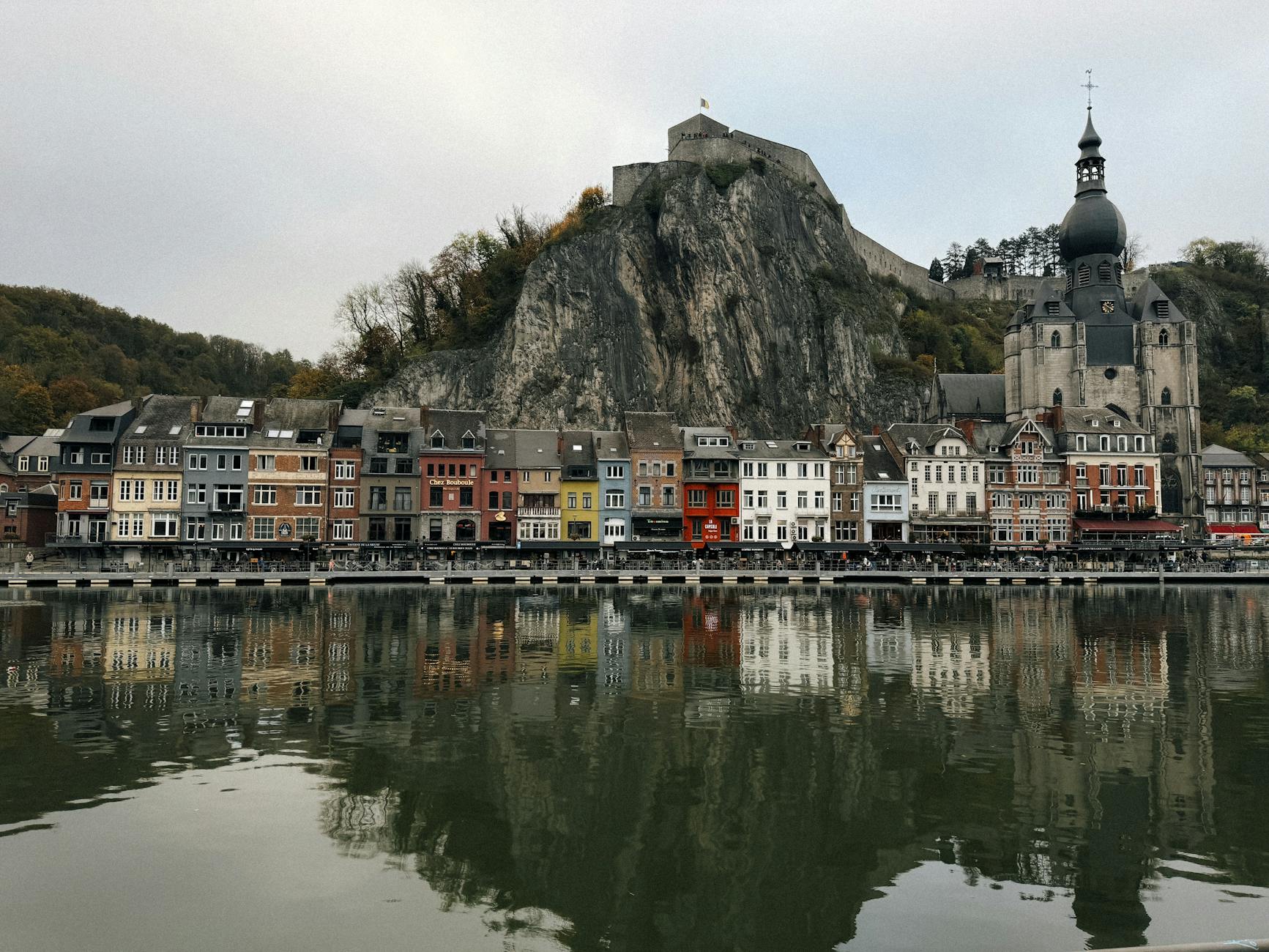
    Explore Dinant in 2025: Belgium’s Riverside Gem with Historical Charm

    Introduction

    Nestled alongside the Meuse River and framed by dramatic limestone cliffs, Dinant, Belgium, is a breathtaking riverside town that enchants visitors with its picturesque landscapes and rich history. Known for its iconic Collegiate Church of Notre Dame, which appears to rise directly from the rock face, Dinant offers a unique blend of architectural splendor, cultural experiences, and outdoor activities. The history of this charming town dates back to medieval times and is steeped in fascinating stories of resilience and transformation. Its strategic location has attracted merchants, artists, and tourists alike. Today, Dilant stands as a testament to Belgium’s beauty and history, drawing travelers to explore its narrow streets lined with traditional houses, vibrant cafes, and hidden gems. This article invites you to delve deeper into the wonders of Dinant, unveiling the secrets that make this town a must-visit destination for anyone exploring Belgium.

    Historical Overview of Dinant

    Dinant’s history is as captivating as its scenery. Its origins date back to around the 9th century when it was established as an important trading post. The town’s location along the Meuse River made it strategically significant for commerce and transportation. Over the centuries, Dinant has witnessed various invasions, particularly during the conflicts between France and the Spanish Netherlands. The town was notably the site of the infamous massacre in 1466, where many inhabitants were killed, demonstrating the challenges it faced throughout history.

    In the late Middle Ages, Dinant thrived as a center for commerce and craftsmanship, particularly known for its brass production. The brasseries of Dinant became renowned across Europe, contributing to the town’s wealth and reputation. The intertwining of economic prosperity and cultural growth fostered a vibrant community that would leave a lasting impact on the region.

    The construction of the Collegiate Church of Notre Dame began in 1240, which showcases the Gothic architectural influences of the period. The church’s dramatic positioning at the foot of the cliff highlights the ingenuity of its builders, who melded nature with architecture in a way that captivates visitors even today. Various political changes, including the impact of the French Revolution and World War I, led to significant transformations in Dinant, yet the town has preserved its historical charm.

    Over the years, restoration efforts have played a crucial role in maintaining the architectural heritage of Dinant. From the quaint stone buildings that line its cobbled streets to the expansive views offered from the cliffs above, every corner of Dinant tells a story of resilience and continuity. The peaceful resurgence of tourism in the 21st century has allowed Dinant to showcase its unique identity, welcoming visitors eager to explore its rich tapestry of history.

    In summary, Dinant’s historical journey reflects both the trials and triumphs of a town shaped by its geographical position. As you wander through its enchanting streets, one cannot help but feel the weight of its past—a past that continues to ripple through its vibrant present.

    The Architectural Wonders of Collegiate Church of Notre Dame

    The Collegiate Church of Notre Dame is not just a church; it is the heart and soul of Dinant. Perched against a dramatic cliffside, it commands attention from every vantage point in town. The church’s construction began in the 13th century and was completed in the 15th century, showcasing a stunning mix of Gothic and Romanesque architectural styles. The striking façade features tall, slender arches and intricate stone carvings that invite admiration and exploration.

    One of the most notable features of the church is its iconic bell tower. The tower, which reached its current height following renovations in the 19th century, houses a large bell named “Marie.” This bell, unique in its sound, rings out over the town, marking the hours and enhancing the town’s connection to its historical roots. The church’s interior is equally breathtaking, filled with beautiful stained glass windows that depict biblical stories and reflect the artistry of the time.

    As you step inside, the cool air greets you, contrasting with the warm hues of the sunlight spilling through the stained glass. The intricate woodwork and ornate altars create a serene ambiance that invites contemplation and reverence. The church also houses several art pieces, including works from notable Belgian artists, adding to its cultural richness.

    Not only is the Collegiate Church of Notre Dame a place of worship, but it also serves as a cultural hub. It hosts various events, including concerts and exhibitions that highlight the town’s artistic heritage. Visitors are often delighted to find that the church’s acoustics enhance the music, making performances an unforgettable experience.

    Moreover, the church’s architectural significance extends beyond its aesthetic appeal. It has become a symbol of resilience for the town of Dinant. Despite facing destruction during World War I, the church was meticulously restored, ensuring that its historical and cultural value continues to thrive. Guided tours offer insight into the architectural techniques used in its construction, shedding light on the craftsmanship that has stood the test of time.

    In conclusion, the Collegiate Church of Notre Dame is more than just an architectural marvel; it is a living testament to the history and culture of Dinant. Its presence on the cliffside epitomizes the harmony between nature and human creativity, inviting all who visit to reflect on the stories it holds within its walls. A visit to Dinant is incomplete without experiencing the magnificence of this church, a defining feature that truly captures the essence of this exquisite riverside town.

    Outdoor Activities and Scenic River Experiences

    Dinant is not only renowned for its historical significance and architectural beauty but also for its breathtaking outdoor experiences. The town is enveloped by lush hills and the flowing Meuse River, providing a picturesque setting that beckons adventurers and nature enthusiasts alike. The varied landscape is ideal for activities ranging from hiking and cycling to kayaking and boating.

    One of the most popular ways to experience Dinant’s stunning scenery is by hiking along the numerous trails that weave through the surrounding valleys and cliffs. The hill known as “La Citadelle,” which overlooks the town, offers several hiking paths with varying levels of difficulty, making it accessible to both seasoned hikers and casual walkers. From the top, visitors are rewarded with panoramic views of the Meuse River, the colorful rooftops of Dinant, and the dramatic cliffs that define the region. The breathtaking vistas alone make the trek worthwhile, allowing hikers to appreciate the natural beauty that frames this charming town.

    Cycling is another popular pastime in Dinant, with several cycling paths available for those looking to explore the area. The Meuse River is bordered by well-maintained bike lanes, making it easy to embark on a leisurely ride while soaking in the beautiful surroundings. Cyclists can choose to pedal along the riverbanks, enjoying the gentle lapping of the water while stopping at quaint cafes along the way. The landscape varies from serene rural vistas to the rugged cliffs that rise majestically above the river.

    For those seeking a more exhilarating experience, the Meuse River itself offers opportunities for kayaking and canoeing. Adventurers can rent kayaks from local shops and paddle along the river, navigating gentle currents while taking in the sights of the surrounding landscape. The experience of gliding across the water offers a unique perspective of Dinant, allowing paddlers to appreciate the town’s beauty from a different angle. Additionally, guided river tours provide insights into the history and ecology of the river, enriching the experience with knowledge about the region.

    Fishing enthusiasts will also find satisfaction in the waters of the Meuse. The river is home to various fish species, creating ideal fishing spots for both novice and experienced anglers. Fishing permits can be easily obtained, and local shops often provide gear and guidance.

    In addition to physical activities, Dinant hosts various events centered around its outdoor environment. From annual river festivals to organized hikes, the town embraces its natural beauty and encourages both residents and visitors to engage with it. These events foster a sense of community and allow individuals to connect with nature and each other.

    Ultimately, Dinant’s outdoor activities and scenic river experiences offer something for everyone, providing a perfect blend of adventure and relaxation. Whether hiking the hills, cycling along the river, or paddling the Meuse, visitors are sure to leave with unforgettable memories of the stunning landscapes that define this remarkable riverside town.

    Culinary Delights and Local Cuisine

    Food lovers will find Dinant a hidden gem of culinary delights, where traditional Belgian cuisine meets local specialties. The town’s gastronomic scene is a reflection of its rich history and cultural melting pot, offering visitors a chance to experience the unique flavors that define the region. From hearty stews and artisanal cheeses to delectable pastries, Dinant boasts an array of dishes that cater to every palate.

    One of Dinant’s most famous culinary exports is the “couque de Dinant,” a hard, sweet biscuit that has been produced in the region since the Middle Ages. Made with simple ingredients, including flour, honey, and water, these biscuits are rolled out and cut into distinctive shapes, often featuring intricate designs. Visitors can purchase these treats from local bakeries, and their unique flavor profile makes them a delightful souvenir as well as a tasty snack while exploring the town.

    Another highlight of Dinant’s culinary offerings is the local cheese. The region is known for its artisanal cheeses, particularly the “Fromage de Dinant,” a soft cheese that is celebrated for its creamy texture and rich flavor. Many local shops offer cheese tastings, allowing visitors to sample a variety of cheeses paired with artisan bread and locally produced wines. Cheese lovers will appreciate the passion and craftsmanship that go into creating these artisanal products.

    For those who enjoy hearty meals, Dinant’s restaurants serve up a range of traditional Belgian dishes. One must-try is the Flemish stew, made from beef, onions, and beer, slow-cooked to perfection and served with a side of fries. This comforting dish embodies the essence of Belgian cuisine and is best enjoyed in a cozy restaurant setting, where the aroma of home-cooked meals fills the air.

    Seafood enthusiasts will also find fresh catches from the Meuse River featured on many restaurant menus. From grilled fish to river pike, diners can experience the flavors of the region’s waters. Pairing these dishes with a glass of local beer, brewed in the tradition of Belgian brewing, completes the authentic dining experience.

    Cafés and bistros lining the streets of Dinant not only serve food but also play an essential role in the social fabric of the town. Visitors can relax in outdoor seating areas, enjoying delicious coffee or local pastries while taking in the lively atmosphere. It’s the perfect way to soak up the ambiance, watch the world go by, and connect with the heart of Dinant.

    As the evening approaches, the town transforms into a hub of culinary delights, with many restaurants offering seasonal menus that highlight locally sourced ingredients. Dinant’s commitment to sustainability is reflected in its food scene, with many establishments supporting local farmers and producers. This dedication ensures that visitors not only enjoy fresh and flavorful dishes but also contribute to the local economy.

    In conclusion, Dinant’s culinary scene is an essential part of the town’s charm, blending tradition, sustainability, and creativity. With a focus on local flavors and artisanal products, the town invites visitors to indulge in a diverse array of dishes that reflect its rich cultural heritage. A journey through Dinant is incomplete without tasting its culinary delights, making it a memorable experience that adds another layer to the town’s allure.

    Cultural Events and Festivals in Dinant

    Dinant is alive with cultural vibrancy, hosting a variety of events and festivals throughout the year that celebrate its rich heritage and community spirit. These gatherings provide wonderful opportunities for visitors and locals alike to come together, enjoy music, art, and local traditions, and engage with the town’s history in a lively atmosphere.

    One of the most significant annual events is the “Festival of the Virgin,” which takes place in August. This colorful celebration pays homage to the patron saint of Dinant, featuring a grand procession through the streets. Participants don traditional costumes, accompanied by music and dance, creating a festive atmosphere that captivates all who attend. The energy of the crowd, combined with the joyful sounds of local bands, creates a vibrant ambiance that reflects the town’s deep-rooted traditions and cultural pride.

    Music plays a vital role in Dinant’s cultural landscape, with several music festivals taking place throughout the year. The “Dinant Jazz Nights,” for instance, attract jazz enthusiasts from across the region. Local and international jazz talents perform in various venues, offering a platform for emerging artists while celebrating the legacy of jazz music. The blend of music and architecture in the town, with performances often taking place in scenic settings, enhances the experience, enveloping audiences in a rich tapestry of sound and history.

    Art lovers will appreciate the “Dinant Art Festival,” which showcases both local and international artists. The festival often includes exhibitions, workshops, and open-air installations, encouraging community engagement with the arts. This event not only highlights the creative talents of artists but also serves as a space for dialogue and collaboration among art enthusiasts, fostering a vibrant cultural community.

    In addition to these festivals, Dinant also celebrates its culinary heritage through various food events. The “Taste of Dinant” festival showcases local cuisine, inviting chefs and food artisans to share their delicious creations with attendees. Visitors can savor traditional dishes, support local vendors, and participate in cooking demonstrations, making it a delicious celebration of the region’s culinary identity.

    The calendar is also filled with seasonal celebrations, including Christmas markets in the winter months. The town is transformed into a holiday wonderland, with twinkling lights and festive decorations lining the streets. Local artisans sell handmade crafts and seasonal treats, creating a warm and inviting atmosphere that attracts families and tourists alike.

    Throughout the year, various smaller events and workshops take place, focusing on traditional crafts, music, and local history. These gatherings create opportunities for community members and visitors to interact, learn from each other, and share in the cultural heritage of Dinant. The sense of camaraderie and pride in their traditions is palpable, making for an enriching experience for all participants.

    In summary, the cultural events and festivals in Dinant serve as a testament to the town’s dynamic spirit and dedication to preserving its heritage. By engaging with a diverse range of activities—be it music, art, food, or tradition—Dinant fosters a sense of belonging and encourages everyone to connect with the stories and values that shape this enchanting riverside town.

    Dinant, Belgium, stands out as a captivating destination that seamlessly melds its majestic natural surroundings, rich historical tapestry, and vibrant cultural scene. From the striking Collegiate Church of Notre Dame to the breathtaking landscapes along the Meuse River, every aspect of Dinant invites exploration and wonder. The town’s rich history, spanning centuries of transformation, reflects resilience and innovation, allowing visitors to connect deeply with its past.

    Conclusion

    Outdoor enthusiasts can revel in the activities that the surrounding hills and river offer, whether it be hiking, cycling, or kayaking. Each outdoor experience provides a unique view of the town and its beautiful setting, making it a perfect getaway for nature lovers. The culinary scene captivates the palate with its local specialties, encouraging visitors to savor the flavors of the region while supporting local producers.

    Cultural events and festivals enrich the experience, offering a glimpse into the vibrant community spirit that defines Dinant. Through music, art, food, and tradition, locals and visitors come together to celebrate the town’s heritage and create lasting memories.

    Ultimately, Dinant serves as a reminder of the beauty found at the intersection of nature, history, and culture. As travelers seek destinations that offer both exploration and relaxation, Dinant stands ready to welcome them with open arms. A visit to this stunning riverside town promises an unforgettable journey filled with discovery, adventure, and a renewed appreciation for the wonders of our world.

  • Discover ÄŒeský Krumlov in 2025: A Timeless Medieval Gem

    Discover Český Krumlov in 2025: A Timeless Medieval Gem

    Introduction

    Nestled in the picturesque hills of the South Bohemia region, ÄŒeský Krumlov stands as a testament to medieval architecture and history, captivating the hearts of all who visit. This UNESCO World Heritage site, with its winding cobblestone streets and enchanting Renaissance buildings, transports visitors back in time, offering an authentic glimpse into the past. Founded in the 13th century, ÄŒeský Krumlov was originally established around the dominant ÄŒeský Krumlov Castle, which overlooks the Vltava River and the charming town. The unique blend of architectural styles—from Gothic to Baroque—reflects the town’s rich history and the various cultures that have influenced it throughout the centuries. Today, it thrives as a vibrant hub for tourism, culture, and art, attracting travelers from around the world eager to immerse themselves in its timeless charm. This article delves into the many facets of ÄŒeský Krumlov, highlighting its significance, beauty, and the unique experiences it offers.

    Historical Significance and Origins

    ÄŒeský Krumlov’s foundation dates back to the 13th century, and its historical significance cannot be overstated. The town’s name translates to “Krumlov,” a term derived from the Czech word for “crooked” or “bend,” referencing the Vltava River’s winding pathways that embrace the town. Initially, the settlement served as a strategic location for trade, and its position on the river was pivotal for transport and commerce. The first record of the town appears in 1253, under the dominion of the Vítkovci family, who played an essential role in establishing the area as a significant feudal seat.

    As the centuries unfolded, ÄŒeský Krumlov saw growth and development under various ruling dynasties, notably the Rosenberg family, who became its prominent lords in the 14th century. Their influence ushered in a period of economic prosperity and architectural development, resulting in the magnificent castle complex that stands today. This was a time of flourishing arts and culture, as the town attracted artists and craftsmen drawn to its vibrant atmosphere. The Rosenbergs were not only patrons of architecture but also of the arts, commissioning numerous works that still resonate within the town’s historic framework.

    The castle, a cornerstone of ÄŒeský Krumlov, evolved from a simple fortress to a grand residence, showcasing a blend of Gothic, Renaissance, and Baroque architectural styles. The complex features an array of well-preserved structures, gardens, and frescoes that paint a vivid picture of the town’s storied past. One of the most notable sections is the castle’s tower, which offers breathtaking views of the surrounding landscape and the city itself, attracting both historians and casual visitors alike.

    Throughout the years, ÄŒeský Krumlov adapted to shifting political climates, including various occupations during the Hussite Wars and later the Thirty Years’ War. Each of these historical moments left its mark on the town, influencing not just its architecture but also its cultural identity. The resilience of its residents in preserving their heritage is evident in the meticulous restoration projects over the decades, especially following the tumultuous 20th century.

    In more recent history, post-World War II, Český Krumlov faced economic decline; however, it soon transformed into a critical tourist destination in the 1990s, thanks in part to its designation as a UNESCO World Heritage site in 1992. This recognition spurred an increased interest in preserving its historical and cultural assets, ensuring that future generations could also experience its unique charm.

    Today, visitors to Český Krumlov are not merely observers but are invited to step into a living museum. Walking through its narrow streets or exploring the castle grounds allows a meaningful connection to its history. Guided tours offer insights into the lives of past inhabitants, detailing stories of nobility, art, and political intrigue that shaped the town. Enthusiasts of history and architecture alike will find themselves enthralled by the tales of Český Krumlov, making it a must-visit for anyone seeking to understand the depths of Bohemian history.

    Architectural Marvels and Landmarks

    ÄŒeský Krumlov showcases an unparalleled collection of architectural marvels that tell tales of different eras and styles. The town’s distinctive skyline is dominated by the majestic ÄŒeský Krumlov Castle, featuring a harmonious blend of Renaissance and Baroque elements. Built atop a rocky promontory overlooking the Vltava River, the castle serves not only as a historical monument but also as a symbol of the town’s artistic heritage. The castle complex is an elaborate ensemble with numerous courtyards, gardens, and breathtaking frescoes that illustrate various scenes from mythology and history.

    Visitors can explore the intricacies of the castle, including the beautifully preserved interiors adorned with original furnishings and artwork. One of the most fascinating aspects is the castle’s unique theater, constructed in the 17th century, which remains the only Baroque theater preserved in its entirety in Europe. Regular performances and events bring this historical space back to life, allowing guests to experience the artistry and entertainment that once thrived within its walls.

    As one meanders through the cobbled streets of the town, numerous other landmarks beckon attention. The Gothic-style Church of St. Vitus, located in the town square, boasts an impressive spire and exquisite stained-glass windows, emphasizing the craftsmanship of the period. The significant architecture of this church provides insight into the religious devotion and cultural values of the time, reflecting the importance of Christianity in shaping the community’s identity.

    The old town square itself is a vibrant hub, surrounded by beautifully preserved Renaissance and Baroque buildings, each telling a story of the past. The colorful facades, adorned with decorative elements and historical plaques, create an inviting atmosphere that draws both tourists and locals. The square is host to various events throughout the year, including markets and festivals that celebrate local traditions and crafts, making it a social focal point for the residents.

    One cannot overlook the significance of the Egon Schiele Art Centrum, a contemporary art museum dedicated to the renowned Austrian painter Egon Schiele, who was inspired by the beauty of ÄŒeský Krumlov in his youth. The museum exhibits not only Schiele’s works but also hosts rotating exhibitions featuring both Czech and international artists, bridging the gap between history and modern artistic expression.

    In addition to the remarkable structures, the landscape of Český Krumlov adds to its architectural allure. The Vltava River curves gracefully around the town, enhancing the scenic beauty and offering a picturesque backdrop for the historic buildings. The riverbanks, complete with quaint cafés and serene walking paths, create a peaceful setting for visitors to appreciate the architectural ensemble from various perspectives.

    The combination of natural beauty and historical architecture forms a captivating experience that immerses visitors in the town’s rich tapestry. The interdependence of architecture and the environment serves as a reminder of how closely cultural heritage is linked with the physical landscape. The ongoing efforts to preserve these architectural treasures ensure that the charm and character of ÄŒeský Krumlov will continue to enchant future generations.

    Cultural Experiences and Local Traditions

    Cultural experiences in Český Krumlov are as rich and diverse as its storied history, presenting visitors with the opportunity to engage with local traditions that have thrived for centuries. From annual festivals to artisanal crafts, the town is alive with a sense of identity nurtured by a blend of historical influences, Czech customs, and artistic endeavors.

    One of the most remarkable ways to experience the culture is through the numerous festivals held throughout the year. The Krumlov Carnival, typically celebrated in February, offers a vibrant display of local folklore, music, and dance. Participants don elaborate costumes, showcasing the region’s creativity and artistic flair. This carnival not only entertains but also retains the essence of communal gatherings, which have bonded the townsfolk for generations.

    In the summer months, visitors can immerse themselves in the Baroque Festival, an event dedicated to celebrating the arts and music of the Baroque period. Concerts take place in the castle’s gardens and other notable venues, featuring local and international musicians. These performances not only highlight the musical legacy of the region but also serve to foster a sense of community pride in ÄŒeský Krumlov’s cultural contributions.

    Artisan crafts play a significant role in preserving local traditions. The town is home to many skilled craftsmen who continue to practice traditional methods of glassblowing, pottery, and woodwork. Visitors have the chance to participate in workshops, observing the techniques and artistry that have been passed down through generations. These experiences provide a tangible connection to the town’s heritage while supporting the local economy.

    Cuisine is another vital aspect of ÄŒeský Krumlov’s culture. Traditional Czech dishes can be savored in the many local restaurants and taverns that dot the streets. Dishes such as svíčková, a creamy sauce served with marinated beef, and trdelník, a sweet pastry rolled over an open flame, are just a few culinary delights that present the flavors of the region. Many establishments focus on using locally sourced ingredients, linking food culture with agricultural practices that have sustained the community for years.

    The impact of folklore in ÄŒeský Krumlov is apparent through various storytelling events held in the town’s square or along the riverbanks. These narratives often recount local legends, historical events, and tales of medieval intrigue, preserving the oral traditions that are central to the town’s cultural fabric. Such events invite both residents and tourists to engage with the town’s identity while fostering a shared understanding of its history.

    Moreover, the town’s focus on preserving its cultural heritage is evident through its museums, including the Museum of Candle-making and the Regional Museum, which offer deeper insights into the artistry and historical significance of the region. These institutions provide curated experiences that enrich understanding while ensuring the legacy of local traditions endures.

    Through these myriad cultural experiences, Český Krumlov reveals itself as more than just a picturesque town; it is a living canvas painted with the vibrant hues of tradition, artistry, and community. The spirit of Český Krumlov resonates not only through its historical landmarks but also through the ongoing celebrations, crafts, and culinary delights that continue to define its essence in the present day.

    Natural Beauty and Surrounding Landscape

    The natural beauty surrounding Český Krumlov adds another layer to its charm, complimenting the architectural and cultural richness of the town. Nestled in a scenic valley, between lush green hills and the winding Vltava River, the landscape offers a tranquil escape into nature that harmonizes beautifully with the historical ambiance.

    The Vltava River, one of the region’s defining features, provides opportunities for outdoor activities such as kayaking, canoeing, and fishing. The gentle flow of the river creates picturesque views, especially when seen from the viewpoints on the hillsides or atop the castle. During the warmer months, visitors can enjoy leisurely boat rides, with several companies providing equipment rentals or guided tours. The serene experience of gliding along the water allows for a unique perspective of the town while soaking in the surrounding natural beauty.

    The riverbanks are adorned with cycling and walking trails that meander through enchanting landscapes. These paths are perfect for those looking to explore the countryside surrounding ÄŒeský Krumlov on foot or by bike. Visitors often take day trips to nearby villages, where they can witness the unspoiled beauty of rural life in the Czech Republic. This ecological diversity showcases the region’s flora and fauna, offering birdwatching opportunities and glimpses of local wildlife.

    Just outside the town, the Bohemian Forest (Å umava) National Park is a prime destination for nature enthusiasts. This expansive protected area, characterized by dense forests, pristine lakes, and unique rock formations, provides an oasis for hikers and outdoor adventurers. Trails of varying difficulties lead through the stunning scenery, with opportunities for picnicking and enjoying the serenity of unspoiled nature. The park’s connection to Czech folklore also adds a captivating element to visits, where one can learn about the legends tied to these ancient woods.

    As seasons change, the landscape around Český Krumlov also transforms. Autumn brings a kaleidoscope of colors, turning the hillsides into a canvas of warm hues. This seasonal transition attracts photographers and nature lovers alike, all eager to capture the beauty of the fall foliage against the backdrop of the medieval town. Winter, on the other hand, casts a tranquil spell over the region, with snow-dusted rooftops and frozen riverbanks creating a fairytale scene that is both magical and serene.

    In the spring, wildflowers bloom, transforming the meadows and forest floors into vibrant patches of color. This renewal of life fosters an atmosphere of hope and new beginnings, compelling visitors to engage with the natural world after the cold winter months. Many events celebrate the arrival of spring, including local flower festivals and outdoor markets that showcase regional crafts and produce.

    Beyond its visual allure, the natural environment surrounding ÄŒeský Krumlov plays a crucial role in supporting local agriculture, which contributes to the region’s economy and culinary offerings. Many small farms thrive on the outskirts, providing fresh ingredients to local restaurants and markets. This farm-to-table ethos reinforces the connection between nature and culture, allowing visitors to experience authentic Czech cuisine that reflects the landscape it originates from.

    The sweeping natural beauty that envelops ÄŒeský Krumlov enhances the town’s allure, providing visitors with an opportunity to explore a harmonious blend of history and nature. The striking landscapes, recreational activities, and seasonal transitions create an inviting atmosphere that enriches the overall experience of those who venture to this enchanting medieval town.

    Practical Tips for Visitors

    Planning a visit to Český Krumlov can be a rewarding experience, and knowing a few practical tips can enhance your journey. With its stunning architecture, vibrant culture, and picturesque scenery, the town attracts tourists year-round. Below are essential insights to make the most of your time in this enchanting locale.

    Getting There: ÄŒeský Krumlov is conveniently accessible by various modes of transportation. Many travelers arrive by bus or train from major cities such as Prague or Linz, with regular schedules that make for easy connections. The scenic route through the Czech countryside offers a delightful prelude to your visit, showcasing the beauty of the region. If you’re driving, the journey provides ample opportunities to stop and explore smaller towns along the way, adding to the overall experience.

    Accommodations: When it comes to staying in ÄŒeský Krumlov, there is a wide variety of accommodations to suit different preferences and budgets. From charming guesthouses nestled in the heart of the old town to luxurious hotels with breathtaking views of the castle, your choice will depend on your desired experience. Many establishments offer traditional Czech hospitality, enhancing the warmth of your stay. It’s advisable to book in advance, particularly during the high tourist season, to secure your preferred accommodation.

    Navigating the Town: ÄŒeský Krumlov is a compact and walkable town, making exploration a delightful venture. Most attractions are within walking distance, and wandering through its narrow streets is a joy in itself. However, be prepared for some steep inclines, especially if you’re heading toward the castle. Comfortable walking shoes are recommended to ensure a pleasant experience as you navigate the cobblestone paths.

    Dining Options: Delve into the local cuisine by sampling traditional Czech dishes at one of the many eateries scattered throughout the town. Trying out local specialties, such as goulash or potato pancakes, provides an authentic taste of the region’s flavors. Additionally, many restaurants emphasize farm-to-table practices, using locally sourced ingredients to create memorable meals. Reservations for popular dining spots are advisable, especially during peak seasons, to avoid long waits.

    Cultural Etiquette: While English is widely spoken in tourist areas, learning a few basic Czech phrases can enhance your interactions with locals and show appreciation for their culture. Common greetings and polite expressions can be helpful and endearing, making for a more engaging experience. Additionally, observe local customs, such as respecting quiet zones in religious sites, and be mindful of personal space during conversations.

    Events and Festivals: If you’re fortunate enough to visit during one of the town’s festivals, such as the Krumlov Carnival or the Baroque Festival, embrace the opportunity to participate fully. These celebrations not only provide stunning spectacles but also offer a unique glimpse into the town’s cultural heritage. Engaging with locals during these festive occasions fosters a sense of community and connection.

    By considering these practical tips, your visit to ÄŒeský Krumlov will be enriched with memorable experiences built upon knowledge and understanding of the town’s unique charms. Embrace the spirit of exploration as you uncover the treasures hidden within this medieval gem.

    Conclusion

    In conclusion, Český Krumlov embodies a rare intersection of history, architecture, culture, and natural beauty. This picturesque town, with its medieval charm and cultural vibrancy, offers visitors a captivating experience that feels suspended in time. From the breathtaking views of the castle to the inviting cobblestone streets lined with artisan shops, every corner of Český Krumlov tells a story that invites exploration and appreciation.

    The town’s rich historical narrative unfolds through its stunning architecture and cultural traditions, preserving the legacy of its past. Visitors can engage with local customs while participating in lively festivals and savoring traditional Czech cuisine. The harmonious blend of nature and urban life enhances the charm of the area, providing outdoor enthusiasts with opportunities to explore its scenic landscapes.

    For anyone considering a visit, the charm of Český Krumlov awaits, promising timeless beauty and unforgettable experiences. As a UNESCO World Heritage site, it stands as a reminder of the past, while its lively present reflects the spirit of a community dedicated to preserving its unique heritage. Regardless of the season, Český Krumlov emerges as a captivating destination, ensuring that every traveler leaves with cherished memories and a desire to return.

  • Top 5 Must-Do Experiences in Bangkok in 2025

    Top 5 Must-Do Experiences in Bangkok in 2025

    Introduction

    Bangkok, the vibrant capital of Thailand, is a city brimming with life, culture, and an eclectic mix of modernity and tradition. Known for its stunning temples, bustling streets, and tantalizing cuisine, it offers travelers an unforgettable experience that captures the essence of Thai culture. Whether you’re wandering through the ornate halls of the Grand Palace, savoring the flavors of street food stalls, or exploring lively floating markets, Bangkok invites adventure at every turn. The sounds of the city, from the honking of tuk-tuks to the chants of monks, create an ambiance that is both exciting and serene. With a rich history and an ever-evolving skyline, Bangkok holds a myriad of experiences waiting to be explored. This article will guide you through the highlights of this remarkable city, ensuring your journey is as memorable as the sights and sounds that define it.

    Exploring the Grand Palace and Wat Phra Kaew

    The Grand Palace, a remarkable architectural masterpiece, serves as the spiritual heart of Thailand and is a must-visit for anyone traveling to Bangkok. Constructed in 1782 during the reign of King Rama I, the palace complex has been the official residence of the Kings of Siam and later Thailand for over 150 years. As you enter the majestic gates, you’re greeted by golden spires, intricate mosaics, and sprawling gardens that reflect the opulence of Thai royalty.

    The Grand Palace is not just a visual delight; it’s also steeped in rich history and culture. The complex houses several buildings, each with its own unique architecture and purpose. The most famous of these is Wat Phra Kaew, or the Temple of the Emerald Buddha, which is regarded as the most sacred Buddhist temple in Thailand. The temple is home to a revered statue of the Emerald Buddha, carved from a single block of jade. Visitors are often awestruck by the exquisite detailing of the temple grounds, adorned with gilded statues, colorful murals depicting Thai lore, and sacred symbols.

    Walking through the Grand Palace, one cannot help but be mesmerized by the stunning architectural styles that illustrate the grandeur of the Rattanakosin era. The intricate motifs and the use of vibrant colors in the decoration of the buildings reflect the influence of Thai culture and the importance of Buddhism in the country. Each structure carries a story that links back to Thailand’s rich heritage, reminding visitors of the deep respect for tradition that permeates the Thai way of life.

    To fully appreciate the splendor of this site, it’s recommended to allocate a few hours for exploration. Guided tours are available, providing insights into the history and significance of the various structures. It’s essential to dress appropriately when visiting, as a strict dress code is enforced – no shorts, sleeveless tops, or open-toed shoes. This respect for tradition enhances the experience, as visitors become part of the cultural fabric of the place.

    As you leave the Grand Palace, the memories of the stunning architecture, the serene atmosphere, and the sense of history will linger long after you’ve departed. This experience is not just about visiting a tourist attraction; it’s about stepping into a narrative that has shaped Thailand’s identity for centuries. From the golden stupas to the peaceful gardens, every corner of the Grand Palace offers a glimpse into the soul of Thailand, making it an unforgettable highlight of any trip to Bangkok.

    Discovering the Floating Markets

    Bangkok’s floating markets provide a unique glimpse into the local lifestyle and offer an array of sustenance that highlights the diversity of Thai cuisine. These markets, where merchants sell their goods from boats, can be found throughout the city and its surroundings, with some of the most famous being Damnoen Saduak and Amphawa. A visit to these vibrant markets is essential for any traveler wishing to experience the true essence of Bangkok.

    The atmosphere at the floating markets is bustling, vibrant, and filled with the aroma of street food. As you glide along the canals in a long-tail boat, you can observe local vendors cooking fresh seafood, serving up bowls of spicy noodles, and selling tropical fruits right from their boats. The vibrant colors of the produce, the sounds of sizzling pans, and the chatter of vendors create a sensory overload that is both captivating and exhilarating. This is not just shopping; it’s a full-blown culinary adventure.

    The floating markets also reflect Thailand’s rich culture. Many of the stalls are family-run businesses passed down through generations, making each purchase not just a transaction but a contribution to preserving a way of life. Engaging with the vendors often reveals fascinating stories about their heritage and passion for their craft. It’s common for visitors to engage in friendly bargaining, which adds to the authenticity of the experience.

    Damnoen Saduak, the most iconic floating market, is particularly popular with tourists. Here, visitors can enjoy a wider range of goods, including handmade handicrafts, spices, and souvenirs. However, be prepared for a crowd, as this market tends to attract many visitors. If you prefer a more authentic experience, Amphawa Floating Market offers a quieter environment, appealing to those interested in tasting local delicacies without the tourist hustle. Here, you can indulge in fresh seafood dishes prepared right before your eyes, or sample traditional Thai desserts flavored with coconut and pandan.

    Besides the amazing food, the scenic beauty surrounding the floating markets enhances the experience. The lush greenery of the canals, the traditional wooden boats, and the quaint stilt houses evoke a sense of nostalgia and connection to the past. Whether you’re savoring a bowl of boat noodles or navigating through the narrow canals, the floating markets are an expression of the charming and enduring Thai culture.

    Partaking in a floating market experience will allow you to delve deeper into the heart of Bangkok, leaving you with unforgettable memories and a more profound appreciation for the ingenuity and spirit of its people. This exploration invites you to taste, engage, and witness Thailand’s rich cultural tapestry first-hand—truly a highlight of your journey in Bangkok.

    A Culinary Adventure through Bangkok Street Food

    Bangkok is often deemed the street food capital of the world, with a delectable array of options catering to every palate and budget. From late-night stalls to bustling food courts, the city’s culinary scene comes alive on the streets, offering a dining experience that’s as vibrant and diverse as the city itself. A culinary adventure through Bangkok is not just about eating; it’s about engaging with the local culture, satisfying your cravings, and discovering the stories behind each dish.

    The street food scene in Bangkok is known for its affordability and the speed at which food is prepared. Vendors work in tight spaces, often with only a few ingredients and minimal equipment, yet they skillfully craft dishes that are nothing short of masterpieces. Popular street foods include pad thai, som tam (green papaya salad), satay skewers, and mango sticky rice, each reflective of the harmonious balance of sweet, spicy, and sour that typifies Thai cuisine.

    Exploring Bangkok’s street food can feel overwhelming due to the sheer variety available. However, it’s recommended to start your culinary tour in areas like Yaowarat, Bangkok’s Chinatown, where food stalls line the streets. The area transforms at night into a bustling food paradise, with sizzling woks, aromatic spices, and the chatter of fellow food lovers filling the air. Here, you can indulge in iconic dishes such as the legendary roasted duck noodles or fresh seafood cooked to perfection.

    Another must-visit is the Ratchada Train Night Market, a haven for foodies. Stalls here offer everything from grilled meat skewers to bizarre delicacies like fried insects. The lively atmosphere, combined with the tantalizing aromas, invites visitors to taste a little bit of everything. Be sure to try the coconut ice cream served in a fresh coconut shell—it’s a perfect treat to cool down after sampling spicy dishes.

    The experience extends beyond just the food. Engaging with vendors can lead to fascinating exchanges. Many are eager to share recipes or stories about their culinary journey, adding a personal touch to your meals. For those willing to venture into the unknown, tasting local favorites like ‘som tam’ or ‘larb’ can be a revelation, providing insights into traditional Thai flavors that define the country’s cuisine.

    Safety is often a concern for first-time street fooders, but by observing long queues of locals at a stall, you can gauge the food’s popularity and quality. It’s worth noting that street food is considered safe for consumption; however, selecting fresh ingredients and cooked-to-order dishes will enhance your experience.

    As your culinary adventure continues, you’ll find that each bite offers a layer of history and tradition, revealing the essence of Bangkok’s vibrant culture. From the bustling street stalls to the rich flavors and scents, your journey will create lasting memories and a newfound appreciation for the incredible world of Thai cuisine.

    Cultural Experiences: Temples and Traditional Shows

    Bangkok is a city where culture flourishes, and a visit to its myriad of temples and cultural performances is essential for a complete understanding of Thai heritage. The architecture and significance behind these sacred sites reflect the deep-rooted traditions and values that have shaped Thailand for centuries. Exploring these cultural experiences provides insight into the rich spiritual tapestry of the country, creating an unforgettable connection to Bangkok.

    Among the numerous temples in Bangkok, Wat Pho, the Temple of the Reclining Buddha, is a highlight. Home to a colossal golden Buddha statue measuring 46 meters long, the temple complex is also a center for traditional Thai massage and education in healing arts. Visitors often marvel at the intricate details of the statue itself, with inlaid mother-of-pearl decorations adorning its feet, symbolizing the 32 characteristics of a great man in Buddhism. The temple’s serene atmosphere and beautiful murals create a contemplative space perfect for reflection.

    Another noteworthy temple is Wat Arun, or the Temple of Dawn, which stands majestically on the banks of the Chao Phraya River. Its striking architecture is characterized by a central prang (tower) adorned with colorful porcelain tiles, shimmering in the sunlight. Climbing to the top of Wat Arun offers stunning panoramic views of the river and the city, an exhilarating reward for your efforts. At sunset, the temple transforms into a breathtaking sight, as the lighting highlights its intricate details, making it a prime location for photography enthusiasts.

    Cultural experiences in Bangkok extend beyond temple visits. Traditional Thai dance performances, such as Khon, can be witnessed at venues like the National Theatre. This classical dance-drama combines elaborate costumes and intricate movements to tell stories from the Ramayana, a significant epic in Thai culture. The performances are captivating, showcasing the grace and precision of the dancers while providing intricate narratives that reflect the moral values of the time.

    For those who wish to dive deeper into the cultural fabric of Thailand, workshops in traditional crafts offer a unique hands-on experience. Learning the art of batik painting or Thai cooking allows you to engage with local artisans, fostering appreciation for the skills and traditions passed down through generations. These lessons provide not only insight but also practical skills that you can take home, creating lasting memories of your time in Bangkok.

    Moreover, participating in local festivals such as Loy Krathong or Songkran showcases the rhythm of Thai life. These festivals highlight the community’s spirit and the significance of water in Thai culture. By immersing yourself in these events, you gain a fuller understanding of the values that guide the people of Thailand.

    Bangkok’s temples and cultural performances create pathways to explore the city’s historical and spiritual dimensions. Each visit to a temple unfolds stories of devotion and artistry, while local performances allow visitors to witness the vibrancy of Thai culture. Engaging with these experiences enriches your journey and leaves you with a deeper appreciation for the soulful heritage that defines Bangkok.

    Shopping in Bangkok: From Markets to Malls

    Bangkok is renowned for its shopping, offering an eclectic mix of traditional markets and modern malls that cater to all preferences and budgets. The vibrant shopping scene reflects the city’s dynamic culture, making it a paradise for both locals and tourists alike. From bargaining at street vendors to indulging in luxury boutiques, shopping in Bangkok is an experience that contributes to the overall adventure of the city.

    One of the most memorable shopping experiences is exploring Chatuchak Weekend Market, one of the largest markets in the world. Spanning over 35 acres and comprising thousands of stalls, this market offers everything from clothing and accessories to home décor and local handicrafts. The lively atmosphere, filled with the chatter of vendors and shoppers, creates an exhilarating environment perfect for hunting down unique finds. Bargaining is part of the fun, with shoppers often walking away with great deals and interesting souvenirs.

    For those seeking a more modern shopping experience, Bangkok’s luxury malls, such as Siam Paragon and CentralWorld, offer a dizzying selection of high-end brands, electronics, and gourmet food courts. These malls are not just shopping destinations; they are cultural hubs, housing art exhibits, cinemas, and even theme parks. Spend a day exploring the vast spaces, indulging in international cuisines, and enjoying various entertainment options that keep the whole family engaged.

    Another exceptional shopping destination is the floating markets, which combine shopping with the unique experience of purchasing goods directly from boats. Vendors offer fresh produce, handmade souvenirs, and delicious street food, allowing visitors to navigate the canals and explore products that encapsulate the essence of Thai culture. Be sure to try local delicacies while browsing through unique crafts, reminding you that shopping here is not just about the goods but also about the experience.

    For a more local touch, head to Thonglor and Ekkamai districts, where hip boutiques and designer shops showcase the creativity of local artisans. Here, you can find everything from handmade jewelry to contemporary fashion that illustrates a blend of traditional Thai culture and modern design. These areas are also dotted with quaint cafes and eateries, making it easy to take breaks between shopping sprees.

    As shopping can often be tiring, consider incorporating spa treatments or wellness breaks at some of the upscale malls and luxury hotels. Many locations offer serene environments and a range of services, from traditional Thai massages to pampering treatments, providing a perfect respite between your shopping adventures.

    Shopping in Bangkok transcends mere transactions; it’s an immersive experience that allows you to engage with the city’s culture, artistry, and people. Whether you’re hunting for souvenirs at a bustling market or indulging in luxury goods in a chic mall, Bangkok’s shopping scene is an unforgettable part of your journey that captures the vibrancy and spirit of this incredible city.

    Conclusion

    Bangkok is a city that thrives on contrasts, offering a unique blend of ancient traditions and modern sensibilities that captivate every visitor. From the grandeur of the Grand Palace to the serene experience of floating markets, and the unforgettable flavors of street food, each element plays a vital role in creating an unforgettable journey. As you explore the vibrant culture through its temples, traditional performances, and exceptional shopping experiences, you find yourself immersed in the spirit of this remarkable city.

    The memories made in Bangkok are often heartfelt and profound, as every corner of the city offers insight into a rich history intertwined with contemporary life. Each interaction, whether with a local vendor or a fellow traveler, adds depth to your understanding and appreciation of the dazzling diversity that defines Bangkok. As you leave this radiant city, the experiences shared and lessons learned will stay with you long after the journey ends, encouraging a return to this incredible destination where adventure and culture await at every turn.

  • Ultimate Guide 2025 to Magical Disney World and Universal Studios in Orlando

    Ultimate Guide 2025 to Magical Disney World and Universal Studios in Orlando

    Introduction

    Orlando, Florida, often dubbed the “Theme Park Capital of the World,” is a must-visit for families, thrill-seekers, and dreamers alike. At the heart of this vibrant city are the world-renowned Disney World and Universal Studios, each offering unique experiences that cater to all ages. A journey to these magnificent parks is not just about the rides and attractions; it’s about creating cherished memories that will last a lifetime. In this article, we will explore the enchanting world of Disney, the exhilarating adventures at Universal Studios, and provide tips on how to make the most of your trip. Whether you’re a first-time visitor or returning after years, the magic of Orlando awaits, promising laughter, excitement, and family bonding in every corner.

    Discovering Disney World: A Magical Experience

    Walt Disney World Resort is a dreamland that ignites the imagination and evokes a sense of nostalgia for adults and children alike. With four theme parks including the Magic Kingdom, Epcot, Disney’s Hollywood Studios, and Disney’s Animal Kingdom, each park presents a unique experience that captures the essence of Disney magic.

    The Magic Kingdom is often the centerpiece of Disney World, featuring iconic attractions such as Cinderella Castle, Space Mountain, and Pirates of the Caribbean. As visitors step into Main Street, U.S.A., they are greeted by a picturesque setting embodying the charm of an idealized Americana. The parades and fireworks displays are experiences that transcend age, thrilling young children and stirring nostalgia in adults.

    Epcot offers a different experience, blending technology with international culture. Here, visitors can explore the Future World section where innovation and creativity highlight human achievement, and World Showcase presents pavilions representing 11 different countries. This park allows guests not only to have fun but also to gain a deeper understanding of diverse cultures and cuisines. The festivals held throughout the year, such as the International Flower and Garden Festival and the Food and Wine Festival, provide even more immersive experiences.

    Disney’s Hollywood Studios transports guests into the heart of the entertainment industry. Popular attractions like Star Wars: Galaxy’s Edge and Toy Story Land engage visitors in an interactive manner, allowing them to step directly into their favorite films. The park’s thrilling rides, such as the Twilight Zone Tower of Terror and Rock ‘n’ Roller Coaster Starring Aerosmith, provide adrenaline-pumping experiences.

    Animal Kingdom combines the magic of Disney with the wonders of the animal kingdom. This park is a celebration of nature, featuring wildlife encounters and stunning landscapes. Pandora – The World of Avatar, an immersive area that brings James Cameron’s film to life, offers one of the most breathtaking attractions in the resort, Avatar Flight of Passage. The park’s commitment to conservation and education is evident through its various exhibits that promote awareness and appreciation of wildlife.

    A trip to Disney World is not complete without the delightful dining experiences available on the property. From character dining with beloved Disney figures to fine dining options like Cinderella’s Royal Table, there is an array of choices to satisfy every palate. The enchanting atmosphere in these restaurants complements the magic of the parks, making every meal memorable.

    Moreover, planning a visit to Disney World requires some strategic considerations. Utilizing the My Disney Experience app can help visitors manage their trip effectively, from booking dining reservations to checking wait times for rides. Understanding the FastPass+ system can also help maximize time spent enjoying attractions rather than standing in line.

    The Thrills of Universal Studios: A World of Adventure

    Universal Studios Florida and its sister parks, Islands of Adventure and Volcano Bay, present unparalleled experiences for those seeking thrill and excitement. While Disney encompasses the whimsical, Universal embraces the adventurous spirit, making it a haven for adrenaline junkies and movie buffs.

    Universal Studios Florida is a place where the magic of movies comes to life. Visitors can immerse themselves in the world of their favorite films, with attractions based on beloved franchises like Harry Potter, Transformers, and The Simpsons. The Wizarding World of Harry Potter, divided between Diagon Alley in Universal Studios and Hogsmeade in Islands of Adventure, is a major draw. Here, fans can experience the sights, sounds, and tastes of J.K. Rowling’s legendary universe, from taking a ride on Harry Potter and the Escape from Gringotts to enjoying a Butterbeer.

    The iconic rides here are designed to thrill and transport, offering a sense of adventure that keeps visitors coming back for more. Rides like Revenge of the Mummy and the Hollywood Rip Ride Rockit are must-tries for those seeking an adrenaline rush. The park also embraces technology, with attractions featuring cutting-edge 3D and 4D experiences that heighten the thrill factor.

    Islands of Adventure, on the other hand, caters to those who love the outdoors with its lush scenery and exciting rides. Each island has its theme, from the Jurassic Park’s thrilling roller coasters to the Seuss Landing, which delights children with whimsical attractions based on Dr. Seuss’s beloved books. The park’s highlight is the Incredible Hulk Coaster, a high-speed roller coaster that promises an exhilarating experience.

    For those looking to cool off, Universal’s Volcano Bay is a water theme park that combines relaxation with thrilling water attractions. The innovative ride tracking system, TapuTapu, allows guests to reserve their spot without waiting in line, maximizing time spent enjoying the waves and slides.

    Dining options at Universal are diverse, ranging from quick service to full-service restaurants. The Toothsome Chocolate Emporium & Savory Feast Kitchen stands out with its steampunk décor and delicious desserts, providing visitors with a unique dining experience that is as memorable as the rides.

    Visiting Universal Studios requires some strategic planning as well, particularly considering the popularity of its attractions. Adding Express Passes can significantly reduce wait times, allowing guests to enjoy more attractions in a shorter time frame. Additionally, understanding the best times to visit each area of the park can provide a smoother experience.

    Planning Your Trip: Tips for a Seamless Experience

    Planning a trip to Orlando, especially when visiting popular parks like Disney World and Universal Studios, requires careful consideration and research. To make the most out of your experience, here are some essential tips to keep in mind.

    First and foremost, choose the right time to visit. Orlando tends to be more crowded during school holidays and summer months, leading to longer wait times at attractions. If possible, consider visiting during off-peak seasons such as late January through mid-February or mid-September through mid-November, when the crowds are typically lighter, and the weather is still pleasant.

    Accommodations can greatly influence your overall trip experience. Staying on-site at either Disney World or Universal Studios resorts comes with numerous benefits, including early park access and complimentary transportation to and from the parks. However, there are also plenty of nearby off-site hotels that offer competitive rates and complimentary shuttle services to the parks, providing flexibility in budget and amenities.

    When it comes to tickets, purchase them in advance to avoid lengthy lines at the entrance. Both Disney and Universal offer various ticket options, including single-park, multi-park, and park-hopper passes. It’s essential to evaluate which type best fits your itinerary and interests.

    Additionally, familiarize yourself with each park’s mobile app. These apps not only provide maps and attraction wait times but also allow you to make dining reservations and order food ahead of time, decreasing time spent waiting in line for meals.

    Understanding the FastPass+ system for Disney or the Express Pass at Universal can save valuable time. These systems allow guests to reserve access to specific attractions, significantly reducing wait times. Be mindful of each park’s rules regarding these passes and plan your must-visit attractions accordingly.

    Meal planning is another crucial aspect of preparation. Reservations at popular dining locations can fill up quickly, particularly those that offer character experiences at Disney. Look into both table-service and quick-service options, and consider trying unique dining experiences within the parks that contribute to the overall adventure.

    Lastly, traveling with children requires special preparations to ensure their comfort and enjoyment. Bring along essentials such as sunscreen, hats, ponchos, and comfortable shoes. Consider scheduling breaks throughout your day to rest and recharge, as the excitement can be overwhelming for young ones.

    Careful planning can lead to a seamless and enjoyable experience at Orlando’s famed theme parks. With the right timing, accommodations, and knowledge of the parks’ processes, visitors can optimize their journey and create lasting memories.

    Dining and Entertainment: Savoring Orlando

    Orlando is not just about thrilling attractions; it is also a culinary destination with a vibrant dining scene. From themed restaurants to local eateries, guests can embark on a gastronomic adventure that complements their experiences at the parks.

    At Disney World, dining options range from character meals to exquisite fine dining experiences. One standout is Be Our Guest Restaurant located within the Magic Kingdom. Set in the enchanting Beast’s castle from “Beauty and the Beast,” guests can indulge in French cuisine while enjoying the ambiance of this iconic film. Reservations are highly recommended, as this dining venue tends to fill up quickly.

    Another exceptional dining experience is the California Grill at Disney’s Contemporary Resort, known for its stunning views of Cinderella Castle and spectacular fireworks shows. This restaurant offers a menu featuring fresh, seasonal ingredients and a carefully curated wine selection, making it a perfect choice for a romantic evening.

    Universal Studios also presents diverse dining experiences to suit different tastes. The Leaky Cauldron allows guests to savor traditional British fare in a truly immersive environment. For those seeking a casual dining experience, The Three Broomsticks in Hogsmeade provides an authentic taste of the Harry Potter universe with a selection of hearty meals and, of course, Butterbeer.

    The vibrant city of Orlando boasts delicious options beyond the theme parks as well. From international flavors to local favorites, food enthusiasts can explore culinary treasures throughout the city. Visit the East End Market, where local vendors offer farm-fresh produce, artisanal goods, and gourmet meals, giving guests a taste of Orlando’s local food scene.

    The diverse entertainment options in Orlando also contribute to the overall experience. Beyond rides and attractions, guests can enjoy live performances, parades, and events that bring extra magic to their visit. In addition to the nightly fireworks at Disney, Universal presents the Cinematic Celebration, a spectacular show combining water, light, and music that takes place at Universal Studios.

    Furthermore, Orlando’s nightlife offers something for everyone. Icon Park, located on International Drive, features The Wheel, a stunning 400-foot-tall observation wheel, along with various restaurants, bars, and entertainment options. The vibrant nightlife is a testament to Orlando’s allure.

    While food and entertainment make for memorable experiences, guests can enhance their trips by scheduling unique events or experiences, such as character meet-and-greets at Disney or behind-the-scenes tours at Universal Studios. These interactions foster connections and allow for more memorable moments.

    Dining and entertainment in Orlando create layers of excitement that add depth to the theme park experience. With a diverse array of options available, guests can savor the flavors of the city while enjoying world-class attractions.

    Beyond the Parks: Exploring Orlando’s Other Attractions

    While Disney World and Universal Studios steal the spotlight, Orlando has much more to offer beyond the theme parks. Whether you’re looking for natural beauty, cultural experiences, or family-friendly entertainment, the city is teeming with attractions to explore.

    One of Orlando’s most beloved destinations is the Orlando Science Center, where visitors of all ages can engage in interactive exhibits and learn about science, technology, and nature. The hands-on experiences foster curiosity and creativity, making it an excellent complement to the high-energy theme park experiences.

    Nature enthusiasts can escape the hustle and bustle by visiting Leu Gardens, a spectacular 50-acre botanical garden showcasing an array of tropical plants, flowers, and trees. The picturesque landscapes provide a serene setting for a relaxing afternoon stroll, with beautiful trails inviting you to discover the garden’s hidden gems.

    Another must-visit destination is the Orlando Museum of Art, which features an impressive collection of American art, contemporary works, and regional art exhibits. Special events and workshops are often held, providing guests with an opportunity to engage and learn more about the art world.

    For those looking to shop and dine, ICON Park and The Mall at Millenia offer a range of retail options, from luxury brands to unique local stores. ICON Park also boasts an exhilarating sky-high view from The Wheel, allowing visitors to take in stunning panoramas of the Orlando skyline.

    Animal lovers can enjoy a visit to the Central Florida Zoo & Botanical Gardens, home to more than 400 animals and various botanical displays. A chance to get up close with animals, meet zookeepers, and explore nature trails makes it a delightful family outing.

    Adventure seekers can explore the great outdoors with activities like airboat tours in the Everglades, zip-lining through lush canopies, or visiting the nearby springs for swimming and kayaking. These experiences allow visitors to connect with Florida’s beautiful natural landscape.

    Additionally, cultural experiences in Orlando highlight the city’s diversity, with various festivals and events throughout the year. The Dr. Phillips Center for the Performing Arts hosts an array of performances, from Broadway shows to concerts, enhancing the cultural fabric of the city.

    Orlando’s theme parks provide unforgettable experiences, but the charm of the city extends beyond the gates. Exploring these attractions will add a rich dimension to your visit, ensuring that you leave with a well-rounded understanding of what Orlando has to offer.

    Conclusion

    Orlando, Florida, is a destination brimming with magic, adventure, and culinary delights. From the enchanting realms of Disney World and the exhilarating rides at Universal Studios to the serene beauty of botanical gardens and immersive cultural experiences, there is something for everyone. As you plan your unforgettable journey to this vibrant city, keep in mind the diverse offerings, tips for smooth navigation, and the importance of savoring every moment. So, pack your bags and prepare for an adventure filled with laughter, excitement, and cherished memories that will last a lifetime. Orlando awaits!