Tag: Travel

  • Spectacular Burj Al Arab: A Seven-Star Hotel Experience in 2025

    Spectacular Burj Al Arab: A Seven-Star Hotel Experience in 2025

    Introduction

    The Burj Al Arab, often referred to as the world’s only “seven-star” hotel, stands tall on a man-made island off the coast of Dubai, UAE, a testament to unparalleled luxury and architectural innovation. Since its opening in 1999, the hotel has redefined opulence, becoming a global icon synonymous with the extravagance of the Arab world. Designed by architect Tom Wright, the Burj Al Arab’s stunning sail-shaped silhouette symbolizes the rich maritime heritage of the UAE while also representing its bold aspirations for the future. With a height of 321 meters, it is one of the tallest hotels in the world and offers a breathtaking view of the Arabian Gulf. Guests who stay at this luxurious establishment are treated to the finest amenities and services, ensuring a memorable experience that epitomizes indulgence. Each aspect of the Burj Al Arab is a celebration of Arabian culture and hospitality, making it not just a hotel, but a landmark of luxury.

    Architectural Marvel: Design and Construction

    The Burj Al Arab’s design is nothing short of revolutionary, showcasing the ingenuity of contemporary architecture. The structure resembles the sail of a dhow, a traditional Arabian boat, which is a nod to the maritime heritage of the region. Designed by the London-based architect Tom Wright of WKK Architects, the concept of the hotel was inspired by the desire to create an iconic building that would represent Dubai’s rich culture and history.

    Constructed on a man-made island, the Burj Al Arab represents a remarkable feat of engineering. The island is connected to the mainland by a private curving bridge, ensuring exclusivity for guests. The base of the building was carved from concrete and reinforced with steel, allowing the structure to withstand the forces of nature while also supporting the luxury that lies within. The hotel boasts a unique design that features a fabric-covered atrium that stands at 180 meters in height, enveloping guests in a breathtaking first impression as they enter the hotel.

    The exterior of the Burj Al Arab is equally stunning, clad in a unique Teflon-coated, fiberglass composite that reflects the sun, creating a shimmering effect during the day while illuminated by an array of lights at night. The building is almost a piece of art, ensuring that it stands out on the Dubai skyline, creating a lasting impression on both tourists and locals alike.

    Internally, the Burj Al Arab is a masterpiece of opulence. The interiors were designed by Khuan Chew and embody sophistication through the use of gold leaf accents, rich textiles, and elaborate designs. Notable features include the grand atrium, which features a stunning waterfall and displays of lush greenery, creating an oasis of luxury. High-end materials such as marble, glass, and onyx adorn the rooms and suites, providing an atmosphere of extravagance.

    Every detail in the architectural design of the Burj Al Arab has a purpose, showcasing the luxurious lifestyle combined with modern technology, including high-speed elevators and cutting-edge communication systems. The hotel’s overall structure, size, and design represent a significant achievement in modern architecture, demonstrating not just engineering prowess but also the commitment of Dubai to become synonymous with luxury and innovation. The Burj Al Arab isn’t just a place to stay; it’s a destination in itself.

    Exquisite Luxury: Inside Burj Al Arab

    Stepping inside the Burj Al Arab is akin to entering a realm where every luxury is amplified. The hotel boasts 202 lavish suites, each designed to offer an unmatched level of comfort and sophistication. The smallest suite is an impressive 170 square meters, while the Royal Suite spans an expansive 780 square meters, replete with amenities that cater to the elite. Each suite is designed with sumptuous furnishings, including custom-made rugs, luxurious linens, and awe-inspiring views of the Arabian Gulf through floor-to-ceiling windows.

    Guests are welcomed into their suites with personalized butler service, a distinctive feature that reflects the hotel’s unwavering commitment to hospitality. These butlers are available 24/7, ensuring every need is met, from unpacking luggage to arranging excursions in Dubai. The level of service and attention to detail is unparalleled, emphasizing the notion that guests are not just visitors, but part of an exclusive lifestyle.

    The hotel’s interiors are thoughtfully curated with a blend of traditional Arabian aesthetics and contemporary design. Gold leaf accents adorn walls, while grand chandeliers made of crystal hang dramatically in public spaces. The atrium is a focal point, with a waterfall cascading down stones, perfectly merged with a vibrant display of exotic flowers and live plants that evoke a sense of tranquility amidst the opulent surroundings.

    Dining at the Burj Al Arab is an experience unlike any other, with several award-winning restaurants that not only provide culinary specialties but also offer exquisite dining environments. The Al Muntaha restaurant, located on the 27th floor, offers panoramic views of the Dubai skyline while serving exquisite dishes crafted from the finest international ingredients. Another highlight is the underwater restaurant, Al Mahara, which provides diners an immersive experience whilst surrounded by a mesmerizing aquatic environment.

    To complement the extraordinary accommodations, the Burj Al Arab features innovative entertainment options for its guests. A lavish spa offers a range of treatments designed to rejuvenate body and mind, while the stunning infinity pool provides a serene escape with stunning views of the Gulf. While staying at the Burj Al Arab, visitors can also indulge in personalized experiences such as private yacht charters or helicopter tours, further amplifying the luxury associated with this iconic hotel.

    Overall, the Burj Al Arab is a sanctuary of luxury and comfort, designed to cater to the needs of the most discerning travelers. The combination of world-class facilities, exceptional service, and lavish interiors creates an unforgettable experience that meets the highest standards of luxury hospitality.

    Culinary Experiences: Gourmet Dining

    Dining at the Burj Al Arab is an extraordinary experience that transcends traditional hotel dining. The hotel houses multiple fine-dining establishments, each offering a unique culinary journey that reflects the rich flavors of Arabia complemented by global cuisines. The restaurants are helmed by renowned chefs who craft menus using only the finest ingredients, making every meal a celebration of gastronomy.

    One of the standout restaurants is Al Muntaha, located 200 meters above the ground on the hotel’s 27th floor. Offering sweeping views of the Arabian Gulf and the Dubai skyline, Al Muntaha provides diners with an exquisite selection of contemporary European cuisine. The dining experience here is not solely about the food; it is about the ambiance. Guests can enjoy the breathtaking scenery while savoring dishes that masterfully blend flavors and textures. Seasonal menus leverage locally sourced ingredients, ensuring that diners experience the best of what is available.

    Another culinary gem within the Burj Al Arab is Al Mahara, a unique underwater restaurant that transports guests into the depths of the ocean. Diners are surrounded by an aquarium filled with marine life while enjoying fresh seafood prepared with flair. The ambiance is unparalleled, as it creates a serene dining atmosphere that is both relaxing and visually captivating. The menu at Al Mahara focuses on the finest seafood caught from local waters, merging traditional cooking methods with modern techniques to create dishes that are both innovative and delicious.

    For those seeking a taste of traditional Arabian cuisine, the hotel offers the Sahn Eddar restaurant, located in the atrium. This restaurant captures the essence of Middle Eastern flavors through a menu filled with lavish mezze platters, grilled meats, and fragrant rice dishes. Guests can enjoy a relaxing breakfast or afternoon tea at Sahn Eddar, immersing themselves in the hospitality that is characteristic of Arab culture. The luxurious setting, combined with authentic flavors, creates an unforgettable culinary celebration.

    The Burj Al Arab also boasts an impressive collection of bars and lounges, where guests can relax after a day of exploration. One such venue is the Juna Lounge, featuring a stunning terrace that offers magnificent views of the sunset. Here, guests can sip on handcrafted cocktails crafted by talented mixologists while enjoying a selection of artisanal snacks that showcase the region’s flavors.

    To ensure an unparalleled dining experience, the Burj Al Arab offers personalized dining options, allowing guests to choose unique locations throughout the hotel for their meals. Whether it be dining in-suite, on the beach, or amidst the lush gardens, the hotel orchestrates bespoke dining experiences that cater to individual tastes and preferences.

    The emphasis on culinary innovation, exceptional service, and luxurious settings at each dining venue in the Burj Al Arab elevates the gastronomic experience to new heights. It is an essential aspect of the luxury lifestyle that the hotel embodies, ensuring that every meal is a remarkable event for residents and guests alike.

    Exceptional Service: A Commitment to Hospitality

    At the core of the Burj Al Arab’s reputation for luxury lies its unparalleled commitment to providing exceptional service. The hotel’s staff are trained to uphold a level of hospitality that is unsurpassed, reflecting a culture that places guest satisfaction at the forefront of its operation. With a staff-to-guest ratio of nearly 8:1, guests can expect personalized attention throughout their stay, ensuring every need is met with the utmost care and efficiency.

    From the moment guests arrive, they are enveloped in an atmosphere of warmth and sophistication. Upon check-in, visitors are greeted by their personal butler, who will be their primary point of contact during their stay. This butler service is a signature feature of the Burj Al Arab, providing guests with a dedicated staff member to assist them with anything from unpacking and packing luggage to making dining reservations or arranging transportation. This personalized approach ensures that each guest feels valued, allowing them to relax and enjoy their experience while leaving the details to the expert staff.

    The training regimen for the staff at Burj Al Arab is exhaustive, focusing not only on skills and knowledge but also on soft skills such as communication, problem-solving, and cultural awareness. Staff members are trained to anticipate guest needs and preferences, empowering them to create memorable experiences that cater to even the most specific requests. This commitment to service excellence is evident in everything the staff does, from serving breakfast in bed to arranging surprise celebrations for special occasions.

    In addition to the core services, the Burj Al Arab also offers a range of luxurious amenities that enhance the overall guest experience. The exclusive spa provides treatments that are tailored to individual preferences, ensuring that each guest receives an experience that rejuvenates both body and mind. The hotel’s in-house concierge team is dedicated to curating bespoke experiences, ranging from private city tours to exclusive access to events in Dubai.

    The exceptional service extends beyond the physical aspects of the hotel; it is ingrained in the very culture of the Burj Al Arab. Staff members are encouraged to forge connections with guests, creating a welcoming environment that fosters meaningful interactions. This greeting culture allows guests to feel a sense of belonging, as staff members take the time to learn names, preferences, and special requests.

    By marrying tradition with modern expectations of hospitality, the Burj Al Arab establishes itself as a beacon of excellence in service. The emphasis on guest well-being and the commitment to creating unforgettable experiences ensure that every visit is extraordinary. This exceptional service not only enhances the luxury of the hotel but also solidifies the Burj Al Arab as a leading light in the realm of high-end hospitality.

    Cultural Significance: Burj Al Arab as a Tourist Attraction

    The Burj Al Arab serves not only as a luxurious hotel but also as a symbol of Dubai’s cultural and economic transformation. Its iconic sail-shaped silhouette has become synonymous with the city itself, representing a new era of wealth and innovation brought on by tourism and trade. The hotel attracts millions of tourists each year, who come to experience its exclusivity and luxury while marveling at its architectural brilliance.

    As one of Dubai’s premier tourist attractions, the Burj Al Arab has made significant contributions to the local economy. By drawing tourists from around the world, the hotel helps stimulate other sectors, including dining, entertainment, and retail. Its iconic status as a landmark encourages visitors to explore Dubai, contributing to a vibrant tourism industry that has rapidly grown over the past few decades.

    Beyond its economic contributions, the Burj Al Arab also holds a significant place within the cultural landscape of the UAE. The hotel hosts a variety of events and exhibitions that showcase Emirati art, culture, and fashion. Through collaborations with local artists and designers, the Burj Al Arab provides a platform for the promotion and preservation of Arab culture on the global stage. This aligns with Dubai’s vision to position itself as a cultural hub within the region.

    Moreover, the Hotel plays a pivotal role in creating a narrative that globalizes Arab traditions. The luxurious accommodations, exquisite dining, and exceptional service serve as a testament to the rich heritage and hospitality traditions of the Emirates. As tourists interact with the hotel and its offerings, they gain valuable insights into the customs and lifestyle of the Arab people.

    The Burj Al Arab participates in several initiatives aimed at supporting local communities. The hotel partners with educational programs and charities, contributing to social responsibility projects that aim to uplift the citizens of Dubai and the UAE. This involvement cements its role as a responsible tourist attraction that not only celebrates luxury but also gives back to the community.

    Overall, the Burj Al Arab’s cultural significance extends beyond its opulent façade; it is a powerful symbol of Arab identity and hospitality. The hotel stands as a beacon of luxury and an invitation for visitors to immerse themselves in the rich vibrant culture of the UAE. From its breathtaking architecture to its commitment to exceptional service, the Burj Al Arab continues to inspire awe and admiration for travelers around the world.

    Conclusion

    The Burj Al Arab is not just a hotel; it is an emblem of Arab luxury and innovation. Its architectural brilliance and luxurious accommodations redefine the standards of hospitality and serve as a reflection of Dubai’s extraordinary growth and ambition. From the exquisite dining options to the exceptional service provided by a dedicated staff, every aspect of the Burj Al Arab is meticulously crafted to provide an unforgettable experience for guests.

    This iconic landmark has a profound influence on the tourism industry and plays a significant role in the cultural fabric of the UAE. As a destination in itself, the hotel attracts millions who come to experience luxury, affirming Dubai’s status as a global tourism powerhouse. The Burj Al Arab encapsulates the essence of Arabian hospitality, seamlessly blending tradition and modernity while showcasing the rich culture of the region.

    As visitors explore the luxurious offerings and amenities of the Burj Al Arab, they are reminded of the beauty, opulence, and warm hospitality that characterize the UAE. The hotel stands as a testament to what can be achieved when ambition meets creativity and serves as an enduring symbol of luxury that will captivate generations to come.

    The Billion Pound Hotel \The Burj Al Arab Documentary

    The Billion Pound Hotel
  • Łódź 2025: The Creative Hub Transforming Polish Culture

    Łódź 2025: The Creative Hub Transforming Polish Culture

    Introduction

    Nestled in the heart of Poland, Łódź is a city that has undergone a remarkable transformation, evolving from a once-thriving industrial center into a vibrant hub of creativity and culture. This city, steeped in history, boasts a unique blend of old-world charm and modern innovation. As factories and warehouses have been repurposed into creative spaces, galleries, and cafés, Łódź now attracts artists, entrepreneurs, and tourists alike, eager to experience its dynamic atmosphere. One of the standout features of the city is its street art, which adorns the walls of buildings, narrating stories of the past and present. The alternative vibe of Łódź is palpable, with an eclectic mix of events, music, and art that invite exploration and connection. This article delves into the various facets of Łódź 2025 that contribute to its reputation as a must-visit destination for those seeking a taste of contemporary Polish culture.

    Historical Context: From Industrial Hub to Creative Powerhouse

    The industrial roots of Łódź date back to the early 19th century when it became a major center for textile manufacturing. The city thrived on the backs of factories that produced textiles for both local and international markets. This economic boom attracted a diverse population, fostering a melting pot of cultures and ethnicities. However, as the 20th century unfolded, the collapse of the textile industry led to significant economic challenges, and much of the city’s infrastructure fell into disrepair.

    In the late 20th century, a renewed interest in revitalizing Łódź emerged, leading to efforts focused on heritage preservation and urban regeneration. The city’s past was not merely erased; instead, it was embraced as a foundation for new growth. Iconic post-industrial buildings were transformed into art galleries, museums, and creative spaces. The renowned Manufaktura complex, a former textile factory, stands testament to this transformation, now housing shops, restaurants, and cultural venues.

    This blending of old and new has fueled an artistic renaissance in Łódź. The city is now known for its innovative spirit, capturing the interest of creatives from various fields. It serves as a backdrop for film festivals, art exhibitions, and design fairs, all celebrating the rich tapestry of Łódź’s heritage while envisioning a progressive future.

    The historical context of Łódź not only shapes its identity but also influences the types of artistic expressions found throughout the city. Street art, in particular, reflects this dynamic relationship with the past, often incorporating themes of industrialization, labor, and community. Artists utilize the urban landscape as their canvas, creating works that resonate with both residents and visitors. This dialogue between history and contemporary creativity makes Łódź a captivating place to explore.

    As the city continues to evolve, it embraces its industrial legacy as a source of inspiration. The integration of creative hubs, street art, and cultural initiatives pays homage to the past while paving the way for a sustainable future. The transformation of Łódź from an industrial powerhouse to a creative epicenter exemplifies how cities can adapt and thrive amidst changing economic landscapes, making it a fascinating case study for urban development and revitalization.

    The Growth of Street Art: A Canvas for Expression

    Street art has emerged as a defining characteristic of Łódź, with vibrant murals and thought-provoking graffiti adorning the city’s walls. This art form has not only beautified the urban landscape but has also become a crucial medium for storytelling and social commentary. The growth of street art in Łódź can be traced back to the early 2000s when local artists began using public spaces to express their creativity and opinions.

    One of the most significant catalysts for the proliferation of street art in Łódź is the annual Łódź Street Art Festival. This event draws both local and international artists who transform the city into an open-air gallery. Participants are encouraged to create murals that reflect the city’s identity, history, and social issues. This festival has played a pivotal role in establishing Łódź as a hub for street art, attracting visitors and inspiring new generations of artists.

    The themes explored in Łódź’s street art are as diverse as the artists themselves. Some murals celebrate the city’s industrial heritage, while others address contemporary social issues such as immigration, environmental sustainability, and the struggles of urban life. The artwork often sparks dialogue among residents and passersby, fostering a sense of community and engagement with the city.

    In addition to traditional murals, street art in Łódź encompasses a variety of techniques and styles. From stencil art to large-scale installations, artists experiment with different mediums to convey their messages. The city’s architecture, characterized by its mix of old and new, provides a unique backdrop for these creative expressions. Consequently, the streets of Łódź have become a dynamic exhibition space where art and urban life intersect.

    The impact of street art extends beyond aesthetics; it has also contributed to the regeneration of neglected neighborhoods. Areas previously overlooked or deemed unsafe have transformed into vibrant cultural hubs, attracting visitors and stimulating local economies. This revitalization process has encouraged community involvement, with residents taking pride in caring for and promoting the art in their neighborhoods.

    Moreover, street art in Łódź challenges traditional notions of art by making it accessible to everyone. Unlike galleries that may cater to exclusive audiences, street art invites people from all walks of life to engage with creativity in their everyday environment. It democratizes art, allowing individuals to experience and interpret works on their own terms.

    As the street art scene in Łódź continues to flourish, the city embraces its role as a canvas for artists from around the world. This commitment to fostering artistic expression aligns with Łódź’s broader vision of becoming a cultural powerhouse. Through public funding, support for artists, and initiatives that encourage collaboration, the city aims to solidify its reputation as a place where creativity thrives.

    In conclusion, the growth of street art in Łódź is a testament to the city’s ability to adapt and innovate. It reflects the rich cultural heritage of the area while addressing contemporary social issues, making it an integral part of Łódź’s identity. The vibrant murals and installations not only enhance the urban landscape but also foster a sense of community and connection among residents and visitors alike.

    Creative Hubs: Catalysts for Innovation and Collaboration

    The transformation of Łódź into a creative powerhouse is largely attributed to the emergence of innovative creative hubs that serve as incubators for talent and collaboration. These spaces are not just artistic enclaves; they encompass a wide range of disciplines, including design, technology, and entrepreneurship. By providing resources, networking opportunities, and a collaborative environment, creative hubs in Łódź have fostered a thriving ecosystem that attracts both local creatives and international talent.

    One of the most notable creative hubs in Łódź is the OFF Piotrkowska Center, a vibrant space that combines workspaces, boutiques, and eateries. Located in a former factory, this center exemplifies the merging of history and modernity, attracting young professionals, freelancers, and entrepreneurs seeking an inspiring environment to cultivate their ideas. The dynamic atmosphere encourages collaboration among diverse groups, fostering innovation through the exchange of ideas.

    Another significant player in Łódź’s creative ecosystem is the Art_in_Industry initiative, which aims to bridge the gap between contemporary art and the industrial sector. This program facilitates partnerships between artists and businesses, encouraging collaborative projects that integrate art into public spaces and workplaces. By infusing creativity into various industries, Łódź is positioning itself at the forefront of innovative practices that enhance both economic and cultural development.

    Moreover, the cultural impact of these creative hubs extends beyond their physical locations. Many of them organize events, workshops, and exhibitions that bring together artists, designers, and the public. This engagement not only promotes artistic expression but also fosters a sense of community. Residents are invited to participate in discussions, attend workshops, and experience the creative process firsthand, enriching their connection to the local arts scene.

    The educational aspect of these hubs plays a crucial role in nurturing the next generation of creatives. Collaborations with universities and art schools provide students with opportunities to gain practical experience and connect with industry professionals. This mentorship contributes to the development of skills and knowledge necessary for success in the creative economy, further enhancing Łódź’s reputation as a breeding ground for talent.

    The global nature of creative industries has also influenced the growth of these hubs in Łódź. With the advent of remote work and digital technology, entrepreneurs and creatives are no longer confined to traditional offices. This shift has attracted a diverse array of talent from across the globe to establish roots in Łódź, contributing to a rich exchange of cultures and ideas that fuels innovation.

    Furthermore, the economic impact of creative hubs is significant. They stimulate local economies by attracting visitors, generating revenue, and creating jobs. As more people discover Łódź as a destination for culture and creativity, the demand for local businesses, including cafés, galleries, and shops, rises, enhancing the vibrancy of the city.

    In conclusion, the creative hubs of Łódź are vital to the city’s evolution into a center of innovation and collaboration. By providing space for artists and entrepreneurs to thrive, these hubs have catalyzed a cultural renaissance that celebrates diversity, creativity, and community engagement. As Łódź continues to embrace its identity as a creative metropolis, the synergy created within these spaces will undoubtedly shape the future of the city and its artistic landscape.

    The Alternative Scene: Cafés, Music, and Nightlife

    Łódź boasts a vibrant alternative scene that captivates both locals and visitors, blending eclectic cafés, live music venues, and a bustling nightlife. This dynamic atmosphere reflects the city’s creative spirit and offers a unique experience for those looking to immerse themselves in its culture. From cozy coffee shops to lively bars and clubs, Łódź presents a diverse array of spaces where creativity flourishes.

    Cafés are essential to the alternative scene in Łódź, serving as casual meeting points for artists, students, and entrepreneurs. Establishments like the renowned Café Guliwer are not just places to drink coffee; they are cultural hubs where discussions, art exhibitions, and live performances take place. The interiors often feature local artwork, creating an inspiring environment that encourages creativity and connection. Many cafés host events such as open mic nights, poetry readings, and art workshops, allowing patrons to engage with the local art scene.

    Live music is a cornerstone of Łódź’s alternative scene, with numerous venues catering to a wide range of musical tastes. Clubs like Wytwórnia and Script offer an eclectic lineup of performances, from indie bands to electronic music DJs. These venues contribute to the city’s nightlife, attracting young crowds eager to discover new sounds and support local talent. Additionally, many international artists and bands include Łódź in their tour itineraries, further elevating the city’s profile as a music destination.

    The nightlife in Łódź is as diverse as its residents, with options ranging from laid-back bars to energetic nightclubs. Places like the trendy Szklanka cocktail bar specialize in artisanal drinks and provide a cozy ambiance for socializing. In contrast, clubs like 1500m2 do not serve alcohol but rather focus on creating a unique atmosphere where creative events, dance parties, and art exhibitions coexist. This variety allows patrons to curate their nightlife experience according to their preferences.

    Artistic expression is also intertwined with nightlife in Łódź. Many bars and clubs collaborate with local artists to display their work, creating immersive environments that celebrate creativity. The fusion of art and nightlife offers a captivating experience, encouraging visitors to explore the city’s alternative culture while enjoying music and socializing.

    Importantly, the alternative scene in Łódź promotes inclusivity and diversity. It embraces various subcultures and artistic identities, allowing for a rich exchange of ideas and styles. Events such as LGBTQ+ nights, cultural festivals, and community gatherings reflect the city’s commitment to fostering a welcoming environment for everyone. This sense of community is palpable, creating lasting connections among residents and visitors involved in the vibrant nightlife.

    Moreover, the alternative scene plays a vital role in the local economy. It attracts tourists seeking unique experiences, generating revenue for businesses and stimulating job creation. As the city continues to evolve, the significance of this alternative culture will only grow, solidifying Łódź’s position as a must-visit destination for nightlife and creativity.

    In conclusion, the alternative scene in Łódź is a vibrant tapestry of cafés, music, and nightlife that reflects the city’s dynamic creative spirit. Through diverse venues, artistic expressions, and a commitment to inclusivity, Łódź invites exploration and connection, making it an essential aspect of the city’s identity. Whether enjoying a coffee in a cozy café, dancing the night away, or attending a live concert, visitors to Łódź can immerse themselves in an unforgettable cultural experience that leaves a lasting impression.

    Embracing Sustainability: Green Initiatives in Łódź

    As the world increasingly recognizes the importance of sustainability, Łódź is stepping up with innovative green initiatives that aim to protect the environment while enhancing the quality of life for its residents. This city is committed to creating a sustainable urban ecosystem that integrates environmental consciousness into its ongoing development, showcasing a model for other cities to follow.

    One of the key components of Łódź’s sustainability efforts is urban green spaces. The city has prioritized the preservation and expansion of parks and green areas, recognizing their importance for biodiversity, community wellbeing, and urban cooling. Parks such as the beautiful Źródliska Park not only offer recreational spaces for residents but also help mitigate the effects of urbanization, providing habitats for local wildlife and contributing to better air quality.

    In addition to green spaces, Łódź is investing in sustainable public transportation. The city’s extensive tram network is both eco-friendly and efficient, allowing residents to reduce their carbon footprint while navigating the city. Initiatives to promote cycling, including dedicated bike lanes and bike-sharing programs, further encourage sustainable transportation options, enhancing urban mobility and environmental responsibility.

    Waste management and recycling efforts in Łódź also reflect the city’s commitment to sustainability. Programs have been implemented to educate residents about waste separation and composting, promoting responsible waste disposal practices. Through collaboration with local organizations, the city holds workshops and campaigns that raise awareness about environmental issues, empowering citizens to take an active role in sustainability efforts.

    Moreover, the city has taken strides towards energy efficiency and renewable energy utilization. Many public buildings and facilities have undergone retrofitting to enhance energy efficiency, reducing both costs and environmental impact. Efforts to incorporate renewable energy sources such as solar panels and wind turbines reflect Łódź’s commitment to transitioning towards a greener energy future.

    The role of local businesses in promoting sustainability is also noteworthy. Entrepreneurs and startups are increasingly focused on eco-friendly practices, whether through sustainable sourcing, waste reduction, or carbon-neutral initiatives. The city’s creative hubs often emphasize sustainability, hosting workshops and events that highlight green innovation in various industries.

    Engaging the community is a cornerstone of Łódź’s sustainability initiatives. Events such as eco-fairs, tree-planting days, and community clean-up drives foster a sense of responsibility and connection among residents. These efforts encourage active participation in sustainability, creating a culture of environmental awareness that permeates throughout the city.

    Despite challenges, Łódź’s determination to embrace sustainability represents a small but significant step towards creating a greener future. By investing in green initiatives, urban spaces, and community engagement, the city not only enhances the quality of life for its residents but also contributes to global efforts to combat climate change.

    In conclusion, Łódź is emerging as a model of sustainability, with green initiatives that prioritize environmental responsibility and community engagement. The city’s commitment to creating a sustainable future is reflected in its urban planning, transportation, and community involvement, making it a forward-thinking destination with a focus on ecological wellbeing. As Łódź continues to embrace sustainability, it sets a precedent for other cities seeking to cultivate a harmonious relationship between urban development and the environment.

    Conclusion

    Łódź has successfully transformed itself from a historical industrial hub into a vibrant center of creativity and culture. The narrative of the city is woven through its rich history, the growth of street art, the establishment of innovative creative hubs, a thriving alternative scene, and a commitment to sustainability. Each of these elements contributes to Łódź’s unique identity, inviting visitors and locals alike to explore its dynamic atmosphere.

    The creative energy that flows through Łódź is a testament to the resilience and adaptability of its community. As a city that dares to embrace change while honoring its roots, Łódź serves as an inspiring example for other urban centers around the world. The integration of art and culture into everyday life fosters a sense of belonging and pride among residents, while attracting those in search of authentic experiences.

    As Łódź continually evolves, it stands at the forefront of a vibrant cultural renaissance, encouraging further investment and exploration in the arts, innovation, and sustainability. The future is bright for this industrial city turned creative powerhouse, as it remains a testament to the transformative power of community, creativity, and collaboration. Visitors to Łódź can expect not only to witness a thriving arts scene but also to engage in meaningful conversations about identity, history, and the importance of nurturing a sustainable future.

  • Discover Charming Alberobello in 2025: A Guide to Italy’s Trulli Town
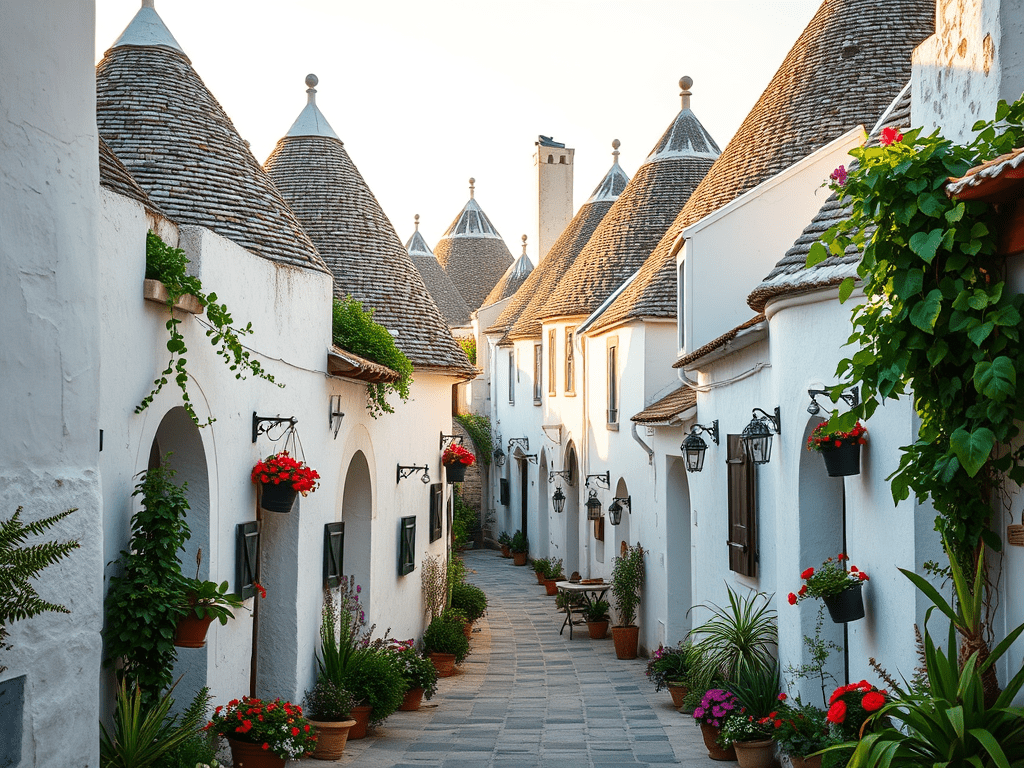
    Discover Charming Alberobello in 2025: A Guide to Italy’s Trulli Town

    Introduction

    Discover Charming Alberobello, a picturesque town located in the heart of Puglia, Italy, is renowned for its unique trulli houses, which are an architectural marvel and a symbol of the region. Recognized as a UNESCO World Heritage Site, Alberobello is characterized by its charming whitewashed stone houses with conical roofs, which are not only visually striking but also rich in history and tradition. The town’s enchanting streets and vibrant local culture make it a perfect getaway for travelers seeking an authentic Italian experience. From the moment you set foot in Alberobello, the magical atmosphere captivates your senses, inviting you to explore its hidden corners, taste delicious local cuisine, and immerse yourself in the warmth of Italian hospitality. This article delves into the intriguing history, architectural significance, cultural aspects, activities, and travel tips that will help make your visit to Alberobello unforgettable.

    The History of Alberobello and Its Trulli Houses

    Alberobello’s history is deeply intertwined with the unique architectural form of the trulli, which have become iconic symbols of the town and its region. Trulli are dry stone huts with conical roofs that are made without mortar, a construction method that dates back to the 14th century. The origins of the trulli can be traced back to the need for temporary structures used by farmers and landowners in the area, as well as a clever way to avoid taxes.

    In its early days, Alberobello was part of the territory of the Counts of Conversano. The area was sparsely populated until the 11th century when various agricultural activities began to flourish. As the demand for housing grew, the residents started building these unique structures. Their construction was not only practical but also resourceful—utilizing local limestone to create durable yet easily disassembled homes. This was particularly advantageous in evading the tax imposed by the Kingdom of Naples, which required permanent dwellings to be registered.

    The architectural style of the trulli is heavily influenced by the region’s historical invasions and subsequent settlements. The distinctive shapes and motifs often found on the roofs serve as protective symbols, with many featuring painted symbols such as the cross or the crescent moon. These designs reflect a blend of cultural influences, including Greek, Roman, and Byzantine traditions. As time progressed, the town of Alberobello grew rapidly and attracted more inhabitants, transforming it into a bustling community.

    In 1797, Alberobello was officially recognized as a town, and its population continued to rise steadily. The 20th century saw efforts to preserve the trulli, which were once facing the threat of abandonment due to urbanization. In 1996, the trulli of Alberobello were designated a UNESCO World Heritage Site, ensuring their protection and conservation for future generations.

    Today, visitors can wander through the Rione Monti and Rione Aia Piccola districts, where clusters of trulli line the streets, showcasing their singular architectural beauty. The narrow, winding roads lead to charming shops, local eateries, and breathtaking views of the rolling hills of Puglia. Historical buildings, such as the Church of Saint Anthony, feature trulli-style architecture, showcasing how traditional building techniques have been integrated into later structures.

    The Preservation of Alberobello has become a priority for local authorities, who continue to promote the town’s historical significance while encouraging tourism. Community initiatives and celebrations, such as the annual “Trulli Fest,” allow locals to share their heritage and foster a deeper understanding of the town’s cultural roots.

    In summary, the history of Alberobello and its trulli houses encapsulates a rich narrative of ingenuity, cultural synthesis, and resilience. These structures stand as a testament to the creativity of the past and remain a vibrant part of Puglia’s identity today.

    Architectural Significance of Trulli

    The architectural significance of trulli houses lies not only in their unconventional design and construction methods but also in their insulation properties, adaptability, and the cultural identity they represent. The use of dry stone as a primary building material is notable, as it allows for the creation of structures that can be both sturdy and aesthetically pleasing.

    Trulli typically feature a conical roof constructed from flat stones known as “chiancarelle,” which are stacked in a circular manner without the use of mortar. This method has proven to be remarkably effective in the region’s climate, providing natural temperature control. During the hot summer months, the thick stone walls keep the interior cool, while in winter, the structure retains warmth, making trulli an efficient dwelling option.

    The unique shape of trulli is not just for functionality; it also holds cultural significance. Each trullo exhibits distinct features, including the conical roof’s various high and low points, and decorative elements such as pinnacles and symbols marking the peaks. These features can often indicate the personal style or beliefs of the owner. For instance, religious symbols or decorative statues found atop the roofs may serve as protective signs or expressions of faith.

    In more recent years, architects and designers have drawn inspiration from trulli houses, contributing to a budding movement that seeks to integrate traditional styles with modern design. This fusion can be seen in some new constructions that pay homage to historic models while incorporating contemporary materials and comforts. Consequently, trulli not only serve as a reflection of Puglia’s architectural heritage but also offer insight into the ongoing evolution of Italian design.

    Visiting Alberobello allows one to appreciate the architectural genius that has withstood the test of time. Walking through the town provides a sense of nostalgia, as each trullo offers a glimpse into a labor-intensive construction process and community spirit. As one observes meticulous renovations, innovative adaptations for modern living, and the challenges of conservation, it becomes evident that these structures are living monuments to a rich architectural legacy.

    Overall, the architectural significance of trulli houses is multifaceted, embodying practical solutions for living and reflecting Puglia’s cultural identity and history. The ongoing efforts to preserve and celebrate this unique architectural form ensure that future generations can enjoy and appreciate Alberobello’s trulli houses.

    Cultural Aspects and Local Traditions

    Alberobello is not only celebrated for its iconic trulli houses but also for its rich cultural traditions, which have shaped the identity of the town and its inhabitants. The local culture is a vibrant tapestry woven from the influences of various historical cultures, including Greek, Roman, Byzantine, and Norman. This melting pot of traditions can be observed in the town’s festivals, cuisine, arts, and daily life.

    One of the most notable cultural traditions in Alberobello is the celebration of local festivals throughout the year. Events such as the “Festa di San Antonio,” held in June, honor the town’s patron saint with religious processions, music, and traditional dances. During this time, locals and visitors come together to partake in lively celebrations characterized by vibrant music, food stalls, and communal gatherings. The festival reflects the deep-rooted spirituality and devotion of the community, fostering a sense of togetherness and pride.

    In addition to religious events, the area also celebrates agricultural traditions that honor its rural heritage. The “Fiera di Alberobello,” an annual fair, emphasizes local produce, crafts, and traditional music, allowing artisans and farmers to showcase their skills. This fair not only acts as an economic platform but also preserves and promotes the artisanal legacy that is vital to the region’s ethos.

    Culinary traditions play a significant role in the culture of Alberobello. Local fare is deeply rooted in the flavors and ingredients typical of the Puglian region. Visitors are treated to delectable dishes such as “orecchiette” pasta served with nonna’s homemade sauces, “burrata” cheese fresh from the nearby farms, and an assortment of delectable desserts. The town’s restaurants often source ingredients locally, promoting sustainable practices and providing patrons with an authentic taste of Puglia.

    Olive oil production is a cornerstone of Puglian culture, and Alberobello is no exception. Families have been producing olive oil for generations, and visitors can tour local olive groves and farms to witness the traditional methods of pressing olives. This cultural heritage forms an integral part of the town’s identity, highlighting the importance of agrarian practices and the connection between the land and its people.

    Perhaps even more significant are the hospitality and welcoming nature of the Alberobello residents. The warmth of the local community is evident in their eagerness to share stories and traditions that have been passed down through generations. This spirit of hospitality encourages visitors to engage with the culture on a personal level, forging connections that extend beyond the typical tourist experience.

    In summary, the cultural aspects and local traditions in Alberobello are rich, diverse, and steeped in history. The town’s festivals, food, and welcoming spirit offer a unique lens through which to experience life in this enchanting Italian gem, ensuring that visitors leave with a profound understanding of its heritage and a warm connection to its people.

    Activities and Attractions in Alberobello

    When visiting Alberobello, travelers are greeted with a wealth of activities and attractions that ensure a memorable experience in this charming town. From exploring the iconic trulli houses to indulging in the local cuisine, there is something for everyone. The picturesque landscape and vibrant atmosphere make it a delightful destination for all types of travelers.

    One of the most mesmerizing activities is wandering through the Rione Monti district, where a significant concentration of trulli can be found. The narrow winding streets are lined with an ethereal collection of these stone dwellings, each uniquely adorned with trinkets and intricate designs. Meandering through this district allows visitors to fully appreciate the architectural beauty of the trulli and capture stunning photographs to commemorate their journey.

    The Trullo Sovrano is another must-visit attraction in Alberobello. Standing as the largest trullo in the town, this historical structure dates back to the 18th century and offers a glimpse into how the inhabitants of these dwellings lived. Visitors can take guided tours to explore its interiors, which house a small museum showcasing the cultural history and traditional practices associated with trulli living.

    Alberobello is also home to the Church of Saint Anthony, an architectural gem constructed in 1927 that resembles a trullo. The church, with its stunning frescoes and unique design, stands as a testament to the town’s culture and heritage. Visitors often stop to admire its beauty and reflect on the spiritual significance the building holds for the local community.

    For those interested in local crafts and artisanal products, visiting the many shops dotted along the streets is a delightful experience. Local artisans sell handmade souvenirs, ceramics, and traditional Puglian handicrafts, providing visitors an opportunity to bring home a piece of Alberobello’s charm. Watching artisans at work in their studios adds to the immersive experience, connecting visitors with the town’s craftsmanship.

    Another engaging activity in Alberobello is tasting the local cuisine. Restaurants and trattorias serve traditional Puglian dishes, from fresh pasta dishes to exquisite seafood. Many establishments boast outdoor seating where guests can enjoy their meals while soaking in the vibrant atmosphere of the town’s streets. Trying local wines, particularly the rich reds and refreshing whites from the Puglia region, is a must for wine enthusiasts looking to savor the local flavors.

    For families, a visit to the nearby I Trulli di Alberobello amusement park can add an exciting twist to the itinerary. Perfect for children, the park features fun activities, attractions, and educational exhibits that recount the history of trulli and the culture of Alberobello. It provides a light-hearted family-friendly environment where everyone can engage and enjoy the rich history of the region.

    Finally, enjoying a stroll through the scenic outskirts of Alberobello offers a peaceful escape into nature. Many walking trails and bike paths meander through the surrounding countryside, showcasing the picturesque landscapes of olive groves, vineyards, and rolling hills. Hikers and cyclists can connect with the breathtaking beauty of Puglia, and the experience provides an exceptional contrast to the architectural exploration within the town.

    In conclusion, the activities and attractions in Alberobello cater to a diverse audience, ensuring that every visitor leaves with cherished memories. Whether exploring the quaint streets, indulging in local flavor, or relaxing in nature, Alberobello truly is a treasure trove of experiences waiting to be discovered.

    Travel Tips for Visiting Alberobello

    Embarking on a journey to Alberobello can be a delightful experience, but being well-prepared can greatly enhance your visit. Here are some essential travel tips to ensure you make the most of your time in this charming town.

    First and foremost, consider the timing of your visit. Alberobello can be quite crowded during the peak summer months (July and August), which can affect your overall experience. Visiting during the shoulder seasons of spring (April to June) or fall (September to October) may provide a more serene atmosphere. During these months, the weather is typically mild, making it ideal for exploring the town and its surrounds at a leisurely pace.

    Accommodation is another important aspect to plan ahead. Alberobello offers various lodging options, from charming bed-and-breakfasts to traditional trullo stays, allowing travelers to immerse themselves in the local culture. Booking in advance, especially during peak seasons or holidays, ensures that you secure your preferred accommodation.

    When it comes to getting around, Alberobello is a pedestrian-friendly town, making walking the most enjoyable way to explore its narrow streets and trulli. However, if you’re venturing to nearby attractions or neighboring towns, consider renting a car. Acquiring a vehicle will allow you the flexibility to explore the stunning landscapes of Puglia, including the nearby towns of Locorotondo and Martina Franca. Public transportation options are limited, so a car rental can enhance your experience significantly.

    For a deeper engagement with the local culture, consider learning a few Italian phrases. Although many locals speak English, showing an effort to communicate in their native language often fosters a positive rapport. Greetings like “buongiorno” (good morning) or “grazie” (thank you) can go a long way in connecting with the locals.

    While strolling through the town, take the time to interact with local artisans and shopkeepers. Many are eager to share their stories, traditions, and crafts, enriching your experience. Dining in local restaurants can also provide insights into regional dishes and food culture. Be sure to ask about daily specials that feature seasonal ingredients, as they often provide the most authentic representation of Puglian cuisine.

    Additionally, exploring local markets is a fantastic way to immerse yourself in the community’s daily life. Markets often feature fresh produce, handmade goods, and the opportunity to meet local vendors. Participating in this bustling ambiance adds an extra layer of authenticity to your travel experience.

    Lastly, don’t forget to carry a reusable water bottle. Although Alberobello is generally safe for drinking, it’s always wise to stay hydrated during your explorations. There are several water fountains scattered throughout the town, making it easy to refill your bottle while reducing plastic waste.

    Conclusion

    Traveling to Alberobello promises a unique experience for every visitor. By planning your visit thoughtfully, you can fully embrace the charm, culture, and hospitality of this hidden gem in Italy. With these travel tips in hand, you’re set for an unforgettable adventure in Alberobello.

    The enchanting town of Alberobello shines brightly as a unique destination that captivates travelers with its charm, history, and stunning architecture. Through its storied past, innovative trulli houses, and rich cultural traditions, Alberobello stands as a testament to the beauty of Italian craftsmanship and resilience. The warm hospitality of the residents, coupled with the diverse array of activities and attractions, ensures that every visitor enjoys a well-rounded experience of Puglia’s heritage.

    As we have explored, the delicate balance of preserving the region’s traditions while welcoming modern tourism creates an inviting atmosphere for all. Whether wandering through the trulli-lined streets, indulging in local culinary delights, or engaging in vibrant cultural festivals, each experience adds depth to the journey. For those looking to uncover a hidden gem of Italy, Alberobello offers a captivating escape filled with rich history, architectural wonders, and unforgettable memories.

    The Trulli of Alberobello (UNESCO/NHK) Video


    The Trulli of Alberobello (UNESCO/NHK)
  • Top 5 Museums Around the World You Must Visit in 2025

    Top 5 Museums Around the World You Must Visit in 2025

    Introduction

    Museums are not just places to store artifacts; they are gateways to our past, windows into different cultures, and havens of artistic expression. Among the countless museums scattered across the globe, a few stand out not only for the treasures they house but also for the unique experiences they offer. The Louvre in Paris, the British Museum in London, and the Metropolitan Museum of Art in New York are three of the most renowned institutions, each with its own unique flavor, history, and significance. Visiting these museums is more than just an academic endeavor; it’s an opportunity to immerse oneself in the rich tapestry of human history and creativity. Whether you’re an art enthusiast, a history buff, or simply curious, these museums promise to inspire and educate. In this article, we will explore top 5 museums around the World and why these landmarks are essential stops on any cultural journey.

    The Louvre, Paris: A Treasure Trove of Art and Culture

    The Louvre Museum, located in the heart of Paris, is the epitome of cultural richness. Originally a royal palace, the Louvre opened its doors as a public museum in 1793 during the height of the French Revolution. Today, it is the world’s largest art museum and a historic monument, attracting millions of visitors every year. Walking through its grand halls is akin to stepping back in time, with each piece of art telling a story of humanity’s journey.

    One of the reasons the Louvre is unmissable is its extensive collection, which spans from ancient civilizations to the 19th century. Among its most famous works is Leonardo da Vinci’s “Mona Lisa,” a portrait that has captivated audiences for centuries with its enigmatic smile and masterful technique. The sheer volume of stunning pieces in the Louvre can be overwhelming; the museum houses over 380,000 objects, including antiquities from Egypt, Mesopotamia, Greece, and Rome, as well as masterpieces by artists such as Michelangelo, Raphael, and Delacroix.

    Another highlight is the museum’s commitment to providing a rich visitor experience. The Louvre offers guided tours, allowing visitors to explore its vast collections while gaining insights from knowledgeable experts. Whether you’re an art novice or a seasoned connoisseur, these tours help you appreciate the nuances of each masterpiece, enriching your understanding of their historical context and artistic significance.

    The architecture of the museum itself is a spectacle worth admiring. The Louvre features a fascinating blend of historical and modern elements, most famously embodied in the glass pyramid entrance designed by architect I. M. Pei. This modern structure contrasts dramatically with the classical architecture surrounding it, symbolizing the museum’s dedication to both innovation and preservation. The museum’s exterior is as captivating as the treasures within, with beautiful gardens and intricate sculptures adorning the landscape.

    In addition to its permanent collection, the Louvre hosts temporary exhibitions that showcase specific artists or movements, providing even more reasons for repeat visits. Recently, exhibitions focusing on contemporary art have offered fresh perspectives on historical works by juxtaposing them with modern creations, thus sparking dialogue between past and present.

    For those who value education, the Louvre has a myriad of resources, including lectures, workshops, and family events aimed at making art accessible to everyone. This emphasis on education underscores the museum’s role not just as a repository of art, but as a vibrant educational institution that helps cultivate a love for the arts among audiences of all ages.

    Beyond its art collection, the Louvre is also a symbol of Parisian culture and history. The museum’s presence in the city reflects the long-standing relationship between France and the arts, making it an integral part of any visit to the French capital. Travelers often find themselves enchanted not just by the art they see, but by the ambiance and historical significance of the location itself.

    In summary, the Louvre is not merely a museum; it’s a cultural phenomenon that invites exploration and contemplation. It is a sanctuary for artists, art lovers, and history enthusiasts alike, making it an essential destination for anyone eager to dive deep into the world of art and culture.

    The British Museum, London: A Journey Through Time

    The British Museum is one of the most significant repositories of human history and culture in the world. Founded in 1753, the museum houses a collection of over eight million works that span thousands of years, providing a unique glimpse into the history of humanity. Each artifact tells its own story, and together they weave a narrative of cultural evolution and enlightenment.

    Located in the heart of London, the British Museum is not only a treasure trove of antiquities but also an architectural marvel. Its stunning neoclassical façade and the iconic glass-roofed Great Court are visually striking, inviting visitors to step inside a world of wonders. The museum’s interior is equally impressive, filled with grand halls and galleries that house artifacts from various civilizations, including ancient Egypt, Greece, Rome, the Middle East, and Asia.

    Among its most famous exhibits is the Rosetta Stone, a granodiorite stele inscribed with a decree in three scripts. This artifact is legendary for being the key to understanding Egyptian hieroglyphs and represents a significant breakthrough in linguistics. Another popular display is the Elgin Marbles, a collection of classical Greek marble sculptures that once adorned the Parthenon in Athens. These works of art offer profound insights into ancient Greek culture, ideals, and aesthetics.

    One of the most impressive aspects of the British Museum is its commitment to education and accessibility. The museum offers free admission to its permanent collections, making it an inclusive space for people from all walks of life. Throughout the year, the British Museum organizes lectures, workshops, and family-friendly activities, designed to engage audiences of all ages with the subjects of history, culture, and art. These programs aim to foster a deeper understanding of the artifacts on display and the civilizations they represent.

    Moreover, the museum continually brings in temporary exhibitions that focus on different themes or regions of the world, allowing visitors to experience new perspectives on historical narratives. By collaborating with museums and institutions worldwide, the British Museum curates thought-provoking exhibits that highlight diverse cultures and histories.

    The museum’s role in fostering global connections is paramount. It serves as a place where cultures converge, inviting discussions about cultural exchange, colonialism, and the movement of artifacts. Through its collections, the British Museum encourages visitors to reflect on the complexities of historical narratives, prompting them to consider how these narratives shape our understanding of the present.

    The British Museum is also keen on employing modern technology to enhance the visitor experience. Features such as audio guides and interactive displays provide additional layers of information, ensuring that guests can delve deeper into the stories behind the artifacts. This technological integration complements the museum’s rich historical context, bridging the gap between ancient and contemporary perspectives.

    In conclusion, the British Museum stands as a monumental testament to human history, culture, and achievement. Its diverse collections not only celebrate the richness of the world’s civilizations but also challenge us to engage with and understand the complexities of our shared heritage. For anyone fascinated by the past, a visit to the British Museum is an essential journey through time.

    The Metropolitan Museum of Art, New York: The Heart of Artistic Expression

    The Metropolitan Museum of Art, commonly referred to as “The Met,” is a cultural icon in New York City and one of the largest and most comprehensive art museums in the world. Founded in 1870, The Met’s mission is to collect, preserve, study, exhibit, and encourage appreciation for works of art that collectively represent the world’s diverse cultures and artistic achievements. Spanning over 2 million square feet, the museum’s vast collection encompasses over 2 million works, facilitating an unparalleled exploration of art across various cultures and epochs.

    One of the most captivating aspects of The Met is its varied collections that range from ancient artifacts to contemporary pieces. The museum is divided into multiple sections, including the Met Fifth Avenue, which focuses on European paintings and American art, and the Met Cloisters, which is dedicated to the art and architecture of medieval Europe. Each section offers a distinct experience, allowing visitors to discover different forms of artistic expression at their own pace.

    The iconic Met Fifth Avenue boasts masterpieces from the likes of Van Gogh, Rembrandt, and Vermeer. A highlight here is Vincent Van Gogh’s “The Starry Night,” which is renowned for its swirling skies and emotional intensity. This piece, along with others in the museum, invites viewers to connect with the emotions and stories behind the art, fostering personal interpretations that resonate with their own experiences.

    In contrast, The Met Cloisters transports visitors to a serene environment that embodies the peacefulness of medieval European art and architecture. Set in Fort Tryon Park, this branch of The Met is designed to resemble a medieval monastery and houses an exquisite collection of medieval art, including stunning tapestries and illuminated manuscripts. The surrounding gardens further enhance the tranquil atmosphere, making it a perfect escape from the hustle and bustle of the city.

    Education plays a pivotal role at The Met, with programs designed to engage audiences of all ages. The museum regularly hosts lectures, guided tours, and workshops that provide deeper insights into its collections. Special programs such as “The Met Unplugged” and “Family Programs” invite families to participate in hands-on activities that encourage creative expression, enabling young people to engage with art in meaningful ways.

    The Met is also known for its community outreach initiatives, collaborating with schools, neighborhoods, and local organizations to promote access to art and culture. These outreach programs foster connections between the museum and the surrounding community, ensuring that individuals from various backgrounds can experience the transformative power of art.

    The museum’s commitment to diversity and representation is evident in its evolving collection strategy. The Met’s curators actively seek to acquire works that reflect a wide range of experiences and perspectives, allowing the museum to serve as a more inclusive platform for artistic expression. By doing so, The Met encourages dialogue about representation in art, challenging traditional narratives and promoting a broader understanding of artistic contributions from around the world.

    In recent years, The Met has also embraced technology to enhance visitor experiences. The museum offers virtual tours and digital access to its collections, allowing individuals who may not be able to visit in person to explore its vast offerings. This forward-thinking approach ensures The Met remains relevant and accessible in an ever-changing digital landscape.

    In conclusion, The Metropolitan Museum of Art stands as a beacon of artistic expression and cultural exchange. With its diverse collections, educational initiatives, and commitment to community engagement, The Met invites everyone to explore the narratives embedded in art and connect them to the world around us. For anyone passionate about art and its significance in society, a visit to The Met is an inspiring journey into the heart of creativity.

    The Vatican Museums, Vatican City: A Spiritual and Artistic Pilgrimage

    The Vatican Museums represent the pinnacle of religious art and are a testament to the transformative power of faith and creativity. Established in the early 16th century, these museums hold an unparalleled collection of art and historical artifacts, many of which were commissioned by popes over the centuries. Given their location within the world’s smallest independent state — Vatican City — the museums offer a unique pastiche of spirituality, history, and artistic achievement that draws millions of visitors each year.

    A visit to the Vatican Museums is not merely a viewing experience but a spiritual journey that takes you through the heart of Catholicism’s rich history. The museums consist of numerous galleries, each showcasing exquisite works of art from various eras, cultures, and artistic traditions. Among the most visited areas is the Sistine Chapel, known for Michelangelo’s breathtaking frescoes, including “The Last Judgment” and the iconic ceiling adorned with “The Creation of Adam.” The sheer scale of these masterpieces is awe-inspiring, and standing beneath them evokes a sense of reverence and wonder.

    The Vatican Museums also house significant collections of classical sculptures and artifacts from ancient Rome and Greece, including the celebrated Laocoön and His Sons, which exemplifies the beauty and emotion of Hellenistic art. Each piece invites the viewer to connect with the stories of the past, reflecting the philosophies and cultural values of their time.

    One of the defining features of the Vatican Museums is the unparalleled convergence of art, spirituality, and history. The exhibits are meticulously organized, leading visitors through a narrative that highlights the evolution of religious themes in art over the centuries. This journey invites reflection on how faith has inspired countless artists and how their work, in turn, has influenced the practice of religion.

    Education and outreach are at the forefront of the Vatican Museums’ mission. Guided tours are available to help visitors navigate the vast collections, and knowledgeable guides provide essential context for the works on display. These tours facilitate a deeper understanding of each piece’s significance, connecting the art to larger religious and historical narratives.

    In addition to guided tours, the Vatican Museums also offer special workshops and educational programs aimed at broadening the audience’s understanding of art and spirituality. These initiatives invite individuals from all walks of life to engage with the rich tapestry of Catholic art, emphasizing its relevance in contemporary society.

    The Vatican Museums maintain a commitment to preserving and conserving its vast collections. The challenges of preserving artworks that have endured for centuries in a unique environment cannot be overstated. The efforts made by conservators to protect these invaluable pieces ensure that future generations will be able to appreciate and learn from them.

    Another prominent aspect of the Vatican Museums is their unparalleled access to the Papal audience. For many, witnessing the Pope’s address in St. Peter’s Square is a culminating experience, reinforcing the spiritual connection forged through the art within the museums. The connection between the art and the faith it represents adds a profound dimension to the visitor experience, making it unique and memorable.

    In summary, the Vatican Museums represent a fusion of spirituality and artistry that is unlike any other cultural experience. Through their extensive collections, commitment to education, and focus on conservation, they invite visitors to engage with profound questions about faith, creativity, and the human experience. A pilgrimage to the Vatican Museums is a journey that transcends mere observation; it invites reflection, contemplation, and inspiration.

    The Uffizi Gallery, Florence: A Renaissance Masterpiece

    The Uffizi Gallery, or Galleria degli Uffizi, is one of the most important art museums in Italy and a symbol of the Renaissance period. Located in Florence, the gallery is home to an outstanding collection of masterpieces by renowned artists from the 14th to the 18th centuries. The Uffizi serves not only as a repository of priceless art but also as a historical testament to Florence’s role as a cultural epicenter during the Renaissance.

    Originally designed by Giorgio Vasari in the 16th century as offices (hence the name “Uffizi,” meaning “offices”), the gallery has been transformed into a world-class museum filled with iconic works that have shaped the course of Western art. Visitors can explore a rich tapestry of artworks that reflect the cultural, philosophical, and aesthetic developments of the time and beyond.

    Among the gallery’s most celebrated pieces is Botticelli’s “The Birth of Venus,” a timeless masterpiece that exemplifies the beauty and grace of Renaissance art. The painting depicts the goddess Venus arising from the sea, embodying themes of love, beauty, and rebirth that are central to the humanistic ideals of the Renaissance. This iconic work is just one of many masterpieces that invite viewers to reflect on the nuances of artistic expression and the cultural contexts in which they were created.

    The Uffizi also houses an extraordinary collection of works by Leonardo da Vinci, including “The Annunciation” and “The Adoration of the Magi.” These pieces demonstrate da Vinci’s innovative techniques and his ability to convey complex emotions through his art, making them essential highlights for any visitor. Additionally, the Uffizi features significant works by Michelangelo, Raphael, Caravaggio, and numerous other masters, offering a comprehensive overview of how these artists influenced one another and contributed to the evolution of art.

    Education is an integral component of the Uffizi experience. The gallery provides audio guides and curated tours to facilitate deeper understanding of the artworks and their historical significance. This commitment to education allows visitors, regardless of their level of familiarity with art, to appreciate the masterpieces while gaining insight into the social and political contexts of their creation.

    Moreover, the Uffizi Gallery actively engages with its audience through temporary exhibitions and special events throughout the year. These initiatives often focus on specific artists, themes, or historical periods, providing fresh perspectives and enhancing the visitor experience. This dedication to evolving the narrative of art ensures that there is always something new to discover, making each visit unique.

    The gallery’s architectural design also plays a role in its allure. The combination of light-filled rooms, classical architecture, and stunning views of Florence provides a mesmerizing atmosphere that enhances the appreciation of the artworks. Visitors can enjoy breathtaking vistas of the historic city from the gallery’s windows, creating an enriching experience that connects them to the surroundings.

    Additionally, the Uffizi’s role in preserving and protecting its vast collections cannot be overstated. The gallery employs advanced techniques for art conservation and restoration, ensuring that these invaluable works will continue to inspire future generations. The commitment to preservation extends to educational programs aimed at raising awareness about the importance of conserving cultural heritage.

    In conclusion, the Uffizi Gallery is a veritable treasure of Renaissance art, showcasing the creative genius of some of history’s most celebrated artists. Through its rich collections, commitment to education, and stunning architecture, the gallery offers visitors an immersive experience that transcends time. A visit to the Uffizi is not only a journey through art history but also an opportunity to connect with the cultural legacy that continues to shape our understanding of beauty, creativity, and humanity.

    Conclusion

    In exploring the three best museums in the world — The Louvre, The British Museum, and The Metropolitan Museum of Art, alongside The Vatican Museums and The Uffizi Gallery — it becomes evident that each institution offers a unique blend of history, culture, and artistry. These museums are more than just collections of artifacts; they are vibrant spaces of learning, dialogue, and discovery. They draw together diverse narratives from around the world, inviting visitors to engage with humanity’s collective experience through the lens of creativity.

    As we traverse through the vast halls and galleries of these museums, we are reminded of the beauty of human expression and the importance of preserving our cultural heritage. These experiences transcend geographical boundaries and resonate with us on a personal level, enriching our understanding of art, history, and our place in the world. For anyone seeking inspiration and insight, a visit to these remarkable museums is not just a sightseeing opportunity; it’s an invitation to partake in the ongoing story of civilization and creativity.

    Each museum inspires us not only to appreciate the past but also to contemplate the present and future of art and culture. Whether you are standing before the enigmatic smile of the Mona Lisa, reflecting on ancient civilizations at the British Museum, or marveling at the intricacies of Renaissance masterpieces in Florence, these encounters form lasting impressions that shape how we see the world. In this way, the museums become vessels of cultural connectivity, fostering understanding and appreciation across generations.

    Visiting these extraordinary institutions is a journey that enriches our minds and nurtures our spirits, reminding us of the power of art to bridge divides and spread knowledge. In a world that continues to change, these museums remain steadfast in their dedication to celebrating our shared history and inspiring future generations to engage with the beauty and complexity of the human experience.

  • Anti-Aging Tourism 2025: Explore Top Destinations and Treatments

    Anti-Aging Tourism 2025: Explore Top Destinations and Treatments

    Introduction

    Anticipating the desires of individuals seeking to reclaim their youth, anti-aging tourism has emerged as a rapidly growing trend in the wellness and medical travel sectors. This unique niche allows travelers to explore destinations renowned for their specialized treatments aimed at reversing or slowing the aging process. With the increasing global focus on health, beauty, and longevity, more people are willing to travel for procedures that promise revitalization. From advanced dermatological care to innovative therapeutic practices, the allure of rejuvenation is attracting many to far-flung places renowned for their expertise. This article delves into the multifaceted world of anti-aging tourism, offering insights into the most sought-after procedures, premier destinations, and the essential factors to consider before embarking on this transformative journey. By navigating these considerations, travelers can make informed decisions that align with their rejuvenation goals while enjoying an enriching travel experience.

    The Rise of Anti-Aging Tourism

    Anti-aging tourism has seen a significant boom in recent years, driven largely by the desire of individuals to maintain their youthfulness and vitality. The rise in disposable income, heightened awareness of wellness trends, and advancements in cosmetic procedures have all contributed to this burgeoning market. People no longer see health care solely as a necessary expenditure but as an investment in their overall well-being and self-esteem. Anti-aging tourism allows individuals to combine their desire for rejuvenation with travel, exploring new cultures and experiences while undergoing transformative treatments.

    One of the main factors contributing to the popularity of anti-aging tourism is the availability of cutting-edge procedures that are often more affordable in certain countries compared to those in developed nations. Countries such as Thailand, Mexico, and Costa Rica have become hotspots for medical tourism, offering advanced techniques in cosmetic surgery, dermatology, and holistic rejuvenation therapies. Clients can take advantage of the expertise of skilled practitioners in these destinations, who often employ the latest technologies and yield impressive results.

    Furthermore, many people are now prioritizing preventative measures over reactive solutions, which adds to the appeal of anti-aging tourism. Rather than waiting until visible signs of aging appear, individuals are seeking treatments in their 30s and 40s to prolong their youthfulness. This proactive mindset encourages them to explore various options available worldwide, from minimally invasive procedures like Botox and fillers to more intensive treatments such as facelifts and laser resurfacing.

    The emotional aspect of anti-aging also plays a significant role in its growth. Many individuals associate their self-worth and confidence with their appearance, and the desire to look young and vibrant can motivate long-distance travel for treatments. Anti-aging tourism enables individuals to step outside their routine environments, often fostering a mindset that encourages self-care and self-improvement. Combined with romanticized notions of wellness that have emerged in popular culture, anti-aging tourism taps into deep-rooted desires related to beauty and youth.

    Moreover, the development of social media has accelerated this trend, as people are increasingly drawn to visually share their health and beauty journeys. Social media platforms allow users to showcase their rejuvenation results, encouraging others to consider similar ventures. Reviews and testimonials can significantly influence the decision-making process, as the increasingly interconnected world allows for easy dissemination of information regarding the effectiveness of various clinics and treatments.

    As the anti-aging tourism sector continues to flourish, ethical considerations surrounding it must also be addressed. Ensuring patients are well-informed about the procedures, potential risks, and aftercare is essential for responsible tourism. Likewise, it is crucial for clinics and practitioners to maintain a high standard of care and transparency. With the right balance, anti-aging tourism can offer valuable opportunities for rejuvenation while respecting the health and safety of clients.

    Popular Anti-Aging Procedures

    The realm of anti-aging treatments encompasses a wide variety of procedures, each designed to target different aspects of the aging process. Among the most popular are non-invasive and minimally invasive procedures, which have rapidly gained popularity due to their effectiveness and reduced recovery time compared to traditional cosmetic surgeries.

    Among the frontrunners in this category is Botox, a neuromodulator that temporarily paralyzes the facial muscles responsible for wrinkles and fine lines. The procedure has become a staple in the anti-aging arsenal, favored for its quick application, minimal discomfort, and instantaneous results. Patients often return for follow-up treatments every three to six months, creating a continuous cycle that keeps them looking youthful.

    Fillers represent another sought-after non-surgical method, used to restore lost volume in the face, particularly in areas like the cheeks, lips, and under-eye bags. Hyaluronic acid-based fillers are popular due to their immediate results and naturally occurring substance in the body. The treatment generally takes less than an hour, making it an attractive option for those seeking a lunchtime procedure before returning to their daily activities.

    While minimally invasive procedures have risen in prominence, traditional surgical options remain relevant for individuals seeking more permanent solutions. Facelifts, or rhytidectomies, are surgical procedures designed to tighten sagging skin and create a more youthful appearance. As one of the most successful methods for long-lasting results, facelifts often appeal to those with more pronounced signs of aging. Surgeons continuously refine techniques to minimize scarring and recovery time, enhancing patient experiences and increasing clinic reputations.

    Chemical peels are also integral to the anti-aging dialogue, often implemented alongside other treatments. This procedure involves the application of a chemical solution that exfoliates the skin’s surface, revealing a fresher layer underneath. It can effectively treat issues like uneven pigmentation, sun damage, and fine lines, making it a versatile addition to an anti-aging regimen. These peels come in various strengths, catering to individuals with different skin types and concerns.

    Laser treatments, such as fractional laser resurfacing and intense pulsed light (IPL), have transformed the anti-aging landscape by providing patients the ability to enhance their skin’s texture and tone without significant downtime. Laser therapies target deeper layers of the skin to stimulate collagen production, leading to an overall improvement in skin elasticity and hydration. These procedures are customizable, catering to individual skin types and concerns, creating tailored approaches to combat aging.

    Beyond aesthetic treatments, more holistic approaches are also gaining traction, such as wellness retreats that incorporate dietary plans, exercise routines, and mental health resources to promote longevity. These retreats often focus on the overall health and well-being of individuals, emphasizing a comprehensive approach to anti-aging that transcends mere appearances.

    As the field of anti-aging procedures continues to grow and evolve, staying informed about the latest trends, techniques, and technologies is essential for prospective clients. From high-tech lasers to natural wellness practices, the range of options available today can cater to various preferences and budgets, making it easier than ever to embark on an anti-aging journey tailored to individual needs.

    Top Destinations for Anti-Aging Treatments

    The anti-aging tourism sector is characterized by various global destinations renowned for their specialized medical and wellness services. These locations often attract patients not only for their advanced treatments but also for the chance to enjoy beautiful surroundings and immersive cultural experiences during their recovery.

    One of the most popular destinations for anti-aging tourism is Mexico, particularly cities such as Cancun and Tijuana. Mexico boasts several accredited clinics offering cutting-edge procedures at a fraction of the cost typically seen in the United States. Many of these clinics cater specifically to English-speaking patients, providing a comfortable and relatable experience for those seeking rejuvenation services. The added allure of beautiful beaches, exquisite cuisine, and rich culture make Mexico an appealing choice for travelers seeking anti-aging treatments.

    Thailand has also emerged as a frontrunner in the anti-aging tourism industry, with Bangkok and Phuket being particularly renowned for their medical and wellness offerings. The International Hospital in Bangkok is famous for its advanced dermatological and cosmetic services, drawing clients from around the world. Additionally, Thailand offers an experience steeped in relaxation, with traditional massage, herbal treatments, and wellness retreats complementing medical procedures. Patients can enjoy the serene landscapes and rich cultural heritage while receiving world-class rejuvenation services.

    Costa Rica has gained popularity as a destination for anti-aging enthusiasts seeking a more holistic approach to wellness. The country is known for its lush jungles, pristine beaches, and a strong focus on healthy living. Retreats and clinics in Costa Rica offer various anti-aging therapies, including detox programs, organic dietary regimens, and relaxation techniques in conjunction with aesthetic treatments. This emphasis on a healthy lifestyle combined with medical care allows for a comprehensive approach to youthfulness and vitality.

    Europe has also captured the attention of those pursuing anti-aging tourism. Countries like Germany and Hungary have established a strong reputation for their advanced medical clinics and reputable specialists. Budapest, in particular, is known as the “City of Spas,” where visitors can indulge in traditional thermal baths while undergoing rejuvenation treatments in state-of-the-art facilities. The blend of historical charm, contemporary medical advancements, and luxurious spa experiences make Europe an attractive option for individuals seeking anti-aging solutions.

    In addition to these established destinations, emerging places such as Turkey and South Korea are becoming increasingly popular among anti-aging tourists. Turkey, with its burgeoning aesthetic surgery sector, offers advanced options at competitive prices, while South Korea is considered a global leader in cosmetic procedures, particularly those involving cutting-edge technology. High standards of care and innovative techniques are available in these regions, attracting travelers who seek the latest in anti-aging solutions.

    The importance of researching clinic accreditations and reviewing patient experiences cannot be overstated, as a diligent selection process can significantly impact the overall experience. By carefully considering options and selecting reputable clinics in these destination hot spots, individuals can have a rejuvenating journey that goes beyond mere aesthetics, balancing health, wellness, and cultural exploration.

    Tips for Choosing the Right Anti-Aging Clinic

    When embarking on an anti-aging tourism journey, selecting the right clinic is paramount to ensuring a safe and rewarding experience. With an abundance of options available worldwide, individuals must take time to conduct thorough research to find a reputable facility that aligns with their treatment objectives. Here are key considerations to help guide the decision-making process.

    First and foremost, it is essential to investigate the clinic’s accreditation and certifications. Accredited facilities are more likely to adhere to medical standards and guidelines, ensuring they prioritize patient safety and care quality. Look for international certifications such as those from the Joint Commission International (JCI) or other equivalent bodies that validate the clinic’s commitment to high standards of health care.

    Equally important is the expertise of the medical professionals within the clinic. Conducting research into the qualifications, experience, and specialties of practitioners can provide insight into their abilities to perform specific procedures. Many clinics offer profiles of their staff, complete with summaries of education and experience. It is crucial to select a clinician who specializes in the desired anti-aging procedure to ensure optimal results.

    Patient reviews and testimonials also play a vital role in the decision-making process. Reading first-hand accounts of past patients can offer invaluable insight into the clinic’s service quality, care standards, and overall experience. Websites, forums, and social media platforms are excellent resources to gather information and gauge clients’ satisfaction levels. Pay attention to both positive and negative reviews, as they can unveil potential red flags or highlight notable strengths.

    Consider the range of services offered by the clinic. Some facilities may specialize in only a few specific procedures, while others may offer comprehensive treatment packages that include a variety of anti-aging options. Selecting a clinic that provides a tailored approach to meet individual needs can enhance the overall rejuvenation experience, as patients should feel supported in their unique journeys.

    Communication with the clinic is fundamental throughout the decision-making process. Reach out to inquire about the treatments, techniques, and technologies they utilize. A knowledgeable and approachable staff can provide crucial support and reassurance, helping patients feel more informed and confident in their choices. Additionally, evaluating responsiveness and customer service can be an indicator of how the clinic prioritizes patient care.

    Travel logistics and aftercare should also be considered when selecting a destination clinic. Assess the ease of travel to the location, including flight options and visa requirements, as well as proximity to accommodations and other amenities. Furthermore, understanding the pre-operative and post-operative care protocols can help establish realistic expectations regarding recovery times and follow-up procedures.

    Lastly, it is important to review the costs associated with treatments, including potential hidden fees for consultations, follow-ups, or aftercare services. Obtaining a detailed breakdown of expenses can facilitate better budgeting for the overall journey. While affordability is essential, quality of care should be a priority, and it is essential to balance cost with the clinic’s standards and track record.

    By taking these considerations into account and approaching the clinic selection process with careful thought, individuals can set themselves up for a successful and fulfilling anti-aging tourism experience. The right clinic can significantly impact the results of the chosen procedures, ensuring patients return home not just looking rejuvenated, but also feeling revitalized.

    Future Trends in Anti-Aging Tourism

    As the world of anti-aging tourism evolves, several trends are emerging that will shape the landscape for travelers seeking rejuvenation therapies. The continued focus on health, wellness, and aesthetic enhancements is driving the industry forward, prompting clinics and destinations to innovate and adapt to meet changing consumer demands.

    Technology will play a pivotal role in the future of anti-aging tourism. Innovations in telemedicine are already gaining ground, allowing patients to consult with practitioners remotely before traveling for treatments. This advancement enhances convenience and enables individuals to establish treatment plans tailored to their unique needs. Virtual consultations can also help ease apprehensions about travel, providing patients with an opportunity to assess their chosen clinics before making a commitment.

    Additionally, advancements in non-invasive and minimally invasive procedures are likely to dominate the sector. As techniques continue to improve, patients can expect enhanced effectiveness and shorter recovery times. The use of regenerative medicine, including stem cell treatments and platelet-rich plasma (PRP) therapies, is quickly gaining traction as promising options for rejuvenation. These cutting-edge techniques focus on harnessing the body’s natural healing processes, offering appealing alternatives to traditional procedures.

    Wellness-focused anti-aging retreats are projected to gain popularity as individuals become increasingly interested in holistic approaches to rejuvenation. The marriage between aesthetic treatments and lifestyle factors such as diet, exercise, and mental well-being is becoming more pronounced. Clinics offering integrative programs that center on comprehensive health and well-being are expected to thrive, providing patients with a more rounded experience that connects mind and body.

    Moreover, personalization and customization are becoming key tenets in the anti-aging tourism industry. Clinics are increasingly focusing on individualized treatment plans that consider patients’ unique skin types, objectives, and health histories. By moving away from a one-size-fits-all approach to a tailored care model, clinics can cater to a diverse array of client needs, enhancing satisfaction and overall results.

    Sustainability is also expected to influence the future of anti-aging tourism as more travelers become cognizant of their environmental impact. Clinics that prioritize eco-friendly practices, ethical sourcing, and sustainable tourism will appeal to a growing demographic of conscientious travelers. This trend may also extend to incorporating natural products and practices that align with eco-friendly philosophies, further bridging the gap between health and environmental consciousness.

    Finally, the growing influence of social media will shape the anti-aging tourism landscape, as platforms like Instagram and YouTube continue to drive trends and establish new standards of beauty. Patients will increasingly seek out clinics known for providing noteworthy results that align with the images and experiences they see online. Consequently, clinics will need to invest in effective marketing strategies that showcase their expertise while ensuring a commitment to patient well-being.

    In conclusion, the future of anti-aging tourism holds exciting prospects as innovation and consumer preferences synergize to create new opportunities for rejuvenation. From technological advancements to holistic treatments, travelers can expect a dynamic, evolving landscape that promotes both aesthetic enhancement and overall wellness.

    Conclusion

    As we dive deeper into the realm of anti-aging tourism, it’s evident that this phenomenon is more than just a passing trend; it reflects a cultural shift towards embracing wellness, self-care, and holistic approaches to beauty. With a growing array of procedures and an influx of appealing destinations, individuals seeking rejuvenation can explore various options tailored to their unique preferences and goals.

    The insights provided in this article shed light on the significance of choosing the right clinic, emphasizing the importance of research and informed decision-making. By prioritizing safety, quality, and personalized care, travelers can ensure their rejuvenation experience aligns with their expectations while providing transformative results.

    Looking ahead, the anti-aging tourism industry is poised for growth, driven by technological advancements, an increasing focus on wellness, and a rising demand for tailored experiences. As the lines between health, beauty, and travel blur, individuals can anticipate exciting opportunities for rejuvenation that merge aesthetics with holistic well-being.

    Ultimately, embarking on an anti-aging journey allows individuals to not only enhance their exterior appearance but also cultivate a more profound sense of self-worth and confidence. With the right research and an open mind, travelers can transform their experiences into an enriching chapter in their lives, celebrating both youthfulness and the joys of exploration.

  • New York Complete Guide 2025: Discover the City’s Most Iconic Attractions

    New York Complete Guide 2025: Discover the City’s Most Iconic Attractions

    Introduction

    New York City, often referred to as “The Big Apple,” is a vibrant metropolis that pulsates with energy and excitement. Among its many iconic destinations, Times Square stands out as a dazzling hub of entertainment, culture, and commerce. As the sun sets and the lights of Broadway flicker to life, visitors are drawn into a world where art and performance take center stage. Beyond the bright lights, the city boasts a wealth of museums that house extraordinary collections, enriching the cultural tapestry of this remarkable place. Central Park offers a refreshing retreat from the urban hustle, providing a breath of fresh air amid the concrete jungle. Finally, the diverse culinary scene reflects the multicultural makeup of the city, ensuring there’s something for everyone to savor. In this edition of the New York Complete Guide, we explore five captivating aspects of New York City that shape its iconic character.

    Times Square: The Heart of the City

    Times Square, often referred to as “The Crossroads of the World”, is an iconic symbol of New York City that captures the essence of urban life. Located at the intersection of Broadway and Seventh Avenue, it attracts millions of tourists each year with its bright lights, towering skyscrapers, and electric atmosphere. Times Square is not just a location; it is a vibrant cultural and commercial epicenter that epitomizes the spirit of New York.

    The history of Times Square dates back to the mid-19th century when it was primarily an area for horse-drawn carriages and warehouses. The transformation began in the early 1900s when the subway system was introduced, making it more accessible. The area gained its name in 1904, when The New York Times moved its headquarters to the nearby Times Building, which fast became famous for its illuminating New Year’s Eve ball drop.

    Today, Times Square is known for its massive electronic billboards and advertisements, creating an almost surreal visual experience. The square’s ambiance comes alive with street performers, vendors, and tourists snapping photos of its world-famous attractions. It feels as if the city never sleeps, with the lights shining brightly throughout the night.

    Visitors to Times Square can immerse themselves in Broadway shows, which are some of the finest theatrical performances available. The Theater District, surrounding Times Square, is home to more than 40 Broadway theaters, showcasing everything from classic musicals to cutting-edge plays. The energy in this area is palpable, as theatergoers anticipate the curtain rising on their favorite performances.

    Beyond theater, Times Square is also a hub for shopping and dining. Visitors can explore flagship stores such as the Disney Store, M&M’s World, and the iconic Hershey’s Chocolate World. Dining options abound, offering everything from quick bites to upscale restaurants. Visitors can enjoy diverse cuisines, whether it’s a classic New York slice of pizza or international fare reflecting the city’s multicultural roots.

    For those seeking a unique experience, Times Square offers events throughout the year, including the famous New Year’s Eve celebration, when thousands gather to watch the ball drop. The square becomes a venue for parades, live music, and public gatherings, celebrating the diverse culture and spirit of New York.

    As a social and cultural melting pot, Times Square represents the hustle and bustle of the city that attracts millions of visitors. Whether it’s the thrill of catching a Broadway show, exploring unique shops, or marveling at the radiant lights, Times Square encapsulates what makes New York City truly extraordinary. Its unparalleled energy and vibrance are sure to leave a lasting impression on anyone who crosses its busy sidewalks.

    Broadway: The Epicenter of Theater

    Broadway, known as the pinnacle of American theater, is an integral part of New York City’s identity. As a premier destination for those seeking world-class performances, Broadway has earned its reputation as a cultural institution that attracts theater enthusiasts from around the globe. Rich in history and artistic expression, Broadway is not just a street; it’s a tradition that embodies the very essence of creative storytelling.

    Tracing its roots back to the early 18th century, Broadway has developed into a hub for dramatic arts, housing the highest concentration of theaters in the United States. The area is adorned with over 40 professional theaters, each offering unique productions ranging from timeless classics to contemporary hits. The allure of Broadway lies in its ability to transport audiences into different worlds, as they experience the magic of live performances that engage the senses and evoke emotions.

    The year-round lineup of Broadway shows features a diverse collection of musicals, dramas, and comedies. Iconic productions such as “Hamilton,” “The Phantom of the Opera,” and “Wicked” have become household names, attracting audiences of all ages. The production quality on Broadway is renowned, boasting top-tier talent, elaborate sets, and stunning choreography. Many actors who grace Broadway stages have gone on to achieve fame in film and television, showcasing the high caliber of talent found in these productions.

    Attending a Broadway show is more than just watching a performance; it’s an immersive experience. The energy from the audience is infectious, creating an atmosphere that enhances the storytelling on stage. From the moment the curtains rise, spectators are captivated by the artistry and skill of the performers. The connection between the actors and the audience adds a unique layer to the art form, as every performance feels like a one-of-a-kind experience.

    In addition to the sheer entertainment value, Broadway also serves as a platform for social commentary and cultural exploration. Many productions tackle significant issues such as identity, race, love, and the human experience. Shows like “Dear Evan Hansen” and “Rent” have resonated with audiences by addressing contemporary topics, sparking conversations that extend beyond the theater walls.

    Visitors to Broadway also have the opportunity to participate in the rich tradition of theater by attending special events, such as talkbacks with cast members and behind-the-scenes tours. For aspiring performers, Broadway provides inspiration and motivation, showcasing the possibilities of pursuing a career in the arts.

    The theater district is not just limited to performances; it also offers a delightful culinary scene, with numerous restaurants and cafés that cater to theatergoers. Dining options range from quick pre-show bites to elegant post-show dinners, creating a well-rounded experience that complements the world of theater.

    In conclusion, Broadway stands tall as an unparalleled epicenter of live theater, captivating audiences with its diverse array of productions and artistic talent. The timeless allure of the stage continues to inspire generations, proving that the magic of storytelling through music and drama is an essential part of the human experience. For anyone visiting New York City, experiencing a Broadway show is a must-do that adds a touch of unforgettable magic to their journey.

    World-Class Museums: A Cultural Haven

    New York City is home to some of the most renowned museums in the world, making it a true haven for art and culture enthusiasts. From the masterpieces of the past to contemporary installations, these institutions showcase an eclectic mix of artistic expression, history, and innovation. A visit to New York would be incomplete without exploring the vast collections that these museums offer, as they provide insights into a wide array of human experiences and creativity.

    The Metropolitan Museum of Art, often referred to simply as “The Met,” is one of the largest and most prestigious art museums globally, attracting millions of visitors each year. Founded in 1870, The Met houses over two million works, encompassing a diverse range of cultures and time periods. Its vast collection includes everything from ancient Egyptian artifacts to European masterpieces by artists such as Rembrandt and Van Gogh. The museum’s numerous wings and galleries offer visitors a journey through time, allowing them to witness the evolution of art and culture.

    Another must-visit institution is the Museum of Modern Art (MoMA), which is synonymous with modern and contemporary art. Home to celebrated works by iconic artists such as Pablo Picasso, Andy Warhol, and Jackson Pollock, MoMA provides a glimpse into the revolutionary art movements of the 20th and 21st centuries. The museum often engages visitors with thought-provoking exhibitions that challenge traditional notions of art, making it a dynamic and ever-evolving space for artistic exploration.

    The American Museum of Natural History offers a different kind of cultural experience, focusing on the natural world and human history. From its stunning dinosaur fossils to its impressive planetarium, the museum captivates visitors of all ages. The exhibits delve into the various aspects of natural history, geology, astronomy, and anthropology. The museum’s commitment to education and conservation enables visitors to gain a deeper understanding of our planet and its diverse ecosystems.

    In addition to these iconic institutions, New York City boasts a variety of specialized museums that cater to specific interests. The Whitney Museum of American Art celebrates 20th- and 21st-century American art, showcasing the work of contemporary artists who reflect the complexities of modern society. The Guggenheim Museum, with its distinctive architectural design by Frank Lloyd Wright, focuses on modern art and offers an opportunity to experience unique exhibits in a breathtaking setting.

    Visiting these museums often goes beyond the traditional viewing experience, as many institutions host educational programs, workshops, and special exhibitions. Guests can engage with art and culture through interactive installations, guided tours, and lectures led by industry experts. These experiences foster a sense of community and promote dialogue around the significance of art in shaping our world.

    For those who wish to explore New York’s vibrant art scene further, several smaller galleries and cultural spaces throughout the city offer innovative exhibitions, showcasing up-and-coming artists and diverse voices. Areas such as Chelsea and the Lower East Side are particularly known for their dynamic art scenes, where visitors can discover the work of emerging talent.

    In summary, New York City’s world-class museums provide an unparalleled opportunity for cultural exploration, education, and inspiration. They serve as vital spaces that promote understanding and appreciation of the arts and sciences, enriching the lives of all who step through their doors. Whether marveling at ancient artifacts, reflecting on contemporary art, or delving into the wonders of the natural world, a visit to New York’s museums offers a transformative experience that leaves a lasting impact.

    Exploring Central Park: Nature in the City

    Nestled in the heart of Manhattan, Central Park stands as a green oasis amidst the hustle and bustle of New York City. Spanning over 840 acres, this expansive park offers a respite from city life, presenting visitors with a serene environment filled with lush landscapes, tranquil lakes, and vibrant recreational areas. Central Park is not just a place to escape; it is a living testament to the importance of nature within an urban setting.

    Designed by Frederick Law Olmsted and Calvert Vaux in the mid-19th century, Central Park was the first landscaped public park in the United States. The park was meticulously designed to create a naturalistic environment that would bring the beauty of nature to urban dwellers. Today, it remains an enduring symbol of the importance of green space in promoting well-being and social connection.

    As visitors enter Central Park, they can choose from a myriad of activities to enjoy. The park’s diverse landscapes feature picturesque meadows, wooded areas, and stunning rock formations. Whether it’s a leisurely stroll along the winding paths or a vigorous run through the park’s designated trails, Central Park caters to outdoor enthusiasts of all types. Cycling and rollerblading are also popular activities, with designated paths that allow visitors to explore the park at their own pace.

    One of the park’s most notable attractions is its iconic lakes, including the Central Park Lake, where visitors can enjoy rowboat rentals during the warmer months. The lake is a beautiful sight, surrounded by willow trees and offering picturesque views of the surrounding skyline. Ice skating is a popular winter activity, with rinks that draw crowds seeking a fun way to embrace the chilly weather.

    Central Park is also a hub for cultural events and performances. The Delacorte Theater, an outdoor venue within the park, hosts free Shakespeare productions each summer, attracting theater lovers from all over the city. Additionally, concerts and festivals often take place throughout the year, creating a lively atmosphere filled with music and celebration.

    Families will find plenty to engage in within Central Park, as playgrounds, sports fields, and picnic areas abound. The Central Park Zoo is a delightful attraction for children and adults alike, showcasing a variety of animal species in beautifully designed habitats. The zoo also emphasizes conservation education, teaching visitors about the importance of preserving wildlife.

    For those seeking a quiet respite, Central Park offers numerous peaceful spots for relaxation, such as the tranquil Conservatory Garden or the picturesque Bethesda Terrace, complete with a stunning fountain. These areas provide ideal settings for reading, meditating, or simply soaking in the beauty of nature.

    Art and history also thrive in Central Park, as visitors can discover various statues, sculptures, and monuments scattered throughout the grounds. Notable landmarks, such as The Alice in Wonderland statue and Strawberry Fields, pay homage to cherished cultural icons. These artistic features enhance the park’s charm and encourage visitors to explore its rich history.

    In conclusion, Central Park serves as a vital green lung for New Yorkers, providing a sanctuary where people can connect with nature and each other. Its diverse offerings cater to all interests, making it a beloved destination for both locals and tourists. Whether it’s for relaxation, recreation, or cultural engagement, a visit to Central Park is a quintessential New York experience that encapsulates the city’s commitment to preserving green spaces for future generations.

    5. Culinary Delights: A Taste of New York

    In addition to its vibrant culture and iconic landmarks, New York City is a culinary capital that delights food lovers from around the world. The city’s diverse and dynamic food scene represents a melting pot of flavors, showcasing cuisines from every corner of the globe. Whether you’re craving street food, fine dining, or something in between, New York has something to satisfy every palate.

    One of the most iconic elements of New York’s food culture is its pizza. The city’s famed thin-crust pizza, characterized by its crispy base and rich tomato sauce, has earned a devoted following. Pizzerias such as Lombardi’s, Di Fara Pizza, and Joe’s Pizza have become legendary for their mouthwatering slices and dedication to quality. Visitors flock to these establishments to experience the quintessential New York pizza, often enjoyed straight from the oven and devoured on the go.

    Bagels are another beloved New York staple, known for their dense texture and delicious flavors. A trip to New York would be incomplete without savoring a freshly baked bagel, often enjoyed with cream cheese or lox. Iconic spots like Ess-a-Bagel and Russ & Daughters have become culinary institutions, offering bagels that locals swear by. The process of selecting the perfect combination of toppings has become an art form in itself, making bagels a must-try for visitors.

    The street food scene in New York is equally renowned, offering an array of quick bites that reflect the city’s cultural diversity. From halal carts serving flavorful gyros and falafel to trucks offering gourmet tacos and artisanal sliders, there’s no shortage of delicious options. Food markets, like Smorgasburg, feature a rotating lineup of vendors, each showcasing their unique culinary creations, making it a fantastic place for foodies to explore.

    For those seeking fine dining experiences, New York City boasts an impressive selection of Michelin-starred restaurants. Esteemed chefs craft innovative dishes that combine global influences with local ingredients. Institutions like Eleven Madison Park and Le Bernardin have garnered critical acclaim for their exceptional cuisine and impeccable service, making them coveted reservations for special occasions.

    Furthermore, New York’s vibrant nightlife and bar scene complement its culinary offerings, with numerous establishments stepping up their food game. Trendy cocktail bars often feature creative menus that pair drinks with mouthwatering bites, elevating the dining experience. Rooftop bars, such as230 Fifth and The Press Lounge, provide stunning views of the city skyline, allowing guests to savor delectable snacks while sipping signature cocktails.

    The city also celebrates its multicultural heritage through food festivals and events that showcase diverse culinary traditions. Events like the New York City Wine & Food Festival bring together celebrated chefs and food enthusiasts, creating a joyous celebration of gastronomy. These gatherings allow visitors to explore various cuisines and learn more about the culinary techniques that define New York’s food culture.

    Despite its fast-paced lifestyle, New York City remains committed to promoting locally sourced and sustainable food practices. Farmers’ markets offer residents access to fresh produce and artisanal goods, reflecting the city’s dedication to supporting local farmers and businesses. These markets not only promote healthy eating but also foster a sense of community as people gather to engage with their neighbors and discover new ingredients.

    In conclusion, the culinary landscape of New York City is a dynamic tapestry woven from the many cultures and communities that call the city home. From iconic dishes like pizza and bagels to innovative fine dining experiences and street food delights, there is something for every food lover to discover. Exploring New York’s diverse culinary offerings is an integral part of the city’s charm, inviting visitors to indulge in flavors that resonate with history, creativity, and passion.

    Conclusion

    New York City is a multifaceted destination offering a rich tapestry of experiences that cater to a wide array of interests. From the dazzling lights of Times Square to the artistic brilliance of Broadway, the cultural treasures found in world-class museums, the natural beauty of Central Park, and the gastronomic delights that reflect its diversity, NYC is a city that pulsates with life and inspiration. Each of these elements contributes to the unique identity of New York, weaving together a vibrant narrative that continues to captivate visitors from around the globe.

    As you navigate through the streets of this iconic city, you’ll discover not only the stories that art and culture tell but also the connections forged through shared experiences. The invitation to explore, engage, and immerse oneself in the vibrant life of New York City is endless. Whether you’re a first-time visitor or a seasoned local, the charm and energy of this remarkable city ensure that there is always something new to discover. As you leave, the memories of Times Square’s excitement, Broadway’s magic, museum treasures, Central Park’s serenity, and culinary adventures linger long after the visit, compelling you to return to the heartbeat of the city that never sleeps.

  • Explore Unforgettable Tokyo in 2025: A Blend of Tradition and Modernity

    Explore Unforgettable Tokyo in 2025: A Blend of Tradition and Modernity

    Introduction

    Tokyo, the bustling capital of Japan, stands as a vibrant testament to the fusion of modernity and tradition. Renowned as a global leader in technology, fashion, and culture, the city attracts millions of visitors each year, each eager to witness its eclectic blend of contemporary life and historical significance. Among its many districts, Shibuya and Shinjuku emerge as bustling hubs of commerce and entertainment, while Akihabara offers a unique experience tailored to anime and tech enthusiasts. In contrast, Asakusa remains a charming relic of Japan’s past, home to the illustrious Senso-ji Temple. Beyond these highlights, the city is graced with popular theme parks like Disneyland and DisneySea, which provide a whimsical escape for visitors of all ages. In this article, we will explore these essential facets of Unforgettable Tokyo, uncovering the vibrant tapestry that makes the city a must-visit destination.

    Shibuya and Shinjuku: Business and Entertainment Districts

    Shibuya and Shinjuku are two of Tokyo’s most iconic districts, each pulsating with energy and offering distinctly different experiences. Shibuya is best known for its famous crossing, often referred to as the busiest pedestrian intersection in the world. The sight of thousands of people crossing in multiple directions simultaneously is a hallmark of Tokyo’s vibrant urban life, encapsulating the city’s dynamic spirit. This bustling intersection is surrounded by towering skyscrapers, neon advertisements, and an array of shops and entertainment options that beckon tourists and locals alike.

    The shopping scene in Shibuya is diverse and captivating, with everything from luxury brands to quirky boutiques. Notable landmarks include Shibuya 109, a shopping complex that has become a fashion icon in its own right, showcasing the latest trends and styles popular among Tokyo’s youth. Each floor is dedicated to different fashion retailers, designed to cater to varying tastes, making it a must-visit for fashion enthusiasts seeking the latest urban styles.

    After shopping, visitors can explore the area’s entertainment options. The neighborhood is known for its vibrant nightlife, with countless bars, izakayas, and clubs that come alive after dark. Whether it’s enjoying unique themed cafes, karaoke joints, or live music events, Shibuya’s nightlife offers something for everyone. Those looking for a more low-key experience can relax in one of the local cafés, sipping matcha lattes while observing the world go by.

    Just a short train ride away lies Shinjuku, another key district that embodies Tokyo’s bustling atmosphere. Known as a major commercial and administrative center, Shinjuku is home to some of the tallest skyscrapers in the city, including the iconic Tokyo Metropolitan Government Building, which offers free observation decks with stunning views of the metropolis. Visitors can admire the sprawling cityscape stretching out before them, capturing the vastness and beauty of Tokyo’s urban landscape.

    Shinjuku is also famous for its diverse dining options, offering everything from traditional Japanese cuisine to international fare. The Golden Gai area, with its narrow alleys and tiny bars, provides an intimate space for socializing and experiencing local culture. Here, visitors can enjoy drinks and conversation in cozy surroundings, meeting both locals and fellow travelers.

    For those seeking entertainment, Shinjuku boasts a variety of options, including traditional kabuki theatre at the Shinjuku Theater and modern cinemas showcasing the latest film releases. The infamous Robot Restaurant offers a uniquely Japanese experience, combining a dazzling array of lights, robots, and performances that leave audiences spellbound. This eclectic mix of activities ensures that Shinjuku is a dynamic destination for both daytime exploration and nighttime revelry.

    In conclusion, Shibuya and Shinjuku represent the heartbeat of Tokyo, seamlessly blending fashion, technology, and entertainment. The districts offer a glimpse into the vibrant energy of the city, where modernity coexists with cultural heritage. Exploring these areas immerses visitors in the pulse of Tokyo, delivering unforgettable experiences that embody the spirit of this iconic metropolis.

    Akihabara: A Paradise for Anime, Manga, and Electronics Lovers

    Akihabara, often referred to as “Electric Town,” is a district in Tokyo that has carved a niche for itself as the epicenter of otaku culture. This vibrant neighborhood is a haven for anime, manga, and video game enthusiasts, boasting an array of shops, cafes, and arcades that cater to every whim. A visit to Akihabara is akin to stepping into a dream world, where the lines between reality and pop culture blur.

    The primary attraction in Akihabara is its numerous electronics stores that showcase the latest gadgets, gaming consoles, and computer components. Major retailers like Yodobashi Camera and Sofmap draw crowds eager to explore the newest technology and electronics. In this district, visitors can find anything from cutting-edge appliances to obscure components hard to come by elsewhere, making it a paradise for tech aficionados.

    For those more interested in anime and manga, Akihabara offers an unparalleled selection of merchandise. Shops like Animate, Mandarake, and Toranoana act as treasure troves, housing an impressive collection of manga, figures, and collectibles. Each shop is meticulously organized, allowing fans to browse through volumes of their favorite series, discover new titles, and acquire limited-edition goods. The excitement of encountering rare items or exclusive merchandise adds to the thrill of the shopping experience.

    Akihabara is also known for its themed cafes, where fans can immerse themselves in the stories and characters they adore. For example, maid cafes present a whimsical experience where waitresses, dressed in French maid uniforms, serve food and drinks while engaging in playful interactions with patrons. This unique concept creates an entertaining and interactive atmosphere, embodying the distinct charm of otaku culture. Other themed establishments, such as anime cafes and gaming bars, further deepen the connection between visitors and their favorite pop culture icons.

    Furthermore, Akihabara is home to numerous arcades that offer a range of gaming experiences. With floors filled with both classic and modern games, these arcades provide an opportunity for visitors to indulge in nostalgic gaming or try their hand at the latest competitive titles. From claw machines filled with plush toys to competitive rhythm games, the arcade culture in Akihabara is lively and inviting, encouraging both locals and tourists to join in the fun.

    In addition to its commercial offerings, Akihabara hosts various events, including anime and gaming conventions that attract enthusiasts from around the world. These gatherings celebrate fandom and creativity, allowing fans to connect, share their passions, and participate in cosplay parades. The anime and gaming culture thrives on community engagement, and Akihabara serves as a focal point for these subcultures to flourish.

    It’s worth noting that Akihabara has also seen an evolution in recent years, with the rise of integrated experiences combining gaming, art, and technology. Attractions like VR experience centers and immersive art installations allow visitors to engage with their favorite franchises in entirely new ways, showcasing Tokyo’s innovative spirit.

    In conclusion, Akihabara stands out as a vibrant and essential destination for anyone interested in anime, manga, and technology. Its diverse range of shops, cafes, and entertainment options creates an unparalleled atmosphere that celebrates pop culture while fostering community engagement among fans. A visit to Akihabara promises to be an unforgettable adventure, where the allure of technology and creativity coalesce to form an enchanting experience.

    Asakusa: A Traditional District with Senso-ji Temple

    Asakusa is a district in Tokyo that offers travelers a glimpse into the city’s rich cultural heritage, showcasing its historical roots and traditions. The centerpiece of Asakusa is the illustrious Senso-ji Temple, which stands as Tokyo’s oldest and most significant temple, attracting millions of visitors each year. The area surrounding the temple is steeped in history, making it a must-see for those seeking to experience Japan’s spiritual and cultural essence.

    Senso-ji Temple was founded in the year 628 AD and has since become a symbol of Tokyo. Dedicated to Kannon, the Buddhist goddess of mercy, the temple attracts not only worshippers but also tourists marveling at its stunning architecture and serene atmosphere. The approach to the temple is marked by Nakamise Street, a bustling shopping avenue leading to the temple’s entrance. Lined with stalls selling traditional snacks, souvenirs, and handicrafts, Nakamise Street enhances the experience of visiting Senso-ji by immersing visitors in the sights and scents of local culture.

    As one approaches the grand Kaminarimon Gate, adorned with a massive red lantern, the anticipation builds. This gate serves as the official entrance to Senso-ji and is one of the most photographed landmarks in Tokyo, symbolizing the connection between the spiritual and the earthly. Upon passing through the gate, visitors continue along the path of Nakamise Street, where they can sample local delights like ningyo-yaki (small cakes filled with red bean paste) and senbei (rice crackers). The vibrant energy of the market adds a sense of excitement to the journey toward the temple.

    Once at Senso-ji, the breathtaking architecture of the main hall (Hondo) captivates visitors. The intricate details and vibrant colors evoke a sense of reverence and peace. Visitors often engage in traditional rituals upon entering, such as purifying themselves at the water basin (temizuya) before offering prayers or making wishes. The atmosphere inside the temple is tranquil, allowing guests to reflect and appreciate the spirituality of the space.

    Adjacent to Senso-ji, the Asakusa Shrine provides insight into Shinto practices and represents the coexistence of Buddhism and Shintoism in Japan. With its wooden structures and serene gardens, the shrine offers a stark contrast to the busy market outside, allowing visitors to explore a calm environment dedicated to honoring Japan’s natural spirits.

    Asakusa is not only about spiritual experiences; it also serves as a hub for cultural celebrations. The Sanja Matsuri, one of Tokyo’s largest festivals, takes place each May and honors the founders of Senso-ji. During this lively event, energetic parades, traditional dances, and portable shrines (mikoshi) fill the streets, captivating both locals and visitors alike. This festival allows guests to immerse themselves in the rich cultural tapestry that Asakusa has to offer.

    While in Asakusa, visitors can also explore nearby attractions, including the Tokyo Skytree, the tallest structure in Japan. The Skytree offers breathtaking views of the city and serves as a striking contrast to the historic charm of Asakusa. The juxtaposition of old and new encapsulates Tokyo’s essence, bridging its cultural heritage with its technological advancements.

    In summary, Asakusa is a jewel of tradition in a modern metropolis, with Senso-ji Temple serving as its crown. The district attracts those seeking spiritual fulfillment, cultural enrichment, and a taste of Japan’s history. From savory snacks along Nakamise Street to the serene beauty of the temples, Asakusa invites visitors to slow down and reflect on the values and traditions that define Japan, creating an unforgettable experience that resonates long after leaving.

    Disneyland and DisneySea: Theme Parks Loved by Tourists

    Tokyo Disneyland and DisneySea are two spectacular theme parks located in the Tokyo Disney Resort, attracting millions of visitors who seek enchantment and entertainment. As the first Disney park built outside the United States, Tokyo Disneyland opened its gates in 1983, and it was later complemented by the unique DisneySea, which debuted in 2001. Both parks are meticulously designed, offering distinct experiences that cater to guests of all ages.

    Tokyo Disneyland is an enchanting realm where classic Disney magic comes to life. Modeled after Disneyland in California, it features iconic attractions, beloved characters, and immersive themed lands. From the moment visitors step through the ornate entrance gate, they are transported into a world of wonder, characterized by meticulously manicured gardens and whimsical architecture. The park encapsulates the essence of fantasy, inviting guests to explore the various themed lands, including Adventureland, Fantasyland, and Tomorrowland.

    Attractions like “It’s a Small World,” “Space Mountain,” and “Pirates of the Caribbean” transport visitors into stories filled with adventure and nostalgia. Parades and live performances, featuring beloved Disney characters, occur throughout the day, creating joyful moments that delight both children and adults. The nighttime spectacular, “Dreaming Up!” illuminates the sky with a dazzling display of fireworks and music, wrapping guests in a sense of wonder as they conclude their day at the park.

    One of the unique aspects of Tokyo Disneyland is its attention to detail and guest experience. The park prides itself on providing unparalleled hospitality, reflected in the cleanliness, organization, and friendliness of the staff, known as Cast Members. This dedication to creating a magical atmosphere ensures that visitors can focus on enjoyment, free from worries about logistics or hassles.

    Just adjacent to Disneyland lies Tokyo DisneySea, a park unlike any other in the world. Drawing inspiration from maritime exploration, DisneySea presents a unique blend of adventure and imagination, making it a must-visit for fans and newcomers alike. Each port of call in DisneySea offers a distinct theme, showcasing intricate details and stunning designs.

    The Mediterranean Harbor is the entrance hub, where guests are greeted with stunning vistas of Venetian-inspired architecture and gondolas gliding along the water. This picturesque setting creates a magical ambiance, perfect for leisurely strolls or dining at themed restaurants. The Aquatopia attraction offers guests a playful experience as they navigate a waterway in small, spinning vehicles.

    One of the standout attractions in DisneySea is “Tower of Terror,” a thrilling drop ride with an atmospheric storyline. Visitors are taken on an eerie journey through the haunted hotel, culminating in a heart-pounding plunge that leaves them exhilarated. Additionally, “Toy Story Mania!” immerses guests in a 4D gaming experience, showcasing Disney’s ability to combine innovation with beloved characters.

    DisneySea’s unique offerings extend beyond rides; it hosts spectacular shows featuring water, fire, and light spectacles. The highlight is “Iridescent,” a dazzling nighttime show that combines music and visuals, leaving guests in awe of the magical storytelling presented before them. The distinctive atmosphere of DisneySea creates an enchanting experience, unlike common amusement parks.

    Traveling to Tokyo Disneyland and DisneySea is not only about enjoying rides and entertainment; it’s also about creating lifelong memories. Families and friends can bond over shared experiences, laughter, and pure joy as they interact with beloved characters and immerse themselves in the magical environments. The parks foster a sense of community and connection among guests, all unified by the spirit of Disney.

    In conclusion, Tokyo Disneyland and DisneySea represent the epitome of theme park magic, offering immersive experiences that captivate visitors of all ages. Each park possesses a unique charm, blending traditional Disney storytelling with distinctive Japanese hospitality. Whether exploring nostalgic attractions at Disneyland or embarking on a maritime adventure at DisneySea, visitors leave with unforgettable memories that embody the joy and wonder of the Disney experience.

    Hidden Gems: Exploring Off-the-Beaten-Path Attractions in Tokyo

    While Tokyo boasts an array of famous landmarks and tourist attractions, it also harbors hidden gems waiting to be discovered. These lesser-known sites contribute to the city’s diverse landscape, offering unique experiences that showcase the authentic essence of Tokyo. Exploring these off-the-beaten-path attractions allows visitors to engage with local culture, history, and creativity, often away from the bustling crowds.

    One such hidden gem is the Yanaka district, a quaint neighborhood that survived the bombings of World War II, preserving the essence of old Tokyo. Characterized by its narrow streets, traditional wooden houses, and local shops, Yanaka evokes a nostalgic atmosphere. Visitors can wander through the Yanaka Cemetery, home to centuries-old tombstones and cherry blossom trees, creating a serene space for reflection and enjoyment of nature. The district offers a blend of history and modernity, with small cafes and galleries showcasing local artisans.

    Another gem is the Nezu Shrine, a peaceful oasis in the midst of the city. This Shinto shrine is known for its stunning torii gates that create picturesque pathways, especially enchanting during the azalea festival in spring. The tranquility of Nezu Shrine allows visitors to escape the chaos of the city, providing a spiritual retreat where one can appreciate the beauty of traditional Japanese architecture and nature.

    Kagurazaka, once a geisha district, is another hidden treasure that captures a sense of nostalgia and elegance. This charming neighborhood is lined with narrow alleys, traditional ryotei (Japanese dining establishments), and historic buildings. Walking through Kagurazaka, visitors can immerse themselves in the ambiance of old Tokyo while enjoying unique dining experiences, from kaiseki dinners to casual izakayas. The area also hosts cultural events and performances, allowing guests to experience Japan’s artistic heritage.

    Obsessed with modernity, Tokyo is also home to innovative art spaces such as teamLab Borderless in Odaiba. This digital art museum blurs the lines between physical and digital worlds, featuring immersive installations that engage the senses. It allows visitors to explore a realm of creativity where art is constantly evolving, making it an unforgettable experience. Nature enthusiasts can also explore the nearby Odaiba Seaside Park, which provides stunning views of the Rainbow Bridge and Tokyo Bay.

    For a taste of unique retail experiences, the neighborhood of Shimokitazawa delights visitors with its bohemian culture. Known for its vintage shops, cozy cafes, and live music scene, Shimokitazawa exudes a laid-back vibe that stands apart from the urban rush. Exploring its alleys, visitors often stumble upon thrift stores brimming with eclectic clothing, unique vinyl records, and artisanal goods, allowing for truly one-of-a-kind shopping.

    Additionally, the Tokyo Metropolitan Government Building offers another hidden opportunity for breathtaking views of the city. While many tourists flock to more famous observation decks, this venue provides free access to two observation floors, where visitors can enjoy spectacular views, including landmarks such as the Tokyo Skytree and Mount Fuji on clear days.

    In conclusion, Tokyo is a city filled with hidden gems that captivate the senses and enrich the travel experience. Exploring these lesser-known attractions allows visitors to engage with the authentic spirit of Tokyo, creating deeper connections with its culture and history. From tranquil old neighborhoods to innovative art installations, these hidden treasures showcase the city’s multifaceted identity, inviting travelers to venture off the beaten path and discover the true essence of Tokyo.

    Conclusion

    Tokyo serves as a magnificent window into Japan’s unique blend of modernity and tradition, with neighborhoods such as Shibuya, Shinjuku, and Akihabara exemplifying the city’s vibrant urban landscape and technology. At the same time, places like Asakusa uphold the deep-rooted cultural heritage that defines the nation. The magical allure of theme parks, Disneyland, and DisneySea adds a whimsical element, appealing to visitors of all ages.

    However, Tokyo possesses many hidden gems, inviting exploration beyond the usual tourist destinations. These off-the-beaten-path attractions allow travelers to engage with the city from a more intimate perspective, showcasing the beauty, culture, and authenticity that characterize Tokyo.

    Whether you’re drawn to the hustle and bustle of city life, fascinated by subcultures, or yearning for a taste of history, Tokyo caters to every desire. Its rich tapestry of experiences ensures that every visitor leaves with lasting memories and a deeper appreciation for the multifaceted nature of this extraordinary metropolis.

  • Discover Cancun in 2025: The Ultimate Guide to Mexico’s Caribbean Jewel

    Discover Cancun in 2025: The Ultimate Guide to Mexico’s Caribbean Jewel

    Introduction

    Discover Cancun, a stunning resort city located on Mexico’s Yucatan Peninsula, is renowned for its breathtaking turquoise waters, powdery white sands, and vibrant nightlife. A true jewel of the Caribbean, Cancun attracts millions of travelers each year seeking both relaxation and adventure. With its perfect combination of natural beauty, rich culture, and modern amenities, it offers something for everyone. As one of the most popular tourist destinations in the world, Cancun not only provides an ideal setting for beach lovers but also serves as a gateway to explore the ancient Mayan civilization. This article will take you through the top highlights of Cancun, showcasing the spectacular beaches, rich history, thrilling activities, delightful culinary experiences, and essential tips to make the most of your visit.

    The Allure of Cancun’s Beaches

    Cancun’s beaches are often heralded as some of the most beautiful in the world. With miles of soft, powdery sand, they provide the perfect backdrop for sunbathing, swimming, and lounging in the tropical sun. The Hotel Zone is lined with luxurious resorts, offering stunning ocean views and direct access to the beach. Each beach has its own personality. ”Playa Tortugas, for instance, is perfect for families due to its calm waters and lively atmosphere, while Playa Delfines is favored for its breathtaking vistas and a more laid-back environment.

    One of the most iconic beaches in Cancun is Playa Norte, situated on nearby Isla Mujeres. A short ferry ride takes you from Cancun to this serene island, where you can experience crystal-clear waters that are perfect for snorkeling or simply relaxing on the beach. The beach serves as a great spot to indulge in refreshments from local food stalls or enjoy a leisurely meal at one of the beachside restaurants.

    sunloungers near coconut trees on seashore
    Photo by Jose on Pexels.com

    Another gem of Cancun’s beaches is Playa Marlin. Here, you can find a more peaceful setting compared to the bustling Hotel Zone, making it a favorite among locals and those seeking a quieter beach day. The warm waves are ideal for swimming and beach games, while the shade provided by palm trees makes it easy to find relief from the sun.

    In addition to sunbathing, Cancun’s beaches host a variety of water sports and activities. Adventurous travelers can try their hand at jet skiing, parasailing, or even windsurfing. Many local operators offer equipment rentals right on the beach, ensuring you can dive right into the adrenaline-pumping fun.

    No trip to Cancun would be complete without a visit to one of its beach parties. The vibrant atmosphere at these gatherings attracts both tourists and locals, creating a festive spirit where dancing, live music, and bonfires bring people together. Some of the most popular venues for beach parties are Coco Bongo and Mandala Beach Club, where you can enjoy unforgettable entertainment alongside stunning ocean views.

    Cultural Treasures and Historical Sites

    Cancun isn’t just about stunning beaches; it’s also an epicenter of rich history and culture. The ancient Mayan civilization deeply influenced this region, and remnants of their remarkable achievements can be explored through various archaeological sites near the city. One of the closest sites is El Rey Ruins, located right in Cancun’s Hotel Zone. This compact site features well-preserved ruins where visitors can stroll amid ancient temples and learn about the Mayans’ daily lives through informative plaques.

    Another significant site is Tulum, situated about an hour’s drive from Cancun. Tulum is known for its impressive cliffside ruins overlooking the Caribbean Sea. The site offers a unique perspective on Mayan civilization, showcasing how they strategically chose locations for their towns and settlements. Tulum’s Temple of the Frescoes is particularly notable, adorned with beautiful murals depicting their spiritual beliefs and ceremonies.

    For those interested in a more immersive experience, a visit to Chichen Itza is essential. Recognized as one of the New Seven Wonders of the World, this UNESCO World Heritage site is one of the most famous Mayan ruins. The iconic El Castillo pyramid dominates the site and serves as a testament to the Mayan’s advanced knowledge of astronomy. Regular tours are available from Cancun, which typically include stops for local food and cultural experiences along the way.

    Additionally, Cancun has a vibrant cultural scene that can be explored through local markets and festivals. The Mercado 28 market is a popular destination where you can find handcrafted goods, souvenirs, and authentic Mexican cuisine. Engaging with local artisans and trying regional specialties provides a deeper understanding of the culture.

    Through these cultural experiences, visitors can appreciate the unique blend of ancient and modern influences that define Cancun. The fusion of historical sites and contemporary culture creates a rich tapestry that is both educational and entertaining, drawing travelers to return year after year.

    Adventure Activities for Thrill Seekers

    For those who crave adventure, Cancun presents a wealth of thrilling activities to get the adrenaline pumping. From zip-lining through lush jungles to diving in underwater cavern systems, adventure enthusiasts are spoiled for choice. One of the most popular experiences is exploring the cenotes, natural sinkholes filled with fresh water. Many cenotes in the region, such as Dos Ojos and Gran Cenote, offer opportunities for swimming, snorkeling, and diving amidst mesmerizing stalactites and crystal-clear waters.

    In addition to cenote adventures, guests can navigate through the jungle on ATV tours, where you can zoom through rugged terrain and immerse yourself in the enchanting biodiversity of the Yucatan Peninsula. Guided tours often include a combination of various activities, providing an exhilarating jungle experience while learning about the local flora and fauna.

    For water sports lovers, Cancun’s vibrant coral reefs are a paradise for snorkeling and scuba diving. The Great Maya Reef, the second largest coral barrier reef system in the world, is accessible from various points along the coast. These underwater ecosystems are home to a stunning variety of marine life, including colorful fish, sea turtles, and even the chance to encounter rays. Many dive shops offer guided tours for both beginners and seasoned divers, ensuring safety while exploring these underwater wonders.

    Adventurous travelers might also want to try out the thrilling experience of skydiving over the stunning coastline. Imagine free-falling while witnessing breathtaking views of the Caribbean Sea below—an experience that will surely create unforgettable memories.

    As an added bonus, Cancun frequently hosts various adventure sports competitions and events. Travelers can check the local calendar for opportunities to witness or even participate in these exhilarating contests, which often feature local athletes showcasing their skills in various water and land activities.

    Culinary Delights and Nightlife

    Cancun’s culinary scene is as diverse and inviting as its beaches. The region offers a mouthwatering array of dining experiences, from authentic street food to upscale dining establishments. Savoring the local flavors should be at the top of every visitor’s agenda. Tacos, tamales, and ceviche are just a few must-try dishes that highlight the local gastronomy.

    Market dining creates a unique culinary experience in Cancun. At places like Parque de las Palapas, visitors can sample authentic regional dishes made with fresh ingredients. Street food vendors often serve delicious snacks like elote (corn on the cob) and churros, providing an excellent opportunity to taste traditional flavors while mingling with locals.

    For a more upscale dining experience, Cancun has an abundance of fine restaurants offering a range of cuisines, including Mexican, Italian, and Asian fusion. Renowned chefs create innovative dishes that combine local ingredients with international culinary techniques, providing diners with a truly unique gastronomic journey. Restaurants such as La Habichuela and Harry’s Prime Steakhouse are favorites among visitors, celebrated for their distinctive ambiance and delectable meals.

    After indulging in delicious meals, the nightlife in Cancun is a vibrant and exhilarating world waiting to be explored. With an array of clubs and bars, the city offers something for every taste. Nightlife options range from high-energy dance clubs featuring DJs and live performances to laid-back bars along the beach where you can sip tropical cocktails while enjoying the ocean breeze.

    Venues such as Coco Bongo and The City draw large crowds with their electrifying shows, dance performances, and themed parties. The entertainment is world-class, ensuring that visitors have an unforgettable night out.

    Moreover, many bars and nightclubs organize special events, often supporting local musicians and artists. This fosters a lively and engaging atmosphere where guests can dance, socialize, and immerse themselves in the local culture while enjoying international music and entertainment.

    Tips for an Unforgettable Visit

    Planning a trip to Cancun can be an exciting yet overwhelming task. To ensure a successful and memorable experience, there are a few essential tips travelers should keep in mind. Firstly, timing your visit is crucial. While Cancun enjoys warm weather year-round, the peak tourist season runs from late December to March. Traveling during the shoulder seasons (April to June or September to November) may provide a more comfortable experience, with fewer crowds and better accommodation rates.

    When packing, lightweight and breathable clothing is ideal for Cancun’s tropical climate. Don’t forget essentials such as sunscreen, a hat for sun protection, and a reusable water bottle to stay hydrated. Additionally, comfortable footwear is essential if you plan on exploring the archaeological sites and local markets.

    Transportation in Cancun may also require some planning. Many visitors opt to rent a car for greater flexibility to explore surrounding areas and attractions. Alternatively, taxis and public transportation options, like buses, are available and budget-friendly. However, ensure to use authorized taxi services for your safety.

    Purchasing tickets for popular attractions and tours in advance can help avoid long lines and ensure availability, particularly during the busy season. Researching local events, festivals, and cultural experiences can also enrich your visit, providing unique opportunities to engage with the local community.

    Lastly, familiarize yourself with some basic Spanish phrases. While most locals speak English, knowing a few words in the local language can enhance interactions and create a more immersive experience.

    Conclusion

    Cancun is a multifaceted destination that offers something for everyone. From the stunning beaches to ancient cultural treasures and thrilling adventures, every visitor can create unforgettable memories. Whether you are looking for relaxation, exploration, culinary delights, or vibrant nightlife, Cancun’s charm is undeniable. With thoughtful planning and a sense of adventure, your journey to this tropical paradise is sure to be an experience of a lifetime. As you stroll along its beaches, explore its historical sites, or embrace its lively culture, Cancun will undoubtedly capture your heart and leave you yearning for your next visit.

  • Discover Thailand in 2025: A Guide to Its Natural Beauty and Culture

    Discover Thailand in 2025: A Guide to Its Natural Beauty and Culture

    Introduction

    Discover Thailand, the destination that captivates the hearts of travelers from around the globe. With its stunning landscapes, vibrant culture, and incredible cuisine, the Land of Smiles offers a diverse range of experiences that cater to every type of adventurer. From the breathtaking beaches of Phuket and Krabi to the lush jungles of Chiang Mai, the natural beauty of Thailand is truly awe-inspiring. Beyond its picturesque scenery, Thailand boasts a rich cultural heritage, with centuries-old temples, colorful festivals, and traditional arts that reflect the country’s history and spirituality. Moreover, Thai cuisine is renowned for its bold flavors and fresh ingredients, making it a culinary paradise for food lovers. In this article, we will explore the key aspects of traveling to Thailand, ensuring your journey is both memorable and fulfilling.

    The Allure of Thailand’s Natural Beauty

    Thailand’s geography is as diverse as its culture, featuring everything from pristine beaches and turquoise waters to verdant mountains and dense jungles. The country’s natural beauty is one of its strongest draws, appealing to those seeking adventure or relaxation alike.

    Beginning with the southern coast, destinations like Phuket and Koh Phi Phi offer some of the most stunning beaches in the world. The soft, white sands and crystal-clear waters provide an idyllic setting for sunbathing, swimming, and water sports. Island-hopping is a popular activity here, allowing travelers to explore hidden coves and quiet beaches that are often less frequented by tourists. The vibrant underwater ecosystem, especially around the Similan Islands, attracts divers and snorkelers eager to experience the colorful marine life.

    Moving north, the landscape shifts dramatically. The mountainous regions of Chiang Mai and Pai are perfect for those who appreciate hiking and nature. The area is adorned with lush hills, waterfalls, and rice terraces that create a picturesque backdrop for outdoor activities. Trekking through the jungles allows visitors to connect with nature while experiencing the vibrant flora and fauna unique to this region. Along the way, travelers can also visit local hill tribes, gaining insights into their traditional lifestyles and customs.

    Thailand’s national parks are also worth mentioning, as they showcase the country’s rich biodiversity and provide opportunities for eco-tourism. Khao Sok National Park, for instance, is renowned for its ancient rainforest and diverse wildlife, including elephants, gibbons, and exotic birds. Exploring this park, visitors can partake in activities such as jungle trekking, canoeing along the river, and spending a night in a floating bungalow on Cheow Lan Lake, creating a unique and immersive experience.

    The changing seasons in Thailand offer different experiences as well. The cool season, from November to February, is ideal for outdoor exploration, as temperatures are pleasant and the landscapes are lush after the rainy season. Meanwhile, the hot season from March to May is perfect for beach lovers seeking sun-filled days.

    In addition to its natural landscapes, Thailand is also home to numerous well-preserved natural wonders, such as the stunning limestone cliffs of Railay Beach and the dramatic rock formations in Phang Nga Bay, made famous by movies like “James Bond.” These breathtaking sights provide perfect opportunities for photography and contemplative moments to appreciate the natural world.

    Overall, the allure of Thailand’s natural beauty lies in its diversity and accessibility, making it a perfect destination for everyone. Whether you’re looking to relax on the beach, immerse yourself in nature, or embark on an adventurous trek, Thailand’s captivating landscapes will leave you enchanted and rejuvenated.

    Exploring Thailand’s Rich Cultural Heritage

    Thailand’s culture is a vibrant tapestry woven from centuries of history, religious beliefs, and artistic expression. This rich heritage is most evident in the country’s stunning temples, traditional festivals, and unique customs that reflect the deep-rooted spirituality and collective identity of the Thai people.

    The most iconic symbols of Thai culture are its temples, or wats. These ornate structures, adorned with intricate designs and golden spires, are scattered throughout the country. Bangkok, the capital, is home to some of the most famous temples, including Wat Phra Kaew, which houses the revered Emerald Buddha, and Wat Pho, known for its magnificent reclining Buddha statue. Visiting these temples provides an opportunity to appreciate not just their architectural beauty, but also the spiritual significance they hold for Thai citizens. Many temples have monks residing on-site, and visitors can often witness traditional rituals and ceremonies that are intrinsic to Thai Buddhism.

    Beyond the temples, Thailand’s cultural heritage is celebrated through a myriad of festivals held throughout the year. The Songkran festival, marking the traditional Thai New Year in April, is a spectacular display of water fights and religious ceremonies, where people splash water on each other as a symbol of cleansing. This joyful celebration is not only fun but also allows everyone to participate in age-old customs honoring family and respect for ancestors. Similarly, Loi Krathong, held during the full moon in November, sees people releasing beautifully decorated floating baskets (krathongs) onto rivers, symbolizing the letting go of negativity and welcoming positivity into their lives.

    Artistic expression in Thailand can be observed in various forms, from traditional dance and music to intricate handicrafts. Thai classical dance, often performed during festivals and celebrations, tells stories through graceful movements and colorful costumes. In the northern regions, visitors can find unique handicrafts such as handmade textiles, pottery, and wood carvings that showcase the skills and cultural narratives of local artisans. Supporting these craftspeople not only helps preserve traditional arts but also enables travelers to take home meaningful souvenirs.

    Thai cuisine is another significant aspect of the country’s cultural identity. The harmonious balance of flavors, vibrant colors, and fresh ingredients is a reflection of the cultural melting pot that is Thailand. Meals are usually communal, reinforcing a sense of community and connection among family and friends. Street food culture adds to the richness of culinary traditions, with bustling markets offering everything from spicy curries to sweet desserts. Local festivals often feature unique dishes, allowing travelers to experience the local flavors and customs firsthand.

    In essence, Thailand’s rich cultural heritage is a delightful amalgamation of history, spirituality, and social practices that create a dynamic experience for travelers. Engaging with the local culture allows visitors to foster a deeper understanding of the Thai way of life and gain lasting memories that go beyond typical tourist experiences.

    Gastronomic Delights: A Taste of Thai Cuisine

    Thai cuisine is celebrated worldwide for its bold flavors, fresh ingredients, and unique culinary techniques. A journey to Thailand would be incomplete without indulging in its gastronomic delights, which reflect the country’s rich cultural influences and diverse regional specialties.

    Starting with the fundamentals, Thai cooking is characterized by its use of aromatic herbs, spices, and a balance of flavors that typically include sweet, sour, salty, and spicy. This intricate harmony is achieved through the careful selection of ingredients, which are often locally sourced. Essential components like lemongrass, galangal, kaffir lime leaves, and Thai chilies create the distinctive taste that sets Thai food apart from other Asian cuisines.

    One of the most popular Thai dishes is Pad Thai, a stir-fried noodle dish often cooked with shrimp, chicken, or tofu, and tossed with a rich sauce made from tamarind, fish sauce, and palm sugar. Topped with crushed peanuts, bean sprouts, and lime, Pad Thai offers a delightful combination of textures and flavors. Street vendors throughout Thailand serve this dish, making it easily accessible to travelers looking to enjoy authentic local fare.

    Another iconic dish is Tom Yum Goong, a hot and sour soup typically made with shrimp, mushrooms, and an array of fresh herbs. The broth is fragrant and fiery, providing a refreshing kick that awakens the taste buds. Similar dishes, such as Tom Kha Gai (chicken in coconut milk soup), showcase the creativity and versatility that defines Thai cooking.

    The North and Northeast regions of Thailand are famous for their unique dishes as well. In Chiang Mai, you will find Khao Soi, a creamy coconut curry noodle soup that combines egg noodles with tender meat, topped with pickled mustard greens, and served with a lime wedge. Conversely, Isaan cuisine from the Northeast features a variety of spicy salads, such as Som Tum (green papaya salad), which is made with shredded papaya, tomatoes, and a zesty dressing of fish sauce, lime, and chilies. The use of fermented fish sauce and sticky rice is prevalent in this region, providing a different but equally delightful culinary experience.

    In addition to meals, Thailand is renowned for its desserts. Popular treats include mango sticky rice, a sweet concoction made with glutinous rice, coconut milk, and ripe mango slices. Thai desserts often incorporate tropical fruits, fresh coconut, and rice flour, highlighting the freshness of the ingredients. These sweet delicacies provide a wonderfully indulgent end to a meal.

    No visit to Thailand would be complete without exploring its bustling street food scene. Night markets and street vendors are an integral part of Thai culture, offering a wide array of culinary delights. From grilled skewers and fried snacks to colorful desserts, these markets provide a symphony of sensory experiences. Engaging with local vendors and sampling a variety of dishes allows travelers to enjoy authentic flavors while immersing themselves in Thailand’s vibrant atmosphere.

    Ultimately, the culinary landscape of Thailand is as diverse as its culture, promising an adventurous gastronomic journey that caters to every palate. From street food to fine dining, the myriad flavors and dishes of Thai cuisine create lasting memories and an appreciation for the country’s rich history and traditions.

    Exciting Adventures: Activities and Attractions

    Thailand is an adventure seeker’s paradise, offering a diverse range of activities and attractions that cater to thrill-seekers and nature enthusiasts alike. The country’s varied landscapes, from serene beaches to rugged mountains, provide a backdrop for unforgettable experiences.

    Water sports are a major draw in Thailand’s coastal regions. In places like Phuket, Koh Samui, and Krabi, opportunities for snorkeling, scuba diving, and kayaking are abundant. The Andaman Sea is teeming with marine life and colorful coral reefs, making it a prime location for underwater exploration. Dive schools offer courses for all skill levels, allowing both beginners and seasoned divers to experience the magic of the underwater world. Sea kayaking through the limestone karsts of Phang Nga Bay offers another exciting perspective, where visitors can navigate hidden lagoons and caves that reveal stunning natural wonders.

    For those who crave adventure on land, trekking in the northern regions is an exhilarating option. Chiang Mai and Pai are particularly popular for trekking expeditions that range from gentle walks to challenging hikes through lush forests and mountainous terrains. Guided tours often include visits to hill tribe villages, where travelers can learn about the unique customs and cultures of indigenous communities. The breathtaking scenery, coupled with the chance to connect with local cultures, makes these treks truly worthwhile.

    Moreover, Thailand is home to numerous eco-tourism opportunities that emphasize sustainable travel practices. National parks, such as Khao Sok and Erawan, offer organized hikes, wildlife spotting, and camping experiences for those looking to immerse themselves in nature. In Khao Sok National Park, visitors can embark on guided night safaris to witness nocturnal wildlife or take river boat rides to spot elephants and diverse bird species.

    For adrenaline junkies, activities such as rock climbing and zip-lining are also prevalent in Thailand. The craggy cliffs of Krabi have become a world-renowned climbing destination, attracting climbers with varying skill levels. The stunning ocean views from the climbing routes add to the thrill. Zip-lining through the treetops offers a different kind of adrenaline-pumping experience, allowing participants to soar above the rainforests and appreciate Thailand’s natural beauty from a unique vantage point.

    Cultural attractions are abundant throughout the country and provide enriching experiences for visitors. Beyond the famous temples, various historical sites, like the ancient city of Ayutthaya and Sukhothai, transport travelers back in time. These UNESCO World Heritage Sites showcase the remnants of a glorious past, with well-preserved ruins, statues, and intricate carvings that tell the stories of Thailand’s history.

    Nightlife in Thailand also deserves a mention, as cities like Bangkok and Pattaya are known for their vibrant atmosphere. Rooftop bars, nightclubs, and entertainment districts buzz with energy, while traditional Thai dance performances provide a cultural twist to the nightlife scene. Whether it’s enjoying a drink with a panoramic view or experiencing a lively night market, the nightlife in Thailand is an adventure in itself.

    Ultimately, Thailand offers a plethora of activities and attractions for adventure seekers and culture lovers alike. With its stunning landscapes, rich heritage, and welcoming locals, Thailand promises an adventure-filled journey that will create lasting memories for years to come.

    Practical Tips for Traveling in Thailand

    Traveling to Thailand can be an exciting and enriching experience, but it pays to be prepared. Understanding practical tips for navigating the country can help ensure a smooth and enjoyable journey through this beautiful land.

    First and foremost, it is crucial to know the best time to visit Thailand. The cool, dry season from November to February is often considered the peak tourist season, offering pleasant temperatures ideal for outdoor activities. However, this also means more tourists and higher prices. The shoulder seasons of March-April and September-October can provide a balance between good weather and fewer crowds, while the rainy season (May-October) results in lower prices but may limit outdoor activities due to heavy showers.

    When planning your itinerary, it’s important to research various regions in Thailand and their distinct offerings. Major tourist destinations like Bangkok, Chiang Mai, and the islands of Phuket and Koh Phi Phi are popular for a reason, but venturing off the beaten path can lead to unique experiences and encounters with local culture. Exploring lesser-known towns and national parks can provide a glimpse into authentic Thai life and stunning natural beauty.

    Accommodation options in Thailand cater to all budgets, from luxurious resorts to modest hostels. Booking in advance can often yield better rates, especially during peak seasons. Additionally, staying in central locations can save time and make it easier to explore nearby attractions. It’s also beneficial to consider accommodations that offer cultural experiences, such as cooking classes or guided tours, which can enrich your understanding of Thai customs and traditions.

    When it comes to transportation, Thailand has a variety of options for getting around. In major cities, public transportation, such as the BTS Skytrain and MRT subway in Bangkok, is efficient and affordable. For intercity travel, buses, trains, and domestic flights are widely available, with buses often being the most economical option. Renting a motorcycle or scooter is also popular, particularly in tourist areas like Chiang Mai and the islands, but it’s important to exercise caution and wear helmets to ensure safety.

    A crucial aspect of traveling in Thailand is understanding the local customs and etiquette. Respect for the royal family is deeply ingrained in Thai culture; therefore, it is important to be mindful of how you speak about the monarchy. Additionally, dressing modestly when visiting temples is essential—covering shoulders and knees is required, and sometimes sarongs are available for purchase or rent at temple entrances. Greetings in Thailand are often accompanied by a traditional ‘wai’ gesture, where hands are pressed together at the heart and a slight bow is given, demonstrating respect.

    Finally, trying new foods is an integral part of any visit to Thailand. Food safety is generally high; however, it is wise to choose street food vendors that are busy and have a high turnover of dishes. This often indicates freshness. Don’t hesitate to sample dishes that may seem unfamiliar; Thai cuisine is renowned for its flavors and can be enjoyed by all palates.

    Arming yourself with practical tips will make your experience traveling in Thailand enriching and enjoyable. By being prepared, respectful, and adventurous, you’ll be able to create unforgettable memories in this remarkable and culturally rich country.

    Conclusion

    Traveling to Thailand is more than just a trip; it’s an opportunity to immerse oneself in a captivating culture, explore breathtaking landscapes, and indulge in world-class cuisine. The country’s vibrant cities, serene beaches, and lush jungles create a diverse palette of experiences, ensuring that every traveler finds something that resonates with them.

    From the allure of Thailand’s natural beauty to its rich cultural heritage, every facet of the journey offers moments of wonder and discovery. Whether you’re marveling at the intricate designs of ancient temples, enjoying a delicious plate of street food, or embarking on an exhilarating adventure, the experiences you gather in Thailand will linger long after your visit.

    Moreover, the stories shared with locals and fellow travelers will meld into the tapestry of your travel narrative, enriching your understanding of the world. By taking the time to learn about customs, indulge in local traditions, and partake in unique activities, you’ll cultivate a deeper connection to this beautiful land.

    Thailand is not just a destination; it’s a journey filled with unforgettable memories and experiences waiting to be discovered. Plan your adventure with an open heart and a curious spirit, and you’ll return with not just souvenirs, but a wealth of stories and friendships that will last a lifetime.

  • Michelin Guide 2025: Exploring the World’s Most Iconic Culinary Experiences

    Michelin Guide 2025: Exploring the World’s Most Iconic Culinary Experiences

    Introduction

    The Michelin Guide has long been regarded as the ultimate authority when it comes to fine dining. Whether it’s a humble bistro or an opulent five-star restaurant, a Michelin star is a coveted accolade that promises extraordinary culinary experiences. A Michelin tour is a journey into the heart of gastronomic excellence, offering the chance to savor some of the finest dishes on the planet. From the rich flavors of French haute cuisine to innovative fusion dishes in Asia, the diversity and quality of Michelin-starred restaurants make them a destination for food lovers worldwide. But how does one embark on such a tour? In this article, we will explore the Michelin star system, highlight some of the top restaurants across the globe, and provide insights into how to plan your culinary adventure. Join us as we dive into the world of Michelin stars, where food and art collide in the most spectacular ways.

    The Michelin Star System: Understanding Its Prestige

    The Michelin star system is more than just a rating for food quality—it is a symbol of excellence in the culinary world. Originating in France, the Michelin Guide was first published in 1900 by the Michelin tire company as a way to encourage road travel and boost tire sales. Initially, the guide offered practical advice for motorists, such as restaurant recommendations, hotel listings, and maps. However, over time, it evolved into a prestigious culinary guide that shaped the global restaurant industry.

    A Michelin star is awarded based on a variety of factors, including the quality of ingredients, the skill of the chef, the creativity of the menu, and the overall dining experience. There are three levels of Michelin stars: one, two, and three. A single star indicates a “very good” restaurant in its category, two stars signify “excellent cooking that is worth a detour,” and three stars represent “exceptional cuisine that is worth a special journey.”

    The process of earning a Michelin star is rigorous. Inspectors—who remain anonymous—visit restaurants multiple times to assess the quality of the food, consistency, and service. They follow a strict set of criteria and do not consider factors like decor or ambiance, which are often emphasized by other restaurant guides. For a restaurant to receive a star, its food must consistently meet high standards, and the quality of the dining experience must remain flawless.

    Michelin stars are not easily earned, nor are they permanent. A restaurant must continuously innovate and maintain its level of excellence to retain its stars year after year. This makes Michelin stars an enduring mark of culinary distinction. Restaurants that lose stars, however, can experience a dramatic decline in business, highlighting just how crucial these ratings are in the world of fine dining.

    The Michelin Guide’s impact extends beyond France, as it has expanded to cover numerous countries across Europe, Asia, and the Americas. Cities such as Tokyo, New York, and London are now home to some of the world’s most celebrated Michelin-starred restaurants. However, critics have occasionally questioned the system’s focus on fine dining and its tendency to overlook other types of cuisine. Despite this, Michelin stars remain one of the most sought-after achievements in the culinary world, attracting food enthusiasts and chefs alike to embark on a Michelin tour to explore the best of what the world has to offer.

    Top Michelin Restaurants Around the World

    When it comes to experiencing Michelin-level dining, several restaurants stand out as true icons of culinary excellence. These establishments have earned their reputation by not only meeting but exceeding the high standards set by the Michelin Guide. From Paris to Tokyo, the diversity of Michelin-starred restaurants reflects the richness and complexity of global cuisine.

    One of the most renowned Michelin-starred restaurants is Narisawa in Tokyo, Japan. Known for its innovative approach to Japanese cuisine, chef Yoshihiro Narisawa creates dishes that highlight the natural flavors of seasonal ingredients. With two Michelin stars, Narisawa emphasizes sustainability and eco-friendly practices, presenting dishes that are both visually stunning and deeply rooted in Japan’s culinary traditions.

    In Paris, Le Meurice holds three Michelin stars, offering a luxurious dining experience that blends classical French cuisine with modern techniques. Headed by chef Alain Ducasse, this restaurant presents an extravagant menu in an elegant setting, where each dish is a work of art. Guests at Le Meurice are treated to a sensory journey, where the flavors, textures, and presentation of the food elevate the experience beyond just a meal.

    For those interested in exploring the intersection of innovation and tradition, Eleven Madison Park in New York City is a must-visit. This three-Michelin-star restaurant is famous for its modern take on American cuisine, utilizing local ingredients and groundbreaking cooking techniques. Chef Daniel Humm’s creative menu features dishes like honey lavender duck and black truffle and has made Eleven Madison Park a global culinary destination.

    Across the globe in Barcelona, El Celler de Can Roca stands as a beacon of culinary creativity. With three Michelin stars, this restaurant is run by the Roca brothers, who combine traditional Catalan dishes with experimental techniques. Their menu is constantly evolving, with an emphasis on local ingredients and bold, imaginative flavors. El Celler de Can Roca has earned international acclaim, securing its place as one of the world’s best restaurants.

    In London, The Ledbury offers a more relaxed yet equally sophisticated dining experience. With two Michelin stars, this restaurant serves modern European cuisine with a focus on British ingredients. The seasonal menus are carefully crafted to reflect the best produce available at any given time, making each dining experience unique. Chef Brett Graham’s attention to detail and ability to combine simplicity with elegance has earned The Ledbury a devoted following.

    These are just a few examples of the exceptional dining experiences that await those undertaking a Michelin tour. Each restaurant offers a unique perspective on fine dining, with menus that reflect the culture and philosophy of the chefs behind them. From the meticulous presentation of French haute cuisine to the bold flavors of Japanese innovation, Michelin-starred restaurants showcase the best of what the world’s kitchens have to offer.

    How to Plan a Michelin Tour: Key Considerations

    Embarking on a Michelin tour is an exciting and luxurious way to explore the world’s best dining destinations. Whether you’re traveling for a special occasion or simply seeking to indulge in exceptional food, careful planning is essential to make the most of your journey. Here are some key considerations when planning your Michelin tour.

    a. Research and Selection

    The first step in planning a Michelin tour is deciding which restaurants you want to visit. The Michelin Guide provides detailed information on the top restaurants in cities around the world, making it easy to identify those that are worth a visit. You should take into account the number of stars a restaurant has, as well as the type of cuisine it offers. While three-star restaurants are often the most sought-after, two- and one-star restaurants can also offer incredible experiences at a more accessible price point.

    Consider the culinary destinations you’d like to explore. Paris, Tokyo, and New York are all home to Michelin-starred restaurants, but there are also hidden gems in less obvious places. For example, cities like Copenhagen, Barcelona, and Hong Kong have emerging culinary scenes that boast a range of Michelin-starred dining options. Once you’ve narrowed down your list of must-visit restaurants, be sure to check their availability, as many top Michelin-starred restaurants require reservations well in advance.

    b. Budgeting for the Experience

    Michelin-starred dining is an exclusive experience, and it comes with a price tag to match. The cost of dining at a Michelin restaurant can vary greatly depending on the restaurant’s location, reputation, and the number of stars it holds. On average, a meal at a one-star restaurant will cost between $100 and $150 per person, while two- and three-star restaurants can easily surpass $300 per person, especially when considering wine pairings and additional courses.

    It’s important to budget for the entire experience, including transportation, accommodations, and any other activities you wish to do during your culinary tour. If you’re planning on visiting multiple Michelin-starred restaurants in different cities, factor in the cost of travel between destinations, such as flights or high-speed trains.

    c. Booking Reservations

    One of the biggest challenges of dining at Michelin-starred restaurants is securing a reservation. Many of the top establishments have long waitlists, especially for coveted dinner slots. Booking as early as possible is essential to ensure you get a spot. Some restaurants allow reservations months in advance, while others may only accept bookings a few weeks before your desired date.

    In addition to making reservations, consider the dining experience you want. Some Michelin-starred restaurants offer tasting menus, which can be a fantastic way to experience the chef’s creativity and signature dishes. However, tasting menus can be lengthy and expensive, so make sure you’re prepared for a multi-course experience.

    d. Dress Code and Etiquette

    Michelin-starred restaurants are known for their elegance and sophistication, and it’s important to adhere to any dress codes or etiquette requirements. While some restaurants have a more casual atmosphere, many expect patrons to dress in formal or semi-formal attire. Be sure to check the restaurant’s website or inquire when making your reservation about any specific dress code guidelines.

    When dining at a Michelin-starred restaurant, it’s important to follow basic dining etiquette. Be respectful of the chef and staff, and avoid interrupting the flow of the meal. Additionally, consider tipping appropriately for the exceptional service you will receive.

    e. Enjoy the Experience

    Finally, it’s important to approach your Michelin tour with an open mind and a sense of adventure. Michelin-starred dining is about more than just the food—it’s an immersive experience that engages all of your senses. Take time to appreciate the flavors, textures, and presentation of each dish. Engage with the staff and chefs if possible, and savor the opportunity to explore the world of fine dining in its highest form.

    What Makes Michelin-Starred Dishes Unique?

    The allure of Michelin-starred dishes lies not just in their exquisite taste, but in the way they elevate dining to an art form. What sets these dishes apart from others is the meticulous attention to detail, the highest quality ingredients, and the skillful execution that combines technique with creativity. Michelin-starred chefs are often visionaries who push the boundaries of traditional cooking, creating dishes that are innovative and thought-provoking while respecting the integrity of the ingredients.

    One key characteristic of Michelin-starred dishes is the use of exceptional ingredients. These ingredients are often rare, seasonal, or sustainably sourced, and they serve as the foundation for the dish. For example, top-tier restaurants might use heirloom vegetables, wild-caught fish, or rare spices that are difficult to find in the average grocery store. The emphasis on high-quality ingredients ensures that each bite is packed with flavor and texture, providing a sensory experience that’s hard to replicate.

    Another hallmark of Michelin-starred dishes is the skillful balance of flavors. Chefs use a range of techniques, such as sous-vide cooking, fermentation, and molecular gastronomy, to enhance the natural taste of the ingredients while creating new and exciting flavors. The result is often a dish that surprises and delights the diner, offering a combination of flavors and textures that stimulate the palate in unexpected ways.

    Presentation is another aspect that sets Michelin-starred dishes apart. Each dish is carefully composed to create a visually stunning work of art. From the arrangement of ingredients on the plate to the use of color and garnishes, the presentation is designed to enhance the dining experience. A well-plated dish invites diners to appreciate the beauty of food, and the artful arrangement often reflects the chef’s philosophy and creativity.

    Lastly, the overall experience of dining at a Michelin-starred restaurant plays a crucial role in the uniqueness of these dishes. The ambiance, the service, and the atmosphere all contribute to the feeling that the meal is more than just food—it’s an immersive experience that engages all of the senses. The careful attention to detail and the commitment to excellence extend beyond the kitchen, creating an unforgettable dining experience that leaves a lasting impression.

    The Future of Michelin Restaurants: Trends and Innovations

    The world of Michelin-starred dining continues to evolve, with chefs constantly innovating and pushing the boundaries of culinary art. As we look to the future, several trends are likely to shape the next generation of Michelin restaurants.

    Sustainability is perhaps the most significant trend shaping the future of Michelin restaurants. As concerns over climate change and environmental sustainability grow, many top chefs are focusing on reducing their carbon footprint by sourcing locally, using seasonal ingredients, and minimizing food waste. Restaurants are embracing sustainable practices, from choosing organic produce to incorporating plant-based dishes into their menus. Some Michelin-starred restaurants have even begun to develop zero-waste practices, where every part of the ingredient is utilized to create new dishes, thereby reducing waste and promoting sustainability.

    Another emerging trend is technology. Advances in cooking technology, such as 3D printing, artificial intelligence, and smart kitchen tools, are allowing chefs to create dishes that were previously unimaginable. Molecular gastronomy, which uses scientific principles to manipulate food textures and flavors, continues to be a key area of innovation. In the future, we may see even more use of augmented reality and other high-tech tools to enhance the dining experience, offering diners a futuristic approach to traditional cuisine.

    Global influences are also reshaping Michelin dining. As the world becomes more interconnected, chefs are increasingly looking beyond traditional French or Italian cuisine to incorporate global flavors and techniques. The fusion of Asian, African, and Latin American influences is becoming more common, creating exciting and unexpected combinations of flavors. Michelin-starred restaurants are likely to continue embracing these global influences, reflecting the diverse and multicultural nature of today’s world.

    Finally, personalization will play a more prominent role in the future of Michelin dining. As diners seek more customized experiences, restaurants are likely to offer tailored menus that cater to individual tastes, dietary restrictions, and preferences. Whether it’s a vegan tasting menu or a meal designed around a particular region’s ingredients, the future of Michelin dining will likely involve a greater emphasis on creating personalized culinary experiences that cater to the unique desires of each guest.

    Conclusion

    A Michelin tour offers food lovers an unparalleled opportunity to experience the best of the culinary world. From the rigorous standards of the Michelin star system to the exceptional dishes served in top restaurants across the globe, Michelin dining represents the pinnacle of gastronomic achievement. As we look to the future, sustainability, technology, and global influences will continue to shape the evolution of Michelin restaurants, ensuring that the dining experience remains fresh and innovative. For those seeking the ultimate culinary adventure, a Michelin tour is a journey worth embarking on, offering not only extraordinary food but a deeper appreciation for the artistry and craftsmanship behind every dish. Whether you’re savoring a delicate foie gras at a Parisian bistro or enjoying a vibrant seafood dish in Tokyo, the Michelin guide provides a gateway to some of the most unforgettable meals in the world.

  • Exploring Breathtaking Montenegro in 2025: From Majestic Mountains to Stunning Seaside Towns

    Exploring Breathtaking Montenegro in 2025: From Majestic Mountains to Stunning Seaside Towns

    Introduction

    Montenegro is a hidden gem in the heart of the Balkans, characterized by its stunning landscapes, rich history, and vibrant culture. This small yet captivating country is nestled between the Adriatic Sea and dramatic mountain ranges, offering a diverse experience for visitors. From ancient towns steeped in history to pristine beaches and breathtaking national parks, Breathtaking Montenegro is a place where nature and culture coexist harmoniously. The country’s tumultuous past has shaped its unique identity, reflected in its architecture, traditions, and culinary scene. As tourism continues to grow in Montenegro, travelers are increasingly drawn to its enchanting beauty and warm hospitality. This guide aims to provide an in-depth look at Montenegro’s captivating features, helping you navigate your journey through this remarkable destination.

    Introduction to Montenegro: History and Culture

    Montenegro, often referred to as “Crna Gora,” boasts a history that dates back thousands of years. This small Balkan nation has been shaped by various civilizations, including the Illyrians, Romans, Byzantines, and Ottomans, contributing to a rich cultural tapestry that defines its identity today. The evolution of Montenegro’s territory can be traced through its historical sites, which stand as testaments to the diverse influences that have graced the region.

    The earliest inhabitants of Montenegro were the Illyrians, an ancient tribe known for their fierce warrior culture. The region later became part of the Roman Empire, leading to the establishment of significant cities like Doclea, which are now archaeological sites. The Roman influence is evident in Montenegro’s architecture, with remnants of ancient roads and ruins scattered throughout the country. Following the fall of the Western Roman Empire, the area experienced the spread of Christianity and Byzantine rule, leaving a lasting imprint on its culture.

    During the medieval period, Montenegro emerged as a principality, gaining autonomy under the leadership of the famed Prince-Bishop Petar II Petrović NjegoÅ¡. He is not only revered for his political acumen but also for his literary contributions, particularly his epic poem “Gorski Vijenac” (The Mountain Wreath), which reflects the values and struggles of the Montenegrin people. NjegoÅ¡’s reign marked a significant moment in Montenegrin history, reinforcing national identity and unity.

    The 19th century brought further changes as Breathtaking Montenegro fought against Ottoman rule, achieving independence in 1878. This momentous event prompted a surge of national pride, which is still palpable today. The establishment of the Kingdom of Montenegro in 1905 solidified the country’s status in Europe, and despite facing political challenges in the aftermath of World War I, Montenegro played a crucial role in the formation of the Kingdom of Serbs, Croats, and Slovenes.

    The tumultuous 20th century saw Montenegro experience significant transformations, particularly during the Yugoslav era. The country was integrated into the Socialist Federal Republic of Yugoslavia after World War II, which brought about industrialization and modernization. However, the breakup of Yugoslavia in the 1990s sparked conflict and led to Montenegro declaring independence in 2006, marking the beginning of a new chapter as a sovereign state.

    Montenegro’s cultural heritage is deeply intertwined with its history. The country’s diverse influences are evident in its music, dance, and traditional festivals, which celebrate local customs and folklore. The vibrant folk music, often accompanied by traditional instruments like the gusle, reflects the stories of heroes and historical events. The annual Kotor Carnival and the Fasinada festival are just a couple of examples of events that highlight Montenegro’s rich cultural scene.

    Architecturally, Montenegro offers a visual feast, with a blend of Byzantine churches, Venetian-style buildings, and Ottoman mosques. Cities like Kotor and Dubrovnik showcase stunning old towns recognized as UNESCO World Heritage Sites, attracting visitors seeking to immerse themselves in the country’s history.

    The multicultural fabric of Montenegro is enriched by its ethnic diversity, with a population comprising Montenegrins, Serbs, Bosniaks, and Albanians. This diversity enriches the social landscape, creating a tapestry of traditions, languages, and cuisines that reflect the coexistence of various communities.

    In conclusion, Breathtaking Montenegro’s history and culture are a fascinating blend of influences that have shaped its identity over the centuries. From ancient civilizations to modern independence, this small nation has managed to preserve its unique heritage while welcoming the future. Exploring Montenegro is not just about visiting its stunning landscapes; it’s about delving into the heart of a country that has a rich story to tell and a vibrant culture waiting to be discovered.

    The Natural Wonders of Montenegro: Landscapes and National Parks

    Montenegro is renowned for its breathtaking natural beauty, featuring a diverse array of landscapes that range from rugged mountains to serene beaches. The country is home to several national parks that protect its unique ecosystems and provide opportunities for outdoor enthusiasts to explore its pristine wilderness. From the dramatic peaks of the Durmitor mountain range to the stunning lakes and rivers that dot the landscape, Montenegro offers a wealth of natural wonders waiting to be discovered.

    Durmitor National Park, a UNESCO World Heritage site, is one of the crown jewels of Montenegro’s natural landscape. This mountainous region boasts the highest peaks in the country, including Bobotov Kuk, which rises over 2,500 meters above sea level. The park is characterized by its deep canyons, glacial lakes, and lush valleys, making it a paradise for hikers and nature lovers. The park’s centerpiece, the stunning Black Lake (Crno Jezero), is surrounded by dense fir forests and offers a picturesque setting for picnics or leisurely walks. Numerous hiking trails wind through Durmitor, providing access to breathtaking viewpoints and opportunities to spot wildlife such as chamois and golden eagles.

    In addition to Durmitor, Biogradska Gora National Park is another natural wonder worth exploring. This park is famous for its ancient forest, one of the last remaining primeval forests in Europe. Visitors can wander along the well-marked trails, where they can immerse themselves in the tranquility of the woods and marvel at the diverse flora and fauna that thrive in this pristine environment. Biogradsko Lake, nestled within the park, is an ideal spot for relaxation or picnicking while surrounded by stunning mountain vistas.

    The Skadar Lake National Park is another highlight of Montenegro’s natural offerings. As the largest lake in the Balkans, Skadar Lake is a paradise for birdwatchers and nature enthusiasts. The park is home to over 280 species of birds, including the rare Dalmatian pelican. Boat tours on the lake provide an opportunity to soak in the serene beauty of the surrounding landscapes, dotted with quaint villages, monasteries, and lush greenery. The park’s rich biodiversity is complemented by its cultural significance, as several historic sites and traditional fishing villages can be found along its shores.

    Montenegro’s Adriatic coastline is also a testament to its natural beauty. The Bay of Kotor, often referred to as Europe’s most southern fjord, features dramatic cliffs and charming coastal towns. The picturesque city of Kotor, with its well-preserved medieval architecture, is a must-visit destination. Visitors can explore the narrow cobblestone streets, climb the fortress for panoramic views, and enjoy fresh seafood at local restaurants. The nearby town of Perast, known for its two small islands and Baroque architecture, further showcases the coastal charm of Montenegro.

    For beach lovers, the Budva Riviera boasts some of the most beautiful beaches along the Adriatic coast. The stunning sandy beaches of Sveti Stefan and Jaz attract sunbathers and water sports enthusiasts alike. The crystal-clear waters provide excellent conditions for swimming, snorkeling, and other aquatic activities.

    Montenegro’s remarkable landscapes also pave the way for various outdoor activities, from hiking and biking to rafting and kayaking. The Tara River Canyon, one of the deepest canyons in the world, offers thrilling white-water rafting experiences. Adventure seekers can also explore the various mountain biking trails that traverse the rugged terrains of the national parks, providing a unique way to experience Montenegro’s wilderness.

    In summary, Breathtaking Montenegro’s natural wonders are a testament to the country’s incredible biodiversity and stunning landscapes. From the majestic peaks of Durmitor to the serene beauty of Skadar Lake and the picturesque Adriatic coastline, Montenegro offers endless opportunities for adventure and exploration. Nature lovers, outdoor enthusiasts, and anyone seeking to immerse themselves in the breathtaking scenery will find Montenegro to be a true paradise waiting to be explored.

    Coastal Treasures: The Adriatic Coast and Beaches

    Breathtaking Montenegro’s Adriatic coast is a captivating stretch of shoreline that ranks among the most picturesque destinations in the Mediterranean. With its jagged cliffs, charming towns, and crystal-clear waters, the coast offers visitors a perfect blend of relaxation and adventure. The region is renowned for its stunning beaches, vibrant nightlife, and a rich cultural heritage that captures the essence of Breathtaking Montenegro’s coastal charm.

    One of the most iconic destinations along the coast is the town of Budva, often referred to as the “Metropolis of Tourism.” Budva boasts a stunning medieval old town, characterized by narrow cobbled streets, ancient stone walls, and picturesque squares. The town’s history dates back over 2,500 years, and visitors can explore its rich heritage by visiting landmarks such as the Citadel, the Church of St. John, and the Venetian-era architecture that gives Budva its distinctive character. The lively atmosphere of Budva also attracts numerous visitors in the summer, drawn to its vibrant nightlife, beach clubs, and numerous festivals.

    Just a short distance from Budva, the picturesque island of Sveti Stefan beckons visitors with its enchanting beauty. This former fishing village has been transformed into a luxurious resort, featuring stunning stone architecture and breathtaking views of the Adriatic Sea. The island is connected to the mainland by a narrow causeway, allowing visitors to wander its charming streets and soak in the tranquil ambiance. The beaches surrounding Sveti Stefan are ideal for sunbathing and swimming, providing a perfect backdrop for relaxation.

    Further along the coast lies the town of Kotor, nestled in a dramatic bay surrounded by towering mountains. Kotor’s old town is a UNESCO World Heritage site, boasting well-preserved medieval architecture, charming squares, and historic churches. The highlight of a visit to Kotor is the hike up to the fortress of San Giovanni, where visitors are rewarded with breathtaking panoramic views of the bay and the surrounding mountains. The blend of natural beauty and cultural heritage makes Kotor a must-visit destination along the Adriatic coast.

    For those seeking pristine beaches, the bay of Bigova and the sandy shores of Jaz Beach near Budva offer a more tranquil atmosphere. Jaz Beach is known for its crystal-clear waters and lively beach scene, making it popular among sunbathers and water sports enthusiasts. Visitors can partake in a variety of activities, including jet skiing, parasailing, and beach volleyball. The nearby beaches of Trsteno and Mogren are equally stunning, offering serene settings and breathtaking views.

    The coastal region of Breathtaking Montenegro is also known for its delicious cuisine, which celebrates the flavors of the Mediterranean. Fresh seafood, grilled fish, and local specialties such as Njeguški pršut (smoked ham) and cheese are popular dishes that visitors can savor at beachfront restaurants. The abundance of local wines, particularly those from the vineyards of the coastal region, adds to the culinary experience, allowing visitors to indulge in the flavors of Montenegro.

    Adventure seekers will find plenty of opportunities along the coast as well. Sea kayaking is a popular activity in the Bay of Kotor, allowing visitors to explore the fjord-like landscape and discover hidden coves and secluded beaches. Scuba diving and snorkeling are also prevalent, with the clear waters offering a glimpse into the vibrant marine life that inhabits the area.

    In conclusion, Breathtaking Montenegro’s Adriatic coast is a true treasure, showcasing a seamless blend of natural beauty, rich history, and vibrant culture. From the charming towns of Budva and Kotor to the tranquil beaches of Sveti Stefan and Jaz, the coastline offers something for every type of traveler. Whether you’re seeking relaxation on the beach or adventure in the sea, Montenegro’s coastal allure guarantees an unforgettable experience in this stunning Mediterranean destination.

    Culinary Delights: Traditional Montenegrin Cuisine

    Montenegro’s culinary scene is a reflection of its rich history, diverse geography, and cultural influences. Montenegrin cuisine is characterized by a blend of Mediterranean flavors and hearty Balkan dishes, making it a delightful journey for the taste buds. Visitors to this beautiful country will find a vibrant food culture that celebrates both tradition and innovation, offering a wide variety of dishes that highlight the region’s natural ingredients.

    At the heart of Montenegrin cuisine is an emphasis on fresh, locally-sourced ingredients. The Mediterranean climate allows for the cultivation of an array of fruits and vegetables, such as olives, tomatoes, peppers, and various herbs, all of which play an important role in traditional dishes. As a coastal nation, Breathtaking Montenegro boasts an abundance of fresh seafood, including fish, octopus, and shellfish, which are often prepared with simple yet flavorful techniques.

    One of the most popular traditional dishes in Montenegro is “NjeguÅ¡ki prÅ¡ut,” a type of dry-cured ham that hails from the NjeguÅ¡i village located in the mountainous region. This delicacy is made from locally-reared pigs and is typically seasoned with sea salt and spices before being air-dried in the region’s fresh mountain air. NjeguÅ¡ki prÅ¡ut is often served as part of a cold platter, accompanied by cheeses such as “NjeguÅ¡ki sir” (cheese from NjeguÅ¡i) and a selection of homemade bread.

    Another signature dish that showcases the essence of Montenegrin cuisine is “saran” (carp) prepared with “buzara” sauce, a flavorful mixture of tomatoes, garlic, and white wine. This dish highlights the local tradition of fishing and reflects the importance of seafood in Montenegrin culture. Other fish dishes, such as grilled sardines and “brodet” (a fish stew), are also popular, particularly along the coast.

    Meat dishes are equally prominent in Montenegrin cuisine, with “lamb” and “veal” being widely consumed. One such dish is “sac,” a slow-cooked meat meal seasoned with a variety of herbs and served with potatoes and vegetables. The method of cooking “sac” involves using a covered dish placed on hot coals, resulting in tender and flavorful meat that truly showcases the region’s culinary heritage.

    Vegetable-based dishes are also an essential part of the Montenegrin diet. “Grilled vegetables” and “sarma” (cabbage rolls filled with minced meat and rice) are just a couple of examples of the hearty vegetarian options available. Additionally, Montenegro is known for its delicious “pita” (pie), often filled with seasonal vegetables or cheese.

    A popular dessert known as “torta” (cake) is widely enjoyed throughout the country. Montenegrin cakes are often made with nuts, fruits, and chocolate, reflecting the influence of both Mediterranean and Central European cuisine. “Baklava,” a rich pastry made with layers of filo dough filled with chopped nuts and sweetened with honey or syrup, can also be found in many bakeries and restaurants.

    Montenegro’s wine culture has been revived in recent years, with local winemakers producing high-quality red and white wines. The country’s indigenous grape varieties, such as Vranac (a robust red) and Krstač (a white variety), have gained recognition for their exceptional flavors and unique characteristics. Wine tasting tours at local wineries offer visitors a chance to sample these exquisite wines and learn about the winemaking process.

    Food festivals and culinary events are held throughout Montenegro, celebrating the country’s gastronomic heritage and providing opportunities for both locals and visitors to indulge in traditional dishes. These events not only highlight the diverse flavors of Montenegrin cuisine but also foster a sense of community and showcase the importance of food and culture in everyday life.

    In conclusion, exploring Breathtaking Montenegrin cuisine is an essential part of experiencing the country’s rich culture and heritage. With its emphasis on fresh ingredients, traditional recipes, and a blend of Mediterranean and Balkan flavors, Montenegrin food offers a delightful journey for anyone seeking to understand the local way of life. From the rich flavors of NjeguÅ¡ki prÅ¡ut to the sweetness of traditional desserts, the culinary delights of Breathtaking Montenegro reflect the country’s stunning landscapes and warm hospitality.

    Adventure and Activities: Exploring Montenegro’s Outdoor Opportunities

    Breathtaking Montenegro’s diverse landscapes and natural wonders provide ample opportunities for adventure and outdoor activities. From the rugged mountains and deep canyons to the serene lakes and stunning coastline, this small Balkan country is a playground for nature enthusiasts and adrenaline seekers alike. Whether you prefer hiking, water sports, or cultural excursions, Montenegro offers a wealth of experiences that cater to all levels of adventure.

    Hiking is one of the most popular outdoor activities in Breathtaking Montenegro, with numerous trails that lead through the breathtaking national parks and mountainous regions. The Durmitor National Park, in particular, is a hiker’s paradise, offering trails that range from easy walks to challenging ascents. The park features well-marked paths that lead to stunning viewpoints, such as the iconic Black Lake, where hikers can take in the pristine beauty of glacial lakes surrounded by towering peaks.

    In addition to hiking, rock climbing is becoming increasingly popular in Breathtaking Montenegro, especially in the Durmitor and Kotor areas. The dramatic cliffs and crags provide ideal conditions for climbers of all skill levels, with routes ranging from beginner-friendly to advanced. The picturesque scenery adds to the allure of climbing, making it a memorable experience for thrill-seekers.

    For those looking for a different kind of adventure, Montenegro’s rivers offer exciting opportunities for rafting and kayaking. The Tara River, known for its stunning canyon, is one of the most popular rafting destinations in the country. The clear blue waters and exhilarating rapids attract both experienced adventurers and novices. Guided rafting tours not only provide an adrenaline rush but also allow participants to immerse themselves in the breathtaking natural surroundings.

    The coastal region of Breathtaking Montenegro is equally thrilling, offering a range of water sports to enjoy. The Adriatic Sea is perfect for sailing, jet skiing, and parasailing, making it a favorite destination for water sports enthusiasts. Many coastal towns, such as Budva and Kotor, have water sports rental shops where visitors can hire equipment or join guided tours to explore hidden beaches and coves.

    Diving and snorkeling are also popular activities along the coastline. The clear waters of the Adriatic host a vibrant marine ecosystem, providing opportunities to observe colorful fish, underwater caves, and historical shipwrecks. Several diving schools offer courses and guided dives, catering to divers of all levels, from beginners to experienced divers.

    Breathtaking Montenegro’s natural trails are not limited to hiking alone; cycling and mountain biking are growing in popularity as well. The scenic roads and mountain paths offer cyclists the chance to explore the countryside while taking in the stunning vistas. The Bay of Kotor and the coastal region have numerous bike rental options, allowing visitors to embark on their own adventures or join guided cycling tours.

    For wildlife enthusiasts, Breathtaking Montenegro offers opportunities for birdwatching and nature photography. The Skadar Lake National Park, home to over 280 bird species, is a haven for birdwatchers and nature lovers alike. Guided birdwatching tours can enhance the experience by providing insight into the diverse ecosystems and unique flora and fauna of the region.

    Cultural excursions and historical tours also provide an adventure of a different kind. Many towns in Montenegro, such as Cetinje and Kotor, boast rich histories and cultural heritage. Guided tours can take visitors through ancient monasteries, museums, and historic sites, allowing them to learn about Montenegro’s past while experiencing its vibrant present.

    Conclusion

    Breathtaking Montenegro is a true hidden gem in the Balkans, offering a stunning blend of natural beauty, historical charm, and cultural richness. Whether you’re drawn to its majestic mountains, medieval towns, or sun-soaked beaches, Montenegro has something for every traveler. The country’s small size allows you to explore diverse landscapes within a short time, from the breathtaking Bay of Kotor to the pristine Durmitor National Park.

    In addition to its stunning scenery, Montenegro is rich in history and traditions, with a warm and welcoming atmosphere. Visitors can immerse themselves in local culture, indulge in delicious Montenegrin cuisine, and experience authentic Balkan hospitality.

    With its affordable prices, convenient transportation, and year-round appeal, Montenegro is an ideal destination for nature lovers, history buffs, and adventure seekers alike. Whether it’s your first visit or a return trip, Montenegro will leave you captivated and longing to return.

  • Italy Road Trip 2025: Tuscany, Amalfi Coast & Lake Como

    Italy Road Trip 2025: Tuscany, Amalfi Coast & Lake Como

    Introduction

    Italy, a country renowned for its rich history, vibrant culture, and stunning scenery, presents a plethora of experiences for travelers. Italy road trip allows you to savor each moment—driving through picturesque countryside, coastal routes, and breathtaking lakesides. This adventure particularly focuses on three captivating regions: Tuscany, with its rolling hills and charming villages; the Amalfi Coast, famed for its dramatic cliffs and vibrant seaside towns; and Lake Como, known for its shimmering waters and luxurious villas. Each destination offers unique attractions and experiences that highlight the beauty of the Italian landscape. Whether you’re an art lover, a foodie, or simply seeking natural beauty, this journey will provide unforgettable memories. Buckle up, as we explore the breathtaking scenery, culinary traditions, and practical tips for traversing this enchanting country.

    Exploring the Enchanting Landscapes of Tuscany

    Tuscany, often regarded as the heart of Italy, is a region that seamlessly blends art, history, and stunning landscapes. Known for its rolling hills, vineyards, and medieval towns, this area provides a perfect backdrop for a driving adventure. Starting your journey in Florence, the capital of Tuscany, sets the stage for exploration into the rich cultural heritage of the region. As you navigate the narrow, winding roads, the beauty of the Tuscan countryside unfolds around every bend.

    Florence, often described as the cradle of the Renaissance, is home to iconic landmarks like the Uffizi Gallery and the Florence Cathedral. Make sure to spend a day or two walking through its cobblestone streets, appreciating the artistry in every corner. Don’t miss seeing Michelangelo’s David or taking a stroll across the Ponte Vecchio, where you can find artisan shops and stunning views over the Arno River.

    Once you’ve soaked in the art and architecture of Florence, it’s time to hit the road to other enchanting towns in Tuscany. Head south to Siena, a city famous for its medieval brick buildings and the Palio di Siena, a historic horse race that takes place twice a year. The Piazza del Campo, a UNESCO World Heritage site, is a must-visit where you can enjoy a cup of local coffee while basking in the beauty of the square.

    Next stop: San Gimignano, a town renowned for its medieval towers and UNESCO World Heritage status. As you drive through the vineyards and olive groves, the sight of San Gimignano rising on the horizon is nothing short of magical. Here, you can sample local Vernaccia wine, believed to be the first Italian white wine to receive DOC status. The town’s narrow streets are adorned with shops selling local goods, including artisanal cheeses and hand-crafted pottery, making it a perfect place for a leisurely stroll.

    As you journey through Tuscany, don’t overlook smaller villages like Volterra, known for its Etruscan history and alabaster craftsmanship. Each town has its own character, often defined by the surrounding landscapes and rich traditions. Spend time exploring local markets or joining a cooking class to learn about Tuscan cuisine. Dishes like ribollita, a hearty vegetable soup, or pici, handmade pasta, are essential tastes of the region.

    Driving through Tuscany also allows ample opportunity to experience its famed wineries. The Chianti region is particularly notable, where you can take a wine tour and indulge in tastings while enjoying panoramic views of the vineyards. The interplay between the land and its wine culture creates an unforgettable experience; after all, wine is not merely a drink in Tuscany; it’s a celebration of the land and people.

    As your Tuscan adventure unfolds, prepare to be captivated by its landscapes—sunflower fields stretching for miles, cypress trees lining the roads, and the golden glow of the setting sun casting a magical light over the hills. With every twist and turn, Tuscany reveals its charm, inviting you to revel in its beauty. The journey through this enchanting region holds true to the spirit of Italy—a place where the past and present intertwine, where every drive is a discovery.

    The Allure of the Amalfi Coast

    The Amalfi Coast, a UNESCO World Heritage site, is one of the most breathtaking coastal drives in the world. Characterized by steep cliffs, charming villages perched above the azure sea, and winding roads that hug the shoreline, the Amalfi Coast is a tapestry of natural beauty and cultural richness. As you leave Tuscany and head towards this coastal paradise, prepare to be mesmerized by its scenic charm.

    Starting your journey in the town of Sorrento, you will experience the quintessential Mediterranean ambiance. Known for its lemons and limoncello, Sorrento offers a perfect blend of relaxation and exploration. Take a leisurely stroll through its streets lined with boutiques and cafés, stop by the Marina Grande for fresh seafood, and enjoy stunning views of the Bay of Naples. The warmth of the locals and the inviting atmosphere set the tone for your Amalfi adventure.

    Driving along the famous SS163 road, often referred to as the “Amalfi Drive,” is an exhilarating experience. This narrow, winding road offers awe-inspiring vistas of the coastline, with each curve revealing another stunning panorama. Keep your camera handy, as you’ll want to capture the interplay between the rocky cliffs and the sparkling sea. The allure of this route lies not just in the views, but also in the chance to explore the enchanting towns that dot the coast.

    One must-visit destination along the way is Positano, often dubbed the “pearl of the Amalfi Coast.” Its colorful houses cascading down the cliffside, adorned with bougainvillea, create a picture-perfect scene. Spend time exploring the narrow streets, visiting local artisan shops, and relaxing on the beach. Positano is also known for its impressive pebbled beaches where you can enjoy sunbathing or take a dip in the clear waters. For a unique experience, consider taking a boat tour along the coast to witness the stunning coastline from the sea, including the famous Li Galli islands.

    Continuing your journey, the next highlight is Amalfi, the town that gives the coast its name. The heart of Amalfi is the stunning Cathedral of St. Andrew, which boasts a magnificent façade and a beautiful interior. Explore the historical center, visit the Paper Museum, and taste the local delicacy, the sfogliatella, a delicious pastry that embodies the flavors of the region. The local shops and outdoor markets invite you to try fresh produce, handmade goods, and of course, artisanal products made with the coast’s famous lemons.

    Further along is Ravello, a town known for its dramatic views and rich musical heritage. The scenic gardens of Villa Rufolo and Villa Cimbrone offer breathtaking panoramas that stretch out over the Mediterranean. Visiting during the Ravello Festival adds a unique cultural touch, as the town’s stunning settings host world-class music performances against a backdrop of natural beauty.

    The Amalfi Coast is not just a feast for the eyes but also for the palate. Don’t miss the opportunity to savor traditional dishes such as spaghetti alle vongole (spaghetti with clams) or fresh seafood caught daily. The coastal cuisine emphasizes locally sourced ingredients, emphasizing the freshness that defines Italian gastronomy.

    As your exploration of the Amalfi Coast continues, immerse yourself in the local culture. Engaging with residents, participating in traditional festivals, or simply witnessing the sunset over the horizon makes the experience truly enriching. The bond between the land and its people creates a sense of belonging, encapsulating the warmth of Italian hospitality.

    Driving the Amalfi Coast is an adventure that blends stunning vistas, rich history, and delightful traditions. The majestic beauty of the cliffs, combined with the charm of each coastal town, makes every moment along the journey special. Prepare to fall head over heels for the Amalfi Coast—an embodiment of Italy’s coastal allure, where every twist and turn reveals a new treasure waiting to be discovered.

    Discovering the Serenity of Lake Como

    Lake Como, one of Italy’s most popular and picturesque destinations, offers a serene escape into nature’s embrace. Nestled in the foothills of the Alps, this glacial lake is renowned for its stunning landscapes, charming towns, and luxury villas. The drive to Lake Como is as enchanting as the destination itself, characterized by mountainous backdrops, lush greenery, and quaint Italian villages.

    Starting your journey in the town of Como, visitors are greeted by the lake’s stunning blue waters, shimmering under the sun. The historic center of Como is home to architectural gems such as the Como Cathedral and the medieval Basilica of Sant’Abbondio. Strolling along the lakeside promenade, you can take in the breathtaking views and perhaps indulge in a leisurely boat ride to explore the lake further. Don’t forget to enjoy the local cuisine, featuring specialties like risotto con pesce persico (risotto with perch fish) that reflects the area’s fishing heritage.

    As you continue your journey around Lake Como, the charming town of Bellagio awaits. Often referred to as the “pearl of the lake,” Bellagio boasts stunning views and a picturesque old town filled with narrow streets and colorful villas. The gardens of the Villa Melzi are a highlight, offering a tranquil space adorned with exotic plants and floral arrangements. This is a perfect spot for relaxation, and you might find yourself lost in the beauty of your surroundings.

    Adjacent to Bellagio is Varenna, a quieter yet equally stunning destination. Here, you can visit the Villa Monastero, a villa-turned-museum with breathtaking botanical gardens overlooking the lake. The charming lakeside promenade features cafés and shops where you can enjoy a local meal or buy unique souvenirs. The slower pace of Varenna lends itself to reflection, making it an ideal spot to soak in the peaceful ambiance of Lake Como.

    For those seeking adventure, various water activities are available. Kayaking, paddleboarding, and swimming in the pristine waters are popular ways to experience the lake from a different perspective. The surrounding mountains also offer hiking trails for those wanting to explore the beauty of the region from an elevated position. The views from the trails provide a breathtaking panorama of the lake and its surrounding towns, making the effort worthwhile.

    Throughout the lake, luxurious villas dot the shoreline, each with its own story. Villa Carlotta, known for its art collection and botanical garden, offers a glimpse into the grandeur of aristocratic life in the past. The villa’s art pieces and stunning gardens make it a must-visit for art enthusiasts and nature lovers alike. Other notable villas, such as Villa Olmo and Villa Erba, offer guided tours that showcase their rich histories and highlight their artistic treasures.

    As you traverse Lake Como, you’ll also notice the local crafts and products that reflect the region’s culture. Silk production is a longstanding tradition, and you can find shops offering beautifully crafted silk items, from scarves to ties. This connection to craftsmanship defines the identity of the lake – a place where beauty and quality intertwine.

    The evenings by Lake Como are magical. As the sun sets behind the mountains, casting a golden hue over the water, find a local restaurant to enjoy a dinner featuring fresh local ingredients and exquisite wines. Dining lakeside allows you to savor the flavors of the region while soaking in the stunning scenery.

    Lake Como is a destination that resonates with tranquility and beauty, inspiring moments of reflection and connection with nature. Every turn in the landscape offers a new discovery, whether it’s a charming village, a historic villa, or simply the serene beauty of the lake itself. The experience of Lake Como is both soul-nourishing and aesthetically pleasing—an Italy that draws you in, leaving lingering memories to follow you long after the journey ends.

    Culinary Delights on the Italian Journey

    Italy’s culinary heritage is one of the richest in the world, and experiencing the food culture is an essential part of any road trip through the country. Each region boasts its own specialties and traditional dishes that reflect local ingredients, customs, and history. As you journey through Tuscany, the Amalfi Coast, and Lake Como, savoring the diverse gastronomy becomes a journey in itself.

    Beginning in Tuscany, the culinary landscape is defined by its rustic ingredients and hearty dishes. Traditional Tuscan cuisine emphasizes the use of local produce, meats, and olive oil, resulting in flavors that are both rich and authentic. One could visit local markets in cities like Florence or Siena to appreciate the vibrant colors and scents of fresh fruits, vegetables, cheeses, and cured meats. Engaging with local vendors can also lead to tastings of local specialties, a gateway to understanding the region’s culinary practices.

    In Tuscany, you must try the famous “crostini neri,” a savory appetizer made of toasted bread topped with chicken liver pâté. Another dish worth sampling is “pici,” a hand-rolled pasta that pairs perfectly with simple sauces made from garlic and olive oil. As you drive through the countryside, stop at an agriturismo, where you can enjoy true Tuscan meals, often prepared with ingredients sourced directly from their gardens. Don’t miss the opportunity to indulge in the local wines, particularly the Chianti, which beautifully complements the region’s rich food offerings.

    As your journey shifts to the Amalfi Coast, the culinary experience evolves with an emphasis on fresh seafood and vibrant flavors. Here, the Mediterranean diet shines, showcasing dishes that highlight seasonal and locally sourced products. The coastal towns feature a myriad of seafood options, from anchovies to clams, often prepared simply with olive oil, garlic, and herbs.

    In Amalfi, try the “scialatielli ai frutti di mare,” a handmade pasta dish bursting with fresh seafood like shrimp and mussels. The Amalfi lemons are also famed, lending their zesty flavor to dishes and drinks alike. Order the limoncello, a lemon liqueur that embodies the spirit of the coast, and consider pairing it with desserts such as “delizia al limone,” a lemon cake that captures the essence of the region’s famous citrus fruits.

    While exploring the coastal towns, be sure to visit local trattorias where you can savor homemade dishes crafted with love. The vibrant atmosphere and local hospitality enhance the dining experience, allowing you to connect with the culture on a deeper level. Local fishermen’s markets also provide a great opportunity to learn about the catch of the day and witness how the local cuisine is directly influenced by the sea.

    Continuing to Lake Como, the focus shifts yet again, blending regional ingredients with classic Italian cuisine. The lake’s freshwater fish come to the forefront, and dishes such as “missoltini”—dried and grilled fish—are must-tries. The proximity to the mountains also influences local fare, resulting in hearty dishes that provide comfort. You might find polenta served with various sauces, representing the area’s rustic traditions.

    Fine dining options in towns like Bellagio often utilize the region’s natural beauty, boasting dishes that reflect both the land and the lake. An elegant dining experience overlooking the water brings an additional layer to the meal, allowing one to appreciate the stunning surroundings alongside delectable flavors.

    Desserts are also a significant part of the culinary journey, with options that range from classic Italian gelato to specialty pastries that highlight local flavors. Keep an eye out for “torta di Mascarpone,” a rich dessert made with layers of mascarpone cheese, chocolate, and coffee.

    As you traverse the culinary landscape of Italy, each meal tells a story of the land and its people. Whether enjoying a rustic meal in Tuscany, fresh seafood along the Amalfi Coast, or a comforting dish by Lake Como, the diverse flavors and shared dining experiences reflect the heart of Italian culture. The journey is not just about the sights and sounds but also about the delicious moments shared around the table, creating lasting memories that linger long after the last bite is taken.

    Practical Tips for Driving in Italy

    Driving in Italy can be an incredible way to experience the beauty of the country; however, it comes with its own set of challenges and considerations. Here are some practical tips to ensure a smooth and enjoyable road trip throughout Tuscany, the Amalfi Coast, and Lake Como.

    Firstly, familiarize yourself with the driving laws and regulations specific to Italy. The country follows right-hand traffic, and the speed limits are typically 50 km/h (31 mph) in urban areas, 90 km/h (56 mph) on non-urban roads, and 130 km/h (81 mph) on highways. Ensure that you also pay attention to signs indicating lower speed limits in certain areas, especially in historical towns where traffic restrictions may apply.

    Secondly, renting a car is advisable for exploring Italy’s varied landscapes, but choose a vehicle that suits the narrow and often winding roads found in areas like the Amalfi Coast. A smaller car can navigate these tight turns and limited parking options better than a larger vehicle. When making any rental arrangements, verify that your rental contract includes insurance coverage, including theft and damage, for added peace of mind.

    One important consideration is navigation. While GPS systems are widely available, having a reliable map or smartphone with offline navigation capabilities can help avoid difficulties in areas with poor reception. Be mindful of ZTL (Zona a Traffico Limitato) zones, which restrict access to certain areas within cities and towns to reduce congestion. These zones are clearly marked, and entering without the proper permit can lead to hefty fines.

    In terms of parking, always seek designated parking areas, as street parking can be limited in cities. Many towns offer paid parking lots and garages, making it convenient to leave your car during explorations. In popular tourist destinations, look for parking outside the city center to avoid the high traffic and fees associated with prime locations.

    When planning your route, consider including scenic byways that showcase Italy’s breathtaking landscapes. For instance, driving through the countryside of Tuscany provides stunning views of rolling hills and vineyards. The winding roads along the Amalfi Coast offer unforgettable panoramas of cliffs and the Mediterranean Sea. Remember to take breaks along the way; charming villages and lookout points beckon you to stop and appreciate the beauty that surrounds you.

    Finally, be prepared for the local driving etiquette. Italians are often known for their assertive driving, and adapting to this can take some getting used to. Keep a safe distance, signal your intentions, and navigate roundabouts with care.

    Enjoying a road trip in Italy is more than just getting from point A to point B; it’s about savoring each moment on the journey. Taking the time to appreciate the landscapes, music, and dining experiences along the way enriches the adventure. By staying informed and prepared, driving through Italy can become an unforgettable experience that captures the essence of this beautiful country.

    Conclusion

    A road trip through Italy, particularly through the stunning regions of Tuscany, the Amalfi Coast, and Lake Como, offers travelers an unforgettable experience filled with breathtaking landscapes, rich culture, and exquisite cuisine. Each destination provides unique highlights—from the rolling hills and historical sites of Tuscany to the dramatic coastal scenery of the Amalfi Coast and the serene beauty of Lake Como.

    This journey is not just about the sights; it is equally about savoring the rich culinary traditions that define each region. The flavors of Italy, steeped in local culture and history, provide a deeper understanding of the Italian way of life. With practical driving tips in hand, travelers can navigate the picturesque roads with confidence, turning the journey itself into a cherished memory.

    Embrace the adventure, immerse yourself in the culture, and let the spirit of Italy envelop you. Each town, each meal, and each scenic view beckons exploration, creating a tapestry of experiences that transcends mere travel. Italy, with its charm and allure, is a destination that stays in the heart long after the journey concludes, inviting you to return and explore more of its enchanting landscapes.

  • Valley of Castles: France’s Fairytale Region Awaits in 2025

    Valley of Castles: France’s Fairytale Region Awaits in 2025

    Introduction

    The Valley of Castles, nestled in the heart of France, is a region steeped in rich history and breathtaking scenery. Known as the Loire Valley, it is home to some of the most magnificent châteaux in the world, which stand as testaments to the architectural brilliance and political significance of bygone eras. Traveling through this enchanting valley, visitors can explore stunning castles, each with its own unique story, from the imposing Château de Chambord to the elegant Château de Chenonceau. Beyond the historical sites, the valley is also famed for its lush vineyards and exquisite wines, making it a paradise for oenophiles and culinary enthusiasts alike. This article presents an immersive journey through the Valley of Castles, showcasing the must-see attractions, gastronomic delights, and practical advice for a memorable exploration of this picturesque region.

    The Historical Significance of the Valley of Castles

    The Valley of Castles, particularly the Loire River region, has long been recognized for its historical importance. During the Renaissance, the kings and nobles of France chose this picturesque landscape to erect their grand residences, exemplifying both their wealth and aspirations. Each castle not only served as a luxurious home but also played a pivotal role in the political and cultural dynamics of the time. The area’s significance is evidenced by the UNESCO World Heritage designation of the Loire Valley, highlighting its unique blend of natural beauty and historical importance.

    One of the most notable features of the valley is its strategic location. The Loire River, flowing over 1,000 kilometers, provided an essential transportation route, facilitating not only trade but also the movement of armies. Various castles were erected along this river to defend territories, house important dignitaries, and showcase the power of their owners. For instance, the Château de Amboise served as a royal residence for King Louis XIII and is known for its role in the cultural exchange between France and Italy, as well as being the final resting place of Leonardo da Vinci.

    Additionally, the architectural styles of the castles reflect the diverse influences that shaped the region throughout the centuries. The transition from the medieval fortresses, designed for defense, to the grand Renaissance châteaux reveals the evolution of French society and its priorities. The blend of Gothic, Renaissance, and classical architectural elements found in the castles offers a visual narrative of the valley’s rich history. Each structure carries echoes of the past, inviting visitors to step back in time and experience the lives of the French nobility.

    The region also flourished as a center of art and culture, making significant contributions to French literature, painting, and music during the Renaissance. The castles often served as venues for lavish gatherings, attracting artists and intellectuals. It was in these grand halls that ideas were exchanged and creativity birthed. The intellectual climate of the valley not only influenced literature and art but also extended to innovations in agriculture and viticulture, which would define the valley for centuries to come.

    Importantly, the Valley of Castles also tells the story of France’s tumultuous history, including the wars of religion and the impact of the French Revolution. Many castles fell into disrepair or were repurposed as political power shifted in the country. However, efforts in the 19th and 20th centuries led to restoration projects that have preserved these historic monuments for future generations to appreciate.

    Visiting the Valley of Castles provides not just a chance to explore stunning architecture but allows travelers to delve into a significant chapter of French history, connecting the present with the past. The valley invites reflection upon the changing tides of power, culture, and society, making it a remarkable destination for those who appreciate not only beauty but also the stories behind it.

    Iconic Castles to Visit along the River Loire

    The Loire Valley is dotted with iconic châteaux, each offering a unique glimpse into France’s royal past. As you journey through this historic region, several castles stand out as must-visit landmarks, showcasing diverse architectural styles, lush gardens, and fascinating histories.

    First among these is the Château de Chambord, a masterpiece of the French Renaissance. Built in the 16th century, this grand castle was commissioned by King Francis I as a hunting lodge. With its remarkable blend of French medieval and Renaissance architecture, Chambord boasts an iconic silhouette with 440 rooms, 365 chimneys, and a distinctive double helix staircase believed to have been designed by Leonardo da Vinci. Visitors can explore the extensive grounds, which encompass over 13,000 acres of pristine forest, ideal for hiking and wildlife watching.

    Next, the Château de Chenonceau, known as the “Ladies’ Castle,” is a stunning example of feminine influence in history. Spanning the Cher River, this architectural gem was built by Katherine Briconnet and later became associated with powerful women in French history, including Diane de Poitiers and Catherine de Medici. The castle’s exquisite gardens, designed by Diane de Poitiers, are a major attraction, providing a picturesque setting for leisurely strolls. Inside, visitors can admire a remarkable collection of art and furnishings reflecting the opulence of the Renaissance era.

    Another essential stop is the Château d’Amboise, which served as a royal residence for several French kings. Its strategic location on a hill overlooking the Loire offers breathtaking views of the surrounding landscape. The castle is steeped in history, with a chapel housing the remains of Leonardo da Vinci, a testament to the close ties between the artist and the French monarchy. The blend of Gothic and Renaissance architecture makes Château d’Amboise a captivating site to explore, with its impressive royal apartments and beautiful gardens.

    The Château de Villandry, known for its stunning Renaissance gardens, is another highlight of the valley. While the castle itself is charming, it is the meticulously designed gardens that draw visitors from around the world. Each section of the garden is carefully curated, featuring geometric patterns, vibrant flowers, and delicious vegetables, emphasizing the harmonious connection between nature and human artistry. Villandry is a prime example of how gardens can enhance the overall experience of exploring a château, inviting visitors to engage with the beauty and tranquility of the landscape.

    Lastly, the Château de Saumur, with its imposing presence above the Loire River, offers a unique perspective on the region’s military history. Originally built in the 10th century as a fortress, Saumur has undergone many transformations, now serving as a museum that highlights the history of the region and the surrounding area. Visitors can explore the castle’s ramparts and enjoy panoramic views while learning about the castle’s role in various historical conflicts.

    Each of these iconic châteaux contributes to the rich tapestry of the Loire Valley’s history, providing visitors with a deeper understanding of French culture and royal legacy. As one meanders through the valley, the architectural grandeur and stunning gardens create an unforgettable journey through time, allowing one to experience the opulence and intrigue of life in the French court.

    Immersing in the World of Vineyard Tours

    In addition to its majestic castles, the Loire Valley is renowned for its exceptional wine. The region is one of the largest wine-producing areas in France, offering a diverse array of varieties, including Sauvignon Blanc, Cabernet Franc, and Chenin Blanc. Wine lovers can immerse themselves in the world of viticulture by embarking on vineyard tours that showcase both the beauty of the landscape and the craftsmanship of local winemakers.

    A visit to the Loire Valley wouldn’t be complete without experiencing the renowned vineyards, many of which are family-owned and steeped in tradition. A typical vineyard tour usually begins with a warm welcome from a local winemaker, who provides insights into the history of their estate and the unique terroir that influences the wines produced there. The Loire’s varied geology, combined with its climate, creates ideal conditions for grape growing, resulting in distinct flavors that are reflective of the region.

    During the tour, guests often have the opportunity to walk through the vineyards, witnessing firsthand the meticulous care that goes into grape cultivation. The winemaker explains the different grape varieties, their characteristics, and how they thrive in the region’s soil. Visitors can learn about sustainable practices that many vineyards employ, demonstrating a commitment to ecological balance and preserving the land for future generations.

    As part of the experience, vineyard tours usually include tastings, allowing guests to sample a selection of their wines. This is often guided by the winemaker, who shares the nuances of each varietal and how to properly savor the aromas and flavors. From crisp whites to robust reds, tasting various wines provides a deeper appreciation for the craftsmanship involved in winemaking. Pairing recommendations are often offered, highlighting how their wines complement local cuisine.

    Several renowned vineyards stand out in the Loire Valley, offering exceptional tours. The Domaine Huet, located in Vouvray, is famous for its Chenin Blanc wines that exhibit remarkable aging potential. Visitors can explore the vineyard and learn about biodynamic practices while tasting their exquisite offerings. In Saumur, the Château de Targé is another noteworthy destination, where the interplay of soil and climate is showcased through their exceptional Cabernet Franc wines.

    For those seeking a more immersive experience, some vineyards offer workshops that delve deeper into the winemaking process. Participants can engage in activities such as grape harvesting or wine blending sessions, providing hands-on experience in the art and science of wine production. These interactive workshops create lasting memories and foster a meaningful connection with the world of wine.

    Moreover, wine festivals throughout the region provide additional opportunities to celebrate the Loire Valley’s wine heritage. Events often feature local producers, offering tastings, food pairings, and live entertainment. Visitors can enjoy the festive atmosphere while sampling a wide variety of wines, making it a perfect opportunity to discover new favorites and expand their palate.

    Ultimately, immersing oneself in the world of vineyard tours in the Loire Valley is a transformative experience for any wine enthusiast. It allows for a deeper understanding of the artistry and dedication that goes into producing exquisite wines, while also appreciating the breathtaking landscape that nurtures the vineyards. The combination of history, culture, and fine wine makes for a journey that delights the senses and enriches the spirit.

    Gastronomic Experiences in the Region

    The Loire Valley is not only a feast for the eyes and the palate with its stunning castles and exquisite wines but also a culinary paradise that tantalizes taste buds with its rich gastronomic traditions. The region boasts a diverse range of delicious cuisine, often crafted from locally sourced ingredients, making it a must-visit destination for food lovers. Exploring the flavors of the Loire Valley provides an opportunity to appreciate the harmonious relationship between the region’s agriculture and its culinary heritage.

    One of the defining features of Loire Valley cuisine is its emphasis on fresh, seasonal ingredients. The fertile soil surrounding the region makes it a prime location for cultivating a variety of fruits, vegetables, and herbs. Signature dishes often highlight fresh produce, showcasing the best of what the land has to offer. For instance, the local market stalls brim with vibrant vegetables, artisanal cheeses, and succulent fruits, creating a colorful invitation to explore local gastronomy.

    When it comes to traditional dishes, one cannot overlook the famous “Boeuf Meuglant,” a hearty beef stew that encapsulates the essence of comfort food in the region. The dish is prepared using slow-cooked beef, often braised with local red wine, vegetables, and herbs, resulting in a rich and flavorful meal that reflects the culinary traditions passed down through generations. Pairing it with a glass of regional wine enhances the dining experience, creating a culinary harmony that is emblematic of the Loire Valley.

    Cheese also plays a vital role in the local gastronomy, with the region being known for its exceptional chèvre, or goat cheese. The cheese comes in various forms, from creamy to crumbly, and is often enjoyed fresh or aged. Visiting local fromageries, one can sample a myriad of cheeses while learning about the traditional techniques employed by artisans to create these delectable products.

    Seasonal specialties are another highlight of the Loire Valley’s cuisine. In spring, fresh asparagus and strawberries take center stage, while summer brings an abundance of tomatoes and courgettes. Autumn ushers in hearty root vegetables, and winter calls for rich game dishes, showcasing the valley’s ecological diversity. Food festivals often celebrate these seasonal ingredients, providing opportunities for locals and visitors alike to savor the flavors of the region.

    Dining experiences vary greatly across the Loire Valley, from Michelin-starred restaurants to charming bistros and local markets. In cities like Tours and Angers, visitors can enjoy fine dining that highlights the region’s culinary excellence while indulging in wine pairings that complement each dish. For those seeking a more casual experience, family-run bistros offer traditional fare in a warm and welcoming atmosphere where recipes are rooted in local culture.

    Furthermore, cooking classes and culinary workshops are gaining popularity, providing tourists with the chance to roll up their sleeves and learn from skilled chefs. Participants can discover how to prepare iconic regional dishes using fresh, local ingredients, an empowering and enriching experience for anyone interested in honing their culinary skills.

    In conclusion, exploring the gastronomic experiences of the Loire Valley is an integral part of any visit to the region. It allows travelers to engage with local culture while indulging in delicious food and wine that reflects the land’s bounty. The interplay of fresh ingredients, traditional recipes, and culinary innovation makes the gastronomic landscape of the Loire Valley a true delight, promising an unforgettable journey for food enthusiasts.

    Planning Your Journey: Tips and Recommendations

    Embarking on a journey through the Valley of Castles requires thoughtful planning to ensure a memorable experience that captures the essence of this enchanting region. With its wealth of history, breathtaking scenery, and world-class gastronomy, knowing how to navigate your visit can enhance your appreciation for all the Loire Valley has to offer.

    First and foremost, choosing the right time to visit is crucial. The Loire Valley experiences a temperate climate, making spring (April to June) and fall (September to October) the best times to explore. These shoulder seasons offer mild weather, vibrant landscapes, and fewer crowds compared to the peak of summer. During spring, the region comes alive with blooming flowers, while autumn showcases breathtaking foliage and grape harvests.

    When considering transportation, renting a car is often recommended for exploring the Loire Valley comprehensively. Having your own vehicle allows you the flexibility to visit multiple châteaux and vineyards at your own pace. The scenic drive along the Loire River offers stunning views of the landscape, making the journey as enjoyable as the destinations. Alternatively, bicycles can be a delightful way to experience the region, with dedicated cycling paths leading through picturesque villages and vineyards.

    As you plan your itinerary, be sure to include a mix of both iconic and lesser-known castles. While the well-trodden path includes famous châteaux like Chambord and Chenonceau, venturing to smaller, lesser-known gems can provide unique insights into the region’s history and culture. Many of these hidden treasures offer peaceful surroundings and fewer tourists, enriching your experience.

    In addition to château visits, make time to explore local markets and dine at regional restaurants. Engaging with local chefs and tasting seasonal dishes connects you with the land and the people who call the Loire Valley home. Participating in food and wine tours can also enhance your understanding of the region’s gastronomic heritage and allow for firsthand experiences in winemaking and cooking.

    Accommodations vary widely across the region, from grand châteaux hotels to charming bed and breakfasts. Staying in a château hotel adds an extra layer of magic to your experience, allowing you to immerse yourself in the history and elegance of the surroundings. Alternatively, booking a locally run bed and breakfast can offer an authentic and personal touch to your stay.

    Lastly, consider checking local events and festivals occurring during your visit. Many towns host seasonal events celebrating the region’s wine, food, and culture, providing opportunities to engage with locals and learn more about their traditions. These experiences can significantly enrich your journey, bringing you closer to the heart of the Loire Valley.

    By thoughtfully planning your journey through the Valley of Castles, you’ll create lasting memories as you explore the rich tapestry of history, culture, and gastronomy this remarkable region has to offer. Each castle, vineyard, and market is a piece of the valley’s narrative, inviting you to discover its beauty and charm at every turn.

    Conclusion

    The Valley of Castles in France is a treasure trove of history, culture, and gastronomic delights, offering visitors a unique opportunity to immerse themselves in a world of grandeur and charm. From exploring the iconic châteaux that stand as monuments to Renaissance power and elegance to savoring exquisite wines and local delicacies, this enchanting region promises an unforgettable adventure.

    Traveling through the valley, one cannot help but be captivated by the stunning landscapes, where lush vineyards and rolling hills abound. Each castle tells a story, allowing visitors to step back in time and envision the lives of the French nobility who once resided within their walls. With diverse architectural styles, beautiful gardens, and rich historical significance, the châteaux of the Loire Valley beckon travelers to discover their secrets and immerse themselves in their allure.

    Moreover, the region’s gastronomic experiences present a delightful array of flavors that reflect the principles of terroir. Engaging with the local culinary culture through vineyard tours, cooking classes, and fine dining allows travelers to forge a deeper connection to the land and its people. Whether enjoying a leisurely meal or participating in a wine harvest, the Loire Valley’s culinary scene enhances the journey in meaningful ways.

    As you plan your visit to the Valley of Castles, consider the wealth of experiences that await you. Take the time to explore both the iconic highlights and hidden gems, allowing your journey to unfold at your own pace. The stories behind the castles, the vineyards, and the culinary traditions create a rich tapestry of experiences that will stay with you long after your journey has ended.

    In the end, the Valley of Castles is more than a destination; it is an invitation to explore a living history, indulge in exceptional food and wine, and connect with the enchanting spirit of France. Whatever your interests, the valley welcomes you with open arms, promising a captivating adventure filled with beauty and discoveries waiting at every turn.

  • 3-Day Kuala Lumpur Itinerary 2025: Explore Culture, Cuisine, and Nature
    3-Day Kuala Lumpur Itinerary 2025: Explore Culture, Cuisine, and Nature

    Introduction

    Kuala Lumpur, the vibrant capital of Malaysia, is a melting pot of cultures, traditions, and modern attractions. With its stunning skyline dominated by the Petronas Twin Towers, the city offers an incredible array of experiences for travelers looking to immerse themselves in its rich heritage and dynamic lifestyle. Whether you’re a history buff, a foodie, or an adventure seeker, you’ll find something that captivates you in this bustling metropolis. Over the course of three days, you can explore historical sites, indulge in mouthwatering street food, enjoy green parks, shop at diverse markets, and experience the vibrant nightlife. This guide will provide you with a well-rounded itinerary that ensures you make the most of your short visit to Kuala Lumpur. Join us as we navigate through the must-see attractions and activities that define this incredible city.

    Discovering the Iconic Landmarks

    Kuala Lumpur is renowned for its iconic landmarks that showcase the city’s unique blend of modern architecture and cultural heritage. A visit to the Petronas Twin Towers is a must for anyone traveling to the city. Standing at 452 meters, these towers were once the tallest buildings in the world and remain the tallest twin towers globally. Visitors can take a guided tour to the skybridge and observation deck, offering breathtaking views of the cityscape.

    Nearby, the KLCC Park provides a beautiful green space for relaxation, complete with walking paths, a lake, and a playground, making it an excellent spot for families. This picturesque park also hosts free concerts and events, creating a lively atmosphere for both locals and visitors.

    Another must-see landmark is the Batu Caves, a limestone hill with a series of caves and cave temples, located just a short drive from the city center. The caves are home to Hindu shrines and are an important pilgrimage site for Hindus, particularly during the Thaipusam festival. Visitors can climb the 272 colorful steps leading up to the main cave, where they are greeted with stunning views and impressive sculptures.

    The National Mosque of Malaysia, or Masjid Negara, is another significant site, celebrated for its striking architecture and tranquil ambiance. Open to visitors of all faiths, the mosque’s vast grounds and beautifully designed interiors reflect Malaysia’s Islamic heritage. Visitors can join guided tours that offer insights into the mosque’s history and significance.

    Lastly, no trip to Kuala Lumpur would be complete without a visit to the historic Sultan Abdul Samad Building. This iconic structure, with its Moorish-inspired architecture, is a symbol of the city’s colonial past. Located near Merdeka Square, the building is a stunning sight, especially when illuminated at night.

    In this busy exploration of Kuala Lumpur’s landmarks, each site tells a story of the city’s evolution, reflecting both its contemporary vitality and its rich history. Exploring these iconic cultural symbols is not just about observing; it’s about understanding the heritage that shapes the identity of Kuala Lumpur.

    Experiencing Local Culture and Cuisine

    Kuala Lumpur is a cultural hotspot that beautifully represents Malaysia’s diverse heritage, which is deeply intertwined with its culinary offerings. From street food stalls to upscale dining establishments, the city is a gastronomic paradise that invites food lovers to indulge in a vibrant tapestry of flavors. To fully experience local culture, a food tour can be a delightful beginning.

    Start your culinary adventure at Jalan Alor, a bustling street known for its fantastic street food. Here, various stalls offer traditional Malaysian dishes such as satay, char kway teow, and a variety of curry dishes. The atmosphere is lively, often filled with the sounds of sizzling woks and the enticing aromas of grilled seafood. As you navigate through the street, engaging with local vendors can enhance your experience and provide insights into the dishes being served.

    Venturing further, try the renowned Nasi Kandar, a dish influenced by Indian cuisine, typically featuring steamed rice served with an array of spicy curries and side dishes. Local eateries serve this dish, which has become a comfort food staple in Malaysia. Don’t miss out on Roti Canai, a flaky flatbread served with dhal, which can be enjoyed for breakfast or as a snack throughout the day.

    To immerse yourself fully in the local dining scene, consider visiting a traditional Malaysian restaurant. Here, you can sample Nasi Lemak, the national dish of Malaysia, which consists of fragrant rice cooked in coconut milk, served with sambal (spicy sauce), fried anchovies, peanuts, boiled egg, and cucumber. This dish highlights the fusion of flavors that is a hallmark of Malaysian cuisine.

    Cultural experiences can also be found at various food festivals, which frequently occur throughout the year, showcasing the culinary skills of local chefs. These festivals offer a chance to taste unique dishes and learn about their origins, often accompanied by cultural performances that highlight Malaysia’s rich traditions.

    Completing your culinary exploration, visit a local market such as Chow Kit Market, where you can find fresh ingredients, spices, fruits, and much more. Interacting with the locals here can provide you with additional cultural context about culinary practices and ingredient significance in Malaysian cooking.

    Ultimately, savoring Kuala Lumpur’s local cuisine is about more than just taste; it’s an immersive experience that connects you with the city’s people, their stories, and their way of life. Each meal encapsulates the warmth and hospitality of Malaysian culture, making your visit memorable.

    Exploring Nature and Outdoor Activities

    Kuala Lumpur is not just a city of towering skyscrapers and bustling streets; it also boasts a plethora of outdoor spaces that provide residents and visitors alike a refreshing escape into nature. The city’s commitment to green spaces allows travelers to explore and appreciate the natural beauty that Malaysia has to offer without venturing far from the urban environment.

    Begin your nature exploration at the Kuala Lumpur Bird Park, recognized as the world’s largest free-flight walk-in aviary. Here, you can roam among colorful birds from different parts of the world in a lush, tropical setting. This park emphasizes conservation and education, often hosting workshops and talks to educate visitors about various bird species. Engaging with experienced staff can enhance your visit, giving you insights into the diverse avian population and their natural habitats.

    For a more serene experience, the Perdana Botanical Gardens provides the perfect backdrop for a leisurely stroll or a picnic. This sprawling park features themed gardens, including the Hibiscus Garden and Orchid Garden, showcasing the country’s rich botanical diversity. It also offers tranquil walking trails and several lakes, making it an ideal spot for families to enjoy the outdoors. Renting a bike or simply wandering through the gardens allows you to experience the tranquility that nature brings amidst a bustling city.

    If you’re seeking a bit of adventure, consider a visit to Titiwangsa Lake Gardens. Here, you can partake in outdoor activities such as paddle boating or jogging along scenic paths with views of the city skyline. The park is also dotted with playgrounds, making it an excellent location for families with children.

    For a unique outdoor experience, take a short trip to Sungai Tua Recreation Park. This hidden gem offers beautiful hiking trails, natural waterfalls, and swimming spots perfect for a day out surrounded by pristine nature. Popular among locals, this park is a great place to enjoy a barbecue or simply unwind by the water.

    For those willing to venture a little further, the Klang Gates Quartz Ridge offers rewarding hiking opportunities with stunning panoramic views of the city and surrounding landscapes. This area features several trails, catering to varying skill levels, and the summit rewards hikers with a breathtaking view that is well worth the effort.

    Exploring these outdoor spaces in and around Kuala Lumpur allows you to connect with the country’s natural beauty while enjoying activities that promote health and well-being. Engaging with nature can be a rejuvenating experience amidst the urban hustle, leaving you with unforgettable memories of your time in this dynamic city.

    Shopping in Kuala Lumpur

    Kuala Lumpur is a shopping haven, offering a wide range of experiences from luxury boutiques to traditional markets. The city caters to every type of shopper, ensuring that your shopping trip is as diverse and exciting as the culture itself.

    Start your shopping journey in Bukit Bintang, a bustling neighborhood renowned for its shopping malls and street vendors. Pavilion Kuala Lumpur is a premier shopping destination, showcasing high-end international brands and local designers alike. With its opulent design and an array of dining options, this mall provides a comprehensive shopping experience. Here, you can also find specialty shops featuring local crafts and goods, allowing for a unique souvenir hunt.

    For those seeking local products and cultural heritage, the Central Market is a must-visit. This vibrant market houses various stalls and shops selling handicrafts, batik, textiles, and traditional food items. Centrally located, it is the perfect place to immerse yourself in local culture while shopping for souvenirs. Engaging with local artisans can provide deeper insights into the craftsmanship and significance of their products.

    If you’re interested in street shopping, exploring Petaling Street in Chinatown is essential. Known for its lively atmosphere and bustling night market, this street is lined with stalls selling everything from clothing and accessories to traditional Chinese medicine. Bargaining is a common practice here, so be ready to engage with vendors to secure the best deals.

    For luxury shopping, Suria KLCC, located at the base of the Petronas Towers, is another premier destination. This mall features a range of upscale brands, fine dining options, and even an art gallery. Its stunning architecture and premium stores make it a delightful place for a leisurely shopping day, complemented by the beautiful view of the towers.

    Another exciting shopping location is The Gardens Mall, which offers a combination of high-end brands and family-friendly options. Adjacent to Mid Valley Megamall, it provides an extensive range of shops, restaurants, and entertainment options. The contrast between these two malls creates a unique shopping experience, catering to different tastes and preferences.

    In addition to malls and markets, Kuala Lumpur is also home to various pop-up markets and bazaars that often focus on specific themes, such as vintage items or local crafts. Keeping an eye on local events and social media announcements can lead you to these unique shopping experiences.

    Shopping in Kuala Lumpur is not just about acquiring goods; it’s about engaging with the local culture, meeting artisans, tasting local cuisines, and discovering the hidden gems of the city. Each shopping destination has its own character, making the experience fulfilling and memorable for every traveler.

    Nightlife and Entertainment Options

    As the sun sets, Kuala Lumpur comes alive with an exhilarating nightlife scene that is as vibrant as its cultural tapestry. Whether you prefer laid-back lounges, energetic clubs, or unique entertainment options, the city caters to every taste and preference, ensuring a memorable evening out.

    Start your night at the iconic SkyBar, located on the 33rd floor of Traders Hotel. Known for its stunning views of the Petronas Twin Towers, this stylish rooftop bar offers a selection of cocktails and bar snacks in a chic atmosphere. Enjoying a drink here at sunset allows you to experience the beauty of Kuala Lumpur’s skyline while relaxing in a luxurious setting.

    For those looking for a lively atmosphere, head to Jalan P Ramlee, a street filled with nightlife hotspots. Bars and clubs like Zouk and Asia Cafe are popular among both locals and tourists, offering energy-filled dance floors and live music. These venues frequently host themed parties, shows, and special events, providing an exciting nightlife experience.

    If you wish to experience local entertainment, visit the cultural performances held at venues such as Istana Budaya or the Kuala Lumpur Performing Arts Centre. These places showcase traditional Malaysian dances, theater, and music, allowing you to appreciate the rich heritage of the country. Often, you can find performances showcasing a blend of traditional and modern influences, reflecting the evolving Malaysian identity.

    For a unique experience, consider visiting the famous night markets, such as Titiwangsa Night Market or Kampung Baru Night Market. Here, you can indulge in delicious street food while enjoying the lively atmosphere filled with local vendors selling crafts and merchandise. Strolling through these markets immerses you in the local culture, providing an authentic experience of Malaysian life after dark.

    For a more adventurous option, consider checking out a local comedy club or live music venue, where you can enjoy performances from local artists and comedians. These smaller venues often offer a more intimate setting, encouraging interaction between the performers and audience.

    Finally, a night visit to the Petronas Towers and the Kuala Lumpur City Centre (KLCC) offers another breathtaking experience, as both sites are beautifully illuminated at night. Strolling through the park surrounding the towers provides a peaceful conclusion to your day, surrounded by the beauty of the city’s skyline.

    Kuala Lumpur’s nightlife is diverse and inviting, catering to every interest and taste. Whether you choose to sip cocktails high above the city, dance the night away, or soak in cultural performances, the evening in Kuala Lumpur promises unforgettable entertainment and vibrant experiences.

    Conclusion

    Kuala Lumpur offers an incredible array of experiences that make it an ideal destination for travelers seeking rich culture, vibrant cuisine, and unforgettable adventures. Over the course of three days, visitors can explore the city’s iconic landmarks, immerse themselves in local culture through its diverse culinary offerings, and enjoy the lush green parks and outdoor activities. Additionally, the bustling shopping scene and exciting nightlife provide the perfect opportunities for leisure and entertainment.

    As you navigate through this dynamic city, you’ll find that each experience will create lasting memories, whether it’s sharing a meal with locals, enjoying the tranquility of a botanical garden, or dancing the night away at a popular club. The essence of Kuala Lumpur lies in its ability to blend tradition with modernity, offering something for everyone. With this guide in hand, you can confidently embark on your three-day adventure, ensuring that you uncover the unique charm that makes Kuala Lumpur a captivating destination. Your journey here will not only be an exploration of a city but also an encounter with the heart and soul of Malaysia.

  • Explore Rovos Rail in 2025: The Ultimate Luxury Train Experience

    Explore Rovos Rail in 2025: The Ultimate Luxury Train Experience

    Introduction

    Embarking on a journey aboard Rovos Rail is akin to stepping back in time to an era where railroad travel was synonymous with luxury and elegance. Often referred to as the “most luxurious train in the world,” Rovos Rail offers an unparalleled travel experience that transcends mere transportation. With its beautifully restored vintage carriages, exceptional service, and breathtaking panoramic views of the African landscape, this train journey is a feast for the senses. From the moment you step aboard, you are enveloped in a world of opulence and comfort. Each route is meticulously curated to provide not just a means of travel, but a rich tapestry of experiences that capture the essence of Southern Africa. Whether you are traversing through majestic mountains, savannahs, or the iconic Victoria Falls, every moment on Rovos Rail leaves an indelible imprint on the heart and soul of every traveler.

    What it’s like to travel on a “palace on wheels”

    Traveling on Rovos Rail transcends the conventional definition of train journeys—it’s an adventure replete with luxury and sophistication. As you step into one of the exquisite carriages, you are greeted by plush velvet seating and masterfully crafted wood interiors that resonate with a timeless elegance. Each carriage is a testament to fine craftsmanship, blending modern comfort with vintage aesthetics.

    The journey begins with a warm welcome from the onboard staff, who epitomize exceptional hospitality. From the moment you settle in, the attentive but unobtrusive service ensures that your needs are met with the utmost care. Complimentary champagne might be served as you enjoy the ever-changing vistas unfurling outside your window.

    The routes taken by Rovos Rail are thoughtfully designed to highlight the natural beauty and cultural richness of Southern Africa. The train travels at a leisurely pace, allowing travelers to fully immerse themselves in the breathtaking landscapes that unfold through vast plains, rolling hills, and scenic mountains. There’s something profoundly meditative about watching the world glide by, offering moments of reflection and appreciation of the enchanting surroundings.

    During your journey, you might find yourself unpacking the stories of fellow travelers over elegant afternoon teas or engaging in lively discussions during lavish dinners served in the dining car. Each meal is a culinary delight, curated with fresh, local ingredients and paired with some of the finest wines that South Africa has to offer.

    Moreover, Rovos Rail prioritizes creating an atmosphere of timeless elegance, which means that dress codes are in place that encourage smart casual attire during the day and formal wear for evening dining. This not only adds to the luxurious experience but also creates a sense of occasion that honors the tradition of train travel.

    Aboard the Rovos Rail, various lounges provide ample opportunity for socializing or simply soaking in the sights from a cozy nook. The open-air observation car is one of the train’s signature features, providing stunning panoramic views as you traverse some of the most picturesque landscapes on the African continent.

    Overall, traveling on Rovos Rail is not just about the destination; it embodies an extraordinary journey where every moment is steeped in indulgence and splendor. This combination of comfortable travel, exquisite cuisine, stunning landscapes, and impeccable service ensures that all who embark on this adventure will leave with unforgettable memories.

    Popular routes: Cape Town to Victoria Falls and a journey through Namibia

    One of the standout features of Rovos Rail is its carefully curated routes, each offering a unique glimpse into the diverse landscapes and cultures of Southern Africa. The iconic journey from Cape Town to Victoria Falls encapsulates the essence of this spectacular continent, allowing travelers to witness some of the most striking scenery and landmarks.

    Starting in Cape Town, the journey commences in one of the most beautiful cities in the world, renowned for its breathtaking mountain views, vibrant culture, and historical significance. As the train departs, travelers can enjoy views of the majestic Table Mountain and the alluring coastline of the Western Cape. The lush vineyards of Stellenbosch and Paarl pass by, providing an introduction to South Africa’s world-famous wine country. This portion of the route combines fine wines with stunning vistas, promoting a seamless blend of indulgence and exploration.

    As the train makes its way inland, it traverses the vast Karoo, a semi-desert region that boasts stunning sunsets and rich biodiversity. Travelers can pause and embrace the serenity of this unique environment, with its unforgettable landscapes as a backdrop. Along the way, there are scheduled stops for guided tours that delve into the history and culture of the region, showcasing sites of historical significance and local craftsmanship.

    Continuing northwards, the journey leads into the heart of Botswana, where the landscape transforms into breathtaking savannahs teeming with wildlife. Travelers have the opportunity to explore iconic national parks known for their rich ecosystems, offering bush safaris that place you in close proximity to the Big Five: lions, elephants, leopards, rhinoceroses, and buffaloes. Such excursions ensure that you witness firsthand the captivating wildlife that Africa is famous for.

    Finally, the journey culminates at the majestic Victoria Falls, one of the Seven Natural Wonders of the World. The sight of this thundering waterfall is truly awe-inspiring, and the surrounding landscapes provide numerous opportunities for adventure activities, such as helicopter tours and river cruises.

    In addition to the Cape Town-Victoria Falls route, Rovos Rail offers journeys through Namibia, where travelers can experience the contrasting beauty of the desert landscapes. The route takes you through the iconic Namib Desert, characterized by its red sand dunes and unique rock formations. Stops at towns like Swakopmund offer fascinating insights into the colonial history and culture of Namibia. Furthermore, adventuring into Etosha National Park presents exciting opportunities for wildlife sightings.

    Each route on Rovos Rail is a thoughtfully crafted experience, showcasing the multifaceted beauty of Southern Africa, while ensuring that travelers indulge in the luxury that characterizes Rovos Rail.

    Cuisine and wine list aboard the train

    Gastronomy is an integral part of the experience aboard Rovos Rail, where culinary excellence meets the finest wines of South Africa. Dining on this luxurious train is a distinctive experience that reflects not only the rich culinary traditions of the continent but also the country’s renowned wine culture.

    As guests settle into the elegantly appointed dining cars, they are greeted with an ambiance reminiscent of a fine restaurant rather than a train. Immaculately dressed waitstaff present a menu that showcases an exciting blend of local flavors and international cuisine, all prepared by talented chefs committed to using the freshest ingredients sourced from the regions you travel through. The menu often features classics such as Bobotie—an aromatic baked dish made with spiced minced meat, or succulent game meats that truly capture the essence of Southern Africa.

    Breakfast is a lavish affair, offering a variety of dishes ranging from fluffy omelets to fresh pastries and seasonal fruits, ensuring that all dietary needs are catered to. The heart of the culinary experience can be found in the three-course lunches and dinners, where the stunning backdrop of the scenery enhances the tasting experience. The meal options frequently incorporate indigenous ingredients, allowing chefs to reimagine traditional dishes with a modern twist. This culinary journey through Southern Africa is as spectacular as the landscapes that envelop travelers.

    Accompanying this exquisite cuisine is an exemplary wine list that features the finest selections from the country’s top vineyards. Each meal is expertly paired with wines to elevate the dining experience, allowing guests to savor the flavors of celebrated wine regions like Stellenbosch and Franschhoek. True wine lovers can indulge in tastings of iconic varietals, such as Pinotage and Chenin Blanc, with knowledgeable staff providing insights into the origins and characteristics of each wine.

    Rovos Rail also emphasizes the importance of terroir, ensuring that wine selections reflect the unique characteristics of the regions traversed. For instance, as the train meanders through the wine lands of the Western Cape, travelers may find themselves enjoying a glass of Cabernet Sauvignon from a local vineyard that harmonizes beautifully with a rich beef stew.

    For those with a passion for food and wine, Rovos Rail organizes exclusive wine-pairing dinners, allowing guests to delve deeper into South Africa’s exceptional vintages. Discussing the intricate relationship between food and wine with sommeliers adds an extra layer to the culinary experience that is both educational and enjoyable.

    In summary, the culinary journey aboard Rovos Rail is more than just dining; it is an exploration of flavors, aromas, and the diverse culinary heritage of Southern Africa. Here, every meal becomes a celebration of the region’s bounty, making it a focal point of this opulent railway adventure.

    Luxurious amenities and onboard experiences

    The onboard experience on Rovos Rail is defined by an array of luxurious amenities designed to create a regal atmosphere reminiscent of the golden age of train travel. Every aspect of cleanliness, comfort, and personalized service ensures that travelers feel pampered throughout their journey.

    Accommodations on Rovos Rail vary, offering different levels of luxury to meet diverse preferences. The Deluxe and Royal Suites are the epitome of comfort and elegance; each is equipped with fine furnishings, plush bedding, and a well-appointed en-suite bathroom. The Royal Suite, in particular, features a Victorian-style bathtub, providing the perfect space to unwind after a day of exploration. The attention to detail is evident, with ornate decor, intricate woodwork, and luxurious textiles creating an inviting and sophisticated atmosphere.

    Beyond suites, the train’s communal areas foster an environment of conviviality among guests. The Lounge Car features sophisticated seating arrangements that invite casual gatherings for engaging conversations or simply enjoying the ever-changing vistas through panoramic windows. The observation car, offering an airy and open space, provides the ultimate vantage point for capturing the stunning views of the African landscape. Comfortable seating and a bar stocked with a myriad of beverages make it an ideal place to relax and soak in the sights.

    Rovos Rail also offers enriching onboard experiences that enhance the journey. Aboard the train, guests can attend lectures delivered by experts in a variety of fields, such as wildlife conservation and South African history, allowing travelers to deepen their appreciation of the regions they pass through. Enrichment programs often include photography workshops, where professional photographers share tips and techniques for capturing the spectacular landscapes and wildlife.

    Additionally, the train features a gifted onboard pianist, inviting guests to enjoy live music for a truly enchanting atmosphere in the lounges or dining cars. This creates a sophisticated backdrop for evenings spent enjoying cocktails or appetizers under the starry African skies.

    For those looking to maintain wellness, Rovos Rail offers yoga classes and spa treatments conducted within the confines of the train. This ensures that amid the indulgence of luxurious dining and majestic scenery, travelers can also find time for relaxation and rejuvenation.

    The signature Rovos Rail experience is not just about transportation; it is a carefully curated adventure that reflects the grandeur of train travel. With exquisite accommodations, engaging activities, and exceptional service, it creates a lasting impression and transforms every journey into an unforgettable memory.

    Historical significance and the legacy of Rovos Rail

    Rovos Rail’s legacy is deeply rooted in the history of rail travel in Southern Africa, symbolizing the renaissance of luxury train journeys. Founded in 1989 by Rohan Vos, the company strives to preserve the elegance of the luxurious rail travel of yesteryear while providing guests with a journey through stunning landscapes.

    The train itself is a collection of beautifully restored vintage coaches dating back to the early 20th century. Each carriage tells a story, echoing the sophistication and glamor of a time when train travel was the height of luxury. The historical element is not limited to the train; it extends to the routes traversed, many of which have played significant roles in the narrative of South Africa’s development.

    Traveling aboard Rovos Rail allows guests to step into the past and connect with stories that shaped the region. Many significant historical landmarks can be seen from the train, echoing the struggles and triumphs of the nation. The journey offers opportunities to explore important sites such as the battlegrounds of the Anglo-Boer War and explore the rich heritage of indigenous cultures.

    Rovos Rail’s commitment to historical preservation extends beyond the trains and routes; it is dedicated to sustainability and responsible tourism. The company has made efforts to support local communities and promote conservation initiatives through its operations, ensuring that the legacies of the landscapes and cultures traversed are preserved for future generations. This ethical approach resonates deeply with travelers, who are increasingly seeking meaningful experiences that contribute to the well-being of the destinations they visit.

    Moreover, Rovos Rail has gained international acclaim and has been featured in numerous magazines and travel articles showcasing its dedication to maintaining a high standard of luxury. It has received awards recognizing its excellence in hospitality and travel, cementing its position as a trendsetter in luxury train travel.

    In summary, Rovos Rail is not merely a train but a journey through history, luxury, and culture. By blending the nostalgia of rail travel with beautiful scenery and a commitment to sustainability, it fosters a greater appreciation for the rich tapestry of Southern Africa’s heritage. This legacy, shaped by the owner’s vision and deep respect for the land, makes every journey aboard Rovos Rail not only a means of transportation but a significant piece of the story of Southern Africa.

    Conclusion

    A journey on Rovos Rail is much more than just traveling from point A to point B; it is a lavish experience that highlights the majestic landscapes, rich cultures, and historical legacies of Southern Africa. From the exquisite accommodations and gourmet cuisine to the luxurious amenities and carefully curated routes, every detail is crafted to ensure an unforgettable adventure. Travelers have the unique chance to relax while exploring breathtaking scenery, immersing themselves in the tradition of rail travel that dates back to a glorious era.

    Each itinerary presents opportunities to connect with nature and delve into the stories that define the landscape. As you traverse diverse terrains, from coastal views to classic savannahs and majestic mountains, the ever-changing panorama outside your window reflects the beauty of Southern Africa.

    The commitment to providing a sophisticated travel experience and preserving the historical significance of the journey solidifies Rovos Rail’s legacy as a pioneer in luxury train travel. Whether you are seeking romance, adventure, or an escape into opulence, this journey ensures that every moment spent aboard is cherished. Thus, Rovos Rail undoubtedly stands as a remarkable homage to the golden age of travel, and it invites you to step aboard and embark on a journey of a lifetime.

  • Route 66: A Comprehensive Road Trip Guide 2025

    Route 66: A Comprehensive Road Trip Guide 2025

    Introduction

    Route 66, often referred to as the “Main Street of America,” is more than just a highway; it represents a unique slice of American history and culture. Spanning approximately 2,448 miles from Chicago to Santa Monica, this iconic route encapsulates the spirit of the open road and the pursuit of adventure. Along the journey, travelers encounter diverse landscapes, vibrant towns, and nostalgic landmarks that tell the story of America’s westward expansion and the rise of the automobile culture. In this article, we’ll explore how to navigate the legendary Route 66, including essential sights to see, historical significance, and cultural treasures. Whether you’re an adventurous road tripper or a history enthusiast, embracing the allure of Route 66 promises an unforgettable experience filled with newfound discoveries, local flavors, and lasting memories.

    Introduction to Route 66

    Route 66, officially named U.S. Highway 66, was established in 1926 and quickly became a critical artery for travelers heading west. It is widely thought of as the quintessential American road trip route, capturing the imagination of generations and becoming a symbol of freedom and exploration. Originally stretching from Chicago, Illinois, to Santa Monica, California, the road passed through eight states: Illinois, Missouri, Kansas, Oklahoma, Texas, New Mexico, Arizona, and California.

    One of the reasons why Route 66 holds such a special place in American culture is its connection to the American Dream. After World War II, an influx of veterans returning home led to a boom in automobile ownership. Families embraced road trips as a means of exploring their country and bonding with one another. Route 66 was perfectly positioned to serve as a major thoroughfare, offering a sense of adventure and connection to the diverse landscapes of America.

    Driving along Route 66 immerses travelers in history and nostalgia, as they encounter remnants of the past through vintage gas stations, diners, motels, and quirky roadside attractions. Many of these establishments have been preserved or restored, allowing visitors to step back in time and experience the charm of mid-20th century America. For instance, iconic locations such as the Wigwam Motel, the Route 66 Museum in Victorville, and the Blue Whale of Catoosa are just a few of the treasure troves that highlight America’s colorful roadside culture.

    Moreover, Route 66 served as a vital transportation route during the Great Depression and the Dust Bowl, providing a means of escape for struggling families seeking better opportunities in California. John Steinbeck famously referred to Route 66 as the “Mother Road” in his novel “The Grapes of Wrath,” which has further solidified its cultural significance.

    As the interstate highway system developed in the 1950s, many stretches of Route 66 became obsolete, leading to a decline in businesses that relied on road travelers. However, the road has experienced a renaissance in recent years as tourism to the area has surged. Travelers seeking authentic experiences are rediscovering the charm and history of Route 66, and various organizations continue to promote preservation efforts to maintain the integrity of the road and its attractions.

    Today’s road trippers often embark on Route 66 with a sense of adventure and a desire to explore America’s heartland and its unique character. They can take their time navigating the route, stopping at small towns and engaging with the local culture. Each stop provides an opportunity to learn about the people, traditions, and stories that shaped the highway and its legacy.

    In summary, Route 66 is much more than a road; it is a testament to the spirit of exploration that defines American culture. Its historical significance, captivating attractions, and rich stories await travelers who seek to experience the open road and discover what has made this route an enduring symbol of freedom and adventure. As we continue our journey through this article, let’s delve into how to plan your drive, the must-see attractions along the way, and the tips that will make your road trip truly memorable.

    Planning Your Route: Start to End Highlights

    Route 66 covers an extensive distance, and planning your trip requires careful consideration of your starting point, desired stops, and the overall duration of the journey. Most travelers choose to start in Chicago and end in Santa Monica, but this route can be explored in either direction. Here’s how to maximize your experience by breaking down the journey into key highlights in both directions.

    Starting from Chicago, no trip would be complete without visiting the iconic Route 66 sign at Adams and Michigan. Here, travelers can take photos and mark the beginning of their adventure. As you depart the city, be sure to explore the local cuisine, such as deep-dish pizza or Chicago-style hot dogs.

    As you progress through Illinois, the town of Wilmington features the famous Gemini Giant—a towering muffler man holding a rocket. Continuing westward through the agricultural landscapes, make a stop at the Route 66 Hall of Fame and Museum in Joliet or the historic Pullman neighborhood.

    As your journey transitions to Missouri, be prepared for a wealth of unique attractions and stunning landscapes. In St. Louis, gaze upon the Gateway Arch, which commemorates the westward expansion of the United States. Drive across the Chain of Rocks Bridge, bordered by beautiful views of the Mississippi River. The small town of Cuba, with its vibrant murals and Route 66-themed shops, is another stop worth making.

    Proceeding into Kansas, just a short 13 miles of Route 66 runs through this small state, but it’s packed with charm. Stop in Galena, which features the iconic Cars on the Route, featuring the life-sized characters from the Disney movie “Cars.”

    As you enter Oklahoma, the heartland of Route 66, you’ll want to visit the Blue Whale of Catoosa and enjoy the quirky roadside attractions that highlight the playful spirit of American culture. Don’t miss the historic city of Tulsa, where the Route 66 Museum and the iconic Art Deco buildings reflect the region’s significance during the heyday of the highway.

    Next, as you travel to Texas, visit the Cadillac Ranch in Amarillo, an art installation featuring classic Cadillacs buried nose-first in the ground. Take a moment to spray paint your own piece of art on these iconic cars.

    Venturing into New Mexico and Arizona, you can explore the otherworldly landscapes of the Painted Desert and visit historic towns like Santa Fe and Winslow, where you can stand “on the corner” to pay homage to the Eagles song.

    As you reach California, the final stretch of Route 66 leads to the iconic Santa Monica Pier, where the original endpoint of this legendary highway culminates. Travelers can celebrate their road trip by snapping a photo at the pier and soaking in the beautiful coastal scenery.

    Given the length of Route 66, it’s essential to plan for appropriate breaks and accommodations. Many travelers choose to complete the journey over one to two weeks, allowing ample time to explore each stop along the way. For those seeking a detailed experience, consider taking part in guided tours or utilizing specialized maps that highlight lesser-known attractions and scenic routes.

    The flexibility of Route 66 makes it accessible for a variety of interests, from history buffs to outdoor enthusiasts and families looking for fun. Regardless of your preferences, planning your route with these highlights will prepare you for an unforgettable adventure as you traverse America’s iconic highway.

    Must-See Attractions Along the Way

    As you embark on your journey along Route 66, you’ll quickly discover that the highway is lined with an array of attractions, each offering a glimpse into the culture, history, and unique character of the places it traverses. From nostalgic roadside diners to quirky art installations, these must-see attractions create the quintessential Route 66 experience.

    In Illinois, the Route 66 Museum in Joliet stands out as a vital starting point. Here, visitors can immerse themselves in the narrative of this historic route through exhibits that showcase artifacts, photographs, and memorabilia from the road’s storied past. As you travel to nearby Wilmington, the Gemini Giant, a roadside statue of a muffler man holding a rocket, is a beloved icon that represents the playful spirit of Route 66. Postcards are frequently taken here, capturing the charm of this quirky attraction.

    Moving into Missouri, the city of St. Louis offers the iconic Gateway Arch, a symbol of westward expansion. Visitors can take a tram to the top for a breathtaking view of the city and the Mississippi River. The nearby City Museum, an artistic playground made up of repurposed architectural elements, provides a unique, interactive experience for all ages.

    As you continue your journey, a stop in Cuba, Missouri, is a must. The town features vibrant murals that celebrate its history and culture, alongside Route 66-themed shops and the marvelous Wagon Wheel Motel, one of the most charming motels on the highway. This meticulously-maintained gem will transport you back to a simpler time.

    While in the state of Oklahoma, the Blue Whale of Catoosa is an essential photo opportunity. This colossal concrete whale has become an iconic roadside attraction, offering visitors a chance to stretch their legs and capture whimsical photographs. The Route 66 Museum in Clinton is another gem, filled with exhibits detailing the history of this famous highway, showcasing its importance in American culture.

    In Texas, Cadillac Ranch is not to be missed. This art installation features ten vintage Cadillacs buried nose-first in the ground, inviting visitors to express their creativity by spray-painting the cars. It’s a playful and interactive experience, allowing you to leave your mark on this unique piece of American art.

    As you cross into New Mexico, make a detour to the historic town of Santa Fe, known for its Pueblo-style architecture and vibrant art scene. The Route 66 Historic District offers charming shops, galleries, and restaurants to explore. The Georgia O’Keeffe Museum is also a must-visit for art lovers, showcasing works from one of America’s most significant artists.

    Further along, the town of Holbrook serves as a gateway to the Petrified Forest National Park, where visitors can stroll among ancient trees turned to stone. This unique landscape offers stunning vistas and a chance to connect with nature in a remarkable setting.

    When you reach Arizona, be sure to stop in Winslow and take a moment to stand “on the corner” in Winslow, Arizona, made famous by the Eagles song “Take It Easy.” The town has embraced its musical heritage, and visitors will find an iconic statue commemorating the song, as well as shops filled with memorabilia.

    Finally, as you approach Santa Monica, the end of Route 66, don’t forget to visit the Santa Monica Pier, a lively area featuring amusement park rides, restaurants, and beautiful ocean views. Here, you can celebrate completing your journey and reflect on the memories of your trip along the legendary highway.

    Each of these attractions is steeped in history and culture, and taking the time to explore them will enhance your Route 66 adventure. Whether you’re indulging in a classic diner meal, snapping photos of quirky landmarks, or immersing yourself in local culture, the journey along this iconic highway will provide a rich and unforgettable experience.

    Tips for a Memorable Road Trip Experience

    Embarking on a road trip along Route 66 can be one of the most thrilling adventures of your life. To ensure that your experience is as memorable and enjoyable as possible, consider these practical tips that can enhance your journey:

    1. Plan Your Itinerary Wisely: While spontaneity can add excitement to your trip, having a general itinerary can help you navigate your journey more effectively. Highlight key attractions, accommodations, and possible rest points along the way. Be flexible enough to make spontaneous stops while also considering how much distance you want to cover each day.
    2. Stay Connected: Route 66 consists of stretches that may have limited cell service. Invest in physical maps or print out key sections to avoid relying solely on GPS technology. For added ease, consider downloading offline maps to your smartphone. In addition, be prepared for some disappearing gas stations along the route — keeping your tank filled is essential, especially in remote areas.
    3. Pack Essentials: As with any road trip, packing relevant essentials will help you prepare for any situation. Ensure you have a first-aid kit, extra water, snacks, and a cooler if you plan to keep perishables on hand. Comfortable clothing, appropriate footwear for road explorations, and plenty of sunscreen will make your journey more enjoyable.
    4. Immerse Yourself in Local Culture: One of the harbingers of Route 66 is the opportunity to engage with local culture. Take time to stop at family-owned diners, local festivals, and small-town markets. Interact with residents to learn about their stories and traditions, and embrace spontaneous detours to off-the-beaten-path attractions.
    5. Document Your Journey: Capture special moments throughout your trip, whether through photography, journaling, or social media posts. Documenting your experience will not only allow you to relive the adventure but also share it with family and friends. Consider creating a scrapbook after the trip, filled with mementos like postcards, ticket stubs, and photos.
    6. Embrace the Nostalgia: Route 66 is renowned for its vintage charm and nostalgic atmosphere. Embrace this spirit by seeking out retro diners, classic motels, and antique shops along the road. Enjoying a meal at a diner like the Cozy Dog Drive In in Springfield will enhance your sense of immersion in the history of the highway.
    7. Travel Off-Peak Times: If you’re looking to avoid crowding during your journey, consider traveling during the shoulder seasons of late spring or early fall. You’ll find both attractions and accommodations less busy, allowing for a more relaxed pace. Plus, you’ll experience the beauty of the changing landscapes during different times of the year.
    8. Create a Road Trip Playlist or Podcast List: A captivating soundtrack can set the tone for your journey. Curate a playlist of your favorite songs or podcasts to keep you entertained during long stretches of driving. A mix of classic tunes that complements the historic vibe of Route 66 and interesting podcasts can make your drive more enjoyable.
    9. Be Open to Discoveries: One of the great joys of a road trip is encountering unexpected gems along the way. While you may have a planned itinerary, remain open to discovering new places, meet interesting people, and try local delicacies that catch your eye. Some of the best memories come from unplanned experiences.
    10. Savor the Journey: Remember, a road trip is as much about the journey as it is about the destination. Allow yourself time to stop and appreciate the beauty of the landscape, the roadside attractions, and the towns you pass through. Breathe in the air, take in the views, and enjoy every aspect of your adventure.

    By following these tips, you can foster a road trip experience along Route 66 that is rich in connection, discovery, and enjoyment. Prepare yourself for the open road, cherish every moment, and create cherished memories that will last a lifetime as you traverse this iconic American highway.

    Embracing the Spirit of Route 66: Cultural Insights and Local Flavors

    As you journey along Route 66, you’ll encounter a vibrant tapestry of cultural influences and local flavors that reflect the rich diversity of the American landscape. From the distinctive traditions of small towns to the culinary delights that define the highway, embracing the spirit of Route 66 truly enriches your travel experience.

    One way to immerse yourself in the culture is through local cuisine. Each state along Route 66 offers unique dishes that have shaped its identity. In Illinois, for example, you can’t go wrong with sampling deep-dish pizza or visiting classic diners serving up burgers and milkshakes. The historical diner culture flourished amid the rise of the automobile, and places like the Delightful Dining in Chicago are still serving residents and travelers alike.

    As you hit Missouri, don’t miss the opportunity to try St. Louis-style barbecue. This regional specialty features a unique tomato-based sauce that offers a sweet and tangy flavor profile. A visit to a local barbecue joint, complete with mouthwatering ribs, sausages, and brisket, is essential for a true taste of the area.

    When you enter Oklahoma, experience the culinary influence of Native American cuisine and traditional Southern comfort food. Restaurants like the expanding range of eateries in Tulsa offer a fusion of influences, such as frybread tacos and buffalo burgers. Don’t forget to try a slice of pie at classic diners dotted along the route.

    In Texas, the famed Tex-Mex cuisine is a must. Dishes like tacos, enchiladas, and tamales are abundant, and places like the Big Texan Steak Ranch in Amarillo offer towering steak challenges for those brave enough to take them on. The warmth of Texan hospitality is truly a part of the cultural experience, so be sure to engage with the friendly locals.

    As you continue your route into New Mexico, embrace the unique blend of Native American and Hispanic cultures that influence the food scene. Try enchiladas smothered in red or green chile sauce, or visit local markets for handcrafted goods and traditional snacks. Towns like Santa Fe boast a rich artistic scene and cultural festivals celebrating the region’s heritage.

    Finally, as you reach California, enjoy the laid-back lifestyle of the Golden State. The culinary scene is a fusion of flavors inspired by the state’s cultural diversity. Rustic farm-to-table restaurants and beachside eateries highlighting fresh seafood are abundant along your final stretch.

    In addition to the food, embracing the spirit of Route 66 means engaging with the stories of the people who call its towns home. Each community has its share of narratives shaped by the highway’s influence. Visit local tourist-information centers for insights on historical landmarks, cultural events, and festivals that capture the unique flavor of the region.

    Throughout your adventure, be sure to chat with locals. Their stories, experiences, and personal connections to Route 66 can add a meaningful layer to your journey. From farmers to craftspeople, artists to historians, the people you meet along the way will contribute to a deeper understanding of the significance of this iconic highway.

    Route 66 enables you to not just traverse physical distances but also to connect with the essence of American culture. By immersing yourself in local flavors and embracing the unique stories that each stop along this highway has to offer, you’ll create a richer, more rewarding experience on your road trip adventure.

    Conclusion

    Driving along Route 66 is about much more than merely going from point A to point B; it’s a transformative experience that invites travelers to explore the heart of America. This legendary highway serves as a conduit to understanding the narratives, cultures, and memories that shape the diverse landscape of the United States.

    As you navigate through bustling cities and quaint towns, you’ll find countless opportunities to immerse yourself in history, art, and local flavors. Engaging with the unique eateries, attractions, and communities along the way will yield rewards in unexpected discoveries, enriching your journey and creating lasting memories.

    Moreover, Route 66 encapsulates the spirit of adventure, camaraderie, and the nostalgia of the open road—the very essence of what it means to travel. Whether you’re enjoying a classic diner meal, laughing at a quirky roadside attraction, or savoring the breathtaking landscapes around you, every moment adds to the unique tapestry of your journey.

    As you plan your trip, take the time to delve deep into the stories behind the landmarks, appreciate the cultural influences that pervade the highway, and forge connections with locals along the way. The experience will be rewarding in ways you cannot imagine—trusting the journey and embracing the unexpected will enrich your road trip adventure.

  • Explore the Grand Canyon in 2025: A Natural Wonder Awaits

    Explore the Grand Canyon in 2025: A Natural Wonder Awaits

    Introduction

    The Grand Canyon, one of the Seven Natural Wonders of the World, is a breathtaking expanse that attracts millions of visitors each year. Located in Arizona, this majestic gorge carved by the Colorado River over millions of years offers spectacular views, rich geological history, and diverse ecosystems. Stretching approximately 277 miles in length, up to 18 miles in width, and over a mile deep, the canyon’s vast landscapes inspire awe and wonder in anyone who gazes upon it. The unique combination of intricate rock formations, vibrant colors, and the winding river below creates an unparalleled setting for adventure, exploration, and relaxation. This article will delve into the geological marvels, diverse flora and fauna, activities available for visitors, and its cultural significance, along with essential tips for planning a visit. Prepare to embark on a journey that celebrates the grandeur of this iconic national park.

    Geological Wonders of the Grand Canyon

    The Grand Canyon is not just a scenic vista; it is also a geological marvel that holds clues to the Earth’s history. Formed over millions of years, the layers of rock that make up the canyon reveal a complex narrative of geological processes. The oldest rocks at the bottom of the canyon, known as the Vishnu Schist, date back nearly 2 billion years, providing a glimpse into the conditions of early Earth. These metamorphic rocks are primarily composed of gneiss and schist and have undergone significant transformations due to heat and pressure.

    As you ascend through the various layers of the canyon, you’ll encounter sedimentary rocks that formed in different environments—from ancient seas to desert landscapes. The Redwall Limestone is a striking layer known for its vibrant red color and fossils, while the Muav Limestone showcases marine fossils that indicate a time when the area was submerged under a shallow sea. Each layer tells a story, providing insight into the climatic and ecological shifts that have occurred over epochs.

    Visitors to the Grand Canyon can experience these geological wonders firsthand through various viewpoints and hiking trails. The Bright Angel Trail, for example, takes hikers deep into the canyon, allowing them to observe the intricate strata up close. The iconic South Rim has several lookout points, including Mather Point and Yavapai Observation Station, where visitors can view the expansive canyon and its colorful rock formations.

    Additionally, the Grand Canyon is a living laboratory for geological research. Scientists study erosional processes, river dynamics, and the impact of climate change on the canyon’s landscape. The interplay between the Colorado River and the surrounding rock layers creates beautiful waterfalls, natural bridges, and unique erosional features like mesas and buttes, making it a dynamic and ever-evolving environment.

    For those interested in geology, there are ranger-led programs and educational workshops available, which provide a deeper understanding of the canyon’s formation and its geological significance. The opportunity to witness this evolutionary history firsthand is one of the most compelling reasons to visit the Grand Canyon, as it allows for contemplation of the Earth’s timeline and the forces of nature that shaped it.

    In summary, the geological wonders of the Grand Canyon are a testament to the Earth’s rich history. The diverse rock layers, each telling a unique story of transformation and endurance, offer not only stunning visuals but also an educational experience that invites visitors to appreciate the intricacies of our planet’s formation.

    Flora and Fauna: Discovering Wildlife

    The Grand Canyon exhibits an astonishing array of flora and fauna that thrive in its varying habitats, from desert scrublands to lush riparian zones along the Colorado River. This ecological diversity can be attributed to the drastic changes in elevation, climate, and geology that characterize the region. The varying environments play host to more than 1,500 plant species and a wide range of animals, many of which are specially adapted to their surroundings.

    The South Rim is mainly covered by Ponderosa pine forests, where visitors can see majestic trees soaring to heights of over 100 feet. These towering pines provide habitat for a variety of wildlife, including birds such as the stunning Steller’s jay and the elusive spotted owl. Additionally, you might encounter mule deer grazing peacefully, particularly during dawn and dusk when they are most active.

    As one descends into the canyon, the vegetation shifts dramatically. The Kaibab Plateau, at the North Rim, is characterized by Aspen groves and grassy meadows, while the inner canyon presents a drier landscape filled with hardy species like cacti and yucca. The striking contrast of these ecosystems creates unique opportunities for wildlife observation.

    One of the park’s most significant features is the Colorado River, which creates a rich riparian habitat that attracts diverse wildlife. Here, visitors can spot river otters, beavers, and a range of fish species that thrive in the river’s flowing waters. Birdwatchers will delight in the array of avian species that inhabit the area, including the magnificent California condor, one of the world’s most endangered birds. Efforts to reintroduce this iconic species to the Grand Canyon have seen success, giving birdwatchers a chance to see these majestic creatures soaring above the canyon.

    Plant life in the Grand Canyon is equally impressive. The various elevations and microclimates within the park foster unique ecosystems, with flora adapted to thrive in the region’s harsh conditions. Visitors can explore trails like the Rim Trail, which offers stunning views while showcasing the diverse plant life found along the edge of the canyon. Guided nature walks led by park rangers often provide additional insights into the unique adaptations of plants and animals in this unique environment.

    Moreover, the Grand Canyon’s biodiversity is essential for the health of the ecosystem. These species play critical roles in soil stabilization, pollination, and maintaining the balance of the food web. The extensive vegetation not only contributes to the beauty of the canyon but also acts as a conduit for various ecological functions.

    Overall, the flora and fauna of the Grand Canyon are as captivating as its geological wonders. The opportunity to explore diverse habitats, encounter unique wildlife, and understand the intricate interdependencies between species makes visiting the Grand Canyon a deeply enriching experience. Nature enthusiasts, birdwatchers, and casual visitors alike will find that the canyon’s natural wonders are a significant part of what makes this landscape so breathtaking and vital.

    Activities and Adventures for Everyone

    The Grand Canyon is a playground for outdoor enthusiasts, offering a plethora of activities and adventures to suit all interests and experience levels. Whether you’re seeking adrenaline-pumping activities or tranquil moments in nature, the park provides a range of options that can make your visit truly memorable.

    For thrill-seekers, hiking is one of the most popular activities in the Grand Canyon. The vast network of trails ranges from easy walks along the rim to challenging treks into the canyon’s depths. The Bright Angel Trail, known for its stunning views and well-maintained path, leads hikers from the South Rim down to the Colorado River and the inner canyon. The challenge of descending and ascending this trail is an unforgettable experience, rewarding hikers with unique perspectives of the canyon’s layered rock formations and striking vistas.

    For those who prefer a guided adventure, river rafting on the Colorado River is a must-do. This exhilarating experience offers the chance to navigate rapids while surrounded by the awe-inspiring canyon walls. Guided rafting trips cater to different levels of experience, from mellow float trips that are great for families to intense white-water excursions for seasoned adventurers. The perspective from the river is entirely different from above, allowing participants to connect with the canyon in a unique way.

    In addition to hiking and rafting, scenic helicopter tours provide an unparalleled view of the Grand Canyon. For those seeking a bird’s-eye view, these helicopter rides allow passengers to see the vast expanse of the canyon, the winding Colorado River, and the surrounding landscapes in all their glory. This thrilling experience is especially popular during sunrise and sunset when the canyon’s colors come alive.

    Backpackers will find that the Grand Canyon offers some incredible overnight hiking opportunities. Backpacking into the canyon’s depths rewards adventurers with diverse ecosystems, solitude, and the opportunity to witness breathtaking sunrises and sunsets in a quiet environment. Popular routes, such as the North Kaibab Trail to Bright Angel Campground, offer access to hidden oases along the creek and stunning vistas that few get to experience.

    For a more relaxed way to experience the Grand Canyon, visitors can take advantage of the many viewpoints accessible by car. The South Rim features numerous iconic viewpoints such as Mather Point, Yavapai Point, and Hopi Point, providing vast panoramas of the canyon and its intricate formations. Picnicking at these viewpoints allows visitors to soak in the beauty at their own pace while enjoying a meal in a stunning setting.

    Lastly, the Grand Canyon’s stunning night sky creates a perfect backdrop for stargazing. The park’s commitment to preserving dark skies means that visitors can experience clear, unpolluted views of the stars. During the summer months, ranger-led astronomy programs are available, providing equipment and expertise for those wishing to explore the wonders of the universe.

    Overall, the Grand Canyon caters to every type of adventurer. From thrilling hikes and river rafting to serene picnics and stargazing, the activities available ensure that visitors can tailor their experience to create lasting memories in this remarkable environment. No matter the adventure, the Grand Canyon continues to inspire and captivate all who visit.

    Cultural and Historical Significance

    The Grand Canyon is rich in cultural and historical significance, holding profound meanings for both Native American tribes and modern-day visitors. This majestic landscape is not just a natural wonder; it is a sacred space filled with stories, traditions, and heritage that have been passed down through generations.

    For thousands of years, various Native American tribes have called the Grand Canyon home. The Havasupai, Hualapai, Navajo, Hopi, and others have deep ties to the land, viewing it as a source of spiritual nourishment and cultural identity. Each tribe possesses its own creation stories and traditions connected to the canyon, celebrating its beauty and recognizing it as a living entity. The presence of ancient habitation sites, rock art, and ceremonial areas within the canyon reflects the profound connection these tribes have with this sacred landscape.

    Cultural programs led by Native American guides provide visitors with a unique opportunity to learn about these rich traditions. These guided experiences offer insights into native customs, storytelling, and the significance of the land, bridging the gap between ancient cultures and modern understanding.

    In addition to its Native American heritage, the Grand Canyon has historical significance dating back to early European exploration. American explorer John Wesley Powell is particularly noteworthy for his daring expedition through the canyon in 1869. His successful navigation of the Colorado River helped spark interest in exploring and preserving the region. Today, Powell’s legacy remains evident in park resources and exhibits that educate visitors about the challenges faced by early explorers.

    The Grand Canyon also became a symbol of conservation efforts in the United States. In 1919, it was designated as a national park, recognizing its ecological significance and breathtaking beauty. The park’s establishment was driven by advocates who sought to protect the canyon from potential development and exploitation. This commitment to conservation continues today, with ongoing efforts to preserve its natural and cultural resources for future generations.

    Visitors to the Grand Canyon can take advantage of the educational programs offered at the Grand Canyon Visitor Center. Here, they can explore displays that highlight the area’s rich cultural history, including Native American artifacts, geology, and ecosystem displays. Ranger-led talks and guided walks also allow visitors to gain deeper insights into the cultural and historical facets of the canyon.

    Ultimately, the cultural and historical significance of the Grand Canyon enhances the experience of every visitor, inviting them to reflect not only on the geological wonders but also on the human stories interwoven with this magnificent landscape. Understanding the diverse cultures and histories surrounding the Grand Canyon fosters a greater appreciation for the land and its importance to both the past and present.

    Visit Planning: Tips and Recommendations

    Planning a visit to the Grand Canyon requires careful consideration to make the most of your time in this spectacular national park. With a variety of landscapes, activities, and experiences to enjoy, here are some tips and recommendations to ensure a memorable visit.

    First and foremost, it’s essential to decide which rim of the Grand Canyon you want to explore. The South Rim is the most popular and accessible option, featuring a wide range of viewpoints, visitor facilities, and services. Here, you can find accommodations, dining options, and visitor centers that provide essential information. The North Rim, though less crowded, offers stunning views and is open seasonally from mid-May to mid-October due to winter weather. For those looking for a quieter experience, visiting the North Rim is an excellent choice.

    Regardless of which rim you choose, consider the time of year for your visit. Spring and fall are ideal for exploring, as temperatures are moderate and crowds are thinner. Summer brings high temperatures, especially in the inner canyon, while winter offers the chance to see the canyon dusted with snow, creating a unique and tranquil atmosphere. Always check for weather conditions and road closures, especially during winter months.

    Accommodations are another important aspect to consider. Lodging options range from campgrounds to hotels, but be sure to book well in advance, as spots fill up quickly, especially during peak tourist seasons. For those seeking a more immersive experience, consider camping at one of the campgrounds, such as Mather Campground on the South Rim or the more remote North Rim Campground.

    When planning your activities, consider your interests and fitness level. There truly is something for everyone, from short rim walks to extensive hikes down into the canyon. Map out your days ahead of time to make the most of your visit, and be sure to factor in time for relaxation and taking in the spectacular views.

    Don’t forget to pack essentials! Bring plenty of water, especially if you plan to hike, and always wear sunscreen and appropriate clothing for the weather. Comfortable hiking shoes are a must for exploring the trails, while a day pack will help carry your gear. Binoculars and cameras are also great for capturing the canyon’s beauty and observing wildlife.

    For a richer experience, consider joining ranger-led programs, such as guided hikes, talks, or evening programs, which provide insights into the park’s geology, ecology, and cultural history. These programs are often free and enhance your understanding and appreciation of the Grand Canyon.

    Lastly, be mindful of Leave No Trace principles to minimize your impact on the environment. Pack out what you pack in, stay on designated trails, and be respectful of wildlife and fellow visitors. By doing so, you help to preserve the canyon’s beauty for generations to come.

    In conclusion, planning a visit to the Grand Canyon is an exciting endeavor that requires preparation and anticipation. By considering the above tips and recommendations, you’ll ensure a fulfilling and unforgettable experience in one of the world’s most magnificent natural wonders.

    Conclusion

    The Grand Canyon stands as a testament to the Earth’s immense beauty, complexity, and history. From its geological marvels and diverse ecosystems to its rich cultural heritage and opportunities for adventure, this iconic destination offers something for every visitor. As you explore the canyon, each layer of rock and each view reveals a story waiting to be discovered, inviting you to connect with the land in a profound way. The array of activities available caters to all interests, whether you’re seeking thrill or tranquility, making the canyon an ideal escape for families, adventure seekers, and those looking to immerse themselves in nature.

    Engaging with the canyon’s cultural and historical significance adds depth to your exploration, allowing you to appreciate the legacy of the Native American tribes and the stories of early explorers who traversed its rugged landscape. As you plan your visit, keep in mind the tips and recommendations provided to maximize your experience and foster a deeper connection with this incredible place.

    Ultimately, the Grand Canyon is more than a destination; it is a remarkable journey through time, nature, and culture, leaving visitors inspired by its beauty and the stories that echo throughout its canyons. Whether you’re witnessing a breathtaking sunrise, hiking along its trails, or simply absorbing the grandeur around you, the Grand Canyon is sure to leave an indelible mark on your heart and soul.

  • Arctic Adventure 2025: Top Tips for an Unforgettable Experience

    Arctic Adventure 2025: Top Tips for an Unforgettable Experience

    Introduction

    The Arctic, a land of stunning beauty and captivating wilderness, beckons adventurers from around the globe. With its breathtaking landscapes, diverse wildlife, and rich indigenous cultures, an Arctic journey promises unforgettable experiences. However, preparation is key to making the most of your trip to this rugged and often extreme environment. From understanding climate conditions to packing wisely and respecting local cultures, being informed enhances not only your experience but also contributes to the preservation of this delicate ecosystem. This article will provide essential tips for ensuring your Arctic adventure is both memorable and responsible. By following these guidelines, you can enjoy the wonders of the Arctic while fostering respect for the environment and communities that call this remarkable region home.

    Understanding the Arctic Climate and Best Times to Visit

    When planning a trip to the Arctic, one of the essential aspects to consider is the region’s unique climate and its seasonal variations. The Arctic is characterized by its extreme weather conditions, with long, harsh winters and brief, mild summers. Understanding these climatic patterns is crucial for determining the best time to embark on your journey and for preparing adequately for the conditions you may face.

    The Arctic experiences two main seasons: summer and winter. Summer generally spans from late May to early September, when temperatures are at their warmest, ranging from about 30°F to 60°F (-1°C to 15°C). During this time, the days are long due to the phenomenon known as the Midnight Sun, where the sun remains visible for nearly 24 hours a day. This natural light allows for extended exploration and provides ample opportunities for activities like hiking, kayaking, wildlife watching, and cultural experiences. The summer months are particularly popular for travelers because the warmer temperatures make the environment more accessible, and many wildlife species are active during this time.

    Conversely, winter in the Arctic can be an unforgiving experience, with temperatures often plummeting well below freezing. From late September to late May, travelers can expect frigid temperatures, strong winds, and snow-covered landscapes. This period is ideal for winter sports enthusiasts, as opportunities for dog sledding, snowmobiling, ice fishing, and witnessing the enchanting Northern Lights abound. Many adventurers choose to visit during winter to experience the stark beauty of the Arctic and partake in unique seasonal activities. However, it’s essential to be prepared for the harsh conditions winter presents.

    Regardless of the season you choose to visit, packing appropriately is imperative. For summer trips, lightweight moisture-wicking layers, waterproof jackets, and sturdy footwear are essential, while winter visits demand high-quality insulated clothing, thermal layers, and protective gear designed for extreme cold.

    Additionally, the specific location within the Arctic also impacts weather conditions. Regions access3d via cruise lines, like the shores of Greenland, may have slightly milder temperatures and different wildlife encounters compared to more isolated areas like the North Pole or the Canadian Arctic. Researching your specific destination is crucial, as it enables you to gauge weather expectations and tailor your itinerary accordingly.

    Moreover, it is worthwhile to note that climate change has begun to dramatically alter the Arctic environment. Travelers will witness firsthand the impacts of warming temperatures, such as reduced sea ice and shifting wildlife patterns. Remaining mindful of these changes also allows visitors to engage in conversations about climate impact and participate in efforts aimed at preservation.

    In summary, understanding the Arctic climate and identifying the best times to visit will set the groundwork for your journey. Whether you crave summer explorations under the Midnight Sun or a winter adventure amidst the dancing auroras, planning accordingly will ensure that your Arctic experience is safe, enjoyable, and unforgettable.

    Essential Packing List for Arctic Adventures

    Packing for an Arctic adventure can seem daunting given the region’s extreme weather and challenging terrains. To fully embrace the unique outdoor experiences the Arctic has to offer, careful preparation and selection of the right gear is crucial. A well-thought-out packing list must consider the seasonal variances, the specific activities planned, and the unpredictable nature of Arctic weather.

    To begin with, the foundation of any expedition in the Arctic is layered clothing. The concept of layering allows for flexibility in regulating body temperature, accommodating for fluctuating weather conditions during a day of outdoor activities. Begin with moisture-wicking base layers made from synthetic fabrics or merino wool, which wick away sweat to keep you dry. Choose long-sleeve tops and long underwear to provide insulation without adding bulk.

    The mid-layer is equally essential; fleece jackets or down vests offer warmth without being too heavy. Depending on the season, a heavier insulated jacket may also be necessary. In winter, opting for a down or synthetic parka that extends past your waist can provide additional warmth and protection against wind chill.

    Outer layers should include windproof and waterproof shells, which shield against rain, sleet, and snow. A high-quality waterproof jacket with adjustable hoods and cuffs is invaluable, as is a pair of waterproof and insulated pants designed for winter expeditions. Ensure both outer layers are breathable to allow moisture from sweating to escape, preventing chills.

    Footwear is another critical component of an Arctic packing list. Insulated, waterproof boots with good grip are essential for traversing icy or snowy landscapes. Opt for boots that are rated for low temperatures and fit comfortably with insulated socks. It is recommended to bring an extra pair of boots, especially in winter, to allow for drying if they become wet from snow or ice.

    Accessories such as hats, gloves, and scarves are vital for safeguarding sensitive extremities from cold weather. A warm, insulated hat that covers the ears is non-negotiable, along with thermal gloves and liners to keep hands protected. A face mask or buff can help shield your face from biting winds in winter conditions.

    For summer trips, packing includes lighter clothing items such as breathable shirts, convertible pants, and shorts. Don’t forget a good pair of sunglasses with UV protection to guard against glare from the sun reflecting off ice and water. A broad-brimmed hat can also offer protection from the sun.

    Personal safety and ease of exploration should include some essential gear as well. Binoculars for wildlife watching, a good camera to capture the stunning vistas, and a first aid kit containing basic supplies are highly recommended. A travel-sized guidebook or app with local information and maps can aid in navigation.

    As you prepare for your adventure, consider bringing reusable water bottles and eco-friendly utensils to minimize waste. Avoid single-use plastics that can harm the environment, especially in pristine Arctic landscapes.

    Finally, consider any specific activity-related gear you may require. For instance, if planning to go kayaking, check for equipment rental options or guidance from your tour provider. Remember, the Arctic is a unique and delicate ecosystem; pack in a way that upholds values of sustainability and respect for nature.

    By adhering to these packing tips and assembling a comprehensive gear list, you can ensure your Arctic experience is comfortable, enjoyable, and safe, allowing you to fully savor every moment of your unforgettable journey.

    Wildlife Watching: Tips for Successful Encounters

    One of the most exhilarating aspects of an Arctic adventure is the wealth of wildlife that inhabits this unique environment. From majestic polar bears to incredible migratory birds, the Arctic is home to a wide array of species that captivate the imagination. Engaging in wildlife watching requires patience, respect, and adherence to ethical practices to ensure both safety and successful viewing experiences. This section outlines practical tips for enjoying unforgettable wildlife encounters in the Arctic.

    First and foremost, understanding the behaviors and habitats of Arctic wildlife significantly enhances your chances of spotting them. Research the specific species you’re interested in observing, their seasonal migration patterns, and their preferred habitats. For example, polar bears are typically found near sea ice, while walruses often congregate on sandy or rocky beaches. Knowing where to look and when can lead to rewarding sightings.

    Timing plays a crucial role in wildlife encounters. Plan your excursions during optimal times for the species you want to observe. Early mornings and late evenings are often the best times for spotting animals, as many species are more active during these cooler parts of the day. Be prepared for long hours of waiting and watching; patience is a critical attribute for wildlife enthusiasts.

    Traveling with knowledgeable guides is highly beneficial for safe and responsible wildlife watching. Local guides possess expertise in the behaviors of animals and can share valuable insights into their habitats. Furthermore, they can ensure your group maintains a safe distance from sensitive wildlife, preventing disruptions to their natural behaviors. Always listen to your guide’s instructions, as they are designed to preserve both your safety and the integrity of the wildlife.

    When observing wildlife, keeping a respectful distance is paramount. Binoculars can significantly enhance your viewing experience without intruding upon the animals’ space. Many species, especially those classified as vulnerable or endangered, can experience stress when approached too closely. Use optics to capture moments without physically intervening in their lives—this practice not only respects wildlife but elevates the overall experience.

    Moreover, being mindful of noise is essential. Loud chatter and sudden movements can startle wildlife and lead to potential fleeing or undesirable behavior changes. Maintain a calm demeanor, use quiet voices, and avoid sudden movements while spotting animals, so as not to disturb them.

    For photographers hoping to capture stunning images of Arctic wildlife, understanding animal behavior can further enhance your photography skills. Knowing the best times of day for soft lighting, familiarizing yourself with the equipment, and practicing wildlife photography ethics—such as not disturbing animals for a better angle—enrich the photographic journey.

    While many are eager to catch a glimpse of apex predators like polar bears, the Arctic is also home to a diversity of captivating wildlife such as reindeer, arctic foxes, and various species of seabirds. Don’t overlook smaller creatures; a keen eye can discover lesser-known wildlife that contributes to the richness of the ecosystem.

    Additionally, be aware of local regulations and guidelines regarding wildlife viewing. Many regions have established rules to protect vulnerable species from disturbances. Familiarize yourself with these rules, as adherence enhances conservation efforts and sets a positive example for fellow travelers.

    Finally, be prepared for unpredictability. The Arctic is a wild place, and wildlife sightings can never be guaranteed. Regardless of your opportunities to see wildlife, remember that each encounter, no matter how big or small, adds depth to your understanding of this remarkable ecosystem.

    In summary, wildlife watching in the Arctic is an awe-inspiring experience that requires preparation, respect, and patience. By following these tips and remaining dedicated to ethical practices, you can foster unforgettable connections with the incredible creatures that thrive in this captivating and fragile environment.

    Engaging with Indigenous Cultures: Respectful Tourism Practices

    The Arctic is not only a stunning natural paradise but also a living cultural tapestry woven by its indigenous peoples. Tribes such as the Inuit, Sámi, and Chukchi have rich traditions, histories, and relationships with the land that are integral to the identity of the region. As travelers venture into the Arctic, engaging with these indigenous cultures presents unique opportunities for meaningful experiences, but it must be approached with respect and mindfulness. This section explores respectful tourism practices when interacting with indigenous communities.

    First and foremost, understanding the significance of indigenous cultures is crucial. These communities have long histories deeply connected to the Arctic landscape and possess unique knowledge about survival in this environment. Take the time to educate yourself about their customs, traditions, and way of life before your visit, fostering appreciation and respect for their cultural heritage.

    When planning interactions with indigenous peoples, prioritize initiatives that are community-led and ensure that local voices are amplified. Seek out experiences provided by indigenous individuals or organizations, as these will provide authentic representations of their culture. Engage in activities that support local economies, such as purchasing artisanal crafts or enjoying traditional meals prepared by community members, as these practices contribute to the sustainability of their traditions.

    Participating thoughtfully in cultural events or guided tours can enhance your appreciation of indigenous perspectives. Listen attentively to storytellers, learn about traditional practices, and follow guidelines provided by hosts. Many indigenous communities hold their cultural expressions dear and may have protocols regarding photography or sharing stories; ensure you ask permission before taking pictures or sharing experiences publicly.

    Moreover, practicing humility is vital. Recognize that you are a visitor in another’s homeland and remain open to learning from their experiences. Avoid making assumptions or generalizations; instead, seek to understand nuances and recognize the diversity of perspectives among various indigenous groups. This willingness to listen cultivates respect and builds bridges of cultural understanding.

    As an ambassador of responsible tourism, be aware of the potential impacts of your presence. While many indigenous communities welcome tourists, they may also face challenges from over-tourism. Be mindful of the size of your group and choose experiences that minimize disruption to daily life or cultural routines. Respect the boundaries of communities, especially when engaging in sacred or ceremonial spaces.

    Furthermore, support initiatives that focus on cultural preservation and environmental sustainability. Many indigenous groups advocate for stewardship of their land and cultural heritage, and your involvement in these efforts can contribute positively to the communities. Volunteering for conservation projects or supporting educational programs can foster beneficial relationships built on cooperation and respect.

    Another crucial aspect is acknowledging the impacts of colonialism that many indigenous communities continue to face. Show empathy and understand the historical struggles that persist today. Conversations about indigenous rights, land management, and sovereignty are essential topics; treating these discussions with sensitivity is crucial in establishing respectful dialogue.

    In summary, engaging with indigenous cultures while traveling in the Arctic can enrich your adventure and offer profound insights into the region’s history and ecology. By following respectful tourism practices and fostering genuine interactions, travelers can contribute to the preservation of indigenous cultures, promote mutual understanding, and create unforgettable connections that honor the beauty and significance of the Arctic cultural landscape.

    Safety Precautions and Health Considerations

    When embarking on an adventure in the Arctic, it is imperative to prioritize safety and health. The remote and rugged landscapes can be both awe-inspiring and unpredictable, necessitating a proactive approach to preparedness. Taking essential precautions, understanding potential health risks, and knowing what to do in emergencies can ensure a safe and memorable Arctic trip.

    First and foremost, familiarize yourself with the specific risks associated with Arctic travel, including extreme cold, unpredictable weather conditions, wildlife encounters, and challenging terrains. Travelers should consistently check weather forecasts, as conditions can change rapidly, even in the summer months. Plan flexible itineraries that allow for adjustments based on weather impacts and travel advisories.

    Understanding hypothermia and frostbite is essential when navigating the Arctic climate. Learning to recognize early symptoms of these conditions can help prevent serious consequences. Dress in proper layers, monitor signs of cold stress among group members, and establish communication methods to convey concerns promptly.

    Wildlife encounters, particularly with apex predators like polar bears, pose safety challenges. Participating in guided tours with trained professionals ensures that you are equipped to handle potentially dangerous situations. Guides are trained in how to respond appropriately during wildlife encounters and can teach you essential safety measures. Always abide by safety instructions and avoid approaching wild animals.

    Health considerations extend beyond cold weather and wildlife. Ensure you are in good health before embarking on your journey. Check with healthcare providers about necessary vaccinations and discussing any pre-existing conditions, especially if they might be affected by extreme environmental conditions.

    Travel insurance that covers wilderness activities and evacuation services is a critical aspect of preparation. While it may seem like an unnecessary expense, having comprehensive coverage ensures peace of mind. Accidents can happen anywhere, but the remote nature of the Arctic makes quick access to medical assistance uncertain.

    Staying hydrated is just as crucial in cold environments as it is in warmer climates. Dehydration can occur even in low temperatures and during periods of physical activity. Carry reusable water bottles and establish routines for refilling them and promoting hydration.

    Sunscreen and lip balm are also vital, as UV radiation can be intense reflecting off snow and ice. Regularly applying sunscreen to exposed skin reduces risks of sunburn, even during winter months when the sun may seem weak due to the cold.

    Make a first aid kit part of your preparations—include essential medications, bandages, antiseptics, and other supplies tailored to your group’s specific needs. Knowledge of basic first aid skills is advantageous; consider taking a wilderness first aid course that prepares you for emergencies.

    Staying connected to others can greatly enhance safety during your Arctic journey. Inform family or friends of your travel itinerary and establish regular check-ins if embarking on remote excursions. Strongly consider using satellite communication devices or emergency beacons, especially if venturing far from established routes.

    Finally, taking time to rest and acclimate to the environment should not be overlooked. Fatigue can cloud judgment and complicate safety decisions. Ensure that you balance exciting excursions with relaxation, which is essential for enjoying your Arctic adventure to the fullest.

    In summary, prioritizing safety and health considerations significantly enhances the Arctic travel experience. By preparing thoroughly, understanding potential risks, and implementing preventive measures, travelers can navigate the Arctic’s awe-inspiring landscapes while savoring their journey in this unforgettable destination.

    Conclusion

    Embarking on a journey to the Arctic is an extraordinary adventure filled with breathtaking landscapes, unique wildlife, and rich cultural experiences. With thoughtful preparation and mindful practices, travelers can create unforgettable memories while respecting the delicate balance of this remarkable ecosystem. Understanding the climate, packing wisely, and engaging respectfully with indigenous cultures will ensure a fulfilling visit. Furthermore, being knowledgeable about wildlife encounters, and adhering to safety precautions, will enhance both personal experiences and environmental stewardship. Taking these tips into consideration fosters a sense of responsibility not only for oneself but for the Arctic region as a whole. As you prepare for your Arctic expedition, remember that you are partaking in a journey that connects you with nature and diverse cultures. By committing to sustainable and respectful practices, you can contribute meaningfully to the preservation of this magnificent part of our planet, ensuring that future generations can marvel at the wonders of the Arctic just as you will.

  • Venetian Carnival You Can’t Miss in 2025

    Venetian Carnival You Can’t Miss in 2025

    Introduction

    The Venetian Carnival is one of the most enchanting and vibrant festivals in the world. Held annually in Venice, Italy, this festival attracts thousands of visitors who are eager to experience the unique blend of history, culture, and celebration that defines this iconic event. The carnival, renowned for its elaborate masks and costumes, dates back to the 12th century. Traditionally a time of festivity and indulgence before the austerity of Lent, it has now transformed into a global phenomenon that showcases the beauty of Venetian heritage. Visitors can immerse themselves in the city’s rich history, explore stunning architecture, and participate in a variety of festivities. From breathtaking masquerade balls to captivating parades, the Venetian Carnival offers something for everyone, making it an unforgettable experience that should not be missed.

    History and Significance of the Venetian Carnival

    The history of the Venetian Carnival is as elaborate as the masks worn by participants. This festival can trace its origins back to the 12th century when it was organized as a time for unrestrained revelry and a celebration of life before the somber period of Lent. Venice was then a bustling hub of trade, and the carnival provided an opportunity for citizens and visitors alike to indulge in festivities without the constraints of societal norms.

    Over the centuries, the carnival evolved, becoming popular among the nobility, who would host extravagant parties, masked balls, and luxurious feasts. The masks, once created to conceal the identities of the wearers, represented social liberation. Individuals from different classes could mingle freely during this period, free from the burdens of their social status. This anonymity allowed for free expression and creativity, which became a hallmark of the celebrations.

    However, as time progressed, the Venetian Carnival began to decline during the 18th century, partially due to changes in social dynamics and the decline of the Venetian Republic. It was not until 1979 that the Italian government recognized the cultural significance of the carnival and restored it to its former glory, launching it into a new era of international fame. This revival was marked by the introduction of modern traditions such as the “Flight of the Angel,” where a costumed maiden descends from the Campanile to the Piazza San Marco, followed by an array of festivities, parades, and events that showcase the artistic and historical richness of Venice.

    Today, the Venetian Carnival attracts millions of visitors from around the globe, eager to take part in this vibrant celebration. The masks are no longer just a means of anonymity but have become an art form, with artisans creating stunning pieces that reflect the elegance and creativity of Venetian culture. During the carnival, workshops and exhibitions are held throughout the city, allowing visitors to appreciate the craftsmanship behind these beautiful creations.

    The carnival’s significance also extends beyond mere entertainment. It serves as a reminder of Venice’s rich history and cultural heritage. Each event during the carnival tells a story, whether it be through traditional music, dance, or the processions that celebrate various historical themes.

    Moreover, the Venetian Carnival is a time for community and togetherness. Locals take pride in showcasing their culture, inviting visitors into their world and allowing them to experience the unique charm of Venice. Throughout the narrow streets and canals, one can find performances, art displays, and local cuisine, creating an immersive environment that fosters connection and celebration.

    In essence, the Venetian Carnival stands as a timeless expression of Venetian identity, where history, art, and society converge to create a spectacle that captivates the hearts of all who attend. Its significance is not only rooted in entertainment but also in its celebration of unity, heritage, and the enduring spirit of revelry that characterizes the city of Venice.

    Iconic Places to Visit in Venice During Carnival

    Venice, often referred to as the “City of Canals,” is adorned with a plethora of breathtaking sights that become even more captivating during the Carnival season. While the festivities fill the air with excitement, exploring the city’s iconic locations offers a deeper appreciation for its rich history and artistic treasures. Below, we will delve into several must-visit places that embody the real essence of Venice, especially during this vibrant time of year.

    1. St. Mark’s Basilica and Piazza San Marco: A focal point of the Carnival, St. Mark’s Basilica is an architectural marvel showcasing Byzantine, Romanesque, and Gothic influences. The square transforms into a hub of activity during the carnival, teeming with costumed revelers, street performers, and vibrant decorations. Climbing the Campanile (bell tower) provides a panoramic view of the carnival festivities and the intricate layout of Venice itself.
    2. The Doge’s Palace: A symbol of Venice’s political power and cultural heritage, the Doge’s Palace is essential for understanding the city’s history. During the carnival, the palace often hosts exhibitions and events, allowing visitors to experience the grandeur of Venetian life as it was during the time of the Doges. The opulent frescoes and the renowned Bridge of Sighs link the palace to the prison, adding an element of intrigue to a visit.
    3. Grand Canal: The Grand Canal serves as the main waterway through the heart of Venice, lined with stunning Gothic and Renaissance architecture. During the carnival, you can witness the iconic gondolas and vaporetto boats adorned with festive decorations, offering a leisurely ride through the city’s picturesque canals. Exploring the lesser-known side canals provides a unique view of the city, revealing hidden gems and quiet corners away from the carnival crowds.
    4. Ca’ Rezzonico: This exquisite 18th-century palace-turned-museum showcases the life of Venetian nobility. During the carnival, it often hosts themed balls and events where visitors can don traditional costumes and dance the night away in a magnificent setting. The opulent interiors and elegant gardens create an atmosphere that feels straight out of a fairy tale.
    5. Rialto Market: To experience the local culture, the Rialto Market is an essential stop. This vibrant marketplace offers a feast for the senses with bustling stalls selling fresh produce, seafood, and handmade products. During the carnival, the market becomes a lively gathering spot, where one can enjoy local delicacies and witness the authenticity of Venetian life amidst the festive cheer.
    flat bottom boat on water
    Photo by Emily Geibel on Pexels.com

    Each of these iconic locations adds a unique layer to the Carnival experience, allowing visitors to connect with Venice’s storied past while reveling in the present festivities. Strolling through the winding streets and canals, dressed in elegant masks and costumes, is an experience that truly embodies the enchantment of the Venetian Carnival.

    What Makes Carnival Season Special in Venice

    The Carnival season in Venice is not just a festival; it’s an immersive experience that captivates the imagination with its unique blend of cultural expression, historical significance, and communal spirit. What sets this time apart from any other in the city is the multitude of events, traditions, and activities that come alive, making every moment feel extraordinary.

    1. The Masks – Symbols of Freedom and Creativity: At the heart of the Venetian Carnival is the iconic mask. Each mask tells a story and reflects the creativity of the artisans who craft them. The tradition of wearing masks allows attendees to shed their identities and social roles, creating an atmosphere of equal participation. Visitors can explore various workshops and exhibitions throughout the city, gaining insight into the artistry behind these beautiful creations.
    2. Parades and Processions – A Visual Feast: The parade is undoubtedly one of the highlights of the Venetian Carnival, featuring an array of elaborately decorated floats, performers, and musicians. Each procession is filled with vibrant colors, enchanting music, and the spirit of festivity that permeates the air. Spectators line the streets to catch the performances and to marvel at the stunning costumes, making it a social event where laughter and joy abound.
    3. Masquerade Balls – An Elegant Affair: Another quintessential feature of the carnival is the masquerade ball. These grand events typically take place in historical palaces, where guests don lavish costumes and masks, transporting them back in time to an era of opulence and sophistication. The atmosphere is electric, with live music, dancing, and entertainment, allowing attendees to fully immerse themselves in the experience.
    4. Gastronomic Delights – A Feast for the Senses: The Carnival season also celebrates the culinary delights of Venice. Traditional sweets, such as chiacchiere and fritole, are prevalent during this time. Many local shops and cafes partake in the festivities by offering special menus, allowing visitors to indulge in the flavors of Venetian cuisine.
    5. Cultural Events – A nod to Tradition: Throughout the carnival season, a variety of cultural events, exhibitions, and performances are held, showcasing the richness of Venetian arts and traditions. From theatre shows to live music, the carnival serves as a platform for artists to share their talents with the world. This infusion of culture adds depth to the celebrations, reminding attendees of the historical context from which the carnival arose.

    Ultimately, what makes the Carnival season so special in Venice is the sense of community and togetherness that envelops the city. Locals and visitors join forces, celebrating in unison and creating an atmosphere of shared joy and camaraderie. The breathtaking beauty of Venice, combined with the excitement of the carnival, creates a magical experience that resonates with everyone fortunate enough to partake in this vibrant festival.

    Activities and Attractions During the Carnival

    The Venetian Carnival presents a plethora of activities and attractions, making it a rich playground for all ages. From art exhibitions to live performances, there’s something for everyone during this vibrant festival.

    1. Participate in Workshops: One of the most engaging activities for visitors is participating in mask-making workshops. Skilled artisans offer classes where you can design and create your own mask, allowing you to take home a piece of the carnival with you. These hands-on experiences provide insight into the craftsmanship and history behind mask-making, enabling you to appreciate the artistry involved.
    2. Take Part in Themed Event Nights: Various venues throughout Venice organize themed event nights during the carnival. These events often include costume contests, live music, and dance performances, encouraging attendees to dress up in their finest carnival attire. Participating in these events fosters a sense of community and connection with fellow revelers, and they often end with unforgettable evenings filled with laughter and dance.
    3. Enjoy Scenic Gondola Rides: No visit to Venice is complete without experiencing the allure of the canals from a gondola. During the carnival, gondoliers don traditional attire, and the rides are infused with a festive spirit as you glide through the waterways, witnessing all the sights and sounds of the celebrations. It’s an idyllic way to soak in the beauty and romance of Venice, especially when surrounded by fellow carnival-goers.
    4. Attend Music Performances and Theatre Shows: Various piazzas and venues host live music performances and theatre shows throughout the carnival season. From classical concerts to contemporary performances, there is an abundance of talent on display. Attending these shows allows visitors to appreciate the artistry and passion of Venetian performers, adding a rich emotional layer to the carnival celebrations.
    5. Participate in the “Flight of the Angel”: One of the emblematic events of the carnival is the “Flight of the Angel,” where a costumed character descends from the top of the Campanile into the bustling Piazza San Marco. This spectacular event draws large crowds as participants cheer and celebrate the arrival of the angel, marking the official start of the carnival. Watching this event is a must-do for anyone in Venice during this time, embodying the excitement and wonder of the festival.

    In addition to these activities, the vibrancy of the carnival atmosphere extends to every corner of Venice. From street performances to spontaneous celebrations, the spirit of the carnival fosters a joyful sense of participation. For families, there are designated kid-friendly events, ensuring that children can also enjoy the magic of the Venetian Carnival.

    Ultimately, the diverse array of activities and attractions allows each visitor to tailor their experience to their preferences, creating memories that last a lifetime. The carnival becomes a canvas for individual expression, creativity, and enjoyment, inviting everyone to immerse themselves in the festivities and revel in the extraordinary atmosphere.

    Tips for Enjoying the Venetian Carnival Experience

    When planning a visit to the Venetian Carnival, preparation is key to making the most of your experience. Understanding the intricacies of the festival and the city can enhance your adventure, ensuring you’re well-equipped to navigate the crowds and festivities. Here are some essential tips to consider:

    1. Plan Ahead: As the carnival attracts large crowds, it’s wise to plan your schedule in advance. Research events, parades, and workshops along with their timings to maximize participation. Consider making reservations for popular restaurants or ball events to avoid disappointment.
    2. Dress the Part: Embrace the carnival spirit by planning your attire. While many visitors wear flamboyant costumes and masks, ensuring you have comfortable footwear is essential due to the extensive walking you’ll likely do. Dressing according to the spirit of the carnival also creates a sense of immersion in the festivities.
    3. Use Public Transport: Due to the narrow streets and canals of Venice, walking can be the most enjoyable way to explore the city during the carnival. However, using the Vaporetto (water bus) service can save time when traveling between neighborhoods or if you are at the outskirts. Stick to the schedule and allow for some flexibility, as crowds can affect travel times.
    4. Engage with Locals: One of the most enriching parts of the carnival experience is interacting with local Venetians. They are enthusiastic about sharing their culture and traditions, often providing insider tips on lesser-known events or spots to visit. Building these connections adds depth and authenticity to your experience.
    5. Stay Hydrated and Energized: With so much to see and do, it’s easy to forget to hydrate and refuel. Plan for breaks to enjoy local delicacies and traditional carnival treats while sampling the flavors of Venice. Stopping at cafés or gelaterias allows you to re-energize and soak in the atmosphere.
    6. Capture the Moment: The beauty of the carnival is unparalleled, so be sure to bring a camera or smartphone to capture the mesmerizing sights. From colorful masks to enchanting performances, documenting your experience will serve as treasured memories to look back on.
    7. Be Mindful of Your Belongings: With the crowds of carnival-goers, it’s crucial to maintain vigilance about your belongings. Keep your valuables secure and be aware of your surroundings, especially in crowded areas, to ensure a hassle-free experience.

    By following these tips, you’ll be well-prepared to dive into the enchanting world of the Venetian Carnival. The memories you create while navigating the festivities will surely be cherished for years to come, painting a vivid picture of your time in this magnificent city.

    Conclusion

    The Venetian Carnival is a truly mesmerizing experience, offering visitors a unique opportunity to immerse themselves in the rich traditions, vibrant celebrations, and stunning beauty of Venice. From the historical significance of the festival to the breathtaking sights and sounds that encapsulate the spirit of this enchanting city, every moment spent during the carnival is a treasure.

    As you explore the iconic locations, participate in captivating events, and engage with local artisans and performers, you will find that the essence of Venice comes alive in unexpected ways. The sense of community and shared joy that fills the air fosters connections not just among fellow travelers but also with the soul of the city itself.

    Each mask, costume, and event tells a story, a reflection of both the past and the present—a celebration of life, creativity, and the charming eccentricities of Venetian culture. Whether you’re dancing the night away at a masquerade ball, savoring traditional delicacies, or simply wandering the illuminated streets in search of your next adventure, the magic of the Venetian Carnival will leave an indelible mark on your heart.

    As you plan your journey to Venice, embrace the spirit of the carnival and allow yourself to be swept away by the kaleidoscope of experiences that await. This festival promises to be not just a visual feast but a deeply enriching emotional journey that captures the very essence of what makes Venice one of the world’s most beloved destinations. Let the carnival spirit guide you as you create unforgettable memories in this timeless city.

  • Bioluminescent Plankton: Nature’s Nighttime Magic 2025

    Bioluminescent Plankton: Nature’s Nighttime Magic 2025

    Introduction

    Bioluminescent plankton is one of nature’s most captivating displays, a spectacle that enchants visitors with its mesmerizing glow. Found in specific locations around the world, these microorganisms illuminate the water with vibrant blue or green light, creating a magical atmosphere that captivates both the young and the old. The phenomenon is caused by biochemical reactions within the plankton, which emit light in response to movement or disturbance in the water. Locations like the Maldives, Thailand, Jamaica, and Puerto Rico’s Mosquito Bay provide unique opportunities to experience this wonder. Visiting during the summer and on dark nights—when the stars are out and the beaches are quiet—offers the best chance to witness this enchanting spectacle. A journey to see bioluminescent plankton is not just a visual treat, but also an opportunity to delve into the mysterious realm of marine biology and the intricate ecosystems that support life in our oceans.

    What is Bioluminescent Plankton?

    Bioluminescent plankton refers primarily to a specific group of microorganisms, such as dinoflagellates, that possess the ability to produce light through biochemical reactions. This natural phenomenon is not only visually striking but also serves various ecological purposes. The bioluminescence produced by these organisms can serve as a defense mechanism against predators, as the sudden flash of light may startle the attacker or indicate to them that they have disturbed something alive.

    The light emitted by bioluminescent plankton is due to a chemical reaction involving luciferin, a light-emitting compound, and luciferase, an enzyme that catalyzes the reaction. The combination of these substances creates a beautiful glow, typically in shades of blue or green, which is more visible in dark waters. This phenomenon can occur throughout the year, but specific conditions often amplify the display.

    Different species of dinoflagellates are responsible for this glow, with some being more profoundly bioluminescent than others. For example, the species Pyrocystis fusiformis is known for producing brilliant flashes of blue light when disturbed. The process through which these microorganisms produce light can be quite complex and is an area of active scientific research, revealing insights into their metabolic processes, evolutionary adaptations, and ecological impacts.

    In ecological terms, bioluminescent plankton plays a vital role in marine environments. These microorganisms are typically found in nutrient-rich waters, thriving in ecosystems where their luminescent qualities can attract mates, repel predator species, or even help them locate food sources. Researchers have identified specific areas in the ocean where conditions are ideal for the growth of these plankton, often in conjunction with coastal upwellings and various forms of nutrients from land runoff.

    Understanding bioluminescent plankton goes beyond just its dazzling light show. The presence of these microorganisms can often indicate the health of marine ecosystems. An increase in their population can suggest an abundance of nutrients, which could be either a sign of a thriving ecosystem or a symptom of pollution. Scientists worldwide are studying the impacts of environmental changes on the populations and behaviors of bioluminescent plankton, striving to uncover how climate change, ocean temperature shifts, and pollution influence their existence.

    In summary, bioluminescent plankton is a fascinating aspect of marine biology, characterized by stunning beauty and ecological significance. The captivating glow produced by these microorganisms continues to intrigue scientists and visitors alike, making the experience of witnessing them in their natural habitat truly unforgettable.

    Where to Experience Bioluminescent Plankton?

    Experiencing bioluminescent plankton requires visiting specific locations where environmental conditions support the growth of these fascinating organisms. Some of the most renowned destinations globally include the Maldives, Thailand, Jamaica, and Puerto Rico. Each location offers a unique experience, highlighting local ecosystems and the incredible allure of bioluminescent waters.

    Maldives: Known for its crystal-clear waters and vibrant marine life, the Maldives provides a stunning backdrop for experiencing bioluminescence. Certain areas, particularly in the lagoons, showcase dramatic displays at night, drawing visitors from around the globe. The combination of warm waters, rich biodiversity, and limited light pollution creates perfect conditions for viewing bioluminescent plankton.

    Thailand: Thailand’s islands, particularly in areas like Koh Phi Phi and Koh Hong, present opportunities to witness glowing waters. Kayaking in these bioluminescent waters can be an exhilarating experience, allowing visitors to see the plankton light up with each paddle stroke, creating trails of shimmering blue. Local tours often guide visitors to the best spots, ensuring they don’t miss out on this magical phenomenon.

    Jamaica: The luminous lagoon located in Falmouth, Jamaica, is one of the most famous sites to see bioluminescent plankton. The lagoon’s unique conditions allow for rich concentrations of these microorganisms, producing breathtaking blue glows, especially when disturbed. Boat tours and nighttime swims provide thrilling ways to experience the phenomenon up close, immersing visitors in the enchanting glow.

    Puerto Rico: Mosquito Bay, recognized as one of the brightest bioluminescent bays in the world, offers a truly unparalleled experience. Located on the island of Vieques, this bay is filled with high concentrations of bioluminescent dinoflagellates. The striking emerald and blue hues light up the bay whenever movement is detected, making it a must-visit destination for anyone passionate about nature. Tour operators present unique nighttime kayak excursions, guiding visitors through the illuminated waters while sharing insights about the local marine life and the science behind bioluminescence.

    When choosing a destination, consider factors such as accessibility, local conservation efforts, and environmental regulations. Some areas are vulnerable to pollution and habitat loss, making it crucial to opt for responsible tourism practices. Always seek out local guides who prioritize sustainability and environmental education, ensuring that your visit contributes positively to the local ecosystem.

    In conclusion, bioluminescent plankton can be experienced in various breathtaking locations worldwide. Each site not only provides natural beauty but also authentic encounters with unique ecosystems where these magnificent organisms thrive. Planning a trip to witness this natural wonder is an invitation to explore and appreciate the wonders of our oceans.

    When is the Best Time to See it?

    Timing is essential when planning to witness the spectacular glow of bioluminescent plankton. While these organisms can be seen year-round in certain locations, specific conditions significantly enhance the visibility and overall experience of this natural wonder. Understanding the optimal times for sightings can enhance the overall experience and ensure an unforgettable adventure.

    Summer Months: The summer months are typically regarded as the best time to experience bioluminescence. During this season, warmer waters increase the concentration of nutrients available for plankton growth, allowing these microorganisms to thrive. The combination of stable weather patterns, fewer storms, and longer daylight hours contributes to ideal conditions for witnessing this phenomenon at night. Many popular locations, like Puerto Rico and the Maldives, are wonderful during this time, with thousands of visitors flocking to experience the enchanting glow.

    Dark Nights: The visibility of bioluminescent plankton is highly influenced by moon phases and light pollution. Dark, moonless nights are ideal for viewing bioluminescence, as the absence of natural light makes the glow appear brighter and more vivid. Planning a trip around the new moon phase can maximize the light display, allowing visitors to appreciate the stunning beauty of luminescence without competing light sources.

    Time of Day: Nighttime is undoubtedly the best time to experience bioluminescent plankton. As darkness falls, the contrast between the glowing waters and the night sky creates an ethereal atmosphere. The best hours for viewing usually fall between 8:00 PM and midnight, when plankton are most active, triggered by movement and disturbances in the water. Many tour operators for kayaking or boat tours emphasize these time frames to optimize the experience, ensuring guests are at optimal viewing times.

    Weather Conditions: Weather significantly impacts bioluminescent plankton visibility. Clear, humid nights are most favorable, as clouds can block the moonlight and diminish the brightness of the display. Additionally, calm waters create perfect conditions for luminescence to shine through, as waves or disturbances can scatter the light and lessen its impact. Checking local weather reports and consulting with tour operators can help determine the best evenings for tourism.

    Local Events and Tides: Intriguingly, some local events such as tidal changes can affect the visibility of bioluminescence. Near oceanic coasts, the alignment of tides can influence the concentration of plankton in certain areas, making it more promising to witness the phenomenon during specific tides or after heavy rainfall. Local guides often have insights regarding these natural fluctuations and can advise visitors on the most convenient times to visit.

    In summary, while bioluminescent plankton can be seen year-round, summer months and dark, moonless nights provide the most breathtaking examples of this natural wonder. Understanding various factors, such as local weather conditions, tidal changes, and peak times for visibility, allows curious travelers to plan their trips effectively, maximizing their chances of witnessing the incredible beauty of glowing waters.

    Why You Should Witness This Phenomenon?

    Experiencing bioluminescent plankton is not just an unforgettable sight; it represents a connection to nature’s wonders and an opportunity for deeper engagement with marine ecosystems. The fascinating beauty of this phenomenon raises essential questions about life under the sea and our role in preserving it. Here are several compelling reasons to prioritize witnessing this miraculous display.

    Awe-Inspiring Beauty: The visual impact of bioluminescent plankton is simply breathtaking. The vibrant turquoise and green hues lit up as you paddle through the water create a magical atmosphere that captivates the senses. This stunning beauty transcends ordinary experiences, reminding visitors of nature’s creativity and power. The shimmering trails left by movement create a sense of wonder, evoking emotions that resonate long after the experience ends.

    Connection to Nature: Witnessing the glow of bioluminescent plankton fosters a profound connection to the natural world. In an age where urban living often disconnects us from the environment, these experiences serve as powerful reminders of the hidden wonders found within our oceans. Observing the microbial life that contributes to this spectacle encourages visitors to reflect on their relationship with nature and the delicate balance that sustains marine ecosystems.

    Education on Marine Ecosystems: Witnessing bioluminescent plankton often involves guided tours led by knowledgeable guides passionate about marine life. These experiences can provide educational insights into the living organisms behind the glow, the importance of biodiversity, and the need for conservation efforts. Learning about the ecological roles of dinoflagellates in their environments fosters appreciation and understanding of the significant challenges that marine life faces due to climate change, pollution, and habitat loss.

    Opportunity for Adventure: Experiencing bioluminescent plankton is inherently adventurous, often involving kayaking, snorkeling, or boating. These activities provide a thrilling way to explore the marine ecosystem intimately. Tours often combine adventure with learning, offering hands-on opportunities to interact with marine life while navigating through luminescent waters. Such explorations can spark curiosity and inspire visitors to learn more about the ocean and its inhabitants.

    Photography and Memories: The extraordinary nature of bioluminescent plankton creates stunning photography opportunities. Capturing these enchanting moments allows individuals to savor the experience visually, ensuring lasting memories they can cherish. Whether shared on social media or kept as personal mementos, these photographs serve as reminders of the beauty of nature and its fleeting moments.

    Conservation Awareness: Engaging with bioluminescent plankton can bolster awareness about marine conservation efforts. Being in proximity to these delicate ecosystems grips visitors with a sense of responsibility to preserve them. Promoting sustainable tourism, supporting local conservation initiatives, or participating in data collection can contribute positively to the pristine environments that allow bioluminescent plankton to thrive.

    In summary, witnessing bioluminescent plankton is an experience rich in beauty, education, adventure, and self-discovery. This dazzling natural phenomenon offers a profound connection to the ocean and encourages awareness of the ecological challenges facing marine life. Prioritizing such experiences allows individuals to appreciate the magic of nature while embracing the responsibility of protecting it for future generations.

    How to Experience Bioluminescent Plankton Safely?

    Witnessing the allure of bioluminescent plankton can be a thrilling adventure, but it’s essential to prioritize safety and environmental responsibility. Whether opting for a guided tour or embarking on a DIY experience, following best practices for safety and conservation helps ensure a respectful interaction with delicate ecosystems. Here are several guidelines to enhance the experience while safeguarding the surroundings.

    Choose Reputable Tours: If participating in organized tours, research reputable operators that prioritize sustainability and environmental education. Look for companies dedicated to responsible tourism practices, small group sizes, and local conservation initiatives. Ensure they follow regulations concerning interactions with marine life and are committed to minimizing their ecological footprint.

    Prepare for Nighttime Activities: Nighttime excursions can present unique challenges. Prepare adequately by wearing comfortable clothing and appropriate footwear. Bring necessities such as headlamps with red filters to minimize light pollution and avoid startling marine life. Ensure cell phones are secured and out of sight, preserving the natural darkness of the environment.

    Respect Wildlife: While exploring, it’s vital to respect the natural habitats and the wildlife that inhabit them. Avoid touching or disturbing the bioluminescent plankton, as this disruption can negatively affect their health and prevalence. Observing from a distance rather than attempting physical interactions helps minimize environmental impact and maintain the ecosystem’s balance.

    Avoid Chemical Products: When enjoying nighttime activities, avoid using chemical-based sunscreens, insect repellent, or any products that may enter the water. These contaminants can be harmful to marine life and contribute to pollution in sensitive ecosystems. Opt for eco-friendly or biodegradable alternatives instead, ensuring that your presence does not damage the environment.

    Stay on Designated Paths: If exploring areas on foot, stick to clearly marked paths and designated areas. Off-trail excursions can disrupt local wildlife and vegetation, leading to habitat degradation. Observing marine life while protecting sensitive ecosystems demonstrates responsible behavior and fosters a deeper appreciation for the environment.

    Follow Local Guidelines: Each location may have specific guidelines or restrictions in place to protect the natural environment. Familiarize yourself with these rules before your visit, whether related to swimming, boating, or environmental interactions. Adhering to local regulations reflects a commitment to responsible behavior and respect for environmental stewardship.

    Educate Yourself and Others: Prior to your visit, consider learning more about bioluminescent plankton and their role in marine ecosystems. Engaging with educational resources or attending workshops can enhance your understanding and appreciation of these organisms. Share your insights with fellow travelers to inspire a culture of respect and knowledge surrounding delicate marine ecosystems.

    Experiencing bioluminescent plankton can be extraordinary and rewarding, provided that safety and environmental responsibility remain at the forefront. Following guidelines for ethical interactions, choosing reputable tours, and minimizing personal impact ensures a memorable adventure while preserving these beautiful organisms for future generations to enjoy.

    Conclusion

    The captivating beauty of bioluminescent plankton creates a unique opportunity for adventure while fostering connections to nature and marine ecosystems. By prioritizing responsible viewing practices and considering the best locations and conditions for sightings, travelers can embrace the magic of glowing waters. Witnessing this natural wonder invites participants to appreciate, respect, and protect the delicate balance of marine life. With continued dedication to environmental stewardship and sustainable tourism practices, future generations will also have the chance to marvel at the enchanting glow of bioluminescent plankton. Experience nature’s wonders firsthand—let the captivating glow of these microorganisms inspire and illuminate your journey!