For history fans
-
The History of Chanel: From Coco to Modern Luxury

Chanel, founded by Coco Chanel in 1910, transcends mere branding to embody sophistication, innovation, and elegance. Originating with minimalist designs, Chanel liberated women from restrictive fashion norms, exemplified by the creation of the iconic Chanel No. 5 fragrance and the Little Black Dress. Chanel’s journey reflects her resilience and influence on global fashion, bolstered by the contributions of Karl Lagerfeld and later Virginie Viard, who emphasized sustainability and inclusivity. Chanel redefined luxury with practical elegance and contemporary relevance, shaping an enduring legacy. The brand is a testament to artistry and the transformative power of vision, continuing to inspire across generations.
-
The history of iPhone: how the device Revolutionized Communication and Media

The iPhone, launched by Apple in 2007, transformed the smartphone industry by integrating innovative features such as a multitouch interface, seamless iOS, and a focus on user experience. It marked a shift from basic mobile phones to advanced communication devices, with significant advancements in hardware and software across subsequent models. The App Store fueled a thriving ecosystem for developers and users, enhancing personalization and convenience. The iPhone also revolutionized media consumption and communication styles while driving fierce competition in the market. Its integral role in Apple’s ecosystem ensures customer loyalty and sets the stage for future technological advancements, maintaining its…
-
The History of Hugo Boss: A Legacy of Fashion Reinvention

Hugo Boss, established in 1924 in Germany, has evolved from a workwear manufacturer into a global luxury fashion powerhouse. The brand overcame early economic struggles, transitioned during WWII, and faced scrutiny for its past collaboration with the Nazi regime. Post-war, under new leadership, it shifted focus to menswear, gaining prominence in formalwear during Europe’s economic recovery. In the late 20th century, it expanded internationally and diversified into casual wear and fragrances. Today, Hugo Boss prioritizes sustainability and digital innovations while maintaining its reputation for quality and elegance, solidifying its position as a leader in the fashion industry.
-
The history of Tesla: How the Electric Vehicle Market was revolutionized

The history of Tesla started in 2003 by Martin Eberhard and Marc Tarpenning, with Elon Musk’s leadership, and has revolutionized the automotive industry by pushing the transition to sustainable energy. Pioneering electric vehicles, Tesla showcased performance and innovation from its first model, the Roadster, to the groundbreaking Model S, which combined luxury with advanced technology. The launch of the Model 3 targeted broader markets with affordability and cutting-edge features. Tesla’s advancements, including Autopilot and renewable energy solutions, have redefined ownership experiences. Global expansion through Gigafactories has further solidified its role as a leader, inspiring widespread adoption of sustainable technologies and…
-
Exploring the amazing Cathedral of Seville: History & Art
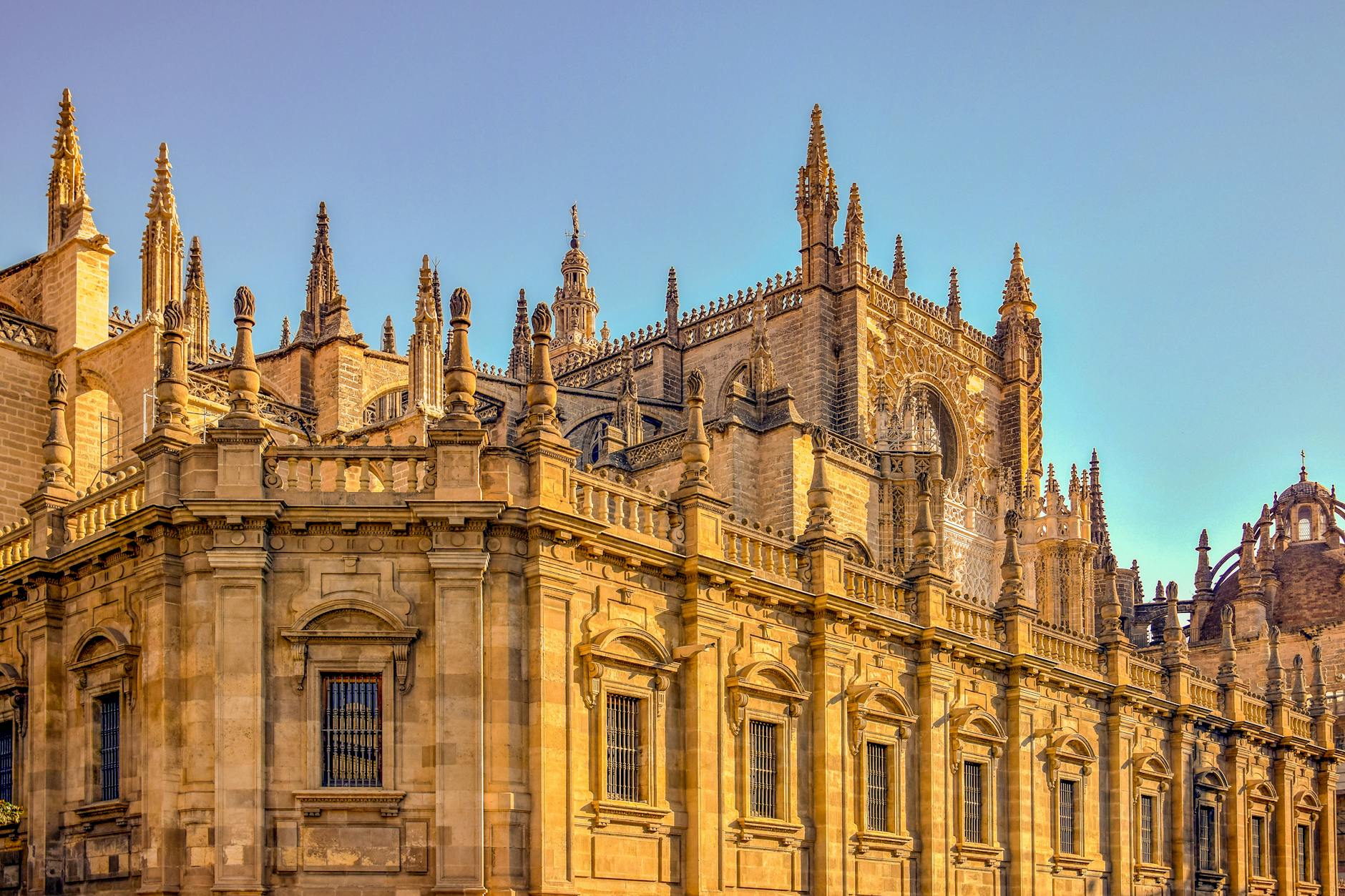
The Cathedral of Seville, a UNESCO World Heritage Site, epitomizes the fusion of Islamic, Christian, and secular influences in its Gothic and Renaissance architecture. Originally built as a mosque in 1198, it was transformed into a cathedral after Seville’s Reconquista in 1248. The construction commenced in 1401, aiming to surpass all other cathedrals. The Giralda tower, originally a minaret, showcases this cultural blend. Housing remarkable artistic treasures, including the largest altarpiece, the cathedral symbolizes Seville’s power and historical significance. Today, it faces preservation challenges due to environmental factors and tourism, yet remains a vital spiritual and cultural landmark.
-
How Apple Macintosh Redefined Personal Computing

The Apple Macintosh, introduced in 1984, revolutionized personal computing with its intuitive graphical user interface, challenging traditional text-based systems. Designed to be accessible and user-friendly, it underwent significant evolution amidst competition from IBM and Windows. Key innovations like MacPaint and the Finder transformed user interactions, while the Macintosh became synonymous with creativity, particularly in design industries. Despite challenges, the return of Steve Jobs in 1997 revitalized the brand, leading to the introduction of models like the iMac. The transition from Intel to Apple Silicon has further solidified the Mac’s legacy as a leader in innovation, shaping technology and culture.
-
Exploring the Uffizi Galleries: Art, History, and Renaissance Legacies

Introduction The Uffizi Galleries, located in Florence, are one of the world’s most renowned museums, housing an extensive collection of art from the Italian Renaissance and beyond. Originally conceived as administrative offices by Giorgio Vasari for Francesco I de’ Medici in the 16th century, the Uffizi evolved into a prominent public gallery showcasing the wealth and artistic legacy of the powerful Medici family. Over the centuries, it has become a symbol of Florence’s cultural heritage and a major destination for art lovers globally. The gallery’s collection boasts masterpieces by iconic artists like Leonardo da Vinci, Botticelli, Raphael, and Michelangelo. However,…
-
The history of Blockchain Technology: From Bitcoin to Smart Contracts

Blockchain technology has evolved significantly since its inception as the foundation of Bitcoin, expanding its applications across various industries such as finance, supply chain, healthcare, and governance. At its core, blockchain acts as a decentralized and secure ledger, fostering transparency and trust. Innovations like Ethereum introduced smart contracts, enabling decentralized applications. While blockchain offers transformative potential, challenges such as scalability, energy consumption, and regulatory issues remain. The future promises growth in decentralized finance, enterprise solutions, and interoperability, positioning blockchain as a key player in the digital economy.
-
The Ford Mustang GT: A Cultural Icon of Power and Freedom

The Ford Mustang GT, launched in 1964, symbolizes American ingenuity and individuality, establishing the “pony car†segment with its striking design and thrilling performance. Initially targeting the youthful demographic, it combined affordability with customization options. As it evolved through decades, the Mustang faced challenges yet adapted while retaining its core identity. The GT became synonymous with power, driven by innovative engineering, and left a cultural mark across films and music, reinforcing its status as an icon of freedom. Today, the Mustang GT continues to blend tradition with modern performance, maintaining its relevance and legacy as an enduring symbol of American…
-
The History of Bitcoin: From a crazy idea to Global Currency

The history of Bitcoin started in 2008 by Satoshi Nakamoto, and has evolved from a decentralized digital currency intended to challenge traditional finance into a significant global economic force. Initially gaining traction during the 2008 financial crisis, its innovation—blockchain technology—enables secure and transparent transactions without reliance on centralized authorities. Bitcoin faced early skepticism but slowly transitioned into a recognized investment asset, achieving mainstream acceptance driven by its limited supply and appeal as “digital gold.” Regulatory scrutiny and environmental concerns have shaped its development, yet Bitcoin’s influence on global finance, its potential for financial inclusion, and ongoing technological innovations reaffirm its…
-
History of AIG: How AIG overcame the 2008 financial crisis and rebuilt its insurance business

Founded in 1919 in Shanghai, American International Group (AIG) has evolved into one of the most recognizable names in global insurance. With operations spanning over 100 countries, the history of AIG is marked by bold entrepreneurship, rapid international expansion, and resilience in the face of crises. From its origins as a small insurance agency catering to the needs of Asia’s rapidly developing economies, AIG emerged as a multinational corporation leading innovation in insurance and financial services. However, its journey was not without challenges. The 2008 financial crisis profoundly impacted AIG, necessitating a historic government bailout and a complete transformation of…
-
Puerta del Sol: The Amazing Heart of Madrid
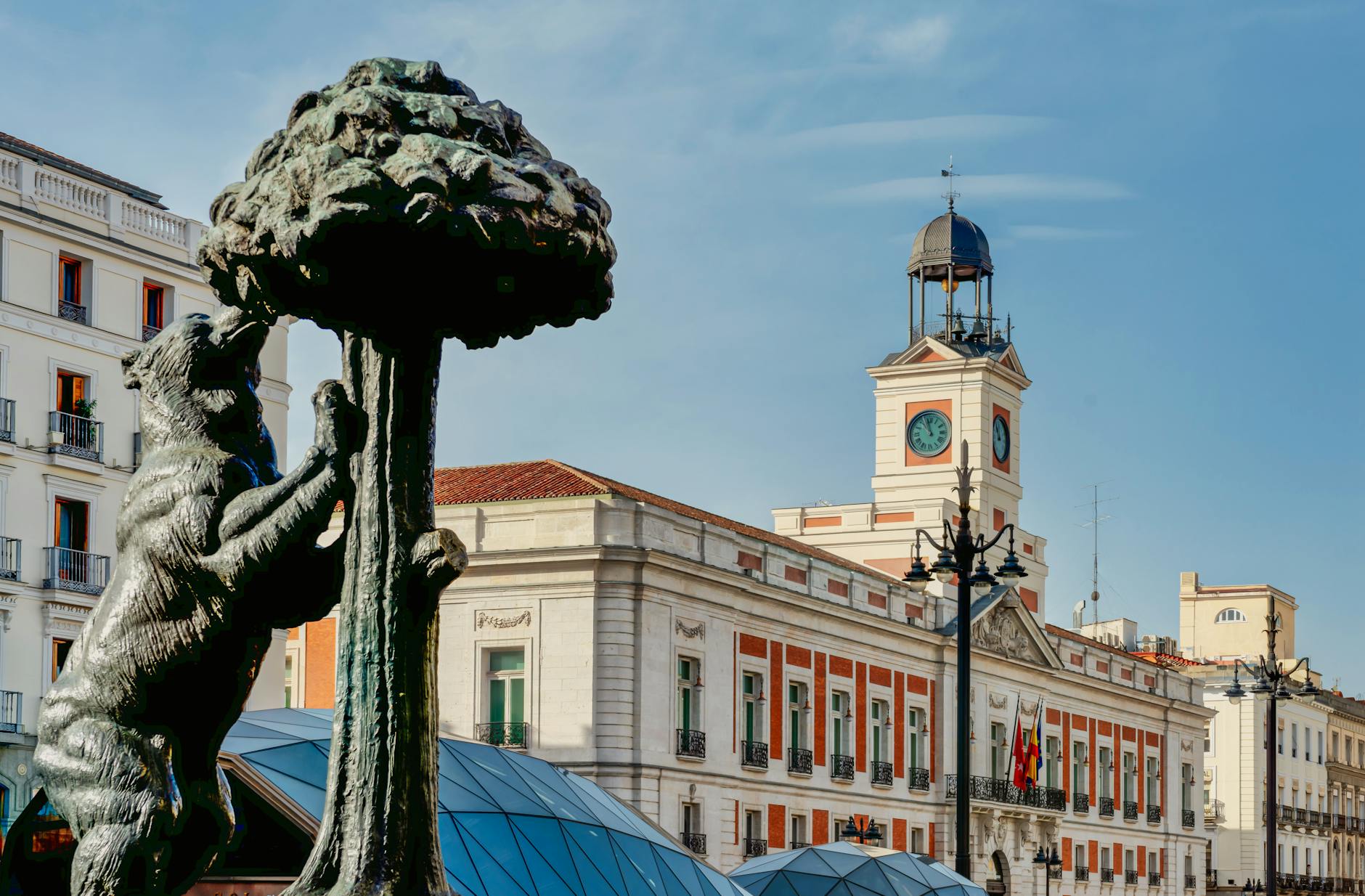
The Puerta del Sol is one of Madrid’s most iconic landmarks and a focal point of Spanish culture and history. Nestled in the heart of the capital, this vibrant square has evolved over centuries from a gateway in the city’s medieval walls to a bustling hub of activity. It serves as Spain’s Kilómetro Cero, the symbolic starting point of the country’s road network, and is steeped in historical significance as a witness to revolutions, political movements, and joyous celebrations.
-
Exploring the Sagrada Familia: Gaudí’s Architectural Marvel

The Basilica of the Sagrada Familia in Barcelona, Spain, stands as an extraordinary testament to human creativity and devotion. Conceived by visionary architect Antoni GaudÃ, this iconic structure marries intricate architectural ingenuity with profound spiritual symbolism. Since its foundation in 1882, the basilica has fascinated millions with its unique blend of Gothic and Art Nouveau styles. Despite being under construction for over 140 years, it is celebrated as one of the most remarkable architectural projects in history. From its detailed façades to its awe-inspiring interior, every element of the Sagrada Familia is infused with meaning, reflecting GaudÃ’s deep faith and…
-
The history of Berlin: A great journey of transformation

The history of Berlin, Germany’s capital, has evolved from a 13th-century trading post into a vibrant, influential metropolis, embodying resilience and cultural dynamism. Its history includes significant periods such as the Prussian and Imperial Eras, where it became an economic powerhouse, and the tumultuous Weimar Republic marked by creative flourishing and political instability. Under Nazi rule, Berlin faced harsh oppression and destruction during WWII. The Cold War divided the city, symbolizing global ideological conflicts, particularly with the Berlin Wall’s construction in 1961. Its fall in 1989 led to reunification, transforming Berlin into a cosmopolitan hub, celebrated for culture and innovation…
-
The History of Vasco da Gama: Portugal’s greatest Navigator
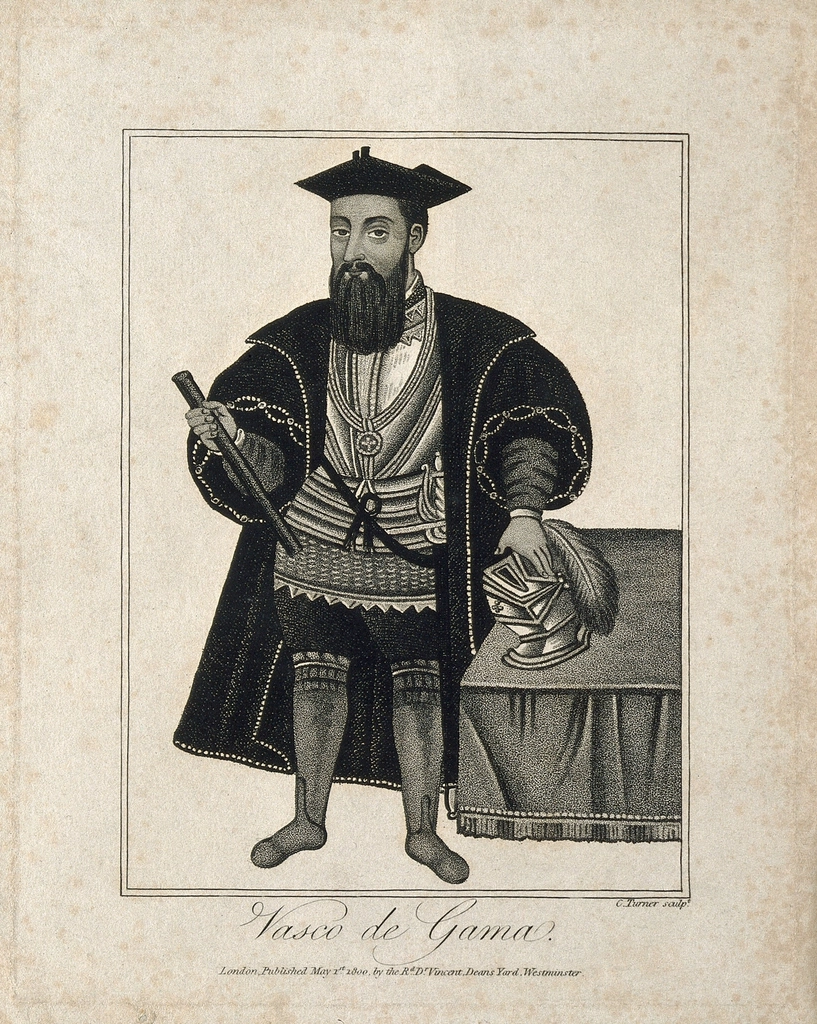
Vasco da Gama, born in Sines, Portugal, in 1460, is celebrated as one of history’s most accomplished explorers. He was the first to chart a direct sea route from Europe to India, fulfilling a vital goal for the Portuguese crown and setting the stage for an era of global trade and European colonialism. His voyages not only unlocked the riches of the East for Europe but also established Portugal as a dominant force in global maritime trade. This article traces Vasco da Gama’s life, his groundbreaking achievements, and his enduring legacy in world history.
-
The History of Hilton Hotels: from Local to Global Hospitality

The Hilton Hotels brand, founded by Conrad Hilton in 1919, has become synonymous with luxury, innovation, and a global standard of hospitality. From its humble beginnings in Texas, Hilton expanded rapidly to redefine the travel experience, setting new benchmarks for service and amenities. Over the years, the company has introduced pioneering concepts such as room service and airport hotels, constantly adapting to meet the evolving needs of travelers. Today, Hilton Hotels remains at the forefront of the industry, embracing sustainability, advanced technology, and a commitment to global hospitality excellence.
-
The history of Lisbon: A Cultural Capital Shaped by History

Lisbon, the capital of Portugal, has a rich history marked by its strategic location along the Tagus River. Its origins date back to 1200 BCE with the Phoenicians establishing a trading post. Over centuries, the history of Lisbon absorbed influences from various civilizations, including the Greeks, Romans, and Moors. The city flourished during the Age of Discovery, becoming a global maritime hub. However, the 1755 earthquake devastated it, leading to significant reconstruction. The 20th century saw political upheaval, including the overthrow of the monarchy and the Estado Novo regime. Today, Lisbon is a vibrant cultural and technological center that celebrates…
-
History of Walmart: from Small Store to Global Retail Leader – facts and key events

The history of Walmart started in 1962 by Sam Walton, and has evolved into a global retail leader defined by its commitment to affordability, innovation, and adaptability. Starting as a single store, Walmart’s strategic focus on cost-efficiency and advanced logistics fueled rapid expansion and reshaped retail. Despite criticisms regarding labor practices and environmental impact, Walmart has increased its commitment to sustainability, workforce development, and corporate social responsibility. Its digital transformation, including e-commerce initiatives and the integration of technology, reflects an effort to meet modern consumer demands. As Walmart navigates ongoing challenges, its legacy continues to influence global retail standards and…
-
The history of Montblanc: Heritage of Luxury Writing Instruments

The history of Montblanc started in 1906 in Germany. Since then, Montblanc has evolved from a small pen manufacturer to a global luxury brand recognized for elegance, craftsmanship, and innovation. Its iconic Meisterstück collection, launched in 1924, redefined luxury writing instruments with meticulous design and superior writing performance. Over the decades, Montblanc expanded into luxury goods like watches and leather products while maintaining a commitment to quality and sustainability. Recently, the brand has emphasized environmental responsibility, adopting eco-friendly practices and supporting social initiatives. Montblanc symbolizes timeless sophistication, blending tradition with modernity, ensuring its legacy continues to inspire future generations.
-
The History of the National Gallery: London’s Cultural Treasure

The National Gallery in London is one of the world’s most renowned art institutions, housing a vast collection that spans centuries of artistic excellence. Founded in 1824, the gallery began with just 38 paintings purchased from the collection of the banker and patron John Julius Angerstein. Its mission was to make art accessible to the public, offering an unparalleled experience to learn from and engage with European masterpieces across periods and styles. Over nearly two centuries, the National Gallery has grown both in its collection and influence, now possessing over 2,300 works, ranging from medieval to post-impressionist masterpieces.