For history fans
-
The Tower Bridge: A Marvel of Victorian Engineering and Architecture (2025 update)
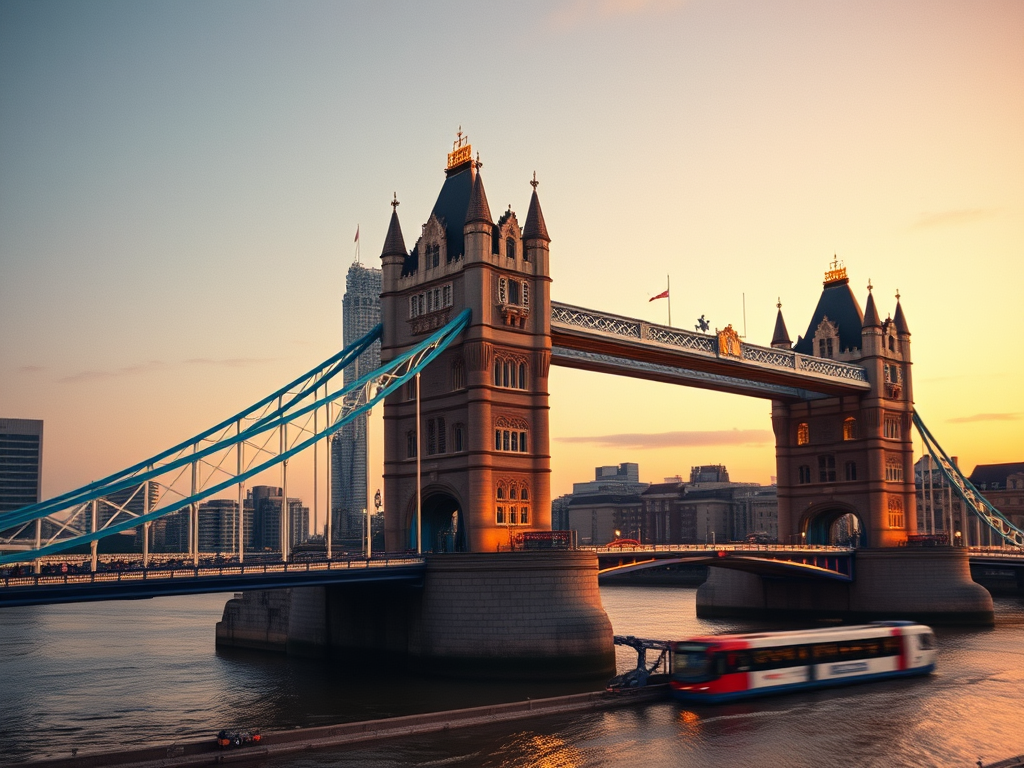
The Tower Bridge is one of the most iconic landmarks in London, instantly recognizable by its twin Gothic towers and bascules that open to allow ships to pass through. Since its completion in 1894, the bridge has stood as a symbol of British innovation, merging architectural beauty with cutting-edge engineering. Its unique combination of function and form has made it a global icon of London and a testament to Victorian ingenuity.
-
Michelangelo’s David Statue: The History, Meaning, and Legacy

The Michelangelo’s David Statue, created between 1501 and 1504, is a Renaissance masterpiece symbolizing strength, beauty, and the human spirit. This statue emerged from the rich artistic context of Florence amidst political turmoil, reflecting the city’s resilience. Through his early life, mentorship under the Medici, and exposure to classical art, Michelangelo honed his sculptural skills. Commissioned by the Operai del Duomo, the statue illustrates David before his battle with Goliath, emphasizing internal struggle. Its completion in 1504 solidified Michelangelo’s reputation, as David became a cultural and political icon, influencing artists for generations and representing Italy’s quest for unity and strength.
-
The Timeless History of Rolex: From Origins to Iconic Status

Rolex, founded by Hans Wilsdorf and Alfred Davis in 1905, revolutionized watchmaking by prioritizing precision and innovation. Originally focusing on wristwatches, it soon gained prominence with the introduction of the Rolex Oyster, the first waterproof watch, famously tested by swimmer Mercedes Gleitze in 1927. The history of Rolex continued to advance with the self-winding Oyster Perpetual in 1931 and became a symbol of reliability among explorers. The brand produced iconic models, such as the Day-Date, GMT-Master, and Cosmograph Daytona, while also engaging in philanthropy. Today, Rolex maintains its status as a leader in luxury watches through ongoing innovation and commitment…
-
The Rich History of Mumbai: Seven Islands to Commercial Hub (2025 update)

Discover the history of Mumbai, from a group of seven islands to a thriving metropolis illustrates a complex historical journey. Initially inhabited by the Kolis, the islands gained significance under various dynasties, including the Silharas and the Gujarat Sultanate. The 16th-century Portuguese recognized their trading potential, followed by British colonization in 1661, which significantly accelerated urban development. British land reclamation projects and infrastructure improvements transformed the fragmented islands into a cohesive city. The cotton boom during the American Civil War further solidified Bombay’s commercial status. Post-independence, the city became a global hub, reflecting India’s resilience and cultural diversity, officially adopting…
-
The great history of the Xia Dynasty: The First Chinese Dynasty (2025 update)

The Xia Dynasty, founded around the 21st century BCE, is considered China’s first dynasty, rooted in a blend of myth and limited historical evidence. It transitioned from semi-nomadic lifestyles to organized agricultural societies, with Yu the Great’s flood control marking its legendary origins. The dynasty established a centralized monarchy and a council of nobles, influencing governance structures for future dynasties. Cultural advancements included irrigation, bronze metallurgy, and ancestor worship, shaping social norms and artistic expressions. However, environmental challenges and internal power struggles led to its decline, paving the way for the Shang Dynasty. The Xia’s legacy profoundly impacted Chinese civilization.
-
Unraveling the extraordinary history of Solar System

The history of solar system is one of the most fascinating chapters in human intellectual history. It spans thousands of years, from the first ancient stargazers who observed the night sky, to the modern scientists who sent probes and telescopes into space. Understanding our solar system—its planets, moons, and other celestial objects—has transformed how we perceive our place in the universe. This article traces the history of the discovery of the solar system, highlighting key figures, ideas, and technological breakthroughs that have shaped our knowledge of the space we inhabit.
-
Mary Magdalene: The History and Life of the Woman Closest to Jesus Christ

Mary Magdalene is one of the most fascinating and enigmatic figures in the New Testament. Revered as a devoted follower of Jesus Christ, she has been both venerated as a saint and misunderstood due to centuries of speculation and mythmaking. Over time, Mary Magdalene’s image has evolved: from a repentant sinner, to the first witness of the Resurrection, to, in more recent times, being portrayed as a central figure in early Christianity. Despite the limited direct biblical references to her life, she has remained a subject of intrigue and reverence, and her significance to the Christian story cannot be overstated.…
-
The History of Genoa: From Ancient Times to Modern Day (2025 uptade)

Genoa, a vibrant port city in the northwest of Italy, has a history as captivating and intricate as its labyrinthine streets. Known as “La Superba” (The Proud), Genoa has played a crucial role in the Mediterranean world for centuries. As the capital of the Liguria region, it boasts a legacy of exploration, trade, art, and political significance that rivals any other in European history. The story of Genoa is one of resilience and adaptation, as the city transitioned from a powerful maritime republic to a modern, bustling metropolis. This article delves into the rich and multifaceted history of Genoa, tracing…
-
Key Insights from The Limits to Growth Report

The Club of Rome Report, officially titled The Limits to Growth, is a groundbreaking study published in 1972 that explored the future of human civilization in the face of finite planetary resources. This report marked a watershed moment in environmental awareness, calling attention to the potential dangers of unchecked economic and population growth. Its central message—that humanity’s current trajectory could lead to ecological collapse and widespread societal challenges—was met with both acclaim and controversy. Over the decades, the Club of Rome has continued to issue warnings and recommendations, but the question remains: have we heeded their cautionary tale?
-
Impact of Joseph Banks’ amazing Tahiti Voyage on Science (2025 update)

In the annals of scientific exploration, few figures stand as prominently as Joseph Banks, the British naturalist and botanist who accompanied Captain James Cook on his first great voyage of discovery aboard HMS Endeavour. Among the many destinations on this expedition, none was more iconic than the island of Tahiti. Banks’ arrival in Tahiti in 1769 marked not only a pivotal moment in his own life but also a significant chapter in the broader history of exploration, botany, and European encounters with the Pacific. His time on the island opened the door to a wealth of new botanical discoveries and…
-
The Fall of the Maya Civilization: A Journey Through Decline and Collapse

The Maya civilization, one of the most advanced pre-Columbian cultures in Mesoamerica, flourished for over 2,000 years before its sudden decline. From their intricate understanding of astronomy and mathematics to their monumental cities and impressive political structures, the Maya left an enduring legacy that still fascinates historians and archaeologists today. However, despite their achievements, the Maya experienced a dramatic collapse, one that left their grand cities abandoned and their society fractured. The reasons for this decline are still debated, with theories ranging from environmental factors and warfare to political instability and overpopulation. This article explores the fall of the Maya…
-
History of Nikola Tesla: The Fascinating Life and complete biography

Nikola Tesla, born on July 10, 1856, in Croatia, was a groundbreaking innovator in electricity who transformed the scientific landscape with his work on alternating current (AC) technology. Despite early promise and significant inventions like the AC induction motor and the Tesla coil, Tesla faced intense rivalry with Thomas Edison during the “War of Currents”, which overshadowed his contributions. Financial struggles plagued his later years, leading to isolation and obscurity until public recognition grew posthumously. Today, Tesla is celebrated as a cultural icon, with his ideas influencing modern electrical systems, wireless communication, and sustainable technology, solidifying his enduring legacy and…
-
How HSBC Shaped International Banking Since 1865: history and evolution

HSBC, founded in 1865 in Hong Kong, has evolved into a prominent global banking institution with a presence in over 60 countries. Initially established to facilitate trade between Europe and Asia, the bank expanded its operations across key Asian cities and later into global financial centers like London and New York. Throughout its history, HSBC faced challenges, including two World Wars and the Great Depression, yet maintained resilience. It transitioned to a global powerhouse through strategic acquisitions and responded well to the 2008 financial crisis. Today, HSBC navigates geopolitical complexities while focusing on growth in Asia and embracing digital transformation.
-
Henry Ford: The Man Who Revolutionized the Automobile Industry (2025 update)

Henry Ford, a name synonymous with innovation and industrial transformation, was a pioneer whose vision and ingenuity shaped not only the automobile industry but also modern manufacturing practices. Born on July 30, 1863, on a farm in Dearborn, Michigan, Ford would rise to become one of the most influential figures of the 20th century. He is best known as the founder of the Ford Motor Company and for revolutionizing mass production through the introduction of the moving assembly line, which made cars affordable for the average American. His legacy extends far beyond the realm of automobiles, as his work in…
-
The Arrival of the Portuguese in India: A New Era of Commerce, Conflict, and Cultural Exchange (2025 update)

The arrival of the Portuguese in India at the dawn of the 16th century was a transformative moment in global history. This event not only reshaped the political and economic landscape of the Indian subcontinent but also marked the beginning of an era of European maritime dominance in the Indian Ocean. Led by Vasco da Gama in 1498, the Portuguese were the first Europeans to successfully navigate the treacherous waters around the southern tip of Africa and establish a direct sea route to India. This monumental achievement set the stage for centuries of European involvement in Indian trade, politics, and…
-
The Life of Adam Smith and Wealth of Nations

Few individuals have had as profound an impact on the way we understand the world as Adam Smith, the Scottish philosopher and economist whose ideas laid the foundation for modern economic thought. Often referred to as the “Father of Economics,” Smith is best known for his seminal work, The Wealth of Nations (1776), a book that changed the course of economic history and continues to influence policymakers, scholars, and business leaders more than two centuries later. His ideas about free markets, self-interest, and the invisible hand have become central to how we think about economic activity, capitalism, and the role…
-
The Meiji Restoration: history and facts of a great transformational Era in Japan

The Meiji Restoration, beginning in 1868, was a transformative period in Japan’s history, shifting it from a feudal society to a modern industrial power. It ended the Tokugawa shogunate and restored imperial rule, prompting significant political, economic, and social reforms. Japan embraced modernization, adopting Western technologies and institutions, leading to industrial growth, military reforms, and widespread education. This era resulted in Japan emerging as an imperial power, with notable victories in the Sino-Japanese and Russo-Japanese wars. While spurring economic advancements and social mobility, the changes also brought challenges and tensions, shaping Japan’s complex legacy in the 20th century and beyond.
-
Tulip Mania: Lessons from a 17th Century Economic Bubble

In the early 17th century, Tulip Mania in the Dutch Republic epitomized an economic bubble marked by excessive speculation and greed, leading to tulip bulbs becoming more valuable than houses. Initially introduced to Europe in the mid-1500s, tulips quickly gained popularity among the wealthy. The speculative frenzy escalated by the early 1630s, with bulb prices soaring before collapsing in 1637, leaving many investors financially devastated. Historians debate the actual economic impact, suggesting effects were localized. Despite its exaggerated narratives, Tulip Mania remains relevant, exemplifying human behavioral patterns in finance and cautioning against irrational exuberance in modern markets.
-
The Great Depression of 1929: A Global Economic Catastrophe
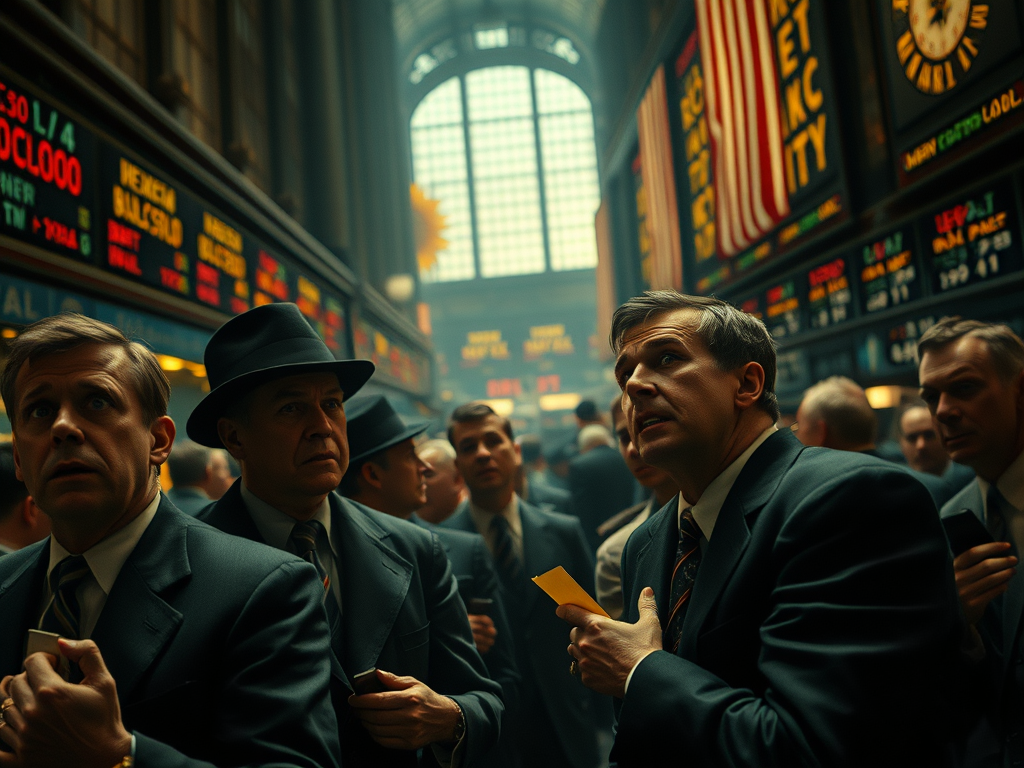
The Great Depression, triggered by the 1929 stock market crash, was a monumental economic downturn lasting nearly a decade, profoundly impacting the U.S. and global economies. Key causes included reckless financial speculation, banking failures, and protectionist policies, which led to skyrocketing unemployment and widespread poverty. The social effects transformed family dynamics, ignited community cooperation, and revealed systemic inequalities. In response, the U.S. government, notably through Roosevelt’s New Deal, adopted significant economic and social reforms, setting precedents for future federal intervention. The lasting legacy of this era reshaped public perception of government roles, social welfare, and economic policy, imparting critical lessons…
-
The fascinating History of LEGO Company: From Wooden Toys to an Empire of Imagination

LEGO Company, founded in 1932 in Denmark, began as a wooden toy manufacturer before innovative shifts to plastic in the late 1940s revolutionised its product line. The introduction of interlocking bricks in 1958 set the stage for LEGO’s iconic status, fostering creativity and collaborative play. Over the decades, the brand expanded into themed sets and collaborations, notably with Lucasfilm for LEGO Star Wars. Embracing digital innovations, LEGO launched video games and educational tools, reinforcing its role in learning. The company’s commitment to creativity and quality has solidified its reputation as a leading toy brand, continually engaging with generations through both…