For history fans
-
Baruch Spinoza: The Life and the great Ideas that Changed Philosophy (2025 update)

Baruch Spinoza, born in 1632 in Amsterdam to a Portuguese-Jewish family, emerged as a radical philosopher during a transformative intellectual period in Europe. His revolutionary ideas on God, ethics, and human freedom led to his excommunication from the Jewish community at age 23. In his seminal work, “Ethics,” he equated God with nature, promoting pantheism and determinism, asserting that true freedom comes from understanding natural laws. Spinoza’s political writings advocated for democracy, religious tolerance, and freedom of speech. Although initially unrecognized, his influence surged in the Enlightenment, shaping modern philosophy, science, and democratic principles, underscoring the significance of truth-seeking.
-
The History of the Nuclear Bomb: how Manhattan Project changed the world

The invention of the nuclear bomb marked a transformative moment in history, reshaping World War II and global geopolitics. Its development stemmed from early nuclear physics discoveries, culminating in the Manhattan Project during World War II, which aimed to prevent Nazi Germany from building a bomb. The successful Trinity Test in 1945 demonstrated its destructive power, leading to the bombings of Hiroshima and Nagasaki, resulting in immense loss of life. This ushered in the Cold War and a nuclear arms race. The legacy of the nuclear bomb represents both scientific achievement and ethical dilemmas, highlighting the dual nature of human…
-
The arrival of the Portuguese in Japan: A Collision of Cultures and the Dawn of a New Era

In 1543, a momentous event took place that would forever change the course of Japanese history: the arrival of the Portuguese. These European explorers, merchants, and missionaries were the first Westerners to set foot on Japanese soil, and their presence sparked a cultural, technological, and religious exchange that altered the trajectory of the island nation. This meeting of East and West not only introduced Japan to new ideas and goods but also set the stage for centuries of complex relations between Japan and the outside world. But how did this happen, and what was the lasting impact of the Portuguese…
-
The History of BrasÃlia: A Brazil’s Capital Reshaped by Vision (2025 update)
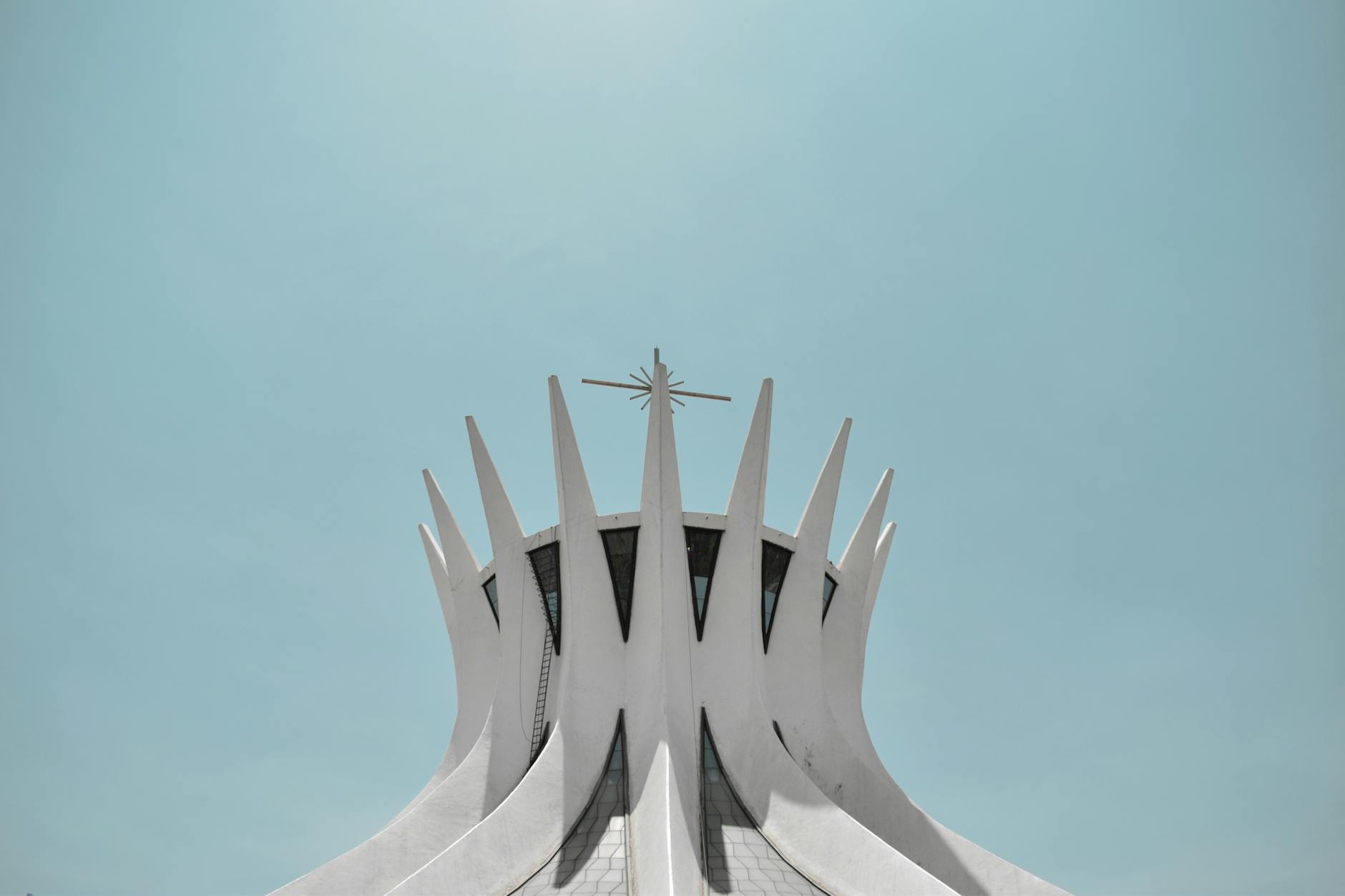
BrasÃlia, Brazil’s capital founded in 1960, is a notable example of mid-20th-century urban planning and architecture, championed by Oscar Niemeyer and Lúcio Costa. Created to encourage development in Brazil’s interior, the city symbolizes national unity and modernity. Despite its architectural grandeur, BrasÃlia faces challenges such as rapid urbanization, social inequality, and infrastructural strain, which emerged from a population surge far exceeding initial projections. Its cultural landscape reflects a mix of influences, while the city’s political significance remains vital as it hosts key governmental institutions. Future prospects hinge on sustainable development and addressing social disparities, striving to fulfill its foundational aspirations.
-
George Washington’s big impact on American History: a complete guide

Few figures loom as large in American history as George Washington, a man whose legacy transcends the roles he played in shaping the United States. He was not just the first president, but also the military leader who led a ragtag army to victory against the British Empire, and the statesman who helped guide the fledgling nation through its earliest and most turbulent years. Washington’s life story is one of perseverance, sacrifice, and profound influence—a tale of how one man’s vision and sense of duty helped birth a nation.
-
The Reign of Henry VIII (1509-1547): A Detailed Exploration
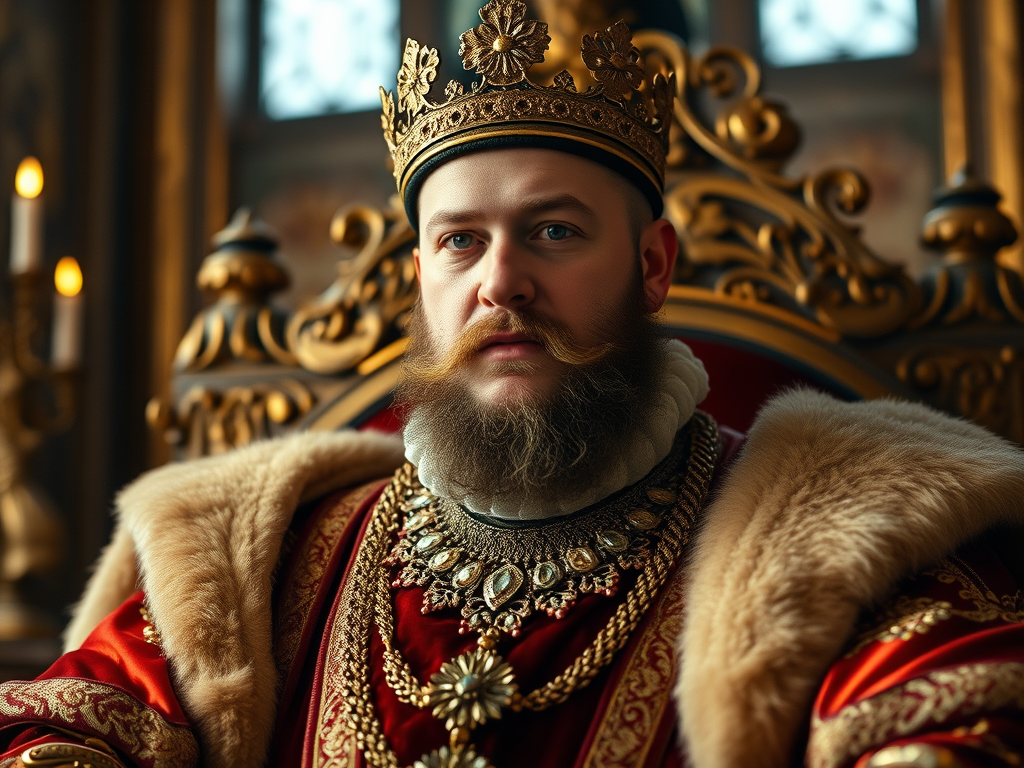
Henry VIII ruled England from 1509 to 1547, a period marked by significant changes in religion, politics, and culture. Notable for his six marriages, his quest for a male heir led to his break from the Catholic Church, igniting the English Reformation. His early reign showcased military ambitions and efforts to restore England’s prominence, while his political maneuvers reflected a blend of personal desires and national interests. Henry’s decisions shaped English identity, fostered Protestantism, and altered socio-economic structures through the dissolution of monasteries. His legacy is complex, influencing future monarchs and the relationship between the monarchy and the state.
-
Vasco da Gama’s First Voyage to India: An amazing Journey that Changed the World

Vasco da Gama’s first voyage to India (1497-1499) was a landmark in global exploration, commissioned by King Manuel I of Portugal to establish a direct sea route to India, bypassing traditional overland trade routes. Setting sail with four ships, Gama faced numerous challenges, including unpredictable weather and political complexities, before successfully reaching Calicut in May 1498. This journey opened new trading opportunities for Portugal, leading to its dominance in the spice trade and a significant cultural exchange between Europe and India. While Gama’s expedition enriched Portugal, it also initiated conflicts and imperialistic endeavors that would alter local societies forever.