For history fans
-
Guide to Sustainable Tourism 2025: Travel Responsibly

Sustainable tourism seeks to minimize environmental impact and enhance benefits for local communities as global tourism grows. It promotes responsible practices like choosing eco-friendly accommodations, supporting local businesses, and minimizing waste. Travelers are encouraged to engage with local cultures, prioritize conservation, and participate in ethical tourism practices. This approach aims to reduce carbon footprints by utilizing public transportation and reducing single-use plastics. Ethical wildlife tourism is highlighted, urging travelers to avoid exploitative activities. Ultimately, sustainable tourism calls for conscious choices that protect the planet and its cultural diversity for future generations, ensuring that travel remains a positive experience for all.
-
How Samsung Became a Global Leader in Electronics

Samsung, founded in 1938 by Lee Byung-chul, started as a trading company in Korea and has since transformed into a leading global technology powerhouse. Initially diversifying into various industries, Samsung ventured into electronics in the late 1960s, establishing Samsung Electronics. The 1990s saw it become a premier brand in consumer electronics, successfully competing with giants like Sony. The 2000s marked Samsung’s rise in the smartphone market, particularly with the Galaxy series. Despite facing challenges such as legal disputes and product recalls, Samsung’s commitment to innovation and R&D ensures its ongoing impact on the global economy and technology landscape.
-
Tenerife Travel Guide 2025: Nature, Culture and Cuisine

Tenerife, the largest of the Canary Islands, is a year-round destination known for its diverse natural beauty, rich history, and vibrant culture. The island features stunning landscapes, including Mount Teide, beautiful beaches, and lush forests, ideal for outdoor enthusiasts. Visitors can explore historical towns like San Cristóbal de La Laguna, witness the unique Pyramids of GüÃmar, and enjoy the world’s second-largest carnival. Adventurers have access to hiking, whale watching, and water sports. Tenerife’s gastronomy reflects a blend of influences, with seafood and traditional dishes like papas arrugadas. Through careful planning, travelers can enjoy an affordable and memorable experience.
-
Affordable Travel 2025: Top Hacks for Budget-Friendly Adventures

Traveling the world doesn’t have to be costly. With careful planning and the right strategies, you can explore new cultures and destinations economically. Essential tactics include booking flights in advance, using fare comparison websites, and being flexible with travel dates. For accommodations, options like hostels, Airbnb, house-sitting, and camping can save money. Emphasizing free and low-cost attractions, travelers should seek out discounted museums, parks, and free walking tours. Eating at local spots and using public transport further reduces expenses. By employing various travel hacks, such as off-season travel and utilizing rewards programs, anyone can enjoy enriching travel experiences on a…
-
Top 5 Paris Landmarks You Can’t Miss in 2025
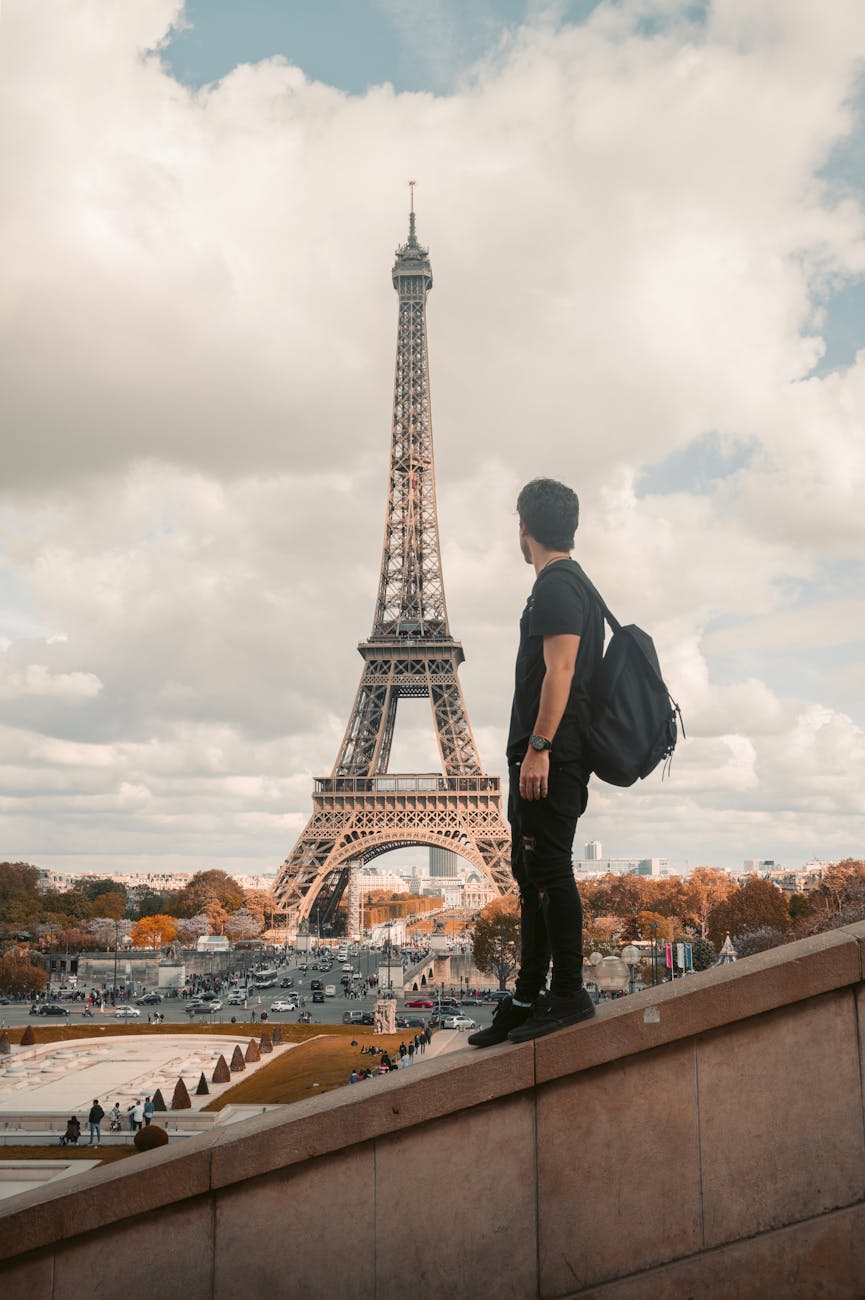
Paris, the “City of Light,” is renowned for its rich history, stunning architecture, and vibrant culture, attracting millions of visitors annually. This article explores five iconic landmarks: the Eiffel Tower, a symbol of innovation and panoramic views; the Louvre Museum, housing timeless masterpieces like the Mona Lisa; the Gothic Notre-Dame Cathedral, a historical marvel undergoing restoration; the Champs-Élysées and Arc de Triomphe, embodying Parisian grandeur; and Montmartre with the Sacré-CÅ“ur Basilica, representing artistic spirit. Each site reflects Paris’s cultural heritage, blending past and present, making it an unforgettable destination for all who visit.
-
The Fast Fashion Evolution: the history of how Zara changed the retail industry
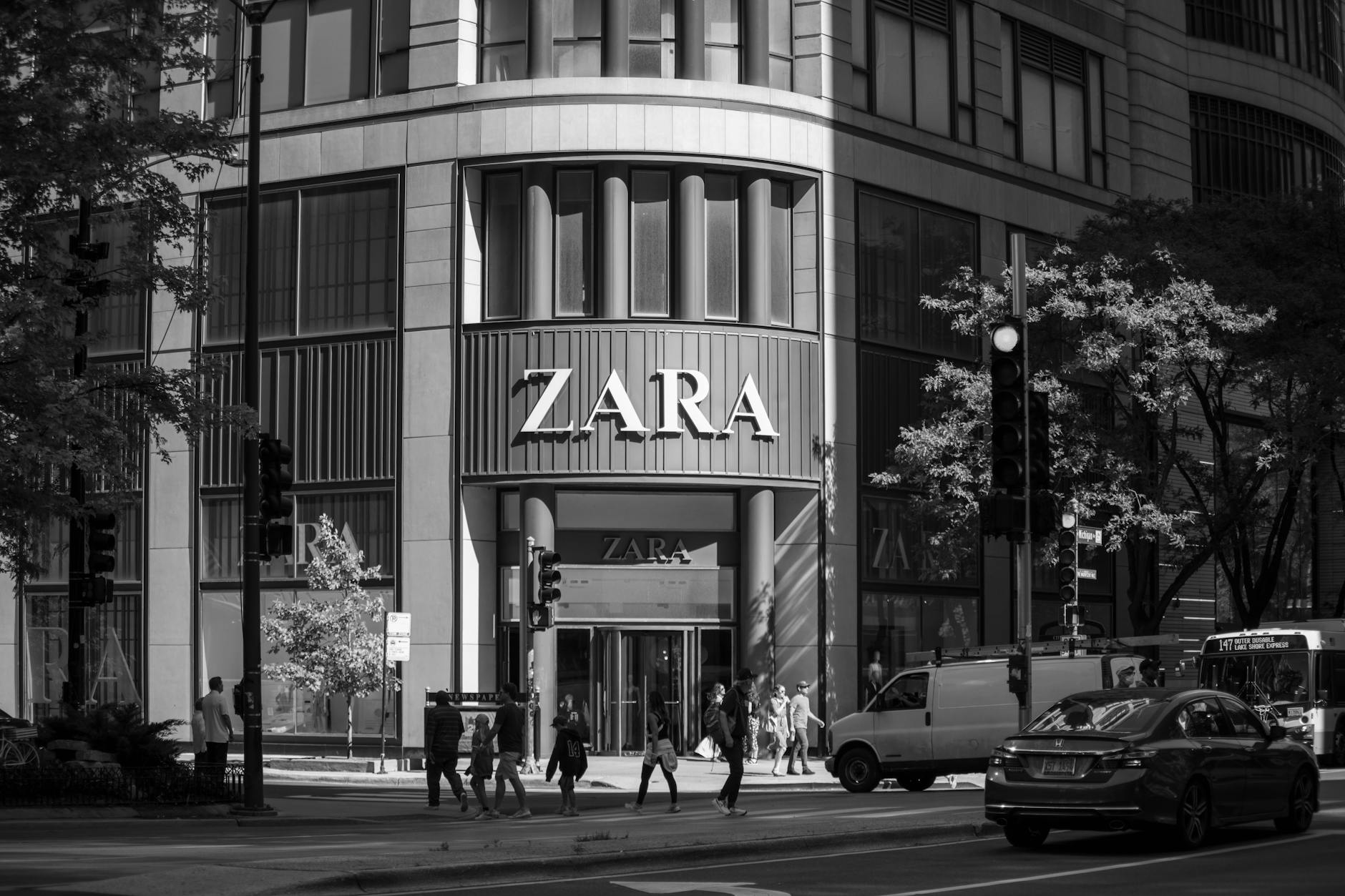
Zara, founded in 1975 by Amancio Ortega and RosalÃa Mera in Spain, has evolved from a small store into a global fashion giant, pioneering the fast fashion model. By emphasizing speed and efficiency, Zara quickly adapts to trends, introducing new styles within weeks and maintaining a strong supply chain through regional manufacturing. Its innovative approach led to significant international expansion, with over 2,000 stores in over 90 countries. Despite recent pressure for sustainable practices, Zara aims to reduce its environmental impact by incorporating eco-friendly materials and promoting circular fashion. Nonetheless, it must balance profitability with sustainability amidst increasing competition and…
-
The History of the Eiffel Tower: an Engineering and Cultural Landmark
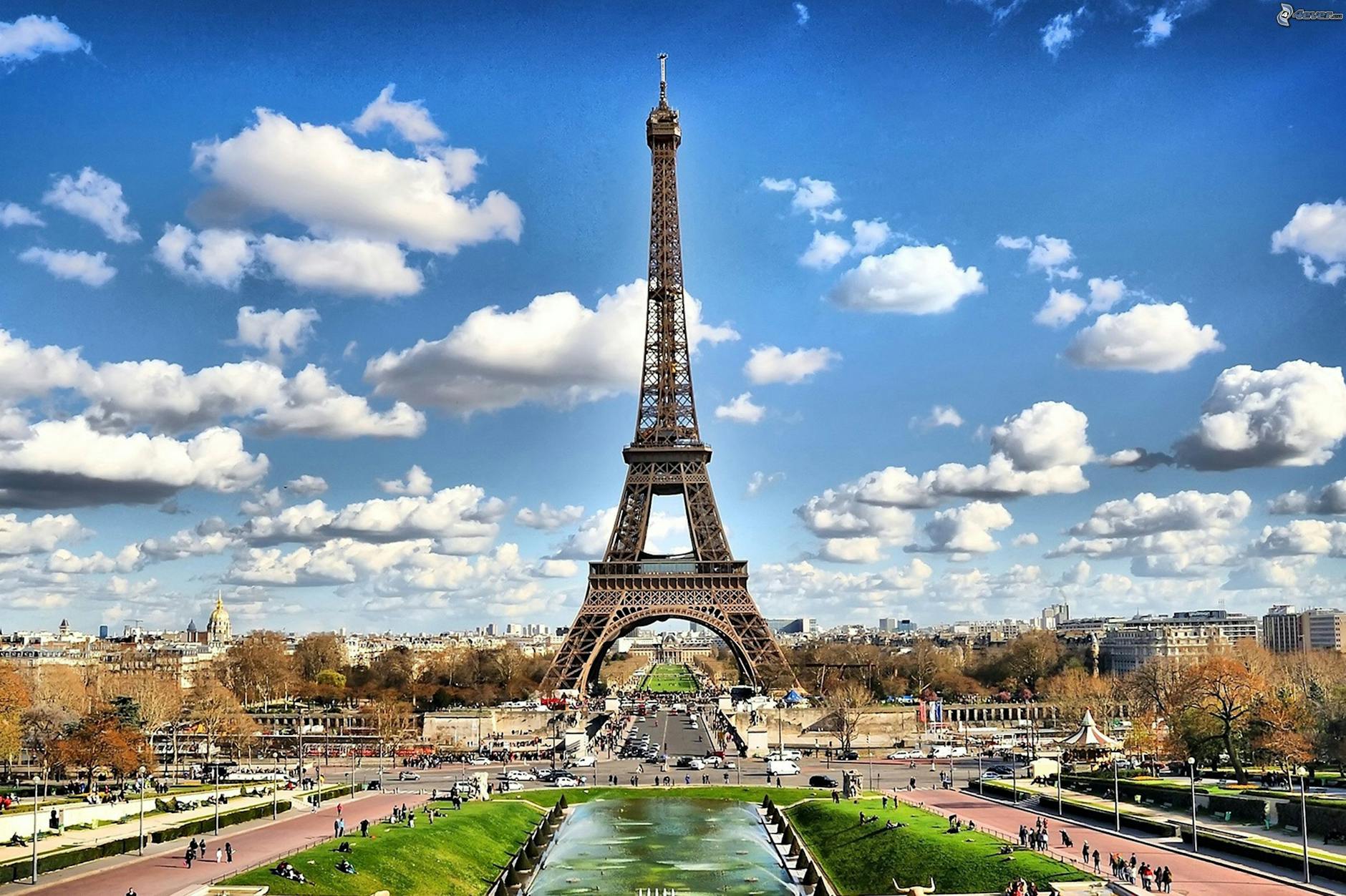
The Eiffel Tower, completed in 1889 for the Exposition Universelle, stands as a symbol of innovation and French culture. Despite initial skepticism, it became iconic, showcasing outstanding architectural design by Gustave Eiffel, featuring a lattice structure and three distinct levels. The tower’s cultural significance is profound, symbolizing romance and inspiring countless works of art. Ongoing renovations ensure its preservation against rust and enhance visitor experiences, reflecting a blend of historical integrity and modern sustainability efforts. With over 7 million visitors yearly, the Eiffel Tower remains a testament to human creativity, resilience, and a universal symbol of joy and inspiration.
-
The history of Verona: A City of marvelous Culture and Resilience
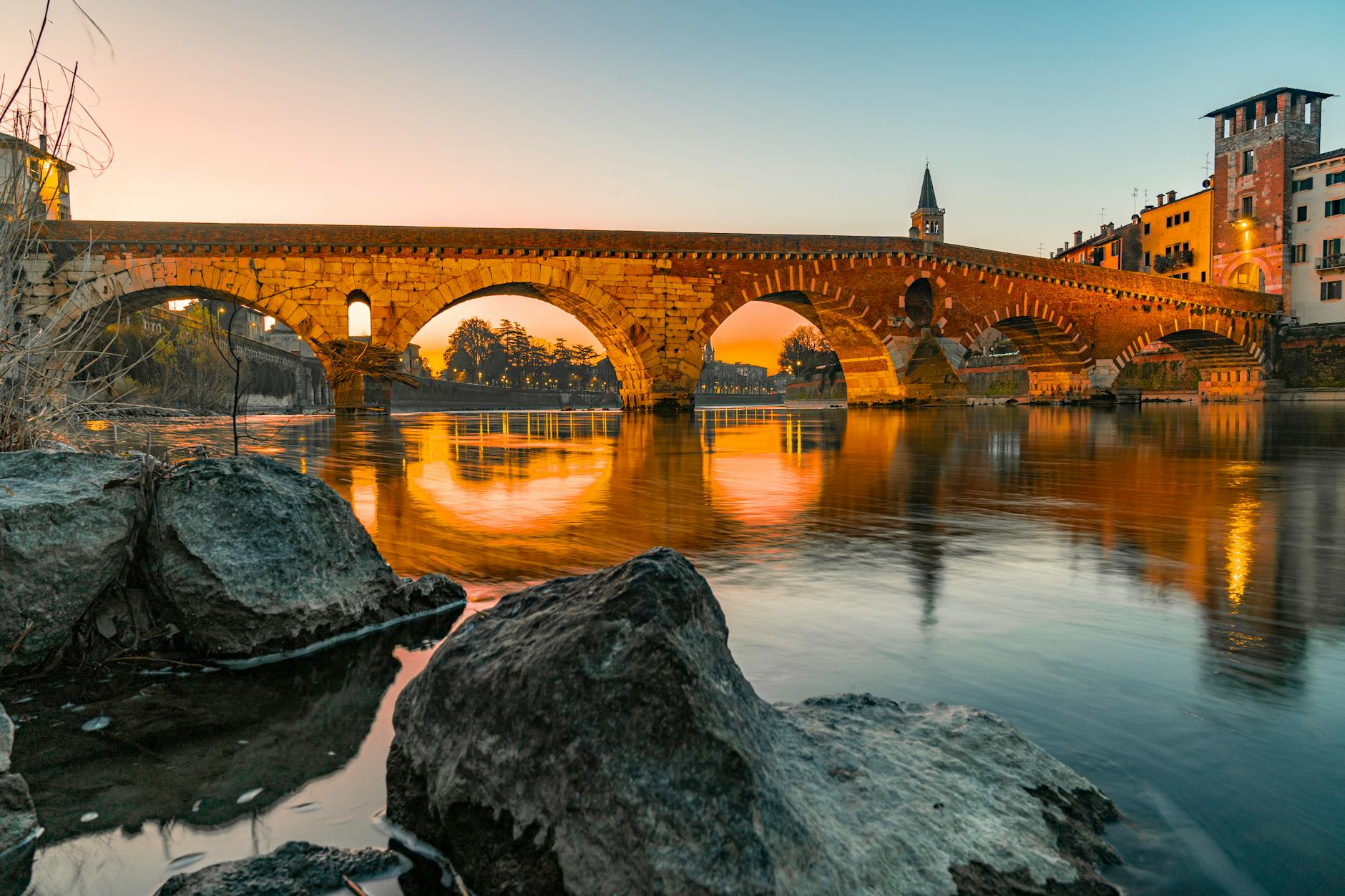
Verona, a historic city in northern Italy, is renowned as the backdrop for Shakespeare’s “Romeo and Juliet” and boasts a rich tapestry of architectural, artistic, and cultural significance. Originating as a Roman stronghold, its development continued through the Middle Ages with the rise of the Scaliger family and the Venetian Republic’s influence, culminating in a vibrant Renaissance culture. The city faced challenges under Napoleonic and Austrian rule, but its identity persisted. After World War II, Verona restored many landmarks and modernized its economy. Today, it thrives as a center for tourism, wine production, education, and cultural events, showcasing its timeless…
-
Top Attractions in Florence: A Guide to Renaissance Wonders

Florence, the heart of Tuscany, is a city steeped in history and known as the cradle of the Renaissance. Established as a Roman colony, it thrived through medieval times, becoming a powerful commercial hub. The Medici family played a crucial role in its cultural and artistic rise, nurturing prominent figures like Michelangelo and Botticelli. Key landmarks include the Cathedral of Santa Maria del Fiore and the Uffizi Gallery, housing masterpieces that celebrate the city’s artistic legacy. Today, Florence harmonizes its historical significance with modern vibrancy, showcasing a blend of traditional cuisine, contemporary fashion, and a dynamic creative community, making it…
-
Yves Saint Laurent: Revolutionizing Fashion History

Yves Saint Laurent is a monumental figure in the fashion industry, known for his profound influence and innovative designs that redefined style and gender norms. Born in Algeria, he gained early recognition under Christian Dior, eventually becoming head designer at 21. In 1961, he founded his eponymous brand, celebrated for iconic pieces like the Mondrian dress and Le Smoking tuxedo, which liberated women’s fashion. A pioneer of ready-to-wear fashion, his work embraced cultural diversity and inclusivity, inspiring countless designers to challenge societal norms. Saint Laurent’s legacy persists, shaping modern fashion’s approach to art, identity, and individual expression.
-
The History of Mercedes-Benz: a century of automotive innovation

Mercedes-Benz, founded in 1926, is a symbol of luxury and innovation in the automotive industry, rooted in the pioneering work of Karl Benz and Gottlieb Daimler. The company revolutionized transportation with the Benz Patent-Motorwagen, the world’s first gasoline-powered vehicle, and has since introduced key safety features like crumple zones and ABS. Mercedes-Benz excels in motorsport, contributing to performance advancements and inspiring high-performance road cars. Committed to sustainability, it embraces electrification and green technologies while maintaining a luxurious reputation. Its global influence spans safety, innovation, and cultural impact, securing its legacy as a leader in the automotive landscape.
-
How InterContinental Hotels shaped the history of hospitality

The InterContinental Hotels brand, established in 1946 by aviation leader Juan Trippe, has significantly shaped the luxury hospitality industry. Originally created to address the demand for high-quality accommodations for international travelers post-World War II, the brand expanded worldwide, influencing hospitality standards with its emphasis on local culture and global luxury. Iconic properties such as the InterContinental Hong Kong and Paris Le Grand reflect the brand’s commitment to excellence and cultural integration. InterContinental also plays a crucial role in fostering tourism development and hosting global events. Going forward, it prioritizes personalization, sustainability, and digital innovation, ensuring its legacy endures.
-
The Rich History of Vatican City and Its Landmarks

Vatican City, the smallest independent state, serves as the spiritual heart of Catholicism and is rich in history and art. Originating from the martyrdom of St. Peter, it transformed from a religious site to the center of papal authority. Key landmarks include St. Peter’s Basilica, the Sistine Chapel, and the Vatican Museums, showcasing masterpieces that reflect the Catholic Church’s grandeur. The Lateran Treaty of 1929 established Vatican City as an independent state, reaffirming its global significance. Its artistic and historical treasures continue to inspire millions, highlighting the deep connections between faith, culture, and architectural beauty.
-
Notre Dame Cathedral: History, Fire, and Restoration
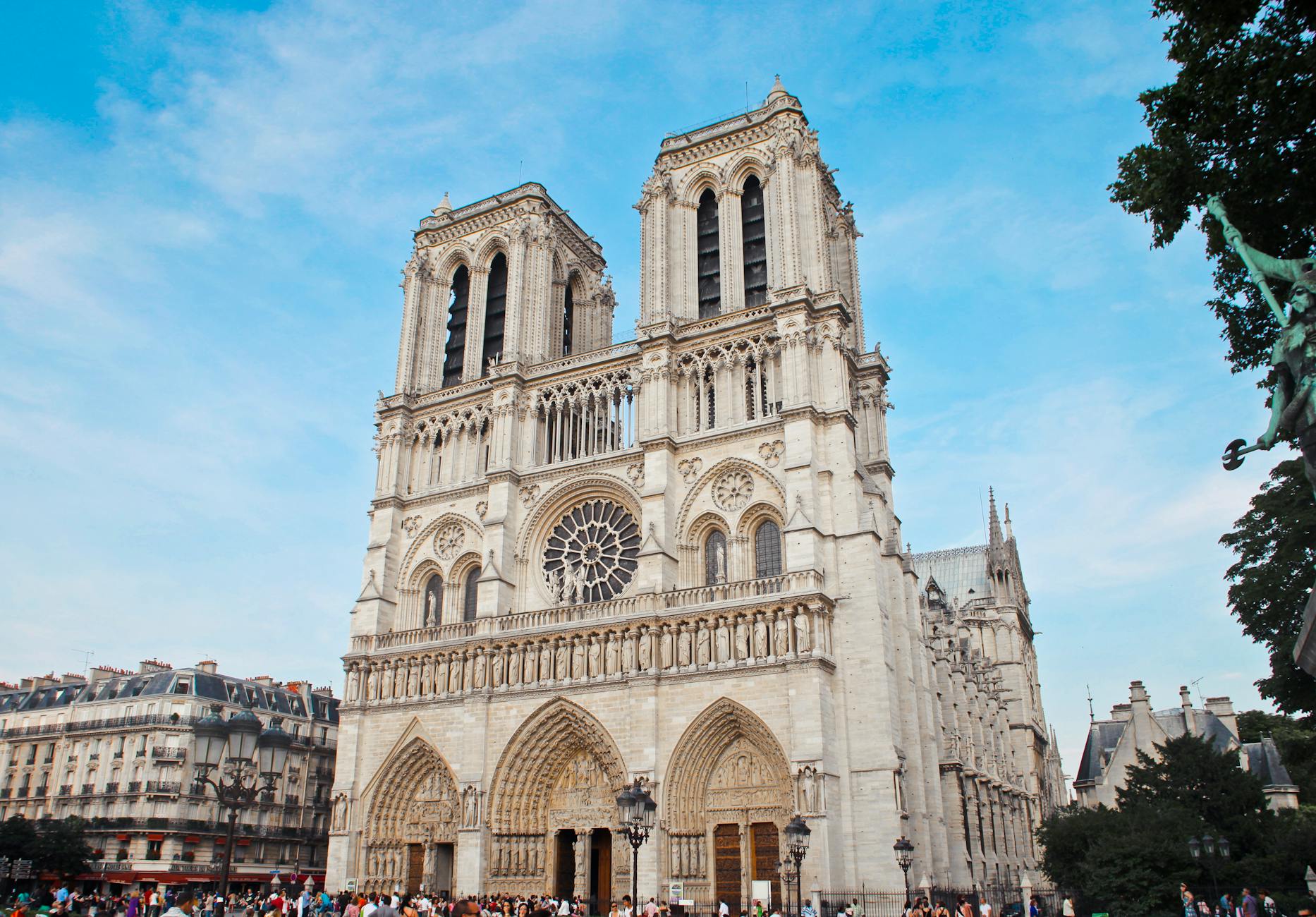
The Notre Dame Cathedral in Paris symbolizes faith, artistry, and resilience, having undergone nearly 200 years of construction and numerous historical events. From its beginnings in the 12th century, it evolved into a spiritual center and civic landmark, becoming integral to Parisian identity. The cathedral suffered significant damage during the French Revolution but was restored in the 19th century by Eugène Viollet-le-Duc. The tragic fire of April 2019 prompted a global response, highlighting the need for preservation. Ongoing restoration efforts aim to revive Notre Dame while blending traditional craftsmanship with modern technology, ensuring its legacy endures for future generations.
-
Exploring the Rich History of Rome: A ultimate guide
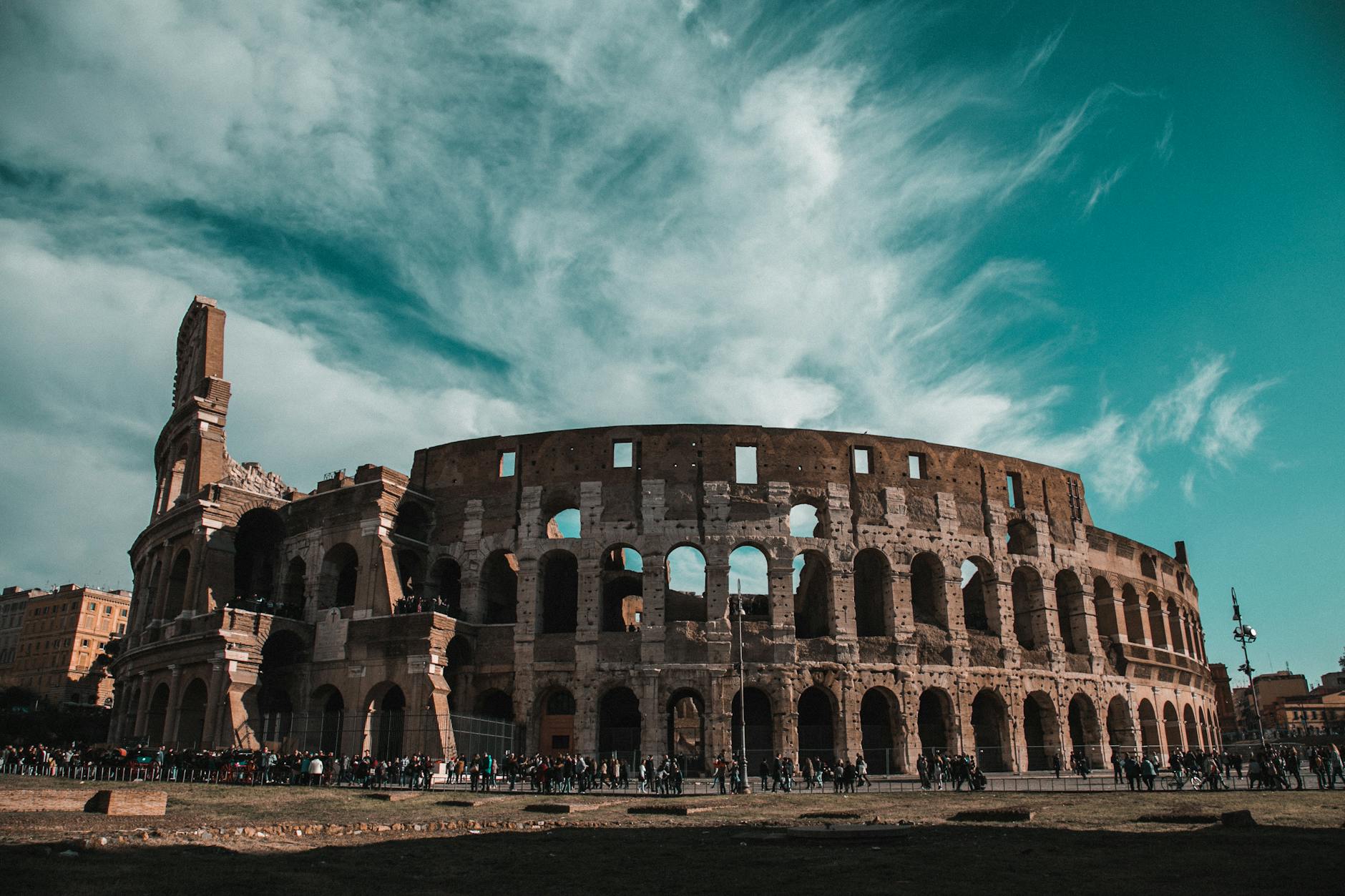
Rome, known as the “Eternal City,” is a symbol of human achievement and cultural significance, with a history spanning over 2,700 years. From its mythical founding by Romulus and Remus to its dominance as the center of a vast empire, the city evolved through various eras. The establishment of the Roman Republic in 509 BCE introduced shared governance, while the transition to the Roman Empire in 27 BCE ushered in political stability and cultural flourishing. However, challenges like economic instability and power struggles led to the fall of the Western Empire in 476 CE. Rome transformed into a spiritual capital…
-
The history of Ford on automotive industry: impact and innovations

The Ford Motor Company, founded by Henry Ford in 1903, revolutionized personal transportation with the Model T and the introduction of the assembly line, enhancing manufacturing efficiency. Ford has consistently innovated, creating iconic models like the Mustang and embracing advancements in safety, design, and technology. The company has also prioritized environmental sustainability, introducing fuel-efficient engines and electrifying its lineup with models like the Mustang Mach-E. Ford’s global impact includes job creation and industrial development, while its cultural legacy highlights the democratization of car ownership and the embodiment of American values. Ford remains a leader in automotive excellence and innovation.
-
How Airbus changed aviation history with iconic aircraft
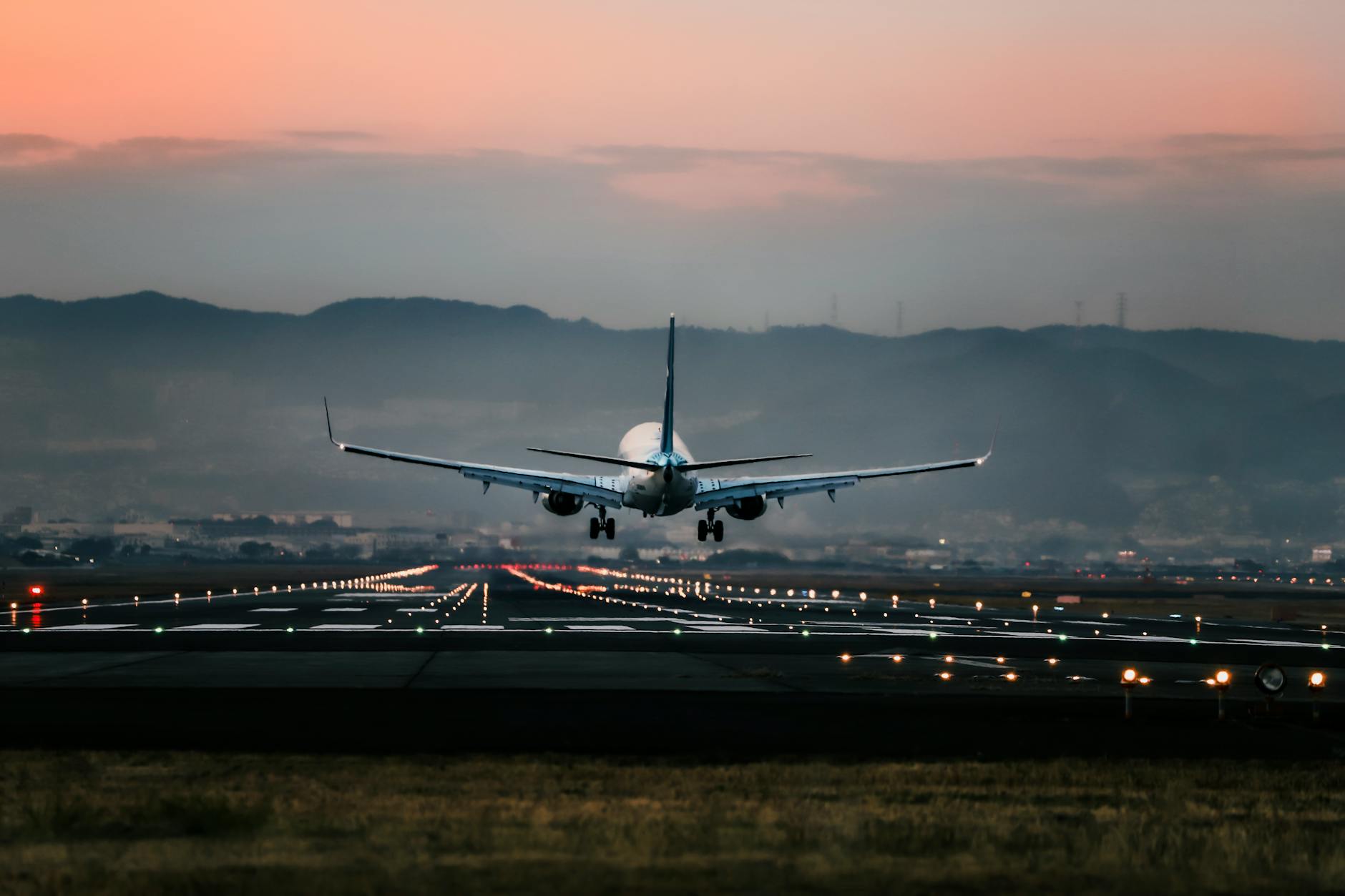
Airbus, founded in 1970 as a consortium of European aerospace manufacturers, transformed the global aviation sector through innovation and collaboration. Initially aimed at challenging American dominance in aircraft manufacturing, Airbus created iconic models like the A300, A320, and A380, introducing advanced technologies such as fly-by-wire systems and eco-friendly designs. The company has prioritized sustainability, developing fuel-efficient aircraft and exploring hydrogen-powered options. Despite competition with Boeing, Airbus fosters collaboration with various partners, enhancing its influence. Its vision for the future includes urban air mobility solutions and space exploration, demonstrating a commitment to innovation while addressing environmental concerns.
-
Guernica: Picasso’s 1937 Iconic Anti-War Masterpiece
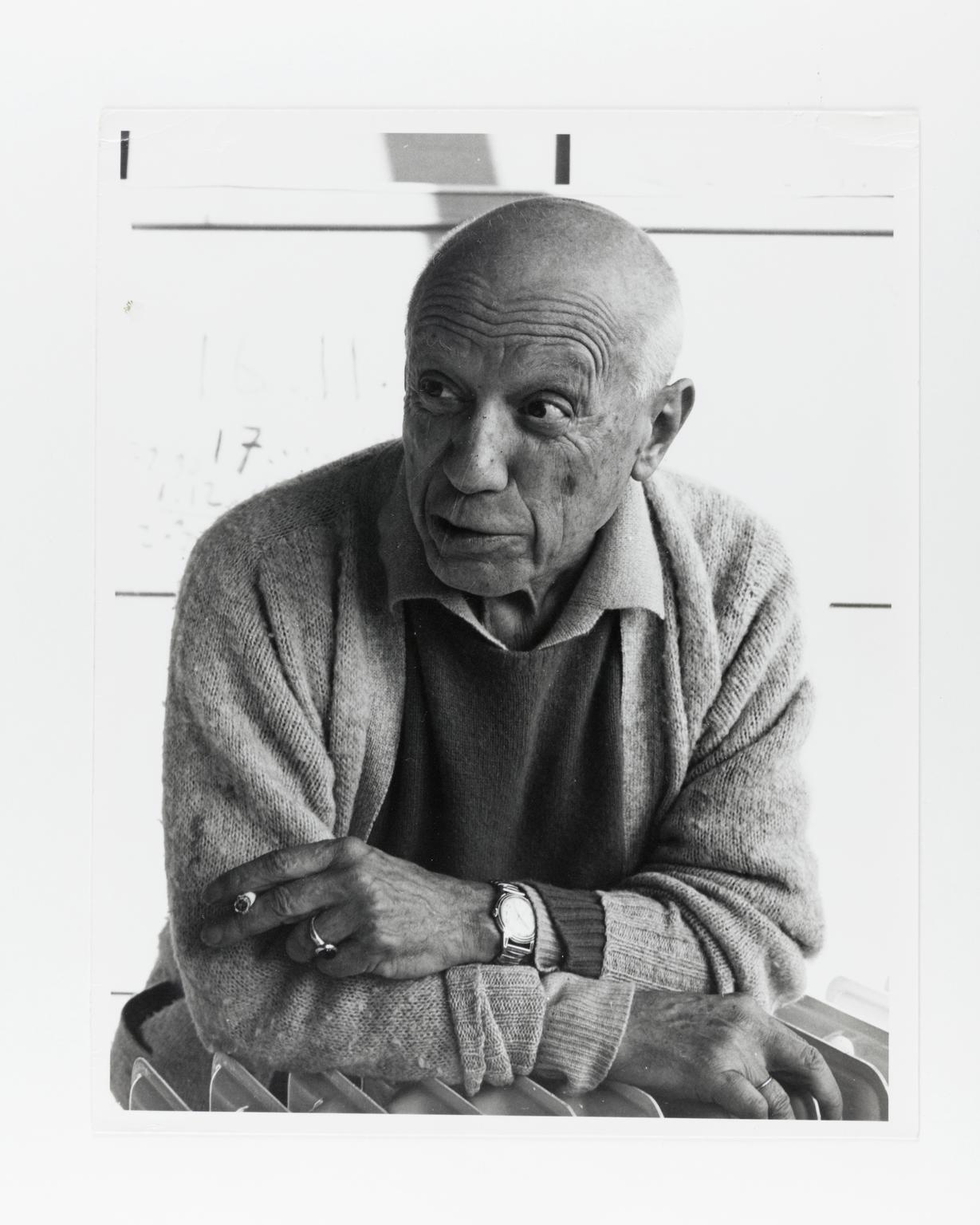
Pablo Picasso’s Guernica is a renowned anti-war mural created in response to the 1937 bombing of the Basque town of Guernica during the Spanish Civil War. This monumental work, rendered in stark monochrome, conveys profound anguish through fragmented forms and anguished figures, symbolizing the horrors of war. Initially mixed in its reception, Guernica eventually transformed into an emblem of political art, representing resilience and hope. Its journey from exile to return in Spain reflects broader themes of human suffering and resistance, inspiring artists and activists globally. Guernica continues to evoke critical reflections on the cost of violence and advocates for…
-
Discover the history of the amazing Pantheon of Rome
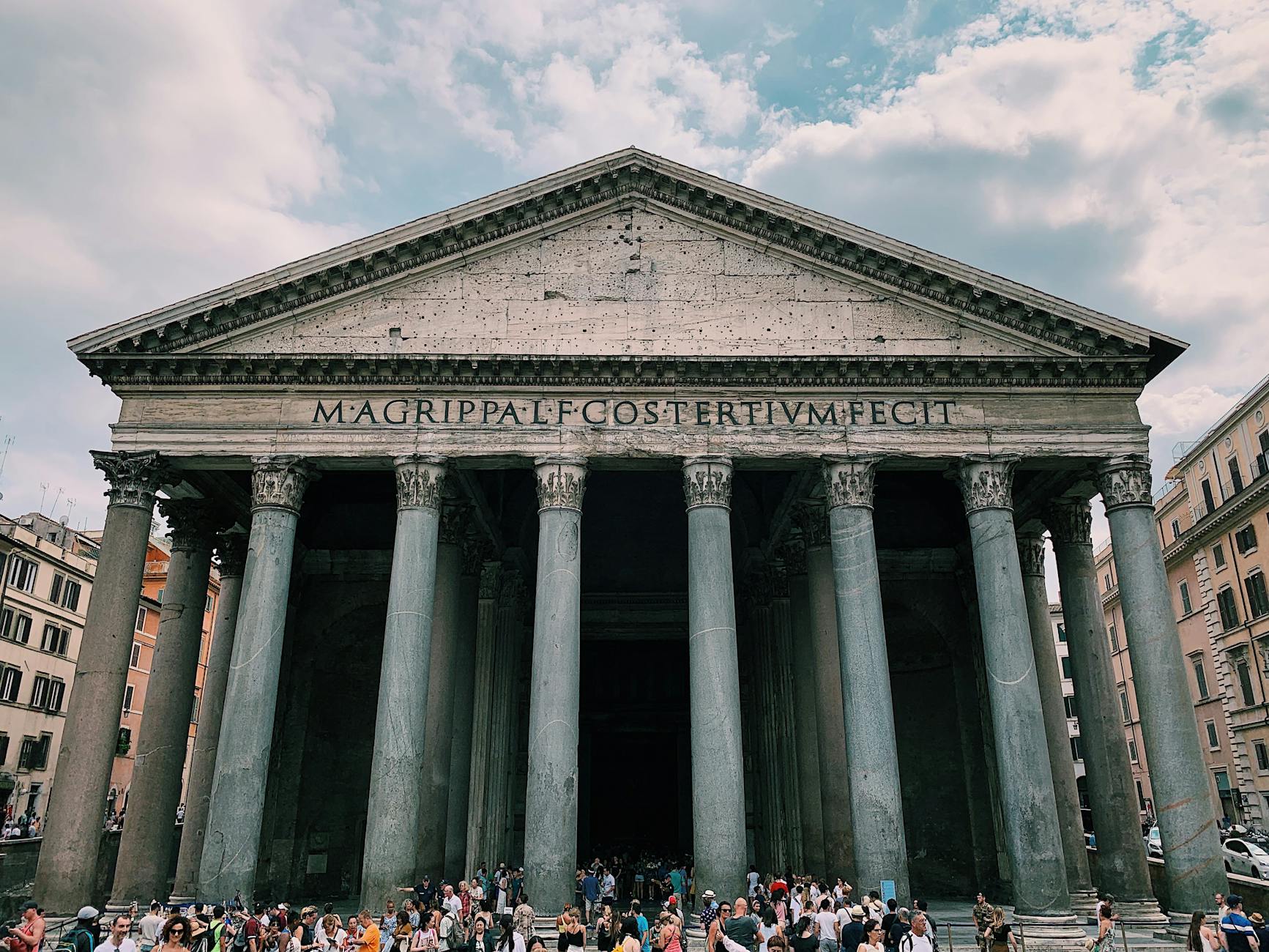
The Pantheon of Rome is a remarkable example of ancient architecture and engineering, originally built as a temple for all Roman gods during Emperor Hadrian’s reign in the early 2nd century CE. Its iconic dome, featuring a central oculus, symbolizes the universe and showcases innovative construction techniques with Roman concrete. Over time, the Pantheon transformed from a pagan temple into a Christian church in the 7th century, reflecting Rome’s evolving identity. Its architectural design has influenced numerous structures throughout history and continues to serve as a symbol of resilience and power. Modern preservation efforts ensure its legacy endures for future…
-
The History and Art of the marvelous Fontana di Trevi of Rome

The Fontana di Trevi, an iconic masterpiece of Baroque art, symbolizes Rome’s rich history and cultural significance. Originating from ancient Roman aqueducts, it evolved through Renaissance visions to become a grand structure designed by architect Nicola Salvi in the 18th century. The fountain features intricate sculptures embodying themes of mythology, human interaction with nature, and water’s transformative power. It has gained immense popularity through films and coin-tossing traditions, reinforcing its status as a cultural icon. Modern conservation efforts continue to preserve its integrity, ensuring the Trevi Fountain remains a timeless treasure that captivates millions of visitors annually.