Category: Tourism & Travel

Explore the world with our comprehensive travel guides, tips, and destination reviews. From hidden gems to popular hotspots, we provide expert advice on everything from planning your trip to travel hacks, accommodations, and local experiences. Start your next adventure with insightful content that helps you travel smarter and create unforgettable memories.

  • Borobudur Temple History: Exploring the World’s Largest Buddhist Monument

    Introduction

    Borobudur Temple, located in Central Java, Indonesia, is a monumental testament to the rich history and cultural heritage of Buddhism. Constructed in the 9th century during the reign of the Syailendra Dynasty, this magnificent structure has captivated the hearts and minds of scholars, pilgrims, and tourists alike. As the largest Buddhist monument in the world, Borobudur not only serves as a place of worship but also embodies the artistic and architectural ingenuity of its time. The temple\’s intricate carvings and colossal stupas tell stories of the Buddha\’s teachings and life, making it a significant spiritual site. Despite facing periods of neglect and natural disasters, Borobudur has undergone extensive restoration efforts, allowing it to regain its former glory. This article delves into the Borobudur Temple history, exploring its architectural marvels, cultural importance, and the ongoing efforts to preserve this world heritage site for future generations.

    The Historical Background of Borobudur Temple

    The story of Borobudur Temple begins in the 8th and 9th centuries during a period of significant growth for Buddhism in Indonesia. The temple was built under the patronage of the Syailendra Dynasty, a ruling family that played a crucial role in the development of Mahayana Buddhism throughout the region. The influences of Indian architecture and culture are evident in the construction of Borobudur, indicating that trade routes and cultural exchanges were vibrant during this era.

    Borobudur was not an isolated effort; it represented a broader trend of temple construction in that period. The region experienced the influx of Buddhist monks and artisans who brought with them not only religious practices but also artistic and architectural knowledge. This led to the construction of several other Buddhist sites in Indonesia, but none rivaled the scale and beauty of Borobudur.

    The design of the temple is thought to have been influenced by the doctrine of the Buddhist mandala, which symbolizes the universe in its entirety. The architecture consists of a series of terraces, each representing different stages of enlightenment, leading up to the main stupa at the top. This journey mirrors the path to spiritual awakening, allowing pilgrims to engage in a meditative ascent as they navigate the temple\’s structures.

    For centuries, Borobudur served as a significant pilgrimage site, attracting monks and worshippers from across Asia. However, by the end of the 14th century, with the decline of Buddhism in the region and the rise of Islam, Borobudur fell into disuse and was eventually abandoned. It became engulfed by volcanic ash and thick forest, effectively hidden from the world for hundreds of years.

    Rediscovery of Borobudur occurred in the 19th century when British governor Thomas Stamford Raffles stumbled upon the ruins while on a surveying expedition in Java. His subsequent efforts led to the first extensive restoration of the temple, drawing international attention to its existence and importance. Raffles’ work laid the foundation for ongoing restoration efforts that would continue into the next century.

    \"aerial
    The Borobudur Temple

    Throughout the 20th century, Borobudur underwent several major restoration projects, especially after being threatened by natural disasters like earthquakes. These restoration efforts have not only involved structural repairs but also extensive research into its historical and cultural significance, contributing to our understanding of the temple’s origins and purpose.

    Today, Borobudur stands not just as a historical site but also as a symbol of Indonesia\’s diverse cultural heritage, inviting visitors from around the world to explore its rich past. Its recognition as a UNESCO World Heritage site in 1991 further cemented its status as an important landmark in both religious and historical contexts. The temple continues to be a focal point for scholars and spiritual seekers, representing a bridge between the past and the present.

    Architectural Design and Features

    The architectural excellence of Borobudur is a significant aspect that sets it apart as the largest Buddhist monument globally. Covering an area of approximately 2,500 square meters, the temple boasts 504 Buddha statues and an intricate network of sculpted reliefs that narrate the teachings of the Buddha and depict scenes from Buddhist cosmology. The design embodies the principles of balance, harmony, and proportion, reflecting the spiritual significance of the space.

    At the temple\’s base, there are four square platforms that are aligned with the cardinal directions. This square layout symbolizes the earthly realm. Rising above these are three circular platforms, which represent the spiritual realm and the ultimate enlightenment. The main stupa at the top represents the pinnacle of the spiritual journey, encapsulating the essence of Buddhist philosophy.

    One of the remarkable features of Borobudur is its intricate carvings, which total over 2,600 relief panels. These carvings depict various stories, including the life of the Buddha, moral lessons, and scenes from Javanese history. The quality of the carvings demonstrates the skill of ancient artisans and provides insight into the societal values and religious beliefs of the era.

    Additionally, the temple\’s stupas are designed in a bell shape, indicating the Buddhist concept of dharma. Each stupa contains a statue of Buddha, and when viewed from above, the design resembles a flower, symbolizing the blossoming of enlightenment. This harmonious relationship between the circular and square forms reinforces the temple\’s representation of the cosmos and the path to nirvana.

    Borobudur\’s construction utilizes volcanic stone, specifically andesite, which was quarried from nearby mountains. The stones were expertly cut and fit together without the use of mortar, showcasing remarkable craftsmanship and engineering skills. The temple\’s layout promotes water drainage, which has contributed to its longevity, despite the region\’s heavy rainfall.

    \"borobudur
    The Borobudur Temple

    The temple was also designed with alignment to celestial phenomena, showcasing the advanced understanding of astronomy among the builders. During the Buddhist festivals, architectural features within Borobudur align with the sun, reinforcing its significance as a spiritual site.

    The engineering behind Borobudur continues to intrigue architects and historians today. Its ability to withstand natural calamities and the impact of time is a testament to its original builders\’ ingenuity and foresight in design. The temple\’s preservation efforts have focused on maintaining these architectural features, ensuring that future generations can appreciate its historical significance.

    In summary, Borobudur Temple stands as an architectural marvel that encapsulates not only the aesthetic values of its time but also the spiritual depth of Buddhism. Its design intricately weaves together the physical, spiritual, and celestial realms, providing meaningful experiences for those who visit.

    Cultural Significance and Symbolism

    The cultural significance of Borobudur Temple transcends its physical structure; it represents the essence of Buddhism and the rich interplay of history, art, and spirituality. As the largest Buddhist monument in the world, it serves as a vital center for Buddhist practices and cultural exchange, establishing itself as a pilgrimage destination for Buddhists and tourists alike.

    Borobudur\’s intricate design is steeped in symbolism, encapsulating core Buddhist teachings. The layout of the temple as a mandala reflects the universe\’s structure and serves as a metaphor for the journey toward enlightenment. As pilgrims ascend through the temple, they navigate 10 levels, each symbolizing different phases of enlightenment – from the worldly to the ultimate spiritual realization. The journey through the temple is not just physical; it is a meditation on the struggles and aspirations inherent in the pursuit of spirituality.

    Each relief panel features stories from the life of the Buddha and Jataka tales, which recount the previous lives of the Buddha in his quest for enlightenment. These carvings serve not only as artistic expressions but also as moral and spiritual lessons for followers. The temple\’s iconography emphasizes compassion, mindfulness, and the importance of ethical behavior in achieving spiritual growth.

    Borobudur is also representative of the cultural syncretism that characterized ancient Java. The influences of local beliefs and practices are evident in the integration of indigenous symbols into the Buddhist narratives. This blending of traditions resulted in a unique artistic style that reflects the community\’s identity and spiritual landscape.

    The significance of Borobudur extends beyond its historical and spiritual dimensions; it also plays a crucial role in contemporary Indonesian culture. The temple is a key national symbol, representing the diversity and unity of Indonesia\’s various ethnic and religious groups. It is celebrated in cultural festivals and events, serving as a backdrop for performances, ceremonies, and gatherings that highlight the nation’s rich heritage.

    The temple\’s role as a center for dialogue and educational initiatives further enhances its cultural importance. Borobudur provides a platform for interfaith dialogue, drawing people from various religious backgrounds to learn about Buddhism and understand its teachings. The ongoing cultural programs aim to increase awareness and appreciation of the temple’s historical narrative and its role in promoting peace and tolerance.

    \"borobudur
    The Borobudur Temple

    In addition, Borobudur has been a focal point for international tourism, attracting millions of visitors each year. This influx of tourists not only contributes to the local economy but also fosters a greater understanding of Buddhist culture among global audiences. However, the challenges of mass tourism also prompt discussions about sustainable practices and heritage conservation, prompting stakeholders to find a balance between accessibility and preservation.

    In conclusion, Borobudur Temple embodies a rich tapestry of cultural, spiritual, and historical narratives. Its relevance and significance continue to evolve, making it an enduring symbol of the intersections of faith, culture, and humanity. The temple stands as a testament to the universal pursuit of knowledge, compassion, and enlightenment, inviting all who visit to partake in its sacred journey.

    Preservation Efforts and Restoration Projects

    The preservation and restoration of Borobudur Temple have been critical to maintaining its structural integrity and cultural significance. As an important UNESCO World Heritage site, Borobudur attracts attention from around the globe, but this comes with the challenge of ensuring its sustainability amid natural disasters, environmental changes, and tourism pressures.

    The first major restoration of Borobudur began in the 1900s, when the temple was rediscovered by the British governor Thomas Stamford Raffles. His efforts to clear the site set a precedent for future preservation initiatives. The early 20th-century restoration was focused primarily on structural stabilization, using primary techniques such as reinforcing weakened stones and clearing vegetation that had overtaken the structure.

    By the 1970s, with increasing awareness of the temple\’s cultural importance, a comprehensive restoration program was initiated by the Indonesian government and supported by UNESCO. This ambitious project aimed to safeguard Borobudur from potential damages caused by environmental factors, particularly the threat posed by volcanic eruptions from the nearby Merapi volcano, as well as heavy monsoon rains.

    The restoration process involved detailed research, documentation, and a combination of traditional and modern techniques. Experts meticulously cataloged the stones, sculptures, and relief panels, analyzing their conditions to decide upon the appropriate restoration methods. This phase emphasized the importance of preserving the original materials while ensuring the structural durability of the temple.

    One of the most significant challenges during restoration efforts has been addressing the effects of erosion and moisture. Engineers and archaeologists collaborated to develop effective drainage systems to redirect rainwater and prevent erosion from damaging the intricate carvings and architectural features. This proactive approach has been vital in protecting Borobudur’s stonework from weathering.

    In 1991, Borobudur was officially designated a UNESCO World Heritage site, further highlighting its global significance. This recognition has facilitated international partnerships and support for ongoing preservation efforts. As a UNESCO site, Borobudur became subject to rigorous monitoring, ensuring that any threats to its integrity are promptly addressed.

    Modern restoration projects have also embraced community engagement and education. Local communities have been encouraged to participate in preservation initiatives, fostering a sense of ownership and responsibility towards the temple. Educational workshops and programs have been established, training local artisans in traditional crafts and restoration techniques, ensuring the knowledge is passed down through generations.

    Moreover, there is an increasing focus on sustainable tourism practices that aim to mitigate the impacts of mass tourism. Strategies have been implemented to limit visitor numbers and promote responsible tourism, encouraging visitors to appreciate the temple while also respecting its cultural significance. This integrated approach prioritizes both visitor experience and heritage preservation, creating a balanced relationship between site conservation and tourism.

    Borobudur\’s preservation efforts serve as a model for heritage management, demonstrating the importance of collaboration between governments, local communities, and international stakeholders. The ongoing commitment to protect and restore Borobudur ensures that this remarkable cultural landmark continues to stand as a testament to the artistic and spiritual achievements of the past while remaining relevant to future generations.

    Borobudur in Contemporary Society

    In contemporary society, Borobudur Temple continues to hold a place of profound importance, transcending both regional and international boundaries. As a symbol of Indonesia\’s cultural heritage, it attracts a diverse array of visitors, from devout Buddhists to curious tourists. The temple serves as a focal point for cultural exchange, spirituality, and tourism, making it an essential part of Indonesia\’s national identity.

    The impact of Borobudur on modern society is evident in its role as a pilgrimage site for Buddhists from around the world. Annually, thousands of pilgrims visit Borobudur, particularly during Vesak, a significant Buddhist festival that commemorates the birth, enlightenment, and death of the Buddha. During this time, the temple transforms into a lively hub of religious activities, where participants engage in meditation, chanting, and ceremonial rituals that pay homage to their faith.

    Engagement with the temple extends beyond religious practices; it encompasses educational initiatives as well. Borobudur serves as a venue for workshops, lectures, and discussions on Buddhism, art, and history. The temple\’s management collaborates with various educational institutions and organizations to promote a deeper understanding of its cultural significance, not only among local communities but also to the international audience.

    Moreover, Borobudur has become a significant case study in the fields of conservation and sustainable tourism. The challenges posed by an increasing number of visitors have prompted a dialogue about the balance needed between accessibility and preservation. Studies and initiatives focusing on sustainable practices within the context of tourism are ongoing, with the aim of protecting the temple\’s integrity while still allowing people to experience its splendor.

    The tactile experience offered by Borobudur does not only entice visitors from a visual standpoint; it also encourages visitors to reflect on themes of spirituality, history, and cultural identity. The temple\’s intricate carvings and solemn ambiance create an inspiring atmosphere that invites introspection, touching on universal themes that resonate with people from all walks of life.

    In addition to its religious and cultural significance, Borobudur plays an essential role in Indonesia\’s economy. As a primary tourist attraction, it stimulates local businesses, including hospitality, crafts, and food services. The temple’s importance is recognized at the national level, with the Indonesian government initiatives promoting Borobudur as part of a broader strategy to enhance cultural tourism across the country, diversifying the economic opportunities available to local communities.

    In recent years, digital innovations have also contributed to Borobudur’s accessibility and global reach. Online platforms allow for virtual experiences of the temple, expanding its reach beyond geographic boundaries. This digital engagement facilitates interest and appreciation for Borobudur, as well as an understanding of its rich history, among people who may never have the opportunity to visit in person.

    Ultimately, Borobudur Temple stands not just as an ancient relic of the past but as a dynamic site that continues to influence society today. Its rich narrative weaves through the tapestry of history, culture, and belief, continuing to inspire generations with its enduring message of mindfulness, wisdom, and the pursuit of enlightenment.

    Conclusion

    In conclusion, Borobudur Temple is a monumental symbol of Indonesia\’s cultural and spiritual heritage. Its rich history, architectural grandeur, and intricate storytelling through sculpture and reliefs create a compelling narrative that resonates with visitors worldwide. From its origins in the 9th century as a center of Buddhist worship to its significance today as a UNESCO World Heritage site, Borobudur serves as a bridge connecting the past with the present.

    The efforts made to preserve and restore this remarkable temple reflect a commitment to safeguarding cultural legacies for future generations. By fostering a deeper understanding of Borobudur’s historical context, architectural features, and cultural significance, we not only celebrate its past but also enhance its relevance in contemporary society.

    As Borobudur continues to evolve, it remains a site of pilgrimage, reflection, and cultural exchange, inviting people of all backgrounds to explore its spiritual depths and historical richness. Ultimately, Borobudur is more than just a temple; it is a testament to the enduring human pursuit of enlightenment, a journey that transcends time and geography, inspiring visitors and scholars alike to further appreciate the complexities of our shared spiritual heritage.

    Exploring the Majestic Borobudur, Indonesia | The Largest Temple in the World|Video

    Exploring the Majestic Borobudur, Indonesia | The Largest Temple in the World
  • Exploring Taos Pueblo History: America’s Oldest Continuously Inhabited Community

    Introduction

    Taos Pueblo, a picturesque community located in northern New Mexico, stands as a testament to the resilience and rich cultural heritage of the Taos people. Designated a UNESCO World Heritage Site, it is recognized as one of the oldest continuously inhabited communities in the United States, with origins tracing back over a thousand years. The Pueblo offers a unique glimpse into Native American history, showcasing the blend of tradition and adaptation in an ever-changing world. While the exterior is characterized by its striking adobe structures, the spirit of Taos Pueblo resides in the vibrant cultural practices, ceremonies, and communal values cherished by its inhabitants. This article delves into the Taos Pueblo history, exploring its origins, cultural significance, impressive architecture, the challenges posed by modernization, and ongoing efforts to preserve this unique heritage for future generations.

    The Origins of Taos Pueblo

    Taos Pueblo\’s origins date back over a thousand years, making it one of the oldest continuously inhabited communities in North America. The settlement is believed to have been established by the Tiwa-speaking people, who migrated to the region for its natural resources, including the Rio Grande, fertile land, and ample game. The location was strategically chosen, as it provided essential resources for agriculture, hunting, and trade.

    The original inhabitants constructed their homes using adobe, a traditional building material made from clay, water, and straw. This technique not only ensured insulation against the extreme temperatures of the high desert but also fostered a connection to the land. The unique architecture of Taos Pueblo, marked by multi-storied structures and kivas (ceremonial chambers), reflects the community\’s deep-rooted spirituality and social organization.

    The Pueblo\’s inhabitants played a crucial role in the region\’s trade networks, exchanging goods with neighboring tribes and Spanish settlers. These interactions fostered a rich cultural exchange, influencing the development of art, language, and religious practices. The Spanish colonization in the late 16th century brought significant changes to the Pueblo, yet the Taos people managed to retain their identity and traditions. The community\’s resilience in the face of external pressures has allowed it to thrive for centuries.

    Cultural Significance and Traditions

    The cultural significance of Taos Pueblo extends beyond its historical roots; it embodies the traditions, beliefs, and values of the Taos people. The community places a strong emphasis on collective identity, where social ties and communal harmony are vital. The Pueblo\’s spiritual practices are deeply intertwined with the land, emphasizing respect for nature and the interconnectedness of all living beings.

    Central to Taos Pueblo\’s cultural identity are its numerous festivals and ceremonies, which celebrate agricultural cycles and ancestral traditions. The annual Feast of San Geronimo, for instance, is a vibrant celebration featuring music, dance, and traditional foods, honoring the patron saint of the Pueblo. Through these living traditions, the Taos people transmit their knowledge, values, and stories from one generation to the next.

    Art also plays a significant role in preserving and expressing the culture of Taos Pueblo. Many artisans create jewelry, pottery, and textile patterns that reflect their history and environment. These art forms not only serve as a means of cultural expression but also as a source of livelihood for many families within the community. The preservation of native languages, particularly the Tiwa language, is another critical aspect of maintaining cultural identity, as it serves as a vessel for storytelling and unique expressions of thought.

    Architectural Marvels of Taos Pueblo

    The architecture of Taos Pueblo stands as a remarkable example of traditional Native American building techniques and communal living. The adobe structures, made from local clay, straw, and water, are designed to withstand the harsh climate of New Mexico. The Pueblo is characterized by its multi-tiered buildings, often reaching up to three stories high, and features a distinctive layout that emphasizes communal living and shared spaces.

    The use of adobe not only provides excellent insulation but also creates a harmonious relationship between the inhabitants and their environment. In the summertime, the thick adobe walls keep homes cool, while in the winter, they retain warmth, demonstrating the Pueblo’s adaptation to the local climate. The unique architectural style of Taos Pueblo has also influenced modern adobe construction techniques, seen in the surrounding areas of New Mexico and beyond.

    \"traditional
    The Taos Pueblo

    Kivas are another architectural feature of significance within Taos Pueblo. These subterranean chambers serve as ceremonial spaces and community gathering points, playing a vital role in the spiritual and social life of the Taos people. Their construction reflects a deep reverence for the earth and the cycles of life, further intertwining architecture with spirituality.

    Today, Taos Pueblo continues to maintain its historical buildings, with ongoing efforts to preserve the traditional methods of construction, including the use of handmade adobe bricks. These practices ensure that the architectural legacy of Taos Pueblo remains intact, while also emphasizing the community’s commitment to sustainability and environmental stewardship.

    The Impact of Modernization

    As one of America’s oldest continuously inhabited communities, Taos Pueblo faces unique challenges from modernization. While the community has largely maintained its traditions and lifestyle, external influences and technological advancements present both opportunities and threats. Increased tourism, while providing economic support, brings a surge of visitors that can disrupt the community\’s daily life and cultural rituals.

    The proliferation of modern amenities, such as electricity and internet access, has altered the way of life within Taos Pueblo. While these conveniences can enhance communication and access to information, they also pose challenges to the preservation of traditional practices. Balancing modernity with cultural heritage becomes a complex endeavor as younger generations navigate their identities amidst changing societal norms.

    Additionally, issues related to land use and environmental protection have become paramount as economic development pressures mount. The Taos Pueblo community actively engages in discussions about land rights and conservation, emphasizing their deep connection to the environment. This dialogue is crucial in ensuring that the community\’s way of life is respected while allowing for sustainable development.

    Despite these challenges, Taos Pueblo remains a vibrant community, adapting to change while holding onto its rich heritage. The resilience of the Taos people in the face of modernization continues to inspire efforts to safeguard their traditions and values for future generations.

    Preservation Efforts and Future Outlook

    Preservation efforts at Taos Pueblo involve a multifaceted approach to safeguard its cultural heritage, architecture, and way of life. The community has implemented various initiatives to promote cultural education, raise awareness, and engage with visitors in meaningful ways. These initiatives aim to foster understanding and appreciation of the Taos Pueblo\’s significance as an Indigenous community.

    Education programs within the Pueblo emphasize the importance of cultural traditions, language, and history. By engaging with both younger members of the community and visitors, Taos Pueblo seeks to create a deeper understanding of its heritage and the challenges it faces. Workshops, demonstrations, and cultural events play a vital role in this effort, allowing participants to experience the richness of Taos culture firsthand.

    Conservation of traditional architecture is another critical aspect of preservation. The Pueblo engages in ongoing maintenance and repair of its historical adobe buildings, employing traditional building techniques to ensure authenticity and sustainability. Collaboration with conservation specialists and organizations further enhances these efforts, ensuring that the community\’s architectural heritage is preserved for future generations.

    Looking to the future, Taos Pueblo aims to strike a balance between honoring its past and embracing the opportunities that lie ahead. By fostering collaboration with neighboring communities and organizations, the Pueblo can leverage resources and support in its preservation efforts. The integration of modern technology in cultural education and tourism can also provide new avenues for sharing its rich history while maintaining authenticity.

    Conclusion

    The history of Taos Pueblo is a remarkable narrative of resilience, culture, and community. As one of the oldest continuously inhabited communities in America, it offers invaluable insights into the enduring legacy of Native American heritage. Through the exploration of its origins, cultural traditions, architectural marvels, and the impact of modernization, we gain a deeper appreciation for the Taos people and their commitment to preserving their unique way of life.

    As we look to the future, ongoing preservation efforts and cultural initiatives serve as cornerstones in safeguarding Taos Pueblo\’s identity. The community’s ability to adapt while honoring its rich history exemplifies the strength of the Taos people. In a rapidly changing world, Taos Pueblo stands firm, embodying the spirit of resilience and reminding us of the importance of cultural preservation in fostering a diverse and inclusive society.

    Discovering Taos Pueblo: A Journey Through Time|Video

    Discovering Taos Pueblo: A Journey Through Time
  • Aphrodisias History: Discovering the Ancient City of Love and Art in Turkey

    Introduction

    Aphrodisias, an ancient city located in southwestern Turkey, is renowned for its rich historical legacy and artistic achievements, particularly in marble sculpture. Named after Aphrodite, the Greek goddess of love and beauty, the city flourished during the Hellenistic and Roman periods, becoming a vibrant center for culture, art, and religion. The city was known for its exceptional marble quarries, which attracted talented artisans who created stunning works that celebrate both human and divine beauty. Today, Aphrodisias, a UNESCO World Heritage Site, offers a glimpse into a world where art and worship were deeply intertwined. Visitors can explore magnificent ruins, including temples, theaters, and sculptures, inviting an appreciation for the creativity and devotion of ancient civilizations. The study of Aphrodisias provides valuable insights into the cultural dynamics of the time and how these legacies continue to resonate in modern society. Aphrodisias history offers a fascinating glimpse into an ancient city where art, religion, and culture flourished under the watchful eye of the goddess Aphrodite.

    Historical Overview of Aphrodisias

    Aphrodisias was founded in the 2nd century BC in the region of Caria, a historical territory in southwestern Anatolia (modern-day Turkey). Its strategic location, nestled in a fertile valley near the Büyük Menderes River, facilitated trade and cultural exchange. The city was dedicated to the goddess Aphrodite, which influenced its development as a religious and cultural hub. This dedication is significant; it marked Aphrodisias as a center for the worship of love and beauty, attracting pilgrims and scholars alike.

    During the Hellenistic period, Aphrodisias flourished under the rule of the Attalid dynasty of Pergamon, gaining prominence in trade and culture. The city was known for its marble quarries, which provided high-quality stone for sculpture and building materials. This natural resource supported the development of distinctive artistic styles in the region. The abundance of marble attracted skilled sculptors, leading to the emergence of an artistic tradition that would define the character of the city.

    Aphrodisias became part of the Roman Empire in the 1st century BC, integrating into the broader socio-political fabric of the empire. The Romans recognized the economic importance of Aphrodisias, particularly its marble production, and invested in expanding its infrastructure. As a result, the city experienced a golden age characterized by architectural grandeur, population growth, and cultural vibrancy. The Roman influence left a lasting impact on the architectural style and urban planning of Aphrodisias.

    Moreover, the city was a site of intellectual and philosophical activity. It housed schools of philosophy and rhetoric, attracting scholars and students from various parts of the empire. The intellectual climate of Aphrodisias contributed to its reputation as a center of learning, where ideas flourished and cultural exchanges occurred. This environment fostered creativity in both the arts and sciences, helping the city thrive during Roman domination.

    However, the prosperity of Aphrodisias faced challenges over the centuries, including natural disasters such as earthquakes and economic fluctuations. Despite these challenges, the city managed to maintain its identity and significance throughout the Byzantine period, sustaining worship of Aphrodite and continuing its traditions until the decline of urban life in the region during the medieval era.

    \"ruins
    Aphrodisias

    The archaeological significance of Aphrodisias was not fully realized until excavations began in the 20th century, revealing a rich tapestry of history and artistry. The systematic exploration of the site has unearthed numerous structures and artifacts, allowing researchers to reconstruct the historical narrative of the city and its people. Key discoveries include the Temple of Aphrodite, the theater, and the monumental gateway, known as the Tetrapylon, showcasing the grandeur and complexity of ancient urban life.

    In summary, the historical overview of Aphrodisias encompasses a journey through time, reflecting the intertwined nature of culture, worship, and artistic expression. From its foundation as a religious city dedicated to Aphrodite to its rise as a center of art and intellectual thought during the Hellenistic and Roman periods, Aphrodisias embodies the rich heritage of ancient civilizations. The city’s legacy continues to intrigue historians and visitors alike, marking it as an essential site for understanding the cultural dynamics of the ancient world.

    Artistic Contributions of Aphrodisias

    The city of Aphrodisias is renowned for its extraordinary artistic contributions, particularly its marble sculptures and architectural marvels, which have left an indelible mark on the ancient world. The artistic achievements of Aphrodisias are a testament to the skill and creativity of its artisans, who were able to transform raw marble into breathtaking works of art that celebrated both the divine and the human experience.

    Central to Aphrodisias\’ artistic legacy is its high-quality marble, sourced from local quarries. This fine material allowed sculptors to carve intricate details and create lifelike representations, showcasing their mastery of form and technique. The availability of this resource made Aphrodisias a significant center for sculpture, attracting skilled craftsmen from across the ancient world. The city became known for producing some of the finest sculptures, including monumental statues, decorative friezes, and elegant altars.

    One of the most iconic artistic achievements in Aphrodisias is the depiction of Aphrodite herself. The goddess, celebrated for her beauty and love, was the focal point of religious devotion and artistic expression in the city. Numerous representations of Aphrodite can be found in sculptures and reliefs throughout the site, each exhibiting a unique interpretation of her divine attributes. The artistry surrounding her image reflects a deep understanding of aesthetics, proportion, and human emotion.

    The sculptors of Aphrodisias often employed a naturalistic style, characterized by realistic portrayals of the human body and expressive features. This approach allowed them to convey complex emotions and narratives through their work. The detailed carving of drapery, musculature, and facial expressions is particularly notable in the surviving sculptures, which exemplify the high level of craftsmanship prevalent in the city.

    Among the significant artistic contributions is the Great Altar of Aphrodite, an elaborate structure adorned with intricate reliefs depicting mythological scenes and figures from the pantheon of the gods. The altar not only served a religious purpose but also functioned as a canvas for artistic storytelling, displaying the artistic prowess of the sculptors and their ability to convey divine narratives through visual means. The intricate carvings on the altar showcase the blending of intricate designs and spiritual significance, elevating the work beyond mere decorative art.

    Additionally, the theater of Aphrodisias is a remarkable example of the city’s architectural achievements. This grand structure, capable of seating thousands of spectators, exemplifies the cultural importance of public performances in ancient society. The theater’s design incorporates sophisticated acoustics, ensuring that performers could be heard clearly by the audience. The elaborate decorations, including statues and friezes, enhanced the theatrical experience, reflecting the city’s commitment to artistic splendor.

    Another notable aspect of Aphrodisias’ artistic contributions is the integration of inscriptions and texts into the art. Many sculptures and monuments feature inscriptions in Greek, highlighting the significance of commissioning and honoring individuals or deities. These inscriptions provide valuable context for understanding the social and political landscape of the city, as well as its artistic patronage. The combination of art and text creates a multifaceted experience for viewers, inviting them to engage with both the visual and intellectual aspects of the city\’s artistic output.

    The artistic achievements of Aphrodisias had a lasting impact on subsequent generations of artists and sculptors. The techniques developed in the city, such as the use of marble carving and the emphasis on naturalism, influenced artists in surrounding regions and beyond. Even during the later Roman Empire and into the Byzantine era, the styles and traditions cultivated in Aphrodisias continued to resonate in the artistic practices of other cultures.

    \"aphrodisias
    Aphrodisias Amphitheatre

    Moreover, the artistic legacy of Aphrodisias is significant in the broader context of ancient art history. The city represents a unique convergence of Hellenistic and Roman artistic traditions, allowing scholars to explore the evolution of styles and themes during this transformative period. The synthesis of artistic influences provides a rich narrative of cultural exchange and adaptation.

    In conclusion, the artistic contributions of Aphrodisias reflect the city\’s profound impact on the ancient world. From exquisite sculptures and architectural marvels to elaborate altars and inscriptions, the artistic output of Aphrodisias showcases the exceptional skill and creativity of its artisans. These works not only served religious and civic purposes but also continue to inspire appreciation for ancient artistry and culture. The enduring legacy of Aphrodisias stands as a testament to the beauty and complexity of human expression, inviting future generations to celebrate the timeless allure of art.

    Archaeological Discoveries and Significance

    The archaeological discoveries at Aphrodisias have unveiled a rich tapestry of history, revealing significant insights into the lives, beliefs, and creativity of its ancient inhabitants. Systematic excavations have taken place in the city since the mid-20th century, leading to the discovery of remarkable structures, artifacts, and art that reflect the city’s cultural and historical significance.

    One of the most profound discoveries has been the Temple of Aphrodite, a monumental structure that served as the religious center of the city. Excavations revealed the temple’s foundation, columns, and intricately designed pediments, showcasing the architectural prowess of the ancient builders. The temple was a focal point for religious ceremonies and gatherings, drawing visitors and worshippers from neighboring regions. The discovery of votive offerings and altars within the temple complex provides insights into the religious practices and rituals dedicated to the goddess.

    Another significant archaeological feature is the well-preserved amphitheater, which could accommodate thousands of spectators. The amphitheater’s design reflects the importance of public entertainment and civic engagement in ancient Aphrodisias. Excavations revealed seating arrangements, a stage area, and decorative elements that contributed to the grandeur of performances. The amphitheater continues to serve as a testament to the city’s vibrant cultural life and highlights the role of theatrical exhibitions in fostering social connections within the community.

    The Tetrapylon, an impressive monumental gateway, is another remarkable discovery that showcases the city’s architectural ingenuity. This four-way archway, adorned with ornate columns and carvings, served as an entry point into the city, symbolizing its prominence and grandeur. The Tetrapylon exemplifies the fusion of art and architecture in Aphrodisias, inviting visitors to appreciate its beauty while also serving as a functional structure that welcomed travelers and pilgrims.

    The city’s cemeteries, featuring elaborate tombs and burial monuments, provide valuable insights into the beliefs and customs surrounding death and the afterlife in ancient Aphrodisias. Excavations of these burial sites uncovered intricate tomb sculptures, inscriptions, and grave goods, reflecting the social status and cultural practices of the deceased. The tombs often featured representations of the individuals interred within, reminding visitors of their human experiences and connections to the living.

    Numerous artifacts unearthed during excavations, such as pottery, coins, and everyday items, help reconstruct the daily lives of the residents of Aphrodisias. These objects offer a glimpse into the economic activities, trade networks, and domestic practices of the city’s inhabitants. The presence of various materials and styles reflects the cultural exchanges that occurred as Aphrodisias engaged with neighboring regions and the broader Mediterranean world.

    The inscriptions discovered at Aphrodisias are particularly significant, providing a wealth of information about the city’s governance, civic life, and social organization. Many inscriptions commemorate local officials, citizens, or events, revealing insights into the political structure and community dynamics. These texts help researchers understand the values and priorities of the city, contributing to a richer understanding of its historical narrative.

    Moreover, the archaeological discoveries at Aphrodisias have contributed to the broader field of ancient studies by offering comparative insights into other contemporary cities and cultures. The integration of diverse artistic styles and practices reflected in the city’s artworks and architecture allows historians to explore cross-cultural influences and the development of urban centers in the ancient world. The discoveries at Aphrodisias have generated interest among scholars, engendering discussions regarding the interactions between culture, art, and society in ancient civilizations.

    In recent years, advancements in technology and methods have enhanced the study and preservation of Aphrodisias. Modern techniques such as ground-penetrating radar, 3D modeling, and digital mapping have improved archaeological methods, allowing researchers to document and analyze the site with greater precision. These tools help identify previously unrecognized structures and inform preservation strategies for ongoing conservation efforts.

    \"ruins
    Aphrodisias

    The ongoing archaeological work at Aphrodisias continues to yield exciting findings, with each excavation season providing new layers of understanding. The discoveries made at the site serve to deepen appreciation for the cultural legacy of Aphrodisias and contribute to the ongoing dialogue about ancient history. They underscore the importance of preserving archaeological sites, as they hold invaluable insights into our shared human history.

    In conclusion, the archaeological discoveries at Aphrodisias represent a treasure trove of knowledge about an ancient civilization. From monumental temples and theaters to everyday artifacts and inscriptions, each find contributes to the reconstruction of Aphrodisias’ past. The significance of these discoveries extends beyond the confines of the site, enriching our understanding of cultural dynamics, artistic expression, and social structures in the ancient world.

    Cultural and Religious Importance of Aphrodite

    The cultural and religious importance of Aphrodite in the ancient city of Aphrodisias is profound, as the goddess served as both a spiritual beacon and a cultural symbol. Dedicated to the worship of Aphrodite, the city embraced her as the embodiment of love, beauty, and fertility. The narrative surrounding the goddess was intricately woven into the fabric of everyday life, influencing artistic expressions, social practices, and the spiritual landscape of the city.

    Aphrodite\’s influence began with the establishment of the Temple of Aphrodite, which became the focal point of religious devotion in the city. This grand structure, adorned with intricate sculptures and dedicated altars, provided a sacred space for worship and offerings to the goddess. The temple served not only as a religious site but also as a societal hub where community members gathered to celebrate festivals, rituals, and ceremonies honoring Aphrodite. These events fostered a sense of collective identity among the inhabitants, reinforcing their connection to both the divine and each other.

    The religious practices surrounding Aphrodite in Aphrodisias were an intricate blend of cultural traditions, rites, and rituals aimed at seeking the goddess’s favor. Among these practices were offerings of flowers, incense, and dedicatory inscriptions, expressing devotion and gratitude. Celebrations and festivals in honor of Aphrodite were marked by communal gatherings, music, and dance, creating an atmosphere of joy and festivity. These events drawn attention to the significance of love and beauty not only in personal relationships but also in the community as a whole.

    Moreover, Aphrodite\’s cultural relevance influenced artistic expression throughout the city. The sculptors and artisans of Aphrodisias consistently drew inspiration from the goddess, creating captivating representations that celebrated her beauty and allure. Statues, reliefs, and decorative elements adorned public and private spaces alike, reflecting the goddess\’s prominence in the lives of the people. The artistic portrayals of Aphrodite often emphasized themes of love, harmony, and divine beauty, highlighting her role as a guardian of relationships and emotional connections.

    The connection between Aphrodite and the increase of prosperity in Aphrodisias further underscores her cultural significance. The goddess was associated with fertility, not just in the context of love and relationships but also in agricultural prosperity and abundance. Farmers and landowners invoked her blessings for fruitful harvests, believing that honoring Aphrodite would lead to bountiful yields and economic growth. This aspect of her worship reveals the practical implications of religious devotion in everyday life, where spirituality was intertwined with societal and economic success.

    Additionally, the city’s cultural identity was heavily influenced by the syncretism of Aphrodite with other deities and cultural traditions. As Aphrodisias interacted with various civilizations through trade and cultural exchange, the worship of Aphrodite blended with the attributes of other goddesses and local traditions, creating a rich tapestry of spiritual beliefs. This integration allowed Aphrodite’s worship to adapt and evolve, appealing to a broader audience and ensuring her continued relevance throughout changing historical contexts.

    Over the centuries, the enduring influence of Aphrodite shaped not only the identity of Aphrodisias but also had a broader cultural resonance throughout the ancient Mediterranean. The goddess’s themes of love and beauty transcended geographical and cultural boundaries, inspiring similar reverence in other cities and regions. Arts and literature across civilizations often echoed the attributes and narratives associated with Aphrodite, demonstrating the universal appeal of her symbolism.

    Even as the dynamics of the ancient world transformed, with the rise of Christianity and the decline of classical pagan worship, the legacy of Aphrodite persisted. The themes of love and beauty associated with the goddess continued to resonate in various cultural expressions, reminding subsequent generations of the timeless nature of these ideals. The city of Aphrodisias, with its rich history and artistic achievements, stands as a testament to the lasting impact of Aphrodite\’s worship and cultural significance.

    In conclusion, the cultural and religious importance of Aphrodite in Aphrodisias reflects the deep connection between spirituality and everyday life in the ancient city. From the grand Temple of Aphrodite to the artistic representations and communal celebrations, the goddess permeated the essence of the city and its inhabitants. The enduring legacy of Aphrodite speaks to the universal themes of love and beauty, shaping not only the spiritual landscape of Aphrodisias but also leaving an indelible mark on the cultural heritage of the ancient world.

    Modern Relevance and Preservation Efforts

    Aphrodisias continues to hold modern relevance as a significant site of cultural heritage and historical interest. Recognized as a UNESCO World Heritage Site, it attracts researchers, scholars, and tourists eager to explore its ancient ruins and appreciate its artistic and cultural contributions. The preservation of Aphrodisias serves not only to safeguard its physical remains but also to ensure the transmission of knowledge about the city’s rich history to future generations.

    Preservation efforts at Aphrodisias have garnered attention, prompting various archaeological and conservation initiatives to maintain the integrity of the site. These efforts are essential as natural elements and human activities pose threats to the ancient structures. Archaeologists and conservationists work collaboratively to conduct excavations, stabilize ruins, and restore damaged sculptures and architectural elements. These projects are crucial in ensuring that the layered history of Aphrodisias remains accessible to visitors and scholars alike.

    Furthermore, ongoing excavations at Aphrodisias continue to yield new discoveries, enriching our understanding of the city\’s past. As researchers explore different areas of the site, they uncover artifacts, architectural remnants, and inscriptions that shed light on the lives of its ancient inhabitants. These ongoing findings have the potential to reshape historical narratives and deepen our appreciation for the artistic and cultural achievements of Aphrodisias.

    Modern technological advancements have significantly enhanced preservation efforts. Utilizing tools such as digital mapping, 3D modeling, and geo-archaeology, researchers can document and analyze the site with increased accuracy. These methods allow for a holistic understanding of Aphrodisias while ensuring that the details of the site are accurately recorded for study and public dissemination. Additionally, applying technologies to monitor environmental conditions helps protect the site from potential damage caused by climate change and urban encroachment.

    ?onclusion

    Aphrodisias stands as a mesmerizing window into the grandeur and cultural sophistication of the ancient world. Once a thriving hub of religion, art, and intellectual life, the city’s devotion to Aphrodite shaped its identity and left a legacy that continues to inspire modern visitors. Its temples, theaters, and intricately carved marble reliefs are more than remnants of stone — they are silent storytellers of a society that celebrated beauty, creativity, and spiritual devotion. The skill of Aphrodisias’ sculptors, whose works traveled across the Roman Empire, remains one of its most enduring contributions to world heritage.

    Today, walking through its well-preserved streets and standing before the magnificent Tetrapylon, one can almost feel the pulse of the city as it was centuries ago. Aphrodisias is not just an archaeological site but a bridge between past and present, reminding us of humanity’s timeless pursuit of love, art, and meaning.

    Exploring the Ancient City of Aphrodisias| Video

    Exploring the Ancient City of Aphrodisias, Turkey
  • Bandelier National Monument History: Walking Among the Ancient Ancestral Pueblo Ruins

    Introduction

    Bandelier National Monument is a captivating site that offers a glimpse into the lives of the Ancestral Puebloans who inhabited the region for thousands of years. Nestled in the high desert of northern New Mexico, this monument preserves the remnants of ancient cliff dwellings, ceremonial sites, and the stunning landscapes that these early peoples called home. Visitors to Bandelier can wander among the ruins, gaining insights into the advanced architectural techniques and rich cultural practices that defined this remarkable civilization. The national monument not only serves as a historical archive but also as a testament to the resilience and adaptability of the people who once thrived in this arid environment. In exploring the layers of history embedded in the landscape, one can appreciate the deep connections that modern descendants maintain with their ancestors, as well as the ongoing efforts to preserve this precious heritage for future generations.

    The Origins of the Ancestral Puebloans in Bandelier

    The Ancestral Puebloans, also known as the Anasazi, have a rich and complex history rooted in the Southwestern United States, particularly in regions such as Bandelier National Monument. The origins of these people can be traced back over a thousand years, as they began to transition from nomadic lifestyles to settled agricultural communities. This transformation marked the beginning of a fascinating adaptation to the challenging environment of the area, characterized by its high altitude and dry climate.

    Archaeological evidence suggests that the Ancestral Puebloans initially settled in the Bandelier region around 1150 AD. This period coincided with the rise of agriculture in the region, where communities began cultivating crops such as corn, beans, and squash. The fertile soils of the canyons and the availability of water from streams provided the necessary resources for the development of agriculture, enabling these early peoples to establish permanent settlements.

    As the Ancestral Puebloans settled into the region, they developed distinct architectural styles that reflected both their environment and their cultural practices. The stone masonry techniques used in constructing their homes, including cliff dwellings and pueblos, demonstrated a remarkable understanding of engineering and artistry. The cliff dwellings, perched on steep canyon walls, not only provided protection from the elements but also offered a strategic advantage, allowing for surveillance of the surrounding area.

    The creation of these dwellings and the establishment of communities were not simply architectural endeavors; they embodied a social structure that fostered cooperation and collaboration among their inhabitants. The construction of multi-family units indicates a communal lifestyle where families lived together, sharing resources and responsibilities. This communal approach to living was crucial for survival, particularly in an area where environmental challenges could impact food supplies and security.

    In addition to their remarkable architectural achievements, the Ancestral Puebloans displayed a deep connection to the natural world, a theme that resonates throughout their history. Their religious beliefs were intertwined with the landscapes they inhabited, as they revered natural elements such as water, mountains, and animals. This spiritual connection influenced their rituals and daily activities, where ceremonies played a central role in reinforcing cultural identity and community bonds.

    Despite the challenges posed by natural disasters and climate shifts, the Ancestral Puebloans demonstrated resilience and adaptability. As periods of drought ensued, communities found innovative ways to manage water resources through advanced irrigation techniques and careful management of agricultural practices. Their ability to adapt not only ensured survival but also allowed for cultural advancements that flourished within Bandelier’s canyons.

    As the centuries progressed, the Ancestral Puebloans continued to expand their influence across the region, forming trade networks and alliances with neighboring cultures. Migration patterns shifted as individuals and families sought new opportunities, contributing to the dynamic nature of the society. This ongoing movement fostered a blending of ideas, practices, and resources, enriching the cultural heritage of the Ancestral Puebloans.

    Today, the story of the Ancestral Puebloans in Bandelier National Monument serves as a reminder of the enduring legacy of Indigenous peoples in North America. Understanding their origins allows visitors to appreciate the deep historical roots that define this unique landscape. The continuation of their story through the descendants who honor their ancestors keeps the spirit of innovation and resilience alive, inspiring present and future generations to cherish and protect these ancient lands.

    Architectural Innovations of the Pueblo People

    The architectural innovations of the Pueblo people are one of the most striking features of their culture, particularly evident in the ruins found within Bandelier National Monument. From the majestic cliff dwellings to the extensive pueblo structures, these designs showcase not only the physical skill of their creators but also their deep understanding of the environment and community dynamics.

    At the heart of these innovations is the construction of the cliff dwellings, built into the sheer rock walls of canyons. This choice of location provided natural protection against the elements and enemies, while also establishing a sense of connection with the surrounding lands. The cliff dwellings were skillfully constructed using locally sourced materials such as tuff, a porous volcanic rock ideal for building. The ability to shape this stone into bricks and blocks showcases the advanced masonry techniques of the Pueblo builders.

    \"trees
    Bandelier National Monument

    These cliff structures typically featured multiple layers, with each unit serving as a dwelling for families. The architecture was characterized by small, rectangular rooms that served various functions such as living spaces, storage areas, and ceremonial rooms. The use of natural light and ventilation was carefully considered, with strategically placed doorways and windows that allowed for airflow and sunlight. This innovation enhanced the comfort of living spaces and demonstrated the Pueblo people\’s adaptation to their environment.

    In addition to the cliff dwellings, the free-standing pueblos found within Bandelier further illustrate the architectural ingenuity of the Ancestral Puebloans. These multi-storied structures were built using a combination of stone, adobe, and timber, reflecting a diverse approach to building techniques. The pueblos offered ample space for extended families and were often organized around central courtyards, which played a crucial role in community activities and gatherings.

    The architectural layout of these structures was not merely functional; it also held cultural significance. The locations of the rooms, their sizes, and their arrangements within the community were determined by social and spiritual factors. Community spaces, such as kivas—ceremonial rooms used for religious rituals—were integral to Pueblo life and designed to serve multiple families, reinforcing the communal aspect of their society.

    One of the most notable architectural features of the Pueblo structures is their integration into the landscape. The builders paid careful attention to the natural contours of the land, creating a harmonious blend that enhanced both the aesthetic and practical aspects of their dwellings. This respect for the environment is evident in how the structures were designed to complement the surrounding geography, utilizing natural barriers and resources to enhance shelter and security.

    The architectural innovations of the Pueblo people not only served practical purposes but also conveyed deeper cultural meanings and identity. The enduring legacy of these structures can be seen in the ongoing traditions of their descendants, many of whom continue to inhabit similar architectural forms today. As visitors explore the ruins of Bandelier National Monument, they witness the ingenuity and creativity that enabled the Ancestral Puebloans to thrive in a harsh landscape, fostering community connections and cultural continuity that resonate through time.

    Cultural Practices and Daily Life in Bandelier

    The daily lives and cultural practices of the Ancestral Puebloans in Bandelier National Monument were characterized by a rich tapestry of traditions that intertwined with their environment, social structures, and spiritual beliefs. Understanding these practices provides invaluable insight into how the Pueblo people adapted to their surroundings and forged a vibrant community.

    At the heart of daily life for the Ancestral Puebloans was agriculture, which served as the foundation for their sustenance and economy. The fertile soils of the canyons facilitated the cultivation of vital crops such as corn, beans, and squash. These three staple crops, often referred to as the “Three Sisters,” not only provided nourishment but also represented a holistic approach to agriculture. The interplanting of these crops allowed them to support each other in growth, while also enriching the soil.

    The Ancestral Puebloans employed various techniques to nurture their crops, including the development of irrigation systems to manage water resources effectively. The use of stone walls, terraces, and check dams helped to redirect water and reduce soil erosion, ensuring successful harvests. This ingenuity in agriculture meant that communities could sustain larger populations and develop more complex social structures.

    Food was more than just a means of survival; it played an essential role in cultural practices and rituals. Seasonal ceremonies were held to celebrate planting and harvest, reinforcing the community\’s connection to the land and each other. These celebrations were steeped in spirituality, reflecting an intrinsic bond between the Pueblo people and nature. The sharing of food and resources during these events fostered unity and demonstrated the importance of interconnectedness among community members.

    Craftsmanship was another vital aspect of daily life in Bandelier. The Pueblo people were skilled artisans, creating pottery, textiles, and tools that served both functional and ceremonial purposes. Black-on-white pottery, characterized by intricate designs and symbols, offers a glimpse into their artistic expression entwined with their beliefs and daily activities. These objects were often used in communal rituals, emphasizing the cultural significance behind artisanship.

    In addition to agriculture and craftsmanship, social structures played a critical role in shaping the daily lives of the Ancestral Puebloans. Family units were central to community life, with extended families living together in multi-family dwellings. This communal approach fostered cooperation as families shared responsibilities and resources for tasks such as farming, child-rearing, and construction. Leadership within these communities was often shared, with respect for elders and individuals possessing specialized knowledge guiding decision-making processes.

    Spirituality permeated every aspect of life, with religious beliefs deeply rooted in the natural world. Rituals and ceremonies were conducted to honor deities and spirits associated with elements of nature, such as water, earth, and the sun. Kivas, ceremonial chambers often located in the centers of communities, were spaces where spiritual practices unfolded. These ceremonies were integral to maintaining balance within the community and the cosmos, highlighting the connection between the physical and spiritual realms.

    Trade and interaction with neighboring communities also characterized daily life. The Pueblo people engaged in extensive trade networks, exchanging goods like pottery, textiles, and agricultural produce with other cultures. This exchange enriched their resources and fostered relationships beyond their immediate community, contributing to cultural diffusion and cohesion in the region.

    As we reflect on the cultural practices and daily life of the Ancestral Puebloans in Bandelier National Monument, it becomes clear that their legacy is interwoven with a profound understanding of cooperation, reverence for nature, and resilience. The continuation of these traditions among their descendants today serves to preserve and honor the rich history that originated in this iconic landscape, ensuring that the lessons learned from generations past endure in contemporary society.

    The Impact of Spanish Exploration and Colonization

    The arrival of Spanish explorers in the Southwest marked a profound turning point in the history of the Ancestral Puebloans, profoundly impacting their way of life and cultural heritage. The Spanish exploration and subsequent colonization initiated a complex series of interactions that brought about significant changes to the region, deeply influencing the Pueblo communities in Bandelier National Monument and beyond.

    Initiated in the late 16th century, the Spanish exploration was driven by a desire for wealth, territory, and the spread of Christianity. The first encounters between Spanish colonizers and the Pueblo people were marked by curiosity and exchange, but these encounters soon evolved into conflict as the Spanish sought to claim land and impose their cultural values on Indigenous populations. The establishment of missions and settlements across the Southwest altered the fabric of Pueblo life, as new religious beliefs, languages, and customs began to infiltrate local traditions.

    While some Pueblo communities initially welcomed the Spanish, hoping to benefit from trade and new technology, the long-term effects of colonization led to the erosion of traditional ways of life. The imposition of Spanish Catholicism resulted in the disruption of Indigenous spiritual practices and belief systems. Missionaries aimed to convert the Pueblo peoples, often disregarding their cultural heritage and demanding adherence to Catholic doctrines. As a result, sacred sites and rituals faced suppression, fostering tensions between the two cultures.

    Agriculturally, the introduction of European crops and livestock by the Spanish altered traditional farming practices. While new agricultural techniques were learned, the competition for resources and shifts in land use created conflicts within Pueblo communities. This challenge was further compounded by periods of drought and resource scarcity, which intensified as the Pueblo peoples navigated the demands of both their traditional practices and the changes imposed by colonization.

    The Spanish also exploited the labor of the Pueblo people, often forcing them into servitude and taking over their lands for agricultural and mining purposes. This exploitation led to widespread discontent among the Pueblo communities, giving rise to revolts and rebellions, the most significant of which occurred in 1680 with the Pueblo Revolt. This uprising marked a momentous turning point as the united Pueblo peoples sought to reclaim their autonomy and reject Spanish rule.

    Although the revolt was successful in temporarily driving the Spanish from the region, it ultimately resulted in increased military presence and control once the Spanish returned. The legacy of the conflict had lasting effects on the social and cultural dynamics of the Pueblo peoples, redefining their relationship with the land and each other.

    Despite enduring oppression, the Ancestral Puebloans demonstrated remarkable resilience throughout this tumultuous period. They adapted their practices and beliefs in response to colonial pressures, seeking ways to preserve their cultural identity amidst the transformation. Elements of traditional spirituality persisted, often blending with Catholic symbols and practices to create unique expressions of religious life.

    As time progressed, the relationship between Pueblo communities and Spanish settlers evolved, leading to a complex coexistence marked by both conflict and collaboration. Trade networks expanded, and intermarriage between cultures became more common, contributing to a gradual integration of diverse customs. However, the scars of colonization remained, influencing the socio-political landscape as descendants of the Pueblo people navigated their place in a changing world.

    The impact of Spanish exploration and colonization is evident today in the heritage of the Pueblo peoples, whose history is intricately intertwined with that of their colonizers. Understanding this complex legacy is essential for appreciating the cultural resilience and adaptation of the Ancestral Puebloans and their continued significance in the broader narrative of American history.

    Preservation Efforts and the Modern Significance of Bandelier

    As one of the most important cultural and historical sites in the United States, Bandelier National Monument represents the legacy of the Ancestral Puebloans and their enduring connection to the land. The preservation of this site is essential not only for safeguarding its archaeological treasures but also for honoring the cultural heritage of Indigenous peoples, ensuring that their stories and traditions are continually recognized and respected.

    Preservation efforts at Bandelier began with its establishment as a national monument in 1916. Recognizing the importance of protecting the unique landscape and its archaeological features, this designation provided a framework for conservation initiatives aimed at maintaining the site for future generations. The National Park Service, alongside ongoing partnerships with Indigenous communities and scholars, engages in meticulous work to protect the ruins, artifacts, and natural environment within the monument.

    A critical aspect of preservation involves ongoing archaeological research and the careful management of archaeological sites. Many structures and artifacts uncovered within Bandelier are vulnerable to erosion, weathering, and human impact. Efforts to stabilize these ruins include controlled excavation, restoration projects, and the implementation of visitor management practices. Education and awareness campaigns are also crucial, as they promote responsible visitation by encouraging guests to respect the fragile environment and its significance.

    In addition to safeguarding physical sites, preservation extends to the importance of cultural heritage and education. Bandelier serves as a resource for Indigenous communities, allowing them to engage with their ancestral lands and practices. Many descendants of the Ancestral Puebloans continue to visit the monument, participating in cultural events and educational programs that honor their heritage. The incorporation of Indigenous voices in interpreting the history of the area fosters reconciliation, allowing for a more nuanced understanding of their past.

    Modern significance lies in recognizing Bandelier National Monument not only as a historical landmark but also as a symbol of cultural resilience. The stories of the Ancestral Puebloans and their descendants remind visitors of the enduring connection between people and place. The continued existence of these cultural practices and identities amidst centuries of change is a testament to the strength and adaptability of Indigenous peoples.

    Furthermore, Bandelier offers valuable insights into broader environmental issues and challenges faced by communities today. The monument\’s landscape serves as a poignant reminder of the necessity of conservation efforts in the face of climate change and habitat loss. By studying adaptations made by the Ancestral Puebloans in their environment, modern communities can glean important lessons about sustainability and resilience.

    The significance of Bandelier National Monument extends beyond its archaeological treasures; it stands as a beacon of cultural identity, education, and ecological awareness. Ongoing preservation efforts not only protect the past but can also educate present and future generations about the importance of cultural heritage, respect for the land, and the intricate connections that exist between people and their environments. As visitors walk among the ancient ruins, they step into a narrative that transcends time, fostering a sense of gratitude for the rich history that continues to shape our collective understanding of community and culture.

    Conclusion

    Bandelier National Monument serves not only as a sanctuary for the ruins of the Ancestral Puebloans but also as a profound testament to the resilience and adaptability of Indigenous cultures in the face of change. The exploration of its rich history reveals the complex interplay between the environment, cultural practices, and the transformative impacts of Spanish colonization. Through understanding the origins, architectural innovations, daily life, and ongoing preservation efforts within Bandelier, we gain deep insights into the legacy left by the Ancestral Puebloans.

    The stories embedded in this landscape remind us of the strength of community, the importance of cultural heritage, and the necessity of respecting our environment. As we honor the past, we also acknowledge the ongoing significance of Indigenous cultures today, advocating for their voices and stories to be recognized and respected. Bandelier stands as an enduring symbol of resilience—a place where the echoes of ancient civilizations continue to resonate, inspiring a renewed commitment to preserving cultural identities and fostering connections to the land for generations to come.

    A guide to Bandelier National Monument Video

    A guide to Bandelier National Monument
  • Chan Chan History: The Rise and Fall of Peru’s Desert Empire

    Introduction

    Chan Chan, an ancient city located in the arid region of northern Peru, stands as a monumental testament to the architectural ingenuity and cultural richness of the Chimu civilization. Established around the 9th century, Chan Chan became the political, economic, and cultural heart of the Chimu Empire, thriving in an environment that presented significant challenges. The city’s unique adobe structures and intricate designs speak volumes about the society that flourished within its walls. However, despite its impressive achievements, the Chimu empire faced numerous challenges that led to its eventual decline. The rise and fall of Chan Chan not only reflect the destinies of its inhabitants but also offer valuable insights into the broader dynamics of pre-Columbian civilizations in South America. This article delves into the Chan Chan history, exploring its origins, societal organization, economic networks, architectural marvels, and the factors contributing to its decline.

    The Origins of Chan Chan: Cultural and Geographical Context

    The story of Chan Chan begins at the intersection of history and geography. Nestled in the Moche Valley along Peru\’s northern coast, the site is accentuated by dramatic landscapes that include arid deserts and the Pacific Ocean. The Chimu civilization emerged around the 9th century, succeeding earlier cultures in the region, particularly the Moche. The geographical location of Chan Chan provided both advantages and challenges: while the proximity to the ocean offered access to marine resources, the harsh desert conditions necessitated advanced irrigation and agricultural techniques.

    The settlers of Chan Chan were strategic in their use of available resources. The construction techniques employed in the city involved adobe bricks made from mud and straw, allowing them to build durable structures despite the scarcity of traditional building materials. The design of the city itself was influenced by both environmental considerations and cultural beliefs. In this regard, Chan Chan exemplified a society that adapted to its context while also fostering a unique identity that combined elements from the various cultures of pre-Columbian Peru.

    Central to the origins of Chan Chan was its role as a political and social hub for the Chimu Empire. Unlike the centralized Inca Empire that would later dominate the region, the Chimu society operated on a decentralized model with local leaders. This structure allowed for diverse cultural practices and arts to thrive. Notably, references to mythology and deities within the arts suggest that religion played a pivotal role in uniting the citizens of Chan Chan. The elite class was also instrumental in promoting various artisan crafts, which became linked to the identity of the Chimu.

    The rise of Chan Chan is also intimately connected to its military prowess. As the Chimu expanded their domain, they incorporated neighboring communities through both military conquest and diplomacy. This expansion not only enabled the growth of the city but also facilitated the exchange of ideas and technologies between differing cultural groups. Such interactions contributed to the rich tapestry of political and economic systems that characterized Chan Chan.

    Another significant aspect of Chan Chan\’s origins was its innovative agricultural practices. Given the challenging arid climate, the Chimu developed advanced irrigation techniques with canals that redirected water from the nearby rivers and streams to fertile fields. This ingenuity allowed for the cultivation of crops such as maize, beans, and cotton, which were rooted in both the Chimu diet and economy. The abundance of resources cultivated within this system reinforced the significance of Chan Chan as a center of trade.

    The geographic location also made Chan Chan an important transit point for trade routes connecting the highlands to the coast. These trade networks contributed to the empire\’s wealth, as they allowed for the exchange of goods such as textiles, ceramics, and metals. Artifacts recovered from archaeological excavations tell stories of the far-reaching tables of trade and cultural exchange that once flourished.

    As nation-building progressed, Chan Chan emerged as a vivid symbol of innovation and resilience, successfully navigating through complex socio-political landscapes and an unforgiving environment. It became a beacon of civilization that has attracted the interest of historians, archaeologists, and tourists alike. This vibrant past serves as the backdrop against which Chan Chan\’s rise occurred, illustrating a society that overcame adversity through ingenuity, adaptation, and a strong sense of community, which would ultimately set the stage for both its remarkable achievements and its eventual decline.

    Political Organization and Society of Chan Chan

    The political organization of Chan Chan was intricate and multifaceted, reflecting the complexities of the society that inhabited the city. At its zenith, the Chimu Empire was characterized by a decentralized system of governance that included a hierarchy of local leaders who administered various sectors of the vast territory. Chan Chan served as the epicenter of this political organization, where power dynamics were intricately woven into the fabric of daily life.

    The ruling elite were a small group of nobility, who controlled wealth and resources while maintaining authority over the broader population. The emperor, or \”sapa chimu,\” was the supreme figure representing both political leadership and religious authority. Below him, local governors or \”curacas\” managed administrative districts known as \”ayllus,\” ensuring that resources and tributes were collected and distributed efficiently. This governance structure allowed for a balance between centralized power and local autonomy, thereby promoting loyalty and cooperation among the citizenry.

    In addition to political roles, social stratification played a vital part in the organization of Chan Chan\’s society. The elite class engaged in specialized craft production, while artisans, farmers, and laborers contributed to the city’s economic foundation through their skills and expertise. This division of labor not only fostered efficiency but also promoted a thriving community where different societal roles were interconnected. The production of textiles, for instance, was a significant industry that showcased the artistic abilities of common citizens, often gaining recognition for their vibrant designs and patterns.

    Religious beliefs were also deeply embedded in the political organization of Chan Chan. The Chimu people followed a polytheistic belief system, with various deities representing different aspects of life, such as agriculture, fertility, and water. These beliefs were intertwined with political authority, as the ruling elite often sought to legitimize their power through religious practices and rituals. Temples and ceremonial sites littered the landscape of Chan Chan, serving as space for worship and the consolidation of power.

    The role of women in Chimu society further illustrates the complexities of its political organization. While largely subject to the patriarchal structure of the time, women held an essential role in producing textiles and ceramics, contributing significantly to the economic stability of the city. Elite women sometimes held positions of influence, especially in religious contexts, where they could act as priestesses and mediators in rituals that honored the gods. This duality in gender roles allowed women to navigate their societal stratification while leaving a lasting impact.

    The political organization of Chan Chan also faced challenges as it expanded its territory and engaged in confrontations with neighboring cultures. Warfare was a common method of expanding influence, and resistance from rival civilizations sometimes posed risks to internal stability. Diplomatic marriages and alliances were strategic moves by the ruling elite to secure boundaries and maintain peace through shared interests, highlighting a sophisticated understanding of statecraft.

    The society within Chan Chan fostered an environment that thrived on communal values and identity. Despite the stratified structure, people participated in annual festivals, celebrated agricultural harvests, and engaged in trade together, reinforcing communal ties that transcended social class boundaries. It is through these events that the Chimu people kept their cultural heritage alive, contributing to a shared sense of belonging that ultimately defined the identity of Chan Chan.

    The political organization and societal structure of Chan Chan exemplify a civilization marked by intricate governance, communal participation, and cultural richness. Institutions maintained by the ruling elite provided the backbone of the Chimu Empire and facilitated the city’s growth into a thriving metropolis. However, this dynamism was ultimately tested through economic and environmental pressures that would challenge the very foundations upon which this remarkable society was built.

    Economic Systems and Trade Networks

    The economy of Chan Chan was characterized by complexity and diversity, reflecting the city’s status as the hub of the Chimu Empire. The economic systems in place were meticulously intertwined with agriculture, craft production, and trade networks that reached far beyond its desert confines. It was this dynamic interplay between various economic activities that sustained the growth and prosperity of Chan Chan for centuries.

    Agriculture formed the backbone of the Chimu economy. The arid landscape presented unique challenges to crop production, necessitating innovative irrigation techniques for successful farming. The Chimu people designed extensive canal systems that redirected water from the rivers feeding into the valleys surrounding Chan Chan. This advanced engineering allowed them to cultivate staple crops such as maize, quinoa, and beans, as well as cotton, which was vital for their textile industry. Fertile land was precious, and community efforts to maintain irrigation systems were essential, promoting a culture of cooperation and shared labor.

    The abundance of agricultural products allowed Chan Chan to develop a vibrant market economy. Trade flourished within the city as surplus goods were exchanged for other resources. Markets became bustling centers, where residents and traders exchanged not only agricultural products but also artisans\’ crafts, including pottery, textiles, and metalwork. This diversity of goods reflected the unique skills of various artisans, with specialized craftsmanship contributing to the city\’s economic vitality. Artisans worked in guild-like settings, passing down techniques and knowledge through generations, further strengthening the community’s economic connections.

    Chan Chan served as a focal point for regional trade networks, which led to the exchange of goods not only with nearby communities but also with distant civilizations. These trade relations extended to the highlands and coastal regions, making Chan Chan a conduit for the flow of ideas, resources, and technologies. The Chimu people engaged in reciprocal trade with the Incas and other cultures well before their eventual rise. The immense wealth generated through trade significantly bolstered the economic prowess of Chan Chan, enabling its rulers to maintain power and influence.

    Besides local trade, the Chimu Empire imported essential goods from neighboring regions, including metals, exotic fruits, and essential raw materials. Lapidary work produced from imported stones allowed artisans to create intricate jewelry and ornaments, showcasing wealth and status in both social and political spheres. The trade of such luxury items signifies the economic aspirations of the Chimu elite, who sought to maintain their authority through displays of wealth and power.

    Importantly, the economic systems of Chan Chan were not static; they evolved in response to shifting cultural practices and external pressures. Agendas were shaped by political decisions, influencing land distribution and resource allocation. The establishment of tribute systems added another layer to the economy, with conquered territories required to send a portion of their agricultural output to Chan Chan as a sign of subjugation and allegiance.

    Environmental factors also played a crucial role in shaping the economic landscape of Chan Chan. The impact of climate change and periodic droughts posed significant challenges to agricultural production and resource availability. As the demand for crops increased, competition for fertile land intensified, often leading to social tensions and conflicts over resource management. The ability of the Chimu people to adapt to these environmental fluctuations—developing more resilient irrigation strategies or diversifying their agricultural practices—was crucial to sustaining their economic systems.

    The interdependence of agriculture, craft production, and trade networks within Chan Chan emphasizes the complexity of its economy, showcasing a society adept at managing various facets of economic life. This adaptability allowed the Chimu to thrive for centuries, facilitating cultural exchange and reinforcing the connections between communities. However, the culmination of challenges associated with resource scarcity and environmental change laid the foundations for societal stresses that would ultimately contribute to the decline of Chan Chan.

    Architecture and Urban Planning in Chan Chan

    The architectural legacy of Chan Chan is one of its most defining features, embodying the ingenuity and cultural aspirations of the Chimu civilization. Renowned for its vast adobe structures and meticulously planned urban layout, Chan Chan stands as the largest adobe city in the world and serves as a testament to the architectural prowess of its builders. The city\’s design and structural elements not only fulfilled practical needs but also reflected the cultural identity and values of its inhabitants.

    The construction of Chan Chan began around the 9th century using adobe bricks made from mud and straw. This choice of material allowed for adaptability and resilience in the harsh desert climate, providing necessary insulation against temperature fluctuations. The durability of adobe construction enabled many of the buildings to withstand the ravages of time and environmental conditions, resulting in the preservation of essential architectural features.

    Central to the layout of Chan Chan was the concept of districts, each with designated functions and housing for the elite, artisans, and common citizens. This planned urban design fostered a sense of organization and community within the city. The layout revolved around a central administrative complex, which included the royal palace where the sapa chimu resided—a reflection of the power dynamics present within the society. Surrounded by residential areas, ceremonial plazas, and craft production districts, the architectural organization created both functional efficiency and aesthetic beauty.

    One of the most striking features of Chan Chan’s architecture is its remarkable walls adorned with intricate carvings, depicting various motifs such as fish, birds, and geometric patterns. These artistic expressions not only served decorative purposes but also conveyed deeper meanings related to spirituality and cultural beliefs. The use of symbolism within the architecture underscored the importance of religion in daily life, with structures reflecting the reverence the Chimu people had for the natural world and their deities.

    In addition to the decorative elements, the functionality of the buildings was paramount. The urban landscape included residential quarters with distinctive designs, public spaces for trade and social interaction, and specialized areas for artisanship, featuring workshops where skilled craftsmen produced goods. By allocating specific areas to specialized industries, Chan Chan encouraged economic collaboration and facilitated the growth of local markets.

    Water management was another architectural marvel of Chan Chan. The extensive canal system not only provided irrigation for agriculture but also supported the city’s sanitation and domestic water needs. These engineered waterways highlight the Chimu’s sophisticated understanding of hydrology and reflect their commitment to maintaining sustainable living conditions within their environment. Remarkably, some of the canals traversed residential sectors, further emphasizing the interconnectedness of water access to urban life.

    The urban planning of Chan Chan also promoted social cohesion. Festivals and communal gatherings took place in large plazas, emphasizing the importance of collective identity within the society. Such gatherings reinforced communal bonds and facilitated the sharing of cultural practices, including rituals and performances that honored deities and celebrated agricultural cycles. The role of architecture in enabling social interactions cannot be overstated, as it solidified the identity of the Chimu people and nurtured their cultural heritage.

    However, the architectural advancements of Chan Chan were not only about aesthetic appeal or function; they also carried significant social implications. The grandeur of public buildings reflected the status and power of the ruling elite, as architectural feats became synonymous with political authority. The emphasis on monumental structures demonstrated that the Chimu sought to leave a lasting legacy, whereby the architectural landscape aimed to speak to generations about their societal values and accomplishments.

    In conclusion, the architecture and urban planning of Chan Chan showcase a civilization that harmonized practicality with aesthetic ambition. Through advanced construction techniques, thoughtful urban organization, and rich artistic expressions, the Chimu people created a city that continuously inspired awe and admiration. The architectural achievements of Chan Chan proved foundational for the Chimu Empire, fostering economic growth, cultural expression, and community solidarity. However, as the pressures of environmental changes and socio-political challenges mounted, the lasting influence of this remarkable architectural legacy began to fade, ultimately contributing to the decline of the once-thriving city.

    The Decline of Chan Chan: Environmental Challenges and Conquests

    The decline of Chan Chan serves as a poignant reminder of the fragility of civilizations in the face of environmental challenges and external pressures. While the Chimu Empire flourished for centuries, it eventually succumbed to a combination of factors that destabilized the social, political, and economic structures that had supported its rise. Understanding the dynamics of this decline provides crucial insights into the interplay between human societies and their environments.

    One of the primary factors contributing to the decline of Chan Chan was environmental change. The region experienced fluctuations in climate, including periods of drought, which severely impacted agricultural production. Given the Chimu’s reliance on sophisticated irrigation systems to sustain their agricultural practices, the scarcity of water forced many farmers to abandon their lands or seek alternative means of sustenance. The agricultural sector’s decline not only led to food shortages but also strained trade networks, resulting in economic instability.

    As agricultural systems faltered, social tensions rose within the city. Communities that had once thrived now faced challenges in maintaining their livelihoods. With decreased resources, competition intensified, and social hierarchies were put to the test, leading to unrest among the populace. The elite class, once seen as providers and protectors, faced backlash from common citizens struggling to maintain a subsistence lifestyle. In turn, internal conflicts and dissatisfaction worsened the already tenuous political landscape.

    The challenges presented by environmental instability were compounded by external pressures from neighboring groups. As the Chimu Empire expanded its influence, it inevitably came into contact with rival civilizations, most notably the Incas. The Inca Empire, known for its military prowess and organizational efficiency, began to assert dominance over the region. In the late 15th century, the rise of the Inca Empire became a formidable threat to Chan Chan’s existence. The increased military campaigns waged by the Incas created further disruptions to commerce and trade.

    In addition to military confrontations, the Incas employed strategic diplomacy, often forming alliances and integrating neighboring tribes into their empire. In this sense, all growing rival states presented formidable challenges, as the Chimu struggled to maintain control. Continuous warfare and territorial disputes drained the city’s resources and diverted attention from internal issues, exacerbating the existing social and economic crises.

    Even as Chan Chan faced external threats, the failure to adapt to changing environmental conditions proved detrimental. Unlike the adaptive strategies employed by earlier cultures, such as the Moche, the Chimu struggled to innovate in their agricultural practices. Reliance on traditional methods limited their ability to respond effectively to prolonged periods of drought. Initiatives to diversify crop production or explore new irrigation techniques were insufficient to meet the challenges posed by climate change.

    As agricultural failure, social unrest, and military loss coalesced, the once-vibrant city of Chan Chan began to experience a profound decline. By the 16th century, many of its inhabitants had fled or migrated to surrounding areas, seeking refuge from instability and resource shortages. The population of Chan Chan, which once thrived and celebrated communal identity, dwindled, leading to a feeling of abandonment among its structures and urban landscape.

    Archaeological evidence suggests that the site experienced an accelerated decline, with a significant number of buildings falling into disrepair and others being repurposed for basic shelter by those who remained. These changes signified a broader retreat from the grand aspirations of the Chimu civilization. As its elite lost power and its temples fell silent, the cultural legacy of Chan Chan faced a significant fracture.

    In conclusion, the decline of Chan Chan is a multifaceted narrative shaped by environmental challenges, socio-political turmoil, and external pressures. The disconnect between the city\’s previous achievements and its eventual downfall underscores the vulnerabilities of human societies in the face of adversity. The story of Chan Chan serves not only as a warning but also as a historical lesson on the interplay between the environment and civilizations, illustrating how the forces of nature and culture can shape trajectories of growth and decline.

    Conclusion

    The history of Chan Chan encapsulates the remarkable rise and eventual fall of one of Peru’s most significant pre-Columbian civilizations. From its origins as a cultural and political hub of the Chimu Empire to its architectural triumphs and complex socio-political structures, Chan Chan provides a testament to human ingenuity and resilience. The city\’s agricultural advancements and economic prowess contributed to its success, transforming it into a vibrant center of trade and cultural exchange.

    Yet, as compelling as its achievements are, the decline of Chan Chan underscores the vulnerabilities present in even the most advanced societies. The eventual conquest by the Inca Empire, combined with environmental challenges such as droughts and resource scarcity, led to its downfall. Today, Chan Chan stands as a hauntingly beautiful archaeological site, inviting historians, archaeologists, and travelers to uncover its secrets. Its sprawling adobe walls and intricate reliefs whisper stories of a once-great empire whose influence shaped northern Peru. Preserving Chan Chan is not only about safeguarding ancient ruins but also about honoring the human spirit of creativity, adaptation, and perseverance that built this desert metropolis. In doing so, we ensure that the lessons of the Chimú civilization continue to inspire future generations.

    Exploring the Mysteries of Chan Chan: Peru\’s Ancient Marvel Video

    Exploring the Mysteries of Chan Chan: Peru\’s Ancient Marvel
  • Chartres Cathedral History: The Timeless Jewel of Gothic France

    Introduction

    Chartres Cathedral, known as Cathédrale Notre-Dame de Chartres, stands as a remarkable achievement in Gothic architecture and a testament to the ingenuity and artistry of the Middle Ages. This UNESCO World Heritage site, located in the town of Chartres, France, has been a focal point of religious life for over a millennium. Its construction began in the early 12th century, built upon the foundations of earlier churches and reflecting the spiritual aspirations of its time. Chartres Cathedral is celebrated not only for its stunning stained glass windows, intricate sculptures, and innovative structural techniques but also for its profound impact on the cultural and religious landscape of medieval Europe. This article delves into the Chartres Cathedral history, exploring its origins, architectural significance, societal role, restoration efforts, and lasting influence on art and culture throughout the ages.

    The Origins of Chartres Cathedral

    The history of Chartres Cathedral dates back to the early Christian era, where religious sites were established to honor important figures and relics. The original church in Chartres was purportedly built around the year 360 AD, dedicated to Saint Martin of Tours. In the year 876, a significant relic, said to be the Sanctuary of the Holy Veil worn by the Virgin Mary during the birth of Christ, was brought to the city. This increased the church\’s prominence, transforming it into a pilgrimage site and prompting the construction of a more elaborate structure.

    By the late 11th century, a Romanesque cathedral stood on the site, which was characterized by its thick stone walls, barrel vaults, and relatively small windows. Despite its grandeur, this building suffered catastrophic damage in a fire in 1134, leading the community to seek a more durable and inspiring design. The decision to rebuild the cathedral in the emerging Gothic style marked a pivotal moment in Gothic architecture and signified a significant shift in medieval ecclesiastical design philosophy.

    Construction of the new Gothic cathedral began in 1145, led by Master Builders who embraced innovative techniques to create soaring ceilings and expansive stained-glass windows. The design incorporated flying buttresses, ribbed vaults, and pointed arches that not only served aesthetic purposes but also enhanced structural stability. These features allowed for larger windows, which filled the interior with ethereal light—a characteristic defining element of Gothic cathedrals.

    Aside from architectural advancements, the builders of Chartres Cathedral also adhered to a unified design philosophy. Employing a consistent use of a blue-grey limestone from the region, the cathedral\’s walls displayed a cohesive look, while the intricate carvings depicted biblical stories and saints. These sculptures served not only decorative functions but also educational purposes for the largely illiterate populace. They conveyed moral lessons and narratives, functioning as a visual scripture.

    The cathedral was consecrated in 1260, and it quickly became an emblem of faith and community for the people of Chartres. Pilgrims flocked to the site to venerate the relic of the Virgin Mary\’s Veil, and the cathedral\’s significance grew as it became a key location for royal ceremonies, including coronations. Over the subsequent centuries, it became an integral part of both local and national identity. The origins of Chartres Cathedral thus combine the threads of faith, architectural innovation, and community spirit, creating a lasting legacy that continues to inspire today.

    Architectural Features and Innovations

    Chartres Cathedral stands as an unparalleled achievement in Gothic architecture, representing a harmonious blend of form, function, and artistry. The grand structure is renowned for its stunning facade, soaring spires, and remarkable clarity of design, which collectively define its status as one of the premier examples of this architectural style.

    One of the most striking features of Chartres Cathedral is its twin spires, which rise dramatically above the landscape. The taller spire reaches 113 meters, while the shorter one stands at a modest 105 meters. These towers symbolize the church\’s connection to the divine, drawing the gaze of believers upward toward heaven. The spires themselves are an architectural marvel, constructed with meticulous attention to geometry and proportion. The variations in style between the two towers—with the north spire exhibiting a flamboyant Gothic style and the south a more austere Romanesque influence—reflect the evolving architectural trends of the cathedral\’s construction.

    Entering the cathedral, visitors are greeted by an awe-inspiring nave, which boasts an impressive height of 37 meters. The ribbed vaults and pointed arches create a sense of verticality in the interior space, allowing the weight of the roof to be distributed evenly through the flying buttresses. This feature not only provides structural integrity but also contributes to the overall lightness and grace of the design. The walls are punctuated by large rose windows and tall, narrow lancet windows that are filled with exquisite stained glass. These windows, a defining characteristic of Chartres, depict biblical scenes and saints, each telling a story that resonates with both faithful and art enthusiasts alike.

    The renowned Blue of Chartres is perhaps the most famous hue found in the cathedral’s stained glass windows. This deep, vivid blue dye, achieved through a complex process involving cobalt, is a hallmark of the craftsmanship displayed in the medieval period and lends a unique glow to the interior, especially when sunlight floods through. The windows not only enhance the beauty of the space but also serve an educational purpose, illustrating stories from the Old and New Testaments to the thousands of visitors and worshippers who pass through the doors.

    In addition to the stained glass, the cathedral is adorned with sculptures that intricately detail biblical stories and saints. External sculptures depict scenes from the life of Christ, while the portals invite visitors with representations of the Last Judgment, emphasizing the dual themes of salvation and accountability. The artistic details in these sculptures exhibit a sense of realism not previously seen in medieval art, showcasing a transition toward a more naturalistic representation of the human form.

    Moreover, the use of symmetry in Chartres Cathedral’s design adds to its harmonious aesthetic, reflecting the medieval belief in order and balance, paralleling the divine cosmos. Every element, from the overall layout to the individual decoration, adheres to geometric principles that enhance its visual appeal and underpin the spiritual message of the structure.

    In conclusion, the architectural features and innovations of Chartres Cathedral not only demonstrate the advanced engineering skills of the time but also reflect the religious fervor and cultural ambitions of medieval society. Its harmonious blend of artistry, innovation, and spirituality makes it a perpetual symbol of Gothic architecture and a beacon of faith that draws admirers from around the world.

    The Role of Chartres Cathedral in Medieval Society

    Chartres Cathedral played an integral role in the spiritual and social life of medieval society, serving as a center of worship, pilgrimage, and community gathering. Its importance transcended mere architecture; it was a focal point of religious devotion and cultural identity for the people of Chartres and beyond.

    In the twelfth and thirteenth centuries, the cathedral became a vital pilgrimage destination due to the presence of the revered relic of the Virgin Mary\’s Veil. Pilgrims from across France and even other European regions made arduous journeys to Chartres to pay homage to this holy object, believing that its proximity could intercede on their behalf in matters of faith and health. These pilgrimages not only reflected the religious fervor of the period but also contributed significantly to the local economy, as travelers required food, lodging, and various other services, fostering an environment of trade and commerce.

    Within the context of medieval society, Chartres Cathedral also functioned as a seat of learning and culture. The cathedral school, established alongside the church, became one of the most respected educational institutions of the time, where youth were trained in theology and other liberal arts. This created a learned clergy, who were not only responsible for spiritual guidance but also played critical roles in the political and social dynamics of their communities. Many influential figures in the Church and later in academia emerged from this educational background, promoting the significance of knowledge as a divine pursuit.

    Moreover, the cathedral served as a venue for important ceremonies and events that united the local populace. Festivals, religious observances, and even civic meetings were frequently held within its walls, turning the cathedral into a gathering place that reinforced community bonds. The liturgical calendar dictated a rhythm of life that revolved around the cathedral\’s activities—observances such as Christmas, Easter, and All Saints\’ Day were celebrated with grandeur, drawing thousands to partake in the spiritual and communal experiences.

    The ecclesiastical authority of the cathedral also extended into the political realm. Bishops of Chartres wielded considerable influence and often played mediating roles among regional nobility. As powerful figures, they were not only responsible for the spiritual well-being of their parishioners but also took part in the governance of the region. Their involvement in local politics meant that the cathedral continued to shape societal affairs beyond its religious functions.

    In artistic terms, the community\’s devotion to the cathedral also translated into a flourishing of artistic expression. The creation of the stained glass windows, sculptures, and various arts and crafts associated with the cathedral reflected the cultural aspirations of the medieval community. Artisans and makers collaborated on projects that celebrated their faith, with imagery that conveyed deep theological meaning and local narratives, thus solidifying cultural identity in a rapidly changing environment.

    Furthermore, Chartres Cathedral contributed to the broader idea of pilgrimage and religious experience in medieval Europe. It exemplified the Gothic cathedral model—an architecture meant to inspire awe, encourage reflection, and invite participation in the divine. Chartres influenced the design of future cathedrals, extending its impact on religious architecture for generations to come.

    In conclusion, Chartres Cathedral was a crucial institution in medieval society, representing not only a place of worship but also a center of education, culture, and social life. It shaped the lives of countless individuals and communities, fostering a sense of identity and shared purpose that echoed through the centuries. Its legacy endures as a timeless symbol of faith and resilience.

    Restoration Efforts Through the Centuries

    The rich history of Chartres Cathedral has not only been defined by its original construction but also by the numerous restoration efforts that have taken place over the centuries. These endeavors reflect the dedication of the church, the community, and various organizations to preserve the integrity and beauty of the cathedral, ensuring its continued relevance as a place of worship and a cultural icon.

    Throughout the Middle Ages, the cathedral endured damage from natural elements and human interactions, yet the commitment to restoration was deeply rooted within the community. Following the devastation of the French Revolution, which saw the cathedral repurposed and neglected, the 19th century brought a revitalization movement known as the Gothic Revival. This period was marked by a resurgence of interest in medieval architecture and a profound desire to restore cathedrals to their former glory. Architects such as Jean-Baptiste-Antoine Lassus and Eugène Viollet-le-Duc led significant efforts to repair and beautify Chartres Cathedral, employing techniques reminiscent of the original builders.

    One of the most notable restoration projects occurred between 1842 and 1860, during which extensive work was undertaken on various sections of the cathedral. This included repairing and replacing damaged stonework, restoring the original polychrome decorations, and reconstructing the spires. The aim was to return the cathedral to its medieval splendor while maintaining authenticity and integrity. However, this project also ignited debates about historical accuracy, as some restoration choices were considered too modern and out of context with the cathedral’s original architecture.

    The restoration of the stained glass windows presented another challenge. Many of the original windows had fallen victim to time, war, and environmental conditions, leading to a loss of artistry and heritage. In the early 20th century, efforts were made to restore the remaining windows, with some being meticulously refurbished while others were designed anew by contemporary artists who aimed to honor the grandeur of the originals. This balance of old and new highlights the cathedral\’s evolution as a living, breathing entity that endures through the ages.

    The cathedral\’s ongoing restoration efforts transitioned into the modern era, garnering support from national and international organizations, such as the French Ministry of Culture and UNESCO. In recognition of its status as a World Heritage site, restoration projects have been conducted with a high degree of care and scientific precision, driven by the latest technology and preservation techniques. The cathedral underwent significant cleaning and structural reinforcement processes, focusing on maintaining the purity of the original craftsmanship while adapting to contemporary conservation methodologies.

    In recent years, awareness of environmental impacts and climate change have prompted further discussions about modern preservation techniques, marrying historical sensitivity with sustainable practices. The challenge of maintaining the cathedral\’s structural integrity while preserving its aesthetic beauty continues to engage experts, artists, and scientists alike.

    In conclusion, the restoration of Chartres Cathedral is a testament to the enduring commitment of the church and the community to preserve this architectural masterpiece. Through various efforts—spanning centuries and reflecting evolving philosophies—Chartres has adapted to ensure its presence as a beacon of faith and a cultural treasure. The narrative of restoration encapsulates a larger dialogue about heritage, identity, and the ongoing relationship between the past and the present.

    The Cathedral\’s Influence on Art and Culture

    Chartres Cathedral has left an indelible mark on both art and culture throughout the centuries, influencing countless artists, architects, and thinkers in various domains. Its architectural elegance, sophisticated craftsmanship, and profound symbolism have inspired generations, contributing to the evolution of gothic art and culture.

    One of the most notable artistic impacts of Chartres Cathedral can be seen in the realm of stained glass. The cathedral\’s windows are celebrated for their remarkable beauty and narrative depth, showcasing the technical mastery and artistic vision of medieval craftsmen. The distinct blue, known as the \”Blue of Chartres,\” became a defining feature of medieval stained glass, influencing artists across Europe. In the years that followed, many cathedrals and churches emulated the styles and techniques of Chartres, seeking to capture the divine light and ethereal glow that emanated from its windows.

    The artistic influence of Chartres also extended to sculpture, as evident in its porticoes and façade. The intricate relief carvings depict biblical narratives and saints, which served to educate and inspire the largely illiterate populace of the medieval period. Artists across Europe were influenced by the expressive gestural styles and naturalistic representations that originated from Chartres, paving the way for the development of more sophisticated styles in sculpture and relief work. The emphasis on dramatic poses and emotional expression became a hallmark of subsequent artistic movements, culminating in the later Renaissance.

    In addition to its architectural and artistic legacy, Chartres Cathedral played a central role in shaping cultural practices within medieval society. The cathedral\’s liturgy, festivals, and rituals fostered a sense of community pride and identity, linking individuals to a shared history and a collective narrative. The success of artistic endeavors tied to the cathedral reinforced the importance of craftsmanship, as artisans sought to surpass each other in their creations, all while contributing to the greater glory of God.

    The cathedral has also inspired numerous literary works that explore themes of faith, identity, and human experience. Writers and poets have spoken about Chartres as a metaphor for spiritual journeys, seeking to encapsulate the sacred nature of the cathedral. The enduring allure of Chartres has inspired not only religious texts but also fiction and poetry that capture its beauty and significance, preserving the cathedral within the cultural consciousness of later generations.

    In the modern era, the cathedral continues to serve as a cultural touchstone, attracting artists, scholars, and visitors from around the world. Its architectural grandeur has positioned it as a symbol of both national pride and artistic achievement in France, providing material for contemporary artists and filmmakers who seek to engage with its legacy. The dialogue continues as modern art movements interpret and respond to the themes and aesthetics established by Chartres, sparking ongoing conversations about faith, creativity, and the human experience.

    Moreover, Chartres Cathedral\’s role as a UNESCO World Heritage site speaks to the universal value placed on preserving cultural heritage. Conversations surrounding preservation, accessibility, and the social role of historical sites have emerged in light of Chartres, prompting deeper reflections on the relationship between history, culture, and contemporary society.

    In conclusion, the artistic and cultural impact of Chartres Cathedral resonates far beyond its structural aesthetics. From stained glass artistry to sculptural innovation, the cathedral has profoundly influenced the trajectories of art and culture throughout centuries. It stands as a testament to humanity\’s enduring quest for expression, spirituality, and shared cultural heritage, ensuring that its significance remains firmly rooted in the collective consciousness.

    Conclusion

    In summary, Chartres Cathedral stands as a timeless jewel of Gothic France, embodying centuries of architectural brilliance, artistic expression, and cultural significance. Its origins trace back to a humble church devoted to veneration, evolving into a grand edifice that reflects the spiritual aspirations of the medieval era. The innovations incorporated into its design not only revolutionized architectural practices but also established new benchmarks for beauty and craft.

    The cathedral\’s pivotal role in medieval society shaped local identities and fostered deep connections among the community. It was not merely a place of worship but a hub for education, culture, and social interaction, bridging the gap between the divine and the earthly.

    As restoration efforts continue into the modern era, the dedication to preserving Chartres Cathedral\’s historical integrity showcases the importance placed on safeguarding cultural heritage. The cathedral\’s influence on art, literature, and society has left a lasting legacy that resonates beyond its stone walls, inspiring generations to explore and appreciate the beauty of faith and creativity.

    Ultimately, Chartres Cathedral reminds us of the enduring power of human ingenuity and the pursuit of transcendence through art and architecture. Its continued presence serves as a symbol of hope and resilience, inviting all who enter to reflect upon the spiritual journey inherent in the human experience. The timeless jewel of Gothic France shines brightly, illuminating paths of devotion, inspiration, and shared understanding.

    Chartres Cathedral: Restoring a French Gothic Masterpiece |Video

    Chartres Cathedral: Restoring a French Gothic Masterpiece | FULL DOCUMENTARY
  • The Great Wall of China History: The Story Behind the World’s Longest Wall
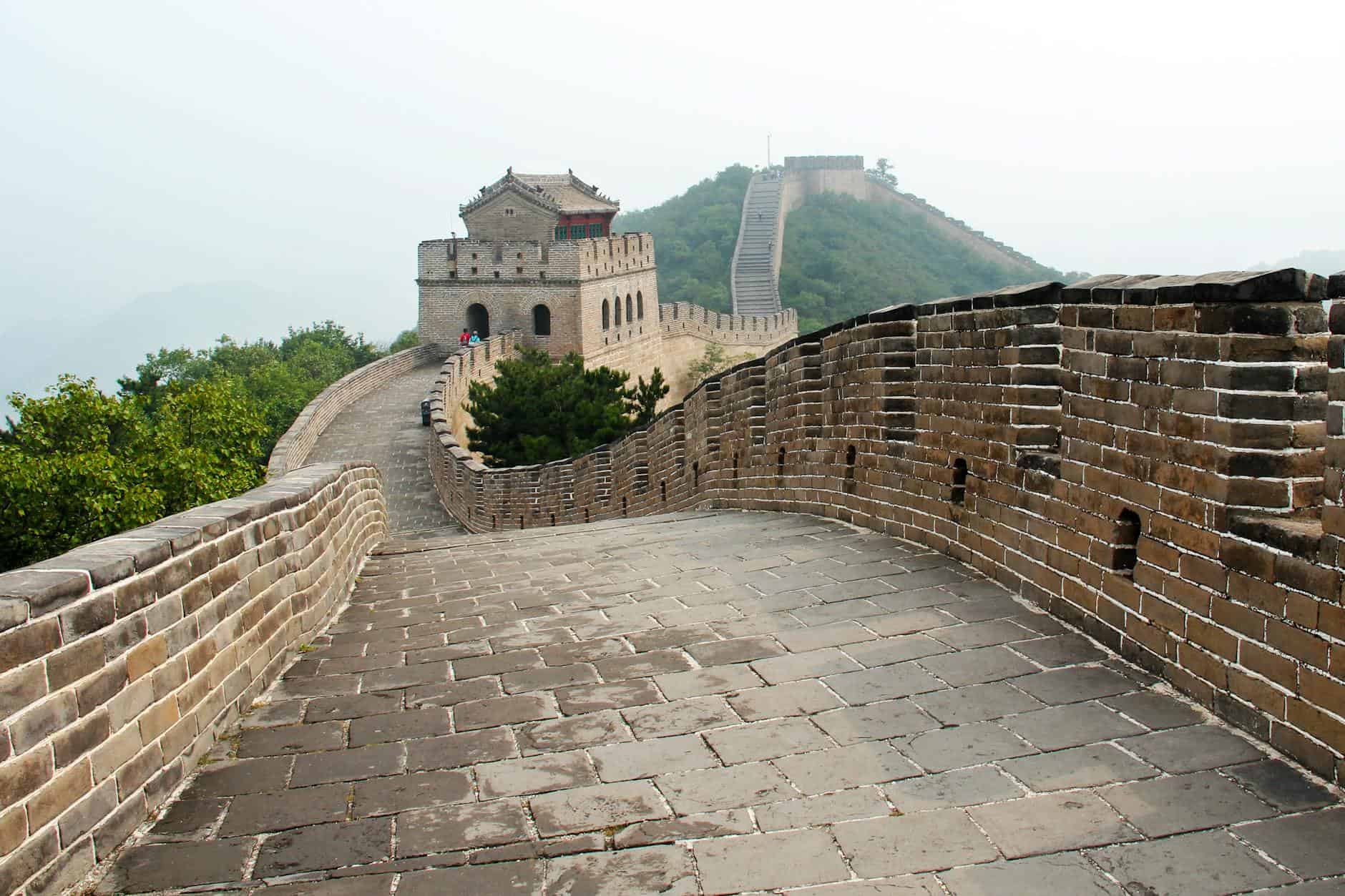
    The Great Wall of China History: The Story Behind the World’s Longest Wall

    Introduction

    The Great Wall of China is one of the most iconic and enduring symbols of Chinese civilization. Stretching over 13,000 miles across the northern borders of China, this architectural marvel has a rich history that dates back more than 2,000 years. Originally constructed for defense against invasions, the wall has witnessed the rise and fall of dynasties, serving not only as a military fortification but also as a representation of the labor, ingenuity, and tenacity of the Chinese people. Over the centuries, the Great Wall has become a UNESCO World Heritage Site and a globally recognized symbol of strength and perseverance. Through the examining of its origins, historical significance, cultural impact, preservation efforts, and tourist appeal, we can gain a deeper understanding of the Great Wall’s profound legacy and its role in shaping not only China\’s past but also its present and future.

    Origins and Construction of the Great Wall of China

    The origins of the Great Wall of China can be traced back to the early 7th century BC, during the Warring States period when various feudal states sought to defend their territories. Individual states began constructing their own fortifications, which were often made from tamped earth and wood. The first segments of what would later become the Great Wall were built by these states as a defensive measure against nomadic tribes from the north, particularly the Xiongnu.

    However, the most notable construction came during the Qin Dynasty (221-206 BC) under Emperor Qin Shi Huang, who sought to unify these disparate walls into a single defensive structure. This monumental endeavor involved the labor of hundreds of thousands of workers, including soldiers, peasants, and prisoners. The materials used varied based on the region: in the mountainous areas, stone and brick were common, while in the plains, earth and wood were often utilized. The building techniques evolved significantly over time; during the Han Dynasty (206 BC-220 AD), further expansion included the usage of rammed earth, which was an effective method for creating stable fortifications.

    Throughout the generations, various dynasties continued to improve and extend the wall. The Sui (581-618 AD) and Tang (618-907 AD) Dynasties did not prioritize the wall as much as the subsequent Ming Dynasty (1368-1644 AD), which recognized the significance of a strong defensive perimeter due to increasing threats from the Mongols. The Ming emperors invested heavily in upgrading the wall, building the structure we recognize today. They employed bricks and stone, giving the wall greater durability and an imposing structure that would thwart potential invasions.

    The Ming Great Wall was not a uniform entity; it comprised various designs that included watchtowers, troop barracks, and garrison stations. Towers were built at regular intervals to provide spaces for monitoring, signaling, and defense. These enhancements underscore the military strategy employed by the Ming Dynasty, which sought not just to deter invasions but also to control trade routes, particularly on the Silk Road.

    the great wall of china
    The Great Wall of China is one of the most iconic and enduring symbols of Chinese civilization.
    Photo by Manuel Joseph on Pexels.com

    The Wall’s construction was an arduous labor that took decades and, in many instances, the lives of workers. It has been reported that many laborers met with tragic fates due to harsh conditions, the danger of working on steep mountain passes, and the sheer scale of the project that seemed insurmountable at times. However, the wall acted as a unifying force for China, embodying the collective effort of its people in achieving a common goal.

    Today, little of the original wall remains intact, mainly due to the passage of time, erosion, and human activity. Nonetheless, what stands as a testament to ingenuity is its historical trajectory. The Great Wall of China continues to be a reflection of the ancient Chinese concept of unity and national identity, distinguishing itself as one of the most significant engineering feats in human history.

    Historical Significance of the Great Wall of China

    The historical significance of the Great Wall of China is vast and multifaceted, embodying centuries of political strategy, cultural expression, and national identity. Originally conceived as a military defense system, its evolution through various dynastic rules shaped not only the course of Chinese history but also the interaction between China and its surrounding nations.

    At its core, the wall represented a physical and symbolic barrier against invasions, especially from the nomadic tribes of the north. The Qin Dynasty initiated the unification of walls into what would later become the Great Wall, recognizing the need to protect the burgeoning empire from external threats. This military strategy emphasized the importance of territorial integrity and the safety of the Han people, leading to the establishment of a more centralized and stable governance model.

    As dynasties rose and fell, the wall’s function adapted accordingly. During the Han Dynasty, the Great Wall facilitated trade along the Silk Road, which connected China to the West. This dual purpose of military defense and economic expansion showcased the wall\’s strategic value, promoting cultural exchanges that shaped Chinese society, art, and technology. The interaction with other cultures brought ideas, goods, and innovations that would enrich the fabric of Chinese life.

    The Great Wall also played a significant role during the Ming Dynasty, a period characterized by restored centralized power and territorial expansion. The construction efforts during this era were a direct response to the threat of Mongol invasions, and the wall became a physical representation of the emperor\’s resolve to protect the empire. It was during this time that the wall reached its architectural zenith, with impressive watchtowers and fortifications that displayed the military might of China.

    Moreover, the wall has been a focal point in periods of unity and fragmentation within China. During times of peace, it served as a symbol of national pride and strength, reinforcing the idea of a united Chinese state under one emperor. Conversely, during periods of disunity, such as the warlords’ conflict in the early 20th century, the wall became a melancholic reminder of the fragility of Chinese sovereignty.

    The Great Wall’s significance extends beyond military and political realms, as it has become a prevailing symbol of Chinese identity. Throughout history, the wall has inspired poets, artists, and philosophers and has served as a backdrop for significant cultural narratives. The picturesque representation of the wall in literature and visual arts has imbued it with a spiritual dimension, often referred to as the “spirit of the Chinese people.”

    In the 21st century, the Great Wall continues to play a significant role in fostering national pride, providing a communal identity that resonates with Chinese citizens. The wall is venerated not only as a historical artifact but also as a representation of resilience and endurance, emphasizing the idea that the collective strength of the Chinese people can endure the tests of time.

    From military fortification to cultural landmark, the Great Wall of China signifies the evolution of societal norms and the deep-seated yearning for unity and protection. Its historical significance remains a tangible link to the past, serving as a reminder of the intricate nuances that shaped and molded Chinese civilization over millennia.

    Great Wall’s Cultural Impact

    The cultural impact of the Great Wall of China stretches beyond its physical structure, weaving itself into the fabric of Chinese society and influencing the global perception of China as a civilization. It represents a profound intertwining of history and cultural identity that continues to resonate within contemporary Chinese life.

    From a historical perspective, the Great Wall has inspired countless works of literature, art, and music, shaping a symbolic narrative that encapsulates themes of resilience, strength, and unity. Classical Chinese poetry often reflects upon the wall\’s grandeur and melancholic beauty, portraying it as a bridge between the past and the present. This literary portrayal fosters a sense of belonging and emotional connection among the Chinese people.

    In traditional Chinese culture, the Great Wall embodies the concept of \”protection\” – not only from physical threats but also from spiritual and psychological challenges. It has become a metaphor for the protective nature of family and community, reinforcing the importance of solidarity and collective well-being. This symbolic significance extends to festivals and cultural practices, where the wall’s imagery can be seen during celebratory events that honor Chinese heritage and achievements.

    Moreover, the Great Wall serves as an important site for cultural tourism, attracting millions of visitors annually. Tourists from around the globe come to experience the awe-inspiring structure and its history firsthand. Their presence fosters intercultural dialogues, as they engage with and learn about the myths, stories, and legends associated with the wall. This cultural exchange enriches both the local communities and the visitors, promoting a shared appreciation for historical narratives and human ingenuity.

    In terms of popular culture, the Great Wall has also found its place in films, music, and contemporary media. It has been featured in numerous movies, documentaries, and television shows – serving as both a backdrop and a focal point for storytelling. This representation has the dual effect of promoting Chinese culture on an international scale while simultaneously encouraging local storytelling and film production that resonate with Chinese audiences.

    The cultural impact of the Great Wall is not solely rooted in its historical significance but also in its ability to adapt and remain relevant in modern society. It serves as an enduring reminder of China’s collective identity while inspiring a sense of pride in its historical achievements. The wall’s preservation efforts have become an essential part of cultural discourse within China, recognizing the importance of safeguarding this monumental structure for future generations.

    Urbanization and modernization present challenges to the wall, as rapid development encroaches on its vicinity. Nevertheless, initiatives advocating for conservation emphasize the importance of integrating modernity with cultural heritage, reminding society of its roots amidst changing landscapes. This balance reflects the modern Chinese ethos, reconciling traditional values with contemporary progress.

    In sum, the Great Wall of China stands not only as a magnificent architectural feat but also as a profound cultural icon. It holds deep-rooted significance in uniting a broad spectrum of historical narratives, societal values, and cultural expressions, ultimately shaping the national identity of China in both historical and contemporary contexts.

    Modern Preservation Efforts

    In the contemporary era, the challenges of preserving the Great Wall of China have become increasingly pronounced due to environmental factors, urban encroachment, and tourism. The wall\’s massive scale, coupled with its historical and cultural significance, necessitates dedicated preservation efforts to ensure that future generations can appreciate and learn from this remarkable structure.

    One of the foremost issues confronting the Great Wall is natural erosion. Weathering elements such as wind, rain, and temperature fluctuations have, over time, taken a toll on its structural integrity. Areas that were once fortified with solid materials have succumbed to deterioration. This has prompted local authorities and conservationists to prioritize extensive restoration projects aimed at stabilizing and repairing vulnerable sections of the wall.

    In addition to environmental factors, human activity presents another significant challenge. Urban development in nearby regions can disrupt the delicate balance between the wall and its surrounding landscape. Construction projects too close to the wall can jeopardize its structural stability, leading to crumbling sections and loss of historical context. As communities expand, it becomes imperative to implement responsible urban planning policies that prioritize the preservation of historical sites.

    Tourism, while economically beneficial, has also resulted in wear and tear on the wall. Millions of visitors flock to the structure each year, and while their interest emphasizes its cultural significance, it also raises concerns regarding the impact of foot traffic. Certain sections of the wall are particularly susceptible to damage from heavy tourist activity. Consequently, site managers are seeking creative solutions to balance tourist access with preservation efforts.

    Efforts to raise awareness about the Great Wall’s significance have become an integral part of modern conservation strategies. Educational programs and outreach initiatives aimed at both local populations and tourists are essential for promoting a culture of respect towards historical sites. By emphasizing the importance of responsible tourism, these initiatives hope to cultivate a sense of stewardship within visitors, encouraging them to appreciate the wall\’s history and the need for its preservation.

    International cooperation further enhances preservation efforts, as organizations such as UNESCO play a pivotal role in raising financial resources and expertise for conservation initiatives. Recognition of the Great Wall as a UNESCO World Heritage Site not only emphasizes its global importance but also opens avenues for international collaboration on preservation strategies. The participation of experts from various fields helps with integrating modern architectural techniques and traditional craftsmanship to ensure the wall\’s durability.

    Technological advancements also support modern preservation efforts. Digital mapping and 3D modeling technologies help assess and visualize the wall\’s conditions, allowing conservationists to strategize more effectively for restoration. The utilization of these technologies marks a significant evolution in resource management, enabling data-driven decisions for targeted conservation work.

    Methods employed for the restoration of the Great Wall adhere to principles that respect its historical authenticity. Restoration teams prioritize using traditional materials and techniques wherever possible to maintain the wall\’s original characteristics and craftsmanship. This approach preserves the historical integrity of the wall, ensuring that any restoration work honors its multifaceted legacy.

    The ongoing preservation of the Great Wall of China speaks to the broader responsibility of societies to safeguard their historical and cultural heritage. As custodians of this monumental relic, contemporary China strives to navigate the complexities of modernization while adhering to the ideals of preserving its rich history. The Great Wall serves as both an enduring symbol of national pride and a living testament to the efforts of generations committed to preserving their heritage for the future.

    great wall of china
    The Great Wall of China is far more than a monumental structure; it is an enduring symbol of the resilience, creativity, and collective spirit of the Chinese people.
    Photo by Johannes Plenio on Pexels.com

    Tourism and Economic Influence

    The Great Wall of China stands not merely as a relic of the past but as a vibrant center of tourism that significantly influences China\’s economy. This monumental structure draws millions of visitors each year, both domestic and international, facilitating economic activity and cultural exchange while showcasing the potential benefits of responsible tourism.

    As one of the most recognizable landmarks in the world, the Great Wall serves as a magnet for tourists. Its vast expanse, stretching over multiple provinces, creates diverse experiences for visitors, allowing them to explore different sections that vary in architectural style, surroundings, and historical context. Popular access points such as Badaling and Mutianyu are well-developed, providing amenities that cater to tourists while preserving the wall’s integrity. The influx of visitors to these areas not only affords them the opportunity to marvel at the wall’s grandeur but also stimulates local economies through job creation and businesses catering to tourist needs.

    From local artisans selling crafts to restaurants providing traditional cuisine, the economic impact of tourism extends beyond ticket sales. Local communities benefit from job creation, as tourism-related industries hire workers to support the flow of visitors. This economic diversification is particularly essential in rural areas, where agricultural opportunities may be limited. By capitalizing on the wall’s historical significance, communities can improve their quality of life while forging a stronger connection to their cultural identity.

    Moreover, the Great Wall has become an essential element in marketing China as a tourist destination. Domestic tourism is promoted as a means to foster national pride and educate citizens about their historical heritage, while international tourism invites a broader audience to experience the rich tapestry of Chinese history. Cultural festivals and events centered around the wall enhance its appeal, encouraging visitors to engage with local customs and traditions, fostering intercultural appreciation.

    However, responsible tourism is paramount to ensure that the cultural and historical integrity of the Great Wall remains intact. Overcrowding can result in wear and tear, diminishing the experience for future visitors. Therefore, authorities have begun to implement measures aimed at managing tourist flows. For example, visitor numbers may be limited during peak seasons, and educational programs are encouraged to promote a culture of respect and awareness among tourists concerning the historical significance of the wall.

    Additionally, investments in infrastructure near the wall have created avenues for eco-friendly and sustainable tourism models. Ecotourism initiatives that integrate conservation efforts with visitor experiences promote environmental awareness and help preserve the surrounding landscape. Responsible tourism is encouraged, fostering mindful engagement with the wall and its history while minimizing environmental impact.

    On a broader scale, the Great Wall\’s economic influence extends to its role in establishing global recognition for the cultural heritage of China. As one of the New Seven Wonders of the World, its inclusion in such lists emphasizes the importance of cultural landmarks in serving as ambassadors for their respective nations. This recognition not only encourages tourism but also entwines the wall with diplomatic initiatives, cultural exchanges, and international recognition for China\’s contributions to global heritage.

    In conclusion, tourism, when managed responsibly, has the potential to create a symbiotic relationship between economic benefits and cultural preservation concerning the Great Wall of China. The wall stands as a beacon for both national pride and global interest, with its story continuing to captivate audiences worldwide.

    Conclusion

    The Great Wall of China is far more than a monumental structure; it is an enduring symbol of the resilience, creativity, and collective spirit of the Chinese people. With origins that trace back thousands of years, it has witnessed the ebb and flow of dynasties, serving purposes that range from military defense to cultural expression. Through its rich history, the Great Wall has played a crucial role in shaping Chinese civilization, influencing literature, art, and national identity.

    Modern preservation efforts highlight the ongoing commitment to protect this ancient wonder, ensuring that it remains a site of learning and appreciation for future generations. Tourism around the wall contributes significantly to China’s economy, fostering cultural exchanges and enhancing community livelihoods. As visitors from around the globe experience this remarkable feat of engineering, they become part of a narrative that transcends time and geography.

    As we reflect on the legacy of the Great Wall of China, it becomes clear that it represents not only an architectural triumph but also a testament to the tenacity of human spirit and the importance of preserving our cultural heritage. In navigating the challenges of the modern world, the wall stands as a reminder of humanity’s shared past, bridging gaps between history and the future.

    Watch also

  • Hearst Castle History: From Media Empire to Architectural Masterpiece

    Hearst Castle History: From Media Empire to Architectural Masterpiece

    Introduction

    Hearst Castle, perched majestically on the rugged cliffs of California’s Central Coast, is more than just a grand estate; it is a symbol of the intersection between media influence and architectural prowess. Built for the media tycoon William Randolph Hearst, the castle exemplifies opulence and creativity, standing as a testament to America’s Gilded Age. From its inception in the early 20th century, Hearst Castle has attracted attention not only for its breathtaking design and art collection but also for its fascinating history and the man behind its creation. As we delve into the Hearst Castle history, we explore its origins rooted in Hearst’s vision, the architectural marvels that define it, and its cultural significance that resonates to this day.

    The Origins of Hearst Castle: William Randolph Hearst and His Vision

    William Randolph Hearst, born in 1863, was a figure of monumental significance in American media history. He inherited a vast sum of money from his father, George Hearst, a mining magnate, which allowed him to enter and thrive in the realm of journalism. By establishing Hearst Communications, he effectively revolutionized the media landscape, creating a network of newspapers and magazines that would dominate public discourse. His vision was not merely about wealth; it extended to a quest for cultural and architectural grandeur, which led to the inception of Hearst Castle.

    In the early 1900s, Hearst acquired a significant amount of land in California’s peaceful coastal area, commonly referred to as “La Cuesta Encantada” or “The Enchanted Hill.” He enlisted the help of architect Julia Morgan, the first woman to graduate from the architecture program at the École des Beaux-Arts in Paris. Together, they crafted not only a residence but a complete experience reflecting Hearst’s interests and passions.

    Hearst’s vision was to create a getaway that combined relaxation with the opulence of European estates. He desired a place where he could entertain notable figures of the time, including politicians, celebrities, and artists, under the California sun. He envisioned lush gardens, an extensive art collection, and an overall luxurious atmosphere that would encapsulate the spirit of old-world Europe while being distinctly American.

    Construction began in 1919 and continued over the decades, illustrating Hearst’s commitment to his dream. Jacked by the ambitious vision, the project evolved from a simple guesthouse to an architectural marvel featuring 165 rooms, 127 acres of gardens, and numerous swimming pools. Hearst’s attention to detail was meticulous; he amassed art and antiques from around the world, including Roman statues and medieval tapestries, carefully showcasing them throughout the estate.

    aerial view of the hearst castle in california united states
    The Hearst Castle

    Hearst’s Castle served as more than just a personal retreat; it became a venue for social gatherings and a showcase of America’s elite. The castle’s design and grandeur drew inspiration from Spanish and Italian Renaissance architecture, harmonizing with Hearst’s love for art and history. This aristocratic style was a marked departure from traditional American homes, which often prioritized functionality over form.

    Despite its lavishness, Hearst Castle was conceived as a nexus of creativity and cultural engagement. Hearst himself often played a hands-on role in its development, collaborating closely with Morgan while sometimes deviating from the plans to reflect his whims and tastes. This evolving vision mirrored both Hearst’s personal and professional life, embodying the fusion of journalistic ambition with artistic expression.

    However, the construction of Hearst Castle wasn’t without challenges. The Great Depression led to financing difficulties, which limited some of Hearst’s grandiose plans. Nonetheless, the estate opened in a form that was both functional and breathtaking, a testament to persistence and creativity amid economic hardship. Hearst’s castle wasn’t merely a home; it was a manifestation of his legacy—crafted by a man who transformed the media landscape with a desire for beauty and artistry that continues to captivate visitors today.

    Architectural Influences: Styles and Inspirations Behind the Design

    Hearst Castle’s architectural design is a rich tapestry woven from various inspirations, reflecting the eclectic tastes of its creator, William Randolph Hearst. The castle showcases a diverse blend of styles, prominently displaying elements of Mediterranean Revival and Spanish Colonial Revival architecture. This confluence not only reveals Hearst’s appreciation for European aesthetics but also his intent to create something uniquely American.

    Julia Morgan, the architect responsible for realizing Hearst’s vision, drew heavily from the ancient Roman or Spanish influences that resonate throughout the castle’s layout. The use of arched windows, terracotta tiles, and stonework serves to bridge the castle’s opulent design with the historical architectures of Europe. The grandeur of these styles invokes a sense of timeless elegance, suggestive of a rich cultural heritage that captivated Hearst.

    One of the most striking aspects of Hearst Castle is the central building, known as Casa Grande, which offers both a majestic view and an invitation to explore. The various guest houses, including the Casa del Mar, Casa del Sol, and the quaint gardens, are designed with meticulous attention to detail. Morgan incorporated intricate ironwork, exquisite wood carvings, and hand-painted tiles that illustrate various artistic traditions, contributing to the rich visual narrative of the estate.

    The decision to include a massive outdoor terrace highlighted Hearst’s love for entertaining and outdoor living. Known as Neptune Pool, this stunning water feature showcases a classical revival style complete with Roman statues, beautiful mosaics, and Italian marble—elements that underscore the grandeur and artistry that Hearst championed. The pool area is adorned with arches reminiscent of ancient ruins, creating a dreamlike atmosphere ideal for social gatherings and entertainment.

    Throughout the estate, the art collection comprised items gathered from Hearst’s travels, including Renaissance paintings, antiquities, and European tapestries. Morgan and Hearst purposefully sourced these pieces to create a cohesive narrative throughout the property, ensuring that each room had its own unique flair while contributing to an overall cohesive aesthetic. This blend of archival art and curated spaces reflects Hearst’s fascination with history as much as it does his uncapped ambition.

    Moreover, the layout of Hearst Castle was meticulously planned to contrast and complement its surroundings. Nestled on the hills, the estate provides breathtaking views of the coastline, with panoramic vistas that echo the natural beauty of California. Morgan’s design philosophy respected the site’s existing landscape, emphasizing a symbiotic relationship between architecture and nature. Each room within the castle was designed with window placements that would frame the spectacular views outside, forging a connection with the environment that surrounds it.

    Hearst’s vision for his castle extended beyond physical architecture; it encompassed the creation of a lifestyle—one characterized by sophistication, leisure, and culture. Functionality served merely as a necessity; style and elegance were paramount. The inclusion of sprawling gardens, fountains, terraces, and the utilization of natural light made the castle a livable artwork, wherein the architecture itself communicated a rich story about its owner and his aspirations.

    The architectural influences that shaped Hearst Castle not only mark it as a historical gem but also as a testament to human creativity. It serves as an inspiration for contemporary architects and designers worldwide, establishing a standard for harmonious living environments that embrace both beauty and utility. The complex interplay of influences ultimately redefines the concept of a castle, positioning Hearst Castle as a soaring achievement—an enduring symbol of innovation in American architecture.

    The Construction Journey: Challenges and Innovations

    The construction of Hearst Castle was a monumental endeavor, spanning nearly three decades and encompassing a myriad of challenges and innovations. From the initial groundwork in 1919 to the completion of various sections throughout the 1940s, Hearst and architect Julia Morgan faced a constant stream of obstacles that tested their vision and resolve yet led to remarkable advancements in architectural practices and careful craftsmanship.

    Initially, the construction began with the daunting task of transforming a vast expanse of rugged hills into a suitable site for the opulent mansion Hearst envisioned. This involved not only the leveling of land but also significant earth-moving operations to create the foundation. Innovative techniques in excavation were employed to prepare the terrain, which was fraught with challenges due to its rocky composition, thus showcasing Hearst’s insistence on perfection.

    As the construction progressed, the Great Depression in the 1930s cast a shadow over the project, threatening the funding and continued progress of Hearst Castle. Despite these economic challenges, Hearst’s determination remained unwavering. He prioritized the construction by reallocating resources and adjusting the project scope, showing how adaptive planning can overcome even the most formidable obstacles. This era taught valuable lessons in resource management and project prioritization—lessons that would benefit future architectural projects across the globe.

    One of the most prominent innovations during Hearst Castle’s construction was the introduction of large-scale prefabrication methods. Hearst pushed for efficiency and ingenuity in the building process, leading to the precast concrete panels that contributed to the speed and effectiveness of construction. These techniques would later be applied across various architectural projects, emphasizing the importance of innovation in the building trade.

    Moreover, Morgan’s unique architectural vision fostered an environment where invention thrived. She seamlessly integrated modern technology with traditional building practices. For example, she utilized steel and concrete in unexpected forms—allowing the castle to withstand seismic shocks and adapt to California’s unpredictable weather patterns. This foresight in structural integrity highlighted a crucial blend of creativity and practicality in architecture, setting a benchmark for future constructions.

    Throughout the years, Hearst Castle evolved to include various artistic elements that reflected both Hearst’s personal tastes and the era’s artistic movements. Hearst’s tireless pursuit of perfection led to the acquisition of countless art pieces, which further complicated the construction process as they needed to be integrated into the overall design. This aspect required intricate planning and precise execution, driving Morgan and her team to adapt traditional craftsmanship to accommodate these unique features.

    Further into the construction timeline, the adaptation of outdoor spaces became critical. Morgan created terraces, fountains, and zoysiagrass that preserved the estate’s natural ambiance while allowing for leisure and entertainment. The incorporation of gardens designed with intricate irrigation systems presented another challenge that required innovative problem-solving. Ensuring the landscape complemented the architecture while maintaining its lush beauty epitomized the intersection of nature and human creativity.

    As construction drew closer to its zenith in the late 1940s, Hearst faced intensified scrutiny regarding his extravagant lifestyle. Media criticism prompted him to rethink his public persona and, subsequently, some architectural choices. This required Morgan and Hearst to balance opulence with subtlety—a challenge that would manifest in the intricate detailing of interiors as well as outdoor spaces.

    Despite economic and technical challenges, the construction of Hearst Castle resulted in an architectural legacy that would stand as a symbol of resilience and innovation. Each stone laid and detail crafted spoke volumes of the determination and creativity inherent in the project. The endeavor brought forth lessons of adaptability and forward-thinking that resonate in the realms of architecture and construction to this very day, solidifying Hearst Castle’s place as a marvel in American architectural history.

    Hearst Castle as a Cultural Landmark: Its Role in American History

    Hearst Castle stands not only as an architectural masterpiece but as a cultural landmark that has had a profound impact on American history. Beyond its physical grandeur, the estate embodies the spirit of ambition and artistic innovation characteristic of the early 20th century. As the world underwent rapid change—marked by technological advances, cultural shifts, and the transformative power of media—Hearst Castle emerged as a focal point for varied societal trends, reflecting the era’s complexities and nuances.

    At the heart of Hearst Castle’s cultural significance is its association with William Randolph Hearst, one of the most influential media magnates in American history. Hearst’s contributions to journalism, characterized by the sensationalist strategies of “yellow journalism,” transformed public access to information and defined the American media landscape. This cultural dynamism extended to Hearst Castle, where his persona and wealth intertwined with the artistic and political circles of the day. The estate was not merely a private residence; it became a hub for cultural exchanges, fostering connections among intellectuals, artists, and political leaders.

    Through its doors walked famous personalities, including Charlie Chaplin, John Wayne, and many Hollywood stars of the time, as Hearst leveraged his media empire to cultivate relationships with individuals who shaped American culture. The castle served as a backdrop for various social events, film shoots, and star-studded gatherings that propelled Hollywood to new heights. This melding of media and artistry showcased the burgeoning entertainment industry’s significance in American society, firmly establishing a legacy that remains potent today.

    In addition, Hearst Castle represents a unique blend of European architecture and American identity, reflecting the 20th-century fascination with culture and aesthetics. The integration of classical elements, sumptuous interiors, and curated gardens exhibits the impact of European influence on American architectural practices. This fusion of styles symbolizes the aspiration of a young nation to derive inspiration from its storied past while crafting its distinct narrative. As Americans sought to solidify their cultural identity, Hearst Castle emerged as an embodiment of these efforts—a beacon of creativity, inspiration, and a bridge between old and new worlds.

    Socially, the opulence of Hearst Castle mirrored the dramatically changing landscape of America in the post-war era. While it attracted the elite, it also evoked conversations around wealth disparity and the responsibilities that come with affluence. The public sentiment surrounding Hearst’s lavish lifestyle often contradicted the realities of the time, particularly as the nation grappled with poverty and a struggling economy. In this sense, Hearst Castle became a symbol for the contradictions of the American Dream—showcasing the heights that could be achieved while prompting critical discourse about privilege and access to wealth.

    As the years progressed, Hearst Castle transcended its origins to become a symbol of preservation and historical significance. Today, it is a California State Park, facilitating access to the public and promoting educational initiatives that celebrate its rich history. The estate serves as a lens through which visitors explore the interplay between art, architecture, and societal evolution, enriching the public’s understanding of American history.

    The castle’s art collection, amassed by Hearst, is now presented as a testament to cultural patronage during a time of great artistic experimentation. Promoting diverse narratives, Hearst Castle showcases the progression of American artistic expression, reflecting broader cultural movements. The comprehensive exhibits inspire future generations to appreciate artistic endeavors while instilling a sense of pride in the nation’s cultural heritage.

    Furthermore, the preservation of Hearst Castle is crucial as it reminds us of the importance of safeguarding history for future generations. The efforts to maintain the integrity and beauty of the estate highlight a broader movement toward recognizing and celebrating America’s architectural treasures. It serves as a rallying point for preservationists, historians, and cultural advocates, emphasizing the significance of historic landmarks in understanding the American experience.

    In conclusion, Hearst Castle stands as a multi-faceted cultural landmark that weaves together themes of media influence, artistic mastery, and societal evolution. As a pivotal site in American history, it embodies the complexities of the American experience while inspiring continued dialogue around culture, art, and identity. The estate remains not only a reflection of William Randolph Hearst’s vision but a canvas of aggregated narratives that resonate throughout the ages.

    Preservation Efforts: Maintaining the Legacy of Hearst Castle

    Preserving the legacy of Hearst Castle represents a significant endeavor, where the interplay between historical integrity and modern conservation techniques is of utmost importance. As an architectural marvel and cultural landmark, the estate requires ongoing efforts to maintain its structural integrity while ensuring that its rich history continues to be accessible to the public. As issues of environmental sustainability and historical preservation converge, Hearst Castle stands at the forefront of efforts to merge the visions of the past with contemporary practices.

    Following Hearst’s passing in 1951, the castle was entrusted to the state of California in accordance with his will. This transition from private ownership to state park status marked a pivotal shift in the management and accessibility of the estate. The California Department of Parks and Recreation now oversees the preservation of Hearst Castle, launching numerous initiatives aimed at conserving and restoring this historical landmark while promoting public engagement through tours and educational programs.

    One of the most pressing challenges in the preservation of Hearst Castle is the threat of environmental factors. Located within a coastal region, the estate faces diverse weather conditions—from heavy rain to intense sunlight—that can erode its exterior and compromise its artistic elements. Preservationists have implemented restoration projects to safeguard the delicate stonework, stucco finishes, and intricate artwork from degradation, ensuring that future generations can appreciate the beauty of the estate as it was originally intended.

    Equally important is the careful conservation of Hearst’s extensive art collection, housed within the castle. The artworks span centuries and include invaluable pieces that speak to the cultural richness of the time. Special care is taken to regulate temperature and humidity levels in the display areas to mitigate the risk of potential damage. Restoration specialists work tirelessly to address wear and tear, intricately weaving together art conservation techniques with a respect for each piece’s historical significance.

    Education plays a vital role in the preservation efforts surrounding Hearst Castle. The state park system actively engages visitors, offering guided tours that provide insight into the history, architecture, and the importance of preserving cultural heritage. Interactive programs, workshops, and exhibitions foster a deeper appreciation for the arts and conservation, encouraging public advocacy for historic sites. By nurturing a sense of connection and responsibility toward the estate, the preservation team effectively promotes a shared journey of understanding that enriches the overall visitor experience.

    Digital technology has revolutionized the approach towards preservation and engagement at Hearst Castle. The implementation of modern resources, including virtual tours and enhanced interpretive displays, allows for broader access to the estate’s history while minimizing physical impacts on its delicate environment. This amalgamation of technology with traditional preservation efforts expands the ability for individuals to connect with the estate, reinforcing its relevance in the contemporary context.

    Additionally, public-private partnerships often enhance the preservation processes, as fundraising initiatives and sponsorships provide critical resources for the ongoing conservation of the castle. Events, such as galas, art exhibitions, and educational outreach programs, promote community involvement while generating imperative financial support for preservation needs. The mobilization of community efforts in the stewardship of Hearst Castle exemplifies how collective action can secure the future of cultural landmarks.

    The ongoing preservation of Hearst Castle illuminates broader themes seen in heritage conservation worldwide. As communities grapple with the demands of modernization and development, the commitment to safeguard historical treasures grows ever more critical. Insights gained from the legacy of Hearst Castle offer valuable perspectives for conservationists and advocates, reinforcing the belief that such extraordinary sites should serve as communal assets rather than isolated histories.

    In conclusion, Hearst Castle’s preservation efforts stand as a testament to the intersection of history, architecture, and culture—a responsibility that is shared between the state and the community. The ongoing commitment to maintaining the estate ensures that its legacy will continue to inspire future generations while serving as a vital touchpoint in understanding American history. Through innovative strategies, public engagement, and steadfast dedication, Hearst Castle will remain a beacon of architectural brilliance for years to come.

    Сonclusion

    Hearst Castle vividly encapsulates a remarkable journey through architecture, history, and cultural significance. From its inception as a personal retreat for media mogul William Randolph Hearst, it has transformed into an iconic landmark reflecting the complexities of American identity. Each section of the estate, enriched with art and storytelling, draws visitors into a world where past ambitions meet present realities.

    The intricate architectural details showcase the creativity of Julia Morgan while echoing the influences of European grandeur that inspired Hearst’s vision. Even the challenges faced during its construction reveal a narrative of resilience and innovation—an enduring testament to human tenacity. Furthermore, as a cultural landmark, Hearst Castle not only highlights the social milieu of its time but also serves as a living museum of 20th-century ambition and artistic passion.

    Today, visitors walking through its lavish halls and gardens encounter a unique blend of history, luxury, and imagination. More than just an extravagant estate, Hearst Castle is a symbol of vision, determination, and cultural aspiration. It continues to fascinate as both a California treasure and a window into the grand narratives of America’s past, ensuring that its legacy will endure for generations to come.

    Hearst Castle and Ranch Video

    Rob on the Road: Hearst Castle and Ranch – KVIE

  • Mont-Saint-Michel History: The Timeless Island Fortress of France

    Mont-Saint-Michel History: The Timeless Island Fortress of France

    Introduction

    Mont-Saint-Michel, a mesmerizing island commune in Normandy, France, is celebrated for its profound historical and architectural significance. Rising dramatically from the sea, this fortified abbey has captured the imaginations of visitors and pilgrims alike for centuries. Its story begins in the 8th century with a vision that led to its establishment as a sanctuary, evolving through various architectural styles and historical events. The breathtaking Gothic structures, surrounded by natural beauty, reflect the deep spirituality and resilience of those who have inhabited the island. Furthermore, Mont-Saint-Michel’s role in pivotal moments, such as the Hundred Years’ War and subsequent restoration efforts, elucidates the extraordinary journey of this timeless fortress. In this article, we delve into the Mont-Saint-Michel history, exploring the layers of heritage that make it an enduring symbol of French pride and spirituality.

    The Origins of Mont-Saint-Michel

    The origins of Mont-Saint-Michel can be traced back to a divine vision experienced by Aubert, the Bishop of Avranches, in the year 708 AD. According to legend, Saint Michael, the archangel, appeared to Aubert and instructed him to build a church on the rocky islet that would soon become Mont-Saint-Michel. Initially, a small church was constructed upon this rocky outcrop, which was then known as “Mont Tombe.” This early chapel set the foundations for what would grow into one of the most spiritually significant and architecturally remarkable sites in medieval Europe.

    The site’s choice was not merely mystical; it presented strategic advantages as well. Nestled along the coastline, Mont-Saint-Michel was not only a place of worship but also a fortification against potential Viking invasions. The tides that enveloped the island created natural defenses, making it accessible only during low tide while rendering it isolated from the mainland at high tide. This geographical uniqueness became particularly advantageous in later centuries, enhancing both its security and its allure.

    As the years progressed, a community of monks, primarily adhering to the Benedictine order, found refuge and purpose on Mont-Saint-Michel. Their establishment was significant, as it transformed the small church into a robust abbey dedicated to prayer and hospitality for the ever-increasing number of pilgrims flocking to this sacred site. The monks engaged in agricultural work and developed a self-sustaining community, enhancing the island’s economic stability while fostering an atmosphere of spiritual growth.

    By the 10th century, Mont-Saint-Michel began to gain prominence in the region, becoming a crucial center of pilgrimage and education. The abbey’s allure was further bolstered by miracles attributed to Saint Michael, drawing worshipers from across France and beyond. This surge in pilgrimage transformed Mont-Saint-Michel from a modest sanctuary to a thriving monastic community, filled with scholars, artists, and believers. The monks organized festivities, sacred rituals, and educational pursuits to appease and enthrall their guests.

    facade of mont saint michel
    The Mont-Saint-Michel

    The architecture of Mont-Saint-Michel also underwent significant evolution during its early years. While the original structure was simple and humble in design, subsequent expansions reflected the artistic and architectural trends of the time. The Romanesque style dominated much of this early construction, marked by thick stone walls, rounded arches, and a sense of permanence that echoed the monks’ dedication to their mission.

    In the centuries that followed, the residents of Mont-Saint-Michel faced various challenges, from Viking raids to political upheaval. Yet, the abbey remained steadfast—a beacon of faith amid adversity. The monks and residents fortified the structure, adding defensive features such as walls and towers that not only enhanced security but also contributed to a growing sense of identity tied to the island.

    Overall, the origins of Mont-Saint-Michel are deeply interwoven with themes of faith, resilience, and community. The site’s transformation from a simple chapel into a monumental abbey represents not only architectural and spiritual aspirations but also the enduring human spirit’s capacity to adapt and thrive amidst trials. The foundation laid in the 8th century set the stage for an extraordinary history that would see Mont-Saint-Michel evolve into one of France’s most cherished landmarks—a timeless fortress where the spirit of devotion and creativity continues to resonate.

    The Evolution of the Abbey

    The evolution of Mont-Saint-Michel as an abbey underscores its architectural grandeur and the religious fervor that permeated its history. As the monastic community grew, so too did the ambition to transform the austere early church into a formidable abbey reflecting the aspirations of the faithful. By the 10th and 11th centuries, the foundation laid by early monks blossomed into a thriving religious hub renowned for its spiritual significance and architectural splendor.

    One of the key developments during this era was the shift from Romanesque to Gothic architecture. The early structures of Mont-Saint-Michel, characterized by thick walls and barrel vaults, began to give way to the more intricate, vertical nature of Gothic design. This transformation was driven by both spiritual inspiration and the need to accommodate the increasing number of pilgrims. Builders sought to create a majestic space that allowed light to flow in, symbolizing divinity and enhancing the spiritual experience of visitors.

    The construction of the abbey’s crypts, which served as spaces for relics and burials, marked the initial expansion of the structure. These subterranean chambers not only provided sanctity for the revered remains but also showcased the artistic achievements of the monks, with detailed carvings and engravings depicting scriptural narratives. The attunement between faith and artistry laid the groundwork for the later phases of the abbey’s monumental building process.

    In the 12th century, the increasing popularity of Mont-Saint-Michel as a pilgrimage destination necessitated the construction of additional facilities and accommodations for visitors. The remarkable growth sparked ambitious architectural projects, leading to the creation of key structures, such as the cloisters and the refectory, which paired beauty with functionality. These additions highlighted the importance of community life among monks and pilgrims, underscoring hospitality and collective devotion.

    The apex of architectural innovation at Mont-Saint-Michel came during the 13th century, known as the period of the “Merveille”—the Wonder. It represented a pinnacle of Gothic achievement, showcasing the abbey’s transformation into an awe-inspiring masterpiece. The remarkable structures, including the grand hall and the monks’ dining room, are characterized by soaring arches, elaborate ribbed vaults, and open spaces filled with luminous stained glass. As the light pierced through, it painted the walls with heavenly colors, reinforcing the spiritual ambiance.

    The evolution of Mont-Saint-Michel is also intertwined with historical events that shaped the region. Throughout the medieval period, the abbey served as a refuge during the Norman Conquest and various conflicts, such as the Hundred Years’ War. Strategies to fortify the structures became paramount as Mont-Saint-Michel confronted imminent threats. Towers and defensive walls were added to withstand sieges, reflecting the complex interplay between faith and warfare.

    main street inside the walls of mont saint michel normandy france
    The Mont-Saint-Michel

    As the Renaissance dawned, Mont-Saint-Michel adapted to new artistic influences while preserving its medieval roots. The evolution led to nuanced changes in style, showcasing a blend of classical elements alongside enduring Gothic features. This transition symbolized an effort to modernize while honoring the abbey’s historical significance. The monks’ artistic endeavors flourished, resulting in beautiful frescoes and intricate sculptures that adorned the walls of the abbey.

    However, the abbey faced challenges as societal changes unfolded. By the 18th century, the decline of monastic life and the rise of secular authority posed a threat to its sacred status. The French Revolution in the late 18th century marked a turning point, as religious institutions faced scrutiny and suppression. Mont-Saint-Michel was repurposed for military use, with many of its monastic functions suspended. The island’s legacy seemed in jeopardy as neglect set in.

    In the 19th century, renewed interest in history and architecture sparked a wave of restoration efforts. The fascination with Mont-Saint-Michel led to significant conservation initiatives aimed at preserving its unique heritage. Architects began to revitalize the structures, reinforcing the abbey’s foundation and ensuring its continued legacy as a national treasure. These efforts reinforced the importance of Mont-Saint-Michel as not only a spiritual center but also an architectural wonder.

    Through its evolution, Mont-Saint-Michel adapted to the whims of time while maintaining its essence. The dynamic interplay of architectural styles, historical events, and community life shaped the identity of the abbey, transforming it from a modest sanctuary into a multi-faceted symbol of faith and resilience. The culmination of centuries of devotion and artistry is reflected in the breathtaking silhouette of Mont-Saint-Michel against the horizon, a testament to the indomitable spirit of the human quest for meaning and beauty.

    Mont-Saint-Michel During the Hundred Years’ War

    The Hundred Years’ War, a protracted conflict between England and France, spanned from 1337 to 1453 and greatly influenced the history and destiny of Mont-Saint-Michel. This tumultuous period was marked by shifting allegiances, territorial disputes, and social upheavals, all of which left their indelible mark on the fortified island. Standing as a bastion of French resilience, Mont-Saint-Michel would play a crucial role in the ongoing struggle for sovereignty and survival.

    At the beginning of the conflict, Mont-Saint-Michel served as a sanctuary for those fleeing the ravages of war. Its strategic location made it a pivotal point for the French military to mobilize defenses and protect vulnerable regions from English incursions. The monks of Mont-Saint-Michel welcomed fleeing soldiers and civilians alike, embodying the spirit of hospitality that had characterized the abbey since its inception. As waves of pilgrims continued to arrive, the island became a refuge for those seeking not only physical safety but also spiritual solace.

    As the war escalated, Mont-Saint-Michel found itself increasingly targeted by English forces. In 1420, Mont-Saint-Michel became the focal point of an English siege led by Sir Thomas Scales. The attacking forces sought to capitalize on the abbey’s isolated position, aiming to starve out the defenders and seize control of the stronghold. The defenders, composed of monks and loyal soldiers, were resolute in their determination to protect the island at all costs, viewing their commitment as not only a defense of the abbey but an emblem of national pride.

    The siege that followed was arduous and lengthy, stretching over 30 months. Despite facing desperate conditions, the defenders exhibited remarkable ingenuity and courage. Utilizing the abbey’s advantageous layout, the monks and soldiers devised countermeasures to fend off the English troops. The secluded nature of the island, combined with unpredictable tides, allowed the defenders to strike at opportune moments and launch surprise offensives against the besieging forces.

    The high tides and rugged terrain added layers of complexity to the English siege, complicating their efforts to maintain an uninterrupted blockade. The abbey’s iconic silhouette, fortified by towering walls and steep cliffs, became a symbol of hope for the beleaguered defenders. Each successful defense against the English incursions reinforced the collective spirit among the soldiers, with stories of courage and perseverance being shared among the defenders and inhabitants of the island.

    one of the towers of fortifications du mont saint michel normandy france
    The Mont-Saint-Michel

    The residents and monks worked tirelessly to supply food and resources, relying on their agricultural practices to sustain the community. The abbey’s unique self-sufficiency allowed it to resist the siege, fostering a sense of camaraderie and collective purpose. Meanwhile, word of the steadfastness of Mont-Saint-Michel spread beyond its walls, energizing other French troops who drew inspiration from its resilience.

    Ultimately, the relentless spirit of the defenders continued to evoke a fervent loyalty throughout France. As the war dragged on, the abbey’s significance evolved into a powerful icon of resistance—reminding the French people of their heritage and the necessity to persevere in the face of adversity. Mont-Saint-Michel became emblematic of the belief that faith and courage could triumph against the forces of oppression.

    As the tides of the war began to shift in favor of the French in the mid-15th century, Mont-Saint-Michel found itself returning to its religious and cultural roots. Following the resounding expulsion of English forces, the community once again turned its focus toward spirituality and education. With the war’s conclusion, the abbey’s monumental preservation efforts emerged, not only to restore focus on worship but also to commemorate the heroic sacrifices made during that tumultuous period.

    In conclusion, Mont-Saint-Michel’s experience during the Hundred Years’ War exemplifies the resilience of faith and human spirit amid adversity. The unwavering commitment of its defenders transformed the abbey into a symbol of national pride, illuminating the intertwined relationship between spirituality, history, and cultural identity. Mont-Saint-Michel emerged from the ashes of conflict as a beacon of hope, marking a turning point that would carry its legacy forward for future generations.

    Restoration and Preservation Efforts

    The journey of Mont-Saint-Michel through centuries of history has not been without its challenges, especially after the upheaval of the French Revolution and subsequent periods of neglect. By the 19th century, the abbey faced significant deterioration, prompting a critical need for restoration and preservation. Recognizing its historical, architectural, and spiritual importance, efforts began in earnest to revitalize the island fortress and ensure its legacy for future generations.

    The initial wave of restoration led by architect Eugène Viollet-le-Duc in the mid-1800s marked a turning point in Mont-Saint-Michel’s preservation. His influence extended beyond mere restoration; Viollet-le-Duc aimed to revive the spirits and architectural principles beloved during the abbey’s golden age. His expert approach included detailed historical research, ensuring that renovations honored the original designs and intentions of the early builders.

    Notably, Viollet-le-Duc undertook several ambitious projects, including the restoration of the abbey’s soaring spire, which had fallen into disrepair. By reinstating the spire adorned with a statue of Saint Michael, Viollet-le-Duc not only solidified the monument’s silhouette against the horizon but also reinstated its status as a beacon of faith and resilience. The meticulous craftsmanship involved in the restoration of the windows, cloisters, and fortifications reflected a deep respect for the island’s architectural identity.

    Additionally, the restoration efforts extended to the surrounding environment of Mont-Saint-Michel. Concerns regarding drainage, soil erosion, and rising tides prompted authorities to devise strategies to mitigate potential damage. The implementation of improved drainage systems and marshland management aimed to protect the structural integrity of the island and reduce the risk of flooding. The engineers recognized that a proactive approach was essential in ensuring the longevity of this iconic pilgrimage site.

    The designation of Mont-Saint-Michel as a UNESCO World Heritage site in 1979 further underscored its international significance and the necessity of preserving its unique heritage. The recognition heralded a renewed emphasis on conservation efforts, with global agencies collaborating with French authorities to prioritize the preservation of Mont-Saint-Michel as both a historical artifact and a living cultural landscape. This partnership facilitated funding initiatives for ongoing restoration projects, enabling the site to flourish as a key cultural resource.

    low angle view of a castle
    The Mont-Saint-Michel

    In the years since, Mont-Saint-Michel has embraced modern preservation practices aimed at balancing preservation with sustainable tourism. The influx of millions of visitors each year necessitated a thoughtful approach to visitor management, ensuring that the cultural and environmental integrity of the site remains intact amid growing foot traffic. Educational programs and interpretive efforts have been developed to engage visitors more deeply, encouraging a sense of stewardship and appreciation for the site.

    Moreover, the preservation efforts also highlight the importance of community involvement. Engaging local stakeholders, artisans, and heritage organizations has fostered a sense of shared responsibility for the continued care of Mont-Saint-Michel. Collaborative initiatives designed to involve young generations in heritage preservation and awareness campaigns emphasize the need to appreciate the value of cultural identity and the stories embedded within the stones.

    Today, the restoration and preservation efforts of Mont-Saint-Michel extend beyond safeguarding the physical structure; they encompass storytelling, education, and the promotion of cultural exchange. The rich history of the abbey serves as a foundation for numerous educational programs, exhibitions, and workshops that invite visitors and locals alike to delve into the significance of the site. Preserving Mont-Saint-Michel is thus not only about its architectural legacy but also about fostering connections to a shared history and shared cultural experiences.

    In conclusion, the restoration and preservation efforts at Mont-Saint-Michel embody the spirit of resilience and dedication. The meticulous work undertaken by historians and conservationists, alongside the recognition of its international significance, has allowed the island fortress to reclaim its status as a cherished symbol of human history and creativity. These ongoing endeavors reflect a broader commitment to ensure that future generations can continue to marvel at the timeless beauty and profound stories that Mont-Saint-Michel holds within its captivating walls.

    The Cultural Significance of Mont-Saint-Michel Today

    Today, Mont-Saint-Michel stands as not just a stunning architectural wonder but also a powerful symbol of France’s cultural and spiritual identity. Its historical significance has transcended time, allowing Mont-Saint-Michel to remain at the forefront of French heritage. The island fortress captivates the hearts and imaginations of millions of visitors each year, serving as an enduring testament to resilience, creativity, and faith.

    The spiritual essence of Mont-Saint-Michel traces back to its origins, where it began as a site of worship and pilgrimage. The abbey remains an active religious site, welcoming worshippers and visitors alike who seek solace and inspiration within its hallowed halls. Monastic traditions continue as religious rituals and ceremonies are held in the abbey, showcasing the ongoing importance of spirituality in the lives of those who visit. The ethereal atmosphere envelops the island, inviting reflection and contemplation in a setting that has inspired countless individuals throughout history.

    Mont-Saint-Michel has also become an emblem of national pride for the French people. Its role during significant historical events, such as the Hundred Years’ War, underscores its status as a stronghold of resistance and identity. The unwavering commitment of its protectors during times of conflict emphasizes the collective spirit of the nation and the enduring significance of Mont-Saint-Michel as a symbol of French heritage and cultural continuity.

    As a UNESCO World Heritage site, Mont-Saint-Michel plays an essential role in the global conversation around cultural preservation and historical heritage. The recognition of its unique architectural and historical values propels discussions about conservation efforts on a larger scale. The designation encourages collaboration among nations, scholars, and organizations to share best practices in preserving cultural monuments while also enhancing global awareness of the importance of heritage conservation.

    Mont-Saint-Michel influences various forms of artistic expression, infusing the realm of literature, art, and cinema with its enchanting narrative. Artists, writers, and filmmakers have drawn inspiration from the island fortress, presenting it as a muse that evokes deep emotion and creativity. Whether in paintings that depict its layered fortifications or literature that weaves tales of bravery and spirituality, Mont-Saint-Michel continues to ignite the artistic spirit, connecting diverse cultures through storytelling.

    Additionally, the island serves as a prime example of blending tourism and preservation. As millions of tourists flock to this remarkable site, Mont-Saint-Michel embraces the dual role of being a cherished cultural landmark and a vibrant living community. The interaction between visitors and locals fosters cultural exchange, promoting an understanding of the significance of shared history and the diverse narratives woven into the site. Educational programs and guided tours provide opportunities for visitors to engage with Mont-Saint-Michel’s history, deepening their appreciation for its cultural richness.

    Conclucion

    Mont-Saint-Michel is far more than a breathtaking sight rising from the tidal waters of Normandy; it is a living chronicle of France’s history, faith, and resilience. From its early beginnings as a sacred site dedicated to the Archangel Michael to its transformation into a powerful abbey and later a fortress, the island embodies the deep interplay between spirituality, culture, and political change. Its strategic location, stunning Gothic architecture, and unique natural setting have made it a symbol of endurance, attracting pilgrims and travelers for centuries.

    The abbey’s role as both a place of worship and a defensive stronghold reveals the complexities of medieval life, where faith and survival often intertwined. Today, Mont-Saint-Michel continues to inspire awe, not only as a UNESCO World Heritage Site but also as a reminder of human ingenuity and devotion. As visitors walk its winding streets and ascend to the abbey, they step into a story that bridges the past and present, ensuring that Mont-Saint-Michel remains an eternal jewel of France’s cultural and historical legacy.

    The Timeless Beauty of Mont-Saint-Michel | DOCUMENTARY Video

    The Timeless Beauty of Mont-Saint-Michel | FULL DOCUMENTARY

  • Lotus Temple History: Unfolding the Symbol of Peace in New Delhi
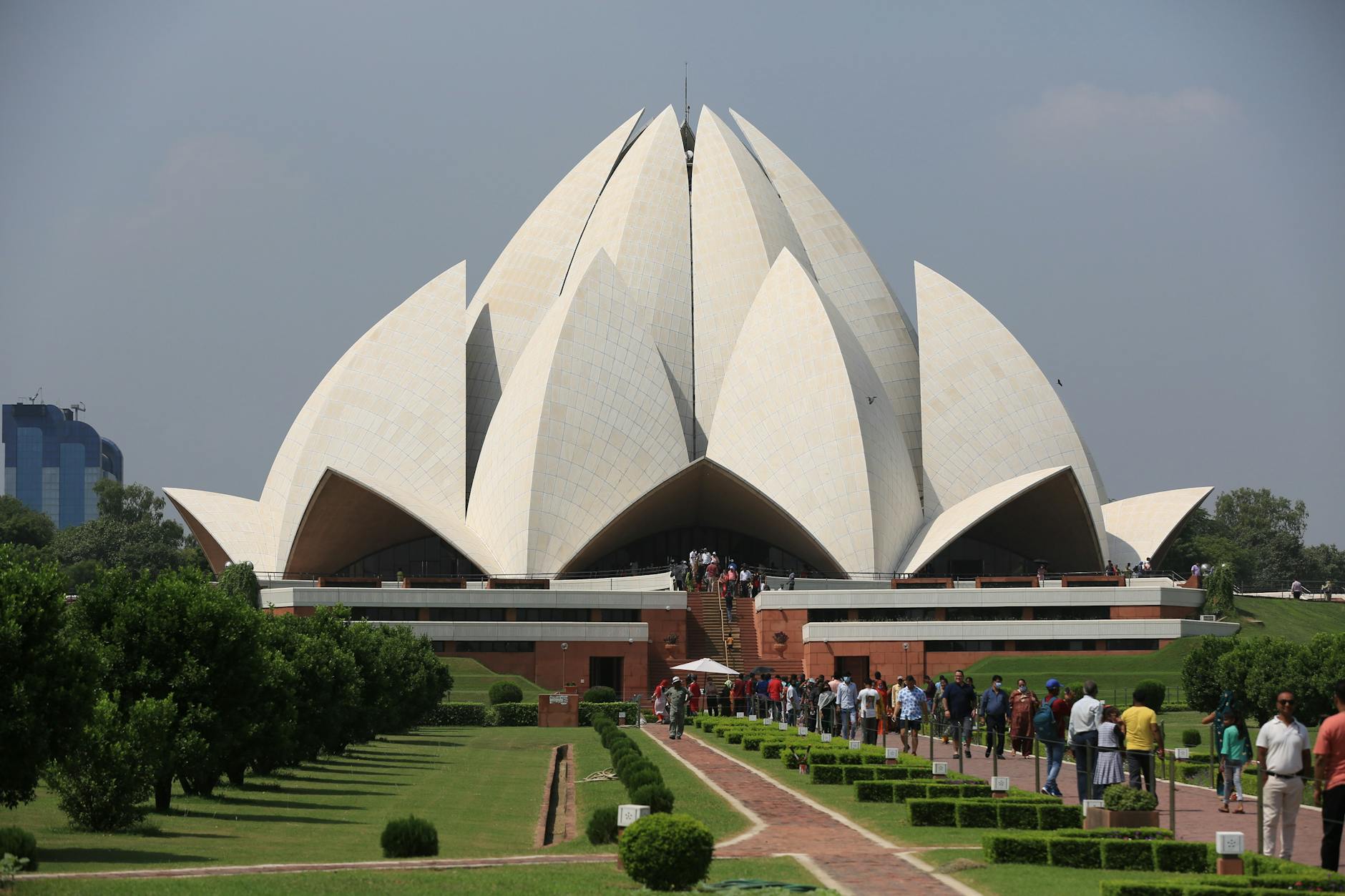
    Lotus Temple History: Unfolding the Symbol of Peace in New Delhi

    Introduction

    The Lotus Temple, located in New Delhi, India, stands as an architectural embodiment of peace, unity, and spiritual harmony. Completed in 1986, this Bahá’í House of Worship has become one of the most visited buildings in the world, attracting millions of visitors each year. The structure’s design, resembling a blooming lotus flower, is a powerful symbol of purity and beauty inherent in the Bahá’í faith, which promotes the oneness of humanity and respect for all religions. The temple not only serves as a place for prayer and meditation but also embodies a message of peace and coexistence. In the following sections, we will delve into the Lotus Temple history , exploring its inception, architectural marvels, the significance of its design, and its impact on visitors and global culture.

    Inception of the Lotus Temple

    The idea for the Lotus Temple can be traced back to the 1950s when the Bahá’í community in India sought to build a unique and inclusive place of worship. Influential figures within the Bahá’í faith envisioned a structure that would reflect their principles of unity and the oneness of humanity. The official plans for the temple were set in motion in 1976, marked by the appointment of the architect Fariborz Sahba, whose vision was to create a serene and inviting space for individuals from all backgrounds to gather.

    Sahba’s proposal was inspired by the lotus flower, which has deep cultural and spiritual significance in various traditions, particularly in Hinduism and Buddhism. The lotus symbolizes purity, beauty, and the potential for spiritual awakening, making it a fitting representation of the Bahá’í teachings. The design process was meticulous, beginning with detailed sketches and models that focused on both aesthetics and functionality. The intention was to create a space that would serve not only the local Bahá’í community but also welcome visitors from around the globe, regardless of their faith or beliefs.

    Construction of the Lotus Temple began in 1980 and was a significant engineering challenge. The project required innovative techniques and materials, as the design demanded a complex structure that would be both visually striking and structurally sound. The temple is composed of 27 free-standing lotus petals made from white marble, sourced from the Makrana region of India. This natural stone not only enhances the temple’s beauty but also provides resilience against the elements.

    lotus temple in india
    The Lotus Temple

    The monumental task took six years and involved the collaboration of over 800 skilled workers. Each petal is uniquely shaped and arranged, forming nine groups that create nine entrances, representing the unity of different faiths. This was a deliberate design choice to convey the temple’s foundational principle of inclusivity and acceptance of all religions. Once completed, the Lotus Temple was inaugurated in December 1986, and it quickly became a pivotal landmark in New Delhi and a symbol of the Bahá’í faith.

    The temple’s inception was not just an architectural endeavor; it was an expression of the Bahá’í commitment to fostering community and interfaith dialogue. Leaders of the Bahá’í community believed that by creating an open, inviting place of worship, they could help eliminate divisive barriers and promote understanding among different cultures and religions. The temple, therefore, is more than a building; it is a manifestation of the hope for a peaceful and united world.

    Architectural Marvel: Design and Structure

    The design of the Lotus Temple represents a remarkable fusion of modern architectural innovation and ancient symbolism. Its lotus-inspired structure is not just visually captivating but also built with principles that enhance both spirituality and environmental harmony. The use of natural materials, particularly the Makrana marble, ensures that the building exudes a sense of tranquility, reflecting the serene environment that the temple is meant to provide.

    The architectural genius of the Lotus Temple lies not only in its aesthetic appeal but also in its structural integrity. The flower-like shape is composed of 27 petals, which are designed with preciseness to create an illusion of softness and delicacy, steering away from conventional hard architecture. The petals are arranged in a way that allows natural light to flood the interior, creating a divine ambiance for worshipers and visitors. Each petal’s outer surface is slightly curved, and this design feature ensures that light penetrates effectively, highlighting the interiors while maintaining a deep sense of stillness.

    Central to the temple’s layout is a large prayer hall capable of accommodating up to 2,500 people at a time. The hall is devoid of any idols or images, aligning with the Bahá’í belief in the oneness of God and humanity. Instead, the space is a blank canvas for personal reflection and meditation. The floor of the hall is made of a soft, rose-colored marble, enhancing the warmth of the environment and further inviting individuals to connect with their inner selves.

    Sustainability was also a guiding principle behind the architectural design. The Lotus Temple incorporates energy-efficient features, including extensive use of skylights and ventilation systems that reduce reliance on artificial lighting and climate control. This commitment to environmental consciousness resonates deeply with the Bahá’í principles of stewardship of the earth.

    low angle photography of building
    The Lotus Temple

    Moreover, the surrounding landscaping complements the temple’s design, featuring lush gardens that enhance the sense of peace and tranquility. The combination of water features, walking paths, and greenery creates an oasis that draws visitors into a state of calm, further reinforcing the temple’s message of harmony. This integration of nature not only serves as a beautiful aesthetic element but also reflects the Bahá’í teaching that nature is an integral part of the divine creation.

    As visitors approach the Lotus Temple, they are often struck by its grandeur, yet it simultaneously invites a sense of humility and reflection. The architectural marvel of this sacred space stands as a testament to the belief that art, structure, and spirituality can coexist harmoniously, inspiring countless individuals to seek peace and connection not only within themselves but with others as well.

    Significance of the Lotus Symbol

    The lotus flower holds profound significance in a variety of cultures, particularly within religious traditions. In Hinduism, the lotus is often associated with purity and divinity, serving as a seat for deities such as Lakshmi and Saraswati. Similarly, in Buddhism, the lotus is emblematic of enlightenment and the journey of the soul towards spiritual awakening, arising beautifully from the muddy waters of ignorance. Within the Bahá’í faith, the lotus symbol adopts these meanings and extends them to emphasize the oneness and harmony of all humanity.

    At the heart of the Lotus Temple’s concept is the belief that just as the lotus blooms irrespective of its surroundings, so too can individuals achieve spiritual growth and enlightenment despite life’s challenges and societal divides. The flower’s ability to rise above muddy waters to blossom mirrors the potential for individuals to transcend the chaos and division of the material world, fostering harmony, understanding, and ultimately peace.

    The architectural design of the Lotus Temple is a declaration of this philosophy, designed to inspire visitors to seek inner peace and compassion for others. The choice of the lotus as the principal symbol is intentional, inviting people from various backgrounds to unite in shared ideals of spirituality and humanity. By recognizing and embracing different faiths, the temple becomes a sanctuary where individuals can explore their spiritual journeys without judgment or division.

    The petals of the Lotus Temple, arranged in a manner that simultaneously represents individuality and collective unity, reflect the Bahá’í belief that while individual expressions of spirituality may differ, we are all part of a single, interconnected human family. This ideal is fundamental in promoting interfaith dialogue and understanding, encouraging people to celebrate their differences while recognizing commonalities.

    Moreover, the lotus symbolizes hope, rebirth, and the promise of new beginnings—elements that resonate deeply within the teachings of the Bahá’í faith. As visitors enter the temple, they are often reminded that just as the lotus blooms anew each day, humanity too can embrace transformation and aspire to higher morals and values. This message of renewal and growth is vital in promoting lasting peace in a world often marked by conflict and division.

    lotus temple architectural detail with visitors
    The Lotus Temple

    In addition to its spiritual implications, the lotus has also become a cultural icon, representing the essence of India’s rich heritage and diversity. The Lotus Temple, as a representation of this symbol, serves to bridge cultural gaps, providing a space where people can unite, reflect, and share their experiences. It is a beacon of hope, encouraging a collective commitment to peace, tolerance, and understanding among all.

    In conclusion, the lotus stands not just as a design element of the temple but as a universal symbol of our potential for love, unity, and transcendence in a world that often appears fragmented. The teachings of the Lotus Temple remind visitors that regardless of their backgrounds, they share the same journey towards enlightenment and peace.

    Cultural and Religious Importance

    The Lotus Temple embodies a significant cultural and religious landmark, representing the Bahá’í principles of unity, peace, and interconnectedness. It serves as a venue for promoting interfaith dialogue, community interactions, and understanding among diverse religious groups, and emphasizes the importance of coexistence in an increasingly multicultural world.

    Since its inauguration, the Lotus Temple has become an essential pilgrimage site for the Bahá’í community and an attraction for people of all faiths. It stands as a testament to the transformative power of spirituality and collective aspirations for universal peace. Visitors find themselves in a sanctuary where their thoughts can be uninterrupted, allowing for reflection, meditation, and a deeper understanding of their own spiritual practices.

    The temple encourages individuals to embrace the teachings of various religions, fostering a spirit of learning and respect. In doing so, it breaks down the barriers that often separate different faiths, promoting a collective identity as human beings striving for a common purpose of peace and harmony. Various programs and events held at the temple facilitate discussions on spiritual and social issues, making it a hub for positive dialogue and action.

    The Bahá’í faith places particular emphasis on the equality of all religions, viewing them as differing expressions of the same truth. This inclusive approach is mirrored in the temple’s architecture and its open-door policy, welcoming everyone, regardless of their background. Such practices are vital for nurturing respectful relationships across cultures and faiths, a necessity in today’s globalized society.

    The Lotus Temple celebrates the shared aspects of interconnectedness inherent in humanity. It promotes peace initiatives, encouraging visitors to extend the principles of compassion and understanding into their everyday lives. Numerous workshops, talks, and seminars are organized to address pressing social issues—such as human rights, environment, and education—which resonate with the teachings of all religions, illustrating that collective action can foster positive change.

    Additionally, the temple’s role in the arts cannot be overlooked. Over the years, it has inspired artists, musicians, and poets, serving as a canvas for creativity that conveys messages of love and unity. The artistic expression that flourishes within the temple’s walls reflects the innate desire for connection and peace experienced by people throughout history.

    In essence, the Lotus Temple functions as a cultural melting pot, inviting individuals to explore, share, and celebrate their faiths and traditions. It reinforces that spirituality transcends borders and encourages compassionate living, laying a foundation for a harmonious global community. The temple acts as a tangible reminder that we are all part of a larger narrative, working together towards a more peaceful world.

    Visitor Experience and Global Impact

    The visitor experience at the Lotus Temple is designed to be transformative, encouraging individuals to step away from the chaos of daily life and engage in self-reflection. As one approaches the temple, the serene beauty of its architecture and the tranquility of the surroundings beckon visitors into a space where they can connect with their spirit and with others. Upon entering, visitors are greeted by a profound sense of calm, facilitated by the temple’s peaceful environment and the absence of distractions typically found in conventional places of worship.

    The temple provides various opportunities for visitors to engage with the teachings of the Bahá’í faith without any obligation to adhere to its beliefs. Guided tours are offered, educating visitors on the history, significance, and architectural marvel of the temple. Stakeholders and volunteers share personal anecdotes and insights, fostering a greater understanding of the temple’s meaning within the broader context of global spirituality.

    Central to the visitor experience is the main prayer hall, where individuals can participate in silent meditation or prayer. With its magnificent white marble interior and carefully angled petals, the hall serves as an intimate space for personal contemplation. The ambiance created by natural light filtering through the petals elevates the experience, inviting visitors to embrace the stillness and tranquility. For many, moments spent in the prayer hall reveal insights and foster connections with their spiritual selves, regardless of their faith background.

    The temple serves as a model for creating community and interfaith exchange in a world often fractured by division. Through its consistent efforts to promote peace and understanding, the Lotus Temple has cultivated a global following and garnered international attention. The temple attracts over 10 million visitors annually, becoming one of the most visited buildings in the world. Such immense footfall is a testament to the universal appeal of its message and the need for spaces that foster dialogue and understanding.

    In recent years, the temple has also taken steps to leverage modern technology for enhancing the visitor experience. Online resources, virtual tours, and interactive platforms allow individuals from around the world to explore the teachings of the Bahá’í faith and gain insights into the temple’s significance without physically being present. This digital outreach has expanded the temple’s impact, allowing it to reach a diverse, global audience eager for connection and understanding.

    Furthermore, the Lotus Temple’s influence extends beyond its walls. By actively engaging in local community initiatives and global peace programs, it underscores the role of spiritual places in facilitating social change. The temple’s outreach efforts promote education, environmental stewardship, and humanitarian efforts, emphasizing the need for holistic action in addressing modern societal challenges.

    As a global symbol of peace, the Lotus Temple inspires similar initiatives worldwide, encouraging other faith communities to embrace inclusive approaches that promote unity among diverse populations. The teachings derived from the temple and the Bahá’í faith echo the need for tolerance, compassion, and active efforts towards a peaceful coexistence—a message that resonates profoundly in today’s world.

    In summary, the visitor experience at the Lotus Temple is not merely about admiring its architectural beauty; it involves engaging with ideals that transcend individual beliefs and foster a deeper connection with humanity. The temple’s global impact serves as a powerful reminder of our collective responsibility to work towards a more harmonious and peaceful world.

    Conclusion

    The Lotus Temple in New Delhi stands as an emblem of peace, unity, and inclusivity within a diverse and multifaceted world. The rich history encompassing its inception, architectural marvel, and significant cultural messaging reflects the essence of the Bahá’í faith, advocating harmony among various faiths and cultures. Each visitor who steps inside its pedestrian paths and serene prayer halls leaves with a more profound understanding of their spiritual journey and the potential for collective growth in the name of peace. The temple’s global influence and commitment to fostering interfaith dialogue reflect its enduring relevance as a sanctuary devoted to the pursuit of unity in the spirit of love and understanding. As the world continues to face challenges, the Lotus Temple serves as a beacon of hope, inspiring individuals to honor their shared humanity and work together towards a more peaceful existence.

    Documentary Video II Lotus Temple, New Delhi II Bahai Faith II The Gates of God

    Documentary II Lotus Temple, New Delhi II Bahai Faith II The Gates of God
  • Mexico National Palace History: From Aztec Origins to Modern Democracy

    Mexico National Palace History: From Aztec Origins to Modern Democracy

    Introduction

    The Mexico National Palace, an iconic symbol of the nation’s tumultuous history, serves as the seat of the federal executive in Mexico City. This monumental building stands atop historical layers that date back to the grandeur of the Aztec civilization, representing both the roots and evolution of a nation. From the founding of Tenochtitlan, the capital of the Aztec Empire, to its transformation during the Spanish conquest and subsequent colonial rule, the National Palace has witnessed the shift from indigenous leadership to colonial governance. Later, it emerged as a crucial site during Mexico’s struggle for independence, embodying the aspirations and determination of its people. In modern times, the palace plays a significant role in the country’s democratic practices, serving not only as a governmental hub but also as a living testament to the ongoing journey of a nation striving for justice and equality. Understanding the rich tapestry of the National Palace’s history offers profound insights into Mexico’s cultural identity and political evolution.

    Aztec Foundations: Birth of Tenochtitlan and the Role of the National Palace

    The story of the Mexico National Palace begins long before the arrival of the Spanish in the early 16th century. It is rooted in the rich history of the Aztecs, who established Tenochtitlan around 1325 AD. This magnificent city, built on an island in Lake Texcoco, became the heart of the Aztec civilization, showcasing advanced agricultural practices, monumental architecture, and a complex social structure. The National Palace, or “Palacio Nacional,” resides on the site of the former Aztec ruler’s palace known as the “Teocalli,” which was the center of political power and religious activity.

    Tenochtitlan is often regarded as one of the largest and most prosperous cities in the world during its time, with a population exceeding 200,000. The Aztecs developed an intricate network of canals and causeways, which facilitated trade and transportation. Central to this vibrant life was the Great Temple, which dedicated to the god Huitzilopochtli, underscoring the significance of religion in Aztec governance and daily life. The rulers, or “tlatoani,” were both spiritual and political leaders, strengthening the connection between divine authority and political power.

    The construction of the National Palace owes much to this foundation; its architecture and layout reflect the influences of Aztec building techniques and styles. Following the conquest by Hernán Cortés in 1521, the Spanish repurposed many structures from the Aztec era, including the central plaza around which the city was built. The remnants of the Aztec foundations have been preserved and integrated into the palace’s design, allowing visitors to trace the architecture back to its indigenous roots.

    mexican flag at zocalo in mexico city
    The Mexico National Palace

    Cortés himself saw the potential of Tenochtitlan and began constructing the Spanish colonial government buildings, which ultimately led to the establishment of the National Palace as a focal point for governance in New Spain. Over the centuries, the palace has undergone numerous renovations and expansions, but its original location and connection to the Aztec civilization remain significant. These elements are not merely historical footnotes; they are a vital part of Mexico’s identity, illustrating how indigenous cultures laid the groundwork for contemporary society.

    As Mexico transitioned through various social and political changes, the National Palace maintained its importance. It became a symbol of power and unity for the Mexican people, representing their heritage while also adapting to the evolving landscape of their nation. The Aztec origins of the palace contributed to a narrative that intertwines the past and present, emphasizing a resilience that has been pivotal throughout Mexico’s history.

    In modern times, the National Palace stands not only as a government building but also as a reminder of the nation’s deep historical roots. It houses various exhibitions detailing its vast history and the significance of key events that have unfolded within its walls. Visitors to the National Palace can walk through the courtyards, view murals that depict important moments in Mexican history, and reflect on the journey from Tenochtitlan’s founding to the present day, understanding the complexities of its evolution and the layers that shape contemporary Mexico.

    Spanish Conquest: Transformation of the Aztec Empire

    The Spanish conquest of the Aztec Empire, which began in 1519 and culminated in 1521, marked a defining period in the history of Mexico and directly influenced the legacy of the National Palace. Hernán Cortés, leading a contingent of Spanish conquistadors, entered Tenochtitlan with ambition but faced an advanced civilization that was both formidable and rich in culture. The initial moments of contact between the Aztecs and the Spanish were filled with intrigue, as the Aztec emperor Moctezuma II welcomed Cortés, believing him to be a god returned in human form. This misconception provided the Spaniards a crucial foothold in the city.

    However, tensions soon escalated, leading to a series of violent confrontations. The Spaniards exploited political divisions among the various indigenous groups, forming alliances that weakened the Aztec defenses. As more battles unfolded, the Spaniards were able to seize control of Tenochtitlan, culminating in the fall of the city in 1521. This conquest not only resulted in the dismantling of the Aztec Empire but also ushered in an era of Spanish dominance that significantly shaped the cultural and political landscape of Mexico.

    The immediate impact of the conquest was the drastic shift from indigenous governance to colonial rule. Following the fall of Tenochtitlan, Cortés ordered the construction of a new government structure, repurposing the ruins of the Aztec palaces, including the Great Temple, for colonial administration. The site that would eventually become the National Palace was a symbol of oppression, representing the colonial administration’s authority over the descendants of the same people who once ruled there.

    As the new colonial power established itself, significant changes were made to the structure and layout of the city. The National Palace was built atop the remnants of the original Aztec palaces, a deliberate act that sought to symbolize the Spanish conquest’s dominance over the indigenous culture. Throughout the colonial period, the National Palace became a central hub for governance, housing the Viceroy, who ruled on behalf of the Spanish Crown.

    mexican flag on flagpole
    The Mexico National Palace

    Culturally, the Spanish influence permeated throughout Mexico, with Catholicism being introduced and integrated into daily life. The National Palace, as the center of colonial government, played a pivotal role in promoting these new societal norms. It showcased European architectural styles, and the blending of Spanish and indigenous elements contributed to the unique identity of Mexico.

    Over the years, the palace went through modifications and expansions reflecting the changing times. Despite the Spanish efforts to erase indigenous identity, the spirit of the Aztecs persisted within the populace and began to resurface in the culture. Ultimately, the Spanish conquest established a legacy of conflict and adaptation that would influence Mexico’s path towards independence.

    In the long run, the Spanish conquest and its effects on the National Palace represent a significant turning point in Mexican history. The establishment of a colonial power at the site of Aztec governance set the stage for the ongoing struggle between indigenous heritage and colonial influence. This clash would resonate throughout Mexico’s subsequent push for independence, as the desire to reclaim and celebrate indigenous identity surged in response to colonial oppression.

    Colonial Era: Development of the National Palace

    The Colonial Era in Mexico, following the Spanish conquest of the Aztec Empire, was characterized by significant political, social, and economic changes, influenced heavily by the establishment of the National Palace. This period not only marked the evolution of governance but also reflected a profound cultural blending that shaped the future of Mexico.

    From the 16th century onwards, the National Palace became the administrative heart of New Spain, functioning as the residence of the Viceroys. The Viceroy was empowered by the Spanish Crown and held extensive authority, overseeing all civil and military affairs in the colony. This positioning made the palace a focal point for colonial authority and governance. Its walls reverberated with decisions that impacted the daily lives of millions, including both indigenous populations and Spanish settlers.

    As the administrative center, the National Palace underwent substantial construction and renovations to meet the needs of the colonial government. Early modifications were rooted in the Spanish architectural style, infusing European aesthetics into the structure while still integrating elements reminiscent of the Aztec past. The palace’s façade and layout reflected the grandeur of Spanish governance—imposing and adorned with regal features.

    One prominent attribute during the colonial period was the addition of Baroque elements to the architecture, showcasing the wealth and influence of the ruling class. The palace’s structure was enhanced with opulent details, such as intricate moldings, towering columns, and expansive courtyards. This grandeur symbolized the power of the colonial rulers and reinforced the social hierarchy inherent in colonial society.

    Within its walls, the National Palace served as a stage for both political and cultural activities. Governed by the Viceroy, the palace hosted lavish events, ceremonies, and gatherings that often reinforced colonial policies. The presence of administrators and clerics within its confines illustrated the integration of church and state, a common characteristic of colonial governance.

    Despite the superiority exerted by Spanish authorities, the palace became a unique site of cultural synthesis, where indigenous customs began to interweave with European traditions. This blending fostered new artistic expressions, cuisine, and religious practices that emerged during this time. Muralism became an art form that depicted the realities of both indigenous and colonial life, establishing a new cultural identity.

    However, the period was not devoid of conflict. Resentment towards colonial rule began to simmer as class disparities widened and indigenous populations faced oppression. The National Palace, a symbol of colonial authority, became a target for dissent, representing the struggles and challenges faced by the marginalized.

    Tensions continued to build throughout the colonial era, eventually leading to the late 18th and early 19th centuries when societal frustrations coalesced into an independence movement. The National Palace, having taken on the dual role of governance and cultural identity, found itself at the crossroads of colonial power and the burgeoning desire for freedom among the Mexican populace.

    The colonial period solidified the National Palace’s significance—transforming it from an Aztec royal residence to a symbol of colonial rule and resilience. This era laid the groundwork for future transformations as the palace continued to evolve, reflecting historical shifts that would lead to the fight for Mexican independence in the early 19th century.

    Fight for Independence: The National Palace as a Symbol

    The struggle for Mexican independence, which began in 1810 and culminated in 1821, represents a critical chapter in the history of Mexico and the National Palace. As discontent with Spanish colonial rule festered, the National Palace transformed into a powerful symbol of resistance, serving as a focal point for revolutionary fervor and national identity.

    The call for independence was initially set in motion by figures such as Miguel Hidalgo y Costilla, whose famous “Grito de Dolores” ignited a spark among the Mexican populace. The year 1810 marked the beginning of the War of Independence, and the National Palace, standing in stark contrast to the colonial powers, became emblematic of the fight against oppression. The palace’s historical significance as a seat of power made it a strategic target for insurgents seeking to reclaim their rights.

    Throughout the revolution, the National Palace was often depicted in manifestos and proclamations as a rallying point for those yearning for a sovereign nation. Independence leaders, including Jose Maria Morelos and Vicente Guerrero, sought to inspire the people to rally against the colonial authority that had oppressed them for over three centuries. The imagery of the palace became intertwined with the broader narrative of heroine and martyrdom associated with the struggle for freedom.

    Despite its representation of colonial power, the National Palace also bore witness to the voices of the oppressed. It was here that plans for rebellion were made, and strategies were formed to oust the colonizers. As the revolution progressed, the palace’s presence became a poignant reminder of the oppressive rule that the people fought against. It witnessed confrontations and fierce battles, which transformed the urban landscape and reflected the nation’s volatility and resilience during this turbulent period.

    The final stages of the independence movement saw multiple skirmishes and military clashes that would eventually lead to the establishment of a new government. In 1821, as the war for independence came to a close, the National Palace, once a bastion of colonial authority, became a symbol of triumph and hope for a newly established sovereign nation.

    The legacy of the National Palace as a focal point of independence continued post-revolution. It became the residence of the first president of Mexico, Agustín de Iturbide. As the first official seat of the government, it signified a pivotal shift in governance, moving from colonial to a newly forged republican structure. The palace evolved further, embodying the aspirations of a nation that had outgrown its colonial past.

    In the context of the national identity that emerged from independence, the National Palace epitomized the juxtaposition of colonial history and the newfound aspirations for democracy and sovereignty. It served as a canvas for artistic expressions that celebrated the revolution, reflecting the deep intersections between art, politics, and the quest for self-determination.

    In subsequent years, the palace remained a key site for revolutionary celebrations and commemorative events. It housed notable murals by famed artists such as Diego Rivera, depicting the struggle for independence and celebrating the rich tapestry of Mexican culture. These artistic endeavors reiterated the narrative of resilience and identity that emerged post-independence.

    Ultimately, the National Palace’s role as a symbol during the fight for independence set the stage for its continued significance in Mexico’s political and cultural landscape. Its transition from a colonial seat of power to an emblem of freedom illustrates the complexities and narratives that define Mexico’s evolution as a nation. The events of this period have left an indelible mark, shaping the way the National Palace is perceived in contemporary discourse, deeply rooted in the collective memory of Mexico’s journey towards independence and democratic governance.

    Modern Democracy: The National Palace in Contemporary Politics

    In the contemporary era, the Mexico National Palace has evolved from its historical foundations into a vital symbol of democracy and political power in the nation. Emblematic of a complex past, the palace represents not just the legacy of colonialism but also the aspirations of a modern democratic society. It serves as both a historical site and a functioning government building that embodies the ongoing journey toward equity and justice in Mexico.

    Following the struggles for independence in the early 19th century, Mexico underwent significant transformations that shaped its political landscape. The emergence of a constitutional government marked a departure from autocratic rule, and the National Palace became increasingly significant as the seat of the Mexican Presidency. This transition aligned with the broader global trend towards democratic governance, reflecting the people’s desire for representation and self-determination.

    The presidency of Lázaro Cárdenas (1934-1940) marked a pivotal shift in the way the National Palace was utilized and perceived. Cárdenas championed social reform, land redistribution, and nationalization policies, conveying the revolutionary ideals that had become ingrained in Mexican identity. Under his administration, the National Palace was transformed into a space where the voices of the people were amplified, and a new commitment to social justice emerged. Cárdenas’s leadership served to solidify the palace’s role as a stage for change and engagement between the government and its citizens.

    As Mexico moved further into the 20th century, the National Palace retained its significance, hosting presidential addresses, government meetings, and state functions. The site became a symbol of national unity when it is used to communicate important messages to the public, consolidating the image of a government that was responsive to the will of the people. Presidential addresses from the National Palace served as platforms for articulating governmental priorities, social policies, and national celebrations, creating a space wherein the historical and the contemporary converged.

    The palace also accommodates various cultural and artistic exhibitions that celebrate Mexico’s diverse heritage. This function allows it to transcend its political role, becoming a repository of history and culture that engages with citizens and visitors alike. The murals adorning its walls reflect not only the struggles and triumphs of the past but also the complexities of contemporary Mexican identity. This artistic expression reinforces the notion that the National Palace is as much a cultural institution as it is a political one.

    In recent years, the palace has stood resilient amid challenges, such as corruption scandals and social inequality, which have sparked nationwide protests and calls for reform. In this context, the National Palace serves as a potent backdrop for dissent, symbolizing both governmental authority and the aspirations of citizens seeking accountability and transparency. The intersection of the palace’s historical significance with contemporary political challenges highlights the ongoing struggle for democratic governance and justice in Mexico.

    As Mexico grapples with the complexities of modern politics, the National Palace continues to embody the duality of legacy and progress. It stands as a testament to the historical narratives that have shaped the nation while being a platform for contemporary political dialogue and engagement. Visitors to the National Palace can witness how the passage of time has influenced its role—is not merely a building, but a dynamic space reflecting the ongoing evolution of Mexican democracy.

    Conclusion

    The history of the Mexico National Palace is a remarkable reflection of the nation’s journey from its Aztec origins through colonial rule, the struggle for independence, and towards modern democracy. This iconic structure not only embodies the complex historical narratives of power and resistance but also serves as a testament to the resilience and spirit of the Mexican people. From the grandeur of Tenochtitlan, through the turbulence of the Spanish conquest, the upheaval of independence, and into contemporary politics, the National Palace has witnessed significant changes and continues to play a crucial role in shaping the identity of Mexico.

    The palace’s evolution illustrates the layering of history; it stands as a monument both to oppression and liberation, showcasing the narrative of a country that has been shaped by its past yet strives towards a brighter future. As it houses government activities and serves as a cultural repository, the National Palace remains an essential site for understanding the interplay between historical memory and present-day aspirations.

    In modern times, the National Palace facilitates discussions around government accountability and social justice, emphasizing the importance of citizen engagement in the democratic process. It acts as a reminder of the struggles for freedom and equity, reiterating that the journey of democracy in Mexico is ongoing. Through art, culture, and politics, the palace resonates with the voices of many, encapsulating the vibrant tapestry of life in contemporary Mexico.

    As we reflect on the history of the Mexico National Palace, we are reminded of the importance of recognizing and learning from the past. This iconic structure stands not only as a seat of power but also as a symbol of hope, an embodiment of the aspirations of a nation that continues to forge its path toward a more inclusive and equitable future. The legacy of the National Palace will undoubtedly continue to inspire generations to come, serving as a vital link between Mexico’s rich history and its dynamic present.

    The History of Mexico City. Documentary Video of Diego Rivera Mural in National Palace

    The History of Mexico City. Documentary of Diego Rivera Mural in National Palace

  • Potala Palace History: The Sacred Heart of Tibet’s Spiritual Legacy

    Potala Palace History: The Sacred Heart of Tibet’s Spiritual Legacy

    Introduction

    The Potala Palace, a majestic structure towering over Lhasa, embodies the intricate tapestry of Tibet’s history, culture, and spirituality. Recognized as a UNESCO World Heritage site, this architectural marvel not only serves as a symbol of Tibetan Buddhism but also stands as a testament to the region’s historical significance. Constructed in the 7th century under King Songtsen Gampo, the palace is named after Mount Potala, the abode of Avalokiteshvara, the Bodhisattva of compassion. Through centuries of political upheaval and cultural shifts, the Potala Palace has remained a sacred space for Tibetan people, acting as the winter residence of the Dalai Lamas. With its towering structure comprised of over 1,000 rooms, the palace provides a glimpse into the profound devotional practices and rich traditions that continue to influence Tibetan identity today. This article delves into the Potala Palace history, exploring its significance in Tibetan Buddhist spirituality and its enduring legacy throughout time.

    The Construction and Architecture of Potala Palace

    The Potala Palace, a breathtaking emblem of Tibetan architecture, was built during the reign of King Songtsen Gampo in the 7th century. The construction symbolizes not just a physical structure but the spiritual embodiment of Tibetan Buddhist principles. It is situated on the Red Hill, overlooking Lhasa, harmoniously integrating with the natural landscape. The initial building phase lasted from the 637 AD and was completed in the 1645 AD, with the structure we see today primarily created under the 5th Dalai Lama, Ngawang Lobsang Gyatso.

    The palace’s architecture blends various styles reflecting the cultural exchanges that have taken place over centuries. The building showcases traditional Tibetan architectural elements combined with influences from Chinese, Indian, and Central Asian styles. The use of rammed earth and timber as primary materials demonstrates an innate understanding of the local environment and conditions. The wide, whitewashed walls of the palace feature intricate designs, while the flat roofs are adorned with golden roofs, giving the palace’s uppermost levels a dazzling appearance illuminated by the sun.

    The Potala Palace is divided into two main sections: the White Palace and the Red Palace. The White Palace, functioning as the administrative quarter and living quarters for the Dalai Lamas, is characterized by its unique layout of staircases, corridors, and large rooms that housed the spiritual leaders and their entourages. It includes features like spacious rooms for meetings and ceremonial activities.

    In contrast, the Red Palace is a more concentrated area dedicated to religious activities, housing numerous chapels, stupas, and statues, which reflect the deeply religious nature of the Tibetan community. The Red Palace’s vibrant rituals held within its walls played an ongoing role in teaching and spreading the messages of Tibetan Buddhism throughout the centuries.

    The palace’s design is not merely aesthetic; it holds significant meaning in a spiritual context. The centrality of the sacred stupa containing the remains of the 5th Dalai Lama stresses the importance of the Dalai Lama’s lineage in Tibetan Buddhism. Additionally, the multiple chapels are dedicated to various deities and bodhisattvas, with intricate murals depicting Buddhist cosmology adorning the walls, enhancing the spiritual ambiance of the palace.

    potala palace tibetan architecture in summer
    The Potala Palace

    Moreover, the location of the Potala Palace is symbolic. Elevated on a hill, the structure reflects the Buddhist concept of reaching enlightenment—ascending upwards is akin to moving towards spiritual realization. The surrounding mountain ranges and the sacred Lhasa River further endorse its status as a spiritual focal point and sanctuary for monks, pilgrims, and practitioners who seek to advance their spiritual journey.

    In conclusion, the construction and architecture of the Potala Palace reflect both an extraordinary feat of engineering and a rich tapestry of spiritual significance. Its stature and intricate designs serve as enduring markers of Tibetan culture and the dedication of those who sought to harmonize religious beliefs with their environment. The Potala Palace stands today not merely as a historical landmark but as a living testament to the faith and resilience of the Tibetan people.

    The Historical Significance of Potala Palace in Tibetan Buddhism

    The Potala Palace is more than a physical structure; it symbolizes centuries of religious devotion and cultural identity, deeply intertwined with the history of Tibetan Buddhism. As the winter residence of the Dalai Lama, the palace was a central hub for spiritual teachings and governance. From its construction in the 7th century to becoming the spiritual heart of Tibet, the palace reflects the evolution of Tibetan Buddhism and its integration into the region’s politics and social life.

    The palace is named after Mount Potala in India, where Avalokiteshvara, a significant figure in Mahayana Buddhism, is believed to reside. This connection signifies the profound spiritual importance of the palace, and its conception was influenced by King Songtsen Gampo, who married Princess Wencheng of the Tang dynasty, thereby intertwining Tibetan and Chinese beliefs. The union was crucial in establishing Buddhism in Tibet. It allowed the integration of Buddhist teachings into the social fabric of Tibetan life, elevating the status of the Potala Palace as a vital center for religious authority.

    Throughout the centuries, the Potala Palace served as a repository of knowledge, housing countless scriptures, texts, and relics crucial for the practice of Buddhism. It is here that the Dalai Lamas delivered profound teachings and hosted disciples from across the Tibetan plateau. The palace’s many chapels and stupas echo the sacred stories and rituals of Tibetan Buddhism, forming an environment that breathed spirituality and reverence.

    Beyond religious significance, the Potala Palace played a pivotal role in the formation of the Tibetan state. As the 5th Dalai Lama, Ngawang Lobsang Gyatso, consolidated power in the 17th century, the palace became not just a religious site but also the heart of governance in Tibet. The integration of spiritual authority with political power helped solidify the Dalai Lama’s influence over the region, shaping Tibetan policies, governance practices, and societal norms. The relationship between the political and spiritual realms at the Potala Palace illustrates the unique interplay between Buddhism and governance, a hallmark of Tibetan identity.

    Furthermore, the historical significance of the Potala Palace extends beyond its walls. It symbolizes the struggles endured by the Tibetan people, especially during periods of political turbulence and foreign rule. The attempted suppression of Tibetan culture and spirituality by external forces in the 20th century resulted in the Dalai Lama’s exile and a renewed emphasis on preserving Tibetan Buddhism as a way of cultural resistance. The Potala Palace became a rallying point, embodying the aspirations of Tibetans to reclaim their cultural and religious identity amid hardship.

    an array of windows on white wall of a concrete building
    The Potala Palace

    The palace also played a role in promoting pilgrimage, drawing countless devotees from various regions seeking spiritual solace and enlightenment. Pilgrims’ journeys to the Potala Palace are often marked by prostrations and rituals meant to accrue merit, underscoring the structure’s significance in their spiritual journeys. The many assembly halls filled with prayer flags and the scent of incense are a testament to the vibrant practices that continue to unfold within its walls.

    Moreover, the Potala Palace is a cornerstone of Tibetan Buddhism’s global influence, garnering attention and respect worldwide. Its architectural brilliance, dramatic location, and profound history have led to increased interest in Tibetan culture and spirituality. It acts as a bridge, connecting people to the essence of Tibetan Buddhism and fostering dialogues about faith and resilience.

    Through its rich historical significance, the Potala Palace remains a focal point for understanding Tibetan Buddhism’s development, its connection to political power, and its enduring legacy. It stands as a pillar of Tibetan identity, encapsulating the struggles and triumphs of a people whose faith continues to thrive against all odds, ensuring that the Potala Palace remains a symbol of hope and inspiration for generations to come.

    The Role of Potala Palace in Tibetan Politics

    The Potala Palace has played an integral role in Tibetan politics, weaving a complex tapestry of governance, religious authority, and social structure throughout its history. ‘Khangsar,’ or the residence of the Dalai Lamas, the palace is not only a spiritual sanctuary but also an embodiment of the intertwined relationship between religion and governance in Tibet. Its significance surged particularly during the reign of the 5th Dalai Lama, Ngawang Lobsang Gyatso, who transformed the palace into a political and cultural epicenter.

    The establishment of the Potala Palace as the main residence of the Dalai Lamas symbolized the centralization of power within Tibetan Buddhism. The Dalai Lamas were seen not only as spiritual leaders but also as temporal rulers. The palace became a hub for political maneuvering, housing key administrative functions essential for governing Tibet in the 17th century and beyond. The 5th Dalai Lama took significant strides towards unifying the Tibetan states, consolidating both political and spiritual authority, creating a governance model unique to Tibetan Buddhism.

    The integration of the religious and political spheres can be seen in the acts of governance carried out within the palace. The Dalai Lama conducted audiences and made crucial governmental decisions, setting policies that impacted social norms, legal systems, and economic relations in Tibetan society. The assembly halls and meeting rooms within the palace facilitated discussions with advisors, ministers, and leaders from various regions. This structured approach to governance enabled the Dalai Lama to exert his influence, turning the Potala Palace into a center of prosperity and resilience.

    The structure also served as a platform for diplomacy with neighboring powers. The unique Tibetan system of governance, which intertwined religion with political authority, attracted the interest of the Chinese Empire back in the 17th century. The complex relationship between Tibet and imperial powers demonstrated the significance of the Potala Palace in foreign relations. The Dalai Lamas used the palace to establish stature and negotiating power, representing Tibet’s interests while attempting to maintain autonomy amidst external pressures.

    However, the Potala Palace’s political significance also came with immense internal friction. As the institution of the Dalai Lama grew in authority, various factions within Tibetan governance emerged, challenging the rigid structures that upheld the Dalai Lama’s rule. This internal political struggle was marked by unique conflicts between monastic orders, aristocracy, and common citizens. The palace was not only a site for political consensus but also a battlefield for competing interests, often leading to political intrigue and upheaval.

    During the 20th century, the political landscape surrounding the Potala Palace experienced monumental changes. The Chinese invasion of Tibet in 1950 profoundly impacted the monarchy and the Dalai Lama’s authority. The political turbulence culminated in the 1959 Tibetan Uprising, leading to the Dalai Lama’s flight to India and the exile of many Tibetans. This marked a significant turning point, transforming the Potala Palace from a center of governance to a symbol of resistance against foreign dominance.

    the potala palace in tibet
    The Potala Palace

    After the Tibetan diaspora, the Potala Palace’s role shifted towards preservation and cultural heritage. The global exile community emerged, advocating for Tibetan rights and seeking international recognition of their plight. The palace became a fortifying symbol of Tibetan resilience, where the struggle for autonomy and cultural identity resonates within its walls. It remains a site of pilgrimage, reminding practitioners of their political narrative, advocating for the preservation of Tibetan Buddhism’s integrity across geographical boundaries.

    The Potala Palace today remains at the center of Tibetan political consciousness. With ongoing discussions about the future of Tibet and the Dalai Lama’s role in contemporary society, the palace serves as a focal point for the promotion of Tibetan culture and their quest for autonomy. The international recognition of its importance further solidifies its idiomatic significance, as Tibetans continue to engage in dialogues about governance, spirituality, and national identity.

    In conclusion, the Potala Palace’s role in Tibetan politics is multifaceted, marked by the confluence of religious dedication and political authority. Its evolution, from a primary site of governance under the Dalai Lamas to a symbol of Tibetan resilience and aspirations, encapsulates the ongoing narrative of Tibetan identity. The palace stands as a reminder of the intricate relationships between spirituality and governance, underscoring the significance of the Dalai Lama’s lineage in shaping Tibet’s political landscape through the ages.

    Cultural Heritage and Artistic Heritage of Potala Palace

    The Potala Palace is a veritable treasure trove of Tibetan cultural and artistic heritage, encapsulating centuries of belief, artistry, and dedication within its grand walls. The intricate architecture, mesmerizing murals, and sacred artifacts are manifestations of the rich tapestry of Tibetan history, reflecting the deep spiritual and cultural values inherent in the practices of Tibetan Buddhism.

    From the moment visitors approach the Potala Palace, they are greeted by its spectacular façade, a remarkable blend of art and architecture that rose to prominence during the 17th century under the auspices of the 5th Dalai Lama. With its imposing walls painted in pristine white, cinched with red and gold, the palace embodies the deep connection between material beauty and spiritual attainment, aimed at inspiring those who behold it.

    Inside, the artistic narrative unfolds through vibrant murals, thangkas, sculptures, and statues. The murals adorning the palace walls are a significant feature of the cultural legacy, depicting scenes from Buddhist scriptures that embody spiritual and moral teachings. These images serve both an educational and devotional purpose, illustrating the path to enlightenment while connecting practitioners to the divine. Tibetan artists painstakingly crafted these paintings, employing traditional methods that have been passed down through generations, showcasing the vibrant colors and intricate details that are hallmarks of Tibetan art.

    Each chapel and meditation room within the palace houses exquisite thangkas—traditional Tibetan scroll paintings that illustrate important deities, scriptures, and narratives from Buddhist lore. These thangkas not only serve as instructional tools for monks but also as objects of veneration for lay practitioners. The artistry involved in creating these pieces requires not just skill but also a depth of understanding of Buddhist philosophy, emphasizing the meticulous nature of Tibetan religious art.

    The sculptures and statues found throughout the Potala Palace resonate with spiritual significance, representing various Buddhist saints and figures. Notably, the statue of Avalokiteshvara, the Bodhisattva of compassion, embodies the humanitarian essence of Tibetan Buddhism and serves as a focal point for prayer and devotion within the palace. The craftsmanship of these sculptures is indicative of the incredible talent found within Tibetan artistry, showcasing a combination of spirituality and aesthetic beauty that has attracted admirers for centuries.

    Moreover, the architectural design of the Potala Palace itself is a testament to the artistic brilliance of Tibetan builders. The incorporation of feng shui principles and rigorous planning resulted in a configuration that not only accommodates various functions but also harmonizes the spiritual atmosphere of the palace. The multi-layered rooftops, expansive staircases, and airy corridors exude a sense of grandeur that reflects the high ideals of Tibetan culture—elevating spiritual practice while respecting the natural landscape.

    The Potala Palace also serves as a living repository of manuscripts and texts, acting as a center of learning and cultural preservation. Monasteries, libraries, and study rooms housed within the palace contribute to a rich intellectual environment dedicated to the study and dissemination of Buddhist teachings. The scripts and texts preserved over centuries attest to the scholarly dedication of Tibetan monks, providing insight into the ethical, philosophical, and practical aspects of Tibetan Buddhist practice.

    The cultural heritage of the Potala Palace extends beyond its artistic achievements; it embodies the customs, rituals, and communal practices of Tibetan society. The palace serves as a gathering place for ceremonies, festivals, and rituals, connecting the community with their spiritual roots. Practices such as spinning prayer wheels, prostrations, and offering rituals are part of the cultural fabric that unites the Tibetan people in their devotion.

    More importantly, the palace’s cultural heritage continues to thrive despite external pressures faced by the Tibetan community. The struggle to preserve and promote Tibetan culture, coupled with global recognition of the Potala Palace’s significance, has garnered international support for its preservation. Various initiatives focusing on conservation and cultural revitalization have emerged, emphasizing the need to safeguard Tibetan artistic expression for future generations.

    Today, the Potala Palace is not only a national treasure but also a global symbol of Tibetan heritage. It has sparked interest among scholars, artists, and practitioners worldwide, fostering a dialogue around the preservation of cultural identity in the face of adversity. As a source of inspiration, the Potala Palace emphasizes the timeless relevance of Tibetan Buddhism and its contributions to global art and spirituality, securing its legacy as a cultural and artistic beacon.

    In conclusion, the Potala Palace encapsulates the essence of Tibet’s cultural and artistic heritage. Through exquisite murals, statutes, and architectural designs, it narrates a history steeped in spirituality, artistic mastery, and communal practices. The palace continues to foster a sense of belonging among Tibetans while inspiring admiration and respect across the globe as a crucial site that embodies the enduring legacy of Tibetan art and culture.

    Potala Palace Today: Preservation and Global Recognition

    The Potala Palace stands as a monument not only to Tibet’s historical and cultural heritage but also to its resilience in the contemporary era. With its designation as a UNESCO World Heritage site, the palace has garnered global attention, highlighting the need for preservation and awareness of Tibetan culture in a rapidly changing world. Today, as political and social dynamics evolve in Tibet, the Potala Palace is at the forefront of efforts to maintain its significance both locally and internationally.

    Preservation efforts for the Potala Palace are vital, considering the challenges posed by environmental factors, tourism, and political pressure. Master craftsmen, archaeologists, and conservationists have joined forces to ensure that the palace’s structural integrity and cultural richness are safeguarded for future generations. Restoration projects involve maintaining its physical form while carefully preserving the murals, sculptures, and artifacts that contribute to its cultural narrative.

    Tourism plays a dual role in the context of the Potala Palace. While it offers a significant opportunity for economic development and cultural exchange, it also poses risks to the preservation of the site due to the volume of visitors. Striking a balance between hospitality and conservation remains a challenge. Strategies such as visitor management and controlled access to specific areas have been implemented to mitigate wear and tear while allowing people to experience the palace’s spiritual significance.

    Moreover, the Potala Palace serves as a vital cultural ambassador for Tibet, promoting dialogue about its history, traditions, and ongoing struggles. Through exhibitions, educational programs, and partnerships with global organizations, the palace engages audiences far beyond its physical boundaries. Documentaries, books, and virtual tours have allowed people worldwide to access the rich cultural history that the Potala Palace embodies, fostering a deeper understanding of Tibetan Buddhism and its values.

    The global recognition of the Potala Palace extends to its role in the discourse surrounding Tibetan rights and identity. As the struggle for autonomy and cultural preservation continues, the palace has become a symbol of Tibetan resilience, representing the aspirations of a people seeking to reclaim their dignity and heritage. Activists and advocates utilize the image of the Potala Palace in campaigns for Tibetan rights, emphasizing the importance of cultural preservation alongside political autonomy.

    The relevance of the Potala Palace in the broader context of global culture cannot be understated. As awareness of Tibetan issues grows, the palace serves as a focal point for discussions about cultural diversity, human rights, and the importance of preserving intangible cultural heritage. Museums, educational institutions, and religious organizations have recognized the palace’s significance, promoting cultural heritage initiatives to protect and celebrate diversity in spiritual practices globally.

    The palace’s enduring legacy is reflected in its influence on art, spirituality, and environmental consciousness. Artists and scholars continue to draw inspiration from its magnificent architecture and the teachings it embodies, while practitioners of Tibetan Buddhism adapt its lessons to contemporary life. The Potala Palace is not merely a relic of the past; it thrives as a living entity, continually shaping the spiritual journeys of countless individuals around the world.

    Сonclusion

    The Potala Palace stands as one of the most remarkable monuments in human history, embodying both the grandeur of Tibetan architecture and the profound depth of its spiritual traditions. Rising majestically above Lhasa, it has served not only as the residence of the Dalai Lamas but also as a symbol of unity, resilience, and cultural identity for the Tibetan people. Within its vast halls and sacred chapels, centuries of history are preserved, from intricate murals and priceless manuscripts to relics that testify to the fusion of religion and governance that once shaped Tibet’s destiny.

    The enduring presence of the Potala Palace reminds the world of Tibet’s spiritual heritage and the importance of safeguarding cultural treasures that transcend borders and generations. Today, as a UNESCO World Heritage Site and a global destination, the palace continues to inspire reverence and awe. It is more than stone and timber—it is a living testament to faith, endurance, and the timeless pursuit of enlightenment, ensuring that the sacred heart of Tibet will beat for centuries to come.

    The Potala Palace, the Iconic Heart of Tibetan Buddhism | Video

    See Potala Palace, the Iconic Heart of Tibetan Buddhism | National Geographic
  • Potala Palace History: The Sacred Heart of Tibet’s Spiritual Legacy

    Potala Palace History: The Sacred Heart of Tibet’s Spiritual Legacy

    Introduction

    The Potala Palace, a majestic structure towering over Lhasa, embodies the intricate tapestry of Tibet\’s history, culture, and spirituality. Recognized as a UNESCO World Heritage site, this architectural marvel not only serves as a symbol of Tibetan Buddhism but also stands as a testament to the region\’s historical significance. Constructed in the 7th century under King Songtsen Gampo, the palace is named after Mount Potala, the abode of Avalokiteshvara, the Bodhisattva of compassion. Through centuries of political upheaval and cultural shifts, the Potala Palace has remained a sacred space for Tibetan people, acting as the winter residence of the Dalai Lamas. With its towering structure comprised of over 1,000 rooms, the palace provides a glimpse into the profound devotional practices and rich traditions that continue to influence Tibetan identity today. This article delves into the Potala Palace history, exploring its significance in Tibetan Buddhist spirituality and its enduring legacy throughout time.

    The Construction and Architecture of Potala Palace

    The Potala Palace, a breathtaking emblem of Tibetan architecture, was built during the reign of King Songtsen Gampo in the 7th century. The construction symbolizes not just a physical structure but the spiritual embodiment of Tibetan Buddhist principles. It is situated on the Red Hill, overlooking Lhasa, harmoniously integrating with the natural landscape. The initial building phase lasted from the 637 AD and was completed in the 1645 AD, with the structure we see today primarily created under the 5th Dalai Lama, Ngawang Lobsang Gyatso.

    The palace\’s architecture blends various styles reflecting the cultural exchanges that have taken place over centuries. The building showcases traditional Tibetan architectural elements combined with influences from Chinese, Indian, and Central Asian styles. The use of rammed earth and timber as primary materials demonstrates an innate understanding of the local environment and conditions. The wide, whitewashed walls of the palace feature intricate designs, while the flat roofs are adorned with golden roofs, giving the palace’s uppermost levels a dazzling appearance illuminated by the sun.

    The Potala Palace is divided into two main sections: the White Palace and the Red Palace. The White Palace, functioning as the administrative quarter and living quarters for the Dalai Lamas, is characterized by its unique layout of staircases, corridors, and large rooms that housed the spiritual leaders and their entourages. It includes features like spacious rooms for meetings and ceremonial activities.

    In contrast, the Red Palace is a more concentrated area dedicated to religious activities, housing numerous chapels, stupas, and statues, which reflect the deeply religious nature of the Tibetan community. The Red Palace’s vibrant rituals held within its walls played an ongoing role in teaching and spreading the messages of Tibetan Buddhism throughout the centuries.

    The palace\’s design is not merely aesthetic; it holds significant meaning in a spiritual context. The centrality of the sacred stupa containing the remains of the 5th Dalai Lama stresses the importance of the Dalai Lama’s lineage in Tibetan Buddhism. Additionally, the multiple chapels are dedicated to various deities and bodhisattvas, with intricate murals depicting Buddhist cosmology adorning the walls, enhancing the spiritual ambiance of the palace.

    \"potala
    The Potala Palace

    Moreover, the location of the Potala Palace is symbolic. Elevated on a hill, the structure reflects the Buddhist concept of reaching enlightenment—ascending upwards is akin to moving towards spiritual realization. The surrounding mountain ranges and the sacred Lhasa River further endorse its status as a spiritual focal point and sanctuary for monks, pilgrims, and practitioners who seek to advance their spiritual journey.

    In conclusion, the construction and architecture of the Potala Palace reflect both an extraordinary feat of engineering and a rich tapestry of spiritual significance. Its stature and intricate designs serve as enduring markers of Tibetan culture and the dedication of those who sought to harmonize religious beliefs with their environment. The Potala Palace stands today not merely as a historical landmark but as a living testament to the faith and resilience of the Tibetan people.

    The Historical Significance of Potala Palace in Tibetan Buddhism

    The Potala Palace is more than a physical structure; it symbolizes centuries of religious devotion and cultural identity, deeply intertwined with the history of Tibetan Buddhism. As the winter residence of the Dalai Lama, the palace was a central hub for spiritual teachings and governance. From its construction in the 7th century to becoming the spiritual heart of Tibet, the palace reflects the evolution of Tibetan Buddhism and its integration into the region\’s politics and social life.

    The palace is named after Mount Potala in India, where Avalokiteshvara, a significant figure in Mahayana Buddhism, is believed to reside. This connection signifies the profound spiritual importance of the palace, and its conception was influenced by King Songtsen Gampo, who married Princess Wencheng of the Tang dynasty, thereby intertwining Tibetan and Chinese beliefs. The union was crucial in establishing Buddhism in Tibet. It allowed the integration of Buddhist teachings into the social fabric of Tibetan life, elevating the status of the Potala Palace as a vital center for religious authority.

    Throughout the centuries, the Potala Palace served as a repository of knowledge, housing countless scriptures, texts, and relics crucial for the practice of Buddhism. It is here that the Dalai Lamas delivered profound teachings and hosted disciples from across the Tibetan plateau. The palace\’s many chapels and stupas echo the sacred stories and rituals of Tibetan Buddhism, forming an environment that breathed spirituality and reverence.

    Beyond religious significance, the Potala Palace played a pivotal role in the formation of the Tibetan state. As the 5th Dalai Lama, Ngawang Lobsang Gyatso, consolidated power in the 17th century, the palace became not just a religious site but also the heart of governance in Tibet. The integration of spiritual authority with political power helped solidify the Dalai Lama\’s influence over the region, shaping Tibetan policies, governance practices, and societal norms. The relationship between the political and spiritual realms at the Potala Palace illustrates the unique interplay between Buddhism and governance, a hallmark of Tibetan identity.

    Furthermore, the historical significance of the Potala Palace extends beyond its walls. It symbolizes the struggles endured by the Tibetan people, especially during periods of political turbulence and foreign rule. The attempted suppression of Tibetan culture and spirituality by external forces in the 20th century resulted in the Dalai Lama’s exile and a renewed emphasis on preserving Tibetan Buddhism as a way of cultural resistance. The Potala Palace became a rallying point, embodying the aspirations of Tibetans to reclaim their cultural and religious identity amid hardship.

    \"an
    The Potala Palace

    The palace also played a role in promoting pilgrimage, drawing countless devotees from various regions seeking spiritual solace and enlightenment. Pilgrims’ journeys to the Potala Palace are often marked by prostrations and rituals meant to accrue merit, underscoring the structure\’s significance in their spiritual journeys. The many assembly halls filled with prayer flags and the scent of incense are a testament to the vibrant practices that continue to unfold within its walls.

    Moreover, the Potala Palace is a cornerstone of Tibetan Buddhism\’s global influence, garnering attention and respect worldwide. Its architectural brilliance, dramatic location, and profound history have led to increased interest in Tibetan culture and spirituality. It acts as a bridge, connecting people to the essence of Tibetan Buddhism and fostering dialogues about faith and resilience.

    Through its rich historical significance, the Potala Palace remains a focal point for understanding Tibetan Buddhism\’s development, its connection to political power, and its enduring legacy. It stands as a pillar of Tibetan identity, encapsulating the struggles and triumphs of a people whose faith continues to thrive against all odds, ensuring that the Potala Palace remains a symbol of hope and inspiration for generations to come.

    The Role of Potala Palace in Tibetan Politics

    The Potala Palace has played an integral role in Tibetan politics, weaving a complex tapestry of governance, religious authority, and social structure throughout its history. ‘Khangsar,’ or the residence of the Dalai Lamas, the palace is not only a spiritual sanctuary but also an embodiment of the intertwined relationship between religion and governance in Tibet. Its significance surged particularly during the reign of the 5th Dalai Lama, Ngawang Lobsang Gyatso, who transformed the palace into a political and cultural epicenter.

    The establishment of the Potala Palace as the main residence of the Dalai Lamas symbolized the centralization of power within Tibetan Buddhism. The Dalai Lamas were seen not only as spiritual leaders but also as temporal rulers. The palace became a hub for political maneuvering, housing key administrative functions essential for governing Tibet in the 17th century and beyond. The 5th Dalai Lama took significant strides towards unifying the Tibetan states, consolidating both political and spiritual authority, creating a governance model unique to Tibetan Buddhism.

    The integration of the religious and political spheres can be seen in the acts of governance carried out within the palace. The Dalai Lama conducted audiences and made crucial governmental decisions, setting policies that impacted social norms, legal systems, and economic relations in Tibetan society. The assembly halls and meeting rooms within the palace facilitated discussions with advisors, ministers, and leaders from various regions. This structured approach to governance enabled the Dalai Lama to exert his influence, turning the Potala Palace into a center of prosperity and resilience.

    The structure also served as a platform for diplomacy with neighboring powers. The unique Tibetan system of governance, which intertwined religion with political authority, attracted the interest of the Chinese Empire back in the 17th century. The complex relationship between Tibet and imperial powers demonstrated the significance of the Potala Palace in foreign relations. The Dalai Lamas used the palace to establish stature and negotiating power, representing Tibet\’s interests while attempting to maintain autonomy amidst external pressures.

    However, the Potala Palace\’s political significance also came with immense internal friction. As the institution of the Dalai Lama grew in authority, various factions within Tibetan governance emerged, challenging the rigid structures that upheld the Dalai Lama’s rule. This internal political struggle was marked by unique conflicts between monastic orders, aristocracy, and common citizens. The palace was not only a site for political consensus but also a battlefield for competing interests, often leading to political intrigue and upheaval.

    During the 20th century, the political landscape surrounding the Potala Palace experienced monumental changes. The Chinese invasion of Tibet in 1950 profoundly impacted the monarchy and the Dalai Lama\’s authority. The political turbulence culminated in the 1959 Tibetan Uprising, leading to the Dalai Lama\’s flight to India and the exile of many Tibetans. This marked a significant turning point, transforming the Potala Palace from a center of governance to a symbol of resistance against foreign dominance.

    \"the
    The Potala Palace

    After the Tibetan diaspora, the Potala Palace\’s role shifted towards preservation and cultural heritage. The global exile community emerged, advocating for Tibetan rights and seeking international recognition of their plight. The palace became a fortifying symbol of Tibetan resilience, where the struggle for autonomy and cultural identity resonates within its walls. It remains a site of pilgrimage, reminding practitioners of their political narrative, advocating for the preservation of Tibetan Buddhism’s integrity across geographical boundaries.

    The Potala Palace today remains at the center of Tibetan political consciousness. With ongoing discussions about the future of Tibet and the Dalai Lama’s role in contemporary society, the palace serves as a focal point for the promotion of Tibetan culture and their quest for autonomy. The international recognition of its importance further solidifies its idiomatic significance, as Tibetans continue to engage in dialogues about governance, spirituality, and national identity.

    In conclusion, the Potala Palace\’s role in Tibetan politics is multifaceted, marked by the confluence of religious dedication and political authority. Its evolution, from a primary site of governance under the Dalai Lamas to a symbol of Tibetan resilience and aspirations, encapsulates the ongoing narrative of Tibetan identity. The palace stands as a reminder of the intricate relationships between spirituality and governance, underscoring the significance of the Dalai Lama\’s lineage in shaping Tibet’s political landscape through the ages.

    Cultural Heritage and Artistic Heritage of Potala Palace

    The Potala Palace is a veritable treasure trove of Tibetan cultural and artistic heritage, encapsulating centuries of belief, artistry, and dedication within its grand walls. The intricate architecture, mesmerizing murals, and sacred artifacts are manifestations of the rich tapestry of Tibetan history, reflecting the deep spiritual and cultural values inherent in the practices of Tibetan Buddhism.

    From the moment visitors approach the Potala Palace, they are greeted by its spectacular façade, a remarkable blend of art and architecture that rose to prominence during the 17th century under the auspices of the 5th Dalai Lama. With its imposing walls painted in pristine white, cinched with red and gold, the palace embodies the deep connection between material beauty and spiritual attainment, aimed at inspiring those who behold it.

    Inside, the artistic narrative unfolds through vibrant murals, thangkas, sculptures, and statues. The murals adorning the palace walls are a significant feature of the cultural legacy, depicting scenes from Buddhist scriptures that embody spiritual and moral teachings. These images serve both an educational and devotional purpose, illustrating the path to enlightenment while connecting practitioners to the divine. Tibetan artists painstakingly crafted these paintings, employing traditional methods that have been passed down through generations, showcasing the vibrant colors and intricate details that are hallmarks of Tibetan art.

    Each chapel and meditation room within the palace houses exquisite thangkas—traditional Tibetan scroll paintings that illustrate important deities, scriptures, and narratives from Buddhist lore. These thangkas not only serve as instructional tools for monks but also as objects of veneration for lay practitioners. The artistry involved in creating these pieces requires not just skill but also a depth of understanding of Buddhist philosophy, emphasizing the meticulous nature of Tibetan religious art.

    The sculptures and statues found throughout the Potala Palace resonate with spiritual significance, representing various Buddhist saints and figures. Notably, the statue of Avalokiteshvara, the Bodhisattva of compassion, embodies the humanitarian essence of Tibetan Buddhism and serves as a focal point for prayer and devotion within the palace. The craftsmanship of these sculptures is indicative of the incredible talent found within Tibetan artistry, showcasing a combination of spirituality and aesthetic beauty that has attracted admirers for centuries.

    Moreover, the architectural design of the Potala Palace itself is a testament to the artistic brilliance of Tibetan builders. The incorporation of feng shui principles and rigorous planning resulted in a configuration that not only accommodates various functions but also harmonizes the spiritual atmosphere of the palace. The multi-layered rooftops, expansive staircases, and airy corridors exude a sense of grandeur that reflects the high ideals of Tibetan culture—elevating spiritual practice while respecting the natural landscape.

    The Potala Palace also serves as a living repository of manuscripts and texts, acting as a center of learning and cultural preservation. Monasteries, libraries, and study rooms housed within the palace contribute to a rich intellectual environment dedicated to the study and dissemination of Buddhist teachings. The scripts and texts preserved over centuries attest to the scholarly dedication of Tibetan monks, providing insight into the ethical, philosophical, and practical aspects of Tibetan Buddhist practice.

    The cultural heritage of the Potala Palace extends beyond its artistic achievements; it embodies the customs, rituals, and communal practices of Tibetan society. The palace serves as a gathering place for ceremonies, festivals, and rituals, connecting the community with their spiritual roots. Practices such as spinning prayer wheels, prostrations, and offering rituals are part of the cultural fabric that unites the Tibetan people in their devotion.

    More importantly, the palace\’s cultural heritage continues to thrive despite external pressures faced by the Tibetan community. The struggle to preserve and promote Tibetan culture, coupled with global recognition of the Potala Palace\’s significance, has garnered international support for its preservation. Various initiatives focusing on conservation and cultural revitalization have emerged, emphasizing the need to safeguard Tibetan artistic expression for future generations.

    Today, the Potala Palace is not only a national treasure but also a global symbol of Tibetan heritage. It has sparked interest among scholars, artists, and practitioners worldwide, fostering a dialogue around the preservation of cultural identity in the face of adversity. As a source of inspiration, the Potala Palace emphasizes the timeless relevance of Tibetan Buddhism and its contributions to global art and spirituality, securing its legacy as a cultural and artistic beacon.

    In conclusion, the Potala Palace encapsulates the essence of Tibet’s cultural and artistic heritage. Through exquisite murals, statutes, and architectural designs, it narrates a history steeped in spirituality, artistic mastery, and communal practices. The palace continues to foster a sense of belonging among Tibetans while inspiring admiration and respect across the globe as a crucial site that embodies the enduring legacy of Tibetan art and culture.

    Potala Palace Today: Preservation and Global Recognition

    The Potala Palace stands as a monument not only to Tibet\’s historical and cultural heritage but also to its resilience in the contemporary era. With its designation as a UNESCO World Heritage site, the palace has garnered global attention, highlighting the need for preservation and awareness of Tibetan culture in a rapidly changing world. Today, as political and social dynamics evolve in Tibet, the Potala Palace is at the forefront of efforts to maintain its significance both locally and internationally.

    Preservation efforts for the Potala Palace are vital, considering the challenges posed by environmental factors, tourism, and political pressure. Master craftsmen, archaeologists, and conservationists have joined forces to ensure that the palace\’s structural integrity and cultural richness are safeguarded for future generations. Restoration projects involve maintaining its physical form while carefully preserving the murals, sculptures, and artifacts that contribute to its cultural narrative.

    Tourism plays a dual role in the context of the Potala Palace. While it offers a significant opportunity for economic development and cultural exchange, it also poses risks to the preservation of the site due to the volume of visitors. Striking a balance between hospitality and conservation remains a challenge. Strategies such as visitor management and controlled access to specific areas have been implemented to mitigate wear and tear while allowing people to experience the palace\’s spiritual significance.

    Moreover, the Potala Palace serves as a vital cultural ambassador for Tibet, promoting dialogue about its history, traditions, and ongoing struggles. Through exhibitions, educational programs, and partnerships with global organizations, the palace engages audiences far beyond its physical boundaries. Documentaries, books, and virtual tours have allowed people worldwide to access the rich cultural history that the Potala Palace embodies, fostering a deeper understanding of Tibetan Buddhism and its values.

    The global recognition of the Potala Palace extends to its role in the discourse surrounding Tibetan rights and identity. As the struggle for autonomy and cultural preservation continues, the palace has become a symbol of Tibetan resilience, representing the aspirations of a people seeking to reclaim their dignity and heritage. Activists and advocates utilize the image of the Potala Palace in campaigns for Tibetan rights, emphasizing the importance of cultural preservation alongside political autonomy.

    The relevance of the Potala Palace in the broader context of global culture cannot be understated. As awareness of Tibetan issues grows, the palace serves as a focal point for discussions about cultural diversity, human rights, and the importance of preserving intangible cultural heritage. Museums, educational institutions, and religious organizations have recognized the palace\’s significance, promoting cultural heritage initiatives to protect and celebrate diversity in spiritual practices globally.

    The palace\’s enduring legacy is reflected in its influence on art, spirituality, and environmental consciousness. Artists and scholars continue to draw inspiration from its magnificent architecture and the teachings it embodies, while practitioners of Tibetan Buddhism adapt its lessons to contemporary life. The Potala Palace is not merely a relic of the past; it thrives as a living entity, continually shaping the spiritual journeys of countless individuals around the world.

    ?onclusion

    The Potala Palace stands as one of the most remarkable monuments in human history, embodying both the grandeur of Tibetan architecture and the profound depth of its spiritual traditions. Rising majestically above Lhasa, it has served not only as the residence of the Dalai Lamas but also as a symbol of unity, resilience, and cultural identity for the Tibetan people. Within its vast halls and sacred chapels, centuries of history are preserved, from intricate murals and priceless manuscripts to relics that testify to the fusion of religion and governance that once shaped Tibet’s destiny.

    The enduring presence of the Potala Palace reminds the world of Tibet’s spiritual heritage and the importance of safeguarding cultural treasures that transcend borders and generations. Today, as a UNESCO World Heritage Site and a global destination, the palace continues to inspire reverence and awe. It is more than stone and timber—it is a living testament to faith, endurance, and the timeless pursuit of enlightenment, ensuring that the sacred heart of Tibet will beat for centuries to come.

    The Potala Palace, the Iconic Heart of Tibetan Buddhism | Video

    See Potala Palace, the Iconic Heart of Tibetan Buddhism | National Geographic
  • Alhambra History: Exploring Granada’s Moorish Masterpiece

    Alhambra History: Exploring Granada’s Moorish Masterpiece

    Introduction

    Nestled in the hills of Granada, Spain, the Alhambra is a historic palatial fortress that showcases the architectural brilliance of the Moorish civilization. This UNESCO World Heritage site is not only a symbol of the rich cultural heritage of Spain but also a remnants of the nation’s intertwined Islamic and Christian histories. Built initially as a modest fortress during the mid-13th century, the Alhambra underwent significant transformations to become the opulent palatial complex we admire today. With its stunning gardens, intricate tilework, and breathtaking views, the Alhambra draws millions of visitors each year, eager to explore its historical significance and artistic wonders. This article will delve into the Alhambra history, its transformation during the Reconquista, its architectural marvels, its cultural importance, and its role in contemporary tourism. Join us as we discover the stories embedded in the walls of this Moorish masterpiece.

    The Origins of Alhambra and Early Islamic Architecture in Spain

    The Alhambra’s roots can be traced back to the mid-13th century, during the Nasrid dynasty, when the Islamic kingdom of Granada emerged on the Iberian Peninsula. Established by King Muhammad I, the initial construction of Alhambra began as a modest fortress to safeguard the newly formed kingdom along with its strategic position overlooking the city of Granada. The name “Alhambra,” derived from the Arabic term “qa’lat al-hamra,” meaning “the red fortress,” reflects the reddish hue of its walls, which are made from the local clay-based material known as “tapial.”

    In the 13th century, as Almohad architecture fell out of favor, the Nasrid dynasty embraced a style characterized by striking ornamental elements and spatial organization that prioritized access to light and water. The design principles of early Islamic architecture deeply influenced the construction of Alhambra, exemplified in the forms, motifs, and materials used in its buildings. Islamic architecture often emphasized symmetry and intricate decorations, a testament to the builders’ desire to create spaces that were not merely functional, but also places of spiritual and aesthetic reflection.

    Alhambra’s structure represents a culmination of various architectural styles that depict a seamless blend of Roman, Islamic, and even Gothic influences, which came about as the site evolved over the centuries. The incorporation of elements such as horseshoe-shaped arches, ornate stuccos, and intricate latticed ceilings reflect the skilled craftsmanship prevalent in the Islamic architectural traditions of North Africa and the Middle East. These techniques not only showcased the Nasrids’ advanced engineering capabilities but also aligned with the Islamic cultural values that sought to create paradisiacal environments.

    stunning sunset view of alhambra in spain
    The Alhambra

    As Alhambra grew from a fortress to a sprawling palace complex, the site began to include multiple courts, gardens, and residential quarters, showcasing the dynastic aspirations of its rulers. The most renowned section of Alhambra is the Nasrid Palaces, which consist of a series of interconnected rooms and courtyards meticulously designed to exemplify resilience and beauty. The Court of the Lions, for example, stands as a quintessential representation of Islamic garden design, symbolizing paradise on earth, featuring sculpted fountains, delicate arches, and ornamental reliefs.

    Additionally, early Islamic architecture in Spain incorporated various decorative elements that offered layers of meaning and cultural significance. Calligraphy—often inscribed on the walls—provided religious affirmations, while elaborate tilework showcased geometric patterns that reflected the spiritual aspects of Islamic art. The art of azulejos (glazed tiles) became a signature aesthetic of Alhambra, enabling the creation of colorful facades that contributed to the splendor of the overall complex.

    As the Nasrid dynasty navigated political challenges and territorial ambitions, the Alhambra grew to embody not only a royal retreat but also a symbol of unity among Muslims in a predominantly Christian Spain. It became a focal point of artistic and architectural achievement, embedding the legacy of Islamic culture into the landscape of European history.

    To this day, Alhambra serves as a reminder of the rich cultural tapestry that defines Spain. Visitors from around the globe come to witness firsthand the ingenious architectural innovations, artistry, and historical significance of this Moorish jewel. The Alhambra’s origins are more than just a tale of bricks and mortar; they encapsulate a vital chapter in the narrative of cultural exchange that characterized medieval Spain. The Nasrid kingdom’s artistic and architectural legacy left an indelible mark on the cultural identity of Granada, shaping the artistic inclinations of future generations, whether in thriving or tumultuous historical contexts.

    The Reconquista: The Transformation of Alhambra

    The completion of the Reconquista in 1492 marked a watershed moment in Spanish history, transforming the Alhambra from a symbol of Islamic strength to a rich emblem of Catholic conquest and cultural transformation. The Reconquista was a series of military campaigns by Christian states to recapture territory from Muslim rule that began in the early 8th century. By the end of the 15th century, the kingdoms of Castile and Aragon successfully united under the Catholic Monarchs, Ferdinand and Isabella, solidifying the Christian authority in the Iberian Peninsula.

    Upon the capture of Granada, the last holdout of Muslim rule in Spain, the Catholic Monarchs viewed the Alhambra not just as a conquest but as a political statement. The integration of Islamic architecture into the nascent Christian cultural framework began—a multifaceted transformation that involved the repurposing of existing structures, the introduction of new elements, and the reaffirmation of the triumphant Christian narrative over the Islamic past.

    In the wake of the conquest, significant modifications began at the Alhambra. The Catholic Monarchs celebrated their victory by establishing their own royal presence in the palace complex. One of the initial actions taken was the construction of the Royal Chapel of Granada, where Ferdinand and Isabella were later buried. The chapel houses ornate altarpieces that depict Christian iconography, symbolizing a pivot away from the Islamic artistic themes that predominantly characterized the Alhambra up until that point.

    The most notable addition to the Alhambra during this period was the influence of the Renaissance, which began to permeate the Islamic architectural foundations. As Spain became increasingly influenced by the Renaissance ideals from Italy, the Alhambra witnessed the introduction of classicist elements alongside its Moorish roots. This stylistic synthesis is epitomized in the iconic “Palacio de Carlos V,” constructed under Charles V, grandson of Ferdinand and Isabella. This circular structure, which features an imposing façade adorned with pillars and a grand stairway, stands in stark contrast to the surrounding Islamic motifs, illustrating the cultural tensions and amalgamation during this transformative phase.

    old city fortification in mountains landscape on sunset
    The Alhambra

    Alongside architectural modifications, alterations were also apparent in religious practices and cultural expression within the Alhambra. The former Islamic spaces were recontextualized to serve Christian worship, leading to the gradual erosion of Islamic traditions and practices. The imposition of Christian doctrines and the inquisition significantly stifled the existing cultural vitality that characterized Granada, leading to the assimilation or marginalization of the region’s Muslim population, who faced pressures to convert to Christianity.

    However, despite these challenges, elements of Islamic culture and architectural ingenuity continued to flourish within the complex. The gardens and fountains that exemplified Islamic aesthetics persisted in their designs, denominations reflecting the deep-rooted influence of earlier Islamic principles. The integration of Christian and Islamic elements in visual arts and architecture led to a unique coexistence of cultures that highlighted the multifaceted narrative that the Alhambra represented.

    In the subsequent centuries, the shifting political landscapes influenced the fate of the Alhambra. It became a subject of romanticized interpretations, capturing the imaginations of artists and writers who began to express longing for its storied past. The Alhambra’s portrayal in literature encapsulated notions of nostalgia, as figures like Washington Irving, whose 1832 work “Tales of the Alhambra” depicted the exotic beauty of the site, contributed to the Western notions of ‘Moorish’ aesthetics and cultural heritage.

    Thus, the transformation of Alhambra post-Reconquista delineates a vibrant chapter in Spanish history—one marked by cultural exchange, adaptation, and the continuous evolution of artistry that transcended religious boundaries. It became a crucible of memory and identity, positioning itself as a canvas where multiple stories coalesced over time.

    Architectural Features: A Blend of Art and Nature

    The architectural features of the Alhambra exemplify a seamless merging of artistic expression and natural beauty, reflecting a sophisticated understanding of form, function, and landscape that has captivated visitors for centuries. Every corner of this palatial complex is adorned with unique elements that showcase the ingenuity and creativity of its builders, culminating in structures that resonate with historical significance and aesthetic beauty.

    At the core of Alhambra’s architectural brilliance is its distinctive interplay of light and shadow, achieved through the strategic design of arches, courtyards, and latticework. One prominent architectural element is its horseshoe arch, a defining feature of Islamic architecture, which adds a sense of grandeur and elegance to the spaces it inhabits. These arches create a rhythmic visual harmony, drastically influencing the overall ambiance and spatial organization within the complex.

    One of the most celebrated spaces within Alhambra is the Patio de los Leones (Court of the Lions), a quintessential representation of Moorish architecture. This courtyard is marked by an intricate fountain supported by twelve beautifully sculpted lions. The courtyard is surrounded by a series of halls and galleries skillfully designed to enhance the movement of air and light. The symmetry in the layout, pitching fountains against lush greenery and reflective marble, embodies the Islamic philosophy that sees gardens as a representation of paradise. The gentle trickle of water and the fragrant blooms create a serene atmosphere, providing respite from the harsh sun and embodying the balance of nature and architecture.

    Another significant structure is the Alcazaba, the oldest part of the Alhambra, initially constructed as a military fortress. The imposing walls and watchtowers exemplify the defensive architecture typical of the Nasrid era while revealing insights into the socio-political context of its time. Despite its military purpose, the Alcazaba harmoniously integrates with its surrounding landscape, leveraging the natural topography for defensive and aesthetic purposes. The strategic positioning of fortifications allowed for panoramic views of the Sierra Nevada mountains as well as the urban expanse of Granada—a testament to the foresight of its creators.

    The interplay of materials in the Alhambra’s construction further enriches its architectural narrative. The use of stucco and ceramic tiles not only enhances visual appeal through intricate patterns and decorative motifs but also serves functional purposes by insulating the interior spaces from the harsh weather. The artistry of tilework manifests in its intricate designs, often incorporating geometric patterns and calligraphic inscriptions that reflect Islamic heritage and craftsmanship. These ornamental elements are carefully integrated into walls, ceilings, and facades, creating an enchanting atmosphere that captivates all who enter.

    alhambra in granada
    The Alhambra

    Additionally, the Alhambra’s gardens—the general Generalife, especially—exemplify the profound connection architects sought to create between the built environment and nature. The gardens are characterized by terraced landscapes, meticulously arranged flower beds, and the presence of water elements, contributing to a meditative and refreshing space for the royal family. The landscape architects drew from principles of Islamic garden design, symbolizing an earthly reflection of paradise, replete with flowing water, fragrant flora, and striking views.

    The architectural significance of Alhambra extends beyond its ornamental features to encompass innovative engineering solutions. The use of water engineering, characterized by intricate canal systems and flowing fountains, allowed for the sustainable management of water resources within the arid climate of Granada. Water was not merely functional but served as a fundamental aspect of the artistic experience, enhancing the overall sensory dimension of the Alhambra’s spaces.

    As a result, the architectural features of the Alhambra create a multisensory environment that captures the imagination and beckons exploration. Visitors feel enveloped by its beauty, with each step revealing a new facet of art, nature, and history. The blend of materials, design, and natural elements creates a profound experience that reflects the aspirations, beliefs, and cultural dynamics of its creators.

    The enduring allure of the Alhambra lies in its ability to convey stories through its architecture, offering glimpses into a world where aesthetic sensibilities, spirituality, and innovation converge. This remarkable palatial fortress invites continual exploration and admiration, as it stands as a testament to the genius of Islamic architecture and the undying human desire to create harmony between art and nature.

    Cultural Significance and Influence of Alhambra

    The cultural significance of the Alhambra transcends its architectural marvels; it stands as a potent symbol of the rich historical interactions between Islamic and Christian civilizations in Spain. As a landmark of extraordinary artistry and significance, the Alhambra encapsulates the complexities of cultural exchange, reflecting the coexistence, reminders, and eventual turbulence that unfolded over centuries within the context of Iberian history.

    To adequately understand the cultural context of the Alhambra, one must recognize its role within the broader narratives of religious and cultural pluralism in medieval Spain. The period leading up to the Reconquista was characterized by a flourishing of knowledge, science, and the arts, where Muslim, Christian, and Jewish intellectual traditions converged. Scholars and artisans traveled across cultural boundaries, sharing ideas and techniques. Alhambra became a focal point where these various currents of thought and innovation coalesced, influencing the fields of philosophy, art, and architecture.

    The literary influences on the Alhambra’s identity are particularly noteworthy. During the 19th century, the palace complex attracted the attention of European writers and artists, many of whom became enamored with its exotic beauty. Washington Irving’s “Tales of the Alhambra” played an instrumental role in shaping public perceptions of the site. His romanticized portrayals of the palace ignited a fascination with the Moorish past, leading to a broader revival of interest in the Islamic heritage of Spain and its influence on the European cultural landscape.

    This renaissance of interest was not merely superficial; it laid the groundwork for the Alhambra’s interpretation within contemporary discussions surrounding cultural identity. The complex functioning as a symbol of loss, nostalgia, and cultural amalgamation became pivotal in the dialogues surrounding heritage conservation and national identity in modern Spain. Preservation efforts are not solely motivated by aesthetics; they also stem from a commitment to honor the diverse histories and experiences that shaped the Alhambra.

    Moreover, the Alhambra’s unique ethnicity transcends artistic boundaries, influencing a myriad of art forms including painting, literature, music, and even performance. The intricate patterns and motifs found within the Alhambra have informed the works of many contemporary artists, weaving themes of cultural reconciliation and historical reflection into modern expressions.

    palm tree and building reflected in pond
    The Alhambra

    In the realm of gastronomy, the Alhambra serves as an emblematic reminder of the fusion of culinary traditions that have emerged from the diverse interactions that characterize Spanish cuisine. The exchange of spices and techniques between different cultures has left an indelible mark on the culinary landscape, with dishes such as tagine highlighting the Moorish influence on Spanish cooking.

    The cultural significance of Alhambra extends into the realm of education, inspiring scholars and students alike. Its historical weight offers a rich source for research, inviting inquiry into themes such as cultural tolerance, the exchange of ideas, and the intersection of identity in art and architecture. Universities and institutions continue to engage with Alhambra, delving into historical context and interpretations that enrich our understanding of this complex monument.

    The Alhambra’s influence is not confined to a historical relic; it is an ongoing entity that captures ongoing dialogues about cultural identity, diversity, and the importance of preserving vestiges of the past. Initiatives promoting intercultural dialogue and understanding draw upon the legacies embedded within Alhambra to foster connections among diverse communities.

    As visitors walk through its courtyards and halls, they engage with a legacy that converses across time and space. The Alhambra obliges us to reflect on our collective histories, urging us to contemplate the intricate tapestry of influences that unite us rather than divide us. Its cultural significance flourishes not only in its architectural grandeur but also in the rich stories and identities that resonate within its walls, inviting generations to connect with its history and cultural foundations.

    Alhambra Today: Preservation and Tourism

    The Alhambra remains not only a jewel of historical significance but also a beacon of tourism and cultural heritage in contemporary Spain. Its status as a UNESCO World Heritage site underscores the importance of preserving this exceptional landmark, as well as the corresponding challenges faced in balancing conservation with the needs of millions of visitors eager to experience its splendor.

    Today, the Alhambra is one of Spain’s most visited monuments, attracting over two million tourists each year. This overwhelming influx of visitors underscores the significance of the Alhambra as a cultural and historical treasure. However, in light of this popularity, the site faces considerable challenges in terms of preservation and sustainability. The impact of large-scale tourism has prompted authorities to implement measures aimed at safeguarding both the integrity of the site and the quality of the visitor experience.

    One significant initiative has been the implementation of timed entry tickets, which serves to manage the flow of visitors and minimize potential damage to the delicate structures and gardens of the Alhambra. By regulating access, authorities can ensure that visitors have a meaningful experience without overwhelming the site. This responsible tourism approach aims to foster a sense of respect for the site’s historical and cultural significance while enabling future generations to appreciate its beauty.

    Concurrently, maintenance efforts are crucial for the Alhambra’s preservation. The use of traditional restoration techniques ensures that any repairs or conservation work is executed with respect for the original design and materials. The ongoing study of the Alhambra’s architectural features has provided insights into effective conservation strategies, although it requires ongoing financial support and public interest in maintaining the site’s legacy.

    Moreover, the introduction of educational programs aimed at raising awareness about the Alhambra’s history, architecture, and cultural significance has become integral to the site’s tourism strategy. Guided tours, workshops, and exhibitions offer visitors the opportunity to delve deeper into the complexities of the Alhambra and its narratives, enriching their understanding of its heritage.

    intricate arches of alhambra palace in granada
    The Alhambra

    The Alhambra’s appeal extends beyond its architectural magnificence. Events, concerts, and cultural festivals held within its walls celebrate the diverse artistic traditions that have been inspired by its beauty over the centuries. These cultural events foster engagement with the arts, encouraging a vibrant connection between the Alhambra and contemporary creative expressions.

    Furthermore, the Alhambra’s role in promoting cultural dialogue is particularly essential in today’s context of globalization. As a symbol of historical coexistence, it embodies the complexities of cultural interactions and revelations surrounding identity. Initiatives aimed at fostering intercultural understanding invite educational exchanges that seek to challenge simplistic narratives and highlight the idea of interconnectedness among civilizations.

    Ultimately, the Alhambra stands as an emblematic narrative of resilience and adaptation—a convergence of history, culture, and art. Its enduring appeal lies not only in its architectural sophistication but also in the stories woven into its fabric. The Alhambra lighthouse serves as a source of inspiration for generations of creators and thinkers, reminding us of the rich legacies that shape our shared histories.

    Balancing preservation with tourism requires a collective commitment to understanding and appreciating the cultural significance of the Alhambra. By honoring its legacy, we acknowledge the artistry, ingenuity, and complexities of the human experience encapsulated within its walls, ensuring that future generations continue to engage with this Moorish masterpiece.

    Conclusion

    The Alhambra stands as one of the most striking testaments to the artistry, innovation, and cultural fusion that defined Moorish Spain. Rising above Granada, its intricate palaces, serene courtyards, and fortified walls embody centuries of craftsmanship and vision, blending Islamic aesthetics with practical fortification. Beyond its architectural magnificence, the Alhambra tells a story of power, faith, and cultural exchange. It reflects not only the grandeur of the Nasrid dynasty but also the shifting tides of Spanish history, from Muslim rule to Christian reconquest, and its eventual preservation as a world treasure.

    Today, the Alhambra continues to inspire millions of visitors who walk through its ornate halls, marvel at its delicate arabesques, and feel the echoes of history within its walls. As both a cultural landmark and a symbol of resilience, it reminds us of the importance of safeguarding humanity’s shared heritage. The Alhambra is more than a masterpiece of Granada—it is a timeless bridge between past and present, ensuring that the spirit of its creators endures for generations to come.

    Alhambra: Building the Legendary Fortress of Andalusia – Documentary Video

    Alhambra: Building the Legendary Fortress of Andalusia – Full Documentary
  • Alhambra History: Exploring Granada’s Moorish Masterpiece

    Alhambra History: Exploring Granada’s Moorish Masterpiece

    Introduction

    Nestled in the hills of Granada, Spain, the Alhambra is a historic palatial fortress that showcases the architectural brilliance of the Moorish civilization. This UNESCO World Heritage site is not only a symbol of the rich cultural heritage of Spain but also a remnants of the nation’s intertwined Islamic and Christian histories. Built initially as a modest fortress during the mid-13th century, the Alhambra underwent significant transformations to become the opulent palatial complex we admire today. With its stunning gardens, intricate tilework, and breathtaking views, the Alhambra draws millions of visitors each year, eager to explore its historical significance and artistic wonders. This article will delve into the Alhambra history, its transformation during the Reconquista, its architectural marvels, its cultural importance, and its role in contemporary tourism. Join us as we discover the stories embedded in the walls of this Moorish masterpiece.

    The Origins of Alhambra and Early Islamic Architecture in Spain

    The Alhambra\’s roots can be traced back to the mid-13th century, during the Nasrid dynasty, when the Islamic kingdom of Granada emerged on the Iberian Peninsula. Established by King Muhammad I, the initial construction of Alhambra began as a modest fortress to safeguard the newly formed kingdom along with its strategic position overlooking the city of Granada. The name \”Alhambra,\” derived from the Arabic term \”qa\’lat al-hamra,\” meaning \”the red fortress,\” reflects the reddish hue of its walls, which are made from the local clay-based material known as \”tapial.\”

    In the 13th century, as Almohad architecture fell out of favor, the Nasrid dynasty embraced a style characterized by striking ornamental elements and spatial organization that prioritized access to light and water. The design principles of early Islamic architecture deeply influenced the construction of Alhambra, exemplified in the forms, motifs, and materials used in its buildings. Islamic architecture often emphasized symmetry and intricate decorations, a testament to the builders’ desire to create spaces that were not merely functional, but also places of spiritual and aesthetic reflection.

    Alhambra\’s structure represents a culmination of various architectural styles that depict a seamless blend of Roman, Islamic, and even Gothic influences, which came about as the site evolved over the centuries. The incorporation of elements such as horseshoe-shaped arches, ornate stuccos, and intricate latticed ceilings reflect the skilled craftsmanship prevalent in the Islamic architectural traditions of North Africa and the Middle East. These techniques not only showcased the Nasrids\’ advanced engineering capabilities but also aligned with the Islamic cultural values that sought to create paradisiacal environments.

    \"stunning
    The Alhambra

    As Alhambra grew from a fortress to a sprawling palace complex, the site began to include multiple courts, gardens, and residential quarters, showcasing the dynastic aspirations of its rulers. The most renowned section of Alhambra is the Nasrid Palaces, which consist of a series of interconnected rooms and courtyards meticulously designed to exemplify resilience and beauty. The Court of the Lions, for example, stands as a quintessential representation of Islamic garden design, symbolizing paradise on earth, featuring sculpted fountains, delicate arches, and ornamental reliefs.

    Additionally, early Islamic architecture in Spain incorporated various decorative elements that offered layers of meaning and cultural significance. Calligraphy—often inscribed on the walls—provided religious affirmations, while elaborate tilework showcased geometric patterns that reflected the spiritual aspects of Islamic art. The art of azulejos (glazed tiles) became a signature aesthetic of Alhambra, enabling the creation of colorful facades that contributed to the splendor of the overall complex.

    As the Nasrid dynasty navigated political challenges and territorial ambitions, the Alhambra grew to embody not only a royal retreat but also a symbol of unity among Muslims in a predominantly Christian Spain. It became a focal point of artistic and architectural achievement, embedding the legacy of Islamic culture into the landscape of European history.

    To this day, Alhambra serves as a reminder of the rich cultural tapestry that defines Spain. Visitors from around the globe come to witness firsthand the ingenious architectural innovations, artistry, and historical significance of this Moorish jewel. The Alhambra\’s origins are more than just a tale of bricks and mortar; they encapsulate a vital chapter in the narrative of cultural exchange that characterized medieval Spain. The Nasrid kingdom’s artistic and architectural legacy left an indelible mark on the cultural identity of Granada, shaping the artistic inclinations of future generations, whether in thriving or tumultuous historical contexts.

    The Reconquista: The Transformation of Alhambra

    The completion of the Reconquista in 1492 marked a watershed moment in Spanish history, transforming the Alhambra from a symbol of Islamic strength to a rich emblem of Catholic conquest and cultural transformation. The Reconquista was a series of military campaigns by Christian states to recapture territory from Muslim rule that began in the early 8th century. By the end of the 15th century, the kingdoms of Castile and Aragon successfully united under the Catholic Monarchs, Ferdinand and Isabella, solidifying the Christian authority in the Iberian Peninsula.

    Upon the capture of Granada, the last holdout of Muslim rule in Spain, the Catholic Monarchs viewed the Alhambra not just as a conquest but as a political statement. The integration of Islamic architecture into the nascent Christian cultural framework began—a multifaceted transformation that involved the repurposing of existing structures, the introduction of new elements, and the reaffirmation of the triumphant Christian narrative over the Islamic past.

    In the wake of the conquest, significant modifications began at the Alhambra. The Catholic Monarchs celebrated their victory by establishing their own royal presence in the palace complex. One of the initial actions taken was the construction of the Royal Chapel of Granada, where Ferdinand and Isabella were later buried. The chapel houses ornate altarpieces that depict Christian iconography, symbolizing a pivot away from the Islamic artistic themes that predominantly characterized the Alhambra up until that point.

    The most notable addition to the Alhambra during this period was the influence of the Renaissance, which began to permeate the Islamic architectural foundations. As Spain became increasingly influenced by the Renaissance ideals from Italy, the Alhambra witnessed the introduction of classicist elements alongside its Moorish roots. This stylistic synthesis is epitomized in the iconic “Palacio de Carlos V,” constructed under Charles V, grandson of Ferdinand and Isabella. This circular structure, which features an imposing façade adorned with pillars and a grand stairway, stands in stark contrast to the surrounding Islamic motifs, illustrating the cultural tensions and amalgamation during this transformative phase.

    \"old
    The Alhambra

    Alongside architectural modifications, alterations were also apparent in religious practices and cultural expression within the Alhambra. The former Islamic spaces were recontextualized to serve Christian worship, leading to the gradual erosion of Islamic traditions and practices. The imposition of Christian doctrines and the inquisition significantly stifled the existing cultural vitality that characterized Granada, leading to the assimilation or marginalization of the region\’s Muslim population, who faced pressures to convert to Christianity.

    However, despite these challenges, elements of Islamic culture and architectural ingenuity continued to flourish within the complex. The gardens and fountains that exemplified Islamic aesthetics persisted in their designs, denominations reflecting the deep-rooted influence of earlier Islamic principles. The integration of Christian and Islamic elements in visual arts and architecture led to a unique coexistence of cultures that highlighted the multifaceted narrative that the Alhambra represented.

    In the subsequent centuries, the shifting political landscapes influenced the fate of the Alhambra. It became a subject of romanticized interpretations, capturing the imaginations of artists and writers who began to express longing for its storied past. The Alhambra\’s portrayal in literature encapsulated notions of nostalgia, as figures like Washington Irving, whose 1832 work “Tales of the Alhambra” depicted the exotic beauty of the site, contributed to the Western notions of ‘Moorish’ aesthetics and cultural heritage.

    Thus, the transformation of Alhambra post-Reconquista delineates a vibrant chapter in Spanish history—one marked by cultural exchange, adaptation, and the continuous evolution of artistry that transcended religious boundaries. It became a crucible of memory and identity, positioning itself as a canvas where multiple stories coalesced over time.

    Architectural Features: A Blend of Art and Nature

    The architectural features of the Alhambra exemplify a seamless merging of artistic expression and natural beauty, reflecting a sophisticated understanding of form, function, and landscape that has captivated visitors for centuries. Every corner of this palatial complex is adorned with unique elements that showcase the ingenuity and creativity of its builders, culminating in structures that resonate with historical significance and aesthetic beauty.

    At the core of Alhambra’s architectural brilliance is its distinctive interplay of light and shadow, achieved through the strategic design of arches, courtyards, and latticework. One prominent architectural element is its horseshoe arch, a defining feature of Islamic architecture, which adds a sense of grandeur and elegance to the spaces it inhabits. These arches create a rhythmic visual harmony, drastically influencing the overall ambiance and spatial organization within the complex.

    One of the most celebrated spaces within Alhambra is the Patio de los Leones (Court of the Lions), a quintessential representation of Moorish architecture. This courtyard is marked by an intricate fountain supported by twelve beautifully sculpted lions. The courtyard is surrounded by a series of halls and galleries skillfully designed to enhance the movement of air and light. The symmetry in the layout, pitching fountains against lush greenery and reflective marble, embodies the Islamic philosophy that sees gardens as a representation of paradise. The gentle trickle of water and the fragrant blooms create a serene atmosphere, providing respite from the harsh sun and embodying the balance of nature and architecture.

    Another significant structure is the Alcazaba, the oldest part of the Alhambra, initially constructed as a military fortress. The imposing walls and watchtowers exemplify the defensive architecture typical of the Nasrid era while revealing insights into the socio-political context of its time. Despite its military purpose, the Alcazaba harmoniously integrates with its surrounding landscape, leveraging the natural topography for defensive and aesthetic purposes. The strategic positioning of fortifications allowed for panoramic views of the Sierra Nevada mountains as well as the urban expanse of Granada—a testament to the foresight of its creators.

    The interplay of materials in the Alhambra’s construction further enriches its architectural narrative. The use of stucco and ceramic tiles not only enhances visual appeal through intricate patterns and decorative motifs but also serves functional purposes by insulating the interior spaces from the harsh weather. The artistry of tilework manifests in its intricate designs, often incorporating geometric patterns and calligraphic inscriptions that reflect Islamic heritage and craftsmanship. These ornamental elements are carefully integrated into walls, ceilings, and facades, creating an enchanting atmosphere that captivates all who enter.

    \"alhambra
    The Alhambra

    Additionally, the Alhambra’s gardens—the general Generalife, especially—exemplify the profound connection architects sought to create between the built environment and nature. The gardens are characterized by terraced landscapes, meticulously arranged flower beds, and the presence of water elements, contributing to a meditative and refreshing space for the royal family. The landscape architects drew from principles of Islamic garden design, symbolizing an earthly reflection of paradise, replete with flowing water, fragrant flora, and striking views.

    The architectural significance of Alhambra extends beyond its ornamental features to encompass innovative engineering solutions. The use of water engineering, characterized by intricate canal systems and flowing fountains, allowed for the sustainable management of water resources within the arid climate of Granada. Water was not merely functional but served as a fundamental aspect of the artistic experience, enhancing the overall sensory dimension of the Alhambra\’s spaces.

    As a result, the architectural features of the Alhambra create a multisensory environment that captures the imagination and beckons exploration. Visitors feel enveloped by its beauty, with each step revealing a new facet of art, nature, and history. The blend of materials, design, and natural elements creates a profound experience that reflects the aspirations, beliefs, and cultural dynamics of its creators.

    The enduring allure of the Alhambra lies in its ability to convey stories through its architecture, offering glimpses into a world where aesthetic sensibilities, spirituality, and innovation converge. This remarkable palatial fortress invites continual exploration and admiration, as it stands as a testament to the genius of Islamic architecture and the undying human desire to create harmony between art and nature.

    Cultural Significance and Influence of Alhambra

    The cultural significance of the Alhambra transcends its architectural marvels; it stands as a potent symbol of the rich historical interactions between Islamic and Christian civilizations in Spain. As a landmark of extraordinary artistry and significance, the Alhambra encapsulates the complexities of cultural exchange, reflecting the coexistence, reminders, and eventual turbulence that unfolded over centuries within the context of Iberian history.

    To adequately understand the cultural context of the Alhambra, one must recognize its role within the broader narratives of religious and cultural pluralism in medieval Spain. The period leading up to the Reconquista was characterized by a flourishing of knowledge, science, and the arts, where Muslim, Christian, and Jewish intellectual traditions converged. Scholars and artisans traveled across cultural boundaries, sharing ideas and techniques. Alhambra became a focal point where these various currents of thought and innovation coalesced, influencing the fields of philosophy, art, and architecture.

    The literary influences on the Alhambra’s identity are particularly noteworthy. During the 19th century, the palace complex attracted the attention of European writers and artists, many of whom became enamored with its exotic beauty. Washington Irving’s “Tales of the Alhambra” played an instrumental role in shaping public perceptions of the site. His romanticized portrayals of the palace ignited a fascination with the Moorish past, leading to a broader revival of interest in the Islamic heritage of Spain and its influence on the European cultural landscape.

    This renaissance of interest was not merely superficial; it laid the groundwork for the Alhambra\’s interpretation within contemporary discussions surrounding cultural identity. The complex functioning as a symbol of loss, nostalgia, and cultural amalgamation became pivotal in the dialogues surrounding heritage conservation and national identity in modern Spain. Preservation efforts are not solely motivated by aesthetics; they also stem from a commitment to honor the diverse histories and experiences that shaped the Alhambra.

    Moreover, the Alhambra\’s unique ethnicity transcends artistic boundaries, influencing a myriad of art forms including painting, literature, music, and even performance. The intricate patterns and motifs found within the Alhambra have informed the works of many contemporary artists, weaving themes of cultural reconciliation and historical reflection into modern expressions.

    \"palm
    The Alhambra

    In the realm of gastronomy, the Alhambra serves as an emblematic reminder of the fusion of culinary traditions that have emerged from the diverse interactions that characterize Spanish cuisine. The exchange of spices and techniques between different cultures has left an indelible mark on the culinary landscape, with dishes such as tagine highlighting the Moorish influence on Spanish cooking.

    The cultural significance of Alhambra extends into the realm of education, inspiring scholars and students alike. Its historical weight offers a rich source for research, inviting inquiry into themes such as cultural tolerance, the exchange of ideas, and the intersection of identity in art and architecture. Universities and institutions continue to engage with Alhambra, delving into historical context and interpretations that enrich our understanding of this complex monument.

    The Alhambra\’s influence is not confined to a historical relic; it is an ongoing entity that captures ongoing dialogues about cultural identity, diversity, and the importance of preserving vestiges of the past. Initiatives promoting intercultural dialogue and understanding draw upon the legacies embedded within Alhambra to foster connections among diverse communities.

    As visitors walk through its courtyards and halls, they engage with a legacy that converses across time and space. The Alhambra obliges us to reflect on our collective histories, urging us to contemplate the intricate tapestry of influences that unite us rather than divide us. Its cultural significance flourishes not only in its architectural grandeur but also in the rich stories and identities that resonate within its walls, inviting generations to connect with its history and cultural foundations.

    Alhambra Today: Preservation and Tourism

    The Alhambra remains not only a jewel of historical significance but also a beacon of tourism and cultural heritage in contemporary Spain. Its status as a UNESCO World Heritage site underscores the importance of preserving this exceptional landmark, as well as the corresponding challenges faced in balancing conservation with the needs of millions of visitors eager to experience its splendor.

    Today, the Alhambra is one of Spain\’s most visited monuments, attracting over two million tourists each year. This overwhelming influx of visitors underscores the significance of the Alhambra as a cultural and historical treasure. However, in light of this popularity, the site faces considerable challenges in terms of preservation and sustainability. The impact of large-scale tourism has prompted authorities to implement measures aimed at safeguarding both the integrity of the site and the quality of the visitor experience.

    One significant initiative has been the implementation of timed entry tickets, which serves to manage the flow of visitors and minimize potential damage to the delicate structures and gardens of the Alhambra. By regulating access, authorities can ensure that visitors have a meaningful experience without overwhelming the site. This responsible tourism approach aims to foster a sense of respect for the site’s historical and cultural significance while enabling future generations to appreciate its beauty.

    Concurrently, maintenance efforts are crucial for the Alhambra\’s preservation. The use of traditional restoration techniques ensures that any repairs or conservation work is executed with respect for the original design and materials. The ongoing study of the Alhambra\’s architectural features has provided insights into effective conservation strategies, although it requires ongoing financial support and public interest in maintaining the site’s legacy.

    Moreover, the introduction of educational programs aimed at raising awareness about the Alhambra\’s history, architecture, and cultural significance has become integral to the site\’s tourism strategy. Guided tours, workshops, and exhibitions offer visitors the opportunity to delve deeper into the complexities of the Alhambra and its narratives, enriching their understanding of its heritage.

    \"intricate
    The Alhambra

    The Alhambra\’s appeal extends beyond its architectural magnificence. Events, concerts, and cultural festivals held within its walls celebrate the diverse artistic traditions that have been inspired by its beauty over the centuries. These cultural events foster engagement with the arts, encouraging a vibrant connection between the Alhambra and contemporary creative expressions.

    Furthermore, the Alhambra’s role in promoting cultural dialogue is particularly essential in today’s context of globalization. As a symbol of historical coexistence, it embodies the complexities of cultural interactions and revelations surrounding identity. Initiatives aimed at fostering intercultural understanding invite educational exchanges that seek to challenge simplistic narratives and highlight the idea of interconnectedness among civilizations.

    Ultimately, the Alhambra stands as an emblematic narrative of resilience and adaptation—a convergence of history, culture, and art. Its enduring appeal lies not only in its architectural sophistication but also in the stories woven into its fabric. The Alhambra lighthouse serves as a source of inspiration for generations of creators and thinkers, reminding us of the rich legacies that shape our shared histories.

    Balancing preservation with tourism requires a collective commitment to understanding and appreciating the cultural significance of the Alhambra. By honoring its legacy, we acknowledge the artistry, ingenuity, and complexities of the human experience encapsulated within its walls, ensuring that future generations continue to engage with this Moorish masterpiece.

    Conclusion

    The Alhambra stands as one of the most striking testaments to the artistry, innovation, and cultural fusion that defined Moorish Spain. Rising above Granada, its intricate palaces, serene courtyards, and fortified walls embody centuries of craftsmanship and vision, blending Islamic aesthetics with practical fortification. Beyond its architectural magnificence, the Alhambra tells a story of power, faith, and cultural exchange. It reflects not only the grandeur of the Nasrid dynasty but also the shifting tides of Spanish history, from Muslim rule to Christian reconquest, and its eventual preservation as a world treasure.

    Today, the Alhambra continues to inspire millions of visitors who walk through its ornate halls, marvel at its delicate arabesques, and feel the echoes of history within its walls. As both a cultural landmark and a symbol of resilience, it reminds us of the importance of safeguarding humanity’s shared heritage. The Alhambra is more than a masterpiece of Granada—it is a timeless bridge between past and present, ensuring that the spirit of its creators endures for generations to come.

    Alhambra: Building the Legendary Fortress of Andalusia – Documentary Video

    Alhambra: Building the Legendary Fortress of Andalusia – Full Documentary
  • Griffith Observatory History: Hollywood’s Gateway to the Stars

    Griffith Observatory History: Hollywood’s Gateway to the Stars

    Introduction

    Griffith Observatory, perched high in the Hollywood Hills, stands as a beloved icon of Los Angeles, bridging the celestial wonders of the universe with the urban landscape of one of the world’s most famous cities. Opened in 1935, the observatory was the vision of industrialist and philanthropist Griffith J. Griffith, who envisioned a public space dedicated to astronomy and education. Over the decades, this celestial gateway has not only become a pioneer in astronomical research but also an important cultural hub, inspiring generations of dreamers, scientists, and artists alike. With its stunning architecture and panoramic views of the stars and the City of Angels, Griffith Observatory has served as a unique intersection of science, culture, and history. This article delves into the Griffith Observatory history, exploring its origins, architectural significance, contributions to public understanding of astronomy, and its lasting influence on film and media.

    The Origins of Griffith Observatory

    The story of Griffith Observatory begins in the early 20th century, during a time of rapid growth and opportunity in Los Angeles. Established through the initiative of Griffith J. Griffith, a Welsh-born businessman who made his fortune in real estate and other ventures, the observatory is a testament to his foresight and dedication to public service. In 1896, Griffith made a significant donation of land on Mount Hollywood to the City of Los Angeles, with the intention that it be used to build a public observatory. This gesture was part of his larger dream of making astronomy accessible to the general public.

    Griffith’s philanthropic aim was to provide an educational facility that would foster a love for science and inspire future generations to explore the wonders of the universe. His vision was articulated clearly in his will, where he bequeathed funds for the observatory’s construction alongside a strong belief in the importance of making complex scientific knowledge accessible to everyone, regardless of their background. He understood the potentially transformative power of educational institutions, especially in a growing metropolis like Los Angeles.

    Construction of Griffith Observatory began in 1933, marked by a design competition won by the architect Roger Thomas, who envisioned an Art Deco structure that would blend seamlessly with its natural surroundings. The observatory was built amidst the backdrop of the Great Depression, a time when public works projects were a beacon of hope and economic relief. The opening of Griffith Observatory on May 14, 1935, was a significant cultural event, drawing massive crowds eager to witness the unveiling of a facility that would become a symbol of Los Angeles’ commitment to science and public engagement.

    Upon its opening, Griffith Observatory was equipped with a variety of telescopes, including the iconic Samuel Oschin Telescope, which was designed to give the public a firsthand view of celestial bodies and to spark curiosity about the universe. The observatory quickly became a popular destination for both local residents and tourists, offering free public programs and exhibits that made astronomy accessible to everyone.

    In the years that followed, Griffith Observatory solidified its place in American culture not just as a scientific facility, but as a community space where individuals from all walks of life could gather to contemplate the mysteries of the universe. The robust public programming, educational initiatives, and outreach efforts contributed to a growing interest in astronomy, science, and related fields, inspiring many to pursue careers in STEM disciplines.

    an aerial shot of the griffith observatory in california
    The Griffith Observatory

    The observatory’s impact was significant—it provided opportunities for hands-on learning and fostered a sense of community among those who frequented its grounds. It attracted educators, families, students, and curious visitors eager to learn about the night sky and the cosmos beyond our planet. Griffith J. Griffith’s dream of democratizing knowledge and making it accessible to all was realized, allowing people to look up and see not just stars, but also the endless possibilities that lay ahead.

    Over the decades, Griffith Observatory has adapted to technological advancements and changing educational standards, evolving its programs to meet modern needs while maintaining its foundational mission. From public telescopes to planetarium shows and interactive exhibits, the observatory remains dedicated to engaging the public in meaningful ways, ensuring that Griffith’s legacy lives on through ongoing exploration and education in astronomy.

    Architectural Significance and Design

    Griffith Observatory is renowned not only for its contributions to science and education but also for its stunning architectural design. The observatory represents a fusion of function and aesthetics, deeply rooted in the Art Deco style that characterized much of early 20th-century American architecture. This section will explore the architectural significance of Griffith Observatory, examining its design elements, materials, and overall impact on the surrounding landscape.

    The observatory’s striking facade, adorned with intricate detailing and elegant lines, was deliberately crafted to inspire awe and evoke a sense of wonder about the universe. The structure features a symmetrical design with prominent domes and arched windows, which showcase the beauty of both form and function. This architectural style was particularly popular in the 1920s and 1930s, reflecting a broader aesthetic movement that celebrated modernity and progress.

    Key to the observatory’s design is its prominent central dome, which houses the Zeiss refracting telescope. The dome serves as both a functional element, protecting the telescope from the elements, and a symbolic representation of humanity’s quest for knowledge about the stars. The telescope itself was one of the largest of its kind at the time of construction and continues to be a focal point for visitors seeking to observe celestial phenomena.

    The observatory’s exterior is made from a combination of locally sourced materials, including concrete and aluminum, that not only enhance its durability but also create a harmonious integration with the surrounding landscape. The use of white concrete gives the structure a luminous quality that reflects sunlight during the day and adds to the dramatic appearance when viewed against the backdrop of the night sky. The observatory’s design also includes beautifully crafted bas-reliefs and murals that depict various astronomical themes, enriching the visitor experience and enhancing the visual narrative of the structure.

    Beyond its aesthetic appeal, the observatory was designed with careful consideration of its environmental context. Positioned on the southern slope of Mount Hollywood, Griffith Observatory takes advantage of its elevation, offering breathtaking panoramic views of the Los Angeles skyline and beyond. This strategic placement not only serves to enhance the visitor experience but also reinforces the observatory’s role as a gateway to the stars, inviting discovery and exploration.

    An important component of the design process was the collaboration between Griffith and Roger Thomas, who incorporated innovative engineering techniques to ensure the observatory was not only beautiful but also functional. The observatory’s layout was designed to maximize the flow of visitors while providing ample space for exhibits, educational programs, and public outreach initiatives. This thoughtful design approach reflects Griffith’s vision for an inclusive and accessible educational space, where the public could engage with the wonders of astronomy.

    view on griffith park and the city from above
    The Griffith Observatory

    In addition to its physical design, Griffith Observatory’s standing as an architectural icon is underscored by its impact on subsequent generations of civic projects in Los Angeles and beyond. It serves as a model for the integration of science, education, and public art, influencing the development of other similar institutions across the country.

    The architectural significance of Griffith Observatory is further amplified by its designation as a Los Angeles Historic-Cultural Monument in 1976, acknowledging its importance to the cultural identity and historical narrative of the city. Over time, the observatory has undergone various renovations and restorations to preserve its historical integrity while incorporating modern technologies and amenities for public use.

    As a result, Griffith Observatory stands as both a monument to Griffith J. Griffith’s legacy and a testament to the enduring power of architectural design in creating spaces that inspire curiosity and learning. The observatory’s captivating architecture continues to attract millions of visitors each year, inviting them not only to explore the cosmos but also to appreciate the artistry and innovation that went into its creation.

    The Role of Griffith Observatory in Astronomy

    Griffith Observatory has played a pivotal role in the field of astronomy since its inception, serving as a center for research, education, and public engagement with the cosmos. Central to its mission is the commitment to demystifying the complexities of astronomy, making it accessible to everyone, and cultivating a sense of wonder about the universe. This section explores the various ways Griffith Observatory has contributed to the advancement of astronomy and the public’s understanding of the subject.

    One of the primary functions of Griffith Observatory has always been to provide access to telescopes and observational equipment for both amateur astronomers and the general public. The observatory houses several telescopes, including the iconic 12-inch Zeiss refractor, which was the largest of its kind when the observatory opened. This telescope allows visitors to observe celestial objects, such as planets, stars, and the moon, through organized public viewing sessions. These opportunities introduce participants to the beauty and intricacies of the night sky, sparking interest and curiosity in astronomy.

    Additionally, the observatory is home to a range of exhibits and displays that educate the public about key astronomical concepts and phenomena. The interactive nature of these exhibits encourages visitors to engage actively with the content and deepens their understanding of space, science, and the universe. The exhibits cover various topics, including the solar system, stars, galaxies, black holes, and the history of space exploration, providing a comprehensive overview of modern astronomy.

    Griffith Observatory also plays a significant role in astronomical research, collaborating with local universities and research institutions to contribute to scientific advancements. Astronomers and scientists utilize the observatory’s resources to conduct research, collect data, and carry out observations, furthering our understanding of celestial bodies. This collaborative approach fosters an environment of inquiry and innovation while allowing the observatory to remain at the forefront of astronomical exploration.

    Education is a cornerstone of Griffith Observatory’s mission. The facility offers a plethora of educational programs targeting various age groups and skill levels, from school programs to public lectures and workshops. These programs aim not only to disseminate knowledge but also to inspire future generations of scientists, astronomers, and space enthusiasts. The observatory’s educators and volunteers are dedicated to creating engaging learning experiences that highlight the importance of scientific inquiry and exploration.

    One of the standout features of Griffith Observatory is its planetarium, which presents captivating shows that transport audiences into the depths of the universe. The Samuel Oschin Planetarium utilizes cutting-edge technology to create stunning visual experiences, allowing attendees to journey through the stars and understand complex astronomical concepts in an immersive and entertaining way. These planetarium shows serve as both educational tools and remarkable artistic experiences, further enriching the visitor experience at the observatory.

    the griffith observatory in los angeles
    The Griffith Observatory

    Griffith Observatory also hosts events and workshops focused on specific astronomical phenomena, such as meteor showers, eclipses, or planetary alignments. These events often draw large crowds, fostering a sense of community among astronomy enthusiasts and curious onlookers. By encouraging public participation in these events, the observatory nurtures a love for science and promotes a culture of inquiry beyond the walls of the institution.

    To further extend the reach of its educational initiatives, Griffith Observatory actively engages with online platforms and social media. By offering digital resources, including virtual tours, live streams of celestial events, and educational videos, the observatory has broadened its accessibility to a global audience, catering to individuals who may not have the opportunity to visit in person.

    Overall, Griffith Observatory has significantly impacted the field of astronomy and public education. Its commitment to making astronomy accessible, engaging, and relevant has inspired countless individuals to explore the universe and pursue careers in science, technology, engineering, and mathematics (STEM). With a steadfast dedication to exploration and education, Griffith Observatory continues to serve as a beacon of knowledge, guiding future generations in their quest to understand the cosmos.

    Public Outreach and Education Programs

    Griffith Observatory’s commitment to public outreach and education is a cornerstone of its mission that reflects Griffith J. Griffith’s vision of making astronomy accessible to all. Through a robust array of programs and initiatives, the observatory engages the community and inspires a love for science and exploration. This section delves into the various public outreach and education programs that have positioned Griffith Observatory as a leader in promoting public understanding of astronomy.

    At the heart of the observatory’s educational efforts are its public programs, which are designed to cater to a diverse audience ranging from school groups to families and casual visitors. These programs offer a variety of interactive learning experiences, encouraging participants to explore astronomical concepts hands-on. For instance, the observatory hosts guided tours that introduce visitors to the history, architecture, and scientific significance of the facility. Participants gain insight into Griffith Observatory’s role in fostering curiosity about the universe while enjoying the beautiful views and learning about the equipment used for observations.

    Workshops and presentations conducted by trained educators and astronomers serve as another vital component of the observatory’s outreach efforts. These sessions cover a wide range of topics, including the solar system, stars, galaxies, and the science behind telescopes. Engaging presentations utilize visual aids and demonstrations to enhance understanding and captivate the audience’s imagination. Such efforts empower attendees to discover the interconnections between different scientific disciplines and appreciate the importance of astronomy in comprehending the broader questions of existence.

    Griffith Observatory places particular emphasis on youth education. The observatory collaborates with local schools and educational initiatives to provide students with hands-on learning experiences that align with science curriculum standards. Field trips to the observatory offer students a chance to explore the cosmos in a tangible way, promoting a deeper understanding of scientific concepts and inspiring future generations of scientists. Additionally, the observatory often participates in outreach events at local schools and community centers, bringing educational resources and programming directly into underserved communities.

    One of the standout programs at Griffith Observatory is the “Night Sky Program,” which allows participants to experience telescopic viewing of celestial bodies under the guidance of knowledgeable staff. During these sessions, attendees can observe planets, star clusters, and more, bringing the mysteries of the night sky closer to home. This program is particularly impactful as it fosters a sense of wonder and curiosity about the universe, encouraging participants to ask questions and explore further.

    Griffith Observatory’s educational endeavors are further strengthened by its state-of-the-art planetarium, which offers immersive shows that transport attendees through the cosmos. The planetarium hosts frequent multimedia presentations that showcase astronomical phenomena, often highlighting significant scientific advancements or historical events in astronautics. These shows are meticulously designed to educate while providing an enjoyable experience that captivates audiences of all ages.

    The observatory also actively engages with the public through innovative outreach initiatives, including live streaming events and interactive social media content. By leveraging technology, Griffith Observatory is able to reach a global audience, sharing scientific discoveries and exciting astronomical events with individuals who may not have the opportunity to visit in person. This commitment to accessibility reflects the observatory’s dedication to inspiring curiosity and promoting lifelong learning.

    the griffith observatory under a blue sky
    The Griffith Observatory

    Throughout its history, Griffith Observatory has recognized the importance of collaboration in expanding the impact of its outreach efforts. Partnerships with local universities, research institutions, and community organizations have allowed the observatory to enhance its educational programming and research initiatives. These collaborations foster an environment of curiosity and engagement, ensuring that visitors receive accurate and up-to-date information based on the latest scientific discoveries.

    Another increasingly important aspect of Griffith Observatory’s educational mission is its commitment to diversity and inclusivity. The observatory actively works to create a welcoming and inclusive environment for all visitors, ensuring that its programming reflects diverse perspectives and cultural backgrounds. This dedication to inclusivity is not only beneficial in fostering a sense of belonging but also enriches the learning experience for everyone, promoting a broader understanding of the universe.

    In summary, public outreach and education programs are central to the mission of Griffith Observatory. By prioritizing accessibility and engaging the community, the observatory has succeeded in inspiring countless individuals to explore the wonders of the cosmos. Through hands-on programming, collaboration with educational institutions, and innovative use of technology, Griffith Observatory continues to play a vital role in promoting scientific literacy and a passion for discovery.

    Griffith Observatory’s Cultural Impact in Film and Media

    Griffith Observatory’s significance transcends its scientific contributions, as it has played a prominent role in shaping culture and media, especially in film and television. Its striking architecture and breathtaking views of the surrounding city have made it a sought-after location for filmmakers, resulting in a lasting legacy that intertwines the observatory with the Hollywood narrative. This section explores the profound cultural impact of Griffith Observatory in film and media, examining its representation in popular culture and its broader implications.

    The observatory first captured the cinematic spotlight in the classic 1956 film “Rebel Without a Cause,” where it served as a pivotal backdrop for the film’s exploration of teenage rebellion and existential angst. In one of the film’s most iconic scenes, James Dean’s character, Jim Stark, grapples with his identity in the context of the vastness of the universe. The observatory’s presence in the film not only highlights its architectural grandeur but also elevates its symbolic role as a place of contemplation and self-discovery. This portrayal has cemented Griffith Observatory’s reputation as a cultural landmark intertwined with themes of youth, longing, and the search for meaning.

    Since then, numerous films and television shows have showcased Griffith Observatory, further solidifying its status as a cultural icon. In the movie “La La Land,” for example, the observatory serves as a romantic setting where characters Mia and Sebastian share a pivotal moment, intertwining themes of dreams, aspirations, and the allure of the stars. Such depictions have contributed to the observatory’s resonance within popular culture, drawing audiences who yearn for a connection to both cinema and the cosmos.

    Beyond fiction, Griffith Observatory has also served as a prominent location for documentaries and educational programming, positioning it as a vital resource for informing the public about science and astronomy. Documentaries such as “The Universe” have featured the observatory in segments that explore cosmic phenomena, offering an authoritative perspective on the scientific advancements being made. This representation underscores the observatory’s dual role as both a cultural icon and a center for science education, highlighting its significance in multiple contexts.

    In addition to film and documentaries, Griffith Observatory has influenced a diverse range of media, including music and literature. Artists and musicians often reference the observatory in their work, drawing on its rich connotations of exploration, wonder, and inquiry. For example, the observatory has been mentioned in songs that encapsulate themes of love and contemplation, reinforcing its position as an inspiration for creative expression across various forms of media.

    Furthermore, the observatory’s cultural impact extends to its presence in virtual spaces, where it serves as a frequently visited location in video games and other digital platforms. As players immerse themselves in virtual reality experiences, Griffith Observatory stands as a reminder of the relationship between humanity and the universe, with its architecture continuing to inspire awe and encourage a sense of adventure.

    The cultural significance of Griffith Observatory is also reflected in its outreach efforts, as the observatory actively engages with the arts community through collaborative events and initiatives. Art shows, performances, and community gatherings that take place at the observatory draw connections between the arts and sciences, fostering interdisciplinary dialogue and encouraging creativity in the pursuit of knowledge.

    As Griffith Observatory continues to inspire and shape cultural narratives, its legacy remains firmly rooted in the themes of exploration, inquiry, and the human experience amidst the vast cosmos. The observatory’s representation in film and media serves as a testament to its enduring appeal, attracting not only those interested in astronomy but also those captivated by the intersection of art, culture, and science.

    In conclusion, Griffith Observatory stands as a significant cultural landmark that extends beyond its scientific role. Its incorporation into popular culture, through film, literature, and the arts, exemplifies its enduring impact on society and its power to inspire curiosity and creativity. As both a gateway to the cosmos and a symbol of Los Angeles, Griffith Observatory continues to resonate with generations, inviting them to explore the mysteries of the universe and our place within it.

    Conclusion

    Griffith Observatory stands as more than just a building overlooking Los Angeles—it is a symbol of curiosity, imagination, and the pursuit of knowledge. Since its opening in 1935, the observatory has bridged the gap between science and the public, offering generations of visitors the opportunity to explore the mysteries of the universe without barriers. Its founder, Griffith J. Griffith, envisioned a place where astronomy could be accessible to everyone, and his vision has become a living legacy that continues to inspire millions.

    From its distinctive Art Deco architecture to its role in popular culture and cinema, Griffith Observatory has become both a scientific landmark and a cultural icon. The breathtaking views of the city below and the stars above serve as reminders of humanity’s place between earth and cosmos. Today, as new discoveries reshape our understanding of space, the observatory remains a gateway to wonder—a timeless beacon encouraging us to keep looking upward and dreaming beyond the horizon.

    The History Of The Griffith Observatory in Los Angeles Video

    The History Of The Griffith Observatory in Los Angeles

  • Griffith Observatory History: Hollywood’s Gateway to the Stars

    Griffith Observatory History: Hollywood’s Gateway to the Stars

    Introduction

    Griffith Observatory, perched high in the Hollywood Hills, stands as a beloved icon of Los Angeles, bridging the celestial wonders of the universe with the urban landscape of one of the world’s most famous cities. Opened in 1935, the observatory was the vision of industrialist and philanthropist Griffith J. Griffith, who envisioned a public space dedicated to astronomy and education. Over the decades, this celestial gateway has not only become a pioneer in astronomical research but also an important cultural hub, inspiring generations of dreamers, scientists, and artists alike. With its stunning architecture and panoramic views of the stars and the City of Angels, Griffith Observatory has served as a unique intersection of science, culture, and history. This article delves into the Griffith Observatory history, exploring its origins, architectural significance, contributions to public understanding of astronomy, and its lasting influence on film and media.

    The Origins of Griffith Observatory

    The story of Griffith Observatory begins in the early 20th century, during a time of rapid growth and opportunity in Los Angeles. Established through the initiative of Griffith J. Griffith, a Welsh-born businessman who made his fortune in real estate and other ventures, the observatory is a testament to his foresight and dedication to public service. In 1896, Griffith made a significant donation of land on Mount Hollywood to the City of Los Angeles, with the intention that it be used to build a public observatory. This gesture was part of his larger dream of making astronomy accessible to the general public.

    Griffith’s philanthropic aim was to provide an educational facility that would foster a love for science and inspire future generations to explore the wonders of the universe. His vision was articulated clearly in his will, where he bequeathed funds for the observatory\’s construction alongside a strong belief in the importance of making complex scientific knowledge accessible to everyone, regardless of their background. He understood the potentially transformative power of educational institutions, especially in a growing metropolis like Los Angeles.

    Construction of Griffith Observatory began in 1933, marked by a design competition won by the architect Roger Thomas, who envisioned an Art Deco structure that would blend seamlessly with its natural surroundings. The observatory was built amidst the backdrop of the Great Depression, a time when public works projects were a beacon of hope and economic relief. The opening of Griffith Observatory on May 14, 1935, was a significant cultural event, drawing massive crowds eager to witness the unveiling of a facility that would become a symbol of Los Angeles’ commitment to science and public engagement.

    Upon its opening, Griffith Observatory was equipped with a variety of telescopes, including the iconic Samuel Oschin Telescope, which was designed to give the public a firsthand view of celestial bodies and to spark curiosity about the universe. The observatory quickly became a popular destination for both local residents and tourists, offering free public programs and exhibits that made astronomy accessible to everyone.

    In the years that followed, Griffith Observatory solidified its place in American culture not just as a scientific facility, but as a community space where individuals from all walks of life could gather to contemplate the mysteries of the universe. The robust public programming, educational initiatives, and outreach efforts contributed to a growing interest in astronomy, science, and related fields, inspiring many to pursue careers in STEM disciplines.

    \"an
    The Griffith Observatory

    The observatory\’s impact was significant—it provided opportunities for hands-on learning and fostered a sense of community among those who frequented its grounds. It attracted educators, families, students, and curious visitors eager to learn about the night sky and the cosmos beyond our planet. Griffith J. Griffith’s dream of democratizing knowledge and making it accessible to all was realized, allowing people to look up and see not just stars, but also the endless possibilities that lay ahead.

    Over the decades, Griffith Observatory has adapted to technological advancements and changing educational standards, evolving its programs to meet modern needs while maintaining its foundational mission. From public telescopes to planetarium shows and interactive exhibits, the observatory remains dedicated to engaging the public in meaningful ways, ensuring that Griffith\’s legacy lives on through ongoing exploration and education in astronomy.

    Architectural Significance and Design

    Griffith Observatory is renowned not only for its contributions to science and education but also for its stunning architectural design. The observatory represents a fusion of function and aesthetics, deeply rooted in the Art Deco style that characterized much of early 20th-century American architecture. This section will explore the architectural significance of Griffith Observatory, examining its design elements, materials, and overall impact on the surrounding landscape.

    The observatory’s striking facade, adorned with intricate detailing and elegant lines, was deliberately crafted to inspire awe and evoke a sense of wonder about the universe. The structure features a symmetrical design with prominent domes and arched windows, which showcase the beauty of both form and function. This architectural style was particularly popular in the 1920s and 1930s, reflecting a broader aesthetic movement that celebrated modernity and progress.

    Key to the observatory\’s design is its prominent central dome, which houses the Zeiss refracting telescope. The dome serves as both a functional element, protecting the telescope from the elements, and a symbolic representation of humanity\’s quest for knowledge about the stars. The telescope itself was one of the largest of its kind at the time of construction and continues to be a focal point for visitors seeking to observe celestial phenomena.

    The observatory\’s exterior is made from a combination of locally sourced materials, including concrete and aluminum, that not only enhance its durability but also create a harmonious integration with the surrounding landscape. The use of white concrete gives the structure a luminous quality that reflects sunlight during the day and adds to the dramatic appearance when viewed against the backdrop of the night sky. The observatory’s design also includes beautifully crafted bas-reliefs and murals that depict various astronomical themes, enriching the visitor experience and enhancing the visual narrative of the structure.

    Beyond its aesthetic appeal, the observatory was designed with careful consideration of its environmental context. Positioned on the southern slope of Mount Hollywood, Griffith Observatory takes advantage of its elevation, offering breathtaking panoramic views of the Los Angeles skyline and beyond. This strategic placement not only serves to enhance the visitor experience but also reinforces the observatory’s role as a gateway to the stars, inviting discovery and exploration.

    An important component of the design process was the collaboration between Griffith and Roger Thomas, who incorporated innovative engineering techniques to ensure the observatory was not only beautiful but also functional. The observatory\’s layout was designed to maximize the flow of visitors while providing ample space for exhibits, educational programs, and public outreach initiatives. This thoughtful design approach reflects Griffith’s vision for an inclusive and accessible educational space, where the public could engage with the wonders of astronomy.

    \"view
    The Griffith Observatory

    In addition to its physical design, Griffith Observatory’s standing as an architectural icon is underscored by its impact on subsequent generations of civic projects in Los Angeles and beyond. It serves as a model for the integration of science, education, and public art, influencing the development of other similar institutions across the country.

    The architectural significance of Griffith Observatory is further amplified by its designation as a Los Angeles Historic-Cultural Monument in 1976, acknowledging its importance to the cultural identity and historical narrative of the city. Over time, the observatory has undergone various renovations and restorations to preserve its historical integrity while incorporating modern technologies and amenities for public use.

    As a result, Griffith Observatory stands as both a monument to Griffith J. Griffith’s legacy and a testament to the enduring power of architectural design in creating spaces that inspire curiosity and learning. The observatory’s captivating architecture continues to attract millions of visitors each year, inviting them not only to explore the cosmos but also to appreciate the artistry and innovation that went into its creation.

    The Role of Griffith Observatory in Astronomy

    Griffith Observatory has played a pivotal role in the field of astronomy since its inception, serving as a center for research, education, and public engagement with the cosmos. Central to its mission is the commitment to demystifying the complexities of astronomy, making it accessible to everyone, and cultivating a sense of wonder about the universe. This section explores the various ways Griffith Observatory has contributed to the advancement of astronomy and the public’s understanding of the subject.

    One of the primary functions of Griffith Observatory has always been to provide access to telescopes and observational equipment for both amateur astronomers and the general public. The observatory houses several telescopes, including the iconic 12-inch Zeiss refractor, which was the largest of its kind when the observatory opened. This telescope allows visitors to observe celestial objects, such as planets, stars, and the moon, through organized public viewing sessions. These opportunities introduce participants to the beauty and intricacies of the night sky, sparking interest and curiosity in astronomy.

    Additionally, the observatory is home to a range of exhibits and displays that educate the public about key astronomical concepts and phenomena. The interactive nature of these exhibits encourages visitors to engage actively with the content and deepens their understanding of space, science, and the universe. The exhibits cover various topics, including the solar system, stars, galaxies, black holes, and the history of space exploration, providing a comprehensive overview of modern astronomy.

    Griffith Observatory also plays a significant role in astronomical research, collaborating with local universities and research institutions to contribute to scientific advancements. Astronomers and scientists utilize the observatory\’s resources to conduct research, collect data, and carry out observations, furthering our understanding of celestial bodies. This collaborative approach fosters an environment of inquiry and innovation while allowing the observatory to remain at the forefront of astronomical exploration.

    Education is a cornerstone of Griffith Observatory\’s mission. The facility offers a plethora of educational programs targeting various age groups and skill levels, from school programs to public lectures and workshops. These programs aim not only to disseminate knowledge but also to inspire future generations of scientists, astronomers, and space enthusiasts. The observatory’s educators and volunteers are dedicated to creating engaging learning experiences that highlight the importance of scientific inquiry and exploration.

    One of the standout features of Griffith Observatory is its planetarium, which presents captivating shows that transport audiences into the depths of the universe. The Samuel Oschin Planetarium utilizes cutting-edge technology to create stunning visual experiences, allowing attendees to journey through the stars and understand complex astronomical concepts in an immersive and entertaining way. These planetarium shows serve as both educational tools and remarkable artistic experiences, further enriching the visitor experience at the observatory.

    \"the
    The Griffith Observatory

    Griffith Observatory also hosts events and workshops focused on specific astronomical phenomena, such as meteor showers, eclipses, or planetary alignments. These events often draw large crowds, fostering a sense of community among astronomy enthusiasts and curious onlookers. By encouraging public participation in these events, the observatory nurtures a love for science and promotes a culture of inquiry beyond the walls of the institution.

    To further extend the reach of its educational initiatives, Griffith Observatory actively engages with online platforms and social media. By offering digital resources, including virtual tours, live streams of celestial events, and educational videos, the observatory has broadened its accessibility to a global audience, catering to individuals who may not have the opportunity to visit in person.

    Overall, Griffith Observatory has significantly impacted the field of astronomy and public education. Its commitment to making astronomy accessible, engaging, and relevant has inspired countless individuals to explore the universe and pursue careers in science, technology, engineering, and mathematics (STEM). With a steadfast dedication to exploration and education, Griffith Observatory continues to serve as a beacon of knowledge, guiding future generations in their quest to understand the cosmos.

    Public Outreach and Education Programs

    Griffith Observatory\’s commitment to public outreach and education is a cornerstone of its mission that reflects Griffith J. Griffith’s vision of making astronomy accessible to all. Through a robust array of programs and initiatives, the observatory engages the community and inspires a love for science and exploration. This section delves into the various public outreach and education programs that have positioned Griffith Observatory as a leader in promoting public understanding of astronomy.

    At the heart of the observatory\’s educational efforts are its public programs, which are designed to cater to a diverse audience ranging from school groups to families and casual visitors. These programs offer a variety of interactive learning experiences, encouraging participants to explore astronomical concepts hands-on. For instance, the observatory hosts guided tours that introduce visitors to the history, architecture, and scientific significance of the facility. Participants gain insight into Griffith Observatory\’s role in fostering curiosity about the universe while enjoying the beautiful views and learning about the equipment used for observations.

    Workshops and presentations conducted by trained educators and astronomers serve as another vital component of the observatory\’s outreach efforts. These sessions cover a wide range of topics, including the solar system, stars, galaxies, and the science behind telescopes. Engaging presentations utilize visual aids and demonstrations to enhance understanding and captivate the audience’s imagination. Such efforts empower attendees to discover the interconnections between different scientific disciplines and appreciate the importance of astronomy in comprehending the broader questions of existence.

    Griffith Observatory places particular emphasis on youth education. The observatory collaborates with local schools and educational initiatives to provide students with hands-on learning experiences that align with science curriculum standards. Field trips to the observatory offer students a chance to explore the cosmos in a tangible way, promoting a deeper understanding of scientific concepts and inspiring future generations of scientists. Additionally, the observatory often participates in outreach events at local schools and community centers, bringing educational resources and programming directly into underserved communities.

    One of the standout programs at Griffith Observatory is the “Night Sky Program,” which allows participants to experience telescopic viewing of celestial bodies under the guidance of knowledgeable staff. During these sessions, attendees can observe planets, star clusters, and more, bringing the mysteries of the night sky closer to home. This program is particularly impactful as it fosters a sense of wonder and curiosity about the universe, encouraging participants to ask questions and explore further.

    Griffith Observatory\’s educational endeavors are further strengthened by its state-of-the-art planetarium, which offers immersive shows that transport attendees through the cosmos. The planetarium hosts frequent multimedia presentations that showcase astronomical phenomena, often highlighting significant scientific advancements or historical events in astronautics. These shows are meticulously designed to educate while providing an enjoyable experience that captivates audiences of all ages.

    The observatory also actively engages with the public through innovative outreach initiatives, including live streaming events and interactive social media content. By leveraging technology, Griffith Observatory is able to reach a global audience, sharing scientific discoveries and exciting astronomical events with individuals who may not have the opportunity to visit in person. This commitment to accessibility reflects the observatory\’s dedication to inspiring curiosity and promoting lifelong learning.

    \"the
    The Griffith Observatory

    Throughout its history, Griffith Observatory has recognized the importance of collaboration in expanding the impact of its outreach efforts. Partnerships with local universities, research institutions, and community organizations have allowed the observatory to enhance its educational programming and research initiatives. These collaborations foster an environment of curiosity and engagement, ensuring that visitors receive accurate and up-to-date information based on the latest scientific discoveries.

    Another increasingly important aspect of Griffith Observatory\’s educational mission is its commitment to diversity and inclusivity. The observatory actively works to create a welcoming and inclusive environment for all visitors, ensuring that its programming reflects diverse perspectives and cultural backgrounds. This dedication to inclusivity is not only beneficial in fostering a sense of belonging but also enriches the learning experience for everyone, promoting a broader understanding of the universe.

    In summary, public outreach and education programs are central to the mission of Griffith Observatory. By prioritizing accessibility and engaging the community, the observatory has succeeded in inspiring countless individuals to explore the wonders of the cosmos. Through hands-on programming, collaboration with educational institutions, and innovative use of technology, Griffith Observatory continues to play a vital role in promoting scientific literacy and a passion for discovery.

    Griffith Observatory’s Cultural Impact in Film and Media

    Griffith Observatory’s significance transcends its scientific contributions, as it has played a prominent role in shaping culture and media, especially in film and television. Its striking architecture and breathtaking views of the surrounding city have made it a sought-after location for filmmakers, resulting in a lasting legacy that intertwines the observatory with the Hollywood narrative. This section explores the profound cultural impact of Griffith Observatory in film and media, examining its representation in popular culture and its broader implications.

    The observatory first captured the cinematic spotlight in the classic 1956 film “Rebel Without a Cause,” where it served as a pivotal backdrop for the film’s exploration of teenage rebellion and existential angst. In one of the film’s most iconic scenes, James Dean’s character, Jim Stark, grapples with his identity in the context of the vastness of the universe. The observatory\’s presence in the film not only highlights its architectural grandeur but also elevates its symbolic role as a place of contemplation and self-discovery. This portrayal has cemented Griffith Observatory’s reputation as a cultural landmark intertwined with themes of youth, longing, and the search for meaning.

    Since then, numerous films and television shows have showcased Griffith Observatory, further solidifying its status as a cultural icon. In the movie “La La Land,” for example, the observatory serves as a romantic setting where characters Mia and Sebastian share a pivotal moment, intertwining themes of dreams, aspirations, and the allure of the stars. Such depictions have contributed to the observatory\’s resonance within popular culture, drawing audiences who yearn for a connection to both cinema and the cosmos.

    Beyond fiction, Griffith Observatory has also served as a prominent location for documentaries and educational programming, positioning it as a vital resource for informing the public about science and astronomy. Documentaries such as “The Universe” have featured the observatory in segments that explore cosmic phenomena, offering an authoritative perspective on the scientific advancements being made. This representation underscores the observatory\’s dual role as both a cultural icon and a center for science education, highlighting its significance in multiple contexts.

    In addition to film and documentaries, Griffith Observatory has influenced a diverse range of media, including music and literature. Artists and musicians often reference the observatory in their work, drawing on its rich connotations of exploration, wonder, and inquiry. For example, the observatory has been mentioned in songs that encapsulate themes of love and contemplation, reinforcing its position as an inspiration for creative expression across various forms of media.

    Furthermore, the observatory’s cultural impact extends to its presence in virtual spaces, where it serves as a frequently visited location in video games and other digital platforms. As players immerse themselves in virtual reality experiences, Griffith Observatory stands as a reminder of the relationship between humanity and the universe, with its architecture continuing to inspire awe and encourage a sense of adventure.

    The cultural significance of Griffith Observatory is also reflected in its outreach efforts, as the observatory actively engages with the arts community through collaborative events and initiatives. Art shows, performances, and community gatherings that take place at the observatory draw connections between the arts and sciences, fostering interdisciplinary dialogue and encouraging creativity in the pursuit of knowledge.

    As Griffith Observatory continues to inspire and shape cultural narratives, its legacy remains firmly rooted in the themes of exploration, inquiry, and the human experience amidst the vast cosmos. The observatory\’s representation in film and media serves as a testament to its enduring appeal, attracting not only those interested in astronomy but also those captivated by the intersection of art, culture, and science.

    In conclusion, Griffith Observatory stands as a significant cultural landmark that extends beyond its scientific role. Its incorporation into popular culture, through film, literature, and the arts, exemplifies its enduring impact on society and its power to inspire curiosity and creativity. As both a gateway to the cosmos and a symbol of Los Angeles, Griffith Observatory continues to resonate with generations, inviting them to explore the mysteries of the universe and our place within it.

    Conclusion

    Griffith Observatory stands as more than just a building overlooking Los Angeles—it is a symbol of curiosity, imagination, and the pursuit of knowledge. Since its opening in 1935, the observatory has bridged the gap between science and the public, offering generations of visitors the opportunity to explore the mysteries of the universe without barriers. Its founder, Griffith J. Griffith, envisioned a place where astronomy could be accessible to everyone, and his vision has become a living legacy that continues to inspire millions.

    From its distinctive Art Deco architecture to its role in popular culture and cinema, Griffith Observatory has become both a scientific landmark and a cultural icon. The breathtaking views of the city below and the stars above serve as reminders of humanity’s place between earth and cosmos. Today, as new discoveries reshape our understanding of space, the observatory remains a gateway to wonder—a timeless beacon encouraging us to keep looking upward and dreaming beyond the horizon.

    The History Of The Griffith Observatory in Los Angeles Video

    The History Of The Griffith Observatory in Los Angeles

  • Himeji Castle History: The White Heron Fortress of Japan’s Samurai Era

    Himeji Castle History: The White Heron Fortress of Japan’s Samurai Era

    Introduction

    Himeji Castle, often referred to as the “White Heron Castle” due to its striking white exterior and elegant design, stands as a monumental testament to Japan’s rich samurai heritage. Located in the Hyōgo Prefecture, this historical structure is one of the finest surviving examples of traditional Japanese castle architecture. With a legacy that spans over four centuries, Himeji Castle has witnessed numerous significant events that shaped Japan’s history.

    Constructed initially in 1333 as a military fortification, the castle evolved over time, embodying both defensive architecture and the aesthetic principles of Japanese design. Distinguished for its harmonious balance of form and function, Himeji Castle features intricate wooden structures, impressive stone walls, and a complex layout that served strategic military purposes.

    Today, Himeji Castle not only acts as a symbol of Japan’s feudal history but also stands as a cultural icon that attracts millions of visitors from around the globe. Its inclusion as a UNESCO World Heritage Site underscores the castle’s historical, architectural, and cultural importance.

    The Origins of Himeji Castle

    The origins of Himeji Castle can be traced back to the early 14th century when it was first built as a simple fortification by Akamatsu Norimura in 1333. Initially known as Himeyama, the castle was strategically located on a hilltop overlooking the city of Himeji. Its location provided a commanding view of the surrounding landscape, making it an ideal site for defending against potential attacks, especially during a time of political strife and discord in Japan.

    As years passed and power shifted throughout the region, the castle saw various upgrades and expansions, particularly during the 16th century under the rule of Toyotomi Hideyoshi. The castle began to transform into a more extensive fortress not only for military purposes but also as a symbol of power and authority in the region. Hideyoshi’s influence marked a significant era in the castle’s evolution, emphasizing the need for enhanced defenses, including the construction of formidable stone walls and moats that still stand today.

    However, the most substantial transformation of Himeji Castle occurred under the rule of Ikeda Terumasa in 1601. After the Battle of Sekigahara, where he emerged victorious, Terumasa received the domain of Himeji and set to work on expanding and fortifying the castle complex. Over the next few years, he led extensive renovations that resulted in the construction of iconic architectural features, including the main keep, now known as the Tenshu. The castle was completed in 1609 and reached its current form, showcasing a mastery of gunnery and fortification technology that was prevalent during the Edo period.

    The design of Himeji Castle incorporates numerous defensive elements suited for warfare in the early modern era. The complex layout features multiple baileys, each designed to serve specific defensive purposes, ensuring that attackers would be met with formidable obstacles. Furthermore, the castle’s white plaster walls are not merely aesthetic; they serve as a defensive measure, making the structure fire-resistant—an essential feature during a time when gunfire was becoming common in battles.

    stunning himeji castle in autumn light
    The Himeji Castle

    Beyond its military significance, Himeji Castle also symbolizes the wealth and influence of the samurai class during Japan’s feudal era. The grandeur of the castle reflected the societal status of the ruling samurai at that time and showcased their architectural prowess. The intricate wooden detailing and elegant white exterior are now iconic elements that define Himeji Castle’s aesthetic, contributing significantly to its reputation as a masterpiece of Japanese architecture.

    As centuries passed, Himeji Castle continued to play a significant role in Japan’s historical narrative. It survived various wars, political upheavals, and earthquakes. Remarkably, despite the tumultuous nature of Japan’s history, Himeji Castle remained intact for the most part, owing to its robust design and the dedicated preservation efforts of those who recognized its cultural value.

    Architectural Features and Significance

    Himeji Castle is renowned not only for its historical significance but also for its exceptional architectural features that set it apart from other castles in Japan. The castle exhibits a sophisticated use of space, a clear understanding of defensive strategies, and remarkable aesthetics that harmonize with the surrounding landscape.

    The main keep, or Tenshu, is the most prominent feature of Himeji Castle, soaring approximately 46 meters high and characterized by multiple tiers. It displays a unique blend of defensive and residential architecture, showcasing the esteemed craftsmanship of the Japanese builders of the time. The intricate designs, seen in the wooden beams and sliding doors, reveal a careful attention to detail. Moreover, the plumage-like roof design, which consists of several overlapping roofs, adds to its visual appeal while also serving practical purposes, allowing rainwater to flow away from the structure.

    Another essential architectural feature is the extensive system of walls and gates surrounding the castle. The outer walls are constructed from limestone and are thicker at the base, tapering upward to provide enhanced strength against attacks. This design not only fortifies the castle but also discourages enemy advancements, showcasing the ingenuity of the builders in their defensive strategies.

    The castle grounds are equally impressive, featuring strategically designed stone pathways that guide visitors through the numerous baileys. These pathways were intentionally constructed to confuse any potential attackers, adding another layer of complexity to Himeji’s defenses. Additionally, the moat that encircles the castle not only served as a deterrent against intruders but also contributed to the aesthetic beauty of the site, with its reflecting waters mirroring the castle’s majestic form.

    majestic himeji castle under blue sky
    The Himeji Castle

    Moreover, Himeji Castle makes use of an ingenious architectural principle known as the “karahafu,” or “Chinese half gable.” This style, prominent on the castle’s roofs, creates a visually striking silhouette while also enhancing aerodynamics to resist strong winds. The design showcases a blend of traditional Japanese aesthetics with influences from other cultures, demonstrating the intermingling of ideas during the period.

    Historically, the architectural style of Himeji Castle profoundly influenced modern Japanese castle design. It set a precedent for subsequent castles, imparting an understanding of balance between defense and beauty. The meticulous work involved in its construction established a legacy of craftsmanship that still resonates in contemporary architectural practices in Japan today.

    Overall, Himeji Castle’s architectural significance is not merely confined to its military utility; it represents a confluence of artistry, culture, and history. The castle is an epitome of the zenith reached in Japanese defensive architecture, embodying the creative genius of the samurai era.

    Historical Events Surrounding Himeji Castle

    The history of Himeji Castle is closely intertwined with Japan’s tumultuous past, marked by key events that shaped the nation’s trajectory. Throughout centuries, the castle has served not only as a military stronghold but also as a witness to critical historical developments.

    One of the earliest notable events occurred during the Sengoku period, a time of constant warfare among rival clans vying for control over Japan. Himeji’s strategic location and formidable defenses made it a prized possession. The castle changed hands numerous times during this period, reflecting the power struggles prevalent at the time. It played a vital role in the regional conflicts, serving as a base for the samurai clans battling for dominance.

    In the late 16th century, Himeji Castle came under the control of Toyotomi Hideyoshi, a central figure in Japanese history known for unifying the country following years of civil war. Hideyoshi recognized the castle’s strategic importance and ordered enhancements to its fortifications, solidifying its role in the Tokugawa shogunate’s military network. The enhancements made by Hideyoshi laid the groundwork for the castle’s future significance.

    Another pivotal moment in Himeji Castle’s history occurred during the Battle of Sekigahara in 1600, a decisive conflict that ultimately established the Tokugawa shogunate. The castle was fortified to serve as a stronghold for the Tokugawa forces, and its strategic advantages played a crucial role in the battle’s outcome. Following Tokugawa Ieyasu’s victory, Himeji Castle became a critical center of military command in the region.

    The Edo period ushered in a time of peace, marked by stability under the Tokugawa shogunate. Himeji Castle was no longer primarily a military bastion; it transformed into a symbol of governance and authority. During this time, the castle hosted numerous important events, including meetings of prominent samurai vassals and dignitaries from around the nation.

    Significantly, the castle survived natural disasters, including the Great Ansei Earthquake of 1854, which ravaged parts of Japan. Miraculously, Himeji Castle emerged unscathed, much to the astonishment of both locals and officials. Its resilience became part of the legend surrounding the castle, often cited when discussing its historical significance.

    himeji castle in autumn with red foliage
    The Himeji Castle

    However, the onset of the Meiji Restoration in 1868 brought profound changes. As Japan modernized, many castles were dismantled, repurposed, or neglected in favor of western-style architecture. Himeji Castle faced threats of destruction during this transformative period. However, due to public advocacy and recognition of its cultural value, preservation efforts began, leading to the castle being listed as a national treasure in 1931.

    During World War II, Himeji Castle once again played a role in Japan’s history. Despite the war’s destruction elsewhere, the castle remained intact, demonstrating its enduring significance through the years. After the war, it became a symbol of hope and resilience for the Japanese people.

    Today, Himeji Castle stands as a testament to Japan’s history, architectural prowess, and cultural heritage. The historical events surrounding the castle have left an indelible mark on its identity, making it not only a landmark but a narrative of Japan’s storied past. Each chapter of its history adds depth to its grandeur, continuing to draw visitors intrigued by the legacy of the samurai era and the enduring spirit of Himeji Castle.

    The Restoration and Preservation Efforts

    The preservation of Himeji Castle has been a focal point of cultural heritage efforts in Japan. Following its designation as a national treasure in the early 20th century, significant steps were taken to maintain and restore the castle complex, which had endured centuries of natural and human-induced challenges.

    One of the most critical restoration projects occurred in the 1950s when much of Japan was still recovering from the devastation of World War II. The castle had begun to show signs of deterioration as a result of exposure to the elements, neglect, and the impacts of war. In response to these concerns, the Japanese government initiated comprehensive restoration efforts aimed at returning Himeji Castle to its former glory.

    The restoration process was meticulous, requiring extensive research into traditional building techniques and historical accuracy. Skilled craftsmen, utilizing techniques passed down through generations, worked diligently to repair and restore the castle’s structures. Special care was given to the traditional plaster used for the walls, which required a delicate mixture of clay and lime that would withstand the test of time while also maintaining the castle’s aesthetic charm.

    Additionally, the extensive wooden beams and roofs were reinforced and restored using ancient construction methods to ensure the structural integrity of the castle. This labor-intensive process was not just a superficial restoration but involved a deep respect for the original architecture and an understanding of the historical context of Himeji Castle. Craftsmen studied existing photographs, documents, and even remnants of the original materials to recreate authentic finishes that honored the castle’s rich history.

    As restoration progressed, Himeji Castle garnered international attention, culminating in its designation as a UNESCO World Heritage Site in 1993. This recognition highlighted its outstanding universal value, emphasizing the importance of preserving such a remarkable monument for future generations. UNESCO’s involvement galvanized further support for preservation efforts and enhanced awareness of Japan’s cultural heritage.

    Furthermore, the designation encouraged partnerships between governmental bodies, conservation organizations, and local communities to ensure the preservation of not only Himeji Castle but also the surrounding cultural landscape. Education programs were implemented to engage local students and tourists in the history of the castle and the significance of preservation practices. The community’s involvement cultivated a sense of ownership and pride, emphasizing the castle’s integral role in the cultural identity of Himeji.

    In the 21st century, Himeji Castle continues to undergo regular maintenance and restoration to ensure its longevity. The preservation efforts are not unique to restoring physical structures; they also encompass the promotion of traditional craftsmanship and cultural practices associated with the castle. Workshops and events showcase ancient techniques, from plastering to roofing, ensuring that these skills are passed down.

    Moreover, the ongoing adaptation of preservation methods incorporates modern technology and research. Advanced monitoring systems track structural changes, humidity levels, and environmental impacts on the castle, allowing for proactive measures in maintenance. This fusion of traditional and contemporary practices ensures that Himeji Castle will remain a vibrant part of Japan’s heritage for generations to come.

    Ultimately, the restoration and preservation of Himeji Castle reflect a broader commitment to cultural heritage and the importance of safeguarding history. The castle stands not merely as a relic of the past but as a living testament to Japan’s rich samurai history, artistry, and enduring spirit. The efforts dedicated to its preservation epitomize a deep respect for the past while forging a connection to the future, inviting visitors to experience the majestic tale of Himeji Castle.

    Himeji Castle Today: A UNESCO World Heritage Site

    Today, Himeji Castle stands not only as an architectural marvel but also as a prominent cultural symbol representing Japan’s historical legacy. Designated a UNESCO World Heritage Site in 1993, Himeji Castle has garnered international acclaim for its well-preserved structures, stunning beauty, and historical significance, attracting millions of visitors annually from around the world.

    As a UNESCO site, Himeji Castle is recognized for its outstanding cultural and historical value. The designation has led to increased efforts to conserve and maintain the integrity of the castle, ensuring that it remains a vibrant part of Japan’s cultural landscape. The ongoing preservation efforts underscore the importance of safeguarding the castle’s rich history, architecture, and traditional craftsmanship.

    Visiting Himeji Castle is an immersive journey into Japan’s samurai era. The castle complex attracts tourists who marvel at its elegant façades, intricate wooden interiors, and breathtaking gardens. Visitors often embark on guided tours that provide insights into the castle’s history, architectural features, and the strategic significance it held in various historical contexts. The knowledgeable guides share captivating stories of the castle’s past, educating guests about the samurai culture and the people who safeguarded and governed the site.

    In addition to its educational role, Himeji Castle has become a focal point for cultural events and activities. Throughout the year, activities such as seasonal festivals, historic reenactments, and traditional performances enliven the castle grounds. These events foster a sense of community engagement and cultural appreciation, allowing visitors to experience the vibrant traditions that continue to thrive in modern Japanese society.

    As a UNESCO World Heritage Site, Himeji Castle serves as a critical case study in heritage management and sustainable tourism. The collaboration between government agencies, conservation organizations, and local communities highlights the importance of maintaining the delicate balance between preserving cultural heritage and accommodating visitor interests. Strategies have been implemented to minimize environmental impact and preserve the natural landscape surrounding the castle, ensuring that the area remains an ecologically sustainable site.

    Moreover, the success of Himeji Castle in attracting visitors has spurred the development of related initiatives, promoting local artisans, products, and businesses. The castle has become a catalyst for regional economic development, offering opportunities for local vendors and craftsmen to showcase their work and share the unique culture of Himeji with tourists.

    Importantly, Himeji Castle is also a testament to Japan’s resilience and dedication to preserving its cultural heritage. The castle has withstood the test of time, surviving natural disasters, war, and modernization, all while remaining an emblem of the samurai spirit. Its enduring legacy inspires pride among Japanese people and continues to foster cultural connections with visitors from around the world.

    In conclusion, Himeji Castle stands today as a magnificent symbol of Japan’s history, architecture, and culture. The recognition as a UNESCO World Heritage Site affirms its importance as a cultural treasure, encouraging ongoing preservation and appreciation. As it remains an integral part of the narrative of Japan’s samurai era, Himeji Castle invites all who visit to immerse themselves in the rich tapestry of history that continues to echo through its walls, revealing stories of resilience, artistry, and a profound connection to the Japanese spirit.

    Conclusion

    In summary, Himeji Castle, known as the “White Heron Castle,” is a remarkable monument that represents the pinnacle of Japanese castle architecture and the legacy of the samurai era. Its origins trace back to the 14th century, evolving over centuries into a formidable fortress that played a significant role in Japan’s history. The intricate architectural features and defensive strategies employed in its design reflect a mastery of craftsmanship that remains unparalleled.

    Key historical events surrounding the castle narrate a rich story of power struggles, military significance, and resilience through natural disasters and political upheavals. The meticulous restoration and preservation efforts underscore the importance of safeguarding this cultural treasure, allowing future generations to learn about and appreciate its significance.

    Today, as a UNESCO World Heritage Site, Himeji Castle continues to captivate visitors with its beauty and historical importance. It stands as a testament to Japan’s rich cultural heritage, embodying the spirit of the samurai while fostering connections between past and present. The castle invites exploration and admiration, providing a unique window into Japan’s storied history. Through ongoing preservation efforts, Himeji Castle will endure as a vibrant symbol of cultural resilience, inspiring both locals and tourists for generations to come.

    SAMURAI CASTLES: Himeji Video

    https://www.youtube.com/watch?v=fiUWWZsz0RQ

  • Teotihuacan History: Exploring the Abandoned City That Shaped Mesoamerica
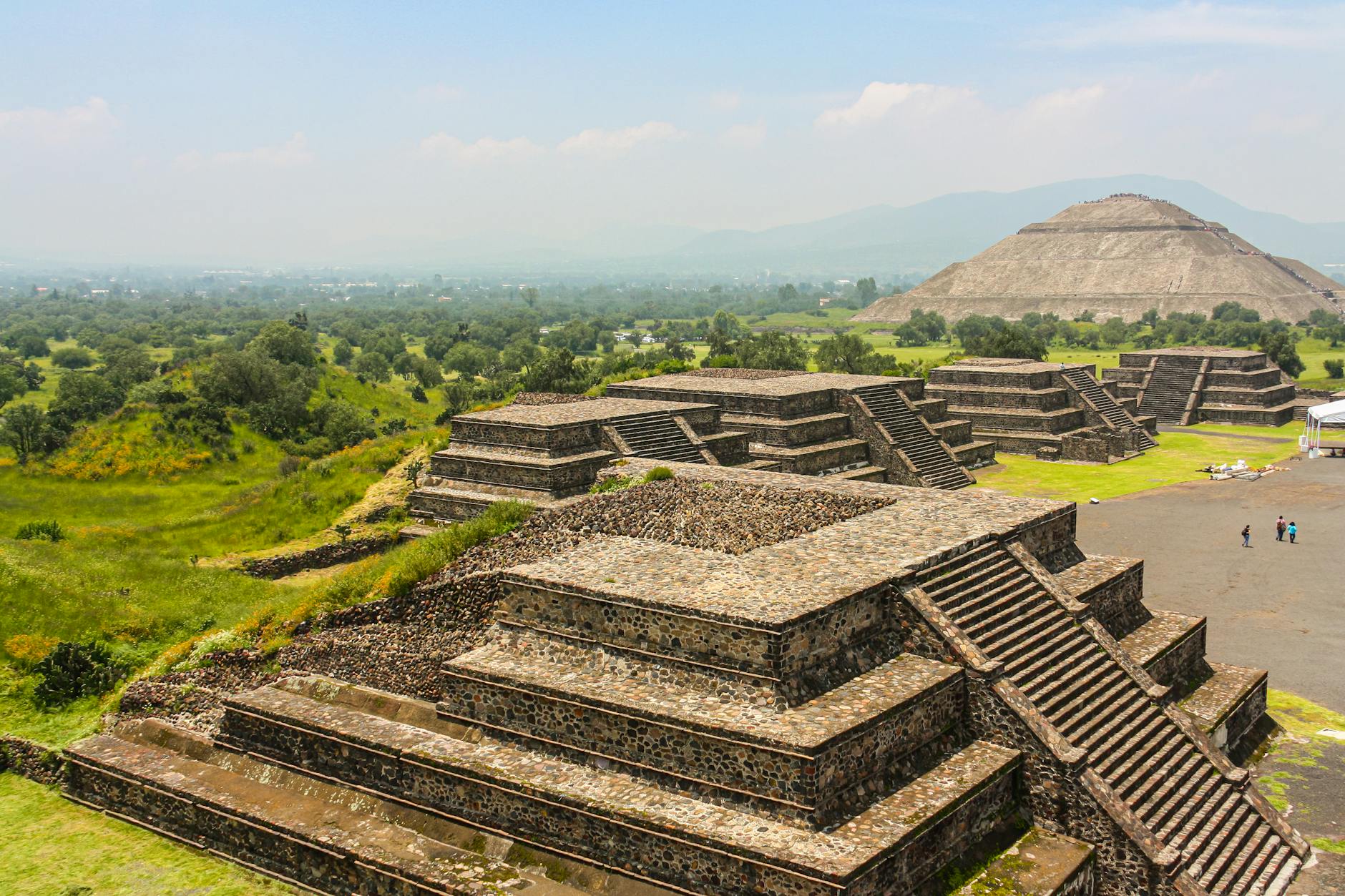
    Teotihuacan History: Exploring the Abandoned City That Shaped Mesoamerica

    Introduction

    Teotihuacan, an ancient Mesoamerican city, stands as one of the most significant archaeological sites in the world, offering crucial insights into the rich tapestry of pre-Columbian history. Located approximately 30 miles northeast of Mexico City, this sprawling metropolis flourished from around 100 BCE to 650 CE, becoming a cultural and political hub during its peak. What remains today are impressive architectural ruins, notably the majestic Pyramid of the Sun and the Pyramid of the Moon, which encapsulate the city’s grandeur and complexity. As researchers continue to unearth its mysteries, Teotihuacan reveals a sophisticated society complete with advanced urban planning, diverse cultural practices, and intricate trade networks. This article endeavors to explore the multifaceted Teotihuacan history , delving into its origins, architectural achievements, cultural practices, eventual decline, and enduring legacy that continues to influence modern Mesoamerica.

    The Origins of Teotihuacan: Unraveling Its Formation

    Teotihuacan’s origins are shrouded in mystery, although archaeological and historical research offers compelling insights into the city’s establishment and early development. The site, which predates its peak cultural phase, began its journey around the first few centuries BCE. Various hypotheses exist regarding who inhabited Teotihuacan during its formative years. The most prevailing theory indicates that it was initially settled by a group of migrants from diverse regions of Mesoamerica who brought with them agricultural techniques, cultural practices, and knowledge that laid the foundation for this flourishing city.

    Archaeological evidence suggests that the early settlers of Teotihuacan practiced a form of agriculture that revolved around the cultivation of crops such as maize, beans, and squash. These agricultural practices allowed the population to grow significantly, creating a demand for more structured living arrangements and community organization. As the agricultural output improved, a social hierarchy began to form, leading to the development of distinct roles within the community, which included laborers, artisans, and traders.

    By the first century CE, the city began to expand rapidly. The layout of Teotihuacan was meticulously planned, evidencing advanced urban design strategies. Streets were lined with residential compounds, temples, and impressive ceremonial spaces, reflecting a sophisticated understanding of urban planning. Central to this development was the Avenue of the Dead—a central thoroughfare adorned with impressive architecture and monumental structures—hinting at the organization and design prowess of the Teotihuacanos.

    Social stratification is evident through the various housing styles found in Teotihuacan. Archaeologists have uncovered complexes that range from simple dwellings, hinting at common laborers, to elaborate compounds with murals and decorative elements, suggesting the presence of the elite class. The diversity in housing reflects the intricate social dynamics that characterized Teotihuacan society as it grew increasingly complex.

    One of the defining features of Teotihuacan’s origin story is its connection to religious practices. The early Teotihuacanos engaged in various rituals that centered around celestial events and agricultural cycles, which played a pivotal role in their identity. The chance discovery of ritualistic offerings, including pottery and ceremonial tools, suggests that these early residents held spiritual beliefs that revolved around the sun and other natural phenomena. These beliefs would later culminate in the grandeur of the city’s religious architecture.

    As Teotihuacan established itself, its influence began to spread across Mesoamerica, driven by an expanding trade network that included goods such as obsidian, ceramics, and textiles. This network not only facilitated economic prosperity but also encouraged cultural exchanges that would shape the evolving identity of the region. Merchants and traders brought in new ideas and technologies, further enriching the cultural tapestry of Teotihuacan.

    ruins of pyramid of the sun
    The Teotihuacan

    The city’s growth was sustained by its strategic geographical location, which offered access to vital resources, including water sources and fertile land. This access allowed for a stable environment that attracted further migration and supported a growing urban population. The city’s population is estimated to have reached upwards of 100,000 at its peak, making Teotihuacan one of the largest cities in the ancient world.

    As the first century CE progressed, Teotihuacan emerged as a dynamic and cosmopolitan center, where diverse groups converged to create a shared identity. Its unique urban layout, robust economy, and rich cultural practices solidified its position as a dominant force in the region. The origins of Teotihuacan are thus characterized by a confluence of agricultural innovation, urban planning, communal cooperation, and spiritual belief systems that set the groundwork for its future development and prominence in Mesoamerica.

    Architectural Wonders: The Pyramids and Their Significance

    Teotihuacan is renowned for its monumental architecture, showcasing some of the most impressive engineering feats of the ancient world. Among its greatest achievements are the Pyramids of the Sun and the Moon, which have become iconic symbols of Mesoamerican history and culture. These structures not only reflect the city’s architectural prowess but also play a crucial role in understanding the cultural and religious beliefs of the Teotihuacan society.

    The Pyramid of the Sun, the largest structure in Teotihuacan, stands at approximately 216 feet tall and covers an area of more than 40 acres. Built in several stages, its construction likely began around 100 CE, and it was completed by around 200 CE. The pyramid is oriented to match the surrounding landscape and celestial events, reflecting the Teotihuacanos’ deep connection with the cosmos. Astronomical alignments, especially with regard to the sun’s position during solstices and equinoxes, indicate that this structure had significant astrological importance.

    Equally impressive is the Pyramid of the Moon, situated at the northern end of the Avenue of the Dead. It is slightly smaller than its counterpart, but it holds great significance in the religious landscape of Teotihuacan. The pyramid serves as a focal point for various ritual activities, with evidence suggesting that it was the site of ceremonial sacrifices, which held profound meaning for the inhabitants. Excavations have revealed offerings, including human remains and various artifacts that indicate its role in spiritually significant events.

    The architecture of Teotihuacan showcases a unique style characterized by the use of talud-tablero construction, which consists of a sloped base (talud) topped by a vertical panel (tablero). This innovative building technique is distinct to Mesoamerican architecture and illustrates the advanced knowledge the Teotihuacanos possessed regarding materials and construction. The city’s layout also reflects a cosmopolitan influence with structures that incorporate styles and designs from various regions, hinting at the rich cultural exchanges within and outside Teotihuacan.

    Walls adorned with vibrant murals further enhance the significance of Teotihuacan’s architecture. These murals depict various scenes, including gods, animals, and ceremonial activities, providing a glimpse into the societal values and beliefs that permeated life in the city. The themes portrayed in these artworks not only represent religious iconography but also serve as historical documentation that allows contemporary researchers to interpret the cultural milieu of the time.

    exploring the pyramid of the moon in teotihuacan
    The Teotihuacan

    Moreover, the presence of numerous temples indicates that religious practices were deeply woven into the fabric of daily life in Teotihuacan. Structures such as the Temple of the Feathered Serpent (also known as the Temple of Quetzalcoatl) reveal a convergence of architectural brilliance and religious devotion. This temple features elaborate carvings and sculptures that pay homage to important deities and highlight the spiritual and political power wielded by the ruling elites.

    In addition to their religious significance, the pyramids and temples served as community gathering spaces, facilitating social cohesion and cultural transmission among the city’s diverse inhabitants. Rituals, ceremonies, and festivals held at these architectural landmarks fostered a communal identity and reinforced the collective beliefs and practices shared by the people of Teotihuacan.

    As archaeologists continue to study the architectural wonders of Teotihuacan, new discoveries are still being made that shed light on their historical context and significance. The impressive scale and intricate designs of these structures reveal a civilization that prioritized not only functionality and aesthetics but also spirituality and community connection. The pyramids and temples of Teotihuacan stand not just as remnants of an ancient city but as enduring symbols of the ingenuity and cultural richness that characterized this remarkable civilization.

    The Cultural and Religious Practices of Teotihuacan Society

    Teotihuacan was not only an architectural marvel but also a thriving cultural hub that showcased a complex society rich in religious beliefs and practices. These elements were intricately intertwined, influencing every aspect of daily life and shaping the community’s identity. Understanding the cultural and religious practices of the Teotihuacanos provides critical insights into the motivation behind their monumental constructions, community organization, and social dynamics.

    At the heart of Teotihuacan culture was a belief system that revolved around polytheism, marked by a pantheon of deities that represented natural forces, celestial bodies, and agricultural fertility. The importance of the cosmological framework is evident in the architectural layout of the city, particularly its pyramids, which aligned with astronomical events. The worship of the sun, in particular, played a central role in the spiritual life of the people. Temples dedicated to solar deities hosted rituals designed to ensure the sun’s continued journey across the sky, which Teotihuacanos believed was crucial for sustaining life and agricultural productivity.

    Ritual practices were a vital component of Teotihuacan’s religious life. Evidence of sacrificial offerings, including animal remains and, on occasion, human sacrifices, has been unearthed at various archaeological sites. These offerings were believed to appease the gods and ensure the community’s prosperity and fertility. The Temple of the Feathered Serpent serves as a striking example of this practice. The elaborate carvings and sculptures on its façade depict various deities and mythological creatures, illustrating the deep spiritual significance bestowed upon these rituals.

    Moreover, festivals played an essential role in reinforcing social bonds and collective identity among the city’s diverse inhabitants. These events often featured elaborate processions, communal feasts, and reenactments of mythological stories, allowing the community to participate actively in their spirituality. Such celebrations not only nurtured cultural unity but also provided opportunities for trade and interaction with people from other regions, thus enriching the social fabric of Teotihuacan.

    Artisan practices within Teotihuacan’s society were also reflective of their cultural values. Skilled craftsmen produced intricate pottery, textiles, and obsidian tools that highlighted not just functionality but also aesthetic beauty. Artisans often used symbols and motifs that held cultural significance, echoing the religious beliefs and societal norms evident in other realms of life. The production of goods for both trade and ritual demonstrates a society that understood the importance of craftsmanship in elevating communal status and spiritual identity.

    In daily life, rituals associated with agriculture were paramount. The Teotihuacanos relied heavily on maize cultivation, which formed the cornerstore of their diet and economy. To ensure successful harvests, they held ceremonies at the onset of planting and supported them with offerings to agricultural deities. These rituals reflected a deep respect for nature and an understanding of its cyclical patterns, showcasing the interdependence between spirituality and sustenance.

    The social strata of Teotihuacan also influenced cultural practices. As the society evolved, various roles, ranging from rulers and priests to artisans and laborers, emerged. This stratification often dictated the complexity and scale of rituals and artistic endeavors. Rulers likely had more elaborate burial practices, evidenced by the grand tombs and accompanying offerings discovered by archaeologists, in stark contrast to the simpler practices observed among lower classes.

    teotihuacan pyramid and ancient ruins
    The Teotihuacan

    Within the religious sphere, the role of priests and religious leaders was paramount. These figures acted as intermediaries between the deities and the populace, often playing crucial roles in societal governance and decision-making. Their influence extended beyond religious rites to regulatory aspects of life, suggesting a theocratic underpinning to the governance of Teotihuacan.

    In conclusion, the cultural and religious practices of Teotihuacan society were complex and multidimensional, reflecting a civilization that prioritized spirituality, community, and the interrelationships between people and their environment. The rituals, festivals, craftsmanship, and social structures collectively played a vital role in shaping Teotihuacan’s identity and legacy—one that continues to resonate through centuries, influencing the cultural heritage of Mesoamerica.

    The Decline and Abandonment of Teotihuacan

    The decline and eventual abandonment of Teotihuacan remains one of the most intriguing aspects of its history. Once a thriving metropolis that epitomized sophistication and cultural richness, the city’s downfall offers critical insights into the challenges faced by complex societies. Understanding the factors that contributed to its decline helps shed light on the intricate dynamics within Teotihuacan and its surrounding regions.

    By the late 6th century CE, Teotihuacan began to undergo noticeable transformations signaling declining prosperity. The population, previously estimated to be over 100,000, started to dwindle, with archaeological evidence suggesting a significant drop in habitation levels. One of the leading theories regarding this decline revolves around environmental factors, particularly drought and climate change. Climate scientists have pointed to evidence of prolonged droughts in Central Mexico during this period, which would have dramatically impacted agricultural yields. As maize and other essential crops failed, food scarcity would have led to social strife, unrest, and eventually emigration.

    The economic framework of Teotihuacan was deeply intertwined with its agricultural output. As stress on resources increased, the trade networks that once flourished began to fracture. Archaeologists have discovered a decline in the quality and quantity of artifacts such as pottery and luxury items, indicating that the once-vibrant trade systems began to collapse. This decline in economic stability would have undermined the social structures dependent on trade and luxury goods, further contributing to societal tensions.

    Moreover, internal conflict may have exacerbated the situation within Teotihuacan. Evidence of burning in several residential complexes suggests possible violent confrontations. Social hierarchies, strained by dwindling resources, may have ignited power struggles among different factions within the community. Increased competition for resources might lead to civil discord, fostering division rather than unity.

    Political instability, therefore, became a factor in Teotihuacan’s decline. As control over resources diminished, the ruling elite likely faced challenges to their authority. A loss of centralized power would have resulted in fragmented governance, making it difficult to address the pressing issues facing the population. This breakdown of governance may have led to a further erosion of trust in leadership, prompting citizens to abandon the city in search of better prospects elsewhere.

    Archaeological evidence indicates that many buildings and temples were ritually destroyed during this period. The deliberate destruction of these structures may symbolize a spiritual crisis within the community, as residents sought to sever ties with a past that had failed them. Such destruction indicates a profound shift in the values and beliefs that once defined Teotihuacan society, leading to uncertainty and confusion among its inhabitants.

    The series of concurrent factors—environmental challenges, economic strains, internal conflicts, and political fragmentation—created a perfect storm that ultimately led to the abandonment of Teotihuacan. By around 700 CE, the city, once a bustling hub of activity and culture, was largely deserted. What remained were the monumental structures and artifacts that tell the story of a society that reached great heights only to succumb to the complexities of its environment and social dynamics.

    Despite its decline, Teotihuacan’s legacy persisted and left an indelible mark on subsequent Mesoamerican cultures, including the Aztecs, who regarded the site with a sense of awe and reverence. The city’s monumental architecture, artistic achievements, and urban planning would influence later civilizations, reminding us that the echoes of history continue to shape cultural narratives and identities long after the fall of great societies.

    While the precise reasons behind teotihuacan’s decline may continue to spark debate among scholars, the exploration of these factors illuminates the fragility of complex societies when faced with multifaceted challenges. The rise and fall of Teotihuacan stand as a testament to human resilience and the enduring quest for sustainability in the face of environmental and social uncertainties.

    Teotihuacan’s Legacy: Influence on Future Mesoamerican Civilizations

    The influence of Teotihuacan extends far beyond its decline, shaping the cultural and spiritual landscapes of subsequent Mesoamerican civilizations. As one of the most significant urban centers of the ancient world, Teotihuacan’s achievements in architecture, art, trade, and governance left an abiding legacy that would resonate throughout Mesoamerica for centuries.

    One of the most apparent aspects of Teotihuacan’s legacy lies in its architectural innovations. The grandeur of its monumental pyramids and temples set a precedent that would be emulated by later civilizations, including the Toltecs and Aztecs. The design principles and urban planning strategies showcased in Teotihuacan, such as the use of talud-tablero construction and highly organized city layouts, became foundational elements in the architecture of subsequent societies. The construction of temples and pyramids for religious purposes continued to be a hallmark of many Mesoamerican cultures, highlighting the enduring importance of spirituality in societal development.

    The rich artistic tradition of Teotihuacan also left a profound impact on the region. Its distinctive pottery styles, mural paintings, and sculptures not only served ceremonial and decorative purposes but also conveyed cultural narratives and religious beliefs. The themes depicted in Teotihuacan’s art, such as the representations of deities and mythological events, continued to influence the iconography of later civilizations. For instance, the Aztecs, who would rise to power centuries after Teotihuacan’s decline, incorporated many elements from Teotihuacan’s artistic repertoire into their own cultural expressions, echoing the past while forging their own identities.

    Trade networks established by Teotihuacan also laid the foundation for economic relationships between various city-states in Mesoamerica. The city was strategically situated, allowing for the exchange of goods such as obsidian, textiles, and ceramics, which created ties between distant regions. As these trade routes continued to function after Teotihuacan’s abandonment, they facilitated the flow of ideas and cultural practices. The subsequent civilizations inherited and adapted these trade relationships, contributing to a regional economy that thrived on interconnectedness.

    Teotihuacan’s spiritual and religious practices likewise exerted a lasting influence on later cultures. The reverence for nature and celestial phenomena, as seen in the worship of the sun and the practice of ritual offerings, would resonate through the religious practices of the Aztecs and other successors. These practices reflected a continuity of belief in the interplay between the earthly and divine realms, embedding a sense of spiritual heritage that persisted long after Teotihuacan ceased to be an urban center.

    The city’s decline did not erase its historical significance; instead, it transformed into a site of pilgrimage and reverence. The Aztecs, for example, viewed Teotihuacan as a sacred location—often believed to be the birthplace of the gods. This respect for Teotihuacan underscores its status as a cultural symbol and its role as a waypoint in the narrative of Mesoamerican history.

    Moreover, Teotihuacan’s influence extended beyond immediate successors to impact contemporary understandings of civilization in Mesoamerica. Modern archaeological investigations have venerated Teotihuacan as a source of knowledge about social organization, urban planning, and cultural resilience. The ongoing research and discoveries continue to unveil the intricacies of life within Teotihuacan, helping to inform contemporary perspectives on social complexity and adaptability in the face of historical challenges.

    Conclusion

    Teotihuacan stands as one of the most fascinating and mysterious cities of the ancient world. Its grand pyramids, vast avenues, and intricate murals reveal a society that valued architecture, cosmology, and community on a scale that continues to impress scholars and travelers alike. Known as the “City of the Gods,” Teotihuacan was a center of religion, trade, and culture, influencing neighboring civilizations such as the Maya and later the Aztecs, who regarded it with reverence long after its decline.

    The unanswered questions surrounding its sudden collapse only add to its allure, sparking continuous research and debate. Was it political unrest, environmental change, or social upheaval that led to the city’s abandonment? While the answers remain uncertain, the legacy of Teotihuacan is undeniable. Today, it is not just a UNESCO World Heritage Site but also a living reminder of humanity’s capacity for innovation and resilience. By preserving and studying Teotihuacan, we honor the enduring story of a civilization that shaped the cultural heart of Mesoamerica and continues to inspire awe across generations.

    INEXPLICABLE Ruins of Teotihuacán Explored Video

    INEXPLICABLE Ruins of Teotihuacán Explored *Compilation* | Ancient Aliens
  • Arc de Triomphe History: Paris’s Monument of Victory and Memory

    Arc de Triomphe History: Paris’s Monument of Victory and Memory

    Introduction

    The Arc de Triomphe, one of Paris’s most iconic monuments, stands tall at the western end of the Champs-Élysées. Commissioned by Napoleon Bonaparte in 1806 to honor the French army, this grand structure not only serves as a tribute to military victories but also embodies the spirit of French nationalism. Over the years, it has become a symbol of unity, hope, and remembrance for both the French people and visitors from around the globe. The monument’s architectural grandeur, adorned with intricate sculptures and carvings, tells stories of bravery and sacrifice. As we delve into the Arc de Triomphe history, we will explore its origins, architectural features, historical events, preservation efforts, and cultural significance, revealing how this magnificent arch has transcended time to remain a vital part of Parisian identity.

    The Origins and Construction of the Arc de Triomphe

    The Arc de Triomphe’s conception dates back to the early 19th century, a period marked by turmoil and transformation in France. After the French Revolution, a sense of national pride surged throughout the country, fueled by a desire to commemorate the sacrifices made during the Revolution and the Napoleonic Wars. In 1806, after his decisive victory at Austerlitz, Emperor Napoleon Bonaparte envisioned a monumental arch that would celebrate not only his military achievements but also the valiant efforts of the French troops.

    The design of the Arc de Triomphe was commissioned to Jean Chalgrin, who crafted a neoclassical structure inspired by the ancient Roman arches, intended to encapsulate the grandeur of the Roman Empire while also reflecting France’s contemporary strength. The construction commenced in 1806, with a blend of skilled artisans and laborers contributing to the project. However, the building faced numerous delays due to political upheavals, economic challenges, and the shifting tides of war.

    Initially, Napoleon aimed for the arch to be completed within a short timeframe, but as circumstances transformed, the project saw a series of revisions. After the fall of Napoleon and the restoration of the monarchy, construction was abruptly halted. It wasn’t until 1810 that the work resumed under the rule of King Louis XVIII, demonstrating the arch’s significance as a national emblem that transcended the reigns of individual leaders.

    The arch was built from a local limestone known for its durability, which was crucial given Paris’s unpredictable climate. Over the years, the architects revised its design, ensuring that it not only reflected Napoleonic ideals of glory but also considered the city’s landscape and harmony with surrounding architecture. The strikingly large arch stands 50 meters tall, 45 meters wide, and 22 meters deep, making it an impressive sight that commands attention from every angle.

    magnificent view of arc de triomphe in paris
    The Arc de Triomphe

    In 1836, after three decades of labor, the Arc de Triomphe was finally completed. Its inauguration coincided with the restoration of the monarchy, thus representing a new chapter for France—one that honored the memories of those who served while also allowing room for renewed national pride. During the inauguration, a grand procession featuring military troops marched beneath the arch, signifying the reconsolidation of power and unity among the French people.

    The arch is adorned with intricate reliefs and sculptures, each depicting significant military events and historical figures. Notable among them are the names of 660 generals inscribed on its facades, including the famous victories at Valmy, Austerlitz, and Jena. These engravings serve as reminders of France’s remarkable military achievements and the sacrifices made in pursuit of glory and freedom.

    Additionally, the arch houses the Tomb of the Unknown Soldier, which was added in 1921. The eternal flame that burns at the tomb has become a symbol of remembrance for all soldiers who died for France. Each evening, a ceremony takes place where the flame is rekindled, reinforcing the arch’s role as a site for remembrance and reflection. The Arc de Triomphe not only represents victory but also honors the memories of those who gave their lives.

    In conclusion, the origins and construction of the Arc de Triomphe are deeply intertwined with the national identity of France, embodying the complexities of its history—from the heights of military triumph to the somber reflections of sacrifice. This monument stands as a testament to the evolving narrative of a nation, a constant reminder of its storied past, and a beacon of hope for its future.

    Architectural Features and Design Elements

    The Arc de Triomphe’s architectural design exemplifies the neoclassical style that was predominant in the early 19th century, influenced by the grandeur of ancient Rome. Its massive scale and intricate detailing make it a masterpiece that not only draws tourists’ attention but also invites admiration from architects and historians alike.

    The structure is characterized by its bold, monumental proportions, which are intended to convey strength and resilience. The arch stands at 50 meters (164 feet) in height, 45 meters (148 feet) wide, and 22 meters (72 feet) deep, creating a visually stunning focal point in the Parisian landscape. It’s strategically positioned at the center of Place Charles de Gaulle, where twelve major avenues converge, emphasizing its role as a central symbol of the city.

    At the base of the arch, four massive columns rise majestically, adorned with reliefs that pay tribute to military victories and pivotal moments in French history. These reliefs are not only decorative but also narrate the story of the nation’s martial glory. For example, the sculptural panels depict scenes from the Revolutions of 1789 and 1830, showcasing the evolution of French democracy and the sacrifices made by its citizens.

    A distinctive feature of the Arc de Triomphe is its elyptical arch, which is further embellished with intricate carvings and sculptural reliefs. These carvings represent allegorical figures personifying concepts such as Peace, Freedom, and the triumphs of various military units. The choice of these themes underscores the monument’s duality: it celebrates victories while also reflecting on the importance of peace and unity in the aftermath of wartime struggles.

    The arch’s façade is richly decorated with military motifs, including laurel wreaths, cannons, and shields, emphasizing its purpose as a military memorial. The sculptures are the work of many prominent artists of the time, including Antoine Étex and Jean-Pierre Cortot, who meticulously crafted the ornamentation that adorns the arch. Such attention to detail exemplifies the craftsmanship of the era and enhances the monument’s historical and cultural significance.

    Additionally, the arch is designed to provide an unobstructed view of the impressive skyline of Paris, blending both functionality and aesthetic beauty. The top of the arch features a viewing platform that offers panoramic views of the city, allowing visitors to appreciate the grand urban landscape and its historical landmarks, including the Eiffel Tower and the Louvre.

    Further enhancing the design, the surrounding area features beautiful gardens and open spaces that create a serene atmosphere in contrast to the bustling city life. The placement of trees and seating areas invites contemplation and provides a moment of respite for visitors. The juxtaposition of nature with the grandness of the arch encourages appreciation for both the monument and the surrounding landscape.

    Lighting plays a crucial role in accentuating the architectural features of the Arc de Triomphe, especially at night when the monument is illuminated by strategically positioned lights that highlight its grandeur against the evening sky. The soft glow creates a mesmerizing effect that transforms the arch into a beacon of history and pride, drawing crowds who gather to witness its beauty.

    a low angle shot of arc de triomphe
    The Arc de Triomphe

    Over the years, the Arc de Triomphe has undergone various restoration efforts to preserve its structural integrity and enhance its visual appeal. Efforts include cleaning the stone facades, repairing weather-related damage, and restoring the intricate carvings to their original splendor. These preservation initiatives are vital not only for maintaining the physical structure but also for ensuring that the monument continues to serve as a testament to France’s rich history for generations to come.

    In conclusion, the architectural features and design elements of the Arc de Triomphe are a testament to the vision and artistry of its creators. From its monumental scale to the intricate reliefs that tell the story of France, this iconic monument stands as a symbol of both military honor and national unity. Its enduring presence continues to inspire awe and admiration, inviting visitors to reflect on the sacrifices made for freedom and the enduring spirit of the French nation.

    Historical Significance and Events Surrounding the Arc

    The Arc de Triomphe is not merely an architectural marvel; it is a monument steeped in history and laden with significance stemming from the tumultuous events that shaped France. Its unveiling in 1836 marked a pivotal moment in the country’s narrative, connecting the past with the present while commemorating the valor of soldiers and the overarching themes of victory and remembrance.

    Constructed during a time of political upheaval, the Arc de Triomphe emerged as a beacon of national pride—reflecting the wounds and triumphs of the Revolution and the Napoleonic era. Each relief adorning its façade recounts historical moments, from the fall of the Bastille to the various military campaigns led by Napoleon. By immortalizing these events, the arch serves as a reminder of the sacrifices made by countless individuals in the pursuit of peace and national identity.

    One of the arc’s most significant historical moments is its connection to the Tomb of the Unknown Soldier. Established in 1921 and placed beneath the arch, this solemn site honors the memory of soldiers who perished without recognition during World War I. The eternal flame that burns at the tomb, rekindled each evening with a ceremony, represents a powerful tribute to the fallen. This act of remembrance has become a national ritual, allowing citizens and visitors alike to pay homage to those whose lives were given in the name of freedom.

    Throughout the 19th and 20th centuries, the Arc de Triomphe has also been the stage for numerous important events. During World War I, Paris witnessed celebrations of the armistice on November 11, 1918, with thousands of citizens gathering around the arch to commemorate the end of the conflict. In this sense, the monument has become synonymous with resilience and hope, symbolizing a new dawn of peace for the nation.

    Moreover, the Arc de Triomphe has witnessed numerous parades and ceremonies, becoming an emblematic backdrop for military displays, national holidays, and patriotic gatherings. Notably, it played a central role during France’s liberation from Nazi occupation in 1944, when Allied forces celebrated the city’s freedom by marching through under the arch. This moment not only reinforced the monument’s significance as a symbol of military honor but also demonstrated its place in the collective memory of the French people.

    arc de triomphe de letoile in paris
    The Arc de Triomphe

    In recent years, the Arc de Triomphe has also been the site of various public demonstrations and protests, highlighting its dual role as both a monument of memory and a space for civic expression. Movements advocating for social justice, environmental concerns, and political changes have leveraged the monument’s prominence to draw attention to their causes. This ongoing relationship between the arc and contemporary events emphasizes its enduring relevance in French society.

    The historical significance of the Arc de Triomphe is further enriched by its connection to various cultural influences across Europe. During the Napoleonic Wars, the arch served as a testament to the expansion of French ideals—and later, as a symbol of French resistance during times of adversity. It embodies the evolution of France’s national identity and values, mirroring the country’s pursuit of liberty, equality, and fraternity.

    Ultimately, the Arc de Triomphe represents not only a tribute to military victories but also a reminder of the complexities of history. It stands as a living testament to the events that shaped France, encouraging reflection on the collective sacrifices made by the nation. As a central symbol of Paris, the arch continues to inspire reverence and respect while inviting visitors to delve into the narrative of a country—one that intertwines valor, hope, and memory.

    Preservation and Restoration Efforts

    The Arc de Triomphe has faced the daunting challenges of preserving its grandeur and structural integrity over nearly two centuries. As one of France’s most beloved landmarks, continuous preservation and restoration efforts have been crucial to maintaining its historical significance and aesthetic appeal. These initiatives not only ensure the monument’s survival but also contribute to the collective memory of a nation that holds the arc dearly in its heart.

    From the beginning, the materials used in the construction of the arch were selected for their durability. The limestone sourced from the Paris basin provided the necessary resilience to endure the city’s unpredictable weather patterns, pollution, and the passage of time. However, the effects of air pollution, acid rain, and natural erosion have taken their toll on the structure, prompting restoration efforts to counteract the damage.

    One of the most significant restoration projects occurred in the late 20th century when the arch underwent a thorough cleaning and refurbishment from 1984 to 1988. This comprehensive effort aimed to remove decades of grime and soot, revealing the original beauty of the limestone facades. High-pressure cleaning methods were employed with sensitivity to protect the intricate carvings, ensuring the preservation of the arch’s historical details.

    In addition to cleaning, cracks and other structural issues were addressed during this restoration period. Engineers and artisans collaborated to reinforce certain sections of the monument that had weakened over time, ensuring its long-term stability without compromising its historical integrity. This careful balance of modern techniques alongside traditional craftsmanship reflects the duality of preserving history while embracing contemporary technology.

    More recent restoration efforts have heavily emphasized preventative measures, aiming to mitigate further deterioration. The arch’s protective measures include a specialized coating designed to shield the stone from environmental impacts and biological growth. This proactive approach has been instrumental in prolonging the life of the monument and minimizing the necessity for extensive repairs in the future.

    Monitoring systems have also been implemented as part of the preservation strategy. These systems continuously assess the arch’s condition, documenting changes in the structural integrity as well as environmental factors that may affect the monument. Such advancements ensure that preservation efforts remain informed, timely, and effective in addressing any arising concerns.

    Community involvement has played an essential role in supporting preservation initiatives. Numerous organizations, including the Association of Friends of the Arc de Triomphe, actively engage in public awareness campaigns, fundraising, and educational programs aimed at fostering appreciation for the monument’s historical significance. Their efforts are vital in rallying support for ongoing maintenance and restoration projects, allowing the public to actively participate in the safeguarding of a national treasure.

    grayscale photo of the arc de triomphe
    The Arc de Triomphe

    Moreover, the Arc de Triomphe serves as a platform for contemporary artists and cultural collaboration. Temporary installations and art projects have enhanced the arch’s presence in the modern cultural landscape, drawing attention to its history while challenging perspectives through engagement. Such initiatives blend tradition and innovation, reinforcing the arch’s relevance in today’s society and promoting a sense of shared ownership among citizens and visitors alike.

    Ultimately, the preservation and restoration efforts surrounding the Arc de Triomphe reflect a deep commitment to safeguarding the historical and cultural legacy of France. By addressing the challenges posed by time and the environment, these initiatives ensure that the arch continues to stand as a symbol of national pride and remembrance for generations to come. The ongoing dedication to preserving the monument underscores the importance of commemorating the past while nurturing a vibrant future, allowing the arc to flourish as a testament to the resilience of the French spirit.

    Cultural Impact and Modern Interpretations

    The Arc de Triomphe has transcended its original purpose as a military monument to become a profound symbol of French culture and identity. Throughout its history, the arch has inspired countless artists, writers, and filmmakers, enriching its cultural narrative and ensuring its place in the hearts of the public. Its impact can be observed in various forms, from literature and art to popular media, where it serves as a canvas for modern interpretations and expressions.

    Artistic representations of the Arc de Triomphe have flourished, reflecting diverse perspectives and interpretations of its significance. Iconic painters, such as Claude Monet, have captured the structure within the broader context of Parisian life, showcasing its monumental stature against the dynamic skies of the city. These paintings not only portray the arc itself but also reveal the atmospheric elements—light, color, and movement—infusing contemporary narratives into the timeless structure.

    Moreover, the arch has become a popular point of reference in photography, serving as a backdrop for countless wedding portraits, tourist snapshots, and social media posts. This visual representation plays a crucial role in linking the monument to personal stories and shared experiences, allowing people from all walks of life to forge connections with the symbol of national pride.

    In literature, the Arc de Triomphe has been featured prominently in the works of authors who sought to explore the essence of French culture and history. Notably, Victor Hugo’s “Les Misérables” illustrates the impact of the Revolution and its aftermath, with the arch serving as a meaningful backdrop to the struggles of the characters. This literary association emphasizes the monument’s role as a witness to the human condition, resonating deeply with readers and fostering connections to the nation’s turbulent past.

    Modern interpretations of the Arc de Triomphe extend beyond traditional art forms, permeating contemporary culture in striking ways. For instance, the arch has inspired social movements and demonstrations, emphasizing its role as a focal point for civic engagement. Recent protests, particularly during the Yellow Vest movement, have utilized the monument as a symbol of the people’s voice and a stage for political discourse, reinforcing the connection between the arch and the ongoing narrative of social justice.

    The arch’s cultural impact was further amplified during the Paris 2024 Olympics, as it served as a new stage for significant events. The Games showcased the monument’s continued relevance, transforming it into a symbol of unity, diversity, and celebration that resonates with audiences worldwide. Through this association, the Arc de Triomphe solidified its position as a contemporary icon, capable of evolving alongside the changing landscape of society.

    Furthermore, events showcasing French artisanship and craftsmanship throughout Paris often incorporate the Arc de Triomphe as a central theme, emphasizing its enduring representation of resilience, style, and innovation. Initiatives highlighting local artists, musicians, and designers connect modern creative expressions to the arch’s rich cultural history, allowing new generations to draw inspiration from its legacy.

    In relation to globalization, the Arc de Triomphe’s cultural significance expands into an international dimension as tourists from various backgrounds flock to witness its grandeur. This fusion of perspectives creates a shared moment—where individuals from diverse cultures encounter a common symbol of victory and remembrance. The arch fosters dialogue and understanding, allowing visitors to collectively engage with history while reflecting on their own narratives.

    The cultural impact of the Arc de Triomphe is evident in the myriad of interpretations and representations that resonate through artistic, literary, and social expressions. As a continuously evolving symbol, it bridges the past and the present while preserving the spirit of France’s journey. The arch remains a powerful reminder of national pride, unity, and remembrance, celebrating the richness of a shared human experience that extends well beyond its stones.

    Conclucion

    In reflecting on the storied history of the Arc de Triomphe, we uncover a monument that is not only an architectural marvel but also a profound symbol of French identity and resilience. From its origins, envisioned by Napoleon as a testament to military victory, to its place as a contemporary anchor in the heart of Paris, the arch has withstood the tests of time, war, and societal change. Its intricate design, steeped in historical narrative, invites exploration and reflection on the rich tapestry of French culture and values.

    The grand structure serves as a site of remembrance, honoring those who sacrificed their lives for freedom and peace. The Tomb of the Unknown Soldier encapsulates the eternal flame of memory that burns in the hearts of citizens and visitors alike, reinforcing the arch’s role as a living memorial. Every year, millions of visitors gather to witness its majesty, participate in ceremonies, and absorb its historic atmosphere.

    Ultimately, the Arc de Triomphe is far more than stone and sculpture—it is a narrative in itself, carrying stories of glory, loss, resilience, and unity. As Paris continues to evolve, the arch remains an enduring beacon of national pride, ensuring that the lessons of history and the sacrifices of the past are never forgotten.

    Paris’ Arc de Triomphe Video

    Paris’ Arc de Triomphe Explained