Category: Tourism & Travel

Explore the world with our comprehensive travel guides, tips, and destination reviews. From hidden gems to popular hotspots, we provide expert advice on everything from planning your trip to travel hacks, accommodations, and local experiences. Start your next adventure with insightful content that helps you travel smarter and create unforgettable memories.

  • Michelangelo’s David Statue: The History, Meaning, and Legacy

    Michelangelo’s David Statue: The History, Meaning, and Legacy

    Introduction

    The Michelangelo’s David Statue is not merely a statue; it is a universal symbol of strength, beauty, and the triumph of the human spirit. Created between 1501 and 1504, this masterpiece of Renaissance sculpture has captivated millions worldwide. Set against the backdrop of Florence, a city steeped in artistic vitality during the Renaissance, the creation of David marked a significant moment in art history. This article explores the historical context, Michelangelo’s life, the commissioning of the statue, the artistic process behind its creation, and its lasting impact on culture. Through this exploration, we will unravel the intricacies of Michelangelo’s genius and the enduring legacy of David.

    Historical Context: Italy during the Renaissance

    The Renaissance was a profound cultural movement that began in Italy in the 14th century and lasted into the 17th century. It marked a revival of interest in the classical art and philosophy of ancient Greece and Rome. Artists, thinkers, and scientists sought to better understand the world through a humanistic perspective, emphasizing the importance of the individual and the beauty of the natural world.

    Florence, often considered the cradle of the Renaissance, was characterized by a wealth of artistic experimentation and innovation. The city was home to some of the most influential figures of the period, including artists like Leonardo da Vinci, Botticelli, and, of course, Michelangelo. The political landscape during this time was tumultuous, marked by the power struggle between the Medici family and various republican factions. This atmosphere fostered a competitive spirit among artists, pushing them to strive for excellence.

    As Michelangelo began to develop his style, he was profoundly influenced by the work of his contemporaries and the classical forms of ancient art. Statues and frescoes began to reflect more realistic human emotions, anatomy, and dynamism. This cultural renaissance laid the groundwork for Michelangelo’s ambitious projects, including the David statue.

    In the context of political turmoil, the statue of David emerged as a symbol of Florence’s strength and independence. The city sought to express its resilience against external threats through artistic expression. Commissioned as a representation of the biblical hero David, the statue symbolized the triumph of virtue over tyranny. As the work progressed, it became clear that the David was more than just a religious icon; it was a political statement and a testament to Florence’s identity.

    Michelangelo’s decision to depict David before the battle with Goliath was significant. The statue conveyed not only physical strength but also emotional intensity, capturing the tension and determination of the hero. It was a radical departure from the typical representations of David, which often showcased him in a more relaxed pose after his victory. Michelangelo’s portrayal emphasized the importance of internal struggle and the complexities of human emotion.

    Michelangelo’s Early Life and Artistic Development

    Michelangelo di Lodovico Buonarroti Simoni was born on March 6, 1475, in Caprese, Italy. Raised in Florence, he showed artistic talent from a young age. His early exposure to art came through his apprenticeship under the painter Domenico Ghirlandaio, where he learned the fundamentals of painting and the importance of anatomy in art. However, Michelangelo’s true passion lay in sculpture, and he soon sought guidance from the influential sculptor Bertoldo di Giovanni in the Medici garden.

    His formative years were marked by the patronage of the Medici family, which provided him access to a wealth of resources and artistic inspiration. The Medici, known for their support of the arts, recognized Michelangelo’s potential and encouraged his development. It was during this period that Michelangelo honed his skills, learning to carve marble and understanding the subtleties of human form.

    Michelangelo’s travels to Rome also played a transformational role in his artistic journey. The exposure to the grandeur of Roman architecture and sculpture deepened his appreciation for classical aesthetics. It inspired him to blend classical techniques with his unique style, characterized by dynamic forms and emotional expressiveness.

    By the time he was commissioned to create David, Michelangelo had already established himself as a preeminent artist in Florence. His works, including the Pietá  and the unfinished sculptures known as the ‘Prisoners,’ demonstrated his mastery over marble and his deep understanding of human anatomy. These creations foreshadowed the genius that would soon manifest in the David statue.

    Michelangelo’s innovative approach to sculpture involved not only technical skill but also a profound exploration of human emotion and the complexity of the human experience. This artistic philosophy would come to define Michelangelo’s legacy and profoundly influence the subsequent generations of artists.

    The Commissioning of the David Statue to Michelangelo

    As the city of Florence emerged from a period of political strife, the need for a unifying symbol became increasingly important. The statue of David was commissioned in 1501 by the Operai del Duomo, the governing body responsible for the Florence Cathedral. Originally intended for the cathedral’s façade, the statue’s location would quickly change due to its monumental stature and symbolic significance.

    The original block of marble, known as the ‘Giant,’ had been quarried from Carrara and was previously abandoned by other sculptors who deemed it unsuitable for work. However, Michelangelo saw potential in the flawed stone. His determination and vision allowed him to transform the imperfect block into a masterpiece, showcasing his exceptional ability to see beyond the surface.

    Throughout the commissioning process, the Operai del Duomo had specific expectations, wanting a statue that embodied the spirit of Florence. They sought a representation of David that was not only physically imposing but also conveyed a sense of moral superiority, reflecting the city’s ideals. Michelangelo eagerly took on the challenge, feeling that he could create a figure that would embody the nobility of the Florentine community.

    The commission process was marked by a sense of urgency and high expectations. As Michelangelo began working on the statue, he immersed himself in the project, dedicating nearly three years to its development. His passion and obsession for perfection drove him to often work late into the night, perfecting every detail of the sculpture.

    Tension arose from the Operai del Duomo’s expectations, as Michelangelo faced pressure from the public and art community to deliver a statue that conveyed both physical power and deep emotional resonance. The statue’s unveiling became an event anticipated by the city, and Michelangelo understood the weight of the moment.

    The result, finished in 1504, exceeded the expectations of those around him and solidified Michelangelo’s status as a master sculptor. The statue was installed outside the Palazzo della Signoria, the major governmental building of Florence, where it became an enduring symbol of the city’s civic pride and artistic achievement.

    The Artistic Process: From Quarry to Michelangelo’s Masterpiece

    The artistic process behind the making of Michelangelo’s David is a story of technical mastery and profound dedication to the craft of sculpture. When Michelangelo was presented with the large block of marble, he faced various challenges due to the block’s imperfections. Previous sculptors had discarded it, believing it to be unsuitable. However, Michelangelo saw beyond potential flaws and visualized the masterpiece that lay waiting within.

    Michelangelo began by studying the proportions and anatomy required to create a lifelike figure. He relied heavily on his extensive knowledge of anatomy, gained through his studies of the human body and dissections. This understanding allowed him to intricately carve the details of David’s muscles and facial expressions, ensuring that each part of the statue would convey emotion and vitality.

    One of the innovative aspects of Michelangelo’s approach involved his use of the ‘contrapposto’ stance, a technique where the weight of the body is distributed unevenly, creating a naturalistic pose. By positioning David in a way that suggested movement and tension, Michelangelo breathed life into the marble, making the statue appear dynamic while frozen in time.

    The tools Michelangelo employed were simple yet effective, primarily focusing on chisels, hammers, and other carving instruments. He possessed an exceptional ability to visualize the final outcome while also working intuitively and spontaneously, adapting as he went along. This dynamic process often involved Michelangelo stepping back to view the statue from different angles, allowing him to assess the figure in its three-dimensional form.

    The work on David involved numerous stages, from rough shaping the block to refining the details of the facial features, hands, and posture. This meticulous attention was crucial in creating the masterpiece fluidity between the structure and the delicate features of the sculpture. Michelangelo poured his emotions into the work, infusing David with a sense of determination and strength that resonated deeply with the viewers.

    Throughout the journey of carving David, Michelangelo faced doubts and challenges. The scale of the statue was monumental, and the pressure to deliver a work that reflected both his artistic vision and the expectations of the patrons loomed heavily. Yet, through sheer perseverance, he managed to transform his vision into reality.

    As the chisel struck the marble, it became evident that each precise cut revealed the beauty within. The moment of completion marked a pivotal achievement for Michelangelo, establishing a benchmark for Renaissance art and confirming his legacy as one of the greatest artists of all time.

    Cultural Impact and Legacy of Michelangelo’s David through time

    Michelangelo’s David became a cultural icon almost immediately upon its completion in 1504. Positioned in the heart of Florence, the statue was perceived not only as an artistic achievement but also as a powerful political symbol. In a time of fluctuating power dynamics, this representation of David, poised in anticipation of battle, resonated with the citizens of Florence who sought inspiration in their valor and resilience.

    The cultural impact of David extended far beyond Florence. As the Renaissance spread throughout Europe, Michelangelo’s work became a beacon of artistic excellence and a model for aspiring artists. David’s form and expression set a new standard for representing the human body in a way that communicated strength and emotion, influencing generations of artists across various mediums.

    During the 19th century, the statue became particularly emblematic of the Italian unification movement, known as the Risorgimento. As artists and nationalists sought symbols to represent Italy’s struggle for independence, Michelangelo’s David emerged as a visual embodiment of courage and determination. The statue’s popularity surged, and reproductions of David proliferated in various forms, solidifying its status as a national symbol.

    In the realm of art education, David became a cornerstone of study for aspiring artists worldwide. Michelangelo’s techniques and innovations in handling marble and mastering human anatomy were examined and emulated by countless students, reinforcing his influence over the artistic community. The statue’s aesthetic and technical elements were analyzed for centuries, helping to shape art theory and practice.

    In contemporary society, David continues to captivate audiences and inspire new generations. It has been reproduced in various forms, from small sculptures to modern interpretations and adaptations in popular culture. This enduring legacy speaks to the universal themes of strength, beauty, and the human experience that Michelangelo captured so profoundly.

    Moreover, Michelangelo’s David is celebrated not only as a work of art but also as a symbol of the potential for beauty to transcend time and place. The figure continues to be a source of intrigue, a reminder of the artist’s ability to encapsulate the human spirit in marble. Its preservation and ongoing admiration reflect the timeless nature of artistic expression and its power to unite people across cultures and generations.

    Conclusion

    Michelangelo’s David stands as one of the greatest masterpieces in art history, embodying the spirit of the Renaissance and the culmination of artistic genius. From its historical context in Florence to the meticulous artistic process that brought it to life, David represents the triumph of the human spirit and the enduring quest for beauty and meaning in art. The legacy of this statue is woven into the cultural fabric of not only Florence but the world at large, shaping countless artists and inspiring ongoing discussions about the role of art in society. As we continue to engage with the beauty of David, we are reminded of Michelangelo’s prodigious talent and the impact of artistic expression on the human experience.

    References

    • G. Vasari, “Lives of the Most Excellent Painters, Sculptors, and Architects”
    • M. Bizer, “Michelangelo: A Life in Six Captivating Stories”
    • R. R. Tuck, “The Complete Works of Michelangelo”
    • C. T. Wood, “The Anatomy of Michelangelo’s David”
    • E. H. Gombrich, “The Story of Art”

    Watch also

  • The Rich History of Mumbai: Seven Islands to Commercial Hub (2025 update)

    The Rich History of Mumbai: Seven Islands to Commercial Hub (2025 update)

    Introduction

    Mumbai, often referred to as the financial capital of India, is a bustling metropolis with a rich and complex history. What was once a small group of seven islands has evolved into one of the most populous cities in the world, a global hub for finance, trade, and entertainment. This transformation over several centuries was driven by a confluence of geographical, political, and economic factors that shaped Mumbai into the city we know today. This article delves into the early history of Mumbai, the influence of colonial powers, and the city’s rise as a commercial powerhouse.

    The Seven Islands: Mumbai’s Geographical Beginnings

    Mumbai’s origins can be traced back to the seven islands that comprised the region: Bombay, Colaba, Old Woman’s Island, Mahim, Mazagaon, Parel, and Worli. These islands were originally inhabited by indigenous communities like the Kolis, who lived off fishing and farming. The earliest recorded history of the islands dates back to the 3rd century BCE, when the region was part of the Maurya Empire under Emperor Ashoka. During this time, the islands were known for their Buddhist presence, with several rock-cut caves like the ones in Kanheri and Elephanta serving as places of worship and meditation.

    Mumbai’s geographical location, on the western coast of India facing the Arabian Sea, made it strategically significant for trade. Yet, in its early days, the islands were largely ignored by major powers due to their swampy, uninhabitable nature, and a lack of fresh water sources. However, this was soon to change as regional powers, and eventually European colonizers, realized the potential of these islands as a trading post.

    Early Influence: Hindu and Muslim Dynasties

    The seven islands came under various Indian dynasties during the first millennium CE. The Silhara dynasty, which ruled from the 9th to the 13th centuries, significantly shaped the early history of Mumbai. The Silharas built several temples, fortifications, and settlements across the islands, many of which still exist in ruins today. Their reign saw the islands being used as a stopover for sea trade, although the development of a significant port was still a long way off.

    By the 14th century, the islands were under the control of the Gujarat Sultanate, a powerful Muslim dynasty that ruled over large parts of western India. The Sultanate saw the islands’ strategic value in controlling sea routes, and as a result, they fortified them. However, it was under the Sultanate that the islands’ isolation began to diminish, and the groundwork was laid for the transformation into a more interconnected region.

    The Portuguese Era: Bombay Comes into Focus

    In 1534, the islands came under Portuguese control following the defeat of the Gujarat Sultanate. The Portuguese referred to the islands as “Bombaim,” meaning “Good Bay” in Portuguese, highlighting the natural harbor’s significance. They established a foothold on the islands, building fortifications and introducing Catholicism through missionaries. The Portuguese built several churches, some of which, like St. Andrew’s Church in Bandra, still stand today as testaments to their rule.

    During their time, the Portuguese leased the islands to various merchants and landlords, mainly Parsis, Jews, and other communities that migrated to the region for trade. The most significant contribution of the Portuguese, however, was their role in bringing Bombay to the attention of other European powers. The islands became a bone of contention between the Portuguese and other European nations, especially the British, who were rapidly expanding their empire in India.

    Mumbai, often referred to as the financial capital of India, is a bustling metropolis with a rich and complex history.

    The British Takeover: A Turning Point in Mumbai’s History

    The turning point in Mumbai’s history came in 1661 when King Charles II of England married Catherine of Braganza, the daughter of the King of Portugal. As part of Catherine’s dowry, the Portuguese ceded the islands of Bombay to the British crown. Initially, the British did not recognize the potential of the islands and even attempted to lease them to the East India Company for a modest fee. However, in 1668, the East India Company took over control of Bombay, and this marked the beginning of a new era.

    The British, unlike the Portuguese, had a grander vision for the islands. They saw Bombay’s potential as a major port, particularly as a counterbalance to the more established Portuguese port of Goa. The East India Company began constructing infrastructure, including fortifications and docks. They also encouraged migration to the islands by offering land grants and other incentives to traders, craftsmen, and laborers. As a result, Bombay began to grow rapidly, attracting a diverse population of Parsis, Gujaratis, Muslims, and Jews.

    Reclamation and Urban Development: The Birth of Modern Mumbai

    One of the most significant challenges faced by the British in Bombay was the islands’ geography. The seven islands were separated by creeks and marshlands, making it difficult to develop a cohesive city. To overcome this, the British embarked on an ambitious series of land reclamation projects. The most notable of these was the Hornby Vellard project, initiated in 1782 by William Hornby, then Governor of Bombay. The project involved the construction of embankments to prevent flooding and connect the islands.

    Over the next century, several other reclamation projects were undertaken, transforming the once fragmented islands into a continuous landmass. By the mid-19th century, the British had succeeded in creating a unified city, which they began to develop as a major commercial hub. They built infrastructure such as roads, railways, and docks to support the growing trade, particularly in cotton and opium, which were the main exports from Bombay.

    The arrival of the Great Indian Peninsula Railway in 1853, which connected Bombay to the hinterland, was another game-changer for the city’s development. It facilitated the movement of goods and people, further fueling the city’s growth.

    The Cotton Boom and Bombay’s Rise as a Commercial Hub

    Bombay’s real rise to prominence came during the American Civil War (1861-1865), when cotton supplies from the southern United States were cut off. This led to a massive surge in demand for Indian cotton, and Bombay, with its well-established port and rail connections, became the epicenter of the global cotton trade. The cotton boom brought immense wealth to the city, leading to the construction of grand public buildings, banks, and institutions, many of which still dominate Mumbai’s skyline today.

    Prominent Indian merchants, especially from the Parsi community, such as Jamsetjee Jejeebhoy and David Sassoon, played a crucial role in Bombay’s rise as a commercial hub. They invested heavily in the city’s development, building schools, hospitals, and libraries. The wealth generated during this period laid the foundation for Bombay’s transformation into a modern city.

    Political Movements and the Struggle for Independence

    As Bombay grew in economic stature, it also became a center for political activity, particularly in the late 19th and early 20th centuries. The city played a key role in the Indian independence movement, with leaders like Bal Gangadhar Tilak using the city as a base for organizing protests and rallies against British rule. The Quit India Movement in 1942, which was launched by Mahatma Gandhi, saw massive participation from Bombay’s citizens.

    Bombay’s cosmopolitan nature made it a melting pot of ideas, and it became home to both moderate and radical voices in the independence struggle. The city’s working-class neighborhoods, particularly the textile mill areas, became hotbeds of union activity and protests against colonial policies.

    Post-Independence Mumbai: A Global City

    With India’s independence in 1947, Bombay’s importance as a commercial and cultural hub only grew. The city became the capital of the state of Maharashtra and continued to attract migrants from all over India, contributing to its rapid urbanization. In 1995, the city’s name was officially changed from Bombay to Mumbai, reflecting its Marathi heritage and honoring the local deity Mumbadevi.

    Today, Mumbai is one of the world’s largest and most dynamic cities, known for its stock exchange, Bollywood film industry, and thriving business community. It continues to be a symbol of India’s progress and resilience, a city that has embraced its past while constantly evolving.

    Conclusion

    The foundation of Mumbai is a story of transformation—of islands that once seemed insignificant becoming the heart of a global city. From its early days as a small fishing community to its role as a British trading post and eventual rise as an economic powerhouse, Mumbai’s history is a testament to its strategic importance and the resilience of its people. Today, it stands as a vibrant, diverse city, a microcosm of India itself, shaped by centuries of migration, commerce, and cultural exchange.

  • The History of Genoa: From Ancient Times to Modern Day (2025 uptade)

    The History of Genoa: From Ancient Times to Modern Day (2025 uptade)

    Introduction

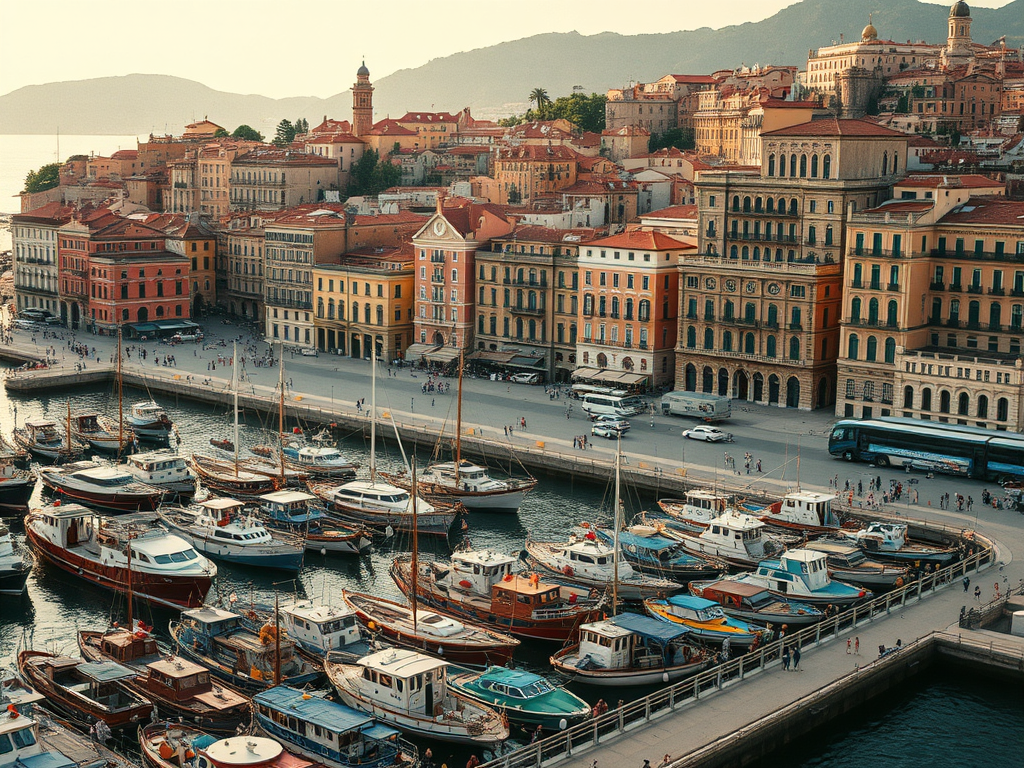
    Genoa, a vibrant port city in the northwest of Italy, has a history as captivating and intricate as its labyrinthine streets. Known as “La Superba” (The Proud), Genoa has played a crucial role in the Mediterranean world for centuries. As the capital of the Liguria region, it boasts a legacy of exploration, trade, art, and political significance that rivals any other in European history. The history of Genoa is one of resilience and adaptation, as the city transitioned from a powerful maritime republic to a modern, bustling metropolis. This article delves into the rich and multifaceted history of Genoa, tracing its evolution from ancient times through the height of its naval and commercial power in the Middle Ages, to its role in Italian unification and beyond.

    Ancient Origins and Roman Rule

    Genoa’s origins stretch back to prehistoric times, with archaeological evidence suggesting that Ligurian tribes inhabited the region as early as the 5th millennium BCE. These tribes were known for their seafaring skills and their interactions with other Mediterranean civilizations, such as the Phoenicians and Greeks. The first recorded name of the settlement that would become Genoa was “Stalia,” and it was an important trading center due to its strategic location on the Ligurian Sea.

    By the 3rd century BCE, the area came under Roman influence as part of the broader Roman conquest of the Italian peninsula. Genoa, then known as Genua, became a Roman municipium and thrived as a trading hub, connecting the Italian hinterlands to the Mediterranean. The city was important for supplying Rome with goods from Gaul and Spain, including metals, wine, and olive oil. During the Punic Wars, Genoa played a key role in supporting Rome against the Carthaginians. However, the city suffered significant damage when it was sacked by Carthaginian general Mago in 205 BCE. Despite this setback, the city was rebuilt and prospered under Roman rule.

    After the collapse of the Western Roman Empire in the 5th century CE, Genoa, like much of Italy, was caught in a turbulent period of invasions by barbarian tribes. The Ostrogoths and later the Lombards controlled the region, which led to a decline in trade and urban life. However, Genoa’s natural harbor remained vital, and the city’s maritime tradition would prove essential in its future rise.

    The Rise of the Genoese Republic

    By the early Middle Ages, Genoa began to recover from the disruptions of the post-Roman period. Its strategic location allowed it to rebuild its economy based on maritime trade. However, it wasn’t until the 11th century that Genoa began to emerge as a powerful maritime republic, alongside other Italian city-states like Venice, Pisa, and Amalfi. Genoa’s rise was fueled by its ability to exploit its naval capabilities, engaging in trade and military ventures throughout the Mediterranean.

    In 1096, Genoa played a significant role in the First Crusade by providing ships and military support to the crusaders. In return, the city gained important trading privileges in the Crusader states, which allowed it to expand its commercial empire in the Eastern Mediterranean. The Genoese established colonies and trading posts in key cities like Constantinople, Acre, and Antioch, as well as along the coasts of North Africa and the Black Sea. Genoa’s powerful navy enabled it to protect its interests and compete with rival maritime powers, especially Venice.

    By the 12th century, Genoa had established itself as an independent republic with a complex system of governance. The city was ruled by a series of consuls, and later by a doge (duke), who was elected by the nobility. The Genoese aristocracy was divided into factions, with powerful families like the Doria, Grimaldi, Spinola, and Fieschi competing for influence. Despite internal conflicts, Genoa’s maritime prowess continued to grow, and by the 13th century, it had become one of the dominant trading powers in the Mediterranean.

    One of Genoa’s greatest contributions to global exploration came in 1451 with the birth of Christopher Columbus, arguably the city’s most famous son. Though Columbus sailed under the Spanish flag, his Genoese origins are a point of great pride for the city, and his explorations would later have a profound impact on European history.

    The Height of Genoese Power: Trade, Finance, and Conflict

    Genoa reached the height of its power in the late Middle Ages, particularly during the 13th and 14th centuries. The city’s wealth was built on its maritime trade, which included everything from spices and silk to slaves and gold. The Genoese also became renowned for their shipbuilding industry, constructing large, fast ships that could carry goods and troops across vast distances.

    One of the most significant aspects of Genoa’s economic power was its financial expertise. By the late 13th century, Genoese bankers had become the financiers of European monarchs, including the kings of France and Spain. The city’s financial institutions pioneered many of the practices that would later become standard in modern banking, such as the issuance of credit and the use of promissory notes. This financial acumen allowed Genoa to exert influence far beyond its borders, and the city became known as the “Bankers of Europe.”

    However, Genoa’s success was not without challenges. The city was engaged in a bitter rivalry with Venice, another powerful maritime republic. The two cities clashed in a series of conflicts known as the Genoese-Venetian Wars, which spanned several centuries. These wars were fought primarily over control of trade routes and colonies in the Eastern Mediterranean. The most famous of these conflicts was the War of Chioggia (1378-1381), in which Genoa initially gained the upper hand but ultimately failed to defeat Venice. Although Genoa survived the conflict, the war weakened its naval and financial power.

    Another significant blow to Genoa’s prosperity came in the form of the Black Death, which swept through Europe in the mid-14th century. As a major port, Genoa was particularly vulnerable to the plague, which decimated the city’s population and disrupted trade for years. Despite these challenges, Genoa continued to be a major player in Mediterranean commerce and politics.

    the history of genoa
    Genoa, a vibrant port city in the northwest of Italy, has a history as captivating and intricate as its labyrinthine streets.

    The Decline and Spanish Influence

    The 15th and 16th centuries saw a gradual decline in Genoa’s power as the global balance of trade shifted. The discovery of the Americas and new trade routes to Asia reduced the importance of Mediterranean commerce, and Genoa struggled to adapt to the changing economic landscape. Furthermore, internal strife between the city’s powerful families, as well as external pressures from foreign powers, weakened the republic.

    In 1528, the city underwent significant political reform under the leadership of Andrea Doria, one of Genoa’s most influential figures. Doria, a naval commander and statesman, restructured the government and established a more stable oligarchic system. He also aligned Genoa with the Spanish Habsburgs, which brought the city into the Spanish sphere of influence. Under Spanish protection, Genoa regained some of its former prosperity, particularly through its financial dealings with the Spanish crown. Genoese bankers became instrumental in funding Spain’s imperial ambitions, particularly in the Americas.

    However, Genoa’s dependence on Spain also made it vulnerable to the fortunes of the Spanish Empire. As Spain’s power waned in the 17th century, so too did Genoa’s influence. The city’s financial institutions began to decline, and its maritime power was eclipsed by rising European powers like France and the Netherlands.

    The Napoleonic Era and the End of the Republic

    The 18th century was a period of continued decline for Genoa, as the city struggled to maintain its independence in the face of rising European powers. By the late 18th century, the Genoese Republic was a shadow of its former self. In 1797, Napoleon Bonaparte’s forces invaded northern Italy, and Genoa was forced to abandon its republican government. Under French control, the old Genoese Republic was replaced by the Ligurian Republic, a satellite state of the French Empire.

    Napoleon’s defeat in 1815 led to the Congress of Vienna, which redrew the map of Europe. As part of the settlement, Genoa was annexed to the Kingdom of Sardinia (later the Kingdom of Italy). This marked the end of Genoa’s centuries-old independence, and the city was absorbed into the new political order of Italy.

    Genoa in Modern Italy: Industrialization and Unification

    Despite the loss of its independence, Genoa continued to play a significant role in Italy’s political and economic development. In the 19th century, the city became an important center of the Italian unification movement, known as the Risorgimento. Genoese patriots like Giuseppe Mazzini were instrumental in the push for Italian unity, and the city was a hotbed of revolutionary activity.

    In the decades following unification, Genoa underwent significant industrialization. Its port remained one of the most important in Italy, and the city became a center for shipbuilding, steel production, and manufacturing. The development of railroads further enhanced Genoa’s position as a key commercial hub, connecting northern Italy with the rest of Europe.

    Genoa Today: A City of History and Innovation

    Today, Genoa is a dynamic city that balances its rich historical legacy with modern industry and innovation. Its port remains one of the busiest in the Mediterranean, and the city has become a center for finance, technology, and education. Genoa’s historic center, with its narrow alleyways and medieval buildings, is a UNESCO World Heritage site, attracting tourists from around the world.

    The city’s enduring legacy as a maritime power and financial innovator continues to shape its identity, making Genoa a living testament to its storied past.

  • The arrival of the Portuguese in Japan: A Collision of Cultures and the Dawn of a New Era

    The arrival of the Portuguese in Japan: A Collision of Cultures and the Dawn of a New Era

    Introduction

    In the 16th century, Japan was introduced to the world beyond its shores, primarily due to the arrival of Portuguese explorers and traders. This initiative marked a significant turning point in Japanese history, as it opened a gateway for cultural exchange, trade, and the introduction of new technologies. The Portuguese not only brought goods such as textiles and spices but also firearms, which would forever change the landscape of Japanese warfare. Furthermore, they introduced Christianity, an ideology that would shape cultural dynamics in the region for years to come. The relationship between the Portuguese and the Japanese was rich and complex, leading to both collaboration and conflict. This article explores the multifaceted impact of Portuguese arrival in Japan and its enduring legacy on Japanese culture.

    The historical context of the Portuguese arrival in Japan

    The arrival of the Portuguese in Japan in the mid-16th century was a significant event driven by a combination of factors, including exploration, trade interests, and geopolitical dynamics. The Age of Discovery had set the stage for European powers to look beyond their shores, seeking new trade routes and opportunities for wealth. Portugal, one of the pioneering maritime nations, ventured into Asia, spurred by the desire to dominate spice trade and to access goods that were highly sought after in Europe.

    In 1543, the Portuguese first set foot on Japanese soil when a shipwrecked crew landed on the island of Tanegashima. This fortuitous event marked the beginning of an era of interaction between two vastly different cultures. The motivations behind the Portuguese expeditions were rooted in the quest for trade and the spread of Christianity. They sought to establish a foothold in the lucrative Asian markets, and Japan represented an unexplored opportunity.

    Initial interactions between Portuguese traders and Japanese were characterized by curiosity and exchange. While the Portuguese were eager to learn about Japanese customs, the Japanese were equally intrigued by the foreigners’ appearance, language, and technological advancements. Over time, this initial curiosity evolved into complex diplomatic relationships, as both sides negotiated terms of trade and cultural interaction.

    The religious dimension of the Portuguese arrival should not be overlooked. Jesuit missionaries quickly followed the traders, aiming to spread Christianity throughout Japan. They found a receptive audience among certain Japanese warlords and peasants, leading to the establishment of numerous Christian communities. This religious influence would later spark significant reactions from traditionalist factions within Japan, leading to conflicts that would shape the future of foreign relations in the region.

    Ultimately, understanding the context of Portuguese arrival is crucial to appreciating the impacts they had on Japanese society, trade, and warfare. This period of interaction would not only reshape Japan but also leave an indelible mark on its cultural identity.

    Impact on Local Trade and Japanese Economy

    The arrival of the Portuguese in Japan brought about a seismic shift in the local economy, marked by the introduction of new trade goods, the establishment of trade networks, and economic collaborations that had lasting implications. Before the Portuguese arrived, Japan was largely self-sufficient, relying on its domestic resources and achievements. However, the infusion of foreign goods and commodities transformed the fabric of Japanese commerce.

    One of the most famous products introduced by the Portuguese was the matchlock gun, known as “tanegashima” in Japan. This firearm was a game-changer, not only representing a new means of warfare but also becoming a key trading item. Along with firearms, the Portuguese traded various goods, including textiles, glassware, and other luxury items that were previously unattainable for the Japanese aristocracy. This influx of new products altered consumption patterns and created demand for foreign goods among the samurai class and merchants.

    As Portuguese ships began to arrive consistently, Nagasaki emerged as a pivotal trading hub. The city, chosen for its natural harbor and strategic location, became a focal point for commerce between Japan and Portuguese traders. The establishment of trade connections allowed for the exchange of information and culture, leading to improved navigation techniques and the advent of new agricultural practices. The Portuguese introduced new crops, including sweet potatoes and tobacco, which eventually became staples in Japanese agriculture.

    Furthermore, the trade networks established by the Portuguese had wider implications beyond immediate economic benefits. They marked the beginning of globalization influences in Japan, as foreign trade connected the Japanese with markets and cultures beyond their own. This connection facilitated not only the exchange of goods but also ideas and technologies, which would continue to influence Japan’s cultural evolution for centuries.

    The economic impacts of Portuguese trade reached far beyond the immediate benefits of imported goods. The backdrop of increasing demand for firearms stimulated domestic production, as Japanese artisans learned to manufacture their own matchlocks to meet the expanding needs of feudal lords during the ongoing conflicts of the Sengoku period. This provided an impetus for technological advancement in metallurgy and craftsmanship, transforming the local economy.

    In conclusion, the introduction of Portuguese traders revolutionized Japanese trade and economic structures. Their presence cultivated a dynamic exchange of goods, information, and cultural influence that would shape the development of Japan in the centuries to follow.

    Cultural Exchange: Art, Religion and Technology

    The arrival of the Portuguese in Japan initiated a vibrant cultural exchange that introduced new artistic, religious, and technological influences into Japanese society. As the Portuguese established trade and diplomatic relationships, they inadvertently facilitated a significant blend of cultures that would leave an indelible mark on Japan.

    One of the most visible aspects of this cultural exchange was the introduction of Western religious beliefs and practices. Jesuit missionaries, recognizing Japan’s openness to new ideas, began arriving shortly after the Portuguese traders. They found interest particularly among the samurai class, some of whom converted to Christianity. The missionaries sought to spread their faith while also documenting Japanese culture, language, and customs, leading to a wealth of knowledge about Japan being sent back to Europe.

    As these missionaries built churches and established communities, they introduced not only religious teachings but also Western art forms. This fusion of styles resulted in new artistic expressions that combined European techniques with traditional Japanese aesthetics. The influence of Western painting manifested in various ways, such as the use of oil paints and perspective techniques that were previously unfamiliar to Japanese artists. This exchange of artistic styles significantly contributed to the evolution of Japanese visual culture.

    Furthermore, the Portuguese played a pivotal role in the dissemination of new technologies in Japan. The introduction of firearms radically altered the landscape of warfare in the country. However, it wasn’t just firearms that made an impact; various mechanical technologies were introduced, including watches and timekeeping devices. These innovations were not merely practical; they also captured the fascination of Japanese artisans, encouraging them to explore and adapt these techniques.

    In addition to artistic and technological influences, the Portuguese also introduced new culinary elements that blended with existing Japanese cuisine. The introduction of ingredients such as tomatoes, sugar, and various spices led to the development of new dishes and flavors. This culinary exchange created a unique fusion that has endured throughout Japanese cuisine, even to this day.

    The Portuguese presence in Japan also fostered cross-cultural dialogues that allowed for philosophical exchange. As the Japanese engaged with European views on governance, ethics, and worldview, layers of thought previously unexamined began to emerge, challenging traditional Japanese perceptions and ideologies.

    In conclusion, the cultural exchange catalyzed by the Portuguese arrival in Japan resulted in profound transformations that echoed through the realms of religion, art, technology, and cuisine. This interaction fostered a hybrid culture that enriched Japan, broadening its worldview and leaving a legacy that would shape its future encounters with the outside world.

    Military Influence: The Introduction of Firearms in Japan

    The military significance of the Portuguese arrival in Japan cannot be overstated. The introduction of firearms marked a turning point in Japanese warfare, forever altering how conflicts were approached and executed during a time characterized by internal strife and power struggles.

    Before the arrival of the Portuguese, Japanese warfare primarily relied on traditional tactics that emphasized the use of swords, spears, and cavalry maneuvers. However, with the introduction of the matchlock gun, or tanegashima, warfare underwent a revolution. The tanegashima was relatively easy to use and became an effective weapon against the heavily armored samurai. Its introduction required a reevaluation of military tactics, leading to the integration of firearm units into samurai armies.

    The initial response of Japanese warlords to firearms was a mix of skepticism and intrigue. While some feudal leaders saw the potential of incorporating gunpowder weaponry into their arsenals, others were hesitant, preferring traditional methods of combat. However, as battles raged on and defeats mounted, the effectiveness of firearms compelled even traditionalists to adapt. The Portuguese not only supplied matchlocks but also shared the necessary gunpowder and training methods, which facilitated the rapid dissemination and adoption of this technology across feudal Japan.

    As firearms became more prevalent, the role of warfare in Japanese society shifted. Battles became bloodier, requiring innovative strategies and command structures. Warlords who effectively integrated firearms into their forces often gained significant advantages over their rivals. The Battles of Nagashino in 1575, where Tokugawa Ieyasu’s forces utilized modern firearm tactics, were crucial in demonstrating the effectiveness of firearms in achieving decisive victories.

    Moreover, the introduction of firearms catalyzed a reevaluation of social hierarchies within the military. Samurai, who had prided themselves on their martial skills, found themselves compelled to adapt to this new form of warfare. As a consequence, the importance placed on individual skill diminished compared to the collective firepower of troops. This transition altered the social fabric of the samurai class, provoking debates about honor, loyalty, and the evolving nature of warfare.

    The military influence of Portuguese firearms can be seen as a precursor to Japan’s eventual unification under the Tokugawa shogunate. During the Sengoku period, the widespread adoption of firearms contributed to the centralization of power by enabling warlords to consolidate their territories through decisive military engagements. The resulting stability allowed for the flourishing of trade and cultural exchange during the Edo period.

    In conclusion, the introduction of firearms by the Portuguese had a profound military influence on Japan. It marked a revolutionary shift in warfare, prompting social changes and affecting the very structure of power dynamics within the feudal landscape of Japan. The transformation catalyzed by this military technology would resonate throughout Japanese history and contribute to the eventual unification of the nation.

    Long-Term Consequences in Japan of Portuguese Influence

    The long-term consequences of the arrival of the Portuguese in Japan are integral to understanding the trajectory of Japanese history and its interactions with the wider world. Although the initial relationship flourished during the 16th century, various factors led to a decline in Portuguese influence by the early 17th century, yet the effects of their presence shaped Japan’s development for generations to come.

    As the Portuguese merchants and Jesuit missionaries established their foothold, they fundamentally changed Japan’s perception of the outer world. However, the rise of nationalist sentiment and the consolidation of power by the Tokugawa shogunate led to a period of isolation known as Sakoku. By the early 1630s, the shogunate’s policies aggressively sought to expel foreign influences and restrict trade to maintain internal stability. While these actions curtailed Portuguese presence, the ideas, technologies, and cultural exchanges initiated in the previous century left an indelible mark.

    One significant long-term consequence was the impact of Portuguese trade on Japanese economic practices. The commercial networks established during their time laid the groundwork for future trade systems. Even after the Portuguese were largely expelled, Japan maintained a controlled trading relationship with the Dutch, among others, which kept the flows of goods and learning alive. Japanese merchants, inspired by their earlier interactions with the Portuguese, adapted trading methods that would benefit their economy during the Edo period.

    The technological advances brought about by the Portuguese, particularly in shipbuilding and navigation, also had enduring implications. Although Japan entered a period of isolation, the initial contact with European techniques spurred further developments. It encouraged Japanese craftsmen to innovate, merging traditional methods with newly acquired knowledge, eventually leading to the creation of uniquely Japanese inventions.

    Furthermore, the introduction of Christianity by the Portuguese initiated intricate dynamics within Japanese religious practice. Although Christianity experienced severe persecution following the shogunate’s isolationist policies, it laid the foundation for a dual yet profound dialogue between traditional Japanese beliefs and newfound faith. The influence of Western ideologies persisted quietly, eventually resurfacing with the opening of Japan in the mid-19th century.

    Japan’s cultural landscape was also significantly affected. The art forms and styles introduced by the Portuguese began evolving within the context of Japanese culture. Traditional art forms incorporated Western techniques, leading to new schools of thought and aesthetic sensibilities in painting, sculpture, and theater reflecting this synthesis of influences.

    In conclusion, while the immediate Portuguese presence in Japan waned, the long-term consequences of their arrival resonated across multiple dimensions of Japanese society. From economic practices to cultural transformations, the influences established during the 16th century permeated through periods of isolation and ultimately contributed to the Japan we recognize today. The legacy of this early cross-cultural engagement exemplifies the complex interplay between isolation and globalization, shaping Japan’s identity in the modern world.

    Conclusion

    In retrospect, the arrival of the Portuguese in Japan represented a watershed moment that initiated profound transformations across cultural, economic, and military sectors. The initial interactions paved the way for dynamic exchanges that introduced new technologies, artistic influences, and religious practices to Japan, culminating in a richer, more complex cultural identity. Despite the subsequent decline of Portuguese influence as Japan entered a more isolationist era, the impacts of that early engagement lingered, shaping Japan’s trajectory throughout its history.

    The fusion of Japanese customs with Portuguese innovations illustrates a unique period of global interaction that defied the confines of distance and cultural differences. The consequences of this exchange are evident in contemporary Japanese society, which continues to reflect vestiges of that initial engagement. As the layers of history unfold, it becomes clear that the connections made during the Portuguese presence in Japan enriched not only Japanese culture but also contributed to a legacy of cultural exchange that resonates across the centuries.

    If you want also to read our article about the Meiji Restoration in Japan just click the link The Meiji Restoration: A great transformational Era in Japan’s History (2025 update).

    Sources

    • “A History of Japan 1582-1941: External Pressure and Internal Crisis” by I. F. G. Quigley
    • “The Portuguese Colonial Empire 1415-1825” by Charles R. Boxer
    • “Japan and the Dutch 1600-1850” by Jan Eastgate
    • “Introduction to Modern Japan” by Jonah S. Sudborough
    • “The Jesuits: A History from Ignatius to the Present” by John W. O’Malley
    • Scholarly journals, articles, and primary sources from the web and libraries related to historical trade, cultural exchanges, and military techniques in Japan.

  • The History of Brasília: A Brazil’s Capital Reshaped by Vision (2025 update)

    The History of Brasília: A Brazil’s Capital Reshaped by Vision (2025 update)

    Introduction

    Brasília, the capital of Brazil, stands as a remarkable testament to mid-20th-century urban planning. Founded in 1960, it was envisioned to promote the country’s development and integrate the vast territories of Brazil. Designed by the innovative architect Oscar Niemeyer and urban planner Lúcio Costa, Brasília’s layout resembles an airplane, signaling a break from traditional city planning. The city’s creation was not just an architectural endeavor; it represented a bold political decision aiming to shift the focus of Brazil from the coastal cities to the interior. As the city evolved, it became not only the seat of government but also a unique cultural and social melting pot, reflecting the complexities of Brazilian identity. This article delves into the multifaceted history of Brasília, shedding light on its formation, growth, and the ongoing challenges it faces today.

    The Birth of Brasília: Planning and Design

    The inception of Brasília was primarily the brainchild of President Juscelino Kubitschek, who envisioned a bold plan to facilitate movement and encourage settlement in Brazil’s interior. Recognizing that Brazil’s development was lopsided, heavily concentrated along the Atlantic coast, Kubitschek sought to stimulate growth in the central region by establishing a new capital. The location chosen was strategic; it was relatively central, providing equal access to all regions of the country, thus symbolizing the heart of Brazil.

    In 1956, the Brazilian government commissioned renowned architect Oscar Niemeyer and urban planner Lúcio Costa to bring this vision to life. Niemeyer’s design for the governmental buildings brought an artistic and modern flair that utilized concrete and glass to create flowing, organic forms. Lúcio Costa’s planning for the city showcased a bold and innovative layout: the city plan resembled an airplane in flight, with the central axis serving as the main thoroughfare and distinct sectors designated for various functions such as residential, commercial, and governmental purposes.

    The design incorporated green spaces as a critical aspect of urban life, providing residents a visual respite and contributing to environmental sustainability. However, it faced criticism for being overly utopian and disconnected from the realities of daily life. Critics argued that the city’s design, while aesthetically impressive, was impractical for its users, raising concerns about the social interactions it fostered.

    Despite these criticisms, the groundbreaking ceremony for Brasília took place on April 21, 1957. This date was symbolic, coinciding with the anniversary of the city of Tiradentes, a national hero who symbolizes Brazilian independence. The aggressive timeline set by Kubitschek aimed to complete the city in just 41 months, a task that posed significant construction challenges yet fostered intense nationwide involvement in its development, drawing workers from across Brazil to partake in building the capital.

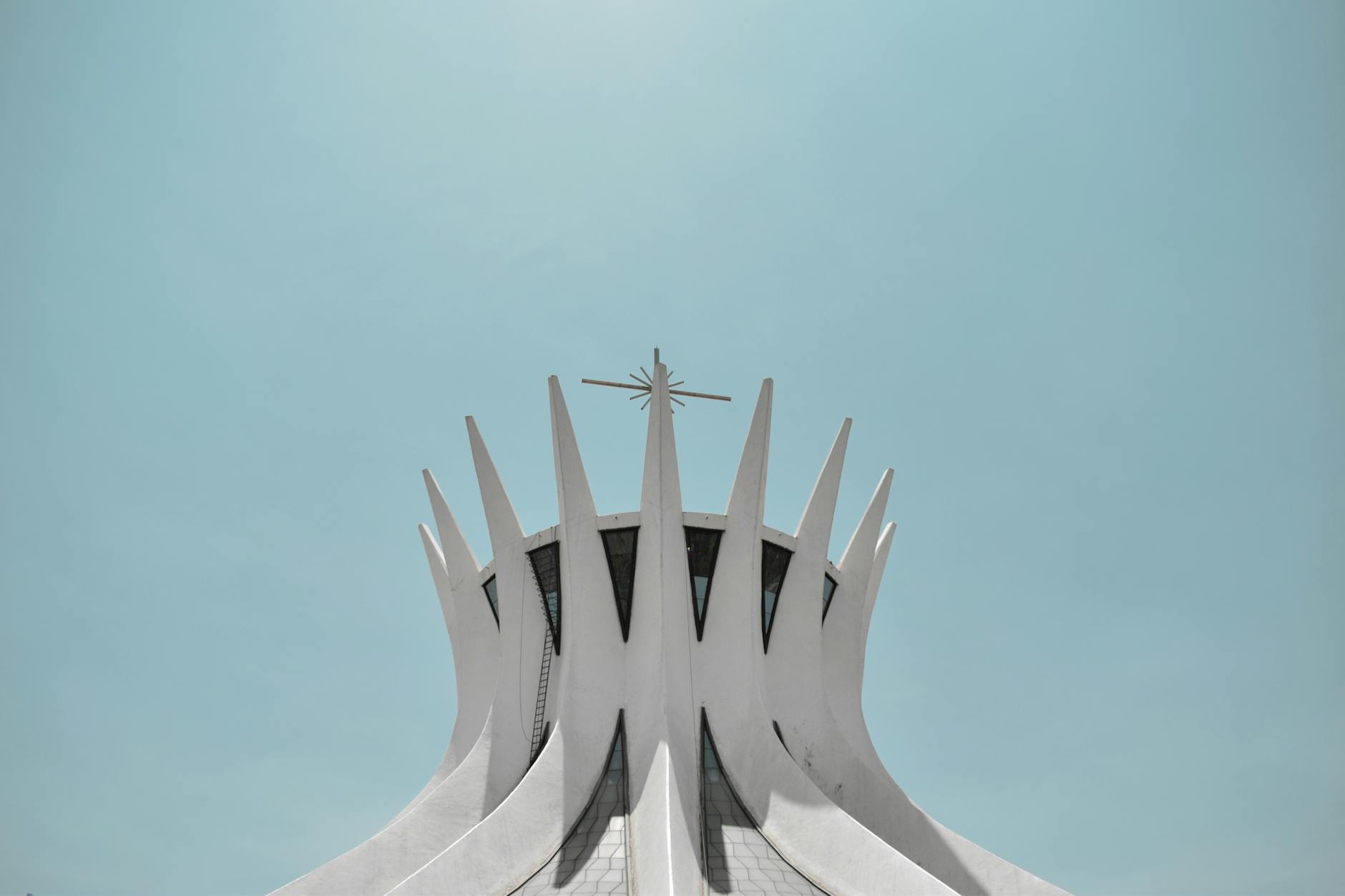
    The city officially inaugurated on September 7, 1960, coincided with Brazil’s Independence Day. Brasília’s architectural marvels quickly drew attention, with its National Cathedral and the Congress building becoming iconic representations of modern Brazilian architecture. The government made extensive efforts to promote the city, attracting not only government officials but also artists, intellectuals, and citizens seeking new opportunities.

    Through careful planning and execution, Brasília emerged as a symbol of national progress, innovation, and decisiveness. The combination of its unique architectural features and thoughtful urban planning transformed it into a magnet for new ideas and cultural movements, playing a crucial role in shaping Brazil’s identity and aspirations for modernity.

    Construction Challenges and Milestones

    The construction of Brasília was a monumental task, fraught with challenges that tested the limits of engineering, logistics, and the will of the people involved. The swift timeline imposed by President Kubitschek required ingenuity and flexibility from construction teams, workers, and planners alike. Initially, the government faced difficulties in acquiring the necessary land in the central plateau, dealing with various landowners and negotiating as the project moved forward.

    Once the land was secured, the construction teams encountered a myriad of practical challenges. The harsh climate of the Brasília region, marked by dry seasons and heavy rains, meant that construction techniques had to be adapted continuously to prevent delays. The promise of decent wages attracted workers from across the nation, leading to a significant influx into the new capital’s construction sites. This labor, often unskilled, required extensive training and management to maintain efficiency and safety standards, as many were inexperienced in urban construction.

    Technologically, the project was ambitious. Brasília’s construction employed cutting-edge techniques for its time, including reinforced concrete and innovative prefabrication methods that allowed for rapid assembly of residential and commercial buildings. The construction of monumental buildings like the Palácio da Alvorada, the official residence of the President, and the National Congress of Brazil symbolized a new era in Brazilian architecture and public life.

    Despite these advances, the project was not without its controversies. Many questioned the allocation of resources in building a capital poised to represent national unity, especially given Brazil’s ongoing social disparities. Critics pointed out that many citizens could have benefited from funds directed toward social programs rather than a new capital. These debates often became politically charged, with citizens voicing their opinions through demonstrations and writings that depicted Brasília as a luxury reserved for the elite.

    Furthermore, environmental concerns arose as construction disturbed local ecosystems. The rapid expansion into the surrounding landscape raised alarms among environmentalists and indigenous rights advocates. The government responded with promises of creating parks and incorporating green spaces, but the lasting ecological impact of such a large-scale construction project remained contentious.

    Against all odds, the construction of Brasília was officially completed in under four years, with significant milestones achieved along the way. The inauguration of the city showcased not only the architectural prowess of its buildings but also the collective determination and labor of everyone involved. It marked a turning point in Brazilian history, not only as a capital but as a living experiment in urban planning, modernization, and national identity.

    Cultural Development and Identity

    Following its establishment, Brasília began to develop its unique cultural identity, which has been shaped by its diverse population and the influences brought by its residents from all over Brazil. The city attracted artists, intellectuals, and professionals who were drawn to its innovative spirit and opportunities for a fresh start. Over the years, Brasília evolved into a vibrant cultural hub, hosting numerous events and institutions that contributed to its rich cultural landscape.

    One of the fundamental aspects of Brasília’s cultural identity is its architecture and urban design, which reflects the ideals of modernism. The sleek lines and bold structures of Niemeyer’s buildings not only function as government spaces but also as art forms that embody the creative aspirations of Brazil. Some notable cultural landmarks include the National Museum of the Brazilian Republic, which offers exhibitions that celebrate Brazilian art and history, and the Teatro Nacional, a concert hall that showcases local and international performances. These venues have fostered a love for the arts among residents and contribute significantly to the cultural vibrancy of the city.

    In addition to arts and architecture, Brasília has seen a blossoming of various cultural festivals that celebrate both its unique identity and the broader diversity of Brazilian culture. The city hosts events like the Brasília Music Festival, which draws international musicians and showcases various genres, including classical, jazz, and popular Brazilian music. Local celebrations, such as the Festa Junina, integrate traditional Brazilian customs that resonate with residents who come from different regions, embodying a blend of cultural influences.

    Moreover, Brasília has increasingly become a platform for discussing social issues through urban art and street performances. The city is home to vibrant murals and graffiti that reflect the political and social concerns of its citizens, addressing themes such as inequality, identity, and the environment. This burgeoning street art scene reflects the conversations and conflicts present within Brasília, fostering a sense of community and promoting dialogue among its residents.

    The city’s educational institutions play a crucial role in shaping its cultural identity. The presence of universities and research centers has attracted a young and dynamic population, encouraging an environment of intellectual discourse and innovation. These institutions contribute to the city’s modernization narrative by engaging students in critical discussions about the future of Brasília and Brazil as a whole.

    However, the cultural development of Brasília is not without its challenges. The city often faces criticism for its lack of social cohesion, with stark contrasts between affluent and marginalized communities. As urban migration continues, the risk of cultural homogenization rises, posing a threat to the unique identities brought by its diverse inhabitants. Addressing these disparities is vital for fostering a rich and inclusive cultural landscape that stays true to the ideals upon which Brasília was built.

    In conclusion, the cultural identity of Brasília reflects its unique history, architectural grandeur, and the interactions of its diverse populace. As the city continues to grow and evolve, it remains a canvas for artistic expression and a dynamic participant in the broader cultural conversations shaping Brazil today.

    Political Significance and Role

    Brasília’s establishment as the capital of Brazil was not merely a geographic relocation of power but a deliberate strategy to change the political landscape of the nation. The city’s formation symbolized a new era of governance, aimed at centralizing political activity and fostering a sense of national unity. From its inception, Brasília has served as a stage for significant political developments, including hosting legislative battles, diplomatic negotiations, and social movements.

    The very design of Brasília reflected the aspirations of a modern and progressive nation. By relocating the capital from the coastal cities to the interior, the government aimed to integrate the vast and often neglected regions of Brazil, thus promoting decentralization of power. Brasília emerged as a symbol of the Brazilian elite’s desire for a more forward-looking society, signifying the country’s commitment to development and modernization.

    The city is home to key governmental institutions, including the Brazilian National Congress, the Presidential Palace, and the Supreme Federal Court, each remarkable not just for their architectural style but also their operational significance. The National Congress, with its iconic dome and bowl-shaped structures, symbolizes the power of legislative oversight. The Presidential Palace (Palácio da Alvorada) stands as a monument to executive power, while the Supreme Federal Court safeguards the rule of law, making Brasília the epicenter of Brazilian politics.

    As a political hub, Brasília has witnessed some of Brazil’s most critical historical events and decisions. The city played a central role during the military dictatorship from 1964 to 1985, serving as a strategic base for the government. The concrete edifices of Brasília became the backdrop for social upheavals, grassroots activism, and the fight for democracy, as citizens took to the streets to demand greater civil rights and social justice.

    More recently, Brasília has faced political challenges that reflect broader societal issues. The city has been the site of numerous protests, including those advocating for education, health care, and social justice. These movements have highlighted the gaps between government promises and the realities faced by ordinary citizens, revealing the inherent tensions within a rapidly modernizing society. The National Congress has become a focal point for debates on corruption, economic inequality, and governance, with citizens increasingly demanding accountability from their leaders.

    Moreover, Brasília has also emerged as a center for foreign diplomacy and international relations. Its geographic position makes it accessible for navigating discussions between countries, and the diplomatic corps is actively engaged in bilateral negotiations on issues ranging from trade agreements to environmental protections. The city houses several embassies and international organizations, making it a melting pot of cultures and ideologies.

    As Brasília continues to evolve, its political significance remains pivotal to the greater narrative of Brazil. The ongoing dialogues about governance, representation, and equity reflect the aspirations of a nation seeking to redefine itself in a globalized world. In navigating the complexities of modern politics, Brasília stands at the forefront, embodying both the triumphs and challenges of Brazilian society.

    Contemporary Challenges and Future Prospects

    While Brasília has fulfilled many of its founding aspirations, the city faces contemporary challenges that reflect the broader issues confronting Brazil as a whole. The rapid urbanization and population growth in Brasília have strained infrastructure, exacerbated social inequalities, and tested the city’s governance models. These challenges necessitate innovative solutions to foster sustainable growth and ensure that Brasília continues to fulfill its role as a national symbol of progress.

    One of the most pressing issues is urban planning and infrastructure development. Brasília was designed for a population of around 140,000, but as of recent estimates, the population has surpassed 3 million. This boom has led to increased traffic congestion, inadequate public transportation, and a shortage of affordable housing. Many residents are now forced to live in satellite cities, leading to a fragmented metropolitan area that blurs the lines of urban identity and makes it difficult to manage public services effectively.

    The city’s urban sprawl has also raised environmental concerns, particularly regarding deforestation and habitat loss in surrounding areas. The delicate balance between development and conservation presents ongoing challenges for policymakers, who must weigh the thirst for expansion against the need to protect the natural environment. Sustainable urban planning practices, including increasing green spaces and promoting eco-friendly construction, have become integral to addressing these concerns.

    Social inequality remains a critical issue in Brasília, as marginalized communities struggle to access basic services such as education, healthcare, and employment opportunities. The stark disparities between affluent neighborhoods and impoverished areas underscore the urgent need for inclusive policies that promote social mobility and cohesive community building. Programs targeting education and employment initiatives can help bridge the gap, ensuring that all residents have an equal stake in the city’s growth.

    Political instability continues to impact Brasília, reflecting broader national concerns about governance and corruption. As citizens demand greater accountability from their leaders, the city has become a focal point for political movements advocating for transparency and active civic participation. Engaging citizens in the political process through dialogue and action is vital for rebuilding trust and fostering a more inclusive governance model.

    Despite these challenges, Brasília’s future holds significant potential. The city’s rich cultural landscape, bolstered by its unique architecture and diverse population, positions it as a vibrant center for innovation and creativity. As it navigates the complexities of urbanization and social equity, Brasília can leverage its strengths by fostering collaboration among community leaders, government authorities, and civil society organizations.

    Moreover, the global shift toward smart cities—utilizing technology to improve urban living—provides opportunities for Brasília to modernize its infrastructure and public services. By investing in public transportation, energy efficiency, and digital connectivity, the city can enhance the quality of life for its residents while setting an example for sustainable urban development in Brazil and beyond.

    In conclusion, while Brasília grapples with the challenges of contemporary urban life, its resilience and capacity for innovation provide hope for a brighter future. By embracing its historical narrative and envisioning an inclusive and sustainable path forward, Brasília can continue to thrive as a beacon of progress and modernity in Brazil.

    Conclusion

    The history of Brasília is a remarkable narrative of ambition, innovation, and resilience. From its visionary planning and construction challenges to its evolving cultural identity and political significance, the city epitomizes Brazil’s aspirations for modernity and national unity. As Brasília faces contemporary challenges such as urbanization, inequality, and political complexities, the city’s future lies in the hands of its residents and leaders who embrace the principles of inclusivity, sustainability, and active civic engagement. By recognizing its unique heritage and fostering a collaborative environment, Brasília can continue to grow as a vibrant capital that embodies the hopes and dreams of Brazil’s diverse population. Ultimately, Brasília not only reflects the historical journey of a nation but also serves as a canvas for its ongoing transformation, standing tall as a testament to the possibilities of human endeavor and creativity.

    Sources

    • “Brasília: A História da Capital do Brasil” – Historical analysis by local historians
    • “Oscar Niemeyer: The Man Who Built Brasília” – Biographical book about the architect
    • “Urban Planning and the Politics of Brasília” – Journal article on urban studies
    • “Cultural Life in Brasília” – Reports on arts and cultural practices in the city
    • “Challenges in Urban Development: The Case of Brasília” – Academic paper on modern city challenges
    • Brasília Government official website for current policies and urban development updates