Category: Tourism & Travel

Explore the world with our comprehensive travel guides, tips, and destination reviews. From hidden gems to popular hotspots, we provide expert advice on everything from planning your trip to travel hacks, accommodations, and local experiences. Start your next adventure with insightful content that helps you travel smarter and create unforgettable memories.

  • Discover Piódão in 2025: Portugal’s Enchanting Schist Village

    Discover Piódão in 2025: Portugal’s Enchanting Schist Village

    Introduction

    Nestled in the heart of the Serra do Açor mountains, Piódão emerges like a scene from a storybook, enchanting visitors with its rustic charm and stunning natural landscape. This picturesque village, built almost entirely from schist stone, showcases a unique architectural style that blends harmoniously with its mountainous surroundings. With narrow winding streets, traditional slate-roofed houses, and vibrant flowers adorning window sills, Piódão exudes an atmosphere of tranquility and history. The village also holds a rich cultural tapestry, reflecting the traditions of the region and an enduring connection to its past. As you wander through Piódão, you will discover not only its visual beauty but also the warmth of a community that thrives amidst nature’s splendor. This article endeavors to explore the allure of Piódão, from its distinctive architecture and cultural heritage to the breathtaking scenery that envelops it.

    Introduction to Piódão: A Hidden Gem in Portugal

    Piódão is undoubtedly one of Portugal’s best-kept secrets, hidden away within the steep hills of the Serra do Açor. At first glance, the village appears frozen in time, with its traditional schist houses hugging the mountainside, their dark stone facades glowing warmly in the sunlight. The route leading to Piódão meanders through the lush green valleys and picturesque landscapes of the region, setting the tone for an adventure that feels like stepping into a forgotten world.

    Upon arrival, visitors are immediately captivated by Piódão’s charm. The village’s origins date back to the 12th century, and its establishment is closely tied to the surrounding natural resources. Piódão was initially a settlement for those extracting and utilizing schist stone, which is prominent in the area. As you explore the narrow, cobblestoned streets, each turn reveals stunning vistas and quaint spaces that seem alive with the whispers of history.

    Despite its remote location, Piódão has managed to retain a vibrant community. The locals have embraced their heritage, and their pride is evident in the way they maintain their ancestral homes and traditions. Festivals, culinary delights, and artisan crafts are integrated into the life of the village, offering visitors a glimpse into the culture that makes Piódão unique. The annual celebrations often bring the community together, showcasing traditional music, dance, and food that reflect the region’s agricultural roots.

    One of Piódão’s most notable aspects is its interaction with nature. Steeped in lush greenery and dramatic mountain landscapes, the village is surrounded by natural beauty that invites exploration. Hiking trails abound in the area, and outdoor enthusiasts will find the terrain both challenging and rewarding. The various routes provide stunning viewpoints overlooking the village and the deep ravines that characterize the landscape.

    Moreover, its elevation and unique climate contribute to a distinguished flora and fauna that thrives in the region. Birdwatchers and nature lovers will delight in the opportunity to witness diverse species in their natural habitats. The surrounding forests are not only a haven for wildlife but also feature trails that reveal the secrets of the natural ecosystem.

    Piódão serves as not only a destination but also a gateway to the richness of Portugal’s rural heritage. Visitors can learn about traditional crafts, such as weaving and pottery, that have been passed down through generations. Each interaction with the locals provides insight into their way of life, deepening the appreciation for the traditions that define the community.

    In recent years, Piódão has gained popularity among travelers seeking authentic experiences away from the bustling metropolitan areas. The village’s remote nature lends itself to a sense of peace and rejuvenation, making it an ideal retreat for those looking to escape the chaos of modern life. Its charm lies not just in its picturesque streets, but in its ability to transport visitors to a world where time moves at a slower pace, allowing for reflection and connection with both the past and the present.

    In summary, Piódão stands as a hidden gem that captures the essence of Portugal’s heritage and natural beauty. Its enchanting atmosphere, rich history, and commitment to maintaining traditions make it a must-visit destination for anyone exploring the depths of the country’s cultural landscape.

    The Architectural Charm of Schist Houses

    The architectural wonder of Piódão is intrinsically tied to its local geology and the materials that define its landscape. The village is renowned for its unique buildings, constructed primarily from schist, a metamorphic rock that is abundant in the region. This stark yet beautiful stone lends the homes a distinctive appearance, creating a harmonious balance between the man-made structures and the rugged mountain backdrop.

    At first sight, the houses of Piódão seem to emerge organically from the earth itself. Their slate-grey facades are not just visually striking but also functional, designed to withstand the elements of the mountainous climate. The roofs, often lined with similarly dark slate, are pitched steeply to allow rainwater to run off easily, preventing the accumulation of snow and ice during the winter months. This practical architectural style highlights the local understanding of the environment, showcasing the ingenuity of the people who built these dwellings generations ago.

    Walking through the village, one can notice the intricate details that define each house. Many homes feature wooden shutters that add a splash of color against the dark stone, while traditional flower pots filled with vibrant blooms soften the overall aesthetic. The placement of windows is also significant; designed to capture the maximum amount of sunlight, they create bright, inviting interiors and facilitate natural ventilation. This architectural strategy not only enhances comfort for the inhabitants but also reflects the communal spirit, as many homes are built close together, fostering a sense of neighborhood.

    The layout of Piódão is another fascinating aspect of its architecture. The village is built upon a steep hillside, leading to a tiered system of streets that present a unique challenge for both builders and residents. The narrow pathways wind between the houses, creating a labyrinth that encourages exploration. Each twist and turn reveals stunning views of the surrounding mountains and valleys, reminding visitors of the beauty and ruggedness of nature.

    Piódão’s architecture serves as a visual narrative of its history. Many of the buildings date back centuries, reflecting the evolution of construction techniques and the ability of the community to adapt to changing times. Restorations have been undertaken to preserve the integrity of these structures, ensuring that future generations can appreciate the rich heritage embedded in the village’s fabric.

    Moreover, the architectural significance of Piódão extends beyond just the homes. The village also boasts several important communal buildings, such as the local church and community hall. The Igreja de Piódão, for instance, showcases a blend of traditional and functional design, with its striking whitewashed exterior standing out against the slate of the village. This building not only serves as a place of worship but also as a gathering point for celebrations and community events, underlining the interconnectedness of Piódão’s architectural identity.

    As visitors delve deeper into the village, they may notice the compelling craftsmanship found in both the interiors and exteriors of the homes. Many families have taken great pride in their properties, adorning them with intricate carvings, wrought iron railings, and local artwork. This dedication to detail emphasizes a commitment to culture and heritage, allowing each home to express individuality while still being part of the collective identity of Piódão.

    One can also see that many of the architectural elements in Piódão have been carefully preserved or restored. Traditional techniques are still employed today, showcasing a continuity of knowledge that has been safeguarded through generations. Craftsmen and artisans contribute to this preservation effort, infusing modern elements while respecting the historical context of their work.

    In conclusion, the architectural charm of Piódão lies not just in its unique construction materials, but also in the stories that each stone and wood beam tells. The interplay between traditional design principles and the natural landscape creates an enchanting environment that captures the essence of rural life in Portugal. For visitors, exploring the village’s architecture offers an immersive experience that connects them with the past and deepens their appreciation for the craftsmanship and community spirit inherent in Piódão.

    Cultural Significance and Traditions of Piódão

    The cultural tapestry of Piódão is woven from centuries of heritage, tradition, and the resilient spirit of its inhabitants. From its folklore to its culinary delights, the village embodies a rich array of practices that reflect the life of this remote community, deeply rooted in the rural landscape of Portugal.

    Central to Piódão’s culture is its connection to nature and the agrarian practices that have sustained the community for generations. The surrounding hills and fertile valleys have provided not only the materials for construction but also the agricultural bounty that shapes daily life. Traditionally, farming was the lifeblood of Piódão, with villagers cultivating crops such as corn, potatoes, and various fruits. This agricultural heritage continues to influence local cuisine, with traditional recipes passed down through generations, showcasing the seasonal ingredients found in the region.

    One of the most cherished culinary delicacies of Piódão is the local dish known as “Pão de Milho,” or corn bread. This staple food is often enjoyed with a variety of accompaniments, from cured sausages to homemade cheeses, allowing visitors to savor the flavors of the region. Communal meals are an integral aspect of village life, creating opportunities for residents to come together, share stories, and maintain social ties. Festivals centered around food are common, celebrating harvests and seasonal changes in a vibrant display of community spirit.

    In addition to its culinary traditions, Piódão is steeped in folklore that reflects the beliefs and values of its people. Tales of mythical creatures and local legends add a layer of enchantment to the village, captivating both residents and visitors. These stories serve as a reminder of the village’s past, providing insight into the collective imagination of its inhabitants. Festivals and gatherings often incorporate these folkloric elements, ensuring that the traditions are kept alive and shared with younger generations.

    One of the most significant cultural events in Piódão is the “Feira de São Miguel,” or the Feast of Saint Michael, held in late September. This annual celebration features traditional music, dancing, and artisanal crafts, showcasing the vibrant cultural identity of the village. Local musicians often gather to perform traditional songs, filling the air with melodies that have been cherished for generations. Dancers in traditional attire engage in lively folk dances, inviting everyone to participate in the festivities.

    The artisan community of Piódão also plays a crucial role in maintaining its cultural significance. Local craftspeople specialize in traditional pottery and weaving, creating beautiful handcrafted items that reflect the region’s heritage. These artisans contribute not only to the economy but also to the preservation of techniques that have been practiced for centuries. Workshops and demonstrations provide visitors with the opportunity to engage with these crafts, fostering a deeper understanding of the skills involved.

    Moreover, the village’s location has made it a crossroads for traders and travelers over the years. Piódão has welcomed visitors from all walks of life, facilitating cultural exchange and interaction. As a result, the village can be seen as a melting pot of influences, where various customs and traditions have blended together, enriching the local identity.

    The community’s commitment to preserving its traditions is palpable. Many families actively participate in initiatives aimed at safeguarding the cultural heritage of Piódão. This dedication is not only about maintaining the past but also about enriching the future, ensuring that younger generations have a sense of pride and belonging within their community.

    In conclusion, the cultural significance of Piódão extends far beyond its picturesque streets and unique architecture. It is a living testament to the resilience and creativity of its inhabitants, encapsulated in the stories, traditions, and culinary delights that create a vibrant tapestry of life. For visitors, understanding the cultural essence of Piódão offers a unique glimpse into the heart of rural Portugal, fostering connections that resonate long after their visit.

    Exploring the Natural Beauty Surrounding Piódão

    Piódão is not only a marvel of architecture and culture but also a gateway to some of the most breathtaking natural landscapes in Portugal. The village is framed by the rugged peaks of the Serra do Açor, a protected natural park that offers an abundance of outdoor adventures and scenic vistas. The surrounding nature invites exploration, allowing visitors to immerse themselves in the stunning beauty of the area.

    The Serra do Açor is characterized by its dramatic topography, featuring steep valleys, lush forests, and picturesque rivers. As you venture beyond the village, a network of hiking trails unfolds, leading you through diverse ecosystems and offering panoramic views of the landscape. These trails cater to various skill levels, providing options for both casual strollers and avid trekkers. The well-marked paths enhance the experience, guiding you through wildflower meadows, ancient oak forests, and rugged hillsides, each step revealing a new aspect of the breathtaking scenery.

    One of the most popular hiking routes is the “Rota do Piódão,” a trail that beautifully encapsulates the essence of the region. The route winds through the mountains, promoting a deeper connection with the natural world as it showcases the local flora and fauna. Along the way, hikers may encounter traditional stone walls and abandoned agricultural terraces, remnants of a way of life that once dominated the area. These historical landmarks serve as poignant reminders of the village’s agrarian past, encouraging contemplation and appreciation for the landscape.

    The region is renowned for its rich biodiversity, with many species of plants and animals that are endemic to the area. Birdwatchers will find delight in observing the many avian species that inhabit the forests, such as the black woodpecker and various types of owl. The pristine rivers provide habitats for various aquatic species, and lucky anglers may catch glimpses of native fish. This rich biodiversity embodies the ecological significance of the Serra do Açor, highlighting the importance of preserving its natural heritage.

    Another highlight of exploring the surroundings is the breathtaking waterfalls that can be found scattered throughout the region. Cascades such as “Cascata da Fraga da Água d’Alta” invite visitors to bask in their beauty and enjoy the soothing sounds of flowing water. These natural wonders provide perfect spots for resting and rejuvenating during hikes, allowing for moments of reflection amidst pristine surroundings.

    In addition to hiking, the region offers opportunities for other outdoor activities such as mountain biking, horseback riding, and even birdwatching excursions. Local guides often lead tours, sharing their extensive knowledge of the landscape and its ecological intricacies. Engaging with these guides allows visitors to forge a deeper connection with the environment, as they gain insights into the flora and fauna that characterize the area.

    The changing seasons play an essential role in the natural beauty of Piódão, providing a dynamic backdrop for exploration. Spring brings bursts of wildflowers, while summer offers lush green scenery shimmering under the sun. Autumn transforms the landscape into a tapestry of warm hues, and winter blankets the peaks in a serene layer of snow. Each season bestows its unique charm upon the region, allowing for varied experiences throughout the year.

    Furthermore, the stunning views from higher elevations reveal the interconnectedness of the natural world. Standing atop the mountains allows visitors to gain perspective, understanding the vastness of the landscape while simultaneously feeling the intimacy of Piódão nestled below. This profound connection to nature amplifies the overall experience of visiting the village.

    In conclusion, the natural beauty surrounding Piódão enhances its allure and transforms it into a haven for outdoor enthusiasts and nature lovers. The lush landscapes, winding trails, and diverse ecosystems create an immersive experience that invites exploration and appreciation. Visitors who embark on these adventures are ultimately rewarded with not only stunning vistas but also a profound connection to the unspoiled beauty of the Serra do Açor.

    Practical Information for Visitors

    Visiting Piódão is an enchanting experience that requires some planning to ensure travelers make the most of their time in this idyllic village. Whether you’re drawn by its rustic charm, cultural heritage, or surrounding natural beauty, it’s essential to be equipped with the right information before embarking on your journey.

    Getting There

    Piódão is situated in the Coimbra district of Portugal, approximately 200 kilometers southeast of Lisbon and 130 kilometers from Porto. The village’s remote location means that getting there may involve some travel on winding mountain roads. The most convenient way to reach Piódão is by car, as public transportation options are limited. Renting a vehicle allows you the freedom to explore the surrounding region at your own pace and take in the breathtaking scenery along the way. The drive to Piódão is scenic and offers an opportunity to enjoy the natural beauty of central Portugal.

    For those relying on public transport, the nearest railway stations are in the towns of Oliveira do Hospital and Seia, both approximately 30 kilometers from Piódão. From these stations, visitors can take a taxi or arrange for local transport services to reach the village.

    Accommodations

    Piódão offers a range of accommodations for visitors, from charming guesthouses to small hotels. Staying in the village allows you to fully immerse yourself in its serene atmosphere. Many establishments are run by local families who pride themselves on providing warm hospitality and delicious traditional meals. Booking ahead is recommended, particularly during peak tourist seasons when the village attracts visitors seeking its picturesque charm.

    For those looking for a more immersive experience, consider staying in a country cottage or exploring nearby rural retreats. Many accommodations provide easy access to hiking trails and offer stunning views of the surrounding landscape, creating an ideal base for your outdoor adventures.

    Local Cuisine

    Dining in Piódão is an essential aspect of the visit, as the local cuisine reflects the regional agricultural practices. Traditional restaurants and taverns serve hearty dishes made from locally sourced ingredients. Don’t miss the opportunity to try “Pão de Milho” (corn bread), “Cozido à Portuguesa” (a traditional Portuguese stew), and various grilled meats. Most eateries are welcoming, providing a cozy atmosphere that allows guests to sample authentic dishes while interacting with friendly locals.

    Best Times to Visit

    The ideal time to visit Piódão depends on your preferences for weather and activities. Spring (March to June) is particularly lovely, with blooming wildflowers and mild temperatures, making it perfect for hiking and exploring the natural landscapes. Summer (July and August) is warm but can also bring crowds. Autumn (September to November) transforms the scenery into a riot of colors, ideal for photography and outdoor activities. Winter (December to February) can be chilly, particularly at higher elevations, but its serene beauty offers a unique charm for those willing to brave the colder temperatures.

    Activities & Attractions

    In addition to exploring the village’s architecture and cultural traditions, visitors are encouraged to partake in outdoor activities. Hiking trails in the Serra do Açor provide access to stunning viewpoints and natural landmarks, while nearby waterfalls offer picturesque spots for relaxation. Guided tours and workshops in local crafts also enhance the experience, allowing you to engage with the artisans and learn about traditional techniques.

    Visitor Etiquette

    As with any rural community, it’s important to be respectful of local customs and the environment. When exploring Piódão, travelers should stay on marked paths and be mindful of nature, leaving no trace behind. Engaging with locals and participating in their festivities and traditions fosters a spirit of connection and appreciation for the village’s heritage.

    Conclusion

    Planning a visit to Piódão promises a rich and rewarding experience for those seeking to discover the hidden gems of Portugal. By considering transportation, accommodations, local cuisine, and activities, travelers can fully immerse themselves in the enchanting atmosphere of this schist village. With its breathtaking landscapes and vibrant culture, Piódão is sure to leave a lasting impression long after your visit. Piódão is a captivating haven that enchants visitors with its fairytale-like beauty, rich cultural heritage, and stunning natural surroundings. The village invites exploration and discovery.

    PIODÃO | Historical Village of Portugal Video

    PIODÃO | Aldeias Históricas de Portugal
  • Discover Why Dubai Is a Top Tourist Destination

    Discover Why Dubai Is a Top Tourist Destination

    Introduction

    Dubai, a city that epitomizes modernity and tradition, has rapidly become a top destination for travelers from around the globe. Its breathtaking skyline, teeming with architectural marvels like the Burj Khalifa and the Palm Jumeirah, seamlessly blends luxury, culture, and entertainment. From lavish shopping malls to traditional souks, Dubai offers an eclectic mix of experiences that cater to all types of tourists. Its rich history, influenced by diverse cultures, resonates through its museums, art galleries, and historical sites. With year-round sunny weather and an array of events and festivals, it’s no surprise that Dubai attracts millions of visitors each year. This article explores the various factors contributing to Dubai’s popularity, including its stunning architecture, shopping opportunities, cultural richness, constant events, and thrilling adventure activities.

    Stunning Architecture and Iconic Landmarks

    Dubai’s architecture is famed around the world for its ambition and innovation. The city is home to some of the most recognizable skyscrapers and landmarks, which serve as testimonials to engineering prowess and creative design. At the forefront of these wonders is the Burj Khalifa, standing at a staggering height of 828 meters (2,717 feet). As the tallest building in the world, it is a symbol of Dubai’s rapid development and economic power. Tourists flock to its observation decks to witness breathtaking views that stretch for miles.

    The Dubai Marina is another architectural highlight, featuring a series of skyscrapers with modern designs that reflect the sophistication of contemporary urban living. A man-made canal city, it is surrounded by cafés, restaurants, and vibrant nightlife. The Marina Walk offers a picturesque view where tourists can enjoy waterfront dining against the backdrop of glittering high-rises.

    One of Dubai’s most audacious projects is the Palm Jumeirah, a man-made island designed in the shape of a palm tree. This architectural feat is home to luxury hotels, including the renowned Atlantis, The Palm, and upscale residences. Visitors can explore its beaches, dine at high-end restaurants, and enjoy activities like jet skiing and parasailing. The Palm is not just a resort destination; it embodies Dubai’s vision of transforming the coastline into a luxurious paradise.

    Another iconic landmark is the Burj Al Arab, often described as the most luxurious hotel in the world, which is designed to resemble a sail. It sits on a artificial island off the coast and is renowned for its opulent services, including a helicopter transfer and a private beach. Even if you don’t stay there, dining at one of its exquisite restaurants or simply taking photos outside is a popular activity among tourists.

    The Dubai Frame is also worthy of mention, representing a unique combination of art and architecture. Completed in 2018, it stands as an impressive glass and steel structure, framing the views of the older parts of the city against the modern skyline. The Frame offers a fascinating journey through the city’s history, showcasing its transformation from a humble fishing village to a global metropolis.

    Architectural innovations in Dubai extend beyond just buildings. The city is increasingly incorporating sustainable designs. Projects like the Sustainable City are setting examples of environmentally-friendly living and community planning in metropolitan contexts. This development includes solar panels, car-free zones, and a strong emphasis on green living.

    The ambition of Dubai’s architecture is further reflected in its continuous growth. Projects such as the Dubai Creek Tower, which aims to surpass the Burj Khalifa, and the Museum of the Future, symbolizing Dubai’s vision for technology and innovation, are underway. These developments showcase the city’s commitment to remaining at the forefront of global tourism and architecture.

    In summary, the stunning architecture and iconic landmarks of Dubai not only draw millions of tourists every year but also symbolize the city’s cultural identity and aspirations. Each structure tells a unique story of innovation, luxury, and a commitment to progress. Adding these experiences to the itinerary is essential for anyone looking to understand what makes Dubai a go-to travel destination.

    Luxury Shopping Experience

    Dubai is often dubbed the shopping capital of the world, and for good reason. Visitors can indulge in a retail therapy experience like no other, with options that range from high-end designer boutiques to traditional markets, each designed to cater to different tastes and budgets. The city is home to some of the world’s largest and most luxurious shopping malls, including The Dubai Mall, which features over 1,200 retail outlets, an aquarium, an ice rink, and even an indoor theme park.

    Shopping goes beyond just purchasing goods; it’s a multifaceted experience that combines entertainment, dining, and leisure. The ambiance in Dubai’s malls is carefully curated to provide an immersive experience. Customers can enjoy unparalleled customer service, often receiving personal shopping assistants to help in their quest for the perfect buy. High-profile brands, including Gucci, Chanel, and Louis Vuitton, have established flagship stores in these malls, creating a glamorous shopping atmosphere that attracts fashion enthusiasts.

    What sets Dubai apart in the realm of luxury shopping is its focus on experiential retail. Aside from the conventional shopping experience, visitors can take part in exclusive fashion shows, attend private sales, or even interact with designers. Moreover, many malls host seasonal events, pop-up shops, and exhibitions to keep the shopping experience dynamic and exciting.

    While luxury shopping is a significant draw, it’s not the only option available. Souks (traditional markets) offer a unique contrast to the opulence of shopping malls. The Gold Souk, famous for its astonishing variety of gold jewelry, allows tourists to haggle and procure exquisite pieces at competitive prices. The Spice Souk entices visitors with vibrant colors and aromas of spices, herbs, and dried fruits, providing a sensory experience unlike any other. Bargaining is a common practice here, which adds an element of fun and engagement to the shopping adventure.

    For tourists looking to take home souvenirs, the markets also offer options like traditional Arabian perfumes, handcrafted artifacts, and textiles. The combination of luxury and authenticity makes Dubai’s shopping experience truly unique, providing something for everyone.

    The Dubai Shopping Festival, held annually since 1996, is one of the largest shopping events in the Middle East, and it showcases Dubai’s commitment to celebrating its retail landscape. It features massive sales, entertainment, and cultural events that draw locals and tourists alike. The festival not only celebrates shopping but also aims to strengthen Dubai’s position as a global shopping hub.

    Additionally, many hotels offer complimentary shuttle services to various malls, ensuring ease of access for tourists. From tax-free shopping on luxury goods to occasional flash sales, Dubai provides financial incentives that make shopping particularly attractive. It’s common for visitors to return home with luxury items that would be significantly more expensive in their home countries.

    To sum up, the luxury shopping experience in Dubai is unparalleled, characterized by its diverse offerings and immersive environments. Whether indulging in high-end retail, exploring traditional markets, or participating in grand shopping festivals, tourists find themselves captivated by the vibrant shopping culture, which occupies a significant spot on Dubai’s tourism map.

    Vibrant Culture and History

    Dubai is not just a modern urban playground; it also boasts a rich cultural heritage that is deeply intertwined with its rapid development. Historically, Dubai was a modest fishing village known for its pearl diving and trade, which set the foundation for its incredible growth. Today, the city’s cultural landscape reflects a seamless blend of tradition and modernity.

    Visitors can explore Dubai’s past through various historical sites and museums. The Dubai Museum, housed in the Al Fahidi Fort, provides an insightful glimpse into the life of the Emiratis before the oil boom. Through immersive exhibits and engaging displays, tourists can learn about the region’s trade routes, the social fabric, and the lifestyle of the people who once inhabited this land. It’s an educational experience that resonates well with history enthusiasts.

    In addition to museums, the historical district of Al Fahidi—previously known as Bastakiya—offers a glimpse into traditional Emirati life with its narrow lanes, wind-tower architecture, and art galleries. Wandering through the district transports visitors back in time, showcasing the city’s commitment to preserving its cultural heritage amidst rapid urbanization. The Sheikh Mohammed Centre for Cultural Understanding aims to promote cultural awareness and understanding. Through traditional meals, guided tours, and cultural events, visitors can engage with local customs, food, and community life firsthand.

    Dubai’s diverse population, comprising over 200 nationalities, brings a myriad of cultural influences into the city, creating a uniquely cosmopolitan atmosphere. Festivals from around the world, such as Diwali, Eid al-Fitr, and the Chinese New Year, are celebrated with great enthusiasm, reflecting the city’s cultural plurality. This diversity is also seen in the culinary scene, where visitors can savor authentic dishes from various countries, making Dubai a truly global gastronomic destination.

    The Dubai Art scene has also gained prominence, with events like Art Dubai that showcase contemporary works from around the world. Local artists are given platforms to display their talents through galleries and exhibitions, making art an integral part of Dubai’s cultural narrative. In addition, the city’s architecture often blends modern design with traditional motifs, contributing to its cultural narrative.

    The annual Dubai Culture Festival celebrates local artists, musicians, and performers, creating a vibrant atmosphere that is accessible to both residents and tourists. This event promotes local culture and supports creatives, turning the spotlight on traditions such as Emirati poetry, falconry, and dance performances.

    Furthermore, Dubai is rich in cultural venues, including the Dubai Opera, which hosts international concerts, ballet performances, and operas, adding a touch of sophistication to the cultural agenda. Not far from here is the Dubai Opera District, which aims to become a cultural hub featuring galleries, theaters, and restaurants, bridging the gap between modern art and traditional performances.

    The combination of modern milestones and historical richness makes Dubai a city where the past and future coexist beautifully. A visit to Dubai is incomplete without exploring its cultural elements, as they add depth to the overall experience. Tourists not only get to see extravagant shopping and futuristic architecture but also appreciate the rich traditions and influences that define this remarkable city.

    Year-Round Events and Festivals

    Dubai’s calendar is jam-packed with events and festivals that cater to both residents and tourists, making it an alluring year-round destination. These celebrations provide insights into the city’s cultural fabric, promoting a sense of community while showcasing the vibrant atmosphere that Dubai is known for.

    The Dubai Shopping Festival (DSF), one of the most notable events in the city, attracts millions of visitors each January. Launched in 1996, it combines retail promotions with live performances, fireworks, and food stalls, creating a carnival-like ambiance. Visitors can take advantage of discounts, raffle draws, and exclusive offers while enjoying dazzling entertainment from internationally acclaimed artists. The experience is designed to unite people through shopping and festive activities, making it a significant part of Dubai’s identity.

    As spring unfolds, the Dubai Food Festival takes center stage. This culinary extravaganza celebrates the diverse food culture of Dubai, offering foodies the chance to indulge in dishes from around the world. Restaurants participate by creating special menus highlighting their best offerings, and food trucks gather in open spaces to serve local delicacies. Events like the Big Grill and Street Night Markets add a unique flavor to the festival, allowing visitors to experience the city’s culinary diversity through food tastings, cooking classes, and chef showcases.

    During the summer months, the city does not slow down; instead, it embraces the heat with the Dubai Summer Surprises (DSS). This family-friendly event features shopping deals, live entertainment, and activities for children. Malls and hotels organize fun activities, such as art workshops, live performances, and circus shows. It serves as an excellent opportunity for families to bond while enjoying enjoyable outdoor activities and indoor entertainment, despite the warm weather.

    The Eid celebrations, observed twice a year, bring the community together in joyous festivities. Erecting beautiful decorations, offering special prayers, and hosting fireworks displays, these celebrations see the entire city coming alive. Many malls host events with traditional music, dance performances, and charitable activities, which provide visitors with a glimpse into the Emirati culture.

    As the year winds down, the New Year’s Eve Celebrations in Dubai are truly something to behold. The Burj Khalifa, the tallest building in the world, becomes the epicenter of a magnificent fireworks display. With hundreds of thousands of spectators gathering to witness the breathtaking show, the event is celebrated with lavish parties at hotels and waterfront venues. The atmosphere exudes excitement and anticipation, making it a must-experience event for many.

    Another important celebration is the Dubai Film Festival, which showcases local and international films, offering filmmakers a platform to present their work. Stars and celebrities attend its red-carpet events, attracting media attention and further enhancing Dubai’s growing reputation as a cultural hub. The festival is a celebration of visual storytelling, often featuring panel discussions, workshops, and networking opportunities for aspiring filmmakers and industry professionals.

    Throughout the year, various sports events also take place, including the Dubai Tennis Championship and the Dubai Rugby Sevens. Both events draw huge crowds and provide tourists with an opportunity to engage in various sporting activities. Additionally, the Dubai Marathon attracts runners from around the world, showcasing both professional athletes and amateur participants in a city-wide celebration of fitness and health.

    Overall, Dubai’s year-round events and festivals contribute significantly to its tourist appeal, offering a dynamic and engaging atmosphere while fostering community spirit. Whether it is through shopping, food, culture, or entertainment, visitors are afforded a rich tapestry of experiences that showcase the vibrancy of this incredible city.

    Adventure and Entertainment Options

    Dubai is a playground for thrill-seekers, offering a host of adventure and entertainment options that cater to all ages and interests. From stunning desert landscapes to exciting theme parks, the city is teeming with adrenaline-pumping activities that make it stand out as a premier destination for adventure tourism.

    One of the most popular activities is desert safaris, where visitors can explore the vast Arabian Desert. Tour operators offer guided tours that typically include thrilling dune bashing in 4×4 vehicles, sandboarding, and camel rides. As the sun sets, traditional Bedouin camps provide a more cultural experience, complete with delectable traditional cuisine, belly dance performances, and henna painting.

    For those seeking something even more exhilarating, skydiving over the Palm Jumeirah is a once-in-a-lifetime experience. With professional instructors guiding participants, it offers views that showcase the stunning landscape of Dubai from a vantage point like no other. The exhilarating freefall, followed by a smooth parachute descent, is an experience that remains etched in memory forever.

    Water-based adventures also abound in Dubai. The Aquaventure Waterpark, located at Atlantis, The Palm, is renowned for its exhilarating water slides, lazy river, and private beach. It’s the ultimate escape for families and thrill-seekers alike. Another significant attraction is the Wild Wadi Waterpark, which features wave pools, water rides, and a lazy river, providing a fun-filled day for visitors of all ages.

    Indoor skiing at Ski Dubai, located in the Mall of the Emirates, is yet another unique offering that allows visitors to experience winter sports in the desert. This indoor facility features slopes for skiing and snowboarding, a snow park for children, and even penguin encounters. While typically associated with colder climates, Dubai has set up this oasis of snow to provide a refreshing change in atmosphere amidst its warm desert surroundings.

    The city is also home to several top-tier theme parks. IMG Worlds of Adventure is the largest indoor theme park globally, offering rides and attractions based on popular franchises like Marvel and Cartoon Network. For those who prefer a more immersive experience, Dubai Parks and Resorts encompasses multiple parks, each with a unique theme, including the Bollywood Parks, Motiongate, and Legoland. These parks provide a fantastic combination of rides, entertainment, and themed dining options.

    For more adventurous souls, bungee jumping at various locations in the city and ziplining across the Dubai Marina provide adrenaline-filled experiences that are both safe and thrilling. Additionally, the Dubai Aquarium in The Dubai Mall offers a unique opportunity to go cage diving with sharks, creating an unforgettable encounter with marine life.

    For entertainment enthusiasts, the Dubai Opera hosts an array of performances ranging from concerts to ballets and musicals, all showcasing local and international talent. The cultural significance of the venue, combined with its stunning architecture, makes it a fantastic place to enjoy the performing arts.

    Lastly, for sports enthusiasts, Dubai hosts a variety of international tournaments in golf, tennis, and horse racing, providing spectators with the opportunity to enjoy world-class events. The Dubai World Cup, known as one of the richest horse races in the world, attracts attention from around the globe, enhancing Dubai’s reputation as a key player in the sports arena.

    The adventure and entertainment options available in Dubai are extensive and diverse, catering to adrenaline junkies and leisure seekers alike. This synergy of thrilling experiences and cultural enrichment plays a vital role in solidifying Dubai’s status as one of the most sought-after travel destinations in the world.

    Conclusion

    Dubai’s allure as a tourist destination emanates from its impressive blend of modernity and tradition. The city’s stunning architecture, luxurious shopping experiences, vibrant culture, year-round events, and thrilling adventure options make it a captivating place that offers something for everyone. As travelers navigate through futuristic skyscrapers, traditional markets, and world-class attractions, they can appreciate the harmonious coexistence of the past and present.

    The hospitality of its diverse residents, who hail from all corners of the globe, creates an inclusive atmosphere that allows visitors to engage deeply with the city’s rich cultural fabric. Experiences like desert safaris, culinary festivals, and lavish shopping excursions make Dubai a city of unforgettable memories.

    Continuously pushing the envelope in terms of innovation and luxury, Dubai remains committed to enhancing its tourism infrastructure while maintaining its rich heritage. This balance between progression and preservation underscores why Dubai is not just a city but a global icon, attracting millions of tourists every year. Ultimately, the unique experiences that await travelers in Dubai create a tapestry of stories that linger long after their departure, ensuring that once you visit, you will forever be enchanted by the magic of this extraordinary destination.

  • Explore Essaouira in 2025: A Hidden Coastal Jewel in Morocco

    Explore Essaouira in 2025: A Hidden Coastal Jewel in Morocco

    Introduction

    Essaouira, a picturesque coastal town in Morocco, is often overlooked by travelers drawn to the bustling streets of Marrakech or the serene landscapes of the Sahara. However, Essaouira boasts its unique charm with its blend of history, culture, and stunning seaside vistas. The town’s medina, a UNESCO World Heritage site, is characterized by its narrow alleys, vibrant blue-and-white buildings, and lively souks. Beyond its architectural beauty, Essaouira is famous for its strong winds, making it a popular destination for windsurfers and kitesurfers alike. Moreover, the local culture is enriched by festivals and events that celebrate music, arts, and gastronomy, enticing visitors to immerse themselves fully. In this article, we will delve into the historical significance, explore the medina, celebrate local culture, engage in adventurous activities, and savor the culinary delights that Essaouira has to offer.

    The Historical Significance of Essaouira

    Essaouira, known in ancient times as Mogador, has a rich tapestry of history that is deeply intertwined with the trade routes of the Atlantic. Located on the west coast of Morocco, this town has served as a critical port city since the 18th century. Its strategic position attracted various civilizations, from the Phoenicians and Romans to the Portuguese and French, each leaving their mark on the city’s architecture and culture.

    The most significant development occurred during the reign of Sultan Mohammed III, who transformed Essaouira into a fortified town in the 1760s. He commissioned notable architect Tahar Sebti to design the medina, ensuring that it would be both functional and beautiful. This period marked the growth of the town as a thriving center for trade, particularly in sugar, textiles, and spices. The impressive ramparts, built of local limestone, still stand today, offering visitors a glimpse into the town’s fortified past.

    Moreover, Essaouira’s port became an essential hub for the Berber, Arab, and European traders, fostering a unique multicultural environment. The Mellah, or Jewish quarter, further exemplified this cultural synthesis, where Jewish merchants played a significant role in the city’s commerce during the 19th century. Today, remnants of this diverse history can be explored through the narrow streets, ancient synagogues, and bustling marketplaces.

    Essaouira also has historical significance in its connection to the arts. The town has been a haven for artists and musicians alike, drawing influential figures such as Jimi Hendrix and Orson Welles, who found inspiration in its tranquil landscapes and vibrant culture. The Gnaoua World Music Festival, held annually, pays homage to this artistic legacy, celebrating the fusion of traditional and contemporary music.

    Visitors can explore the historical sites scattered throughout Essaouira, including the Moulay Hassan Square, where lively gatherings often take place. The nearby Skala de la Ville features an impressive sea wall punctuated by ancient cannons, with panoramic views of the Atlantic Ocean. Each structure tells a story, revealing the intricate history of this enchanting town.

    In addition to its architectural and commercial heritage, Essaouira has played a vital role in the preservation of traditional Moroccan crafts. The town is known for its artisans who create exquisite woodworking, intricate thuya wood products, and vibrant textiles. These crafts reflect the merging influences of different cultures and the town’s rich artistic traditions.

    Thus, Essaouira is more than just a tourist destination; it is a living museum that encapsulates the historical significance of Morocco’s coastal heritage. Exploring its storied past deepens the appreciation for this stunning gem and allows travelers to connect with the enduring spirit of its people and culture.

    Exploring the Medina: A UNESCO World Heritage Site

    The medina of Essaouira is a vibrant and enchanting area that invites exploration. Designated as a UNESCO World Heritage Site in 2001, it showcases an exceptional example of late 18th-century town planning, with its well-preserved ramparts, narrow streets, and distinct blue-and-white architecture. The medina serves as the heart of Essaouira, pulsating with energy and life, where visitors can immerse themselves in the local culture.

    As you stroll through the winding streets, you’ll encounter the fragrant scent of spices wafting from the numerous souks lining the pathways. The artisans are often at work, showcasing their craft and producing beautiful handmade goods, from intricate ceramics to colorful textiles. Engaging with these artisans offers a glimpse into the town’s cultural fabric and the skill that has been passed down through generations.

    A visit to the medina wouldn’t be complete without exploring the many shops and boutiques. Each store offers unique treasures, including handmade jewelry, vibrant rugs, and carved wooden items made from thuya wood, native to the region. The atmosphere is lively, with shopkeepers often eager to share the stories behind their crafts, adding personal touches to each transaction.

    One of the highlights of the medina is the Moulay Hassan Square, a bustling hub where locals and tourists gather. The square exudes a sense of community, teeming with life, street performers, and cafes where you can sip mint tea while people-watching. It’s the perfect spot to soak in the local atmosphere, with views of the surrounding medina and the Atlantic Ocean providing a breathtaking backdrop.

    The medina is also home to several historical landmarks that are well worth visiting. The Moulay Hassan Mosque, though not open to non-Muslims, is an impressive architectural feat that adds to the medina’s charm. The charming little streets lead visitors to the iconic Essaouira Citadel, which boasts stunning views of the sea and the vibrant life of the port.

    Moreover, Essaouira’s medina is known for its artistic and cultural events that are often held throughout the year. From art exhibitions to live music performances, the medina is a stage for creativity. The Gnaoua World Music Festival, which attracts musicians from around the globe, is one of the most popular events, celebrating the fusion of traditional and contemporary sounds with a backdrop of mesmerizing lights and local art displays.

    In conclusion, the medina of Essaouira is a treasure trove of history, artistry, and culture, inviting travelers to wander through its vibrant streets and discover the rich stories hidden within its walls. With its engaging atmosphere, welcoming locals, and stunning architecture, the medina ensures an unforgettable experience for any visitor.

    The Vibrant Local Culture and Festivals

    Essaouira’s culture is a rich tapestry woven from various influences, reflecting the city’s long history as a melting pot of civilizations. The local population, a blend of Berbers, Arabs, and Jewish descendants, has cultivated traditions that celebrate their shared heritage. Festivals in Essaouira play a crucial role in bringing together these communities, fostering a sense of unity and pride.

    One of the most prominent events in Essaouira is the Gnaoua World Music Festival, celebrated each June. This festival highlights the significant role Gnaoua music, a captivating blend of African, Arabic, and Berber traditions, plays in the town’s cultural identity. The event attracts musicians and music lovers from around the world, featuring a captivating lineup of artists who perform in various genres, ranging from traditional to contemporary. The festival creates an atmosphere of joyous celebration, with performances taking place on multiple stages throughout the medina, bringing thousands of people together to celebrate the cultural richness of Essaouira.

    In addition to music, Essaouira also hosts the Essaouira Moulay Hassan Festival, which showcases the region’s artisanal heritage. Held annually, this festival is a tribute to local crafts, celebrating the talent of local artisans and promoting traditional crafts such as pottery, leatherwork, and weaving. Visitors can indulge their senses while exploring various stalls, where artisans demonstrate their skills and offer their handcrafted products for sale. The festival also hosts workshops and interactive sessions where attendees can learn about the techniques behind these ancient crafts, fostering a deeper appreciation for the local heritage.

    Culinary culture is also a significant aspect of Essaouira’s identity. The town is known for its seafood, fresh from the Atlantic, and the famous fish stalls lining the port are a must-visit for food enthusiasts. The Essaouira Culinary Festival celebrates this gastronomic delight, where chefs showcase their culinary skills through tastings and competitions. The festival invites visitors to indulge in delicious dishes that merge traditional Moroccan flavors with modern techniques, allowing them to savor the diverse palate of Essaouira.

    Beyond festivals, the local culture is reflected in everyday life. The rhythm of the town flows with the tides, and residents are interconnected with the sea. Fishing continues to be a vital part of Essaouira’s identity, with fishermen often seen at dawn hauling in their catch. The experience of watching the fishermen at work provides insight into the life of the locals and the importance of the sea to their culture.

    Moreover, Essaouira is renowned for its vibrant arts scene. The town has long attracted artists, writers, and musicians, drawn by its natural beauty and cultural richness. Many galleries and studios can be found within the medina, showcasing a variety of artistic expressions, from painting to photography. Local art exhibitions often take place, allowing emerging artists to gain recognition while enriching the cultural landscape.

    In summary, Essaouira’s vibrant local culture, characterized by its festivals and artistic traditions, showcases the town’s unique identity. Whether through music, craft, or cuisine, the spirit of Essaouira thrives in its community celebrations, inviting visitors to engage with its rich cultural heritage.

    Adventure Activities: From Surfing to Camel Rides

    For adventure enthusiasts, Essaouira offers a myriad of exciting activities that take full advantage of its beautiful coastal landscape. With its consistent winds and picturesque beaches, the town is a paradise for water sports lovers. The local surf scene is flourishing, drawing in surfers and kiteboarders from around the globe. Whether you’re a novice or an expert, Essaouira’s beaches cater to all levels, offering both lessons for beginners and challenging waves for seasoned pros.

    One of the most popular beaches in the region is Essaouira Beach, where surfers can ride the waves while overlooking the stunning backdrop of the old medina. Surf schools line the beach, providing essential equipment and experienced instructors to help beginners catch their first waves. The exhilarating experience of riding the Atlantic swells is not just thrilling but also allows you to appreciate the natural beauty of Essaouira from a different perspective. Advanced surfers can find excellent conditions beyond the main beach, where larger swells can be found.

    In addition to surfing, windsurfing and kitesurfing are signature activities in Essaouira, thanks to the town’s strong wind conditions. The steady winds create an ideal environment, making it one of the world’s top destinations for these sports. Many kite schools provide rentals and lessons, making it easy for travelers to get started in this exhilarating activity. Riding the winds while taking in the scenic beauty of Essaouira’s coastline is an unforgettable experience, one that captures the thrill of adventure.

    For those who prefer land-based excursions, camel rides along the breathtaking coastline are a must. A unique way to explore the sandy shores, camel trekking provides a cultural experience deeply rooted in Moroccan tradition. Guided tours offer visitors an opportunity to ride through the dunes and witness stunning sunsets, reflecting on the beauty of the Atlantic and the serene landscape. The gentle swaying of the camel as you embark on your journey ensures a memorable experience, allowing for ample photo opportunities while creating fantastic memories.

    Another exciting adventure awaits at the Essaouira dunes, where sandboarding has gained popularity in recent years. Adventurers can cruise down the vast sand dunes, taking in the views and enjoying the adrenaline rush of descending the sandy slopes. The juxtaposition of the golden sands against the azure ocean enhances the beauty of the experience, inviting thrill-seekers to have fun and embrace the spirit of adventure.

    For hiking enthusiasts, the landscape surrounding Essaouira provides fantastic trails to explore. The coastal cliffs offer stunning views of the ocean, while diverse flora and fauna create a unique setting for nature lovers. Guided hikes can take you through the argan forests, where you might spot the famous argan trees and learn about the production of argan oil, known for its health benefits and culinary uses.

    In conclusion, Essaouira is an adventure lover’s dream, offering thrilling opportunities on land and sea. From surfing the Atlantic to riding camels along the coastline, each activity provides a unique way to experience the beauty and culture of this coastal gem. Whether you are seeking relaxation or an adrenaline rush, Essaouira is the perfect destination for anyone looking to immerse themselves in adventure.

    Culinary Delights: A Taste of Essaouira

    Essaouira’s culinary scene is a vibrant tapestry woven from fresh local ingredients and traditional Moroccan flavors. The town’s rich coastal heritage means that seafood is at the forefront of its culinary offerings, with fresh catches arriving daily at the bustling port. Visitors can indulge in a diverse array of dishes, from simple street food to exquisite dining experiences, savoring the unique flavors that make Essaouira a gastronomic delight.

    One of the highlights of Essaouira’s culinary experience is its seafood, particularly the grilled fish found at the beachside stalls. At the port, fishermen display the catch of the day, where visitors can choose their fish, which is then grilled to perfection right before their eyes. The result is a delicious dish, often accompanied by the traditional Moroccan bread and a drizzle of local olive oil. The simplicity of this dining experience allows the freshness of the ingredients to shine, making it a must-try when visiting the town.

    In addition to seafood, Essaouira is known for its traditional Moroccan cuisine, with options ranging from tagines to couscous that showcase the rich flavors of the region. Tagine, a slow-cooked stew, often prepared with chicken or lamb and a variety of vegetables, is a staple dish in local restaurants. The fragrant spices such as saffron, cumin, and coriander create an aromatic flavor profile that captivates the senses. Many eateries offer a variety of tagines, allowing visitors to explore different combinations while experiencing the warmth of Moroccan hospitality.

    Street food is an integral part of Essaouira’s culinary culture, with vendors lining the streets selling delicious snacks such as briouates, fried pastries filled with savory ingredients, and zaalouk, a flavorful eggplant salad. The medina becomes dynamic and lively, especially as the sun sets, and food stalls spring to life, enticing visitors with the mouthwatering aromas of local delicacies.

    Essaouira’s culinary scene also pays tribute to its multicultural heritage. The influence of Jewish cuisine can be tasted in dishes like fish chraime, a spicy fish stew, and the iconic Moroccan pastry, pastilla, a sweet and savory pie typically made with pigeon or chicken. Such dishes highlight the town’s diverse influences that have shaped its culinary identity over the years.

    For those looking to dive deeper into Moroccan cuisine, cooking classes are widely available, allowing visitors to learn how to prepare their favorite dishes and pick up tips from local chefs. Participants can learn about the spices used, the significance of the ingredients, and the methods behind making traditional meals, enriching their understanding of Moroccan culture.

    Desserts also play a pivotal role in Essaouira’s culinary landscape. Traditional sweets, such as chebakia, a honey-soaked sesame cookie, and almond pastries, provide a perfect ending to any meal. Enjoying mint tea, a symbol of Moroccan hospitality, is a must-do experience, typically served with a flourish and accompanied by delicious sweets.

    In summary, the culinary delights of Essaouira offer a sensational experience, blending flavors, traditions, and cooking practices that reflect the town’s rich history and coastal identity. Each bite allows visitors to savor the essence of Essaouira, making its culinary scene an exciting exploration for food lovers.

    Conclusion

    Essaouira, Morocco, stands as a coastal gem that invites exploration, appreciation, and adventure. From its rich historical background to the vibrant chaos of the medina, the town offers a myriad of experiences waiting to be discovered. The blend of cultural influences reflects a unique identity that is echoed in the lively festivals, rich culinary delights, and engaging local traditions. Adventure enthusiasts will find their thrill on the waves, while those seeking relaxation can bask in the sun and enjoy the stunning views of the Atlantic.

    The welcoming nature of Essaouira’s inhabitants adds warmth to the experience, inviting travelers to connect with the local community. Exploring the town means partaking in its vibrant daily life, whether through engaging in conversations with artisans, savoring delicious homemade dishes, or enjoying performances at annual festivals. Each of these experiences contributes to the unforgettable tapestry of memories created in Essaouira.

    In essence, Essaouira transcends the realm of being merely a travel destination. It offers a chance to experience a harmonious blend of history, culture, and adventure. The charm of this coastal town captivates the heart of every traveler, ensuring that Essaouira remains etched in their memory long after their visit. For anyone seeking an extraordinary journey filled with unique encounters, Essaouira awaits, ready to share its treasures with open arms.

  • Kyoto’s Hidden Gems: Temples and Healing Waters 2025
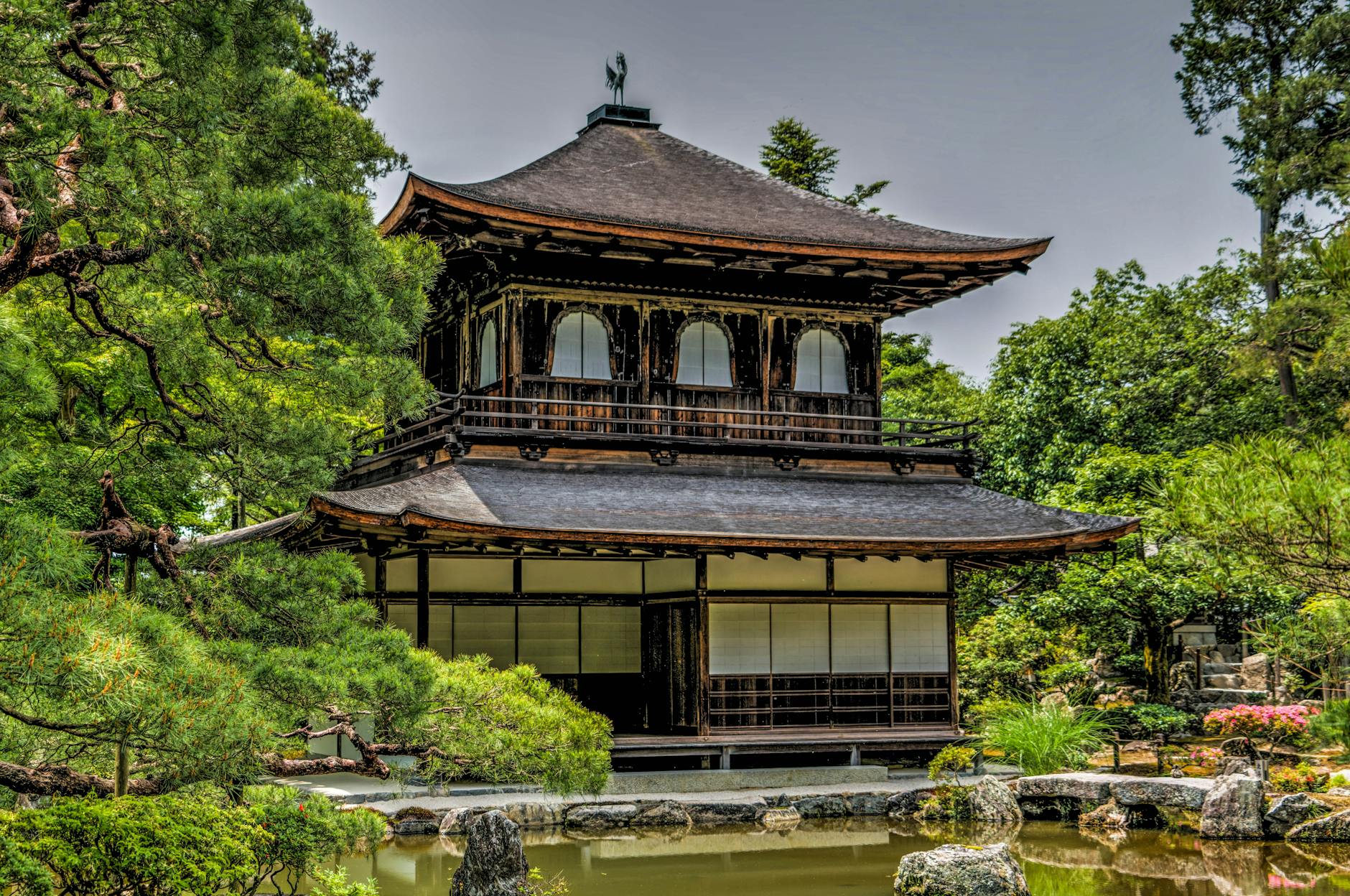
    Kyoto’s Hidden Gems: Temples and Healing Waters 2025

    Introduction

    Kyoto, Japan, is a city that effortlessly intertwines history, culture, and tranquility, making it a perfect destination for those seeking relaxation. Renowned for its picturesque landscapes, the city offers traditional onsen (hot spring baths), serene Zen gardens, and tranquil temples that create an atmosphere of peace and rejuvenation. Visitors to Kyoto can immerse themselves in a unique blend of ancient practices and natural beauty that promotes healing and inner calm. With a focus on mindfulness, Kyoto provides an opportunity to unwind and reconnect with nature and oneself. Whether soaking in an onsen while surrounded by lush greenery or meditating in a Zen garden, visitors will discover the transformative power of relaxation in this magical city. In the following sections, we will delve deeper into the various aspects of relaxation that Kyoto has to offer, exploring how each element contributes to an unparalleled experience of rejuvenation and peace.

    The Healing Properties of Onsen (Hot Spring Baths)

    Kyoto’s onsen baths are more than just a delightful way to experience Japanese culture; they are steeped in history and are known for their therapeutic benefits. The geothermal waters of these hot springs are rich in minerals, believed to heal various ailments while also providing a profound sense of relaxation. Some of the most popular onsens in and around Kyoto include Kurama Onsen and Arashiyama Onsen, both of which offer stunning natural surroundings that enhance the rejuvenating experience.

    As visitors enter the onsen, they are greeted with a traditional ambiance that encourages a ritual of relaxation. Upon arrival, guests typically partake in a pre-soaking routine. This involves thoroughly washing their bodies at designated wash stations, ensuring cleanliness and respect for others sharing the facility. Following this cleansing ritual, individuals are ready to immerse themselves in the hot spring waters.

    The warmth of the onsen water helps to alleviate muscle tension and promote blood circulation. Those suffering from chronic pain or fatigue often find relief as they soak in the soothing heat. The mineral content in these waters varies by location, contributing to diverse benefits. For instance, sulfur-rich baths may aid in detoxification, while calcium and magnesium can support healthy skin and relaxation.

    While soaking in the onsen, visitors are encouraged to embrace the tranquil surroundings. Many onsen are situated in picturesque locations, surrounded by forests, mountains, or streams. The peaceful atmosphere, combined with the healing effects of the warm waters, creates a serene environment conducive to mindfulness and inner peace.

    Moreover, the onsen experience is more than just physical relaxation; it also fosters social connections. Traditionally, onsen are communal spaces where friends and families gather to share moments of joy and laughter. This element of community contributes to mental well-being, allowing individuals to forge connections with others while embracing the culture of relaxation.

    To enhance the onsen experience, many facilities offer additional amenities such as traditional meals, massage services, and outdoor bathing options. These features allow visitors to immerse themselves more deeply in the relaxation process, culminating in a true retreat from the hustle and bustle of modern life.

    In summary, the onsen culture in Kyoto presents a holistic approach to relaxation that merges physical, mental, and social elements. The therapeutic properties of the mineral-rich waters, combined with the tranquil settings of these baths, make for an unparalleled experience of rejuvenation. Visitors are not only able to relieve stress and reconnect with themselves but also enjoy the rich traditions of Japanese bathing culture. Whether one is a seasoned onsen enthusiast or a first-time visitor, the experience promises to rejuvenate the body and spirit.

    Exploring Zen Gardens: A Path to Serenity

    Zen gardens, or “karesansui,” are an essential part of Japanese culture and philosophy, deeply intertwined with the principles of Zen Buddhism. In Kyoto, the practice of creating and tending to these gardens offers a unique opportunity to connect with nature and cultivate a sense of inner peace. Unlike traditional gardens that flourish with vibrant flowers and lush greenery, Zen gardens are minimalist, emphasizing simplicity, balance, and tranquility.

    The fundamental aspect of a Zen garden layout is its use of rocks, gravel, and sand, often representing natural elements such as mountains, rivers, and seas, arranged in a way that evokes a sense of harmony. Raked gravel simulates flowing water, creating a meditative surface that invites peaceful contemplation. Visitors find themselves drawn to these meticulously designed spaces, as each element within the garden serves a purpose, encouraging a deep reflection on one’s surroundings and thoughts.

    One of the most iconic Zen gardens in Kyoto is Ryoan-ji, known for its rock garden designated as a UNESCO World Heritage site. Visitors to Ryoan-ji gaze upon the carefully placed rocks, each selected to provoke thought and encourage introspection. The garden’s simplicity allows observers to appreciate the beauty of nature while fostering an environment conducive to meditation.

    As individuals engage with a Zen garden, they often find that the act of observation transforms into a form of meditation. The experience of taking in the various elements—the textures of the gravel, the shapes of the rocks, and the surrounding landscapes—becomes a means of self-exploration. These gardens serve as a reminder of the importance of mindfulness and being present in the moment, guiding visitors toward a path of tranquility and clarity.

    Practicing Zen garden design can also be therapeutic in itself. Many visitors participate in workshops or guided experiences, allowing them to create their own miniature versions of these gardens. Engaging in the physical act of raking gravel or arranging stones encourages a meditative state, as participants focus their minds on the task at hand. This creative expression nurtures a deeper connection with nature, reminding individuals of the beauty that can be found even in simplicity.

    The concept of Ma, or negative space, is paramount in Zen gardens. It emphasizes the importance of what is not present, prompting visitors to acknowledge the emptiness that promotes peace and introspection. This philosophy resonates strongly with the practice of meditation, where the absence of noise and distractions becomes essential for deep reflection.

    In addition to physical serenity, Zen gardens foster emotional well-being. By engaging with the elements of the garden, individuals can experience a sense of release and relief from everyday stresses. The gardens invite visitors to pause, breathe, and embrace the stillness that surrounds them. This escape from the chaos of life allows for a reconnection with oneself and an opportunity to cultivate gratitude for the present moment.

    Overall, Zen gardens in Kyoto represent a harmonious blend of nature, art, and philosophy. They embody the essence of tranquility and serve as gateways to mindfulness and self-awareness. Visitors seeking serenity will find that these gardens offer more than just beautiful scenery; they provide a deeply personal journey into relaxation and introspection, encouraging individuals to embrace the art of stillness in their lives.

    The Spiritual Essence of Temples in Kyoto

    Kyoto is home to some of the most revered temples in Japan, serving as beacons of spirituality, history, and culture. Each temple tells a story, reflecting the city’s rich heritage while offering visitors an opportunity for introspection and a place to find solace. Among the numerous temples, Kinkaku-ji (the Golden Pavilion), Ginkaku-ji (the Silver Pavilion), and Kiyomizu-dera stand out as iconic destinations, drawing millions of visitors each year.

    Kinkaku-ji is a stunning Zen temple covered in gold leaf, surrounded by serene gardens and a reflective pond. As visitors approach, they are struck by the temple’s breathtaking beauty, especially when mirrored in the tranquil waters. The gold glistens under the sunlight, creating an ethereal atmosphere that seems to transcend time. Stepping into the gardens surrounding Kinkaku-ji, guests often find themselves enveloped by the serenity of the space, allowing them to reflect on their own inner peace while soaking in the beauty of their surroundings.

    Ginkaku-ji, on the other hand, embraces the philosophy of “wabi-sabi,” highlighting the beauty in imperfection and the passage of time. The temple’s understated elegance invites visitors to slow down, ponder the transient nature of life, and appreciate the simplicity of their environment. Its beautifully designed gardens feature meticulously raked sand and carefully placed stones, creating a harmonious setting that fosters contemplation. Many visitors arrive at Ginkaku-ji seeking solace, as the tranquil atmosphere encourages mindfulness and self-reflection.

    Kiyomizu-dera, a UNESCO World Heritage site, is famed for its wooden stage that juts out over the hillside, offering panoramic views of the cherry blossoms in spring and the vibrant foliage in autumn. The temple, dedicated to Kannon, the goddess of mercy, is a pilgrimage site for many who seek comfort and healing through spiritual practices. Visitors often participate in the tradition of drinking from the Otowa Waterfall, where each stream is believed to provide different benefits—love, wisdom, or longevity. This ritual reinforces the interconnectedness of physical healing, spirituality, and psychological well-being, as individuals reflect on their desires and intentions.

    Aside from the architectural beauty and historical significance of Kyoto’s temples, they also provide an environment for visitors to engage in spiritual practices such as meditation, chanting, and mindfulness. Many temples offer workshops and retreats focused on fostering inner peace through traditional Buddhist practices, inviting individuals to immerse themselves in a deeper understanding of their spirituality.

    The ambiance within these temples fosters an atmosphere of quiet reverence. As guests wander through the sacred spaces, they often find themselves contemplating their place in the world, encouraging personal growth and self-discovery. The simple act of being present in these peaceful surroundings helps to cultivate gratitude and appreciation for the beauty of life.

    Furthermore, the significance of rituals and ceremonies held in these temples enhances the spiritual journey of visitors. Whether it’s participating in a ceremonial tea, attending morning prayers, or observing seasonal festivals, these experiences enrich the relationship individuals have with their surroundings and deepens their understanding of Japanese culture.

    In conclusion, the temples of Kyoto are sanctuaries of peace that resonate with spiritual essence and cultural heritage. Each temple encapsulates the beauty of serenity while encouraging visitors to embark on their own journey of self-discovery and reflection. The intertwining of history, spirituality, and natural beauty creates an environment where individuals can find solace and a greater understanding of themselves amidst the busyness of life.

    Traditional Japanese Tea Ceremony: A Moment of Peace

    The Japanese tea ceremony, or “chanoyu,” is not merely about drinking tea; it is a profound ritual that embodies the principles of harmony, respect, purity, and tranquility. In Kyoto, this art form is elevated to an experience of mindfulness and grace, where the act of preparing and serving matcha (powdered green tea) becomes a meditative practice that promotes relaxation and connection with the present.

    The tea ceremony often takes place in a traditional tea room, designed to be a tranquil space that extends a warm invitation to guests. The simplicity of the room, with its tatami mats and minimalist decor, encourages participants to leave behind the chaos of the outside world and immerse themselves in the moment. The careful selection of tea utensils, flowers, and seasonal décor adds to the aesthetic beauty of the experience, as every aspect is curated to promote peace and mindfulness.

    As the tea master prepares the matcha, every movement is deliberate and infused with intention. The act of whisking the tea is a rhythmic motion that encourages focus and presence. Guests watch in silence, captivated by the graceful motions and the transformation of the powdered tea into a frothy beverage. This ritualistic approach fosters a deep appreciation for the simplicity of the moment, allowing individuals to reflect on their thoughts and feelings.

    Participating in a tea ceremony also promotes a sense of connection among participants. Guests are encouraged to engage with one another, sharing their impressions of the tea and expressing gratitude for the experience. This exchange of appreciation fosters a sense of community and belonging, enhancing the overall sense of well-being.

    Moreover, the tea ceremony serves as a reminder of the importance of “ichi-go ichi-e,” a Japanese philosophy that emphasizes the uniqueness of every encounter. Each ceremony is a once-in-a-lifetime experience, encouraging participants to be fully present and recognize the beauty of the moment. This principle encourages individuals to cultivate mindfulness and to appreciate the fleeting nature of life, allowing for personal growth and reflection.

    The calming effects of matcha also contribute to the relaxing ambiance of the ceremony. Rich in antioxidants and known for its calming properties, the consumption of matcha promotes relaxation and mental clarity. As participants savor the tea, they may find themselves in a state of tranquility, allowing for deeper introspection.

    Additionally, many tea ceremonies incorporate seasonal elements that enrich the experience. The selection of tea, snacks, and decor often reflects the changing seasons, creating a strong connection to nature. This alignment with the rhythms of the natural world encourages guests to find peace in their surroundings and embrace the beauty of life’s transitions.

    Overall, the traditional Japanese tea ceremony in Kyoto embodies the essence of tranquility and mindfulness. It serves as an educational experience that promotes relaxation and self-reflection while fostering a sense of connection with others. By participating in this ritual, individuals can cultivate a greater appreciation for simplicity and beauty, ultimately enhancing their journey toward inner peace.

    Local Cuisine: Nourishing the Body and Soul

    Kyoto is not only renowned for its historic sites and tranquil surroundings; it is also celebrated for its exquisite local cuisine that emphasizes seasonal ingredients and traditional preparation methods. The culinary experience in Kyoto, particularly through kaiseki dining, reflects the philosophy of balance and harmony, offering nourishment not just for the body but also for the soul.

    Kaiseki, a multi-course Japanese dining experience, presents an artful arrangement of dishes that showcase the season’s best produce. Utilizing local ingredients such as fresh vegetables, fish, and tofu, kaiseki chefs create elegantly prepared dishes that pay homage to the flavors of Kyoto. Each course is meticulously crafted, ensuring a balance of taste, texture, color, and presentation. This focus on aesthetics elevates the dining experience, inviting guests to savor not just the flavors but the beauty of their meal as well.

    The experience of dining kaiseki is inherently mindful. Each dish is presented one at a time, allowing diners to fully engage with the flavors and textures as they partake in their meal. The slow pace at which the meal unfolds encourages participants to appreciate every bite and to be present in the moment, reinforcing a sense of tranquility and mindfulness.

    Kyoto’s cuisine also emphasizes the use of seasonal ingredients, which highlights a deep connection to nature and the changing seasons. Chefs take great care to select ingredients that are at their peak flavor, reflecting the abundance of local produce. This seasonal approach not only enhances the taste of the dishes but also fosters a sense of harmony between the meal and the natural world.

    Furthermore, Kyoto is known for its traditional specialty of yudofu, or boiled tofu, often enjoyed in serene settings such as teahouses or restaurants with views of picturesque gardens. Yudofu embodies simplicity, showcasing the delicate flavor of tofu paired with light, flavorful dipping sauces. This dish invites diners to appreciate the gentle flavors while promoting a sense of well-being through nourishing, wholesome ingredients.

    Sweets also hold a special place in Kyoto’s culinary offerings. Traditional wagashi confections, made from ingredients such as sweet bean paste and rice flour, are often enjoyed with tea. These treats are crafted with care and attention to detail, embodying the seasonal themes and artistic flare that characterize Kyoto’s culinary heritage. Sharing these sweets during a tea ceremony creates a sense of community and reinforces the connections between food, nature, and mindfulness.

    In addition to enhancing well-being through flavor, Kyoto’s local cuisine promotes healthy eating practices and a balanced diet. With an emphasis on fresh, seasonal ingredients and careful preparation, meals are often crafted to nourish the body and promote overall health. This culinary philosophy aligns perfectly with the city’s emphasis on relaxation and self-care.

    In conclusion, local cuisine in Kyoto serves as a nourishing experience that transcends simple sustenance. Through kaiseki dining, yudofu, and traditional wagashi, visitors discover the beauty of mindful eating while forging a deeper connection with nature and oneself. The culinary delights of Kyoto invite individuals to slow down, appreciate the flavors of the season, and embrace the art of nourishment for both body and soul.

    Conclusion

    Kyoto, Japan, is a treasure trove of experiences that profoundly promote relaxation and rejuvenation. The city’s traditional onsen, serene Zen gardens, tranquil temples, immersive tea ceremonies, and flavorful local cuisine create a holistic environment that nurtures the body, mind, and spirit. Each aspect of Kyoto’s culture encourages visitors to step away from the hurried pace of modern life and embrace the art of mindfulness and tranquility.

    Through the healing waters of onsen, individuals find solace and relief from stress, while Zen gardens invite reflection and self-discovery amidst nature’s beauty. The spiritual essence found in Kyoto’s majestic temples fosters a deeper connection with oneself and the world around us, paving the way for personal growth and insight. The traditional tea ceremony offers a moment to engage fully with the present, while the local cuisine nourishes both body and soul, celebrating the essence of mindful eating.

    Visiting Kyoto is not just a journey through a culturally rich city; it is an opportunity for profound transformation and relaxation. Those seeking refuge from the daily grind will find that Kyoto offers a sanctuary for rejuvenation and self-care. By immersing in its traditions and serene landscapes, visitors can connect with the essence of peace, allowing them to return home with renewed vitality and clarity. Kyoto is, without a doubt, a destination that perfectly embodies relaxation and tranquility, making it a must-visit for anyone yearning for an escape into serenity.

  • Discover the Northern Lights in 2025: A Guide to Aurora Borealis

    Discover the Northern Lights in 2025: A Guide to Aurora Borealis

    Introduction

    The Northern Lights, or Aurora Borealis, are one of the most breathtaking natural phenomena on Earth. This spectacular display of dancing lights, predominantly in green, pink, and violet hues, captivates millions of people worldwide. The best regions to experience this cosmic ballet lie in the Arctic zones, including Norway, Sweden, Finland, Iceland, Canada, Alaska, and Russia. From September to March, particularly during the long and dark winter months, the chances of viewing this ethereal light show are significantly heightened. The blend of scientific wonder and cultural significance makes witnessing the Northern Lights an enchanting experience that should not be missed. In this article, we delve into the science of the auroras, the best spots to experience them, the optimal viewing times, their rich folklore, and essential tips to ensure you fully embrace this unforgettable experience.

    The Science Behind the Aurora Borealis

    The Aurora Borealis is not just a beautiful spectacle; it is a manifestation of complex scientific processes. At its core, this phenomenon occurs when charged particles from the sun collide with atoms in Earth’s atmosphere. The sun releases these charged particles during solar flares; as they travel toward Earth, they interact with the magnetic field surrounding our planet. This interaction occurs mostly in polar regions, where the magnetic field lines converge and allow these solar winds to enter the atmosphere.

    When the charged particles collide with gas molecules in the atmosphere, typically oxygen and nitrogen, they transfer energy to these molecules. As the energy is released, it emits light, creating the stunning colors we see during the Northern Lights. The color of the auroras depends on the type of gas involved and the altitude at which the collisions occur. Oxygen at higher altitudes can emit red and green shades, while nitrogen can produce blue and purple hues.

    Notably, the Aurora Borealis is part of a larger phenomenon called auroras, which also include the Aurora Australis or Southern Lights found in the Southern Hemisphere. However, the Northern Lights are often more renowned due to their accessibility and the popular tourist destinations in the Arctic regions.

    Understanding the science behind the auroras adds a layer of appreciation to the experience. Many observers are not aware of the intricate processes behind this celestial light show. When witnessing the Northern Lights, people are not just admiring a mere visual experience; they are witnessing the Earth’s interaction with solar activity—a dance between the sun and the planet that has been occurring for millennia.

    Additionally, scientists study the auroras to gather important information about space weather and its effects on Earth. Solar storms can disrupt satellite communications and power systems, making the understanding of these phenomena crucial. Researchers use various tools and satellites to monitor solar activity and predict auroral occurrences, which helps enthusiasts better plan their trips to witness these extraordinary displays.

    While the scientific explanation plays a significant role in demystifying the Northern Lights, the combination of natural beauty and scientific wonder creates an exhilarating experience. As people gaze up at the dancing lights and marvel at the universe’s grandeur, they become part of a tradition that spans cultures and generations. This celestial dance is a reminder of nature’s beauty and the scientific processes that govern our world, making the pursuit of witnessing the Northern Lights a captivating endeavor.

    Best Locations to Witness the Northern Lights

    The quest to see the Northern Lights would be incomplete without discussing the best locations. The Arctic region offers numerous spots where the auroras can be witnessed in all their glory. Among these, Norway, Sweden, Finland, Iceland, Canada, Alaska, and Russia are renowned as prime locations.

    Starting with Norway, one of the most popular destinations is Tromsø, often referred to as the “Gateway to the Arctic.” Positioned within the auroral oval, Tromsø boasts a high probability of viewing the Northern Lights, especially during winter months. The city offers a variety of organized tours, ranging from dog sledding to snowshoeing, allowing visitors to enjoy the stunning landscape while chasing the lights.

    Moreover, the Lofoten Islands provide a picturesque backdrop to the auroras with their dramatic peaks and dramatic coastal scenery. The combination of tangible natural beauty and the ethereal lights creates a unique experience for travelers seeking both adventure and serenity.

    Next, Sweden’s Abisko National Park is known for its clear skies and high altitude, making it one of the best locations for Northern Lights observation. The park is located in the Swedish Lapland and is particularly famous for its Aurora Sky Station, where visitors can enjoy heated facilities to wait for the lights in comfort while indulging in local cuisine.

    Finland offers its own hidden gems, such as the village of Luosto, which is home to the unique Aurora Cabin experiences, where guests can spend the night in glass-igloos, providing them with a front-row seat to the celestial display. Rovaniemi, the official hometown of Santa Claus, also attracts many tourists who wish to combine the magic of winter with the awe of the Northern Lights.

    Iceland is another spectacular location, especially for those who enjoy combining urban exploration with nature. Reykjavik serves as an excellent base for aurora chasers, with several picturesque spots nearby like Thingvellir National Park and the Snaefellsnes Peninsula, both of which offer stunning views of the lights against the backdrop of Iceland’s unique geological features.

    In Canada, Yellowknife, in the Northwest Territories, stands out as one of the top destinations for viewing the auroras. With its ideal geographical location away from light pollution and a long viewing season, Yellowknife attracts numerous tourists and offers a variety of tours designed specifically for aurora spotting.

    Finally, Alaska features prime viewing locations such as Fairbanks and Anchorage. Fairbanks, in particular, claims to have aurora potential during over 200 nights each year, making it a favored choice among those seeking consistent sightings.

    Each of these locations has something unique to offer, and whether your preference lies in remote wilderness or vibrant urban settings, the Arctic offers diverse experiences bundled with the magic of the Northern Lights.

    Optimal Times for Viewing

    To maximize your chances of witnessing the stunning Northern Lights, timing is crucial. The auroras are most active from late September to March, with winter months often providing the best opportunities for clear skies and darker nights.

    During these months, nights are significantly longer, with many areas experiencing polar nights where the sun doesn’t rise at all. However, for optimal viewing conditions, a clear, dark sky is necessary. Locations far from city lights significantly enhance the viewing experience, allowing the natural colors and intensity of the auroras to shine through.

    Among the winter months, the peak activity tends to occur during the equinoxes in late September and late March. These times align with increased solar activity, as solar storms often coincide with the seasonal shifts. Observers should keep an eye on solar weather forecasts to better plan their trips during these periods of heightened activity.

    In addition to the timing of the month, the specific time of night plays a vital role in viewing the Northern Lights. Typically, auroras are most active during the evening hours, usually between 10 PM and 2 AM. However, this can vary depending on various environmental factors and solar activity levels. Many dedicated aurora chasers recommend arriving at your viewing location earlier in the evening and remaining patient for the lights to appear, as they can sometimes emerge abruptly after a period of anticipation.

    Weather conditions should also dictate the best times for aurora viewing. Overcast skies can obscure the lights, so checking local weather reports for cloud cover can help you plan accordingly. Some apps and websites provide forecasts specifically for aurora activity, allowing enthusiasts to monitor potential sightings.

    Furthermore, local tourism agencies often provide real-time updates on auroral conditions and organize tours tailored to follow the lights based on the weather and solar activity. Engaging with local operators can provide valuable insights and enhance your experience.

    While viewing the Northern Lights may require patience and flexibility, the thrill of witnessing this magical display amidst the breathtaking Arctic landscape ultimately makes it worthwhile. With proper planning and a bit of luck, visitors can revel in the awe-inspiring glory of the Aurora Borealis.

    Cultural Significance and Folklore

    The Northern Lights have long fascinated and inspired cultures around the world, leading to a rich tapestry of folklore and cultural significance. Throughout history, many civilizations sought to explain the auroras, attributing various meanings, beliefs, and myths to this celestial display.

    In Norse mythology, the auroras were believed to be the reflections of the Valkyries, warrior maidens who guided fallen soldiers to Valhalla. This connection to battle and honor imbued the lights with a sense of reverence and solemnity, leading many to view the phenomenon as a bridge between the earthly world and the divine.

    Similarly, the indigenous Sámi people of Northern Scandinavia have their own interpretations of the Northern Lights. They regard the lights as spirits of the deceased or as manifestations of reindeer, which embody the connection between their culture and the natural world. Traditionally, the Sámi believed that whistling at the lights could attract their attention or that engaging with the lights could evoke a spiritual connection. Today, many Sámi continue to pass down these stories, emphasizing the importance of the auroras in their cultural heritage.

    In some Native American traditions, the Northern Lights are thought to represent a gathering of souls. The different colors and shapes of the auroras often elicit awe and reverence, inspiring stories that celebrate the connection between the living and the spirits of the past. Similarly, various Asian cultures, including the Inuit in Canada and Alaska, have attributed significant meanings to the auroras, viewing them as omens, celebrations, or even warnings.

    Modern interpretations also see the Northern Lights as symbols of hope and renewal. In today’s world, where technology and urbanization often disconnect individuals from nature, the auroras stand as a reminder of the beauty and wonder of the natural world. They encourage individuals to immerse themselves in nature and cultivate a deeper appreciation for the universe around them.

    Moreover, the Northern Lights have become a vital aspect of tourism in the Arctic regions. Travelers flock from around the globe to witness this spectacle, which brings various cultures together under the shared experience of wonderment. Local businesses and communities harness this cultural significance, fostering opportunities for meaningful engagement and celebration of shared history related to the auroras.

    As the Northern Lights continue to enchant people, they intertwine science, culture, and art. In contemporary media, the auroras frequently appear in photography, literature, and art, showcasing their beauty and inspiring future generations.

    In this way, the cultural significance of the Northern Lights transcends mere observation; it reflects humanity’s ongoing relationship with our environment, history, and spirituality. It remains a phenomenon woven with layers of meaning, inviting all who view it to contemplate their place within the universe.

    Tips for an Unforgettable Experience

    Witnessing the Northern Lights is undoubtedly an exhilarating experience, but proper planning can enhance your adventure. Here are some invaluable tips to ensure your auroral pursuit becomes an unforgettable memory.

    1. Plan Ahead: Research your destination thoroughly, focusing on the best times and locations known for frequent auroral displays. Consider factors like weather conditions, accessibility, and the availability of local tours or guides who specialize in aurora viewing.

    2. Dress Appropriately: Arctic temperatures can be extreme, so dressing in layers is essential. Choose thermal undergarments, insulated outer layers, and waterproof clothing to keep warm. Sturdy, insulated footwear and warm gloves are also crucial for maintaining comfort while you’re outdoors.

    3. Be Patient: The Northern Lights are a natural phenomenon, and their appearances can be unpredictable. While many factors can increase your chances, such as timing and location, patience remains key. Bring along snacks, hot beverages, and comfortable seating options to endure the wait, as the lights might take time to reveal themselves.

    4. Capture the Moment: If you’re keen on photography, bring a camera that allows for long exposure shots. A tripod is essential for stability when capturing the lights, and be sure to familiarize yourself with your camera settings to achieve the desired results. Darker settings will produce the most vibrant colors, so experiment with settings during the wait.

    5. Keep an Eye on Solar Activity: Monitoring solar weather forecasts and aurora predictions can significantly improve your chances of sightings. Use apps that provide real-time updates and alerts on solar activity, allowing you to stay informed and adjust your plans if needed.

    6. Consider Guided Tours: If you’re unsure about self-navigating the experience, consider joining a guided tour. Local experts can provide insights into the best viewing spots and area history, enhancing your understanding and appreciation of the Northern Lights. Plus, many guides are well-versed in photography and can help you capture the perfect shot.

    7. Embrace the Experience: Finally, remember to immerse yourself in the experience. The Northern Lights are a breathtaking display that evokes emotions and awe—it’s essential to pause, breathe, and truly observe the moment. Sharing the experience with friends or loved ones can also create lasting memories tied to this magnificent sight.

    By implementing these tips, travelers can ensure that their quest to witness the Northern Lights is filled with joy, wonder, and treasured memories that will last a lifetime.

    Conclusion

    Witnessing the Northern Lights is not just about admiring a beautiful natural phenomenon; it is about experiencing the intertwined journey of science, culture, and spirituality. From understanding the scientific processes behind the auroras to exploring the best locations and times to view them, every aspect enriches the pursuit of this ethereal spectacle. The cultural significance and folklore surrounding the lights add depth to the experience, allowing observers to connect with generations of storytelling and tradition. By planning thoughtfully and embracing the adventure, individuals can transform their quest into an unforgettable experience. The Aurora Borealis serves as a timeless reminder of the mysteries of our universe and the beauty that lies within the Arctic skies. Whether it’s your first encounter or a cherished return, the Northern Lights will forever remain an enchanting spectacle that inspires awe and wonder.

  • Discover Svaneti in 2025: Georgia’s Hidden Gem of Culture and Nature

    Discover Svaneti in 2025: Georgia’s Hidden Gem of Culture and Nature

    Introduction

    Nestled in the northwest corner of Georgia, discover Svaneti, the region that boasts an enchanting mix of breathtaking landscapes, rich history, and distinctive culture. Characterized by its dramatic mountains and ancient medieval stone towers, this remote area is a hidden gem for those seeking adventure and authenticity. The Svan people, known for their unique traditions and warm hospitality, have thrived in this isolated territory, preserving their customs and embracing visitors with open arms. With its pristine nature, Svaneti offers a plethora of outdoor activities, including trekking, skiing, and exploring picturesque villages. As travelers delve into this extraordinary region, they are met with a blend of ancient history and modern-day charm, making Svaneti a must-visit destination for anyone looking to experience the essence of Georgian culture.

    History and Culture of Svaneti

    Svaneti carries a rich historical tapestry woven through centuries of isolation and resilience. The Svan people, an ethnographic group of the Georgians, inhabit this mountainous region and have maintained a unique identity that is distinctly different from the rest of Georgia. Their language, Svan, is a fascinating remnant of ancient times and is spoken alongside Georgian.

    The Svaneti region’s history is deeply intertwined with its geography. Its rugged terrain served as a natural fortress against invasions, allowing the Svan to develop independently. This isolation fostered a tight-knit community where traditions and customs flourished. The Svan have a strong cultural heritage, featuring vibrant folk tales, songs, and dances that celebrate their connection to the land and their ancestors. One of the most notable cultural practices is the celebration of traditional events, such as the Svan feasts, which showcase the region’s unique cuisine and communal spirit.

    A significant aspect of Svan culture is the importance of family and kinship. The Svan family structure is typically patriarchal, with extended families living together and sharing resources. This collective lifestyle reinforces bonds between family members and the wider community, creating a supportive environment for raising children and preserving cultural practices.

    The medieval period marked a pivotal point in Svaneti’s history with the construction of its iconic stone towers, known as “koshkebi.” These towers served multiple purposes: defensive structures against invasions, storage for food and valuables, and places of refuge during times of conflict. The architecture, characterized by its unique style, contributes to Svaneti’s cultural landscape and adds to the region’s allure.

    Despite facing challenges from modernization, the Svans have taken steps to preserve their cultural heritage. Various initiatives promote traditional crafts such as weaving and wood carving, which have been passed down through generations. Visitors to Svaneti can engage with local artisans and learn about the intricate techniques that are still employed today.

    In addition to crafts, the Svan music tradition plays an essential role in cultural expression. Traditional polyphonic singing is a hallmark of the region, and local choirs often perform at festivals and gatherings. This unique musical style, recognized by UNESCO as an Intangible Cultural Heritage, exemplifies the deep connection between the Svan people and their land.

    Furthermore, the Svaneti region holds numerous historical landmarks, including ancient churches and fortresses that date back to the 9th century. Many of these structures are adorned with intricate frescoes that depict biblical scenes and saints, offering insight into the spiritual life of the Svans over the centuries.

    In sum, the history and culture of Svaneti represent a vital strand in the broader fabric of Georgian identity. The challenges of maintaining cultural integrity in the face of globalization are met with resilience and an unwavering commitment to authenticity. For travelers, engaging with the local customs, traditions, and historical sites provides a rich and immersive experience that is both educational and inspiring.

    Natural Landscape and Outdoor Activities

    Svaneti is often regarded as the crown jewel of Georgia’s natural beauty, presenting a stunning blend of high mountain ranges, lush valleys, and diverse ecosystems. The region is perched at the confluence of the Caucasus Mountains, with peaks that stretch over 4,000 meters, providing not only breathtaking visuals but also endless opportunities for outdoor activities. From hiking and trekking to winter sports, Svaneti is a playground for nature enthusiasts.

    One of the most notable features of the Svaneti landscape is the towering Mount Ushba, often referred to as the “Matterhorn of the Caucasus.” Its distinct pyramid shape draws climbers and photographers from around the world, eager to capture its majesty. The surrounding area is crisscrossed with hiking trails that cater to various skill levels, allowing both casual walkers and experienced trekkers to explore the rugged terrain. The paths often lead to enchanting glacial lakes, ancient forests, and idyllic alpine meadows bursting with wildflowers during the summer months.

    The enchanting landscapes of Svaneti are not just limited to its impressive mountains. The region is also home to picturesque villages such as Mestia and Ushguli, which are often considered the gateways to the outdoors. Travelers can immerse themselves in local culture while enjoying the stunning views of traditional stone houses nestled against dramatic backdrops. The hospitality of the Svan people further enriches the experience, as many locals offer guided tours and insights into the flora and fauna native to the region.

    In addition to hiking, Svaneti’s diverse terrain makes it an ideal destination for other outdoor pursuits. In winter, the region transforms into a snow-covered wonderland, attracting skiing and snowboarding enthusiasts to the slopes of Hatsvali and Tetnuldi. The skiing facilities are relatively untouched compared to more commercialized ski resorts, allowing for a more authentic and exhilarating experience. The pristine snow and uncrowded pistes provide the perfect conditions for winter sports, enticing adventurers and families alike.

    For those who prefer a more tranquil engagement with nature, Svaneti offers opportunities for birdwatching and wildlife photography. The diverse ecosystems boast a variety of species, including golden eagles, chamois, and even elusive bears. Guided nature tours can immerse visitors in the region’s rich biodiversity. Photography enthusiasts will find endless opportunities to capture the interplay of light and shadow across the mountains, especially at dawn and dusk when the landscape is transformed into a canvas of colors.

    Finally, don’t miss the chance to explore Svaneti’s legendary hiking route, the Transcaucasian Trail (TCT). This long-distance trail meanders through some of Svaneti’s most stunning terrains, offering hikers an extensive route filled with natural beauty and cultural encounters. Along the way, adventurers can discover hidden waterfalls, ancient ruins, and remote hermitages, all while connecting with the awe-inspiring spirit of the landscape.

    In essence, Svaneti’s natural landscape offers a cornucopia of outdoor activities that cater to varied interests and skill levels. The region’s rugged beauty is matched only by the warmth and hospitality of its people, making it a must-visit for anyone looking to connect with nature while immersing themselves in a rich cultural experience. Whether you’re trekking through majestic mountains, skiing down pristine slopes, or simply soaking in the serene landscapes, Svaneti promises memories that will last a lifetime.

    Medieval Stone Towers and Architecture

    The medieval stone towers of Svaneti are not just architectural wonders; they are embodiments of a rich historical narrative and cultural significance that has shaped this remote region. These towers, known locally as “koshkebi,” rise dramatically from the landscape, blending harmoniously with the mountains they are built upon. Each tower has its own story and purpose, contributing to the allure of Svaneti and inviting exploration and admiration.

    Constructed primarily between the 9th and 12th centuries, the koshkebi served multiple purposes, acting as fortifications, residences, and storage facilities. Built with local stone, these structures are designed to withstand both natural and human-made threats. The original intent behind their construction was to protect the Svan people from invaders, especially during the turbulent times of feudal conflicts and raids by neighboring tribes. The tall and narrow design of the towers, often reaching heights of 20 meters or more, provided an advantageous lookout point for spotting potential threats approaching the villages.

    The architectural style of these towers is unique, characterized by their thick walls, narrow windows, and wooden roofs. The construction techniques employed by the Svans indicate an advanced understanding of local materials and environmental conditions. Stone walls, often over a meter thick, provide insulation against the cold harsh winters and protect against fire. Many of the towers also feature intricate carvings and motifs, which tell stories of local legends and spiritual beliefs, offering a glimpse into the artistic expressions prevalent in Svan culture.

    Among the UNESCO World Heritage Sites in the region, Ushguli is home to some of the most iconic stone towers. This village, often lauded as the highest inhabited settlement in Europe, is a collection of historic towers and houses that date back several centuries. When visiting Ushguli, one can observe the detailed craftsmanship evident in each tower, with some featuring three or four levels. The top floors were commonly used as lookout posts, while the lower levels provided living quarters for families, replete with essential amenities including fireplaces for cooking.

    Exploring the ancient village of Mestia reveals a marvelous collection of medieval buildings, including the historic Svan towers, churches, and fortified houses. The Mestia Towers are particularly noteworthy, as they epitomize the blend of functionality and artistry that defines Svan architecture. Visitors can also enjoy guided tours that delve into the history and significance of these structures, uncovering the captivating stories of familial lineage, conflict, and survival that accompany each tower.

    In addition to serving their defensive purposes, the Svan towers play a critical role in the region’s cultural memory. They are not merely relics of the past; they are living symbols of the Svan people’s endurance and ingenuity. Their preservation is crucial to maintaining cultural identity, as the principles of community and kinship that define Svan culture are intimately tied to these towering structures. Community gatherings and celebrations often occur in the shadows of the towers, allowing the local traditions to thrive amidst their enduring presence.

    As visitors explore these ancient towers, they are not simply stepping into buildings; they are walking through the pages of history. The romanticism of Svaneti lies heavily in the synergy between the natural landscape and its architectural marvels. The harmonious existence of these stone towers among the mountains amplifies the region’s allure, drawing travelers into a world where history, culture, and nature coalesce seamlessly.

    In conclusion, the medieval stone towers of Svaneti are a testament to the ingenuity and resilience of the Svan people. They stand as monumental reminders of a bygone era while remaining integral to the cultural identity of the region today. For anyone visiting Svaneti, these architectural wonders offer a unique opportunity to delve into the history of the area and appreciate the craftsmanship involved in their creation. The blend of history and culture embodied by the Svan towers further enhances the experience, making it an essential part of any trip to this captivating region.

    Culinary Traditions and Hospitality in Svaneti

    Svaneti is not just a visual feast for the eyes, but also a haven for food lovers seeking a taste of authentic Georgian cuisine. The culinary traditions of this remote region reflect the local culture and history, nourishing both the body and soul. Visitors to Svaneti are greeted with an array of delectable dishes, warm hospitality, and a strong sense of community that characterizes the Svan way of life.

    The heart of Svan cuisine lies in its use of local ingredients, which are often sourced from the mountains and valleys that surround the region. Traditional dishes are typically hearty and filling, designed to nourish those who endure the rigours of mountain living. One of the most beloved dishes is “khachapuri,” a cheese-filled bread that comes in various regional variations. The Svan version, known as “kakhuri,” is unique in its use of Svan salt—a locally produced seasoning with distinct flavor notes that elevate the dish. Many families engage in the art of bread-making, which is a time-honored tradition passed down through generations.

    Another culinary staple is “kubdari,” a meat pie filled with spiced lamb or beef, which originates from the region and exemplifies the Svans’ ability to create satisfying meals with simple ingredients. Similarly, “chvishtari,” a cornbread made with local cheese and often served with yogurt, showcases the region’s agricultural heritage. Visitors can enjoy these delicacies in local restaurants, often styled in a rustic manner that reflects the traditional Svan lifestyle. Dining in such environments allows guests to appreciate not only the food but also the cultural ambiance that surrounds it.

    Hospitality is a cornerstone of Svan culture and is evident in the way locals welcome visitors into their homes and establishments. A common practice during meals is to share “tamada,” or toastmaster, who leads the toasts during meals. Toasts often encapsulate hope, friendship, and gratitude, enhancing the communal dining experience. The sincere warmth and connection fostered during these occasions exemplify the close-knit nature of Svan society. Visitors frequently find themselves pulled into lively discussions filled with laughter and storytelling, greatly enriching their experience in Svaneti.

    Furthermore, Svaneti’s culinary offerings are complemented by a variety of local beverages, including homemade wines and traditional Samtskhe-Javakheti chacha, a potent grape spirit. The fermentation processes used by local winemakers reflect a tradition that spans centuries, often employing old family recipes passed down through generations. Wine plays a pivotal role in family gatherings and celebrations, contributing to the convivial atmosphere fostered by Svan hospitality.

    Food in Svaneti is not just about nourishment; it is also about preserving cultural practices and traditions that are deeply ingrained in the local way of life. During harvest seasons, the community comes together in a spirit of collaboration, sharing the fruits of their labor and preparing for the colder months ahead. These gatherings often culminate in shared meals that revolve around the bounty of the land, showcasing the seasons’ best produce.

    In concluding this exploration of Svaneti’s culinary traditions, it becomes evident that every meal shared in this region is a testament to its rich cultural heritage. The flavors, ingredients, and hospitality experienced in Svaneti embody the essence of Georgian family values and traditions. For anyone traveling to Svaneti, the opportunity to indulge in the local cuisine is an invitation to connect with the land and its people on a profound level. With each bite, one can savor the history, tradition, and warmth that defines this enchanting corner of Georgia.

    Travel Tips and Recommendations for Visitors

    Exploring Svaneti, Georgia, offers an unparalleled adventure for those seeking to engage with nature and immerse themselves in a unique culture. To make the most of a visit to this enchanting region, it’s important to consider a few travel tips and recommendations that will enhance your experience and ensure a safe and enjoyable journey.

    First and foremost, plan your trip according to the seasons. The best time to visit Svaneti is during the warm months from late spring to early autumn when the weather is mild, and hiking trails are fully accessible. During these months, the mountainous landscape bursts with vibrant wildflowers, and the air is filled with the sounds of nature. On the other hand, winter months invite ski enthusiasts with fresh snow covering the mountains, turning Svaneti into a picturesque winter wonderland. However, visitors should take note of weather conditions and local advice when traveling outside the peak seasons, as winter can bring harsh weather that may impede travel.

    Transportation in Svaneti can be challenging due to the remoteness of the region. It is advisable to travel with a reliable vehicle or hire a local guide who is familiar with the roads. The drive from Tbilisi to Svaneti takes approximately 8-10 hours, with scenic views along the way. Alternatively, there are shared minibus services known as “marsherutkas” that operate between major cities, including Tbilisi and Mestia, but they may not run as frequently as larger transportation hubs. For those flying, the Mestia Airport services flights from Tbilisi, providing a more efficient but less common option.

    Once in Svaneti, exploring the region on foot is highly recommended. The interconnected network of trails offers a wealth of opportunities for hiking and trekking, allowing visitors to discover breathtaking landscapes and hidden gems. Many towns, like Mestia and Ushguli, have marked trails leading to significant landmarks, making navigation relatively easy even for those not accustomed to hiking. Moreover, guided hiking tours led by local hosts can enhance the experience, offering insights into the flora, fauna, and cultural stories of the area.

    When it comes to accommodation, visitors can choose from a variety of options ranging from guesthouses to hotels. Staying in a guesthouse allows for a more authentic experience, as hosts often share meals and stories about the Svan culture. Some guesthouses in the region have embraced sustainable practices, providing eco-friendly accommodations that allow travelers to connect with nature while supporting local communities. It’s wise to check availability in advance, especially during peak tourist seasons, to ensure a comfortable stay.

    As with any travel, packing appropriately for Svaneti’s diverse climate is essential. You should bring layers of clothing to accommodate fluctuations in temperature, sturdy hiking footwear, and weather-resistant gear for unpredictable mountain conditions. Sun protection, including hats and sunscreen, is also advisable, especially during the summer months when the sun can be quite intense at higher altitudes.

    Food in Svaneti is a highlight of any visit, and trying local specialties is a must. Inquire about dining options and seek recommendations from locals regarding where to find the best dishes. Many establishments serve homemade food that offers a true taste of Svan culinary traditions, so venturing beyond tourist traps to explore hidden eateries in villages can lead to delightful culinary discoveries. Don’t be shy about engaging with local families, as many are open to sharing their meals with guests, creating an opportunity for meaningful connection.

    Lastly, embracing the local customs and ways of life will enrich your experience in Svaneti. Be respectful of Svan traditions, and take the time to learn about the history and culture of the region. Building connections with the locals can reveal stories and experiences that are not found in travel guides, providing a deeper understanding of this enchanting area.

    In conclusion, preparing for your journey to Svaneti with the right knowledge and expectations can turn it into an unforgettable experience. From nature and culture to food and hospitality, this remote region of Georgia invites travelers to explore, discover, and connect intimately with its offerings. By being considerate and well-informed as visitors, everyone can enjoy the unique beauty and charm that Svaneti has to offer.

    Conclusion

    Svaneti, Georgia, is a remarkable destination that seamlessly blends natural beauty, rich history, and vibrant culture. With its medieval stone towers standing sentinel over breathtaking landscapes and a strong sense of community expressed through exceptional hospitality, this remote region captivates travelers from all walks of life. Exploring the history and culture of the Svans reveals a resilient people who have maintained their identity amid the challenges of modernization. The natural landscapes offer an abundance of outdoor activities, whether trekking through the majestic mountains or skiing down pristine slopes during winter.

    Diving deeper into Svaneti’s culinary traditions enhances the overall experience, as visitors savor authentic dishes prepared with local ingredients while fostering communal bonds with the warm-hearted Svan people. As travelers venture into this stunning region, they should keep in mind practical travel tips to make the most of their journey while ensuring safety and comfort.

    Ultimately, Svaneti remains a picturesque enclave that invites exploration and deep connection with its vibrant culture. For those seeking authentic experiences intertwined with the grandeur of nature, Svaneti promises memories that resonate long after the journey concludes.

    The Svans: A Georgian Community Living in Another Time | DOCUMENTARY Video

    The Svans: A Georgian Community Living in Another Time | SLICE | FULL DOCUMENTARY
  • Exploring Space Tourism 2025: A New Era of Travel

    Exploring Space Tourism 2025: A New Era of Travel

    Introduction

    Space tourism has transitioned from the realm of science fiction to a burgeoning reality, capturing the imagination of many. In recent years, major companies like SpaceX, Blue Origin, and Virgin Galactic have made significant strides toward making space travel accessible to civilians. As technology evolves and funding increases, the dream of orbiting Earth or even visiting the Moon is within reach for a new generation of adventurous travelers. The implications of this industry extend beyond mere travel; they touch on economic development, technological innovation, and regulatory challenges that will shape the future of space exploration. This article explores the current state of commercial space travel, the technological advancements propelling the industry forward, its economic impact, the regulatory hurdles it faces, and what the future holds for humanity’s quest to travel beyond our planet.

    Current State of Commercial Space Travel

    In recent years, commercial space travel has evolved at an unprecedented pace, moving from visionary concepts to practical realities. This transformation is spearheaded by a handful of companies that have established themselves at the forefront of the space tourism industry. Notably, SpaceX, founded by Elon Musk, has achieved numerous milestones, such as launching astronauts to the International Space Station (ISS) and successfully landing reusable rockets. This capability drastically reduces costs and increases the frequency of space missions, making commercial space travel more viable.

    Blue Origin, founded by Jeff Bezos, has made its mark with the New Shepard spacecraft, which successfully carried its first crew in July 2021. This suborbital journey allows passengers to experience a few minutes of weightlessness, a tantalizing preview of life beyond Earth. Meanwhile, Virgin Galactic, led by Richard Branson, has focused on suborbital flights, offering a unique experience that allows passengers to witness Earth from the edge of space, coupled with a brief taste of microgravity.

    Each company’s approach toward space tourism exhibits distinct characteristics, yet they share a common goal: democratizing access to space for people beyond trained astronauts. Ticket prices have been a point of contention; while early prices ranged from hundreds of thousands to millions of dollars, the competition promises to drive costs down over time. As technology progresses, it’s envisioned that space travel could eventually become accessible to a broader audience, possibly akin to air travel today.

    Furthermore, partnerships with established aerospace agencies and private enterprises have paved the way for collaborative ventures, enhancing the robustness of space travel programs. The potential for research opportunities onboard the ISS or further into space adds another layer of motivation for companies to invest in commercial spaceflight.

    However, this rapid development is not without challenges. The demand for safety and reliability is paramount, as companies race to build trust among potential space tourists. Previous incidents in the history of space travel serve as reminders of the inherent risks involved. Each successful flight builds confidence, but ongoing technological improvements must continue to prioritize passenger safety.

    The ecological footprint of space tourism also sparks debate. With space missions requiring significant resources and contributing to carbon emissions, the industry faces the challenge of balancing excitement for space travel with environmental concerns. Research into sustainable practices and fuels is ongoing, central to ensuring that space tourism does not come at a significant ecological cost.

    In conclusion, the current state of commercial space travel is dynamic and optimistic. With several companies vying for leadership and advancements in technology, the vision of space tourism as part of human experience edges closer to reality. Yet, as with any significant venture, it remains essential to navigate the accompanying challenges with vigilance, ensuring a sustainable and safe experience for future travelers.

    Technological Advancements Enabling Space Tourism

    The success of space tourism largely hinges on the rapid advancements in technology that have emerged in recent years. Innovations in rocket design, propulsion systems, and spacecraft habitats have been pivotal in transitioning space travel from government-funded missions to commercial endeavors.

    One of the most significant advancements has been in reusable rocket technology. Companies such as SpaceX have demonstrated that rockets can be launched and recovered multiple times, drastically reducing the cost of access to space. The Falcon 9 and Falcon Heavy rockets exemplify this progression, making it economically feasible to send cargo and passengers into orbit and back safely. The implications for space tourism are profound, as lowering launch costs means ticket prices can decrease, thereby attracting a broader audience.

    Another technological breakthrough in space tourism is the development of spacecraft designed with the customer experience in mind. Capsule designs have evolved to ensure comfort and safety for non-professional astronauts. For instance, the SpaceX Crew Dragon features touchscreen controls that are intuitive, promoting a user-friendly experience for passengers unfamiliar with spaceflight operations. Cabin presentations, designed to mimic familiar air travel environments, help ease the transition for space travelers, contributing to an overall enjoyable experience.

    Moreover, advancements in training simulations have transformed how space tourists prepare for their voyage. Companies provide pre-flight training that includes simulations of launch and re-entry, as well as simulations of experiencing weightlessness. This approach familiarizes passengers with the sensations they will encounter in space, reducing anxiety and enhancing overall enjoyment. Virtual reality and augmented reality technologies are poised to take the training experience further, giving potential travelers a taste of what is to come before they even board the spacecraft.

    The improvements in safety technology are also noteworthy. Enhanced tracking systems, communication protocols, and emergency response strategies are all vital considerations for commercial space travel. Companies are investing in extensive testing of their equipment and implementing redundant systems to ensure that passenger safety remains the top priority. Each successful flight builds confidence not just in the technology but also in the companies delivering these services.

    The fuels and propulsion methods used for space travel are evolving too, focusing on efficiency and environmental impact. Traditional rocket fuels, while potent, are being scrutinized in light of furthering sustainable practices. Companies are exploring greener alternatives and more efficient rocket designs to reduce reliance on fossil fuels. These innovations aim to mitigate the environmental concerns associated with frequent space travel.

    Furthermore, innovations in satellite technology are playing a crucial role in space tourism. The integration of satellite communication provides real-time data relay from spacecraft, contributing to enhanced safety and efficiency during flights. This technological collaboration enhances the overall feasibility of commercial space travel while providing necessary updates and information to passengers during their journeys.

    The culmination of these advancements paints an optimistic picture for the future of space tourism. As technology evolves, the potential for enhanced consumer experiences, lowered costs, and improved safety measures becomes increasingly evident. This robust foundation allows the dream of commercial space travel to transition from an exclusive luxury to a more attainable venture for intrepid travelers eager to explore the final frontier.

    The Economic Impact of Space Tourism

    Space tourism has the potential to spur significant economic growth and innovation, reshaping various sectors and creating numerous opportunities in the years to come. As the industry matures, its financial implications will reach beyond the direct revenues generated by ticket sales and services; they will permeate local economies, spur new job creation, and facilitate technological advancements.

    One of the most immediate economic impacts of space tourism is the creation of jobs. As companies invest in infrastructure, production facilities, and research and development, thousands of high-skilled jobs will emerge in engineering, manufacturing, operations, and customer service. A robust workforce dedicated to space tourism could invigorate industries such as aerospace, technology, and even hospitality. Areas surrounding launch sites may see a proliferation of businesses catering to tourists seeking not just flights but also unique experiences. This shift could rejuvenate local economies, leading to new hotels, restaurants, and tourism services tailored specifically to space enthusiasts.

    The financial lure of space tourism is already enticing private investors and corporations to explore partnerships with governmental space agencies. The collaboration between private industry and governmental bodies can lead to the acceleration of technological advancements while presenting an enormous market potential. Venture capital is flowing into space-focused startups, reflecting the optimism for growth and profitability in this new market. As more companies join the fray, competition is likely to drive innovation and reduce costs, further increasing the consumer base.

    The economic windfall associated with space tourism extends to related sectors as well. For instance, advances in communication technologies developed for space tourism could benefit terrestrial applications. Satellite data, telecommunications advancements, and even advancements in materials science are likely to find widespread application across numerous industries, resulting in institution-wide efficiencies and improvements.

    Moreover, the global nature of space tourism opens up vast market potential across different demographics and geographical areas. The interest in space tourism is not limited to the U.S. or Europe; emerging markets like Asia and the Middle East are also showing a growing appetite for space travel experiences. This global perspective means that international partnerships might form to facilitate cross-border travel and operations, leading to economic interdependence among nations through shared interests in outer space.

    Public interest in space travel also has potential spillover effects. As fascination with space grows, education and outreach programs around science, technology, engineering, and mathematics (STEM) will likely thrive. Cultivating future generations of scientists and engineers will help ensure sustainability in space-related industries, driving continual innovation across multiple fields.

    However, while the prospects appear promising, challenges remain. The initial high cost of space tourism tickets is a barrier for broader market penetration. Companies must strategize not only to lower ticket prices but also to diversify their offerings, appealing to a wide range of consumers. The industry must also navigate the fluctuations of the global economy, which could affect discretionary spending on luxury experiences like space travel.

    In summary, the economic impact of space tourism extends far beyond individual tickets and flights. The potential for job creation, technological advancement, and global market engagement positions the space tourism industry as a catalyst for economic growth and innovation. By harnessing these opportunities, the industry could contribute meaningfully to economic development and foster a new era of exploration and discovery, inviting humanity to reach for the stars.

    Regulatory Challenges and Safety Concerns

    As space tourism moves into the realm of commercial viability, regulatory challenges and safety concerns pose significant hurdles that must be addressed. Ensuring the safety of passengers and operating within a framework of established regulations are paramount not only for the industry’s credibility but also for parlaying public trust.

    The aerospace regulatory landscape is evolving rapidly, with existing frameworks primarily designed for traditional space missions rather than commercial tourism. In the U.S., the Federal Aviation Administration (FAA) has established regulations for commercial space vehicles, requiring extensive safety evaluations before granting launch licenses. However, as new players enter the market and flight frequency increases, it is essential to adapt existing regulations to reflect the unique nature of space tourism. Narrowing the gap between regulatory frameworks and emerging technologies is crucial to facilitating safe and efficient operations.

    Safety is a primary concern when it comes to commercial space travel. The risks involved in spaceflight, including possible equipment failure, emergency situations during launch and re-entry, and medical emergencies in-flight, cannot be underestimated. Ensuring that each company adheres to rigorous safety standards is essential for the protection of passengers. This includes thorough testing of spacecraft, comprehensive emergency response plans, and ensuring all personnel are adequately trained to handle potential emergencies.

    Recent incidents within the aviation and space industries underline the importance of robust safety measures. Without adequate safety measures and responses, catastrophic accidents could tarnish the industry’s reputation and deter potential customers. The Space Shuttle disasters and the loss of the Virgin Galactic SpaceShipTwo in 2014 underscore the importance of prioritizing safety as the industry develops, fostering public trust will be instrumental in increasing participation and investment in space tourism.

    Regulatory frameworks governing commercial space travel must also address insurance requirements and liability issues. Understanding who is responsible in the event of an incident is crucial not only for protecting businesses but also for ensuring consumer safety. Companies may face substantial financial risks in the event of accidents, necessitating well-defined insurance protocols. This regulatory framework can influence operational costs and, in turn, ticket prices, further impacting the attractiveness of space tourism.

    Moreover, the demographic diversity and varying experience levels of space tourists present additional challenges for safety regulations. Training programs for customers must be standardized to adequately prepare all passengers for the rigors of space travel, regardless of their backgrounds. More thorough training or informational resources accommodate a range of capabilities and knowledge levels, enabling a comfortable and safe experience for all travelers.

    A collaborative approach between private companies and government agencies becomes vital in tackling these regulatory challenges. Creating a multidisciplinary framework that incorporates input from aerospace engineers, safety experts, regulatory bodies, and public safety officials can yield innovative solutions that enhance safety measures while promoting participation in the industry.

    International regulations also pose additional complexities due to the global nature of space travel. Cohesion among nations in setting standards and regulations is essential for mitigating risks and ensuring compliance. As the number of international commercial spaceflights increases, establishing frameworks for oversight and coordination becomes increasingly vital.

    In conclusion, navigating the regulatory challenges and safety concerns associated with space tourism remains a critical aspect of fostering a safe and sustainable industry. Striking the right balance between innovative advancement and stringent safety measures will be essential in achieving public trust and ultimately realizing the full potential of space tourism. The path to making space more accessible to all requires ongoing dialogue, adaptive regulations, and a priority on passenger safety that will pave the way for this exciting new chapter in travel.

    The Future of Space Tourism: A Look Ahead

    The future of space tourism holds immense potential, offering a tantalizing glimpse into what awaits humanity beyond the confines of Earth. As the industry evolves, developments in technology and infrastructure will allow an increasing number of people to experience the wonders of space firsthand.

    One of the most exciting prospects is the inevitability of expanded missions to various celestial destinations. Currently, suborbital flights dominate the commercial market, providing short trips that allow passengers to experience microgravity and enjoy a view of Earth from space. However, as advancements in spacecraft technology continue to progress, orbital tourism will become a reality. Space hotels and research facilities in low Earth orbit may soon welcome guests, offering extended stays that allow travelers to engage in unique activities like scientific research, spacewalks, and breathtaking views of Earth.

    In addition to low Earth orbit, the Moon and Mars represent fascinating frontiers for future space tourism. Proposals for lunar tourism are already being floated, with companies like SpaceX seeking to land civilians on the Moon as part of the Crew Dragon program. This would mark a historic milestone, as humans would return to our nearest celestial neighbor over 50 years since the Apollo missions. Additionally, Mars tourism could become a long-term goal, despite the logistical and safety challenges that such a venture presents. As technology progresses, the quest to make interplanetary travel accessible is likely to ignite public excitement and further promote investment in the industry.

    Space tourism is also expected to foster global collaboration in scientific research and exploration. Joint missions with international partners could pave the way for addressing shared challenges related to space travel, environmental sustainability, and resource management. Collaborative initiatives can provide opportunities for educational and research purposes, encouraging greater public curiosity and engagement with science.

    Moreover, as the industry matures, we may witness an increased focus on environmental considerations and sustainability. The initial push for commercial space flight has raised concerns regarding the environmental impact of space travel, particularly concerning rocket launches. Innovative companies are already exploring more sustainable fuels and propulsion methods. As these technologies mature, the industry can address environmental concerns while maintaining the excitement and allure of space travel. Fostering sustainable practices will be essential for ensuring the longevity of the space tourism industry and mitigating negative impacts on Earth.

    Furthermore, as the concept of space tourism becomes embedded in popular culture, we can expect a burgeoning network of experiential opportunities focused on space themes. From educational programs in schools to the rise of theme parks dedicated to space exploration, the interest in space tourism will likely inspire new avenues for engagement that excite and captivate audiences of all ages. This cultural integration can contribute to nurturing the next generation of scientists, engineers, and space enthusiasts.

    As space tourism emerges from niche markets into broader society, a critical consideration will involve ensuring equal access to these extraordinary experiences. Efforts to democratize space travel should explore diverse markets and lower entry barriers to accommodate a more extensive clientele. Innovations in pricing, subsidies, and educational programs can help bridge the gap, allowing for a more inclusive vision of space tourism that welcomes all types of travelers.

    While challenges remain, including regulatory hurdles and safety considerations, the prospects for space tourism signal a transformative evolution in how humanity engages with the cosmos. Space tourism represents not just an avenue for adventure and exploration, but a broader glimpse into a future where humans can sustainably inhabit, explore, and thrive beyond the boundaries of our planet.

    Conclusion

    Space tourism embodies humanity’s eternal quest for exploration and discovery. Built on a foundation of technological advancements, economic potential, and a commitment to safety and sustainability, the industry is poised to transform the way we experience travel. The progress made by private companies has initiated a new era that offers a tantalizing glimpse into what the future holds. As passengers prepare for liftoffs toward the stars, we recognize the underlying challenges of regulations, safety, and environmental concerns that must be navigated with care.

    The broader implications of space tourism reach beyond individual experiences, shaping global collaborations, technological innovations, and cultural shifts. With the possibility of lunar outposts, orbital hotels, and even Martian expeditions on the horizon, the allure of space becomes a vital motivator for future generations. It beckons not only the adventurous but also inspires curiosity, engineering advancements, and educational initiatives aimed at fostering the next wave of scientists and space enthusiasts.

    As we look ahead, the onus is on the industry to balance excitement with responsibility, ensuring that the dream of space tourism remains achievable, sustainable, and accessible. The prospect of venturing beyond Earth presents untold opportunities for humanity—capturing our imagination and reaffirming our resilience as we embark on this extraordinary journey into the final frontier. The future is bright for pioneers of space tourism, and with continued advancements, we may soon witness a new exploratory chapter that redefines our understanding of travel beyond the Earth.

  • Exploring Culinary Tourism 2025: Taste, Culture and Community

    Exploring Culinary Tourism 2025: Taste, Culture and Community

    Introduction

    Culinary tourism, a concept gaining traction in recent years, refers to the exploration of food as a central element of the travel experience. This trend is not merely about consuming meals; rather it encompasses a deeper understanding of the cultural, historical, and social contexts surrounding food. Travelers are increasingly seeking authentic culinary experiences that connect them with local traditions and flavors. In this article, we will delve into the multifaceted world of culinary tourism, exploring its significance, the role of local cuisine in shaping cultural identity, popular culinary experiences, its economic impact, and the growing emphasis on sustainability within this niche sector. As we journey through each of these points, we will uncover how culinary tourism not only enhances our understanding of global cultures but also fosters a sense of community and connection beyond geographic boundaries.

    The Definition and Significance of Culinary Tourism

    Culinary tourism is defined as the pursuit of unique and memorable food experiences while traveling. It transcends mere eating; it’s about engaging with the local culture, history, and practices that embody a region’s gastronomic heritage. As travelers, we are not just passive consumers of food; we become explorers, seeking to understand how cuisine reflects the identity of a place and its people.

    The significance of culinary tourism is profound. It allows individuals to immerse themselves in local traditions, often gaining insights into a region’s agriculture, climate, and economy based on the ingredients that define its cuisine. For many, food is the most accessible way to connect with a new culture, and culinary tourism offers the opportunity to do this in a meaningful way. In a world increasingly globalized through travel and the internet, culinary tourism counters the homogenization of experiences; instead, it champions local flavors and stories.

    Moreover, culinary tourism fosters an appreciation for diversity. Each dish served, from street food to fine dining, tells a story of a community’s history, agricultural practices, and socio-economic conditions. The experiences provided by culinary tourism can range from tasting homemade dishes at local markets to participating in elaborate cooking classes. These interactions not only educate travelers but also support local economies by promoting local businesses and artisans who depend on tourism for their livelihoods.

    The rise of social media has also played a vital role in the growth of culinary tourism. As picturesque food presentations and exciting culinary experiences are shared online, destinations become more appealing to food enthusiasts. Platforms like Instagram and TikTok have transformed food into a visual experience, encouraging travelers to seek places renowned for their unique culinary offerings.

    Consequently, culinary tourism is not just a passing trend; it reflects a shift in how people approach travel. Increasingly, travelers prioritize experiences over material goods, placing a premium on enriching their journey through local flavors and culinary narratives. By participating in these food adventures, tourists contribute to the preservation of local culinary practices, ensuring that traditional recipes and food cultures are passed down to future generations, thus safeguarding them against the threat of extinction.

    This intersection of food and travel opens up new vistas for local development, sustainability, and cultural exchange, acting as a bridge to understand our world through the lens of taste. As culinary tourism continues to grow, it challenges both travelers and hosts to partake in a shared journey towards cultural appreciation and economic empowerment, substantiating food as a central thread in the fabric of human experience.

    The Role of Local Cuisine in Cultural Identity

    Local cuisine serves as a reflection of cultural identity, showcasing the history, traditions, and agricultural practices of a region. Food is not just a sustenance source; it embodies the values, beliefs, and customs of people within a community. Understanding local cuisine is pivotal to appreciating a culture’s essence.

    Foodways, or the social, cultural, and economic practices related to food, offer insight into the identity of a community. Culinary traditions often blend and evolve over time but retain threads of cultural heritage, from the ingredients used to the cooking methods employed. For instance, Indigenous communities may use traditional ingredients specific to their environment, while immigrant communities may adapt local ingredients to recreate the flavors of their homeland.

    Celebrations, rituals, and communal events often center around food, reinforcing the bonds among community members. Festivals that celebrate local dishes or harvests are common, highlighting how deeply intertwined food is with cultural celebrations. Traveling to taste these dishes during such festivals allows visitors to experience firsthand the cultural significance and communal pride embedded in each dish.

    Furthermore, culinary tourism can also serve as a form of cultural preservation. As globalization threatens to homogenize food practices, culinary tourism advocates for the safeguarding of culinary heritage. Traveling to engage with local food traditions promotes respect for diversity and encourages the continuation of unique food practices.

    Local cuisine also acts as a narrative device, telling stories of migration, trade, and adaptation. Each dish can be a portal into the past, revealing influences from explorers, traders, or colonization that have shaped a region’s culinary landscape. Understanding these influences enriches the travel experience, providing context to what is being consumed.

    To highlight the role of local cuisine in cultural identity, let’s consider Italy. The country’s diverse culinary practices, from the rich pasta dishes of the north to the tomato-based meals of the south, are emblematic of local resources and cultural trajectories. Each region boasts unique recipes and cooking styles that are passed down through generations, often accompanied by local myths and stories. Culinary tourism in Italy provides opportunities for travelers to learn these stories and engage directly with local chefs, thereby deepening their appreciation of Italian culture.

    In conclusion, local cuisine is a vital component of cultural identity and offers travelers a gateway into understanding the nuances of a community. Culinary tourism, therefore, does not merely serve the interest of food enthusiasts; it plays an essential role in preserving, promoting, and celebrating the rich tapestry of human cultures through the universal language of food.

    Culinary Experiences: Cooking Classes, Food Tours, and Festivals

    Culinary experiences such as cooking classes, food tours, and festivals embody the essence of culinary tourism. These activities allow travelers to engage with local gastronomy in immersive and hands-on ways, providing opportunities to learn, taste, and share. Each experience offers travelers the chance to develop a deeper appreciation for the culinary heritage of their destination while creating lasting memories.

    Cooking classes have become a popular form of culinary engagement. These classes, often held in local homes or community centers, provide participants with the chance to learn authentic recipes and cooking techniques. In many cases, seasoned home cooks or professional chefs lead these classes, offering insights into the cultural significance of dishes and the ingredients used. For example, a cooking class in Thailand might introduce travelers to the complex flavors of Thai cuisine and the importance of balance in dishes. Participants often leave these classes not only with new skills but also a deeper understanding of the cultural context of the cuisine.

    Food tours, on the other hand, provide a curated tasting experience, guiding travelers through markets, restaurants, and street stalls to sample a variety of local dishes. These tours often highlight the stories behind each culinary stop, introducing participants to local food producers and artisans. For instance, a food tour in Mexico City might feature stops at a traditional taqueria, a gourmet chocolate shop, and a street vendor selling esquites, providing a comprehensive experience of the city’s diverse food landscape. Food tours thus offer participants a chance to taste a wide array of dishes while learning about the culinary traditions and history that shape the city.

    Culinary festivals serve as vibrant celebrations of local food and culture. These events often showcase regional dishes, ingredients, and cooking styles, drawing both locals and tourists. Festivals can celebrate everything from specific ingredients, like truffles or tomatoes, to broader themes, such as the harvest season or traditional cooking methods. At these festivities, travelers can enjoy tastings, cooking demonstrations, and even competitions that highlight culinary skills.

    Moreover, culinary experiences can also foster connections between travelers and local communities. Cooking classes, food tours, and festivals provide opportunities for interactions that enhance cultural exchange and understanding. These engagements allow travelers to step outside typical tourist activities and experience authentic hospitality, often leading to friendships and connections that transcend cultural differences.

    Participating in culinary experiences can also promote responsible tourism. By choosing to engage with local food producers and chefs, travelers can support sustainable practices that help preserve local culinary traditions and the environment. This direct engagement can enhance the economic viability of communities and ensure that traditional foodways continue to thrive.

    With the global rise in interest for immersive culinary experiences, culinary tourism has gained momentum. As people increasingly seek authentic connections and experiences, cooking classes, food tours, and festivals will remain central to their food journeys. They not only satisfy the desire for delicious meals but also enrich the travel experience by offering deeper insights into the cultures, traditions, and histories that shape global cuisines.

    The Impact of Culinary Tourism on Local Economies

    Culinary tourism plays a significant role in driving local economies by creating jobs, supporting local agriculture, and stimulating demand for regional products. As travelers journey to indulge in local flavors and experiences, they often contribute to the financial well-being of the communities they visit. Understanding this impact is crucial in recognizing the value of culinary tourism in fostering sustainable economic growth.

    One of the primary ways culinary tourism supports local economies is through job creation. As destinations promote their culinary offerings, the demand for food-related services increases. Restaurants, cafes, and food markets often see a surge in clientele during peak tourism seasons, leading to the hiring of additional staff. Chefs, kitchen staff, waiters, and tour guides all benefit from the influx of culinary tourists. Moreover, this increased demand can stimulate job growth in related sectors such as transportation, hospitality, and retail.

    Local agriculture also thrives through culinary tourism. As chefs and restaurateurs source their ingredients locally to provide authentic experiences, agricultural producers are directly supported. Farmers’ markets and cooperative farms see increased patronage as culinary tourists seek out fresh produce, artisanal goods, and locally-made products. This connectivity between chefs and farmers promotes a farm-to-table philosophy, ensuring that regional agricultural practices remain alive and sustainable.

    Additionally, culinary tourism fosters the promotion of regional specialty products. Consumers are inclined to seek out unique local flavors, which can include artisanal cheeses, handmade chocolates, or traditional breads. As culinary tourists often wish to take home souvenirs, local producers and artisans benefit from increased sales and wider exposure. This spotlight can lead to a broader appreciation and demand for local products on national and international stages, helping to elevate local markets.

    The economic impact of culinary tourism also extends to infrastructure development. As destinations increasingly recognize the economic potential of their culinary scenes, they may invest in enhancing infrastructure to accommodate tourists. This may include the development of new restaurants, food markets, and culinary schools, as well as improving transportation access to rural areas where culinary experiences are often found.

    Moreover, culinary tourism helps diversify the tourism offerings within a region. By showcasing local cuisine and experiences, destinations can attract a broader range of visitors with varied interests. This diversification can reduce the risks associated with seasonality and dependency on traditional tourism sectors, such as beach or cultural tourism.

    It’s important to note, however, that the impact of culinary tourism on local economies must be managed responsibly. High levels of tourism can lead to challenges, such as increased cost of living, gentrification, and strain on local resources. It is imperative that culinary tourism initiatives prioritize community engagement and sustainability to balance economic benefits with the well-being of residents.

    In summary, culinary tourism significantly impacts local economies by creating jobs, supporting agriculture, and promoting regional products. The financial benefits extend beyond immediate sales, fostering a sense of pride, community identity, and cultural preservation. As culinary tourism continues to thrive, prioritizing sustainable practices will be essential to ensuring that its economic benefits can be enjoyed for generations to come.

    Sustainable Practices in Culinary Tourism

    As the popularity of culinary tourism rises, so too grows the need for sustainable practices within the industry. While food lovers flock to experience local cuisines, the environmental and social impacts of tourism must be carefully considered. Sustainable culinary tourism fosters responsible practices that benefit both local communities and the environment, ensuring that culinary heritage can be enjoyed by future generations.

    One of the core principles of sustainability in culinary tourism involves sourcing local ingredients. This not only supports local farmers and producers but also minimizes the carbon footprint associated with transporting food long distances. Many chefs and restaurants are now embracing farm-to-table practices, ensuring that the ingredients featured in their dishes are seasonal, organic, and sourced from nearby suppliers. This emphasis on local sourcing enhances the authenticity of culinary experiences and allows travelers to fully appreciate the flavors of the region.

    In addition to supporting local agriculture, sustainable culinary tourism encourages reducing food waste. The issue of food waste is critical in a world where millions go hungry. Culinary tourism initiatives can implement practices that minimize waste, such as utilizing food scraps for stocks, donating excess food to local charities, or creating new dishes from leftovers. Cooking classes and workshops can also educate participants on the importance of waste reduction and proactive measures to address it.

    The concept of sustainability extends beyond food sourcing and waste reduction; it encompasses the community as a whole. Culinary tourism should engage local residents, embodying their traditions, practices, and stories rather than commercializing them. Collaborating with local chefs, artisans, and farmers ensures that the community benefits from tourism while maintaining cultural integrity. Engaging local communities fosters a sense of ownership and pride, empowering residents to share their culinary heritage with travelers authentically.

    Moreover, enhancing visitor education on sustainability is crucial. Culinary tourism experiences can offer insights into local food production methods, traditional harvesting practices, and the importance of preserving biodiversity. Workshops, seminars, and interactive tours can equip travelers with knowledge on sustainable eating habits and raise awareness about the environmental impacts of their food choices. This enriched understanding can encourage travelers to make more conscientious decisions during their journey.

    Sustainable practices also embrace the cultural and social aspects of food. Culinary tourism can serve as a platform to highlight traditional culinary knowledge and techniques passed down through generations. By promoting ethical sourcing, environmental stewardship, and traditional practices, culinary tourism can contribute to the revitalization of indigenous cultures and food practices that might otherwise be overshadowed.

    Lastly, the impact of climate change on food production necessitates a proactive approach within culinary tourism. To address these challenges, culinary tourism initiatives must advocate for sustainable farming practices that enhance resiliency and reduce ecological footprints. Supporting agroecology, permaculture, and regenerative agriculture can be integrated into culinary experiences, allowing travelers to understand and appreciate the connection between food choices and the environment.

    In conclusion, embracing sustainable practices in culinary tourism is essential for the long-term preservation of culinary heritage and the health of local communities. By prioritizing local sourcing, food waste reduction, community engagement, education, and awareness of environmental impacts, culinary tourism can foster a culture of responsibility and stewardship. As travelers embark on their gastronomic adventures, they can play a vital role in supporting a sustainable future for culinary traditions and practices worldwide.

    Сonclusion

    Сulinary tourism is more than a trend; it is a movement that invites travelers to explore, understand, and appreciate diverse cultures through their food. The journey not only uncovers the rich narratives woven into local cuisines but also promotes economic growth and sustainable practices. By engaging with local communities and understanding the stories behind each dish, travelers contribute to the preservation of culinary heritage, ensuring that these traditions are celebrated and passed down through generations. As we navigate the evolving landscape of travel and culinary exploration, embracing the principles of authenticity, sustainability, and community will be essential in crafting memorable experiences that respect and honor the cultures we encounter. Whether you are a seasoned foodie or an occasional traveler, the world of culinary tourism has much to offer, inviting everyone to partake in this flavorful adventure.

  • Blood Falls: Unraveling Antarctica’s Mystical Red Waterfall 2025

    Blood Falls: Unraveling Antarctica’s Mystical Red Waterfall 2025

    Introduction

    In the remote icy expanse of Antarctica, a captivating and bizarre phenomenon captures the imagination—Blood Falls. This striking waterfall, with its vivid red hue, flows from the Taylor Glacier into Lake Bonney. For over a century, Blood Falls has intrigued scientists and adventurers alike, who have sought to unravel the mysteries behind its extraordinary appearance and underlying mechanisms. Initially thought to be colored by algae, modern research has uncovered a more complex and fascinating explanation linked to ancient subglacial lakes rich in iron and salt. This peculiar site not only offers a glimpse into the planet’s geological past but also serves as a valuable reference point in the study of extremophiles, climate change, and the quest for extraterrestrial life.

    The Discovery of Blood Falls: Historical Context and Significance

    The story of Blood Falls begins over a century ago when the Australian geologist Griffith Taylor first documented this extraordinary sight during the British Antarctic Expedition in 1911. The expedition, led by Robert Falcon Scott, aimed to explore the polar regions and to gather scientific data about the harsh, frigid environment. In the course of their exploration, they ventured into Taylor Valley, an ice-free oasis in a continent otherwise dominated by vast ice sheets. It was there that Taylor and his team encountered the astonishing sight of a vibrant, deep-red flow cascading from the glacier into the icy landscape below.

    Initially, the researchers were captivated by the stark contrast presented against the desolate backdrop of white ice and rocky terrain. The vivid red stream was unlike anything they had ever seen before, prompting immediate curiosity. The first explanation proposed was that the reddish tint arose from red algae flourishing within the water. This perspective aligned with the prevailing scientific approaches of the period, which often attributed unusual phenomena to biological origins.

    For decades, the algae hypothesis remained largely unchallenged, hampered by limited technology and the vast logistical challenges of Antarctic exploration. Research was severely constrained by extreme weather conditions, difficult access, and the sheer remoteness of the area. Nevertheless, Taylor’s original observations sparked interest and paved the way for further investigations into the area’s physical and chemical properties.

    As scientific tools and methods continued to evolve, the understanding of Blood Falls began to shift dramatically. In the late 20th and early 21st centuries, researchers embarked on more advanced explorations, employing techniques such as subglacial mapping and geochemical analysis. These endeavors unveiled discoveries that had profound implications for our understanding of Earth’s climate history, as well as the potential for life in extreme environments.

    The breakthrough came when automating equipment was lowered beneath the glacier. Scientists identified the presence of a large subglacial lake, which had been trapped beneath the ice for millennia. This lake, rich in dissolved iron and salt, served as the actual source of the cascading crimson water. The water that seeps through the glacier becomes oxidized upon exposure to the atmosphere, resulting in the striking red coloration that is now so closely associated with Blood Falls.

    The historical context surrounding the discovery of Blood Falls is essential in understanding its significance today. It highlights the evolution of scientific thought, illustrating how initial theories gradually adapt in light of new findings and methodologies. Moreover, the journey to understanding Blood Falls exemplifies the broader challenges faced by scientists working in extreme environments. It exemplifies how curiosity, persistence, and innovation can lead to remarkable discoveries and insights into Earth’s natural phenomena. As researchers continue to investigate this remarkable cascade, it serves as a reminder of the complexities of our planet’s ecosystems and the importance of ongoing exploration.

    The Unique Geography of Taylor Valley: An Extreme Ecosystem

    Nestled within the McMurdo Dry Valleys, Taylor Valley stands out as one of Earth’s most unique geographical regions. While much of Antarctica is enveloped in thick ice sheets, the Dry Valleys are distinguished by their stark, ice-free landscape. The remarkable features of this area can primarily be attributed to its unique climatic and geological conditions. To understand why Blood Falls emerges from Taylor Glacier in this remarkable valley, it’s essential to delve into the factors that contribute to the distinct geography of Taylor Valley and the surrounding area.

    Taylor Valley is encased by a series of mountain ranges, which rise dramatically from the harsh, rocky terrain. These mountains direct the flow of katabatic winds—cold, dense air that descends from the elevation of the polar plateau. As these winds sweep across the valley, they create extreme desiccation and evaporation, making the environment remarkably arid and inhospitable to most forms of life. In fact, Taylor Valley has been described as one of the driest places on Earth, akin to a Martian landscape, complete with barren soil, rocks, and distinctive dry lake beds, known as playas.

    The striking geology of the area has shaped the formation of the unique ecosystems that exist there. Glacial activity, which once dominated the landscape, has left behind distinct geomorphological features, such as moraines, which serve as reminders of the glacier’s former extent. Today, the glaciers still actively sculpt the land, albeit at a slower pace. The Taylor Glacier, in particular, serves as a significant marker of the climatic history of the region. It acts as a dynamic barrier between the frigid subglacial lakes beneath and the open environment above.

    In addition to fostering the conditions that allow Blood Falls to exist, Taylor Valley possesses a wealth of geological and hydrological research importance. The valley’s isolation and harsh climate provide scientists with a unique opportunity to investigate how geological processes and ancient climate variables have influenced the evolution of life. The presence of mineral-rich streams, salt flats, and the stunning Blood Falls showcase how water, even in minimal quantities, can profoundly impact the surrounding environment. Within this unique ecological framework, scientists study everything from the sedimentary records of past climates to microbial life forms that have adapted to extreme desiccation.

    Microbial life thrives in the seemingly inhospitable conditions, leading researchers to investigate the viability of extremophiles—organisms that can survive in extreme environments. The extreme conditions faced by these organisms shed light on the resilience and adaptability of life under harsh environmental stress. Such adaptations may offer insights into the possibilities of life elsewhere in the universe, aligning with the broader goals of astrobiology.

    In summary, Taylor Valley’s geography and unique climatic conditions create an exceptional ecosystem that not only harbors Blood Falls but also advances our understanding of life’s resilience in extreme environments. The valley, defined by its breathtaking landscapes and harsh conditions, is an ongoing site of research and scientific inquiry. Blood Falls remains at the core of these explorations, a poignant reminder of nature’s remarkable ability to craft beauty and mystery even in the most desolate corners of the Earth.

    Chemical Composition of Blood Falls: Insights into the Subglacial Lake

    The striking appearance of Blood Falls can be attributed largely to its unique chemical composition. Understanding the underlying chemistry of this extraordinary phenomenon unveils the intricacies of the subglacial lake sourced from beneath the Taylor Glacier. The red coloration of the water, previously misattributed to algae, is instead the result of high concentrations of iron oxide in the ancient brine that seeps from the subglacial lake. To appreciate Blood Falls fully, one must delve into the conditions that contribute to this captivating spectacle.

    Beneath the vast ice sheets of Antarctica lies a complex and ancient ecosystem—a subglacial lake that has remained trapped and isolated for potentially millions of years. This icy reservoir exhibits uniquely saline qualities, holding a high concentration of dissolved salts and minerals, including iron. The presence of iron is vital to understanding the crimson cascade’s occurrence and its distinctive coloration. When the ancient saline water is released from the subglacial lake and comes into contact with the atmosphere, the iron undergoes oxidation.

    Oxidation occurs when the iron in the water reacts with oxygen in the air, resulting in the formation of iron oxide, which imparts the characteristic red color to the water. This process is further enhanced by the extreme sub-zero temperatures of the region, which contribute to the stability and resilience of the iron compounds. The concentration of these iron-rich minerals in the subglacial lake makes it a veritable geological treasure trove, unlocking the mysteries of the area’s climate and historical shifts in the environment.

    The chemistry of Blood Falls is not merely limited to its iron and salt composition; it encompasses a broader understanding of the lake’s geochemical framework. Recent research has shed light on the intricate interactions between the various chemical components present in the brine. High salinity levels allow the lake to remain liquid even at freezing temperatures, highlighting the unique conditions that enable this ecosystem to persist. In addition to iron, significant concentrations of sulfate and chloride ions have also been identified, contributing to the overall geochemistry of this remarkable body of water.

    Exploring the chemical composition of Blood Falls can provide invaluable insight into ancient climate conditions and Earth’s geological history. The saline subglacial lakes and their association with ice cover act as remnant archives, preserving records of past climates in the form of trapped air bubbles and sediment layers. These records can offer a unique glimpse into the planet’s evolutionary timeline, revealing how ancient climates have impacted ecological systems—and potentially guiding our understanding of climate change today.

    Understanding the chemistry of Blood Falls has broader implications as well, particularly in the field of astrobiology. As scientists continue to investigate the mechanisms that allow life to thrive in such extreme conditions, the processes governing Blood Falls may be indicative of similar environments elsewhere in the universe. The study of extremophiles surviving in subglacial lakes may yield important parallels for evaluating potential habitats for life on other celestial bodies, such as icy moons like Europa or Enceladus, where subsurface water exists beneath glacial crusts.

    In conclusion, the chemical composition of Blood Falls not only provides an answer to its enigmatic appearance but also serves as a gateway to deeper scientific inquiry. By unraveling the complex interactions between the elements and compounds present in this subglacial ecosystem, researchers hope to gain a better understanding of the intricate dynamics between the Earth’s climate, its geology, and the possibility for life in extreme habitats. Blood Falls stands as a striking symbol of nature’s ability to create beauty while offering a wealth of knowledge for scientists eager to explore the mysteries of our planet and beyond.

    Microbial Life and Astrobiology: The Search for Life in Extreme Conditions

    The study of Blood Falls extends beyond its mesmerizing appearance to encompass the intriguing prospect of microbial life existing within one of the planet’s most extreme environments. Research into the unique ecosystems surrounding Blood Falls has revealed the presence of resilient microorganisms that have adapted to survive in the icy conditions, offering a glimpse into the potential for life in similarly inhospitable environments—both on Earth and beyond. The investigation into microbial life raises profound questions about the resilience of biological systems and their implications for the search for extraterrestrial life.

    Microbial life forms have been discovered in the briny waters of the subglacial lake, where they thrive despite the extreme cold, high salinity, and limited nutrient availability. These extremophiles exhibit remarkable adaptations, allowing them to persist in their environments while relying on chemical processes to obtain energy. Anaerobic bacteria, which function without oxygen, are particularly prevalent within the saline waters, utilizing iron and sulfur compounds for their metabolic processes. Researchers have identified a range of microorganisms, including various strains of bacteria and archaea, that continue to thrive within the unique ecological framework of this subglacial habitat.

    As these studies continue to unfold, scientists are beginning to draw parallels between extremophiles on Earth and the potential for life elsewhere in the universe. The exploration of extreme environments serves to inform astrobiology and the quest for extraterrestrial life, as similar conditions may exist on icy moons and planets. Mars, with its cold subsurface reservoirs, represents a prime candidate in the search for life beyond Earth. The exploration of subglacial ecosystems provides a living laboratory, illuminating evolutionary strategies that have enabled organisms to persist in environments previously thought to be uninhabitable.

    In addition to studying the biological implications, scientists are leveraging new technologies to investigate the genomic and metabolic traits of these microorganisms. By employing metagenomics and other molecular techniques, researchers are elucidating the pathways that permit life to flourish under extreme conditions. Understanding the biochemical adaptations that enable organisms to survive and thrive in these environments not only enhances our understanding of life on Earth but can also provide valuable insights for designing missions to explore potentially habitable environments beyond our planet.

    The presence of microbial life in the vicinity of Blood Falls holds implications for Earth’s climate history as well. These microorganisms play pivotal roles in nutrient cycling and geochemical processes, influencing their surroundings and shaping the evolution of extreme ecosystems. Investigations into how microbial communities respond to changing conditions can furnish crucial insights into the impacts of climate change on fragile ecosystems.

    In summary, the study of microbial life surrounding Blood Falls serves as a compelling focal point for ongoing research in extreme environments and astrobiology. The exploration of these ancient ecosystems not only enhances our understanding of resilience and adaptability but also informs broader efforts to answer fundamental questions about our place in the universe. As scientists continue to uncover the biological intricacies of Blood Falls, this extraordinary cascade remains a symbol of life’s enduring tenacity in the face of adversity.

    The Impact of Climate Change on Blood Falls and Its Surroundings

    As the effects of climate change continue to manifest across the globe, Blood Falls and its surrounding ecosystem are no exception to this reality. The interactions between glacial melt, rising temperatures, and shifting environmental conditions could have significant consequences for the unique phenomena that define this frozen realm. Understanding these impacts is critical for ensuring the ongoing preservation of such remarkable natural wonders and assessing the broader implications for global climate patterns.

    Climate change is causing the polar regions to warm at an accelerated rate, resulting in increased glacial melting and changes in hydrology. In Antarctica, the Taylor Glacier has experienced notable retreat in recent decades, yielding substantial alterations to the delicate balance of ecosystems dependent on its presence. Research has shown that glacial retreat facilitates the exposure of previously buried lakes, introducing freshwater into the surrounding environments. This transformation can alter salinity levels and change the dynamics of microbial life found in the subglacial lakes.

    Furthermore, the shifts in temperature are leading to changes in the seasonal flow of Blood Falls itself. As warmer temperatures induce more intense meltwater flow, the mechanics of the red cascade may become increasingly erratic. Observations have noticed fluctuations in the flow rates of Blood Falls, bringing to light potential variability in the underlying mechanisms that govern its appearance and functionality. Increased uncertainty surrounding these processes demonstrates how interconnected ecological systems can respond rapidly to external climatic stimuli.

    The impact of climate change goes beyond Blood Falls to influence the wider ecosystem within Taylor Valley. Changes in temperature, precipitation, and glacial activity could affect the composition of microbial communities, potentially leading to shifts in nutrient cycling and habitat stability. These rapid changes may also challenge the delicate adaptations that have allowed extremophiles to thrive in this environment.

    In light of these challenges, the scientific community is increasingly engaged in efforts to monitor and mitigate the effects of climate change on unique ecosystems like Blood Falls. Advanced monitoring techniques and models are being employed to study glacial dynamics and their broader implications for global climate patterns. Initiatives to increase awareness around climate change and conservation efforts are essential for ensuring that the beauty and significance of Blood Falls endure for future generations.

    Moreover, public engagement and dissemination of scientific findings are critical in resonating a deeper understanding of the interconnectedness between our actions, the environment, and extraordinary natural phenomena like Blood Falls. By fostering collective awareness, the hope is to inspire concerted efforts toward sustainable practices and stewardship of these vital ecosystems.

    In conclusion, the implications of climate change on Blood Falls and its surroundings remind us of the fragility of even the most resilient ecosystems. As research efforts continue to unravel the complexities of these interactions, it is imperative to consider both global and local actions that can safeguard our planet’s ecological treasures. Blood Falls serves as both a breathtaking spectacle and a poignant reminder of the urgent need to address the pressing challenges posed by climate change. This striking Antarctic phenomenon stands as a testament to nature’s strength, resilience, and ever-evolving narrative in the face of change.

    Conclusion

    The enigma of Blood Falls encapsulates the intricate relationship between nature, geological processes, and the resilience of life. From its awe-inspiring crimson cascade emerging from the icy facade of Taylor Glacier to the captivating microbial life that thrives in extreme conditions, Blood Falls serves as a compelling focal point for scientific inquiry. The journey of discovery, from the initial observations of Griffith Taylor to modern research into the complex chemistry and geological significance, underscores the evolving nature of our understanding of this extraordinary phenomenon.

    As scientists continue to explore the implications of climate change and its effects on Blood Falls and its surroundings, it becomes increasingly clear that this remarkable spectacle holds important lessons for humanity. The study of ecosystems like Blood Falls not only expands our knowledge of life on Earth but also guides our broader conversations about the impacts of climate change and the search for life beyond our planet.

    In our quest to comprehend the complexities of the world around us, Blood Falls stands as a testament to nature’s ingenuity and the profound connections that exist within our ecosystems. Continued research and conservation efforts are essential to preserving this extraordinary phenomenon, ensuring that future generations can witness the beauty and scientific wonder of Blood Falls—a true natural marvel in the heart of Antarctica.

  • Transforming Travel: The Role of AI in Smart Tourism 2025

    Transforming Travel: The Role of AI in Smart Tourism 2025

    Introduction

    Artificial Intelligence (AI) is revolutionizing the travel industry, making journeys more efficient, personalized, and seamless. From planning trips with AI-driven recommendations to optimizing transportation and enhancing airport security, AI is reshaping how people explore the world. Travelers now benefit from smart assistants that provide real-time support, AI-powered chatbots that handle bookings, and facial recognition technology that speeds up airport procedures. Additionally, AI is contributing to sustainable tourism by helping companies reduce waste and improve eco-friendly travel options.

    As AI continues to evolve, it is not only making travel more convenient but also more responsible. The integration of machine learning, big data, and automation ensures that travelers receive tailored experiences while businesses optimize their services. This article explores the many ways AI is transforming travel, highlighting its impact on trip planning, customer service, transportation, security, and sustainable tourism.

    AI-Powered Trip Planning: Personalized Itineraries at Your Fingertips

    The days of spending hours researching flights, hotels, and activities are fading, thanks to AI-powered trip planning. Travel companies now use artificial intelligence to analyze vast amounts of data and generate personalized recommendations based on a traveler’s preferences, budget, and past behavior. AI-driven platforms, such as Google Travel and Expedia, allow users to receive customized itineraries that fit their interests without the hassle of manual research.

    One of the key ways AI enhances trip planning is through predictive analytics. By analyzing historical trends, search behavior, and user preferences, AI can suggest the best times to book flights, find accommodations at optimal prices, and recommend attractions suited to an individual’s tastes. Machine learning algorithms assess a traveler’s past bookings and browsing patterns, refining recommendations over time.

    AI chatbots also play a crucial role in trip planning. Virtual assistants like ChatGPT, Siri, and Google Assistant can answer questions about destinations, suggest the best hotels, and even book flights and reservations in real time. These smart assistants provide instant, reliable information, saving travelers time and effort.

    Another significant advancement is AI-driven price prediction. Tools like Skyscanner and Hopper use AI to track airfare fluctuations and alert users when prices drop. This technology ensures that travelers get the best deals without constantly checking for price changes.

    AI also enhances local experiences by offering real-time recommendations. Travel apps powered by AI can analyze weather conditions, current events, and user preferences to suggest the best activities. For example, if rain is forecasted, an AI-powered app might recommend indoor attractions like museums or cultural centers instead of outdoor excursions.

    Additionally, AI-powered translation tools help travelers communicate more effectively. Apps like Google Translate use machine learning to provide accurate translations in real time, making it easier to navigate foreign destinations. This feature is especially useful for independent travelers exploring non-English-speaking countries.

    As AI continues to evolve, trip planning will become even more intuitive and personalized. In the near future, travelers may have AI-powered virtual travel agents that handle every aspect of their trips, from booking to itinerary adjustments, ensuring a stress-free experience.

    Smart Assistants and Chatbots: Enhancing Customer Service in Travel

    AI-driven smart assistants and chatbots are revolutionizing customer service in the travel industry by providing instant, efficient, and personalized support. Whether booking flights, checking into hotels, or handling itinerary changes, AI-powered systems are streamlining communication between travelers and service providers.

    One of the most significant advantages of AI in customer service is its 24/7 availability. Traditional customer service teams have limitations in terms of working hours and response times, but AI chatbots can handle inquiries anytime, anywhere. These virtual assistants use natural language processing (NLP) to understand and respond to customer queries in multiple languages, making international travel much easier.

    For airlines and hotels, AI chatbots have become indispensable. Airlines like KLM, Emirates, and Lufthansa use AI-powered bots on their websites and messaging platforms such as WhatsApp and Facebook Messenger to assist customers. These chatbots can provide real-time updates on flight status, suggest alternative routes in case of delays, and even process refunds or rebookings automatically. Similarly, hotels have implemented AI-powered concierge services. Marriott’s ChatBotlr and Hilton’s Connie are examples of virtual assistants that help guests check in, request room service, or find local attractions—all without human intervention.

    Another critical function of AI-driven customer service is sentiment analysis. By analyzing customer feedback from social media, emails, and online reviews, AI can detect dissatisfaction and trigger immediate responses from customer support teams. This proactive approach allows travel companies to resolve issues before they escalate, improving customer satisfaction and loyalty.

    AI is also enhancing voice-assisted travel. Virtual assistants like Amazon Alexa, Google Assistant, and Apple’s Siri are now integrated with travel services, allowing users to book flights, check itineraries, and even control hotel room settings through voice commands. Some high-tech hotels, such as those in the Yotel and Wynn chains, offer AI-powered smart rooms where guests can adjust lighting, temperature, and entertainment options simply by speaking to an AI assistant.

    Additionally, AI is helping travel companies handle the complexities of personalized customer support. Machine learning algorithms analyze past interactions to understand customer preferences, making recommendations that improve the travel experience. For example, if a traveler frequently books window seats, an AI-powered booking assistant will prioritize these options in future reservations.

    As AI technology continues to evolve, customer service in the travel industry will become even more seamless and intuitive. The integration of AI into virtual reality (VR) and augmented reality (AR) may soon allow travelers to take virtual tours of hotels or attractions before making reservations. Ultimately, AI-driven customer service ensures that travelers receive fast, accurate, and personalized support, making their journeys more enjoyable and stress-free.

    AI in smart tourism
    Artificial Intelligence (AI) is revolutionizing the travel industry, making journeys more efficient, personalized, and seamless. From planning trips with AI-driven recommendations to optimizing transportation and enhancing airport security, AI is reshaping how people explore the world. | Photo by Alex Knight on Pexels.com

    AI in Transportation: Optimizing Flights, Rides, and Traffic Management

    Artificial Intelligence is playing a crucial role in optimizing transportation within the travel industry, making flights, public transit, and ride-sharing services more efficient and convenient. From predictive flight scheduling to AI-driven traffic management, technology is improving how people move from one place to another.

    One of AI’s most notable applications in transportation is in flight optimization. Airlines use AI algorithms to predict demand, adjust ticket prices dynamically, and optimize flight routes for fuel efficiency. For example, AI-powered systems analyze weather patterns, air traffic, and fuel consumption rates to determine the most efficient flight paths. This not only reduces operational costs but also minimizes delays and emissions.

    AI is also improving airport operations. Facial recognition technology and automated check-in kiosks reduce wait times by streamlining passenger identification and boarding processes. Major airports like Singapore’s Changi Airport and London Heathrow use AI to manage baggage handling, predict security line wait times, and improve passenger flow throughout terminals.

    In urban transportation, AI is helping manage public transit systems. Cities around the world are integrating AI with bus and train networks to optimize schedules based on real-time demand. AI-powered systems can predict peak travel times and adjust the frequency of trains or buses accordingly, reducing congestion and improving efficiency.

    Ride-sharing services like Uber and Lyft heavily rely on AI to enhance their operations. Machine learning algorithms predict rider demand, optimize pricing through surge pricing models, and improve driver allocation. AI also helps these companies suggest efficient pick-up and drop-off locations to minimize travel time. Additionally, AI is being used to develop autonomous ride-sharing services, with companies like Waymo testing self-driving taxis in various cities.

    Another groundbreaking development is AI-driven traffic management. Smart traffic lights equipped with AI sensors analyze vehicle flow and adjust signal timing in real time to reduce congestion. Cities like Los Angeles and Tokyo have implemented AI-driven traffic systems that optimize road usage and improve overall mobility.

    The future of AI in transportation includes advancements in autonomous travel. AI-powered self-driving cars and smart public transportation systems are expected to become mainstream, reducing human error and increasing efficiency. With continued advancements in AI, the way people travel will become even more seamless, cost-effective, and environmentally friendly.

    Facial Recognition and Security: Streamlining Airports and Borders

    Artificial intelligence is revolutionizing security in the travel industry, making airport procedures faster and safer. One of the most impactful advancements is facial recognition technology, which is increasingly being used at airports and border crossings to streamline passenger processing.

    Traditionally, travelers had to present passports, boarding passes, and other documents multiple times during their journey. However, AI-powered biometric systems now allow passengers to pass through security checkpoints using just their faces. This technology is already in use at major international airports such as Dubai International Airport, London Heathrow, and John F. Kennedy Airport in New York. Passengers registered in these biometric systems can check in, go through security, and board their flights without ever needing to show a physical document.

    Beyond efficiency, AI-based facial recognition enhances security. Unlike traditional passport checks, which rely on human verification, AI algorithms analyze facial features with high accuracy, reducing the chances of identity fraud. AI can detect fake documents, unauthorized travelers, and suspicious behavior more effectively than human agents alone.

    -AI in Customs and Border Security

    Governments worldwide are integrating AI into customs and immigration control to improve national security and enhance efficiency. AI-powered systems analyze passenger data, travel history, and behavior patterns to identify potential risks. For example, AI can flag travelers who might pose security threats based on their ticket purchase history, visa applications, and travel routes.

    AI-driven surveillance systems are also playing a significant role at border checkpoints. Advanced machine learning algorithms can analyze CCTV footage, monitor real-time crowd movements, and detect unusual activities. This helps border control agencies prevent illegal crossings, smuggling, and other security risks.

    Smart Security Screening

    Airport security screening is often one of the most frustrating aspects of travel. Long lines, removing electronics and liquids from bags, and manual searches create delays. AI is improving this process with smart scanning technology that can identify prohibited items without requiring travelers to unpack their luggage.

    AI-powered X-ray scanners, such as those developed by Smiths Detection and Analogic, use deep learning to analyze baggage content in real time, reducing the need for manual inspections. These scanners can differentiate between harmless and suspicious objects, improving both security and efficiency.

    As AI continues to advance, airports will become fully automated travel hubs, where facial recognition, biometric verification, and smart screening will make security checks faster, more secure, and less stressful. The future of travel security is contactless, AI-driven, and highly efficient.

    Sustainable and Smart Tourism: AI’s Role in Eco-Friendly Travel

    With climate change becoming a growing concern, sustainable tourism is more important than ever. AI is playing a crucial role in helping the travel industry reduce its environmental footprint by improving energy efficiency, optimizing transportation, and promoting responsible tourism.

    AI in Eco-Friendly Transportation

    The aviation industry is one of the largest contributors to global carbon emissions. AI is helping airlines reduce fuel consumption by optimizing flight routes, take-off times, and landing procedures. AI-powered flight management systems, used by companies like Lufthansa and Delta, analyze weather conditions, air traffic, and wind patterns to find the most fuel-efficient paths, reducing emissions and saving costs.

    Public transportation is also benefiting from AI. AI-powered traffic management systems are helping cities reduce congestion and air pollution. For example, in Singapore and Amsterdam, AI monitors real-time traffic data and adjusts public transportation schedules accordingly, ensuring that buses and trains run more efficiently and use less energy.

    AI in Sustainable Hospitality

    Hotels are using AI to make accommodation more eco-friendly. AI-driven smart thermostats and lighting systems adjust room temperatures and energy consumption based on guest behavior and real-time occupancy. Some hotels, such as those in the Marriott and Hilton chains, are already using AI-powered systems to monitor water usage, reduce waste, and improve recycling efforts.

    AI also helps travelers make more sustainable choices. Apps like Google Travel and EcoHotels use AI to highlight eco-certified accommodations, giving travelers detailed sustainability ratings for hotels based on their energy consumption, carbon footprint, and waste management practices.

    AI in Conservation and Responsible Tourism

    AI is also protecting natural destinations and wildlife. AI-powered drones, satellite imaging, and machine learning algorithms are used to monitor ecosystems, track endangered species, and detect illegal activities like poaching and deforestation. For example, conservationists use AI-driven systems to track coral reef health in the Great Barrier Reef and monitor deforestation in the Amazon Rainforest.

    AI is also helping prevent overtourism, which is when too many visitors put pressure on a destination’s infrastructure and environment. AI-based crowd management systems, like those used in Venice and Barcelona, analyze real-time tourist flows and redirect visitors to less crowded locations, preventing damage to historical sites and natural landmarks.

    As AI technology advances, the travel industry will become more sustainable and eco-conscious. Travelers will have more tools to make responsible choices, and businesses will reduce waste and optimize resources, leading to a greener future for tourism.

    Conclusion

    Artificial intelligence is revolutionizing the travel industry in ways that make journeys safer, more convenient, and more sustainable. From personalized trip planning and AI-powered assistants to optimized transportation, advanced security, and eco-friendly tourism, AI is transforming every aspect of how people travel.

    One of the biggest benefits of AI is its ability to streamline processes—whether it’s reducing wait times at airports, optimizing flight routes, or helping travelers find the best eco-friendly accommodations. At the same time, AI is enhancing security through biometric verification while also contributing to a more responsible approach to tourism by promoting sustainability and conservation efforts.

    However, as AI continues to evolve, challenges remain. Issues such as data privacy, cybersecurity, and ethical concerns need to be carefully managed to ensure that AI-driven travel remains safe and beneficial for all.

    In the future, AI will further integrate with emerging technologies such as virtual reality, blockchain, and quantum computing, making travel even more personalized, secure, and efficient. Whether you’re a frequent traveler or someone planning a once-in-a-lifetime trip, AI is already shaping the way we explore the world—and its impact will only continue to grow.

  • Phong Nha-Kẻ Bàng: Discover Vietnam’s Hidden Gem in 2025
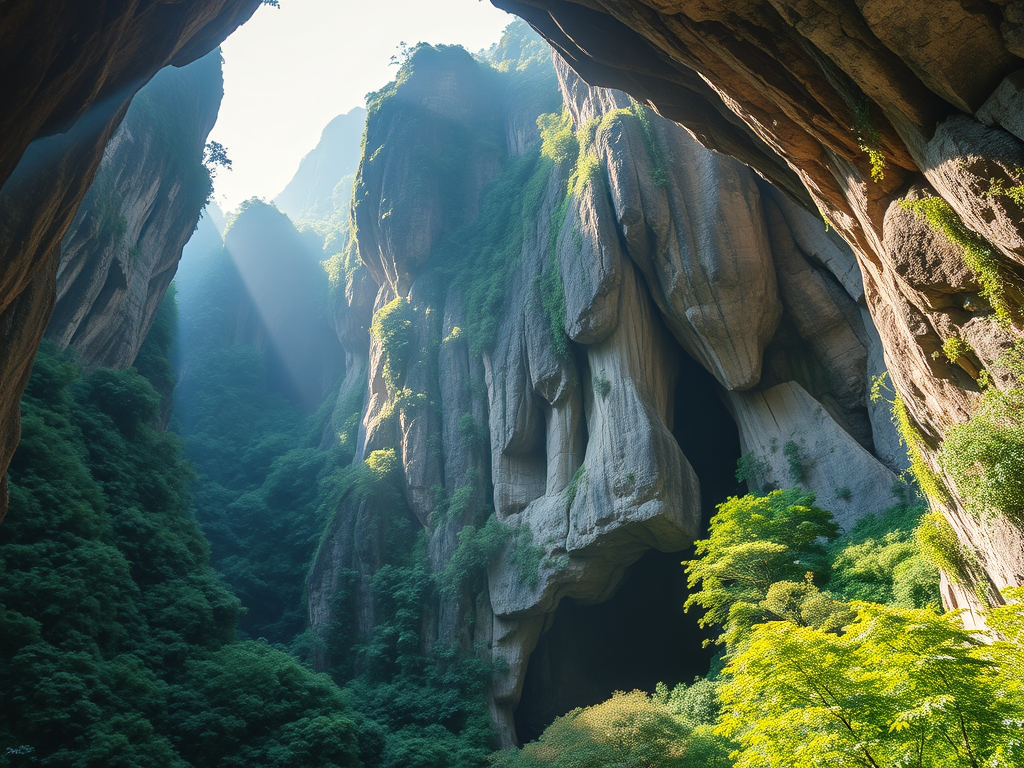
    Phong Nha-Kẻ Bàng: Discover Vietnam’s Hidden Gem in 2025

    Introduction

    Nestled in central Vietnam, Phong Nha-Kẻ Bàng National Park is a UNESCO World Heritage Site known for its breathtaking karst landscapes, intricate cave systems, and lush biodiversity. The park is home to the world’s largest cave, Son Doong, a colossal natural wonder that has captivated explorers and adventurers alike. Beyond Son Doong, the region boasts numerous caves such as Paradise Cave, Phong Nha Cave, and Dark Cave, each offering unique experiences ranging from stunning rock formations to underground rivers and zip-lining adventures.

    But Phong Nha-Kẻ Bàng is more than just caves. The national park is a haven for eco-tourism, with opportunities for trekking, kayaking, and wildlife spotting in an unspoiled natural environment. As tourism grows, sustainable travel and conservation efforts become crucial to preserving this pristine landscape. This article explores the wonders of Phong Nha-Kẻ Bàng, guiding travelers through its hidden treasures and responsible travel practices.

    The Magnificence of Son Doong Cave: The World’s Largest Cave

    Son Doong Cave, located in Phong Nha-Kẻ Bàng National Park, is the largest cave in the world by volume. Discovered in 1991 by a local farmer and later explored by British cavers in 2009, this massive underground chamber stretches over five kilometers in length, with ceilings reaching heights of up to 200 meters. The cave’s colossal size is so vast that it has its own weather system, complete with misty clouds and lush jungle-like vegetation inside.

    One of the most remarkable features of Son Doong is its unique rock formations, including gigantic stalagmites and stalactites. Some formations tower over 70 meters high, resembling natural skyscrapers. The cave also contains vast dolines, or sinkholes, that allow sunlight to penetrate, creating a surreal and otherworldly environment. These openings foster the growth of unique flora, forming an underground rainforest teeming with biodiversity.

    Exploring Son Doong is a once-in-a-lifetime adventure. Due to its ecological sensitivity, the number of visitors is strictly limited, and guided expeditions are required. Tours are led by experienced guides and take about four days to complete, including camping inside the cave. Adventurers traverse underground rivers, climb through massive caverns, and even rappel down sheer rock faces to experience the true grandeur of this natural wonder.

    Despite its popularity among adventure seekers, conservation remains a top priority. Local authorities and tour operators emphasize responsible tourism practices, ensuring that visitors leave no trace and respect the fragile ecosystem. Ongoing research and preservation efforts aim to maintain Son Doong’s pristine condition for future generations to explore and appreciate.

    The Geological Wonders of Phong Nha-Kẻ Bàng National Park

    Phong Nha-Kẻ Bàng National Park is a geological marvel, characterized by its unique karst formations that have been evolving for over 400 million years. The park covers more than 1,200 square kilometers and features a complex network of caves, underground rivers, and limestone mountains, making it one of the most spectacular natural landscapes in Southeast Asia.

    The karst topography of the park has been shaped by continuous erosion and tectonic activity, resulting in dramatic cliffs, deep valleys, and extensive cave systems. These caves, formed by the dissolution of limestone, contain remarkable features such as stalactites, stalagmites, and underground waterfalls. Some caves extend for tens of kilometers, offering hidden chambers and uncharted passages waiting to be explored.

    The biodiversity within Phong Nha-Kẻ Bàng is equally impressive. The park is home to a vast array of flora and fauna, including rare species such as the saola, langurs, and pangolins. Its lush forests, flowing rivers, and diverse wildlife make it a hotspot for ecological research and conservation efforts.

    Aside from its geological importance, the park plays a crucial role in Vietnam’s cultural and historical heritage. Archaeological discoveries have uncovered ancient artifacts, indicating that humans have inhabited the region for thousands of years. The area also played a strategic role during the Vietnam War, with its caves serving as hideouts and supply routes.

    Tourists visiting Phong Nha-Kẻ Bàng can witness these geological wonders firsthand through guided tours and eco-friendly activities. Boat tours along the Son River offer a scenic route into some of the caves, while hiking trails provide breathtaking views of the karst landscape. By respecting conservation guidelines and exploring responsibly, visitors can appreciate the park’s stunning geological heritage while ensuring its preservation for future generations.

    Exploring the Other Caves: Paradise, Phong Nha, and Dark Cave

    While Son Doong is the crown jewel of Phong Nha-Kẻ Bàng, the park is home to many other remarkable caves, each offering unique attractions and experiences. Among the most famous are Paradise Cave, Phong Nha Cave, and Dark Cave, all of which provide adventurers and nature lovers with a different perspective on the region’s underground wonders.

    Paradise Cave, often referred to as the most beautiful cave in the park, stretches for 31 kilometers, making it one of the longest dry caves in the world. Visitors can walk along a well-maintained wooden pathway that extends one kilometer into the cave, showcasing its stunning stalactites and stalagmites. The cave’s immense chambers, some reaching up to 72 meters in height, are illuminated to highlight the incredible rock formations, creating an almost ethereal atmosphere.

    Phong Nha Cave, the namesake of the park, is one of the most accessible caves and can be reached by boat along the Son River. It features an underground river system that extends deep into the limestone mountains. Visitors can take a guided boat tour through the cave’s vast caverns, admiring the striking formations that have been shaped over millions of years. The cave’s entrance, flanked by lush greenery and dramatic cliffs, provides a breathtaking introduction to the park’s natural beauty.

    For those looking for an adrenaline-fueled adventure, Dark Cave offers an exciting and interactive experience. Unlike the other caves, Dark Cave is known for its thrilling activities, including zip-lining, swimming, and exploring its muddy underground passages. Visitors can wade through thick, mineral-rich mud pools and then wash off in the cool waters of the cave’s underground river. The combination of adventure and geological wonders makes Dark Cave a popular choice for thrill-seekers.

    Exploring these caves offers a fascinating glimpse into the hidden world beneath Phong Nha-Kẻ Bàng’s limestone mountains. Each cave has its own character, from Paradise Cave’s cathedral-like beauty to Dark Cave’s adventurous spirit. Whether visitors prefer a leisurely stroll through illuminated chambers or a heart-pounding zip-line descent, the caves of Phong Nha-Kẻ Bàng promise unforgettable experiences that highlight the region’s natural splendor.

    Wildlife and Biodiversity: A Haven for Nature Enthusiasts

    Phong Nha-Kẻ Bàng National Park is not only a geological wonder but also a haven for biodiversity, home to a wide range of plant and animal species. The park’s diverse ecosystems, which include tropical rainforests, karst landscapes, and rivers, provide a rich habitat for a variety of flora and fauna, many of which are endemic or endangered.

    The park is part of the Indo-Malay region and is situated within the Annamite Range, which is known for its exceptional biodiversity. Phong Nha-Kẻ Bàng is home to over 1,000 species of plants, 150 species of birds, and more than 100 species of mammals, making it an important area for conservation. Some of the rarest and most significant species found in the park include the saola, a critically endangered antelope-like species often referred to as the “Asian unicorn.” Discovered in the 1990s, the saola is one of the world’s rarest mammals, and Phong Nha-Kẻ Bàng is one of the few places where it can still be found.

    Other notable species include the white-cheeked gibbon, the greater one-horned rhinoceros, and the wild boar. The park’s rivers and streams also provide habitat for several species of fish, amphibians, and reptiles, while the forested areas are home to a rich variety of butterflies, insects, and other invertebrates.

    The biodiversity of Phong Nha-Kẻ Bàng is also supported by its various ecosystems. The tropical rainforests that cover much of the park are teeming with life, from towering trees and dense undergrowth to the myriad of creatures that call the forest home. The park’s karst formations, with their caves and rocky outcrops, offer refuge to species that are adapted to the harsh conditions of these environments, while the rivers and wetlands provide an important water source for both wildlife and plant life.

    In addition to its diverse fauna, the park is home to a wide range of medicinal plants and other flora that have been used by local communities for centuries. The forests of Phong Nha-Kẻ Bàng are an invaluable resource for both traditional medicine and scientific research.

    Conservation efforts in Phong Nha-Kẻ Bàng are crucial to preserving the park’s unique biodiversity. Poaching, deforestation, and habitat destruction are ongoing threats to the park’s wildlife, but local and international organizations are working together to protect the area. Anti-poaching programs, sustainable tourism practices, and research initiatives all play a vital role in safeguarding the park’s delicate ecosystems.

    Conservation Efforts and the Future of Phong Nha-Kẻ Bàng

    Phong Nha-Kẻ Bàng is an ecological and geological treasure, but it is facing significant threats due to human activity, including deforestation, illegal logging, and poaching. As tourism to the area increases, there is growing concern over the potential impact on the park’s fragile ecosystems. Conservation efforts are essential to safeguard the park’s biodiversity and unique landscapes.

    The Vietnamese government has taken steps to protect Phong Nha-Kẻ Bàng, including its designation as a UNESCO World Heritage Site and the establishment of the Phong Nha-Kẻ Bàng National Park in 2001. These initiatives have helped to raise awareness of the park’s value and have attracted international attention to the region’s conservation needs.

    One of the primary conservation goals is to protect the park’s unique flora and fauna, many of which are endemic or endangered. Anti-poaching programs have been implemented, and local communities have been engaged in conservation efforts to reduce the pressure on the park’s resources. Education campaigns have also been launched to raise awareness about the importance of protecting the park’s natural heritage.

    Sustainable tourism is another key component of conservation in Phong Nha-Kẻ Bàng. By limiting the number of visitors to the park’s most sensitive areas and promoting eco-friendly tourism practices, the park’s fragile ecosystems can be protected while still allowing people to experience its beauty. Guided tours and regulated access to the caves are examples of how tourism can be managed to minimize impact.

    The future of Phong Nha-Kẻ Bàng depends on continued conservation efforts and responsible tourism practices. Collaboration between the government, conservation organizations, local communities, and tourists will be crucial in ensuring that this natural wonder remains protected for future generations. With ongoing efforts to protect its unique biodiversity, Phong Nha-Kẻ Bàng will continue to be a beacon of natural beauty and scientific discovery.

    Conclusion

    Phong Nha-Kẻ Bàng National Park stands as one of Vietnam’s most treasured natural wonders, offering a stunning array of caves, karst landscapes, and rich biodiversity. From the awe-inspiring Son Doong Cave to the breathtaking beauty of its limestone mountains, the park is a testament to the power of nature’s processes over millennia. As it grows in popularity, Phong Nha-Kẻ Bàng faces challenges in balancing tourism with conservation. The ongoing efforts to protect its fragile ecosystems, along with responsible tourism practices, are essential to ensuring that this remarkable destination remains preserved for future generations. The park’s unique geological formations and rich wildlife not only make it a dream destination for adventure seekers but also a crucial site for scientific research and environmental preservation. As we look ahead, it is clear that Phong Nha-Kẻ Bàng will continue to captivate visitors, researchers, and conservationists alike.

    Phong Nha-Ke Bang National Park: The adventure capital of Asia Video

    Phong Nha-Ke Bang National Park: The adventure capital of Asia.
  • Iceland Geothermal Spas in 2025: Wellness & Relaxation

    Iceland Geothermal Spas in 2025: Wellness & Relaxation

    Introduction

    Iceland, the land of fire and ice, is renowned for its breathtaking landscapes, including glaciers, volcanoes, and geothermal spas. One of its most famous attractions, the Blue Lagoon, draws visitors from around the world who seek relaxation in its mineral-rich waters. However, Iceland offers a variety of geothermal spas, each providing a unique experience rooted in natural wellness and sustainability.

    The country’s geothermal activity creates hot springs that are rich in silica, sulfur, and other beneficial minerals, making them ideal for skin health and relaxation. Whether visiting a world-renowned site like the Blue Lagoon or exploring hidden gems like the Mývatn Nature Baths or Secret Lagoon, travelers can immerse themselves in Iceland’s geothermal wonders.

    This guide explores Iceland geothermal spas most famous and hidden, the science behind their benefits, and how to enjoy them responsibly. Discover how these natural hot springs contribute to both wellness and environmental sustainability.

    The Blue Lagoon: Iceland’s Most Famous Geothermal Spa

    The Blue Lagoon is Iceland’s most iconic geothermal spa, attracting thousands of visitors each year. Located in a lava field on the Reykjanes Peninsula, this man-made lagoon is filled with geothermal seawater sourced from a nearby power plant. The water, rich in silica and minerals, has been scientifically proven to benefit skin health, particularly for individuals with conditions like psoriasis.

    Visitors to the Blue Lagoon can indulge in a variety of spa treatments, including silica mud masks and in-water massages. The spa’s modern facilities offer saunas, steam rooms, and a relaxation area, providing a luxurious and rejuvenating experience. Additionally, the on-site restaurant, Lava, serves Icelandic cuisine, allowing guests to complete their visit with a delicious meal.

    One of the most unique aspects of the Blue Lagoon is its research center, where scientists study the therapeutic effects of geothermal seawater. This research has led to the development of skincare products that harness the water’s natural properties.

    Despite its popularity, the Blue Lagoon remains committed to sustainability. The water is naturally renewed every 48 hours, and the facility operates with a focus on eco-friendly practices. Visitors are encouraged to book their visits in advance, as the spa often reaches capacity.

    The Science Behind Geothermal Waters and Their Health Benefits

    Geothermal waters contain a rich composition of minerals that offer numerous health benefits. These natural hot springs are heated by the Earth’s core, absorbing essential elements like silica, sulfur, and magnesium along the way. Each mineral plays a vital role in promoting skin health and overall well-being.

    Silica, a key component found in Icelandic geothermal waters, is known for its skin-healing properties. It helps to cleanse and exfoliate the skin while also strengthening the skin barrier. Many visitors apply silica mud masks at geothermal spas to enhance their skin’s texture and hydration.

    Sulfur is another beneficial mineral found in geothermal waters. It has antibacterial and antifungal properties, making it effective for treating skin conditions such as eczema and acne. Additionally, sulfur helps to reduce inflammation and soothe irritated skin.

    Beyond skincare benefits, geothermal waters aid in muscle relaxation and pain relief. The heat from the water increases circulation, reduces joint stiffness, and alleviates stress. Many athletes and individuals with chronic pain conditions visit geothermal spas for their therapeutic effects.

    The health benefits of geothermal waters are well-documented in scientific studies. Many cultures around the world have used hot springs for centuries as natural healing centers. In Iceland, geothermal spas are an integral part of daily life, promoting relaxation and wellness.

    Hidden Gems: Lesser-Known Geothermal Spas in Iceland

    While the Blue Lagoon is Iceland’s most famous geothermal spa, the country is home to many lesser-known but equally stunning hot springs. These hidden gems provide a more secluded and intimate experience for visitors looking to escape the crowds.

    Mývatn Nature Baths, located in northern Iceland, offer a tranquil alternative to the Blue Lagoon. The water in these baths is rich in minerals and has a slightly higher temperature, making it perfect for relaxation. Surrounded by volcanic landscapes, Mývatn Nature Baths provide breathtaking views while soaking in their warm waters.

    The Secret Lagoon, one of Iceland’s oldest natural hot springs, is another hidden gem. Located in the Golden Circle region, this geothermal pool maintains a steady temperature of 38-40°C year-round. Visitors can enjoy a rustic and authentic bathing experience, with minimal infrastructure preserving the area’s natural beauty.

    For those seeking adventure, the Reykjadalur Hot Springs offer a unique opportunity to bathe in a geothermal river. After a scenic hike through a steaming valley, visitors can immerse themselves in the naturally heated waters of the river. This off-the-beaten-path experience is perfect for nature lovers and outdoor enthusiasts.

    These lesser-known geothermal spas provide an authentic and peaceful experience, allowing visitors to connect with Iceland’s natural beauty while enjoying the health benefits of mineral-rich waters.

    How to Plan Your Geothermal Spa Experience in Iceland

    Planning a geothermal spa visit in Iceland requires thoughtful preparation to ensure a relaxing and enjoyable experience. With a variety of options, from world-famous locations to remote hot springs, travelers can customize their trip based on their preferences and budget.

    The first step is deciding which geothermal spas to visit. The Blue Lagoon, located near Keflavík International Airport, is ideal for travelers seeking a luxurious spa experience with modern amenities. Booking in advance is essential, as it is one of Iceland’s most popular attractions. For those looking for a quieter setting, Mývatn Nature Baths in the north offer a similar experience with fewer crowds. The Secret Lagoon in Flúðir, one of the oldest geothermal pools in Iceland, provides a more rustic and natural setting.

    Timing is another important factor. Visiting early in the morning or late in the evening can help avoid peak crowds, especially at popular sites like the Blue Lagoon. Many spas also offer nighttime visits, allowing guests to soak under the northern lights during winter months.

    Packing the right essentials enhances the experience. Swimsuits are required at all geothermal spas, and many facilities provide towel and robe rentals. Bringing a waterproof bag for electronics and a change of clothes is also advisable. Some locations, such as the Blue Lagoon, recommend using conditioner before entering the water to protect hair from silica buildup.

    Transportation should also be considered. While some geothermal spas are easily accessible by car or shuttle, others, like remote hot springs, require hiking or guided tours. Renting a car allows for more flexibility, but travelers should check road conditions, especially in winter.

    By planning ahead, visitors can make the most of Iceland’s geothermal wonders, enjoying relaxation while respecting the natural environment and local regulations.

    Sustainable Tourism: Preserving Iceland’s Geothermal Wonders

    As tourism in Iceland grows, the importance of sustainable travel practices becomes increasingly vital. Geothermal spas are a delicate part of the country’s natural environment, and preserving these wonders ensures they remain accessible for future generations.

    One way travelers can support sustainability is by choosing eco-friendly geothermal spas. Many locations, including the Blue Lagoon and Mývatn Nature Baths, use renewable geothermal energy to power their facilities. Visitors can contribute by following posted guidelines, such as using designated walkways and avoiding contamination of the water with lotions or soaps.

    Respecting nature is also crucial. Iceland’s hot springs form naturally over time, and overcrowding or improper use can damage these fragile ecosystems. When visiting natural hot springs in remote areas, travelers should avoid leaving trash behind and refrain from disturbing wildlife.

    Supporting local communities is another key aspect of sustainable tourism. Many geothermal spas are run by local businesses, and choosing these locations helps sustain the economy. Purchasing locally made products, dining at nearby restaurants, and respecting local traditions all contribute to responsible tourism.

    Reducing overall environmental impact is also essential. Travelers can minimize their carbon footprint by using eco-friendly transportation, such as electric rental cars or public buses. Additionally, offsetting travel emissions by supporting environmental initiatives helps balance the impact of tourism.

    By practicing sustainable tourism, visitors can enjoy Iceland’s geothermal wonders while ensuring they remain protected for future generations.

    Conclusion

    Iceland’s geothermal spas offer a unique blend of relaxation, natural beauty, and wellness benefits. From the world-famous Blue Lagoon to hidden hot springs, these mineral-rich waters provide a rejuvenating experience for travelers seeking to immerse themselves in Iceland’s geothermal wonders.

    Beyond relaxation, these geothermal sites hold ecological and cultural significance. The sustainability of Iceland’s hot springs depends on responsible tourism practices, including respecting the environment, supporting local communities, and minimizing carbon footprints. By choosing eco-friendly spas, following conservation guidelines, and engaging in ethical travel practices, visitors play a crucial role in preserving these natural treasures.

    As Iceland continues to attract global travelers, embracing sustainable tourism ensures that its geothermal wonders remain pristine and accessible for generations to come. Whether seeking luxury or adventure, travelers can enjoy Iceland’s geothermal spas while fostering a deep appreciation for the island’s extraordinary natural resources.

  • Guide to Sustainable Tourism 2025: Travel Responsibly

    Guide to Sustainable Tourism 2025: Travel Responsibly

    Introduction

    As global tourism continues to grow, so does its impact on the environment and local communities. Sustainable tourism aims to minimize negative effects while maximizing positive contributions to the places we visit. It encourages travelers to be mindful of their ecological footprint, respect local cultures, and support ethical businesses.

    From choosing eco-friendly accommodations to reducing waste and respecting wildlife, there are many ways to travel responsibly. Sustainable tourism not only helps preserve natural and cultural heritage but also fosters economic benefits for local communities. By making informed choices, travelers can contribute to conservation efforts and promote sustainability without sacrificing the joy of exploration.

    This guide provides practical tips on how to integrate sustainable practices into your travels, ensuring that future generations can continue to enjoy the world’s most beautiful destinations. Whether you’re planning a short getaway or a long-term journey, adopting responsible travel habits makes a significant difference.

    Understanding Sustainable Tourism: What It Means and Why It Matters

    Sustainable tourism is an approach to travel that seeks to reduce environmental damage, respect local cultures, and contribute positively to communities. It promotes responsible travel practices that ensure destinations remain viable for future generations. Unlike mass tourism, which often leads to overcrowding, pollution, and the depletion of resources, sustainable tourism emphasizes balance—allowing both travelers and locals to benefit from tourism without negative consequences.

    One of the key principles of sustainable tourism is environmental conservation. Popular travel destinations often experience degradation due to excessive tourist activity, including deforestation, pollution, and excessive energy consumption. By adopting sustainable travel habits, such as staying in eco-friendly accommodations, using public transportation, and reducing plastic use, travelers can help mitigate these effects.

    Another vital aspect is cultural preservation. Many tourist-heavy locations have faced cultural dilution due to globalization. Sustainable tourism encourages visitors to engage with local traditions, learn about historical sites, and support locally-owned businesses. Instead of staying at large international hotel chains, opting for locally-owned guesthouses or eco-lodges can have a significant impact on the local economy and help maintain cultural identity.

    Furthermore, sustainable tourism plays a crucial role in supporting local economies. Large-scale tourism often benefits big corporations, while small businesses and artisans struggle to compete. Responsible travelers can support small-scale businesses by dining at local restaurants, buying handmade crafts, and participating in community-led tours. These practices not only provide economic benefits but also create a more authentic travel experience for visitors.

    Education and awareness are essential for the success of sustainable tourism. Many travelers remain unaware of the potential damage they cause to ecosystems and communities. Governments, travel companies, and non-profits must work together to promote responsible travel practices through awareness campaigns and sustainable travel certifications.

    Ultimately, sustainable tourism is not about restricting travel but about making conscious choices that minimize harm and maximize benefits. Every traveler has the power to contribute positively to the environment and local cultures. By taking small but meaningful steps, we can ensure that the beauty of the world’s destinations remains intact for generations to come.

    Choosing Eco-Friendly Accommodations and Transportation

    Eco-friendly accommodations and sustainable transportation options are critical aspects of responsible tourism. Choosing the right lodging and means of transport can significantly reduce a traveler’s environmental impact. Hotels, resorts, and hostels contribute to large amounts of energy and water consumption, but there are sustainable alternatives that minimize these effects.

    One of the best ways to ensure eco-friendly accommodation is to look for certifications such as Green Key, LEED, or EarthCheck. These certifications indicate that a hotel follows strict environmental sustainability practices, including waste management, energy conservation, and water efficiency. Eco-lodges, which often operate with renewable energy and locally sourced materials, are another excellent option for responsible travelers.

    Sustainable transportation is another key factor in reducing carbon footprints. Air travel is one of the biggest contributors to carbon emissions, so minimizing flights or choosing direct routes can help reduce environmental impact. When possible, opting for trains, buses, or carpooling can significantly cut down on emissions. In urban destinations, walking or cycling not only reduces pollution but also offers an immersive way to explore a location.

    Public transportation is an excellent sustainable travel choice. Many cities offer efficient and affordable transit systems that reduce the need for rental cars. Some destinations also have bike-sharing programs, making it easier for visitors to travel sustainably while experiencing a place more intimately.

    Additionally, car rental companies are increasingly offering hybrid or electric vehicles, which are more environmentally friendly than traditional gasoline-powered cars. If renting a car is necessary, choosing a fuel-efficient vehicle and carpooling with other travelers can minimize negative environmental effects.

    Another great way to travel sustainably is by participating in carbon offset programs. Many airlines and travel companies offer the option to offset carbon emissions by donating to environmental initiatives, such as reforestation projects or renewable energy programs. While this does not completely eliminate carbon footprints, it helps to mitigate the impact of travel.

    By making thoughtful decisions when choosing accommodations and transportation, travelers can play an active role in promoting sustainability. Supporting eco-conscious businesses and minimizing resource consumption helps preserve the environment, ensuring that future generations can continue to explore the world’s wonders without causing harm.

    Supporting Local Communities and Ethical Tourism Practices

    Sustainable tourism extends beyond environmental impact—it also encompasses ethical and social responsibility. Supporting local communities ensures that tourism generates economic benefits while preserving cultural heritage. Ethical tourism practices encourage travelers to engage with local cultures respectfully and responsibly.

    One way to support local communities is by choosing locally-owned accommodations, restaurants, and tour operators. Instead of staying at large international hotel chains, travelers can opt for boutique hotels, guesthouses, or homestays, which directly contribute to the local economy. Similarly, dining at local restaurants rather than global fast-food chains supports small businesses and allows visitors to experience authentic regional cuisine.

    Ethical tourism also involves respecting local traditions and customs. Learning basic phrases in the local language, dressing appropriately in cultural or religious sites, and following social norms demonstrate cultural appreciation. Travelers should take the time to understand the history and traditions of the places they visit, fostering meaningful interactions with locals.

    Participating in fair-trade shopping is another effective way to support ethical tourism. Many tourist destinations sell mass-produced souvenirs that offer little economic benefit to local artisans. Instead, travelers should seek out handmade crafts from local markets and cooperatives, ensuring that artisans are fairly compensated for their work.

    Volunteering and responsible tourism programs also provide opportunities to give back to communities. However, it is essential to choose ethical programs that have a genuine positive impact. Some volunteer programs exploit vulnerable communities under the guise of charity, so travelers should research organizations carefully before participating.

    Avoiding exploitative tourism activities is equally important. Certain attractions, such as orphanage tourism or unethical animal encounters, may appear beneficial but can actually cause harm. Supporting ethical wildlife sanctuaries and conservation projects ensures that tourism does not come at the expense of local people or animals.

    By making conscious decisions about where to stay, what to eat, and how to engage with local cultures, travelers can have a more meaningful and ethical travel experience. Sustainable tourism is about leaving a positive impact on the communities we visit, ensuring that tourism benefits everyone involved.

    Minimizing Waste and Reducing Your Carbon Footprint While Traveling

    The tourism industry generates a significant amount of waste, from plastic packaging to excess food waste. Travelers can take proactive steps to minimize their environmental footprint by reducing waste and making sustainable choices.

    One of the easiest ways to minimize waste is by bringing reusable items. Packing a reusable water bottle, shopping bag, and utensils eliminates the need for single-use plastics. Many destinations now offer water refill stations, allowing travelers to avoid plastic bottles altogether. Similarly, carrying a reusable coffee cup or food container can help reduce disposable waste at cafes and restaurants.

    Choosing accommodations with eco-friendly waste management policies also makes a difference. Many hotels have adopted sustainability initiatives such as recycling programs, composting, and reducing single-use toiletries. Staying at such accommodations supports businesses that prioritize environmental responsibility.

    Reducing food waste is another critical aspect of sustainable tourism. Travelers should be mindful of portion sizes when ordering food and avoid buffets, which often lead to excessive waste. Supporting restaurants that use locally sourced ingredients and practice sustainability further reduces the carbon footprint of dining out.

    Transportation choices significantly impact a traveler’s carbon footprint. Whenever possible, using public transportation, walking, or cycling reduces emissions compared to taxis or rental cars. Choosing direct flights instead of multiple layovers can also lower carbon emissions.

    Offsetting carbon footprints is another option for responsible travelers. Many airlines and travel companies offer carbon offset programs that invest in renewable energy, reforestation, and conservation projects. While carbon offsetting does not eliminate emissions, it helps mitigate their effects.

    By adopting simple but effective waste reduction strategies, travelers can significantly decrease their environmental impact. Sustainable tourism is not about perfection but about making conscious choices that contribute to a healthier planet.

    Engaging in Wildlife and Nature Conservation Efforts

    Wildlife tourism is a major attraction in many destinations, but it must be approached responsibly to avoid harm to ecosystems and animals. Ethical wildlife tourism ensures that animals are not exploited for entertainment and that conservation efforts are supported.

    Travelers should avoid attractions that involve direct animal interactions, such as elephant rides, dolphin shows, and petting zoos. These activities often involve unethical treatment and captivity. Instead, ethical wildlife experiences include visiting national parks, wildlife sanctuaries, and responsible eco-tourism programs that focus on conservation.

    Supporting conservation projects and eco-tourism initiatives is another way to engage in sustainable wildlife tourism. Many organizations work to protect endangered species and their habitats. Travelers can contribute by donating, volunteering, or participating in educational tours that promote conservation awareness.

    Respecting natural habitats is crucial when exploring wildlife areas. Visitors should follow park guidelines, stay on designated trails, and avoid feeding animals. Disrupting natural ecosystems can have long-term consequences, so responsible behavior is essential.

    Sustainable marine tourism is also important. Activities such as snorkeling and diving should be conducted with care to avoid damaging coral reefs and marine life. Choosing eco-friendly tour operators that follow ethical guidelines helps protect fragile marine ecosystems.

    By making informed choices, travelers can enjoy wildlife experiences while ensuring the protection and preservation of natural environments for future generations.

    Conclusion

    Sustainable tourism is not just a trend but a necessity for preserving our planet’s beauty and cultural diversity. By adopting responsible travel habits, individuals can minimize their environmental impact, support local communities, and contribute to conservation efforts.

    Choosing eco-friendly accommodations, reducing waste, and respecting wildlife are just a few ways travelers can promote sustainability. Ethical tourism practices ensure that travel benefits both visitors and local populations, creating a more meaningful and impactful experience.

    Every small action counts. Whether it’s refusing single-use plastics, supporting local businesses, or choosing responsible tour operators, travelers have the power to make a difference. Sustainable tourism is about balancing adventure with responsibility, ensuring that future generations can continue to explore the world without compromising its resources.

    By making mindful choices, we can protect the destinations we love and foster a more sustainable travel industry. Let’s embrace responsible tourism and contribute to a world where exploration and conservation go hand in hand.

  • Tenerife Travel Guide 2025: Nature, Culture and Cuisine

    Tenerife Travel Guide 2025: Nature, Culture and Cuisine

    Introduction

    Tenerife, the largest of Spain’s Canary Islands, is a paradise that offers a perfect blend of natural beauty, rich history, adventure, and gastronomy. Whether you are drawn to its volcanic landscapes, breathtaking beaches, or vibrant cultural heritage, this island has something for everyone. Located off the coast of Africa, Tenerife boasts a year-round mild climate, making it an attractive destination regardless of the season. From the towering Mount Teide, Spain’s highest peak, to charming colonial towns and lively festivals, visitors can experience a diverse range of attractions. Whether you’re a thrill-seeker looking for outdoor adventures, a history enthusiast keen on exploring its past, or a foodie eager to savor Canarian cuisine, Tenerife does not disappoint. This Tenerife travel guide will take you through the island’s top highlights, ensuring you make the most of your trip while keeping costs manageable. Let’s embark on an unforgettable journey to discover Tenerife!

    The Natural Wonders of Tenerife: Volcanoes, Beaches, and National Parks

    Tenerife’s natural beauty is one of its most compelling attractions. The island’s diverse landscapes include lush forests, volcanic mountains, and pristine beaches, making it a paradise for nature lovers.

    One of the most famous natural wonders of Tenerife is Mount Teide, Spain’s highest peak at 3,715 meters (12,188 feet). Teide National Park, a UNESCO World Heritage Site, surrounds the volcano and offers breathtaking hiking trails, surreal rock formations, and panoramic views. Visitors can take a cable car up the volcano to experience the stunning scenery or hike to the summit for a truly unforgettable adventure.

    Tenerife’s coastline is equally impressive, boasting a mix of golden and black-sand beaches. Playa de las Teresitas, located near the capital Santa Cruz, features imported golden sand from the Sahara, while Playa de Benijo offers dramatic cliffs and volcanic black sand. For those seeking tranquility, the secluded coves of Los Gigantes provide a perfect escape.

    Beyond the beaches and mountains, the island is home to lush forests, such as Anaga Rural Park, a UNESCO Biosphere Reserve. The park features ancient laurel forests, mist-covered mountains, and charming traditional villages, offering fantastic opportunities for hiking and wildlife observation.

    With its diverse natural wonders, Tenerife offers an ideal balance between adventure and relaxation, making it a top destination for nature enthusiasts.

    Exploring Tenerife’s Rich History and Culture

    Tenerife’s history and culture are deeply influenced by its indigenous Guanche people, Spanish colonial heritage, and African proximity. The island’s historical sites, museums, and local traditions reflect this rich cultural fusion.

    San Cristóbal de La Laguna, a UNESCO World Heritage city, is one of the best places to experience Tenerife’s colonial past. Its well-preserved streets, colorful buildings, and historic churches, such as the Cathedral of La Laguna, offer a glimpse into the island’s architectural legacy. Walking through La Laguna feels like stepping back in time, with its cobblestone streets and lively plazas.

    Another must-visit historical site is the Pyramids of Güímar, mysterious stepped structures that some believe were built by the Guanches. The accompanying museum provides insight into the theories surrounding their origins and Tenerife’s pre-Hispanic history.

    Tenerife is also known for its vibrant festivals. The Carnival of Santa Cruz de Tenerife, second only to Rio de Janeiro’s, is an explosion of color, music, and dance. Celebrated annually in February, it features extravagant parades, elaborate costumes, and street parties that attract visitors from all over the world.

    From historical towns to traditional celebrations, Tenerife’s cultural offerings make it a fascinating destination for history buffs and culture lovers alike.

    Adventure and Outdoor Activities: From Hiking to Whale Watching

    Adventure seekers will find no shortage of thrilling activities in Tenerife. Whether it’s exploring rugged mountains, diving in crystal-clear waters, or encountering marine life, the island offers endless opportunities for outdoor fun.

    Hiking is one of the best ways to experience Tenerife’s stunning landscapes. Aside from Mount Teide, the island features numerous trails, such as those in Anaga Rural Park and Teno Rural Park. These trails take hikers through verdant forests, dramatic cliffs, and hidden valleys, offering breathtaking views along the way.

    Tenerife is also a world-renowned destination for whale and dolphin watching. The waters between Tenerife and La Gomera are home to a permanent population of pilot whales and bottlenose dolphins. Numerous boat tours depart from Los Cristianos and Costa Adeje, offering visitors a chance to see these majestic creatures up close.

    For water sports enthusiasts, Tenerife’s beaches provide excellent conditions for surfing, windsurfing, and scuba diving. El Médano is a popular spot for windsurfing, while diving sites like Las Eras and Radazul offer opportunities to explore volcanic underwater landscapes and marine biodiversity.

    With its wealth of outdoor activities, Tenerife is a paradise for adventure lovers seeking an unforgettable experience.

    The Culinary Delights of Tenerife: Traditional Canarian Cuisine

    Tenerife’s cuisine is a delightful fusion of Spanish, African, and Latin American influences, featuring fresh seafood, locally grown produce, and unique flavors.

    One of the island’s most famous dishes is papas arrugadas, or “wrinkled potatoes,” served with mojo sauce. The potatoes are boiled in salt water, giving them a distinct texture, and paired with either red or green mojo, made from garlic, olive oil, and spices.

    Seafood is a staple of Canarian cuisine, with dishes such as vieja a la espalda (parrotfish) and calamares a la romana (fried squid) being popular choices. Tenerife’s coastal towns, like Garachico and Los Abrigos, are known for their fresh seafood restaurants.

    Another must-try dish is gofio, a traditional Canarian flour made from roasted grains, often mixed with milk, water, or honey. It has been a staple food of the island since the time of the Guanches.

    To complement these flavors, Tenerife produces some excellent wines, particularly from the Orotava Valley and Tacoronte-Acentejo regions. The island’s volcanic soil gives the wines a unique taste, making them a must-try for wine lovers.

    With its diverse and flavorful cuisine, Tenerife offers a culinary experience that is sure to delight every visitor.

    Practical Travel Tips: Best Times to Visit and Budget-Friendly Advice

    Tenerife is a year-round destination, but the best time to visit depends on your preferences. The summer months (June to September) offer warm temperatures perfect for beachgoers, while winter (December to February) provides a milder climate ideal for hiking and outdoor activities.

    Budget-conscious travelers can save money by visiting during the shoulder seasons (spring and autumn), when flights and accommodations are generally cheaper. Booking flights in advance and using budget airlines can also help reduce travel costs.

    For affordable stays, consider guesthouses, hostels, or vacation rentals instead of high-end resorts. Public transportation, such as buses operated by TITSA, is a cost-effective way to explore the island.

    By planning wisely and embracing local culture, travelers can enjoy an unforgettable yet budget-friendly Tenerife adventure.

    Conclusion

    Tenerife is a destination that has something for everyone—stunning nature, rich history, thrilling adventures, delicious food, and practical travel options. Whether you seek relaxation or excitement, this island paradise is sure to leave a lasting impression.

    The island’s diverse landscapes, from volcanic mountains to sun-kissed beaches, provide countless opportunities for exploration and adventure. Visitors can immerse themselves in the cultural heritage of Tenerife by strolling through its historic towns, participating in lively festivals, and savoring its unique cuisine. Outdoor enthusiasts will find endless activities, from hiking the majestic Mount Teide to encountering marine life in the Atlantic waters. Meanwhile, food lovers can indulge in traditional Canarian flavors, paired with local wines that showcase the island’s rich terroir.

    With its year-round pleasant climate, welcoming locals, and a range of budget-friendly options, Tenerife is an accessible and unforgettable travel destination. No matter your interests, a trip to Tenerife promises memories that will last a lifetime.

    Tenerife – The Queen of the Canaries Video

    Tenerife – The Queen of the Canaries

  • Affordable Travel 2025: Top Hacks for Budget-Friendly Adventures

    Affordable Travel 2025: Top Hacks for Budget-Friendly Adventures

    Introduction

    Traveling the world does not have to be an expensive endeavor. With careful planning and the right strategies, you can explore new destinations, experience different cultures, and create unforgettable memories without breaking the bank. Many travelers assume that international trips require a hefty budget, but the truth is that there are numerous ways to cut costs while still enjoying a fulfilling experience. From finding cheap flights and budget accommodations to discovering free attractions and saving on food and transport, budget travel is about being resourceful and planning ahead. This guide will provide essential tips for those looking to travel affordably, whether you are a backpacker, a solo traveler, or someone seeking an economical family vacation. By implementing these practical methods, you can make the most of your travels while keeping expenses low. Let’s dive into the best ways to see the world on a budget!

    Finding Cheap Flights: Strategies for Affordable Air Travel

    Finding affordable flights is one of the most critical steps in budget travel. With airfare often being the most expensive part of a trip, knowing how to find great deals can significantly reduce travel costs. Here are some strategies to secure the best prices.

    First, booking flights in advance is crucial. Airlines typically release tickets around 11 months before departure, and prices tend to be lower when booked several months in advance. However, last-minute deals can also be found through fare comparison websites and deal alerts.

    Using fare comparison websites such as Google Flights, Skyscanner, and Kayak can help identify the cheapest days to fly. These platforms allow travelers to compare fares across multiple airlines and set up alerts to track price changes.

    Flexibility with travel dates and destinations can lead to significant savings. Flights on weekdays, particularly Tuesdays and Wednesdays, are often cheaper than weekend departures. Additionally, flying to a nearby city or alternative airport can result in lower fares.

    Taking advantage of budget airlines is another great way to save. Many low-cost carriers, such as Ryanair, EasyJet, and AirAsia, offer inexpensive fares within their respective regions. However, it’s essential to watch for hidden fees, such as charges for baggage and seat selection.

    Frequent flyer programs and credit card rewards can also help reduce flight costs. Many travel credit cards offer points or miles that can be redeemed for flights. Signing up for airline newsletters and loyalty programs can provide access to exclusive discounts and promotions.

    By applying these strategies, travelers can secure affordable flights and allocate more of their budget to experiences rather than airfare.

    Budget Accommodations: Where to Stay Without Overspending

    Accommodation is another major travel expense, but there are plenty of ways to stay comfortably without breaking the bank. Budget-conscious travelers have several options to consider.

    Hostels are one of the most affordable lodging choices. They provide dormitory-style accommodations, often with shared bathrooms and communal spaces, making them a great option for solo travelers and backpackers. Many hostels also offer private rooms for those seeking more privacy at a lower cost than hotels.

    Another budget-friendly option is renting through platforms like Airbnb and Vrbo. These services allow travelers to stay in private homes or apartments, which can be more affordable than hotels, especially for groups or long-term stays. Additionally, having access to a kitchen can help cut down on food expenses.

    House-sitting and couchsurfing are unique ways to stay for free. Websites like TrustedHousesitters connect travelers with homeowners who need house-sitters while they’re away, often providing free accommodations in exchange for basic house maintenance. Couchsurfing, on the other hand, allows travelers to stay with locals at no cost, fostering cultural exchange and making trips more immersive.

    Budget hotels and motels can also be cost-effective, particularly when booked in advance. Using price comparison websites like Booking.com or Agoda can help find the best deals. Additionally, loyalty programs and discounts for extended stays can lower costs.

    For those traveling on a tight budget, camping and host-exchange programs can be alternative solutions. Many countries have affordable or free camping sites, and work-exchange programs like Workaway provide free room and board in exchange for volunteer work.

    By considering these various options, travelers can find accommodations that suit their needs while keeping expenses minimal.

    Free and Low-Cost Attractions: Making the Most of Your Destination

    One of the best ways to save money while traveling is to take advantage of free and low-cost attractions. Many destinations offer a wealth of experiences that don’t require spending large sums of money, allowing budget travelers to explore and enjoy without financial stress.

    First, museums and historical sites often have free admission days or discounted entry fees. Many cities, such as London and Washington, D.C., boast world-class museums that are entirely free. Before visiting a destination, check the websites of major attractions to find out if they offer free days or special promotions.

    Public parks, gardens, and beaches provide excellent opportunities for budget-friendly relaxation and sightseeing. Iconic locations such as Central Park in New York City, Hyde Park in London, and the beaches of Thailand offer stunning scenery and recreational activities at little to no cost.

    Another great option is taking free walking tours. Many cities worldwide have organizations that offer free guided tours, allowing travelers to learn about the history and culture of a place from knowledgeable locals. While these tours are technically free, it is customary to tip the guide based on what you can afford.

    Exploring local markets and street performances is another way to experience a city without spending much. Many cultural hubs have lively street performances, music shows, and art displays that provide entertainment without an admission fee. Markets, on the other hand, are great places to experience the local atmosphere and try affordable food.

    Lastly, leveraging local transportation can help travelers access inexpensive experiences. Many cities have low-cost public transport passes that provide access to a variety of attractions. Instead of paying for expensive private tours, consider using public transport to visit sites independently.

    By taking advantage of free attractions, budget travelers can enrich their journeys without stretching their wallets too thin.

    Saving on Food and Transportation: Eating and Moving Smartly

    One of the biggest expenses while traveling is food and transportation, but with a few smart strategies, you can significantly reduce costs without sacrificing quality or comfort.

    When it comes to food, eating like a local is one of the best ways to save money. Street food and small local eateries often provide authentic and delicious meals at a fraction of the price of touristy restaurants. Researching popular street food spots or asking locals for recommendations can lead to some of the best dining experiences. Another great way to save money on meals is by shopping at local markets and grocery stores. Buying fresh produce, bread, and snacks allows you to prepare simple meals instead of always eating out. Many accommodations, including hostels and Airbnb rentals, provide kitchen access, which allows you to cook your own meals and cut down food expenses.

    Another tip is to take advantage of free breakfast options. Many budget hotels and hostels offer complimentary breakfast, which can help you start your day without extra costs. If your accommodation does not provide breakfast, consider purchasing inexpensive items such as fruit, yogurt, or granola bars to eat before heading out for the day.

    Transportation costs can also add up quickly, so finding affordable ways to get around is crucial. Public transportation is often the cheapest and most efficient way to explore a city. Many cities offer discounted multi-day transit passes, which provide unlimited access to buses, trains, or metro services at a lower cost than buying single tickets each time. Walking or biking is another great way to save money while exploring a new destination. Many cities offer bike-sharing programs, and walking allows you to discover hidden gems that you might miss when using public transport.

    For longer distances, consider using budget-friendly transportation options like ridesharing services, long-distance buses, or even carpooling services like BlaBlaCar. Booking train and bus tickets in advance can also help secure lower prices. Some countries offer discount travel cards for tourists, which provide reduced rates on transport and attractions.

    By implementing these smart food and transportation strategies, travelers can stretch their budget further while enjoying a fulfilling experience.

    Travel Hacks: Maximizing Your Budget While Enjoying the Experience

    Maximizing your travel budget is about more than just saving money—it’s about making the most of your trip while keeping costs low. These travel hacks can help you experience more without overspending.

    First, traveling during the off-season can lead to massive savings on flights, accommodations, and attractions. Many destinations have peak tourist seasons when prices skyrocket, but visiting during the shoulder or off-season can provide a more budget-friendly and less crowded experience.

    Using travel rewards programs and cashback credit cards is another way to cut costs. Many credit cards offer travel perks, such as free hotel stays, flight discounts, and cashback on purchases. By strategically using these programs, travelers can accumulate points that can be redeemed for flights, accommodations, and other travel-related expenses.

    Packing light can also help reduce costs. Many budget airlines charge hefty fees for checked luggage, so traveling with only a carry-on can save both time and money. Packing essentials like a reusable water bottle, snacks, and a travel towel can also cut down on small expenses that add up over time.

    Finding free entertainment and cultural experiences is another key travel hack. Many cities offer free cultural events, music festivals, and street performances that allow travelers to experience local traditions without spending money. Additionally, some museums and historical sites offer free admission days or discounted entry fees for students and seniors.

    Lastly, leveraging technology can be a game-changer for budget travel. Apps like Google Maps, Rome2Rio, and XE Currency help with navigation, finding cheap transport options, and avoiding currency exchange fees. Budgeting apps can also help track expenses and prevent overspending.

    By combining these travel hacks with other budget-friendly strategies, travelers can create an unforgettable experience while keeping costs manageable.

    Conclusion

    Traveling on a budget does not mean compromising on experiences—it simply requires strategic planning and smart spending. By finding cheap flights, choosing budget accommodations, seeking out free attractions, saving on food and transportation, and utilizing travel hacks, it is possible to explore the world without overspending. Traveling affordably allows for longer and more immersive experiences, enabling travelers to truly connect with new cultures and destinations.

    The key to successful budget travel is flexibility and resourcefulness. Taking advantage of deals, using public transport, eating like a local, and embracing alternative accommodations can make a significant difference in overall expenses. With the right approach, budget travel can be just as rewarding—if not more—than luxury travel.

    Whether you are planning a solo adventure, a family vacation, or a backpacking journey, these tips will help you maximize your budget and make the most of every trip. The world is full of affordable adventures waiting to be discovered!

  • Top 5 Paris Landmarks You Can’t Miss in 2025
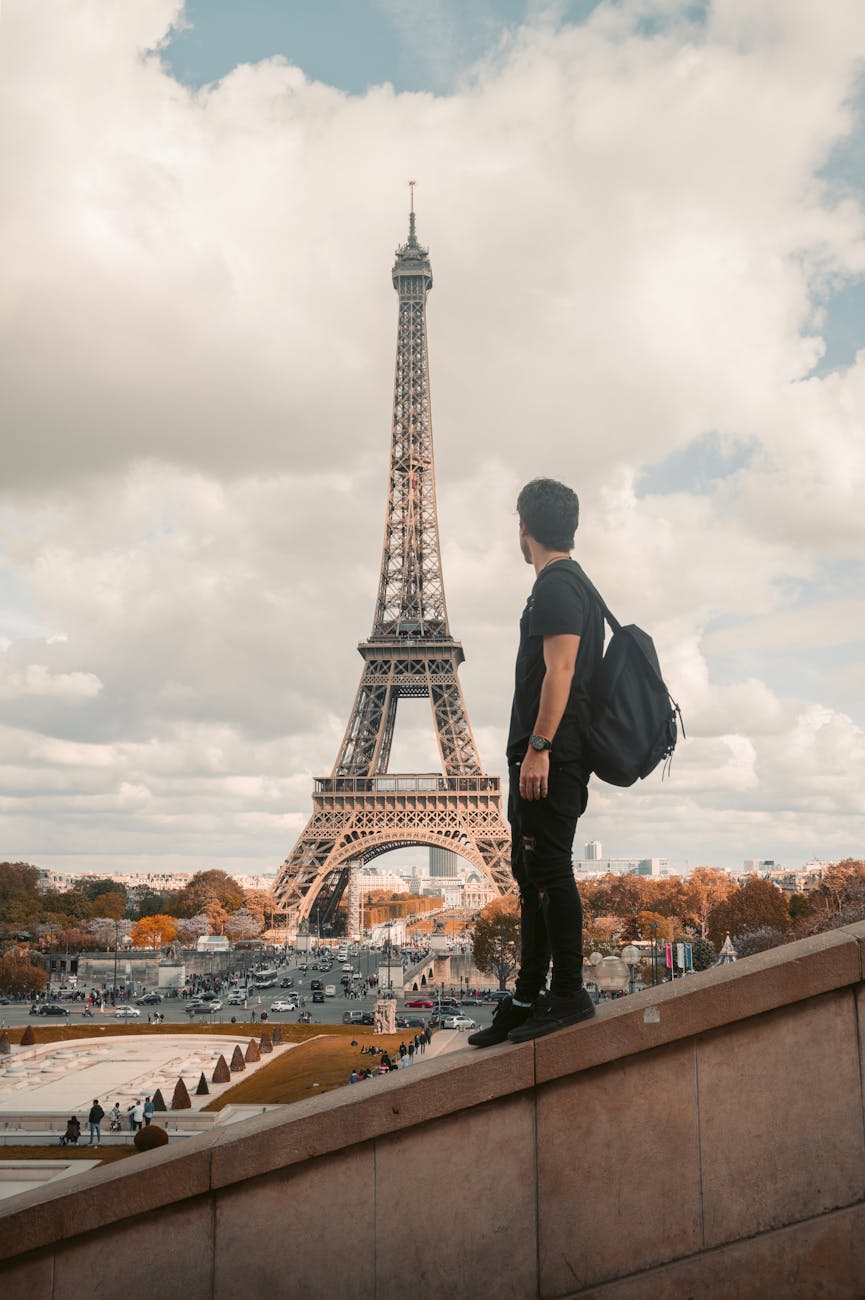
    Top 5 Paris Landmarks You Can’t Miss in 2025

    Introduction

    Paris, often referred to as the “City of Light,” is one of the most iconic and visited cities in the world. Renowned for its rich history, breathtaking architecture, and vibrant culture, Paris is home to some of the most famous landmarks on the planet. From towering monuments to historic cathedrals, each site tells a unique story of the city’s past and present. Whether you are an art lover, history buff, or simply an admirer of beautiful places, Paris offers something for everyone. This article takes you on a journey through five of the city’s most celebrated Paris landmarks: the Eiffel Tower, the Louvre Museum, Notre-Dame Cathedral, the Champs-Élysées with the Arc de Triomphe, and Montmartre with the Sacré-CÅ“ur Basilica. Each of these locations embodies the essence of Paris, providing an unforgettable experience for visitors from all over the world.

    The Eiffel Tower: The Symbol of Paris

    The Eiffel Tower stands as the most recognizable symbol of Paris and perhaps even France itself. Designed by Gustave Eiffel and completed in 1889 as part of the Exposition Universelle, this iron lattice tower was initially met with criticism from artists and intellectuals. However, over time, it has become an enduring emblem of architectural innovation and cultural significance. Standing at 330 meters tall, the tower offers breathtaking panoramic views of the city from its observation decks.

    Visiting the Eiffel Tower is an unforgettable experience. Tourists can ascend to the top via elevators or, for those seeking adventure, climb the stairs to the second level. Each level presents a different perspective of Paris, from the winding Seine River to the grand boulevards below. The tower is especially magical at night when it twinkles with thousands of sparkling lights, creating a mesmerizing spectacle.

    Beyond its aesthetic appeal, the Eiffel Tower has played an essential role in history, serving as a military radio transmission tower during World War I and continuing to be a vital telecommunications hub. Today, it remains one of the most visited monuments in the world, welcoming millions of tourists annually.

    The Louvre Museum: Home to Timeless Masterpieces

    The Louvre Museum is one of the most famous and visited museums in the world, housing an unparalleled collection of art and historical artifacts. Originally a medieval fortress, it was transformed into a royal palace before becoming a public museum in 1793 during the French Revolution. Today, it stands as a testament to artistic and historical grandeur, drawing millions of visitors annually.

    One of the museum’s most celebrated works is Leonardo da Vinci’s Mona Lisa, a painting renowned for its enigmatic smile and masterful technique. Alongside it, masterpieces such as The Winged Victory of Samothrace and Venus de Milo showcase the artistic brilliance of ancient civilizations. The museum’s vast collection spans centuries and cultures, including works from the Renaissance, Egyptian antiquities, Islamic art, and more.

    The Louvre itself is an architectural marvel, featuring the iconic glass pyramid entrance designed by I. M. Pei, which has become a symbol of modernity blending with history. Visitors can spend hours—or even days—exploring its galleries, each revealing a different chapter of human creativity and history.

    Notre-Dame Cathedral: A Gothic Marvel

    Notre-Dame Cathedral is one of the most famous Gothic cathedrals in the world, standing proudly on Île de la Cité in the heart of Paris. Construction began in 1163 and continued for nearly two centuries, resulting in an architectural masterpiece that has witnessed centuries of French history. With its towering spires, intricate sculptures, and stunning rose windows, Notre-Dame remains an awe-inspiring site.

    The cathedral is well-known for its role in literature, particularly in Victor Hugo’s The Hunchback of Notre-Dame, which brought renewed appreciation for the structure in the 19th century. Visitors are often drawn to its detailed façade, which includes statues of saints, gargoyles, and biblical scenes that tell stories of faith and devotion.

    Inside, the cathedral’s vast interior, with its soaring vaulted ceilings and magnificent stained-glass windows, creates a breathtakingly spiritual atmosphere. Though it suffered a devastating fire in 2019, restoration efforts continue to bring Notre-Dame back to its former glory, ensuring that future generations can appreciate its historical and artistic significance.

    The Champs-Élysées and Arc de Triomphe: The Heart of Parisian Grandeur

    The Champs-Élysées is one of the most famous avenues in the world, stretching from Place de la Concorde to the Arc de Triomphe. Lined with luxury boutiques, historic cafés, and theaters, it is a vibrant center of Parisian life and culture. Known as “the most beautiful avenue in the world,” it is a must-visit destination for tourists and locals alike.

    At the western end of the avenue stands the Arc de Triomphe, a monumental structure commissioned by Napoleon in 1806 to honor the French army. Inspired by ancient Roman architecture, it features detailed sculptures and inscriptions commemorating military victories. Visitors can climb to the top for a breathtaking view of Paris, including a perfect alignment with the Eiffel Tower.

    The Champs-Élysées is also a venue for major celebrations, including Bastille Day parades and the final stage of the Tour de France, solidifying its place in French history and culture.

    Montmartre and the Sacré-Cœur Basilica: The Bohemian Spirit of Paris

    Montmartre, a historic district in northern Paris, has long been associated with artists, writers, and free-spirited creatives. Its narrow, winding streets lead to the Sacré-Cœur Basilica, a stunning white-domed church that sits atop the highest point in the city. Built in the late 19th and early 20th centuries, the basilica stands as a place of peace and reflection, offering a panoramic view of Paris.

    The area was once home to legendary artists such as Picasso, Van Gogh, and Toulouse-Lautrec, making it a hub of artistic innovation. Visitors can still feel this creative energy in Place du Tertre, where street artists and performers showcase their talents.

    Montmartre is also known for the famous Moulin Rouge, the birthplace of the modern can-can dance. Whether exploring its artistic roots, admiring its historic charm, or simply enjoying the breathtaking views, Montmartre remains a must-see for anyone visiting Paris.

    Conclusion

    Paris is a city that never ceases to inspire and captivate visitors. Its landmarks, each rich in history and significance, offer a glimpse into the past while standing as vibrant parts of the present. From the awe-inspiring heights of the Eiffel Tower to the artistic treasures of the Louvre, from the Gothic grandeur of Notre-Dame to the lively atmosphere of Montmartre, Paris is a mosaic of culture and beauty. Walking its streets, one can feel the essence of centuries past blending seamlessly with the modern charm of today. Whether you visit for a short stay or a long exploration, these iconic landmarks will leave an indelible mark on your memory. Paris is not just a city—it is an experience, an emotion, and a story waiting to be discovered.

  • The History of the Eiffel Tower: an Engineering and Cultural Landmark
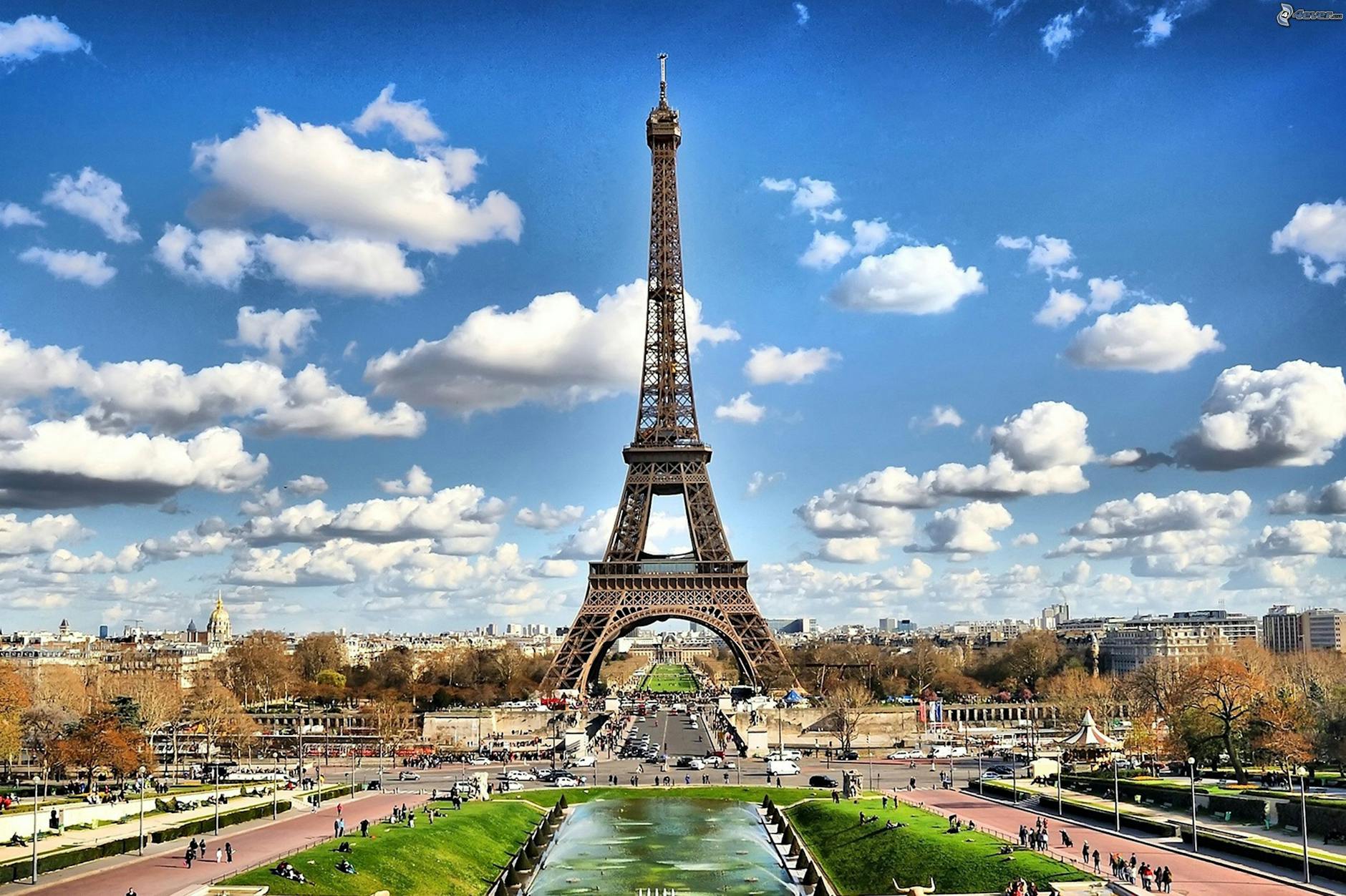
    The History of the Eiffel Tower: an Engineering and Cultural Landmark

    Introduction

    The Eiffel Tower is an iconic structure that has become synonymous with Paris and French culture. Completed in 1889 as the centerpiece for the Exposition Universelle (World’s Fair), it was initially met with skepticism and criticism from some of the leading artists and intellectuals of the time. However, over the years, it has transformed into a beloved symbol of France’s architectural and engineering prowess. Towering at 1,083 feet, the Eiffel Tower was the tallest man-made structure in the world until the completion of the Chrysler Building in New York City in 1930. This article delves into the rich history of the Eiffel Tower, exploring its design, cultural significance, renovations, and a selection of fascinating facts that showcase its enduring appeal.

    Historical Background

    The Eiffel Tower’s history begins with a vision of innovation and a desire to showcase technological advancement. Designed by engineer Gustave Eiffel and his team, the tower was conceived as part of the 1889 Exposition Universelle, celebrating the 100th anniversary of the French Revolution. At the time, France was eager to demonstrate its industrial capabilities, and what better way to do so than by building an extraordinary structure that challenged the norms of traditional architecture?

    Construction began in January 1887 and took just over two years to complete, a feat that was remarkable for its time. Over 300 workers dedicated themselves to erecting the tower, utilizing about 18,000 iron pieces held together by over 2.5 million rivets. The construction faced significant hurdles, including skepticism from the public and artistic circles who viewed the design as an eyesore. However, Eiffel and his team remained resolute, believing in the structural integrity and aesthetic potential of their design.

    As the tower grew taller, it began to gain respect. The project faced political pressures as well; many saw it as an extravagant expenditure amid social unrest in France. Eiffel cleverly defended the structure by conducting educational campaigns that emphasized its scientific and hydraulic significance. He showcased its meteorological and aerodynamics capabilities, which helped shift perceptions among skeptics.

    Upon completion, the Eiffel Tower was unveiled on March 31, 1889, and opened to the public on May 6 of the same year. It was initially meant to be a temporary installation set to be dismantled after 20 years. However, its utility as a communications tower and its popularity among tourists prompted officials to retain it. Thus, the Eiffel Tower’s historical significance extended far beyond its initial purpose, marking a new era of construction and a superb representation of modern engineering.

    Architectural Design

    The architectural design of the Eiffel Tower is as fascinating as its history, characterized by its unique structure and innovative use of materials. Gustave Eiffel’s vision was not just to build a tall tower; he aimed to create a structure that showcased the artistry of iron as a building material. The aesthetic appeal and elegance of the design have made the Eiffel Tower a subject of study for architects and engineers alike.

    One of the most striking aspects of its design is the way it tapers, allowing for stability and reducing windswept forces. The original design featured a lattice structure built from wrought iron, reflecting Eiffel’s deep understanding of mechanics and physics. This choice of material was not only iconic but also efficient, providing the necessary strength while keeping the weight down to a manageable level.

    The tower is divided into three levels, each featuring distinct characteristics. The first level includes a glass floor that provides visitors with a unique perspective of the ground below, while the second level hosts various restaurants offering premium dining experiences with spectacular views of the city. The third level, situated at the pinnacle of the tower, presents an observation deck that allows visitors to enjoy panoramic views of Paris.

    Eiffel’s foresight in incorporating elevators into the design was a groundbreaking achievement, making the tower accessible for everyone, not just the physically adept. Originally, the tower had steam-powered elevators, which were eventually replaced with electric ones. This aspect of design illuminated the necessity of blending form and function, positioning the Eiffel Tower as a precursor to modern skyscrapers.

    Moreover, the Eiffel Tower has undergone several redesigns and upgrades since its opening. Seasonal lighting displays and the addition of glass pavilions reflect evolving tastes and technology. The intricate behaviors of light across its iron lattice add a dynamic quality to the structure, enhancing its iconic status as an urban landmark.

    Cultural Impact

    The Eiffel Tower’s cultural impact extends far beyond its physical presence in the Paris skyline. It is deeply interwoven with the fabric of French culture, symbolizing both national pride and artistic achievement. Over the years, it has become a muse for artists, filmmakers, and writers, serving as a backdrop for countless works that celebrate love, adventure, and the human spirit.

    As a vital component of Paris’s identity, the Eiffel Tower attracts millions of tourists annually. Its unveiling marked a shift in how structures were perceived; it transformed from a mere architectural feat into a symbol of modernity that defined an era. The tower has become synonymous with romance, embodying the idea that Paris is a city of love. Couples from around the world flock to the Eiffel Tower to propose, celebrate anniversaries, and capture unforgettable moments against its magnificent backdrop.

    Furthermore, the Eiffel Tower stands as a canvas for artistic expression. Each year, it is adorned with light installations that celebrate various occasions — from national holidays to international events. These displays infuse the structure with cultural significance, creating a sense of unity and festivity among visitors and locals alike. The tower’s light shows promote inclusivity and spark conversations around shared experiences.

    The Eiffel Tower has also featured prominently in the media and pop culture. From its depiction in classic films like “An American in Paris” to modern adventures in movies like “Midnight in Paris,” it serves as a powerful symbol of exploration and artistic inspiration. Additionally, the tower’s presence in books, paintings, and songs further cements its status as an eternal muse. Through art, the Eiffel Tower transcends its physical form, representing ideals of love, freedom, and aspiration shared across cultures.

    While the tower embodies the essence of Paris and France, it also carries a global significance. It has transformed into a universal icon, representing the spirit of innovation and culture on an international scale. Its image can be found in various forms around the world, serving as an emblem for numerous global initiatives. Thus, the cultural influence of the Eiffel Tower extends beyond borders, echoing the universal themes of hope and marvel.

    The history of the Eiffel Tower
    Photo by Yovan Verma on Pexels.com

    Renovations and Maintenance

    To preserve the Eiffel Tower as both a historic site and a functional attraction, regular renovations and maintenance are crucial. The immense structure requires continuous upkeep to withstand weather conditions and the thousands of visitors who traverse its levels. Since its completion, numerous renovations have been executed to enhance safety and sustainability while retaining its historical significance.

    One of the most significant challenges faced by the structure is rust. Given its iron composition, the Eiffel Tower is particularly vulnerable to corrosion, especially in the moist climate of Paris. To combat this, the tower undergoes a comprehensive painting process every seven years. These paint jobs not only protect the iron from rust but also serve to refresh its aesthetic appeal. The paint color has also evolved over the years; initially painted Venetian red, it has transitioned to shades of bronze—known as “Eiffel Tower Brown”—to complement the surrounding architecture and environment.

    In addition to protective maintenance, accessibility upgrades have also played a role in the tower’s preservation. This includes the installation of modern elevators, allowing all visitors, regardless of physical ability, to experience the breathtaking views from its observation decks. These enhancements are critical in maintaining the Eiffel Tower’s status as a top tourist destination.

    In recent years, attention has shifted toward sustainability as a growing priority. Efforts to reduce the tower’s carbon footprint have led to the implementation of solar panels and energy-efficient lighting systems. These initiatives reflect a commitment to evolving with the times and addressing environmental concerns while preserving the historical aspects of the structure.

    Significant renovations have also included advancements in technology and visitor experience enhancements. For example, the installation of interactive exhibits and digital guides enriches the visitor experience, providing insights into the history and engineering of the tower. These modern technology integrations bridge the gap between history and innovation, ensuring that the Eiffel Tower remains relevant and engaging for future generations.

    Overall, ongoing renovations and maintenance serve as a testament to France’s commitment to preserving this national treasure. Every initiative reflects a microcosm of the balance between historical integrity and contemporary demands. By addressing physical deterioration and enhancing visitor experiences, the Eiffel Tower continues to stand tall as a symbol of resilience and innovation.

    Interesting Facts

    The Eiffel Tower is not only an architectural marvel but also a repository of fascinating trivia that astounds visitors and residents alike. The following facts highlight the unique features and historical milestones of this iconic structure.

    1. Height Adjustments: The Eiffel Tower’s height is not fixed; it can grow or shrink by up to six inches depending on temperature. During warmer months, the metal expands, creating a taller silhouette. This phenomenon is a direct result of the thermal expansion properties of iron.
    2. Two-time World Record Holder: Upon its completion, the Eiffel Tower was the tallest man-made structure in the world, holding this title until the Chrysler Building was erected in 1930. It regained its status as the tallest building after the addition of the antenna in 1957, making it a two-time world record holder.
    3. Colorful History: The Eiffel Tower has been painted different colors throughout its life. Besides the initial Venetian red, it has sported shades like yellow-ochre and chestnut brown before settling on the current bronze palette.
    4. Inspiration for Other Structures: The design of the Eiffel Tower has inspired a myriad of other structures around the world. Notable replicas and variations can be found in Las Vegas, Tokyo, and Shenzhen, showcasing its global influence in architecture.
    5. Visitors from Around the Globe: Each year, over 7 million people visit the Eiffel Tower, making it one of the most visited paid monuments in the world. Its international draw speaks to the universal appeal of its beauty and historical significance.

    These facts merely scratch the surface of what makes the Eiffel Tower so captivating. Each piece of trivia tells a story of innovation, history, and culture, reaffirming why the Eiffel Tower continues to enchant people from all walks of life.

    Conclusion

    The Eiffel Tower is much more than a towering metal structure; it is an emblem of human ingenuity and artistic expression. Its rich history, breathtaking design, cultural significance, and ongoing maintenance efforts contribute to its status as one of the most recognized landmarks in the world. Busy tourists, artists seeking inspiration, and couples celebrating love all gather beneath its iconic silhouette, connecting in a shared admiration of its charm.

    As we reflect on the legacy of the Eiffel Tower, it becomes evident that it represents not just the city of Paris but a broader message of hope, innovation, and resilience. As it continues to evolve and adapt to modern needs while preserving its historical integrity, the Eiffel Tower will undoubtedly remain a cherished symbol for generations to come. The stories, memories, and experiences that it has fostered will linger long after its construction, deepening its significance in the hearts of people worldwide.

    Sources

    • “The Eiffel Tower: A Cultural History” by David E. Schneider
    • “Eiffel: The Genius Who Reinvented Architecture” by David I. McCullough
    • “A Comprehensive Guide to The History of The Eiffel Tower” by Architectural Digest
    • “Eiffel Tower: The 125th Anniversary” from the official Eiffel Tower website
    • Documentaries on the construction and design of the Eiffel Tower from BBC and History Channel

  • The history of Verona: A City of marvelous Culture and Resilience
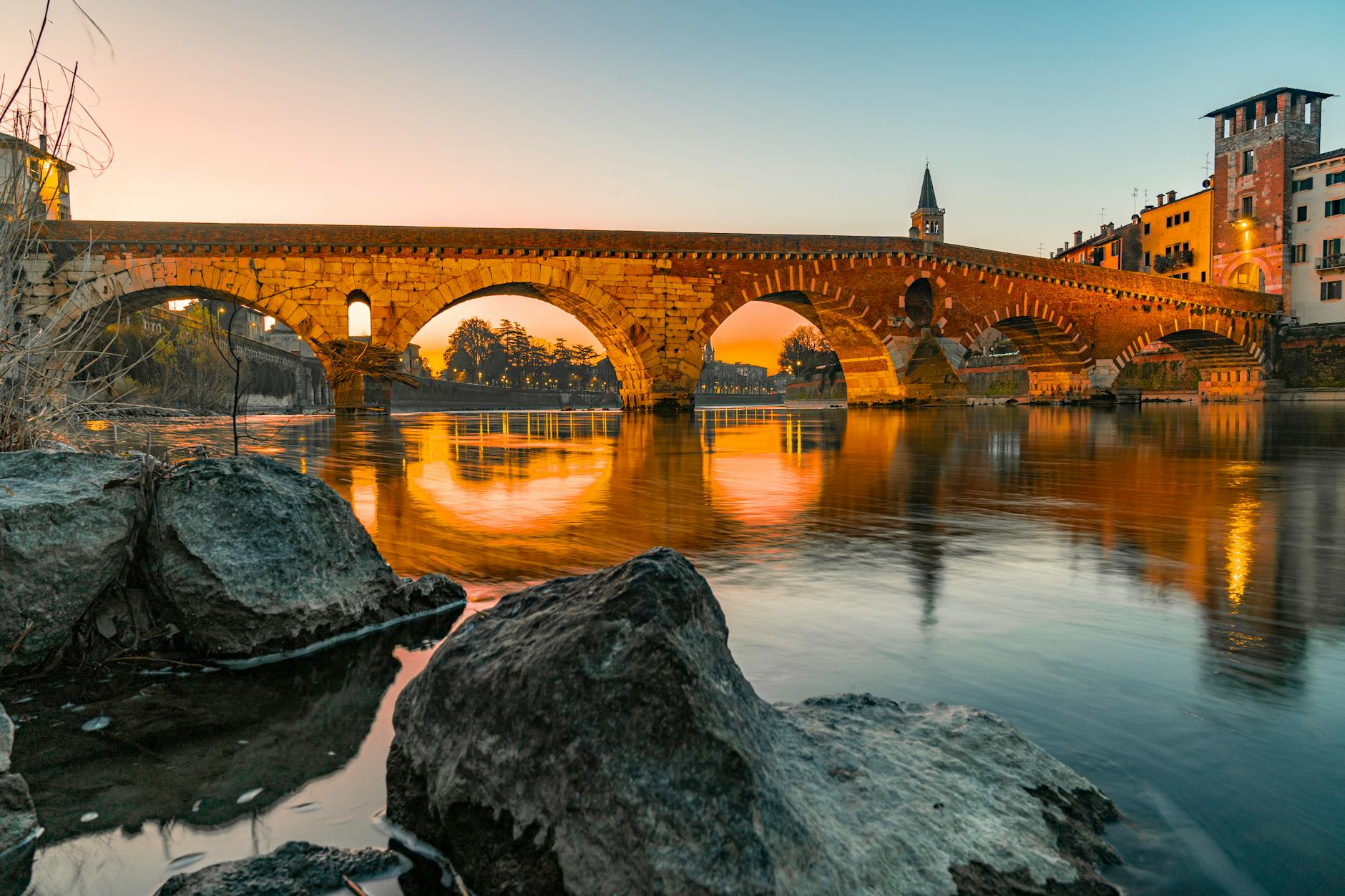
    The history of Verona: A City of marvelous Culture and Resilience

    Introduction

    Nestled in northern Italy, Verona is a city of timeless charm and historical significance. Known globally as the setting for Shakespeare’s “Romeo and Juliet,” the history of Verona spans millennia, from its Roman origins to its present-day vibrancy. Declared a UNESCO World Heritage Site, the city is a tapestry of well-preserved architecture, artistic legacies, and cultural landmarks. Verona’s strategic location along the Adige River made it a focal point for trade, power, and artistic endeavors throughout history. This article explores the rich narrative of Verona, tracing its evolution through pivotal historical periods. From its foundation as a Roman stronghold to its flourishing under Venetian rule and its resilience in the face of modern conflicts, Verona’s past reveals a city that embodies both tradition and innovation. Join us as we uncover the layers of history that have shaped this Italian jewel.

    Ancient Origins: Verona in the Roman Era

    Verona’s origins can be traced back to ancient times, with evidence of human settlements dating as far back as the Neolithic period. However, its transformation into a significant urban center began with the Romans in the 1st century BCE. The city’s strategic location at the intersection of major Roman roads, including the Via Postumia and the Via Claudia Augusta, positioned it as a critical hub for commerce and military operations.

    Under Roman rule, Verona flourished as a municipium, boasting impressive infrastructure and architectural advancements. The construction of the Verona Arena, an amphitheater completed around 30 CE, stands as a testament to the city’s importance within the Roman Empire. This colossal structure, capable of holding up to 30,000 spectators, hosted gladiatorial games, public spectacles, and theatrical performances, cementing Verona’s status as a cultural and entertainment center.

    Beyond the arena, Roman Verona was adorned with bridges, gates, and public baths that showcased the engineering prowess of the era. The Ponte Pietra, a stone bridge spanning the Adige River, and the Porta Borsari, a grand city gate, are enduring symbols of Roman ingenuity. These structures not only facilitated trade and communication but also served as markers of Verona’s prominence.

    Verona’s urban layout reflected the typical Roman grid plan, with a central forum serving as the heart of civic life. The forum’s remnants, now part of Piazza delle Erbe, reveal a vibrant marketplace and meeting point for citizens. The city also became an early center for Christianity, with Verona’s bishops playing influential roles in the spread of the religion across northern Italy.

    As the Roman Empire began to decline in the 4th and 5th centuries CE, Verona faced invasions and political upheaval. Yet, its strategic importance ensured its survival and adaptation to changing times. The city’s Roman heritage laid the foundation for its enduring significance, with many ancient structures still standing as integral parts of Verona’s identity today.

    The Middle Ages: The Rise of the Scaliger Family

    The fall of the Western Roman Empire marked the beginning of a turbulent yet transformative era for Verona. During the early Middle Ages, the city experienced a series of invasions, including those by the Ostrogoths and Lombards, which reshaped its political and cultural landscape. By the 12th century, Verona emerged as a powerful commune, gaining autonomy and asserting its influence in the region.

    The turning point in Verona’s medieval history came with the rise of the Scaliger family, also known as the Della Scala dynasty. Beginning with Mastino I in the early 13th century, the Scaligers established a rule that would last for nearly 125 years, transforming Verona into one of the most prosperous and culturally vibrant cities in northern Italy.

    Under the Scaligers, Verona became a center of art, architecture, and political ambition. The family’s patronage of artists and scholars fostered a cultural renaissance that predated the larger Italian Renaissance. Notable figures such as Dante Alighieri found refuge in Verona, and the city’s courts became hubs of intellectual exchange.

    The Scaligers’ architectural legacy is particularly striking. The Castelvecchio, a fortified castle built by Cangrande II, exemplifies the family’s commitment to both defense and grandeur. The castle’s adjoining bridge, the Ponte Scaligero, remains a symbol of medieval engineering and strategic prowess. Additionally, the Scaliger Tombs, a series of ornate Gothic funerary monuments, stand as a testament to the family’s influence and artistic vision.

    However, the Scaligers’ reign was not without conflict. Internal rivalries and external pressures from neighboring states, such as Milan and Venice, eventually led to the dynasty’s decline. By the late 14th century, Verona fell under the control of the Visconti of Milan and subsequently the Republic of Venice. Despite this, the Scaliger era left an indelible mark on Verona, shaping its identity as a city of culture and resilience.

    Verona in the Renaissance: A Cultural Awakening

    The Renaissance era ushered in a period of renewed creativity and intellectual fervor across Europe, and Verona was no exception. Following its integration into the Republic of Venice in 1405, Verona benefited from the stability and prosperity that Venetian rule provided. This era saw the city emerge as a thriving center for art, architecture, and humanist thought.

    One of the defining features of Renaissance Verona was its architectural transformation. Inspired by classical antiquity, architects such as Michele Sanmicheli introduced a new aesthetic that blended symmetry, proportion, and grandeur. Sanmicheli’s works, including the Porta Nuova and the Porta Palio, exemplify the harmonious balance between form and function that characterized Renaissance design. These structures not only enhanced Verona’s defenses but also underscored its status as a sophisticated urban center.

    Verona’s artistic achievements during the Renaissance were equally remarkable. The city became a canvas for painters such as Paolo Veronese, whose vibrant frescoes and altarpieces adorned churches and palaces. The Basilica di San Zeno Maggiore, a masterpiece of Romanesque and early Renaissance architecture, attracted pilgrims and art enthusiasts alike. Its intricate facade and stunning interior frescoes remain a highlight of Verona’s cultural heritage.

    The influence of humanism permeated Verona’s intellectual life, with scholars and writers contributing to the dissemination of Renaissance ideals. Libraries and academies flourished, fostering an environment of learning and innovation. The city’s strategic location along trade routes further facilitated the exchange of ideas and goods, reinforcing its role as a bridge between northern and southern Europe.

    Despite the challenges posed by periodic outbreaks of plague and economic fluctuations, Verona’s Renaissance legacy endures as a testament to its resilience and creativity. The period solidified the city’s reputation as a cultural beacon, attracting visitors and admirers from around the world.

    The Venetian Influence: Integration into the Republic of Venice

    In 1405, Verona became part of the Republic of Venice, a political transition that heralded a new chapter in the city’s history. Under Venetian rule, Verona enjoyed a period of relative stability and economic growth, benefiting from the Republic’s expansive trade networks and maritime dominance. The integration into Venice also brought administrative and cultural changes that left a lasting imprint on Verona’s identity.

    The Venetian period saw the reinforcement of Verona’s defensive structures, as the city occupied a strategic position on the Republic’s western frontier. Renowned architects and military engineers, such as Michele Sanmicheli, were commissioned to design and enhance fortifications, including city gates and bastions. These efforts ensured that Verona remained a formidable stronghold against external threats, particularly during the turbulent years of the Italian Wars.

    Culturally, Verona thrived as Venetian influence introduced new artistic and architectural styles. The Republic’s patronage extended to local artists and craftsmen, fostering a vibrant cultural scene. Venetian Gothic and Renaissance elements began to blend with Verona’s existing architectural heritage, creating a unique aesthetic that can still be seen in buildings such as Palazzo Maffei and various churches.

    Economically, Verona flourished as part of Venice’s extensive trade network. The city became a hub for the exchange of goods such as silk, grain, and wine, bolstering its prosperity. This economic vitality supported the growth of urban infrastructure, including markets, bridges, and public spaces that catered to a burgeoning population.

    The Venetian era also brought administrative reforms that streamlined governance and integrated Verona more closely with the Republic’s centralized system. While local elites retained some influence, the Doge’s representatives ensured that Venetian interests were upheld. This balance of local autonomy and centralized control allowed Verona to maintain its distinct identity while benefiting from the stability and resources of the Republic.

    Napoleonic and Austrian Rule: Verona in the Modern Era

    The dawn of the 19th century marked a period of upheaval for Verona, as the city became embroiled in the geopolitical struggles that defined Europe in the Napoleonic era. In 1797, Napoleon Bonaparte’s campaigns led to the fall of the Republic of Venice, and Verona was ceded to the French-controlled Cisalpine Republic under the Treaty of Campo Formio.

    During the Napoleonic period, Verona underwent significant administrative and social changes. The French introduced modern governance structures, secularized religious institutions, and

    confiscated church properties. These reforms were aimed at aligning Verona with the ideals of the French Revolution, promoting a centralized and secular state. The city’s ancient walls and fortifications, which had been maintained under Venetian rule, were repurposed and enhanced to serve Napoleon’s military strategies.

    However, Napoleon’s dominance was short-lived. In 1814, following his defeat, Verona was incorporated into the Austrian Empire under the Congress of Vienna. This ushered in nearly five decades of Austrian rule as part of the Kingdom of Lombardy-Venetia. During this time, Verona became a critical node in Austria’s network of military fortresses known as the Quadrilatero, alongside Mantua, Peschiera del Garda, and Legnago. The Austrians fortified the city further, constructing barracks, arsenals, and defensive structures that significantly altered its urban landscape.

    Under Austrian administration, Verona’s economy and infrastructure saw modernization. Railways were introduced, connecting the city to other parts of the empire and fostering trade and communication. However, Austrian rule was marked by tensions between the local population and their foreign rulers. The spirit of Italian nationalism grew steadily, fueled by cultural pride and a desire for independence.

    Verona played an active role in the Risorgimento, the 19th-century movement for Italian unification. The city was a site of uprisings and clashes between Austrian forces and Italian patriots, culminating in its liberation during the Third Italian War of Independence in 1866. With the annexation of Veneto to the Kingdom of Italy, Verona became part of a unified nation, marking the end of foreign dominance and the beginning of a new era.

    World War II and Reconstruction: Verona’s Resilience

    Verona’s strategic location once again brought it to the forefront of history during World War II. The city was a key transportation hub and a significant target for Allied bombing campaigns. These air raids caused extensive damage to Verona’s infrastructure, including its historical landmarks. The Ponte Pietra, an ancient Roman bridge, was destroyed, and many buildings were reduced to rubble.

    During the Nazi occupation of Italy in 1943, Verona became a center of German military operations and a site of political persecution. The city housed a notorious tribunal where individuals accused of anti-fascist activities were tried and sentenced. The hardships of war were felt deeply by the local population, who endured food shortages, displacement, and repression.

    Despite these challenges, Verona’s spirit of resilience shone through in the aftermath of the war. Reconstruction efforts focused on restoring the city’s architectural and cultural heritage. The Ponte Pietra was painstakingly rebuilt using original materials retrieved from the river, symbolizing the city’s determination to preserve its past while moving forward. Other historical sites, including the Verona Arena and various churches, were also restored to their former glory.

    Verona’s post-war recovery extended beyond physical reconstruction. The city embraced modernization, improving its infrastructure and economy. Industries such as winemaking, agriculture, and tourism flourished, bringing prosperity and growth. Verona’s inclusion in UNESCO’s World Heritage list in 2000 further underscored its significance as a city that had overcome adversity to become a beacon of cultural and historical preservation.

    Contemporary Verona: A City of Heritage and Innovation

    Today, Verona is a vibrant city that seamlessly blends its historical legacy with modern innovation. Its well-preserved Roman, medieval, and Renaissance architecture attracts millions of tourists annually, making it one of Italy’s most visited cities. The Verona Arena, now a venue for opera and music festivals, continues to be a centerpiece of cultural life, drawing audiences from around the world.

    Contemporary Verona is also a hub for commerce and industry. The city is renowned for its wine production, particularly Valpolicella and Amarone, which have gained international acclaim. Verona hosts the annual Vinitaly wine fair, one of the largest and most prestigious events in the global wine industry, highlighting the city’s role as a leader in this field.

    Education and innovation thrive in Verona, with universities and research institutions contributing to advancements in fields such as engineering, agriculture, and the arts. The city has embraced sustainability initiatives, focusing on preserving its environment and enhancing the quality of life for its residents.

    Verona’s identity as the setting for Shakespeare’s “Romeo and Juliet” adds a romantic allure to its historic charm. Visitors flock to Juliet’s House, the alleged setting of the famous balcony scene, to experience the magic of the timeless love story. While this connection to literature has become a cornerstone of Verona’s global image, the city’s true essence lies in its rich history and dynamic present.

    Conclusion

    Verona’s journey through history is a testament to its resilience, adaptability, and cultural richness. From its origins as a Roman stronghold to its flourishing under Venetian rule and its endurance through modern conflicts, Verona has continually reinvented itself while preserving its heritage. The city’s architectural marvels, artistic achievements, and strategic importance have made it a focal point of Italian and European history.

    Today, Verona stands as a bridge between the past and the future. Its commitment to cultural preservation, economic innovation, and environmental sustainability ensures that it remains a city of global significance. Whether exploring ancient ruins, attending an opera in the Verona Arena, or savoring the region’s world-class wines, visitors to Verona encounter a city that embodies the best of Italy’s history and spirit. As a timeless jewel of northern Italy, Verona continues to inspire and captivate all who experience its enduring magic.

  • Top Attractions in Florence: A Guide to Renaissance Wonders

    Top Attractions in Florence: A Guide to Renaissance Wonders

    Introduction

    Nestled in the heart of Tuscany, Florence stands as one of Italy’s most enchanting cities, renowned for its rich history, artistic heritage, and architectural marvels. Known as the cradle of the Renaissance, Florence flourished during the 14th to 17th centuries, fostering an unprecedented cultural movement that shaped the course of Western civilization. Home to towering figures like Leonardo da Vinci, Michelangelo, and Dante Alighieri, the city became a hub of innovation in art, science, and politics.

    From its Roman foundations to its medieval prosperity and Renaissance dominance, Florence’s historical evolution is vividly reflected in its monuments and museums. Visitors can marvel at iconic sites such as the Cathedral of Santa Maria del Fiore, the Uffizi Gallery, and the Ponte Vecchio. Today, Florence seamlessly blends its storied past with modern vibrancy, offering a unique experience to all who explore its timeless streets.

    The Historical Foundations of Florence: From Roman Times to the Middle Ages

    Florence’s origins trace back to 59 BCE, when it was established as a Roman colony named Florentia along the banks of the Arno River. Strategically positioned on major trade routes, the settlement quickly grew into a thriving commercial hub. The Roman grid layout of Florence’s streets, still evident today in parts of the city center, speaks to its ancient origins. Over the centuries, Florence’s strategic location made it a coveted prize for various ruling powers, including the Lombards and the Franks.

    During the early Middle Ages, Florence faced periods of decline due to invasions, political instability, and economic challenges. However, by the 11th century, the city began its ascent to prominence. The rise of merchant guilds played a critical role in this transformation. These powerful organizations not only fostered economic growth but also invested in the city’s infrastructure, funding the construction of bridges, churches, and civic buildings.

    Florence’s emergence as a self-governing commune in the 12th century marked a turning point in its history. The establishment of a republican government allowed the city to flourish as a center of commerce and banking. Families like the Medici, who would later play a monumental role in Florence’s Renaissance glory, began their ascent during this period.

    One of the defining moments in medieval Florence was the construction of its city walls. Expanded multiple times between the 11th and 14th centuries, these fortifications not only protected the city but also symbolized its growing power and wealth. Key architectural landmarks such as the Baptistery of San Giovanni, with its iconic bronze doors, and the Basilica of San Miniato al Monte reflect the city’s medieval religious and artistic achievements.

    By the late Middle Ages, Florence was poised to become a cultural and economic powerhouse. Its dominance in banking and trade, exemplified by institutions like the Medici Bank, laid the groundwork for the Renaissance explosion that would redefine the city and the Western world.

    The Renaissance Boom: Florence as a Cultural and Artistic Epicenter

    The Renaissance, meaning “rebirth,” found its most fervent expression in Florence during the 14th to 16th centuries. This cultural movement, which emphasized the rediscovery of classical antiquity and the pursuit of humanistic values, transformed Florence into a beacon of innovation in art, science, and philosophy.

    Central to this transformation was the patronage of the Medici family, whose wealth and influence allowed them to support an extraordinary roster of artists, architects, and thinkers. Cosimo de’ Medici, known as “Cosimo the Elder,” was among the earliest patrons, funding projects such as the construction of the Medici Chapel and the commissioning of works by Donatello and Brunelleschi. Lorenzo de’ Medici, known as “Lorenzo the Magnificent,” furthered this legacy by fostering a cultural environment that nurtured talents like Michelangelo and Botticelli.

    Florence’s Renaissance achievements were not limited to visual art. The city also became a center of literary and intellectual activity. Figures such as Petrarch and Boccaccio laid the foundations for Renaissance humanism, while Niccolò Machiavelli’s writings on political theory resonated far beyond Florence’s borders. The invention of perspective by artists like Brunelleschi revolutionized art, creating works that were more realistic and emotionally engaging.

    Landmark projects during this period include the completion of the Dome of Santa Maria del Fiore by Brunelleschi, a feat of engineering that symbolized Florence’s innovative spirit. Botticelli’s The Birth of Venus and Michelangelo’s David became icons of Renaissance art, embodying ideals of beauty, balance, and human potential.

    The Uffizi Gallery, initially designed as administrative offices, began to house the Medici art collection, creating a legacy that endures today as one of the world’s most celebrated art museums. The Renaissance also saw advancements in science, with figures like Galileo Galilei challenging conventional thinking and paving the way for modern scientific inquiry.

    By the end of the Renaissance, Florence had firmly established itself as a cultural epicenter, leaving a legacy that continues to inspire generations.

    The Cathedral of Santa Maria del Fiore: A Masterpiece of Architectural Innovation

    The Cathedral of Santa Maria del Fiore, or the Duomo, stands as a defining symbol of Florence’s architectural and artistic achievements. Its story begins in 1296 when construction commenced under the architect Arnolfo di Cambio. Intended to surpass the grandeur of other Italian cathedrals, the project reflected Florence’s ambition and wealth during the late Middle Ages.

    However, the most iconic feature of the Duomo, its massive dome, was not completed until the Renaissance. Filippo Brunelleschi, a visionary architect and engineer, designed the dome in the early 15th century, overcoming challenges that had baffled builders for decades. Using innovative techniques, including a double-shell structure and a herringbone brick pattern, Brunelleschi created a self-supporting dome that remains an architectural marvel.

    Inside, the cathedral’s frescoes, painted by Giorgio Vasari and Federico Zuccari, depict The Last Judgment and cover the interior of the dome. The Baptistery of San Giovanni, located adjacent to the cathedral, features bronze doors known as the “Gates of Paradise,” crafted by Lorenzo Ghiberti, further cementing the site’s artistic significance.

    Beyond its aesthetic appeal, the Duomo represents Florence’s role as a center of religious, political, and cultural life. Hosting centuries of events, from papal visits to civic celebrations, the cathedral embodies the enduring spirit of Florence.

    The Uffizi Gallery: Preserving the Treasures of the Renaissance

    The Uffizi Gallery is one of the most famous art museums in the world, housing an unparalleled collection of Renaissance masterpieces. Originally designed by Giorgio Vasari in 1584 as administrative offices for Florentine magistrates, the Uffizi has evolved over the centuries into a premier institution dedicated to the preservation and exhibition of Italy’s artistic heritage.

    The gallery’s collection spans from the 13th to the 18th century, featuring works by legendary artists such as Leonardo da Vinci, Michelangelo, Botticelli, Raphael, and Caravaggio. One of the most famous pieces housed here is Botticelli’s The Birth of Venus, a quintessential representation of the Renaissance’s celebration of beauty and the human form. Da Vinci’s Annunciation and Michelangelo’s Doni Tondo further emphasize the intellectual and aesthetic achievements of the period.

    Cathedral of Santa Maria del Fiore - the Duomo, Florence, Italy
    The Cathedral of Santa Maria del Fiore, or the Duomo, stands as a defining symbol of Florence’s architectural and artistic achievements. Its story begins in 1296 when construction commenced under the architect Arnolfo di Cambio. Photo by Filippo Bergamaschi on Pexels.com

    In addition to painting, the Uffizi also boasts a remarkable collection of sculptures, drawings, and prints. The gallery is divided into sections, with each room dedicated to different periods and styles, from early Italian Gothic to Baroque art. Visitors can also admire works by lesser-known but influential artists, offering a comprehensive view of Florence’s artistic development.

    The Uffizi is not just a museum but a cultural institution that reflects the city’s historical connection to the Medici family, whose patronage fueled the collection’s growth. The gallery continues to attract millions of visitors each year, cementing Florence’s reputation as a global center of art and culture.

    The Ponte Vecchio: A Symbol of Medieval Engineering and Commerce

    The Ponte Vecchio, or “Old Bridge,” is one of Florence’s most iconic landmarks. Spanning the Arno River, it is the oldest bridge in Florence, with origins dating back to Roman times. However, the structure that stands today was built in 1345, after the previous wooden bridge was destroyed by a flood. Architect Taddeo Gaddi designed the stone bridge, which has become a symbol of Florence’s resilience and creativity.

    What makes the Ponte Vecchio unique is not only its age but its functional design. Unlike other bridges, which typically serve as transportation routes, the Ponte Vecchio became a commercial hub in the Middle Ages. Shops lined the bridge, selling jewelry, leather goods, and other luxury items. This tradition continues today, with modern jewelers occupying the shops that still overlook the Arno.

    The bridge’s design also features the Vasari Corridor, a passageway that connects the Palazzo Vecchio to the Pitti Palace. This elevated corridor allowed the Medici family to cross the river in privacy, avoiding the bustling market below. The Ponte Vecchio thus embodies both Florence’s artistic heritage and its merchant past, serving as a bridge between the city’s political power and commercial activity.

    Today, the Ponte Vecchio is one of the most photographed sites in Florence, offering stunning views of the river and the surrounding city. It remains a testament to Florence’s ingenuity in both engineering and commerce, making it a must-see for visitors seeking to understand the city’s historical importance.

    Michelangelo’s David and the Accademia Gallery: A Testament to Artistic Genius

    Michelangelo’s David is widely regarded as one of the greatest masterpieces of Western art, symbolizing the pinnacle of Renaissance sculpture. Created between 1501 and 1504, David represents the biblical hero who defeated Goliath with a single stone. Standing at 17 feet tall, the statue is carved from a single block of marble and is renowned for its lifelike quality, capturing both the physical power and psychological tension of the figure.

    Michelangelo’s approach to David marks a departure from earlier representations of the hero, which often depicted him after his victory. Instead, Michelangelo portrays David before the battle, his muscles tensed and his expression intense with focus and determination. The statue’s naturalism and attention to anatomical precision demonstrate Michelangelo’s mastery of the human form, making it an enduring symbol of Renaissance ideals.

    Today, David is housed in the Galleria dell’Accademia, a museum in Florence that is dedicated to the artist’s works and other significant pieces from the Renaissance period. The Accademia, founded in 1784, not only preserves Michelangelo’s David but also offers insight into his artistic development. Visitors can explore a variety of works by Michelangelo, including his unfinished sculptures, known as the Prisoners, which showcase his technique and approach to the human figure.

    The Accademia Gallery is also home to other Renaissance artworks, but it is Michelangelo’s David that draws the most attention. Standing in front of the statue, one cannot help but be awestruck by its scale and intricacy, as well as its representation of the idealized human form. As one of Florence’s most famous attractions, the Accademia and its star exhibit offer a direct connection to the city’s Renaissance heritage.

    Florence Today: A Vibrant Blend of History, Culture, and Modernity

    Florence, while steeped in centuries of history, continues to thrive as a modern city that balances its rich cultural heritage with contemporary innovation. The city remains a global center for art and culture, attracting millions of tourists annually. Yet, it also fosters a thriving local community of artists, chefs, designers, and entrepreneurs who contribute to its dynamic present.

    Florence’s historic center, a UNESCO World Heritage Site, continues to serve as a living museum. The city’s narrow streets, medieval buildings, and Renaissance palaces create a sense of timelessness, while modern cafes, boutiques, and galleries offer a glimpse into the city’s current creative pulse. The juxtaposition of ancient and modern is especially evident along the Arno River, where traditional bridges like the Ponte Vecchio sit beside contemporary art installations and contemporary buildings.

    The city’s rich culinary heritage is another integral aspect of its modern identity. Florence is known for its simple yet exquisite Tuscan cuisine, with dishes like bistecca alla fiorentina (Florentine steak) and ribollita (a hearty vegetable soup) remaining staples in local restaurants. Yet, Florence is also home to an emerging food scene, with a growing number of innovative eateries and markets like the Mercato Centrale that showcase the region’s culinary evolution.

    Florence also stands at the forefront of design, fashion, and craftsmanship. The city has long been associated with luxury leather goods and artisanal products, with famous brands like Gucci and Salvatore Ferragamo originating here. Florence continues to host fashion events such as Pitti Uomo, attracting designers and fashion enthusiasts from around the world.

    While Florence remains one of the world’s most important cultural destinations, it is also a city that embraces the future. The blend of history, art, and modernity makes it a unique destination, where the past and present exist in harmony.

    Conclusion

    Florence is a city where history and modernity converge, creating a vibrant and ever-evolving cultural landscape. From its origins as a Roman colony to its rise as the heart of the Renaissance, Florence’s rich heritage is preserved in its world-class museums, architectural masterpieces, and historical landmarks. The city’s artistic treasures, like the Uffizi Gallery, the Duomo, and Michelangelo’s David, continue to inspire awe and admiration from visitors around the globe.

    Yet, Florence is more than just a repository of the past; it is a living, breathing city that embraces the present. The blend of traditional Tuscan cuisine, cutting-edge fashion, and a thriving creative community ensures that Florence remains as dynamic today as it was during the Renaissance. A visit to Florence is an opportunity to step back in time while experiencing the pulse of a city that continues to shape the cultural and artistic world.

  • The Rich History of Vatican City and Its Landmarks

    The Rich History of Vatican City and Its Landmarks

    Introduction

    Vatican City, the world’s smallest independent state, is a unique enclave within Rome, Italy, and the spiritual epicenter of Catholicism. Though it covers just 44 hectares, its significance far surpasses its size. Home to the Pope and serving as the seat of the Roman Catholic Church, Vatican City is rich in history, art, and religious importance.

    The story of the Vatican begins in ancient times, tracing back to the martyrdom of St. Peter and the establishment of his tomb on Vatican Hill. Over the centuries, it evolved from a religious sanctuary to a bustling center of papal authority. Today, it captivates millions of visitors with its iconic landmarks, including St. Peter’s Basilica, the Sistine Chapel, and the Vatican Museums.

    This article explores the history of Vatican City and its most famous sites, uncovering the deep connections between faith, culture, and architectural grandeur that define this extraordinary city-state.

    Origins of Vatican City: From Ancient Times to the Papal States

    The origins of Vatican City date back to ancient Rome, long before it became the sovereign state we know today. Situated on Vatican Hill, the site held significant historical and religious importance even during the pre-Christian era. It was initially an uninhabited marshland used as a necropolis by the Romans, containing burial grounds and temples dedicated to pagan gods.

    The transformative moment for Vatican Hill came with the martyrdom of St. Peter, one of Jesus Christ’s apostles and the first Bishop of Rome. According to tradition, St. Peter was crucified during Emperor Nero’s reign around 64 CE, and his burial site became a sacred place for early Christians. By the 2nd century, a small shrine was erected over his tomb, drawing pilgrims from across the Roman Empire. This site would later become the foundation for St. Peter’s Basilica.

    In 313 CE, Emperor Constantine’s Edict of Milan legalized Christianity, paving the way for the construction of significant Christian monuments. By 326 CE, Constantine commissioned the Old St. Peter’s Basilica directly over St. Peter’s tomb. This grand basilica served as a focal point for Christian worship and solidified Vatican Hill’s status as a sacred site.

    As Christianity spread and the power of the Roman Catholic Church grew, the Vatican area became increasingly central to religious and administrative activities. By the Middle Ages, the Papal States—a group of territories under direct papal control—began to take shape, encompassing large parts of central Italy. The Vatican’s role evolved from being merely a pilgrimage site to becoming the administrative heart of the Church.

    The decline of the Western Roman Empire in the 5th century left a power vacuum in Italy, which the Catholic Church partially filled. The popes became both spiritual leaders and political rulers, wielding influence over secular matters in the Papal States. By the Renaissance, the Vatican had become a center of artistic and cultural patronage, commissioning masterpieces from artists like Michelangelo, Raphael, and Bernini.

    However, the 19th century brought challenges to papal authority. The unification of Italy under the Kingdom of Italy led to the annexation of the Papal States, leaving the Pope confined to the Vatican. This loss of territory marked a turning point, culminating in the Lateran Treaty of 1929, which established Vatican City as an independent state.

    The historical evolution of Vatican City from a Roman burial ground to the heart of Catholicism underscores its enduring significance. Its ancient roots and development through centuries of faith, art, and governance have shaped it into a unique and revered location that continues to inspire millions worldwide.

    The Establishment of Vatican City as an Independent State

    The Vatican’s journey to becoming an independent state is deeply intertwined with the political upheavals of 19th-century Italy and the eventual reconciliation between the Catholic Church and the Italian government. This transformation was formalized through the Lateran Treaty of 1929, which established Vatican City as the smallest sovereign state in the world, both in size and population.

    The Fall of the Papal States

    By the mid-19th century, Italy was fragmented into various kingdoms, duchies, and territories. Among these were the Papal States, a vast region in central Italy governed by the Pope. For centuries, the Papal States were both a spiritual and temporal stronghold, symbolizing the Pope’s dual authority as a religious leader and a political ruler.

    However, the 19th century was marked by the rise of Italian nationalism and the movement for unification, known as the Risorgimento. Revolutionary leaders like Giuseppe Garibaldi and Count Camillo di Cavour sought to consolidate Italy into a single nation-state. The Papal States were seen as an obstacle to this vision, as they divided the Italian peninsula and resisted integration.

    In 1860, much of the Papal States was annexed by the Kingdom of Sardinia, led by King Victor Emmanuel II. This culminated in the capture of Rome by Italian troops in 1870, effectively ending the Pope’s temporal rule. Pope Pius IX retreated to the Vatican, declaring himself a “prisoner in the Vatican” and refusing to recognize the authority of the Italian government over the former Papal territories.

    The Roman Question

    For nearly six decades, the standoff between the Holy See and the Italian state remained unresolved. This period, known as the “Roman Question,” created a unique impasse where the Pope exercised spiritual authority over Catholics worldwide but had no recognized sovereignty or territorial base. The Italian government, meanwhile, faced criticism from Catholic nations and citizens for its occupation of Rome, the spiritual heart of Catholicism.

    During this time, popes limited their public activities and focused on strengthening the Church’s spiritual and moral authority. While Vatican City became isolated as a political entity, it remained a center of religious influence, hosting international pilgrimages and continuing its role as the seat of the papacy.

    The Lateran Treaty of 1929

    The Roman Question was finally resolved on February 11, 1929, with the signing of the Lateran Treaty between Pope Pius XI and Benito Mussolini, who represented the Kingdom of Italy. This landmark agreement, negotiated at the Lateran Palace, established Vatican City as an independent state, restoring the Pope’s temporal sovereignty over a small but significant territory.

    The treaty had three key components:

    1. Recognition of Vatican City: Italy formally recognized the Vatican as a sovereign entity, granting it independence and territorial inviolability.
    2. Financial Compensation: Italy provided the Holy See with financial compensation for the loss of the Papal States, strengthening the Vatican’s economic stability.
    3. Religious Agreement: Catholicism was established as the state religion of Italy, with guarantees of Church influence in education and public life.

    The Vatican’s New Role

    With the Lateran Treaty, Vatican City emerged as a unique political and religious entity. It became the spiritual headquarters of the Catholic Church, a hub for international diplomacy, and a center for cultural preservation. The Pope, as both the head of state and the leader of over a billion Catholics worldwide, gained a new platform to influence global affairs.

    The establishment of Vatican City solidified the Holy See’s independence while preserving its legacy as a religious and cultural powerhouse. Today, the Vatican continues to serve as a symbol of spiritual unity and an enduring testament to the resolution of historical conflicts through diplomacy and mutual understanding.

    St. Peter’s Basilica: A Masterpiece of Renaissance and Baroque Architecture

    St. Peter’s Basilica, the crown jewel of Vatican City, stands as one of the most iconic architectural and religious landmarks in the world. Its grandeur, historical significance, and artistic brilliance make it a pilgrimage destination for millions and a testament to the ingenuity of Renaissance and Baroque architecture. The basilica’s story is deeply intertwined with the development of Vatican City itself, symbolizing both the spiritual and artistic aspirations of the Catholic Church.

    The Historical Foundations

    The site of St. Peter’s Basilica holds profound religious significance, as it is traditionally believed to be the burial place of St. Peter, one of Jesus Christ’s apostles and the first Bishop of Rome. In 326 CE, Emperor Constantine the Great commissioned the construction of the Old St. Peter’s Basilica over St. Peter’s tomb. This early basilica, with its imposing structure and ornate decorations, served as a place of worship for centuries and became a focal point for Christian pilgrims.

    By the 15th century, however, the original basilica had fallen into disrepair. Pope Julius II, a fervent patron of the arts, envisioned a grand reconstruction that would not only honor St. Peter but also assert the Church’s power and influence during the Renaissance. In 1506, the foundation stone for the new St. Peter’s Basilica was laid, marking the beginning of an ambitious architectural endeavor that spanned over a century.

    St. Peter's Basilica
    St. Peter’s Basilica, the crown jewel of Vatican City, stands as one of the most iconic architectural and religious landmarks in the world. Photo by Julius Silver on Pexels.com

    Architectural and Artistic Mastery

    The construction of St. Peter’s Basilica brought together some of the most brilliant minds of the Renaissance and Baroque periods. Initial designs were created by Donato Bramante, who envisioned a grand central-plan church with a majestic dome inspired by the Pantheon of ancient Rome. Bramante’s vision set the stage for subsequent architects, including Raphael, Antonio da Sangallo the Younger, and Michelangelo, each of whom contributed to the basilica’s evolving design.

    Michelangelo, appointed chief architect in 1547, played a pivotal role in shaping St. Peter’s Basilica into the masterpiece it is today. His design for the dome, towering 136 meters above the basilica floor, remains one of the most recognizable features of the Vatican skyline. Drawing on his expertise as a sculptor and architect, Michelangelo created a structure that combined engineering innovation with artistic grace, emphasizing verticality and light to inspire awe.

    The completion of the basilica’s façade and colonnades in the 17th century under Carlo Maderno and Gian Lorenzo Bernini marked the culmination of the project. Bernini’s contributions, particularly the grand piazza and colonnades that encircle St. Peter’s Square, created a harmonious connection between the basilica and its surroundings, symbolizing the Church’s embrace of the faithful.

    A Symbol of Faith and Artistic Heritage

    St. Peter’s Basilica is not only an architectural marvel but also a spiritual sanctuary. It houses priceless artworks, including Michelangelo’s Pietà, Bernini’s Baldachin, and the bronze statue of St. Peter, whose foot is worn smooth by centuries of reverent touches from pilgrims. The basilica’s interior, with its soaring ceilings, intricate mosaics, and ornate chapels, invites visitors to reflect on the divine and the eternal.

    As the site of major liturgical events, including papal masses and canonizations, St. Peter’s Basilica remains central to the life of the Catholic Church. It serves as a symbol of faith, resilience, and artistic achievement, drawing millions of visitors each year to witness its splendor.

    In summary, St. Peter’s Basilica stands as a testament to the vision, creativity, and devotion that defined the Renaissance and Baroque eras. Its enduring legacy continues to inspire awe and reverence, reminding humanity of the profound connections between art, architecture, and spirituality.

    The Sistine Chapel: Michelangelo’s Timeless Frescoed Ceiling

    The Sistine Chapel, located within the Apostolic Palace of Vatican City, is an extraordinary masterpiece of art and spirituality. Renowned for Michelangelo’s breathtaking frescoed ceiling, the chapel represents a harmonious convergence of religious devotion, artistic innovation, and human creativity. Beyond its aesthetic significance, the Sistine Chapel also holds immense importance as the site of papal conclaves, where the next leader of the Catholic Church is elected.

    The Origins of the Sistine Chapel

    Commissioned by Pope Sixtus IV in the late 15th century, the Sistine Chapel was constructed between 1477 and 1480 to serve as both a private chapel for the Pope and a venue for important Church ceremonies. The chapel was designed by architect Giovanni dei Dolci and is modeled after the dimensions of Solomon’s Temple as described in the Old Testament. Its unassuming exterior contrasts with its interior, which became a showcase for Renaissance artistic talent.

    Before Michelangelo’s involvement, the chapel’s walls were adorned with frescoes by prominent artists of the time, including Sandro Botticelli, Pietro Perugino, Domenico Ghirlandaio, and Cosimo Rosselli. These frescoes depicted scenes from the life of Moses and the life of Christ, emphasizing themes of salvation and divine authority. However, it was Michelangelo’s later contributions that transformed the Sistine Chapel into one of the greatest artistic achievements in history.

    Michelangelo’s Ceiling: A Revolutionary Undertaking

    In 1508, Pope Julius II commissioned Michelangelo to paint the chapel’s ceiling, replacing its original blue and gold starry design. Despite his reluctance—Michelangelo considered himself primarily a sculptor—he accepted the commission and embarked on what would become one of the most challenging and monumental projects of his career.

    Over four years, from 1508 to 1512, Michelangelo worked tirelessly, often lying on scaffolding high above the chapel floor. The result was a stunning visual narrative that spans over 500 square meters and features over 300 figures. The ceiling’s centerpiece is the Creation of Adam, a depiction of God reaching out to impart the spark of life to Adam, which has become one of the most iconic images in Western art.

    Michelangelo’s ceiling frescoes present a sweeping story of human existence, from the separation of light and darkness to the story of Noah. The composition showcases his mastery of anatomy, perspective, and dramatic expression, pushing the boundaries of Renaissance art. The vibrancy of the colors and the complexity of the design create a sense of movement and vitality that draws viewers into the divine narrative.

    The Last Judgment: Michelangelo’s Final Contribution

    In 1535, Michelangelo returned to the Sistine Chapel to create The Last Judgment on the altar wall, commissioned by Pope Clement VII. Completed in 1541, this powerful fresco depicts Christ’s second coming and the final judgment of souls. With its dramatic imagery and emotional intensity, The Last Judgment reflects the spiritual and political turmoil of the period, marking a shift toward Mannerism in Michelangelo’s style.

    A Legacy of Artistic and Spiritual Significance

    The Sistine Chapel remains one of the most visited and revered landmarks in the Vatican. It continues to serve its original purpose as a place of worship and as the setting for papal conclaves, where the College of Cardinals gathers to elect a new Pope. Visitors from around the world come to admire its unparalleled artistry and to experience its profound spiritual resonance.

    Michelangelo’s work in the Sistine Chapel is a testament to human ingenuity and devotion, reminding us of the enduring power of art to transcend time, inspire faith, and communicate the divine.

    The Vatican Museums: A Treasure Trove of Art and History

    The Vatican Museums, among the most celebrated museums in the world, serve as a gateway to the vast artistic, cultural, and historical heritage of the Catholic Church. Spanning over 54 galleries, the museums house an extraordinary collection of masterpieces gathered by popes over centuries, ranging from ancient artifacts to Renaissance art and beyond. They stand as a testament to the Church’s commitment to preserving and showcasing humanity’s creative achievements.

    Origins and Growth of the Collection

    The origins of the Vatican Museums date back to 1506, when Pope Julius II acquired the Laocoön and His Sons sculpture, a masterpiece of Hellenistic art discovered in a vineyard near Rome. Recognizing its historical and artistic value, Pope Julius II placed the statue on public display, marking the beginning of the Vatican’s vast art collection. Over time, subsequent popes expanded the collection, acquiring works from across Europe and the Mediterranean, as well as commissioning new pieces from leading artists of their eras.

    The museums officially opened to the public in the 18th century under Pope Clement XIV and Pope Pius VI, further solidifying their role as a repository of global cultural heritage. Today, the Vatican Museums attract millions of visitors annually, offering a journey through centuries of artistic evolution and religious devotion.

    Vatican Museums
    The Vatican Museums, among the most celebrated museums in the world, serve as a gateway to the vast artistic, cultural, and historical heritage of the Catholic Church.
    Photo by Jeswin Thomas on Pexels.com

    Highlights of the Collections

    The Vatican Museums house an unparalleled range of art and artifacts, representing various civilizations and periods in history. Some of the most notable sections include:

    1. The Gregorian Egyptian Museum: Founded by Pope Gregory XVI in 1839, this museum showcases artifacts from ancient Egypt, including mummies, statues, and papyri. The collection highlights the cultural and religious exchanges between ancient Egypt and early Christianity.
    2. The Raphael Rooms: These four rooms, once the private apartments of Pope Julius II, are adorned with frescoes by Raphael and his students. The School of Athens, depicting great philosophers of antiquity, is a standout piece, celebrated for its harmonious composition and intellectual depth.
    3. The Gallery of Maps: A breathtaking 120-meter-long corridor, this gallery features detailed frescoed maps of Italy and its regions, created between 1580 and 1585 under Pope Gregory XIII. The maps offer a fascinating glimpse into Renaissance cartography and geography.
    4. The Pinacoteca: This art gallery displays a collection of paintings by renowned artists, including Caravaggio, Leonardo da Vinci, and Giotto. Highlights include Raphael’s Transfiguration and Caravaggio’s Deposition.
    5. The Sistine Chapel: A crown jewel of the Vatican Museums, the Sistine Chapel showcases Michelangelo’s legendary frescoes on its ceiling and altar wall. Visitors can marvel at The Creation of Adam and The Last Judgment, both iconic representations of Renaissance art.

    The Visitor Experience

    Walking through the Vatican Museums is an immersive journey through history and art. Visitors can explore the intricate sculptures of the Pio-Clementine Museum, the classical antiquities of the Chiaramonti Museum, and the ethereal beauty of the Borgia Apartments. Each gallery and room reveals a unique chapter of human creativity, tied closely to the Church’s efforts to preserve and celebrate art.

    The museums culminate in the Sistine Chapel, where visitors often pause in awe of Michelangelo’s frescoes. The sheer scale and beauty of the works on display leave an indelible impression, reflecting the Vatican’s enduring role as a guardian of culture and spirituality.

    A Legacy of Preservation

    The Vatican Museums continue to evolve, incorporating modern techniques to conserve and protect their priceless collections. They also embrace technology to enhance the visitor experience, offering virtual tours and educational resources to make their treasures accessible to a global audience.

    In conclusion, the Vatican Museums stand as a living archive of humanity’s artistic and spiritual journey. They invite visitors to engage with history, admire unparalleled artistry, and reflect on the profound connections between creativity, faith, and human achievement.

    St. Peter’s Square: The Heart of Vatican City

    St. Peter’s Square, an architectural masterpiece and one of the most recognizable public spaces in the world, serves as the gateway to St. Peter’s Basilica and the symbolic heart of Vatican City. Designed by the brilliant Gian Lorenzo Bernini in the 17th century, the square reflects the spiritual and historical significance of the Vatican while serving as a focal point for religious ceremonies, papal audiences, and pilgrims from all over the globe.

    The Vision of Gian Lorenzo Bernini

    In 1656, Pope Alexander VII commissioned Gian Lorenzo Bernini to redesign the space in front of St. Peter’s Basilica. Bernini, a leading Baroque artist and architect, envisioned a grand piazza that would embody the Catholic Church’s embrace of the faithful. The resulting design is a stunning combination of architectural ingenuity and spiritual symbolism, creating a space that is both functional and deeply meaningful.

    The square features a massive elliptical shape, flanked by two sweeping colonnades consisting of 284 Doric columns and 88 pilasters. These colonnades, often likened to outstretched arms, symbolize the Church’s welcoming embrace of humanity. The design ensures that visitors approaching the basilica feel both awed by its grandeur and invited into its sacred space.

    St. Peter's Square, Vatican City, Rome, Italy
    St. Peter’s Square, an architectural masterpiece and one of the most recognizable public spaces in the world, serves as the gateway to St. Peter’s Basilica and the symbolic heart of Vatican City.
    Photo by Davide Cacciatori on Pexels.com

    The Obelisk and Fountains: Central Elements of the Square

    At the center of St. Peter’s Square stands a 25.5-meter-tall Egyptian obelisk, a striking feature that predates Christianity. Originally erected in Heliopolis around 2500 BCE and brought to Rome by Emperor Caligula, the obelisk was relocated to its current position in 1586 by Pope Sixtus V with the help of architect Domenico Fontana. Topped with a cross, the obelisk serves as a reminder of Christ’s victory over paganism and as a unifying focal point for the square.

    Flanking the obelisk are two magnificent Baroque fountains: one designed by Carlo Maderno in 1613 and the other by Bernini in 1675. The fountains enhance the square’s symmetry and provide a sense of tranquility amidst its vast expanse. Their continuous flow of water, a symbol of life and renewal, adds to the spiritual atmosphere of the space.

    A Space for Pilgrims and Celebrations

    St. Peter’s Square is not merely a place of architectural beauty; it is a living space that hosts some of the Catholic Church’s most significant events. On occasions such as Easter and Christmas Mass, the square fills with tens of thousands of worshippers gathered to receive the Pope’s blessing. The Urbi et Orbi (to the city and the world) blessing, delivered from the basilica’s central balcony, is a highlight of these ceremonies.

    Additionally, the square is the site of weekly papal audiences, during which the Pope addresses the faithful and delivers messages of hope and guidance. These events underscore the square’s role as a space of connection between the Pope and the global Catholic community.

    A Symbol of Unity and Faith

    St. Peter’s Square is a powerful symbol of unity, reflecting the Vatican’s role as the spiritual center of the Catholic Church. Its design encourages both personal reflection and communal worship, embodying the principles of openness, harmony, and divine connection. For visitors, standing in the square and gazing up at St. Peter’s Basilica is an awe-inspiring experience that often deepens their sense of faith and wonder.

    In summary, St. Peter’s Square is more than just an architectural achievement; it is a space imbued with spiritual significance and cultural history. Bernini’s vision, combined with its dynamic role in the life of the Church, makes the square a cornerstone of Vatican City and a beacon of faith for millions around the world.

    The Vatican Gardens: A Serene Retreat of Natural Beauty

    Hidden behind the bustling grandeur of St. Peter’s Basilica and the Vatican Museums lies the Vatican Gardens, a lush sanctuary of natural beauty, artistic treasures, and spiritual tranquility. Covering nearly half of Vatican City’s 44 hectares, the gardens are a harmonious blend of meticulously landscaped grounds, religious monuments, and historical structures, offering a peaceful escape for those privileged to enter.

    Historical Origins

    The origins of the Vatican Gardens can be traced back to the Renaissance era. In 1279, Pope Nicholas III moved the papal residence from the Lateran Palace to the Vatican. To create a private space for reflection and prayer, he enclosed the area with walls and cultivated an orchard, a meadow, and a garden. Over the centuries, successive popes expanded and transformed the gardens, integrating elements of Baroque, Renaissance, and modern landscaping styles.

    By the 16th century, under Pope Julius II, the gardens underwent significant development, coinciding with the construction of the new St. Peter’s Basilica. Architects and gardeners designed spaces that reflected the spiritual and artistic ideals of the time, incorporating fountains, sculptures, and symbolic plants. The result was a serene environment that combined natural beauty with religious and cultural significance.

    Architectural and Artistic Highlights

    The Vatican Gardens are home to numerous architectural and artistic marvels. Among them are small chapels, grottoes, fountains, and statues that enhance the spiritual atmosphere of the grounds. Notable highlights include:

    1. The Fountain of the Eagle: A Baroque masterpiece designed by Carlo Maderno, this fountain features an eagle perched atop a sculpted globe, symbolizing the Church’s universal reach.
    2. The Lourdes Grotto: A replica of the famous grotto in Lourdes, France, this sacred site is a place of prayer and devotion, often visited by the Pope.
    3. The Vatican Radio Tower: Constructed in 1931 under Pope Pius XI, this tower symbolizes the Church’s embrace of modern technology to spread its message worldwide.
    4. The Vatican Helipad: A contemporary addition, the helipad underscores the gardens’ dual role as a private retreat and a functional space for the Vatican’s operations.

    Biodiversity and Landscaping

    The Vatican Gardens are a testament to the Church’s appreciation of God’s creation. They host a diverse array of plant species, some of which are native to the Mediterranean region, while others have been brought from distant lands. Olive trees, cypress, and magnolia coexist with exotic flowers and shrubs, creating a vibrant tapestry of colors and textures.

    Each section of the gardens has its unique character, from the geometric precision of the Italian Garden to the more freeform layout of the English Garden. Together, these spaces offer a reflection of the different artistic and horticultural traditions that have influenced the Vatican over the centuries.

    A Place of Reflection and Renewal

    For centuries, the Vatican Gardens have served as a place of retreat for popes seeking solitude and spiritual renewal. Walking among the gardens’ shaded paths and listening to the gentle trickle of fountains, one can easily imagine the inspiration they have provided to countless leaders of the Church.

    In recent years, the gardens have been opened to limited public access, allowing visitors to experience their beauty firsthand through guided tours. These tours provide a unique glimpse into the hidden heart of Vatican City, offering a deeper appreciation for its blend of history, faith, and natural splendor.

    The Vatican Gardens as a Symbol of Harmony

    The Vatican Gardens symbolize the Church’s commitment to harmony between humanity and nature. They remind visitors of the spiritual significance of creation and the responsibility to care for the environment as a reflection of divine beauty.

    In conclusion, the Vatican Gardens stand as a serene testament to the Church’s dedication to preserving natural and artistic heritage. They offer a tranquil space for reflection and provide a profound connection between faith, culture, and the beauty of the natural world.

    Conclusion: A Timeless Journey Through Faith, Art, and History

    The Vatican City, though the smallest country in the world, holds an unparalleled significance as a global center of faith, culture, and history. From the awe-inspiring St. Peter’s Basilica to the serene Vatican Gardens, every corner of this sacred enclave reflects centuries of artistic achievement, spiritual devotion, and historical resonance.

    As visitors walk through the Vatican Museums, marvel at Michelangelo’s frescoes in the Sistine Chapel, or stand amidst the architectural grandeur of St. Peter’s Square, they embark on a journey that transcends time and space. The Vatican’s treasures are not just monuments of the past; they are living symbols of the enduring power of human creativity and divine inspiration.

    For millions of pilgrims and tourists each year, Vatican City offers a unique blend of spiritual enrichment and cultural discovery, making it a destination unlike any other. It remains a timeless beacon of faith and a celebration of humanity’s shared heritage.