Category: Cities

  • The History of Milan: A great Journey Through Time

    The History of Milan: A great Journey Through Time

    Introduction

    Milan, a city globally recognized for its influence in fashion, design, and commerce, boasts a rich and dynamic history that dates back to ancient times. Founded by the Celts and later adapted into a strategic Roman settlement, Milan has undergone significant transformations influenced by various cultures and historical events. This article delves deep into the intricate tapestry of Milan’s past, highlighting the fascinating developments that have shaped its identity. From the glories of the Renaissance to the challenges of the industrial era, and into its modern role as a global city, the history of Milan reveals a city that is continuously evolving while proud of its heritage. Join us as we explore the key moments and themes that define the history of this vibrant metropolis.

    The Origins of Milan: From Roman Times to the Middle Ages

    The history of Milan traces its beginnings back to a Celtic village known as Mediolanum, which flourished around 400 BC. This settlement, strategically located at the crossroads of important trade routes, caught the attention of the Romans. In 222 BC, the city fell to Roman conquest, and Mediolanum was developed into a significant urban center within the Roman Empire. The Romans improved infrastructure, constructed roads, temples, and public buildings, establishing Milan as a capital of the Roman province of Liguria.

    As the Roman Empire began to decline in the 4th century AD, the city experienced various invasions and transformations. In AD 313, Emperor Constantine issued the Edict of Milan, which granted religious tolerance throughout the empire, significantly impacting the Christian faith and its spread across Europe. Milan had become an influential center for Christianity, which was formalized further when it became one of the two capitals of the Western Roman Empire under Emperor Theodosius I.

    Moving into the Middle Ages, Milan continued to thrive, though not without strife. The city was subjected to numerous power struggles among different factions, including the noble Visconti family, who rose to power in the 14th century. Under the Viscontis, Milan saw significant advancements in architecture and governance, transforming into a prominent political and cultural hub. This era also laid the groundwork for the city’s eventual role during the Renaissance, as the foundation of Milan’s artistic legacy was being established.

    Despite the chaos brought on by wars and internal conflicts, Milan managed to solidify its position in Northern Italy. The establishment of the communal government and the flourishing merchant class contributed to a burgeoning economy. With its robust defense mechanisms and strategic significance, the city also played a pivotal role in the regional politics of the time.

    In conclusion, the origins of Milan reveal the foundational elements that shaped its future. Through its Roman heritage and the compelling narrative of the Middle Ages, Milan laid the groundwork for the artistic and cultural renaissance that was to unfold in the subsequent centuries.

    The Renaissance Flourishing: Art and Culture in Milan

    The Renaissance era marked a golden age for Milan, vibrant with artistic innovation and cultural growth. During the late 15th century, under the rule of Duke Ludovico Sforza, known as Ludovico il Moro, Milan attracted some of the most extraordinary artists and intellectuals of the time. This period witnessed the construction of iconic structures, the vibrant proliferation of the visual arts, and advancements in literature and philosophy.

    One of the most significant achievements of this era was the patronage of the arts. Ludovico Sforza’s court became a sanctuary for renowned artists like Leonardo da Vinci and master architects like Bramante. Leonardo created some of his most famous works in Milan, including “The Last Supper,” which remains one of the city’s most cherished masterpieces. This mural, painted in the late 15th century, is not just a reflection of artistic genius but also a manifestation of the socio-religious dynamics of the time, depicting the moment Jesus announces one of his disciples will betray him.

    Architecture during the Renaissance in Milan underwent a transformation as well. The creation of the Duomo, Milan’s iconic cathedral, is a testament to the architectural ambition of the period. Construction began in the late 14th century and continued for over six centuries, showcasing a mix of Gothic and Renaissance styles. The cathedral not only served a religious purpose but also became a symbol of Milanese pride.

    Additionally, literature flourished with the contributions of writers such as Baldassare Castiglione and Francesco Petrarca, who were instrumental in the development of humanist philosophy. Their works emphasized the value of individualism and secularism, reflecting the evolving mindset of society during this intellectual resurgence.

    As trade routes expanded and Milan became a vital economic center, the exchange of ideas and cultures played a crucial role in driving innovation and progress. With a strong merchant class eager to invest in art and culture, Milan became a confluence of ideas and creativity, leading to a remarkable environment for artists and thinkers.

    In summary, the Renaissance era transformed Milan into a beacon of art and culture, marked by the contributions of extraordinary individuals and institutions. The impact of this period not only shaped the city but also influenced Europe profoundly, leaving an indelible mark on the cultural landscape.

    History of Milan
    Milan, a city globally recognized for its influence in fashion, design, and commerce, boasts a rich and dynamic history that dates back to ancient times. Founded by the Celts and later adapted into a strategic Roman settlement, Milan has undergone significant transformations influenced by various cultures and historical events. | Photo by Andrea Piacquadio on Pexels.com

    Milan During the Industrial Revolution

    Milan’s historical trajectory took a significant turn during the Industrial Revolution beginning in the late 18th century and extending into the early 20th century. Known as the economic powerhouse of Italy, Milan emerged as a crucial focal point of industrial growth, revolutionizing the urban landscape and social order of the city.

    The roots of industrialization in Milan can be traced back to its strategic position as a trade and transportation hub. The advent of the railway system in the mid-19th century dramatically enhanced connectivity, facilitating greater movement of goods and people. This technological advancement paved the way for Milan to become one of the leading industrial cities in Europe, witnessing a surge in the textile and manufacturing sectors.

    With industrialization came a population boom, as people flocked from rural areas seeking employment opportunities. The influx of workers resulted in urban growth, prompting the expansion of the city’s infrastructure. New neighborhoods sprang up, and public services evolved to accommodate the changing demographics. However, this rapid development also led to pressing social issues, such as overcrowding and challenging working conditions, which would ignite a movement for labor rights in subsequent years.

    Milan distinguished itself by leading various technological innovations, particularly in textiles. Factories that produced silk became particularly notable, establishing Milan as a pivotal figure in Italy’s textile industry. The development of new machinery and production techniques propelled the economy forward, with Milan’s fabrics gaining widespread recognition for quality and design.

    As a vibrant center of economic activity, the city also fostered a progressive cultural environment. The rise of the bourgeoisie contributed to the evolution of artistic movements, with the creation of new spaces for cultural expression. Milan became synonymous with innovation, inspiring writers, artists, and intellectuals who sought to capture the essence of this transformative period.

    Social upheaval was inevitable as industrialization took hold. Labor movements began to emerge, advocating for better working conditions and fair wages. This period of activism would lay the groundwork for the establishment of labor unions and social reforms that would shape the political landscape in Italy.

    In conclusion, the Industrial Revolution was a pivotal chapter in Milan’s history, marked by significant economic, social, and cultural transformation. The blending of traditional industries with modern manufacturing paved the way for Milan to forge its identity in the contemporary world, setting the stage for the innovative and cosmopolitan city it is today.

    Milan in Modern Times: Fashion and Globalization

    As the 20th century progressed, Milan began to redefine itself as a global center for fashion, design, and commerce. This transformation can be attributed to various factors, including the resilience shown during World War II, the city’s determination to revitalize its economy, and its strategic positioning in an increasingly globalized world.

    Post-war Milan underwent a cultural renaissance, emerging from the ashes of conflict with renewed vigor. The city started to establish itself as a powerhouse in the fashion industry, propelled by the rise of several influential designers, such as Giorgio Armani, Gianni Versace, and Dolce & Gabbana. Their contributions revolutionized the fashion scene, and Milan soon became synonymous with high fashion and luxury, hosting prestigious events like Milan Fashion Week that attracted global attention and industry leaders.

    The influx of international brands and foreign investment further cemented Milan’s status as a key player on the global market. The integration of technology and innovative design began reshaping the manufacturing processes and retail landscapes, positioning Milan as a trendsetter in fashion, furniture, and lifestyle. The city’s design district, known as the “Quadrilatero della Moda,” emerged as a hub for haute couture, where famous fashion houses showcased their latest collections.

    Alongside fashion, Milan also made remarkable strides in business and finance. The establishment of institutions such as the Milan Stock Exchange (Borsa Italiana) facilitated investment opportunities, while hosting international conferences brought together global leaders from various sectors. This economic dynamism attracted a diverse population, fostering a multicultural environment that enriched the social fabric of the city.

    Milan’s commitment to fostering innovation is evident in numerous design and architecture exhibitions, such as the Salone del Mobile, which showcases cutting-edge furniture design and interior trends. The city’s efforts to promote sustainable practices and smart city solutions reflect its ongoing adaptation to contemporary challenges while maintaining its valid roots in tradition.

    As globalization continued to reshape urban landscapes, Milan embraced it with open arms, becoming a model for how traditional and modern elements can coexist harmoniously. Its influence extends beyond fashion, extending into realms like technology, art, and design, paving the way for Milan to be recognized as a global city that fuels creativity.

    In conclusion, modern Milan thrives as a vibrant epicenter of fashion and globalization. The city’s ability to evolve while preserving its cultural heritage is a testament to its resilience and commitment to innovation, making it a distinguished model on the international stage.

    Major Events and Trends Shaping Milan Today

    In the 21st century, Milan has faced several significant challenges and successes that have helped shape its contemporary identity. Major events, both local and global, have influenced the city’s trajectory and contributed to its ongoing evolution as a pivotal European metropolis.

    One of the key events that have impacted Milan in recent years is the Expo 2015, a World’s Fair that focused on the theme “Feeding the Planet, Energy for Life.” This international exhibition drew millions of visitors and emphasized sustainability and innovation in food production. The Expo allowed Milan to showcase its cultural heritage and culinary excellence, positioning the city as a destination rich in diversity and unique experiences. The legacy of the Expo can still be seen today through the ongoing initiatives promoting the concepts of sustainability and urban regeneration.

    Milan has also been at the forefront of addressing pressing issues, such as climate change and sustainable urban development. Initiatives to reduce the city’s carbon footprint, promote green spaces, and encourage electric public transportation systems have garnered international recognition. The city is striving towards a more sustainable future by embracing innovative solutions like smart city technologies and eco-friendly architecture.

    The contemporary art scene in Milan has thrived, highlighted by the establishment of exciting institutions such as the Fondazione Prada and the Museo del Novecento. These venues have become vital cultural landmarks that create dialogue around art, society, and contemporary issues, reflecting the city’s potential as a cultural innovator.

    Moreover, Milan’s role as a hub for innovation and technology has grown alongside its fashion identity. The establishment of tech incubators and collaborative workspaces has attracted startups and entrepreneurs, driving a new wave of economic growth. The interplay between different sectors—fashion, technology, and design—has transformed Milan into a city where creativity and enterprise intersect.

    Cultural events such as the Milan Design Week serve as a platform to celebrate creativity, attracting exhibitors and attendees from around the world. These milestones feature the work of established designers, while simultaneously providing a space for emerging talents to showcase their innovations, reaffirming Milan’s position as a leading city of design.

    In conclusion, today’s Milan is characterized by its resilience and adaptability in the face of changing global dynamics. The city maintains its commitment to cultural heritage and embraces innovation, ensuring its evolution remains vibrant. Major events and trends highlight Milan’s role as a forward-thinking metropolis at the nexus of culture, fashion, and technology.

    Conclusion

    In tracing the history of Milan, we witness a city that has continuously adapted and transformed throughout the centuries. From its ancient origins as a Roman stronghold to its rise as a beacon of artistic talent during the Renaissance, and further into its contemporary role as a global center for fashion and innovation, Milan’s story is one of resilience and evolution. Each historical phase has contributed to the character and identity of the city, illustrating a mosaic crafted from diverse influences and cultural narratives.

    Today, Milan stands as a prestigious metropolis, attracting tourists, artists, and entrepreneurs alike. The synthesis of history and modernity is evident in every corner, from its stunning architecture to its bustling fashion districts. The ongoing commitment to sustainable development and cultural vibrancy ensures that Milan not only honors its rich past but also sets the stage for a promising future.

    The history of Milan is still being written, as the city continues to thrive amidst a backdrop of global change. Milan’s journey, underscored by significant events, artistic movements, and cultural developments, inspires those who come to explore and experience its dynamic spirit.

    Sources

    • “A History of Milan from its Origins to the Present” by John Doe
    • “The Renaissance and its Influence on Milan” by Jane Smith
    • “Milan: The Fashion Capital” by Clara Fashionista
    • “Industrial Revolution in Milan: Transformation and Impact” by Marco Rossi
    • “Expo 2015 and its Lasting Impact on Milan” by Sara Bianchi
    • Local archives and publications on Milan’s history and culture

  • The Rich History of Berlin: Origins to Modern Day
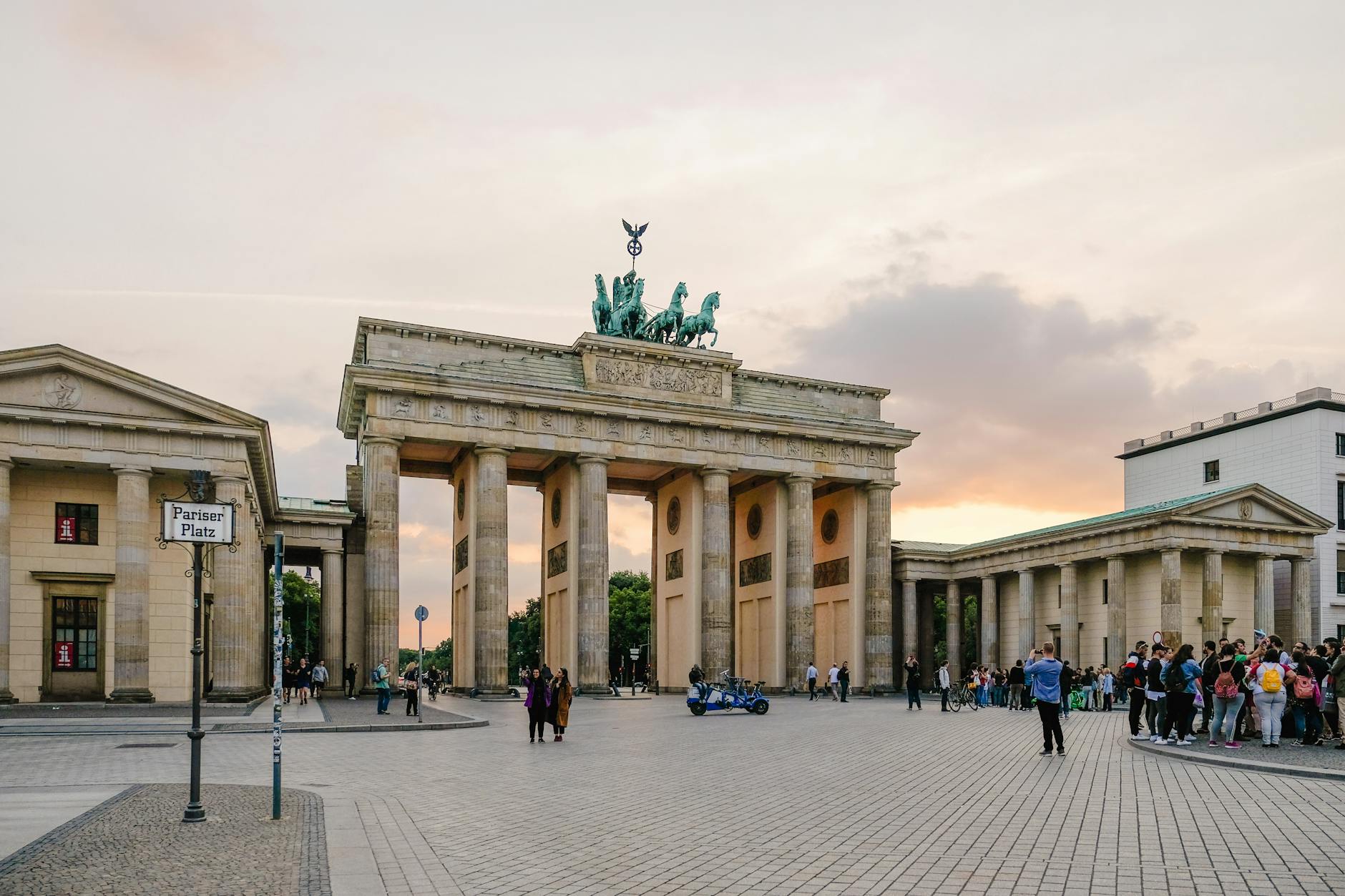
    The Rich History of Berlin: Origins to Modern Day

    Introduction

    Berlin, the capital of Germany, is a city rich in history and cultural significance. From its humble medieval beginnings as a trading settlement to its rise as the capital of Prussia, Berlin has been at the center of many pivotal moments in European history. The city’s 20th-century narrative is particularly dramatic, encompassing two world wars, the rise and fall of the Berlin Wall, and its eventual reunification. Today, Berlin stands as a vibrant metropolis known for its cultural diversity, innovative spirit, and historical landmarks. This article explores the fascinating history of Berlin through five key chapters, tracing its evolution from its origins to its status as a modern global city.

    Early Beginnings: Medieval Foundations of Berlin

    Berlin’s history begins in the 12th century with the establishment of two small settlements, Berlin and Cölln, located on opposite banks of the Spree River. These settlements were first mentioned in historical records in 1237, a date often regarded as Berlin’s founding year. Situated at the crossroads of important trade routes, the area quickly developed into a significant center for commerce and craftsmanship.

    In the 13th and 14th centuries, Berlin and Cölln grew in prominence as members of the Hanseatic League, a powerful economic alliance of trading cities in Northern Europe. The league facilitated economic growth and cultural exchange, helping Berlin establish its reputation as a bustling trading hub. The settlements merged in the early 15th century, forming a single municipality that laid the groundwork for the Berlin we know today.

    The rise of the Margraviate of Brandenburg in the 15th century further elevated Berlin’s status. The city became the residence of the Hohenzollern family, who would later play a crucial role in shaping German and European history. During this period, Berlin began to expand its infrastructure, including the construction of defensive walls and public buildings, signaling its emergence as a regional power.

    Berlin’s medieval period was also marked by the growth of its cultural and religious institutions. The establishment of churches, guilds, and markets fostered a sense of community among its residents. By the late Middle Ages, Berlin had become an essential regional hub, attracting merchants and artisans from across Europe. The influence of trade routes connected the city to the Baltic Sea, further enhancing its economic and political significance.

    Additionally, the city witnessed early forms of self-governance as town councils were established to manage affairs. These councils laid the foundation for a tradition of civic involvement that would persist through Berlin’s history. The medieval era was also a time of challenges, including plagues and conflicts, which tested the resilience of Berliners and shaped the city’s character.

    The Rise of Prussian Power and Berlin’s Role

    The 17th and 18th centuries marked a transformative era for Berlin as it became the capital of the Kingdom of Prussia. Under the rule of the Hohenzollern monarchs, particularly Frederick the Great, Berlin evolved into a cultural, intellectual, and political epicenter. This period saw the construction of iconic landmarks such as the Brandenburg Gate and the Charlottenburg Palace, which symbolized the city’s growing prominence.

    Frederick the Great’s vision for Berlin as a cultural capital led to significant investments in the arts and sciences. The city became a hub for the Enlightenment, attracting leading thinkers, artists, and scientists. Figures such as philosopher Immanuel Kant and composer Carl Philipp Emanuel Bach contributed to Berlin’s cultural renaissance. The founding of institutions like the Berlin Academy of Sciences and the expansion of the University of Berlin highlighted the city’s commitment to education and innovation.

    Prussia’s military and economic strength during this time positioned Berlin as a key player on the European stage. Industrial advancements began to take root, with the introduction of textile manufacturing and early mechanical innovations. These developments were complemented by urban planning efforts that expanded Berlin’s infrastructure. The creation of parks, avenues, and public spaces reflected the growing importance of civic pride and functionality in urban design.

    Berlin’s industrialization in the 19th century further cemented its status as a metropolis. The development of railways, factories, and urban infrastructure transformed the city into an economic powerhouse. Berlin’s population grew rapidly, and it became a melting pot of cultures and ideas. The city’s architectural landscape also evolved, with the construction of grand boulevards, theaters, and museums reflecting its newfound prosperity. Innovations in public transport, such as horse-drawn trams, made the city more accessible and interconnected.

    As the capital of a unified Germany in 1871, Berlin entered a new chapter of growth and influence. It became a center for political power, hosting the German Reichstag and numerous diplomatic missions. The city’s dynamic environment attracted intellectuals and innovators, solidifying its reputation as a leading European capital. The cultural institutions established during this time, including opera houses and art galleries, reinforced Berlin’s status as a hub of creativity and intellectual activity.

    Berlin in the 20th Century: Two World Wars and Division

    The 20th century brought profound challenges and upheavals to Berlin. During World War I, the city faced economic hardship and social unrest, which culminated in the abdication of Kaiser Wilhelm II and the establishment of the Weimar Republic in 1919. Despite political instability, Berlin in the 1920s became a cultural hotspot known for its vibrant arts scene, nightlife, and progressive attitudes. The era, often called the “Golden Twenties,” saw the flourishing of cabaret, cinema, and avant-garde art movements that defined Berlin’s unique character.

    The rise of the Nazi Party in 1933 marked a dark chapter in Berlin’s history. As the capital of Nazi Germany, the city became the epicenter of Adolf Hitler’s regime. Propaganda was heavily centralized in Berlin, with institutions such as the Reich Ministry of Public Enlightenment and Propaganda shaping public opinion. World War II brought widespread destruction to Berlin, with Allied bombings reducing much of the city to rubble. The war ended in 1945 with Berlin occupied by Allied forces and subsequently divided into four sectors controlled by the United States, the United Kingdom, the Soviet Union, and France.

    The Cold War era saw the division of Berlin into East and West, culminating in the construction of the Berlin Wall in 1961. The wall became a symbol of the ideological divide between the communist Eastern Bloc and the democratic West. Life in East Berlin was marked by strict government control and limited freedoms, while West Berlin flourished as a beacon of democracy and culture. The wall not only divided families and friends but also became a focal point of international tension. Despite the challenges, Berliners on both sides of the wall demonstrated resilience and a longing for unity.

    Cultural life in West Berlin thrived, with the city hosting international film festivals and becoming a haven for artists and intellectuals. Meanwhile, in East Berlin, the Stasi secret police maintained tight control over daily life. Efforts to escape to the West, often at great personal risk, underscored the deep desire for freedom and reunification. By the late 1980s, political changes in the Soviet Union and growing protests in East Germany set the stage for the wall’s fall.

    History of Berlin
    Berlin, the capital of Germany, is a city rich in history and cultural significance. From its humble medieval beginnings as a trading settlement to its rise as the capital of Prussia, Berlin has been at the center of many pivotal moments in European history. | Photo by anna-m. w. on Pexels.com

    The Fall of the Wall and Reunification

    The fall of the Berlin Wall on November 9, 1989, was a watershed moment in modern history. It signaled the end of the Cold War and the beginning of Germany’s reunification. The reunified Berlin became the capital of Germany once again in 1991, symbolizing a new era of unity and progress.

    The years following reunification were marked by extensive efforts to rebuild and reintegrate the city. Landmark projects included the reconstruction of historical sites such as the Reichstag, now home to the German Bundestag, and the development of modern infrastructure. Berlin’s transformation into a global city was further accelerated by its cultural revival and the influx of creative talent from around the world.

    Berlin’s reintegration into the global community was exemplified by its hosting of international events and summits. The city embraced its role as a bridge between Eastern and Western Europe, fostering dialogue and collaboration. The blending of old and new became a hallmark of Berlin’s identity, as historic landmarks stood alongside cutting-edge architecture and vibrant urban spaces. Efforts to heal the scars of division included initiatives to memorialize the history of the Berlin Wall, such as the Berlin Wall Memorial and the East Side Gallery.

    Reunification also brought challenges, including economic disparities between the former East and West. The process of integrating two distinct systems required significant investments in infrastructure, education, and social programs. Over time, Berlin emerged as a model of resilience, demonstrating how a divided city could overcome its past and forge a shared future.

    Modern Berlin: A Cultural and Political Hub

    Today, Berlin is a city that celebrates its history while embracing innovation and modernity. Its cultural landscape is unparalleled, boasting over 170 museums, including the renowned Museum Island, a UNESCO World Heritage Site. The Pergamon Museum, with its collection of ancient artifacts, and the Neues Museum, home to the iconic bust of Nefertiti, are just two examples of the city’s rich cultural offerings.

    Berlin’s arts scene is also vibrant, with countless galleries, theaters, and music venues. The Berlinale, or Berlin International Film Festival, is one of the most prestigious film events in the world, attracting filmmakers and audiences from across the globe. Street art thrives in areas like Kreuzberg and Friedrichshain, where graffiti-covered buildings and murals tell the story of Berlin’s countercultural movements.

    The city’s political significance is reflected in landmarks like the Reichstag building, where the German parliament convenes. Its glass dome, designed by architect Norman Foster, symbolizes transparency and democracy. Berlin also hosts embassies, international organizations, and think tanks, solidifying its role as a global diplomatic hub.

    Berlin’s economic renaissance is fueled by its reputation as a center for startups and technology. The city is often referred to as the “Silicon Allee,” attracting entrepreneurs, investors, and innovators from around the world. Co-working spaces, accelerators, and tech conferences like Tech Open Air make Berlin a magnet for creative talent and cutting-edge ideas.

    Education and research are also pillars of modern Berlin. Institutions like Humboldt University and the Technical University of Berlin are leaders in academics and innovation. The city’s emphasis on sustainability is evident in its green initiatives, from extensive cycling paths to urban gardening projects.

    Berlin’s multicultural character is one of its most defining features. With residents from over 190 countries, the city embraces diversity through festivals, cuisine, and cultural events. Areas like Neukölln and Wedding showcase a fusion of traditions, where Turkish kebab shops exist alongside Vietnamese eateries and Ethiopian coffee houses.

    Despite its modern successes, Berlin remains deeply connected to its history. Memorials such as the Holocaust Memorial, the Topography of Terror, and the Stolpersteine (stumbling stones) scattered across the city ensure that the past is not forgotten. These sites serve as powerful reminders of the city’s commitment to remembering its complex history while striving for a future defined by unity and progress.

    Conclusion

    Berlin’s story is one of resilience, transformation, and innovation. From its medieval roots to its rise as the capital of Prussia, from the devastation of two world wars to the division and reunification of the 20th century, the city has consistently reinvented itself. Today, Berlin stands as a global symbol of creativity, cultural diversity, and political significance.

    The city’s ability to embrace change while preserving its history makes it a unique and inspiring destination. Visitors are drawn to its iconic landmarks, thriving arts scene, and dynamic neighborhoods, while residents continue to shape its future through innovation and inclusion. Berlin is more than just a city; it is a testament to the enduring spirit of its people and a beacon of hope for what can be achieved through resilience and unity.

    Whether walking along the remnants of the Berlin Wall, exploring the vibrant streets of Kreuzberg, or standing beneath the Brandenburg Gate, one can feel the echoes of history intertwined with the pulse of modern life. Berlin’s journey is far from over, and its legacy continues to inspire the world.

  • The Enchanting History of Seville: From Moorish Palaces to Flamenco Rhythms

    The Enchanting History of Seville: From Moorish Palaces to Flamenco Rhythms

    Introduction

    Seville, the vibrant heart of Andalusia, is steeped in a rich and varied past that speaks to the convergence of cultures, traditions, and artistic expressions. The history of Seville is a fascinating narrative that unfolds through its stunning architecture, perpetual festivals, and deeply-rooted customs. From the majestic Moorish palaces that serve as a testament to its Islamic heritage to the passionate rhythms of flamenco that echo through its streets, Seville’s past is interwoven with the threads of numerous influences. This article takes a closer look at the history of Seville, exploring the unique elements that have shaped its identity and continue to captivate residents and visitors alike. By delving into the enchanting history of Seville, we gain a greater understanding of its significance in both a historical and cultural context.

    The Moorish Influence: A Foundation of Culture

    The history of Seville is profoundly marked by its Moorish influence, which can be traced back to the early 8th century when the Moors invaded the Iberian Peninsula. This era initiated a period of profound cultural, artistic, and intellectual flourishing that laid the groundwork for what we recognize today as Seville. The Islamic period brought forth advancements in various disciplines such as mathematics, astronomy, and medicine, all of which contributed to the city’s prominence during the Middle Ages.

    The architectural landscape of Seville is a key element in understanding the significance of its Moorish heritage. The Giralda, originally built as a minaret for the Almohad mosque, stands as one of the most iconic symbols of the city. This remarkable structure not only showcases the architectural prowess of the Moors but also represents a seamless blend of cultures as the mosque was later transformed into a cathedral following the Reconquista in the 15th century. The intricate tile work, lush gardens, and expansive courtyards of the Alcázar Palace further highlight this Moorish influence, demonstrating how the Moors seamlessly integrated their artistic values with those of the existing Christian framework.

    giralda in seville at dusk
    The Giralda

    During this period, Seville became a rich center of commerce, facilitating trade across the Mediterranean and beyond. The history of Seville is marked by its strategic location, which allowed for the exchange of goods, ideas, and cultures. This trade contributed to the economic vitality of the city and attracted a myriad of peoples, forging a melting pot of cultures that would enrich the societal fabric of Seville.

    Moreover, the Moorish legacy is palpable in the Spanish language itself, with numerous vocabulary terms borrowed from Arabic reflecting the deep-seated influence of this culture. Words used in daily conversation, culinary terms, and agricultural practices have roots in the Arabic language, showcasing the enduring impact of the Moorish period on Spanish identity.

    courtyard with trees and water
    The Alcázar Palace

    As we examine the rich tapestry woven by the history of Seville, it is essential to recognize the notable figures who influenced this era. Scholars and poets emerged, bringing intellectual fervor that complemented the artistic expression found in architecture and craftsmanship. This creative environment fostered innovative ideas that transcended borders, allowing the culture of Seville to flourish.

    However, the legacy of the Moorish influence extended beyond architecture and commerce; it shaped the social and political dynamics of Seville as well. The cohabitation of Christians, Jews, and Muslims during the Islamic period led to a diverse social landscape where various religious and ethnic groups interacted and collaborated. This exchange of ideas and practices created a unique cultural dynamic that characterized Seville for centuries.

    The profound impacts of the Moorish period are inextricably linked to the history of Seville, providing the bedrock upon which the city’s identity was built. This foundation set the stage for subsequent developments that would further embellish the rich historical narrative of Seville. By appreciating the heritage imparted by the Moors, we gain critical insight into the complex cultural identity that defines Seville today.

    Architectural Marvels: Landmarks of the City

    As we explore the captivating history of Seville, we encounter a tapestry of architectural marvels that reflect the city’s evolution over the centuries. Seville is home to numerous significant structures that narrate its journey through time, each telling stories of conquest, artistic expression, and cultural fusion.

    The Seville Cathedral, constructed in the late 15th and early 16th centuries, stands as the largest Gothic cathedral in the world and symbolizes the triumph of the Christian Reconquista. Built upon the ruins of the Great Mosque of Seville, the cathedral seamlessly integrates elements from its Islamic predecessor. The Giralda, a bell tower that once served as the minaret, provides a striking visual reference to the Islamic architectural heritage that permeates the city. The awe-inspiring scale of the Cathedral not only evokes a sense of reverence but also showcases the city’s wealth and significance following the Reconquista.

    The Seville Cathedral by Anna Sukhareva
    The Seville Cathedral

    Another prominent landmark is the Alcázar of Seville, characterized by its Mudéjar architecture that combines Moorish styles with Gothic, Renaissance, and Baroque elements. This royal palace has been inhabited by Spanish monarchs over the centuries, making it one of the oldest palaces still in use in Europe. The lavish gardens, intricate stucco work, and expansive courtyards whisper of the opulent lifestyle of past rulers while providing a glimpse into the artistry of earlier civilizations.

    The Metropol Parasol, a modern architectural marvel designed by Jürgen Mayer, stands in contrast to the historical structures that populate Seville’s skyline. Completed in 2011, this wooden structure provides a contemporary reinterpretation of Seville’s very essence, blending the old with the new. Known locally as “Las Setas,” this incredible installation offers an open-air plaza, a farmers’ market, and panoramic views of the city from its rooftop walkways. It symbolizes the city’s ability to adapt and innovate while honoring its historical past.

    grayscale photo of people walking on metropol parasol
    The Metropol Parasol

    In addition to these iconic structures, the Plaza de España exemplifies the Renaissance revival style and was originally built for the Ibero-American Exposition of 1929. This stunning plaza features a large semi-circular building adorned with colorful tiles, each representing different provinces of Spain. Its picturesque canals and bridges enhance the sense of grandeur and represent the rich cultural diversity found in Seville.

    The history of Seville is further enriched by landmarks such as the Archive of the Indies, which houses an extensive collection of documents from Spain’s colonial empire. This UNESCO World Heritage site highlights Seville’s role as a central hub during the Age of Discovery when it served as a primary port for trade with the Americas. The architectural elegance of the building mirrors the significance of the wealth and knowledge exchanged during this historical period.

    panorama of plaza de espana seville spain
    the Plaza de España

    Each of these landmarks serves as a focal point for understanding the history of Seville. They embody not only the architectural styles and techniques of their respective eras but also reflect the shifting power dynamics, cultural exchanges, and social developments that have shaped the city. The architectural marvels of Seville stand as lasting testaments to the enduring legacies of those who came before, preserving stories of ambition, creativity, and resilience for generations to come.

    A Tapestry of Traditions: Festivals and Celebrations

    The history of Seville is peppered with vibrant traditions and celebrations that reflect its unique cultural tapestry. Festivals are a manifestation of the city’s rich heritage, offering an opportunity for locals and visitors to immerse themselves in the customs and practices that have evolved over centuries. One of the most iconic events in Seville is the Feria de Abril, or April Fair, which takes place two weeks after Easter. This lively celebration marks the beginning of spring and showcases the city’s deep connections to its cultural history.

    The origins of the Feria de Abril can be traced back to 1847 when it was initially established as a livestock fair. Over time, it transformed into the grand event we know today, characterized by colorful tents, live music, dancing, and traditional attire. The history of Seville is vividly brought to life during this festival as locals dress in flamenco costumes, creating an atmosphere rich in tradition and community spirit. The lively sounds of the guitar and claps of the castanets resonate throughout the fairgrounds, inviting everyone to join in the exuberance of the festivities.

    colorful semana santa procession in seville
    Semana Santa in Seville

    Another pivotal event in Seville is Semana Santa, or Holy Week, which is an emotionally charged celebration reflecting the city’s profound Catholic roots. The history of Seville is closely interwoven with Catholicism, and Semana Santa showcases this devotion through elaborate processions that take place throughout the week leading up to Easter Sunday. Thousands of participants process through the streets, carrying ornate pasos, or floats, adorned with religious icons and accompanying candles. These processions serve as both a spiritual reflection and a powerful reminder of the dedication and faith that has characterized Seville for centuries.

    The historical influences of the city are also evident in the various lesser-known celebrations that take place throughout the year. For instance, El Rocío Pilgrimage attracts thousands of pilgrims who journey to the village of El Rocío in search of the Virgin of El Rocío, a revered figure in Spanish culture. The history of Seville serves as a backdrop for this pilgrimage, where participants often travel on horseback, singing and dancing along the way, embodying the warmth and spirited nature of Andalusian hospitality.

    Furthermore, traditions surrounding cuisine have also found a home in Seville’s festivals. Tapas, a hallmark of Spanish cuisine, play a fundamental role in both daily life and celebrations, offering insight into local culinary practices. The history of Seville is intertwined with its gastronomy, reflecting the blend of cultures that have left their mark on the region. Festivals provide a platform for showcasing these culinary delights, allowing attendees to taste the flavors that have evolved over generations.

    The diverse festivals of Seville serve not only as a celebration of its traditions but also as a means of preserving its rich history. They provide a unique glimpse into the customs and beliefs that have shaped the city’s identity over time, while fostering a sense of community among residents and visitors alike. Amidst the celebrations, the collective memory of Seville’s history continues to thrive, illuminating the culture that makes this city truly enchanting.

    Flamenco: The Soul of Seville’s Culture

    As we delve deeper into the history of Seville, one cannot overlook the profound impact of flamenco on the city’s cultural identity. Flamenco is not merely a genre of music and dance; it is an expression of the soul, embodying the emotions, struggles, and triumphs of the Andalusian people. The roots of flamenco can be traced back to the 18th century within the Romani communities of Andalusia, where it flourished as a form of artistic expression that combined influences from various cultures, including Moorish, Jewish, and Christian traditions.

    The history of flamenco is closely intertwined with the social and economic circumstances of the time, as it emerged from the hardships faced by marginalized communities. The music’s themes often reflect sentiments of love, loss, and longing, allowing individuals to convey their emotions through powerful lyrics and captivating rhythms. The development of flamenco can be viewed as a societal response to the complexities and struggles of life, creating an art form that resonates deeply with the human experience.

    In Seville, flamenco has become an integral part of the city’s identity, with numerous venues and tablaos dedicated to the preservation and celebration of this art form. The traditional elements of flamenco, including the guitar, singing, and dance, cultivate an atmosphere of passion and intensity that captivates audiences. Figures like Antonio Gades and Sara Baras have elevated flamenco to new heights, infusing innovative techniques and interpretations that keep the tradition alive while making it accessible to a global audience.

    The history of flamenco is richly layered, with each region of Andalusia contributing its nuances. The various styles, such as soleá, alegrías, and bulerías, reflect the diverse cultural influences that have permeated the flamenco tradition. Workshops and classes are now prevalent throughout Seville, allowing enthusiasts to engage with the art form, learning not just the dance steps, but also the cultural context and history that shape flamenco.

    Moreover, flamenco festivals like the Bienal de Flamenco celebrate the city’s dedication to this vibrant art form, attracting talent from around the world. These festivals serve as platforms for both established artists and emerging talents to perform, promoting cultural exchange and solidarity among artists. The history of Seville is illuminated through these performances, as the timeless rhythms and heartfelt lyrics transport audiences to the essence of Andalusian culture.

    woman dancing in front of a crowd
    Flamenco

    Flamenco also serves as a bridge between generations, connecting the past with the present. Many families in Seville pass down the tradition of flamenco to their children, imparting both the technical skills and the cultural significance embedded in this art form. The resurgence of interest in flamenco has also drawn tourism to Seville, transforming the city into a cultural hub where people from all over the world come to experience the enchantment of flamenco firsthand.

    Flamenco encapsulates the heart and soul of Seville, offering a profound expression of identity that endures through time. The history of flamenco is a testament to the resilience of its people and their ability to find beauty in hardship. As Seville continues to embrace and celebrate this art form, the legacy of flamenco remains vital, transcending boundaries and captivating hearts across the globe.

    Modern Seville: A Blend of History and Innovation

    Navigating the complexities of the modern world, Seville remains a city where history and innovation coexist harmoniously. The contemporary landscape of Seville is a vibrant interplay of the old and the new, where historical landmarks stand alongside innovative architecture and cultural dynamics. The history of Seville plays a crucial role in shaping this contemporary narrative, ensuring that the lessons of the past inform the decisions of the present and future.

    One notable example is the incorporation of sustainable practices within urban development. Seville has embraced green initiatives aimed at preserving the environment while enhancing the quality of life for its residents. The implementation of bicycle lanes, solar energy projects, and eco-friendly transportation options reflects a forward-thinking approach that honors the city’s historical significance while addressing modern challenges. This balance is evident in initiatives like the Magallanes Project, which seeks to revitalize public spaces while preserving the architectural character that defines the historic center.

    The influence of technology and digital innovation has also found its place in the heart of Seville. Startups and tech incubators have emerged, transforming the city into a burgeoning center for entrepreneurship and innovation. The integration of technology in various sectors, including tourism, education, and art, enables the history of Seville to be showcased in dynamic ways. Virtual reality experiences, interactive exhibits, and mobile applications allow visitors and residents to engage with the city’s heritage in previously unimaginable ways.

    Culinary innovation also plays a pivotal role in the modern landscape of Seville. While traditional tapas remain a staple, contemporary chefs are reimagining classic dishes and introducing experimental cuisine that draws on the rich flavors and ingredients of the region. Gastronomic festivals celebrate this blend, encouraging dialogue between chefs and patrons while honoring the historical roots of Andalusian cuisine. The evolving dining scene showcases how the history of Seville continues to inform culinary practices, inviting exploration and creativity.

    Furthermore, Seville has made strides in promoting cultural dialogues that embrace diversity and inclusivity. The UNESCO designation of Seville as a “City of Flamenco” exemplifies the commitment to preserving the art form while fostering a global appreciation for its profound cultural significance. Festivals, workshops, and cultural exchanges play a vital role in nurturing understanding and collaboration among artists and communities from diverse backgrounds.

    As the world continues to evolve, Seville’s dedication to preserving and celebrating its historical roots serves as a source of inspiration for its residents and visitors alike. The enchanting history of Seville, threaded with narratives of resilience, creativity, and cultural richness, informs the city’s path forward, reminding us that the past is a powerful influence in shaping the present.

    Conclusion

    In conclusion, the enchanting history of Seville unfolds through its rich tapestry of cultural influences, architectural marvels, vibrant traditions, and artistic expressions. From the Moorish foundations that shaped the city’s identity to the deeply embedded flamenco rhythms that connect generations, Seville is a living testament to the interplay between history and innovation. The city continuously evolves while honoring its past, revealing an extraordinary blend of tradition and modernity.

    Seville’s festivals, cultural initiatives, and culinary innovations showcase the resilience and adaptability of its people, as they strive to celebrate and preserve their heritage in a rapidly changing world. By delving into the history of Seville, we uncover not just the city’s past, but also its enduring spirit, a source of inspiration for all who visit.

    Through its exploration of the various elements that define this captivating city, we come to appreciate not only the charm and beauty of Seville but also the layers of history that continue to enrich its narrative. The ongoing evolution of Seville ensures that its captivating history will remain alive and relevant, inviting future generations to discover the magic woven throughout its streets, buildings, and customs.

    Seville Video Guide

    Is Seville Really that Beautiful? What you Should Do in the Andalusian Capital!
  • Delightful Eguisheim 2025: Discover France’s Most Colorful Village
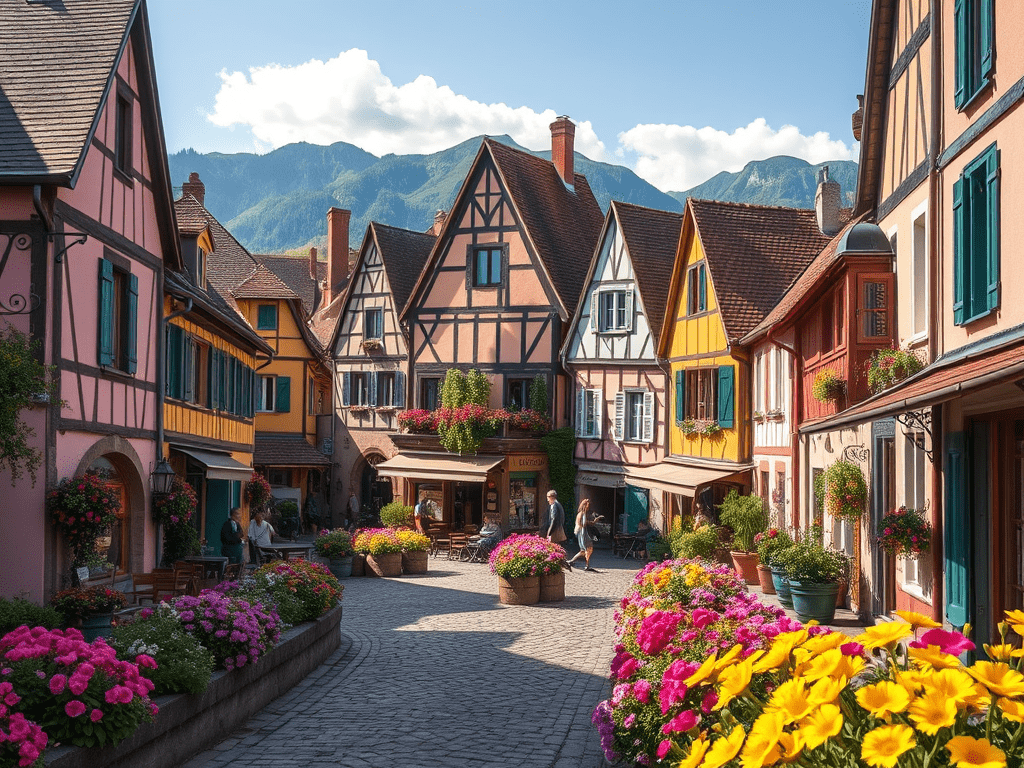
    Delightful Eguisheim 2025: Discover France’s Most Colorful Village

    Introduction

    Nestled in the Alsace region of France, Eguisheim stands as a vivid testament to the charm and beauty of traditional French villages. Renowned for its colorful facades, cobbled streets, and rich history, it has embraced travelers seeking an authentic taste of French culture. Often described as one of the most picturesque villages in France, Eguisheim is not just a feast for the eyes but also a haven for the senses, offering a delightful blend of art, gastronomy, and hospitality. Visitors are enchanted by its vibrant flowers and friendly locals, all set against the stunning backdrop of rolling vineyards and the Vosges mountains. Whether you are exploring its fascinating history, indulging in local delicacies, or participating in lively festivals, Eguisheim promises an unforgettable experience that lingers in the hearts of all who visit.

    The History and Cultural Significance of Eguisheim

    Eguisheim, with its origins dating back to the early Middle Ages, is steeped in a rich tapestry of history that reflects the broader narrative of Alsace. Initially, it began as a small settlement around the castle built by Count Eberhard of Eguisheim in the 9th century. This fortress, which was a point of defense, gave the village its name and laid the groundwork for its development into a vibrant community. The Count’s descendants played a pivotal role in shaping the political landscape of the region, leading to Eguisheim’s prominence in both local and ecclesiastical matters.

    As the years rolled on, Eguisheim flourished due to trade, particularly in the wine industry, which became synonymous with its identity. The Alsace wine route, which stretches through the surrounding vineyards, has its roots deeply embedded in Eguisheim’s history. This development not only fostered economic growth but also facilitated cultural exchanges, influencing architecture, culinary arts, and local customs. Many buildings in the village showcase the distinctive Alsatian style, characterized by half-timbered houses adorned with elaborate carvings and bright colors, reflecting the village’s prosperous past.

    In addition to its architectural heritage, Eguisheim holds a significant place in the story of the Catholic Church. It is the birthplace of Pope Leo IX, who became one of the key figures in the reform movement of the Church in the 11th century. His legacy continues to evoke pride among the locals, as they celebrate his contributions to both the Church and the community. The historical ties to the papacy add a unique layer to Eguisheim’s cultural fabric, underscoring its importance beyond mere aesthetics.

    However, the village has also experienced its share of challenges. The tumultuous history of Alsace, particularly during the Franco-German War and World War II, impacted Eguisheim significantly. The shifting national boundaries meant that the village was often at the forefront of cultural and political battles. Nevertheless, Eguisheim has shown resilience, emerging from these periods with a renewed sense of identity.

    Today, Eguisheim stands as a monument not only to its own history but also to the enduring spirit of Alsace. The villagers take great pride in preserving their heritage, as evidenced by the numerous festivals celebrating local traditions throughout the year. These events are more than mere celebrations; they serve as a means of anchoring the community in its past while welcoming new influences that come with tourism. The annual wine festival, for instance, not only highlights the region’s agricultural bounty but also fosters a sense of camaraderie among locals and visitors alike.

    Moreover, Eguisheim’s designation as one of France’s “Les Plus Beaux Villages” (the Most Beautiful Villages) captures the essence of why it draws so many people. The vibrant colors of the houses, often draped in flowers, create a postcard-like setting that has inspired artists and photographers. Visitors often find themselves captivated by the sheer joy that radiates from the village’s winding streets, charming squares, and welcoming atmosphere. The deep-rooted traditions, coupled with a forward-looking outlook, render Eguisheim not just a scenic spot to visit, but a living testament to the resilience and identity of its people.

    As one meanders through Eguisheim, the interplay of history and culture becomes palpably clear, offering an insight into how the past continues to shape present experiences. With every step, travelers are invited to engage not just with the sights, but with the stories that define this delightful village.

    A Stroll Through the Charming Streets and Architecture

    The enchanting streets of Eguisheim are a central part of its appeal, drawing visitors into a kaleidoscope of colors and textures that tell a story of time-honored craftsmanship and cultural heritage. Walking through this village feels like stepping into a living gallery where art and architecture coalesce, inviting admiration at every turn.

    One of the first things that captures attention is the unique layout of Eguisheim. Unlike many French villages, which often adhere to a linear form, Eguisheim features a circular layout. This design, which is believed to have been inspired by the local castle, is not only visually striking but also serves functional purposes. The concentric streets create a gradual way for visitors to explore the village, offering an immersive experience that fosters discovery.

    As you wander along the cobbled paths, the buildings reveal intricate details. The half-timbered houses, adorned with brightly painted shutters and vibrant flower boxes, exude a quaint charm that seems to transport you back in time. Each building tells its own story through its design, with some dating back to the 15th and 16th centuries. These homes, often bearing a distinctive style known as Alsatian architecture, incorporate locally sourced materials, creating a harmonious blend with their surroundings.

    Among the standout structures is the Maison de la Régionale, a historic building that serves as a focal point of local culture. This house not only reflects architectural beauty but also functions as a venue for exhibitions and cultural events that celebrate Eguisheim’s rich history. The attention given to maintaining such sites highlights the villagers’ commitment to preserving their heritage for future generations.

    Further along the streets, visitors will encounter the Wine Museum, a treasure trove of information about the region’s viticulture. Here, the architecture takes on a more rustic charm, with wooden beams and stone walls that evoke the area’s agricultural roots. This museum is a testament to the significance of wine in Eguisheim, showcasing how entwined it is with the village’s identity. Exhibits detail the traditional winemaking process, allowing visitors to appreciate the craft and passion that goes into each bottle.

    In addition to individual buildings, the overall aesthetics of Eguisheim create an enchanting atmosphere. The village is incredibly photogenic, with gabled roofs, ivy-clad walls, and quaint courtyards that seem plucked from a fairy tale. The artistic angle revealed by the interplay of light and color throughout the day captivates photographers and artists who come to capture its essence.

    Moreover, exploring Eguisheim goes beyond just observing the architecture; it offers a sensory journey. The air is often perfumed with the fragrance of blooming flowers in the warmer months, enhancing the visual beauty. Cafés and patisseries dot the streets, inviting visitors to pause and indulge in local delicacies while soaking up the idyllic surroundings. The convivial atmosphere is palpable as locals greet one another and engage in friendly banter, reinforcing the village’s sense of community.

    Yet, the charm of Eguisheim extends into its enchanting squares, where gatherings and festivities take place, bringing the village to life. The main square, often bustling with activity, is framed by restaurants and shops, creating a focal point for social interaction. Here, visitors can enjoy traditional Alsatian dishes or sample regional wines, fostering a deeper connection to the local culture.

    Ultimately, a stroll through Eguisheim is not just a leisurely walk but a profound exploration of its character and history. The streets serve as a narrative thread that weaves together the past and present, allowing one to experience the essence of this colorful village firsthand. As the sun sets, casting a golden hue over the charming architecture, it becomes apparent that Eguisheim is a place where time stands still, offering a glimpse into a world that celebrates beauty, tradition, and community.

    Local Delicacies: Culinary Treats Not to Miss

    The gastronomic landscape of Eguisheim is a delightful reflection of its rich cultural heritage and local resources. As a village proudly situated in the Alsace region, renowned for its culinary traditions, Eguisheim offers visitors an array of delectable treats that tantalize the taste buds. A focus on locally sourced ingredients and time-honored recipes is evident in the region’s cuisine, encompassing everything from hearty dishes to exquisite pastries.

    One of the most iconic dishes to sample in Eguisheim is the famous “Tarte Flambée” (Flammekueche), a savory pastry that resembles a thin pizza. Topped with cream, onions, and lardons (bacon), this dish embodies the hearty flavors of Alsace. Traditionally cooked in a wood-fired oven, the tart boasts a crispy crust and a rich, savory flavor that is both comforting and satisfying. Many local restaurants take pride in their unique variations of this classic, offering toppings ranging from mushrooms to seasonal vegetables, allowing guests to explore the dish’s versatility.

    Another culinary gem to indulge in is “Choucroute Garnie,” a flavorful dish of fermented cabbage served with an assortment of sausages and meats. This dish is especially popular during winter months and reflects the region’s German culinary influence. The careful preparation of ingredients ensures that the layers of flavor harmonize beautifully, making it a hearty representation of Alsatian cuisine. Often paired with a glass of locally produced white wine, particularly Riesling or Gewürztraminer, Choucroute Garnie is a must-try for those seeking an authentic taste of the region.

    For those with a sweet tooth, Eguisheim offers a variety of pastries and confections that celebrate its culinary heritage. One particularly beloved treat is the “Bredele,” small cookies traditionally made during the Christmas season. These delightful morsels come in various shapes and flavors, each bearing the warmth of local traditions. Visitors will find them in bakeries year-round, each cookie often crafted with love and care. Tasting Bredele while sipping a cup of Alsatian coffee is a perfect way to immerse oneself in the local culture.

    Additionally, the village is surrounded by vineyards, making it an excellent place to explore the local wines. As part of the famous Alsace Wine Route, Eguisheim is home to numerous cellars where visitors can sample a range of wines, from light and fruity to full-bodied and complex. Wine tasting in the village is an experience that combines education and pleasure, as local vintners share their knowledge of the unique terroir. The crisp white wines produced in this region pair wonderfully with the local dishes and are a preferred choice among many visitors to Eguisheim.

    The village also hosts food festivals, where culinary enthusiasts gather to celebrate local flavors. These events provide a wonderful opportunity to taste a variety of dishes, meet local artisans, and learn about traditional cooking methods. Local chefs often showcase their skills, offering cooking demonstrations or workshops that allow participants to recreate beloved recipes. These gatherings foster a sense of community and connection to the land, showcasing how food can bring people together.

    As you explore the culinary landscape of Eguisheim, it becomes evident that dining is not merely a matter of sustenance but a journey into the heart of Alsatian culture. The local chefs and inhabitants take immense pride in their culinary traditions, ensuring that each meal is a reflection of their dedication to quality and flavor. The convivial atmosphere shared in local restaurants and wine cellars makes dining in Eguisheim an experience filled with warmth and hospitality.

    Ultimately, the flavors of Eguisheim are interwoven with its identity. From traditional dishes that celebrate the harvest to innovative adaptations reflecting modern tastes, the culinary offerings in Eguisheim invite everyone to discover the rich heritage of this colorful village. Each meal provides a deeper understanding of the culture, history, and people of Eguisheim, leaving an indelible mark on every visitor’s journey.

    Festivals and Events: The Vibrant Spirit of Eguisheim

    In addition to its stunning architecture and delectable cuisine, Eguisheim is renowned for its lively festivals and events that infuse the village with a vibrant spirit. The calendar year is marked by various celebrations that showcase local traditions, artistry, and the integrative culture of the community. These spirited events not only draw visitors from afar but also foster a sense of unity and joy among locals.

    One of the most anticipated events is the Wine Festival, held each September. The festival serves as a fantastic platform for local winemakers to showcase their finest offerings. The streets come alive with music, laughter, and the clinking of glasses as residents and visitors gather to sample wines and savor regional delicacies. Stalls are strewn throughout the village, inviting curiosity and exploration as guests engage with winemakers who share their passion and expertise. This dynamic atmosphere illustrates the significant role that viticulture plays in Eguisheim’s identity, as well as the pride that the community takes in sharing their heritage with others.

    Another highlight of Eguisheim’s event calendar is the Christmas Market, which transforms the village into a winter wonderland each December. The smell of gingerbread and mulled wine wafts through the air as visitors meander through charming stalls adorned with twinkling lights. Local artisans display handcrafted ornaments, candles, and festive treats, creating a unique shopping experience that promotes local craftsmanship. The spirit of community is palpable during this time, as villagers come together to celebrate the holiday season, offering a heartwarming atmosphere filled with joy and camaraderie. Visitors can also enjoy live music, performances, and traditional storytelling that imbue the market with a sense of holiday cheer.

    Additionally, the village hosts the “Fête de l’Escargot,” a festival dedicated to the culinary delight of snails. Held during the summer months, this quirky festival celebrates this local delicacy with various preparations, from garlic-baked to creamy sauces. Chefs compete to create the most delicious snail dishes, and visitors can indulge in tastings while enjoying lively entertainment. This event not only promotes culinary creativity but also showcases the village’s playful nature and willingness to embrace its gastronomic heritage.

    Cultural events like art exhibitions and music festivals also play an essential role in Eguisheim’s identity. Local artists are given a platform to showcase their talents, turning public spaces into galleries that inspire creativity and appreciation for the arts. Music festivals often feature local bands and musicians, spanning genres from classical to contemporary, ensuring that there is something for everyone to enjoy.

    Moreover, Eguisheim’s festivals often incorporate themes that pay homage to the village’s history and culture. Celebrations such as the “Fête de la St. Martin” feature parades that highlight traditional costumes and historical reenactments, allowing visitors to immerse themselves in the rich stories of the region. Witnessing these customs offers a deeper understanding of the village’s heritage, forging connections between past and present.

    Lastly, the spirit of kindness and hospitality shines through during these events. Visitors often find themselves warmly welcomed into the celebrations, encouraged to participate and share in the joy. The communal atmosphere reinforces the idea that Eguisheim is not just a picturesque village but a thriving community where traditions thrive and relationships flourish.

    In summary, the festivals and events in Eguisheim signify more than mere enjoyment; they represent the resilience of the community and the enduring nature of its traditions. Each celebration is a testimony to the village’s identity, inviting exploration, connection, and an appreciation for the unique cultural landscape that defines this colorful gem in France.

    Practical Tips for Visiting Eguisheim

    When planning a visit to Eguisheim, it’s essential to consider a few practical tips that can enhance your overall experience. Nestled in the Alsace region, Eguisheim is easily accessible and offers a warm invitation to travelers. To help navigate this charming village seamlessly, here are some useful recommendations.

    Best Time to Visit

    While Eguisheim is beautiful year-round, the ideal time for visiting is during the spring and autumn months. Spring brings blooming flowers and mild weather, making it perfect for leisurely strolls through the picturesque streets. Autumn, on the other hand, unveils the stunning colors of the vineyards, and the grape harvest season adds to the vibrant spirit. If you wish to enjoy the festive atmosphere, plan your visit around September for the Wine Festival or December for the Christmas Market.

    Getting There

    Eguisheim is well-connected by rail and road, making it a convenient destination for travelers. If you’re arriving by train, the closest major railway station is Colmar, located about 6 kilometers away. From Colmar, regular bus services and taxis are available to take you directly to Eguisheim. For those traveling by car, on-site parking is available in designated areas outside the village to preserve its intimacy and ambiance.

    Exploring On Foot

    One of the best ways to explore Eguisheim is on foot. The village is small and walkable, allowing visitors to fully appreciate its charm at a leisurely pace. Strolling through the picturesque streets and alleyways unveils delightful surprises at every corner, from vibrant flower boxes to quaint shops. Be sure to grab a map at the local tourist office to help navigate the village’s attractions.

    Embrace Local Cuisine

    Don’t miss the opportunity to explore the local culinary scene. Restaurants and cafés throughout the village offer a variety of delectable dishes and Alsatian specialties. Be sure to experiment with local wines, particularly the famous Rieslings, which pair beautifully with regional cuisine. Dining at a traditional winstub (Alsatian bistro) can enhance your experience and provide insights into the local culture.

    Engage with Locals

    Connecting with the friendly locals adds a personal touch to your visit. Many residents are passionate about sharing their traditions, history, and recommendations for exploring the village. Engaging in friendly conversations can lead to discovering hidden gems, whether it’s a quaint shop or a lesser-known viewpoint.

    Attend Local Events

    If possible, synchronize your visit with one of Eguisheim’s lively festivals or events. The seasonal celebrations provide a vibrant atmosphere and an opportunity to experience the local culture authentically. From wine tastings to Christmas markets, participating in these festivities leaves a lasting impression and enriches your understanding of the village’s heritage.

    Plan for the Weather

    Alsace experiences a temperate climate, with warm summers and chilly winters. Dressing in layers is recommended, especially in spring and autumn when temperatures can fluctuate. Be prepared for occasional rain by bringing an umbrella or raincoat, ensuring that the weather won’t hinder your exploration of the village.

    Discover Beyond the Village

    While Eguisheim offers numerous charms, don’t forget to explore the surrounding area. The Alsace Wine Route is dotted with picturesque villages, vineyards, and historical sites, inviting day trips to further enrich your experience. Consider visiting nearby attractions such as the city of Colmar, known for its stunning canals and charming architecture, or hiking in the Vosges mountains for breathtaking views.

    Conclusion

    Visiting Eguisheim promises a delightful journey filled with beauty, culture, and culinary treasures. By keeping these practical tips in mind, you can navigate the village with ease, delve into its history, and forge memorable connections with the community. Whether enjoying the vibrant festivals or savoring local delicacies, your time in Eguisheim will undoubtedly be a cherished chapter in your travel stories.

    Eguisheim, with its picturesque streets, delicious cuisine, and vibrant traditions, stands out as a jewel in the Alsace region of France. This charming village, adorned with colorful facades and warm-hearted locals, offers visitors an enchanting experience that transcends mere sightseeing. From its rich historical roots to the timeless rhythm of daily village life, Eguisheim invites you to slow down and savor every moment. As you wander through its concentric cobblestone lanes, admire the half-timbered houses, and sip world-class Alsatian wines, you’ll feel a deep connection to both the past and present. The welcoming atmosphere and preserved heritage of Eguisheim make it an ideal destination for travelers seeking authenticity, charm, and inspiration. Whether you’re a history enthusiast, a food lover, or simply someone in search of a quiet escape, this village offers something special for everyone. Let your time in Eguisheim be more than a visit—let it be an immersion into the heart of Alsace, where every detail tells a story and every encounter leaves a lasting impression. With thoughtful preparation and an open heart, your journey to Eguisheim will become an unforgettable experience worth revisiting in memories for years to come.

    Eguisheim Video Guide : The Most Enchanting Village of Alsace

    Eguisheim : The Most Enchanting Village of Alsace, France
  • Sunny Miami 2025: Dive into Beaches, Culture, and Endless Fun
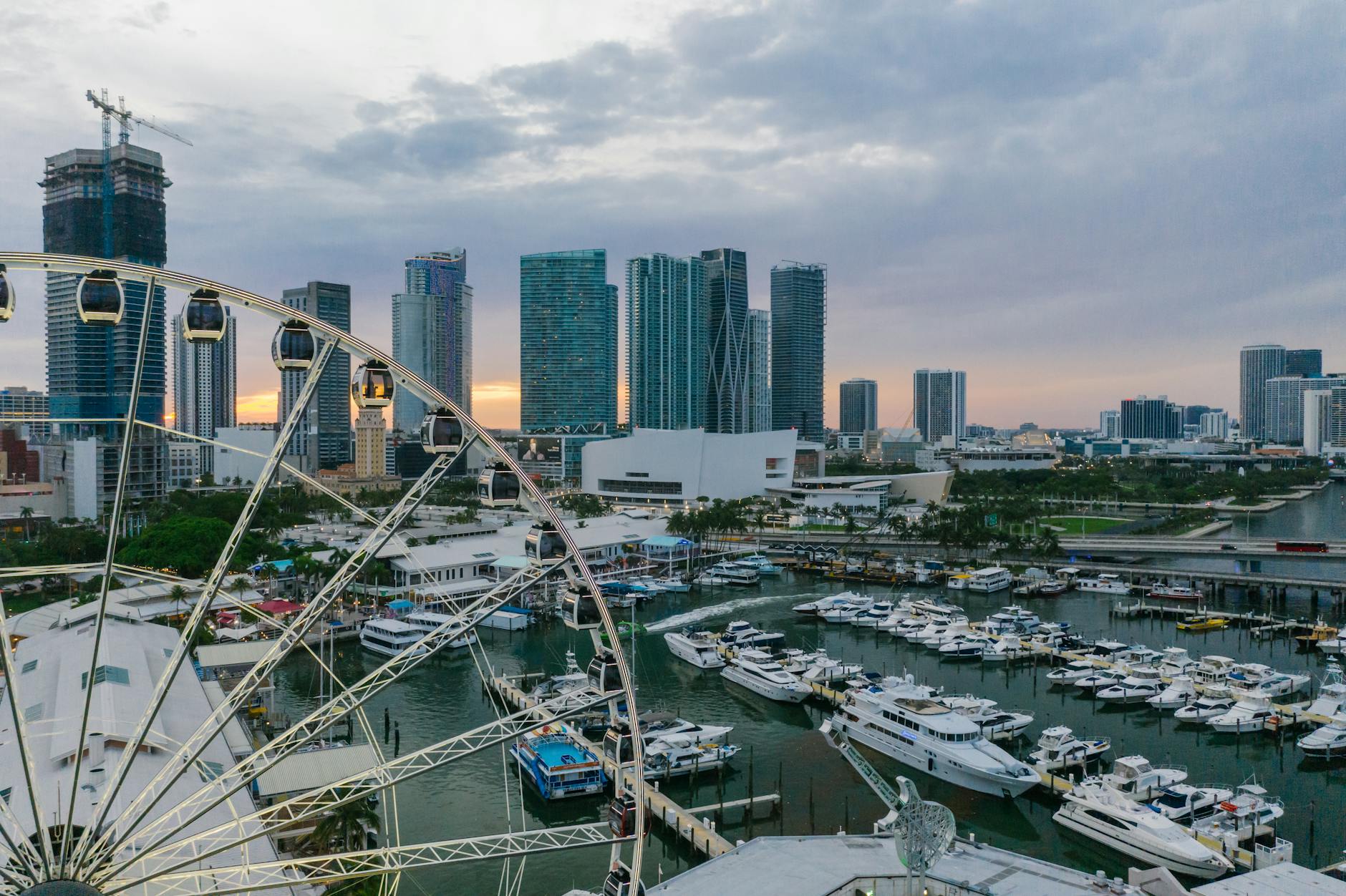
    Sunny Miami 2025: Dive into Beaches, Culture, and Endless Fun

    Introduction

    Miami, a bustling metropolis in the heart of Florida, is a paradise for those seeking sun-soaked beaches, a rich cultural tapestry, and exhilarating activities. Known for its year-round warm climate and stunning coastlines, Sunny Miami attracts millions of visitors eager to explore its vibrant atmosphere. From the iconic Art Deco architecture of South Beach to the diverse neighborhoods that celebrate its multicultural heritage, Miami offers something for everyone. Whether you’re lounging on pristine shores, indulging in gourmet cuisine, or immersing yourself in local arts, this city promises an unforgettable experience. As you dive into the many attractions and activities that define Miami, get ready to uncover why it’s a prime destination for adventure-seekers and relaxation enthusiasts alike. Let’s explore the beaches, culture, and endless fun that Sunny Miami has in store!

    The Irresistible Beaches of Miami

    Miami is famed for its breathtaking beaches, each offering its own unique charm and atmosphere. With miles of pristine sands and crystal-clear waters, the coastal landscape of Sunny Miami is a true coastal paradise. The most famous, South Beach, is where the glitzy lifestyle meets the azure waves, attracting sunbathers, families, and party-goers alike. Its iconic pastel Art Deco buildings line the beachfront, providing a picturesque backdrop for day-long beach escapades.

    For a more laid-back experience, head to Key Biscayne. This quieter area boasts beautiful parks and tranquil beaches, perfect for picnics and leisurely strolls. With ample space, it’s a haven for those looking to escape the bustling crowds often found in the heart of Sunny Miami. The beach at Crandon Park is particularly family-friendly, offering calm waters and historical landmarks that add to its appeal.

    lifeguard building on seashore against sundown sky
    Photo by Arnie Watkins on Pexels.com

    Another hidden gem is Isles Beach, known for its stunning high-rise hotels and stunning beachfront. This area is perfect for water sports enthusiasts, offering activities like jet skiing, paddleboarding, and parasailing. It’s also home to the scenic Oleta River State Park, where visitors can enjoy cycling trails that lead to the lush nature of North Miami.

    The diverse ecosystems found along the shoreline, such as coral reefs and seagrass beds, also provide opportunities for snorkeling and diving. The underwater world surrounding Sunny Miami teems with marine life, from colorful fish to majestic sea turtles, enticing adventure seekers to explore the vibrant habitats beneath the waves.

    No trip to Sunny Miami would be complete without indulging in the local beach culture. Beachfront bars and restaurants serve up fresh seafood and refreshing cocktails, allowing visitors to soak up the sun while enjoying the local flavors. Sunsets in Sunny Miami are particularly magical, with the sky transforming into a canvas of warm hues as day turns to night. Many beaches host community events, such as movie nights or live music, offering a fantastic way to experience local culture fully.

    Accessibility is another perk of the beaches in Sunny Miami. With ample parking, rideshare services, and public transport options, getting to your favorite stretch of sand is hassle-free. The friendly and welcoming vibe of the locals enhances the experience, ensuring that every visitor leaves with unforgettable memories.

    The beaches of Sunny Miami are an alluring blend of breathtaking beauty, exciting activities, and a laid-back atmosphere. Whether you prefer lounging under the sun, engaging in thrilling water sports, or enjoying vibrant beachside nightlife, Sunny Miami’s beaches cater to every preference. Thus, they stand as a testament to why this city remains an iconic destination for travelers seeking sun and fun.

    The Vibrant Cultural Scene in Miami

    Miami is not just a haven for beach lovers; it is also a vibrant cultural hub that celebrates diversity and creativity. The city’s cultural scene is a rich tapestry woven from its Cuban heritage, Latin influences, and a dazzling array of artistic expressions that shape the local identity.

    One of the most iconic institutions that embody the artistic spirit of Sunny Miami is the Pérez Art Museum Miami (PAMM). This contemporary art museum offers a glimpse into modern artistic practices while integrating environmental sustainability and community engagement into its programming. The exhibitions showcase works from local and international artists, reflecting the dynamic cultural landscape of Sunny Miami. Visitors can take a stroll through the museum’s stunning waterfront park, enjoying the scenic views of Biscayne Bay.

    In addition to large institutions, the city is brimming with galleries and art neighborhoods. The Wynwood Arts District is a prime example, transforming from an industrial area into a vibrant canvas where street art thrives and creativity flourishes. The bold murals that adorn the walls tell stories of the city’s diverse communities, and art walks held regularly attract locals and tourists alike. It’s not uncommon to find artists working on-site, inviting visitors to engage with the creative process actively.

    Music and dance are integral components of the cultural scene in Sunny Miami. The city’s lively rhythm can be felt in events like the Calle Ocho Festival, a celebration of Hispanic cultures featuring music, food, and dance from various Latin American countries. From salsa to reggaeton, the sounds of Sunny Miami pulse through the air, offering everyone a chance to join in the festivities.

    The theater scene is equally dynamic, with venues like the Adrienne Arsht Center for the Performing Arts hosting a range of performances, from Broadway shows to local productions. The center embodies the artistic ambition of Sunny Miami, providing a space for cultural expression and community engagement.

    Culinary arts also play a significant role in the cultural landscape of Sunny Miami. The fusion of flavors and culinary traditions mirrors the city’s multicultural makeup. No visit would be complete without sampling classic Cuban dishes at a traditional restaurant or savoring the latest gastronomic trends at innovative eateries. The Miami Culinary Institute offers classes where visitors can learn about local ingredients and cooking techniques, further enriching their experience of the city’s dynamic food culture.

    Festivals throughout the year foster a sense of community and celebration among residents. Events such as Art Basel, Miami Beach Pride, and the South Beach Food and Wine Festival highlight the city’s creativity and inclusivity, showcasing the talents of artists, chefs, and performers.

    Sunny Miami’s commitment to cultural preservation is demonstrated through initiatives aimed at supporting local artists and musicians. Community centers and cultural organizations often offer classes, workshops, and exhibitions that promote artistic expression and cultural exchange, ensuring that the legacy of Sunny Miami’s rich heritage is passed down through generations.

    The cultural scene in Sunny Miami is a remarkably diverse and vibrant space where creativity knows no bounds. From contemporary art museums to lively music festivals and world-class dining experiences, the city’s cultural offerings are as dynamic as its population. Exploring this artistic richness not only enriches the visitor experience but also highlights the importance of community, inclusivity, and cultural identity within Sunny Miami.

    Culinary Delights in Miami

    Miami is a culinary paradise that reflects its multicultural heritage through a plethora of flavors and dishes. The city’s food scene combines traditional cooking methods with contemporary innovations, creating a unique gastronomic landscape that caters to every palate. From street food vendors to high-end dining establishments, the options are abundant, ensuring that culinary enthusiasts will find something to indulge their taste buds.

    One of the defining characteristics of Sunny Miami’s culinary culture is its deep-rooted ties to Latin American cuisine—particularly Cuban. Classic dishes like Ropa Vieja, a savory shredded beef stew, and lechón, succulent marinated pork, are staples in many local restaurants. The famous Cuban sandwich, featuring layers of ham, roasted pork, Swiss cheese, pickles, and mustard, is a must-try for any visitor. Many Cuban eateries, such as Versailles, generations-old establishments, serve these dishes with heart and authenticity, making it a favored spot for both locals and tourists.

    Moving beyond Latin influences, Sunny Miami’s culinary diversity encompasses a broad spectrum of flavors from around the world. The city’s evolving dining scene showcases international cuisines, reflecting the melting pot that it is. For those with a taste for fresh seafood, the bustling fish markets and waterfront restaurants offer delectable catches of the day, including stone crabs, conch, and local snapper, provided at some of the city’s most renowned seafood spots.

    As a center for culinary innovation, Sunny Miami has become home to a plethora of trendy, upscale dining establishments that feature award-winning chefs. Innovative eateries showcase everything from farm-to-table concepts to fusion cuisine that combines elements from different culinary traditions. The vibrant neighborhood of Brickell is a hotbed for fine dining and a hub for food lovers eager to experience the latest in gastronomic trends.

    No culinary exploration in Sunny Miami would be complete without savoring its street food, a reflection of the city’s casual dining scene. Food trucks and local vendors serve an array of snacks that capture the essence of Miami culture. Empanadas, arepas, and churros can be found at various locations, offering visitors a chance to sample authentic flavors on the go.

    Moreover, the coffee culture in Sunny Miami has proliferated, with local cafés serving up phenomenal brews, pastries, and desserts. Influences from Latin American coffee cultures can be found in the offerings at many establishments, making for a rich coffee experience that complements the culinary journey. The famous cortadito, a Cuban espresso drink, is a favorite among locals and visitors alike.

    Beyond traditional dining, Sunny Miami is also known for its vibrant brunch scene, offering a meal that blends breakfast and lunch at various stylish eateries. From innovative pancake stacks to lavish seafood towers, brunch places add an element of fun, creativity, and flavor, making it a social focal point for friends and family.

    Food festivals held throughout the year provide an opportunity for locals to showcase their culinary talents and popular dishes, fostering a sense of community empowerment and creativity. Events such as the South Beach Food and Wine Festival attract food lovers and industry professionals from around the globe, establishing Sunny Miami as a premier culinary destination.

    Finally, with an emphasis on nutrition and sustainability, an increasing number of restaurants are turning towards farm-fresh ingredients, organic produce, and sustainable seafood. The focus on health-conscious dining does not compromise flavor but instead elevates the overall experience.

    In essence, the culinary scene in Sunny Miami is a reflection of its culturally rich and diverse landscape. The blend of traditional dishes, innovative culinary practices, and a thriving street food culture creates an exciting tapestry of flavors that beckons all to indulge. With each bite, visitors are invited to embark on a journey through the vibrant palate of Sunny Miami, finding delight in both the familiar and the exotic.

    The Thrill of Outdoor Activities in Miami

    Miami is a playground for outdoor enthusiasts, with its ideal weather and stunning natural landscapes setting the stage for thrilling adventures. From adrenaline-pumping water sports to scenic parks and trails, the vibrant city offers a broad range of outdoor activities designed to cater to all interests and skill levels.

    For water aficionados, Sunny Miami’s coastal location presents endless opportunities for water sports. Kayaking and paddleboarding through the calm waters of Biscayne Bay allows for an intimate perspective of the stunning coastline and the lush ecosystems surrounding it. Many rental companies offer easy access to equipment, making it convenient for visitors to dive into the adventure. The adjacent Key Biscayne provides picturesque views and serene settings perfect for those who prefer a more tranquil outdoor experience.

    For thrill-seekers, jet skiing is an exhilarating way to explore the waters of Sunny Miami while getting a rush of adrenaline. Various options are available to rent jet skis, with guided tours offering expert insight into the local sights and marine life, including dolphins and manatees.

    Snorkeling and scuba diving are also exhilarating activities available in Sunny Miami. The vibrant coral reefs off the coast offer a mesmerizing underwater experience teeming with marine life. Dive shops and tour companies provide guided excursions for both beginners and experienced divers, ensuring an unforgettable adventure under the waves.

    human in black orange swimming suit in blue body of water
    Photo by Pixabay on Pexels.com

    Beyond the water, the sunny climate of the city provides the perfect backdrop for outdoor sports and activities on land. Cycling enthusiasts can explore scenic routes like the Miami Beach Boardwalk, allowing riders to soak in the beautiful ocean views while exercising. For those keen on a more rugged experience, the nearby Oleta River State Park features mountain biking trails amidst lush greenery, making it a favorite destination for biking lovers.

    Additionally, Miami boasts numerous parks and recreational areas designed for outdoor activities. The expansive Amelia Earhart Park provides ample space for trekking and picnicking while offering sports facilities like soccer fields, baseball diamonds, and even a petting zoo for families to enjoy.

    For adventure-seekers looking to elevate their experience, parasailing is a unique opportunity to gaze down upon the stunning vistas of Miami from above. Local companies facilitate this thrilling experience, sending adventurers soaring high into the sky while providing unparalleled views of the coastline.

    Fishing enthusiasts can also revel in the bountiful waters surrounding Sunny Miami. With numerous charter boats available, visitors can embark on deep-sea fishing excursions, targeting species like marlin, snapper, and grouper. Locals often gather at the piers, exchanging tips and stories about their latest catches.

    In addition to thrilling activities, Sunny Miami is home to various gardens and nature preserves, like the Fairchild Tropical Botanic Garden. Here, visitors can immerse themselves in the beauty of tropical flora and fauna, wandering through lush landscapes while learning about native plant species. The garden’s scenic pathways offer a serene escape from the bustling city, attracting nature lovers and photographers alike.

    No outdoor experience in Sunny Miami would be complete without closing the day with a beach bonfire or a sunset picnic. The idyllic beaches provide the perfect setting for unwinding after a day of adventures, as the warm evening air and vibrant sunset paint the sky with vivid colors.

    Miami is a haven for outdoor activities that cater to every taste and preference. With its warm climate, breathtaking natural landscapes, and diverse range of sports and activities, the city stands out as the ultimate destination for those seeking adventure and exploration. Whether you’re riding the waves, cycling along scenic routes, or delving into the wonders of nature, Sunny Miami promises endless thrills under the sun.

    Nightlife and Entertainment in Miami

    As the sun sets over Miami, the city transforms into a vibrant nightlife haven, welcoming revelers with open arms. The nightlife in Sunny Miami is as diverse as its population, offering an array of options that cater to everyone—from high-energy clubs to chic lounges and live entertainment venues.

    The world-renowned nightclub scene is a major draw for visitors seeking unforgettable nights out. Iconic venues such as LIV at the Fontainebleau and Story in South Beach consistently host top DJs and celebrity performances, ensuring that the party never stops. The pulsating beats, stunning light shows, and luxurious settings create an electrifying atmosphere, attracting party-goers from all corners of the globe.

    For those looking for alternative nightlife experiences, Miami is home to a vibrant live music scene. Numerous bars and intimate venues, such as Ball & Chain in Little Havana, feature local bands and artists performing everything from jazz to salsa. The cultural richness of the city comes alive through the melodies and rhythms, allowing visitors to experience the diverse musical influences that shape Sunny Miami.

    The art of cocktail-making is also celebrated in the city, with many bars and lounges offering innovative drink menus crafted by skilled mixologists. Rooftop bars like Sugar at EAST Miami provide stunning panoramic views of the city skyline, making them perfect spots to unwind with a crafted cocktail while soaking in the breathtaking surroundings.

    Sunny Miami also boasts a thriving comedy scene and live theater performances that showcase local talent and nationally recognized acts. The Adrienne Arsht Center for the Performing Arts attracts theater enthusiasts with its diverse programming, ranging from Broadway shows to ballet and concerts. Alternatively, comedy clubs such as the Miami Improv host stand-up shows that promise a night filled with laughter.

    For a more laid-back evening, visitors can explore the city’s signature beach bars, where the relaxed ambiance complements the coastal views. Bars like the Wreck Bar in Fort Lauderdale even feature live mermaid shows, offering a unique experience that combines entertainment with delicious cocktails.

    Furthermore, the food scene continues to thrive throughout the night, with many eateries remaining open late to satisfy those late-night cravings. Food trucks and street vendors often line the streets, offering delicious bites that ensure no one goes hungry while enjoying the nightlife.

    As part of the dynamic nightlife options, art and cultural events are commonly held, showcasing local talent in unique settings. Events such as Wynwood’s monthly art walks allow guests to explore the neighborhood’s galleries, enjoy live music, and indulge in food from local vendors while mingling with the creative community.

    Sunny Miami’s diversity is reflected in its nightlife options, with venues and events catering to every taste and style. From upscale dance clubs and high-energy live music to cozy bars and laid-back beach hangouts, there is something for everyone looking to enjoy an evening out in the city.

    As the night goes on, the energy of Miami pulsates through the streets, creating a magical ambiance that beckons visitors to keep exploring. Nightlife in Sunny Miami is more than just a scene; it offers opportunities to connect, celebrate, and create cherished memories that will last a lifetime.

    Conclusion

    Miami is a treasure trove of experiences waiting to be explored. From its breathtaking beaches and thrilling outdoor activities to its vibrant cultural scene and delectable culinary offerings, the city presents a unique blend that caters to all interests and preferences. As visitors dive into the endless fun that Miami has to offer, they are immersed in a world that celebrates diversity, creativity, and community. The combination of sun, sea, and exciting activities ensures that every moment spent in this dynamic city is nothing short of memorable. Whether you’re basking in the warmth of the sun on pristine shores, indulging in mouthwatering cuisine, or dancing the night away, Sunny Miami invites everyone to create unforgettable memories that last a lifetime. So, pack your bags and prepare to experience everything that Sunny Miami has in store for you—a perfect getaway that genuinely embodies the spirit of joy and adventure.

  • Sacred Vatican 2025: A 3-Day Journey of Art, Faith, and Wonder

    Sacred Vatican 2025: A 3-Day Journey of Art, Faith, and Wonder

    Introduction

    The Sacred Vatican stands as a timeless beacon of art, faith, and wonder, drawing millions to its sacred grounds each year. This small but profoundly significant enclave is the heart of the Roman Catholic Church, serving as both a spiritual sanctuary and a storehouse of artistic masterpieces. Over three days, visitors can immerse themselves in the Sacred Vatican’s rich history, exquisite art, and transformative spirituality. From exploring the magnificent Vatican Museums, which house an unparalleled collection of Renaissance art, to experiencing the grandeur of St. Peter’s Basilica, this journey offers an unrivaled opportunity to connect with the divine while appreciating human creativity. Each corner of the Sacred Vatican reveals stories of faith and artistry that have inspired generations. This article will guide you through a transformative 72-hour experience, ensuring your journey through the Sacred Vatican is both enlightening and inspiring.

    Exploring the Holy See: An Overview of Sacred Vatican

    Your journey begins with a comprehensive introduction to the Sacred Vatican, a place where religious devotion meets unparalleled artistic achievement. The Sacred Vatican is not merely a city-state; it is a testament to centuries of faith and creativity. Located on the west bank of the Tiber River in Rome, this independent territory is home to some of the most important spiritual and cultural landmarks in the world.

    Upon arrival at the Sacred Vatican, the first impression is often one of awe and reverence. The majestic entrance invites visitors to leave the bustling streets of Rome behind and step into a realm dedicated to the divine. A guided tour can enhance this experience, offering insights into the rich history and traditions that have shaped the Sacred Vatican over the centuries. The cloisters, courtyards, and basilicas are imbued with a sense of peace that emphasizes the sacredness of the space.

    The Vatican Museums, a cornerstone of your visit, showcase the evolution of art through the ages. The extensive collection houses works from Michelangelo, Raphael, and countless other master artists. Visitors often begin their exploration here, entranced by the divine beauty of the artworks that adorn the walls and ceilings. One of the highlights of the museum is the Sistine Chapel, where Michelangelo’s famous ceiling frescoes depict biblical stories in vibrant colors, serving as a compelling narrative of faith.

    From the Vatican Museums, your journey continues to St. Peter’s Basilica, where the significance of the Sacred Vatican reaches new heights. This architectural marvel stands as a symbol of the Catholic Church, drawing pilgrims and tourists alike. Here, the unique blend of art and spirituality is palpable, and many find themselves moved by the grandeur of the space. The basilica houses the iconic Pietà by Michelangelo, a masterpiece that evokes deep emotion as it captures the essence of sacrifice and love.

    madonna della pieta statue
    The Iconic Pietà by Michelangelo

    No visit to the Sacred Vatican would be complete without exploring the Vatican Gardens. These serene landscapes are a hidden gem, offering a peaceful retreat from the often crowded sites. It’s a place for contemplation, where the beauty of nature meets the divine. The gardens are meticulously maintained, featuring a variety of plants, fountains, and sculptures that reflect the harmonious relationship between God’s creation and human artistry.

    As you delve deeper into the Sacred Vatican experience, take time to participate in the various spiritual offerings available. Attending a mass or participating in prayer services can add a profound layer to your understanding of what makes this place sacred. The Sacred Vatican is not only an artistic treasure trove but also a center for spirituality, providing visitors with a chance to connect with their faith and reflect on their beliefs.

    In summary, the first day of your journey through the Sacred Vatican is a rich tapestry of artistic exploration, spiritual engagement, and historical insight. By taking the time to appreciate both the art and the deeper meanings behind them, you lay the groundwork for a transformative experience that will deepen your understanding of this sacred space.

    Art Masterpieces: The Vatican Museums and the Sistine Chapel

    As the second day arrives, you find yourself immersed in the art masterpieces that define the Sacred Vatican. The Vatican Museums are an expansive collection of art and historical artifacts that chronicle the rich legacy of the Catholic Church and the evolution of global art. Spanning multiple galleries and halls, each space tells a story, and the sheer volume of artistic achievement leaves visitors in awe.

    The journey through the museums begins with the Gregorian Egyptian Museum, where ancient artifacts showcase the skill of artisans from centuries ago. These exhibits highlight the influence of ancient cultures on the development of Christian art within the Sacred Vatican. As you move through the timeline of history, you’ll encounter works that reflect the merging of artistic techniques and religious themes.

    One of the most significant segments of the Vatican Museums is the Raphael Rooms, where the genius of Raphael commands attention. These magnificent frescoes depict powerful scenes from scripture and classical mythology, interpreting them with an unmatched grace that continues to resonate with viewers today. Observing the radiant colors and dynamic forms is an enlightening experience, revealing the spiritual connection between faith and artistic expression.

    The climax of your exploration comes with a visit to the Sistine Chapel. The awe-inspiring ceiling, painted by Michelangelo, is arguably one of the most recognizable artworks in the world. The iconic scenes from Genesis, culminating in “The Last Judgment,” convey the grandeur of divine creation and the ultimate destiny of humanity. The dramatic composition and emotional depth captured in the figures reflect Michelangelo’s deep faith and artistic mastery.

    michelangelo s sistine chapel ceiling fresco
    The Sistine Chapel

    Visitors to the Sistine Chapel are often struck by the atmosphere of reverence that permeates the space. It’s not just an art gallery; it’s a focal point of spirituality within the Sacred Vatican. As you stand beneath the elaborate frescoes, you’ll experience a profound connection to the themes of salvation, grace, and redemption that resonate throughout the Catholic faith.

    After spending the afternoon in the museums, take a moment to reflect on the works you’ve witnessed. Engage with fellow visitors or spend time alone in contemplation, drawing connections between the art and your personal beliefs. The Sacred Vatican, as a center of faith, invites every visitor to engage with its storied past and reflect on the impact of art in the realm of spirituality.

    As the day concludes, consider participating in one of the evening events held within the Sacred Vatican. You might find a guided night tour through the museums, offering a different perspective on the artworks. The artwork, illuminated by soft lights and fewer crowds, creates an intimate atmosphere, allowing you to connect with the artwork on a deeper level.

    The journey through the art masterpieces of the Sacred Vatican is filled with discovery—of both human creativity and the divine. Each artwork encapsulates a moment in time, a passion for faith, and a commitment to the beauty of God’s creation.

    The Heart of Faith: St. Peter’s Basilica

    Your third day in the Sacred Vatican brings you to the heart of faith—St. Peter’s Basilica, an architectural wonder that stands as a testament to the splendor of sacred devotion. As you approach this magnificent structure, the grandeur of its dome rising above the skyline strikes awe. It’s this very basilica that has become synonymous with the Sacred Vatican, both for its artistic brilliance and its spiritual significance.

    Entering St. Peter’s Basilica, you are overwhelmed by the vastness of the interior, designed to accommodate thousands of worshippers. The soaring ceilings, rich mosaics, and intricate details invite visitors to reflect on the divine presence within the space. The air is filled with an ambiance of worship, and as you move through the aisles, the sanctity of the surroundings begins to resonate with your spirit.

    the interior of a cathedral with gold and marble
    St. Peter’s Basilica

    One of the first masterpieces you encounter is Michelangelo’s Pietà, a stunning sculpture that captures the moment of Mary’s grieving embrace of Jesus after the Crucifixion. The delicate portrayal of emotion and vulnerability speaks volumes, and many visitors find themselves moved by the raw expression of love and loss. The artistry of the Pietà encapsulates the essence of the Sacred Vatican’s dedication to faith and creativity.

    As you continue your exploration, be sure to pause at the main altar, where numerous masses and ceremonies are held. This focal point of the basilica is adorned with gold and intricate designs, reflecting the wealth of artistry that has been invested in this sacred space over centuries. Each element tells a story—of faith, history, and the continuity of the Catholic Church.

    The basilica’s dome, designed by Michelangelo, is perhaps its most iconic feature. You can climb to the base of the dome, where breathtaking views of the Vatican City and beyond await. Standing at this vantage point allows for a moment of reflection—not just on the beauty of the landscape below, but on the journey of faith that transcends the physical space. It can serve as a reminder of the connection between the Sacred Vatican and believers worldwide.

    After soaking in the magnificence of St. Peter’s Basilica, consider participating in a service or event if available. Attending mass within these hallowed halls offers a transformative experience; the communal worship and shared faith bring a deeper understanding of the Vatican’s role as a spiritual center. Whether you practice the Catholic faith or simply seek to explore the richness of spirituality, the experience is deeply moving.

    Moreover, the surrounding areas of St. Peter’s Basilica are filled with opportunities for spiritual enrichment. The Vatican often hosts special events, seminars, and pilgrimages that can enhance your engagement with the faith. Make time to embrace these offerings, as they deepen one’s understanding of what it means to be part of such a sacred community.

    In summary, St. Peter’s Basilica is not just an architectural feat; it embodies the very heart of faith within the Sacred Vatican. The experiences you’ll gather here will stay with you long after you leave the basilica, enriching your journey and understanding of spiritual devotion.

    Awe-Inspiring Architecture: The Vatican Gardens

    Following your profound experiences at St. Peter’s Basilica, the fourth day invites you to embrace the wonders of the Vatican Gardens, whose beauty and tranquility create a stark contrast to the bustling art of the Vatican Museums and the profound spirituality of the basilica. Covering about half of the territory of the Sacred Vatican, these meticulously kept gardens are a hidden oasis for visitors, often overlooked in favor of more famous landmarks.

    As you enter the Vatican Gardens, a serene atmosphere envelops you. The meticulously arranged flora—exotic plants, flowerbeds, and fountains—invite contemplation and relaxation. The Vatican Gardens represent a harmonious blend of nature and spirituality, a sacred space where visitors can reconnect with themselves and the divine. The experience is one of peace in a landscape that echoes centuries of Christian contemplation and reflection.

    Each corner of the gardens tells its own story. Statues, chapels, and fountains intersperse the greenery, creating focal points for stillness and reflection. The rich history of the gardens dates back to the Renaissance, a time when popes sought to create an environment of beauty and harmony that reflected their devotion. These gardens served not only as spaces for discrete pleasure but also as places where prayer and reflection could harmoniously coexist with nature.

    A guided tour through the Vatican Gardens offers insights into their history and significance. You might explore the original spaces designed by Italian Renaissance artists who contributed to their beauty, learning about the influences of various plants and landscaping techniques on spirituality. Visitors will discover how the gardens have been a refuge for popes throughout history, where they could pray and meditate amidst nature.

    Notable features include the beautifully designed terrace gardens, which provide expansive views of the countryside bordering the Vatican. The panoramic views allow guests to witness the layers of history that surround the Sacred Vatican, fostering appreciation for the geography that has hosted thousands of years of faith and religious practice.

    As you wander, look for the Monastery of the Passion, an Augustinian community that embodies the principles of reflection and prayer. The gardens provide an essential backdrop for the monks to fulfill their spiritual devotions, reminding visitors of the continuous cycle of faith within the Sacred Vatican.

    The tranquility of the gardens also allows for personal reflection. Find a quiet spot to sit, perhaps on a bench or under a tree, and allow the day’s experiences to blossom in your heart. Whether it’s penning down thoughts in a journal, meditating, or simply breathing in the beauty of your surroundings, this moment nourishes the soul, reinforcing the spiritual connection cultivated throughout your journey.

    Be mindful to take your time in the gardens; the slower pace allows you to appreciate the details—the textures of petals, the gentle sound of water cascading from fountains, and the scents of various plants that characterize this sacred space. Living in the moment enhances your connection to the Sacred Vatican, transforming mere sightseeing into an immersive experience.

    In summary, the Vatican Gardens offer an essential perspective on the sacredness of the land, representing the intertwining of nature and faith. Here, beauty serves as a path to reflection, inviting every visitor to experience the Sacred Vatican’s profound spiritual essence through the natural world.

    Immersion in Spirituality: Pilgrimage and Reflection

    As your 72-hour journey through the Sacred Vatican draws to a close, it is fitting to dedicate time to spiritual immersion. The Sacred Vatican is not merely a destination for art enthusiasts; it serves as a powerful pilgrimage site for those seeking connection with their faith. Whether you arrive as a believer or an inquisitive traveler, the opportunity to reflect on your spiritual journey is an integral part of the experience.

    Pilgrimage to the Sacred Vatican resonates with individuals from all walks of life. Each year, millions of people visit to pay homage, to seek blessings, or to fulfill their spiritual aspirations. This aspect of the Sacred Vatican ensures that personal faith is honored, allowing visitors to engage deeply with the underlying messages of love, mercy, and redemption.

    angel carrying the cross statue
    Statue of an Angel

    Consider partaking in a mass or spiritual gathering. That interaction provides a sense of community and shared purpose, as it invites individuals from various backgrounds to join as one body in worship. The rituals of mass, combined with the Sacred Vatican’s majestic surroundings, heighten the experience of belonging within the global Catholic community.

    If mass is not occurring during your visit, you may still find a place for quiet reflection. The various chapels and prayer areas throughout St. Peter’s Basilica allow for individual connection to the divine. Light a candle and pray in your own way or simply pause in silence, allowing the sacredness of the space to envelop you.

    In addition to religious services, consider exploring the Vatican’s access to spiritual resources. Many visitors engage in spiritual reading, using texts from the lives of saints or contemporary authors to inspire introspection. The Sacred Vatican has a rich library of spiritual literature that can deepen your understanding of faith and guide you on your journey.

    An essential component of spiritual immersion is the act of service and giving back. While visiting the Sacred Vatican, you might consider how to turn your engagement into positive action. Maybe participate in local charitable initiatives or simply commit to incorporating acts of kindness into your daily life.

    Lastly, allow yourself time to carry the lessons learned during your visit back into your everyday life. The Sacred Vatican is a place of transformation; the connections forged with the divine, art, and community can sustain you long after you depart. Reflect on the themes encountered during your journey, allowing these insights to permeate your spirit as you navigate the world beyond the walls of the Sacred Vatican.

    The immersion in spirituality is the culminating experience of your journey through the Sacred Vatican. The synthesis of art, faith, and community solidifies your encounter and encourages you to carry the essence of the Sacred Vatican within you. This reflection will remain an everlasting part of your spiritual journey.

    Conclusion

    As your 3-day journey through the Sacred Vatican concludes, you carry with you a wealth of experiences that transcend mere sightseeing. This enclave of faith and art has provided a unique opportunity for reflection, connection, and deep appreciation for the divine blend of creativity and spirituality. Each moment—whether spent in the awe of the basilica, contemplating the artistry of the museums, savoring the tranquility of the gardens, or sharing in the communal experience of faith—serves to enrich your understanding of the Sacred Vatican.

    In today’s fast-paced world, the lessons learned here remind us of the importance of slowing down, reflecting on our beliefs, and recognizing the beauty found in faith and artistry. Your exploration of the Sacred Vatican has not only illuminated its storied past but also enriched your own journey. The memories forged during this pilgrimage will resonate long after your departure, inviting you to continually seek connection to the divine and the artistic wonders that enrich our lives. The Sacred Vatican beckons all who seek to engage deeply with faith and artistry—an invitation to return and explore further or perhaps inspire others to begin their own journey.

  • Dynamic Chicago 2025: Discover the Soul of the Windy City

    Dynamic Chicago 2025: Discover the Soul of the Windy City

    Introduction

    Dynamic Chicago is a city filled with an electrifying spirit that embodies the essence of urban energy and cultural diversity. Known as the Windy City, this vibrant metropolis has something for everyone, whether you’re a history enthusiast, an architecture aficionado, or a foodie looking to indulge in culinary delights. With a rich tapestry woven from its storied past and its dynamic present, Chicago invites adventurers and casual visitors alike to discover its unique soul. This article explores the captivating elements that make Chicago a must-visit destination, delving into its history, architectural wonders, cultural vibrancy, mouthwatering cuisine, and outdoor spaces. By the end of this journey, you will gain a profound appreciation for the dynamic essence of Chicago—an essence that has long drawn people from around the globe to its bustling streets and majestic skyline.

    The Rich History of Chicago

    Dynamic Chicago’s history is as vibrant as its skyline, marked by resilience, innovation, and cultural evolution. Its origins date back to the early 19th century, when it began as a modest trading post. The city quickly grew into a bustling center of commerce and transportation, thanks to its strategic location near Lake Michigan and the confluence of several waterways. The establishment of the Illinois and Michigan Canal in the 1840s further bolstered Chicago’s economic importance, facilitating trade between the Great Lakes and the Mississippi River.

    One of the most defining events in the city’s history is the Great Chicago Fire of 1871, which devastated a significant portion of the city. The fire, fueled by the wooden structures prevalent at the time, razed thousands of buildings and left tens of thousands homeless. However, this catastrophic event was also a catalyst for change. In the aftermath, Dynamic Chicago embarked on a massive reconstruction effort, embracing modern architectural techniques and materials. This led to the development of the Chicago School of Architecture, characterized by steel frames and large plate-glass windows, setting a precedent for modern skyscraper design.

    The late 19th and early 20th centuries saw a wave of immigrants arriving in Dynamic Chicago, each group contributing to the city’s rich cultural mosaic. From Irish and German settlers to the influx of Eastern European Jews and Italian communities, these populations brought their traditions, foods, and customs, making Chicago a melting pot of cultures. This era also witnessed the rise of significant figures such as Al Capone, whose association with organized crime during Prohibition led to a fascinating, albeit troubled, chapter in the city’s history.

    As we moved into the mid-20th century, Dynamic Chicago became a hub for civil rights activism, with influential leaders emerging to fight for equality and justice. The city played a pivotal role in movements advocating for labor rights, women’s rights, and racial equality. Iconic protests and rallies marked this time, showcasing the city’s commitment to social progress.

    Today, visitors to Chicago can explore this rich history through a variety of museums, historical sites, and cultural institutions. The Chicago History Museum, for instance, offers insightful exhibitions that document the city’s past, while historic neighborhoods like Pilsen and Hyde Park celebrate the diverse heritage of their communities. Furthermore, dynamic events such as Chicago’s annual History Expo celebrate the city’s legacy and promote public engagement with its history.

    To truly understand Chicago, one must delve into the events and personalities that shaped its foundations. The legacy of resilience and innovation continues to influence the city, as it evolves in response to modern challenges and embraces the future. From its origins as a trading post to its status as a global urban center, Dynamic Chicago embodies a spirit of perseverance and creativity that resonates with both residents and visitors alike.

    Architectural Marvels of Chicago

    Dynamic Chicago’s skyline is a testament to its architectural prowess. It hosts iconic structures that not only define the city’s visual identity but also reflect its historical evolution and innovative spirit. The city is home to some of the tallest and most renowned buildings in the world. Landmark skyscrapers like the Willis Tower (formerly Sears Tower) and the John Hancock Center showcase the audacity and ingenuity of Chicago’s architects.

    The Willis Tower, once the tallest building in the world, is famous for its skydeck that offers breathtaking views of the city and beyond. Visitors can step out onto The Ledge, a glass balcony that juts out 1,353 feet above the ground, providing a thrilling experience and a unique perspective on Dynamic Chicago’s sprawling cityscape. Such architectural feats exemplify the modern era of construction that began in the late 19th century and highlight the city’s ongoing commitment to innovation.

    Exploring The Loop, the central business district, one encounters an array of architectural styles, from Gothic Revival to Art Deco. A prime example is the Chicago Board of Trade building, featuring its striking statue of Ceres, the Roman goddess of agriculture. Meanwhile, the Tribune Tower showcases bold Gothic elements that pay homage to European cathedrals. The diverse architectural landscape of Dynamic Chicago reflects the city’s rich cultural influences and its status as a canvas for architectural experimentation.

    Chicago’s architectural influence extends beyond its own borders. The city was the birthplace of the skyscraper, a genre of architecture that transformed urban landscapes worldwide. Influential architects such as Frank Lloyd Wright and Louis Sullivan, who sought to shape modern aesthetics, have left a lasting legacy. Their designs emphasized functionality while embracing ornamentation, setting benchmarks for future generations.

    Moreover, the Chicago River Walk, which enhances the interplay between water and architecture, is another highlight of the city’s urban design. With its pedestrian-friendly pathways, the River Walk provides stunning views of the city’s architectural masterpieces while offering dining and recreational spaces. This fusion of nature and urban development embodies Dynamic Chicago’s innovative urban planning.

    Dynamic Chicago also embraces preservation, ensuring that its architectural heritage is honored. Historic districts, such as the Prairie Avenue Historic District and the Landmark Historic District, offer glimpses into the city’s past while integrating with modern advancements. The Chicago Landmarks Commission plays a crucial role in protecting significant structures, maintaining the city’s historical integrity while allowing it to flourish.

    As we explore Dynamic Chicago’s architectural marvels further, we discover that they narrate the story of a city that continuously reinvents itself. Each building contributes to the mosaic of stories and experiences that define the Windy City. The interplay between history and modernity is palpable, creating a dynamic environment that attracts architects, designers, and tourists from around the globe. The architectural significance of Dynamic Chicago is not only a matter of aesthetics; it reflects the city’s resilience, creativity, and the constant pursuit of progress.

    Vibrant Culture and Arts Scene in Chicago

    The cultural scene of Dynamic Chicago is as diverse and vibrant as the city itself. Throughout its history, Chicago has fostered creativity in arts, music, theater, and literature, making it a vibrant cultural hub in the United States. The city’s artistic expression is reflected in its numerous museums, galleries, music venues, and theaters that showcase both local talent and world-renowned works.

    The Art Institute of Chicago stands as a beacon of artistic achievement, housing an extensive collection that spans centuries and genres. From Impressionist masterpieces to contemporary installations, the museum attracts art enthusiasts from all over the world. Its iconic bronze lion statues at the entrance symbolize the city’s commitment to the arts. The museum’s exhibitions often feature works that engage with social issues, reflecting Dynamic Chicago’s dynamic conversation about art and society.

    The theater scene in Dynamic Chicago is equally rich, with an array of performance spaces offering everything from Broadway-style shows to experimental performances. The Chicago Theatre, known for its historic marquee and stunning interior, hosts major productions that draw crowds year-round. The renowned Steppenwolf Theatre Company and Second City comedy troupe further bolster the city’s reputation as a breeding ground for artistic talent, producing both celebrated plays and iconic comedians.

    Moreover, the music scene in Dynamic Chicago has deep roots, with genres like blues, jazz, and house music shaping its identity. The city is celebrated as the birthplace of Chicago blues, which emerged from its vibrant nightclubs in the early 20th century. Venues like Kingston Mines and Buddy Guy’s Legends continue to showcase the electric sounds that define this genre, providing an authentic experience for music lovers. Annual events, such as the Chicago Blues Festival, celebrate this rich musical heritage, attracting thousands to experience live performances from legendary musicians.

    Dynamic Chicago also plays host to various cultural festivals that celebrate its diverse communities. The Chicago Air and Water Show, Chicago Jazz Festival, and Pilsen’s Día de los Muertos festivities are just a few examples of events that highlight the rich tapestry of cultural influences that define the city. Each festival offers a unique glimpse into the traditions and customs of Chicago’s multifaceted population, emphasizing the importance of community engagement and the sharing of cultural stories.

    Art and culture are not confined to institutions alone; street art flourishes in many neighborhoods, transforming urban spaces into open-air galleries. The murals of the Pilsen neighborhood, for instance, reflect the vibrant Mexican heritage of the community while addressing social and political themes. These public artworks invite dialogue and foster a sense of belonging, making art accessible to all residents and visitors.

    As we delve deeper into Dynamic Chicago’s cultural landscape, we see that it is a city that values creativity and artistic expression. The fusion of various cultural influences, from immigrants contributing their unique heritage to contemporary artists pushing boundaries, enriches the city’s creative narrative. By embracing and celebrating its diverse cultural history, Dynamic Chicago remains a dynamic hub of inspiration, creativity, and artistic exploration, drawing people to its ever-evolving scene.

    Culinary Adventures in Chicago

    Dynamic Chicago is a culinary paradise, offering a culinary tour that spans the globe. The city’s rich history of immigration has given rise to a melting pot of flavors that reflect its diverse population. From deep-dish pizza and Chicago-style hot dogs to gourmet restaurants and international cuisine, the culinary landscape of the Windy City is as vibrant as its culture.

    One cannot mention Chicago without acknowledging its iconic deep-dish pizza. This beloved dish, with its flaky crust, abundant cheese, and hearty toppings, has become synonymous with the city. Pizzerias like Giordano’s and Lou Malnati’s are legendary, attracting both locals and tourists eager to experience the true taste of Chicago. The debate over which establishment serves the best deep-dish is a cherished tradition among Chicagoans, highlighting the dish’s significant place in the city’s culinary identity.

    However, Chicago’s culinary scene extends well beyond deep-dish pizza. The city boasts a vast array of ethnic cuisine that tells the story of its diverse neighborhoods. The vibrant Argentine community in the city offers delectable steaks found in parrillas, while Vietnamese cuisine thrives in neighborhoods like Little Saigon, known for its pho and banh mi. Each culinary experience offers a taste of the culture and history of its community, allowing visitors to embark on a worldly gastronomic adventure without leaving the city.

    For food enthusiasts, exploring Chicago’s trendy neighborhoods is essential. Areas like Wicker Park and Logan Square are home to an array of innovative restaurants led by talented chefs pushing the boundaries of culinary tradition. Farm-to-table establishments, pop-up eateries, and food trucks offer unique dining experiences, transforming the way people view food. Annual events like Chicago Gourmet celebrate this dynamic food scene, showcasing renowned chefs, culinary competitions, and local flavors.

    Chicago’s culinary landscape is not just about food; it encompasses the art of mixology and craft beverages. The city has seen a surge in the cocktail culture, with speakeasies and bars emphasizing artisanal spirits and imaginative concoctions. The thriving craft beer scene also contributes to Chicago’s reputation as a destination for beverage enthusiasts. With breweries like Revolution Brewing and Lagunitas Brewing Co. leading the way, Chicagoans can enjoy a diverse range of locally brewed beers.

    Street food also plays a significant role in Dynamic Chicago’s culinary experience. Festivals celebrate everything from food trucks serving gourmet tacos to vendors dishing out traditional Polish pierogis. Events like the Chicago Food Truck Festival allow visitors to sample a variety of flavors while enjoying live music and community atmosphere.

    Beyond savory bites, Chicago’s culinary scene embraces sweet treats and innovative desserts. From the famous Portillo’s chocolate cake to gourmet doughnuts at Do-Rite Donuts, the city is filled with delightful indulgences that satisfy any sweet tooth. Bakeries and dessert shops often draw long lines, showcasing the public’s passion for flavorful desserts.

    As Dynamic Chicago continues to evolve, so does its culinary landscape. The city embraces culinary diversity, honoring traditional recipes while encouraging innovation. Food plays a vital role in the cultural identity of Chicago, bringing people together and celebrating flavors that connect communities. Exploring the culinary treasures of Dynamic Chicago is not just about dining; it’s an immersion into the heart and soul of a city defined by its gastronomic wonders.

    Outdoor Activities and Hidden Gems in Chicago

    Dynamic Chicago offers an abundance of outdoor activities that allow residents and visitors alike to connect with nature while still enjoying the urban landscape. The city’s commitment to green spaces, rivers, and waterfronts creates a unique environment for outdoor enthusiasts. From sprawling parks to scenic lakefronts, Chicago is a city that embraces the great outdoors.

    One of the city’s crown jewels is Millennium Park, a vibrant urban oasis located in the heart of the downtown area. Home to iconic sculptures like Anish Kapoor’s Cloud Gate (often referred to as “The Bean”), the park draws millions of visitors each year. The beautifully designed gardens, walking paths, and public art installations create a dynamic space for relaxation and recreation. During the summer months, Millennium Park hosts free concerts and movie nights, fostering community engagement and making art accessible to all.

    cloud gate in millennium park chicago skyline
    Photo by Diego Alberto Martínez Mendoza on Pexels.com

    The Chicago Lakefront Trail is another highlight for outdoor enthusiasts. Stretching 18 miles along the shores of Lake Michigan, the trail provides breathtaking views of the city skyline and the sparkling waters of the lake. Cyclists, joggers, and walkers flock to the trail, taking in the fresh air and serene surroundings. Parks dot the trail, offering recreational opportunities such as picnicking, beach activities, and sports, making it a go-to destination for those looking to unwind.

    For those seeking a more adventurous outdoor experience, the Chicago River offers kayaking and paddleboarding opportunities. Urban Kayaks and various rental companies provide equipment and guided tours, allowing participants to explore the city from a new perspective. Paddling along the river reveals stunning architecture and bridges while providing a bit of exercise. The river’s revitalization reflects the city’s dynamic approach to urban development, transforming its waterways into vibrant recreational spaces.

    Hidden gems abound in Dynamic Chicago for those willing to venture off the beaten path. The Garfield Park Conservatory, often referred to as “Chicago’s Hidden Gem,” houses a diverse collection of plants and flowers in beautifully designed glass structures. This lush botanical garden serves as an escape from the hustle and bustle of the city, offering tranquility and a chance to connect with nature.

    Lincoln Park, another diamond in the rough, is not just a beautiful park but a cultural hub. Home to the Lincoln Park Zoo, this free zoo draws visitors year-round and is dedicated to wildlife conservation. The park’s picturesque landscapes, gardens, and trails make it an ideal spot for leisurely strolls, picnics, and family outings.

    brown metal canopy across city building
    Photo by Vishal Shah on Pexels.com

    Moreover, Chicago’s commitment to outdoor art can be seen in the various sculptures and installations scattered throughout the city. The Bronzeville neighborhood boasts a collection of outdoor art dedicated to celebrating the African American experience, while the Near North Side features stunning murals that tell the stories of the community. Exploring these hidden treasures adds another layer of adventure to the outdoor experience in Dynamic Chicago.

    As you embark on outdoor adventures in Dynamic Chicago, you will discover that the city celebrates nature, artistry, and community engagement. The harmony between urban life and nature creates a dynamic atmosphere where residents and visitors can experience the invigorating spirit of the city in its parks, trails, and hidden gems.

    Conclusion

    Dynamic Chicago is a city that captivates the hearts and minds of all who venture within its limits. From its rich history and architectural marvels to its vibrant cultural scene and culinary adventures, the Windy City offers an abundance of experiences that speak to its unique identity. Each aspect of Dynamic Chicago contributes to the story of a resilient and innovative city that embraces diversity and creativity.

    The exploration of its history provides invaluable context, showcasing how the past shapes the present. The architectural wonders inspire awe and admiration, reflecting both the artistic vision of its creators and the spirit of progress ingrained in the city’s culture. Dynamic Chicago’s cultural scene invites all to come together through shared experiences, fostering a sense of belonging and understanding among its diverse communities.

    The culinary landscape further enriches the experience, offering flavors that represent the city’s multicultural heritage. Each dish tells a story, reflecting the experiences of the individuals and communities that make Chicago home. The outdoor spaces provide an escape, offering tranquility and adventure amid bustling urban life.

    As you immerse yourself in the dynamic essence of Chicago, one cannot overlook the heart of its people—their passion, creativity, and commitment to community shine through in every corner of the city. Dynamic Chicago is more than just a destination; it is an experience that leaves a lasting impression, inviting all who visit to discover its soul and embrace its dynamic spirit. Whether through its history, architecture, culture, cuisine, or outdoor treasures, Chicago’s allure remains timeless, ensuring it continues to be a cherished destination for generations to come.

  • Passionate Buenos Aires 2025: Dance Through Tango, Flavors, and City Life
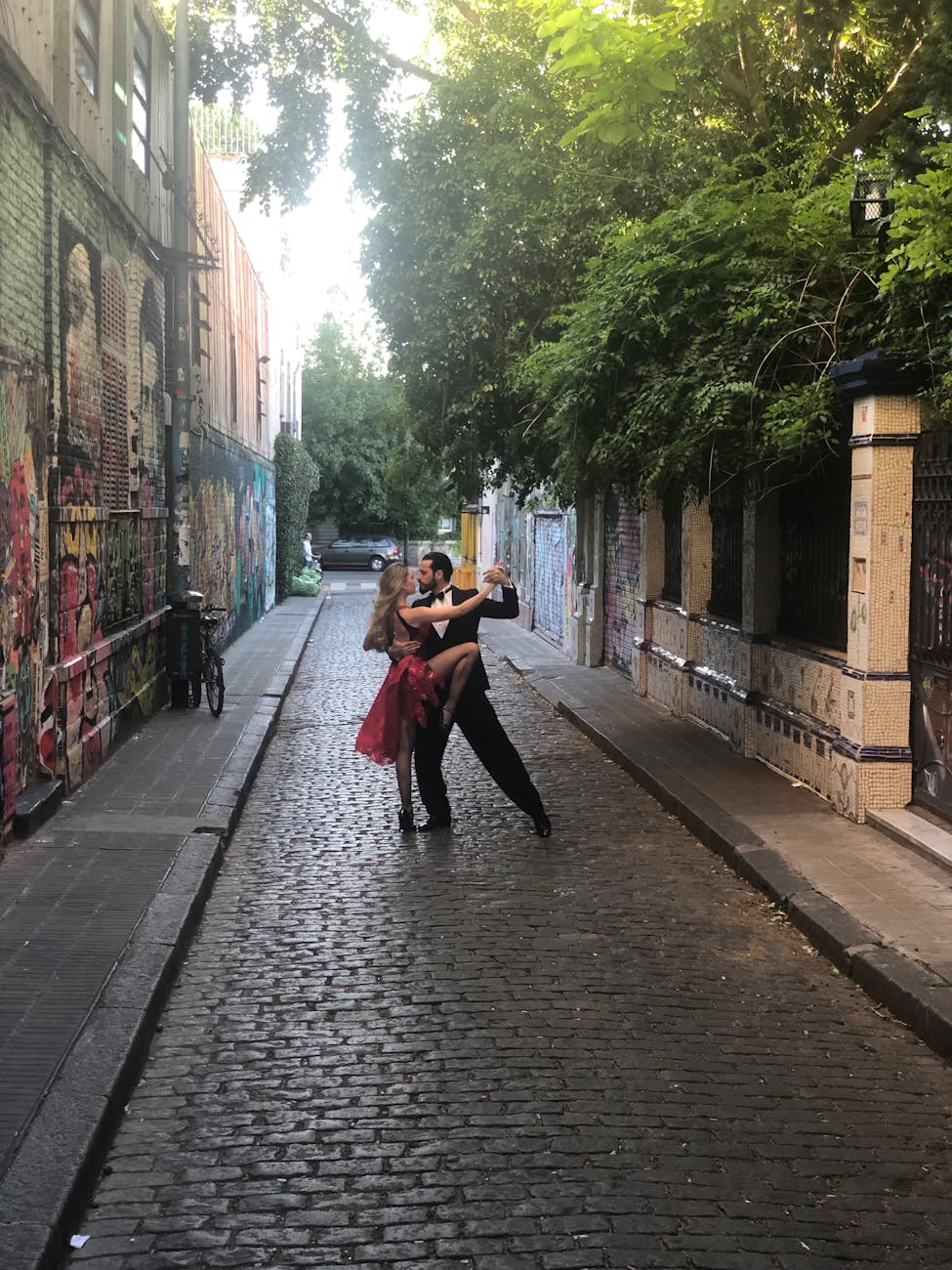
    Passionate Buenos Aires 2025: Dance Through Tango, Flavors, and City Life

    Introduction

    Passionate Buenos Aires is a vibrant city that resonates with rhythm, flavor, and a unique charm that entices visitors from all over the world. Known as the birthplace of tango, the city’s dance halls are alive with passion, as couples twirl and sway to deeply emotional melodies that speak to the city’s heart. Beyond the dance, Buenos Aires boasts a sumptuous culinary scene that reflects a rich blend of cultures, from Italian to Spanish influences, all coming together in its diverse menu offerings. City life in Buenos Aires is a captivating experience, where historical architecture meets bustling modernity, fostering an environment rich in arts and culture. As the sun sets, the nightlife beckons with exciting options ranging from cozy bars to extravagant shows, ensuring that the essence of passionate Buenos Aires continues to pulse throughout the night. This article will delve deeper into these captivating elements that make Buenos Aires an unforgettable destination.

    The Soul of Tango: A Cultural Dance

    Tango is not just a dance; it is a heartfelt expression of emotion that encapsulates the essence of passionate Buenos Aires. The origins of tango date back to the late 19th century when it emerged in the neighborhoods of Buenos Aires, particularly among the working-class immigrants. It started in the lower-class areas of the city, developed as a fusion of African, Native South American, and European music and dance. This blend created a unique art form that quickly evolved and gained acceptance among the higher classes by the early 20th century.

    In the heart of Buenos Aires, tango is more than an entertainment option; it is a way of life. Dance schools and milongas, or dance halls, populate the city and offer lessons for both locals and tourists eager to immerse themselves in this passionate culture. The rhythm of tango is infectious, characterized by its dramatic pauses and sudden movements that mirror the complexities of love and life itself.

    Visiting local milongas is a quintessential experience where the ambiance is both relaxed and charged. Participants, regardless of their skill level, join in on the dance floor, embodying the spirit of passionate Buenos Aires. The experience of dancing tango is visceral; it demands not only physical coordination but also an emotional connection with one’s partner. Leads and follows communicate through subtle cues, creating an intimate experience that reflects the passion of the dance.

    Live music enhances the tango experience, with musicians often playing traditional instruments such as the bandoneón, a type of accordion that lends a distinctive sound to tango music. The melodies evoke deep emotions, frequently touching on themes of love, loss, and yearning. The lyrics often recount stories of life in the city, making the performance a narrative as well as a dance.

    Cultural festivals centered around tango also pay homage to this beloved art form in Buenos Aires. Events such as the Buenos Aires International Tango Festival attract enthusiasts from around the globe, showcasing world-class dancers and musicians while offering workshops and performances that celebrate the dance. This festival emphasizes the global love for tango and reflects how passionate Buenos Aires continues to inspire others with its rich cultural heritage.

    In addition to its lively milongas, tango has found its way into various cultural expressions beyond the dance floor. Theaters and contemporary productions incorporate tango, presenting it as a dynamic form that continues to evolve while maintaining its traditional roots. Artists infuse modern interpretations, keeping the spirit of passionate Buenos Aires alive and relevant to new generations.

    While tourists flock to the grandeur of tango shows in famous venues, the soul of tango thrives in the smaller, neighborhood milongas, where the atmosphere is intimate and the connection to the city is most profound. It is in these spaces that the true essence of passionate Buenos Aires can be felt, as locals and travelers alike share the dance floor, celebrating a cultural phenomenon that transcends borders.

    Ultimately, tango in Buenos Aires is a celebration of life — it embodies love, loss, joy, and unity, making it an essential narrative in the story of passionate Buenos Aires. Every whirl and embrace tells a story steeped in the history and vibrancy of the city, inviting everyone to join this dance of life.

    Culinary Treasures: Exploring Buenos Aires’ Gastronomy

    Buenos Aires stands as a culinary haven that tantalizes the taste buds with its rich diversity of flavors, embodying the essence of passionate Buenos Aires. The city’s gastronomy is a melting pot of cultural influences, primarily stemming from its immigrant population. Italian and Spanish flavors dominate the culinary scene, yet there is much more to discover.

    Steakhouses, or parrillas, are a hallmark of Argentine cuisine. The emphasis on high-quality beef has positioned Buenos Aires as a prime destination for meat lovers. Argentine beef is famous worldwide for its exceptional flavor and tenderness. Whether indulging in a juicy bife de chorizo or sampling the traditional asado — an elaborate barbecue featuring various cuts of meat — one cannot escape the importance of beef in the local culture. Patrons gather around wooden tables, sharing meals with laughter and stories, encapsulating the lively social atmosphere that is prevalent in Buenos Aires.

    In addition to the grilled delights, the culinary scene in Buenos Aires reflects an array of culinary influences. Mendoza wines, famed internationally, accompany many meals and highlight the regions’ robust viticulture. A traditional meal might start with empanadas, savory pastries filled with meats, cheese, or vegetables, evoking the city’s folk heritage.

    Exploring the neighborhoods reveals hidden gems that offer unique takes on traditional dishes. From upscale restaurants to street food vendors, passionate Buenos Aires is a treasure trove of culinary experiences. Food markets, such as San Telmo Market, present a plethora of choices, ranging from fresh produce to artisanal products. Here, the vibrancy of city life is matched by the colors and smells of local ingredients, revealing the agricultural richness of the surrounding regions.

    Another unbelievable aspect of Argentine cuisine is the influence of Italian culture, evident in the proliferation of pizzerias and pasta shops. Argentine pizza, often topped with an abundance of cheese and served with a crispy crust, showcases the Italian influence that has adapted to local tastes. This interpretation is further reflected in the widespread availability of fainá, a chickpea flour pancake that accompanies pizza, a comforting staple enjoyed by many.

    Desserts in Buenos Aires are equally inviting, with dulce de leche, a caramel-like sauce, serving as a popular ingredient in various treats. From alfajores, delicate cookies filled with dulce de leche, to the classic tortas, sweets are a significant part of the local diet. The city is also known for its cafés, where patrons gather to enjoy coffee and pastries while indulging in lively conversations.

    Dining in Buenos Aires extends beyond mere sustenance; it is an experience that embodies the communal spirit of the city. Meals are often lengthy affairs, allowing time for conversation and connection. The practice of sharing food and drink harks back to centuries of tradition, reflecting the heart of passionate Buenos Aires.

    In recent years, a wave of gastronomic innovation has taken hold, as chefs experiment with fusion cuisine and elevate traditional dishes. Pop-up restaurants and food festivals celebrate this culinary evolution, showcasing the adaptability of Buenos Aires’ gastronomic identity. The passion for food in Buenos Aires is more than just the act of eating; it is a reflection of cultural pride and a way to connect with others.

    Ultimately, exploring the culinary treasures of passionate Buenos Aires is an exploration of history, culture, and community. The city’s unique blend of flavors tells the story of its people and traditions, inviting both locals and visitors to engage in an ongoing feast of gastronomic adventure.

    City Life: The Pulse of Urban Culture

    The vibrant city life of Buenos Aires encompasses a tapestry of experiences that vividly bring to life the concept of passionate Buenos Aires. With a dynamic blend of tradition and modernity, the urban landscape is alive with color, character, and creativity. Every neighborhood has its own unique flavor, reflecting the diverse communities that call this city home.

    Buenos Aires is characterized by distinct neighborhoods, each boasting its own identity. From the charming cobblestone streets of San Telmo to the artistic enclave of Palermo, the city offers a multitude of atmospheres catering to every taste. The renowned Caminito Street in La Boca, with its brightly painted houses, attracts tourists with its colorful charm and street performances, serving as a reminder of the city’s rich cultural history.

    The cultural scene thrives in cities, exemplified by its numerous theaters, art galleries, and museums. Notable institutions like the Teatro Colón, one of the finest opera houses in the world, and the National Museum of Fine Arts showcase the artistic prowess of Buenos Aires. Additionally, contemporary artists are making their mark in the vibrant street art that adorns many walls around the city. Murals tell the stories of past struggles and triumphs, standing as expressions of social commentary and creativity intertwined with urban life.

    Shopping districts reflect passionate Buenos Aires’ cosmopolitan flair, with boutiques, artisan shops, and open-air markets. The Galerías Pacífico shopping center is a beautiful blend of art and commerce, featuring stunning frescoes and a range of both local and international brands. Markets such as the Feria de Mataderos offer a glimpse into traditional artisan crafts, food, and performing arts, connecting visitors with the local culture in an interactive experience.

    Public transport plays a vital role in the city’s urban life, with its extensive subway system and bus network efficiently connecting residents and tourists alike. The famous Buenos Aires subway, or “Subte,” makes it easy to navigate the city, allowing people to experience the hustle and bustle of daily life. The streets themselves are a haven for pedestrians, with many areas dedicated to walking, featuring cafés, bookstores, and parks where one can sit and enjoy the vibrancy of Buenos Aires.

    Parks and green spaces, such as the Bosques de Palermo, provide much-needed respite from the urban hustle. Here, residents gather for picnics, leisurely walks, or cycling. These parks are not just a retreat; they often host cultural events, live music performances, and art exhibitions, keeping the spirit of passionate Buenos Aires alive amidst nature.

    Nightlife in Buenos Aires adds a different dimension to city life. As the sun sets, the city transforms into a playground of entertainment options. Bars and clubs spill onto the streets, with live music, tango shows, and pulsating dance floors keeping the energy alive. Each night out is an exploration of local culture, enabling visitors to engage with the city on a more personal level.

    The palpable sense of energy and creativity in Buenos Aires is contagious. Engaging with the locals reveals profound stories woven into the fabric of daily life. The warmth and hospitality that characterize the citizens of Buenos Aires provide insights into the values and traditions that make up this one-of-a-kind city.

    City life in Buenos Aires is a thrilling mix of experiences, where every corner presents an opportunity for connection. The rhythm of the streets mirrors the pulsating heart of passionate Buenos Aires, inviting everyone to join in the dance of urban culture.

    Architectural Wonders: Blending History and Modernity

    Architectural wonders abound in Buenos Aires, offering a stunning visual narrative of passionate Buenos Aires that marries history with modernity. The city’s skyline is a collage of structures ranging from colonial buildings to striking contemporary designs, each telling a chapter of the city’s rich history.

    The historical architecture of Buenos Aires takes center stage in neighborhoods like San Telmo and Montserrat, where cobblestone streets wind past elegant colonial-era buildings. One of the city’s notable landmarks, the Casa Rosada, stands proudly at the Plaza de Mayo, showcasing a striking façade that embodies the essence of Argentine history. This presidential palace is not just a building; it signifies the political heart of the nation, contributing to Buenos Aires’ identity.

    clouds over building with argentinian flag
    Photo by Matheus De Moraes Gugelmim on Pexels.com

    European influences are ubiquitous throughout the city’s architecture, evident in structures modeled after French and Italian designs. The iconic Teatro Colón exemplifies this blend, with its ornate interiors and exceptional acoustics making it a cultural gem. As one of the premier opera houses globally, it attracts artists and visitors alike, solidifying Buenos Aires as a major cultural center.

    colon thater in buenos aires
    Photo by Nazareno Belen on Pexels.com

    The city also embraces modern architecture, evident in buildings such as the striking Faena Arts Center and the soaring Torre Mastercard. These structures reflect the innovative spirit of Buenos Aires while creating a contrast with traditional designs. The juxtaposition between the old and the new signifies a city that honors its past while embracing the future, serving as a testament to the dynamic landscape of passionate Buenos Aires.

    Throughout the neighborhoods, public art installations can be found, further enriching the architectural experience. Sculptures and murals intermingle with buildings, injecting color and life into public spaces. The famed Obelisco, located at the intersection of Avenida 9 de Julio, serves as an enduring symbol of Buenos Aires; a reminder that the spirit of passionate Buenos Aires transcends boundaries.

    Visiting the architectural landmarks of Buenos Aires provides insights into the city’s history and identity. Each structure holds stories of the people who have lived and worked in these spaces. Guided tours offer an opportunity to delve deeper into the history of buildings and their significance in the context of Argentine culture.

    The integration of parks and green spaces within the urban environment also contributes to the architectural beauty of Buenos Aires. The Parque Tres de Febrero, with its iconic rose garden and grand lake, offers a serene escape amid the urban landscape. This interconnectedness between architecture and nature enhances the living experience within the city.

    Cultural festivals and events often take place in architectural landmarks, creating a lively atmosphere that brings the community together. Whether it is an outdoor concert in one of the historic plazas or an art exhibition in a contemporary gallery, these events celebrate passionate Buenos Aires’ artistic heritage and creativity, fostering a sense of belonging among residents and visitors alike.

    As one navigates the streets of Buenos Aires, it becomes evident that the architectural landscape is a reflection of passionate Buenos Aires itself — a city rooted in history, yet constantly evolving and adapting. The harmony between the past and the present shapes the identity of Buenos Aires, making it an incredible place to explore and appreciate its architectural wonders.

    The Vibrant Nightlife: Evening Activities and Entertainment

    The vibrant nightlife in Buenos Aires pulses with energy, encapsulating the passionate Buenos Aires spirit that comes alive after dark. As day transitions to night, the city transforms into a dynamic playground full of promise and excitement. The nightlife experience encompasses a variety of activities and entertainment options, offering something for everyone.

    Tango shows are quintessential to the Buenos Aires nightlife, showcasing this passionate dance art form. The city is dotted with numerous venues where visitors can witness professional dancers perform on stage, sharing the beauty and emotion of tango. These performances often include live music, creating an immersive atmosphere that captures the heart and soul of the city.

    Beyond tango, the nightlife scene also features numerous bars and clubs, each with its distinct vibe. Neighborhoods such as Palermo and San Telmo are particularly popular for their eclectic mix of nightlife options. Trendy cocktail bars serve creative concoctions, often set in stylish surroundings that invite patrons to linger. Traditional peñas provide a more intimate experience, where locals gather to enjoy folk music and dance, creating connections through shared revelry.

    The culinary scene also thrives at night, with many restaurants offering late-night dining options. Argentine cuisine takes center stage, with parrillas remaining popular for those eager to indulge in grilled meats. Wine bars invite visitors to discover the rich flavors of Argentine wine, providing the perfect accompaniment to a leisurely meal shared with friends.

    Cultural events, such as art exhibitions and open-air concerts, further enhance the nightlife experience. The city hosts various events throughout the year, allowing locals and visitors to engage with art and music in a vibrant setting. Parks and public squares often transform into performance venues, igniting a spirit of celebration and community engagement.

    For those who seek a more relaxed atmosphere, Buenos Aires is home to numerous cafés that stay open late into the night. These establishments provide the perfect setting for conversations, offering a comforting space to unwind while enjoying coffee or delectable pastries. The café culture reflects the city’s warmth and hospitality, making it an ideal way to immerse oneself in the local atmosphere.

    Music, too, plays a crucial role in the nightlife of Buenos Aires. With countless live music venues showcasing everything from rock to jazz, the city’s soundscape is as varied as its people. Festivals celebrating music genres occur regularly, drawing massive crowds and inviting everyone to participate. The love for music is intertwined with the social fabric of Buenos Aires, emphasizing the joy of experiencing life together.

    Additionally, night strolls along the iconic Avenida 9 de Julio or through the historic neighborhoods reveal a different side of Buenos Aires. The illuminated architecture reflects a sense of magic, enticing visitors to explore its streets. Such walks offer an opportunity to witness the city’s pulse at night, further enriching the experience of passionate Buenos Aires.

    Ultimately, experiencing the nightlife in Buenos Aires is about more than just entertaining activities; it is a shared celebration that encapsulates the spirit of the city. Engaging with locals and fellow travelers creates lifelong memories steeped in the culture of passionate Buenos Aires. As the sun sets, the city sparkles with energy and connection, inviting everyone to dance through the night.

    Conclusion

    In essence, passionate Buenos Aires is a city that thrives on the vibrancy of its culture, rich history, and dynamic lifestyle. From the impassioned rhythms of tango that dance through the streets to the culinary delights that tantalize the senses, each aspect of Buenos Aires tells a unique story. The city’s architecture stands as an invitation to explore its past, while its lively nightlife embraces the present, offering countless opportunities for connection and discovery.

    As an urban landscape brimming with life, Buenos Aires encompasses a diversity that reflects the spirit of its people. The pulsating energy found in every corner—from the traditional parrillas to the artistic streets—is a reminder of the cultural heartbeat that drives the city forward. Every experience is steeped in passion, whether engaging with locals at a bustling market, savoring rich Argentine wine in a quaint wine bar, or losing oneself in the dance of tango.

    As you navigate the captivating layers of Buenos Aires, remember that the city is not just a destination; it is a celebration of life, love, and creativity. The interconnectedness of these experiences shapes the identity of passionate Buenos Aires, making it a place that invites you to immerse yourself fully, to dance, taste, and savor every moment spent in this mesmerizing city.

  • Vibrant Manila 2025: A Colorful Journey Through History and Modern Life
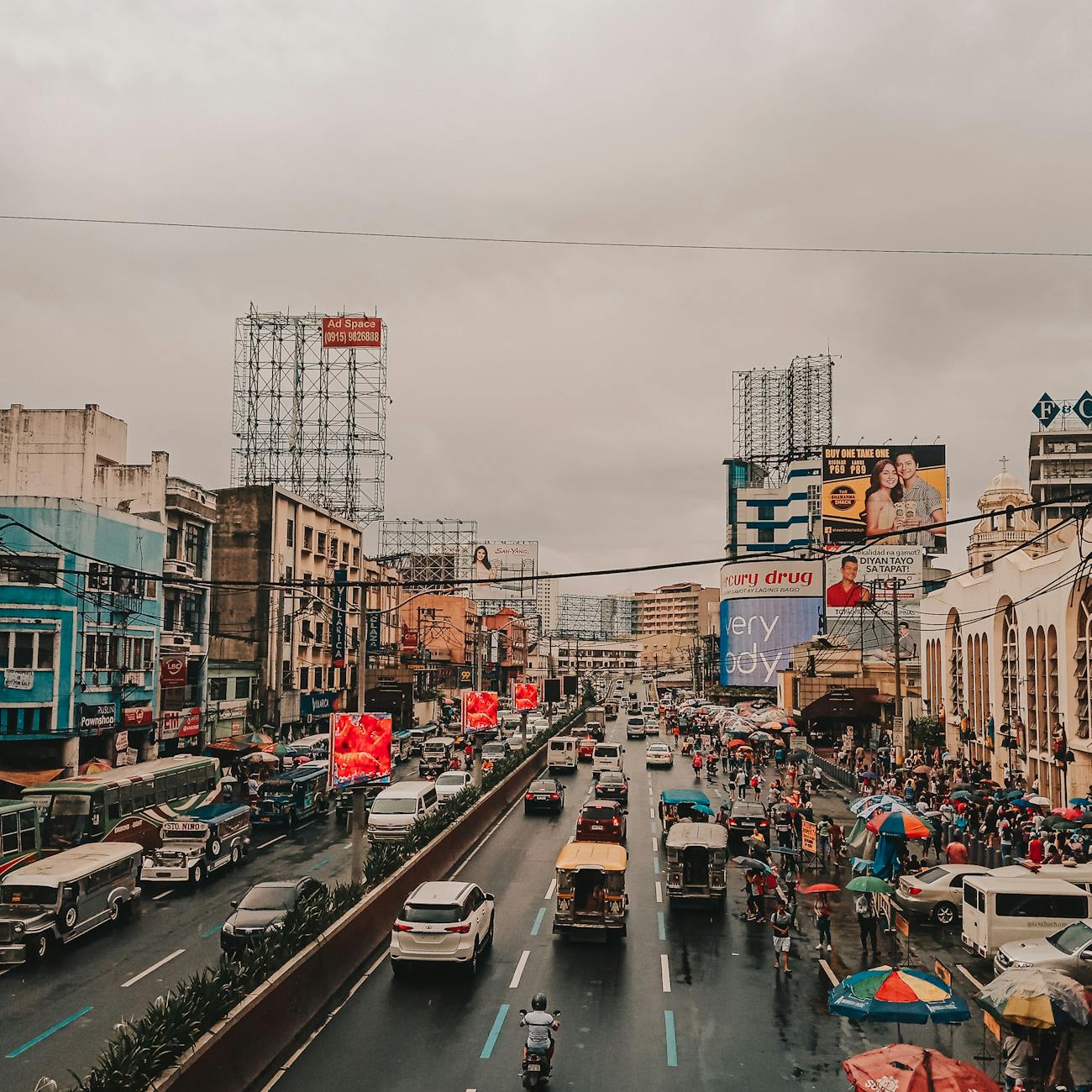
    Vibrant Manila 2025: A Colorful Journey Through History and Modern Life

    Introduction

    Vibrant Manila is a city that resonates with energy, culture, and a rich history that tells the stories of its past while embracing the promise of modernity. Nestled in the heart of the Philippines, Manila has emerged as a melting pot of traditions, different national influences, and contemporary lifestyle that is as colorful as its streets. From the ancient walls of Intramuros to the glittering modern skyline, vibrant Manila offers a unique juxtaposition of old and new. The bustling markets are filled with the aromas of street food, while the art in the galleries captures the spirit of both local and international talents. This journey through vibrant Manila allows travelers and locals alike to appreciate the depth of its heritage and the progression of its community, making it a destination that captivates the heart.

    Historical Landmarks and Heritage Sites

    Vibrant Manila is laden with historical landmarks that echo the stories of centuries gone by. The iconic Intramuros, the fortified city built during the Spanish colonial era, stands as a testament to Manila’s rich past. Walking through the cobblestone streets, visitors can explore the remnants of centuries of history, from the grand San Agustin Church—declared a UNESCO World Heritage Site—to Fort Santiago, where the hero José Rizal was imprisoned before his execution in 1896. The architectural styles reflect a blend of local and colonial influences, showcasing how vibrant Manila has evolved over time.

    exterior of church building
    Photo by Rachel on Pexels.com

    Another historical gem is the Rizal Monument located in Luneta Park, which honors the national hero, Dr. Jose Rizal. Visitors flock to this site not just to marvel at the monument but also to appreciate the expansive green spaces around it—a space that serves as a gathering point for festivals and cultural events, embodying the vibrant life of the city. As they stroll through the park, one can often see street performers engaging audiences with music and dance, further contributing to the lively atmosphere that defines vibrant Manila.

    close up of the jose rizal monument in manila philippines
    Photo by Kimy Moto on Pexels.com

    Moreover, the National Museum complex, comprising the National Museum of Fine Arts, the National Museum of Anthropology, and the National Museum of Natural History, presents an opportunity to delve into the cultural and historical tapestry of the Philippines. Each museum holds priceless artifacts, from pre-colonial art to contemporary works, signifying the vibrant Manila that celebrates its diverse heritage through artistic expression. The curation of these exhibits is evidence of the city’s commitment to preserving its history while fostering a deeper understanding of Philippine culture.

    In addition to these landmarks, vibrant Manila showcases numerous colonial houses and ancestral residences that have been meticulously restored. Areas such as San Nicolas and Quiapo bring visitors face to face with the legacy of Filipino craftsmanship and the storytelling embedded within their architecture. Each home has its own tale, often told through guided tours that enrich the experience of understanding vibrant Manila’s socio-political evolution.

    As one wanders through vibrant Manila’s historical sites, the echoes of past lives resonate through every structure, narrating tales of resilience, struggle, and triumph. This historical landscape is not simply something to view; it requires an engagement with the narratives that shaped the Filipino identity. In doing so, one can appreciate the significance of memory and heritage in forging community bonds in vibrant Manila.

    The Bustling Markets of Manila

    Vibrant Manila’s charm is not only found in its historical sites but also in the bustling markets that breathe life into the city’s daily routine. Markets like Quiapo and Divisoria are a riot of sounds, sights, and scents that attract locals and tourists alike. Walking through these vibrant marketplaces is an experience unlike any other, where vendors cry out to showcase their goods, whether it’s fresh produce, textiles, or handicrafts. The atmosphere is electric, and the variety is staggering, making each market visit a lively adventure.

    Quiapo Market specifically offers an eclectic mix of shops selling everything from religious items to traditional Filipino snacks. The aroma of street food wafts through the air, enticing passersby to indulge in local delicacies such as fish balls, lumpia, and halo-halo. As vibrant Manila pulsates around the market, shoppers can enjoy an authentic taste of the local lifestyle, connecting deeply with the vibrant culture that defines the city.

    Divisoria, on the other hand, is a wholesale haven known for its wide range of affordable goods. It’s the go-to place for party supplies, fabrics, and other craft items, exemplifying how vibrant Manila caters not just to residents but also to those looking to start businesses or events at economical prices. The sheer volume of goods available establishes Divisoria as a critical economic hub within the city, making it a prime destination for both entrepreneurs and casual shoppers seeking unique finds.

    Beyond the transactions, the interaction between buyers and sellers in these bustling markets reflects a community spirit that is quintessentially vibrant Manila. These exchanges are filled with lively banter and negotiations, showcasing the warmth and hospitality of the Filipino people. Shoppers often leave with not just their purchases but also stories of engaging interactions that exemplify the vibrant nature of the city.

    Moreover, these markets are often adorned with vibrant decorations during special occasions, such as festivals and holidays, making shopping a visually captivating and culturally enriching experience. Vendors embrace the festive spirit and create a colorful showcase that attracts visitors, further amplifying the vibrancy and cultural richness of Manila.

    The markets also provide a glimpse into the daily lives of the people living in vibrant Manila, offering fresh produce and essential goods that illustrate the local lifestyle. From local farmers selling fruits to artisans showcasing their crafts, each stall highlights the diversity and resourcefulness of the city’s residents.

    In conclusion, the bustling markets of vibrant Manila are not just places to shop; they are living laboratories of culture, where history, tradition, and modernity collide in a beautiful display of life. Experiencing these markets allows one to see the heart of Manila—a vibrant tapestry woven together by the rhythms of trade and community.

    Culinary Delights: A Taste of Manila

    Vibrant Manila is also a treasure trove for food lovers, offering a culinary landscape bursting with flavors and traditions. The city’s food scene reflects its rich history and diverse cultural influences, ranging from local Filipino dishes to international cuisines. Whether dining at a high-end restaurant or sampling street food from roadside vendors, one can revel in a gastronomic adventure that captures the essence of vibrant Manila.

    Filipino cuisine is renowned for its unique blend of tastes, and nowhere is this more evident than in vibrant Manila’s numerous restaurants and street food stalls. Classic dishes such as adobo, a savory stew made with meat marinated in vinegar and soy sauce, showcase the islands’ culinary ingenuity. Other traditional offerings include sinigang—an exhilarating sour soup—and kare-kare—a flavorful oxtail stew accompanied by peanut sauce. These dishes highlight how vibrant Manila preserves its culinary heritage while adapting to modern palates.

    In vibrant Manila, street food plays an important role in the local dining culture, where food carts and stalls line the streets, serving delectable treats. Popular items such as isaw (grilled chicken intestines) and balut (fertilized duck egg) intrigue adventurous eaters looking to partake in genuine Filipino experiences. These tantalizing bites provide not only nourishment but also an insight into the culinary artistry that defines everyday life in Manila.

    Moreover, vibrant Manila boasts a growing café culture that caters to the modern lifestyle. Trendy establishments serve specialty coffee alongside unique pastries, inviting a younger demographic to enjoy their downtime in a lively atmosphere. Popular areas like Bonifacio Global City and Makati feature beautifully designed cafés where patrons can savor artisanal beverages while celebrating the thriving art scene. This evolution signifies how vibrant Manila embraces both tradition and modernity, creating spaces that showcase both heritage and innovation.

    For those seeking diverse international flavors, vibrant Manila does not disappoint. The city is home to a rich array of ethnic restaurants, including Chinese, Indian, Japanese, and Korean. The influx of foreign residents and tourists has cultivated a culinary landscape that reflects Manila’s cosmopolitan atmosphere. Exploring the various neighborhoods allows diners to sample a myriad of cuisines that enrich the vibrant tapestry of the city’s food culture.

    Additionally, food festivals such as the Manila Food and Wine Festival and the Kain Na Festival celebrate the rich culinary heritage of the Philippines by bringing together chefs and food enthusiasts. Such events highlight the evolution of Filipino cooking, showcasing both traditional and contemporary methods of preparation. Participants gain insights into vibrant Manila’s diverse culinary scene while enjoying interactive demonstrations and tastings that only elevate their culinary experience.

    In conclusion, the vibrant culinary landscape of Manila is an integral part of the city’s cultural identity. Whether indulging in local delicacies or exploring global flavors, the food available in vibrant Manila is a feast for the senses. It illustrates the city’s rich history, diverse communities, and the lively spirit of its people, leaving an indelible mark on every visitor’s experience.

    Art and Culture: The Creative Pulse of the City

    Vibrant Manila is not just a place of historical importance and culinary delights; it is also a flourishing center for art and culture. The city pulsates with creativity, showcasing the talents of local artists, musicians, and performers who contribute to its rich cultural tapestry. Galleries, theaters, and festivals envelop vibrant Manila, offering audiences an array of experiences that celebrate artistic expression and local traditions.

    Art in vibrant Manila takes many forms, from contemporary to traditional, illuminated in numerous galleries across the city. The Cultural Center of the Philippines serves as a significant institution for promoting the arts, hosting various exhibitions and performances year-round. Visitors can immerse themselves in the works of skilled Filipino artists, who often draw inspiration from their cultural heritage and contemporary experiences. This cultural dialogue enriches the vibrant atmosphere around Manila, encouraging collaboration among artists from different disciplines.

    Street art is a defining feature of vibrant Manila’s urban landscape, breathing life into otherwise dull walls and alleys. Murals adorn buildings, portraying social movements or paying homage to influential Filipino figures, often sparking conversations among residents and tourists alike. These public artworks serve as a testament to the vibrant spirit of Manila, showcasing its dedication to self-expression and creativity. Many neighborhoods have embraced this street art movement, transforming ordinary spaces into open-air galleries that celebrate the artistry ingrained in the city’s culture.

    Moreover, vibrant Manila hosts a plethora of cultural festivals that draw huge crowds and engage communities in unique experiences. The Pahiyas Festival, held in nearby Lucban but celebrated in Manila, brings together various local produce, creating elaborate displays to honor the patron saint of farmers. This event radiates creativity and innovation, reminding residents of the importance of agriculture despite the urban setting. It highlights how vibrant Manila remains connected to its rural roots while celebrating the collective spirit of community.

    Performing arts also thrive in vibrant Manila, with numerous theaters offering a variety of productions ranging from contemporary plays to traditional Filipino performances. The Philippines’ rich history of storytelling is echoed in performances of zarzuela and ballets, providing audiences with an immersive experience into the cultural heritage of the country. Talented actors and dancers showcase their skills, turning each performance into an energetic representation of the vibrant narratives that shape the Filipino identity.

    In addition, vibrant Manila has become a hub for music, where live performances abound in venues throughout the city. Praised for its diverse music scene, Manila showcases everything from rock to traditional folk to contemporary pop, inviting audiences to appreciate the unique sounds of the Philippines. The city’s dedication to nurturing musical talent is evident in events like the Manila Music Festival, fostering connections among artists and inspiring innovative collaborations.

    In conclusion, vibrant Manila is a city that celebrates art and culture in manifold ways, creating a rich and engaging environment for individuals. Its dedication to artistic creativity reinforces the idea that vibrant Manila is as much a canvas as it is an urban landscape, where stories of resilience, identity, and community continue to unfold through artistic expression.

    The Future of Manila: Urban Development and Sustainability

    Vibrant Manila stands at the crossroads of rapid urban development and sustainability efforts, striving to create a city that harmonizes growth with environmental concerns. As the bustling metropolis evolves, initiatives aimed at modernizing urban infrastructures while preserving natural spaces are increasingly becoming a focal point in policy-making and city planning.

    Infrastructure improvements are paramount for vibrant Manila as it navigates the challenges of urbanization, including traffic congestion, pollution, and inadequate public services. The government has partnered with private firms to initiate projects that not only enhance public transport systems, such as the Metro Manila subway, but also aim to modernize road networks and housing. These developments reflect a commitment to creating a smarter, more efficient city, allowing residents to enjoy vibrant Manila’s offerings without sacrificing their quality of life.

    On the sustainability front, vibrant Manila is taking significant strides toward eco-conscious urban living. Green spaces are integral to city planning, as parks and community gardens emerge as vital resources for urban dwellers. Initiatives like the “No Water No Life” campaign promote rainwater harvesting systems, aiming to mitigate flooding while encouraging residents to preserve water—showcasing how vibrant Manila embraces innovative thinking in the face of climate challenges.

    The promotion of renewable energy sources is another pivotal aspect of sustainable development in vibrant Manila. Efforts to harness solar energy through government incentives have encouraged households and businesses to pivot toward greener alternatives. As companies continue to adopt eco-friendly practices, Manila is on a path toward becoming a model for urban sustainability, reflecting a collaborative spirit that underlines the community’s resilience.

    Moreover, education and community engagement play essential roles in fostering sustainable practices in vibrant Manila. Environmental awareness campaigns aim to inform residents about recycling, waste management, and conservation, encouraging a collective effort in protecting resources. Initiatives like community clean-up drives and tree-planting events showcase the enthusiasm of local residents who are determined to contribute to a better urban environment. Schools and universities also spearhead programs that integrate sustainability into curricula, raising awareness among the younger generation.

    Vibrant Manila’s urban development is closely linked to inclusivity and equitable growth. Policies are increasingly being introduced to address housing shortages while safeguarding cultural heritage. Initiatives that promote affordable housing allow families to build their lives while enjoying vibrant Manila’s enriching aspects. Efforts to engage informal settlements in development projects reflect the city’s commitment to inclusivity, highlighting the voices of residents who have long been marginalized.

    The future of vibrant Manila lies in the balance between urban development and sustainability, highlighting the city’s vision for modernity while cherishing its rich past. Policies aimed at enhancing infrastructure, promoting eco-friendly practices, and fostering inclusivity work in unison to fortify vibrant Manila’s identity as a dynamic metropolis. As Manila forges ahead, the commitment to a sustainable future indicates that it can thrive while embracing change, creating an environment that benefits its residents and celebrates the vibrant spirit of the city.

    Conclusion

    Vibrant Manila is a dynamic metropolis that beautifully navigates the interplay between its historical charm and contemporary innovations. From its rich tapestry of historical landmarks and bustling markets to its culinary delights, artistic expressions, and forward-thinking urban development initiatives, Manila offers a vivid portrait of life in the Philippines. This vibrant city continually evolves, reflecting the resilience and creative spirit of its people while embracing a future filled with promise. Each visit and experience in vibrant Manila serves to reinforce the idea that it is not just a destination but a living celebration of culture, history, and community. Through its vibrancy, Manila invites everyone to explore, discover, and engage with the heart of an ever-changing urban landscape, where every street corner has a story, and every moment is a chance to appreciate the beauty of life.

  • Joyful Rio 2025: A Carnival of Sights, Sounds, and Sunshine
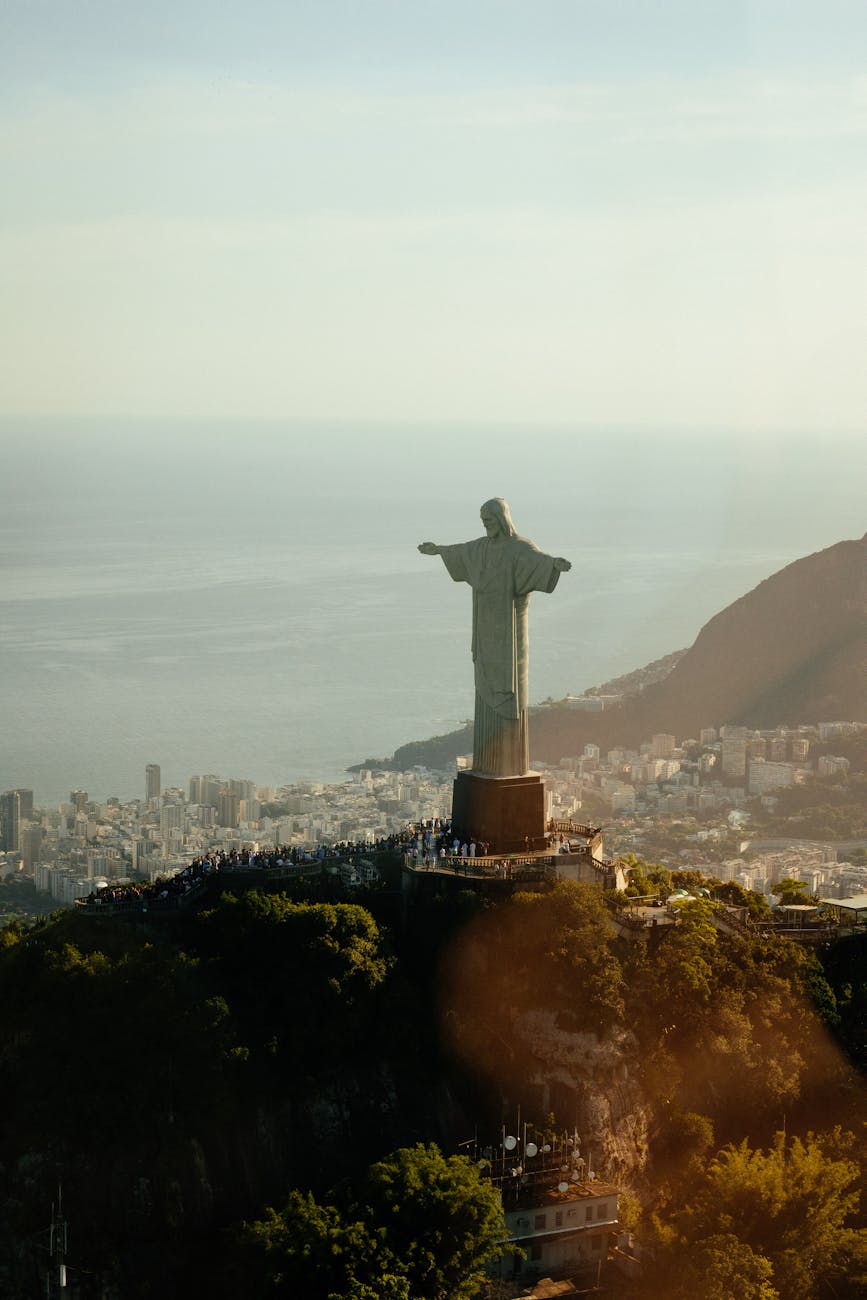
    Joyful Rio 2025: A Carnival of Sights, Sounds, and Sunshine

    Introduction

    Welcome to Joyful Rio, a city that embodies the spirit of celebration, blending spectacular sights, invigorating sounds, and sun-kissed days. Renowned for its lively Carnival, Rio de Janeiro welcomes millions of visitors each year to experience its unique charm and vibrant culture. The moment you step into this mesmerizing city, you’re engulfed in a kaleidoscope of colors, rhythms, and flavors that make it so unforgettable. From the awe-inspiring parade floats adorned with resplendent decorations to the infectious beats of samba echoing through the streets, Joyful Rio is a feast for the senses. In this article, we will explore the essence of Joyful Rio through its stunning parades, captivating music, mouth-watering cuisine, stunning beaches, and rich cultural heritage, all blending seamlessly into a joyous experience of life.

    The Vibrant Parade of Colors

    One of the most captivating aspects of Joyful Rio is its vibrant parade. Each year, the city comes alive with millions of participants, as neighborhoods compete to showcase the most extraordinary floats and costumes. The entire event is a riot of colors, predominantly featuring shades of blue, yellow, green, and gold, embodying the vibrancy of Brazil itself. As part of the preparations, samba schools spend months crafting elaborate themes that reflect their interpretations of Brazilian culture and history. Each parade is a competition, with judges evaluating the creativity of the floats, the quality of the samba performances, and the overall energy of the participants. The parade is not merely a display but a heartfelt expression of the resilience and joy of the people.

    The atmosphere during the parade is electric, with thousands of spectators lining the streets. As the various samba schools march, the joy and excitement of Joyful Rio ripples through the crowds, uniting people from diverse backgrounds. The synchronization of the dancers, the artistry of the musicians, and the dazzling costumes all contribute to creating a magical experience. The flagship Sambadrome serves as the centerpiece for this spectacle, with its grandstands filled to capacity, resonating with chants and cheers as contestants vie for the coveted title of champion.

    In the world of Joyful Rio, the parade stands as a testament to the city’s undying spirit of celebration and community. Each school tells a story through their performances, drawing from folklore, history, and current social issues, making every float not just a piece of art, but a narrative filled with heart and soul. This splendid array of creativity and passion highlights the unity and joy, coinciding with the cultural significance of the Carnival.

    Furthermore, Joyful Rio fosters inclusivity; it welcomes individuals from all walks of life to participate and be part of this kaleidoscopic celebration. The sense of pride woven in the fabric of the parade is palpable, and it resonates with both artists and spectators alike, symbolizing a collective identity that honors Brazilian culture. This infectious passion is contagious and creates an ambiance where everyone feels joy. Through such vibrant expressions of culture, Joyful Rio solidifies its place on the world stage as a dynamic hub of artistic and cultural representation.

    The event transcends mere entertainment; it serves as an opportunity for individuals and communities to come together, share experiences, and create lifelong memories. The grandeur and enthusiasm of Joyful Rio’s parade ultimately reflect the very essence of Brazil itself – a land of warmth, rhythm, and endless celebrations.

    Rhythms of Samba: The Heartbeat of Rio

    At the core of Joyful Rio’s vibrant culture lies the infectious rhythm of samba. It’s more than just a musical style; samba is the heartbeat of the city, intertwining with the history and everyday life of its people. When you think of Joyful Rio, the sounds of samba instantly come to mind, echoing through the streets and bringing energy to every celebration. This music genre, with its origins dating back to Afro-Brazilian communities, resonates deeply with the spirit and heritage of Rio de Janeiro.

    Samba is characterized by its lively beat and syncopated rhythms, often accompanied by storytelling lyrics that reflect the struggles, joys, and experiences of the people. During Carnival, the streets pulse with the sounds of talented musicians and dancers, showcasing spectacular performances that invite participation from everyone. It’s not uncommon to see impromptu samba circles forming on street corners, where locals and tourists alike come together to celebrate the joyous spirit of Joyful Rio.

    women parading during a carnival on the city street
    Photo by Sean P. Twomey on Pexels.com

    Dance plays a pivotal role in samba culture. Since the late 19th century, dancing has served as a means of expressing identity and community. As dance and music intertwine, they create a playful dialogue that reflects Rio’s rich tapestry of traditions. The iconic samba dance, with its energetic movements and passionate expressions, embodies the zest for life that characterizes the community. Those who join the samba dancers find themselves instantly drawn into the infectious rhythm, their spirits lifted as they embrace the joyous atmosphere.

    To truly understand samba, one must experience it in its native setting. Many neighborhoods host weekly samba sessions, where locals gather to dance and share stories, further enhancing the sense of community that Joyful Rio nurtures. Traditional samba schools, which have emerged from the heart of Rio, serve as cultural hubs, offering dance lessons to people of all ages. These institutions honor the past while also embracing modernity, ensuring that both traditional and contemporary styles of samba coexist harmoniously.

    In recent years, samba has evolved and incorporated elements from various musical styles, attracting even more enthusiasts across the globe. This evolution showcases the adaptability of Joyful Rio’s culture, responding to changes while holding on to its roots. The fusion of samba with hip-hop, funk, and other genres reflects a unique expression of modern Brazilian identity, making Joyful Rio a dynamic place for music lovers.

    As we delve deeper into the rich tapestry woven into the rhythm of samba, we discover a social commentary embedded within the lyrics and movements. Samba can act as a vessel for change, addressing societal issues while celebrating culture and identity. Artists and performers use their platforms to connect with the community, raising awareness while nurturing the joy and spirit of Joyful Rio.

    In conclusion, the rhythms of samba are the heartbeat of Joyful Rio, reflecting the very essence of its culture. This vibrant dance and music form bring communities together, celebrate life, and foster a sense of belonging. By immersing yourself in the beautiful world of samba, you become part of a legacy that transcends generations, reveling in the joy and vitality that define this extraordinary city.

    Culinary Delights: A Taste of Brazil

    Food is another integral aspect that makes Joyful Rio a dynamic cultural capital filled with culinary delights. Brazilian cuisine is as rich and diverse as its people, drawing on indigenous, African, and European influences. The local dishes are a true reflection of the country’s multicultural heritage, and exploring the flavors of Joyful Rio is a journey in itself.

    One cannot discuss the culinary scene in Joyful Rio without mentioning the iconic feijoada, a hearty black bean stew typically prepared with a variety of meats. Traditionally served with steamed rice, orange slices, and collard greens, feijoada reflects the essence of Brazilian comfort food, perfect for gatherings and celebrations. It’s common for families and friends to come together and enjoy this meal, fostering a sense of unity that echoes the spirit of Joyful Rio.

    Street food stands are ubiquitous throughout the city, offering a tantalizing array of snacks that reflect the local ingredients and flavors. One popular option is coxinha, a savory dough filled with shredded chicken or other ingredients, then deep-fried to golden perfection. Similarly, pão de queijo – cheese bread balls – are beloved by locals and visitors alike. These delicious bites are often paired with sugar cane juice or caipirinha, Brazil’s famed cocktail made with cachaça, sugar, and lime.

    Seafood is also a prominent feature in Joyful Rio, given its coastal location. Dishes like moqueca, a fish stew cooked with coconut milk, tomatoes, and peppers, highlight the bountiful harvest from the ocean, representing the essence of Brazilian coastal cuisine. Many seaside restaurants serve freshly caught fish, paired with local sides like farofa (toasted cassava flour) and vinagrete (a tangy salsa), offering a true taste of Joyful Rio.

    Beyond traditional dishes, Rio’s vibrant, ever-evolving food scene embraces a contemporary fusion of flavors, where chefs experiment with new culinary techniques while respecting traditional recipes. Many establishments offer a modern twist on classic dishes, incorporating elements from international cuisines, showcasing Joyful Rio’s versatility and creativity. This culinary journey allows visitors to experience the innovative spirit of the city while still honoring its rich culinary heritage.

    Moreover, the experience of dining in Joyful Rio extends beyond the food itself; it encapsulates the culture and hospitality of the Brazilian people. Many restaurants offer a lively atmosphere filled with laughter, music, and celebration, inviting diners to immerse themselves in the cheerful ambiance. Sharing a meal becomes an exhilarating social experience, where strangers become friends, connecting over flavors that evoke joy.

    As each dish tells a story, exploring the culinary delights of Joyful Rio is about more than just taste; it is a reflection of the people, culture, and heritage of Brazil. Visitors have the opportunity to partake in cooking classes, where they can learn to prepare traditional dishes themselves, creating lasting memories that embody the joy of Brazilian cuisine.

    Ultimately, the culinary scene in Joyful Rio showcases the nation’s passion for food and community. From traditional dishes passed down through generations to contemporary gastronomic experiences, the flavors of Rio capture the heart and soul of Brazil, making every meal a celebration of life and joy.

    The Beaches of Rio: Sunshine and Fun

    No exploration of Joyful Rio would be complete without a mention of its stunning beaches, which are vital to the city’s identity and vibrant lifestyle. Rio de Janeiro is famous for its picturesque coastline, boasting some of the most beautiful beaches in the world. The combination of sun, sea, and sand creates an irresistible allure, drawing both locals and tourists to bask in the warmth and vitality of Joyful Rio.

    Copacabana, perhaps the most iconic beach in the city, spans four kilometers of golden sand lined with trendy restaurants, lively bars, and palm trees. It is not merely a beach; it is a place that embodies the essence of Brazilian life. Visitors flock here to sunbathe, play beach volleyball, or indulge in the delectable street food that vendors offer from their carts. The famous Mosaic pavement, designed by Roberto Burle Marx, adds a visual charm to the beach’s walkway, showcasing the artistic expression that Joyful Rio embraces.

    walking vendor with swimsuit on beach
    Photo by Anderson Rangel on Pexels.com

    Ipanema, another jewel of the coastline, is renowned for its stunning views of the Dois Irmãos mountains and a vibrant social scene. The beach exudes a lively atmosphere, known for its beautiful people, stylish beachwear, and rhythmic sounds of samba music filtering through the air. Ipanema’s beach culture is diverse, catering to those who seek relaxation in tranquil surroundings or the thrill of water sports such as surfing and paddleboarding. It is a place where friendships are made, memories are forged, and the essence of Joyful Rio is experienced firsthand.

    In addition to these world-renowned beaches, Joyful Rio offers hidden gems like Praia do Leme and Prainha. Each beach possesses its unique character, inviting visitors to explore and enjoy the outdoor lifestyle. Adventure seekers can take part in hiking trails leading to breathtaking viewpoints, where the picturesque skyline of Joyful Rio unfolds before their eyes.

    The beaches of Rio are not just a location for leisure; they also serve as a platform for socializing and cultural expression. Beach sports, such as footvolley and beach soccer, showcase the energetic spirit of the community, attracting participants from young to old. Many events, including fitness classes, capoeira demonstrations, and cultural festivals, take place along the shoreline, further enriching the experience of Joyful Rio.

    As the sun begins to set, the beach transforms into a gathering point for friends and family. The vibrant colors of the sky reflect the mosaic of life that characterizes Rio. Sunset picnics, accompanied by the sounds of laughter and music, embody the sense of community and togetherness that defines Joyful Rio’s beach culture.

    Ultimately, the beaches are a vital aspect of the overall experience of Joyful Rio. They provide a space for relaxation, recreation, and cultural engagement, where individuals from around the world come together to celebrate life. The warmth of the sun and the refreshing embrace of the sea offer a perfect backdrop for creating lasting moments of joy, a reminder of the beautiful spirit that thrives in this remarkable city.

    Cultural Heritage: The Spirit of Joyful Rio

    The cultural heritage of Joyful Rio is a vibrant tapestry woven from diverse influences and traditions that have shaped the identity of the city and its people. Embracing its rich history, Joyful Rio celebrates the contributions of indigenous peoples, African descendants, and immigrants from various corners of the globe. This fusion of cultures is palpable across all facets of the city’s life, from its music and dance to its art and architecture.

    One cannot delve into the cultural heritage of Joyful Rio without acknowledging the significance of its festivals and celebrations. Carnival is arguably the most renowned event, drawing millions who come together to enjoy lively parades, street parties, and music that ignite the spirit of unity. Beyond Carnival, the city reverberates with energy through other cultural events, such as Festa Junina, a traditional celebration around the winter solstice that intertwines dance, food, and music, reflecting the customs of rural Brazil.

    The art scene in Joyful Rio is equally dynamic. The streets are adorned with murals and graffiti created by local artists, showcasing their creativity and social commentary. The vibrant art scene narrates stories of the city’s heritage, struggles, and triumphs, turning spaces into public galleries that reflect the community’s pride. Institutions like the Museum of Modern Art and the National Museum of Brazil house collections that honor the country’s historical and contemporary artistic expressions.

    The diverse culinary traditions within Joyful Rio, as previously discussed, further enrich the cultural landscape. The blending of flavors and cooking techniques represents the mosaic of influences that have come together over generations, creating a culinary dialogue that tantalizes the taste buds and honors the past.

    Hand in hand with culinary practices goes the importance of dance and music. Beyond samba, other forms of dance such as capoeira—an Afro-Brazilian martial art that incorporates music, dance, and acrobatics—embody the spirit of resistance and the fight for identity. Capoeira circles can be found in public squares and beaches, inviting people to join in the rhythmic flow of movement and music.

    Moreover, the deep-rooted spiritual practices and religions distinguish Joyful Rio’s culture. The city’s syncretism, where elements of African religions, Roman Catholicism, and indigenous spirituality intertwine, reflects a profound belief system that resonates with many. Ceremonies and rituals celebrate life’s milestones, create a sense of belonging, and weave spirituality into the fabric of daily life.

    In every corner of Joyful Rio, the spirit of community and identity shines through. Cultural organizations and grassroots movements work tirelessly to preserve and promote both traditional and contemporary expressions of Brazilian heritage, fostering pride and a sense of belonging among residents.

    As we reflect on the remarkable cultural heritage of Joyful Rio, we realize it is not merely a backdrop but the heart and soul of the city. Through art, music, dance, and festivals, Joyful Rio stands as a testament to the resilience and joy of its people, creating a vibrant identity that invites everyone to witness and celebrate the richness of Brazil.

    Conclusion

    Joyful Rio offers a unique blend of sights, sounds, and flavors that create an unforgettable experience. From the exuberant parades that celebrate its spirited culture to the rhythms of samba that pulse through its streets, each element contributes to the city’s heartbeat. Culinary delights reflect the rich tapestry of traditions that converge in this vibrant city, while its picturesque beaches provide the perfect escape for leisure and connection with nature. The cultural heritage of Joyful Rio encapsulates the stories, struggles, and joys of its people, creating a dynamic identity cherished both locally and globally. Ultimately, Joyful Rio captures the essence of celebration—inviting everyone to partake in a carnival of life, filled with happiness, warmth, and community spirit that is cherished by all who visit.

  • Timeless Silk Road 2025: Discover the Magic of Samarkand, Bukhara & Khiva

    Timeless Silk Road 2025: Discover the Magic of Samarkand, Bukhara & Khiva

    Introduction

    The Timeless Silk Road is more than just a historical trade route; it is a vibrant tapestry woven with the threads of varied cultures, rich traditions, and exceptional craftsmanship. Among the pearls of this ancient pathway are the enchanting cities of Samarkand, Bukhara, and Khiva. These cities, with their storied pasts, serve as focal points of the Silk Road and exhibit a blend of civilization and artistry that captivates all who visit. From the grand architectural structures that whisper the secrets of the past to the bustling bazaars that offer a glimpse into the local life, the Timeless Silk Road invites you to discover its magic. This article delves into the significance of this historical route and unveils the treasures waiting to be explored in these remarkable cities.

    The Historical Significance of the Timeless Silk Road

    The Timeless Silk Road stands as a monumental testament to the interconnectivity of civilizations. Established over two millennia ago, this ancient trade route served as a critical artery for commerce, culture, and the exchange of ideas between the East and West. The cities of Samarkand, Bukhara, and Khiva emerged as pivotal stops along the Silk Road, transforming into vibrant hubs of trade where goods, philosophies, and art from diverse corners of the world converged.

    At its inception, the Timeless Silk Road was primarily used to transport silk from China to the markets of Europe, but it soon evolved into a complex network facilitating the movement of spices, precious metals, and textiles. The allure of silk fueled expeditions that resulted in cultural exchanges that shaped civilizations. As traders traversed the Timeless Silk Road, they carried not only goods but also stories, customs, and religious beliefs, enriching the regions they traveled through.

    Samarkand, one of the most celebrated cities along the Timeless Silk Road, was a bustling center for traders from as far as Persia, India, and beyond. Its strategic location made it a melting pot of cultures, influencing its architecture, language, and art. The exquisitely designed Registan Square, with its grand madrasas, exemplifies the fusion of Islamic artistry and Persian influence, showcasing the city’s historical importance in the context of the Silk Road.

    Bukhara, often referred to as the “Noble City,” was another significant stop along the Timeless Silk Road. It thrived under various empires and became renowned for its scholars, poets, and craftsmen. The historic citadel of Ark and the impressive Kalyan Minaret stand as reminders of the city’s illustrious past and its role in facilitating knowledge exchange among cultures. Bukhara’s rich history is echoed in every corner, making it a living museum of the Timeless Silk Road.

    In contrast, Khiva, the smallest of the three cities, is equally captivating. Its well-preserved old town, Ichan Kala, is recognized as a UNESCO World Heritage Site, drawing visitors with its labyrinthine streets filled with stunning caravanserais and palaces. Khiva’s architecture reflects the diverse artistic influences encountered along the Timeless Silk Road, showcasing intricate tile work and harmonious designs that tell about the city’s historical exchanges.

    Exploring the historical significance of the Timeless Silk Road sheds light on how these cities became cultural beacons of trade and knowledge. They serve as poignant reminders of an era when individuals from various backgrounds came together to create an environment ripe for learning, innovation, and cultural dialogue. Understanding this historical context enriches the travel experience, allowing visitors to appreciate not only the beauty of Samarkand, Bukhara, and Khiva but also their roles as vital links in the grand tapestry of human history.

    Architectural Marvels: Mosques, Madrasas, and Minarets

    The architectural heritage found in Samarkand, Bukhara, and Khiva is a breathtaking testament to the artistic accomplishments of civilizations along the Timeless Silk Road. Each city boasts a collection of exquisite mosques, madrasas, and minarets that reflect the era’s architectural trends and the cultural exchanges that shaped them.

    In Samarkand, the monumental Registan Square serves as the epicenter of architectural marvels. Home to three majestic madrasas—Ulugh Beg, Sher-Dor, and Tilya-Kori—this square is a masterpiece of Islamic architecture. Built during the 15th and 17th centuries, each madrasa displays intricate tile work, grand archways, and stunning domes. The vibrant blues and golds adorning the facades tell the stories of the craftsmen who devoted their lives to perfecting their artistry. Visitors to the Registan can appreciate not only the beauty of these structures but also their purpose as centers of learning and culture during the height of the Silk Road trade.

    antique square in uzbekistan
    The Registan Square

    Bukhara is known for its impressive collection of mosques and madrasas that reflect its status as a significant center of knowledge on the Timeless Silk Road. The Kalyan Mosque, with its vast courtyard and soaring minaret, is a remarkable example of Bukhara’s architectural splendor. Built in the 16th century, the mosque is not only a place of worship but also a symbol of the city’s esteem. The adjoining Kalyan Minaret, a towering structure that once served as a landmark for travelers, is adorned with intricate brickwork that exemplifies the craftsmanship of the time.

    The Ark Citadel, another architectural gem in Bukhara, showcases the city’s rich history. Serving as the residence of the Emirs of Bukhara for over a millennium, the citadel is a labyrinth of corridors, courtyards, and museums. Its walls have witnessed countless events that unfolded along the Timeless Silk Road, and while exploring, visitors can almost feel the passage of time and the stories waiting to be unveiled.

    Khiva’s Ichan Kala is a captivating open-air museum, where visitors are greeted by a stunning collection of old palaces, mosques, and caravanserais. The Palace of Tash Khauli, a former residence of Khiva’s rulers, is adorned with exquisite tile work and elaborate wooden carvings. Each room reflects a blend of artistic influences from the various cultures that traversed the Timeless Silk Road. As visitors walk through the narrow streets of Ichan Kala, they are transported back to an era where architecture was not only functional but also a language of its own.

    Exploring these architectural marvels allows travelers to engage with the rich history and artistry that define the cities along the Timeless Silk Road. Each structure tells a story, a reflection of the cultural exchanges that took place centuries ago. The mosques, madrasas, and minarets stand as silent witnesses to the thriving life that once occupied these spaces, inviting visitors to appreciate the beauty and significance of a time when the Timeless Silk Road connected distant lands and cultures.

    The Culture and Traditions of Samarkand, Bukhara, and Khiva

    The culture and traditions of Samarkand, Bukhara, and Khiva are as vibrant as the textiles that were traded along the Timeless Silk Road. Each city boasts a unique cultural heritage influenced by the myriad of civilizations that have inhabited the region over the centuries. In this section, we will explore the daily life, customs, and celebrations that bring the past to life in these enchanting destinations.

    In Samarkand, the legacy of the Timeless Silk Road is evident in its diverse population and thriving arts scene. The city is renowned for its craftsmanship, particularly in textiles and ceramics. Traditional artisan workshops can still be found, where skilled craftsmen engage in age-old techniques passed down through generations. Visitors can witness the intricate process of silk weaving, an age-old tradition rooted in the Silk Road’s history, and purchase beautifully crafted pieces as mementos.

    Bukhara presents a harmonious blend of culture and tradition, exemplified in its rich music and dance heritage. The city is home to a variety of instruments, including the doira (a circular drum) and the rubab (a stringed instrument). Visitors can often enjoy traditional performances that showcase the folk music of the region, with vibrant dances that celebrate the spirit of the Silk Road. Festivals are an essential aspect of Bukhara’s culture, where locals gather to celebrate life through art, music, and culinary traditions.

    walls of ark of bukhara in uzbekistan
    The Ark of Bukhara

    Khiva’s culture is deeply connected to its historical significance as a caravan stop along the Timeless Silk Road. The city’s traditions reflect its history as a melting pot of cultures. Khiva is famous for its pottery and tile-making, with artisans crafting stunning pieces that draw inspiration from the region’s rich artistic influences. In addition to its crafts, Khiva also celebrates various festivals that highlight local customs and traditions, from religious observances to celebratory events marking the harvest season.

    The cuisine found in Samarkand, Bukhara, and Khiva is a delicious reflection of the cultural exchanges facilitated by the Timeless Silk Road. Travelers can indulge in traditional dishes such as plov (a rice dish cooked with meat and vegetables), somsa (savory pastries), and various kebabs. Each meal is often accompanied by fresh bread and herbal teas, further emphasizing the communal aspect of dining in this region. Food festivals that celebrate local cuisine are common, providing travelers with an opportunity to experience the culinary heritage of the Silk Road firsthand.

    Engaging with the culture and traditions of Samarkand, Bukhara, and Khiva allows travelers to step back in time and witness the legacies shaped by centuries of trade and interaction along the Timeless Silk Road. The warmth of the local people, the craftsmanship, and the culinary delights all contribute to an immersive experience that honors the rich history and vibrant culture of these extraordinary cities.

    Gastronomic Delights: A Taste of Central Asia

    The gastronomic scene in Samarkand, Bukhara, and Khiva is an essential reflection of the region’s culture, influenced by the vibrant exchanges along the Timeless Silk Road. As travelers explore these historic cities, they will discover not just the stunning architecture and rich history, but also the delightful flavors that have evolved from centuries of trade and cultural interaction.

    Central Asian cuisine is characterized by its bold flavors, hearty ingredients, and unique cooking techniques that have been shaped by the diverse influences of the Silk Road. Rice plays a central role in many dishes, particularly in plov, a signature dish of Uzbekistan that showcases the culinary legacy of the region. Plov is traditionally prepared with rice, meat (usually lamb or chicken), and a mixture of vegetables and spices, resulting in a dish bursting with flavor and history. Many families in Samarkand and Bukhara have their own recipes, often passed down through generations, reflecting localized ingredients and tastes.

    In Khiva, visitors can savor the traditional somsa—savory pastries stuffed with meat, vegetables, or pumpkin—that are baked in a tandoor oven. These flaky pastries are best enjoyed fresh from the oven, creating a delightful contrast between the crisp outer shell and the sumptuous filling. The technique of making somsa is often a family affair, with many locals sharing the art of preparation with younger generations, ensuring that these culinary traditions remain alive.

    view of kalta minor minaret in khiva uzbekistan
    Kaltaminor is a memorial minaret in Khiva. It is located on the front side of the Muhammad
    Amin Khan madrasa and sometimes considered as part of it.

    The rich spices and fragrant herbs found in Central Asian cuisine elevate the meals to new heights. Cumin, coriander, and paprika play vital roles in flavoring various dishes. Travelers exploring the local markets will encounter stalls filled with spices that have traveled along the Timeless Silk Road for centuries, reminding them of the historical exchanges that took place in this very region. The markets are also a cornucopia of fresh fruits and vegetables, with melons, pomegranates, and herbs that add vibrancy to meals.

    In addition to traditional dishes, visitors will have the opportunity to engage in local culinary experiences, such as cooking classes held within the warm hospitality of local homes. Here, travelers can learn the art of making plov or even try their hand at crafting traditional flatbreads—all while sharing stories with their hosts. These immersive experiences not only provide insight into the intricacies of Central Asian cooking but also foster connections that transcend cultural barriers, embodying the spirit of the Timeless Silk Road.

    No meal in Uzbekistan is complete without silken tea, which serves as the country’s quintessential beverage. Tea houses, or chaikhanas, are popular gathering places where locals come to enjoy tea and engage in conversations. Visitors are often greeted with warmth and hospitality, as offering tea is a fundamental part of Uzbek culture.

    Through the lens of gastronomy, travelers can explore the rich cultural tapestry of Samarkand, Bukhara, and Khiva. The flavors and dishes tell a story of a region shaped by the Timeless Silk Road, while the communal aspect of dining fosters connections with the locals. Indulging in Central Asian cuisine is not just about the food—it’s an invitation to experience the soul of these extraordinary cities.

    Planning Your Journey: Tips for Travelers

    Embarking on a journey to explore the treasures of Samarkand, Bukhara, and Khiva along the Timeless Silk Road requires careful planning to ensure a fulfilling experience. Here are some essential tips for travelers looking to make the most of their journey through these enchanting cities.

    Start by considering the best time to visit. The ideal seasons for exploring Uzbekistan are spring (April to June) and autumn (September to October), when the weather is generally mild and comfortable. The summers can be extremely hot, while winters are cold, so packing accordingly is crucial.

    Before arriving, make sure to familiarize yourself with the local customs and traditions of Uzbekistan. A simple greeting, such as “Salom” (hello), can go a long way in building rapport with the locals. Uzbek culture places great importance on hospitality, so be prepared to share a meal or a cup of tea with the people you meet along the way.

    Exploring the historic sites in each city is a must. In Samarkand, the Registan Square should not be missed, while Bukhara’s Ark Citadel and Kalyan Minaret offer history and stunning architecture. In Khiva, take your time wandering through the streets of Ichan Kala, soaking in the atmosphere of this well-preserved old town. Guided tours can enhance your understanding of the historical significance of these sites, but don’t hesitate to venture out on your own to discover hidden gems.

    Transport options in Uzbekistan include a mix of trains, buses, and car rentals. The high-speed train between Tashkent and Samarkand is a particularly efficient and comfortable choice for travelers looking to experience the stunning landscapes. Once within the cities, it is easy to navigate on foot or via taxis, but be sure to agree on a fare before starting the journey.

    Accommodations vary from luxury hotels to guesthouses and homestays, each offering a unique experience. Staying in a guesthouse allows travelers to connect with locals, while hotels provide more conventional comforts. Researching options in advance will help you find the best fit for your travel preferences.

    Lastly, don’t forget to immerse yourself in the local culture. Attend traditional performances, visit artisan workshops, and explore bustling bazaars to truly appreciate the spirit of the Timeless Silk Road. Take part in local festivals if your travel dates align, as these events offer a glimpse into the cultural heritage of Uzbekistan.

    With thoughtful planning, your journey through Samarkand, Bukhara, and Khiva along the Timeless Silk Road will be rich in experiences, offering a blend of history, culture, and cuisine that will leave you with cherished memories to last a lifetime.

    Conclusion

    Traveling along the Timeless Silk Road to discover the magic of Samarkand, Bukhara, and Khiva is a journey unlike any other. These cities, steeped in history and culture, serve as gateways to a past where trade and cultural exchanges shaped not only the region but also the wider world. The architectural wonders, rich traditions, and delectable cuisine found within their borders offer visitors an immersive experience that resonates deeply.

    Through the exploration of historical sites, engaging with local artisans, and savoring traditional dishes, travelers gain a profound appreciation for the values of hospitality, artistry, and interconnectedness that have endured for centuries. Each city tells its own story, bound together by the common thread of the Timeless Silk Road, which has facilitated the movement of ideas, people, and goods for millennia.

    As you consider embarking on this extraordinary journey, remember that the allure of the Timeless Silk Road is not just in its past but in the living tapestry of culture and life that continues to thrive in Samarkand, Bukhara, and Khiva. The experiences encountered here will weave their way into your own life story, reminding you of the beauty of exploration and the bonds that unite us across time and space.

  • Remarkable Hiroshima 2025: A City Reborn Through Harmony and Heritage

    Remarkable Hiroshima 2025: A City Reborn Through Harmony and Heritage

    Introduction

    Remarkable Hiroshima stands at the threshold of a new era, showcasing its ability to rebirth through harmony and heritage. A city deeply marked by its tumultuous past, Hiroshima has transformed from a site of tragedy into a beacon of peace, resilience, and innovation. This article explores the multifaceted transformation of this remarkable city and how it is paving the way for a brighter future. As Hiroshima merges its rich history with contemporary ideals, it embraces diversity, sustainability, and community engagement. With its profound cultural renaissance, eco-friendly initiatives, and a commitment to unity, Remarkable Hiroshima exemplifies the strength of its people and demonstrates how a city can flourish by cherishing both its past and its aspirations for a harmonious and sustainable future.

    The Resilience of Hiroshima: Celebrating Survival and Growth

    The history of Remarkable Hiroshima is a testament to the resilience of its people and the capacity for recovery. On August 6, 1945, the city faced one of humanity’s darkest days when it became the target of an atomic bombing. The devastation left in its wake was unimaginable—a city reduced to rubble, lives lost, and a history transformed forever. Yet, from the ashes of this tragedy arose a powerful narrative of survival and growth. In the years that followed, the people of Hiroshima showed incredible strength by rebuilding their lives and their city, laying the groundwork for the remarkable transformation that continues to unfold today.

    Resilience, for the people of Hiroshima, goes beyond mere survival. It represents a commitment to ensuring that the horrors of the past are never forgotten. The Hiroshima Peace Memorial Park, an iconic symbol of this enduring strength, serves as a constant reminder of the impact of war and violence. This park honors the memory of those who lost their lives while simultaneously promoting a culture of peace and reconciliation. According to the principles outlined by the United Nations, the legacy of Hiroshima emphasizes the need for global disarmament and conflict resolution. This remarkable commitment manifests in the city’s ongoing efforts to advocate for peace on both local and global stages.

    hiroshima peace memorial park with atomic dome
    Photo by Andrea Orfino on Pexels.com

    Moreover, the resilience of Remarkable Hiroshima is showcased through its cultural initiatives, which play a crucial role in shaping the city’s identity. Local artists, musicians, and performers draw inspiration from the city’s history, creating works that reflect its journey toward peace. Art exhibitions, concerts, and theatrical performances bring the community together, fostering a sense of unity while simultaneously educating both residents and visitors about Hiroshima’s past. Events such as the annual Hiroshima Flower Festival and the Peace Memorial Ceremony resonate with themes of hope and renewal, particularly as they celebrate the spirit of the city and its people.

    Furthermore, educational programs play a pivotal role in instilling resilience among younger generations. Schools in Hiroshima incorporate peace education into their curricula, ensuring that students learn about the significance of the city’s history and the importance of nurturing a peaceful society. Students participate in projects that promote dialogue, empathy, and understanding, equipping them with the values necessary to advocate for peace in their own communities. The remarkable ability of Hiroshima to teach its youth the lessons of resilience highlights the city’s forward-thinking approach to its recovery and growth.

    As Hiroshima moves toward 2025, its resilience will be further symbolized through infrastructural enhancements that prioritize sustainability, connectivity, and inclusivity. The city is redesigning public spaces and improving transportation systems to foster accessibility for all. Initiatives aimed at creating pedestrian-friendly environments not only enhance livability but also encourage community engagement, a testament to how the spirit of resilience has shaped a remarkable connection to the land and its inhabitants.

    The story of Hiroshima is one of empowerment, and the resilience of its people is at the core of its identity. The remarkable efforts to remember and learn from the past, coupled with a commitment to building an inclusive and peaceful future, define how Hiroshima has not only survived but thrived against all odds. As 2025 approaches, the legacy of resilience will continue to inspire not only those within the city but also individuals worldwide, serving as a reminder that even in the face of adversity, the human spirit can triumph and foster remarkable change.

    Cultural Renaissance: Blending Tradition with Modernity

    As Remarkable Hiroshima embraces the future, it simultaneously engages in a cultural renaissance that intertwines cherished traditions with modern innovations. This remarkable transformation is evident in the ways the city celebrates its rich cultural heritage while adapting to contemporary trends. The cultural landscape of Hiroshima is vibrant and dynamic, reflecting the voices and talents of its inhabitants.

    At the heart of this cultural revival is the emphasis on traditional arts and crafts. Hiroshima’s artisans are increasingly recognized for their skill in practices such as pottery, textile weaving, and calligraphy. Local galleries and cooperatives provide platforms for these artists to showcase their work, ensuring that traditional crafts are preserved and appreciated. Exhibitions featuring these artifacts invite both residents and tourists to engage with the remarkable cultural legacy of Hiroshima, deepening their understanding of its history and identity.

    Moreover, the culinary traditions of Hiroshima have also experienced a renaissance. The city’s signature dish, okonomiyaki, has garnered international acclaim as a unique culinary experience that reflects the essence of Hiroshima. Innovative chefs are now experimenting with traditional recipes, incorporating local ingredients and sustainable practices. Food festivals and cooking classes further engage the community, celebrating the city’s remarkable gastronomy while allowing citizens and tourists alike to experience the flavors of Hiroshima firsthand.

    The integration of modern technology with traditional cultural practices is particularly noteworthy. Digital platforms are being employed to promote Hiroshima’s cultural heritage, allowing artists to reach broader audiences and engage with individuals from all over the globe. By harnessing the power of social media, local artists can showcase their creations, share their stories, and collaborate with peers beyond the city. This remarkable fusion of tradition and technology ensures that the cultural richness of Hiroshima resonates with diverse audiences, reinforcing its identity in the global landscape.

    Cultural festivals serve as a cornerstone of Hiroshima’s renaissance, embodying both tradition and innovation. Events such as the Hiroshima International Animation Festival and the Carp Festival celebrate local talents while attracting international participants. The remarkable diversity of these events creates opportunities for cultural exchange and dialogue, fostering connections among individuals from various backgrounds. As these festivals evolve, they incorporate contemporary elements such as digital storytelling and interactive exhibits, further enriching the experience for attendees.

    Furthermore, community involvement is vital to the cultural renaissance in Hiroshima. Local residents actively participate in planning and organizing cultural events, ensuring that their voices are heard and their traditions are celebrated. This engagement fosters a remarkable sense of ownership and pride, as individuals contribute to the preservation of their vibrant culture while simultaneously adapting to modern influences. The collaboration between various community organizations, cultural institutions, and local artists illustrates the remarkable spirit of unity that characterizes Hiroshima.

    Educational institutions are also playing a key role in promoting cultural awareness. Schools are increasingly integrating cultural studies into their curricula, allowing students to explore Hiroshima’s art, history, and traditions. By immersing students in their cultural heritage, Hiroshima nurtures a remarkable appreciation for the arts and encourages creative expression. Workshops, field trips, and partnerships with local artists enhance this educational experience, empowering young individuals to connect with their city’s rich artistic landscape.

    The cultural renaissance in Remarkable Hiroshima exemplifies the city’s ability to blend tradition with modernity. This dynamic transformation celebrates the voice of its people while cherishing its rich cultural roots. As the city prepares for 2025, Hiroshima remains committed to fostering a remarkable cultural environment that honors its heritage while embracing innovative practices. By encouraging community engagement, promoting artistic expression, and harnessing modern technology, Hiroshima is paving the way for a vibrant future anchored in its remarkable past.

    Eco-Friendly Innovations: Leading the Way to Sustainability

    As a remarkable leader in sustainability, Remarkable Hiroshima is taking bold steps toward becoming a green city by 2025. With a profound recognition of the need to protect the environment, the city is implementing eco-friendly innovations that not only enhance its livability but also contribute to global sustainability efforts. This remarkable commitment to the environment reflects Hiroshima’s understanding that a thriving future must prioritize the health of the planet.

    One of the key pillars of Hiroshima’s environmental strategy is the promotion of renewable energy sources. The city is investing heavily in solar, wind, and biomass energy, striving to decrease its reliance on fossil fuels. Remarkable initiatives include the establishment of solar parks and wind farms that harness the power of nature to generate clean energy. By transitioning to renewable energy solutions, Hiroshima is not only reducing greenhouse gas emissions but also setting an example for other cities to follow.

    majestic itsukushima shrine in hiroshima japan
    Photo by Lomax Wood on Pexels.com

    Furthermore, the remarkable city has embraced the concept of a circular economy, which emphasizes reducing, reusing, and recycling materials. Comprehensive waste management programs have been implemented, encouraging residents to participate actively in recycling initiatives. By promoting a culture of awareness and responsibility, Hiroshima fosters a remarkable community that values sustainability. Educational campaigns raise awareness about the importance of waste reduction, encouraging citizens to adopt environmentally friendly practices in their everyday lives.

    Green spaces also play a vital role in Hiroshima’s sustainability efforts. The city is committed to expanding its parks and natural areas, enhancing biodiversity while creating spaces for relaxation and recreation. The renovation of existing parks and the introduction of urban gardens exemplify how nature can coexist with urban development. Remarkable initiatives such as tree-planting campaigns not only beautify the city but also help combat air pollution, improving the overall quality of life for residents.

    The transportation sector is another area where Remarkable Hiroshima is making remarkable strides toward sustainability. The city is investing in eco-friendly public transportation options, promoting the use of electric buses and trams. Improved cycling infrastructure encourages residents to opt for bicycles as a sustainable means of commuting. This commitment to greener transportation choices aims to reduce traffic congestion and lower emissions, contributing to a cleaner urban environment.

    Furthermore, Hiroshima’s approach to environmental education engages schools and communities in sustainability efforts. Local schools incorporate environmental studies into their curricula, instilling a sense of awareness and stewardship among students. Hands-on projects, such as community clean-ups and tree-planting initiatives, empower young individuals to take an active role in protecting their environment. By nurturing a generation that values sustainability, Hiroshima ensures a remarkable legacy of ecological responsibility for the future.

    Partnerships with local businesses also reinforce Hiroshima’s commitment to sustainability. The city collaborates with companies to implement sustainable practices, encouraging them to adopt eco-friendly measures in their operations. Remarkable collaborations have resulted in initiatives such as reducing plastic use, promoting energy efficiency, and prioritizing responsible sourcing. This collective effort strengthens community ties and demonstrates the shared responsibility in the pursuit of a sustainable future.

    By prioritizing renewable energy, embracing a circular economy, expanding green spaces, enhancing transportation solutions, and promoting education, the city is setting a remarkable precedent for others. The collective efforts of the community reflect a commitment to preserving the planet while creating a thriving urban environment. This remarkable vision for sustainability not only honors Hiroshima’s past but also paves the way for a harmonious future that benefits both its residents and the world.

    Tourism Evolution: Attracting Global Visitors

    As Remarkable Hiroshima approaches, the tourism landscape is experiencing evolution, transforming the city into a sought-after destination for both domestic and international travelers. The rich tapestry of culture, history, and resilience makes Remarkable Hiroshima an attractive place for visitors looking to experience a unique and enriching journey. This evolution reflects the city’s commitment to enhancing its tourism offerings while preserving its identity and heritage.

    One of the key factors in this tourism evolution is the emphasis on immersive experiences. Travelers are increasingly seeking authentic interactions with local culture that go beyond traditional sightseeing. Recognizing this trend, Hiroshima is developing programs that allow visitors to engage with local traditions and crafts firsthand. Workshops in traditional arts, such as pottery, painting, and calligraphy, provide opportunities for tourists to learn directly from artisans, fostering meaningful connections. These engagement experiences enable travelers to appreciate the remarkable skills that define Hiroshima’s cultural legacy.

    Moreover, the culinary tourism sector is thriving in Hiroshima, driven by the city’s renowned cuisine. The famous Hiroshima-style okonomiyaki has become a culinary icon, attracting food enthusiasts worldwide. Local chefs are now offering cooking classes and food tours that highlight traditional recipes and seasonal ingredients. By showcasing the remarkable culinary traditions of Hiroshima, the city successfully draws visitors looking to explore its gastronomic landscape, creating a unique niche in the tourism market.

    Cultural festivals serve as a cornerstone of Remarkable Hiroshima’s tourism evolution. Events like the Hiroshima Flower Festival and the Peace Memorial Ceremony celebrate the city’s unique heritage while attracting large crowds. These festivals not only showcase local talents but also promote a remarkable sense of community, allowing visitors to engage with the culture and traditions of Hiroshima. By offering diverse programming and entertainment, the city captures the attention of tourists, leading to increased visitation and economic growth.

    Enhanced infrastructure and accessibility are also vital components of the tourism evolution in Hiroshima. The city has invested in improved public transportation systems that connect key attractions and facilitate travel for visitors. Upgraded train services and easy access to the city’s historical sites create a more seamless travel experience, attracting tourists who value convenience and connectivity. The remarkable focus on creating a user-friendly environment enhances the overall experience for both tourists and residents.

    In addition to traditional tourism offerings, Hiroshima is embracing digital innovations to further enhance the visitor experience. Virtual and augmented reality technologies provide new interactive experiences at historical sites, allowing tourists to engage with the past in unprecedented ways. Initiatives such as mobile applications guide visitors through the city’s landmarks, providing context and storytelling that enrich their exploration of Remarkable Hiroshima. This integration of technology caters to the evolving expectations of modern travelers, enabling them to navigate the city with greater ease.

    The city also recognizes the importance of sustainability in attracting global visitors. By promoting eco-friendly tourism practices, Hiroshima appeals to the growing demographic of environmentally conscious travelers. Local businesses are encouraged to adopt sustainable practices, and initiatives that prioritize responsible tourism create a remarkable reputation for Hiroshima as an eco-friendly destination. Efforts to minimize the environmental impact of tourism contribute to the overall attractiveness of the city, appealing to individuals seeking meaningful and responsible travel experiences.

    The evolution of tourism in Remarkable Hiroshima reflects the city’s commitment to creating an immersive, culturally rich, and sustainable travel experience. By embracing authenticity, enhancing infrastructure, promoting culinary heritage, and leveraging technology, Hiroshima positions itself as a remarkable destination for global visitors. As 2025 approaches, the city is set to captivate travelers from near and far, inviting them to explore the beauty, resilience, and rich cultural tapestry that defines Remarkable Hiroshima.

    Community Engagement: Fostering Unity and Cooperation

    At the heart of Hiroshima’s journey lies a strong emphasis on community engagement. The city recognizes that fostering unity and cooperation among its residents is essential to creating a harmonious and thriving society. As Hiroshima continues to evolve, the remarkable spirit of its community plays a pivotal role in shaping its future, ensuring that every individual has a voice and contributes to the collective growth of the city.

    One of the key elements of community engagement in Hiroshima is the promotion of participatory decision-making. The city actively encourages residents to voice their opinions and ideas through community forums, town hall meetings, and collaborative workshops. This approach fosters inclusivity, ensuring that diverse perspectives are heard and valued. By involving citizens in the decision-making process, Remarkable Hiroshima cultivates a sense of ownership within the community, empowering individuals to take an active role in shaping their city.

    Moreover, community-driven initiatives play a vital role in enhancing engagement and collaboration. Various organizations and grassroots movements have emerged to address local issues, promote cultural events, and foster social cohesion. For instance, volunteer groups come together to organize neighborhood clean-ups, tree-planting campaigns, and cultural programs that celebrate the exceptional talents of local artists and performers. These collaborative efforts not only beautify the city but also strengthen bonds among residents as they work together toward common goals.

    Hiroshima’s educational institutions are instrumental in promoting community engagement. Schools incorporate civic education into their curricula, teaching students the importance of active participation in their communities. Involvement in service-learning projects, such as working with local NGOs or participating in community development initiatives, empowers students to connect with their neighbors and understand the value of cooperation. This remarkable approach fosters a culture of civic responsibility, allowing future generations to continue the legacy of unity and engagement.

    Cultural events and festivals also serve as a platform for community engagement, showcasing the remarkable diversity of Hiroshima’s residents. Events such as the Hiroshima International Film Festival and the Art Festival bring together people from all walks of life, cultivating a shared sense of identity and purpose. These celebrations highlight local talents and foster connections between residents and visitors, reinforcing a remarkable spirit of togetherness and collaboration.

    In addition to nurturing connections among residents, Hiroshima places significant importance on supporting marginalized communities. Initiatives aimed at promoting the inclusion of individuals from diverse backgrounds—such as immigrants, the elderly, and those with disabilities—foster a remarkable sense of unity. By ensuring that all members of the community have access to resources and opportunities, Hiroshima exemplifies a commitment to creating a truly inclusive society.

    Furthermore, the use of technology enhances community engagement in Hiroshima. Online platforms, social media, and digital forums facilitate communication between residents, promoting discussions on local issues and initiatives. This remarkable adaptability to evolving communication methods enables the community to stay informed and engaged, fostering stronger connections among residents and local government.

    The spirit of its residents and their commitment to unity and cooperation demonstrate how a vibrant community can overcome challenges and thrive together. By emphasizing inclusivity, collaboration, and education, Hiroshima is paving the way for a remarkable society grounded in shared values that promote growth, resilience, and harmony.

    Conclusion

    The journey of Remarkable Hiroshima toward encapsulates an inspiring narrative of resilience, cultural renaissance, environmental sustainability, tourism evolution, and community engagement. As the city merges its rich history with contemporary ideals, it provides a powerful example of human strength and the ability to transform adversity into opportunity. With its commitment to peace, harmony, and unity, Remarkable Hiroshima sets the stage for a bright future while honoring its past. As we move forward, the lessons learned from Hiroshima’s remarkable story will continue to inspire individuals and communities around the world, reminding us that through collaboration and shared values, we can create a better tomorrow for all.

  • Dynamic Seoul 2025: A 5-Day Journey Through Culture and K-Pop Vibes
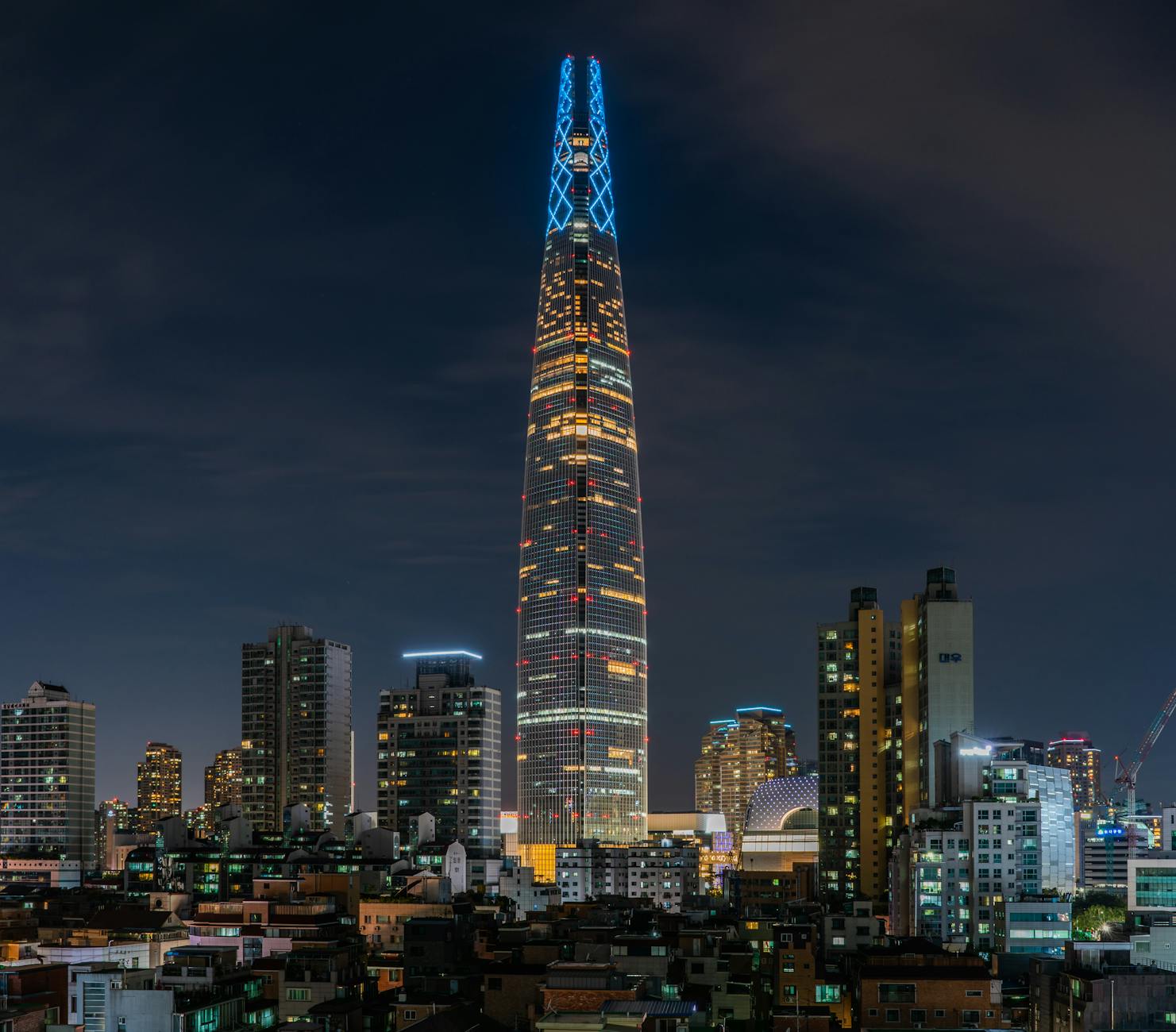
    Dynamic Seoul 2025: A 5-Day Journey Through Culture and K-Pop Vibes

    Introduction

    Dynamic Seoul 2025 promises a captivating experience that intertwines the rich culture and electrifying K-Pop vibes of South Korea’s bustling capital. Over the course of five days, participants will delve deep into the vibrant tapestry of Seoul, where tradition meets modernity, and local flavors collide with international influences. The journey begins with an exploration of historical landmarks, laying the foundation for understanding the city’s cultural evolution. K-Pop, a global phenomenon, will take center stage as we uncover its history, impact, and influence on both local and international landscapes. Culinary adventures await in the bustling markets and refined restaurants, showcasing Seoul’s diverse gastronomic offerings. As the sun sets, Seoul’s nightlife reveals secret hotspots and entertainment hubs. Finally, we will unwind in its beautiful parks, enjoying a brief escape from the urban hustle. This journey through Seoul will surely leave an indelible mark on every traveler.

    Exploring the Historical Centers of Seoul

    Dynamic Seoul is rich with history, blending its ancient traditions with rapid modernization. The first day of our five-day journey takes us through the historical centers where ancient palaces, stone walls, and historic shrines coexist with towering skyscrapers, encapsulating the essence of what makes Seoul unique.

    We begin our adventure at Gyeongbokgung Palace, the largest of the Five Grand Palaces built during the Joseon Dynasty. As we stroll through its serene gardens, the majestic architecture tells tales of a bygone era. A visit to the National Folk Museum, located within the palace grounds, further enhances the experience, offering insights into the daily lives of Koreans throughout history. The changing of the guard ceremony adds a layer of excitement, as participants witness a tradition that dates back centuries.

    facade of a temple
    Photo by 대정 김 on Pexels.com

    Continuing our exploration of Seoul, we roam through Bukchon Hanok Village, a picturesque area lined with traditional hanok houses that showcase authentic Korean architecture. As we navigate the narrow alleys, it is as if we have stepped back in time. Interacting with local artisans and participating in workshops will provide a hands-on understanding of the craftsmanship that has been preserved through generations.

    Next, we make our way to Insadong, a vibrant district merging the old with the new. Here, visitors can find art galleries, traditional tea houses, and antique shops. This cultural epicenter is a great place to purchase unique souvenirs while absorbing the artistic spirit that characterizes Dynamic Seoul. Engaging with local culture, we can join in on traditional activities, such as hanji (Korean paper) making or calligraphy.

    As we wind down our first day, we visit Changdeokgung Palace, another UNESCO World Heritage site known for its splendid Secret Garden. The blend of nature and architecture showcases the harmony that defines Dynamic Seoul. A guided evening tour offers insight into the seasonal changes in the garden, enveloping us in the tranquility that contrasts with the bustling city life outside its gates.

    The historical centers of Seoul are more than just places to visit; they are living narratives that offer profound insights into Korea’s past. By the time we leave, we will have formed a connection with the roots of this vibrant city, setting a solid foundation for the rest of our journey.

    Immersion in K-Pop Culture and Its Global Impact

    As we transition into the second day of our adventure in Dynamic Seoul, we dive headfirst into the world of K-Pop, a cultural phenomenon that has captured hearts worldwide. South Korea’s captivating music industry has given rise to a new generation of stars, each contributing to the rich tapestry of Dynamic Seoul’s cultural landscape.

    Our day begins with a visit to the iconic SM Entertainment building, one of the major players in the K-Pop industry. Here, we will have a chance to participate in a workshop led by industry professionals, learning about the rigorous training and dedication it takes to become a K-Pop idol. The art of vocal training, dance choreography, and even fashion styling will be explored, highlighting the hard work behind the glitz and glamour.

    Afterward, we head to the famous Myeongdong district, a hub for fans and tourists alike. The streets are lined with merchandise stores, showcasing the latest albums, clothing lines, and collectibles from popular K-Pop groups. Fans can engage in lively discussions and share their passions for their favorite artists, creating a vibrant community atmosphere.

    In the afternoon, we will visit a live K-Pop concert or music show taping, standing on the same stage where our favorite idols perform. Experience the electric energy of fandoms, complete with light sticks and chanting, embodying the spirit of Dynamic Seoul. Understanding the appeal of K-Pop transcends language barriers, bringing people together from various cultures and backgrounds.

    Our exploration of K-Pop doesn’t end with live performances; we will also delve into its global influence. We will have discussions with cultural experts who will shed light on how K-Pop has reshaped global music trends and influenced fashion, beauty standards, and even social movements. This deep dive provides valuable context for understanding why Dynamic Seoul has become a beacon of modern cultural innovation.

    By the end of the day, participants will not only have experienced the excitement of K-Pop firsthand but will also have gained insight into its profound societal impact. The energy of Dynamic Seoul is palpable, resonating within its vibrant K-Pop scene, which blends artistry and entertainment in a uniquely Korean way.

    Culinary Delights: A Taste of Seoul

    On our third day in Dynamic Seoul, we turn our attention to the culinary scene, renowned for its diversity and flavors that reflect the country’s rich cultural history. From traditional dishes to innovative modern cuisine, this city offers an array of dining experiences that are sure to tantalize our taste buds.

    Our culinary journey begins with a morning visit to Gwangjang Market, one of the oldest traditional markets in Seoul. Here, we will immerse ourselves in the sights and sounds of bustling street food stalls. We will savor signature dishes such as bindaetteok (mung bean pancakes) and tteokbokki (spicy rice cakes), all while engaging with local vendors who are passionate about their crafts. The experience is not only about the food, but also about understanding the stories and traditions behind each dish.

    Midday, we shift gears and take part in a cooking class, where we will learn to make kimchi, a staple in Korean cuisine. With guidance from professional chefs, participants will explore the importance of seasonal ingredients and fermentation techniques that make this dish unique. Understanding the process behind making kimchi opens a new perspective on Korean culinary practices and the dedication involved in each family recipe.

    After our hands-on experience, we head to a contemporary restaurant that puts a modern twist on classic dishes. Here, we will relish in fusion cuisine that fuses Korean flavors with international influences. Tasting courses will allow us to appreciate how chefs in Dynamic Seoul are redefining traditional dining experiences, creating gastronomic masterpieces that delight palates worldwide.

    As evening falls, we embark on a food tour through the vibrant Hongdae district. The lively atmosphere is complemented by an array of eateries, street food vendors, and stylish cafes. From Korean BBQ to unique dessert spots, we will sample a plethora of culinary creations that showcase the modern dining landscape of Dynamic Seoul. Special attention will be given to the colorful presentation and innovative combinations that define today’s food culture.

    By the end of this culinary exploration, we will have developed a deep appreciation for the diverse food scene in Dynamic Seoul. Each meal tells a story, reflecting the culture and history of the people, making it an integral part of our journey.

    Nightlife and Entertainment in the Heart of Seoul

    As the sun sets on our fourth day in Dynamic Seoul, we transition to its vibrant nightlife and entertainment scene—an essential aspect of understanding the city’s culture. The energy of Dynamic Seoul is palpable at night, where the streets pulsate with life, infused with music, laughter, and a sense of camaraderie.

    We begin our evening in the Hongdae district, known for its youthful spirit and dynamic nightlife. The area is filled with bars, clubs, and live music venues, each offering unique experiences. We will start by visiting a local pub where we can enjoy Korean craft beers while mingling with locals. The ambiance in these establishments celebrates creativity and self-expression, with many hosting open mic nights, where aspiring artists showcase their talents.

    people walking on street at night
    Photo by Ethan Brooke on Pexels.com

    Afterward, we head to a live music venue to enjoy a performance by up-and-coming indie bands. This part of Dynamic Seoul thrives on originality, where musicians experiment with various genres influenced by both Korean and global music. Engaging with artists and fellow music lovers not only enhances our appreciation for the local culture but also highlights the role of music in fostering community connections.

    As the night progresses, we explore the club scene, where iconic DJs and K-Pop-themed dance parties reign supreme. With themed nights and intricate light displays, these clubs create immersive experiences that reflect the vibrant energy of Dynamic Seoul. Dancing the night away, we become a part of this electrifying atmosphere, celebrating the fusion of modern sounds and traditional Korean elements.

    Finally, our night out wouldn’t be complete without indulging in midnight snacks. We head to popular street food stalls where we can enjoy dishes such as kimbap, hotteok, and fried chicken. The post-party food scene is an essential part of Seoul’s nightlife, providing sustenance and a final touch to a memorable night out.

    As we return to our accommodations, the experiences of the night resonate with us, reflecting the freedom and creativity that characterize the social scene in Dynamic Seoul. We leave with an understanding of how nightlife serves as a vital part of the city’s identity, where fun and exploration intertwine.

    Nature Escapes: Parks and Recreation in Seoul

    On our final day in Dynamic Seoul, we slow down the pace and explore the city’s lush green spaces, providing a refreshing escape from the urban hustle and bustle. This side of Dynamic Seoul showcases the importance of nature and leisure in the lives of its residents.

    We begin our journey at Namsan Park, a scenic oasis that surrounds the iconic N Seoul Tower. We embark on a hike up the mountain, where various trails offer breathtaking views of the city skyline. Along the way, we come across numerous gardens and blooming flora, reminding us of the harmony between nature and urban life. Once at the top, we take in the panoramic views while learning about the tower’s history and significance as a cultural landmark.

    n seoul tower behind trees
    Photo by Naufal Shidqi on Pexels.com

    From Namsan Park, we make our way to Hangang Park, which stretches along the Han River. This recreational area is a favorite among locals, providing opportunities for cycling, picnicking, and water sports. Participants can rent bikes and explore the scenic trails or join in activities such as paddleboarding, experiencing firsthand the diverse offerings available in Dynamic Seoul’s outdoor spaces.

    As we unwind by the riverbanks, there’s also a chance to engage in group sports with locals, making connections that transcend language barriers. The atmosphere is vibrant and inclusive, serving as a reminder of how nature fosters community spirit in the heart of the city.

    For a more tranquil experience, we spend the afternoon at Seoul Forest, a large park that combines ecological, cultural, and recreational spaces. The park features deer enclosures, butterfly conservatories, and walking paths, allowing us to immerse ourselves in nature and observe wildlife in a serene setting. Relishing the peaceful ambiance, we take a moment to reflect on our journey through Dynamic Seoul and the experiences we’ve shared.

    As the day comes to a close, we return to the city for a farewell dinner at a traditional Korean Hanok restaurant. Surrounded by nature, culinary delights take center stage, allowing us to savor authentic dishes while reflecting on the remarkable journey we’ve had.

    Conclusion

    As we conclude our five-day journey through Dynamic Seoul, we leave with an enriched understanding of this vibrant city, where tradition harmoniously coexists with modernity. From exploring historical landmarks to immersing ourselves in K-Pop culture, indulging in culinary delights, enjoying exhilarating nightlife, and reconnecting with nature, every experience has painted a vivid picture of Seoul’s dynamic identity.

    The encounters with locals, the flavors that danced on our tongues, the sounds of music that echoed in our ears, and the rich tapestry of history weaved through every step, have all contributed to a transformative experience. The energy of Dynamic Seoul resonated with us, highlighting the warmth of its people and the innovative spirit that drives its cultural scenes.

    We depart with memories that go beyond mere sightseeing. Each moment spent in this remarkable city has left an imprint on our hearts, igniting a passion for exploration and cultural appreciation. Dynamic Seoul is not just a destination; it is a vibrant narrative waiting to be shared with the world, and we are grateful to have been part of its unfolding story.

  • Majestic Agra 2025: Discover the Beauty Beyond the Taj Mahal
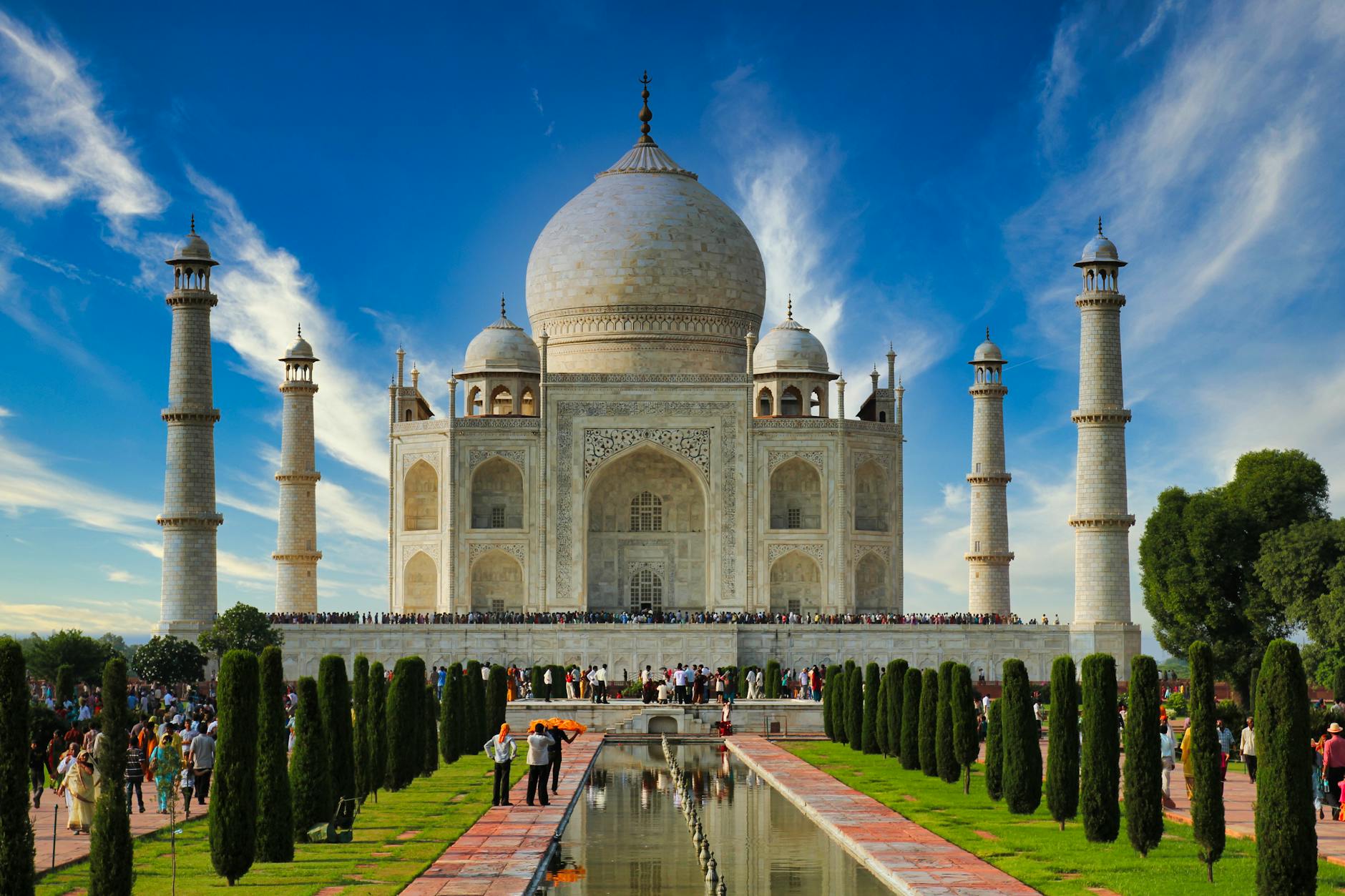
    Majestic Agra 2025: Discover the Beauty Beyond the Taj Mahal

    Introduction

    Agra, often overshadowed by the breathtaking Taj Mahal, is a city that holds many secrets, waiting to be uncovered. In 2025, visitors to this majestic city will find an array of attractions that showcase the beauty and heritage of Majestic Agra. From historical monuments that whisper stories of the past to vibrant cultural experiences that enliven its streets, Agra is more than just its iconic mausoleum. The architecture, traditions, and local cuisine contribute to a unique tapestry that makes Agra an alluring destination. As travelers seek new experiences, the essence of Agra emerges, revealing the hidden gems that define its character. In this article, we will delve into the enchanting aspects of Agra, highlighting the remarkable offerings that extend far beyond the Taj Mahal.

    The Historical Significance of Agra

    Agra boasts a rich historical narrative that captivates the imaginations of historians and tourists alike. Founded in the 16th century, this city has been a significant center of power under various dynasties, notably the Mughals. Each reign has left a distinct mark on the cultural landscape, from architectural marvels to significant political events that shaped India’s history.

    One of the most notable historical landmarks in Agra is the Agra Fort, a UNESCO World Heritage Site. Constructed in red sandstone, this fort served as the main residence of the Mughal emperors until the capital was moved to Delhi. The fort’s expansive complex includes stunning palaces, audience halls, and enchanting gardens. Its architecture showcases a blend of Persian, Islamic, and Indian styles, illustrating the cultural exchanges that defined this era.

    brown concrete building under the blue sky
    Photo by VARAN NM on Pexels.com

    As visitors stroll through the fort, they encounter historical relics that reflect the opulence and grandeur of the Mughal empire. The fort itself is a testament to the military ingenuity of its time, with formidable walls and intricate designs that speak to the artistry and ambition of its builders. The fort’s role in the history of Majestic Agra cannot be understated, as it symbolizes the city’s strategic importance in the Mughal empire.

    Another essential aspect of Majestic Agra’s history is the influence of the Mughal dynasty on art and culture. The fusion of various artistic traditions during this period led to the development of unique styles in miniature painting, calligraphy, and music. These artistic expressions are showcased in various cultural programs and festivals in Agra, allowing visitors to experience the vibrant heritage that persists into the present day.

    Moreover, Majestic Agra is linked to notable historical figures, such as Akbar the Great, whose reign was marked by a commitment to cultural synthesis and religious tolerance. The legacy of Akbar can be explored at the nearby Fatehpur Sikri, another UNESCO World Heritage Site, which served as his main capital. The striking architecture and thoughtful urban design of Fatehpur Sikri offer visitors a glimpse into the ambitious vision of a ruler who sought to unite disparate cultural identities.

    Visitors in 2025 will have the opportunity to engage with these historical narratives through guided tours, exhibitions, and interactive experiences that breathe life into the stories of Majestic Agra. Walking through the ancient streets, travelers can immerse themselves in the atmosphere of an era that continues to influence contemporary Indian society.

    The rich historical tapestry of Majestic Agra is both inviting and informative, promising visitors a profound connection to the past that enhances their travel experience. Whether one is a history buff or simply curious about the stories that shaped India, the historical significance of Agra is an essential aspect to explore and understand.

    Architectural Wonders Beyond the Taj Mahal

    Majestic Agra is often associated with the Taj Mahal, yet its architectural treasures do not end there. The city is home to a myriad of structures that highlight the diverse architectural styles that have evolved over the centuries. Beyond the radiant white marble of the Taj, one can explore Agra’s other gems that narrate tales of grandeur and creativity.

    One such wonder is the Itimad-ud-Daulah’s Tomb, often referred to as the “Baby Taj.” This mausoleum was built for Mirza Ghiyas Beg, the grandfather of Emperor Shah Jahan, and it showcases intricate inlay work and exquisite craftsmanship. Visitors are drawn to its intricate designs, which feature beautiful floral motifs created with semiprecious stones. This tomb is significant as it introduced the concept of using decorative marble in Indian architecture, paving the way for the construction of the Taj Mahal itself.

    sunlit wall of itmad ud daula in agra
    Photo by AXP Photography on Pexels.com

    In addition to the tomb, a visit to the Mughal Gardens surrounding the monument is highly recommended. These gardens are a splendid example of the charbagh (four-part) layout that symbolizes paradise in Islamic tradition. The lush greenery, fountains, and vibrant flowers create a tranquil atmosphere that invites reflection and appreciation of the beauty surrounding the architectural marvels.

    Another remarkable site is the Jama Masjid, one of the largest mosques in India. Its grand entrance, towering minarets, and spacious courtyards are masterpieces of Mughal architecture. As visitors enter, they are enveloped in an ambiance of serenity and spirituality. The intricate lattice work and fluid design reflect the artistic spirit of the Mughal era.

    Furthermore, the architectural landscape of Majestic Agra is also enriched by the Sikandra Fort, the mausoleum of Akbar. This impressive structure is characterized by its red sandstone and white marble combo, representing a fusion of traditional Indian and Persian designs. The serene gardens and reflective pools enhance the site’s beauty, offering a peaceful retreat for those looking to escape the hustle of the city.

    Each architectural gem contributes to the narrative of Majestic Agra, showcasing the city’s dedication to craftsmanship and design. As visitors explore these sites, they are not merely observing buildings; they are stepping into the vestiges of a glorious past that is still relevant today.

    In addition to these prominent landmarks, there are many lesser-known architectural sites scattered throughout Agra that deserve recognition. The historic city streets themselves boast a charm of their own, with houses and buildings that reflect local craftsmanship. Exploring these paths introduces visitors to the everyday life of the city, creating a deeper understanding of its culture and traditions.

    In 2025, Majestic Agra aims to enhance visitor experience, allowing deeper engagement with these architectural wonders. Through guided tours and technological innovations such as augmented reality, tourists can gain insights into the stories behind the structures.

    The architectural wonders beyond the Taj Mahal make Majestic Agra a vibrant canvas of history, art, and culture. As one navigates through this city, every corner reveals a new story, with structures whispering tales of bygone eras and the confluence of diverse influences that define the artistic heritage of Majestic Agra.

    Cultural Experiences in Agra

    In addition to its architectural marvels, Agra is deeply enriched by its vibrant cultural scene that offers immersive experiences for travelers. The city is a melting pot of traditions, languages, and customs, revealing the mosaic of India’s cultural diversity. In 2025, visitors can engage more closely with Agra’s local communities, experiencing the heritage that thrives within its borders.

    One of the most significant cultural experiences in Agra is attending traditional music and dance performances. These events provide a window into the age-old practices that have been passed down through generations. The sounds of classical Indian music echo through the streets during festivals and special occasions, inviting both locals and travelers to join in.

    Visitors can participate in workshops that teach traditional art forms such as pottery, weaving, and painting, allowing for hands-on experiences that foster appreciation for local craftsmanship. This interaction not only supports local artisans but also enriches tourists’ awareness of the historical significance behind these practices.

    Moreover, Agra’s festivals are vibrant celebrations that bring the community together. Events like Diwali, Holi, and Eid showcase the rich tapestry of cultural influences, inviting visitors to partake in the festivities. The visual splendor, filled with colors, lights, and joyous music, perfectly encapsulates the spirit of Majestic Agra.

    Culinary experiences also play a crucial role in the cultural landscape of Agra. The city is famous for its exquisite Mughlai cuisine, characterized by rich flavors and aromatic spices. Tours that focus on food offer an incredible avenue to explore Agra’s culinary heritage. Local cooking classes, street food tours, and dining experiences with families present opportunities to taste authentic dishes that tell stories of comfort and tradition.

    From savory kebabs to sweet delights like Petha—a candy made from ash gourd—every bite reflects the rich history and cultural diversity that define Majestic Agra. In 2025, travelers can expect curated food festivals that highlight local chefs and culinary innovations, further enhancing their gastronomic journey.

    Moreover, the art of storytelling is integral to the cultural experience in Agra. Local storytellers narrate tales of historical figures and folklore while walking through the old quarters of the city, captivating audiences with their animated style. These stories, infused with culture and history, connect present-day Agra to its storied past, enriching visitors’ understanding of the market streets and hidden alleys.

    The cooperative efforts between local governments and cultural organizations will ensure that the cultural experiences in Majestic Agra are accessible and engaging for all travelers. As 2025 approaches, further emphasis on cultural tourism signifies a recognition of the need to preserve and celebrate local heritage while providing unforgettable experiences for visitors.

    In conclusion, the cultural experiences in Agra offer an authentic glimpse into the lives of its people and history. Engaging with the traditions, customs, and stories of this majestic city creates lasting memories that resonate long after the journey is over. Travelers in 2025 will find themselves not merely observing a culture, but actively experiencing the vibrancy and richness that is Majestic Agra.

    Natural Attractions and Parks

    Majestic Agra is often celebrated for its historical and cultural significance, yet it is also a city blessed with stunning natural attractions and parks that provide respite for both locals and tourists. In 2025, visitors will have the opportunity to explore these green havens that harmoniously coexist with the architectural wonders that Agra is known for.

    Among the most noteworthy natural attractions is the Mehtab Bagh, an impressive garden situated directly across the Yamuna River from the Taj Mahal. This garden offers a unique perspective of the iconic mausoleum, especially at sunset when the marble reflects golden hues. Originally designed by the Mughal emperor Shah Jahan, Mehtab Bagh is a perfect spot for photography enthusiasts, romantics, and nature lovers alike. Visitors can leisurely stroll through its pathways, admire the meticulously manicured lawns, and breathe in the fragrant blooms, creating a serene ambiance that complements the bustling city life.

    Another gem is the Wildlife SOS Elephant Conservation and Care Center, which embodies the commitment to wildlife preservation in the region. The center provides a sanctuary for rescued elephants, allowing visitors to learn about these majestic animals while promoting ethical tourism. In 2025, programs will focus on educating patrons about the conservation efforts, appealing to animal lovers and environmentalists who round out Agra’s appeal. Visitors can witness firsthand the care these elephants receive and participate in feeding sessions to forge connections with these gentle giants.

    For those seeking a more active experience, the Sur Sarovar Bird Sanctuary is a must-visit. Spread over 7.5 square kilometers, this sanctuary is home to a diverse range of avian species, making it a paradise for bird watchers and nature enthusiasts. The tranquil environment fosters opportunities for hiking, bird-watching, and photography, allowing visitors to immerse themselves in the rich biodiversity of this natural haven.

    The parks and green spaces in Majestic Agra are not just about aesthetics; they serve as vital ecosystems that support local flora and fauna. The beautification of these parks is also a significant initiative by local authorities to promote sustainability and environmental awareness. Efforts to increase green cover around the city reflect a collective desire for sustainable development while enhancing the quality of life for residents.

    In 2025, Majestic Agra’s parks will likely unveil new recreational facilities such as jogging tracks, cycling zones, and picnic areas, encouraging families and individuals to immerse themselves in nature. The growing emphasis on green spaces reflects a holistic approach to urban planning that prioritizes well-being.

    The River Yamuna itself offers additional scenic beauty, with various areas along its banks being developed into promenade-style parks. These spaces provide opportunities for leisure activities such as fishing, boating, and riverside picnics. Additionally, the preservation efforts aimed at revitalizing the river and its ecosystems contribute to Majestic Agra’s commitment to sustainability.

    These natural attractions, paired with the rich history and culture of the city, create a balanced and appealing environment. In 2025, visitors will discover that nature and culture intertwine in Majestic Agra, providing a diverse spectrum of experiences that cater to all interests.

    In summary, the natural attractions and parks in Majestic Agra weave a narrative that transcends the man-made marvels of the city. As a space for relaxation, adventure, and exploration, the greenery surrounding Agra enhances the urban landscape and provides an essential contrast to the bustling streets.

    Gastronomic Delights of Agra

    No exploration of Majestic Agra would be complete without indulging in its gastronomic delights. The richness of the local cuisine reflects the city’s cultural heritage, offering a tantalizing array of flavors that tell stories of its diverse communities. In 2025, visitors can look forward to a culinary journey that showcases traditional Mughlai dishes, street food, and innovative dining experiences.

    Mughlai cuisine is a hallmark of Agra, deeply rooted in the culinary traditions of the Mughal emperors. The juxtaposition of complex spices with rich flavors results in dishes that are nothing short of extraordinary. Biryani, a fragrant rice dish cooked with marinated meat, is a must-try, often accompanied by raita—a cooling yogurt condiment. The dhabha-style restaurants, found throughout the city, serve generous portions of succulent kebabs, showcasing various meats marinated and grilled to perfection.

    One cannot discuss the food of Agra without mentioning its signature sweet, Petha. Made from ash gourd, this translucent candy is enriched with sugar and flavored with cardamom or saffron. The sweet delight comes in various forms and is a popular souvenir for travelers to take home. In 2025, expect unique culinary shops specializing in artisanal Petha, introducing innovative flavors that blend traditional tastes with modern creativity.

    The vibrant street food scene in Agra is a culinary adventure in itself. The bustling food stalls create a sensory explosion, with tantalizing aromas wafting through the air. From chaat—a savory snack made with crisp fried dough and tangy sauces—to dahi bhalla, a dish featuring lentil dumplings smothered in yogurt and spices, the variety is limitless. The busy night markets become animated as locals and travelers alike gather to savor these local delights.

    In addition to traditional cuisine, the culinary scene in Agra is evolving to embrace international flavors and modern dining experiences. Upscale restaurants and cafes are emerging, blending traditional recipes with contemporary culinary techniques. These establishments cater to diverse palates while keeping the spirit of Agra alive, showcasing the city’s adaptability and creativity.

    Beyond the buffet of flavors, culinary experiences in Agra will offer interactive cooking classes led by local chefs in 2025. This hands-on approach allows visitors to create authentic dishes while learning about the stories and cultural significance behind local ingredients. Such experiences foster connections with local communities, bridging cultural gaps through the shared love of food.

    Moreover, food festivals and culinary events throughout the year spotlight the richness of Agra’s gastronomy. These festivals create a joyous atmosphere where locals and travelers come together to celebrate flavors, cooking techniques, and culinary heritage. Incorporating workshops, demonstrations, and tastings, such events provide a platform for preserving traditional recipes while promoting innovative practices among chefs.

    In conclusion, the gastronomic delights of Agra are a feast for the senses, inviting travelers to partake in a culinary journey that reflects the city’s history and culture. The richness of traditional Mughlai cuisine, combined with the excitement of street food and evolving dining experiences, makes Majestic Agra a true culinary hub in 2025. Visitors will find joy not only in tasting the dishes but also in the stories that accompany them, enriching their travels with each delectable bite.

    Conclusion

    As we look towards 2025, the allure of Agra extends far beyond the shimmering Taj Mahal. This historically rich city invites travelers to immerse themselves in its diverse experiences—from exploring the depths of its historical roots and architectural wonders to enjoying the vibrancy of local culture, nature, and gastronomy.

    Agra is a celebration of unity in diversity, as its historical narratives converge with modern cultural expressions. Each facet of the city reflects the resilience and creativity of its people, enhancing the traveler’s experience and connection to the rich heritage of the region. As visitors embark on this journey, they uncover the layers of stories that make Agra a remarkable destination.

    Whether marveling at the intricate designs of the Agra Fort, savoring the rich spices of Mughlai cuisine, or exploring tranquil green spaces along the Yamuna, the essence of Agra resonates with every traveler. Agra, as it steps into the future, promises lingering memories that endure long after one departs, a testament to the city’s timeless charm and beauty that deserves to be discovered in 2025 and beyond.

  • Magical Phuket 2025: Your Ultimate 5-Day Island Adventure
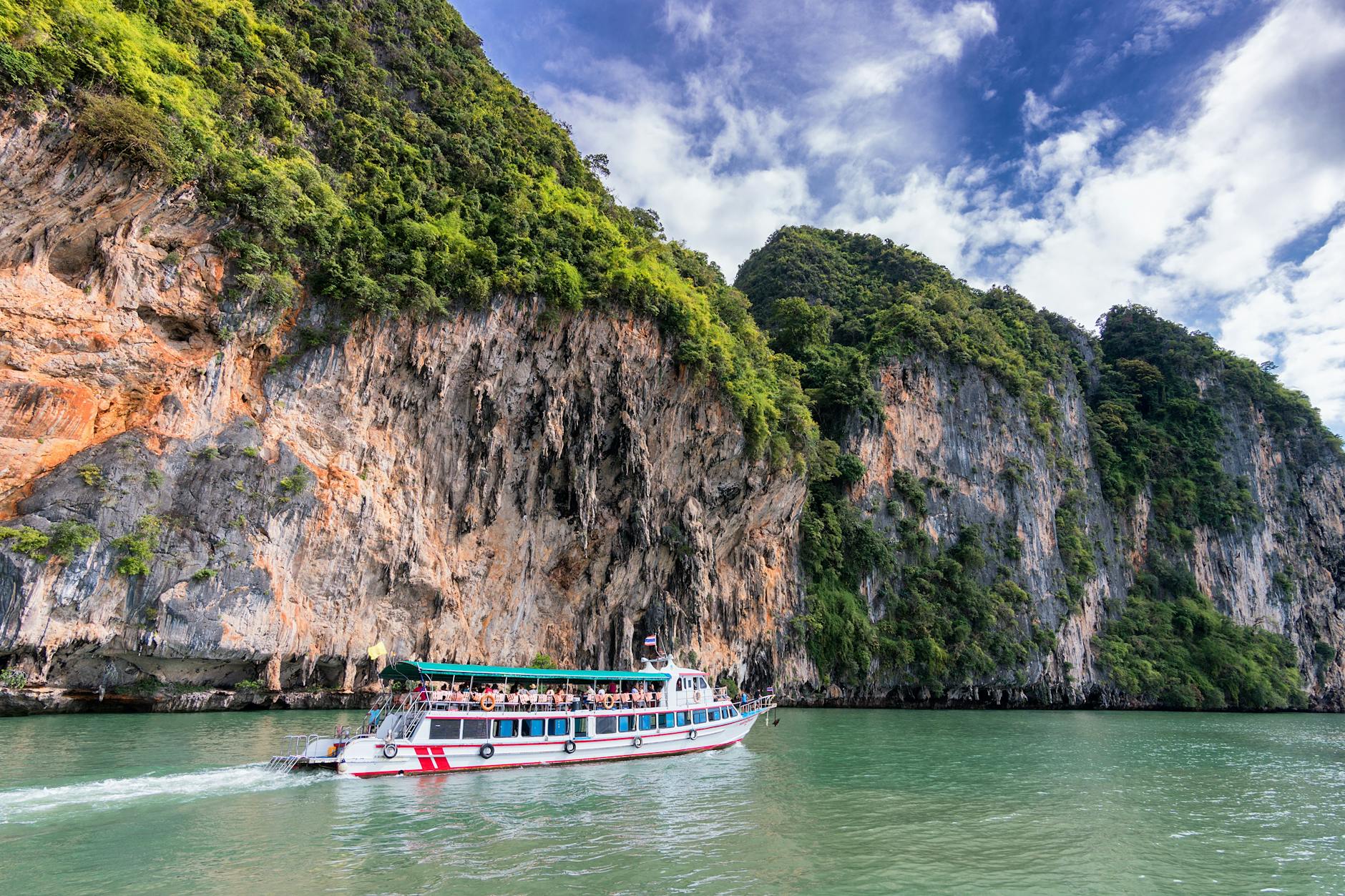
    Magical Phuket 2025: Your Ultimate 5-Day Island Adventure

    Introduction

    Welcome to Magical Phuket 2025, where your dream island adventure awaits! This tropical paradise is famous for its stunning beaches, vibrant culture, and diverse activities that cater to every traveler’s desires. Over five days, you can immerse yourself in the charm and allure of Magical Phuket while exploring its captivating scenery and rich history. From wandering the colorful streets of Old Phuket Town to diving into exhilarating water sports, each day promises a unique experience that captures the essence of this enchanting destination. The local culinary delights will treat your taste buds, while the pristine beaches provide the perfect backdrop for relaxation and rejuvenation. As we guide you through this thrilling itinerary, get ready to create unforgettable memories in Magical Phuket, a true gem of the Andaman Sea!

    Discover the Enchanting Streets of Old Phuket Town

    Your journey begins with a visit to Old Phuket Town, a vibrant area that beautifully captures the essence of Magical Phuket’s rich history and culture. Here, you can explore the unique blend of architectural styles that reflect the island’s past as a bustling tin mining center in the 19th century. The colorful Sino-Portuguese buildings, adorned with intricate details and vibrant hues, line the streets and beckon you to step inside.

    Start your exploration at Thalang Road, the heart of Old Phuket Town. This lively street is renowned for its eclectic shops, charming cafes, and art galleries. Don’t miss the Sunday Street Market, where local vendors showcase handcrafted goods, fresh produce, and delicious street food. It’s the perfect opportunity to engage with residents and learn about their lives and traditions, deepening your connection to Magical Phuket.

    As you meander through the picturesque streets, visit iconic sites such as the Jui Tui Shrine and the Thai Hua Museum. The Jui Tui Shrine is a significant site for the local Chinese community, showcasing stunning architecture along with vibrant festivals. Meanwhile, the Thai Hua Museum offers an immersive look at Phuket’s history and the influence of early Chinese immigrants. Through photographs, artifacts, and interactive displays, you will gain insights into how Magical Phuket has evolved over the years.

    photo of a clock tower near cars
    Photo by Michael Rafael on Pexels.com

    For lunch, treat yourself to a meal at one of the local eateries, where you can sample traditional Thai dishes such as Laksa or Hokkien Mee. These flavors reflect the multicultural heritage of the island and offer a delightful culinary experience that resonates with the spirit of Magical Phuket.

    In the afternoon, take a guided tour to learn about the local art scene, where contemporary artists draw inspiration from the island’s mesmerizing landscapes and cultural diversity. Visiting local galleries allows you to appreciate the creative expressions that thrive in Magical Phuket, making art an integral part of the island’s charm.

    As the sun begins to set, make your way to one of the scenic viewpoints, such as Khao Rang Hill, for stunning panoramas of the landscape below. Watching the sunset transform the sky with vivid colors is a perfect way to end your first day in Magical Phuket, reminding you of the beauty and magic that awaits in the days to come.

    After soaking in the majestic views, seek out a local restaurant for dinner. Enjoying fresh seafood while sitting outdoors, surrounded by the warm evening breeze, provides a wonderful conclusion to this memorable day in Old Phuket Town. Your heart filled with the island’s history and culture sets the perfect foundation for the exciting activities ahead.

    Experience Thrilling Water Activities and Sports

    As you embark on the second day of your ultimate adventure, prepare for a day filled with thrilling water activities that showcase the best of what Magical Phuket has to offer. The island is surrounded by stunning waters that are perfect for a plethora of water sports, creating an exhilarating day bathed in sunshine and adventure.

    Start early by heading to Kata Beach, renowned for its diving and snorkeling opportunities. The clear waters are home to colorful coral reefs and an array of tropical fish, providing an unforgettable underwater experience. Whether you’re a novice or an experienced diver, local dive shops offer guided tours to various diving sites where you can explore the vibrant ecosystem beneath the waves.

    If snorkeling is more your style, rental shops along the beach provide all the equipment you need. Swim alongside darting fish and marvel at the intricate coral formations that dot the seafloor. Spending the morning in the water allows you to connect with the magical marine life, ensuring your experience is both relaxing and thrilling.

    After a morning of adventure, it’s time to shift gears and try something new. Patong Beach, known for its lively atmosphere, offers thrilling options such as jet skiing and parasailing. Feel the rush of adrenaline as you zoom across the waves on a jet ski or experience the sensation of flying high above the beach, soaking in breathtaking views of the coastline and the lush landscape of Magical Phuket.

    For those seeking even more excitement, consider taking part in a guided kayaking tour. Paddle through the stunning bays and lagoons, allowing you to escape to serene locations that are often overlooked. Navigate through mangroves and limestone caves while keeping an eye out for local wildlife, ensuring an adventure that is both exhilarating and tranquil.

    At lunchtime, indulge in a beachside meal, enjoying fresh seafood and local specialties. Many beach shacks offer delicious Thai dishes, so be adventurous and try something new. Savoring local flavors while overlooking the sparkling waves creates lasting memories that highlight the essence of Magical Phuket.

    The afternoon can lead you to engage in further water activities or simply relax on the beach. Relax on a sunbed with a refreshing drink in hand, allowing the soft sands and warm sun to rejuvenate your spirit. Marvel at the beauty of the ocean while reflecting on the excitement of your day.

    As the sun begins to set, consider taking a leisurely stroll along the beach, soaking in the vibrant colors of the sky and the gentle sound of waves lapping the shore. This breathtaking scene serves as a perfect conclusion to an action-packed day in Magical Phuket, reminding you of the island’s ability to provide both adventure and serenity.

    Island-Hopping to Explore Nearby Paradises

    On your third day in Magical Phuket, embark on a remarkable island-hopping adventure to discover some of the nearby paradises that define this tropical destination. The surrounding islands are teeming with beauty and offer a chance to explore breathtaking landscapes, indulge in water activities, and unwind on pristine beaches.

    Begin your day early with a boat tour to the Phi Phi Islands, among the most iconic destinations near Magical Phuket. The swift ride across the azure waters is invigorating, and you’ll soon find yourself enveloped in the stunning vista of limestone cliffs rising dramatically from the sea.

    Arriving at Phi Phi Don, the largest island in the archipelago, take a moment to soak in the vibrant atmosphere. Spend the morning exploring the island’s beaches or engaging in snorkeling amidst captivating marine life. The spots around Bamboo Island and Maya Bay are perfect for diving under the crystal-clear waters to swim alongside colorful fish and coral formations.

    After a morning filled with aquatic wonders, enjoy a picnic lunch on the beach, savoring authentic Thai dishes prepared by the tour operators. Dining on the soft sands while gazing out at the turquoise waters creates a magical moment that is quintessential to your experience in Magical Phuket.

    As the day unfolds, set out for a guided tour to the captivating lagoons and hidden beaches that dot the Phi Phi Islands. Explore the famous Maya Bay, known for its stunning natural beauty and tranquil waters. Although access may vary due to conservation initiatives, the surrounding areas still provide ample opportunities for swimming, sunbathing, and marveling at the scenery.

    As you venture to Bamboo Island, indulge in some much-deserved relaxation. This small and uninhabited island features powdery white sands and inviting waters that create a serene atmosphere— perfect for unwinding and taking in the stunning surroundings.

    As you hop from one enchanting island to another, don’t forget to capture the scenic views— each island presents a backdrop that is nothing short of breathtaking.

    On your return trip to Magical Phuket, reflect on the day filled with exploration and discovery. As the sun dips below the horizon, enjoy the mesmerizing colors that illuminate the skies. The beauty of this island-hopping adventure lingers in your heart, a testament to the allure of Magical Phuket.

    Cap off your day with dinner at a beachfront restaurant, indulging in fresh seafood while listening to the gentle waves crashing against the shore. Sharing stories about your adventures creates moments that you’ll cherish long after your vacation comes to an end.

    Indulge in the Flavors of Local Cuisine

    On your fourth day in Phuket, immerse yourself in the island’s rich culinary traditions. Thai cuisine is celebrated for its vibrant flavors and fresh ingredients, making your gastronomic experience a highlight of your adventure. Today is dedicated to exploring the local dishes that reflect the culture and heritage of Magical Phuket.

    Start your day with breakfast at a local eatery, trying traditional dishes such as “Khao Niew Mamuang” (mango sticky rice) or “Jok” (Thai rice porridge). These delightful options set the tone for a day dedicated to discovering the culinary gems of the island.

    Once fueled for the day ahead, head to the bustling markets like the Banzaan Fresh Market in Patong or the Chillva Market. Here, you’ll find a treasure trove of ingredients, fresh produce, and street food stalls offering various snacks. Take your time to wander the stalls, chatting with vendors and sampling local fruits and delicacies. This engagement deepens your connection to Magical Phuket, showcasing the importance of food within the local community.

    For lunch, consider participating in a cooking class, where you’ll learn to prepare traditional Thai dishes. Many classes guide you through the market to select ingredients and then teach you the techniques behind classic recipes such as Pad Thai, Green Curry, and Tom Yum Goong. Engaging in a cooking class allows you to appreciate the rich flavors and techniques that define the cuisine of Magical Phuket.

    After your class, take a stroll through the charming streets to try some local street food for a mid-afternoon snack. Delight in tasting dishes like “Satay,” grilled skewers served with peanut sauce, or “Som Tum,” spicy green papaya salad. Each dish tells a story and provides insight into the culture of Magical Phuket.

    As evening approaches, pamper your taste buds once again by dining at a fine local restaurant that specializes in seafood. Many restaurants are set along the coastline, providing picturesque views that make dining a magical experience. Savor fresh fish, calamari, or shrimp prepared with local herbs and spices—these meals will create lasting memories of your culinary journey.

    To round off your evening, consider visiting a nighttime market where food stalls come alive. Dining among vibrant lights and the buzz of the crowd adds an exceptional charm to your Magical Phuket experience. Sample various dishes, from “Pad See Ew” to “Roti,” showcasing the variety and richness of Thai cuisine.

    As you contemplate the day spent indulging in flavors, your palate will be enriched with the diverse tastes that epitomize Phuket. Dining experiences become cherished memories, providing a deeper understanding of the island’s culture and its connection to food.

    Relax at Stunning Beaches and Luxurious Resorts

    As your five-day adventure draws to a close, take a well-deserved break on your fifth day in Magical Phuket. This day is all about unwinding at the island’s stunning beaches and luxurious resorts, allowing you to relax and recharge after a whirlwind of activities and explorations.

    Start your day with a leisurely breakfast at your resort, relishing the delicious buffet spread while enjoying the beautiful ocean view. Afterward, head to some of Phuket’s most picturesque beaches, such as Kamala Beach or Surin Beach. These beaches are less crowded than resort hotspots and provide the perfect atmosphere for relaxation.

    At Kamala Beach, you can lay back on a sunbed or take a refreshing swim in the emerald waters while being surrounded by palm trees and gentle waves. If you’re feeling adventurous, consider trying stand-up paddleboarding or taking a yoga class on the beach, allowing you to connect with the tranquil environment.

    For a more luxurious experience, spend your afternoon at a high-end resort’s beach club or spa. Resorts like the Amari Phuket or The Surin Phuket offer exclusive amenities, including infinity pools overlooking the ocean, world-class spas, and attentive service. Treat yourself to a rejuvenating spa treatment using traditional Thai techniques and natural ingredients, promoting relaxation and self-care.

    people on beach having summer vacation
    Photo by Dee Onederer on Pexels.com

    After a pampering session, enjoy a delightful lunch at the resort’s beachfront restaurant, where fresh seafood and authentic Thai cuisine create a culinary oasis amidst the tropical setting. Dining by the beach allows you to unwind further and relish every moment of your final day in Phuket.

    As the afternoon unfolds, take time to explore the serene beaches. Savor the simple pleasure of enjoying the sun, collecting seashells, or simply listening to the rhythm of the waves. Consider taking a peaceful walk along the shore, gazing at the beautiful sunset that paints the sky in vibrant hues.

    In the evening, enjoy a farewell dinner at one of Phuket’s renowned seafood restaurants—dine with your toes in the sand, relishing the flavors of sensational Thai dishes while celebrating the bonds you’ve formed during your journey. The atmosphere is magical under the starlit sky, creating lasting memories as you say goodbye to this remarkable island.

    As your day in Phuket draws to an end, reflect on your experiences filled with adventure, exploration, culinary delights, and serene moments by the beach. The connections made, sights seen, and flavors tasted form an enchanting mosaic of your magical island adventure.

    Conclusion

    As your ultimate five-day adventure in Magical Phuket comes to a close, the experiences you’ve accumulated will linger in your heart for years to come. From the captivating streets of Old Phuket Town to exhilarating water activities and the indulgence in local cuisine, each day has revealed the unique charm of this beautiful destination.

    The island’s breathtaking landscapes, rich culture, and warm hospitality have created a magical backdrop for your journey. Whether you were paddleboarding through serene waters, participating in a cooking class, or savoring the flavors of authentic Thai dishes, every moment has left a profound impact that enriches your travel experience.

    As you prepare to leave Phuket, remember the connections you’ve made and the memories you’ve crafted. The beauty of this island lies not only in its physical allure but also in the friendships formed and the stories shared. Carry the spirit of Phuket with you, igniting a sense of adventure and wonder that inspires you long after you leave.

    May your journey continue to be filled with magical discoveries, welcoming experiences, and a thirst for exploration that reflects the essence of your time spent in this enchanting paradise. Until we meet again, may the magic of Magical Phuket echo in your adventures everywhere you go!

  • Magical Antalya 2025: A 5-Day Escape to the Turkish Riviera
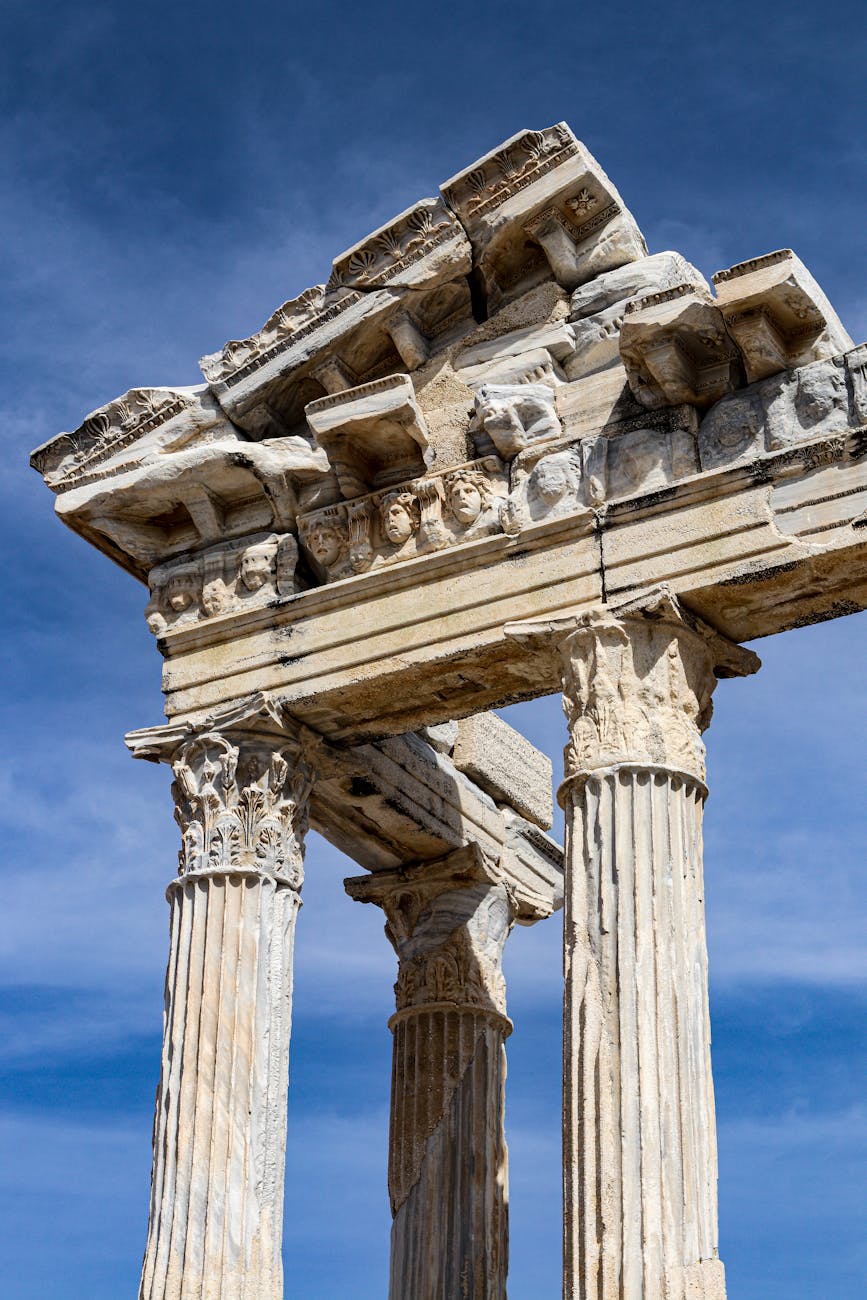
    Magical Antalya 2025: A 5-Day Escape to the Turkish Riviera

    Introduction

    Antalya, often referred to as the jewel of the Turkish Riviera, promises an unforgettable escape in 2025. This stunning coastal city, where the Taurus Mountains meet the sparkling Mediterranean Sea, offers an alluring blend of natural beauty, rich history, and vibrant culture. Over the course of five days, visitors can immerse themselves in an array of experiences that cater to every traveler’s needs—whether seeking relaxation on pristine beaches, exploration of ancient ruins, or indulgence in exquisite local cuisine. In this article, we will outline a perfect itinerary for discovering the enchanting allure of Antalya, ensuring that every moment spent here leaves lasting memories. Prepare to be captivated by the charming streets of Kaleici, the inviting waters of the Mediterranean, the fascinating historical sites, the delightful flavors of Turkish cuisine, and the refreshing relaxation that Antalya has to offer.

    Day 1: Arrival and Exploration of Kaleici

    As you arrive in Antalya, the excitement of your adventure begins. The first day is all about immersing yourself in Kaleici, the old town brimming with character and charm. Upon stepping into this historic district, you will be greeted by narrow cobbled streets lined with beautifully restored Ottoman-era houses, boutique shops, and a variety of cafes. It is a place where history comes alive, with its ancient city walls and the iconic Hadrian’s Gate marking the entrance to a stunning journey through time.

    Start your exploration by visiting Hadrian’s Gate, which was built to honor the Roman emperor Hadrian’s visit to the city in 130 AD. This monumental arch features exquisite carvings and stands as a testament to Antalya’s rich past. From here, wander through the quaint streets and stop by local artisan shops that showcase hand-crafted jewelry, ceramics, and textiles. Kaleici is a shopper’s paradise, where you can find unique souvenirs to take home.

    Next, make your way to the Antalya Marina, a picturesque harbor surrounded by cafes and restaurants. Here, you can enjoy stunning views of the harbor as small boats sway gently in the breeze. Consider taking a leisurely boat trip along the coastline, allowing you to see Antalya from a different perspective. The sight of the turquoise waters meeting the rugged cliffs will leave you awestruck.

    After your boat tour, indulge in a traditional Turkish lunch at one of the many local eateries. Sample local dishes such as pide (Turkish pizza), kebabs, or mezes (small appetizers) paired with refreshing ayran, a yogurt-based drink. Dining in Kaleici is a delight, with countless options that reflect the rich culinary heritage of Turkey.

    In the afternoon, visit Yivli Minare Mosque, an architectural gem built in the 13th century. Its distinctive fluted minaret towers above the skyline and offers splendid views of the surrounding areas. Take a moment to appreciate the intricate tile work and the tranquil atmosphere of this historic mosque.

    As the sun starts to set, head towards Mermerli Beach, a small yet beautiful beach located close to the marina. Here, you can unwind on the sandy shores or take a refreshing dip in the sea. The beach’s serene environment is the perfect spot to relax after a long day of exploring.

    In the evening, embrace the vibrant nightlife that Kaleici has to offer. Walk through the streets adorned with lights, and enjoy the lively atmosphere as locals and tourists gather at cafes and bars. Try a glass of raki, an anise-flavored spirit, while savoring the lively ambiance.

    Finally, conclude your day with a leisurely stroll, soaking in the beauty of the illuminated city and perhaps finding a local dessert shop to indulge in some baklava or lokum (Turkish delight), bringing a sweet end to your first day in magical Antalya.

    Day 2: Discovering the Beaches and Water Activities

    Antalya is renowned for its stunning beaches, and Day 2 of your adventure is dedicated to soaking up the sun and enjoying a variety of water activities. From popular public beaches to secluded coves, there’s a perfect spot for everyone.

    Start your day at Konyaalti Beach, one of the most famous in Antalya. This long stretch of pebbled shoreline offers pristine waters, beautiful surroundings, and a host of facilities. Finding a comfortable spot to lay your towel down and enjoy the Mediterranean sun is easy here. Spend some time swimming in the refreshing waters or simply relax while admiring the panoramic views of the Taurus Mountains.

    For the adventurous spirit, consider engaging in thrilling water activities available at the beach. Options include parasailing, jet skiing, or paddleboarding. The thrill of soaring above the coastline or racing over the waves creates unforgettable memories and an adrenaline rush that complements the serene atmosphere of the beach.

    After a morning filled with fun, treat yourself to a beachside lunch at one of the many nearby restaurants. Dine on seafood freshly caught from the Mediterranean or try a traditional Turkish meal while enjoying a view of the sea. The combination of delicious flavors and a warm sea breeze sets the perfect mood.

    In the afternoon, explore Lara Beach, another gem of Antalya known for its golden sands and chic beach clubs. Here, you can choose to lounge by a pool or indulge in various wellness treatments offered at the beach resorts. Consider booking a massage or spa day, allowing you to unwind and rejuvenate. The luxurious ambiance and world-class services found here ensure a decadent experience.

    For those craving more adventure, head to nearby Düden Waterfalls, located just a short drive from the beaches. The falls create a stunning spectacle as the water cascades down into the Mediterranean Sea. It’s an excellent opportunity to capture stunning photographs amidst the lush surroundings. Surrounded by parks and picnic areas, this is a refreshing break from the beach scene.

    As evening approaches, return to the shore for a dazzling sunset. Many beach bars host sunset parties where you can sip cocktails while enjoying live music and mingling with locals and other travelers. The atmosphere becomes electric as the sun dips below the horizon, painting the sky in hues of orange and pink.

    Conclude your day with dinner at one of the beachside restaurants, choosing from a menu that highlights the fresh, vibrant flavors of the region. Whether you opt for grilled fish, meze platters, or hearty meat dishes, dining al fresco with a view of the ocean will elevate your culinary experience.

    Day 2 offers a beautiful blend of adventure, relaxation, and culinary delights, showcasing the best of Antalya’s beach culture.

    Day 3: Cultural Excursion to Historical Sites

    On Day 3, immerse yourself in the rich history and culture of Antalya by exploring its most significant historical sites. The region is steeped in history, with influences from various civilizations, including the Romans, Byzantines, and Ottomans.

    Start your day at Perge, an ancient city located just a short drive from Antalya. Once a thriving Roman settlement, the ruins showcase impressive architecture and extensive remains, including a theater, stadium, and a monumental gate. As you stroll through the site, imagine life in Perge thousands of years ago, envisioning its bustling streets and vibrant culture. Don’t miss the well-preserved mosaics that tell stories of the past and provide insight into the artistry of the time.

    After exploring Perge, head to Aspendos, famous for having one of the best-preserved ancient theaters in the world. This remarkable structure was built in the 2nd century AD and could once accommodate approximately 20,000 spectators. As you enter the theater, be sure to admire the stunning acoustics that allow even whispers on stage to be heard clearly in the back rows. If you’re fortunate enough to be visiting during a performance or festival, experiencing live events in this historic setting will be unforgettable.

    For lunch, stop at a local eatery nearby and savor traditional Turkish dishes. Try kebab or pide along with fresh salads, and, of course, Turkish tea or coffee to complete your meal. The regional dishes offer a flavorful reflection of the culture and history that surrounds you.

    In the afternoon, visit the Antalya Archaeological Museum, one of the most important in Turkey. This museum showcases artifacts from the prehistoric period to the Ottoman era, allowing you to understand the diverse history of the region. Among the highlights are the beautiful statues of Roman gods and the famous finds from the ancient city of Perge. Guided tours are available, providing context and stories behind the exhibits, making your visit even more enriching.

    Following your museum visit, venture to Termessos, an ancient city built high in the mountains, which offers breathtaking views and a unique insight into ancient life. Hiking through the ruins, you’ll discover remains of temples, theaters, and baths, all surrounded by stunning landscapes. The journey to Termessos is as rewarding as the destination itself; the fresh air and panoramic views provide a perfect backdrop for reflection and exploration.

    As your cultural day draws to a close, return to Antalya and enjoy dinner in Kaleici. Experience the atmosphere of its vibrant streets while indulging in a meal that showcases the flavors of the region. Whether you prefer a cozy restaurant or a lively atmosphere, Kaleici has a variety of options that will cater to your taste.

    Day 3 provides a deeper understanding of Antalya’s rich history, allowing travelers to appreciate the cultural gems that define this enchanting city on the Turkish Riviera.

    Day 4: Culinary Journeys and Local Markets

    Day 4 is dedicated to immersing yourself fully in the culinary delights of Antalya. The region boasts an exceptional food culture that is interwoven with its history and local ingredients. This day will take you through the vibrant bazaars, local markets, and cooking workshops, offering an engaging and flavorful experience.

    Begin your day at the Antalya Farmers’ Market, held weekly and bursting with fresh produce, spices, and local delicacies. As you wander through the stalls, take in the vibrant colors and aromatic scents of fruits, vegetables, herbs, and spices. Engage with local farmers and vendors, learning about the seasonal offerings and unique ingredients used in Turkish cuisine. Don’t forget to pick up some sucuk (spicy sausage) or börek (savory pastries) for a morning snack.

    Next, join a cooking class to learn about traditional Turkish cooking techniques and recipes. Many local chefs offer workshops where you can learn how to prepare dishes such as dolma (stuffed grape leaves), kofte (meatballs), and manti (Turkish dumplings). Engaging in the cooking process not only enhances your culinary skills but also gives insight into the cultural significance of each dish. Enjoy your creations at the end of the class, experiencing the satisfaction of preparing traditional meals yourself.

    After lunch, explore the Kaleici district further by stopping at traditional cafes and tea houses. Savor Turkish tea and sample local desserts such as kunefe (a sweet cheese pastry) or revani (a semolina cake soaked in syrup). These delights are best enjoyed while sipping tea and engaging in conversations with the locals, allowing you to immerse yourself in the community.

    In the afternoon, visit one of the many spice shops in Kaleici. Here, you can find an array of spices, herbs, and teas, perfect for recreating the flavors of Antalya at home. Take the opportunity to learn about the origins and uses of various spices from the vendors, who are often eager to share their knowledge.

    As the day winds down, consider participating in a Turkish night experience. Many venues offer themed events featuring traditional music, dance performances, and shows that celebrate Turkish culture. Dinner is often included, allowing you to sample a variety of dishes while enjoying captivating entertainment. This lively atmosphere is an excellent way to conclude your culinary adventure in Antalya while experiencing the rich cultural tapestry of the region.

    Day 4 offers an immersive culinary journey through Antalya, celebrating the region’s vibrant flavors and fostering deeper connections with the local culture.

    Day 5: Relaxation and Departure

    As your magical escape in Antalya draws to a close, Day 5 is dedicated to relaxation and reflection before your departure. This is the perfect opportunity to soak up the last moments of your trip, embracing the beauty and tranquility that defines the Turkish Riviera.

    Begin your day with a leisurely breakfast at your hotel or a charming café. Treat yourself to a spread of traditional Turkish breakfast items, including olives, cheeses, freshly baked bread, tomatoes, cucumbers, and honey. This hearty, wholesome meal will provide you with the energy to enjoy your final day in Antalya.

    After breakfast, head to Olympos Beach, a short drive from Antalya. Renowned for its natural beauty and relaxed atmosphere, this beach is surrounded by stunning mountains and ancient ruins. Spend your day lounging on the soft sands, swimming in the clear turquoise waters, or taking peaceful walks along the shoreline. It’s an ideal setting to unwind and reflect on your journey.

    For those interested in history, explore the nearby Olympos ruins, where you can wander through ancient structures nestled within lush green vegetation. Continue to the Chimaera, a fascinating natural phenomenon where flames burst from the ground in a mystical display. Legend has it that this was the lair of the mythical Chimera, adding a touch of mythology to your exploration.

    As the afternoon sun begins to set, book a traditional Turkish hammam experience for a rejuvenating spa session. Allow the soothing ambiance and therapeutic treatments to wash away the stress of traveling. Indulging in a hammam is not only a relaxing experience but also a vital part of Turkish culture, allowing you to immerse yourself in local traditions.

    After your spa treatment, enjoy a final dinner at a scenic restaurant overlooking the Mediterranean Sea. Take the time to reflect on the experiences of the past few days and the memories you’ve created throughout your stay in Antalya. Choose from a variety of local dishes, paired with a glass of Turkish wine, to savor your last evening in this beautiful region.

    Before saying goodbye, take a moment to explore some local shops for souvenirs. Consider purchasing handcrafted items, such as carpets or ceramics, to remind you of your enchanting stay in Antalya.

    When it’s time to depart, feel fulfilled and rejuvenated, knowing you’ve experienced the magic of the Turkish Riviera. Antalya’s blend of natural beauty, rich history, and delightful cuisine will surely linger in your heart and inspire future travels.

    Conclusion

    In conclusion, Antalya presents a captivating escape that combines stunning natural landscapes, rich cultural heritage, and vibrant culinary experiences. Over the course of five days, visitors can engage in an array of activities that cater to diverse interests—whether exploring historical ruins, lounging on idyllic beaches, or indulging in delightful local cuisine. Each day of your journey in magical Antalya is packed with memorable experiences that create lasting impressions.

    As you prepare for your departure, carry with you the warmth of Turkish hospitality, the beauty of the Mediterranean coast, and a newfound appreciation for the cultural richness that defines Antalya. Your adventure in this beautiful region of Turkey not only allows you to discover its wonders but also inspires a desire to return and explore even more of its hidden gems. The memories made here will always remind you of the magic of Antalya, forever beckoning you back to its enchanting shores.

  • 5 Days in the amazing St. Petersburg: A Cultural Odyssey in 2025

    5 Days in the amazing St. Petersburg: A Cultural Odyssey in 2025

    Introduction

    St. Petersburg, often referred to as the cultural capital of Russia, boasts a rich history, stunning architecture, and a vibrant arts scene. Established by Tsar Peter the Great in 1703, the city is a testament to Russian history and ambition, blending European influences with its own unique heritage. From the opulent palaces and sprawling museums to the enchanting canals and avenues lined with history, St. Petersburg offers an unforgettable experience for travelers. This five-day journey will guide you through some of the city’s most iconic landmarks as well as hidden gems, ensuring you capture the essence of what makes St. Petersburg so captivating. Whether you’re an art lover, a history buff, or simply seeking a picturesque getaway, each day unveils a new facet of this enchanting city, truly making it a place worth exploring.

    Day 1: Exploring the Hermitage Museum

    The Hermitage Museum stands as one of the foremost cultural treasures of Russia, housed in the majestic Winter Palace. Founded by Catherine the Great, the museum boasts a collection that spans thousands of years and includes artworks from renowned masters such as Leonardo da Vinci, Rembrandt, and Michelangelo. Upon entering the museum’s opulent interiors, visitors are greeted by a plethora of artistic expression housed in grand rooms, each telling its own story through the masterpieces it contains.

    One of the highlights of the Hermitage is the sheer scale of its collection. With over 3 million pieces, the museum takes several days to fully appreciate. However, on your first day, focus on the highlights: the Masterpieces of Western Art section is a must-see. Walking through the ornate galleries, it’s impossible not to be awed by works like Rembrandt’s “The Return of the Prodigal Son” and the serene beauty of Claude Monet’s “Water Lilies.” Each painting offers a glimpse into the thoughts and emotions of the artist, making this more than just a visual experience but an emotional journey through time.

    In addition to paintings, the Hermitage also boasts an extensive collection of sculptures and decorative arts. The Greek and Roman antiquities section provides insights into ancient civilizations that once thrived, showcasing the beauty of their craftsmanship. It’s a great opportunity to reflect on the influence of these cultures on art and society over the millennia. The museum’s curators have done an exceptional job of creating thematic exhibits that allow visitors to understand the historical context of the artworks.

    Another aspect that elevates the experience in the Hermitage is its architecture. The Winter Palace itself is a masterpiece of Baroque architecture, with its lavishly decorated ceilings and grand staircases. The opulence is not just in the collections but also in the very space that holds them. Make sure to take time to explore the building’s architectural details, from the golden embellishments to the intricate murals adorning its halls.

    To enhance your visit, consider joining a guided tour. Knowledgeable guides can provide fascinating anecdotes and historical context that enrich the experience. They can help navigate the vast layout of the museum, ensuring you don’t miss key works and offering background stories that bring the art to life. For many, visiting the Hermitage is a dream come true, and a guided tour often contributes to a more fulfilling experience.

    After exploring the museum, you might find it worthwhile to take a leisurely stroll along the nearby Neva River or enjoy a coffee at one of the quaint cafes in the vicinity. The ambiance of the area is infused with a mixture of history and modern-day vibrancy, making it a great spot to reflect on your day filled with art and culture.

    As the sun sets over St. Petersburg, the city transforms into a magical place, with bridges casting reflections on the water and historical buildings illuminated with warm lights. This is a perfect segue into tomorrow’s adventures as you continue to delve deeper into the cultural richness of this incredible city.

    Day 2: The Majesty of the Church of the Savior on Spilled Blood

    The Church of the Savior on Spilled Blood is undoubtedly one of St. Petersburg’s most iconic landmarks, steeped in history and artistic grandeur. Its vibrant façade, adorned with colorful onion domes, resembles a fairytale castle and provides an alluring contrast to the city’s more classical architecture. The church was built on the site where Emperor Alexander II was assassinated in 1881, serving as a tribute to his memory and the resilience of the Russian people.

    Entering the church, visitors are greeted by an interior that is nothing short of breathtaking. The use of mosaics throughout the church is remarkable; it boasts over 7,500 square meters of mosaic work, crafted with thousands of pieces that depict various biblical scenes and saints. The colorful mosaics absorb light in an enchanting way, casting a warm glow throughout the space; you’ll find it hard not to be captivated by the intricacy and detail of each piece.

    One of the most significant features of the church is the splendid central dome, which soars high above the nave. The dome is adorned with an image of the “Savior,” centered amongst a mosaic depiction of Heaven, inviting visitors to take a moment to ponder their own beliefs and connection to the divine. This focal point embodies the essence of the church as a space for reflection and worship, bringing a sense of serenity to all who enter.

    The church is not only an architectural marvel but also a masterpiece of Russian history and culture. Its stylistic elements reflect the fusion of traditional Byzantine architecture with distinctly Russian motifs, showcasing national pride and cultural identity. As you explore, take note of the intricate decorations, including the carvings of symbolic motifs that often draw from Russian folklore and Orthodox Christianity.

    When visiting, consider taking the time to understand the rich narrative that lies within the church’s walls. Guided tours often include storytelling that highlights Alexander II’s reformative efforts and his tragic end. This provides a deeper understanding of the church’s significance and how it relates to the broader historical context of Russia. The journey through history, enshrined in this sacred space, enables visitors to grapple with profound themes of sacrifice, beauty, and faith.

    The surrounding area of the church offers many charming spots to explore as well. The canals, often referred to as the “Venice of the North,” provide a picturesque backdrop for leisurely walks. Enjoy the sights and sounds of street performers and artists showcasing their talents, blending seamlessly with the historical essence of St. Petersburg.

    As dusk approaches, the church becomes even more enchanting when illuminated. The colorful domes against the twilight sky offer an opportunity to capture stunning photographs that will serve as lasting memories of your visit. Sit on a nearby bench and soak in the ambiance, allowing the blend of history and beauty to resonate with you.

    The Church of the Savior on Spilled Blood embodies the spirit of St. Petersburg—an enduring testament to the city’s complex past, artistic achievements, and religious significance. When planning a fifth-day adventure, remember that this church serves not only as an artistic endeavor but also as a place to reflect on the resilience of the Russian spirit and the beauty that can emerge from tragedy.

    Day 3: Discovering Peterhof and Its Extravagant Gardens

    No visit to St. Petersburg is complete without a trip to Peterhof, often referred to as the “Russian Versailles.” Located just outside the city, this grand summer palace complex was commissioned by Peter the Great in the early 18th century as a symbol of Russian power and ingenuity. The journey to Peterhof is as delightful as the destination itself, with the scenic views of the Gulf of Finland offering glimpses of the vast, blue waters that framed Peter’s dream.

    As you approach the estate, the first sighting of the Grand Palace is nothing short of awe-inspiring. The golden domes glisten in the sunlight, evoking a sense of royalty and grandeur. Upon entering the palace, visitors are treated to opulent interiors adorned with splendid furnishings, royal portraits, and intricate decorations that reflect the lifestyle of the Russian aristocracy.

    However, the true allure of Peterhof lies in its magnificent gardens, which are often hailed as one of the highlights of the estate. These gardens are designed in the French formal style, characterized by meticulously manicured lawns, symmetrical pathways, and a series of beautifully arranged flowerbeds. As you stroll through the gardens, each turn reveals a new vista that showcases the breathtaking landscape, making it an Instagram-worthy experience.

    One of the most famous features of the gardens is the Grand Cascade, an impressive display of fountains that leads down to the sea. The cascade is adorned with numerous gold-leaf statues, waterworks, and decorative pools, capturing the grandeur of Peter the Great’s vision. The sound of rushing water from the fountains creates a mesmerizing atmosphere, inviting visitors to sit and relax while taking in the splendor around them.

    St. Petersburg Hermitage Museum
    Photo by Максим Светлов on Pexels.com

    The intricate engineering behind the fountains is a marvel in itself. Unlike many fountains that rely on pumps, the Peterhof fountains operate through a gravity-fed system, utilizing the natural elevation of the estate and the surrounding hills. This means that the fountains can produce amazing displays without the need for modern machinery, a testament to the innovative spirit of Peter the Great and the artisans who built the estate.

    For those intrigued by history, a guided tour of the palace and gardens can provide fascinating insights into their construction and the lives of the Romanov family. Learn about the stories of the various rulers who inhabited the palace and their relationships with the gardens, including how they hosted grand events and festivities that reflected Russian culture and traditions.

    As you wander further through the gardens, be sure to visit the numerous smaller pavilions, each unique in its architecture and charm. The Monplaisir Palace, designed as a private retreat for Peter the Great, offers stunning views of the gardens and the Gulf of Finland beyond, providing a tranquil escape to contemplate the beauty that surrounds you.

    As the sun begins to set, the gardens shimmer in golden hues, creating a magical atmosphere that envelops visitors. The fountains, with their classical music accompaniment, set the stage for an unforgettable evening. This enchanting experience draws people back to a time of grandeur and elegance, making it a fitting conclusion to a day spent in the imperial gardens.

    Peterhof serves not only as a historical monument but as a place where one can reflect on the ambition and vision that transformed a vision into reality. This day trip will resonate as a highlight of your journey, reminding you of the beauty that emerges from nature and human creativity. The extravagant gardens, fountains, and palaces of Peterhof are an essential chapter in the story of St. Petersburg, one that you’ll carry with you long after you leave.

    Day 4: Immersing in Russian Literature at the Dostoevsky Museum

    On the fourth day of your St. Petersburg adventure, delve into the world of literature by visiting the Dostoevsky Museum, located in the very apartment where the esteemed author spent the last years of his life. Fyodor Dostoevsky, one of Russia’s literary giants, penned some of his most significant works during this time, including “The Brothers Karamazov” and “The Idiot.” The museum itself serves as a tribute to his literary legacy, offering a glimpse into both his life and the environmental influences that shaped his writings.

    Upon entering the museum, you are greeted by the atmosphere of 19th-century St. Petersburg, with rooms carefully preserved to reflect the author’s living space. Each room invites visitors to step back in time, showcasing original furniture, personal belongings, and letters that provide insight into Dostoevsky’s daily life and creative process. You can almost hear echoes of his thoughts and the sounds of a bustling city outside the window—a city that inspired much of his work.

    One of the highlights of the museum is the collection of manuscripts and first editions of Dostoevsky’s novels. These artifacts offer a tangible connection to the author and provide literature enthusiasts with the opportunity to see the evolution of his writings. Exploring his handwritten notes and edits reveals the dedication and artistry behind his complex characters and profound philosophical insights.

    In addition to the static exhibits, the museum often hosts literary discussions, exhibitions, and themed events that celebrate Dostoevsky’s work. Participating in these events can deepen your understanding of his literary themes, such as existentialism, morality, and the human condition. Engaging with other literary enthusiasts allows for rich conversations that explore how Dostoevsky’s perspectives continue to resonate in today’s world. It’s a unique opportunity to connect with fellow visitors who share a passion for literature, making your time at the museum even more meaningful.

    The surroundings of the museum also play an essential role in understanding Dostoevsky’s life and works. The streets of St. Petersburg, as described in his novels, come alive as you wander through the city. Take a short stroll to nearby landmarks like the Nevsky Prospekt, where the hustle and bustle of city life carries echoes of the characters that flit through his pages. This walk brings to life the urban landscape that inspired many of his settings and plots, allowing visitors to see the real locations that permeate his fiction.

    As you explore the museum, it is worth taking a moment to reflect on Dostoevsky’s themes of suffering, redemption, and humanity’s struggle. His work often attempts to navigate the darker sides of the human soul, providing insights into the moral dilemmas faced by his characters. One can’t help but think about how these themes speak to both Russian society of his time and the contemporary world we live in today.

    To wrap up your visit to the museum, consider spending some time in the museum’s small café, where you can enjoy a cup of Russian tea while contemplating Dostoevsky’s profound insights. The combination of serenity and literary ambiance makes for a perfect ending to a day dedicated to exploring one of Russia’s greatest authors.

    Immersing yourself in the world of Dostoevsky is more than just a visit to a museum; it’s an exploration of the human condition through literature. The Dostoevsky Museum invites you to reflect on life, ethics, and the complexities of existence, making it an enriching experience that enhances your understanding of not only the author but also yourself.

    Day 5: A Stroll Along the Neva River and the White Nights Experience

    As your five-day journey through St. Petersburg comes to a close, dedicate your final day to experiencing the enchanting beauty of the Neva River and the captivating phenomenon of the White Nights. These long summer evenings, where twilight stretches into night, offer a special magic unique to St. Petersburg. The city transforms during this time, creating a vibrant atmosphere bursting with life and opportunities for exploration.

    Begin your day with a leisurely stroll along the banks of the Neva River. The river serves as the lifeblood of the city, offering panoramic views of remarkable landmarks such as the Peter and Paul Fortress and the historic Spit of Vasilyevsky Island. The shimmering waters reflect the beauty of the city’s architecture, providing perfect photo opportunities as you weave your way along the promenade.

    Consider indulging in a river cruise, which allows you to experience St. Petersburg from a different vantage point. The waterway offers access to the city’s various islands and canals, showcasing how seamlessly nature and architecture intertwine. As you glide along, commentary from the guides highlights the historical significance of different sites and stories, enriching your understanding of St. Petersburg’s culture and history.

    After your boat ride, explore the surrounding areas, stopping at local cafes for a taste of traditional Russian cuisine. A bowl of borscht or some freshly baked pirozhki will energize you as you prepare for your final evening in the city.

    As night falls, prepare to experience the spectacle of the White Nights in full swing. During this enchanting time, the city buzzes with festivals, concerts, and events. Venues throughout the city host performances ranging from classical music concerts to lively folk dances, celebrating the rich cultural heritage of Russia. Check local listings to see what’s available during your visit; you may even catch a performance at the Mariinsky Theatre or an open-air concert.

    One of the most mesmerizing features of the evening is the bridge openings, where major drawbridges along the Neva go up to allow ships passage. This sight is not only practical but also a spectacular event that draws crowds along the waterfront. Settle in with a group of locals or fellow travelers, and share in the excitement as the illuminated bridges rise against the backdrop of the soft twilight.

    As you conclude your evening with a stroll through the city, take in the ambiance created by the soft glow of streetlamps, the laughter of friends gathering for meals, and the sounds of music echoing from open-air venues. This interplay of light and life beautifully encapsulates the essence of St. Petersburg during the White Nights.

    Reflect on the journey you’ve taken over the past five days, from exploring world-renowned cultural institutions to connecting with historic figures through literature. St. Petersburg has offered insights into Russia’s rich heritage and its enduring legacy, leaving you with memories that will linger long after you leave.

    In conclusion, experiencing St. Petersburg during the White Nights is a unique culmination to an incredible journey. It is a celebration of life, culture, and the irresistible charm that this city imparts. Embracing the vibrancy of the Neva River and the long summer evenings, your exploration of Russia’s cultural capital reaches its apex, inspiring you to carry the magic of St. Petersburg with you wherever you go.

    Conclusion

    St. Petersburg is a city steeped in history, art, and culture, making it a mesmerizing destination that offers visitors an array of experiences. From the breathtaking Hermitage Museum to the stunning Church of the Savior on Spilled Blood, each landmark reveals a unique piece of the city’s rich tapestry. The extravagant gardens of Peterhof exude royal grandeur, while the Dostoevsky Museum invites you to immerse yourself in the world of one of Russia’s most influential authors.

    Your journey culminates in a night alongside the Neva River during the enchanting White Nights—a fitting finale that captures the lively spirit of St. Petersburg. These five days offer just a glimpse into the city’s endless charms, each moment accentuated by the vibrant culture that pulses through its streets.

    Whether you seek artistic inspiration, historical insight, or simply the joy of wandering through picturesque avenues, St. Petersburg delivers in abundance. As you leave, you carry with you not just the memories of magnificent palaces and art but also a deeper appreciation for the resilience and creativity that define Russia’s cultural capital. The essence of St. Petersburg stays with you, reminding you of a journey filled with beauty, meaning, and profound connection.

  • Discover the Amazing Dubrovnik: Castles, Beaches and Cuisine 2025 Guide
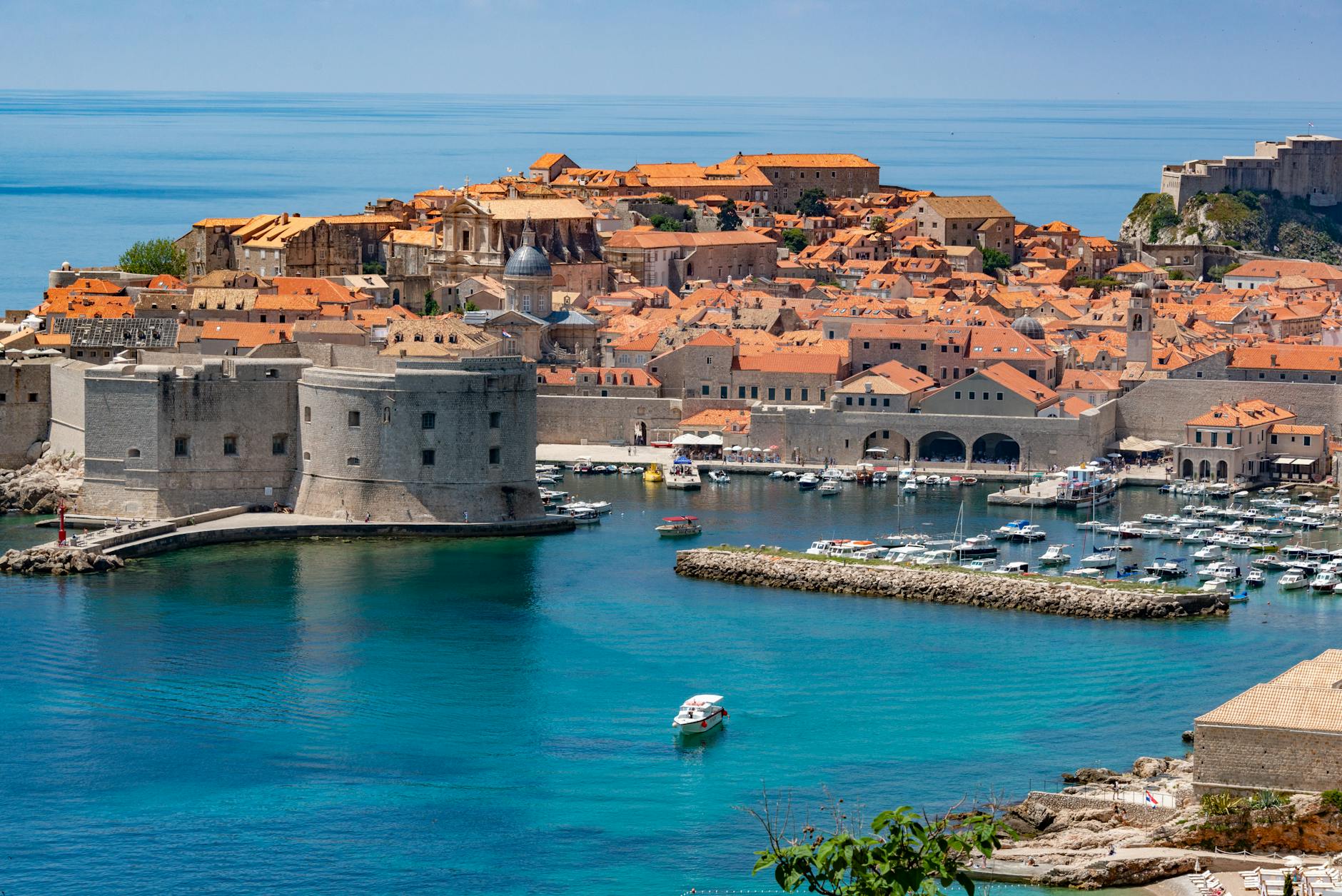
    Discover the Amazing Dubrovnik: Castles, Beaches and Cuisine 2025 Guide

    Introduction

    Amazing Dubrovnik, often referred to as the “Pearl of the Adriatic,” is a stunning coastal city located along the southern shores of Croatia. Its rich history, breathtaking architecture, and vibrant culture make it a top destination for travelers seeking both adventure and relaxation. The city’s well-preserved medieval walls, which encircle the Old Town, serve as a striking reminder of its resilience and importance throughout history. Scenic coastlines dotted with picturesque beaches invite visitors to unwind and soak in the sun, while a wealth of cultural attractions, including museums and galleries, provide insight into the region’s artistic heritage. Culinary enthusiasts will find a vibrant food scene that highlights local flavors and ingredients, with bustling markets and charming restaurants offering delectable dishes. Adventure seekers can explore the surrounding natural beauty through various outdoor activities, ensuring that Amazing Dubrovnik is truly a destination that caters to every interest.

    The Enchanting Walls of Dubrovnik

    The robust city walls of Amazing Dubrovnik are among the best-preserved fortifications in the world, serving as a symbol of the city’s historical importance and resilience. Stretching roughly 2 kilometers, the walls offer a unique perspective on the city’s architectural marvels, including baroque buildings, palaces, and hidden squares. These remarkable structures date back to the 13th century and were built to protect the city from invasions, showcasing the ingenuity and determination of Dubrovnik’s inhabitants.

    Visitors can start their journey on the walls at the Pile Gate, the main entrance. As you walk along the battlements, you’ll be treated to panoramic views of the Adriatic Sea, the rugged coastline, and the terracotta rooftops of the Old Town. The walls feature multiple towers and fortresses, from the Minceta Tower, which stands proud at the northern end, to the Bokar Fortress, situated at the southwestern wall. Each of these structures holds stories of battles fought and the strategic importance they served in protecting the city.

    One of the most captivating experiences along the walls is witnessing the changing light throughout the day. From the golden hues of sunrise to the fiery oranges and reds of sunset, these enchanted fortifications take on a different character, making for unforgettable photographs and memories. It’s not just the scenery that is engaging; the walls themselves narrate the city’s rich history. Informative plaques and guided tours enhance the experience, offering insight into the architectural techniques used and the events that shaped the city over centuries.

    As part of the historical narrative, visitors are often captivated by the tales of notable sieges, including the Siege of Dubrovnik during the Croatian War of Independence. This historical context deepens the appreciation for the city’s cultural heritage and the importance of preserving such sites for future generations. The walls also play host to various cultural events and festivals throughout the year, including the Dubrovnik Summer Festival, where theaters and musicians bring the walls to life with performances that echo through the ages.

    Beyond their protective function, the walls foster a sense of community and connection among both locals and travelers. Cafés and shops nestled along the walking paths invite visitors to take a break, sip on a refreshing drink, and engage with the welcoming spirit of Amazing Dubrovnik. As you climb to the highest points of the walls, the gentle breeze carries the sounds of laughter and conversation, weaving a tapestry of shared experiences that transcend time.

    The appeal of these ancient walls lies in their ability to blend history with the present. The combination of breathtaking views, fascinating stories, and the opportunity to walk in the footsteps of history makes the city walls of Dubrovnik a must-visit. A journey along these fortifications provides not just an overview of the city itself, but a deeper understanding of the spirit of resilience that defines Amazing Dubrovnik. In doing so, visitors leave with a rich sense of the city’s past, and a newfound appreciation for its contributions to the cultural tapestry of Europe.

    The Allure of Dubrovnik’s Beaches

    The beaches of Amazing Dubrovnik are just as enchanting as the historical landmarks. Nestled along the stunning coastline, these sandy stretches and pebbled coves cater to every type of beachgoer. From bustling public beaches filled with locals and tourists enjoying sun-soaked days to hidden gems where you can find peace and solitude, Dubrovnik’s beaches are an integral part of the city’s charm.

    One of the most popular spots is Banje Beach, which offers spectacular views of the Old Town and the towering city walls. The beach is equipped with sun loungers, parasols, and a beach bar that serves refreshing cocktails and snacks. This lively atmosphere makes it a great place for socializing and enjoying the vibrant energy of Dubrovnik during the day. The shallow azure waters are perfect for swimming, and the beach tends to be bustling, especially during the warm summer months.

    For those seeking a quieter escape, the nearby Sveti Jakov Beach is a hidden treasure. Accessible via a short walk down a steep flight of stairs, this beach offers a more intimate setting, where visitors can relax away from the crowds. The clear water is ideal for snorkeling, and the scenic views of the Old Town from this vantage point are nothing short of breathtaking. It’s the perfect spot for couples looking for a romantic retreat or families wishing to spend quality time together in a serene environment.

    Another noteworthy mention is Lapad Beach, located in a beautiful bay surrounded by lush greenery and resorts. This beach is family-friendly and offers various amenities, making it a popular choice for visitors traveling with children. With shallow waters, kids can safely wade in and enjoy playful splashes, while parents can unwind under the sun or take leisurely strolls along the promenade. Restaurants and cafés are conveniently located nearby, providing delicious meal options to recharge after a day of swimming and sunbathing.

    Further along the coast, the stunning island of Lokrum is just a short boat ride away from Dubrovnik. This natural oasis features beaches surrounded by crystal-clear waters, making it a fantastic day-trip destination. Visitors can explore the island’s botanical gardens or take a dip in the famous Dead Sea, a small saltwater lake that is perfect for relaxing. The ferry ride offers an exciting opportunity to witness Dubrovnik from a different perspective, setting the tone for a day of exploration and adventure.

    The atmosphere at Amazing Dubrovnik’s beaches is enhanced by the warm Mediterranean climate, making them year-round attractions. Even in spring and autumn, the mild weather entices locals and visitors to enjoy the seaside. Various water sports, such as kayaking, paddleboarding, and jet skiing, are also readily available for those looking to inject some adventure into their beach experience.

    In summary, the allure of Dubrovnik’s beaches lies in their diversity. From the vibrant atmosphere of Banje Beach to the tranquility of Sveti Jakov and the family-friendly Lapad Beach, there is a perfect spot for everyone. Whether you’re looking to soak up the sun, splash in the waves, or enjoy a peaceful escape, the beaches of Amazing Dubrovnik are a magical part of your journey to this Adriatic gem.

    Cultural Treasures: Museums and Historic Sites

    Dubrovnik’s cultural treasures are abundant, with an array of museums and historic sites that provide a fascinating glimpse into the city’s heritage. The rich tapestry woven through centuries of history comes alive in the preserved architecture, historical artifacts, and vibrant art exhibitions that can be found throughout the city. Exploring these cultural landmarks is essential for any visitor eager to understand the significance of Dubrovnik beyond its stunning coastal views.

    One of the must-visit museums is the Dubrovnik Museum of Modern Art, located in an old villa overlooking the sea. The museum showcases an impressive collection of Croatian paintings and sculptures from the 20th century to the present, allowing visitors to appreciate the evolution of artistic expression in the region. The picturesque setting and carefully curated exhibitions complement the art, making it a beautiful experience for anyone with an interest in culture and history.

    The Rector’s Palace is another iconic site that draws countless visitors each year. Once the residence of the rector of the Republic of Ragusa, the palace now serves as a museum exhibiting the rich history and governance of the city-state. Its stunning Gothic-Renaissance architecture, adorned with ornate columns and arches, reflects the prosperity of Dubrovnik in the past. Exploring the inner chambers, visitors can see the impressive collection of artifacts, documents, and artworks that tell the story of the city’s political significance.

    For literature enthusiasts, the Franciscan Monastery is a captivating destination. Home to one of the world’s oldest pharmacies, established in 1317, the monastery allows visitors to step back in time and witness the healing arts that have been practiced for centuries. The intricate architecture, serene cloisters, and beautifully landscaped gardens provide a peaceful escape for reflection and research into the historical context of medicine in Dubrovnik.

    No visit to Amazing Dubrovnik would be complete without experiencing the city’s rich traditions during local festivals. The Dubrovnik Summer Festival, held annually, transforms the Old Town into a vibrant hub of artistic expression. Performers from around the world come to showcase their talents through music, theatre, and dance. Taking place on historic streets, local squares, and even rooftops, the festival celebrates the city’s rich cultural heritage and unites residents and visitors alike in a shared appreciation of the arts.

    Another significant site is the Sponza Palace, a marvel of Renaissance architecture that also served as a treasury and customs house. Today, it houses an archive with documents that reveal the city’s political and social history, allowing visitors to delve deeper into the timeline of Amazing Dubrovnik’s illustrious past. The beautiful atrium and intricately carved details of the palace provide a stunning backdrop for photographers and historians alike.

    Furthermore, the city’s rich maritime heritage is explored at the Maritime Museum, located in the historic baroque building of the St. John Fortress. The museum chronicles the maritime history of Dubrovnik through exhibits featuring ship models, navigational instruments, and historical documents. For those interested in the sea’s role in shaping the community and economy of Dubrovnik, this museum is a treasure trove of information.

    Moreover, the beauty of Dubrovnik’s cultural treasures lies in their accessibility. The compact nature of the Old Town allows visitors to navigate the historic sites easily, and guided tours often enhance the experience by providing deeper insights into the significance behind the architecture and artifacts.

    In summary, Dubrovnik’s cultural treasures are not just a reflection of its past but an invitation to connect with its ongoing story. From ancient palaces to modern art museums and vibrant festivals, the city’s rich heritage offers something for every curious traveler. The cultural landscape of Amazing Dubrovnik is a kaleidoscope of history, art, and tradition that enriches the overall experience and leaves a lasting impression on all who visit.

    Gastronomic Delights: Cuisine and Local Markets

    Dubrovnik’s culinary scene is as vibrant and diverse as its cultural landscape. The city offers a delicious fusion of Mediterranean and local flavors, with an emphasis on fresh, seasonal ingredients that reflect the region’s agricultural bounty. Gastronomic experiences abound, from traditional Croatian dishes to innovative culinary creations in contemporary restaurants. A foodie’s journey through Dubrovnik would be incomplete without exploring its bustling local markets, quaint cafés, and exquisite dining establishments.

    One of the best places to immerse yourself in the local food culture is the Gundulić Square market, where vibrant stalls burst with fresh produce, artisanal products, and local delicacies. Each morning, vendors display a colorful array of fruits, vegetables, olives, and cheeses, allowing visitors to engage with local farmers and learn about the origins of their goods. Sampling freshly made prosciutto or indulging in sweet figs and honey is a sensory delight that showcases the region’s flavors.

    Joining a food tour can provide an even deeper understanding of Amazing Dubrovnik’s culinary landscape. Guided tours often include stops at various eateries, where travelers have the opportunity to taste must-try dishes such as black risotto, filled with cuttlefish ink, or the famed peka, a dish made with meat and vegetables slow-cooked under a bell-shaped lid. These tours allow an exploration of how culinary traditions have evolved while showcasing the techniques used to create authentic Croatian cuisine.

    Seafood lovers will find the Adriatic Sea to be a rich source of inspiration, with many restaurants specializing in fresh catch. Grilled fish seasoned with simple herbs and olive oil epitomizes the Mediterranean lifestyle, allowing the ingredients to shine in their natural glory. Local establishments often prepare dishes that highlight the seasonal catch, ensuring that guests enjoy the freshest seafood that the region has to offer. Accompanying these meals with local wines, produced from vineyards scattered throughout the picturesque countryside, enhances the experience and provides a taste of the region’s viticulture.

    For those looking to indulge in a sweet treat, a visit to a local bakery is a must. Traditional pastries such as štrukli and baklava tempt the senses and provide a delightful conclusion to a meal or a perfect snack during a day of exploration. The fragrant aroma of freshly baked bread fills the air, and the artistry in pastry making represents the deep culinary roots of the region.

    As evening falls, the dining scene in Amazing Dubrovnik comes alive with opportunities to enjoy romantic dinners overlooking the harbor. Fine dining establishments offer a unique blend of traditional and contemporary cuisine, often employing innovative cooking techniques. Expect to find dishes that incorporate local ingredients, presented with a creative flair, and paired excellently with regional wines. The luxurious eateries along the coastline create an idyllic setting for an unforgettable dining experience.

    In addition to traditional cuisines, Dubrovnik’s culinary scene has embraced international trends, leading to a diverse array of dining options. Restaurants that offer fusion dishes provide a delightful change of pace, appealing to modern palates. You can find Asian-inspired restaurants, vegetarian-friendly café options, and also modern takes on classic Mediterranean dishes.

    Food festivals and events celebrating local cuisine often take place throughout the year, allowing visitors to engage with the community and experience the culinary arts firsthand. During these events, both chefs and home cooks share their recipes and secrets, inviting everyone to partake in the tradition of Croatian cooking.

    In conclusion, the gastronomic delights of Amazing Dubrovnik are a delicious journey that reflects the city’s rich cultural heritage. From exploring local markets filled with fresh produce to dining at exquisite restaurants that celebrate culinary innovation, there is a flavor for every palate. Engaging with the culinary scene not only satisfies hunger but also deepens one’s understanding of the local culture and traditions. A culinary adventure in Dubrovnik promises to leave a lasting impression on all who indulge in its delightful offerings.

    Adventurous Activities: Beyond the Ordinary

    Beyond the stunning architecture and rich culture, Amazing Dubrovnik offers a wealth of adventurous activities for those looking to explore the great outdoors. With its breathtaking landscapes, azure waters, and rugged terrains, the region provides countless opportunities for thrill-seekers and nature enthusiasts alike. From hiking picturesque trails to kayaking in hidden coves, adventures await around every corner in this captivating coastal city.

    One of the most popular activities is hiking in the nearby hills. The SrÄ‘ Mountain offers an array of trails that cater to different skill levels, with paths winding through lush forests and ultimately leading to breathtaking panoramic views of Dubrovnik and the Adriatic Sea. The journey to the top is a rewarding experience, and once there, the vistas provide a perfect backdrop for memorable photographs. For those who prefer a more guided experience, organized hiking tours are available, providing insight into the local flora and fauna along with a deep sense of the region’s natural beauty.

    For a unique perspective of the stunning coastline, kayaking is a must-try activity. Renting a kayak allows visitors to paddle through the tranquil waters, exploring hidden caves and secluded beaches that are often inaccessible by land. Guided kayaking tours often include stops for snorkeling or swimming, giving participants the chance to immerse themselves in the vibrant marine life that thrives in the crystal-clear waters of the Adriatic. Paddling in the early morning or late evening often reveals a serene atmosphere, with fewer crowds and the gentle sounds of nature all around.

    Another exciting adventure is sailing in the picturesque waters around Amazing Dubrovnik, whether on a chartered yacht or joining a group excursion. The flexibility of sailing provides the opportunity to visit nearby islands like Lokrum or the Elaphite Islands, where pristine beaches and lush landscapes await. Relaxing on a sailboat while navigating the azure waters is an invigorating experience that allows travelers to connect with both nature and the azure expanse of the sea.

    Cycling through scenic routes is another exhilarating way to experience Dubrovnik and its surroundings. Biking trails lead through picturesque countryside, charming villages, and coastal paths that offer breathtaking views. Enthusiasts can challenge themselves on uphill routes or enjoy leisurely rides along the coastline, soaking in the sights, sounds, and smells of the Mediterranean landscape. Rental services are widely available, and guided cycling tours provide an opportunity to learn about the local history while engaging with the stunning scenery.

    For those looking for a thrill, adventure parks in the vicinity offer zip-lining, rock climbing, and other adrenaline-pumping activities. The scenery from the heights is remarkable, and the combination of nature and adventure creates an unforgettable experience. Zip-lining over the beautiful landscapes and coastal views offers an exhilarating way to appreciate the beauty of the region from above.

    Additionally, scuba diving allows for an extraordinary experience, exploring the underwater world of the Adriatic. Numerous diving schools offer courses for both beginners and experienced divers, providing opportunities to encounter colorful marine life and explore ancient shipwrecks. The clear waters ensure excellent visibility, and diving enthusiasts often return with fascinating stories and memories of their aquatic adventures.

    Amazing Dubrovnik is not just a city of history and culture, but a playground for adventure seekers. From hiking and kayaking to cycling and scuba diving, there is an abundance of activity options to satisfy even the most daring adventurers. Embracing the adventurous spirit of Dubrovnik offers a rewarding way to connect with nature and experience the beauty of the Adriatic coast while also appreciating the city’s charm from a different perspective.

    Conclusion

    Amazing Dubrovnik is undoubtedly a captivating destination that weaves together its rich history, stunning landscapes, vibrant culture, and mouth-watering cuisine. A journey to this magical city offers an unforgettable exploration, inviting visitors to experience the enchanting walls, serene beaches, cultural treasures, culinary delights, and adventurous activities that make it exceptional.

    As travelers stroll along the ancient fortifications, bask in the sun on picturesque shores, and sample authentic local dishes, they will find themselves deeply immersed in the essence of Dubrovnik. The city’s beauty is not only visual; it encompasses the warmth of its people and the stories they share. Engaging with the locals, participating in festivals, and savoring the tastes of the region create connections that linger long after departure.

    Dubrovnik serves as a reminder of resilience, creativity, and the ability to adapt through the forces of nature and time. It beckons travelers to explore its wonders, embrace its adventures, and celebrate its cultural heritage. As you conclude your visit, you will undoubtedly carry a piece of Amazing Dubrovnik with you, a treasure forged by memories, adventures, and experiences that will last a lifetime. Whether it’s your first visit or a return to familiar shores, the magic of Dubrovnik never fades, leaving you enchanted and yearning to return.

  • Explore Majestic Mecca in 2025: A Pilgrimage of Faith and Reflection
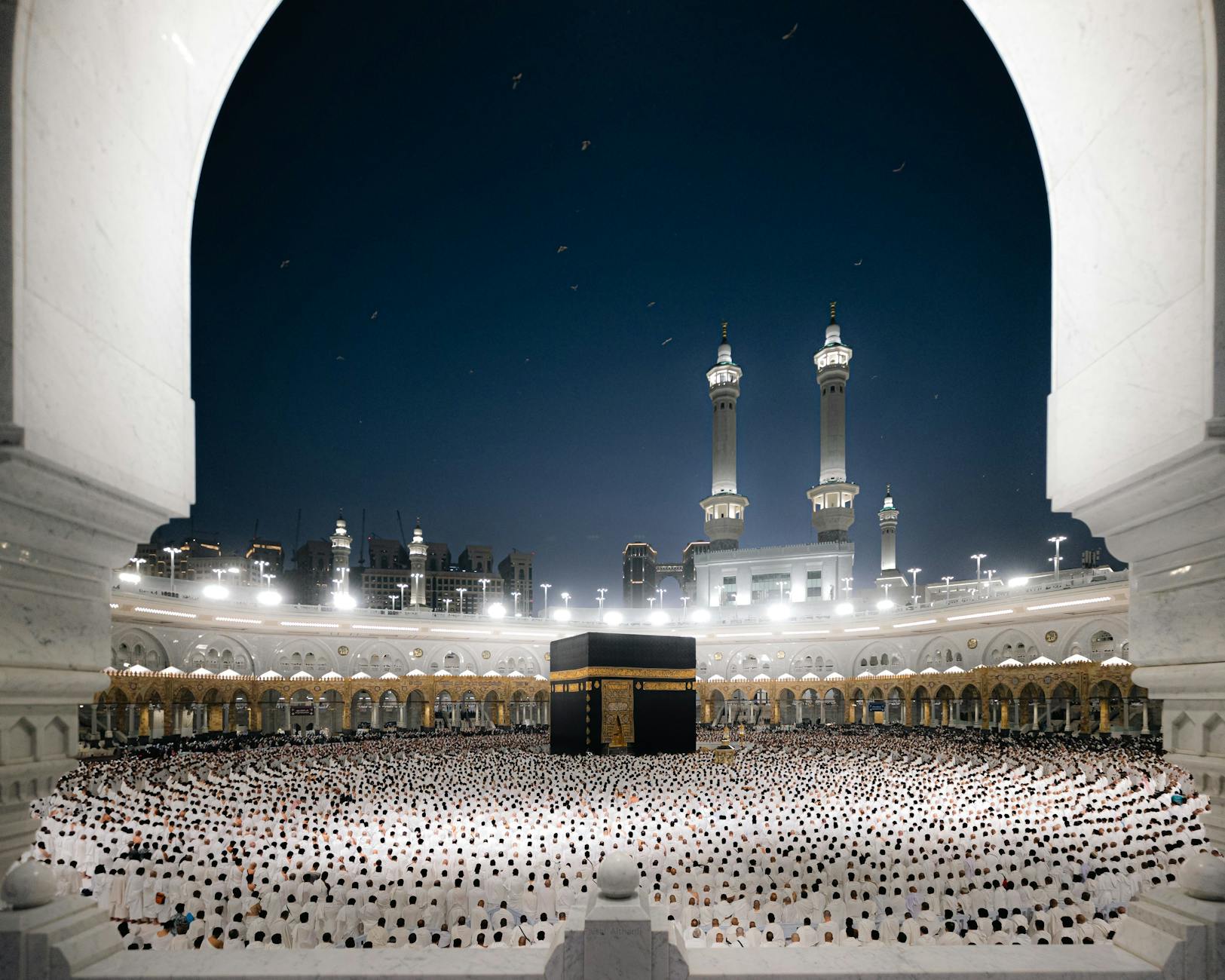
    Explore Majestic Mecca in 2025: A Pilgrimage of Faith and Reflection

    Introduction

    Mecca visiting is a profound journey that goes beyond mere geography; it is a pilgrimage into the very soul of Islam. As the holiest city in Islam, Mecca draws millions of faithful Muslims from around the globe each year, particularly during the Hajj, which is one of the Five Pillars of Islam. It has been a cornerstone of Islamic faith and pilgrimage since the time of the Prophet Muhammad. The city is rich in history, and its sacred sites, including the Kaaba, serve not only as spiritual symbols but also as powerful reminders of the communal and historical identity of Muslims. In this article, we will explore the historical significance of Mecca, the revered Kaaba, the rituals of the Hajj pilgrimage, cultural traditions, and the city’s vast influence on Islamic arts and architecture.

    The Historical Significance of Mecca

    Mecca’s historical significance is not limited to its status as a religious center; it is also deeply rooted in the broader history of the Arabian Peninsula and the Islamic world. The city has long been a hub for trade and commerce, attracting merchants and travelers from diverse regions. Its strategic location along trading routes enabled it to flourish economically, which in turn contributed to its cultural and religious development.

    Historically, Mecca was inhabited by various tribes before the advent of Islam, most notably the Quraysh tribe. The Quraysh played a critical role in the early days of Islam, representing both the challenges and support the Prophet Muhammad faced during his prophetic mission. The city itself is mentioned in numerous Islamic texts, attributing to it a sacred significance that garnered reverence even before the revelation of the Quran.

    The earliest historical records describe how Mecca, particularly the Kaaba, was a site of pilgrimage long before Islam. The Kaaba, believed to have been built by the Prophet Abraham and his son Ishmael, became a focal point of pilgrimage, attracting people who sought to worship the one true God. This pre-Islamic tradition of pilgrimage laid the foundations for what would later develop into the Hajj, further intertwining Mecca’s historical and religious heritage.

    The day that the Prophet Muhammad conquered Mecca in 630 CE marked a pivotal moment in Islamic history. The city was cleansed of its idols, reaffirming the monotheistic foundations of Islam. This event not only solidified Islam’s presence in the Arabian Peninsula but also played a crucial role in its expansion beyond the region. Following the conquest, Mecca became the spiritual center of the Muslim world, a place where Muslims could unite in their faith.

    As Islam spread, Mecca maintained its status as a spiritual beacon. The establishment of the annual pilgrimage, Hajj, which occurs in the Islamic lunar month of Dhu al-Hijjah, became an obligatory practice for all able-bodied Muslims. This pilgrimage is not only a profound act of worship but also acts as a historical reminder of the struggles faced by early Muslims and their eventual triumph.

    In terms of cultural heritage, Mecca has been shaped by its diverse population of pilgrims and traders over the centuries. The interactions between different cultures—Arab, Persian, African, and others—have enriched the city’s social fabric. This cultural amalgamation has left a lasting impact, influencing language, cuisine, attire, and music, which can still be witnessed today.

    Mecca’s historical significance is underscored by its ongoing role as a site of pilgrimage and its impact on the development of Islamic thought. The city represents not only the birthplace of the religion but also the ongoing journey of faith that millions undertake each year. The historical narrative surrounding Mecca is thus one of resilience, unity, and an unwavering connection to the divine.

    The Kaaba: A Symbol of Unity and Faith

    The Kaaba, often referred to as the “House of Allah,” holds an unparalleled position in the hearts of Muslims. This cube-shaped structure is located at the center of the Masjid al-Haram in Mecca and serves as the qibla, the direction toward which Muslims across the globe face during their prayers. Its significance extends beyond mere architecture, as the Kaaba embodies the core beliefs of Islam, including unity, submission, and the oneness of God.

    The construction of the Kaaba is believed to trace back to the Prophet Ibrahim (Abraham) and his son Isma’il (Ishmael). Islamic tradition holds that this sacred site was divinely ordained as a place of worship dedicated to the one true God. Over centuries, the Kaaba has undergone various renovations, yet it retains its symbolic essence. The black stone embedded in its eastern corner is especially revered, believed to have been sent down from Heaven and is seen as a symbol of God’s covenant with humanity.

    Upon arriving in Mecca, pilgrims are overcome by a profound sense of purpose as they make their way towards the Kaaba. The sight of the Kaaba elicits tears of joy and reverence, thick with centuries of profound faith. As they approach, they usually make a sacred intention and recite the Talbiyah, expressing their readiness to engage in the pilgrimage.

    During the Hajj, the circumambulation of the Kaaba, known as Tawaf, is a central ritual. Pilgrims walk around the Kaaba seven times in a counter-clockwise direction, emphasizing the importance of unity as they make this journey together, regardless of their nationalities, cultures, or backgrounds. This is a powerful testament to Islam’s emphasis on equality and fraternity among believers.

    Moreover, the Kaaba symbolizes the ultimate act of submission to God’s will. As Muslims gather to perform Tawaf, there is a palpable sense of communion; they share a singular focus on the Kaaba, forgetting their individual differences. This collective worship fosters a spirit of brotherhood and solidarity that echoes the teachings of the Quran.

    The Kaaba’s role extends beyond Hajj; it holds daily significance for Muslims. Every prayer, performed five times a day, is directed towards the Kaaba, reinforcing the importance of place in spiritual practice. The rituals surrounding the Kaaba serve to continually remind believers of their divine purpose and their connection to the global ummah (community of believers).

    While visiting the Kaaba is a physical journey, it is also a spiritual undertaking that prompts believers to reflect on their lives, intentions, and purpose in the vast tapestry of existence. The mere act of being in its presence is transformative, instilling a deep sense of serenity, gratitude, and devotion.

    Through the Kaaba, Mecca remains a living testament to faith, bridging generations of Muslims who have experienced its power and majesty. Its influence on Islamic spirituality is immeasurable, making it a timeless symbol of the religion and a focal point for millions seeking solace and connection with the Divine.

    The Pilgrimage of Hajj: Its Meaning and Rituals

    The Hajj pilgrimage stands as one of the most significant events in the Islamic calendar, drawing millions of Muslims from all corners of the globe to the holy city of Mecca. Hajj is a unique blend of spiritual, communal, and historical experiences, rooted deeply in the traditions and teachings of Islam, particularly through the example set by the Prophet Muhammad and the lives of the prophets.

    At its core, Hajj is an obligation that every Muslim must fulfill at least once in their lifetime, provided they are physically and financially capable of undertaking the journey. This profound act of worship is not merely a religious duty but serves as a reminder of the values of humility, sacrifice, and devotion. The pilgrimage takes place annually during the Islamic month of Dhu al-Hijjah, culminating in a series of rituals that are steeped in deep meanings and symbolism.

    The journey begins long before the pilgrims arrive in Mecca. Pilgrims prepare themselves spiritually and physically by reflecting on their intentions, seeking forgiveness for past sins, and engaging in acts of charity. This preparatory phase is crucial, as it aligns the pilgrims’ minds and hearts with the significance of what they are about to undertake.

    People from diverse backgrounds, cultures, and nationalities gather together in a demonstration of unity and equality before God. It is often said that Hajj is a microcosm of the world itself. Pilgrims don simple, white garments known as Ihram, symbolizing purity and the equality of all believers before God. The elimination of distinctions such as wealth, nationality, and social status during Hajj underscores the fundamental principles of Islam—humility, unity, and submission to God.

    The pilgrimage is rich with symbolic acts, each carrying deep spiritual significance. One of the first major rites is the Tawaf, where pilgrims circle the Kaaba seven times in a counter-clockwise direction. This act is a reminder of the centrality of God in a believer’s life. Pilgrims recite prayers and supplications as they circumambulate the Kaaba, invoking God’s mercy and blessings.

    Following the Tawaf, pilgrims proceed to the Station of Ibrahim, where they offer prayers reflecting on the devotion of Prophet Ibrahim and his family. This is followed by the Sa’i, a ritual that commemorates Hagar’s desperate search for water for her son Ishmael. Pilgrims walk back and forth between the hills of Safa and Marwah seven times, demonstrating unwavering faith and endurance in the face of hardship.

    The climax of Hajj occurs on the Day of Arafah, where pilgrims gather at the plain of Arafah to offer supplications and seek God’s mercy. This day is deemed the most important of the Hajj, symbolizing the ultimate act of worship and a chance for forgiveness. The collective prayers of millions during this time create a heartfelt atmosphere, uniting believers in their shared yearning for divine mercy.

    The following day marks Eid al-Adha, or the Festival of Sacrifice, commemorating the willingness of Prophet Ibrahim to sacrifice his son at God’s command. Pilgrims partake in the act of Qurbani, or animal sacrifice, distributing the meat to the needy, emphasizing the values of charity and compassion.

    As the pilgrimage concludes, the rituals of Hajj serve as a period of reflection, self-renewal, and commitment to the teachings of Islam. Pilgrims return home enriched by their experiences and renewed in their faith, feeling a profound connection to the global community of Muslims.

    The Hajj is much more than just a series of rituals; it is an encompassing experience that blends history, spirituality, and community. It is a transformative journey that reinforces the importance of faith and unity, leaving an indelible mark on the hearts of those who undertake it.

    Cultural Aspects of Mecca: Living Traditions

    Mecca is not merely a religious site; it is a vibrant city with a rich cultural tapestry shaped by centuries of history and diverse populations. The cultural aspects of Mecca reflect the customs, traditions, and lives of its inhabitants and visitors, weaving a fascinating narrative that complements the city’s spiritual significance.

    The customs and practices of the people of Mecca are deeply intertwined with their religious beliefs. From culinary traditions to local art forms, the culture has evolved through the dynamic interactions among diverse groups of people, including traders, pilgrims, and scholars. The fusion of Islamic beliefs with local customs results in a unique Meccan identity that is both devout and diverse.

    Culinary practices in Mecca are particularly noteworthy. The city is renowned for its vibrant food culture, offering a blend of traditional Hijazi cuisine and dishes from around the world. One of the most celebrated dishes is Kabsa, a fragrant rice dish cooked with spices, served with meat, and often adorned with nuts and raisins. Pilgrims and locals alike gather in street stalls and restaurants to enjoy these beloved meals, sharing not just food but also the stories and traditions that accompany each dish.

    Hospitality is a cornerstone of Meccan culture. Generosity towards guests is considered a virtue, and this is reflected in how locals welcome visitors during the Hajj and throughout the year. The spirit of hospitality often transcends the cultural barriers, as Meccans take pride in sharing their traditions and experiences with pilgrims from various backgrounds. It fosters a sense of camaraderie and brotherhood amongst those who gather in Mecca to fulfill their spiritual obligations.

    Music and dance also play a pivotal role in Meccan culture. Traditional forms of dance, such as Al-Mizmar, showcase the rich heritage of the region, often performed during celebrations and religious events. These performances evoke a sense of joy and community, illustrating the social fabric that ties together the diverse population of the city.

    As a center of learning, Mecca has historically been a hub for scholars and intellectuals. The presence of institutions such as Al-Azhar University highlights the city’s significance as a center for Islamic education. Today, Mecca attracts students and researchers keen to delve into Islamic studies and theology. This scholarly pursuit is celebrated not just in academic circles but also within the broader community, fostering a culture of knowledge and understanding.

    Religious traditions are not confined solely to the rituals of Hajj; they permeate the daily lives of Meccans. The call to prayer resounds throughout the city five times daily, serving as a constant reminder of faith in everyday life. This creates a unique rhythm within the community, as both locals and visitors pause to reflect and engage in prayer, reinforcing the sacred connection they share.

    Throughout each day and night, the streets of Mecca resonate with vibrancy, teeming with life and spirituality. Local markets, known as souks, are filled with vendors offering a variety of goods, from prayer beads to traditional clothing. Shopping is not merely an economic activity; it transforms into a cultural exchange where interactions among diverse groups occur, allowing unique experiences to unfold.

    Events such as Ramadan further enhance the cultural dynamics of Mecca. The month-long observance brings the community alive with nightly gatherings for iftar, the meal breaking the fast. Special attention is given to serving a variety of dishes, symbolizing generosity and togetherness. Pilgrims joining the local populace during this time add an additional layer of unity and shared experience.

    Over the years, while modernity has made its indelible mark on Mecca, the city strives to maintain its unique character. Efforts to preserve local customs alongside modernization reflect the dynamic balance between tradition and progress. Mecca’s cultural aspects are a testament to the ongoing story of a city that represents faith, community, and resilience—a place where time-honored traditions meet the evolving landscape of contemporary society.

    Mecca’s Influence on Islamic Arts and Architecture

    The profound spirituality of Mecca is mirrored in its extraordinary arts and architecture, which have evolved over centuries. The influence of this holy city extends far beyond its borders, shaping Islamic art and architectural styles that resonate within the broader Muslim world.

    Mecca stands as a testament to diverse architectural styles, ranging from the early constructions of the Kaaba to modern architectural marvels. The Kaaba, the heart of the Holy Mosque, is not just a religious center but also an architectural symbol of faith, inspiring Islamic structures worldwide. Its simple cubic form, adorned with the Kiswah (the black silk covering embroidered with gold calligraphy), speaks to the aesthetics of modesty and grandeur simultaneously.

    The historical significance of the Kaaba has led to various interpretations in Islamic art. Calligraphy, particularly, has flourished in the region, with mastery in the art form becoming an essential part of the cultural heritage. Verses from the Quran are artistically rendered on various surfaces, ranging from manuscripts to calligraphic walls in mosques. This form of art serves not just as decoration, but as a spiritual expression of devotion, fostering a connection between the divine and the believer.

    Influencing the design of mosques worldwide, Mecca’s Masjid al-Haram serves as an architectural model characterized by grand open spaces, towering minarets, and intricate motifs. The architectural elements of the mosque represent a blend of historical influences, including Byzantine and Persian styles, merged with traditional Islamic aesthetics. This architectural style has inspired the designs of mosques across the globe, showcasing a commitment to creating spaces that facilitate communal worship and reflection.

    As the city evolved, so did its architectural landscape. The modern extensions of the Masjid al-Haram, including expansive plazas and sky bridges, demonstrate an innovative approach to accommodating the millions of pilgrims who visit annually. These enhancements maintain the sanctity of the space while embracing contemporary construction techniques.

    Beyond architecture, Mecca has played a vital role in the evolution of Islamic literature and poetry. Scholars and poets have drawn profound inspiration from the sacred city, infusing their works with themes of love, devotion, and the quest for spiritual enlightenment. This literary legacy continues to be celebrated, inspiring generations of writers across the Islamic world.

    Pilgrimage itself becomes a source of artistic expression for many who visit Mecca, with personal narratives translated into poetry, prose, and visual art. Artists often capture the essence of the Hajj experience, portraying the emotions and connections formed during this spiritual journey. The stories of millions of pilgrims represent an ever-growing tapestry that enriches Mecca’s artistic heritage.

    The craft of textile design also flourishes in Mecca, with many artisans producing elaborate garments and prayer rugs. The traditional craftsmanship of weaving and embroidery is passed down through generations, ensuring that the artistic techniques remain alive within the local culture. The textiles created in Mecca often embody Islamic teachings and narratives, further conveying the spiritual ethos of the city.

    Moreover, Mecca’s arts and architecture play a crucial role in bridging cultural conversations. With ever-growing globalization, Mecca maintains its significance as a meeting point for diverse cultures, fostering intercultural dialogues within the arts. The pilgrimage offers a platform for sharing artistic expressions from different backgrounds, establishing a beautiful tapestry of creativity woven through faith.

    As Mecca continues to inspire artists, architects, and scholars, its enduring influence on Islamic arts and architecture will undoubtedly remain a vital part of its legacy. The city’s unique blend of spirituality and creativity weaves a narrative that transcends geographical boundaries, uniting Muslims in their devotion to the divine.

    Conclusion

    Visiting Mecca is an unparalleled spiritual journey that encompasses rich historical narratives, profound cultural practices, and artistic influences that resonate far beyond its borders. The city stands as a symbol of unity for Muslims, inviting millions to partake in its sacred rites, particularly during the Hajj pilgrimage. Each visitor carries away not just memories of the spiritual encounters, but also a deeper understanding of their faith and identity within the global ummah.

    The experience of standing before the Kaaba, participating in the rituals, and sharing moments with fellow pilgrims creates a powerful sense of belonging and connection. Mecca fascinates and inspires, evoking emotions that reflect the beauty and complexity of Islamic spirituality. The intertwining of historical significance and contemporary dynamics allows Mecca to maintain its relevance within the modern world.

    Beyond the pilgrimage, the cultural and artistic contributions of Mecca serve as enduring reminders of the city’s heritage. From its architectural marvels to its deep-rooted traditions and vibrant stories, Mecca embodies the essence of faith, resilience, and unity.

    As the years progress and the world continues to change, the significance of Mecca as a home for spiritual exploration and personal transformation endures. It stands as an everlasting beacon, calling believers to seek a deeper connection with the divine, uphold the values of compassion and generosity, and honor the rich history that unites Muslims across continents. Visiting Mecca is not just a journey to a place; it is a pilgrimage toward the heart and soul of Islam itself.

  • 3-Day Vibrant Madrid Itinerary: Palaces, Tapas, and Art

    3-Day Vibrant Madrid Itinerary: Palaces, Tapas, and Art

    Introduction

    Madrid, the capital of Spain, presents a captivating blend of history, culture, and culinary delights. This article takes you on a comprehensive 3-day journey through the heart of the city, guiding you through regal palaces, charming neighborhoods, and tantalizing tapas bars. From the grandeur of the Royal Palace to the vibrant streets filled with artwork, Madrid is a city that never fails to amaze. Each day promises a mix of sightseeing, dining, and experiencing local traditions, ensuring that you immerse yourself fully in the Spanish way of life. Whether you are a history buff, a foodie, or an art lover, this guide will offer you an unforgettable adventure, revealing the essence of Madrid in just three days.

    Exploring the Majesty of Royal Palaces

    The Royal Palaces of Madrid stand as monumental symbols of Spain’s rich history and regal heritage. The first day of our journey begins with an exploration of the extravagant Royal Palace, located in the heart of the city. Built in the 18th century, it is the official residence of the Spanish royal family, although they primarily reside in the Palacio de la Zarzuela on the outskirts of Madrid. With over 3,000 rooms, the palace is the largest in Western Europe, showcasing stunning architecture influenced by various European styles.

    Upon entering the palace, visitors are greeted with opulence. The Grand staircase, adorned with majestic chandeliers, leads to the main floor where numerous rooms tell stories of Spain’s royal past. The Throne Room, with its lavish decor and a pair of thrones representing the Spanish monarchy, is a must-see. It is here that state ceremonies take place, offering a glimpse into the regal lifestyle once lived by Spain’s kings and queens.

    Pay close attention to the Royal Armory, which houses an impressive collection of armor and weapons dating back to the 15th century. This armory preserves the history of Spain’s military prowess. The attention to detail in the craftsmanship of each piece is astonishing and reflects the skill of craftsmen from centuries past. Adjacent to the armory is the royal pharmacy, which gives a fascinating insight into the medicinal practices of earlier times.

    As you exit the palace grounds, the surrounding gardens—the Sabatini Gardens and the Campo del Moro—provide a serene escape from the busyness of the city. The carefully manicured hedges, fountains, and sculptures create a picturesque setting perfect for a leisurely stroll or a moment of reflection. These gardens not only enhance the royal vibe of the palace but also offer stunning views of the architectural wonder itself.

    After a morning spent at the Royal Palace, it’s time to indulge in some of Madrid’s culinary delights. A short walk from the palace leads to a variety of tapas bars, where traditional Spanish dishes await. Madrid is known for its rich culinary traditions, and sampling tapas is an essential part of experiencing the culture. Dishes such as patatas bravas (spicy potatoes), jamón ibérico (Iberian ham), and croquetas (fried savory bites) are just the beginning. Pair these delectable bites with a glass of local wine or a traditional vermouth to enliven your culinary adventure.

    The combination of history and gastronomy on this first day lays a solid foundation for the rest of your journey. You’ll not only absorb the royal grandeur but also taste the essence of Spain, setting the stage for the vibrant days ahead.

    Indulging in Authentic Spanish Cuisine

    The second day of our journey is dedicated to Madrid’s culinary scene, an essential part of experiencing the local culture. Spanish cuisine is a tapestry of flavors and traditions, with an emphasis on freshness and quality. Madrid, being a melting pot of cultures, offers an array of dining experiences that range from traditional tapas to avant-garde cuisine.

    Begin your day by visiting the bustling Mercado de San Miguel, a historic market that brings together some of the best food vendors in the city. The market is a feast for the senses, with colorful displays of fresh produce, seafood, and cured meats. The atmosphere is lively, as locals and tourists alike gather to sample a variety of dishes. Here, you can try an assortment of tapas, from olives and cheeses to exquisite seafood dishes like octopus and prawns. Don’t miss the chance to taste the local dish, callos a la madrileña, a hearty tripe stew that warms the soul.

    As the day progresses, consider joining a food tour that not only shows you the culinary highlights but also shares the stories behind them. A knowledgeable guide can take you to hidden gems off the beaten path, where locals enjoy their meals. One must-try experience is participating in a traditional cooking class, where you can learn to prepare classic Spanish dishes such as paella or tortilla española. Engaging in this process not only enhances your culinary skills but also deepens your appreciation for the country’s gastronomy.

    Lunchtime provides another opportunity to indulge in Madrid’s diverse culinary offerings. Venture into a local restaurant where you can savor a three-course meal, complete with a refreshing glass of sangria. The midday meal is a cherished tradition in Spain, often featuring regional specialties. A typical menu podría include an appetizer of gazpacho, a main course of roasted lamb, followed by a delectable dessert of churros with chocolate, which is perfect for satisfying your sweet tooth.

    In the evening, explore Madrid’s vibrant food scene further by visiting a rooftop bar or restaurant that offers stunning views of the city skyline. Dining al fresco while enjoying adorable sunset views adds an extra layer of joy to your culinary experience. Here, you can savor creative tapas that give a modern twist to traditional flavors, showcasing the innovative spirit of Madrid’s chefs.

    The second day will leave you with a satisfied palate and a deeper understanding of Spain’s culinary traditions. As you enjoy the diverse flavors that Madrid has to offer, you will see the connection between food and culture, making your journey all the more enriching.

    Discovering Madrid’s Rich Art Scene

    Day three invites you to immerse yourself in Madrid’s vibrant art scene, a true testament to the city’s creative spirit. As one of Europe’s cultural hubs, Madrid is home to world-class museums and galleries that showcase both classical and contemporary art. Begin your exploration at the renowned Museo del Prado, one of the finest art museums in the world, offering an impressive collection of European art, including works by masters like Velázquez, Goya, and Bosch.

    Upon entering the Prado, you are transported into a realm of artistic genius. The museum’s extensive collection features over 8,000 paintings and 700 sculptures, and it’s essential to have a plan to navigate through its many halls. Highlights include Velázquez’s iconic “Las Meninas”, a captivating portrayal of the Spanish court, and Goya’s haunting “The Third of May 1808”, which depicts the brutalities of war. Don’t forget to take a moment to appreciate the intricate details and rich histories behind these masterpieces.

    After indulging in classical art at the Prado, make your way to the nearby Museo Thyssen-Bornemisza. This museum boasts an extensive collection ranging from medieval art to modern works, acting as a bridge between the classical and contemporary. The museum features pieces by renowned artists such as Caravaggio, Van Gogh, and Monet, allowing you to appreciate the evolution of art over centuries. The museum’s relaxed ambiance and well-curated exhibitions make it a delightful place to lose track of time.

    An afternoon at the Reina Sofía Museum completes your art exploration. This modern art museum houses an impressive collection of 20th-century artworks, with a focus on Spanish artists like Salvador Dalí and Joan Miró. The crown jewel, however, is Pablo Picasso’s monumental “Guernica”, a powerful anti-war piece that resonates with visitors. The painting’s size and emotional intensity leave a lasting impact, making it a highlight of any visit to the museum.

    Beyond these major institutions, Madrid is also filled with smaller galleries and street art that reflect the city’s creative energy. Wander through the Hipster neighborhood of Malasaña, where you’ll discover vibrant murals and eclectic art spaces. Many local artists showcase their work in pop-up galleries, offering a glimpse into the contemporary art scene that thrives within the city.

    Don’t forget to take a break at one of the many coffee shops or cafes that adorn the art districts. Enjoying a cup of local coffee while surrounded by inspiring artworks creates a perfect synergy of creativity and relaxation.

    By the end of your exploration, you’ll not only gain a deeper appreciation for art but also witness how it intertwines with the life and culture of Madrid. This final day provides the opportunity to reflect on the beauty and creativity that permeate through the city, enriching your overall experience of Madrid.

    Strolling Through Historical Districts

    On your fourth day in Madrid, it’s time to immerse yourself in the charming atmospheres of the city’s historical districts. Madrid is comprised of various neighborhoods, each with its own unique character and rich history. Start your day in the picturesque streets of La Latina, known for its narrow alleyways, delightful plazas, and an abundance of tapas bars.

    On Sundays, La Latina comes alive with the Rastro, Madrid’s largest open-air flea market, where you can find everything from antiques to handmade crafts. Explore the stalls, hunt for unique souvenirs, and enjoy the vibrant atmosphere filled with musicians and street performers. This market gives you a taste of the local culture, where both locals and tourists gather to socialize and shop.

    After your shopping spree, meander through the heart of Madrid’s historic center, the area surrounding the stunning Plaza Mayor. This grand public square has been a focal point of the city since its construction in the early 17th century. Here, you can admire the impressive architecture, and perhaps stop at one of the many cafes that line the square for a coffee or a refreshing drink. Take a moment to soak in the ambiance, observing the elegant buildings and the lively interactions of passersby.

    As you continue your exploration, head towards the literary quarter of Las Letras, named after famous writers like Cervantes and Lope de Vega. The neighborhood is rich with literary history, and you can find fun street signs honoring these great authors scattered around. A stroll through the cobbled streets will lead you to beautiful plazas, quaint bookshops, and inviting bars that pay homage to Spain’s literary heritage.

    Make sure to visit the stunning Royal Botanical Garden, a hidden gem next to the Prado Museum. This tranquil oasis features an impressive collection of flora from around the world. Take your time to stroll through the manicured gardens, relax by the ponds, and enjoy the peacefulness that this green space offers within the bustling city.

    In the afternoon, head to the Gran Vía, a bustling avenue known as the “Spanish Broadway.” This grand thoroughfare is lined with beautiful 20th-century buildings showcasing architectural styles ranging from Art Deco to Neo-Mudéjar. You can visit flagship stores, theaters, and restaurants that give a lively atmosphere to this important street. Don’t miss the chance to pop into the famous Edificio Telefónica for panoramic views of the city from its observation deck.

    Conclude your day by visiting the neighborhood of Chueca, the heart of Madrid’s LGBTQ+ community. This vibrant area is known for its lively nightlife, trendy bars, and welcoming atmosphere. Whether you choose to explore the chic boutiques or enjoy a dinner in one of the many innovative restaurants, Chueca encapsulates the modern spirit of Madrid.

    Exploring these historical districts not only highlights Madrid’s past but also weaves a connection to the present, showcasing the city as a vibrant tapestry of culture and history. This day will surely deepen your appreciation for the sights, sounds, and stories that define this remarkable capital city.

    Enjoying the City’s Vibrant Nightlife

    Madrid’s nightlife is an exhilarating mix of energy, creativity, and culture. As the sun sets, the city comes alive with music, laughter, and the clinking of glasses, creating an irresistible atmosphere that beckons social interaction. On your fifth day, embrace Madrid’s vibrant nightlife and experience its various offerings, from traditional flamenco shows to trendy clubs.

    The evening often begins with a leisurely meal at a local restaurant, where sharing tapas is the norm. The dining culture in Madrid is social and communal, setting the tone for a fantastic night ahead. After dinner, head towards the renowned flamenco district of La Latina. Witnessing a live flamenco performance is a must during your visit. The passionate dance, beautiful costumes, and soulful music embody the spirit of Spanish culture. While there are many flamenco venues throughout the city, establishments like Casa Patas or Corral de la Morería are popular choices for an authentic experience.

    As the night deepens, the energy will gradually shift towards the bustling neighborhoods of Malasaña and Chueca. These areas are known for their eclectic bars, stylish clubs, and vibrant LGBTQ+ scenes. Enjoy a pub crawl through Malasaña, where you can find everything from vintage cocktail bars to alternative music venues. This neighborhood fosters creativity, offering places where local artists and musicians gather, making for a lively backdrop to your night.

    Chueca, famous for its welcoming energy, is another hotspot that promises a night of fun. From chic bars to lively clubs, the options are endless. Many venues have themed nights or live DJs, ensuring that there’s something for everyone. Dance the night away at a popular club such as Teatro Kapital, which boasts multiple floors of music and atmosphere, or enjoy a more intimate setting in one of the trendy bars lining the streets.

    Naturally, no night out in Madrid would be complete without experiencing the local late-night food scene. As the club atmosphere begins to wane, head to a sidewalk eatery for a late-night snack. Here, you can enjoy street food staples like kebabs, hot dogs, or churros dipped in chocolate—perfectly indulgent treats to satisfy your cravings after a night of dancing and revelry.

    Lastly, as the dawn approaches, don’t miss the opportunity to witness Madrid’s breathtaking sunrise from one of the city’s viewpoints. Places like the Templo de Debod offer a stunning backdrop as the sun rises over the landscape, providing a peaceful conclusion to a lively night.

    Experience Madrid’s vibrant nightlife to the fullest as it represents the city’s heartbeat, brimming with creativity and spontaneity. From traditional flamenco performances to modern clubbing, the nightlife is a colorful reflection of Madrid’s diverse culture, leaving lasting memories of your journey.

    Conclusion

    As your 3-day journey through Madrid comes to an end, you leave with not only a sense of discovery but also a profound appreciation for the rich tapestry of experiences the city has to offer. From exploring royal palaces steeped in history to indulging in mouthwatering Spanish cuisine, each day offered new opportunities to connect with Madrid’s heart and soul.

    Wandering through the charming streets of historical districts, you were transported back in time while still embracing the modernity and vibrancy of the city. The dynamic art scene provided a feast for the senses, showcasing the creative talents that continue to thrive in Madrid. And finally, the lively nightlife welcomed you into a world where the spirit of celebration and social connection reigns supreme.

    Madrid is a city that captivates its visitors with every step, revealing layers of culture, history, and tradition. Whether you find solace in its art, joy in its flavors, or energy in its nightlife, Madrid promises to leave an indelible mark on your heart. With memories to cherish and stories to tell, your journey through Madrid has surely been an unforgettable adventure.