Category: Cities

  • Houston History: a full guide

    Houston History: a full guide

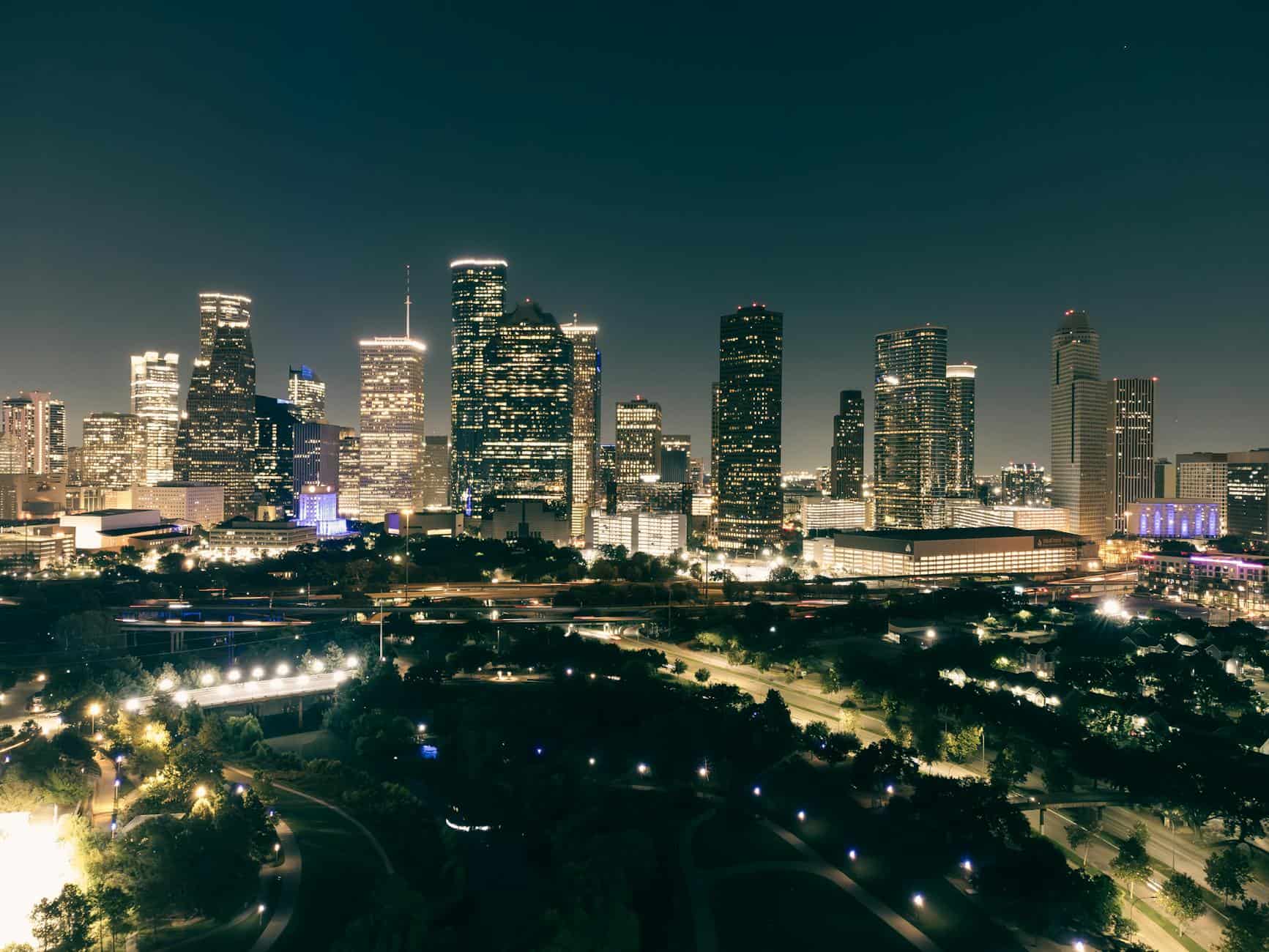
    Houston, Texas, is a city rich in history, culture, and economic development. Founded in 1836 by brothers Augustus and John Kirby Allen, it has evolved from a fledgling settlement into the fourth-largest city in the United States. The city played a pivotal role not only in the Texas Revolution but also in shaping the broader narrative of American growth.

    From its early days as a trading post to becoming a hub for the oil industry and, most recently, a center for space exploration, Houston’s history reflects the dynamic forces at play in American society. This article delves into the multifaceted history of Houston, examining its origins, its critical events, and its transformative growth, underscoring why it remains an important American city today.

    The Founding of Houston: The Town and Its Origins

    The founding of Houston, Texas, is directly tied to the vision of its founders, Augustus and John Kirby Allen, who saw potential in the area’s strategic location along Buffalo Bayou. Originally, the land was predominantly inhabited by indigenous peoples, and the Allen brothers were drawn to its natural resources and possibilities for commerce. In 1836, the Allens purchased 6,642 acres of land and laid out a plan for a town that would serve as the seat of government for the newly established Republic of Texas.

    From its inception, Houston was designed to be a center for trade, closely linked to navigation. The founders anticipated a rapid influx of settlers and businesses, especially given its proximity to the Gulf of Mexico. Within months of its establishment, Houston became the temporary capital of the Republic of Texas, solidifying its significance in Texas history. This status provided the city with legitimacy and momentum, attracting politicians, soldiers, and speculators who contributed to its growth.

    The early years of Houston were marked by a vibrant mix of cultures, as settlers from various backgrounds arrived in search of new opportunities. The town’s growth was further accelerated by the influx of immigrants and adventurers drawn by the prospect of land and economic prosperity. Despite facing numerous challenges—including a lack of infrastructure, economic uncertainties, and the looming threats of conflict—the community exhibited resilience and determination.

    With the conclusion of the Texas Revolution in 1836, Houston began to define its identity. The selection of prominent leaders, such as Sam Houston—the city’s namesake and a central figure in Texas history—further cemented its political relevance. As the city began to thrive, it attracted businesses and entrepreneurs, turning it into a lively commercial hub. However, as the town continued to grow, social and economic issues started to emerge, including tensions over slavery, trade, and governance.

    The original layout of Houston included a grid of streets named after prominent figures and geographical features, mirroring other burgeoning American towns of the era. The lack of formal city planning, coupled with the rapid influx of residents, contributed to a chaotic urban landscape that would evolve significantly over the years. Community leaders began to grapple with governance, establishing local institutions, and developing infrastructure.

    By the late 1840s and early 1850s, Houston’s potential was becoming evident. It began to attract railway interests, which would further enhance its connectivity and open new avenues for trade. The arrivals of various railroad companies in the city in the late 19th century transformed Houston into a critical transport hub, linking it to the larger markets in Texas and beyond. This played a decisive role in shaping the economic landscape of Houston and set the stage for its future.

    The founding of Houston is not just a tale of two ambitious brothers; it reflects the broader narrative of American westward expansion, the struggles for governance, and the amalgamation of various cultures. The early developments of Houston, characterized by tenacity, entrepreneurship, and communal spirit, laid the groundwork for its evolution into a major American city. As we delve deeper into the next agenda point, we will explore Houston’s role in the Texas Revolution, an event that would shape its destiny in profound ways.

    The Role of Houston in the Texas Revolution

    The Texas Revolution, which took place from 1835 to 1836, was a pivotal conflict that resulted in Texas gaining independence from Mexico and played a crucial role in shaping the future of Houston. As the backdrop for much of the revolutionary fervor, Houston emerged as a strategic location where critical events unfolded. The city became a haven for revolutionaries, and it was here that many significant decisions were made.

    In the early stages of the Texian rebellion against Mexican rule, Houston was not yet established as a prominent player. The revolution had its roots in the discontent of American settlers in Texas, primarily concerning issues like taxation without representation and the prohibition of slavery. However, it soon became apparent that solidarity among the Texians was necessary to challenge Mexican authority effectively.

    As tensions escalated, leaders, including Sam Houston, began mobilizing troops and assembling a plan of action. Houston’s growing community served as an essential gathering point for revolters, where resources and strategies were coordinated. The city’s location helped facilitate the movement of troops and provisions, making it integral to the revolutionary cause.

    The pivotal moment of the Texas Revolution came with the Battle of San Jacinto on April 21, 1836. Under the command of General Sam Houston, Texan forces launched a surprise attack on the Mexican army led by General Santa Anna. The battle lasted only 18 minutes and resulted in a decisive victory for the Texians, leading to Santa Anna’s capture and the signing of the Treaties of Velasco, which granted Texas its independence.

    Following this sugar-coated victory, Houston played a vital role in the establishment of the Republic of Texas. The city was designated as the temporary capital, and many government functions were carried out here. This central role solidified Houston’s reputation as a political hub and attracted further migration and investment, which contributed to its rapid growth and development as a city.

    The legacy of the Texas Revolution is an essential aspect of Houston’s narrative. It established a spirit of resilience and independence that would stitch itself into the fabric of the Houston identity. The revolution’s ideals of freedom and self-governance paved the way for the establishment of local institutions and laid the groundwork for future governance in Houston. Moreover, the influx of soldiers, settlers, and businesses propelled Houston’s development into the late 19th century, earning it a place as a central figure in Texas history.

    As we move forward, it is crucial to examine how Houston’s economy evolved in the 20th century, an era marked by industrialization and significant advancements that would shape the city’s trajectory for decades to come.

    The Economic Development of Houston in the 20th Century

    The turn of the 20th century marked a period of robust economic development for Houston, transforming it into a powerhouse that would significantly impact not just Texas but the entire United States. Driven by various industries, including shipping, rice farming, and, notably, the oil boom, Houston began to emerge as a critical economic engine.

    In the early years of the century, Houston’s economy was primarily rooted in agriculture, with rice farming being one of its most prominent sectors. The discovery of irrigation techniques allowed for expanded agricultural prospects, which drew people from rural areas looking for new opportunities. The expansion of the Houston Ship Channel in the 1910s significantly enhanced the port’s capacity, further cementing Houston’s role as a vital maritime hub for trade and commerce.

    The discovery of oil in Texas in the 1900s initiated a cascade of economic change that would reshape Houston’s identity. In particular, the Spindletop oil field discovery in 1901 revolutionized the industry and attracted entrepreneurs and talent to the region, eager to capitalize on the oil boom. This influx incentivized investments in infrastructure, providing a foundation for Houston’s industrial expansion.

    As the oil industry flourished, it ushered in a wave of new residents seeking jobs and opportunities. By the 1920s, Houston had developed a diversified economy, with oil, manufacturing, and shipping becoming entrenched sectors. The establishment of numerous oil companies, including Humble Oil and Mobil Oil, laid the groundwork for Houston’s reputation as the center of the global energy industry—a title it still holds today.

    This period also saw the establishment of educational institutions and healthcare facilities, which contributed to the city’s overall quality of life. The founding of the Texas Medical Center in the mid-20th century turned Houston into a hub for medical research and services, further strengthening the local economy and attracting talents from across the globe.

    Despite facing economic challenges during the Great Depression, Houston demonstrated resilience and adaptability. The city continued to diversify its economy, even as oil prices fluctuated. Initiatives to expand manufacturing, aviation, and technology sectors helped cushion the impacts of economic downturns, positioning Houston as a vital player in the post-war economic landscape.

    The conclusion of World War II heralded an era of rapid growth in Houston. The development of the aerospace industry, largely propelled by the federal government’s investment in defense and space exploration, marked another significant shift in Houston’s economic trajectory. Companies such as NASA established the Johnson Space Center in Houston, cementing the city’s status as a center for innovation and technology. This not only provided extensive job opportunities but also reshaped Houston’s identity, linking it to the pursuit of scientific advancement.

    As we transition towards the fourth agenda point, it’s essential to recognize how the economic developments in Houston during the 20th century facilitated significant cultural and demographic changes that would continue to define the city moving forward.

    The Cultural and Demographic Changes in Houston

    Throughout the 20th century, Houston, Texas experienced significant cultural and demographic changes that largely shaped its modern identity. Continuous economic prosperity attracted a diverse population, and as more individuals settled in the city, various cultural influences began to blend, fostering a rich tapestry of multiculturalism.

    The booming energy industry and job opportunities in sectors such as healthcare, education, and technology drew not just Americans but immigrants seeking a better quality of life. This inflow of different nationalities significantly impacted the cultural landscape of Houston. The establishment of neighborhoods reflecting various cultural heritages became prominent, providing residents with a sense of community and belonging. Areas like The Heights, East End, and H Street evolved into vibrant enclaves that celebrated their unique customs, cuisines, and traditions.

    Houston’s multicultural essence became more evident through its various cultural festivals, arts, and culinary scenes. The annual Houston Livestock Show and Rodeo epitomizes the city’s Western heritage while simultaneously embracing its diversity, featuring showcases from different ethnic groups. Furthermore, the city’s burgeoning art scene flourished, with institutions like the Museum District attracting both local and international artists, enriching the cultural fabric of the city.

    The demographic aspects of Houston also shifted considerably, particularly as the Hispanic population soared. The growth of this demographic significantly influenced various aspects of daily life in Houston, including business, politics, and education. Schools and community organizations began to address the needs of this growing population, pushing for bilingual education and representation in local government, which led to increased political activism and engagement among Hispanic communities.

    African American communities, notably shaped by the Great Migration, also played a pivotal role in Houston’s cultural evolution. Figures like the legendary musician and civil rights activist Barbara Jordan emerged, shaping the political landscape and placing Houston on the national map. The city became a focal point for civil rights movements, with organizations advocating for social justice and legislative changes that would lead to greater equality.

    The 1970s and 1980s saw further demographic changes due to the influx of refugees and immigrants from Southeast Asia, Iraq, and Central America. This diversification contributed to a vibrant mosaic of cultures, cuisines, and traditions. Houston began to embrace its identity as a global city, offering numerous ethnic dining options and celebrating various cultural practices.

    As we delve into the fifth agenda point, we will explore Houston’s remarkable influence in space exploration and modern innovations. This transformative role not only highlights the city’s historical significance but also underscores its continued evolution as a leader in various fields.

    Houston’s Influence in Space Exploration and Modern Innovations

    Houston’s identity as the Space City emerged significantly during the mid-20th century, primarily due to the establishment of NASA’s Johnson Space Center in 1961. This monumental development catalyzed Houston’s transformation into a hub for space exploration, innovation, and technological advances. The center has played a key role in various landmark missions, engendering a sense of pride and ambition among the city’s residents.

    The initial purpose of the Johnson Space Center revolved around the training of astronauts for the Mercury and Gemini programs. It quickly became the focal point for human spaceflight activities in the United States, reflecting the nation’s determination to explore space amid the ongoing Cold War. The Apollo program, which sought to land humans on the Moon, solidified Houston’s reputation on the global stage. The famous mission control that guided astronauts during their lunar expeditions became synonymous with the pioneering spirit of the city and its commitment to innovation.

    In 1969, when Apollo 11 landed on the Moon, Houston stood at the forefront of technological advancement and exploration. The iconic phrase “Houston, we have a problem” during the Apollo 13 mission underscored the city’s role as a central player in real-time problem-solving, further embedding its name in the annals of space history.

    The legacy of the space missions instilled a culture of STEM (Science, Technology, Engineering, and Mathematics) education in Houston’s schools and communities, sparking interest in technology and innovation among the younger generations. The collaboration between NASA and local educational institutions fostered partnerships that promoted research and development and provided students with hands-on experiences in scientific fields.

    In addition to NASA’s endeavors, Houston experienced a broader technological revolution. A network of research centers, startups, and established businesses, such as the Texas Medical Center, began to thrive alongside the space initiatives. The city became a breeding ground for innovation, contributing significantly to advancements in biomedical research, energy solutions, and information technology. Houston’s investment in education and workforce development played a key role in sustaining this momentum, attracting talent across various industries.

    The modern age sees Houston continuing its legacy of innovation. With ambitious projects like the global energy research center and the ongoing advancements in space exploration, Houston remains at the cutting edge of technology. The collaborative efforts among various sectors ensure that this vibrant city retains its title as a leader in modern innovation and space exploration—an identity deeply rooted in its history.

    Conclusion

    In conclusion, the rich history of Houston, Texas, is marked by a series of transformative events, economic developments, and cultural shifts that have collectively shaped its identity. From its humble beginnings as a founded town and its key role in the Texas Revolution to its status as a hub for innovation and space exploration, Houston exemplifies resilience and adaptability. The city’s ability to embrace diversity and foster community has led to a vibrant cultural tapestry, enriched by the contributions of its residents.

    As we unravel the threads that connect Houston’s past to its present, we witness a narrative of progress and ambition. The founding of Houston provided the foundation for a city that continues to thrive and evolve, driven by a spirit of exploration and a determination to be at the forefront of innovation. As Houston forges ahead, it remains committed to nurturing its history while embracing new opportunities and challenges, solidifying its place as a major American city.

    Sources Consulted

  • The Rich History of Baghdad: A Journey Through Time

    The Rich History of Baghdad: A Journey Through Time

    Introduction

    Baghdad, the capital of Iraq, is a city steeped in rich history and cultural significance. Founded in the 8th century, it has served as a pivotal hub for trade, culture, and learning, particularly during the Abbasid Caliphate when it became one of the world’s most influential cities. Known for its diverse population and scholarly pursuits, Baghdad has often been referred to as the “City of Peace.” As the city matured through the centuries, it witnessed the rise and fall of empires, extensive advancements in the arts and sciences, and significant social and political upheavals. This article delves deep into the multifaceted history of Baghdad, exploring its evolution from a humble settlement to a vibrant metropolis that continues to face challenges, yet endures with an unwavering spirit of resilience.

    The Founding and Early Development of Baghdad

    Baghdad was founded in 762 A.D. by the Abbasid Caliph Al-Mansur, who sought to create a new capital to reflect the glory and achievements of his dynasty. The city was strategically located along the Tigris River, making it ideal for trade and cultural exchanges. The choice of this site was significant, as its proximity to Persia and the Byzantine Empire allowed Baghdad to flourish as a center of commerce and diplomacy.

    Designed by the architect Al-Mansur, Baghdad was built in a circular layout, with the Caliph’s palace located at its center. This architectural design was not only aesthetically pleasing but also functional, allowing for efficient defense and governance. The original city walls enclosed an area of approximately 1,500 acres, providing security for its inhabitants and protecting the burgeoning economy within.

    The early population of Baghdad was diverse, consisting of Arabs, Persians, Jews, Christians, and various other ethnic and religious groups who contributed to the city’s vibrant culture. This diversity fostered an environment of intellectual and artistic collaboration, which was crucial for the development of the city. Throughout the 8th and 9th centuries, Baghdad became a melting pot of ideas, attracting scholars, poets, and philosophers from various parts of the world.

    The Abbasid Caliphate was instrumental in the early development of Baghdad, investing in infrastructure, education, and cultural institutions. The establishment of libraries, hospitals, and research centers attracted scholars eager to study and expand their knowledge. The Bayt al-Hikma, or House of Wisdom, is a prime example of this intellectual flourishing, serving as a major center for translation and scholarly pursuits. Here, classical works from Greek, Persian, and Indian sources were translated into Arabic, preserving and enhancing knowledge for future generations.

    During this period, Baghdad became known for its advanced studies in mathematics, astronomy, medicine, and philosophy. The city’s scholars made significant contributions to these fields, and Baghdad emerged as the intellectual center of the Islamic world, further solidifying its importance on the global stage.

    As trade routes expanded, Baghdad’s economy thrived, thanks to its strategic location. The city became a central marketplace for goods traversing the Silk Road, linking the East and West. Merchants and traders from various backgrounds brought their products to Baghdad, ranging from silk and spices to precious metals and textiles. This economic prosperity attracted more inhabitants, leading to rapid urbanization and population growth.

    Moreover, the flourishing economy allowed for lavish architectural developments, including grand mosques, palaces, and public buildings. The Great Mosque of Baghdad, for example, served as both a place of worship and a center for community activities. Its architecture reflected the artistic tendencies of the time, characterized by intricate tile work, geometric patterns, and calligraphic inscriptions.

    However, Baghdad’s early years were not without challenges. Political rivalries within the Abbasid dynasty sometimes led to internal strife and unrest. In addition, as the city grew, so did tensions between different religious and ethnic groups. Despite these challenges, Baghdad’s resilience and ability to adapt laid the foundation for its future successes that would unfold in the subsequent centuries.

    Baghdad During the Abbasid Caliphate

    As Baghdad developed into the capital of the Abbasid Caliphate, it not only served political purposes but also became a key player in the cultural and intellectual advancements of the Islamic Golden Age. The Abbasid period marked a time of relative stability, prosperity, and cultural flowering that would have lasting impacts on the Middle East and beyond.

    Upon establishing Baghdad, the Abbasid Caliphs shifted their focus from militaristic expansion to intellectual growth and cultural assimilation. Scholars such as Al-Khwarizmi and Al-Razi made significant contributions in mathematics and medicine, respectively, and their works often served as foundational texts for future generations. The patronage of the Caliphs encouraged widespread research and inquiry, leading to a climate ripe for innovation.

    The Islamic Golden Age reached its height during the 9th and 10th centuries, propelling Baghdad into the limelight as the epicenter of learning. The Bayt al-Hikma, established under Caliph Al-Ma’mun, flourished as one of the world’s premier academic institutions. It housed a vast collection of books and manuscripts and employed renowned scholars, making it a leading authority in various disciplines. The significance of this institution cannot be understated, as it fostered the translation movement that preserved classical knowledge and introduced new scientific methods.

    Moreover, the cultural exchanges that took place within Baghdad during this time were profound. The Abbasid rulers encouraged interactions with various cultures and religions, integrating elements from Persian, Greek, Indian, and other civilizations. This fusion of ideas and traditions resulted in significant advancements in art, literature, and philosophy—paving the way for a diverse cultural legacy that would last for centuries.

    Literature also flourished in Baghdad during the Abbasid period. The city gave birth to renowned poets and writers, such as Abu Nuwas and Al-Mutanabbi, who explored themes of love, nature, and philosophy through their works. The storytelling tradition also thrived, epitomized by the famous collection known as “One Thousand and One Nights,” which reflects the societal values, cultures, and ideologies of the time.

    Despite its glory, Baghdad faced challenges that threatened its stability and influence. The political landscape began to shift in the 10th century, as the power of the Caliphate waned. The fragmentation of the empire led to the rise of local governors and dynasties, leading to internal conflict and a decline in centralized governance. Nonetheless, Baghdad continued to be a significant city, attracting scholars and thinkers even as its political influence diminished.

    The Abbasid Caliphate’s eventual decline in the 11th century would mark a turning point in Baghdad’s history, yet the intellectual legacy established during this era would endure and continue to influence civilizations throughout history. The city would evolve, facing various challenges, but the foundations laid during the Abbasid period would forever mark Baghdad as a city of knowledge and culture.

    The Golden Age of Baghdad

    The Golden Age of Baghdad stands as a testament to the city’s role as a beacon of learning and culture. During this time, which spanned approximately from the 8th to the 13th century, Baghdad emerged as one of the leading cities of the world, celebrated for its contributions to science, literature, and the arts. This era encapsulated the essence of what the Abbasid Caliphate aspired to achieve: a haven for intellectual discourse and philosophical exploration.

    One of the key aspects of the Golden Age was the emphasis on scientific inquiry. Scholars flocked to Baghdad, drawn by the city’s reputation for academic excellence. The contributions made by intellectuals during this period spanned a multitude of fields. In mathematics, Persian scholar Al-Khwarizmi developed the principles of algebra, laying the groundwork for the mathematics we know today. His influential texts not only advanced mathematical concepts but also introduced the decimal positional number system.

    In astronomy, the works of Al-Battani, a pioneering Arab astronomer, propelled innovations that refined earlier Greek theories. His observations and calculations made significant contributions, including the correction of earlier misconceptions about the measured length of the solar year. The advancements in these scientific disciplines also led to practical applications, such as improvements in navigation and the calendar system.

    Baghdad was not only a center for science; it also became a hub for translations. The practice of translating works from Greek, Persian, and Indian into Arabic allowed for the preservation and expansion of crucial philosophical and scientific texts. Scholars, translators, and scribes dedicated their efforts to bringing this knowledge to a wider audience. The House of Wisdom organized such efforts, resulting in a collaborative environment where ideas could be exchanged freely.

    The cultural scene during the Golden Age was equally rich. Literature thrived, with poets and storytellers experimenting with forms and themes. The works of poets such as Rumi and Al-Mutanabbi remain admired for their depth and artistry, capturing the human experience in eloquent verses. The tradition of storytelling also saw a renaissance during this period, with rich narratives that intertwined cultural and moral lessons. The tales recounted in “One Thousand and One Nights” became iconic and exemplify the creativity and storytelling prowess of this time, captivating audiences with their depth and imagination.

    In the realm of architecture and the arts, Baghdad flourished under the Abbasids, who invested in grand public buildings, mosques, and palaces. The architectural style of the time was characterized by geometric designs and intricate tile work, reflecting a blend of cultural influences. The Great Mosque of Kufa and the Al-Mansur Mosque, with their magnificent domes and elaborate decorations, illustrated the architectural innovations that were possible during this era.

    However, the Golden Age was not without its trials. Despite Baghdad’s cultural and intellectual accomplishments, external pressures emerged that would lead to eventual decline. The rise of rival empires, such as the Crusaders and Mongols, marked the beginning of a turbulent period for Baghdad. The prosperity that once defined the city began to wane as political instability, invasions, and internal conflicts disrupted the harmony that had characterized the Golden Age.

    Nonetheless, the legacy of this remarkable period continued to resonate long after its conclusion. The knowledge, literature, and art produced in Baghdad during its Golden Age laid the foundation for future generations. The scholars of the time inspired the Renaissance in Europe, impacting scientific thought and cultural expressions in profound ways. Baghdad’s story, as a center of knowledge and cultural exchange, remains an invaluable chapter in the broader narrative of human history.

    Baghdad in the Ottoman Empire

    The Ottoman Empire’s expansion in the 16th century heralded a new chapter in Baghdad’s history, as the city came under Ottoman control in 1534. Although the empire’s reach extended vast territories, Baghdad retained its significance as a cultural and commercial hub. This period saw a blending of cultures and traditions, as the Ottomans incorporated local customs while imposing their own governance structures.

    Under Ottoman rule, Baghdad experienced relative stability, which enabled developments in various spheres including architecture, culture, and trade. The Ottomans invested in building infrastructure, including roads, bridges, and public buildings, enhancing connectivity within the empire. This investment facilitated trade and bolstered the local economy, allowing Baghdad to thrive as a center for commerce once more.

    During this period, Baghdad’s architectural landscape underwent significant transformation. The Ottomans constructed mosques, caravanserais, and public baths that reflected their distinctive architectural style. The Al-Mustansiriya School, which dates back to the Abbasid era, was renovated, transforming it into an educational center for Islamic studies. This institution further reinforced Baghdad’s status as a center of learning, nurturing future generations of scholars and religious leaders.

    The cultural scene continued to flourish, as poets, artists, and intellectuals gathered in Baghdad. The Ottoman court patronized many artists, leading to a revival of Persian and Arabic literary traditions. During this period, the works of poets and playwrights reflected the themes of love, honor, and spirituality. The blend of Ottoman, Persian, and Arab influences created a rich tapestry of artistic expression that shaped the city’s identity.

    Trade continued to thrive during the Ottoman era, with Baghdad remaining a key point along important trade routes. The favorable geographic location of the city enabled merchants from various backgrounds to converge, creating a bustling marketplace. Goods such as silk, spices, and ceramics flowed through Baghdad, drawing traders and travelers from different corners of the globe. The impact of trade was not limited to economic benefits but also enriched the city’s cultural landscape by introducing new ideas and practices.

    However, Baghdad was not exempt from the challenges of the Ottoman rule. As the empire began to weaken in the 19th century, various internal and external pressures began to affect the stability of the region. Ethnic tensions, nationalistic movements, and various uprisings contributed to the growing unrest in the city. The decline of the Ottoman Empire also affected Baghdad’s trade and cultural prominence, leading to a gradual sense of disillusionment among its inhabitants.

    Furthermore, local governance shifted as power struggles between different factions led to instability. The waning of Ottoman authority opened the door for rival powers to seek influence in the region, setting the stage for future conflicts that would profoundly impact Baghdad’s trajectory.

    Ultimately, the Ottoman period laid the groundwork for the complexities that would shape Baghdad in the modern era. The blend of cultural influences forged during this time continued to resonate in the fabric of Baghdad’s identity, highlighting the city’s adaptability, diversity, and enduring significance.

    Modern Baghdad: Challenges and Resilience

    The 20th century marked a tumultuous period in Baghdad’s history characterized by significant social, political, and economic upheaval. Following the collapse of the Ottoman Empire after World War I, Iraq underwent drastic changes that would redefine the landscape of Baghdad. With the establishment of the Kingdom of Iraq in 1921, the city was thrust into a new era, grappling with the challenges posed by colonialism, modernization, and national identity.

    The discovery of oil in Iraq in the 1920s transformed the economy, providing newfound wealth and resources. Baghdad became pivotal in the global oil market, attracting foreign investments and driving rapid urbanization. This economic boom, however, came with challenges as the city experienced a population surge that strained infrastructure and public services. Housing shortages and social inequalities emerged, leading to growing discontent among the population.

    Political instability continued to plague Baghdad, exacerbated by multiple coups and changes in governance throughout the mid-20th century. The 1958 revolution resulted in the monarchy’s overthrow and the establishment of a republic, with a subsequent rise of military and authoritarian rule. Under the leadership of Saddam Hussein, who came to power in 1979, Baghdad experienced a tumultuous era marked by conflict, repression, and isolation.

    The Iran-Iraq War in the 1980s had devastating consequences for Baghdad and the nation at large. The prolonged conflict drained the economy, led to significant loss of life, and further compounded social tensions. The Gulf War in 1991 resulted in international sanctions that severely impacted the city’s infrastructure and economy. Amidst the turmoil, Baghdad faced challenges in maintaining public services, access to healthcare, and educational opportunities.

    As Iraq entered the 21st century, the fallout from the U.S.-led invasion in 2003 reshaped Baghdad’s landscape once more. The city experienced widespread violence, sectarian tensions, and a breakdown of governance, plunging it into chaos. Communities that had coexisted for centuries faced divisions, challenging the social fabric of Baghdad. Despite the obstacles, however, the spirit of resilience among the city’s inhabitants shone through.

    In recent years, renewed efforts for reconstruction and reconciliation have begun to reshape Baghdad’s future. Urban renewal projects and initiatives aimed at restoring cultural heritage sites have gained momentum, underscoring the pride the citizens hold in their history. Programs supporting local businesses and fostering community engagement emphasize the resolve of the people to reclaim their city’s identity.

    Baghdad’s challenges continue, but the city’s rich history and the strength of its community provide hope for a brighter future. The resilience displayed by its inhabitants serves as a testament to the enduring spirit of Baghdad, reaffirming the city’s long-standing significance as a crossroads of culture, knowledge, and history amidst evolving circumstances.

    Conclusion

    Baghdad’s history is a captivating narrative that reflects the evolution of a city that has endured countless challenges and transformations over the centuries. From its founding in the 8th century to its prominence during the Abbasid Caliphate, Baghdad has served as a crucible of intellectual and cultural advancement. The Golden Age marked an unprecedented flourishing of science, literature, and the arts, establishing the city as a beacon of knowledge.

    As Baghdad transitioned through the Ottoman Empire and into the modern era, it faced numerous obstacles that tested the resilience of its people. Despite experiencing the ravages of conflict, economic challenges, and political instability, the spirit of its inhabitants has persisted. Efforts to rebuild and reclaim the cultural richness of Baghdad reflect the determination of its communities to pave the way for a hopeful future.

    Today, Baghdad stands as a testament to the complexities of history, embodying a unique blend of cultures, ideas, and experiences. The journey through its past offers profound insights into the enduring nature of human resilience and the capability of communities to adapt and thrive in the face of adversity.

    Sources Consulted

  • The Rich History of Mérida, Spain

    The Rich History of Mérida, Spain

    Introduction

    Mérida, the capital of the province of Badajoz, Spain, is a city steeped in history that dates back thousands of years. Recognized for its well-preserved Roman ruins, it offers a glimpse into the ancient world, where it was known as Emerita Augusta. As a key settlement throughout various eras— from Roman to Visigoth, Moorish, and into the modern age—Mérida has been a melting pot of cultures and traditions. The blend of influences is reflected not only in its architecture and monuments but also in its vibrant cultural life today. This article will explore the significant historical phases of Mérida, examining the city’s legacy and its role in shaping present-day Spain.

    The Roman Foundation of Mérida

    Mérida’s foundation is rooted in its establishment as Emerita Augusta in the year 25 B.C. by the Romans. The city was created as a retirement colony for veterans of the Roman army, a common practice to Romanize the provinces and secure loyalty to the Empire. This particular era marked the beginning of Mérida’s significance within the Roman Empire—an exploit that would shape its character for centuries to come.

    The site was chosen strategically due to its favorable location near the confluence of the Albarregas and the Guadiana rivers, contributing to its economic prosperity and military advantage. Roads that connected to major Roman cities, such as Lisbon, Salamanca, and Toledo, made it a vital hub in the network of Roman communication and trade. The development of Mérida during this period is exemplary of Roman town planning; it consisted of a grid layout that reflected Roman urban design principles.

    One of the most significant contributions of the Romans to Mérida is its impressive infrastructure, including aqueducts, temples, and theaters that showcase their architectural ingenuity. The most notable structure, the Roman Theater built in 15 B.C., could accommodate around 6,000 spectators. It served as a cultural center, hosting various performances and events, solidifying the city’s status as an essential artistic venue in the Roman Empire. In 2011, this theater, along with other Roman monuments in Mérida, was designated a UNESCO World Heritage site, recognizing its exceptional historical significance.

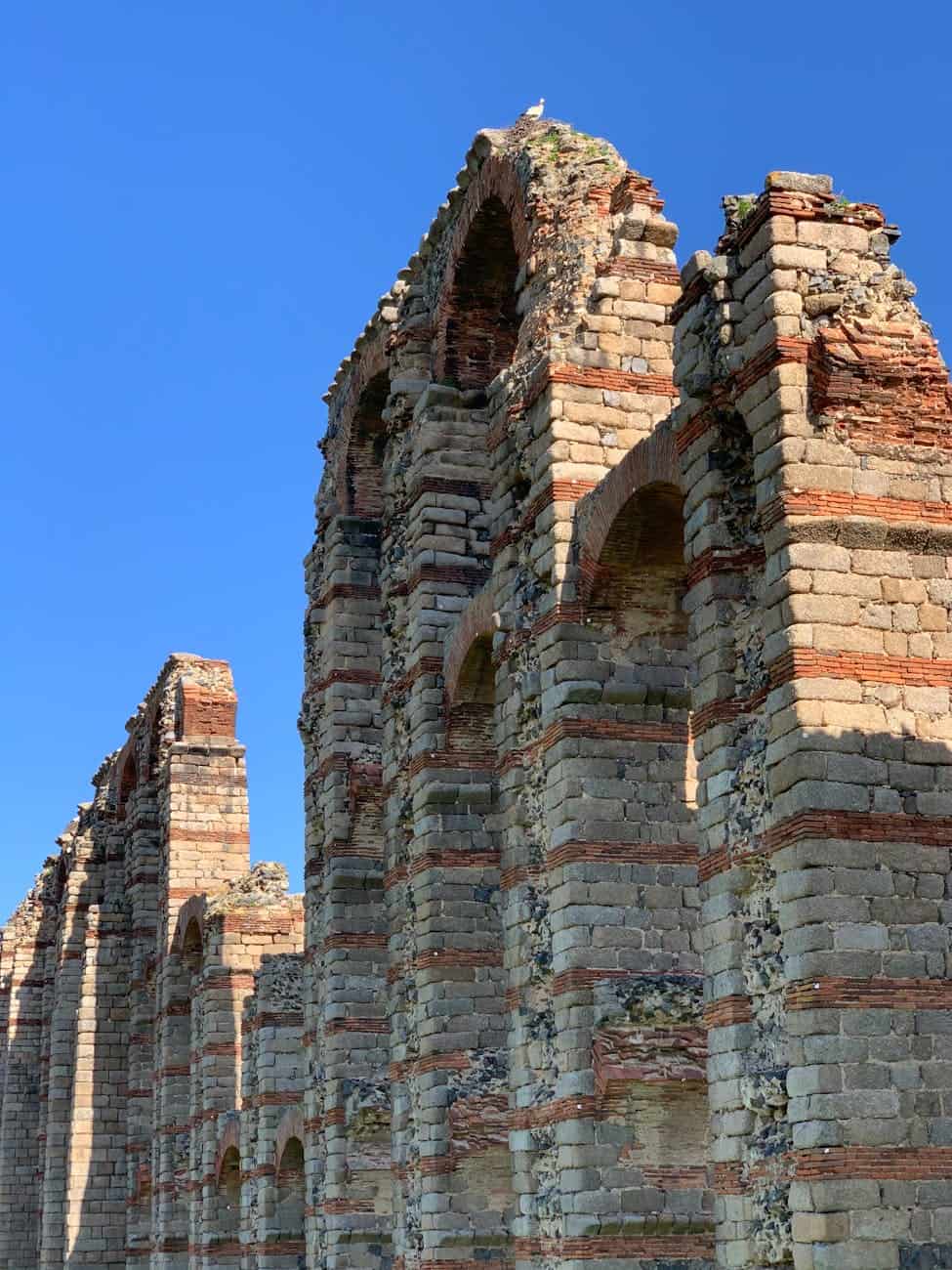
    Additionally, the Roman Aqueduct of Los Milagros exemplifies the engineering prowess of the Romans, displaying an intricate system that supplied water to the city. Its ruins still stand today, a testament to the ingenuity and durability of Roman engineering, which not only facilitated urban life but also contributed to the agricultural development in the surrounding areas.

    Roman religion also played a crucial part in shaping the identity of Mérida. Temples dedicated to various deities peppered the landscape, reflecting the city’s importance in religious activities of the time. The Temple of Diana, closely associated with Emerita Augusta, remains one of the most photographed ruins in Mérida, showcasing the architectural style and religious practices of ancient Rome.

    Economically, the Roman period allowed Mérida to flourish, with trade routes facilitating the exchange of goods such as olive oil, wines, and textiles. This commerce contributed significantly to the wealth of the city, as it became an administrative center for the surrounding province of Lusitania.

    As time passed, Mérida continued to evolve, but the foundations laid during the Roman period set the stage for subsequent historical developments. The city’s Roman heritage not only influenced its architectural landscape but also its cultural and social frameworks, establishing a dynamic identity that would be built upon in the centuries to come.

    The Visigoth Era and Its Influence

    With the decline of the Roman Empire and the subsequent political fragmentation in the 5th century, Mérida underwent significant changes as it fell under the influence of the Visigoths. This period marked a transition from the glory of Roman civilization to the establishment of the Visigothic Kingdom, which had profound implications for the cultural and religious landscape of the city.

    The Visigoths, a Germanic tribe, took control of Mérida in 418 AD, initially integrating the Roman administrative systems into their governance. This integration allowed Mérida to retain its status as an essential urban center in the Iberian Peninsula. However, the Visigothic rule introduced changes, particularly in religious affiliations, society, and governance.

    One notable development during this era was the shift in religious practices. The Visigoths initially adhered to Arian Christianity, a branch that was often at odds with the Orthodox Christian beliefs adopted by the wider Roman populace. However, as Arianism waned, the Visigoths converted to Catholicism by the late 6th century, leading to significant religious transformations in Mérida. The establishment of churches and the rise of monastic life became prominent, fostering a sense of community among adherents.

    The famous church of Santa Eulalia in Mérida, built on the site of the martyrdom of Saint Eulalia, became a pivotal point for the emerging Christian community. It served as a symbol of identity, converging the remnants of Roman religious architecture with burgeoning Christian traditions. The church, alongside others, illustrated the slow but steady transition from pagan practices to the Christian faith during the Visigothic period.

    The Visigothic monarchy in Mérida was characterized by a more localized governance system. The establishment of the Council of Mérida in 666 AD represented a significant milestone in ecclesiastical governance and local power dynamics. Here, local bishops wielded considerable influence, shaping the religious and social fabric of the region. This Council also addressed various issues concerning church practices, shedding light on the Visigoths’ efforts to unify their religious doctrine.

    In terms of art and culture, the Visigothic era fostered a unique blend of Roman and Gothic influences, evident in the decorative arts, metalwork, and architecture. Distinctive jewelry, intricately designed manuscripts, and wooden artifacts became active expressions of both cultural heritage and innovation.

    Although the Visigothic influence was relatively short-lived, lasting until the Islamic conquest in the early 8th century, its imprint on Mérida’s identity remained marked. The transition from Roman to Visigothic control symbolized broader shifts in power structures, beliefs, and cultural identities in late antiquity, ultimately creating a foundation for significant historical narratives that would unfold in the subsequent centuries.

    Mérida Under Moorish Rule

    The fall of Mérida to the Moors in 714 AD ushered in a new era characterized by significant cultural, social, and architectural transformations. This period lasted until the Christian Reconquista, profoundly shaping the city’s identity. The Muslims brought advancements in various fields, such as science, philosophy, and architecture, that influenced not only Mérida but also the entire Iberian Peninsula.

    Under Moorish rule, Mérida was integrated into the vast Islamic Caliphate of Al-Andalus, which was known for its intellectual and cultural flourishing. The city benefitted from this period’s advancements, gaining new techniques in agriculture, irrigation, and urban planning. The introduction of sophisticated techniques transformed the rural landscape surrounding Mérida, making it rich in cultivation. The establishment of irrigation systems allowed for the flourishing of crops such as rice and citrus fruits.

    Culturally, the Moorish influence was immensely significant. The Islamic architectural style began to dominate the urban landscape, with the integration of intricate tile work, arches, and calligraphic art. The Great Mosque of Mérida, although later converted to a church, stood as an important religious edifice during Moorish rule. Its construction represented how Islamic architectural principles were adapted and merged with the existing cultural elements of the city.

    Education and the arts thrived during this period, with Islamic scholars and poets making notable contributions to literature and philosophy. The period saw the rise of a thriving scholarship, where libraries flourished with texts in Arabic and translations from Greek and Latin. This intellectual environment produced prominent figures who influenced the fields of astronomy, medicine, and mathematics.

    Mérida’s strategic location made it a significant military and trade center during Moorish rule. The city facilitated trade routes connecting the Iberian Peninsula with North Africa, thereby enhancing economic richness. Markets became vibrant hubs for commerce, facilitating the exchange of goods while encouraging cultural exchanges between Islamic and Christian communities.

    Resistance against Moorish rule began to grow, especially toward the late 11th century. The decline of the Caliphate led to political fragmentation and the emergence of smaller, rival kingdoms. This turmoil set the stage for Christian factions to begin their campaigns to retake the territory, culminating in the eventual fall of Mérida to the forces of the Reconquista in 1230.

    The period of Moorish governance left an undeniable mark on Mérida, establishing a complex cultural tapestry that influenced its artistic, architectural, and social evolution. Inextricably linked to the city’s identity, this rich history contributed significantly to its character as a city where various civilizations converged and thrived.

    The Renaissance and Baroque Periods

    The transition from Islamic to Christian rule marked a transformative phase for Mérida as it entered the Renaissance and Baroque periods. The 16th to the 18th centuries were marked by artistic and architectural advancements, the rise of local governance, and shifts in cultural landscapes that demonstrated Mérida’s resilience and adaptability.

    With the Reconquista’s completion, Mérida became part of the emerging Spanish kingdom under Catholic Monarchs, leading to significant sociopolitical changes. The re-establishment of Christian governance fostered a wave of renewal, wherein former Muslim structures were often repurposed or replaced with new edifices that reflected Christian values and architectural styles.

    One key example of this is the conversion of the Great Mosque into the Church of Santa María. This transformation represented the symbolic departure from Moorish dominance while maintaining portions of the original structure, which served as a reminder of the city’s rich and diverse past. The Renaissance period emphasized humanism and art, and Mérida was not impervious to these influences. This era introduced the city to prominent artists and craftsmen whose works characterized the aesthetic and cultural milieu of the time.

    The Baroque period, particularly in the 17th century, saw Mérida flourish as a center for local artisanship. The architectural style of the Baroque is prominent in many of the city’s churches and public buildings, characterized by elaborate decorations, sculptural elements, and grand facades. Notable structures such as the Church of Nuestra Señora de la Antigua exemplify the wealth and artistic ambition of the era, showcasing intricate altarpieces and ornate chapels.

    Culturally, this period encouraged the mingling of religious and secular art forms. The emergence of theater and literature redefined the local cultural landscape, allowing various expressions of identity to manifest. Festivals and religious celebrations became central to social life, with events celebrating their patron saints becoming focal points for unity and community engagement.

    Moreover, the Renaissance and Baroque periods also led to urban expansion. New neighborhoods emerged, often characterized by wide streets and spacious squares that facilitated social interaction and community life. This urban planning mirrored broader trends occurring throughout Spain, where cities began adopting Renaissance principles in their design and layout.

    Economically, the influx of wealth from trade and agriculture, bolstered by local craftsmanship, set a foundation for bourgeois culture that began to shape Mérida’s societal hierarchy. The local elites became patrons of the arts, commissioning works that celebrated the city’s identity and its newfound Christian heritage.

    By the end of the 18th century, however, the city faced challenges from economic decline and population shifts as larger urban centers began to dominate. Nevertheless, the period left an indelible mark on Mérida, where Renaissance and Baroque themes would continue to echo in the city’s architectural and cultural endeavors for centuries into the future.

    Modern Mérida: Cultural Heritage and Tourism

    Moving into the 19th and 20th centuries, Mérida transformed into a beacon of cultural heritage and tourism, increasingly known for its historical significance and well-preserved monuments. The city embraced modernization while striving to maintain its rich historical identity, which continues to attract visitors from around the world today.

    In the 19th century, efforts to promote awareness of the city’s Roman heritage gained momentum. Archaeological excavations unearthed significant findings, leading to a resurgence of interest in Mérida’s historical narrative. Local authorities began formalizing the preservation of sites such as the Roman theater and the Acueducto de los Milagros. The establishment of cultural heritage organizations highlighted the importance of conserving Mérida’s legacy.

    With the advent of the 20th century, tourism began to flourish as people sought to explore the remnants of historical grandeur. The city became a significant tourist destination, receiving recognition for its archaeological richness. The promotion of Mérida as a UNESCO World Heritage site in 1993 placed it firmly on the international map, further attracting travelers interested in delving into Spain’s cultural and historical narratives.

    Mérida’s festivals, particularly the Festival Internacional de Teatro Clásico, showcase classical theater and music against the backdrop of its Roman theater. These events not only reaffirm the city’s commitment to its history but also enrich its cultural scene, drawing artists, performers, and audiences alike. The blending of ancient and contemporary performances allows for a unique celebration of cultural heritage that resonates across generations.

    Infrastructure improvements, such as the development of modern transport systems and accommodation options, ensured that the city was equipped to welcome an increasing number of visitors. Restaurants that celebrate local cuisine emerged, contributing to the gastronomic aspect of tourism. The city has embraced modernity while simultaneously highlighting and preserving its storied past.

    While tourism has significantly boosted the local economy, it also prompted discussions around sustainability and the preservation of cultural integrity. City planners and cultural institutions work collaboratively to ensure that growth does not come at the expense of the unique heritage that defines Mérida. Striking a balance between modernization and preservation remains a core concern for local authorities.

    The 21st century has further entrenched Mérida’s status as a cultural hub. With developments in cultural education, arts programs, and celebrations of local artisanship, the city continues to expand its cultural offerings. The intertwining of Mérida’s historical legacy with contemporary expressions reflects an ongoing dialogue between the past and present.

    As Mérida continues to evolve, its rich history remains the foundation of its identity. The city’s remarkable journey from Roman foundation to a modern center of tourism encapsulates the passage of time, showcasing how various historical influences have contributed to a vibrant culture that captivates and educates visitors from around the globe.

    Conclusion

    Mérida’s history is a testament to its resilience and cultural richness, shaped by the many civilizations that have left their mark on the city. From its Roman origins, through Visigothic and Moorish periods, to the Renaissance and Baroque flourishes, each age contributed unique elements that have woven together to create the vibrant tapestry that is modern-day Mérida. The city stands as a reminder of the power of heritage, as it embraces its past while looking to the future.

    As a UNESCO World Heritage site, Mérida continues to attract visitors and scholars alike, illuminating the profound historical narratives that unfolded within its borders. Today, the city balances the act of modernization with the preservation of its cultural identity, ensuring that future generations will not only remember its storied past but also draw inspiration from it.

    The harmonious coexistence of history, culture, and tourism in Mérida exemplifies how a city can thrive while honoring its roots. Whether wandering the ancient ruins or participating in festivals that celebrate its diverse legacy, visitors to Mérida are guaranteed an enriching experience that showcases the enduring significance of this remarkable Spanish city.

    Sources Consulted

    • UNESCO World Heritage Centre. (n.d.). Emerita Augusta
    • García-Fernández, M. T. (2005). Mérida: Historia de una ciudad romana. Ediciones de la Universidad de Extremadura.
    • West, S. (2002). The Roman Theatres of Mérida: A Historical and Archaeological Study. Archaeopress.
    • Murray, A. T. (2008). A History of the City of Mérida, Spain: From Roman Times to the Present. Journal of Historical Geography.
    • McCarthy, R. A. (2019). Cultural Heritage and Tourism: The Case of Mérida. Tourism Review International.

  • The History of the Madrid Mission: A Comprehensive Overview
    The History of the Madrid Mission: A Comprehensive Overview

    Introduction

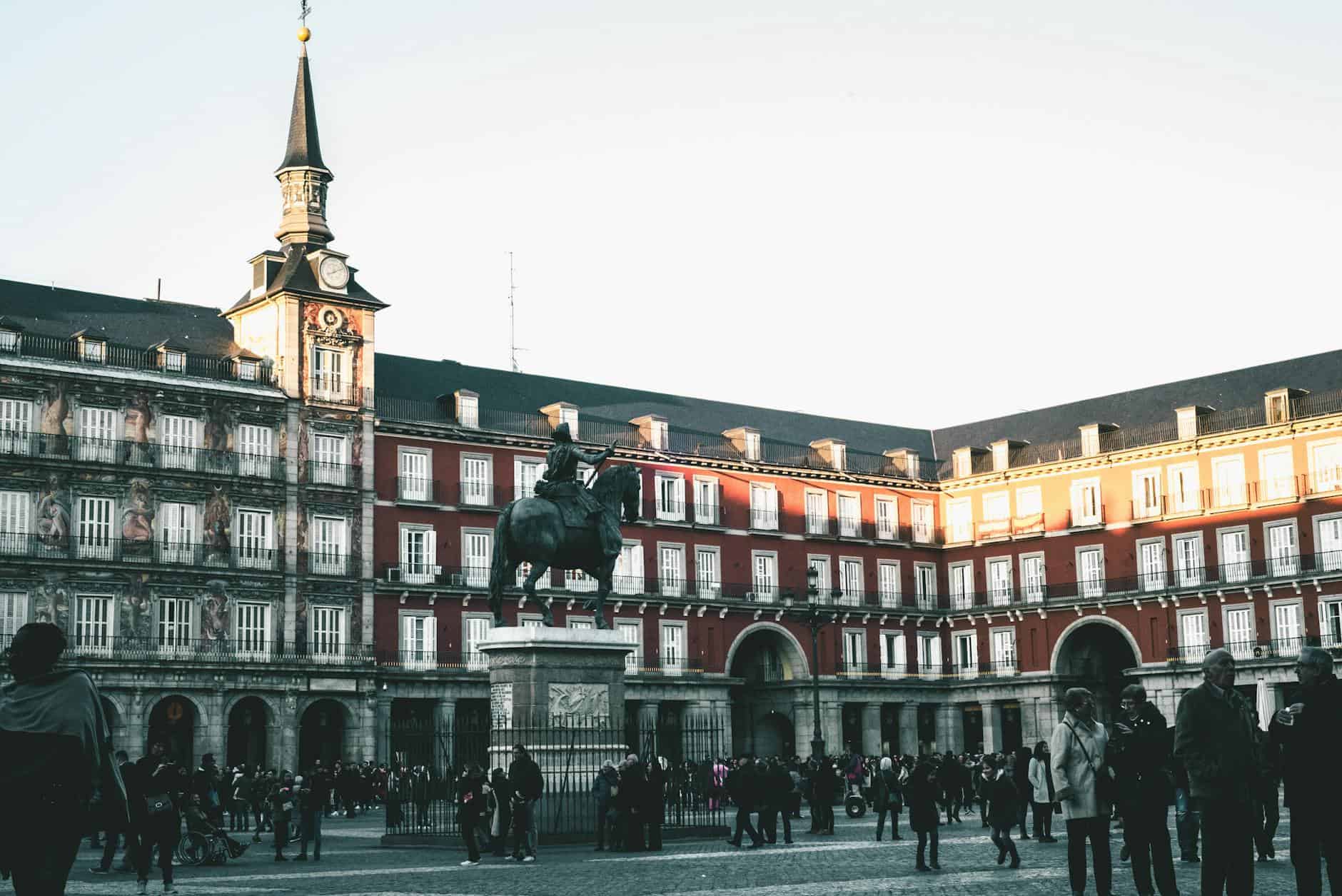
    The Madrid Mission, a significant chapter in the history of religious endeavors in Spain, has roots that stretch back to the early days of Christianity in Europe. Established with the aim of expanding religious outreach and fostering community, the mission has played a pivotal role in shaping the cultural, social, and spiritual landscape of Madrid and its surrounding areas. As the capital city of Spain, Madrid has seen growth and change, and the mission has adapted to reflect these shifts while maintaining its core purpose. This article will explore the rich history of the Madrid Mission, delving into its origins, cultural significance, major events, and its evolving role in the modern world.

    The Origins of the Madrid Mission

    The roots of the Madrid Mission date back to the late 16th century when Spain was experiencing a religious and political metamorphosis. The Catholic Monarchs, Ferdinand and Isabella, had successfully unified Spain under the banner of Catholicism, setting the stage for further missionary work across the nation and beyond.

    In the early 1600s, Madrid was designated as the capital of Spain, which catalyzed the need for a structured approach to religious outreach. The burgeoning population of the city—bolstered by the movement of individuals seeking opportunities—created a diverse environment where various cultural and religious beliefs coexisted. This diversity underscored the necessity for a dedicated mission that could address the unique spiritual needs of its residents.

    The establishment of the Madrid Mission was spearheaded by local clergy who recognized the growing demand for organized religious services and community support. They sought to provide not only spiritual guidance but also educational resources, especially to the underprivileged segments of society. The mission focused on integrating the teachings of the Catholic Church into daily life, fostering a deeper understanding of Christian principles amongst the citizens.

    As the Madrid Mission began to take shape, it received backing from prominent figures within the Catholic Church who saw the potential for deep spiritual engagement. The mission gained momentum through local initiatives aimed at feeding the hungry, educating the young, and providing medical care. This holistic approach laid the foundation for what would become a beloved institution in Madrid, as it began to be woven into the fabric of the city’s life.

    Education played a crucial role in the early years of the Madrid Mission. Schools were established to provide instruction in both religious and secular subjects, promoting a well-rounded education that encouraged critical thinking and moral development. These educational initiatives were instrumental in elevating the understanding of Christianity among the youth, ensuring that the values of the mission would be passed down through generations.

    Moreover, the mission adapted over time, responding to the social and political changes in Spain. During the 19th century, the country faced numerous upheavals, including wars and shifts in governance. The Madrid Mission became a stronghold for those seeking solace during turbulent times. Its leaders worked tirelessly to offer comfort, guidance, and community support, emphasizing unity in adversity.

    The Madrid Mission has continued to evolve, reflecting not only the challenges faced by its community but also the opportunities for outreach and connection that arise in times of change. As we will explore in the following agenda points, the mission’s impact extends far beyond its immediate religious goals, influencing the cultural and social dynamics of Madrid throughout its history.

    The Cultural Impact of the Madrid Mission

    Throughout its history, the Madrid Mission has significantly influenced the cultural landscape of Madrid by fostering community engagement, artistic expression, and social development. From its inception, the mission aimed not just to attend to spiritual needs but also to enrich the cultural heritage of the area through various programs and outreach initiatives.

    The mission’s commitment to education was instrumental in shaping the literary and artistic movements in Madrid. Schools established by the mission nurtured talents that contributed to the cultural output of the city. Many of the students went on to become prominent figures in literature, painting, and music, bringing their skills and knowledge back to the community and leaving a lasting legacy.

    One of the most notable aspects of the cultural impact of the Madrid Mission is its role in art patronage. Churches and mission centers became venues for local artists to showcase their works. This support not only provided financial assistance but also helped to forge a sense of pride among the community in its artistic achievements. Some famous painters and sculptors who emerged during this period drew inspiration from religious themes and the values propagated by the Madrid Mission, resulting in a unique blend of faith and artistry that defined the era.

    Music also played a crucial role in the cultural life fostered by the Madrid Mission. Musical groups and choirs flourished within the mission’s framework. They performed during church services and community gatherings, helping to enhance the worship experience and connect people through shared melodies. This musical tradition transformed into a vibrant aspect of Madrid’s cultural identity, as various styles and genres coalesced over the centuries.

    The Madrid Mission also became a center for social justice initiatives, advocating for the rights of marginalized groups. As urbanization progressed, the mission recognized the struggles faced by the poor and disenfranchised in the city. It organized food drives, healthcare services, and vocational training programs, empowering individuals to uplift themselves and their families. This commitment to social welfare established a sense of solidarity within the community, further ingraining the mission’s values into the everyday lives of residents.

    In celebrating cultural diversity, the Madrid Mission often hosted events that highlighted various traditions within the community. Through fairs, festivals, and arts programs, it promoted intercultural dialogue and understanding. These events not only enriched the lives of participants but also attracted visitors, allowing Madrid to flourish as a cultural capital with a distinct identity steeped in history and values.

    Overall, the cultural impact of the Madrid Mission is a testament to its enduring legacy. By promoting education, supporting the arts, addressing social issues, and fostering a spirit of inclusivity, the mission has played an integral role in shaping the identity of Madrid, showcasing the power of faith and community in creating a vibrant and culturally rich urban environment.

    Major Events and Milestones in the Madrid Mission’s Timeline

    The Madrid Mission’s history is marked by several pivotal events and milestones that reflect its evolving role within the community and broader society. From its founding to contemporary developments, these key moments have shaped the mission’s trajectory and highlighted its importance in the life of Madrid.

    The first significant milestone was the formal establishment of the Madrid Mission in the early 17th century. Official recognition by the Church allowed for greater resources and legitimacy, enabling the mission to expand its services to meet the needs of a burgeoning population. This official designation was crucial as it provided the framework for future growth and development.

    Throughout the 18th century, the Madrid Mission gained prominence during the Age of Enlightenment. As intellectual thought flourished, the mission sought to integrate these ideas with religious doctrine. This period saw an influx of scholars and thinkers who engaged in discussions about faith, reason, and morality. The mission adapted to these evolving perspectives, broadening its educational offerings and fostering a dialogue that encouraged critical thought among its congregants.

    One of the major upheavals in Spanish history came during the early 19th century with the Peninsular War and subsequent conflicts. The Madrid Mission became a refuge during these turbulent times; it organized relief efforts for those displaced by war, providing food, shelter, and spiritual solace. These acts of compassion solidified the mission’s role as a cornerstone of support for the community, demonstrating its adaptability in the face of adversities.

    The latter half of the 19th century saw the Madrid Mission undergo further transformation during the rise of secularism. As Spain grappled with modernity, the mission faced challenges in maintaining its influence. However, rather than retreating, the mission embraced these changes and sought to engage with new ideas, reinterpreting its message in ways that resonated with contemporary issues. This adaptability proved essential in maintaining relevance in a rapidly changing society.

    In the 20th century, the Madrid Mission played a crucial role during the Spanish Civil War (1936-1939), serving as a sanctuary for those fleeing persecution. As political tensions escalated, the mission became a symbol of hope and resilience, providing assistance to both sides in an effort to offer humanitarian support. This choice reflected the mission’s commitment to compassion over ideological divisions.

    The Madrid Mission also embraced the post-war period, focusing on rebuilding community ties that had been severed during the conflict. It implemented various social programs aimed at fostering unity and reconciliation among the populace. This initiative marked another significant milestone, as the mission transitioned into a proactive role in post-war recovery.

    In recent decades, the Madrid Mission has continued to innovate and evolve. It has embraced technology and modern communication platforms to reach younger generations, creating online resources and virtual community spaces that allow individuals to engage with its messages in new ways. This responsiveness to changing times demonstrates the mission’s ongoing commitment to serving the spiritual and social needs of the Madrid community.

    Through these major events and milestones, the Madrid Mission has illustrated resilience and adaptability. Its history reflects a dynamic response to the challenges and opportunities presented by society, asserting its role as a fundamental institution within Madrid that continues to touch lives and inspire individuals toward a shared sense of purpose.

    The Madrid Mission’s Role in Spain’s Religious History

    The Madrid Mission has been a vital element of Spain’s religious history, deeply intertwined with the larger narrative of the Catholic Church’s influence on the country’s social and political fabric. Spain, a nation with a rich tapestry of Catholic traditions, has seen the Madrid Mission emerge as a key player in the propagation of these values through its outreach efforts.

    Historically, the Madrid Mission served as a hub for ecclesiastical leaders, intellectuals, and theologians to converge and discuss pressing religious issues. This dialogue not only reinforced the mission’s standing within the Catholic community but also contributed to Spain’s broader religious discourse. During the Counter-Reformation, for instance, the mission played a crucial role in reaffirming Catholic doctrine in a time of significant challenge. Its educational initiatives provided a means for the Church to assert its teachings in a landscape increasingly influenced by Protestant reforms.

    Significantly, the Madrid Mission’s approach to religious instruction adapted over time to meet the needs of its community. The integration of social issues into its spiritual teachings illustrated a forward-thinking mindset, illustrating how religious practice could align with the everyday lives of individuals. This adaptive strategy is vital in understanding the mission’s long-term impact on Spain’s religious landscape.

    As the 20th century unfolded, the Madrid Mission continued to navigate the complex terrain of Spain’s religious and political landscape. The effects of the Spanish Civil War created a reshaping of religious identity, leading to a period of reflection for the Church and associated missions. In the wake of such turmoil, the Madrid Mission contributed to dialogue around forgiveness, healing, and rebuilding—themes that resonated deeply with a nation in recovery. This emphasis on reconciliation became an essential aspect of the mission’s outreach, helping to heal wounds caused by ideological divides.

    The influence of the Madrid Mission also extended beyond the Catholic community, fostering interfaith dialogue that reflected Spain’s diverse religious demographics. Engaging with different faiths allowed the mission to promote mutual respect and understanding—principles that are particularly relevant in today’s globalized society. By facilitating discussions and initiatives that celebrated religious diversity, the Madrid Mission has positioned itself as a pioneer in the promotion of pluralism within Spain.

    Moreover, the mission has continued to evolve through engaging with contemporary societal issues such as poverty, inequality, and migration. It has advocated for social justice, emphasizing the moral imperative of caring for the marginalized and creating platforms for advocacy. This alignment with contemporary concerns has helped maintain the relevance of the Madrid Mission as a champion of faith in action.

    In conclusion, the Madrid Mission’s journey is woven into the larger narrative of Spain’s religious history, characterized by a continuous engagement with the evolving needs of its community. Its commitment to education, social justice, and interfaith dialogue has not only shaped the mission’s identity but has also had profound implications for the societal framework within which it operates.

    The Modern-Day Relevance of the Madrid Mission

    In the 21st century, the Madrid Mission remains a beacon of hope, community, and spiritual guidance as it adapts to the ever-changing landscape of modern society. While rooted in a rich history, the mission continually evolves, addressing contemporary challenges and the needs of a diverse population.

    One of the key aspects of the modern relevance of the Madrid Mission lies in its commitment to social justice and community service. Today’s society is rife with issues such as poverty, inequality, and marginalization, and the mission takes an active role in addressing these problems. Through various outreach initiatives, such as food drives, counseling services, and vocational training programs, the mission plays a critical part in uplifting the lives of individuals and families facing adversity.

    Another important aspect is the mission’s focus on education, which has expanded beyond traditional means to encompass modern learning environments. The introduction of technology into educational programs allows for more inclusive and accessible learning experiences. Online resources, virtual classes, and interactive community platforms enable the mission to reach a broader audience, particularly the younger generation who are increasingly reliant on digital communication.

    Interfaith dialogue continues to be a primary focus of the Madrid Mission, fostering an environment of mutual respect and understanding among diverse religious communities. As globalization encourages intercultural interactions, the mission recognizes the significance of promoting tolerance and compassion. By hosting events, workshops, and discussions, it actively engages with various faith groups, emphasizing the common values that unite humanity.

    Moreover, the Madrid Mission has become a center for mental health and wellness support during a time of increased awareness and understanding of these issues. The stigma surrounding mental health is gradually dissipating, and the mission offers resources and counseling services that meet these growing needs. By addressing both spiritual and psychological wellness, the mission reinforces its holistic approach to community care and support.

    The Madrid Mission’s engagement with contemporary social issues such as migration reflects its commitment to compassion and empathy. The challenges faced by migrants and refugees—ranging from legal hurdles to social integration—are acknowledged and addressed. The mission provides essential resources and guidance to help newcomers navigate their new lives while fostering a welcoming environment that nurtures diversity.

    As the Madrid Mission steps into the future, it remains a steadfast presence in the lives of many, demonstrating that faith can be a powerful motivator for positive change. By continually adapting its message and initiatives to resonate with the hearts and minds of a modern audience, the mission ensures that its impact endures. In this way, the Madrid Mission is not simply a relic of the past; it is a living testament to the enduring power of community, compassion, and faith in action.

    Conclusion

    The history of the Madrid Mission is a compelling narrative that reveals the transformative power of faith, community, and compassion. From its origins in the 17th century to its modern-day relevance, the mission has adapted to the changing needs of Madrid’s population while remaining committed to its core values. Throughout its development, the Madrid Mission has played a crucial role in the cultural, social, and religious dimensions of the city, illustrating how a proactive approach to community service can foster unity in diversity.

    By examining key agenda points such as its origins, cultural impact, major milestones, religious significance, and contemporary relevance, we gain insight into the profound influence the Madrid Mission has had on the lives of countless individuals. Its unwavering commitment to education, social justice, interfaith dialogue, and community support continues to resonate, creating ripples of positive change within society.

    As we look toward the future, the Madrid Mission stands as a testament to the potential of collective action in addressing contemporary challenges. It encourages us to remember the importance of faith in shaping our communities and inspiring us to adapt in times of change. The mission’s legacy remains not only a reflection of its historical past but also a call to action for generations to come, emphasizing the enduring power of compassion, hope, and community.

    Sources Consulted

    • “The History of Madrid’s Catholic Missions.”
    • “Cultural Contributions of the Madrid Mission.”
    • “Religious Practices and Community Support in Madrid.”
    • “The Role of the Madrid Mission in Spain’s Social History.”
    • “Interfaith Dialogue and Community Engagement in Modern Madrid.”
  • The History of Moscow

    The History of Moscow

    Introduction

    Moscow, the vibrant capital of Russia, is a city steeped in history, tradition, and culture. With roots tracing back to the 12th century, Moscow has evolved from a humble settlement into one of the world’s major metropolises. It has been the heart of political power, economic activity, and cultural development in Russia. Throughout its long history, Moscow has witnessed the rise and fall of empires, the impact of wars, and the transformation brought about by modernization and globalization. This article delves into the fascinating history of Moscow, exploring its early origins, periods of political power, significant historical events, and its contemporary significance. Through a thorough examination of each era, we aim to reveal the complexities and richness of Moscow’s historical narrative.

    The Origins of Moscow: Early Settlements and Formation

    Moscow’s history begins in the midst of primitive settlements along the banks of the Moskva River, dating back to around the 10th century. This area was inhabited by East Slavic tribes, notably the Vyatichs, who thrived on agriculture, hunting, and fishing. The strategic location of this site made it an ideal place for trade and defense, eventually leading to the establishment of a fortified settlement.

    The official founding date of Moscow is often cited as 1147, attributed to a reference in the Chronicles by Yuri Dolgoruky, a prince of Suzdal. The exact details surrounding its establishment are somewhat unclear, but it marked the beginning of a city that would become pivotal in the history of Russia. Yuri Dolgoruky is credited with constructing the first wooden fortress, called the Kremlin, which provided protection against invaders and facilitated the growth of this budding settlement into a significant political and commercial center.

    As the city developed, it became increasingly significant as part of the grand trading route linking the Vikings with the Byzantine Empire. The trade brought wealth and attracted surrounding tribes. However, the early history of Moscow was not merely characterized by peaceful development; it was rife with conflicts, including wars with neighboring tribes and cities. The Mongol invasion of the 13th century profoundly affected the region. In 1237, Moscow was attacked and destroyed by Batu Khan’s forces. Following this devastation, the city remained under Mongol rule for decades, yet remained a crucial political and economic center.

    Despite the dark times under Mongol domination, Moscow’s resilience shined through. The city slowly rebuilt itself and expanded its influence. Moscow became a collection point for tribute paid to the Golden Horde, using the resources acquired to strengthen its military and economic capacities. This tribute system allowed the city to fortify its boundaries and attract more residents seeking protection and stability.

    By the late 15th century, Moscow had begun to assert its independence from Mongol influence. Under the leadership of Ivan III, also known as Ivan the Great, the frameworks for a unified Russian state were established. Ivan III’s reign marked a crucial turning point in Moscow’s history, as he launched a series of military campaigns to recover territories lost to the Mongols. This period saw the dissolution of the Mongol yoke, establishing Moscow as the heart of a powerful and centralized Russian state.

    Furthermore, Ivan III undertook significant architectural projects within Moscow, such as the final construction of the Kremlin’s stone walls and the introduction of Italian Renaissance influences. These developments not only transformed the city into an imposing center of power but also set the stage for Moscow to become the seat of the Russian Orthodox Church, which further solidified its religious and political significance.

    The origins of Moscow are characterized by a blend of struggle, resilience, and ambition. From its inception, the city has witnessed the rise and fall of rulers and empires, each contributing to the fabric of its history. This continuous ebb and flow laid the groundwork for Moscow to emerge as a dominant force in the region, setting the stage for monumental changes and growth in the following centuries.

    Moscow as the Center of Power: The Rise of the Grand Duchy

    The emergence of Moscow as a significant political entity during the 14th and 15th centuries was largely witnessed through the ascendance of the Grand Duchy of Moscow. This phase marked a period of strategic territorial expansion and the consolidation of power under a series of influential leaders, effectively positioning Moscow as the nucleus of Russian authority.

    During this era, the Grand Duchy began absorbing neighboring principalities through shrewd alliances, marriages, and military conquest. One of the notable figures during this period was Dmitry Donskoy, who became a national hero after defeating the Mongol forces at the Battle of Kulikovo in 1380. This victory was not only significant for the morale of the Russian people but also symbolized the beginning of the decline of Mongol influence in Russia. It marked a critical point where Moscow positioned itself as a leader among the Russian principalities.

    Following Dmitry, Ivan III transformed the Grand Duchy into a formidable power. His reign not only solidified Moscow’s control over surrounding territories but also allowed for significant administrative and cultural refinement. Administrative structures were enhanced, creating a merit-based bureaucracy that could support the needs of a growing population and economy. Ivan III implemented a system of territorial governance that promoted loyalty to the Grand Duchy, setting precedents for a centralized Russian state.

    Moreover, the centralization efforts extended to church affairs. Ivan III played a crucial role in bringing the Orthodox Church under state control, enhancing the legitimacy of the ruling dynasty. The combination of political and religious unity allowed Moscow to thrive, attracting skilled artisans, traders, and intellectuals, which contributed to the cultural renaissance of the time. This era saw the development of beautiful churches, notably those within the Kremlin, which reflected an ornate style that became emblematic of Russian architecture.

    The ambition of the Grand Duchy reached new heights with the ascension of Ivan IV—whom history remembers as Ivan the Terrible. His reign marked the formal transition of Moscow from a grand duchy to the Tsardom of Russia, which would last for centuries. The crowning of Ivan IV as the first Tsar of Russia in 1547 marked a defining moment, reflecting Moscow’s established strength and providing a renewed sense of national identity.

    However, this consolidation of power was fraught with challenges. Ivan IV’s autocratic rule eventually led to internal strife, including widespread fear and violence directed at perceived enemies. The turbulence generated by his policies ultimately contributed to the “Time of Troubles,” a chaotic period characterized by succession crises and foreign invasions that challenged the very foundations of the power the Grand Duchy had built.

    In summary, the rise of the Grand Duchy of Moscow stands as a critical period in the evolution of the city. The blend of military triumphs, political strategy, and cultural renaissance allowed Moscow to flourish into a center of power that would shape the course of Russian history for generations.

    Moscow Through Turmoil: The Time of Troubles and Restoration

    The Time of Troubles, which lasted from the death of Ivan IV in 1584 until the establishment of the Romanov dynasty in 1613, represented one of the most tumultuous periods in Moscow’s history. It was characterized by political instability, famine, and foreign intervention, putting the very survival of the city and the nation to the test.

    Following the death of Ivan IV, Russia was plunged into chaos as various factions vied for power. The absence of a strong leader resulted in a succession crisis, leading to a series of imposters claiming the throne, known as the “False Dmitrys.” The complexity of this situation was underscored by the rift between boyar families and the growing unrest among the populace, which faced dire economic conditions amplified by famine and pestilence.

    The instability of governance during this period revealed the fragile foundations of the political system established in previous centuries. Regional leaders and nobles seized the opportunity to assert their authority, leading to civil unrest. The Polish-Lithuanian Commonwealth saw an opportunity in Russia’s weakened state and invaded in 1610, reinforcing their claim to influence over Moscow.

    In response to these dire circumstances, Russian nobles and peasants began to organize resistance movements. One significant point of unity was the desire to rid Moscow of foreign powers. The patriotism sparked by foreign interventions led to the formation of the “Second People’s Army” under the leadership of Kuzma Minin and Dmitry Pozharsky. Their efforts culminated in the liberation of Moscow in 1612, highlighting the resilience and tenacity of the Russian people in the face of adversity.

    The conclusion of the Time of Troubles set the stage for the establishment of a new dynasty. In 1613, Michael Romanov was elected Tsar, marking the beginning of the Romanov dynasty, which would rule Russia for over 300 years. This new dynasty sought to stabilize the nation and restore Moscow’s former glory. The reforms implemented under Michael and his successors were aimed at unifying the country, rebuilding the economy, and revitalizing the Orthodox Church’s role in Russian society.

    As the Romanovs consolidated their power, Moscow began to flourish once again. New architectural projects were initiated, including the construction of the Church of the Ascension and the expansion of the Kremlin, which signaled a reaffirmation of Moscow’s status as a cultural and political hub. The period also witnessed a revival of trade and industry, which facilitated gradual economic recovery.

    The Time of Troubles served as a critical lesson for Moscow, emphasizing the importance of unity and strong leadership in navigating turmoil. While the period was marred by strife, it ultimately laid the groundwork for a revival that allowed Moscow to emerge stronger and more cohesive than ever before.

    Moscow During the Soviet Era: Revolution, Transformation, and Global Impact

    The early 20th century marked a turning point in Moscow’s history, as the Russian Revolution of 1917 brought forth a dramatic transformation of society and governance. The Bolshevik takeover led to the establishment of the Soviet Union and a complete reimagining of Moscow’s role on the world stage.

    Following the abdication of Tsar Nicholas II, chaos and uncertainty enveloped Russia. The Bolsheviks, led by Vladimir Lenin, capitalized on the discontent and revolutionary fervor among the populace, ultimately seizing control in what became known as the October Revolution. Once again, Moscow found itself at the epicenter of tumultuous change, as the Bolsheviks sought to implement their vision of a socialist utopia.

    In 1922, the formation of the Union of Soviet Socialist Republics (USSR) solidified Moscow’s position as the capital of one of the world’s most powerful political and ideological movements. The transformation of the city during this period was significant. Under the guidance of the Soviet regime, Moscow underwent extensive urban planning and development efforts, aimed at modernizing the city and showcasing the achievements of socialism.

    Architectural projects, such as the construction of the Moscow Metro, not only aimed to enhance public transport but also served as a testament to Soviet ingenuity and a symbol of the working class’s triumph. The completion of the first line in 1935 transformed commuting in Moscow, while its ornate stations represented the cultural and artistic aspirations of the era.

    The rise of the Soviet Union impacted Moscow’s global standing, positioning it as a counterforce to Western capitalism during the Cold War. The city became a focal point for international relations, marked by events like the signing of treaties and the hosting of major summits that shaped the geopolitical landscape. Conversely, it also became the stage for significant propaganda efforts, promoting the Soviet vision to the world and solidifying ideological divides.

    The Second World War had a profound effect on Moscow, as the city faced the imminent threat of Nazi invasion. The resilience shown by Muscovites during the German siege in 1941 is an indelible part of the city’s legacy. The defense of Moscow was a significant victory for the Soviets, marking a turning point in the war and highlighting the strategic importance of the city as a political and military center.

    Post-war, Moscow emerged from the ashes as a symbol of Soviet recovery and triumph. The Stalinist era brought about a new wave of architectural projects, effectively reshaping the skyline with grand structures symbolizing Soviet strength. The construction of iconic landmarks like the Seven Sisters skyscrapers illustrated the regime’s ambition and vision for a powerful Soviet state.

    However, this generosity of resources came with challenges, including political repression and widespread human rights violations. The legacy of the Soviet era remains a complex tapestry–one involving significant achievements alongside enduring struggles.

    By the collapse of the Soviet Union in 1991, Moscow was left to grapple with its identity. The transition to a market economy transformed the city significantly, with rapid growth and challenges accompanying its new path towards modernization and global integration.

    In conclusion, Moscow’s journey through the Soviet era illustrates the city’s resilience and adaptability in the face of monumental change. It solidified Moscow’s role as a global player, leaving a lasting impact on both Russian identity and the world at large.

    Modern Moscow: A City of Contrast and Growth in the 21st Century

    The collapse of the Soviet Union in 1991 marked a new chapter in Moscow’s trajectory, ushering in an era of unprecedented transformation characterized by economic growth, social change, and global integration. This period established Moscow as a thriving metropolis reflecting both historical depth and modern aspirations.

    In the aftermath of the Soviet collapse, Moscow faced the daunting task of transitioning from a centrally planned economy to a market-oriented structure. The early 1990s were marred by instability, with hyperinflation and economic hardships affecting the daily lives of residents. Nonetheless, it also sparked a wave of entrepreneurial spirit, witnessing the rise of small businesses and private enterprises that began to shape the local economy.

    The late 1990s and early 2000s saw a resurgence in economic growth driven by oil and gas exports, fundamentally altering Moscow’s landscape. As foreign investment poured in and the economy stabilized, there was significant improvement in living standards, urban development, and infrastructure.

    Moscow underwent rapid modernization, characterized by the construction of skyscrapers, luxurious shopping centers, and expansive residential developments, reflecting the city’s renewed status on the global stage. The influx of international businesses and expatriates transformed Moscow into a cosmopolitan center, with diverse cultural influences enriching the city’s fabric.

    However, this era of expansion also posed challenges, including income inequality and social stratification. The stark contrast between affluence and poverty became increasingly visible, raising concerns about urban policies and social welfare. Gentrification within certain neighborhoods showed the duality of modern Moscow, where historical heritage meets contemporary capitalism.

    Culturally, Moscow continued to thrive. The city’s art scene expanded, with galleries, theaters, and cultural festivals celebrating both traditional Russian art and contemporary influences. Institutions such as the Bolshoi Theatre and Tretyakov Gallery garnered international acclaim, symbolizing Moscow as a cultural capital.

    In recent years, Moscow has become a hub for technology and innovation, with the government investing in initiatives to support the growth of the tech sector. The emergence of Moscow as a startup ecosystem indicates a shift towards digital achievements, placing the city on the map alongside global tech hubs.

    Yet, political dynamics remain complex. The rise of Vladimir Putin’s leadership has led to debates about freedom of expression, governance, and human rights. Despite these challenges, Moscow continues to emerge resilient, adapting to the changing currents of politics and society while embracing an increasingly interconnected world.

    In concluding this exploration of modern Moscow, it is evident that the city embodies a narrative of contrast—where historical richness meets modern ambition. The interplay of tradition and innovation positions Moscow as a fascinating case study of urban evolution in the 21st century.

    Conclusion

    Moscow’s history is a testament to resilience, transformation, and complexity. From its humble beginnings as a small settlement near the Moskva River to its rise as the capital of a vast transcontinental empire, Moscow’s journey reflects the myriad forces that have shaped it over the centuries. Each era—from the formation of the Grand Duchy, through the Time of Troubles and the epochs of the Soviet regime, to contemporary challenges—contributes to the rich tapestry of its narrative.

    Today, Moscow stands as an emblem of the interplay between historical depth and modern aspirations. The ongoing evolution of the city encapsulates the spirit of a nation that has endured numerous trials and earned a distinctive identity amid global changes. Understanding Moscow’s past is essential for appreciating its future, as it continues to grow, adapt, and assert its role on the world stage.

    Sources Consulted

  • The Rich History of Liverpool: A Journey Through Time
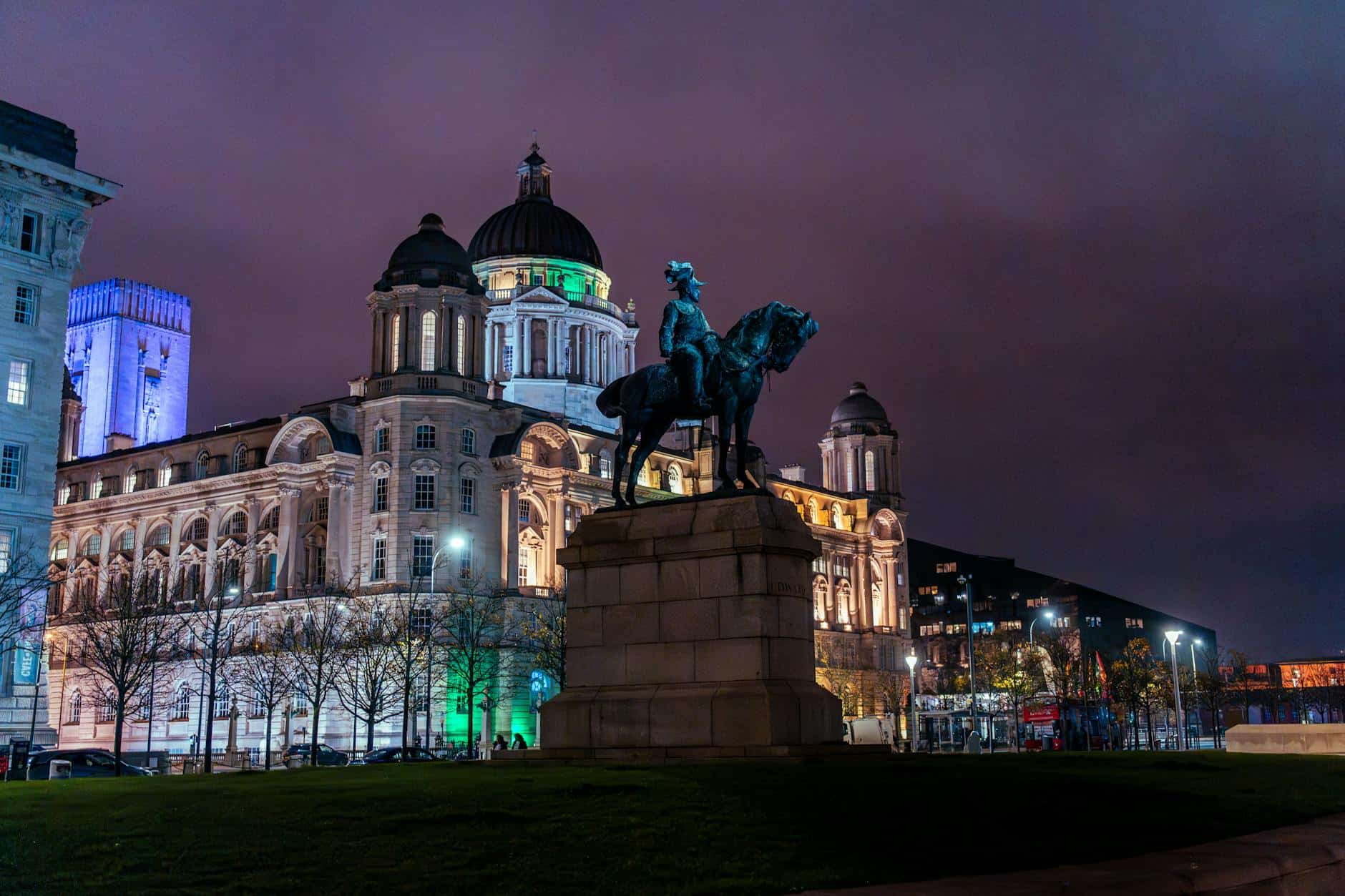
    The Rich History of Liverpool: A Journey Through Time

    Introduction

    Liverpool, a city steeped in rich history and cultural significance, has played a pivotal role in shaping the United Kingdom’s maritime, industrial, and social landscape. Established in the 13th century, Liverpool grew rapidly due to its strategic location and favorable port conditions. The city’s development over the centuries illustrates a fascinating narrative marked by economic prosperity, social challenges, and cultural evolution. From its early days as a small fishing village to becoming a major port city, Liverpool’s journey reflects broader historical trends and transformations. This article delves into pivotal moments in Liverpool’s history, highlighting key events and developments that have contributed to its unique identity. Join us as we explore the intricacies of this vibrant city that has left an indelible mark on both national and global stages.

    The Founding and Early Development of Liverpool

    The history of Liverpool can be traced back to the early 1200s when it was granted its charter in 1207. Initially a part of the kingdom of Mercia, the area developed from a small fishing village into a bustling community. The original documentation suggests that the name “Liverpool” may have derived from the Old English word “lifer,” which relates to the muddy pools that were common in the area. This geographic feature would later play a significant role in the city’s evolution.

    In the early years, Liverpool’s development was slow, largely due to its limited resources and competition from neighboring towns such as Chester and York. However, the establishment of a ferry service across the Mersey River became a crucial turning point. This ferry service fostered trade and interaction, linking Liverpool with the burgeoning industrial towns of the North. By the 14th century, the city had begun to flourish, gaining recognition as a center for trade.

    The 16th century marked a significant shift in Liverpool’s fortunes. The rise of maritime trade led to an influx of wealth, as ships from Liverpool began trading goods such as tobacco, sugar, and rum. The establishment of the customs house in 1551 further stimulated economic activity by providing a formal structure for the collection of trade duties.

    A pivotal moment came in the 17th century when Liverpool was officially recognized as a borough, giving it the authority to govern itself and paving the way for further developments. As shipping interests grew, so did the need for a more developed port infrastructure. This resulted in a series of dock constructions beginning in the 1710s, with the Old Dock being one of the first of its kind in the world, designed to facilitate vessel loading and unloading.

    Excitingly, the 18th century ushered in Liverpool’s Golden Age, which was characterized by explosive growth due to its position as a key port for the transatlantic slave trade. This period of economic prosperity saw the construction of grand buildings and warehouses, many of which exist today as a testament to Liverpool’s ambitious growth. However, it also brought moral complexities that would haunt the city for generations.

    The early development of Liverpool, while marked by growth and economic opportunity, was not without challenges. Social issues rose as wealth inequality grew between the classes, leading to problems such as poverty and poor living conditions in various neighborhoods. The city’s burgeoning population filled the area with people seeking new opportunities, contributing to overcrowding and strife.

    By the dawn of the 19th century, Liverpool had already established itself as a powerhouse in global trade and maritime activities. This early foundation had laid the groundwork for what would become an exceptional story of resilience and transformation. As the Industrial Revolution began to take hold, Liverpool was uniquely positioned to capitalize on the new technologies and industries that would follow.

    Liverpool’s Role in the Slave Trade

    Liverpool’s history cannot be examined without acknowledging its dark role in the transatlantic slave trade. Throughout the 18th century, the city became one of the leading ports involved in this heinous commerce, establishing itself as a hub for slave-trade activity. During this time, a staggering number of enslaved Africans were transported from West Africa to the Americas, driving much of Liverpool’s economic growth and development.

    The city’s involvement in the slave trade was not merely incidental; it was deeply intertwined with local industries and commerce. Shipowners, merchants, and investors in Liverpool profited immensely from this trade, with many of the city’s wealthiest families reaping benefits from the slave economy. The boats were equipped for the brutal Middle Passage, transporting enslaved individuals under appalling conditions that often resulted in high mortality rates during transit.

    The number of slave voyages set sail from Liverpool increased dramatically from the mid-1700s. Records suggest that between 1740 and 1807, an estimated 1.5 million enslaved Africans were transported to the Americas, demonstrating Liverpool’s critical role in this trade network. The financial gains from the slave trade were reinvested into the city’s infrastructure, leading to the construction of roads, buildings, and docks.

    However, Liverpool’s prosperity through the slave trade was met with increasing opposition. The abolition movement gained momentum in the late 18th and early 19th centuries, as activists and abolitionists raised awareness about the moral implications of slavery. Figures such as Olaudah Equiano, a former enslaved African, and various Quaker societies were influential in the campaign against the slave trade.

    In 1807, the British Parliament passed the Abolition of the Slave Trade Act, effectively ending Britain’s involvement in the slave trade. The impact of this legislation was profound in Liverpool, leading to a significant shift in the economy. Wealth generated from the slave trade began to decline, resulting in economic shifts and challenges for the merchants who had relied on this trade for prosperity.

    Despite the end of the slave trade, the legacy of slavery persisted in Liverpool’s social fabric for generations. The city’s historical prosperity from this dark chapter remains a poignant reminder of the complex interplay between commerce, morality, and human rights that continues to resonate today.

    The Industrial Revolution and Its Impact on Liverpool

    The Industrial Revolution marked a transformative period for cities across the globe, and Liverpool was no exception. As the 19th century approached, the city became a focal point for industrialization, exploiting its strategic port and rapidly expanding infrastructure to revolutionize various industries.

    Shipping and shipbuilding were at the forefront of this transformation. The demand for ships to carry cargo increased exponentially, leading to significant advancements in shipbuilding techniques and technologies. Dock facilities were expanded and modernized, notably with the construction of the Albert Dock in 1846, which was one of the first non-combustible docks in the world. The use of cast iron and brick in its design set new standards for maritime facilities, enabling larger vessels to access the port.

    As Liverpool’s dock and shipping industries thrived, ancillary industries began to emerge. This included manufacturing operations, from textiles to machinery, further diversifying the local economy. The city became known as a significant manufacturing hub, with factories springing up across the region to meet the demands of an expanding domestic market.

    The growth of industries attracted workers from various parts of the UK and beyond, contributing to a surge in the urban population. The influx of people in search of employment led to rapid urbanization, which presented both opportunities and challenges. While the Factory Acts sought to improve working conditions, many laborers faced harsh realities such as long hours, unsafe environments, and minimal wages.

    As industries grew, so did the call for reforms to address social inequalities. Activist movements gained traction, advocating for workers’ rights and improved living conditions. Liverpool’s burgeoning activist community pushed for social change and laid the groundwork for movements that would shape labor rights in the decades to come.

    The city also played a significant role in innovations in transport and communication. The construction of railways, including the opening of the first railway connecting Liverpool and Manchester in 1830, transformed the movement of goods and people, paving the way for industrial efficiency. This development positioned Liverpool as a vital link between the industrial heartlands of England and the global markets.

    Moreover, the cultural landscape of Liverpool transformed during the Industrial Revolution. The proliferation of laborers and their families fostered a vibrant community that contributed to the arts, music, and literature. The city became a melting pot of cultures and ideas, leading to rich cultural expressions that would influence future generations.

    Despite these advancements, the Industrial Revolution also revealed gaping disparities within the population. The divide between the affluent and the working class became increasingly pronounced. As factories flourished, many residents inhabited overcrowded slums, struggling for basic necessities. This stark contrast between wealth and poverty established a legacy that would inform Liverpool’s social fabric for years to come.

    The Industrial Revolution ultimately positioned Liverpool as a key player on the global stage, dramatically affecting its economic trajectory, demographics, and cultural character. The advancements made during this period laid the foundation for Liverpool’s continued development as both a maritime and industrial city.

    Liverpool during World War II

    World War II was a defining period for cities across Europe, and Liverpool was no exception. As the war unfolded, Liverpool, with its strategic port, became a critical site for military operations and a key target for enemy bombing raids.

    Initially, the onset of the war in 1939 united the city, fostering a strong sense of community as citizens rallied to support the war effort. Many men enlisted in the armed forces, while women took on roles in factories and other essential services. The docks became busy hubs of military logistics, supplying troops with vital resources.

    As the war progressed, the threat of air raids grew. Liverpool was bombed heavily by the German Luftwaffe, particularly during 1940 and 1941, as part of the wider Blitz campaign. The city was targeted not only for its industrial capabilities but also due to its importance as a seaport. The bombing raids led to significant devastation in the city, with many residents displaced and thousands of buildings damaged or destroyed.

    The resilience exhibited by the people of Liverpool during the bombings became emblematic of the city’s spirit. The community came together to support one another, establishing emergency shelters and conducting rescue operations. The survival of its citizens often depended on this solidarity and sense of shared purpose.

    In addition to the physical destruction, the emotional impact of the war was profound. The loss of life and the ongoing threat of bombings left indelible scars on the community. As families waited for news of loved ones fighting abroad, the city faced periods of uncertainty. The resilience of Liverpool’s residents illustrated their indomitable spirit in the face of adversity.

    Despite the hardships, Liverpool also emerged as a center for innovation during the war. The city’s shipyards and factories contributed to the construction of naval vessels, aircraft, and munitions. Health care and infrastructure improvements were vital as the city invested in services to support its citizens during this turbulent time.

    By the war’s end in 1945, Liverpool began the arduous task of recovery and rebuilding. The destruction left by bombing raids prompted discussions about urban renewal and modernization. The rebuilding of the docks became a national priority, reflecting the changing economic landscape and the move toward modern shipping practices.

    In the post-war era, Liverpool faced a complex set of challenges including industrial changes, economic shifts, and the need for community rebuilding. The war not only altered the physical landscape of the city but also reshaped its identity, as Liverpool emerged as a symbol of resilience and perseverance.

    Modern Liverpool: Cultural Renaissance and Economic Challenges

    In recent decades, Liverpool has experienced both a cultural renaissance and faced significant economic challenges, shaping the city’s contemporary identity. Following the deindustrialization of the late 20th century, Liverpool encountered economic decline, job losses, and demographic changes that threatened its future.

    However, the city responded to these challenges with remarkable resilience, embarking on a journey of regeneration and revitalization. The selection of Liverpool as the European Capital of Culture in 2008 proved to be a turning point, showcasing the city’s rich artistic heritage and cultural landscape.

    As a part of its cultural renaissance, Liverpool invested in various initiatives aimed at revitalizing its music, arts, and sports scene. The success of cultural events, such as the Liverpool Sound City music festival and the establishment of numerous galleries and theaters, positioned the city as a vibrant hub for creativity.

    The city has deep connections to music, famously known as the birthplace of The Beatles. The enduring legacy of this iconic band continues to attract tourists, aided by various music-related attractions which celebrate the city’s musical heritage. This focus on culture has transformed Liverpool into a dynamic destination for visitors from around the world.

    Additionally, tourism has become an essential aspect of Liverpool’s economic strategy. Efforts to market the city’s unique historical and cultural assets have resulted in an influx of tourists and businesses, revitalizing previously dormant areas. The waterfront, a UNESCO World Heritage site, has undergone urban renewal, enhancing its appeal as a cultural and recreational space.

    Despite these gains, modern Liverpool also grapples with ongoing economic challenges. Areas of poverty and unemployment persist, mirroring the issues faced in previous decades. Disparities within the community underscore the need for sustainable development strategies that ensure economic benefits reach all residents.

    As the city looks towards a brighter future, there is a continued push for greater investment in education and skills training to prepare the workforce for emerging industries. Collaboration between public and private sectors is essential to fostering a strong economic outlook.

    In conclusion, Liverpool’s modern journey reflects a city continually reshaped by history and resilience. The integration of past narratives with contemporary cultural and economic initiatives highlights a unique blend of tradition and progress. As Liverpool faces the future, its ability to adapt and renew itself remains a testament to its enduring spirit.

    Conclusion

    The city of Liverpool’s history is a rich tapestry woven with tales of triumph, tragedy, resilience, and innovation. From its early development as a fishing village to its emergence as a significant maritime and industrial hub, Liverpool has consistently shaped its destiny through the ages. The complexities surrounding its involvement in the slave trade, the transformative impact of the Industrial Revolution, the trials faced during World War II, and the modern-day cultural renaissance all underscore the multifaceted identity of this vibrant city.

    Today, Liverpool stands as a testament to the indomitable spirit of its people. While challenges remain, the city’s strong sense of community, cultural heritage, and ongoing regeneration efforts signify a hopeful trajectory. As Liverpool continues to evolve, its storied past will remain a crucial foundation upon which its future is built.

    Sources Consulted

  • History of Venice: Economic and Cultural Impact
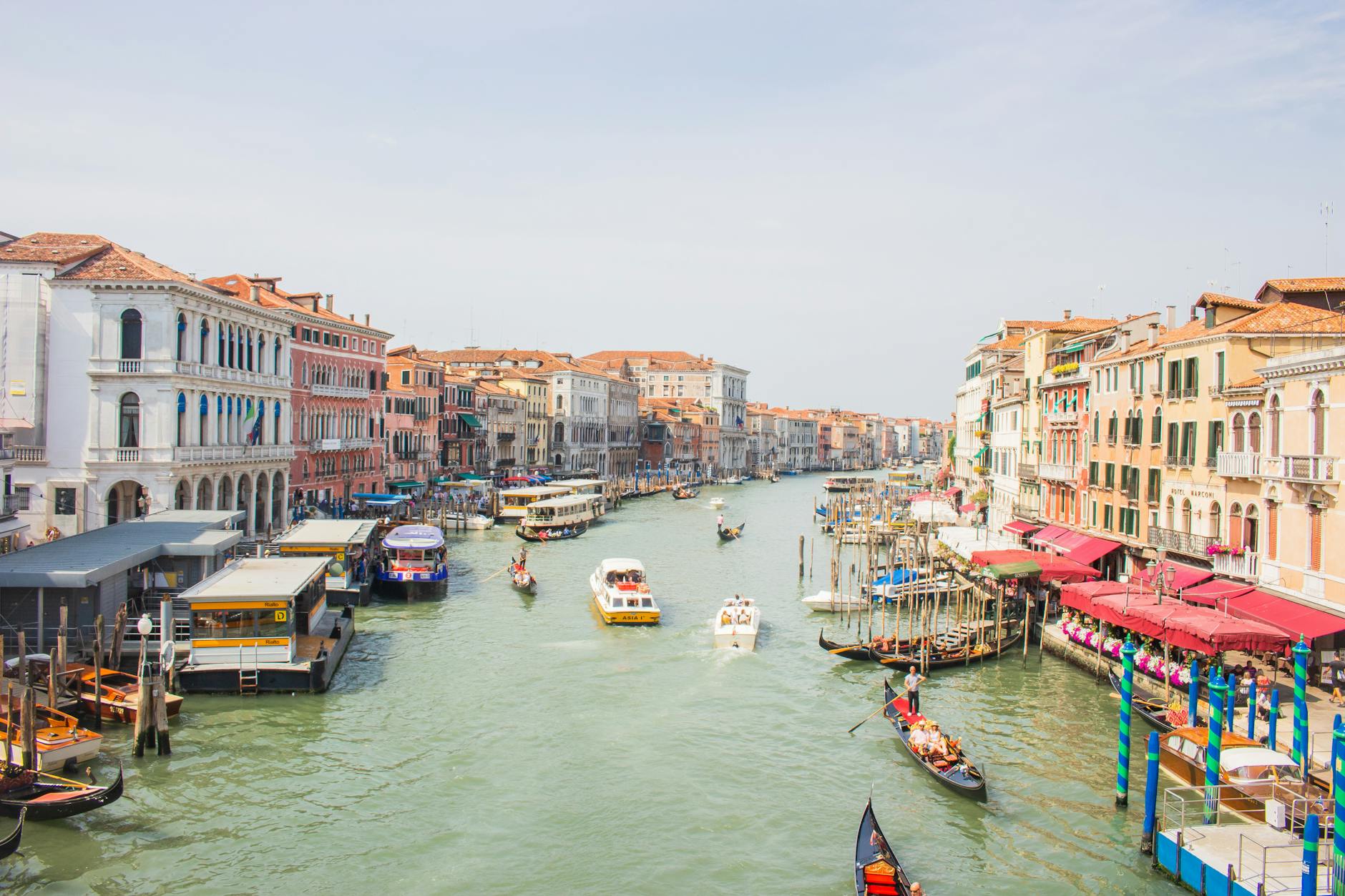
    History of Venice: Economic and Cultural Impact

    Introduction

    Venice, renowned for its enchanting canals and unique architecture, boasts a multifaceted history that intricately intertwines economic vigor with cultural development. Founded in the 5th century, this city-state transformed from a refuge for those fleeing barbarian invasions into a formidable maritime power known as the Venetian Republic. With strategic trade routes and a thriving economy, Venice became a nexus of commerce that facilitated cultural exchanges between Europe and the East. As the historical significance of Venice continues to echo through its artistic legacy, this article will explore the rich tapestry of the history of Venice, examining its economic foundations, cultural achievements, the factors behind its decline, and the ensuing challenges it faces in the modern era.

    The Origins of Venice: From Marshland to Maritime Power

    The origins of Venice can be traced back to the 5th century when displaced populations sought refuge from invading Germanic tribes. As they fled the mainland, they settled on various islands within the Northern Adriatic lagoon, leading to the formation of a unique community that evolved into the city of Venice. The marshy environment presented both challenges and advantages; while agriculture was limited due to the poor soil, the lagoon provided natural defenses against invasions, allowing these settlers to develop their maritime skills.

    By the 6th century, these early Venetians established a rudimentary economy primarily based on fishing and salt extraction. Salt was especially vital, serving as both a preservative and a valuable trade commodity. In the meantime, as the population grew, the construction of wooden structures began to evolve, eventually leading to the development of canals that facilitated trade and transport. The establishment of the Venetian Doges, the elected leaders of the community, marked the city’s transition from a collection of villages into a coherent political entity.

    In the following centuries, Venice capitalized on its geographical position, developing extensive trade networks that connected Europe with the East. By the 9th century, the city had forged strong ties with the Byzantine Empire, largely due to its strategic alliances and trading privileges. The establishment of the Maritime Code of 1242 further regulated economic activities and enhanced its trading prowess. The growing importance of trade prompted the development of a banking system, with Venetian banks pioneering new methods for financing commerce.

    This commercial expansion coincided with innovations in shipbuilding and navigation, further solidifying Venice’s role as a maritime power. The adoption of the galeas, a new type of ship, allowed Venetians to transport goods over long distances efficiently. As trade flourished, the city became home to diverse communities, enriching its cultural fabric. The melding of various cultures influenced Venetian society, resulting in a unique blend of traditions that would define the city for centuries to come.

    The Economic Ascent of the Venetian Republic

    By the late Middle Ages, the Venetian Republic was recognized as one of the leading economic powers in Europe. The strategic advantage of its location, supported by sophisticated maritime commerce, brought immense wealth to the city. The infamous Camino Real, the main trade route to the East, enabled Venetian merchants to exchange spices, silk, and precious metals with regions as diverse as Asia, Africa, and the Americas.

    During this period, Venice introduced groundbreaking concepts in commerce and banking that would alter the course of financial operations across Europe. The advent of double-entry bookkeeping allowed merchants to maintain accurate financial records, a practice that would later be adopted throughout Europe. Venetian merchants often established trading posts and colonies in regions such as Crete, Cyprus, and parts of the Levant, thus extending their economic reach across the Mediterranean.

    The wealth derived from these trading activities fostered the rise of a powerful merchant class, which played a significant role in the governance of the Republic. The Great Council, composed of noble families and wealthy merchants, ruled Venice in a manner that blended oligarchy with democratic elements. This political structure ensured economic interests were protected, fostering an environment conducive to trade and enterprise.

    The Venetian economy thrived on the precursor of modern capitalism; merchants acted as producers, financiers, and traders simultaneously. The Exchange of St. Mark became a central trading hub, drawing traders from all over Europe. Through maritime insurance and credit systems, Venice’s banking sector became a model for future financial institutions, greatly influencing Europe’s economic structures.

    Insurance and credit provided by Venetian banks allowed for greater risk management in trade, promoting an environment of confidence that facilitated large-scale operations. The reputation of Venetian merchants for reliability and integrity made them sought-after partners in trade. As a result, Venice became known not just for its riches but also for its sophisticated commercial networks and financial innovations.

    Cultural Flourishing: Art and Architecture in Venetian History

    The economic prosperity of Venice during its height corresponded with an unparalleled flourishing of culture, particularly in the arts. The influx of wealth led to an investment in artistic endeavors, which transformed the city into a cultural showcase of Renaissance art and architecture. As patronage from the ruling elite and the Church grew, so too did the city’s reputation as a center of artistic innovation.

    Venetian painters such as Titian, Tintoretto, and Veronese gained prominence during this period, producing iconic works that would define the Venetian school of painting. Utilizing vibrant colors and dramatic compositions, these artists captured the essence of Venetian life and spirituality, creating masterpieces that remain revered to this day. Their work often depicted both religious themes and scenes of daily life, bridging the sacred and the secular within a uniquely Venetian context.

    Architecture during this time also experienced a remarkable transformation. The combination of Byzantine, Gothic, and Renaissance influences led to the construction of stunning landmarks that characterized the city. St. Mark’s Basilica, with its opulent mosaics and domes, became a symbol of Venetian religious life and devotion. Furthermore, the Doge’s Palace exemplified Venetian political power and opulence, embodying the Republic’s rich history and democratic ideals.

    The emergence of operatic traditions in Venice also played a significant part in the cultural landscape. The popularity of opera grew throughout the 17th century, with composers such as Monteverdi leading innovative developments in this form of artistic expression. The establishment of the Teatro di San Cassiano, the first public opera house, made opera accessible to broader audiences, further solidifying Venice as the epicenter of cultural life in Europe.

    Moreover, the cultural exchanges facilitated by Venice’s extensive trade networks allowed for diverse artistic influences to permeate the city. The arrival of exotic materials and ideas from the East contributed to the city’s unique aesthetic, with Venetian artists often experimenting with new techniques and forms. This artistic syncretism established Venice as a melting pot of cultural expression that resonated throughout Europe.

    The Decline of Venice: Economic and Political Challenges

    Despite its illustrious past, the decline of Venice began in the late 17th century, influenced by a combination of economic and political challenges. The discovery of new trade routes by leading European powers, particularly the rise of Atlantic trade, diminished Venice’s position as a leading Mediterranean hub. As European nations ventured into the New World and opened up favorable trade routes to Asia, the Venetian economy faced a significant downturn.

    Additionally, a series of military conflicts further compounded Venice’s vulnerabilities. The War of the League of Cambrai (1508-1516) marked a significant turning point, as Venice lost substantial territories and influence in the region. Despite a temporary recovery, the weakening of its naval power and the inability to compete with larger fleets from emerging states such as France and England gradually eroded its former dominance.

    Internally, political stagnation and corruption plagued the governing structures of the Republic. The Great Council, once a symbol of Venetian democracy, transformed into a stagnant oligarchy resistant to reform. This resistance to change alienated segments of the populace, leading to social unrest and further weakening the fabric of Venetian political life.

    Furthermore, economic mismanagement and a reliance on outdated practices led to a decline in trade efficiency and competitiveness. The once-thriving ports became susceptible to blockades and piracy, while the loss of significant trade partners weakened the city’s economic foundations. The gradual loss of its maritime empire left Venice’s economy fragile, struggling to adapt in a rapidly changing world.

    The ultimate blow came in the late 18th century as Napoleonic forces invaded Venice in 1797. Following the Treaty of Campo Formio, Venice was ceded to Austria, marking the end of over a thousand years of independence. The fall of the Venetian Republic symbolized not only a political transition but also a cultural shift, as the city grappled to maintain its identity amidst foreign rule.

    Venice Today: Tourism, Preservation, and Cultural Identity

    Today, Venice stands as a UNESCO World Heritage site celebrated for its stunning architecture, rich cultural heritage, and historical significance. However, the city is facing a myriad of contemporary challenges, largely stemming from overtourism and the impacts of climate change. While tourism brings economic benefits, it poses threats to the preservation of its delicate structures and local culture.

    The influx of millions of tourists each year has led to serious environmental concerns, including the erosion of the city’s foundations and pollution in the canals. Heavy foot traffic through historic districts has raised alarm among conservationists and locals alike, who argue that the city’s authenticity is being compromised in favor of tourist appeal. Consequently, the Venetian government has implemented various measures to manage visitor access and protect its heritage.

    Additionally, the rising sea levels due to climate change threaten the integrity of Venetian infrastructure. The phenomenon of acqua alta (high water) is becoming more frequent, resulting in flooding that damages buildings, disrupts local life, and raises concerns over public safety. Initiatives such as the MOSE Project have been developed to mitigate these impacts, although these plans have garnered mixed reactions regarding their effectiveness and environmental consequences.

    Preserving cultural identity in the face of commercialization is another pressing issue. Many Venetians are being displaced by rising property prices driven by a booming tourism market that prioritizes accommodations for visitors over local needs. As more businesses cater exclusively to tourists, the risk of losing traditional crafts and industries that embody Venetian heritage increases.

    In response, local groups and activists are advocating for measures to reinvigorate the community spirit and promote sustainable tourism practices. Initiatives that encourage authentic experiences within Venice—such as supporting local artisans and promoting cultural events—aim to reinstate a sense of community while fostering economic viability.

    Ultimately, Venice remains a city of resilience, navigating the complexities of modernity while striving to balance cultural preservation with economic sustainability. The lessons learned from the past echo through its present endeavors, shaping the future of this irreplaceable city that continues to captivate hearts around the globe.

    Conclusion

    The history of Venice is a profound narrative of economic vigor intertwined with cultural richness. From its enigmatic origins as a refuge to its establishment as a powerful maritime republic, Venice has made significant contributions to trade, culture, and art that resonate globally. Despite facing profound challenges today, the city remains steadfast, determined to preserve its unique heritage while adapting to the demands of the modern world. As Venice navigates through the complexities of tourism and environmental sustainability, it is poised to continue its legacy as a remarkable intersection of history, culture, and resilience, inspiring generations to come.

    Sources Consulted

  • Tracing the Legacy: The History of Chicago

    Tracing the Legacy: The History of Chicago

    Introduction

    Chicago, the third-largest city in the United States, is a vibrant hub of culture, architecture, and history. Founded in 1833, it has evolved from a modest trading post to a bustling metropolis known for its diverse population and significant contributions to various industries. Throughout its history, Chicago has faced numerous challenges, including the devastating Great Fire of 1871, which reshaped the city both physically and socially. Over the decades, it became an essential part of the American industrial landscape, particularly during the Great Migration, when many African Americans moved to the city for better opportunities. This article will delve into the significant events and developments that have marked Chicago’s history, showcasing its resilience and innovation over time.

    The Founding and Early Settlement of Chicago

    The origins of Chicago date back thousands of years, with Indigenous tribes, particularly the Algonquin-speaking Illiniwek, inhabiting the area long before European exploration. The first significant European contact occurred in the late 17th century when the French began exploring the Great Lakes region. Jacques Marquette and Louis Joliet were among the first to map the area in 1673, recognizing its strategic location between the Great Lakes and the Mississippi River.

    In 1803, Fort Dearborn was established by the U.S. Army, marking a significant milestone in the city’s early development. This post served as a military outpost and later a trading center, as settlers began to arrive. The fort’s location provided protection and stability, leading to increased interest from settlers and traders. The village of Chicago was incorporated in 1833, with a population of about 350 people. It was an ideal location for trade, thanks to its proximity to waterways and fertile land.

    During the 1830s and 1840s, Chicago experienced remarkable growth. The city was strategically positioned at a crossroads for shipping, leading to rapid commercial development. The completion of the Illinois and Michigan Canal in 1848, which connected the Great Lakes to the Mississippi River, was a transformative event. The canal facilitated the transport of goods, making Chicago a crucial hub for the distribution of agricultural products from the Midwest. This, in turn, attracted more settlers and businesses, leading to a population boom — from approximately 4,000 in 1837 to over 30,000 by 1850.

    Furthermore, Chicago’s rail network began to take shape in the 1850s, with several railroads connecting the city to other parts of the nation. By the end of the decade, it was considered one of the busiest transportation centers in the country. The transportation revolution not only led to economic prosperity but also fostered a diverse community, as immigrants from Europe and other regions flocked to the city seeking better opportunities.

    As the city grew, significant urban planning challenges emerged. To address these issues, leaders initiated reforms in sanitation and public health, as overcrowded living conditions often led to outbreaks of diseases. The introduction of public services, such as street lighting and waste management, began to transform Chicago into a modern urban environment.

    Culturally, the blending of various ethnicities helped shape a unique identity for the city. Immigrant groups established neighborhoods and cultural institutions that reflected their heritage, giving rise to a vibrant tapestry of cultures. The early years of Chicago were characterized by optimism and hard work, as residents paved the way for the challenges and triumphs that lay ahead.

    The Great Fire of 1871 and Its Aftermath

    The Great Fire of 1871 stands as one of the most catastrophic events in Chicago’s history, profoundly impacting the city’s landscape and community. Starting on the evening of October 8, 1871, the fire was fueled by a combination of drought conditions, strong winds, and the predominance of wooden structures in the city. By the time it was extinguished, on the morning of October 10, the fire had consumed approximately 3.3 square miles of the city, destroying over 17,000 buildings and displacing around 100,000 residents.

    The origins of the fire are often attributed to a cow kicking over a lantern in a barn, though this story has been widely debated. Regardless of its origins, the fire spread swiftly, exacerbated by the cramped and flammable conditions of the densely populated area. As residents fled, chaos ensued, with firefighters overwhelmed and unable to control the flames. The destruction was immense, leaving large sections of the city in ruins and forcing thousands onto the streets.

    In the aftermath, Chicago faced the daunting task of rebuilding. The disaster galvanized the community, and both residents and businesses rallied to help those affected. Wealthy philanthropists and local organizations contributed funds for relief efforts, while volunteers provided shelter and assistance to those in need. This sense of solidarity and community resilience became a defining aspect of Chicago’s identity.

    The rebuilding process presented a unique opportunity for the city’s transformation. Urban planners, architects, and builders recognized the chance to implement modern construction methods and fire safety standards. The rebuilding effort saw the introduction of steel-frame construction, which allowed for the creation of higher buildings and a new architectural language. Iconic structures, such as the Home Insurance Building, often regarded as the first skyscraper, emerged during this period.

    This newly designed urban landscape was planned with greater foresight, incorporating public parks and open spaces. The Bauhaus architectural movement, which emphasized functionality and simplicity, influenced the designs of many new buildings, leading to a departure from the ornate Victorian styles prevalent before the fire.

    The Great Fire also had significant socio-economic implications. It altered the city’s demographic makeup, as it attracted migrants seeking opportunity in the rebuilding efforts. As Chicago grew in the wake of the fire, it became a destination for immigrants from various backgrounds, further enhancing its multicultural character. These new residents contributed to the flourishing labor force necessary for the developing industrial landscape.

    In conclusion, the Great Fire of 1871 was a landmark moment in Chicago’s history that caused devastating destruction but ultimately led to remarkable resilience and transformation. The city’s ability to rebuild and innovate in the face of destruction remains a powerful testament to the spirit of its people.

    Chicago’s Role in Industrialization and the Great Migration

    As the 19th century progressed, Chicago solidified its place as a vital center of industrialization and commerce. The completion of railroads and expansion of the manufacturing sector positioned the city as a key player in the national economy. The meatpacking industry emerged as one of Chicago’s significant economic drivers, supported by the Union Stock Yards, which became the largest of its kind in the world by the late 19th century.

    The stockyards and associated industries attracted a diverse labor force, including many immigrants seeking economic opportunities. As factories boomed, so did the need for workers. The population surged, particularly with waves of German, Irish, Polish, and Italian immigrants arriving in search of jobs and a better life. By the beginning of the 20th century, the city’s population had swelled to well over a million.

    This period was also marked by the Great Migration, a pivotal movement of African Americans from the rural South to urban centers in the North. Escaping the systemic racism of the Jim Crow South, thousands sought better living conditions and job opportunities in cities like Chicago. The migration significantly reshaped the social fabric of the city, with African Americans establishing themselves in neighborhoods such as Bronzeville.

    The arrival of African Americans during the Great Migration brought a rich cultural heritage that contributed to Chicago’s diversity. Amidst the throes of industrialization, they also faced discrimination and segregation. However, the community developed cultural institutions and social organizations that fostered a sense of belonging and pride. Notable figures emerged from this vibrant community, including musicians like Louis Armstrong and writers like Gwendolyn Brooks, who contributed to the cultural landscape of the city.

    The labor movements gained momentum during this era, with factory workers organizing for better wages and working conditions. Chicago became a hotbed for labor activism, exemplified by events like the Haymarket Affair in 1886, which highlighted the struggles of workers advocating for an eight-hour workday. These events underscored the city’s role as a battleground for workers’ rights and social justice, shaping the future of labor movements in the United States.

    The post-World War II period marked another significant shift in Chicago’s industrial landscape. Manufacturing remained a dominant sector, but the city began to diversify its economy, embracing new technologies and industries. This transition led to challenges, including job losses in traditional sectors as factories closed or relocated. Nevertheless, Chicago continued to adapt, positioning itself as a hub for finance, technology, and services.

    Throughout the 20th century, the combination of industrial growth and the cultural contributions of diverse communities created a unique Chicago identity. The legacy of the Great Migration and the industrialization of the city laid a strong foundation for future movements advocating social change, civil rights, and cultural expression, making Chicago a pivotal player in the broader narrative of American history.

    The Cultural Renaissance of Chicago

    The early 20th century marked a cultural renaissance in Chicago, characterized by a flourishing of arts, music, and literature. The city became a vibrant hub for creativity, often reflecting the complexities and struggles of its diverse communities. The jazz and blues music scenes took center stage, making Chicago synonymous with these genres. Artists and musicians flocked to the city’s clubs and venues, creating an electrifying atmosphere that gave rise to legendary figures like Muddy Waters, Howlin’ Wolf, and later, the Chicago blues movement.

    This cultural reawakening extended beyond music. The Chicago literary scene also blossomed during this era. Notable writers, including Carl Sandburg and Gwendolyn Brooks, captured the essence of city life, exploring themes of urban identity, social justice, and resilience. The literary contributions reflected the diverse experiences of Chicagoans, showcasing the complexities of life in a bustling metropolis.

    The Chicago World’s Fair in 1893, also known as the Columbian Exposition, was pivotal in shaping the city’s artistic identity. It presented a grand vision of progress and innovation, celebrating the 400th anniversary of Columbus’s arrival in the Americas. The fair introduced new architectural styles, such as the Beaux-Arts, influencing city planning and design in the years that followed. The White City, as it was dubbed, showcased Chicago’s ambition, creativity, and cultural richness, drawing audiences and attention from around the world.

    As the 20th century progressed, institutions like the Art Institute of Chicago became central to the city’s cultural landscape. The museum’s expansive collection featured both classical and contemporary works, providing a platform for artists of varying backgrounds to exhibit their talent. The establishment of the Chicago Cultural Center in 1897 further solidified the city’s commitment to the arts, offering a space for exhibitions, performances, and community events.

    The post-war period witnessed an explosion of artistic movements in Chicago, including the Chicago Imagists, known for their bold and unconventional imagery. Artists like Roger Brown and Ed Paschke used their work to reflect social commentary, challenging conventions and pushing boundaries within the art community. Their influence resonated beyond Chicago, marking the city as a crucial player in the contemporary art scene.

    The cultural renaissance continued into the late 20th century, with the emergence of various festivals, such as the Chicago Blues Festival and the Chicago Jazz Festival, celebrating the city’s musical heritage. These events attracted global attention and showcased the talents of countless artists, fostering a sense of community and pride.

    Today, Chicago’s cultural landscape remains vibrant, with institutions, festivals, and artistic endeavors reflecting the diversity and creativity of its residents. The city continues to evolve, remaining a haven for artists, musicians, and writers who contribute to its rich tapestry. The cultural renaissance that began in the early 20th century laid the foundation for a modern Chicago that values creativity and expression as integral to its identity.

    Chicago in Modern Times: Growth and Challenges

    In recent decades, Chicago has faced a complex array of growth opportunities and challenges that continue to shape its identity. The turn of the 21st century brought about significant economic development in various sectors, including technology, finance, and tourism. As a major metropolitan area, Chicago has adapted to the changing global economy while confronting issues such as income inequality, crime, and urban decay.

    The city has embraced innovation and technology, fostering a vibrant startup culture particularly in areas like the Loop and the Near North Side. Organizations such as 1871, housed in the Merchandise Mart, have emerged as incubators for entrepreneurs, providing resources, mentorship, and networking opportunities. This shift towards a knowledge-based economy has positioned Chicago as a competitive player in a dynamic global market.

    However, economic growth has not been without its shortcomings. The gap between affluent neighborhoods and economically disadvantaged areas has become more pronounced. Many communities, particularly on the South and West Sides, continue to struggle with poverty, unemployment, and crime, raising concerns about social justice and equity. Activist movements have emerged from these communities, demanding attention for issues such as police reform, equitable access to education, and affordable housing.

    In addressing these challenges, city leadership has undertaken initiatives aimed at revitalizing struggling neighborhoods. Investments in education, infrastructure, and public safety have been made to foster socio-economic recovery. Projects such as the Chicago Riverwalk and the development of parks and public spaces have provided opportunities for residents and visitors to engage with their environment while creating jobs and stimulating local economies.

    Moreover, as the city prepares to confront climate change, sustainability has become a significant focus. Chicago has implemented ambitious climate action goals, including initiatives to reduce greenhouse gas emissions and enhance public transportation. Programs promoting renewable energy, green building practices, and urban gardening have been introduced to foster environmentally conscious development.

    Additionally, Chicago’s rich cultural heritage continues to thrive, as the city hosts a myriad of festivals, performing arts events, and multicultural celebrations that reflect its diverse populace. These events not only enrich the cultural fabric of the city but also draw tourists, thereby supporting the local economy.

    As Chicago moves forward, it embraces its historical legacy while confronting contemporary challenges. The continuous evolution of its identity, shaped by resilience and innovation, will define the future of this remarkable city. Through collective efforts, Chicagoans remain committed to ensuring that their city continues to flourish, striving for a brighter, more equitable future for all.

    Conclusion

    The history of Chicago is a compelling narrative of resilience, innovation, and transformation. From its modest beginnings as a trading post to its emergence as a vibrant metropolis, the city has continuously adapted to change while facing challenges head-on. The Great Fire, industrialization, the Great Migration, and a rich cultural renaissance have all left indelible marks on Chicago’s identity. Today, as the city grapples with modern challenges and opportunities, its residents remain committed to shaping a future that honors their diverse heritage. Chicago continues to be a testament to the power of community, creativity, and resilience, standing tall as a city rich in history yet focused on progress.

    Sources Consulted

  • City of London: The evolution of the financial district

    City of London: The evolution of the financial district

    Introduction

    The City of London, often referred to simply as “the City,” is not only one of the oldest centers of commerce in the world but also a pivotal hub for global finance today. Its history stretches back nearly two millennia, beginning with its establishment by the Romans as Londinium in AD 43. Over the centuries, the City has endured fires, plagues, and the relentless march of modernization, all while retaining its unique character and significance. Nestled within its square mile is a vibrant tapestry of historic buildings, modern skyscrapers, and a dynamic landscape that showcases both its past and present. This article will explore the evolution of the City of London, focusing on five key agendas: the Roman roots of the City, the Medieval period’s development, the impact of the Great Fire, the rise of modern finance, and the City’s future in a globalized world.

    The Roman Roots of the City of London

    The City of London traces its origins back to Roman times, when it was established around AD 43. The Romans recognized the strategic significance of the River Thames, which provided a natural transport route and access to trade. Londinium was designed as a commercial hub, featuring an array of markets, shops, and administrative buildings. Their establishment of walls, which encircled the budding city, served both protective and administrative functions. The original Roman settlement consisted of a grid pattern of streets, with the main thoroughfare running from the north to south, eyeing the river as its lifeline.

    One of the key features of Roman Londinium was its bustling port, which became one of the most important trading centers in Britain, attracting merchants from various regions. This established a culture of commerce that would endure through the ages, setting the groundwork for what would become the world’s leading financial district. The presence of goods from across the Roman Empire demonstrated Londinium’s significance in trade, making it an essential location for both economic and cultural exchange.

    Through archaeological excavations, we can glean insights into the daily lives of residents during this period. Artefacts such as pottery, coins, and tools reveal the vibrancy and diversity of the city’s population. The Romans also left behind impressive structures, including temples, baths, and an amphitheater, many of which were constructed using advanced engineering techniques that harmonized with the landscape. These structures not only showcased Roman architectural prowess but also attracted visitors, further stimulating commerce and social activities.

    The role of the Roman administration in the governance of Londinium was pivotal. The establishment of local governance and the creation of legal structures contributed to a stable environment for businesses to thrive. As the population of Londinium grew, so did its complexity, and the Romans implemented taxation systems that would later influence the financial mechanisms in place in the City of London.

    However, as the Roman Empire began to wane, so too did Londinium’s prominence. By the early 5th century, the city was largely abandoned, and the once-thriving port fell into disrepair. The Anglo-Saxons eventually settled in the area, and although the city was largely forgotten, the historical foundations laid by the Romans continued to influence the landscape of the City of London.

    Despite the decline, elements of Roman construction persisted. Many street names and physical layouts were influenced by Roman designs, and remnants of their infrastructure remained visible in later eras. In essence, the Roman roots of the City of London not only laid the groundwork for its commercial viability but also established a cultural heritage that would continue to evolve. Understanding this foundation is crucial for appreciating the subsequent developments in the history of the City.

    Development During the Medieval Period

    During the Medieval period, the City of London underwent significant transformations that solidified its stature as a pivotal center of trade and governance. Following the decline of Roman influence, the Anglo-Saxon arrival marked the beginning of a new chapter. They established a new settlement called Lundenwic, situated further west of the old Roman city. However, it was not long before Lundenwic became vulnerable to raiding Norsemen and other external threats. Consequently, the settlement shifted back to the safety offered by the Roman walls, leading to the reestablishment of the city around the 9th century.

    This period saw the emergence of a merchant class, as trade flourished in a more stabilized environment. The development of fairs and markets became a defining feature of the City, with merchants arriving from all corners of Europe to trade goods. The establishment of the guild system played a crucial role during this time, as it provided a structure for regulating trade practices and protecting the interests of artisans and merchants. Guilds such as the Mercers and Skinners emerged, setting standards for quality, pricing, and the training of apprentices, all while fostering a sense of community among tradespeople.

    The Medieval period also witnessed the expansion of the City’s population and its physical space. As commerce grew, more buildings sprang up, leading to the development of narrow, winding streets packed with stalls and shops selling everything from textiles to spices. The construction of churches and cathedrals, including the iconic St. Paul’s Cathedral and the Priory of the Holy Trinity, added both religious stature and architectural beauty to the city’s landscape. The City became a melting pot of norms, traditions, and cultures, as it attracted people from various backgrounds seeking better opportunities.

    Furthermore, the increasing importance of the City led to greater autonomy. In 1067, William the Conqueror granted the City its first charter, which empowered it to govern its own affairs. This laid the groundwork for the future development of local governance, as the Lord Mayor and the City Corporation took on increasingly important roles in managing civic responsibilities and maintaining law and order. The establishment of a local court system further streamlined governance and legal processes, making the City a model for future urban centers.

    Through the late Medieval period, the City’s significance soared, eventually emerging as one of the leading commercial hubs in Europe. The establishment of the Royal Exchange in 1565 by Sir Thomas Gresham marked a pivotal moment, providing a centralized space for merchants to conduct trade. The exchange became a vital institution, fostering a sense of stability and growth that would catapult London into the modern financial era.

    Overall, the Medieval period played a crucial role in shaping the identity of the City of London. The fusion of trade, governance, and community created a unique environment that laid the groundwork for the city’s evolution into one of the preeminent financial districts in the world. The City’s rich history during this epoch is a testament to the resilience and adaptability of its inhabitants, as they navigated the challenges of their time to build a thriving metropolis.

    The Impact of the Great Fire of 1666

    The Great Fire of London in 1666 marked a watershed moment in the history of the City of London, profoundly altering its urban landscape and societal structure. The fire, which began on September 2 in a bakery on Pudding Lane, rapidly escalated, fueled by the timber-rich buildings and narrow streets that characterized the City. Over the course of four days, the inferno devastated significant portions of London, destroying thousands of homes, churches, and important commercial institutions.

    In the aftermath of the Great Fire, the toll was staggering; approximately 13,000 houses, 87 parish churches, and several important buildings, including St. Paul’s Cathedral, were obliterated. The immediate loss of property was immense, displacing a large portion of the population and creating dire economic consequences. However, the fire also acted as a catalyst for monumental change in the city’s planning and architecture.

    The reconstruction efforts that followed were marked by a newfound emphasis on urban planning and building regulations, aimed at preventing such catastrophes from happening again. One of the pioneers of this movement, Sir Christopher Wren, was commissioned to design a new St. Paul’s Cathedral in an era of rebirth. His work represented a departure from traditional Gothic designs, embracing a more modern Baroque style. The Cathedral, completed in 1710, became an iconic symbol of London and a testament to the city’s resilience.

    Additionally, the aftermath of the Great Fire saw the introduction of new regulations for building practices. The city moved towards the use of brick and stone instead of timber, promoting fire-resistant construction as a critical component of urban planning. The emergence of wider streets and more organized layouts also facilitated better accessibility and safety. These changes were integral in transforming the City of London into a model of urban planning for generations to come.

    The Great Fire also served as a turning point in the development of the City’s financial sector. The calamity had exposed the vulnerabilities of many merchants who lost their businesses overnight; thus, it catalyzed a shift towards better fiscal management. A need for reliable insurance emerged, leading to the creation of insurance companies and financial institutions designed to provide security against potential future disasters. The foundational concepts of risk assessment and policy underwriting began to take root during this period, effectively setting the stage for the rise of modern financial services.

    Moreover, the fire had profound social implications. The loss of homes and businesses led to a population displacement, forcing many to seek new means of livelihood. The resulting economic upheaval prompted a diversified labor market and a shift in trade practices towards more resilient operations. The influx of people into the city seeking work brought about an unprecedented blend of cultures and innovations, aligning with the concept of London as a melting pot.

    In summary, the Great Fire of 1666, while catastrophic, ultimately served as a transformative event in the City of London’s history. The reconstruction brought about stricter building codes, a shift toward more substantial financial structures, and an overall reevaluation of urban planning. It reshaped the city’s identity and paved the way for London’s emergence as a modern financial powerhouse. The lessons learned from the fire became instrumental in the development of a resilient and thriving metropolis.

    The Rise of Modern Finance and Globalization

    The City of London has long been synonymous with finance, and the evolution into a modern financial powerhouse began to take shape in the 18th and 19th centuries. This era distinguished itself through technological advancements, international trade, and the establishment of key financial institutions that fostered globalization. The rise of modern finance was marked by the establishment of institutions and regulations that allowed for greater investment opportunities and more robust financial transactions.

    The establishment of the Bank of England in 1694 was a cornerstone event that contributed to the rise of modern finance. Created to act as a banker to the government and to manage national debt, it played a critical role in stabilizing English currency and promoting trade. The bank introduced the concept of the public debt, which allowed the government to fund various initiatives while creating investment opportunities for private individuals. This novel approach laid the groundwork for modern banking practices.

    In addition to banking, the London Stock Exchange, founded in 1801, represented a significant development in the financial landscape. Traders and brokers gathered in coffeehouses in the 17th century to conduct informal transactions, but with the formalization of the stock exchange, these transactions became more regulated and structured. The Stock Exchange provided an essential platform for companies to raise capital by issuing shares, thus fueling investment opportunities that contributed to development and innovation.

    The Industrial Revolution that swept through Britain during the 18th and 19th centuries further propelled the City of London’s financial growth. Advances in technology and manufacturing led to increased production capacities and greater demand for raw materials and goods. This era saw London’s emergence as a hub for international trade, as it connected with markets across the globe. The City facilitated trade routes that not only linked Britain with its colonies but also with other nations, reinforcing its significance in the global economy.

    As trade expanded, so did the financial instruments and innovations available in the City. The creation of joint-stock companies allowed for shared ownership of enterprises, reducing the risks for individual investors while fostering a more collaborative approach to entrepreneurship. Additionally, innovations such as bills of exchange, promissory notes, and insurance products further diversified financial opportunities.

    Yet, the rise of modern finance was not solely defined by institutional advancements; the political landscape played a crucial role as well. The British Empire’s expansion, fueled by trade and colonization, established London as the world’s financial capital. The increasing interconnectedness of global markets gave rise to the phenomenon of globalization, as capital flowed across borders and businesses sought to capitalize on foreign opportunities.

    As technology advanced in the late 19th and early 20th centuries, the City of London continued to adapt. The introduction of telegraph and telephone systems streamlined communication, allowing for instantaneous financial transactions and information dissemination. This led to even greater efficiencies in the way business was conducted, shaping the modern trading practices we recognize today.

    In summary, the rise of modern finance and globalization in the City of London was a multifaceted process driven by institutional, technological, and political changes. The establishment of the Bank of England and the London Stock Exchange catalyzed innovation, while the Industrial Revolution and advances in communication solidified its role as an international financial hub. The legacy of this period continues to influence the contemporary financial landscape, with London remaining at the forefront of global finance.

    The City’s Future in a Globalized World

    Looking forward, the City of London stands at a crossroads, navigating the challenges and opportunities presented by a rapidly changing global landscape. As it enters the 21st century, the City faces issues such as technological disruption, changing regulatory environments, and the impacts of climate change and geopolitical shifts. At the same time, the City also continues to leverage its historical strengths, adapting to maintain its relevance as a global financial center.

    One of the most significant threats to the City’s traditional dominance stems from the rise of fintech companies, which are redefining financial services through technology-driven innovations. Start-ups specializing in blockchain, digital banking, and automated trading systems are challenging conventional banking models and pushing legacy institutions to innovate rapidly or risk obsolescence. As a result, many traditional banks located in the City of London are investing in technology and partnerships to remain competitive, increasingly integrating digital solutions into their operations.

    Moreover, the global shift toward sustainability and environmental concerns has begun to reshape financial practices. Green finance and investment in sustainable projects are gaining traction, with the City of London working to align its financial sector with sustainable development goals. Initiatives such as green bonds and sustainable investment funds are becoming central to the City’s strategy, providing new opportunities for growth and attracting investors who prioritize ethical considerations.

    The regulatory landscape is also evolving, particularly in the aftermath of Brexit. As the United Kingdom distances itself from the European Union, questions surrounding the future of London’s role as a European financial center have emerged. While some predict that institutions may relocate to other EU cities to maintain access to the single market, others argue that the City’s established global presence and deep pool of talent will continue to attract businesses. The adaptability of London’s financial sector will be tested as new policies and regulations develop, and maintaining an open, competitive financial environment will be crucial.

    Geopolitical tensions, particularly between the US and China, further complicate the City of London’s strategic planning. Shifts in global power dynamics may influence financial flows and investment patterns. The City must navigate these complexities while remaining an attractive hub for international companies and investors. Strengthening relationships with emerging markets and diversifying business opportunities will be vital to securing the City’s standing in this new global context.

    Ultimately, the City of London is uniquely positioned to leverage its rich history, expert talent, and innovative spirit as it embraces the future. By adapting to technological disruptions, championing sustainability, and navigating geopolitical changes, the City can maintain its status as a vital financial center in an increasingly interconnected world. The next chapter in the City of London’s story will be defined by its agility and responsiveness to these evolving challenges, as it seeks to build on its foundation and carve out a sustainable path forward.

    Conclusion

    The City of London has a complex and fascinating history, evolving from its Roman beginnings into one of the most significant financial districts in the world. Each historical chapter has contributed layers of identity and purpose to the City, shaping its governance, architecture, and economic foundations. The transition from a Roman trading post to a Medieval commercial hub set the stage for the eventual upheaval caused by the Great Fire of 1666, which propelled urban planning and financial innovations. The subsequent rise of modern finance has cemented the City’s global status, driving it to adapt and evolve in response to technological advancements and globalization.

    As the City faces contemporary challenges, it possesses the resilience and historical depth necessary to navigate this new terrain. The ongoing transformations in technology and sustainability, alongside changes in global power dynamics, will require innovative solutions and strategic planning to ensure that the City continues to thrive. Looking ahead, the City of London will undoubtedly remain a central player on the world stage, drawing from its rich heritage while forging a path toward a dynamic and sustainable future.

    Sources Consulted

  • Mtskheta History: Exploring the Sacred Heart of Georgian Civilization
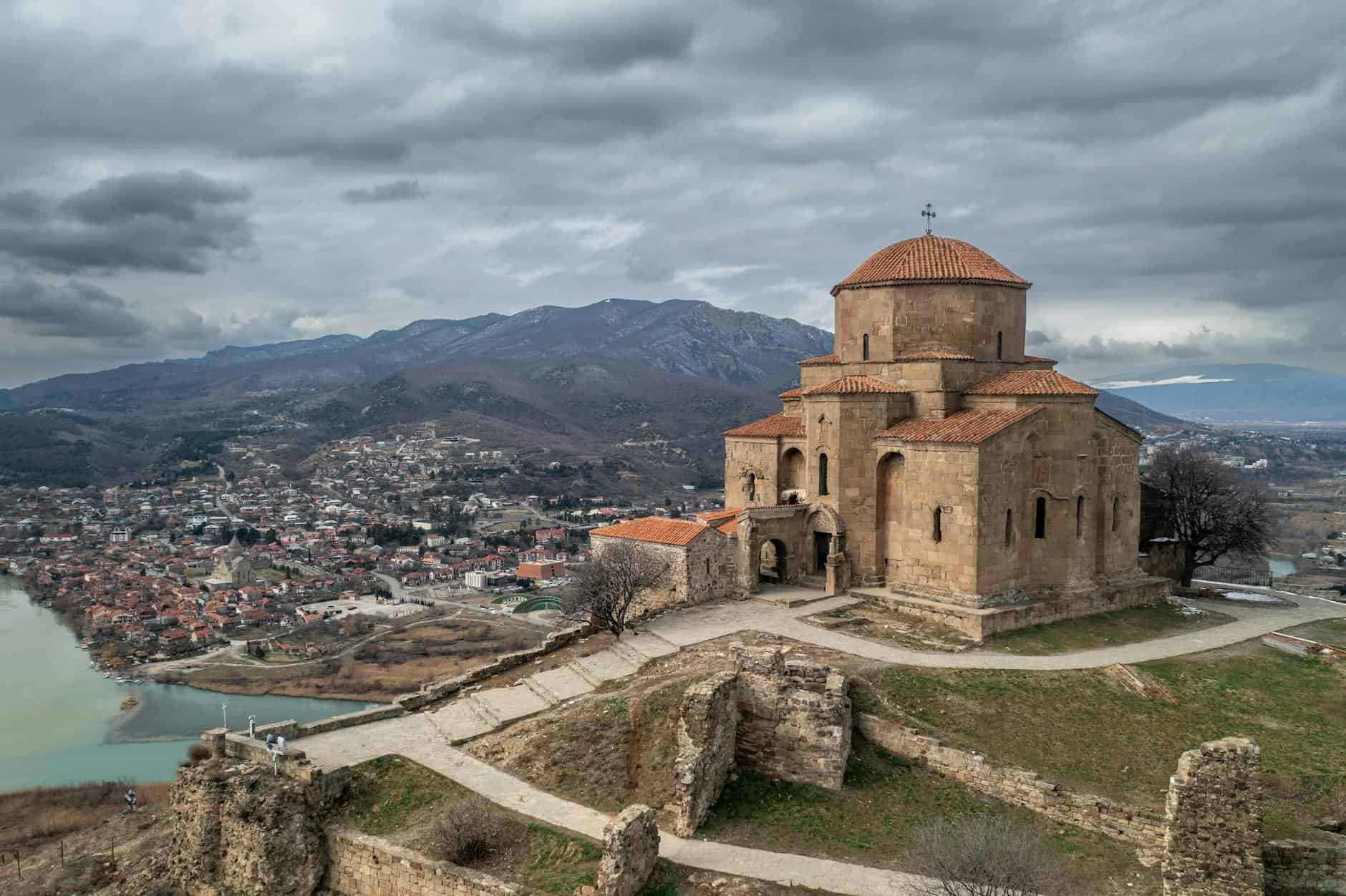
    Mtskheta History: Exploring the Sacred Heart of Georgian Civilization

    Introduction

    Mtskheta, one of the oldest continuously inhabited cities in the world, is a treasure trove of history, culture, and spirituality. Located at the confluence of the Aragvi and Mtkvari rivers, this ancient capital of Georgia is steeped in tales that date back to the early days of human civilization. Mtskheta’s significance spans centuries, playing a crucial role in the religious and political landscape of Georgia. The city is perhaps most renowned for the magnificent Svetitskhoveli Cathedral, a UNESCO World Heritage site and a spiritual heart of the Georgian Orthodox Church. This article explores the rich tapestry of Mtskheta history, the architectural grandeur of Svetitskhoveli, the city’s cultural heritage, its religious importance, and how the modern Mtskheta reflects its storied past while adapting to present-day dynamics.

    Historical Overview of Mtskheta

    Mtskheta’s history is a chronicle of resilience, leadership, and cultural development. As the ancient capital of the Kingdom of Iberia (or Eastern Georgia), which existed from the 4th century BC to the 5th century AD, Mtskheta was a pivotal center of governance and trade. Its strategic position at the crossroads of important trade routes made it a melting pot of diverse cultures and influences. Historical accounts point to Mtskheta as one of the vital hubs where the East met the West, promoting the exchange of ideas, art, and commerce.

    The city’s archaeological sites reveal layers of human habitation and civilization, with evidence of settlements dating back to the 3rd millennium BC. The rich findings include ancient burial mounds, pottery, and tools, highlighting the area’s long-standing significance as a site of human activity. The citadel of Mtskheta, built atop a nearby hill, served as a fortification, protecting the city from invasions while also symbolizing the power and authority of local rulers.

    In the early centuries of the Common Era, Mtskheta became an essential center for Christianity. Traditionally, it is believed to be the place where Saint Nino preached and converted King Mirian III of Iberia to Christianity in the early 4th century, marking a pivotal moment in Georgian history. This conversion laid the groundwork for Georgia’s adoption of Christianity as the state religion in 337 AD, transforming the cultural and spiritual landscape of the region.

    Beyond its religious transformation, Mtskheta served as a political hub during various dynasties, including the early medieval period when it was integral to the formation of the Georgian kingdom. The city’s prominence continued through the Middle Ages, with the construction of important architectural structures. Several ruling dynasties chose Mtskheta as their capital, reinforcing its status in the regional hierarchy.

    As invasions occurred throughout the centuries, Mtskheta faced challenges. The Persian, Arab, and Mongol invasions impacted the city’s development, but it consistently emerged resilient. Architectural relics from these periods reflect cultural exchanges and influences from various conquerors and settlers. This historical ebb and flow of power and culture gives Mtskheta a complexity that makes it a vital part of Georgia’s national identity.

    svetiskhoveli cathedral in georgia
    Svetitskhoveli Cathedral, Mtskheta, Georgia

    By the late 19th and early 20th centuries, Mtskheta began to attract attention from scholars, tourists, and pilgrims interested in its historical and religious significance. This renewed interest led to restoration efforts and investments in preserving its cultural heritage. Today, Mtskheta is a UNESCO World Heritage site, a testament to its historical importance and cultural richness.

    The fascinating history of Mtskheta unfolds a narrative of a city that has been at the forefront of Georgia’s cultural, religious, and political evolution. Each stone, monument, and archaeological find tells a story of the past, offering insights into the lives and beliefs of those who walked its ancient streets. Through this exploration, Mtskheta continues to captivate visitors, scholars, and residents alike, bridging the past with the present.

    The Significance of the Svetitskhoveli Cathedral

    Svetitskhoveli Cathedral, known as the “Living Pillar,” is one of the most revered religious sites in Georgia and an architectural marvel of the medieval period. It stands as a symbol of faith and resilience, embodying the spirit of the Georgian people. The cathedral’s significance extends beyond its religious role; it is also an essential part of Georgian national identity and a showcase of the country’s rich history and artistic heritage.

    The construction of Svetitskhoveli began in the early 11th century, replacing earlier churches that had occupied the same site. The current structure, built under the orders of King David IV, represents a stunning example of Georgian architecture and serves as a historic echo of earlier Christian traditions. The cathedral is designed in a cruciform layout with a high dome, featuring intricate frescoes, sculptures, and stone carvings that reflect the artistic prowess of the era. Its design incorporates elements of Byzantine architecture while showcasing unique Georgian techniques and styles.

    aerial view of historical svetitskhoveli cathedral
    Svetitskhoveli Cathedral

    One of the primary reasons Svetitskhoveli holds such significance is its association with the legendary story of Christ’s robe. According to Georgian tradition, when Christ was crucified, His robe was brought to Mtskheta, where it was buried, turning the location into a sacred site. This tale has cemented the cathedral’s place in the hearts of Georgians, drawing pilgrims and visitors from around the world. The building’s name, “Svetitskhoveli,” translates to “the pillar that gives life,” emphasizing its role as a source of spiritual nourishment for believers.

    The interior of Svetitskhoveli is adorned with stunning mosaics depicting biblical scenes, saints, and important figures in Georgian history. The grandeur of the nave is flanked by extensive frescoes that date back centuries, depicting not only religious themes but also the daily lives of the Georgian people throughout history. These artistic elements provide insight into the cultural values, beliefs, and historical events that shaped Georgian society.

    Centrally located in Mtskheta, Svetitskhoveli has been a place for significant national ceremonies, including coronations and other vital events that shaped the nation’s history. Its role as a spiritual center has made it a gathering place for the faithful, fostering community and dialogue among different generations of Georgians. The cathedral continues to function as an active house of worship, hosting religious services and ceremonies that connect the past to the present.

    In 2010, Svetitskhoveli Cathedral was inscribed as a UNESCO World Heritage Site, recognizing its outstanding universal value as a monument of cultural heritage. This designation has increased awareness and appreciation for the cathedral’s artistic and architectural significance and has inspired preservation efforts to ensure that future generations can continue to experience its beauty and importance.

    Through its architectural splendor and rich tradition, Svetitskhoveli Cathedral stands not only as a testament to the artistic achievements of the medieval period but also as a beacon of faith and cultural identity for the Georgian people. It embodies the spirit of Mtskheta, connecting the past with the present while continuing to inspire awe and reverence in those who visit.

    Cultural Heritage and UNESCO Status

    Mtskheta’s designation as a UNESCO World Heritage site highlights its invaluable cultural heritage and the need for its preservation for future generations. This recognition stems from Mtskheta’s unique historical narrative, showcasing the evolution of Georgian architecture, art, and spirituality. The city’s rich tapestry of cultural influences illustrates the convergence of various civilizations and religions over millennia, establishing Mtskheta as a significant cultural oasis in the region.

    The significance of Mtskheta’s cultural heritage is not solely limited to its monuments but extends to the living traditions, crafts, and practices of its people. The city’s historical role as a center of trade facilitated the exchange of artistic techniques and cultural practices, showcasing the diversity of Georgia’s historical tapestry. Artisans in Mtskheta have preserved traditional crafts, such as weaving, pottery, and metalwork, contributing to the city’s vibrant cultural landscape.

    Much of Mtskheta’s architectural heritage is exemplified in its churches, monasteries, and other religious buildings that dot the landscape. In addition to Svetitskhoveli Cathedral, the Jvari Monastery, perched on a hill overlooking the city, stands as another testament to the height of Georgian ecclesiastical architecture. Built in the 6th century, Jvari is celebrated for its striking design and panoramic views, symbolizing the introduction of Christianity in the region and serves as an emblem of Georgian national identity.

    UNESCO’s recognition of Mtskheta is vital for several reasons. It raises awareness about the importance of preserving the city’s unique cultural heritage and promotes sustainable tourism that respects and values local customs and traditions. Such attention leads to increased funding and support for restoration efforts, helping to safeguard both tangible and intangible cultural heritage from the threats of urbanization, neglect, or dilapidation.

    Moreover, Mtskheta serves as a living museum, where cultural heritage is not merely confined to historical artifacts but is actively practiced and celebrated by local communities. Festivals, religious ceremonies, and traditional events draw upon Mtskheta’s historical and cultural resources, inviting residents and visitors alike to engage in the city’s vibrant legacy.

    As part of UNESCO’s efforts, initiatives aimed at educating the local population about their heritage have been implemented, fostering a sense of pride and responsibility toward preserving the city’s cultural assets. This awareness promotes community involvement in conservation efforts, ensuring that the historical legacy of Mtskheta remains alive and relevant in a modern context.

    Mtskheta’s cultural heritage provides essential insights into the broader narrative of Georgia’s history, identity, and spirituality. The blending of architectural styles, the preservation of traditional crafts, and the continuation of vibrant cultural practices signify the city’s ongoing significance and resilience. As Mtskheta moves forward into the future, this heritage will continue to resonate, inspiring both locals and visitors to cherish and protect its unique legacy.

    The Role of Mtskheta in Georgian Orthodox Christianity

    Mtskheta’s pivotal role in Georgian Orthodox Christianity establishes it as a cornerstone of spiritual life in Georgia. The city has long been recognized as the birthplace of Christianity in the region, stemming from the momentous conversion of King Mirian III and subsequently his subjects in the early 4th century. This transformation marked a watershed moment, making Mtskheta the primary center for ecclesiastical authority and establishing a strong foundation for the development of the Georgian Orthodox Church.

    The city’s significance grew as it became the site of many crucial religious events and milestones. Svetitskhoveli Cathedral, as previously mentioned, was built to honor the arrival of Christianity in Iberia, and it houses numerous relics associated with the faith, making it a pilgrimage site for devout believers. The cathedral is home to the tomb of Saint Mchedlthe Orthodox patron saint of Georgia, further cementing its importance as a pilgrimage destination.

    Mtskheta became a vibrant hub for religious education and training, where seminarians and clergy gathered to study and develop their theological understanding. This role fostered a strong scholarly tradition, contributing to the formulation of Georgian Orthodox doctrines and practices. The city’s monasteries, such as the ancient Shio-Mgvime Monastery and Samtavro Monastery, played an instrumental role in nurturing the next generation of clergy and preserving sacred texts, art, and liturgies.

    fresco of jesus christ in svetitskhoveli cathedral in georgia
    Svetitskhoveli Cathedral

    The spiritual vitality of Mtskheta is also reflected in the numerous festivals celebrated throughout the year, marking significant milestones in the Christian calendar. These events draw thousands of pilgrims, who gather to participate in religious rituals, processions, and communal prayers, reinforcing the sense of community and shared faith within the Georgian Orthodox tradition. The city’s streets come alive with folk music, dance, and traditional cuisine during such festivals, blending spirituality with cultural expression.

    In addition to its religious role, Mtskheta has been an essential player in fostering national unity and identity through faith. The Georgian Orthodox Church has consistently served as a unifying force amidst historical challenges, such as invasions and occupations. Mtskheta’s significance is further amplified by its connection to historical figures who shaped the Georgian church and state, including Saints Nino, Andrew, and others revered for their contributions to spreading Christianity and establishing ecclesiastical traditions in the region.

    Mtskheta has also fostered ecumenical dialogue, promoting understanding and cooperation between different Christian denominations and fostering respect for diverse beliefs and practices. Its religious leaders have often played a mediating role in times of political or social tension, offering moral guidance and fostering reconciliation.

    As modernity continues to shape the world, Mtskheta remains steadfast in its commitment to preserving its spiritual heritage, blending ancient traditions with contemporary practices. The city continues to welcome pilgrims and visitors, further solidifying its role as a beacon of faith and spirituality within the broader framework of Georgia’s national identity.

    Modern-Day Mtskheta: A Fusion of History and Culture

    Today, Mtskheta stands as a testament to the interplay between history and contemporary life. The city has embraced modernity while maintaining a deep respect for its rich heritage, creating an environment where the past coexists with the present. As a popular destination for tourists and pilgrims alike, Mtskheta showcases Georgia’s unique cultural fabric and offers opportunities for visitors to engage with its historical narrative.

    The influx of tourists has highlighted Mtskheta’s importance as a cultural and economic hub, resulting in developments aimed at improving infrastructure and amenities. Local businesses, artisans, and craftsmen have flourished, providing visitors with traditional Georgian products, crafts, and culinary experiences that reflect the city’s history. This fusion allows locals to share their culture while fostering economic growth and sustainability.

    Modern Mtskheta has also adopted inclusive approaches to cultural preservation, engaging in community initiatives that celebrate traditional customs and practices. Festivals and events organized by local authorities resonate with the city’s historical narrative, drawing townsfolk and visitors together. These gatherings strengthen communal ties and foster spirit while showcasing the vibrant cultural expressions that have emerged over centuries.

    Furthermore, educational institutions and organizations have sprung up, aiming to promote awareness and appreciation of Mtskheta’s heritage among younger generations. Programs focused on historical studies, art, and ecology emphasize the significance of safeguarding the city’s cultural resources. Initiatives that encourage engagement with local history enhance the city’s capacity to cultivate future custodians of its heritage.

    Preserving the aesthetics and historical integrity of the Mtskheta landscape is also essential in contemporary planning. Efforts have been made to ensure that new constructions harmonize with the existing architectural styles while providing modern conveniences. Strategic urban planning aims to merge modern functionality with historical preservation, ensuring that new developments do not detract from Mtskheta’s cultural essence.

    As a UNESCO World Heritage site, Mtskheta has also entered the global stage, attracting increased international interest and investment in its cultural preservation. This recognition emphasizes the importance of preserving and promoting the city’s rich heritage as a valuable cultural resource that speaks to humanity’s shared history.

    In summary, modern-day Mtskheta illustrates the enduring relationship between history and contemporary life. As the city navigates an ever-changing world, its commitment to preserving its cultural and spiritual heritage remains steadfast. Mtskheta continues to be a beacon of tradition, innovation, and resilience, fostering a deep appreciation for its historical narrative while forging connections with the future.

    Conclusion

    The rich history of Mtskheta and the grandeur of the Svetitskhoveli Cathedral encapsulate the essence of Georgia’s identity, reflecting its cultural heritage and spirituality. As one of the oldest continually inhabited cities in the world, Mtskheta serves not only as a historical landmark but also as a living testament to the resilience and vibrancy of Georgian culture. Through an exploration of its ancient past, religious significance, and active role in contemporary society, Mtskheta demonstrates the interconnectedness of history, faith, and the human experience.

    The cultural treasures of Mtskheta provide insights into generations of artistic and architectural achievements, while its religious sites continue to inspire devotion and foster communal ties. The preservation efforts supported by UNESCO status ensure that Mtskheta’s legacy endures for future generations, inviting them to witness its unique narrative and appreciate the intersection of tradition and modernity.

    As Mtskheta moves into an uncertain future, it stands as a model for other historical cities navigating the challenges of modernization while honoring their heritage. The city embraces its role as a historical and spiritual beacon, welcoming visitors from all corners of the globe to celebrate the shared legacy of human spirituality and creativity found within its ancient streets. Through continuous engagement and commitment to preserving its cultural identity, Mtskheta will undoubtedly remain a source of inspiration and reverence for generations to come.

    Exploring the Historical Monuments of Mtskheta, Georgia|Video

    Exploring the Historical Monuments of Mtskheta, Georgia

  • Jaipur History: Exploring the Pink City of Royal Palaces and Rajasthani Architecture
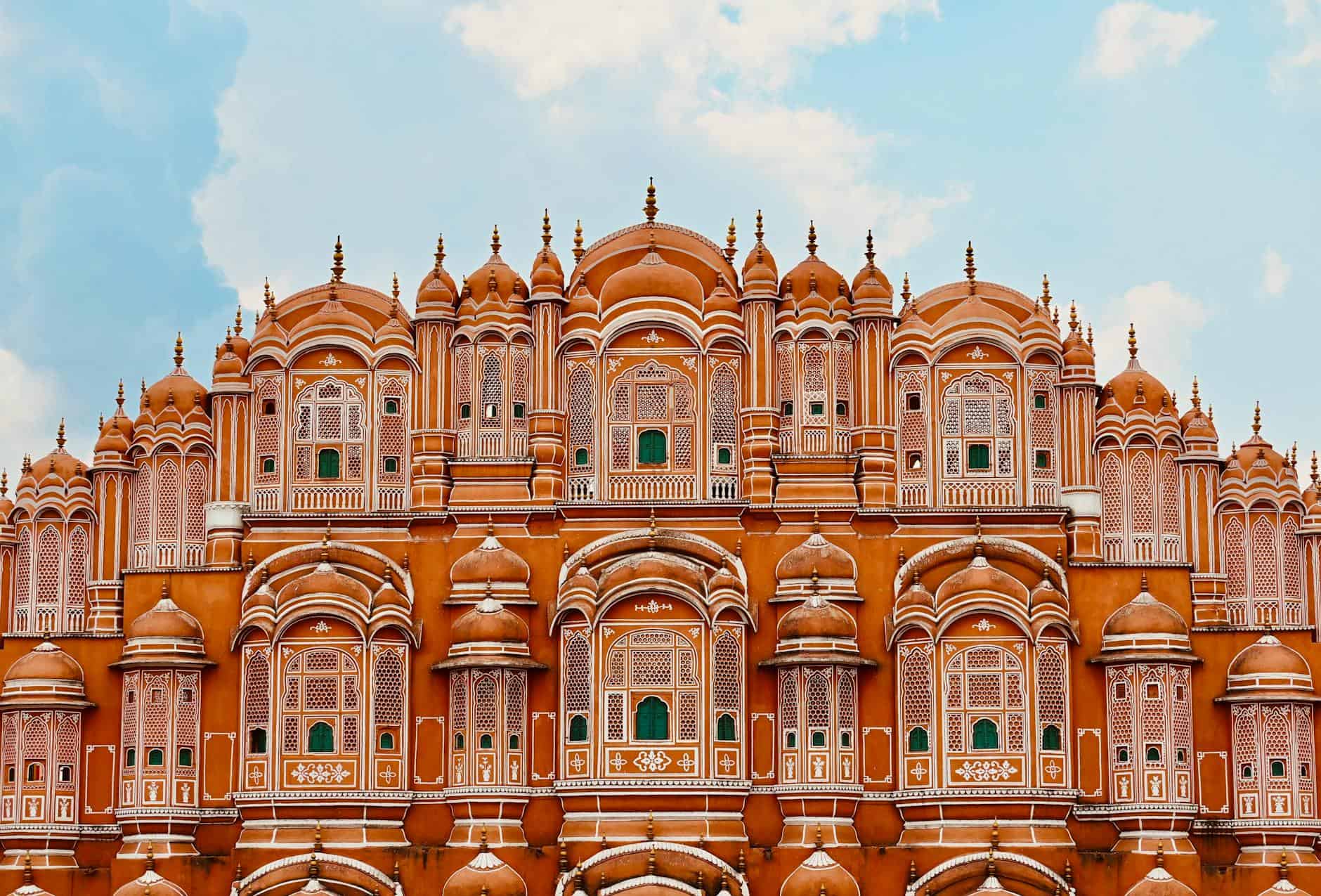
    Jaipur History: Exploring the Pink City of Royal Palaces and Rajasthani Architecture

    Introduction

    Jaipur, the capital city of Rajasthan, India, is renowned for its stunning architecture, rich history, and vibrant culture. Founded in 1727 by Maharaja Sawai Jai Singh II, this city, often referred to as the “Pink City,” is a brilliant amalgamation of the regal past and contemporary life. The unique pink-hued buildings are not just an aesthetic delight; they reflect a carefully executed city planning and architectural prowess. As a hub of Rajasthani culture and traditions, Jaipur offers a fascinating glimpse into the lives of ancient royals through its majestic forts and palaces. This article seeks to explore the deep-rooted Jaipur history, delving into its iconic structures, cultural festivals, and the modern vibrancy that makes it a popular tourist destination today.

    The Origins of Jaipur: A Historical Overview

    The history of Jaipur dates back to the early 18th century, with its establishment being a significant milestone in India’s architectural and urban landscape. Founded by Maharaja Sawai Jai Singh II, the city was built in accordance with the principles of Vastu Shastra, an ancient Indian science that dictates spatial arrangements to harmonize with nature. Before its establishment, the region was a part of the Kachwaha clan’s dominion, with the kings residing in Amber Fort, located just outside the newly planned city.

    Jaipur’s inception was largely driven by Maharaja Jai Singh II’s vision to create a meticulously structured city that would serve not only as a royal capital but also as a center for commerce and culture. With trade flourishing around that time due to the burgeoning Silk Route, he recognized the need for a city that could accommodate the increasing population and serve as a hub for economic activity.

    The planning of Jaipur was undertaken by the renowned architect Vidyadhar Bhattacharya. His design featured wide streets, meticulous zoning, and an efficient water supply system, which demonstrated advanced urban planning of the time. The city was laid out in a grid pattern, a stark contrast to the typically chaotic design of older Indian cities. The major streets were dedicated to different trades, allowing economic activities to thrive alongside residential areas.

    To honor the Maharaja and contribute to the city’s identity, the buildings were painted in a uniform shade of pink – a tradition that persists today and has earned Jaipur its nickname, “The Pink City.” The pink color symbolizes hospitality and was adopted to welcome the visit of the Prince of Wales in 1876, thereby solidifying the city’s reputation as a royal capital.

    During its early years, Jaipur became a cultural melting pot, reflecting the diverse influences of various communities that settled in the area. The city was not just a political center but also a bastion for arts and crafts, with traditional artisans continuing their skills in textiles, pottery, and jewelry. The economy flourished, allowing the royal family to sponsor art, music, and various cultural festivals, which laid the groundwork for an enduring cultural legacy.

    facade of the hawa mahal palace in jaipur india
    Facade of the Hawa Mahal Palace in Jaipur, India

    However, Jaipur’s history is not without its challenges. As with many regions in India, the city saw a decline during British colonial rule when political and economic structures transformed dramatically. The traditional modes of governance were replaced, affecting local leaders’ authority and community unity. Nevertheless, the resilience of Jaipur’s people and their attachment to their cultural heritage helped preserve the city’s architectural and historical significance.

    Post-independence, Jaipur embarked on a path of modernization while striving to maintain its historical essence. The city developed rapidly, welcoming tourists and establishing itself as a historical site to be explored, with a plethora of museums, galleries, and cultural exhibitions showcasing its rich heritage.

    The origins of Jaipur are inextricably linked to the vision of Maharaja Jai Singh II and the meticulous planning of his architects. The city continues to stand as a testament to the innovative spirit of its founders while embracing modernity. Today, the blend of history, art, architecture, and culture makes Jaipur a vibrant destination that captures the imagination of visitors from around the world.

    Architectural Wonders: The Palaces and Forts

    The architectural narrative of Jaipur is marked by majestic palaces and formidable forts, each telling a unique story of the city’s illustrious past. The most notable of these is the City Palace, which showcases a fascinating mix of Rajput and Mughal architectural styles. Constructed by Maharaja Sawai Jai Singh II, the palace complex was an evolving entity, as each successive ruler contributed to its embellishment. Within its sprawling grounds, museums house artifacts that depict Jaipur’s royal history, from intricately designed armaments to exquisite textiles.

    One cannot discuss Jaipur’s architecture without mentioning the iconic Hawa Mahal, or the “Palace of Winds.” With its unique façade adorned with 953 small windows, this architectural marvel was designed to allow royal women to observe street festivities without being seen. Built in 1799 by Maharaja Sawai Pratap Singh, the palace exemplifies the blend of functionality and aesthetics typical of Rajasthani architecture.

    amber fort in amer in india
    The Amer Fort, India

    Moreover, Amer Fort, located just outside the city, stands as a prime example of Rajput architecture. The fort, with its artistic blend of Hindu and Mughal designs, is characterized by its grand entrance, soaring walls, and beautiful gardens. Visitors traverse the fort’s intricate pathways, marveling at the grand Diwan-e-Aam (Hall of Public Audience) and the splendid Sheesh Mahal (Mirror Palace), which further illuminate the luxurious lifestyle of the Rajput kings.

    Other significant structures include the Nahargarh Fort, perched on the Aravalli hills, offering panoramic views of the city, and Jaigarh Fort, known for its colossal cannon and impressive military architecture. Together, these forts and palaces serve as a historical narrative, reflecting the grandeur and ingenuity of the Rajput era.

    Exploring the Cultural Heritage: Festivals and Traditions

    Jaipur’s rich cultural heritage is vividly expressed through its numerous festivals, which showcase the city’s vibrant traditions and the spirit of its people. Celebrations such as Diwali, Holi, and Teej are deeply intertwined with the local customs and reflect the religious diversity of the region. Diwali, the Festival of Lights, sees the entire city come alive with dazzling decorations and illuminated homes, while Holi, the Festival of Colors, witnesses an exuberant display of joy and camaraderie as residents and visitors partake in color-filled festivities.

    Additionally, Jaipur is famous for its traditional Rajasthani music and dance forms, which often take center stage during events and celebrations. From the graceful movements of Ghoomar dancers to the soulful renditions of folk songs, these performances offer a glimpse into the rich cultural tapestry of Rajasthan. The annual Jaipur Literature Festival draws literary enthusiasts worldwide, affirming the city’s role as a cultural hotspot.

    Culinary traditions are also an essential aspect of Jaipur’s culture. Local cuisine reflects the grandeur of Rajasthani royalty, featuring dishes such as Dal Baati Churma, Gatte ki Sabzi, and delectable sweets like Ghevar and Mohanthal. Street food, too, is integral to Jaipur’s culinary scene, with vendors serving mouthwatering snacks like Pyaaz Kachori and Chaat, enticing both locals and tourists alike.

    Traditional handicrafts play a significant role in preserving Jaipur’s cultural heritage. The city is renowned for its gemstone cutting and polishing, textile production, and the intricate art of block printing. Visitors can explore local bazaars, such as Johari Bazaar and Bapu Bazaar, where artisans display their craftsmanship, providing insight into the age-old traditions that continue to thrive.

    The Modern City: Jaipur Today

    Today, Jaipur stands as a thriving metropolis that seamlessly blends historical significance with contemporary advancements. The city’s growth has transformed it into a major administrative and educational center, fostering economic development while preserving its cultural identity. Modern infrastructure, with newly constructed roads, smart city initiatives, and public transport systems, reflects Jaipur’s commitment to progress.

    The city has also seen a surge in hospitality and tourism, with luxurious hotels and heritage properties catering to visitors seeking an authentic experience. The fusion of traditional Rajasthani hospitality with modern amenities ensures that both domestic and international tourists leave with memorable experiences. The Jaipur International Airport enhances connectivity, making the city accessible to travelers worldwide.

    Additionally, Jaipur has embraced technological advancements, with a burgeoning start-up ecosystem that encourages innovation and entrepreneurship. The city hosts numerous business incubation centers and co-working spaces aimed at nurturing new ventures, contributing to the local economy.

    facede of chandra mahal in jaipur
    Jaipur, India

    The blend of modernity and tradition is evident in various fields, including education. Jaipur boasts prestigious institutions contributing to the academic landscape, offering courses in arts, science, and technology. Initiatives aimed at promoting sustainability and environmental consciousness are also making waves, as local government and non-profit organizations promote green practices.

    Moreover, Jaipur’s status as a UNESCO World Heritage Site highlights the city’s commitment to preserving its historical integrity while moving forward. This recognition not only increases international tourism but also reinforces the importance of preserving the unique architectural styles and cultural traditions that define Jaipur.

    Tourism in Jaipur: Attractions and Travel Tips

    Jaipur’s allure as a tourist destination lies in its rich heritage, architectural wonders, and vibrant culture. Several attractions draw visitors from across the globe, including the majestic City Palace, the enigmatic Amer Fort, and the intricately designed Jantar Mantar, an astronomical observatory boasting a series of monumental instruments.

    Other notable spots include the Albert Hall Museum, showcasing an extensive collection of artifacts and art, and the vibrant market scene, where one can shop for traditional handicrafts, textiles, and jewelry. The heritage walk through the city’s old quarters provides an immersive experience, allowing visitors to appreciate the local lifestyle and soak in the city’s bustling atmosphere.

    When visiting Jaipur, it’s essential to embrace local customs and etiquette, which enhances the experience and fosters goodwill. Engaging with the locals not only enriches travel experiences but also facilitates a deeper understanding of the region’s culture. It is advisable to try local cuisine at authentic eateries to savor the true flavors of Rajasthani gastronomy.

    Travelers should plan their visit to coincide with prominent festivals to witness the city in its full vibrancy. Furthermore, understanding the climatic conditions is crucial; the best time to visit is during the winter months, from October to March, when the weather is pleasant.

    Conclusion

    Jaipur’s historical narrative and vibrant culture create an impressive canvas for exploration. The Pink City stands as a testament to the confluence of rich history, architectural brilliance, and a dynamic modern landscape. From its regal palaces and imposing forts to colorful festivals and thriving arts, Jaipur invites visitors to immerse themselves in its legacy and experience the magic of Rajasthan. Whether wandering through bustling bazaars or gazing at the stars from the ancient observatories, Jaipur promises an unforgettable journey through time.

    The city’s carefully planned layout, iconic pink sandstone façades, and masterful examples of Rajasthani architecture reflect a deep understanding of aesthetics, science, and governance. Landmarks such as the City Palace, Hawa Mahal, and Amber Fort reveal stories of royal ambition, cultural exchange, and artistic excellence. At the same time, Jaipur continues to evolve as a living city where tradition and modernity coexist harmoniously. By preserving its heritage while embracing contemporary life, Jaipur remains not only a historical treasure but also a vibrant cultural capital that continues to inspire travelers from around the world.

    The Untold History of Jaipur: Secrets of the Pink City Revealed Video

    The Untold History of Jaipur: Secrets of the Pink City Revealed
  • The History of New York City: A Comprehensive Overview

    Introduction

    New York City, often dubbed \”the Big Apple,\” is a thriving metropolis that has captured the imagination of people worldwide. Its rich tapestry of history reflects the multitude of cultures, events, and transformations that have taken place over the centuries. This article delves deep into the history of New York City, tracing its evolution from a small settlement to a global hub of finance, culture, and diversity. By exploring significant milestones in its history, we can appreciate how New York City has shaped, and been shaped by, its inhabitants and their experiences.

    Early Settlements and Colonial Era

    The history of New York City begins long before European settlers arrived. Native American tribes, such as the Lenape, inhabited the region for thousands of years, relying on the land’s natural resources for their sustenance. They established trade routes and developed a rich cultural heritage that included various beliefs, traditions, and societal structures.

    The arrival of Europeans in the 16th century marked the beginning of a new era. Giovanni da Verrazzano was one of the first Europeans to explore the harbor in 1524, although it was not until 1609 that the Englishman Henry Hudson, sailing for the Dutch, navigated the river that would later bear his name. Hudson’s expeditions laid the groundwork for Dutch interest in the region, and in 1624, the Dutch West India Company established the settlement of New Amsterdam on the southern tip of Manhattan.

    Despite its strategic location, New Amsterdam faced challenges, including conflicts with Native Americans and competition from the English. The colony thrived due to its bustling trade activities, becoming a significant economic center as ships from various nations docked to exchange goods. By the 1660s, the population grew, and cultural exchanges flourished, setting the stage for a diverse society.

    In 1664, the English seized control of New Amsterdam peacefully, renaming it New York in honor of the Duke of York. Under English rule, the city continued to expand, and its port became one of the busiest in the colonies. The colonial government enacted laws that encouraged commerce and trade, which attracted more settlers, creating a melting pot of cultures, languages, and religions.

    Throughout this period, the city established itself as a crucial point of entry for immigrants. As people from Europe began to settle, they brought their customs and traditions, which melded into the burgeoning city’s identity. The foundation was laid for a society that would later embrace the ideals of freedom and opportunity—principles that would resonate deeply during the American Revolutionary War.

    The history of New York City during the early settlements and colonial era encapsulates a resilient community continually adapting to change. It was a time of exploration and conflict, of burgeoning commerce and the impassioned fight for identity and independence. Understanding this early phase provides profound insights into the city\’s development and its critical role in America\’s narrative.

    Revolutionary Era and Independence

    The Revolutionary Era was a transformative period for New York City, marked by political unrest, ideological conflict, and the quest for independence from British rule. New York was not merely a passive spectator during these tumultuous times; it became a pivotal theater of operations and a hotbed of revolutionary activity.

    In the lead-up to the war, tensions escalated as colonists grew increasingly dissatisfied with British taxation and policies. The Stamp Act of 1765, followed by the Townshend Acts of 1767, incited protests and riots in New York City, precipitating the formation of groups like the Sons of Liberty. Prominent figures such as Alexander Hamilton and John Jay emerged as vocal advocates for colonial rights, rallying the citizenry against perceived injustices.

    As the conflict intensified, New York City\’s strategic significance came to the fore. In 1776, the city was chosen as a critical military target by the British due to its location and resources. Fortifications were hastily constructed, and the New York Provincial Congress mobilized local militias, preparing for what would be a fateful confrontation. The Battle of Long Island in August of that year marked a significant defeat for the Continental Army, resulting in the British taking control of the city.

    Under British occupation, New York City transformed in various ways. It became the site of military governance, with Loyalists often at odds with Patriot sympathizers. The city witnessed significant upheaval and social strife, including the harassment of Loyalists, public executions for treason, and the establishment of a black market economy.

    The brilliance of New York\’s merchants and their entrepreneurial spirit shone through even in such challenging times. The port remained active, facilitating a flow of goods that kept the city from complete economic collapse. Nevertheless, the occupation was not without its prices—many locals suffered from shortages, and the presence of British troops led to heightened tensions among the populace.

    Finally, in 1783, the Revolutionary War came to an end, and with it, the British evacuated New York City, allowing it to emerge as a beacon of newfound freedom. The city played a crucial role in celebrating this victory, hosting the first official anniversary of independence on July 4, 1783, amidst a jubilant atmosphere.

    The Revolutionary Era solidified New York City\’s status as a key player in America\’s fight for independence. It not only laid the groundwork for the future United States but also shaped a spirit of resilience that echoed through generations. The deep-rooted ideals associated with freedom and democracy would influence the city\’s evolution in the decades to follow.

    Immigration and Urban Growth in the 19th Century

    The 19th century marked an unprecedented wave of immigration to New York City, fundamentally reshaping its cultural landscape and driving its explosive urban growth. The keyword, history of New York City, is aptly represented during this era as millions sought opportunities and a better life in what was often seen as the land of hope and promise.

    The first half of the 19th century saw a steady influx of immigrants, with the Irish migration standing out prominently. Fleeing the Great Famine of the late 1840s, Irish immigrants began to pour into the city, settling predominantly in neighborhoods like Five Points and later in other parts of Manhattan. Their arrival marked the beginning of a significant transformation in the city\’s demographics, introducing new customs, traditions, and social challenges.

    The Irish faced severe discrimination and hostility from established residents, who viewed them as economic competitors and perceived \’outsiders.\’ Nativist sentiment grew, rallying around groups like the Know-Nothing Party, which sought to limit immigrant influence. However, the Irish persevered, forming tight-knit communities and making substantial contributions to the city’s workforce and cultural identity.

    Simultaneously, waves of German immigrants arrived, fleeing political unrest and seeking economic stability. They settled in areas such as the Lower East Side and later in Brooklyn, where they established breweries, butcher shops, and community organizations. This dual influx of Irish and German immigrants significantly enhanced the cultural diversity of New York City.

    As a significant urban center, New York City became a focal point for various cultures, with the influx of Italian, Jewish, and Eastern European immigrants toward the end of the century. Each group brought unique customs, religions, and languages that contributed to the mosaic of New York life. The Lower East Side emerged as a melting pot where cultural exchanges flourished, shaping the identity of the city.

    The rapid growth of the population necessitated corresponding urban development. The construction of infrastructure, including tenements, railroads, and bridges, paralleled the surge of newcomers. However, this growth was often accompanied by dire living conditions. Tenement housing was overcrowded, poorly ventilated, and lacked sanitation, leading to significant health challenges.

    Meanwhile, the economic boom of the industrial era provided employment opportunities, luring even more immigrants to the city. Factories proliferated, attracting workers who fueled the economy while simultaneously battling labor exploitation.

    Moreover, the social reform movements emerged amid these challenges, advocating for better working conditions and housing. Organizations and labor unions sprang up, working to address the plight of the urban working class. The backdrop of social struggle laid the foundation for future advancements in labor rights and workers\’ protections.

    By the late 19th century, New York City had firmly established itself as a gateway for immigrants seeking a new life. This influx not only enriched the cultural fabric of the city but also carved a unique path in the history of New York City. The legacy of these immigrant communities continues to resonate today, serving as a testament to New York’s ongoing role as a beacon of hope and opportunity.

    The Rise of Modern New York in the 20th Century

    The 20th century marked a pivotal chapter in the history of New York City, characterized by remarkable transformations that solidified its reputation as a global city. This era witnessed social changes, economic advancements, and cultural shifts that would profoundly affect the urban landscape.

    The early 1900s were marked by an influx of European immigrants, particularly from Southern and Eastern Europe. Notable groups included Italians, Poles, and Jews, who contributed to the vibrant cultural mosaic of the city. With their arrival, neighborhoods transformed, showcasing diverse languages, cuisines, and traditions. Italian immigrants, for instance, established communities in areas like Little Italy while Jewish immigrants centered around the Lower East Side.

    The economic boom during this period led to significant urban development. Iconic skyscrapers such as the Woolworth Building and the Chrysler Building emerged as symbols of modernity and ambition. The skyline of New York City became an emblem of progress, as both architecture and society evolved. The expansion of the subway system further revolutionized commuting, transforming how residents interacted with the city.

    However, progress came with its challenges. The Great Depression of the 1930s brought about economic hardship, leading to mass unemployment and dislocation. New Yorkers faced severe socio-economic strain, prompting significant government interventions. Franklin D. Roosevelt\’s New Deal programs transformed the city as various initiatives aimed at job creation and economic revitalization were implemented. The Works Progress Administration (WPA) and Public Works Administration (PWA) undertook projects that modernized infrastructure while providing employment.

    World War II shifted the dynamics once again, as New York City played a crucial role in the war effort. Factories adapted to produce wartime materials, leading to a surge in employment opportunities. Women entered the workforce in large numbers, challenging traditional gender roles. The aftermath of the war birthed the baby boomer generation and brought about a new era of optimism and economic prosperity.

    The cultural landscape also thrived during this period. The Harlem Renaissance, which burgeoned in the 1920s, laid the groundwork for art, literature, and music that would define New York City throughout the century. The city\’s theater district flourished, giving rise to Broadway productions and expanding the global reach of American culture.

    As the century progressed, New York City faced social upheavals. The Civil Rights Movement of the 1960s saw citizens rally for racial equality, while the feminist movement sought to address gender discrimination. The Stonewall Riots in 1969 marked a watershed moment in LGBTQ+ rights, signaling a shift towards greater acceptance and advocacy.

    Despite challenges, New York City emerged from the tumult of the 20th century with resilience and determination, cementing its position as a global cultural and economic capital. The evolution of the city during this period was a reflection of broader societal shifts, and its standing as a beacon of opportunity continued to endure.

    New York City in Contemporary Times

    As we enter the 21st century, the history of New York City continues to unfold, revealing a narrative of resilience, adaptation, and evolution. Contemporary challenges and triumphs characterize the city\’s ongoing journey, making it an ever-relevant subject of discussion.

    The events of September 11, 2001, marked a significant turning point in the city\’s recent history. The terrorist attacks on the World Trade Center were not just a national tragedy; they profoundly impacted the spirit of New Yorkers. In the wake of the attacks, a collective sense of unity emerged among residents as they rallied to support one another and rebuild their city. The establishment of the National September 11 Memorial & Museum serves as a poignant reminder of the resilience of the human spirit.

    In the years that followed, New York City faced several challenges, including the global financial crisis of 2008. Major financial institutions struggled, leading to widespread unemployment and economic uncertainty. However, the city\’s ability to adapt and innovate facilitated a recovery. The tech industry began to thrive, establishing New York as a tech hub home to numerous startups and leading firms, further diversifying its economy beyond traditional finance.

    The ongoing process of gentrification has significantly reshaped the urban landscape, often leading to both positive and negative consequences. While neighborhood revitalization has brought new life to various areas, it has also raised concerns about displacement and loss of cultural identity for long-standing residents. Balancing development and community needs remains a pressing challenge for city planners and policymakers.

    Culturally, New York City has embraced a vibrant arts scene that reflects its diverse inhabitants. From art exhibits to theater productions, the creative energy pulsating through the city continues to captivate audiences globally. The emergence of social media and digital platforms also transformed how cultural content is consumed, allowing for unique expressions of identity and arts to flourish.

    Moreover, social movements such as Black Lives Matter and climate activism have gained traction, influencing public discourse and prompting policy changes. The city\’s residents are increasingly challenged to confront issues of inequality, justice, and sustainability. Efforts to address climate change are evident through initiatives aimed at reducing carbon emissions, increasing green spaces, and promoting public transportation.

    The COVID-19 pandemic has posed unprecedented challenges to New York City, testing its resilience once again. The city experienced significant loss, yet it also showcased the strength of community as residents and organizations came together to support one another. As New Yorkers navigate this new reality, there is a collective desire to emerge stronger and more united.

    In summary, as we look at New York City\’s contemporary chapter, we witness a city that has continually adapted to evolving circumstances over the years. Its struggle for renewal and revitalization reflects broader societal themes that speak to the resilient spirit of its inhabitants. The history of New York City is far from static; it is a living testament to human ambition, courage, and the capacity to thrive amidst adversity.

    Conclusion

    Throughout its vibrant history, New York City has emerged as a microcosm of the world, reflecting the complexities of human experience. From its early settlements and colonial beginnings to its status as a modern metropolis, the city has continually evolved, shaped by the diverse communities that call it home. Each chapter in the city\’s narrative showcases resilience, adaptability, and a spirit of innovation.

    As we reflect on the journey of New York City, it becomes clear that its identity is rooted in the experiences and contributions of countless individuals. The city stands as a testament to the ideals of freedom, opportunity, and artistic expression that resonate with people across generations. Whether through its iconic skyline, vibrant neighborhoods, or rich cultural tapestry, New York City remains a symbol of hope and possibility.

    The dynamic nature of New York City invites us to appreciate its past while looking forward to the future. In a world that continually changes, the city\’s ability to embrace growth, address challenges, and foster connections will define its ongoing legacy. The history of New York City serves as both an inspiration and a reminder of the power of community, diversity, and resilience.

    Sources

  • Tbilisi Old Town History: Where East Meets West in the Heart of Georgia

    Introduction

    Tbilisi, the capital of Georgia, is a city steeped in history that echoes the tales of a vibrant cultural crossroads. Nestled along the banks of the Kura River, Tbilisi Old Town, or \”Tbilisi Kala,\” serves as a living testament to the city’s rich past and its role as a bridge between Europe and Asia. From its narrow, winding streets adorned with colorful balconies to the historic churches and ancient fortresses, the Old Town encapsulates the essence of Tbilisi\’s heritage. Founded in the 5th century, Tbilisi has been influenced by various civilizations, including Persians, Ottomans, and Russians, each leaving their indelible mark on the architecture and cultural landscape. Through this article, we will explore the Tbilisi Old Town history, examining its architectural diversity, significant landmarks, and the interplay of religion and culture in its development. As the city continues to evolve, the Old Town remains a symbol of resilience and the enduring spirit of a vibrant past.

    Historical Overview of Tbilisi Old Town

    Tbilisi\’s history is a fascinating narrative, beginning with its founding by the King Vakhtang I Gorgasali in the 5th century. According to legend, the king discovered a warm spring in the area while on a falcon hunting expedition. This discovery laid the groundwork for what would become a thriving settlement in the heart of Georgia. Over the centuries, Tbilisi evolved into an essential trade hub, strategically located along the Silk Road, which connected the East and West.

    The Old Town\’s growth was influenced not only by its geographical position but also by the diverse populations that passed through. As merchants, travelers, and conquerors arrived, they brought with them their customs, languages, and architectural styles. This melding of cultures has resulted in a tapestry of influences ranging from Persian and Ottoman to Russian and European, making Tbilisi Old Town a unique reflection of Georgia\’s complex history.

    The city\’s status as an important political and cultural center was solidified when it became the capital of the eastern Georgian kingdom of Iberia. It thrived under various dynasties, witnessing numerous battles and changes in governance. In the 11th century, during the reign of King David IV, Tbilisi flourished, expanding its territories and culture through art and religion. The construction of churches, fortresses, and public buildings marked a period of significant development.

    Despite the grandeur of its past, Tbilisi faced numerous challenges, including invasions by the Mongols, Persians, and Ottomans. Each occupation left scars on the city, leading to periods of destruction followed by rebirth. The Persians, in particular, had a lasting impact; they influenced local customs, architecture, and even cuisine. The architecture of Tbilisi Old Town features local materials and designs inspired by Persian and Ottoman styles, evident in the intricate tilework and wooden balconies that adorn many buildings.

    \"ancient
    Tbilisi Old Town

    During the 19th century, Tbilisi became part of the Russian Empire, which brought about modernization and urban planning efforts. This period saw the construction of grand buildings and the improvement of infrastructure, further shaping the Old Town’s landscape. However, even as it grew, Tbilisi retained its historical essence, balancing modernization with preservation.

    Entering the Soviet era, Tbilisi experienced significant changes. Architectural developments reflected Soviet ideals, but the Old Town remarkably managed to retain its charm and cultural significance. As Georgia declared independence from the Soviet Union in 1991, Tbilisi embarked on a new path of rejuvenation and self-discovery, where the Old Town was revitalized. This revival has aimed to honor the historical legacy while embracing contemporary visitors.

    Today, Tbilisi Old Town stands not only as a historical landmark but also as a vibrant cultural hub that showcases the city’s diversity. The continued preservation efforts aim to maintain the authenticity of the area while accommodating the needs of a modern population. The interplay of its rich heritage with contemporary life creates an incredible experience for both locals and tourists, ensuring that Tbilisi remains a city where East meets West.

    Architectural Influences: A Blend of Cultures

    Tbilisi Old Town is a living testament to the architectural influences that have shaped it over the centuries. The fabric of its buildings reflects the convergence of various cultures, each contributing unique elements that add to the city’s character. As travelers stroll through its historic streets, they encounter an array of architectural styles, from medieval churches to elaborate facades showcasing elements of Art Nouveau.

    One of the most striking features of Tbilisi Old Town is its wooden balconies. These elements can be traced to the influence of both Georgian and Ottoman cultures, creating a distinctive aesthetic that is reminiscent of southern Caucasian architecture. The balconies, often ornately carved, serve as gathering spaces for families and are a quintessential part of Tbilisi\’s urban landscape. Visitors are often enamored by the charm of these structures, which seem to weave a cohesive story of the residents’ lives and traditions.

    The Old Town is also home to several important churches, each of which tells a story of its own. The Anchiskhati Basilica, one of the oldest churches in Tbilisi, dates back to the 6th century and exhibits a blend of early Christian and Byzantine architectural influences. Its simplicity contrasted with the elaborate designs of later structures illustrates the evolution of religious architecture in the region. Similarly, the Sioni Cathedral, dedicated to the Virgin Mary, showcases a more ornate style, including classic Georgian cross-dome designs and rich frescoes.

    Moreover, the Narikala Fortress overlooking the Old Town stands as a monumental landmark, exhibiting remnants of its Persian origins. Originally built in the 4th century, the fortress underwent several renovations and expansions over the years, revealing layers of architectural history. The fort’s presence signifies the strategic importance of Tbilisi throughout history, serving as both a defensive stronghold and a symbol of power.

    \"view
    Tbilisi Old Town

    Islamic influences are also evident in the architecture found in Tbilisi. The Juma Mosque, located in the heart of the Old Town, is a prime example of Persian architecture, with its intricately tiled facade and elegant minarets. This structure embodies the era when Tbilisi served as a melting pot of religions and cultures, evidencing how the Islamic architectural style blended with local traditions.

    Alongside religious structures, the 19th-century urban planning efforts introduced European architectural styles to Tbilisi. Wide boulevards and neoclassical buildings emerged during this era, with influences from France and Russia. An example is the Tbilisi City Hall, which features neoclassical elements and stands as a symbol of the city’s administrative authority. This incorporation of Western architectural styles reflects Tbilisi\’s evolution into a modern city while preserving its historical roots.

    As Georgia continues to develop, there is a growing emphasis on maintaining the architectural integrity of Tbilisi Old Town. Restoration projects aim to revive the historical buildings while ensuring they meet contemporary standards. Architects and historians work hand in hand to blend the old with the new, creating a harmonious environment that honors the city\’s rich heritage while accommodating modern needs.

    In conclusion, the architectural influences in Tbilisi Old Town underscore the city’s complex narrative—a place where East truly meets West. Each building, each structure, carries a story of cultural exchange, making Tbilisi a unique city that celebrates its diverse influences while nurturing its historical identity. Visitors cannot help but fall under the spell of its architectural beauty, which serves as a canvas for the stories that have unfolded in its streets for centuries.

    Significant Landmarks and Their Stories

    Tbilisi Old Town is replete with significant landmarks that each have their own unique narratives, representing the city’s rich historical tapestry. From ancient fortifications to vibrant churches, these sites tell the story of a city that has been shaped by varied influences over the centuries.

    One of the most iconic landmarks is the Narikala Fortress, a symbol of Tbilisi\’s resilience. This ancient fortress, perched atop a hill overlooking the Old Town, dates back to the 4th century. Originally built by the Persians, it has been expanded and renovated over time, reflecting the diverse influences of those who occupied the city. Legend has it that the fortress served as an important defense against invaders, including the Mongols and the Ottomans. It stands as a reminder of Tbilisi\’s strategic significance and its historical challenges. Today, visitors can hike up to the fortress for unparalleled views of the city, making it a popular destination for locals and tourists alike.

    Further reflecting Tbilisi\’s religious diversity is the Sioni Cathedral, another crucial landmark. This cathedral, dedicated to the Virgin Mary, has been a center of spiritual life for centuries. Its architectural style combines elements of various periods, showcasing a blend of Byzantine and Georgian traditions. The cathedral is not only an architectural masterpiece but also houses several important relics, including the supposed cross of St. Nino, the patron saint of Georgia. The Sioni Cathedral serves as a venue for religious ceremonies, and its significance is evident during major Georgian festivals when it becomes a gathering place for worshippers.

    The Anchiskhati Basilica stands as the oldest surviving church in Tbilisi, with its roots dating back to the 6th century. This basilica showcases a simple yet captivating architectural style, symbolizing the early Christian faith in the region. Over time, it has undergone various renovations, but its core structure remains intact. The basilica is renowned for its unique plan and makes for an inviting atmosphere that reflects the simplicity of early Georgian spirituality. It is not uncommon for visitors to find themselves mesmerized by the basilica\’s serene beauty.

    \"aerial
    Tbilisi

    Another prominent landmark is the Bridge of Peace, a relatively modern addition to the Old Town, completed in 2010. This pedestrian bridge, made of glass and steel, creates a striking contrast with the surrounding historic architecture. It symbolizes Tbilisi\’s contemporary aspirations and serves as a link between the Old Town and the new city. The bridge is not only functional but also an architectural marvel, featuring a unique design that has garnered international acclaim. Illuminated in intricate light displays, the bridge offers an enchanting experience for visitors during the evening hours.

    Not to be overlooked is the Tbilisi Sulphur Baths, a hallmark of the city’s bathing culture. These baths are located in the historic Abanotubani district and boast therapeutic properties due to the mineral-rich geothermal waters. Tbilisi\’s sulphur baths have been a place of relaxation and healing for centuries, offering visitors a unique experience steeped in tradition. The ornate domed structures, characteristically built from brick, are a testament to Georgia\’s architectural heritage and celebration of communal life. Today, the Sulphur Baths attract both locals and tourists seeking a rejuvenating getaway.

    These landmarks, among many others within Tbilisi Old Town, serve not only as historical sites but as living museums, offering insights into the city\’s past. Each site has its own story, intertwining with the broader narrative of Tbilisi’s development through time. They collectively illustrate the beauty of cultural exchange and the ongoing dialogue between tradition and modernity in this vibrant city.

    The Role of Religion in Tbilisi\’s Development

    Religion has played a fundamental role in shaping the identity and development of Tbilisi throughout its history. Serving as a crossroads of different faiths, Tbilisi Old Town provides a fascinating perspective on how spiritual practice and belief systems have intertwined with the city\’s cultural evolution.

    The origins of Christianity in Georgia can be traced back to the 1st century AD, closely linked to the influence of St. Nino, who is credited with converting the region to Christianity. As a result, Tbilisi quickly became a center for Christian worship and spiritual life, leading to the establishment of numerous churches and religious institutions. The presence of these sacred spaces not only provided spiritual solace to the population but also served to unify the Georgian people under a shared belief system, thereby reinforcing their national identity.

    Among the notable religious sites is the Sameba Cathedral, a relatively recent addition completed in the early 2000s. Despite its modern construction, it symbolizes the revival of the Georgian Orthodox Church post-Soviet Union and the flourishing of national identity in contemporary Georgia. Standing at an impressive height, the cathedral can be seen from various points throughout Tbilisi, acting as a physical reminder of the religious and cultural renaissance the nation has experienced.

    In contrast to the Christian sites, the history of Islam in Tbilisi is also an integral part of its religious landscape. The Juma Mosque, situated in the Old Town, exemplifies the Islamic influence on the city. Built in the 18th century, the mosque serves as a symbol of the coexistence of different faiths throughout Tbilisi’s history. This coexistence is also celebrated in the various festivals and public gatherings that honor the diverse religious communities residing in the city.

    The dialogue between Christianity and Islam creates a vibrant cultural scene, seen in the shared celebrations and festivals that attract people from all backgrounds. Tbilisi often hosts interfaith events that focus on mutual respect and understanding, reinforcing the notion that the city is a place where diverse beliefs coexist harmoniously. These celebrations reflect a shared identity that transcends individual religious practices, illustrating how faith can be a unifying force.

    Moreover, the unique blend of religious architecture in Tbilisi Old Town exemplifies this rich tapestry. The presence of churches, mosques, and synagogues within close proximity highlights the complex interplay between different faiths, shaping not only the physical structure of the city but also its societal dynamics. For instance, just a short walk from the Sameba Cathedral is the historic Tbilisi Synagogue, a place of worship for the Jewish community. This proximity illustrates the harmonious coexistence of different belief systems, reflecting the city\’s multicultural heritage.

    Religion has also influenced Tbilisi’s calendar and daily life, with numerous religious holidays marking the year. Events like Easter and Christmas for Christians and Eid for Muslims highlight the varying traditions that enrich the community\’s cultural fabric. These celebrations often blur boundaries, fostering an atmosphere of inclusivity that allows citizens to partake in each other\’s traditions.

    In summary, the role of religion in Tbilisi’s development is multi-faceted and deeply intertwined with the city\’s identity. The rich diversity of faiths represented in Tbilisi Old Town reveals a history of coexistence and mutual respect. This spiritual heritage continues to play an essential role in shaping Tbilisi’s contemporary landscape, proving that even amid modern changes, the city remains committed to nurturing its profound and diverse religious legacy.

    Modern Tbilisi: Preserving History Amidst Change

    Tbilisi has been undergoing a significant transformation in recent years, balancing modern development with the preservation of its rich heritage. The challenge lies in navigating the complexities of urban growth while maintaining the essence and character of Tbilisi Old Town, an area that serves as both a historical archive and a vibrant cultural hub.

    As economic growth accelerates, the city faces the pressing need for infrastructure improvements and urban development. Many contemporary projects have emerged, aimed at modernizing facilities and enhancing the overall quality of life for residents and visitors. However, these initiatives often raise concerns about potential impacts on historical sites. The desire to create a modern urban landscape must contend with the essential task of preserving the stories and structures that define Tbilisi’s identity.

    Recognizing the value of Tbilisi Old Town, the government has made strides toward restoration and preservation efforts. Various heritage conservation projects have been initiated, focusing on maintaining the architectural integrity of historical buildings while accommodating modern uses. International organizations and local NGOs have also played a pivotal role by providing expertise and resources to ensure the preservation of this culturally significant area. Efforts include careful restoration of facades, ensuring historical accuracy while upgrading facilities to meet contemporary standards.

    Public awareness campaigns are essential in fostering appreciation for Tbilisi’s rich heritage. Local communities increasingly participate in initiatives that promote cultural tourism, hosting guided tours and events that showcase the Old Town\’s history. This collective effort highlights the importance of engaging residents in the process of preservation, empowering them to take pride in their cultural legacy.

    One contemporary aspect of Tbilisi\’s evolution is the introduction of art and creative industries into the urban landscape. Street art, galleries, and creative spaces have emerged, reflecting the city\’s dynamic and youthful spirit. This integration of art promotes dialogue and creativity, drawing in a young, diverse demographic eager to explore their own cultural narratives. Events such as the Tbilisi Art Fair exemplify the flourishing creative scene that intertwines modern expression with traditional roots.

    Though modernization is essential, it is crucial to ensure that development is carried out respectfully and sustainably. Urban planners and architects strive to create harmonious designs that seamlessly blend modern functionalities with historical aesthetics. The construction of new buildings often incorporates traditional design elements, ensuring that contemporary structures resonate with the identity of Tbilisi Old Town. Examples include innovative designs that pay homage to local styles while meeting modern sustainability standards.

    As Tbilisi continues to evolve, the city embraces the concept of adaptive reuse, where older buildings are transformed into modern spaces that retain their historical essence. For instance, former industrial warehouses have been converted into trendy cafes, boutiques, and cultural spaces, fostering a sense of community and innovation while celebrating the past. This trend emphasizes that history does not stand in opposition to progress; instead, it can inform and enhance contemporary life.

    In summary, modern Tbilisi grapples with the duality of growth and preservation. The city stands at a crucial juncture, where economic development must align with efforts to safeguard its cultural heritage. By adopting a philosophy of respect for the past while embracing innovation, Tbilisi is creating a unique identity—one that honors its rich history while incorporating the vibrancy of contemporary life into its historical landscape. This balance ensures Tbilisi Old Town remains a thriving testament to the city’s story, celebrating where East meets West.

    Conclusion

    The history and ongoing evolution of Tbilisi Old Town encapsulate the essence of Georgian culture and its role as a historical crossroads. From its founding days to the modern-day revival, the Old Town reflects a dynamic blend of influences that speak to the city’s rich narrative. The architectural variety, significant landmarks, and the enduring presence of religious institutions portray a vibrant tapestry of life that has thrived across centuries.

    As Tbilisi continues to navigate the challenges of modernization, there is a clear commitment to preserving the historical integrity of the Old Town. Efforts to balance contemporary development with cultural heritage underscore the importance of appreciating the past while embracing the future. In doing so, Tbilisi not only honors its rich history but also sets a precedent for other cities grappling with similar questions of identity, authenticity, and progress.

    The stories of Tbilisi Old Town resonate beyond its physical structures, offering insights into the soul of a city that has withstood the test of time. For visitors and locals alike, exploring its streets is an invitation to uncover the layers of history that have shaped Tbilisi, where East meets West in a celebration of cultural exchange, resilience, and unity. In this remarkable city, history is not confined to the past but lives on, breathing life into the present and inspiring the future.

    Tbilisi\’s old town: a bridge between ancient and modern times|Video

    Tbilisi\’s old town: a bridge between ancient and modern times
  • Palmyra History: The Desert Bride That United Ancient Civilizations

    Introduction

    Palmyra, often referred to as the \”Desert Bride,\” is a historical gem nestled in the heart of the Syrian desert. Once a thriving metropolis, it served as a crucial nexus connecting the East and the West from antiquity through the Roman Empire. This ancient city, with its remarkable blend of Hellenistic, Roman, and Persian influences, played a pivotal role in the economic and cultural exchanges that shaped civilizations. Despite the ravages of time and modern conflict, Palmyra’s ruins continue to stand as a testament to its rich history and the diverse cultures that converged here. This article delves into the Palmyra history, exploring its geographical advantages, the vibrant trade routes that passed through it, the political endeavors of its leaders, the architectural brilliance evident in its structures, and the impact of its decline. Together, these elements highlight why Palmyra is celebrated as not just a city of historical importance, but as a symbol of unity among diverse civilizations.

    The Geographical Significance of Palmyra

    Palmyra\’s geographical location is one of the most compelling aspects of its historical significance. Situated in modern-day Syria, it lies at the crossroads of several vital trade routes that linked the Mediterranean Basin with the Arabian Peninsula and the Silk Road to the East. This strategic positioning allowed Palmyra to flourish as a major trade hub, where merchants from various cultures met, exchanged goods, and shared ideas.

    The city was traversed by the renowned Incense Route, which facilitated the transportation of valuable commodities such as frankincense and myrrh from Arabia to the Roman Empire. As a result, Palmyra became an essential stop for caravans, offering rest and supplies to traders who relied on its rich resources. The surrounding desert provided natural caravan paths that facilitated travel and commerce, making Palmyra an indispensable link between the East and West.

    The geological features of Palmyra further enhanced its significance. Its proximity to fertile oasis lands, alongside an underground aqueduct system that supplied water, allowed for agriculture and sustenance of the populace, supporting both trade and local commerce. The abundance of resources made Palmyra not only a bustling urban center but also a self-sufficient community.

    Moreover, the city\’s location provided it with defensive advantages. Surrounded by mountains and desert, its topography created natural barriers against potential invaders, enhancing its strategic security. This contributed to the consolidation of power within Palmyra, allowing it to extend its influence over neighboring regions.

    Additionally, the diverse populations within Palmyra reflected its geographical melting pot nature. Trade brought in people from various cultures, including Greek, Roman, Jewish, and various Arabian tribes, each contributing to a unique blend of traditions, languages, and religions. This cultural diversity was not just a byproduct of trade but also a catalyst for innovation and collaboration, enabling the city to thrive in ways few other ancient metropolises could.

    Throughout its history, several empires sought to control Palmyra due to its strategic significance. The Romans recognized the city\’s importance and incorporated it into their empire, allowing it to grow even further. Under Roman influence, Palmyra maintained its unique identity, blending local customs with Roman governance and architecture, leading to its renowned architectural achievements.

    In summary, the geographical significance of Palmyra laid the foundational groundwork for its emergence as a critical node in ancient trade networks, a hub of cultural exchange, and a focal point of political power. Understanding this geographic context allows us to appreciate the multifaceted role Palmyra played in uniting diverse ancient civilizations and the lasting impact it has had through the ages.

    The Cultural Melting Pot of Trade

    The bustling trade in Palmyra was not merely a conduit for the exchange of goods; it was a rich tapestry of cultures interweaving through commerce. Traders from various regions brought their wares, ideas, and practices, creating a vibrant cultural landscape that reflected this confluence of influences. The role of Palmyra as a cultural melting pot can be understood through various dimensions, from the diversity of goods traded to the interchange of ideas and traditions.

    At its peak, Palmyra was renowned for its luxurious goods, including silks from the East, spices, and precious metals. Merchants from far-flung places came to the city, contributing to a bustling marketplace that attracted visitors and settlers alike. The trade routes that converged at Palmyra were not solely for the exchange of commodities; they were also pathways for cultural and technological diffusion.

    The merchant classes in Palmyra played a pivotal role in this cultural interchange. They were not just businessmen; many were also influential patrons of the arts and philosophy. Their wealth allowed them to sponsor projects that celebrated the architectural prowess of the city, incorporating designs and styles from various cultures, particularly Hellenistic and Roman influences. The result was a unique architectural style evident in the colonnades, temples, and the famous Agora.

    In addition to architecture, the interplay of languages greatly enriched the city’s cultural fabric. Aramaic became the local lingua franca due to its widespread use in trade, while Greek and Latin remained prominent among the educated elite, particularly in administrative and commercial contexts. This linguistic diversity allowed for a blending of ideas and practices, fostering creativity and collaboration across cultural boundaries.

    Palmyra also served as a significant religious center. The coexistence of multiple religious practices—paganism, Judaism, and the early stirrings of Christianity—manifested in various temples and sanctuaries scattered throughout the city. The Temple of Bel is perhaps the most notable example, symbolizing the fusion of religious practices and the influence of the various cultures that converged here. With pilgrims and worshippers coming from various regions, Palmyra became a spiritual epicenter alongside its commercial prominence.

    Furthermore, the festivals and public events hosted in Palmyra were occasions for cultural exchange and celebration. These gatherings often featured music, dance, and storytelling that drew on influences from the myriad of cultures represented in the city. Such events fostered a sense of community among the diverse population, reinforcing social bonds despite differences in ethnicity and belief.

    In essence, Palmyra’s status as a cultural melting pot was a reflection of its vibrant trade ecosystem. The exchange of goods, ideas, and cultural practices significantly influenced the social dynamics of the city and set the stage for a unique historical experiment in coexistence. The legacy of this cultural interchange is evident in the archaeological remains of Palmyra today, which continue to captivate the interest of historians and travelers alike, offering insights into how trade can shape civilizations.

    Political Alliances and Power Dynamics

    Throughout its history, Palmyra was not only a hub of trade and culture but also a significant player in the political landscapes of the ancient world. The city\’s strategic importance attracted attention from various empires, leading to a complex web of political alliances and power dynamics that influenced its trajectory. Understanding the political landscape of Palmyra provides insight into how its leaders navigated relationships with powerful neighbors and maintained autonomy amidst external pressures.

    Initially, Palmyra functioned as an independent city-state, leveraging its economic wealth derived from trade to assert its influence over surrounding regions. Its rulers, known as the \”Sultans of Palmyra,\” managed to maintain a degree of autonomy, particularly during the early empire\’s expansion. The leaders of Palmyra recognized the significance of maintaining good relations with both regional and imperial powers, skilled in diplomacy and negotiations to balance their interests.

    One of the most critical phases of Palmyra\’s political history was its relationship with the Roman Empire. As Rome expanded its influence in the East, Palmyra became a vital ally, offering resources and trade routes in exchange for protection and stability. The partnership allowed the city to flourish under Roman rule while retaining a unique cultural identity. However, the power dynamics were not always one of easy cooperation. Tensions occasionally arose as Palmyra sought to maintain its sovereignty while navigating Rome\’s imperial ambitions.

    A turning point in Palmyra\’s political history came with the rise of Queen Zenobia in the early third century CE. As a powerful and strategic leader, she crafted a new political vision for Palmyra that sought to extend its influence beyond its traditional borders. Zenobia famously led a rebellion against Roman rule, declaring Palmyra an independent empire. Under her leadership, the city expanded its territory, encompassing parts of Egypt and Asia Minor. This bold bid for independence highlighted the ambition and resourcefulness of Palmyra\’s leaders, positioning the city as a formidable player on the global stage.

    During Zenobia\’s reign, the concept of political alliances shifted dramatically. She forged strategic alliances with neighboring powers and sought to integrate various cultures and peoples into her realm, promoting a model of governance that prioritized mutual benefit and cooperation. This period of expansion fostered a sense of unity and purpose among the diverse inhabitants of Palmyra, leading to a flourishing of arts, culture, and scholarship that has left an enduring legacy.

    However, the rise of Palmyra\’s significance also provoked the ire of the Roman Empire. The delicate balance of power shifted as Rome perceived Palmyra\’s ambitions as a threat. Eventually, the Romans responded decisively, sending legions to quell the rebellion and reestablish control over the city. Zenobia\’s defeat marked the end of an era for Palmyra and the reassertion of Roman dominance, resulting in significant changes in the political landscape.

    In the aftermath of Zenobia\’s reign, Palmyra\’s political significance diminished as control shifted back to Rome. The city became a provincial settlement, losing much of its former influence. However, the political alliances and power dynamics established during its height laid the groundwork for future interactions between Eastern and Western civilizations.

    Thus, the political history of Palmyra is marked by periods of independence, ambition, and eventual subjugation. Its leaders\’ ability to navigate the complexities of regional politics and forge alliances significantly impacted the city\’s legacy, shaping its identity as a cultural and commercial center of great importance in the ancient world.

    Architectural Marvels: A Testament to Innovation

    Palmyra is famed not only for its rich history and cultural fusion but also for its outstanding architectural feats. The city\’s urban landscape is marked by remarkable structures that reflect its status as a thriving trade hub and a cultural melding ground. Examining Palmyra\’s architectural innovations provides insight into the engineering prowess and artistic ingenuity of ancient civilizations while also showcasing the blend of styles from various cultures.

    The architectural legacy of Palmyra is most noticeably captured in its iconic temples, colonnades, and monumental archways. Among these, the Temple of Bel remains one of the most distinguished examples, symbolizing both religious devotion and architectural achievement. Constructed under the Roman Emperor Tiberius, the temple stands as a testimony to the blend of local and Roman architectural styles. Its grand facade, adorned with intricate carvings and a monumental entryway, exemplifies the aesthetics popularized by Hellenistic architecture while incorporating elements unique to the Palmyrene style.

    The use of local materials was a distinctive feature of Palmyrene architecture. Builders expertly harnessed the local limestone, shaping it into intricate columns and decorative elements that adorned public structures. The wealth generated through trade allowed for the procurement of more lavish materials, including marble from distant quarries, which further enhanced the grandeur of Palmyra\’s buildings. This access to resources contributed to an architectural language that was both opulent and expressive of Palmyrene identity.

    Moreover, the city\’s layout reflects advanced urban planning, with a well-organized grid that facilitated commerce and movement. The Colonnade, a central street lined with columns, served as the main artery of trade, connecting various parts of the city and showcasing a blend of cultural influences through its design. It was adorned with shops, marketplaces, and spaces for public gatherings, creating a vibrant social environment.

    In addition to its temples and public spaces, Palmyra featured elaborate burial sites that indicate its sophisticated funerary practices. The Tower Tombs, monumental structures constructed for the elite, illustrate a blend of Greek and local styles, incorporating elaborate carvings and inscriptions that tell the stories of those interred within. These tombs not only showcase the architectural skill of the builders but also underline the cultural importance placed on burial practices and the afterlife in Palmyrene society.

    Furthermore, the city’s agora served as a public gathering space for commerce and social interaction, heavily influenced by Roman architectural principles. The Forum, with its expansive layout, was strategically designed to accommodate large numbers of people, hosting market activities, political gatherings, and religious ceremonies. Its construction symbolizes the melding of local traditions and Roman influences, showcasing Palmyra\’s adaptability and innovation in architectural design.

    As archaeological discoveries continue to unveil the grandeur of Palmyra, the impact of its architecture remains palpable. The city served as a template for future generations of builders and architects across the region. Elements originating from Palmyra can be observed in subsequent building styles and structures, highlighting its lasting legacy as a center of architectural excellence.

    Ultimately, Palmyra’s architectural marvels stand as a testament to its historical significance and cultural richness. The innovative designs and grand structures bear witness to the city’s thriving commerce, its cultural melting pot identity, and the artistic vision of its builders. The ruins of Palmyra continue to inspire and educate people today, reminding us of the incredible human capacity for creativity and collaboration across time and space.

    The Fall of Palmyra and Its Lasting Legacy

    The decline of Palmyra marks a poignant chapter in its long and storied history. Once a thriving center of trade, culture, and political power, the city faced immense challenges that ultimately led to its downfall. This section will explore the factors contributing to Palmyra\’s decline, the events surrounding its fall, and the enduring legacy it has left on the world.

    The rise of Palmyra as an independent power under Queen Zenobia in the third century CE signaled a new chapter for the city. However, the very ambitions that propelled its growth also made it vulnerable to external threats. The Roman Empire, alarmed by Zenobia\’s attempts at expansion and her declaration of independence, sought to reassert its control over this key location.

    The decisive moment came when Emperor Aurelian mobilized Roman legions to quell the growing power of Palmyra. The conflict intensified, culminating in a siege that would ultimately determine the fate of the city. In 273 CE, Aurelian\’s forces successfully ousted Zenobia from power, leading to the recapture of Palmyra. The once-great city was reduced, witnessing widespread destruction and depopulation as Rome reasserted its dominance.

    The fall of Palmyra had lasting repercussions for its inhabitants and the broader region. Many of Palmyra\’s elite were executed or exiled, marking the end of an era of autonomy and cultural flourishing. The city, stripped of its political influence and economic power, began to decline, transitioning from a vibrant metropolitan center to a provincial outpost within the Roman system.

    Moreover, the looting and destruction of Palmyra\’s architectural marvels during the Roman conquest laid waste to many of its cultural treasures. The monumental structures that once symbolized the city\’s significance were left in ruins, diminishing the physical reminders of Palmyra\’s greatness. The subsequent centuries saw it fall into obscurity, eventually becoming a mere relic of a once-thriving civilization.

    Despite the tragedy of its decline, Palmyra\’s legacy endured. The city\’s rich history and architectural achievements continued to capture the imagination of scholars and travelers. The ruins of Palmyra have become a symbol of resilience and cultural heritage, representing the interconnectedness of civilizations throughout history. They stand as a reminder of the achievements of the ancient world, evoking admiration and fascination even centuries after its fall.

    In modern times, Palmyra has faced new challenges, particularly during the Syrian civil war when its archaeological treasures were threatened by conflict and destruction. However, efforts to preserve and protect its remains continue, highlighting the importance of safeguarding cultural heritage for future generations.

    In conclusion, the fall of Palmyra serves as a powerful reminder of the transient nature of power and the profound impact of historical events on the cultural landscape. While the city may no longer thrive as it once did, its legacy resonates through art, architecture, and the stories of those who once walked its streets. The lessons gleaned from Palmyra\’s rise and fall offer valuable reflections on the fragility of civilizations, the importance of cultural exchange, and the enduring capacity for human ingenuity.

    Conclusion

    Palmyra\’s history as the \”Desert Bride\” that united ancient civilizations is a testament to the intricate tapestry of trade, culture, and politics that characterized this remarkable city. Its strategic geographical location allowed it to flourish as a vital trade hub, fostering exchanges that enriched its cultural landscape. The blend of diverse influences is evident in its architectural marvels, which stand as enduring symbols of innovation and resilience.

    Political dynamics played a significant role in shaping Palmyra\’s destiny, with its leaders navigating complex relationships with surrounding nations and empires. The ambition of figures like Queen Zenobia illustrated the city\’s potential as a formidable power, even as external pressures ultimately led to its decline.

    Despite its fall, Palmyra\’s legacy continues to inspire awe and admiration. The archaeological remains, now more crucial than ever to preserve, remind us of the significant intersections of human civilization. As we reflect on the history of Palmyra, we recognize its role not merely as an ancient city but as an essential chapter in the broader narrative of our shared human experience. The cultural exchanges and innovations that emerged from Palmyra have left a lasting impact on the world, enduring as a symbol of unity among diverse civilizations throughout history.

    Exploring ancient Palmyra |Video

    Exploring ancient Palmyra with photographer Don McCullin | The Story
  • History of Toronto: From Settlement to Modern Metropolis

    Introduction

    Toronto, the capital city of Ontario, is often heralded as Canada’s largest and most vibrant metropolis. Established originally on lands inhabited by Indigenous peoples, Toronto has a rich history that reflects the complex interactions of settlers, immigrants, and natural resources. Over the centuries, the settlement evolved from a small military outpost known as Fort York into a bustling city that is now a global hub for finance, culture, and education. Exploring the history of Toronto unveils the layers of cultural heritage that have shaped its identity and positions it as an influential force in both Canada and the world. In this article, we will delve into significant historical milestones, elucidating how Toronto became a melting pot of cultures and a thriving urban landscape.

    The Indigenous Peoples and Early Settlements

    Before the arrival of European settlers, the area now known as Toronto was inhabited by various Indigenous tribes, including the Huron-Wendat, Haudenosaunee, and later, the Mississaugas of the Credit River. These groups thrived in the region\’s rich ecosystems and utilized the waterways for fishing and trade. The Toronto area, named after a Mohawk word meaning \”where there are trees in the water,\” was strategically located at the convergence of several important trade routes and served as a gathering place for Indigenous peoples.

    The first recorded European contact occurred in the 16th century when French explorers like Étienne Brûlé traversed the area, paving the way for future interactions. However, it wasn’t until the late 17th century that the French established a more significant presence. They recognized the area’s potential for fur trading and built a series of alliances with various Indigenous communities, which would lay the groundwork for future conflict and cooperation.

    In 1787, the British acquired the land, establishing a townsite named \”York\” in 1793, which would later become Toronto. This settlement was strategically located for military reasons, as it provided a fortified position against potential American incursions following the Revolutionary War. The establishment of York marked the beginning of a new era in the region\’s history, as it underwent early development with infrastructure, roads, and public buildings being constructed.

    Though the settlement faced challenges, including threats from American forces during the War of 1812, the cultural influence of the Indigenous peoples remained evident. Our understanding of the land\’s original inhabitants is critical in comprehending not just Toronto’s history but the broader spectrum of Canadian identity. This blend of names and traditions contributes to Toronto\’s multicultural tapestry today.

    As European settlers began to populate the area, they brought with them their customs, religions, and economic systems, often supplanting Indigenous practices and leading to significant social changes. The conflicts over land use, resource management, and legal recognition began to manifest, creating an intricate foundation for future societal dynamics.

    The early 19th century marked significant changes as settlers began to establish more permanent structures and agriculture took root, leading to a shift in the economy. Toronto transitioned from a military outpost to a trading hub, benefiting from its location near waterways and forests.

    The Establishment of York and its Growth

    With the establishment of York in 1793, under the governance of John Graves Simcoe, the city was designed with a vision that included wide streets, public squares, and a prominent government site. Simcoe\’s intent was to create a vibrant urban center that could serve as a model for future cities in the developing nation. Even in this early stage, significant effort was put into establishing a community that would allow settlers a fresh start away from the tumult of their homelands.

    As immigrant populations grew, so did the diversity of the city. The 19th century introduced a steady influx of settlers from Britain and Ireland, many escaping economic hardship and social strife in their home countries. This demographic shift influenced the city’s architectural styles, cultural practices, and social institutions, as various communities sought to preserve their heritage while adapting to their new surroundings.

    Economically, York flourished, primarily due to its strategic location on the northern shore of Lake Ontario. It became a critical supply point for military campaigns during the War of 1812, and afterwards transitioned into a commercial hub. Additionally, the construction of roads and railways in the mid-19th century radically transformed logistics and travel, further enhancing commerce and connecting Toronto to other parts of North America.

    Despite its growth, York faced challenges. The city’s municipal government faced the ever-present fear of conflicts, both from invasive species and the lingering tensions from Indigenous communities regarding land rights. Nevertheless, York\’s leadership took steps to bolster the community\’s heart by establishing educational institutions, cultural events, and public services, nurturing a spirit of civic pride and community.

    The War of 1812 posed a pivotal moment in the city’s history, reaffirming its importance in the geopolitical landscape of Canada. The eventual victory for the British and their allies helped secure a sense of stability, allowing for further expansions and future developments. Yes, the day-to-day life in York may have been fraught with difficulties; however, as the city grew, so did its reputation as a center for modernization and cultural exchange.

    The mid-to-late 19th century saw a surge in population, pushing Toronto toward urbanization as the city experienced rapid growth. Initiatives to improve infrastructure were met with enthusiasm, solidifying the government’s role in the city’s evolution. Education became a priority, resulting in the establishment of various schools, while advancements in transportation heralded a new era for the burgeoning urban center.

    The Role of Toronto in the War of 1812

    The War of 1812 marked a crucial juncture in Toronto\’s history, then known as York. As British forces prepared for potential confrontations with American troops, the city became a focal point of military strategy in the conflict. The early stages of the war saw York emerging as a vital military outpost, bolstered by the surrounding communities that rallied to support the British efforts.

    In April 1813, American forces launched a successful assault on York, capturing the city and burning its public buildings, including the Parliament House. This aggressive act demonstrated the vulnerabilities of the young settlement and ignited a firestorm of resentment among its residents. The aftermath of the attack left deep scars on the community, but it also solidified a determination among the citizens and loyalists to rebuild and stand firm against external threats.

    The war also intensified the collaboration between British troops and Indigenous allies, as tribes like the Mississaugas and Shawnees played a strategic role in the broader conflict. Their knowledge of the land and strong ties to the local environment provided crucial support for the British effort, allowing them to launch counteroffensives against American forces.

    Despite the setbacks faced during the war, the experience fostered unity among residents and ignited discussions about the importance of local governance. Following the war, Toronto\’s municipal leaders recognized the need for robust defense structures and public institutions, paving the way for a more organized and fortified community.

    The conclusion of the war in 1815 brought both relief and opportunity for the city. The ending of hostilities allowed for renewed investment in infrastructure and public services, leading to a turning point for Toronto’s development. Recognizing the importance of its military past, the city shifted focus to honoring its historical role in the conflict, creating commemorative sites that still resonate with Torontonians today.

    Throughout the 19th century, the legacy of the War of 1812 continued to shape Toronto\’s identity. Memorials, re-enactments, and cultural events highlighted the city’s resilience, while the collective memory of the war became interwoven into the fabric of Canadian nationalism. This growth of identity and pride fueled Toronto’s trajectory, effectively setting the stage for its future expansion as a dominant urban center.

    In retrospect, Toronto’s involvement in the War of 1812 serves as a cornerstone of its history. The experiences, losses, and victories during this tumultuous period played a significant role in guiding the city’s journey toward modernity.

    Industrialization and Urban Development in the 19th Century

    The latter half of the 19th century heralded a period of unprecedented industrialization and urban development for Toronto. This transformation was driven by a combination of factors, including advances in technology, immigration, and the ever-growing demand for resources. As industries took root, major changes began to reshape Toronto\’s landscape and societal fabric.

    Railroads emerged as the backbone of Toronto’s industrial growth, significantly altering trade and transportation dynamics. The Toronto and Niagara Frontier Railway was completed in the 1850s, fostering connectivity to nearby regions and facilitating the movement of goods and people. The impact of this railway expansion was profound, as it spurred economic growth and attracted new businesses seeking to capitalize on the burgeoning market.

    With the influx of immigrants from Europe, particularly during the Irish Famine of the 1840s, Toronto\’s demographic shifts played a crucial role in its development as an industrial city. The labor force expanded to meet the increasing demands of factories, leading to the establishment of additional industries such as manufacturing, textiles, and food processing. This growth created job opportunities, attracting more people to the city in search of a better life.

    As employment opportunities flourished, urbanization escalated. The city’s population surged, which resulted in the construction of residential neighborhoods, ensuring that the lifestyle of the burgeoning working class began to take shape. Housing developments started to spring up, shifting the city’s architectural landscape, characterized by Victorian-era homes and tenement buildings crafted to accommodate the influx of residents.

    Despite the promise of industrialization, life for many working-class citizens was fraught with challenges. Long work hours, low pay, and hazardous working conditions prompted labor movements and advocacy for reform. This cultivated a spirit of activism in Toronto, laying the groundwork for future social changes. Factory workers joined forces to demand better wages, clarified labor rights, and improved conditions, which ultimately set the stage for labor laws and unionization.

    Furthermore, the industrial boom also led to significant environmental impacts. The rapid urban development and industrial processes put strains on natural resources and local ecosystems. Issues of pollution and public health emerged as prominent concerns, leading to public discourse on sustainability, waste management, and urban planning principles still relevant today.

    As the century progressed, landmark structures like the iconic City Hall and the Royal Ontario Museum began to dot the Toronto skyline, symbols of the city\’s growth and aspirations. The establishment of public services, including parks, schools, and libraries, enhanced the quality of life for Torontonians, promoting cultural engagement and recreational activities.

    Through the lens of industrialization, Toronto not only blossomed into a formidable urban center but also experienced a cultural evolution. The blending of diverse communities enriched the cityscape, creating a mosaic that defined Toronto’s identity. Festivals, cultural traditions, and art forms began to flourish, gradually evolving into the dynamic cultural scene the city is known for today.

    Modern Toronto: Diversity and Global Influence

    Today, Toronto stands as a testament to resilience and adaptability. The city has transformed into a global powerhouse, celebrated for its diversity and cultural richness. This modern incarnation is distinctly characterized by its multicultural community, where over 160 languages are spoken, reflecting the city\’s history as a home for newcomers from around the world.

    The arrival of immigrants has significantly shaped the social and economic landscape of Toronto from the 20th century onward. Immigration waves shifted throughout the decades, with many coming from Eastern Europe, Asia, the Middle East, and Africa. This influx added layers of cultural complexity to the city while revitalizing neighborhoods, contributing to local economies, and enriching the culinary scene with a variety of ethnic cuisines.

    Furthermore, as Toronto evolved into a multicultural city, it drew attention not only from within Canada but also on a global scale. Its status as a financial hub was solidified with the establishment of major corporations and institutions, attracting international investments. The Toronto Stock Exchange became a leading financial marketplace in North America, exemplifying the city\’s economic strengths.

    The cultural scene also underwent significant evolutions. The establishment of world-renowned cultural institutions such as the Art Gallery of Ontario and the Toronto International Film Festival place the city on the map as a center of creative expression. The diverse arts community contributes significantly to Toronto’s identity, showcasing a myriad of artistic styles that celebrate both local traditions and global influences.

    Education plays a vital role in Toronto\’s growth as well. Home to prestigious universities and colleges, such as the University of Toronto and Ryerson University, the city attracts students from across the globe. This influx of talent fosters innovation and research, bolstering progress in various sectors including technology, health, and arts.

    The political landscape has also adapted to reflect the city’s burgeoning diversity. Local governance has made strides to ensure representation for various communities, combating inequalities and promoting inclusivity. Toronto has become a model for other cities worldwide in terms of urban planning and social policies that encourage acceptance and harmony among diverse populations.

    As global challenges such as climate change, housing crises, and income inequality emerge, Toronto is positioning itself at the forefront of innovative solutions. City officials and community members are engaging in discussions around sustainability, affordable housing, and social justice to ensure that this vibrant city continues as a welcoming space for all.

    Ultimately, modern Toronto encapsulates the essence of cultural coexistence, economic vitality, and progressive thinking. It stands as a prime example of how cities can evolve by embracing diversity and leveraging its strengths. The journey from its historical roots to its current status reveals a narrative of resilience, adaptation, and hope for the future.

    Conclusion

    The rich and layered history of Toronto reveals the city’s evolution from its Indigenous roots hand in hand with European settlers, leading to a dynamic and complex urban landscape. Each era, from early settlement and colonial conflict to industrial growth, and multicultural modernism, has contributed unique threads to the fabric of Toronto’s identity.

    This historical narrative serves not only as a reminder of the city’s past challenges but also as a guide for future developments. The diversity that characterizes modern Toronto is grounded in the city’s historical experiences, where collaboration, struggle, and resilience come together to form a narrative that resonates with many. As Toronto continues to thrive, it remains a symbol of what can be achieved when communities unite for the greater good, demonstrating how embracing diversity can lead to prosperity and creativity. Toronto is not just a city; it is an ongoing story of progress and collaboration, a place where history meets the future in fascinating and transformative ways.

    Sources

    • \”A History of Toronto\”
    • \”Toronto: A City of Immigrants\”
    • \”The Cultural Mosaic: Understanding Toronto\’s Diversity\”
    • \”Toronto and the War of 1812\”
    • \”Urbanization and Industrialization: The Rise of Toronto\”

  • The Economic Growth of New York City

    Introduction

    New York City, often referred to as the \”Big Apple,\” has a rich and diverse history that significantly influenced its economic growth. Founded in the early 17th century as a small Dutch settlement, the city has evolved into one of the world\’s leading economic powerhouses. This journey of transformation is marked by various phases, including the influx of immigrants, industrialization, and the establishment of the financial sector. Today, New York City is not only a hub for finance and trade but also a center for innovation and culture. Understanding the factors that contributed to the city\’s economic development provides insight into its current global standing and future prospects.

    The founding of New York City and its early economic activities

    New York City\’s inception can be traced back to 1624 when the Dutch established a trading post at the southern tip of Manhattan, originally named New Amsterdam. The settlers were drawn to the area due to its strategic location along the Hudson River, which allowed for easy access to trade routes. This geographical advantage laid the groundwork for what would become an economic powerhouse.

    In its early years, the economy of New Amsterdam was predominantly based on agriculture, fur trading, and shipping. The fur trade, in particular, played a crucial role in the city’s economy, with the Dutch East India Company overseeing trade relations with Native American tribes. The demand for beaver pelts in Europe created a lucrative market, and as trade expanded, so did the settlement. The introduction of naval stores, such as timber and pitch, further diversified economic activities.

    When the British seized control of the colony in 1664, renaming it New York, the city began to see a transformation in its economic landscape. The British implemented mercantilist policies, encouraging the growth of agriculture, commerce, and shipbuilding. The encouragement of land grants and the development of the harbor allowed New York City to attract more settlers and trading activities.

    By the 18th century, New York City had established itself as a significant port city, with bustling trade routes connecting it to Europe, the Caribbean, and other North American colonies. The establishment of the Merchant\’s Coffee House in 1730 exemplified the growing importance of commerce and trade in the city. This establishment served as a meeting point for merchants, traders, and influential figures, further promoting economic interactions.

    The American Revolution marked another critical juncture in New York\’s economic history. After the British retreated in 1783, the city was briefly the nation\’s capital, and significant investment flowed into the area. The establishment of banks and financial institutions began to take shape, contributing to the evolution of the economy beyond trade.

    As the 19th century dawned, New York City experienced a population boom due to immigration, further fueling its economic development. With advances in transportation, including the Erie Canal completed in 1825, the city became the gateway for goods and people entering the United States. This not only increased trade but also cemented New York City’s place as a critical economic hub.

    The initial economic activities, from agriculture and fur trading to the establishment of a complex commercial infrastructure, have established foundations for the diverse economic landscape that New York City embodies today. These early years set the stage for the city to thrive, shaping its trajectory toward becoming one of the world\’s foremost economic centers.

    The impact of immigration on New York City\’s economy

    New York City has long been known as a melting pot of cultures, primarily due to the waves of immigrants arriving in search of better opportunities. In the 19th and early 20th centuries, the city witnessed a monumental influx of immigrants from Europe, particularly from Ireland, Italy, and Germany. This surge not only transformed the cultural landscape of the city but also significantly influenced its economy.

    The immigrants were critical in filling labor shortages in various sectors. Many took jobs in manufacturing, construction, and service industries. The burgeoning industrial sector of the late 19th century, fueled by the rise of factories and mass production, depended heavily on this influx of cheap labor. Without the immigrant workforce, the rapid growth of industries, such as textiles, food processing, and machinery, would have faced significant hurdles.

    Moreover, immigrants contributed to the economic vitality of New York City through entrepreneurship. Many established small businesses, restaurants, and shops, creating jobs and stimulating economic growth within their communities. These businesses often catered to the ethnic populations, creating a vibrant economic ecosystem that allowed New York City to flourish as a diversified marketplace.

    The presence of immigrant labor also played a pivotal role in the development of infrastructure. The construction of transportation systems, such as the subway and bridges, heavily relied on the immigrant workforce. These projects were instrumental in connecting the city, enhancing trade, and allowing for further economic expansion.

    Over time, the varied skills and cultural contributions of immigrants enriched the workforce, leading to innovation and adaptability in the labor market. This diversity made New York City an attractive destination for businesses, as it provided a dynamic environment conducive to economic growth.

    As immigrants assimilated and thrived, many went on to create significant wealth, further investing in the local economy. Their contributions extended beyond mere labor, influencing the city\’s growth at multiple levels, from local shops to major corporations.

    Today, the legacy of immigration remains a cornerstone of New York City\’s identity and economic success. The city\’s ability to attract talent and labor from around the world continues to drive innovation and entrepreneurship, fueling its economy in an increasingly globalized landscape.

    Industrialization and the rise of financial services in the city

    The late 19th century marked a transformative period for New York City, characterized by rapid industrialization and the emergence of financial services as a dominant force in its economy. This era saw significant advancements in technology and manufacturing processes, leading to a shift in the economic landscape.

    During this time, New York City became a center for industrial production, with factories sprouting across the city. The growth of industries such as steel, textiles, and machinery created numerous job opportunities, attracting even more workers to the city. The establishment of major corporations and innovative manufacturing processes revolutionized the production landscape, making New York a hub of economic activity.

    As industries flourished, the need for financial services grew concomitantly. The banking sector began to evolve to meet the demands of burgeoning industries and the increasing complexity of commerce. Financial institutions expanded their services to offer credit, loans, and investment opportunities, facilitating growth for businesses across various sectors.

    The establishment of Wall Street as a financial district in the city further solidified New York\’s role as a financial capital. The New York Stock Exchange, formed in 1817, became a central player in global finance, enabling companies to raise capital and investors to trade securities. The interplay between industrial growth and financial services created a mutually beneficial relationship, driving economic development and innovation.

    The economic boom of the late 19th century was, however, not without challenges. Labor disputes, poor working conditions, and the struggle for workers\’ rights became prominent as industrialization progressed. The rise of labor unions marked an essential shift, as workers began to advocate for better wages, hours, and working conditions. This labor movement was critical in shaping labor policies and influencing New York City\’s social and economic landscape.

    Despite the challenges, the industrial sector continued to expand, and New York City cemented its position as a vital artery of trade and finance in the United States. The emergence of major financial institutions and investment banks facilitated capital flow and economic growth. This interconnectedness established a foundation for future economic trajectories.

    As the city moved into the 20th century, it faced additional changes with the onset of the Great Depression and subsequent economic shifts. However, the legacy of industrialization and the rise of financial services would continue to play a pivotal role in defining New York City\’s economy, setting the stage for its status as a global financial powerhouse.

    Post-war economic expansion and decline: Challenges and opportunities

    The post-World War II era brought significant changes to New York City\’s economy. In the wake of the war, the city experienced an economic renaissance characterized by growth in various sectors, particularly in finance, technology, and services. The GI Bill contributed to an educated workforce, while federal investment in infrastructure bolstered economic activity.

    The financial sector thrived during this period, with firms expanding their global reach and diversifying services. Wall Street became synonymous with the economic power of the city, attracting talent and investments from around the world. The 1950s and 1960s marked a time when New York City solidified its position as the financial capital, with new methods of trading and investment emerging.

    However, this post-war boom came with its set of challenges. By the 1970s, New York City faced severe economic downturns due to deindustrialization and urban decay. Factories moved to regions with cheaper labor costs, leading to job losses. This shift caused an economic crisis, with rising unemployment rates and declining tax revenues, resulting in budget deficits.

    The challenges of the 1970s also uncovered deeper social issues, including poverty, crime, and housing shortages. The city struggled to address these problems, leading to a perception of decline. Amidst this turmoil, the city implemented various reform measures, including financial restructuring and community development initiatives.

    The 1980s marked a turning point as New York City began to recover. The Wall Street boom sparked a resurgence in financial services, and the city embraced diversification by promoting tourism, technology, and real estate development. Major cultural and entertainment industries flourished, contributing significantly to the economy.

    The city\’s ability to adapt to changing economic conditions became a hallmark of its resilience. Investments in revitalizing neighborhoods, improving public services, and promoting cultural attractions laid the groundwork for a more vibrant economy. The revitalization of Times Square and the development of new cultural institutions transformed the city’s reputation.

    As the 1990s rolled in, New York City emerged as a global business hub, characterized by a diversified economy that combined finance, technology, and culture. The city faced new challenges, such as the impact of the 9/11 attacks and the global financial crisis of 2008. Yet, New York proved resilient once again, emerging stronger with a renewed focus on innovation and sustainability.

    Post-war economic expansion intertwined with social challenges and opportunities exemplified the complex nature of New York City\’s growth. The lessons learned during these decades continue to shape policies and initiatives, guiding the city toward a broader vision of progress and equity in its economy.

    The modern era: Technology and globalization\’s role in New York City\’s economy

    The 21st century brought new dimensions to New York City\’s economy as technology and globalization became defining factors in shaping its economic landscape. The digital revolution transformed industries, creating new opportunities and challenges that the city had to navigate.

    In the early years of the century, the rise of tech companies and digital startups highlighted a significant shift in economic focus. New York City emerged as a critical player in the technology sector, with Silicon Alley, a term synonymous with the city’s tech community, gaining prominence. The influx of venture capital investments nurtured innovation and entrepreneurship, fueling a growing tech ecosystem that transcended traditional industries.

    Moreover, the city\’s strategic location as a global hub facilitated international trade, enabling businesses to operate on a global scale. The financial district continued to thrive as global finance became increasingly interconnected. New York City’s position as a major center for foreign investment solidified its status as a key player in global markets.

    The advent of globalization offered both opportunities and challenges for the city\’s economy. While it allowed businesses to expand their reach, it also intensified competition. The labor market evolved, and industries adapted to the demands of a global economy. Companies sought to leverage talent from around the world, fostering a diverse workforce that contributed to innovation and creativity.

    However, challenges persisted as income inequality and housing affordability emerged as pressing issues. The city\’s booming economy often led to disparities in wealth distribution, prompting policymakers to address these concerns through various initiatives. Efforts to promote inclusive economic growth became essential in ensuring that all residents could benefit from the city\’s prosperity.

    The effects of the COVID-19 pandemic further accelerated changes within the economy, prompting discussions about the future of work, remote employment, and the digital economy. Businesses adapted rapidly to the changing landscape, embracing technology to survive and thrive. The city rallied to support small businesses, encouraging local entrepreneurship and resilience.

    New York City’s economic journey continues to evolve as it embraces technology and globalization. The challenges faced today echo those of the past, requiring innovative solutions and cooperative efforts to create a sustainable and equitable economy. The interplay between technology, globalization, and local communities shapes the city\’s identity, allowing it to forge a path toward a vibrant, inclusive future.

    Conclusion

    The economic history of New York City is a fascinating narrative marked by transformation, resilience, and innovation. From its humble beginnings as a small trading post to becoming a global economic powerhouse, the city has continually adapted to changing circumstances. The waves of immigration, industrialization, and the emergence of financial services have shaped its trajectory, while the post-war expansion and modern challenges highlight the complexities of urban economic growth.

    As we look to the future, New York City\’s ability to navigate technological advancements and globalization will be instrumental in defining its economic landscape. The lessons of the past serve as a vital resource, guiding the city toward a prosperous and inclusive future. With its rich history and diverse communities, New York City stands poised to continue its legacy as a beacon of economic opportunity and innovation.

    Sources

  • Luang Prabang History: Exploring Laos’ Royal City of Temples and Tradition

    Introduction

    Luang Prabang, often referred to as the royal city of temples, is a spiritual and historical gem nestled in the heart of Laos. Known for its stunning natural beauty and rich cultural heritage, this city was once the capital of the Kingdom of Laos and is now a UNESCO World Heritage Site. The incredible blend of traditional Lao architecture and colonial-era buildings creates a unique atmosphere that attracts visitors from all corners of the globe. Its vibrant history is told through its ornate temples, bustling markets, and local traditions, which paint a picture of a region deeply rooted in spirituality and community. As we delve into Luang Prabang’s past, we will explore its historical significance, the beauty of its temples, the cultural traditions that shape its identity, and the natural environment that sustains it, making this city a true testament to the enduring legacy of Laos.

    The Historical Significance of Luang Prabang

    Luang Prabang\’s history is a tapestry woven with the threads of different cultures, religions, and political influences. Its strategic location at the confluence of the Mekong and Nam Khan rivers has long made it a hub for trade and cultural exchange. Initially, it was a small town called Muang Sua, founded in the 14th century and it quickly flourished into an essential center for the Lane Xang Kingdom. The kingdom\’s establishment played a vital role in the region\’s history – founded by Fa Ngum in 1353, it marked the beginning of a new era characterized by economic prosperity and cultural richness.

    One of the most significant aspects of Luang Prabang\’s historical narrative is its association with Buddhism. The introduction of Theravada Buddhism to the region in the 13th century transformed not only the spiritual landscape but also impacted the political sphere. The city\’s temples, such as Wat Xieng Thong, became centers of learning, art, and community gatherings, playing an essential role in the social fabric of the kingdom. These sacred sites are not merely relics of the past; they symbolize the enduring spiritual legacy that continues to shape contemporary life in Luang Prabang.

    In addition to Buddhism, the influences of French colonialism in the late 19th and early 20th centuries left a significant mark on Luang Prabang. The French established administrative buildings, schools, and infrastructure, blending their architectural style with traditional Lao designs. This fusion is evident in the charming streetscape, where colonial villas coexist harmoniously with ancient temples. As the French left in the mid-20th century, Laos transitioned to a communist regime, placing the city in a new political context. However, the local population’s resilience and commitment to preserving their heritage kept the rich culture of Luang Prabang alive.

    As time progressed, Luang Prabang underwent various changes but managed to retain its historical significance. The UNESCO World Heritage designation in 1995 acted as a catalyst for preservation and restoration efforts, ensuring that the rich history of this royal city was protected for future generations. Cultural continuity has been maintained through the annual festivals and rituals that highlight both traditional and contemporary Lao heritage.

    The historical significance of Luang Prabang is not merely a story of past glories; it is a living narrative that reflects the ongoing struggles and triumphs of its people. Today, as tourists flock to this remarkable city, they not only witness the remnants of a royal past but are also invited to engage with the culture, spirituality, and traditions that continue to flourish. The history of Luang Prabang invites us to reflect on the importance of heritage and the stories that connect us to our past.

    The Architectural Wonders of Temples

    Luang Prabang is undoubtedly celebrated for its rich architectural heritage, particularly its temples, each telling its unique story and contributing to the city’s status as a UNESCO World Heritage Site. The temples of Luang Prabang, with their intricate designs and sacredness, are not only places of worship but also represent a confluence of art, history, and spirituality. Among the most famous, Wat Xieng Thong deserves special mention.

    Built in 1560 during the reign of King Setthathirath, Wat Xieng Thong is a quintessential example of traditional Lao architecture. Its striking roof, sweeping to the ground, symbolizes the relationship with the divine, while the leaf-patterned mosaics and intricate carvings depict scenes from the life of the Buddha. This temple served as the royal family’s place of worship and is still a highly revered site today. Visitors are often captivated by the unique architecture, quiet gardens, and peaceful atmosphere that encapsulates the essence of Luang Prabang.

    Another architectural gem is Wat Mai Suwannaphumaham, renowned for its ornate features and significant historical importance. Initially built in the 18th century, the temple showcases classic Lao architectural style with a rich collection of intricate decorative elements, including wood carvings and vibrant murals that depict Buddhist teachings. Furthermore, the temple has been a pivotal community center and a focal point in the spiritual life of the residents.

    \"traditional
    The Luang Prabang

    The architectural landscape of Luang Prabang is shaped not only by religious establishments but also by the influence of French colonialism. Many buildings reflect this hybrid style—where colonial architecture meets traditional Lao designs—creating an appeal that is both unique and visually striking. Walking through the streets of Luang Prabang is like walking through a living museum, where every corner reveals another chapter of its architectural story.

    Additionally, the temples are deeply intertwined with the cultural life of the city. The annual festivals such as Pi Mai (Lao New Year) and Boun Ok Phansa (end of the Buddhist Lent) see elaborate ceremonies taking place in these sacred spaces, significantly contributing to the spiritual and festive atmosphere in the city. Visitors have the opportunity to witness these events, giving them insight into the cultural and religious practices that have persisted through time.

    In summary, the architectural wonders of temples in Luang Prabang reflect the city’s rich history and deep spiritual significance. They serve as a reminder of the brilliance of Lao artisans and the importance of preserving cultural heritage. Walking through Luang Prabang is not just about exploring the past but engaging with living traditions that continue to thrive in this royal city of temples.

    The Cultural Traditions and Festivals

    The cultural traditions and festivals of Luang Prabang embody the spirit of the city, offering insights into the daily lives of its inhabitants and their connection to spirituality. These traditions are rooted in centuries of history, showcasing a vibrant blend of local customs and Buddhist practices that have evolved over time. One of the most significant elements of the cultural landscape is the traditional Almsgiving ceremony, known as Tak Bat, which takes place at dawn.

    Every morning, as the sun begins to rise, monks clad in saffron robes line the streets of Luang Prabang, collecting alms from the local residents and visiting tourists alike. This sacred ritual represents an important aspect of Buddhist practice, emphasizing the values of generosity, compassion, and community. Locals prepare offerings, including sticky rice, fruits, and other food items, which they place in the monks\’ bowls as a way to earn merit. Participating in Tak Bat offers an intimate glimpse into the spiritual life of the city and highlights the importance of the monkhood in Lao society.

    Apart from the daily rituals, Luang Prabang also hosts numerous vibrant festivals throughout the year that celebrate the rich cultural tapestry of the region. One such festival is Boun Pi Mai, or Lao New Year, which takes place in mid-April. This celebratory event is marked by a series of joyful and colorful traditions, including water pouring ceremonies, traditional dances, and the building of sand stupa offerings. Residents and tourists alike come together to participate in water fights, symbolizing purification and renewal as they splash water on each other and enjoy the festive atmosphere.

    Another significant cultural event is Boun Ok Phansa, an event marking the end of the Buddhist Lent. This festival is held in the month of October and includes vibrant boat races along the Mekong River. Locals decorate their boats beautifully and compete in a display of teamwork and skill. As the races unfold, the atmosphere livens with drums, chants, and cheers. The event forms an essential part of community bonding and brings people together in a celebration of faith and tradition.

    \"facade
    The Luang Prabang

    The cultural traditions in Luang Prabang are also evident in the various handicrafts and local artisan markets that showcase the talents of the community. Visitors can find intricate silk weavings, wood carvings, and traditional pottery, all of which contribute to the preservation of age-old crafts. Workshops and demonstrations offer tourists an opportunity to learn about these skills, fostering a greater appreciation for the hard work and artistry involved in Lao craftsmanship.

    In conclusion, the cultural traditions and festivals of Luang Prabang are vibrant, showcasing a dynamic blend of spirituality, community, and creativity. These practices not only allow the locals to connect with their heritage but also invite visitors to experience the spirit of the city on a deeper level. By immersing themselves in these traditions, tourists gain valuable insights into the lives of the people of Luang Prabang and the rich cultural legacy that continues to thrive in this royal city.

    The Role of the Mekong River in Luang Prabang

    The Mekong River serves as the lifeblood of Luang Prabang, shaping both its natural landscape and the livelihoods of its residents. Flowing through several countries, the Mekong is more than just a river; it is a vital source of nourishment, transport, and spirituality for the communities it touches. In Luang Prabang, the river holds a special significance, contributing to the city’s economy, culture, and sustainability.

    Historically, the Mekong has been the primary route for trade and transportation in the region. Local boats travel up and down the river, facilitating the movement of goods, people, and ideas. Markets brim with fresh catch from the river, as fishing continues to be an important industry for many families. The bounty of the Mekong includes not only fish but also a variety of other resources such as herbs, fruits, and vegetables that thrive in its fertile banks.

    Aside from its economic importance, the Mekong River bears deep cultural and spiritual significance in the lives of the residents in Luang Prabang. It is often referred to as a sacred river, with many Buddhist temples situated along its banks, symbolizing the deep connection between spirituality and nature. Locals often perform rituals and ceremonies along the river, honoring its importance as a source of life and energy.

    The river also serves as a prime destination for tourism, attracting visitors with its serene landscape and activities such as boat cruising, fishing, and kayaking. Many tourists embark on river tours to experience the beauty of the Mekong in the context of the lush countryside, shimmering waters, and picturesque scenery. Furthermore, exploring the river provides visitors with a unique perspective of the city, allowing them to connect with the region\’s natural beauty and rich traditions.

    However, the Mekong River faces various environmental challenges due to increasing development and climate change. Activities such as dam construction and deforestation have raised concerns about the impact on the river\’s biodiversity and the livelihoods of those dependent on its resources. Preservation efforts are crucial to maintaining the ecosystem and the unique cultural landscape shaped by the Mekong’s presence in Luang Prabang.

    In summary, the Mekong River plays a multifaceted role in the life of Luang Prabang. It significantly influences local culture, economy, and spirituality while facing challenges requiring careful stewardship. Protecting this vital resource is essential not only for the community’s survival but also for preserving the unique heritage of this remarkable city.

    Preservation Efforts for a UNESCO World Heritage Site

    Since its designation as a UNESCO World Heritage Site in 1995, Luang Prabang has been at the forefront of preservation efforts aimed at maintaining its unique cultural and historical identity. This recognition has not only provided a platform for safeguarding the city’s rich heritage but has also raised awareness of the importance of responsible tourism and cultural preservation.

    The local government, in collaboration with UNESCO and various non-governmental organizations, has undertaken numerous initiatives to preserve the architectural integrity of the temples, colonial buildings, and traditional homes. These efforts are vital to ensuring that the city’s landscape remains a testament to its historical narrative while accommodating the needs of a modernizing society. Recognized for its unique blend of architectural styles, Luang Prabang faces the challenge of maintaining this delicate balance, often navigating the complexities of urban development versus cultural preservation.

    One of the key areas of focus is on the restoration of significant temples and structures that embody the city’s historical value. Community involvement has been essential in these efforts, with local artisans often called upon to utilize traditional techniques and materials to ensure authenticity. This approach not only contributes to the preservation of cultural heritage but also empowers the local community by providing jobs and fostering pride in their cultural identity.

    \"the
    The Luang Prabang

    Tourism, while a vital part of the local economy, poses challenges to preservation. Increasing visitor numbers necessitate responsible tourism practices, prompting initiatives that educate travelers about the cultural significance of Luang Prabang. By encouraging respectful interaction with local customs and traditions, efforts are made to minimize negative impacts on the community and its heritage. Visitors are often invited to participate in cultural experiences that are both enriching and beneficial to the local population, creating a mutually beneficial relationship between tourists and locals.

    Another essential aspect of preservation is the environmental stewardship of the surroundings, particularly in relation to the Mekong River. Environmental conservation programs play a pivotal role in safeguarding the natural landscape and biodiversity that envelop the city. Sustainable practices, such as responsible waste management and the promotion of eco-friendly tourism, are paramount to maintaining the ecological health of the region.

    Despite the ongoing efforts, challenges remain. The pressure of development, climate change, and the globalizing economy necessitate a continuous dialogue between heritage conservation and modern needs. However, the commitment of the local community, along with support from international organizations, serves as a beacon of hope in the preservation of Luang Prabang’s remarkable heritage.

    In conclusion, the preservation efforts in Luang Prabang represent a collaborative endeavor to honor the city’s rich history while navigating the complexities of modern development. As a UNESCO World Heritage Site, it stands as a testament to the importance of safeguarding cultural heritage and promoting responsible tourism, ensuring that future generations can enjoy and learn from this extraordinary royal city of temples and tradition.

    Conclusion

    Luang Prabang, with its rich tapestry of history, culture, and spirituality, presents a remarkable journey through time. From its roots as the capital of the Lane Xang Kingdom to its current status as a UNESCO World Heritage Site, the royal city of temples serves as a testament to the enduring legacy of Laos. The deep historical significance, architectural wonders, vibrant cultural traditions, and the life-giving Mekong River all contribute to the city’s unique identity.

    As we explored the various facets of Luang Prabang, it became evident that each element plays a crucial role in shaping the experience of both locals and visitors. Preservation efforts highlight the community\’s commitment to maintaining their heritage while fostering a sustainable future. The unique blend of past and present invites individuals from around the world to discover the beauty of this royal city, offering a profound connection to a rich cultural legacy.

    Through the lens of Luang Prabang, we come to appreciate the invaluable importance of safeguarding not just historical sites and traditions, but the stories of those who have lived and thrived in this captivating environment. As we reflect on the cultural richness embedded in Luang Prabang, it remains clear that the lessons learned from the past continue to resonate in the lives of its people today, making it a truly extraordinary place worth exploring and cherishing.

    Explore the Stunning Beauty of Laos\’s Louang Phrabang |Video

    Explore the Stunning Beauty of Laos\’s Louangphrabang | National Geographic
  • Cahokia Mounds History: Uncovering the Largest Pre-Columbian City in North America

    Cahokia Mounds History: Uncovering the Largest Pre-Columbian City in North America

    Introduction

    Cahokia, nestled near present-day St. Louis, Missouri, is regarded as the largest pre-Columbian city in North America. Flourishing between 600 AD and 1400 AD, Cahokia was not only a hub of trade and agriculture but also a center of rich cultural and social life. The city is famed for its massive earthen mounds, particularly Monks Mound, which exemplify the engineering prowess of its inhabitants. At its peak, the population is estimated to have reached between 20,000 to 40,000 residents, making it one of the most populous cities in the world at that time. Despite its significance, Cahokia\’s eventual decline raises important questions about environmental sustainability, social organization, and urban planning. This article aims to explore the Cahokia Mounds history , delve into its cultural and architectural dimensions, and reflect on the lessons it imparts to contemporary society regarding community resilience and environmental stewardship.

    Origins and Development of Cahokia

    Cahokia’s origins can be traced back to the early Native American societies that began to inhabit the Mississippi River valley around 600 CE. Initially, these communities were primarily hunter-gatherers; however, with the advent of agriculture, particularly the cultivation of maize, the foundations were laid for a more settled and complex society. The city likely emerged as a vital center due to its favorable geographic location along the Mississippi River, which provided fertile land for farming and served as a crucial transportation artery.

    By the 9th century, Cahokia began to see a remarkable transformation. The region\’s agricultural advancements resulted in significant population growth, supported by the surplus of crops. The ability to produce more food than the population needed allowed for specialization of labor and the development of new societal roles. As people migrated to the region, they brought diverse backgrounds and cultural practices, further enriching the societal fabric of Cahokia.

    This growth spurred the development of complex social structures and governance. The ruling elite emerged, likely comprising chieftains or leaders who had authority over the community. The construction of monumental earthworks and the establishment of trade networks evidenced increasing sophistication in their societal organization. Cahokia functioned as a central hub for the exchange of goods, ideas, and cultural practices among various tribes and regions, making it a melting pot of indigenous cultures.

    The architecture of Cahokia reflected this complexity. The city was laid out in a manner that emphasized significant structures and avenues aligned with celestial events. The most monumental of these structures, Monks Mound, served as both a political and ceremonial center, illustrating the intertwining of governance and spirituality. The mound, built in multiple stages of earth and clay, is a testament to the community’s ability to mobilize labor and resources efficiently.

    By the late 11th century, Cahokia reached its peak, with an estimated population of tens of thousands. The urban landscape was interspersed with over 120 mounds, each serving distinct purposes, including ceremonial, residential, and burial functions. These mounds were constructed using a labor-intensive process that involved the transportation of earth, showcasing the engineering skills prevalent within the Cahokian community.

    However, the successful development of Cahokia also laid the groundwork for future challenges. The burgeoning population placed immense pressure on the local environment and resources. Social stratification and competition for land began to create tensions within the community. As the city flourished, it also faced the detrimental impacts of environmental degradation, foreshadowing the complexities that would lead to its eventual decline.

    The origins and development of Cahokia are not merely a narrative about growth but a story emphasizing adaptation and innovation. The city’s transformative journey, from small agricultural villages to a sprawling urban center, illustrates the profound connections between nature, culture, and community organization. Lessons learned from these aspects serve as critical reflections for modern societies grappling with urban challenges and striving for sustainable development.

    Cultural Aspects of the Cahokian Society

    The cultural landscape of Cahokia was rich and diverse, characterized by intricate social structures, spiritual beliefs, and artistic expressions. The Cahokians demonstrated a profound connection to their environment, which played a pivotal role in shaping their daily lives and societal norms. This section explores the various cultural dimensions that defined Cahokian society, including religious practices, social hierarchies, and artistic endeavors.

    Religion was fundamental to Cahokian life. The Cahokians practiced a polytheistic belief system, worshipping deities associated with natural elements such as the sun, moon, and earth. The placement of mounds, like Monks Mound and others across the city, suggests that these structures were not just architectural feats but also served as religious and ceremonial centers. Rituals and ceremonies were integral to community life, reinforcing social cohesion and shared identity. Archaeological evidence reveals that important events such as solstices and equinoxes held significant meaning, marked by ceremonial gatherings atop the mounds.

    The social structure of Cahokia was hierarchical, with a distinct elite class that governed the city. The ruling elite played crucial roles in both the political and spiritual realms. Not only did they hold power over governance, but they also acted as spiritual leaders, connecting the community to the divine. Their entombment within elaborate burial mounds signifies their esteemed status and the rituals celebrated posthumously, reinforcing the significance of social stratification.

    Commoners also played critical roles in Cahokian society. They engaged in agriculture, trade, and craftsmanship, contributing to the economic vitality of the city. The division of labor allowed for specialized skills to flourish, leading to advancements in pottery, tool-making, and other crafts. These artisans produced items that not only served practical purposes but also had artistic and ceremonial significance. The intricate designs present on pottery and other artifacts reflect cultural narratives, artistic expression, and a shared identity that transcended social classes.

    \"\"

    Trade was another vital aspect of Cahokian culture, connecting them to distant regions and facilitating cultural exchange. Cahokia served as a commercial hub, allowing the import and export of goods such as shells, copper, and obsidian. The presence of these materials from as far away as the Great Lakes and Gulf Coast illustrates the extensive trade networks established by the Cahokians. This exchange enabled the flow of ideas and innovations, fostering a dynamic cultural environment that enriched the community.

    Ceremonial life in Cahokia revolved around communal gatherings, emphasizing unity and shared beliefs. Feasting, festivals, and rituals strengthened social bonds and fostered a sense of belonging. The construction of mounds was often accompanied by communal efforts, symbolizing collective identity and commitment to shared values. These gatherings were integral to reinforcing societal norms and traditions, shaping the cultural legacy that would reverberate long after the city’s decline.

    Cahokian culture encapsulated a holistic worldview, where the natural environment, social structures, and spiritual practices coalesced. The integrative nature of their beliefs and customs highlights the sophistication of their society and invites contemporary reflections on cultivating community and cultural identity. The lessons drawn from Cahokia’s cultural aspects emphasize the importance of shared values, creativity, and resilience in facing challenges and fostering community cohesion.

    Architectural Significance of Cahokia Mounds

    The architectural achievements of Cahokia are among the most remarkable features of this ancient city, showcasing advanced engineering skills and a profound understanding of urban planning. The mounds, particularly Monks Mound, stand as testaments to the ingenuity of the Cahokian people. This section examines the significance of the mounds, their construction techniques, and their roles within the social, political, and spiritual realms of Cahokian life.

    Monks Mound is arguably the most famous structure in Cahokia, towering at around 100 feet and encompassing an area of approximately 14 acres at its base. The construction of this monumental mound took place over multiple phases, indicating a long-term commitment to its development. Its massive scale and careful alignment demonstrate notable engineering prowess, requiring a large workforce and meticulous planning. The mound served as a platform for significant structures, possibly housing the city’s elite or serving ceremonial purposes, illustrating the integral connection between architecture and governance.

    The construction of mounds involved a labor-intensive process wherein earth was transported and shaped into formation. Archaeological studies reveal that the mounds were engineered using specific techniques to ensure stability and durability. Workers employed tools such as wooden shovels, baskets, and other simple implements to carry the earth, indicating a well-organized labor force likely mobilized by the ruling elite. This level of organization signifies a complex social structure capable of coordinating large-scale construction efforts.

    Different types of mounds served various purposes across the Cahokian landscape. In addition to Monks Mound, other notable mounds included burial mounds, platform mounds, and residential structures. Burial mounds, which housed the remains of elite individuals, often contained grave goods that reflected the deceased\’s status and role within society. The consistency of elaborate burial practices highlights the societal importance of the elite class and the belief systems surrounding death and the afterlife.

    Many of the mounds were not merely utilitarian but held deep spiritual significance. The alignment of some mounds was carefully planned in relation to celestial events, such as solstices and equinoxes. This strategic placement indicates that the Cahokians possessed an advanced understanding of astronomy, and it likely played a role in agricultural planning and religious ceremonies. The integration of celestial orientations within architectural design underscores the connection between spiritual beliefs and everyday life in Cahokia.

    The presence of plazas, pathways, and residential areas further illustrates the planning and foresight exhibited by Cahokian builders. The layout of the city likely facilitated social interaction and communal activities, fostering a sense of identity and belonging among residents. The organization of spaces within Cahokia not only reflected functional needs but also embodied the values and beliefs of its inhabitants, emphasizing community cohesion and collective purpose.

    The architectural significance of the Cahokia mounds extends beyond mere physical structures; they symbolize the cultural, spiritual, and political aspects of an advanced civilization. The careful construction and design of these mounds represent a collective effort that spans generations, reflecting the values and social dynamics of Cahokian society. Understanding this architectural landscape allows contemporary society to appreciate the intricate relationships between environment, culture, and urbanization, offering insights significant for modern urban planning and community development.

    Decline and Legacy of Cahokia

    The decline of Cahokia is a complex and multifaceted process that has intrigued historians and archaeologists for decades. Despite its achievements, the city faced several challenges that ultimately contributed to its abandonment. This section explores the various factors that played a role in Cahokia\’s decline and the lasting legacy the city left for future generations.

    One of the predominant factors contributing to the decline of Cahokia was environmental degradation. As the population grew, the demand for agricultural land intensified. Deforestation for farming and construction led to soil depletion and diminished the land\’s capacity to sustain its inhabitants. The reliance on monoculture farming practices, particularly maize cultivation, may have further exacerbated the environmental pressures. Archaeological studies indicate signs of erosion and declining soil fertility, suggesting that the once fertile grounds surrounding Cahokia struggled to support its burgeoning population.

    Climatic changes also appeared to impact the city’s sustainability. Evidence from paleoclimatic data suggests that periods of drought may have occurred during the Late Woodland period, coinciding with Cahokia’s decline. These changes would have led to reduced agricultural yields, resulting in food scarcity and heightened competition for resources among residents. As the environment became less hospitable, the vulnerabilities of the city’s agricultural systems would have become more pronounced, contributing to social unrest and migration.

    Social strife and internal conflict may have further accelerated the city’s decline. As resources dwindled, competition for land and authority likely intensified among different social groups. Tensions between the elite ruling class and commoners may have risen, leading to fracturing within the community. Evidence from archaeological finds suggests instances of violence, indicating that interpersonal conflicts may have disrupted societal cohesion. The inability to effectively govern amid increasing pressures may have weakened the political structure, rendering the community more susceptible to external influences and upheavals.

    Additionally, changes in trade networks could have impacted the city’s economic stability. Cahokia once thrived as a trade hub, facilitating the exchange of goods from distant regions. However, shifting trade routes, perhaps influenced by rising powers elsewhere or changing regional dynamics, could have diminished the economic vitality of the city. The loss of trade revenue may have strained resources further, exacerbating the decline.

    By the late 14th century, evidence suggests that population numbers plummeted, leading to the eventual abandonment of the city. The decline of Cahokia did not mark the end of its cultural legacy; rather, it left an indelible mark on the indigenous peoples of the region. The lessons learned from Cahokia regarding resource management, societal organization, and environmental sustainability resonate today, providing insights for modern communities grappling with similar challenges.

    The legacy of Cahokia is rich, serving as a powerful reminder of the accomplishments of pre-Columbian societies and their ability to innovate and build complex urban environments. The archaeological remnants of Cahokia invite contemporary reflections on community resilience and the importance of sustainable practices. The story of Cahokia underscores the intricate relationship between culture, environment, and survival, highlighting the potential for revitalization and learning from past experiences. Through understanding and honoring the legacy of Cahokia, modern societies can strive for balanced, sustainable growth while being mindful of the potential consequences of environmental neglect.

    Lessons from Cahokia for Modern Society

    The history of Cahokia offers valuable lessons for contemporary society, particularly as we navigate the complexities of urbanization, environmental stewardship, and community resilience. The story of this ancient city illustrates the intricate connections between culture, environment, and governance, emphasizing principles that remain relevant today.

    One essential lesson from Cahokia is the significance of sustainable resource management. As the city flourished, it faced ecological challenges resulting from overexploitation of natural resources. The experience of Cahokia serves as a cautionary tale, highlighting the need for modern societies to prioritize sustainable agricultural practices and responsible environmental management. Today, as global populations expand and urban areas intensify, fostering sustainable practices in agriculture, energy, and water management is crucial to ensuring long-term viability for future generations.

    Cahokia\’s architectural achievements also underscore the importance of community engagement and collaboration in shaping urban environments. The construction of monumental structures and the organization of the city required a collective effort and strong social cohesion. These elements are vital in contemporary urban planning, where community involvement can foster a sense of belonging and ownership over shared spaces. Prioritizing participatory governance models, where residents have a voice in decision-making, can lead to more vibrant and equitable communities.

    Furthermore, Cahokia teaches us about the need for adaptability and resilience in the face of change. As external factors such as climate fluctuations, resource scarcity, and social challenges arose, the population of Cahokia had to navigate these changes. Learning from their adaptability can inspire modern societies to embrace flexible strategies in response to environmental and societal shifts. Emphasizing resilience builds strong communities that can withstand challenges and innovate in overcoming obstacles.

    The story of Cahokia also reflects the value of cultural diversity and exchange. As a hub of trade and interaction, Cahokia thrived on the exchange of goods, ideas, and practices. Today, embracing and celebrating diversity contributes to richer cultural landscapes and fosters innovation. By encouraging intercultural dialogue and collaboration, societies can harness the strengths of varied backgrounds to address contemporary challenges effectively.

    Lastly, the lessons from Cahokia reinforce the enduring need for awareness and respect for our environment. The city\’s decline serves as a reminder of the fragile balance between human activities and ecological health. Instilling a contemporary ethos of environmental stewardship and appreciation for nature can foster an awareness of our interconnectedness and responsibility toward the planet.

    ?onclusion

    The history of Cahokia Mounds offers a fascinating window into the achievements and mysteries of one of North America’s greatest ancient civilizations. Once a bustling metropolis with a population rivaling some European cities of its time, Cahokia was a center of trade, religion, and political power that shaped the cultural landscape of the Mississippi Valley. Its monumental earthen mounds, including the towering Monk’s Mound, stand as a testament to the ingenuity and organizational skills of the Mississippian people.

    While the reasons for Cahokia’s decline remain debated, ranging from environmental stress to social upheaval, the site continues to inspire curiosity and scholarship. Today, Cahokia Mounds is not only a UNESCO World Heritage Site but also a place of education and reflection, reminding us of the deep human history embedded in the land we inhabit. By preserving and studying this site, we honor the legacy of those who built it and ensure that their story continues to be told for generations to come.

    Secrets of Cahokia|Video

    What Happened to America’s First Megacity?
  • Chan Chan History: The Rise and Fall of Peru’s Desert Empire

    Introduction

    Chan Chan, an ancient city located in the arid region of northern Peru, stands as a monumental testament to the architectural ingenuity and cultural richness of the Chimu civilization. Established around the 9th century, Chan Chan became the political, economic, and cultural heart of the Chimu Empire, thriving in an environment that presented significant challenges. The city’s unique adobe structures and intricate designs speak volumes about the society that flourished within its walls. However, despite its impressive achievements, the Chimu empire faced numerous challenges that led to its eventual decline. The rise and fall of Chan Chan not only reflect the destinies of its inhabitants but also offer valuable insights into the broader dynamics of pre-Columbian civilizations in South America. This article delves into the Chan Chan history, exploring its origins, societal organization, economic networks, architectural marvels, and the factors contributing to its decline.

    The Origins of Chan Chan: Cultural and Geographical Context

    The story of Chan Chan begins at the intersection of history and geography. Nestled in the Moche Valley along Peru\’s northern coast, the site is accentuated by dramatic landscapes that include arid deserts and the Pacific Ocean. The Chimu civilization emerged around the 9th century, succeeding earlier cultures in the region, particularly the Moche. The geographical location of Chan Chan provided both advantages and challenges: while the proximity to the ocean offered access to marine resources, the harsh desert conditions necessitated advanced irrigation and agricultural techniques.

    The settlers of Chan Chan were strategic in their use of available resources. The construction techniques employed in the city involved adobe bricks made from mud and straw, allowing them to build durable structures despite the scarcity of traditional building materials. The design of the city itself was influenced by both environmental considerations and cultural beliefs. In this regard, Chan Chan exemplified a society that adapted to its context while also fostering a unique identity that combined elements from the various cultures of pre-Columbian Peru.

    Central to the origins of Chan Chan was its role as a political and social hub for the Chimu Empire. Unlike the centralized Inca Empire that would later dominate the region, the Chimu society operated on a decentralized model with local leaders. This structure allowed for diverse cultural practices and arts to thrive. Notably, references to mythology and deities within the arts suggest that religion played a pivotal role in uniting the citizens of Chan Chan. The elite class was also instrumental in promoting various artisan crafts, which became linked to the identity of the Chimu.

    The rise of Chan Chan is also intimately connected to its military prowess. As the Chimu expanded their domain, they incorporated neighboring communities through both military conquest and diplomacy. This expansion not only enabled the growth of the city but also facilitated the exchange of ideas and technologies between differing cultural groups. Such interactions contributed to the rich tapestry of political and economic systems that characterized Chan Chan.

    Another significant aspect of Chan Chan\’s origins was its innovative agricultural practices. Given the challenging arid climate, the Chimu developed advanced irrigation techniques with canals that redirected water from the nearby rivers and streams to fertile fields. This ingenuity allowed for the cultivation of crops such as maize, beans, and cotton, which were rooted in both the Chimu diet and economy. The abundance of resources cultivated within this system reinforced the significance of Chan Chan as a center of trade.

    The geographic location also made Chan Chan an important transit point for trade routes connecting the highlands to the coast. These trade networks contributed to the empire\’s wealth, as they allowed for the exchange of goods such as textiles, ceramics, and metals. Artifacts recovered from archaeological excavations tell stories of the far-reaching tables of trade and cultural exchange that once flourished.

    As nation-building progressed, Chan Chan emerged as a vivid symbol of innovation and resilience, successfully navigating through complex socio-political landscapes and an unforgiving environment. It became a beacon of civilization that has attracted the interest of historians, archaeologists, and tourists alike. This vibrant past serves as the backdrop against which Chan Chan\’s rise occurred, illustrating a society that overcame adversity through ingenuity, adaptation, and a strong sense of community, which would ultimately set the stage for both its remarkable achievements and its eventual decline.

    Political Organization and Society of Chan Chan

    The political organization of Chan Chan was intricate and multifaceted, reflecting the complexities of the society that inhabited the city. At its zenith, the Chimu Empire was characterized by a decentralized system of governance that included a hierarchy of local leaders who administered various sectors of the vast territory. Chan Chan served as the epicenter of this political organization, where power dynamics were intricately woven into the fabric of daily life.

    The ruling elite were a small group of nobility, who controlled wealth and resources while maintaining authority over the broader population. The emperor, or \”sapa chimu,\” was the supreme figure representing both political leadership and religious authority. Below him, local governors or \”curacas\” managed administrative districts known as \”ayllus,\” ensuring that resources and tributes were collected and distributed efficiently. This governance structure allowed for a balance between centralized power and local autonomy, thereby promoting loyalty and cooperation among the citizenry.

    In addition to political roles, social stratification played a vital part in the organization of Chan Chan\’s society. The elite class engaged in specialized craft production, while artisans, farmers, and laborers contributed to the city’s economic foundation through their skills and expertise. This division of labor not only fostered efficiency but also promoted a thriving community where different societal roles were interconnected. The production of textiles, for instance, was a significant industry that showcased the artistic abilities of common citizens, often gaining recognition for their vibrant designs and patterns.

    Religious beliefs were also deeply embedded in the political organization of Chan Chan. The Chimu people followed a polytheistic belief system, with various deities representing different aspects of life, such as agriculture, fertility, and water. These beliefs were intertwined with political authority, as the ruling elite often sought to legitimize their power through religious practices and rituals. Temples and ceremonial sites littered the landscape of Chan Chan, serving as space for worship and the consolidation of power.

    The role of women in Chimu society further illustrates the complexities of its political organization. While largely subject to the patriarchal structure of the time, women held an essential role in producing textiles and ceramics, contributing significantly to the economic stability of the city. Elite women sometimes held positions of influence, especially in religious contexts, where they could act as priestesses and mediators in rituals that honored the gods. This duality in gender roles allowed women to navigate their societal stratification while leaving a lasting impact.

    The political organization of Chan Chan also faced challenges as it expanded its territory and engaged in confrontations with neighboring cultures. Warfare was a common method of expanding influence, and resistance from rival civilizations sometimes posed risks to internal stability. Diplomatic marriages and alliances were strategic moves by the ruling elite to secure boundaries and maintain peace through shared interests, highlighting a sophisticated understanding of statecraft.

    The society within Chan Chan fostered an environment that thrived on communal values and identity. Despite the stratified structure, people participated in annual festivals, celebrated agricultural harvests, and engaged in trade together, reinforcing communal ties that transcended social class boundaries. It is through these events that the Chimu people kept their cultural heritage alive, contributing to a shared sense of belonging that ultimately defined the identity of Chan Chan.

    The political organization and societal structure of Chan Chan exemplify a civilization marked by intricate governance, communal participation, and cultural richness. Institutions maintained by the ruling elite provided the backbone of the Chimu Empire and facilitated the city’s growth into a thriving metropolis. However, this dynamism was ultimately tested through economic and environmental pressures that would challenge the very foundations upon which this remarkable society was built.

    Economic Systems and Trade Networks

    The economy of Chan Chan was characterized by complexity and diversity, reflecting the city’s status as the hub of the Chimu Empire. The economic systems in place were meticulously intertwined with agriculture, craft production, and trade networks that reached far beyond its desert confines. It was this dynamic interplay between various economic activities that sustained the growth and prosperity of Chan Chan for centuries.

    Agriculture formed the backbone of the Chimu economy. The arid landscape presented unique challenges to crop production, necessitating innovative irrigation techniques for successful farming. The Chimu people designed extensive canal systems that redirected water from the rivers feeding into the valleys surrounding Chan Chan. This advanced engineering allowed them to cultivate staple crops such as maize, quinoa, and beans, as well as cotton, which was vital for their textile industry. Fertile land was precious, and community efforts to maintain irrigation systems were essential, promoting a culture of cooperation and shared labor.

    The abundance of agricultural products allowed Chan Chan to develop a vibrant market economy. Trade flourished within the city as surplus goods were exchanged for other resources. Markets became bustling centers, where residents and traders exchanged not only agricultural products but also artisans\’ crafts, including pottery, textiles, and metalwork. This diversity of goods reflected the unique skills of various artisans, with specialized craftsmanship contributing to the city\’s economic vitality. Artisans worked in guild-like settings, passing down techniques and knowledge through generations, further strengthening the community’s economic connections.

    Chan Chan served as a focal point for regional trade networks, which led to the exchange of goods not only with nearby communities but also with distant civilizations. These trade relations extended to the highlands and coastal regions, making Chan Chan a conduit for the flow of ideas, resources, and technologies. The Chimu people engaged in reciprocal trade with the Incas and other cultures well before their eventual rise. The immense wealth generated through trade significantly bolstered the economic prowess of Chan Chan, enabling its rulers to maintain power and influence.

    Besides local trade, the Chimu Empire imported essential goods from neighboring regions, including metals, exotic fruits, and essential raw materials. Lapidary work produced from imported stones allowed artisans to create intricate jewelry and ornaments, showcasing wealth and status in both social and political spheres. The trade of such luxury items signifies the economic aspirations of the Chimu elite, who sought to maintain their authority through displays of wealth and power.

    Importantly, the economic systems of Chan Chan were not static; they evolved in response to shifting cultural practices and external pressures. Agendas were shaped by political decisions, influencing land distribution and resource allocation. The establishment of tribute systems added another layer to the economy, with conquered territories required to send a portion of their agricultural output to Chan Chan as a sign of subjugation and allegiance.

    Environmental factors also played a crucial role in shaping the economic landscape of Chan Chan. The impact of climate change and periodic droughts posed significant challenges to agricultural production and resource availability. As the demand for crops increased, competition for fertile land intensified, often leading to social tensions and conflicts over resource management. The ability of the Chimu people to adapt to these environmental fluctuations—developing more resilient irrigation strategies or diversifying their agricultural practices—was crucial to sustaining their economic systems.

    The interdependence of agriculture, craft production, and trade networks within Chan Chan emphasizes the complexity of its economy, showcasing a society adept at managing various facets of economic life. This adaptability allowed the Chimu to thrive for centuries, facilitating cultural exchange and reinforcing the connections between communities. However, the culmination of challenges associated with resource scarcity and environmental change laid the foundations for societal stresses that would ultimately contribute to the decline of Chan Chan.

    Architecture and Urban Planning in Chan Chan

    The architectural legacy of Chan Chan is one of its most defining features, embodying the ingenuity and cultural aspirations of the Chimu civilization. Renowned for its vast adobe structures and meticulously planned urban layout, Chan Chan stands as the largest adobe city in the world and serves as a testament to the architectural prowess of its builders. The city\’s design and structural elements not only fulfilled practical needs but also reflected the cultural identity and values of its inhabitants.

    The construction of Chan Chan began around the 9th century using adobe bricks made from mud and straw. This choice of material allowed for adaptability and resilience in the harsh desert climate, providing necessary insulation against temperature fluctuations. The durability of adobe construction enabled many of the buildings to withstand the ravages of time and environmental conditions, resulting in the preservation of essential architectural features.

    Central to the layout of Chan Chan was the concept of districts, each with designated functions and housing for the elite, artisans, and common citizens. This planned urban design fostered a sense of organization and community within the city. The layout revolved around a central administrative complex, which included the royal palace where the sapa chimu resided—a reflection of the power dynamics present within the society. Surrounded by residential areas, ceremonial plazas, and craft production districts, the architectural organization created both functional efficiency and aesthetic beauty.

    One of the most striking features of Chan Chan’s architecture is its remarkable walls adorned with intricate carvings, depicting various motifs such as fish, birds, and geometric patterns. These artistic expressions not only served decorative purposes but also conveyed deeper meanings related to spirituality and cultural beliefs. The use of symbolism within the architecture underscored the importance of religion in daily life, with structures reflecting the reverence the Chimu people had for the natural world and their deities.

    In addition to the decorative elements, the functionality of the buildings was paramount. The urban landscape included residential quarters with distinctive designs, public spaces for trade and social interaction, and specialized areas for artisanship, featuring workshops where skilled craftsmen produced goods. By allocating specific areas to specialized industries, Chan Chan encouraged economic collaboration and facilitated the growth of local markets.

    Water management was another architectural marvel of Chan Chan. The extensive canal system not only provided irrigation for agriculture but also supported the city’s sanitation and domestic water needs. These engineered waterways highlight the Chimu’s sophisticated understanding of hydrology and reflect their commitment to maintaining sustainable living conditions within their environment. Remarkably, some of the canals traversed residential sectors, further emphasizing the interconnectedness of water access to urban life.

    The urban planning of Chan Chan also promoted social cohesion. Festivals and communal gatherings took place in large plazas, emphasizing the importance of collective identity within the society. Such gatherings reinforced communal bonds and facilitated the sharing of cultural practices, including rituals and performances that honored deities and celebrated agricultural cycles. The role of architecture in enabling social interactions cannot be overstated, as it solidified the identity of the Chimu people and nurtured their cultural heritage.

    However, the architectural advancements of Chan Chan were not only about aesthetic appeal or function; they also carried significant social implications. The grandeur of public buildings reflected the status and power of the ruling elite, as architectural feats became synonymous with political authority. The emphasis on monumental structures demonstrated that the Chimu sought to leave a lasting legacy, whereby the architectural landscape aimed to speak to generations about their societal values and accomplishments.

    In conclusion, the architecture and urban planning of Chan Chan showcase a civilization that harmonized practicality with aesthetic ambition. Through advanced construction techniques, thoughtful urban organization, and rich artistic expressions, the Chimu people created a city that continuously inspired awe and admiration. The architectural achievements of Chan Chan proved foundational for the Chimu Empire, fostering economic growth, cultural expression, and community solidarity. However, as the pressures of environmental changes and socio-political challenges mounted, the lasting influence of this remarkable architectural legacy began to fade, ultimately contributing to the decline of the once-thriving city.

    The Decline of Chan Chan: Environmental Challenges and Conquests

    The decline of Chan Chan serves as a poignant reminder of the fragility of civilizations in the face of environmental challenges and external pressures. While the Chimu Empire flourished for centuries, it eventually succumbed to a combination of factors that destabilized the social, political, and economic structures that had supported its rise. Understanding the dynamics of this decline provides crucial insights into the interplay between human societies and their environments.

    One of the primary factors contributing to the decline of Chan Chan was environmental change. The region experienced fluctuations in climate, including periods of drought, which severely impacted agricultural production. Given the Chimu’s reliance on sophisticated irrigation systems to sustain their agricultural practices, the scarcity of water forced many farmers to abandon their lands or seek alternative means of sustenance. The agricultural sector’s decline not only led to food shortages but also strained trade networks, resulting in economic instability.

    As agricultural systems faltered, social tensions rose within the city. Communities that had once thrived now faced challenges in maintaining their livelihoods. With decreased resources, competition intensified, and social hierarchies were put to the test, leading to unrest among the populace. The elite class, once seen as providers and protectors, faced backlash from common citizens struggling to maintain a subsistence lifestyle. In turn, internal conflicts and dissatisfaction worsened the already tenuous political landscape.

    The challenges presented by environmental instability were compounded by external pressures from neighboring groups. As the Chimu Empire expanded its influence, it inevitably came into contact with rival civilizations, most notably the Incas. The Inca Empire, known for its military prowess and organizational efficiency, began to assert dominance over the region. In the late 15th century, the rise of the Inca Empire became a formidable threat to Chan Chan’s existence. The increased military campaigns waged by the Incas created further disruptions to commerce and trade.

    In addition to military confrontations, the Incas employed strategic diplomacy, often forming alliances and integrating neighboring tribes into their empire. In this sense, all growing rival states presented formidable challenges, as the Chimu struggled to maintain control. Continuous warfare and territorial disputes drained the city’s resources and diverted attention from internal issues, exacerbating the existing social and economic crises.

    Even as Chan Chan faced external threats, the failure to adapt to changing environmental conditions proved detrimental. Unlike the adaptive strategies employed by earlier cultures, such as the Moche, the Chimu struggled to innovate in their agricultural practices. Reliance on traditional methods limited their ability to respond effectively to prolonged periods of drought. Initiatives to diversify crop production or explore new irrigation techniques were insufficient to meet the challenges posed by climate change.

    As agricultural failure, social unrest, and military loss coalesced, the once-vibrant city of Chan Chan began to experience a profound decline. By the 16th century, many of its inhabitants had fled or migrated to surrounding areas, seeking refuge from instability and resource shortages. The population of Chan Chan, which once thrived and celebrated communal identity, dwindled, leading to a feeling of abandonment among its structures and urban landscape.

    Archaeological evidence suggests that the site experienced an accelerated decline, with a significant number of buildings falling into disrepair and others being repurposed for basic shelter by those who remained. These changes signified a broader retreat from the grand aspirations of the Chimu civilization. As its elite lost power and its temples fell silent, the cultural legacy of Chan Chan faced a significant fracture.

    In conclusion, the decline of Chan Chan is a multifaceted narrative shaped by environmental challenges, socio-political turmoil, and external pressures. The disconnect between the city\’s previous achievements and its eventual downfall underscores the vulnerabilities of human societies in the face of adversity. The story of Chan Chan serves not only as a warning but also as a historical lesson on the interplay between the environment and civilizations, illustrating how the forces of nature and culture can shape trajectories of growth and decline.

    Conclusion

    The history of Chan Chan encapsulates the remarkable rise and eventual fall of one of Peru’s most significant pre-Columbian civilizations. From its origins as a cultural and political hub of the Chimu Empire to its architectural triumphs and complex socio-political structures, Chan Chan provides a testament to human ingenuity and resilience. The city\’s agricultural advancements and economic prowess contributed to its success, transforming it into a vibrant center of trade and cultural exchange.

    Yet, as compelling as its achievements are, the decline of Chan Chan underscores the vulnerabilities present in even the most advanced societies. The eventual conquest by the Inca Empire, combined with environmental challenges such as droughts and resource scarcity, led to its downfall. Today, Chan Chan stands as a hauntingly beautiful archaeological site, inviting historians, archaeologists, and travelers to uncover its secrets. Its sprawling adobe walls and intricate reliefs whisper stories of a once-great empire whose influence shaped northern Peru. Preserving Chan Chan is not only about safeguarding ancient ruins but also about honoring the human spirit of creativity, adaptation, and perseverance that built this desert metropolis. In doing so, we ensure that the lessons of the Chimú civilization continue to inspire future generations.

    Exploring the Mysteries of Chan Chan: Peru\’s Ancient Marvel Video

    Exploring the Mysteries of Chan Chan: Peru\’s Ancient Marvel
  • French Quarter History: The Soul of New Orleans Through Centuries
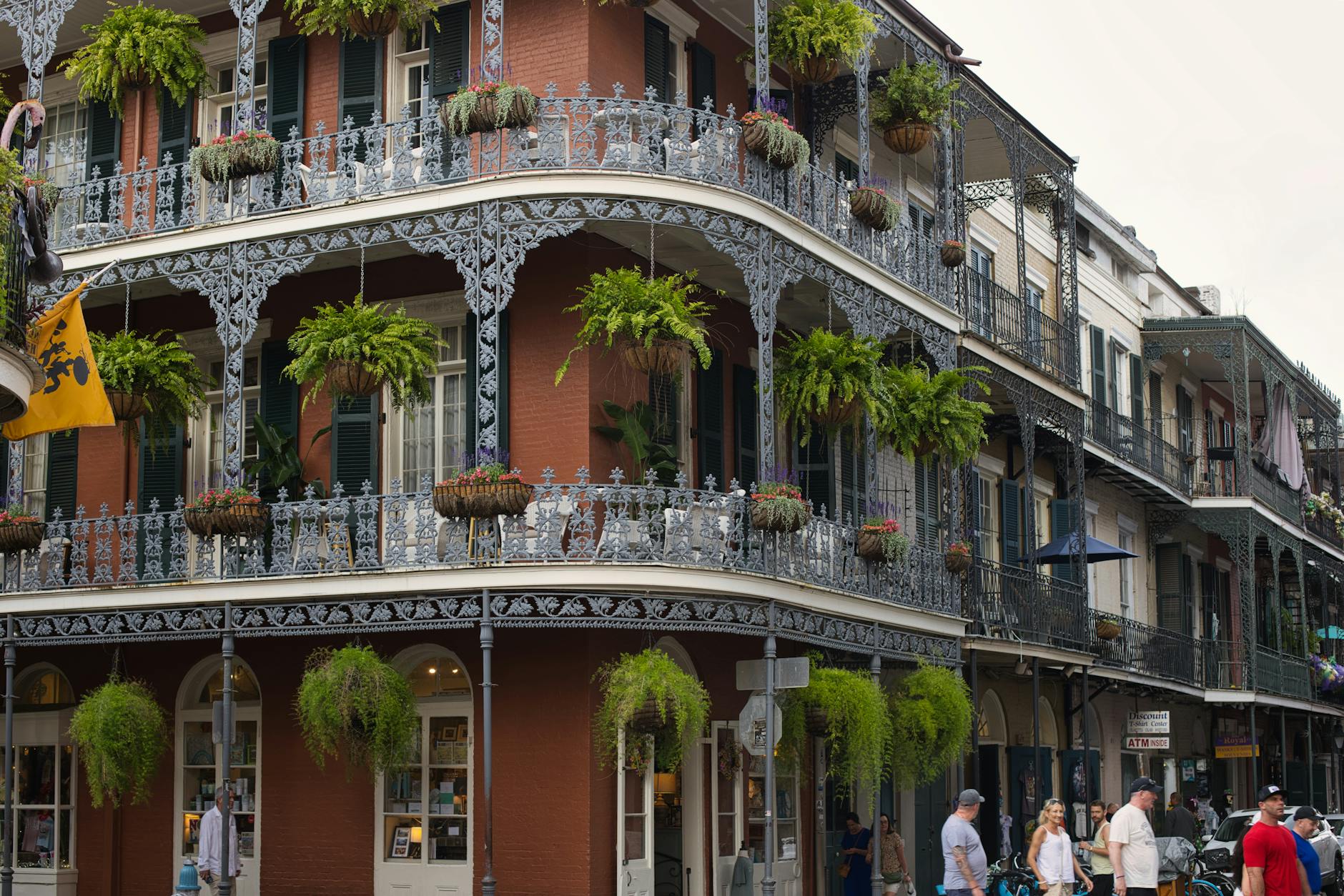
    French Quarter History: The Soul of New Orleans Through Centuries

    Introduction

    The French Quarter, known as the Vieux Carré, is the oldest neighborhood in New Orleans, Louisiana, and an iconic symbol of the city’s rich history and cultural diversity. Established in the early 18th century, the Quarter has been a melting pot of different influences, reflecting its French, Spanish, African, and American heritage. With its distinctive architecture, vibrant music scene, and flavorful cuisine, the French Quarter embodies the unique spirit of New Orleans, drawing residents and visitors alike into its lively embrace. Over the centuries, the area has witnessed significant events and cultural shifts, making it a living testament to the past. This article delves into the history of the French Quarter, exploring its origins, architectural styles, cultural contributions, historical significance, and the challenges it faces in modern times.

    The Founding of the French Quarter: Origins and Early Development

    The roots of the French Quarter date back to 1718 when Jean-Baptiste Le Moyne de Bienville, a French explorer and governor, founded the city of New Orleans. The strategic location along the Mississippi River was ideal for trade and commerce, leading to the establishment of a bustling port and attracting settlers from various backgrounds. The French Quarter was laid out in a grid system, with streets named after prominent figures in French and Spanish history, symbolizing the area’s colonial roots.

    Initially, the neighborhood consisted mainly of wooden structures built from cypress, a local wood known for its resistance to humidity and insects. The houses, often modest in design, reflected the simple needs of the early inhabitants. However, as the population grew, the need for more substantial construction became evident. In 1763, Spain acquired Louisiana, leading to significant changes in the architectural landscape and cultural dynamics of the French Quarter.

    Under Spanish rule, the architectural style evolved, incorporating elements of Spanish colonial design. The introduction of wrought iron balconies, thick walls, and distinctive courtyards marked a departure from the earlier French styles. The Spanish influence not only reshaped the buildings but also had lasting effects on the customs and social structures of the Quarter. Notably, the blending of Spanish and French architectural features created a unique aesthetic that remains a defining characteristic of the neighborhood today.

    By the early 19th century, the French Quarter was flourishing, becoming a hub of social and economic activity. The sugar and cotton industries were booming, leading to an influx of immigrants and a diverse population. This growth contributed to a vibrant cultural tapestry in the Quarter, as various ethnic groups brought their traditions and customs. During this period, the art of storytelling and music began to flourish, setting the stage for New Orleans to become a cultural capital.

    The French Quarter’s early development also saw the establishment of key institutions and landmarks. One notable example is St. Louis Cathedral, which was first established in the 18th century and has since become one of the most recognizable symbols of the city. The cathedral’s majestic spires and iconic façade serve as a reminder of New Orleans’ rich spiritual heritage and its connection to both the Catholic Church and the indigenous people of the region.

    As the city continued to grow in the 19th century, the French Quarter faced challenges as well. Natural disasters, such as fires and hurricanes, occasionally damaged the area. The Great Fire of 1788 devastated much of the neighborhood, prompting rebuilding efforts that retained the architectural charm while incorporating more fire-resistant materials. Despite these challenges, the Quarter remained resilient, adapting and evolving in response to the changing social and economic landscape.

    Throughout its history, the French Quarter has served as a microcosm of New Orleans itself—a place where diverse cultures intersect and intertwine, giving rise to a unique identity. The founding of the French Quarter and its subsequent development laid the foundations for what would become one of the most celebrated and beloved neighborhoods in the United States. Today, as visitors wander through its historic streets, they can still feel the echoes of its past, gaining insight into the rich tapestry that is the soul of New Orleans.

    Architectural Evolution: Influences and Styles in the Quarter

    The architectural evolution of the French Quarter is a testament to the rich cultural tapestry that has shaped the neighborhood over the centuries. From its early days as a settlement to its status as a cultural and historical landmark, the buildings of the French Quarter reflect the diverse influences that have converged in New Orleans. This section explores the various architectural styles and features that define the Quarter, highlighting how they embody the city’s vibrant history.

    The original structures of the French Quarter were primarily built by French colonists, characterized by simple, functional designs. These early homes, one or two stories high, often featured steeply pitched roofs, wooden siding, and courtyards. However, with the transition to Spanish rule in the late 18th century, a transformation began. Spanish colonial architecture introduced elements such as stucco exteriors, wrought iron railings, and decorative tiles. The use of courtyards became more pronounced during this period, providing residents with private outdoor spaces that also facilitated ventilation in the humid climate.

    One of the most distinctive features of French Quarter architecture is the iconic wrought iron balconies that adorn many buildings. These intricate railings were not only decorative but also functional, allowing residents to enjoy the cool breeze while maintaining privacy. The craftsmanship exhibited in these balconies is a reflection of the skilled artisans who worked in the Quarter, blending European styles with local materials and techniques. The result is a unique aesthetic that captures the essence of New Orleans’ cultural heritage.

    charming french quarter architecture in new orleans
    The French Quarter

    As the 19th century approached, the architectural landscape continued to evolve. The arrival of American settlers brought new influences, such as Greek Revival and Federal styles. Buildings constructed during this period often featured grand columns, decorative moldings, and symmetrical facades, showcasing a shift toward more formal designs. Despite these changes, the Quarter maintained its eclectic character, as new architectural styles were incorporated alongside the existing Spanish and French elements.

    Notable buildings that exemplify this architectural evolution include the Cabildo and the Presbytère, both located in Jackson Square. The Cabildo, originally constructed in the late 18th century, showcases Spanish Colonial architecture with its thick walls and arched doorways. Its historical significance as the site of the Louisiana Purchase transfer ceremony adds to its value as a cultural landmark. The Presbytère, adjacent to the Cabildo, features a more neoclassical design, reflecting the growing influence of American architectural trends at the time.

    The aftermath of the Civil War also had implications for the architecture of the French Quarter. As the nation sought to recover and redefine itself, the Quarter experienced revitalization. The emergence of new artistic movements, such as the Arts and Crafts movement, influenced interior designs and decorative arts within many homes. Local artisans crafted beautiful ceramics, tiles, and furnishings that captured the spirit of New Orleans’ artistic community, showcasing the creativity and resilience of the neighborhood.

    Preserving the architectural legacy of the French Quarter has become a priority in recent years. The Vieux Carré Commission was established to oversee renovation and restoration projects, ensuring that any changes adhere to strict guidelines that honor the neighborhood’s historical integrity. This commitment to preservation not only protects the unique character of the Quarter but also contributes to its appeal as a tourist destination.

    As modernization and urban development threaten historic neighborhoods across the country, the French Quarter stands as a testament to the importance of preserving cultural heritage. The architectural evolution of the Quarter encapsulates the rich stories and diverse influences that have shaped New Orleans. Today, as visitors wander through its historic streets, they are greeted by a stunning array of design elements that reflect centuries of cultural exchange and innovation, inviting them to explore the vibrant narrative of a city that is unlike any other.

    Cultural Heritage: Music, Cuisine, and Festivals

    The cultural heritage of the French Quarter is steeped in rich traditions that have evolved over centuries, contributing to the uniqueness of New Orleans as a cultural hub. Renowned for its vibrant music scene, distinctive cuisine, and lively festivals, the Quarter serves as a living testament to the city’s diverse influences and artistic expressions. This section explores the various facets of cultural heritage that define the French Quarter, showcasing how they reflect the heart and soul of New Orleans.

    Music is an intrinsic part of the French Quarter’s identity, with its streets resonating with the sounds of jazz, blues, and other genres that have emerged from the city’s vibrant musical landscape. Jazz, in particular, has its roots in the African American communities of New Orleans, blending elements of African rhythms, French harmonies, and blues. The French Quarter became a breeding ground for musical innovation in the early 20th century, with venues such as Preservation Hall and the Storyville district attracting prominent musicians like Louis Armstrong and Duke Ellington.

    The interplay of different cultures has enriched the musical heritage of the Quarter. The infusion of Spanish, French, and Creole influences can be heard in the unique styles that have emerged, such as Zydeco and Cajun music. Local musicians carry on these traditions, often performing in the streets, bars, and clubs that line the Quarter. The sounds of brass bands, street musicians, and solo performers unite to create a lively atmosphere that embodies the spirit of celebration and community.

    Cuisine is another hallmark of the French Quarter’s cultural heritage, reflecting the diverse culinary traditions that have shaped New Orleans’ gastronomic identity. The fusion of French, African, Spanish, and Caribbean flavors has given rise to iconic dishes like gumbo, jambalaya, and beignets. The vibrant food culture celebrates bold flavors and unique ingredients, showcasing the city’s culinary prowess. Restaurants, food markets, and street vendors in the Quarter provide a feast for the senses, drawing locals and tourists alike to indulge in the culinary delights that define the region.

    people sitting on the balcony of a building in the french quarter in new orleans louisiana
    The French Quarter

    Culinary festivals, such as the New Orleans Food and Wine Experience, highlight the significance of food within the cultural fabric of the Quarter. These events celebrate local chefs, restaurants, and culinary traditions, as attendees gather to sample dishes and learn about the city’s gastronomic heritage. The emphasis on locally sourced ingredients and traditional cooking techniques reflects the commitment to preserving the cultural identity of New Orleans through its cuisine.

    Festivals in the French Quarter are another expression of the city’s vibrant culture, showcasing the community’s artistry, creativity, and spirit. Mardi Gras, perhaps the most famous celebration associated with New Orleans, transforms the Quarter into a colorful spectacle filled with parades, music, and revelry. The roots of Mardi Gras can be traced back to European traditions, combining various cultural influences to create a unique celebration that captivates people from all walks of life.

    Other festivals, such as the French Quarter Festival and the New Orleans Jazz & Heritage Festival, further illustrate the importance of cultural celebrations. These events provide a platform for local artists, musicians, and performers to showcase their talents, attracting crowds eager to immerse themselves in the vibrant cultural scene. The art, music, and food that define these festivals reflect the dynamic history of the French Quarter, offering a glimpse into the city’s soul.

    The cultural heritage of the French Quarter transcends mere entertainment; it is a vital part of the community’s identity and a source of pride for its residents. Efforts to preserve and promote the music, cuisine, and traditions of the Quarter are essential for maintaining the links to the past while embracing the future. As the neighborhood navigates the challenges of modernization and tourism, it is crucial to ensure that the essence of its cultural heritage remains intact, allowing generations to experience and celebrate the rich tapestry of New Orleans.

    In conclusion, the cultural heritage of the French Quarter encapsulates the dynamic interplay of music, cuisine, and festivals that define New Orleans. The resonance of jazz, the allure of flavorful dishes, and the exuberance of local celebrations come together to create a vibrant tapestry that reflects the city’s diverse influences. As the French Quarter continues to evolve, its cultural legacy remains a vital part of its identity, inviting everyone to share in the beauty and richness of New Orleans.

    Historical Significance: Key Events and Their Impact

    The French Quarter has played a pivotal role in several key historical events that have shaped not only New Orleans but also the broader narrative of American history. From its founding to its significance during major political movements, the Quarter has been at the forefront of transformative moments. This section explores some of the significant events that have impacted the French Quarter and contributed to its historical legacy.

    One of the most transformative events in the history of the French Quarter was the Louisiana Purchase in 1803. This monumental deal between the United States and France doubled the size of the young nation and effectively transferred governance of New Orleans and its surrounding territories to the U.S. The strategic location of the French Quarter as a vibrant port city positioned it as a critical gateway for trade and commerce. The influx of new settlers and the subsequent economic growth led to a cultural renaissance in the area, as diverse groups brought their customs and traditions.

    The social fabric of the French Quarter was further influenced by the Civil War. As Union troops occupied New Orleans in 1862, the Quarter became a microcosm of the nation’s broader conflicts. The military presence transformed the neighborhood’s social dynamics, exposing residents to new ideas and perspectives. The rich musical traditions of the Quarter blended with the experiences of soldiers, resulting in significant developments in the evolving landscape of American music. The sounds of brass bands and the emergence of jazz were born from these interactions, paving the way for the unique musical culture that this city is famous for today.

    Another landmark event was the Civil Rights Movement of the 1960s, during which the French Quarter became a focal point for activism, gathering, and advocacy. Numerous protests, sit-ins, and demonstrations took place in the neighborhood, as activists fought for equality and justice. The rich cultural traditions inherent to the Quarter provided a robust support network for movement leaders, who often drew upon the artistic creativity that characterized New Orleans to energize their messages. Public gatherings in historic venues further emphasized the connections to the Quarter’s heritage, highlighting the importance of community solidarity in the face of systemic injustice.

    people walking down the street in front of a building
    The French Quarter

    Furthermore, the aftermath of Hurricane Katrina in 2005 had profound implications for the French Quarter and the city as a whole. The devastation caused by the storm led to widespread dislocation and a reevaluation of urban planning and infrastructure in New Orleans. The French Quarter, despite suffering damage, became a rallying point for recovery efforts, with residents and organizations working tirelessly to restore the neighborhood while preserving its historical character. The resilience of the community was showcased as locals came together to support one another in the face of adversity.

    The French Quarter has also served as a lens through which to view broader social and economic changes. As tourism surged in the late 20th century and into the 21st, the neighborhood became more commercialized, raising questions about the preservation of its authenticity. Discussions surrounding gentrification, economic inequality, and cultural commodification became increasingly relevant as new businesses and developments emerged in a rapidly changing urban landscape. The evolving relationship between tourism, culture, and community identity continues to shape the narrative of the French Quarter today.

    Preserving the integrity and historical significance of the French Quarter remains a persistent effort as locals and advocates work to honor the rich legacy that has emerged from its storied past. Organizations dedicated to preservation and education ensure that the lessons learned from historical events are not forgotten. The French Quarter’s ability to convey the complexities of history while serving as a vibrant cultural hub is part of its enduring appeal.

    In conclusion, the historical significance of the French Quarter is woven into the fabric of American history, with pivotal events such as the Louisiana Purchase, the Civil War, civil rights activism, and recovery from Hurricane Katrina shaping its narrative. These moments not only impacted the neighborhood itself but also contributed to the broader cultural and social landscape of the nation. The French Quarter’s ability to reflect the trials and triumphs of its inhabitants speaks to its importance as a living testament to history, culture, and community.

    Modern-Day Challenges: Preservation and Tourism Dynamics

    As one of the most recognizable neighborhoods in the world, the French Quarter faces the dual challenge of preserving its historical and cultural identity while navigating the demands of modern tourism. The dynamic interplay between preservation efforts and the influx of tourists has shaped the contemporary landscape of the Quarter. This section examines the challenges and opportunities that arise as the neighborhood continues to evolve in today’s fast-paced environment.

    Tourism is undeniably one of the key economic drivers in the French Quarter, with millions of visitors flocking to experience the vibrant culture, music, and cuisine. The charm of the neighborhood draws tourists from around the globe, eager to explore its historic streets, indulge in local delicacies, and immerse themselves in the lively atmosphere. However, the pressures of tourism can also strain local resources and disrupt the delicate balance that defines the community.

    The commercialization of the French Quarter poses a significant threat to its authenticity. As businesses cater to tourists, there is a risk of homogenization, where local shops and eateries give way to corporate chains and tourist traps. This shift can dilute the unique character that has long defined the Quarter, raising concerns among residents about losing the very essence of what makes their home special. Preservation efforts must be proactive in ensuring that local businesses, artisans, and cultural practices remain at the forefront of the Quarter’s identity.

    The impact of gentrification is another pressing issue that the French Quarter must confront. Rising property values and rents can displace long-time residents and disrupt the social fabric of the community. Efforts to preserve affordable housing and support local residents are essential to maintaining the diversity and vibrancy of the neighborhood. Advocacy groups and local organizations work tirelessly to promote policies that protect the rights and livelihoods of residents, highlighting the importance of community involvement in decision-making processes.

    Despite these challenges, there are also opportunities for growth and innovation. The French Quarter’s rich cultural heritage and artistic vitality provide a fertile ground for creative endeavors. Local artists and performers continue to thrive, contributing to a rich artistic scene that engages both residents and visitors. Efforts to promote arts education, participate in cultural events, and support local talent contribute to a sense of community pride and resilience.

    Furthermore, the advent of technology and social media has opened new avenues for engagement and outreach. Local businesses can utilize digital platforms to promote their products and services while connecting directly with customers. This modern approach allows for the celebration of local culture and artisanal craftsmanship, affirming the importance of preserving the Quarter’s identity in an increasingly globalized world.

    Preserving the rich cultural heritage of the French Quarter requires collaboration among residents, local organizations, and government entities. By working together, stakeholders can develop sustainable tourism practices that highlight the uniqueness of the neighborhood while minimizing negative impacts. Community involvement and education play a pivotal role in fostering a sense of responsibility among residents and visitors alike, encouraging mutual respect for the culture and history that define the French Quarter.

    In conclusion, the modern-day challenges facing the French Quarter highlight the intricate balance between preservation and tourism dynamics. While the neighborhood’s status as a premier tourist destination poses risks to its authenticity, there are also opportunities for creative growth and community engagement. By actively promoting local culture, supporting residents, and fostering collaboration, the French Quarter can navigate the complexities of this dynamic landscape while preserving its historical significance and vibrant identity.

    Conclusion

    The French Quarter stands as a testament to the rich history and cultural diversity that define New Orleans. From its founding in the early 18th century to its evolution as a cultural hub, the Quarter encapsulates the essence of the city’s spirit. The architectural styles, musical traditions, culinary delights, and significant historical events all contribute to the unique identity that continues to attract visitors from around the world.

    As we reflect on the journey of the French Quarter, it becomes clear that the challenges of modernization and tourism must be navigated carefully to preserve its authenticity. The commitment to preserving its historical landmarks, protecting local traditions, and supporting the community’s cultural expression is essential for ensuring the neighborhood remains more than just a tourist destination. It is a living, breathing part of New Orleans’ soul. The future of the French Quarter depends on balancing growth with heritage—so that generations to come can walk its storied streets and still feel the rhythm of its remarkable past.

    Legendary Cities : New Orleans And its French heritage Video

    Legendary Cities : New Orleans And its French heritage