Category: Cities

  • Exploring Beautiful Albarracín in 2025: History, Architecture & Nature
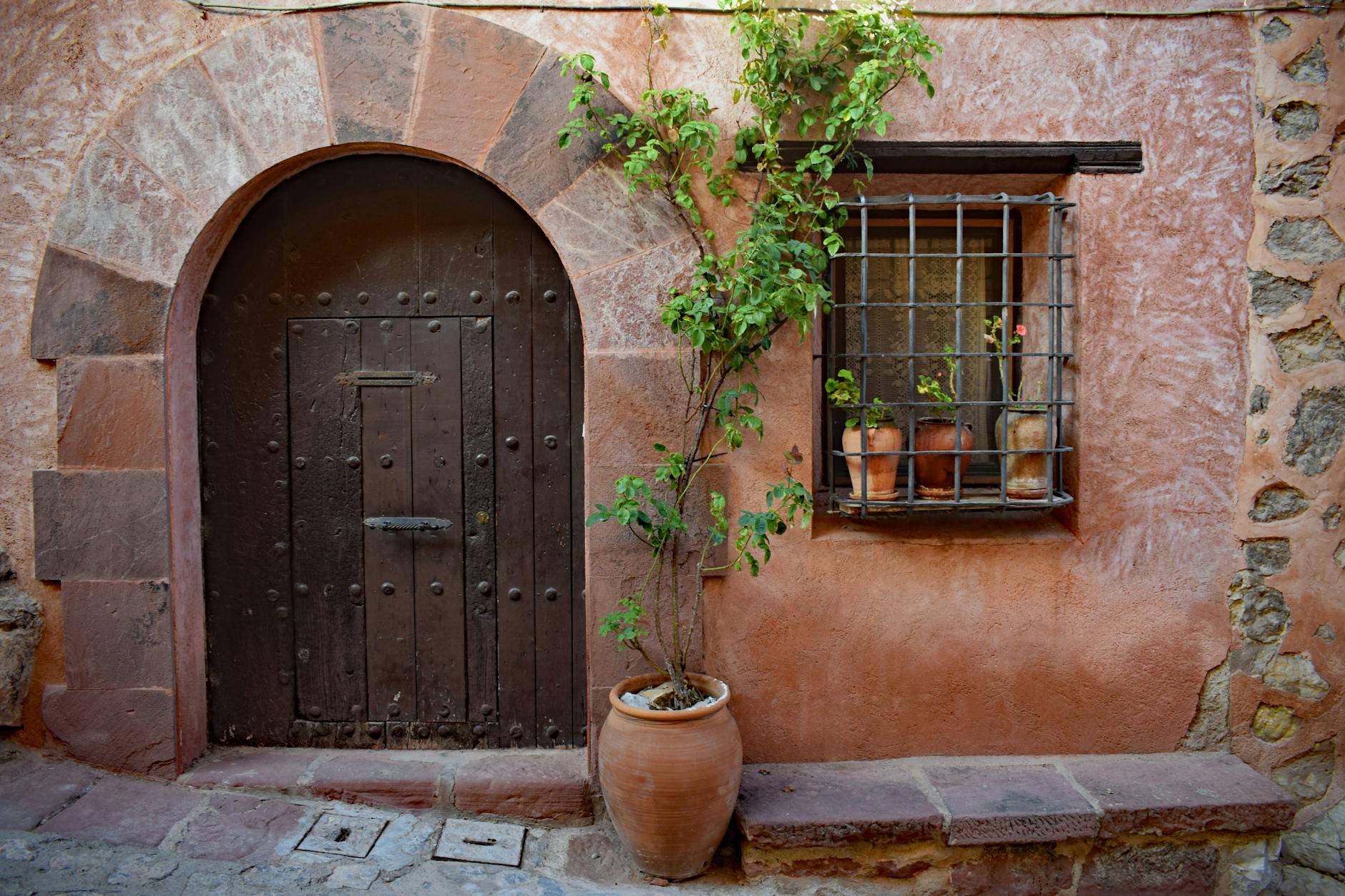
    Exploring Beautiful Albarracín in 2025: History, Architecture & Nature

    Introduction

    Nestled in the hills of Teruel, Albarracín is a mesmerizing escape that feels like stepping into a fairytale. This medieval town, with its charming, pink-hued buildings, winding cobblestone streets, and breathtaking landscapes, offers visitors a unique blend of history and natural beauty. The town’s rich heritage dates back to the Roman era and is characterized by its medieval architecture, including the well-preserved walls and the stunning cathedral. Surrounded by dramatic cliffs and lush forests, Albarracín is set against a backdrop that enhances its ethereal charm. Whether you’re wandering through the narrow streets, enjoying the panoramic views, or immersing yourself in the local culture, Albarracín promises an unforgettable experience steeped in history. This article delves into the captivating elements that make Albarracín a must-visit destination.

    The History of Albarracín: From Medieval Roots to Modern Charm

    The history of Albarracín is as captivating as the town itself. Believed to have been founded by the Romans, this town evolved through various historical periods, shaping its unique character. Its strategic location on the hills allowed it to be fortified, a feature that has been preserved to this day.

    The medieval period marked a significant turning point for Albarracín, as it became the capital of the Taifa of Albarracín, an important Muslim kingdom during the 11th century. The discovery of archaeological remains, including Arabic inscriptions, attests to its rich Islamic heritage. During this era, the town flourished economically and culturally, becoming a center of trade and learning. Many of the architectural elements that remain today, including the ancient walls and the impressive castle, were built during this Islamic period.

    The Reconquista in the late 15th century brought about a shift in power, as Catholic Monarchs took control. The transition was met with resistance but eventually led to the integration of Albarracín into the Kingdom of Aragon. This change significantly influenced its architectural landscape, as Gothic and Renaissance styles began to dominate. The construction of the Cathedral of Albarracín, built on the site of an earlier mosque, symbolizes this blending of cultures.

    Walking through Albarracín today, visitors can see the remnants of its illustrious past through the town’s architecture. The fortified walls encircle the historical center, offering a glimpse into the town’s medieval defenses. The walls date back to the 10th century and stand as a testament to the town’s enduring strength. The castle, perched high atop a hill, was built to provide protection against invasions and offers breathtaking views of the surrounding countryside.

    In the 20th century, Albarracín faced challenges with modernization and urbanization, but a commitment to preservation helped maintain its charm. The town was declared a historic-artistic monument in 1961, ensuring that its historical and cultural heritage would be preserved for future generations. This designation has attracted tourism, leading to a vibrant local economy while allowing residents to maintain their traditions.

    Today, Albarracín is not just a relic of the past but a living town that showcases its history. The local government and community actively engage in preserving its buildings and promoting its heritage. Cultural events, such as music festivals and art exhibitions, celebrate the town’s history while fostering a sense of community among its residents and visitors.

    The rich tapestry of Albarracín’s history is pivotal to understanding its current charm. It’s a place where the echoes of its medieval past resonate through every street corner and building facade. The commitment to preserving its unique character while embracing modernity makes Albarracín a remarkable destination. Visitors can walk in the footsteps of history, exploring the layers of time that have shaped this enchanting town, making it an essential stop for history enthusiasts and curious travelers alike.

    Architectural Wonders: Exploring the Town’s Pink-Hued Buildings

    The architectural landscape of Albarracín is undoubtedly one of the town’s most enchanting features. Known for its striking pink-hued buildings, the town exemplifies a cohesive style that merges functionality with aesthetic beauty. The vibrancy of the structures, built from local sandstone, adds to the fairytale-like atmosphere that envelops Albarracín.

    As you stroll through the narrow, winding streets, the first thing that captures your attention is the uniformity of the colors and materials used in the buildings. The soft, rosy tones of the sandstone soften the harshness often found in other medieval towns, creating a warm and inviting environment. This unique hue not only serves a practical purpose—insulation against the harsh heat of the summer and cold of the winter—but also stands as a testament to the craftsmanship of local artisans through the centuries.

    One of the standout architectural gems in Albarracín is the Cathedral of Saint Mary. Built between the 16th and 18th centuries, this striking structure combines elements of Gothic and Renaissance styles. The façade, adorned with intricate carvings and towering spires, draws visitors’ eyes upward, while the interior boasts magnificent altars and beautiful stained glass. The cathedral serves not just as a religious center but also as a cultural hub, hosting various community gatherings and traditional celebrations that reflect the town’s deep-rooted heritage.

    Another notable building is the Town Hall, located in the central plaza. A fine example of Mudejar architecture, the Town Hall features elaborate wooden balconies and arches that reflect the blending of artistic influences experienced in Albarracín during the medieval period. This central square is often bustling with life, as cafes and shops line the fringes, providing visitors with a taste of local cuisine and culture amidst the stunning architectural backdrop.

    The fortified walls of Albarracín, stretching over 1,000 meters, are another significant architectural feature that should not be overlooked. Built in the 10th century, these walls served as formidable defenses against invaders. Today, they offer visitors the chance to walk along the ramparts and enjoy panoramic views of the town and the surrounding landscape. The well-preserved towers along the walls, such as the Torre del Andador, provide insight into the town’s historical methods of defense and the significance of its strategic location.

    Throughout Albarracín, each building tells a story woven into the town’s history. The narrow alleyways, each leading to quaint plazas or hidden courtyards, create a sense of mystery and adventure. The harmonious blend of architectural styles—from Romanesque to Gothic and Mudejar—demonstrates the town’s evolution over centuries, showcasing the influence of various cultural waves that have washed over it.

    In recent years, local authorities have prioritized the preservation of Albarracín’s architectural heritage. Restoration projects are ongoing, ensuring that these captivating structures remain intact for future generations. This commitment to preserving the past while allowing for modern enhancements reflects the community’s deep appreciation for its roots.

    A walking tour through Albarracín’s architectural landscape is not just a visual feast but also an immersive experience that transports you through time. The pink-hued buildings, with their intricate designs and historical significance, enhance the town’s fairytale aura, making it a living museum that captures the heart and imagination of every visitor.

    Natural Landscapes: The Breathtaking Surroundings of Albarracín

    Albarracín is perched in a region of exceptional natural beauty, surrounded by dramatic landscapes that enhance its charm and allure. The town itself is nestled within the Sierra de Albarracín mountain range, where rolling hills, rocky cliffs, and expansive forests create a stunning backdrop for visitors. This unique setting not only highlights the impressive architecture of the town but also offers a wealth of outdoor activities for nature enthusiasts and adventure seekers alike.

    The striking contrast between the soft pink hues of the buildings and the rugged terrain creates a picturesque scene that feels almost cinematic. The surrounding landscape is characterized by its diversity, from steep cliffs and rocky outcrops to lush valleys and winding rivers. The iconic “Cerro de San Cristóbal” hill provides an excellent vantage point to admire the panoramic views of Albarracín and the undulating hills that stretch into the distance. Hiking trails lead up to the summit, making it a popular spot for both locals and tourists, especially at sunrise and sunset, when the landscape takes on an ethereal glow.

    For those who appreciate outdoor activities, Albarracín offers a variety of opportunities to explore the natural environment. Rock climbing is particularly popular in this region, with numerous climbing routes available for varying skill levels. The local rock formations are known for their quality and variety, attracting climbers from around the world. Whether you are a seasoned climber or a novice, this breathtaking backdrop provides an exhilarating experience.

    Another highlight of the natural landscape surrounding Albarracín is the “Sierra de Albarracín Natural Park.” This protected area boasts a wealth of biodiversity, featuring a variety of flora and fauna unique to the region. Birdwatchers will delight in the chance to spot local species, such as the Bonelli’s eagle and the Egyptian vulture, who inhabit the cliffs and forests. The park also offers several hiking trails that lead through lush woodlands and rocky outcroppings, allowing visitors to immerse themselves in the area’s natural beauty.

    Additionally, the scenic “Río de la Losa,” which flows nearby, provides a peaceful retreat for those looking to unwind. The river’s gentle currents create a soothing soundscape, making it an idyllic spot for picnicking or simply enjoying the tranquility of nature. For families, the picnic areas along the riverbank offer the perfect setting for a leisurely day out.

    The thriving ecosystems surrounding Albarracín also contribute to the region’s agricultural heritage. The fertile valleys cultivate local produce, including olives and herbs, playing a vital role in the culinary traditions of the area. Local markets often showcase fresh, organic products, allowing visitors to savor the flavors of Albarracín while appreciating the landscape’s bounty.

    As you explore the natural beauty surrounding Albarracín, the rich tapestry of the land becomes more apparent. Each season brings a different perspective, from the vibrant greens of spring to the warm tones of autumn. The clarity of the sky at high altitudes adds to the scenic beauty, and the clear night skies make stargazing an enchanting experience.

    The harmonious coexistence of nature and heritage in Albarracín is a testament to the town’s enduring charm. The breathtaking landscapes complement the captivating architecture, creating a destination that appeals to the senses and fosters a deep appreciation for the surrounding environment. Whether you’re hiking through the hills, climbing the rocks, or simply soaking in the views, the natural beauty of Albarracín will create lasting memories and a profound connection to this fairytale-like town.

    Cultural Experiences: Festivals and Local Traditions

    Exploring the cultural experiences of Albarracín is one of the best ways to delve into the local traditions and heritage that define this enchanting town. With its rich history and vibrant community spirit, Albarracín is home to a variety of festivals and events that reflect its unique customs, legends, and history.

    One of the most significant events in Albarracín is the Fiestas de Santa Esteban, celebrated in late August in honor of the town’s patron saint. This festival draws both locals and visitors, transforming the town into a lively space filled with music, dance, and traditional activities. The celebrations begin with a colorful procession, featuring participants dressed in traditional attire, showcasing Albarracín’s enduring customs. Throughout the festival, local bands perform music that resonates through the cobblestone streets, while the aroma of traditional Spanish cuisine wafts from stalls and restaurants.

    In addition to Santa Esteban, the town also celebrates the Festival of the Moors and Christians, commemorating the historical conflict between Christian and Muslim forces. This vibrant event, typically held in September, includes dramatic reenactments that depict pivotal moments in Albarracín’s history. Performers don intricate costumes and carry traditional weapons, bringing the past to life as they march through the streets. The festival culminates in a dazzling fireworks display that illuminates the night sky, symbolizing the spirit of unity and camaraderie in the community.

    Food also plays a vital role in Albarracín’s cultural identity. Visitors have the opportunity to indulge in gastronomic experiences that highlight the region’s culinary heritage. Traditional dishes such as “ternasco,” a succulent lamb dish, and “migas,” a flavorful breadcrumb dish, offer a taste of local culture. The annual gastronomic fair showcases the best of Albarracín’s cuisine, and local chefs often incorporate seasonal ingredients from the surrounding landscape, enhancing the flavors.

    The art and craftsmanship of Albarracín further contribute to its cultural richness. The town has a long history of artisanal traditions, particularly in woodworking and pottery. Visitors can explore local workshops where skilled artisans create intricate pieces, combining traditional techniques with modern design. This commitment to craftsmanship is also evident in the beautifully painted houses that line the streets, showcasing the talents of local painters.

    Throughout the year, various art exhibitions and cultural events take place, emphasizing the town’s dedication to fostering creativity. Art festivals attract local and international artists, transforming Albarracín into a thriving hub of artistic expression. Galleries and workshops welcome visitors to engage with the creative process, offering insights into the inspiration behind the artworks.

    The community spirit in Albarracín is palpable, with locals actively participating in events and celebrations, creating a warm and inclusive atmosphere. Visitors are often welcomed with open arms, encouraged to participate in festivities and connect with the vibrant culture of the town. The stories, legends, and traditions passed down through generations come alive during these celebrations, providing a deeper understanding of Albarracín’s heritage.

    Immersing oneself in the cultural experiences of Albarracín not only enriches the visit but also fosters a connection to the town and its people. From the lively festivals to the dedication to traditional crafts, Albarracín vibrates with life and history. An exploration of these cultural elements is essential for anyone seeking to capture the essence of this fairytale-like town.

    Practical Tips for Visiting Albarracín: What to Know Before You Go

    Visiting Albarracín promises an unforgettable experience, but being prepared can enhance your adventure in this fairytale-like medieval town. Here are some essential tips to ensure you make the most of your trip.

    Getting There: Albarracín is conveniently located approximately 35 kilometers from the city of Teruel, making it easily accessible by car or public transportation. If driving, be prepared for winding roads that offer scenic vistas as you approach the town. For those opting for public transport, regular bus services run between Teruel and Albarracín, providing a reliable option for travelers without a vehicle.

    Accommodation: A range of accommodation options available in Albarracín caters to different budgets and preferences. From charming boutique hotels that reflect the town’s medieval aesthetics to cozy guesthouses that offer a homely touch, you’ll find a place that suits your needs. Booking in advance, especially during peak tourist seasons, is advisable to ensure availability.

    Local Cuisine: Don’t miss the opportunity to savor local delicacies. Restaurants in Albarracín serve traditional Spanish cuisine made with fresh, local ingredients, making the dining experience a culinary journey. Try local specialties such as “ternasco,” “migas,” and regional wines, which provide a true taste of the area. Many establishments also offer outdoor seating, allowing you to enjoy your meal alongside the stunning views.

    Exploring the Town: The best way to explore Albarracín is on foot. The narrow winding streets, often bustling with life and charm, encourage leisurely strolls. Invest in a good pair of walking shoes to navigate the cobblestone paths comfortably. Along the way, take time to explore the hidden nooks and corners, discovering boutique shops, local artisanal crafts, and inviting cafes.

    Cultural Etiquette: While Albarracín is welcoming to visitors, being respectful of local customs and traditions is essential. When dining in restaurants, it is customary to greet staff with a polite “hola” and to say “gracias” upon leaving. Engaging with locals in their language, even if it’s just a few phrases in Spanish, can go a long way in expressing appreciation for their culture.

    Weather Considerations: Weather in Albarracín can vary significantly, so check the forecast beforehand and pack accordingly. Summers can be hot, making lightweight clothing and sun protection essential. In contrast, winters can be quite cold with snowfall, so be sure to bring warm layers if you’re visiting during that season. Wearing comfortable clothing and walking shoes will ensure you’re prepared for various activities.

    Attending Festivals: If possible, plan your visit around one of Albarracín’s local festivals. These events provide a unique insight into the town’s culture, and participation can enhance your overall experience. Be sure to check local calendars for festival dates and specific events during your stay.

    By being mindful of these practical tips, you can navigate Albarracín with confidence and enjoy everything this enchanting town has to offer. From its rich history and breathtaking landscapes to its vibrant culture and welcoming community, Albarracín will leave a lasting impression on your heart.

    Conclusion

    Albarracín offers a unique blend of history, architecture, culture, and stunning natural landscapes, making it a destination unlike any other. Its medieval charm, punctuated by pink-hued buildings and fascinating stories from the past, captivates the imagination of every visitor. The rich traditions and lively festivals bring the town to life, providing a deeper understanding of the local heritage and community spirit. Whether you are wandering through its cobblestone streets, marveling at the breathtaking views, or indulging in the delicious local cuisine, Albarracín offers an experience that resonates long after your visit. As you leave this fairytale-like town, you’ll carry with you not only memories of its beauty but also a connection to its rich cultural tapestry, inspiring a longing to return to this magical place.

  • Explore Dinant in 2025: Belgium’s Riverside Gem with Historical Charm
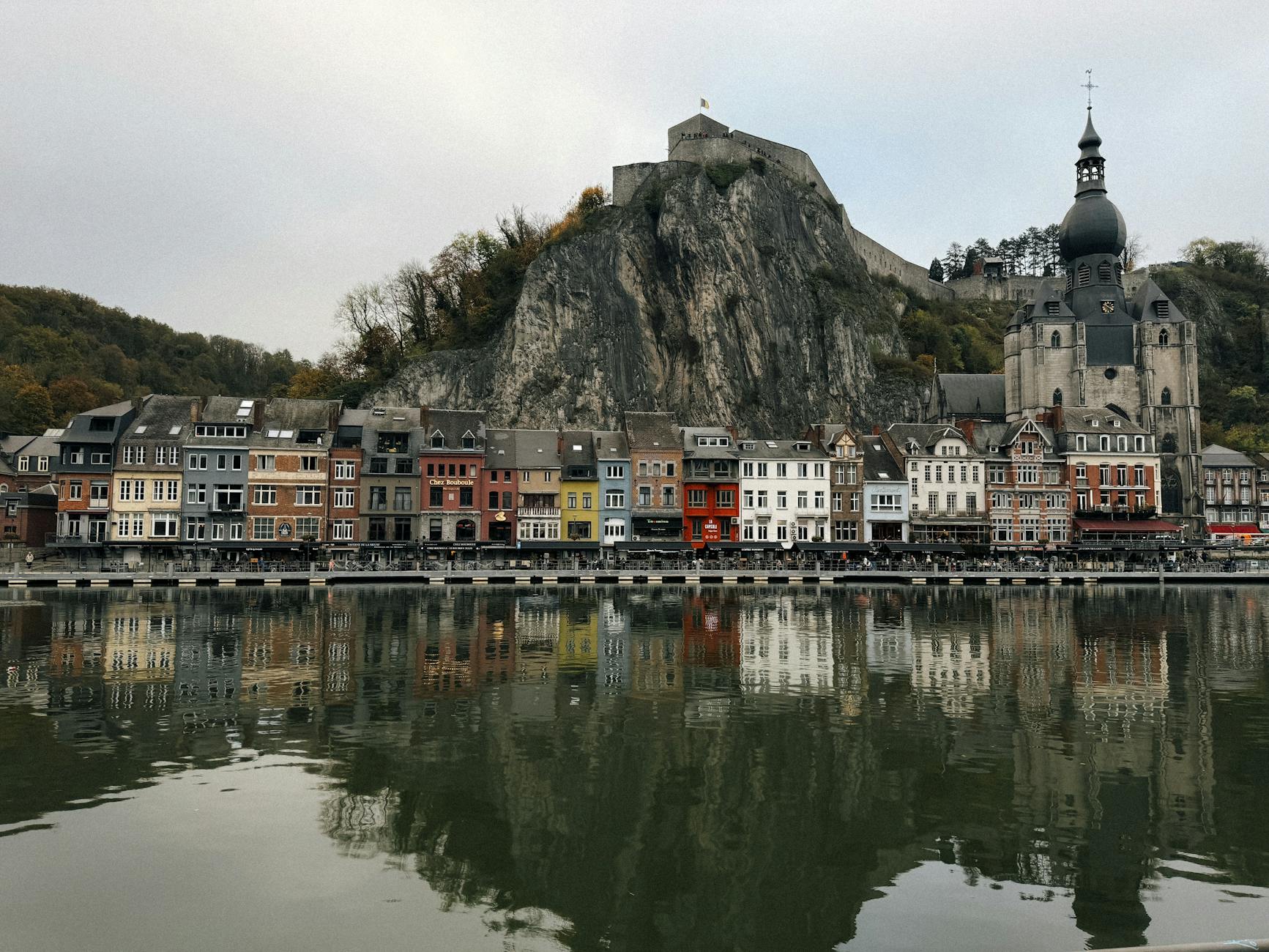
    Explore Dinant in 2025: Belgium’s Riverside Gem with Historical Charm

    Introduction

    Nestled alongside the Meuse River and framed by dramatic limestone cliffs, Dinant, Belgium, is a breathtaking riverside town that enchants visitors with its picturesque landscapes and rich history. Known for its iconic Collegiate Church of Notre Dame, which appears to rise directly from the rock face, Dinant offers a unique blend of architectural splendor, cultural experiences, and outdoor activities. The history of this charming town dates back to medieval times and is steeped in fascinating stories of resilience and transformation. Its strategic location has attracted merchants, artists, and tourists alike. Today, Dilant stands as a testament to Belgium’s beauty and history, drawing travelers to explore its narrow streets lined with traditional houses, vibrant cafes, and hidden gems. This article invites you to delve deeper into the wonders of Dinant, unveiling the secrets that make this town a must-visit destination for anyone exploring Belgium.

    Historical Overview of Dinant

    Dinant’s history is as captivating as its scenery. Its origins date back to around the 9th century when it was established as an important trading post. The town’s location along the Meuse River made it strategically significant for commerce and transportation. Over the centuries, Dinant has witnessed various invasions, particularly during the conflicts between France and the Spanish Netherlands. The town was notably the site of the infamous massacre in 1466, where many inhabitants were killed, demonstrating the challenges it faced throughout history.

    In the late Middle Ages, Dinant thrived as a center for commerce and craftsmanship, particularly known for its brass production. The brasseries of Dinant became renowned across Europe, contributing to the town’s wealth and reputation. The intertwining of economic prosperity and cultural growth fostered a vibrant community that would leave a lasting impact on the region.

    The construction of the Collegiate Church of Notre Dame began in 1240, which showcases the Gothic architectural influences of the period. The church’s dramatic positioning at the foot of the cliff highlights the ingenuity of its builders, who melded nature with architecture in a way that captivates visitors even today. Various political changes, including the impact of the French Revolution and World War I, led to significant transformations in Dinant, yet the town has preserved its historical charm.

    Over the years, restoration efforts have played a crucial role in maintaining the architectural heritage of Dinant. From the quaint stone buildings that line its cobbled streets to the expansive views offered from the cliffs above, every corner of Dinant tells a story of resilience and continuity. The peaceful resurgence of tourism in the 21st century has allowed Dinant to showcase its unique identity, welcoming visitors eager to explore its rich tapestry of history.

    In summary, Dinant’s historical journey reflects both the trials and triumphs of a town shaped by its geographical position. As you wander through its enchanting streets, one cannot help but feel the weight of its past—a past that continues to ripple through its vibrant present.

    The Architectural Wonders of Collegiate Church of Notre Dame

    The Collegiate Church of Notre Dame is not just a church; it is the heart and soul of Dinant. Perched against a dramatic cliffside, it commands attention from every vantage point in town. The church’s construction began in the 13th century and was completed in the 15th century, showcasing a stunning mix of Gothic and Romanesque architectural styles. The striking façade features tall, slender arches and intricate stone carvings that invite admiration and exploration.

    One of the most notable features of the church is its iconic bell tower. The tower, which reached its current height following renovations in the 19th century, houses a large bell named “Marie.” This bell, unique in its sound, rings out over the town, marking the hours and enhancing the town’s connection to its historical roots. The church’s interior is equally breathtaking, filled with beautiful stained glass windows that depict biblical stories and reflect the artistry of the time.

    As you step inside, the cool air greets you, contrasting with the warm hues of the sunlight spilling through the stained glass. The intricate woodwork and ornate altars create a serene ambiance that invites contemplation and reverence. The church also houses several art pieces, including works from notable Belgian artists, adding to its cultural richness.

    Not only is the Collegiate Church of Notre Dame a place of worship, but it also serves as a cultural hub. It hosts various events, including concerts and exhibitions that highlight the town’s artistic heritage. Visitors are often delighted to find that the church’s acoustics enhance the music, making performances an unforgettable experience.

    Moreover, the church’s architectural significance extends beyond its aesthetic appeal. It has become a symbol of resilience for the town of Dinant. Despite facing destruction during World War I, the church was meticulously restored, ensuring that its historical and cultural value continues to thrive. Guided tours offer insight into the architectural techniques used in its construction, shedding light on the craftsmanship that has stood the test of time.

    In conclusion, the Collegiate Church of Notre Dame is more than just an architectural marvel; it is a living testament to the history and culture of Dinant. Its presence on the cliffside epitomizes the harmony between nature and human creativity, inviting all who visit to reflect on the stories it holds within its walls. A visit to Dinant is incomplete without experiencing the magnificence of this church, a defining feature that truly captures the essence of this exquisite riverside town.

    Outdoor Activities and Scenic River Experiences

    Dinant is not only renowned for its historical significance and architectural beauty but also for its breathtaking outdoor experiences. The town is enveloped by lush hills and the flowing Meuse River, providing a picturesque setting that beckons adventurers and nature enthusiasts alike. The varied landscape is ideal for activities ranging from hiking and cycling to kayaking and boating.

    One of the most popular ways to experience Dinant’s stunning scenery is by hiking along the numerous trails that weave through the surrounding valleys and cliffs. The hill known as “La Citadelle,” which overlooks the town, offers several hiking paths with varying levels of difficulty, making it accessible to both seasoned hikers and casual walkers. From the top, visitors are rewarded with panoramic views of the Meuse River, the colorful rooftops of Dinant, and the dramatic cliffs that define the region. The breathtaking vistas alone make the trek worthwhile, allowing hikers to appreciate the natural beauty that frames this charming town.

    Cycling is another popular pastime in Dinant, with several cycling paths available for those looking to explore the area. The Meuse River is bordered by well-maintained bike lanes, making it easy to embark on a leisurely ride while soaking in the beautiful surroundings. Cyclists can choose to pedal along the riverbanks, enjoying the gentle lapping of the water while stopping at quaint cafes along the way. The landscape varies from serene rural vistas to the rugged cliffs that rise majestically above the river.

    For those seeking a more exhilarating experience, the Meuse River itself offers opportunities for kayaking and canoeing. Adventurers can rent kayaks from local shops and paddle along the river, navigating gentle currents while taking in the sights of the surrounding landscape. The experience of gliding across the water offers a unique perspective of Dinant, allowing paddlers to appreciate the town’s beauty from a different angle. Additionally, guided river tours provide insights into the history and ecology of the river, enriching the experience with knowledge about the region.

    Fishing enthusiasts will also find satisfaction in the waters of the Meuse. The river is home to various fish species, creating ideal fishing spots for both novice and experienced anglers. Fishing permits can be easily obtained, and local shops often provide gear and guidance.

    In addition to physical activities, Dinant hosts various events centered around its outdoor environment. From annual river festivals to organized hikes, the town embraces its natural beauty and encourages both residents and visitors to engage with it. These events foster a sense of community and allow individuals to connect with nature and each other.

    Ultimately, Dinant’s outdoor activities and scenic river experiences offer something for everyone, providing a perfect blend of adventure and relaxation. Whether hiking the hills, cycling along the river, or paddling the Meuse, visitors are sure to leave with unforgettable memories of the stunning landscapes that define this remarkable riverside town.

    Culinary Delights and Local Cuisine

    Food lovers will find Dinant a hidden gem of culinary delights, where traditional Belgian cuisine meets local specialties. The town’s gastronomic scene is a reflection of its rich history and cultural melting pot, offering visitors a chance to experience the unique flavors that define the region. From hearty stews and artisanal cheeses to delectable pastries, Dinant boasts an array of dishes that cater to every palate.

    One of Dinant’s most famous culinary exports is the “couque de Dinant,” a hard, sweet biscuit that has been produced in the region since the Middle Ages. Made with simple ingredients, including flour, honey, and water, these biscuits are rolled out and cut into distinctive shapes, often featuring intricate designs. Visitors can purchase these treats from local bakeries, and their unique flavor profile makes them a delightful souvenir as well as a tasty snack while exploring the town.

    Another highlight of Dinant’s culinary offerings is the local cheese. The region is known for its artisanal cheeses, particularly the “Fromage de Dinant,” a soft cheese that is celebrated for its creamy texture and rich flavor. Many local shops offer cheese tastings, allowing visitors to sample a variety of cheeses paired with artisan bread and locally produced wines. Cheese lovers will appreciate the passion and craftsmanship that go into creating these artisanal products.

    For those who enjoy hearty meals, Dinant’s restaurants serve up a range of traditional Belgian dishes. One must-try is the Flemish stew, made from beef, onions, and beer, slow-cooked to perfection and served with a side of fries. This comforting dish embodies the essence of Belgian cuisine and is best enjoyed in a cozy restaurant setting, where the aroma of home-cooked meals fills the air.

    Seafood enthusiasts will also find fresh catches from the Meuse River featured on many restaurant menus. From grilled fish to river pike, diners can experience the flavors of the region’s waters. Pairing these dishes with a glass of local beer, brewed in the tradition of Belgian brewing, completes the authentic dining experience.

    Cafés and bistros lining the streets of Dinant not only serve food but also play an essential role in the social fabric of the town. Visitors can relax in outdoor seating areas, enjoying delicious coffee or local pastries while taking in the lively atmosphere. It’s the perfect way to soak up the ambiance, watch the world go by, and connect with the heart of Dinant.

    As the evening approaches, the town transforms into a hub of culinary delights, with many restaurants offering seasonal menus that highlight locally sourced ingredients. Dinant’s commitment to sustainability is reflected in its food scene, with many establishments supporting local farmers and producers. This dedication ensures that visitors not only enjoy fresh and flavorful dishes but also contribute to the local economy.

    In conclusion, Dinant’s culinary scene is an essential part of the town’s charm, blending tradition, sustainability, and creativity. With a focus on local flavors and artisanal products, the town invites visitors to indulge in a diverse array of dishes that reflect its rich cultural heritage. A journey through Dinant is incomplete without tasting its culinary delights, making it a memorable experience that adds another layer to the town’s allure.

    Cultural Events and Festivals in Dinant

    Dinant is alive with cultural vibrancy, hosting a variety of events and festivals throughout the year that celebrate its rich heritage and community spirit. These gatherings provide wonderful opportunities for visitors and locals alike to come together, enjoy music, art, and local traditions, and engage with the town’s history in a lively atmosphere.

    One of the most significant annual events is the “Festival of the Virgin,” which takes place in August. This colorful celebration pays homage to the patron saint of Dinant, featuring a grand procession through the streets. Participants don traditional costumes, accompanied by music and dance, creating a festive atmosphere that captivates all who attend. The energy of the crowd, combined with the joyful sounds of local bands, creates a vibrant ambiance that reflects the town’s deep-rooted traditions and cultural pride.

    Music plays a vital role in Dinant’s cultural landscape, with several music festivals taking place throughout the year. The “Dinant Jazz Nights,” for instance, attract jazz enthusiasts from across the region. Local and international jazz talents perform in various venues, offering a platform for emerging artists while celebrating the legacy of jazz music. The blend of music and architecture in the town, with performances often taking place in scenic settings, enhances the experience, enveloping audiences in a rich tapestry of sound and history.

    Art lovers will appreciate the “Dinant Art Festival,” which showcases both local and international artists. The festival often includes exhibitions, workshops, and open-air installations, encouraging community engagement with the arts. This event not only highlights the creative talents of artists but also serves as a space for dialogue and collaboration among art enthusiasts, fostering a vibrant cultural community.

    In addition to these festivals, Dinant also celebrates its culinary heritage through various food events. The “Taste of Dinant” festival showcases local cuisine, inviting chefs and food artisans to share their delicious creations with attendees. Visitors can savor traditional dishes, support local vendors, and participate in cooking demonstrations, making it a delicious celebration of the region’s culinary identity.

    The calendar is also filled with seasonal celebrations, including Christmas markets in the winter months. The town is transformed into a holiday wonderland, with twinkling lights and festive decorations lining the streets. Local artisans sell handmade crafts and seasonal treats, creating a warm and inviting atmosphere that attracts families and tourists alike.

    Throughout the year, various smaller events and workshops take place, focusing on traditional crafts, music, and local history. These gatherings create opportunities for community members and visitors to interact, learn from each other, and share in the cultural heritage of Dinant. The sense of camaraderie and pride in their traditions is palpable, making for an enriching experience for all participants.

    In summary, the cultural events and festivals in Dinant serve as a testament to the town’s dynamic spirit and dedication to preserving its heritage. By engaging with a diverse range of activities—be it music, art, food, or tradition—Dinant fosters a sense of belonging and encourages everyone to connect with the stories and values that shape this enchanting riverside town.

    Dinant, Belgium, stands out as a captivating destination that seamlessly melds its majestic natural surroundings, rich historical tapestry, and vibrant cultural scene. From the striking Collegiate Church of Notre Dame to the breathtaking landscapes along the Meuse River, every aspect of Dinant invites exploration and wonder. The town’s rich history, spanning centuries of transformation, reflects resilience and innovation, allowing visitors to connect deeply with its past.

    Conclusion

    Outdoor enthusiasts can revel in the activities that the surrounding hills and river offer, whether it be hiking, cycling, or kayaking. Each outdoor experience provides a unique view of the town and its beautiful setting, making it a perfect getaway for nature lovers. The culinary scene captivates the palate with its local specialties, encouraging visitors to savor the flavors of the region while supporting local producers.

    Cultural events and festivals enrich the experience, offering a glimpse into the vibrant community spirit that defines Dinant. Through music, art, food, and tradition, locals and visitors come together to celebrate the town’s heritage and create lasting memories.

    Ultimately, Dinant serves as a reminder of the beauty found at the intersection of nature, history, and culture. As travelers seek destinations that offer both exploration and relaxation, Dinant stands ready to welcome them with open arms. A visit to this stunning riverside town promises an unforgettable journey filled with discovery, adventure, and a renewed appreciation for the wonders of our world.

  • Discover ÄŒeský Krumlov in 2025: A Timeless Medieval Gem

    Discover Český Krumlov in 2025: A Timeless Medieval Gem

    Introduction

    Nestled in the picturesque hills of the South Bohemia region, ÄŒeský Krumlov stands as a testament to medieval architecture and history, captivating the hearts of all who visit. This UNESCO World Heritage site, with its winding cobblestone streets and enchanting Renaissance buildings, transports visitors back in time, offering an authentic glimpse into the past. Founded in the 13th century, ÄŒeský Krumlov was originally established around the dominant ÄŒeský Krumlov Castle, which overlooks the Vltava River and the charming town. The unique blend of architectural styles—from Gothic to Baroque—reflects the town’s rich history and the various cultures that have influenced it throughout the centuries. Today, it thrives as a vibrant hub for tourism, culture, and art, attracting travelers from around the world eager to immerse themselves in its timeless charm. This article delves into the many facets of ÄŒeský Krumlov, highlighting its significance, beauty, and the unique experiences it offers.

    Historical Significance and Origins

    ÄŒeský Krumlov’s foundation dates back to the 13th century, and its historical significance cannot be overstated. The town’s name translates to “Krumlov,” a term derived from the Czech word for “crooked” or “bend,” referencing the Vltava River’s winding pathways that embrace the town. Initially, the settlement served as a strategic location for trade, and its position on the river was pivotal for transport and commerce. The first record of the town appears in 1253, under the dominion of the Vítkovci family, who played an essential role in establishing the area as a significant feudal seat.

    As the centuries unfolded, ÄŒeský Krumlov saw growth and development under various ruling dynasties, notably the Rosenberg family, who became its prominent lords in the 14th century. Their influence ushered in a period of economic prosperity and architectural development, resulting in the magnificent castle complex that stands today. This was a time of flourishing arts and culture, as the town attracted artists and craftsmen drawn to its vibrant atmosphere. The Rosenbergs were not only patrons of architecture but also of the arts, commissioning numerous works that still resonate within the town’s historic framework.

    The castle, a cornerstone of ÄŒeský Krumlov, evolved from a simple fortress to a grand residence, showcasing a blend of Gothic, Renaissance, and Baroque architectural styles. The complex features an array of well-preserved structures, gardens, and frescoes that paint a vivid picture of the town’s storied past. One of the most notable sections is the castle’s tower, which offers breathtaking views of the surrounding landscape and the city itself, attracting both historians and casual visitors alike.

    Throughout the years, ÄŒeský Krumlov adapted to shifting political climates, including various occupations during the Hussite Wars and later the Thirty Years’ War. Each of these historical moments left its mark on the town, influencing not just its architecture but also its cultural identity. The resilience of its residents in preserving their heritage is evident in the meticulous restoration projects over the decades, especially following the tumultuous 20th century.

    In more recent history, post-World War II, Český Krumlov faced economic decline; however, it soon transformed into a critical tourist destination in the 1990s, thanks in part to its designation as a UNESCO World Heritage site in 1992. This recognition spurred an increased interest in preserving its historical and cultural assets, ensuring that future generations could also experience its unique charm.

    Today, visitors to Český Krumlov are not merely observers but are invited to step into a living museum. Walking through its narrow streets or exploring the castle grounds allows a meaningful connection to its history. Guided tours offer insights into the lives of past inhabitants, detailing stories of nobility, art, and political intrigue that shaped the town. Enthusiasts of history and architecture alike will find themselves enthralled by the tales of Český Krumlov, making it a must-visit for anyone seeking to understand the depths of Bohemian history.

    Architectural Marvels and Landmarks

    ÄŒeský Krumlov showcases an unparalleled collection of architectural marvels that tell tales of different eras and styles. The town’s distinctive skyline is dominated by the majestic ÄŒeský Krumlov Castle, featuring a harmonious blend of Renaissance and Baroque elements. Built atop a rocky promontory overlooking the Vltava River, the castle serves not only as a historical monument but also as a symbol of the town’s artistic heritage. The castle complex is an elaborate ensemble with numerous courtyards, gardens, and breathtaking frescoes that illustrate various scenes from mythology and history.

    Visitors can explore the intricacies of the castle, including the beautifully preserved interiors adorned with original furnishings and artwork. One of the most fascinating aspects is the castle’s unique theater, constructed in the 17th century, which remains the only Baroque theater preserved in its entirety in Europe. Regular performances and events bring this historical space back to life, allowing guests to experience the artistry and entertainment that once thrived within its walls.

    As one meanders through the cobbled streets of the town, numerous other landmarks beckon attention. The Gothic-style Church of St. Vitus, located in the town square, boasts an impressive spire and exquisite stained-glass windows, emphasizing the craftsmanship of the period. The significant architecture of this church provides insight into the religious devotion and cultural values of the time, reflecting the importance of Christianity in shaping the community’s identity.

    The old town square itself is a vibrant hub, surrounded by beautifully preserved Renaissance and Baroque buildings, each telling a story of the past. The colorful facades, adorned with decorative elements and historical plaques, create an inviting atmosphere that draws both tourists and locals. The square is host to various events throughout the year, including markets and festivals that celebrate local traditions and crafts, making it a social focal point for the residents.

    One cannot overlook the significance of the Egon Schiele Art Centrum, a contemporary art museum dedicated to the renowned Austrian painter Egon Schiele, who was inspired by the beauty of ÄŒeský Krumlov in his youth. The museum exhibits not only Schiele’s works but also hosts rotating exhibitions featuring both Czech and international artists, bridging the gap between history and modern artistic expression.

    In addition to the remarkable structures, the landscape of Český Krumlov adds to its architectural allure. The Vltava River curves gracefully around the town, enhancing the scenic beauty and offering a picturesque backdrop for the historic buildings. The riverbanks, complete with quaint cafés and serene walking paths, create a peaceful setting for visitors to appreciate the architectural ensemble from various perspectives.

    The combination of natural beauty and historical architecture forms a captivating experience that immerses visitors in the town’s rich tapestry. The interdependence of architecture and the environment serves as a reminder of how closely cultural heritage is linked with the physical landscape. The ongoing efforts to preserve these architectural treasures ensure that the charm and character of ÄŒeský Krumlov will continue to enchant future generations.

    Cultural Experiences and Local Traditions

    Cultural experiences in Český Krumlov are as rich and diverse as its storied history, presenting visitors with the opportunity to engage with local traditions that have thrived for centuries. From annual festivals to artisanal crafts, the town is alive with a sense of identity nurtured by a blend of historical influences, Czech customs, and artistic endeavors.

    One of the most remarkable ways to experience the culture is through the numerous festivals held throughout the year. The Krumlov Carnival, typically celebrated in February, offers a vibrant display of local folklore, music, and dance. Participants don elaborate costumes, showcasing the region’s creativity and artistic flair. This carnival not only entertains but also retains the essence of communal gatherings, which have bonded the townsfolk for generations.

    In the summer months, visitors can immerse themselves in the Baroque Festival, an event dedicated to celebrating the arts and music of the Baroque period. Concerts take place in the castle’s gardens and other notable venues, featuring local and international musicians. These performances not only highlight the musical legacy of the region but also serve to foster a sense of community pride in ÄŒeský Krumlov’s cultural contributions.

    Artisan crafts play a significant role in preserving local traditions. The town is home to many skilled craftsmen who continue to practice traditional methods of glassblowing, pottery, and woodwork. Visitors have the chance to participate in workshops, observing the techniques and artistry that have been passed down through generations. These experiences provide a tangible connection to the town’s heritage while supporting the local economy.

    Cuisine is another vital aspect of ÄŒeský Krumlov’s culture. Traditional Czech dishes can be savored in the many local restaurants and taverns that dot the streets. Dishes such as svíčková, a creamy sauce served with marinated beef, and trdelník, a sweet pastry rolled over an open flame, are just a few culinary delights that present the flavors of the region. Many establishments focus on using locally sourced ingredients, linking food culture with agricultural practices that have sustained the community for years.

    The impact of folklore in ÄŒeský Krumlov is apparent through various storytelling events held in the town’s square or along the riverbanks. These narratives often recount local legends, historical events, and tales of medieval intrigue, preserving the oral traditions that are central to the town’s cultural fabric. Such events invite both residents and tourists to engage with the town’s identity while fostering a shared understanding of its history.

    Moreover, the town’s focus on preserving its cultural heritage is evident through its museums, including the Museum of Candle-making and the Regional Museum, which offer deeper insights into the artistry and historical significance of the region. These institutions provide curated experiences that enrich understanding while ensuring the legacy of local traditions endures.

    Through these myriad cultural experiences, Český Krumlov reveals itself as more than just a picturesque town; it is a living canvas painted with the vibrant hues of tradition, artistry, and community. The spirit of Český Krumlov resonates not only through its historical landmarks but also through the ongoing celebrations, crafts, and culinary delights that continue to define its essence in the present day.

    Natural Beauty and Surrounding Landscape

    The natural beauty surrounding Český Krumlov adds another layer to its charm, complimenting the architectural and cultural richness of the town. Nestled in a scenic valley, between lush green hills and the winding Vltava River, the landscape offers a tranquil escape into nature that harmonizes beautifully with the historical ambiance.

    The Vltava River, one of the region’s defining features, provides opportunities for outdoor activities such as kayaking, canoeing, and fishing. The gentle flow of the river creates picturesque views, especially when seen from the viewpoints on the hillsides or atop the castle. During the warmer months, visitors can enjoy leisurely boat rides, with several companies providing equipment rentals or guided tours. The serene experience of gliding along the water allows for a unique perspective of the town while soaking in the surrounding natural beauty.

    The riverbanks are adorned with cycling and walking trails that meander through enchanting landscapes. These paths are perfect for those looking to explore the countryside surrounding ÄŒeský Krumlov on foot or by bike. Visitors often take day trips to nearby villages, where they can witness the unspoiled beauty of rural life in the Czech Republic. This ecological diversity showcases the region’s flora and fauna, offering birdwatching opportunities and glimpses of local wildlife.

    Just outside the town, the Bohemian Forest (Å umava) National Park is a prime destination for nature enthusiasts. This expansive protected area, characterized by dense forests, pristine lakes, and unique rock formations, provides an oasis for hikers and outdoor adventurers. Trails of varying difficulties lead through the stunning scenery, with opportunities for picnicking and enjoying the serenity of unspoiled nature. The park’s connection to Czech folklore also adds a captivating element to visits, where one can learn about the legends tied to these ancient woods.

    As seasons change, the landscape around Český Krumlov also transforms. Autumn brings a kaleidoscope of colors, turning the hillsides into a canvas of warm hues. This seasonal transition attracts photographers and nature lovers alike, all eager to capture the beauty of the fall foliage against the backdrop of the medieval town. Winter, on the other hand, casts a tranquil spell over the region, with snow-dusted rooftops and frozen riverbanks creating a fairytale scene that is both magical and serene.

    In the spring, wildflowers bloom, transforming the meadows and forest floors into vibrant patches of color. This renewal of life fosters an atmosphere of hope and new beginnings, compelling visitors to engage with the natural world after the cold winter months. Many events celebrate the arrival of spring, including local flower festivals and outdoor markets that showcase regional crafts and produce.

    Beyond its visual allure, the natural environment surrounding ÄŒeský Krumlov plays a crucial role in supporting local agriculture, which contributes to the region’s economy and culinary offerings. Many small farms thrive on the outskirts, providing fresh ingredients to local restaurants and markets. This farm-to-table ethos reinforces the connection between nature and culture, allowing visitors to experience authentic Czech cuisine that reflects the landscape it originates from.

    The sweeping natural beauty that envelops ÄŒeský Krumlov enhances the town’s allure, providing visitors with an opportunity to explore a harmonious blend of history and nature. The striking landscapes, recreational activities, and seasonal transitions create an inviting atmosphere that enriches the overall experience of those who venture to this enchanting medieval town.

    Practical Tips for Visitors

    Planning a visit to Český Krumlov can be a rewarding experience, and knowing a few practical tips can enhance your journey. With its stunning architecture, vibrant culture, and picturesque scenery, the town attracts tourists year-round. Below are essential insights to make the most of your time in this enchanting locale.

    Getting There: ÄŒeský Krumlov is conveniently accessible by various modes of transportation. Many travelers arrive by bus or train from major cities such as Prague or Linz, with regular schedules that make for easy connections. The scenic route through the Czech countryside offers a delightful prelude to your visit, showcasing the beauty of the region. If you’re driving, the journey provides ample opportunities to stop and explore smaller towns along the way, adding to the overall experience.

    Accommodations: When it comes to staying in ÄŒeský Krumlov, there is a wide variety of accommodations to suit different preferences and budgets. From charming guesthouses nestled in the heart of the old town to luxurious hotels with breathtaking views of the castle, your choice will depend on your desired experience. Many establishments offer traditional Czech hospitality, enhancing the warmth of your stay. It’s advisable to book in advance, particularly during the high tourist season, to secure your preferred accommodation.

    Navigating the Town: ÄŒeský Krumlov is a compact and walkable town, making exploration a delightful venture. Most attractions are within walking distance, and wandering through its narrow streets is a joy in itself. However, be prepared for some steep inclines, especially if you’re heading toward the castle. Comfortable walking shoes are recommended to ensure a pleasant experience as you navigate the cobblestone paths.

    Dining Options: Delve into the local cuisine by sampling traditional Czech dishes at one of the many eateries scattered throughout the town. Trying out local specialties, such as goulash or potato pancakes, provides an authentic taste of the region’s flavors. Additionally, many restaurants emphasize farm-to-table practices, using locally sourced ingredients to create memorable meals. Reservations for popular dining spots are advisable, especially during peak seasons, to avoid long waits.

    Cultural Etiquette: While English is widely spoken in tourist areas, learning a few basic Czech phrases can enhance your interactions with locals and show appreciation for their culture. Common greetings and polite expressions can be helpful and endearing, making for a more engaging experience. Additionally, observe local customs, such as respecting quiet zones in religious sites, and be mindful of personal space during conversations.

    Events and Festivals: If you’re fortunate enough to visit during one of the town’s festivals, such as the Krumlov Carnival or the Baroque Festival, embrace the opportunity to participate fully. These celebrations not only provide stunning spectacles but also offer a unique glimpse into the town’s cultural heritage. Engaging with locals during these festive occasions fosters a sense of community and connection.

    By considering these practical tips, your visit to ÄŒeský Krumlov will be enriched with memorable experiences built upon knowledge and understanding of the town’s unique charms. Embrace the spirit of exploration as you uncover the treasures hidden within this medieval gem.

    Conclusion

    In conclusion, Český Krumlov embodies a rare intersection of history, architecture, culture, and natural beauty. This picturesque town, with its medieval charm and cultural vibrancy, offers visitors a captivating experience that feels suspended in time. From the breathtaking views of the castle to the inviting cobblestone streets lined with artisan shops, every corner of Český Krumlov tells a story that invites exploration and appreciation.

    The town’s rich historical narrative unfolds through its stunning architecture and cultural traditions, preserving the legacy of its past. Visitors can engage with local customs while participating in lively festivals and savoring traditional Czech cuisine. The harmonious blend of nature and urban life enhances the charm of the area, providing outdoor enthusiasts with opportunities to explore its scenic landscapes.

    For anyone considering a visit, the charm of Český Krumlov awaits, promising timeless beauty and unforgettable experiences. As a UNESCO World Heritage site, it stands as a reminder of the past, while its lively present reflects the spirit of a community dedicated to preserving its unique heritage. Regardless of the season, Český Krumlov emerges as a captivating destination, ensuring that every traveler leaves with cherished memories and a desire to return.

  • Top 5 Must-Do Experiences in Bangkok in 2025

    Top 5 Must-Do Experiences in Bangkok in 2025

    Introduction

    Bangkok, the vibrant capital of Thailand, is a city brimming with life, culture, and an eclectic mix of modernity and tradition. Known for its stunning temples, bustling streets, and tantalizing cuisine, it offers travelers an unforgettable experience that captures the essence of Thai culture. Whether you’re wandering through the ornate halls of the Grand Palace, savoring the flavors of street food stalls, or exploring lively floating markets, Bangkok invites adventure at every turn. The sounds of the city, from the honking of tuk-tuks to the chants of monks, create an ambiance that is both exciting and serene. With a rich history and an ever-evolving skyline, Bangkok holds a myriad of experiences waiting to be explored. This article will guide you through the highlights of this remarkable city, ensuring your journey is as memorable as the sights and sounds that define it.

    Exploring the Grand Palace and Wat Phra Kaew

    The Grand Palace, a remarkable architectural masterpiece, serves as the spiritual heart of Thailand and is a must-visit for anyone traveling to Bangkok. Constructed in 1782 during the reign of King Rama I, the palace complex has been the official residence of the Kings of Siam and later Thailand for over 150 years. As you enter the majestic gates, you’re greeted by golden spires, intricate mosaics, and sprawling gardens that reflect the opulence of Thai royalty.

    The Grand Palace is not just a visual delight; it’s also steeped in rich history and culture. The complex houses several buildings, each with its own unique architecture and purpose. The most famous of these is Wat Phra Kaew, or the Temple of the Emerald Buddha, which is regarded as the most sacred Buddhist temple in Thailand. The temple is home to a revered statue of the Emerald Buddha, carved from a single block of jade. Visitors are often awestruck by the exquisite detailing of the temple grounds, adorned with gilded statues, colorful murals depicting Thai lore, and sacred symbols.

    Walking through the Grand Palace, one cannot help but be mesmerized by the stunning architectural styles that illustrate the grandeur of the Rattanakosin era. The intricate motifs and the use of vibrant colors in the decoration of the buildings reflect the influence of Thai culture and the importance of Buddhism in the country. Each structure carries a story that links back to Thailand’s rich heritage, reminding visitors of the deep respect for tradition that permeates the Thai way of life.

    To fully appreciate the splendor of this site, it’s recommended to allocate a few hours for exploration. Guided tours are available, providing insights into the history and significance of the various structures. It’s essential to dress appropriately when visiting, as a strict dress code is enforced – no shorts, sleeveless tops, or open-toed shoes. This respect for tradition enhances the experience, as visitors become part of the cultural fabric of the place.

    As you leave the Grand Palace, the memories of the stunning architecture, the serene atmosphere, and the sense of history will linger long after you’ve departed. This experience is not just about visiting a tourist attraction; it’s about stepping into a narrative that has shaped Thailand’s identity for centuries. From the golden stupas to the peaceful gardens, every corner of the Grand Palace offers a glimpse into the soul of Thailand, making it an unforgettable highlight of any trip to Bangkok.

    Discovering the Floating Markets

    Bangkok’s floating markets provide a unique glimpse into the local lifestyle and offer an array of sustenance that highlights the diversity of Thai cuisine. These markets, where merchants sell their goods from boats, can be found throughout the city and its surroundings, with some of the most famous being Damnoen Saduak and Amphawa. A visit to these vibrant markets is essential for any traveler wishing to experience the true essence of Bangkok.

    The atmosphere at the floating markets is bustling, vibrant, and filled with the aroma of street food. As you glide along the canals in a long-tail boat, you can observe local vendors cooking fresh seafood, serving up bowls of spicy noodles, and selling tropical fruits right from their boats. The vibrant colors of the produce, the sounds of sizzling pans, and the chatter of vendors create a sensory overload that is both captivating and exhilarating. This is not just shopping; it’s a full-blown culinary adventure.

    The floating markets also reflect Thailand’s rich culture. Many of the stalls are family-run businesses passed down through generations, making each purchase not just a transaction but a contribution to preserving a way of life. Engaging with the vendors often reveals fascinating stories about their heritage and passion for their craft. It’s common for visitors to engage in friendly bargaining, which adds to the authenticity of the experience.

    Damnoen Saduak, the most iconic floating market, is particularly popular with tourists. Here, visitors can enjoy a wider range of goods, including handmade handicrafts, spices, and souvenirs. However, be prepared for a crowd, as this market tends to attract many visitors. If you prefer a more authentic experience, Amphawa Floating Market offers a quieter environment, appealing to those interested in tasting local delicacies without the tourist hustle. Here, you can indulge in fresh seafood dishes prepared right before your eyes, or sample traditional Thai desserts flavored with coconut and pandan.

    Besides the amazing food, the scenic beauty surrounding the floating markets enhances the experience. The lush greenery of the canals, the traditional wooden boats, and the quaint stilt houses evoke a sense of nostalgia and connection to the past. Whether you’re savoring a bowl of boat noodles or navigating through the narrow canals, the floating markets are an expression of the charming and enduring Thai culture.

    Partaking in a floating market experience will allow you to delve deeper into the heart of Bangkok, leaving you with unforgettable memories and a more profound appreciation for the ingenuity and spirit of its people. This exploration invites you to taste, engage, and witness Thailand’s rich cultural tapestry first-hand—truly a highlight of your journey in Bangkok.

    A Culinary Adventure through Bangkok Street Food

    Bangkok is often deemed the street food capital of the world, with a delectable array of options catering to every palate and budget. From late-night stalls to bustling food courts, the city’s culinary scene comes alive on the streets, offering a dining experience that’s as vibrant and diverse as the city itself. A culinary adventure through Bangkok is not just about eating; it’s about engaging with the local culture, satisfying your cravings, and discovering the stories behind each dish.

    The street food scene in Bangkok is known for its affordability and the speed at which food is prepared. Vendors work in tight spaces, often with only a few ingredients and minimal equipment, yet they skillfully craft dishes that are nothing short of masterpieces. Popular street foods include pad thai, som tam (green papaya salad), satay skewers, and mango sticky rice, each reflective of the harmonious balance of sweet, spicy, and sour that typifies Thai cuisine.

    Exploring Bangkok’s street food can feel overwhelming due to the sheer variety available. However, it’s recommended to start your culinary tour in areas like Yaowarat, Bangkok’s Chinatown, where food stalls line the streets. The area transforms at night into a bustling food paradise, with sizzling woks, aromatic spices, and the chatter of fellow food lovers filling the air. Here, you can indulge in iconic dishes such as the legendary roasted duck noodles or fresh seafood cooked to perfection.

    Another must-visit is the Ratchada Train Night Market, a haven for foodies. Stalls here offer everything from grilled meat skewers to bizarre delicacies like fried insects. The lively atmosphere, combined with the tantalizing aromas, invites visitors to taste a little bit of everything. Be sure to try the coconut ice cream served in a fresh coconut shell—it’s a perfect treat to cool down after sampling spicy dishes.

    The experience extends beyond just the food. Engaging with vendors can lead to fascinating exchanges. Many are eager to share recipes or stories about their culinary journey, adding a personal touch to your meals. For those willing to venture into the unknown, tasting local favorites like ‘som tam’ or ‘larb’ can be a revelation, providing insights into traditional Thai flavors that define the country’s cuisine.

    Safety is often a concern for first-time street fooders, but by observing long queues of locals at a stall, you can gauge the food’s popularity and quality. It’s worth noting that street food is considered safe for consumption; however, selecting fresh ingredients and cooked-to-order dishes will enhance your experience.

    As your culinary adventure continues, you’ll find that each bite offers a layer of history and tradition, revealing the essence of Bangkok’s vibrant culture. From the bustling street stalls to the rich flavors and scents, your journey will create lasting memories and a newfound appreciation for the incredible world of Thai cuisine.

    Cultural Experiences: Temples and Traditional Shows

    Bangkok is a city where culture flourishes, and a visit to its myriad of temples and cultural performances is essential for a complete understanding of Thai heritage. The architecture and significance behind these sacred sites reflect the deep-rooted traditions and values that have shaped Thailand for centuries. Exploring these cultural experiences provides insight into the rich spiritual tapestry of the country, creating an unforgettable connection to Bangkok.

    Among the numerous temples in Bangkok, Wat Pho, the Temple of the Reclining Buddha, is a highlight. Home to a colossal golden Buddha statue measuring 46 meters long, the temple complex is also a center for traditional Thai massage and education in healing arts. Visitors often marvel at the intricate details of the statue itself, with inlaid mother-of-pearl decorations adorning its feet, symbolizing the 32 characteristics of a great man in Buddhism. The temple’s serene atmosphere and beautiful murals create a contemplative space perfect for reflection.

    Another noteworthy temple is Wat Arun, or the Temple of Dawn, which stands majestically on the banks of the Chao Phraya River. Its striking architecture is characterized by a central prang (tower) adorned with colorful porcelain tiles, shimmering in the sunlight. Climbing to the top of Wat Arun offers stunning panoramic views of the river and the city, an exhilarating reward for your efforts. At sunset, the temple transforms into a breathtaking sight, as the lighting highlights its intricate details, making it a prime location for photography enthusiasts.

    Cultural experiences in Bangkok extend beyond temple visits. Traditional Thai dance performances, such as Khon, can be witnessed at venues like the National Theatre. This classical dance-drama combines elaborate costumes and intricate movements to tell stories from the Ramayana, a significant epic in Thai culture. The performances are captivating, showcasing the grace and precision of the dancers while providing intricate narratives that reflect the moral values of the time.

    For those who wish to dive deeper into the cultural fabric of Thailand, workshops in traditional crafts offer a unique hands-on experience. Learning the art of batik painting or Thai cooking allows you to engage with local artisans, fostering appreciation for the skills and traditions passed down through generations. These lessons provide not only insight but also practical skills that you can take home, creating lasting memories of your time in Bangkok.

    Moreover, participating in local festivals such as Loy Krathong or Songkran showcases the rhythm of Thai life. These festivals highlight the community’s spirit and the significance of water in Thai culture. By immersing yourself in these events, you gain a fuller understanding of the values that guide the people of Thailand.

    Bangkok’s temples and cultural performances create pathways to explore the city’s historical and spiritual dimensions. Each visit to a temple unfolds stories of devotion and artistry, while local performances allow visitors to witness the vibrancy of Thai culture. Engaging with these experiences enriches your journey and leaves you with a deeper appreciation for the soulful heritage that defines Bangkok.

    Shopping in Bangkok: From Markets to Malls

    Bangkok is renowned for its shopping, offering an eclectic mix of traditional markets and modern malls that cater to all preferences and budgets. The vibrant shopping scene reflects the city’s dynamic culture, making it a paradise for both locals and tourists alike. From bargaining at street vendors to indulging in luxury boutiques, shopping in Bangkok is an experience that contributes to the overall adventure of the city.

    One of the most memorable shopping experiences is exploring Chatuchak Weekend Market, one of the largest markets in the world. Spanning over 35 acres and comprising thousands of stalls, this market offers everything from clothing and accessories to home décor and local handicrafts. The lively atmosphere, filled with the chatter of vendors and shoppers, creates an exhilarating environment perfect for hunting down unique finds. Bargaining is part of the fun, with shoppers often walking away with great deals and interesting souvenirs.

    For those seeking a more modern shopping experience, Bangkok’s luxury malls, such as Siam Paragon and CentralWorld, offer a dizzying selection of high-end brands, electronics, and gourmet food courts. These malls are not just shopping destinations; they are cultural hubs, housing art exhibits, cinemas, and even theme parks. Spend a day exploring the vast spaces, indulging in international cuisines, and enjoying various entertainment options that keep the whole family engaged.

    Another exceptional shopping destination is the floating markets, which combine shopping with the unique experience of purchasing goods directly from boats. Vendors offer fresh produce, handmade souvenirs, and delicious street food, allowing visitors to navigate the canals and explore products that encapsulate the essence of Thai culture. Be sure to try local delicacies while browsing through unique crafts, reminding you that shopping here is not just about the goods but also about the experience.

    For a more local touch, head to Thonglor and Ekkamai districts, where hip boutiques and designer shops showcase the creativity of local artisans. Here, you can find everything from handmade jewelry to contemporary fashion that illustrates a blend of traditional Thai culture and modern design. These areas are also dotted with quaint cafes and eateries, making it easy to take breaks between shopping sprees.

    As shopping can often be tiring, consider incorporating spa treatments or wellness breaks at some of the upscale malls and luxury hotels. Many locations offer serene environments and a range of services, from traditional Thai massages to pampering treatments, providing a perfect respite between your shopping adventures.

    Shopping in Bangkok transcends mere transactions; it’s an immersive experience that allows you to engage with the city’s culture, artistry, and people. Whether you’re hunting for souvenirs at a bustling market or indulging in luxury goods in a chic mall, Bangkok’s shopping scene is an unforgettable part of your journey that captures the vibrancy and spirit of this incredible city.

    Conclusion

    Bangkok is a city that thrives on contrasts, offering a unique blend of ancient traditions and modern sensibilities that captivate every visitor. From the grandeur of the Grand Palace to the serene experience of floating markets, and the unforgettable flavors of street food, each element plays a vital role in creating an unforgettable journey. As you explore the vibrant culture through its temples, traditional performances, and exceptional shopping experiences, you find yourself immersed in the spirit of this remarkable city.

    The memories made in Bangkok are often heartfelt and profound, as every corner of the city offers insight into a rich history intertwined with contemporary life. Each interaction, whether with a local vendor or a fellow traveler, adds depth to your understanding and appreciation of the dazzling diversity that defines Bangkok. As you leave this radiant city, the experiences shared and lessons learned will stay with you long after the journey ends, encouraging a return to this incredible destination where adventure and culture await at every turn.

  • Ultimate Guide 2025 to Magical Disney World and Universal Studios in Orlando

    Ultimate Guide 2025 to Magical Disney World and Universal Studios in Orlando

    Introduction

    Orlando, Florida, often dubbed the “Theme Park Capital of the World,” is a must-visit for families, thrill-seekers, and dreamers alike. At the heart of this vibrant city are the world-renowned Disney World and Universal Studios, each offering unique experiences that cater to all ages. A journey to these magnificent parks is not just about the rides and attractions; it’s about creating cherished memories that will last a lifetime. In this article, we will explore the enchanting world of Disney, the exhilarating adventures at Universal Studios, and provide tips on how to make the most of your trip. Whether you’re a first-time visitor or returning after years, the magic of Orlando awaits, promising laughter, excitement, and family bonding in every corner.

    Discovering Disney World: A Magical Experience

    Walt Disney World Resort is a dreamland that ignites the imagination and evokes a sense of nostalgia for adults and children alike. With four theme parks including the Magic Kingdom, Epcot, Disney’s Hollywood Studios, and Disney’s Animal Kingdom, each park presents a unique experience that captures the essence of Disney magic.

    The Magic Kingdom is often the centerpiece of Disney World, featuring iconic attractions such as Cinderella Castle, Space Mountain, and Pirates of the Caribbean. As visitors step into Main Street, U.S.A., they are greeted by a picturesque setting embodying the charm of an idealized Americana. The parades and fireworks displays are experiences that transcend age, thrilling young children and stirring nostalgia in adults.

    Epcot offers a different experience, blending technology with international culture. Here, visitors can explore the Future World section where innovation and creativity highlight human achievement, and World Showcase presents pavilions representing 11 different countries. This park allows guests not only to have fun but also to gain a deeper understanding of diverse cultures and cuisines. The festivals held throughout the year, such as the International Flower and Garden Festival and the Food and Wine Festival, provide even more immersive experiences.

    Disney’s Hollywood Studios transports guests into the heart of the entertainment industry. Popular attractions like Star Wars: Galaxy’s Edge and Toy Story Land engage visitors in an interactive manner, allowing them to step directly into their favorite films. The park’s thrilling rides, such as the Twilight Zone Tower of Terror and Rock ‘n’ Roller Coaster Starring Aerosmith, provide adrenaline-pumping experiences.

    Animal Kingdom combines the magic of Disney with the wonders of the animal kingdom. This park is a celebration of nature, featuring wildlife encounters and stunning landscapes. Pandora – The World of Avatar, an immersive area that brings James Cameron’s film to life, offers one of the most breathtaking attractions in the resort, Avatar Flight of Passage. The park’s commitment to conservation and education is evident through its various exhibits that promote awareness and appreciation of wildlife.

    A trip to Disney World is not complete without the delightful dining experiences available on the property. From character dining with beloved Disney figures to fine dining options like Cinderella’s Royal Table, there is an array of choices to satisfy every palate. The enchanting atmosphere in these restaurants complements the magic of the parks, making every meal memorable.

    Moreover, planning a visit to Disney World requires some strategic considerations. Utilizing the My Disney Experience app can help visitors manage their trip effectively, from booking dining reservations to checking wait times for rides. Understanding the FastPass+ system can also help maximize time spent enjoying attractions rather than standing in line.

    The Thrills of Universal Studios: A World of Adventure

    Universal Studios Florida and its sister parks, Islands of Adventure and Volcano Bay, present unparalleled experiences for those seeking thrill and excitement. While Disney encompasses the whimsical, Universal embraces the adventurous spirit, making it a haven for adrenaline junkies and movie buffs.

    Universal Studios Florida is a place where the magic of movies comes to life. Visitors can immerse themselves in the world of their favorite films, with attractions based on beloved franchises like Harry Potter, Transformers, and The Simpsons. The Wizarding World of Harry Potter, divided between Diagon Alley in Universal Studios and Hogsmeade in Islands of Adventure, is a major draw. Here, fans can experience the sights, sounds, and tastes of J.K. Rowling’s legendary universe, from taking a ride on Harry Potter and the Escape from Gringotts to enjoying a Butterbeer.

    The iconic rides here are designed to thrill and transport, offering a sense of adventure that keeps visitors coming back for more. Rides like Revenge of the Mummy and the Hollywood Rip Ride Rockit are must-tries for those seeking an adrenaline rush. The park also embraces technology, with attractions featuring cutting-edge 3D and 4D experiences that heighten the thrill factor.

    Islands of Adventure, on the other hand, caters to those who love the outdoors with its lush scenery and exciting rides. Each island has its theme, from the Jurassic Park’s thrilling roller coasters to the Seuss Landing, which delights children with whimsical attractions based on Dr. Seuss’s beloved books. The park’s highlight is the Incredible Hulk Coaster, a high-speed roller coaster that promises an exhilarating experience.

    For those looking to cool off, Universal’s Volcano Bay is a water theme park that combines relaxation with thrilling water attractions. The innovative ride tracking system, TapuTapu, allows guests to reserve their spot without waiting in line, maximizing time spent enjoying the waves and slides.

    Dining options at Universal are diverse, ranging from quick service to full-service restaurants. The Toothsome Chocolate Emporium & Savory Feast Kitchen stands out with its steampunk décor and delicious desserts, providing visitors with a unique dining experience that is as memorable as the rides.

    Visiting Universal Studios requires some strategic planning as well, particularly considering the popularity of its attractions. Adding Express Passes can significantly reduce wait times, allowing guests to enjoy more attractions in a shorter time frame. Additionally, understanding the best times to visit each area of the park can provide a smoother experience.

    Planning Your Trip: Tips for a Seamless Experience

    Planning a trip to Orlando, especially when visiting popular parks like Disney World and Universal Studios, requires careful consideration and research. To make the most out of your experience, here are some essential tips to keep in mind.

    First and foremost, choose the right time to visit. Orlando tends to be more crowded during school holidays and summer months, leading to longer wait times at attractions. If possible, consider visiting during off-peak seasons such as late January through mid-February or mid-September through mid-November, when the crowds are typically lighter, and the weather is still pleasant.

    Accommodations can greatly influence your overall trip experience. Staying on-site at either Disney World or Universal Studios resorts comes with numerous benefits, including early park access and complimentary transportation to and from the parks. However, there are also plenty of nearby off-site hotels that offer competitive rates and complimentary shuttle services to the parks, providing flexibility in budget and amenities.

    When it comes to tickets, purchase them in advance to avoid lengthy lines at the entrance. Both Disney and Universal offer various ticket options, including single-park, multi-park, and park-hopper passes. It’s essential to evaluate which type best fits your itinerary and interests.

    Additionally, familiarize yourself with each park’s mobile app. These apps not only provide maps and attraction wait times but also allow you to make dining reservations and order food ahead of time, decreasing time spent waiting in line for meals.

    Understanding the FastPass+ system for Disney or the Express Pass at Universal can save valuable time. These systems allow guests to reserve access to specific attractions, significantly reducing wait times. Be mindful of each park’s rules regarding these passes and plan your must-visit attractions accordingly.

    Meal planning is another crucial aspect of preparation. Reservations at popular dining locations can fill up quickly, particularly those that offer character experiences at Disney. Look into both table-service and quick-service options, and consider trying unique dining experiences within the parks that contribute to the overall adventure.

    Lastly, traveling with children requires special preparations to ensure their comfort and enjoyment. Bring along essentials such as sunscreen, hats, ponchos, and comfortable shoes. Consider scheduling breaks throughout your day to rest and recharge, as the excitement can be overwhelming for young ones.

    Careful planning can lead to a seamless and enjoyable experience at Orlando’s famed theme parks. With the right timing, accommodations, and knowledge of the parks’ processes, visitors can optimize their journey and create lasting memories.

    Dining and Entertainment: Savoring Orlando

    Orlando is not just about thrilling attractions; it is also a culinary destination with a vibrant dining scene. From themed restaurants to local eateries, guests can embark on a gastronomic adventure that complements their experiences at the parks.

    At Disney World, dining options range from character meals to exquisite fine dining experiences. One standout is Be Our Guest Restaurant located within the Magic Kingdom. Set in the enchanting Beast’s castle from “Beauty and the Beast,” guests can indulge in French cuisine while enjoying the ambiance of this iconic film. Reservations are highly recommended, as this dining venue tends to fill up quickly.

    Another exceptional dining experience is the California Grill at Disney’s Contemporary Resort, known for its stunning views of Cinderella Castle and spectacular fireworks shows. This restaurant offers a menu featuring fresh, seasonal ingredients and a carefully curated wine selection, making it a perfect choice for a romantic evening.

    Universal Studios also presents diverse dining experiences to suit different tastes. The Leaky Cauldron allows guests to savor traditional British fare in a truly immersive environment. For those seeking a casual dining experience, The Three Broomsticks in Hogsmeade provides an authentic taste of the Harry Potter universe with a selection of hearty meals and, of course, Butterbeer.

    The vibrant city of Orlando boasts delicious options beyond the theme parks as well. From international flavors to local favorites, food enthusiasts can explore culinary treasures throughout the city. Visit the East End Market, where local vendors offer farm-fresh produce, artisanal goods, and gourmet meals, giving guests a taste of Orlando’s local food scene.

    The diverse entertainment options in Orlando also contribute to the overall experience. Beyond rides and attractions, guests can enjoy live performances, parades, and events that bring extra magic to their visit. In addition to the nightly fireworks at Disney, Universal presents the Cinematic Celebration, a spectacular show combining water, light, and music that takes place at Universal Studios.

    Furthermore, Orlando’s nightlife offers something for everyone. Icon Park, located on International Drive, features The Wheel, a stunning 400-foot-tall observation wheel, along with various restaurants, bars, and entertainment options. The vibrant nightlife is a testament to Orlando’s allure.

    While food and entertainment make for memorable experiences, guests can enhance their trips by scheduling unique events or experiences, such as character meet-and-greets at Disney or behind-the-scenes tours at Universal Studios. These interactions foster connections and allow for more memorable moments.

    Dining and entertainment in Orlando create layers of excitement that add depth to the theme park experience. With a diverse array of options available, guests can savor the flavors of the city while enjoying world-class attractions.

    Beyond the Parks: Exploring Orlando’s Other Attractions

    While Disney World and Universal Studios steal the spotlight, Orlando has much more to offer beyond the theme parks. Whether you’re looking for natural beauty, cultural experiences, or family-friendly entertainment, the city is teeming with attractions to explore.

    One of Orlando’s most beloved destinations is the Orlando Science Center, where visitors of all ages can engage in interactive exhibits and learn about science, technology, and nature. The hands-on experiences foster curiosity and creativity, making it an excellent complement to the high-energy theme park experiences.

    Nature enthusiasts can escape the hustle and bustle by visiting Leu Gardens, a spectacular 50-acre botanical garden showcasing an array of tropical plants, flowers, and trees. The picturesque landscapes provide a serene setting for a relaxing afternoon stroll, with beautiful trails inviting you to discover the garden’s hidden gems.

    Another must-visit destination is the Orlando Museum of Art, which features an impressive collection of American art, contemporary works, and regional art exhibits. Special events and workshops are often held, providing guests with an opportunity to engage and learn more about the art world.

    For those looking to shop and dine, ICON Park and The Mall at Millenia offer a range of retail options, from luxury brands to unique local stores. ICON Park also boasts an exhilarating sky-high view from The Wheel, allowing visitors to take in stunning panoramas of the Orlando skyline.

    Animal lovers can enjoy a visit to the Central Florida Zoo & Botanical Gardens, home to more than 400 animals and various botanical displays. A chance to get up close with animals, meet zookeepers, and explore nature trails makes it a delightful family outing.

    Adventure seekers can explore the great outdoors with activities like airboat tours in the Everglades, zip-lining through lush canopies, or visiting the nearby springs for swimming and kayaking. These experiences allow visitors to connect with Florida’s beautiful natural landscape.

    Additionally, cultural experiences in Orlando highlight the city’s diversity, with various festivals and events throughout the year. The Dr. Phillips Center for the Performing Arts hosts an array of performances, from Broadway shows to concerts, enhancing the cultural fabric of the city.

    Orlando’s theme parks provide unforgettable experiences, but the charm of the city extends beyond the gates. Exploring these attractions will add a rich dimension to your visit, ensuring that you leave with a well-rounded understanding of what Orlando has to offer.

    Conclusion

    Orlando, Florida, is a destination brimming with magic, adventure, and culinary delights. From the enchanting realms of Disney World and the exhilarating rides at Universal Studios to the serene beauty of botanical gardens and immersive cultural experiences, there is something for everyone. As you plan your unforgettable journey to this vibrant city, keep in mind the diverse offerings, tips for smooth navigation, and the importance of savoring every moment. So, pack your bags and prepare for an adventure filled with laughter, excitement, and cherished memories that will last a lifetime. Orlando awaits!

  • 3 Days in Charming Budapest: Essential Itinerary for Travelers in 2025
    3 Days in Charming Budapest: Essential Itinerary for Travelers in 2025

    Introduction

    Charming Budapest, the vibrant capital of Hungary, is a city steeped in history, romance, and culture. Known as the “Pearl of the Danube,” it offers a unique blend of stunning architecture, diverse culinary experiences, and rich traditions. Over the course of three days, travelers can immerse themselves in the city’s captivating atmosphere by exploring its iconic landmarks and engaging with its local culture. From the majestic Buda Castle to the soothing thermal baths, each day presents a new opportunity to discover Budapest’s charm and allure. This itinerary not only highlights must-see attractions but also encourages visitors to savor the delightful nuances of life in this remarkable city. Whether you’re wandering through picturesque streets, savoring traditional cuisine, or enjoying a serene boat ride on the Danube, Budapest promises unforgettable experiences that will linger long after your visit.

    Exploring the Buda Castle District

    The Buda Castle District is an essential stop when visiting Budapest, showcasing the city’s rich history and stunning architectural masterpieces. This UNESCO World Heritage site sits atop a hill, offering breathtaking views of the Danube River and the Pest side of the city. As you ascend the hill, you’ll encounter the majestic Buda Castle, also known as the Royal Palace, which has served as the residence for Hungary’s kings throughout the ages. The castle complex is sprawling, featuring stately courtyards and historic buildings, each steeped in tales of royalty and intrigue.

    Upon entering the castle grounds, visitors can explore the National Gallery, which houses an impressive collection of Hungarian artwork from the Middle Ages to contemporary pieces. The gallery offers a glimpse into the evolution of Hungarian art, providing insight into the cultural heritage of the nation. The exhibitions often feature renowned artists such as Mihály Munkácsy, László Moholy-Nagy, and more, each contributing to a rich tapestry of national pride and artistic expression.

    Adjacent to the National Gallery, the Budapest History Museum delves into the city’s intriguing past. With artifacts dating back to ancient times, the museum uncovers the layers of Budapest’s history, from Roman settlements to the Ottoman occupation, and beyond. Visitors can marvel at the relics that tell the story of the city’s development and resilience over centuries.

    One cannot overlook the Fisherman’s Bastion, a neo-Romanesque terrace that offers some of the most picturesque viewpoints in Budapest. Its seven towers symbolize the seven Magyar tribes that settled in the Carpathian Basin. The vantage points provided by the Bastion offer unparalleled photo opportunities, showcasing the majestic Parliament building across the river and the sweeping panorama of Pest. It’s particularly enchanting during sunrise and sunset when the city’s skyline is bathed in golden hues.

    As you wander the cobbled streets of the district, you can also discover the Church of St. Matthias, a Gothic masterpiece with a colorful tiled roof. This historical church has witnessed numerous significant events, including the coronation of kings, making it a site of great cultural importance. The interior features intricate frescoes, stunning stained glass windows, and an atmosphere of serene reverence.

    Culinary enthusiasts will also find delight in the Buda Castle District, where quaint cafes and local eateries offer traditional Hungarian dishes. Enjoy a comforting bowl of gulyás (goulash) or indulge in sweet pastries like chimney cake (kürtőskalács) while soaking in the views of the city.

    After a day of exploration, conclude your visit with a leisurely evening stroll along the castle walls, illuminated beautifully at night. The glow of the lights against the historical architecture provides a magical ambiance, making it a perfect way to appreciate the beauty of Budapest. Whether you’re an art lover, history buff, or simply in search of stunning views, the Buda Castle District offers an enriching experience that encapsulates the essence of this remarkable city.

    Cruising the Danube River

    The Danube River, Europe’s second-longest river, flows majestically through Budapest, creating a stunning backdrop that enhances the city’s allure. Taking a cruise on the Danube offers a unique perspective of Budapest’s landmarks, giving visitors the chance to appreciate the architectural splendor and beauty of the city from the water. With both daytime and evening cruises available, visitors can choose the experience that best suits their desires.

    During a daytime cruise, the sun glistens on the river’s surface, revealing the magnificent structures lining the banks. Passengers can marvel at key landmarks such as the majestic Hungarian Parliament Building, a stunning Gothic Revival structure that is one of the most iconic buildings in Hungary. Its impressive dome and intricate façade are best viewed from the water, where the symmetry and grandeur are accentuated against the backdrop of the sky.

    As the cruise glides past the Chain Bridge, one of the city’s most famous bridges, passengers can appreciate the engineering marvel that connects Buda and Pest. Completed in the 19th century, the Chain Bridge was the first permanent stone bridge across the Danube and serves as a symbol of unity for the city. The river views capture not just the elegance of the bridge but also the vibrancy of life along the riverbanks, where locals and tourists alike gather to enjoy the scenery.

    Another highlight seen from the river is the iconic Gellért Hill and the Citadel. This hillside fortress offers panoramic views of the city and is crowned by the Liberty Statue, which commemorates those who sacrificed their lives for the independence of Hungary. The sights of Gellért Hill from the water highlight the strategic importance of this location throughout history, as well as its natural beauty.

    For those intrigued by architecture, the cruise also unveils the neo-Renaissance beauty of the Vigadó Concert Hall and the Art Nouveau splendor of the Gellért Baths, famous for their thermal springs and luxurious spa services. These buildings add chic flair to the riverside, showcasing the diverse architectural styles that define Budapest.

    As evening descends, a nighttime cruise transforms the experience into something truly magical. The city lights twinkle against the darkening sky, casting a shimmering reflection on the water. Budapest’s landmarks are illuminated, creating a breathtaking backdrop that’s perfect for romance or simply to soak in the atmosphere. Enjoying a glass of Hungarian wine while cruising under the stars adds an extra layer of enjoyment, making the evening memorable.

    Many evening cruises also offer dinner packages, allowing guests to savor local cuisine while basking in the scenic views. Traditional dishes paired with regional wines are not to be missed, as they offer a taste of Hungary’s rich culinary heritage. After dinner, you may find yourself dancing to live music, creating a festive atmosphere that makes the night unforgettable.

    Whether you choose a daytime excursion to soak in the historical sights or an evening cruise for a romantic adventure under the stars, cruising the Danube is an iconic experience that captures the essence of Budapest. It is a reflective moment, a chance to appreciate the beauty of the city from a different perspective, and a highlight of any trip to Hungary’s capital.

    Visiting the Thermal Baths

    One of Budapest’s most cherished traditions is its historic thermal baths, which offer a unique way to relax and rejuvenate. Renowned for its natural thermal springs, the city has become a wellness hub, with a myriad of bathhouses to choose from. Among the most popular are the Széchenyi Baths, Gellért Baths, and Rudas Baths, each offering a distinct experience that showcases the therapeutic benefits of Hungary’s mineral-rich waters.

    Széchenyi Baths, located in City Park, is one of the largest thermal bath complexes in Europe. Its ornate Neo-Baroque architecture and grand outdoor pools create a unique atmosphere reminiscent of a palace. As you step inside, the warm, mineral-rich waters provide a soothing escape from the hustle and bustle of the city. Whether you prefer lounging in the spacious outdoor pools surrounded by lush greenery or soaking in the more intimate indoor thermal pools adorned with intricate mosaics, Széchenyi has something for everyone.

    The main draw of Széchenyi Baths is its therapeutic properties. The water, which is naturally heated by geothermal springs, is said to have numerous health benefits, including improved circulation and relief from joint pain. The various thermal pools are set at different temperatures, allowing visitors to hop from the soothing warmth of the hotter baths to the refreshing coolness of the cooler pools. Spending a day here is a delightful way to unwind, as you allow the warm waters to work their magic on your body while enjoying the ambiance of an architectural marvel.

    Another popular destination is Gellért Baths, renowned for its stunning Art Nouveau design. The baths feature intricate stained glass windows, colorful tiles, and ornate columns that transport visitors to a bygone era. The thermal waters here are similarly rich in minerals, and the various pools and saunas provide an opportunity for relaxation and rejuvenation. In addition to the bath experience, Gellért also offers a wide array of wellness treatments, including massages and beauty therapies, making it a perfect destination for those seeking a more holistic approach to relaxation.

    Rudas Baths, with its historical significance and unique Turkish architecture, offers a distinctly different atmosphere. Originally built in the 16th century during the Ottoman era, Rudas is characterized by its circular pool beneath a domed ceiling, allowing natural light to filter through the windows. Traditionally a men’s bath, it has since opened its doors to women during specific hours, providing a more authentic experience. The bath has recently added a rooftop terrace with stunning views of the Danube and the city, creating a special experience for visitors enjoying the thermal waters.

    Outside of the traditional thermal baths, Budapest has also embraced the concept of modern wellness. Many spas and wellness centers have emerged, offering a fusion of traditional bathing with contemporary treatment options, including Ayurveda, massages, and beauty treatments. These establishments often emphasize relaxation and wellness, allowing visitors to create a personalized spa day that suits their needs.

    Amidst the bathhouse experiences, it is essential to pay attention to the basic customs and etiquette. Showering before entering the pools is required, as is wearing a swimsuit. Additionally, it is customary to bring your own towel, although many baths offer rentals for a small fee. To enhance the experience, bringing a book or music to enjoy while relaxing can make your time even more fulfilling.

    Visiting the thermal baths is an immersive experience that reflects a cultural tradition deeply woven into the fabric of Budapest. Whether you’re seeking solitude, indulgence, or even a social experience, the thermal baths in Budapest offer a sanctuary that invites visitors to unwind and discover the healing properties of the city’s natural resources. It’s a memorable aspect of the Budapest experience, ensuring that visitors leave feeling both relaxed and revitalized.

    Strolling through the Jewish Quarter

    The Jewish Quarter in Budapest, known as District VII, is a neighborhood brimming with historical significance, culture, and an eclectic mix of modern and traditional influences. This area is home to one of the largest Jewish communities in Europe and offers visitors a poignant glimpse into the history of Jewish life in Hungary, as well as an opportunity to explore vibrant street life and culinary delights.

    At the heart of the Jewish Quarter is the Dohany Street Synagogue, which is the largest synagogue in Europe and one of the most significant in the world. Completed in 1859, the Dohany Synagogue features stunning Moorish Revival architecture and can accommodate thousands of worshippers. The interior is breathtaking, adorned with intricate ornamentation, beautiful stained glass, and a grand organ, which echoes the rich cultural heritage of the Jewish community. Guided tours of the synagogue provide visitors with an in-depth understanding of Jewish history in Budapest, including the impact of World War II and the Holocaust. Adjacent to the synagogue is the Jewish Museum, which houses a collection of artifacts, artworks, and historical documents that offer insight into Jewish traditions and customs.

    Beyond the historical significance, the Jewish Quarter is a vibrant hub bustling with cafes, restaurants, and shops, each offering a unique experience reflective of both contemporary and traditional cultures. The streets resonate with the sounds of locals and tourists alike, creating a lively atmosphere filled with laughter and conversation. Visitors can indulge in a variety of culinary offerings, from classic Jewish dishes like matzo ball soup and challah bread to modern takes on street food and fusion cuisine. The area is also known for its ruin bars, unique establishments situated in abandoned buildings and courtyards, which have become a hallmark of Budapest’s nightlife.

    One of the most famous ruin bars is Szimpla Kert, a labyrinthine space filled with quirky decorations, vintage furniture, and art installations. It serves not only as a bar but also as a cultural center, hosting live music events, markets, and film screenings. The eclectic ambiance offers a glimpse into the youthful spirit of Budapest, as locals and tourists come together to sip on craft beers and cocktails while enjoying live entertainment.

    As you stroll through the Jewish Quarter, the street art and murals that adorn the walls add a contemporary twist to the historical landscape. These vibrant works reflect social and political themes, showcasing the artistic community’s response to the world around them. Exploring the streets allows visitors to appreciate the creativity and expression that flourishes in this dynamic neighborhood.

    The Jewish Quarter has also been recognized for its commitment to preserving and honoring history. Several memorials and monuments can be found throughout the area, particularly in remembrance of the victims of the Holocaust. The Shoes on the Danube Bank memorial is particularly poignant, with iron shoes lining the riverbank representing the lives lost during the tragic events of World War II. This site serves as a powerful reminder of Hungary’s history and the resilience of its people.

    Participating in a guided walking tour of the Jewish Quarter is an excellent way to gain insight into the rich cultural tapestry that defines this neighborhood. Knowledgeable guides can share stories of the Jewish community, highlighting significant events and individuals that have shaped its history while also introducing visitors to lesser-known spots off the beaten path.

    A stroll through the Jewish Quarter in Budapest is an enriching experience that combines history, culture, and modern vibrancy. Whether exploring the grand Dohany Synagogue, enjoying a meal in a charming cafe, or soaking in the lively atmosphere of a ruin bar, this neighborhood invites visitors to reflect on the past while celebrating the resilience of its community. The Jewish Quarter encapsulates the spirit of Budapest—where history and modern life coexist harmoniously, creating a vibrant tapestry that resonates with every visitor.

    Experiencing the Ruin Bars

    Budapest is renowned for its unique nightlife, and the ruin bars located throughout the Jewish Quarter are emblematic of the city’s creative spirit and vibrant social scene. These eclectic venues, housed within abandoned buildings and courtyards, have transformed the concept of nightlife, turning derelict spaces into lively hubs of culture, art, and camaraderie. Visiting ruin bars is not just about enjoying a drink; it’s an experience that immerses guests in an artistic and social environment.

    One of the most famous ruin bars, Szimpla Kert, epitomizes the essence of this concept. Established in 2002, Szimpla Kert has become a cultural phenomenon, attracting locals and tourists alike with its quirky interiors filled with vintage furniture, eclectic art installations, and a laid-back atmosphere. Every corner of the bar tells a story, whether it’s the old-fashioned bicycle hanging from the ceiling or the mismatched chairs scattered throughout the space. The bar often hosts events ranging from live music performances to film screenings, fostering a sense of community among patrons.

    Another notable ruin bar is Instant, which boasts an expansive labyrinth of rooms filled with vibrant décor, art, and different music genres. Each room has its own character, creating a diverse atmosphere that appeals to varying tastes. From intimate spaces perfect for conversation to larger areas that pulse with energy, Instant encapsulates the dynamic nightlife scene in Budapest. The bar also offers a summer garden, where patrons can relax under open skies while sipping cocktails.

    The appeal of ruin bars extends beyond their unique settings; they also serve as cultural hubs that celebrate local art and creativity. Many bars collaborate with local artists to exhibit their work, showcasing paintings, sculptures, and installations that reflect contemporary issues. This fusion of drinking and art creates an environment where patrons can engage with the local culture and support the artistic community.

    Ruin bars also embrace inclusivity, making them welcoming spaces for all. The diversity of the clientele—from young travelers to locals—fosters vibrant conversations and connections among people from different backgrounds. Visitors can easily strike up conversations, share stories, or make new friends over a drink, creating a sense of camaraderie that’s often hard to find in traditional bars.

    For those looking to savor authentic Hungarian flavors, many ruin bars also offer food options. These venues often serve traditional street food, such as lángos (deep-fried flatbread topped with sour cream and cheese), goulash, or various Hungarian pastries. Pairing these local dishes with a craft beer or a glass of palinka—a traditional fruit brandy—enhances the overall experience, allowing guests to indulge in Hungarian culinary delights while enjoying the ambiance of the bar.

    In addition to the lively social scene, ruin bars reflect the spirit of resilience and creativity that defines Budapest. Emerging amidst the city’s complex history and cultural shifts, these bars symbolize a revival of community life and artistic expression. They serve as a testament to the innovative ways in which urban spaces can be reimagined and reinvigorated, turning forgotten buildings into thriving centers of social interaction.

    Ultimately, experiencing Budapest’s ruin bars is not just about enjoying drinks; it’s about embracing the city’s creative spirit and connecting with its cultural heritage. Whether you find yourself lost in the charms of Szimpla Kert, discovering hidden gems in Instant, or mingling with locals in a lesser-known bar, the ruin bars captivate more than just the senses—they draw you into the heart of Budapest’s nightlife and artistic pulse. An evening spent in these eclectic venues will undoubtedly leave a lasting impression, revealing the spirited essence of the city.

    Conclusion

    Budapest is a city that beautifully marries its historical roots with vibrant modern culture, making it a must-visit destination. Over the course of three days, travelers can immerse themselves in the city’s diverse offerings, from the majestic architecture of the Buda Castle District to the insightful history of the Jewish Quarter. Cruising along the Danube River presents a unique viewpoint of the city’s stunning landmarks, while the thermal baths provide a chance to unwind and rejuvenate in soothing natural waters. Exploring the famous ruin bars rounds out the experience, showcasing the creative energy and lively spirit that characterizes Budapest’s nightlife.

    This enchanting city leaves a lasting impression, offering something for every traveler, whether it’s the rich history, culinary delights, or the warmth of its people. Each experience intertwines to create a vibrant tapestry, reflecting the heart and soul of Budapest. The memories made here will surely resonate long after leaving, making Budapest not just a destination, but a cherished experience. Embrace the beauty, history, and culture that Budapest has to offer, and you will find yourself captivated by this remarkable city, eager to return again and again.

  • Ultimate Picturesque Amsterdam Travel Guide 2025: Canals, Food & Culture
    Ultimate Picturesque Amsterdam Travel Guide 2025: Canals, Food & Culture

    Introduction

    Picturesque Amsterdam, the vibrant capital of the Netherlands, is a city renowned for its picturesque canals, rich cultural heritage, and eclectic culinary scene. Each year, millions of visitors flock to this unique city that blends historic charm with modern vibrancy. Whether you are wandering through the charming streets lined with 17th-century buildings, cycling along the extensive bike paths, or indulging in the local cuisine, Amsterdam offers a plethora of experiences that cater to all tastes. This guide aims to provide an insightful look into the essence of Amsterdam, from its stunning waterways to the mouthwatering dishes that define Dutch gastronomy. Get ready to embark on a journey that showcases the best of this remarkable city, ensuring your visit is not only enjoyable but also memorable.

    Exploring Amsterdam’s Iconic Canals

    Amsterdam’s canals are not just a picturesque backdrop; they are the lifeblood of the city and a UNESCO World Heritage site. The waterways were constructed in the 17th century during the Dutch Golden Age and served as a means for transportation, defense, and trade. The unique layout of the canals, which form a concentric series of belts around the city center, provides a distinctive charm that sets Amsterdam apart from other global cities.

    Walking along the canals is a must-do activity for every visitor. The sights are rich with history, showcasing stunning architecture and quaint houseboats that line the edges of the waterways. Notably, the three main canals—Herengracht, Prinsengracht, and Keizersgracht—are bordered by 1,500 historic houses that provide a snapshot of the city’s past. Each house, with its unique architectural features, tells a story of the merchant families who once inhabited them.

    One of the best ways to experience the canals is by taking a canal cruise. These tours offer a different perspective of the city, allowing visitors to glide past iconic landmarks like the Anne Frank House and the Westerkerk. Various options are available, including private boat rentals, dinner cruises, and guided tours that delve into the history of the canals and the significance of the buildings lining them.

    For a more intimate experience, consider renting a small boat or bike that allows you to explore the canals at your own pace. The canals are also equipped with numerous moorings, making it easy to hop off and explore different neighborhoods. As you navigate the waters, be sure to take note of the unique houseboats that dot the landscape. Many of these floating homes have been transformed into charming residences that add to the character of the city.

    The canals are not just beautiful; they also serve as key social gathering points. In the warmer months, locals and tourists alike take to the waters for picnics, parties, or simply relaxing in the sun. Coffee shops and restaurants with canal-side terraces provide a scenic setting to savor a meal or beverage while soaking up the views.

    In winter, the canals take on an entirely different charm. The annual Amsterdam Light Festival transforms the waterways into a mesmerizing gallery of light art, with installations from international artists illuminating the nights. Additionally, ice-skating on frozen canals is a cherished local pastime, unmatched in its atmospheric charm.

    Exploring Amsterdam’s iconic canals is an essential experience for anyone visiting the city. Each canal tells its own story while providing a unique lens through which to view Amsterdam’s historical and contemporary culture. By embracing the tranquility of the waterway, you invite a sense of serenity amid the bustling city, creating lasting memories that resonate long after your visit.

    Culinary Delights: Traditional Dutch Cuisine

    Dutch cuisine is often underestimated, yet it is a fascinating reflection of the country’s history and cultural diversity. With influences from various regions, Dutch food is hearty, simple, and truly representative of the local lifestyle. Food in Amsterdam is a blend of traditional favorites and modern culinary innovation, emphasizing freshness and quality ingredients.

    To truly appreciate Dutch cuisine, one must start with the classic street foods. Haring is a must-try dish; this raw herring fish is typically served with onions and pickles, eaten by holding the fish by the tail and taking a bite. Many local shops offer their own unique takes on this traditional delicacy, making it a fun culinary challenge to find your favorite spot.

    Another beloved street food is the stroopwafel, a sweet treat made of two thin waffles with a caramel syrup filling. Found at markets and dedicated shops across the city, these delightful snacks can be enjoyed fresh and warm as you wander through the streets. It’s customary to place the stroopwafel over a cup of coffee or tea for a few moments to warm it up, enhancing the gooey texture.

    In addition to street food, Amsterdam is home to diverse restaurant offerings that reflect various culinary traditions. From Indonesian rijsttafel, a feast of small dishes served with rice, to Surinamese roti or Dutch pancakes, the city’s food scene provides ample opportunity to explore international flavors. The influx of immigrants has brought a melting pot of spices and cooking styles that further enrich the Dutch palate.

    A visit to the local markten (markets) offers an authentic taste of Dutch culture. The Albert Cuyp Market is one of the most famous, where you can find everything from fresh produce to traditional snacks. Sampling poffertjes (mini pancakes) and other local treats here is an experience that shouldn’t be missed. The vibrant atmosphere and the chance to chat with local vendors adds a personal touch to your culinary adventure.

    Cheese lovers should not overlook the Edam and Gouda cheeses, which are staples in Dutch cuisine. The cheese shops throughout the city showcase a variety of options, and many even offer tasting sessions. Cheese is an integral part of Dutch culture, and you’ll often find it featured in local dishes or served alongside beers in traditional cafés.

    For drinks, don’t forget to experience Dutch beer or the local genever, a traditional spirit distilled from malt wine, reminiscent of gin. Numerous breweries around the city now function as pubs, allowing visitors to sample a range of local brews in a friendly setting.

    In recent years, Amsterdam’s food scene has evolved dramatically with the rise of the farm-to-table movement and fusion cuisine, leading to a thriving collection of eateries focusing on sustainability and seasonality. Innovative chefs are blending traditional recipes with modern culinary concepts, providing an exciting dining experience that cherishes the best of both worlds.

    Whether you are enjoying street food, dining in a cozy café, or exploring local markets, Dutch cuisine promises a delightful discovery at every turn. Embrace the culinary journey as a fundamental part of your Amsterdam experience, creating lasting connections with the culture and people through the food of this wonderful city.

    Museums and Cultural Experiences

    Amsterdam is renowned for its vast array of museums and cultural institutions that celebrate both the artistic heritage and modern innovations of the Netherlands. The city boasts a rich cultural tapestry, showcasing everything from the masterpieces of the Dutch Golden Age to contemporary art movements.

    The Rijksmuseum is perhaps the most iconic museum in Amsterdam, housing an extensive collection of Dutch art and history. Visitors can admire works from legendary artists such as Rembrandt and Vermeer, including the world-famous “Night Watch.” The museum’s stunning architecture itself is worth the visit, with its 19th-century facade that stands as a testament to Dutch craftsmanship.

    Just a short walk away, the Van Gogh Museum is dedicated solely to the works of Vincent van Gogh. This museum features an impressive collection of his paintings and drawings, providing insights into the artist’s life and creative process. The immersive experience, accompanied by informative exhibits, allows visitors to develop a deeper appreciation for Van Gogh’s groundbreaking techniques and emotional depth.

    Art enthusiasts will also love the Stedelijk Museum, which focuses on modern and contemporary art. Exhibitions cover a wide range of mediums and artistic expressions, including painting, design, and photography. The museum’s collection features works from prominent artists such as Piet Mondrian and Jackson Pollock, making it a rich cultural stop for those interested in modern movements.

    In addition to the major museums, Amsterdam is home to a multitude of smaller galleries and cultural institutions that offer unique experiences. The FOAM Photography Museum showcases innovative photographic art while the Hermitage Amsterdam presents exhibitions from the Hermitage Museum in St. Petersburg, bridging cultures and histories.

    Artis Zoo, one of the oldest zoos in Europe, is also worthy of mention for family visits. Its beautiful setting, along with its variety of animal species, creates an educational experience that explores the connections between nature and urban living. You can even enjoy the aquarium and planetarium to round out your visit.

    Cultural experiences in Amsterdam also extend beyond traditional museums. The city hosts a myriad of festivals throughout the year, celebrating everything from film to music. The Amsterdam Dance Event is a highlight for electronic music lovers, while the Amsterdam Light Festival transforms the city into a stunning display of illuminated artworks during the winter months. Unique events such as the Canal Parade during Pride Month showcase Amsterdam’s commitment to diversity and inclusion, creating a lively atmosphere filled with joy and celebration.

    Participating in a traditional Dutch performing arts show is another way to immerse yourself in the culture. The city features numerous venues where you can enjoy performances ranging from classical music to theater. The Dutch National Opera & Ballet and Concertgebouw offer exquisite shows that convey the country’s rich musical heritage.

    Street art is another burgeoning cultural scene in Amsterdam. The city is adorned with impressive murals and graffiti that reflect the voice of the community and contemporary issues. Guided tours are available to explore these vibrant works while learning about the artists and their messages.

    In conclusion, the wealth of museums and cultural experiences in Amsterdam provides an unmatched opportunity to explore the Netherlands’ history and celebrate its innovative spirit. Whether through traditional art, avant-garde exhibitions, or immersive performances, visitors can discover the narratives that shape this dynamic city.

    Vibrant Neighborhoods and Local Markets

    Amsterdam is a city of neighborhoods, each with its unique character and charm. Exploring its diverse districts is a rewarding journey that allows you to discover local culture, cuisine, and community life.

    One of the most iconic neighborhoods is Jordaan, known for its narrow streets, independent art galleries, and quaint cafes. Originally a working-class district, the Jordaan has transformed into one of the most desirable areas in Amsterdam. The neighborhood is filled with small boutiques and antique shops, offering a treasure trove for those who like to shop off the beaten path. Be sure to visit the Noordermarkt, a famous market held every Saturday where you can find organic products, vintage items, and delicious food stalls.

    Another must-visit area is the De Pijp district, home to the famous Albert Cuyp Market. This multicultural neighborhood is a melting pot of different cultures and influences, showcasing a diverse array of global cuisines. Vendors at the market sell everything from fresh produce to traditional Dutch snacks, making it a great spot to savor local delicacies while enjoying the vibrant atmosphere. De Pijp is also known for its botanical gardens, the Hortus Botanicus, where visitors can escape the hustle and bustle and delight in the beauty of nature.

    The charming Nine Streets (De Negen Straatjes) is a delightful must-visit area located in the heart of the canal belt. This collection of nine picturesque streets is lined with unique shops, vintage boutiques, and cozy cafes, making it an ideal place for a leisurely stroll. The canal bridges in this area provide fantastic photo opportunities, and the quaint ambiance makes it perfect for an afternoon exploring.

    If you’re looking for a contemporary art scene, head over to Amsterdam North. This district has seen significant development in recent years and is home to innovative spaces, such as The Eye Filmmuseum, showcasing the city’s cinematic history. The area is also known for its vibrant street art and creative hubs where you can find local artists at work.

    For those seeking adventure and unique experiences, NDSM Wharf is a fascinating area situated across the IJ River. Once a shipyard, the wharf is now a cultural hotspot filled with studios, workshops, and pop-up events. You can often find open-air festivals, art installations, and music festivals here, making it a lively location to explore.

    Amsterdam’s neighborhoods are complemented by its local markets, which play a vital role in daily life. Apart from the Albert Cuyp Market, other notable markets include the Foodhallen, an indoor food market that offers a culinary adventure with various stalls serving a mix of international cuisines. It’s an ideal place to sample dishes from around the world all under one roof.

    In addition, the Bloemenmarkt, the world’s only floating flower market, is a vibrant destination where you can find an array of flowers and plants, including the famous Dutch tulips. Wandering through this market is an experience that brings a splash of color and fragrance to your visit, capturing the essence of Dutch horticulture.

    Exploring Amsterdam’s vibrant neighborhoods and local markets provides a holistic view of the city’s culture, history, and community. Each district has its own story to tell, offering visitors a chance to connect with the locals and indulge in their culinary treasures. The spirit of Amsterdam shines through in its diverse neighborhoods, making each exploration a uniquely enriching experience.

    Practical Tips for Visiting Amsterdam

    Visiting Amsterdam can be an exhilarating experience filled with adventure and discovery. However, to make the most of your trip, it’s wise to be equipped with practical tips to navigate the city efficiently and comfortably.

    Firstly, getting around Amsterdam is made easy with its extensive public transportation system. The GVB operates trams, buses, and ferries that connect key areas of the city. A convenient option for tourists is the Amsterdam Travel Ticket, which provides unlimited access to public transport for a specified duration. Alternatively, bicycles are the primary mode of transportation for locals, and renting a bike allows you to explore the city from a unique vantage point while embracing the local lifestyle.

    When it comes to accommodation, Amsterdam offers a wide range of options to suit every budget. The city’s hotel scene ranges from luxurious five-star establishments to budget-friendly hostels. For a more authentic experience, consider booking a stay in a bed and breakfast or an Airbnb located in the city’s charming neighborhoods, providing a cozy atmosphere and an opportunity to interact with locals.

    As with most popular tourist destinations, planning your itinerary in advance can significantly enhance your visit. Many museums, including the Rijksmuseum and Van Gogh Museum, offer online booking options for tickets, allowing you to skip the long queues. Additionally, consider purchasing the I Amsterdam City Card, which provides free access to major attractions, public transport, and discounts for local experiences.

    Dining in Amsterdam can be a delightful experience, but dining during peak hours may lead to long waits at popular restaurants. If you are keen on trying specific eateries, making reservations in advance is recommended. For those on a budget, street food and local markets provide ample delicious options that won’t break the bank.

    One unique aspect of Amsterdam is its cultural openness, including its coffee shops. Visitors should be aware of the local laws surrounding the purchase of cannabis, and while many coffee shops operate openly, it is important to be respectful of regulations and practice moderation.

    Safety-wise, Amsterdam is generally considered a safe city for tourists. However, like in any urban area, it is essential to remain vigilant and be aware of your surroundings. Avoid flashing valuables and keep an eye on your belongings, especially in crowded areas.

    As you explore the city, don’t miss out on taking part in local customs and traditions. Whether it’s cycling alongside locals, participating in festivals, or simply enjoying a leisurely canal cruise, immersing yourself in the city’s ambiance can provide a richer travel experience.

    Finally, ensure to take time to relax and soak in the unique vibe of Amsterdam. Whether you’re strolling through Vondelpark or sipping coffee at a canal-side café, embracing the slower pace can be just as rewarding as ticking off activities from your checklist.

    By planning ahead and being mindful of your surroundings, you can fully embrace all that Amsterdam has to offer. The city’s blend of history, culture, and modern life awaits you, promising a memorable experience that resonates long after you leave.

    Conclusion

    As you conclude your exploration of Amsterdam, it’s clear that this city is an enchanting tapestry woven with art, culture, culinary delights, and breathtaking landscapes. From the iconic canals that define its character to the robust museums housing masterpieces from Dutch masters, each facet of the city tells a unique story.

    Walking through the vibrant neighborhoods, indulging in traditional dishes, and engaging with the locals provides an authentic insight into Amsterdam’s rich tapestry. The unique blend of historical heritage and contemporary culture creates an atmosphere that captivates the heart of every visitor.

    As you make your way through this dynamic city, take the time to immerse yourself in the local experience. Savor the flavors, embrace the art, and relish the warmth of the Dutch people. Whether it is through a canal cruise or a stroll through bustling markets, Amsterdam offers countless adventures waiting to be discovered.

    Your journey does not end with the last day of your visit; the memories of Amsterdam will linger long after you depart. This city invites you to return time and again, as each visit reveals new layers and experiences, making it a beloved destination in the hearts of travelers worldwide.

  • Explore Spiritual Rishikesh in 2025: The Yoga Capital of the World

    Explore Spiritual Rishikesh in 2025: The Yoga Capital of the World

    Introduction

    Nestled at the foothills of the Himalayas, Spiritual Rishikesh, India, is often referred to as the “Yoga Capital of the World.” This serene town, located on the banks of the Ganges River, has become a hub for spiritual seekers and wellness enthusiasts from all corners of the globe. With its rich heritage of yoga and meditation, Rishikesh offers a unique blend of ancient traditions and modern wellness practices that attract travelers looking for rejuvenation and self-discovery. The tranquil environment, coupled with the spiritual vibrance of the Ganges, creates an atmosphere that is conducive to healing and personal growth. Various ashrams and wellness centers provide a range of spiritual retreats, as well as teachings in yoga, meditation, and Ayurveda. As visitors immerse themselves in Rishikesh’s captivating atmosphere, they also connect with diverse cultural experiences, making it a truly transformational destination.

    Spiritual Retreats in Rishikesh

    Rishikesh is home to numerous ashrams where individuals can partake in spiritual retreats designed to deepen one’s yoga practice and enhance personal growth. Ashrams such as the Parmarth Niketan and Sivananda Ashram offer immersive programs that focus not only on yoga but also on meditation, chanting, and spiritual discourses. This holistic approach allows participants to explore different aspects of spirituality, fostering a deeper understanding of themselves and their connection to the universe.

    Spiritual retreats typically range from a few days to several weeks, providing an opportunity for individuals to disconnect from the chaos of daily life and reconnect with their inner selves. Participants engage in daily yoga sessions guided by experienced instructors, embracing various styles such as Hatha, Vinyasa, or Ashtanga. These practices not only enhance physical strength and flexibility but also promote mental focus and clarity.

    Meditation, another integral part of spiritual retreats in Rishikesh, helps individuals cultivate mindfulness and emotional balance. Guided meditation sessions help participants learn various techniques, including breath awareness and visualization, enabling them to quiet their minds and access deeper states of consciousness. This practice has shown profound effects on reducing stress and anxiety, paving the way for mental calmness and emotional resilience.

    Moreover, spiritual retreats in Rishikesh often incorporate the teachings of renowned spiritual leaders and ancient scriptures, providing interwoven narratives of wisdom and understanding. Attendees may participate in discussions on philosophies such as Yoga Sutras, Bhagavad Gita, and various forms of meditation, enriching their spiritual experience. These teachings often encourage a shift in perspective, prompting individuals to reflect on their life choices and guiding them toward personal transformation.

    Beyond the practices themselves, the environment of Rishikesh contributes significantly to the experience of these retreats. Surrounded by verdant hills and the flowing Ganges, the natural beauty enhances the spiritual ambiance, allowing participants to feel more connected to nature and their inner selves. Evening ceremonies, like the Ganga Aarti, further immerse retreat attendees in the spiritual culture of Rishikesh, providing a profound connection to the local community and traditions.

    Spiritual retreats in Rishikesh serve as a sanctuary for those seeking enlightenment, healing, and transformation. With comprehensive programs combining yoga, meditation, and spiritual teachings in a stunning natural setting, Rishikesh stands as an unparalleled destination for genuine self-exploration and spiritual awakening.

    Healing Powers of the Ganges River

    The Ganges River, considered sacred by millions, flows through Rishikesh, and its healing properties have attracted spiritual seekers and wellness enthusiasts for centuries. For the Hindu population, the river holds immense significance as it is believed to cleanse the soul of sins and promote spiritual well-being. Rituals, such as bathing in the Ganges, are not only a purification practice but also deeply symbolic, representing a physical and spiritual rebirth.

    The water itself is renowned for its unique qualities, which many believe possess natural healing powers. Studies have found that the Ganges water contains a diverse range of minerals and nutrients, which contribute to its reputed ability to purify and heal various ailments. Devotees come to the river from all over India and beyond to partake in these purification rites, a practice steeped in centuries of tradition.

    In addition to its spiritual significance, the Ganges River contributes to physical health through the principles of hydrotherapy. Many wellness centers in Rishikesh incorporate elements of hydrotherapy into their programs, emphasizing the importance of water for healing and rejuvenation. Participants can engage in rituals like immersing themselves in the river or conducting cleansing practices at designated ghats. These activities impart a sense of relief from stress and anxiety, enhance one’s mood, and promote an overall feeling of well-being.

    Furthermore, the river’s ecosystem offers a plethora of Ayurvedic herbs and plants that are believed to hold potent medicinal properties. Local practitioners often incorporate these natural elements into their wellness therapies, utilizing herbal infusions and poultices to enhance healing processes. This symbiotic relationship between the Ganges and the surrounding ecosystem highlights the importance of nature in holistic healing practices, reinforcing Rishikesh’s role as a haven for wellness.

    Rishikesh is also a center for various other holistic healing practices, such as yoga by the riverbanks. Many yoga instructors believe that practicing yoga in proximity to the Ganges enhances the overall experience, as the energy and flow of the river harmonize with the body’s energy fields. The sounds of flowing water, along with the serene surroundings, help to anchor practitioners in the present moment, creating an ideal environment for yoga and meditation.

    In summary, the Ganges River offers not only a spiritual purification but also a myriad of physical and emotional healing benefits. By embracing its traditional significance and incorporating its natural essence into wellness practices, Rishikesh provides a comprehensive healing experience that transcends mere physicality and delves into the spiritual realm.

    Ayurvedic Therapies Available in Rishikesh

    Ayurveda, the ancient Indian system of medicine, has found a comforting place in Rishikesh, where wellness and holistic healing take center stage. Renowned for its comprehensive approach to health, Ayurveda emphasizes balance among the body, mind, and spirit. Rishikesh is dotted with wellness centers and Ayurvedic clinics that offer various treatments and therapies designed to restore harmony and promote overall well-being.

    At these centers, practitioners begin by conducting a thorough assessment of individuals’ health using the principles of Ayurveda. This evaluation often includes an analysis of one’s dosha—an individual’s unique constitution of physical and psychological characteristics. Understanding one’s dosha is fundamental in determining the appropriate Ayurvedic treatments for achieving balance and health.

    The most commonly offered therapies in Rishikesh include Panchakarma, a detoxifying treatment comprising five cleansing processes. This comprehensive therapy aims to remove toxins accumulated in the body, rejuvenate cells, and revitalize the immune system. Components of Panchakarma may involve techniques like Abhyanga (oil massage), Shirodhara (pouring warm oil on the forehead), and Basti (medicated enema). These therapies work synergistically to detoxify and nourish the body, promoting holistic health.

    In addition to Panchakarma, Rishikesh boasts an array of personalized treatments that focus on specific conditions. For instance, those suffering from stress and anxiety may benefit from therapies utilizing herbs like Brahmi and Ashwagandha to calm the mind and restore emotional balance. Individuals struggling with chronic pain may turn to treatments involving medicinal oils enriched with therapeutic herbs, which help alleviate discomfort and promote physical well-being.

    Furthermore, dietary consultations play a pivotal role in Ayurveda. Every individual’s nutritional needs reflect their unique constitution, and local Ayurvedic experts often provide guidance on meal planning and herbal supplements tailored to balance one’s dosha. Many wellness centers in Rishikesh emphasize the importance of plant-based, organic diets that nourish both the body and the environment.

    Ayurvedic practices also stretch beyond physical health, encompassing mental and spiritual well-being. Meditation, yoga, and mindfulness techniques are often integrated into the treatment plans, reinforcing the Ayurvedic philosophy that emphasizes the need for a balanced lifestyle. These holistic practices create a comprehensive healing journey, allowing individuals not only to address physical ailments but also to cultivate a deeper understanding of their mental and emotional landscapes.

    In essence, Ayurvedic therapies in Rishikesh offer a profound and multi-faceted journey toward healing and well-being. By embracing the principles of Ayurveda, practitioners can help address the root causes of ailments, leading to lasting health and balance.

    Cultural Experiences and Local Traditions

    Rishikesh is a melting pot of culture, spirituality, and community, offering visitors an immersive experience steeped in local traditions. The vibrant cultural landscape is shaped by its historical significance as a pilgrimage site and its ongoing spiritual practices. Travelers have the unique opportunity to engage with local traditions that enrich their understanding of Indian culture and spirituality.

    One of the most profound experiences in Rishikesh is witnessing the daily rituals and ceremonies that take place along the banks of the Ganges River. The evening Ganga Aarti ceremony, held at various ghats, draws crowds of devotees and tourists alike. This enchanting ritual, featuring chanting, singing, and the offering of lamps to the river, creates a meditative atmosphere filled with reverence and spirituality. Attending this ceremony allows visitors to participate in a centuries-old tradition that fosters a sense of connection with the divine.

    In addition to religious rituals, Rishikesh is home to several festivals that reflect its cultural richness. Celebrations such as Maha Shivaratri and Ganga Dussehra attract thousands, who come together to honor the divine and partake in communal festivities. These festivals present an opportunity for visitors to engage with the local community, experience traditional music and dance, and taste authentic Indian cuisine.

    Art and handicrafts also play a significant role in Rishikesh’s cultural fabric. Local artisans create beautiful handcrafted items, including textiles, pottery, and traditional yoga accessories. Visitors often explore local markets to purchase these items, supporting local craftsmen and bringing home a piece of Rishikesh’s artistic heritage.

    Local cuisine in Rishikesh enchants food lovers with its array of flavors and emphasis on vegetarianism, which aligns with the spiritual ethos of the region. Many restaurants and cafes offer a variety of options, celebrating local produce and traditional recipes. Guests can indulge in dishes such as thali, dosa, and chai, which not only stimulate the taste buds but also provide insight into the culinary traditions of India.

    Moreover, visitors are encouraged to explore the teachings of the ancient sages who spent time in Rishikesh, leaving behind a legacy of wisdom in yoga, meditation, and spirituality. Workshops and classes available at various ashrams provide opportunities to delve deeper into these philosophies, contributing to a comprehensive understanding of the region’s cultural heritage.

    In summary, Rishikesh is a vibrant cultural hub where tradition and spirituality intertwine seamlessly. The rich offerings of local rituals, festivals, cuisine, and artistic expression allow visitors to cultivate a deeper appreciation for the region’s heritage while creating lasting memories of their journeys.

    Sustainable Tourism and Eco-Friendly Practices

    Rishikesh stands at the intersection of spirituality and ecology, making sustainable tourism a significant focus in the region. As the influx of travelers seeking wellness and connection with nature continues to grow, local authorities and businesses have recognized the importance of preserving the natural environment and maintaining the cultural integrity of the area.

    The initiatives toward sustainable tourism begin with the promotion of eco-friendly accommodations. Many guesthouses and resorts in Rishikesh prioritize sustainable practices, utilizing renewable energy sources, waste management systems, and water conservation methods. These establishments offer visitors the chance to enjoy their stay while minimizing their ecological footprint and supporting local efforts to safeguard the environment.

    Another crucial aspect of sustainable tourism in Rishikesh is the promotion of responsible travel practices. Local organizations and NGOs actively work to educate visitors about respecting the sacred nature of the Ganges River and its surroundings. Tourists are encouraged to participate in cleanup drives and awareness programs that emphasize the importance of keeping the natural environment litter-free and treating cultural sites with respect.

    Moreover, local businesses often collaborate to support sustainable practices, such as sourcing organic produce and promoting vegetarian and vegan dining options that are not only healthier but also environmentally friendly. The emphasis on plant-based diets aligns with the spiritual values of the region, making food choices a part of the holistic experience of visiting Rishikesh.

    Outdoor activities are also crafted to ensure minimal ecological impact. Guided treks and eco-tours are designed to educate visitors about the local flora and fauna while fostering a sense of stewardship toward nature. This approach allows travelers to immerse themselves in the natural beauty of Rishikesh without compromising its integrity.

    Additionally, the community-driven aspect of sustainable tourism empowers local residents. Initiatives aimed at training local youth in hospitality, guiding, and environmental conservation create job opportunities while ensuring that the local traditions and knowledge are passed down through generations. This kind of tourism fosters a sense of pride and ownership among the local community, ensuring that they remain active participants in showcasing their culture and environment to visitors.

    In conclusion, Rishikesh embodies the concept of sustainable tourism through its emphasis on eco-friendliness, responsible practices, and community involvement. By supporting local initiatives and embracing environmentally conscious choices, visitors can contribute to preserving the beauty and cultural richness of this spiritual haven for future generations.

    Conclusion

    In the heart of India, Rishikesh stands as a beacon of spirituality, wellness, and cultural richness. With its spiritual retreats, healing powers of the Ganges, and Ayurvedic therapies, the town provides a comprehensive journey toward self-discovery and rejuvenation. As visitors delve into the local traditions and engage in sustainable tourism practices, they contribute to the preservation and promotion of Rishikesh’s unique heritage. The harmonious blend of nature, spirituality, and community underscores the transformative potential of Rishikesh, making it a truly magical destination where individuals can embark on a path of healing and enlightenment. By fostering connections with oneself and the environment, Rishikesh invites all who enter its realm to experience the profound depth of their own existence while nurturing the essence of life itself.

  • Discover the Best of Las Vegas in 2025: Casinos, Shows, and More!

    Discover the Best of Las Vegas in 2025: Casinos, Shows, and More!

    Introduction

    Las Vegas, often dubbed “The Entertainment Capital of the World,” is more than just a destination — it’s an experience that captivates the senses and leaves lasting memories. From the moment you step foot on the dazzling Strip, the energy of the city is palpable. Neon lights illuminate the night, the sounds of coins clinking in slot machines echo through the air, and the aroma of gourmet cuisine wafts from lavish restaurants. Whether you’re a high-stakes gambler, a lover of spectacular shows, or a night owl seeking adventure, Vegas has something for everyone. This article will take you on a journey through the heart of Las Vegas, exploring its legendary casinos, sensational entertainment, vibrant nightlife, exquisite dining options, and unique attractions beyond the glitzy facade. Prepare to be inspired to plan your next thrilling escape to this iconic city.

    The Allure of Las Vegas Casinos

    Las Vegas casinos are renowned for their opulence, excitement, and the thrill of the game. As you walk down the Strip, you’re greeted by an array of venues, each with its own unique atmosphere and offerings. In this section, we delve into what makes these casinos not just places to gamble, but immersive experiences that encompass the spirit of Las Vegas.

    The very first casino on the Strip, the Flamingo, established in 1946 by mobster Bugsy Siegel, set the tone for what would become the quintessential Las Vegas experience. Since then, numerous iconic casinos have sprouted along the Strip, each offering visitors a blend of luxury, entertainment, and gaming. The Bellagio, with its stunning fountains, presents a more upscale, serene environment, while casinos like the Circus Circus cater to families and those seeking a more lighthearted experience.

    At the heart of these establishments is the gaming floor, a sprawling area filled with slot machines, poker tables, and blackjack games. The atmosphere is electric, with the cheers of winners and the occasional sigh of disappointment mingling in the air. For both novice and seasoned players, learning the rules is part of the fun, and many casinos offer free lessons for games like poker and blackjack, making it easier for newcomers to join in.

    As you settle into a game, you’ll find that the casinos are equipped with professional dealers and state-of-the-art gaming technology, which enhances the overall experience. The chance to win big attracts many, but the allure extends beyond just gambling. Many casinos feature extensive lounge areas, where guests can relax, enjoy cocktails, and watch live entertainment.

    High-stakes players can experience exclusive rooms with personalized services, where every need is catered to amidst plush surroundings. For those who prefer to watch rather than play, poker tournaments and other competitive games offer a spectator experience filled with tension and excitement. Additionally, the chance to meet professional gamblers and take part in these high-profile tournaments adds an entire new layer of thrill to the world of Las Vegas casinos.

    Moreover, theming plays a significant role in making each casino unique. With structures designed to transport visitors to different eras or locations, the Caesars Palace evokes the grandeur of ancient Rome, while The Venetian brings the romance of Italy to the desert. This immersive theming creates a captivating ambience that enhances the gaming experience, making each visit feel like part of a larger story.

    Aside from gaming, numerous casinos host lavish events and competitions throughout the year, ranging from poker championships to slot tournaments, which can significantly elevate the excitement level. Each casino is committed to providing top-notch entertainment, ensuring that visitors remain engaged even if they aren’t placing bets.

    Dining is also an integral part of the casino experience. Renowned chefs head restaurants in these establishments, delivering culinary delights that rival the finest dining spots. This combination of gambling, entertainment, and gastronomic wonders keeps patrons on-site longer, creating a unique ecosystem where the thrill of the game intertwines seamlessly with other forms of amusement.

    Ultimately, Las Vegas casinos embody the city’s spirit, where thrill-seekers and casual visitors alike find joy and adventure in gaming, entertainment, and the art of living extravagantly.

    World-Class Entertainment: Shows and Performances

    Las Vegas is a haven for entertainment, showcasing some of the most spectacular shows and performances in the world. This section will explore the diverse range of entertainment options available, from Cirque du Soleil productions to headliner concerts and comedians who keep audiences laughing night after night.

    At the forefront of Las Vegas entertainment is the globally acclaimed Cirque du Soleil, known for its stunning blend of acrobatics, dance, music, and visual effects. With several resident shows, such as “O” at the Bellagio, which incorporates a breathtaking water stage, and “Mystère” at Treasure Island, the productions push the boundaries of imagination and artistry. Each show tells a unique story, enveloping audiences in a dream-like experience where gravity-defying acts leave onlookers in awe.

    Beyond Cirque du Soleil, Las Vegas offers a plethora of musical performances that cater to a wide array of tastes. World-renowned artists and bands routinely take to the stages of venues like The Colosseum at Caesars Palace and the T-Mobile Arena. From iconic musicians with decades-long careers to contemporary pop stars, there’s always a concert to attend, making it a musical paradise for fans.

    Comedy lovers will also find their place in Las Vegas, where comedic legends and rising stars perform regularly. The laughter-filled nights at venues such as the Laugh Factory and The Comedy Cellar ensure that audiences leave with sore cheeks and happy hearts. Stand-up comedy has become a staple of the Strip, often paralleling the glitz of the casinos with the art of humor.

    The magic shows that take place in Las Vegas are iconic in their own right, with legendary performers like David Copperfield and Penn & Teller mesmerising audiences with their astonishing tricks and illusions. Magic acts in Las Vegas blend humor, storytelling, and artistry, creating a memorable experience that keeps spectators coming back for more.

    For those seeking a more interactive experience, there are several “choose-your-own-adventure” shows where audience participation is not only welcomed but essential. These events offer a unique twist on traditional performances, allowing guests to shape the narrative and engage with the performers in fun and surprising ways.

    In addition to the regular lineup of shows, Las Vegas also hosts special events, including film premieres, award shows, and seasonal celebrations, making it a dynamic hub of entertainment year-round. The city embraces creativity and innovation, continually evolving its entertainment offerings.

    In summary, the world-class entertainment available in Las Vegas, ranging from dazzling Cirque du Soleil performances to top-tier concerts and immersive comedy shows, ensures that visitors will find something to suit their tastes. With an ever-changing roster of talent and creativity, the city remains at the cutting edge of live entertainment, providing unforgettable memories for all who experience its allure.

    The Vibrant Nightlife Scene

    As the sun sets over Las Vegas, a new excitement stirs: the vibrant nightlife that turns the city into an insatiable party. This section will explore the vast array of nightlife options in Las Vegas, from energetic dance clubs to laid-back lounges, ensuring everyone finds their ideal nighttime escape.

    Las Vegas is home to some of the most famous nightclubs in the world, drawing in renowned DJs and party-goers from around the globe. Clubs like Hakkasan at MGM Grand and XS at Encore offer not just music but an experience that includes intricate light shows, VIP tables, and cutting-edge sound technology. The energy is electrifying, with massive dance floors that invite guests to let loose and immerse themselves in the beat.

    One of the remarkable aspects of the Vegas nightlife scene is its ability to cater to different crowds. From trendy dance clubs to cozy bars and lounges, the options are diverse. For those seeking a more relaxed atmosphere, establishments like the Chandelier Bar at The Cosmopolitan provide an elegant space to enjoy crafted cocktails while soaking up the artistic ambiance of their surroundings. The bar spans multiple levels and is adorned with shimmering crystals that create a whimsical, enchanting setting.

    As nightlife continues to evolve, so too do the offerings in Las Vegas. Rooftop lounges like Skyfall Lounge at Delano and 108 Brunch at The STRAT provide spectacular views of the shimmering Las Vegas skyline, making them ideal spots for pre-club drinks or to wind down after a night of revelry. These venues often host special events, providing an environment where guests can mingle while enjoying stellar views.

    For a unique twist on nightlife, Las Vegas offers themed bars and unique experiences that stand out. For example, the Fremont Street Experience combines live music, street performers, and a canopy of LED lights, creating a bustling outdoor party atmosphere. The eclectic mix of bars and attractions along Fremont Street attracts both locals and tourists looking for something different from the sophisticated vibes of the Strip.

    The nightlife scene in Las Vegas wouldn’t be complete without its extravagant pool parties during the summer months. Popular day clubs like Wet Republic at MGM Grand and Encore Beach Club transform from sun-soaked venues into nightlife hotspots, where guests can enjoy refreshing cocktails, cabanas, and live DJ sets. These parties extend the “Vegas experience” into the daytime, making them hot spots for socializing and revelry.

    For those seeking entertainment beyond the clubs and bars, Las Vegas offers late-night shows and performances that keep the excitement alive into the early hours. From burlesque shows to live music and improv performances, every taste can be satisfied. Late-night dining spots and food trucks also offer options for those looking to refuel after a night of dancing.

    Ultimately, the nightlife scene in Las Vegas is as diverse and dynamic as the city itself. With countless options to suit different moods and tastes, every night in Vegas can be a new adventure. The blend of world-renowned nightclubs, chic lounges, themed experiences, and late-night entertainment ensures that visitors leave with unforgettable memories and exhilaration that lasts well beyond their trip.

    Culinary Delights: Dining in Vegas

    Las Vegas is not only a feast for the eyes and ears but also for the palate. This section will explore the culinary scene in Las Vegas, which has evolved into a gastronomic haven, boasting a wealth of dining options that cater to every taste and budget.

    The culinary landscape of Las Vegas is diverse and represents a melting pot of cultures and cuisines. For food enthusiasts, the city is home to an array of fine dining establishments, many helmed by world-renowned chefs. Restaurants like Joël Robuchon, at the MGM Grand, showcase French haute cuisine in an opulent setting, while Test Kitchen provides a platform for innovative culinary creations. These high-end dining experiences often come with price tags to match, but they offer unforgettable meals that elevate dining to an art form.

    In addition to fine dining, Las Vegas offers an impressive selection of international cuisine. With a deep commitment to diversity, restaurants represent a wide range of cultures, from authentic Italian at Carbone to traditional Chinese dishes at Chang’s. There’s something for everyone, whether craving sushi, Moroccan, Mexican, or classic American fare. The variety is sure to satisfy all appetites and preferences.

    Buffets are an integral part of the Las Vegas dining experience, offering visitors an all-you-can-eat feast that features a smorgasbord of culinary delights. Iconic buffets like the Bacchanal Buffet at Caesars Palace and the Buffet at Wynn are famous for their extravagant spreads, which include everything from prime rib to fresh seafood, decadent desserts, and regional specialties. The buffet experience epitomizes the indulgent spirit of Las Vegas, appealing to those eager to sample a bit of everything.

    For a more casual dining experience, visitors can explore food trucks and cozy eateries sprinkled throughout the city. These hidden gems often serve up some of the most authentic and delicious local bites, from gourmet sandwiches to tantalizing street tacos. The street food scene in Las Vegas is vibrant and diverse, providing visitors a chance to enjoy meals steeped in flavor without the need for a formal dining setting.

    Las Vegas has not overlooked vegetarian and vegan dining options either. The city provides a growing number of establishments that cater to plant-based diets, with creative and delicious offerings that impress even non-vegetarians. Restaurants like Café Gratitude and Lotus of Siam have put plant-based cuisine on the map, showcasing that there’s more to culinary offerings than traditional meat-centric dishes.

    One of the defining trends in the Vegas dining scene is the rise of food experiences that blend dining with entertainment. Restaurant shows, chef’s tables, and interactive dining concepts engage guests in a way that goes beyond simply eating a meal. These experiences provide a unique perspective on culinary art and can often lead to unforgettable, bonding moments.

    In conclusion, the culinary scene in Las Vegas is as diverse and vibrant as the city itself. With world-class dining options ranging from fine dining to casual eateries, buffets to food trucks, and everything in between, visitors are bound to find culinary delights that satisfy their cravings. Each meal captures the essence of Las Vegas, offering experiences that nourish the body while celebrating the joy of adventure.

    Exploring Beyond the Strip: Attractions and Activities

    While the Strip is undoubtedly the heart of Las Vegas, there’s a wealth of attractions and activities beyond its bright lights waiting to be discovered. This section will delve into the diverse options that await those looking to explore beyond the bustling boulevard.

    One of the major attractions outside the Strip is the stunning Red Rock Canyon National Conservation Area, which provides a striking contrast to the urban environment of Las Vegas. Just a short drive away, visitors are met with breathtaking views of sandstone cliffs and rugged terrain. The landscape is accented by various hiking trails that cater to all skill levels, offering opportunities for exploration, photography, and connection with nature. For those who prefer a more relaxing experience, scenic drives through the canyon showcase the stunning natural beauty without requiring strenuous activity.

    Another fascinating destination outside the Strip is the Neon Boneyard, part of the Neon Museum, where iconic Las Vegas signs find their retirement. This unique outdoor gallery allows visitors to witness pieces of history that tell stories of the city’s evolution. Guided tours provide in-depth insights into the backgrounds of many of these signs, making it a perfect stop for anyone interested in the history and culture of Las Vegas.

    For those with an adventurous spirit, a helicopter tour over the Grand Canyon is an unforgettable experience. Departing from Las Vegas, these tours grant visitors unparalleled views of one of the most awe-inspiring natural wonders in the world. Whether soaring over the rim or landing for a picnic at the bottom, the breathtaking perspectives and thrilling adventure create lifelong memories.

    The Las Vegas Arts District, known as 18b, represents a hub of creativity and innovation. Packed with galleries, studios, and vibrant murals, this area is where local artists display their talents. The monthly First Friday event showcases art, food, and performances, providing a unique opportunity to connect with the local arts community. Walking through the district offers a glimpse into the rich cultural tapestry of Las Vegas, separate from the glitzy glamour of the Strip.

    Another option for those seeking adventure is to explore the nearby Lake Mead National Recreation Area, which presents a multitude of outdoor activities such as boating, fishing, and hiking. The area offers a serene retreat from the bustling city, with opportunities to take in stunning sunsets over the water and explore the rugged landscapes.

    Las Vegas is also steeped in history, and a visit to the Mob Museum in downtown Las Vegas offers a fascinating insight into the history of organized crime in America. With interactive exhibits and artifacts, visitors can learn about the role the mob played in shaping Las Vegas and beyond. It’s a captivating exploration of a different side of the city’s past.

    In summary, while the Strip is an undeniable highlight of Las Vegas, a wealth of attractions and activities beyond its borders awaits discovery. From natural wonders to artistic experiences and historical insights, these options invite visitors to explore and deepen their connection to the unique culture of Las Vegas. Embracing the adventures that lie outside the neon lights ensures that every aspect of the Las Vegas experience is rich, diverse, and memorable.

    Conclusion

    Las Vegas is an extraordinary city that offers a kaleidoscope of thrilling experiences, from world-famous casinos to spectacular shows, vibrant nightlife, divine dining, and unique attractions beyond the Strip. Each of these elements comes together to create an unforgettable adventure that caters to diverse tastes and interests. Whether you’re drawn to the thrill of gambling, the allure of culinary delights, or the excitement of live entertainment, Las Vegas holds something captivating for everyone.

    As you wander through the bustling streets, adorned with neon lights and musical performances, the city’s electric energy invites you to forge new memories and capture the joy of the moment. The combination of luxury, excitement, and cultural exploration creates a multifaceted experience that beckons visitors to return.

    Ultimately, Las Vegas lives up to its title as the Entertainment Capital of the World, promising a thrilling escape and a playground for those seeking adventure. As you consider your next getaway, let the allure of Las Vegas inspire you to dive into the unforgettable experiences and vibrant energy found in this remarkable destination.

  • Discover Dynamic Hong Kong in 2025: A Fusion of Tradition and Modernity
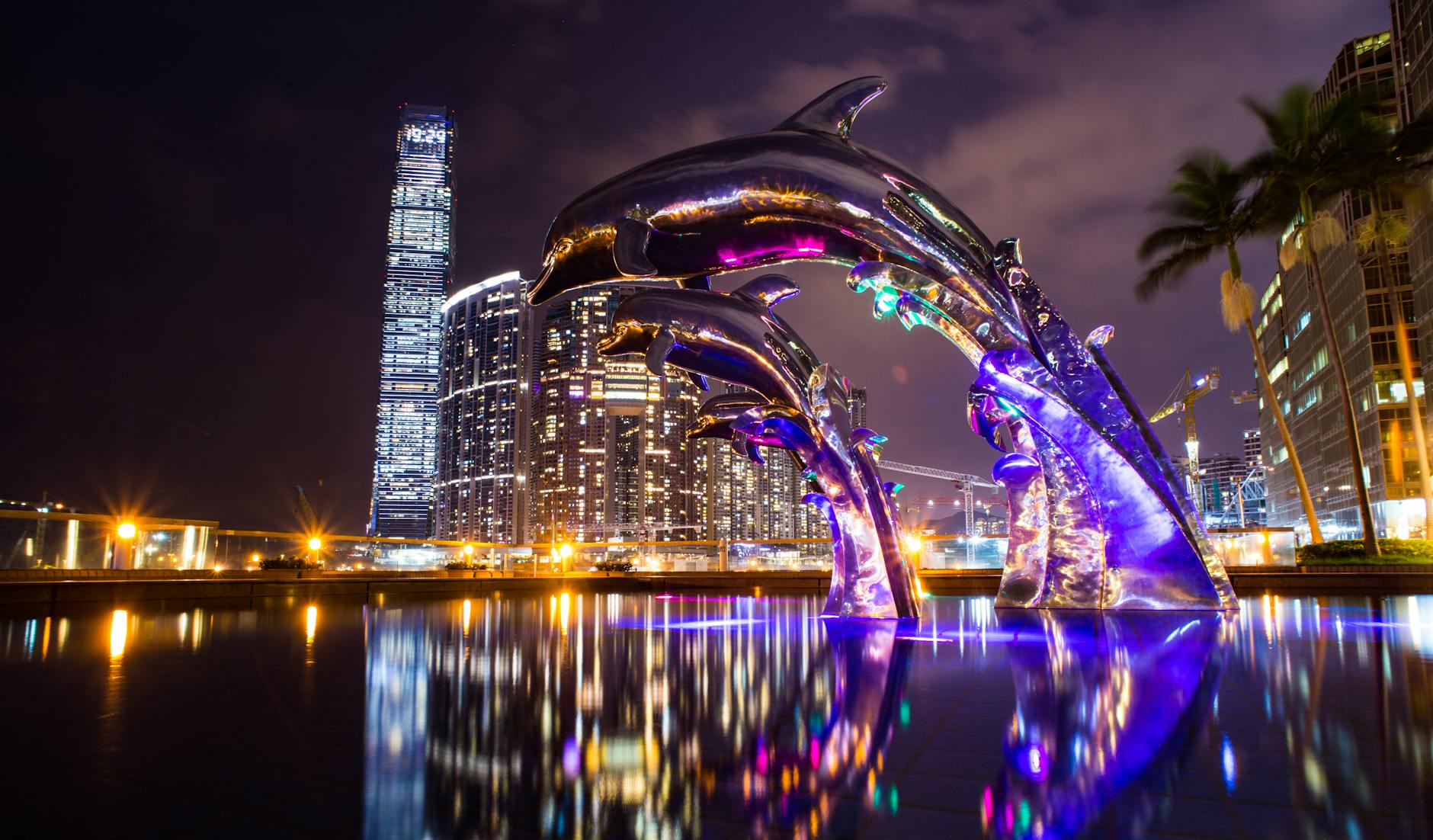
    Discover Dynamic Hong Kong in 2025: A Fusion of Tradition and Modernity

    Introduction

    Hong Kong is a city where the past and the future exist side by side, creating a unique tapestry of culture, modernity, and a vibrant lifestyle. As a bustling metropolis known for its iconic skyline, rich history, and culinary diversity, Hong Kong offers an incredible array of experiences that can be discovered over five exciting days. Each day presents an opportunity to immerse oneself in the sights, sounds, and flavors that define the city. From ancient temples and traditional markets to cutting-edge architecture and innovative technology, this journey through Hong Kong showcases the harmonious blend of tradition and innovation. As we delve into the highlights of each day, we will explore how these elements interact to create an unforgettable experience for both locals and tourists alike.

    Exploring Cultural Heritage: Temples and Traditional Markets

    When wandering through the streets of Hong Kong, one cannot help but notice the presence of its rich cultural heritage, intertwined with the fabric of modern life. Amidst the towering skyscrapers, there are pockets of history that reveal the city’s deep-rooted traditions. Key to understanding this heritage are the temples and traditional markets that dot the cityscape.

    One of the most significant temples is Wong Tai Sin Temple, famous for its ability to grant wishes. The colorful architecture and stunning decorations offer visitors a glimpse into the spiritual practices of the region. Observing worshippers engaging in rituals, lighting incense, and consulting fortune tellers provides an authentic insight into the beliefs that shape the lives of many Hong Kong residents. The temple’s vibrant atmosphere is accentuated by the scent of incense and the sound of bells ringing, creating a sensory experience that transports visitors back in time.

    Aside from Wong Tai Sin, Man Mo Temple, dedicated to the gods of literature and war, offers another traditional experience. Nestled amidst the busy streets of Sheung Wan, this temple represents the historical significance of education and honor in Chinese culture. The intricately carved wooden altar and elaborate incense coils hanging from the ceiling contribute to a serene ambiance, inviting visitors to reflect and appreciate the cultural symbolism embedded in this sacred space.

    In addition to temples, traditional markets like the Wong Tai Sin Market and the Temple Street Night Market offer a taste of everyday life in Hong Kong. These bustling areas are alive with the chatter of vendors, the sizzling sounds of street food cooking, and the vibrant colors of fresh produce and traditional handicrafts. By exploring these markets, visitors can engage with locals, taste regional delicacies like dim sum and egg tarts, and shop for unique souvenirs. The dynamic atmosphere fosters a sense of community and highlights the city’s approach to balancing tradition with everyday modern living.

    As you stroll through the streets lined with stalls, take note of the variety of goods available. From jade jewelry to traditional Chinese medicinal herbs, each item tells a story of age-old practices and local craftsmanship. The markets present a perfect opportunity to interact with local artisans who are keen to share the histories of their trades, providing visitors an engaging, personal connection to the traditions they represent.

    Through this exploration of cultural heritage, one can appreciate not just Hong Kong’s historical context but also how its citizens maintain these traditions within the contemporary landscape. This fascinating juxtaposition offers invaluable insights into the identity and spirit of Hong Kong, setting the stage for a day filled with rich experiences that seamlessly weave together the old and the new.

    The Urban Landscape: Skyscrapers and Modern Architecture

    In stark contrast to the vintage charm of its temples and markets, Hong Kong boasts a skyline that is the pinnacle of modern architectural achievement. This urban landscape, characterized by a remarkable array of skyscrapers, not only reflects the city’s rapid economic growth but also showcases the creativity and innovation of contemporary architecture.

    The iconic International Commerce Centre (ICC), standing at 484 meters, serves as a milestone in Hong Kong’s architectural progression. The ICC is not just the tallest building in the city; it symbolizes the ambition that drives this metropolis forward. Its sleek design, coupled with a variety of facilities including luxury hotels, offices, and observation decks, offers visitors a multifaceted experience. The Sky 100 observation deck, located on the 100th floor, provides panoramic views of Victoria Harbour and the surrounding urban sprawl. On a clear day, the view extends beyond the horizon, allowing one to appreciate the intricate layout of the city, with its harmonious fusion of land and sea.

    Adjacent to the ICC, the innovative design of the Hong Kong International Financial Centre (IFC) is another testament to the city’s progress. Featuring a modern glass façade and a vibrant shopping mall, the IFC presents a lively social scene while standing as a hub for international business. On the lower levels, high-end boutiques and gourmet dining experiences attract locals and tourists alike, making this location a focal point for those looking to indulge in luxury.

    Exploring the architectural wonders of Hong Kong also involves a visit to the Central Plaza, which, with its distinctive triangular shape, provides an interesting element to the skyline. The central location of Central Plaza makes it not only a feat of modern design but also an integral part of the city’s transportation framework. The building’s observation deck and unique features, like the animated LED lighting system, further enhance its reputation as a landmark.

    Furthermore, Hong Kong’s commitment to sustainable architecture is exemplified in the design of the Environmental Protection Department Headquarters. This building illustrates how innovation can coexist with environmental consciousness, featuring energy-efficient systems and a green roof. As the city looks toward the future, such projects represent a significant step forward in making urban living more sustainable.

    While exploring these architectural marvels, one realizes that skyscrapers in Hong Kong are not just functional buildings; they are symbols that reflect the city’s aspirations and character. Each tower, with its unique design and purpose, tells a story of growth and resilience. Whether through the lens of viewing platforms or immediate proximity, each structure contributes to the urban symphony that defines Hong Kong.

    The urban landscape captures the essence of a city that is constantly evolving, striving towards greater heights both literally and metaphorically. Our exploration of this modern architectural wonder serves as a reminder of the limitless possibilities of innovation, making a poignant contrast to the rich cultural heritage found just blocks away.

    Culinary Delights: A Fusion of Flavors

    A visit to Hong Kong would be incomplete without indulging in its culinary offerings, which are a vibrant fusion of local and global flavors. The city’s food scene is a rich tapestry woven from traditional Chinese culinary practices intermingled with influences from around the world, reflecting Hong Kong’s status as a crossroads of cultures.

    Dim sum, a traditional Cantonese style of cuisine, is perhaps Hong Kong’s most famous culinary contribution. The experience of enjoying dim sum goes beyond just the food; it is an integral part of social life for residents. Restaurants throughout the city, from Michelin-starred establishments to quaint tea houses, serve a delectable variety of steamed buns, dumplings, and pastries, all of which carry their own unique flavor profiles. Each bite is a celebration of the city’s culinary heritage, crafted meticulously and presented beautifully.

    Taking part in a traditional dim sum brunch at a bustling tea house in the heart of the city is a quintessential Hong Kong experience. Diners are greeted by the sight of trolleys filled with steaming bamboo baskets, each containing an array of dim sum delicacies. The ritual of choosing from the carts adds an interactive element to the dining experience, allowing for the discovery of new favorites with every visit.

    Beyond dim sum, Hong Kong’s culinary landscape also embraces an array of international cuisines, demonstrating the city’s multicultural fabric. The neighborhood of Tsim Sha Tsui is a premier destination for food lovers, offering everything from authentic Thai to contemporary Japanese fusion dishes. Restaurants like Ichiran Ramen provide a unique way to engage with food, as diners enjoy their meals in private booths, offering an immersive and personal experience.

    The market scene further reflects the diversity of culinary offerings in Hong Kong. Local markets brim with fresh produce, live seafood, and aromatic spices, integral to both everyday cooking and celebrated dishes. The Graham Street Market, one of the oldest in the city, showcases the vibrant colors and sounds synonymous with market life. Visitors can sample street food delicacies such as fish balls, stinky tofu, and egg waffles, each capturing the essence of Hong Kong’s bustling atmosphere.

    Hong Kong is also home to some of the world’s most esteemed chefs and restaurants, earning the city its reputation as a culinary capital. The annual Asia’s 50 Best Restaurants awards reflect this status, with several establishments ranked among the world’s finest. Celebrity chefs continue to push the boundaries of traditional cuisine, introducing innovative techniques and flavors that elevate local dishes to new heights.

    This culinary exploration highlights how Hong Kong’s food scene is a melting pot of tradition and innovation. Each dish served reflects the city’s history, its cultural influences, and its ongoing evolution. As we indulge in the diverse flavors of Hong Kong, we not only satisfy our palate but also connect with the stories and cultures that shaped this vibrant city.

    Nature Retreats: Parks and Scenic Views

    Despite its reputation as a bustling urban center, Hong Kong is surprisingly rich in natural beauty, offering an escape from the frenetic pace of city life through its parks and scenic vistas. Nature retreats are integral to the Hong Kong experience, providing residents and visitors alike with serene spaces to reconnect with the natural world.

    One of the most celebrated green spaces is Victoria Park, situated in Causeway Bay. This lush oasis serves as a community hub, with locals participating in tai chi, jogging, and socializing amid winding pathways and beautiful floral displays. The park’s spacious layout allows for numerous recreational activities, from traditional Chinese exercises to open-air concerts. Visitors can enjoy the scenic views of the surrounding skyscrapers juxtaposed with the tranquility of nature, making it a perfect spot for relaxation and reflection.

    The Hong Kong Park is another gem that combines nature and modern design. Nestled in the heart of the city, the park features a stunning conservatory and a historical reservoir. Strolling through its pathways lined with tropical plants and water features, one can find respite from the urban hustle. The aviary is particularly noteworthy, housing a variety of exotic birds, and provides an educational experience, highlighting the importance of conservation amidst urban development.

    To experience the breathtaking views of Hong Kong from above, a hike to Victoria Peak is essential. The Peak offers an unrivaled vantage point of the city and the surrounding harbor, particularly stunning during sunrise or sunset. The Peak Tram ride adds to the adventure, providing a unique perspective as visitors ascend steeply, offering glimpses of the city below. Once at the top, the panoramic view of the skyline against the picturesque backdrop of mountains and sea leaves an indelible impression.

    For those seeking a more rugged experience, the Dragon’s Back Hiking Trail is among the most popular outdoor activities in Hong Kong. This scenic trail takes hikers along ridges and hillsides, providing breathtaking views of the coastline and lush greenery. With varying levels of difficulty, the trail accommodates both seasoned hikers and casual walkers, encouraging everyone to appreciate the natural wonders that lie just beyond the urban landscape.

    Additionally, the Lai Chi Wo Heritage Trail offers a unique opportunity to explore the cultural aspect of nature by visiting an ancient Hakka village. Surrounded by traditional agriculture and mangroves, the trail showcases the relationship between the land and the local inhabitants, emphasizing sustainable living practices.

    As we explore these nature retreats, we come to realize that Hong Kong is not just a concrete jungle; it is an environment that celebrates the delicate balance between urban development and natural preservation. The parks and trails throughout the city honor the importance of green spaces and their role in enhancing the quality of life, offering serene escapes that complement the vibrant energy of city living.

    The Future of Hong Kong: Innovation and Technology

    As we look towards the future, Hong Kong is at the forefront of innovation and technological advancement, positioning itself as a leading global hub for technology and entrepreneurship. The city’s economic landscape is rapidly evolving, with a strong emphasis on integrating innovative technologies into various sectors.

    The Hong Kong Science and Technology Parks Corporation plays a pivotal role in fostering innovation, providing a platform for startups, entrepreneurs, and researchers. This hub brings together talent and resources, facilitating collaboration among various industries, including biotechnology, artificial intelligence, and fintech. Through initiatives and funding support, Hong Kong continues to cultivate a thriving ecosystem that attracts international businesses and professionals eager to contribute to the city’s growth.

    One area where Hong Kong excels is its emphasis on fintech. The city has positioned itself as a leader in the financial services industry, embracing digital currency, blockchain technology, and mobile payment solutions. With a high percentage of the population utilizing mobile banking and payment apps, Hong Kong serves as a living laboratory for fintech innovations. Initiatives such as the Hong Kong Monetary Authority’s Fast Payment System have significantly enhanced the speed and efficiency of transactions, reinforcing Hong Kong’s status as a global financial hub.

    In addition, the city’s commitment to smart city initiatives reflects its vision for future development. Projects aimed at integrating technology into everyday infrastructure are designed to improve the quality of life for residents. From smart traffic management systems that optimize flow to energy-efficient buildings equipped with the latest technologies, Hong Kong is actively working towards becoming a smarter, more sustainable city.

    Moreover, the burgeoning startup culture has gained momentum, giving rise to a vibrant community of innovators. Co-working spaces and incubators have sprung up across the city, nurturing talent and providing budding entrepreneurs with the tools they need to launch successful ventures. The annual Hong Kong Fintech Week exemplifies this movement, attracting global participants and fostering dialogue about innovation in finance and technology.

    The education sector is also adapting to ensure future generations are equipped with the skills necessary to thrive in a technology-driven world. Initiatives promoting STEM education and coding programs are now embedded in school curriculums, preparing students to navigate the challenges of an increasingly digital landscape. Collaboration between educational institutions and industry players ensures that the workforce is ready to meet the demands of the evolving job market.

    As we explore the confluence of tradition and innovation in Hong Kong, it becomes evident that the city embraces change while respecting its roots. This commitment to technological advancement isn’t just about modernization; it underscores a desire to improve lifestyle, economy, and the environment. Hong Kong is decidedly poised to shape the future, all while maintaining a balance between its rich heritage and forward-thinking vision.

    Conclusion

    As our journey through Hong Kong comes to a close, we reflect on the remarkable interplay between tradition and innovation that permeates every aspect of the city. From the cultural heritage showcased in its temples and markets to the modern architectural marvels that grace its skyline, each element contributes to the captivating narrative of Hong Kong.

    The culinary delights tell their own story, blending flavors and practices that highlight the city’s rich diversity and multicultural influences. Meanwhile, the serene parks and retreats remind us of the natural beauty that coexists within this urban landscape, providing much-needed spaces for tranquility and reflection.

    As we step into the future, it is clear that Hong Kong is on an exciting trajectory of growth and transformation. The commitment to innovation and technology positions the city as a global leader, ensuring it continues to evolve while honoring the traditions that define its identity.

    In conclusion, experiencing five days in Hong Kong reveals an intricate tapestry of history, culture, and modernity. The adventures we take, the flavors we savor, and the explorations we undertake deepen our understanding of this vibrant city. Hong Kong serves not only as a destination but also as a living lesson on the importance of balancing heritage with progress, making it a place where tradition genuinely meets innovation.

  • Experience Elegant Vienna’s Culture and Cuisine in 3 Days

    Experience Elegant Vienna’s Culture and Cuisine in 3 Days

    Introduction

    Elegant Vienna, the enchanting capital of Austria, is a city steeped in history, renowned for its remarkable blend of culture, architecture, and a rich culinary landscape. In just three days, visitors can experience its vibrant coffee culture, majestic castles, and artistic heritage. The city’s imperial past is evident in its stunning palaces, while modern-day Vienna showcases a burgeoning arts scene and an exceptional gastronomic variety. Each district offers a unique glimpse into this fascinating city, with layers of history woven into its streets and buildings. Whether you’re sipping a coffee in a historic café, wandering through the Schönbrunn Palace gardens, or enjoying a concerto at the Vienna State Opera, the city provides an unforgettable experience. This article will guide you through an ideal three-day itinerary to help you uncover the essence of Vienna, ensuring a memorable trip filled with culture, coffee, and castles.

    Discovering Vienna’s Historical Landmarks

    Vienna’s historical landmarks are essential to understanding the city’s rich cultural and political history. The first day of your Viennese adventure should begin with a visit to the iconic St. Stephen’s Cathedral (Stephansdom), a masterpiece of Gothic architecture that has been at the heart of Vienna since the 12th century. Its striking steeple dominates the skyline and is a recognizable symbol of the city. Visitors can climb the 343 steps to the top of the tower for a breathtaking panoramic view of Vienna. Take a moment to appreciate the intricate details of the façade and the majestic tiled roof that features the emblem of the city.

    Next, make your way to the Hofburg Palace, an immense complex that served as the winter residence of the Habsburg rulers. Here, you can explore the Austrian National Library, one of the most beautiful libraries in the world, with its stunning Baroque architecture. Don’t miss the Imperial Apartments, which offer an insight into the lavish lifestyle of the Habsburgs and showcase exquisite furniture, art, and personal belongings of emperors and empresses. The Hofburg is also home to the Sisi Museum, dedicated to Empress Elisabeth of Austria, commonly known as Sisi. Her fascinating life story is interwoven with Vienna’s history, making this museum a must-visit.

    As you stroll through the city center, the Graben and the Kärntnertor Theater beckon with their vibrant atmospheres. The Graben is a bustling street filled with shops, cafes, and historic buildings, including the Pestsäule, a commemorative column honoring the victims of the plague. Grab a traditional Viennese pastry as you soak in the lively street performances and people-watching opportunities.

    Continue your exploration by visiting the Vienna State Opera (Wiener Staatsoper), an architectural marvel in its own right. Known for its world-class performances, the opera house invites visitors to take guided tours that unveil the behind-the-scenes processes of staging operas and ballets. Be sure to check the schedule for any performances; attending a show here is a highlight of any trip to Vienna.

    After your cultural immersion, head to the Ringstrasse, a historic boulevard lined with impressive buildings that reflect the grandeur of the Austro-Hungarian Empire. Key landmarks along the Ring include the Austrian Parliament Building with its neoclassical facade adorned with statues, and the Vienna City Hall (Rathaus), a stunning example of Gothic architecture. Don’t forget to stop by Votivkirche, a neo-Gothic church just a short walk away, known for its intricately designed interior and beautiful stained glass.

    In the afternoon, visit the Belvedere Palace, a stunning baroque masterpiece that now houses an impressive collection of Austrian art, including works by Egon Schiele and Gustav Klimt. The gardens between the two palaces provide a perfect backdrop for a leisurely stroll, offering insights into the landscape design of the time.

    To cap off your day, consider a relaxing evening in one of the local wine taverns (Heurige) or a classic Viennese restaurant, savoring traditional dishes such as Wiener Schnitzel accompanied by a glass of local wine.

    Exploring Vienna’s historical landmarks lays an essential foundation for your understanding of its cultural richness. The grand architecture, combined with the stories infusing each site, creates an atmosphere that is both enchanting and educational, making your first day in the city unforgettable.

    Indulging in the Café Culture

    Café culture in Vienna is steeped in tradition and history, making it an essential part of the city’s identity. The second day of your exploration should be dedicated to discovering the charm of these historic establishments. Start your morning at Café Central, one of the most famous cafés in Vienna, known for its elegant atmosphere and as a former meeting point for literary figures such as Trotsky and Freud. Here, you can indulge in a classic Viennese breakfast featuring a flaky croissant and a café melange, a local coffee blend topped with frothy milk.

    Next, make your way to Café Sacher, where you can taste the legendary Sacher Torte, a chocolate cake layered with apricot jam and coated in dark chocolate. The café’s luxurious interior and the rich aroma of coffee provide a perfect setting to relax after a morning of exploring. As you savor your cake, take note of the café’s historical significance as the birthplace of this signature dessert.

    Venture further into the city to discover Café Landtmann, a favorite of locals and tourists alike. Situated near the Ringstrasse, this café has been serving patrons since 1873 and is renowned for its stylish ambiance and delicious cakes. As you enjoy a slice of apple strudel, observe the artistic decor and subtle buzz of conversation around you; it is the perfect blend of ambiance and hospitality.

    Don’t miss Café Hawelka, a more bohemian option that has refused to change its quintessential flair over the decades. The café’s warm, inviting space, filled with the scent of freshly brewed coffee, gets its charm from its eclectic decor and friendly service. The café is a favorite among artists and writers, making it a prime spot for creative inspiration. Engage with the locals, relish the atmosphere, and soak up the culture of the café scene.

    In the afternoon, consider taking a guided coffeehouse tour that introduces you to lesser-known cafés, showcasing their history and significance. Many of these establishments boast unique environments, from grand ballrooms to cozy corners, each with its own story to tell. Learn about the art of making the perfect cup of Viennese coffee, and discover how coffee houses have become places for intellectual discourse and creative expression over the centuries.

    As your day of café hopping comes to a close, make sure to visit Café Museum, known for its art nouveau design and association with famous artists. Sip on a cup of coffee while surrounded by artwork curated from some of Vienna’s best.

    In the evening, you might want to experience the jazzy vibes of Porgy & Bess, a famous jazz club that also serves meals. Enjoy live performances while mingling with locals as you round off your day inspired, relaxed, and full of delectable treats.

    Indulging in the café culture of Vienna provides a fulfilling way to engage with the city’s spirit. Each coffee house is a universe of its own, a social and historical hub where stories are exchanged over cups of coffee and delicious pastries. This experience not only satisfies your palate but also nourishes the soul, reflecting the unique charm of Vienna.

    Exploring the Palace and Gardens

    A visit to Vienna would be incomplete without dedicating time to exploring its stunning palaces and beautifully manicured gardens. Begin your day at Schönbrunn Palace, one of the most significant architectural, cultural, and historical monuments in Austria. This magnificent baroque palace once served as the summer residence of the Habsburg family, and it is a UNESCO World Heritage site that attracts millions of visitors yearly.

    Enter the grand palace to witness the exquisite rooms filled with opulent furniture and artworks that give a glimpse into imperial life. Among the highlights, the Great Gallery with its stunning ceiling frescoes and the lavish Hall of Mirrors showcase the grandeur that characterized the Habsburg court. Opt for an audio guide or join a guided tour that shares insights into the history of the palace and notable events that took place within its walls.

    After touring the interior, step outside to explore the expansive gardens that surround the palace. The gardens, designed in the 18th century, are a beautiful display of landscaping art. Stroll along tree-lined paths, vibrant flowerbeds, and perfectly trimmed hedges that evoke a sense of tranquility away from the city bustle. Reach the Gloriette, an impressive structure at the top of a hill from where you can enjoy spectacular views of the palace and the city beyond. It is a perfect spot for taking memorable photos or simply basking in the beauty of your surroundings.

    Next, make your way to the Belvedere Palace, a baroque jewel that consists of two palaces set amidst beautiful gardens. The Upper Belvedere houses an extraordinary collection of Austrian art, including Gustav Klimt’s famous piece, The Kiss. The rich history of the palace, combined with breathtaking works of art, makes for an enthralling visit. Take time to explore the gardens that connect the two palaces, where carefully arranged flowerbeds, fountains, and statues create a serene atmosphere for wandering and reflection.

    Spend the afternoon at Palace of Hofburg, where the Imperial Palace Gardens beckon for leisure. Designed in the Baroque style, the gardens are a peaceful retreat where visitors can relax among fountains and well-maintained greenery. The nearby Vienna Botanical Garden offers an enriching experience with its diverse plant species, greenhouses, and themed gardens, allowing for a delightful exploration of plant life from around the world.

    As the day progresses, consider visiting the Landschaftspark near the Danube Canal. This unique park combines gardens with art installations and recreational spaces, showcasing the city’s commitment to integrating nature with urban living. Renting a bike or jogging along the paths allows for a lively exploration of the park and the canal.

    To conclude your palace tour, enjoy a leisurely dinner near one of the palaces. Many local restaurants offer traditional Viennese cuisine, allowing you to relax and reflect on your day immersed in the splendor of Vienna’s regal past.

    Exploring the palaces and gardens of Vienna enables you to connect deeply with the history and culture of the former imperial city. The opulence, artistry, and precision displayed in both architecture and nature come together to create unforgettable experiences, making this part of the journey essential for anyone looking to understand the spirit of Vienna.

    Immersing in Artistic Experiences

    Vienna is a city bursting with artistic expression, characterized by a rich history of music, fine arts, and innovative performances. After indulging in the café culture and exploring majestic palaces, it’s time to immerse yourself in the artistic scene that sets Vienna apart.

    Start your artistic journey at the Kunsthistorisches Museum, one of the most prestigious art museums in the world. Housed in a stunning building inspired by Renaissance architecture, the museum showcases works from the old masters including Caravaggio, Titian, and Vermeer, as well as an impressive collection of Egyptian, Greek, and Roman antiquities. The opulence of the museum itself is an artwork, with grand staircases and ornate ceilings that awe visitors before they even step into the galleries. Opt for a guided tour or use an audio guide to enhance your understanding of the pieces on display, making your visit both educational and inspiring.

    Just a short walk away is the Albertina Museum, famous for its extensive collection of graphic arts and modern museum exhibitions. The museum houses works from artists such as Degas, Monet, and Picasso. One of its highlights is the “Hapsburg’s Collection,” which includes an impressive selection of drawings and prints. When you visit, make sure to explore the regal state rooms of the Albertina Palace, which contrast the modern art exhibitions within, creating a harmonious blend of old and new.

    In the afternoon, venture to the Museum Quarter (MuseumsQuartier), a cultural complex that houses various museums, galleries, and performance spaces. Here you can visit the Leopold Museum, known for its extensive collection of Austrian modern art, particularly works of expressionist artists like Egon Schiele and Gustav Klimt.

    As you stroll through the museum quarter, enjoy the vibrant atmosphere of artistic expression in the outdoor spaces. The area between the museums often plays host to installations, performances, and artistic showcases that create a lively ambience.

    No artistic exploration in Vienna would be complete without experiencing its music scene. In the evening, attend a performance at the Vienna State Opera or the Musikverein, the home of the renowned Vienna Philharmonic Orchestra. Booking tickets in advance is highly recommended, as prestigious performances often sell out quickly. The extraordinary acoustics in these venues and the stunning architecture will enhance your appreciation of the music, whether you’re listening to classical operas or orchestral concerts.

    For a more casual yet equally enriching experience, consider visiting local venues like Haus der Musik, an interactive sound museum that allows visitors to engage with music through innovative installations. It provides insights into the world of sound and showcases the work of famous composers, including Mozart and Strauss, with engaging exhibits that educate visitors in a fun way.

    End your artistic day with a visit to one of Vienna’s vibrant contemporary art galleries, such as Galerie Krinzinger or Contemporary Art Club, where local and international artists showcase their cutting-edge work. Such galleries often feature emerging artists and innovative pieces that provide fresh perspectives on contemporary art.

    Immersing yourself in Vienna’s artistic experiences is not just about observing art, but engaging with the vibrant culture that has shaped the city. From historic masterpieces to contemporary expressions, art in Vienna lives and breathes, inviting you to discover and connect with the city’s rich cultural tapestry.

    Enjoying the Culinary Delights

    Vienna’s culinary scene is as rich and diverse as its history, making it an integral part of the experience. Your last day in this magnificent city should be dedicated to savoring its culinary delights, from traditional Austro-Hungarian dishes to innovative contemporary fare.

    Begin your day with a visit to a local Naschmarkt, a vibrant market brimming with fresh produce, spices, and international delicacies. The market dates back to the 16th century and today features a plethora of food stalls and small eateries offering everything from traditional Viennese breakfast items to exotic street food. Sample local cheeses, cured meats, or freshly baked goods as you stroll through the market, interacting with local vendors and soaking in the lively atmosphere.

    After exploring the market, treat yourself to a meal at one of Vienna’s historic Viennese restaurants. A classic must-try dish is Wiener Schnitzel, a breaded and fried veal cutlet that embodies the city’s culinary tradition. Enjoy this dish at establishments like Figlmüller, widely celebrated as one of the best places to indulge in this culinary classic. Pair your schnitzel with a refreshing local beer or a glass of white wine from the nearby Wachau region, known for its excellent Grüner Veltliner.

    In the afternoon, delve into Vienna’s renowned coffee and pastry scene. Make your way to Demel, a historic pastry shop and chocolaterie that has been delighting customers since 1786. Here, indulge in a delectable selection of pastries, including Apfelstrudel and Sachertorte, while enjoying your coffee in the ornate café setting. As you savor your treats, take a moment to appreciate the elegant ambiance that echoes Vienna’s imperial past.

    For a contemporary dining experience, consider making a reservation at one of Vienna’s trendy restaurants, such as Steirereck or Mraz & Sohn, known for their innovative dishes that showcase local produce and modern culinary techniques. Steirereck, located in Stadtpark, has earned two Michelin stars and features dishes that blend tradition with creativity, providing an unforgettable dining experience.

    As the day draws to a close, unwind at a local wine tavern (Heurige), where you can experience a relaxed atmosphere and enjoy local wine and traditional food. These taverns typically serve seasonal dishes made from locally sourced ingredients, allowing you to relish the flavors of Vienna while mingling with locals. This casual setting is the perfect way to reflect on your culinary journey throughout the city.

    Don’t forget to explore the diverse range of international dining options that reflect Vienna’s multicultural society. You can find everything from Italian and Asian cuisines to Middle Eastern and gourmet vegan establishments. Each restaurant tells a story, connecting you to the global influences that have shaped the city’s dining culture.

    Experiencing the culinary delights of Vienna encompasses not just the food but the cultural connections that come with it. Each meal tells a story and reflects the rich heritage of the city, creating memories that will linger long after your visit. As you savor the flavors and aromas of Vienna, you’ll carry a piece of its culinary artistry back with you, making your journey truly unforgettable.

    Conclusion

    As your three-day adventure in Vienna comes to an end, it’s time to reflect on the experiences that have filled your days with culture, coffee, and castles. From the magnificent historical landmarks that narrate the city’s storied past to the delightful cafés where the coffee culture thrives, every aspect of your visit has contributed to a deeper understanding of what makes Vienna special.

    The majestic palaces and lush gardens you explored revealed the grandeur of the Habsburgs, while the artistic experiences allowed you to immerse yourself in the creativity that permeates the city. Each museum, concert, and gallery visit enriched your connection with Vienna’s vibrant cultural tapestry.

    Finally, the culinary delights you savored showcased not just traditional Viennese fare but also the innovative dining options that reflect the city’s contemporary spirit. Your taste buds have been treated to the various flavors that Vienna offers, from its iconic pastries to its exquisite wine.

    As you depart, carry the memories of Vienna’s elegance and charm with you. The city’s harmonious blend of history, culture, and gastronomy ensures that your heart remains connected to this stunning capital long after you leave. Until your next visit, may the spirit of Vienna continue to inspire you in your everyday life.

  • Meteora, Greece 2015: The Majestic Monasteries on Rock Pillars
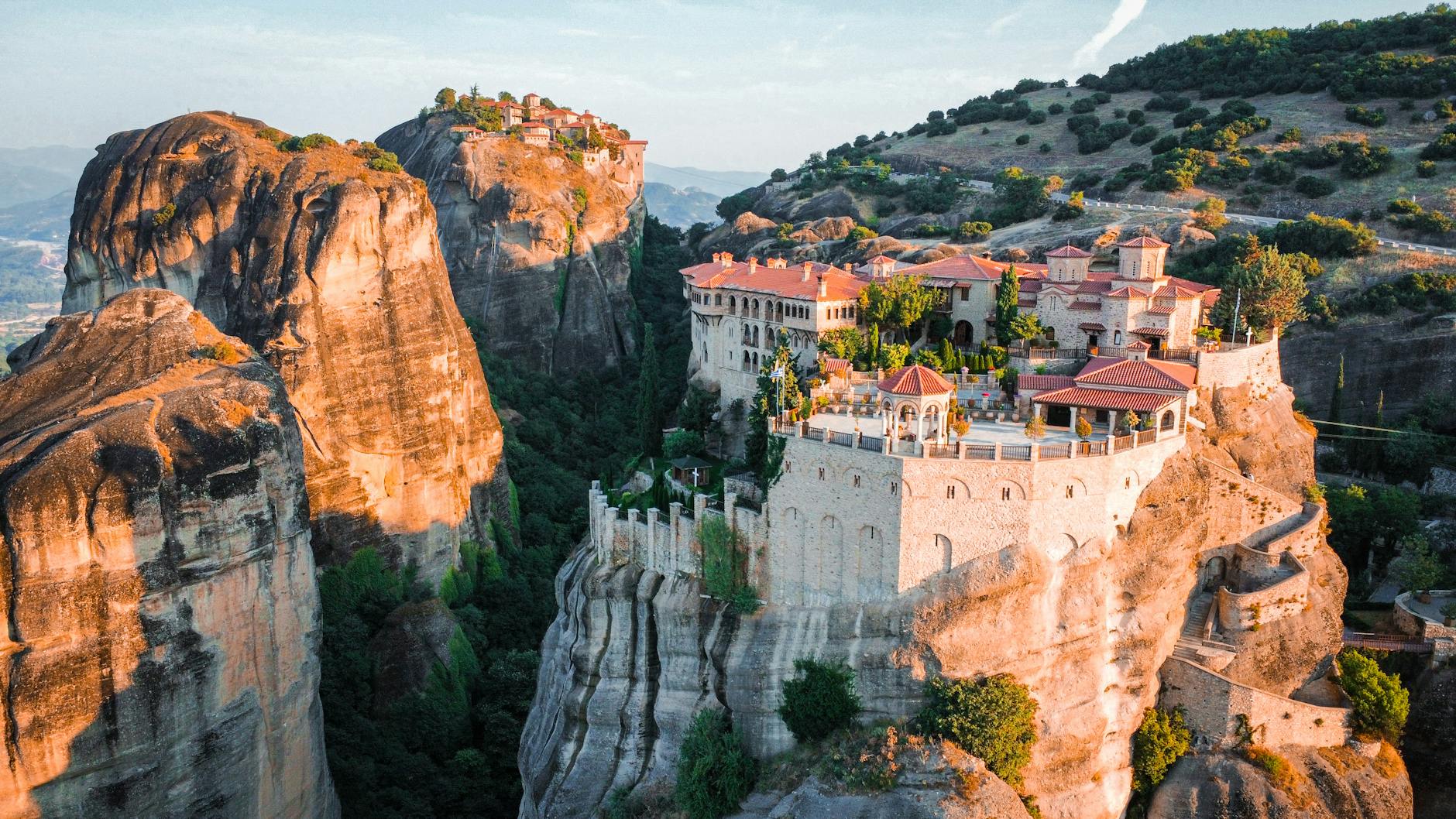
    Meteora, Greece 2015: The Majestic Monasteries on Rock Pillars

    Introduction

    Meteora, located in central Greece, is an awe-inspiring destination known for its striking monasteries nestled atop towering rock pillars. While often overshadowed by more famous sights in Greece, such as Santorini and Athens, Meteora dazzles with its unique blend of natural beauty, rich history, and profound spirituality. The name “Meteora,” meaning “suspended in the air,” aptly describes the breathtaking setting of these monasteries, which sit high above the landscape, providing both solitude and panoramic views. Founded in the 14th century, Meteora’s monasteries served as sanctuaries for monks seeking a life of prayer and contemplation, away from the distractions of the world. In this article, we will delve into the unique geography of the area, the historical context of the monasteries, their architectural significance, the spiritual practices of the monks, and practical tips for visitors eager to uncover the wonders of this remarkable region.

    The Unique Geography and Formation of Meteora

    Meteora’s dramatic landscape is one of its most captivating features, marked by massive rock formations that rise abruptly from the Thessalian plain. These natural pillars, comprised mainly of conglomerate rock, have been sculpted over millions of years through geological processes such as tectonic uplift and erosion. The result is a breathtaking panorama of towering cliffs that reach heights of nearly 400 meters, providing an awe-inspiring backdrop for the monasteries that grace their summits.

    The geological history of Meteora can be traced back to the Late Miocene epoch, approximately 60 million years ago. Tectonic movements caused the land to shift and thrust upward, exposing the conglomerate rocks formed from sedimentary materials. The process of erosion, driven by wind, water, and temperature variations, further shaped the landscape into the unique formations we see today. As softer rock layers were removed, the harder conglomerate rock emerged into towering columns, creating a rugged terrain that is both striking and surreal.

    The formation of these towering pillars offered a perfect opportunity for the establishment of monasteries. The monks, seeking solitude away from the distractions of the world, recognized the geographic advantages of these high locations. The elevation not only provided security but also a vantage point from which to connect with the divine, allowing them to rise closer to Heaven both literally and metaphorically. The perception of the natural world as a manifestation of the divine complements the spiritual mission of the monks, who sought to cultivate a closer relationship with God.

    In addition to their stunning aesthetics, the rock formations of Meteora are rich in biodiversity. The variations in altitude and microclimates create a range of habitats that support diverse flora and fauna, some of which are endemic to the region. The unique ecosystems provide an opportunity for visitors to appreciate not only the visual beauty of Meteora but also its ecological significance. Hiking trails through the landscape allow for exploration of its various habitats, making it a popular destination for nature enthusiasts and those seeking spiritual rejuvenation alike.

    Furthermore, the breathtaking views from the summit of the rock pillars offer perspectives that inspire reflection and tranquility. Visitors often find themselves captivated by the beauty of the surrounding landscapes, which can serve as a reminder of the vastness of creation and the majesty of the natural world. The setting sun casting golden hues across the rock formations is a sight that leaves an indelible imprint on the heart and mind, inviting contemplation and peace.

    Overall, the unique geography and formation of Meteora are integral to the character and allure of this remarkable region. The combination of natural beauty, spiritual significance, and ecological diversity creates an inviting atmosphere for both reflection and exploration. As we continue to delve into the history and culture of the Meteora monasteries, we will discover how this extraordinary geography has shaped the lives and spiritual practices of the monks who have called this place home for centuries.

    Historical Significance of the Meteora Monasteries

    The historical significance of the Meteora monasteries is a reflection of a tumultuous period in Greek history, marked by the decline of the Byzantine Empire and the rise of Ottoman rule. Founded in the 14th century, these monasteries became bastions of the Orthodox Christian faith, preserving cultural identity and providing spiritual refuge during turbulent times.

    The first monks arrived at Meteora during the 14th century, drawn by the stunning landscape and the desire for a secluded life dedicated to prayer and contemplation. The earliest of these monasteries, the Great Meteoron, was established by Athanasios the Meteorite in 1344. Athanasios sought to create a monastic community that adhered to the strict ascetic principles of the Byzantine tradition. As other monks followed suit, additional monasteries were constructed over the ensuing decades, each contributing to the vibrant monastic community that flourished atop the rock pillars.

    At the time of their founding, Greece was experiencing significant sociopolitical changes. The fall of Constantinople in 1453 marked the beginning of Ottoman domination, which brought challenges to Orthodox Christians. The Meteora monasteries served as sanctuaries for the faith, providing a space where spiritual life could continue despite external pressures. The monks played an essential role in preserving Greek language, culture, and religious practices during a period when such traditions were at risk.

    Moreover, the Meteora monasteries became centers of learning and scholarship. Monks engaged in the transcription of religious texts, preserving and disseminating the teachings of the Orthodox Church. The libraries of the monasteries housed important manuscripts, some of which continue to serve as valuable resources in the study of Byzantine history and spirituality. These monastic libraries became jewels of knowledge, safeguarding the intellectual and spiritual heritage of Greece against the backdrop of changing times.

    The monasteries also contributed to the local community, providing agricultural products, education, and support. Monks engaged in various crafts and trades, such as carpentry and iconography, ensuring that the monasteries could sustain themselves while also improving the quality of life for the surrounding population. As a result, the monasteries played a vital role in the economic and social fabric of the region.

    Despite the trials faced throughout the centuries, including invasions, earthquakes, and the challenges of modernization, the Meteora monasteries have demonstrated remarkable resilience. Many structures suffered damage but have been lovingly restored through the efforts of the monastic community and various conservation organizations. The commitment to preserving these sacred places reflects the enduring significance of Meteora in the collective consciousness of the Greek people.

    Today, the Meteora monasteries are recognized as a UNESCO World Heritage Site, showcasing not only their architectural beauty but also their cultural and historical importance. They symbolize the intersection of nature, spirituality, and human creativity, inviting visitors to explore both the physical and spiritual landscapes of the region.

    The historical significance of the Meteora monasteries is deeply rooted in the socio-political context of Greece throughout the centuries. These monastic communities have endured challenges while serving as bastions of faith, culture, and scholarship. As we continue our exploration of Meteora, we will delve deeper into the architectural elegance and design of the monasteries, each of which tells its own story of devotion and resilience.

    Architectural Marvels: The Design and Construction of the Monasteries

    The architectural marvels of Meteora are an extraordinary testament to human ingenuity and creativity. The monasteries, perched precariously atop towering rock pillars, exemplify a distinct blend of Byzantine and local architectural styles, with features that reflect the monks’ dedication to their faith and the challenges of their environment.

    The construction of these monasteries began in the 14th century, driven by the monks’ desire to create sanctuaries that embodied their spiritual aspirations. The sheer logistics of building atop these towering cliffs were daunting. The monks had to utilize rudimentary tools and resources found in their immediate surroundings, which made construction both a labor-intensive and time-consuming endeavor. Stone and timber sourced from the surrounding area were used extensively, ensuring that the monasteries harmonized with the natural environment that cradled them.

    The architectural design of the Meteora monasteries is characterized by their imposing yet graceful forms. Many of the structures feature a quadrilateral arrangement, with the central church surrounded by monastic cells and communal spaces. The main church, often adorned with intricate frescoes and iconography, serves as the heart of the monasteries where communal prayer and worship occur.

    Frescoes and mural paintings cover the interiors of the monasteries, depicting biblical scenes and the lives of saints. These vibrant artworks serve both aesthetic and didactic purposes, conveying spiritual narratives and inviting contemplation among the faithful. The painters employed techniques that employed brilliant colors and intricate details, often taking years to complete a single work. Today, these frescoes stand as a testament to the artistry and dedication of the monks, offering a glimpse into the Orthodox Christian tradition and providing insight into the theological beliefs of the time.

    One of the most remarkable aspects of Meteora’s architecture is the use of natural elements within the designs. The layout of the monasteries takes full advantage of the unique features of the rock formations, with many structures appearing to grow from the cliffs themselves. Balconies and terraces extend from the buildings, offering spectacular views of the surrounding landscape. These open spaces not only serve practical purposes but also symbolize the connection between the earthly and divine without sacrificing the natural beauty that envelops them.

    The Monastery of the Great Meteoron, the largest and oldest of the Meteora monasteries, exemplifies the blending of architectural styles characteristic of the region. It features a well-planned courtyard, stone arches, and a large church adorned with remarkable frescoes. The combination of Byzantine and Gothic influences, noticeable in the pointed arches and intricate carvings, demonstrates the confluence of artistic ideas that flourished throughout the centuries.

    Additionally, the construction of the monasteries exemplifies a deep understanding of the natural world and its elements. The monks used innovative techniques to stabilize structures against the forces of nature. Diligent craftsmanship ensured that the monasteries could endure erosion and maintain their integrity against high winds and heavy rainfall.

    Despite the hardships and challenges of their environment, the monks succeeded in creating a harmonious blend of architecture and nature. The monasteries rise majestically from the rock pillars, a breathtaking sight that draws admiration from visitors around the world. The beauty of Meteora’s architecture is not only in its design but also in its deep connection to the spiritual mission of the monks, who sought to create places where they could draw closer to God.

    The design and construction of the Meteora monasteries are a testament to the dedication and creativity of the monks who built them. The harmonious blend of architectural elements, stunning frescoes, and the natural beauty of the surrounding landscape imbue these structures with a sense of spirituality and reverence. As we continue to explore the significance of Meteora, we will delve into the spiritual practices and daily life of the monks, uncovering the essence of this remarkable monastic community.

    Spiritual Importance and Daily Life in Meteora

    The spiritual importance of Meteora is deeply intertwined with the daily lives of the monks who reside in the monasteries. These sacred spaces serve as retreats from the world, allowing the monks to dedicate themselves fully to a life of prayer, contemplation, and community. The daily routines and practices of the monks reflect their commitment to their faith and the monastic tradition they uphold.

    At the center of monastic life in Meteora is the practice of prayer. The monks observe the Divine Office, a schedule of prayers and services that mark the hours of the day. This practice includes matins (morning prayers), hours, and vespers (evening prayers) as well as the celebration of the Divine Liturgy, which is the central act of worship in the Orthodox Church. The communal nature of the service reinforces the bonds of brotherhood among the monks, as they gather to seek spiritual connection and encouragement with one another.

    The morning silence in the monasteries is a time for personal reflection and meditation. Monks often take this opportunity to engage in individual prayer or study the Scriptures, allowing for a deepening of their understanding and relationship with God. The tranquil surroundings of Meteora, with its stunning vistas and the ever-present sounds of nature, provide an ideal backdrop for introspection and communion with the divine.

    In addition to prayer, the monks engage in manual labor as an expression of their faith. Manual labor holds a significant place in monastic life; it is considered a form of worship and discipline. Monks partake in various tasks, from maintaining the monastery grounds to farming and gardening. This connection to the earth serves to ground their spiritual practices and reinforces the idea that work and prayer are interconnected.

    The spiritual importance of Meteora extends beyond the monks themselves, as the monasteries serve as sanctuaries for people seeking solace and inspiration. Visitors are welcomed to participate in worship and experience the profound atmosphere of spirituality that the monks have cultivated over centuries. The monasteries are open to pilgrims, who often come to engage in their spiritual journeys, finding comfort and enlightenment within the sacred walls.

    Learning about the spiritual teachings and practices that define life in Meteora enhances the visitor experience, as many are moved by the dedication and devotion embodied by the monks. Discussions with the monastic community may foster deeper connections and revelations, illustrating how spirituality transcends individual lives and extends into the broader fabric of society.

    Additionally, the monasteries often maintain libraries filled with ancient texts and religious writings, preserving the rich history of Orthodox Christianity. Monks serve as guardians of this knowledge, ensuring the teachings of the faith remain accessible for future generations. The intense study and devotion to these texts exemplify the commitment of the community to safeguarding their heritage and nurturing spiritual growth.

    The spiritual importance of Meteora is woven into the daily lives of the monks who reside in the monasteries. Their commitment to prayer, work, and service fosters a profound connection between the natural world, human creativity, and the divine. The warm hospitality extended toward visitors encourages a spirit of contemplation and inspiration, reminding us of the timeless pursuit of spirituality that draws individuals to this sacred place. As we continue exploring Meteora, we will provide practical tips for visitors seeking to immerse themselves in the beauty and culture of this extraordinary region.

    Visitor Experience: Tips for Exploring Meteora

    Visiting Meteora is a journey that invites exploration, reflection, and a deeper understanding of one of Greece’s most extraordinary destinations. To fully appreciate the beauty of the monasteries and the surrounding landscape, visitors should consider several tips to enhance their experience and engagement with this remarkable site.

    1. Plan Your Visits to the Monasteries: Meteora is home to six active monasteries: the Great Meteoron, Varlaam, Rousanou, St. Nicholas Anapausas, Trinity, and Holy Spirit. Each monastery offers unique experiences, architectural features, and opportunities for spiritual reflection. Allocate sufficient time to visit each one, as the richness of their historical and artistic significance warrants thorough exploration. Check the opening days and hours in advance, as some monasteries may have different schedules.
    2. Dress Respectfully: As Meteora is primarily a monastic site, it is important to adhere to a dress code that reflects the sacred nature of the space. Men should wear long trousers and shirts with sleeves, while women should wear long skirts or dresses and cover their shoulders. Many of the monasteries provide wraps for visitors who may not be dressed appropriately, but coming prepared shows respect for the spiritual environment.
    3. Consider Guided Tours: If you’re unfamiliar with the region or want to gain deeper insights into the history, architecture, and spirituality of Meteora, consider joining a guided tour. Knowledgeable guides can offer valuable context and anecdotes that enrich your understanding of the monastic communities. Many tours include transportation and visits to multiple monasteries, allowing you to make the most of your time.
    4. Explore the Nature Trails: Beyond the monasteries, the natural beauty of Meteora is a major draw for visitors. Hiking trails wind through the cliffs, providing stunning views of both the rock formations and the valleys below. Make sure to wear sturdy shoes and bring water while exploring the trails, as they can be steep and rugged. Hiking allows for a more personal connection with the landscape, inviting moments of reflection as you immerse yourself in the beauty of nature.
    5. Engage with the Monastic Community: The monks and nuns of Meteora are often welcoming and willing to share their experiences and wisdom with visitors. Engage in respectful conversations, ask questions, and express your interest in their way of life. The stories and insights they offer can provide a unique perspective on monastic spirituality and the significance of the monks’ devotion.
    6. Stay Overnight: Spending a night or two in Meteora allows for a more immersive experience. Early mornings and late evenings often feature fewer crowds, allowing visitors to appreciate the tranquility and beauty of the monasteries. Witnessing the sunrise or sunset over the cliffs can be a breathtaking experience, with the colors reflecting off the rock formations creating an ethereal atmosphere.
    7. Practice Mindfulness: When exploring the monasteries and their surroundings, take moments to pause and reflect. Mindfulness and contemplation can deepen your connection to the spirituality of the region. Whether you are gazing at the intricate frescoes or overlooking the landscape from a high vantage point, allow yourself to absorb the beauty and tranquility present within the sacred spaces.
    8. Respect the Heritage: Finally, as you explore Meteora, remember to be mindful of the cultural and ecological significance of the area. Respect the rules of the monasteries, including photography guidelines and areas that may be off-limits. Adopting a posture of reverence and appreciation will enhance your experience and ensure the preservation of these remarkable sites for future generations.

    The visitor experience at Meteora offers a unique opportunity to connect with nature, history, and spirituality. By following these tips and engaging deeply with the landscape and monastic community, visitors can enrich their understanding of Meteora and cultivate lasting memories of this extraordinary destination.

    Conclusion

    Meteora, with its stunning monasteries built atop soaring rock pillars, is a destination that captivates the heart and soul. While often overshadowed by the more renowned Isle of Santorini and the historical significance of Athens, Meteora stands as a testament to the intersection of spirituality, history, and architectural ingenuity. The breathtaking landscapes, profound histories, and dedicated monastic communities make it a unique and enriching destination for visitors from around the world.

    The unique geography and formation of Meteora shape not only its visual beauty but also its spiritual ambiance, inviting individuals to connect with nature and explore the depths of their beliefs. The historical significance of the monasteries reveals lessons of resilience and dedication, preserving the Orthodox Christian faith during times of turbulence. The architectural marvels exemplify how humans can create sanctuaries that harmonize with their surroundings, showcasing artistry and devotion in every corner.

    As we dig deeper into the spiritual importance of Meteora, we recognize that the daily lives of the monks embody a commitment to prayer and community, offering visitors an invitation to embark on their own spiritual journeys. Sharing their sacred spaces with pilgrims enriches the cultural heritage of the region, illustrating how spirituality transcends individual lives and fosters a sense of interconnectedness.

    Finally, as travelers consider their own experiences in Meteora, practical tips can maximize their exploration and engagement with the beauty and culture of this extraordinary region. The combination of challenges and triumphs faced by the monks throughout history serves as a reminder of the resilience of the human spirit and the pursuit of spiritual growth.

    As we conclude our exploration of Meteora, we encourage all who are fortunate enough to visit this remarkable site to immerse themselves in its stories, engage with its beauty, and reflect on the enduring legacy of this sacred land.

    Meteora: The Incredible Cliff Monasteries Of Northern Greece | Video

    Meteora: The Incredible Cliff Monasteries Of Northern Greece | From the Mountains to the Shoreline

  • Explore Innovative Berlin: Top 5 Reasons to Visit Today

    Explore Innovative Berlin: Top 5 Reasons to Visit Today

    Introduction

    Berlin, the capital of Germany, is a city that perfectly encapsulates a blend of rich history, vibrant culture, and modern life. Known for its artistic spirit and diverse population, Berlin attracts millions of tourists each year. From the iconic Brandenburg Gate to the remnants of the Berlin Wall, the city serves as a living testament to both its past and present. Despite its historical significance, Berlin has a reputation for being a relatively affordable destination compared to other European capitals, making it an ideal location for travelers seeking both excitement and value. In this article, we will explore five compelling reasons why Berlin should be at the top of your travel bucket list, delving into its rich history, flourishing arts and culinary scenes, and beautiful green spaces.

    Rich History and Cultural Heritage

    Berlin’s history is a tapestry woven with stories of triumph, defeat, struggle, and resilience. Once divided by the infamous Berlin Wall, the city has transformed into a symbol of unity and freedom. Visitors can explore numerous historical sites that provide insights into the complex past of Berlin. Notably, the Brandenburg Gate stands as a monumental marvel, representing the reunification of East and West Berlin. Built in the 18th century, it has witnessed countless historical events, making it a must-visit for anyone traveling through the city.

    Another profound site is the East Side Gallery, a remaining stretch of the Berlin Wall that has been transformed into an open-air gallery. Here, over 100 artists from around the world have painted murals that echo themes of peace, freedom, and hope. The gallery serves not only as an artistic haven but also as a powerful reminder of the city’s divided past.

    Berlin is also home to the Holocaust Memorial, formally known as the Memorial to the Murdered Jews of Europe. This poignant site features 2,711 concrete slabs arranged in a grid pattern, creating an unsettling yet contemplative atmosphere. Visitors often recount feelings of isolation as they navigate the uneven pathways, prompting reflections on the atrocities of the Holocaust and its lasting impact on society.

    The Museum Island, a UNESCO World Heritage Site, presents a stunning collection of museums that showcase art and artifacts from various eras and cultures. These institutions include the Pergamon Museum, known for its stunning architectural reconstructions, and the Neues Museum, which houses an impressive collection of Egyptian artifacts, including the famous Bust of Nefertiti. The island’s central location along the Spree River makes it a picturesque spot for both learning and leisure.

    In addition to these historical landmarks, Berlin boasts a rich tapestry of cultural influences that have shaped its identity. The city’s diverse population has contributed to a multicultural atmosphere, where different languages, traditions, and festivals coexist. Events such as the Berlinale Film Festival, one of the most prestigious film festivals globally, draw filmmakers and fans from around the world, further enriching the cultural fabric of the city.

    Berlin’s historical significance is often best perceived through its vibrant street life. The city is dotted with remnants of its past, from Soviet-era architecture in former East Berlin to the neoclassical structures crafted during the Prussian Empire. Moving through neighborhoods like Mitte and Kreuzberg, visitors can observe statues, plaques, and modern artwork that coexist with age-old buildings, narrating the story of a city in constant evolution.

    In summary, Berlin’s rich history and cultural heritage are woven into the very fabric of the city. Every corner and every street speaks to the spirit of resilience and reinvention. As you walk through its streets, you can feel the profound historical narratives that have shaped not just Berlin, but the world at large. A visit to this remarkable city is an invitation to explore the depths of human experience, celebrate diversity, and appreciate the progress that continues to unfold in this thriving metropolis.

    Vibrant Arts Scene

    Berlin has established itself as a global center for the arts, attracting creative minds from all corners of the world. This vibrant arts scene pulsates through the city, manifesting itself in galleries, theaters, music venues, and street art. The eclectic nature of Berlin’s artistic expression lends an atmosphere of innovation and experimentation that is hard to find elsewhere.

    One of the defining features of Berlin’s arts scene is its plethora of contemporary art galleries. Areas such as Mitte and Kreuzberg are filled with spaces that showcase both established and emerging artists. Galleries like the Hamburger Bahnhof, a former railway station turned museum, house impressive collections of modern and contemporary art. Exhibitions rotate frequently, providing visitors with fresh perspectives and innovative works that challenge conventional boundaries. The city’s commitment to the arts is evident, as many galleries offer free admission or sliding scale pricing, making art accessible to everyone.

    Street art plays a significant role in Berlin’s artistic identity. The city’s walls are adorned with colorful murals, thought-provoking graffiti, and inspiring installations. Artists like Banksy and local talents have left their marks, transforming public spaces into open-air galleries that invite dialogue and reflection. The famous Kreuzberg district is particularly renowned for its street art, where guided tours and self-exploration reveal hidden gems that might otherwise go unnoticed. These vibrant displays often address social and political issues, acting as a visual commentary on the city’s history and current events.

    Berlin is also a hub for performance art and theater, with numerous venues showcasing a wide range of productions. The Berliner Ensemble, founded by the legendary playwright Bertolt Brecht, continues to present thought-provoking plays that resonate with contemporary audiences. The city’s commitment to progressive and experimental theater is evident in smaller venues and alternative performance spaces, where boundary-pushing artists explore new forms of expression. Whether it’s a classic play, contemporary dance, or immersive theater, there’s always something exciting happening in Berlin’s theaters.

    Music is an integral part of Berlin’s cultural landscape as well. The city has earned a reputation as one of the world’s electronic music capitals, with legendary clubs such as Berghain and Sisyphos attracting visitors from around the globe. The pulsating rhythms of techno and house music resonate through the streets, creating an exhilarating atmosphere that draws music lovers to experience the nightlife. However, Berlin’s music scene is not limited to electronic genres; it also embraces classical music, rock, jazz, and indie. Events like the Fête de la Musique celebrate music in all its forms, fostering a spirit of community and creativity.

    Berlin hosts various art festivals and events throughout the year, further enriching its arts scene. The Berlin Art Week, for example, unites galleries, artists, and collectors, transforming the city into a vibrant hub of creativity. This event showcases various disciplines, from visual art to performance, inviting participation and engagement from the public. These festivals create a sense of excitement and anticipation, encouraging both locals and tourists to immerse themselves in the artistic pulse of the city.

    In conclusion, Berlin’s vibrant arts scene is a testament to the city’s ability to embrace creativity in all its forms. From contemporary art galleries and street murals to cutting-edge theater and eclectic music venues, Berlin offers a diverse tapestry of artistic expression that resonates with both residents and visitors. This dynamic environment fosters innovation, encourages dialogue, and showcases the passions of countless artists drawn to the city’s unique energy. Whether you are an art enthusiast or a casual observer, Berlin’s creative spirit is sure to leave an indelible mark on your heart.

    Diverse Culinary Experience

    Berlin’s culinary scene is a microcosm of its rich cultural diversity, offering a gastronomic adventure that reflects the city’s mix of traditions and influences. You’ll find everything from traditional German dishes to international cuisines, making each meal an opportunity to explore the world on your plate. The city’s food landscape is as varied as its residents, and this diversity is one of the main reasons why Berlin should be on your travel itinerary.

    One iconic dish that represents Berlin’s culinary heritage is the currywurst. This German fast food staple consists of a grilled sausage sliced and served with a spicy tomato-based sauce and curry powder. Often paired with fries, it has become a beloved street food, with numerous vendors and eateries specializing in their own versions. The popularity of currywurst has led to the establishment of currywurst museums and even festivals, showcasing its significance in Berlin’s food culture.

    For a deeper taste of history, visitors can enjoy traditional German fare in one of Berlin’s countless restaurants and beer gardens. Dishes such as schnitzel, sauerbraten, and spätzle are often prepared with a modern twist, offering a nod to the past while embracing contemporary culinary trends. Pairing these hearty meals with local beers further enhances the experience, as Berlin is home to numerous breweries producing a variety of craft beers. Enjoying a meal in a traditional beer garden surrounded by the sights and sounds of the city provides an authentic German experience.

    Beyond traditional German cuisine, Berlin offers a vibrant array of international food options. The city’s multicultural makeup has led to an explosion of flavors from around the globe. For instance, the Turkish community has established some of the best döner kebab stalls, where succulent meat is served in a flatbread with fresh vegetables and tangy sauces. The popularity of döner has made it a staple of Berlin’s fast-food scene.

    In addition to Turkish cuisine, Berlin boasts a thriving Asian food scene. From sushi bars to Vietnamese pho shops, you can find a wealth of Asian culinary delights throughout the city. The traditional street food market offers an excellent way to sample various dishes, with vendors representing different cultures and cooking styles. The Markthalle Neun in Kreuzberg is a perfect example of this diversity, where you can enjoy everything from artisanal cheeses to handmade pasta and exotic spices.

    Vegetarians and vegans will find a welcoming haven in Berlin’s culinary landscape, as the city is renowned for its plant-based options. Many restaurants embrace sustainability, sourcing local and organic ingredients to create inventive dishes that cater to diverse dietary preferences. Vegan cafes and eateries are increasingly popular, showcasing flavorsome alternatives that challenge the notion of what plant-based food can be. Dishes like vegan currywurst or plant-based burgers demonstrate that you can indulge without compromising taste.

    Berlin’s thriving café culture adds yet another layer to its culinary experience. The city is filled with cozy coffee shops that serve expertly brewed coffee, making it a perfect spot to relax and unwind. Many of these cafes offer a menu of delicious pastries and brunch options, ranging from traditional German treats to trendy avocado toast. Exploring the café scene is an enjoyable way to experience the local lifestyle while tasting delightful options that cater to various palates.

    Food markets and festivals also play a significant role in showcasing Berlin’s culinary diversity. The Street Food Thursday event at Markthalle Neun, for example, brings together local chefs and food purveyors, allowing visitors to sample exciting street food from around the world. These events create a sense of community, celebrating the vibrant culinary talents that make Berlin a melting pot of flavors.

    In conclusion, Berlin’s diverse culinary experience is one of the key attractions of the city, offering something for everyone. From traditional German dishes to international cuisines, every meal tells a story about the city’s cultural melting pot. With its vibrant street food scene, numerous food markets, and welcoming cafes, Berlin invites travelers to embark on an unforgettable gastronomic journey. For food lovers, exploring the culinary landscape of this dynamic city is not just a necessity; it’s an adventure of discovery that will stay with you long after your visit.

    Beautiful Parks and Green Spaces

    One of the most remarkable aspects of Berlin is its abundance of parks and green spaces, providing a refreshing contrast to the city’s bustling urban environment. These parks offer not only picturesque landscapes but also a plethora of outdoor activities, making them ideal spots for relaxation, recreation, and social interaction. With over 2,500 parks and gardens, Berlin is often considered one of the greenest cities in Europe, allowing visitors to experience nature without leaving the city’s heart.

    One of the most famous parks in Berlin is Tiergarten, a sprawling urban oasis situated in the city center. Covering 520 acres, it’s the perfect place for a leisurely stroll or a vigorous run. Visitors can discover charming pathways lined with mature trees, tranquil lakes, and grassy meadows where locals often gather to picnic or socialize. The park is also home to significant monuments, such as the iconic Victory Column, which provides panoramic views of the city for those willing to climb its many steps. With its peaceful ambiance and abundance of natural beauty, Tiergarten beckons both residents and travelers alike to enjoy some respite amid the hustle and bustle of city life.

    For those seeking a more recreational atmosphere, Tempelhofer Feld offers a unique experience. This former airport has been transformed into a massive public park where visitors can engage in various outdoor activities such as cycling, skating, kite flying, and picnicking. The vast open spaces make it a popular destination for families and friends looking to spend time outdoors. Tempelhofer Feld serves not only as a park but also as a symbol of Berlin’s creative spirit, with art installations and community events finding their home in this vast green expanse. The combination of history and leisure makes it a must-visit for anyone wanting to embrace the city’s outdoor lifestyle.

    Another noteworthy park is Volkspark Friedrichshain, the oldest park in Berlin, where visitors can find beautiful gardens, scenic walking paths, and even a charming fairy tale fountain. The park offers a fantastic place for outdoor sports, featuring basketball courts, football fields, and play areas for children. In the summer months, the park hosts open-air movies and various events, making it a lively gathering spot for the community. Its blend of leisure and cultural experiences showcases the city’s commitment to promoting a balanced lifestyle for its residents.

    Berlin’s Botanical Garden is another gem worth discovering. Spread across 43 hectares, this expansive garden houses an impressive collection of over 20,000 plant species from around the globe. With beautifully manicured flowerbeds and themed gardens, it’s an excellent place for plant lovers and nature enthusiasts to immerse themselves in the tranquil beauty of flora. The garden’s greenhouses, which replicate different climate zones, are also fascinating to explore, featuring exotic plants and flowers. The serenity of the Botanical Garden provides an ideal backdrop for contemplation and relaxation, allowing visitors to escape the city’s rush.

    One cannot talk about Berlin’s green spaces without mentioning Park am Gleisdreieck, an innovative park that showcases the city’s creative approach to urban planning. This former industrial area has been transformed into a vibrant green space featuring playgrounds, sports facilities, and spaces for socializing. It serves as a model for the integration of nature within urban environments, inviting people to connect with both nature and each other. The park also incorporates sustainable practices, promoting biodiversity and ecological awareness among visitors.

    In conclusion, Berlin’s beautiful parks and green spaces are a vital part of the city’s identity, enriching the lives of its residents and visitors. These urban oases offer a range of recreational opportunities while providing tranquil settings to escape the hustle and bustle of city life. From the historical charm of Tiergarten to the innovative landscapes of Park am Gleisdreieck, Berlin’s parks invite you to relax, explore, and experience the immense beauty of nature within an urban environment. Embracing the city’s green spaces is one of the best ways to truly appreciate the multifaceted character of Berlin.

    Affordability for Travelers

    Travel costs can often deter potential tourists from visiting major cities, but Berlin stands out as a remarkably affordable destination. Unlike many other European capitals, Berlin offers an impressive range of budget-friendly options that allow travelers to enjoy everything the city has to offer without breaking the bank. This affordability sets Berlin apart, making it an attractive choice for young backpackers, families, and those looking for an enriching experience at an economical price point.

    One of the key aspects contributing to Berlin’s affordability is its diverse accommodation options. Travelers can find budget hostels, charming guesthouses, and even affordable hotels that cater to various preferences. Hostels in Berlin often feature communal kitchens, making it easy for guests to prepare their meals and save on dining expenses. With convenient public transportation, navigating the city from more affordable neighborhoods is also straightforward, further enhancing the cost-effectiveness of a trip to Berlin.

    Dining out in Berlin can be inexpensive if you know where to look. While there are high-end restaurants that cater to fine dining experiences, the city is brimming with street food stalls, casual eateries, and food markets that offer delicious meals at pocket-friendly prices. The renowned currywurst stalls and Turkish döner kebab shops serve savory meals at a fraction of the cost of a sit-down restaurant. Additionally, many local cafes and bistros offer daily lunch specials, providing hungry diners with hearty meals for a reasonable price. Exploring the diverse food scene in Berlin does not have to strain your budget, allowing you to sample a wide range of dishes without overspending.

    Transportation in Berlin is another area where affordability shines. The city’s extensive and reliable public transportation network, which includes buses, trams, and the U-Bahn, makes it easy to traverse the city without the need for a car. A single ticket to travel across the public transport system is reasonably priced, and multi-day passes offer further savings for those planning to explore extensively. This efficient transit system enables travelers to reach various attractions, neighborhoods, and experiences seamlessly, making it an indispensable part of a budget-friendly trip.

    Berlin is also home to countless free or low-cost attractions, making the city a treasure trove for travelers on a budget. Many historical sites, parks, and museums carry little to no admission fees. For instance, exploring the Berlin Wall’s remnants, visiting the Holocaust Memorial, or wandering through the vibrant neighborhoods of Kreuzberg and Friedrichshain can all be done at no cost. Several museums participate in ‘Museum Sundays,’ where visitors can enter for free on the first Sunday of each month, providing a fantastic opportunity to immerse oneself in Berlin’s artistic and historical offerings.

    Furthermore, the city encourages a thriving culture of events and festivals throughout the year—many of which are free to attend. Local markets such as the Turkish Market at Maybachufer and the flea markets offer not just a chance to shop for unique crafts and vintage finds but also live music, entertainment, and an authentic taste of local life. Events like the Carnival of Cultures or the Festival of Lights are celebrated on the streets at no cost, showcasing the diversity and creativity of the city.

    In conclusion, Berlin’s affordability makes it a highly appealing travel destination for a wide range of visitors. From diverse accommodation options and budget-friendly dining to accessible public transportation and numerous free attractions, Berlin offers an enriching experience without the financial strain associated with many other European capitals. Visitors can immerse themselves in the city’s vibrant culture, history, and culinary delights while still being mindful of their budgets. Berlin proves that an incredible travel experience doesn’t have to come with a hefty price tag, making it a perfect destination for conscious travelers seeking adventure and discovery.

    Conclusion

    Berlin stands out as a captivating travel destination that seamlessly blends its rich history, vibrant culture, diverse culinary scene, beautiful parks, and affordability in an inviting manner. Each facet of the city tells a unique story, inviting travelers to engage with its past and present while experiencing a variety of artistic expressions. The historic sites, from the Brandenburg Gate to the remnants of the Berlin Wall, serve as poignant reminders of the city’s transformative journey, encouraging reflection on themes of resilience and unity.

    Additionally, Berlin’s flourishing arts scene provides an exciting backdrop for exploration, showcasing creativity through galleries, performance art, and street art that challenges conventional boundaries. The culinary landscape, infused with both traditional German fare and international influences, ensures that every meal is an opportunity for discovery and delight. As visitors explore the city’s many parks and green spaces, they will find a refreshing escape from urban life and an invitation to connect with nature and the local community.

  • Seville History: From Roman Roots to Islamic Influence

    Seville History: From Roman Roots to Islamic Influence

    Introduction

    Seville, the capital of Spain’s Andalusia region, stands as a captivating testament to centuries of history, culture, and architectural brilliance. Nestled along the banks of the Guadalquivir River, this vibrant city has played a pivotal role in shaping Spanish history and identity. Seville’s origins trace back to ancient Iberian settlements, followed by Roman conquest and development. Its transformation during the Islamic period into the thriving city of Isbiliya set the stage for a unique blend of Moorish and European influences.

    The city’s significance only grew during the Reconquista and reached its zenith in the 16th century as the hub of Spanish exploration and trade during the Age of Discovery. Today, Seville is celebrated for its architectural gems, including the Giralda and Alcázar, flamenco traditions, and festivals like Semana Santa and Feria de Abril. This article explores Seville’s rich historical journey and its enduring cultural legacy.

    The Origins of Seville: From Iberian Settlement to Roman Flourishing

    Seville’s story begins with its roots in ancient Iberian culture, where the region’s fertile lands and strategic location along the Guadalquivir River attracted settlers as early as the 8th century BCE. These early communities were instrumental in laying the foundation for what would become one of Spain’s most historically significant cities. Archaeological evidence reveals that the area was known for its agriculture, metallurgy, and trade networks, which connected it to other parts of the Iberian Peninsula.

    The arrival of the Phoenicians and later the Carthaginians introduced external influences that enriched the region’s cultural and economic life. However, it was the Roman conquest of the Iberian Peninsula in the 2nd century BCE that marked a turning point in Seville’s development. The Romans founded the city of Hispalis, which became a key administrative and commercial hub. Nearby, they established Italica, a significant Roman settlement that remains an important archaeological site today. Italica was the birthplace of two Roman emperors, Trajan and Hadrian, underscoring the region’s prominence in the Roman Empire.

    Under Roman rule, Hispalis flourished. The city became a center for olive oil production, viticulture, and trade. Roman engineering transformed the city’s infrastructure, with the construction of roads, aqueducts, and public buildings, including amphitheaters and temples. The remnants of these structures, such as mosaics and columns, still hint at the grandeur of Roman Seville. The Guadalquivir River was vital to this prosperity, serving as a conduit for goods traveling to and from the Mediterranean.

    Christianity began to take root in Hispalis during the later Roman period, likely introduced by merchants and travelers. By the 4th century CE, the city was an important center of early Christian activity, with churches and basilicas emerging alongside pagan temples. The decline of the Roman Empire in the 5th century brought a period of instability, as Hispalis faced invasions by Germanic tribes, including the Visigoths, who ultimately established control over the region.

    Despite the fall of Rome, Seville retained its importance as a regional center under Visigothic rule. It became a key city in the kingdom’s administration and culture, blending Roman, Christian, and Visigothic influences. This period was marked by the growth of the Christian Church, with the establishment of Seville’s bishopric, which would later play a crucial role in the city’s history.

    The transition from Roman Hispalis to Visigothic rule set the stage for Seville’s next great transformation during the Islamic conquest of Iberia in the 8th century. The city’s Roman and Visigothic legacies would leave an indelible mark, shaping its architecture, culture, and identity for centuries to come.

    The Islamic Era: Al-Andalus and the Rise of Isbiliya

    Seville experienced a profound transformation during the Islamic era, beginning in 711 CE with the Muslim conquest of the Iberian Peninsula. Renamed Isbiliya, the city emerged as a flourishing center of commerce, culture, and science within the caliphate of Al-Andalus. This period, lasting nearly five centuries, left an indelible mark on Seville’s architecture, society, and identity.

    Under Muslim rule, Isbiliya grew into a vital administrative and economic hub. The city’s location along the Guadalquivir River made it a nexus for trade and navigation, connecting Al-Andalus with North Africa, the Mediterranean, and beyond. Goods such as silk, ceramics, and spices flowed through Isbiliya, while its bustling bazaars became centers of cultural exchange. The construction of advanced irrigation systems and agricultural techniques boosted the region’s productivity, fostering economic prosperity.

    The Umayyad Caliphate of Córdoba played a crucial role in Isbiliya’s development. During this period, the city became known for its artisans, scholars, and poets. The Great Mosque of Isbiliya, now the site of the Seville Cathedral, was constructed, exemplifying the grandeur of Islamic architecture. Its minaret, the Giralda, remains a defining symbol of the city. This architectural marvel combined Moorish design with ingenious engineering, serving both as a religious structure and a landmark.

    Following the fragmentation of the Caliphate of Córdoba in the 11th century, Isbiliya became part of the Taifa kingdoms, smaller independent Muslim states that competed for dominance. During this era, the city achieved significant cultural and intellectual prominence. The Taifa rulers, particularly the Abbadid dynasty, invested in arts, literature, and infrastructure. Under their rule, Isbiliya became an intellectual hub, attracting scholars and scientists from across the Islamic world.

    The arrival of the Almoravids in the 12th century and later the Almohads brought a new wave of architectural and cultural innovation. The Almohads, in particular, left a lasting legacy. They expanded Isbiliya’s infrastructure, including the construction of the Torre del Oro, a defensive tower along the Guadalquivir, and the enhancement of the Giralda. These structures were not only functional but also reflected the sophistication of Islamic art and engineering.

    The Almohad period was marked by a flourishing urban life, with thriving markets, baths, and educational institutions. Isbiliya’s multicultural population, including Muslims, Jews, and Christians, contributed to its dynamic society. The coexistence of these communities, while not always harmonious, created a rich tapestry of cultural and intellectual exchange.

    However, by the 13th century, the decline of Almohad power and the growing momentum of the Christian Reconquista posed significant challenges to Isbiliya. The city’s strategic and economic importance made it a key target for Christian forces. In 1248, after a prolonged siege, Isbiliya fell to Ferdinand III of Castile, marking the end of Muslim rule and the beginning of a new chapter in Seville’s history.

    The Islamic era profoundly shaped Seville’s identity, leaving a legacy of architectural brilliance, cultural wealth, and scientific achievements that continue to define the city’s character.

    The Reconquista and the Christianization of Seville

    The Reconquista marked a transformative period in Seville’s history, reshaping its cultural, political, and religious identity. In 1248, after months of siege, Ferdinand III of Castile successfully captured the city from its Muslim rulers, bringing an end to nearly five centuries of Islamic governance. This pivotal event redefined Seville’s trajectory, establishing it as a Christian stronghold and integrating it into the Kingdom of Castile.

    The conquest was not merely a military victory; it was a profound cultural and religious transition. Following the capture of Seville, a large portion of the city’s Muslim population was expelled or relocated, and their place was taken by Christian settlers from northern Spain. The redistribution of land and property was part of Ferdinand III’s broader strategy to consolidate control and Christianize the city. Mosques were converted into churches, and the Great Mosque of Isbiliya became the foundation for the Seville Cathedral, symbolizing the city’s new religious identity.

    The cathedral, begun in the late 13th century, is a powerful testament to the ambitions of the Christian rulers. Its construction over the centuries reflected a blend of Gothic, Renaissance, and Baroque styles, underscoring the city’s evolving artistic influences. The Giralda, originally the mosque’s minaret, was repurposed as the cathedral’s bell tower, preserving a connection to Seville’s Islamic past while asserting its Christian future.

    Seville also became a key administrative and military hub for the Crown of Castile. Its location along the Guadalquivir River made it strategically vital for trade and defense. The construction of the Alcázar of Seville, originally a Moorish palace, was expanded and adapted to serve as a royal residence, blending Islamic and Christian architectural elements. This fusion of styles, known as Mudejar, became a hallmark of the city’s artistic identity during this period.

    The Christianization of Seville extended beyond architecture to its cultural and social fabric. Religious institutions, such as monasteries and convents, proliferated, playing crucial roles in education, healthcare, and charity. The Archbishopric of Seville emerged as a powerful ecclesiastical center, influencing both spiritual and political matters in the region. Religious festivals and processions, including those tied to Semana Santa (Holy Week), began to take root, becoming enduring traditions that define Seville to this day.

    Despite these changes, remnants of Seville’s Islamic heritage persisted, evident in its urban layout, irrigation systems, and artistic influences. The coexistence of Muslim, Jewish, and Christian communities under Christian rule was marked by periods of tension and occasional collaboration. Jewish communities, in particular, played important roles in trade, finance, and intellectual life until their expulsion in 1492.

    By the late 15th century, Seville was firmly established as a prominent city within Christian Spain. Its role in the Reconquista, coupled with its religious and architectural transformation, set the stage for its rise during the Age of Discovery, when it would become one of the most important cities in Europe.

    The Reconquista era represents a period of profound change for Seville, as it bridged its Islamic past and Christian future, creating a unique cultural identity that continues to resonate in its streets and monuments.

    The Golden Age: Seville as a Gateway to the New World

    Seville’s Golden Age unfolded in the wake of Christopher Columbus’s voyages, as Spain embarked on its ambitious exploration and colonization of the Americas. From the late 15th to the early 17th centuries, Seville became the epicenter of Spain’s global empire, serving as the gateway through which immense wealth, goods, and knowledge flowed between the Old and New Worlds.

    In 1503, the Spanish Crown established the Casa de Contratación (House of Trade) in Seville. This institution controlled and regulated trade with the Americas, overseeing navigation, shipbuilding, and taxation. The Casa de Contratación’s presence solidified Seville’s monopoly on transatlantic commerce, and its location along the navigable Guadalquivir River made the city an ideal port. Ships laden with gold, silver, spices, and exotic goods from the Americas docked at Seville, transforming it into one of Europe’s wealthiest and most cosmopolitan cities.

    This period saw significant urban and economic expansion. Wealth from the Americas funded the construction of grand buildings, including the completion of the Seville Cathedral, which became one of the largest Gothic cathedrals in the world. Other notable structures, such as the Archivo de Indias, were built to house documents and records related to the Spanish Empire’s activities in the Americas. These architectural achievements reflected the city’s prestige and ambition.

    Seville is the capital of Spain's Andalusia region.
    Seville, the capital of Spain’s Andalusia region, stands as a captivating testament to centuries of history, culture, and architectural brilliance. Nestled along the banks of the Guadalquivir River, this vibrant city has played a pivotal role in shaping Spanish history and identity. | Photo by DANIEL YAMPOLSCHI on Pexels.com

    Seville also became a cultural and intellectual hub during the Golden Age. Artists, writers, and scholars flocked to the city, drawn by its wealth and vibrancy. Renowned painters such as Diego Velázquez and Bartolomé Esteban Murillo produced masterpieces that adorned the city’s churches and palaces, showcasing the richness of Spanish Baroque art. Literature flourished as well, with works that celebrated Spain’s imperial achievements and explored themes of exploration, identity, and morality.

    Despite its prosperity, Seville’s Golden Age was not without challenges. The city’s rapid growth strained its infrastructure, leading to overcrowding and sanitation issues. Epidemics, such as the devastating plague of 1649, significantly reduced the population, weakening the city’s economic and social stability. Furthermore, Seville’s monopoly on trade began to erode in the late 16th century as political and economic power shifted to other cities, such as Cádiz, due to the silting of the Guadalquivir River.

    The influx of wealth from the Americas also had profound social consequences. The aristocracy and merchant class thrived, creating stark inequalities with the lower classes. The city’s economy became heavily reliant on colonial trade, leaving it vulnerable to shifts in global markets and conflicts.

    Seville’s Golden Age left an enduring legacy that continues to shape its identity. The architectural and artistic treasures from this era, combined with its pivotal role in global history, cemented Seville’s status as one of Spain’s most historically significant cities. While the city’s fortunes would decline in subsequent centuries, the impact of its Golden Age remains visible in its grand monuments and cultural traditions.

    The Decline and Challenges of the Post-Golden Age

    Seville’s Golden Age, marked by its prosperity as Spain’s gateway to the Americas, began to wane in the late 16th century. A combination of economic, political, and environmental factors initiated a period of decline that lasted well into the 18th century, challenging the city’s dominance and reshaping its identity.

    One of the primary reasons for Seville’s decline was the silting of the Guadalquivir River, which hindered navigation and made the city less accessible to large ships. By the early 18th century, the Spanish Crown officially transferred the Casa de Contratación to Cádiz, whose deep-water port was better suited to handle transatlantic trade. This shift dealt a significant blow to Seville’s economy, as the city lost its status as Spain’s principal trading hub.

    The decline of transatlantic trade exposed Seville’s dependence on colonial wealth. Without the influx of gold, silver, and goods from the Americas, the city’s economy faltered. Industries such as shipbuilding and textiles, which had flourished during the Golden Age, suffered severe setbacks. This economic stagnation led to widespread unemployment, poverty, and social unrest among the city’s lower classes.

    The 1649 plague compounded these difficulties, devastating Seville’s population. Estimates suggest that the epidemic killed nearly half of the city’s inhabitants, weakening its labor force and reducing its influence. The demographic collapse further strained Seville’s economy and eroded its cultural vibrancy, leaving a shadow over the city for decades.

    Political instability within Spain also contributed to Seville’s struggles. The decline of the Spanish Empire in the 17th and 18th centuries, marked by military defeats and the loss of territories, weakened the country’s overall economic and administrative capacity. Seville, once a crown jewel of the empire, suffered from the broader decline in Spanish global influence. The city’s aristocracy, which had relied on colonial wealth, faced dwindling fortunes, leading to a reduction in patronage for the arts and public works.

    Despite these challenges, Seville retained its religious and cultural significance. The city remained an important ecclesiastical center, with its magnificent cathedral and religious traditions such as Semana Santa (Holy Week) continuing to attract pilgrims and visitors. Artistic production, though diminished, persisted with contributions from local artists and craftsmen. The Baroque style became prominent during this period, exemplified by the works of Bartolomé Esteban Murillo, whose paintings adorned churches and private collections.

    Seville also saw efforts to modernize and adapt to its changing circumstances. Urban renewal projects were undertaken in the 18th century, including improvements to the Alcázar and the construction of public spaces such as the Plaza de San Francisco. These efforts reflected a determination to preserve the city’s grandeur and identity despite its economic challenges.

    By the end of the 18th century, Seville had weathered centuries of decline, emerging as a city that, though diminished in power and wealth, retained its historical and cultural importance. The resilience of its people and the enduring legacy of its Golden Age set the stage for Seville’s eventual revival in the 19th and 20th centuries, when it would reclaim its place as a vibrant and iconic Spanish city.

    The Revival and Modernization of Seville in the 19th and 20th Centuries

    The 19th and 20th centuries marked a period of renewal and transformation for Seville as the city sought to modernize while preserving its rich cultural heritage. This era witnessed significant urban development, cultural revival, and the reestablishment of Seville as a major Spanish and European city.

    During the 19th century, Spain underwent significant political and social changes, including the dissolution of its colonial empire. Seville, once a key hub of transatlantic trade, adapted to these shifts by focusing on modernization and local economic development. The industrial revolution reached the city, bringing new industries such as textiles, ceramics, and tobacco manufacturing. The Royal Tobacco Factory, one of the largest industrial buildings of its time, became a symbol of Seville’s industrial ambitions. This structure would later gain cultural significance as the setting for the opera Carmen.

    Urban renewal projects reshaped Seville’s landscape. The dismantling of the city walls in the mid-19th century allowed for expansion, accommodating a growing population and improving infrastructure. Public spaces such as the Parque de María Luisa were developed, providing green areas for recreation and cultural events. This park, donated to the city by the Infanta María Luisa, became an enduring symbol of Seville’s commitment to blending natural beauty with urban life.

    The early 20th century was a time of cultural renaissance for Seville. The city celebrated its historical identity while embracing modernity, culminating in the Ibero-American Exposition of 1929. This world’s fair showcased the cultural and economic ties between Spain and its former colonies, reinforcing Seville’s historical importance. The event prompted significant urban improvements, including the construction of the iconic Plaza de España and the enhancement of the Parque de María Luisa. The exposition highlighted Seville’s architectural ingenuity, combining regionalist styles with modern design.

    Seville’s cultural traditions continued to thrive during this period. Festivals such as Semana Santa (Holy Week) and the Feria de Abril (April Fair) became internationally renowned, drawing visitors from around the world. These events reinforced Seville’s reputation as a city deeply rooted in its traditions, with elaborate processions, flamenco performances, and vibrant celebrations showcasing its unique spirit.

    However, Seville also faced challenges during the 20th century. The Spanish Civil War (1936–1939) and subsequent dictatorship under Francisco Franco brought political and social upheaval. While the city avoided much of the destruction seen elsewhere, the war left lasting scars on its population. Economic stagnation during the Franco era further hindered progress, although some infrastructure improvements, such as the expansion of the Guadalquivir port, were made.

    In the late 20th century, Seville experienced a resurgence as Spain transitioned to democracy. The city hosted the 1992 Universal Exposition (Expo 92), commemorating the 500th anniversary of Columbus’s first voyage. This event revitalized Seville’s global standing, leading to the construction of modern infrastructure such as the Puente del Alamillo and the development of the Isla de la Cartuja. Expo 92 also reinforced Seville’s identity as a city that bridges its historical legacy with contemporary innovation.

    By the turn of the 21st century, Seville had firmly reestablished itself as a dynamic cultural and economic center. Its successful blend of tradition and modernity ensured its place as one of Spain’s most iconic cities, attracting millions of visitors and continuing to celebrate its remarkable history.

    Seville in the 21st Century: Balancing Heritage and Innovation

    The 21st century has been a transformative period for Seville, as the city continues to balance its historical legacy with the demands of a modern, globalized world. Today, Seville is celebrated for its cultural richness, architectural beauty, and innovation, making it a dynamic hub for tourism, technology, and arts.

    Seville’s role as a major tourist destination has only grown in the 21st century. Millions of visitors annually flock to landmarks like the Seville Cathedral, the Alcázar, and the Plaza de España, all of which are UNESCO World Heritage Sites. The city’s iconic Semana Santa and Feria de Abril festivals remain central to its identity, drawing global audiences who wish to experience Seville’s deep-rooted traditions. Tourism has become a cornerstone of the local economy, with infrastructure improvements ensuring that visitors enjoy a blend of historical authenticity and modern convenience.

    One of the most striking examples of Seville’s embrace of contemporary architecture is the Metropol Parasol, also known as Las Setas de Sevilla (The Mushrooms of Seville). Completed in 2011, this avant-garde wooden structure in the heart of the old town has become a symbol of Seville’s innovative spirit. The structure provides a multifunctional space for markets, exhibitions, and leisure activities while offering panoramic views of the city. It demonstrates how Seville has integrated modern design into its historic fabric without compromising its heritage.

    Sustainability and urban innovation have become key priorities for Seville in the 21st century. The city has embraced green initiatives, including the development of an extensive cycling network and the promotion of renewable energy. Seville’s mild climate and flat terrain have made it one of the most bike-friendly cities in Europe, with bike-sharing programs encouraging residents and tourists to opt for environmentally friendly transportation. Additionally, the city has invested in solar energy projects, reflecting its commitment to combating climate change.

    Culturally, Seville remains a vibrant center for the arts. The city is home to numerous music, theater, and film festivals, including the prestigious Seville European Film Festival. Flamenco, an art form deeply tied to Andalusian culture, continues to flourish, with performances and schools preserving its traditions while exploring new interpretations. Seville has also become a hub for contemporary art, with galleries and cultural institutions showcasing the works of both local and international artists.

    The economy of Seville has diversified, with technology and research playing increasingly significant roles. The Cartuja Science and Technology Park, located on the site of Expo 92, hosts numerous companies and research institutions, fostering innovation in fields ranging from biotechnology to information technology. This shift towards a knowledge-based economy has provided new opportunities for the city’s residents and positioned Seville as a competitive player in Spain’s economic landscape.

    As Seville moves further into the 21st century, it faces the ongoing challenge of maintaining its historical charm while embracing modernization. The city’s ability to balance these aspects has made it a model for sustainable urban development and cultural preservation. Seville’s enduring appeal lies in its unique combination of past and present, making it a city that continues to captivate the world.

    Conclusion: Seville’s Enduring Legacy

    Seville’s history is a testament to its resilience, adaptability, and cultural richness. From its ancient origins as a Roman settlement to its Golden Age as the gateway to the Americas, the city has played a pivotal role in shaping global history. Its subsequent challenges, including economic decline and political upheaval, only underscored its ability to persevere and reinvent itself.

    In the 19th and 20th centuries, Seville embraced modernization while preserving its traditions, culminating in landmark events like the Ibero-American Exposition of 1929 and Expo 92. Today, it thrives as a vibrant blend of heritage and innovation, attracting millions of visitors to its historic sites, festivals, and modern architectural marvels like the Metropol Parasol.

    As Seville moves forward in the 21st century, its balance of history and progress ensures its continued prominence as one of Spain’s most iconic and beloved cities, embodying the spirit of Andalusia and its enduring legacy.

  • Cappadocia 2025: Unforgettable Hot Air Balloon Adventures

    Cappadocia 2025: Unforgettable Hot Air Balloon Adventures

    Introduction

    Cappadocia, a breathtaking region in central Turkey, beckons adventure seekers and nature lovers from around the globe. Known for its distinctive rock formations, subterranean cities, and rich cultural history, this captivating region offers a myriad of experiences that promise to leave travelers in awe. Among its most iconic attractions are the breathtaking hot air balloon rides, which provide a bird’s-eye view of the stunning landscapes dotted with fairy chimneys and lush valleys. Additionally, the enchanting Tuz Lake, famous for its saline waters and mesmerizing pink hue, adds a unique charm to the trip. This article will delve into the wonders of Cappadocia, exploring the exhilarating adventures it has to offer, from soaring high above in a hot air balloon to uncovering the secrets of ancient civilizations that have thrived in this remarkable area.

    The Magic of Hot Air Balloon Rides in Cappadocia

    One of the most iconic experiences in Cappadocia is undoubtedly the hot air balloon ride. As the sun begins to rise, the skies transform into a canvas of colors, making it an ideal time for balloon flights. Each morning, dozens of colorful balloons take to the air, creating a mesmerizing spectacle that draws visitors from every corner of the world. The thrill of ascending gently into the sky offers a unique perspective of the landscape, showcasing the fairytale-like beauty of Cappadocia.

    The hot air balloon rides generally start before dawn; the cool morning gives way to crisp air that is perfect for flying. Upon arrival at the launch site, passengers are greeted by a team of skilled pilots who share details about the morning’s flight. As the balloons are inflated with hot air, excitement builds, and soon, the moment everyone has been waiting for arrives. Passengers climb into the basket, and with a gentle lift, they ascend into the sky.

    Looking down, guests are treated to a breathtaking panorama of Cappadocia’s unique geology. The landscape is marked by volcanic rock formations, valleys, and the famous fairy chimneys that have been sculpted by centuries of erosion. As the sun rises higher, the colors of the land become more vivid, with hues of amber, gold, and green blossoming across the valleys and hills.

    The experience is not just about the visuals; the serenity of floating above the landscape is profoundly enchanting. Unlike many other forms of adventure, hot air ballooning in Cappadocia allows for an intimate connection with nature. The gentle breeze whispers through the air, and the distant sounds of the waking town down below create an almost musical backdrop to the view.

    Additionally, many balloon companies offer celebratory champagne breakfasts post-flight, giving participants a chance to relive their experience while savoring delicious food and drink. The camaraderie formed among passengers during the flight often leads to lasting friendships, as all share in the exhilaration of the ride. Each trip concludes with personalized certificates commemorating the experience, allowing guests to take home a tangible memory of their breathtaking adventure.

    The ballooning industry in Cappadocia is not just a tourist attraction; it also supports local economies and fosters a sense of community among operators and crew. The rigorous training that pilots undergo ensures safety and excellence, emphasizing the importance of adhering to regulations and standards that maintain the integrity of this iconic activity.

    As one of Cappadocia’s highlights, hot air ballooning embodies the region’s allure. Whether it’s sunrise over the fairy chimneys or the kaleidoscope of balloons scattered across the expanse of sky, the imagery remains etched in memory long after the experience. It is a must-do adventure for anyone visiting Cappadocia, providing an unmatched opportunity to witness the stunning beauty of this unique landscape from above.

    Exploring the Legendary Fairy Chimneys

    Cappadocia is famously known for its fairy chimneys, tall, thin spires of rock that tower above the landscape, creating an otherworldly atmosphere. These natural wonders are primarily found in areas such as Pasabag Valley (Monks Valley), Devrent Valley, and Love Valley, where visitors are treated to stunning formations that have inspired stories and legends throughout history.

    The creation of these fairy chimneys dates back millions of years, the result of volcanic eruptions and subsequent erosion by wind and water. The softer volcanic rock around the harder stone that sits atop these formations has slowly eroded away, leaving behind the unique shapes that we see today. The picturesque fairy chimneys often have pointed tops and can reach heights of up to 40 meters, allowing for dramatic vistas against the backdrop of Cappadocia’s spectacular landscape.

    Visitors can explore these extraordinary formations on foot, taking in the surrounding valleys and areas often not visible from hot air balloons. Trails weave through the valleys, inviting hikers to engage directly with the natural beauty of the region. Most notably, a traversal of the Pasabag Valley, where fairy chimneys are in abundance, allows for close-up encounters with these geological formations. The valley’s relatively easy hiking paths make it accessible for all ages, making it a perfect family-friendly activity.

    In addition to their visual appeal, the fairy chimneys hold significant cultural and historical value. Many of these formations feature ancient cave dwellings, once inhabited by early Christians and other communities seeking refuge from invaders. Notably, some fairy chimneys are home to old churches adorned with faded frescoes that provide insight into the lives and beliefs of the people who resided there. Exploring these dwellings offers a glimpse into a fascinating slice of history and the resilience of human ingenuity in adapting to the region’s unique challenges.

    In recent years, the fairy chimneys have also become a canvas for artists and photographers. The striking natural beauty provides endless inspiration for creative endeavors, and visitors may often find local vendors selling artistic representations of these formations. The interplay of natural rock, creative expression, and the spirit of discovery add a rich layered experience to any visit.

    In conclusion, exploring the fairy chimneys is essential to the Cappadocia adventure. The combination of nature, history, and artistic inspiration offers visitors a unique perspective of the region’s charm. As one wanders among these towering formations, the sheer power of nature and the ingenuity of people come together, creating a captivating story that intertwines the past with the present.

    A Day at the Enchanting Tuz Lake

    Tuz Lake, or Tuz Gölü, is one of Turkey’s largest and saltiest lakes, located about 150 kilometers from Cappadocia. What makes Tuz Lake truly enchanting is not just its size, but its distinctive pink hue, created by microorganisms and algae that thrive in its saline environment. This remarkable feature makes it a popular photography spot, drawing visitors who seek the perfect shot of its reflective surface, especially during the golden hours of sunrise and sunset.

    The journey to Tuz Lake can be a delightful road trip, offering scenic views of the surrounding countryside. Upon arrival, the sight of endless white salt flats contrasted against azure blue skies creates an otherworldly atmosphere that captivates travelers. The salt crust that forms on the surface extends for miles, inviting visitors to walk across them as they experience the extraordinary landscape underfoot.

    For those interested in natural wonders, the diverse bird species that inhabit the lake’s shores add to its allure. Tuz Lake is a crucial resting spot for migratory birds, including flamingos, which are often seen wading through the shallow waters during the spring and summer months. Birdwatchers and nature enthusiasts will appreciate the opportunity to observe these stunning creatures in their natural habitat, creating vibrant images against the lake’s salt flats.

    Moreover, a visit to Tuz Lake is not complete without indulging in a bit of local culture. The nearby village of Kulu, known for its traditional crafts and hospitality, offers visitors a warm welcome and a chance to taste local delicacies. Options for sampling traditional Turkish cuisine abound within the area, allowing for a full experience that encompasses the region’s culinary heritage.

    The lake’s saline properties also promote wellness tourism, as the salts found in the lake are believed to have therapeutic effects. Visitors often rave about the benefits of soaking in the mineral-rich mud, which is said to rejuvenate the skin and provide a sense of relaxation. Facilities for bathing and wellness activities are available, enhancing the overall experience.

    In conclusion, a day at Tuz Lake embodies the serene beauty of nature, offering a peaceful escape where visitors can indulge in photography, birdwatching, local culture, and laid-back exploration. The vivid landscapes and unique ecological features create an enchanting environment that showcases the unfiltered beauty of Cappadocia’s surroundings. It is a must-visit for anyone wishing to deepen their understanding of the region’s natural wonders.

    Cultural Insights: The Rich Heritage of Cappadocia

    Cappadocia is not only known for its breathtaking landscapes but also for its rich cultural heritage that reflects the tapestry of civilizations that have called this region home throughout history. From the ancient Hittites to the Byzantine Empire, various cultures have left their mark, creating a unique blend that characterizes the area today.

    Historic Cappadocia is dotted with cave churches, monasteries, and ancient settlements that narrate the story of its past inhabitants. The Göreme Open-Air Museum, a UNESCO World Heritage site, is a prime example of this cultural richness, featuring rock-cut churches adorned with stunning frescoes that date back to the Byzantine period. Each church provides a glimpse into the religious practices and artistic expressions of the early Christians who sought refuge in these safe havens.

    Exploration of local towns and villages reveals the traditional lifestyle of the Cappadocian people who have preserved their customs and crafts. The local artisans engage in age-old practices, from pottery and carpet weaving to stone carving, offering visitors a chance to witness the craftsmanship that has been handed down through generations. Many villages hold workshops where tourists can engage in these artisanal activities, fostering a deeper connection to the culture.

    The region is also intertwined with myths and legends, adding a layer of intrigue to its cultural narrative. Hints of ancient folklore and heroic tales can be found across Cappadocia, giving life to the formations and historical sites. Guided tours often share these fascinating stories, animating the landscape with scenes from a rich narrative tapestry.

    Moreover, Cappadocia hosts various cultural events and festivals throughout the year, celebrating its heritage through music, dance, and food. The Whirling Dervishes Festival is one of the most notable events, showcasing the spiritual practices of Sufism and captivating audiences with mesmerizing performances. Visitors to the region during such events will find themselves immersed in a vibrant atmosphere that fosters a sense of community and pride in cultural heritage.

    Cappadocia’s culinary scene is another aspect of its rich culture. Traditional dishes, often made from locally sourced ingredients, offer a taste of the region’s history and diversity. Meals are typically hearty, embodying the warmth and hospitality of the local people. Dining experiences in Cappadocia often extend beyond just food, as sharing meals is an integral part of the cultural experience, fostering connections among guests and hosts alike.

    In summary, Cappadocia’s rich heritage encompasses a fascinating blend of history, artistry, and traditions that shape the identities of its communities. Exploring this cultural landscape offers visitors an opportunity to connect with the region on a deeper level, enhancing the overall experience of their Cappadocian adventure. Understanding the history and culture of the area allows travelers to appreciate the enchanting beauty of Cappadocia even more fully.

    Practical Tips for Your Adventure in Cappadocia

    Planning a trip to Cappadocia requires some insight to ensure a smooth and enjoyable experience. Being adequately prepared can make all the difference in making the most of your adventure. Here are some practical tips for anyone looking to explore this enchanting region.

    First and foremost, timing your visit is essential. The best seasons to experience Cappadocia are in spring (April to June) and autumn (September to November), when temperatures are mild and the landscapes are at their most picturesque. Peak tourist season typically occurs in July and August, making it a good idea to plan accordingly to avoid crowds.

    Transportation options are readily available in the region. For those arriving from Istanbul or Ankara, domestic flights to NevÅŸehir or Kayseri are frequent and affordable. Once in Cappadocia, renting a car can offer the most flexibility, as many attractions are spread out over considerable distances. However, there are also local tours and public transportation options available to explore the region if preferred.

    Choosing the right accommodation can enhance your experience. Cappadocia is famed for its unique cave hotels, providing a stay that blends luxury and history. Booking in advance, especially during peak season, will ensure a wider range of choices and better prices. Travelers should look for accommodations that are centrally located to easily access attractions, restaurants, and tours.

    When it comes to selecting activities, balancing adventure with relaxation is the key to satisfaction. Schedule hot air balloon rides early in the mornings, as weather conditions can be unpredictable later in the day. It’s also advisable to book these rides well in advance due to high demand. Beyond ballooning, popular activities include hiking through the valleys, visiting historical sites, and participating in cooking classes to learn about local cuisine.

    Travelers should always be equipped for varying weather conditions. Cozy layers are recommended, as mornings can be cool, while afternoons can heat up significantly. Good hiking shoes are also essential for exploring rugged terrains throughout the region. Hydration is key, too, especially during warm months, so bringing refillable water bottles is a practical choice.

    Cultural etiquette plays a vital role in making the most of your Cappadocian adventure. Respect the local customs and traditions, particularly when visiting religious sites or rural areas. Politeness and patience, especially toward locals, will foster a friendly atmosphere and enhance interactions throughout your journey.

    Photography enthusiasts should be mindful of their impact on the environment and be cautious not to disturb wildlife or heritage sites. Early morning light is also ideal for capturing the landscapes, making the golden hours a perfect time to take stunning photographs.

    Ultimately, planning ahead while retaining some flexibility can result in an enriching experience in Cappadocia. The region’s combination of natural beauty, cultural heritage, and exciting excursions creates an unparalleled adventure that will linger in the memories of travelers long after they return home.

    Conclusion

    Cappadocia is a land of breathtaking landscapes, rich cultural heritage, and incredible adventures. From the stunning hot air balloon rides that offer panoramic views of fairy chimneys to the mesmerizing experience at Tuz Lake, this region captures the essence of Turkish beauty in every corner. Exploring Cappadocia allows travelers to immerse themselves in history, art, and the vibrant local culture, making it a top destination for anyone seeking both adventure and relaxation. With practical tips to guide your visit, you can ensure a memorable and fulfilling trip. Whether wandering through ancient cave churches, soaking in the serene beauty of Tuz Lake, or simply enjoying the warmth of local hospitality, Cappadocia stands as a testament to nature’s artistry and human resilience, waiting to enchant everyone who steps foot on its magical soil.

    Social media favorite Cappadocia – A wonderland in peril? |Documentary

    Social media favorite Cappadocia – A wonderland in peril? | DW Documentary

  • Marrakesh: The Rich History of Morocco’s Red City
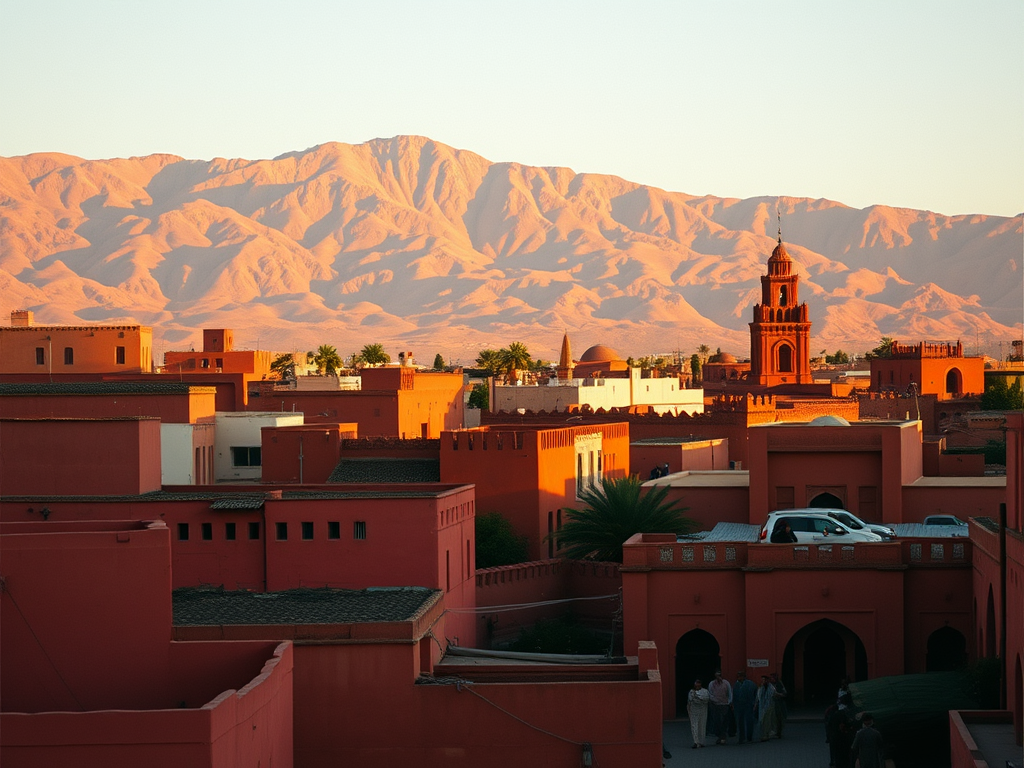
    Marrakesh: The Rich History of Morocco’s Red City

    Introduction

    Marrakesh, often referred to as the “Red City” due to its distinctive red sandstone buildings, is one of the most iconic cities in Morocco. Situated at the foothills of the majestic Atlas Mountains, Marrakesh has been a cultural, religious, and commercial hub in North Africa for almost a millennium. From its foundation in the 11th century to its modern-day allure as a global tourist destination, the city has played a pivotal role in shaping the history of Morocco and the broader Maghreb region. This article explores the rich history of Marrakesh, from its founding, through its golden ages, periods of decline, and eventual resurgence.

    The Foundation of Marrakesh

    The Almoravid Dynasty and the Birth of the City (1070-1147)

    The city of Marrakesh was founded in 1070 by the Almoravid dynasty, a Berber Muslim empire that controlled a large part of the Maghreb and Al-Andalus (Muslim Spain). The Almoravids, originally a nomadic people from the Sahara, established Marrakesh as their capital under the leadership of Abu Bakr ibn Umar and his cousin Yusuf ibn Tashfin, who is often credited with completing the initial construction of the city.

    The strategic location of Marrakesh made it a crucial hub for trade and communication between the Sahara Desert and the Mediterranean, as well as between sub-Saharan Africa and Europe. The city quickly grew into a major center for commerce, culture, and learning. The Almoravids built mosques, palaces, and military fortifications, many of which still stand today, though often in altered form. Notably, they introduced an innovative system of underground irrigation known as the khettara, which allowed the city to flourish in the otherwise arid environment.

    One of the most famous landmarks from this era is the Koutoubia Mosque, whose original structure was begun by the Almoravids and later completed by the Almohads. Though the Almoravid version of the mosque was demolished, it remains a symbol of the city’s long Islamic heritage.

    The fall of the Almoravid dynasty came at the hands of the Almohads, a rival Berber Muslim group that overthrew them in 1147. The Almohads, under the leadership of Abd al-Mu’min, seized control of Marrakesh and made it their capital, marking the beginning of a new era of expansion and development for the city. The Almohads, like the Almoravids before them, were deeply religious and sought to reform the Islamic practices of the region.

    The Rise of the Almohads (1147-1269)

    Marrakesh continued to grow under Almohad rule, reaching new heights of architectural and cultural splendor. The Almohads were responsible for much of the city’s iconic architecture, including the aforementioned Koutoubia Mosque, which was rebuilt in its current form under their rule. The mosque, with its towering minaret, remains one of the most famous symbols of the city and is a quintessential example of Almohad architecture.

    The Almohads also established a network of schools and madrasas (Islamic schools) in Marrakesh, turning the city into a center of religious scholarship. Their empire extended from Morocco to modern-day Tunisia and even into parts of Spain, making Marrakesh a political and intellectual capital of the western Islamic world.

    However, by the late 13th century, the Almohad empire began to weaken, and the city fell into a period of decline as the political landscape of the Maghreb shifted.

    The Marinid and Saadian Dynasties: Decline and Revival

    The Marinid Era (1269-1554)

    Following the fall of the Almohads, Marrakesh was eclipsed by the rise of the Marinid dynasty, who chose to establish their capital in Fez. During the Marinid period, Marrakesh experienced a significant decline in political importance, as Fez became the new center of power in Morocco. While the Marinids did contribute to the architectural and cultural landscape of Morocco, they largely neglected Marrakesh in favor of their northern capital.

    Marrakesh, however, remained an important city, sustained by its role as a center for trade. The city’s markets and caravan routes continued to attract merchants from across North Africa and sub-Saharan Africa. Despite its diminished status, Marrakesh retained its cultural vibrancy and religious significance, though it was no longer the political powerhouse it had been under the Almoravids and Almohads.

    The Saadian Revival (16th Century)

    The fortunes of Marrakesh began to improve dramatically in the 16th century with the rise of the Saadian dynasty. The Saadians were a Berber dynasty that came to power after defeating the Portuguese and other European forces during the battle of Ksar El Kebir in 1578, marking a pivotal moment in Moroccan history. Under the Saadians, Marrakesh once again became the capital of Morocco.

    The Saadians are perhaps best known for their lavish architectural projects, which included the construction of the Saadian Tombs, a stunning funerary complex that remains one of Marrakesh’s most popular historical sites today. They also built the El Badi Palace, a magnificent structure that was meant to showcase the power and wealth of the Saadian rulers. Though much of the palace was later looted and destroyed, its ruins still inspire awe.

    During this period, Marrakesh re-established itself as a thriving cultural and economic center, with the Saadians fostering trade with Europe, the Middle East, and sub-Saharan Africa. The city’s prominence was further enhanced by its strategic location at the crossroads of these major trade routes.

    The Saadian era marked a renaissance for Marrakesh, but it would prove to be short-lived. By the late 17th century, the Saadians were overthrown by a new dynasty, the Alaouites, who moved the capital once again, this time to Meknes.

    Marrakesh, often referred to as the “Red City” due to its distinctive red sandstone buildings, is one of the most iconic cities in Morocco.

    The Alaouite Dynasty and French Colonialism

    The Alaouite Period (17th-19th Century)

    The Alaouite dynasty, which came to power in the mid-17th century and continues to rule Morocco today, shifted the political focus away from Marrakesh. While Meknes, and later Rabat, became the new centers of power, Marrakesh remained an important regional hub, though it no longer served as the imperial capital.

    During the Alaouite period, Marrakesh continued to play a role as a commercial and religious center. The city’s famous souks (markets) thrived, attracting traders and artisans from across the region. The city’s distinctive red buildings, constructed from local clay, became its trademark during this era, lending Marrakesh the nickname “the Red City.”

    Though the city’s political importance had waned, the Alaouite sultans did invest in the restoration of several key monuments and mosques, helping to preserve the city’s architectural heritage. The dynasty’s commitment to maintaining the city’s status as a religious center ensured that Marrakesh remained an essential part of Moroccan identity.

    French Colonial Period (1912-1956)

    In 1912, Morocco was formally divided into French and Spanish protectorates, with the French taking control of most of the country, including Marrakesh. The French colonial authorities saw the city as a valuable cultural and economic asset, and they sought to modernize it while preserving its historic charm.

    One of the most significant figures during this period was French Resident-General Hubert Lyautey, who developed a vision for modernizing Moroccan cities while respecting their traditional architectural styles. In Marrakesh, this led to the development of the Ville Nouvelle (New City), which included wide boulevards, European-style buildings, and modern infrastructure. At the same time, the historic medina (old city) was preserved as a cultural and tourist attraction.

    The French presence also brought new economic opportunities to Marrakesh. The city became a popular destination for European tourists, drawn by its exoticism, warm climate, and historical significance. Marrakesh’s growing reputation as a tourist destination laid the groundwork for the city’s modern economy.

    Despite these changes, the French colonial period was marked by political unrest, as many Moroccans sought independence from foreign rule. Marrakesh, like other cities in Morocco, became a focal point for nationalist movements. In 1956, Morocco gained its independence, and Marrakesh, along with the rest of the country, embarked on a new chapter in its history.

    Post-Independence Marrakesh: A Modern Cultural Hub

    The Rebirth of Marrakesh (1956-Present)

    After Morocco gained independence from France in 1956, Marrakesh underwent a period of transformation and modernization. The city remained an important cultural center, attracting artists, writers, and musicians from around the world. During the 1960s and 1970s, Marrakesh became a haven for countercultural figures, including the likes of Yves Saint Laurent and the Rolling Stones, who were drawn to the city’s exotic allure and relaxed atmosphere.

    The city’s economy, now largely driven by tourism, began to flourish. Tourists from around the world flocked to Marrakesh to experience its rich history, bustling markets, and vibrant street life. The city’s medina, with its narrow alleyways, traditional souks, and iconic Jemaa el-Fnaa square, became a UNESCO World Heritage Site in 1985, cementing Marrakesh’s status as one of the most important cultural destinations in the world.

    The Modern City and Global Influence

    Today, Marrakesh is a city that seamlessly blends the old with the new. The historic medina remains at the heart of the city, while the Ville Nouvelle has continued to expand, featuring modern hotels, restaurants, and shopping centers that cater to both tourists and locals. Marrakesh has also become a center for contemporary art and fashion, with events such as the Marrakesh International Film Festival and the Marrakesh Biennale drawing global attention.

    In recent years, the city has seen significant investment in infrastructure, with the development of new airports, roads, and public spaces aimed at accommodating its growing population and tourist base. The city’s reputation as a luxury destination has only grown, with high-end resorts, spas, and cultural institutions offering visitors a taste of both traditional Moroccan life and modern luxury.

    Conclusion: Marrakesh – A City of Timeless Appeal

    Marrakesh’s long and storied history, from its founding by the Almoravids in the 11th century to its modern-day status as a global cultural hub, reflects its unique role in shaping the identity of Morocco and the wider Maghreb. Throughout the centuries, the city has been a center for trade, religion, and learning, as well as a crossroads for diverse cultures and civilizations.

    As one of Morocco’s most iconic cities, Marrakesh continues to captivate visitors with its blend of ancient history and modern vibrancy. The city’s architectural wonders, bustling markets, and rich cultural heritage stand as a testament to its enduring appeal and importance. Whether as the capital of empires, a colonial stronghold, or a global tourist destination, Marrakesh remains a jewel of North Africa, its red walls bearing witness to nearly a thousand years of history.

  • 5 Days in Majestic Moscow: Your Complete Guide to Russia’s Capital

    5 Days in Majestic Moscow: Your Complete Guide to Russia’s Capital

    Introduction

    Moscow, a city that seamlessly blends its rich history with modern vibrancy, is a must-visit destination for any traveler seeking adventure and culture. Over the course of five days, visitors can immerse themselves in the awe-inspiring architecture, world-class museums, and bustling streets that showcase the heart and soul of Russia’s capital. From the iconic Moscow Kremlin, a symbol of political power, to the serene beauty of Gorky Park, this guide will provide you with an itinerary that captures the essence of Moscow. Each day highlights a unique aspect of the city, allowing you to explore its historical roots while experiencing contemporary life. Whether you’re a history buff, an art enthusiast, or just looking to experience the local culture, this complete guide will help you navigate your journey through Moscow, making it an unforgettable adventure.

    Day 1: Exploring the Kremlin and Red Square

    On your first day in Moscow, immerse yourself in the heart of Russian politics and history—The Kremlin and Red Square. The Kremlin, a formidable fortress that dates back to the 15th century, is a UNESCO World Heritage site that houses the President of Russia and various government offices. Its high red-brick walls and numerous towers present a stunning sight against the skyline, making it a worthwhile hub for both history buffs and photography enthusiasts.

    Begin your exploration at the Kremlin’s main entrance, the Kutafya Tower, which leads you into the majestic grounds. As you traverse the cobblestone paths, you will encounter cathedrals that feature intricate frescoes and gold-plated domes. The Assumption Cathedral, home to the coronation of Russian tsars, showcases beautiful frescoes by famous artists like Andrei Rublev. Don’t miss the Archangel Cathedral, which is the burial site for many Russian princes and tsars, adorned with remarkable icons and an impressive wooden iconostasis.

    The Ivan the Great Bell Tower offers sweeping views of the Kremlin and the surrounding city. Climb to the top for a breathtaking panoramic view and capture the iconic red stars atop the Moscow skyline. As you stroll around, take a moment to admire the Tsar Bell, the largest bell in the world, and the Tsar Cannon, a symbolic representation of Russian artillery from the past.

    After exploring the Kremlin, make your way to Red Square, one of the most famous squares in the world. This historic area has been the site of numerous significant events, from military parades to public celebrations. The vivid colors of St. Basil’s Cathedral with its onion-shaped domes are sure to catch your attention and are an absolute must-see. Here, you can explore the interior of the cathedral, marvel at its ornate decorations, and learn about its fascinating history.

    Take time to visit the State Historical Museum, located on the northern edge of Red Square. The museum showcases Russia’s rich history, with exhibits ranging from ancient artifacts to Soviet memorabilia. A walk through its halls will deepen your understanding of the country’s evolution over centuries.

    Wrap up your first day by experiencing the vibrant atmosphere of the nearby GUM department store. With its stunning glass-vaulted ceilings and luxury boutiques, GUM is a fantastic spot to sample local delicacies at the food hall, including a variety of Russian sweets and dishes. As evening approaches, enjoy a leisurely stroll back through Red Square, where illuminated sites create a majestic ambiance that’ll leave you eager for your next adventure in this magnificent city.

    Day 2: Discovering the Treasures of the State Historical Museum and GUM

    On your second day, take a deeper plunge into the rich cultural tapestry of Moscow by visiting the State Historical Museum and diving into the bustling market atmosphere at GUM. These two iconic locations are crucial for grasping the essence of Russian history and contemporary life.

    Start your day at the State Historical Museum, strategically located on Red Square. This grand structure is noted for its intricate red brick façade and colorful roof. Once inside, you’ll be greeted by a wealth of artifacts that narrate the story of Russia from prehistoric times to the present day. The museum boasts an extensive collection, including archaeological finds, medieval manuscripts, and items from the imperial and Soviet eras. While navigating through the numerous exhibits, you’ll come across ancient weapons, traditional costumes, and art that reflect the evolution of Russian society and its resilience through tumultuous times.

    The highlight of the State Historical Museum is undoubtedly the collection of ancient treasures, including the famous Scythian gold, which provides insights into the lives of the nomadic tribes that inhabited the region. You’ll also find a compelling exhibit dedicated to the Russian Revolution, showcasing photographs, documents, and personal artifacts that illustrate the era’s impact.

    An audio guide or a guided tour can enhance your experience, as the stories behind the artifacts are captivating and weave together the larger narrative of Russian history. Remember to allocate plenty of time to soak in the visual richness and cultural significance each exhibit holds.

    After thoroughly exploring the museum, meander over to GUM, the Russian acronym for Main Universal Store, located directly across Red Square. This shopping complex is celebrated not just for its luxury retail offerings, but also for its stunning architecture featuring glass roofs and arched walkways. GUM dates back to the late 19th century and stands as a testament to the era’s commercial grandeur.

    As you stroll through GUM, indulge in a little retail therapy at shops that range from high-end luxury brands to local artisans. However, the real highlights here lie in the food stalls and cafés that weave through the complex. Treat yourself to traditional Russian delicacies such as pelmeni (dumplings), blini (thin pancakes), or a refreshing glass of kvass—a fermented beverage cherished by locals.

    Make sure to visit the food court situated in the heart of GUM, where you can sample everything from gourmet chocolates to regional specialties. The merry atmosphere created by families and food lovers will make your dining experience memorable. After eating, find a cozy spot to people-watch or simply take in the beautiful surroundings.

    By the end of your second day in Moscow, you will have gained greater insight into not just the history of Russia but also how its cultural heritage continues to thrive in contemporary society. The juxtaposition of GUM’s commercial energy against the historical significance of the State Historical Museum perfectly encapsulates the journey through Moscow’s rich past and vibrant present.

    Day 3: Cultural Immersion at the Bolshoi Theatre and Tverskaya Street

    For your third day in Moscow, indulge in the city’s vibrant arts scene by catching a performance at the illustrious Bolshoi Theatre and then exploring the lively Tverskaya Street, the city’s main thoroughfare filled with charm and excitement.

    Begin your day at the Bolshoi Theatre, one of the most renowned opera and ballet houses in the world. The Bolshoi is an architectural masterpiece that dates back to the late 18th century, exuding grandeur both inside and out. Arriving early gives you the chance to tour the theatre, where you can witness the opulent interiors, intricate chandeliers, and stunning frescoes. Depending on your interest, consider booking tickets in advance for a captivating ballet performance, such as “Swan Lake” or a legendary opera.

    Watching a performance at the Bolshoi is a truly enchanting experience that allows you to dive into the heart of Russian culture. The talent of the dancers and singers is astounding, as they bring centuries of tradition to life on stage. Be sure to check the schedule ahead of time to secure your seats for a show, as tickets can sell out quickly. The atmosphere during performances is electric, with audiences fully immersed in the dramatic stories unfolding before them.

    Post-performance, take a leisurely walk along Tverskaya Street, one of Moscow’s oldest and most significant boulevards. This lively street acts as a central artery, showcasing a blend of contemporary establishments and historical landmarks. As you walk, soak in the sights and sounds of the city, from high-end shops and trendy cafes to street performers and art installations. Tverskaya Street is also home to some of Moscow’s most impressive architectural wonders, such as the former Moscow City Duma and the picturesque Pushkin Square.

    If you feel the urge to take a break, stop in one of the many chic cafés lining the street. Enjoy a cup of Russian coffee or a refreshing tea alongside local pastries like pirozhki (stuffed buns) or pashka (a cream cheese dessert). The café atmosphere lends itself to relaxation, allowing you to chat with locals or revel in the city’s lively energy.

    Continue to explore side streets where you might stumble upon unique art galleries or quirky boutiques showcasing local designers. Tverskaya Street transitions seamlessly from day to evening, with nightlife bursting into view as restaurants serve hearty meals and bars invite visitors to celebrate Russian hospitality.

    As the day winds down, observe the stunning sunset over the city, which casts a golden hue over the impressive structures. Whether you’re attending a remarkable performance at the Bolshoi or soaking in the London’s energy on Tverskaya Street, your cultural immersion in Moscow will create lasting memories of a city filled with artistic expression and life.

    Day 4: Curating Your Experience in Gorky Park and the Moscow River

    On your fourth day in Moscow, shift gears and embrace the lush greenery of Gorky Park along with a serene experience on the Moscow River. This day is all about enjoying the city’s natural beauty, relaxed leisure, and engaging activities.

    Gorky Park, officially known as Gorky Central Park of Culture and Leisure, is an expansive urban park that serves as a beloved escape from the bustling city streets. Begin your visit with a peaceful walk along the tree-lined pathways that meander through the park. Gorky Park is not only a perfect spot to unwind but also a cultural hub filled with art installations, open-air concerts, and various seasonal events.

    In the warmer months, you might find outdoor yoga classes, dance events, or even film screenings taking place amidst the serene backdrop. Rent a bicycle or rollerblades to explore further or perhaps bring a book or a sketchpad to enjoy at one of the many benches or grassy knolls. If you’re traveling with family, let the kids enjoy the playful installations at the children’s area while you savor a coffee at a nearby café.

    As you stroll, stop by the Garage Museum of Contemporary Art located within Gorky Park. This innovative museum houses a rotating collection of contemporary artworks from different artists around the world. Its design is equal parts modern and inviting, featuring thought-provoking pieces while also hosting interesting lectures and workshops. Take the time to wander through the exhibitions, engage with art on a deeper level, and participate in activities offered through the museum.

    When you’re ready to trade greenery for water, make your way to the Moscow River, where you can opt for a river cruise to see the city from a different perspective. Various providers offer sightseeing cruises that unveil iconic sites along the riverbanks, including the colorful Cathedral of Christ the Savior, the impressive Moscow State University, and the grandeur of the Peter the Great Statue. A cruise provides the perfect opportunity to relax, take photos, and gain insights from the onboard commentary.

    Alternatively, if you’re feeling adventurous, consider renting a kayak or paddleboat to explore the river at your own pace. This experience offers a unique way to immerse yourself in the urban landscape while carving out a peaceful oasis on the water. You can also find spots along the riverbank ideal for picnicking, so pack a light lunch to enjoy against the backdrop of flowing water.

    As the sun sets, complete your day with a delightful dinner at one of the riverside restaurants, where you can relish a meal while soaking in the breathtaking views as the city illuminates for the evening. The combination of Gorky Park’s tranquil settings and the picturesque sailing on the Moscow River creates a refreshing balance in your Moscow adventure, allowing you to appreciate the city’s natural beauty amidst historical landmarks and vibrant energy.

    Day 5: A Journey Through Local Markets and Hidden Gems of Moscow

    On your final day in Moscow, dive into the local culture by exploring vibrant markets and discovering hidden gems scattered throughout the city. This itinerary focuses on engaging with the locals and experiencing a slice of daily life in Russia’s capital.

    Start your day at one of Moscow’s bustling markets, like Izmailovsky Market, which stands out as a treasure trove of handmade crafts, traditional Russian souvenirs, and local food delicacies. This market, housed in a picturesque wooden structure, is a gem for those seeking authentic art and cultural artifacts. Stroll between stalls offering everything from intricate matryoshka dolls to handmade leather goods. Interact with vendors who are often more than willing to share stories about their crafts.

    As you meander through the market, don’t miss out on sampling local street food. Try shashlik (grilled meat skewers), pirozhki (stuffed pastries), or freshly made blini from food stalls, each valiant bite reveals the heart of Russian cuisine. Engage with local artisans as they create beautiful handicrafts right before your eyes, giving you a chance to learn about Russian traditions and crafts.

    After exploring the market, head towards Tushinskiy, an area brimming with local cafes and small art galleries. Tucked away from the tourist crowds, this neighborhood offers an authentic view of everyday life in Moscow. Wander down the streets and discover small, quaint cafes serving traditional Russian dishes. Find a cozy spot to sit down and relish a bowl of borscht or a plate of hearty beef stroganoff.

    Next, indulge your curiosity by seeking out hidden artistic gems in the city. Visit the Moscow Museum of Modern Art (MMOMA), located near Tverskaya Street, and experience contemporary art in unique formats—from paintings to multimedia installations. The museum showcases works from both established and emerging artists, providing insights into the lively contemporary art scene in Moscow.

    Finish your day at the Cathedral of Christ the Savior, a stunning architectural masterpiece and one of the most significant Orthodox cathedrals in Russia. Standing majestically on the banks of the Moscow River, this cathedral tells a story of resilience and faith—it was destroyed during the Soviet era, only to be rebuilt beautifully after the fall of communism. Enter the cathedral to witness the intricate mosaics, grand altar, and the golden domes that glitter against the skyline.

    Conclude your journey with a reflective evening stroll along the Moscow River, where you can absorb the beauty of the city concluding your five-day adventure. The blend of local markets, cultural experiences, and personal interactions culminate in a worthwhile exploration of Moscow, imbuing your trip with both cherished memories and a deeper understanding of Russian culture.

    Conclusion

    Moscow is a city that resonates with a rich narrative woven through its historical architecture, modern delights, and vibrant culture. Over the course of five days, visitors are presented with a unique opportunity to immerse themselves in the very essence of Russia’s majestic capital. From the regal finesse of the Kremlin and the artistic prowess of the Bolshoi Theatre to the refreshing charm of Gorky Park, each day unveils a different layer of Moscow’s multifaceted character.

    Exploring markets and engaging with local artisans flavor your journey, connecting you with the creative spirit and hospitality that encapsulates Moscow. Whether navigating the bustling streets of Tverskaya or embarking on a serene boat ride along the river, these experiences accumulate to form unforgettable memories that linger long after you depart.

    As you conclude your adventure, reflect on the beauty and resilience of Moscow, a city that thrives at the crossroads of history and modernity. This complete guide serves as your doorway into the cultural tapestry of Moscow, an invitation to explore its stories and discover the hidden gems that make this city a true marvel of the world.

  • Your Ultimate Guide to Visit Lisbon, Portugal’s Capital
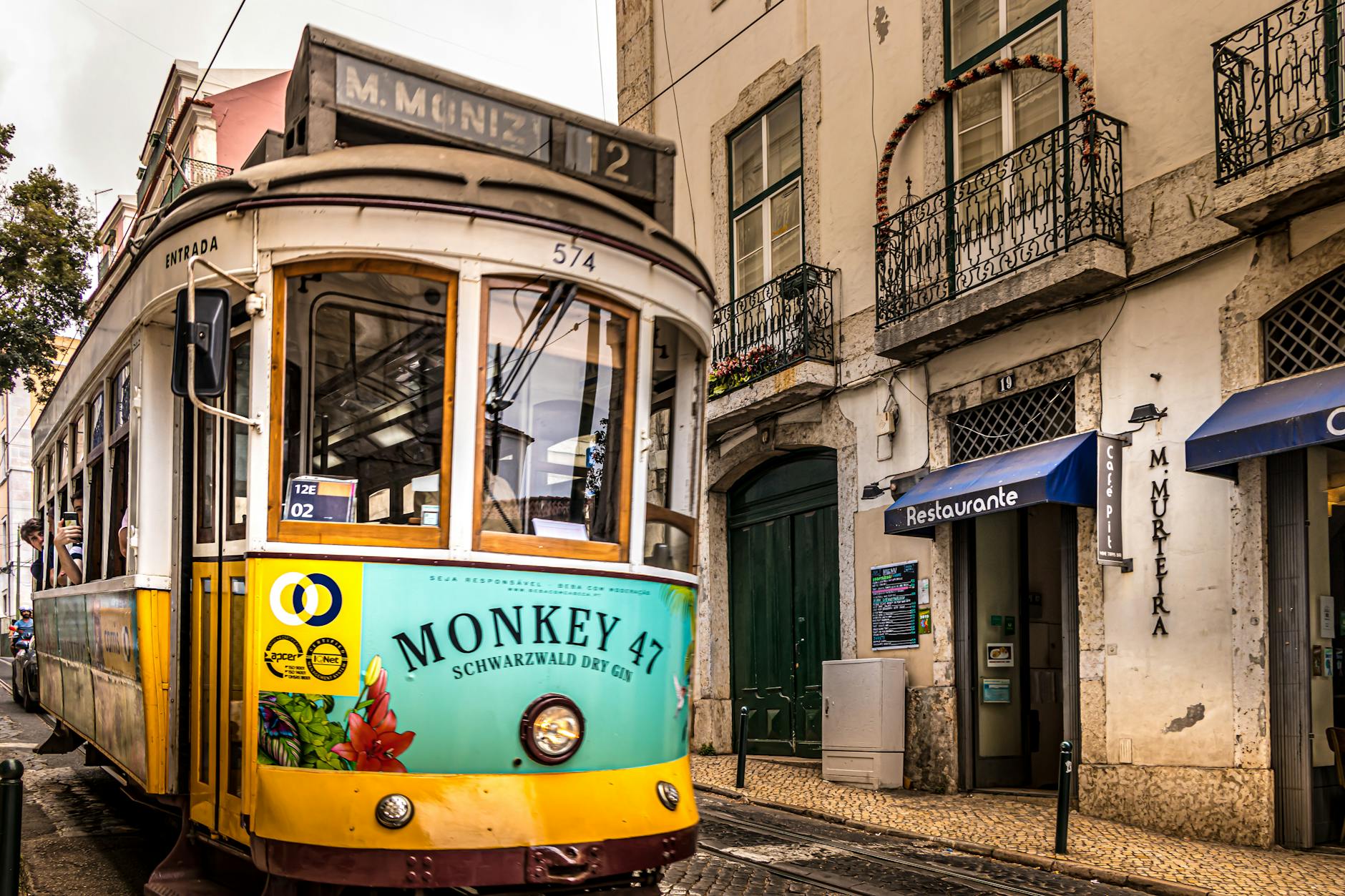
    Your Ultimate Guide to Visit Lisbon, Portugal’s Capital

    Introduction

    Lisbon, the sun-kissed capital of Portugal, is a vibrant city where rich history seamlessly intertwines with modern charm. From its cobbled streets to stunning architecture, Lisbon beckons travelers with its warm hospitality and captivating beauty. This guide aims to provide you with an in-depth exploration of Lisbon, ensuring that you fully immerse yourself in its unique culture, heritage, and culinary delights. Whether you’re wandering through the narrow alleyways of Alfama, indulging in mouth-watering pastéis de nata, or marveling at the intricate designs of the Jerónimos Monastery, Lisbon offers a plethora of experiences that will leave you enchanted. Join us on this journey as we uncover the treasures of this remarkable city, making the most of your adventure in Lisbon, Portugal.

    Exploring Historic Neighborhoods: Alfama and Bairro Alto

    Lisbon’s historic neighborhoods play a crucial role in understanding the city’s character and charm, with Alfama and Bairro Alto standing out as two of the most iconic areas. Alfama, one of the oldest districts in Lisbon, is a labyrinth of narrow streets and alleyways, filled with an authentic atmosphere that transports you back in time. As you wander through Alfama, you will encounter picturesque views of the Tagus River and the majestic São Jorge Castle, perched atop a hill that offers panoramic city views. The district is a treasure trove of history, as it has remained relatively untouched by modernity.

    One of the highlights of Alfama is the Fado music, a traditional Portuguese genre characterized by its melancholic melodies and heartfelt lyrics. Numerous venues scatter the neighborhood where you can enjoy live Fado performances while savoring local cuisine. The essence of Fado is intimately linked to the streets of Alfama, and a visit here is incomplete without experiencing this soulful music.

    As you journey through Alfama, make sure to visit the Largo do Santo António da Sé, where the Lisbon Cathedral stands. This cathedral, dating back to the 12th century, showcases stunning Romanesque, Gothic, and Baroque architectural styles. Another must-see is the Miradouro de Santa Luzia, a stunning viewpoint lined with beautiful tiles and arches, perfect for capturing that perfect Instagram shot.

    Contrasting sharply with Alfama’s old-world charm, Bairro Alto is a lively neighborhood known for its vibrant nightlife and bohemian atmosphere. By day, this area might seem tranquil, encouraging visitors to explore unique shops and artisanal boutiques. However, as night falls, Bairro Alto transforms into one of Lisbon’s hottest party spots. The narrow streets buzz with life, and bars and clubs spill out onto the streets, creating an electric vibe that is infectious.

    A visit to Bairro Alto is not complete without tasting some of Lisbon’s best dishes. The area is home to a variety of restaurants where you can savor delicious petiscos, the Portuguese equivalent of tapas. Pair your meal with a glass of vinho verde, a popular Portuguese wine that adds to the culinary experience.

    The architectural landscape of Bairro Alto is equally fascinating. With 19th-century buildings adorned with colorful façades and intricate tiles, the neighborhood is a visual feast. A stroll through the streets, especially during the golden hour, offers countless opportunities for stunning photography.

    Both Alfama and Bairro Alto encapsulate the spirit of Lisbon in their unique ways. Guided walking tours are available for those who want a deeper insight into the history and culture of these districts. For the more adventurous traveler, these neighborhoods are best explored on foot, allowing you to immerse yourself in the local life and soak up the vibrant atmosphere. Whether you’re discovering hidden gems or indulging in the local flavors, the historic neighborhoods of Lisbon promise an unforgettable experience.

    Culinary Delights: A Foodie’s Tour Through Lisbon

    Lisbon’s vibrant culinary scene is a delightful interplay of traditional flavors and innovative dishes. The city’s gastronomic offerings are a testament to Portugal’s rich history, deeply influenced by the country’s maritime adventures and diverse cultural exchanges. A food tour through Lisbon is not just about satisfying your hunger; it’s an exploration of Lisbon’s identity and heritage through its diverse dishes.

    Your culinary adventure should begin with the iconic pastel de nata, a Portuguese custard tart that has become famous worldwide. The most renowned bakery to sample this delicacy is Pastéis de Belém, where they have been perfecting the recipe since 1837. The crispy, flaky crust complementing the creamy custard topped with a sprinkle of cinnamon and sugar creates an irresistible treat. Don’t be surprised if you find yourself returning for seconds or even thirds!

    As you venture further into Lisbon, you will discover the vibrant Time Out Market in the Cais do Sodré district. This food hall is a gastronomic paradise featuring a diverse selection of stalls run by some of the best chefs in Portugal. You can sample everything from fresh seafood and gourmet burgers to traditional petiscos and artisanal cheeses. The market is the perfect place to get a taste of various Portuguese culinary traditions under one roof.

    For the seafood lovers, Lisbon is a haven. The city’s proximity to the Atlantic Ocean means that fresh fish and seafood are staples in its cuisine. Head to a local tasca (a small traditional restaurant) and try bacalhau à brás, a delicious dish made from shredded codfish, potatoes, and eggs. Pair this with a glass of vinho verde or a smooth red wine from the Douro Valley to enhance the experience.

    Another highlight of Lisbon’s culinary scene is its array of vibrant food markets. Mercado da Ribeira is an excellent spot to buy fresh produce, local cheeses, and cured meats. Exploring the stalls allows you to engage with local vendors and gain insight into the products unique to this region. The market also often hosts cooking classes where you can learn to prepare traditional Portuguese dishes.

    If you’re interested in the more informal side of dining, try the sandes de choco frito, a fried cuttlefish sandwich that locals adore. It’s a street food staple found in various eateries throughout the city. For a hearty meal, consider trying feijoada, a delicious bean stew typically made with meats, perfect for those seeking a fulfilling and traditional dish.

    As the evening settles in, explore the nightlife in Bairro Alto for a casual bar hopping experience. Many bars serve ginjinha, a cherry liqueur that is traditionally served in a chocolate cup. This sweet, fruity drink is a perfect way to end a day filled with culinary exploration.

    In conclusion, a foodie’s journey through Lisbon is a sensory delight that marries tradition and innovation in a unique way. From street stalls to gourmet restaurants, the culinary landscape reflects the heart and soul of Lisbon. Make sure to sample local specialties and engage with Lisbon’s thriving food culture; it’s an integral part of your experience in this remarkable city.

    Cultural Landmarks: Museums, Monuments, and More

    Lisbon is a city steeped in history and culture, with a multitude of landmarks that tell the story of its rich past. From majestic palaces to thought-provoking museums, the capital city boasts a thriving cultural scene that leaves visitors in awe. This section will guide you through some of the must-see cultural landmarks that define Lisbon’s identity.

    Start your cultural journey at the Belém district, home to some of the most significant monuments in Portugal. The Jerónimos Monastery is a UNESCO World Heritage site that exemplifies the Manueline architectural style, which combines Gothic and Renaissance elements. The monastery’s intricate façade and stunning cloisters reflect the wealth of the Age of Discovery, when Portuguese explorers traversed the globe in search of new trade routes. Inside, the church houses the tomb of the famous navigator Vasco da Gama, further emphasizing its historical importance.

    Just a short walk from the monastery is the iconic Torre de Belém, another UNESCO World Heritage site. Originally built as a defense system, it now stands as a symbol of Lisbon’s maritime history. Climb to the top of the tower for breathtaking views of the Tagus River and the surrounding area. This picturesque landmark is particularly stunning at sunset, making it a popular spot for photographs.

    Another significant cultural institution is the Museu Nacional de Arte Antiga, which houses one of the most extensive collections of Portuguese art, spanning from the Middle Ages to the early 19th century. The museum features works by renowned artists such as Bosch and Raphael, alongside a plethora of Portuguese masterpieces. A visit here provides valuable insight into the country’s artistic development and cultural heritage.

    Equally captivating is the Calouste Gulbenkian Museum, which contains a remarkable collection of Eastern and Western art. Founded by an Armenian oil magnate, the museum showcases artifacts and artworks from various cultures and epochs, including ancient Egyptian pieces and Renaissance paintings. The museum is also surrounded by beautiful gardens, providing a serene environment for visitors to unwind and reflect on the art they’ve encountered.

    No cultural tour of Lisbon would be complete without exploring the vibrant street art scene. The city’s neighborhoods are adorned with stunning murals and graffiti that bring life to the urban landscape. Take a stroll through the streets of Bairro Alto and Alfama to discover this form of contemporary art that often carries social and political messages.

    For those interested in more contemporary cultural experiences, the MAAT (Museum of Art, Architecture, and Technology) offers a unique blend of exhibitions that challenge traditional notions in these fields. Housed in a striking building along the waterfront, MAAT features installations and works from leading artists and architects, making it a must-visit for anything modern.

    In conclusion, Lisbon’s cultural landmarks provide a fascinating window into the city’s diverse historical and artistic heritage. From magnificent monasteries to innovative museums, these sites serve as cultural touchstones that help visitors understand the vibrant tapestry that is Lisbon. Engaging with these landmarks will enrich your travel experience and deepen your appreciation for this remarkable city.

    Transporting Through Time: Lisbon’s Unique Tram System

    Lisbon’s transport system is as iconic as its landmarks, offering visitors a charming and efficient way to navigate the city. The most recognizable mode of transport is undoubtedly the historic tram, particularly Tram 28, which takes riders on an enchanting journey through the heart of Lisbon’s most beloved neighborhoods.

    Stepping aboard the vintage yellow trams is akin to stepping back in time. The rickety wooden interiors and the sound of the bell ringing transport you to a different era. Tram 28 is arguably the best tram route for first-time visitors, as it winds its way through spectacular districts such as Graça, Alfama, and Baixa. The tram’s route includes highlights like the stunning view from Miradouro da Graça and the iconic Sé Cathedral, making it an ideal way to experience Lisbon’s charm.

    An important aspect of riding the tram is getting a feel for the city’s layout. The narrow, winding streets of Alfama can be challenging to navigate on foot, making tram travel both exciting and practical. As you ascend the hills, the panoramas of the city and the Tagus River create unforgettable vistas that you can admire from your seat.

    In addition to Tram 28, Lisbon’s tram system includes several other routes, including the funicular and elevador, which ascend the steeper inclines of the city. The Elevador da Glória connects the Avenida da Liberdade to Bairro Alto, offering yet another exciting way to travel uphill while enjoying the bustling atmosphere.

    In recent years, Lisbon has seen the introduction of electric scooters and bikes as part of its public transport system, allowing visitors to explore the city at their pace. Several rental companies operate through user-friendly mobile apps, making it easy to access transportation throughout the city. This eco-friendly option complements the traditional tram rides and offers an exhilarating way to traverse Lisbon’s picturesque streets.

    However, while the tram system is convenient, it is essential to be mindful of pickpockets, especially during peak tourist seasons. Keep your belongings secure and stay alert to ensure a safe and enjoyable experience.

    Despite the modernization of transport options, the charm of Lisbon’s trams continues to be a beloved experience for locals and visitors alike. The history, aesthetics, and practical function of the tram system serve as a vital component of navigating the city. Riding the trams is not just transportation; it’s part of the Lisbon experience, filling each journey with nostalgia and beauty.

    Day Trips and Nearby Attractions: Beyond the City Limits

    Lisbon is not only a vibrant city full of history and culture, but it is also an excellent base for exploring some of the impressive attractions found just a short train ride away. The surrounding region is dotted with picturesque towns and scenic landscapes that are worth a visit for anyone wanting to delve deeper into the charms of Portugal.

    One of the most popular day trips from Lisbon is Sintra, a UNESCO World Heritage site just a 40-minute train ride away. Known for its stunning palaces and lush greenery, Sintra feels like a fairy-tale destination. The highlight is the colorful Pena Palace, perched high on a hill and showcasing an eclectic mix of architectural styles. The palace’s vibrant hues and whimsical design create an extraordinary backdrop, making it a photographer’s paradise.

    Another fascinating site in Sintra is the Moorish Castle, an ancient fortress that offers breathtaking views of the surrounding valley. A hike to this castle is rewarded with panoramic vistas and a sense of historic adventure. The town itself is charming, with quaint streets lined with artisan shops and cafés, where you can enjoy traditional Portuguese pastries.

    Next on your agenda should be the coastal town of Cascais, a picturesque fishing village known for its stunning beaches and vibrant waterfront. Just a short train ride from Lisbon, Cascais is perfect for a leisurely day by the water. Visit the Boca do Inferno, a dramatic cliff formation, where the waves crash relentlessly against the rocks. Enjoy a seaside meal at one of the local restaurants, or take a dip in the refreshing Atlantic Ocean.

    If you seek a more rugged landscape, head to the Arrábida Natural Park, located about 30 kilometers south of Lisbon. This protected area boasts stunning views of the coastline along with beautiful beaches and hiking trails. The park’s dramatic cliffs and lush vegetation provide a peaceful retreat from the hustle and bustle of city life. The nearby town of Setúbal is also famous for its delicious seafood, particularly its fresh sardines.

    For wine enthusiasts, a visit to the region of Azeitão is a must. Known for its vineyards and wine production, you can tour local wineries where you can sample some of the best Portuguese wines, including the famed Moscatel. The charming countryside offers a relaxing atmosphere, complete with rolling hills and picturesque vineyards stretching into the horizon.

    In conclusion, day trips from Lisbon present opportunities to explore Portugal’s diverse landscape and cultural heritage. Sintra, Cascais, the Arrábida Natural Park, and Azeitão are just a few examples of the enchanting experiences waiting beyond the city limits. Each destination encapsulates unique aspects of Portuguese culture, providing a rich complement to your adventures in Lisbon.

    Conclusion

    In summary, Lisbon is a city that effortlessly combines history, culture, and culinary delights, making it a must-visit destination in Europe. This comprehensive guide has highlighted the city’s historic neighborhoods, vibrant food scene, cultural landmarks, unique transport options, and attractive day trips, all of which contribute to a well-rounded experience.

    From the winding streets of Alfama to the lively taverns of Bairro Alto, every corner of Lisbon tells a story that enriches its charm. The culinary journey through its local delicacies presents an opportunity to connect deeply with Portuguese traditions. Exploring its cultural landmarks allows you to appreciate the artistic influences that shape the city’s ethos and identity.

    As you venture beyond the city limits, the picturesque towns and stunning landscapes showcase the diverse offerings of Portugal, inviting you to immerse yourself further in its beauty. Each day spent in this enchanting city reveals new experiences, making your exploration of Lisbon a truly memorable adventure.

    With this guide, you are prepared to delve into the heart of Lisbon. Embrace every moment as you uncover the vibrant history and culture, savor delightful cuisine, and create unforgettable memories in Portugal’s stunning capital.

    Sources of Information

    • Portugal Tourist Board
    • Lonely Planet: Lisbon
    • The New York Times: Travel – Lisbon
    • TripAdvisor: Things to Do in Lisbon
    • Local Lisbon Blogs and Guides
  • 3-Day Charming Edinburgh Itinerary: Explore Scotland’s Capital

    3-Day Charming Edinburgh Itinerary: Explore Scotland’s Capital

    Introduction

    Edinburgh, the capital of Scotland, is a city drenched in history and culture, offering a unique blend of ancient heritage and modern vibrancy. From its iconic castle perched high on Castle Rock to the charming streets of the Old Town, Edinburgh beckons visitors with its enchanting allure. In just three days, you can experience the essential sights and attractions that make this city a must-visit destination. Delve into the heart of Scotland’s history as you navigate through cobbled streets, explore majestic castles, and indulge in its world-renowned culinary offerings. Whether you’re a history buff, a nature lover, or a food enthusiast, Edinburgh provides an array of experiences that cater to every traveler’s taste. This guide will walk you through the top highlights and hidden gems to ensure your visit to this magnificent city is truly unforgettable.

    Exploring Edinburgh Castle

    Edinburgh Castle dominates the skyline of Scotland’s capital, standing as a symbol of Scottish heritage and a testament to the city’s fascinating history. Perched atop Castle Rock, a volcanic rock that has provided natural protection for centuries, the castle has been a royal residence since at least the 12th century. As you approach the castle, the impressive fortifications and dramatic views over the city set the stage for a day of exploration.

    Inside the castle, visitors are greeted with a wealth of historical artifacts. The Crown Jewels of Scotland, displayed in the Crown Room, are an absolute must-see. These ornate jewels, which include the Crown, Sceptre, and Sword of State, were used in the coronation of Scottish kings and queens, embodying the country’s rich regal history. Similarly, the Stone of Destiny, an ancient symbol of Scottish monarchy, is another highlight within the castle. The stone has a storied past, having been used in the crowning of Scottish monarchs for centuries before being taken by the English and finally returned to Scotland.

    Beyond the jewels, Edinburgh Castle also houses the National War Museum of Scotland, which showcases an extensive collection of military artifacts. The exhibits narrate tales of bravery and sacrifice, reflecting Scotland’s martial history. Visitors can also explore the Great Hall, an impressive structure adorned with weapons and armor that serves as a glance into the medieval past. The Great Hall, built in the 16th century, still serves as a venue for formal functions and ceremonial occasions, making it an architectural highlight in its own right.

    Walking through the castle grounds, you’ll come across St. Margaret’s Chapel, the oldest surviving building in Edinburgh, dating back to the 12th century. This small and serene chapel is a quiet refuge and offers visitors a moment of reflection amid the bustling sightseeing. At the heart of the castle, the iconic Half-Moon Battery presents stunning panoramic views of the city, making for an excellent photo opportunity.

    The daily one o’clock gun firing is another exciting spectacle that draws crowds to the castle. A tradition that dates back to 1861, the firing of the cannon serves as a time signal for the citizens of Edinburgh and continues to be a popular attraction for visitors.

    After taking in the castle’s numerous sites, visitors can relax at the café located within the castle grounds, offering a selection of light refreshments and cakes, perfect for recharging after a busy morning exploring.

    In conclusion, Edinburgh Castle is more than just a monumental structure; it serves as a symbol of Scotland’s enduring spirit and rich history. From the stunning architecture to the fascinating exhibitions, a visit to the castle is an essential part of any trip to Edinburgh. Designating several hours for your exploration here will not only enhance your understanding of Scotland’s past but also leave you with lasting memories of this iconic landmark.

    Strolling Down the Royal Mile

    The Royal Mile is often regarded as the heart of Edinburgh, connecting the iconic Edinburgh Castle at the top with the Palace of Holyroodhouse at the bottom. This historic thoroughfare is not just a street; it is a living testament to the city’s vibrant past and cultural significance. Lined with an array of shops, restaurants, and attractions, a stroll down the Royal Mile offers a true sense of the city’s character and charm.

    As you embark on your journey along the Royal Mile, you’ll find a mixture of contemporary shops and traditional Scottish merchandise. The cobbled streets are filled with souvenir shops where you can find tartan scarves, Scottish shortbread, and locally crafted whisky. The pleasant ambiance of street performers and musicians adds flair and vibrancy to your exploration. You might witness talented buskers showcasing folk music, dancers, and other artistic performances, making your stroll even more enjoyable.

    Every few steps, you’ll encounter stunning architecture and historical sites. One notable attraction is St. Giles’ Cathedral, also known as the High Kirk of Edinburgh. With its iconic crown steeple and stunning stained glass windows, this medieval church is an architectural marvel. Visitors can step inside to admire the church’s beautiful interior, hear the symphony of the organ, or simply enjoy a moment of quietness.

    Another highlight along the Royal Mile is the Real Mary King’s Close, an eerie yet captivating site that takes you underground to explore the hidden alleyways and tenements of Old Town. This guided tour reveals the everyday lives of those who lived here in the 17th century and delves into the tales of the plague and its impact on Edinburgh. The experience provides a unique perspective on the city’s history that many visitors cherish.

    As you continue along the Royal Mile, don’t forget to stop by the Heart of Midlothian, a heart-shaped mosaic set in the pavement that marks the location of the old Royalty Theatre. This site is a popular spot for tourists taking photos, but it carries an interesting legend: it is said that spitting on the heart will give good fortune or even ensure a successful visit to the nearby football match.

    A significant aspect of the Royal Mile is the plethora of pubs and eateries available for dining experiences. You could indulge in traditional Scottish fare or discover unique food offerings from various cuisines. A visit to a local pub provides the perfect opportunity to enjoy a meal and sample a pint of local whisky or ale. Many establishments also feature live music, enhancing the authentic Scottish vibe you’re bound to love.

    As you approach the Abbey at the end of the Royal Mile, you reach the Palace of Holyroodhouse, the official residence of the Scottish monarch. This opulent palace welcomes visitors to explore its magnificent rooms, expansive gardens, and an insight into royal life. The juxtaposition of the historical castle at one end of the Royal Mile with the regal palace at the other beautifully encapsulates the breadth of Scotland’s regal history.

    In conclusion, a stroll down the Royal Mile is an essential part of any visit to Edinburgh. This historic street weaves a narrative of Scotland’s past and present, revealing a treasure trove of sights, sounds, and flavors along the way. With each step, you’ll uncover the rich history and cultural depth that this beloved thoroughfare has to offer, leaving you with a deeper appreciation of Edinburgh’s vibrant heritage.

    Discovering Holyrood Palace

    Holyrood Palace, the official residence of the British monarch in Scotland, stands at the foot of the Royal Mile and is an essential landmark for any visitor to Edinburgh. This stunning palace is rich in history, architecture, and resplendent gardens, making it a captivating place to explore. The royal residence has served as the heart of Scottish monarchy for centuries, and its significance is felt throughout the palace’s corridors and opulent rooms.

    Upon entering Holyrood Palace, visitors are greeted with a sense of grandeur as they navigate through the magnificent entrance hall adorned with portraits of the royal family. The layout of the palace tells the story of Scotland’s rich history, with each room brimming with tales of kings and queens, battles, and political decisions that shaped the nation.

    One of the most striking areas within the palace is the State Apartments. These lavish rooms are used for official functions and state visits, showcasing intricate wallpapers, period furniture, and stunning art collections. The Throne Room, with its regal decor, is particularly breathtaking, making it a highlight of the tour. The attention to detail found in every corner of the palace reflects the royal essence that has persisted throughout history.

    Equally significant are the ruins of the old chapel, once part of a 12th-century abbey. The Chapel Royal is an elegant yet solemn site that offers visitors a glimpse into the spiritual history of the palace. Exploring this area provides a reflective moment amidst the grandeur of the palace, highlighting the connection between religious and royal authority throughout Scottish history.

    While much of Holyrood Palace is devoted to historical exhibitions, it also features beautiful gardens that add a natural beauty to the royal complex. The Palace Gardens are meticulously landscaped, showcasing flowering plants, neat hedges, and serene pathways perfect for a leisurely stroll. The backdrop of the palace creates a stunning visual experience, especially during spring when blossoms abound.

    The palace and its grounds are also steeped in tragic history, particularly regarding Mary, Queen of Scots. Her story is intricately tied to Holyrood; her chambers are a significant part of the tour. The life she led and the trials she faced are depicted through exhibitions and narrations that bring her tumultuous reign to life. The dramatic and romantic stories of Mary, along with the political intrigues surrounding her, capture the imaginations of many visitors.

    Additionally, the site hosts various temporary exhibitions that delve deeper into specific historical themes, allowing guests to continually discover something new even if they’ve visited before. The exhibitions often tackle important topics related to Scotland’s monarchy, independence, and notable figures, contributing to a broader understanding of the nation’s history.

    Holyrood Palace is also known for hosting public events, state ceremonies, and the annual garden party during the summer, which provides a glimpse of royal life in contemporary Scotland. Planning your visit around these events can enhance your experience and offer unique insight into modern-day monarchy.

    In summary, a visit to Holyrood Palace enriches any trip to Edinburgh. It serves as a splendid reminder of Scotland’s royal heritage while offering a blend of stunning architecture, lush gardens, and heartfelt historical narratives. The journey through this iconic residence provides visitors with a deep appreciation for the royal history that continues to shape the country today.

    Climbing Arthur’s Seat

    Arthur’s Seat is an iconic landmark that dominates the Edinburgh skyline and a must-visit destination for anyone looking to experience the natural beauty of Scotland’s capital. This extinct volcano, situated in Holyrood Park, rises to a height of 251 meters (823 feet) and provides both locals and visitors with picturesque views of the city, the Firth of Forth, and beyond. It’s an exhilarating adventure that combines history, geology, and stunning landscapes.

    The trek to the summit of Arthur’s Seat is both rewarding and invigorating. A well-marked path leads hikers through varied terrain, allowing you to immerse yourself in the natural environment. As you begin your ascent, you’ll notice the rugged landscape and lush flora that thrive around the volcanic rock. The surrounding area is teeming with wildlife, and it’s not uncommon to spot small birds and other creatures as you make your way up the trail.

    As you climb higher, the panoramic views become increasingly spectacular. Midway along the path, several vantage points offer breathtaking perspectives of Edinburgh. From here, you can admire the sprawling cityscape, the impressive Edinburgh Castle silhouetted against the sky, and the distant hills that frame the horizon. The sight is particularly enchanting during sunrise or sunset when the city bathes in warm, golden hues.

    Reaching the summit of Arthur’s Seat is a triumphant experience. Once at the top, you are greeted with a 360-degree view of the surrounding landscapes. On a clear day, you can see as far as the Pentland Hills, the North Sea coastline, and even the highlands in the distance. There’s something profoundly serene about standing at the peak of an ancient volcano, surrounded by nature’s untouched beauty.

    While the ascent to the top can be challenging for some, there are various routes available that cater to a range of fitness levels. From a gentle climb to a steeper incline, everyone can find a suitable path. Make sure to wear comfortable shoes and carry water for the journey. Once you reach the summit, take your time to soak in the scenery, snap photographs, and enjoy the tranquility of your surroundings.

    The historical significance of Arthur’s Seat adds an intriguing layer to your hike. Ancient legends associate the site with King Arthur and the Knights of the Round Table. Many believe that the hill was the inspiration for Camelot, adding a sense of mystique to the already captivating landscape. Additionally, archaeological evidence suggests that the area was inhabited by our ancestors as far back as pre-history. The ruins of a hillfort at the top reinforce the notion that this site was once an essential hub for early settlers.

    For those who wish to explore further, the surrounding Holyrood Park offers additional walking and cycling trails, including the spectacular Salisbury Crags. These dramatic cliffs alongside Arthur’s Seat provide additional opportunities for exploration and breathtaking views. Birdwatching, picnicking, or simply relaxing amidst the lush greenery is another way to appreciate the natural beauty of the park.

    In conclusion, climbing Arthur’s Seat is a not-to-be-missed experience when visiting Edinburgh. It combines physical activity with breathtaking scenery and rich history, creating an unforgettable outdoor adventure. Whether you are seeking solitude in nature or an exhilarating workout, this iconic landmark invites you to connect with the rugged beauty of Scotland. Your journey to the summit will leave you with lasting memories and a deeper appreciation for the stunning landscapes that define this incredible city.

    Enjoying Edinburgh’s Culinary Scene

    Edinburgh’s culinary scene is a vibrant tapestry of traditional Scottish flavors, modern innovations, and international influences, making it an exciting destination for food lovers. From quaint cafes to Michelin-starred restaurants, the city offers a diverse range of dining experiences that cater to every palate and budget. Discovering Edinburgh’s food culture is an adventure that reflects its history and the creativity of its chefs.

    One cannot visit Scotland without experiencing its iconic dishes. Haggis, often referred to as Scotland’s national dish, is a savory dish made from sheep’s offal mixed with oatmeal, spices, and seasonings. It is traditionally served with neeps (turnips) and tatties (potatoes) and is a must-try for visitors looking for an authentic taste of Scottish heritage. Many restaurants across the city prepare this dish, with some even offering a modern twist on this classic recipe.

    Besides haggis, traditional fare also includes Cullen skink, a hearty smoked fish soup, and the scrumptious Scottish salmon. Restaurants and pubs throughout the city pride themselves on serving fresh, locally sourced seafood that celebrates Scotland’s coastal roots. Exploring markets such as the Edinburgh Farmers’ Market, held every Saturday, offers an opportunity to discover a wealth of local produce, artisan foods, and handmade goods, enabling visitors to sample the region’s culinary bounty.

    Apart from local dishes, Edinburgh is teeming with a multicultural food scene. The presence of diverse communities in the city has resulted in a flourishing array of international cuisine. From Indian to Italian, Thai to Mediterranean, the culinary options stretch far beyond traditional Scottish fare. A visit to Leith, a vibrant area along the waterfront, introduces a myriad of global restaurants that offer something for every taste. Here, you can find world-class dining experiences alongside casual eateries, all contributing to the rich tapestry of the city’s food culture.

    For those looking for a more unique experience, dining in one of Edinburgh’s historic pubs is a great way to enjoy both the local cuisine and the lively atmosphere. Many pubs offer a selection of traditional dishes alongside a wide range of local beers and whiskies. The warm, cozy ambiance of these establishments makes them perfect for savoring a meal while experiencing the convivial spirit of the city.

    As you explore Edinburgh’s culinary offerings, don’t miss the opportunity to indulge in its renowned whisky culture. Scotland is famed for its Scotch whisky, and single malt whiskies are celebrated across the city. Many bars and distilleries offer tasting sessions where you can learn about the whisky-making process and savor some of the finest expressions of Scotland’s national drink. The Scotch Whisky Experience, located near the Royal Mile, provides an interactive journey through the history of whisky, alongside tastings and insightful presentations.

    For those with a sweet tooth, Edinburgh boasts numerous patisseries and bakeries offering delicious treats. Treat yourself to a piece of tablet, a traditional Scottish sweet made from sugar, condensed milk, and butter that melts in your mouth. Alternatively, visit one of the many local shops for freshly baked scones or cakes served with clotted cream—a delightful afternoon treat.

    In conclusion, Edinburgh’s culinary scene is as diverse as it is delightful. From traditional Scottish dishes to international flavors and creative gastronomic experiences, the city offers an abundance of choices for every food enthusiast. Embracing the culinary landscape of Edinburgh provides not only a taste of the local culture but also the opportunity to embark on a gastronomic adventure that reflects Scotland’s depth and creativity.

    Conclusion

    Edinburgh is a city that effortlessly encapsulates history, culture, and natural beauty, making it an ideal destination for a short getaway. In just three days, visitors can explore a wealth of attractions, from the majestic Edinburgh Castle to the tranquil heights of Arthur’s Seat. Each experience enriches one’s understanding of Scotland’s heritage while offering unique insights into its modern identity.

    As you traverse the Royal Mile, the heart of the city, you absorb the vibrant atmosphere, filled with shops, street performers, and architectural wonders, making every step an adventure in itself. The fine historical tapestry woven throughout the city is beautifully showcased in the majestic Holyrood Palace, where centuries of royal history converge.

    Culinary enthusiasts will delight in the diverse food scene that Edinburgh has to offer, savoring traditional Scottish dishes alongside international cuisine that reflects the city’s vibrant cultural makeup. Whether sampling haggis or enjoying a fine whisky, every meal becomes a celebration of local flavors.

    Ultimately, Edinburgh invites travelers to embark on a transformative journey that connects them with Scotland’s past and present. As your time in this historic capital draws to a close, the memories made will linger long after your departure, leaving you with an appreciation for the city’s charm. Each moment spent in Edinburgh is an opportunity to discover, indulge, and connect—making it a destination that deserves to be explored and cherished.

  • Magical Prague Weekend Getaway 2025: Food, Culture & Nightlife
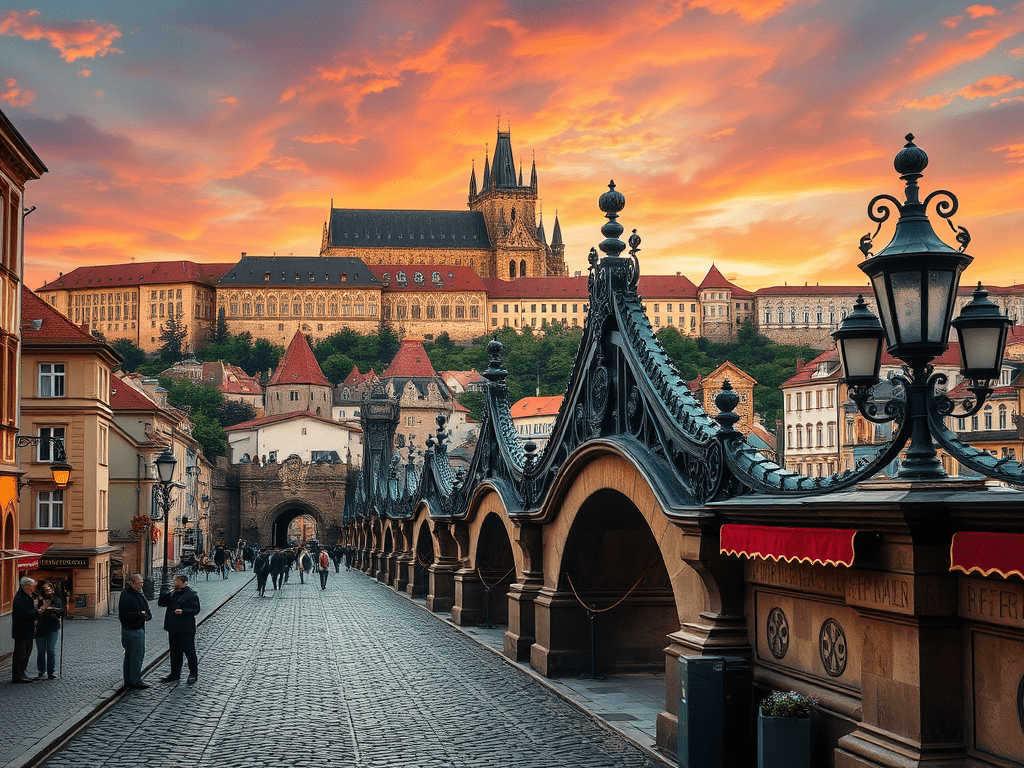
    Magical Prague Weekend Getaway 2025: Food, Culture & Nightlife

    Introduction

    Prague, the capital of the Czech Republic, is a city where history and modernity intertwine in captivating ways. With its stunning architecture, rich cultural heritage, and vibrant atmosphere, it offers an array of experiences that cater to all types of travelers. Whether you’re wandering through its cobblestone streets, visiting its world-renowned landmarks, or savoring local cuisines, Prague promises a memorable weekend getaway. This beautiful city boasts a wealth of must-see sights like the iconic Charles Bridge and Prague Castle, alongside hidden gems such as cozy cafes and galleries that reveal the city’s artistic heartbeat. Additionally, you can immerse yourself in Czech flavors, from hearty dishes to delightful pastries. This guide will explore the iconic sights, lesser-known treasures, delectable food, cultural engagements, and lively markets that make Prague weekend truly unforgettable.

    Iconic Landmarks and Historical Sites

    Prague is often referred to as the “City of a Hundred Spires,” a nickname that reflects the city’s rich history and stunning skyline. A visit to Prague would be incomplete without exploring its most iconic landmarks, which serve as the backbone of its cultural and historical identity. One of the most prominent sites is Prague Castle, which is not only the largest ancient castle in the world but also a UNESCO World Heritage site. This magnificent complex, sitting atop a hill overlooking the city, features a mix of architectural styles from Gothic to Baroque, with intricate details and expansive gardens. Visitors can explore St. Vitus Cathedral, where Czech kings were crowned, and revel in the breathtaking views of the city from its vantage point.

    Next, the Charles Bridge, adorned with 30 statues of saints, connects the Old Town with the Lesser Town. Built in the 14th century, this pedestrian-only bridge offers a unique ambiance with street performers, artists, and vendors lining its path. As you cross the bridge, take time to appreciate the intricate carvings and the stunning views of the Vltava River.

    Moving on, the Old Town Square is the heartbeat of Prague, surrounded by historic buildings like the Gothic-style Týn Church and the vibrant baroque St. Nicholas Church. Here, you’ll find the famous Astronomical Clock, which puts on its hourly show, drawing crowds to witness the animated figures that signal the passage of time. The square is also a great spot to enjoy a coffee or meal while soaking in the atmosphere.

    Don’t miss the Jewish Quarter (Josefov), a poignant reminder of the city’s historical Jewish community. Wander through the well-preserved sites, such as the Old Jewish Cemetery and the numerous synagogues, including the stunning Spanish Synagogue, which showcases Moorish Revival architecture.

    Another must-see is the Vyšehrad, a historic fort situated on a hill offering panoramic views of the city and the Vltava River. The site holds great significance in Czech history and legend, housing the Cemetery of Vyšehrad where many notable Czechs are buried, including composer Antonín Dvořák and architect Alphonse Mucha.

    In addition to these iconic spots, take some time to stroll through the Lesser Town (Malá Strana), known for its baroque buildings and intimate charm. One of its highlights is the picturesque Wallenstein Gardens with beautifully manicured lawns, fountains, and statues that offer a peaceful retreat from the bustling city.

    The landmarks of Prague are more than mere attractions; they narrate stories of the past, reflect the resilience of the people, and showcase the beauty of various artistic movements through the centuries. Each monument serves as a reminder of the city’s rich tapestry of history and culture, making them essential stops for anyone looking to experience the essence of Prague.

    Quaint Neighborhoods and Hidden Gems

    Prague is a city of neighborhoods, each with its own unique character and charm. While iconic attractions are plentiful, venturing off the beaten path unveils a treasure trove of quaint locales and hidden gems that offer a more authentic perspective of the city. One such neighborhood is Vinohrady, known for its beautiful parks, stunning architecture, and local vibe. The area is dotted with trendy cafes, bars, and restaurants, making it a favorite among locals and expats alike. Stroll through Riegrovy Sady, a large park offering lovely views of the city skyline and a lively atmosphere where locals gather for picnics and outdoor activities.

    Another hidden gem is Žižkov, a district renowned for its bohemian spirit and vibrant nightlife. This area is home to the iconic Žižkov Television Tower, which stands as a striking landmark. Climbing to its observation deck rewards visitors with panoramic views and a unique experience of seeing the city from above. In Žižkov, you can explore quirky pubs, such as the famed U Z latec, known for its impressive selection of Czech beers and traditional dishes. The neighborhood’s artistic vibe comes alive through its street art, making it a perfect locale for those who appreciate creativity in urban spaces.

    For a glimpse into the Prague of yesteryear, venture to Malá Strana and wander through its labyrinth of cobblestone streets and breathtaking baroque architecture. Here, the Kampa Island provides a peaceful escape, where you can admire the famous Friedrich Oerter statues scattered around the lush parks. Visit the John Lennon Wall, a ever-evolving graffiti wall that celebrates peace and love. It is a backdrop for many visitors who wish to leave their mark while appreciating the spirit of community and hope.

    Furthermore, the Letná Park offers stunning views of the city and is a local favorite for enjoying a leisurely afternoon. Visitors can find pathways lined with blooming cherry trees, and even a beer garden where they can relax with a cold Czech lager while taking in the beauty of Prague.

    If you’re looking for unique shopping opportunities, don’t miss the HoleÅ¡ovice district. This area has transitioned from industrial roots to a contemporary hub filled with art galleries, design shops, and creative spaces. The DOX Centre for Contemporary Art is a highlight, showcasing thought-provoking exhibitions that challenge conventional perspectives.

    Exploring these quaint neighborhoods and hidden gems allows travelers to connect more deeply with Prague’s essence. Rather than sticking to the main tourist trail, these areas unveil the vibrant spirit of the city through its locals, artistic expressions, and cozy atmospheres. Each hidden corner tells a story waiting to be discovered, revealing the soul of Prague beyond its renowned landmarks.

    Culinary Delights: Traditional Czech Cuisine

    One of the most delightful aspects of visiting Prague is indulging in its traditional cuisine. Czech food is hearty, flavorful, and often influenced by its neighboring countries, creating a unique culinary experience. Start your gastronomic journey with Svíčková, a beloved Czech dish. This creamy sauce made from root vegetables accompanies marinated beef, served alongside dumplings that are a staple in Czech meals. Each bite is rich in flavors, combining the savory taste of the meat with the slightly sweet and tangy sauce.

    Another must-try dish is Goulash, a warming stew that has its roots in Hungarian cuisine but has been embraced by the Czech people. The Czech version is thicker and often served with bread or dumplings, making it a satisfying meal for any day of the week. Goulash variations can be found across many traditional bistros and restaurants, each with its own unique twist.

    When it comes to traditional Czech beer, you would be remiss not to delve into some of the finest brews the country has to offer. The Czech Republic has a proud brewing heritage, and brands like Pilsner Urquell and Budweiser Budvar are just the beginning. Visiting a local pilsner brewery or historic tavern is essential to fully appreciate the craftsmanship of Czech beer. The unique purity and taste stem from local ingredients and traditional brewing methods.

    If you’re looking for a lighter fare, try Trdelník, a sweet pastry that has gained popularity among tourists. While its origins can be traced back to Hungary and Slovakia, it has become a favorite treat in Prague. The pastry is made from rolled dough that is wrapped around a stick, baked over an open flame, and coated with sugar and walnuts. Vendors often fill it with ice cream, chocolate, or fruit, creating a delightful, Instagram-worthy dessert.

    For those keen on exploring the local markets, Naplavka Farmers’ Market is an excellent stop on a Saturday morning. Located along the riverside, this market is bustling with vendors offering fresh produce, artisanal bread, handmade crafts, and delectable street food. It’s the perfect spot to savor traditional Czech pastries like Koláče, filled with fruit, cheese, or poppy seeds. Here, you can also find food stalls serving up options from various cuisines, highlighting the diversity of flavors embraced in Prague.

    Don’t overlook the influence of modernity on Czech cuisine. Many contemporary restaurants are offering a fusion of traditional dishes with modern techniques and ingredients. Places like Field and La Degustation prioritize local sourcing while elevating classic meals into artful presentations on the plate. The interpretation of Czech classics in innovative ways adds new layers to the culinary scene.

    Finally, a visit to Prague wouldn’t be complete without indulging in some local sweets. Palác or Chimney Cakes are often found at festivals and markets and are a crowd favorite. These circular pastries are cooked on cylindrical spits, creating a hollow center that is often filled with various toppings.

    Culinary experiences in Prague are more than just nourishment; they unveil the historical influences and the culture of its people. Each meal tells a story, allowing you to savor the essence of Czech heritage while enjoying the convivial and hospitable atmosphere that accompanies every dining experience. Whether it’s a multi-course meal in an upscale restaurant or the simplicity of street food, Prague’s culinary landscape is a journey worth embarking upon.

    Cultural Experiences: Museums, Galleries, and Theatres

    Prague boasts a vibrant cultural scene that art enthusiasts and history buffs will find irresistible. Home to an eclectic mix of museums, galleries, and theatres, the city celebrates both its historical legacy and contemporary arts. Start your cultural exploration at the National Museum, one of the most significant museums in the Czech Republic. Located at the top of Wenceslas Square, this architectural gem has recently undergone renovations, making its impressive exhibits more accessible to the public. The museum houses extensive collections ranging from natural history to the rich tapestry of Czech culture and history.

    For a more contemporary twist, the DOX Centre for Contemporary Art is a must-visit. Located in the Holešovice district, this innovative space hosts rotating exhibitions featuring both established and emerging artists, addressing social and political themes through various art forms. Its commitment to fostering dialogue through art makes it a unique cultural hub in Prague.

    Art lovers should also explore the Veletržní Palace, home to the National Gallery’s modern art collection. Discover works by renowned Czech artists such as FrantiÅ¡ek Kupka and Otto Gutfreund, alongside international pieces that resonate with the global art scene. This venue provides a thought-provoking experience that highlights the evolution of art through the ages.

    The rich theatrical tradition of Prague is something to behold, with performances ranging from opera to ballet and even puppetry, a significant part of Czech culture. The State Opera House is an architectural masterpiece where visitors can catch world-class performances, showcasing both classical operas and contemporary works. The charm and acoustics of this venue add a touch of grandeur to each performance, truly making it a memorable night out.

    Another prominent venue is the National Theatre, which represents the Czech nation’s cultural heritage. Here, one can experience opera, ballet, and drama, all in a historically significant setting that dates back to the late 19th century. The theatre often conducts guided tours, providing insight into its rich history, stunning architecture, and the artistry that has taken place within its walls.

    For a more alternative experience, delve into the Žižkov Theatre, known for its innovative productions and unique interpretations of classic plays. This vibrant cultural spot encourages local artists and experimental performances, giving visitors a taste of Prague’s cutting-edge art scene.

    Lastly, don’t forget about the Franz Kafka Museum, dedicated to the life and works of the renowned writer born in Prague. Set against the backdrop of the historic Old Town, the museum offers a fascinating glimpse into Kafka’s bohemian lifestyle and the literary movements of the time. Interactive exhibits and archives allow visitors to explore the profound themes that permeated Kafka’s work, making it an intimate experience for literature enthusiasts.

    Cultural experiences in Prague are multifaceted and deeply enriching. By immersing oneself in the city’s museums, galleries, and theatres, visitors gain not only a better understanding of Czech history and creativity but also a glimpse of the vibrant artistic dialogue that shapes contemporary Prague.

    Local Markets and Nightlife Scene

    As the sun sets, Prague transforms into a vibrant city filled with life, energy, and innumerable options for nightlife and entertainment. The local markets and diverse nightlife scene reflect the city’s unique character, providing visitors with a plethora of experiences to create lasting memories.

    During the day, markets provide a lively atmosphere, with stalls brimming with fresh produce, artisanal goods, and unique souvenirs. The Havelské Tržiště, located in the city center, is one of the oldest markets in Prague. Here, visitors can find everything from handmade crafts to traditional Czech snacks. As you explore, be sure to sample the local delicacies, such as trdelník or sweet pastries, and chat with local vendors who provide insight into their crafts.

    In stark contrast to the bustling day, the Naplavka Farmers’ Market comes alive with activity on Saturday mornings, offering an eclectic mix of food, drinks, and social interaction. This vibrant riverside market is a great place to mingle, sample local beers, and enjoy live music while indulging in the delicious offerings from various food stalls.

    As night falls, Prague’s nightlife begins to spark. For a traditional Czech experience, head to the countless beer gardens scattered throughout the city. Many of them have an inviting atmosphere, where locals and visitors alike gather for friendly conversations. One popular spot is the Letná Beer Garden, set in Letná Park, which offers stunning views of the city along with expertly crafted beer selections. Here, you can unwind and enjoy the relaxed social scene.

    If you’re looking to dance the night away, the Roxy stands out as one of Prague’s most famous nightclubs. Housed in a former theatre, this venue hosts incredible DJ sets and live performances that attract music enthusiasts from around the world. The eclectic mix of music genres ensures there’s something for everyone, and the art-filled space adds character to the party experience.

    For those craving live performances, the JazzDock is a must-visit. Situated along the Vltava River, this intimate venue showcases local and international jazz talents, providing a cozy space for music lovers. The ambiance, combined with great cocktails and views of the river, makes for a perfect night out.

    Another noteworthy venue is U Černého Vola, famed for its spirited atmosphere and traditional aesthetic. This popular bar is situated in the Old Town and often features live music events, creating a vibrant nightlife experience that resonates with both locals and tourists.

    If cocktails are your preference, explore the cocktail bars in the city, such as Hemingway Bar, where bartenders are true artists, crafting bespoke drinks and classic recipes using high-quality ingredients. The sophisticated ambiance and knowledgeable staff make this a perfect place to enjoy a refined night out.

    As your night winds down, consider taking a late-night stroll through the beautifully lit streets of Prague. The ambiance is magical as the landmarks shimmer under the stars, creating picturesque moments that perfectly encapsulate the city’s romantic allure.

    With diverse local markets and dynamic nightlife options, Prague offers experiences that encompass both cultural depth and modern energy. Each night out rewards visitors with delightful surprises, creating cherished memories of a vibrant city that comes alive after dark.

    Conclusion

    A weekend in Prague promises a whirlwind of captivating experiences that blend history, culture, and flavors. From the iconic landmarks that tell the tales of centuries past to the hidden gems that showcase the city’s artistic essence, every corner of Prague has something unique to offer. Whether you’re indulging in traditional Czech cuisine, immersed in the local culture through museums and theaters, or enjoying the vibrant nightlife, each moment contributes to the enchanting charm of this city. Traveling through its quaint neighborhoods and local markets reveals the pulse of Prague, fostering a deep connection with its rich heritage. As you depart, the memories of stunning views, delightful flavors, and warm encounters with locals will linger long after you’ve left, urging you to return to this captivating destination that truly captivates the heart.