Introduction
Passionate Buenos Aires is a vibrant city that resonates with rhythm, flavor, and a unique charm that entices visitors from all over the world. Known as the birthplace of tango, the city’s dance halls are alive with passion, as couples twirl and sway to deeply emotional melodies that speak to the city’s heart. Beyond the dance, Buenos Aires boasts a sumptuous culinary scene that reflects a rich blend of cultures, from Italian to Spanish influences, all coming together in its diverse menu offerings. City life in Buenos Aires is a captivating experience, where historical architecture meets bustling modernity, fostering an environment rich in arts and culture. As the sun sets, the nightlife beckons with exciting options ranging from cozy bars to extravagant shows, ensuring that the essence of passionate Buenos Aires continues to pulse throughout the night. This article will delve deeper into these captivating elements that make Buenos Aires an unforgettable destination.
The Soul of Tango: A Cultural Dance
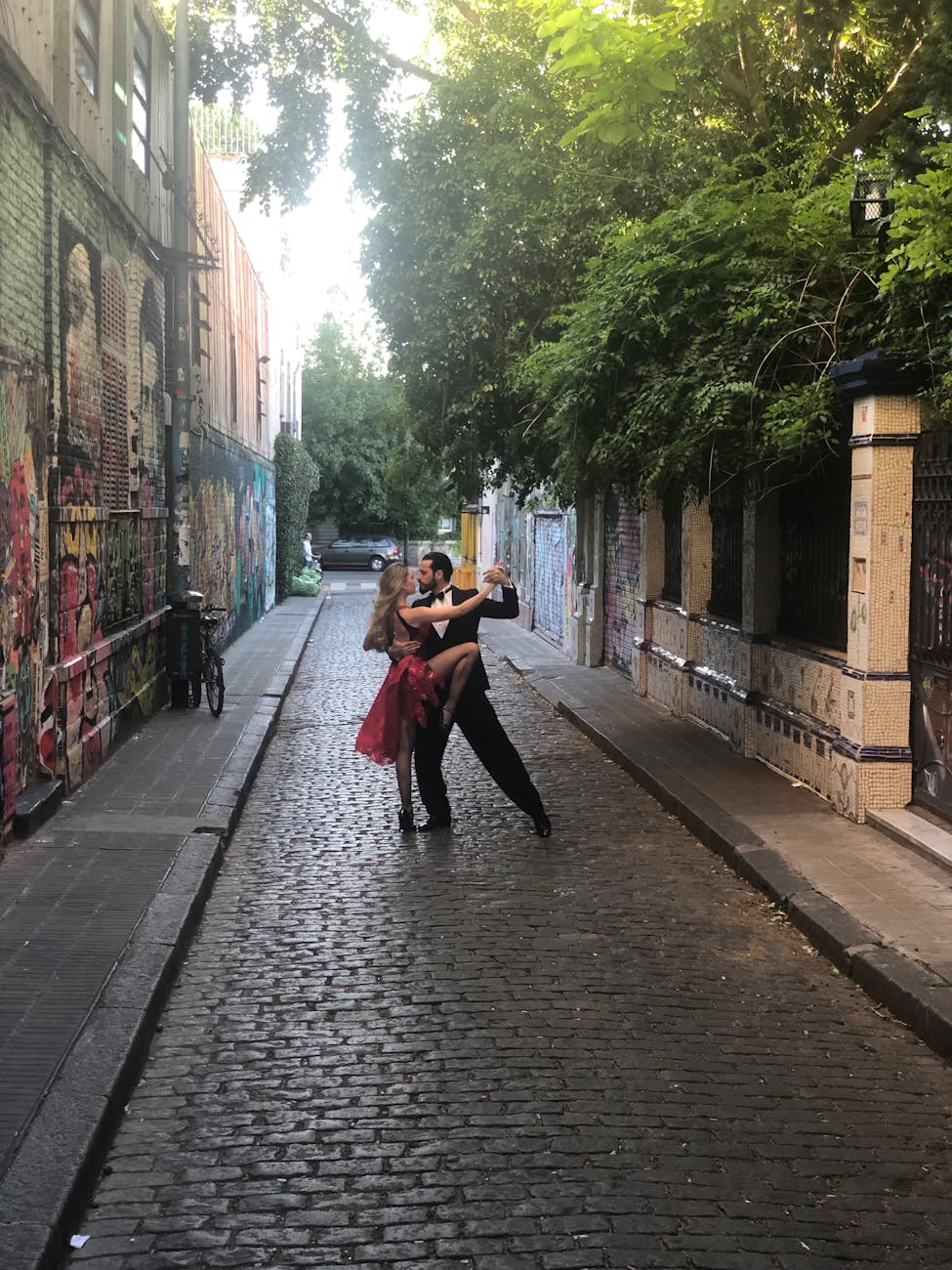
Tango is not just a dance; it is a heartfelt expression of emotion that encapsulates the essence of passionate Buenos Aires. The origins of tango date back to the late 19th century when it emerged in the neighborhoods of Buenos Aires, particularly among the working-class immigrants. It started in the lower-class areas of the city, developed as a fusion of African, Native South American, and European music and dance. This blend created a unique art form that quickly evolved and gained acceptance among the higher classes by the early 20th century.
In the heart of Buenos Aires, tango is more than an entertainment option; it is a way of life. Dance schools and milongas, or dance halls, populate the city and offer lessons for both locals and tourists eager to immerse themselves in this passionate culture. The rhythm of tango is infectious, characterized by its dramatic pauses and sudden movements that mirror the complexities of love and life itself.
Visiting local milongas is a quintessential experience where the ambiance is both relaxed and charged. Participants, regardless of their skill level, join in on the dance floor, embodying the spirit of passionate Buenos Aires. The experience of dancing tango is visceral; it demands not only physical coordination but also an emotional connection with one’s partner. Leads and follows communicate through subtle cues, creating an intimate experience that reflects the passion of the dance.
Live music enhances the tango experience, with musicians often playing traditional instruments such as the bandoneón, a type of accordion that lends a distinctive sound to tango music. The melodies evoke deep emotions, frequently touching on themes of love, loss, and yearning. The lyrics often recount stories of life in the city, making the performance a narrative as well as a dance.
Cultural festivals centered around tango also pay homage to this beloved art form in Buenos Aires. Events such as the Buenos Aires International Tango Festival attract enthusiasts from around the globe, showcasing world-class dancers and musicians while offering workshops and performances that celebrate the dance. This festival emphasizes the global love for tango and reflects how passionate Buenos Aires continues to inspire others with its rich cultural heritage.
In addition to its lively milongas, tango has found its way into various cultural expressions beyond the dance floor. Theaters and contemporary productions incorporate tango, presenting it as a dynamic form that continues to evolve while maintaining its traditional roots. Artists infuse modern interpretations, keeping the spirit of passionate Buenos Aires alive and relevant to new generations.
While tourists flock to the grandeur of tango shows in famous venues, the soul of tango thrives in the smaller, neighborhood milongas, where the atmosphere is intimate and the connection to the city is most profound. It is in these spaces that the true essence of passionate Buenos Aires can be felt, as locals and travelers alike share the dance floor, celebrating a cultural phenomenon that transcends borders.
Ultimately, tango in Buenos Aires is a celebration of life — it embodies love, loss, joy, and unity, making it an essential narrative in the story of passionate Buenos Aires. Every whirl and embrace tells a story steeped in the history and vibrancy of the city, inviting everyone to join this dance of life.
Culinary Treasures: Exploring Buenos Aires’ Gastronomy
Buenos Aires stands as a culinary haven that tantalizes the taste buds with its rich diversity of flavors, embodying the essence of passionate Buenos Aires. The city’s gastronomy is a melting pot of cultural influences, primarily stemming from its immigrant population. Italian and Spanish flavors dominate the culinary scene, yet there is much more to discover.
Steakhouses, or parrillas, are a hallmark of Argentine cuisine. The emphasis on high-quality beef has positioned Buenos Aires as a prime destination for meat lovers. Argentine beef is famous worldwide for its exceptional flavor and tenderness. Whether indulging in a juicy bife de chorizo or sampling the traditional asado — an elaborate barbecue featuring various cuts of meat — one cannot escape the importance of beef in the local culture. Patrons gather around wooden tables, sharing meals with laughter and stories, encapsulating the lively social atmosphere that is prevalent in Buenos Aires.
In addition to the grilled delights, the culinary scene in Buenos Aires reflects an array of culinary influences. Mendoza wines, famed internationally, accompany many meals and highlight the regions’ robust viticulture. A traditional meal might start with empanadas, savory pastries filled with meats, cheese, or vegetables, evoking the city’s folk heritage.
Exploring the neighborhoods reveals hidden gems that offer unique takes on traditional dishes. From upscale restaurants to street food vendors, passionate Buenos Aires is a treasure trove of culinary experiences. Food markets, such as San Telmo Market, present a plethora of choices, ranging from fresh produce to artisanal products. Here, the vibrancy of city life is matched by the colors and smells of local ingredients, revealing the agricultural richness of the surrounding regions.
Another unbelievable aspect of Argentine cuisine is the influence of Italian culture, evident in the proliferation of pizzerias and pasta shops. Argentine pizza, often topped with an abundance of cheese and served with a crispy crust, showcases the Italian influence that has adapted to local tastes. This interpretation is further reflected in the widespread availability of fainá, a chickpea flour pancake that accompanies pizza, a comforting staple enjoyed by many.
Desserts in Buenos Aires are equally inviting, with dulce de leche, a caramel-like sauce, serving as a popular ingredient in various treats. From alfajores, delicate cookies filled with dulce de leche, to the classic tortas, sweets are a significant part of the local diet. The city is also known for its cafés, where patrons gather to enjoy coffee and pastries while indulging in lively conversations.
Dining in Buenos Aires extends beyond mere sustenance; it is an experience that embodies the communal spirit of the city. Meals are often lengthy affairs, allowing time for conversation and connection. The practice of sharing food and drink harks back to centuries of tradition, reflecting the heart of passionate Buenos Aires.
In recent years, a wave of gastronomic innovation has taken hold, as chefs experiment with fusion cuisine and elevate traditional dishes. Pop-up restaurants and food festivals celebrate this culinary evolution, showcasing the adaptability of Buenos Aires’ gastronomic identity. The passion for food in Buenos Aires is more than just the act of eating; it is a reflection of cultural pride and a way to connect with others.
Ultimately, exploring the culinary treasures of passionate Buenos Aires is an exploration of history, culture, and community. The city’s unique blend of flavors tells the story of its people and traditions, inviting both locals and visitors to engage in an ongoing feast of gastronomic adventure.
City Life: The Pulse of Urban Culture
The vibrant city life of Buenos Aires encompasses a tapestry of experiences that vividly bring to life the concept of passionate Buenos Aires. With a dynamic blend of tradition and modernity, the urban landscape is alive with color, character, and creativity. Every neighborhood has its own unique flavor, reflecting the diverse communities that call this city home.
Buenos Aires is characterized by distinct neighborhoods, each boasting its own identity. From the charming cobblestone streets of San Telmo to the artistic enclave of Palermo, the city offers a multitude of atmospheres catering to every taste. The renowned Caminito Street in La Boca, with its brightly painted houses, attracts tourists with its colorful charm and street performances, serving as a reminder of the city’s rich cultural history.
The cultural scene thrives in cities, exemplified by its numerous theaters, art galleries, and museums. Notable institutions like the Teatro Colón, one of the finest opera houses in the world, and the National Museum of Fine Arts showcase the artistic prowess of Buenos Aires. Additionally, contemporary artists are making their mark in the vibrant street art that adorns many walls around the city. Murals tell the stories of past struggles and triumphs, standing as expressions of social commentary and creativity intertwined with urban life.
Shopping districts reflect passionate Buenos Aires’ cosmopolitan flair, with boutiques, artisan shops, and open-air markets. The GalerÃas PacÃfico shopping center is a beautiful blend of art and commerce, featuring stunning frescoes and a range of both local and international brands. Markets such as the Feria de Mataderos offer a glimpse into traditional artisan crafts, food, and performing arts, connecting visitors with the local culture in an interactive experience.
Public transport plays a vital role in the city’s urban life, with its extensive subway system and bus network efficiently connecting residents and tourists alike. The famous Buenos Aires subway, or “Subte,” makes it easy to navigate the city, allowing people to experience the hustle and bustle of daily life. The streets themselves are a haven for pedestrians, with many areas dedicated to walking, featuring cafés, bookstores, and parks where one can sit and enjoy the vibrancy of Buenos Aires.
Parks and green spaces, such as the Bosques de Palermo, provide much-needed respite from the urban hustle. Here, residents gather for picnics, leisurely walks, or cycling. These parks are not just a retreat; they often host cultural events, live music performances, and art exhibitions, keeping the spirit of passionate Buenos Aires alive amidst nature.
Nightlife in Buenos Aires adds a different dimension to city life. As the sun sets, the city transforms into a playground of entertainment options. Bars and clubs spill onto the streets, with live music, tango shows, and pulsating dance floors keeping the energy alive. Each night out is an exploration of local culture, enabling visitors to engage with the city on a more personal level.
The palpable sense of energy and creativity in Buenos Aires is contagious. Engaging with the locals reveals profound stories woven into the fabric of daily life. The warmth and hospitality that characterize the citizens of Buenos Aires provide insights into the values and traditions that make up this one-of-a-kind city.
City life in Buenos Aires is a thrilling mix of experiences, where every corner presents an opportunity for connection. The rhythm of the streets mirrors the pulsating heart of passionate Buenos Aires, inviting everyone to join in the dance of urban culture.
Architectural Wonders: Blending History and Modernity
Architectural wonders abound in Buenos Aires, offering a stunning visual narrative of passionate Buenos Aires that marries history with modernity. The city’s skyline is a collage of structures ranging from colonial buildings to striking contemporary designs, each telling a chapter of the city’s rich history.
The historical architecture of Buenos Aires takes center stage in neighborhoods like San Telmo and Montserrat, where cobblestone streets wind past elegant colonial-era buildings. One of the city’s notable landmarks, the Casa Rosada, stands proudly at the Plaza de Mayo, showcasing a striking façade that embodies the essence of Argentine history. This presidential palace is not just a building; it signifies the political heart of the nation, contributing to Buenos Aires’ identity.

European influences are ubiquitous throughout the city’s architecture, evident in structures modeled after French and Italian designs. The iconic Teatro Colón exemplifies this blend, with its ornate interiors and exceptional acoustics making it a cultural gem. As one of the premier opera houses globally, it attracts artists and visitors alike, solidifying Buenos Aires as a major cultural center.

The city also embraces modern architecture, evident in buildings such as the striking Faena Arts Center and the soaring Torre Mastercard. These structures reflect the innovative spirit of Buenos Aires while creating a contrast with traditional designs. The juxtaposition between the old and the new signifies a city that honors its past while embracing the future, serving as a testament to the dynamic landscape of passionate Buenos Aires.
Throughout the neighborhoods, public art installations can be found, further enriching the architectural experience. Sculptures and murals intermingle with buildings, injecting color and life into public spaces. The famed Obelisco, located at the intersection of Avenida 9 de Julio, serves as an enduring symbol of Buenos Aires; a reminder that the spirit of passionate Buenos Aires transcends boundaries.
Visiting the architectural landmarks of Buenos Aires provides insights into the city’s history and identity. Each structure holds stories of the people who have lived and worked in these spaces. Guided tours offer an opportunity to delve deeper into the history of buildings and their significance in the context of Argentine culture.
The integration of parks and green spaces within the urban environment also contributes to the architectural beauty of Buenos Aires. The Parque Tres de Febrero, with its iconic rose garden and grand lake, offers a serene escape amid the urban landscape. This interconnectedness between architecture and nature enhances the living experience within the city.
Cultural festivals and events often take place in architectural landmarks, creating a lively atmosphere that brings the community together. Whether it is an outdoor concert in one of the historic plazas or an art exhibition in a contemporary gallery, these events celebrate passionate Buenos Aires’ artistic heritage and creativity, fostering a sense of belonging among residents and visitors alike.
As one navigates the streets of Buenos Aires, it becomes evident that the architectural landscape is a reflection of passionate Buenos Aires itself — a city rooted in history, yet constantly evolving and adapting. The harmony between the past and the present shapes the identity of Buenos Aires, making it an incredible place to explore and appreciate its architectural wonders.
The Vibrant Nightlife: Evening Activities and Entertainment
The vibrant nightlife in Buenos Aires pulses with energy, encapsulating the passionate Buenos Aires spirit that comes alive after dark. As day transitions to night, the city transforms into a dynamic playground full of promise and excitement. The nightlife experience encompasses a variety of activities and entertainment options, offering something for everyone.
Tango shows are quintessential to the Buenos Aires nightlife, showcasing this passionate dance art form. The city is dotted with numerous venues where visitors can witness professional dancers perform on stage, sharing the beauty and emotion of tango. These performances often include live music, creating an immersive atmosphere that captures the heart and soul of the city.
Beyond tango, the nightlife scene also features numerous bars and clubs, each with its distinct vibe. Neighborhoods such as Palermo and San Telmo are particularly popular for their eclectic mix of nightlife options. Trendy cocktail bars serve creative concoctions, often set in stylish surroundings that invite patrons to linger. Traditional peñas provide a more intimate experience, where locals gather to enjoy folk music and dance, creating connections through shared revelry.
The culinary scene also thrives at night, with many restaurants offering late-night dining options. Argentine cuisine takes center stage, with parrillas remaining popular for those eager to indulge in grilled meats. Wine bars invite visitors to discover the rich flavors of Argentine wine, providing the perfect accompaniment to a leisurely meal shared with friends.
Cultural events, such as art exhibitions and open-air concerts, further enhance the nightlife experience. The city hosts various events throughout the year, allowing locals and visitors to engage with art and music in a vibrant setting. Parks and public squares often transform into performance venues, igniting a spirit of celebration and community engagement.
For those who seek a more relaxed atmosphere, Buenos Aires is home to numerous cafés that stay open late into the night. These establishments provide the perfect setting for conversations, offering a comforting space to unwind while enjoying coffee or delectable pastries. The café culture reflects the city’s warmth and hospitality, making it an ideal way to immerse oneself in the local atmosphere.
Music, too, plays a crucial role in the nightlife of Buenos Aires. With countless live music venues showcasing everything from rock to jazz, the city’s soundscape is as varied as its people. Festivals celebrating music genres occur regularly, drawing massive crowds and inviting everyone to participate. The love for music is intertwined with the social fabric of Buenos Aires, emphasizing the joy of experiencing life together.
Additionally, night strolls along the iconic Avenida 9 de Julio or through the historic neighborhoods reveal a different side of Buenos Aires. The illuminated architecture reflects a sense of magic, enticing visitors to explore its streets. Such walks offer an opportunity to witness the city’s pulse at night, further enriching the experience of passionate Buenos Aires.
Ultimately, experiencing the nightlife in Buenos Aires is about more than just entertaining activities; it is a shared celebration that encapsulates the spirit of the city. Engaging with locals and fellow travelers creates lifelong memories steeped in the culture of passionate Buenos Aires. As the sun sets, the city sparkles with energy and connection, inviting everyone to dance through the night.
Conclusion
In essence, passionate Buenos Aires is a city that thrives on the vibrancy of its culture, rich history, and dynamic lifestyle. From the impassioned rhythms of tango that dance through the streets to the culinary delights that tantalize the senses, each aspect of Buenos Aires tells a unique story. The city’s architecture stands as an invitation to explore its past, while its lively nightlife embraces the present, offering countless opportunities for connection and discovery.
As an urban landscape brimming with life, Buenos Aires encompasses a diversity that reflects the spirit of its people. The pulsating energy found in every corner—from the traditional parrillas to the artistic streets—is a reminder of the cultural heartbeat that drives the city forward. Every experience is steeped in passion, whether engaging with locals at a bustling market, savoring rich Argentine wine in a quaint wine bar, or losing oneself in the dance of tango.
As you navigate the captivating layers of Buenos Aires, remember that the city is not just a destination; it is a celebration of life, love, and creativity. The interconnectedness of these experiences shapes the identity of passionate Buenos Aires, making it a place that invites you to immerse yourself fully, to dance, taste, and savor every moment spent in this mesmerizing city.
Leave a Reply