Tag: Architecture
-
Graceland History: Where Elvis Presley’s Legacy Lives On
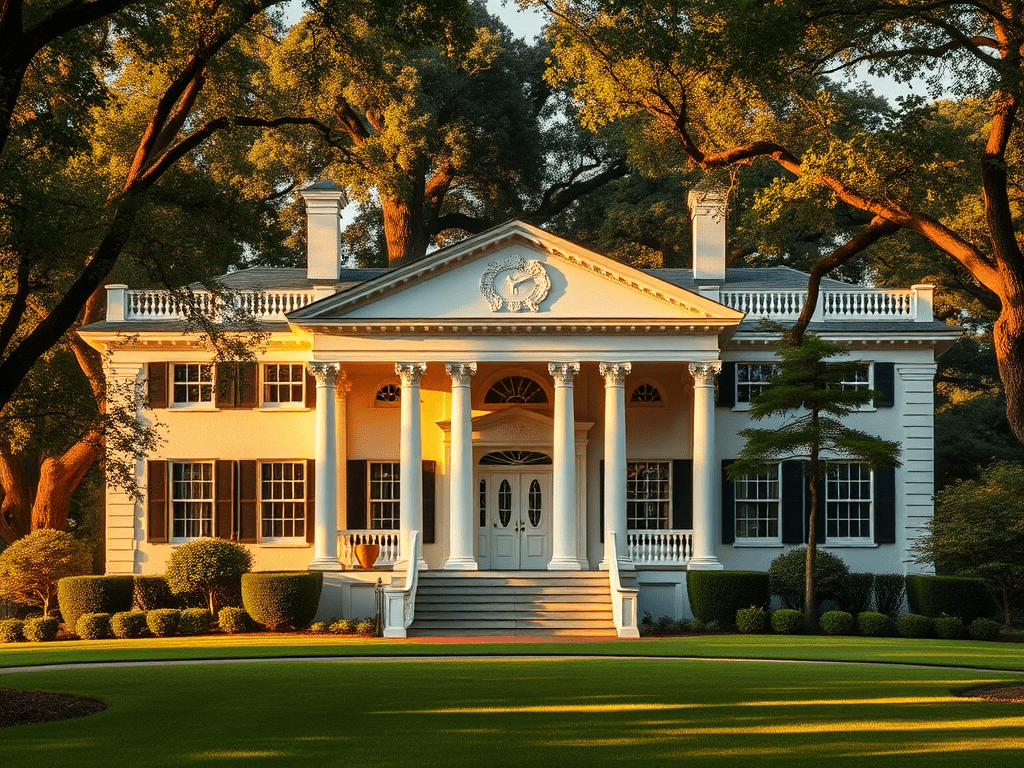
Graceland, the iconic estate of Elvis Presley located in Memphis, Tennessee, serves as a testament to his legacy. Acquired by Elvis in 1957, it has transformed from a private home into a celebrated museum, attracting over 650,000 visitors annually. Graceland showcases personal artifacts, flamboyant costumes, and rooms reflecting his eclectic taste, offering insights into his life. The estate stands as a cultural hub, hosting events that honor Elvis’s impact on music and continually engaging with new generations through exhibitions and digital content. Ultimately, Graceland embodies the spirit of Elvis, ensuring his enduring influence and connection with fans worldwide.
-
Mount Rushmore History: Carving America’s Legacy in Stone
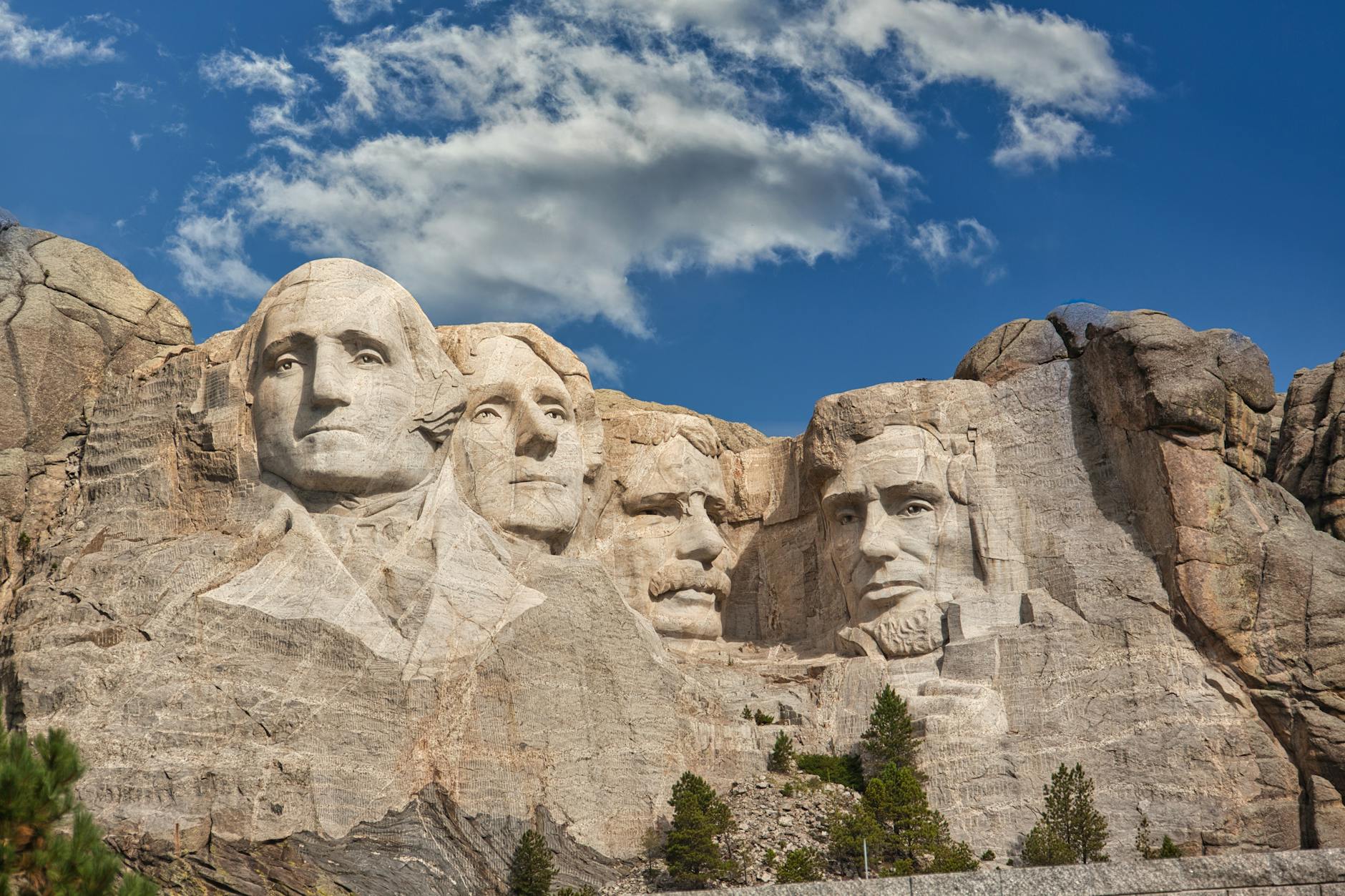
Mount Rushmore is a monumental sculpture in South Dakota, featuring the faces of four U.S. presidents: George Washington, Thomas Jefferson, Abraham Lincoln, and Theodore Roosevelt. Created by Gutzon Borglum, its purpose extends beyond honoring these leaders; it reflects American ideals and aspirations. Completed in 1941, this iconic site attracts millions annually, fostering tourism and local economic growth. However, it also raises significant controversies about Indigenous rights, as it stands on sacred Lakota Sioux land. The monument sparks ongoing dialogue about representation and historical narratives, urging reflection on America’s complex past and its implications for the future.
-
Gateway Arch History: America’s Monument to Westward Expansion
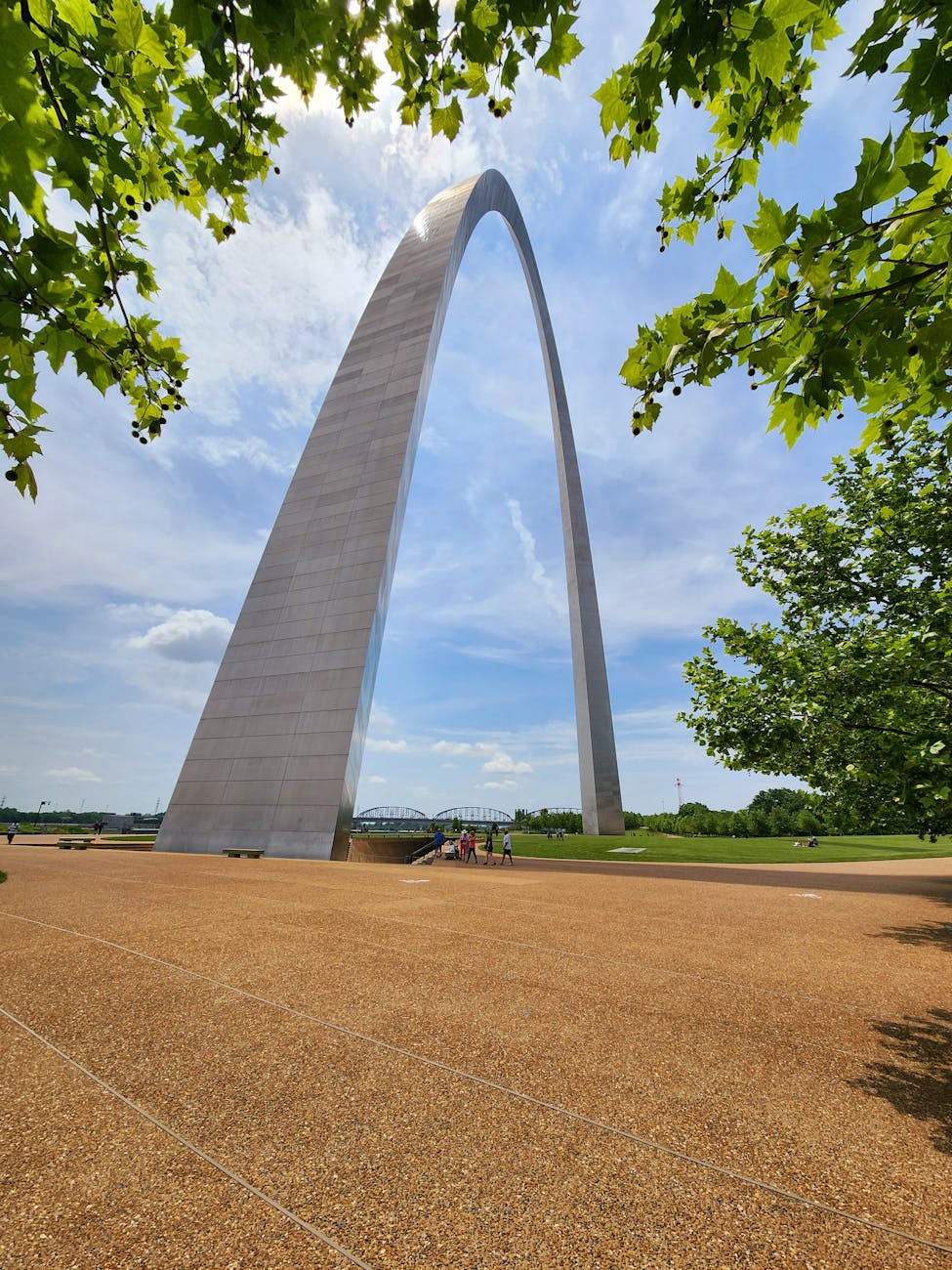
The Gateway Arch, an iconic 630-foot structure in St. Louis, Missouri, symbolizes America’s westward expansion and serves as a tribute to its historical narrative. Designed by Eero Saarinen and completed in 1965, it blends modernist principles with cultural significance, representing both the dreams of pioneers and the complexities of history. The construction faced various challenges, but the collaborative efforts ensured its completion. It features a museum that educates visitors on westward expansion while offering stunning views from its observation deck. Ongoing preservation efforts highlight community involvement, keeping the Arch a vital symbol of American identity and resilience for future generations.
-
Navajo Bridge History: Arching Over Time in the Heart of Glen Canyon

The Navajo Bridge, completed in 1929, is a historically significant steel arch bridge over the Colorado River in Glen Canyon. Initially built to improve transportation for the Navajo Nation and surrounding communities, it facilitated trade and cultural exchange, symbolizing resilience and the blend of indigenous heritage with modernity. The bridge stands as a crucial landmark, attracting tourists and serving as a focal point for cultural events. Preservation efforts address challenges from natural forces and increased tourism, ensuring the structure’s integrity while promoting sustainable engagement with both the bridge’s history and the local Navajo culture.
-
Alcatraz History: From Fortress to America’s Most Infamous Prison

Alcatraz Island, known as “The Rock,” has a complex history that mirrors America’s evolving views on crime and punishment. Initially a military fortress established in the 1850s, it later became a military prison in the late 19th century, housing soldiers guilty of severe offenses. In 1934, Alcatraz transformed into a notorious federal penitentiary, infamous for housing high-profile inmates like Al Capone and notorious escape attempts, particularly by Frank Morris and the Anglin brothers. Today, as a national historic landmark, Alcatraz attracts millions of visitors, offering insights into justice, rehabilitation, and the human experience within its storied walls.
-
Washington Monument History: America’s Tallest Tribute to Its First President

The Washington Monument symbolizes American resilience and honors George Washington’s legacy. Constructed between 1848 and 1884, it faced numerous challenges, including financial struggles and the Civil War, before its eventual completion. Designed by Robert Mills, the obelisk reflects Classical architecture and signifies stability and eternity, embodying Washington’s ideals. Over time, it has served as a backdrop for significant historical events, including Dr. Martin Luther King Jr.’s “I Have a Dream” speech, reinforcing its role in civil rights. Today, the monument attracts millions, emphasizing ongoing dialogues about history and values while honoring America’s commitment to democracy and unity.
-
Mesa Verde History: Exploring the Hidden Cities in the Cliffs

Mesa Verde, a UNESCO World Heritage Site in the southwestern U.S., represents the history of the Ancestral Puebloans, who lived there for over seven centuries. This region features stunning geological formations and impressive adobe architecture, revealing advancements in agriculture and society. The Puebloans, known for their cliff dwellings and trade networks, developed intricate social structures and spiritual practices. Despite challenges like droughts leading to their decline by the late 13th century, their cultural legacy endures, preserved through targeted efforts in education and restoration. Visiting Mesa Verde enriches understanding of their lives, while ongoing preservation initiatives highlight the importance of maintaining…
-
Dolby Theatre History: The Glamorous Home of the Oscars

The Dolby Theatre, opened in 2003, is an iconic cultural landmark in Hollywood, best known as the venue for the Academy Awards. With a capacity of over 3,400, it combines luxury and advanced technology, enhancing cinematic experiences. Originally named the Kodak Theatre, it was renamed following Kodak’s financial issues, transitioning to Dolby sponsorship. The theatre features a striking neoclassical design and an advanced Dolby Atmos sound system that revolutionizes audio experiences. Beyond the Oscars, it hosts various cultural events and showcases emerging filmmakers, solidifying its role in promoting diversity and inclusion while remaining pivotal in Hollywood’s cultural landscape.
-
Cologne Cathedral History: A UNESCO World Heritage Site That Survived the Blitz
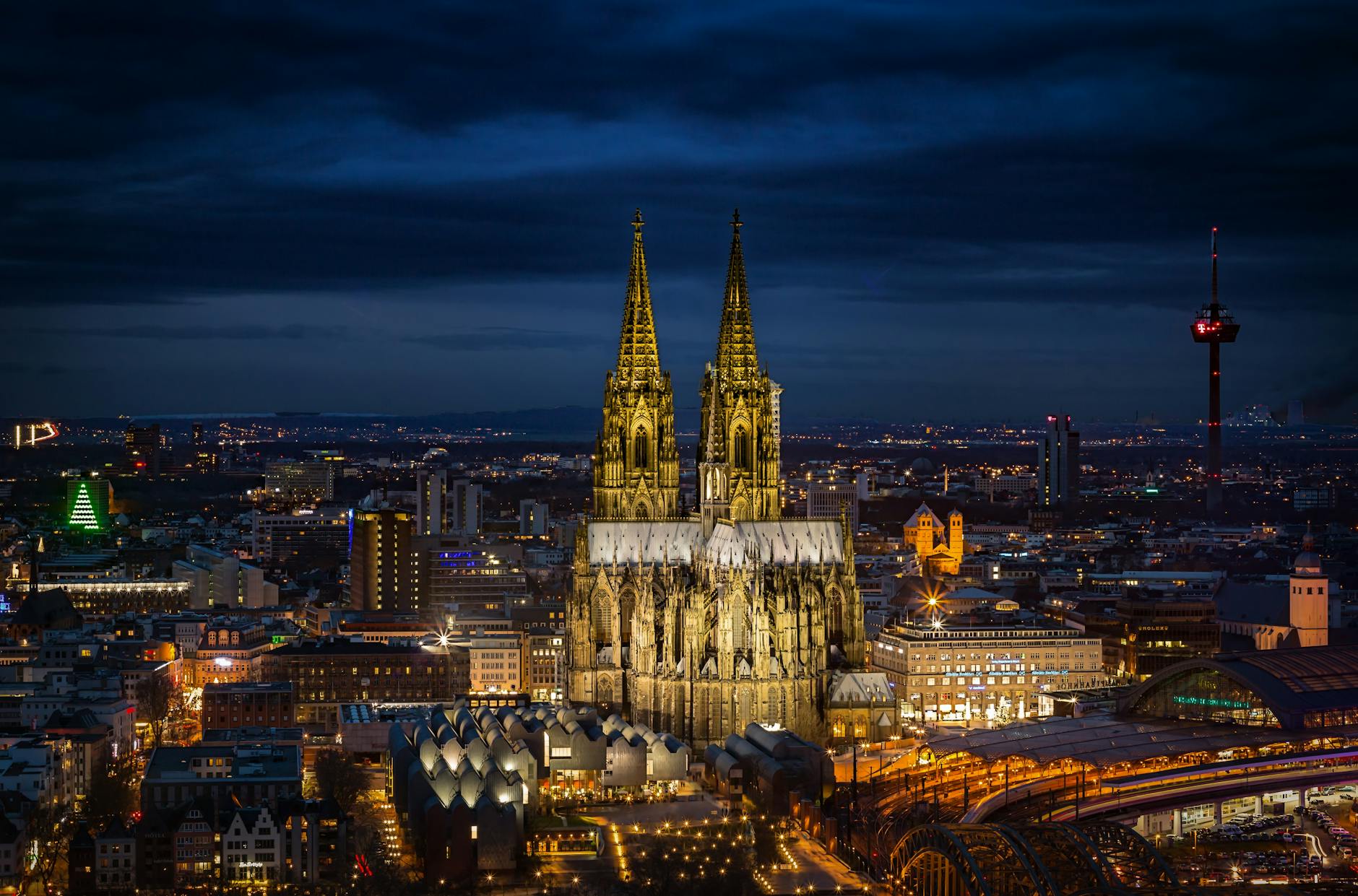
Cologne Cathedral, a UNESCO World Heritage Site, is a remarkable symbol of resilience and beauty in Germany. Its construction began in 1248, reflecting the Gothic architectural vision aimed at housing the relics of the Three Wise Men. Throughout centuries, the cathedral faced challenges including funding issues and war, yet remained a central aspect of Cologne’s identity. During World War II, it survived bombings, serving as a beacon of hope. Post-war restoration efforts revitalized its splendor, allowing it to flourish as a cultural landmark and spiritual site. Today, Cologne Cathedral continues to inspire millions and embodies collective history and perseverance.
-
Statue of Liberty History: the story and facts behind America’s Icon of Freedom

The Statue of Liberty, a gift from France in 1886, symbolizes hope and freedom, welcoming immigrants to America. Designed by Frédéric Auguste Bartholdi, it embodies liberty’s ideals and Franco-American friendship. Constructed with innovative techniques, it was dedicated on October 28, 1886. The statue’s torch represents enlightenment, while the inscribed tablet commemorates the Declaration of Independence. Its symbolism extends to universal liberty, advocating for inclusivity and civil rights. Preservation efforts ensure its integrity amidst modern challenges. As a beacon of hope, the Statue of Liberty inspires generations to uphold the values of freedom, equality, and justice for all.
-
The Story of Neuschwanstein Castle: Where Fantasy Meets Royal Legacy
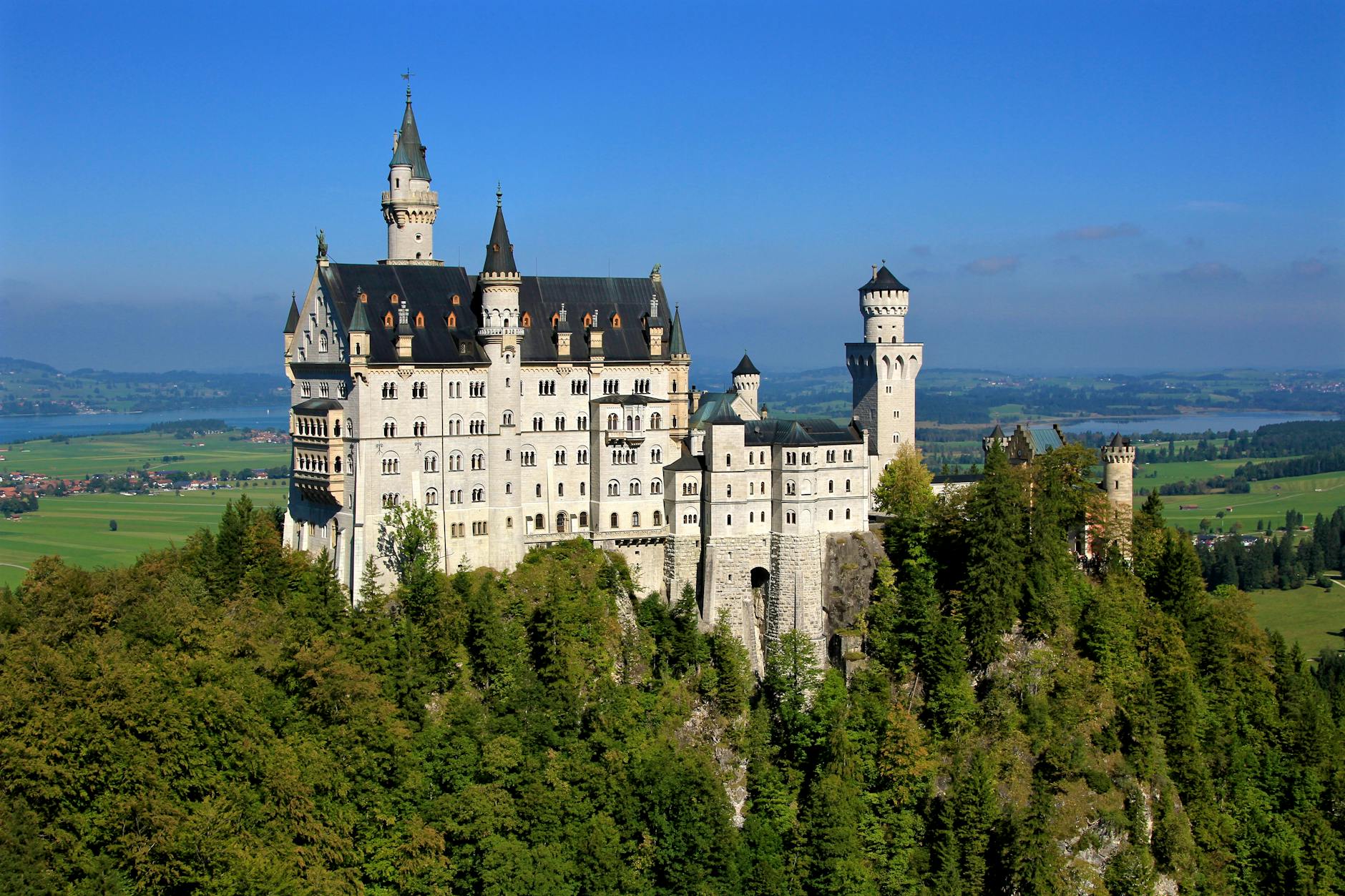
Neuschwanstein Castle, located in the Bavarian Alps, stands as a symbol of King Ludwig II’s romantic vision and architectural brilliance. Built in the late 19th century, it blends medieval influences and Wagnerian themes, attracting millions of visitors daily. Ludwig, driven by ideals of beauty and heritage, faced criticism for his extravagant spending, leading to financial strife and his untimely death before the castle’s completion. Today, Neuschwanstein’s whimsical design and rich history make it a cultural icon and tourism magnet, despite challenges from mass tourism. Ongoing preservation efforts aim to protect its integrity, ensuring that this architectural masterpiece continues to enchant…
-
The History of Notre-Dame de Paris: Faith, Fire, and Architectural Glory

Notre-Dame de Paris, an architectural marvel completed in the 14th century, serves as a significant symbol of faith and community in France. Evolved from a modest church, its Gothic architectural innovations, including flying buttresses and stunning stained glass, have made it an iconic landmark. Historically, Notre-Dame hosted monumental events, from royal coronations to national celebrations, solidifying its cultural importance. The devastating fire in 2019 prompted a global outpouring of support for its restoration, emphasizing the need to preserve cultural heritage. Current restoration efforts aim to restore its original design while integrating modern safety features, ensuring its legacy endures as a…
-
Galata Tower History: Watching Over Istanbul for Centuries

The Galata Tower in Istanbul is a historical landmark originating in the 14th century, initially built by the Genoese as a watchtower to protect trade routes. Standing 66.9 meters tall, it underwent various transformations, including serving as a fire-watch tower under the Ottomans. Its architectural design showcases a blend of Gothic and Mediterranean styles, featuring a conical roof and wooden observation galleries. The tower holds cultural significance, inspiring art and literature while acting as a community hub. Today, it attracts millions of tourists, with ongoing preservation efforts balancing historical integrity and modern accessibility, embodying Istanbul’s vibrant history and identity.
-
U.S. Capitol History: The Symbolic Heart of American Democracy

The U.S. Capitol in Washington, D.C., symbolizes American democracy, reflecting its historical evolution and architectural grandeur. Initially established in the 18th century, the Capitol has transformed through expansions and renovations, notably its iconic dome completed in 1866. It serves as a significant site for notable events, including presidential inaugurations and landmark legislative debates, while also being a backdrop for social movements. In contemporary governance, the Capitol faces challenges like partisanship, yet it embraces transparency and inclusivity. Overall, the Capitol embodies the nation’s journey toward liberty and justice, representing both the struggles and progress of American democracy.
-
The Palace of Versailles History: How a Hunting Lodge Became a Symbol of Absolute Power

The Palace of Versailles transformed from a modest hunting lodge into a symbol of absolute monarchy under Louis XIV, reflecting royal power and artistry. Initially built for leisure in 1623, it was expanded into a grand palace with remarkable architecture, gardens, and ceremonial spaces, serving as a center of political life to centralize authority and impress nobility. Versailles influenced French culture through art, fashion, and ceremonies, embodying the principles of divine right and opulence. However, its significance diminished after the French Revolution, leading to its repurposing as a museum, yet it remains a cultural treasure and symbol of France’s complex…
-
The Sydney Opera House History: How a Radical Design Became Australia’s Global Symbol

The Sydney Opera House, a landmark of architectural innovation, symbolizes Australian culture and identity. Conceived in the mid-20th century, its design by Jørn Utzon, featuring iconic sail-like structures, faced criticism and engineering challenges. Despite setbacks, including budget overruns and Utzon’s resignation, the project was completed in 1973, becoming a global cultural hub. It hosts diverse performances, supports local and international art, and enhances Sydney’s tourism. As a UNESCO World Heritage Site, its future involves addressing sustainability, digital engagement, and representation while preserving its historic essence. The Opera House epitomizes resilience, creativity, and Australia’s artistic legacy.
-
Taj Mahal History: Unveiling the Secrets Behind India’s Iconic Monument

The Taj Mahal, an iconic symbol of love and resilience, was commissioned by Mughal Emperor Shah Jahan in memory of his wife, Mumtaz Mahal. This masterpiece, completed in the mid-17th century, showcases a blend of Indo-Islamic and Persian architecture, featuring intricate details, lush gardens, and tranquil reflections. Its design embodies ideals of beauty and spirituality, while facing challenges from pollution and tourism. As a UNESCO World Heritage Site, the Taj Mahal draws millions of visitors each year, impacting the local economy and inspiring cross-cultural appreciation. Ultimately, it remains a lasting testament to love, artistry, and cultural preservation.
-
Tokyo Architecture: Where Tradition Meets Futuristic Innovation

Tokyo’s architectural landscape represents a unique blend of tradition and modern innovation. Historic structures like the Senso-ji Temple and Meiji Shrine coexist with cutting-edge designs such as the Tokyo Skytree, reflecting the city’s rich cultural heritage and evolving identity. The integration of sustainable practices and smart technology is shaping future developments, fostering community engagement. This ongoing dialogue between past and future signifies Tokyo’s resilience, as its architecture narrates a story of creativity amidst a dynamic urban environment.
-
Angkor Wat History: The Rise and Legacy of Cambodia’s Sacred Wonder
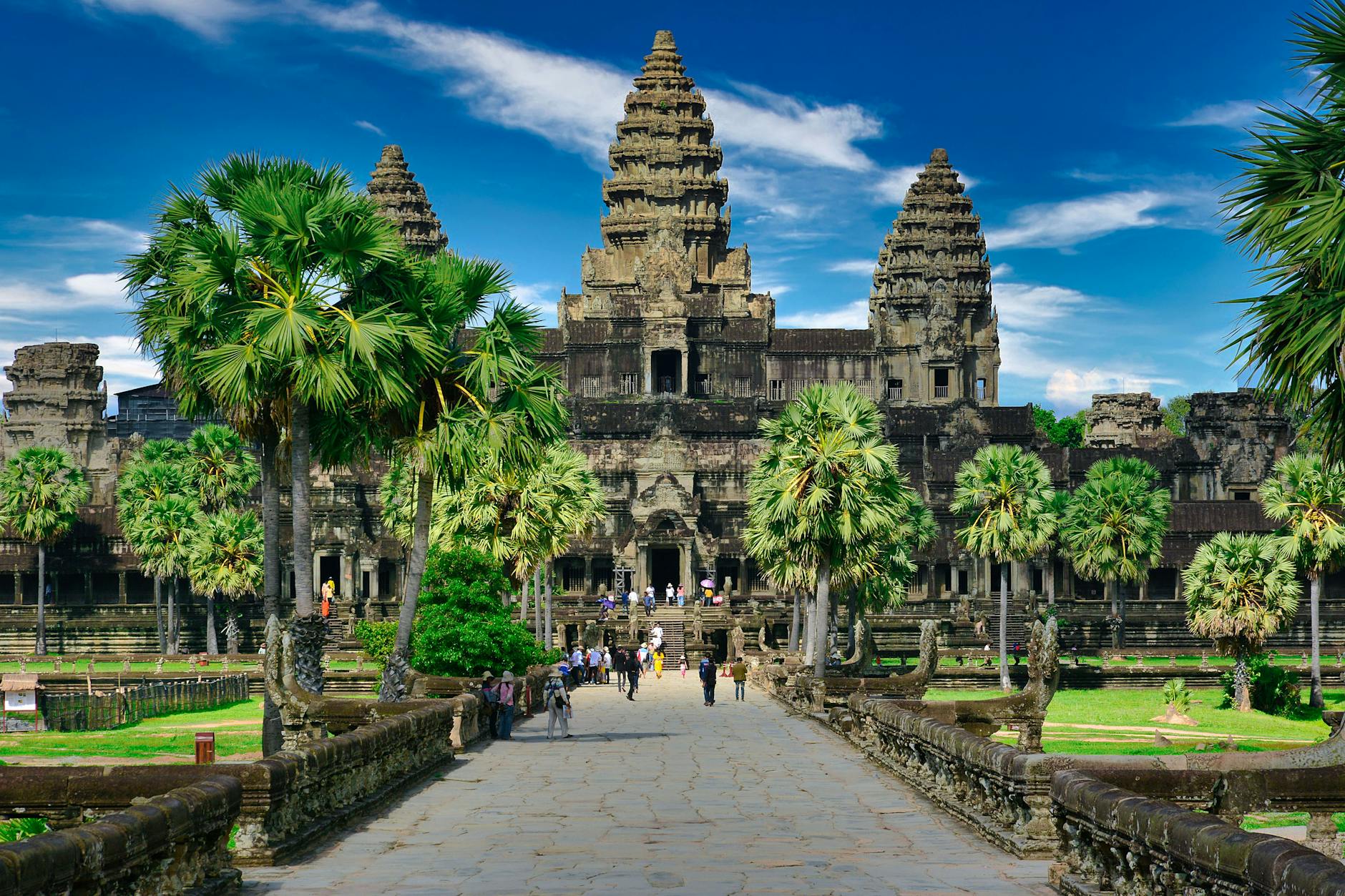
Angkor Wat, a significant symbol of Cambodian heritage, was built in the early 12th century as a Hindu temple during King Suryavarman II’s reign. Over time, it transitioned into a Buddhist site, reflecting the region’s evolving spirituality. As one of the largest religious monuments globally, it showcases extraordinary Khmer architectural and engineering achievements. The temple’s designs symbolize cosmic beliefs, and its intricate carvings preserve cultural narratives. Despite facing neglect, Angkor Wat’s rediscovery in the 19th century led to renewed interest and conservation efforts. Today, it stands as a vibrant representation of Khmer identity, resilience, and a focal point for cultural…
-
Stonehenge History: Unlocking the Secrets of Britain’s Ancient Monument

Stonehenge, a prehistoric monument on England’s Salisbury Plain, has sparked fascination regarding its origins and purpose, dating back to around 3000 BC. Archaeological evidence suggests it evolved through multiple phases, likely serving as a ceremonial site and burial ground. The construction involved complex techniques for transporting massive stones, revealing social organization and cooperation among Neolithic communities. The monument holds significant cultural importance, connected to agricultural rituals and commemorations of the deceased. Recent scientific advancements have further illuminated its history, while ongoing preservation efforts emphasize the need to protect this iconic heritage for future generations.