Tag: Architecture
-
Golden Gate Bridge History: Engineering Feat and Cultural Icon of San Francisco

The Golden Gate Bridge is a monumental feat of engineering and an iconic symbol of San Francisco, spanning 1.7 miles across the Golden Gate Strait. Opened in 1937 during the Great Depression, it was designed by Joseph Strauss and a team of engineers and challenged by complex natural conditions, including strong winds and seismic risks. The bridge’s Art Deco design, vibrant International Orange color, and cultural significance highlight its role as a unifying symbol of American ingenuity and resilience. Today, it attracts millions of tourists annually, emphasizing the importance of preservation while serving as a beacon for innovation and environmental…
-
Shwedagon Pagoda History: Where Legend, Faith, and Architecture Converge

The Shwedagon Pagoda in Yangon, Myanmar, is an iconic religious site with over 2,500 years of history, signifying cultural heritage and spiritual significance. Believed to house Buddha’s relics, it attracts millions of pilgrims, creating a deep communal identity. Rich legends intertwine spirituality and history, guiding the pagoda’s evolution and symbolic importance as a refuge and a beacon of resistance during political strife. Architecturally, it features a golden stupa surrounded by intricate structures, showcasing Myanmar’s craftsmanship. Challenges like tourism, preservation, and urbanization must be navigated to maintain its sanctity. The pagoda remains a vital symbol of hope and unity for the…
-
Istanbul Architecture: Where Domes, Minarets, and Mosaics Tell a Tale of Two Empires

Istanbul is a city rich in architectural history, embodying the legacy of the Byzantine and Ottoman empires. Iconic structures like Hagia Sophia, the Blue Mosque, and Topkapi Palace tell tales of cultural fusion and historical evolution. Each building reflects the city’s transformation from Byzantium to Constantinople and ultimately to modern Istanbul. The urban landscape showcases a blend of public and private spaces, where ancient and contemporary architectures coexist. This synthesis extends to culinary traditions and cultural events, illustrating the city’s vibrant multicultural identity. Istanbul serves as a living museum, inviting contemplation of its diverse narratives bridging Eastern and Western influences.
-
Petra History: Unveiling the Secrets of Jordan’s Lost City

Petra, known as the “Rose City,” is an ancient city in Jordan celebrated for its impressive sandstone architecture and historical significance as a trade hub. Established by the Nabateans in the 5th century BC, Petra thrived on its strategic location, facilitating trade routes and showcasing innovative water conservation techniques. At its peak in the 1st century AD, it became a cultural melting pot, evidenced by structures like Al-Khazneh and the Monastery. Rediscovered in the early 19th century, Petra is now a UNESCO World Heritage Site facing preservation challenges due to tourism and natural erosion, highlighting the need for ongoing conservation…
-
Pyramids of Giza History: Unraveling the Mysteries of Egypt’s Ancient Wonders

The Pyramids of Giza, constructed over 4,000 years ago during Egypt’s Fourth Dynasty, are monumental testaments to ancient Egyptian civilization, embodying their spiritual and cultural beliefs centered around the afterlife. The three pyramids—Khufu, Khafre, and Menkaure—demonstrate remarkable architectural precision and advanced engineering techniques. Contrary to popular belief, skilled laborers, not slaves, built these structures, utilizing ingenious methods for stone transportation and construction. Recent discoveries, including non-invasive scanning technology, reveal hidden chambers and shed light on the workers’ lives. Ultimately, the pyramids symbolize the sophisticated society that built them, reflecting beliefs in resurrection, authority, and the connection to the cosmos.
-
Athens Architecture: A Journey Through the Birthplace of Classical Style

Athens, a cornerstone of Western civilization, is celebrated for its monumental architectural heritage, particularly the iconic structures of the Acropolis, most notably the Parthenon. Built between 447 and 432 BC, the Parthenon exemplifies classical architecture with its harmonious proportions and innovative design features that counteract optical illusions. The Acropolis hosts several significant temples, including the Erechtheion and the Temple of Athena Nike, each showcasing distinct architectural styles. The evolution from the robust Doric to the graceful Ionic order highlights Athens’s shifting cultural identity. This architectural legacy profoundly influenced later styles, underscoring Athens’s enduring cultural significance and inspiring contemporary design.
-
Brooklyn Bridge History: An Iconic Tale of New York’s Engineering Marvel

The Brooklyn Bridge is a symbol of New York City’s innovation and resilience, connecting Manhattan and Brooklyn since its completion in 1883. Designed by John A. Roebling, it faced engineering challenges such as caisson construction and decompression sickness among workers. Washington Roebling carried on the vision despite personal health struggles. The bridge’s Gothic towers and steel-wire suspension system exemplify engineering artistry, becoming a cultural icon celebrated in art, literature, and film. Preservation efforts ensure its structural integrity and historical significance endure. Ultimately, the Brooklyn Bridge represents ambition, connection, and hope, inspiring future generations and reflecting the ethos of urban life.
-
Bruges Architecture: A Majestic Showcase of Flemish Gothic Beauty

Bruges, known as the “Venice of the North,” is celebrated for its stunning medieval architecture, particularly its Flemish Gothic style. This architectural heritage reflects the city’s historical wealth during the Middle Ages when it became a key trading hub in Europe. Notable structures like the Belfry, the Basilica of the Holy Blood, and the Church of Our Lady showcase intricate craftsmanship, use of red brick, and elaborate ornamentations. Preservation efforts involve local authorities, community engagement, and sustainable practices to maintain Bruges’s authenticity while adapting to contemporary needs. The architectural legacy of Bruges continues to inspire modern design and cultural identity.
-
Stockholm Subway Architecture: A Journey Through the World’s Longest Art Gallery
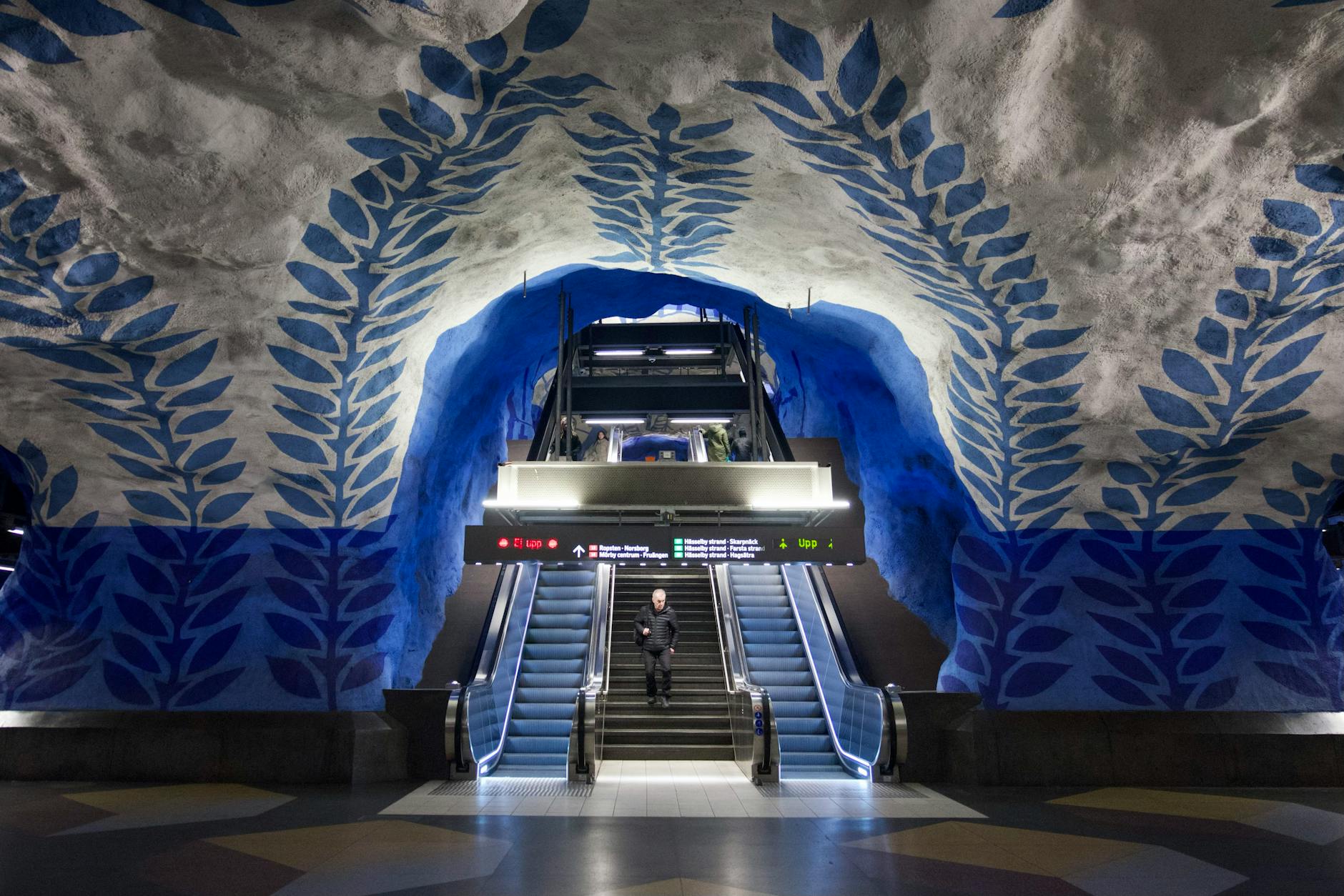
Stockholm Subway Architecture is celebrated as a unique integration of transportation and art, described as the world’s longest art gallery. Opened in 1950, the subway system features over 100 stations with vibrant murals and sculptures that reflect Sweden’s culture and history. Initially focused on functionality, city planners later embraced art, commissioning local artists to create engaging spaces. Notable stations like T-Centralen and KungsträdgÃ¥rden exhibit this blend. As the subway adapts to modern challenges, trends in sustainability and technology promise to enhance its artistic appeal and community connection, ensuring it remains a cultural landmark for residents and visitors alike.
-
Prague Architecture: Where Medieval Gothic Meets Baroque and Modern Splendor

Prague, the capital of the Czech Republic, showcases a rich architectural heritage that blends Gothic, Baroque, and modern styles. Historic landmarks like St. Vitus Cathedral, Charles Bridge, and the Dancing House reflect the city’s evolution from medieval times to the present, embodying its cultural identity. Gothic structures highlight verticality and intricate design, while Baroque architecture emphasizes grandeur and ornate details. Modern innovations, such as the Dancing House and Zizkov Television Tower, contrast with historical buildings, representing a dynamic architectural landscape. Together, these styles narrate Prague’s history, fostering community and national pride, while celebrating the ongoing dialogue between tradition and modernity.
-
Marrakesh Architecture: A Tapestry of Riads, Arches, and Mosaic Beauty

Marrakesh is a city where history and modernity intertwine, celebrated for its rich architectural heritage influenced by Islamic, Berber, and Moorish styles. Central to its identity are riads, traditional homes designed around serene gardens, embodying cultural and social norms. The evolution of architecture reflects historical dynamics, with the city’s oldest structures showcasing intricate materials and designs. Zellij mosaics play a key role in enhancing visual appeal, while arches unify diverse styles, serving both functional and symbolic purposes. Preservation efforts face challenges from urban development, necessitating community engagement and innovative techniques to safeguard this vibrant heritage for future generations.
-
The Architecture of Lisbon: A Journey Through Tiles, Towers, and Timeless Beauty

Lisbon, Portugal’s capital, boasts a rich architectural history influenced by diverse cultures, including Moorish, Roman, and contemporary styles. Key landmarks like the Belém Tower and Jerónimos Monastery reflect the city’s grand past, while azulejos—decorative tiles—narrate its cultural stories. The Great Earthquake of 1755 led to urban reforms and the Pombaline style, which modernized the city’s architecture. Today, Lisbon blends heritage with modern innovations, embracing sustainability and smart design. The architecture serves not only as a visual feast but also as a powerful symbol of the city’s identity, offering insights into its history, resilience, and community spirit.
-
Florence Architecture: The Birthplace of Renaissance and the Legacy of Gothic Elegance

Florence, known as the cradle of the Renaissance, showcases a rich architectural heritage influenced by Romanesque and Gothic styles that paved the way for the remarkable Renaissance period. Iconic structures like the Florence Cathedral, Palazzo Vecchio, and the Uffizi Gallery reflect the city’s evolution, emphasizing themes of functionality, community, and civic pride. The architectural advancements, led by visionaries such as Brunelleschi, distinguished Florence as a cultural epicenter, blending art and design principles rooted in classical antiquity. Today, Florence’s legacy continues to inspire modern architecture, emphasizing the importance of preserving history while innovating for the future, exemplifying a harmonious balance throughout…
-
New York City Architecture: The Rise of the Vertical City

New York City’s architectural evolution reflects its ambition and innovation, transforming the skyline into an iconic symbol of urban living. Beginning in the late 19th century, skyscrapers arose from industrial growth, exemplifying advancements in steel-frame construction and unique architectural designs like the Flatiron and Empire State Buildings. Technological innovations in materials and design techniques have enabled even taller structures, while sustainability practices, such as green roofs and energy-efficient systems, address environmental concerns. The future of New York’s skyline promises mixed-use developments, climate resilience, and inclusivity, all crucial for navigating urban challenges and fostering vibrant communities within this vertical metropolis.
-
Architecture of Beijing: From Forbidden City to Temple of Heaven

Beijing’s architecture is a remarkable blend of history and modernity, showcasing its rich cultural heritage through iconic landmarks like the Forbidden City and the Temple of Heaven. These structures embody the political and spiritual narratives of Chinese civilization, reflecting the evolution of aesthetic principles over centuries. The Forbidden City, a symbol of imperial power, features strict design hierarchies and feng shui principles, while the Temple of Heaven represents the harmony between earth and heaven in ancient cosmology. As the city modernizes, it grapples with preserving its historical identity amidst urbanization, embracing innovative designs that fuse traditional elements with contemporary needs.
-
Oxford University History: From 1096 to Today – The Legendary Journey of a World-Renowned Institution
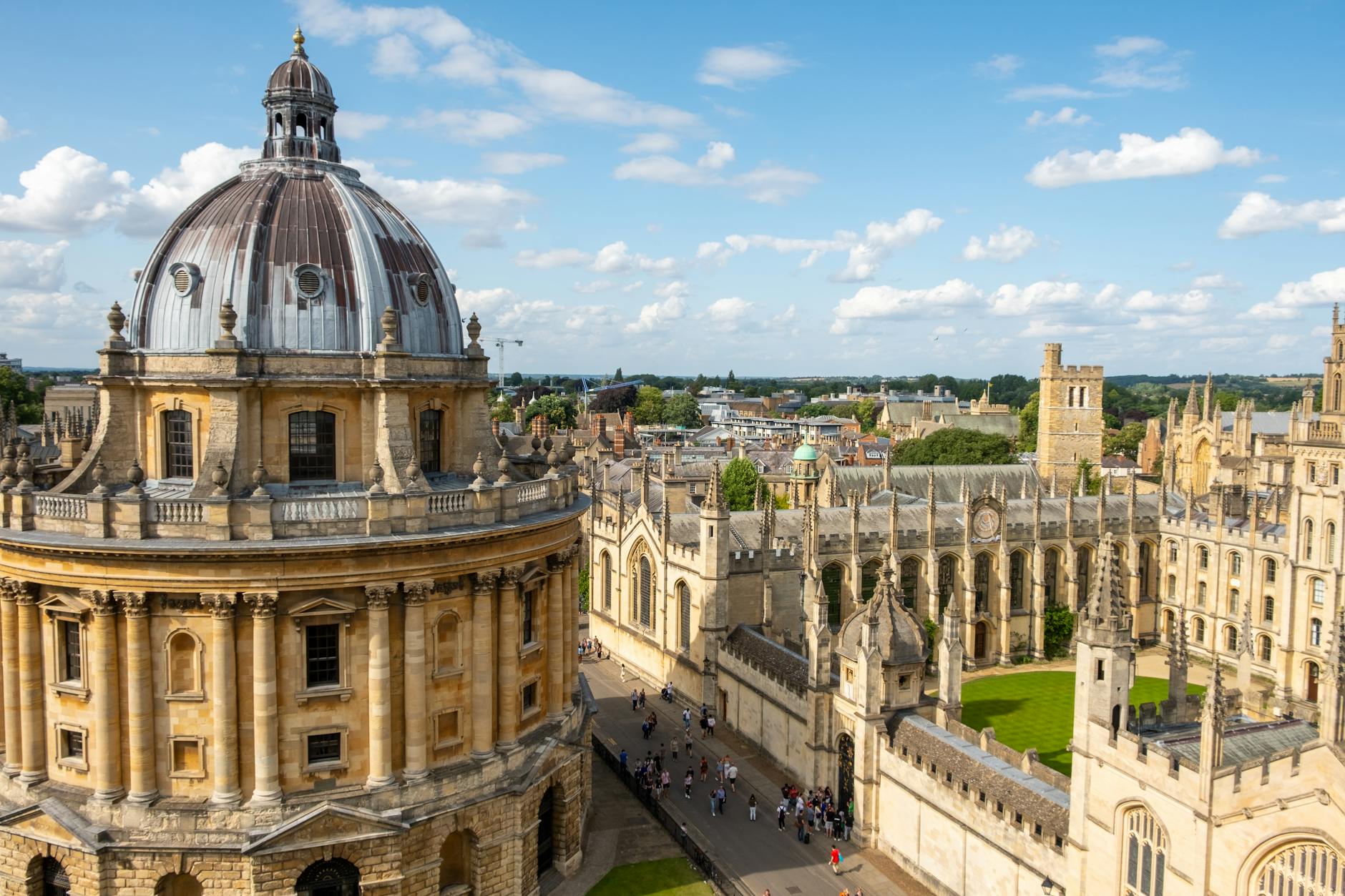
Oxford University, founded in 1096, is the oldest university in the English-speaking world, known for its architectural beauty and academic prowess. Initially established as a gathering of scholars, it evolved over centuries into a prestigious institution with notable colleges like Christ Church and All Souls. Oxford’s alumni include influential figures across various disciplines, reflecting its commitment to excellence. Today, the university addresses global challenges through extensive research, modern teaching methods, and a dedication to inclusivity. Its rich history and evolving role demonstrate the enduring significance of education in shaping society and fostering intellectual growth for future generations.
-
The Architecture of the Moscow Subway as a Mirror of Its Era and Ideology

The architecture of the Moscow Subway symbolizes the cultural and historical evolution of the city, originating in the 1930s under Stalin’s rule. It embodies socialist ideals, utilizing neoclassical designs and grand materials such as marble to convey strength and unity. Each station narrates a story connected to Soviet achievements, integrating art to celebrate collective identity. Over time, the architecture evolved with the political landscape, shifting from opulence to minimalist aesthetics in the post-Stalin era. Today, it embraces modernization and sustainability while preserving its heritage, reflecting contemporary values and inviting future generations to connect with its architectural narrative.
-
Architecture of Barcelona: Exploring the City’s Iconic Modernist Masterpieces

Barcelona’s architecture is a rich blend of historical context and artistic expression, significantly shaped by the Modernisme movement, particularly through Antoni GaudÃ’s visionary works. His masterpieces, such as the Sagrada FamÃlia and Casa Batlló, showcase a unique interplay between natural forms, spirituality, and innovative design. The city’s architecture embraces nature, integrating it with urban spaces, fostering an ecological balance through sustainable practices. Modernisme has left a global legacy, inspiring architects worldwide, while lesser-known structures like the Hospital de Sant Pau offer insights into Barcelona’s diverse narrative. As the city evolves, a commitment to preserving its architectural heritage remains vital, ensuring…
-
The Architecture of Paris: From Cathedrals to Contemporary Icons

The architecture of Paris presents a rich history characterized by diverse styles reflecting cultural evolution. From medieval Gothic masterpieces like Notre-Dame Cathedral to modern innovations such as the Centre Pompidou, each era has added depth to the city’s architectural narrative. The Renaissance and Baroque periods introduced elegance and grandeur, while the modernist movement emphasized functionality and simplicity. Today, Paris balances historical preservation with contemporary design, integrating sustainable practices and enhancing community spaces. This blend of old and new cultivates a vibrant urban landscape, illustrating Paris’ ongoing dialogue between tradition and innovation, essential for shaping its identity and future.
-
St. Petersburg Architecture: A Journey Through Classicism and Baroque

St. Petersburg, founded by Peter the Great in 1703, is a city where Baroque and Classicism intertwine, reflecting its rich architectural heritage. As Russia’s cultural capital, it showcases ornate Baroque structures like the Winter Palace, characterized by grandeur and drama, alongside the rational simplicity of Classicism seen in the Kazan Cathedral. Notable architects such as Bartolomeo Rastrelli and Carlo Rossi have significantly contributed to this architectural evolution, which mirrors the cultural and political aspirations of Russia. Today, the city’s architectural legacy continues to influence modern designs, emphasizing the importance of preserving its historical identity amid contemporary development.