Tag: Architecture
-
The History of Aachen Cathedral: From Palatine Chapel to UNESCO World Heritage
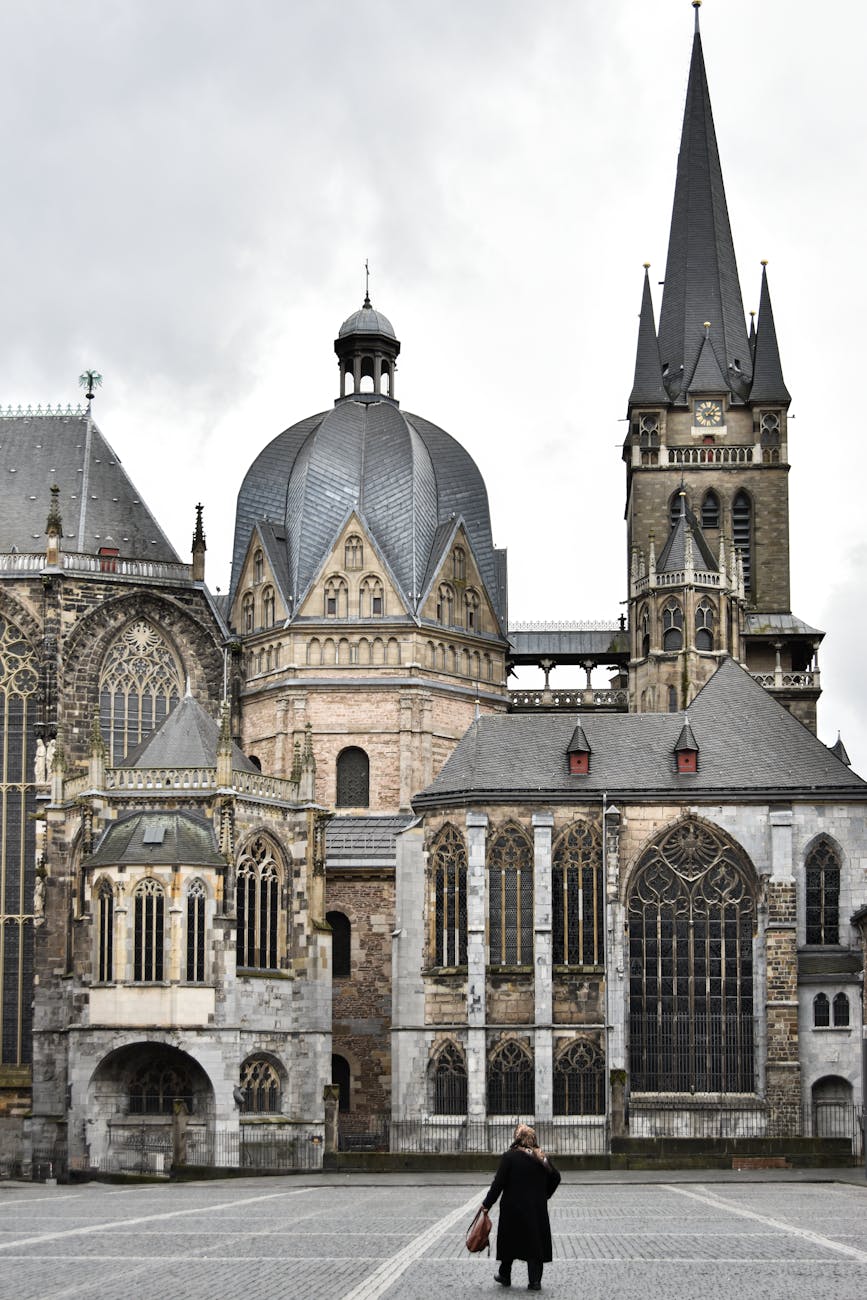
Aachen Cathedral, a masterpiece of Carolingian architecture commissioned by Charlemagne in the 9th century, reflects significant historical, political, and religious roles in European history. Initially a Palatine Chapel, it became a site for the coronation of over thirty Holy Roman Emperors, linking imperial authority with the Church. Its architectural evolution, showcasing Roman, Byzantine, and Gothic styles, symbolizes cultural advancements. Designated a UNESCO World Heritage Site in 1978, it emphasizes both preservation and education. The ongoing commitment to safeguarding this historical monument ensures its legacy continues to inspire and connect generations, enriching Europe\’s shared cultural heritage.
-
The History of Naples Catacombs: Exploring Italy’s Ancient Underground World

The Naples Catacombs, an intricate maze beneath Naples, highlight early Christian history, serving as burial sites and spaces for worship since the 2nd century AD. Constructed from easily excavated tufo rock, they feature organized burial niches and elaborate frescoes that reflect early Christian beliefs and artistry. Beyond their function as tombs, they fostered community, connecting the living and the deceased. Modern preservation efforts aim to protect these historical treasures amid increased interest. Ongoing research uncovers forgotten aspects of their use, ensuring the catacombs\’ significance remains recognized while fostering appreciation for their cultural heritage.
-
The History of Kizhi Pogost: Discovering Russia’s Wooden Masterpiece on the Island of Kizhi

Kizhi Pogost, located on Lake Onega, is a UNESCO World Heritage site showcasing 18th-century Russian wooden architecture, particularly the iconic Transfiguration Church with its 22 domes. Established as a religious hub during Peter the Great\’s era, Kizhi became a center of community life, intertwining faith and artistry. Its unique wooden construction techniques, requiring no nails, reflect the craftsmanship of local artisans. The site also embodies rich folklore and cultural traditions, highlighted through festivals and community engagement. Preservation efforts face environmental challenges, yet local and international collaboration helps maintain Kizhi’s legacy, fostering sustainable tourism while celebrating Russian heritage.
-
The History of Abu Simbel: Exploring the Rock-Temples of Ramses II

Abu Simbel is an ancient temple complex built during Ramses II\’s reign in the 13th century BCE, reflecting his power and divinity. Located on Lake Nassar\’s banks, the Great Temple honors Ramses II, while the smaller temple is dedicated to his wife, Nefertari. The construction showcased advanced engineering and artistry, with alignment to celestial events. Significant for its religious importance, the temples symbolize divine kingship and host crucial rituals. In the 1960s, international efforts saved them from flooding due to the Aswan High Dam, and today they thrive as a tourist destination, symbolizing resilience, cultural heritage, and ongoing preservation efforts.
-
The History of Liangzhu Tombs: Uncovering the Legacy of China’s Neolithic Civilization

The Liangzhu Tombs in Jiangsu, China, dating back to 3300-2300 BCE, showcase the sophistication of Neolithic civilization, revealing advances in agriculture and social structures. Initial discoveries in the late 1920s were expanded through large-scale excavations starting in 2009, highlighting complex burial practices and social hierarchies marked by stratified tombs containing jade artifacts. The architecture reflects impressive craftsmanship and advanced societal organization. The site, recognized as a UNESCO World Heritage Site in 2019, emphasizes the need for preservation and offers insights into cultural identity and historical narratives in China. Ongoing research continues to unveil its significant legacy.
-
The History of Monastery of St. Catherine: Exploring the World’s Oldest Active Christian Monastery
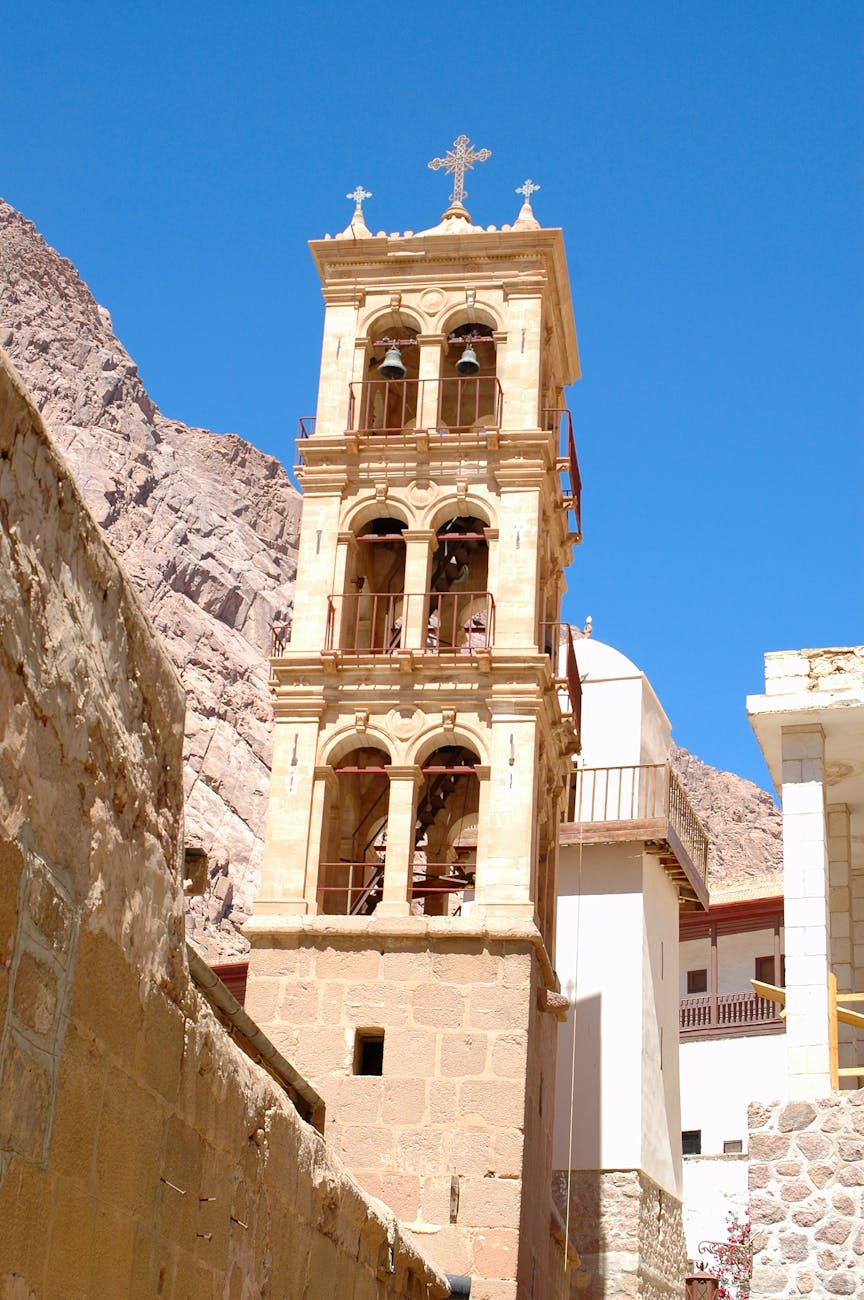
The Monastery of St. Catherine, established in the 6th century at Mount Sinai, is the oldest active Christian monastery, rich in history and significance. It serves as a pilgrimage site, housing valuable manuscripts, artworks, and relics of early Christian thought. Its architectural features reflect Byzantine influences, while the monks embody traditions of faith and community life through structured prayer and hospitality. Despite facing environmental and geopolitical challenges, the monastery\’s ongoing preservation efforts and cultural dialogue initiatives maintain its relevance today. It stands as a sanctuary for spiritual exploration and interfaith understanding, inspiring visitors with its enduring legacy of devotion and…
-
Shah-i-Zinda History: Exploring Samarkand’s Majestic Necropolis of the Timurid Era
Shah-i-Zinda is a significant necropolis in Samarkand, renowned for its artistic beauty and cultural importance from the Timurid era. Housing the tomb of Kusam ibn Abbas, a cousin of the Prophet Muhammad, it serves as a vital pilgrimage site. Established in the 14th century, the complex features over 20 mausoleums, showcasing intricate tilework and architectural innovations. The place embodies legends and local folklore, becoming a center for spiritual practices and community gatherings. Preservation efforts aim to maintain its structures and educate visitors, ensuring this remarkable site remains a living symbol of the region\’s rich history and cultural heritage.
-
Borobudur Temple History: Exploring the World’s Largest Buddhist Monument
Borobudur Temple, located in Central Java, Indonesia, is a monumental Buddhist site built in the 9th century under the Syailendra Dynasty. Recognized as the largest Buddhist monument globally, it features intricate carvings and stupas reflecting the teachings of Buddhism, arranged in a mandala layout symbolizing enlightenment. After centuries of neglect, it was rediscovered in the 19th century, leading to extensive restoration projects to protect its architectural and cultural significance. Today, Borobudur serves as a pilgrimage site, a center for cultural exchange, and a UNESCO World Heritage site, symbolizing Indonesia’s rich cultural heritage while promoting sustainable tourism and education.
-
Exploring Taos Pueblo History: America’s Oldest Continuously Inhabited Community
Taos Pueblo, located in northern New Mexico, is one of the oldest continuously inhabited communities in the U.S., showcasing rich Native American heritage and designated as a UNESCO World Heritage Site. Established over a thousand years ago by the Tiwa-speaking people, the Pueblo is known for its striking adobe architecture and vibrant cultural traditions, including various festivals and the preservation of the Tiwa language. While modernization presents challenges such as increased tourism and environmental issues, initiatives are underway to preserve its heritage and foster understanding. Taos Pueblo exemplifies resilience, blending tradition with adaptation in a changing world.
-
Aphrodisias History: Discovering the Ancient City of Love and Art in Turkey
Aphrodisias, an ancient city in southwestern Turkey, is famed for its historical and artistic significance, especially in marble sculpture. Flourishing during the Hellenistic and Roman periods, the city was dedicated to Aphrodite, which influenced its cultural and religious identity. Known for its marble quarries and exceptional artisans, Aphrodisias produced stunning sculptures and architectural marvels, including the Temple of Aphrodite and a grand theater. Its rich archaeological discoveries, including intricate tombs and inscriptions, offer insights into ancient life and beliefs. Today, recognized as a UNESCO World Heritage Site, Aphrodisias continues to captivate scholars and visitors alike with its timeless legacy of…
-
Bandelier National Monument History: Walking Among the Ancient Ancestral Pueblo Ruins
Bandelier National Monument in northern New Mexico showcases the history and culture of the Ancestral Puebloans, who thrived there over a thousand years. This site features ancient cliff dwellings and pueblos, reflecting advanced architectural techniques and agricultural practices. The Puebloans developed a rich spiritual life deeply connected to nature, cultivating crops and creating art, while practicing communal living. The arrival of Spanish colonizers in the late 16th century disrupted their culture, leading to conflicts and adaptations, including the Pueblo Revolt. Today, preservation efforts emphasize cultural heritage and promote understanding of this unique legacy, while highlighting contemporary connections to the environment…
-
Chartres Cathedral History: The Timeless Jewel of Gothic France
Chartres Cathedral, a UNESCO World Heritage site in France, epitomizes Gothic architecture, reflecting medieval artistry and spirituality. Initially built in 360 AD, its current form emerged in the 12th century after a fire, showcasing innovative features like flying buttresses and remarkable stained glass windows, particularly the renowned Blue of Chartres. The cathedral became a pilgrimage hub due to the relic of the Virgin Mary\’s Veil, influencing local economy and culture. Over centuries, it served as a community center for worship and education. Restoration efforts have preserved its historical integrity, underscoring its significance as a cultural landmark and symbol of enduring…
-
The Great Wall of China History: The Story Behind the World’s Longest Wall

The Great Wall of China, an iconic symbol of Chinese civilization, spans over 13,000 miles and has a history exceeding 2,000 years. Initially built for defense against invasions, particularly from nomadic tribes, it saw significant enhancements during the Qin and Ming Dynasties. The wall represents a blend of military strategy, cultural identity, and resilience, influencing literature and art throughout Chinese history. Modern preservation efforts face challenges from erosion, urbanization, and tourism, emphasizing the need for sustainable practices. As a UNESCO World Heritage Site, the Great Wall continues to embody national pride and serves as a focal point for cultural exchange…
-
Hearst Castle History: From Media Empire to Architectural Masterpiece

Hearst Castle, a magnificent estate in California, embodies the fusion of media influence and architectural innovation attributed to media mogul William Randolph Hearst. Constructed from 1919 under the guidance of architect Julia Morgan, it reflects a unique blend of European architectural styles alongside American identity. The castle, with its 165 rooms and extensive art collection, served as a gathering place for elite figures and cultural exchanges. Despite challenges like the Great Depression, the estate emerged as a testament to perseverance and creativity. Today, as a California State Park, it continues to inspire dialogue about art, history, and identity while emphasizing…
-
Mont-Saint-Michel History: The Timeless Island Fortress of France

Mont-Saint-Michel, an iconic island commune in Normandy, France, is renowned for its rich history, architectural beauty, and spiritual significance. Established in the 8th century following a divine vision, it evolved from a small church into a formidable abbey, becoming a crucial pilgrimage center by the 10th century. The architectural transition from Romanesque to Gothic styles marks its prominence. Amid the Hundred Years’ War, it stood as a bastion of French resilience, enduring sieges while serving as a sanctuary. Restoration efforts in the 19th century preserved its heritage, and today, Mont-Saint-Michel continues to captivate millions, representing France’s enduring cultural identity.
-
Lotus Temple History: Unfolding the Symbol of Peace in New Delhi
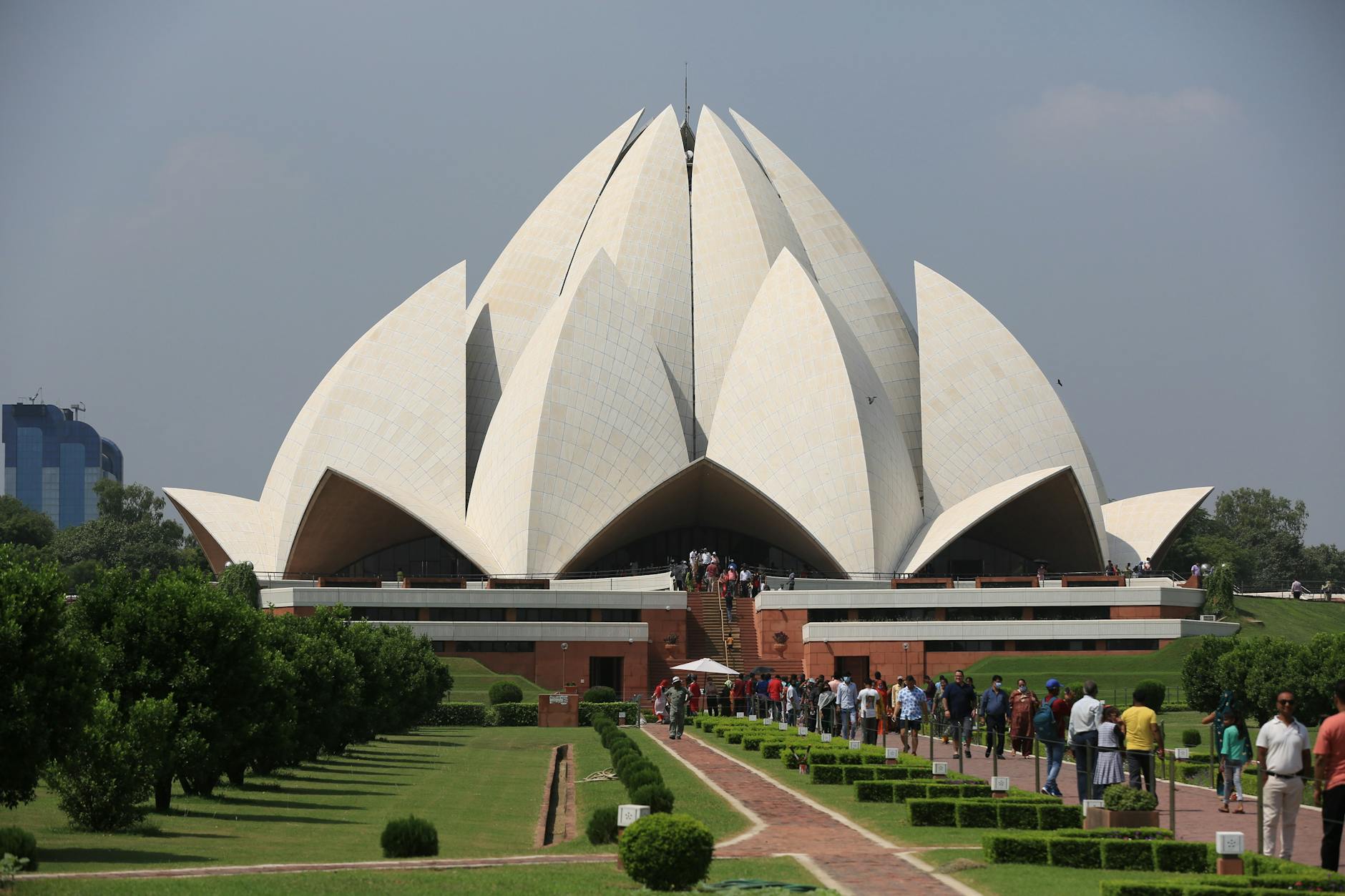
The Lotus Temple in New Delhi, India, completed in 1986, symbolizes peace, unity, and spiritual harmony. Designed by architect Fariborz Sahba, its lotus-shaped structure represents purity and the Bahá’à principles of inclusivity. The temple hosts prayer and meditation for diverse faiths and promotes interfaith dialogue, fostering community connections. Its architectural beauty, featuring 27 marble petals and a large prayer hall, creates a serene environment for reflection. Annually attracting over 10 million visitors, the temple has a global impact as a hub for peace initiatives, education, and cultural exchange, encouraging individuals to recognize their shared humanity and strive for a harmonious…
-
Mexico National Palace History: From Aztec Origins to Modern Democracy

The Mexico National Palace, a historical emblem of the nation, signifies its complex evolution from Aztec roots to modern democracy. Initially the site of Tenochtitlan, its transformation began with the Spanish conquest, where it became a symbol of oppression under colonial rule. The struggle for Mexican independence in the early 19th century reframed the palace as a beacon of resistance and national identity. Today, it functions as both a government center and a cultural repository, reflecting ongoing political dialogues and social justice. The National Palace personifies the intricate relationship between Mexico’s past and its aspirations for a more equitable future.
-
Potala Palace History: The Sacred Heart of Tibet’s Spiritual Legacy

The Potala Palace in Lhasa is a UNESCO World Heritage site symbolizing Tibetan Buddhism and cultural heritage. Constructed in the 7th century, it serves as a significant historical and spiritual center, primarily functioning as the winter residence of the Dalai Lamas. The Palace’s architecture, blending various styles, embodies the spiritual principles of Tibetan Buddhism. Over centuries, it has played a crucial role in Tibetan politics, intertwining spiritual authority and governance. Today, the Potala Palace faces preservation challenges amidst global recognition, acting as a cultural ambassador for Tibetan identity and resilience, highlighting the ongoing importance of preserving its rich artistic and…
-
Potala Palace History: The Sacred Heart of Tibet’s Spiritual Legacy
The Potala Palace in Lhasa is a UNESCO World Heritage site symbolizing Tibetan Buddhism and cultural heritage. Constructed in the 7th century, it serves as a significant historical and spiritual center, primarily functioning as the winter residence of the Dalai Lamas. The Palace’s architecture, blending various styles, embodies the spiritual principles of Tibetan Buddhism. Over centuries, it has played a crucial role in Tibetan politics, intertwining spiritual authority and governance. Today, the Potala Palace faces preservation challenges amidst global recognition, acting as a cultural ambassador for Tibetan identity and resilience, highlighting the ongoing importance of preserving its rich artistic and…
-
Alhambra History: Exploring Granada’s Moorish Masterpiece

The Alhambra, located in Granada, Spain, is a historically significant palatial fortress renowned for its Moorish architecture. Originating in the mid-13th century under the Nasrid dynasty as a fort, it evolved into an opulent palace complex, showcasing intricate tile work, stunning gardens, and a blend of Roman, Islamic, and Gothic influences. Following the Reconquista in 1492, it transformed into a symbol of Catholic dominance, integrating Renaissance elements while still preserving aspects of its Islamic roots. Today, as a UNESCO World Heritage site, it draws millions of visitors, highlighting its architectural brilliance and cultural significance, while also facing preservation challenges amid…