Category: Political & Economic History
-
The Rich History of California

California’s history is a rich tapestry reflecting its diverse cultural, social, and economic evolution over centuries. Beginning with its indigenous peoples, the state’s narrative encompasses the significant impacts of Spanish colonisation, the Gold Rush, and advancements in the 20th century. Indigenous tribes thrived until colonisation brought disease and disruption. The Gold Rush in 1848 catalysed mass migration, transforming California into a melting pot and establishing it as a crucial economic territory. The 20th century saw California emerge as a hub of innovation and culture, despite facing challenges such as the Great Depression and social movements advocating for equality. This complex…
-
The history of the U.S. Department of Defense

The U.S. Department of Defense (DoD) plays a crucial role in American military operations and national security, evolving significantly since its creation post-World War II. Established to unify military branches, the DoD has navigated numerous conflicts, including the Korean War, Vietnam War, and Gulf War, shaping its strategies and operational frameworks. The Cold War era introduced the concept of deterrence and a focus on intelligence, while contemporary threats, such as cyber warfare and terrorism, demand ongoing adaptation. As the DoD faces future challenges, including great power competition and budget constraints, its ability to innovate and foster alliances will be vital…
-
The History of the US Pentagon
The Pentagon, located in Arlington, Virginia, is a symbol of American military power and has been crucial to the nation’s defence since its construction during World War II. Designed by George Bergstrom, its unique five-sided structure was completed in early 1943 to centralise military operations. As the hub for military planning, it facilitated collaboration among branches of the armed forces, playing a key role in major operations like D-Day. The building’s function and architecture have evolved through various conflicts, especially during the Cold War and post-9/11, adapting to modern threats while maintaining its significance in U.S. defence strategy.
-
The History of the United States Supreme Court
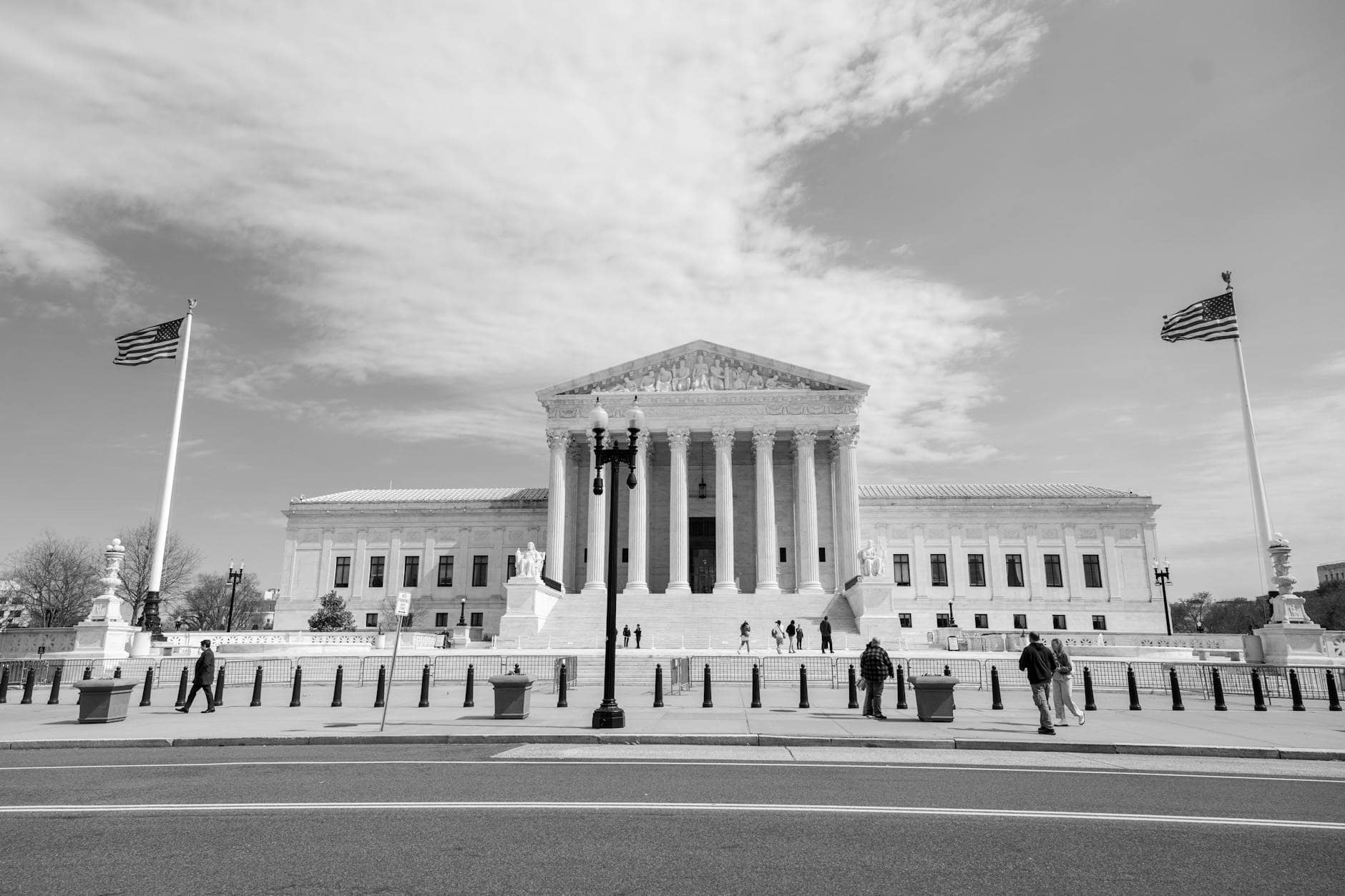
The United States Supreme Court, established in 1789, serves as the highest judicial authority, responsible for interpreting the Constitution and shaping American law. This article traces its evolution from early challenges and foundational cases, such as Marbury v. Madison, to its pivotal role in civil rights, exemplified by Brown v. Board of Education. Throughout history, landmark cases have redefined social norms and legal precedents, illustrating the court’s influence on individual rights. The contemporary court faces significant ideological divisions and contentious cases, reflecting societal changes. As it navigates complex contemporary issues, the Supreme Court remains essential to American democracy and justice.
-
The History of the United States Senate

The United States Senate, established in 1789, is a key part of the American legislative system, comprising 100 senators with two representatives from each state. This article outlines the Senate’s historical evolution, pivotal legislative functions, and the influential figures who shaped its landscape. It highlights challenges such as partisanship and representation issues, urges reforms to restore bipartisanship, and addresses its role in foreign policy and executive oversight. The Senate’s transformation from indirect elections to modern challenges underscores its significance in American democracy. Ultimately, it must adapt to maintain relevance and ensure all citizens are effectively represented.
-
The History of the China-Taiwan Conflict
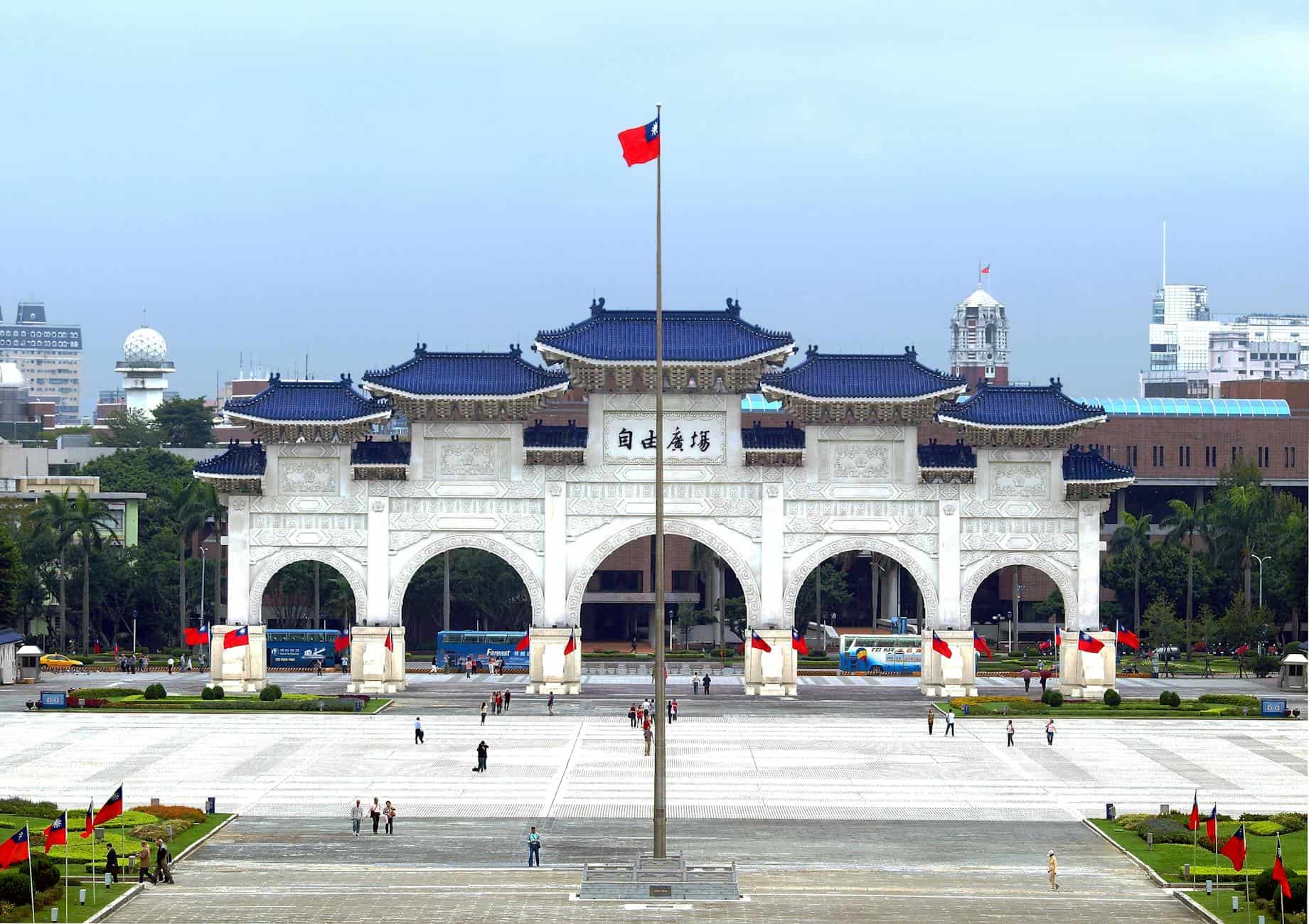
The China-Taiwan conflict, rooted in historical events over a century, has evolved through shifting ideologies and identities. After the Chinese Civil War in 1949, the Kuomintang retreated to Taiwan, establishing an authoritarian regime while asserting claims over the mainland. As Taiwan transitioned towards democracy in the late 20th century, a distinct Taiwanese identity emerged, often opposing unification with China. Internationally, the situation became complex, especially after the 1971 UN recognition of the People’s Republic of China, isolating Taiwan diplomatically. Tensions have escalated under Xi Jinping’s leadership, with Taiwan strengthening ties with the US, while its future remains uncertain amid rising…
-
The Complex Dynamics of USA-China Relations Over Taiwan
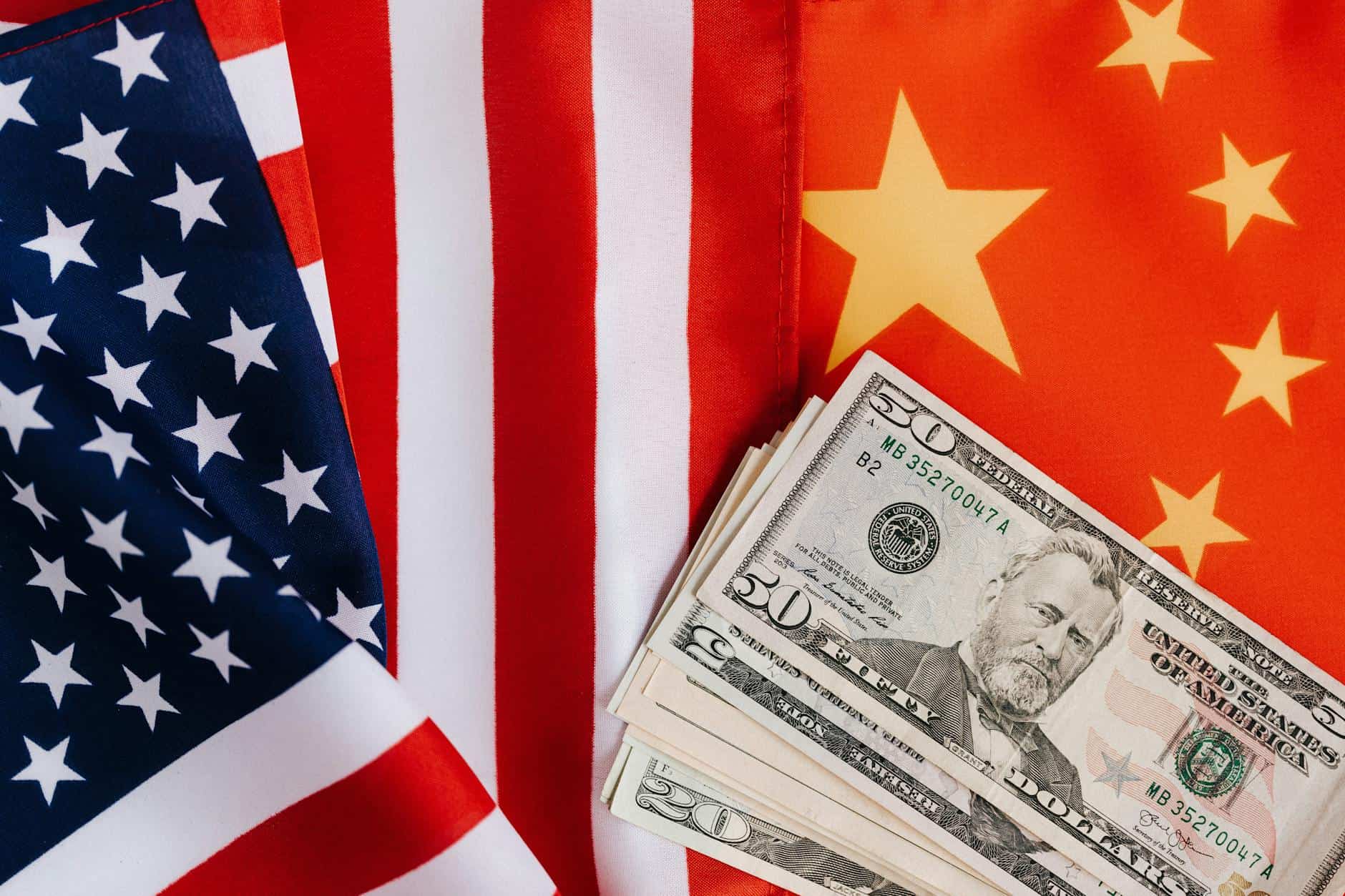
The relationship between the USA and China regarding Taiwan is complex, evolving through historical, political, economic, and military dimensions. The USA has supported Taiwan, especially post-1949, while China considers it a breakaway province. Recent political developments, particularly under President Tsai Ing-wen, have strengthened Taiwan’s identity, prompting increased military tension. Taiwan’s strategic role in global semiconductor manufacturing adds further economic implications to the relationship. Future prospects are fraught with uncertainty, balancing military dynamics, diplomatic ties, and economic interdependence. Ultimately, maintaining peace requires ongoing dialogue and respect for Taiwan’s sovereignty amidst rising tensions between the superpowers.
-
The History of the Cuban Revolution: a full guide

The Cuban Revolution, which unfolded between 1953 and 1959, marked a significant turning point in the history of Cuba and had far-reaching implications for global politics.
-
The History of Navy SEALs: A Look into Elite Maritime Warfare

The United States Navy SEALs are one of the most elite special operations forces in the world, known for their versatility, skill, and courage. Established in the early 1960s, the SEALs were born from the need for a specialized maritime force capable of conducting covert operations.
-
The History of United States and Cuba Relations: why hostility is growing

The historical relationship between the United States and Cuba is marked by complexities, evolving from economic ties and colonisation to conflict and ideological rivalry. The Cuban Revolution of 1959 significantly altered this dynamic, as Fidel Castro’s regime nationalised American businesses, prompting the U.S. to impose an economic embargo. The Cold War intensified hostilities, epitomised by the Bay of Pigs invasion and the Cuban Missile Crisis, creating a legacy of mistrust. Recent attempts at normalisation initiated in 2014 faced setbacks under subsequent U.S. administrations, complicating ongoing discussions. Both nations continue to grapple with historical grievances as they navigate the challenges of…
-
The history of the United States House of Representatives

The House of Representatives, established in 1789, has played a pivotal role in shaping American democracy through its evolving mandates. Initially focused on representation and legislative identity, it addressed crucial issues such as the Bill of Rights and the contentious debates surrounding slavery. As the nation expanded and faced civil strife, the House became instrumental in navigating sectional tensions and later aiding in Reconstruction. Throughout the 20th century, it championed workers’ rights and civil rights while grappling with partisanship and social issues. Today, the House continues to adapt, reflecting the will of the people amidst ongoing political challenges.
-
The Comprehensive History of Immigration in the United States
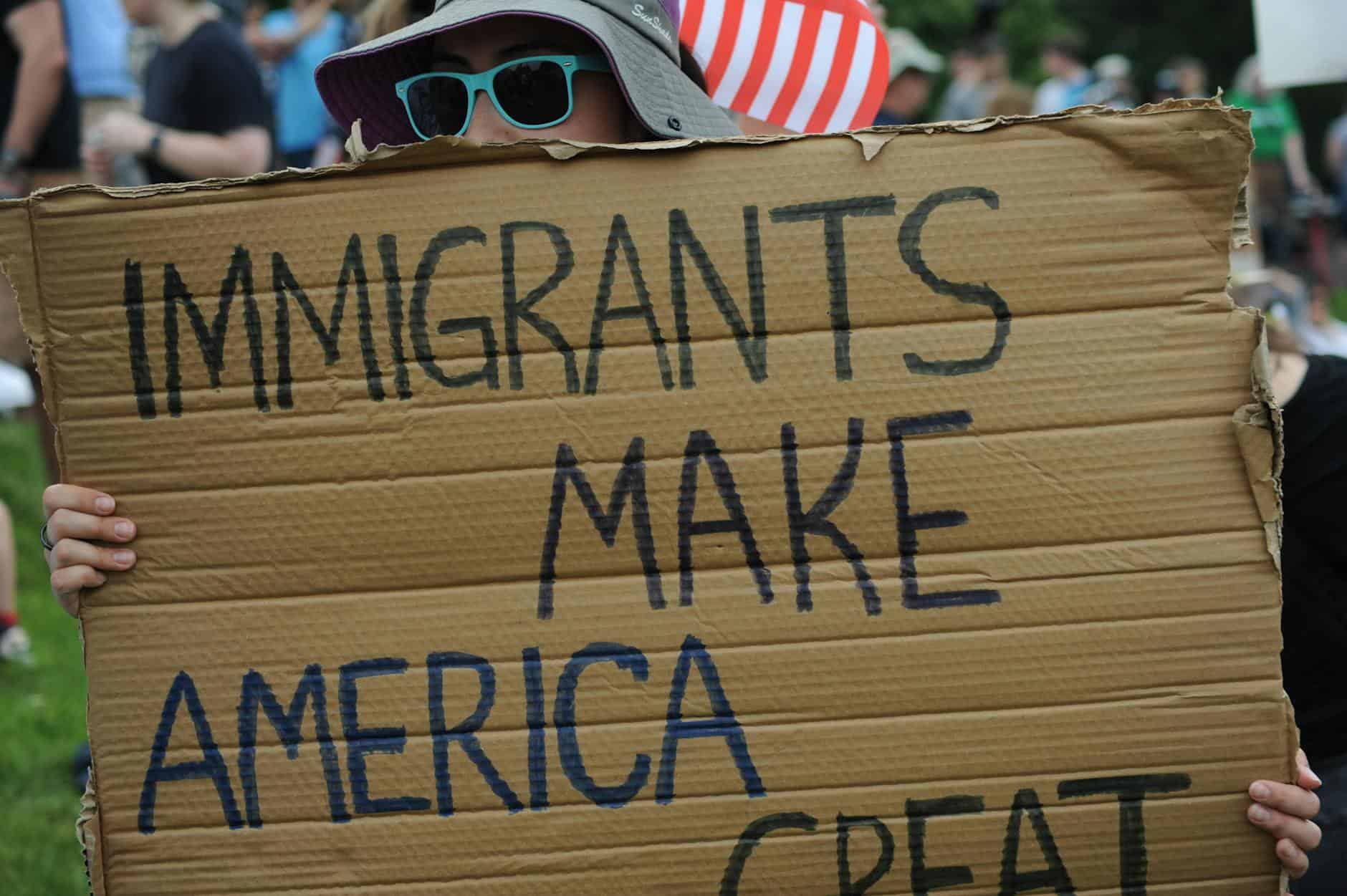
Immigration has profoundly shaped the United States, influencing its demographics, economy, and culture. From the early European settlers seeking opportunities in the 17th century to the waves of refugees arriving after World War II, each group has contributed to America’s identity. Significant legislation, such as the 1924 Immigration Act, altered immigration patterns and restricted certain groups, leading to long-lasting impacts. The post-war era saw a shift towards policies prioritising family reunification and skilled immigrants, but contemporary debates remain contentious, focusing on security, economic contributions, and humanitarian needs. Understanding this complex history is essential for navigating today’s immigration landscape.
-
The history and evolution of Birthright Citizenship in the United States

Birthright citizenship in the United States allows individuals born on U.S. soil to automatically acquire citizenship, regardless of their parents’ nationality, as established by the 14th Amendment. Its origins trace back to colonial times and evolved through historical contexts, addressing issues of race and identity. Landmark Supreme Court cases like Wong Kim Ark reaffirmed this principle, asserting citizenship based on birthplace. Contemporary debates focus on immigration and identity, with calls for reform from some groups who argue it encourages illegal immigration. Comparisons with international practices reveal varied approaches, highlighting challenges in balancing inclusivity with national interests in evolving societal dynamics.
-
The History of International Workers’ Day: A Deep Dive into the Significance of 1st May

International Workers’ Day, celebrated on the 1st of May, is a day dedicated to honoring the struggles and achievements of workers worldwide. Its origins can be traced back to the labor movement of the late 19th century, particularly the fight for fair labor practices and better working conditions. The day serves as a reminder of the ongoing challenges faced by workers and the importance of solidarity in advocating for rights and reforms.
-
The KGB: A Deep Dive into its History and Global Impact

The KGB, established in 1954, was a powerful Soviet intelligence agency that significantly influenced both domestic and international landscapes during its existence. Originally formed from revolutionary security organisations, the KGB was involved in espionage, surveillance, and political repression while maintaining strict control over the Soviet population. Its tactics included disinformation campaigns and support for global communist movements, particularly during the Cold War. After the USSR’s dissolution in 1991, the KGB’s legacy endured through its successor, the FSB, and its practices continue to shape contemporary Russian governance, surveillance, and international relations, highlighting the complex interplay between security and civil liberties.
-
The Iranian Revolution of 1979: A Historical Overview
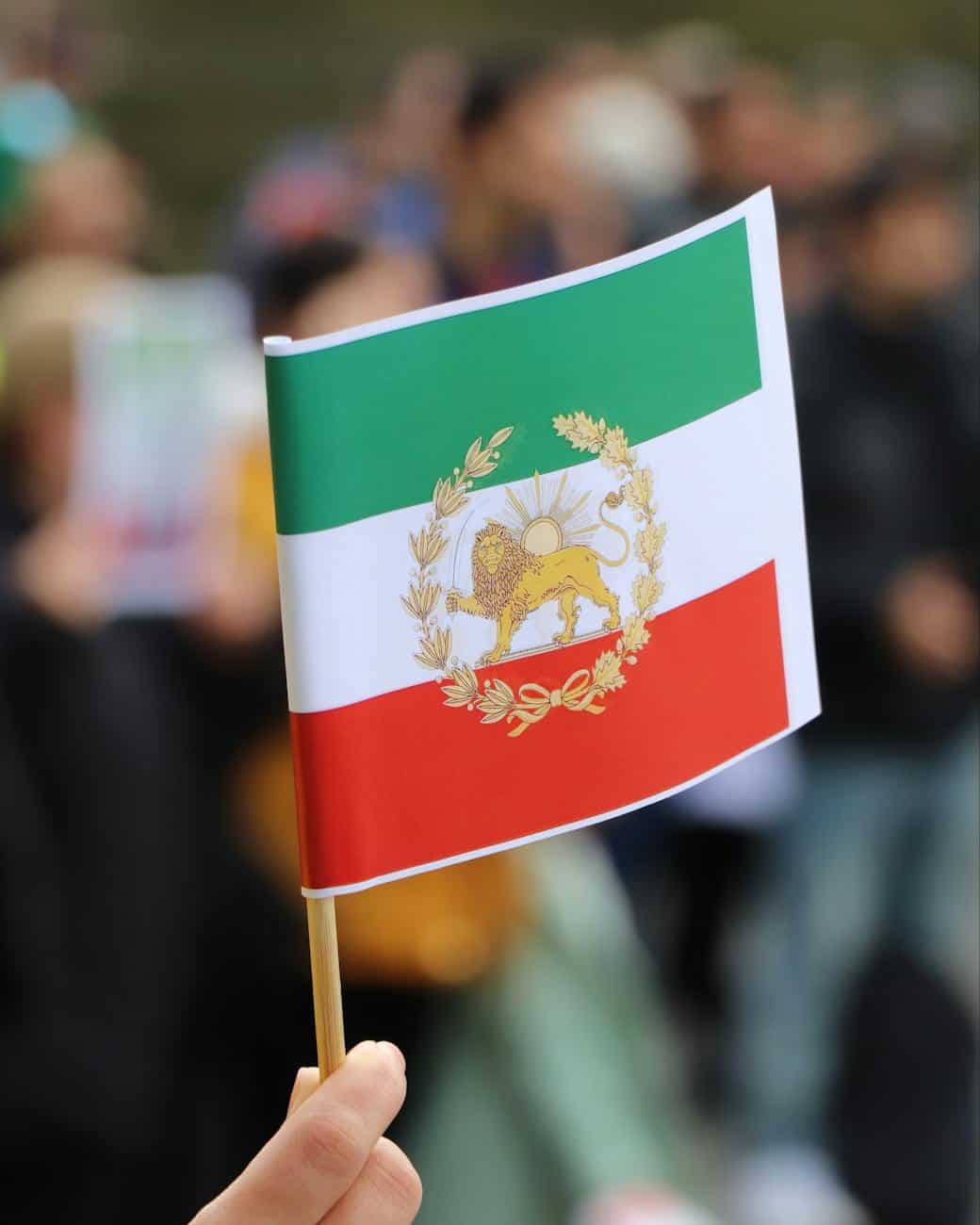
The Iranian Revolution of 1979 was a transformative event that shifted Iran from a monarchy to an Islamic Republic, profoundly impacting regional and global politics. Spurred by widespread discontent under Shah Mohammad Reza Pahlavi, due to authoritarianism, socio-economic struggles, and Westernisation efforts, the revolution saw diverse groups uniting against the regime, led by Ayatollah Khomeini. Key events included escalating protests, military crackdowns, and Khomeini’s triumphant return from exile. The revolution established a theocratic government, inspiring similar movements in the Middle East and causing tensions with the West, particularly evident during the U.S. embassy hostage crisis. Its legacy remains influential in…
-
The Strategic Importance of the Strait of Hormuz: a historical perspective

The Strait of Hormuz is a critical maritime chokepoint connecting the Persian Gulf to the Gulf of Oman, with around 20% of the world’s oil passing through. Its historical significance dates back to ancient trade routes, influencing commerce across civilisations like Persia. European colonial interests in the 18th and 19th centuries intensified control over the strait, leading to ongoing conflicts. In the 20th century, the discovery of oil shifted geopolitical dynamics, heightening tensions particularly during the Iranian Revolution and the Gulf War. Recent developments showcase continuing risks, such as maritime incidents, necessitating international cooperation to ensure security in this vital…
-
History of China: A Journey Through Time
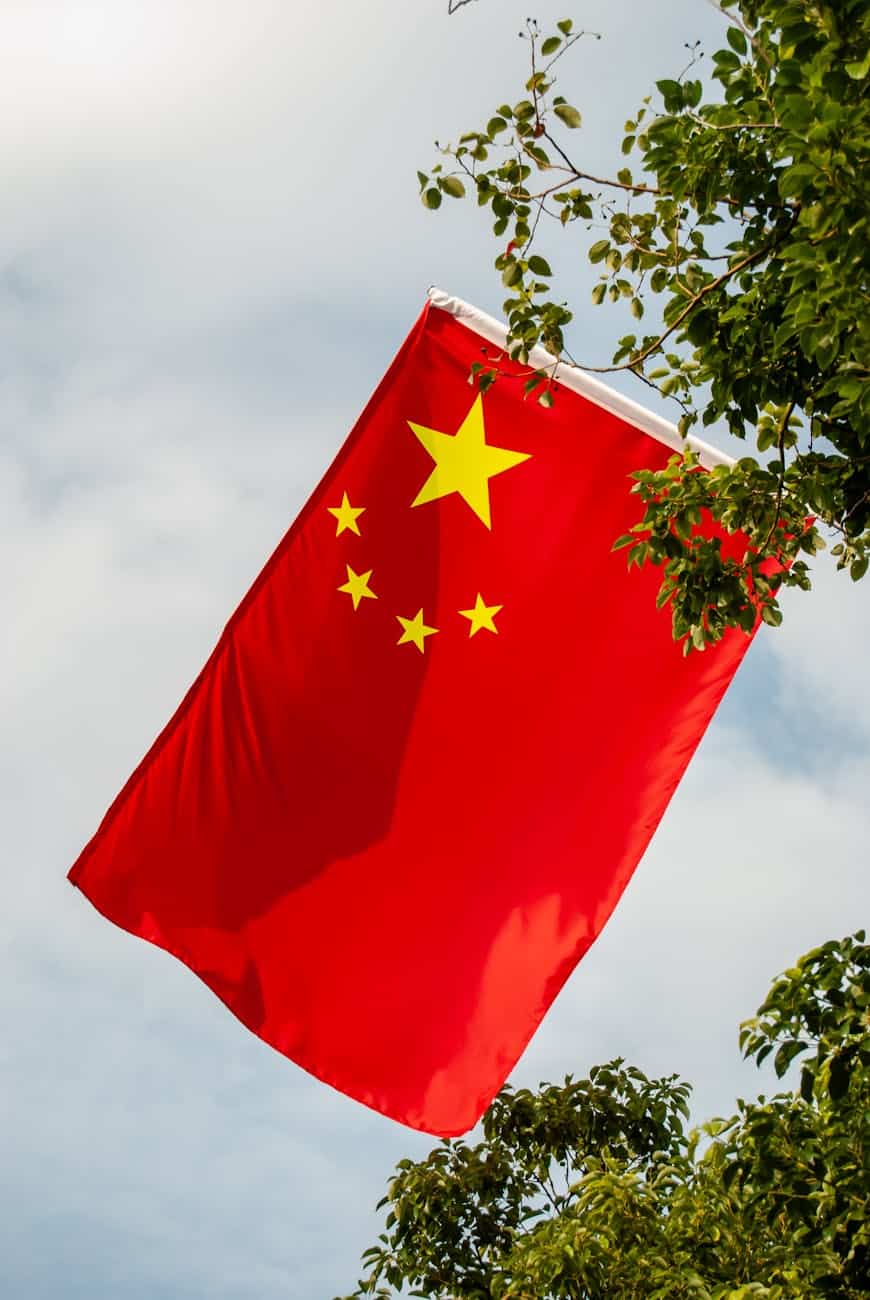
The history of China spans over 5,000 years, detailing its evolution from ancient agrarian societies to a global power. Early settlements along the Yellow River laid the foundations for complex governance systems and philosophies, with the Shang and Zhou dynasties significantly influencing Chinese thought through Confucianism and Daoism. The imperial era, marked by the rise and fall of dynasties such as the Han, Tang, and Qing, showcased cultural and technological advancements. The 19th and 20th centuries brought turmoil, with imperialism and internal strife, leading to the establishment of the People’s Republic of China in 1949. Contemporary China now faces the…
-
The Monroe Doctrine: A Pillar of American Foreign Policy

The Monroe Doctrine, established by President James Monroe in 1823, fundamentally reshaped American foreign policy by asserting the Western Hemisphere’s independence from European colonialism. Originating amidst early 19th-century upheaval, it declared that any European interference would be viewed as aggression, thereby positioning the U.S. as a protector of regional sovereignty. The Doctrine influenced U.S.-Latin American relations and justified various interventions, reflecting American exceptionalism while also facilitating imperialistic actions. Its principles remain relevant today as the U.S. navigates geopolitical challenges posed by powers like China and Russia, prompting discussions on sustainable engagement and respectful partnerships in contemporary diplomacy.
-
The Evolving Conflict: Analyzing the USA-China Rivalry in the 21st Century

The USA-China rivalry, a pivotal aspect of 21st-century geopolitics, has evolved through economic tensions, military posturing, technological competition, and distinct diplomatic strategies. Initially marked by interdependence, relations deteriorated post-2000, emphasised by events like the 2008 financial crisis and the 2018 trade war. China’s aggressive territorial claims in the South China Sea further complicated matters, while technological advancements raised cybersecurity concerns. Diplomatically, the U.S. has shifted to a more assertive stance, contrasting with China’s efforts to expand influence through the Belt and Road Initiative. The rivalry’s outcomes will significantly shape global security and international relations for years to come.