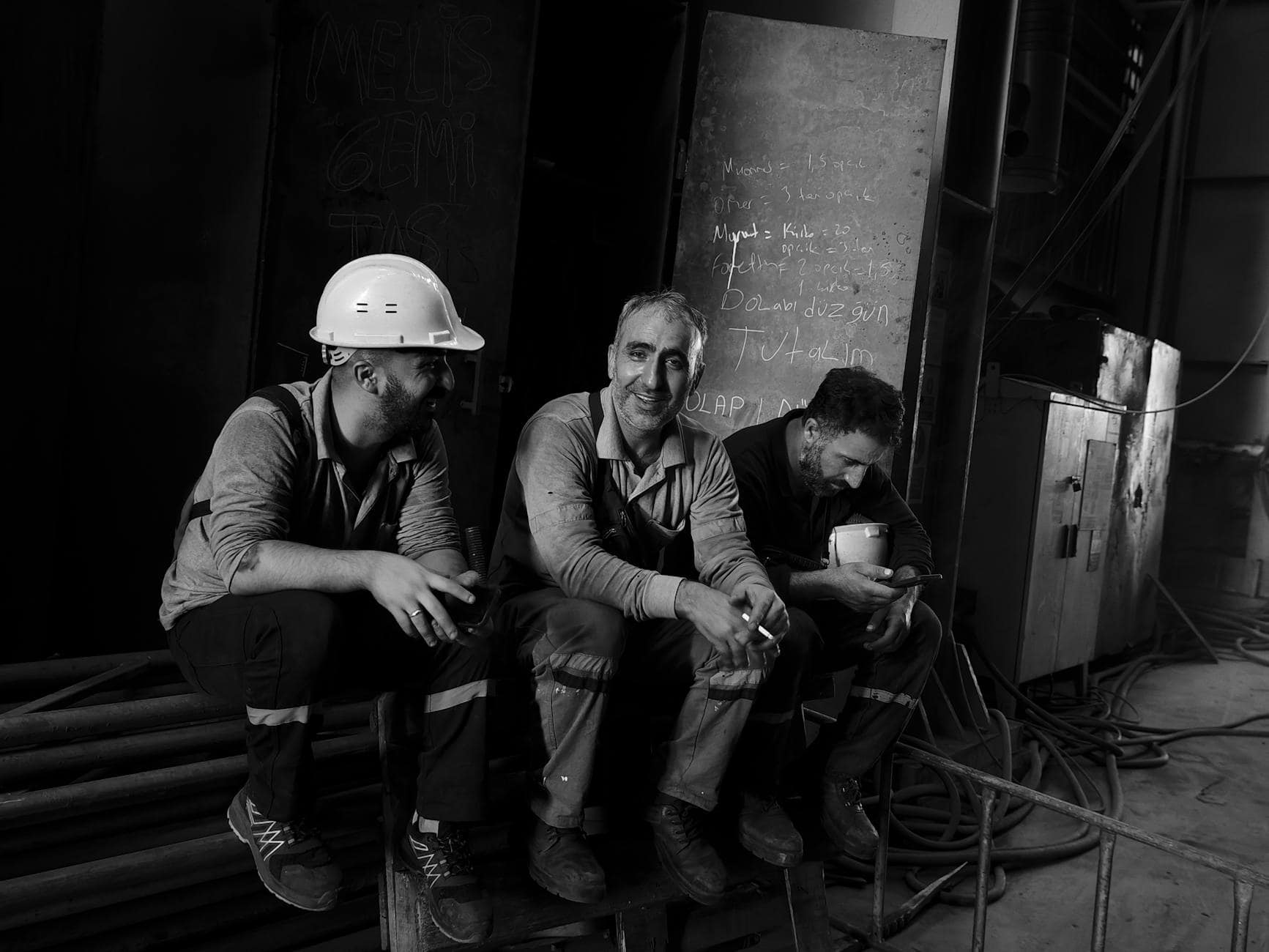
Introduction
International Workers’ Day, celebrated on the 1st of May, is a day dedicated to honoring the struggles and achievements of workers worldwide. Its origins can be traced back to the labor movement of the late 19th century, particularly the fight for fair labor practices and better working conditions. The day serves as a reminder of the ongoing challenges faced by workers and the importance of solidarity in advocating for rights and reforms. Various countries recognize this day with marches, protests, and celebrations, reflecting the rich history and ongoing relevance of labor rights. This article explores the history of International Workers’ Day, diving deep into its origins, key events, and the significance it holds in modern society.
Origins of International Workers’ Day
International Workers’ Day has its roots in the labor movements that emerged in the late 19th century, particularly in response to the harsh realities of industrialization. The rise of factories and mass production created dangerous working conditions, long hours, and minimal pay for countless laborers. In the United States, the struggle culminated in the push for an eight-hour workday, which gained momentum in the years leading up to 1886.
The first significant event that galvanized workers to demand fair treatment was a nationwide strike on May 1, 1886, where thousands took to the streets across American cities. Organized labor groups, such as the Federation of Organized Trades and Labor Unions, spearheaded the movement aiming to establish an eight-hour workday as a standard practice. This event was pivotal as it unified workers in various industries under a common goal, emphasizing the importance of collective bargaining and solidarity.
Unfortunately, the push for an eight-hour workday led to tensions that boiled over during the Haymarket Affair. On May 4, 1886, a peaceful rally in Chicago’s Haymarket Square turned violent when a bomb was thrown at the police, resulting in casualties on both sides. This tragic incident became a catalyst for widespread repression against labor organizations and led to the arrest of several labor leaders. The Haymarket Affair symbolized the struggle between emerging labor movements and authorities, reinforcing the narrative of workers as martyrs in the fight for rights.
The aftermath of the Haymarket Affair resulted in a contentious decade for labor movements, with increased scrutiny and opposition. However, organizers worldwide continued to celebrate the spirit of the May 1 protests as a symbol of resistance and perseverance. By 1889, the Second International, a socialist organization, declared May 1 as International Workers’ Day, encouraging workers around the globe to observe this day as a reminder of their rights and the ongoing struggle for better working conditions.
This declaration marked a significant turning point, as it promoted a unified international observance of worker solidarity. Countries across Europe, and later the world, began to adopt May Day celebrations, often with parades, demonstrations, and various commemorative events that highlighted the struggles and achievements of workers.
The legacy of the origins of International Workers’ Day is palpable today; it serves as a powerful reminder of the progress made in labor rights, while simultaneously highlighting the ongoing battles that workers continue to face in a changing economy. As we move forward, understanding the history behind this important day fosters respect for the hard-won rights of workers and the continuing relevance of labor movements in advocating for justice and equality in the workplace.

The Haymarket Affair and Its Impact
The Haymarket Affair stands as a pivotal moment in the history of labor movements, representing both progress and profound tragedy. The events of May 4, 1886, were not only instrumental in shaping the narrative around International Workers’ Day but also set a precedent for the struggles that have continued in the labor movement.
In the lead-up to the Haymarket Affair, tensions were mounting in Chicago. The city was a hub of industrial growth, which had drawn many workers seeking employment. Many of these workers faced daunting conditions: long hours, low wages, and unsafe environments. Organized labor groups began to gain traction as workers sought to unite in their demands for reform. The call for an eight-hour workday emerged as a rallying point for these movements, seen as a fundamental right that would improve workers’ quality of life.
On May 1, 1886, the call for an eight-hour workday was echoed across the United States, with tens of thousands participating in demonstrations and strikes. In Chicago, the streets were filled with people advocating for their rights. However, the peaceful demonstrations took a darker turn when a rally was organized in the Haymarket Square on May 4.
The rally was intended to be a peaceful gathering to promote union rights and workers’ solidarity. However, as the event progressed, police were called in to disperse the crowd. This came after a series of confrontations between workers and law enforcement over the previous days. During the scuffle, a bomb was thrown by an unknown assailant, resulting in the deaths and injuries of both police officers and civilians. The ensuing chaos marked a tragic escalation in the labor struggle.
In the aftermath of the Haymarket bombing, a public outcry ensued, leading to increased hostility toward labor organizations. Many workers and labor leaders were arrested, and several were tried in a highly publicized court case that was criticized for its lack of due process. Eight anarchists were ultimately convicted, with some receiving death sentences, despite little evidence directly linking them to the bomb.
The repercussions of the Haymarket Affair rippled far beyond Chicago. It sparked a media frenzy that painted the labor movement and its advocates as violent extremists. This misrepresentation greatly affected public opinion about labor unions and their goals. In many instances, it led to increased repression against labor organizations, curtailing their ability to organize and advocate effectively for workers’ rights.
However, the martyrdom of the Haymarket martyrs also sparked a renewed dedication among workers and labor activists. The sacrifices made during this tumultuous period fueled the labor movement’s narrative and inspired generations to advocate for workers’ rights, better conditions, and the establishment of labor laws.
The significance of the Haymarket Affair extends beyond its immediate context, as it has left a lasting legacy that continues to resonate with labor movements globally. It serves as a reminder of the price paid for progress in labor rights and the ongoing struggles that still exist today. In many countries, the Haymarket Affair is commemorated on May Day, reinforcing the idea that the fight for workers’ rights is far from over.
Overall, the impact of the Haymarket Affair can be seen in the ongoing challenges that labor movements face. It highlights the need for continued vigilance in protecting workers’ rights and ensuring that their voices are heard in the corridors of power. The legacy of this event remains a cornerstone of the history of International Workers’ Day, solidifying its role as a day of remembrance and action for workers around the globe.

Global Celebrations and Their Evolution
International Workers’ Day, observed every year on May 1, has evolved significantly since its inception, adapting to the social and political contexts of various countries. The global celebrations of this day reflect a diversity of traditions, customs, and political climates that shape how workers commemorate their rights and achievements.
The initial celebration of May Day as a day of workers’ rights took root in the late 19th century, primarily influenced by the events surrounding the Haymarket Affair. Following the establishment of International Workers’ Day, demonstrations began to spread from the United States to Europe and eventually to countries around the world. Each nation brought its unique cultural and political perspectives to the observance.
In many countries, May Day became a public holiday celebrated with parades, speeches, and sometimes even protests. The early 20th century saw large-scale events in cities across Europe, where workers gathered to advocate for labor rights and social reforms. These rallies often featured the participation of socialist and communist parties, which began to view May Day as an opportunity to promote their ideologies.
Countries like the Soviet Union and other socialist states institutionalized May Day as a significant national holiday. In these contexts, the day was characterized by grand parades showcasing military might, labor achievements, and the ideals of socialism. The celebration became an expression of state power and a demonstration of the unity between the government and the working class. The festivities in the Soviet Union, particularly in Red Square, became symbolic of the triumphs of workers under socialist governance.
In contrast, many Western democracies embraced a more grassroots approach to May Day celebrations. In countries such as France and Italy, labor unions organized rallies focusing on workers’ rights, social justice, and political reform. These events often included diverse coalitions of labor, environmental, and social justice groups coming together to advocate for a wide range of issues affecting workers and communities. The participatory nature of these gatherings highlighted the ongoing struggles that workers faced within a capitalist framework.
As globalization progressed towards the end of the 20th century, the themes of international solidarity and worker advocacy grew even more pronounced. In an era marked by corporate globalization and economic inequalities, many labor movements utilized May Day to highlight issues such as sweatshop labor, trade policies, and the rights of migrant workers. Advocacy for fair wages, safe working conditions, and the elimination of child labor became central themes during celebrations held around the world.
The globalization of the celebration was also reflected in the emergence of international labor organizations, such as the International Trade Union Confederation (ITUC), which encouraged solidarity across borders. Events were organized simultaneously in multiple countries, showcasing the interconnectedness of the global labor movement. From South America to Asia, workers used May Day to celebrate their achievements and voice their demands for improved conditions.
Despite the evolution of May Day, challenges remain. In several regions of the world, workers still face repression when organizing for their rights. Activists often risk their safety and well-being in countries where labor laws are not respected or where dissent is met with violence. International Workers’ Day serves as a reminder of the ongoing fight for workers’ rights, highlighting the need for continued solidarity among workers globally.
In recent years, there has also been a resurgence of grassroots movements and organizations taking ownership of May Day celebrations. Activists have sought to draw attention to contemporary issues such as income inequality, climate change, and systemic racism, emphasizing the intersectionality of labor struggles. These movements have transformed May Day into a platform for advocating broader social reforms while remaining rooted in the history of worker struggles.
Today, International Workers’ Day is recognized in many countries worldwide, with each celebration reflecting the local realities faced by workers. From large-scale parades to smaller community events, the significance of May Day continues to evolve. Each year, it serves as a powerful reminder of the importance of labor solidarity and the collective struggle for justice, rights, and dignity for all workers.
The Role of Labor Unions in Promoting Workers’ Rights
Labor unions have played a critical role in the development and advancement of workers’ rights throughout history, particularly in the context of International Workers’ Day. These organizations have been fundamental in shaping labor laws, advocating for fair wages, and improving working conditions across various industries. The evolution of labor unions reflects their adaptability to the changing landscape of work, social dynamics, and political environments.
Emerging in the 19th century alongside industrialization, labor unions initially formed as informal groups of workers coming together to bargain collectively for better conditions. The struggles of these early unions were often met with fierce opposition from employers and government authorities, who viewed organized labor as a threat to the status quo. Yet, despite these challenges, unions steadily gained traction and legitimacy as essential actors in the labor movement.
One of the primary contributions of labor unions has been their role in advocating for legislative changes that protect workers. Over the years, unions have engaged in lobbying efforts, mobilizing workers to demand reforms that address critical issues such as workplace safety, wages, and job security. This advocacy was particularly evident during the early 20th century, as unions fought tirelessly for the establishment of labor standards that laid the groundwork for future protections.
As unions grew in membership and influence, they began to negotiate collective bargaining agreements that defined the terms of employment for workers. These negotiations helped establish minimum wages, regular working hours, and benefits such as health insurance and pensions. The success of these agreements underscored the power of collective action, empowering workers to stand together in pursuit of common goals.
Labor unions have also played a significant role in social justice movements, recognizing that workers’ rights are inherently linked to broader societal issues. Historical events, such as the civil rights movement and advocacy for gender equality, demonstrated how unions could serve as platforms for change. Labor leaders often worked alongside civil rights activists to address systemic inequalities, advocating for policies that promote diversity and inclusion in the workforce.
The importance of labor unions is accentuated during International Workers’ Day celebrations. Unions utilize this day as an opportunity to highlight their ongoing efforts and achievements while also raising awareness about the work that remains. The mobilization of union members on May Day reflects the solidarity and strength of the labor movement, as workers come together to advocate for their rights and the rights of others within the global economy.
However, the role of labor unions is not without challenges. In recent decades, the decline of traditional industries, the rise of the gig economy, and retrenchment of union protections have tested the resilience and adaptability of labor organizations. Many unions face difficulties in organizing workers in non-traditional employment sectors, where labor protections and union representation can be sparse.
To counteract these challenges, unions have sought innovative strategies to expand their reach and engage a diverse workforce. Initiatives such as outreach programs, partnerships with community organizations, and involvement in social movements have helped reinvigorate union participation among younger workers. By addressing issues such as climate change, racial justice, and economic inequality, unions are redefining their role as inclusive advocates for all workers.
Additionally, labor unions are increasingly recognizing the importance of global solidarity in the fight for workers’ rights. With globalization reshaping the dynamics of labor, unions have forged alliances with organizations worldwide, emphasizing the need for collective action across borders. International collaborations enable workers to unite against common adversaries, advocating for fair labor practices globally.
As we continue to navigate the complexities of the modern workforce, the role of labor unions remains pivotal in ensuring that workers’ voices are heard. The enduring legacy of unions speaks to their importance in shaping labor rights, advocating for justice, and safeguarding the dignity of workers. Their contributions not only enhance working conditions but also reinforce the principles of solidarity and collective action that are vital to the spirit of International Workers’ Day.

Current Relevance of International Workers’ Day in Today’s Society
International Workers’ Day holds significant relevance in today’s society, as it embodies the ongoing struggles and achievements of workers around the globe. As we reflect on the history and evolution of this important day, it becomes apparent that the issues faced by workers—such as wage disparity, job security, and workers’ rights—are as pertinent now as they were over a century ago.
In contemporary society, the trend of economic inequality has reached concerning levels, with wealth concentrated in the hands of a small percentage of the population while many workers struggle to make ends meet. As corporations prioritize shareholder profits, the working class often bears the brunt of cost-cutting measures, leading to stagnant wages, increased workloads, and diminished job security. In this context, International Workers’ Day serves as a platform for advocating for economic justice and social equity, reminding us of the importance of fair treatment for all workers.
Moreover, the emergence of the gig economy has transformed the landscape of work, creating new challenges for labor rights. As more individuals engage in freelance and temporary work, traditional labor protections often fail to extend to these workers. Consequently, there is a growing recognition of the need for new regulatory frameworks that address the rights of gig workers, ensuring access to benefits and support. International Workers’ Day offers a vital opportunity to raise awareness about these challenges, encouraging discourse on equitable labor practices for all types of workers.
Another pressing issue that resonates with the spirit of International Workers’ Day is the need for greater workplace safety. The COVID-19 pandemic underscored the significance of workers’ health and safety, with essential workers putting their lives on the line to ensure society continued to function. As we move forward, the demand for safe working conditions—along with adequate compensation for those who risk their health—is paramount. May Day celebrations around the world remind us to honor and protect those who labor tirelessly, advocating for the rights to safe workplaces and comprehensive healthcare.
Furthermore, the intersectionality of labor struggles has become increasingly evident, highlighting the need for solidarity among diverse movements. Issues such as racial equity, climate justice, and gender equality are intrinsically linked to the fight for workers’ rights. As various social movements intersect, International Workers’ Day provides a platform for advocating for the rights of marginalized groups and recognizing that the struggle for equality encompasses much more than economic considerations.
In an age of globalization, solidarity among workers across borders is essential in combating multinational corporations that prioritize profit over people. International Workers’ Day underscores the importance of global networks, encouraging workers to connect in their shared experiences and challenges. Through international collaboration, workers can amplify their voices, pressuring governments and companies to honor labor rights and create fair working conditions worldwide.
In conclusion, the relevance of International Workers’ Day in today’s society cannot be overstated. It serves as a reminder of the collective struggles workers have faced throughout history and the ongoing fight for rights, justice, and dignity. As we commemorate this day, it is crucial to reflect on the accomplishments of the labor movement while remaining vigilant against the challenges that lie ahead. International Workers’ Day not only honors the past but ignites a vision for the future—one where workers are empowered, respected, and united in their ongoing quest for justice.
Conclusion
International Workers’ Day stands as a powerful testament to the resilience and struggle of workers throughout history. From its origins in the late 19th century to the global celebrations we witness today, this day has evolved into a significant occasion that brings together diverse voices advocating for workers’ rights.
The history of International Workers’ Day is interwoven with key events, including the Haymarket Affair, the rise of labor unions, and the ongoing fight for social justice. As we celebrate this day, we must also recognize the enduring battles faced by workers in an increasingly complex and unequal world. International Workers’ Day serves not only as a reminder of past achievements but also as a call to action for present and future generations to continue advocating for economic, social, and workplace justice.
By examining the origins and evolution of May Day, we understand the importance of collective action and solidarity among workers. The challenges may have transformed over the years, but the need for unity in the pursuit of rights remains unwavering. As we gather on May 1st, let us honor the legacies of those who fought for our rights while reaffirming our commitment to securing a better future for all workers.
Sources Consulted
- History.com. (n.d.). “International Workers’ Day.” https://www.history.com/topics/holidays/international-workers-day
- Labor Studies Journal. “The Legacy of the Haymarket Affair.” https://www.jstor.org/stable/24565017
- International Labour Organization. (2023). “The World of Work Report.” https://www.ilo.org/global/research/global-reports/global-employment-trends/lang–en/index.htm
- ITUC. “The Relevance
Leave a Reply