Category: Biographies
-
The Complex Legacy of Josef Stalin

Josef Stalin, a highly controversial leader, transformed the Soviet Union through significant industrialisation while imposing severe repression. Born in Georgia in 1878, he rose to power within the Bolshevik Party, leveraging political manoeuvring and terror to eliminate opposition, culminating in the Great Purge of the 1930s. His aggressive Five-Year Plans aimed at rapid industrial growth resulted in widespread famine and suffering, particularly during the Holodomor. World War II marked a pivotal point in his leadership, as he rallied the nation despite prior military setbacks, ultimately leading to Soviet victories. His death in 1953 initiated a period of reflection on his…
-
The Legacy of Winston Churchill: A Historical Chronicle
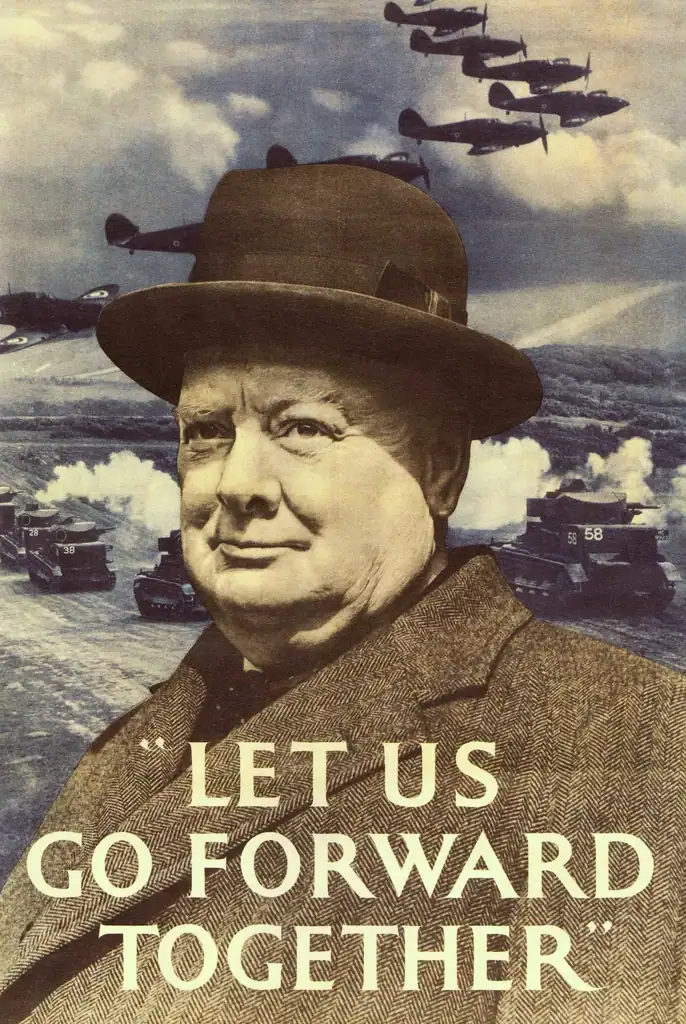
Winston Churchill, a pivotal figure of the 20th century, was born in 1874 into an aristocratic family, leading a life that straddled privilege and adversity. His political career began in 1900, evolving through party shifts and an early commitment to social reform. During World War II, he became Prime Minister, renowned for his powerful speeches that rallied Britain against Nazi Germany. Post-war, Churchill’s “Iron Curtain” speech foresaw the Cold War’s ideological divide and advocated for European unity. His legacy remains complex, blending admirable leadership qualities with notable controversies, underscoring the multifaceted nature of historical figures and their impacts on society.
-
The Legacy of Franklin D. Roosevelt: A Deep Dive into History

Franklin D. Roosevelt (FDR), the 32nd President of the United States from 1933 to 1945, led the nation through the Great Depression and World War II. His innovative leadership established the New Deal, a series of programs aimed at economic recovery and social welfare, restructuring the role of federal government in American life. Despite personal challenges, including polio, Roosevelt’s resilience and communication skills fostered a strong connection with the public. His presidency also emphasised international cooperation, culminating in the establishment of the United Nations. Roosevelt’s profound impact on American and global politics remains a significant legacy in history.
-
The Timeless Genius: A Comprehensive Exploration of Leonardo da Vinci’s Life and Achievements
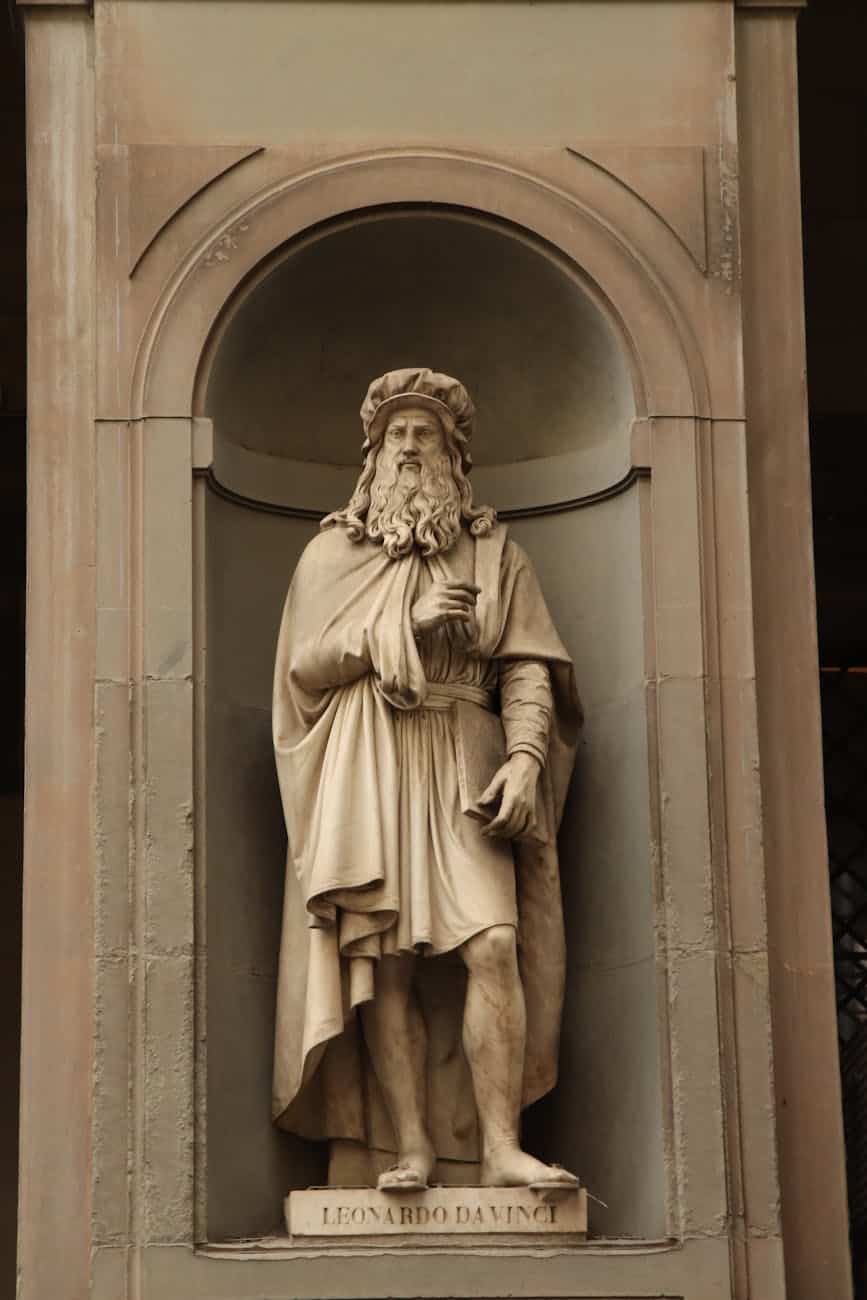
Leonardo da Vinci, born in 1452 in Vinci, Italy, epitomises the Renaissance through his extraordinary contributions to both art and science. Rising from humble beginnings, his insatiable curiosity led to innovations across various fields, including anatomy, engineering, and painting. Under the mentorship of Andrea del Verrocchio, he developed skills in art and science, which are evident in masterpieces like “The Last Supper” and “Mona Lisa.” His anatomical studies laid foundations for modern biology, while his inventions anticipated future technological advancements. Da Vinci’s interdisciplinary approach continues to inspire contemporary thought, emphasising the importance of blending creativity with empirical inquiry.
-
The Presidency of Woodrow Wilson: A Pivotal Era in American History
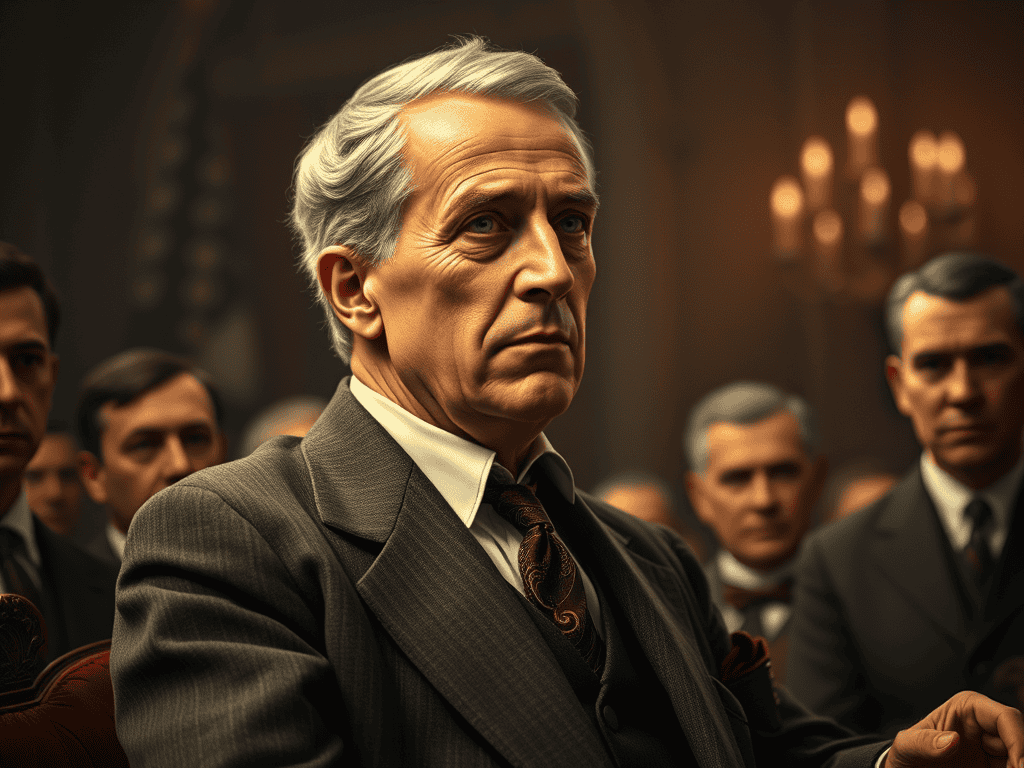
Woodrow Wilson, the 28th President of the United States, served from 1913 to 1921, influencing American history significantly through his domestic and foreign policies. His leadership during World War I marked a pivotal turn, advocating for progressive reforms to address social inequality while promoting a vision of international diplomacy to foster peace, notably through his push for the League of Nations. Despite achieving landmark domestic legislation, his presidency was marred by contradictions, particularly in civil rights. Wilson’s legacy is complex, embodying both progressive advancements and notable failures, shaping future U.S. governance and international relations. His principles remain relevant in contemporary…
-
The Legacy of Martin Luther King Jr.: A Journey Through History

Martin Luther King Jr. was a pivotal figure in American history, renowned for his dedication to civil rights and social justice. Born in 1929, his early experiences with racism shaped his advocacy for equality through nonviolent protest. King’s leadership during key Civil Rights Movement events, like the Montgomery Bus Boycott and the March on Washington, highlighted systemic injustices and achieved landmark legislation, including the Civil Rights Act of 1964. His assassination in 1968 sparked national outrage but ensured his legacy inspired ongoing movements for justice across various issues. King’s teachings on love and nonviolence continue to resonate, influencing contemporary activism…
-
The Legacy of Mikhail Gorbachev: A Transformative Era
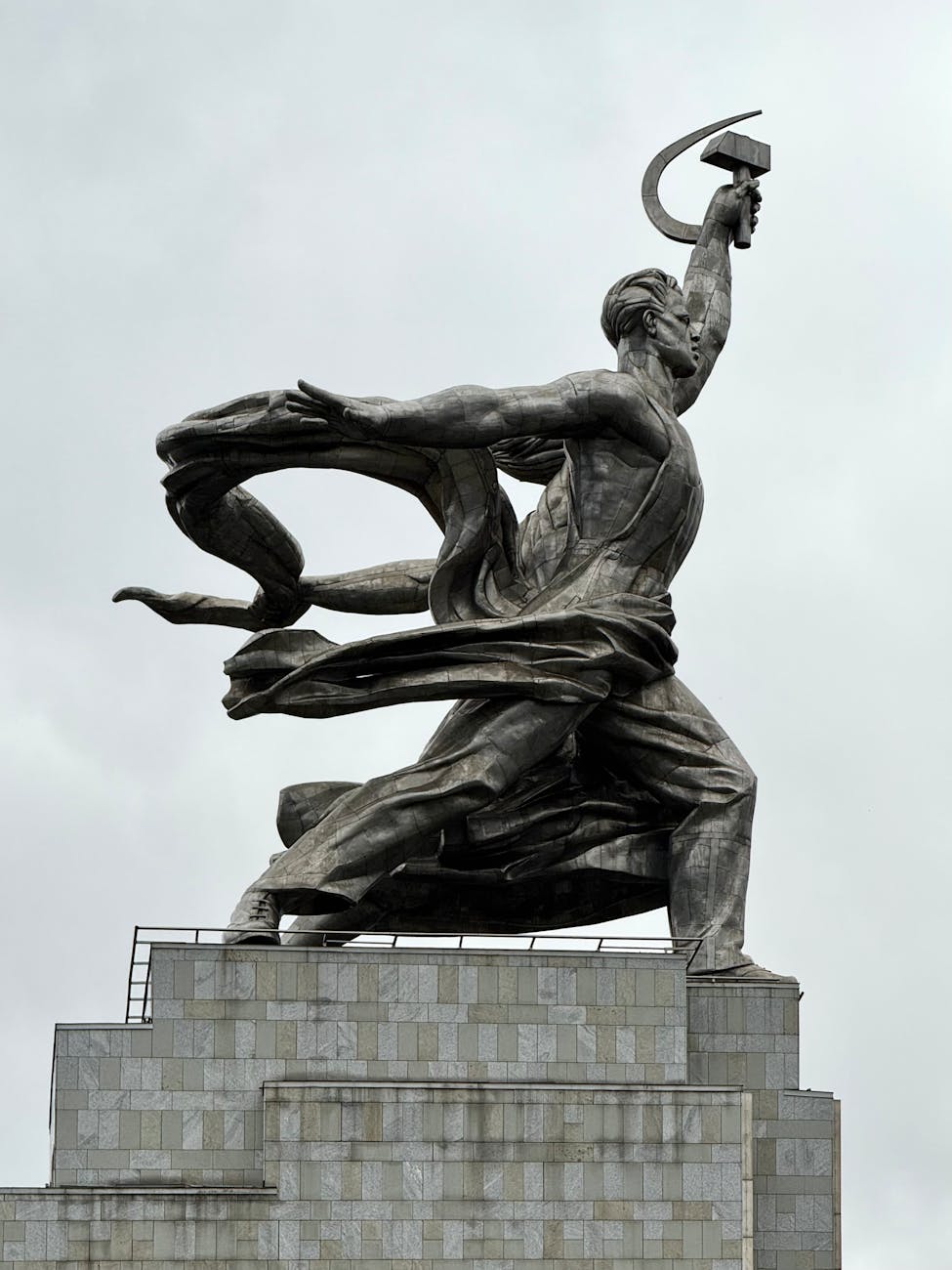
Mikhail Gorbachev, the last leader of the Soviet Union, is a significant historical figure known for his transformative reforms that reshaped the world. Born in 1931, he implemented policies of perestroika (restructuring) and glasnost (openness) to modernise the Soviet economy and encourage transparency. His tenure saw the dissolution of the USSR in 1991, driven by rising nationalism and public discontent amid economic struggles. Despite facing internal resistance, Gorbachev’s foreign policy efforts, particularly in arms reduction, enhanced his global standing. While his reforms did not achieve their ambitious goals, they left a lasting legacy of peace and democratic ideals.
-
Tim Cook: The Legacy and Leadership of Apple’s CEO

Tim Cook, CEO of Apple Inc. since 2011, has played a crucial role in transforming the company into a tech giant. Born in Alabama, Cook’s early life and education instilled a strong work ethic and a passion for technology. His professional journey included roles at IBM, Intelligent Electronics, and Compaq before joining Apple in 1998 as Senior Vice President for Operations. Following Steve Jobs’ passing, Cook became CEO and emphasised collaboration, ethical leadership, and social responsibility. Under his guidance, Apple launched innovative products like the Apple Watch, expanded its services, and committed to sustainability, ensuring the company’s continued relevance and…
-
The Legacy of Steve Jobs: Innovator and Visionary

Steve Jobs, born in 1955, co-founded Apple Inc. in 1976, which revolutionized personal computing and technology design. His journey from a rebellious youth in Silicon Valley to a leading innovator led to iconic products like the iPhone and iPad. Jobs’s early experiences influenced his design ethos, notably valuing user experience and aesthetics. After departing Apple in 1985 due to internal conflicts, he founded NeXT, producing advanced computing systems, which later aided his return to Apple in 1997. Jobs revitalized the company with products like the iPod, transforming digital media consumption and highlighting his enduring impact on technology and business.
-
The Revolutionary Legacy of Vladimir Lenin
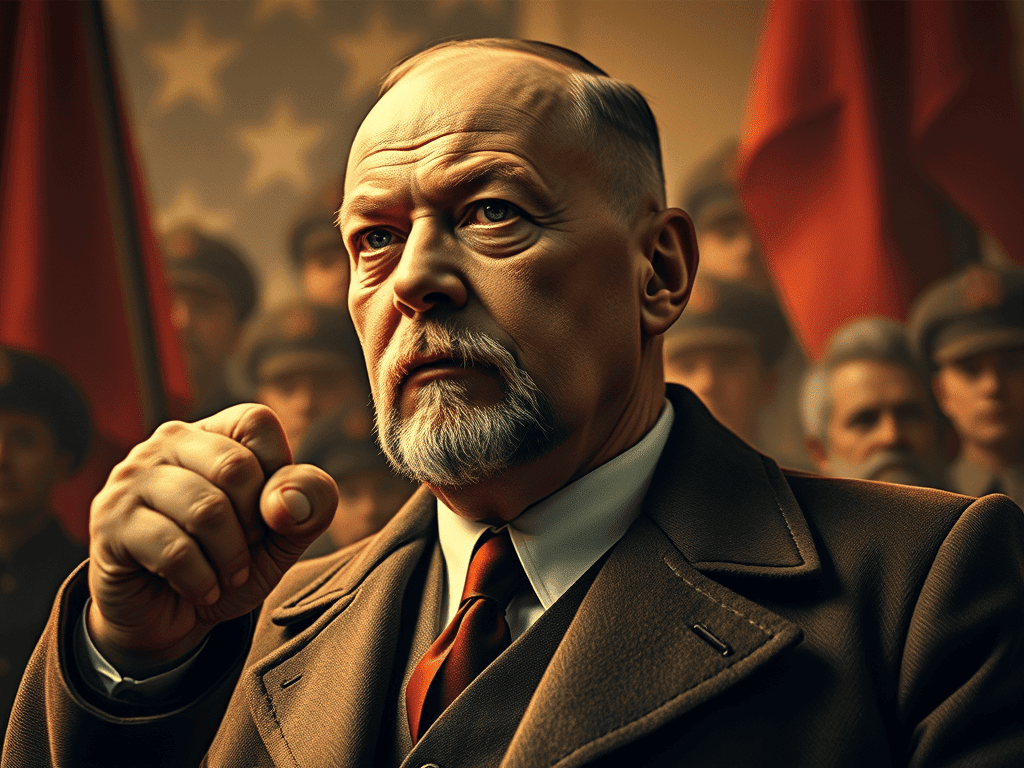
Vladimir Lenin, born in 1870, emerged as a transformative leader during the 20th century, particularly known for his role in the Russian Revolution of 1917. His early education in a politically charged environment fostered his revolutionary ideals, leading to his involvement with the Bolshevik faction of the Russian Social Democratic Labour Party. Upon his return from exile, Lenin galvanized support for political reform, advocating for a socialist state. His leadership during the revolution established the Soviet government, navigating civil war challenges and economic crisis through policies like the New Economic Policy. Lenin’s complex legacy as a revolutionary leader continues to…
-
The Legacy of Benjamin Franklin: A Historical Perspective
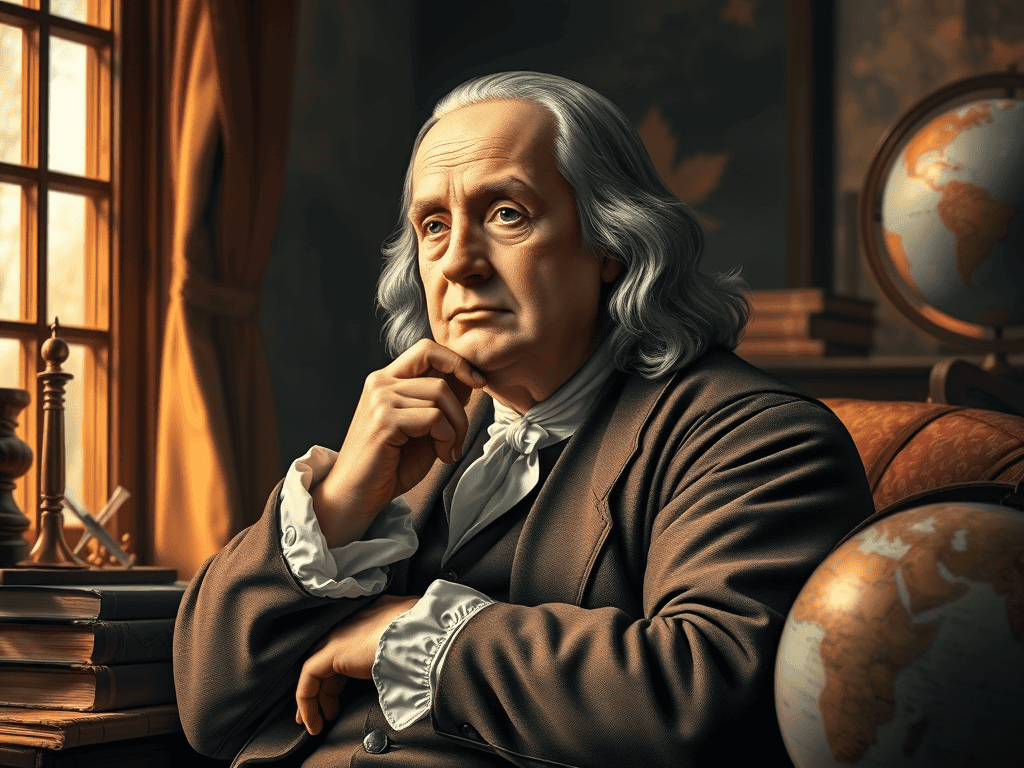
Benjamin Franklin was a pivotal figure in American history, known for his contributions to science, politics, and literature. Born in 1706 in Boston, Franklin’s early life fostered a deep commitment to self-education, leading him to become a groundbreaking scientist and influential diplomat during the American Revolution. He conducted famous experiments on electricity and invented practical items like the lightning rod and bifocal glasses. Franklin’s political acumen helped secure French support for the revolution, while his philosophies on civic duty and education shaped modern American values. His legacy endures through democratic principles, educational foundations, and the promotion of innovation and community…
-
The Legacy of Abraham Lincoln: A Deep Dive into His Life and Presidency

Abraham Lincoln, the 16th President of the United States, is celebrated for his leadership during the Civil War and his role in abolishing slavery. Born in 1809 in Kentucky, Lincoln faced adversity but showed a strong commitment to education and public service. His early political career began in the Illinois State Legislature, evolving through significant national issues like the Whig Party and the Republican Party’s emergence. His presidency, marked by the Civil War, demonstrated resilience and moral determination, culminating in the Emancipation Proclamation. Lincoln’s assassination in 1865 ended a remarkable legacy that continues to inspire dialogues on freedom, equality, and…
-
The Life and Contributions of Alfred Nobel
Alfred Nobel, born in 1833 in Sweden, was an influential inventor and philanthropist, best known for inventing dynamite. His innovations revolutionized the construction and mining sectors but also sparked ethical debates due to their use in warfare. Disturbed by the destructive potential of his work, Nobel established the Nobel Prizes in his will, awarded first in 1901 to honor contributions to science, literature, and peace. Nobel’s life reflects a commitment to balancing innovation with moral responsibility. His legacy continues to inspire by promoting excellence and humanitarian ideals, urging future generations to prioritize knowledge, creativity, and societal betterment.
-
The Life and Legacy of Thomas Edison
Thomas Edison, renowned as the \”Wizard of Menlo Park,\” was a pivotal inventor and entrepreneur born in 1847. His early education was disrupted, leading to self-teaching that inspired his innovative spirit. Edison\’s notable inventions include the phonograph, which revolutionized sound recording, and the electric light bulb, which transformed both industry and daily life. He also created the Kinetoscope, paving the way for the motion picture industry. A talented businessman, Edison navigated challenges with competitors and controversies, leaving an indelible impact on technology and culture. His legacy continues to inspire future generations in their pursuit of innovation.
-
How Amancio Ortega Revolutionized Fast Fashion with Zara

Amancio Ortega, born in 1936 in Spain, founded Zara and created Inditex, revolutionizing global fashion retail. From modest beginnings, his early exposure to the fashion industry led to the innovative fast fashion model that ensures rapid production and distribution of trendy, affordable clothing. The first Zara store opened in 1975, marked by a unique strategy of vertical integration and responsiveness to consumer demand. Under Inditex, Ortega expanded to multiple brands and embraced global markets, leading Inditex to dominate the fashion industry. Ortega’s philanthropic efforts in education and healthcare further enrich his legacy, inspiring entrepreneurs worldwide.
-
The History of Donald Trump: From Real Estate to the White House

Donald Trump’s life and career illustrate a complex journey marked by significant influence in business, media, and politics. Starting as a real estate mogul, he transformed into a national figure with ventures like Trump Tower and reality TV. His populist ascent culminated in a controversial presidency (2017-2021), characterized by bold policies, significant achievements, and multiple controversies, including two impeachments. After losing the 2020 election, he maintained a stronghold on the Republican Party, continuing to impact American political discourse. Trump’s legacy remains divisive, recognized by supporters as a champion of nationalism but criticized by detractors for undermining democratic standards.
-
The Story of Jeff Bezos: From a Startup to Amazon Empire – History, Biography, Facts and Events

The story of Jeff Bezos started in 1964 in New Mexico. He is the visionary founder of Amazon, which transformed retail. His journey from a tech-savvy child to a Princeton graduate set the stage for his entrepreneurial venture. After observing the internet’s potential, he launched Amazon in 1994 as an online bookstore, emphasizing customer satisfaction. Bezos’s innovations, like “1-Click” purchasing and Amazon Prime, revolutionized e-commerce. Despite facing challenges, such as the dot-com bubble and labor controversies, he adapted and grew Amazon. Beyond business, Bezos has focused on philanthropy with initiatives addressing homelessness and climate change, while also pursuing space exploration…
-
The Mind Behind Microsoft: The Life and Legacy of Bill Gates

Bill Gates, co-founder of Microsoft, has profoundly shaped the technology landscape and global society. Born on October 28, 1955, he dropped out of Harvard to establish Microsoft in 1975, driven by a vision to democratize technology. Gates’ leadership fostered innovation, leading to the widespread adoption of personal computing and software through products like Windows. After stepping back from Microsoft in 2006, Gates focused on philanthropy via the Bill & Melinda Gates Foundation, directing efforts towards global health and education. His emphasis on adaptability, collaboration, and social responsibility continues to inspire future leaders and drive positive societal change.
-
Friedrich Hayek: A Pioneer of Free Market Economics

Friedrich Hayek was a prominent Austrian-British economist and philosopher whose work significantly impacted 20th-century economic thought and political theory. Born in 1899, he challenged the concepts of government intervention in his famous work, The Road to Serfdom, arguing that economic control leads to the erosion of personal freedoms. Hayek’s theories on business cycles were rooted in the relationship between monetary policy and economic fluctuations, emphasizing decentralized knowledge. He introduced the notion of spontaneous order, illustrating how social and economic structures can evolve without central planning. His legacy continues to shape contemporary dialogues on individual liberty, economics, and governance.
-
Joseph Schumpeter: Contributions to Economic Theory
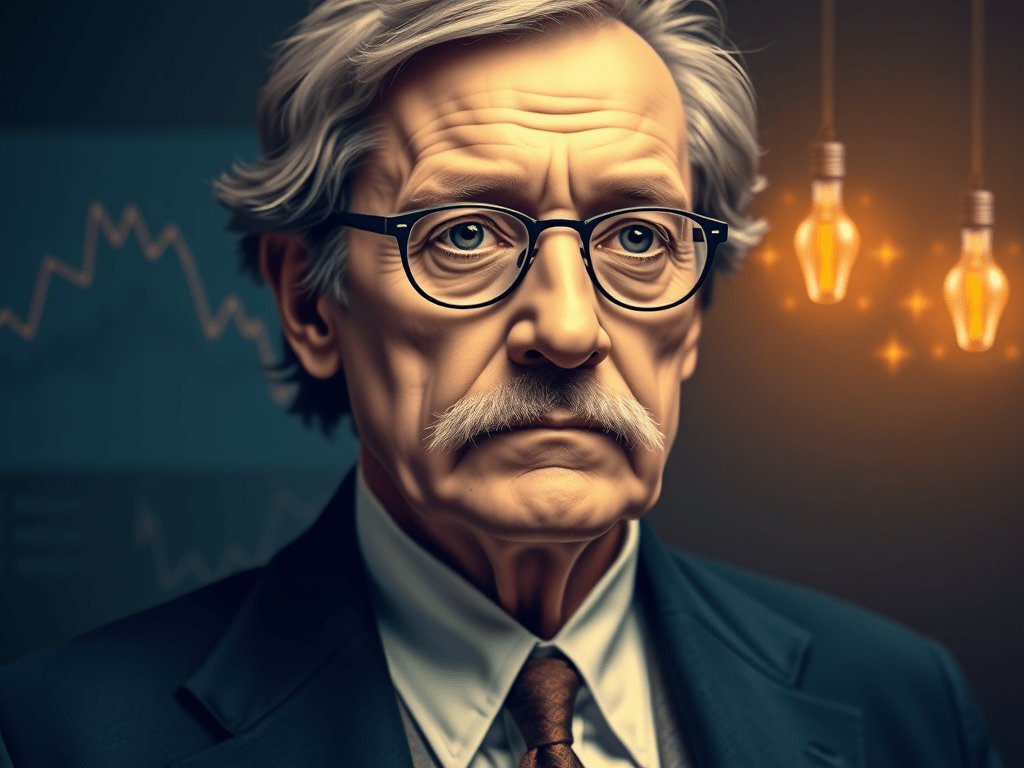
Joseph Schumpeter, a pivotal 20th-century economist, is renowned for his theories on innovation and entrepreneurship. Born in 1883, his hallmark concept of “creative destruction” illustrates how innovation disrupts established industries while fostering economic growth through entrepreneurial activities. Schumpeter viewed entrepreneurs as transformative agents who challenge the status quo, thereby enhancing societal welfare. His business cycle theories explain economic fluctuations as driven by innovation phases: expansion, diffusion, and saturation. Schumpeter’s legacy remains significant today, emphasizing the importance of fostering entrepreneurial ecosystems to navigate challenges like technological disruption and economic resilience, ultimately guiding societies towards sustainable progress.