Category: Biographies

  • Inside the Mind of Warren Buffett: Key Investment Strategies
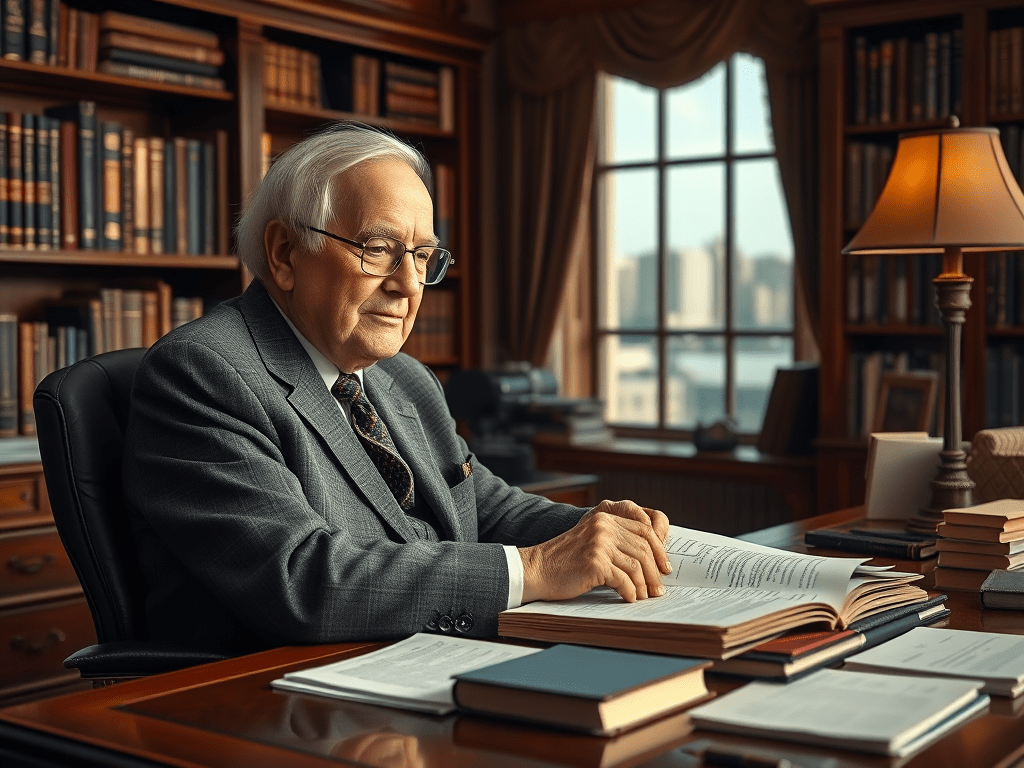
    Inside the Mind of Warren Buffett: Key Investment Strategies

    Introduction

    Warren Buffett, widely revered as one of the most successful investors of all time, has amassed a fortune that places him among the wealthiest individuals globally, while simultaneously earning a reputation for his humility and ethical business practices. Born on August 30, 1930, in Omaha, Nebraska, Buffett’s early exposure to the world of finance, coupled with his insatiable curiosity and an analytical mindset, set the stage for his remarkable career. His investment philosophy, deeply rooted in value investing principles, emphasizes long-term growth, thorough research, and ethical investing. This article delves into Buffett’s life—from his formative years and the influences that shaped his investment philosophy to his pioneering strategies, iconic investments, and the profound legacy he has established in the world of finance.

    Early Life and Influences on Buffett’s Investment Philosophy

    Warren Buffett’s journey began in Omaha, Nebraska, where he was born to Howard and Leila Buffett. His father was a stockbroker and later a U.S. Congressman, which exposed Buffett to the world of finance from a young age. Growing up in a household that emphasized education, hard work, and integrity, Buffett absorbed critical life lessons that would shape his approach to investing.

    From an early age, Buffett demonstrated exceptional entrepreneurial skills. As a child, he sold chewing gum, Coca-Cola, and newspapers, showcasing a flair for business that would later translate into sophisticated investing strategies. By the age of 11, he made his first stock investment in Cities Service Preferred, purchasing three shares at $38 each. Watching the stock drop and then rise taught him invaluable lessons about market volatility and the importance of patience—a theme that would permeate his investment philosophy.

    Buffett’s formal education further contributed to his growth. He initially attended the University of Pennsylvania, where he explored business studies, but it was his transfer to Columbia University that marked a significant turning point in his education. At Columbia, he studied under Benjamin Graham, the father of value investing. Graham’s teachings, encapsulated in his seminal work “The Intelligent Investor,” focused on analyzing a company’s intrinsic value and making informed investment decisions. This framework resonated with Buffett and became the bedrock of his investment approach.

    Alongside Graham, David Dodd played an essential role in shaping Buffett’s philosophy. Dodd’s emphasis on fundamental analysis helped Buffett understand how to evaluate companies’ financial health and market position. This ability to analyze and assess investments would become a hallmark of Buffett’s strategy.

    The lessons learned during this period formed a foundation for Buffett’s future success. He realized that successful investing was not about speculating on trends but instead about understanding the underlying value of businesses. The concept of a “margin of safety,” introduced by Graham, further reinforced Buffett’s focus on investing in undervalued stocks with a low risk of loss.

    Moreover, Buffett’s upbringing during the Great Depression instilled in him a deep understanding of the economic cycles and the impact of market downturns on individuals and businesses alike. He observed firsthand the importance of financial prudence during challenging times, shaping his conservative approach to investing.

    As he transitioned from academia to the real world, Buffett sought practical experience to apply the theories he learned. He began working for Graham’s investment partnership and later started his own investment firm in 1956, employing the principles of value investing he had mastered. These early experiences not only refined his analytical skills but also solidified his commitment to integrity and ethical behavior, values he continues to uphold in his investment practices.

    In summary, Warren Buffett’s early life and influences were instrumental in shaping his investment philosophy. His exposure to the financial world, coupled with a strong educational foundation and mentorship from industry pioneers, laid the groundwork for his future as a legendary investor.

    The Principles of Value Investing: Buffett’s Approach

    Warren Buffett’s approach to investing is deeply rooted in the principles of value investing, a strategy focused on identifying undervalued assets, understanding their intrinsic worth, and making informed, long-term investment decisions. At the core of this philosophy lies the belief that successful investing requires patience, discipline, and rigorous research.

    The first principle of value investing is the concept of intrinsic value. Buffett believes that every asset has a true worth based on its fundamentals, including earnings, cash flow, and growth prospects. Rather than relying on short-term market fluctuations, he emphasizes the importance of conducting comprehensive analyses to determine a company’s fair value. This methodology allows investors to discern when a stock is undervalued and presents a buying opportunity.

    Buffett also advocates the idea of buying quality businesses over mere stocks. He favors companies with strong competitive advantages, referred to as “moats,” that set them apart from their competitors. These moats can take various forms, such as brand loyalty, proprietary technology, or cost advantages. By investing in companies with durable competitive advantages, Buffett ensures that his investments are well positioned for long-term success, even in the face of economic downturns.

    Patience stands as a fundamental component of Buffett’s investment strategy. He famously stated, “The stock market is designed to transfer money from the Active to the Patient.” This quote encapsulates his belief that successful investing requires a long-term perspective, where short-term market movements should not dictate investment decisions. Buffett often holds onto his investments for years, allowing compounding to work its magic and driving substantial returns over time.

    Another vital aspect of Buffett’s philosophy is the importance of staying within one’s “circle of competence.” He emphasizes investing only in industries and companies where he possesses adequate knowledge and understanding. By concentrating his efforts on familiar sectors, Buffett significantly reduces risk and enhances the likelihood of making sound investment choices.

    Moreover, risk management is central to Buffett’s strategy. He adheres to the principle of a “margin of safety,” which entails investing in assets with a significant cushion against errors in judgment. This approach mitigates potential losses and protects his capital. Buffett also avoids high leverage, recognizing the dangers of using borrowed money for investments.

    Ethics and integrity play a crucial role in Buffett’s investment philosophy. He prioritizes transparency and accountability in the companies he invests in, seeking out businesses led by trustworthy management teams. This ethical foundation has guided his investment decisions and interactions throughout his career.

    In conclusion, Warren Buffett’s investment philosophy can be distilled into several key principles: a focus on intrinsic value, quality businesses, patience, understanding one’s circle of competence, risk management, and a commitment to ethical practices. These guiding principles have not only contributed to his extraordinary wealth but have also established him as a respected authority in the investment world.

    Key Investments and Pivotal Moments in Buffett’s Career

    Throughout his illustrious career, Warren Buffett has made several key investments that have not only fortified his status as a leading investor but also reshaped industries. One of his most notable investments was in Coca-Cola in 1988. Recognizing the brand’s immense global reach and strong competitive position, Buffett invested over $1 billion, acquiring a stake of approximately 6% in the company. This investment proved immensely fruitful, as Coca-Cola’s value soared over the years, reflecting Buffett’s ability to identify enduring businesses with strong fundamentals.

    Another pivotal moment came in 1965 when Buffett acquired Berkshire Hathaway, a struggling textile manufacturer, and transformed it into a diversified holding company. Under Buffett’s leadership, Berkshire Hathaway evolved, investing in various sectors such as insurance, consumer goods, and energy. Notable acquisitions include Geico, American Express, and Dairy Queen, each chosen for their robust market positions and long-term growth potential.

    In 2011, Buffett made headlines by investing in Bank of America, injecting $5 billion into the ailing bank. This strategic move not only helped stabilize the institution during the financial crisis but also exemplified Buffett’s willingness to invest in opportunities despite prevailing market skepticism. The investment subsequently yielded significant returns, further solidifying his reputation as a savvy investor.

    Buffett’s decision to support partner Charlie Munger’s vision for expanding into technology through investments in companies like Apple marked a shift in Berkshire’s traditional investment approach. Apple has since become one of Berkshire Hathaway’s largest holdings, showcasing Buffett’s adaptability and willingness to evolve with the changing economic landscape.

    These key investments and pivotal moments reflect Buffett’s disciplined approach to identifying high-quality businesses that demonstrate resilience and growth potential, cementing his legacy as one of the most successful investors in history.

    Challenges and Setbacks: Lessons Learned from Failures

    Despite his remarkable success, Warren Buffett has faced various challenges and setbacks throughout his career, each offering valuable lessons in resilience and humility. One notable setback occurred in the late 1990s during the dot-com bubble. Buffett famously avoided investing in technology companies during this period, believing that many of them lacked sustainable business models. However, the market’s exuberance led to significant losses for those who invested heavily in tech stocks. While Buffett’s cautious approach proved prescient, it also reminded him of the necessity of adaptability and understanding emerging market trends.

    Another significant challenge arose when Berkshire Hathaway acquired a stake in the airline industry. Buffett initially viewed the investment as a strategic bet on a recovering sector; however, he later admitted that it was a mistake. The airline industry has historically struggled due to economic volatility and rising operational costs. This experience underscored the importance of thorough industry analysis and the recognition that some sectors may be better avoided altogether.

    Buffett also encountered setbacks within some of Berkshire Hathaway’s acquisitions. For instance, the purchase of Dexter Shoe Company in 1993, a decision that did not yield the expected results, taught him the importance of evaluating management quality and understanding competitive dynamics more deeply. In retrospect, he acknowledged that the investment failed to deliver the anticipated returns, highlighting the inherent risks of business acquisitions.

    These challenges have not only shaped Buffett’s investment strategy but also reinforced his commitment to continuous learning. He emphasizes that every setback serves as a teaching moment, reminding investors to remain vigilant, adaptable, and humble in the face of failures.

    Buffett’s Legacy and Influence on Modern Investment Culture

    Warren Buffett’s profound impact on modern investment culture cannot be overstated. Through his investment strategies and principles, he has redefined how individuals and institutions approach investing. Buffett’s focus on value investing has inspired a generation of investors to look deeper into financial metrics and intrinsic value rather than simply chasing market trends or speculative booms.

    His emphasis on long-term thinking has also fostered a more disciplined investment ethos among both professional and retail investors. By advocating patience and a focus on fundamental analysis, Buffett has encouraged countless individuals to adopt a more rational approach to investing, contrasting sharply with the often frenetic nature of modern financial markets.

    Additionally, Buffett’s commitment to ethical investing and transparency has set a standard in the industry. His candid communication style and straightforward business practices have fostered trust among shareholders and the public alike. The Berkshire Hathaway annual shareholder letters serve as a model for clarity and integrity, emphasizing the importance of ethical behavior in business.

    Buffett’s philanthropic efforts further enhance his legacy. Through the Bill and Melinda Gates Foundation and his own initiative, The Giving Pledge, he has encouraged billionaires to commit a majority of their wealth to charitable causes. This philanthropic spirit not only reflects his personal values but also shapes the culture of wealth management, urging others in the financial world to consider their responsibility to society.

    In conclusion, Warren Buffett’s legacy is defined by a profound influence on investment philosophy, emphasizing sound principles, ethical practices, and the importance of community involvement. His teachings will undoubtedly continue to inspire future generations of investors, solidifying his place in the annals of financial history.

    Conclusion

    Warren Buffett’s extraordinary journey as an investor illustrates the importance of knowledge, discipline, and ethics in achieving lasting success. From his humble beginnings in Omaha to his rise as one of the wealthiest individuals in the world, Buffett has imparted invaluable lessons on value investing, patience, and integrity. His investment philosophy continues to inspire countless investors, proving that thoughtful analysis, a long-term perspective, and ethical practices lead to sustainable success. As Buffett’s legacy continues to shape investment culture, his principles will undoubtedly endure, guiding future generations of investors toward success in an ever-evolving financial landscape.

    Sources

    • “The Intelligent Investor” by Benjamin Graham
    • “Warren Buffett: The Life, Lessons & Rules for Success” by Influential Individuals
    • “Buffett: The Making of an American Capitalist” by Roger Lowenstein
    • Berkshire Hathaway Annual Shareholder Letters
    • Interviews and articles from reputable financial publications like Forbes, Bloomberg, and The Wall Street Journal

  • Exploring John Maynard Keynes: His Life and Economic Legacy

    Exploring John Maynard Keynes: His Life and Economic Legacy

    Introduction

    John Maynard Keynes, an influential British economist, transformed the field of economics with his revolutionary ideas during the 20th century. Born in 1883 in Cambridge, England, Keynes’s early education shaped his intellectual pursuits, leading him to question classical economic theories. His groundbreaking work during the Great Depression redefined government intervention’s role in the economy, challenging the prevailing laissez-faire approach. Keynes’s theories, particularly presented in his seminal book, “The General Theory of Employment, Interest, and Money,” laid the foundation for modern macroeconomic thought and policy. This article will explore the life and contributions of Keynes, emphasizing his early influences, key developments during critical economic times, and the lasting impact of his ideas on economic theory and practice.

    Early Life and Education

    John Maynard Keynes was born on June 5, 1883, into a prominent Cambridge family. His father, John Neville Keynes, was an economics lecturer at the University of Cambridge, and his mother, Florence Ada Keynes, was a socially engaged local leader. Surrounded by intellectual discourse from a young age, Keynes was exposed to ideas about economics, philosophy, and politics, sparking his curiosity and broader interests.

    Keynes attended Eton College, where he excelled academically, particularly in mathematics. His passion for economics led him to King’s College, Cambridge, in 1902, where he pursued a degree in mathematics, later shifting his focus to economics and moral sciences. At Cambridge, Keynes encountered eminent thinkers, including Alfred Marshall, who influenced his economic philosophy. During his time at university, he developed critical thinking skills and an analytical approach that would shape his later work.

    After graduating in 1905, Keynes joined the civil service as an assistant in the British Treasury, which provided firsthand experience in economic policy and its effects. He studied various aspects of economic theory and criticism, contributing to his development as an economist. His early experiences laid the groundwork for his understanding of the economy’s complexities and the interplay between government action and market forces.

    In 1909, Keynes became a fellow at King’s College and continued to pursue his interests in economics. His engagement with philosophical ideas, particularly those from the works of G.E. Moore and other contemporary thinkers, shaped his views on human welfare and social responsibility. This intellectual environment encouraged Keynes to see beyond traditional economic theories, fostering his inclination towards developing innovative ideas to address economic challenges.

    By the time Keynes authored his influential works, his background provided him with a unique perspective. His understanding of the classical economics that preceded him, coupled with his exposure to the emerging challenges of the modern economy, positioned him to articulate solutions that would reconcile economic theory with real-world applications. Keynes’s early life and education were crucial in cultivating the critical insights that would later influence economic policies worldwide.

    Keynes’s Role During the Great Depression

    The Great Depression of the 1930s marked a significant turning point in global economics and set the stage for Keynes’s most impactful contributions. As the world faced unprecedented economic downturns, Keynes emerged as a voice of reason amidst widespread pessimism. His insights into the causes of economic disarray challenged conventional economic thought, effectively shifting the dialogue towards the need for government intervention.

    Keynes’s magnum opus, “The General Theory of Employment, Interest, and Money,” published in 1936, offered a thorough criticism of classical economic theories that emphasized self-regulating markets and rejected government interference. Keynes argued that during periods of economic contraction, such as the Great Depression, markets often failed to reach equilibrium naturally. The inherent instability of economies necessitated proactive measures from governments to stimulate demand and mitigate unemployment.

    Keynes proposed that total spending in the economy—aggregate demand—was the primary driver of economic output and that insufficient demand could lead to prolonged periods of high unemployment. He contended that government spending could play a critical role in stimulating economic activity. This idea was revolutionary, as it moved away from the previously held belief that markets would naturally correct themselves without external intervention.

    Throughout the 1930s, Keynes advocated for public works programs and increased government expenditures to boost demand and create jobs. His proposals influenced government policy responses to the Great Depression, including FDR’s New Deal in the United States. Keynes’s ideas garnered both support and criticism, as traditionalists viewed his approach as an abandonment of free-market principles.

    In essence, Keynes’s role during the Great Depression was one of a catalyst for change. He provided a framework to understand economic crises that deviated from the norms of classical economics, paving the way for a new era of macroeconomic theory. His emphasis on active fiscal policy as a tool for economic recovery reshaped the priorities of governments, leading to a lasting legacy in economic policymaking.

    The Development of Keynesian Economics

    The development of Keynesian economics marked a paradigm shift in the field of economic theory. Following the publication of “The General Theory,” Keynes’s ideas gained traction among economists and policymakers, evolving into what is now known as Keynesianism-the framework that emphasizes the role of aggregate demand in influencing economic performance.

    Keynes posited that economies are not always self-correcting and that aggregate demand could be volatile, leading to recessions and periods of economic instability. He introduced the concept of the multiplier effect, explaining how an initial increase in spending could lead to a more significant overall impact on national income. This idea highlighted the interconnectedness of different sectors of the economy, underscoring the importance of government intervention during economic downturns.

    Furthermore, Keynes’s theories championed the idea that unemployment is not just a natural market occurrence; instead, it is a result of inadequate aggregate demand. This was a departure from classical views, which suggested that labor market adjustments would lead to a restoration of full employment over time. Keynes argued that persistent unemployment could occur in equilibrium, necessitating government action to boost demand and encourage job creation.

    The post-World War II era saw Keynesian economics become the dominant school of thought. Many Western nations adopted Keynesian policies during the reconstruction period, utilizing government spending to spur growth and stabilize the economy. Policymakers embraced fiscal tools such as increased public investment and social welfare programs, viewing them as essential for economic health.

    However, Keynesianism faced criticism and challenges in the 1970s, particularly with the emergence of stagflation—an economic condition characterized by high inflation and unemployment occurring simultaneously. This paradox called into question the foundations of Keynesian economics, leading to the emergence of new economic theories, including supply-side economics.

    Despite criticisms, Keynesian economics laid the groundwork for modern macroeconomic thought and informed the macroeconomic policies implemented in various countries. Concepts rooted in Keynesian theory remain integral to contemporary economic analysis, reinforcing the significance of government intervention in fostering economic stability.

    Keynes’s Influence on Economic Policy and Theory

    John Maynard Keynes’s influence on economic policy and theory remains profound and enduring. His ideas not only shaped the response to economic crises in the early to mid-20th century but also established a framework for understanding economic fluctuations and the mechanisms behind monetary and fiscal policies.

    During the mid-20th century, Keynes’s principles were instrumental in the formulation of economic policies in numerous countries. Governments recognized the necessity of active intervention in stabilizing economies during downturns. They adopted Keynesian principles that promoted increased government spending, tax cuts, and public works programs as tools for stimulating demand and creating jobs. This approach led to unprecedented levels of economic growth and prosperity during the post-World War II boom.

    The established Keynesian model also contributed to the evolution of central banking practices. Central banks began to utilize monetary policy—adjusting interest rates and controlling the money supply—tailored to influence aggregate demand and stabilize the economy. The coordination of fiscal and monetary policies became essential in managing economic cycles.

    Despite periods of criticism and the rise of alternative economic theories, Keynes’s influence persisted throughout the latter half of the 20th century. Policymakers revisited Keynesian principles during economic downturns, particularly during the 2008 financial crisis, as governments worldwide implemented stimulus packages to revive economic activity. The resurgence of Keynesian ideas demonstrated the resilience of his theories in responding to contemporary economic challenges.

    Keynes’s contributions to economics also extended beyond policy. He influenced the direction of economic research, encouraging economists to consider the psychological factors influencing consumer and business behavior. His work emphasized the importance of understanding human decision-making within the economic context.

    The adaptability of Keynesian economics and its continued relevance in addressing complex economic issues showcase the profound impact of Keynes’s ideas. Even in contemporary discussions regarding economic policy, Keynesian principles remain a vital lens through which policymakers and economists analyze and respond to fluctuations, demonstrating Keynes’s lasting mark on economic science.

    The Lasting Impact of Keynesian Thought in the Modern Economy

    The lasting impact of Keynesian thought in the modern economy is evident in how economic theories and policies have evolved in response to dynamic global challenges. Keynes’s emphasis on aggregate demand as a driving force behind economic well-being laid the groundwork for continued exploration of economic principles that adapt to contemporary issues.

    In the decades following Keynes’s death in 1946, economists and policymakers have grappled with complex economic realities, including globalization, income inequality, and technological advancements. Keynesian frameworks have provided tools for understanding how these factors interact to impact economic stability and growth. The recognition that market forces alone cannot address systemic issues has reaffirmed the need for informed government intervention to support economic health.

    Moreover, Keynesian thought has influenced various schools of economic thought that have integrated his principles with new ideas and perspectives. Post-Keynesian economics emerged as a direct response to the limitations of classical Keynesian models, incorporating elements such as uncertainty and the role of institutional factors in economic behavior. This evolution has encouraged scholars to explore additional dimensions of economic theory, further enriching the discipline.

    The 2008 financial crisis reignited interest in Keynesian principles as policymakers sought effective remedies for economic turmoil. Governments worldwide implemented fiscal stimulus measures, public spending initiatives, and monetary policies aimed at stabilizing economies and fostering recovery. This resurgence demonstrated Keynes’s relevance in contemporary economic discourse and highlighted the importance of addressing cyclical deficiencies in demand.

    Furthermore, discussions surrounding climate change, environmental sustainability, and social justice have introduced new dimensions to Keynesian thought. As economic challenges increasingly intersect with environmental and social concerns, Keynesian frameworks offer pathways for integrating sustainability into economic planning. This adaptation reinforces Keynes’s legacy by illustrating the enduring relevance of his ideas in shaping societal progress.

    In conclusion, John Maynard Keynes’s contributions to economics transcend specific time periods and crises. His revolutionary ideas about the role of aggregate demand and the necessity of government intervention continue to resonate in the modern economy. Keynesian thought shapes how policymakers respond to economic challenges, fostering resilience and adaptability in an ever-evolving global landscape.

    Bullet Points of Information Sources

    • Keynes, John Maynard. The General Theory of Employment, Interest, and Money. 1936.
    • Moggridge, Doris. John Maynard Keynes: An Economist’s Biography. 1992.
    • Skidelsky, Robert. John Maynard Keynes: Hopes Betrayed, 1883-1920. 1986.
    • Galbraith, John Kenneth. The Anatomy of Estimates. 1973.
    • Blinder, Alan S. “Keynesian Economics.” The New Palgrave Dictionary of Economics, 2008.
    • Stiglitz, Joseph E. “Keynes’ Legacy.” The American Economic Review, 2009.
    • Snowdon, Brian, and Howard R. Vane. A Modern Guide to Macroeconomics. 2005.
  • Yves Saint Laurent: Revolutionizing Fashion History

    Yves Saint Laurent: Revolutionizing Fashion History

    Introduction

    Few names in fashion evoke as much admiration and influence as Yves Saint Laurent. From his humble beginnings in Oran, Algeria, to becoming one of the most celebrated designers in the world, Yves Saint Laurent redefined the boundaries of style, creativity, and empowerment. His career began under the mentorship of Christian Dior, where he quickly became a prodigy of haute couture, revitalizing the industry with his innovative vision.

    In 1961, he co-founded the Yves Saint Laurent brand, which became synonymous with elegance and rebellion. The introduction of iconic pieces such as the Mondrian dress and Le Smoking tuxedo for women shattered traditional fashion norms, empowering individuals through bold, modern designs.

    This article delves into the remarkable journey of Yves Saint Laurent, exploring his life, the revolutionary creations that shaped fashion, and his lasting impact on a global industry. YSL’s story is one of passion, creativity, and a legacy that continues to inspire.

    The Early Life of Yves Saint Laurent: A Prodigy in the Making

    The story of Yves Saint Laurent, one of the greatest fashion designers in history, begins in Oran, Algeria, where he was born on August 1, 1936. Born into a well-off French family, Laurent’s childhood was filled with creativity, yet marked by challenges that would shape his character and artistry.

    As a boy, Saint Laurent displayed an extraordinary talent for art and design. He spent hours sketching dresses and creating paper dolls, an unusual hobby that set him apart from his peers. His early designs reflected an innate understanding of form, color, and proportion, which would later become hallmarks of his career. Despite being bullied at school for his delicate nature and artistic inclinations, he found solace in fashion, immersing himself in magazines and the glamorous world of haute couture.

    At the age of 17, Saint Laurent moved to Paris, a decision that proved pivotal. Determined to enter the world of fashion, he enrolled at the prestigious Chambre Syndicale de la Haute Couture. His prodigious talent caught the attention of Michel de Brunhoff, the editor of Vogue Paris, who was instrumental in introducing the young designer to Christian Dior. This meeting would change the trajectory of Saint Laurent’s life and career.

    Saint Laurent joined the House of Dior in 1955, quickly becoming Dior’s protégé. Recognizing his raw talent, Dior entrusted him with significant responsibilities. By the time he was 21, Saint Laurent was appointed head designer of the iconic fashion house following Dior’s sudden death. This made him the youngest couturier in the world, an achievement that underscored his unique genius.

    His first collection for Dior, unveiled in 1958, introduced the groundbreaking “Trapeze” line. The collection was met with critical acclaim, as its softer, more relaxed silhouette offered a fresh departure from the rigid styles of the 1950s. It marked the beginning of Saint Laurent’s reputation as an innovator who could balance tradition with modernity.

    However, his journey was not without struggles. In 1960, Saint Laurent was conscripted into the French military during the Algerian War, a traumatic experience that led to his dismissal from Dior. The period was marked by mental health challenges, including a stay in a psychiatric hospital. Yet, this adversity did not dim his creative brilliance. Instead, it spurred his determination to establish his own brand.

    In 1961, with the support of his partner Pierre Bergé, Yves Saint Laurent launched his eponymous fashion house. This bold move marked the start of a new chapter, one where Saint Laurent would have full creative freedom to redefine the fashion industry.

    The early life of Yves Saint Laurent reveals a story of extraordinary talent, resilience, and vision. His journey from a young boy in Algeria to the head of Dior and later the founder of his own iconic brand highlights the making of a prodigy whose work continues to inspire the world of fashion.

    The Dior Years: Redefining Haute Couture

    Yves Saint Laurent’s tenure at the House of Dior stands as one of the most transformative chapters in his career and in the history of haute couture. Joining Dior in 1955 at the age of 19, Saint Laurent began as a junior assistant, quietly observing and learning from Christian Dior, the master of post-war fashion. This apprenticeship was short-lived, as Saint Laurent’s exceptional talent soon propelled him to the forefront of the fashion world.

    When Christian Dior unexpectedly passed away in 1957, Yves Saint Laurent, at just 21 years old, was named the head designer of the prestigious fashion house. The decision was met with skepticism due to his youth and inexperience, but Saint Laurent quickly silenced critics with his debut collection in January 1958. The collection introduced the “Trapeze” line, characterized by A-line dresses that flowed freely from the shoulders, creating an elegant yet liberating silhouette.

    The “Trapeze” collection was a radical departure from the structured, cinched-waist designs that had dominated the 1950s. Its fresh, modern approach to fashion was celebrated by critics and customers alike, establishing Saint Laurent as a visionary who could reinterpret tradition for a new era. The collection not only saved the House of Dior from financial uncertainty but also marked the beginning of a new aesthetic in haute couture, one that balanced sophistication with wearability.

    Saint Laurent’s designs during his Dior years were characterized by their artistic innovation and a willingness to challenge convention. He introduced elements of youthfulness and playfulness to haute couture, drawing inspiration from contemporary art, literature, and culture. This approach resonated deeply with a younger, more progressive audience, bringing new life to the storied fashion house.

    Despite his early success, Saint Laurent faced immense pressure as the head of Dior. The demands of producing multiple collections annually, combined with the weight of expectations, began to take a toll on his mental health. Yet, his creative output remained prolific. Over the course of his tenure, he introduced collections that blended traditional craftsmanship with bold, avant-garde elements, ensuring that Dior remained at the forefront of global fashion.

    One of Saint Laurent’s most significant contributions during his time at Dior was his ability to adapt to the shifting societal landscape. The late 1950s and early 1960s were marked by cultural change, with women seeking greater freedom and individuality. Saint Laurent’s designs reflected these aspirations, offering garments that were both beautiful and empowering.

    However, Saint Laurent’s tenure at Dior came to an abrupt end in 1960. Drafted into the French military during the Algerian War, he was forced to leave his position. His experience in the military, coupled with the subsequent termination of his contract at Dior, led to a period of personal and professional turmoil.

    Despite these challenges, Saint Laurent’s time at Dior cemented his reputation as a prodigy and an innovator. His work during this period not only redefined haute couture but also laid the foundation for his future as one of the most influential designers in history.

    The Birth of the Yves Saint Laurent Brand: Innovation Meets Elegance

    The creation of the Yves Saint Laurent (YSL) brand in 1961 marked a pivotal moment in fashion history, as the designer set out to establish his own creative vision and legacy. After his tumultuous departure from Dior, Yves Saint Laurent partnered with Pierre Bergé, his lifelong business partner and confidant, to launch a fashion house that would bear his name. Together, they combined Saint Laurent’s creative genius with Bergé’s business acumen to build a brand that would revolutionize the industry.

    From the outset, Saint Laurent sought to push the boundaries of design, embracing a modern, avant-garde aesthetic that challenged the conventions of haute couture. In January 1962, YSL’s inaugural collection debuted in Paris, signaling the arrival of a bold new force in fashion. The collection showcased clean, elegant lines and a focus on wearability, elements that appealed to the growing market of modern, independent women. It was immediately hailed as a triumph, solidifying Saint Laurent’s reputation as a trailblazer.

    One of the defining features of the YSL brand was its ability to blend high fashion with cultural influences. Saint Laurent drew inspiration from art, history, and global cultures, incorporating these elements into his designs. For example, his fascination with the works of artists like Mondrian, Picasso, and Van Gogh would later inspire some of his most iconic pieces. This interdisciplinary approach set the YSL brand apart, elevating fashion to the level of fine art.

    In 1966, Saint Laurent introduced Rive Gauche, the first ready-to-wear line under a couture designer’s name. This move was revolutionary, as it democratized fashion by making high-quality designs more accessible to a broader audience. The opening of the first Rive Gauche boutique in Paris further emphasized this shift, targeting younger, fashion-forward consumers who wanted to embrace luxury without the exclusivity of haute couture. The ready-to-wear concept was a resounding success, cementing Saint Laurent’s role as a designer who understood and shaped the evolving fashion landscape.

    Yves Saint Laurent
    The story of Yves Saint Laurent, one of the greatest fashion designers in history, begins in Oran, Algeria, where he was born on August 1, 1936. Born into a well-off French family, Laurent’s childhood was filled with creativity, yet marked by challenges that would shape his character and artistry. Photo by Mohammed Mzabi on Pexels.com

    YSL also broke ground with its approach to gender norms in fashion. The introduction of Le Smoking tuxedo for women in 1966 was a defining moment. This sleek, tailored suit reimagined traditional menswear for women, offering an androgynous yet undeniably chic alternative to evening gowns. The design challenged societal norms and empowered women, becoming a timeless symbol of rebellion and elegance.

    The YSL brand also became known for its bold use of color and innovative fabric choices. From safari jackets to see-through blouses, Saint Laurent’s designs were daring yet sophisticated, often sparking trends that would dominate the fashion world for decades.

    Through the YSL brand, Saint Laurent redefined the relationship between fashion, culture, and individuality. His ability to innovate while maintaining elegance ensured the enduring appeal of his designs. By creating a brand that celebrated creativity and inclusivity, Yves Saint Laurent set the stage for a legacy that continues to influence the fashion industry today.

    Iconic Creations: The Mondrian Dress, Le Smoking, and More

    Yves Saint Laurent’s career is defined by his unparalleled ability to craft iconic designs that have transcended the boundaries of fashion. His creations not only captured the essence of their time but also set new standards for innovation and artistry. Among his most celebrated works are the Mondrian dress, Le Smoking tuxedo, and numerous other groundbreaking pieces that continue to resonate with audiences worldwide.

    In 1965, Yves Saint Laurent unveiled the Mondrian dress, a piece inspired by the geometric abstract art of Dutch painter Piet Mondrian. The shift dress, characterized by its bold black lines and blocks of primary colors, became an instant sensation. This design epitomized the fusion of art and fashion, a hallmark of Saint Laurent’s work. The Mondrian dress was not just a garment; it was a wearable masterpiece that showcased how fashion could serve as a canvas for artistic expression. Its simplicity, coupled with its striking visual impact, ensured its place in the annals of fashion history.

    The following year, in 1966, Saint Laurent introduced Le Smoking, a tailored tuxedo for women that redefined traditional gender norms in fashion. This design was revolutionary, as it offered women a powerful yet elegant alternative to the conventional evening gown. The sleek, androgynous silhouette of Le Smoking tuxedo exuded confidence and sophistication, making it a symbol of female empowerment. While initially met with controversy, the design eventually gained widespread acclaim and became one of the most enduring symbols of Yves Saint Laurent’s genius. To this day, Le Smoking remains a quintessential piece in modern fashion, embodying timeless elegance and rebellion.

    Another noteworthy creation was the safari jacket, introduced in 1968. Saint Laurent’s take on this utilitarian garment elevated it to a high-fashion staple. Paired with thigh-high boots or styled as a dress, the safari jacket embodied adventure, sensuality, and a modern, liberated spirit. Similarly, his sheer blouses, introduced in the same period, challenged societal norms by embracing a bold, unapologetic approach to sensuality.

    In the 1970s, Saint Laurent’s fascination with cultural influences became increasingly evident. His collections drew inspiration from various sources, including Moroccan culture, Russian folklore, and Chinese art. One of his standout collections was the Ballets Russes collection in 1976, which featured opulent designs inspired by the lavish costumes of Sergei Diaghilev’s Russian ballet. These creations showcased Saint Laurent’s ability to reinterpret historical and cultural motifs in a contemporary, wearable format.

    The influence of Saint Laurent’s iconic designs extended far beyond the runway. They inspired countless designers and shaped the way people dressed, thought, and felt about fashion. His work blurred the lines between art, culture, and commerce, proving that fashion could be both innovative and timeless.

    Through the Mondrian dress, Le Smoking, and other groundbreaking pieces, Yves Saint Laurent demonstrated that clothing could be a medium for self-expression, empowerment, and storytelling. His creations continue to inspire new generations, ensuring his legacy as one of the greatest innovators in the history of fashion.

    Breaking Barriers: Gender, Race, and Diversity in Fashion

    Yves Saint Laurent was more than a designer; he was a revolutionary figure who challenged societal norms and redefined inclusivity in the fashion world. At a time when the industry was often constrained by traditional ideas of gender roles and beauty standards, Saint Laurent consistently broke barriers, championing diversity and reshaping perceptions of identity through his designs and casting choices.

    One of Saint Laurent’s most groundbreaking contributions was his reimagining of gender norms in fashion. With creations like Le Smoking tuxedo in 1966, he offered women an alternative to conventional femininity, celebrating androgyny and empowerment. Le Smoking became a cultural phenomenon, symbolizing strength and liberation. Saint Laurent’s use of tailored suits for women was not merely about aesthetics but about challenging deeply rooted notions of what women could wear in formal and professional settings. By giving women access to traditionally masculine attire, he made a powerful statement about gender equality and the fluidity of identity.

    Saint Laurent’s impact on racial diversity in fashion was equally profound. He was among the first major designers to feature Black models prominently in his shows and campaigns. In an era when the fashion industry largely excluded non-white models, Saint Laurent’s decision to cast icons like Katoucha Niane, Iman, and Naomi Campbell sent a powerful message. His 1967 “African Collection,” which paid homage to African culture and artistry, showcased his deep respect for cultural diversity. While the collection sparked debates about cultural appropriation, it also highlighted his admiration for global influences and brought African-inspired designs to the forefront of haute couture.

    Another example of Saint Laurent’s commitment to diversity was his approach to body positivity and inclusivity. Although the industry of his time often celebrated a narrow standard of beauty, Saint Laurent embraced a broader spectrum. His muses included women of different ages, backgrounds, and aesthetics, reflecting his belief that fashion should serve as a tool for self-expression accessible to everyone. His designs celebrated individuality, allowing wearers to embrace their uniqueness while feeling elegant and empowered.

    Saint Laurent also drew inspiration from a wide range of cultures, integrating elements from Asia, Africa, and the Middle East into his collections. Unlike many contemporaries, he approached these influences with a sense of reverence, often collaborating with artisans from the regions he admired. His fascination with Moroccan culture, in particular, was evident in his work, as he frequently incorporated the country’s vibrant colors, patterns, and textiles into his designs. His home in Marrakech served as both a sanctuary and a source of inspiration, influencing his creative vision for decades.

    The inclusivity and boldness of Yves Saint Laurent’s designs extended beyond the runway. His work challenged the status quo and opened the door for future designers to embrace diversity in its many forms. By pushing boundaries and celebrating the richness of human expression, he reshaped the fashion industry, leaving a legacy of inclusion and innovation that continues to inspire today.

    The Influence of Art and Culture in Yves Saint Laurent’s Creations

    Yves Saint Laurent’s ability to merge art, culture, and fashion remains one of the most distinctive aspects of his career. He was not merely a designer but a true artist, constantly drawing inspiration from the worlds of fine art, theater, literature, and global cultures. His work blurred the lines between disciplines, elevating fashion to a level of artistic expression that transcended trends and cemented his status as a cultural visionary.

    One of the most iconic examples of Saint Laurent’s integration of art into fashion is the 1965 Mondrian collection. Inspired by the works of Dutch painter Piet Mondrian, this series featured dresses with clean, geometric lines and bold blocks of primary colors, mimicking the style of Mondrian’s De Stijl art movement. These dresses were not just garments but tributes to modern art, showcasing Saint Laurent’s belief that fashion could serve as a canvas for creativity. The Mondrian collection resonated deeply with the public and critics alike, establishing a new standard for artistic collaboration in design.

    Beyond Mondrian, Saint Laurent’s work frequently paid homage to a wide array of artists. His 1988 collection featured pieces inspired by Vincent van Gogh, including jackets adorned with intricate beaded and embroidered sunflower and iris motifs. These garments were masterpieces in their own right, combining haute couture craftsmanship with the emotional depth of Van Gogh’s paintings. Similarly, his 1979 collection drew upon the works of Henri Matisse, translating the painter’s fluid lines and vibrant colors into elegant, wearable art.

    Theater and literature also played significant roles in shaping Saint Laurent’s vision. He designed costumes for stage productions, including plays by Jean Cocteau and operas by Roland Petit. These collaborations allowed him to experiment with dramatic silhouettes and theatrical flair, which often found their way into his runway collections. His love for literature was evident in his designs as well; he frequently referenced literary figures like Marcel Proust, incorporating their influence into the narratives of his collections.

    Saint Laurent’s fascination with global cultures further enriched his work. His travels to Morocco, Russia, China, and other regions deeply impacted his designs, as he sought to reinterpret traditional aesthetics through a modern lens. The 1976 Ballets Russes collection, inspired by Sergei Diaghilev’s legendary Russian ballet company, featured opulent fabrics, vibrant patterns, and ornate detailing. Similarly, his Chinese and Moroccan-inspired collections celebrated the beauty of these cultures while reimagining their elements for haute couture.

    Saint Laurent’s ability to weave cultural and artistic influences into his designs not only elevated the status of fashion but also created a universal language of beauty and creativity. His work demonstrated that fashion could be more than just clothing—it could be a celebration of human achievement, a tribute to artistic genius, and a means of connecting with diverse histories and traditions.

    Through his seamless blending of art, culture, and design, Yves Saint Laurent redefined the boundaries of what fashion could achieve. His creations remain timeless works of art, continuing to inspire designers and audiences around the world.

    Yves Saint Laurent’s Legacy and Impact on Modern Fashion

    Yves Saint Laurent’s legacy is unparalleled, as his revolutionary designs and forward-thinking philosophy left an indelible mark on the fashion industry. Even after his passing in 2008, his influence continues to resonate in contemporary design, business models, and the way we perceive clothing as a form of cultural and personal expression.

    One of Saint Laurent’s most significant contributions was democratizing fashion. By launching the Rive Gauche ready-to-wear line in 1966, he shattered the exclusivity of haute couture and made high-quality, stylish clothing accessible to a broader audience. This move not only redefined the business model of luxury fashion but also aligned with the cultural shifts of the 1960s, as younger, more liberated consumers sought affordable yet chic designs. Today, the ready-to-wear concept is a cornerstone of the fashion industry, a testament to Saint Laurent’s foresight.

    His influence extended far beyond clothing; Yves Saint Laurent redefined what it meant to be a designer. He was among the first to establish a designer as a global brand, expanding into accessories, fragrances, and beauty products. The 1977 launch of Opium, a provocative and exotic perfume, exemplified his ability to blend innovation with marketing genius. The fragrance became a cultural phenomenon, reflecting his talent for creating products that captured the spirit of their time.

    Yves Saint Laurent’s impact on fashion also lies in his ability to challenge norms and celebrate individuality. Through iconic creations like Le Smoking tuxedo, he reimagined femininity and redefined women’s wardrobes. Today, the acceptance of androgyny and gender-neutral fashion owes much to Saint Laurent’s trailblazing designs. Modern designers frequently cite his work as a source of inspiration, acknowledging his role in breaking the boundaries of traditional menswear and womenswear.

    Diversity in fashion also owes a debt to Yves Saint Laurent. He celebrated models of various ethnicities, making bold casting choices at a time when inclusivity was far from the norm. His 1967 “African Collection” and subsequent use of Black models like Iman and Katoucha Niane signaled his commitment to representing a broader spectrum of beauty. This inclusive ethos has become a critical focus in modern fashion, with designers and brands increasingly embracing diversity in their campaigns and runway shows.

    Saint Laurent’s designs have proven to be timeless, with pieces like the Mondrian dress and Le Smoking continuing to influence trends and red-carpet fashion. The structured tailoring, bold use of color, and artistic inspiration that defined his work remain hallmarks of contemporary fashion. Luxury brands often look to his legacy as a benchmark for elegance, innovation, and cultural relevance.

    The Yves Saint Laurent brand, now under the creative direction of successors, remains a global powerhouse. While the label has evolved, it continues to honor its founder’s spirit of creativity and rebellion. Through his fearless vision, Yves Saint Laurent not only transformed fashion but also shaped the way people express themselves through clothing, leaving a legacy that is as relevant today as it was during his lifetime.

    Conclusion

    Yves Saint Laurent was a transformative force in the world of fashion, whose legacy continues to inspire creativity and challenge conventions. From his early days as a protégé of Christian Dior to becoming a revolutionary designer in his own right, Saint Laurent redefined the industry through his fearless innovation and artistic vision. His contributions, such as the Mondrian dress, Le Smoking tuxedo, and the Rive Gauche ready-to-wear line, revolutionized how people viewed and engaged with fashion, blending art, culture, and personal expression.

    Saint Laurent’s commitment to diversity and inclusivity reshaped the fashion landscape, making it more reflective of a global and multifaceted audience. His influence on gender fluidity, cultural appreciation, and democratization of luxury continues to resonate. As a trailblazer who bridged tradition and modernity, Yves Saint Laurent’s enduring impact reminds us that fashion is not just about clothing—it is a powerful medium for storytelling and transformation.

  • The History of Vasco da Gama: Portugal’s greatest Navigator
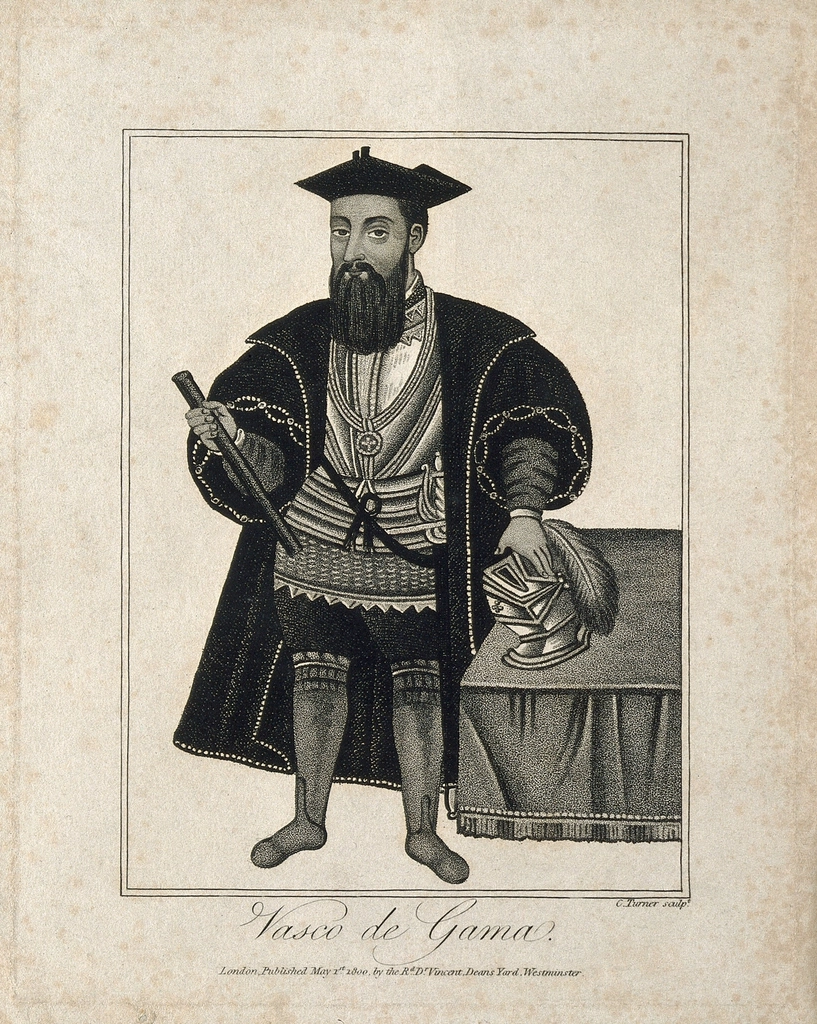
    The History of Vasco da Gama: Portugal’s greatest Navigator

    Introduction

    Vasco da Gama was a pivotal figure in the Age of Exploration, known primarily for his significant role in establishing sea routes between Europe and India during the late 15th century. Born in Sines, Portugal, in 1460, Da Gama came from a family with a rich maritime tradition. His expeditions were crucial in connecting Europe to the lucrative spice trade in Asia, fundamentally altering the course of world history. Through his journey, he not only opened new pathways for commerce but also laid the groundwork for future colonial enterprises. This article delves into the multifaceted life of Vasco da Gama, exploring his early life, landmark voyages, contributions to the Portuguese Empire, and lasting legacy in maritime navigation.

    Early Life and Background of Vasco da Gama

    Vasco da Gama was born into a family of noble lineage in Sines, Portugal. His father, Estêvão da Gama, was a knight of the Order of Santiago, which gave young Vasco early exposure to maritime culture. The importance of navigation and exploration was palpable during this period, as Portugal sought to expand its influence globally. As a young boy, Vasco was reportedly educated at the University of Lisbon, where he studied mathematics, navigation, and astronomy—fields essential for a career at sea.

    By the late 15th century, Portugal emerged as a frontrunner in exploration, actively seeking new routes to India and Africa, specifically for spices and gold. The development of advanced navigational techniques and the construction of powerful ships, like the caravel, set the stage for ambitious expeditions. Vasco da Gama, recognizing the potential for riches and glory, became passionately interested in these undertakings.

    His rise in the ranks began following several successful voyages along the African coast. In 1492, the Portuguese crown decided to send an expedition to India to establish trade routes. Da Gama was appointed as the fleet’s commander, a testament to his skills and the trust placed in him by King Manuel I. This mission was not only commercially driven but also aimed at spreading Christianity and countering the influence of other European powers in the region, particularly the Muslim empires.

    The resources and preparation for this voyage were substantial. Da Gama’s fleet consisted of four ships: the flagship São Gabriel, the São Rafael, the caravel Berrio, and a supply ship. Each vessel was equipped for long-distance travel, marking a shift in maritime capabilities. On July 8, 1497, da Gama and his fleet set sail from Lisbon, embarking on a journey that would change the course of maritime history and open the way for centuries of European dominance in Asia.

    Their first significant stop was the Canary Islands, where the fleet resupplied before continuing down the African coast. The ships navigated treacherous waters, overcoming challenges such as storms, rough seas, and navigational uncertainties. Da Gama’s strategic sense was evident as he relied on the knowledge gained from earlier explorers and integrated them into his methodology.

    As da Gama continued along the African coastline, he made several critical decisions, like establishing alliances with local rulers and learning from their navigation techniques. Such interactions were crucial in understanding the local trade systems and securing safe passage for his ships. His ability to communicate and negotiate with foreign leaders marked a significant part of his leadership style.

    Ultimately, Vasco da Gama’s early endeavors significantly shaped his character as an explorer. His commitment to navigating uncharted waters, his aptitude for leadership, and his strategic approach to establishing foreign relationships set the stage for the immense success of his historic voyage to India.

    The Historic Voyage to India (1497-1499)

    Vasco da Gama’s historic voyage to India is often described as one of the benchmark moments in the Age of Exploration. On July 8, 1497, he set sail from Lisbon with a mission to find a sea route to India. The fleet made pivotal stops along the African coast, where da Gama expertly navigated the tricky waters off the shores of Africa while gathering essential information that would facilitate his journey.

    Reaching the Cape of Good Hope posed a significant challenge for da Gama, characterized by formidable weather and tumultuous seas. With determination and a competent crew, he succeeded in rounding the cape, thus signifying a monumental moment in Portuguese maritime history. After several months battling storms and navigating through uncharted territories, da Gama and his men arrived at the shores of Calicut (now Kozhikode) in May 1498.

    Upon reaching India, the expectations were high. The Portuguese were eager to engage in trade with the local merchants, particularly for spices like pepper, cinnamon, and cardamom. However, da Gama encountered the local sultan, who was initially hesitant about engaging in commerce with foreign traders. Da Gama’s diplomatic skills came to the fore as he attempted to reassure the sultan of the benefits of engaging with the Portuguese. His mission combined commercial interests with a deeper religious and cultural agenda, as he sought to spread Christianity among the local populations.

    The initial trade discussions proved challenging. Local traders were accustomed to dealing in their traditional methods, which included bartering and established networks. Da Gama sought to introduce the idea of direct trade with the Portuguese, hoping to bypass intermediaries and secure more favorable terms. The interactions were fraught with tension, as da Gama’s insistence on Christian superiority clashed with the established Muslim trading networks.

    Despite the initial setbacks, da Gama managed to secure a trade agreement, allowing him to load his ships with valuable spices and goods. The success of this first leg of the expedition marked a significant triumph for Portugal, as it demonstrated the viability of sea routes to the East. The return journey saw the holdings of great wealth, signaling a new dawn for European trade with Asia.

    The return to Portugal in September 1499 was celebrated as a monumental achievement. Vasco da Gama was hailed as a national hero, and the successful voyage established the groundwork for future expeditions. Subsequent voyages sent by the Portuguese crown capitalized on da Gama’s pioneering journey, leading to Spain’s and Italy’s increased involvement in Asian trade while cementing Portugal’s position as a dominant maritime power.

    In retrospect, his voyage was not just about economic gains; it paved the way for a complex interplay between cultural exchanges, religious missions, and the often fraught relationships between European powers and Asian kingdoms. Da Gama’s historic milestone established the Portuguese Empire as a leader in global trade, influencing maritime navigation and patterns for centuries.

    Subsequent Expeditions and Establishing Trade Routes

    Following the success of his first voyage to India, Vasco da Gama embarked on subsequent expeditions, aimed at solidifying Portugal’s presence in the Indian Ocean and expanding its trade networks. Knowing that the spice trade was immensely lucrative, Gama was tasked with ensuring that Portugal held a monopoly over this vital resource.

    In 1502, da Gama was commissioned for his second voyage, consisting of a much larger fleet, including 20 ships, to further secure and expand Portuguese trade in India. His objectives included establishing fortified trading posts, negotiating treaties, and maintaining military leverage over other European and local traders. His fleet departed Lisbon armed with cannons, a signal of the aggressive tactics that would dominate European colonialism during this era.

    The journey to India was fraught with conflict. On reaching Calicut, Gama found the political landscape had changed, leading to tensions with local rulers who viewed the Portuguese as invaders. Da Gama’s approach was characterized by assertiveness, leading to confrontations with rival Indian kingdoms and even attacks on merchant ships of other nations. His reputation for aggressive diplomacy involved a blend of negotiations and military might—common in establishing European colonial rule during this period.

    Lasting alliances and trade agreements were critical as Gama sought to lay the groundwork for a systematic approach to Portugal’s Asian territories. Establishing the first trading post in Cochin was a strategic move, creating a foothold from which Portuguese power could emanate. The construction of forts enabled Gama to assert Portuguese dominance, creating a protective buffer for future commercial ventures.

    Gama returned to Portugal after two years, bringing back immense wealth and a newfound respect for his negotiating prowess. His expeditions fueled the ambition of the Portuguese crown to continue developing its maritime empire, leading to further exploration and conquest in the years to follow. The establishment of treaty systems with local rulers, such as those in Cochin, signaled the shifting dynamics of power in southern India, as Portugal began to emerge as a dominant player in Asian maritime trade.

    In essence, the subsequent voyages led by Vasco da Gama were crucial for not only ensuring the flow of spices and wealth back to Portugal but also pioneering systems of colonial trade that would be replicated by other European powers in their explorations. The developments initiated during this period were invaluable in shaping patterns of trade and conflict that would define the colonial era for centuries.

    Vasco da Gama History
    Vasco da Gama was a pivotal figure in the Age of Exploration, known primarily for his significant role in establishing sea routes between Europe and India during the late 15th century.

    Vasco da Gama’s Role in the Portuguese Empire

    Vasco da Gama’s contributions went beyond his journeys; he became a cornerstone in the establishment of the Portuguese Empire. His experiences and successes in the East provided valuable insights into the methods and strategies necessary for sustaining a colonial endeavor. The Portuguese empire flourished under the foundation laid by da Gama, influencing the course of European maritime history.

    His appointment as the first Count of Vidigueira after his exploration efforts illustrated the high regard in which he was held by the Portuguese monarchy. Not only did he achieve success on the field, but he also worked closely with the crown to develop strategic plans for future exploratory missions. As newfound wealth poured into Portugal from the spice trade, da Gama advocated for the establishment of a comprehensive naval infrastructure to protect these newfound territories.

    The implementation of a strong naval presence in the Indian Ocean was a direct result of da Gama’s experiences. He recognized that the Portuguese Empire needed to defend its interests against established regional powers and rival European nations. To this end, the crown invested in the construction of well-armed ships designated for naval warfare, supporting the notion that control of the seas was vital for maintaining empire.

    Gama’s influence extended to the cultivation of relationships with native rulers, vital for sustaining trade. His diplomatic engagements laid the groundwork for treaties designed to favor Portuguese interests, creating an environment in which trade flourished. Scholarships and yields from wealth garnered through his efforts supported enhanced military campaigns, enabling Portugal to strengthen its empires in Brazil and Africa.

    However, Gama’s legacy also reveals the complexities of colonial rule; while he established fruitful connections for trade, he also fostered an environment of exploitation. The aggressive approach taken by Gama and his successors led to resistance from local populations and instigated conflicts that would span for generations. Da Gama’s tension-filled interactions with local traders emphasized the ethical dilemmas of colonial behavior, illustrating that while wealth flowed into Portugal, it often came at significant human cost.

    Nonetheless, Gama’s vision was instrumental in solidifying Portugal’s status as a leading maritime power during the early 16th century. His unwavering commitment to creating a network of trade dominated by Portugal reshaped global perspectives on commerce, navigation, and colonial enterprise. The impact of Vasco da Gama’s expeditions ultimately resonated through generations, reshaping the geopolitical dynamics of trade, influence, and power on a global scale.

    Legacy and Impact on Global Navigation and Trade

    Vasco da Gama’s legacy extends beyond his voyages and immediate contributions to the Portuguese Empire, as his impact on global navigation and trade remains significant even today. His successful establishment of sea routes opened up new possibilities for European engagement with Asia, resulting in unprecedented exchanges of culture, goods, and ideas.

    One of the most notable effects of Gama’s voyages was the profound transformation in European perceptions of trade routes. Prior to his expeditions, European powers were heavily reliant on land routes that were perilous and fraught with geopolitical tensions. Da Gama’s navigation around the Cape of Good Hope not only illustrated the potential of maritime trade but also mapped out the critical pathways that would define intercontinental commerce for centuries.

    The thriving spice trade, which Gama helped to pioneer, prompted other nations to explore alternative routes for their own gain. His achievements served as both a model and a challenge for European rivals, including Spain, England, and the Netherlands, all of whom would engage in their own quests to establish trade networks and colonies across Asia. The thirst for spices, textiles, and other resources led to competitive expansionism, setting the stage for an age of colonial rivalry that shaped modern geopolitics.

    Additionally, Gama’s contributions to navigation and geographic knowledge were remarkable. His documentation of routes, currents, and wind patterns provided navigators with vital information that improved maritime routes. The practices he instituted concerning cartography and sea travel were foundational, assisting subsequent generations of sailors as they ventured into uncharted waters. Essentially, the trade routes and methods he developed left a lasting legacy that heralded a new era of exploration and maritime innovation.

    Yet, much of the narrative surrounding Gama is also critically intertwined with themes of colonization and exploitation. The aggressive pursuit of trade led to conflicts and the subjugation of indigenous populations across Asia and Africa. As European powers established dominance, the human cost of these expeditions cannot be overlooked. Gama’s interactions with local rulers often presented complex dynamics of negotiation, coercion, and ultimately, domination.

    The legacy of Vasco da Gama is, therefore, a tapestry woven with triumphs and tragedies, where his vision brought forth an era of trade and exploration intertwined with the darker realities of colonization. The repercussions of his journeys continue to echo through history, shaping global trade dynamics, prompting cultural exchanges, and instituting legacies of colonialism that demand ongoing reflection. Da Gama’s role in these historical processes underpins the complexity of the Age of Exploration—one that was full of ambition, innovation, and profound consequences for multiple corners of the globe.

    Conclusion

    In conclusion, Vasco da Gama’s life and explorations mark a dramatic chapter in the narrative of the Age of Exploration. From his origins in Portugal to his historic voyage to India, Gama’s journey exemplifies the ambitions of an era that sought to connect disparate cultures through trade and navigation. His expeditions led to the establishment of sea routes that transformed global commerce, positioned Portugal as a leader in colonial endeavors, and provided frameworks that shaped subsequent transactions between Europe and Asia.

    However, the legacy of Gama must be viewed through a multifaceted lens. While he undoubtedly contributed to the expansion of maritime knowledge and the economic prosperity of Portugal, his actions also precipitated the complex and often violent realities of colonization. The reverberations of his journeys continue to inform our understanding of international trade, maritime navigation, and the intricate web of cultural interactions that characterize our world today.

    As we reflect on Vasco da Gama’s influence, it is essential to recognize both his accomplishments and the broader socio-political contexts in which he operated. His life embodies the complexities of exploration—marked by a spirit of inquiry and the unsettling consequences of the imperial pursuits that stemmed from it. Gama’s story serves as a reminder of the dual nature of exploration: one that seeks to discover and connect while simultaneously imposing power and dominance.

    Sources Consulted

    Watch also

  • The history of Elon Musk: entrepreneur and innovator

    The history of Elon Musk: entrepreneur and innovator

    Introduction

    Elon Musk, a name synonymous with innovation and entrepreneurship, has significantly shaped multiple industries, from aerospace and automotive to energy and artificial intelligence. Born in South Africa in 1971, Musk’s journey from a curious child to one of the most influential figures of the 21st century is marked by remarkable achievements and groundbreaking ideas. He co-founded Zip2, an online business directory, and went on to revolutionize the electric vehicle market with Tesla Motors. As the founder of SpaceX, Musk has transformed the aerospace industry, making strides toward interplanetary travel. This article delves into Musk’s life, exploring his early influences, the formation of his landmark companies, and his vision for the future, ultimately tracing the evolution of a man whose audacity knows no bounds.

    Early Life and Education

    Elon Musk was born on June 28, 1971, in Pretoria, South Africa, to a Canadian mother, Maye Musk, and a South African father, Errol Musk. His upbringing was influenced by a mix of diverse cultures and a home environment that encouraged curiosity and creativity. Musk demonstrated an early interest in technology and entrepreneurship, often finding solace in books and computer programming. By the age of 12, he created and sold a video game called Blaster, marking the beginning of his entrepreneurial endeavors.

    Musk’s parents divorced when he was a child, and he subsequently lived with his father, who had a tumultuous nature. This experience was described by Musk as challenging, prompting him to distance himself from his father in later years. His mother played a critical role in his upbringing, instilling a strong work ethic and a belief in the importance of education.

    After completing high school, Musk moved to Canada to attend Queen’s University, which offered him a pathway to eventually relocate to the United States. He believed that the U.S. provided greater opportunities for entrepreneurs and innovators. Musk spent two years at Queen’s before transferring to the University of Pennsylvania, where he earned two bachelor’s degrees: one in physics and another in economics.

    At Penn, Musk emerged as an ambitious student with a penchant for bold ideas. He immersed himself in his studies while also exploring entrepreneurship, participating in various projects tied to technology and business. Notably, his time at Penn was marked by a strong desire to create impactful solutions for the world. This ambition was evident when he co-founded Zip2, his first major business venture.

    Musk’s academic journey was not without challenges. He faced moments of uncertainty and doubt, yet his resolve to succeed propelled him forward. In the early days, he often worked tirelessly, focusing on the intersection of technology and business. This dual interest laid the groundwork for his future successes, shaping the visionary leader he would become.

    Musk’s rich academic background infused him with the knowledge and skills necessary to delve into the emerging tech landscape. The combination of his education in physics and economics provided him with a unique perspective, enabling him to approach technological challenges with analytical precision and an understanding of market dynamics. Musk’s vision evolved during these formative years, culminating in his unwavering belief that technology could be harnessed to address some of humanity’s most pressing issues.

    SpaceX Demo-2 Preflight (NHQ202005270020)
    Elon Musk, a name synonymous with innovation and entrepreneurship, has significantly shaped multiple industries, from aerospace and automotive to energy and artificial intelligence.
    SpaceX Demo-2 Preflight (NHQ202005270020) by NASA HQ PHOTO is licensed under CC-BY-NC-ND 2.0

    The Birth of Zip2 and X.com

    In the mid-1990s, after dropping out of a Ph.D. program at Stanford just two days after enrolling, Musk saw the potential of the internet. He partnered with his brother, Kimbal Musk, to create Zip2, a company that provided business directories and maps for newspapers. The service quickly gained traction, demonstrating Musk’s ability to visualize and implement a solution that catered to the evolving digital landscape. Under his leadership, Zip2 grew rapidly, attracting attention from investors and media alike.

    Musk’s relentless work ethic and vision were instrumental in driving the company toward success. He often worked long hours, immersing himself in product development and growth strategies. By 1999, Compaq acquired Zip2 for approximately $307 million, and Musk had his first taste of significant success in the tech world. This initial victory laid the foundation for his future ventures and established him as a formidable entrepreneur.

    Following the sale of Zip2, Musk sought to revolutionize online banking. He co-founded X.com, an online payment platform, in 1999. Musk envisioned a seamless digital financial service, allowing users to transfer money via email—a novel concept at the time. The idea gained momentum, leading to the eventual merger with Confinity, which had developed a money-transfer service known as PayPal.

    Under Musk’s leadership, X.com evolved quickly, focusing on user experience and efficiency. The combined entity adopted the PayPal branding, and Musk played a pivotal role in promoting its growth, driving innovations that simplified online payments. The service gained immense popularity, offering consumers a convenient and secure way to conduct transactions on the web.

    Despite internal challenges, including disagreements among executives, Musk’s visionary approach had set the stage for PayPal’s ascent in the financial technology sector. In 2002, eBay acquired PayPal for $1.5 billion, further solidifying Musk’s status in the tech community. He earned a significant portion of this sum, which he used to fund his next ambitious projects.

    The journey of Zip2 and X.com showcased Musk’s relentless pursuit of innovation and his ability to adapt in the fast-evolving tech landscape. He recognized opportunities where others saw obstacles, and his foresight in the digital realm paved the way for future ventures that would challenge conventional industries.

    Musk’s experiences during the launch of Zip2 and X.com were transformative, shaping his entrepreneurial spirit and instilling a deep understanding of the intersection between technology and consumer needs. These early experiences not only provided him with capital but also equipped him with the knowledge and skills to take on more ambitious challenges in the years to come.

    The Formation of SpaceX and Its Impact on the Aerospace Industry

    After the sale of PayPal, Musk set his sights on more ambitious goals, determined to change the landscape of space travel. In 2002, he founded Space Exploration Technologies Corp, better known as SpaceX. Musk was driven by the desire to reduce space transportation costs and make interplanetary travel a reality.

    From its inception, SpaceX faced significant challenges, including technological hurdles and funding issues. However, Musk’s determination to revolutionize aerospace technology fueled the company’s early developments. The first major accomplishment came in 2008 with the successful launch of the Falcon 1, marking it as the first privately developed liquid-fueled rocket to reach orbit. This achievement solidified SpaceX’s place in the aerospace industry and showcased Musk’s vision of the future.

    SpaceX quickly garnered attention for its innovative approach to rocket design and ambitious plans for space exploration. Musk introduced the Falcon 9 rocket, designed for reusability, which would later become a cornerstone of the company’s operations. By allowing the first stage of the rocket to be recovered and reused, SpaceX aimed to drastically reduce the costs associated with space travel. This concept of reusability was groundbreaking, challenging the traditional practices of the aerospace industry.

    Musk envisioned a future where humanity could colonize Mars, deeming it essential for the survival of the human race. The formation of SpaceX was not solely about launching satellites or delivering cargo; it was about securing the future of humanity. He proposed the development of the Starship, a fully reusable spacecraft designed to transport humans to Mars and other celestial bodies. This grand vision stirred excitement and interest in space exploration, attracting significant attention from both the public and the media.

    With contracts from NASA and commercial partners, SpaceX became a key player in the global space industry. The successful launch of the Crew Dragon in 2020 marked a historic milestone as it transported astronauts to the International Space Station, demonstrating Musk’s commitment to redefining space travel. SpaceX’s ability to deliver cargo and crew to the ISS not only showcased the company’s technological advancements but also emphasized Musk’s vision of a sustainable future in space exploration.

    Musk’s impact on the aerospace industry extends beyond technological advancements. He has inspired a new wave of entrepreneurs and innovators to explore opportunities in space and beyond. Through the lens of SpaceX, Musk has transformed public perception regarding space travel, reigniting interest in the cosmos and opening doors for future generations of explorers and engineers.

    In summary, the formation of SpaceX marked a pivotal moment in Musk’s career and the aerospace industry. By tackling significant challenges with groundbreaking solutions, Musk has shifted the narrative around space travel, emphasizing the importance of interplanetary exploration and the sustainability of human existence.

    Tesla Motors: Revolutionizing Electric Vehicles

    Elon Musk’s ambitions reached another level when he joined Tesla Motors, Inc. in 2004, shortly after its founding. Though he initially joined as an investor and chairman of the board, Musk quickly became the face of the company, steering it towards a future where electric vehicles (EVs) would dominate the automotive landscape. Tesla’s mission—to accelerate the world’s transition to sustainable energy—aligned perfectly with Musk’s vision for a cleaner environment and reduced reliance on fossil fuels.

    Tesla’s early challenges were daunting. The automotive industry was skeptical of electric vehicles, considering them impractical for mass production. However, Musk pushed forward, focusing on developing high-performance electric cars that could compete with traditional gasoline-powered vehicles. In 2008, the Tesla Roadster was launched, showcasing the possibilities of electric performance. The Roadster’s success was integral to proving that electric vehicles could be fast, luxurious, and viable for consumers.

    Tesla’s product line expanded with the introduction of the Model S, a luxury sedan that redefined consumer expectations for electric vehicles. The Model S was lauded for its impressive range, technology, and performance, receiving numerous accolades and reshaping the perception of EVs. Under Musk’s leadership, Tesla not only focused on vehicle production but also invested heavily in battery technology and energy solutions.

    One of Musk’s significant contributions to Tesla was the development of the Gigafactory, a massive facility designed to produce lithium-ion batteries at scale. This innovation aimed to reduce battery costs and enhance EV production capacity. The concept of producing batteries for a wide range of applications, including grid storage solutions, was groundbreaking and aligned with Musk’s broader vision of sustainable energy.

    In addition to electric vehicles, Tesla broadened its scope by venturing into solar energy and energy storage. With the acquisition of SolarCity in 2016, Tesla aimed to create an integrated sustainable energy company, merging solar power generation and battery storage solutions. Musk’s foresight in combining these technologies positioned Tesla as a leader in the renewable energy landscape.

    Musk’s approach to marketing and public relations also distinguished Tesla from traditional automakers. He leveraged social media and direct engagement with consumers, creating a loyal community of supporters to advocate for the brand. His willingness to share Tesla’s milestones and challenges fostered transparency and built trust with customers.

    As the global demand for electric vehicles surged, Tesla emerged as a symbol of innovation, reshaping the auto industry. It challenged established automakers to shift their focus toward electrification and sustainability, sparking a broader movement towards electric mobility across the globe.

    Musk’s relentless pursuit of excellence and innovation through Tesla has revolutionized the automotive industry, proving that electric vehicles are not merely alternatives but can lead the charge toward a sustainable future. The echoes of this transformation are felt worldwide, inspiring change and reshaping how society views transportation and energy consumption.

    NASA Administrator Visits SpaceX HQ (NHQ201910100025)
    As the founder of SpaceX, Musk has transformed the aerospace industry, making strides toward interplanetary travel.
    NASA Administrator Visits SpaceX HQ (NHQ201910100025) by NASA HQ PHOTO is licensed under CC-BY-NC-ND 2.0

    Recent Ventures and Philanthropic Efforts

    As Musk’s ventures continue to thrive, he has diversified his involvement in groundbreaking projects and initiatives. In 2020, he co-founded Neuralink, a neurotechnology company focused on developing brain-computer interface technology. Neuralink’s goal is to allow direct communication between the human brain and machines, opening new avenues for medical treatment and cognitive enhancement. Musk envisions a future where individuals can augment their cognitive abilities and address neurological disorders through interfacing with technology.

    Musk has simultaneously focused on the advancement of public transportation with The Boring Company. Established in 2016, this company aims to reduce traffic congestion through the construction of underground transportation tunnels. By utilizing tunneling technology, Musk proposes a system that allows vehicles to travel efficiently below crowded urban areas, changing the way we think about city transportation.

    Philanthropy has become another significant aspect of Musk’s life. In 2020, he announced the Musk Foundation’s commitment to funding renewable energy initiatives, educational programs, and efforts to combat climate change. His philanthropic approach emphasizes the importance of using resources for the greater good, aiming to inspire others to contribute to the welfare of society.

    Musk’s ability to pursue ambitious projects while maintaining a commitment to sustainability serves as a testament to his visions for the future. He believes that humanity must transition to sustainable practices across industries to secure a better planet for future generations. His ventures reflect this ethos, from renewable energy initiatives to efforts aimed at making life multi-planetary.

    In recent years, Musk’s influence has grown not only within the business realm but also in popular culture. He has become a polarizing figure, celebrated by some as a visionary and criticized by others for his unconventional leadership style. Nevertheless, his impact on technology, culture, and society is undeniable—a reflection of a man dedicated to pushing boundaries and exploring the unknown.

    Conclusion

    Elon Musk’s journey from a curious child to a multi-billionaire entrepreneur epitomizes relentless ambition and innovation. His ventures in technology, space, and automotive industries have reshaped our world, leaving lasting impacts that will resonate for generations. Through SpaceX, he has redefined space travel and inspired a renewed interest in exploration beyond Earth. With Tesla, he has played a pivotal role in ushering in an era of electric mobility, driving the automotive industry towards sustainability.

    Musk’s vision extends beyond technological advancements; it embodies a commitment to addressing global challenges, from climate change to the exploration of other planets. His recent ventures in neurotechnology and transportation further reflect his dedication to paving the way for a future where humanity can thrive in harmony with technology.

    While his unconventional approach and bold statements have sparked debates, there is no denying the profound influence Musk has had on various sectors. His journey serves as an inspiration to aspiring entrepreneurs and innovators, showcasing the potential of visionary thinking and resilience in overcoming obstacles. Ultimately, Elon Musk’s evolution as a leader is a testament to the power of imagination in shaping a better future for humankind.

    Sources Consulted

    Watch also

  • Amartya Sen: Main Contributions to Economics, Welfare and Development (2025 update)

    Amartya Sen: Main Contributions to Economics, Welfare and Development (2025 update)

    Introduction

    Amartya Sen, an influential economist and philosopher, has reshaped modern understanding of welfare economics and development. Renowned for his pioneering work on the “Capability Approach,” Sen’s theories on poverty, inequality, and human development transcend traditional economic metrics, focusing instead on individual freedoms and capabilities. Throughout his extensive academic career, Sen has held influential teaching and research positions at prestigious institutions worldwide, making lasting contributions to fields including social choice theory, human rights, and development studies. His groundbreaking insights, particularly in Development as Freedom and Poverty and Famines, have transformed global approaches to poverty alleviation, earning him the Nobel Prize in Economics in 1998.

    Early Life and Education of Amartya Sen

    Amartya Sen was born on November 3, 1933, in Santiniketan, India, a small town with a significant cultural and intellectual heritage, thanks to its association with Rabindranath Tagore’s educational initiatives. His early life in this environment had a profound influence on his intellectual development. Sen’s family was academically oriented, with both his parents and grandparents engaged in teaching and educational pursuits. His grandfather, Kshiti Mohan Sen, was a renowned scholar of Sanskrit and close to Tagore, instilling in young Sen an appreciation for philosophy, language, and cultural diversity.

    Sen’s early education took place at Patha Bhavana in Santiniketan, an institution founded by Tagore that promoted a holistic approach to learning and encouraged creativity, critical thinking, and a respect for nature. This nontraditional schooling system allowed Amartya Sen to explore subjects outside the typical academic curriculum, inspiring his interest in literature, philosophy, and social issues from a young age.

    After completing his schooling, Sen attended Presidency College in Calcutta (now Kolkata), where he pursued a Bachelor’s degree in economics. The curriculum focused heavily on classical economic theories, but Amartya Sen’s inquisitive nature and exposure to social issues made him question the standard economic perspectives on welfare and development. This questioning would eventually lay the foundation for his contributions to welfare economics.

    Following his undergraduate studies, Sen attended Trinity College at the University of Cambridge, where he completed his doctorate in economics. His time at Cambridge was formative. Influenced by both his professors and peers, he began to develop ideas that would later become central to his academic work. Cambridge was also where Amartya Sen was exposed to the analytical rigor of Western economic thought, which, when combined with his Indian upbringing, allowed him to view economics through a unique, global lens.

    While at Cambridge, Sen encountered challenges that forced him to confront the limitations of traditional economic models. These included questions about inequality, welfare, and the ethical implications of economic policies. Influenced by philosophers like Kenneth Arrow, Maurice Dobb, and Piero Sraffa, he began developing ideas that integrated philosophical insights with economic theories. This blending of disciplines became a hallmark of Sen’s work, helping him move beyond the strictly mathematical approaches common in economics at the time.

    In 1959, after completing his doctoral studies, Amartya Sen began his teaching career. His early academic work built upon his growing interest in social choice theory, inequality, and welfare. From these beginnings, Sen’s career unfolded as one of the most influential in the field, setting the stage for his significant contributions to economics, ethics, and public policy.


    Academic Career and Global Influence

    Amartya Sen’s academic career spans over six decades, during which he held positions at several leading universities, including Presidency College in Calcutta, Delhi School of Economics, the University of Oxford, and Harvard University. Throughout this career, Amartya Sen has been instrumental in advancing economic theory and broadening the scope of economics to include considerations of human rights, capabilities, and freedoms.

    In the 1960s, Sen began teaching at the Delhi School of Economics, which became a notable platform for his early work in social choice theory and welfare economics. His tenure there allowed him to work with students and colleagues who shared his vision of redefining economics beyond mere wealth accumulation to encompass a broader understanding of individual and societal well-being. His time in Delhi reinforced his belief in the importance of education as a tool for empowering individuals and addressing social inequality.

    Sen later moved to the London School of Economics, where he continued to develop his work on social choice theory, building on the pioneering concepts introduced by economist Kenneth Arrow. Arrow’s “Impossibility Theorem,” which suggested that no voting system could perfectly reflect individual preferences, had a profound influence on Sen, who began investigating alternative ways to understand social welfare and individual well-being within economic systems. This led him to emphasize the need for economics to consider moral and philosophical questions, moving beyond utility-based models to a more inclusive understanding of welfare.

    In the 1980s, Sen was appointed as a professor at Harvard University, where he spent several decades conducting research and refining his theories on welfare economics, development, and human rights. His work gained international recognition, and he became a key figure in global economic discussions, advising organizations like the United Nations, World Bank, and various national governments on development and poverty reduction policies. Sen’s interdisciplinary approach, which combined economics with philosophy, allowed him to develop a distinctive voice in debates on development and human rights.

    His role in influencing the United Nations’ Human Development Index (HDI) is one of the most significant outcomes of his career. Amartya Sen’s work with Pakistani economist Mahbub ul Haq led to the creation of the HDI in 1990, a metric that assessed countries based on factors like life expectancy, education, and income, rather than just GDP. This marked a shift towards evaluating development in terms of human welfare and quality of life, an approach that has been widely adopted and remains influential in development economics.

    Contributions to Welfare Economics: The Capability Approach

    One of Amartya Sen’s most groundbreaking contributions to welfare economics is his “Capability Approach,” a framework that shifts the focus from wealth and income to the real freedoms and capabilities that people possess. Traditionally, welfare economics relied heavily on utility (happiness or satisfaction) and income as measures of an individual’s well-being. However, Sen argued that these indicators could be misleading, as they failed to account for the actual ability of individuals to pursue the lives they valued.

    Sen’s Capability Approach proposes that true welfare is not merely a matter of wealth but also of what people are actually able to achieve with the resources they have. It focuses on the “functionings” of individuals—the various things a person might value doing or being, such as being healthy, being educated, or participating in community life. According to Amartya Sen, society should assess welfare based on the real capabilities that individuals have to achieve these functionings, emphasizing individual freedom and choice.

    The Capability Approach was revolutionary because it provided a new lens through which economists and policymakers could understand and measure poverty, inequality, and development. Instead of looking at income alone, Sen’s approach considered whether individuals had access to basic rights, such as education, healthcare, and security. For instance, a person with a high income but poor health would not be as well-off as someone with fewer resources but better health, as the latter would have greater freedom to pursue their goals.

    This approach has profound implications for economic development policies. It suggests that development should not be equated with economic growth alone but should be assessed by the extent to which it improves people’s actual capabilities. Amartya Sen’s ideas have influenced global organizations, leading to policies that focus on human rights, social protections, and access to essential services. The Capability Approach continues to be a foundational theory in welfare economics, encouraging economists and governments to prioritize human welfare and well-being over simple wealth accumulation.

    Amartya Sen’s Capability Approach has also inspired fields beyond economics, including education, health, and political science. By emphasizing freedom and the diversity of human goals, it allows policymakers to consider individuals’ unique needs and circumstances, pushing for more tailored and equitable solutions. Today, the Capability Approach remains a central concept in welfare economics, development studies, and social policy, fundamentally reshaping how welfare and poverty are understood and addressed worldwide.


    Impact on Economic Development and Policy-Making

    Amartya Sen’s work on welfare and development has had a profound impact on policy-making, particularly in the context of developing nations. His critiques of traditional economic measures, like GDP, as inadequate indicators of development have led to a paradigm shift, emphasizing the importance of assessing human welfare through multidimensional approaches. Sen’s ideas advocate for a broader, people-centered understanding of development that addresses poverty, inequality, and lack of access to essential services.

    Through his Capability Approach, Amartya Sen highlighted that economic growth alone does not equate to improved quality of life. Instead, development policies should prioritize enhancing the actual freedoms and opportunities available to individuals. This approach encourages governments and organizations to focus on education, healthcare, social security, and political freedoms as central to achieving true development. By advocating for policies that expand people’s capabilities, Sen has inspired programs aimed at increasing literacy rates, improving maternal health, and reducing poverty levels globally.

    Sen’s influence extended to the creation of the Human Development Index (HDI), developed with economist Mahbub ul Haq in 1990. The HDI includes indicators of life expectancy, education, and income per capita to measure the overall well-being of a country’s population. This index, based on Sen’s multidimensional perspective, transformed how development is measured, allowing policymakers to address specific weaknesses in health and education that often remain hidden behind GDP figures.

    Sen’s approach to policy-making is also evident in his focus on democracy and public discourse as essential components of development. He argued that democratic processes enable citizens to voice concerns, thereby encouraging governments to address their needs and protect basic freedoms. He noted, for instance, that no substantial famine has occurred in a functioning democracy, emphasizing the role of free speech and political participation in averting disasters and promoting social welfare. This insight has had far-reaching implications, urging policymakers to foster political and civil freedoms alongside economic policies.

    Amartya Sen’s contributions to policy-making have provided a new model for economic development, one that prioritizes the well-being of individuals and communities over purely financial metrics. His influence is seen in the adoption of poverty reduction programs, universal healthcare policies, and education reforms worldwide. By advocating for human-centered policies, Sen has set a new standard for sustainable and inclusive development that addresses the needs of society’s most vulnerable.

    Amartya Sen
    Amartya Sen, an influential economist and philosopher, has reshaped modern understanding of welfare economics and development.

    Contributions to Social Choice Theory

    Amartya Sen’s work in social choice theory has left an indelible mark on the fields of economics and political science. Social choice theory examines how individual preferences can be aggregated into a collective decision, a complex issue famously highlighted by Kenneth Arrow’s “Impossibility Theorem.” This theorem posits that it is impossible to create a voting system that accurately reflects individual preferences while meeting all fairness criteria, suggesting inherent challenges in reaching social consensus.

    Amartya Sen built upon Arrow’s work by addressing some of its limitations and expanding its application to real-world problems. His research questioned traditional assumptions about rationality and welfare, offering new insights into how societies might navigate collective decision-making in the face of diverse individual preferences. Sen emphasized the importance of “interpersonal comparisons” in social choice theory, arguing that understanding and comparing individual well-being is essential for fair decision-making. This was a significant departure from Arrow’s framework, which largely avoided interpersonal comparisons in favor of a purely mathematical approach.

    One of Sen’s most influential contributions to social choice theory is his concept of “minimal liberalism.” This principle explores the balance between individual rights and collective welfare, illustrating how the protection of personal freedoms can sometimes clash with the overall well-being of society. Through his famous “Paretian liberal” paradox, Amartya Sen demonstrated that it is challenging, if not impossible, to design a system that respects individual rights without infringing upon the collective interests of society. This paradox has fueled ongoing debates about the role of individual freedoms in social welfare and continues to influence fields such as ethics, law, and political theory.

    Amartya Sen’s work in social choice theory has significant implications for democratic institutions and governance. It encourages policymakers to consider the nuances of individual preferences and the complexities involved in aggregating them into a collective choice. By acknowledging that fairness in social choice is challenging to achieve, Sen’s theories have inspired new approaches to decision-making processes that strive to balance individual rights with the common good. This has informed discussions on voting systems, welfare policies, and public goods allocation, highlighting the importance of equity and inclusivity in policy formulation.

    Sen’s contributions to social choice theory are seen as pivotal because they address the fundamental question of how to reconcile individual desires with social welfare in a fair and just manner. His insights have provided a theoretical foundation for analyzing societal issues through an ethical lens, shaping both economic and political discourse. Social choice theory remains a vibrant area of study largely due to Sen’s contributions, which continue to challenge and refine our understanding of collective decision-making in a democratic society.

    Notable Works: Poverty and Famines and Development as Freedom

    Amartya Sen’s notable works, Poverty and Famines (1981) and Development as Freedom (1999), have been instrumental in transforming our understanding of poverty, development, and human rights. These books encapsulate his interdisciplinary approach, blending economics, philosophy, and social theory to tackle complex global issues.

    In Poverty and Famines, Sen challenged the traditional notion that famines are solely caused by food shortages. Through detailed case studies—including the Bengal Famine of 1943—Sen demonstrated that famines often result from failures in the distribution of resources and the inability of people to access food, rather than an absolute scarcity. He introduced the concept of “entitlements,” suggesting that famines occur when people lose their “entitlement” or rights to essential resources due to factors like unemployment, inflation, or social discrimination. This insight has shifted the global approach to famine prevention, encouraging policies that ensure access to resources, employment, and equitable distribution rather than focusing solely on food supply.

    Development as Freedom is perhaps Amartya Sen’s most influential work, encapsulating his vision of development as a process of expanding individual freedoms rather than merely increasing wealth or income. Sen argued that true development occurs when people have the freedom to choose the lives they value, which requires access to education, healthcare, and political participation. This book introduced the Capability Approach on a global scale, influencing both academics and policymakers to rethink development in terms of human freedoms and opportunities rather than economic growth alone.

    In Development as Freedom, Sen identified five types of freedoms essential to development: political freedoms, economic facilities, social opportunities, transparency guarantees, and protective security. He argued that these freedoms reinforce one another and are integral to achieving social and economic progress. This work has influenced the United Nations and various non-governmental organizations, leading to development programs that prioritize human rights, access to education, and health over traditional GDP-based growth strategies.

    These books exemplify Sen’s commitment to understanding and addressing the complexities of human deprivation, poverty, and inequality. By redefining development in terms of freedom and emphasizing the role of entitlements in preventing famines, Sen’s work continues to impact policy decisions, humanitarian efforts, and academic research worldwide.


    Influence on Human Rights and Justice Theory

    Amartya Sen’s contributions extend beyond economics into the fields of human rights and justice theory. His approach to human rights aligns with his Capability Approach, viewing rights as essential freedoms that enable people to lead fulfilling lives. Sen has argued that human rights are both universal and fundamental, arising from ethical reasoning and independent of specific legal or institutional frameworks.

    Amartya Sen’s work in justice theory, particularly in The Idea of Justice (2009), provides an alternative to John Rawls’ influential “Theory of Justice.” While Rawls emphasized the design of ideal institutions that achieve justice, Sen focused on realizing justice in practical terms by addressing injustices that people face in their daily lives. He introduced the concept of “comparative justice,” which assesses specific situations of injustice rather than constructing an ideal model of justice. This practical approach has resonated in fields like law, philosophy, and public policy, where real-world conditions often make idealized solutions unattainable.

    In Amartya Sen’s view, justice is inherently linked to freedom and equality of opportunity. He argued that individuals have a right to lead lives they value, which requires equitable access to resources and opportunities. This perspective emphasizes “human capabilities” as the core of justice, suggesting that societies should measure justice by the extent to which they enable individuals to achieve their potential.

    Sen’s work on human rights and justice theory has inspired international organizations to adopt policies that focus on reducing injustices and enhancing individual freedoms. His approach advocates for democratic institutions, transparency, and political freedom as foundational elements for a just society. These ideas have been particularly influential in emerging democracies and in regions where legal frameworks may be underdeveloped or unstable. Sen’s work emphasizes the importance of addressing immediate injustices while striving for a society where human rights are respected and upheld.

    Through his contributions to human rights and justice, Sen has provided a framework that enables policymakers to address real-world inequalities and injustices. His ideas have strengthened the global discourse on rights, justice, and social equity, leaving a lasting impact on both academic thought and practical policy.


    Contributions to Poverty Alleviation and the Human Development Index (HDI)

    Amartya Sen’s work has significantly shaped the global approach to poverty alleviation, particularly through his contributions to the Human Development Index (HDI). Created in collaboration with economist Mahbub ul Haq and introduced by the United Nations in 1990, the HDI measures a country’s development based on life expectancy, education, and per capita income, moving beyond traditional GDP as a sole measure of progress. This multidimensional approach to development reflects Sen’s belief that true development enhances people’s capabilities to lead fulfilling lives.

    The HDI was a transformative development tool because it assessed well-being based on the opportunities available to individuals, aligning with Amartya Sen’s Capability Approach. The index has since become one of the most widely used tools for comparing human development across countries, providing a more nuanced understanding of poverty and inequality. It highlights the importance of investing in education and healthcare, emphasizing that a country’s success depends on the well-being of its citizens rather than merely on economic indicators.

    Amartya Sen’s impact on poverty alleviation also extends to his research on entitlements and food security, particularly in the context of famine prevention. He argued that poverty is often a result of lack of access to resources rather than the absence of resources themselves. This view challenges traditional economic theories that equate poverty with income levels alone, instead suggesting that poverty is multidimensional and requires a broader approach that considers health, education, and social protections.

    The HDI has influenced global policy and resource allocation, guiding international organizations and governments to prioritize health, education, and social security in their development programs. Sen’s contributions have been particularly relevant for developing countries, where high GDP growth does not always translate into improved quality of life for citizens. His ideas encourage governments to pursue inclusive development policies that lift people out of poverty by enhancing their capabilities, not just their incomes.

    Today, Amartya Sen’s influence is evident in sustainable development initiatives that prioritize human well-being, reduce inequality, and promote social justice. His work on poverty alleviation and the HDI continues to shape global discussions on how to build equitable and resilient societies where individuals have the freedom to lead dignified and fulfilling lives.


    The Nobel Prize in Economics and Its Significance

    Amartya Sen was awarded the Nobel Prize in Economics in 1998, an honor that recognized his pioneering contributions to welfare economics and social choice theory. The Nobel Committee highlighted Amartya Sen’s work on understanding poverty, inequality, and human well-being, noting how his research expanded the scope of economics to address moral and philosophical issues. This recognition was groundbreaking, as it signaled a shift towards a more inclusive view of economics—one that considers ethical dimensions and social impact alongside traditional economic theory.

    Amartya Sen’s Nobel Prize was significant for several reasons. First, it validated the importance of welfare economics as a field that seeks to improve human welfare, not merely wealth accumulation. His research showed that economics could address complex social issues, including poverty, health, education, and human rights, by considering individuals’ freedoms and opportunities. The award also highlighted the relevance of interdisciplinary approaches, as Amartya Sen’s work often bridged economics, philosophy, and ethics.

    The Nobel Prize elevated Sen’s influence on international policy, giving greater legitimacy to concepts like the Capability Approach and human development. His ideas became central to the agendas of the United Nations, World Bank, and various non-governmental organizations working on development and poverty alleviation. The award also encouraged economists to pursue research that goes beyond quantitative metrics, leading to the establishment of initiatives like the HDI and the Millennium Development Goals.

    Amartya Sen’s Nobel Prize had a transformative effect on how economists and policymakers approach global challenges. By celebrating his work, the Nobel Committee affirmed that economics has a role in addressing social justice, human rights, and quality of life. His legacy continues to inspire new generations of economists who view economics as a tool for enhancing human dignity, equality, and freedom.


    Legacy and Influence on Contemporary Economics and Policy

    Amartya Sen’s legacy is a testament to the transformative power of interdisciplinary research in economics, welfare, and social justice. His contributions have redefined key areas of economics, including welfare, development, and social choice theory, and continue to influence contemporary economic thought and policy-making worldwide.

    Sen’s Capability Approach has become a foundational theory in welfare economics, influencing fields as diverse as public health, education, human rights, and environmental policy. His ideas on poverty alleviation, food security, and entitlement systems have shaped international policy frameworks, guiding initiatives that prioritize people’s well-being and access to basic resources. The HDI, for instance, remains one of the most widely used indicators of human development, demonstrating the enduring impact of Sen’s work.

    Amartya Sen’s influence extends beyond academia into practical policy applications. His work has shaped the design of poverty alleviation programs, social protections, and health interventions that aim to improve the lives of the world’s most vulnerable populations. Governments and organizations across the globe continue to implement policies that reflect Sen’s vision of development as freedom, focusing on enhancing individuals’ capabilities and opportunities.

    Perhaps one of the most significant aspects of Sen’s legacy is his ability to bridge economics with ethics and philosophy. He has inspired economists, policymakers, and activists to view economic development as an inherently moral pursuit that seeks to advance human rights and social justice. His work encourages a broader understanding of economics as a discipline dedicated to improving quality of life and creating equitable opportunities for all.

    Amartya Sen’s legacy is a call to action for a more humane and inclusive approach to economics, where human welfare takes precedence over purely financial metrics. His contributions continue to shape global development policy, guiding efforts to build a world in which all individuals have the freedom to lead lives they value.

  • Milton Friedman: biography and the legacy of Free-Market Economics

    Milton Friedman: biography and the legacy of Free-Market Economics

    Introduction

    Milton Friedman (1912-2006), one of the most prominent economists of the 20th century, transformed economic landscapes with his groundbreaking theories and unwavering belief in the power of free markets. Born on July 31, 1912, in Brooklyn, New York, Friedman’s early experiences shaped his views on economics and society. His work fundamentally challenged the prevailing Keynesian approaches, introducing concepts such as monetarism and the Permanence Income Hypothesis. Friedman demonstrated how government interventions could often hinder economic progress. Throughout his life, he remained a vocal advocate for policies that prioritize individual freedom and economic liberty. This article delves into the rich history of Milton Friedman, examining his theories, contributions, and the lasting impact he had on economic policy and thought.

    Friedman’s Early Life and Intellectual Development

    Milton Friedman’s journey in economics began in a modest setting, where he was born into a Jewish family in Brooklyn. His parents immigrated from Eastern Europe, which exposed him to the struggles of the working class. These formative experiences ignited his interest in economics and the mechanisms of wealth and poverty in society. He attended City College of New York, earning a bachelor’s degree in economics in 1932, during the depths of the Great Depression. This tumultuous period would influence his perspective on economic systems and the role of government intervention.

    After completing his undergraduate studies, Friedman proceeded to the University of Chicago, which became a pivotal location for his intellectual growth. Under the guidance of his professors, notably Frank H. Knight and Henry Simons, Friedman honed his analytical skills and developed a critical attitude toward prevailing economic theories. His discussions and engagements with fellow economists at the Chicago School contributed to his development of monetarist thought, which contradicts many Keynesian notions prevalent at the time.

    Friedman’s doctoral dissertation, focused on the consumption function, laid the groundwork for his subsequent contributions to economics. His research sought to understand how individuals make consumption decisions based on their income expectations. The result was the Permanent Income Hypothesis, which posited that people’s consumption choices are determined not by their current income, but rather by their expected long-term income. This theory reshaped the field of economics by emphasizing the importance of future expectations, offering new insights into consumer behavior, and challenging Keynesian models that focused solely on current income levels.

    Friedman’s academic career was further propelled by the publication of his influential book, A Theory of the Consumption Function, which introduced these pivotal ideas to a broader audience. His approach to empirical analysis and econometrics became a hallmark of his work, as he sought to provide evidence for his claims while advocating for the importance of a free market economy. Through these efforts, Friedman established himself as a leading figure in economic theory, setting the stage for his later contributions to policy and practice.

    As he navigated his academic journey, Friedman consistently championed the principles of individual liberty and economic freedom, which would become central themes in his later advocacy for free-market policies. His early life experiences and intellectual development fueled his passion for economics, shaping him into a transformative figure whose ideas would impact public policy and societal structures. Friedman’s work in understanding consumer behavior coupled with his insistence on limited government intervention would significantly alter the trajectory of economic thought and policy in the latter half of the 20th century.

    Friedman’s Major Theories and Contributions to Economics

    Milton Friedman’s contributions to economic theory are vast and far-reaching, encompassing several critical concepts that reshaped the field. His most notable theoretical contributions include the Quantity Theory of Money, the Permanent Income Hypothesis, and the theory surrounding consumption functions. Each of these theories challenged existing economic paradigms and brought forth new insights that continue to influence economic thought today.

    The Quantity Theory of Money, central to Friedman’s views on monetary policy, posits that the total amount of money in circulation directly impacts the price level of goods and services in an economy. Friedman famously articulated that “inflation is always and everywhere a monetary phenomenon.” This foundational principle laid the groundwork for the monetarist school of thought, contrasting sharply with Keynesian theories that emphasized fiscal policy as the main tool for managing economic fluctuations. By advocating for controlling the money supply, Friedman argued that policymakers could effectively combat inflation and stabilize economies, a perspective that gained traction during the inflationary crises of the 1970s and 1980s.

    Another landmark theory proposed by Friedman is the Permanent Income Hypothesis. This concept revolutionized the understanding of consumer behavior by shifting the focus from current income to anticipated lifetime income when it comes to consumption decisions. Friedman argued that individuals do not base their consumption solely on their current earnings but rather consider their expected future earnings to make consumption choices. This thesis has significant implications for both microeconomics and macroeconomics, as it adjusts the framework within which economists analyze consumer spending, savings, and broader economic trends. The Permanent Income Hypothesis paved the way for further research into consumption functions and income dynamics, influencing modern economic analysis.

    In addition to these theories, Friedman played a vital role in developing the role of expectations in economic decision-making. He asserted that expectations significantly affect how individuals and businesses behave in economic scenarios, leading to the idea that policies should account for the anticipated reactions of individuals to government actions. This concept aligns with rational expectations theory, which posits that people use all available information to make informed decisions, thereby reducing the effectiveness of certain government interventions in the economy.

    Friedman also advanced the importance of empirical research in economics. His commitment to utilizing data and statistical techniques to validate theories marked a departure from more abstract and qualitative methods frequently employed by economists of his time. Friedman’s work in co-authoring A Monetary History of the United States, 1867-1960 with Anna Schwartz exemplified this empirical focus, providing a thorough analysis of monetary policy’s effects on economic outcomes throughout U.S. history.

    Together, these contributions profoundly shaped contemporary economic discourse, offering rigorous frameworks for understanding money, consumption, and decision-making processes within economies. Milton Friedman’s legacy as a theorist lies not only in his specific ideas but also in his advocacy for a scientific approach to economic inquiry. By emphasizing the need for evidence-based analysis, he forged a path for future economists to explore and explain the complexities of economic systems in a dynamic world.

    Milton Friedman’s Influence on Monetary Policy and Central Banking

    Milton Friedman’s influence on monetary policy and central banking is both profound and enduring. His critiques of fiscal policy and the Keynesian consensus during the mid-20th century led to a significant re-evaluation of how central banks conduct monetary policy, particularly in the wake of persistent inflation during the 1970s.

    Friedman’s emphasis on the importance of controlling the money supply as a mechanism for regulating the economy gained traction in both academic and policymaking circles. He proposed that central banks should adopt a rule-based approach to monetary policy focused on a steady growth rate in the money supply. This model, known as monetarism, stood in stark contrast to discretionary monetary policies that were common at the time, which often relied on manipulation of interest rates to target inflation and unemployment.

    The practical implementation of Friedman’s ideas can be seen through the policies of Federal Reserve Chairman Paul Volcker, who, in the late 1970s and early 1980s, employed monetarist principles to combat rampant inflation. Volcker’s decision to prioritize money supply control—aligning with Friedman’s assertions—resulted in a painful but necessary recession that ultimately succeeded in reducing inflation rates. This pivotal moment in economic history exemplified the efficacy of Friedman’s theories in safeguarding economic stability.

    Friedman’s work on monetary policy also emphasized the relationship between monetary policy and economic cycles. He argued that fluctuations in money supply often precede economic recessions and booms, thereby offering a predictive tool for policymakers. His assertion that excessive growth in the money supply could lead to inflation, while a contraction could contribute to a recession, offered an analytical framework that shaped decision-making within central banks.

    Additionally, Friedman’s insights extended to the role of expectations in shaping monetary policy outcomes. He posited that individuals’ expectations of inflation could impact their economic behavior, rendering traditional monetary policy tools less effective if they did not account for these expectations. By highlighting the importance of credibility and consistency in monetary policy, Friedman urged central banks to establish clear and transparent rules that fostered public trust, thereby improving the effectiveness of policy measures.

    The impact of Friedman’s ideas can also be seen internationally, as central banks across the globe began incorporating monetarist principles into their frameworks, particularly during the transitions from inflationary environments in the late 20th century. His influence extended well beyond U.S. borders, prompting reforms in various countries, especially those grappling with hyperinflation and economic uncertainty.

    In summation, Friedman’s influence on monetary policy and central banking is evidenced by the shift towards a focus on controlling the money supply and the adoption of rule-based approaches in monetary policy. His legacy continues to resonate within fiscal and monetary policymaking, underscoring the need for sound economic principles anchored in empirical analysis.

    Milton Friedman Biography and Legacy
    Milton Friedman (1912-2006), one of the most prominent economists of the 20th century, transformed economic landscapes with his groundbreaking theories and unwavering belief in the power of free markets.

    Policy Impact and Implementation

    Milton Friedman’s influence extended beyond theoretical frameworks and academic discourse; his ideas profoundly affected public policy implementation, particularly in the areas of taxation, welfare, and education. As a staunch advocate for free-market principles, Friedman’s policy recommendations consistently emphasized the importance of individual choice, competition, and limited government intervention.

    Friedman’s most notable policy proposal was the introduction of a negative income tax, designed to address issues related to poverty and welfare dependency. The negative income tax aims to provide financial support to low-income individuals by guaranteeing a minimum income level while encouraging work incentives. This system was a significant departure from traditional welfare programs, which often penalized individuals for earning additional income. Although the negative income tax was never fully implemented in its proposed form, the idea sparked discussions about reforming welfare systems and inspired future policies aimed at improving social safety nets.

    In the realm of taxation, Friedman advocated for a simplified tax code and lower rates to stimulate economic growth. He argued that high taxes stifled individual initiative and entrepreneurialism, advocating instead for policies that incentivized work, saving, and investment. His straightforward tax proposals highlighted the importance of a streamlined system conducive to economic efficiency, an idea that politicians and policymakers have frequently revisited in tax reform discussions.

    Another significant policy impact of Friedman’s work is found in his advocacy for school vouchers and educational reform. He argued that introducing competition into public education through vouchers would empower parents to choose schools for their children and foster an environment of accountability and quality. This idea has gained traction in various educational reform initiatives across the United States and worldwide, sparking debates about the efficacy of school choice, public versus private education, and educational autonomy.

    Furthermore, Friedman’s influence is evident in the promotion of deregulation in various industries, with the belief that markets perform better when left unrestrained by government regulations. His position on deregulation has been particularly impactful in sectors such as telecommunications, transportation, and finance, where the removal of regulatory barriers has stimulated competition and innovation while driving decreased costs for consumers.

    Friedman’s ideas also shaped various international economic policies, particularly in regions undergoing transitions to market-based economies. His work, notably through the Chicago Boys—a group of economists trained at the University of Chicago—significantly influenced Chile’s economic policies during the Pinochet regime. These policies focused on privatization, deregulation, and a shift toward market-oriented approaches that sparked significant economic growth, albeit with profound social implications.

    Despite the controversies arising from some of Friedman’s policy recommendations, such as the criticism of his support for neoliberal reforms and their implications for income inequality, his legacy remains impactful in contemporary economic policy-making. His commitment to individual freedom, sound monetary practices, and market efficiency continues to resonate throughout policy discussions, ensuring that his ideas remain relevant in the evolving landscape of economic governance.

    Legacy and Ongoing Relevance in Economic Discourse

    Milton Friedman’s legacy as one of the most influential economists of the 20th century is firmly established, with his ideas and contributions continuing to shape economic discourse today. His advocacy for free markets, limited government intervention, and individual liberty created a foundational framework that informs current debates on economic policy and philosophy.

    Friedman’s theories, particularly in the areas of monetarism and consumer behavior, remain cornerstones of economic education. Economists and students frequently reference his work, which exemplifies rigorous empirical analysis and evidence-based reasoning. His approaches laid the groundwork for significant advancements in economic research methodology, encouraging future scholars to adopt similar data-driven techniques in their inquiries.

    Moreover, Friedman’s ideas have invigorated movements for economic liberalization across the globe. The principles of deregulation and free trade that he championed have gained popularity among policymakers seeking to promote growth in increasingly interconnected global markets. As governments grapple with the challenges of globalization, Friedman’s advocacy for free-market solutions remains pertinent, as policymakers consider how to balance regulation with economic freedom.

    Despite the mixed results of policy implementations associated with Friedman’s theories, his work continues to provoke critical discussions about the role of government in the economy, social welfare, and issues of income inequality. Contemporary economists, regulators, and policymakers often cite Friedman’s arguments in defense of various positions, evidencing his lasting impact on current debates.

    Friedman’s legacy is also reflected in the emergence of prominent institutions such as the Friedman Foundation for Educational Choice, which continues to promote his educational reform ideas and advocate for school choice across the United States. The dialogues surrounding educational policy are indicative of how Friedman’s notions of competition and consumer choice in education remain influential.

    Furthermore, Friedman’s commentary on economic freedom as a catalyst for political freedom resonates with contemporary discussions surrounding democracy and governance. His assertion that economic liberty contributes to societal welfare continues to inspire debates about the relationship between markets, individual freedoms, and political structures.

    In conclusion, Milton Friedman’s contributions to economic thought and policy are enduring and powerful. His ideas have left a profound legacy, shaping the evolution of economic theory, informing public policy, and igniting debates that remain vital to modern economic discourse. As the world continues to wrestle with complex economic challenges, revisiting Friedman’s insights offers valuable lessons that transcend time and context.

    Sources

    • Friedman, M. (1957). A Theory of the Consumption Function. Princeton University Press.
    • Friedman, M. (1962). Capitalism and Freedom. University of Chicago Press.
    • Friedman, M., & Schwartz, A. J. (1963). A Monetary History of the United States, 1867-1960. Princeton University Press.
    • Leubsdorf, B. (2006). Milton Friedman, Praised and Criticized, Dies at 94. The Wall Street Journal.
    • Friedman, M. (2002). Free to Choose: A Personal Statement. Harcourt.
    • Wolf, M. (2013). The Shifts in Federal Reserve Policy: An Examination of Friedman’s Theories. Financial Times.
    • Epiphany, A. (2020). Milton Friedman’s Economic Legacy and Modern Interpretations. Journal of Economic Perspectives.
  • Mary Magdalene: The History and Life of the Woman Closest to Jesus Christ

    Mary Magdalene: The History and Life of the Woman Closest to Jesus Christ

    Introduction

    Mary Magdalene has long been a figure of intrigue and speculation within Christian tradition. Often overshadowed by popular narratives that caricature her as a repentant sinner or a mere follower of Jesus, her true story is far more nuanced and complex. Emerging from a backdrop of first-century Palestine, where cultural norms and religious practices were heavily intertwined, Mary was a key figure in the life of Jesus. She played an essential role as a disciple, witness to the crucifixion, and the first to discover the empty tomb after the resurrection. This article delves into her life, exploring the historical context, scriptural references, and the evolving perception of her persona—from biblical texts to modern interpretations, highlighting her enduring legacy across cultures and time.

    Historical Context of Mary Magdalene

    Mary Magdalene’s life must be understood against the backdrop of first-century Palestine, a time marked by political tension, religious fervor, and societal expectations of women. As a woman living in this era, Mary occupied a precarious position. Defined largely by her relationships with men and the rigid structures enforced by a patriarchal society, women’s roles were primarily domesticated, leaving little room for public engagement or leadership.

    However, Mary Magdalene’s journey defies these limitations. Descriptions of her as coming from Magdala—a fishing village on the shores of the Sea of Galilee—suggest she was part of a socio-economic environment familiar with trade, movement, and perhaps even the early burgeoning of grassroots social movements, including those prefaced by the emerging Christian sect.

    The socio-political landscape of first-century Judea was characterized by Roman occupation. This period saw a mix of Jewish traditions clashing with Hellenistic influences, as well as the insurrectionist movements growing in response to foreign rule. In this complex climate, Mary Magdalene emerged not just as a passive figure, but as an active supporter of a revolutionary message preached by Jesus of Nazareth.

    Mary’s significance is further illustrated through her involvement with Jesus’ ministry, which included preaching and assembling a diverse group of followers. Unlike many women of her time, who were confined to roles of submission and service, Mary saw in Jesus a radical alternative that offered her a chance to step into a new identity. Historical texts suggest she was among the few who had the courage to follow Jesus even in his most vulnerable moments—during his crucifixion, where she stood alongside the other faithful, a testament to her courage and commitment.

    Moreover, archaeological findings hint at the existence of communities headed or influenced by women, shedding light on the potential agency and leadership roles that Mary Magdalene and her contemporaries may have held. This lens challenges the traditional narrative that casts Mary primarily as an outcast or sinner, inviting a reevaluation of her character and purpose in the larger story of Jesus’ life and mission.

    In summary, understanding the historical context of Mary Magdalene allows us to appreciate her not only as a follower of Jesus but as a significant player in the early Christian community. This perspective dismantles the stereotype of Mary as merely a repentant sinner and instead establishes her as a woman of profound faith and determination, encapsulating the complexities of a transformative era.

    Mary Magdalene’s Biblical References and Their Interpretations

    In the New Testament, Mary Magdalene is mentioned in several key passages that highlight her role and significance in the narrative of Jesus’ life. Notably, she is present at the crucifixion and is the first to witness the empty tomb, placing her at the forefront of the resurrection story. The Gospels of Mark, Matthew, Luke, and John each offer different accounts of her life, and scholars often engage in extensive analysis to draw out the nuances and implications of these texts.

    Mark 15:40 mentions her explicitly during the crucifixion, identifying her as one of the women who followed Jesus and cared for him. This lays the groundwork for her established presence within Jesus’ inner circle, further supported by Matthew 27:56, which repeats her involvement during this pivotal event. The Gospel of Luke expands on her character by recounting how Jesus cast seven demons out of her (Luke 8:2), an act that not only signifies her past struggles but also underscores her profound transformation and subsequent loyalty.

    However, interpretations of these references have varied greatly across different denominations and theological perspectives. For Orthodox Christians, Mary Magdalene is viewed as a saint and an example of repentance. In contrast, some modern feminist theological interpretations celebrate her as a disciple and the embodiment of divine love, reclaiming her narrative from the mischaracterizations it has often faced. This divergence in understanding reflects broader themes within the Christian community regarding how women’s roles have historically been viewed and acknowledged.

    The Gospel of John offers particularly rich material regarding Mary Magdalene’s role in the resurrection. In John 20:1-18, Mary is depicted as the first to arrive at the tomb and the initial recipient of Jesus’ resurrection message. This critical position emphasizes her importance, heralding her as the “apostle to the apostles.” This title indicates that she was entrusted by Jesus to share the revolutionary news of his resurrection, a duty that would carry immense significance in the propagation of early Christianity.

    Additionally, the discrepancies between the Gospels spark intriguing debates among scholars about the synthesis of oral traditions and how these stories may have been interpreted and rewritten by later authors. The eclectic nature of Mary Magdalene’s accounts fuels an ongoing dialogue about her character, leading to diverse representations that can either diminish or elevate her role, depending on the lens through which one reads the text.

    In conclusion, Mary Magdalene’s biblical references serve as a pilgrimage through her life narrative, rich with layers of interpretation that reveal much about both her character and the evolving societal view of women in early Christianity. This exploration of key passages paves the way for deeper inquiry into how she has been memorialized in both sacred and secular contexts.

    Theories Surrounding Mary Magdalene’s Relationship with Jesus

    Throughout history, the nature of Mary Magdalene’s relationship with Jesus has sparked various theories and conjectures, ranging from the deeply spiritual to the entirely speculative. Scholars, theologians, and writers have approached this topic from multiple angles, leading to an array of interpretations that reflect both ancient beliefs and contemporary perspectives.

    At one end of the spectrum, traditional Christian teachings view Mary Magdalene as a devoted follower of Jesus, emphasizing her role as a witness to the resurrection. This portrayal highlights her unwavering faith and commitment, aligning with the foundational elements of Christian doctrine that underscore the significance of the resurrection and the hope it instills for believers. In this view, Mary is revered not merely as a companion but as a vital part of the early Christian mission, one who carried the message of Christ to others.

    Conversely, some modern interpretations suggest that there may have been a more intimate relationship between Mary and Jesus. These theories often draw on non-canonical texts, such as the Gospel of Mary, which offers insights into her role as a disciple with a deeper understanding of Jesus’ teachings. Some scholars argue that these alternative gospel accounts suggest a partnership that transcended the traditional teacher-student dynamic, hinting at a possible romantic or spiritual connection that has been suppressed by orthodox narratives.

    One of the most sensational theories is rooted in the writings of authors and filmmakers who have popularized the concept of Mary as Jesus’ wife or lover, a notion that culminates in contemporary works like “The Da Vinci Code.” This speculative connection has fueled ongoing discourse about the feminine aspect of divinity and the potential for women’s roles to be undervalued in traditional religious interpretations. While these claims often lack substantive historical evidence, they tap into a broader cultural exploration of sexuality, power, and spirituality in religious contexts.

    Furthermore, feminist scholars have critiqued the patriarchal structures inherent in religious narratives and have sought to reclaim Mary’s character as one of strength and agency rather than one of subservience or shame. They argue that by exploring the possibility of a more profound bond between Mary and Jesus, we can better understand the early Christian community’s dynamics and the essential role women played within it.

    Theories surrounding Mary Magdalene’s relationship with Jesus ultimately reflect a wider discourse about women’s roles in religious histories. They engage with questions of legitimacy, authority, and the multifaceted nature of spiritual connections. As we examine these theories, it is clear that Mary Magdalene remains a compelling figure whose story continues to inspire debate and reinterpretation in both theological circles and popular culture.

    Mary Magdalene is described in the holy bible
    Mary Magdalene has long been a figure of intrigue and speculation within Christian tradition. Photo by Pixabay on Pexels.com

    Mary Magdalene in Art and Popular Culture

    Mary Magdalene has been a subject of fascination in art and popular culture for centuries, often depicted in multivalent ways that reflect the evolving societal attitudes toward femininity, spirituality, and sexuality. Artists through the ages have portrayed her as a sinner, a saint, a lover, and a vessel of divine wisdom. This diverse representation provides insight into how Mary Magdalene’s character has been shaped to fit cultural narratives and artistic endeavors.

    In the Middle Ages, Mary Magdalene was often depicted as a penitent sinner, particularly because of the conflation of her identity with that of the unnamed sinful woman who anointed Jesus’ feet in the Gospel of Luke. Artworks from this period frequently highlighted themes of repentance, showcasing her in the act of contrition, often surrounded by luxurious elements that hinted at her former life. One of the most notable representations is found in paintings by artists like Titian and Caravaggio, who illustrated her in emotionally charged scenes filled with lush physicality, inviting viewers to engage with the complexity of her character.

    With the Renaissance came a shift in how Mary Magdalene was perceived, moving toward a more nuanced portrayal that emphasized her spiritual insights and intellectual contributions. Artists like Leonardo da Vinci began to explore her role as a disciple and a pivotal figure in the resurrection narrative, framing her in ways that challenged previous interpretations. These works propelled a dialogue about Mary’s agency, drawing attention to her vital contributions to early Christianity and highlighting her as a figure of enlightenment rather than merely a penitent.

    In modern times, Mary Magdalene has continued to inspire a vast array of literature, film, and music, often reflecting contemporary views on gender and spirituality. In literature, writers like Sue Monk Kidd have reimagined Mary’s story, transforming her into a complex character who navigates the societal constraints of her time while seeking a deeper understanding of her faith. This retelling invites readers to empathize with her struggles and triumphs, painting her as a figure of resilience and empowerment.

    Film and television have similarly embraced the figure of Mary Magdalene, with portrayals ranging from biblical dramas to contemporary reinterpretations. One notable film is “Mary Magdalene” (2018), which presents her as a strong and capable leader in Jesus’ ministry, steering away from narratives that diminish her role. This cinematic treatment aligns with modern feminist theology, seeking to reclaim Mary’s story as one of depth and significance.

    In pop culture, Mary Magdalene has also been employed as a symbol of female empowerment and spiritual awakening, resonating with feminist movements that seek to reconnect women with their spiritual heritage. References to her in music, art, and social discourse illuminate her lasting impact on how women are perceived within spiritual narratives and their ongoing quest for agency.

    In conclusion, Mary Magdalene’s portrayal in art and popular culture highlights a continuous evolution through the lenses of societal values and perceptions of gender. Her journey from a misunderstood representation of sinfulness to an emblem of strength and empowerment underscores the interplay between artistry and ideology, ensuring that her legacy remains dynamic and relevant across generations.

    The Legacy of Mary Magdalene

    Mary Magdalene’s legacy transcends the historical accounts and religious texts of her time, illustrating her impact as both a figure of faith and a complex symbol of empowerment. Throughout history, Mary has served as a catalyst for discussions surrounding gender, spirituality, and the role of women in religious settings.

    In contemporary spirituality, Mary Magdalene is increasingly recognized as a figure who embodies the divine feminine, challenging traditional male-dominated interpretations. Feminist theologians celebrate her as a model for women seeking to reclaim their spiritual authority and challenge oppressive structures within religious communities. By emphasizing her role as the first witness to the resurrection, women are inspired to draw parallels between Mary’s experience and their pursuit of a deeper understanding of faith. As a result, she has become an icon for those advocating for a more inclusive approach to spirituality that honors both the feminine and masculine aspects of the divine.

    Mary’s legacy also extends into the realm of social justice and activism. In various movements for equality, her story serves as a reminder that women have played significant roles in shaping religious and cultural narratives throughout history. By recognizing and honoring figures like Mary Magdalene, modern movements can draw from the wisdom and example of women from the past, seeking to forge paths for future generations.

    In literature and education, Mary Magdalene’s life and contributions are increasingly incorporated into discussions surrounding gender and religious studies. By unearthing her historical significance and challenging traditional narratives that have often marginalized her, scholars and educators can inspire a more balanced understanding of the contributions women have made to religious thought. This engagement allows for a richer tapestry of history that celebrates diversity and encourages critical inquiry into the roles women have played across various religious traditions.

    Additionally, the fascination with Mary Magdalene in popular culture fosters a broader awareness of her legacy. With each artistic reinterpretation, new conversations emerge, challenging audiences to reconsider existing assumptions about her identity and place within the Christian tradition. This continuous engagement ensures that Mary’s story remains a vital part of cultural and spiritual discourse, further affirming her status as a symbol of resilience, faith, and transformation.

    In summary, Mary Magdalene’s legacy is a dynamic interplay of historical significance and contemporary relevance. As discussions surrounding her character evolve, Mary continues to inspire a dialogue that seeks to honor women’s contributions to spirituality, promote equity, and challenge the narratives that have too often confined them. Her enduring presence in religious, cultural, and social movements solidifies her as an influential figure whose story resonates across generations.

    Conclusion

    Throughout the centuries, Mary Magdalene has shifted from a figure of stigma to one of reverence, embodying both the complexities of her historical context and the transformative power of faith. By examining her life, the biblical references surrounding her, theories about her relationship with Jesus, and her expansive legacy in art and popular culture, we gain a deeper understanding of her significance within the Christian narrative.

    Mary Magdalene’s story is one of redemption and empowerment, challenging the traditional portrayals that have often marginalized women within spiritual contexts. As we delve into her life, contending with the historical and cultural factors that shaped her identity, it becomes clear that she was a crucial figure in early Christianity. Her role as a witness to Jesus’ resurrection solidifies her status as an apostle and underscores the importance of women in the narrative of faith.

    As discussions about Mary continue to evolve, her legacy remains a source of inspiration for countless individuals seeking to explore the intersection of spirituality and femininity. In reclaiming her narrative and recognizing her profound contributions, we honor all those who have paved the path for future generations of women in faith.

    Read also our article The Rich History of Vatican City and Its Landmarks (2025 update)

    Sources

    • The Bible (Various translations)
    • “The Gospel of Mary” (non-canonical text)
    • Various scholarly articles on Mary Magdalene in early Christianity
    • Historical analyses of women’s roles in first-century Judea
    • Contemporary feminist theological works
    • Art historical texts examining representations of Mary Magdalene in art
    • Modern interpretations in literature and film exploring Mary’s legacy

  • History of Nikola Tesla: The Fascinating Life and complete biography

    History of Nikola Tesla: The Fascinating Life and complete biography

    Introduction

    Nikola Tesla, a name that resonates deeply in the realms of electricity and innovation, was a visionary whose groundbreaking ideas changed the course of science and technology. Born on July 10, 1856, in Smiljan, Croatia, Tesla showcased extraordinary intellectual abilities from a young age, eventually leading him to study engineering and physics in Europe. Driven by an insatiable curiosity, he emigrated to the United States in 1884, where he initially worked with Thomas Edison before embarking on his own path of invention. With a focus on alternating current (AC) technology, Tesla’s contributions laid the foundation for modern electrical systems. However, his life was also marked by intense rivalries, financial struggles, and a gradual decline into obscurity. This article delves into the intricate tapestry of Nikola Tesla’s life, exploring his experiences, inventions, challenges, and the impact he had on the world.

    Early Life and Education: Formative Experiences and Influences

    Nikola Tesla was born to Serbian parents, Milutin and Georgina Tesla, in a region that was then part of the Austrian Empire. His father, a priest of the Serbian Orthodox Church, had a profound influence on Tesla’s intellectual development, instilling in him a love for literature and a passion for storytelling. Despite his father’s wishes for him to follow a literary path, young Nikola was captivated by the natural sciences and pursued an education in engineering and physics at the Technical University of Graz and later in Prague.

    During his formative years, Nikola Tesla exhibited exceptional abilities in mathematics and physics, yet he faced challenges that would shape his character. One such difficulty was his struggle with health and self-doubt, which stemmed from the high expectations set by his father. He also experienced a traumatic event when his brother, Dane, died in an accident, which had a lasting impact on Tesla’s psyche and deepened his resolve to succeed.

    Tesla’s academic journey was marked by a blend of brilliance and frustration. He delved into the study of electromagnetism and became particularly fascinated with the potential of alternating currents. His theoretical work was often ahead of its time, leading to disputes with his professors who favored direct current (DC), the prevailing technology at the time. This conflict underscored Nikola Tesla’s independent thinking and foreshadowed his later challenges in the field.

    After leaving the university, Tesla worked in various jobs, honing his skills while developing his theories on electricity. A significant turning point occurred when he met his mentor, Charles Batchelor, who recognized Tesla’s genius and assisted him in securing a position at the Edison Machine Works in New York City. This pivotal step opened the doors to the burgeoning field of electrical engineering and laid the groundwork for his groundbreaking innovations.

    In summary, Nikola Tesla’s early life was characterized by a unique blend of personal tragedy, academic brilliance, and intellectual rigor. These early experiences shaped the man who would eventually transform the world with remarkable inventions and ideas, ushering in a new era of electrical technology.

    Nikola Tesla’s Inventions and Discoveries: Pioneering Alternating Current (AC) and Beyond

    Nikola Tesla’s early ingenuity led him to envision a revolutionary electrical system based on alternating current (AC), which would ultimately become the industry standard for power transmission. After gaining experience at Edison Machine Works, Tesla’s understanding of electricity and magnetism culminated in his desire to create a system that was safer and more efficient than the direct current (DC) system championed by Thomas Edison.

    In the late 1880s, Nikola Tesla developed the AC induction motor, a groundbreaking invention that utilized alternating current to produce mechanical energy. This innovation not only enhanced the efficiency of electric motors but also allowed for long-distance power transmission, which was a significant challenge in the era of electricity. To demonstrate the superiority of his AC system, Tesla collaborated with industrialist George Westinghouse, who recognized the potential of Tesla’s inventions.

    One of the defining moments in Tesla’s career was the “War of Currents,” where he faced fierce competition from Edison, who was heavily invested in the DC system. Edison launched a campaign to discredit AC, even going as far as to demonstrate the dangers of the current by publicly electrocuting animals. However, Tesla and Westinghouse persisted, showcasing their AC system’s effectiveness at the 1893 World’s Columbian Exposition in Chicago. Here, Tesla’s invention powered the fair, dazzling visitors with electric light and demonstrating the potential of AC power on a grand scale.

    In addition to the AC motor, Nikola Tesla invented the Tesla coil, an induction coil that produces high-voltage, low-current electricity. This invention played a significant role in early radio technology and wireless transmission. Nikola Tesla’s experiments laid the groundwork for modern wireless communication, though at the time, he struggled for recognition as others capitalized on his theories.

    Throughout his career, Nikola Tesla filed numerous patents for his inventions, ranging from transformers to wireless transmission devices. His visionary concepts extended to wireless lighting and energy transmission, aiming to create a world powered by limitless energy. Unfortunately, many of these ideas were deemed impractical by his contemporaries, leading to frustration and isolation as he often felt overshadowed by other inventors.

    In conclusion, Tesla’s relentless pursuit of innovation and unwavering belief in the potential of alternating current revolutionized the electrical industry. His inventions and discoveries not only transformed the landscape of electricity but also paved the way for future technological advancements that would shape the modern world.

    Struggles and Rivalries: Tesla vs. Edison and the War of Currents

    Nikola Tesla’s career was dramatically shaped by his rivalry with Thomas Edison, a battle that reverberated throughout the history of electrical engineering. After gaining initial success at Edison Machine Works, where Tesla worked briefly, tensions arose due to differing philosophies on electricity. Edison championed direct current (DC), emphasizing short-distance transmission over AC’s long-distance efficiency, which adopted a fundamentally different approach.

    The friction between the two inventors intensified as Nikola Tesla sought to promote his AC system while Edison staunchly defended his DC-based technology. Edison, who was well-known and commercially successful, utilized every avenue to disparage AC, including orchestrating public demonstrations to illustrate the dangers of AC electricity. Despite this hostile environment, Tesla remained steadfast, demonstrating the advantages of AC, notably its efficiency and ability to transmit power over long distances.

    The culmination of this rivalry came during the “War of Currents,” a series of public debates and commercial struggles that ultimately determined the direction of the electrical industry. Westinghouse, a key ally of Nikola Tesla, invested heavily in promoting AC technology. Their partnership culminated in a significant milestone: the construction of the first large-scale hydroelectric power plant at Niagara Falls in 1895. The success of the plant dramatically underscored the utility of AC and paved the way for its adoption as the dominant electric power system in North America.

    Despite the successful partnerships and advances Tesla achieved, he also faced numerous setbacks. Financial struggles, legal battles over patents, and Edison’s extensive influence in media and industry hampered his ability to gain full recognition and success for many of his pioneering inventions. The culmination of Edison’s campaigns against AC included the promotion of the electric chair, an attempt to associate AC with danger and death in the eyes of the public.

    Despite these challenges, Tesla held his ground and continued to develop new technologies and innovations. As the 20th century began, the AC system was ultimately recognized as the superior technology, and Tesla’s contributions became foundational to modern electrical engineering. Yet, Tesla’s battles took a toll on his reputation and financial stability, often resulting in feelings of isolation as he became a somewhat reclusive figure.

    In hindsight, Tesla’s rivalry with Edison was not just about the technology itself, but also about branding, business strategies, and public perception. The War of Currents showcased the clash between innovation and corporate interests, where Tesla’s idealistic vision conflicted with Edison’s commercial pursuits. Ultimately, Tesla’s resilience in the face of adversity solidified his place in history as a remarkable inventor whose vision and determination paved the way for future advancements in electrical technology.

    Nikola Tesla’s Later Years and Decline: The Fall from Prominence and Financial Hardship

    After the success of the AC system, Nikola Tesla enjoyed a period of recognition, but it was short-lived. The tumultuous nature of his later years was marked by isolation, financial difficulties, and a struggle for acknowledgment in a world that often overlooked his contributions. Despite the profound impact Tesla had on electrical engineering, he faced significant challenges that led to considerable decline in his circumstances.

    During the early 1900s, Nikola Tesla’s focus shifted toward ambitious projects such as wireless transmission of electricity. He developed the Wardenclyffe Tower in Shoreham, New York, which was intended to demonstrate his vision of global wireless energy distribution. However, financial backing dwindled, largely due to a lack of investor confidence in the feasibility of such grand projects. After repeated financial disappointments, Tesla was unable to complete the tower, leading to immense frustration as his groundbreaking ideas remained unrealized.

    At the same time, Nikola Tesla’s innovative spirit was overshadowed by the rise of more commercially-oriented inventors. His once-prominent position in the industry began to wane, and many of his concepts were usurped by others who capitalized on his ideas without recognizing his pioneering efforts. The public’s focus shifted to more practical applications of electricity, leaving Tesla’s more grandiose visions in the shadows.

    Despite struggling to secure financial stability, Tesla continued to work on various projects throughout the 1920s and 1930s. However, his health began to decline, and he became increasingly isolated, living alone in New York City. Many of his later inventions did not gain the commercial success he had envisioned, further deepening his hardships.

    As years passed, Tesla found solace in nature, often engaging in long walks and spending time with pigeons, which he cared for deeply. His mental health began to deteriorate amidst the challenges he faced, and he remained a largely overlooked figure, particularly as younger inventors began to dominate the narrative surrounding electrical innovation.

    Despite these struggles, Tesla’s contributions remained embedded within the framework of modern technology. As the 1940s approached, Tesla’s innovations began to regain recognition, ultimately leading to a posthumous celebration of his contributions. However, for Tesla, who had grown accustomed to battles for acknowledgment throughout his life, the late recognition felt bittersweet as he had faced financial and personal losses that deeply affected him.

    In conclusion, Tesla’s later years were marked by conflict between his visionary aspirations and the harsh realities of financial hardship and obscurity. While he remained committed to his ideas, a lack of financial support and industry relevance placed him in a position of decline. It was a poignant reminder of how even the greatest minds can face struggles in their pursuit of innovation and recognition.

    Posthumous Recognition and Impact: The Enduring Legacy of Tesla’s Innovations

    The legacy of Nikola Tesla flourished in the decades following his death in 1943, as the world began to appreciate the monumental impact he had on science and technology. Initially, his life was marred by struggles and a lack of commercial success; however, as the 20th century progressed, a renewed focus on his work revealed the profound influence his inventions had on modern electrical systems and communication technologies.

    Tesla’s pioneering role in the development of alternating current electrical systems became widely recognized as the foundation upon which the modern electric grid was built. With increasing globalization and urbanization, the demand for reliable electricity surged. As power companies expanded, Tesla’s vision of long-distance energy transmission became a vital component of the electrical landscape, ensuring that his innovations would benefit generations to come.

    Additionally, Tesla’s contributions to the field of wireless communication began to gain recognition as the invention of radio became the focus of burgeoning technology. The BBC and other organizations honored Tesla’s role in laying the groundwork for transmitting signals wirelessly, despite historical injustices that often credited others, such as Guglielmo Marconi, with the invention. As the truth emerged, Tesla’s reputation as a visionary inventor grew, and public fascination with his life and theories surged.

    Tesla’s legacy transcended technical achievements; he became a cultural icon symbolizing creativity, innovation, and the struggles of genius. His life story inspired countless books, documentaries, and films. The Tesla coil, an invention synonymous with his name, remains a fixture in educational demonstrations and pop culture references, imbuing fascination for future generations.

    Moreover, as the environmental movement gained momentum, Tesla’s ideas on wireless energy transmission and renewable energy sources gained newfound relevance. His vision for a sustainable future echoed the growing need to explore alternatives to conventional energy generation methods as society increasingly recognizes the urgency of mitigating climate change.

    By the time of the centenary of the AC induction motor’s patent in 1988, Nikola Tesla had been posthumously awarded various honors, including the establishment of Tesla Day and a growing number of honors by scientific institutions. In recent decades, the automobile manufacturer Tesla, Inc., named after him, epitomizes the modern embrace of sustainable technologies, bringing Tesla’s vision for clean energy into the 21st century with electric vehicles and renewable energy solutions.

    In conclusion, Nikola Tesla’s posthumous recognition represents a transformative appreciation for his contributions to science and technology. The trajectory of his life from obscurity to revered status’ highlights the enduring power of innovation and the importance of acknowledging visionary thinkers whose work shapes our world. As technological advancements continue to unfold, Tesla’s legacy will remind us of the potential unlocked through imagination and perseverance.

    Sources

    • “Tesla: Man Out of Time” by Margaret Cheney
    • “The Inventions, Researches, and Writings of Nikola Tesla” by Thomas Commerford Martin
    • “Nikola Tesla: A Sparking Life” by Irena S. Dap
    • Various journal articles from IEEE and historical accounts of the War of Currents
    • Biographies and documentaries on Nikola Tesla available through educational platforms.

    Watch also

  • Henry Ford: The Man Who Revolutionized the Automobile Industry (2025 update)

    Henry Ford: The Man Who Revolutionized the Automobile Industry (2025 update)

    Introduction

    Henry Ford, a name synonymous with innovation in the automotive world, changed the landscape of industrial production and transportation. Born on July 30, 1863, in Dearborn, Michigan, Ford was not just an inventor; he was a visionary who understood the needs of the American people and the potential of mass production. His groundbreaking work in the early 20th century, particularly with the introduction of the Model T in 1908, transformed automobiles from luxury items into accessible machines for the average American. Ford’s principles not only revolutionized manufacturing but also impacted labor practices, societal structures, and economic systems, laying the groundwork for the modern automobile industry we know today. This article explores his life, achievements, and the profound effects he had on both industry and society.

    Early Life and Influences of Henry Ford

    Henry Ford was born in a farming family in the rolling countryside of Michigan. From a young age, he displayed a curiosity for mechanics, tinkering with tools and engines. His fascination with machines, however, was often at odds with the agricultural lifestyle surrounding him. Growing up in the late 19th century, Ford was influenced by the technological advances of the Industrial Revolution, which ignited a passion for innovation.

    At the age of 16, Henry Ford left home to work as an apprentice machinist in Detroit, where he honed his skills and developed a deep understanding of mechanics. This formative experience shaped his future endeavors. He later worked at the Edison Illuminating Company; it was there, under the mentorship of Thomas Edison, that Ford’s interest in the internal combustion engine grew. Inspired by Edison’s entrepreneurial spirit, Ford envisioned a future where vehicles would not only enhance personal transport but revolutionize industry as well.

    Married in 1888 to Clara Ford, Henry combined his work ethic and vision with familial support, which provided a stable foundation for his entrepreneurial spirit. The couple’s financial struggles and hard work led to the founding of the Ford Motor Company in 1903. It was a critical turning point that marked the beginning of a new era in manufacturing.

    Henry Ford’s initial years navigating the industry were marked by setbacks. His first car, the “Quadricycle,” was an essential step, but it was the Model T that would catapult him to fame. This iconic vehicle embodied Ford’s innovative thinking and commitment to producing affordable cars for the masses.

    The company’s success was not merely due to the quality of the cars but also Henry Ford’s revolutionary approach to manufacturing. He understood that a product’s cost was significantly influenced by its production methods. This belief led to the implementation of efficient manufacturing processes, setting a precedent for the automotive industry and other sectors.

    Ford’s vision extended far beyond mere transportation; he aimed to redefine how people interacted with automobiles and technology. This understanding of social dynamics and technological advances played a crucial role in his success and positioned him as a leading figure in American industrial history.

    The Invention of the Model T and the Birth of Mass Production

    The Model T, introduced by Ford in 1908, revolutionized the automobile industry and the concept of personal transportation. Designed to be both affordable and reliable, it quickly became the vehicle of choice for millions of Americans. Ford’s intention was clear: he wanted to create a car that the average worker could afford, breaking down barriers to ownership and ensuring widespread use of the automobile.

    Henry Ford revolutionized the manufacturing process by implementing what would later be known as mass production. This method allowed for the efficient assembly of vehicles, drastically reducing time and costs. The key innovation was the moving assembly line, which segmented the production process into simpler tasks that could be performed quickly and efficiently by workers. This method not only expedited production but also established a factory setting where the focus was on speed and efficiency.

    By 1913, the Ford Motor Company made history by becoming the first to employ the moving assembly line for automobile production. It was a game-changer; the time to produce a single vehicle dropped from over 12 hours to just about 90 minutes. This dramatic reduction opened the door for affordability, allowing Model Ts to be sold at prices accessible to the working class.

    In addition to efficiency, Henry Ford also introduced the innovative practice of standardized parts and interchangeable components, which simplified repairs and maintenance. The Model T was equipped with a flexible design that could handle the rough roads of America, making it not just a means of transportation but a reliable partner for daily life.

    The production of the Model T created millions of jobs and stimulated numerous industries, from steel and oil to rubber and glass. This new demand catalyzed economic growth in America, as an entire ecosystem developed around automotive manufacturing. Ford’s vision translated into reality, with factories across the country diving into production to meet the insatiable demand for the iconic vehicle.

    The impact of the Model T extended beyond mere ownership. It changed the American landscape, leading to the development of infrastructure like roads, gas stations, and motels. It enabled a shift from rural communities to urban sprawls, reflecting a transformation in lifestyle and social dynamics. By the end of its production in 1927, more than 15 million Model Ts had been sold, cementing its status as one of the most significant vehicles in automotive history.

    Ford’s genius lay not just in creating a car but in fundamentally altering the manufacturing landscape. The practices he introduced became staples of production across various industries, inspiring future innovations and shapes of mass production that endure today.

    Labor Practices and the Five-Dollar Workday

    Henry Ford’s impact on labor practices is as significant as his contributions to the automobile industry. In a time characterized by exploitative labor conditions, Ford stood out with one of the most progressive approaches to employee welfare. In 1914, he introduced the groundbreaking five-dollar workday, nearly doubling the existing wage for factory workers. This radical move not only improved the quality of life for his employees but also aimed to cultivate a more dedicated and productive workforce.

    The introduction of the five-dollar workday was more than just a financial decision; it was strategic in nature. Henry Ford believed that well-paid workers would have more purchasing power, leading to increased sales of the cars they produced. This insight demonstrated a crucial connection between employee satisfaction and the overall health of the business. By empowering his workers, Ford aimed to create a cycle of prosperity benefiting both employees and the company.

    In addition to higher wages, Henry Ford’s company implemented a range of benefits that were ahead of its time. Workers received health insurance, a pension plan, and paid vacations. The work environment was also improved, with measures taken to ensure safety and reduce health risks. These initiatives were designed to attract and retain skilled labor, laying the foundation for better labor practices in the industry.

    Ford’s labor policies challenged the norms of the early 20th century, where long hours and low wages were prevalent. His commitment to improving worker conditions set a standard for other companies, and it inspired labor movements advocating for fair wages and better working conditions. Trade unions began to see Ford’s practices as a benchmark, pressuring other employers to follow suit.

    However, Henry Ford’s approach was not without its critics. While he promoted high wages, he also maintained strict control over his workforce. Ford’s philosophy emphasized worker loyalty, often implementing measures to monitor employees both at work and in their personal lives. His paternalistic attitude towards workers and stringent policies on unions led to tensions between management and labor, particularly during the late 1930s when labor strikes began to occur.

    Despite the challenges, the principles Henry Ford implemented had lasting implications. His focus on fair wages and employee welfare influenced labor laws, encouraging the development of minimum wage standards and labor rights that would evolve throughout the century. Ford’s legacy in labor practices highlights the importance of considering employee welfare in the pursuit of industrial success—a precursor to modern corporate social responsibility.

    Innovations in Manufacturing: The Assembly Line Revolution

    The assembly line introduced by Henry Ford remains one of the most profound innovations in manufacturing history. Ford’s systematic approach to assembly not only revolutionized automobile production but also set a standard for various industries worldwide. The adoption of this method marked a significant shift in how products were manufactured, emphasizing efficiency, speed, and mass output.

    Central to Henry Ford’s assembly line was the moving conveyor belt system, which allowed cars to be assembled in a continuous flow. This concept was inspired by principles derived from meatpacking plants and other industries where steps in production were efficiently sequenced. By breaking down the manufacturing process into standardized tasks performed by specialized workers, Ford streamlined production, ultimately enhancing productivity.

    Implementing the assembly line also meant that skilled labor was no longer a strict requirement; many tasks could be performed by unskilled workers, leading to a significant reduction in labor costs. The result was a drastic decrease in production time for vehicles—an essential shift towards amortizing manufacturing expenses over a larger output.

    The success of the assembly line extended beyond Ford Motor Company, inspiring other manufacturers. Industries ranging from appliances to electronics adopted similar practices, rapidly transforming their production processes. This transition aided the rise of consumer culture, as products became more affordable and widely available to the public.

    The assembly line was not without challenges. Initial backlash came from workers who felt that the repetitive tasks stripped them of creativity and skill. Additionally, factories became known for harsh conditions, leading to criticism and calls for labor reforms. Henry Ford faced the dilemma of maintaining efficiency while ensuring worker satisfaction and safety.

    Despite these challenges, the assembly line established an enduring framework for modern manufacturing. It is a concept that continues to evolve today, particularly with advancements in technology and automation. Techniques that promise to optimize production, like computer-aided design and robotics, still resonate with the foundational principles laid by Ford.

    The assembly line fundamentally altered not just the automobile industry, but it also redefined economies, labor structures, and consumer behaviors across the globe. Henry Ford’s innovation proved that efficiency could be achieved at scale, significantly impacting global manufacturing, distribution, and consumption patterns, shaping the world as we know it.

    Ford’s Impact on Society and the Global Automotive Industry

    Henry Ford’s contributions extended far beyond the factory and affected societal structures and global economies. The introduction of affordable automobiles transformed how people lived, interacted, and traveled, reshaping American society in profound ways. The ability to own a vehicle allowed individuals greater autonomy and mobility than ever before.

    As cars became readily accessible, suburbanization took hold, altering demographic patterns and reshaping urban landscapes. Cities expanded, and commuting became a standard part of life, giving rise to a new culture built around vehicles. The automobile industry became a driving force for economic growth, leading to the creation of jobs and industries associated with auto manufacturing, repair, and services.

    Furthermore, Henry Ford’s influence reached beyond American borders. The principles of mass production and manufacturing efficiency that he championed were adopted globally, affecting how industries across the world operated. Various nations sought to emulate Ford’s success, leading to a boom in automotive production in countries such as Germany, Japan, and later, South Korea and China.

    Ford also played a role in introducing the idea of corporate citizenship into business. His belief in the interdependence of business and society underscored the importance of giving back to the community. He established the Ford Foundation, which aimed to fund educational programs, social justice initiatives, and healthcare, promoting the idea that businesses have a responsibility to contribute positively to society.

    However, Ford’s legacy is not without controversy. His views on certain social issues, including his criticism of immigration and labor activism, have drawn criticism in retrospect. His paternalistic attitudes towards workers and resistance to unionization highlighted the complexities of his impact on labor and community relations.

    The automobile, having arisen from Ford’s innovations, continues to shape global societies today. The automotive sector has evolved into one of the most critical industries worldwide, constantly evolving with technological advancements and changing consumer preferences. The impact of Henry Ford continues to reverberate—shaping our understanding of production, labor, and societal development.

    Conclusion

    Henry Ford’s influence on the automobile industry and global society is undeniable. His vision of mass production, coupled with the introduction of the Model T, revolutionized transportation, making cars accessible to the average American. Ford’s labor practices established new standards in employee welfare, paving the way for the modern workplace. The assembly line transformed manufacturing, inspiring not just the automotive industry, but all sectors seeking efficiency.

    While his legacy is intricate, spanning both innovation and contentious social views, Ford’s contributions continue to be studied for their profound societal impacts. His life illustrates the power of vision, entrepreneurship, and the transformative nature of technology. The automobile, a symbol of freedom and mobility, remains intertwined with Ford’s legacy, a testament to an era of change that reshaped America and the world.

    Sources:

    • “Ford: The Men and the Machine” by Robert Lacey
    • “The People’s Tycoon: Henry Ford and the American Century” by Steven Watts
    • “Henry Ford and Grass-Roots America” by David L. Lewis
    • “The Model T: A Historical Perspective” by John K. Anderson
    • “The Rise of the American Automobile Industry” by Richard M. Langley

  • The Life of Adam Smith and Wealth of Nations

    The Life of Adam Smith and Wealth of Nations

    Introduction

    Adam Smith, often heralded as the Father of Modern Economics, laid the foundation for the field with his groundbreaking works and revolutionary ideas. Born in 1723 in Scotland, Smith’s early experiences and rigorous education shaped his understanding of commerce, trade, and human behavior. His profound insights, particularly outlined in his seminal book “The Wealth of Nations,” continue to resonate in today’s economic discourse. Smith’s vision of the self-regulating market and his exploration of concepts such as the division of labor, free markets, and competition have made a lasting impact on economic thought. This article will delve into Smith’s life, the evolution of his ideas, and his enduring influence on both classical and modern economics.

    Adam Smith’s Early Life and Education

    Adam Smith was born on June 16, 1723, in Kirkcaldy, Scotland. His father, a customs official, passed away just weeks before Smith was born, leaving his mother to raise him alone. Smith was a precocious child and displayed a keen intellect from an early age. At the age of fourteen, he enrolled at the University of Glasgow, where he was exposed to a diverse range of subjects, including philosophy, mathematics, and the natural sciences.

    During his time at the University of Glasgow, Smith came under the influence of prominent philosophers like Francis Hutcheson, who emphasized the importance of morality and human sentiment in shaping social dynamics. This philosophical foundation played a crucial role in shaping Smith’s later economic theories. After graduating in 1740, Smith went on to study at Balliol College, Oxford, where he encountered a different academic environment that prompted him to question existing economic ideas and beliefs.

    Upon returning to Scotland, Smith began to establish himself as a professor of moral philosophy at the University of Glasgow. It was here that he began to formulate his thoughts on economics, particularly the principles of trade and the moral implications of commerce. His lectures were well-received, and he gained a reputation for his engaging teaching style and innovative ideas.

    In 1759, Smith published his first major work, “The Theory of Moral Sentiments,” which explored human ethics and the role of sympathy in moral judgments. This work laid the groundwork for his later economic theories, illustrating his belief that economics cannot be separated from moral considerations. Through his examination of human interactions and the natural propensity to trade, Smith began to devise the frameworks that would later culminate in “The Wealth of Nations.”

    Smith’s personal life, characterized by a preference for solitude and introspection, allowed him to deeply contemplate the economic realities of his time. He traveled throughout Europe, meeting influential thinkers such as Voltaire and Hume, which further enriched his understanding of economics and society. These experiences informed his observations on the economy of nations and the dynamics of trade.

    Overall, Adam Smith’s early life and education were integral to the emergence of his economic theories. His intellectual environment, formative experiences, and interactions with influential philosophers helped cultivate a worldview that would ultimately transform the landscape of economics.

    The Wealth of Nations

    Published in 1776, “The Wealth of Nations” is arguably Smith’s most significant contribution to economic thought. This monumental work laid the foundations for classical economics and introduced several key concepts that have become central to the discipline.

    At its core, “The Wealth of Nations” advocates for the principles of free markets and competition. Smith argues that when individuals are allowed to pursue their self-interest, they inadvertently contribute to the economic well-being of society, a concept he famously encapsulated in the metaphor of the “invisible hand.” This principle posits that individuals pursuing their own economic interests will lead to greater efficiency and wealth creation, benefiting society as a whole.

    Moreover, Smith introduced the idea of the division of labor, which refers to the specialization of tasks in a production process. He used the example of a pin factory to illustrate how dividing the process into specialized tasks significantly increases production efficiency. This innovation allows labor to be more productive, contributing to overall economic growth.

    In “The Wealth of Nations,” Smith also explores the role of government in the economy. He delineates three primary functions: defense, justice, and public works, suggesting that while markets are essential for economic growth, there are specific areas where government intervention is necessary for public welfare. This balance between free markets and state involvement remains a critical aspect of modern economic policy discussions.

    Furthermore, Smith discusses international trade, arguing against protectionism and in favor of free trade principles. He believed that commerce between nations leads to mutual benefits and promotes global prosperity. His analysis of trade remains relevant in current debates regarding globalization and trade policies.

    The impact of “The Wealth of Nations” extended beyond its publication; it spurred debates about capitalism and became the cornerstone for economic theory. Its themes continue to influence economic policies and practices around the world, establishing Smith as a pivotal figure in the development of economic thought.

    Philosophical Influences

    Adam Smith’s economic theories were deeply rooted in the philosophical traditions of his time, particularly the Enlightenment, which emphasized reason, science, and human rights. Key influences came from philosophers such as John Locke, David Hume, and Francis Hutcheson, who shaped Smith’s worldview and his understanding of human behavior.

    John Locke’s ideas about property rights and individual liberty provided a foundational basis for Smith’s thinking. Locke argued that individuals have a natural right to acquire property through their labor and that the protection of these rights is essential for social order. Smith adopted this perspective, emphasizing the importance of individual initiative and ownership in economic activity.

    David Hume, a close friend of Smith, also significantly influenced his economic thought. Hume’s skepticism towards the notion of absolute truths pushed Smith to consider the empirical and practical aspects of economics. Hume’s ideas on the nature of human beings, social norms, and the consequences of economic actions are evident in Smith’s writings. For instance, Hume’s examination of how self-interest can coexist with moral behavior laid the groundwork for Smith’s theories on the interconnectedness of economics and ethics.

    Furthermore, Francis Hutcheson’s emphasis on moral sentiments and human sympathy resonated throughout Smith’s works. Hutcheson’s belief that human beings are inherently social and empathetic led Smith to infuse his economic theories with a moral dimension. In “The Theory of Moral Sentiments,” Smith argues that human morality is essential for the functioning of society and the economy, reinforcing the idea that ethical considerations cannot be detached from economic actions.

    The philosophical landscape of the Enlightenment, characterized by a pursuit of knowledge and a belief in human progress, deeply influenced Smith’s approach to economics. His desire to establish a science of economics based on reason and observation reflected the broader intellectual currents of his time. This integration of moral philosophy and economics became a hallmark of Smith’s work, distinguishing him from other economists.

    Ultimately, the philosophical influences on Smith shaped his understanding of economics as a discipline intertwined with human nature, morality, and social interactions. His ability to synthesize these ideas into a cohesive framework laid the foundation for future economic theories and established his role as a seminal figure in both philosophy and economics.

    Adam Smith
    Adam Smith, often heralded as the Father of Modern Economics, laid the foundation for the field with his groundbreaking works and revolutionary ideas.
    Photo by Marvin Sacdalan on Pexels.com

    Legacy of Adam Smith in Modern Economics

    The enduring legacy of Adam Smith in the realm of modern economics is profound and multifaceted. His ideas continue to resonate in economic theory, policy, and practice, shaping our understanding of markets, trade, and human behavior. Smith’s work has laid the groundwork for various economic schools of thought, influencing generations of economists.

    One of the most notable aspects of Smith’s legacy is the concept of the “invisible hand,” which underscores the self-regulating nature of markets. This principle has become a cornerstone of classical economics and continues to inform discussions on market efficiency and competition. Modern economists frequently reference this concept in debates about deregulation and the role of government in economic affairs. Smith’s belief in the power of free markets to allocate resources efficiently remains relevant in contemporary economic discourse.

    Moreover, Smith’s insights into the division of labor laid the basis for production and efficiency models we observe today. The specialization of tasks that Smith championed is evident in modern manufacturing processes and service industries, where enhanced productivity is achieved through specialized labor. This concept has continued to evolve, now encompassing advancements in technology and automation, further confirming Smith’s foresight regarding labor markets.

    In addition to his theoretical contributions, Smith’s emphasis on the importance of international trade significantly impacts global economic policies. The advocacy for free trade articulated in “The Wealth of Nations” has influenced trade agreements and discussions over the centuries. Contemporary debates surrounding globalization, trade tariffs, and international economic relations often draw on Smith’s principles, illustrating his lasting relevance in understanding global trade dynamics.

    Smith’s legacy extends beyond the confines of economics; his work has influenced the social sciences and public policy. His exploration of the moral and ethical dimensions of economic behavior prompts ongoing discussions about corporate responsibility, ethical consumption, and social welfare. Modern economists are increasingly considering the implications of their analyses on society, echoing Smith’s fundamental idea that economics should serve the common good.

    In the realm of education, Smith’s interdisciplinary approach has inspired the integration of economics with other fields, such as psychology and sociology. His recognition of the interconnectedness of human behavior and economic activity has prompted a more holistic understanding of economic phenomena.

    Overall, Adam Smith’s legacy is not confined to the 18th century; it continues to evolve and influence contemporary economic thought. His ideas provide a framework for analyzing current economic challenges, making him a timeless figure in the discipline.

    Critiques and Reevaluation of Smith’s Work

    While Adam Smith’s contributions to economics have been profoundly influential, they are not without criticisms and reevaluations. Several aspects of his work have sparked debates among economists, political theorists, and historians, leading to interpretations that challenge or expand upon his original ideas.

    One of the primary critiques of Smith’s work relates to his views on laissez-faire capitalism. Critics argue that Smith’s advocacy for minimal government intervention does not adequately account for market failures, inequalities, and externalities that can arise in unregulated markets. These critics highlight instances, such as monopolies or environmental degradation, where unchecked market forces can lead to detrimental outcomes for society. As a result, some economists advocate for more active government roles in regulating markets to address these issues, presenting a counterpoint to Smith’s vision of a self-regulating market.

    Moreover, Smith’s notion of human behavior is sometimes perceived as overly optimistic. While he emphasizes self-interest as a driving force in economic activity, critics argue that this perspective neglects the complexities of human motivation, including altruism, cooperation, and social responsibility. Some economists and social theorists propose alternative models that better integrate these aspects into economic analyses, suggesting that a singular focus on self-interest may limit our understanding of how economies function.

    Additionally, modern reevaluations of Smith’s ideas have highlighted the limitations of his focus on the bourgeois individual. Smith’s discussions, written in a time of emerging capitalist frameworks, predominantly reflect perspectives from the upper classes while neglecting the experiences of working-class individuals. Contemporary economists and social commentators emphasize the need to consider the perspectives of marginalized groups when evaluating economic systems and policies, thereby expanding Smith’s original frameworks to include a wider array of societal experiences.

    Despite these critiques, many scholars recognize the value of Smith’s work in providing a foundational understanding of economics and human behavior. His insights into the dynamics of trade, market competition, and the moral dimensions of economics have been instrumental in shaping the field’s development. Moreover, recent reinterpretations of Smith’s work have sought to reconcile some of these critiques with his original ideas, suggesting that Smith himself would have supported adaptations of his theories to better address contemporary economic challenges.

    In conclusion, the critiques and reevaluation of Adam Smith’s work highlight the ongoing relevance of his contributions to economic thought. While his ideas remain fundamental to classical economics, the discussions surrounding his theories illustrate the necessity of adapting and contextualizing economic philosophies to reflect the complexities of modern society.

    Conclusion

    Adam Smith’s life and work have left an indelible mark on the field of economics, establishing him as a pivotal figure whose ideas continue to shape contemporary thought. From his early education to the publication of “The Wealth of Nations,” Smith’s intellectual journey laid the groundwork for modern economic theory, intertwining the study of economics with moral philosophy.

    His concepts of the invisible hand, the division of labor, and the roles of government in the economy have stimulated debates that endure to this day. While critiques of Smith’s ideas invite a reevaluation of his contributions, they also underscore the importance of adapting economic theories to meet the challenges of our time. The legacy of Adam Smith resonates in discussions surrounding capitalism, trade, and social ethics, reaffirming his status as the Father of Modern Economics.

    As we reflect on Smith’s life and the evolution of his ideas, we are reminded of the dynamic nature of economic thought and the enduring relevance of his contributions in understanding the complexities of human behavior and the mechanics of markets.

    If you liked this article check also Milton Friedman: A Legacy of Free-Market Economics (2025 update) or Joseph Schumpeter: Contributions to Economic Theory.

    Sources

    • Smith, Adam. The Wealth of Nations. (1776)
    • Smith, Adam. The Theory of Moral Sentiments. (1759)
    • Samuelson, Paul A., and William D. Nordhaus. Economics. (Various Editions)
    • Hume, David. A Treatise of Human Nature. (1739)
    • Schumpeter, Joseph A. Capitalism, Socialism and Democracy. (1942)
    • Rothschild, Emma. Economic Sentiments: Adam Smith, Condorcet, and the Enlightenment. (2001)
    • McLean, Iain, and Alistair McMillan. Oxford Dictionary of Politics. (2009)
    • Mirowski, Philip. More Heat Than the Sun: A. B. K. Smith and the Sciences of Learning and Information. (2013)

  • Baruch Spinoza: The Life and the great Ideas that Changed Philosophy (2025 update)

    Baruch Spinoza: The Life and the great Ideas that Changed Philosophy (2025 update)

    Introduction

    Baruch Spinoza, a name synonymous with radical thinking, intellectual courage, and philosophical genius, remains one of the most influential philosophers in Western thought. Born in 1632 in Amsterdam, Spinoza lived during a time of great intellectual upheaval in Europe, as the Renaissance gave way to the Enlightenment. His ideas, particularly those on God, nature, ethics, and human freedom, were revolutionary—and often controversial. Despite facing excommunication, isolation, and misunderstanding, Spinoza’s work left an indelible mark on philosophy, science, and religion, shaping modern views of the universe and our place within it.

    This article delves into the life of Baruch Spinoza, exploring how his personal experiences shaped his bold ideas, how his works challenged the intellectual and religious orthodoxy of his time, and how his legacy continues to resonate centuries later.

    Early Life and Education: A Jewish Intellectual in Amsterdam

    Baruch Spinoza, also known by his Latinized name Benedictus, was born into a Portuguese-Jewish family in the thriving city of Amsterdam. His father born in Vidigueira, a small town in the south of Portugal, and his family had fled from the Inquisition, seeking refuge in the tolerant Netherlands. This historical context played a crucial role in shaping Spinoza’s identity, as he was raised within the Jewish community, receiving a traditional education in the Talmud and Jewish law.

    Spinoza’s early intellectual training focused heavily on Jewish philosophy and theology, but he was also exposed to the wider intellectual currents of the time. Amsterdam was a melting pot of ideas, and Spinoza became familiar with the works of Descartes, Hobbes, and Galileo, all of whom would influence his thinking. It was clear from an early age that Spinoza was no ordinary thinker. He possessed a sharp intellect and an insatiable curiosity about the natural world and the mysteries of existence.

    Excommunication: Spinoza’s Break with Judaism

    By his early twenties, Spinoza’s ideas had already begun to take a radical turn. He questioned many of the central tenets of Judaism, particularly the literal interpretation of the Hebrew Bible and the concept of a personal God who intervened in human affairs. These ideas were considered heretical, not only by Jewish authorities but also by the wider Christian society of the time.

    In 1656, at the age of 23, Spinoza was formally excommunicated from the Amsterdam Jewish community. The exact reasons for his excommunication remain somewhat unclear, but it is widely believed that his unorthodox views on God and religion played a significant role. The cherem, or ban, imposed on him was harsh, forbidding any members of the Jewish community from having contact with him. The excommunication was meant to silence Spinoza and isolate him, but it had the opposite effect. Freed from the constraints of organized religion, Spinoza was able to pursue his philosophical inquiries with even greater intensity.

    After his excommunication, Spinoza adopted a modest lifestyle, working as a lens grinder while continuing his philosophical studies. His choice of a simple trade reflected his belief in living a life of reason and moderation, in harmony with his philosophical principles.

    Radical Ideas on God and Nature

    Central to Spinoza’s philosophy is his view of God and nature. In his magnum opus, Ethics, published posthumously in 1677, Spinoza presents a radical redefinition of God, which would place him at odds with both the religious and philosophical establishments of his time.

    Spinoza wrote “Ethics”, where he presented a radical redefinition of God

    For Spinoza, God is not a personal, anthropomorphic being, separate from the universe and intervening in human affairs. Instead, he conceived of God as identical to nature itself—an idea now known as pantheism. In Spinoza’s view, everything that exists is part of a single, infinite substance, which he called “God or Nature” (in Latin, Deus sive Natura). This means that God is not a distant, transcendent deity but is immanent in the universe. God, in Spinoza’s system, is the rational order of the cosmos, manifest in the laws of nature.

    This radical view had profound implications for how people understood both divinity and human existence. By equating God with nature, Spinoza rejected the idea of divine miracles or supernatural events, asserting that everything happens according to natural laws. His philosophy was one of determinism, where every event in the universe, including human actions, follows from the necessity of nature.

    For Spinoza, this understanding of God led to a new vision of freedom. True freedom, he argued, does not come from escaping the laws of nature but from understanding and aligning oneself with them. A person who understands the natural order and their place within it can achieve a kind of intellectual and emotional freedom, known as the “freedom of the wise.”

    Ethics and Human Freedom

    Spinoza’s Ethics is more than just a work of metaphysics—it is also a profound investigation into human psychology, ethics, and the path to happiness. He believed that by understanding the true nature of reality, people could free themselves from the emotional turmoil caused by ignorance and irrational beliefs.

    At the heart of Spinoza’s ethical theory is the idea of the conatus, or the natural striving of every being to persevere in its existence. According to Spinoza, everything in nature, including humans, strives to enhance its own power and maintain its existence. Human emotions, which Spinoza classified into “passions” (emotions that control us) and “actions” (emotions that we control), arise from this fundamental striving.

    Spinoza believed that the key to living a good life lay in achieving mastery over our passions through reason. By understanding the causes of our emotions and recognizing their basis in the natural order, we can gain control over them and live in accordance with virtue. For Spinoza, virtue was synonymous with living in accordance with reason, which ultimately leads to joy and peace of mind—the highest forms of human happiness.

    Political Philosophy: A Vision of Democracy and Tolerance

    In addition to his contributions to metaphysics and ethics, Spinoza also made significant contributions to political philosophy. His political writings, particularly Theological-Political Treatise (published in 1670), argued for religious tolerance, freedom of speech, and democratic governance. These ideas were radical for their time and placed Spinoza at odds with both religious authorities and monarchies.

    Spinoza was deeply concerned with the relationship between religion and politics. He believed that religious authorities should not have the power to dictate civil affairs, and he argued for the separation of church and state. In the Theological-Political Treatise, Spinoza contended that religious doctrines should be interpreted in light of reason, and that the true purpose of religion is not to promote superstition or fear but to encourage ethical living and social harmony.

    Spinoza’s political ideas were grounded in his commitment to freedom of thought. He believed that individuals must be free to express their ideas, even if those ideas challenge established beliefs. For Spinoza, democracy was the most natural form of government, as it allowed individuals to live in accordance with reason and to participate in the governance of their community.

    Legacy and Influence

    Spinoza’s ideas were not widely accepted during his lifetime, and he lived much of his life in relative obscurity. His works were banned by both Jewish and Christian authorities, and many of his contemporaries regarded his ideas as dangerous or atheistic. However, after his death in 1677, Spinoza’s ideas began to gain traction, particularly among Enlightenment thinkers such as Johann Wolfgang von Goethe, Immanuel Kant, and G.W.F. Hegel.

    Spinoza’s influence extends far beyond philosophy. His ideas on God, nature, and freedom laid the groundwork for modern scientific thinking, particularly in fields such as physics, psychology, and ethics. His emphasis on rational inquiry, freedom of thought, and tolerance also contributed to the development of modern liberal democracy and the principles of human rights.

    In the 19th and 20th centuries, Spinoza was celebrated by thinkers such as Albert Einstein, who famously referred to Spinoza’s conception of God as his own. Einstein admired Spinoza’s belief in a universe governed by rational laws, without the need for a personal, interventionist deity. In this sense, Spinoza’s philosophy continues to resonate with those who seek a deeper understanding of the cosmos and the human condition.

    Conclusion: Spinoza’s Enduring Relevance

    Baruch Spinoza was a man who lived at the margins of society, yet his ideas transcended his time and continue to shape modern thought. His philosophy offers a bold vision of the universe, one in which God and nature are one, where human freedom is found in understanding the necessity of the natural world, and where reason provides the path to happiness.

    Spinoza’s life, marked by excommunication, intellectual isolation, and the courage to think beyond the constraints of tradition, serves as a testament to the power of the human mind to challenge convention and seek truth. His ideas, once considered heretical, are now seen as foundational to the development of modern philosophy, science, and politics.

    In a world still grappling with questions of freedom, tolerance, and the nature of reality, Spinoza’s work remains as relevant as ever. His life and legacy remind us that the pursuit of truth, no matter how difficult or dangerous, is the highest calling of the human spirit.

  • George Washington’s big impact on American History: a complete guide

    George Washington’s big impact on American History: a complete guide

    Introduction

    George Washington, known as the “Father of His Country,” holds a crucial place in the annals of American history. Born on February 22, 1732, in Westmoreland County, Virginia, Washington’s early years laid the groundwork for his remarkable journey to becoming a symbol of leadership and democracy. His military prowess during the American Revolution, combined with his visionary leadership during the formation of the United States, established him as a pivotal figure in shaping the nation’s ideals. Washington’s presidency, characterized by both remarkable domestic policies and fierce navigation of international relations, set a standard that future leaders would seek to emulate. This article will delve into various aspects of Washington’s life and explore the profound impact he had on the fabric of American society and governance.

    Early Life and Military Beginnings

    George Washington was born into a family of planters; however, the challenges of early life shaped his character and ambitions. He grew up during a time of significant political and economic changes in the British colonies. Washington’s education was limited, primarily obtained from private tutors, but he developed a strong interest in mathematics and surveying, which later would serve him well in his military and political endeavors.

    In his teens, Washington worked as a surveyor in Virginia’s western territories, gaining valuable experiences and knowledge of the land. This role provided him practical skills that would become essential in his military career. Washington’s entry into military life began in 1754, when he joined the Virginia militia during the French and Indian War. His early service in this conflict was crucial, as it exposed him to the complexities of warfare and the importance of military organization and leadership.

    Despite facing significant challenges, Washington rose through the ranks, demonstrating leadership qualities and strategic thinking. His experience during the war highlighted the necessity of alliances and effective communication among troops, lessons he would later apply during the Revolutionary War. After this period, he returned to his plantation, Mount Vernon, where he continued to manage his estate while being drawn into the political issues surrounding the colonies’ relationship with Britain.

    The tensions between Britain and its American colonies escalated in the 1760s, igniting Washington’s interests in political affairs. He became involved in local governance, participating in the Virginia House of Burgesses and expressing his discontent with British taxation without representation. This growing involvement marked the beginning of Washington’s transformation from a soldier to a political leader, laying the foundation for his future role in American history.

    His military beginnings were fundamental in shaping his capabilities as a leader. Washington understood the significance of discipline and morale among troops, which would influence his command style during the Revolutionary War. He emphasized the need for proper training and strategic planning, addressing the shortcomings faced by colonial forces in their fight against the British Empire.

    Moreover, Washington’s leadership was characterized by his ability to inspire loyalty and commitment among his men. He recognized that winning a war required more than just military victories; it necessitated the development of a strong sense of unity and purpose among the diverse groups involved in the fight for independence. Washington’s early life experiences laid the groundwork for his future successes, where he would merge his military expertise with a commitment to democratic principles.

    As the call for independence grew louder, Washington’s military experiences positioned him as a suitable candidate to lead the Continental Army. In 1775, the Continental Congress appointed him as commander-in-chief of the forces, thrusting him into the forefront of a revolution that would change the course of American history. His early life and military beginnings were not merely a prelude to his greatness; they were the crucible in which his leadership qualities were forged.

    Leadership During the American Revolution

    The American Revolution marked a defining era in Washington’s life, demonstrating his unparalleled leadership and strategic brilliance. Appointed commander-in-chief of the Continental Army in 1775, Washington faced the monumental task of uniting the colonies against British forces. His ability to galvanize support from diverse factions proved essential for sustaining morale during the war’s taxing periods.

    Washington’s leadership style emphasized both personal integrity and a commitment to collective goals. He was aware that the Continental Army, composed of soldiers from various backgrounds, required a leader who could inspire confidence and unify their efforts toward a common cause. His relationship with his troops was built on respect and empathy; he often shared in their hardships, which fostered a deep sense of loyalty among his men.

    The early phases of the war were fraught with challenges. Washington’s forces faced defeats, including the harsh winter at Valley Forge, where under-resourced soldiers endured grave conditions. Nonetheless, Washington’s resilience became a symbol of perseverance. He implemented crucial strategies to keep the army together, including securing better supplies, fostering training under figures like Baron von Steuben, and maintaining open channels of communication with Congress.

    A pivotal moment in Washington’s leadership occurred during the Siege of Boston, where he devised a plan to fortify Dorchester Heights, compelling the British to evacuate. This operation showcased his strategic acumen and innovative thinking, further solidifying his reputation as a military leader. His intelligence in employing unconventional tactics, such as guerilla warfare, challenged traditional norms of relationship dynamics in warfare and served to elevate the Continental Army’s status.

    Throughout the war, Washington faced his most significant challenges in managing the diverse interests of individual states and their militias. The drive for independence was accompanied by local allegiances and rivalries, complicating the quest for unity. Washington skillfully navigated these challenges, focusing on the broader goal of independence while ensuring that each colony felt represented and valued in the struggle.

    Moreover, Washington’s ability to adapt to changing circumstances was crucial in securing victory. The turning points in the war, such as the surprise attack on the Hessians after crossing the Delaware River, showcased his decisive action and face-to-face leadership. It energized the American forces and turned the tide of many battles, offering a much-needed boost to public morale and recapturing recruitment efforts.

    As the war drew to a close, Washington’s leadership extended beyond mere military tactics. He recognized the importance of diplomacy. The eventual victory at Yorktown in 1781 demonstrated his reliance on building alliances—not only with French forces but also through leveraging local support to fortify his military objectives. His strategic foresight ensured that the revolution was not solely fought on the battlefield but also within the minds and hearts of the American people.

    Washington’s legacy from the American Revolution is one of integrity, tenacity, and vision. His leadership not only secured victory but also inspired a newfound sense of American identity grounded in the values of liberty and self-governance. By the end of the war, Washington was not merely a military general; he had become a national hero whose principles of leadership would guide the future of the emerging nation.

    The Constitutional Convention and Presidency

    The aftermath of the American Revolution brought forth challenges that demanded strong and effective governance. The Articles of Confederation, while initially serving the purpose of unity among the states, revealed significant weaknesses, leading to economic instability and political discord. Recognizing the urgent need for a more robust national framework, prominent leaders called for a Constitutional Convention in 1787. Washington was unanimously elected as president of the Convention, further solidifying his role as a unifying figure in American politics.

    The Convention took place in Philadelphia and attracted delegates from various states, each bringing their perspectives and interests. Washington’s leadership during this period was crucial, as he provided a steady hand amid fierce debates and disagreements. His presence lent legitimacy to the proceedings and encouraged delegates to engage constructively in discussions about the nation’s future.

    Throughout the Convention, Washington’s guiding principle was a belief in the necessity of a strong central government that would uphold the rights of the states while maintaining unity. He was acutely aware of the dangers of excessive division and the potential for conflict between the states. Washington’s ability to listen and mediate disputes played a vital role in developing compromises, such as the Great Compromise, which addressed representation in Congress and helped shape the legislative framework of the new government.

    Washington’s support for the Constitution was not merely procedural; he recognized that the document’s success depended on ratification by the individual states. As the primary advocate for the Constitution, he deployed his considerable reputation to rally support, writing letters and publicly endorsing the need for a strong federal government. His commitment to public service and the greater good resonated with citizens, garnering both respect and trust among the populace.

    In 1789, Washington was unanimously elected as the first President of the United States, a role that carried immense expectations. He assumed office with the understanding that his actions would set the tone for the nation’s future. During his presidency, which lasted two terms, Washington focused on establishing precedents that would guide subsequent administrations. His administration confronted substantial challenges, including defining the power of the federal government, managing relationships with foreign nations, and setting up administrative departments.

    One of Washington’s most notable achievements was the establishment of a Cabinet composed of key advisors who would help shape policy. Figures like Thomas Jefferson and Alexander Hamilton brought distinct perspectives to governance, and Washington skillfully navigated their differing viewpoints to promote national interests. He understood the importance of surrounding himself with diverse talents that could contribute to effective governance, fostering collaboration and mutual respect.

    Washington’s administration also emphasized the role of civic responsibility. He believed that for democracy to thrive, citizens must actively engage and uphold their duties. Washington’s Farewell Address articulated his vision for the nation, cautioning against political factions and entangling alliances that could undermine the unity he championed. His foresight in warning against divisive politics echoed throughout American history, highlighting the enduring significance of his leadership.

    The conclusion of Washington’s presidency in 1797 left a profound legacy. He voluntarily stepped down after two terms, setting a crucial precedent of limited executive power and peaceful transition of authority. Washington’s actions reinforced the principles of democracy and instilled confidence in the American political system. His focus on national unity, diplomacy, and responsible governance established a foundational ethos that would guide the nation for centuries to come.

    Washington’s Domestic Policies and Legacy

    During his presidency, George Washington faced crucial domestic issues that would shape the early foundations of the United States. The need to address economic stability, implement effective governance structures, and promote national unity were paramount. George Washington’s leadership during this time focused on balancing competing interests while fostering a sense of national identity.

    One of George Washington’s foremost challenges was dealing with the nation’s financial situation. The Revolutionary War had left the new government in significant debt, and the financial disarray posed a threat to national stability. To address this issue, George Washington relied heavily on the expertise of his Secretary of the Treasury, Alexander Hamilton. Together, they laid the groundwork for a sound financial system through the establishment of a national bank, the implementation of a federal tax system, and the promotion of a stable currency. These policies were instrumental in restoring public confidence in the federal government and stimulated economic growth.

    Another critical aspect of George Washington’s domestic policy was the establishment of a federal judiciary. Understanding the need for a robust judicial system to uphold the rule of law, George Washington supported the Judiciary Act of 1789, which set up the federal court system and delineated its jurisdiction. His commitment to judicial independence was evident as he appointed John Jay as the first Chief Justice, instilling a belief in the importance of an impartial judiciary in safeguarding citizens’ rights.

    George Washington’s presidency also witnessed the emergence of political factions, as differing ideologies began to shape public discourse. The divide between the Federalists, led by Hamilton, and the Democratic-Republicans, championed by Thomas Jefferson, signified emerging ideological battles that would define American politics. George Washington’s steadfast commitment to neutrality and unity remained a guiding principle; he warned against the dangers of factionalism in his Farewell Address, where he advocated for national cohesion over party loyalty.

    In addressing foreign affairs, George Washington’s administration focused on navigating the complex landscape of international relations. The tensions between France and Great Britain placed the United States in a precarious position. George Washington’s decision to remain neutral during this conflict emphasized his understanding of the fledgling nation’s limitations. By steering clear of foreign entanglements, he aimed to build a stable domestic foundation and consolidate the nation’s unity.

    George Washington’s legacy was not only rooted in his specific policies but also in his embodiment of republican values. He served as a role model, demonstrating that leadership was not merely about authority but also about service and sacrifice. His refusal to seek a third term reinforced the democratic principle that no individual should hold power indefinitely, further solidifying the foundations of American democracy.

    The enduring impact of George Washington’s domestic policies is evident in the governance structures and principles that continue to guide the nation. His vision of a unified republic, economic stability, and an independent judiciary laid the groundwork for the flourishing of American democracy. Beyond policies, George Washington’s integrity, humility, and determination shaped the narrative of American leadership and fostered a legacy that continues to inspire future generations.

    The Enduring Influence of Washington on American Ideals

    George Washington’s influence on American ideals extends far beyond his presidency; it is woven into the very fabric of the nation’s identity. His leadership set a precedent for civic responsibility and national unity, ideals that have transcended generations. George Washington’s vision of a strong yet balanced government has influenced the development of American democracy and continues to inspire citizens today.

    One of George Washington’s enduring legacies is his commitment to the principles of democracy and republicanism. He understood that true leadership requires a connection with the populace and a dedication to their welfare. George Washington’s emphasis on public service and self-sacrifice resonated deeply with Americans, shaping expectations for future leaders. His belief that leadership should be rooted in virtue and morality provided a moral compass that guided the nation’s political discourse.

    Moreover, George Washington’s insistence on maintaining a separation of powers has become a cornerstone of American governance. His recognition of the importance of checks and balances in preventing tyranny has influenced constitutional interpretations and the workings of government institutions. By championing the notion that power should not be concentrated in one individual or branch, George Washington safeguarded democratic principles and set a standard for leadership that remains relevant in contemporary political discussions.

    George Washington’s Farewell Address is another critical component of his influence on American ideals. In it, he cautioned against political parties and foreign alliances that could threaten national unity. This foresight has served as a guiding principle for political leaders navigating factionalism and has been invoked during times of political division. By underscoring the need for cooperation and compromise, Washington’s message continues to resonate in a polarized political climate, reminding citizens of the importance of unity amidst diversity.

    Furthermore, George Washington’s example as a leader who willingly relinquished power after two terms established a precedent that has informed American political culture. His voluntary exit from the presidency demonstrated humility and a commitment to democratic ideals, reinforcing the notion that leadership is a privilege rather than a right. This legacy of transition and renewal has become a hallmark of American political life and is viewed as a testament to the strength of the democratic process.

    Lastly, George Washington’s legacy is evidenced in the numerous monuments, memorials, and historical narratives established in his honor. He is celebrated not only as a founding father but as a symbol of American resilience, leadership, and the pursuit of a more perfect union. Each commemorative effort serves as a reminder of his contributions to the nation and his lifelong dedication to democracy and liberty.

    In sum, the enduring influence of George Washington on American ideals is profound and multifaceted. Through his commitment to public service, principles of governance, and vision for a united nation, George Washington’s legacy transcends time and continues to shape discussions about leadership, democracy, and civic duty in the United States. His life story serves as a beacon, guiding future generations in their quest to uphold the values that define the American experience.

    Conclusion

    George Washington’s life and legacy encapsulate the essence of American history. His journey from humble beginnings to becoming the first President of the United States serves as a testament to his unwavering commitment to the ideals of democracy and unity. Through his leadership during the American Revolution, he exemplified the spirit of resilience and tenacity that would define the nation.

    At the Constitutional Convention, Washington’s influence was instrumental in establishing a framework for governance that emphasized balance and justice. His ability to navigate domestic challenges, maintain neutrality in foreign affairs, and prioritize national unity underscored his role as a transformative leader. The precedents he set continue to resonate in American political culture, offering guidance in the pursuit of democracy and civic responsibility.

    As we reflect upon George Washington’s enduring legacy, it becomes clear that his life was not merely about military or political success; it was about fostering the ideals that underpin the American identity. His belief in public service, the importance of character in leadership, and the value of dedication to the greater good remain timeless principles that all citizens can aspire to. George Washington’s influence continues to remind us of the responsibilities that come with leadership and the importance of nurturing a democratic society grounded in unity and purpose.

    Sources

    • “Founding Brothers: The Revolutionary Generation” by Joseph J. Ellis
    • “Washington: A Life” by Ron Chernow
    • “The Indispensable President: Washington’s Leadership in the American Revolution” by Jim Appleby
    • “George Washington and the American Revolution” from Archives.gov
    • “The Papers of George Washington” collection from the University of Virginia
    • “The Farewell Address” edition by The Avalon Project at Yale Law School
    • “American Government: Institutions and Policies” by James Q. Wilson and John J. DiIulio Jr.

  • The Reign of Henry VIII (1509-1547): A Detailed Exploration

    The Reign of Henry VIII (1509-1547): A Detailed Exploration

    Introduction

    Henry VIII, one of the most infamous monarchs in British history, ruled England from 1509 until his death in 1547. His reign was marked by significant transformations in religion, politics, and culture. Best known for his six marriages and the dramatic break with the Catholic Church, Henry’s leadership forged a new political identity for England. The early years of his reign were characterized by a youthful vigor and a desire to prove himself as a capable king. However, as his rule progressed, personal desires clashed with national interests, leading to one of the most tumultuous periods in English history. This article delves into the intricate tapestry of Henry’s reign, examining key events, motivations, and legacies that shaped both his monarchy and the future of England.

    The Early Years and Ascension to the Throne

    Henry VIII was born on June 28, 1491, the second son of Henry VII and Elizabeth of York. His early life was overshadowed by the expectations of his elder brother, Arthur, who was destined to inherit the throne. However, the untimely death of Arthur in 1502 changed the trajectory of young Henry’s life. He was thrust into the spotlight as the new heir apparent, and at the age of 17, he ascended to the throne following his father’s death in 1509.

    Henry’s early reign was characterized by a blend of youthful enthusiasm and earnest ambition. He was deeply influenced by the Renaissance ideas that were sweeping across Europe at the time. His education had been rigorous, excelling in subjects like music, literature, and theology, which equipped him with the intellectual tools to engage with the prominent thinkers and artists of his day. His marriage to Catherine of Aragon, the widow of his brother Arthur, was initially a strategic alliance aimed at solidifying his claim to the throne. This union, however, would become a source of personal and political upheaval.

    In the initial years of his rule, Henry VIII sought to establish himself as a warrior-king, aiming to restore England’s prominence in European affairs. He launched military campaigns against France, showcasing his intent to gain glory and solidify his power. The Battle of the Spurs in 1513 was one such show of strength where English forces achieved a notable victory, enabling Henry to lay claim to the title of a military leader. Additionally, his robust financial policies and reforms helped stabilize the monarchy’s finances, allowing him to fund various initiatives.

    However, the pressures of kingship began to mount as he faced the complexities of court politics and governance. As Henry VIII matured into his role, his desire for a male heir to secure the Tudor dynasty became paramount. The birth of Mary, Catherine’s only surviving child, did little to assuage his fears over succession, and the absence of a male heir loomed heavily over his decisions. This desire propelled him into the political and religious upheavals that would ultimately define his reign.

    The early years of Henry VIII’s reign were thus marked not only by military endeavors but also by a deepening realization of the personal and political challenges that lay ahead. His charismatic personality, coupled with an ambitious agenda, laid the groundwork for a tumultuous yet transformative monarchy that would leave an indelible mark on English history.

    The Marriages of Henry VIII: Political and Personal Motivations

    Henry VIII’s quest for love and an heir was profoundly intertwined with the political landscape of his time. His first marriage to Catherine of Aragon was initially rooted in political strategy. As the daughter of Ferdinand and Isabella of Spain, marrying Catherine connected England to one of Europe’s most powerful dynasties. Despite their strong bond, the marriage’s inability to produce a male heir led to significant personal dissatisfaction and political dilemmas.

    Catherine’s multiple pregnancies resulted in the births of only one surviving child, Mary, further intensifying Henry’s desperation. His subsequent infatuation with Anne Boleyn marked a pivotal shift in not only his personal life but also the religious fabric of England. Seeking an annulment from Catherine, Henry’s desire to marry Anne was met with resistance from the Pope, creating insurmountable tension. This led to Henry’s decisive break with the Catholic Church, a key event known as the English Reformation.

    The marriages that followed reflected both Henry’s personal desires and broader political strategies. Each union was calculated, aimed at securing alliances that would bolster his claim to the throne and ensure the stability of the realm. Jane Seymour, his third wife, provided the long-desired heir, Edward VI, born in 1537. However, her untimely death further complicated Henry’s ambitions for legacy and succession.

    His later marriages to Anne of Cleves and Catherine Howard reflected a mix of political maneuvering and romantic misadventure, showcasing his fluctuating fortunes in both love and diplomacy. Each marriage was emblematic of Henry’s broader struggle—his pursuit of a dynasty clashed with the realities of the Tudor lineage, leading to a series of heart-wrenching decisions that would alter the course of English history.

    The political and personal motivations behind Henry VIII’s marriages illustrate the complexities of monarchy and succession. His relentless pursuit of an heir not only influenced his personal relationships but also reshaped the religious and political landscape of England, leaving a legacy that would echo through the centuries.

    The English Reformation: Breaking from Rome

    The English Reformation stands as one of the most significant events during Henry VIII’s reign, marked by a unprecedented shift in theological, political, and cultural landscapes. Triggered largely by Henry’s desire to annul his marriage to Catherine of Aragon, the Reformation was not merely a religious movement but a profound transformation of national identity and authority.

    Initially, Henry sought the Pope’s approval for annulment on the grounds that his marriage was invalid due to Catherine being his brother’s widow. When Pope Clement VII, under political pressure from Catherine’s nephew Charles V, refused to grant the annulment, Henry VIII’s frustration grew. This impasse set the stage for a radical reevaluation of England’s relationship with the Catholic Church. Determined to solve his marital quandary, Henry began to distance himself from papal authority, viewing it as an obstacle to both his personal desires and national sovereignty.

    In 1533, with the support of key advisors like Thomas Cranmer, Henry proceeded to marry Anne Boleyn in secret. The Archbishop of Canterbury, Cranmer, subsequently declared Henry’s marriage to Catherine annulled—a monumental decision that effectively laid the groundwork for England’s shift toward Protestantism. The Act of Supremacy in 1534 marked an essential turning point; it declared Henry as the Supreme Head of the Church of England, successfully severing ties with Rome and establishing a new ecclesiastical governance under his direct control.

    This shift was not devoid of resistance. Many opposed Henry’s actions, viewing them as heretical. The dissolution of the monasteries followed shortly after, wherein Henry seized the property and wealth of religious institutions, redistributing them to loyal subjects. This not only reinforced his power but also garnered support from the rising gentry who benefited from acquiring these lands. The dissolution severely diminished the Catholic Church’s influence in England, reshaping the religious landscape into one centered around royal authority.

    The English Reformation also provoked a wave of theological debates and the proliferation of Protestant ideas across England. The translation of the Bible into English allowed for wider access to scripture, fueling a desire for individual interpretation of faith. Reformist ideas spread, leading to the establishment of various Protestant sects, further complicating the religious dynamics within the kingdom.

    As the Reformation unfolded, Henry’s personal motivations and political ambitions intertwined, culminating in a legacy that would define the trajectory of English history. By breaking from Rome, he not only redefined the monarchy’s role within religion but also initiated a cultural shift that would reverberate through generations, setting the stage for future religious conflicts and the eventual establishment of a distinctly English theological identity.

    The Political Landscape: Wars and Alliances

    Henry VIII’s reign was not only marked by significant religious changes but also by complex political maneuvering, warfare, and shifting alliances. His ambitions for glory and expansion led to active military engagements in Europe, shaping not only English national identity but also altering the balance of power on the continent.

    Upon ascending the throne, Henry VIII sought to establish England as a formidable force in European politics. His early military campaigns, such as those in France, were driven by the desire to recapture lands lost during the Hundred Years’ War and to enhance his prestige as a war king. The victory at the Battle of the Spurs in 1513 exemplified his initial military success and elevated his stature among European monarchs.

    However, his military ambitions brought about mixed results, leading to both victories and costly defeats. The French campaigns, although hailed initially, revealed the financial strains on England’s resources. As his reign progressed, Henry faced the reality of a kingdom that could not sustain continuous warfare without jeopardizing its economy and stability. Nevertheless, he remained committed to pursuing alliances that would bolster England’s influence.

    Engaging with European powers, Henry sought alliances through diplomatic marriages and treaties. The Treaty of London in 1518, which established a non-aggression pact between England, France, and Spain, marked Henry’s attempt to navigate the complex web of European politics posturing for peace. Yet, the ambition to extend England’s influence often led back to military confrontations, as in the case of campaigns against Scotland, where the Battle of Flodden in 1513 resulted in a significant defeat for the Scots and the death of King James IV.

    The fluctuating nature of alliances became increasingly apparent throughout Henry’s reign. The political landscape was volatile, with various factions vying for influence, including France, Spain, and the Holy Roman Empire. Political marriages played a crucial role, as Henry’s own matrimonial alliances aimed to cultivate relationships that could fortify his rule. These strategic moves, while occasionally successful, also brought about tensions, particularly as rivalries with France reignited and nations maneuvered for supremacy.

    The later years of Henry’s reign were marked by shifting priorities as internal dissent mounted, driven in part by the impacts of the Reformation. Issues of succession and the stability of the Tudor dynasty became intertwined with England’s foreign relations. Henry’s efforts to secure alliances through his children’s marriages further exemplified the political complexity he faced; however, these plans were often thwarted by the unpredictable nature of court politics and external threats.

    In summary, the political landscape of Henry VIII’s reign was a dynamic interplay of warfare, shifting alliances, and complex diplomacy. His ambition and fervor to position England as a dominant power often led to significant military endeavors, impacting both Europe and the Tudor dynasty. As Henry navigated these waters, the decisions he made reverberated far beyond his reign, shaping the future political landscape of England.

    Legacy of Henry VIII: Cultural and Historical Impact

    Henry VIII’s legacy is multifaceted, intertwining his personal life, religious reforms, and political maneuvers, each leaving an indelible mark on the cultural and historical fabric of England. Though his reign was characterized by tumult and transformation, its repercussions shaped future generations, influencing not only the monarchy but also societal structures, religious practices, and national identity.

    One of the most significant aspects of Henry VIII’s legacy is the establishment of the Church of England. His break from Rome fundamentally altered the English religious landscape, leading to the empowerment of Protestantism and a decline in papal influence. This transformation laid the groundwork for centuries of religious conflict and reform, creating an environment where varying interpretations of Christianity flourished. The repercussions were felt profoundly during the reigns of his children, particularly under Edward VI, Mary I, and Elizabeth I, each navigating the complex legacy of their father in their respective ways.

    Moreover, the dissolution of the monasteries and the redistribution of wealth transformed the socio-economic landscape of England. Monasteries had been centers of learning, charity, and community support; their dissolution led to significant social upheaval. Nonetheless, the consequent transfer of land and wealth to the gentry fostered a new class of landowners, contributing to the rise of a more self-sufficient and economically diversified England. This shift laid the foundations for the eventual development of capitalism in England and shaped the emerging social hierarchies of the period.

    Culturally, Henry VIII’s reign heralded a vibrant renaissance in England. His patronage of the arts and his court attracted leading figures of the time, enhancing the cultural milieu with literature, music, and visual arts. The establishment of a more accessible English Bible encouraged literacy and fostered a culture of questioning and scholarship that became particularly prominent during the English Renaissance. The legacy of humanism and artistic expression continued to thrive long after his death, influencing English culture profoundly.

    Henry VIII’s personal life, characterized by his many marriages, also had far-reaching implications. The narrative of his reign often overshadows the real human experiences involved; the women in his life, from Catherine of Aragon to Anne Boleyn and beyond, each played pivotal roles—not just as consorts but as catalysts for change. Their stories contribute significantly to the cultural memory of the Tudor period, highlighting themes of love, power, betrayal, and endurance. The monarchical changes thus reflect broader societal shifts towards gender roles and the influence of women in a patriarchal society.

    Finally, Henry VIII’s reign set essential precedents regarding the relationship between the monarchy and the state, embedding the notion of royal supremacy within the English psyche. His assertion of governance over both the church and the state ushered in a model of governance that would resonate through the centuries, culminating in the understanding of modern constitutional monarchy.

    In sum, Henry VIII’s legacy is complex and far-reaching. His reign was a confluence of religious, political, and cultural transformations, each interwoven with personal ambition and the evolving identity of England. The foundations laid during his tumultuous years would echo through history, shaping not only future monarchs but also the very fabric of English society and culture for generations to come.

    Conclusion

    The reign of Henry VIII, marked by significant upheaval and transformation, casts a long shadow over English history. His quest for personal fulfillment through marriage, his bold break from the Catholic Church, and his ambitious military campaigns collectively redefined the monarchy’s role and England’s place within Europe. Driven by a desire for an heir and power, Henry’s VIII decisions had ramifications that rippled through the political, social, and religious spheres, citing him as one of the most consequential figures of his time.

    As England navigated the challenges posed by Henry VIII’s self-assertive rule, the nation underwent a profound transition that shaped its religious identity and created a more centralized state. The legacy of his reign encompasses not only the personal stories of his wives and children but also the broader impact on culture and governance that continues to be felt today.

    In examining Henry VIII’s multifaceted legacy, it becomes clear that despite the controversies and conflicts of his reign, he left behind a transformed England, setting the stage for the evolution of both the monarchy and the nation itself. His story remains a vital chapter in understanding the complexities of power, devotion, and the human condition in the annals of history.

    Sources

    • “The Life of Henry VIII” by Richard Rex
    • “Henry VIII and the English Reformation” by Arthur F. Marotti
    • “The Six Wives of Henry VIII” by Alison Weir
    • “History of the English Reformation” by John F. B. Finley
    • Journals and articles from the British Historical Society
    • Various primary and secondary sources on Tudor history and the English Reformation.