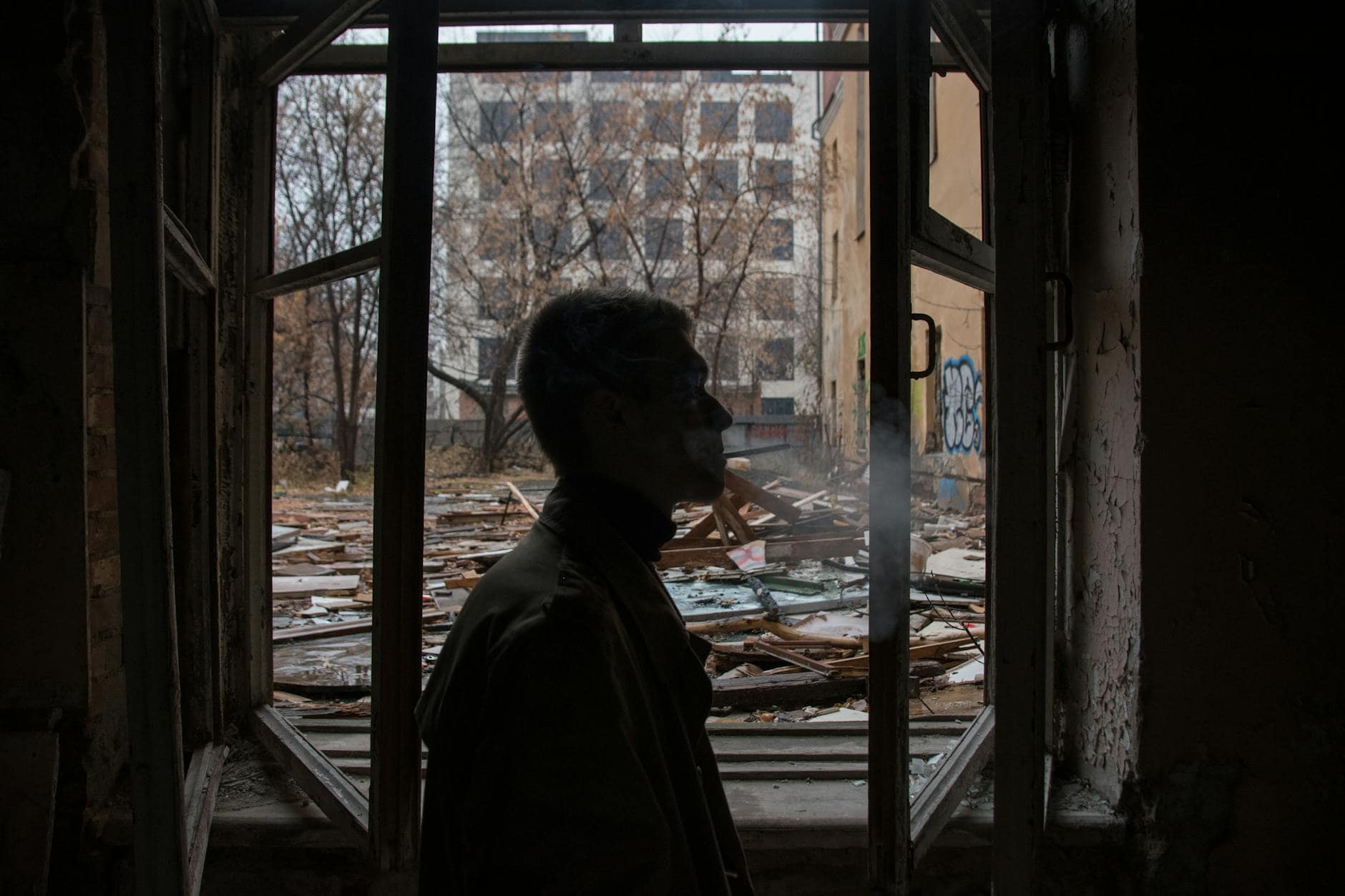
The Chernobyl Disaster, which occurred on April 26, 1986, stands as one of the most catastrophic nuclear accidents in history. Located in what was then the Soviet Union, near the town of Pripyat in Ukraine, this disaster led to widespread radioactive contamination and a plethora of health and environmental crises.
Understanding this disaster involves delving into the intricate details of the reactor’s design, the political atmosphere of the time, the sequence of events that led to the explosion, and the long-lasting repercussions that have followed. This article will explore the history surrounding the Chernobyl Disaster, offering an in-depth examination of both the immediate and enduring effects of the event while also investigating the lessons learned in nuclear safety since that fateful day.
The Prelude to Disaster: Understanding the Reactor Design and the Soviet Union’s Nuclear Policies
The Chernobyl disaster can only be fully understood by examining the design of the reactor involved as well as the political and regulatory environment in which it operated. The RBMK (Reactor Bolshoy Moshchnosti Kanalnyy) reactor design was notably unique to the Soviet Union and was intended for both the production of electricity and the manufacturing of plutonium for nuclear weapons.
One of its key characteristics was its use of graphite as a moderator and water as a coolant. While the design was efficient in terms of generating power, it was fraught with inherent safety flaws. Notably, the RBMK reactor lacked a robust containment structure, which was customary in Western reactor designs. Instead, it relied on a series of operational protocols that were often ignored or inadequately followed, a testament to a workforce that operated under immense pressure and bureaucratic oversight.
The Soviet Union’s nuclear policies at the time reflected a broader ethos of prioritizing productivity over safety. Operating practices were often deemed inefficient or overly cautious in the context of the Cold War, where rapid technological advancement was a matter of national pride. This culture contributed to an environment where safety protocols were neglected. Comprehensive training for reactor operators was either insufficient or not enforced, setting the stage for human error to exacerbate technical failings in the reactor’s operation.
The RBMK reactors were infamous for their positive void coefficient—a phenomenon that occurs when a reduction in water within the reactor core, which normally absorbs neutrons, leads to an increase in the reactor’s rate of fission. This critical design oversight made it possible for the reactor to enter a “running away” state where it could rapidly become uncontrollable. Such inherent risks were known among a select group of engineers but largely overlooked by Soviet energy officials, who regularly promoted the RBMK’s advantages in public discourse.
As with many aspects of Soviet industry, a lack of transparent communication further complicated matters. The centralized nature of the state often stifled any dissenting voices regarding safety concerns, leading to a pervasive atmosphere of conformity. Whistleblowing was not only discouraged but considered dangerous for the careers of those who might seek to raise alarms about potential issues within the nuclear program.
In summary, the lead-up to the Chernobyl Disaster is a stark illustration of how a combination of flawed engineering, inadequate regulation, and a culture of prioritizing output over safety can culminate in a catastrophic event. By examining these factors, we lay the groundwork for understanding the sequence of events that eventually unraveled on that fateful day in April 1986.

The Day of Reckoning: Timeline of Events on April 26, 1986
The events of April 26, 1986, reveal a complex mixture of human error, design flaws, and procedural failures that ultimately led to the disaster. The day began as a routine operational test intended to simulate a power outage and assess the reactor’s ability to maintain safe operations under strain. The test aimed to determine how long the turbines could continue to produce electricity after an external power loss while still providing adequate cooling to the reactor.
However, a series of misjudgments and violations of protocol by the reactor operators set the stage for catastrophe. The test began at 1:23 AM when a sudden power decrease prompted operators to disable several critical safety systems. This decision was made without thorough discussions about the potential dangers or default settings of RBMK reactors. As operators adjusted various settings, they inadvertently allowed the reactor to reach unsafe levels of reactivity.
In the ensuing moments, a surge in power caused a violent increase in temperature and pressure in the reactor core, resulting in a series of explosions. The first explosion was followed closely by a second, which blew off the reactor’s 1,000-ton concrete lid. A plume of radioactive material was released into the atmosphere, venting toxic particles far beyond the surrounding area. At 1:30 AM, workers reported the emergency to state authorities; however, initial responses were muddied by conflicting information and a lack of understanding regarding the true extent of the disaster.
The ensuing actions taken by the Soviet leadership highlight severe miscommunication and a delay in recognizing the gravity of the situation. While notifications to emergency services were quickly initiated, the response protocol was hampered due to a lack of readiness for a disaster of this magnitude. Emergency workers, unaware of the radioactive conditions, rushed to the site to with minimal protective measures, resulting in severe exposure to radiation.
As the early morning transitioned into daylight, the reality of the disaster became clearer. An evacuation order was finally issued for the nearby city of Pripyat just as the sun rose on April 26. The order instructed residents to leave within minutes, leaving behind their belongings and ensuring only that they would depart with limited information about the impending dangers. Approximately 49,000 residents were evacuated, but miscommunication about the situation meant that families were often left scrambling without context.
Ultimately, the timeline of Chernobyl’s disaster illustrates not only the technical failures in reactor design but the chaotic emergency response efforts that followed. A mismanaged situation marred by a lack of transparency and preparedness further exacerbated the threats posed by the reactor’s inherent design flaws. Understanding this timeline is crucial for grasping the overall complexity of the explosion and the subsequent fallout.

Immediate Aftermath and Evacuation: The Impact on Pripyat and Surrounding Areas
In the wake of the Chernobyl explosion, the immediate aftermath unfolded in a chaotic and deeply unsettling manner. The response to the disaster was hampered by confusion and the dire need to assess the extent of radiation exposure and contamination. The town of Pripyat, which stood just 3 kilometers from the reactor, bore the brunt of this catastrophe, as the radiation cloud spread across the region.
Initially, the evacuation order was met with disbelief and confusion. Residents were informed that they had only a few hours to pack their belongings and leave; however, they had little comprehension of the severity of the threat they were facing. Many families were left stranded in the hallways of their apartment buildings, frantically gathering essentials while radiation poured into their atmosphere. Knowledge of radiation exposure was sadly limited, and most residents were unaware of the hidden dangers of their surroundings.
Emergency responders who arrived at the site were often ill-equipped to handle the disaster. Firefighters, lacking protective gear, rushed into the burning reactor site to control the fire, receiving high doses of radiation in the process. Many of these brave individuals ultimately succumbed to radiation-related illnesses, highlighting the tragic human cost of the disaster.
As the days following the explosion passed, local and national authorities recognized the enormity of the situation but struggled to establish effective communication both internally and externally. While reports on the disaster trickled down to the Soviet leadership, the lack of transparency sowed distrust among citizens. This growing fear compounded the widespread panic, as stories of strange symptoms began to circulate among evacuees in the coming weeks.
Over the days and weeks following the explosion, an eerie quiet fell over Pripyat and the surrounding regions as residents faced an uncertain future. With the initial evacuation covering only a limited radius around the reactor, many individuals were left wondering if they needed to leave their homes permanently. In mid-May, authorities finally extended the exclusion zone to encompass a 30-kilometer radius, resulting in the forced evacuation of nearly 116,000 people from both Pripyat and other nearby communities.
The abandoned urban landscape of Pripyat has since become a haunting reminder of the disaster. Schools, homes, and amusement parks, once filled with life, now stand eerily silent, enveloped in overgrowth and decay. The psychological and emotional toll on these residents was immeasurable, deeply influencing their lives and futures. Families were displaced, often separated from loved ones who chose to remain behind despite the dangers.
In conclusion, the immediate aftermath of the Chernobyl Disaster showcases the profound emotional and social impacts of the event. The devastating loss of community, the struggles of evacuees to integrate into new lives, and the long-standing repercussions of radiation exposure all form an essential part of this history. Exploring these impacts is vital for understanding not only the personal experiences of those affected but also the broader implications of nuclear policy and disaster preparedness.

The Long-Term Effects: Environmental, Health, and Social Implications
The long-term effects of the Chernobyl disaster reach far beyond the immediate aftermath and have persisted for decades, impacting the lives of countless individuals and altering ecosystems across the region. The radioactive fallout from the explosion disseminated across large portions of Europe, leading to serious environmental concerns and posing significant health risks for affected populations.
Following the disaster, the Soviet government implemented large-scale monitoring and containment measures to address the radiation levels in the surrounding areas. However, initial containment efforts were often inadequate, allowing significant amounts of radioactive isotopes, including iodine-131, cesium-137, and strontium-90, to infiltrate local environments. As a result, agricultural land and water sources became contaminated, leading to the abandonment of significant stretches of farmland and decimating local economies reliant on agriculture.
Over the years following the disaster, comprehensive studies began to emerge that focused on the biological effects of radiation exposure on human populations. Health statistics revealed a stark increase in thyroid cancers among children in the surrounding regions, attributed to exposure to released radioactive iodine. Studies indicated that the incidence of thyroid cancer had escalated dramatically, making it a predominant health concern among those who were living in areas that were heavily contaminated at the time of the disaster.
Beyond physical health issues, the psychological impacts of the disaster remained profound and lasting. The evacuation process, emotional trauma, and uncertainty surrounding the future weighed heavily on survivors. Many experienced acute stress disorder or post-traumatic stress disorder (PTSD), leading to ongoing mental health challenges. The isolation from their hometowns and the stigma associated with radiation exposure compounded their struggles, creating deep-rooted societal divisions.
Additionally, the Chernobyl disaster had significant implications for nuclear policy and energy practices worldwide. Public perception of nuclear energy transformed dramatically, spurring widespread protests against the expansion of nuclear power in many countries. The implications of this disaster resonated globally, leading to calls for stricter safety regulations, transparency, and accountability in the nuclear industry.
One major outcome was the establishment of the Convention on Nuclear Safety, which sought to enhance the safety standards of nuclear reactors worldwide. Furthermore, it prompted international cooperation among countries to improve emergency response capabilities, paving the way for more robust frameworks for nuclear disaster preparedness.
Overall, the long-term effects of the Chernobyl disaster remain an essential subject of study, echoing through the spheres of health, environment, and social well-being. The complex interplay of these factors underscores the importance of learning from history to prioritize safety, invest in research, and safeguard human lives against the ramifications of nuclear energy.

Lessons Learned and the Legacy of Chernobyl: Changes in Nuclear Safety Regulations
The Chernobyl disaster serves as a critical turning point in the history of nuclear safety, providing invaluable lessons that have influenced regulatory frameworks and operational protocols in nuclear energy facilities around the world. In the aftermath of the disaster, it became imperative to reassess safety measures, improve emergency preparedness, and foster international collaboration in addressing nuclear risks.
One of the most significant shifts in policy was the recognition of the need for a comprehensive and transparent safety culture in nuclear operations. Prior to Chernobyl, safety protocols were often considered secondary to production goals, leading to a pattern of negligence regarding potential risks. This mindset began to change as countries around the world scrutinized their own nuclear programs, recognizing that safety must take precedence over all aspects of operation.
The establishment of independent regulatory bodies became a critical step in reinforcing the safety culture. Countries instituted governments and agencies dedicated to overseeing nuclear energy, adopting more rigorous inspection protocols and emphasizing accountability among facility operators. The International Atomic Energy Agency (IAEA) took on an increasingly proactive role in promoting best practices, enhancing guidelines for reactor design, and championing international cooperation to improve safety standards globally.
Furthermore, advancements in reactor design and technology have emerged in response to the lessons learned from Chernobyl. Modern reactors integrate passive safety features, designed to function even during power outages or unforeseen circumstances, allowing for a faster and more effective response to potential emergencies. These improvements aim to reduce reliance on human intervention while enhancing fail-safe mechanisms, ultimately leading to lower risks associated with nuclear energy generation.
Education and training for personnel working in nuclear facilities became another crucial aspect of regulatory reform. Following Chernobyl, extensive programs were implemented to ensure that reactor operators and emergency responders received comprehensive training on safety protocols and emergency procedures. These programs emphasized the importance of communication, comprehensive risk assessments, and environmental considerations in decision-making.
The Chernobyl disaster also cemented the importance of transparent communication with the public regarding nuclear safety. As authorities grappled with the fallout from the explosion, it became clear that providing accurate and timely information was paramount in managing public fear and skepticism. Strategies to ensure clear reporting during emergencies became standardized, and the concept of public awareness around radiation safety emerged as a vital component of regulatory frameworks.
Additionally, the international community recognized the need for collaboration and information sharing in addressing nuclear threats. Countries embarked on joint exercises simulating nuclear emergencies, cultivating partnerships that would enable swift and efficient responses to future disasters. This emphasis on global cooperation underscored the understanding that the consequences of nuclear incidents extend beyond national borders, thus necessitating a united approach.
In conclusion, the legacy of Chernobyl profoundly shaped the landscape of nuclear energy and safety regulations worldwide. The lessons learned from this catastrophic event propelled changes in operational practices, regulatory oversight, and safety measures. As we continue to navigate the challenges and promises of nuclear energy, we must remain committed to prioritizing the safety and well-being of societies while honoring the legacy of those affected by the Chernobyl disaster.

Conclusion
The history of the Chernobyl disaster encapsulates a myriad of interconnected elements, including human error, a flawed reactor design, and a culture of neglect towards safety. The disaster’s legacy extends beyond the walls of the reactor and the town of Pripyat, resonating deeply in discussions surrounding nuclear energy and public safety for decades to come. The comprehensive examination of the prelude to the disaster, the events of that fateful day, the immediate aftermath, the long-term implications, and the regulatory reforms inspired by this catastrophe collectively reveal how history can inform future practices.
As we reflect on Chernobyl’s legacy, it is pivotal to recognize the valuable lessons it imparted about the importance of safety, transparency, and proactive measures within the nuclear industry. While the incident itself was a painful chapter, it served as a catalyst for change—prompting nations to reevaluate their commitments to safety and welfare. As we continue to explore the potentials of nuclear energy, the memories of Chernobyl will serve as a solemn reminder to prioritize human life and environmental integrity above all.
Sources Consulted
- “Chernobyl: The True Story” – https://www.history.com/topics/cold-war/chernobyl
- “Chernobyl’s Legacy: Health, Environmental, and Socioeconomic Impacts” – https://www.nrc.gov/docs/ML1816/ML18166A297.pdf
- “World Nuclear Association – Chernobyl Accident 1986” – https://world-nuclear.org/information-library/current-and-future-generation/chernobyl.aspx
- “United Nations Scientific Committee on the Effects of Atomic Radiation: Chernobyl” – https://www.unscear.org/unscear/en/chernobyl.html
- “Chernobyl: Consequences of the Catastrophe for People and the Environment” (International Atomic Energy Agency report) – https://www.iaea.org/publications/reports/chernobyl
Leave a Reply