Tag: Science

  • The History of the Chernobyl Disaster: A Comprehensive Overview

    The History of the Chernobyl Disaster: A Comprehensive Overview

    Introduction

    The Chernobyl Disaster, which occurred on April 26, 1986, stands as one of the most catastrophic nuclear accidents in history. Located in what was then the Soviet Union, near the town of Pripyat in Ukraine, this disaster led to widespread radioactive contamination and a plethora of health and environmental crises. Understanding this disaster involves delving into the intricate details of the reactor’s design, the political atmosphere of the time, the sequence of events that led to the explosion, and the long-lasting repercussions that have followed. This article will explore the history surrounding the Chernobyl Disaster, offering an in-depth examination of both the immediate and enduring effects of the event while also investigating the lessons learned in nuclear safety since that fateful day.

    The Prelude to Disaster: Understanding the Reactor Design and the Soviet Union’s Nuclear Policies

    The Chernobyl disaster can only be fully understood by examining the design of the reactor involved as well as the political and regulatory environment in which it operated. The RBMK (Reactor Bolshoy Moshchnosti Kanalnyy) reactor design was notably unique to the Soviet Union and was intended for both the production of electricity and the manufacturing of plutonium for nuclear weapons.

    One of its key characteristics was its use of graphite as a moderator and water as a coolant. While the design was efficient in terms of generating power, it was fraught with inherent safety flaws. Notably, the RBMK reactor lacked a robust containment structure, which was customary in Western reactor designs. Instead, it relied on a series of operational protocols that were often ignored or inadequately followed, a testament to a workforce that operated under immense pressure and bureaucratic oversight.

    The Soviet Union’s nuclear policies at the time reflected a broader ethos of prioritizing productivity over safety. Operating practices were often deemed inefficient or overly cautious in the context of the Cold War, where rapid technological advancement was a matter of national pride. This culture contributed to an environment where safety protocols were neglected. Comprehensive training for reactor operators was either insufficient or not enforced, setting the stage for human error to exacerbate technical failings in the reactor’s operation.

    The RBMK reactors were infamous for their positive void coefficient—a phenomenon that occurs when a reduction in water within the reactor core, which normally absorbs neutrons, leads to an increase in the reactor’s rate of fission. This critical design oversight made it possible for the reactor to enter a “running away” state where it could rapidly become uncontrollable. Such inherent risks were known among a select group of engineers but largely overlooked by Soviet energy officials, who regularly promoted the RBMK’s advantages in public discourse.

    As with many aspects of Soviet industry, a lack of transparent communication further complicated matters. The centralized nature of the state often stifled any dissenting voices regarding safety concerns, leading to a pervasive atmosphere of conformity. Whistleblowing was not only discouraged but considered dangerous for the careers of those who might seek to raise alarms about potential issues within the nuclear program.

    In summary, the lead-up to the Chernobyl Disaster is a stark illustration of how a combination of flawed engineering, inadequate regulation, and a culture of prioritizing output over safety can culminate in a catastrophic event. By examining these factors, we lay the groundwork for understanding the sequence of events that eventually unraveled on that fateful day in April 1986.

    The Day of Reckoning: Timeline of Events on April 26, 1986

    The events of April 26, 1986, reveal a complex mixture of human error, design flaws, and procedural failures that ultimately led to the disaster. The day began as a routine operational test intended to simulate a power outage and assess the reactor’s ability to maintain safe operations under strain. The test aimed to determine how long the turbines could continue to produce electricity after an external power loss while still providing adequate cooling to the reactor.

    However, a series of misjudgments and violations of protocol by the reactor operators set the stage for catastrophe. The test began at 1:23 AM when a sudden power decrease prompted operators to disable several critical safety systems. This decision was made without thorough discussions about the potential dangers or default settings of RBMK reactors. As operators adjusted various settings, they inadvertently allowed the reactor to reach unsafe levels of reactivity.

    In the ensuing moments, a surge in power caused a violent increase in temperature and pressure in the reactor core, resulting in a series of explosions. The first explosion was followed closely by a second, which blew off the reactor’s 1,000-ton concrete lid. A plume of radioactive material was released into the atmosphere, venting toxic particles far beyond the surrounding area. At 1:30 AM, workers reported the emergency to state authorities; however, initial responses were muddied by conflicting information and a lack of understanding regarding the true extent of the disaster.

    The ensuing actions taken by the Soviet leadership highlight severe miscommunication and a delay in recognizing the gravity of the situation. While notifications to emergency services were quickly initiated, the response protocol was hampered due to a lack of readiness for a disaster of this magnitude. Emergency workers, unaware of the radioactive conditions, rushed to the site to with minimal protective measures, resulting in severe exposure to radiation.

    As the early morning transitioned into daylight, the reality of the disaster became clearer. An evacuation order was finally issued for the nearby city of Pripyat just as the sun rose on April 26. The order instructed residents to leave within minutes, leaving behind their belongings and ensuring only that they would depart with limited information about the impending dangers. Approximately 49,000 residents were evacuated, but miscommunication about the situation meant that families were often left scrambling without context.

    Ultimately, the timeline of Chernobyl’s disaster illustrates not only the technical failures in reactor design but the chaotic emergency response efforts that followed. A mismanaged situation marred by a lack of transparency and preparedness further exacerbated the threats posed by the reactor’s inherent design flaws. Understanding this timeline is crucial for grasping the overall complexity of the explosion and the subsequent fallout.

    Immediate Aftermath and Evacuation: The Impact on Pripyat and Surrounding Areas

    In the wake of the Chernobyl explosion, the immediate aftermath unfolded in a chaotic and deeply unsettling manner. The response to the disaster was hampered by confusion and the dire need to assess the extent of radiation exposure and contamination. The town of Pripyat, which stood just 3 kilometers from the reactor, bore the brunt of this catastrophe, as the radiation cloud spread across the region.

    Initially, the evacuation order was met with disbelief and confusion. Residents were informed that they had only a few hours to pack their belongings and leave; however, they had little comprehension of the severity of the threat they were facing. Many families were left stranded in the hallways of their apartment buildings, frantically gathering essentials while radiation poured into their atmosphere. Knowledge of radiation exposure was sadly limited, and most residents were unaware of the hidden dangers of their surroundings.

    Emergency responders who arrived at the site were often ill-equipped to handle the disaster. Firefighters, lacking protective gear, rushed into the burning reactor site to control the fire, receiving high doses of radiation in the process. Many of these brave individuals ultimately succumbed to radiation-related illnesses, highlighting the tragic human cost of the disaster.

    As the days following the explosion passed, local and national authorities recognized the enormity of the situation but struggled to establish effective communication both internally and externally. While reports on the disaster trickled down to the Soviet leadership, the lack of transparency sowed distrust among citizens. This growing fear compounded the widespread panic, as stories of strange symptoms began to circulate among evacuees in the coming weeks.

    Over the days and weeks following the explosion, an eerie quiet fell over Pripyat and the surrounding regions as residents faced an uncertain future. With the initial evacuation covering only a limited radius around the reactor, many individuals were left wondering if they needed to leave their homes permanently. In mid-May, authorities finally extended the exclusion zone to encompass a 30-kilometer radius, resulting in the forced evacuation of nearly 116,000 people from both Pripyat and other nearby communities.

    The abandoned urban landscape of Pripyat has since become a haunting reminder of the disaster. Schools, homes, and amusement parks, once filled with life, now stand eerily silent, enveloped in overgrowth and decay. The psychological and emotional toll on these residents was immeasurable, deeply influencing their lives and futures. Families were displaced, often separated from loved ones who chose to remain behind despite the dangers.

    In conclusion, the immediate aftermath of the Chernobyl Disaster showcases the profound emotional and social impacts of the event. The devastating loss of community, the struggles of evacuees to integrate into new lives, and the long-standing repercussions of radiation exposure all form an essential part of this history. Exploring these impacts is vital for understanding not only the personal experiences of those affected but also the broader implications of nuclear policy and disaster preparedness.

    The Long-Term Effects: Environmental, Health, and Social Implications

    The long-term effects of the Chernobyl disaster reach far beyond the immediate aftermath and have persisted for decades, impacting the lives of countless individuals and altering ecosystems across the region. The radioactive fallout from the explosion disseminated across large portions of Europe, leading to serious environmental concerns and posing significant health risks for affected populations.

    Following the disaster, the Soviet government implemented large-scale monitoring and containment measures to address the radiation levels in the surrounding areas. However, initial containment efforts were often inadequate, allowing significant amounts of radioactive isotopes, including iodine-131, cesium-137, and strontium-90, to infiltrate local environments. As a result, agricultural land and water sources became contaminated, leading to the abandonment of significant stretches of farmland and decimating local economies reliant on agriculture.

    Over the years following the disaster, comprehensive studies began to emerge that focused on the biological effects of radiation exposure on human populations. Health statistics revealed a stark increase in thyroid cancers among children in the surrounding regions, attributed to exposure to released radioactive iodine. Studies indicated that the incidence of thyroid cancer had escalated dramatically, making it a predominant health concern among those who were living in areas that were heavily contaminated at the time of the disaster.

    Beyond physical health issues, the psychological impacts of the disaster remained profound and lasting. The evacuation process, emotional trauma, and uncertainty surrounding the future weighed heavily on survivors. Many experienced acute stress disorder or post-traumatic stress disorder (PTSD), leading to ongoing mental health challenges. The isolation from their hometowns and the stigma associated with radiation exposure compounded their struggles, creating deep-rooted societal divisions.

    Additionally, the Chernobyl disaster had significant implications for nuclear policy and energy practices worldwide. Public perception of nuclear energy transformed dramatically, spurring widespread protests against the expansion of nuclear power in many countries. The implications of this disaster resonated globally, leading to calls for stricter safety regulations, transparency, and accountability in the nuclear industry.

    One major outcome was the establishment of the Convention on Nuclear Safety, which sought to enhance the safety standards of nuclear reactors worldwide. Furthermore, it prompted international cooperation among countries to improve emergency response capabilities, paving the way for more robust frameworks for nuclear disaster preparedness.

    Overall, the long-term effects of the Chernobyl disaster remain an essential subject of study, echoing through the spheres of health, environment, and social well-being. The complex interplay of these factors underscores the importance of learning from history to prioritize safety, invest in research, and safeguard human lives against the ramifications of nuclear energy.

    Lessons Learned and the Legacy of Chernobyl: Changes in Nuclear Safety Regulations

    The Chernobyl disaster serves as a critical turning point in the history of nuclear safety, providing invaluable lessons that have influenced regulatory frameworks and operational protocols in nuclear energy facilities around the world. In the aftermath of the disaster, it became imperative to reassess safety measures, improve emergency preparedness, and foster international collaboration in addressing nuclear risks.

    One of the most significant shifts in policy was the recognition of the need for a comprehensive and transparent safety culture in nuclear operations. Prior to Chernobyl, safety protocols were often considered secondary to production goals, leading to a pattern of negligence regarding potential risks. This mindset began to change as countries around the world scrutinized their own nuclear programs, recognizing that safety must take precedence over all aspects of operation.

    The establishment of independent regulatory bodies became a critical step in reinforcing the safety culture. Countries instituted governments and agencies dedicated to overseeing nuclear energy, adopting more rigorous inspection protocols and emphasizing accountability among facility operators. The International Atomic Energy Agency (IAEA) took on an increasingly proactive role in promoting best practices, enhancing guidelines for reactor design, and championing international cooperation to improve safety standards globally.

    Furthermore, advancements in reactor design and technology have emerged in response to the lessons learned from Chernobyl. Modern reactors integrate passive safety features, designed to function even during power outages or unforeseen circumstances, allowing for a faster and more effective response to potential emergencies. These improvements aim to reduce reliance on human intervention while enhancing fail-safe mechanisms, ultimately leading to lower risks associated with nuclear energy generation.

    Education and training for personnel working in nuclear facilities became another crucial aspect of regulatory reform. Following Chernobyl, extensive programs were implemented to ensure that reactor operators and emergency responders received comprehensive training on safety protocols and emergency procedures. These programs emphasized the importance of communication, comprehensive risk assessments, and environmental considerations in decision-making.

    The Chernobyl disaster also cemented the importance of transparent communication with the public regarding nuclear safety. As authorities grappled with the fallout from the explosion, it became clear that providing accurate and timely information was paramount in managing public fear and skepticism. Strategies to ensure clear reporting during emergencies became standardized, and the concept of public awareness around radiation safety emerged as a vital component of regulatory frameworks.

    Additionally, the international community recognized the need for collaboration and information sharing in addressing nuclear threats. Countries embarked on joint exercises simulating nuclear emergencies, cultivating partnerships that would enable swift and efficient responses to future disasters. This emphasis on global cooperation underscored the understanding that the consequences of nuclear incidents extend beyond national borders, thus necessitating a united approach.

    In conclusion, the legacy of Chernobyl profoundly shaped the landscape of nuclear energy and safety regulations worldwide. The lessons learned from this catastrophic event propelled changes in operational practices, regulatory oversight, and safety measures. As we continue to navigate the challenges and promises of nuclear energy, we must remain committed to prioritizing the safety and well-being of societies while honoring the legacy of those affected by the Chernobyl disaster.

    Conclusion

    The history of the Chernobyl disaster encapsulates a myriad of interconnected elements, including human error, a flawed reactor design, and a culture of neglect towards safety. The disaster’s legacy extends beyond the walls of the reactor and the town of Pripyat, resonating deeply in discussions surrounding nuclear energy and public safety for decades to come. The comprehensive examination of the prelude to the disaster, the events of that fateful day, the immediate aftermath, the long-term implications, and the regulatory reforms inspired by this catastrophe collectively reveal how history can inform future practices.

    As we reflect on Chernobyl’s legacy, it is pivotal to recognize the valuable lessons it imparted about the importance of safety, transparency, and proactive measures within the nuclear industry. While the incident itself was a painful chapter, it served as a catalyst for change—prompting nations to reevaluate their commitments to safety and welfare. As we continue to explore the potentials of nuclear energy, the memories of Chernobyl will serve as a solemn reminder to prioritize human life and environmental integrity above all.

    Sources Consulted

  • The Evolution of China’s Space Program: A Journey Through Time

    The Evolution of China’s Space Program: A Journey Through Time

    Introduction

    China’s Space Program has evolved remarkably over the past few decades, transforming the nation into a formidable force in the arena of space exploration. From its nascent stages in the early 1950s to the dynamic and ambitious projects of today, the program reflects the country’s technological advancement and strategic aspirations. The journey began with foundational work in rocketry and satellite development, paving the way for manned spaceflights and lunar missions. Understanding the history of China’s Space Program not only illuminates the country’s achievements but also reveals its motivations and future ambitions in outer space, showcasing the intricate interplay between technology, politics, and international relations.

    The Early Years: Origins and Initial Developments

    The history of China’s Space Program can be traced back to the early 1950s. In this formative period, China recognized the strategic importance of developing its space capabilities. The initiation of the space program was primarily influenced by the political climate and the desire to showcase national strength. After the founding of the People’s Republic of China in 1949, the government sought to assert its technological prowess, leading to investments in space endeavors.

    In 1956, China established the China Academy of Launch Vehicle Technology (CALT), marking a significant step in its commitment to space exploration. Initially modeled after the Soviet space program, China focused on developing ballistic missiles, which would later provide the technological backbone for its satellite launch capabilities. The first successful test of a domestic missile, the Dongfeng-1, occurred in 1958, signaling the beginning of China’s journey into aerospace technology.

    The Chinese government appointed key scientists to spearhead the space program, including Qian Xuesen, a former Chinese expatriate in the United States and a prominent figure in rocket technology. His return to China was instrumental in advancing the nation’s ballistic and space technology. Qian emphasized the importance of independent development, urging for the creation of domestic technology rather than solely relying on foreign models.

    The political climate of the time fostered a sense of urgency and competition, particularly in light of the Cold War dynamics. China aimed to catch up with established spacefaring nations, primarily the United States and the Soviet Union. This competitive environment fueled research and development efforts, leading to the establishment of the first satellite design program in 1965. The significant milestone was reached in 1970 when China launched its first satellite, Dong Fang Hong 1, into orbit, making it the fifth country to achieve this feat.

    This initial success laid the groundwork for future advancements. The engineers and scientists behind this launch faced numerous challenges, including technical hurdles and resource limitations. However, their perseverance turned this historic moment into a source of national pride, reinforcing the government’s commitment to further developing the space program.

    As the 1970s progressed, China continued to refine its satellite technology, developing new systems that enhanced communications and weather forecasting capabilities. The advancements also redirected focus towards scientific endeavors in space, leading to partnerships between various research institutions and a more structured approach to space exploration.

    The late 1970s and early 1980s were pivotal, as China began to diversify its space initiatives. The establishment of the China National Space Administration (CNSA) in 1993 marked a significant reorganization, underlining the importance of a unified agency dedicated to coordinating all aspects of the nation’s space activities. This move enhanced the program’s efficiency and facilitated the overall growth of China’s aerospace capabilities in the years to follow.

    The Launch of Satellites and the Growth of Technology

    China entered the realm of satellite technology with the construction and launch of its first satellite, which symbolized not only technical advancement but also a significant step towards becoming a key player in global space affairs. The exploration in this area led to a multitude of satellite programs, launching operational satellites for communications, navigation, meteorology, remote sensing, and scientific research.

    Following the success of Dong Fang Hong 1, which orbited the Earth in 1970, China quickly sought to expand its capabilities. The early 1980s saw the introduction of various series of satellites, including the Fengyun series for weather observation and the Zhongxing series for telecommunications, which became critical for enhancing infrastructure and services across the country.

    The development of the Long March rocket series played a crucial role in the success of these satellite launches. From the first Long March rocket in 1970, the design went through several iterations, enabling China to develop more reliable and powerful launching vehicles. By the 1980s, the Long March series had established itself as a key asset for China, allowing for a steady stream of satellite launches that contributed to various sectors, including agriculture, disaster response, and environmental monitoring.

    China’s success in satellite technology wasn’t just a matter of national pride but also a necessary evolution for its economic development. The satellite systems enabled significant advancements in telecommunications, broadcasting, and internet connectivity, particularly in remote areas that previously lacked access to vital services. In this context, the growth of China’s Space Program was intrinsically linked to its socio-economic objectives.

    Throughout the 1990s and early 2000s, China continued to expand its satellite portfolio, launching the Beidou navigation system, which aimed to provide global positioning services as a rival to GPS. The development of Beidou demonstrated China’s strategic approach to achieving self-reliance in critical communication and navigation services, thereby reducing its dependence on foreign systems. By successfully implementing Beidou, China asserted its technological independence and showcased its capabilities to contribute to global satellite navigation.

    The advancement of technology within China’s Space Program also opened doors for international collaboration, with foreign satellite launches occurring, thus establishing China as an emerging player in the global satellite market. Various countries recognized the potential benefits of partnering with Chinese organizations, leading to joint ventures and shared technologies that increased China’s space capabilities.

    Furthermore, the expansion of satellite technology necessitated advancements in ground support systems, satellite manufacturing, and scientific research. The collaborative efforts within China’s academic and scientific communities resulted in notable accomplishments, such as the establishment of ground stations for tracking and data collection, which further enhanced the scope and efficiency of missions.

    The overall trajectory of China’s satellite endeavors revealed a pattern of exponential growth in both technological capacity and operational effectiveness. The commitment to research and development, coupled with a strong strategic vision, positioned China as one of the world leaders in satellite technology by the 21st century. This growth would ultimately lay the foundation for even more ambitious missions, including human spaceflight and lunar explorations in the following decades.

    Human Spaceflight Endeavors: The Shenzhou Program

    Human spaceflight emerged as a hallmark of China’s Space Program in the early 21st century, with the Shenzhou program representing a major milestone in this journey. The aspiration to send humans into space was motivated by a combination of strategic goals, scientific exploration, and a desire to enhance national prestige. The Shenzhou spacecraft, designed to replicate Russia’s Soyuz system, serves as a crucial platform for China’s human space exploration efforts.

    The inaugural mission of the Shenzhou program took place in 1999 with an unmanned flight, which demonstrated the spacecraft’s systems and capabilities. This foundational mission set the stage for subsequent human spaceflights following a rigorous testing period. China’s first manned spaceflight occurred in 2003 with the successful launch of Shenzhou 5, carrying astronaut Yang Liwei into orbit. This event marked China as the third country, alongside Russia and the United States, to independently send humans into space, solidifying its position in the global space community.

    The success of Shenzhou 5 was a pivotal moment for the program, generating widespread national pride and galvanizing support for future space missions. Following this operation, China has conducted several human spaceflights, with each mission building upon the lessons learned from its predecessors. The missions have aimed not only to achieve short-term objectives but also to pave the way towards long-term space habitation.

    The Shenzhou program is notable for its advancements in both human spaceflight and the development of technological capabilities that support long-duration missions. The emphasis on astronaut training has been an integral part of preparing for these voyages, with candidates undergoing extensive training programs to simulate space environments, learn the operations of the spacecraft, and develop the necessary skills for conducting experiments in microgravity.

    In addition to manned flights, the Shenzhou program also plays a significant role in placemaking in space. After the construction of the Tiangong space station commenced, the Shenzhou missions evolved to include visits to this orbital lab. The missions effectively transitioned from independent spaceflights to multi-component operations aimed at assembling and maintaining a permanent presence in space.

    The development of Tiangong (meaning “Heavenly Palace”) was an ambitious project that reflects China’s long-term vision in space. The first module, Tiangong-1, was launched in 2011 to serve as a testbed for technologies, including docking, rendezvous, and habitat life support systems necessary for future endeavors. This initial module hosted crews of astronauts sent through Shenzhou missions, facilitating their work in a microgravity environment and allowing them to conduct various scientific experiments.

    In addition to scientific experimentation, the Shenzhou missions fostered international collaboration in space research. As the program expanded, it began to engage with other countries and share its findings on human spaceflight. International scientific involvement offered opportunities for collaborative projects and data sharing with global space agencies, creating an environment of shared knowledge and technological development.

    Shenzhou missions not only increased China’s scientific footprint in space but also established a robust pipeline for technological expertise and workforce development. The increasing number of flights led to a seasoned corps of astronauts, ensuring a skilled and knowledgeable workforce that could adapt to the complexities of future deep space missions.

    The Shenzhou program is an embodiment of China’s commitment to advancing its space capabilities, providing insight into how human spaceflight initiatives can enhance national interests and diplomatic ties while fostering scientific advancement. As China continues its quest for greater exploration, the Shenzhou missions will undoubtedly play an essential role in shaping the future direction and success of China’s Space Program.

    International Collaborations and Space Exploration

    The trajectory of China’s Space Program has increasingly included a focus on international collaboration, particularly as China has emerged as a significant player in global space exploration. Historically, China’s space initiatives were characterized by a strong sense of national pride and self-sufficiency. However, as the program matured, the benefits of engaging in collaborative projects with other nations became increasingly apparent.

    Early international interactions were primarily limited to sharing expertise and technology with cooperating nations. For example, in the 1980s, Chinese scientists began fostering relationships with European nations, engaging in discussions about satellite technology and space science. These early partnerships laid the groundwork for future collaborations and positioned China as a credible partner on the international stage.

    The most significant development in international collaboration recently is represented by China’s participation in the International Space Station (ISS) program. Although the United States has largely excluded China from direct participation in the ISS due to national security concerns, China has sought other avenues for building partnerships in space. As a result, China began to develop its own modular space station, Tiangong, as a platform for international collaboration.

    China’s engagement in space diplomacy has led to the signing of agreements and partnerships with various countries to promote joint missions and scientific research. For instance, partnerships with nations such as Russia, the European Space Agency (ESA), and nations in the developing world highlight an intent to share knowledge, technology, and infrastructure. These collaborations allow for a more comprehensive exchange of ideas, enabling scientists from different countries to work together on common challenges related to space exploration.

    In addition, China has become a vital partner with countries in Africa, Asia, and South America by providing satellite deployments and offering technological assistance to developing nations. These initiatives demonstrate China’s willingness to extend its reach and foster goodwill on an international scale. For instance, China has offered knowledge sharing on remote sensing technology to enhance agricultural outputs and disaster management in partner countries.

    Cultural exchanges and joint academic programs have been established to create a more profound understanding of technology transfer and education in space science. Chinese universities have collaborated with their international counterparts to develop programs that enhance expertise and provide training for astronauts, researchers, and engineers globally.

    Moreover, active participation in international conferences and symposiums showcases China’s commitment to transparency in space activities. Presentations at these global forums often highlight significant achievements and innovations in their space initiatives, such as satellite technology and human spaceflight endeavors.

    The potential for collaboration becomes particularly apparent in the realm of scientific research. China has actively proposed shared research projects in astrobiology, Earth observation, and microgravity experiments aboard Tiangong. By offering access to its space station, China seeks to attract international researchers and institutional collaborations, thereby enhancing its standing as a global leader in space science.

    Endeavors in planetary exploration have also opened pathways for collaboration. China’s ambitious lunar and Mars missions have garnered interest from other spacefaring nations seeking partnership opportunities for shared goals in scientific understanding and technological advancement. Joint mission discussions with the European Space Agency illustrate the potential for collective exploration initiatives that could yield remarkable findings about the solar system.

    Overall, the growth of international collaboration in China’s Space Program highlights the importance of diplomacy, scientific synergy, and global cooperation. By pursuing collaborative efforts, China not only elevates its status in the international space community but also underscores the shared human endeavor to explore the cosmos together for the betterment of all.

    Current Achievements and Future Prospects in Space

    As of 2023, China’s Space Program stands at the forefront of global space exploration, boasting significant achievements that underscore its robust capacity for innovation and ambition. The program has evolved far beyond its foundational years, now characterized by a series of successful missions, groundbreaking technologies, and visionary future projects, setting a course for continued exploration well into the next decade.

    One of the most notable recent achievements was the launch of the Mars rover Tianwen-1 in July 2020. This ambitious mission marked China’s first exploration of the Red Planet, demonstrating advanced capabilities in space exploration and robotic technology. Tianwen-1’s successful landing on Mars in May 2021 marked a significant milestone, making China the second country, after the United States, to successfully deploy a rover on Mars. The rover continues to collect valuable data about the planet’s geology and atmosphere, enhancing our understanding of Mars.

    The ongoing development of the Tiangong space station has further solidified China’s position as a major player in human spaceflight. The construction of the Tiangong space station module is poised to complete within the next few years. This modular space station will not only allow for long-duration human habitation but also serve as a platform for international scientific experiments and collaborations. The potential for hosting astronauts from other countries who wish to conduct research in microgravity is indicative of China’s vision for building bridges through space exploration.

    China’s ambitious lunar exploration program has also made headlines with the Chang’e missions. The launch of Chang’e 4 in January 2019, which made the first-ever landing on the far side of the Moon, has garnered global acclaim. This mission has provided critical insights into the Moon’s geology and has inspired plans for future lunar bases, including potential international cooperation aimed at sustainable exploration.

    Furthermore, China’s ambitious plans encompass exploring deeper into space, with missions aiming toward Mars, asteroids, and beyond. Initiatives such as establishing permanent bases on the Moon and launching advanced telescope programs indicate a commitment to expanding human knowledge of the cosmos. These sweeping goals affirm China’s intention to become a leader in not only exploration but also the potential commercialization of space, setting forth a vision of utilizing extraterrestrial resources for future endeavors.

    In conjunction with technological advancements, China is actively developing innovative space systems including next-generation launch vehicles and satellite technology. The planned upgrades to the Long March rocket series reflect ongoing investments to remain competitive in the burgeoning global space market. Research facilities are increasingly focused on developing reusable launch technology, aiming to decrease the costs of space access and facilitate a more sustainable approach to exploration.

    China’s Space Program’s pursuit of astronomical discoveries stands as a testament to its commitment to expanding the frontiers of human knowledge. The collaboration with international space agencies and the establishment of partnerships for collective exploration are pivotal for future space endeavors. By embracing international collaborative efforts, China aims to create a favorable environment for knowledge exchange, shared resources, and collective advancements in space science.

    In conclusion, the current status and future prospects of China’s Space Program showcase not only the remarkable journey from its humble beginnings to its robust present-day capabilities but also unlock extensive opportunities for the global aerospace community. The trajectory of future explorations, grounded in technology and international collaboration, highlights China’s resolve in achieving unprecedented milestones while contributing to a more profound understanding of our universe.

    Conclusion

    In capturing the essence of China’s Space Program, it becomes evident that the journey has been marked by remarkable achievements, technological advancements, and a steadfast vision for the future. From its humble beginnings in the early 1950s to the robust capabilities and global collaborations we witness today, China’s endeavors in space reflect a commitment to scientific exploration that transcends national boundaries. The successful launch of satellites, human spaceflight missions, and planetary exploration demonstrates China’s comprehensive approach to exploring the cosmos while fostering international partnerships.

    As the program continues to evolve, we expect to see breakthroughs in innovative technology and even more ambitious missions destined for deeper space. The focus on sustainable practices and exploration of extraterrestrial resources positions China as an essential contributor to the future of space exploration. By prioritizing collaboration on a global scale, China’s Space Program not only aims to cement its place among the influential spacefaring nations but also fosters a spirit of unity in unearthing the mysteries of the universe.

    Looking ahead, the next several decades promise to be exciting for China’s Space Program, as new scientific discoveries and technological advancements beckon. Through resilience, ambition, and collaboration, China is poised to leave an indelible mark on our understanding of space and its vast potential for human exploration.

    Sources Consulted

  • The Artemis II Mission: A New Dawn in Lunar Exploration

    The Artemis II Mission: A New Dawn in Lunar Exploration

    Introduction

    The Artemis II mission marks a pivotal chapter in the history of space exploration, symbolizing humanity’s renewed quest to return to the Moon. Scheduled to launch in the near future, this mission will not only carry astronauts beyond low Earth orbit but will also lay the groundwork for future expeditions to Mars and beyond. Artemis II will serve as a crucial precursor to Artemis III, which aims to land astronauts on the lunar surface, including the first woman and the next man. The significance of Artemis II lies in its objectives, advanced technologies, and the unparalleled opportunities it creates for scientific discovery and human exploration. This article delves into each aspect of the Artemis II mission, providing a comprehensive overview of its goals, challenges, and the impact it will have on the future of space travel.

    Overview of the Artemis II Mission: Objectives and Significance

    The Artemis II mission represents a critical step in NASA’s Artemis program, with the primary goal of demonstrating the Space Launch System (SLS) and the Orion spacecraft’s capabilities for crewed lunar missions. Unlike its predecessor, Artemis I, which was an uncrewed test flight, Artemis II will carry a crew of four astronauts on a mission designed to orbit the Moon and return to Earth safely. This mission will mark the first time humans will travel beyond Earth’s orbit since Apollo 17 in 1972.

    The primary objectives of Artemis II can be summarized as follows: First, to validate the performance of the SLS and Orion spacecraft in a deep space environment, ensuring all systems function as intended during a crewed mission. Second, to conduct vital tests of life-support systems, navigation, and communication capabilities, effectively simulating the conditions that astronauts will face during a lunar landing and subsequent missions.

    The significance of the Artemis II mission extends beyond its operational objectives. It embodies humanity’s enduring spirit of exploration and innovation. The mission aims to inspire a new generation of scientists, engineers, and adventurers, promoting interest in STEM fields and encouraging international collaboration in space exploration. This mission will also allow NASA and its partners to advance their understanding of lunar science, as the data collected during Artemis II will help shape future exploration strategies, including lunar landings and sustainable presence on the Moon.

    Furthermore, Artemis II is intricately linked to the broader goals of NASA’s Artemis program, which seeks to establish a sustainable human presence on the Moon by the late 2020s. This initiative will facilitate ongoing research in lunar science, resource utilization, and technology development, ultimately enabling more ambitious missions to Mars and beyond. The experience gained from Artemis II will be instrumental in ensuring the safety and effectiveness of future deep space missions, paving the way for human exploration of other celestial bodies.

    In conclusion, the Artemis II mission holds extraordinary significance for space exploration. By demonstrating crucial technologies and systems, Artemis II will not only advance NASA’s objectives but also stimulate global interest in lunar exploration and research. As this mission prepares to launch, its potential impacts will resonate across scientific disciplines and the field of space travel for decades to come.

    Technological Innovations and Human-Machine Interactions in Artemis II

    The Artemis II mission is at the forefront of leveraging technological advancements to enhance human capability in space exploration. One of the most notable features of Artemis II is the Space Launch System (SLS), designed to be the most powerful rocket ever built. With a capacity to carry astronauts further than any prior missions, SLS integrates cutting-edge technology aimed at ensuring safety, reliability, and efficiency.

    The Orion spacecraft, which will transport astronauts beyond low Earth orbit, plays a pivotal role in the mission. Developed with advanced materials and systems, Orion is built to endure harsh deep space conditions. One of the innovations includes an advanced life-support system, which is crucial for maintaining the crew’s health and safety during the journey. By closely monitoring air quality, temperature, and humidity, it provides a stable environment for astronauts to operate effectively.

    Human-machine interactions (HMI) are a key focus in the design of Orion and SLS. These systems are engineered to enhance communication and decision-making between crew members and onboard technologies. The utilization of intuitive interfaces allows astronauts to monitor spacecraft status and execute commands efficiently. Moreover, the incorporation of artificial intelligence in mission protocols aids in predicting and mitigating potential risks, significantly enhancing safety.

    The mission also involves state-of-the-art navigation and communication systems capable of transmitting data across vast distances. High-bandwidth communication links ensure that astronauts remain connected with mission control on Earth, allowing for real-time updates and support. These advanced systems not only facilitate operational efficiency but also foster a sense of security for astronauts during their historic journey.

    Furthermore, Artemis II’s reliance on modular technology empowers engineers to implement upgrades and modifications seamlessly. This adaptability allows the spacecraft to incorporate lessons learned from previous missions and emerging technologies, ensuring continuous improvement in safety and performance.

    In summary, Artemis II is set to showcase a plethora of technological innovations that redefine human-machine interactions in space travel. By integrating advanced systems designed for reliability, safety, and efficiency, this mission paves the way for future lunar exploration and serves as a model for subsequent deep space missions.

    The Crew of Artemis II: Profiles and Preparations

    The selection of astronauts for the Artemis II mission is a significant event, marking the first crewed lunar mission in over 50 years. The crew consists of a diverse group of highly trained individuals who represent the pinnacle of human accomplishment in space exploration. Their profiles reflect not only technical expertise but also the spirit of collaboration that defines NASA’s Artemis program.

    The commander of Artemis II is an experienced astronaut with previous spaceflight experience. With a background in piloting complex spacecraft and conducting extravehicular activities (EVAs), the commander is responsible for ensuring crew safety and mission success. The commander’s leadership skills are paramount, guiding the team through the challenges of deep space travel.

    Another crucial member of the crew is the pilot, tasked with operating the spacecraft during launch and reentry. This role requires exceptional technical proficiency and decision-making capabilities, particularly during critical phases of the mission. The pilot’s training involves simulating various flight scenarios, ensuring preparedness for any potential emergencies.

    The crew includes a mission specialist focused on the scientific objectives of the mission. With a strong academic background in lunar geology and science, the mission specialist is tasked with conducting experiments and gathering data during the lunar flyby. This role highlights NASA’s commitment to scientific research and discovery, exemplifying how crewed missions can contribute to our understanding of lunar processes and history.

    Finally, the crew also features a coordinated flight engineer responsible for the spacecraft’s technical operation and health. This role requires in-depth knowledge of the spacecraft’s systems, ensuring precise monitoring of system performance throughout the mission. The flight engineer acts as the bridge between the crew and the spacecraft, providing critical insights and troubleshooting during flight.

    Preparation for Artemis II involves rigorous training that simulates real mission conditions. Crew members engage in extensive simulations designed to replicate the challenges they will face, including handling unexpected situations during flight. This preparation underscores the importance of teamwork, as crew members train to communicate and coordinate effectively in high-pressure environments.

    In addition to technical training, crew members engage in outreach activities to promote the mission’s objectives and inspire public interest in space exploration. By sharing their experiences and insights, they play a vital role in fostering a sense of community around human space travel, encouraging future generations to dream big and pursue careers in STEM fields.

    The crew of Artemis II epitomizes NASA’s commitment to advancing human space exploration. Their expertise, dedication, and collaborative spirit are key to ensuring the mission’s success and paving the way for future lunar discoveries.

    The Journey to the Moon: Launch, Trajectory, and Challenges

    The journey to the Moon aboard the Artemis II mission is set to be a remarkable feat of engineering and precision. Launching the Space Launch System (SLS) is an event months in the making, involving comprehensive checks and preparations to ensure every system is functioning optimally. The countdown to launch is filled with excitement and anticipation, embodying the culmination of years of hard work and innovation.

    The launch will take place from the Kennedy Space Center in Florida, leveraging the immense power of the SLS to propel the Orion spacecraft into space. During the initial phase of the launch, the rocket will generate tremendous thrust, carrying the spacecraft beyond Earth’s atmosphere. Once the rocket reaches a specific altitude, the launch escape system will activate if necessary to ensure crew safety, dramatically separating the Orion from any potential anomalies.

    After successfully leaving Earth’s orbit, Orion will enter a trajectory towards the Moon, aiming to achieve a lunar flyby that will provide critical data for future missions. The trajectory involves precise calculations and adjustments, guided by a robust navigation system that relies on input from mission control. This phase is crucial for ensuring that the spacecraft arrives at the Moon’s vicinity at the correct angle and speed, requiring constant monitoring of various orbital parameters.

    The challenges faced during the journey to the Moon are multifaceted. Space is an unpredictable environment that presents a range of potential risks, from microgravity and radiation exposure to the isolation experienced by crew members. Preparing for these challenges requires that astronauts undergo rigorous physical and psychological training prior to the mission. Additionally, advanced life-support systems in Orion are designed to maintain suitable living conditions for the crew, ensuring their health and wellbeing during the journey.

    During the lunar flyby, the crew will conduct experiments, capturing data about the Moon’s surface and atmosphere while also testing onboard systems. This real-time data collection is vital, facilitating the acquisition of knowledge that can inform future lunar landings and habitation strategies.

    Experience gained from the Artemis II flight will contribute valuable insights into the dynamics of long-duration space travel and human performance in extraterrestrial environments. Challenges encountered during the mission will be meticulously documented and analyzed, paving the way for safer and more efficient future missions.

    In summary, the journey to the Moon for Artemis II is a testament to human ingenuity, combining advanced technology, rigorous planning, and a deep commitment to exploration. By facing the challenges inherent to space travel head-on, this mission aims to expand our understanding of the Moon and set the stage for humanity’s return to a sustainable presence on our nearest celestial neighbor.

    Future Prospects: What Artemis II Means for Lunar Exploration and Beyond

    The Artemis II mission has far-reaching implications for the future of lunar exploration and human spaceflight. As the first crewed mission in the Artemis program, it sets the stage for a new era of exploration, characterized by sustainable practices and international collaboration. The success of Artemis II will pave the way for subsequent missions aimed at establishing a permanent presence on the Moon, facilitating research and exploration of its surface and resources.

    One of the key prospects of the Artemis II mission is the opportunity to conduct scientific research on lunar geology and potential resources that can be utilized for future missions. Through the analysis of regolith and lunar rocks, scientists hope to gain insights into the Moon’s formation and evolution. This research could reveal essential resources, such as water ice deposits, which are critical for supporting human exploration and can be utilized for in-situ resource utilization (ISRU) techniques in future missions.

    Moreover, the technological advancements demonstrated during Artemis II are expected to influence the design of spacecraft for future exploration missions to Mars and other planets. The lessons learned from the mission’s systems, operational protocols, and human responses will be applied to ensure the safety and success of missions planned to extend humanity’s reach in the solar system.

    Artemis II also represents a pivotal moment in international cooperation in space exploration. With various countries participating in the Artemis program, the mission fosters collaboration and knowledge-sharing among space agencies from around the world. This collaborative framework promotes joint exploration efforts, enhances capabilities, and encourages investments in space technology, leading to a shared vision for a sustainable presence on the Moon.

    As the Artemis program unfolds, it serves as an inspiration for future generations of astronauts, scientists, and explorers. The imagery of human footprints on the lunar surface will ignite curiosity and foster a sense of wonder among children and young adults, encouraging them to pursue careers in science, technology, engineering, and mathematics (STEM). The potential for new discoveries and the thrill of exploration can instill a deeper appreciation for our universe and our place within it.

    In conclusion, Artemis II is not just a mission; it is a transformative step towards humanity’s aspirations in space. Through its innovative approaches and collaborative spirit, it aims to advance lunar science, technological innovation, and human exploration. The impacts of Artemis II will resonate far beyond its execution, setting the groundwork for future successes in space exploration.

    Conclusion

    The Artemis II mission stands as a testament to human ingenuity, resilience, and the unyielding spirit of exploration. As we prepare to embark on this historic journey to the Moon, the mission encapsulates a vision for a sustainable future in space. By successfully demonstrating essential technologies and systems for crewed missions, Artemis II will serve as a cornerstone for subsequent lunar expeditions and pave the way for inspiring discoveries in the realm of science and exploration.

    As we look to the stars, the Artemis II mission also underscores the importance of collaboration on a global scale. By uniting nations around a common goal, we can cultivate a spirit of teamwork that transcends boundaries, fostering advancements in technology and knowledge-sharing that will benefit all of humanity. The legacy of Artemis II will not only be measured in the success of the mission itself but in its ability to ignite curiosity and inspire future generations.

    Looking ahead, the lessons learned from Artemis II will profoundly influence the trajectory of human space exploration. With eyes set on Mars and beyond, this mission embodies the next step in humanity’s quest to explore and understand the cosmos, reminding us that the sky is not the limit; it is just the beginning.

    Sources Consulted

  • The Rich History of Yale University

    The Rich History of Yale University

    Introduction

    Yale University, one of the most prestigious institutions of higher education in the world, boasts a rich and storied history that dates back to its founding in 1701. Established in the colonies of America during a time of great change and expansion, Yale has grown from a small college to a global institution renowned for its academic excellence and commitment to research. Situated in New Haven, Connecticut, the university has shaped countless leaders, thinkers, and innovators who have made significant contributions across a variety of fields. This article will explore the multifaceted history of Yale University, highlighting its foundational years, pivotal moments in its evolution, and its continued influence on modern education and society.

    Founding and Early Years of Yale University

    Yale University was founded in 1701 by a group of Congregationalist ministers in response to the need for a new institution of higher education in the American colonies. Originally named the Collegiate School, the institution was established in Killingworth, Connecticut, where it operated informally for several years. The founding members recognized a growing need to educate young men for the ministry and to prepare them to engage in public life as informed citizens.

    The early years were marked by a struggle for resources and recognition. The school’s first official building was built in 1718, and soon after the institution was moved to New Haven. It was here that a significant chapter in Yale’s history unfolded, as it began to attract more students and build a stronger academic reputation. The first class graduated in 1701, consisting of just three individuals, yet the small size did not deter the school’s ambitions.

    The college adopted the name Yale in 1718 after a wealthy benefactor, Elihu Yale, donated a collection of books and a small sum of money in support of the institution. His contributions significantly impacted the school’s financial stability and growth, prompting the trustees to formally rename the school in his honor. This change not only brought an increase in prestige but also marked a turning point in Yale’s history, as it started gaining national recognition.

    Throughout the first half of the 18th century, Yale faced challenges typical of colonial institutions, including fluctuating enrollment and limited funding. However, as the colonies approached the 1750s, Yale experienced a surge in student applications. The college expanded its curriculum to include more subjects beyond theology, encompassing natural philosophy, mathematics, and humanities, thereby broadening the educational experience for its students.

    The early years saw a deeply rooted commitment to academic rigor, and the emphasis on liberal arts laid a sturdy foundation for Yale’s future development. Faculty members of the time included prominent theologians and scholars who influenced the intellectual landscape of New England. As Yale’s academic offerings grew, so too did its mission; it was no longer simply a school for clergy but a full-fledged college committed to a broader educational mandate.

    Yale’s Role in American History

    Yale University has played a significant role in shaping the socio-political landscape of the United States. Throughout its history, the institution has produced numerous graduates who have held positions of power and influence in government, law, and various professional fields. In the 18th and 19th centuries, many Yale alumni actively participated in pivotal events, including the American Revolution and the founding of the nation.

    Notably, several Founding Fathers were associated with Yale, which further solidified the university’s position in the collective narrative of American history. The institution’s commitment to producing leaders extended well beyond the political sphere; Yale alumni contributed to significant advancements in science, education, and social reforms, shaping the modern American experience in profound ways.

    During the Civil War, Yale’s involvement in social and political issues continued. The university became a hub for discussions surrounding abolition and civil rights, with many students and faculty actively advocating for reform. As the nation grappled with its identity during and after the war, Yale emerged as an intellectual refuge, fostering discourse and thought that contributed to the eventual reconstruction effort.

    Throughout the 20th century, Yale continued to respond to the changing landscape of American society. It took an active role during both World Wars, with many alumni serving in the military and contributing to efforts on the home front. The university adapted its academic programs to meet the needs of a rapidly changing world, influencing fields ranging from medicine to engineering.

    In response to the civil rights movement in the 1960s, Yale made strides towards becoming a more inclusive institution. Efforts to diversify both the student body and faculty commenced, an essential development reflecting the societal changes of the time. Yale played a part in broader social movements, positioning itself at the forefront of academic discourse concerning equality, justice, and human rights.

    These developments illustrate how Yale University has not only been a place of learning but also an active participant in the evolution of American ideals and practices. Its history is interwoven with the fabric of the nation, making it a significant player in shaping what America represents today.

    Academic Evolution and Notable Alumni

    As Yale University grew in stature, so too did its academic programs and offerings. In the 19th century, the university expanded its faculties and introduced graduate-level programs, initiating a significant departure from the traditional educational structure of the time. The establishment of professional schools, including the Yale Law School in 1824, created pathways for advanced education in diverse fields, setting Yale apart from other institutions.

    The legal education provided by Yale Law School became synonymous with excellence and produced a cadre of influential figures, including Supreme Court Justices and prominent lawyers. Yale’s emphasis on critical thinking and advocacy has made it a magnet for students aspiring to make a mark in the legal field.

    Yale’s reputation for fostering innovation continued throughout the 20th century, particularly in the social sciences and humanities. The establishment of research institutes, such as the Institute for Social and Policy Studies, allowed students and faculty to engage in groundbreaking work that addressed real-world issues. These interconnected programs facilitated collaborations across disciplines, nurturing a vibrant intellectual community known for its rigor and creativity.

    The university’s commitment to producing leaders extended beyond politics and law; Yale has also been instrumental in developing pioneers in science, technology, and the arts. Among the most notable alumni are Nobel laureates, Pulitzer Prize winners, and influential writers. The university’s dedication to research has led to significant advancements in medicine, environmental science, and the social sciences.

    In the realm of arts and humanities, Yale’s graduates have left an indelible mark on culture, literature, and the performing arts. From playwrights and authors to scientists and technologists, alumni have achieved remarkable success and continue to contribute significantly to society. The synthesis of diverse disciplines has created a unique environment that fosters creativity, leading to innovations and breakthroughs that impact the broader world.

    As the 21st century unfolded, Yale continued to evolve, incorporating modern educational practices, including interdisciplinary studies, online learning, and community engagement initiatives. This commitment to adaptation is a testament to Yale’s resilience and vision, ensuring that it remains at the forefront of higher education.

    Yale University in the 20th Century

    The 20th century marked a transformational period for Yale University as it faced the challenges and opportunities of a rapidly changing world. The aftermath of World War I ushered in a wave of new ideas and a redefined mission for higher education, and Yale adapted to these changes with remarkable agility.

    In the early decades of the century, Yale became increasingly involved in international affairs, reflecting broader societal concerns and the lingering effects of the Great Depression. The university emphasized the importance of interdisciplinary studies, aiming to prepare students to address complex global issues. The establishment of centers focused on international relations helped cement Yale’s reputation as a key player in global discourse.

    World War II dramatically impacted Yale, as many students and faculty members served in the military. The university played a crucial role in wartime research, contributing to advancements in various fields, including medicine and engineering. After the war, Yale experienced a surge in enrollment, necessitating the expansion of campus facilities and academic programs to accommodate a burgeoning student body.

    The post-war era also brought increased scrutiny regarding social justice, civil rights, and diversity within academic institutions. Yale’s response included efforts to diversify its student population, beginning to admit women in significant numbers and expanding its outreach to underrepresented communities. These changes were pivotal in shaping the future of the university, establishing it as a more inclusive and equitable environment for learning.

    As the latter half of the century approached, Yale continued to thrive academically and socially. The university expanded its research capabilities, leading to groundbreaking discoveries in medicine, science, and technology. The establishment of the Yale School of Management positioned the university as a leader in business education, gaining acclaim for its innovative approach to management studies.

    The cultural landscape of the university flourished as well, with the arts and humanities receiving robust support. Notable musicians, writers, and scholars emerged from Yale during this time, contributing to the rich tapestry of American art and literature. This flourishing cultural environment made Yale a vibrant and dynamic institution, attracting a diverse array of talent.

    Moreover, the late 20th century was marked by a renewed commitment to global engagement. Yale expanded its international programs, establishing partnerships with institutions across the globe and emphasizing the importance of global citizenship among its student body. This broadened perspective prepared Yale graduates to navigate an increasingly interconnected world.

    The Modern Era and Yale Today

    Today, Yale University stands as a testament to resilience, innovation, and excellence. The institution has embraced the challenges and opportunities of the modern era, continuing to enhance its academic programs while fostering an inclusive community.

    Yale’s commitment to research and interdisciplinary studies has led to the creation of cutting-edge facilities, including the Yale West Campus and the Yale Science Building. These state-of-the-art spaces promote collaboration and innovation, reflecting the university’s dedication to addressing the pressing issues of our time, such as climate change, health disparities, and social justice.

    In recent years, Yale has made significant strides in promoting diversity, equity, and inclusion. The university has implemented comprehensive programs to recruit and support underrepresented students, faculty, and staff. This focus on inclusivity has enriched the academic and social landscape of the university, reflecting its commitment to creating a welcoming environment for all.

    Yale’s global outreach has also expanded, with programs designed to engage students in international research and service opportunities. The university encourages students to participate in global dialogues, fostering a sense of responsibility to address global challenges. This commitment to global engagement has positioned Yale as a leader in educating the next generation of global citizens.

    Academically, Yale continues to uphold its tradition of excellence, with programs consistently ranked among the best in the world. The university’s emphasis on experiential learning, hands-on research, and community engagement has prepared students to emerge as leaders and changemakers in their respective fields.

    As Yale navigates the complexities of the 21st century, the institution remains dedicated to its founding ideals of education, leadership, and social responsibility. The story of Yale University is one of evolution and adaptation, reflecting the broader narrative of higher education and the enduring pursuit of knowledge.

    Conclusion

    The history of Yale University is a testament to the evolution of education in America. From its modest beginnings as the Collegiate School to its present status as a global leader in higher education, Yale’s journey has been marked by resilience, innovation, and a commitment to excellence. The university’s impact on American society and the world at large is profound, with countless alumni influencing diverse fields and shaping the future of our global community.

    As Yale continues to adapt to the rapidly changing landscape of education, it remains committed to fostering a diverse, inclusive, and intellectually stimulating environment. The legacy of Yale University is not just in its impressive buildings and historical landmarks, but in the ideas and leaders that have emerged from its halls—individuals dedicated to improving the world through education, research, and service.

    Yale’s ongoing mission to cultivate critical thinkers, creative problem-solvers, and responsible leaders ensures that it will remain a vital force in the landscape of higher education for years to come. As the university embraces the challenges and opportunities of the modern era, it reaffirms its commitment to advancing knowledge and promoting the common good, upholding the values that have guided it since its founding over three centuries ago.

    Sources Consulted

  • The Historic Journey of the Apollo Program: A Leap into Space

    The Historic Journey of the Apollo Program: A Leap into Space

    Introduction

    The Apollo Program represents one of humanity’s most remarkable achievements in space exploration, symbolizing ambition, innovation, and international pride. Initiated in the 1960s amid the Cold War rivalry between the United States and the Soviet Union, the program aimed to land humans on the Moon and safely return them to Earth. Through a series of historic missions, the Apollo Program not only succeeded in its original objective but also laid the groundwork for future space endeavors, enhanced scientific understanding, and inspired generations. This article delves into the history of the Apollo Program, exploring its origins, key missions, technologies, impacts on society, and lasting legacy within the realm of space exploration.

    Origins of the Apollo Program: The Cold War Context

    The Apollo Program’s roots can be traced back to the geopolitical climate of the early 1960s, characterized by the burgeoning tension between the United States and the Soviet Union. The space race was a critical element of this rivalry, with both powers striving to showcase their technological prowess and ideological superiority. Following the Soviet Union’s successful launch of Sputnik 1 in 1957, the first artificial satellite, American policymakers recognized the urgent need to advance their own space efforts to avoid losing ground. This backdrop provided fertile ground for the conception of what would eventually become the Apollo Program.

    In 1961, President John F. Kennedy delivered a landmark address to Congress, in which he declared the ambitious goal of sending an American astronaut to the Moon before the decade’s end. Kennedy’s speech galvanized public and political support for the space program, framing it as a national priority that would demonstrate American resolve and innovation. The Apollo Program was officially formalized soon after, under the leadership of NASA Administrator T. Keith Glennan, who emphasized the importance of a sustained effort in space technology development.

    As the Apollo initiative took shape, critical projects laid the groundwork for future missions. The Mercury and Gemini programs, which preceded Apollo, were instrumental in testing space travel concepts, including human endurance, orbital maneuvering, and rendezvous techniques. These early missions not only cultivated a cadre of skilled astronauts but also provided invaluable data that would inform Apollo’s design and execution.

    The Apollo spacecraft itself was a sophisticated combination of systems optimized for human space travel. It consisted of a command module (CM) where astronauts would live and work during flight, and a lunar module (LM) designed to land on the Moon’s surface. Engineering innovations made during the Apollo era would eventually revolutionize numerous fields, from materials science to telecommunications, contributing to advancements far beyond the boundaries of astronomy.

    Moreover, the Apollo Program was influenced by international collaboration and competition. The United States sought to assert its dominance in space exploration while benefiting from the expertise of private industry and contracted companies. The aerospace sector rapidly expanded as major players like North American Aviation (later part of Rockwell International) and Grumman Aircraft Engineering Corporation took on pivotal roles in crafting the technologies and vehicles used during the Apollo missions.

    Kennedy’s vision came to fruition through the United States’ commitment to the Apollo Program, which required unprecedented levels of funding and engineering talent. With its ambitious timeline, the program drew on the nation’s scientific resources and spurred innovation at a pace never seen before in American history. This merging of national pride, scientific exploration, and technological prowess would eventually culminate in the historic landing on the Moon.

    In conclusion, the origins of the Apollo Program are inextricably linked to the Cold War context in which it was developed. This era set the stage for monumental achievements through fierce competition and a collective human spirit striving for exploration. The challenges faced by NASA would provide transformative energy to the evolving narrative of space exploration and scientific achievement, making the Apollo Program a defining chapter in human history.

    Key Missions and Milestones: From Apollo 1 to Apollo 17

    The Apollo Program is marked by a series of key missions, each contributing to the overarching goal of establishing a human presence on the Moon. The timeline from Apollo 1 to Apollo 17 encapsulates human courage, ingenuity, and moments of both triumph and tragedy.

    The program’s first mission, Apollo 1, was tragically marred by a cabin fire during a pre-launch test, claiming the lives of astronauts Gus Grissom, Ed White, and Roger B. Chaffee in January 1967. This incident served as a sobering reminder of the dangers associated with space exploration and prompted a major overhaul of safety protocols within NASA. The lessons learned from Apollo 1 ultimately led to significant advancements in spacecraft design and safety measures.

    In mid-1967, the program continued with Apollo 7, the first successful crewed mission, which lifted off on October 11, 1968. This mission tested the Command Module in low Earth orbit and demonstrated the operational capabilities necessary for future missions. The crew, consisting of astronauts Walter M. Schirra, Donn F. Eisele, and Walter Cunningham, successfully laid the groundwork for subsequent Apollo flights.

    Apollo 8 was another significant milestone, as it became the first crewed mission to orbit the Moon. Launched on December 21, 1968, the bold mission, featuring astronauts Frank Borman, James Lovell, and William Anders, showcased a crucial step towards achieving lunar landing by performing a lunar reconnaissance and conducting live broadcasts of Earth as viewed from the Moon. Apollo 8’s success reinvigorated public interest in space exploration and set the stage for the highly anticipated Apollo 11 mission.

    Apollo 11, launched on July 16, 1969, marked the most historic moment in the program’s timeline. Astronauts Neil Armstrong, Buzz Aldrin, and Michael Collins set off with the explicit goal of landing on the lunar surface. On July 20, 1969, Armstrong and Aldrin piloted the lunar module, Eagle, and achieved an extraordinary feat by becoming the first humans to step onto the Moon’s surface. Armstrong’s iconic words, “That’s one small step for man, one giant leap for mankind,” resonated across the globe, signifying a new era of human achievement.

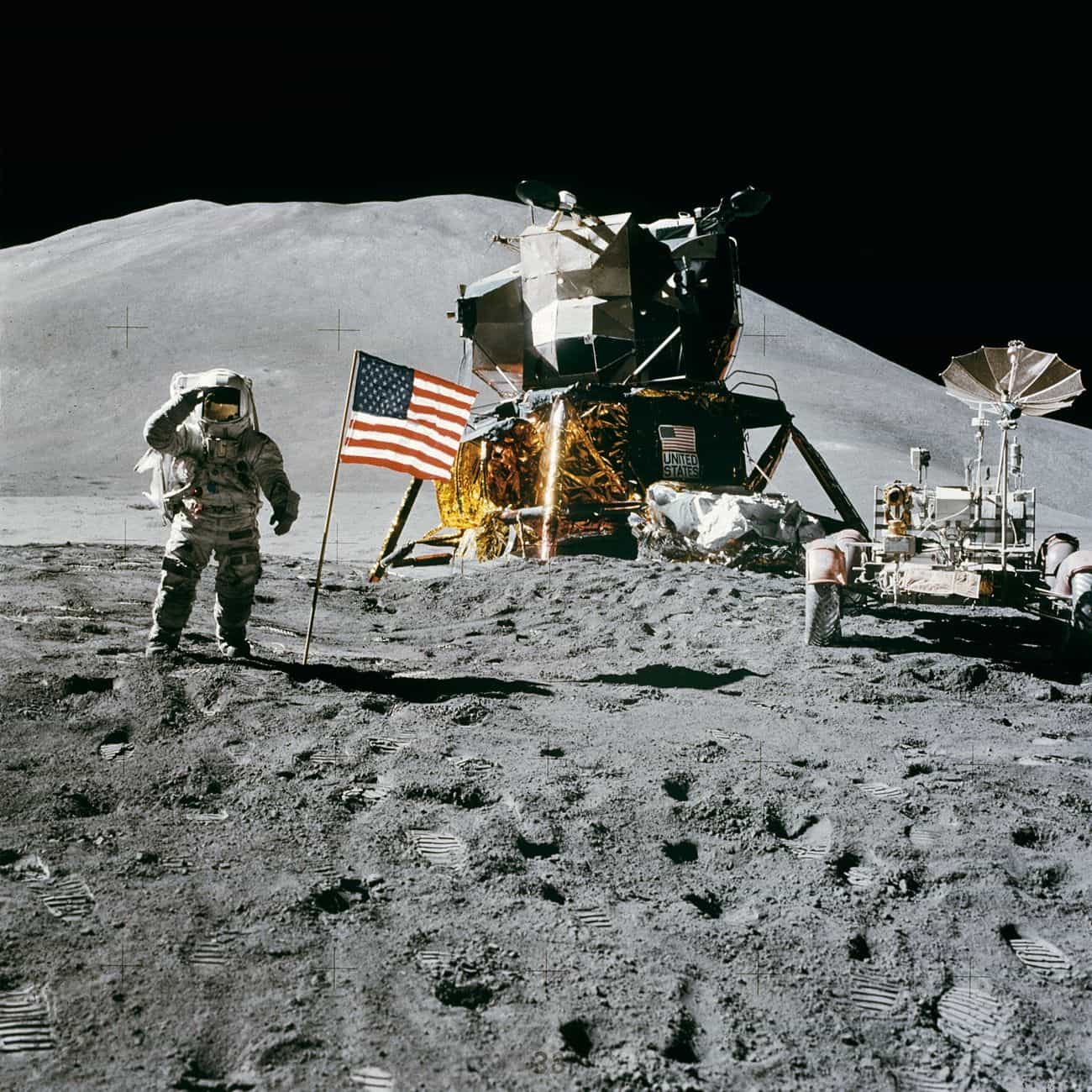
    The subsequent Apollo missions, including Apollo 12, Apollo 14, Apollo 15, Apollo 16, and Apollo 17, aimed to gather scientific data, conduct experiments, and expand human understanding of the Moon. Each mission reached new heights in terms of scientific objectives, including the deployment of seismic equipment, the collection of rock samples, and the exploration of the lunar highlands. Notably, Apollo 15 marked the first use of the Lunar Roving Vehicle, allowing astronauts to cover greater distances and explore more extensive areas of the lunar surface.

    The Apollo program ultimately culminated with Apollo 17, the final crewed lunar landing mission, which took place in December 1972. Astronauts Eugene Cernan, Harrison Schmitt, and Ronald Evans conducted extensive scientific research and exploration during their time on the Moon, collecting rock samples, deploying experiments, and navigating the lunar surface. Cernan subsequently became the last person to walk on the Moon, leaving behind a legacy emphasizing both human exploration and scientific inquiry.

    In summary, the key missions of the Apollo Program are a testament to human ambition and resilience. Despite setbacks and tragedies, each milestone brought humanity closer to the goal of lunar exploration and contributed significantly to our understanding of the cosmos. The success of these missions served to inspire generations of scientists, engineers, and dreamers, cementing the Apollo Program’s status as a monumental achievement in human history.

    Technological Innovations and Challenges Encountered

    The Apollo Program was not only a monumental human endeavor but also a catalyst for unprecedented technological innovations that continue to reverberate throughout science and engineering today. Successful missions required the development of new technologies, materials, and methodologies to address the myriad challenges faced during various phases of the program, from design to execution.

    One of the primary technological advancements was the development of the Saturn V rocket, the launch vehicle that propelled Apollo missions to the Moon. As the most powerful rocket ever built, the Saturn V stood at an unparalleled height of 363 feet and generated 7.5 million pounds of thrust at launch. Its design incorporated multiple stages, allowing for the efficient expulsion of mass as the spacecraft ascended into space. While its sheer size and power posed engineering challenges, the Saturn V ultimately proved to be a reliable vehicle, successfully launching 13 missions, including the historic Apollo 11.

    The Command Module (CM) and Lunar Module (LM) also exemplified engineering innovations driven by the Apollo Program. The CM was designed for the arduous task of re-entry and landing, and it had to withstand the incredible heat generated during the atmospheric re-entry phase. Engineers utilized advanced materials like ablative heat shields to protect the spacecraft and its occupants. The LM, on the other hand, was an entirely new concept—a vehicle designed specifically for landing on and departing from the Moon. Its lightweight construction relied on aluminum alloys and innovative engineering designs that minimized weight while maximizing functionality.

    Avionics also underwent transformative advancements during the Apollo era. The Apollo Guidance Computer (AGC) was a pioneering piece of technology that utilized early computation techniques to provide navigational capabilities for the spacecraft. This computer was one of the first to utilize integrated circuits, paving the way for future computing applications across various industries. NASA’s engineers and scientists worked tirelessly to integrate software and hardware to ensure reliable navigational support, even in the harsh environment of space.

    However, the program was not without its challenges. The inherent risks of human spaceflight became increasingly clear, particularly following the tragedy of Apollo 1. The need for improved safety protocols and robust engineering standards became paramount, leading to comprehensive reviews and modifications of spacecraft and mission protocols. NASA implemented stringent quality controls and testing requirements to ensure the safety of astronauts and the integrity of missions.

    Moreover, the political and financial support for the Apollo Program fluctuated over its course, often oscillating with public interest and support. This necessitated ongoing advocacy for NASA and its appropriations, particularly as missions moved from spectacular lunar landings to more routine operations in space. As public interest waned, managers had to work creatively to sustain funding and enthusiasm—highlighting the need for effective public relations and communication strategies in science and technology projects.

    Throughout the realization of its ambitious goals, the Apollo Program inspired a generation of engineers and scientists to pursue careers within the fields of aerospace and technology. The classroom innovations fostered by Apollo inspired advancements in fields such as robotics, telecommunications, materials science, and computer engineering. Educational programs across the nation sought to engage students, ensuring that the legacy of innovation initiated by the Apollo Program would continue to flourish for decades to come.

    In conclusion, the technological innovations and challenges encountered throughout the Apollo Program underscore its transformative impact on multiple frontiers. From engineering feats to advancements in computation, the program generated a wave of progress that fundamentally altered human capabilities in scientific exploration and technology. The lessons learned, both in success and adversity, continue to shape modern-day engineering and space exploration.

    The Impact of the Apollo Program on Science and Society

    The Apollo Program’s influence extended far beyond the immediate goals of landing on the Moon and returning astronauts safely to Earth. Its scientific and societal impacts reshaped how humanity perceives its relationship with space and paved the way for advancements in various fields, including environmental science, communication, and education.

    One of the Apollo Program’s primary scientific contributions was its extensive lunar research. The collection of rock and soil samples provided invaluable data regarding the Moon’s formation and geology. Unlike other celestial bodies, the Moon lacks any atmosphere, which means its geological record has remained preserved over billions of years. Analysis of samples returned by Apollo astronauts has helped scientists answer fundamental questions about the Moon’s history, including its volcanic activity, surface composition, and age.

    In addition to lunar studies, the program significantly influenced planetary science as a whole. The methodologies developed and honed during the Apollo missions laid the groundwork for subsequent planetary exploration. Understanding the Moon’s geology served as a stepping stone for understanding other celestial bodies in our solar system. This knowledge has proven critical for missions to Mars, asteroids, and beyond. Investments in planetary science following Apollo ushered in an era of robotic exploration that continues to enrich our understanding of the cosmos.

    The visibility and prestige of the Apollo Program also had profound impacts on education and public engagement in science and technology. The excitement surrounding lunar landings captivated the imaginations of people around the world and inspired a generation of students to pursue careers in science, technology, engineering, and mathematics (STEM). Educational institutions integrated space science into curricula, leading to widespread academic interest and the development of programs dedicated to aerospace research and technology.

    Public engagement efforts during the Apollo missions transformed the way policymakers and scientists fostered an appreciation for scientific exploration. Media coverage of the missions produced a sense of shared experience among millions, instilling pride in national achievement and fostering international unity amidst Cold War tensions. The televised broadcasts, particularly the live coverage of the Apollo 11 Moon landing, demonstrated the power of media in shaping public perception and interest in science and exploration.

    The societal effects of the Apollo Program extended into advancements in technology and engineering fields. The need for rapid innovation compelled private companies and academic institutions to collaborate with NASA, leading to breakthroughs that reshaped modern technology. Innovations such as advanced materials, telecommunications systems, and computer technologies emerged from the program, benefiting various sectors including medicine, manufacturing, and consumer electronics.

    Moreover, the Apollo Program became a symbol of international cooperation. While initially rooted in Cold War competition, its success sparked discussions about collaborative efforts in space exploration. The foundation laid by Apollo paved the way for future partnerships, most notably the International Space Station (ISS) initiative, where nations work together toward shared goals in scientific research and exploration.

    In summation, the Apollo Program had a profound and multi-faceted impact on science and society. Its achievements in lunar research, advancements in education, and contributions to technological innovations continue to resonate today. The program not only fulfilled the dream of human spaceflight but also inspired ongoing exploration and cooperation, defining the course of space exploration for generations to come.

    The Legacy of Apollo and its Influence on Future Space Exploration

    As the last of the Apollo missions concluded in December 1972, the legacy of the Apollo Program became embedded in the collective memory of humanity—a testament to what can be achieved through vision, perseverance, and collaboration. Apollo’s exploration of the Moon not only solidified the United States’ position as a leader in space exploration but also inspired future generations to look beyond Earth and to contemplate the possibilities of human presence on other celestial bodies.

    The program’s legacy is deeply woven into the fabric of modern space exploration initiatives. Following Apollo, numerous space programs have been launched with a commitment to exploration and discovery. Notably, the Shuttle Program allowed for continued human presence in low Earth orbit, facilitating scientific research and experimentation aboard the Space Shuttle. The Shuttle missions were integral in constructing and maintaining the International Space Station, which serves as an international laboratory for research and collaboration.

    Moreover, the successes of the Apollo Program provided a framework for future interplanetary missions. NASA’s Voyager spacecraft and subsequent Mars rovers owe much to the knowledge gained from the Moon landings. The rigorous engineering and scientific methodologies established during the Apollo missions served as models for future design, planning, and execution of exploratory missions aimed at planets such as Mars and beyond. The legacy of Apollo persists as humanity prepares for future crewed missions to Mars and even further, where the lessons learned from lunar exploration will guide new generations of explorers.

    Additionally, the Apollo Program bequeathed enduring interest in the fields of space science and astronomy. Universities and institutions continue to cultivate the spirit of discovery fostered by Apollo, fueling ambitious research initiatives aimed at understanding the universe. Programs in planetary science, astrobiology, and robotics have blossomed, often inspired by the original goals of lunar exploration.

    The societal legacy of Apollo also endures, influencing public policy regarding space exploration. The program demonstrated the value of investing in science and technology and reinforced the notion of exploration as a shared human endeavor. As more nations begin to reach for the stars, the collaborative spirit initiated by Apollo is likely to shape future international partnerships in space exploration, fostering cooperation and mutual understanding among diverse cultures and countries.

    In recent years, the renewed interest in lunar exploration—with the Artemis program aiming to return humans to the Moon by the mid-2020s—serves as a direct acknowledgment of the significance of the Apollo legacy. Artemis aims not only to land “the first woman and the next man” on the lunar surface but also to establish a sustainable presence on the Moon, providing a launchpad for future missions to Mars and beyond.

    In conclusion, the legacy of the Apollo Program is a powerful narrative of human achievement and aspiration. Its profound influence can be seen in modern exploration efforts, technological advancements, and educational pursuits across the globe. The bold achievements of Apollo have become a source of inspiration, reminding humanity of its potential to overcome challenges and to seek the unknown. As we journey into the future of space exploration, the spirit of Apollo will continue to guide our aspirations and endeavors.

    Conclusion

    The Apollo Program stands as a remarkable chapter in human history, characterized by unprecedented ambition, significant advances in technology, and the quest for knowledge. Launched during an era of intense competition, the program overcame a multitude of hurdles to achieve its primary goal of landing humans on the Moon and safely returning them home. Through its missions—from the tragic lessons learned during Apollo 1 to the triumph of Apollo 11 and beyond—the program has left an indelible mark on science, society, and future endeavors in space exploration.

    The scientific revelations garnered from lunar missions have expanded our understanding of the Moon and increased our knowledge of planetary science as a whole. Simultaneously, the program inspired generations of students and professionals to embrace careers in STEM fields, cultivating a culture of inquiry and discovery. Its legacy fosters ongoing investments in scientific research and international collaboration, ensuring that the spirit of exploration thrives.

    As we endeavor to explore new frontiers and look towards Mars and beyond, the lessons of the Apollo Program resonate strongly, reminding humanity of the power of aspiration and collaboration. The audacity of that era serves as a beacon for future exploration and interstellar ambition, embodying the notion that through concerted efforts, we can continue to reach for the stars.

    Sources

    • NASA Historical Data on the Apollo Program
    • “The Apollo Program: A History” by NASA
    • “Apollo: The Definitive Guide” by Charles M. Duke
    • “First Man: The Life of Neil A. Armstrong” by James R. Hansen
    • Apollo Lunar Exploration Missions – Science and Technology Review, NASA
    • Personal accounts and interviews with Apollo astronauts and mission control personnel
    • Various documentaries and archival footage from NASA’s Apollo missions
  • The History of NASA: Pioneering Space Exploration

    The History of NASA: Pioneering Space Exploration

    Introduction

    The National Aeronautics and Space Administration, better known as NASA, has been at the forefront of space exploration since its establishment in 1958. Born out of the Cold War space race, NASA’s formation marked a significant turning point in human exploration and scientific achievement. With groundbreaking missions such as Apollo 11, which first landed humans on the Moon, and the development of the Space Shuttle, NASA has not only expanded our understanding of the cosmos but has also reshaped technology and education on Earth. This article will delve into the history of NASA, exploring its origin, major milestones, collaborations, and future endeavors as we continue to push the boundaries of what is possible in space.

    The Formation of NASA: Origins and Early Missions

    The establishment of NASA was a direct response to the launch of Sputnik by the Soviet Union in 1957, igniting the space race that defined the Cold War era. This historic event raised concerns about U.S. national security and the need for the nation to catch up in space technology. In response, President Dwight D. Eisenhower pushed for the formation of a dedicated agency to oversee civilian space exploration and research.

    On July 29, 1958, the National Aeronautics and Space Act was signed into law, officially creating NASA. The agency’s primary goals were to conduct space exploration, improve aeronautics technology, and oversee research relating to the atmosphere and space. NASA’s first administrator, Dr. T. Keith Glennan, emphasized a scientific approach, aiming to push the boundaries of human knowledge and capability.

    NASA’s early years were characterized by its involvement in several important projects. One of its first missions, Project Mercury, aimed to put a human in orbit around Earth. The program successfully launched its first astronaut, Alan Shepard, in 1961 aboard the Freedom 7 capsule. Shepard’s suborbital flight lasted just over 15 minutes but was a significant achievement in establishing the United States as a competitive force in aerospace.

    Following Mercury, NASA quickly moved into Project Gemini, which aimed to execute longer missions and develop techniques necessary for future lunar exploration. Gemini missions expanded the duration of spaceflights, achieved the first spacewalk, and demonstrated the ability to rendezvous and dock spacecraft in orbit.

    These early missions set the groundwork for what would become one of humanity’s most significant accomplishments: the Apollo program. Launched in the 1960s, Apollo aimed to land humans on the Moon and safely return them to Earth. The culmination of this ambition came in 1969 with Apollo 11, when astronauts Neil Armstrong and Buzz Aldrin made history by stepping onto the lunar surface.

    NASA’s formative years were not without challenges. Technical obstacles, budget restrictions, and the evolving political landscape posed risks to its goals. However, the agency persevered, driven by the spirit of exploration and scientific discovery. The establishment of NASA marked a new era in human ingenuity, where collaboration across various sectors—government, private industry, and academia—played a vital role in shaping the landscape of space exploration.

    By the late 1960s, NASA had firmly positioned itself as a leader in space exploration, with a clear commitment to pushing the frontiers of science and technology. As we look back at the origins of NASA, it is evident that the spirit of innovation, resilience, and ambition was integral to its foundation and would continue to propel its missions for decades to come.

    The Apollo Program: A Giant Leap for Mankind

    The Apollo program stands as one of NASA’s hallmark achievements and represents one of humanity’s most significant accomplishments: landing a man on the Moon. Initiated in the early 1960s under President John F. Kennedy’s directive, the program aimed not only to outpace Soviet advancements in space but also to push the boundaries of human capabilities and scientific understanding.

    Apollo’s first mission, Apollo 1, was tragically mired in disaster. In January 1967, a cabin fire during a pre-launch test resulted in the deaths of astronauts Gus Grissom, Ed White, and Roger B. Chaffee. This harrowing event prompted a thorough evaluation of spacecraft safety, leading to significant design and engineering changes that enhanced the program’s safety protocols.

    Despite the setback, NASA swiftly moved forward with the program. The subsequent missions, Apollo 2 through Apollo 6, focused on testing the Saturn V launch vehicle and refining various aspects of mission operations. These preparatory flights laid the groundwork for Apollo 7’s success—a full crewed mission orbiting Earth in 1968, which marked NASA’s return to manned spaceflight.

    The pivotal moment of the Apollo program came with Apollo 11 in July 1969. On the 16th of that month, astronauts Neil Armstrong, Edwin “Buzz” Aldrin, and Michael Collins launched towards the Moon aboard the Saturn V rocket. As the world watched, the lunar module, known as the Eagle, separated from the command module and began its descent to the lunar surface. On July 20, 1969, Neil Armstrong became the first human to set foot on the Moon, uttering the famous words, “That’s one small step for [a] man, one giant leap for mankind.” Buzz Aldrin joined him shortly after, as they conducted experiments, collected samples, and planted the American flag, symbolizing a milestone achievement for humanity.

    Apollo 11 was followed by several more missions, each contributing vastly to the scientific understanding of the Moon through the collection of lunar samples and the deployment of various scientific instruments. Apollo 12 proved successful with its precision landing, while Apollo 13 faced the challenge of an in-flight emergency, demonstrating the resilience of NASA’s engineering teams and astronauts alike. The mission ended with a harrowing but ultimately successful return to Earth, showcasing the ingenuity and teamwork prevalent within NASA.

    The Apollo program concluded with Apollo 17 in December 1972, which remains the last crewed mission to the Moon. Over its course, the program inspired generations, fostered international cooperation in science, and bolstered technological advancements, leading to innovations that have had lasting impacts on various fields, including telecommunications, materials science, and medicine.

    The legacy of the Apollo program continues to influence NASA’s direction and the broader space exploration landscape. It set a precedent for ambitious goals, instilling a passion for exploration and discovery that transcends national boundaries. As mankind looks to future endeavors beyond our planet, the achievements of the Apollo missions serve as a reminder of what can be achieved through exploration, human perseverance, and the quest for knowledge.

    Space Shuttle Era: Reusable Space Travel

    The Space Shuttle program represents a transformative era in space exploration, synonymous with NASA’s efforts to make space travel more accessible and routine. Initiated in the 1970s, the program aimed to develop a reusable spacecraft that could transport astronauts, satellites, and scientific instruments to and from low Earth orbit. Launched to replace the expendable launch methods used in previous missions, the Space Shuttle program marked a monumental shift in the approach to human spaceflight.

    The first shuttle, Columbia, lifted off on April 12, 1981, on the STS-1 mission, signifying a new chapter in NASA’s history. This innovative vehicle featured a unique design, consisting of an orbiter, solid rocket boosters, and an external fuel tank, which together enabled a variety of missions. The capability of reusability allowed NASA to significantly reduce the costs of space travel and conduct a more extensive range of operations, including scientific work, satellite deployment, and construction of the International Space Station (ISS).

    Throughout its operational period from 1981 to 2011, the Space Shuttle completed 135 missions, becoming the backbone of human spaceflight for three decades. Astronaut crews aboard these shuttles conducted groundbreaking research, conducted spacewalks, and contributed to the development of the ISS. The shuttle program facilitated international collaborations, uniting multiple countries, including Russia, Canada, and those in the European Space Agency, in the pursuit of scientific discovery.

    However, the Space Shuttle program experienced profound challenges. The tragic losses of Challenger in 1986 and Columbia in 2003 resulted in significant changes in NASA’s approach to safety and mission protocols. These tragedies highlighted the risks associated with space travel, prompting a renewed focus on safety, engineering standards, and enhanced training for crews.

    Despite these setbacks, the program achieved remarkable milestones. It played a pivotal role in deploying and servicing the Hubble Space Telescope, a cornerstone in our understanding of the universe. The Space Shuttle also contributed to significant advances in science and technology through its payloads, which included experiments in various fields, from biology to materials science, conducted in the unique microgravity environment of space.

    As the program concluded in 2011, NASA’s exploration objectives transitioned towards new initiatives, including Mars missions and deep space exploration. The legacy of the Space Shuttle program endures however, as it established a foundation for cooperative international efforts, expanded scientific knowledge, and inspired a generation of scientists and engineers.

    In the future, NASA aims to leverage what has been learned from the Shuttle program in developing new spacecraft, including the Space Launch System and the Orion crew vehicle, as it sets its sights on returning humans to the Moon and eventually sending crews to Mars. The pioneering innovations introduced during the Shuttle era have left an indelible mark on aerospace engineering and remain integral to ongoing advancements in space exploration.

    International Collaborations: ISS and Beyond

    NASA’s commitment to fostering international collaborations is exemplified through the development and operation of the International Space Station (ISS). Established as a joint venture involving multiple space agencies, including Roscosmos (Russia), ESA (Europe), JAXA (Japan), and CSA (Canada), the ISS represents a monumental achievement in human spaceflight, scientific discovery, and international cooperation.

    Construction of the ISS began in 1998, with the first module, Zarya, launched into orbit. Over the next decade, numerous modules were sent into space, gradually expanding the ISS into a vast laboratory and observatory. This collaborative effort symbolizes a shift from competition during the space race to a shared commitment among nations to pursue the common goals of scientific research and exploration.

    The ISS has facilitated hundreds of groundbreaking experiments in various disciplines, including biology, physics, astronomy, and Earth sciences. Research conducted aboard the station has provided critical insights into how living organisms react in microgravity, informing both scientific understanding and practical applications on Earth. It has also been a platform for technological demonstrations, including advancements in life support systems and robotics.

    Furthermore, the ISS serves as a prime example of diplomacy in space, promoting peaceful engagement and fostering relationships among countries. Astronauts and cosmonauts from different nations work side by side, exemplifying the spirit of collaboration as they conduct experiments, maintain the station, and oversee the implementation of new technologies. The positive impact of these relationships extends beyond the realm of space, contributing to addressing global challenges on Earth, such as climate change and health crises.

    As NASA looks beyond the ISS, plans are in place to return to the Moon and eventually send humans to Mars in the forthcoming Artemis program. These future missions will undoubtedly be influenced by the lessons learned through collaboration on the ISS, as NASA aims to build on the international partnerships established there and inspire a new generation of explorers.

    Additionally, NASA’s efforts in fostering global cooperation extend toward institutional relationships with numerous countries and private organizations, reflecting a broader vision for human space exploration. Projects and outreach initiatives aim to engage different nations, encouraging shared access and the equitable distribution of benefits derived from space research.

    Ultimately, the ISS serves as a vital hub for scientific innovation and international dialogue. Its legacy emphasizes that collaborative endeavors can transcend borders and unite humanity in the shared pursuit of knowledge and discovery.

    Future of NASA: Mars Missions and Beyond

    As NASA looks to the horizon of space exploration, the agency has set ambitious goals for the future, with a primary focus on returning humans to the Moon and eventually establishing a human presence on Mars. The Artemis program, announced in 2019, aims to land “the first woman and the next man” on the lunar surface by the mid-2020s, marking a new stepping stone for humanity in pushing the frontiers of space exploration.

    The Artemis program will build on the knowledge gained from the Apollo missions while incorporating contemporary advances in technology and knowledge. NASA plans to establish a sustainable presence on the Moon, deploying new lunar landers, habitats, and systems that support long-term human exploration. The lunar South Pole is of particular interest due to its potential water resources, which science indicates could be vital for future missions to Mars.

    Following the Moon landing, NASA’s sights will pivot towards Mars. The Mars 2020 mission, featuring the Perseverance rover, has made significant strides in understanding the Martian environment and searching for signs of past life on the planet. Perseverance is also testing technology that will facilitate future human missions, such as the collection and preservation of Martian soil samples that will eventually be returned to Earth for analysis.

    Beyond Mars, NASA envisions a new era of exploration that includes not only crewed missions but also robotic exploration. As humanity’s reach into space expands, missions to asteroids, the moons of Jupiter and Saturn, and beyond offer opportunities for scientific discovery, resource utilization, and potentially new habitats for humankind.

    NASA recognizes the necessity of building partnerships in these ventures, focusing on collaboration with commercial space companies, international agencies, and academic institutions. These partnerships will leverage private sector innovation, sharing resources, and utilizing collective knowledge to accomplish shared objectives in space exploration.

    Moreover, the agency aims to inspire future generations to pursue careers in science, technology, engineering, and mathematics (STEM). Educational outreach initiatives will foster interest and excitement about space, ensuring the sustainability of exploration efforts through the development of a skilled workforce.

    In conclusion, NASA’s future endeavors are not just about reaching new destinations but also about unifying humanity in the quest for knowledge and exploration. By embracing international collaboration, harnessing technological advancements, and inspiring upcoming generations, NASA seeks to foster a spirit of exploration that echoes through the ages.

    Conclusion

    The history of NASA is a testament to human innovation, resilience, and the unyielding spirit of exploration. From its inception in the late 1950s to its ambitious plans for the future, NASA has continually pushed the boundaries of what is possible in space exploration. Through landmark achievements like the Apollo moon landings, the development of the Space Shuttle, and the collaborative spirit embodied in the International Space Station, NASA has significantly advanced our understanding of the cosmos and our place within it.

    As we look into the future, NASA’s vision is clear: to return to the Moon and reach for Mars, all while inspiring new generations to dream big and pursue scientific inquiry. The challenges may be great, but the potential rewards—new discoveries, international cooperation, and the promise of human life beyond Earth—are even greater. NASA’s journey is far from over, and its story continues to unfold as we venture into the unknown.

    Sources

  • The Great Moon Race: A Journey to the Stars

    The Great Moon Race: A Journey to the Stars

    Introduction

    The Moon race was not just a pursuit for scientific knowledge but also a pivotal moment in history, deeply intertwined with the geopolitical tensions of the Cold War. As the United States and the Soviet Union vied for supremacy, the desire to land a human on the Moon became a symbol of national pride and technological prowess. As we delve into the era of the Moon race, we uncover the narratives that shaped this remarkable journey, underscoring the significance of technological advancements and the fierce competition between two world superpowers. Spanning several decades, this race not only captivated the imagination of millions but also laid the foundation for future explorations beyond our planet. In this article, we will meticulously examine the origins, technological breakthroughs, key players, significant milestones, and the enduring legacy of the Moon race.

    Origins of the Moon Race: The Cold War Context

    The Moon race emerged in the late 1950s amid escalating tensions between the United States and the Soviet Union, two superpowers engaged in a fierce Cold War. The launch of Sputnik 1 by the USSR on October 4, 1957, marked the onset of the space age and caught the United States by surprise. This achievement was not merely about sending a satellite into orbit; it was a demonstration of technological and military capability. For the United States, the Sputnik crisis catalyzed a national response that would lead to a vigorous pursuit of space exploration.

    In reaction to Sputnik, the U.S. government increased funding for scientific education and advanced research. The National Aeronautics and Space Administration (NASA) was established in July 1958, embodying America’s commitment to regaining its stature in space exploration. The Sputnik launch heightened fears of Soviet dominance in technology, prompting the U.S. to prioritize its own space program.

    The geopolitical landscape during this period was defined by propaganda and a quest for supremacy. Both superpowers believed that achieving significant milestones in space exploration would solidify their status on the world stage. The Moon, as the most visible celestial body, became the ultimate prize in this rivalry, serving as a powerful symbol of triumph and superiority.

    As the 1960s approached, events intensified the urgency of the race. The U.S. government responded decisively to the Soviet achievements, outlining ambitious goals for its space program. President John F. Kennedy famously addressed a joint session of Congress on May 25, 1961, declaring the ambitious goal of landing a man on the Moon before the decade’s end. This declaration galvanized a nation and galvanized immense resources and talent towards the space program.

    In this charged atmosphere, the Cold War objectives played a significant role in shaping the approaches of both NASA and the Soviet space program. While the U.S. aimed to demonstrate democracy’s capabilities and the importance of individual effort, the Soviet Union emphasized collective achievement and state support. The contrasts in ideologies influenced everything from research priorities to mission execution.

    Additionally, the cultural climate surrounding the Moon race was characterized by fascination with science fiction and the possibilities of space travel. Films, literature, and media fueled a public yearning for knowledge and adventure beyond Earth, inspiring a new generation of scientists and engineers. The idea of exploring the cosmos began to resonate not just with scientists but with the general populace as well.

    The Moon race’s origins are thus rooted in a complex interplay of political rivalry, technological innovation, and cultural fascination. As both nations embarked on this journey, they would confront not only the immense challenges of space travel but also the ideological battleground that surrounded them. Thus, analyzing the origins of the Moon race offers crucial insights into how human ambition and competing ideologies can drive extraordinary achievements.

    The Role of Technology and Innovation in Space Exploration

    The Moon race was fundamentally propelled by a series of groundbreaking technological advancements that transformed the capabilities of space travel. A myriad of innovations in rocketry, telemetry, navigation, and materials science played pivotal roles in enabling both the United States and the Soviet Union to achieve their lunar ambitions. These developments were not spontaneous; rather, they were the culmination of years of research, experimentation, and, in many cases, trial and error.

    Rocket technology stood at the forefront of the Moon race. The USSR had initially set the tone with the R-7 Semyorka, the world’s first intercontinental ballistic missile (ICBM). This technology became the basis for the Soviet space program, including the launch of the Vostok spacecraft that carried the first human into space, Yuri Gagarin. The ability to deliver payloads into orbit was essential for both nations, and the advancements in propulsion that were derived from military rocket technology helped establish a foundation for future missions to the Moon.

    In the U.S., NASA leveraged the expertise of various aerospace engineers and scientists, many of whom were brought in from the German rocket program after World War II. The Saturn V rocket, developed under the Apollo program, showcased technical prowess with its multi-stage design and unprecedented thrust. It became the primary launch vehicle for Apollo missions, including the historic Apollo 11 mission that successfully landed the first humans on the lunar surface. The development of Saturn V integrated both existing knowledge and innovative methodologies, epitomizing the spirit of collaboration that defined the American approach.

    Telemetry and communication technology also underwent rapid evolution during this period. Missions to the Moon required precise tracking and data transmission capabilities, and systematic advancements in radio technology were essential. Both the U.S. and USSR invested heavily in developing ground control networks capable of managing the complex, high-stakes maneuvers required throughout each mission.

    Navigation technology witnessed unprecedented advancements as well. Early space missions relied on celestial navigation techniques or pre-computed trajectories. However, as missions grew in complexity, innovative systems including inertial navigation were developed. These systems used gyroscopes and accelerometers to deliver real-time positioning and orientation data, crucial for the precise maneuvers needed during lunar orbit and landing.

    Materials science played a significant role in the Moon race as well. The challenges posed by the harsh environment of outer space necessitated the development of lightweight, durable materials capable of withstanding extreme temperatures and radiation. Innovations in alloys, composites, and insulating materials allowed spacecraft to be designed more efficiently, contributing not only to mission success but also to the safety of astronauts.

    Finally, the technological advancements during this period ignited a broader interest in STEM fields. The competition fostered a culture of innovation and feasibility within both nations’ educational systems. Scientists and engineers inspired by the excitement of space exploration propelled forward advances that would reverberate across various industries.

    In conclusion, the Moon race was a monumental endeavor underpinned by technological evolution driven by a sense of urgency and ambitious goals. The race catalyzed developments that shaped not just the missions to the Moon but laid the groundwork for future space exploration and scientific discovery in our pursuit of the cosmos.

    Key Players: NASA vs. USSR

    The Moon race was characterized by the intense rivalry between NASA, representing the United States, and the Soviet space program. Each organization aimed to showcase their technological prowess and natural superiority, leading to impressive achievements in the field of space exploration. As each country developed its strategies and capabilities, individual contributions and organizational prowess dramatically impacted the course of the Moon race.

    NASA was established as a response to the Soviet Union’s early space accomplishments, and as its success in the space race became evident, the agency sought to achieve monumental goals. President John F. Kennedy’s 1961 announcement propelled NASA forward. Under the guidance of visionary administrators and engineers like Wernher von Braun, the space agency set its sights firmly on the Moon. The Apollo program became NASA’s flagship mission architecture, encompassing deep investments in research and technology, training of astronauts, and the coordination of various operations necessary to achieve the goal of a lunar landing.

    The Soviet space program, officially known as the Soviet Space Program, was rigorous, well-resourced, and led by prominent figures such as Sergei Korolev, the chief designer and mastermind behind a range of successful missions. The Soviets were the first to achieve significant milestones, including launching the Sputnik satellite, sending the first human into space, and achieving the first spacewalk. Their early successes established a formidable reputation in the realm of space exploration. However, despite their rich history of milestones, they faced challenges in developing the technology necessary for a crewed lunar landing.

    An essential aspect of this competition was the focus on astronauts and cosmonauts. NASA implemented a rigorous selection and training program for its astronauts, creating a cadre of highly skilled individuals who would undertake the daunting task of traveling to the Moon. The Mercury and Gemini programs included preparations for long-duration space missions and skill development in weightlessness and reentry. The Apollo Astronaut Corps eventually emerged, leading to a spirit of cooperation among the astronauts, cementing a shared sense of purpose as they readied for lunar missions.

    In contrast, the Soviet program maintained a higher degree of secrecy, and the cosmonauts operated under the guidance of state directives and limited public interaction. Their training emphasized collaboration and as a result, the Soviet cosmonauts received accolades and support as national heroes. The generalized secrecy often surrounded the realities of progress within the Soviet space program, particularly during the race to the Moon.

    While both NASA and the Soviet program made strides to maintain their respective advantages, criticisms and internal challenges emerged within each organization. NASA’s Apollo program faced budgetary constraints, political scrutiny, and immense pressure to meet the ambitious timeline set by the president. Similarly, the Soviet program faced issues like internal rivalry, which often hindered its ability to transition smoothly from human-centered missions to those targeting lunar landings.

    Ultimately, the competition between NASA and the Soviet space program highlighted the cultural, political, and technological contrasts in their approaches. The race fostered innovation while instilling a sense of urgency, leading to momentous achievements that defined an era of human exploration.

    Major Milestones: Events That Shaped the Moon Race

    The Moon race was marked by a series of monumental milestones that defined its trajectory and ultimately culminated in humanity’s first steps on the lunar surface. These milestones reflect the intense competition, the rapid development of technology, and the expansion of knowledge about space beyond Earth’s atmosphere. Each event stands as a testament to human ingenuity and perseverance in the pursuit of astronomical exploration.

    The space race began on October 4, 1957, with the launch of Sputnik 1, the first artificial satellite, by the Soviet Union. This momentous occasion marked not only the start of the space age but also ignited a sense of urgency in the United States to compete in what was perceived as a new frontier for national prestige. The U.S. response included substantial increases in funding for science and technology education, leading to the establishment of NASA in July 1958, which would play a pivotal role in the Moon race.

    The next major milestone came in 1961 when Yuri Gagarin became the first human to journey into space aboard Vostok 1. This achievement was met with worldwide attention and admiration, but it also heightened concerns in the U.S. about falling behind in the space race. In response, President Kennedy famously declared the goal of landing a man on the Moon by the end of the 1960s, setting into motion NASA’s Apollo program and framing the Moon as the next great challenge of human exploration.

    The early Apollo missions laid the groundwork for future lunar exploration. Apollo 1 tragically ended in disaster with the loss of three astronauts during a test, underscoring the risks of manned spaceflight. However, subsequent missions, such as Apollo 8, which orbited the Moon in December 1968, provided crucial insights and set the stage for the upcoming landing attempts. Apollo 8’s broadcast revealed Earthrise from lunar orbit, an iconic image that symbolized the fragility of our planet and invoked a sense of global unity.

    On July 20, 1969, Apollo 11 achieved the historic lunar landing, becoming the first mission to successfully deposit humans on the Moon. Neil Armstrong and Buzz Aldrin stepped onto the lunar surface, making an indelible mark on history while Michael Collins remained in lunar orbit. The world watched in awe as Armstrong famously declared, “That’s one small step for man, one giant leap for mankind.” This milestone epitomized not only technological triumph but also the spirit of exploration that has underscored human history.

    The subsequent Apollo missions further solidified the legacy of lunar exploration. Apollo 12, 14, 15, 16, and 17 took place between 1969 and 1972, each contributing valuable scientific knowledge and samples from the lunar surface. These missions advanced our understanding of lunar geology, and provided insights about the origins of the Moon and its relationship with Earth. The scientific findings from these missions continue to shape our understanding of planetary science.

    The culmination of the Moon race can be seen in its aftermath. The technological advancements birthed from this era laid the groundwork for future space exploration efforts including the Space Shuttle program and the International Space Station. The race’s underpinnings resulted in a global focus on the broader implications of space travel, propelling both collaborative and competitive efforts among nations.

    Today, the milestones achieved in the Moon race are not only historical events; they serve as inspiration for future generations of space explorers, scientists, and dreamers. The concerted efforts that culminated in the Moon landings remind us of the potential of human imagination and determination as we look toward the stars.

    The Legacy of the Moon Race and Its Impact on Future Space Exploration

    The conclusion of the Moon race by the early 1970s marked not the end of space exploration, but a transformative legacy that would influence the direction of human endeavors in space for decades to come. The achievements of the Apollo program not only exemplified the capabilities of technology but also ignited public interest and excitement around space exploration. The cultural, educational, political, and scientific ramifications of this period remain relevant to contemporary society and will continue to inspire future generations of space enthusiasts.

    One of the most significant legacies of the Moon race is its enduring impact on global cooperation in space exploration. As nations began breaking barriers to reach beyond Earth, the successful missions of the Apollo program served as a powerful symbol of what humanity could achieve through collaboration. This spirit of partnership has extended into international efforts such as the International Space Station, which represents a coalition of spacefaring nations working together towards common goals in scientific research and exploration.

    In scientific terms, the Moon race radically transformed our understanding of both the lunar environment and planetary science. The samples gathered during the Apollo missions yielded invaluable data on geology, lunar history, and the solar system’s origins. Researchers utilized these findings to develop new theories regarding the formation of celestial bodies and the dynamics of planetary systems. Even today, ongoing analysis of lunar samples continues to offer insights into geological processes and evolution across the solar system.

    The technological advancements made during the Moon race catalyzed innovation that extended well beyond space exploration. Pioneering developments in materials science, rocketry, telecommunications, and engineering resulted in breakthroughs that permeated numerous commercial and military sectors. Many technologies originally developed for space missions have found applications in fields such as medical imaging, environmental monitoring, and telecommunications. The era also sparked interest in STEM education, inspiring generations of scientists and engineers, and promoting a culture of scientific inquiry.

    The legacy of the Moon race is also entwined with public perception and inspiration. The iconic imagery and narratives surrounding the achievements of human spaceflight captured the imagination of people around the globe. This excitement continues to resonate today, as evident in the resurgence of interest in space exploration, including missions to Mars and atmospheric explorations of diverse celestial bodies. The successful landings on the Moon galvanized popular support for continued investment in space, with both private and public sectors embracing the quest for knowledge beyond our home planet.

    Political ramifications of the Moon race are equally significant. The intense competition between the U.S. and the USSR during this period shaped foreign policy discussions and decisions related to science and national security. The pursuit of lunar exploration illustrated the significance of maintaining technological superiority, leading to ongoing investments in research and innovation. While geopolitical tensions remain, the historical context of the Moon race serves as a reminder of the power of exploration to unite rather than divide.

    Furthermore, the Moon race’s legacy extends into the future with renewed ambitions for lunar exploration and eventual colonization. Recent missions from various nations and entities emphasize the importance of returning to the Moon to establish a sustainable presence, facilitate scientific research, and lay the groundwork for deeper space missions to Mars and beyond. Plans for lunar bases, the Artemis program, and ambitious goals regarding human endurance in space continue to echo the pioneering spirit initiated during the original Moon race.

    In conclusion, the legacy of the Moon race is one of triumph rooted in exploration, innovation, and a perpetual drive to expand the horizons of human knowledge. As we continue to look for new frontiers in space, the remarkable achievements and stories from this era will serve as guiding lights, inspiring future generations to reach for the stars and pursue their aspirations with determination.

    Conclusion

    The history of the Moon race serves as a profound reminder of human ambition and creativity, encapsulating a defining moment in the annals of exploration. From the Cold War’s geopolitical complexities to the technological advancements that arose, the journey to the Moon was forged through passion, competition, and collaboration. The milestones achieved during this time not only illuminated the paths taken by NASA and the Soviet space program but also set the foundation for international cooperation and scientific advancement.

    The legacy of the Moon race continues to propel humanity forward as we seek to explore beyond our planet and unlock the mysteries of the universe. The accomplishments of the Apollo program resonate today, inspiring new generations to undertake their explorations and pursue ambitious visions for future ventures into space. It is our responsibility to carry forward the torch of exploration, cherishing the achievements of the past while facing the possibilities of the future. Together, as we navigate the stars, we honor the spirit of those who first ventured beyond Earth, reminding us of the infinite potential that lies in the pursuit of knowledge and the quest to explore the unknown.

    Sources Consulted

    • NASA. “Apollo 11 Mission Overview.” nasa.gov
    • Smithsonian National Air and Space Museum. “The Space Race.” si.edu
    • Smithsonian Magazine. “The Moon Landing: A 50-Year Legacy.” smithsonianmag.com
    • European Space Agency. “The Role of the Moon in Space Exploration.” esa.int
    • History.com. “Space Race.” history.com

  • The Life and Contributions of Alfred Nobel

    Introduction

    Alfred Nobel, born on October 21, 1833, in Stockholm, Sweden, was an inventor, engineer, and philanthropist whose life was marked by significant achievements that left an enduring impact on society. Best known as the inventor of dynamite, he revolutionized the construction and mining industries, paving the way for safer and more efficient explosive materials. However, Nobel’s legacy extends far beyond his inventions; his establishment of the Nobel Prizes reflects his deep commitment to recognizing and rewarding outstanding contributions in various fields of human endeavor, including science, literature, and peace. This article delves into the remarkable life of Alfred Nobel, exploring his formative years, scientific achievements, philanthropic endeavors, and the lasting influence of his work on contemporary society.

    Early Life and Education

    Alfred Nobel was born into a family with a strong engineering background. His father, Immanuel Nobel, was an inventor and engineer, which exposed Alfred to the world of science and technology at a young age. The family initially enjoyed a period of prosperity in Sweden, but their fortunes dwindled after moving to St. Petersburg, Russia, where Immanuel established a successful business in construction.

    During his childhood, Alfred experienced the hardships of financial instability when his father’s business faced significant challenges due to economic fluctuations and wars. His mother, Andriette Nobel, took on a prominent role in supporting the family, showcasing resilience that would later influence Alfred’s character. Despite the financial difficulties, his parents stressed the importance of education, instilling a sense of curiosity and a love for learning in their children.

    Alfred was a gifted student, excelling in subjects like languages, literature, and sciences. His education came primarily from private tutors, which allowed him to delve deeply into areas of interest. Notably, he developed a fervent passion for chemistry and literature. At the age of nine, Alfred began to write poetry and plays, demonstrating his early inclination toward the arts.

    In 1850, the family returned to Sweden, hoping for a fresh start. During this transitional period, Alfred devoted himself to his studies and began to explore the emerging field of chemistry. He ventured to the United States in 1852, where he worked in a chemical laboratory. This experience was crucial in shaping his understanding of explosives, which would become central to his future endeavors.

    Nobel\’s educational journey also involved extensive self-study, allowing him to explore various branches of science. By the mid-1850s, he had returned to Europe, where he began experimenting with nitroglycerin, a highly unstable explosive created by mixing glycerin with nitric acid. Despite facing numerous challenges and accidents—one of which resulted in the death of his younger brother Emil—Nobel remained undeterred in his quest for safer explosive materials.

    Alfred Nobel\’s early life and education were instrumental in defining his character, perspective, and approach to invention. His scientific background, coupled with his literary interests, would shape his contributions to society and influence his thoughts on the moral obligations of innovators, a theme that would resonate throughout his life.

    Invention of Dynamite and Its Impact

    The invention of dynamite stands as one of Alfred Nobel\’s most significant achievements, fundamentally altering the landscape of construction and mining. After experimenting with nitroglycerin, which was known for its volatility, Nobel sought to create a safer alternative that could be used in practical applications without the inherent risks associated with its predecessor.

    In 1867, after years of experimentation, Nobel succeeded in stabilizing nitroglycerin by absorbing it in an inert material, resulting in the creation of dynamite. This innovative explosive was not only safer to handle but also more effective for use in construction projects. Nobel patented this invention, which enabled it to be manufactured on a larger scale, thus making it commercially viable.

    The impact of dynamite was profound. It revolutionized the construction industry by facilitating the excavation of tunnels, demolition of structures, and the optimization of quarrying operations. Major infrastructure projects, such as railroads, roads, and bridges, benefitted immensely from the application of dynamite. Nobel\’s innovation enabled laborers to accomplish tasks that were previously deemed impossible, effectively transforming the dynamics of industrial work.

    However, the introduction of dynamite also raised ethical questions regarding its use. Although it greatly improved efficiency in construction, it found application in warfare and militaristic pursuits, leading to devastating consequences. Nobel himself was troubled by the destructive potential of his invention, leading him to reflect on the implications of scientific innovations on humanity.

    This internal conflict culminated in Nobel\’s decision to establish the Nobel Prizes. He intended to create a legacy that would honor those who contribute to the betterment of society—an attempt to offset the destructive capabilities that come with scientific advancement. Despite the risks, Nobel’s invention of dynamite marked a pivotal moment in history, influencing both industry and ethical considerations surrounding scientific progress.

    Establishment of the Nobel Prizes

    In 1895, Alfred Nobel signed his last will and testament in Paris, outlining his intention to establish a series of prizes to honor extraordinary contributions to humanity. The decision stemmed from both his desire to promote science, literature, and peace and his wish to ensure that his legacy would be measured through the impact of his inventions.

    The Nobel Prizes were first awarded in 1901, and they encompassed categories such as Physics, Chemistry, Medicine, Literature, and Peace. These awards reflect Nobel’s hopes of encouraging excellence in fields that he deemed essential for the progress of mankind. Additionally, Nobel\’s insistence on including the Peace Prize highlighted his aspirations to promote harmony and reconciliation in a world often marred by conflict.

    The Nobel Prizes have since grown into one of the most prestigious honors globally, celebrated for their recognition of outstanding achievements. They have rewarded remarkable thinkers, innovators, and leaders who have made significant contributions to society. Laureates such as Marie Curie, Martin Luther King Jr., and Albert Einstein serve as testaments to the diverse range of fields honored by these accolades.

    Nobel\’s decision to allocate the bulk of his fortune to fund the prizes reveals his commitment to using wealth as a tool for positive change. He envisioned a future where scientific discoveries and literary contributions could lead to a more enlightened and compassionate world. The establishment of the Nobel Prizes has provided an enduring framework for acknowledging and celebrating human excellence, reflecting the ideals that Nobel championed throughout his life.

    Today, the Nobel Prizes continue to inspire countless individuals and organizations, illustrating the profound influence of Nobel’s vision. He turned his reflections on the implications of scientific progress into an institution that recognizes and rewards those striving for the greater good. By focusing on the pursuit of knowledge, creativity, and peace, Nobel’s legacy lives on, shaping the future of various fields and inspiring generations to come.

    Contributions to Science and Literature

    Apart from his groundbreaking inventions, Alfred Nobel took an active interest in science and literature throughout his life. His contributions extended beyond his patents, as he engaged with scientific advancements and literary pursuits that showcased his intellectual breadth.

    Nobel’s scientific contributions were closely tied to his inventions, particularly in the development of explosives. His refinement of dynamite marked a scientific milestone that paved the way for further research into safer explosives. Beyond dynamite, Nobel also explored other chemical compounds and their applications in various industries. His innovations contributed to advancements in construction techniques, pyrotechnics, and more. Moreover, his work in explosives can be seen as foundational to modern chemistry and engineering.

    In addition to his scientific endeavors, Nobel had a profound appreciation for literature. He was a prolific writer and poet, expressing his creativity through various literary forms. His early writings included plays and poems, revealing his romantic inclinations and deep appreciation for the arts. Even as an inventor, Nobel maintained his literary pursuits, often corresponding with prominent writers and intellectuals of his time.

    Nobel\’s dual interests in science and literature highlight the importance of interdisciplinary dialogue. He believed that advancements in science should be accompanied by thoughtful reflection on their implications for humanity. This belief is reflected in the selection of Nobel Prize winners; the emphasis on peace and humanitarian contributions underscores his desire for achievements in science and literature to serve a greater purpose.

    By integrating his scientific ingenuity with literary expression, Nobel illustrated the synergy between these two domains. His legacy continues to inspire scientists and writers alike, emphasizing the need for creative thinking and ethical considerations in both fields. Nobel’s contributions to science and literature remain deeply interwoven, showcasing a life dedicated to proportional advancement of human knowledge and creativity.

    The Legacy of Alfred Nobel

    The legacy of Alfred Nobel is nuanced, encompassing his contributions to science, literature, and philanthropy. His life was marked by a commitment to innovation, knowledge, and humanitarian ideals, which continue to influence contemporary society.

    Alfred Nobel\’s impact extends far beyond his inventions; the Nobel Prizes embody his vision for a world that values knowledge and progress. By recognizing outstanding achievements in various fields, Nobel established a blueprint for fostering excellence and inspiring future generations. The prizes serve not only as individual recognition but also as a collective aspiration toward a better world.

    Moreover, Nobel’s introspection regarding the implications of his inventions laid the groundwork for discussions about ethics in science and technology. He was acutely aware of the potential consequences of his work, which sparked discussions that are still relevant today. As scientists and innovators grapple with the ethical implications of their discoveries, Nobel’s legacy acts as a guiding principle, reminiscent of the balance between innovation and responsibility.

    The influence of the Nobel Prizes reaches far beyond awards; they inspire critical discourse about the role of scientific discovery and artistic expression in shaping society. Nobel’s commitment to recognizing contributions that advance peace, knowledge, and understanding encourages ongoing efforts to address global challenges.

    As we reflect on Nobel\’s life and contributions, we recognize a legacy rooted in the pursuit of knowledge and the promotion of humanitarian values. His vision continues to resonate in contemporary efforts aimed at ending conflict, fostering understanding, and advancing scientific and cultural progress. Through his inventions and the establishment of the Nobel Prizes, Alfred Nobel has left an indelible mark on the world, encouraging us all to aspire toward greatness and contribute positively to humanity.

    Conclusion

    Alfred Nobel’s life journey encompasses remarkable scientific achievements, a devotion to literature, and an unwavering commitment to humanitarian principles. From his early years and groundbreaking inventions to the legacy of the Nobel Prizes, Nobel’s contributions have transformed industries and inspired countless individuals across various fields. His reflective nature regarding the ethical implications of scientific advancements underscores the significance of balancing innovation with social responsibility.

    Today, the legacy of Alfred Nobel lives on through the Nobel Prizes, celebrating outstanding achievements and encouraging the pursuit of knowledge, creativity, and peace. As we continue to explore the complexities of science and literature, Nobel’s vision remains a guiding light, urging us to recognize the potential of human endeavor and strive for a better world.

    Sources

    • Nobel Prize. (n.d.). Alfred Nobel: The Man Behind the Prize. nobelprize.org
    • The Nobel Foundation. (n.d.). History of the Nobel Prizes. nobelprize.org
    • Nobel Museum. (n.d.). About Alfred Nobel. nobelmuseum.se
    • \”Alfred Nobel: The Man Who Changed the World.\” (n.d.). scientificamerican.com
    • \”The Legacy of Alfred Nobel.\” (n.d.). bbc.com

  • The History of Harvard University: A Journey Through Time

    Introduction

    Harvard University, established in 1636, holds the distinguished title of being the oldest institution of higher education in the United States. Its origins trace back to a modest collection of books and a commitment to the pursuit of knowledge, driven by the founding ideals of educating clergy for the new world. Over the centuries, it has evolved into a world-renowned educational institution, influencing countless fields of study and preparing leaders who have shaped both national and global landscapes. The university\’s history mirrors that of America itself, reflecting the changes in society, politics, and culture. This article delves into the rich historical tapestry of Harvard University, exploring its milestones, challenges, and revolutionary contributions to education and society.

    Founding and Early Years (1636-1700)

    Harvard University was founded on September 8, 1636, primarily to train clergy. Early in its establishment, the college faced considerable challenges, including a lack of financial resources and a small student body. The institution was initially called \”New College\” and was later renamed in 1639 in honor of its first benefactor, John Harvard, who bequeathed his library and half of his estate to the college upon his death. This act of generosity laid the financial and intellectual foundation necessary for the institution to flourish.

    By the mid-17th century, Harvard had begun to establish an academic curriculum that emphasized a classical education with a focus on theology, philosophy, and the liberal arts. The original curriculum was heavily influenced by the educational practices of English universities, particularly Cambridge and Oxford. The early students typically engaged in rigorous studies of Latin, Greek, and Hebrew, essential for masterful command over theological texts and scholarly discussion.

    Throughout its early years, the university grappled with its identity and mission. Initially, the college catered to a small number of students, often just a handful seeking religious training and professional preparation. However, as the population of the Massachusetts Bay Colony grew, so too did the demand for higher education. This resulted in a gradual increase in enrollment, particularly among young men who aspired to engage in public service.

    Despite its struggles, Harvard achieved a significant milestone with the establishment of its first printing press in the late 17th century. This advancement facilitated the publication of textbooks and academic works, significantly broadening the reach of knowledge throughout the colonies. Furthermore, the university\’s officials worked diligently to secure long-term financial support, leading to the establishment of endowments and scholarships that would fortify the institution\’s future.

    The university\’s governance evolved during these early years, with the appointment of its first president, Henry Dunster, in 1640. Dunster played a crucial role in shaping both the academic and administrative foundations of Harvard. His tenure witnessed the introduction of regulations regarding student conduct and academic integrity, which helped to solidify the principles upon which the university would operate for centuries.

    As Harvard matured in these formative years, its faculty grew more diverse, with instructors holding specialized degrees and rich academic backgrounds. This was pivotal to developing a robust curriculum that extended beyond theological studies. By the end of the 17th century, the university had laid an intellectual groundwork that would enable it to adapt to emerging needs and navigate the challenges ahead. The legacy of its early years is evident not only in its academic rigor but also in its enduring commitment to cultivating leaders capable of addressing the complex issues facing society.

    In conclusion, the early history of Harvard University is characterized by its determination to provide quality education and nurture future leaders despite the obstacles it faced. The dedication of its founders, faculty, and benefactors ensured that Harvard would not only survive but thrive, ultimately becoming an institution synonymous with excellence in education. This foundation was pivotal in setting the stage for future developments and expansions that would continue to shape Harvard\’s role in academia and society.

    Expansion and Development (1700-1820)

    During the 18th century, Harvard University experienced significant growth and change, driven by the expansion of the American colonies and the increasing importance of education in a rapidly evolving society. As a result, the university redefined its goals, broadened its curriculum, and adapted to the changing social and political landscape.

    In the early 1700s, Harvard remained primarily focused on training clergy, yet it also began to recognize the need for a more comprehensive education that included the sciences, humanities, and social sciences. This shift was partly influenced by the Enlightenment, which emphasized rational thought, empirical evidence, and the pursuit of knowledge. Faculty members began to incorporate courses in mathematics, natural philosophy, and the arts into the curriculum, reflecting the growing importance of a liberal education that prepared students for various professions.

    As Harvard expanded its academic offerings, the student body also grew rapidly. By the 1750s, enrollment had reached over 100 students, requiring the university to adapt its facilities and resources to accommodate the increasing demand for education. The construction of new buildings, such as the iconic Harvard Hall, exemplified the university\’s commitment to providing adequate space for instruction and student activities.

    In addition to physical expansion, Harvard also saw significant administrative changes during this period. The establishment of the Board of Overseers in 1642 and the incorporation of the college in 1780 enabled greater oversight and governance. This transformation allowed for improved financial management and institutional stability, ensuring a more sustainable future for the university.

    One notable development during this era was the founding of the Harvard Law School in 1817. This marked the university\’s foray into professional education, paving the way for specialized training in various fields. The introduction of law and other professional programs signaled Harvard\’s intention to prepare graduates for practical careers, further solidifying its status as a leading institution in America.

    The challenges posed by the American Revolution in the late 18th century also significantly impacted Harvard. As tensions escalated, the university faced financial strains due to dwindling resources and declining enrollment. Many faculty members took up arms, and the college itself was often used for military purposes. However, Harvard managed to navigate these difficulties, emerging relatively intact by the end of the war.

    The post-Revolutionary period was marked by a new focus on national identity and civic responsibility. Harvard positioned itself as a champion of a democratic education, emphasizing the need for well-informed citizens in a fledgling democracy. The university\’s curriculum began to reflect a more secular orientation, centralizing philosophical inquiry, the natural sciences, and humanistic studies, encouraging students to engage with contemporary issues and moral dilemmas.

    As Harvard progressed through the late 18th and early 19th centuries, it became increasingly influential within the broader national context. Its graduates emerged as prominent figures in business, politics, and intellectual discourse. The university was beginning to solidify its reputation as a crucible for innovation and leadership, setting the groundwork for future expansion that would define its 19th-century trajectory.

    In summary, the period between 1700 and 1820 was transformative for Harvard University. It adapted and evolved, responding to the changing needs of society while expanding its academic focus beyond theology. By doing so, Harvard laid the groundwork for the modern university model, positioning itself as a leader in higher education and setting standards that would influence universities across the nation.

    \"Harvard
    Harvard University, established in 1636, holds the distinguished title of being the oldest institution of higher education in the United States. Photo by Joel Zar on Pexels.com

    The Civil War Era and Reconstruction (1820-1870)

    The years leading up to, during, and following the American Civil War were a tumultuous time for Harvard University, as the institution struggled to maintain its mission and respond to the pressing social issues of the day. The period between 1820 and 1870 was marked by significant developments in academic programs, student demographics, and the university\’s engagement in national discourse.

    As the 1820s progressed, Harvard began to embrace a broader mission that included a more diverse range of academic disciplines, such as the sciences, humanities, and social sciences. The founding of the Lawrence Scientific School in 1847 was a significant turning point, as it marked the university\’s commitment to both scientific inquiry and practical training. This new focus reflected the growing demands of an industrializing society and the need for professionals equipped with the skills necessary to navigate complex social and technological changes.

    The student body during this time was also evolving. The admission of students from varied backgrounds contributed to a richer intellectual environment on campus. The influence of the abolitionist movement was paramount, as many students and faculty members actively engaged in the struggle for civil rights. The commitment to social justice would come to define the university community, further fostering an environment where activism and public service were deeply valued.

    During the Civil War itself, Harvard faced numerous challenges. Enrollment dropped significantly as many students enlisted to fight, and classes were disrupted by the conflict. Yet, despite these difficulties, the university maintained its focus on education. The faculty rallied to support war efforts, contributing their expertise to the war\’s scientific and medical needs. Notably, the university\’s involvement in the war brought to light crucial issues of morality, leadership, and citizenship, prompting deep reflection and discussion within the Harvard community.

    In the years following the war, Harvard experienced a resurgence. The Reconstruction era provided fertile ground for new ideas and reforms. Faculty and administration recognized the importance of addressing social change, leading to the establishment of innovative programs and initiatives. The creation of the Harvard Divinity School in 1816 and the Radcliffe College for women in 1879 represented significant steps towards diversifying and expanding the educational offerings available.

    Additionally, by the late 19th century, Harvard began integrating more modern pedagogical approaches into its curriculum, which included the adoption of electives that allowed students to tailor their education based on individual interests. This flexibility signified a departure from rigid classical education models, positioning Harvard as a progressive institution responsive to the needs of a changing society.

    Harvard\’s commitment to academic excellence was further solidified through prestigious faculty appointments. Scholars such as William James and Charles Sanders Peirce brought innovative thought to the university, promoting critical discourse across various disciplines. The university\’s intellectual climate flourished, resulting in numerous advancements in research and scholarship.

    The Civil War and Reconstruction period was not only a time of conflict but also an era of profound transformation for Harvard University. It emerged from this period with a renewed commitment to education, social engagement, and intellectual rigor. The university\’s evolution reflected the broader societal changes taking place in America, as it aspired to address the complex issues of the day and cultivate future leaders capable of navigating an ever-evolving world.

    20th Century Advancements and Challenges (1900-2000)

    The 20th century was a period of remarkable transformation for Harvard University, marked by significant advancements in research, pedagogy, and global engagement. As the world grappled with monumental shifts, from the aftermath of World War I to the complexities of the Cold War and beyond, Harvard evolved, adapting its mission to meet the demands of an increasingly interconnected and competitive global landscape.

    The early 1900s brought with them profound changes in academia. Harvard\’s emphasis on research solidified during this era, as the university established itself as a leader in scientific and scholarly inquiry. The creation of the Graduate School of Arts and Sciences in 1905 marked a pivotal moment for the institution, emphasizing advanced degrees and the pursuit of knowledge beyond the undergraduate level. This newfound focus on research enabled Harvard to attract prominent scholars from diverse disciplines, further enriching its academic environment.

    The impact of the Great Depression tested universities nationwide, including Harvard. The university faced financial challenges but remained committed to its mission of access to quality education. Federal support through new programs and initiatives helped broaden opportunities for students, creating a more diverse and inclusive student body. The establishment of the New Deal policies inadvertently benefited institutions like Harvard through increased funding and grants designed to spur educational development.

    World War II presented further challenges, as the university took on roles within the national defense efforts. Harvard became a hub of scientific research, leading to breakthroughs in wartime technologies, including significant advancements in medicine and engineering. The university\’s involvement in developing the atomic bomb through the Manhattan Project exemplified the intersection of academia and national security. Following the war, Harvard witnessed a surge in enrollment as returning veterans sought higher education opportunities, transforming the university into a dynamic learning community.

    The post-war era ushered in a period of unprecedented growth for Harvard. The university expanded its infrastructure, erecting new buildings and facilities to accommodate the growing student body and a heightened emphasis on research. The creation of interdisciplinary centers and institutes facilitated collaboration across fields, leading to groundbreaking advancements in social sciences, public health, and technology.

    Throughout the latter half of the century, Harvard also became increasingly committed to addressing societal issues, reflecting the activism of the time. The Civil Rights Movement, students’ efforts against the Vietnam War, and the push for gender equality fueled a sense of social responsibility among students and faculty. This engagement with contemporary issues spurred discussions around curriculum reform and social justice, and the university embraced a more holistic approach to education that encouraged civic engagement.

    The introduction of technological advancements and the rise of the internet in the late 1990s marked yet another turning point for the university. Harvard took advantage of these innovations, incorporating them into its academic framework to provide students with new methods of learning and collaboration. The university’s commitment to utilizing technology in education reflected its forward-thinking approach and established it as a global leader in edu-tech integration.

    As the century drew to a close, Harvard faced not only the challenges of maintaining its status but also the responsibility of fostering innovation in a rapidly changing world. The university had become a symbol of academic excellence, attracting students and scholars from all corners of the globe. Its influence extended far beyond campus, shaping policy, research, and thought leadership in an increasingly complex global society.

    In conclusion, the 20th century was a transformative era for Harvard University, characterized by significant advancements in research, pedagogy, and engagement with societal issues. The university emerged as a leading educational institution, navigating challenges while adapting its mission to continue to foster innovation and societal impact.

    \"Harvard
    Harvard University was founded on September 8, 1636, primarily to train clergy. Early in its establishment, the college faced considerable challenges, including a lack of financial resources and a small student body. Photo by Gu Bra on Pexels.com

    21st Century Innovations and Global Impact (2000-Present)

    As Harvard entered the 21st century, it grappled with the challenges and opportunities presented by a rapidly changing world. The institution distinguished itself through innovative academic programs, a commitment to diversity and inclusion, and a focus on global engagement that positions it as a leader in higher education.

    In recent years, Harvard has expanded its curriculum to reflect the complexities of contemporary society. Emphasizing interdisciplinary studies, the university has developed programs that address pressing global issues such as climate change, public health, and social justice. This integration of multiple fields fosters a holistic approach to education, equipping students with the skills and perspectives necessary to confront multifaceted challenges.

    The establishment of initiatives like the Harvard Global Institute and various research centers focusing on global health and sustainability exemplifies the university\’s dedication to effecting positive change on a global scale. By forming collaborative partnerships with international institutions, Harvard has contributed to advancing knowledge and sharing best practices worldwide. The university\’s emphasis on research with real-world applications has resulted in significant impact, fostering innovations that address enduring issues in society.

    In recent years, Harvard has made significant strides toward enhancing diversity and inclusion on campus, acknowledging the importance of equitable representation in higher education. The implementation of programs aimed at attracting underrepresented students and creating an inclusive environment reflects the university\’s commitment to social responsibility. Efforts include increasing financial aid, expanding outreach initiatives, and promoting a culture of belonging, necessary for fostering an enriching academic experience.

    The impact of technology on education has been profound in the 21st century, and Harvard has been at the forefront of integrating digital resources into its academic framework. The development of online learning platforms, including HarvardX, has enabled the university to reach a broader audience, offering free courses to learners worldwide. This commitment to accessible education enhances Harvard\’s global reach, democratizing knowledge and empowering individuals far beyond campus borders.

    As the global landscape continues to evolve, Harvard recognizes the importance of adapting its mission and values. The university is committed to examining its historical legacy, addressing contemporary social issues, and shaping a future characterized by ethical leadership and service to humanity. Engaging with critical topics such as the intersection of technology and democracy demonstrates Harvard\’s intention to be a responsible steward of knowledge in an age increasingly defined by digital connectivity.

    In conclusion, the 21st century represents a pivotal era for Harvard University, marked by innovations in education, a commitment to diversity, and a focus on global impact. As the world faces unprecedented challenges, Harvard continues to evolve, maintaining its position as a leading institution dedicated to fostering knowledge and ensuring that its graduates emerge as informed and engaged global citizens.

    Conclusion

    The history of Harvard University is a testament to its resilience, adaptability, and commitment to excellence in education. From its modest beginnings in the 17th century to its status as a global leader in higher education, Harvard has navigated numerous challenges while remaining true to its founding ideals. The university’s evolution reflects the changing landscape of American society, incorporating diverse disciplines and engaging in pressing social issues.

    As Harvard moves further into the 21st century, its dedication to fostering innovation, social responsibility, and global engagement remains unwavering. By embracing diversity, adapting its curriculum to address contemporary challenges, and leveraging technology for greater accessibility, Harvard prepares its students not only for successful careers but also for leadership roles that demand ethical decision-making and a commitment to service.

    As we look to the future, Harvard stands poised to continue shaping the higher education landscape, influencing policy, and equipping the next generation of leaders with the tools necessary to navigate an ever-evolving world. Its rich legacy serves as a reminder of the transformative power of education, underscoring the importance of cultivating knowledge and fostering a spirit of inquiry that transcends boundaries.

    Sources

    • Harvard University Official Website: harvard.edu
    • \”A History of Harvard University\” – Harvard University Press: harvard.edu/history
    • \”Harvard\’s Early Years\” – Journal of American History, 1995: doi:10.2307/2938546
    • \”Harvard and the American Revolution\” – American Historical Association: historians.org
    • \”The Legacy of Harvard University\” – The Atlantic: theatlantic.com
    • \”Harvard and The Interdisciplinary Approach\” – Harvard Educational Review: harvard.edu/harvard-educational-review
    • \”The Rise of Online Learning at Harvard\” – Harvard Business Review: hbr.org

  • SpaceX History: From 2002 Startup to Mars Ambitions and Reusable Rockets
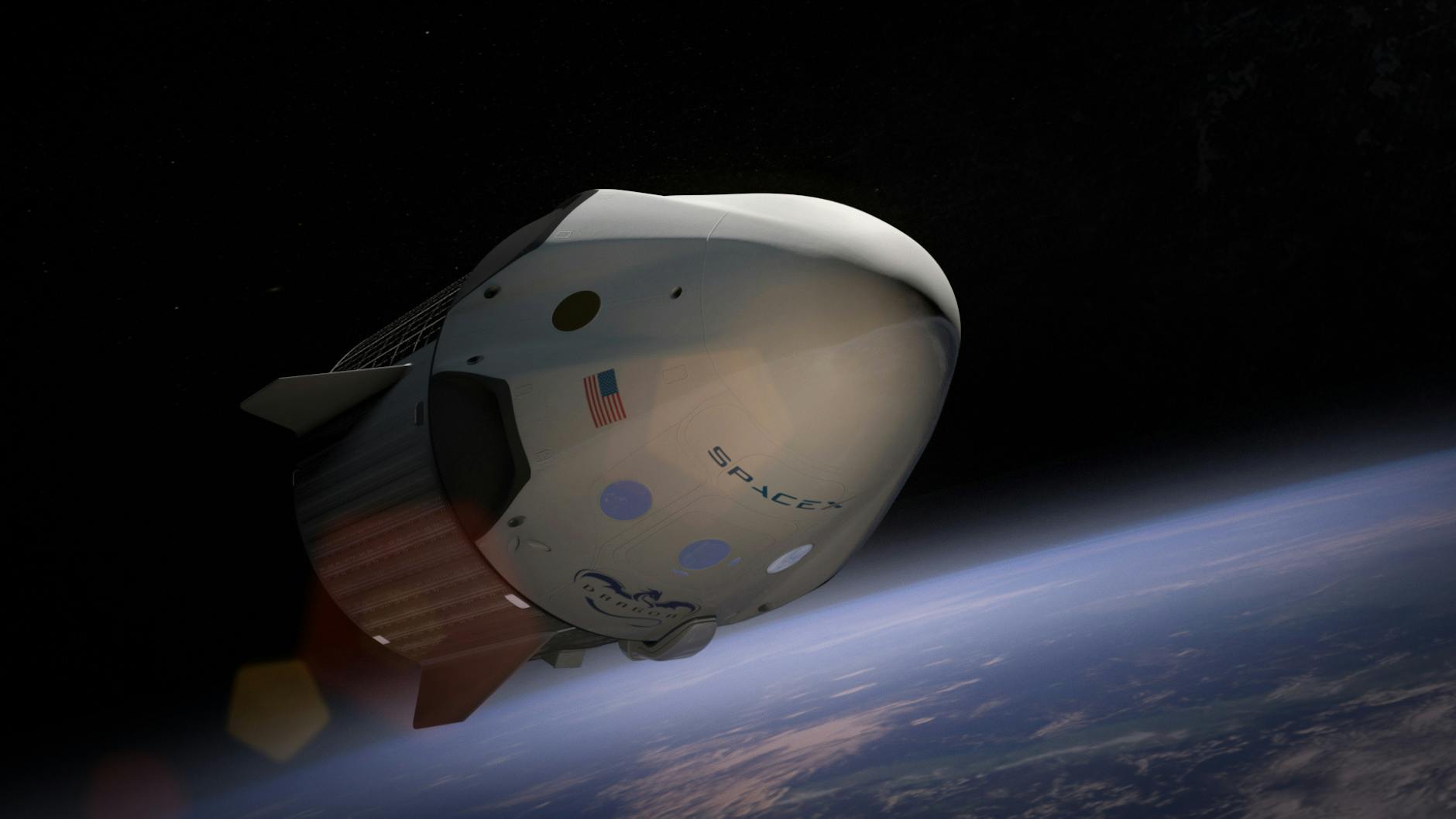
    SpaceX History: From 2002 Startup to Mars Ambitions and Reusable Rockets

    Introduction

    SpaceX, founded in 2002 by Elon Musk, has revolutionized the aerospace industry with its ambitious goal of reducing space transportation costs and enabling the colonization of Mars. The company’s engineering marvels, including the Falcon 1, Falcon 9, and the Dragon spacecraft, have transformed the way people perceive space exploration. This article delves into the rich history of SpaceX, detailing its inception, significant milestones, and the technological advancements that have positioned the company at the forefront of the space race. With a focus on the innovative spirit and relentless pursuit of excellence, we explore how SpaceX has not only achieved remarkable feats but also inspired a new generation of dreamers aiming for the stars.

    The Founding of SpaceX: Vision and Mission

    SpaceX, or Space Exploration Technologies Corp., was founded by Elon Musk with a bold vision—to make space travel cheaper and sustainable. Recognizing the need for a new approach to space exploration, Musk sought to develop technologies that would reduce the cost of space missions, thereby making them more accessible. The inception of SpaceX was not just about creating rockets; it was rooted in an overarching mission to colonize Mars, a dream that has been a significant driver for the company since its early days.

    Elon Musk’s journey into space entrepreneurship began after his philanthropic efforts in the field of sustainable energy. He became increasingly aware of the challenges facing humanity, particularly the threat of catastrophic events, which further fueled his desire to explore new frontiers beyond Earth. Utilizing his wealth from the sale of PayPal, Musk initially attempted to purchase rockets from Russia. However, when he found that the cost was prohibitively high, he decided to embark on building his own rockets.

    In March 2002, he founded SpaceX in El Segundo, California. Armed with a small team of engineers and a clear vision, Musk aimed to design and manufacture fully reusable rockets. The company faced numerous challenges, including skepticism from seasoned aerospace engineers and significant technical hurdles. Many doubted Musk’s ambitious claims, with traditional aerospace players dismissing his efforts as unrealistic.

    However, Musk’s determination led to the development of the Falcon 1, the first privately developed liquid-fueled rocket to reach orbit. The path to the successful launch of Falcon 1 in 2008 was fraught with failures; four consecutive failed launches tested the company’s resilience and Musk’s commitment. Despite the setbacks, Musk’s unwavering belief in his mission, paired with his willingness to invest personal funds, kept the dream alive.

    The success of Falcon 1 marked a critical turning point, demonstrating that private companies could indeed achieve spaceflight milestones. Following this success, SpaceX did not rest on its laurels but continued to innovate, focusing on the development of the Falcon 9 and Dragon spacecraft. Musk’s vision expanded to include reducing the cost of launch services, eventually leading to partnerships with NASA.

    In the early years, the company’s mission was not just to launch satellites but to prove that space access could be significantly affordable and reliable—a concept that had the potential to democratize space exploration. This vision laid the groundwork for SpaceX’s later achievements, including resupply missions to the International Space Station (ISS) and pioneering the commercial crew program.

    Critically, Musk instilled a culture of innovation and rapid iteration at SpaceX. Each setback was viewed as an opportunity to learn and improve, leading to groundbreaking technologies such as the reusable rocket system. The initial vision and unwavering commitment to that mission propelled SpaceX from a fledgling startup to a major player in the space industry, igniting interest, investment, and public support for commercial space exploration.

    Key Milestones and Achievements in SpaceX’s Early Years

    Elon Musk‘s creation of SpaceX was just the beginning of a long journey filled with both triumphs and challenges. One of the cornerstone achievements was the successful launch of the Falcon 1 rocket on March 24, 2006. Although this first attempt ended in failure, it set the stage for relentless innovation and subsequent successes. The critical milestone came on July 4, 2009, when Falcon 1 became the first privately developed liquid-fueled rocket to reach orbit, marking a historical moment in space exploration.

    Pushing the boundaries of technology further, SpaceX developed the Falcon 9 rocket, designed for larger payloads and higher frequency launches. The maiden flight took place in June 2010, and the rocket’s advanced design featured a strong emphasis on safety, reliability, and cost-effectiveness. The Falcon 9 quickly gained traction in the commercial satellite launch market, capturing numerous contracts, including those from NASA.

    In December 2010, SpaceX achieved another landmark when it successfully launched its Dragon spacecraft, which later became the first commercial spacecraft to reach the ISS in October 2012. This monumental achievement transformed SpaceX’s reputation and demonstrated the viability of commercial partnerships in space exploration. The contract NASA awarded to SpaceX for cargo resupply missions to the ISS through its Commercial Resupply Services program showcased the government’s confidence in the company’s capabilities.

    Early into its operations, SpaceX became a pioneer for the new era of commercial space flight. The company’s commitment to reusability was not the only innovative aspect but also its ability to adapt to challenges and its willingness to learn from failures. The aggressive timeline and Musk’s ambitious goals motivated the entire team to push boundaries, moving from concept to successful launch within shorter timeframes than traditional aerospace companies.

    SpaceX’s early years set the foundation for a legacy of success, where perseverance in the face of adversity defined the company’s trajectory. The fundamental goal to reduce space transportation costs illuminated the pathway for future advancements, laying the groundwork for even more ambitious projects, including Mars colonization and interplanetary exploration.

    The Falcon Rockets: Innovations and Developments

    Having established a solid foundation with its initial achievements, SpaceX focused heavily on the development of its flagship rockets: the Falcon 9 and Falcon Heavy. Central to the company’s success was the commitment to innovation, specifically the pursuit of reusable rocket technology, which would drastically reduce the cost per launch—a revolutionary concept in the aerospace industry.

    The Falcon 9 was a game-changer, boasting a two-stage rocket design that integrated advanced technologies such as a computer-controlled guidance system and the ability to return to Earth for reusability. The engineering team employed a modular design approach that allowed for various configurations, accommodating a range of payload types. This flexibility made the Falcon 9 an attractive option for diverse customers, from satellite operators to government entities.

    In December 2015, SpaceX made history by successfully landing the first stage of the Falcon 9 on solid ground following a launch, which marked a significant leap toward achieving reusability. This accomplishment not only reduced the cost of future launches but also instilled confidence in potential customers about the reliability of the Falcon 9. The success of landing the rocket made it evident that SpaceX was poised to revolutionize the aerospace landscape.

    Following this milestone, SpaceX continued to build on its success with systematic advancements. The company introduced the Falcon Heavy in February 2018, a super heavy-lift launch vehicle capable of carrying a payload of over 64 metric tons to low Earth orbit. This rocket was built using three Falcon 9 first stage cores, making it the most powerful operational rocket in the world at the time. The Falcon Heavy’s maiden flight showcased the rocket’s extraordinary capabilities and solidified SpaceX’s position as a leader in heavy payload launches.

    The reusability aspect proved to not only be a financial game changer but also environmentally conscious, aligning with Musk’s vision for sustainable space exploration. Each successful recovery and reuse of rocket components provided invaluable data, further refining SpaceX’s technology, and enhancing overall mission reliability. The iterative process allowed engineers to understand the stresses rockets experienced during launch and recovery, leading to substantial improvements in design and performance.

    Widespread media attention followed each successful launch, cementing SpaceX’s reputation in the public eye while simultaneously inspiring a new generation of engineers and scientists. Children across the globe began to dream of a future where space travel was commonplace, directly influenced by the achievements showcased by SpaceX.

    Critically, the advancements made through the Falcon rocket lineage not only aimed at economic success but also laid the groundwork for interplanetary missions, advanced human spaceflight, and the vision of the Mars colonization project. SpaceX’s innovations set a benchmark for other aerospace companies whilst changing humanity’s approach to space exploration, proving that with the right vision and dedication, the stars are within reach.

    SpaceX Falcon 9
    SpaceX’s engineering marvels, including the Falcon 1, Falcon 9, and the Dragon spacecraft, have transformed the way people perceive space exploration.
    Photo by SpaceX on Pexels.com

    Crewed Missions: Advancements and Successes

    As SpaceX’s operations evolved, the company expanded its ambitions beyond cargo resupply missions to the ISS, heralding a new chapter in its history: human spaceflight. In partnership with NASA’s Commercial Crew Program, SpaceX aimed to develop the Crew Dragon spacecraft, designed specifically to carry astronauts to and from the ISS—a critical undertaking in the realm of space exploration.

    The Crew Dragon was built on the foundation of the uncrewed Dragon spacecraft, incorporating enhancements to meet strict safety and reliability standards required for human spaceflight. The spacecraft was equipped with advanced autonomously controlled systems, ensuring a high degree of safety for crew members during flight. This commitment to crew safety and operational efficiency was paramount, especially as SpaceX prepared for its first crewed launch.

    On May 30, 2020, SpaceX achieved a monumental milestone with the launch of the Demo-2 mission. This marked the first crewed flight of a commercially developed spacecraft, transporting NASA astronauts Robert Behnken and Douglas Hurley to the ISS. The journey was witnessed by millions across the globe, reviving public interest in spaceflight and reinforcing the capabilities of private space enterprise. The successful docking of Crew Dragon with the ISS demonstrated that commercial partners could effectively contribute to the ongoing operations of the orbiting laboratory.

    Following the success of Demo-2, SpaceX continued to strengthen its crewed missions by implementing regular operational flights. The company has since completed multiple Crew Dragon missions under NASA’s Commercial Crew Program, successfully transporting astronauts to the ISS while simultaneously enhancing its technology and operational paradigms.

    The Crew Dragon spacecraft featured a revolutionary launching format using the Falcon 9 rocket, where the streamlined design of the launch system reduced overall flight time while maximizing payload capacity. Crew Dragon’s capacity to carry up to seven astronauts demonstrated the potential for significant crew rotation and long-term missions, heightening the possibilities for extended research aboard the ISS.

    Moreover, each crewed mission offered valuable experiences that contributed to the continuous improvement of space travel technologies. Feedback from the astronaut crews pertaining to the spacecraft’s design, operations, and user experience guided subsequent enhancements, ultimately leading to a more refined system that prioritized astronaut safety and operational efficiency.

    SpaceX’s success in the realm of crewed missions set a new standard in the industry, showcasing the potential for commercial space travel while rekindling widespread public enthusiasm about human exploration beyond Earth. The achievements of Crew Dragon paved the way for future ventures, providing essential insights needed to embark on larger-scale missions, including those targeting lunar and Martian exploration.

    Future Aspirations: Mars and Beyond

    Elon Musk’s iconic ambition for SpaceX has always been to make humanity a multi-planetary species. The ultimate vision is to establish a self-sustaining city on Mars, requiring an unprecedented amount of planning and innovation in space travel and logistics. The roadmap to achieving this lofty goal includes the development of the Starship system, an advanced spacecraft designed to transport crew and cargo across vast interplanetary distances.

    Starship is envisioned as a fully reusable spacecraft capable of carrying up to 100 metric tons of payload, functioning as both a launch vehicle for deep space missions and a planetary lander. The design highlights the shift toward an integrated transportation system, with the spacecraft intended to undergo rapid reusability, drastically reducing the cost of access to space.

    SpaceX has conducted numerous flight tests of Starship prototypes, showcasing innovations in materials, propulsion systems, and landing capabilities. Each test flight, whether successful or not, has provided valuable data contributing to the ongoing improvements and design refinements of the spacecraft. The iterative testing process has become a hallmark of SpaceX’s approach, where lessons learned from each attempt rapidly influence future designs.

    Mars colonization raises profound challenges, such as life support systems, sustainable habitats, and the logistics of transporting diverse cargo and human crews over significant distances. SpaceX’s initiative recognizes that colonizing Mars requires not only technology but also a carefully orchestrated infrastructure capable of sustaining long-term human life.

    Furthermore, beyond Mars, Musk envisions SpaceX facilitating missions to other celestial bodies, including the Moon. The company has engaged with NASA’s Artemis program, working to develop and integrate Starship as a lunar lander for upcoming crewed missions to the Moon. This collaboration underscores SpaceX’s role as a catalyst for advancing humanity’s exploration beyond low Earth orbit.

    The aspirations of Mars and beyond represent the convergence of technological innovation, bravery, and human curiosity. SpaceX has redefined what is possible within the aerospace industry, igniting a spark of hope and wonder among people worldwide. The initiative to explore new worlds feeds into humanity’s collective imagination and scatter dreams of exploration across generations.

    As SpaceX continues to push the boundaries of technology and inspire the imagination, the possibility of a new frontier awaits—not just in reaching Mars but extending the horizons of human exploration through interplanetary travel.

    Conclusion

    The evolution of SpaceX from its humble beginnings to a cornerstone of modern aerospace innovation exemplifies the transformative power of vision and determination. With its bold ambition to make space travel affordable and promote human colonization beyond Earth, SpaceX has changed the landscape of space exploration. Each achievement—from the successful launches of Falcon 1 and Falcon 9 to the revolutionary Crew Dragon missions—has laid the groundwork for future endeavors.

    With aspirations set on Mars and beyond, SpaceX continues to inspire individuals worldwide, instilling hope in the idea of a multi-planetary future. The continuous advancements in rocket technology, the dedication to safety in crewed missions, and the relentless pursuit of a sustainable interplanetary presence illustrate how innovation can redefine humanity’s relationship with the cosmos. As SpaceX prepares for the next chapter in its journey, its vision of space exploration remains a beacon of possibility, urging society to reach for the stars.

    Sources

    • SpaceX Official Website
    • NASA Commercial Crew Program Resources
    • News Articles from Space.com and The Verge
    • “Elon Musk: Tesla, SpaceX, and the Quest for a Fantastic Future” by Ashlee Vance
    • Various online academic publications on aerospace engineering and space policy

  • Charles Darwin’s amazing Journey on the HMS Beagle (1831-1836) and the Theory of Evolution

    Charles Darwin’s amazing Journey on the HMS Beagle (1831-1836) and the Theory of Evolution

    Introduction

    The voyage of Charles Darwin aboard the HMS Beagle from 1831 to 1836 is one of the most famous scientific expeditions in history. It was during this journey that Darwin gathered observations and evidence that would later form the basis for his groundbreaking theory of evolution by natural selection. The five-year voyage provided Darwin with a unique opportunity to study diverse ecosystems, collect specimens, and observe geological phenomena that challenged contemporary scientific thought.

    In this article, we will explore the historical context of Charles Darwin’s voyage, the significant discoveries he made, and how his experiences led to the development of the theory of evolution. We will also examine the long-term impact of Charles Darwin’s work on science and society.

    Historical Context: The State of Science Before Darwin

    Early Life of Charles Darwin

    Charles Darwin was born on February 12, 1809, in Shrewsbury, England, into a wealthy and intellectual family. His father, Robert Darwin, was a prominent physician, and his grandfather, Erasmus Darwin, was a well-known naturalist and philosopher. Despite this scientific lineage, Darwin initially showed little interest in academic study and struggled with traditional schooling.

    In 1825, Darwin entered the University of Edinburgh to study medicine, but he found the field unappealing. Instead, he became fascinated with natural history and geology, joining student societies that allowed him to explore his growing interest in the natural world. In 1828, Darwin transferred to the University of Cambridge with the intention of becoming a clergyman, a career that would still afford him time to pursue his scientific passions.

    While at Cambridge, Charles Darwin’s interest in natural history deepened under the mentorship of renowned botanist John Stevens Henslow, who encouraged him to read widely and introduced him to leading scientists of the time. It was Henslow who recommended Darwin for the position of naturalist aboard the HMS Beagle, setting the stage for the journey that would change the course of Charles Darwin’s life and the history of science.

    Prevailing Scientific Ideas Before Darwin

    Before Charles Darwin’s voyage, the dominant view in Europe was that species were immutable, meaning they had been created in their present form and had remained unchanged since their creation. This view, rooted in religious doctrine, was supported by natural theologians like William Paley, whose writings argued that the complexity of living organisms was evidence of a divine designer.

    In geology, the prevailing theory was catastrophism, which posited that Earth’s features were shaped by sudden, short-lived events like floods and volcanic eruptions. This idea was championed by Georges Cuvier, a prominent French naturalist. In contrast, uniformitarianism, as proposed by geologists James Hutton and Charles Lyell, suggested that Earth’s geological features were the result of slow, gradual processes such as erosion and sedimentation over long periods. This emerging view, though still controversial, would greatly influence Darwin during his voyage.

    The HMS Beagle: Preparing for the Journey

    The Mission of the HMS Beagle

    The HMS Beagle was a Royal Navy ship tasked with conducting a survey of the South American coast, particularly the coasts of Argentina and Chile. The ship’s captain, Robert FitzRoy, was a skilled sailor and a devout Christian who sought a companion with scientific expertise to accompany him on the voyage. FitzRoy hoped that this individual could help with the ship’s geological and biological observations and provide intellectual companionship during the long journey.

    Charles Darwin was invited to join the voyage after Henslow recommended him to FitzRoy. Although Darwin was initially hesitant, concerned about his lack of formal training in the sciences, he eventually accepted the offer. He was 22 years old when the HMS Beagle set sail from Plymouth, England, on December 27, 1831. The journey, originally planned to last two years, would stretch into a five-year expedition that covered vast regions of South America, the Pacific Islands, and even Australia.

    Darwin’s Role and Preparations

    Before the voyage, Charles Darwin received training in geology and field observation techniques from leading geologists like Lyell and Adam Sedgwick. Lyell’s ideas, particularly those related to uniformitarianism, would later play a crucial role in shaping Charles Darwin’s thinking. Darwin also read widely on natural history, including Alexander von Humboldt’s Personal Narrative, which chronicled the Prussian explorer’s travels in South America and offered insights into tropical ecosystems.

    Darwin’s role aboard the Beagle was unofficial, as the ship already had an official naturalist. However, FitzRoy made Darwin a key member of the scientific team, giving him the freedom to conduct independent research. Darwin brought with him an array of scientific instruments, including microscopes, specimen jars, and notebooks, which he would use to document his findings throughout the voyage.

    The Voyage: Key Stops and Observations

    South America: Geology and Fossils

    The Beagle’s first major stop was in South America, where Charles Darwin made several important discoveries that began to challenge his understanding of the natural world. One of his early geological observations occurred along the coast of Argentina, where he studied sedimentary rock formations and fossilized remains of extinct mammals, including giant armadillos and sloths. These fossils, which resembled modern animals but were significantly larger, prompted Darwin to question the immutability of species. Why, he wondered, would these massive creatures go extinct, while their smaller relatives persisted?

    In Chile, Charles Darwin experienced a major earthquake, which dramatically raised the coastline. This event further confirmed his growing belief in Lyell’s uniformitarianism—that Earth’s features were shaped by gradual, continuous processes. He began to see the Earth’s geological history as being far older than previously thought, providing a much longer timescale for natural processes to operate.

    Charles Darwin
    The voyage of Charles Darwin aboard the HMS Beagle from 1831 to 1836 is one of the most famous scientific expeditions in history.

    The Galápagos Islands: A Turning Point

    The most famous stop on the Beagle’s voyage was the Galápagos Archipelago, a group of volcanic islands located about 600 miles off the coast of Ecuador. Charles Darwin arrived at the Galápagos in September 1835 and spent several weeks exploring the islands. It was here that he made some of his most significant observations, particularly regarding the islands’ unique flora and fauna.

    The Galápagos Islands are home to many species found nowhere else in the world, and Charles Darwin quickly noticed that the animals on different islands seemed to be related but were adapted to their specific environments. The most famous example of this are the Galápagos finches, a group of birds with varying beak shapes and sizes, each suited to different food sources on the islands. Darwin also observed differences in the tortoises, mockingbirds, and other animals that appeared to have evolved differently depending on the specific conditions of each island.

    Though Darwin did not immediately understand the full significance of these observations, the Galápagos Islands would later become central to his theory of natural selection. The diversity of life on the islands suggested to Charles Darwin that species were not fixed but could change over time, adapting to their environment.

    Australia and Other Stops

    The Beagle’s voyage took Darwin to several other regions, including New Zealand, Australia, and the islands of the Pacific. In Australia, Darwin was struck by the stark differences between the native marsupial mammals and the placental mammals he had seen elsewhere. The presence of these unique animals in such an isolated region provided further evidence that species could evolve differently depending on geographic isolation and environmental factors.

    In Tahiti and other Pacific islands, Charles Darwin continued to collect specimens and make detailed notes on plant and animal life. He also studied coral reefs and developed a theory on their formation, which he would later publish in a monograph. His observations of volcanic islands, coral atolls, and other geological formations reinforced his belief in the slow, gradual processes described by Lyell.

    Charles Darwin’s Return to England and Development of the Theory of Evolution

    Organizing His Findings

    When Darwin returned to England in October 1836, he brought with him thousands of specimens, including fossils, plants, and animals, as well as a wealth of notes and observations. Over the next several years, Darwin worked tirelessly to organize and analyze the data he had collected during the voyage.

    Darwin’s reputation as a naturalist grew rapidly after his return. He published a popular account of the voyage, The Voyage of the Beagle, which detailed his discoveries and provided vivid descriptions of the lands he had visited. He also worked with leading scientists of the day, including Richard Owen and Joseph Dalton Hooker, to describe and classify his collections.

    However, it was the puzzle of species variation that occupied most of Darwin’s attention. The observations he had made in the Galápagos and elsewhere suggested that species were not static but could change over time. Yet, Darwin struggled to find a mechanism to explain how such changes occurred.

    Influences on Darwin’s Thinking

    Several key influences helped Darwin develop his theory of evolution by natural selection. In 1838, Darwin read An Essay on the Principle of Population by the British economist Thomas Malthus, which argued that human populations grow faster than food supplies, leading to competition for resources. This idea of competition and “struggle for existence” struck Darwin as a possible explanation for how species might evolve.

    Charles Darwin realized that in nature, individuals with traits that gave them an advantage in survival and reproduction would be more likely to pass those traits on to the next generation. Over time, these advantageous traits would become more common in the population, leading to the gradual evolution of species. This process, which Darwin called natural selection, provided a powerful mechanism for evolution.

    Darwin was also influenced by the work of breeders who selectively bred plants and animals to produce desirable traits. He saw natural selection as a similar process, but one driven by environmental pressures rather than human intervention.

    The Development of the Theory of Natural Selection

    By the early 1840s, Charles Darwin had developed a coherent theory of evolution by natural selection, but he was reluctant to publish it. He spent the next two decades gathering further evidence and refining his ideas. During this time, he corresponded with other scientists, conducted experiments, and wrote extensively on topics related to evolution.

    It wasn’t until 1858, when the British naturalist Alfred Russel Wallace independently developed a similar theory of natural selection, that Darwin was spurred into action. Wallace’s manuscript, sent to Darwin for his opinion, outlined a theory that closely mirrored Darwin’s own ideas. To avoid being pre-empted, Darwin and Wallace presented their findings jointly at a meeting of the Linnean Society of London in July 1858.

    In 1859, Darwin published On the Origin of Species, which laid out his theory of evolution by natural selection in detail. The book was a sensation, sparking widespread debate and controversy. While many scientists embraced Darwin’s ideas, others, particularly those with strong religious convictions, rejected the notion that species could change over time or that humans shared a common ancestry with other animals.

    The Impact of Darwin’s Work

    Scientific Legacy

    Darwin’s theory of evolution by natural selection revolutionized biology and provided a unifying framework for understanding the diversity of life on Earth. It challenged traditional views of species as fixed and unchanging, offering instead a dynamic vision of life that was constantly evolving in response to environmental pressures.

    The theory of evolution has since been supported by a vast body of evidence from fields as diverse as genetics, paleontology, and molecular biology. Darwin’s work laid the foundation for the modern synthesis of evolutionary biology, which integrates natural selection with Mendelian genetics.

    Social and Cultural Impact

    Darwin’s ideas had a profound impact not only on science but also on society. The theory of evolution challenged deeply held religious beliefs about the origin of life and humanity’s place in the natural world. It raised questions about the relationship between science and religion, and sparked debates that continue to this day.

    Darwin’s theory also had far-reaching implications for fields such as psychology, anthropology, and sociology. It influenced thinkers such as Sigmund Freud and Karl Marx, who saw Darwinian concepts as relevant to their own work on human behavior and society.

    In the late 19th and early 20th centuries, Darwin’s ideas were misused by proponents of social Darwinism, a discredited ideology that sought to apply the principles of natural selection to human societies. Social Darwinism was used to justify imperialism, racism, and eugenics, leading to some of the darkest chapters in modern history.

    Conclusion: Darwin’s Enduring Legacy

    The voyage of the HMS Beagle was the catalyst for Charles Darwin’s revolutionary theory of evolution by natural selection. Over the course of five years, Darwin gathered evidence from around the world that challenged the prevailing scientific ideas of his time and laid the groundwork for a new understanding of life on Earth.

    Darwin’s work transformed biology and continues to shape our understanding of the natural world. His theory of evolution remains one of the most important scientific concepts ever developed, offering insights into everything from the development of antibiotic resistance in bacteria to the diversity of species in tropical rainforests.

    More than a century after his death, Darwin’s legacy endures, not only in the field of biology but in the broader scientific and cultural landscape. His voyage on the HMS Beagle stands as a testament to the power of observation, curiosity, and the relentless pursuit of knowledge.

  • Unraveling the extraordinary history of Solar System

    Unraveling the extraordinary history of Solar System

    Introduction

    The history of solar system is a fascinating chronicle of cosmic events that spans billions of years. It tells the story of how from a primordial cloud of gas and dust, a diverse array of celestial bodies formed, including the Sun, eight planets, moons, asteroids, and comets. Understanding this history not only illuminates the processes that led to the creation of Earth but also informs our knowledge of how other solar systems might have formed around distant stars. Every phase of this evolution reveals clues about the nature of the cosmos and our place within it. This article will delve into the major events that have shaped our solar system, from its inception in the depths of space to the exploration of its wonders by humanity.

    The Formation of the Solar System: Nebula to Planets

    The story of our solar system begins approximately 4.6 billion years ago within a giant molecular cloud—a cold, dense nebula comprised primarily of hydrogen, helium, and traces of heavier elements. It is within this cloud that the conditions became ripe for the birth of our solar system. Our journey starts with understanding how gravitational forces began to pull material together, leading to the formation of the solar nebula.

    As gravity intensified, the nebula collapsed under its own weight, leading to a spinning disk of gas and dust. The central mass of this disk gradually coalesced to form the Sun, while the remaining material began to clump together to form the planets, moons, asteroids, and other smaller bodies. This process, known as accretion, involved countless collisions and mergers of particles that eventually formed larger bodies called planetesimals.

    The early solar system was a chaotic place. Planetary bodies collided frequently, and larger ones grew rapidly by attracting smaller ones. In what is now the inner solar system, the terrestrial planets—Mercury, Venus, Earth, and Mars—formed from heavier materials like metals and silicate. The heat generated from these collisions and the radioactive decay of elements caused significant melting and differentiation in these bodies, allowing denser materials to sink and lighter materials to rise, leading to the formation of distinct layers.

    In contrast, the outer regions of the solar system experienced different conditions. Here, the temperatures were much cooler, allowing for the formation of gas giants—Jupiter and Saturn—as well as ice giants—Uranus and Neptune. These massive planets formed from lighter gases such as hydrogen and helium, as well as ices of water, ammonia, and methane. Their sheer size and gravitational influence helped to shape the orbits of other bodies in the solar system, such as the Kuiper Belt objects and the many moons that cluster around them.

    During this period of formation, a significant event known as the Late Heavy Bombardment occurred, where a heightened frequency of asteroid impacts is believed to have occurred approximately 4 billion years ago. This bombardment had profound effects on the surfaces of planets and moons, shaping their current geological features and perhaps delivering essential elements for the development of life on Earth.

    Understanding the formation of the solar system sheds light on not only how our planetary system came to be but also how similar processes could be occurring in galaxies far away, leading to the creation of new worlds and potential habitats for life.

    The Role of the Sun: A Stellar Engine of Life and Light

    The Sun is not just the center of our solar system—it is a powerhouse of energy that has been critical for the development of life on Earth. Formed from the gravitational collapse of gas and dust within the solar nebula, our Sun is classified as a G-type main-sequence star (or G dwarf star). Through nuclear fusion, it converts hydrogen into helium, releasing vast amounts of energy in the form of light and heat.

    The processes occurring within the Sun are a result of the intense pressure and temperature in its core, where fusion occurs at rates that can sustain its luminosity for billions of years. This energy is essential for maintaining the conditions suitable for life on Earth, from regulating temperatures to driving climate patterns.

    Solar radiation influences many components of our solar system. It creates solar winds that carry charged particles across space, affecting planetary atmospheres and magnetospheres. For instance, Earth’s magnetic field acts as a shield against harmful solar radiation, fostering a stable environment for the development of life. This interplay of solar and planetary dynamics is crucial for maintaining the delicate balance necessary for life.

    The Sun is also vital for understanding the concept of habitability in astronomical terms. The zone around a star where conditions might be right for liquid water to exist—often referred to as the “Goldilocks Zone”—is determined by the star’s size, temperature, and luminosity. Earth lies within this zone, benefiting from a stable climate influenced by the Sun’s energy.

    The study of solar physics has expanded through missions and experiments, allowing us to glean insights into solar behavior, including sunspots, solar flares, and coronal mass ejections. These phenomena not only impact Earth and our technological systems but also provide vital information for understanding other stars and their potential to support life.

    Through the Sun’s role in shaping planetary bodies, influencing climates, and supporting life, it serves as a reminder of the integral connections binding all aspects of our solar system. Understanding its life-giving properties can provide valuable insight into the search for exoplanets in habitable zones around other stars, leading us closer to answering profound questions regarding life beyond Earth.

    the history of solar system
    The history of solar system is a fascinating chronicle of cosmic events that spans billions of years. It tells the story of how from a primordial cloud of gas and dust, a diverse array of celestial bodies formed, including the Sun, eight planets, moons, asteroids, and comets. | Photo by Pixabay on Pexels.com

    Planetary Development: The Evolution of Terrestrial and Gas Giants

    As the solar system aged, the planets continued to evolve due to various internal and external factors. The terrestrial planets—Mercury, Venus, Earth, and Mars—each followed distinct developmental pathways that shaped their surfaces and atmospheres.

    Mercury, being the closest to the Sun, underwent extreme temperature fluctuations and is characterized by a heavily cratered surface, reflecting its violent history of impacts. It lacks a substantial atmosphere, and as a result, any potential for life was diminished compared to the other terrestrial planets.

    Venus, often called Earth’s twin due to its similar size and composition, presents a very different environment. A thick atmosphere of carbon dioxide and clouds of sulfuric acid create a runaway greenhouse effect, leading to surface temperatures hot enough to melt lead. The geological processes on Venus are still a topic of research, but evidence suggests volcanic activity may still be present today.

    Earth’s development has led to a diverse and complex biosphere. The presence of liquid water is unique among the terrestrial planets, creating the perfect conditions for life to flourish. Over billions of years, plate tectonics have shaped Earth’s continents, recycling materials through processes like volcanic eruptions, creating rich ecosystems that interact with atmospheric conditions.

    Mars showcases the remnants of water flow with its prevalent valleys and ice caps, indicating that it once had a thicker atmosphere and stable bodies of liquid water. However, it has since transitioned to a cold, arid world, suggesting an ongoing search for past life or the possibility for human colonization in the future.

    In contrast, the gas giants—Jupiter and Saturn—developed in colder regions and were able to accumulate vast amounts of gas, giving them their iconic sizes and belt structures. Jupiter, the largest planet in our solar system, possesses a thick atmosphere rich in hydrogen and helium. Its Great Red Spot is a major storm that has raged for centuries, illustrating the dynamic weather patterns found on gas giants. Additionally, its many moons, such as Europa and Ganymede, present intriguing possibilities for hidden oceans and potential habitability.

    Saturn is another fascinating gas giant, known for its spectacular ring system, which is composed of countless particles of ice and rock. Understanding these ring systems can provide insights into the history and evolution of planetary systems, as they reflect the remnants of material that never coalesced into a moon.

    Uranus and Neptune, the ice giants, feature unique characteristics such as tilted rotational axes and dynamic atmospheres. Uranus’s extreme axial tilt results in unusual seasonal variations, while Neptune is known for its strong winds and storms, highlighting the diversity within gas giants.

    The development of both terrestrial and gas giants displays a range of evolutionary trajectories influenced by factors like distance from the Sun, available materials, and subsequent planetary interactions. Their stories enrich our understanding of planetary formation and dynamics, and they serve as essential keys in exploring planetary systems beyond our own.

    The Moon and Other Celestial Bodies: Companions of the Earth

    The Moon is an integral part of Earth’s history, exerting significant influence on both nature and culture. Its formation theory suggests that it resulted from a colossal impact between a Mars-sized body and the young Earth, releasing a vast amount of debris that eventually coalesced to form the Moon. This event also initiated the Earth’s axial tilt, which contributes to the seasonal variety we experience.

    The Moon stabilizes the Earth’s tilt, which affects climate patterns and seasons. Its gravitational pull causes ocean tides, influencing marine life and ecosystems. Historically, the moon has inspired human imagination as it traverses the night sky, leading to mythology, lunar calendars, and exploration.

    In addition to our Moon, the solar system is dotted with various celestial bodies, each offering insights into its history. Asteroids, remnants from the solar system’s formation, provide clues about early planetary processes. The asteroid belt, located between Mars and Jupiter, contains thousands of these rocky bodies, while some, like Ceres and Vesta, are considered dwarf planets.

    Comets are another intriguing aspect of our celestial neighborhood, famously known as “dirty snowballs” made of ice, dust, and rocky material. Originating primarily from the Kuiper Belt and the Oort Cloud, comets can exhibit spectacular displays as they approach the Sun, revealing their bright tails of gas and dust.

    The study of these celestial bodies enhances our knowledge of the solar system’s formative events. Missions to asteroids, like NASA’s OSIRIS-REx, aim to bring back samples, providing direct evidence from the early solar system and informing theories surrounding the origins of organic compounds and water.

    Other moons, such as Europa and Titan, spark interest in their potential for hosting life. Europa’s icy crust may conceal a salty ocean beneath, while Titan, Saturn’s largest moon, features lakes of liquid methane and an atmosphere thicker than Earth’s, suggesting unique chemical processes.

    Analyzing these moons and asteroids broadens our perspective on planetary evolution, habitability, and the ongoing quest to understand life beyond our own planet. Each body, with its unique characteristics, contributes to a comprehensive narrative about the solar system’s development and the potential for discovery.

    Human Exploration: From Telescopes to Spacecraft

    Over the centuries, humans have risen from mere observers of celestial phenomena to active explorers of the cosmos. This journey began with ancient astronomers who used rudimentary tools like the astrolabe and later telescopes to study the night sky. The invention of the telescope in the 17th century revolutionized our understanding of the solar system, leading to discoveries such as Jupiter’s moons by Galileo and Saturn’s rings by Christiaan Huygens.

    The 20th century marked a significant turning point in space exploration, characterized by developments in rocket technology and space missions. The launch of Sputnik 1 by the Soviet Union in 1957 heralded the age of space travel, igniting the space race that would lead to numerous milestones in human exploration. The Apollo program, culminating in the historic moon landing of Apollo 11 in 1969, showcased human ingenuity and determination, bringing back samples and data that have reshaped our understanding of Earth’s moon.

    As exploration progressed, robotic missions began to take center stage. Spacecraft like Voyager 1 and Voyager 2 provided invaluable data about the outer planets and their moons, transforming our perceptions of the solar system’s vastness. The Hubble Space Telescope, launched in 1990, has captured breathtaking images of distant celestial bodies while providing crucial information about the universe’s expansion.

    Exploration did not stop at our neighbors; it extended to understanding distant worlds, including Mars and beyond. Rovers like Spirit, Opportunity, and Curiosity have traversed the Martian surface, revealing evidence of ancient water and the potential for past life, while missions like the Mars Perseverance rover continue to seek signs of microbial life.

    With advances in technology, human activities have expanded to include proposed missions to return to the Moon and even visit Mars. NASA’s Artemis program plans to land the first woman and the next man on the Moon by the mid-2020s, focusing on sustainable exploration and preparing for future manned missions to Mars.

    Moreover, private ventures have dramatically changed the landscape of space exploration. Companies like SpaceX and Blue Origin seek to commercialize space travel, reducing costs and increasing accessibility. Breakthroughs in reusable rocket technology lay the groundwork for a new era of space exploration, enabling missions beyond the confines of our solar system.

    Through the lens of history, human exploration embodies our innate curiosity and desire to discover. Each mission, whether robotic or crewed, represents a step toward understanding our solar system’s past, present, and future—fueling aspirations that extend beyond our planet and into the stars.

    Conclusion

    The history of our solar system is a remarkable tale woven through billions of years of cosmic events. From its formation in a nebula to the diverse planetary bodies we know today, each aspect contributes to a grand narrative that reveals the origins of Earth and our place in the universe. The intricate interactions between the Sun, planets, moons, and smaller celestial bodies shape not only the dynamics of our solar system but also the potential for life beyond our planet.

    Understanding our solar system can guide our searches for habitable worlds elsewhere, while continued exploration fuels our curiosity and knowledge. As we advance in technology and embark on new missions, we stand on the cusp of further unfolding the mysteries of the cosmos. Our journey—both scientifically and through human endeavor—continues, paving the way for new discoveries and deeper insights into the universe that surrounds us.

    Sources

    • NASA Solar System Exploration
    • European Space Agency (ESA)
    • “The Solar System: A Very Short Introduction” by Stuart Clark
    • “Cosmos” by Carl Sagan
    • National Geographic articles on the solar system and human space exploration
  • Impact of Joseph Banks’ amazing Tahiti Voyage on Science (2025 update)

    Impact of Joseph Banks’ amazing Tahiti Voyage on Science (2025 update)

    Introduction

    Joseph Banks was an eminent botanist and natural historian, famed for his contributions to the field of science during the 18th century. His voyage to Tahiti in the late 1760s aboard HMS Endeavour, alongside Captain James Cook, provided him an extraordinary opportunity to study the rich biodiversity and intricate cultures of the South Pacific. This expedition was not merely a nautical adventure; it was a journey that led to significant botanical discoveries, keen observations of indigenous lifestyles, and substantial contributions to the fields of oceanography and navigation. As we delve deeper into Banks’ experiences in Tahiti, we will explore how his findings influenced scientific thought and how they reverberated through history, shaping our understanding of natural history and cross-cultural interactions.

    Historical Background of Joseph Banks and His Journey to Tahiti

    Joseph Banks was born on February 29, 1743, in London, England, into a wealthy family that encouraged his burgeoning interest in natural history. He began studying botany at an early age and worked closely with prominent botanists, including the renowned Peter Collinson. By the time he reached adulthood, Banks had established himself as a leading figure in scientific circles, largely due to his extensive plant collection and his keen interest in discovering new species.

    In 1768, Banks was invited to join Captain James Cook on his first voyage to the Pacific Ocean, primarily to observe the transit of Venus across the sun. This journey offered Banks and his fellow scientists the chance to explore uncharted territories and vast oceans. As the Endeavour set sail from England, Banks was armed with a variety of scientific instruments, prepared to document and collect specimens from the natural world.

    Arriving in Tahiti in April 1769, Banks was greeted by the striking beauty of the island’s landscapes, rich biodiversity, and the welcoming nature of its inhabitants. The landscape was adorned with lush vegetation, towering mountains, and pristine beaches, all of which had an indelible impact on Banks. His first impressions were of wonder and excitement as he witnessed flora and fauna that had never been studied nor documented by Western science.

    While in Tahiti, Banks quickly became engrossed in the local ecosystem, meticulously documenting over 1,300 plant species, many of which were previously unknown to European science. His efforts to cultivate and illustrate these new species helped revolutionize the field of botany and fueled the scientific curiosity of his contemporaries. Armed with a naturalist’s zeal, the botanist explored the island’s forests, swamps, and coastal areas, gathering specimens and diligently recording his findings in detailed notebooks.

    As he interacted with the indigenous people of Tahiti, Banks developed an understanding of their agricultural practices, spirituality, and social structures. The bond he forged with local inhabitants not only enriched his experience but also highlighted the necessity of cross-cultural exchanges in understanding the environment. Through thoughtful engagement, he learned about native plants’ uses in traditional medicine and ceremonial practices, providing invaluable insights into the island’s cultural fabric.

    Banks’ time in Tahiti was pivotal not only for his scientific endeavors but also for his personal growth. The experiences stirred a deep respect for the local culture and ecology, setting a precedent for future interactions between Western explorers and indigenous peoples. His observations would later contribute to the development of hybrid scientific disciplines, merging anthropology, ethnography, and botany.

    In many ways, Banks’ expedition to Tahiti was a microcosm that reflected the broader themes of the Age of Enlightenment: exploration, scientific inquiry, and cultural exchange. This multifaceted journey not only spurred Banks’ scientific achievements but also underscored the importance of questioning previously held ideas about the natural world and the cultures that inhabit it.

    The Botanical Discoveries: Flora of Tahiti

    Joseph Banks’ expedition to Tahiti marked a significant turning point in botany and the understanding of Pacific flora. Upon arrival, he was immediate struck by the sheer diversity of plant life, which included tropical trees, shrubs, and flowers displaying vibrant colors and forms unique to this region. Remarkably, many of these plants were previously undocumented in European scientific literature, offering Banks and his team an unparalleled opportunity to explore and catalog this rich biodiversity.

    As a seasoned botanist, Banks meticulously recorded his observations, collecting specimens of numerous plant species. His collections included various medicinal plants, ornamental species, and staple crops that played crucial roles in the livelihood of the Tahitian people. Among his most notable discoveries were the breadfruit tree (Artocarpus altilis), which became famous for its potential to alleviate food shortages in tropical regions, and the noni plant (Morinda citrifolia), revered for its medicinal properties.

    Banks also made systematic attempts to analyze the botanical characteristics of these species, employing a classification system that, while not standardized, reflected his scientific rigor. He studied the morphological features of plants, detailing aspects such as leaf shape, flower structure, and reproductive systems. This approach laid important groundwork for future botanical categorization and taxonomic studies.

    One of Banks’ compelling methods for documenting plant life was through careful illustrations. He worked with artists, who sketched detailed images of the plants he encountered, capturing the exquisite details of their shapes, colors, and growth patterns. These illustrations became valuable assets for future generations of botanists, paving the way for visual references that greatly enhanced botanical education and communication.

    Aside from documenting flora, Banks also engaged in experiments to cultivate various tropical plants back in England. He recognized the economic potential of these plants, leading to significant discussions on the benefits of colonial agriculture and commerce. For instance, his advocacy for introducing the breadfruit tree to the Caribbean sparked seeds of interest among planters who were eager to diversify their crops and reduce dependency on traditional food sources.

    Through his examination of Tahiti’s plant life, Banks also gained insights into traditional Polynesian agriculture practices. He noted indigenous methods of cultivation, such as the development of taro patches and the use of irrigation systems to enhance crop yield. His respect for local knowledge and practices became evident as he acknowledged their sustainable methods that had produced thriving food systems for generations.

    Furthermore, Banks’ botanical discoveries in Tahiti had far-reaching implications. They fueled a spirit of scientific inquiry across Europe, inspiring other naturalists and explorers to embark on their voyages to similar regions in hopes of unveiling the secrets hidden within unexplored lands. His meticulous documentation not only elevated the status of botany but also encouraged a broader appreciation for the interconnectedness of humanity and the natural environment.

    In conclusion, Joseph Banks’ voyage to Tahiti was instrumental in expanding the scope of botanical science. His extensive collections, keen observations, and high-quality illustrations provided a foundation for future research and exploration, forever altering the trajectory of the study of plant life and its relationship to cultural practices. The discoveries made on this expedition went beyond pure scientific inquiry; they represented an awakening of curiosity about the world and our place within it—an ethos that continues to resonate in contemporary scientific endeavors.

    Interactions with Indigenous People: Cultural Insights

    Joseph Banks’ encounters with the indigenous people of Tahiti were profound and transformative, shaping his understanding of their culture, social structure, and ecological knowledge. Upon arrival, Banks was welcomed warmly by the Tahitians, who demonstrated hospitality and curiosity about the newcomers. This initial contact laid the foundation for the exchange of ideas and knowledge that would ensue.

    One of the most striking aspects of Banks’ interactions was his respectful approach to learning about the local customs and social organization. He recognized the depth of knowledge possessed by the Tahitians regarding their environment. Delving into their agricultural practices, Banks observed how they cultivated crops such as taro, sweet potatoes, and breadfruit while carefully managing natural resources. The sustainable practices of the Tahitian people stood in stark contrast to European agricultural approaches, which often led to land degradation and depletion of resources. Through this lens, Banks gained a new appreciation for indigenous ecological knowledge, which had developed over centuries of close interaction with the environment.

    Moreover, Banks noted the spiritual significance many plants held for the Tahitians, which added layers of meaning to their daily practices. He learned that certain species were associated with rituals, healing ceremonies, and social gatherings. For instance, the noni plant was often used in traditional medicine, illustrating the intertwining of health beliefs and botanical knowledge in Tahitian culture. Banks documented these connections, recognizing the value of understanding how local communities utilized native flora in ways that Western science often overlooked.

    Furthermore, Banks encountered various cultural practices that intrigued him immensely. He observed traditional crafts such as weaving, tattooing, and carving, each steeped in cultural significance. His detailed accounts of Tahitian artistry and aesthetics shed light on the ingenuity and creativity of the local people. Banks’ respect for their craftsmanship was evident, as he took meticulous notes and sketches of the artisans at work, documenting not only the techniques they employed but also the narratives that informed their artistry.

    Language emerged as another pivotal aspect of his cultural immersion. While Banks was not fluent in the Tahitian language, he made efforts to learn basic phrases, which allowed him to engage more meaningfully in conversations with local leaders and knowledgeable individuals. These exchanges facilitated the sharing of ideas and customs, allowing Banks to gain deeper insights into their worldview. He understood that language was not merely a tool for communication but a gateway to cultural understanding, enriching his interactions with the Tahitians.

    Importantly, Banks was not solely focused on accumulating knowledge for scientific purposes; he also took great care to document his observations with sensitivity to the local culture. He approached the Tahitian way of life with an open mind, seeking to understand rather than impose his own beliefs. This attitude allowed him to forge connections and foster goodwill among the Tahitian community, ultimately enhancing the quality of his research and experiences.

    The relationships that Banks developed with Tahitian leaders and people further influenced his work. He formed alliances with local chiefs, which allowed him to access remote regions that were rich in biodiversity. These collaborations were mutually beneficial; the Tahitians received assistance in trading for goods they wanted from the Endeavour crew, while Banks gained precious insights into the flora and fauna of the islands.

    As a result of these meaningful interactions, Banks became a proponent of indigenous rights and the significance of cultural preservation. His experiences in Tahiti awakened him to the importance of understanding and respecting different cultures, particularly in the context of colonial rule, where local knowledge was often ignored or exploited. Banks’ careful documentation of Tahitian society provides a significant account of life in the Pacific at that time, serving as a historical perspective that contrasts the broader colonial narratives of exploitation and cultural erasure.

    In summary, Joseph Banks’ interactions with the indigenous people of Tahiti were characterized by mutual respect and a genuine eagerness to learn. His immersion into Tahitian culture enriched his scientific pursuits and transformed his understanding of human-environment relationships. The insights gained from these encounters not only shaped Banks’ work but also led him to advocate for the value of indigenous knowledge as an essential component of scientific inquiry. This recognition remains vital in contemporary studies that seek to bridge Western science with indigenous wisdom.

    Contributions to Oceanography and Navigation

    Joseph Banks’ voyage to Tahiti positioned him as an influential figure in the fields of oceanography and navigation, thanks to the insights gained during his time at sea and in uncharted waters. While his primary focus was botany, his experiences contributed significantly to the understanding of ocean currents, tides, and navigation techniques, thus expanding the scientific community’s knowledge of the Pacific region.

    Upon embarking on the Endeavour, Banks was greeted with a series of challenges associated with long voyages, including unpredictable weather, navigational hazards, and the complexities of maritime exploration. The experience of sailing through the vast expanse of the Pacific Ocean emphasized the importance of accurate navigation and understanding environmental factors that could affect voyage outcomes.

    The first significant contribution Banks made to navigation was through his participation in the mapping and charting of the Pacific Islands. Collaborating closely with Captain Cook and the cartographers on board, he participated in the documentation of coastlines, as well as the identification of important landmarks and resource-rich areas. This meticulous mapping provided vital information for future explorers and traders seeking to venture into the Pacific. By undertaking these efforts, Banks contributed to a more knowledge-driven approach to navigation and maritime exploration.

    In addition to mapping, Banks became acutely aware of the significance of ocean currents and their influence on navigating between islands. He observed how the winds and wave patterns affected the movement of their ship, which informed him about the complexities of ocean travel. Banks’ foundational observations of currents contributed to a better understanding of maritime geography, providing useful data for future navigators and explorers.

    Moreover, Banks was keenly aware of the importance of astronomy in navigation. The Endeavour crew relied on celestial navigation to chart their course across the ocean. Onboard, Banks actively engaged in discussions regarding the use of mathematical calculations and observations of celestial bodies, such as the sun and stars, to determine their position at sea. His awareness of this navigational methodology underscored the interconnectedness between maritime exploration and scientific inquiry.

    Banks’ contributions to navigation were not limited to practices aboard the Endeavour; they extended to his life post-voyage. Upon his return to England, he worked with the Royal Society and other scientific institutions to share his findings and promote the dissemination of navigational techniques. His insights into the practical challenges sailors faced laid the groundwork for developing more efficient methods of long-range navigation, thereby enhancing safety for future expeditions.

    His engagement with both astronomy and navigation also aligned with a broader scientific movement during the Age of Enlightenment, where inquiries led to systematic advances in knowledge. Banks’ push for accurate and extensive mapping not only fed the appetite for exploration but also paved the way for systematic oceanography—an emerging discipline seeking to understand the sea’s physical properties and how it interacted with global climate and ecosystems.

    Banks’ legacy in oceanography was further bolstered by his passion for exploring the relationship between the ocean and the land. He documented the impact of weather patterns on the islands’ biodiversity, noting the influence of oceanic currents on climatic conditions. This early recognition of environmental interconnectivity laid the groundwork for future ecological studies emphasizing adaptive strategies to handle maritime changes.

    In summary, while Joseph Banks is primarily remembered for his contributions to botany, his experiences during the Tahitian voyage led him to play a significant role in advancing the fields of oceanography and navigation. His meticulous documentation and active participation in maritime practices emphasized the symbiotic relationship between science and navigation, ultimately influencing how future explorers approached ocean travel. Banks’ efforts not only represented a quest for knowledge but also underscored the importance of understanding the natural world and humanity’s place within it.

    The Lasting Impact of Banks’ Voyage on Science and Society

    Joseph Banks’ voyage to Tahiti had profound and lasting impacts on both scientific inquiry and society, shaping future exploration, botanical studies, and cross-cultural engagements. His experiences during the expedition contributed significantly to the broader narrative of knowledge-seeking in the Pacific region, influencing generations of scientists, botanists, and explorers who followed in his footsteps.

    One of the foremost impacts of Banks’ voyage was the elevation of botanical science as a critical discipline. His extensive documentation of Tahitian flora not only expanded the existing knowledge of plant species but also garnered attention to the importance of field studies and systematic observations in botany. The detailed descriptions and illustrations of the species he encountered served as crucial references for future botanists, igniting interest in plant exploration across the Pacific and beyond. As a result, subsequent expeditions sought to build on Banks’ work, thus accelerating the pace of botanical taxonomy and classification.

    Furthermore, Banks’ discoveries influenced global agricultural practices. The introduction of tropical crops, such as breadfruit, to new regions was a direct effect of his advocacy. His efforts demonstrated the potential for establishing sustainable food sources in different climates, particularly in the Caribbean and other tropical regions. This shift had lasting effects on colonial agriculture, enhancing food security and influencing trade networks. The legacy of these introductions continues today, as many of the crops that Banks championed have become staples in various diets worldwide.

    In addition to botanical and agricultural advancements, Banks’ voyage left a marked impact on scientific institutions and their approaches to research. After returning to England, Banks became the president of the Royal Society, where he was pivotal in instituting a culture of inquiry that prioritized empirical evidence and interdisciplinary cooperation. Under his leadership, the Society emerged as a hub for scientific dialogue and a platform for disseminating knowledge gained from exploration. Banks’ commitment to collaboration established a model for scientific communities that continued and expanded into collaborative networks across Europe and beyond.

    The cultural implications of Banks’ interactions with indigenous peoples during his voyage also resulted in far-reaching consequences. His respect for Native knowledge and practices inspired a re-examination of the relationships between colonizers and indigenous groups. Banks’ recognition of the value inherent in indigenous ecological understanding contributed to shifting perspectives, advocating for the importance of cultural diversity in scientific explorations. This message remains salient today as indigenous knowledge is increasingly recognized as a vital component in addressing contemporary environmental challenges.

    Furthermore, Banks’ accounts of Tahitian society and culture fostered heightened interest in the South Pacific. His writings inspired not only scientific pursuits but also literary and artistic movements; his colorful descriptions painted an idyllic image of Tahiti that captivated the imaginations of artists, writers, and the public. The portrayal of the Polynesian way of life sparked a fascination with the concept of the “noble savage”—an idealized image of indigenous people that would factor significantly into European artistic and literary expressions throughout the 18th and 19th centuries.

    Lastly, the impact of Banks’ voyage reached beyond his lifetime, influencing contemporary dialogues surrounding exploration, colonialism, and social ethics. The narrative built around exploration has increasingly incorporated considerations of moral responsibility, recognizing the complexities and ramifications of cross-cultural engagements. Banks’ experience calls for a nuanced understanding of exploration—one that values collaboration, respect, and acknowledgment of differing worldviews.

    In conclusion, Joseph Banks’ voyage to Tahiti established a foundation that profoundly influenced both the scientific community and society at large. His dedication to documenting flora, merging botanical studies with cultural interactions, and promoting interdisciplinary dialogue resulted in advancements that resonate through time. The legacy of Banks’ expedition serves as a reminder that the pursuit of knowledge requires both an appreciation for the natural world and a commitment to understanding the diverse cultures that inhabit it. The journey of exploration, steeped in inquiry and respect, is as vital today as it was in Banks’ era.

    Conclusion

    Joseph Banks’ voyage to Tahiti was an extraordinary chapter in the history of scientific exploration, yielding significant insights into botany, oceanography, and cultural interactions. His meticulous documentation of over 1,300 plant species not only advanced botanical sciences but also fostered a respect for indigenous ecological knowledge that continues to inspire current ecological studies. Banks’ ability to engage thoughtfully with the Tahitian people and their culture shaped his understanding of the interconnectedness between humans and the environment.

    The legacy of Banks extends far beyond his immediate discoveries, influencing subsequent generations of scientists and explorers. His contributions to navigation and oceanography emphasized the essential interplay between different scientific fields, paving the way for systematic studies in marine environments. Banks’ experience also sparked a reconsideration of relationships between colonizers and indigenous communities, highlighting the importance of cultural respect and understanding.

    As we reflect on the impact of Joseph Banks’ journey, we can appreciate how the spirit of inquiry and stewardship remains relevant in our contemporary scientific endeavors. The quest for knowledge should always be accompanied by a commitment to fostering respectful exchanges with diverse cultures and valuing the rich tapestry of life on our planet. Banks’ expedition serves as a reminder of the transformative power of exploration; it is a story of wonder, discovery, and an enduring quest to understand our world.

  • The History of the Nuclear Bomb: how Manhattan Project changed the world

    The History of the Nuclear Bomb: how Manhattan Project changed the world

    Introduction

    The Manhattan Project stands as a pivotal chapter in modern history, marking the dawn of the nuclear age and forever changing the geopolitical landscape. Initiated during World War II, this monumental undertaking brought together some of the greatest scientific minds of the time to develop a new weapon of unprecedented power: the nuclear bomb. The urgency was driven by fears that Nazi Germany might succeed in creating such a weapon first. As the project unfolded, it not only accelerated advancements in physics and engineering but also sparked ethical debates and dilemmas that continue to resonate today. This article will delve into the history of the nuclear bomb, exploring how the Manhattan Project transformed warfare, international relations, and scientific inquiry, while also reflecting on its profound implications for humanity.

    Origins and Development of the Manhattan Project

    The birth of the Manhattan Project can be traced back to the early 20th century, as scientists made groundbreaking discoveries in the field of nuclear physics. The core concept of splitting an atom to release vast amounts of energy was nascent, not fully understood until the 1930s. Key figures like Albert Einstein and Leo Szilard were pivotal in alerting the United States government to the potential of nuclear fission and the dangers of a potential Nazi nuclear program. Concerned about the ramifications of an atomic bomb falling into enemy hands, President Franklin D. Roosevelt authorized the formation of the Manhattan Project in 1942.

    The project itself was an enormous collaboration involving thousands of physicists, chemists, and engineers, coordinated by the U.S. Army Corps of Engineers. Officially directed by General Leslie Groves and scientific director J. Robert Oppenheimer, the project spanned multiple locations across the United States, including Los Alamos, Oak Ridge, and Hanford. Each site played a critical role in the research, development, and production of the nuclear bomb.

    The early phases of the Manhattan Project focused on intensive research into Uranium-235 and Plutonium-239, the two isotopes that could sustain a nuclear chain reaction. Key experiments were conducted to determine the feasibility of detecting and utilizing these isotopes. Researchers worked painstakingly to separate pure uranium through methods such as gaseous diffusion, electromagnetic separation, and later, liquid thermal diffusion.

    As the project progressed, several technologies were developed to enable the successful detonation of an atomic bomb. The work being undertaken in Los Alamos included theoretical calculations and tests of the critical mass needed for a nuclear explosion, a concept deeply rooted in the understanding of neutron multiplication. As Oppenheimer and his team endeavored to theorize the bomb’s design, they faced the reality of engineering challenges, ensuring that the bomb would work under the necessary conditions.

    Bridging science and engineering was imperative as the potential of atomic bombs had to be translated into practical applications. By 1945, there was a working design. The first successful test, called Trinity, took place in July 1945 in New Mexico, culminating years of effort and propelling humanity into a new era characterized by both hope and fear for the future.

    The Engineering Marvels Behind the Nuclear Bomb

    The creation of the nuclear bomb was not merely a scientific achievement; it was a formidable engineering feat that involved unprecedented coordination and ingenuity. Building a weapon capable of unleashing atomic energy required overcoming significant technical challenges, leading to various innovations still relevant today.

    To begin with, the Manhattan Project had to ensure the production of sufficient fissile material—either Uranium-235 or Plutonium-239. The intricate process of enriching uranium was nothing short of groundbreaking. The Oak Ridge facility was home to several methods of uranium enrichment, including gaseous diffusion and electromagnetic separation. This was no trivial matter, as the proportion of Uranium-235 in natural uranium was a mere 0.7%, necessitating enormous quantities of material to obtain the necessary amounts for an explosive device.

    Once the requisite materials were available, the next engineering challenge was the design of the bomb itself. The ultimate goal was to construct a weapon that would effectively initiate and sustain a rapid nuclear chain reaction, resulting in a massive release of energy. The design variations explored included the “gun-type” design used in the bomb dropped on Hiroshima, known as “Little Boy,” and the “implosion” method used for “Fat Man,” which was detonated over Nagasaki.

    The “gun-type” system involved firing a projectile of Uranium-235 into a target of the same material, achieving critical mass. Meanwhile, the implosion design featured a spherical assembly of plutonium encased in a shell of conventional explosives. This method allowed for a more compact bomb and significantly improved efficiency through a symmetrical compressive wave, an innovation born from the rigorous physics calculations carried out by scientists at Los Alamos.

    Moreover, the test at Trinity revealed the importance of incorporating advanced detonation mechanisms. The fuse and detonation systems had to function flawlessly to ensure the bomb’s detonation would occur at the right moment. The meticulous precision required in timing and triggering the devices underlined the substantial engineering challenges involved.

    The legacy of the engineering behind the nuclear bomb also showcases the immense collaboration among scientists and engineers from diverse fields, all working towards a common goal amid the backdrop of wartime urgency. Securing such expertise in areas like mechanical engineering, physics, and detonator technology formed a wellspring of inventions and practices—a testament to human innovation and resourcefulness when placed under profound societal pressure.

    The Fallout: Ethical Consequences and Public Reception

    The ethical ramifications of the Manhattan Project and the eventual use of nuclear weapons have been subjects of intense debate, sparking profound questions about morality and necessity in warfare. The widespread expansion of the nuclear bomb’s destructive power engendered not only fear but also philosophical and moral dilemmas for scientists, military leaders, and civilians alike.

    As news of the atomic bomb’s development slipped into public consciousness, opinions were polarized. On one hand, many in the scientific community justified the bomb’s use as a means to accelerate the end of World War II and save countless lives that would have been lost in a prolonged conflict. On the other hand, as details of the bombings in Hiroshima and Nagasaki emerged, critics began voicing alarm over the indiscriminate devastation wrought upon civilian populations. The death tolls in both cities reached into the hundreds of thousands, not to mention the lasting aftermath of radiation exposure that would affect generations to come.

    In the years that followed, various ethical positions emerged, reframing the narrative surrounding the nuclear bomb. Prominent figures, such as physicists Leo Szilard and Albert Einstein, expressed regret and concern over the bomb’s deployment. Szilard, originally a proponent of the bomb’s development to deter the Nazis, became an advocate for its non-use, citing moral concerns about civilian casualties and the broader implications of nuclear warfare.

    Public perception evolved rapidly in response to the bombings. Initially, there was a sense of relief and vindication within wartime America; however, this sentiment transformed into anxiety as the realities of nuclear fallout became widely understood. The advent of nuclear weapons reshaped the public’s view of war, politics, and security, leading to a paranoia that defined the Cold War era. Bomb shelters became a common feature in American backyards, and government campaigns warned citizens about the potential for nuclear annihilation.

    Nuclear ethics also ushered in a wave of anti-nuclear movements. Activists, scientists, and thinkers rallied to speak against the continuation of nuclear arms development, advocating for disarmament and peace. The profound realization that humanity now possessed the means to end itself forced leaders and ordinary citizens alike to reconsider their positions regarding war-fighting strategies.

    The Manhattan Project and its legacy challenge us to consider how power, technology, and morality intersect. As humanity advanced into the nuclear age, grappling with the ethical consequences of its own inventions became an essential aspect of public discourse and policy, reminding future generations of the costs associated with such immense power.

    Scientists did an amazing job to discover the secrets behind nuclear energy

    The Cold War and Proliferation of Nuclear Weapons

    With the conclusion of World War II, the geopolitical landscape shifted dramatically as the United States and the Soviet Union emerged as superpowers, setting the stage for the Cold War. The legacy of the Manhattan Project was an arms race rooted in the burgeoning threat of nuclear weapons, influencing international relations profoundly.

    The atomic bombs dropped on Hiroshima and Nagasaki demonstrated the overwhelming power of nuclear weapons, establishing a precedent that would dominate military strategy and policy for decades to come. In the early years of the Cold War, the U.S. sought to maintain its nuclear superiority, leading to significant investments in weapons development and stockpiling.

    As nuclear capabilities evolved, the Soviets responded in kind, developing their own atomic bomb by 1949. The fear of mutually assured destruction (MAD) became a cornerstone of military strategy for both nations, fostering a tense atmosphere of nuclear deterrence. Each side engaged in a relentless pursuit of superiority, leading to the development of hydrogen bombs, intercontinental ballistic missiles (ICBMs), and various delivery systems meant to sustain active deterrence.

    The Cold War also birthed a series of crises, including the Cuban Missile Crisis, where the world stood on the brink of nuclear conflict. The sheer possibility of nuclear war led to widespread societal fear, prompting various nations to rethink their policies surrounding nuclear weapons. Various treaties surfaced during this period, such as the Partial Nuclear Test Ban Treaty (1963) and the Non-Proliferation Treaty (1968), aimed at curbing nuclear arms races while promoting peaceful uses of nuclear energy.

    The necessity for diplomacy amidst such tensions highlighted the critical role of nuclear weapons in shaping international relations. While the anticipation of war shaped foreign policies, it also led to launching a series of disarmament talks. The intersection of technological advancements and geopolitical strategies forged a new reality where nuclear arsenals influenced diplomacy, alliances, and often dictated decision-making processes.

    As nuclear weapons proliferated, nations around the globe began to embark on their respective paths to nuclear capability. Countries like China, France, and the United Kingdom joined the ranks, altering the dynamics of global power and provoking further anxieties over regional conflicts.

    Ultimately, the Cold War era illustrated the dual-edged sword of the Manhattan Project’s legacy: the immense scientific and military advancements catalyzed by the atomic age were matched by ethical concerns and strategic challenges that reshaped the course of modern history. As nations navigated a precarious balance between power and peace, the enduring impact of nuclear weapons would echo throughout decades of global politics.

    Nuclear Energy: From Weapon to Power Source

    Despite the ominous beginnings of nuclear technology, the insights gained from the Manhattan Project have transformed into a significant pathway toward cleaner and more sustainable energy production. In the subsequent decades, a portion of the global community sought to harness nuclear power for peaceful applications, recognizing its potential to provide substantial quantities of energy without the greenhouse gas emissions associated with traditional fossil fuels.

    The development of civil nuclear energy began in earnest in the 1950s, as governments were eager to demonstrate the benefits of nuclear technology. The first commercial nuclear power plant began operations in Shippingport, Pennsylvania, in 1958. This marked the transition of nuclear technology from a strictly military tool to a viable energy source.

    Utilizing the basic principles of nuclear fission, reactors were designed to generate electricity through controlled reactions. Countries around the world—such as France, Japan, and the United States—invested heavily in constructing nuclear reactors, raising hopes for energy independence and economic growth. By capitalizing on the technological advancements made during the Manhattan Project, the burgeoning civil nuclear energy sector expanded rapidly.

    However, the wild optimism surrounding civil nuclear power came with its challenges. Accidents like Three Mile Island (1979) and Chernobyl (1986) highlighted the potential risks of nuclear energy and sparked widespread public fear and opposition. The repercussions of such incidents instigated debates about safety, containment, and regulatory measures. They served as stark reminders of the dual-edged nature of nuclear technology, rooted in its origins as a weapon of warfare.

    In recent years, the discussion surrounding nuclear power has gained renewed vigor, especially with growing concerns about climate change and the need for sustainable energy solutions. Proponents argue that nuclear energy offers a robust solution to meet rising energy demands while minimizing carbon footprints. As modern designs emerge—including small modular reactors (SMRs) and advanced reactors—there is potential for a safer and more efficient energy source that acknowledges lessons learned from past mistakes.

    The intersection of nuclear technology and energy production illustrates how the legacy of the Manhattan Project remains embedded in contemporary society. Balancing energy needs while addressing safety and waste management issues will be necessary as nations navigate the future of global energy systems.

    Conclusion

    The history of the nuclear bomb and the transformative impact of the Manhattan Project is a complex narrative, marked by extraordinary scientific advancements, moral challenges, and geopolitical tensions. From its inception during World War II through the Cold War and into contemporary discussions about nuclear energy, the implications of this project are far-reaching and multifaceted. It has shaped international politics, driven ethical debates, and redefined the relationship between humanity and technology.

    As we look to the future, the lessons garnered from the past are crucial. The creation and use of the nuclear bomb remind us of the responsibility that accompanies scientific innovation. As legacy strains evolve, understanding how to navigate the fine line between pursuit of power for good and the potential for destruction is paramount. The challenge of harnessing the dual nature of nuclear technology—both destructive and constructive—provides a captivating lens through which we can examine our responsibilities toward the environment, international peace, and future energy sustainability.

    Sources