Category: Political & Economic History
-
The History of the Belt and Road Initiative: A Comprehensive Overview

The Belt and Road Initiative (BRI), initiated by China in 2013, seeks to enhance global trade and economic growth through extensive infrastructure projects linking Asia, Europe, and Africa. It aims to modernise the Silk Road trade routes and strengthen China’s geopolitical influence by fostering regional connectivity and economic cooperation. Key projects like the China-Pakistan Economic Corridor illustrate its potential economic impact, yet the initiative faces criticism over debt sustainability, environmental implications, and transparency issues. The future of the BRI will depend on its ability to adapt to these challenges while promoting sustainability, inclusivity, and technological innovation in a changing global…
-
The Evolution of World Public Debt: A Historical Perspective

Public debt has historically played a crucial role in economic development, originating from ancient civilisations that utilised borrowing for state projects. Its management evolved significantly, particularly in the 18th and 19th centuries as nations like England formalised public debt through financial institutions. The Great Depression prompted extensive government intervention, marking a shift in viewing debt as a tool for recovery. Post-World War II, public debt facilitated reconstruction but raised sustainability concerns. Contemporary challenges, including the impacts of financial crises and the COVID-19 pandemic, highlight the need for effective management strategies. Understanding historical contexts remains vital for modern fiscal policy development.
-
The Potsdam Conference: A Turning Point in History

The Potsdam Conference, held from July 17 to August 2, 1945, was a pivotal moment in post-World War II history, involving leaders Truman, Churchill (later Attlee), and Stalin. Set against a backdrop of devastation in Europe and rising ideological tensions between communism and capitalism, the conference aimed to create frameworks for peace and stability. Key outcomes included the demilitarisation and denazification of Germany, territorial adjustments in Eastern Europe, and reparations discussions. The conference significantly influenced the Cold War dynamics and shaped the geopolitical landscape, highlighting challenges in post-war diplomacy and foreshadowing future conflicts within Europe.
-
The Yalta Conference: A Pivotal Moment in World War II History
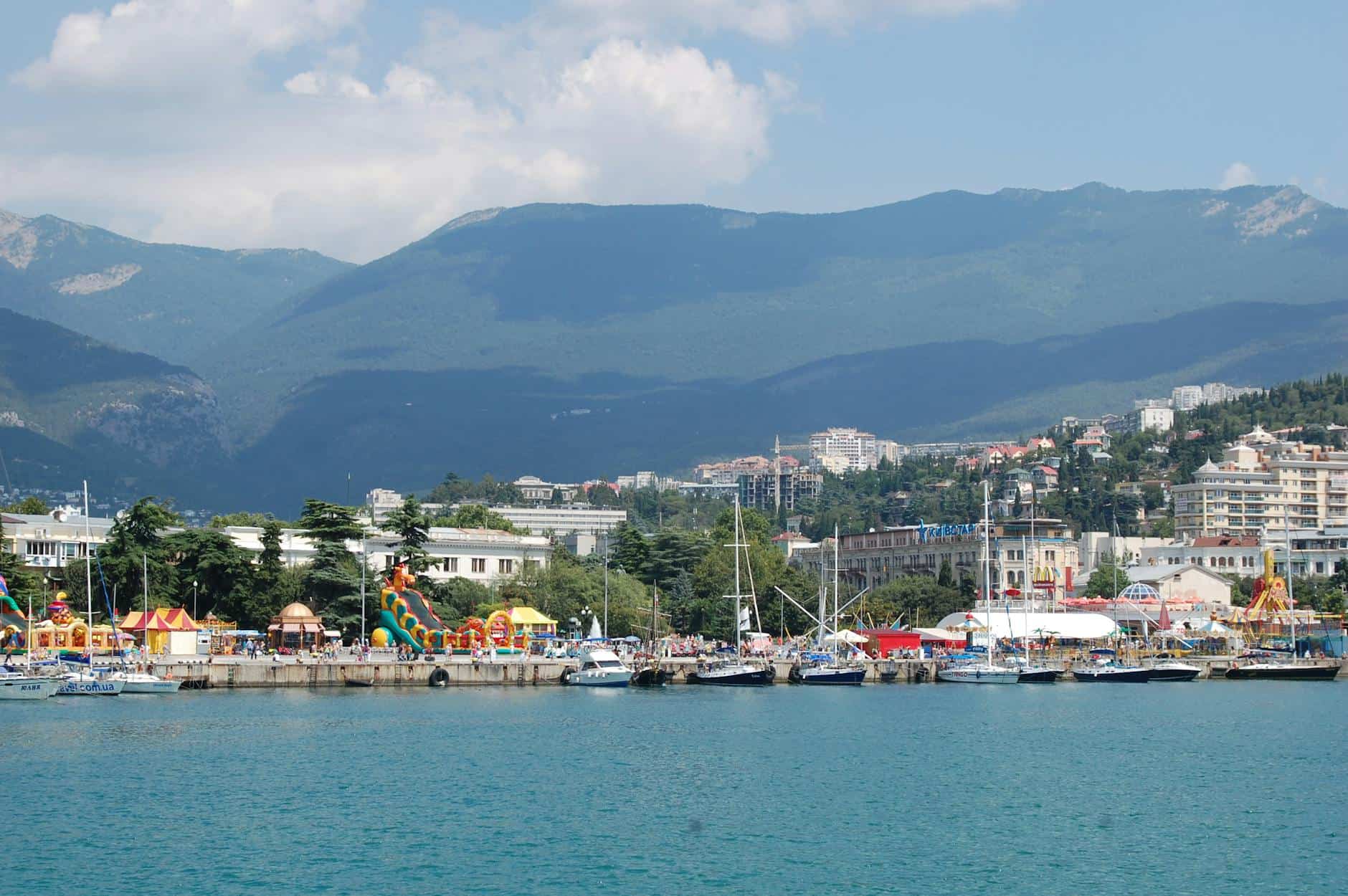
The Yalta Conference in February 1945, attended by Roosevelt, Churchill, and Stalin, was a crucial event near the end of World War II aimed at discussing Europe’s post-war reorganisation. With a focus on military strategies against Nazi Germany and the future of liberated nations, the meeting addressed tensions stemming from differing ideologies between communism and democracy. Major agreements included Germany’s division into four occupation zones and plans for the United Nations. However, conflicting interpretations of these agreements later contributed to the Cold War, establishing a lasting ideological divide and shaping international relations for decades to come.
-
The History of the Iraq-Iran Conflict: A Comprehensive Analysis

The Iraq-Iran Conflict, a significant geopolitical struggle, has roots in historical grievances, territorial disputes, and ideological divides. The war (1980-1988) began due to Saddam Hussein’s fear of Iran’s Islamic revolution and disputes over the strategic Shatt al-Arab waterway. Characterised by tremendous casualties, it ended in a stalemate, with enduring consequences for both nations. Iraq emerged economically devastated, leading to further conflicts like the Gulf War, while Iran, having bolstered its national identity, faced international isolation. The conflict also reshaped regional alliances and tensions, influencing subsequent conflicts and sectarian violence in the Middle East, with repercussions felt today.
-
The History of Oil Shocks: A Global Perspective

The history of oil shocks has fundamentally shaped the global economy and international relations, with significant events such as the 1973 OAPEC embargo and the 1979 Iranian Revolution causing dramatic price fluctuations. These shocks highlighted the fragility of economies reliant on oil, prompting a reevaluation of energy policies and increased focus on alternative sources. The aftermath of the 2008 financial crisis further revealed the interconnectedness of oil markets and global economic stability. Across decades, geopolitical tensions have influenced oil prices, underscoring the need for energy independence and diversification, ultimately steering nations towards sustainable energy strategies for the future.
-
How U.S. and Iran became enemies: understanding the USA-Iran relations

The relationship between the United States and Iran has been marked by historical tensions stemming from political interventions and revolutions, primarily the 1953 coup and the 1979 Islamic Revolution. Initially, U.S. interests in Iran were economic, focusing on oil, but such interests turned adversarial following Western meddling, notably in the overthrow of Prime Minister Mohammad Mossadegh. The establishment of the Islamic Republic under Ayatollah Khomeini led to an anti-Western stance, worsened by the U.S. Embassy hostage crisis. Despite attempts at diplomatic resolutions, including the 2015 nuclear agreement, ongoing conflicts and historical grievances perpetuate a cycle of distrust and hostility between…
-
The History of the Regime of the Ayatollahs

The Ayatollahs’ regime, established after the 1979 Iranian Revolution, marked a significant shift in Iran’s political and social landscape. Ayatollah Khomeini emerged as a key figure, uniting diverse opposition against the Shah’s secular monarchy through a blend of religious fervour and political strategy. His establishment of an Islamic Republic resulted in the implementation of Sharia law and a governance structure prioritising clerical authority. This era saw repression of dissent and socio-economic challenges intensified by international sanctions, fostering ongoing civil unrest. The regime’s ideological pursuits have not only reshaped Iran domestically but also stirred geopolitical tensions, especially with Western nations.
-
The Final Days of the Russian Empire: An In-Depth Analysis

The final days of the Russian Empire were marked by significant socio-political upheaval leading to the end of autocratic rule. Economic hardships, military failures, and a lack of political freedoms bred widespread discontent, culminating in the February Revolution of 1917, which forced Tsar Nicholas II to abdicate. His abdication ended over three centuries of Romanov rule and led to the establishment of a provisional government. However, it failed to address pressing issues, paving the way for the October Revolution, where the Bolsheviks seized power, promoting radical change. This period remains a critical juncture in global history, highlighting the fragility of…
-
The Final Days of the Romanov Family

The Romanov family, ruling Russia for over three centuries, faced a tragic end during the tumultuous times of the Russian Revolution. As the world changed around them, this royal family became symbols of an era marked by autocracy, war, and unrest. Their final days, infused with uncertainty and foreboding, reflect a gripping narrative of betrayal, loyalty, and sacrifice. This article seeks to explore the intricacies of the Romanov family’s last days, delving deep into the historical, political, and social contexts that surrounded their final moments.
-
The History of the League of Nations: A Comprehensive Overview
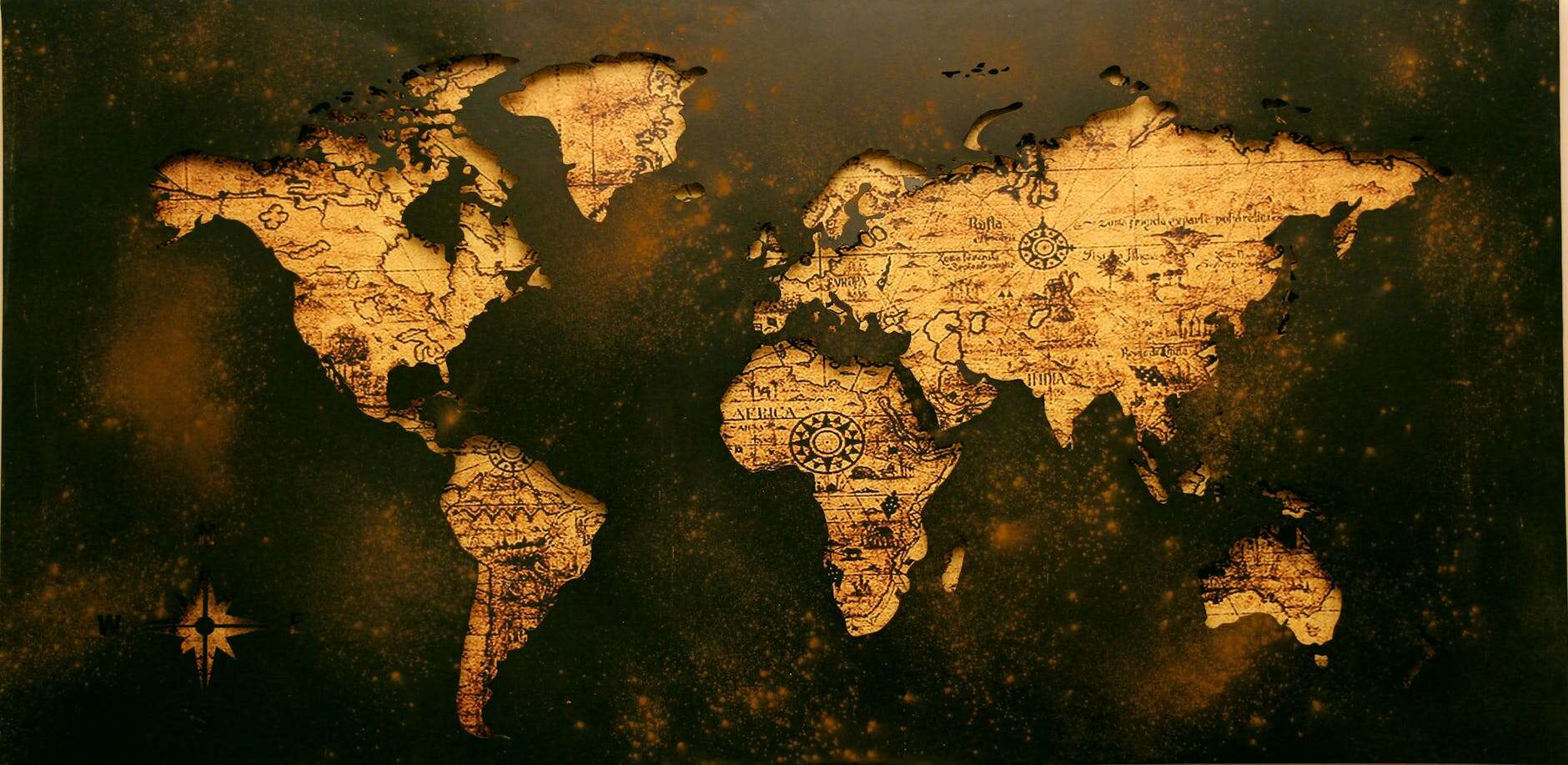
The League of Nations, established in 1920 after World War I, aimed to maintain peace through diplomacy rather than warfare. Championed by figures like Woodrow Wilson, it sought collective security but faced challenges such as the absence of the United States and the emergence of totalitarian regimes. Early successes included mediating disputes, yet the League struggled against major aggressions in the 1930s, highlighting its impotence. World War II marked its irrelevance, and it was officially dissolved in 1946. Despite its failures, the League’s principles influenced the formation of the United Nations, which aimed to rectify its shortcomings and promote international…
-
The History of the Russian Revolution of 1917
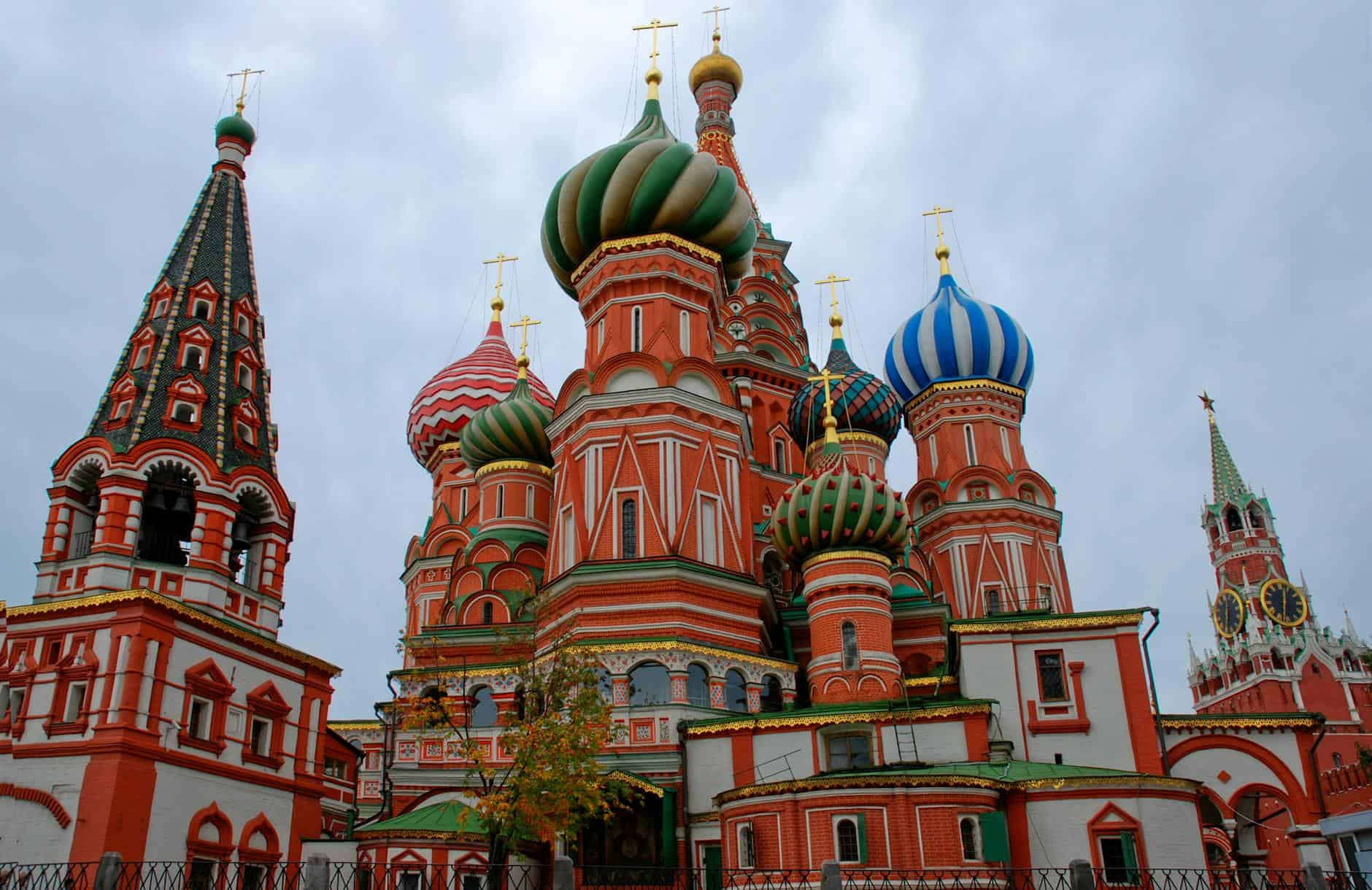
The Russian Revolution of 1917 significantly transformed Russia and influenced global politics. It comprised the February Revolution, resulting in Tsar Nicholas II’s abdication, and the October Revolution, where the Bolsheviks seized power under Lenin. Factors leading to the revolution included military failures, economic hardship, and political repression. The revolution dismantled the autocratic regime, introducing socialist principles and sweeping reforms, such as land redistribution and nationalisation of industries. However, it led to authoritarian governance and state repression, betraying initial ideals of democracy. The revolution’s legacy continues to impact Russian society and global political movements, serving as both an inspiration and a…
-
The Lisbon Treaty: A Milestone in European Union History

The Lisbon Treaty, signed on December 13, 2007, marked a transformative phase in the European Union’s evolution, aiming to enhance efficiency, democratic legitimacy, and coherence in governance. Following the failed 2004 European Constitution, the treaty sought to simplify decision-making and improve EU representation globally. Key innovations included a permanent President of the European Council, enhanced powers for the European Parliament, and increased use of qualified majority voting. While it strengthened EU integration and citizen engagement, critics argue it still suffers from a democratic deficit. The treaty’s legacy remains a pivotal factor in addressing future challenges and fostering cooperation among member…
-
The History of UNICEF: A Legacy of Hope
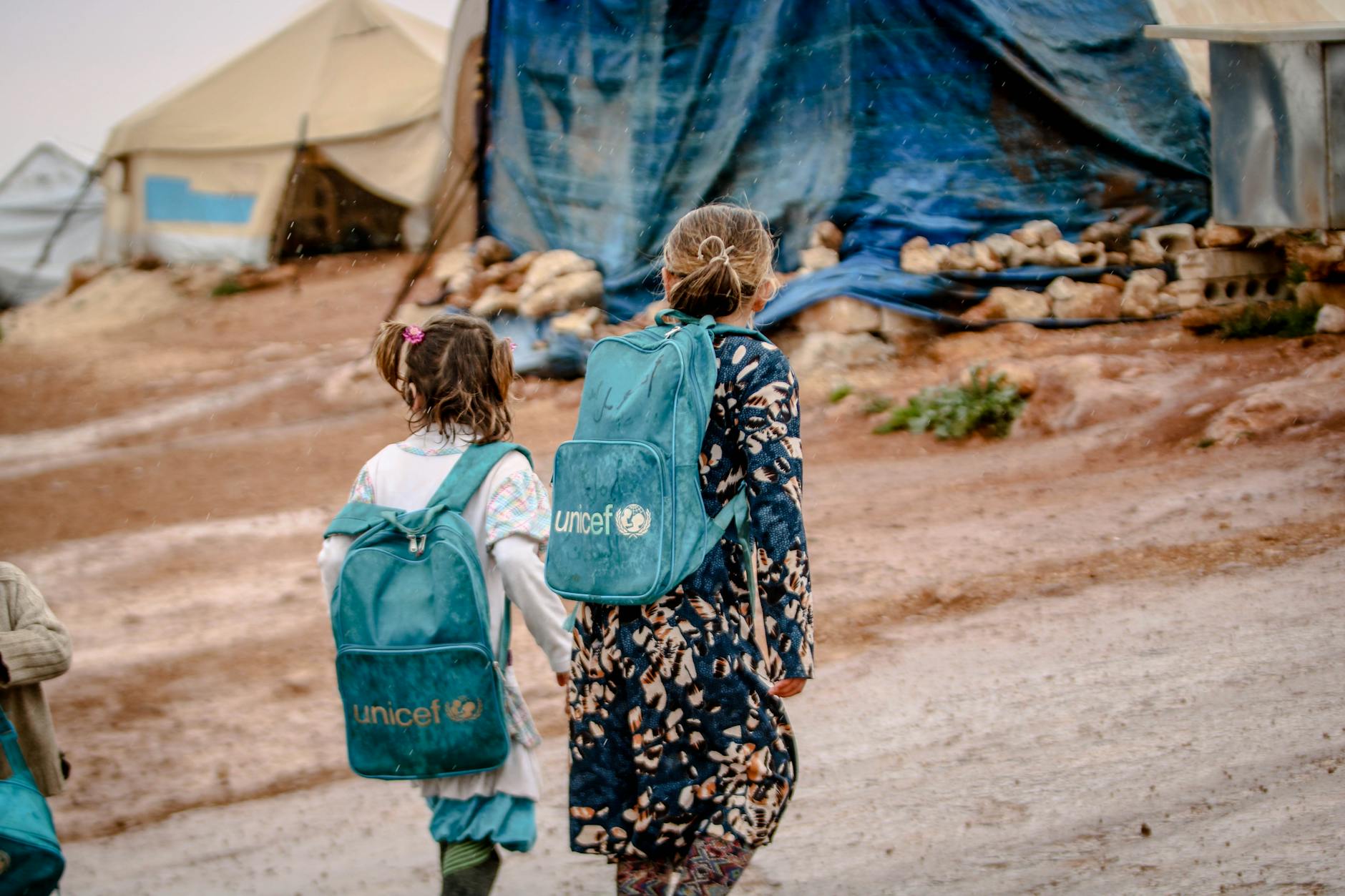
UNICEF, established in 1946 in response to the needs of children post-World War II, has evolved into a leading organisation advocating for children’s rights globally. Its mission shifted from immediate relief to long-term development, addressing health, education, and welfare issues. Significant milestones include the adoption of the Convention on the Rights of the Child in 1989 and initiatives like Universal Child Immunization. In recent years, UNICEF has focused on contemporary challenges, including climate change and inequalities exacerbated by the COVID-19 pandemic. Looking ahead, UNICEF aims to enhance digital equity, support displaced children, and strengthen partnerships to continue its vital work…
-
The History of the Arab League: A Comprehensive Overview

The Arab League, founded in 1945 to promote cooperation among Arab nations, initially comprised six countries and has expanded to 22 members. Established in Cairo, its primary goals include political, economic, and cultural collaboration. The League has faced numerous challenges, especially regarding conflict resolution and economic integration, notably during events like the Arab-Israeli War and the Arab Spring. Despite initiatives such as the Greater Arab Free Trade Area, achieving economic unity remains complex due to differing national interests. Looking ahead, the Arab League’s future hinges on its ability to adapt to evolving regional dynamics and member states’ diverse needs, ensuring…
-
The History and Impact of the African Union

The African Union (AU), established in 2001, serves as a pivotal body in addressing Africa’s political, economic, and social challenges. Transitioning from the Organization of African Unity, the AU focuses on promoting unity, security, and socio-economic development among its 55 member states. It champions democratic governance, human rights, and proactive conflict resolution through initiatives like the Peace and Security Council and peacekeeping missions. Notable achievements include the African Continental Free Trade Area aimed at enhancing economic integration. The AU’s future hinges on its ability to address internal challenges while enhancing its global influence, fostering a united and prosperous Africa.
-
The History of UNESCO: Shaping Global Education, Science, and Culture

UNESCO, established in 1945 post-World War II, aims to promote international collaboration in education, science, culture, and communication as essential components for peace and security. The organisation’s mission focuses on universal access to education, cultural preservation, and sustainable development, evolving through various challenges and initiatives. Notable achievements include the Education for All initiative and the World Heritage programme. Despite facing criticism regarding political complexities, funding issues, and the effectiveness of its programmes, UNESCO envisions a future that harnesses technology and fosters cultural diversity. The organisation aims to address contemporary global challenges through collaboration and innovative approaches, remaining a vital player…
-
The History of the Treaty of Versailles: A Defining Moment in Global Diplomacy

The Treaty of Versailles, signed on June 28, 1919, concluded World War I and sought to reshape global order. It aimed to address the victors’ grievances while imposing harsh reparations and territorial losses on Germany, causing widespread resentment that foreshadowed future conflicts, including World War II. The treaty established the League of Nations, intended to promote peace but struggled due to its lack of authority, particularly after the United States did not join. Its punitive measures led to socio-economic turmoil in Germany, fostering extremist ideologies and instability in Europe. The treaty’s legacy still influences international relations today.
-
The History of World War II: A Comprehensive Overview

World War II, spanning from 1939 to 1945, significantly reshaped global politics, economy, and society. Rooted in the grievances from the Treaty of Versailles, the conflict was triggered by Germany’s aggressive expansion under Hitler. Key battles, including the Normandy landings and Stalingrad, were pivotal in turning the tide. The home front witnessed dramatic societal changes, such as increased female workforce participation and the horrors of internment. Technological advancements transformed warfare, with the introduction of tanks and atomic bombs reshaping military strategies. The war’s aftermath saw the establishment of the United Nations and the onset of the Cold War, leaving an…
-
The Economic Impact of World War II: A Historical Overview
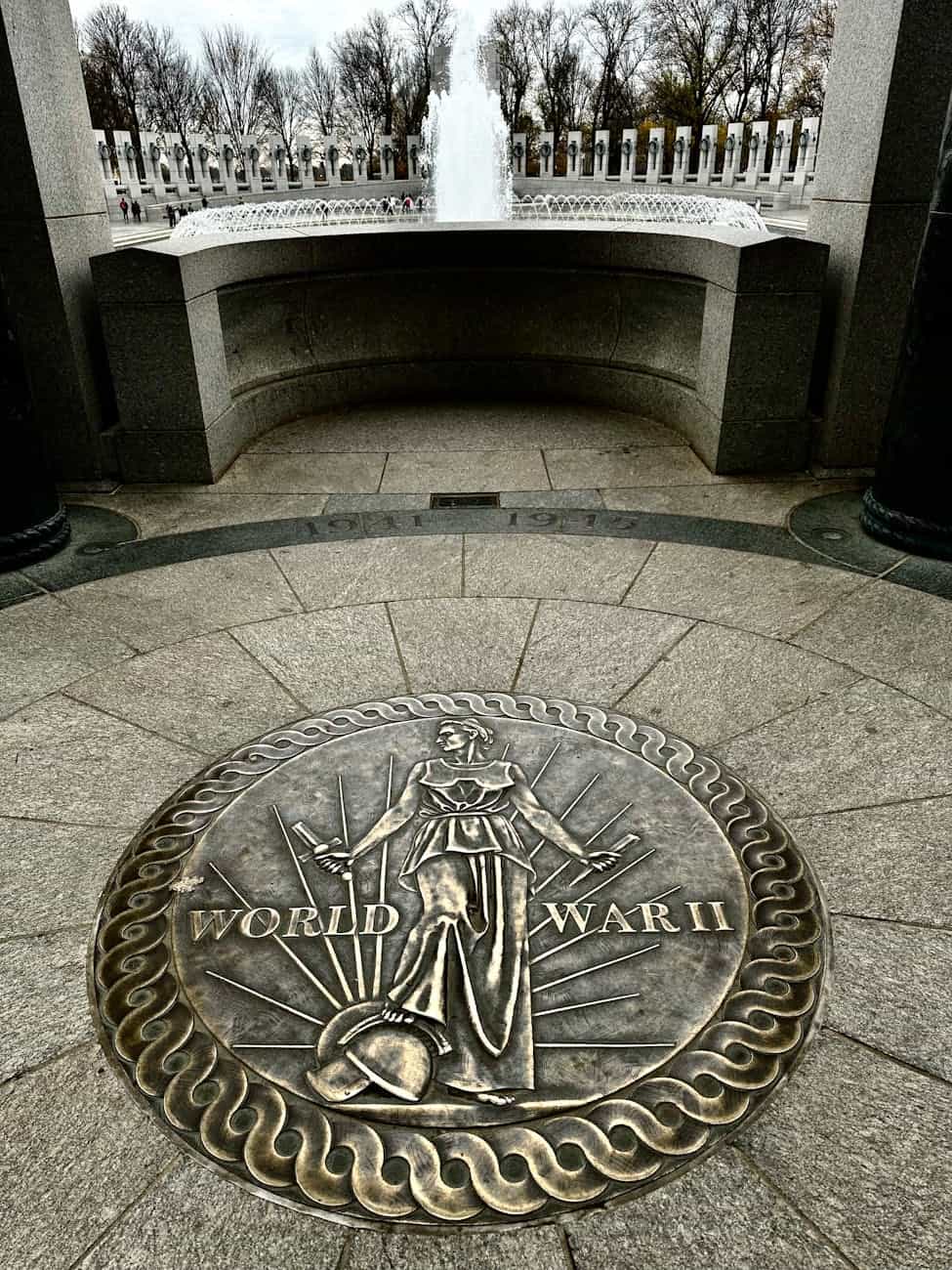
World War II, spanning from 1939 to 1945, drastically altered global economics and dynamics, reshaping industries and labour markets. Before the war, countries faced economic instability, exacerbated by the Great Depression. The conflict necessitated shifts towards military production, boosting economies but causing immediate destruction and fiscal challenges, particularly in Europe. Post-war recovery efforts, notably the Marshall Plan, facilitated significant rebuilding and established political alliances. The war catalysed technological advancements and redefined labour roles, integrating women into the workforce. Ultimately, these transformations laid a foundation for modern global trade and economic interdependence, with lasting effects evident today.