Category: Political & Economic History
-
The Presidency of Ronald Reagan: A Historical Overview
Ronald Reagan\’s presidency from 1981 to 1989 was a significant era in U.S. history, characterized by a charismatic leadership style and a focus on conservative principles to revitalize the nation. His background as an actor aided his compelling communication skills, facilitating a successful political career. The implementation of \”Reaganomics\” aimed at economic recovery through tax cuts, deregulation, and military spending, though it faced criticism and resulted in mixed outcomes. Reagan\’s foreign policy was marked by a strong anti-communist stance initially, yet evolved towards diplomacy, leading to reduced Cold War tensions. His enduring legacy reshaped the Republican Party and U.S. policy…
-
The History of Capitalism in the United States
The history of capitalism in the United States underscores its evolution amid significant social and economic transformations. Beginning during the colonial period, capitalism intertwined with mercantilism, fostering a framework for industry and trade. The Industrial Revolution marked a shift through mechanization, prompting urban migration and labor movements. The Great Depression catalyzed regulatory changes and government intervention, reshaping capitalist practices. By the late 20th century, globalization and neoliberalism further evolved capitalism, despite criticisms regarding income inequality and corporate dominance. Currently, the future of capitalism faces challenges related to technology, sustainability, and social justice, necessitating a re-evaluation of its practices and principles.
-
The History of Australia: a complete guide

Australia\’s history reflects a blend of Indigenous cultures and European colonization, spanning over 65,000 years. Indigenous Peoples, with diverse languages and traditions, faced profound disruptions after European settlement began in 1788. The Gold Rush of the 1850s significantly transformed the economy and population, fostering a multicultural society but also leading to conflicts over land rights. Australia\’s involvement in both World Wars shaped its national identity, prompting social change and a reevaluation of foreign relations. Post-World War II, immigration policies diversified the population further. Today, Australia strives for inclusivity while acknowledging its complex historical narrative and the importance of reconciliation.
-
The History of Canada: A Journey Through Time

Canada\’s history is a rich tapestry encompassing Indigenous cultures, European colonization, and modern developments. Indigenous peoples have existed for over 15,000 years, forming complex societies before European contact led to trade and colonization, resulting in significant cultural shifts and land dispossession. The Confederation in 1867 unified various provinces, promoting economic growth and national identity despite the ongoing struggles of Indigenous rights. Major global conflicts in the 20th century furthered Canada\’s distinct national character and social changes, including advancements in civil rights and multiculturalism. Today, Canada focuses on social justice and global cooperation while addressing its historical challenges and diverse narratives.
-
The History of the American Dream

The American Dream, embodying ideals of freedom, opportunity, and success through hard work, has evolved throughout U.S. history. Originating from Enlightenment principles and the Declaration of Independence, it gained significance during events such as the westward expansion and the Industrial Revolution, which shaped economic opportunities and social mobility. Despite inspiring narratives, inequalities have persisted, prompting movements for civil rights and social justice. In the 21st century, the American Dream reflects new challenges, including economic disparity and global change, necessitating a more inclusive definition centered on education, social equity, and environmental responsibility, as individuals seek fulfillment beyond financial success.
-
The California Gold Rush: A Historical Overview

The California Gold Rush, starting in 1848 with gold discovery at Sutter\’s Mill, greatly altered America\’s socio-economic fabric by drawing countless fortune seekers, known as \”forty-niners,\” primarily motivated by dreams of wealth. This mass migration sparked rapid infrastructure and community development, transforming California into an economic hub. However, miners faced harsh living conditions, competition, and societal challenges, exacerbating tensions among diverse groups, including immigrants. The legacy of the Gold Rush endures, reflecting themes of aspiration and adventure while revealing complexities around social justice and cultural relations. It ultimately shaped California\’s identity and continues to influence discussions on opportunity and equity…
-
The COVID-19 pandemic Economic Crisis: a historical analysis of its impact on the Global Economy

The COVID-19 pandemic, originating in late 2019, triggered a profound global economic crisis. As nations grappled with public health and economic disruptions, lockdowns caused massive job losses, particularly in sectors like travel and hospitality. Governments responded with significant fiscal measures, including stimulus packages, to protect businesses and individuals. The long-term repercussions include accelerated digital transformation, shifts in labor markets, and heightened economic inequalities. Lessons learned emphasize the need for robust public health infrastructure, diversified supply chains, and equitable recovery efforts. As economies recover, resilience, adaptability, and inclusivity will be critical in facing future challenges.
-
The History of the NATO Alliance: Journey and Impact

The North Atlantic Treaty Organization (NATO), formed in 1949 to provide collective defense against Soviet aggression, has evolved significantly in response to changing global dynamics. Initially focused on military deterrence during the Cold War, NATO adapted its strategies to address emerging threats, including terrorism and cyberattacks, particularly after the 9/11 attacks which led to military involvement in Afghanistan. Post-Cold War, NATO expanded to include former communist states, emphasizing partnership and crisis management. Today, it faces challenges with Russia, defense spending among members, and climate change, while striving to maintain operational readiness and promote international stability and security.
-
The History of Recognition of Palestine as a State: The Path to Statehood
The quest for Palestine\’s recognition as a state is complex and historically rooted, influenced by national identity development amid colonialism and conflict. Key milestones include the formation of the Palestinian Liberation Organization in the 1960s, Yasser Arafat\’s 1974 UN speech, and the 1988 declaration of independence. While recognized by over 130 countries and granted non-member observer status at the UN, Palestine faces challenges such as ongoing Israeli conflict, internal divisions, and geopolitical interests. The future of statehood depends on Palestinian unity, international solidarity, and efforts to engage effectively with global entities despite persistent obstacles on the path towards full recognition.
-
The Collapse of the Soviet Union: history, facts and key events

The collapse of the Soviet Union in 1991 was a pivotal historical moment shaped by a combination of political, economic, and nationalist factors. Internal political strife and economic decline severely weakened central authority, particularly under Mikhail Gorbachev’s reform policies of Perestroika and Glasnost. The introduction of these policies encouraged public dissent and nationalist movements within republics like the Baltics and Ukraine, which sought independence. The inability of the Communist Party to adapt to these emerging demands, coupled with rising frustrations from economic hardships, culminated in a series of declarations of independence. The failed coup in August 1991 further accelerated the…
-
The Soviet Union Economic History

The Soviet Union economic history reflects a dramatic transformation from agrarian roots to a state-controlled socialist system. The Bolshevik Revolution initiated centralized planning, but policies like War Communism and collectivization led to social strife, famine, and industrial growth under Stalin’s Five-Year Plans. The Cold War era intensified military spending and economic challenges. Mikhail Gorbachev’s Perestroika aimed to decentralize the economy, leading to inflation, corruption, and rising nationalist sentiments, ultimately culminating in the USSR’s dissolution in 1991. Post-Soviet transitions were marked by privatization, economic inequality, and varied success across former republics, underscoring the complexities of moving to a market-oriented economy.
-
The History of the United Nations: A Comprehensive Overview

The United Nations (UN) was founded in 1945 to promote global cooperation and maintain peace following World War II. Established after the League of Nations’ failure, the UN aims to prevent conflicts, champion human rights, and tackle global issues like poverty and climate change. It has evolved significantly, implementing peacekeeping missions, especially during the Cold War and beyond, adapting to modern challenges like terrorism and humanitarian crises. Noteworthy achievements include the Universal Declaration of Human Rights and developing legal frameworks for human rights protection. However, the UN faces ongoing challenges, including geopolitical tensions, climate change, and misinformation, necessitating continuous reform…
-
The Economic History of Iran: From Ancient Times to Modern Challenges
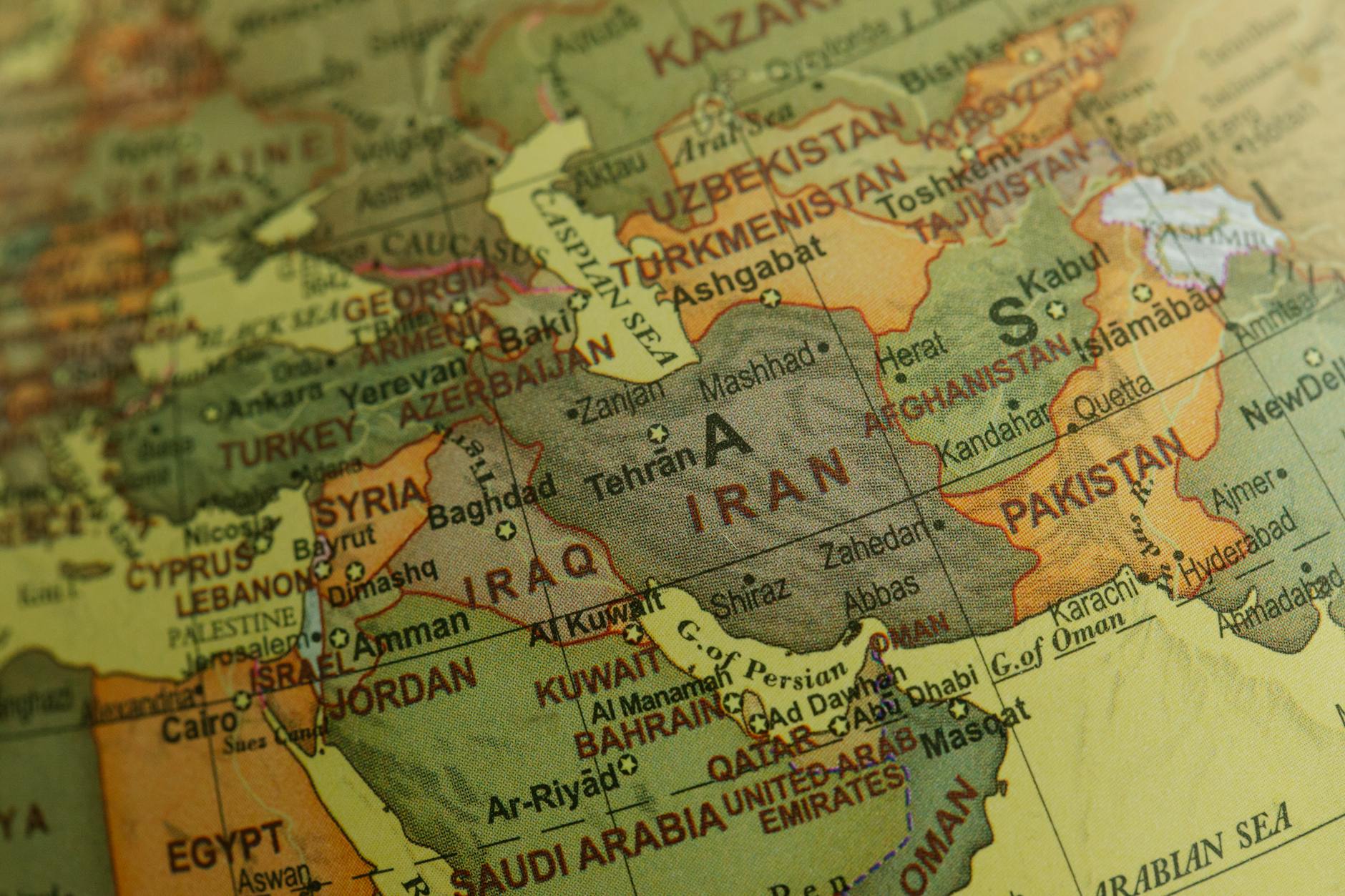
The economic history of Iran reflects a series of profound transformations from ancient times through modernity, shaped by pivotal historical events. The Achaemenid Empire laid essential economic foundations, with advancements in agriculture and trade along the Silk Road. The Islamic conquest revitalized the economy by promoting trade and introducing innovative banking practices, leading to prosperous urban centers. The Safavid Empire furthered trade with global recognition of Persian goods, while the Pahlavi dynasty’s modernization efforts expanded the oil sector, though it also heightened social disparities. Post-1979, Iran has faced sanctions that challenge its economic stability, yet the digital revolution offers new…
-
The Economic History of Israel: Key Events and Milestones

The economic history of Israel showcases its transformation from a resource-limited state in 1948 to a high-tech driven economy. Key phases included agricultural foundations established by early immigrants, industrial growth in the 1960s post-Six-Day War, significant reforms in the 1980s, and global integration in the 1990s. Modern Israel is characterized by strengths in software, cybersecurity, and agricultural technology, fostering innovation through government support and venture capital. Despite challenges such as socio-economic disparities and geopolitical issues, Israel’s economy continues to adapt, focusing on sustainability and technological advancements, positioning it as a significant player in the global market.
-
The 1970s Stagflation Crisis: Causes, History, and Economic Impact

The 1970s stagflation crisis marked a pivotal moment in economic history, characterized by slow growth, high unemployment, and rising inflation. This unprecedented scenario defied classical economic theories, particularly the Phillips Curve, which suggested a trade-off between inflation and unemployment. Factors such as oil crises and structural economic shifts contributed to a complex policy environment where traditional Keynesian responses fell short. The government’s strategies, including monetary tightening and wage controls, often exacerbated the situation. The crisis reshaped public sentiment, fostered political movements, and underscored the importance of adaptable economic policies, influencing future U.S. economic strategies and discussions on equity.
-
The History of the World Bank: Origins, Evolution, and Global Impact

The World Bank, established in 1944 after World War II, has evolved from a financial institution focused on European reconstruction to a global leader in sustainable development. Its history features pivotal shifts in strategies, notably embracing multi-faceted approaches to tackle poverty through education, health, and environmental sustainability. Challenges faced during the 1980s and 1990s prompted significant reforms, emphasizing transparency, governance, and stakeholder engagement. In the 21st century, the World Bank addresses global issues such as inequality and climate change, adapting its mission to align with the Sustainable Development Goals. Its ongoing commitment ensures it remains integral to fostering inclusive growth…
-
The History and Legacy of the Bretton Woods Conference in 1944: How It Shaped the Global Financial System

The Bretton Woods Conference in July 1944 was a crucial event aimed at establishing a stable global economic framework after World War II. Delegates from 44 countries discussed measures such as fixed exchange rates, which pegged currencies to the US dollar, and created the International Monetary Fund (IMF) and World Bank for financial stability and development. The conference sought to replace isolationist policies with international cooperation to foster economic recovery and growth. While the fixed exchange rate system ultimately collapsed in 1971, the IMF and World Bank remain vital in addressing global economic challenges, reflecting the conference’s enduring legacy of…
-
How Banks Fueled the Industrial Revolution: Financing Factories, Railways & Global Trade

The Industrial Revolution, spanning the late 18th to early 19th centuries, transformed banking practices significantly. Banks evolved from catering to the wealthy elite to becoming pivotal financing institutions for industrial growth, providing loans and facilitating credit through joint-stock banks and central banks. This evolution supported trade and commerce, aided infrastructure development, and created modern payment systems. However, financial instability and disparities arose, prompting regulatory measures to enhance accountability and public confidence. While banks fueled wealth creation and social mobility for some, they also contributed to social tensions and inequalities, shaping the socio-economic landscape of the period.
-
British Empire’s Economic Dominance: From Mercantilism to Global Trade Supremacy

The British Empire, once the world’s leading global power, significantly influenced modern political, cultural, and economic landscapes. Its expansion, driven by economic interests and competition, began in the late 16th century, marked by the establishment of the East India Company and new colonies in America. The Industrial Revolution propelled economic growth through technological advancements and transportation improvements, solidifying Britain’s reliance on colonial resources. Military strength enabled the empire to enforce economic control and exploit local economies. The decline of the empire in the mid-20th century was fueled by economic pressures and rising nationalism, leaving a complex legacy that still impacts…
-
The amazing history of the Economic Development of China

The economic development of China has evolved over millennia, transitioning from ancient agriculture to a global powerhouse. Early advancements in agriculture during dynasties set a foundation for trade and governance. Colonialism disrupted these systems but also spurred modernization efforts. Under Mao Zedong, initiatives like the Great Leap Forward aimed for rapid industrialization but resulted in catastrophic failures. Reform under Deng Xiaoping in the late 1970s embraced market-oriented policies, leading to significant growth and urbanization. Today, China faces challenges such as transitioning to domestic consumption, environmental issues, and international trade tensions, while pursuing innovation and global collaborations for sustainable development.