Tag: UNESCO World Heritage Site

  • Westminster Abbey and Palace History: A Thousand Years at the Center of British Power
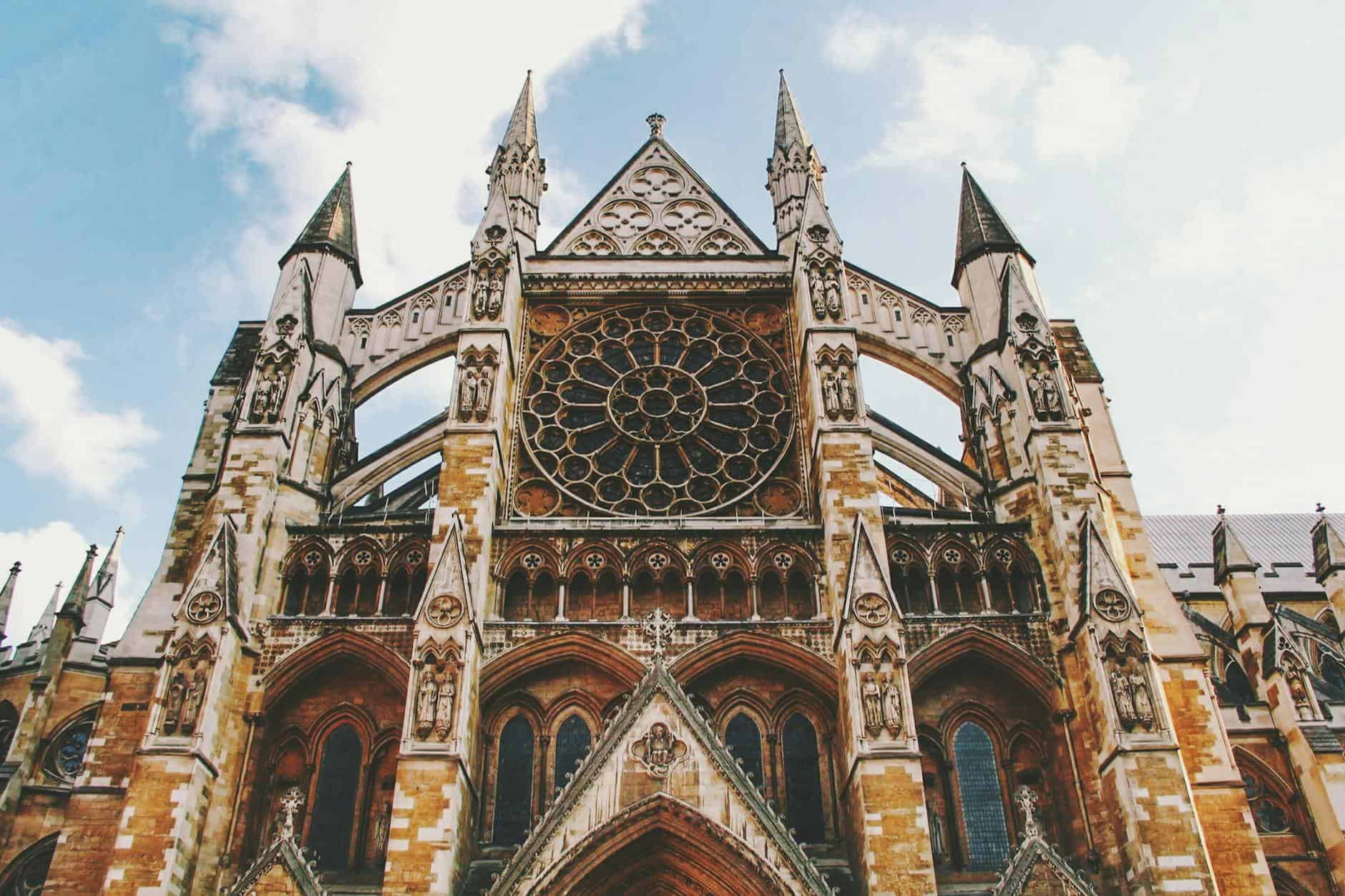
    Westminster Abbey and Palace History: A Thousand Years at the Center of British Power

    Introduction

    Westminster Abbey and the Palace of Westminster have stood for over a thousand years at the heart of British governance and spirituality, embodying centuries of history, tradition, and architectural brilliance. Originally a humble Benedictine monastery established in the 960s, Westminster Abbey evolved into a place of royal ceremonies, burials, and national significance. The adjacent Palace of Westminster, with its iconic Houses of Parliament, has similarly served as the political epicenter of the nation, housing generations of lawmakers who have shaped modern Britain. Together, these structures are not just impressive monuments; they are repositories of collective memory, reflecting the shifting tides of power, religion, and culture. This article explores the deep-seated history, architectural evolution, and the continuing relevance of Westminster Abbey and the Palace of Westminster in the context of British power and identity.

    The Origins of Westminster Abbey

    The origins of Westminster Abbey trace back to the 7th century when a small church was established on the site, and it has undergone remarkable transformations over the centuries. Originally built as a Benedictine monastery, the Abbey’s location was chosen for its proximity to the River Thames, providing both aesthetic beauty and practical access to transportation. However, the site gained prominence under King Edward the Confessor, who was instrumental in its expansion. Commissioned in 1042, the construction of the Abbey began in 1045, and it was consecrated in 1065, just a week before the king’s death.

    Edward envisioned the Abbey not only as a church but also as a royal mausoleum. His desire for a grand ecclesiastical structure paved the way for the subsequent Gothic masterpieces. The Abbey was intended to symbolize the sanctity of the monarchy, and it became the coronation site for subsequent monarchs, starting with William the Conqueror in 1066. The intertwining of church and state began here, marking Westminster Abbey as a pivotal institution in the consolidation of royal power.

    Throughout medieval England, Westminster Abbey’s significance grew. It served as a crucial venue for royal marriages, notable funerals, and political gatherings. With each royal event, the space transformed into a realm where political authority and divine right coalesced. By the 12th century, the Abbey had developed a reputation as a pilgrimage destination due to the relics of saints, and thus, it became a spiritual beacon amid political strife.

    The architecture of the Abbey reflects the evolution of styles from Romanesque to Gothic, capturing the essence of periods in English history. The transition to Gothic design in the 13th century, initiated under King Henry III, marked a significant architectural evolution. This transformation resulted in the magnificent nave and the intricate carvings and stained glass that we admire today. As the official church for the coronations of English monarchs, the roles played by Westminster Abbey in religious and royal ceremonies continued to elevate its status as a cultural symbol.

    stunning view of westminster abbey in london
    Westminster Abbey

    By the mid-19th century, the Abbey’s role further expanded with the establishment of various memorials and significant tombs for notable figures from various fields—ranging from politics and science to arts and literature. The Poets’ Corner became a hallowed ground for authors, offering a microcosm of British cultural history. Writers like Charles Dickens and Geoffrey Chaucer are memorialized within its walls, underscoring the Abbey’s role not just as a sacred site, but also as a cathedral of national heritage.

    Through the centuries, Westminster Abbey has not simply served as a witness to history; it has actively shaped it. The interplay between the monarchy and the Abbey has left a formidable legacy, making the site a cornerstone of British identity. The events and individuals associated with this hallowed institution reveal a significant narrative that intertwines with the socio-political landscape of England, illustrating how a structure can simultaneously reflect and influence the course of a nation.

    The Architectural Evolution of the Abbey and Palace

    The architectural evolution of Westminster Abbey and the Palace of Westminster is a fascinating tale that mirrors the changing socio-political climate of England. Starting with Westminster Abbey, its construction initiated in the mid-11th century showcases the Romanesque style prevalent at that time. However, as architectural tastes evolved, particularly during the Gothic period, significant renovations and expansions embraced more elaborate designs, characterized by pointed arches, flying buttresses, and intricate stained-glass windows.

    King Henry III commissioned a redesign in the 13th century, emphasizing the Gothic style that we see today. This transformation introduced elements such as the stunning vaulted ceilings and ornate embellishments that depict scenes from biblical stories. The Abbey became a visual representation of the divine authority bestowed upon the monarchy, capturing the grandeur intended by Henry III. Each feature of the Abbey tells a story, from the tombs of revered monarchs to the intricate details that adorn nave and chapels.

    Adjacent to the Abbey, the Palace of Westminster has undergone a tumultuous journey marked by fire and political upheaval. Originally established as a royal residence in the 11th century, the Palace transitioned into a center for political activity as the seat of Parliament. The palace witnessed a series of architectural renovations, particularly throughout the 13th and 14th centuries, including the iconic Westminster Hall, which remains one of the oldest parts of the building.

    The great fire of 1834 profoundly impacted the Palace’s architectural narrative, leading to a comprehensive reconstruction. The outcome, designed by architect Charles Barry and his assistant Augustus Pugin, embraced the Gothic Revival style, creating an imposing structure characterized by its stunning towers, such as the famous Elizabeth Tower, housing the famed Big Ben. These changes symbolized a return to traditional forms, paralleling the Victorian era’s interest in national identity and historical heritage.

    city view at london
    The Palace of Westminster, London

    Both the Abbey and Palace serve not merely as functional spaces but as grand statements of power. The rich tapestry of styles illustrates the way architecture adapts to reflect contemporary values. The Abbey’s diverse elements—in which one can observe Romanesque influence morphed into elaborate Gothic forms—exemplify a dialogue between sacred and political life.

    Today, both sites are not only recognized for their architectural beauty but are also significant tourist attractions, drawing millions who wish to explore the grandeur encapsulated in stone. The meticulously preserved details and thoughtful restorations continue to echo the historical narrative, allowing each visitor to walk through a living testament to British history, culture, and architectural prowess.

    The Role of Westminster in the British Monarchy

    Westminster Abbey and the Palace of Westminster are inextricably linked to the British monarchy, serving as the backdrop for pivotal events that shape the nation’s history. The Abbey has been the principal venue for royal ceremonies since its consecration, with coronations, weddings, and funerals deeply embedded in its fabric. This connection signifies the intertwining of religious and royal authority, providing a tangible link between the divine and the regal.

    The tradition of coronations dates back to William the Conqueror in 1066, affirming the Abbey’s status as a sacred site for royal ascension. Each coronation ceremony entails elaborate rituals steeped in tradition, reflecting not just the significance of the role of the monarch but also the cultural customs and values of Britain. The coronation chair, known as King Edward’s Chair, is a symbolic piece that has witnessed the crowning of nearly every monarch since the medieval period. Within the confines of the Abbey, each royal figure pledges to uphold the faith and serve the people, emphasizing the monarch’s role as a divinely ordained authority.

    The weddings of numerous royals have also taken place at Westminster Abbey, from the grand nuptials of Queen Victoria to the modern ceremony of Prince William and Catherine Middleton. These events not only captivate public attention but foster a sense of unity among citizens, celebrating shared national identity. Moreover, royal funerals held at the Abbey represent profound moments of public mourning while honoring the legacy of the deceased monarchs. The altars and memorials within the Abbey bear witness to this deep-seated connection, creating a sacred space where history reverberates with each ceremonial event.

    As the seat of Parliament, Westminster Palace embodies the political dimensions of the monarchy. From the Magna Carta to the establishment of constitutional monarchy, the building has been the venue for pivotal discussions and legislation that reflect the ever-evolving relationship between the monarchy and government. The monarch’s opening of Parliament each year is a traditional event that serves as a reminder of royal authority while also illustrating constitutional boundaries. It encapsulates the balance of power, where the monarch’s presence is a sign of unity and continuity.

    iconic view of big ben and houses of parliament in london
    Photo by Daniel Reynaga on Pexels.com

    The modern monarchy strives to adapt to contemporary values while maintaining ties to its historical roots. In recent years, the role of the monarchy has been scrutinized, and Westminster’s significance as a historical site remains crucial to understanding the evolution of royal authority and public perception. Encapsulated within these walls are tales of triumph and conflict, reverberating through time and contributing to the legacy of the British monarchy.

    In the context of today’s global society, the monarchy at Westminster stands as a symbol of stability and tradition amid change. While reform and modernization are essential, the historical significance embedded within the Abbey and Palace ensures that the monarchy remains a vital thread in the tapestry of British identity. The interplay between the sacred and secular encapsulated in Westminster provides a unique lens through which to understand the evolving nature of monarchy and power in Britain.

    Key Historical Events Associated with Westminster

    Westminster Abbey and the Palace of Westminster are intrinsic to the narrative of British history, having hosted numerous key events that resonate to this day. From solemn funerals to groundbreaking agreements, the history unfolded within these walls tells a story of a nation in evolution.

    One significant historical event is the signing of the Magna Carta in 1215, which, although not performed at Westminster itself, was developed under the watchful eye of the monarchy, illustrating the complex relationship between power and governance. The repercussions of this document laid the foundation for modern democracy and transformed the perception of the monarchy’s role in governance. The notion that a monarch is not above the law began here, paving the way for the rights and liberties enjoyed by citizens today.

    Moreover, the Abbey stood as the venue for the funeral and commemoration of notable figures, marking key moments in England’s social and political landscape. The state funeral of Sir Winston Churchill held there in 1965 epitomized the nation’s respect for its leaders and served as a focal point for collective mourning. Such functions bind citizens to their leaders, reinforcing the relationship between the monarchy and the people.

    The Palace of Westminster has also been the site of various debates and votes that have fundamentally altered British society. The Parliament Act of 1911 significantly shifted the balance of power between the Houses of Parliament, diminishing the House of Lords’s powers in law-making. This landmark event symbolizes the gradual emergence of democracy and popular governance, moving power from the elite toward the public. In this context, the discussions and decisions made within those venerable walls echo through generations.

    Furthermore, the events leading up to and following the English Civil War in the 17th century serve as another touchstone of historical significance. Tensions between Parliament and the monarchy culminated in a conflict that questioned the very foundation of governance in England. The trial and execution of King Charles I in 1649 marked the fall of royal absolutism, resulting in a brief republican experiment led by Oliver Cromwell. The implications of this conflict were far-reaching, reshaping the political landscape and setting the stage for future constitutional developments.

    The shift in the British constitution over the years is emblematic of Westminster’s adaptation to political needs and public sentiment. The Parliament buildings bear witness to protests and discussions that reflect societal changes, including movements advocating for women’s suffrage and civil rights. These progressive narratives have led to meaningful reforms that resonate today, contributing to the ongoing evolution of British democracy.

    Today, Westminster continues to be a focal point for national discussion and legislation, weaving its historical legacy into modern governance. As events unfold within its walls, each encounter shapes the future while paying homage to its past. The Abbey and the Palace are more than just structures; they serve as the lifeblood of British history, encapsulating lessons learned and victories achieved along the journey toward establishing a more democratic society. Ultimately, the threads of history that run through Westminster remain a beacon for future generations, reminding us of the ever-evolving story of a nation.

    The Abbey’s Cultural and National Significance Today

    The cultural and national significance of Westminster Abbey today transcends its historical roots, reflecting contemporary British identity and the country’s ongoing evolution. As a UNESCO World Heritage site, the Abbey is recognized not only for its architectural magnificence but also for its representation of British heritage, spirituality, and cultural continuity. It plays a pivotal role in the national consciousness, symbolizing unity and history amidst a rapidly changing world.

    Westminster Abbey attracts millions of visitors each year, serving as a living museum that educates people about the breadth of British history and culture. Tourists flock to admire its grandeur, pay homage to influential historical figures, and experience a connection to the past. The Abbey’s dual role as a site of worship and a tourist destination allows it to maintain relevance while fostering a deep appreciation for England’s cultural heritage. The presence of significant tombs and memorials—ranging from notable poets in Poets’ Corner to statesmen such as Sir Isaac Newton—showcases the impact of individuals who have contributed to the fabric of British society.

    Moreover, the Abbey remains central to national celebrations and commemorations, perpetuating a sense of belonging among its visitors. Major events like royal weddings and state funerals capture the public’s imagination and serve as focal points for national pride. These ceremonies create a shared identity, bringing together people from diverse backgrounds in collective remembrance of their history and heritage. The sound of hymns echoing through the Abbey during services resonates with tradition, encapsulating the spiritual essence that continues to thrive within its walls.

    In addition to its role in historical commemorations, the Abbey engages with contemporary issues, seeking to remain pertinent in discussions surrounding social justice, peace, and reconciliation. With a commitment to fostering dialogue, it often opens its doors to conversations about critical societal topics, creating a space where faith, ethics, and public policy intersect. As societies grapple with complexities, Westminster Abbey stands as a beacon of moral guidance, providing a framework for understanding challenging issues in light of historical context.

    The Abbey also collaborates with various educational programs aimed at fostering cultural understanding and cohesion. Hosting talks, exhibitions, and outreach initiatives, it reaches communities beyond its immediate vicinity. Through these efforts, Westminster Abbey strives to bridge the gap between history and modernity, reminding people that while we honor our past, there is still work to be done in shaping an inclusive future.

    Culturally, Westminster Abbey embodies the literary and artistic spirit of Britain. The involvement of prominent artists and composers over the years further underlines the Abbey’s significance as a hub of artistic expression. Events like poetry readings and concerts hosted within its grand spaces invite artistic exploration, allowing the Abbey to transcend its traditional boundaries and become a place for cultural engagement.

    In conclusion, Westminster Abbey plays a multifaceted role within British society, serving as a touchstone of history while embracing contemporary relevance. Its integration into national life—through worship, celebration, and education—ensures that it remains a living entity, reflective of the values and aspirations of the nation. The Abbey is not merely a monument; it is a custodian of stories and a symbol of continuity, inviting both respectful remembrance and meaningful dialogue as Britain navigates its future.

    Conclusion

    In summary, Westminster Abbey and the Palace of Westminster are emblematic structures that capture the rich tapestry of British history and culture. Through their architecture, royal ceremonies, and pivotal historical events, they have become repositories of national identity, reflecting the evolution of governance, spirituality, and public sentiment. The Abbey’s origins and its architectural transitions reveal how deeply intertwined church and state have been, while the role of the Palace as the seat of power underscores the dynamic nature of British democracy.

    Over the centuries, Westminster has stood witness to moments of joy and sorrow, triumph and turmoil, each event contributing to the collective memory of the nation. As these landmarks continue to evolve, they adapt to contemporary societal changes while preserving their historical significance. Today, Westminster Abbey and the Palace of Westminster are not only tourist attractions but also functioning institutions that engage with the public, fostering cultural dialogue and understanding.

    Ultimately, the legacy of Westminster is one that endures, serving as a reminder of the past while inspiring future generations to reflect on the complex relationship between power, culture, and identity. These sites are vital to understanding the continuity of British heritage, and they will continue to resonate in the hearts and minds of those who walk through their storied halls.

    Westminster Abbey: Uncovering Henry III’s Sacristy | Video

    Westminster Abbey: Uncovering Henry III’s Sacristy | Time Team
  • Jaipur History: Exploring the Pink City of Royal Palaces and Rajasthani Architecture
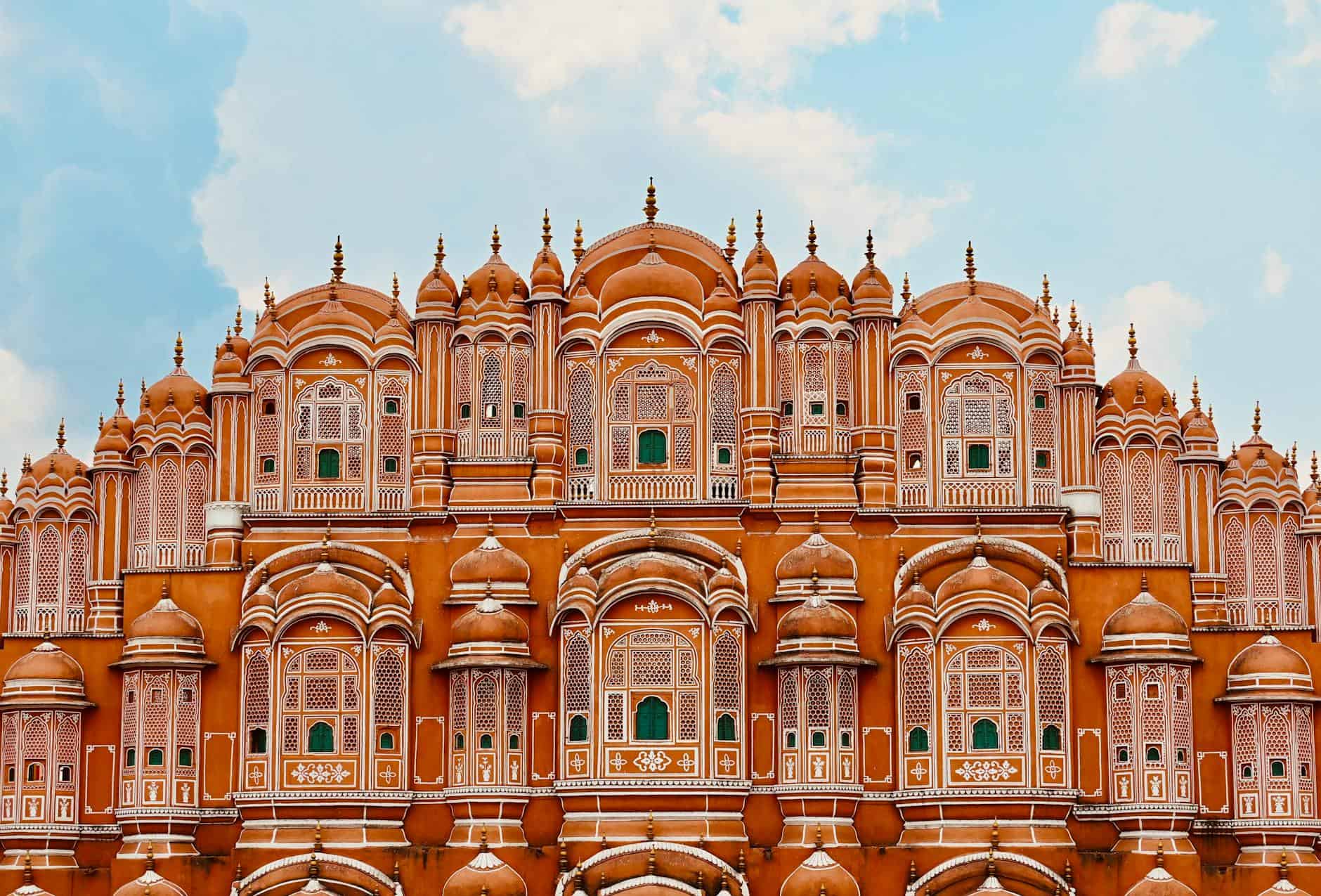
    Jaipur History: Exploring the Pink City of Royal Palaces and Rajasthani Architecture

    Introduction

    Jaipur, the capital city of Rajasthan, India, is renowned for its stunning architecture, rich history, and vibrant culture. Founded in 1727 by Maharaja Sawai Jai Singh II, this city, often referred to as the “Pink City,” is a brilliant amalgamation of the regal past and contemporary life. The unique pink-hued buildings are not just an aesthetic delight; they reflect a carefully executed city planning and architectural prowess. As a hub of Rajasthani culture and traditions, Jaipur offers a fascinating glimpse into the lives of ancient royals through its majestic forts and palaces. This article seeks to explore the deep-rooted Jaipur history, delving into its iconic structures, cultural festivals, and the modern vibrancy that makes it a popular tourist destination today.

    The Origins of Jaipur: A Historical Overview

    The history of Jaipur dates back to the early 18th century, with its establishment being a significant milestone in India’s architectural and urban landscape. Founded by Maharaja Sawai Jai Singh II, the city was built in accordance with the principles of Vastu Shastra, an ancient Indian science that dictates spatial arrangements to harmonize with nature. Before its establishment, the region was a part of the Kachwaha clan’s dominion, with the kings residing in Amber Fort, located just outside the newly planned city.

    Jaipur’s inception was largely driven by Maharaja Jai Singh II’s vision to create a meticulously structured city that would serve not only as a royal capital but also as a center for commerce and culture. With trade flourishing around that time due to the burgeoning Silk Route, he recognized the need for a city that could accommodate the increasing population and serve as a hub for economic activity.

    The planning of Jaipur was undertaken by the renowned architect Vidyadhar Bhattacharya. His design featured wide streets, meticulous zoning, and an efficient water supply system, which demonstrated advanced urban planning of the time. The city was laid out in a grid pattern, a stark contrast to the typically chaotic design of older Indian cities. The major streets were dedicated to different trades, allowing economic activities to thrive alongside residential areas.

    To honor the Maharaja and contribute to the city’s identity, the buildings were painted in a uniform shade of pink – a tradition that persists today and has earned Jaipur its nickname, “The Pink City.” The pink color symbolizes hospitality and was adopted to welcome the visit of the Prince of Wales in 1876, thereby solidifying the city’s reputation as a royal capital.

    During its early years, Jaipur became a cultural melting pot, reflecting the diverse influences of various communities that settled in the area. The city was not just a political center but also a bastion for arts and crafts, with traditional artisans continuing their skills in textiles, pottery, and jewelry. The economy flourished, allowing the royal family to sponsor art, music, and various cultural festivals, which laid the groundwork for an enduring cultural legacy.

    facade of the hawa mahal palace in jaipur india
    Facade of the Hawa Mahal Palace in Jaipur, India

    However, Jaipur’s history is not without its challenges. As with many regions in India, the city saw a decline during British colonial rule when political and economic structures transformed dramatically. The traditional modes of governance were replaced, affecting local leaders’ authority and community unity. Nevertheless, the resilience of Jaipur’s people and their attachment to their cultural heritage helped preserve the city’s architectural and historical significance.

    Post-independence, Jaipur embarked on a path of modernization while striving to maintain its historical essence. The city developed rapidly, welcoming tourists and establishing itself as a historical site to be explored, with a plethora of museums, galleries, and cultural exhibitions showcasing its rich heritage.

    The origins of Jaipur are inextricably linked to the vision of Maharaja Jai Singh II and the meticulous planning of his architects. The city continues to stand as a testament to the innovative spirit of its founders while embracing modernity. Today, the blend of history, art, architecture, and culture makes Jaipur a vibrant destination that captures the imagination of visitors from around the world.

    Architectural Wonders: The Palaces and Forts

    The architectural narrative of Jaipur is marked by majestic palaces and formidable forts, each telling a unique story of the city’s illustrious past. The most notable of these is the City Palace, which showcases a fascinating mix of Rajput and Mughal architectural styles. Constructed by Maharaja Sawai Jai Singh II, the palace complex was an evolving entity, as each successive ruler contributed to its embellishment. Within its sprawling grounds, museums house artifacts that depict Jaipur’s royal history, from intricately designed armaments to exquisite textiles.

    One cannot discuss Jaipur’s architecture without mentioning the iconic Hawa Mahal, or the “Palace of Winds.” With its unique façade adorned with 953 small windows, this architectural marvel was designed to allow royal women to observe street festivities without being seen. Built in 1799 by Maharaja Sawai Pratap Singh, the palace exemplifies the blend of functionality and aesthetics typical of Rajasthani architecture.

    amber fort in amer in india
    The Amer Fort, India

    Moreover, Amer Fort, located just outside the city, stands as a prime example of Rajput architecture. The fort, with its artistic blend of Hindu and Mughal designs, is characterized by its grand entrance, soaring walls, and beautiful gardens. Visitors traverse the fort’s intricate pathways, marveling at the grand Diwan-e-Aam (Hall of Public Audience) and the splendid Sheesh Mahal (Mirror Palace), which further illuminate the luxurious lifestyle of the Rajput kings.

    Other significant structures include the Nahargarh Fort, perched on the Aravalli hills, offering panoramic views of the city, and Jaigarh Fort, known for its colossal cannon and impressive military architecture. Together, these forts and palaces serve as a historical narrative, reflecting the grandeur and ingenuity of the Rajput era.

    Exploring the Cultural Heritage: Festivals and Traditions

    Jaipur’s rich cultural heritage is vividly expressed through its numerous festivals, which showcase the city’s vibrant traditions and the spirit of its people. Celebrations such as Diwali, Holi, and Teej are deeply intertwined with the local customs and reflect the religious diversity of the region. Diwali, the Festival of Lights, sees the entire city come alive with dazzling decorations and illuminated homes, while Holi, the Festival of Colors, witnesses an exuberant display of joy and camaraderie as residents and visitors partake in color-filled festivities.

    Additionally, Jaipur is famous for its traditional Rajasthani music and dance forms, which often take center stage during events and celebrations. From the graceful movements of Ghoomar dancers to the soulful renditions of folk songs, these performances offer a glimpse into the rich cultural tapestry of Rajasthan. The annual Jaipur Literature Festival draws literary enthusiasts worldwide, affirming the city’s role as a cultural hotspot.

    Culinary traditions are also an essential aspect of Jaipur’s culture. Local cuisine reflects the grandeur of Rajasthani royalty, featuring dishes such as Dal Baati Churma, Gatte ki Sabzi, and delectable sweets like Ghevar and Mohanthal. Street food, too, is integral to Jaipur’s culinary scene, with vendors serving mouthwatering snacks like Pyaaz Kachori and Chaat, enticing both locals and tourists alike.

    Traditional handicrafts play a significant role in preserving Jaipur’s cultural heritage. The city is renowned for its gemstone cutting and polishing, textile production, and the intricate art of block printing. Visitors can explore local bazaars, such as Johari Bazaar and Bapu Bazaar, where artisans display their craftsmanship, providing insight into the age-old traditions that continue to thrive.

    The Modern City: Jaipur Today

    Today, Jaipur stands as a thriving metropolis that seamlessly blends historical significance with contemporary advancements. The city’s growth has transformed it into a major administrative and educational center, fostering economic development while preserving its cultural identity. Modern infrastructure, with newly constructed roads, smart city initiatives, and public transport systems, reflects Jaipur’s commitment to progress.

    The city has also seen a surge in hospitality and tourism, with luxurious hotels and heritage properties catering to visitors seeking an authentic experience. The fusion of traditional Rajasthani hospitality with modern amenities ensures that both domestic and international tourists leave with memorable experiences. The Jaipur International Airport enhances connectivity, making the city accessible to travelers worldwide.

    Additionally, Jaipur has embraced technological advancements, with a burgeoning start-up ecosystem that encourages innovation and entrepreneurship. The city hosts numerous business incubation centers and co-working spaces aimed at nurturing new ventures, contributing to the local economy.

    facede of chandra mahal in jaipur
    Jaipur, India

    The blend of modernity and tradition is evident in various fields, including education. Jaipur boasts prestigious institutions contributing to the academic landscape, offering courses in arts, science, and technology. Initiatives aimed at promoting sustainability and environmental consciousness are also making waves, as local government and non-profit organizations promote green practices.

    Moreover, Jaipur’s status as a UNESCO World Heritage Site highlights the city’s commitment to preserving its historical integrity while moving forward. This recognition not only increases international tourism but also reinforces the importance of preserving the unique architectural styles and cultural traditions that define Jaipur.

    Tourism in Jaipur: Attractions and Travel Tips

    Jaipur’s allure as a tourist destination lies in its rich heritage, architectural wonders, and vibrant culture. Several attractions draw visitors from across the globe, including the majestic City Palace, the enigmatic Amer Fort, and the intricately designed Jantar Mantar, an astronomical observatory boasting a series of monumental instruments.

    Other notable spots include the Albert Hall Museum, showcasing an extensive collection of artifacts and art, and the vibrant market scene, where one can shop for traditional handicrafts, textiles, and jewelry. The heritage walk through the city’s old quarters provides an immersive experience, allowing visitors to appreciate the local lifestyle and soak in the city’s bustling atmosphere.

    When visiting Jaipur, it’s essential to embrace local customs and etiquette, which enhances the experience and fosters goodwill. Engaging with the locals not only enriches travel experiences but also facilitates a deeper understanding of the region’s culture. It is advisable to try local cuisine at authentic eateries to savor the true flavors of Rajasthani gastronomy.

    Travelers should plan their visit to coincide with prominent festivals to witness the city in its full vibrancy. Furthermore, understanding the climatic conditions is crucial; the best time to visit is during the winter months, from October to March, when the weather is pleasant.

    Conclusion

    Jaipur’s historical narrative and vibrant culture create an impressive canvas for exploration. The Pink City stands as a testament to the confluence of rich history, architectural brilliance, and a dynamic modern landscape. From its regal palaces and imposing forts to colorful festivals and thriving arts, Jaipur invites visitors to immerse themselves in its legacy and experience the magic of Rajasthan. Whether wandering through bustling bazaars or gazing at the stars from the ancient observatories, Jaipur promises an unforgettable journey through time.

    The city’s carefully planned layout, iconic pink sandstone façades, and masterful examples of Rajasthani architecture reflect a deep understanding of aesthetics, science, and governance. Landmarks such as the City Palace, Hawa Mahal, and Amber Fort reveal stories of royal ambition, cultural exchange, and artistic excellence. At the same time, Jaipur continues to evolve as a living city where tradition and modernity coexist harmoniously. By preserving its heritage while embracing contemporary life, Jaipur remains not only a historical treasure but also a vibrant cultural capital that continues to inspire travelers from around the world.

    The Untold History of Jaipur: Secrets of the Pink City Revealed Video

    The Untold History of Jaipur: Secrets of the Pink City Revealed
  • La Fortaleza and San Juan National Historic Site History: Guardians of the Caribbean

    Introduction

    La Fortaleza, the official residence of the Governor of Puerto Rico, stands as a symbol of resilience and history within the San Juan National Historic Site. This site, also known as the Casa Blanca, offers an intricate glimpse into the early days of Puerto Rico and its strategic importance in the Caribbean. Built in the early 16th century, La Fortaleza has witnessed centuries of political, military, and cultural transformations. As a UNESCO World Heritage Site, it serves not only as a residence but also as a reminder of the island\’s complex past, its colonial architecture, and its defensive purposes. Furthermore, La Fortaleza emphasizes the enduring legacy of Puerto Rican culture through its preservation and continued use. In examining the historical context, architectural details, and the sites\’ role in defense, we can better appreciate their significance as guardians of the Caribbean.

    Historical Overview of La Fortaleza

    La Fortaleza, officially known as the Alcázar de San Juan, was constructed in 1533 under the direction of the Spanish crown to serve as a fortification against potential attacks from rival forces in the Caribbean. Situated strategically overlooking the San Juan Harbor, it was essential for controlling maritime traffic and securing the valuable trade routes that passed through the Caribbean. The fortress was one of the earliest structures in this region, demonstrating the Spanish Empire\’s necessity to establish a stronghold in the New World.

    The choice of location for La Fortaleza was not arbitrary. The island of Puerto Rico, discovered by Christopher Columbus in 1493, quickly became an essential hub for Spanish exploration and commerce. By positioning military fortifications in San Juan, the Spanish sought to thwart the increasingly aggressive pursuits of other European powers, such as the French and English. The construction of La Fortaleza marked the beginning of a defensive network that would be expanded over the years with additional fortifications, including El Morro and San Cristóbal, which together formed a formidable barrier against invaders.

    Initially constructed as a simple structure, La Fortaleza underwent numerous renovations and expansions throughout the 16th to the 19th centuries. The changes reflected not only military needs but also evolving architectural styles prevalent in Spain. Notable renovations in the 18th century introduced Baroque elements that enhanced its defensive capabilities, emphasized its grandeur, and adapted to the new technological advancements in warfare.

    During its storied history, La Fortaleza has witnessed significant historical events, including the battles against Sir Francis Drake in 1595 and the English assault in 1625. Each of these confrontations revealed weaknesses in the fortress’s design and led to further modifications. The structure\’s ability to withstand these assaults cemented its reputation as an indomitable bastion and a critical point of defense for Spain\’s interests in the Caribbean.

    Despite its military significance, La Fortaleza also played a crucial domestic role. It became the residence for the governors of Puerto Rico, representing the Spanish crown\’s authority over the island. The transition from a military fort to a governmental residence also illustrated the shifting dynamics of power over time. The blend of military and political significance allowed La Fortaleza to remain a central figure in Puerto Rican history for centuries.

    In 1955, recognizing its historical value, the United States listed La Fortaleza as a National Historic Landmark. This designation further underscored not just its architectural importance but also its role as a cultural symbol for the people of Puerto Rico. Today, it stands as the oldest governor\’s mansion in continuous use in the Americas, showcasing the rich heritage of the island and serving as a reminder of the complex relationships forged through colonization and governance.

    In summary, La Fortaleza\’s compelling history is characterized by its transformation from a military fortress to an emblematic residence for Puerto Rico\’s governors. This evolution reflects broader social, political, and military shifts in the Caribbean, illustrating how architecture can encapsulate the narratives of nations and communities.

    Significance of San Juan National Historic Site

    The San Juan National Historic Site is a testament to the rich cultural and military history of Puerto Rico, highlighting the island\’s strategic importance in the Caribbean during the Age of Exploration and beyond. Established to preserve the legacy of the Spanish colonization, the site encompasses several historic structures, including La Fortaleza, Castillo San Felipe del Morro, and Castillo San Cristóbal. Each of these sites plays a vital role in understanding the historical context of colonialism, defense, and cultural amalgamation in the Caribbean.

    One of the primary significances of the San Juan National Historic Site lies in its representation of military architecture and urban planning from the 16th century onwards. The fortifications, designed by Spanish military engineers, reflect the military strategies employed during a period when naval power defined dominance over territories. At its peak, San Juan became a key military outpost for Spain, controlling not only the trade routes but also acting as a bulwark against the encroaching influences of English and French colonial ambitions.

    \"historic
    La Fortaleza and San Juan National Historic Site

    The layout of the fortifications also provides insight into the European concept of city planning during the colonial period. The walls, bastions, and gates are indicative of the Renaissance military architecture that informed the design of coastal cities around the world. As a UNESCO World Heritage Site since 1983, San Juan showcases the ingenuity and adaptation of Spanish colonial forces to the geographic and cultural landscapes of Puerto Rico.

    Moreover, the site serves as a cultural focal point for understanding the diverse influences that shaped Puerto Rican identity. The intersection of various cultures—indigenous Taíno, African, and European—has significantly contributed to the social fabric of the island. The historic site not only reflects the legacy of Spanish colonization but also highlights the enduring impact of these diverse cultures on Puerto Rican society today.

    As a protected area, the San Juan National Historic Site is vital for ongoing historical research and education. The preservation efforts ensure that future generations can learn about and appreciate the multi-faceted history of Puerto Rico. Workshops, guided tours, and educational programs provided at the site help foster an understanding of the intricate narrative surrounding colonization, resistance, and cultural fusion.

    In recent years, the site has also become a platform for discussing broader themes of colonialism, identity, and heritage. Events, exhibitions, and community engagement initiatives highlight the importance of preserving history while recognizing the complexities surrounding it. This focus on cultural education not only aids in historical understanding but also fosters a sense of belonging and pride among Puerto Ricans.

    In essence, the San Juan National Historic Site is of paramount significance as it encapsulates the military, cultural, and historical narratives of Puerto Rico. It serves as an educational resource, a site of remembrance, and a symbol of the island\’s diverse heritage. Understanding its importance allows us to appreciate the broader implications of colonial history and its ongoing influence on contemporary Puerto Rican identity.

    Architectural Insights into La Fortaleza

    La Fortaleza’s architecture is a testament to its multifaceted role in Puerto Rican history, serving both defensive and domestic functions. Its design reflects a blend of military engineering and colonial aesthetics, illustrating the evolution of fortification techniques and architectural styles across centuries. When one examines La Fortaleza from an architectural perspective, it becomes evident that each phase of construction contributed uniquely to its current form.

    Initially, La Fortaleza was built as a modest structure primarily for defense. The early form consisted of thick stone walls, strategically designed to absorb cannon fire and withstand sieges. The choice of local limestone, known for its durability, not only provided strength but also enabled better adaptation to the island\’s coastal environment. The original layout featured minimal ornamentation, focusing primarily on functionality—an essential characteristic of early colonial military structures.

    As time progressed and military technology advanced, modifications were made to enhance the fortress\’s defensive capabilities. In the 18th century, La Fortaleza underwent significant renovations that introduced baroque elements, influenced by European architectural trends of the era. The addition of rounded bastions and emplacements for cannons represented the changing nature of warfare and the need for fortifications to adapt accordingly. These enhancements allowed La Fortaleza to better protect the harbor and the city from naval assaults.

    The interior of La Fortaleza tells its own story of architectural evolution. As it transitioned from a military fortification to a governor\’s residence, the design adapted to reflect the needs and aesthetics of governance. The interior layout includes formal reception areas, private rooms, and administrative offices, each designed with purpose and elegance. The ceilings, adorned with decorative moldings and wooden beams, showcase the intricate craftsmanship of the era, adding a sense of grandeur to the otherwise utilitarian structure.

    The prevailing style of La Fortaleza merges Spanish Colonial architecture with local influences, creating a unique Puerto Rican identity. The use of courtyards—common in Spanish architecture—helps mitigate the tropical climate, offering shaded areas that are essential for comfort in high temperatures. These external spaces are integral to the building\’s structure, promoting both security and sociability.

    Notably, La Fortaleza has retained its original features while integrating modern amenities to serve its current function as the governor\’s residence. Careful restoration efforts have preserved the historic aspects, ensuring that visitors and residents alike can appreciate the blend of past and present. The interior now includes modern facilities, yet the historical charm remains palpable, reflective of the island\’s heritage and the enduring significance of La Fortaleza.

    The choice of art and decor within La Fortaleza also carries weight, as it incorporates both local and Spanish elements. The artworks often feature themes of governance, maritime exploration, and Puerto Rican landscapes, further embedding the site within the identity of the island. These artistic choices not only adorn the space but also convey the narratives of power, culture, and history that have shaped Puerto Rico.

    In summary, the architectural insights into La Fortaleza reveal a dynamic history of adaptation and preservation. This structure showcases an impressive evolution from a military fortress to a symbol of governance, merging the functional needs of defense with the aspirations of colonial identity. The architectural legacy of La Fortaleza stands as a testament to the complexities of Puerto Rico’s history, reflecting both the resilience of its people and the intricate tapestry of influences that have shaped the island.

    The Role of the Sites in Caribbean Defense

    The role of La Fortaleza and the greater San Juan National Historic Site extends beyond mere architecture; it serves as a linchpin in the intricate web of Caribbean defense during a period characterized by colonial rivalries. The Spanish Empire recognized San Juan as a strategic location, which dictated the development of a network of fortifications designed to safeguard not only the island but also its maritime trade routes. Understanding this defensive role requires an exploration of the geopolitical dynamics that shaped the Caribbean and the specific functions of the fortifications.

    From the moment of its establishment, San Juan became a focal point in the Spanish colonial strategy. The Caribbean was a fiercely contested arena for European powers, with Spain, England, France, and later the Netherlands all vying for control over valuable islands rich in resources and trade potential. La Fortaleza, alongside other fortifications like El Morro and San Cristóbal, was designed to serve as both a military stronghold and a deterrent against naval incursions. These structures allowed the Spanish to control the entrance to the harbors, enabling them to monitor and protect shipping lanes crucial for the flow of goods and wealth.

    As trade and commerce flourished in the Caribbean, so did the necessity for enhanced defense mechanisms. La Fortaleza originally functioned primarily as a lookout point, but its role quickly evolved. During key conflicts, such as Sir Francis Drake\’s attack in 1595, the vulnerabilities of San Juan\’s defenses became apparent. Following such confrontations, La Fortaleza underwent significant renovations to bolster its fortifications, which mirrored the advancements in artillery and military strategy of the time.

    The fortresses allowed for the control of access to vital trade routes, functioning as ultimate guardians of the Spanish Empire\’s interests in the New World. Each era of conflict—whether it was pirate assaults, rival colonial armies, or local uprisings—prompted a reevaluation and enhancement of defenses. The role of La Fortaleza extended far beyond its walls; it was an integral component of a broader system of coastal defenses across the Caribbean, synergistically working with other fortifications to create a fortified network designed to withstand various threats.

    Part of this defensive strategy included the use of eco-defense tactics unique to Puerto Rico. The island’s natural geography, with its rugged coastlines and elevated terrains, were effectively utilized within fort designs. The strategic placement of La Fortaleza allowed for a comprehensive view of any approaching vessels, which was essential for early warning and organizations of responses against incursions.

    Through the changing tides of power dynamics in the Caribbean, La Fortaleza and its sister fortifications adapted and evolved. The changing forms of warfare, including the introduction of more powerful naval artillery and evolving assault tactics, necessitated a continuous adaptation of the forts’ structures. This can be seen in the transition from simple blockades to more complex layered defenses, allowing for multiple lines of protection against invaders.

    The 18th and 19th centuries brought further advancements in military engineering, compelling updates to La Fortaleza\’s capabilities. The implementation of bastions designed to accommodate heavy artillery reflects the shift in military architecture in response to contemporary warfare challenges. The role of La Fortaleza as part of a larger network of fortifications also highlights the collaborative design philosophy observed during this period. It was not just about individual structures; rather, it was about how these fortifications worked together as coordinated defenses against would-be invaders.

    In conclusion, the significance of La Fortaleza within the broader narrative of Caribbean defense cannot be overstated. It was more than a building; it was an essential bastion that embodied the imperial ambitions of Spain and mirrored the geopolitical realities of its time. Understanding its role within the interconnected network of defenses provides a glimpse into the complexities of colonial warfare, commerce, and territorial control in the Caribbean. The enduring presence of La Fortaleza is a powerful reminder of the island\’s strategic importance in historical memory, embodying the resilience and readiness of those who protected it.

    Cultural Impact and Preservation Efforts

    The cultural impact of La Fortaleza and the San Juan National Historic Site extends beyond its military and architectural significance, reflecting the rich tapestry of Puerto Rico\’s history and identity. As a focal point of heritage, these sites represent not only a legacy of colonialism but also a testament to the resilience and evolution of Puerto Rican culture. Over the years, preservation efforts have been crucial in maintaining the integrity of these sites, ensuring that future generations can appreciate their historical narratives.

    La Fortaleza has become a symbol of Puerto Rican identity, representing both the colonial past and contemporary governance. Its history, from a military fortress to an official residence for Puerto Rican governors, encapsulates the island\’s journey through colonization, cultural amalgamation, and independence movements. The preservation of La Fortaleza serves as a reminder of the complexity of these narratives, fostering discussion about identity, heritage, and the implications of colonialism. As such, it acts as a cultural repository, where history is both honored and critiqued.

    Efforts to preserve La Fortaleza and the San Juan National Historic Site have evolved over the years, focusing on maintaining the structural integrity while ensuring accessibility for educational purposes. Both federal and local entities have recognized the importance of these sites, funneling resources into restoration projects and interpretive programs that engage the public. Restoration initiatives have included structural repairs, the conservation of original artworks, and the creation of informative displays that highlight the historical significance of the site.

    In addition to physical preservation, cultural preservation initiatives have aimed to protect the stories and traditions associated with La Fortaleza. Educational programs and community events foster a deeper appreciation of the site, engaging local schools, historians, and cultural organizations. These programs aim to create connections between historical narratives and contemporary Puerto Rican identity, merging past and present in meaningful ways. By weaving in the personal stories of Puerto Ricans and their relationship with the site, the educational efforts promote recognition of the island\’s diverse cultural heritage.

    Moreover, public engagement through various activities enhances the cultural vibrancy of the site. Events that celebrate traditional music, dance, and culinary heritage not only attract visitors but also encourage local participation. These gatherings create a sense of belonging, whereby community members can interact with their history and take pride in their cultural identity. Such engagement is essential for fostering a sense of continuity and relevance in discussions of heritage and preservation.

    The role of partnerships in preservation efforts cannot be underestimated. Collaboration between local governments, historical associations, and international organizations, such as UNESCO, has been instrumental in securing funding and resources for restoration projects. These partnerships ensure comprehensive management plans that address conservation needs while promoting historical education. Consequently, the collaborative approach to preservation amplifies the voices of local historians, cultural practitioners, and the community, allowing them to have a say in how their heritage is maintained and presented.

    Looking to the future, the focus on sustainable preservation practices will play a vital role in safeguarding La Fortaleza for generations to come. Awareness of climate change and its potential impact on coastal historical sites prompts innovative approaches to conservation. This might involve incorporating sustainable materials, enhancing drainage systems, and utilizing modern technology to monitor the integrity of the structures.

    In conclusion, the cultural impact of La Fortaleza and the San Juan National Historic Site transcends mere historical significance, encompassing themes of identity, resilience, and continuity. The preservation efforts not only protect the physical structures but also celebrate the narratives that shape Puerto Rican culture. By fostering community engagement and advocating for sustainable practices, these sites remain vital placeholders in the ongoing dialogue about heritage, identity, and the complexities of history, solidifying their role as guardians of Caribbean culture for future generations.

    Conclusion

    In summary, La Fortaleza and the San Juan National Historic Site play a crucial role in encapsulating the rich tapestry of Puerto Rican history, culture, and architecture. Their stories are woven through centuries of colonialism, military defense, and cultural identity. La Fortaleza stands as a symbol of resilience, evolving from its origins as a military bastion to a governor\’s residence, while still embodying the intricacies of Puerto Rico\’s past.

    The significance of these sites extends beyond their physical structures; they serve as crucial reminders of the strategic importance of the Caribbean in global geopolitics and the multifaceted social interactions therein. The preservation efforts highlight not only the architectural integrity of La Fortaleza but also the cultural narratives that it represents, ensuring that the history it embodies continues to be told and celebrated.

    Engagement with these historic sites fosters a rich dialogue about identity, heritage, and the complex legacies of colonization, inviting present and future generations to reflect on their connections to the past. As guardians of the Caribbean, La Fortaleza and the San Juan National Historic Site remind us of the dynamic interplay of history, culture, and identity, encouraging ongoing appreciation and respect for Puerto Rico’s unique heritage. Through education, preservation, and community connection, we ensure that the stories of these sites remain vital and relevant as we move forward into the future.

    La Fortaleza & San Juan National Historic Site: Puerto Rico\’s Treasures| Video

    La Fortaleza & San Juan National Historic Site: Puerto Rico\’s Treasures

  • Kronborg Castle History: The Renaissance Stronghold That Inspired Shakespeare

    Introduction

    Kronborg Castle, located in Helsingør, Denmark, stands as a remarkable testament to Renaissance architecture and history. Built in the late 15th century, this fortress has witnessed centuries of Danish royal history and political intrigue. Most famously known as the setting for Shakespeare\’s play Hamlet, Kronborg has become a cultural symbol, capturing the imagination of visitors from around the world. The castle\’s strategic position at the narrowest point of the Øresund strait made it a vital maritime fortification during the Renaissance period, serving both as a royal residence and a toll booth for vessels passing through. With its intricate design, majestic towers, and historic significance, Kronborg Castle not only narrates the story of Denmark’s past but also remains a vibrant site of interest, continually enriching the cultural tapestry of the nation. This article delves into the diverse aspects of Kronborg Castle history, architecture, political influences, and its lasting legacy.

    The Origins of Kronborg Castle

    Kronborg Castle’s origins trace back to the late 15th century when King Frederick I commissioned its construction as a defense against Viking raids and to secure the Danish trade route. Initially built as a simple fort, it was strategically positioned on the shoreline to control maritime traffic in the Øresund strait, a crucial passage for shipping between the North Sea and the Baltic Sea. This location underscored the castle’s military importance, granting the Danish crown control over one of northern Europe’s busiest maritime passages.

    The site of Kronborg wasn’t chosen by chance. Its proximity to the waters of Øresund provided a significant advantage in overseeing the movement of ships, allowing the Danish royal authority to impose tolls on these vessels. This naval stronghold quickly evolved from a rudimentary castle into an elaborate fortress as added layers of protection were required to accommodate growing threats from neighboring countries.

    In the early 16th century, under the reign of King Christian IV, Kronborg underwent substantial renovations that transformed its character from a military bastion into a luxurious Renaissance palace. Influenced by the architectural styles of the time, including Italian Renaissance elements, King Christian IV envisioned Kronborg as not only a fortress but also a symbol of royal power and elegance. This phase of expansion included the construction of refined living quarters, opulent halls, and mesmerizing gardens, all designed to impress dignitaries and foreign visitors.

    As the castle developed, its architectural significance became increasingly pronounced. The grand ballroom, known for its remarkable acoustic qualities and decorative murals, exemplified the Renaissance’s fusion of aesthetics and utility. The elaborate decorations and artworks produced during this period showcased the royal family\’s wealth and educational pursuits. Renowned artists and craftsmen were commissioned to create intricate sculptures and paintings that adorned the castle’s walls, enhancing its artistic legacy.

    The castle\’s historical relevance continued to flourish as it played a central role during the Northern Wars and various power struggles involving Denmark. Throughout these conflicts, Kronborg stood resolute, embodying Danish strength and resilience. However, the castle experienced its share of adversity; devastating fires in the late 17th and early 18th centuries led to further repairs and renovations, perpetuating the cycle of development.

    One of Kronborg\’s most remarkable attributes lies in its association with William Shakespeare. When Shakespeare wrote Hamlet, he was indeed inspired by his visit to Kronborg and its haunting legends. The character of Prince Hamlet and the castle\’s eerie ambiance seemed to intertwine perfectly, creating a legacy that intertwined English literature with Danish heritage. As a result, Kronborg became known as \”Elsinore,\” the fictional setting of the play, fostering a deep-rooted connection between the castle and Shakespeare\’s enduring tale.

    As Kronborg burgeoned in complexity and became intricately tied to Danish culture and identity, its historical narrative continued to evolve. Even as Europe moved into newer artistic movements, the castle stood as a reminder of the country’s regal past, intricate architecture, and significant battles fought for power and freedom. Today, the legacy of Kronborg Castle stands as a multifaceted symbol of Denmark, resonating with a blend of history, artistry, and cultural significance that continues to enthrall visitors from around the globe.

    Architectural Significance and Design

    Kronborg Castle is not just a military fortress; it is a masterpiece of Renaissance architecture that encapsulates the grandeur of its era. Following its transformation under King Christian IV, the castle\’s design attracted attention for its intricate details and robust constructions. Built primarily from granite, characterized by its durability and elegance, the castle\’s imposing facade presents a formidable presence to all who approach it. The stark contrast of the deep gray stone against the backdrop of the blue waters of the Øresund strait adds to the castle\’s magnificent aura.

    A distinctive feature of Kronborg’s architecture is the crenellated rooflines, adorned with characteristic gables and spires that reflect the ingenuity of Renaissance design principles. The towers, particularly the five main towers situated at the corners of the fortress, rise confidently, symbolizing both defensive capabilities and aesthetic appeal. Each tower has its complexity, serving various functions: from housing the royal family to serving as military watchpoints.

    \"aerial
    The Kronborg Castle

    Beyond the visible grandeur, meticulous planning was involved in the castle\’s layout. The impressive courtyard is the heart of Kronborg, surrounded by prominent buildings that once hosted royal functions and events. Each space reflects carefully considered design, integrating practical fortification elements with the opulent stylistic features of the Renaissance.

    The interior of Kronborg is equally striking, filled with ornate decorations and intricate woodwork. The grand halls were not simply spaces to be occupied; they served as stages for social gatherings, theatrical performances, and royal ceremonies. The ballroom, in particular, is noted for its remarkable acoustic properties, making it an enchanting locale for music and dance, a testament to the castle\’s role as a cultural hub during the Renaissance period.

    Further, the castle’s kitchen is a nod to the advancements in culinary practices of the time, showcasing large hearths for fire cooking—complex ovens and storage areas were indicative of sophisticated meal preparation that catered to the needs of the royal court. Artefacts from historical excavations offer additional insight into the everyday life within the castle, including utensils, pottery, and remnants of ancient banquets.

    In addition to its architectural beauty, Kronborg\’s design reflects the strategic military thinking of its time. The high walls and deep moats surrounding the fortress were constructed for protection against invaders. Access to the castle was controlled, with drawbridges and fortified entry points that deterred attackers. The strategic positioning allowed defenders an advantageous overview of approaching threats, reinforcing the castle\’s role as a critical component of Denmark\’s military defenses.

    Notably, orbiting Kronborg is a series of bastions that extend into the water, emphasizing the need for holistic defense strategies during a time of maritime conflict. These bastions housed artillery and created a formidable line of defense along the coast. The castle was prepared for long sieges; important supplies could be stockpiled within its walls, contributing to its operational efficiency.

    Finally, the rich artistry embedded throughout the castle provides cultural context to its artistic significance. Renaissance influences can be found in the splendid frescoes adorning the ceilings, depicting gods and legendary figures, which symbolize humanist ideals of the time. The sculptures and reliefs throughout the castle exemplify the technical genius and artistry that flourished during this period.

    Today, Kronborg Castle stands not only as a historical edifice but also as a UNESCO World Heritage Site, regarded for its architectural impact and as an essential piece of Denmark\’s cultural heritage. Through careful preservation and appreciation of its architectural legacy, Kronborg continues to inspire and educate future generations about the grandeur of Renaissance artistry.

    Role in Danish History and Politics

    Kronborg Castle has played a pivotal role in shaping Danish history and politics, acting as a fortress that not only defended the realm but also symbolized royal authority and power throughout its centuries of existence. Originally constructed to safeguard Denmark’s strategic trade routes in the Øresund strait, Kronborg became an essential focal point of royal governance and military strategy.

    During the late Middle Ages and into the Renaissance, the castle acted as a vital trade hub. The Öresund strait was not only the primary maritime passage connecting the North Sea and the Baltic Sea, but it also became a lucrative source of revenue for the Danish crown through toll collection on all passing ships. This financial influx allowed the monarchy to fund extensive military and cultural endeavors, solidifying Denmark’s position as a powerful player in Northern Europe.

    The involvement of Kronborg in significant political events is noteworthy. The castle served as a stage for royal decrees and the hosting of foreign dignitaries, further solidifying diplomatic relationships. For instance, the court of King Christian IV was an energetic epicenter of international politics and cultural life, where treaties were signed, and critical alliances were forged. It was during these auspicious gatherings that Denmark asserted its influence on European affairs, further emboldening Kronborg’s significance within the context of broader political dynamics.

    \"aerial
    The Kronborg Castle

    Kronborg\’s military importance was highlighted during various conflicts, including the Kalmar War (1611-1613) and during the Thirty Years\’ War (1618-1648). As a stronghold, it was strategically vital in repelling invasions, with its fortifications enduring numerous assaults. Kronborg not only functioned as a refuge for the Danish king and court but also offered sanctuary for armed forces and military planning, exemplifying a proactive stance against external threats.

    Additionally, the castle witnessed considerable tension during the shift from a feudal monarchy to a more centralized royal authority. The growing importance of parliamentary governance in Denmark led to shifting power dynamics during the 17th century. Kronborg embodied contradictions of power; while it served the monarchy, it also became a point of contention among nobles vying for influence over governance and taxation.

    The Peace of Roskilde in 1658, which marked a pivotal moment in Danish history, was agreed upon within Kronborg\’s walls. This treaty concluded the Second Northern War, highlighting the castle’s role as a center of negotiation and diplomacy. The royal court operated within its rooms as both a ceremonial venue and a strategic planning hub, positioning Kronborg as a critical player in the evolving landscape of Northern European politics.

    In the centuries that followed, as the political landscape of Denmark transformed, so too did Kronborg’s roles. It transitioned from an active military fortress into a symbol of national pride and cultural significance. While maintaining its status as a military installation during times of need, the castle increasingly catered to the monarchy and became a stage for performing arts and festivities. The intertwining of royal privilege and the castle’s cultural identity began to manifest in festivals and celebrations—integral to the Danish royal tradition still cherished today.

    The castle\’s relationship with literature and arts echoed its historical significance. Shakespeare’s Hamlet elevated Kronborg into international recognition, solidifying its cultural heritage and linking it to the story of power struggles and personal conflict. The imagery of Kronborg as the backdrop to Hamlet’s tragic tale contributed to its allure and importance, demonstrating how political narratives can become interwoven with personal stories.

    Today, Kronborg stands as a reflection of centuries of historical evolution. It serves as a reminder of Denmark\’s past while continuing to play a role in contemporary discussions about heritage and culture. The castle not only attracts tourists from around the globe, keen to explore the tales of drama and intrigue, but also engages scholars and historians seeking to understand the nuances of Danish political history. Kronborg, therefore, is much more than a mere relic; it is an emblem of resilience and legacy that continues to inspire discussions about identity and the complex layers of the Danish crown\’s rich history.

    Cultural Impact and Legacy

    The cultural impact of Kronborg Castle is vast, transcending its physical location and historical context to become a symbol of art, literature, and Danish identity. As one of the most renowned castles in Europe, it has played a significant role in shaping national pride and cultural heritage, resonating with both Danes and international visitors.

    One of the most significant facets of Kronborg\’s cultural legacy is its connection to William Shakespeare\’s Hamlet. Written in the early 17th century, the play has immortalized Kronborg as the fictional setting of Elsinore. This connection has forged a lasting bond between the castle and the literary world, making it a pilgrimage site for literature enthusiasts. The character of Hamlet, grappling with themes of existentialism, betrayal, and revenge, mirrors the castle’s tumultuous past, further enriching its tapestry of cultural significance.

    Kronborg’s influence extends beyond literature; it has also inspired various forms of art, including paintings, music, and theatre. Artists and musicians have drawn inspiration from its grandeur and ambiance, often portraying the castle in romantic and dramatic contexts. Throughout the centuries, the castle has served as a backdrop for numerous exhibitions, performances, and artistic expressions, fostering a continuous dialogue between history and contemporary culture.

    The physical space of Kronborg itself has become interwoven with national identity. As an impressive architectural achievement of the Renaissance, it serves as a symbol of Danish ingenuity and ambition. The castle is often featured in educational curricula, emphasizing its importance in Danish history and architecture. Schools and cultural institutions highlight Kronborg’s legacy, fostering a sense of pride among younger generations and ensuring its story remains relevant.

    Kronborg also plays a significant role in the preservation and promotion of the Danish language and culture. Events such as the annual Hamlet Festival celebrate the connection between the castle and Shakespeare\’s classic work, attracting artists, playwrights, and audiences from around the world. These events not only honor the literary significance of Kronborg but also transform it into a vibrant center of cultural exchange, showcasing the ongoing relevance of the arts.

    \"aerial
    The Kronborg Castle

    In recent years, efforts to maintain and restore Kronborg Castle have underscored its cultural importance. As a designated UNESCO World Heritage site, it is a beacon of architectural and historical significance, drawing attention to Denmark’s commitment to preserving its heritage. Restoration projects enhance visitor experiences while safeguarding the castle’s integrity for future generations. The implementation of modern technologies in preservation ensures that Kronborg remains accessible while maintaining its historical essence.

    The castle’s role in tourism also cannot be overstated. As one of Denmark’s most popular tourist destinations, Kronborg draws visitors from around the globe, providing them with a glimpse into the country’s rich history and royal lineage. Guided tours, exhibitions, and interactive experiences immerse tourists in the narrative arc of the castle, allowing them to appreciate its grandeur and cultural significance firsthand. This influx of tourism boosts local economies and fosters a connection between visitors and Denmark’s cultural heritage.

    Moreover, the castle stands as a symbol of resilience. It has endured fires, military conflicts, and periods of neglect, yet it has continually evolved and adapted, demonstrating the enduring nature of cultural heritage. Kronborg’s preservation amidst challenges narrates a powerful story of heritage management, drawing interest from preservationists and scholars who study the intersection between maintaining history and adapting to modern needs.

    In summary, Kronborg Castle represents a profound cultural legacy that marries history with the arts. Its influence stretches beyond the confines of its walls, permeating literature, theatre, and national identity. As a centerpiece of Danish culture, it continues to inspire curiosity and admiration, ensuring that the stories woven into its fabric are celebrated for generations to come.

    Tourism and Preservation Efforts Today

    With its breathtaking architecture and rich history, Kronborg Castle remains one of Denmark’s premier tourist destinations, attracting visitors from all corners of the globe. The castle not only serves as a historic monument but also as a vibrant cultural hub that offers a variety of experiences for its guests. The continued popularity of Kronborg showcases the effective interplay between tourism, preservation, and educational endeavors.

    Tourism at Kronborg has flourished, largely due to its association with Shakespeare\’s Hamlet. Enthusiasts of the play flock to the castle to witness its grandeur and immerse themselves in the world that inspired one of literature\’s most famous works. The annual Hamlet Festival serves as a focal point for cultural exchange, featuring theatrical performances, workshops, and events that resonate with audiences and introduce newcomers to the timeless tale of Prince Hamlet and his existential struggle.

    Additionally, guided tours offer visitors a chance to explore the castle’s opulent interiors, medieval chambers, and meticulously maintained gardens. These tours provide invaluable insights into the historical events that shaped both the castle and Denmark itself, allowing guests to gain a comprehensive understanding of its significance. Engaging exhibits and informative displays throughout the castle further enrich the visitor experience, blending historical narratives with artistic representations, contributing to a unique educational journey.

    In tandem with tourism efforts, Kronborg Castle’s preservation is paramount to maintaining its historical and architectural integrity. As a UNESCO World Heritage site, the castle is subject to stringent guidelines regarding preservation practices, ensuring that it remains not only a historical remnant but also a living testament to Denmark’s multifaceted past. Restoration projects have undertaken the challenge of reversing the effects of time, fire, and weather on the castle\’s structures, allowing future generations to appreciate its beauty and significance.

    Modern preservation efforts have integrated innovative technologies, such as climate control measures and structural reinforcement systems, to safeguard the castle’s historic elements while enhancing visitor safety. Continued investment in technological advancements aids in effectively monitoring the environment within the castle, mitigating potential risks associated with aging materials and maintaining its integrity.

    Moreover, the role of local organizations, museums, and academic institutions is essential in driving advocacy for preservation efforts. These collaborative initiatives enhance public engagement, providing platforms for discussions around heritage management, conservation methodologies, and cultural education. Workshops, lectures, and research initiatives foster awareness of the importance of preserving such historical sites and encourage a broader appreciation for cultural heritage.

    The local community plays a vital role in supporting preservation initiatives, recognizing the value that Kronborg Castle brings to Helsingør. Engagement with residents enhances community spirit while generating interest in volunteer opportunities related to tourism and preservation. Host events, collaborative art projects, and educational activities promote a shared understanding of the castle’s significance, fostering a sense of ownership among locals and emphasizing the castle’s importance within their cultural identity.

    Looking to the future, the ongoing tourism and preservation efforts surrounding Kronborg Castle highlight the importance of empathy and stewardship. It serves as a vital reminder of cultural responsibility and the need to balance accessibility with conservation, ensuring that this historical jewel stands the test of time for future generations to discover and cherish.

    Conclusion

    Kronborg Castle stands as a magnificent embodiment of Denmark’s rich history, architectural brilliance, and cultural significance. From its early days as a military fortress to its evolution into a royal residence and a prime tourist destination, the castle has remained a vital player in shaping Danish identity and literature. Through its connection with Shakespeare’s Hamlet, Kronborg has entered the global cultural lexicon, highlighting how narratives intertwine with history.

    The castle’s architectural development reflects the trends of the Renaissance, showcasing artistic achievements that continue to inspire artists, historians, and visitors alike. Today, Kronborg is a testament to resilience, having withstood centuries of conflict, natural disasters, and societal changes, adapting to the needs of modern tourism while preserving its storied past.

    As a UNESCO World Heritage site, Kronborg Castle symbolizes the collective responsibility of society to protect and honor its cultural heritage. Through robust tourism initiatives and dedicated preservation efforts, Kronborg not only captivates the imaginations of those who walk its halls but also engenders a sense of pride and connection to Danish history.

    In a rapidly changing world, Kronborg\’s enduring legacy serves as a reminder of the importance of understanding our past to build a future that respects cultural heritage. By fostering appreciation for this historical monument, we ensure that Kronborg Castle continues to inspire wonder and enrich the lives of generations to come.

    Exploring Kronborg Castle: Denmark\’s Majestic Fortress|Video

    Exploring Kronborg Castle: Denmark\’s Majestic Fortress
  • Luang Prabang History: Exploring Laos’ Royal City of Temples and Tradition

    Introduction

    Luang Prabang, often referred to as the royal city of temples, is a spiritual and historical gem nestled in the heart of Laos. Known for its stunning natural beauty and rich cultural heritage, this city was once the capital of the Kingdom of Laos and is now a UNESCO World Heritage Site. The incredible blend of traditional Lao architecture and colonial-era buildings creates a unique atmosphere that attracts visitors from all corners of the globe. Its vibrant history is told through its ornate temples, bustling markets, and local traditions, which paint a picture of a region deeply rooted in spirituality and community. As we delve into Luang Prabang’s past, we will explore its historical significance, the beauty of its temples, the cultural traditions that shape its identity, and the natural environment that sustains it, making this city a true testament to the enduring legacy of Laos.

    The Historical Significance of Luang Prabang

    Luang Prabang\’s history is a tapestry woven with the threads of different cultures, religions, and political influences. Its strategic location at the confluence of the Mekong and Nam Khan rivers has long made it a hub for trade and cultural exchange. Initially, it was a small town called Muang Sua, founded in the 14th century and it quickly flourished into an essential center for the Lane Xang Kingdom. The kingdom\’s establishment played a vital role in the region\’s history – founded by Fa Ngum in 1353, it marked the beginning of a new era characterized by economic prosperity and cultural richness.

    One of the most significant aspects of Luang Prabang\’s historical narrative is its association with Buddhism. The introduction of Theravada Buddhism to the region in the 13th century transformed not only the spiritual landscape but also impacted the political sphere. The city\’s temples, such as Wat Xieng Thong, became centers of learning, art, and community gatherings, playing an essential role in the social fabric of the kingdom. These sacred sites are not merely relics of the past; they symbolize the enduring spiritual legacy that continues to shape contemporary life in Luang Prabang.

    In addition to Buddhism, the influences of French colonialism in the late 19th and early 20th centuries left a significant mark on Luang Prabang. The French established administrative buildings, schools, and infrastructure, blending their architectural style with traditional Lao designs. This fusion is evident in the charming streetscape, where colonial villas coexist harmoniously with ancient temples. As the French left in the mid-20th century, Laos transitioned to a communist regime, placing the city in a new political context. However, the local population’s resilience and commitment to preserving their heritage kept the rich culture of Luang Prabang alive.

    As time progressed, Luang Prabang underwent various changes but managed to retain its historical significance. The UNESCO World Heritage designation in 1995 acted as a catalyst for preservation and restoration efforts, ensuring that the rich history of this royal city was protected for future generations. Cultural continuity has been maintained through the annual festivals and rituals that highlight both traditional and contemporary Lao heritage.

    The historical significance of Luang Prabang is not merely a story of past glories; it is a living narrative that reflects the ongoing struggles and triumphs of its people. Today, as tourists flock to this remarkable city, they not only witness the remnants of a royal past but are also invited to engage with the culture, spirituality, and traditions that continue to flourish. The history of Luang Prabang invites us to reflect on the importance of heritage and the stories that connect us to our past.

    The Architectural Wonders of Temples

    Luang Prabang is undoubtedly celebrated for its rich architectural heritage, particularly its temples, each telling its unique story and contributing to the city’s status as a UNESCO World Heritage Site. The temples of Luang Prabang, with their intricate designs and sacredness, are not only places of worship but also represent a confluence of art, history, and spirituality. Among the most famous, Wat Xieng Thong deserves special mention.

    Built in 1560 during the reign of King Setthathirath, Wat Xieng Thong is a quintessential example of traditional Lao architecture. Its striking roof, sweeping to the ground, symbolizes the relationship with the divine, while the leaf-patterned mosaics and intricate carvings depict scenes from the life of the Buddha. This temple served as the royal family’s place of worship and is still a highly revered site today. Visitors are often captivated by the unique architecture, quiet gardens, and peaceful atmosphere that encapsulates the essence of Luang Prabang.

    Another architectural gem is Wat Mai Suwannaphumaham, renowned for its ornate features and significant historical importance. Initially built in the 18th century, the temple showcases classic Lao architectural style with a rich collection of intricate decorative elements, including wood carvings and vibrant murals that depict Buddhist teachings. Furthermore, the temple has been a pivotal community center and a focal point in the spiritual life of the residents.

    \"traditional
    The Luang Prabang

    The architectural landscape of Luang Prabang is shaped not only by religious establishments but also by the influence of French colonialism. Many buildings reflect this hybrid style—where colonial architecture meets traditional Lao designs—creating an appeal that is both unique and visually striking. Walking through the streets of Luang Prabang is like walking through a living museum, where every corner reveals another chapter of its architectural story.

    Additionally, the temples are deeply intertwined with the cultural life of the city. The annual festivals such as Pi Mai (Lao New Year) and Boun Ok Phansa (end of the Buddhist Lent) see elaborate ceremonies taking place in these sacred spaces, significantly contributing to the spiritual and festive atmosphere in the city. Visitors have the opportunity to witness these events, giving them insight into the cultural and religious practices that have persisted through time.

    In summary, the architectural wonders of temples in Luang Prabang reflect the city’s rich history and deep spiritual significance. They serve as a reminder of the brilliance of Lao artisans and the importance of preserving cultural heritage. Walking through Luang Prabang is not just about exploring the past but engaging with living traditions that continue to thrive in this royal city of temples.

    The Cultural Traditions and Festivals

    The cultural traditions and festivals of Luang Prabang embody the spirit of the city, offering insights into the daily lives of its inhabitants and their connection to spirituality. These traditions are rooted in centuries of history, showcasing a vibrant blend of local customs and Buddhist practices that have evolved over time. One of the most significant elements of the cultural landscape is the traditional Almsgiving ceremony, known as Tak Bat, which takes place at dawn.

    Every morning, as the sun begins to rise, monks clad in saffron robes line the streets of Luang Prabang, collecting alms from the local residents and visiting tourists alike. This sacred ritual represents an important aspect of Buddhist practice, emphasizing the values of generosity, compassion, and community. Locals prepare offerings, including sticky rice, fruits, and other food items, which they place in the monks\’ bowls as a way to earn merit. Participating in Tak Bat offers an intimate glimpse into the spiritual life of the city and highlights the importance of the monkhood in Lao society.

    Apart from the daily rituals, Luang Prabang also hosts numerous vibrant festivals throughout the year that celebrate the rich cultural tapestry of the region. One such festival is Boun Pi Mai, or Lao New Year, which takes place in mid-April. This celebratory event is marked by a series of joyful and colorful traditions, including water pouring ceremonies, traditional dances, and the building of sand stupa offerings. Residents and tourists alike come together to participate in water fights, symbolizing purification and renewal as they splash water on each other and enjoy the festive atmosphere.

    Another significant cultural event is Boun Ok Phansa, an event marking the end of the Buddhist Lent. This festival is held in the month of October and includes vibrant boat races along the Mekong River. Locals decorate their boats beautifully and compete in a display of teamwork and skill. As the races unfold, the atmosphere livens with drums, chants, and cheers. The event forms an essential part of community bonding and brings people together in a celebration of faith and tradition.

    \"facade
    The Luang Prabang

    The cultural traditions in Luang Prabang are also evident in the various handicrafts and local artisan markets that showcase the talents of the community. Visitors can find intricate silk weavings, wood carvings, and traditional pottery, all of which contribute to the preservation of age-old crafts. Workshops and demonstrations offer tourists an opportunity to learn about these skills, fostering a greater appreciation for the hard work and artistry involved in Lao craftsmanship.

    In conclusion, the cultural traditions and festivals of Luang Prabang are vibrant, showcasing a dynamic blend of spirituality, community, and creativity. These practices not only allow the locals to connect with their heritage but also invite visitors to experience the spirit of the city on a deeper level. By immersing themselves in these traditions, tourists gain valuable insights into the lives of the people of Luang Prabang and the rich cultural legacy that continues to thrive in this royal city.

    The Role of the Mekong River in Luang Prabang

    The Mekong River serves as the lifeblood of Luang Prabang, shaping both its natural landscape and the livelihoods of its residents. Flowing through several countries, the Mekong is more than just a river; it is a vital source of nourishment, transport, and spirituality for the communities it touches. In Luang Prabang, the river holds a special significance, contributing to the city’s economy, culture, and sustainability.

    Historically, the Mekong has been the primary route for trade and transportation in the region. Local boats travel up and down the river, facilitating the movement of goods, people, and ideas. Markets brim with fresh catch from the river, as fishing continues to be an important industry for many families. The bounty of the Mekong includes not only fish but also a variety of other resources such as herbs, fruits, and vegetables that thrive in its fertile banks.

    Aside from its economic importance, the Mekong River bears deep cultural and spiritual significance in the lives of the residents in Luang Prabang. It is often referred to as a sacred river, with many Buddhist temples situated along its banks, symbolizing the deep connection between spirituality and nature. Locals often perform rituals and ceremonies along the river, honoring its importance as a source of life and energy.

    The river also serves as a prime destination for tourism, attracting visitors with its serene landscape and activities such as boat cruising, fishing, and kayaking. Many tourists embark on river tours to experience the beauty of the Mekong in the context of the lush countryside, shimmering waters, and picturesque scenery. Furthermore, exploring the river provides visitors with a unique perspective of the city, allowing them to connect with the region\’s natural beauty and rich traditions.

    However, the Mekong River faces various environmental challenges due to increasing development and climate change. Activities such as dam construction and deforestation have raised concerns about the impact on the river\’s biodiversity and the livelihoods of those dependent on its resources. Preservation efforts are crucial to maintaining the ecosystem and the unique cultural landscape shaped by the Mekong’s presence in Luang Prabang.

    In summary, the Mekong River plays a multifaceted role in the life of Luang Prabang. It significantly influences local culture, economy, and spirituality while facing challenges requiring careful stewardship. Protecting this vital resource is essential not only for the community’s survival but also for preserving the unique heritage of this remarkable city.

    Preservation Efforts for a UNESCO World Heritage Site

    Since its designation as a UNESCO World Heritage Site in 1995, Luang Prabang has been at the forefront of preservation efforts aimed at maintaining its unique cultural and historical identity. This recognition has not only provided a platform for safeguarding the city’s rich heritage but has also raised awareness of the importance of responsible tourism and cultural preservation.

    The local government, in collaboration with UNESCO and various non-governmental organizations, has undertaken numerous initiatives to preserve the architectural integrity of the temples, colonial buildings, and traditional homes. These efforts are vital to ensuring that the city’s landscape remains a testament to its historical narrative while accommodating the needs of a modernizing society. Recognized for its unique blend of architectural styles, Luang Prabang faces the challenge of maintaining this delicate balance, often navigating the complexities of urban development versus cultural preservation.

    One of the key areas of focus is on the restoration of significant temples and structures that embody the city’s historical value. Community involvement has been essential in these efforts, with local artisans often called upon to utilize traditional techniques and materials to ensure authenticity. This approach not only contributes to the preservation of cultural heritage but also empowers the local community by providing jobs and fostering pride in their cultural identity.

    \"the
    The Luang Prabang

    Tourism, while a vital part of the local economy, poses challenges to preservation. Increasing visitor numbers necessitate responsible tourism practices, prompting initiatives that educate travelers about the cultural significance of Luang Prabang. By encouraging respectful interaction with local customs and traditions, efforts are made to minimize negative impacts on the community and its heritage. Visitors are often invited to participate in cultural experiences that are both enriching and beneficial to the local population, creating a mutually beneficial relationship between tourists and locals.

    Another essential aspect of preservation is the environmental stewardship of the surroundings, particularly in relation to the Mekong River. Environmental conservation programs play a pivotal role in safeguarding the natural landscape and biodiversity that envelop the city. Sustainable practices, such as responsible waste management and the promotion of eco-friendly tourism, are paramount to maintaining the ecological health of the region.

    Despite the ongoing efforts, challenges remain. The pressure of development, climate change, and the globalizing economy necessitate a continuous dialogue between heritage conservation and modern needs. However, the commitment of the local community, along with support from international organizations, serves as a beacon of hope in the preservation of Luang Prabang’s remarkable heritage.

    In conclusion, the preservation efforts in Luang Prabang represent a collaborative endeavor to honor the city’s rich history while navigating the complexities of modern development. As a UNESCO World Heritage Site, it stands as a testament to the importance of safeguarding cultural heritage and promoting responsible tourism, ensuring that future generations can enjoy and learn from this extraordinary royal city of temples and tradition.

    Conclusion

    Luang Prabang, with its rich tapestry of history, culture, and spirituality, presents a remarkable journey through time. From its roots as the capital of the Lane Xang Kingdom to its current status as a UNESCO World Heritage Site, the royal city of temples serves as a testament to the enduring legacy of Laos. The deep historical significance, architectural wonders, vibrant cultural traditions, and the life-giving Mekong River all contribute to the city’s unique identity.

    As we explored the various facets of Luang Prabang, it became evident that each element plays a crucial role in shaping the experience of both locals and visitors. Preservation efforts highlight the community\’s commitment to maintaining their heritage while fostering a sustainable future. The unique blend of past and present invites individuals from around the world to discover the beauty of this royal city, offering a profound connection to a rich cultural legacy.

    Through the lens of Luang Prabang, we come to appreciate the invaluable importance of safeguarding not just historical sites and traditions, but the stories of those who have lived and thrived in this captivating environment. As we reflect on the cultural richness embedded in Luang Prabang, it remains clear that the lessons learned from the past continue to resonate in the lives of its people today, making it a truly extraordinary place worth exploring and cherishing.

    Explore the Stunning Beauty of Laos\’s Louang Phrabang |Video

    Explore the Stunning Beauty of Laos\’s Louangphrabang | National Geographic
  • Carcassonne History: Exploring the Perfectly Preserved Fortress of Southern France

    Introduction

    Carcassonne, a captivating medieval fortress located in the Aude department of Southern France, is a UNESCO World Heritage site that embodies the grandeur of medieval architecture and rich history. With its dual-layered defensive walls, towering turrets, and cobblestone streets, Carcassonne is not only a significant historical landmark but also a symbol of France’s turbulent past. The fortress dates back to the Gallo-Roman period, showcasing a unique blend of influences from various cultures, including the Romans and Visigoths. Today, it attracts visitors from around the globe, eager to explore its well-preserved structures and immerse themselves in stories of knights and sieges. Carcassonne serves as a remarkable testament to medieval engineering and a beacon of the region\’s historical narrative, ensuring that the spirit of its past continues to resonate in the present.

    Historical Significance of Carcassonne

    Carcassonne’s historical significance is deeply rooted in its strategic location, which has made it an essential military stronghold throughout centuries. Nestled on a hill overlooking the Aude River, it controlled vital trade routes and served as a defensive fort against invading forces. The earliest traces of settlement in Carcassonne date back to the Gallo-Roman era when a fortified town was established around the 1st century BC, known as “Carcaso.” This early settlement laid the foundation for the grandeur that would follow.

    As history progressed, Carcassonne became a significant player in the power struggles of the region, particularly during the era of the Visigoths in the 5th century, who expanded the defenses and made it a crucial administrative center. However, the most notable chapter in its history unfolded during the Albigensian Crusade in the early 13th century, aimed at eliminating the Cathar heresy from the region. The fortress was besieged by Simon de Montfort in 1209, marking a pivotal moment that led to the eventual decline of Catharism in Southern France.

    From the 13th to the 17th centuries, Carcassonne thrived as a significant urban center, exemplifying the unique blend of cultures prevalent in the region. Its strategic military importance was underscored by the construction of a double ring of fortifications, which included 53 towers designed to protect against external threats. The layout we admire today was primarily established in the 1200s, reinforcing Carcassonne’s role as one of the finest examples of medieval fortifications in Europe.

    During the 19th century, local interest in the site surged, leading to extensive restoration efforts initiated by architect Eugène Viollet-le-Duc. This period marked a renaissance for Carcassonne, as it was transformed into a symbol of French nationalism and medieval heritage. The impetus behind these restorations was not only to preserve the site but also to showcase the romanticism associated with the medieval period.

    Additionally, Carcassonne’s historical significance is amplified by its inclusion in various literary and artistic works throughout history. The fortress serves as an iconic representation of the Middle Ages in France, inspiring countless artists and writers who sought to capture its enigmatic beauty and storied past. Today, visitors are not merely observers of ancient walls but participants in a living timeline that unfolds through guided tours, reenactments, and cultural festivals celebrating the rich tapestry of Carcassonne\’s history.

    Architectural Features of the Fortress

    The architectural features of the Carcassonne fortress embody a striking synthesis of different styles and techniques that have evolved over centuries. This impressive structure is renowned for its double fortifications, consisting of an inner and outer wall with numerous towers serving both defensive and aesthetic purposes. The fortress spans approximately 3.6 kilometers in circumscribed length, showcasing the remarkable engineering skills of the medieval builders.

    The outer walls, which were built in the 17th century, provide a robust first line of defense, while the inner walls date back to the 13th century, showcasing early Gothic architecture. These walls were strategically designed to allow defenders to rain down projectiles upon any advancing enemies while providing essential visibility of the surrounding landscape. The myriad of towers, each varying in height and design, add an enchanting silhouette to the skyline of Carcassonne. Notably, the imposing Château Comtal, situated at the heart of the fortress, exemplifies the fortifications\’ sophisticated design. This keep or castle served as the residence of the lords and housed essential military facilities, reinforcing the fortress’s military significance.

    The interior of Carcassonne offers a delightful experience, as visitors stroll through its narrow cobblestone streets, flanked by quaint medieval buildings, shops, and eateries. The architecture of these structures often reflects the various cultural influences present in the region over time, from Roman to Gothic styles. The distinctive use of local materials, such as limestone, enhances the fortress\’s character, providing a harmonious blend with the surrounding landscape.

    One of the most captivating aspects of Carcassonne’s architecture is its meticulously designed gatehouses. The main entrance to the fortress, known as the Porte Narbonnaise, features a series of massive wooden doors and a drawbridge, meticulously designed to thwart invaders. The intricate stone carvings and sculptures serve as testaments to the artisans who brought this fortified city to life.

    \"comtal
    The Carcassonne

    The roofs of Carcassonne are another noteworthy feature, with their characteristic slate tiles embellishing the visual appeal of the fortress. The towers’ conical tops add to their majesty, marking a clear distinction between the functional aspects of the design and the artistic elements.

    As one explores the fortress, it becomes evident that the thoughtful arrangement of spaces and structures within Carcassonne speaks volumes about its purpose. From living quarters for the garrison to workshops and storerooms, each area is designed strategically to meet the needs of its inhabitants while maintaining a sense of grandeur befitting a fortress of its caliber.

    Overall, the architectural features of Carcassonne not only demonstrate the ingenuity of medieval engineering but also reflect the socio-political dynamics of the various epochs it has witnessed. As visitors meander through its winding paths and gaze upon its formidable walls, they are transported back in time, experiencing the essence of a fortress that has withstood the test of time.

    Cultural Influences and Heritage

    Carcassonne stands as an emblem of the confluence of diverse cultural influences that have shaped its rich heritage over the centuries. Nestled between the Mediterranean and the Pyrenees, the fortress has been a crossroads of civilizations, attracting Romans, Visigoths, Moors, and Franks alike. This geographical significance facilitated an exchange of ideas, art, and traditions, all of which contributed to Carcassonne’s unique cultural tapestry.

    The Roman legacy in Carcassonne is evident in its foundational structures and urban layout. Initial construction undertaken by the Romans laid the groundwork for the fortress, with an emphasis on functional design that emphasized military efficiency. The use of Roman architectural elements, such as arches and aqueducts, can still be seen in some remnants today, highlighting the engineering prowess of the era. As the Roman Empire fell into decline, the cultural vacuum was gradually filled by the emergence of the Visigoths, who further fortified the town and infused it with their architectural style, incorporating local materials and techniques.

    The medieval period heralded a significant transformation in Carcassonne as it evolved into a stronghold of Catharism, a religious sect that sought to challenge the prevalent orthodoxy of the Catholic Church. The cultural ramifications of this movement are palpable in the history of the fortress, as it became a focal point for the Albigensian Crusade. The clashes between the Cathars and the Crusaders not only impacted the religious landscape of the region but also influenced the social and cultural dynamics. The suppression of the Cathar movement led to a substantial Catholic reconstruction of Carcassonne, aligning its identity closer to the dominant Catholic Church.

    Throughout the Middle Ages, the fortress thrived as a hub for trade and commerce, resulting in a blend of culinary, artisanal, and linguistic influences. The exchanges between traders, soldiers, and craftspeople brought myriad customs and traditions, which have persisted in local festivals and cuisine. The legacy of these cultural fusions is evident today in the traditional dishes of Carcassonne, which include rich stews and regional wine offerings, deeply rooted in the history of the area.

    \"chateau
    The Carcassonne

    Moreover, the influence of the Moors, who invaded the region in the 8th century, cannot be underestimated. Their incursion introduced advanced agricultural practices and irrigation techniques that transformed the landscape, facilitating more prosperous agricultural endeavors. This fusion of cultures made Carcassonne a melting pot of ideas and values.

    The Renaissance era marked a revival of artistic expression, with Carcassonne experiencing an influx of artists and scholars. This era brought about a renewed appreciation for its medieval heritage, as well as a flourishing of arts, literature, and crafts that left an indelible mark on the region’s cultural landscape.

    In the contemporary context, the cultural heritage of Carcassonne is celebrated through various events and initiatives aimed at preserving the fortress’s history. Annual festivals and reenactments attract visitors and serve to educate future generations about the significance of their heritage. These efforts not only celebrate the rich tapestry of influences that have shaped Carcassonne over the centuries but also underscore the city\’s role as a living testament to the resilience of cultural heritage in the face of historical challenges.

    The Restoration of Carcassonne

    The restoration of Carcassonne represents a captivating chapter in its ongoing saga, bringing to life an historical treasure that had been long overlooked. In the mid-19th century, the fortress faced the threat of decay and neglect due to the industrialization sweeping through France. Many of its exquisite architectural features were at risk of being lost forever. However, the revitalization of Carcassonne began primarily thanks to the tireless advocacy of architect Eugène Viollet-le-Duc, who played a crucial role in its preservation.

    Viollet-le-Duc embraced the ideals of the Gothic Revival movement and envisioned a grand restoration that would immortalize the site’s medieval glory. His extensive efforts between 1853 and 1911 aimed to restore the fortress to its former magnificence, incorporating elements that were sometimes controversial and not necessarily historically accurate. Among his notable interventions was the reconstruction of the donjon, the fortress’s keep, which was redesigned to reflect what he believed a medieval stronghold should resemble.

    Critics of Viollet-le-Duc\’s approach were concerned that his creative interpretations blurred the lines between authentic history and artistic embellishment. Yet, many of his restorations undeniably contributed to preserving the essence of Carcassonne and brought to light its architectural significance. His work resulted in the reconstruction of the double walls—both the inner and outer fortifications—along with the restoration of numerous towers and the reimagining of the fortress\’s entrance, the Porte Narbonnaise. The entirety of this revival catalyzed a surge of admiration for medieval architecture throughout France and beyond, with Carcassonne becoming a celebrated symbol of national pride and architectural excellence.

    Viollet-le-Duc\’s restoration efforts aligned with a broader movement in France that sought to revive an appreciation for medieval history and art during a time when much of it had been neglected. The project gained traction, attracting both political and public support, culminating in Carcassonne’s designation as a historical monument in 1840.

    Following Viollet-le-Duc’s death in 1879, the restoration continued with ongoing maintenance efforts to ensure the fortress\’s structural stability and prevent further deterioration. In 1986, Carcassonne was listed as a UNESCO World Heritage site, validating its significance on a global scale and further emphasizing the need for ongoing preservation efforts. This international recognition brought heightened attention and funding, ensuring that Carcassonne remained a focal point for tourism and education.

    \"historic
    The Carcassonne

    Today, the restoration of Carcassonne is heralded as a success, as the fortress attracts millions of visitors each year, eager to experience its rich history and stunning architecture. The careful balance between preservation and modernization allows guests to explore the fortress while respecting its integrity and authenticity. Moreover, the meticulous maintenance performed by specialized teams ensures that its towers and walls remain resilient against the test of time.

    As stewards of this remarkable cultural heritage, local authorities and organizations remain dedicated to ensuring that Carcassonne’s historical significance endures for future generations. Various educational programs and guided tours have been developed to engage visitors in the fortress\’s remarkable story, bringing alive the tales of knights, battles, and the evolution of architectural innovation.

    Ultimately, the success of the restoration of Carcassonne not only revitalized the fortress but also sparked a renewed interest in the appreciation of medieval history throughout France. The collaboration between architects, historians, and craftsmen has rendered Carcassonne a lasting testament to the importance of safeguarding our architectural heritage, ensuring that the echoes of its storied past continue to resonate and inspire.

    Carcassonne Today: Tourism and Preservation Efforts

    In the modern age, Carcassonne thrives as a major tourist destination, admired not only for its architectural beauty but also for the immersive experiences it offers to visitors seeking a journey through time. The fortress boasts an astonishing average of 4 million visitors annually, drawn by its captivating history and picturesque scenery amidst the rolling vineyards of the Aude region. As one of France\’s most visited historical sites, Carcassonne has successfully married tourism with preservation efforts to ensure the fortress\’s integrity while welcoming an ever-growing number of guests.

    The historical significance and aesthetic allure of Carcassonne have led to the development of various tourism-related initiatives designed to enhance visitor experience without compromising its cultural heritage. For example, guided tours provide an educational lens through which guests can appreciate the rich array of stories, architectural nuances, and historical context surrounding the fortress. Expert guides share in-depth insights about medieval life, the architectural features of the fortress, and the ongoing preservation efforts that have allowed this ancient citadel to flourish.

    Events and festivals form an essential part of tourism in Carcassonne. The \”Festival de Carcassonne,\” held annually, is a vibrant celebration of music, performing arts, and cultural diversity, drawing artists from across the globe to perform in the stunning backdrop of the fortress. These festivities serve not only to entertain the public but also to educate them on the significance of Carcassonne’s cultural heritage, breathing new life into its history.

    Local authorities are acutely aware of the impact of mass tourism on the preservation of Carcassonne. Therefore, they have implemented various sustainable tourism measures aimed at striking a balance between welcoming visitors and maintaining the integrity of the fortress. These measures include limiting access to certain areas during peak periods, implementing strict conservation guidelines, and promoting responsible tourism practices.

    Moreover, investments in infrastructure and amenities have been prioritized to enhance the visitor experience while maintaining the historic character of Carcassonne. The establishment of visitor centers equipped with information about local customs, history, and preservation projects allows tourists to engage with the site\’s storied past on a deeper level. The integration of modern facilities ensures that tourists have access to necessary amenities without detracting from the fortress\’s authenticity.

    Education plays a vital role in preserving the cultural and historical significance of Carcassonne. Local schools and organizations have devised programs that encourage community involvement in heritage preservation efforts, fostering a sense of stewardship among residents. Workshops and programs for children and adults alike cultivate an appreciation for their local history, ensuring that the stories of Carcassonne are passed down through generations.

    In conclusion, Carcassonne stands as a remarkable synthesis of history, culture, and architectural brilliance, enchanting visitors and safeguarding its legacy for the future. The ongoing dedication of local governance, preservation societies, and passionate individuals underscores the importance of maintaining its authenticity, serving as a beacon of inspiration for both tourists and future generations alike.

    Conclusion

    In exploring Carcassonne, one embarks on a journey that transcends the physical boundaries of the fortress itself. Its meticulously preserved architecture, rich history, and cultural significance bear witness to the ebb and flow of civilizations that have shaped it over centuries. From its origins as a Gallo-Roman settlement to its role as a strategic medieval stronghold, Carcassonne encapsulates the essence of historical resilience in the face of change.

    Today, the balance between tourism and preservation efforts reflects a collective commitment among locals, historians, and preservationists to cherish the fortress as a vital component of regional identity and an invaluable cultural asset. As visitors walk through the cobblestone streets, they are invited to step into a living history that continues to inspire awe and wonder.

    The vibrant festivals, educational initiatives, and sustainable tourism practices employed at Carcassonne ensure that its legacy remains vivid and meaningful. By engaging with its past, the present generation plays a crucial role in safeguarding the fortress for the future, cultivating an enduring connection to the stories of knights, battles, and cultural exchanges that define this extraordinary landmark.

    As Carcassonne shines as a testament to the power of restoration and preservation, it invites the world to marvel at its beauty, understand its history, and celebrate the rich heritage it represents. In doing so, we honor the past while paving the way for continued cultural exploration and appreciation in the years to come.

    Carcassonne: Europe’s Greatest Medieval Castle and the Hidden Underworld in France|Video

    Carcassonne: Europe’s Greatest Medieval Castle and the Hidden Underworld in France.

  • Baikal History: The Mystical Lake at the Heart of Buryat Tradition

    Introduction

    Lake Baikal, the world\’s deepest and oldest freshwater lake, is not only a geographical wonder but also a mystical site deeply embedded in the traditions of the Buryat people. Nestled in Siberia, this UNESCO World Heritage site is revered not only for its breathtaking natural beauty but also for its rich cultural significance. The lake, with its crystal-clear waters and diverse ecosystem, has long inspired awe and veneration among the Buryats, who view it as a sacred entity. As we delve into the Baikal history, we uncover its geological origins, its imprint on Buryat spiritual practices, and its evolution through significant historical events. Moreover, we explore the contemporary relevance of Baikal in terms of tourism, environmental sustainability, and ongoing preservation efforts aimed at safeguarding its unique heritage for future generations.

    The Geological Formation and Ancient Myths of Baikal

    Lake Baikal is estimated to be around 25 million years old, making it the oldest freshwater lake in the world. Geologically, its formation is attributed to a rift valley that stretches across the Siberian landscape. This rift, created by tectonic shifts, has resulted in a unique underwater topography that contributes to the lake\’s remarkable depth of over 1,700 meters. The geological phenomena surrounding Baikal not only illustrate the powerful forces of nature but also serve as the backdrop for numerous local myths and legends.

    In Buryat tradition, Baikal is often personified in stories that reflect the close relationship between nature and spirituality. One of the most prominent legends speaks of the lake as the home of powerful spirits, known as \’Ikh Buriad\’, which are believed to protect the land and its people. These spirits, according to folklore, inhabit the depths of the lake and are often revered in various rituals and ceremonies. The Buryats celebrate the lake during the festival of Tsagaan Sar, the Lunar New Year, wherein offerings are made to appease the spirits of Baikal.

    Moreover, Baikal\’s beauty is often described in poetic terms, with its vast, unblemished surface reflecting the sky in shades of blue and green. The clarity of the water is linked to the purity of the Buryat way of life, mirroring their harmonious existence with nature. The surrounding mountains and forests add to the mystique of Baikal, creating a haven for mythical creatures in Buryat folklore.

    \"an
    Photo by cottonbro studio on Pexels.com

    The deep waters of Baikal also serve as a symbol of mystery in Buryat culture. Tales of submerged mythical beings, hidden treasures, and ancient warriors lost to the depths have been passed down through generations. These stories not only connect the Buryat people with their ancestry but also shape their identity and worldview. Baikal, in this context, stands as a pillar of cultural memory, influencing how the Buryats engage with their environment and each other.

    As we investigate the intersection of geology and mythology at Baikal, it becomes evident that this lake is much more than just a body of water. It is a living testament to the history and beliefs of the Buryat people, embodying their reverence for the elements of nature and the spiritual narratives that enrich their lives. The geology of Baikal serves as a reminder of the earth\’s age-old processes, while its myths offer insight into the Buryat\’s collective consciousness and cultural heritage.

    Buryat Culture and the Role of Baikal in Spiritual Practices

    Baikal plays a pivotal role in the spiritual landscape of Buryat culture, with its waters regarded as a source of life and renewal. The lake is not only a physical entity but a spiritual one, believed to house benevolent spirits and ancient ancestors. Many Buryat rituals are centered around the lake, intertwining their daily lives with the vibrations of nature. For instance, during the summer solstice, Buryats gather at the shores of Baikal to perform sacred rites, seeking blessings and connection with the divine.

    Central to Buryat spirituality is the practice of shamanism, where shamans serve as mediators between the earthly realm and the spirit world. These spiritual leaders often conduct ceremonies at sacred sites around Baikal, invoking the “spirit of the lake” for guidance and healing. The rituals involve offerings of food, silk, and other items, which are placed upon the water as symbols of respect and devotion. It is believed that these offerings not only appease the spirits but also ensure the protection and prosperity of the community.

    Moreover, the lake\’s waters are thought to possess healing properties, leading many to undertake spiritual journeys to its shores in search of renewal and restoration. Buryat folklore is rich with stories of individuals who have found solace and enlightenment by connecting with Baikal. This connection to the lake is deeply ingrained in Buryat identity, influencing songs, dances, and storytelling traditions.

    The profound respect for Baikal is also reflected in environmental stewardship within the community. The Buryats recognize their integral role in preserving the lake’s purity and health, leading to a symbiotic relationship with nature. Efforts to maintain ecological balance are often seen as acts of reverence towards Baikal, illustrating a holistic understanding of spirituality and environmentalism.

    Through rituals, songs, and stories, the Buryat people honor Lake Baikal, ensuring that its significance is passed down through generations. In this way, Baikal not only serves as a backdrop to their spiritual practices but is a central character in their cultural narrative, symbolizing life, sustenance, and the enduring connection between humans and the natural world.

    Historical Events Shaping the Legacy of Baikal

    The history of Baikal is punctuated by various historical events that have significantly shaped its legacy and the lives of the Buryat people. Throughout the centuries, the region has experienced the influence of various empires, trade routes, and cultural exchanges, all of which have contributed to the complex tapestry of Baikal’s story.

    In the 17th century, Russian expansion into Siberia marked a turning point for the Buryat people and Lake Baikal. The arrival of Russian settlers altered the social and economic landscape, as the influx of new cultures stirred both conflict and exchange. The Buryats, traditionally nomadic herders, found themselves navigating changing political tides while striving to maintain their cultural heritage. Lake Baikal, in this timeframe, became a focal point for resistance and resilience, as many Buryats saw it as a symbol of their identity amidst external pressures.

    During the Soviet era, Baikal was both revered and commercialized. The establishment of the Baikal-Amur Mainline (BAM) and the development of surrounding industries often came at the expense of environmental and cultural preservation. The lake\’s resources were exploited for economic gain, leading to ecological challenges that continue to affect the region today. The Buryats faced further challenges as their traditional livelihoods were disrupted, prompting movements to regain autonomy and recognition of their rights.

    \"frozen
    Baikal

    An important chapter in Baikal’s history unfolded in the late 20th century with the rise of environmental awareness. In the wake of ecological degradation, a collective effort emerged among Buryat activists and environmentalists to protect the lake. This culminated in the establishment of the Baikal Nature Reserve in 1992, prioritizing conservation alongside cultural preservation. The Buryat community became instrumental in these efforts, emphasizing the importance of Baikal not only as a natural resource but as a cultural and spiritual anchor.

    The connections between the historical events surrounding Baikal and the Buryat people demonstrate the resilience of a culture faced with adversity. Their commitment to preserving the integrity of Baikal reflects a broader understanding of heritage that intertwines ecological sustainability with cultural identity. This ongoing struggle and adaptation illustrate how history has shaped the relationship between the Buryat people and Lake Baikal, forging a legacy marked by both reverence and vigilance.

    Contemporary Significance of Baikal in Tourism and Ecology

    Today, Lake Baikal stands as both a natural wonder and a prime destination for ecotourism, drawing visitors from around the world to experience its beauty and biodiversity. The lake\’s pristine environment, home to unique species such as the Baikal seal and over 1,500 endemic plant and animal species, makes it a focal point for scientists, nature enthusiasts, and travelers alike.

    The growth of tourism has introduced economic opportunities for local communities while presenting challenges related to environmental sustainability. As visitor numbers surge, concerns arise regarding the impact on Baikal\’s delicate ecosystem. Buryat leaders and environmentalists advocate for responsible tourism practices to mitigate these impacts, emphasizing the need to balance economic development with the preservation of cultural and natural heritage.

    Activities such as hiking, boat tours, and cultural exchanges provide meaningful experiences for tourists while fostering appreciation for the Buryat culture that surrounds the lake. Guided tours often include insights into Buryat traditions and spirituality, allowing visitors to connect with the lake beyond its scenic beauty. The community’s involvement in tourism initiatives is crucial, as it ensures that economic benefits directly support local families and reinforce their cultural identity.

    Ecological research and conservation projects are increasingly prioritized as part of the broader understanding of Baikal’s significance. Grassroots organizations and international partnerships seek to address environmental threats, such as pollution and climate change, by implementing conservation strategies that engage local populations. The active role of the Buryat people in these efforts reflects their deep-rooted connection to the lake, reinforcing the notion that ecological well-being is intrinsically tied to cultural survival.

    As Baikal continues to capture the hearts of many, it is essential to promote a sustainable approach to tourism and environmental stewardship. This balance not only protects the richness of the lake but also honors the traditions and stories that have shaped the Buryat people for generations. Lake Baikal remains a symbol of resilience, guiding both visitors and locals alike on a journey towards understanding the importance of preserving this extraordinary natural heritage.

    Preservation Efforts and Future Challenges for Baikal

    Preserving Lake Baikal is a multifaceted challenge that requires concerted efforts from various stakeholders, including local communities, governmental bodies, and international organizations. The region faces several threats, from industrial pollution and deforestation to the impacts of climate change, which necessitate a proactive approach to safeguard its unique ecosystem.

    In recent years, awareness of Baikal\’s precarious situation has led to a surge in preservation initiatives. The creation of the Baikal National Park and the recognition of Baikal as a UNESCO World Heritage site have catalyzed efforts to protect its natural beauty and biodiversity. Collaborative projects involving scientists, local communities, and NGOs aim to monitor environmental health and implement sustainable practices, further underscoring the importance of conservation as a communal responsibility.

    \"unrecognizable
    Baikal

    Engaging the Buryat people in preservation efforts is pivotal, as their traditional ecological knowledge provides valuable insights into sustainable land and water management practices. Initiatives that empower Buryat communities to take active roles in conservation not only strengthen their cultural identity but also reinforce their connection to Baikal. Educational programs focused on environmental awareness are emerging, fostering a sense of stewardship among younger generations.

    Despite these positive strides, significant challenges remain. Ongoing industrial activities pose risks to the lake’s ecosystems, with pollution from mining and tourism threatening its purity. Furthermore, climate change continues to exacerbate these issues, impacting local wildlife and disrupting traditional lifestyles dependent on Baikal’s resources. Continuous advocacy for stronger regulations and enforcement is essential to ensure that economic interests do not compromise ecological integrity.

    Public engagement and international cooperation are critical in the fight to preserve Baikal. Collaborative efforts involving scientists, environmentalists, policymakers, and the Buryat people are vital in crafting effective strategies for safeguarding the lake. Raising global awareness about Baikal’s vulnerabilities can also encourage international support for its preservation, reinforcing its status as a natural treasure shared by all.

    Ultimately, the preservation of Lake Baikal represents a broader commitment to ecological sustainability and cultural heritage. As the Buryat people continue to honor this sacred body of water, they serve as stewards of a legacy that transcends generations, emphasizing the importance of protecting both nature and culture for the well-being of future generations.

    Conclusion

    Lake Baikal, with its mystical allure and profound cultural significance, remains a vital part of the Buryat identity. The intertwining narratives of its geological history, the spiritual practices of the Buryat people, and the ongoing challenges of modernization highlight the importance of this natural wonder. As we explore Baikal\’s past, we recognize its role as a symbol of resilience, strength, and the enduring connection between humans and nature.

    In a rapidly changing world, it is imperative to prioritize the ecological sustainability of Baikal while honoring the rich cultural traditions that have developed around it. The commitment to preserving this unique landscape is not only a responsibility for the Buryat people but a shared obligation that resonates with advocates for environmental stewardship globally.

    As we look to the future, the challenges facing Baikal serve as a reminder of the critical need for harmonious coexistence between economic development and ecological preservation. Through collaborative efforts, education, and sustainable practices, there is hope that Baikal can continue to thrive as a sacred entity, an ecological wonder, and a source of inspiration for generations to come.

    Lake Baikal: A biological treasure trove |Video

    Lake Baikal: A biological treasure trove | SLICE

  • Bagan History: Exploring Myanmar’s Ancient City of a Thousand Temples

    Introduction

    Bagan, a UNESCO World Heritage Site, is one of the most beautiful ancient cities in Myanmar, known for its remarkable skyline filled with ancient temples and stupas. Established in the 9th century, the city emerged as the capital of the Pagan Kingdom, a powerful dynasty that played a pivotal role in the spread of Theravada Buddhism in Southeast Asia. Home to over 2,000 temples, monasteries, and pagodas, Bagan is not only an architectural wonder but also a historical treasure trove filled with rich cultural narratives. This article delves into the Bagan history , exploring its origins, architectural significance, cultural heritage, preservation efforts, and the impact of modern tourism on local life. Join us on this journey through time as we uncover the stories behind the city of a thousand temples.

    The Rise of Bagan: Origins and Historical Significance

    The history of Bagan is a narrative woven through time, starting from its origins in the 9th century. Initially, the area was home to various settlements and tribes, but it wasn\’t until the rise of the Pagan Kingdom in 1044 that Bagan began to flourish as a political and religious hub. The first king, Anawrahta, is often credited with unifying the region and establishing Bagan as the capital. His reign marked the beginning of significant transformations, both politically and religiously. Anawrahta\’s embrace of Theravada Buddhism initiated a cultural renaissance, propelling the construction of temples and monasteries that would define Bagan\’s skyline.

    The significance of Bagan during the Pagan Kingdom extended beyond its monumental architecture. It served as a center for trade, connecting various trade routes across Southeast Asia. This strategic location allowed for cultural exchanges and the introduction of various arts, traditions, and languages. The influence of Indian culture can be particularly observed in the early architectural styles and Buddhist iconography found within Bagan.

    Anawrahta\’s successors continued his vision, leading to the construction of numerous temples, including the iconic Ananda Temple, which showcased the city\’s architectural prowess. Between the 11th and 13th centuries, Bagan reached its zenith, with estimates suggesting that over 10,000 temples were built during this period. The sheer scale of construction and the sophistication of these structures reflect the wealth and power the kingdom wielded at its peak.

    However, the story of Bagan is not solely one of architectural achievement. It also reflects the profound spiritual and philosophical shifts that took place during this era. The propagation of Buddhism transformed the local populace\’s beliefs and practices, creating a unique blend of spirituality and daily life. Temples served not only as places of worship but also as educational centers, where scholars and monks gathered to study sacred texts and philosophy.

    By the late 13th century, the Mongol invasions marked the beginning of an era of decline for Bagan. The city faced substantial destruction, leading to a significant drop in the population and a gradual abandonment of temples and monasteries. However, Bagan\’s historical significance endured. The remaining structures became symbols of not only the spirituality of the land but also its rich history and resilience.

    In the modern era, Bagan has started to reclaim its status as a cultural and spiritual center. The preservation initiatives have gained momentum, allowing new generations to appreciate and study this historic city. The narrative of Bagan’s rise and fall provides valuable insights into the historical, cultural, and architectural evolution of Myanmar, reminding us of the powerful legacy left by its ancient civilization.

    Architectural Marvels: A Closer Look at Bagan\’s Temples

    The architectural landscape of Bagan is nothing short of breathtaking, with over 2,000 temples dotting the plains, each showcasing unique designs and influences. The sheer variety of styles is a testament to the creativity and devotion of the builders who sought to honor their faith while leaving a mark on the world. The evolution of temple architecture in Bagan mirrors the shifting political and cultural landscapes throughout the centuries, providing a vivid reflection of the artistry of the era.

    At the heart of Bagan\’s architectural marvels lies the Ananda Temple, erected in 1090. This temple is often regarded as the pinnacle of Bagan architecture, combining the influence of Indian and indigenous styles to create a harmonious structure. Its octagonal shape and multiple entrances symbolize the journey of life, while the grand Buddha statues within the temple represent enlightenment. Visitors can immerse themselves in the stunning frescoes that adorn the walls, each telling a story of devotion and spiritual pursuit.

    Another iconic structure is the Dhammayangyi Temple, which stands as the largest temple in Bagan. Built in the 12th century, it is renowned for its massive brickwork and remarkable internal chambers. What sets this temple apart is the absence of windows, which adds an air of mystery and reverence. Legend has it that the temple was constructed by King Narathu, who aimed to atone for his misdeeds. The imposing structure is not just an architectural feat but also a narrative in itself, representing the intertwining of power, guilt, and spirituality.

    \"silhouette
    Bagan

    Shwesandaw Pagoda is another noteworthy example of Bagan\’s architectural brilliance. It is famous for its stunning sunset views, attracting countless visitors seeking to witness the golden glow casting shadows over the ancient landscape. The pagoda\’s tiered structure and intricate designs reflect the influence of traditional Burmese stupas, serving as a reminder of the diversity within Bagan\’s architectural expressions.

    The range of architectural styles found in Bagan also reflects the influence of different cultures and outside forces. Intricate carvings and unique structural elements can be traced to Indian, Mon, and Shan architectural styles. For instance, the use of terracotta sculptures and the incorporation of indigenous motifs in the temples highlight the city\’s historical connections with neighboring regions.

    As Bagan\’s temples were constructed primarily with brick, the design allowed for the intricate carvings and reliefs that embellish many structures. These artworks often depict scenes from the Jataka tales, illustrating the previous lives of Buddha and aimed to inspire devotion among worshippers who visited. The narratives captured within these carvings not only highlight the artistic skills of the builders but also serve as visual aids for teaching Buddhist principles.

    In addition to temples, Bagan\’s landscape features numerous stupas, each carrying its own significance and story. While some, like the Shwezigon Pagoda, are pilgrimage sites for monks and laypeople alike, others hold practical purposes, serving as rest stops for travelers. The coexistence of these structures fosters a sense of community and spirituality, confirming Bagan\’s status as a living religious center.

    In summary, the architectural marvels of Bagan reveal a rich tapestry of history, culture, and spirituality. The blend of styles, innovative techniques, and intricate details highlight the dedication of the builders who aimed to create structures that would stand the test of time. The temples of Bagan not only serve as a testament to architectural brilliance but also as a legacy of the deep-rooted spiritual and cultural heritage of Myanmar.

    Cultural Heritage: The Influence of Buddhism in Bagan

    Buddhism’s profound influence on Bagan’s cultural heritage is evident in every aspect of its history, architecture, and daily life. This spiritual path, which took root during the reign of Anawrahta, has shaped the identity of the region and its people for centuries. The integration of Buddhist philosophy into the social fabric of Bagan contributed to the creation of a unique cultural landscape characterized by devotion, artistic expression, and community.

    From the onset of the Pagan Kingdom, Buddhism provided a framework for governance and societal structure. Anawrahta’s commitment to the faith helped unify the diverse ethnic groups within the region, allowing for the establishment of a cohesive identity. The king’s implementation of a tributary system helped gain support and respect from neighboring lands, furthering Bagan’s influence as a center for Buddhism in Southeast Asia. Temples not only served as places of worship but also functioned as educational institutions where principles of Buddhism and moral values were taught.

    The flourishing of monastic life in Bagan contributed significantly to the cultural landscape. Monks played an essential role in educating the populace and maintaining the moral compass of society. The presence of many monasteries allowed for the dissemination of Buddhist teachings, creating a literate society where a vast number of religious texts were copied and preserved. This library of sacred knowledge not only nurtured the spiritual life in Bagan but also attracted scholars from various parts of Southeast Asia, establishing Bagan as a hub of theological study.

    The artistic expressions that emerged from Bagan’s Buddhist culture are among the city’s most significant contributions to the world. The intricate carvings, frescoes, and murals found in temples reflect not only the devotion of artisans but also the stories and teachings of Buddhism. These artworks serve a dual purpose—they depict sacred narratives while inspiring the community through visual storytelling. The Jataka tales, which recount the former lives of the Buddha, can be found adorning the walls of many temples, providing worshippers with moral lessons and examples of virtuous living.

    \"hot
    Bagan

    Festivals celebrating Buddhist traditions further enrich Bagan’s cultural heritage. Events such as the annual Thidingyut Festival and the full moon celebrations attract thousands of devotees each year, emphasizing the region\’s importance as a spiritual center. These festivals not only strengthen the bond between the community and their faith but also provide an opportunity for cultural exchange, as pilgrims and visitors from around the world gather to participate in the rituals and celebrations.

    Despite facing challenges throughout history, such as the impact of colonialism and modernization, the spirit of Buddhism continues to thrive in Bagan. The teachings of compassion, mindfulness, and love remain fundamental to the daily lives of the people. This cultural heritage molds their interactions within the community and emphasizes the significance of spiritual practice in coping with modern challenges. Today, as the tourism industry flourishes, the local populace balances the preservation of their unique cultural identity with the influx of visitors, ensuring that their rich heritage is both shared with the world and celebrated within their community.

    In conclusion, Bagan’s cultural heritage reflects the deep-rooted influence of Buddhism, shaping its history, artistry, education, and community life. The city stands as a testament to the interplay between spirituality and culture, offering a rich tapestry of narratives that connect the past with the present. As we explore Bagan, we discover not only the grandeur of its temples but also the profound spiritual essence that continues to resonate within its walls.

    Preservation Efforts: Challenges and Initiatives

    The preservation of Bagan’s ancient temples and cultural heritage is a pressing concern in the modern era, as the city serves as both a historical treasure and a focal point of tourism. Over the past few decades, various efforts have been made to protect the structures while addressing the challenges posed by natural disasters, climate change, and the impact of tourism. Understanding and implementing effective preservation strategies is crucial for safeguarding Bagan’s legacy for future generations.

    One of the most significant challenges in preserving Bagan arises from the region\’s geological factors. The city sits in an area prone to earthquakes, with the devastating 2016 earthquake serving as a wake-up call regarding the fragility of its structures. Many temples were damaged, prompting immediate restoration and conservation efforts by the Archaeological Department and international organizations. The approach to restoration has been matter of debate; while some advocate for authentic restoration, others caution against overzealous repairs that could alter the original character of the temples. The delicate balance between authenticity and preservation is at the forefront of ongoing discussions.

    Moreover, climate change poses additional threats to Bagan. Rising temperatures and increasing rainfall can contribute to erosion and damage to the brick structures, requiring consistent monitoring and maintenance. Local authorities and international organizations are conducting research to better understand the impacts of climate change on the landscape and to devise strategies for minimizing adverse effects. Community engagement is vital in these efforts, as the local population plays a critical role in managing their environment. Educational programs about sustainable practices are being implemented to raise awareness among the community regarding the importance of protecting their cultural treasures.

    Another pressing challenge is the impact of tourism. Bagan has become a sought-after destination for travelers looking to explore its rich history and breathtaking landscapes. While tourism brings economic benefits, it also poses risks to the integrity of the heritage site. The influx of visitors can cause wear and tear on temples and surrounding areas, straining the very foundations of this historic site. As a response, local authorities have introduced measures such as visitor limits to prevent overcrowding and promote responsible tourism practices. Efforts to control the environmental impact of tourism, such as waste management and sustainable transport options within the area, are also being emphasized.

    In conjunction with these efforts, international collaboration plays a pivotal role in preserving Bagan’s cultural legacy. Various non-governmental organizations and global heritage groups are working alongside local authorities to facilitate preservation projects, ensuring expert knowledge and resources are available. Joint initiatives have included restoration workshops, where local artisans are trained in traditional methods to repair and restore structures without compromising their authenticity. This not only empowers the local community but also fosters a sense of stewardship, as they take an active role in the conservation of their heritage.

    \"an
    Bagan

    Community involvement and education are crucial aspects of the preservation effort as well. Local initiatives aimed at raising awareness about the significance of Bagan’s temples encourage residents to take pride in their heritage. By educating younger generations about the historical value and cultural importance of their surroundings, a sense of responsibility is cultivated, ensuring that preservation efforts will continue into the future.

    In conclusion, the preservation of Bagan is a multifaceted challenge that requires a collaborative effort between local authorities, the community, and international organizations. Balancing the demands of tourism while safeguarding the heritage of Bagan entails embracing sustainable practices and fostering awareness. It is through these concerted efforts that Bagan can continue to stand as a testament to its rich history, allowing future generations to connect with the magnificent legacy of this ancient city.

    Modern-Day Bagan: Tourism and its Impact on Local Life

    In recent decades, Bagan has transformed into a booming tourist destination, attracting travelers from around the globe eager to explore its enchanting temples and vibrant culture. While tourism offers economic opportunities, it also presents challenges to the local community and environment, reshaping life for the residents of Bagan. Understanding the complexity of this relationship requires an examination of both the benefits and drawbacks associated with modern-day tourism in the ancient city.

    The rise of tourism has undoubtedly brought economic benefits to Bagan and its inhabitants. Local businesses, including hotels, restaurants, and tour operations, have sprung up in response to the influx of visitors, creating jobs and stable incomes for residents. The tourism sector has provided opportunities for artisans to showcase their crafts and traditional skills, with many locals capitalizing on the demand for souvenirs and handicrafts. This economic uplift is critical for the local population, who often rely on income generated by the thousands of tourists who visit each year.

    However, the rapid growth of tourism has also instigated significant changes in the fabric of daily life in Bagan. In many cases, traditional practices and lifestyles are being overshadowed by the influx of external influences. The commercialization of local culture, though economically beneficial, raises concerns about authenticity and the preservation of cultural identity. Residents have expressed a sentiment of unease about losing the essence of their heritage as they adapt to the expectations of tourists who seek a particular experience.

    Moreover, the environmental impact of tourism in Bagan is becoming increasingly evident. The infrastructure developments required to support tourism—such as roads, transportation, and accommodations—can lead to alterations in the natural landscape. These changes not only threaten local ecosystems but also create challenges for maintaining the heritage site\’s integrity. Traffic congestion and waste management are pressing issues that need to be addressed to avoid further degradation of the area.

    An essential focus of improving tourism in Bagan is promoting sustainable practices that strike a balance between economic growth and the preservation of cultural and environmental integrity. Initiatives that emphasize responsible tourism encourage visitors to respect local customs, traditions, and the sanctity of the temples. For instance, guidelines regarding appropriate behavior in sacred spaces and the promotion of eco-friendly practices contribute to a more positive interaction between tourists and the local community.

    As Bagan continues to embrace its growing role as a tourist destination, community engagement remains crucial in shaping its future. Local voices must be included in the conversation surrounding tourism development, ensuring that the needs and concerns of residents are addressed. Collaborations between community members, local authorities, and tourism operators can foster a sense of shared responsibility in preserving the city\’s heritage while promoting economic growth.

    Furthermore, the cultural exchange that occurs through tourism has the potential to enrich both visitors and residents. As tourists engage with local traditions, cuisine, and crafts, they gain insights into the rich tapestry of Bagan\’s history. This exchange fosters mutual respect, understanding, and appreciation for the cultural heritage that defines Bagan, bridging the gap between visitors and locals.

    Modern-day Bagan stands at a crossroads as it navigates the complexities of tourism in a historical and cultural landscape. While the economic benefits are undeniable, the impact on local life and the environment cannot be overlooked. Sustainable practices, community engagement, and a commitment to preserving the essence of Bagan’s heritage are essential for ensuring the city remains a vibrant and authentic destination for generations to come.

    Conclusion

    Bagan’s rich history, stunning architecture, and deep-seated cultural heritage have captivated visitors for centuries. The city’s journey from a bustling capital of the Pagan Kingdom to a UNESCO World Heritage site is marked by remarkable achievements and significant challenges. As we have explored, the architectural marvels are testaments to the devotion of its builders, while the influence of Buddhism shapes the cultural landscape even today. Furthermore, the ongoing efforts towards preservation underscore the importance of safeguarding this historical treasure for future generations.

    As tourism continues to play a vital role in Bagan’s identity, maintaining a balance between economic growth and the preservation of its unique character remains of utmost importance. By fostering community involvement, promoting sustainable practices, and encouraging responsible tourism, Bagan can thrive as a cultural and spiritual haven. Ultimately, the story of Bagan is one of resilience and beauty, inviting travelers and residents alike to appreciate its extraordinary legacy.

    Bagan – City of Temples|Video

    16. Bagan – City of Temples

  • Hue Imperial Citadel History: The Glorious Legacy of Vietnam’s Ancient Capital

    Introduction

    Hue, the ancient capital of Vietnam, is home to the remarkable Hue Imperial Citadel, a site steeped in history and cultural significance. Established as the political and cultural center of the Nguyen Dynasty in the early 19th century, the citadel showcases an extraordinary blend of Vietnamese traditions and Chinese influences. This UNESCO World Heritage site reflects the glory of Vietnam’s past while standing as a testament to the resilience of its people. Throughout its turbulent history, the citadel has borne witness to numerous events that shaped the nation, from imperial grandeur to colonial struggles. Today, it serves not only as a symbol of pride for the Vietnamese people but also as a vital resource for understanding the rich history and heritage of Vietnam. This article delves into the fascinating story of the Hue Imperial Citadel, exploring its origins, architectural splendor, political relevance, cultural role, and ongoing preservation efforts.

    The Origins and Foundations of Hue Imperial Citadel

    The story of Hue Imperial Citadel is deeply intertwined with the history of the Nguyen Dynasty. In 1802, Emperor Gia Long, the founder of the Nguyen Dynasty, established Hue as the capital of Vietnam, marking a significant shift in the country\’s political landscape. This change was not merely administrative; it represented an embodiment of the emperor\’s vision of a centralized and powerful state. The selection of Hue as the capital was strategic, as it was located in a fertile area, surrounded by rivers and mountains, and positioned centrally along the country’s length, thus accessible from different regions.

    The construction of the citadel began shortly after the city’s designation as the capital. Building commenced in 1804, following the principles of feng shui, which emphasized harmony between the natural environment and human habitation. The citadel’s layout was meticulously planned, covering an extensive area that includes the Imperial City, Forbidden Purple City, and numerous temples, palaces, and gardens. Work on the citadel continued for over 30 years, with various emperors contributing to its expansion and enhancement. The architectural design of the citadel drew heavily from traditional Vietnamese styles, but also incorporated elements of Chinese architecture, reflecting the longstanding cultural and historical ties between the two nations.

    One notable feature of the citadel is its impressive defensive structure. Built with walls that reach a height of over 6 meters and a width of about 20 meters at the base, it was strategically designed to protect the city from invasions. The walls were made of bricks and clay in the form of bastions, and it was surrounded by a broad moat that further fortified its defenses. The entrance gates, grand and ornate, were designed to impress visitors while providing a formidable barrier against would-be invaders.

    Inside the citadel, the layout was structured around the notion of accessibility and utility. The Imperial City was the heart of the citadel, containing the emperor’s royal palace, administrative buildings, and ceremonial spaces. Within the Imperial City, the Forbidden Purple City served as the exclusive domain for the royal family, strictly regulated in terms of entrance to maintain privacy and security. The designs of these structures were not only for functionality but also served to express imperial power and divine sanctity, embodying the ideology of the mandate of heaven—a cornerstone of Vietnamese imperial thought.

    Despite its grandeur, the citadel faced numerous challenges throughout its history. The first half of the 20th century brought significant upheaval. French colonial forces captured Hue in 1885, and the citadel became a symbol of resistance against colonial rule. Subsequently, during the Vietnam War in the 1960s and early 1970s, the city experienced destruction during battles, notably during the Tet Offensive in 1968, which severely damaged many parts of the citadel. These periods of turmoil raised critical questions about the preservation of the citadel’s historical heritage.

    In retrospect, the origins and foundations of the Hue Imperial Citadel offer a profound insight into Vietnam’s historical trajectory. From a symbol of imperial power to a relic of colonial resistance, the citadel encapsulates the struggles and triumphs of the Vietnamese people. Today, it stands not only as a historical site but as a beacon of national identity, reminding future generations of their rich heritage and the importance of preserving their cultural legacy.

    Architectural Marvels and Design Influences

    The architectural splendor of the Hue Imperial Citadel showcases a perfect amalgamation of Vietnamese traditions and Chinese influences, making it one of the most significant examples of royal architecture in Southeast Asia. Designed according to the principles of feng shui, the arrangement of the buildings, gardens, and even the surrounding landscape was meticulously planned to ensure harmony and balance. This connection with nature not only demonstrates the aesthetics of the time but also reflects the deep-seated belief in the relationship between the environment and wellbeing.

    Upon entering the citadel, visitors are greeted by an array of architectural marvels that reveal the grandeur of the Nguyen Dynasty. The most prominent feature is the imposing Meridian Gate (Ngo Mon), the main entrance to the Imperial City. The gate’s three central arches are adorned with exquisite carvings and significant symbolic motifs, such as dragons and phoenixes, signifying the emperor’s divine right to rule. This architectural masterpiece not only served as a ceremonial entrance but also as a display of the emperor\’s power and prestige.

    Beyond the Meridian Gate lies the Imperial City, which housed the emperor, his family, and royal officials. The complex is known for its elegant design and rigorous symmetry, with a series of temples, palaces, and living quarters built around a central axis. The Throne Room (H Dien) stands out for its intricate wooden carvings and gilded decorations that depict important historical and mythological narratives. This room played a pivotal role in royal ceremonies, state affairs, and formal receptions, embodying the authority and culture of the Nguyen dynasty.

    One of the remarkable aspects of the architecture within the citadel is the synthesis of Western and Eastern design elements. The influence of European architectural styles became apparent during the latter part of the Nguyen Dynasty. The blending of influences can be seen in the harmonious incorporation of ornate balustrades and decorative motifs alongside traditional Vietnamese architecture. This fusion not only highlights the evolution of architectural practices in Vietnam but also reflects the political and cultural exchanges that shaped its history.

    \"kinh
    The Hue Imperial Citadel

    The intricate details of the buildings are further enhanced through vibrant colors and skilled craftsmanship. The use of red and yellow, colors associated with power and royalty, can be observed throughout, from the roofs adorned with glazed tiles to the intricate frescoes decorating the walls. Craftsmen employed traditional techniques that have been passed down through generations, showcasing their dedication to preserving Vietnam’s cultural heritage.

    Natural elements also played a vital role in the design of the citadel. Lush gardens and water features were deliberately incorporated into the layout, creating serene spaces for reflection and tranquility. The Imperial City was intertwined with ponds and lotus gardens—symbols of purity and serenity—facilitating a harmonious atmosphere essential for the royal court\’s activities.

    Yet, as resplendent as they are, the architectural wonders of the Hue Imperial Citadel have faced significant challenges, especially stemming from natural disasters and human conflict. The damage caused by war, neglect, and the ravages of time have left marks on the structures. However, restoration efforts undertaken in recent decades have demonstrated a commitment to preserving these architectural marvels for future generations, an endeavor critical in maintaining Vietnam\’s cultural identity.

    The architectural marvels of the Hue Imperial Citadel serve not only as visual spectacles but also as repositories of history and culture. Each structure narrates a story, revealing layers of political significance, artistic expression, and spiritual beliefs. The citadel\’s design, coupled with its historical context, allows us to appreciate the ingenuity of Vietnamese architecture and the enduring legacy of the Nguyen Dynasty. Its grandeur continues to draw visitors from around the globe, who seek to immerse themselves in the rich history and beauty that the Hue Imperial Citadel embodies.

    The Role of the Citadel in Vietnam\’s Political History

    The Hue Imperial Citadel is not only a marvel of architecture but also a significant landmark in Vietnam’s political history. As the imperial capital of the Nguyen Dynasty from 1802 until 1945, the citadel was the epicenter of political power and royal authority. The choices made within its walls and the events that unfolded here have had a profound impact on the course of Vietnam\’s history, aligning closely with the broader narrative of the nation’s struggles and aspirations.

    The Nguyen Dynasty marked a period characterized by attempts at consolidation of power following centuries of fragmented rule. With the establishment of the citadel, Emperor Gia Long aimed to fortify Vietnam’s sovereignty, promoting a centralized state and a unified cultural identity. The citadel became a symbol of this newfound strength and was instrumental in establishing the dynasty\’s legitimacy. The seating of the imperial court within its walls enabled the Nguyen emperors to enact laws and governance across the territory, influencing the lives of millions of Vietnamese subjects.

    As the political hub, the citadel was the site of numerous royal ceremonies and significant events that underscored the power dynamics of the era. Ceremonial events, such as the celebration of the Lunar New Year (Tet) and important ancestral worship rituals, were conducted in the courtyards of the citadel, reaffirming the emperor’s connection to divine authority. Additionally, state proclamations, diplomatic gatherings, and formal functions were held within the citadel, reinforcing the emperor\’s position as the political and spiritual leader of the nation.

    The citadel\’s political significance was further amplified during periods of conflict. The French colonial invasion in the late 19th century represented a critical turning point in Vietnam’s political landscape. In 1885, with the fall of the citadel to French forces, the imperial authority was effectively dismantled, leading to more profound repercussions for Vietnam’s sovereignty. The citadel, once a center of Vietnamese pride, became a symbol of colonial oppression. However, the struggle for independence did not cease with the fall of the citadel but instead grew stronger, resulting in uprisings and nationalist movements that sought to reclaim the nation’s dignity and autonomy.

    The 1945 abdication of Emperor Bao Dai marked the official end of the monarchy in Vietnam. The once-mighty Hue Imperial Citadel witnessed the transition of power into the hands of revolutionary forces led by Ho Chi Minh, who declared Vietnam’s independence and established the Democratic Republic of Vietnam. This moment heralded a new political era, with the citadel\’s walls bearing witness to a monumental shift in governance and ideology.

    Following the tumult of the mid-20th century, the Hue Imperial Citadel played a crucial role during the Vietnam War. The citadel was initially a stronghold for South Vietnamese forces; however, during the Tet Offensive in 1968, it became the site of intense battles between North Vietnamese troops and U.S.-backed South Vietnamese forces. The extensive destruction caused during these conflicts left indelible scars on the citadel’s structures and history, showcasing the tragic impact of war on cultural heritage.

    \"imperial
    The Hue Imperial Citadel

    This complex political history of the Hue Imperial Citadel reflects not only the rise and fall of dynasties but also the resilience of the Vietnamese people. The citadel stands today as a haunting reminder of the political struggles that shaped Vietnam while serving as a site of collective memory and reflection. Its role in the broader narrative of Vietnam’s history invites discussions about colonialism, conflict, and statehood, highlighting the interplay between culture and politics.

    In present times, the Hue Imperial Citadel is acknowledged not merely as an historical artifact but as a living monument to Vietnam\’s struggle for identity and self-determination. It symbolizes a pivotal chapter in the nation’s history and continues to inform discussions about heritage, governance, and the indomitable spirit of the Vietnamese people in the face of adversity. The citadel’s enduring legacy serves as a reminder of the lessons learned throughout history and the importance of preserving cultural monuments that reflect the complexity of humanity\’s narrative.

    Cultural Significance and Traditions within the Citadel

    The Hue Imperial Citadel is more than just a historical site; it is a repository of the rich cultural traditions and practices of Vietnam, encapsulating its societal values, beliefs, and artistic expressions. Within the citadel\’s grand walls, various ceremonies, rituals, and customs evolved over centuries, serving to reinforce the bond between spirituality, governance, and the daily lives of the Vietnamese people. The cultural significance of the citadel is woven into the fabric of Vietnamese identity, illustrating the confluence of history, tradition, and art.

    At the heart of the citadel\’s cultural life were the royal ceremonies that embodied the Nguyen Dynasty\’s governance and religious practices. Important annual events, such as Tet and the Emperor\’s Birthday, involved elaborate rituals to honor ancestors, seek blessings from deities, and reaffirm familial ties. These ceremonies were characterized by colorful processions, offerings, and prayers, reflecting a deep reverence for ancestral traditions and the spiritual role of the emperor, who was seen as a mediator between the earthly realm and the divine.

    The rituals also functioned as expressions of loyalty and unity among the people. The citizens of Hue would participate in public festivities, demonstrating allegiance to the emperor and reinforcing social hierarchies within the community. During these events, traditions like lion dancing, martial arts, and theatrical performances were prevalent, showcasing the vibrant cultural heritage of the region. Traditional arts and crafts, such as calligraphy, painting, and pottery, flourished within the citadel, emphasizing the city\’s role as a cultural center.

    Music and dance played integral roles in the cultural life of the citadel. Court music, known as \”nha nhac,\” was performed during royal ceremonies and state banquets. This classical music is recognized as a UNESCO Intangible Cultural Heritage, representing the spiritual and philosophical beliefs of the Nguyen dynasty. The cadence of court musicians and dancers echoed through the halls of the citadel, imbuing the space with a sense of grandeur and continuity of tradition.

    Moreover, the architectural design of the citadel itself reflects cultural symbolism and philosophical concepts. The layout, with its series of palaces, temples, and gardens, represents traditional Vietnamese cosmology, emphasizing harmony between man and nature. The reflecting ponds within the capital were not only aesthetically pleasing but also served as metaphors for tranquility and inner peace. The choice of color, décor, and motifs in the citadel’s structures tells stories of mythological significance, showcasing the intricate connection between art and cultural identity.

    The citadel\’s role as a repository of tradition faced considerable challenges following the fall of the monarchy and the rise of new political ideologies. The chaotic socio-political climate of the 20th century threatened to overshadow the cultural significance of the citadel as a national treasure. However, in recent years, there has been a concerted effort to revive and preserve the traditions rooted in the citadel, ensuring that they are passed down through generations.

    \"kinh
    The Hue Imperial Citadel

    Cultural festivals now take place within the citadel, inviting both locals and tourists to experience the pageantry, cuisine, and traditions of Hue. These events aim to celebrate the rich heritage of the city while fostering an understanding of its historical context. They allow today’s generation to reconnect with their cultural roots, instilling a sense of pride and identity in their heritage.

    The Hue Imperial Citadel stands as a testament to the cultural richness of Vietnam, encapsulating the traditions, values, and art forms that have flourished over centuries. Its continued relevance underscores the importance of cultural preservation in safeguarding the nation\’s collective identity and fostering respect for history. As a site of reflection and celebration, the citadel serves as a powerful reminder of Vietnam\’s vibrant cultural tapestry and the enduring legacy of its past.

    Preservation and Restoration Efforts Today

    The preservation and restoration of the Hue Imperial Citadel have become essential endeavors in safeguarding its historical and cultural legacy. Recognized as a UNESCO World Heritage site in 1993, the citadel has gained global attention for its significance in Vietnam\’s history. However, the challenges of environmental decay, war damage, and urbanization have necessitated urgent and sustained efforts to ensure that future generations can appreciate its cultural richness and historical importance.

    Following the Vietnam War, many structures within the citadel suffered extensive damage, while others were tragically lost. Restoration initiatives began in the early 1990s, guided by the understanding that preserving such a monumental site goes beyond mere physical repair—it involves a commitment to maintaining the cultural identity it represents. The Vietnamese government, alongside international organizations like UNESCO, has been instrumental in developing strategic plans to restore and conserve the site.

    One of the critical components of the restoration process has been researching and documenting the original architectural styles, materials, and methods used during the Nguyen Dynasty. Skilled artisans, architects, and historians have meticulously analyzed historical records, photographs, and sketches to inform their restoration efforts. This commitment to authenticity ensures that any interventions respect the integrity of the original structures while bringing them back to their former glory.

    Training programs have been established to revive traditional craftsmanship, passing down invaluable skills to new generations. These initiatives not only support the physical restoration of the citadel but also cultivate a sense of ownership and pride among local communities. The active involvement of artisans in restoration projects enriches the cultural narrative by reviving lost techniques and promoting an understanding of traditional artistry.

    Community engagement is another vital aspect of the preservation efforts. Local residents are encouraged to participate in activities, exhibitions, and cultural performances that celebrate Hue\’s heritage. By fostering a sense of community ownership, stakeholders can instill a commitment to the citadel\’s protection, ensuring that it serves as a living monument for both visitors and locals alike. Educational programs aimed at raising awareness among youth about the citadel\’s cultural significance have also been developed to instill pride in their heritage.

    In recent years, international partnerships have played a crucial role in enhancing restoration activities. Cooperation with foreign organizations has facilitated access to resources, expertise, and funding necessary for extensive restoration projects. These collaborations have not only strengthened global ties but also emphasized the importance of cultural exchange in conservation efforts.

    The Hue Imperial Citadel has also been promoted as a cultural tourism destination, which generates funds that can be reinvested into preservation activities. Striking a balance between tourism development and conservation is essential to ensure that the integrity of the site is maintained while allowing visitors to experience its cultural richness.

    Challenges still remain, notably in terms of ongoing environmental threats, such as flooding and erosion, that can undermine restoration efforts. Urban development pressures also threaten the site, necessitating careful planning and regulation to avoid encroachment on the citadel\’s periphery. However, collaboration between the government, local communities, and international partners offers hope for a sustainable future.

    In conclusion, the preservation and restoration of the Hue Imperial Citadel reflect a broader commitment to safeguarding Vietnam\’s cultural and historical heritage. The ongoing efforts illustrate the resilience of the Vietnamese people in cherishing their history while embracing challenges. By ensuring the citadel\’s longevity, we allow future generations to appreciate its significance as a symbol of national identity, artistic expression, and cultural continuity. Through education, community engagement, and international collaboration, the citadel can thrive as a priceless heritage site for many years to come.

    Conclusion

    The Hue Imperial Citadel stands as a testament to the rich history and cultural heritage of Vietnam. From its origins as the heart of the Nguyen Dynasty to its role in the nation\’s political struggles and cultural expressions, the citadel encapsulates the complex narrative that defines the Vietnamese identity. It bears witness to both the grandiosity of imperial power and the resilience of the people, reflecting the triumphs and tribulations that have shaped Vietnam\’s past.

    As we explore the architectural marvels and intricate designs that define the citadel, we uncover the artistic ingenuity and craftsmanship that flourished within its walls. The citadel not only served as a political stronghold but also as a vibrant center of culture, where traditions were celebrated and artistic expressions thrived. Its ceremonies, rituals, and customs reveal a deep connection to Vietnam’s spiritual and historical roots, offering a profound insight into the values that sustained its people through centuries of change. Despite enduring wars, natural disasters, and the passage of time, the Hue Imperial Citadel remains a living monument—an enduring reminder of the country’s resilience and unity. Its preservation and restoration efforts underscore Vietnam’s commitment to honoring its past while embracing the future.

    Today, the citadel stands not merely as a relic of bygone emperors but as a symbol of national pride and cultural revival. Visitors who walk through its majestic gates experience a journey through layers of history, artistry, and identity. The Hue Imperial Citadel continues to inspire awe and reverence, serving as both a cultural treasure and a bridge between Vietnam’s imperial legacy and its modern aspirations. Through its enduring presence, it tells a timeless story of power, faith, and the indomitable spirit of a nation.

    The Citadel and Imperial City of Hue|Video

    The Citadel and Imperial City of Hue, Vietnam
  • Mammoth Cave History: Tracing the Footsteps of America’s First Inhabitants

    Introduction

    Mammoth Cave, located in central Kentucky, is not only the longest cave system in the world but also a site of deep historical significance. Tracing its roots back to ancient times, this subterranean wonder has long captured the imaginations of explorers, scientists, and historians alike. Archaeological evidence suggests that Indigenous peoples inhabited the cave and its surrounding regions for thousands of years, leaving behind a rich tapestry of cultural traditions and spiritual beliefs. As we delve into the history of Mammoth Cave, we will explore the interactions between early inhabitants and their environment, the geological marvels that characterize this unique ecosystem, and its important place in American history. The ongoing conservation efforts aimed at preserving this natural and cultural heritage will also be highlighted, ensuring that future generations can experience the wonder of Mammoth Cave.

    The Discovery of Mammoth Cave: Early Explorations and Initial Discoveries

    Mammoth Cave first garnered attention in the late 18th century when local inhabitants began to explore its depths and marvel at its expansive chambers and intricate passageways. While the exact date of its discovery is uncertain, it is widely believed that John H. McBryde, a local settler, stumbled upon the entrance in 1797 while seeking saltpeter, a key ingredient for making gunpowder. This find marked the beginning of a new chapter in the cave’s history, as it began to attract curious souls eager to witness its grandeur.

    As word of the cave spread, more adventurers began to visit. By the early 19th century, guided tours were being conducted, allowing a wider audience to experience the subterranean wonders of Mammoth Cave. Samuel Weaver is credited with being the first to offer commercial tours in the mid-1800s, showcasing the cave’s extensive network of passages and breathtaking formations. His enthusiasm for the cave’s majestic landscape captivated visitors, solidifying Mammoth Cave\’s reputation as a natural wonder.

    The early explorations of Mammoth Cave resulted in significant discoveries, including its many winding tunnels and chambers filled with impressive limestone formations. Visitors during this time were often treated to stunning formations, such as stalactites, stalagmites, and other unique geological features that spoke to the cave\’s age and formation processes. The most notable chamber, the Great Central Column, became a centerpiece of many early tours and remains a point of fascination for both visitors and researchers today.

    The first map of the cave system was drawn in 1810 by Dr. D. L. F. W. L. Smith, a pioneering figure in cave exploration. His meticulous mapping efforts laid the groundwork for future explorations and scientific studies of Mammoth Cave. Maps from later explorers revealed the cave’s astonishing scale, revealing connections to other nearby cave systems and setting the stage for a deeper understanding of this unique geological phenomenon.

    As exploration continued, Mammoth Cave became a site of interest for naturalists and geologists. The cave’s intriguing wildlife, including unique cave-dwelling species, allowed scientists to study adaptation and evolution in isolated ecosystems. With each expedition, knowledge about the cave deepened, expanding our understanding of its geological and biological significance.

    Despite its growing popularity, early expeditions were not without challenges. Navigating the dark passages could be treacherous, and the absence of modern equipment made exploration perilous. However, those who ventured into the depths were often rewarded with breathtaking sights and a sense of adventure that is rarely found in contemporary tourism.

    The allure of Mammoth Cave continued to grow, leading to its designation as a national park in 1941. This recognition helped to preserve the cave\’s delicate ecosystem and facilitated ongoing research efforts aimed at understanding its history and promoting responsible tourism. Today, Mammoth Cave National Park stands as a testament to the continued importance of preserving natural wonders while educating visitors about their geological and cultural significance.

    The history of Mammoth Cave is a blend of wonder, exploration, and scientific discovery – a journey that connects us to the past while inspiring future generations to appreciate the natural world. As we unravel the story of its early inhabitants, Native American cultural significance, geological formation, and role in American history, we gain a deeper understanding of why Mammoth Cave remains a treasure of both natural beauty and human heritage.

    Native American Significance: Cultural and Spiritual Context

    The significance of Mammoth Cave extends far beyond its geological features; it plays a critical role in the cultural and spiritual lives of Native American tribes. Evidence suggests that Indigenous peoples inhabited this region for thousands of years before European settlers arrived, utilizing the resources provided by the cave and the surrounding landscape. The cave was more than just a shelter; it served as a sacred space for spiritual practices, rituals, and connections to the natural world.

    Archaeological findings within Mammoth Cave reveal a variety of artifacts, including stone tools, pottery, and other items that indicate the presence of Native American communities. These objects offer valuable insights into the lives of the people who once walked these ancient paths. Tribes such as the Cherokee, Shawnee, and others attributed spiritual significance to the cave, seeing it as a portal to the spirit world and a place of healing and power.

    Stories and legends passed down through generations illustrate the deep connection between Native Americans and the landscape surrounding Mammoth Cave. These narratives often depict the cave as a dwelling for supernatural beings and a site of important events in tribal history. The respect for the cave and its surroundings was woven into the fabric of Indigenous cultures, emphasizing their relationship with the earth and their understanding of the interconnectedness of all life.

    In addition to serving as a sacred site, Mammoth Cave provided vital resources for sustenance and survival. The cave’s limestone geology created an environment conducive to the growth of unique plant and animal species that Native Americans utilized for food, medicine, and materials. The abundance of resources allowed tribes to thrive, forging a deep bond with the land that is reflected in their cultural practices and beliefs.

    The cultural significance of Mammoth Cave is also evident in its role as a gathering place for various tribes. Historically, Indigenous peoples would meet at the cave for trade, ceremonies, and communal activities. This aspect of collective identity fostered a sense of unity and continuity among different tribes, linking them through shared experiences and traditions.

    As the preservation of Indigenous histories and voices grows increasingly important, efforts to celebrate and honor the cultural heritage associated with Mammoth Cave are underway. Collaborations between Native American tribes and conservation organizations aim to ensure that local Indigenous narratives are included in the story of Mammoth Cave, allowing future generations to appreciate the cultural richness that has existed long before contemporary tourism began.

    Recognizing the significance of Native American connections to Mammoth Cave is essential to understanding the cave’s importance as both a natural and cultural heritage site. By acknowledging this legacy, we can embrace a more holistic view of the cave’s history, one that celebrates the deep spiritual and historical ties that Indigenous peoples have with this extraordinary environment.

    The Geological Formation: Understanding the Cave\’s Structure and Age

    The geological history of Mammoth Cave is a captivating tale that speaks to millions of years of natural processes that shaped the landscape we see today. Formed over countless eons, the cave is located in a region underlain by thick layers of limestone, a sedimentary rock that originated from ancient marine environments. This limestone, primarily from the Mississippian age, began its journey as sediments that accumulated in shallow seas and eventually solidified into stone.

    The cave’s formation is attributed to a process called karst topography, which occurs when acidic water slowly erodes soluble rocks like limestone. Over time, this erosion creates a labyrinth of underground passages and chambers, leaving behind stunning geological features. The process began around 10 million years ago, but it is still ongoing as water continues to carve new pathways through the limestone.

    As rainwater seeps into the ground, it absorbs carbon dioxide, forming a weak carbonic acid solution. This acid infiltrates the cracks and fissures in the limestone, gradually enlarging them to form larger cavities. The interplay between water flow, acidity, and geological structures creates a dynamic environment that contributes to the continuous evolution of the cave system. Stalactites, stalagmites, and other formations emerge over thousands of years, adding to the aesthetic beauty of Mammoth Cave.

    The Great Loop, one of Mammoth Cave\’s most significant features, showcases the cave\’s unique geological formations. This vast chamber is adorned with dramatic columns, reflective pools, and various mineral deposits that reveal the cave\’s ongoing geological activity. The colors and textures of the formations provide clues about the cave\’s history, telling a story of environmental changes and the interplay between water and stone.

    Throughout Mammoth Cave, researchers have identified distinct geological formations and mineral deposits, including gypsum and calcite, that aid in understanding the cave\’s development. These mineral deposits provide vital clues about the cave\’s past and its interaction with the surrounding flora and fauna.

    Moreover, Mammoth Cave serves as an important research site for studying cave ecology and hydrology. The unique environment has led to the development of specialized species and ecosystems, supporting a diverse array of plants and animals. The ecological balance in the cave emphasizes the interconnectedness of geological and biological systems, highlighting how changes in one can impact the other.

    The formation of Mammoth Cave is a testament to the power of natural processes at work over vast periods of time. Scientists continue to study the cave, providing new insights into its geological history and ecosystem dynamics. The intricate relationship between the geology and ecology of Mammoth Cave highlights the importance of preserving this natural wonder for future research and education.

    As we deepen our understanding of Mammoth Cave\’s geological and ecological significance, we can more fully appreciate the wondrous complexity of the cave system. This knowledge reinforces the need for careful stewardship and conservation efforts to protect and preserve the cave for generations to come.

    The Role of Mammoth Cave in American History: From Prehistory to Modern Times

    Mammoth Cave has played a pivotal role in American history, serving as a site of exploration, commerce, and scientific inquiry. From its early Indigenous inhabitants to modern tourist attractions, the cave’s story reflects the diverse experiences and interactions that shape our understanding of this remarkable landscape.

    The cave’s first notable encounters with Europeans occurred in the late 18th century when settlers began to explore its depths. As word spread about the cave’s vastness, it captured the interest of explorers and naturalists, including scientists such as Dr. John D. Lee and Dr. Franklin W. Smith. These early expeditions led to the growing recognition of Mammoth Cave as a significant geological wonder, attracting visitors eager to glimpse its mysteries.

    During the 19th century, Mammoth Cave became a site of commercial importance. The increased interest in the cave spurred the establishment of guided tours, leading to the creation of the first tourist infrastructure. Entrepreneurs capitalized on the cave\’s growing popularity, offering excursions to showcase its breathtaking formations and unique features. The entrance area was developed, with accommodations provided for visitors, marking a shift in the cave’s role from a site of scientific inquiry to a destination for leisure and tourism.

    As tourism flourished, Mammoth Cave became a symbol of American natural beauty and adventure. The cave was featured in travel literature and exhibitions, showcasing the splendor of the American landscape. The creation of the first tourist maps and guidebooks in the early 1800s facilitated access for visitors, allowing them to embark on exploration and experience the awe of the subterranean world.

    However, the importance of Mammoth Cave extended beyond its beauty and commercial value. The cave also played a role in scientific research, attracting scholars and scientists eager to study its unique geology, ecology, and hydrology. Notable figures such as Professor E.A. McCauley conducted extensive studies of the cave, contributing to our understanding of cave systems and karst topography. Research conducted at Mammoth Cave laid the groundwork for future studies of subterranean environments, making it a landmark location for scientific exploration.

    The significance of Mammoth Cave reached a new milestone in 1941 when it was designated as a national park. This designation highlighted the cave\’s natural and cultural importance, paving the way for ongoing conservation efforts aimed at preserving its unique environment. The establishment of Mammoth Cave National Park marked a commitment to protecting the cave\’s fragile ecosystem while promoting responsible tourism that supports education and awareness.

    Today, Mammoth Cave stands as a testament to both the natural history of Earth and the cultural mosaic of America. Its stories embody the interactions between Native American cultures, early settlers, and modern-day visitors. Furthermore, as a UNESCO World Heritage site, it continues to receive recognition for its global significance in biodiversity and geology.

    The role of Mammoth Cave in American history reflects a narrative of exploration, discovery, and a growing understanding of the importance of preserving our natural heritage. As the country continues to evolve, the cave remains a cherished symbol of the human connection to the land, inviting all who visit to experience its wonders and recognize the rich tapestry of history intertwined with its ancient walls.

    Conservation Efforts and Future Prospects: Protecting the Legacy of Mammoth Cave

    The conservation of Mammoth Cave is essential for protecting both its natural environment and its cultural heritage. Over the years, various initiatives have been established to preserve the cave’s delicate ecosystem and promote sustainable tourism practices that ensure the integrity of this extraordinary site for future generations.

    One of the primary organizations dedicated to the protection of Mammoth Cave is the National Park Service (NPS). Since the establishment of Mammoth Cave National Park, the NPS has implemented extensive conservation measures aimed at maintaining the cave\’s ecological health. Efforts to monitor the cave\’s water quality, wildlife populations, and geological formations are integral to safeguarding this complex environment.

    Education plays a key role in the park\’s conservation mission. Park rangers lead educational programs and guided tours to raise awareness among visitors about the ecological significance of Mammoth Cave and the importance of responsible practices while exploring its depths. Through interpretative exhibits and interactive activities, visitors learn about the cave\’s geological features, unique ecosystems, and the intricate interconnections within the local environment.

    Another significant aspect of conservation is the establishment of partnerships with Native American tribes, local communities, and environmental organizations. Collaborative efforts help to incorporate Indigenous perspectives and cultural narratives into the conservation strategies of Mammoth Cave, recognizing the historical connections that these communities have with the land. By honoring these relationships, ongoing initiatives aim to ensure that cultural heritage is preserved alongside natural resources.

    Research initiatives are also crucial for understanding the challenges facing the cave’s ecosystem. Scientists frequently study the flora and fauna of Mammoth Cave, documenting unique cave-dwelling species and investigating the impacts of climate change, pollution, and invasive species. These studies provide valuable insight into the dynamics of the cave\’s environment, informing decision-making processes that prioritize ecological health.

    As tourism continues to grow, the challenge of balancing visitor experiences with conservation remains. The development of sustainable tourism initiatives, such as limiting visitor capacity, enhancing trail systems, and improving waste management practices, are essential steps toward preserving the cave\’s integrity. By promoting responsible visitation and fostering an appreciation for the value of conservation, Mammoth Cave can remain a viable destination while safeguarding its fragile ecosystem.

    Looking to the future, the prospects for Mammoth Cave appear promising, thanks to ongoing conservation efforts and community engagement. The establishment of new initiatives aimed at habitat restoration, visitor education, and scientific research will further enhance the park\’s ability to protect its unique biodiversity.

    By prioritizing conservation and working collaboratively with various stakeholders, Mammoth Cave can maintain its legacy as a treasured natural wonder. Ensuring its protection allows future generations to explore the intricate beauty of this geological marvel, fostering a deeper appreciation for the delicate balance between nature and human experience.

    Conclusion

    Mammoth Cave serves as a remarkable testament to the interconnectedness of nature, history, and culture. Through its vast passages and breathtaking formations, the cave tells a story that spans millennia, from ancient Indigenous inhabitants to modern environmental stewardship. As we have explored its rich history, we have come to understand the significance of realizing our responsibilities toward preserving this unique ecosystem and cultural heritage.

    The role Mammoth Cave has played not just in geological studies, but also in the context of American history, embodies the diverse narratives that shape our identity as a nation. The efforts undertaken to conserve this extraordinary environment exemplify the importance of sustainability and collaboration among various stakeholders, ensuring the continued protection of the cave\’s fragile ecosystem.

    Looking ahead, it is critical that we recognize and honor the legacy of Mammoth Cave, not only for its natural beauty but for its profound cultural and historical significance. By actively engaging with the land, Indigenous communities, and future generations, we can perpetuate the appreciation for this geological wonder and ensure that it remains a cherished landmark for years to come.

    Mammoth Cave stands not as a relic of the past but as a living testament to the ongoing relationship between humanity and the natural world. Its preservation is not only an obligation of those who walk its paths but an enduring promise to protect the myriad wonders the earth has to offer. In this shared journey, we invite everyone to explore, to learn, and to cherish the rich tapestry of history that Mammoth Cave embodies.

    The Incredible History of Mammoth Cave Guides Video

    The Incredible History of Mammoth Cave Guides
  • Rila Monastery History: From Medieval Sanctuary to Beacon of Bulgarian Identity

    Introduction

    Rila Monastery, a UNESCO World Heritage site, is one of the most important cultural and historical landmarks in Bulgaria, embodying centuries of spiritual and national identity. Founded in the 10th century by St. John of Rila, the monastery has been a sanctuary for monks seeking solitude and a place for pilgrims to reflect and pray. Its stunning architecture, characterized by a harmonious blend of Byzantine and Bulgarian styles, reflects not only spiritual aspirations but also embody the artistic achievements of the Bulgarian Renaissance. Throughout history, Rila Monastery has served as a bastion of education and culture, particularly during the periods of foreign domination. As a symbol of Bulgarian resilience and identity, the monastery continues to inspire both locals and visitors, making it a significant focal point for exploring the intersection of faith, history, and national pride. This article delves into the Rila Monastery history, examining its origins, architectural features, and cultural impact across the centuries.

    The Origins of Rila Monastery: Founding and Early Years

    The story of Rila Monastery begins in the 10th century, with St. John of Rila, a hermit and a revered figure in Bulgarian spirituality. According to historical accounts, St. John, born around 876 AD, withdrew into the Rila Mountains to lead a life of asceticism and prayer, where he attracted a group of disciples and followers. This gathering marked the inception of what would become one of the most significant monastic institutions in Bulgaria. The exact year of the monastery\’s founding is debated among historians, but its establishment is generally placed around 927 AD, shortly after St. John\’s death.

    In its early years, Rila Monastery was a modest establishment, designed to provide shelter and support to monks dedicated to a life of service, prayer, and scholarship. The sparse resources of the remote mountain location posed challenges, but the community thrived under St. John\’s guiding principles of humility and devotion. Local nobility and laypeople contributed to the monastery\’s growth by donating land and goods, which were essential for its sustenance. These contributions enabled the monks to build not just a place of worship, but also facilities for education and the copying of religious texts, which were vital in preserving Bulgarian culture during turbulent times.

    \"old
    The Rila Monastery

    The monastery quickly became known as a center for learning and spirituality, attracting individuals from different parts of the Bulgarian Empire and beyond. The influence of Rila Monastery was further solidified when Tsar Peter I recognized its importance and donated significant funds for its expansion in the early 11th century. Under his patronage, construction began on more permanent structures, allowing the monastery to accommodate a growing number of monks and visitors. The church itself, which has undergone various renovations over the centuries, began to take shape during this period, creating an architectural legacy that merges the mystical aura of the mountains with the sacredness of the Christian faith.

    As the centuries progressed, Rila Monastery faced numerous challenges, including periods of war, Ottoman invasions, and socio-political upheaval. Despite these adversities, the monastery remained a sanctuary of faith and culture, largely due to the resilience and dedication of the monastic community. The monks not only preserved ancient manuscripts but also engaged in various trades, ensuring the monastery\’s financial stability. This hybrid of spirituality and practicality became a hallmark of Rila Monastery, highlighting its vital role in the preservation of Bulgarian language, literature, and identity during foreign rule.

    The legacy of Rila Monastery as a cultural bastion continued to thrive through the centuries, making it an enduring symbol of Bulgarian hope and determination. With its origins rooted in the depths of medieval spirituality, it set the stage for future developments and its lasting impact on the Bulgarian national consciousness. The monastery\’s story represents a unique convergence of faith, community, and culture that would lay the groundwork for its significance in later historical contexts, particularly during the Bulgarian National Revival when it became a source of inspiration for the burgeoning national identity.

    Architectural Significance and Artistic Heritage

    Rila Monastery is renowned not only for its historical importance but also for its stunning architectural features, which reflect a blend of Byzantine, Renaissance, and local Bulgarian styles. The monastery complex, sitting at an elevation of 1,147 meters above sea level, is surrounded by breathtaking natural scenery of the Rila Mountains, enhancing its spiritual atmosphere. When one enters the monastery grounds, the most striking element is the impressive Church of the Nativity of the Virgin, built in the mid-19th century to replace an earlier structure that had faced destruction during a fire in 1833.

    The architectural design of the church is a prominent example of the Bulgarian National Revival style, characterized by its bold lines, decorative elements, and vibrant frescoes that adorn both the interior and exterior walls. The church\’s facade is highlighted by distinctive arched windows and intricate stone carvings. Inside, the sanctuary boasts a magnificent wooden iconostasis adorned with icons created by master craftsmen, showcasing the artistic accomplishments of the time. Notably, the frescoes painted by the famous artist Zahari Zograf in 1849-1851 depict not only biblical themes but also scenes from Bulgarian folklore and historical figures, blending spiritual and national identities.

    Beyond the church, the monastery\’s complex includes a series of residential buildings, cloisters, and a bell tower, which exemplify the harmonious integration of function and aesthetics. The residential quarters served as living spaces for the monks, while the cloisters provided areas for contemplation, study, and congregation. Each architectural element was purposefully designed to foster a sense of community while remaining conducive to the ascetic lifestyle of the monks.

    \"interior
    The Rila Monastery

    One of the unique aspects of Rila Monastery’s architecture is its use of local materials, which reflect the natural surroundings. The stone used in the construction is sourced from local quarries, ensuring that the buildings blend seamlessly with the landscape. This connection to the earth not only enhances the monastery\’s aesthetic appeal but also strengthens its symbolic importance as a place where spirituality and nature coexist.

    The monastery\’s artistic heritage extends beyond architecture; it is also a treasure trove of religious manuscripts, ancient texts, and artifacts. The monastic library, which houses over 200 valuable manuscripts and books, reflects the scholarly pursuits of the Rila monks throughout history. These texts encompass a range of subjects, from hagiography to philosophy, showcasing the intellectual life that flourished within the monastery walls. The preservation of such materials has contributed significantly to the understanding of Bulgarian history, culture, and religious thought.

    Moreover, the artistic endeavors of the monks extended to the surrounding environment, where they cultivated gardens and orchards, creating a self-sustaining community that resonated with the ideals of harmony and balance. The meticulous attention to detail in both architecture and artistry encapsulates the monks\’ devotion to their faith and their desire to create a space that inspires reflection and connection with the divine.

    As Rila Monastery transitioned through the years, it continued to serve as a vital cultural hub, drawing artists, scholars, and pilgrims alike. Its architectural and artistic significance has influenced generations and remains an enduring testament to Bulgarian resilience and identity. The monastery stands not only as a religious sanctuary but also as a monument to the artistic achievements that emerged from a place dedicated to spirituality and knowledge.

    Role in the Bulgarian National Revival

    Rila Monastery\’s role evolved significantly during the Bulgarian National Revival (late 18th to early 20th centuries), a period marked by a burgeoning sense of national identity and cultural awakening among Bulgarians. The revival was a response to centuries of Ottoman rule, as many Bulgarians sought to reclaim their cultural heritage and assert their national identity. At the heart of this movement was Rila Monastery, which emerged as a vital center for the preservation and promotion of Bulgarian language, culture, and orthodoxy.

    During the National Revival, the monastery became a hub of intellectual activity, attracting scholars, writers, and artists who sought refuge and inspiration within its walls. Monastic education flourished, with monks taking on the roles of teachers and preserving centuries-old manuscripts. The rapid changes brought about by the Enlightenment and the trade industry significantly impacted the monastery\’s focus, as many monks engaged in social and cultural initiatives that emphasized the importance of education.

    One of the key contributions of Rila Monastery to the National Revival was its commitment to the education of young Bulgarians. The monks established a school that provided instruction in the Bulgarian language and literature, which was crucial during a time when the Ottoman authorities sought to suppress local culture and enforce assimilation. This emphasis on education and cultural pride gave rise to a generation of educated Bulgarians who were articulate advocates for national rights and cultural heritage.

    Additionally, the monastery played a vital role in the propagation of the Bulgarian Orthodox faith, which became a cornerstone of national identity. The monks at Rila Monastery were instrumental in nurturing a sense of unity and belonging among Bulgarians, emphasizing their shared religion and cultural history. This religious solidarity was essential in fostering a collective national consciousness and pride during a time of struggle and uncertainty.

    \"the
    The Rila Monastery

    Rila Monastery also served as a sanctuary for revolutionary figures and movements that emerged during the National Revival. Many prominent personalities who advocated for Bulgarian liberation sought refuge in the monastery, using its halls as meeting spaces for discussing strategies and plans. The monastery\’s historical significance as a center for resistance against foreign oppression helped solidify its reputation as a symbol of national pride and resilience.

    The artistic output of this era also found expression at Rila Monastery. Many artists were inspired by the monastic setting, creating works that celebrated Bulgarian themes, folk traditions, and the beauty of the natural surroundings. The vibrant frescoes that adorn the monastery\’s church were not only religious in nature but also served as a reflection of the cultural awakening taking place at the time.

    Rila Monastery\’s legacy as a center of learning and cultural identity has continued into modern times, making it an essential element in the narrative of Bulgarian heritage. As cultural and political shifts influenced the region, the monastery remained a steadfast beacon of hope and strength for Bulgarians, embodying their enduring spirit and commitment to preserving their roots. The monastery\’s contributions to the National Revival period serve as a reminder of the importance of cultural heritage in the fight for national identity and self-determination.

    The Monastery\’s Impact on Modern Bulgarian Culture

    Rila Monastery\’s significance extends well beyond its historical roots, continuing to deeply influence modern Bulgarian culture, identity, and spirituality. As a sacred landmark and symbol of the Bulgarian nation, the monastery plays a pivotal role in shaping cultural values, promoting tourism, and inspiring contemporary artistic expression. Today, it serves not only as a place of pilgrimage for devout Orthodox Christians but also as a site of interest for tourists, scholars, and artists from around the globe.

    In contemporary Bulgaria, Rila Monastery is widely regarded as a national treasure, representing the resilience and unity of the Bulgarian people. Its image has become synonymous with Bulgarian heritage, often used to highlight the depth of the nation’s religious traditions and historical journey. The monastery’s architectural beauty and stunning setting attract visitors from around the world, making it a focal point for international cultural dialogue and understanding. As a UNESCO World Heritage site, Rila Monastery contributes to the global appreciation of Bulgarian history and culture.

    The monastery\’s impact on modern Bulgarian culture is also evident in the arts. Many contemporary artists, musicians, and writers draw inspiration from Rila Monastery\’s rich history and spiritual ambiance. Artistic festivals and cultural events often take place within its walls or in its picturesque surroundings, showcasing the creativity and diversity of Bulgarian artists. These events foster community engagement and create opportunities for dialogue about the evolving nature of Bulgarian identity.

    Philosophy, literature, and music continue to flourish as a result of the monastery\’s enduring legacy. Many contemporary authors incorporate themes related to Rila Monastery in their works, reflecting its cultural significance and the timeless quest for spirituality and knowledge. The writings and artistic expressions inspired by Rila Monastery serve to preserve and revitalize traditional Bulgarian folklore, ensuring that these cultural narratives are passed down to future generations.

    On a broader scale, Rila Monastery has also played a vital role in the promotion of national and religious unity within Bulgaria. The monastery serves as a gathering place for Orthodox Christians, fostering a sense of belonging and shared faith. Events such as religious feasts, baptisms, and weddings draw people to the monastery, reinforcing communal bonds and traditions. This ongoing connection to religious practice enhances modern Bulgarian spirituality, giving individuals a deeper sense of purpose and identity.

    The impact of Rila Monastery on modern Bulgarian culture extends to education and scholarship as well. The monastery resonates with contemporary educational initiatives aimed at preserving and promoting Bulgarian language, literature, and heritage. Scholars frequently conduct research on the monastery\’s historical texts and artistic contributions, further enriching the academic discourse surrounding Bulgaria’s cultural legacy. Educational programs within and beyond the monastery strive to draw attention to the importance of cultural preservation and the role of history in shaping contemporary society.

    Moreover, as Bulgaria navigates the complexities of globalization, Rila Monastery stands as a reminder of the importance of maintaining cultural roots. The monastery\’s enduring significance encourages a continued exploration of Bulgarian identity in a modern context, inspiring individuals to embrace their heritage while engaging with broader global narratives. This dynamic interplay of tradition and modernity reflects the evolving nature of cultural identities in the face of changing societal landscapes.

    As such, Rila Monastery remains an emblem of hope, resilience, and cultural pride for modern Bulgarians. Its influence permeates various aspects of contemporary life, serving as a timeless reminder of the enduring strength that comes from faith, heritage, and a shared sense of identity.

    Preservation Efforts and the Future of Rila Monastery

    As one of Bulgaria\’s most cherished cultural and historical sites, Rila Monastery has undergone significant preservation efforts over the years to ensure its integrity for future generations. These endeavors have been instrumental in maintaining the physical structure of the monastery, as well as safeguarding its artistic and spiritual heritage. The challenges posed by natural wear and the effects of tourism necessitate ongoing maintenance and investment to preserve this UNESCO World Heritage site.

    Efforts to protect and restore Rila Monastery have included extensive conservation projects aimed at addressing the deterioration of its architectural elements, frescoes, and indigenous artifacts. The intricate murals showcasing biblical scenes and historical narratives require specialized conservation techniques to prevent damage caused by humidity, temperature fluctuations, and exposure to light. Initiatives led by governmental organizations, cultural institutions, and non-profit groups have focused on employing skilled conservators, artisans, and cultural historians to undertake the delicate work necessary to restore and protect these invaluable masterpieces.

    In addition to conservation, Rila Monastery\’s management has prioritized sustainable tourism practices to mindfully accommodate visitors while minimizing the impact on the site. Balancing access for tourists with the need to maintain the monastery’s tranquil atmosphere is a challenge faced by many historical sites. In response, the management has implemented guidelines that promote responsible visitation, including reduced visitor numbers during peak times, designated pathways, and educational programs designed to foster respect for the cultural and spiritual significance of the site.

    Local and national authorities, alongside religious leaders, continue to spearhead efforts to engage the surrounding community in the preservation of Rila Monastery. Initiatives that promote volunteerism and local stewardship can mobilize residents to participate in maintenance and care for the grounds, enhancing communal pride and ownership in cultural heritage. Educational outreach programs also encourage schools, community groups, and local organizations to engage with the monastery, fostering an early appreciation of its historical importance among young people.

    Looking forward, the future of Rila Monastery hinges on the ability to adapt to changing societal needs while remaining rooted in its historical and spiritual essence. Engaging with the younger generation is vital for securing the monastery\’s standing as a cultural touchstone for future Bulgarians. Mechanisms such as art workshops, historical seminars, and spiritual retreats can provide opportunities for exploration and education, ensuring that the monastic tradition continues to inspire and uplift contemporary society.

    Furthermore, as Bulgaria continues to navigate the challenges of modernization and globalization, Rila Monastery serves as an anchor for cultural identity. Ongoing dialogues about the monastery\’s role in contemporary Bulgarian life can be sparked through community engagement initiatives, fostering a sense of belonging and continuity among Bulgarians of all ages. By emphasizing the monastery’s importance as a site for spiritual reflection, artistic expression, and cultural education, the relevance of Rila Monastery will endure irrespective of external changes.

    The Rila Monastery’s future is intertwined with the collective commitment of Bulgarians to honor their cultural heritage while embracing the dynamism of the contemporary world. Preserving its historical and spiritual legacy will require practice and effort, but the lasting legacy of Rila Monastery as a sanctuary of faith, culture, and resilience remains an inspirational testament to the enduring strength of the Bulgarian people.

    Conclusion

    Rila Monastery stands as a powerful symbol of Bulgarian identity, encapsulating centuries of religious devotion, cultural preservation, and artistic achievement. From its origins founded by St. John of Rila in the 10th century to its role as a beacon of hope during the Bulgarian National Revival, the monastery has maintained its significance as a center for spirituality and culture. The architectural mastery of the monastery\’s structures, alongside its rich artistic heritage, demonstrates the creativity and resilience of the Bulgarian people.

    In the contemporary era, Rila Monastery continues to inspire and unite generations of Bulgarians, serving as a sanctuary that nurtures personal and communal spirituality. The ongoing preservation efforts and educational initiatives reflect a commitment to safeguarding the monastery\’s unique cultural legacy while fostering a deeper understanding and appreciation of Bulgarian history among future generations.

    The enduring influence of Rila Monastery serves as a reminder that cultural heritage is not merely a relic of the past but a living, evolving force that shapes identity and community. As Bulgaria faces the complexities of modernity, Rila Monastery remains a steadfast symbol of unity and pride, encouraging an exploration of one\’s roots while embracing the diversity of the contemporary world. Ultimately, the monastery\’s story continues to be written, revealing the profound connection between faith, culture, and the human spirit.

    The Rila Monastery (UNESCO/NHK) Video

    Rila Monastery (UNESCO/NHK)
  • The Ellora Caves History: Exploring India’s Sacred Rock-Cut Marvels of Three Faiths

    Introduction

    The Ellora Caves, a UNESCO World Heritage Site located in Maharashtra, India, are an archaeological and artistic treasure that speaks volumes of the cultural confluence that defines Indian history. Carved from solid rock, these magnificent caves date back to between the 5th and 10th centuries AD, showcasing the incredible craftsmanship of ancient artisans. The site houses 34 monasteries and temples, representing three major religions: Buddhism, Hinduism, and Jainism. This unique blend of faiths sets the Ellora Caves apart as a symbol of India\’s religious tolerance and cultural diversity. In this article, we will delve into the rich history of the Ellora Caves, exploring their origins, architectural beauty, religious significance, and the ongoing challenges of preservation amidst growing tourism. Join us as we uncover the stories etched in stone, revealing the ancient wisdom and artistic brilliance encapsulated within these sacred rock-cut marvels.

    Introduction to the Ellora Caves

    The Ellora Caves, located approximately 30 kilometers from the city of Aurangabad, are one of the largest rock-cut monastic complex in the world. The site features 34 caves that were hewn into the volcanic rock of the Western Ghats during a period known for religious and artistic flourishing in India. The caves are remarkable not only for their size but also for their stunning architecture, intricate carvings, and diverse religious representations.

    The collection of caves is categorized into three groups, each corresponding to the three faiths that they encapsulate: Buddhist, Hindu, and Jain. The Buddhist caves, numbering 12, were excavated primarily between the 5th and 7th centuries. They feature monastic cells, prayer halls, and stupas adorned with exquisite sculptures, emphasizing themes of enlightenment and the teachings of the Buddha. The Hindu group boasts 17 caves, including the iconic Kailasa Temple (Cave 16), which is an architectural marvel carved out of a single rock, showcasing the prowess of ancient Hindu artistry. The 5 Jain caves, less extensive in number yet equally exquisite, exemplify the serene and intricate designs characteristic of Jain temples.

    The Ellora Caves not only serve as an architectural wonder but also as a historical narrative. They represent an era of religious cohabitation, where different faiths flourished side by side, exchanging artistic expressions and architectural styles. This coexistence is a testament to India’s rich tapestry of cultural and religious history. The caves are adorned with monumental sculptures that narrate stories from Hindu mythology and Buddhist teachings, embodying a spirit of unity and coexistence among the various communities.

    As we further explore the historical context and construction of these caves, we will delve into the dynasties and rulers who patronized this monumental heritage, the construction techniques employed, and the socio-political circumstances that facilitated the creation of these rock-cut marvels.

    The Historical Context and Construction of the Caves

    The Ellora Caves are steeped in a rich historical context that provides insight into the civilizations and cultures that thrived during their construction. The beginning of this monumental endeavor can be traced back to the 5th century AD, a period marked by the rise of powerful dynasties in Western India, most notably the Rashtrakuta dynasty. Renowned for their patronage of art and architecture, the Rashtrakutas played a critical role in the creation of the Ellora Caves, as they sought to establish their authority and cultural dominance through the medium of religious architecture.

    The construction methods employed in crafting these caves were groundbreaking for their time, relying heavily on the tradition of rock-cut architecture. This technique involved painstakingly carving into the solid basalt rock, which required not only significant skill but also a profound understanding of geology and craftsmanship. The artisans, equipped with rudimentary tools, would begin by removing large volumes of rock to create the overarching cave structure before moving on to the intricate details such as columns, relief panels, and sculptures. The tool marks that remain today stand as a testament to their expertise and dedication.

    The caves also reflect the socio-political dynamics of the time, showcasing how different sects and communities interacted and influenced one another. The close proximity of the Buddhist, Hindu, and Jain caves demonstrates the coexistence of these religions during a period that celebrated cultural pluralism and artistic expression. The stylistic evolution evident in the caves, from the simple monastic layouts of the Buddhist caves to the elaborate temple designs found in the Hindu sections, signifies a journey of artistic experimentation and development influenced by the beliefs and practices of each faith.

    The significance of Ellora also extends beyond the material aspects of construction; it offers a glimpse into the spiritual aspirations of the communities that built them. Each cave served as a center for pilgrimage, worship, and communal activities, fostering a sense of belonging and identity among its visitors. Through the lens of history, the Ellora Caves emerge not merely as a collection of stone structures but as a dynamic stage for the interplay of culture, religion, and artistry that characterized ancient India.

    Art and Architecture: A Glimpse into Rock-Cut Sculpture

    The art and architecture of the Ellora Caves serve as a remarkable testament to the ingenuity and creativity of ancient artisans. The caves are not just hollowed-out rocks; they are intricate masterpieces that showcase a blend of religious influences, advanced engineering techniques, and an eye for detail that has stood the test of time.

    At the heart of the Ellora Caves’ appeal lies their rock-cut sculptures, which adorn the walls, ceilings, and pillars of each cave. The craftsmanship of these sculptures reflects the aesthetic sensibilities of the period, where artistry was often used to express religious devotion, narrate stories, and depict the divine. Each cave features a unique array of carvings that serve both decorative and didactic purposes, conveying the narratives central to Buddhism, Hinduism, and Jainism.

    In the Buddhist caves, the art is characterized by serene figures of the Buddha, bodhisattvas, and intricate motifs symbolizing enlightenment. The sculptures are often imbued with soft curvatures and flowing lines, creating an aura of tranquility that invites meditation and contemplation. Notable examples include the magnificent sculpture of the Buddha in Cave 10, seated in a preaching pose, flanked by beautifully carved attendants. The attention to detail in these sculptures showcases the artisans’ skill in rendering delicate expressions and graceful postures, inviting viewers into a deeper understanding of Buddhist teaching.

    \"busy
    The Ellora Caves

    Contrasting with the gentle aesthetic of the Buddhist caves, the Hindu caves feature dynamic and intricate depictions of deities, mythological scenes, and epic tales from scriptures. The grandest achievement of Hindu rock-cut architecture at Ellora is undoubtedly the Kailasa Temple (Cave 16), which is dedicated to Lord Shiva. Carved from a single rock in a vertical excavation format, this temple is a marvel of engineering, displaying elaborate carvings that narrate the legends of Shiva alongside stupendous architectural features such as towering gateways, courtyards, and linga shrines. The sheer scale of the Kailasa Temple, along with its intricate bas-reliefs depicting battles, divine dances, and celestial beings, showcases the zenith of Hindu rock-cut artistry.

    The Jain caves, though fewer in number, offer an equally mesmerizing glimpse into Jain artistic philosophy. The intricate carvings found in these caves often focus on the Tirthankaras and scenes from Jain cosmology, designed to inspire reverence and reflection. Jainism emphasizes simplicity and non-violence, and this is mirrored in the artistry found in the caves, which features finely detailed and symmetrical designs that convey a sense of peace and harmony.

    The architecture of the Ellora Caves reflects the diverse religious harmony that characterized the period. The varying styles of design and decoration demonstrate the influence of regional artistry and provide insight into the evolving architectural techniques employed across different faiths. As we navigate through the caves, each structural element tells a story – from the pillars that hold up monumental entrances to the inscriptions that narrate ancient legends.

    As the preservation of the caves becomes increasingly vital in the face of environmental changes and tourism, understanding the significance of the art and architecture within Ellora remains crucial. These sacred spaces are not only an artistic legacy but also a reminder of the cultural dialogues that shaped India\’s spiritual and artistic heritage.

    Religious Significance: Buddhism, Hinduism, and Jainism

    The Ellora Caves stand as a monumental encapsulation of the religious landscape of ancient India, illustrating the interwoven faith narratives of Buddhism, Hinduism, and Jainism. Each religious group contributed its own unique characteristics to the caves, creating a rich tapestry of spiritual and artistic expression that still resonates today.

    Buddhism played a significant role in shaping the early cave complexes, with the creation of the Buddhist caves dating back to the 5th century. These caves were primarily used as monastic centers known as viharas, where monks resided, meditated, and received spiritual teachings. The devotion of the Buddhist monks is reflected in the serene carvings of Avalokiteshvara and other bodhisattvas, intended to guide practitioners toward enlightenment. Each cave serves as a testament to the monastic lifestyle, with cells for meditation and prayer halls (chaityas) designed to accommodate congregational worship. The towering stupas, such as the one found in Cave 11, further emphasize the significance of ritual practice in Buddhism, serving as focal points for contemplation and veneration.

    Hinduism’s contribution is vivid and grandiose, with the largest group of caves dedicated to various Hindu deities. The construction of the Kailasa Temple (Cave 16) marked a pinnacle in rock-cut architecture, designed to symbolize Mount Kailash, the mythical abode of Lord Shiva. The intricate depictions of the dance of Shiva and other stories from Hindu mythology within the temple emphasize the religion’s rich narrative tradition. The presence of elaborate carvings and sculptures not only served a decorative function but also instilled a sense of sacredness, inviting devotees to partake in the divine through art. The vibrant imagery and contextual symbolism of the sculptures are quintessential to understanding the devotional practices, beliefs, and spiritual aspirations of the Hindu community during this period.

    \"ancient
    The Ellora Caves

    Jainism, represented by five caves, showcases a different approach to spirituality. The Jain caves, often characterized by simplicity and intricate detailing, emphasize the principles of non-violence and truth central to Jain philosophy. The exquisite sculptures depict Tirthankaras in meditation, illustrating the ascetic ideals that Jain monks aspire to achieve. The religious significance of these caves is underscored by their layout, with spaces designed for worship and contemplation, encouraging devotees to reflect on their spiritual journeys.

    What sets the Ellora Caves apart is their representation of religious coexistence. Far from existing in isolation, these caves stand as a testament to the harmonious interactions between the three faiths. The architectural proximity and stylistic exchanges between Buddhists, Hindus, and Jains reflect a society in which diverse beliefs could flourish together, creating a space of mutual respect and artistic collaboration. The caves often share motifs, and design elements, and even stories that transcend individual religions, illustrating how spiritual ideas were collectively nurtured.

    Today, the Ellora Caves not only serve as sites of historical importance but also continue to draw pilgrims from various faiths, providing a unique space for interfaith dialogue and reflection. They symbolize a timeless message of unity, reminding us of the shared aspirations of diverse religious traditions.

    Preservation and Tourism: Challenges and Efforts

    The Ellora Caves, with their historical and artistic significance, face numerous challenges regarding preservation amidst the growing demands of tourism. As one of India’s premier cultural sites, the influx of visitors annually has increased the urgency to protect and conserve these ancient rock-cut marvels. While tourism brings economic benefits and awareness to the site, it also poses significant threats to the structural integrity of the caves and the preservation of their fragile artworks.

    The natural wear and tear caused by both environmental factors and human activities is a primary concern for conservationists. Factors such as air pollution, humidity fluctuations, and water runoff can accelerate the degradation of the rock and carvings. Furthermore, the interaction of thousands of visitors, many of whom may not adhere to strict preservation guidelines, raises the potential for damage through improper handling and physical contact with the sculptures. The sheer volume of foot traffic can also lead to soil erosion around the caves, jeopardizing the foundation and stability of the structures.

    \"ancient
    The Ellora Caves

    In response to these challenges, various conservation efforts have been initiated to safeguard this UNESCO World Heritage Site. Government bodies, NGOs, and academic institutions collaborate to implement preservation techniques tailored to protect the unique rock-cut architecture. These measures include regular monitoring of the caves’ condition, restoration of damaged sections, and the implementation of visitor management strategies that aim to minimize human impact.

    Educational programs play a vital role in promoting awareness among tourists regarding responsible behavior while visiting such culturally sensitive sites. Informative signage, guided tours, and workshops can help visitors understand the historical significance of the caves and the importance of preservation efforts. Alongside this, local communities are involved in conservation initiatives, fostering a sense of ownership and stewardship towards these national treasures.

    Moreover, advancements in technology are being harnessed to enhance preservation practices. Innovations in 3D scanning and digital modeling allow for detailed documentation of the caves, enabling experts to analyze their condition and develop targeted conservation strategies. These technologies also offer potential avenues for virtual tourism, allowing people to experience the beauty of the caves remotely and reduce physical visitation pressure on the site.

    As tourism continues to grow, finding a balance between accessibility and preservation remains vital. Ensuring that the Ellora Caves can endure for future generations requires sustained efforts and collaboration among stakeholders, including government agencies, conservationists, and the local community. By fostering a culture of respect, awareness, and responsibility, we can continue to celebrate and protect the rich heritage encapsulated within these sacred rock-cut marvels.

    Conclusion

    The Ellora Caves are a remarkable embodiment of India\’s cultural and religious heritage, showcasing the artistry and spiritual aspirations of ancient civilizations. The coexistence of Buddhism, Hinduism, and Jainism within this complex reflects a broader narrative of tolerance and collaboration that has shaped India\’s sociocultural landscape. As we appreciate the exquisite carvings, architectural brilliance, and historical significance of the Ellora Caves, it is imperative that we recognize the need for preservation in the face of modern challenges. By nurturing this invaluable site through collective efforts, education, and responsible tourism, we ensure that future generations can continue to explore the timeless wonders of the Ellora Caves and the rich stories they tell.

    Ellora Caves The Mind-Boggling Rock Cut Temples of India Documentary Video

    Ellora Caves Documentary 2019 The Mind-Boggling Rock Cut Temples of India
  • History of Malta Island: Exploring the Megalithic Temples of Hal Saflieni and Mnajdra

    Introduction

    Malta, a small archipelago in the heart of the Mediterranean, holds a rich tapestry of history that dates back several millennia. Renowned for its stunning landscapes and vibrant culture, the island is also home to some of the oldest free-standing structures in the world: the Megalithic Temples. Among these, the Hal Saflieni Hypogeum and Mnajdra Temples stand out for their remarkable architectural ingenuity and significance. Dating back to prehistoric times, these sacred sites offer invaluable insights into the lives, beliefs, and practices of the ancient Maltese inhabitants. This article will explore the history of Malta Island and architectural features of the Hal Saflieni Hypogeum and Mnajdra Temples, shedding light on the cultural heritage of Malta and the importance of preserving these unique monuments for future generations.

    Introduction to Malta\’s Ancient Heritage

    Malta’s ancient heritage is one of the island’s richest treasures, showcasing the ingenuity and creativity of its early inhabitants. The island’s strategic location in the Mediterranean made it a crossroads for various cultures and civilizations, allowing for the exchange of ideas, art, and technology. Archaeological evidence suggests that Malta was inhabited as far back as 5200 BC, with a thriving community leaving behind monumental structures that have fascinated historians and archaeologists alike.

    The Megalithic Temples of Malta represent some of the earliest forms of urban settlement and religious architecture in human history. These temples were constructed by a prehistoric people known as the Temple Builders, who left a profound legacy that highlights their sophisticated understanding of construction, art, and spirituality.

    The Hal Saflieni Hypogeum, discovered accidentally in 1902 during some work for construction, is considered one of Malta\’s most spectacular archaeological sites. It is an underground burial complex that showcases a unique architectural style incorporating large stone blocks and intricate carvings. The Hypogeum consists of three levels, with several chambers used for worship and burial. The engineering prowess required to create such a structure, carved directly into the limestone bedrock, is a testament to the advanced skill of its builders.

    On the other hand, the Mnajdra Temples, located on the southern coast of Malta, are celebrated for their architectural complexity and their alignment with astronomical phenomena. Built around 3600 – 2500 BC, these temples are characterized by their large stone slabs, clover-shaped design, and intricate carvings that reflect the spiritual beliefs of their creators. The site, comprised of three distinct temples, displays a remarkable harmony between human habitation and the natural landscape, aligning perfectly with the sun during important seasonal events.

    Both Hal Saflieni and Mnajdra are not only significant due to their architectural grandeur but also for what they reveal about the social and spiritual lives of those who built them. These sites were focal points for community gatherings, rituals, and possibly even trade, highlighting the sophisticated societal structure of ancient Malta.

    As we delve deeper into the exploration of these sites, we come to understand not just their historical context but also their broader implications for heritage, identity, and cultural preservation in Malta today.

    The Discovery and Significance of Hal Saflieni Hypogeum

    The Hal Saflieni Hypogeum is a hauntingly beautiful example of Malta\’s prehistoric architecture and a crucial site for understanding the Neolithic period of the Maltese Islands. Its discovery in 1902 was serendipitous; workers excavating for an apartment complex stumbled upon the entrance of this subterranean wonder. Initially, it was confused with a simple catacomb until further investigation revealed its complexity and significance.

    Upon its excavation, archaeologists uncovered a harmonious blend of chambers connected by narrow passageways, all meticulously carved from limestone. The Hypogeum is divided into three levels, much of which remains intact, despite being heavily influenced by centuries of exposure and human activity. Evidence suggests that the structure served primarily as a necropolis, housing the remains of thousands of individuals, along with pottery, tools, and other artifacts.

    Notably, the calming ambience of the Hypogeum, enhanced by its acoustic properties, suggests it may have been used for spiritual or ceremonial purposes. As scientists studied the sound frequency within the chambers, they found that certain frequencies create eerie echoes, leading to theories of potential religious rituals conducted within its walls, engaging the spirits of the dead.

    The significance of the Hal Saflieni Hypogeum extends beyond its physical structure; it holds profound implications for our understanding of the belief systems and social hierarchies of Maltese society during the Neolithic. The burial practices themselves, including the careful treatment of remains and varied grave goods, reveal a culture deeply connected to its ancestors and spiritual realm. The ability of the Temple Builders to create such a complex and enduring monument speaks volumes about their societal structures, social stratification, and technological capabilities.

    Dating back to around 4000 BC to 2500 BC, the Hypogeum showcases one of the earliest forms of architectural planning while also highlighting the crafting skills of the Temple Builders. The walls feature subtle decorations, including spiral motifs and animal imagery, which imply a strong symbolic and cultural value behind their artistry.

    Furthermore, the excavation of pottery and tools within the Hypogeum uncovers the daily life and traditions of the people during the Neolithic era. Artifacts include decorated ceramics and stone tools intricately designed, representing not only functional aesthetics but also the social contexts of the time.

    The Hal Saflieni Hypogeum was inscribed as a UNESCO World Heritage site in 1980, underscoring its importance not only to Maltese heritage but also to global archaeological understanding. Today, preservation efforts are crucial to protect this irreplaceable monument from the threats posed by tourism, environmental factors, and urban development. The ongoing research and archaeological studies conducted on the Hypogeum continually contribute to our knowledge of Malta\’s history.

    In conclusion, the Hal Saflieni Hypogeum is an integral piece of Malta\’s heritage puzzle. It is a symbol of human history, cultural continuity, and the exquisite artistry of one of the earliest civilizations in Europe. As we move forward in exploring Malta\’s ancient temples, the significance of Hal Saflieni remains a profound reminder of our shared human story.

    Mnajdra Temples: Architectural Marvels of the Neolithic Era

    The Mnajdra Temples stand as one of the most significant archaeological discoveries in Malta, representing a pinnacle of Neolithic architectural achievement. Located on the southern coast, these temples were constructed between 3600 BC and 2500 BC and are notably one of the oldest freestanding structures known to humanity. Their design and construction reveal intricate planning and communal effort, which speaks to the sophisticated society that forged these monumental stones.

    Structured across three temples—Mnajdra East, Mnajdra South, and Mnajdra North—this site showcases an architectural genius that intertwines beauty with functionality. Each temple is uniquely built with a strong emphasis on astronomical alignment, particularly with the sun. During the summer and winter solstices, sunlight beams through specific apertures, illuminating the inner sanctum and underscoring the spiritual significance of light in ancient belief systems. This connection to the natural world suggests that the builders of Mnajdra were not only skilled artisans but also keen astronomers who understood the patterns of celestial bodies and their influence on agricultural cycles and religious practices.

    The temples are constructed from massive limestone blocks, each piece weighing several tons. The precision with which these stones were cut and fitted together is a testament to the craftsmanship of the ancient builders. The structures’ exterior features shelves for offerings, decorative engravings that bear symbolic meanings, and huge stone doorways that hint at ritualistic ceremonies. One of the more notable features of the East Temple is the \”apse,\” a semi-circular structure that provides a focal point for observance rituals.

    In addition to their architectural brilliance, the Mnajdra Temples are adorned with a range of symbolic carvings and motifs, including spirals, dots, and animal forms. These intricate designs are believed to represent fertility and life, reflecting the deep spiritual beliefs held by the Temple Builders regarding nature and existence. Excavations at the site have unearthed objects such as pottery, jewelry, and figurines, providing invaluable insight into the material culture and daily life of the people who worshipped here.

    The social implications of the Mnajdra Temples are profound. The construction and maintenance of such a site would have required coordinated efforts among the community, indicating a complex social structure with shared beliefs and a sense of collective identity. Rituals performed in these temples likely played a vital role in reinforcing social cohesion and cultural identity, allowing the ancient Maltese society to define its values and beliefs.

    In terms of preservation, Mnajdra has faced challenges from natural erosion and human activity. To combat these threats, various strategies have been implemented, including restricted access to sensitive areas and ongoing research aimed at understanding the site\’s degradation patterns. Efforts are being made to promote sustainable tourism that respects the cultural and historical significance of the temples while ensuring their longevity for future generations.

    Unearthed from the depths of time, the Mnajdra Temples symbolize the ingenuity and complexity of early human civilization. They stand as a testament to the rich cultural heritage of Malta, merging spirituality, art, and architecture into a singular experience that continues to captivate and inspire. As we further explore the implications of the Mnajdra Temples, we gain insights not only into Malta\’s past but also into the enduring human quest for meaning, connection, and understanding of the world around us.

    Cultural and Religious Practices at the Temples

    Cultural and religious practices at the Megalithic Temples of Malta—especially at the Hal Saflieni Hypogeum and the Mnajdra Temples—reveal significant insights into the belief systems and social structures of the prehistoric people who inhabited the island. These sites were not mere architectural wonders; they were centers for worship and social congregation, reflecting the values and ideologies of their creators.

    In the Neolithic era, spirituality was deeply interwoven with the natural world. The Temple Builders honored deities associated with fertility, life, and the earth. The significance of agriculture and the cycles of nature likely played a major role in their religious practices, highlighting the importance of plants and animals in sustaining their communities. Archaeological findings, including figurines and artifacts associated with fertility, support the idea that female fertility was especially revered, with the earth goddess often symbolizing both the source of life and the continuity of the community.

    Ritual practices likely included offerings and sacrifices, with items such as pottery, food, and other valuable goods placed in burial chambers or within temple confines as tributes to the gods. At the Hal Saflieni Hypogeum, excavations have uncovered a multitude of human remains buried alongside artifacts that implied ritualistic significance. This suggests that the act of burial was not solely a practical necessity but a ceremonial event, imbued with spiritual meaning.

    The acoustic properties of the Hal Saflieni Hypogeum also indicate that sound played a significant role in their rituals. Researchers have noted how the chamber\’s unique design amplifies certain frequencies, leading to theories suggesting that chanting or sound-making could have been integral to spiritual practices and rituals performed within the subterranean site. The echoes and resonances, when combined with dim lighting and the proximity to burial sites, would create an otherworldly atmosphere, allowing participants to feel a closer connection to their ancestors and the divine.

    In addition to the Hypogeum, the Mnajdra Temples offer rich insight into religious observance. The alignment of the temple structures with the sun during solstice events highlights the temples’ celestial significance. The moment when sunlight bathes the inner sanctum could represent enlightenment, the arrival of a divine presence, or an invitation for agricultural renewal—a vital concern for societies dependent on the land.

    Ceremonies performed at the Mnajdra Temples likely included community gatherings, celebrations of seasonal transitions, and rituals aimed at seeking blessings for fertility and bountiful harvests. Marks on the temple walls suggest the existence of altars or spaces designated for rituals, where priests or spiritual leaders might have conducted ceremonies designed to invoke divine favor or commemorate important events.

    Beyond the spiritual functions, the temples likely served as communal centers where social cohesion was fostered through shared practices and collective identities. They facilitated the establishment of hierarchical structures, where priestly classes or elders could emerge, playing key roles in the dissemination of cultural knowledge and traditions. This suggests the temples were not only religious spaces but also conduits for cultural exchange and community solidarity, shaping the very fabric of ancient Maltese society.

    In recent years, ongoing research and archaeological work have deepened our understanding of the religious and cultural significance of these temples. By preserving and interpreting the artifacts and architectural remains, scholars continue to piece together the complex tapestry of Malta\’s ancient history.

    In summary, the cultural and religious practices at the Hal Saflieni Hypogeum and the Mnajdra Temples reveal a rich and intricate belief system deeply connected to nature, community, and spirituality. These sites were central to the lives of the ancient Maltese people, embodying their aspirations, fears, and profound connections to the world around them. Today, as we engage with these sites, we not only honor their legacy but also seek to understand the universal human desire to connect with the divine and the mysteries of existence.

    Preservation Efforts and Contemporary Importance

    The preservation of the Megalithic Temples, namely the Hal Saflieni Hypogeum and the Mnajdra Temples, is of paramount importance for both cultural heritage and educational purposes. As some of the oldest and most significant archaeological sites in Europe, their sustainability has garnered the attention of local and international communities, each advocating to protect and preserve these invaluable resources for future generations.

    The challenges associated with preserving such ancient structures are multi-faceted. Natural erosion, climate change, and human intervention pose ongoing threats to the integrity of the temples. Specifically, the Hypogeum has faced deterioration due to its underground structure, where humidity levels fluctuate and can affect artifacts and the overall environment. Furthermore, increased tourist traffic leads to concerns about the structural stability of the sites and the potential for damage to the delicate interiors.

    To combat these challenges, innovative conservation strategies are being implemented. These efforts involve a combination of scientific studies and public awareness campaigns aimed at highlighting the importance of heritage preservation. Experts in archaeology, architecture, and environmental sciences collaborate to develop solutions that address deterioration while maintaining the sites\’ historical integrity.

    Advanced technologies, such as 3D modeling and photogrammetry, have been employed to create detailed digital representations of the structures. These models not only assist in monitoring changes over time but also serve as valuable tools for restoration efforts. By understanding how materials degrade and how weather impacts the structures, conservationists can establish more effective methods for preserving the temples.

    Additionally, visitor management strategies have been developed to balance tourism with conservation. Limiting the number of visitors allowed in certain areas, implementing guided tours that emphasize responsible engagement, and promoting off-peak visiting times are just a few ways to mitigate the impact of tourism on these sacred sites. Educational programs aimed at locals and tourists alike foster a sense of stewardship, emphasizing that the preservation of cultural heritage is a shared responsibility.

    The contemporary importance of the Hal Saflieni Hypogeum and Mnajdra Temples extends beyond their historical value; they serve as critical touchpoints for Maltese identity and community pride. As expressions of prehistory, they connect present-day Maltese society with their ancestors, fostering a deep sense of cultural heritage amongst the population. These sites not only tell the story of a bygone era but also remind the present generation of their responsibilities in safeguarding their heritage and ensuring that their culture continues to thrive.

    Furthermore, the temples attract researchers, historians, and tourists from around the globe, contributing to the local economy and fostering global recognition of Malta\’s unique heritage. Events such as archaeological exhibitions, academic conferences, and cultural festivals provide platforms for dialogue and exchange, emphasizing the role of the temples in fostering connections among diverse communities interested in Malta’s history.

    In conclusion, the preservation efforts for the Hal Saflieni Hypogeum and the Mnajdra Temples highlight the importance of respecting and maintaining cultural heritage. These sites are not just relics of the past; they are vibrant representations of human creativity and resilience. As Malta navigates the path forward, the value of these ancient temples will only increase, underscoring their role as enduring links to the past, cherished symbols of cultural heritage, and vital resources for understanding humanity\’s shared history.

    Conclusion

    The exploration of Malta\’s ancient heritage through the Megalithic Temples of Hal Saflieni and Mnajdra offers invaluable insight into the lives, beliefs, and societal structures of the island\’s prehistoric inhabitants. These exceptional sites reflect not only architectural brilliance but also profound cultural and spiritual significance, representing a world view deeply connected to nature and the cosmos.

    The Hal Saflieni Hypogeum, with its intricate underground chambers and rigorous acoustics, provides a fascinating glimpse into the ritual practices and funerary customs of ancient societies. Similarly, the Mnajdra Temples, with their alignment to celestial events and detailed carvings, showcase the knowledge and artistry of the Temple Builders in harmonizing architecture with their environment.

    As we reflect on the cultural and religious practices associated with these sites, it becomes clear that the temples served as crucial centers for community identity and social cohesion in Neolithic Malta. They offer a tangible link to the past, encouraging a deeper appreciation for the cultural narratives that shape our understanding of human history.

    Ongoing preservation efforts underscore the contemporary importance of these archaeological wonders. They challenge us to consider our role in protecting cultural heritage, ensuring that future generations may continue to learn from and be inspired by the triumphs and struggles of those who came before.

    In celebrating the significance of the Hal Saflieni Hypogeum and Mnajdra Temples, we honor Malta\’s rich heritage and recognize the universal values that transcend time and geography. By cherishing and safeguarding these remarkable monuments, we uphold a shared human legacy, connecting the threads of history to our present and future.

    Exploring the Ancient Megalithic Temples of Malta

    Exploring the Ancient Megalithic Temples of Malta
  • The History of Aachen Cathedral: From Palatine Chapel to UNESCO World Heritage
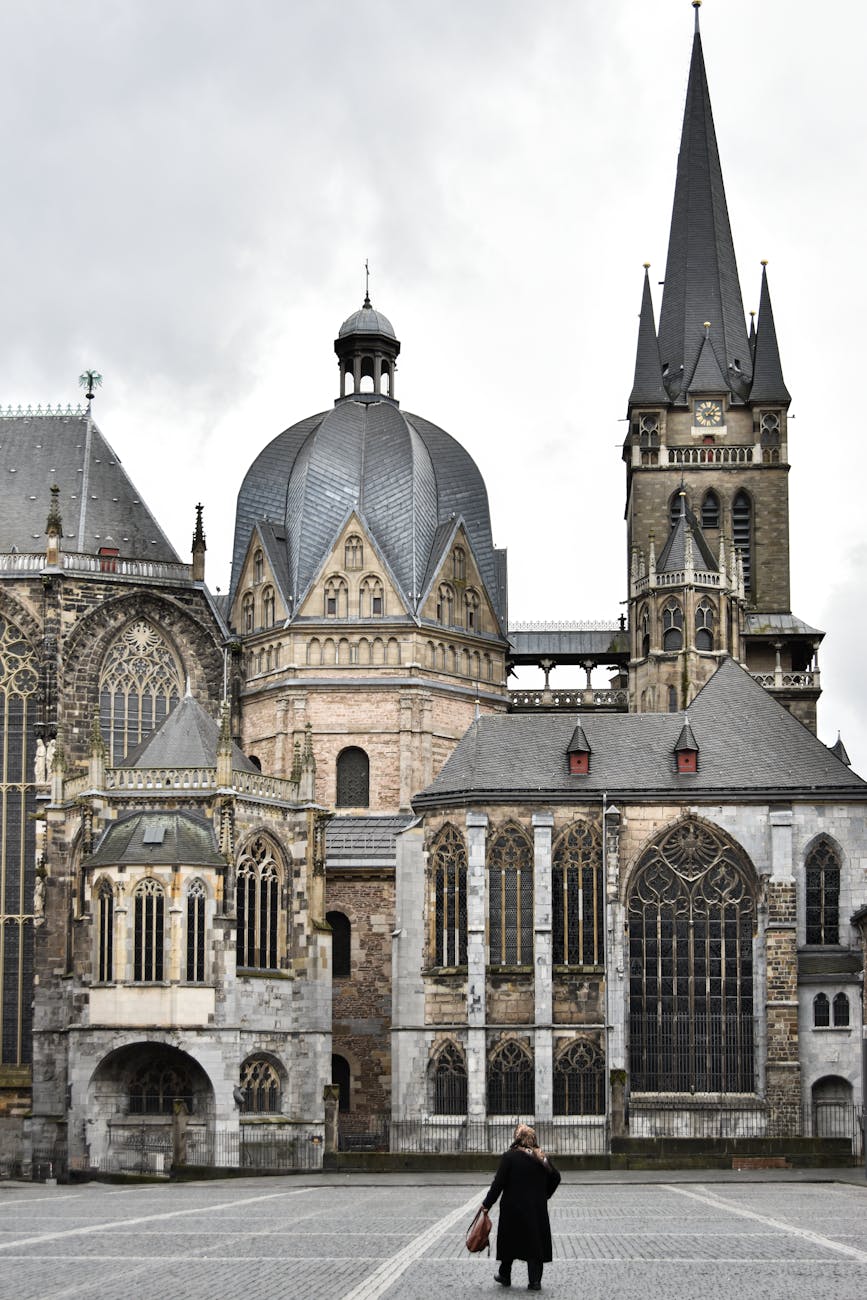
    The History of Aachen Cathedral: From Palatine Chapel to UNESCO World Heritage

    Introduction

    Aachen Cathedral, an iconic symbol of Carolingian architecture, holds a unique place in European history. Commissioned by Charlemagne in the 9th century, it began as a humble Palatine Chapel, serving as both a royal palace and a place of worship. Over the centuries, the cathedral has witnessed significant historical events, including the coronation of numerous Holy Roman Emperors. Its architectural evolution reflects the changing styles and religious sentiments of each era, culminating in a blend of Byzantine, Romanesque, and Gothic elements. In 1978, the cathedral\’s historical and cultural significance was recognized when it was designated a UNESCO World Heritage Site. This article explores the rich history of Aachen Cathedral, detailing its origins, architectural evolution, and importance in the wider context of European heritage, while highlighting its present-day status as a vital cultural landmark.

    The Origins of Aachen Cathedral: Charlemagne\’s Vision

    The foundations of Aachen Cathedral were laid in 787 when Charlemagne, King of the Franks and later Emperor of the Romans, initiated the construction of the Palatine Chapel. This monumental undertaking was not merely an architectural endeavor; it was a statement of Charlemagne’s vision for a united Christendom under his rule. The selection of Aachen, located in modern-day Germany, was strategic. It was situated near the borders of various territories that Charlemagne sought to unify, making it an ideal central location for his court and religious activities.

    Charlemagne’s choice of the Palatine Chapel drew inspiration from a variety of cultural and architectural influences. The design of the chapel reflects a strong Byzantine influence, particularly in its octagonal shape, reminiscent of the San Vitale in Ravenna. This was symbolic of Charlemagne’s desire to link himself with the glorious traditions of the Roman Empire and the Christian church. The chapel was completed in 797, becoming not just a place of worship but a vital seat of power for Charlemagne and a site for royal ceremonies.

    The cathedral served as a backdrop for numerous pivotal events in medieval Europe. The most significant among these was the anointing of Charlemagne as Emperor of the Romans on Christmas Day in the year 800. This act, conferred by Pope Leo III, marked the re-establishment of the Western Roman Empire, with Charlemagne at its helm. The cathedral’s role in this event bestowed upon it a sense of divine legitimacy and power, further embedding its significance in the political and religious landscape of the time.

    Following Charlemagne’s death in 814, the cathedral continued to serve as a location for the coronation of his successors. From this point onward, it became the site where more than thirty German kings were crowned emperors, solidifying its status as a vital religious and political center in the Holy Roman Empire. The Palatine Chapel was not only a testament to Charlemagne’s architectural ambition but also to his broader vision of a unified Christian empire.

    In the subsequent centuries, the cathedral underwent various modifications and expansions, but the original architectural elements set forth by Charlemagne remain at the core of its identity. The embrace of both artistic and structural innovations, combined with the historical context, illustrates the significance of Aachen Cathedral as a monument to Charlemagne\’s legacy in the formation of medieval Europe. The survival of the structure through the ages speaks to its resilience and continues to inspire awe and reverence, attracting scholars, historians, and tourists alike who seek to understand its rich past.

    Architectural Evolution: From Palatine Chapel to Gothic Elements

    The architectural transformation of Aachen Cathedral reflects the evolution of styles and techniques over the centuries, showcasing an array of influences that contributed to its grandeur. Initially constructed as the Palatine Chapel under Charlemagne’s vision, the cathedral underwent numerous alterations and expansions that represent a timeline of architectural advancements.

    The original Palatine Chapel embodies an innovative merger of Roman and Byzantine styles, with its distinctive octagonal plan leading to a square apse. This design was novel in Northern Europe and demonstrated Charlemagne\’s desire to convey the imperial grace of earlier Roman architecture while instituting a Christian sanctuary. The chapel was lavishly adorned with marble columns and intricate mosaics, featuring artistic elements that served both decorative and symbolic purposes.

    As the cathedral continued to expand in the 9th and 10th centuries, additional structures were integrated, demonstrating a shifting architectural landscape. The transept and choir were added, and modifications were made to the main nave, leading to an early Romanesque aesthetic. During this period, the introduction of ribbed vaulting provided structural stability while allowing for greater flexibility in design, paving the way for the innovative Gothic styles that would emerge later.

    With the growing significance of the cathedral as a royal site, more ambitious additions were made during the Ottonian period (beginning in 919). The incorporation of the western towers added height and grandeur to the building, altering its profile against the skyline of Aachen. These adaptations reflected the pride and aspirations of the rulers of the time, as the cathedral became increasingly recognized as an imperial symbol.

    \"lookup\"
    The Aachen Cathedral

    The transition to the Gothic style in the 13th century brought about further significant changes. The addition of pointed arches, flying buttresses, and large stained-glass windows enriched the cathedral\’s interior with celestial light—an element that conveyed a connection to the divine. The transition was not merely aesthetic but also reflected advancements in engineering that allowed for taller and more complex structures, creating an environment that enhanced the spiritual experience of worshippers.

    Notable modifications included the construction of a new choir and a monumental façade, which incorporated ornate sculptures and intricate details. The utilization of colorful stained glass throughout the cathedral illuminated the interior, creating a vibrant atmosphere that engaged both devotees and visitors. This period of innovation culminated in the integration of various artistic styles while maintaining the fundamental structure established by Charlemagne.

    Throughout these successive styles, the cathedral remained a constant site of reverence, shaping the spiritual landscape of the region. Each architectural phase added layers of meaning, offering a palpable sense of history to the site. The resilience of the cathedral\’s core structure bolstered by its capacity for adaptation allowed it to survive numerous historical challenges, including wars, political upheavals, and natural disasters.

    Thus, the architectural evolution of Aachen Cathedral is a testament to the interplay of religious devotion, political power, and artistic expression throughout the centuries. Each footstep within its walls echoes the legacy of those who contributed to its construction, preservation, and enrichment.

    The Role of Aachen Cathedral in the Holy Roman Empire

    Aachen Cathedral’s historical significance extends far beyond its architectural beauty; it played a central role in the political and religious tapestry of the Holy Roman Empire. Charlemagne’s establishment of the cathedral in the 9th century was not merely an act of faith but a strategic decision to forge a link between the imperial authority and the Catholic Church, cementing the legitimacy of the crown through divine right.

    The cathedral became the preferred venue for the coronation of German kings, solidifying its status as a center of power. Beginning with Charlemagne’s own coronation on Christmas Day in 800, the cathedral served as the stage for the grand ceremony of crowning over thirty Holy Roman Emperors, thereby instilling a sense of continuity and tradition within the empire. Each coronation underscored the significant bond between the emperor and the church, reinforcing the idea that monarchs ruled by divine appointment.

    The significance of Aachen Cathedral extended beyond ceremonial functions to become a symbol of imperial authority. Its status as a site of royal coronation meant that it was an essential part of the political cycle within the Holy Roman Empire—the location where legitimacy was conferred and allegiance solidified. The symbolic act of crowning served as a reminder of the emperor’s responsibilities to both God and the people, with the cathedral standing as evidence of this sacred covenant.

    Furthermore, Aachen Cathedral became a significant pilgrimage site, attracting thousands of pilgrims who sought spiritual solace and healing. As a pilgrimage destination, it drew not only local congregants but also those from across Europe. It was said that relics housed within the cathedral, including the revered Palatine Chapel, possessed miraculous powers, amplifying its importance in Christian devotion. The influx of pilgrims contributed to the local economy, intertwining spiritual pursuits with social and cultural exchanges—an essential aspect of medieval life.

    The cathedral also played a pivotal role in the religious reforms initiated by subsequent emperors, particularly during the Investiture Controversy in the 11th century. During this period, conflicts arose between secular rulers and the papacy over the appointment of bishops and the extent of ecclesiastical authority. As a neutral ground, Aachen Cathedral became a backdrop for negotiations and ecclesiastical assemblies, fostering dialogue between the church and state.

    In 1165, Frederick I Barbarossa chose Aachen as the site for the coronation of his own son, Henry VI, symbolizing the continued importance of the cathedral in the dynastic politics of the Holy Roman Empire. This act once again reinforced the cathedral’s position as a bastion of imperial power, a legacy that persists in the perception of Aachen as a seat of authority.

    Through the centuries, Aachen Cathedral symbolized the unity of the empire under Christendom, intertwining political power with religious fervor. Emperors aspired to align themselves with divine mission referenced by Charlemagne, further cementing the celestial significance of the cathedral. Its role as the site of coronation, pilgrimage, and reform evolved while resonating deeply within the historical narrative of the Holy Roman Empire.

    The legacy of Aachen Cathedral as a royal site remains etched in the annals of European history, reflecting a complex interplay of faith, governance, and culture. As the epicenter of imperial coronations, it solidified the bonds between religion and politics, illustrating how architecture can serve as a powerful narrative vehicle for understanding historical dynamics.

    Preservation Efforts and Restoration Initiatives

    Over the centuries, Aachen Cathedral has witnessed a plethora of preservation efforts and restoration initiatives aimed at safeguarding its architectural integrity and historical significance. As a testament to its cultural and spiritual importance, the focus on preserving the cathedral underscores its role as a living monument—a space where history, faith, and community converge.

    The ongoing maintenance of Aachen Cathedral is crucial in addressing the effects of time, weather, and human activity. The harsh environmental conditions, particularly during the medieval period, took a toll on the structure, necessitating various interventions to protect it against deterioration. Many of the original mosaics and stone elements suffered damage over time, prompting restoration activities to revive their former glory while honoring the original craftsmanship.

    One of the most notable preservation efforts occurred in the late 19th century, during a period marked by a revival of interest in historic architecture across Europe. Under the direction of the architect Richard Bohn, extensive restorations were undertaken, focusing on the cathedral’s interior features. Bohn’s work included meticulous repairs to the mosaics, decorative elements, and the restoration of the imposing façade. His aim was not only to restore the cathedral but to enhance its presentation as a key historical site.

    In the 20th century, further advancements in preservation techniques led to a more nuanced understanding of how to manage the structural challenges faced by the cathedral. The collaboration between architects, conservationists, and historians enabled a better grasp of the materials used, as well as the techniques employed in its original construction. This interdisciplinary approach fostered a more comprehensive method for restoring and maintaining the cathedral, ensuring that any intervention respected the historical context.

    \"religious
    The Aachen Cathedral

    An essential aspect of preservation is the management of the relics housed within the cathedral. These sacred objects, which attract pilgrims and tourists alike, require careful handling and display to protect them from damage. The establishment of protocols for the conservation of relics became a priority, working in tandem with broader initiatives aimed at preserving the architectural elements of the cathedral.

    More recently, the designation of Aachen Cathedral as a UNESCO World Heritage Site in 1978 provided a vital framework for its protection. This acknowledgment brought global attention to the cathedral, ensuring that sufficient resources were allocated toward its preservation. The UNESCO listing not only recognized its historical significance but also heightened public awareness and support for ongoing restoration projects.

    In addition, local and national authorities have joined forces with international preservation organizations to foster a collaborative landscape dedicated to safeguarding this monumental site. The synthesis of expertise and resources facilitates the development of strategic plans for preserving the cathedral’s fabric while promoting its role as a cultural hub for education and theological exploration.

    Moreover, the cathedral continues to serve as a living place of worship and community engagement, which emphasizes the importance of ongoing preservation. Regular maintenance and public outreach initiatives are essential components, ensuring that future generations can appreciate the cathedral and its significance.

    Efforts to engage the public and educate visitors about the cathedral\’s history play an integral role in instilling a sense of stewardship within the community. This has led to increased involvement from local residents through volunteer opportunities, guided tours, and educational programs designed to foster a deeper understanding of the cathedral\’s heritage.

    As we look toward the future of Aachen Cathedral, it remains imperative that the commitment to preservation and restoration continues unwaveringly. The challenges of urbanization, climate change, and financial constraints necessitate early intervention and innovative approaches to ensure its endurance.

    Ultimately, the preservation of Aachen Cathedral stands as a symbol of collective responsibility—a testament to the importance of safeguarding cultural heritage for the enrichment of society and a celebration of the human spirit. Each initiative contributes to a shared narrative that transcends generations, solidifying the cathedral\’s relevance in an ever-evolving world.

    Aachen Cathedral as a UNESCO World Heritage Site

    The designation of Aachen Cathedral as a UNESCO World Heritage Site in 1978 marked a significant milestone in its preservation and recognition as a cultural treasure. This accolade not only highlighted its historical and architectural importance but also reinforced its status as a symbol of European unity and shared heritage. The UNESCO designation is grounded in the cathedral\’s unique narrative, which encompasses its role throughout the Carolingian Empire and its enduring significance to the Christian faith.

    As a component of the \”Palatine Chapel,\” Aachen Cathedral represents a distinctive example of Carolingian architecture—a style that reflects the ambitions of Charlemagne to forge a modern Christian empire. The cathedral\’s intricate design illustrates a harmonious blend of Roman, Byzantine, and Gothic influences, showcasing the artistic mastery of its builders and centuries of cultural evolution. The recognition of these architectural values was instrumental in ensuring the continued protection and conservation of its elements.

    In dealing with the UNESCO World Heritage designation, various strategies were employed to enhance the site’s promotion while ensuring a balance between tourism and preservation. The harnessing of international support, advocacy, and funding has allowed for continued restoration efforts that respect the cathedral\’s integrity while facilitating public access. By integrating educational programs and guided tours, visitors gain an appreciation for the site\’s rich history and importance.

    Moreover, the UNESCO designation serves as a reminder of the interconnectedness of cultural heritage and humanity’s shared narrative. It fosters a sense of collective responsibility, encouraging local communities, governments, and international organizations to collaborate in preserving and showcasing Aachen Cathedral. This commitment resonates beyond its architectural beauty; it reflects the profound human stories interwoven within its walls.

    The historical significance of Aachen Cathedral as a former royal seat also contributes to its importance as a UNESCO World Heritage Site. The site embodies the legacy of the Holy Roman Empire, a historical entity characterized by its complex political dynamics and cultural interplay. The continuous association of Aachen Cathedral with major political events—most notably the coronation of emperors—underscores its role as a linchpin of European history.

    With the UNESCO designation, efforts are made to ensure sustainable tourism practices that honor the site’s sanctity while accommodating the influx of visitors. The cathedral attracts over a million tourists annually, eager to experience its spiritual and artistic resonances. Balancing accessibility with preservation requires a strategic approach, focusing on visitor engagement, education, and conservation measures that protect its artifacts.

    Recent initiatives focus on fostering participatory models that involve local stakeholders in managing the site’s resources. This community-driven approach nurtures a shared sense of ownership while promoting a deeper understanding of the cultural significance of the cathedral. By emphasizing local engagement, the cathedral can forge connections between its historical legacy and contemporary society.

    International collaborations under the UNESCO umbrella also emphasize the global network of cultural heritage sites. By participating in dialogues with other World Heritage Sites, Aachen Cathedral can share best practices, preservation techniques, and educational initiatives. This cross-pollination of ideas enriches the experiences of both visitors and members of the local community.

    As the cathedral continues to navigate the challenges posed by modernity, climate change, and evolving visitor demographics, the commitment to its preservation remains paramount. The UNESCO designation engenders an ongoing dialogue between past and present, inviting new generations to explore the architectural splendor and historical significance of Aachen Cathedral.

    In conclusion, Aachen Cathedral’s status as a UNESCO World Heritage Site stands as a testament to its enduring legacy. It embodies the fusion of history, architecture, and spirituality while promoting a narrative of shared cultural heritage that resonates across borders. The efforts to safeguard the cathedral ensure that it remains a beacon of exploration, reflection, and inspiration—a vibrant symbol of Europe’s rich historical tapestry.

    Conclusion

    The history of Aachen Cathedral is a rich narrative interwoven with the threads of political power, artistic expression, and spiritual significance. Its evolution from the Palatine Chapel of Charlemagne to its current status as a UNESCO World Heritage Site illustrates the cathedral’s remarkable resilience and adaptability. Throughout the centuries, it has served as a symbol of imperial authority, a revered place of worship, and a sanctuary for pilgrims seeking solace. The efforts to preserve and restore this monumental site underscore the importance of safeguarding cultural heritage for future generations.

    As we reflect on the legacy of Aachen Cathedral, we recognize its role in shaping not only the religious landscape of Europe but also its architectural identity. The collaborative initiatives aimed at enhancing public understanding and engagement with the cathedral resonate strongly in contemporary society, emphasizing the continued relevance of its rich history.

    Looking forward, the challenge remains to balance the cathedral\’s cultural value with the pressures of modernity and tourism. The commitment to preservation, education, and community involvement will ensure that Aachen Cathedral continues to inspire awe and reverence, allowing its stories to live on and enriching the shared heritage of humanity. It stands as a timeless monument—a testament to the enduring power of artistry, faith, and unity throughout the ages.

    Exploring the Majestic Aachen Cathedral: A Journey Through History| Video

    Exploring the Majestic Aachen Cathedral: A Journey Through History
  • The History of Kizhi Pogost: Discovering Russia’s Wooden Masterpiece on the Island of Kizhi

    The History of Kizhi Pogost: Discovering Russia’s Wooden Masterpiece on the Island of Kizhi

    Introduction

    Nestled on the serene shores of Lake Onega in Russia, the island of Kizhi is a treasure trove of history and architectural prowess, crowned by the magnificent Kizhi Pogost. This UNESCO World Heritage site is a testament to the extraordinary craftsmanship of Russian carpenters and the rich cultural heritage of the region. Dating back to the 18th century, Kizhi Pogost comprises a collection of wooden structures, the most iconic being the Transfiguration Church, featuring 22 domes that rise majestically against the skyline. The island not only captures the essence of Russian wooden architecture but also serves as a living museum, reflecting the harmonious relationship between local communities and their environment. This article delves into the history of Kizhi Pogost , exploring its origins, architectural features, cultural significance, conservation efforts, and its status as a beacon of tourism today.

    Origins of Kizhi Pogost: Historical Context and Significance

    The story of Kizhi Pogost begins in the early 18th century during a time of significant change in Russia. As Peter the Great sought to modernize Russia and assert its power on the global stage, the construction of wooden churches became a symbol of national identity and spiritual heritage. Kizhi Pogost was established as a religious and administrative center for the local population and played a pivotal role in the social and cultural life of the region. The community around Kizhi was primarily engaged in agriculture, fishing, and timber harvesting, harnessing the abundant natural resources of the area.

    The origins of Kizhi Pogost, however, are not only tied to the architectural ingenuity of its builders but also to the historical context that shaped their craftsmanship. The early settlers of Kizhi were influenced by the Orthodox Faith, which was inextricably linked to their way of life. The construction of the Pogost was seen as a communal endeavor, reflecting the unity and devotion of the local people. The Transfiguration Church, built in 1714, was constructed without the use of nails, showcasing a remarkable technique called \”lock construction,\” where wooden joints fit perfectly without metal fasteners. This method not only highlighted the skill of the artisans but also demonstrated an understanding of the natural movement of wood, allowing the structure to withstand the harsh climatic conditions of the region.

    Kizhi became an important spiritual pilgrimage site, drawing visitors who sought to connect with their faith and heritage. The Pogost served as a gathering place for religious ceremonies, festivals, and local markets, solidifying its role as the heart of the community. The intricately carved wooden structures, adorned with religious iconography and vibrant colors, became emblematic of the spirituality and artistic expression of the Russian people. Over the years, Kizhi Pogost earned recognition as a unique representation of Russian wooden architecture, and its significance grew beyond the local context, making it a focal point for studies of cultural history, architecture, and ecology.

    \"the
    The Kizhi Pogost

    The island itself reflects a blend of local legends and historical narratives. Folklore surrounding Kizhi is rich, with stories of miraculous occurrences, saintly figures, and the reverence of nature. These narratives have been passed down through generations, infusing the very air of Kizhi with a sense of tradition and poignant memory. As such, Kizhi Pogost stands not only as an architectural marvel but also as a bastion of Russian identity, a manifestation of the cultural complexities that have shaped the region over centuries.

    The global recognition of Kizhi Pogost has further elevated its historical significance. It was designated a UNESCO World Heritage site in 1990, acknowledging its outstanding universal value. This recognition has spurred ongoing efforts to preserve the site for future generations, ensuring that the stories, traditions, and craftsmanship associated with Kizhi remain vibrant and relevant. The origins of Kizhi Pogost are thus woven into a larger narrative of resilience, artistry, and cultural continuity, showcasing the harmonious relationship between humans and their environment through the careful stewardship of their heritage.

    Architectural Features: A Study of Wooden Engineering

    The architectural features of Kizhi Pogost are a stunning testament to the mastery of wooden engineering. At the heart of its design is the Transfiguration Church, celebrated for its breathtaking array of 22 domes that create an unforgettable silhouette against the backdrop of Lake Onega. Constructed primarily of pine and fir, this wooden structure embodies the innovative techniques of the 18th-century Russian carpenters known as \”kovaly\” who had honed their skills through generations.

    The construction technique used in Kizhi Pogost is both remarkable and vital to its endurance. The builders utilized a method that allowed the wooden structures to shift and adapt to the seasonal changes in climate while maintaining structural integrity. The absence of nails in the construction is particularly noteworthy, as it reflects a deep understanding of the properties of wood. The wooden joints in the churches are so expertly fashioned that they create a solid structure, allowing for a flexibility that is crucial in the context of Russia\’s harsh winters.

    In addition to the Transfiguration Church, Kizhi Pogost includes the Church of the Intercession, another stunning example of wooden architecture. This church is distinguished by its bulbous roofs and intricate carvings, which depict religious themes and folklore. The architectural style of Kizhi reflects the influence of Byzantine and Russian traditions, giving it a unique aesthetic that sets it apart from other religious structures of its time. Each detail in the design has symbolic significance, from the number of domes representing the Holy Trinity to the ornate carvings that serve as both decorative elements and spiritual reminders.

    Moreover, the spatial arrangement of the buildings within Kizhi Pogost reflects the importance of communal space in Russian culture. The churches are positioned around a central area, inviting gatherings for worship and celebration. The landscape surrounding the Pogost is equally important, as it complements the architectural features. The use of local materials, such as timber and clay, not only roots the structures in the natural environment but also creates a harmonious balance with the breathtaking scenery of Lake Onega.

    \"stunning
    The Kizhi Pogost

    The incorporation of decorative elements also deserves attention. Intricately carved wooden details embellish the facades and interiors of the churches, featuring geometric patterns and religious motifs that highlight the skill and creativity of the craftsmen. These carvings are not merely decorative but serve to communicate spiritual narratives and engage the observer in a deeper connection with the faith.

    Furthermore, the architecture of Kizhi Pogost has become a point of reference for contemporary wooden construction in Russia and beyond. As modern architects revisit traditional techniques, the Pogost serves as an inspiration for innovations that respect historical craftsmanship while embracing modern needs. The lessons learned from Kizhi’s architecture regarding sustainability, community integration, and cultural expression have led to renewed interest in preserving this unique site.

    In conclusion, the architectural features of Kizhi Pogost are not just a reflection of past craftsmanship but also a living embodiment of the cultural significance of wooden engineering in Russia. The innovative techniques, thoughtful design, and exquisite craftsmanship evident in Kizhi continue to inspire awe and appreciation, both locally and globally. As a masterpiece of wooden architecture, Kizhi Pogost remains a vital symbol of the bond between people, their faith, and the environment in which they thrive.

    Cultural Legacy: The Role of Kizhi in Russian Folklore and Traditions

    Kizhi Pogost stands as a significant cultural landmark, deeply woven into the fabric of Russian folklore and traditions. The island of Kizhi is not only known for its impressive architectural achievements but also for its vibrant cultural landscape, rich with legends, customs, and a unique lifestyle that reflects the enduring spirit of the Russian people. The legacy of Kizhi is a testament to the profound intertwining of faith, art, and community, which has shaped the identity of the region over centuries.

    One of the most prominent aspects of Kizhi\’s cultural legacy is its role in preserving ancient Russian traditions. The island has long been a place where communal life thrives, with vibrant festivals and rituals celebrating the cycles of nature, agricultural practices, and religious observances. These festivities provide a connection to past generations, keeping the rich oral traditions alive within the community. Stories and legends have been passed down through the ages, often associated with the natural landscape, the churches, and the people who have lived on the island. This oral history is invaluable, as it reflects the social fabric of Kizhi and the values cherished by its inhabitants.

    Folklore in Kizhi is intricately linked to its religious practices, as many local legends involve saints and miraculous events associated with the churches of Kizhi Pogost. These stories are not only a source of inspiration for the local people but also serve to foster a spiritual connection with their surroundings. The tales of divine intervention and the presence of holy figures resonate deeply within the community, reinforcing their faith and sense of belonging. Through rituals and celebrations, the people of Kizhi honor these traditions, creating a sense of continuity and identity that defines their way of life.

    \"majestic
    The Kizhi Pogost

    Furthermore, Kizhi is a living testament to the artistry and craftsmanship of the Russian people. The cultural legacy of the island is manifested in the intricate wooden carvings visible in its churches and buildings. These carvings often depict scenes from folklore, religious themes, and symbols of nature, each telling a story that reflects the ethos and experiences of the community. The artisans who created these works of art were not merely craftsmen; they were storytellers whose creations encapsulated the essence of Kizhi’s cultural identity. This artistry has garnered attention and admiration from visitors both locally and worldwide, making Kizhi a focal point for the celebration of Russian culture.

    During the summer months, Kizhi becomes a vibrant hub for cultural events that draw in tourists and locals alike. Festivals are held that showcase traditional music, dance, and crafts, inviting people to engage with the customs that have defined Kizhi for generations. These gatherings serve not only as a means of preservation but also as a celebration of diversity, as visitors from around the world come to experience and participate in the vibrant cultural expressions found on the island.

    Moreover, education and cultural exchange play a crucial role in the legacy of Kizhi. Schools and organizations both on the island and elsewhere in Russia promote the study and celebration of Kizhi\’s cultural heritage. Efforts to document and disseminate the rich traditions of the island have yielded resources that not only teach the local population but also raise awareness among a broader audience about the challenges and triumphs of preserving such a unique cultural site.

    In summary, Kizhi Pogost\’s cultural legacy embodies the rich tapestry of Russian folklore and traditions. Its stories, rituals, and artistry are testaments to the enduring spirit of the community, reflecting values that have persisted over time. Kizhi serves not only as a historical monument but also as a vibrant living culture that continues to inspire and connect individuals to their heritage.

    Preservation Efforts: Challenges and Triumphs

    The preservation of Kizhi Pogost embodies a significant challenge as well as a remarkable triumph in the context of cultural heritage conservation. As a UNESCO World Heritage site, Kizhi attracts visitors from across the globe who marvel at its architectural beauty and cultural significance. However, the very elements that make Kizhi exceptional also pose substantial risks to its longevity. Preservation efforts have been designed to protect the island’s structures while providing a sustainable framework for their ongoing upkeep.

    One of the most pressing challenges faced by Kizhi Pogost is the natural environment. The island\’s location on Lake Onega exposes its wooden structures to harsh weather conditions, including heavy rains, extreme cold, and, at times, flooding. These elements can cause deterioration of wood, contributing to structural weaknesses and necessitating repair and reinforcement. The traditional wooden construction techniques, while innovative, require ongoing vigilance to maintain the integrity of the buildings. Preservationists must constantly evaluate the physical state of the churches, monitoring for signs of wear and decay while ensuring any necessary repairs respect historical accuracy.

    In response to these challenges, the Russian government and various heritage organizations have initiated a range of preservation strategies targeting Kizhi Pogost. These strategies combine scientific research with traditional knowledge to develop sustainable methods for maintaining the churches. Techniques such as monitoring the moisture content in the wood, applying protective coatings that are environmentally friendly, and utilizing historically accurate methods for restoration help ensure that the structures remain resilient against the elements.

    Moreover, the preservation of Kizhi Pogost is bolstered by community involvement. Local residents play an essential role in these efforts, serving both as stewards of the cultural heritage and as active participants in the maintenance of the site. The collaboration between heritage organizations and the local community fosters a sense of responsibility and pride, creating a shared commitment to safeguarding the island\’s legacy for future generations. Local artisans often engage in workshops that promote traditional skills, ensuring that knowledge and techniques are not lost but rather passed on to younger generations.

    \"a
    The Kizhi Pogost

    The community’s dedication to preservation goes beyond physical maintenance; it extends to the promotion of Kizhi’s cultural significance. Educational programs and outreach initiatives aim to raise awareness about the importance of Kizhi Pogost, not only among locals but also among visitors. Guided tours, workshops, and exhibitions provide opportunities for people to engage with the history and artistry of the site while emphasizing the need for preservation. These programs help foster a deeper appreciation of the cultural heritage, encouraging visitors to engage in responsible tourism practices that contribute to the ongoing care of the site.

    In addition to local efforts, international collaboration has also played a crucial role in the preservation of Kizhi Pogost. Partnerships with experts and organizations from around the world have facilitated knowledge exchange and support for restoration initiatives. Research funded by international grants has led to innovations in preservation techniques, enhancing the approaches utilized on the island. This global network has elevated the profile of Kizhi Pogost, fostering a collaborative spirit that transcends borders.

    Despite the ongoing challenges associated with preservation, Kizhi Pogost stands as a remarkable success story. Its recognition as a UNESCO World Heritage site has helped secure funding and resources for maintenance, ensuring that both the structures and cultural practices associated with Kizhi continue to thrive. The triumphs of preservation efforts reaffirm the significance of Kizhi as a symbol of resilience, artistry, and community dedication.

    In conclusion, the preservation of Kizhi Pogost embodies a commitment shared by the local community, heritage organizations, and international collaborators. While challenges persist, the efforts to safeguard this extraordinary site reflect a broader understanding of the value of cultural heritage and the essential need to protect it for future generations. Kizhi Pogost is not merely a relic of the past; it is a living monument that embodies both the triumphs and challenges of preserving a deeply rooted cultural legacy.

    Kizhi Pogost Today: Tourism and Global Recognition

    Today, Kizhi Pogost stands as a beacon of cultural heritage and an emblem of Russian identity, drawing visitors from around the world eager to experience its architectural wonder and rich heritage. The transformation of Kizhi into a popular tourist destination has numerous implications, highlighting not only its historical importance but also its potential for economic development and cultural exchange. The site’s global recognition has fostered dialogues around heritage conservation while encouraging visitors to engage with the local community and its traditions.

    Tourism to Kizhi Pogost has surged in recent years, and efforts to enhance visitor experiences have seen the development of infrastructure and services on the island. While preserving the island\’s authenticity, local authorities have invested in amenities—such as guided tours, informational signage, and visitor centers—to enrich the experience of guests who come to admire the unique architecture and learn about the traditions of the Kizhi community. This tourism infrastructure promotes sustainable practices that respect both the environment and the cultural heritage, ensuring that the integrity of Kizhi is upheld.

    The annual \”Kizhi Festival\” stands out as a vibrant celebration that highlights the island\’s cultural richness and draws thousands of visitors. This festival showcases traditional music, arts, crafts, and culinary delights, creating an immersive experience that fosters connections between travelers and the local community. These events not only offer a platform for local artisans to showcase their skills but also for visitors to witness performances steeped in history, providing a deeper understanding of the cultural narratives that define Kizhi.

    Moreover, the global recognition of Kizhi Pogost as a UNESCO World Heritage site has enhanced its status as an international cultural phenomenon. This designation has motivated ongoing research, documentation, and partnerships aimed at promoting Kizhi’s legacy while facilitating cultural exchange among visitors and scholars alike. Academic interest in Kizhi has burgeoned, leading to numerous publications and studies that explore its architectural significance, ecological impacts, and cultural narratives. These scholarly efforts contribute to a more profound appreciation of the site and bolster its representation on the world stage.

    As Kizhi enters the global tourism landscape, it also faces the delicate balance of managing visitor impact while preserving its unique character. Emphasizing responsible tourism, local stakeholders strive to educate visitors about the importance of respecting cultural practices and participating in sustainable activities. This focus on sustainability serves to ensure that the benefits of tourism extend beyond economic gain, allowing the community to flourish while maintaining its traditions and heritage.

    Kizhi’s growing reputation on the international platform has sparked initiatives aimed at promoting its cultural expressions, encouraging artistic collaborations, and fostering partnerships with other heritage sites. Local artisans frequently engage with international cultural and artistic communities, resulting in a dynamic dialogue that enriches Kizhi’s artistic landscape while fostering global appreciation for Russian heritage.

    In summary, Kizhi Pogost today is a thriving symbol of cultural heritage that resonates with visitors from diverse backgrounds. Its charm lies not only in its architectural beauty and historical significance but also in its active engagement with contemporary society. As tourism continues to shape Kizhi’s landscape, the commitment to preserving its cultural legacy while fostering economic growth positions the island as a model for sustainable heritage sites globally. Kizhi Pogost remains a vibrant testament to the enduring spirit of the community, offering a bridge between the past and present while inviting the world to embrace its rich cultural narrative.

    Conclusion

    In conclusion, the history of Kizhi Pogost is a remarkable journey that illustrates the exceptional craftsmanship, cultural legacy, and enduring spirit of the Russian people. From its origins as a spiritual and communal center to its status as a UNESCO World Heritage site, Kizhi represents a living testament to the harmonious relationship between architecture, faith, and nature. The architectural features of Kizhi Pogost not only showcase the ingenuity of its builders but also encapsulate the rich folklore and traditions that have flourished on the island over centuries.

    As we delve into the narratives that define Kizhi, we find a community deeply rooted in its cultural practices and a commitment to preservation that transcends generations. The dedication of local artisans, community members, and international partners highlights the shared responsibility of safeguarding this extraordinary site for future generations. The challenges faced in preservation efforts serve as vital learning experiences that inform sustainable practices while nurturing Kizhi\’s legacy.

    Today, Kizhi Pogost stands as a vibrant destination that celebrates its past while embracing opportunities for cultural exchange and tourism. It invites everyone to experience the beauty and richness of Russian heritage, fostering connections and appreciation for the stories that shape our world. Visiting Kizhi is not just an exploration of a historical site; it is an immersion into a living tapestry woven with the threads of faith, artistry, and community.

    These 18th Century Russian Churches Were Constructed Without Nails |Video

    These 18th Century Russian Churches Were Constructed Without Nails | National Geographic
  • The History of Liangzhu Tombs: Uncovering the Legacy of China’s Neolithic Civilization

    The History of Liangzhu Tombs: Uncovering the Legacy of China’s Neolithic Civilization

    Introduction

    The Liangzhu Tombs, located in the Jiangsu province of China, is a testament to the sophistication and complexity of Neolithic civilization in ancient China. Dating back to approximately 3300 to 2300 BCE, this archaeological site has been instrumental in providing insights into the early development of Chinese society. It is believed that the Liangzhu civilization was marked by advancements in agriculture, social organization, and culture, which laid the foundation for subsequent dynasties. The site, recognized for its intricate jade artifacts, ceremonial vessels, and unique burial practices, offers a glimpse into the lives of its inhabitants. As researchers continue to unearth artifacts and analyze the layout of the tombs complex, the legacy of the Liangzhu civilization comes into sharper focus, revealing not only the architectural prowess of the time but also the rich tapestry of beliefs and practices that defined this pivotal era in Chinese history.

    The Discovery of the Liangzhu Tombs Complex

    The story of the Liangzhu Tombs complex began in the late 1920s when the first archaeological excavations revealed evidence of an advanced civilization that thrived during the Neolithic period. Researchers initially found an array of jade artifacts, pottery shards, and remnants of dwelling structures, sparking interest in the site\’s historical significance. However, it wasn\’t until the early 21st century that systematic excavations were conducted, leading to more comprehensive studies of the area.

    The first large-scale excavation was spearheaded by the Zhejiang Provincial Institute of Cultural Relics and Archaeology in 2009. This endeavor revealed an extensive network of tombs that suggested a well-organized society capable of complex social structures and extensive ritual practices. The site is characterized by its large burial mounds and intricate layouts, indicating not only the importance of the deceased but also the labor and resources that were invested in their interment.

    Researchers unearthed a variety of jade objects, which were not merely decorative but held significant cultural and spiritual meaning. Some items included ritualistic tools and ceremonial pieces that hint at the belief systems the Liangzhu people practiced. These discoveries prompted comparisons with other Neolithic cultures, highlighting their uniqueness and potential influences on later Chinese dynasties.

    The significance of the Liangzhu Tombs complex extends beyond its artifacts. Geographical studies show that the area\’s natural resources, such as fertile lands and waterways, played a crucial role in the development of agricultural practices. This understanding of the relationship between the environment and societal growth was evident in the layout of the tombs, which often mirrored the surrounding landscape.

    Moreover, the structure of the site, which features vertical stone partitions and complex burial chambers, reveals insights into the social hierarchy of the Liangzhu civilization. The positioning of graves and the wealth of their contents suggest a stratified society where status was determined by the accumulation of resources and ceremonial practices. This aspect of their culture offers a window into the dynamics of leadership, kinship, and social bonds within the Liangzhu community.

    Archaeological teams continued to explore the extent of the Liangzhu Tombs complex, uncovering multiple layers of burial sites indicating a long history of use. Some graves revealed the remains of individuals adorned with jade accessories, suggesting rituals surrounding death and the afterlife that were integral to their belief systems. The discovery of mass burial sites further emphasizes communal practices, pointing towards a society that valued collective identities alongside individual status.

    A significant find was the Liangzhu jade bi, a ceremonial disc with a hole in the center, symbolizing the connection between the earth and the heavens. This artifact, alongside other jade pieces, highlighted the advanced craftsmanship of the Liangzhu people and their deep-rooted spiritual beliefs surrounding nature and the universe. The artistry and skill involved in crafting these jades demonstrate the cultural sophistication of the civilization, derived from a rich tradition of artistry rooted in earlier practices yet distinctly innovative.

    In summary, the discovery of the Liangzhu Tombs complex has rewritten narratives about China\’s Neolithic period, offering a rich tapestry that interweaves social, cultural, and artistic advancements. Continuing research is vital to understanding not only the intricacies of the Liangzhu civilization but also its enduring legacy in shaping Chinese history and identity.

    Architectural Significance and Artistry of Liangzhu

    The architectural significance of the Liangzhu Tombs complex is a focal point of its historical value, illustrating the ingenuity and resourcefulness of the Neolithic civilization that constructed it. The site showcases a variety of structural elements, including elaborate burial chambers, sophisticated drainage systems, and ritualistic platforms, revealing a level of architectural sophistication that was advanced for its time.

    The tombs within the Liangzhu complex are distinguished by their monumental scale and meticulous construction. Many tombs were built using large basalt stones, which were quarried from nearby regions, suggesting a well-organized labor force and extensive planning. The arrangements of the stones not only served as a means of commemorating the deceased but also as a display of the community’s collective effort and technological capability. Each tomb was strategically designed to facilitate rituals and was often adorned with intricate carvings or arranged in patterns that held greater meaning, reflecting the civilization’s cosmological beliefs.

    The artistry of the Liangzhu people is perhaps best exemplified in their jade craftsmanship. The delicate carvings found in various jade artifacts, such as the aforementioned bi and cong, showcase a deep understanding of form and symbolism. These items were not merely ornamental; they represented a connection to spirituality, power, and identity. The ability to manipulate jade, a difficult material, reflects the Liangzhu civilization\’s skill and emphasizes the importance of these objects within their society.

    Ceremonials were central to their culture, and this was mirrored in the architectural designs. The grand platforms where rituals took place were constructed with precision, and their alignment with celestial bodies indicates a sophisticated understanding of astronomy. These practices unveil a rich interplay between religion and daily life, as the structures were likely used not only for commemorative purposes but also for gatherings that reinforced social bonds and shared beliefs.

    Additionally, the intricate drainage systems found at the site demonstrate an awareness of environmental management which would have been essential for sustaining agriculture in the region. This architectural acumen underscores the relationship between the community and their landscape, showing a civilization that did not merely inhabit their environment but actively shaped it for their benefit. The ability to manage water resources through sophisticated engineering allowed Liangzhu to flourish as an agricultural hub.

    As research excavated deeper into the pillars of society represented by architecture, scholars noted the significance of the spatial organization of the tombs. The placement of prominent burial sites in relation to less significant ones provides insights into the social hierarchy that enacted the very construction of these tombs. High-status individuals were often interred with a greater abundance of grave goods, reflecting their esteemed societal roles.

    In examining the broader implications of Liangzhu\’s architecture and artistry, it is clear that these structures were not arbitrary but rather a conscious expression of an intricate belief system. They were designed to honor the deceased within a context that emphasized both individual and collective connection to spirituality, nature, and community structure.

    In conclusion, the architectural significance and artistry of the Liangzhu Tombs complex provide invaluable insights into the technological capabilities, aesthetic sensibilities, and social organization of a remarkable Neolithic civilization. The legacy of Liangzhu\’s structures and artistry continues to illuminate our understanding of early Chinese history and cultural identity, serving as a powerful reminder of the profound connections between architecture, community, and belief.

    Societal Structure and Culture of the Liangzhu Civilization

    Understanding the societal structure and culture of the Liangzhu civilization is key to comprehending its complexity and richness. Evidence gathered from the archaeological findings at the Liangzhu Tombs complex reveals a stratified society that was marked by varying degrees of social status, wealth, and influence.

    At the heart of Liangzhu society was a clear hierarchy that defined the roles and relationships between individuals. The first indication of this stratification can be seen in the burial practices. High-status individuals were typically buried in more elaborate tombs, often surrounded by a wealth of grave goods, including jade artifacts, pottery, and other ceremonial items. These practices suggest that social standing played a crucial role in both life and death, with the elite receiving honors and resources that emphasized their status.

    The centralized control of resources, particularly agricultural produce, further delineates the socio-political structure of the Liangzhu civilization. Archaeological evidence indicates that the community engaged in intensive rice cultivation, which required coordinated efforts in irrigation management and farming techniques. Leadership likely emerged from individuals with expertise in agricultural practices and resource management, forming a ruling elite that guided and organized communal labor.

    Additionally, the role of kinship cannot be overlooked when examining Liangzhu society. Family ties and lineage would have significantly influenced the societal dynamics. It is within these networks of kinship that alliances were forged, resources shared, and social responsibilities fulfilled. The interconnectedness of lineages would have facilitated collaboration for the construction of tombs, communal feasting, and the expression of mutual identity during important rituals.

    Culturally, the Liangzhu civilization thrived in artistic expression, which reflected their unique worldview. The intricate craftsmanship of jade, pottery, and textile production indicated a sophisticated understanding of aesthetics combined with functionality. Art and artifacts were imbued with cosmic significance, as evidenced by the representation of symbols and mythological motifs that resonate with their beliefs about nature and the afterlife.

    Moreover, ritual practices played an essential role in the Liangzhu culture. The elaborate burial rites, which often included sacrificial offerings, were a reflection of their spiritual beliefs surrounding death and eternality. Such practices helped reinforce social cohesion, bringing together community members to engage in shared memorials. The notion of ancestor worship likely permeated their belief system, marking a deeply ingrained respect for lineage and the deceased.

    Furthermore, studies have shown that the Liangzhu people had extensive trade networks that influenced their cultural exchanges beyond regional boundaries. The presence of non-local materials and artifacts at the site suggests interactions with neighboring cultures, enabling the exchange of ideas, goods, and technologies. This cultural fluidity might have contributed to the diffusion of artistic styles and practices, further enriching the Liangzhu identity.

    As we consider the gender dynamics of Liangzhu society, the archaeological record indicates a possible division of labor. Evidence of burials revealing the roles of women within the community suggests that they may have held significant sway in domestic and ritualistic domains. Exploration into social norms and women’s roles could reveal more nuanced understandings of their status, as artifacts associated with female individuals often feature distinctive designs, indicating their unique contributions to the community.

    In summary, the societal structure and culture of the Liangzhu civilization were marked by distinct hierarchies, kinship networks, and rich cultural traditions. Understanding these dynamics allows for a deeper appreciation of how the Liangzhu people navigated their social world, cultivated their environment, and expressed their beliefs through artistic means, ultimately shaping the legacy they left for future generations.

    Archaeological Findings and Their Impact on Understanding Neolithic China

    The archaeological findings at the Liangzhu Tombs complex have significantly impacted our understanding of Neolithic China, revolutionizing previous narratives about the complexity of early Chinese societies. These findings encompass a broad range of artifacts, structures, and burial practices that, when pieced together, reveal the accomplishments and challenges faced by the Liangzhu civilization.

    One of the most remarkable aspects of Liangzhu\’s archaeological record is the unprecedented scale and complexity of the burial sites. Unlike many contemporaneous cultures, the Liangzhu civilization demonstrated a notable sophistication in their burial practices. The discovery of large tombs with elaborate structures, distinct hierarchies, and rich grave goods suggests an advanced understanding of social stratification, ceremonial rites, and cultural continuity. The sheer quantity and variety of artifacts unearthed have prompted reevaluations of the role of ritual in Neolithic life, emphasizing its significance in forming communal identity and spiritual beliefs.

    Among the most significant discoveries are the jade artifacts that have come to symbolize the Liangzhu civilization. Artisans crafted various jade pieces, including ritualistic objects, personal adornments, and ceremonial tools, showcasing their expertise and the material\’s significance within the cultural framework. The intricate designs incorporated motifs that connected to fertility, ancestors, and natural elements, indicating a deep interplay between art, spirituality, and daily life.

    Furthermore, the analysis of pottery styles and techniques provides insights into trade and cultural exchange. Fine ceramics with distinctive designs reveal interactions with other Neolithic cultures, indicating a level of sophistication that transcends mere survival. The presence of foreign materials and artifacts found at the Liangzhu site is evidence of extensive trade networks that spanned vast regions, demonstrating that the Liangzhu civilization was not an isolated entity but rather part of a broader cultural tapestry.

    The innovations in agriculture, as evidenced by findings of irrigation systems and plant remains, highlight the Liangzhu people\’s adaptation to their environment. Their access to fertile land, coupled with advanced farming techniques, allowed the civilization to thrive, leading to an increase in population density and urban development. This understanding of agricultural practices provides a compelling narrative for the emergence of social complexity that would define China in subsequent epochs.

    Additionally, the importance of communal labor can be inferred from the large-scale construction of tombs and ceremonial sites. These undertakings required organized social structures and cooperation, signaling the development of leadership roles and communal identity—themes that resonate with later Chinese historical narratives.

    The interdisciplinary approaches employed in analyzing these findings have expanded our comprehension of sociopolitical developments during the Neolithic period. Collaborations between archaeologists, historians, and scientists have allowed for a multifaceted understanding of how environmental, cultural, and technological factors intersected to shape early Chinese civilization. The integration of data regarding climate change, settlement patterns, and resource management has opened new avenues for exploration, fostering a comprehensive understanding of the conditions that propelled the Liangzhu society to remarkable achievements.

    Archaeological interpretations of the Liangzhu findings have also challenged certain preconceptions about the trajectory of early Chinese civilizations. Rather than a linear progression of development, the evidence points to a more complex, intertwining web of cultures that influenced one another while adapting to their unique circumstances. The layered narratives revealed through Liangzhu\’s findings encourage a reevaluation of the simplistic portrayal of technological evolution, inviting scholars to embrace the rich tapestry of interactions that characterized Neolithic China.

    In conclusion, the archaeological findings from the Liangzhu Tombs complex have had a profound impact on our understanding of Neolithic China. They illuminate the societal structures, cultural richness, and innovations that defined the Liangzhu civilization, challenging established narratives about early Chinese history and emphasizing the interconnectedness of ancient societies.

    The Legacy and Preservation of Liangzhu\’s History

    The legacy and preservation of Liangzhu\’s history represent a crucial endeavor for both scholarly research and cultural heritage. The significance of the Liangzhu Tombs complex extends beyond its archaeological value; it serves as a critical link to understanding early Chinese civilization and its lasting influence on contemporary culture.

    One of the vital aspects of Liangzhu\’s legacy is its recognition as a UNESCO World Heritage Site. In 2019, UNESCO acknowledged the cultural importance of the Liangzhu site, highlighting its role in illustrating the early development of human settlements, social structures, and ceremonial practices. This designation has propelled efforts for conservation, attracting attention to the necessity of preserving the artifacts and architecture found at Liangzhu. Global recognition has also fostered interest among researchers and tourists, promoting an appreciation for the history that lies beneath the soil.

    The preservation of Liangzhu\’s history involves a multifaceted approach that includes stabilizing archaeological sites, mitigating environmental threats, and enhancing public access to the heritage. Conservation efforts have prioritized the protection of delicate artifacts and structures from degradation, which can occur due to exposure to environmental factors or human interference. State-of-the-art techniques, such as climate-controlled storage and digital archiving, aid in the safeguarding of artifacts while allowing for continued research and analysis.

    Additionally, outreach initiatives in the form of educational programs and exhibitions have been implemented to engage the public and raise awareness about the cultural significance of the Liangzhu civilization. By showcasing the diversity of findings, institutions can help foster community pride and encourage local stewardship over their heritage. This engagement not only ensures the preservation of Liangzhu\’s artifacts but also builds a foundation for future generations to appreciate the contributions of their ancestors.

    The societal aspects of Liangzhu\’s legacy have implications for contemporary Chinese identity as well. The exploration of ancient beliefs, artistic expressions, and social structures found through archaeological studies has significant relevance to modern discussions about cultural heritage. Understanding the foundations of Chinese civilization in places like Liangzhu serves to underscore the importance of history in shaping present-day cultural narratives.

    Furthermore, academic collaboration has expanded the dialogue surrounding Liangzhu\’s contributions to global history. By contextualizing Liangzhu within the broader framework of world civilizations, researchers can weave together interdependencies and cultural exchanges that reflect a shared human experience. The study of Liangzhu provides crucial insights into how ancient societies adapted to their environments and interacted with one another, echoing themes present in contemporary discussions about globalization and intercultural connections.

    The legacy of the Liangzhu civilization also transcends its historical significance, as scholars continually examine the interplay between archaeological findings and modern societal issues, such as environmental sustainability and community resilience. By acknowledging the historical lessons derived from Liangzhu\’s success in resource management and social organization, modern societies can glean insights into creating sustainable futures.

    In conclusion, the legacy and preservation of Liangzhu\’s history are essential for understanding both the ancient and contemporary world. As scholars and communities engage in efforts to protect and celebrate this remarkable heritage, they not only honor the achievements of the Liangzhu civilization but also inspire future generations to reflect upon their own cultural identity and shared human history.

    Conclusion

    The history of the Liangzhu Tombs complex is an enriching narrative that unveils the layers of a sophisticated Neolithic civilization. Through the exploration of its discovery, architectural significance, societal structure, archaeological findings, and enduring legacy, we gain a deeper appreciation for the complexities of early Chinese society. The Liangzhu civilization serves as a testament to the advancements in agriculture, artistry, and social organization that set the foundation for future Chinese dynasties. As ongoing research continues to reveal new insights, the tombs complex not only enriches our understanding of the past but also emphasizes the importance of preserving cultural heritage for the benefit of future generations. The legacy of Liangzhu reminds us of the interconnectedness of human experiences and the timeless quest for understanding our place in history, inspiring respect for the past and hope for the future.

    The Great Ancient Ruins: Liangzhu Video

    The Great Ancient Ruins: Liangzhu

  • Cahokia Mounds History: Uncovering the Largest Pre-Columbian City in North America

    Cahokia Mounds History: Uncovering the Largest Pre-Columbian City in North America

    Introduction

    Cahokia, nestled near present-day St. Louis, Missouri, is regarded as the largest pre-Columbian city in North America. Flourishing between 600 AD and 1400 AD, Cahokia was not only a hub of trade and agriculture but also a center of rich cultural and social life. The city is famed for its massive earthen mounds, particularly Monks Mound, which exemplify the engineering prowess of its inhabitants. At its peak, the population is estimated to have reached between 20,000 to 40,000 residents, making it one of the most populous cities in the world at that time. Despite its significance, Cahokia\’s eventual decline raises important questions about environmental sustainability, social organization, and urban planning. This article aims to explore the Cahokia Mounds history , delve into its cultural and architectural dimensions, and reflect on the lessons it imparts to contemporary society regarding community resilience and environmental stewardship.

    Origins and Development of Cahokia

    Cahokia’s origins can be traced back to the early Native American societies that began to inhabit the Mississippi River valley around 600 CE. Initially, these communities were primarily hunter-gatherers; however, with the advent of agriculture, particularly the cultivation of maize, the foundations were laid for a more settled and complex society. The city likely emerged as a vital center due to its favorable geographic location along the Mississippi River, which provided fertile land for farming and served as a crucial transportation artery.

    By the 9th century, Cahokia began to see a remarkable transformation. The region\’s agricultural advancements resulted in significant population growth, supported by the surplus of crops. The ability to produce more food than the population needed allowed for specialization of labor and the development of new societal roles. As people migrated to the region, they brought diverse backgrounds and cultural practices, further enriching the societal fabric of Cahokia.

    This growth spurred the development of complex social structures and governance. The ruling elite emerged, likely comprising chieftains or leaders who had authority over the community. The construction of monumental earthworks and the establishment of trade networks evidenced increasing sophistication in their societal organization. Cahokia functioned as a central hub for the exchange of goods, ideas, and cultural practices among various tribes and regions, making it a melting pot of indigenous cultures.

    The architecture of Cahokia reflected this complexity. The city was laid out in a manner that emphasized significant structures and avenues aligned with celestial events. The most monumental of these structures, Monks Mound, served as both a political and ceremonial center, illustrating the intertwining of governance and spirituality. The mound, built in multiple stages of earth and clay, is a testament to the community’s ability to mobilize labor and resources efficiently.

    By the late 11th century, Cahokia reached its peak, with an estimated population of tens of thousands. The urban landscape was interspersed with over 120 mounds, each serving distinct purposes, including ceremonial, residential, and burial functions. These mounds were constructed using a labor-intensive process that involved the transportation of earth, showcasing the engineering skills prevalent within the Cahokian community.

    However, the successful development of Cahokia also laid the groundwork for future challenges. The burgeoning population placed immense pressure on the local environment and resources. Social stratification and competition for land began to create tensions within the community. As the city flourished, it also faced the detrimental impacts of environmental degradation, foreshadowing the complexities that would lead to its eventual decline.

    The origins and development of Cahokia are not merely a narrative about growth but a story emphasizing adaptation and innovation. The city’s transformative journey, from small agricultural villages to a sprawling urban center, illustrates the profound connections between nature, culture, and community organization. Lessons learned from these aspects serve as critical reflections for modern societies grappling with urban challenges and striving for sustainable development.

    Cultural Aspects of the Cahokian Society

    The cultural landscape of Cahokia was rich and diverse, characterized by intricate social structures, spiritual beliefs, and artistic expressions. The Cahokians demonstrated a profound connection to their environment, which played a pivotal role in shaping their daily lives and societal norms. This section explores the various cultural dimensions that defined Cahokian society, including religious practices, social hierarchies, and artistic endeavors.

    Religion was fundamental to Cahokian life. The Cahokians practiced a polytheistic belief system, worshipping deities associated with natural elements such as the sun, moon, and earth. The placement of mounds, like Monks Mound and others across the city, suggests that these structures were not just architectural feats but also served as religious and ceremonial centers. Rituals and ceremonies were integral to community life, reinforcing social cohesion and shared identity. Archaeological evidence reveals that important events such as solstices and equinoxes held significant meaning, marked by ceremonial gatherings atop the mounds.

    The social structure of Cahokia was hierarchical, with a distinct elite class that governed the city. The ruling elite played crucial roles in both the political and spiritual realms. Not only did they hold power over governance, but they also acted as spiritual leaders, connecting the community to the divine. Their entombment within elaborate burial mounds signifies their esteemed status and the rituals celebrated posthumously, reinforcing the significance of social stratification.

    Commoners also played critical roles in Cahokian society. They engaged in agriculture, trade, and craftsmanship, contributing to the economic vitality of the city. The division of labor allowed for specialized skills to flourish, leading to advancements in pottery, tool-making, and other crafts. These artisans produced items that not only served practical purposes but also had artistic and ceremonial significance. The intricate designs present on pottery and other artifacts reflect cultural narratives, artistic expression, and a shared identity that transcended social classes.

    \"\"

    Trade was another vital aspect of Cahokian culture, connecting them to distant regions and facilitating cultural exchange. Cahokia served as a commercial hub, allowing the import and export of goods such as shells, copper, and obsidian. The presence of these materials from as far away as the Great Lakes and Gulf Coast illustrates the extensive trade networks established by the Cahokians. This exchange enabled the flow of ideas and innovations, fostering a dynamic cultural environment that enriched the community.

    Ceremonial life in Cahokia revolved around communal gatherings, emphasizing unity and shared beliefs. Feasting, festivals, and rituals strengthened social bonds and fostered a sense of belonging. The construction of mounds was often accompanied by communal efforts, symbolizing collective identity and commitment to shared values. These gatherings were integral to reinforcing societal norms and traditions, shaping the cultural legacy that would reverberate long after the city’s decline.

    Cahokian culture encapsulated a holistic worldview, where the natural environment, social structures, and spiritual practices coalesced. The integrative nature of their beliefs and customs highlights the sophistication of their society and invites contemporary reflections on cultivating community and cultural identity. The lessons drawn from Cahokia’s cultural aspects emphasize the importance of shared values, creativity, and resilience in facing challenges and fostering community cohesion.

    Architectural Significance of Cahokia Mounds

    The architectural achievements of Cahokia are among the most remarkable features of this ancient city, showcasing advanced engineering skills and a profound understanding of urban planning. The mounds, particularly Monks Mound, stand as testaments to the ingenuity of the Cahokian people. This section examines the significance of the mounds, their construction techniques, and their roles within the social, political, and spiritual realms of Cahokian life.

    Monks Mound is arguably the most famous structure in Cahokia, towering at around 100 feet and encompassing an area of approximately 14 acres at its base. The construction of this monumental mound took place over multiple phases, indicating a long-term commitment to its development. Its massive scale and careful alignment demonstrate notable engineering prowess, requiring a large workforce and meticulous planning. The mound served as a platform for significant structures, possibly housing the city’s elite or serving ceremonial purposes, illustrating the integral connection between architecture and governance.

    The construction of mounds involved a labor-intensive process wherein earth was transported and shaped into formation. Archaeological studies reveal that the mounds were engineered using specific techniques to ensure stability and durability. Workers employed tools such as wooden shovels, baskets, and other simple implements to carry the earth, indicating a well-organized labor force likely mobilized by the ruling elite. This level of organization signifies a complex social structure capable of coordinating large-scale construction efforts.

    Different types of mounds served various purposes across the Cahokian landscape. In addition to Monks Mound, other notable mounds included burial mounds, platform mounds, and residential structures. Burial mounds, which housed the remains of elite individuals, often contained grave goods that reflected the deceased\’s status and role within society. The consistency of elaborate burial practices highlights the societal importance of the elite class and the belief systems surrounding death and the afterlife.

    Many of the mounds were not merely utilitarian but held deep spiritual significance. The alignment of some mounds was carefully planned in relation to celestial events, such as solstices and equinoxes. This strategic placement indicates that the Cahokians possessed an advanced understanding of astronomy, and it likely played a role in agricultural planning and religious ceremonies. The integration of celestial orientations within architectural design underscores the connection between spiritual beliefs and everyday life in Cahokia.

    The presence of plazas, pathways, and residential areas further illustrates the planning and foresight exhibited by Cahokian builders. The layout of the city likely facilitated social interaction and communal activities, fostering a sense of identity and belonging among residents. The organization of spaces within Cahokia not only reflected functional needs but also embodied the values and beliefs of its inhabitants, emphasizing community cohesion and collective purpose.

    The architectural significance of the Cahokia mounds extends beyond mere physical structures; they symbolize the cultural, spiritual, and political aspects of an advanced civilization. The careful construction and design of these mounds represent a collective effort that spans generations, reflecting the values and social dynamics of Cahokian society. Understanding this architectural landscape allows contemporary society to appreciate the intricate relationships between environment, culture, and urbanization, offering insights significant for modern urban planning and community development.

    Decline and Legacy of Cahokia

    The decline of Cahokia is a complex and multifaceted process that has intrigued historians and archaeologists for decades. Despite its achievements, the city faced several challenges that ultimately contributed to its abandonment. This section explores the various factors that played a role in Cahokia\’s decline and the lasting legacy the city left for future generations.

    One of the predominant factors contributing to the decline of Cahokia was environmental degradation. As the population grew, the demand for agricultural land intensified. Deforestation for farming and construction led to soil depletion and diminished the land\’s capacity to sustain its inhabitants. The reliance on monoculture farming practices, particularly maize cultivation, may have further exacerbated the environmental pressures. Archaeological studies indicate signs of erosion and declining soil fertility, suggesting that the once fertile grounds surrounding Cahokia struggled to support its burgeoning population.

    Climatic changes also appeared to impact the city’s sustainability. Evidence from paleoclimatic data suggests that periods of drought may have occurred during the Late Woodland period, coinciding with Cahokia’s decline. These changes would have led to reduced agricultural yields, resulting in food scarcity and heightened competition for resources among residents. As the environment became less hospitable, the vulnerabilities of the city’s agricultural systems would have become more pronounced, contributing to social unrest and migration.

    Social strife and internal conflict may have further accelerated the city’s decline. As resources dwindled, competition for land and authority likely intensified among different social groups. Tensions between the elite ruling class and commoners may have risen, leading to fracturing within the community. Evidence from archaeological finds suggests instances of violence, indicating that interpersonal conflicts may have disrupted societal cohesion. The inability to effectively govern amid increasing pressures may have weakened the political structure, rendering the community more susceptible to external influences and upheavals.

    Additionally, changes in trade networks could have impacted the city’s economic stability. Cahokia once thrived as a trade hub, facilitating the exchange of goods from distant regions. However, shifting trade routes, perhaps influenced by rising powers elsewhere or changing regional dynamics, could have diminished the economic vitality of the city. The loss of trade revenue may have strained resources further, exacerbating the decline.

    By the late 14th century, evidence suggests that population numbers plummeted, leading to the eventual abandonment of the city. The decline of Cahokia did not mark the end of its cultural legacy; rather, it left an indelible mark on the indigenous peoples of the region. The lessons learned from Cahokia regarding resource management, societal organization, and environmental sustainability resonate today, providing insights for modern communities grappling with similar challenges.

    The legacy of Cahokia is rich, serving as a powerful reminder of the accomplishments of pre-Columbian societies and their ability to innovate and build complex urban environments. The archaeological remnants of Cahokia invite contemporary reflections on community resilience and the importance of sustainable practices. The story of Cahokia underscores the intricate relationship between culture, environment, and survival, highlighting the potential for revitalization and learning from past experiences. Through understanding and honoring the legacy of Cahokia, modern societies can strive for balanced, sustainable growth while being mindful of the potential consequences of environmental neglect.

    Lessons from Cahokia for Modern Society

    The history of Cahokia offers valuable lessons for contemporary society, particularly as we navigate the complexities of urbanization, environmental stewardship, and community resilience. The story of this ancient city illustrates the intricate connections between culture, environment, and governance, emphasizing principles that remain relevant today.

    One essential lesson from Cahokia is the significance of sustainable resource management. As the city flourished, it faced ecological challenges resulting from overexploitation of natural resources. The experience of Cahokia serves as a cautionary tale, highlighting the need for modern societies to prioritize sustainable agricultural practices and responsible environmental management. Today, as global populations expand and urban areas intensify, fostering sustainable practices in agriculture, energy, and water management is crucial to ensuring long-term viability for future generations.

    Cahokia\’s architectural achievements also underscore the importance of community engagement and collaboration in shaping urban environments. The construction of monumental structures and the organization of the city required a collective effort and strong social cohesion. These elements are vital in contemporary urban planning, where community involvement can foster a sense of belonging and ownership over shared spaces. Prioritizing participatory governance models, where residents have a voice in decision-making, can lead to more vibrant and equitable communities.

    Furthermore, Cahokia teaches us about the need for adaptability and resilience in the face of change. As external factors such as climate fluctuations, resource scarcity, and social challenges arose, the population of Cahokia had to navigate these changes. Learning from their adaptability can inspire modern societies to embrace flexible strategies in response to environmental and societal shifts. Emphasizing resilience builds strong communities that can withstand challenges and innovate in overcoming obstacles.

    The story of Cahokia also reflects the value of cultural diversity and exchange. As a hub of trade and interaction, Cahokia thrived on the exchange of goods, ideas, and practices. Today, embracing and celebrating diversity contributes to richer cultural landscapes and fosters innovation. By encouraging intercultural dialogue and collaboration, societies can harness the strengths of varied backgrounds to address contemporary challenges effectively.

    Lastly, the lessons from Cahokia reinforce the enduring need for awareness and respect for our environment. The city\’s decline serves as a reminder of the fragile balance between human activities and ecological health. Instilling a contemporary ethos of environmental stewardship and appreciation for nature can foster an awareness of our interconnectedness and responsibility toward the planet.

    ?onclusion

    The history of Cahokia Mounds offers a fascinating window into the achievements and mysteries of one of North America’s greatest ancient civilizations. Once a bustling metropolis with a population rivaling some European cities of its time, Cahokia was a center of trade, religion, and political power that shaped the cultural landscape of the Mississippi Valley. Its monumental earthen mounds, including the towering Monk’s Mound, stand as a testament to the ingenuity and organizational skills of the Mississippian people.

    While the reasons for Cahokia’s decline remain debated, ranging from environmental stress to social upheaval, the site continues to inspire curiosity and scholarship. Today, Cahokia Mounds is not only a UNESCO World Heritage Site but also a place of education and reflection, reminding us of the deep human history embedded in the land we inhabit. By preserving and studying this site, we honor the legacy of those who built it and ensure that their story continues to be told for generations to come.

    Secrets of Cahokia|Video

    What Happened to America’s First Megacity?
  • Borobudur Temple History: Exploring the World’s Largest Buddhist Monument

    Introduction

    Borobudur Temple, located in Central Java, Indonesia, is a monumental testament to the rich history and cultural heritage of Buddhism. Constructed in the 9th century during the reign of the Syailendra Dynasty, this magnificent structure has captivated the hearts and minds of scholars, pilgrims, and tourists alike. As the largest Buddhist monument in the world, Borobudur not only serves as a place of worship but also embodies the artistic and architectural ingenuity of its time. The temple\’s intricate carvings and colossal stupas tell stories of the Buddha\’s teachings and life, making it a significant spiritual site. Despite facing periods of neglect and natural disasters, Borobudur has undergone extensive restoration efforts, allowing it to regain its former glory. This article delves into the Borobudur Temple history, exploring its architectural marvels, cultural importance, and the ongoing efforts to preserve this world heritage site for future generations.

    The Historical Background of Borobudur Temple

    The story of Borobudur Temple begins in the 8th and 9th centuries during a period of significant growth for Buddhism in Indonesia. The temple was built under the patronage of the Syailendra Dynasty, a ruling family that played a crucial role in the development of Mahayana Buddhism throughout the region. The influences of Indian architecture and culture are evident in the construction of Borobudur, indicating that trade routes and cultural exchanges were vibrant during this era.

    Borobudur was not an isolated effort; it represented a broader trend of temple construction in that period. The region experienced the influx of Buddhist monks and artisans who brought with them not only religious practices but also artistic and architectural knowledge. This led to the construction of several other Buddhist sites in Indonesia, but none rivaled the scale and beauty of Borobudur.

    The design of the temple is thought to have been influenced by the doctrine of the Buddhist mandala, which symbolizes the universe in its entirety. The architecture consists of a series of terraces, each representing different stages of enlightenment, leading up to the main stupa at the top. This journey mirrors the path to spiritual awakening, allowing pilgrims to engage in a meditative ascent as they navigate the temple\’s structures.

    For centuries, Borobudur served as a significant pilgrimage site, attracting monks and worshippers from across Asia. However, by the end of the 14th century, with the decline of Buddhism in the region and the rise of Islam, Borobudur fell into disuse and was eventually abandoned. It became engulfed by volcanic ash and thick forest, effectively hidden from the world for hundreds of years.

    Rediscovery of Borobudur occurred in the 19th century when British governor Thomas Stamford Raffles stumbled upon the ruins while on a surveying expedition in Java. His subsequent efforts led to the first extensive restoration of the temple, drawing international attention to its existence and importance. Raffles’ work laid the foundation for ongoing restoration efforts that would continue into the next century.

    \"aerial
    The Borobudur Temple

    Throughout the 20th century, Borobudur underwent several major restoration projects, especially after being threatened by natural disasters like earthquakes. These restoration efforts have not only involved structural repairs but also extensive research into its historical and cultural significance, contributing to our understanding of the temple’s origins and purpose.

    Today, Borobudur stands not just as a historical site but also as a symbol of Indonesia\’s diverse cultural heritage, inviting visitors from around the world to explore its rich past. Its recognition as a UNESCO World Heritage site in 1991 further cemented its status as an important landmark in both religious and historical contexts. The temple continues to be a focal point for scholars and spiritual seekers, representing a bridge between the past and the present.

    Architectural Design and Features

    The architectural excellence of Borobudur is a significant aspect that sets it apart as the largest Buddhist monument globally. Covering an area of approximately 2,500 square meters, the temple boasts 504 Buddha statues and an intricate network of sculpted reliefs that narrate the teachings of the Buddha and depict scenes from Buddhist cosmology. The design embodies the principles of balance, harmony, and proportion, reflecting the spiritual significance of the space.

    At the temple\’s base, there are four square platforms that are aligned with the cardinal directions. This square layout symbolizes the earthly realm. Rising above these are three circular platforms, which represent the spiritual realm and the ultimate enlightenment. The main stupa at the top represents the pinnacle of the spiritual journey, encapsulating the essence of Buddhist philosophy.

    One of the remarkable features of Borobudur is its intricate carvings, which total over 2,600 relief panels. These carvings depict various stories, including the life of the Buddha, moral lessons, and scenes from Javanese history. The quality of the carvings demonstrates the skill of ancient artisans and provides insight into the societal values and religious beliefs of the era.

    Additionally, the temple\’s stupas are designed in a bell shape, indicating the Buddhist concept of dharma. Each stupa contains a statue of Buddha, and when viewed from above, the design resembles a flower, symbolizing the blossoming of enlightenment. This harmonious relationship between the circular and square forms reinforces the temple\’s representation of the cosmos and the path to nirvana.

    Borobudur\’s construction utilizes volcanic stone, specifically andesite, which was quarried from nearby mountains. The stones were expertly cut and fit together without the use of mortar, showcasing remarkable craftsmanship and engineering skills. The temple\’s layout promotes water drainage, which has contributed to its longevity, despite the region\’s heavy rainfall.

    \"borobudur
    The Borobudur Temple

    The temple was also designed with alignment to celestial phenomena, showcasing the advanced understanding of astronomy among the builders. During the Buddhist festivals, architectural features within Borobudur align with the sun, reinforcing its significance as a spiritual site.

    The engineering behind Borobudur continues to intrigue architects and historians today. Its ability to withstand natural calamities and the impact of time is a testament to its original builders\’ ingenuity and foresight in design. The temple\’s preservation efforts have focused on maintaining these architectural features, ensuring that future generations can appreciate its historical significance.

    In summary, Borobudur Temple stands as an architectural marvel that encapsulates not only the aesthetic values of its time but also the spiritual depth of Buddhism. Its design intricately weaves together the physical, spiritual, and celestial realms, providing meaningful experiences for those who visit.

    Cultural Significance and Symbolism

    The cultural significance of Borobudur Temple transcends its physical structure; it represents the essence of Buddhism and the rich interplay of history, art, and spirituality. As the largest Buddhist monument in the world, it serves as a vital center for Buddhist practices and cultural exchange, establishing itself as a pilgrimage destination for Buddhists and tourists alike.

    Borobudur\’s intricate design is steeped in symbolism, encapsulating core Buddhist teachings. The layout of the temple as a mandala reflects the universe\’s structure and serves as a metaphor for the journey toward enlightenment. As pilgrims ascend through the temple, they navigate 10 levels, each symbolizing different phases of enlightenment – from the worldly to the ultimate spiritual realization. The journey through the temple is not just physical; it is a meditation on the struggles and aspirations inherent in the pursuit of spirituality.

    Each relief panel features stories from the life of the Buddha and Jataka tales, which recount the previous lives of the Buddha in his quest for enlightenment. These carvings serve not only as artistic expressions but also as moral and spiritual lessons for followers. The temple\’s iconography emphasizes compassion, mindfulness, and the importance of ethical behavior in achieving spiritual growth.

    Borobudur is also representative of the cultural syncretism that characterized ancient Java. The influences of local beliefs and practices are evident in the integration of indigenous symbols into the Buddhist narratives. This blending of traditions resulted in a unique artistic style that reflects the community\’s identity and spiritual landscape.

    The significance of Borobudur extends beyond its historical and spiritual dimensions; it also plays a crucial role in contemporary Indonesian culture. The temple is a key national symbol, representing the diversity and unity of Indonesia\’s various ethnic and religious groups. It is celebrated in cultural festivals and events, serving as a backdrop for performances, ceremonies, and gatherings that highlight the nation’s rich heritage.

    The temple\’s role as a center for dialogue and educational initiatives further enhances its cultural importance. Borobudur provides a platform for interfaith dialogue, drawing people from various religious backgrounds to learn about Buddhism and understand its teachings. The ongoing cultural programs aim to increase awareness and appreciation of the temple’s historical narrative and its role in promoting peace and tolerance.

    \"borobudur
    The Borobudur Temple

    In addition, Borobudur has been a focal point for international tourism, attracting millions of visitors each year. This influx of tourists not only contributes to the local economy but also fosters a greater understanding of Buddhist culture among global audiences. However, the challenges of mass tourism also prompt discussions about sustainable practices and heritage conservation, prompting stakeholders to find a balance between accessibility and preservation.

    In conclusion, Borobudur Temple embodies a rich tapestry of cultural, spiritual, and historical narratives. Its relevance and significance continue to evolve, making it an enduring symbol of the intersections of faith, culture, and humanity. The temple stands as a testament to the universal pursuit of knowledge, compassion, and enlightenment, inviting all who visit to partake in its sacred journey.

    Preservation Efforts and Restoration Projects

    The preservation and restoration of Borobudur Temple have been critical to maintaining its structural integrity and cultural significance. As an important UNESCO World Heritage site, Borobudur attracts attention from around the globe, but this comes with the challenge of ensuring its sustainability amid natural disasters, environmental changes, and tourism pressures.

    The first major restoration of Borobudur began in the 1900s, when the temple was rediscovered by the British governor Thomas Stamford Raffles. His efforts to clear the site set a precedent for future preservation initiatives. The early 20th-century restoration was focused primarily on structural stabilization, using primary techniques such as reinforcing weakened stones and clearing vegetation that had overtaken the structure.

    By the 1970s, with increasing awareness of the temple\’s cultural importance, a comprehensive restoration program was initiated by the Indonesian government and supported by UNESCO. This ambitious project aimed to safeguard Borobudur from potential damages caused by environmental factors, particularly the threat posed by volcanic eruptions from the nearby Merapi volcano, as well as heavy monsoon rains.

    The restoration process involved detailed research, documentation, and a combination of traditional and modern techniques. Experts meticulously cataloged the stones, sculptures, and relief panels, analyzing their conditions to decide upon the appropriate restoration methods. This phase emphasized the importance of preserving the original materials while ensuring the structural durability of the temple.

    One of the most significant challenges during restoration efforts has been addressing the effects of erosion and moisture. Engineers and archaeologists collaborated to develop effective drainage systems to redirect rainwater and prevent erosion from damaging the intricate carvings and architectural features. This proactive approach has been vital in protecting Borobudur’s stonework from weathering.

    In 1991, Borobudur was officially designated a UNESCO World Heritage site, further highlighting its global significance. This recognition has facilitated international partnerships and support for ongoing preservation efforts. As a UNESCO site, Borobudur became subject to rigorous monitoring, ensuring that any threats to its integrity are promptly addressed.

    Modern restoration projects have also embraced community engagement and education. Local communities have been encouraged to participate in preservation initiatives, fostering a sense of ownership and responsibility towards the temple. Educational workshops and programs have been established, training local artisans in traditional crafts and restoration techniques, ensuring the knowledge is passed down through generations.

    Moreover, there is an increasing focus on sustainable tourism practices that aim to mitigate the impacts of mass tourism. Strategies have been implemented to limit visitor numbers and promote responsible tourism, encouraging visitors to appreciate the temple while also respecting its cultural significance. This integrated approach prioritizes both visitor experience and heritage preservation, creating a balanced relationship between site conservation and tourism.

    Borobudur\’s preservation efforts serve as a model for heritage management, demonstrating the importance of collaboration between governments, local communities, and international stakeholders. The ongoing commitment to protect and restore Borobudur ensures that this remarkable cultural landmark continues to stand as a testament to the artistic and spiritual achievements of the past while remaining relevant to future generations.

    Borobudur in Contemporary Society

    In contemporary society, Borobudur Temple continues to hold a place of profound importance, transcending both regional and international boundaries. As a symbol of Indonesia\’s cultural heritage, it attracts a diverse array of visitors, from devout Buddhists to curious tourists. The temple serves as a focal point for cultural exchange, spirituality, and tourism, making it an essential part of Indonesia\’s national identity.

    The impact of Borobudur on modern society is evident in its role as a pilgrimage site for Buddhists from around the world. Annually, thousands of pilgrims visit Borobudur, particularly during Vesak, a significant Buddhist festival that commemorates the birth, enlightenment, and death of the Buddha. During this time, the temple transforms into a lively hub of religious activities, where participants engage in meditation, chanting, and ceremonial rituals that pay homage to their faith.

    Engagement with the temple extends beyond religious practices; it encompasses educational initiatives as well. Borobudur serves as a venue for workshops, lectures, and discussions on Buddhism, art, and history. The temple\’s management collaborates with various educational institutions and organizations to promote a deeper understanding of its cultural significance, not only among local communities but also to the international audience.

    Moreover, Borobudur has become a significant case study in the fields of conservation and sustainable tourism. The challenges posed by an increasing number of visitors have prompted a dialogue about the balance needed between accessibility and preservation. Studies and initiatives focusing on sustainable practices within the context of tourism are ongoing, with the aim of protecting the temple\’s integrity while still allowing people to experience its splendor.

    The tactile experience offered by Borobudur does not only entice visitors from a visual standpoint; it also encourages visitors to reflect on themes of spirituality, history, and cultural identity. The temple\’s intricate carvings and solemn ambiance create an inspiring atmosphere that invites introspection, touching on universal themes that resonate with people from all walks of life.

    In addition to its religious and cultural significance, Borobudur plays an essential role in Indonesia\’s economy. As a primary tourist attraction, it stimulates local businesses, including hospitality, crafts, and food services. The temple’s importance is recognized at the national level, with the Indonesian government initiatives promoting Borobudur as part of a broader strategy to enhance cultural tourism across the country, diversifying the economic opportunities available to local communities.

    In recent years, digital innovations have also contributed to Borobudur’s accessibility and global reach. Online platforms allow for virtual experiences of the temple, expanding its reach beyond geographic boundaries. This digital engagement facilitates interest and appreciation for Borobudur, as well as an understanding of its rich history, among people who may never have the opportunity to visit in person.

    Ultimately, Borobudur Temple stands not just as an ancient relic of the past but as a dynamic site that continues to influence society today. Its rich narrative weaves through the tapestry of history, culture, and belief, continuing to inspire generations with its enduring message of mindfulness, wisdom, and the pursuit of enlightenment.

    Conclusion

    In conclusion, Borobudur Temple is a monumental symbol of Indonesia\’s cultural and spiritual heritage. Its rich history, architectural grandeur, and intricate storytelling through sculpture and reliefs create a compelling narrative that resonates with visitors worldwide. From its origins in the 9th century as a center of Buddhist worship to its significance today as a UNESCO World Heritage site, Borobudur serves as a bridge connecting the past with the present.

    The efforts made to preserve and restore this remarkable temple reflect a commitment to safeguarding cultural legacies for future generations. By fostering a deeper understanding of Borobudur’s historical context, architectural features, and cultural significance, we not only celebrate its past but also enhance its relevance in contemporary society.

    As Borobudur continues to evolve, it remains a site of pilgrimage, reflection, and cultural exchange, inviting people of all backgrounds to explore its spiritual depths and historical richness. Ultimately, Borobudur is more than just a temple; it is a testament to the enduring human pursuit of enlightenment, a journey that transcends time and geography, inspiring visitors and scholars alike to further appreciate the complexities of our shared spiritual heritage.

    Exploring the Majestic Borobudur, Indonesia | The Largest Temple in the World|Video

    Exploring the Majestic Borobudur, Indonesia | The Largest Temple in the World
  • Exploring Taos Pueblo History: America’s Oldest Continuously Inhabited Community

    Introduction

    Taos Pueblo, a picturesque community located in northern New Mexico, stands as a testament to the resilience and rich cultural heritage of the Taos people. Designated a UNESCO World Heritage Site, it is recognized as one of the oldest continuously inhabited communities in the United States, with origins tracing back over a thousand years. The Pueblo offers a unique glimpse into Native American history, showcasing the blend of tradition and adaptation in an ever-changing world. While the exterior is characterized by its striking adobe structures, the spirit of Taos Pueblo resides in the vibrant cultural practices, ceremonies, and communal values cherished by its inhabitants. This article delves into the Taos Pueblo history, exploring its origins, cultural significance, impressive architecture, the challenges posed by modernization, and ongoing efforts to preserve this unique heritage for future generations.

    The Origins of Taos Pueblo

    Taos Pueblo\’s origins date back over a thousand years, making it one of the oldest continuously inhabited communities in North America. The settlement is believed to have been established by the Tiwa-speaking people, who migrated to the region for its natural resources, including the Rio Grande, fertile land, and ample game. The location was strategically chosen, as it provided essential resources for agriculture, hunting, and trade.

    The original inhabitants constructed their homes using adobe, a traditional building material made from clay, water, and straw. This technique not only ensured insulation against the extreme temperatures of the high desert but also fostered a connection to the land. The unique architecture of Taos Pueblo, marked by multi-storied structures and kivas (ceremonial chambers), reflects the community\’s deep-rooted spirituality and social organization.

    The Pueblo\’s inhabitants played a crucial role in the region\’s trade networks, exchanging goods with neighboring tribes and Spanish settlers. These interactions fostered a rich cultural exchange, influencing the development of art, language, and religious practices. The Spanish colonization in the late 16th century brought significant changes to the Pueblo, yet the Taos people managed to retain their identity and traditions. The community\’s resilience in the face of external pressures has allowed it to thrive for centuries.

    Cultural Significance and Traditions

    The cultural significance of Taos Pueblo extends beyond its historical roots; it embodies the traditions, beliefs, and values of the Taos people. The community places a strong emphasis on collective identity, where social ties and communal harmony are vital. The Pueblo\’s spiritual practices are deeply intertwined with the land, emphasizing respect for nature and the interconnectedness of all living beings.

    Central to Taos Pueblo\’s cultural identity are its numerous festivals and ceremonies, which celebrate agricultural cycles and ancestral traditions. The annual Feast of San Geronimo, for instance, is a vibrant celebration featuring music, dance, and traditional foods, honoring the patron saint of the Pueblo. Through these living traditions, the Taos people transmit their knowledge, values, and stories from one generation to the next.

    Art also plays a significant role in preserving and expressing the culture of Taos Pueblo. Many artisans create jewelry, pottery, and textile patterns that reflect their history and environment. These art forms not only serve as a means of cultural expression but also as a source of livelihood for many families within the community. The preservation of native languages, particularly the Tiwa language, is another critical aspect of maintaining cultural identity, as it serves as a vessel for storytelling and unique expressions of thought.

    Architectural Marvels of Taos Pueblo

    The architecture of Taos Pueblo stands as a remarkable example of traditional Native American building techniques and communal living. The adobe structures, made from local clay, straw, and water, are designed to withstand the harsh climate of New Mexico. The Pueblo is characterized by its multi-tiered buildings, often reaching up to three stories high, and features a distinctive layout that emphasizes communal living and shared spaces.

    The use of adobe not only provides excellent insulation but also creates a harmonious relationship between the inhabitants and their environment. In the summertime, the thick adobe walls keep homes cool, while in the winter, they retain warmth, demonstrating the Pueblo’s adaptation to the local climate. The unique architectural style of Taos Pueblo has also influenced modern adobe construction techniques, seen in the surrounding areas of New Mexico and beyond.

    \"traditional
    The Taos Pueblo

    Kivas are another architectural feature of significance within Taos Pueblo. These subterranean chambers serve as ceremonial spaces and community gathering points, playing a vital role in the spiritual and social life of the Taos people. Their construction reflects a deep reverence for the earth and the cycles of life, further intertwining architecture with spirituality.

    Today, Taos Pueblo continues to maintain its historical buildings, with ongoing efforts to preserve the traditional methods of construction, including the use of handmade adobe bricks. These practices ensure that the architectural legacy of Taos Pueblo remains intact, while also emphasizing the community’s commitment to sustainability and environmental stewardship.

    The Impact of Modernization

    As one of America’s oldest continuously inhabited communities, Taos Pueblo faces unique challenges from modernization. While the community has largely maintained its traditions and lifestyle, external influences and technological advancements present both opportunities and threats. Increased tourism, while providing economic support, brings a surge of visitors that can disrupt the community\’s daily life and cultural rituals.

    The proliferation of modern amenities, such as electricity and internet access, has altered the way of life within Taos Pueblo. While these conveniences can enhance communication and access to information, they also pose challenges to the preservation of traditional practices. Balancing modernity with cultural heritage becomes a complex endeavor as younger generations navigate their identities amidst changing societal norms.

    Additionally, issues related to land use and environmental protection have become paramount as economic development pressures mount. The Taos Pueblo community actively engages in discussions about land rights and conservation, emphasizing their deep connection to the environment. This dialogue is crucial in ensuring that the community\’s way of life is respected while allowing for sustainable development.

    Despite these challenges, Taos Pueblo remains a vibrant community, adapting to change while holding onto its rich heritage. The resilience of the Taos people in the face of modernization continues to inspire efforts to safeguard their traditions and values for future generations.

    Preservation Efforts and Future Outlook

    Preservation efforts at Taos Pueblo involve a multifaceted approach to safeguard its cultural heritage, architecture, and way of life. The community has implemented various initiatives to promote cultural education, raise awareness, and engage with visitors in meaningful ways. These initiatives aim to foster understanding and appreciation of the Taos Pueblo\’s significance as an Indigenous community.

    Education programs within the Pueblo emphasize the importance of cultural traditions, language, and history. By engaging with both younger members of the community and visitors, Taos Pueblo seeks to create a deeper understanding of its heritage and the challenges it faces. Workshops, demonstrations, and cultural events play a vital role in this effort, allowing participants to experience the richness of Taos culture firsthand.

    Conservation of traditional architecture is another critical aspect of preservation. The Pueblo engages in ongoing maintenance and repair of its historical adobe buildings, employing traditional building techniques to ensure authenticity and sustainability. Collaboration with conservation specialists and organizations further enhances these efforts, ensuring that the community\’s architectural heritage is preserved for future generations.

    Looking to the future, Taos Pueblo aims to strike a balance between honoring its past and embracing the opportunities that lie ahead. By fostering collaboration with neighboring communities and organizations, the Pueblo can leverage resources and support in its preservation efforts. The integration of modern technology in cultural education and tourism can also provide new avenues for sharing its rich history while maintaining authenticity.

    Conclusion

    The history of Taos Pueblo is a remarkable narrative of resilience, culture, and community. As one of the oldest continuously inhabited communities in America, it offers invaluable insights into the enduring legacy of Native American heritage. Through the exploration of its origins, cultural traditions, architectural marvels, and the impact of modernization, we gain a deeper appreciation for the Taos people and their commitment to preserving their unique way of life.

    As we look to the future, ongoing preservation efforts and cultural initiatives serve as cornerstones in safeguarding Taos Pueblo\’s identity. The community’s ability to adapt while honoring its rich history exemplifies the strength of the Taos people. In a rapidly changing world, Taos Pueblo stands firm, embodying the spirit of resilience and reminding us of the importance of cultural preservation in fostering a diverse and inclusive society.

    Discovering Taos Pueblo: A Journey Through Time|Video

    Discovering Taos Pueblo: A Journey Through Time
  • Aphrodisias History: Discovering the Ancient City of Love and Art in Turkey

    Introduction

    Aphrodisias, an ancient city located in southwestern Turkey, is renowned for its rich historical legacy and artistic achievements, particularly in marble sculpture. Named after Aphrodite, the Greek goddess of love and beauty, the city flourished during the Hellenistic and Roman periods, becoming a vibrant center for culture, art, and religion. The city was known for its exceptional marble quarries, which attracted talented artisans who created stunning works that celebrate both human and divine beauty. Today, Aphrodisias, a UNESCO World Heritage Site, offers a glimpse into a world where art and worship were deeply intertwined. Visitors can explore magnificent ruins, including temples, theaters, and sculptures, inviting an appreciation for the creativity and devotion of ancient civilizations. The study of Aphrodisias provides valuable insights into the cultural dynamics of the time and how these legacies continue to resonate in modern society. Aphrodisias history offers a fascinating glimpse into an ancient city where art, religion, and culture flourished under the watchful eye of the goddess Aphrodite.

    Historical Overview of Aphrodisias

    Aphrodisias was founded in the 2nd century BC in the region of Caria, a historical territory in southwestern Anatolia (modern-day Turkey). Its strategic location, nestled in a fertile valley near the Büyük Menderes River, facilitated trade and cultural exchange. The city was dedicated to the goddess Aphrodite, which influenced its development as a religious and cultural hub. This dedication is significant; it marked Aphrodisias as a center for the worship of love and beauty, attracting pilgrims and scholars alike.

    During the Hellenistic period, Aphrodisias flourished under the rule of the Attalid dynasty of Pergamon, gaining prominence in trade and culture. The city was known for its marble quarries, which provided high-quality stone for sculpture and building materials. This natural resource supported the development of distinctive artistic styles in the region. The abundance of marble attracted skilled sculptors, leading to the emergence of an artistic tradition that would define the character of the city.

    Aphrodisias became part of the Roman Empire in the 1st century BC, integrating into the broader socio-political fabric of the empire. The Romans recognized the economic importance of Aphrodisias, particularly its marble production, and invested in expanding its infrastructure. As a result, the city experienced a golden age characterized by architectural grandeur, population growth, and cultural vibrancy. The Roman influence left a lasting impact on the architectural style and urban planning of Aphrodisias.

    Moreover, the city was a site of intellectual and philosophical activity. It housed schools of philosophy and rhetoric, attracting scholars and students from various parts of the empire. The intellectual climate of Aphrodisias contributed to its reputation as a center of learning, where ideas flourished and cultural exchanges occurred. This environment fostered creativity in both the arts and sciences, helping the city thrive during Roman domination.

    However, the prosperity of Aphrodisias faced challenges over the centuries, including natural disasters such as earthquakes and economic fluctuations. Despite these challenges, the city managed to maintain its identity and significance throughout the Byzantine period, sustaining worship of Aphrodite and continuing its traditions until the decline of urban life in the region during the medieval era.

    \"ruins
    Aphrodisias

    The archaeological significance of Aphrodisias was not fully realized until excavations began in the 20th century, revealing a rich tapestry of history and artistry. The systematic exploration of the site has unearthed numerous structures and artifacts, allowing researchers to reconstruct the historical narrative of the city and its people. Key discoveries include the Temple of Aphrodite, the theater, and the monumental gateway, known as the Tetrapylon, showcasing the grandeur and complexity of ancient urban life.

    In summary, the historical overview of Aphrodisias encompasses a journey through time, reflecting the intertwined nature of culture, worship, and artistic expression. From its foundation as a religious city dedicated to Aphrodite to its rise as a center of art and intellectual thought during the Hellenistic and Roman periods, Aphrodisias embodies the rich heritage of ancient civilizations. The city’s legacy continues to intrigue historians and visitors alike, marking it as an essential site for understanding the cultural dynamics of the ancient world.

    Artistic Contributions of Aphrodisias

    The city of Aphrodisias is renowned for its extraordinary artistic contributions, particularly its marble sculptures and architectural marvels, which have left an indelible mark on the ancient world. The artistic achievements of Aphrodisias are a testament to the skill and creativity of its artisans, who were able to transform raw marble into breathtaking works of art that celebrated both the divine and the human experience.

    Central to Aphrodisias\’ artistic legacy is its high-quality marble, sourced from local quarries. This fine material allowed sculptors to carve intricate details and create lifelike representations, showcasing their mastery of form and technique. The availability of this resource made Aphrodisias a significant center for sculpture, attracting skilled craftsmen from across the ancient world. The city became known for producing some of the finest sculptures, including monumental statues, decorative friezes, and elegant altars.

    One of the most iconic artistic achievements in Aphrodisias is the depiction of Aphrodite herself. The goddess, celebrated for her beauty and love, was the focal point of religious devotion and artistic expression in the city. Numerous representations of Aphrodite can be found in sculptures and reliefs throughout the site, each exhibiting a unique interpretation of her divine attributes. The artistry surrounding her image reflects a deep understanding of aesthetics, proportion, and human emotion.

    The sculptors of Aphrodisias often employed a naturalistic style, characterized by realistic portrayals of the human body and expressive features. This approach allowed them to convey complex emotions and narratives through their work. The detailed carving of drapery, musculature, and facial expressions is particularly notable in the surviving sculptures, which exemplify the high level of craftsmanship prevalent in the city.

    Among the significant artistic contributions is the Great Altar of Aphrodite, an elaborate structure adorned with intricate reliefs depicting mythological scenes and figures from the pantheon of the gods. The altar not only served a religious purpose but also functioned as a canvas for artistic storytelling, displaying the artistic prowess of the sculptors and their ability to convey divine narratives through visual means. The intricate carvings on the altar showcase the blending of intricate designs and spiritual significance, elevating the work beyond mere decorative art.

    Additionally, the theater of Aphrodisias is a remarkable example of the city’s architectural achievements. This grand structure, capable of seating thousands of spectators, exemplifies the cultural importance of public performances in ancient society. The theater’s design incorporates sophisticated acoustics, ensuring that performers could be heard clearly by the audience. The elaborate decorations, including statues and friezes, enhanced the theatrical experience, reflecting the city’s commitment to artistic splendor.

    Another notable aspect of Aphrodisias’ artistic contributions is the integration of inscriptions and texts into the art. Many sculptures and monuments feature inscriptions in Greek, highlighting the significance of commissioning and honoring individuals or deities. These inscriptions provide valuable context for understanding the social and political landscape of the city, as well as its artistic patronage. The combination of art and text creates a multifaceted experience for viewers, inviting them to engage with both the visual and intellectual aspects of the city\’s artistic output.

    The artistic achievements of Aphrodisias had a lasting impact on subsequent generations of artists and sculptors. The techniques developed in the city, such as the use of marble carving and the emphasis on naturalism, influenced artists in surrounding regions and beyond. Even during the later Roman Empire and into the Byzantine era, the styles and traditions cultivated in Aphrodisias continued to resonate in the artistic practices of other cultures.

    \"aphrodisias
    Aphrodisias Amphitheatre

    Moreover, the artistic legacy of Aphrodisias is significant in the broader context of ancient art history. The city represents a unique convergence of Hellenistic and Roman artistic traditions, allowing scholars to explore the evolution of styles and themes during this transformative period. The synthesis of artistic influences provides a rich narrative of cultural exchange and adaptation.

    In conclusion, the artistic contributions of Aphrodisias reflect the city\’s profound impact on the ancient world. From exquisite sculptures and architectural marvels to elaborate altars and inscriptions, the artistic output of Aphrodisias showcases the exceptional skill and creativity of its artisans. These works not only served religious and civic purposes but also continue to inspire appreciation for ancient artistry and culture. The enduring legacy of Aphrodisias stands as a testament to the beauty and complexity of human expression, inviting future generations to celebrate the timeless allure of art.

    Archaeological Discoveries and Significance

    The archaeological discoveries at Aphrodisias have unveiled a rich tapestry of history, revealing significant insights into the lives, beliefs, and creativity of its ancient inhabitants. Systematic excavations have taken place in the city since the mid-20th century, leading to the discovery of remarkable structures, artifacts, and art that reflect the city’s cultural and historical significance.

    One of the most profound discoveries has been the Temple of Aphrodite, a monumental structure that served as the religious center of the city. Excavations revealed the temple’s foundation, columns, and intricately designed pediments, showcasing the architectural prowess of the ancient builders. The temple was a focal point for religious ceremonies and gatherings, drawing visitors and worshippers from neighboring regions. The discovery of votive offerings and altars within the temple complex provides insights into the religious practices and rituals dedicated to the goddess.

    Another significant archaeological feature is the well-preserved amphitheater, which could accommodate thousands of spectators. The amphitheater’s design reflects the importance of public entertainment and civic engagement in ancient Aphrodisias. Excavations revealed seating arrangements, a stage area, and decorative elements that contributed to the grandeur of performances. The amphitheater continues to serve as a testament to the city’s vibrant cultural life and highlights the role of theatrical exhibitions in fostering social connections within the community.

    The Tetrapylon, an impressive monumental gateway, is another remarkable discovery that showcases the city’s architectural ingenuity. This four-way archway, adorned with ornate columns and carvings, served as an entry point into the city, symbolizing its prominence and grandeur. The Tetrapylon exemplifies the fusion of art and architecture in Aphrodisias, inviting visitors to appreciate its beauty while also serving as a functional structure that welcomed travelers and pilgrims.

    The city’s cemeteries, featuring elaborate tombs and burial monuments, provide valuable insights into the beliefs and customs surrounding death and the afterlife in ancient Aphrodisias. Excavations of these burial sites uncovered intricate tomb sculptures, inscriptions, and grave goods, reflecting the social status and cultural practices of the deceased. The tombs often featured representations of the individuals interred within, reminding visitors of their human experiences and connections to the living.

    Numerous artifacts unearthed during excavations, such as pottery, coins, and everyday items, help reconstruct the daily lives of the residents of Aphrodisias. These objects offer a glimpse into the economic activities, trade networks, and domestic practices of the city’s inhabitants. The presence of various materials and styles reflects the cultural exchanges that occurred as Aphrodisias engaged with neighboring regions and the broader Mediterranean world.

    The inscriptions discovered at Aphrodisias are particularly significant, providing a wealth of information about the city’s governance, civic life, and social organization. Many inscriptions commemorate local officials, citizens, or events, revealing insights into the political structure and community dynamics. These texts help researchers understand the values and priorities of the city, contributing to a richer understanding of its historical narrative.

    Moreover, the archaeological discoveries at Aphrodisias have contributed to the broader field of ancient studies by offering comparative insights into other contemporary cities and cultures. The integration of diverse artistic styles and practices reflected in the city’s artworks and architecture allows historians to explore cross-cultural influences and the development of urban centers in the ancient world. The discoveries at Aphrodisias have generated interest among scholars, engendering discussions regarding the interactions between culture, art, and society in ancient civilizations.

    In recent years, advancements in technology and methods have enhanced the study and preservation of Aphrodisias. Modern techniques such as ground-penetrating radar, 3D modeling, and digital mapping have improved archaeological methods, allowing researchers to document and analyze the site with greater precision. These tools help identify previously unrecognized structures and inform preservation strategies for ongoing conservation efforts.

    \"ruins
    Aphrodisias

    The ongoing archaeological work at Aphrodisias continues to yield exciting findings, with each excavation season providing new layers of understanding. The discoveries made at the site serve to deepen appreciation for the cultural legacy of Aphrodisias and contribute to the ongoing dialogue about ancient history. They underscore the importance of preserving archaeological sites, as they hold invaluable insights into our shared human history.

    In conclusion, the archaeological discoveries at Aphrodisias represent a treasure trove of knowledge about an ancient civilization. From monumental temples and theaters to everyday artifacts and inscriptions, each find contributes to the reconstruction of Aphrodisias’ past. The significance of these discoveries extends beyond the confines of the site, enriching our understanding of cultural dynamics, artistic expression, and social structures in the ancient world.

    Cultural and Religious Importance of Aphrodite

    The cultural and religious importance of Aphrodite in the ancient city of Aphrodisias is profound, as the goddess served as both a spiritual beacon and a cultural symbol. Dedicated to the worship of Aphrodite, the city embraced her as the embodiment of love, beauty, and fertility. The narrative surrounding the goddess was intricately woven into the fabric of everyday life, influencing artistic expressions, social practices, and the spiritual landscape of the city.

    Aphrodite\’s influence began with the establishment of the Temple of Aphrodite, which became the focal point of religious devotion in the city. This grand structure, adorned with intricate sculptures and dedicated altars, provided a sacred space for worship and offerings to the goddess. The temple served not only as a religious site but also as a societal hub where community members gathered to celebrate festivals, rituals, and ceremonies honoring Aphrodite. These events fostered a sense of collective identity among the inhabitants, reinforcing their connection to both the divine and each other.

    The religious practices surrounding Aphrodite in Aphrodisias were an intricate blend of cultural traditions, rites, and rituals aimed at seeking the goddess’s favor. Among these practices were offerings of flowers, incense, and dedicatory inscriptions, expressing devotion and gratitude. Celebrations and festivals in honor of Aphrodite were marked by communal gatherings, music, and dance, creating an atmosphere of joy and festivity. These events drawn attention to the significance of love and beauty not only in personal relationships but also in the community as a whole.

    Moreover, Aphrodite\’s cultural relevance influenced artistic expression throughout the city. The sculptors and artisans of Aphrodisias consistently drew inspiration from the goddess, creating captivating representations that celebrated her beauty and allure. Statues, reliefs, and decorative elements adorned public and private spaces alike, reflecting the goddess\’s prominence in the lives of the people. The artistic portrayals of Aphrodite often emphasized themes of love, harmony, and divine beauty, highlighting her role as a guardian of relationships and emotional connections.

    The connection between Aphrodite and the increase of prosperity in Aphrodisias further underscores her cultural significance. The goddess was associated with fertility, not just in the context of love and relationships but also in agricultural prosperity and abundance. Farmers and landowners invoked her blessings for fruitful harvests, believing that honoring Aphrodite would lead to bountiful yields and economic growth. This aspect of her worship reveals the practical implications of religious devotion in everyday life, where spirituality was intertwined with societal and economic success.

    Additionally, the city’s cultural identity was heavily influenced by the syncretism of Aphrodite with other deities and cultural traditions. As Aphrodisias interacted with various civilizations through trade and cultural exchange, the worship of Aphrodite blended with the attributes of other goddesses and local traditions, creating a rich tapestry of spiritual beliefs. This integration allowed Aphrodite’s worship to adapt and evolve, appealing to a broader audience and ensuring her continued relevance throughout changing historical contexts.

    Over the centuries, the enduring influence of Aphrodite shaped not only the identity of Aphrodisias but also had a broader cultural resonance throughout the ancient Mediterranean. The goddess’s themes of love and beauty transcended geographical and cultural boundaries, inspiring similar reverence in other cities and regions. Arts and literature across civilizations often echoed the attributes and narratives associated with Aphrodite, demonstrating the universal appeal of her symbolism.

    Even as the dynamics of the ancient world transformed, with the rise of Christianity and the decline of classical pagan worship, the legacy of Aphrodite persisted. The themes of love and beauty associated with the goddess continued to resonate in various cultural expressions, reminding subsequent generations of the timeless nature of these ideals. The city of Aphrodisias, with its rich history and artistic achievements, stands as a testament to the lasting impact of Aphrodite\’s worship and cultural significance.

    In conclusion, the cultural and religious importance of Aphrodite in Aphrodisias reflects the deep connection between spirituality and everyday life in the ancient city. From the grand Temple of Aphrodite to the artistic representations and communal celebrations, the goddess permeated the essence of the city and its inhabitants. The enduring legacy of Aphrodite speaks to the universal themes of love and beauty, shaping not only the spiritual landscape of Aphrodisias but also leaving an indelible mark on the cultural heritage of the ancient world.

    Modern Relevance and Preservation Efforts

    Aphrodisias continues to hold modern relevance as a significant site of cultural heritage and historical interest. Recognized as a UNESCO World Heritage Site, it attracts researchers, scholars, and tourists eager to explore its ancient ruins and appreciate its artistic and cultural contributions. The preservation of Aphrodisias serves not only to safeguard its physical remains but also to ensure the transmission of knowledge about the city’s rich history to future generations.

    Preservation efforts at Aphrodisias have garnered attention, prompting various archaeological and conservation initiatives to maintain the integrity of the site. These efforts are essential as natural elements and human activities pose threats to the ancient structures. Archaeologists and conservationists work collaboratively to conduct excavations, stabilize ruins, and restore damaged sculptures and architectural elements. These projects are crucial in ensuring that the layered history of Aphrodisias remains accessible to visitors and scholars alike.

    Furthermore, ongoing excavations at Aphrodisias continue to yield new discoveries, enriching our understanding of the city\’s past. As researchers explore different areas of the site, they uncover artifacts, architectural remnants, and inscriptions that shed light on the lives of its ancient inhabitants. These ongoing findings have the potential to reshape historical narratives and deepen our appreciation for the artistic and cultural achievements of Aphrodisias.

    Modern technological advancements have significantly enhanced preservation efforts. Utilizing tools such as digital mapping, 3D modeling, and geo-archaeology, researchers can document and analyze the site with increased accuracy. These methods allow for a holistic understanding of Aphrodisias while ensuring that the details of the site are accurately recorded for study and public dissemination. Additionally, applying technologies to monitor environmental conditions helps protect the site from potential damage caused by climate change and urban encroachment.

    ?onclusion

    Aphrodisias stands as a mesmerizing window into the grandeur and cultural sophistication of the ancient world. Once a thriving hub of religion, art, and intellectual life, the city’s devotion to Aphrodite shaped its identity and left a legacy that continues to inspire modern visitors. Its temples, theaters, and intricately carved marble reliefs are more than remnants of stone — they are silent storytellers of a society that celebrated beauty, creativity, and spiritual devotion. The skill of Aphrodisias’ sculptors, whose works traveled across the Roman Empire, remains one of its most enduring contributions to world heritage.

    Today, walking through its well-preserved streets and standing before the magnificent Tetrapylon, one can almost feel the pulse of the city as it was centuries ago. Aphrodisias is not just an archaeological site but a bridge between past and present, reminding us of humanity’s timeless pursuit of love, art, and meaning.

    Exploring the Ancient City of Aphrodisias| Video

    Exploring the Ancient City of Aphrodisias, Turkey