Tag: UNESCO World Heritage Site

  • The Great Wall of China History: The Story Behind the World’s Longest Wall
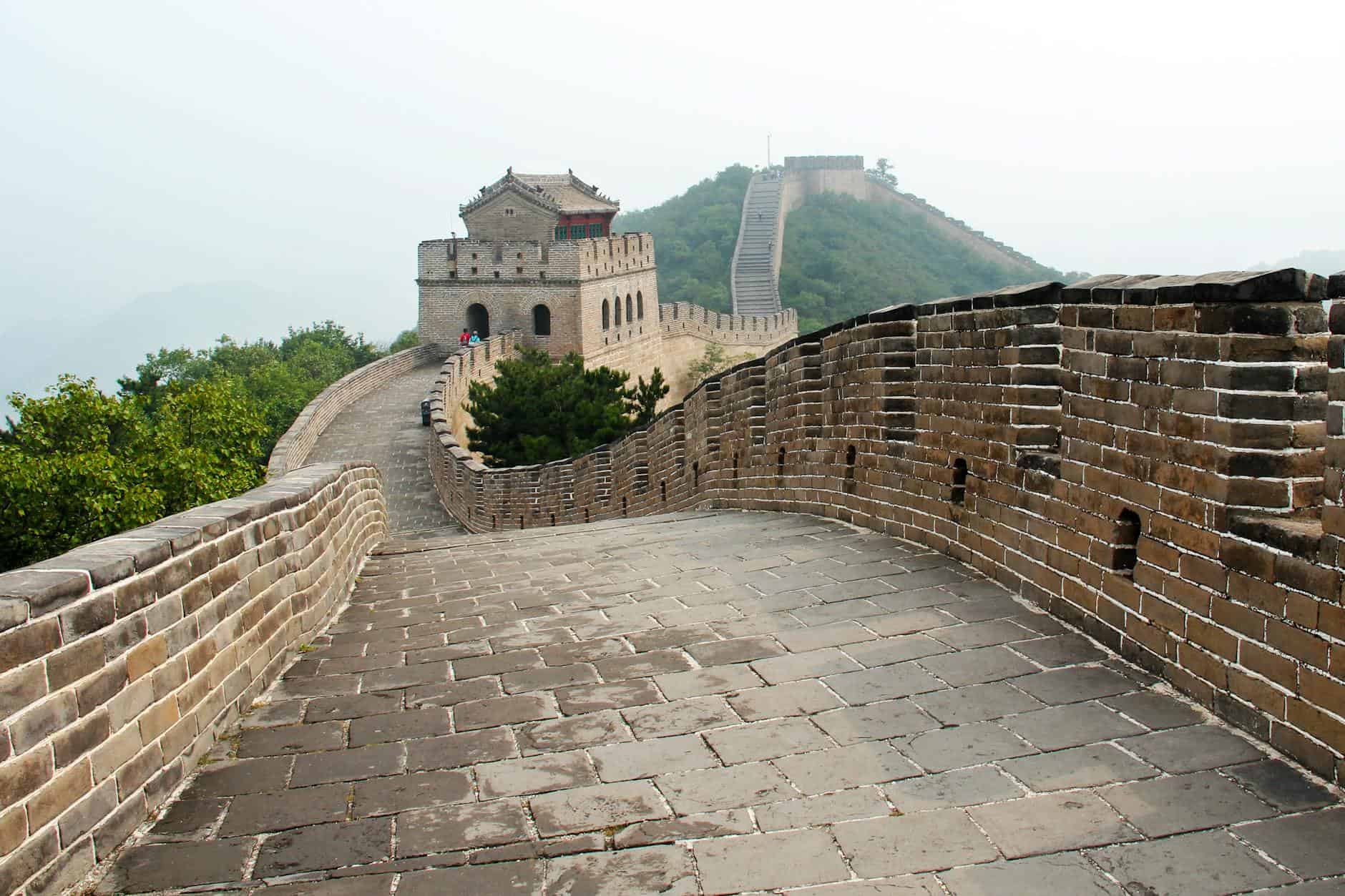
    The Great Wall of China History: The Story Behind the World’s Longest Wall

    Introduction

    The Great Wall of China is one of the most iconic and enduring symbols of Chinese civilization. Stretching over 13,000 miles across the northern borders of China, this architectural marvel has a rich history that dates back more than 2,000 years. Originally constructed for defense against invasions, the wall has witnessed the rise and fall of dynasties, serving not only as a military fortification but also as a representation of the labor, ingenuity, and tenacity of the Chinese people. Over the centuries, the Great Wall has become a UNESCO World Heritage Site and a globally recognized symbol of strength and perseverance. Through the examining of its origins, historical significance, cultural impact, preservation efforts, and tourist appeal, we can gain a deeper understanding of the Great Wall’s profound legacy and its role in shaping not only China\’s past but also its present and future.

    Origins and Construction of the Great Wall of China

    The origins of the Great Wall of China can be traced back to the early 7th century BC, during the Warring States period when various feudal states sought to defend their territories. Individual states began constructing their own fortifications, which were often made from tamped earth and wood. The first segments of what would later become the Great Wall were built by these states as a defensive measure against nomadic tribes from the north, particularly the Xiongnu.

    However, the most notable construction came during the Qin Dynasty (221-206 BC) under Emperor Qin Shi Huang, who sought to unify these disparate walls into a single defensive structure. This monumental endeavor involved the labor of hundreds of thousands of workers, including soldiers, peasants, and prisoners. The materials used varied based on the region: in the mountainous areas, stone and brick were common, while in the plains, earth and wood were often utilized. The building techniques evolved significantly over time; during the Han Dynasty (206 BC-220 AD), further expansion included the usage of rammed earth, which was an effective method for creating stable fortifications.

    Throughout the generations, various dynasties continued to improve and extend the wall. The Sui (581-618 AD) and Tang (618-907 AD) Dynasties did not prioritize the wall as much as the subsequent Ming Dynasty (1368-1644 AD), which recognized the significance of a strong defensive perimeter due to increasing threats from the Mongols. The Ming emperors invested heavily in upgrading the wall, building the structure we recognize today. They employed bricks and stone, giving the wall greater durability and an imposing structure that would thwart potential invasions.

    The Ming Great Wall was not a uniform entity; it comprised various designs that included watchtowers, troop barracks, and garrison stations. Towers were built at regular intervals to provide spaces for monitoring, signaling, and defense. These enhancements underscore the military strategy employed by the Ming Dynasty, which sought not just to deter invasions but also to control trade routes, particularly on the Silk Road.

    the great wall of china
    The Great Wall of China is one of the most iconic and enduring symbols of Chinese civilization.
    Photo by Manuel Joseph on Pexels.com

    The Wall’s construction was an arduous labor that took decades and, in many instances, the lives of workers. It has been reported that many laborers met with tragic fates due to harsh conditions, the danger of working on steep mountain passes, and the sheer scale of the project that seemed insurmountable at times. However, the wall acted as a unifying force for China, embodying the collective effort of its people in achieving a common goal.

    Today, little of the original wall remains intact, mainly due to the passage of time, erosion, and human activity. Nonetheless, what stands as a testament to ingenuity is its historical trajectory. The Great Wall of China continues to be a reflection of the ancient Chinese concept of unity and national identity, distinguishing itself as one of the most significant engineering feats in human history.

    Historical Significance of the Great Wall of China

    The historical significance of the Great Wall of China is vast and multifaceted, embodying centuries of political strategy, cultural expression, and national identity. Originally conceived as a military defense system, its evolution through various dynastic rules shaped not only the course of Chinese history but also the interaction between China and its surrounding nations.

    At its core, the wall represented a physical and symbolic barrier against invasions, especially from the nomadic tribes of the north. The Qin Dynasty initiated the unification of walls into what would later become the Great Wall, recognizing the need to protect the burgeoning empire from external threats. This military strategy emphasized the importance of territorial integrity and the safety of the Han people, leading to the establishment of a more centralized and stable governance model.

    As dynasties rose and fell, the wall’s function adapted accordingly. During the Han Dynasty, the Great Wall facilitated trade along the Silk Road, which connected China to the West. This dual purpose of military defense and economic expansion showcased the wall\’s strategic value, promoting cultural exchanges that shaped Chinese society, art, and technology. The interaction with other cultures brought ideas, goods, and innovations that would enrich the fabric of Chinese life.

    The Great Wall also played a significant role during the Ming Dynasty, a period characterized by restored centralized power and territorial expansion. The construction efforts during this era were a direct response to the threat of Mongol invasions, and the wall became a physical representation of the emperor\’s resolve to protect the empire. It was during this time that the wall reached its architectural zenith, with impressive watchtowers and fortifications that displayed the military might of China.

    Moreover, the wall has been a focal point in periods of unity and fragmentation within China. During times of peace, it served as a symbol of national pride and strength, reinforcing the idea of a united Chinese state under one emperor. Conversely, during periods of disunity, such as the warlords’ conflict in the early 20th century, the wall became a melancholic reminder of the fragility of Chinese sovereignty.

    The Great Wall’s significance extends beyond military and political realms, as it has become a prevailing symbol of Chinese identity. Throughout history, the wall has inspired poets, artists, and philosophers and has served as a backdrop for significant cultural narratives. The picturesque representation of the wall in literature and visual arts has imbued it with a spiritual dimension, often referred to as the “spirit of the Chinese people.”

    In the 21st century, the Great Wall continues to play a significant role in fostering national pride, providing a communal identity that resonates with Chinese citizens. The wall is venerated not only as a historical artifact but also as a representation of resilience and endurance, emphasizing the idea that the collective strength of the Chinese people can endure the tests of time.

    From military fortification to cultural landmark, the Great Wall of China signifies the evolution of societal norms and the deep-seated yearning for unity and protection. Its historical significance remains a tangible link to the past, serving as a reminder of the intricate nuances that shaped and molded Chinese civilization over millennia.

    Great Wall’s Cultural Impact

    The cultural impact of the Great Wall of China stretches beyond its physical structure, weaving itself into the fabric of Chinese society and influencing the global perception of China as a civilization. It represents a profound intertwining of history and cultural identity that continues to resonate within contemporary Chinese life.

    From a historical perspective, the Great Wall has inspired countless works of literature, art, and music, shaping a symbolic narrative that encapsulates themes of resilience, strength, and unity. Classical Chinese poetry often reflects upon the wall\’s grandeur and melancholic beauty, portraying it as a bridge between the past and the present. This literary portrayal fosters a sense of belonging and emotional connection among the Chinese people.

    In traditional Chinese culture, the Great Wall embodies the concept of \”protection\” – not only from physical threats but also from spiritual and psychological challenges. It has become a metaphor for the protective nature of family and community, reinforcing the importance of solidarity and collective well-being. This symbolic significance extends to festivals and cultural practices, where the wall’s imagery can be seen during celebratory events that honor Chinese heritage and achievements.

    Moreover, the Great Wall serves as an important site for cultural tourism, attracting millions of visitors annually. Tourists from around the globe come to experience the awe-inspiring structure and its history firsthand. Their presence fosters intercultural dialogues, as they engage with and learn about the myths, stories, and legends associated with the wall. This cultural exchange enriches both the local communities and the visitors, promoting a shared appreciation for historical narratives and human ingenuity.

    In terms of popular culture, the Great Wall has also found its place in films, music, and contemporary media. It has been featured in numerous movies, documentaries, and television shows – serving as both a backdrop and a focal point for storytelling. This representation has the dual effect of promoting Chinese culture on an international scale while simultaneously encouraging local storytelling and film production that resonate with Chinese audiences.

    The cultural impact of the Great Wall is not solely rooted in its historical significance but also in its ability to adapt and remain relevant in modern society. It serves as an enduring reminder of China’s collective identity while inspiring a sense of pride in its historical achievements. The wall’s preservation efforts have become an essential part of cultural discourse within China, recognizing the importance of safeguarding this monumental structure for future generations.

    Urbanization and modernization present challenges to the wall, as rapid development encroaches on its vicinity. Nevertheless, initiatives advocating for conservation emphasize the importance of integrating modernity with cultural heritage, reminding society of its roots amidst changing landscapes. This balance reflects the modern Chinese ethos, reconciling traditional values with contemporary progress.

    In sum, the Great Wall of China stands not only as a magnificent architectural feat but also as a profound cultural icon. It holds deep-rooted significance in uniting a broad spectrum of historical narratives, societal values, and cultural expressions, ultimately shaping the national identity of China in both historical and contemporary contexts.

    Modern Preservation Efforts

    In the contemporary era, the challenges of preserving the Great Wall of China have become increasingly pronounced due to environmental factors, urban encroachment, and tourism. The wall\’s massive scale, coupled with its historical and cultural significance, necessitates dedicated preservation efforts to ensure that future generations can appreciate and learn from this remarkable structure.

    One of the foremost issues confronting the Great Wall is natural erosion. Weathering elements such as wind, rain, and temperature fluctuations have, over time, taken a toll on its structural integrity. Areas that were once fortified with solid materials have succumbed to deterioration. This has prompted local authorities and conservationists to prioritize extensive restoration projects aimed at stabilizing and repairing vulnerable sections of the wall.

    In addition to environmental factors, human activity presents another significant challenge. Urban development in nearby regions can disrupt the delicate balance between the wall and its surrounding landscape. Construction projects too close to the wall can jeopardize its structural stability, leading to crumbling sections and loss of historical context. As communities expand, it becomes imperative to implement responsible urban planning policies that prioritize the preservation of historical sites.

    Tourism, while economically beneficial, has also resulted in wear and tear on the wall. Millions of visitors flock to the structure each year, and while their interest emphasizes its cultural significance, it also raises concerns regarding the impact of foot traffic. Certain sections of the wall are particularly susceptible to damage from heavy tourist activity. Consequently, site managers are seeking creative solutions to balance tourist access with preservation efforts.

    Efforts to raise awareness about the Great Wall’s significance have become an integral part of modern conservation strategies. Educational programs and outreach initiatives aimed at both local populations and tourists are essential for promoting a culture of respect towards historical sites. By emphasizing the importance of responsible tourism, these initiatives hope to cultivate a sense of stewardship within visitors, encouraging them to appreciate the wall\’s history and the need for its preservation.

    International cooperation further enhances preservation efforts, as organizations such as UNESCO play a pivotal role in raising financial resources and expertise for conservation initiatives. Recognition of the Great Wall as a UNESCO World Heritage Site not only emphasizes its global importance but also opens avenues for international collaboration on preservation strategies. The participation of experts from various fields helps with integrating modern architectural techniques and traditional craftsmanship to ensure the wall\’s durability.

    Technological advancements also support modern preservation efforts. Digital mapping and 3D modeling technologies help assess and visualize the wall\’s conditions, allowing conservationists to strategize more effectively for restoration. The utilization of these technologies marks a significant evolution in resource management, enabling data-driven decisions for targeted conservation work.

    Methods employed for the restoration of the Great Wall adhere to principles that respect its historical authenticity. Restoration teams prioritize using traditional materials and techniques wherever possible to maintain the wall\’s original characteristics and craftsmanship. This approach preserves the historical integrity of the wall, ensuring that any restoration work honors its multifaceted legacy.

    The ongoing preservation of the Great Wall of China speaks to the broader responsibility of societies to safeguard their historical and cultural heritage. As custodians of this monumental relic, contemporary China strives to navigate the complexities of modernization while adhering to the ideals of preserving its rich history. The Great Wall serves as both an enduring symbol of national pride and a living testament to the efforts of generations committed to preserving their heritage for the future.

    great wall of china
    The Great Wall of China is far more than a monumental structure; it is an enduring symbol of the resilience, creativity, and collective spirit of the Chinese people.
    Photo by Johannes Plenio on Pexels.com

    Tourism and Economic Influence

    The Great Wall of China stands not merely as a relic of the past but as a vibrant center of tourism that significantly influences China\’s economy. This monumental structure draws millions of visitors each year, both domestic and international, facilitating economic activity and cultural exchange while showcasing the potential benefits of responsible tourism.

    As one of the most recognizable landmarks in the world, the Great Wall serves as a magnet for tourists. Its vast expanse, stretching over multiple provinces, creates diverse experiences for visitors, allowing them to explore different sections that vary in architectural style, surroundings, and historical context. Popular access points such as Badaling and Mutianyu are well-developed, providing amenities that cater to tourists while preserving the wall’s integrity. The influx of visitors to these areas not only affords them the opportunity to marvel at the wall’s grandeur but also stimulates local economies through job creation and businesses catering to tourist needs.

    From local artisans selling crafts to restaurants providing traditional cuisine, the economic impact of tourism extends beyond ticket sales. Local communities benefit from job creation, as tourism-related industries hire workers to support the flow of visitors. This economic diversification is particularly essential in rural areas, where agricultural opportunities may be limited. By capitalizing on the wall’s historical significance, communities can improve their quality of life while forging a stronger connection to their cultural identity.

    Moreover, the Great Wall has become an essential element in marketing China as a tourist destination. Domestic tourism is promoted as a means to foster national pride and educate citizens about their historical heritage, while international tourism invites a broader audience to experience the rich tapestry of Chinese history. Cultural festivals and events centered around the wall enhance its appeal, encouraging visitors to engage with local customs and traditions, fostering intercultural appreciation.

    However, responsible tourism is paramount to ensure that the cultural and historical integrity of the Great Wall remains intact. Overcrowding can result in wear and tear, diminishing the experience for future visitors. Therefore, authorities have begun to implement measures aimed at managing tourist flows. For example, visitor numbers may be limited during peak seasons, and educational programs are encouraged to promote a culture of respect and awareness among tourists concerning the historical significance of the wall.

    Additionally, investments in infrastructure near the wall have created avenues for eco-friendly and sustainable tourism models. Ecotourism initiatives that integrate conservation efforts with visitor experiences promote environmental awareness and help preserve the surrounding landscape. Responsible tourism is encouraged, fostering mindful engagement with the wall and its history while minimizing environmental impact.

    On a broader scale, the Great Wall\’s economic influence extends to its role in establishing global recognition for the cultural heritage of China. As one of the New Seven Wonders of the World, its inclusion in such lists emphasizes the importance of cultural landmarks in serving as ambassadors for their respective nations. This recognition not only encourages tourism but also entwines the wall with diplomatic initiatives, cultural exchanges, and international recognition for China\’s contributions to global heritage.

    In conclusion, tourism, when managed responsibly, has the potential to create a symbiotic relationship between economic benefits and cultural preservation concerning the Great Wall of China. The wall stands as a beacon for both national pride and global interest, with its story continuing to captivate audiences worldwide.

    Conclusion

    The Great Wall of China is far more than a monumental structure; it is an enduring symbol of the resilience, creativity, and collective spirit of the Chinese people. With origins that trace back thousands of years, it has witnessed the ebb and flow of dynasties, serving purposes that range from military defense to cultural expression. Through its rich history, the Great Wall has played a crucial role in shaping Chinese civilization, influencing literature, art, and national identity.

    Modern preservation efforts highlight the ongoing commitment to protect this ancient wonder, ensuring that it remains a site of learning and appreciation for future generations. Tourism around the wall contributes significantly to China’s economy, fostering cultural exchanges and enhancing community livelihoods. As visitors from around the globe experience this remarkable feat of engineering, they become part of a narrative that transcends time and geography.

    As we reflect on the legacy of the Great Wall of China, it becomes clear that it represents not only an architectural triumph but also a testament to the tenacity of human spirit and the importance of preserving our cultural heritage. In navigating the challenges of the modern world, the wall stands as a reminder of humanity’s shared past, bridging gaps between history and the future.

    Watch also

  • Potala Palace History: The Sacred Heart of Tibet’s Spiritual Legacy

    Potala Palace History: The Sacred Heart of Tibet’s Spiritual Legacy

    Introduction

    The Potala Palace, a majestic structure towering over Lhasa, embodies the intricate tapestry of Tibet\’s history, culture, and spirituality. Recognized as a UNESCO World Heritage site, this architectural marvel not only serves as a symbol of Tibetan Buddhism but also stands as a testament to the region\’s historical significance. Constructed in the 7th century under King Songtsen Gampo, the palace is named after Mount Potala, the abode of Avalokiteshvara, the Bodhisattva of compassion. Through centuries of political upheaval and cultural shifts, the Potala Palace has remained a sacred space for Tibetan people, acting as the winter residence of the Dalai Lamas. With its towering structure comprised of over 1,000 rooms, the palace provides a glimpse into the profound devotional practices and rich traditions that continue to influence Tibetan identity today. This article delves into the Potala Palace history, exploring its significance in Tibetan Buddhist spirituality and its enduring legacy throughout time.

    The Construction and Architecture of Potala Palace

    The Potala Palace, a breathtaking emblem of Tibetan architecture, was built during the reign of King Songtsen Gampo in the 7th century. The construction symbolizes not just a physical structure but the spiritual embodiment of Tibetan Buddhist principles. It is situated on the Red Hill, overlooking Lhasa, harmoniously integrating with the natural landscape. The initial building phase lasted from the 637 AD and was completed in the 1645 AD, with the structure we see today primarily created under the 5th Dalai Lama, Ngawang Lobsang Gyatso.

    The palace\’s architecture blends various styles reflecting the cultural exchanges that have taken place over centuries. The building showcases traditional Tibetan architectural elements combined with influences from Chinese, Indian, and Central Asian styles. The use of rammed earth and timber as primary materials demonstrates an innate understanding of the local environment and conditions. The wide, whitewashed walls of the palace feature intricate designs, while the flat roofs are adorned with golden roofs, giving the palace’s uppermost levels a dazzling appearance illuminated by the sun.

    The Potala Palace is divided into two main sections: the White Palace and the Red Palace. The White Palace, functioning as the administrative quarter and living quarters for the Dalai Lamas, is characterized by its unique layout of staircases, corridors, and large rooms that housed the spiritual leaders and their entourages. It includes features like spacious rooms for meetings and ceremonial activities.

    In contrast, the Red Palace is a more concentrated area dedicated to religious activities, housing numerous chapels, stupas, and statues, which reflect the deeply religious nature of the Tibetan community. The Red Palace’s vibrant rituals held within its walls played an ongoing role in teaching and spreading the messages of Tibetan Buddhism throughout the centuries.

    The palace\’s design is not merely aesthetic; it holds significant meaning in a spiritual context. The centrality of the sacred stupa containing the remains of the 5th Dalai Lama stresses the importance of the Dalai Lama’s lineage in Tibetan Buddhism. Additionally, the multiple chapels are dedicated to various deities and bodhisattvas, with intricate murals depicting Buddhist cosmology adorning the walls, enhancing the spiritual ambiance of the palace.

    \"potala
    The Potala Palace

    Moreover, the location of the Potala Palace is symbolic. Elevated on a hill, the structure reflects the Buddhist concept of reaching enlightenment—ascending upwards is akin to moving towards spiritual realization. The surrounding mountain ranges and the sacred Lhasa River further endorse its status as a spiritual focal point and sanctuary for monks, pilgrims, and practitioners who seek to advance their spiritual journey.

    In conclusion, the construction and architecture of the Potala Palace reflect both an extraordinary feat of engineering and a rich tapestry of spiritual significance. Its stature and intricate designs serve as enduring markers of Tibetan culture and the dedication of those who sought to harmonize religious beliefs with their environment. The Potala Palace stands today not merely as a historical landmark but as a living testament to the faith and resilience of the Tibetan people.

    The Historical Significance of Potala Palace in Tibetan Buddhism

    The Potala Palace is more than a physical structure; it symbolizes centuries of religious devotion and cultural identity, deeply intertwined with the history of Tibetan Buddhism. As the winter residence of the Dalai Lama, the palace was a central hub for spiritual teachings and governance. From its construction in the 7th century to becoming the spiritual heart of Tibet, the palace reflects the evolution of Tibetan Buddhism and its integration into the region\’s politics and social life.

    The palace is named after Mount Potala in India, where Avalokiteshvara, a significant figure in Mahayana Buddhism, is believed to reside. This connection signifies the profound spiritual importance of the palace, and its conception was influenced by King Songtsen Gampo, who married Princess Wencheng of the Tang dynasty, thereby intertwining Tibetan and Chinese beliefs. The union was crucial in establishing Buddhism in Tibet. It allowed the integration of Buddhist teachings into the social fabric of Tibetan life, elevating the status of the Potala Palace as a vital center for religious authority.

    Throughout the centuries, the Potala Palace served as a repository of knowledge, housing countless scriptures, texts, and relics crucial for the practice of Buddhism. It is here that the Dalai Lamas delivered profound teachings and hosted disciples from across the Tibetan plateau. The palace\’s many chapels and stupas echo the sacred stories and rituals of Tibetan Buddhism, forming an environment that breathed spirituality and reverence.

    Beyond religious significance, the Potala Palace played a pivotal role in the formation of the Tibetan state. As the 5th Dalai Lama, Ngawang Lobsang Gyatso, consolidated power in the 17th century, the palace became not just a religious site but also the heart of governance in Tibet. The integration of spiritual authority with political power helped solidify the Dalai Lama\’s influence over the region, shaping Tibetan policies, governance practices, and societal norms. The relationship between the political and spiritual realms at the Potala Palace illustrates the unique interplay between Buddhism and governance, a hallmark of Tibetan identity.

    Furthermore, the historical significance of the Potala Palace extends beyond its walls. It symbolizes the struggles endured by the Tibetan people, especially during periods of political turbulence and foreign rule. The attempted suppression of Tibetan culture and spirituality by external forces in the 20th century resulted in the Dalai Lama’s exile and a renewed emphasis on preserving Tibetan Buddhism as a way of cultural resistance. The Potala Palace became a rallying point, embodying the aspirations of Tibetans to reclaim their cultural and religious identity amid hardship.

    \"an
    The Potala Palace

    The palace also played a role in promoting pilgrimage, drawing countless devotees from various regions seeking spiritual solace and enlightenment. Pilgrims’ journeys to the Potala Palace are often marked by prostrations and rituals meant to accrue merit, underscoring the structure\’s significance in their spiritual journeys. The many assembly halls filled with prayer flags and the scent of incense are a testament to the vibrant practices that continue to unfold within its walls.

    Moreover, the Potala Palace is a cornerstone of Tibetan Buddhism\’s global influence, garnering attention and respect worldwide. Its architectural brilliance, dramatic location, and profound history have led to increased interest in Tibetan culture and spirituality. It acts as a bridge, connecting people to the essence of Tibetan Buddhism and fostering dialogues about faith and resilience.

    Through its rich historical significance, the Potala Palace remains a focal point for understanding Tibetan Buddhism\’s development, its connection to political power, and its enduring legacy. It stands as a pillar of Tibetan identity, encapsulating the struggles and triumphs of a people whose faith continues to thrive against all odds, ensuring that the Potala Palace remains a symbol of hope and inspiration for generations to come.

    The Role of Potala Palace in Tibetan Politics

    The Potala Palace has played an integral role in Tibetan politics, weaving a complex tapestry of governance, religious authority, and social structure throughout its history. ‘Khangsar,’ or the residence of the Dalai Lamas, the palace is not only a spiritual sanctuary but also an embodiment of the intertwined relationship between religion and governance in Tibet. Its significance surged particularly during the reign of the 5th Dalai Lama, Ngawang Lobsang Gyatso, who transformed the palace into a political and cultural epicenter.

    The establishment of the Potala Palace as the main residence of the Dalai Lamas symbolized the centralization of power within Tibetan Buddhism. The Dalai Lamas were seen not only as spiritual leaders but also as temporal rulers. The palace became a hub for political maneuvering, housing key administrative functions essential for governing Tibet in the 17th century and beyond. The 5th Dalai Lama took significant strides towards unifying the Tibetan states, consolidating both political and spiritual authority, creating a governance model unique to Tibetan Buddhism.

    The integration of the religious and political spheres can be seen in the acts of governance carried out within the palace. The Dalai Lama conducted audiences and made crucial governmental decisions, setting policies that impacted social norms, legal systems, and economic relations in Tibetan society. The assembly halls and meeting rooms within the palace facilitated discussions with advisors, ministers, and leaders from various regions. This structured approach to governance enabled the Dalai Lama to exert his influence, turning the Potala Palace into a center of prosperity and resilience.

    The structure also served as a platform for diplomacy with neighboring powers. The unique Tibetan system of governance, which intertwined religion with political authority, attracted the interest of the Chinese Empire back in the 17th century. The complex relationship between Tibet and imperial powers demonstrated the significance of the Potala Palace in foreign relations. The Dalai Lamas used the palace to establish stature and negotiating power, representing Tibet\’s interests while attempting to maintain autonomy amidst external pressures.

    However, the Potala Palace\’s political significance also came with immense internal friction. As the institution of the Dalai Lama grew in authority, various factions within Tibetan governance emerged, challenging the rigid structures that upheld the Dalai Lama’s rule. This internal political struggle was marked by unique conflicts between monastic orders, aristocracy, and common citizens. The palace was not only a site for political consensus but also a battlefield for competing interests, often leading to political intrigue and upheaval.

    During the 20th century, the political landscape surrounding the Potala Palace experienced monumental changes. The Chinese invasion of Tibet in 1950 profoundly impacted the monarchy and the Dalai Lama\’s authority. The political turbulence culminated in the 1959 Tibetan Uprising, leading to the Dalai Lama\’s flight to India and the exile of many Tibetans. This marked a significant turning point, transforming the Potala Palace from a center of governance to a symbol of resistance against foreign dominance.

    \"the
    The Potala Palace

    After the Tibetan diaspora, the Potala Palace\’s role shifted towards preservation and cultural heritage. The global exile community emerged, advocating for Tibetan rights and seeking international recognition of their plight. The palace became a fortifying symbol of Tibetan resilience, where the struggle for autonomy and cultural identity resonates within its walls. It remains a site of pilgrimage, reminding practitioners of their political narrative, advocating for the preservation of Tibetan Buddhism’s integrity across geographical boundaries.

    The Potala Palace today remains at the center of Tibetan political consciousness. With ongoing discussions about the future of Tibet and the Dalai Lama’s role in contemporary society, the palace serves as a focal point for the promotion of Tibetan culture and their quest for autonomy. The international recognition of its importance further solidifies its idiomatic significance, as Tibetans continue to engage in dialogues about governance, spirituality, and national identity.

    In conclusion, the Potala Palace\’s role in Tibetan politics is multifaceted, marked by the confluence of religious dedication and political authority. Its evolution, from a primary site of governance under the Dalai Lamas to a symbol of Tibetan resilience and aspirations, encapsulates the ongoing narrative of Tibetan identity. The palace stands as a reminder of the intricate relationships between spirituality and governance, underscoring the significance of the Dalai Lama\’s lineage in shaping Tibet’s political landscape through the ages.

    Cultural Heritage and Artistic Heritage of Potala Palace

    The Potala Palace is a veritable treasure trove of Tibetan cultural and artistic heritage, encapsulating centuries of belief, artistry, and dedication within its grand walls. The intricate architecture, mesmerizing murals, and sacred artifacts are manifestations of the rich tapestry of Tibetan history, reflecting the deep spiritual and cultural values inherent in the practices of Tibetan Buddhism.

    From the moment visitors approach the Potala Palace, they are greeted by its spectacular façade, a remarkable blend of art and architecture that rose to prominence during the 17th century under the auspices of the 5th Dalai Lama. With its imposing walls painted in pristine white, cinched with red and gold, the palace embodies the deep connection between material beauty and spiritual attainment, aimed at inspiring those who behold it.

    Inside, the artistic narrative unfolds through vibrant murals, thangkas, sculptures, and statues. The murals adorning the palace walls are a significant feature of the cultural legacy, depicting scenes from Buddhist scriptures that embody spiritual and moral teachings. These images serve both an educational and devotional purpose, illustrating the path to enlightenment while connecting practitioners to the divine. Tibetan artists painstakingly crafted these paintings, employing traditional methods that have been passed down through generations, showcasing the vibrant colors and intricate details that are hallmarks of Tibetan art.

    Each chapel and meditation room within the palace houses exquisite thangkas—traditional Tibetan scroll paintings that illustrate important deities, scriptures, and narratives from Buddhist lore. These thangkas not only serve as instructional tools for monks but also as objects of veneration for lay practitioners. The artistry involved in creating these pieces requires not just skill but also a depth of understanding of Buddhist philosophy, emphasizing the meticulous nature of Tibetan religious art.

    The sculptures and statues found throughout the Potala Palace resonate with spiritual significance, representing various Buddhist saints and figures. Notably, the statue of Avalokiteshvara, the Bodhisattva of compassion, embodies the humanitarian essence of Tibetan Buddhism and serves as a focal point for prayer and devotion within the palace. The craftsmanship of these sculptures is indicative of the incredible talent found within Tibetan artistry, showcasing a combination of spirituality and aesthetic beauty that has attracted admirers for centuries.

    Moreover, the architectural design of the Potala Palace itself is a testament to the artistic brilliance of Tibetan builders. The incorporation of feng shui principles and rigorous planning resulted in a configuration that not only accommodates various functions but also harmonizes the spiritual atmosphere of the palace. The multi-layered rooftops, expansive staircases, and airy corridors exude a sense of grandeur that reflects the high ideals of Tibetan culture—elevating spiritual practice while respecting the natural landscape.

    The Potala Palace also serves as a living repository of manuscripts and texts, acting as a center of learning and cultural preservation. Monasteries, libraries, and study rooms housed within the palace contribute to a rich intellectual environment dedicated to the study and dissemination of Buddhist teachings. The scripts and texts preserved over centuries attest to the scholarly dedication of Tibetan monks, providing insight into the ethical, philosophical, and practical aspects of Tibetan Buddhist practice.

    The cultural heritage of the Potala Palace extends beyond its artistic achievements; it embodies the customs, rituals, and communal practices of Tibetan society. The palace serves as a gathering place for ceremonies, festivals, and rituals, connecting the community with their spiritual roots. Practices such as spinning prayer wheels, prostrations, and offering rituals are part of the cultural fabric that unites the Tibetan people in their devotion.

    More importantly, the palace\’s cultural heritage continues to thrive despite external pressures faced by the Tibetan community. The struggle to preserve and promote Tibetan culture, coupled with global recognition of the Potala Palace\’s significance, has garnered international support for its preservation. Various initiatives focusing on conservation and cultural revitalization have emerged, emphasizing the need to safeguard Tibetan artistic expression for future generations.

    Today, the Potala Palace is not only a national treasure but also a global symbol of Tibetan heritage. It has sparked interest among scholars, artists, and practitioners worldwide, fostering a dialogue around the preservation of cultural identity in the face of adversity. As a source of inspiration, the Potala Palace emphasizes the timeless relevance of Tibetan Buddhism and its contributions to global art and spirituality, securing its legacy as a cultural and artistic beacon.

    In conclusion, the Potala Palace encapsulates the essence of Tibet’s cultural and artistic heritage. Through exquisite murals, statutes, and architectural designs, it narrates a history steeped in spirituality, artistic mastery, and communal practices. The palace continues to foster a sense of belonging among Tibetans while inspiring admiration and respect across the globe as a crucial site that embodies the enduring legacy of Tibetan art and culture.

    Potala Palace Today: Preservation and Global Recognition

    The Potala Palace stands as a monument not only to Tibet\’s historical and cultural heritage but also to its resilience in the contemporary era. With its designation as a UNESCO World Heritage site, the palace has garnered global attention, highlighting the need for preservation and awareness of Tibetan culture in a rapidly changing world. Today, as political and social dynamics evolve in Tibet, the Potala Palace is at the forefront of efforts to maintain its significance both locally and internationally.

    Preservation efforts for the Potala Palace are vital, considering the challenges posed by environmental factors, tourism, and political pressure. Master craftsmen, archaeologists, and conservationists have joined forces to ensure that the palace\’s structural integrity and cultural richness are safeguarded for future generations. Restoration projects involve maintaining its physical form while carefully preserving the murals, sculptures, and artifacts that contribute to its cultural narrative.

    Tourism plays a dual role in the context of the Potala Palace. While it offers a significant opportunity for economic development and cultural exchange, it also poses risks to the preservation of the site due to the volume of visitors. Striking a balance between hospitality and conservation remains a challenge. Strategies such as visitor management and controlled access to specific areas have been implemented to mitigate wear and tear while allowing people to experience the palace\’s spiritual significance.

    Moreover, the Potala Palace serves as a vital cultural ambassador for Tibet, promoting dialogue about its history, traditions, and ongoing struggles. Through exhibitions, educational programs, and partnerships with global organizations, the palace engages audiences far beyond its physical boundaries. Documentaries, books, and virtual tours have allowed people worldwide to access the rich cultural history that the Potala Palace embodies, fostering a deeper understanding of Tibetan Buddhism and its values.

    The global recognition of the Potala Palace extends to its role in the discourse surrounding Tibetan rights and identity. As the struggle for autonomy and cultural preservation continues, the palace has become a symbol of Tibetan resilience, representing the aspirations of a people seeking to reclaim their dignity and heritage. Activists and advocates utilize the image of the Potala Palace in campaigns for Tibetan rights, emphasizing the importance of cultural preservation alongside political autonomy.

    The relevance of the Potala Palace in the broader context of global culture cannot be understated. As awareness of Tibetan issues grows, the palace serves as a focal point for discussions about cultural diversity, human rights, and the importance of preserving intangible cultural heritage. Museums, educational institutions, and religious organizations have recognized the palace\’s significance, promoting cultural heritage initiatives to protect and celebrate diversity in spiritual practices globally.

    The palace\’s enduring legacy is reflected in its influence on art, spirituality, and environmental consciousness. Artists and scholars continue to draw inspiration from its magnificent architecture and the teachings it embodies, while practitioners of Tibetan Buddhism adapt its lessons to contemporary life. The Potala Palace is not merely a relic of the past; it thrives as a living entity, continually shaping the spiritual journeys of countless individuals around the world.

    ?onclusion

    The Potala Palace stands as one of the most remarkable monuments in human history, embodying both the grandeur of Tibetan architecture and the profound depth of its spiritual traditions. Rising majestically above Lhasa, it has served not only as the residence of the Dalai Lamas but also as a symbol of unity, resilience, and cultural identity for the Tibetan people. Within its vast halls and sacred chapels, centuries of history are preserved, from intricate murals and priceless manuscripts to relics that testify to the fusion of religion and governance that once shaped Tibet’s destiny.

    The enduring presence of the Potala Palace reminds the world of Tibet’s spiritual heritage and the importance of safeguarding cultural treasures that transcend borders and generations. Today, as a UNESCO World Heritage Site and a global destination, the palace continues to inspire reverence and awe. It is more than stone and timber—it is a living testament to faith, endurance, and the timeless pursuit of enlightenment, ensuring that the sacred heart of Tibet will beat for centuries to come.

    The Potala Palace, the Iconic Heart of Tibetan Buddhism | Video

    See Potala Palace, the Iconic Heart of Tibetan Buddhism | National Geographic
  • Potala Palace History: The Sacred Heart of Tibet’s Spiritual Legacy

    Potala Palace History: The Sacred Heart of Tibet’s Spiritual Legacy

    Introduction

    The Potala Palace, a majestic structure towering over Lhasa, embodies the intricate tapestry of Tibet’s history, culture, and spirituality. Recognized as a UNESCO World Heritage site, this architectural marvel not only serves as a symbol of Tibetan Buddhism but also stands as a testament to the region’s historical significance. Constructed in the 7th century under King Songtsen Gampo, the palace is named after Mount Potala, the abode of Avalokiteshvara, the Bodhisattva of compassion. Through centuries of political upheaval and cultural shifts, the Potala Palace has remained a sacred space for Tibetan people, acting as the winter residence of the Dalai Lamas. With its towering structure comprised of over 1,000 rooms, the palace provides a glimpse into the profound devotional practices and rich traditions that continue to influence Tibetan identity today. This article delves into the Potala Palace history, exploring its significance in Tibetan Buddhist spirituality and its enduring legacy throughout time.

    The Construction and Architecture of Potala Palace

    The Potala Palace, a breathtaking emblem of Tibetan architecture, was built during the reign of King Songtsen Gampo in the 7th century. The construction symbolizes not just a physical structure but the spiritual embodiment of Tibetan Buddhist principles. It is situated on the Red Hill, overlooking Lhasa, harmoniously integrating with the natural landscape. The initial building phase lasted from the 637 AD and was completed in the 1645 AD, with the structure we see today primarily created under the 5th Dalai Lama, Ngawang Lobsang Gyatso.

    The palace’s architecture blends various styles reflecting the cultural exchanges that have taken place over centuries. The building showcases traditional Tibetan architectural elements combined with influences from Chinese, Indian, and Central Asian styles. The use of rammed earth and timber as primary materials demonstrates an innate understanding of the local environment and conditions. The wide, whitewashed walls of the palace feature intricate designs, while the flat roofs are adorned with golden roofs, giving the palace’s uppermost levels a dazzling appearance illuminated by the sun.

    The Potala Palace is divided into two main sections: the White Palace and the Red Palace. The White Palace, functioning as the administrative quarter and living quarters for the Dalai Lamas, is characterized by its unique layout of staircases, corridors, and large rooms that housed the spiritual leaders and their entourages. It includes features like spacious rooms for meetings and ceremonial activities.

    In contrast, the Red Palace is a more concentrated area dedicated to religious activities, housing numerous chapels, stupas, and statues, which reflect the deeply religious nature of the Tibetan community. The Red Palace’s vibrant rituals held within its walls played an ongoing role in teaching and spreading the messages of Tibetan Buddhism throughout the centuries.

    The palace’s design is not merely aesthetic; it holds significant meaning in a spiritual context. The centrality of the sacred stupa containing the remains of the 5th Dalai Lama stresses the importance of the Dalai Lama’s lineage in Tibetan Buddhism. Additionally, the multiple chapels are dedicated to various deities and bodhisattvas, with intricate murals depicting Buddhist cosmology adorning the walls, enhancing the spiritual ambiance of the palace.

    potala palace tibetan architecture in summer
    The Potala Palace

    Moreover, the location of the Potala Palace is symbolic. Elevated on a hill, the structure reflects the Buddhist concept of reaching enlightenment—ascending upwards is akin to moving towards spiritual realization. The surrounding mountain ranges and the sacred Lhasa River further endorse its status as a spiritual focal point and sanctuary for monks, pilgrims, and practitioners who seek to advance their spiritual journey.

    In conclusion, the construction and architecture of the Potala Palace reflect both an extraordinary feat of engineering and a rich tapestry of spiritual significance. Its stature and intricate designs serve as enduring markers of Tibetan culture and the dedication of those who sought to harmonize religious beliefs with their environment. The Potala Palace stands today not merely as a historical landmark but as a living testament to the faith and resilience of the Tibetan people.

    The Historical Significance of Potala Palace in Tibetan Buddhism

    The Potala Palace is more than a physical structure; it symbolizes centuries of religious devotion and cultural identity, deeply intertwined with the history of Tibetan Buddhism. As the winter residence of the Dalai Lama, the palace was a central hub for spiritual teachings and governance. From its construction in the 7th century to becoming the spiritual heart of Tibet, the palace reflects the evolution of Tibetan Buddhism and its integration into the region’s politics and social life.

    The palace is named after Mount Potala in India, where Avalokiteshvara, a significant figure in Mahayana Buddhism, is believed to reside. This connection signifies the profound spiritual importance of the palace, and its conception was influenced by King Songtsen Gampo, who married Princess Wencheng of the Tang dynasty, thereby intertwining Tibetan and Chinese beliefs. The union was crucial in establishing Buddhism in Tibet. It allowed the integration of Buddhist teachings into the social fabric of Tibetan life, elevating the status of the Potala Palace as a vital center for religious authority.

    Throughout the centuries, the Potala Palace served as a repository of knowledge, housing countless scriptures, texts, and relics crucial for the practice of Buddhism. It is here that the Dalai Lamas delivered profound teachings and hosted disciples from across the Tibetan plateau. The palace’s many chapels and stupas echo the sacred stories and rituals of Tibetan Buddhism, forming an environment that breathed spirituality and reverence.

    Beyond religious significance, the Potala Palace played a pivotal role in the formation of the Tibetan state. As the 5th Dalai Lama, Ngawang Lobsang Gyatso, consolidated power in the 17th century, the palace became not just a religious site but also the heart of governance in Tibet. The integration of spiritual authority with political power helped solidify the Dalai Lama’s influence over the region, shaping Tibetan policies, governance practices, and societal norms. The relationship between the political and spiritual realms at the Potala Palace illustrates the unique interplay between Buddhism and governance, a hallmark of Tibetan identity.

    Furthermore, the historical significance of the Potala Palace extends beyond its walls. It symbolizes the struggles endured by the Tibetan people, especially during periods of political turbulence and foreign rule. The attempted suppression of Tibetan culture and spirituality by external forces in the 20th century resulted in the Dalai Lama’s exile and a renewed emphasis on preserving Tibetan Buddhism as a way of cultural resistance. The Potala Palace became a rallying point, embodying the aspirations of Tibetans to reclaim their cultural and religious identity amid hardship.

    an array of windows on white wall of a concrete building
    The Potala Palace

    The palace also played a role in promoting pilgrimage, drawing countless devotees from various regions seeking spiritual solace and enlightenment. Pilgrims’ journeys to the Potala Palace are often marked by prostrations and rituals meant to accrue merit, underscoring the structure’s significance in their spiritual journeys. The many assembly halls filled with prayer flags and the scent of incense are a testament to the vibrant practices that continue to unfold within its walls.

    Moreover, the Potala Palace is a cornerstone of Tibetan Buddhism’s global influence, garnering attention and respect worldwide. Its architectural brilliance, dramatic location, and profound history have led to increased interest in Tibetan culture and spirituality. It acts as a bridge, connecting people to the essence of Tibetan Buddhism and fostering dialogues about faith and resilience.

    Through its rich historical significance, the Potala Palace remains a focal point for understanding Tibetan Buddhism’s development, its connection to political power, and its enduring legacy. It stands as a pillar of Tibetan identity, encapsulating the struggles and triumphs of a people whose faith continues to thrive against all odds, ensuring that the Potala Palace remains a symbol of hope and inspiration for generations to come.

    The Role of Potala Palace in Tibetan Politics

    The Potala Palace has played an integral role in Tibetan politics, weaving a complex tapestry of governance, religious authority, and social structure throughout its history. ‘Khangsar,’ or the residence of the Dalai Lamas, the palace is not only a spiritual sanctuary but also an embodiment of the intertwined relationship between religion and governance in Tibet. Its significance surged particularly during the reign of the 5th Dalai Lama, Ngawang Lobsang Gyatso, who transformed the palace into a political and cultural epicenter.

    The establishment of the Potala Palace as the main residence of the Dalai Lamas symbolized the centralization of power within Tibetan Buddhism. The Dalai Lamas were seen not only as spiritual leaders but also as temporal rulers. The palace became a hub for political maneuvering, housing key administrative functions essential for governing Tibet in the 17th century and beyond. The 5th Dalai Lama took significant strides towards unifying the Tibetan states, consolidating both political and spiritual authority, creating a governance model unique to Tibetan Buddhism.

    The integration of the religious and political spheres can be seen in the acts of governance carried out within the palace. The Dalai Lama conducted audiences and made crucial governmental decisions, setting policies that impacted social norms, legal systems, and economic relations in Tibetan society. The assembly halls and meeting rooms within the palace facilitated discussions with advisors, ministers, and leaders from various regions. This structured approach to governance enabled the Dalai Lama to exert his influence, turning the Potala Palace into a center of prosperity and resilience.

    The structure also served as a platform for diplomacy with neighboring powers. The unique Tibetan system of governance, which intertwined religion with political authority, attracted the interest of the Chinese Empire back in the 17th century. The complex relationship between Tibet and imperial powers demonstrated the significance of the Potala Palace in foreign relations. The Dalai Lamas used the palace to establish stature and negotiating power, representing Tibet’s interests while attempting to maintain autonomy amidst external pressures.

    However, the Potala Palace’s political significance also came with immense internal friction. As the institution of the Dalai Lama grew in authority, various factions within Tibetan governance emerged, challenging the rigid structures that upheld the Dalai Lama’s rule. This internal political struggle was marked by unique conflicts between monastic orders, aristocracy, and common citizens. The palace was not only a site for political consensus but also a battlefield for competing interests, often leading to political intrigue and upheaval.

    During the 20th century, the political landscape surrounding the Potala Palace experienced monumental changes. The Chinese invasion of Tibet in 1950 profoundly impacted the monarchy and the Dalai Lama’s authority. The political turbulence culminated in the 1959 Tibetan Uprising, leading to the Dalai Lama’s flight to India and the exile of many Tibetans. This marked a significant turning point, transforming the Potala Palace from a center of governance to a symbol of resistance against foreign dominance.

    the potala palace in tibet
    The Potala Palace

    After the Tibetan diaspora, the Potala Palace’s role shifted towards preservation and cultural heritage. The global exile community emerged, advocating for Tibetan rights and seeking international recognition of their plight. The palace became a fortifying symbol of Tibetan resilience, where the struggle for autonomy and cultural identity resonates within its walls. It remains a site of pilgrimage, reminding practitioners of their political narrative, advocating for the preservation of Tibetan Buddhism’s integrity across geographical boundaries.

    The Potala Palace today remains at the center of Tibetan political consciousness. With ongoing discussions about the future of Tibet and the Dalai Lama’s role in contemporary society, the palace serves as a focal point for the promotion of Tibetan culture and their quest for autonomy. The international recognition of its importance further solidifies its idiomatic significance, as Tibetans continue to engage in dialogues about governance, spirituality, and national identity.

    In conclusion, the Potala Palace’s role in Tibetan politics is multifaceted, marked by the confluence of religious dedication and political authority. Its evolution, from a primary site of governance under the Dalai Lamas to a symbol of Tibetan resilience and aspirations, encapsulates the ongoing narrative of Tibetan identity. The palace stands as a reminder of the intricate relationships between spirituality and governance, underscoring the significance of the Dalai Lama’s lineage in shaping Tibet’s political landscape through the ages.

    Cultural Heritage and Artistic Heritage of Potala Palace

    The Potala Palace is a veritable treasure trove of Tibetan cultural and artistic heritage, encapsulating centuries of belief, artistry, and dedication within its grand walls. The intricate architecture, mesmerizing murals, and sacred artifacts are manifestations of the rich tapestry of Tibetan history, reflecting the deep spiritual and cultural values inherent in the practices of Tibetan Buddhism.

    From the moment visitors approach the Potala Palace, they are greeted by its spectacular façade, a remarkable blend of art and architecture that rose to prominence during the 17th century under the auspices of the 5th Dalai Lama. With its imposing walls painted in pristine white, cinched with red and gold, the palace embodies the deep connection between material beauty and spiritual attainment, aimed at inspiring those who behold it.

    Inside, the artistic narrative unfolds through vibrant murals, thangkas, sculptures, and statues. The murals adorning the palace walls are a significant feature of the cultural legacy, depicting scenes from Buddhist scriptures that embody spiritual and moral teachings. These images serve both an educational and devotional purpose, illustrating the path to enlightenment while connecting practitioners to the divine. Tibetan artists painstakingly crafted these paintings, employing traditional methods that have been passed down through generations, showcasing the vibrant colors and intricate details that are hallmarks of Tibetan art.

    Each chapel and meditation room within the palace houses exquisite thangkas—traditional Tibetan scroll paintings that illustrate important deities, scriptures, and narratives from Buddhist lore. These thangkas not only serve as instructional tools for monks but also as objects of veneration for lay practitioners. The artistry involved in creating these pieces requires not just skill but also a depth of understanding of Buddhist philosophy, emphasizing the meticulous nature of Tibetan religious art.

    The sculptures and statues found throughout the Potala Palace resonate with spiritual significance, representing various Buddhist saints and figures. Notably, the statue of Avalokiteshvara, the Bodhisattva of compassion, embodies the humanitarian essence of Tibetan Buddhism and serves as a focal point for prayer and devotion within the palace. The craftsmanship of these sculptures is indicative of the incredible talent found within Tibetan artistry, showcasing a combination of spirituality and aesthetic beauty that has attracted admirers for centuries.

    Moreover, the architectural design of the Potala Palace itself is a testament to the artistic brilliance of Tibetan builders. The incorporation of feng shui principles and rigorous planning resulted in a configuration that not only accommodates various functions but also harmonizes the spiritual atmosphere of the palace. The multi-layered rooftops, expansive staircases, and airy corridors exude a sense of grandeur that reflects the high ideals of Tibetan culture—elevating spiritual practice while respecting the natural landscape.

    The Potala Palace also serves as a living repository of manuscripts and texts, acting as a center of learning and cultural preservation. Monasteries, libraries, and study rooms housed within the palace contribute to a rich intellectual environment dedicated to the study and dissemination of Buddhist teachings. The scripts and texts preserved over centuries attest to the scholarly dedication of Tibetan monks, providing insight into the ethical, philosophical, and practical aspects of Tibetan Buddhist practice.

    The cultural heritage of the Potala Palace extends beyond its artistic achievements; it embodies the customs, rituals, and communal practices of Tibetan society. The palace serves as a gathering place for ceremonies, festivals, and rituals, connecting the community with their spiritual roots. Practices such as spinning prayer wheels, prostrations, and offering rituals are part of the cultural fabric that unites the Tibetan people in their devotion.

    More importantly, the palace’s cultural heritage continues to thrive despite external pressures faced by the Tibetan community. The struggle to preserve and promote Tibetan culture, coupled with global recognition of the Potala Palace’s significance, has garnered international support for its preservation. Various initiatives focusing on conservation and cultural revitalization have emerged, emphasizing the need to safeguard Tibetan artistic expression for future generations.

    Today, the Potala Palace is not only a national treasure but also a global symbol of Tibetan heritage. It has sparked interest among scholars, artists, and practitioners worldwide, fostering a dialogue around the preservation of cultural identity in the face of adversity. As a source of inspiration, the Potala Palace emphasizes the timeless relevance of Tibetan Buddhism and its contributions to global art and spirituality, securing its legacy as a cultural and artistic beacon.

    In conclusion, the Potala Palace encapsulates the essence of Tibet’s cultural and artistic heritage. Through exquisite murals, statutes, and architectural designs, it narrates a history steeped in spirituality, artistic mastery, and communal practices. The palace continues to foster a sense of belonging among Tibetans while inspiring admiration and respect across the globe as a crucial site that embodies the enduring legacy of Tibetan art and culture.

    Potala Palace Today: Preservation and Global Recognition

    The Potala Palace stands as a monument not only to Tibet’s historical and cultural heritage but also to its resilience in the contemporary era. With its designation as a UNESCO World Heritage site, the palace has garnered global attention, highlighting the need for preservation and awareness of Tibetan culture in a rapidly changing world. Today, as political and social dynamics evolve in Tibet, the Potala Palace is at the forefront of efforts to maintain its significance both locally and internationally.

    Preservation efforts for the Potala Palace are vital, considering the challenges posed by environmental factors, tourism, and political pressure. Master craftsmen, archaeologists, and conservationists have joined forces to ensure that the palace’s structural integrity and cultural richness are safeguarded for future generations. Restoration projects involve maintaining its physical form while carefully preserving the murals, sculptures, and artifacts that contribute to its cultural narrative.

    Tourism plays a dual role in the context of the Potala Palace. While it offers a significant opportunity for economic development and cultural exchange, it also poses risks to the preservation of the site due to the volume of visitors. Striking a balance between hospitality and conservation remains a challenge. Strategies such as visitor management and controlled access to specific areas have been implemented to mitigate wear and tear while allowing people to experience the palace’s spiritual significance.

    Moreover, the Potala Palace serves as a vital cultural ambassador for Tibet, promoting dialogue about its history, traditions, and ongoing struggles. Through exhibitions, educational programs, and partnerships with global organizations, the palace engages audiences far beyond its physical boundaries. Documentaries, books, and virtual tours have allowed people worldwide to access the rich cultural history that the Potala Palace embodies, fostering a deeper understanding of Tibetan Buddhism and its values.

    The global recognition of the Potala Palace extends to its role in the discourse surrounding Tibetan rights and identity. As the struggle for autonomy and cultural preservation continues, the palace has become a symbol of Tibetan resilience, representing the aspirations of a people seeking to reclaim their dignity and heritage. Activists and advocates utilize the image of the Potala Palace in campaigns for Tibetan rights, emphasizing the importance of cultural preservation alongside political autonomy.

    The relevance of the Potala Palace in the broader context of global culture cannot be understated. As awareness of Tibetan issues grows, the palace serves as a focal point for discussions about cultural diversity, human rights, and the importance of preserving intangible cultural heritage. Museums, educational institutions, and religious organizations have recognized the palace’s significance, promoting cultural heritage initiatives to protect and celebrate diversity in spiritual practices globally.

    The palace’s enduring legacy is reflected in its influence on art, spirituality, and environmental consciousness. Artists and scholars continue to draw inspiration from its magnificent architecture and the teachings it embodies, while practitioners of Tibetan Buddhism adapt its lessons to contemporary life. The Potala Palace is not merely a relic of the past; it thrives as a living entity, continually shaping the spiritual journeys of countless individuals around the world.

    Сonclusion

    The Potala Palace stands as one of the most remarkable monuments in human history, embodying both the grandeur of Tibetan architecture and the profound depth of its spiritual traditions. Rising majestically above Lhasa, it has served not only as the residence of the Dalai Lamas but also as a symbol of unity, resilience, and cultural identity for the Tibetan people. Within its vast halls and sacred chapels, centuries of history are preserved, from intricate murals and priceless manuscripts to relics that testify to the fusion of religion and governance that once shaped Tibet’s destiny.

    The enduring presence of the Potala Palace reminds the world of Tibet’s spiritual heritage and the importance of safeguarding cultural treasures that transcend borders and generations. Today, as a UNESCO World Heritage Site and a global destination, the palace continues to inspire reverence and awe. It is more than stone and timber—it is a living testament to faith, endurance, and the timeless pursuit of enlightenment, ensuring that the sacred heart of Tibet will beat for centuries to come.

    The Potala Palace, the Iconic Heart of Tibetan Buddhism | Video

    See Potala Palace, the Iconic Heart of Tibetan Buddhism | National Geographic
  • Alhambra History: Exploring Granada’s Moorish Masterpiece

    Alhambra History: Exploring Granada’s Moorish Masterpiece

    Introduction

    Nestled in the hills of Granada, Spain, the Alhambra is a historic palatial fortress that showcases the architectural brilliance of the Moorish civilization. This UNESCO World Heritage site is not only a symbol of the rich cultural heritage of Spain but also a remnants of the nation’s intertwined Islamic and Christian histories. Built initially as a modest fortress during the mid-13th century, the Alhambra underwent significant transformations to become the opulent palatial complex we admire today. With its stunning gardens, intricate tilework, and breathtaking views, the Alhambra draws millions of visitors each year, eager to explore its historical significance and artistic wonders. This article will delve into the Alhambra history, its transformation during the Reconquista, its architectural marvels, its cultural importance, and its role in contemporary tourism. Join us as we discover the stories embedded in the walls of this Moorish masterpiece.

    The Origins of Alhambra and Early Islamic Architecture in Spain

    The Alhambra\’s roots can be traced back to the mid-13th century, during the Nasrid dynasty, when the Islamic kingdom of Granada emerged on the Iberian Peninsula. Established by King Muhammad I, the initial construction of Alhambra began as a modest fortress to safeguard the newly formed kingdom along with its strategic position overlooking the city of Granada. The name \”Alhambra,\” derived from the Arabic term \”qa\’lat al-hamra,\” meaning \”the red fortress,\” reflects the reddish hue of its walls, which are made from the local clay-based material known as \”tapial.\”

    In the 13th century, as Almohad architecture fell out of favor, the Nasrid dynasty embraced a style characterized by striking ornamental elements and spatial organization that prioritized access to light and water. The design principles of early Islamic architecture deeply influenced the construction of Alhambra, exemplified in the forms, motifs, and materials used in its buildings. Islamic architecture often emphasized symmetry and intricate decorations, a testament to the builders’ desire to create spaces that were not merely functional, but also places of spiritual and aesthetic reflection.

    Alhambra\’s structure represents a culmination of various architectural styles that depict a seamless blend of Roman, Islamic, and even Gothic influences, which came about as the site evolved over the centuries. The incorporation of elements such as horseshoe-shaped arches, ornate stuccos, and intricate latticed ceilings reflect the skilled craftsmanship prevalent in the Islamic architectural traditions of North Africa and the Middle East. These techniques not only showcased the Nasrids\’ advanced engineering capabilities but also aligned with the Islamic cultural values that sought to create paradisiacal environments.

    \"stunning
    The Alhambra

    As Alhambra grew from a fortress to a sprawling palace complex, the site began to include multiple courts, gardens, and residential quarters, showcasing the dynastic aspirations of its rulers. The most renowned section of Alhambra is the Nasrid Palaces, which consist of a series of interconnected rooms and courtyards meticulously designed to exemplify resilience and beauty. The Court of the Lions, for example, stands as a quintessential representation of Islamic garden design, symbolizing paradise on earth, featuring sculpted fountains, delicate arches, and ornamental reliefs.

    Additionally, early Islamic architecture in Spain incorporated various decorative elements that offered layers of meaning and cultural significance. Calligraphy—often inscribed on the walls—provided religious affirmations, while elaborate tilework showcased geometric patterns that reflected the spiritual aspects of Islamic art. The art of azulejos (glazed tiles) became a signature aesthetic of Alhambra, enabling the creation of colorful facades that contributed to the splendor of the overall complex.

    As the Nasrid dynasty navigated political challenges and territorial ambitions, the Alhambra grew to embody not only a royal retreat but also a symbol of unity among Muslims in a predominantly Christian Spain. It became a focal point of artistic and architectural achievement, embedding the legacy of Islamic culture into the landscape of European history.

    To this day, Alhambra serves as a reminder of the rich cultural tapestry that defines Spain. Visitors from around the globe come to witness firsthand the ingenious architectural innovations, artistry, and historical significance of this Moorish jewel. The Alhambra\’s origins are more than just a tale of bricks and mortar; they encapsulate a vital chapter in the narrative of cultural exchange that characterized medieval Spain. The Nasrid kingdom’s artistic and architectural legacy left an indelible mark on the cultural identity of Granada, shaping the artistic inclinations of future generations, whether in thriving or tumultuous historical contexts.

    The Reconquista: The Transformation of Alhambra

    The completion of the Reconquista in 1492 marked a watershed moment in Spanish history, transforming the Alhambra from a symbol of Islamic strength to a rich emblem of Catholic conquest and cultural transformation. The Reconquista was a series of military campaigns by Christian states to recapture territory from Muslim rule that began in the early 8th century. By the end of the 15th century, the kingdoms of Castile and Aragon successfully united under the Catholic Monarchs, Ferdinand and Isabella, solidifying the Christian authority in the Iberian Peninsula.

    Upon the capture of Granada, the last holdout of Muslim rule in Spain, the Catholic Monarchs viewed the Alhambra not just as a conquest but as a political statement. The integration of Islamic architecture into the nascent Christian cultural framework began—a multifaceted transformation that involved the repurposing of existing structures, the introduction of new elements, and the reaffirmation of the triumphant Christian narrative over the Islamic past.

    In the wake of the conquest, significant modifications began at the Alhambra. The Catholic Monarchs celebrated their victory by establishing their own royal presence in the palace complex. One of the initial actions taken was the construction of the Royal Chapel of Granada, where Ferdinand and Isabella were later buried. The chapel houses ornate altarpieces that depict Christian iconography, symbolizing a pivot away from the Islamic artistic themes that predominantly characterized the Alhambra up until that point.

    The most notable addition to the Alhambra during this period was the influence of the Renaissance, which began to permeate the Islamic architectural foundations. As Spain became increasingly influenced by the Renaissance ideals from Italy, the Alhambra witnessed the introduction of classicist elements alongside its Moorish roots. This stylistic synthesis is epitomized in the iconic “Palacio de Carlos V,” constructed under Charles V, grandson of Ferdinand and Isabella. This circular structure, which features an imposing façade adorned with pillars and a grand stairway, stands in stark contrast to the surrounding Islamic motifs, illustrating the cultural tensions and amalgamation during this transformative phase.

    \"old
    The Alhambra

    Alongside architectural modifications, alterations were also apparent in religious practices and cultural expression within the Alhambra. The former Islamic spaces were recontextualized to serve Christian worship, leading to the gradual erosion of Islamic traditions and practices. The imposition of Christian doctrines and the inquisition significantly stifled the existing cultural vitality that characterized Granada, leading to the assimilation or marginalization of the region\’s Muslim population, who faced pressures to convert to Christianity.

    However, despite these challenges, elements of Islamic culture and architectural ingenuity continued to flourish within the complex. The gardens and fountains that exemplified Islamic aesthetics persisted in their designs, denominations reflecting the deep-rooted influence of earlier Islamic principles. The integration of Christian and Islamic elements in visual arts and architecture led to a unique coexistence of cultures that highlighted the multifaceted narrative that the Alhambra represented.

    In the subsequent centuries, the shifting political landscapes influenced the fate of the Alhambra. It became a subject of romanticized interpretations, capturing the imaginations of artists and writers who began to express longing for its storied past. The Alhambra\’s portrayal in literature encapsulated notions of nostalgia, as figures like Washington Irving, whose 1832 work “Tales of the Alhambra” depicted the exotic beauty of the site, contributed to the Western notions of ‘Moorish’ aesthetics and cultural heritage.

    Thus, the transformation of Alhambra post-Reconquista delineates a vibrant chapter in Spanish history—one marked by cultural exchange, adaptation, and the continuous evolution of artistry that transcended religious boundaries. It became a crucible of memory and identity, positioning itself as a canvas where multiple stories coalesced over time.

    Architectural Features: A Blend of Art and Nature

    The architectural features of the Alhambra exemplify a seamless merging of artistic expression and natural beauty, reflecting a sophisticated understanding of form, function, and landscape that has captivated visitors for centuries. Every corner of this palatial complex is adorned with unique elements that showcase the ingenuity and creativity of its builders, culminating in structures that resonate with historical significance and aesthetic beauty.

    At the core of Alhambra’s architectural brilliance is its distinctive interplay of light and shadow, achieved through the strategic design of arches, courtyards, and latticework. One prominent architectural element is its horseshoe arch, a defining feature of Islamic architecture, which adds a sense of grandeur and elegance to the spaces it inhabits. These arches create a rhythmic visual harmony, drastically influencing the overall ambiance and spatial organization within the complex.

    One of the most celebrated spaces within Alhambra is the Patio de los Leones (Court of the Lions), a quintessential representation of Moorish architecture. This courtyard is marked by an intricate fountain supported by twelve beautifully sculpted lions. The courtyard is surrounded by a series of halls and galleries skillfully designed to enhance the movement of air and light. The symmetry in the layout, pitching fountains against lush greenery and reflective marble, embodies the Islamic philosophy that sees gardens as a representation of paradise. The gentle trickle of water and the fragrant blooms create a serene atmosphere, providing respite from the harsh sun and embodying the balance of nature and architecture.

    Another significant structure is the Alcazaba, the oldest part of the Alhambra, initially constructed as a military fortress. The imposing walls and watchtowers exemplify the defensive architecture typical of the Nasrid era while revealing insights into the socio-political context of its time. Despite its military purpose, the Alcazaba harmoniously integrates with its surrounding landscape, leveraging the natural topography for defensive and aesthetic purposes. The strategic positioning of fortifications allowed for panoramic views of the Sierra Nevada mountains as well as the urban expanse of Granada—a testament to the foresight of its creators.

    The interplay of materials in the Alhambra’s construction further enriches its architectural narrative. The use of stucco and ceramic tiles not only enhances visual appeal through intricate patterns and decorative motifs but also serves functional purposes by insulating the interior spaces from the harsh weather. The artistry of tilework manifests in its intricate designs, often incorporating geometric patterns and calligraphic inscriptions that reflect Islamic heritage and craftsmanship. These ornamental elements are carefully integrated into walls, ceilings, and facades, creating an enchanting atmosphere that captivates all who enter.

    \"alhambra
    The Alhambra

    Additionally, the Alhambra’s gardens—the general Generalife, especially—exemplify the profound connection architects sought to create between the built environment and nature. The gardens are characterized by terraced landscapes, meticulously arranged flower beds, and the presence of water elements, contributing to a meditative and refreshing space for the royal family. The landscape architects drew from principles of Islamic garden design, symbolizing an earthly reflection of paradise, replete with flowing water, fragrant flora, and striking views.

    The architectural significance of Alhambra extends beyond its ornamental features to encompass innovative engineering solutions. The use of water engineering, characterized by intricate canal systems and flowing fountains, allowed for the sustainable management of water resources within the arid climate of Granada. Water was not merely functional but served as a fundamental aspect of the artistic experience, enhancing the overall sensory dimension of the Alhambra\’s spaces.

    As a result, the architectural features of the Alhambra create a multisensory environment that captures the imagination and beckons exploration. Visitors feel enveloped by its beauty, with each step revealing a new facet of art, nature, and history. The blend of materials, design, and natural elements creates a profound experience that reflects the aspirations, beliefs, and cultural dynamics of its creators.

    The enduring allure of the Alhambra lies in its ability to convey stories through its architecture, offering glimpses into a world where aesthetic sensibilities, spirituality, and innovation converge. This remarkable palatial fortress invites continual exploration and admiration, as it stands as a testament to the genius of Islamic architecture and the undying human desire to create harmony between art and nature.

    Cultural Significance and Influence of Alhambra

    The cultural significance of the Alhambra transcends its architectural marvels; it stands as a potent symbol of the rich historical interactions between Islamic and Christian civilizations in Spain. As a landmark of extraordinary artistry and significance, the Alhambra encapsulates the complexities of cultural exchange, reflecting the coexistence, reminders, and eventual turbulence that unfolded over centuries within the context of Iberian history.

    To adequately understand the cultural context of the Alhambra, one must recognize its role within the broader narratives of religious and cultural pluralism in medieval Spain. The period leading up to the Reconquista was characterized by a flourishing of knowledge, science, and the arts, where Muslim, Christian, and Jewish intellectual traditions converged. Scholars and artisans traveled across cultural boundaries, sharing ideas and techniques. Alhambra became a focal point where these various currents of thought and innovation coalesced, influencing the fields of philosophy, art, and architecture.

    The literary influences on the Alhambra’s identity are particularly noteworthy. During the 19th century, the palace complex attracted the attention of European writers and artists, many of whom became enamored with its exotic beauty. Washington Irving’s “Tales of the Alhambra” played an instrumental role in shaping public perceptions of the site. His romanticized portrayals of the palace ignited a fascination with the Moorish past, leading to a broader revival of interest in the Islamic heritage of Spain and its influence on the European cultural landscape.

    This renaissance of interest was not merely superficial; it laid the groundwork for the Alhambra\’s interpretation within contemporary discussions surrounding cultural identity. The complex functioning as a symbol of loss, nostalgia, and cultural amalgamation became pivotal in the dialogues surrounding heritage conservation and national identity in modern Spain. Preservation efforts are not solely motivated by aesthetics; they also stem from a commitment to honor the diverse histories and experiences that shaped the Alhambra.

    Moreover, the Alhambra\’s unique ethnicity transcends artistic boundaries, influencing a myriad of art forms including painting, literature, music, and even performance. The intricate patterns and motifs found within the Alhambra have informed the works of many contemporary artists, weaving themes of cultural reconciliation and historical reflection into modern expressions.

    \"palm
    The Alhambra

    In the realm of gastronomy, the Alhambra serves as an emblematic reminder of the fusion of culinary traditions that have emerged from the diverse interactions that characterize Spanish cuisine. The exchange of spices and techniques between different cultures has left an indelible mark on the culinary landscape, with dishes such as tagine highlighting the Moorish influence on Spanish cooking.

    The cultural significance of Alhambra extends into the realm of education, inspiring scholars and students alike. Its historical weight offers a rich source for research, inviting inquiry into themes such as cultural tolerance, the exchange of ideas, and the intersection of identity in art and architecture. Universities and institutions continue to engage with Alhambra, delving into historical context and interpretations that enrich our understanding of this complex monument.

    The Alhambra\’s influence is not confined to a historical relic; it is an ongoing entity that captures ongoing dialogues about cultural identity, diversity, and the importance of preserving vestiges of the past. Initiatives promoting intercultural dialogue and understanding draw upon the legacies embedded within Alhambra to foster connections among diverse communities.

    As visitors walk through its courtyards and halls, they engage with a legacy that converses across time and space. The Alhambra obliges us to reflect on our collective histories, urging us to contemplate the intricate tapestry of influences that unite us rather than divide us. Its cultural significance flourishes not only in its architectural grandeur but also in the rich stories and identities that resonate within its walls, inviting generations to connect with its history and cultural foundations.

    Alhambra Today: Preservation and Tourism

    The Alhambra remains not only a jewel of historical significance but also a beacon of tourism and cultural heritage in contemporary Spain. Its status as a UNESCO World Heritage site underscores the importance of preserving this exceptional landmark, as well as the corresponding challenges faced in balancing conservation with the needs of millions of visitors eager to experience its splendor.

    Today, the Alhambra is one of Spain\’s most visited monuments, attracting over two million tourists each year. This overwhelming influx of visitors underscores the significance of the Alhambra as a cultural and historical treasure. However, in light of this popularity, the site faces considerable challenges in terms of preservation and sustainability. The impact of large-scale tourism has prompted authorities to implement measures aimed at safeguarding both the integrity of the site and the quality of the visitor experience.

    One significant initiative has been the implementation of timed entry tickets, which serves to manage the flow of visitors and minimize potential damage to the delicate structures and gardens of the Alhambra. By regulating access, authorities can ensure that visitors have a meaningful experience without overwhelming the site. This responsible tourism approach aims to foster a sense of respect for the site’s historical and cultural significance while enabling future generations to appreciate its beauty.

    Concurrently, maintenance efforts are crucial for the Alhambra\’s preservation. The use of traditional restoration techniques ensures that any repairs or conservation work is executed with respect for the original design and materials. The ongoing study of the Alhambra\’s architectural features has provided insights into effective conservation strategies, although it requires ongoing financial support and public interest in maintaining the site’s legacy.

    Moreover, the introduction of educational programs aimed at raising awareness about the Alhambra\’s history, architecture, and cultural significance has become integral to the site\’s tourism strategy. Guided tours, workshops, and exhibitions offer visitors the opportunity to delve deeper into the complexities of the Alhambra and its narratives, enriching their understanding of its heritage.

    \"intricate
    The Alhambra

    The Alhambra\’s appeal extends beyond its architectural magnificence. Events, concerts, and cultural festivals held within its walls celebrate the diverse artistic traditions that have been inspired by its beauty over the centuries. These cultural events foster engagement with the arts, encouraging a vibrant connection between the Alhambra and contemporary creative expressions.

    Furthermore, the Alhambra’s role in promoting cultural dialogue is particularly essential in today’s context of globalization. As a symbol of historical coexistence, it embodies the complexities of cultural interactions and revelations surrounding identity. Initiatives aimed at fostering intercultural understanding invite educational exchanges that seek to challenge simplistic narratives and highlight the idea of interconnectedness among civilizations.

    Ultimately, the Alhambra stands as an emblematic narrative of resilience and adaptation—a convergence of history, culture, and art. Its enduring appeal lies not only in its architectural sophistication but also in the stories woven into its fabric. The Alhambra lighthouse serves as a source of inspiration for generations of creators and thinkers, reminding us of the rich legacies that shape our shared histories.

    Balancing preservation with tourism requires a collective commitment to understanding and appreciating the cultural significance of the Alhambra. By honoring its legacy, we acknowledge the artistry, ingenuity, and complexities of the human experience encapsulated within its walls, ensuring that future generations continue to engage with this Moorish masterpiece.

    Conclusion

    The Alhambra stands as one of the most striking testaments to the artistry, innovation, and cultural fusion that defined Moorish Spain. Rising above Granada, its intricate palaces, serene courtyards, and fortified walls embody centuries of craftsmanship and vision, blending Islamic aesthetics with practical fortification. Beyond its architectural magnificence, the Alhambra tells a story of power, faith, and cultural exchange. It reflects not only the grandeur of the Nasrid dynasty but also the shifting tides of Spanish history, from Muslim rule to Christian reconquest, and its eventual preservation as a world treasure.

    Today, the Alhambra continues to inspire millions of visitors who walk through its ornate halls, marvel at its delicate arabesques, and feel the echoes of history within its walls. As both a cultural landmark and a symbol of resilience, it reminds us of the importance of safeguarding humanity’s shared heritage. The Alhambra is more than a masterpiece of Granada—it is a timeless bridge between past and present, ensuring that the spirit of its creators endures for generations to come.

    Alhambra: Building the Legendary Fortress of Andalusia – Documentary Video

    Alhambra: Building the Legendary Fortress of Andalusia – Full Documentary
  • Alhambra History: Exploring Granada’s Moorish Masterpiece

    Alhambra History: Exploring Granada’s Moorish Masterpiece

    Introduction

    Nestled in the hills of Granada, Spain, the Alhambra is a historic palatial fortress that showcases the architectural brilliance of the Moorish civilization. This UNESCO World Heritage site is not only a symbol of the rich cultural heritage of Spain but also a remnants of the nation’s intertwined Islamic and Christian histories. Built initially as a modest fortress during the mid-13th century, the Alhambra underwent significant transformations to become the opulent palatial complex we admire today. With its stunning gardens, intricate tilework, and breathtaking views, the Alhambra draws millions of visitors each year, eager to explore its historical significance and artistic wonders. This article will delve into the Alhambra history, its transformation during the Reconquista, its architectural marvels, its cultural importance, and its role in contemporary tourism. Join us as we discover the stories embedded in the walls of this Moorish masterpiece.

    The Origins of Alhambra and Early Islamic Architecture in Spain

    The Alhambra’s roots can be traced back to the mid-13th century, during the Nasrid dynasty, when the Islamic kingdom of Granada emerged on the Iberian Peninsula. Established by King Muhammad I, the initial construction of Alhambra began as a modest fortress to safeguard the newly formed kingdom along with its strategic position overlooking the city of Granada. The name “Alhambra,” derived from the Arabic term “qa’lat al-hamra,” meaning “the red fortress,” reflects the reddish hue of its walls, which are made from the local clay-based material known as “tapial.”

    In the 13th century, as Almohad architecture fell out of favor, the Nasrid dynasty embraced a style characterized by striking ornamental elements and spatial organization that prioritized access to light and water. The design principles of early Islamic architecture deeply influenced the construction of Alhambra, exemplified in the forms, motifs, and materials used in its buildings. Islamic architecture often emphasized symmetry and intricate decorations, a testament to the builders’ desire to create spaces that were not merely functional, but also places of spiritual and aesthetic reflection.

    Alhambra’s structure represents a culmination of various architectural styles that depict a seamless blend of Roman, Islamic, and even Gothic influences, which came about as the site evolved over the centuries. The incorporation of elements such as horseshoe-shaped arches, ornate stuccos, and intricate latticed ceilings reflect the skilled craftsmanship prevalent in the Islamic architectural traditions of North Africa and the Middle East. These techniques not only showcased the Nasrids’ advanced engineering capabilities but also aligned with the Islamic cultural values that sought to create paradisiacal environments.

    stunning sunset view of alhambra in spain
    The Alhambra

    As Alhambra grew from a fortress to a sprawling palace complex, the site began to include multiple courts, gardens, and residential quarters, showcasing the dynastic aspirations of its rulers. The most renowned section of Alhambra is the Nasrid Palaces, which consist of a series of interconnected rooms and courtyards meticulously designed to exemplify resilience and beauty. The Court of the Lions, for example, stands as a quintessential representation of Islamic garden design, symbolizing paradise on earth, featuring sculpted fountains, delicate arches, and ornamental reliefs.

    Additionally, early Islamic architecture in Spain incorporated various decorative elements that offered layers of meaning and cultural significance. Calligraphy—often inscribed on the walls—provided religious affirmations, while elaborate tilework showcased geometric patterns that reflected the spiritual aspects of Islamic art. The art of azulejos (glazed tiles) became a signature aesthetic of Alhambra, enabling the creation of colorful facades that contributed to the splendor of the overall complex.

    As the Nasrid dynasty navigated political challenges and territorial ambitions, the Alhambra grew to embody not only a royal retreat but also a symbol of unity among Muslims in a predominantly Christian Spain. It became a focal point of artistic and architectural achievement, embedding the legacy of Islamic culture into the landscape of European history.

    To this day, Alhambra serves as a reminder of the rich cultural tapestry that defines Spain. Visitors from around the globe come to witness firsthand the ingenious architectural innovations, artistry, and historical significance of this Moorish jewel. The Alhambra’s origins are more than just a tale of bricks and mortar; they encapsulate a vital chapter in the narrative of cultural exchange that characterized medieval Spain. The Nasrid kingdom’s artistic and architectural legacy left an indelible mark on the cultural identity of Granada, shaping the artistic inclinations of future generations, whether in thriving or tumultuous historical contexts.

    The Reconquista: The Transformation of Alhambra

    The completion of the Reconquista in 1492 marked a watershed moment in Spanish history, transforming the Alhambra from a symbol of Islamic strength to a rich emblem of Catholic conquest and cultural transformation. The Reconquista was a series of military campaigns by Christian states to recapture territory from Muslim rule that began in the early 8th century. By the end of the 15th century, the kingdoms of Castile and Aragon successfully united under the Catholic Monarchs, Ferdinand and Isabella, solidifying the Christian authority in the Iberian Peninsula.

    Upon the capture of Granada, the last holdout of Muslim rule in Spain, the Catholic Monarchs viewed the Alhambra not just as a conquest but as a political statement. The integration of Islamic architecture into the nascent Christian cultural framework began—a multifaceted transformation that involved the repurposing of existing structures, the introduction of new elements, and the reaffirmation of the triumphant Christian narrative over the Islamic past.

    In the wake of the conquest, significant modifications began at the Alhambra. The Catholic Monarchs celebrated their victory by establishing their own royal presence in the palace complex. One of the initial actions taken was the construction of the Royal Chapel of Granada, where Ferdinand and Isabella were later buried. The chapel houses ornate altarpieces that depict Christian iconography, symbolizing a pivot away from the Islamic artistic themes that predominantly characterized the Alhambra up until that point.

    The most notable addition to the Alhambra during this period was the influence of the Renaissance, which began to permeate the Islamic architectural foundations. As Spain became increasingly influenced by the Renaissance ideals from Italy, the Alhambra witnessed the introduction of classicist elements alongside its Moorish roots. This stylistic synthesis is epitomized in the iconic “Palacio de Carlos V,” constructed under Charles V, grandson of Ferdinand and Isabella. This circular structure, which features an imposing façade adorned with pillars and a grand stairway, stands in stark contrast to the surrounding Islamic motifs, illustrating the cultural tensions and amalgamation during this transformative phase.

    old city fortification in mountains landscape on sunset
    The Alhambra

    Alongside architectural modifications, alterations were also apparent in religious practices and cultural expression within the Alhambra. The former Islamic spaces were recontextualized to serve Christian worship, leading to the gradual erosion of Islamic traditions and practices. The imposition of Christian doctrines and the inquisition significantly stifled the existing cultural vitality that characterized Granada, leading to the assimilation or marginalization of the region’s Muslim population, who faced pressures to convert to Christianity.

    However, despite these challenges, elements of Islamic culture and architectural ingenuity continued to flourish within the complex. The gardens and fountains that exemplified Islamic aesthetics persisted in their designs, denominations reflecting the deep-rooted influence of earlier Islamic principles. The integration of Christian and Islamic elements in visual arts and architecture led to a unique coexistence of cultures that highlighted the multifaceted narrative that the Alhambra represented.

    In the subsequent centuries, the shifting political landscapes influenced the fate of the Alhambra. It became a subject of romanticized interpretations, capturing the imaginations of artists and writers who began to express longing for its storied past. The Alhambra’s portrayal in literature encapsulated notions of nostalgia, as figures like Washington Irving, whose 1832 work “Tales of the Alhambra” depicted the exotic beauty of the site, contributed to the Western notions of ‘Moorish’ aesthetics and cultural heritage.

    Thus, the transformation of Alhambra post-Reconquista delineates a vibrant chapter in Spanish history—one marked by cultural exchange, adaptation, and the continuous evolution of artistry that transcended religious boundaries. It became a crucible of memory and identity, positioning itself as a canvas where multiple stories coalesced over time.

    Architectural Features: A Blend of Art and Nature

    The architectural features of the Alhambra exemplify a seamless merging of artistic expression and natural beauty, reflecting a sophisticated understanding of form, function, and landscape that has captivated visitors for centuries. Every corner of this palatial complex is adorned with unique elements that showcase the ingenuity and creativity of its builders, culminating in structures that resonate with historical significance and aesthetic beauty.

    At the core of Alhambra’s architectural brilliance is its distinctive interplay of light and shadow, achieved through the strategic design of arches, courtyards, and latticework. One prominent architectural element is its horseshoe arch, a defining feature of Islamic architecture, which adds a sense of grandeur and elegance to the spaces it inhabits. These arches create a rhythmic visual harmony, drastically influencing the overall ambiance and spatial organization within the complex.

    One of the most celebrated spaces within Alhambra is the Patio de los Leones (Court of the Lions), a quintessential representation of Moorish architecture. This courtyard is marked by an intricate fountain supported by twelve beautifully sculpted lions. The courtyard is surrounded by a series of halls and galleries skillfully designed to enhance the movement of air and light. The symmetry in the layout, pitching fountains against lush greenery and reflective marble, embodies the Islamic philosophy that sees gardens as a representation of paradise. The gentle trickle of water and the fragrant blooms create a serene atmosphere, providing respite from the harsh sun and embodying the balance of nature and architecture.

    Another significant structure is the Alcazaba, the oldest part of the Alhambra, initially constructed as a military fortress. The imposing walls and watchtowers exemplify the defensive architecture typical of the Nasrid era while revealing insights into the socio-political context of its time. Despite its military purpose, the Alcazaba harmoniously integrates with its surrounding landscape, leveraging the natural topography for defensive and aesthetic purposes. The strategic positioning of fortifications allowed for panoramic views of the Sierra Nevada mountains as well as the urban expanse of Granada—a testament to the foresight of its creators.

    The interplay of materials in the Alhambra’s construction further enriches its architectural narrative. The use of stucco and ceramic tiles not only enhances visual appeal through intricate patterns and decorative motifs but also serves functional purposes by insulating the interior spaces from the harsh weather. The artistry of tilework manifests in its intricate designs, often incorporating geometric patterns and calligraphic inscriptions that reflect Islamic heritage and craftsmanship. These ornamental elements are carefully integrated into walls, ceilings, and facades, creating an enchanting atmosphere that captivates all who enter.

    alhambra in granada
    The Alhambra

    Additionally, the Alhambra’s gardens—the general Generalife, especially—exemplify the profound connection architects sought to create between the built environment and nature. The gardens are characterized by terraced landscapes, meticulously arranged flower beds, and the presence of water elements, contributing to a meditative and refreshing space for the royal family. The landscape architects drew from principles of Islamic garden design, symbolizing an earthly reflection of paradise, replete with flowing water, fragrant flora, and striking views.

    The architectural significance of Alhambra extends beyond its ornamental features to encompass innovative engineering solutions. The use of water engineering, characterized by intricate canal systems and flowing fountains, allowed for the sustainable management of water resources within the arid climate of Granada. Water was not merely functional but served as a fundamental aspect of the artistic experience, enhancing the overall sensory dimension of the Alhambra’s spaces.

    As a result, the architectural features of the Alhambra create a multisensory environment that captures the imagination and beckons exploration. Visitors feel enveloped by its beauty, with each step revealing a new facet of art, nature, and history. The blend of materials, design, and natural elements creates a profound experience that reflects the aspirations, beliefs, and cultural dynamics of its creators.

    The enduring allure of the Alhambra lies in its ability to convey stories through its architecture, offering glimpses into a world where aesthetic sensibilities, spirituality, and innovation converge. This remarkable palatial fortress invites continual exploration and admiration, as it stands as a testament to the genius of Islamic architecture and the undying human desire to create harmony between art and nature.

    Cultural Significance and Influence of Alhambra

    The cultural significance of the Alhambra transcends its architectural marvels; it stands as a potent symbol of the rich historical interactions between Islamic and Christian civilizations in Spain. As a landmark of extraordinary artistry and significance, the Alhambra encapsulates the complexities of cultural exchange, reflecting the coexistence, reminders, and eventual turbulence that unfolded over centuries within the context of Iberian history.

    To adequately understand the cultural context of the Alhambra, one must recognize its role within the broader narratives of religious and cultural pluralism in medieval Spain. The period leading up to the Reconquista was characterized by a flourishing of knowledge, science, and the arts, where Muslim, Christian, and Jewish intellectual traditions converged. Scholars and artisans traveled across cultural boundaries, sharing ideas and techniques. Alhambra became a focal point where these various currents of thought and innovation coalesced, influencing the fields of philosophy, art, and architecture.

    The literary influences on the Alhambra’s identity are particularly noteworthy. During the 19th century, the palace complex attracted the attention of European writers and artists, many of whom became enamored with its exotic beauty. Washington Irving’s “Tales of the Alhambra” played an instrumental role in shaping public perceptions of the site. His romanticized portrayals of the palace ignited a fascination with the Moorish past, leading to a broader revival of interest in the Islamic heritage of Spain and its influence on the European cultural landscape.

    This renaissance of interest was not merely superficial; it laid the groundwork for the Alhambra’s interpretation within contemporary discussions surrounding cultural identity. The complex functioning as a symbol of loss, nostalgia, and cultural amalgamation became pivotal in the dialogues surrounding heritage conservation and national identity in modern Spain. Preservation efforts are not solely motivated by aesthetics; they also stem from a commitment to honor the diverse histories and experiences that shaped the Alhambra.

    Moreover, the Alhambra’s unique ethnicity transcends artistic boundaries, influencing a myriad of art forms including painting, literature, music, and even performance. The intricate patterns and motifs found within the Alhambra have informed the works of many contemporary artists, weaving themes of cultural reconciliation and historical reflection into modern expressions.

    palm tree and building reflected in pond
    The Alhambra

    In the realm of gastronomy, the Alhambra serves as an emblematic reminder of the fusion of culinary traditions that have emerged from the diverse interactions that characterize Spanish cuisine. The exchange of spices and techniques between different cultures has left an indelible mark on the culinary landscape, with dishes such as tagine highlighting the Moorish influence on Spanish cooking.

    The cultural significance of Alhambra extends into the realm of education, inspiring scholars and students alike. Its historical weight offers a rich source for research, inviting inquiry into themes such as cultural tolerance, the exchange of ideas, and the intersection of identity in art and architecture. Universities and institutions continue to engage with Alhambra, delving into historical context and interpretations that enrich our understanding of this complex monument.

    The Alhambra’s influence is not confined to a historical relic; it is an ongoing entity that captures ongoing dialogues about cultural identity, diversity, and the importance of preserving vestiges of the past. Initiatives promoting intercultural dialogue and understanding draw upon the legacies embedded within Alhambra to foster connections among diverse communities.

    As visitors walk through its courtyards and halls, they engage with a legacy that converses across time and space. The Alhambra obliges us to reflect on our collective histories, urging us to contemplate the intricate tapestry of influences that unite us rather than divide us. Its cultural significance flourishes not only in its architectural grandeur but also in the rich stories and identities that resonate within its walls, inviting generations to connect with its history and cultural foundations.

    Alhambra Today: Preservation and Tourism

    The Alhambra remains not only a jewel of historical significance but also a beacon of tourism and cultural heritage in contemporary Spain. Its status as a UNESCO World Heritage site underscores the importance of preserving this exceptional landmark, as well as the corresponding challenges faced in balancing conservation with the needs of millions of visitors eager to experience its splendor.

    Today, the Alhambra is one of Spain’s most visited monuments, attracting over two million tourists each year. This overwhelming influx of visitors underscores the significance of the Alhambra as a cultural and historical treasure. However, in light of this popularity, the site faces considerable challenges in terms of preservation and sustainability. The impact of large-scale tourism has prompted authorities to implement measures aimed at safeguarding both the integrity of the site and the quality of the visitor experience.

    One significant initiative has been the implementation of timed entry tickets, which serves to manage the flow of visitors and minimize potential damage to the delicate structures and gardens of the Alhambra. By regulating access, authorities can ensure that visitors have a meaningful experience without overwhelming the site. This responsible tourism approach aims to foster a sense of respect for the site’s historical and cultural significance while enabling future generations to appreciate its beauty.

    Concurrently, maintenance efforts are crucial for the Alhambra’s preservation. The use of traditional restoration techniques ensures that any repairs or conservation work is executed with respect for the original design and materials. The ongoing study of the Alhambra’s architectural features has provided insights into effective conservation strategies, although it requires ongoing financial support and public interest in maintaining the site’s legacy.

    Moreover, the introduction of educational programs aimed at raising awareness about the Alhambra’s history, architecture, and cultural significance has become integral to the site’s tourism strategy. Guided tours, workshops, and exhibitions offer visitors the opportunity to delve deeper into the complexities of the Alhambra and its narratives, enriching their understanding of its heritage.

    intricate arches of alhambra palace in granada
    The Alhambra

    The Alhambra’s appeal extends beyond its architectural magnificence. Events, concerts, and cultural festivals held within its walls celebrate the diverse artistic traditions that have been inspired by its beauty over the centuries. These cultural events foster engagement with the arts, encouraging a vibrant connection between the Alhambra and contemporary creative expressions.

    Furthermore, the Alhambra’s role in promoting cultural dialogue is particularly essential in today’s context of globalization. As a symbol of historical coexistence, it embodies the complexities of cultural interactions and revelations surrounding identity. Initiatives aimed at fostering intercultural understanding invite educational exchanges that seek to challenge simplistic narratives and highlight the idea of interconnectedness among civilizations.

    Ultimately, the Alhambra stands as an emblematic narrative of resilience and adaptation—a convergence of history, culture, and art. Its enduring appeal lies not only in its architectural sophistication but also in the stories woven into its fabric. The Alhambra lighthouse serves as a source of inspiration for generations of creators and thinkers, reminding us of the rich legacies that shape our shared histories.

    Balancing preservation with tourism requires a collective commitment to understanding and appreciating the cultural significance of the Alhambra. By honoring its legacy, we acknowledge the artistry, ingenuity, and complexities of the human experience encapsulated within its walls, ensuring that future generations continue to engage with this Moorish masterpiece.

    Conclusion

    The Alhambra stands as one of the most striking testaments to the artistry, innovation, and cultural fusion that defined Moorish Spain. Rising above Granada, its intricate palaces, serene courtyards, and fortified walls embody centuries of craftsmanship and vision, blending Islamic aesthetics with practical fortification. Beyond its architectural magnificence, the Alhambra tells a story of power, faith, and cultural exchange. It reflects not only the grandeur of the Nasrid dynasty but also the shifting tides of Spanish history, from Muslim rule to Christian reconquest, and its eventual preservation as a world treasure.

    Today, the Alhambra continues to inspire millions of visitors who walk through its ornate halls, marvel at its delicate arabesques, and feel the echoes of history within its walls. As both a cultural landmark and a symbol of resilience, it reminds us of the importance of safeguarding humanity’s shared heritage. The Alhambra is more than a masterpiece of Granada—it is a timeless bridge between past and present, ensuring that the spirit of its creators endures for generations to come.

    Alhambra: Building the Legendary Fortress of Andalusia – Documentary Video

    Alhambra: Building the Legendary Fortress of Andalusia – Full Documentary
  • Chichén Itzá History: Unveiling the Mysteries of the Maya Empire

    Chichén Itzá History: Unveiling the Mysteries of the Maya Empire

    Introduction

    Chichén Itzá, a UNESCO World Heritage site, stands as one of the most iconic remnants of the ancient Maya civilization. Located in the Yucatán Peninsula of Mexico, this archaeological site embodies the profound cultural, architectural, and scientific accomplishments of the Maya people. Known for its impressive structures, such as the El Castillo pyramid, Chichén Itzá serves as a reminder of the ingenuity and complexity of pre-Columbian societies. This article aims to unveil the mysteries surrounding Chichén Itzá, tracing its origins, exploring its architectural marvels, and examining the cultural significance of the site within the context of the Maya Empire. Additionally, it will delve into the factors leading to the decline of this great city and discuss modern efforts to preserve its rich history for future generations.

    The Origins of Chichén Itzá: A Historical Overview

    Chichén Itzá’s origins can be traced back to the early Maya civilization, with its establishment often estimated around the 7th century AD. The name “Chichén Itzá” translates to “At the mouth of the well of the Itzá,” referencing the natural cenotes, or sinkholes, that were vital sources of freshwater for the inhabitants. The strategic location of Chichén Itzá at the crossroads of important trade routes allowed it to flourish both economically and culturally.

    The early history of Chichén Itzá is characterized by the influence of the earlier Classic Maya civilization, which thrived between AD 250 and 900. During this time, many cities across the Maya lowlands such as Tikal and Palenque experienced significant political and cultural developments. However, by the 10th century, this vibrant Classic Maya civilization began to decline, prompting various groups and peoples to migrate. Among these were the Itzá people, who are believed to have settled in Chichén Itzá.

    One of the key periods in Chichén Itzá’s history is the Terminal Classic period (approximately AD 800-1000), when the city emerged as a vital center of commerce and influence. It became a melting pot of various cultures, adopting elements from both the northern and southern Maya regions. This cultural amalgamation contributed to innovations in architecture, agriculture, and trade.

    In its peak during the Late Postclassic period (around AD 1200-1500), Chichén Itzá became one of the most powerful city-states in the Maya civilization. It was replete with stunning architecture, including the iconic Pyramid of Kukulcán, a testament to the extraordinary achievements of the Maya in engineering and astronomy. The pyramid’s design reflects profound mathematical precision and alignment with celestial events, showcasing the Maya’s advanced understanding of astronomy.

    Significantly, Chichén Itzá played a central role in the religious practices of the Maya, evidenced by the presence of numerous temples dedicated to various deities. The city’s religious events were often elaborate, drawing people from surrounding regions. This openness to various cultural influences subsequently led to a blend of religious practices, notable in its depictions of both Mayan and Toltec elements in temple imagery and sculptures.

    majestic chichen itza pyramid against blue sky
    The Chichén Itzá

    However, the abundance of rituals and dévotions also suggests a society deeply connected to its spiritual beliefs, where the interrelation of daily life with divine favor was critical for sustenance and prosperity. The importance of rituals is exemplified in the Great Ball Court, the largest of its kind in Mesoamerica, where games held significant religious connotations and were believed to influence the agricultural cycles.

    By the early 16th century, when Spanish explorers arrived, Chichén Itzá was in its decline, struggling with internal strife, overpopulation, and resource depletion. This marked the beginning of a gradual abandonment of the city, leading to significant changes in its social structure and way of life. The subsequent Spanish conquest not only disrupted the region but also led to a centuries-long period of neglect of this once-thriving center.

    In conclusion, the origins of Chichén Itzá are not merely a tale of rise and fall but a complex narrative interwoven with stories of migration, cultural exchange, and resilience. As we move forward, we will further unveil the architectural marvels of this magnificent site, exploring how its structures reflect the brilliance of the ancient Maya.

    Architectural Marvels: The Pyramids and Structures of Chichén Itzá

    The architecture of Chichén Itzá is a captivating blend of various styles, reflecting the city’s role as a cultural crossroads in Mesoamerica. One of the most iconic structures is the Pyramid of Kukulcán, also known as El Castillo. This step pyramid was constructed in the 12th century and is an architectural masterpiece, dedicated to the feathered serpent deity Kukulcán. The pyramid stands 24 meters tall and features a unique design that exemplifies the advanced mathematical and astronomical knowledge of the Maya.

    El Castillo is also known for its remarkable alignment with astronomical events, particularly the equinoxes. During the spring and autumn equinoxes, the setting sun casts shadows on the pyramid’s steps, creating an illusion of a serpent slithering down the pyramid’s side, symbolizing the descent of Kukulcán. This alignment demonstrates the Maya’s profound understanding of celestial movements and their ability to incorporate this knowledge into their architectural designs, blending science with spirituality.

    In addition to the Pyramid of Kukulcán, Chichén Itzá boasts several other significant structures, each contributing to the site’s architectural grandeur. The Temple of the Warriors is another remarkable feature, characterized by its pillars adorned with intricate carvings. This temple served as a site for important rituals and gatherings, showcasing the city’s military prowess and dedication to its deities. The adjacent Group of a Thousand Columns further illustrates the importance of commerce and trade in Chichén Itzá, as it likely functioned as a marketplace or gathering area for traders and pilgrims.

    The Great Ball Court, the largest of its kind in Mesoamerica, stands as a testament to the cultural significance of the Mesoamerican ballgame. Measuring approximately 168 meters in length, the court features high walls with stone rings integrated into the design, where players sought to pass a rubber ball through. The ballgame held profound religious connotations, often linked to themes of life, death, and rebirth, marking its importance in Maya society.

    The architectural elements of Chichén Itzá were not only functional but also served as visual narratives of the society’s religious and political life. The carvings and sculptures found throughout the site depict gods, mythological figures, and historical moments, providing insights into the beliefs and values of the Maya civilization. Each structure resonates with stories that echo through time, offering glimpses into the lives of those who once inhabited this thriving city.

    ancient pyramid under a clear blue sky
    The Chichén Itzá

    Moreover, the use of locally sourced limestone in the construction of these structures showcases the ingenuity of the Maya in adapting to their environment. The limestone was quarried and then expertly carved and shaped to create the grand edifices that stand to this day. This meticulous craftsmanship highlights the skills of Maya artisans and their ability to create lasting monuments that resonate with their spiritual and cultural identity.

    As we explore the architectural marvels of Chichén Itzá, it becomes evident that the site is not merely a collection of ancient buildings but a testament to the ingenuity, creativity, and cultural richness of the Maya civilization. The intricate designs, astronomical alignments, and cultural significance encapsulated within these structures continue to inspire awe and admiration, inviting us to delve deeper into the mysteries of the Maya Empire.

    Cultural Significance: Religion, Rituals and Society

    Cultural significance in Chichén Itzá is profoundly tied to its religious practices, community rituals, and social structures. The people of Chichén Itzá worshipped a pantheon of gods, drawing from their rich mythology and deeply embedded belief systems. The centrality of religion in their daily lives is evident in the numerous temples and ceremonial centers adorning the site, each dedicated to specific deities and associated with various agricultural and astronomical cycles.

    The Kukulkan Pyramid stands as the most prominent structure, symbolizing not only architectural achievement but also the spiritual embodiment of the feathered serpent deity Kukulcán. As a major god associated with rain, fertility, and the agricultural calendar, Kukulcán was pivotal in sustaining the livelihoods of the Maya populace. Rituals performed here were not merely ceremonial; they were essential acts of communion with the divine, believed to ensure bountiful harvests and the favor of the gods.

    In addition to Kukulcán, other deities played significant roles, including Chaac, the rain god, and Ix Chel, the goddess of fertility and medicine. The veneration of these gods necessitated a complex system of rituals, which were integral to the cultural fabric of Chichén Itzá. The large ceremonial plazas served as essential sites for festivals, where the community gathered to participate in vibrant customs, dances, and offerings to appease their gods.

    Ritual sacrifice was another aspect of religious life, often involving the sacrifice of both animals and, at times, humans. These acts highlighted the Maya belief in the cyclical nature of life and death, emphasizing the need to provide sustenance for their gods in return for protection and divine favor. The Great Ball Court held particular significance, as gameplay was often intertwined with religious themes. Victorious teams were celebrated, and the ritualistic nature of the game included both their spiritual beliefs and their community dynamics.

    Socially, Chichén Itzá was organized in a hierarchical structure, with elites and priests wielding considerable influence over the populace. This elite class was responsible for conducting religious ceremonies, maintaining the order of society, and overseeing trade and political matters. Their status granted them access to resources, education, and positions of power, creating a distinct divide between them and the common inhabitants.

    The common people, primarily engaged in agriculture and trade, held a critical role in supporting the city’s economy. The cultivation of maize, beans, and squash formed the backbone of their agricultural practices, while extensive trade routes connected Chichén Itzá with neighboring regions. This interplay of religion, politics, and economy fostered a complex society that thrived for centuries, showcasing their adaptability to changing environments and challenges.

    ancient stone carving at chichen itza
    The Chichén Itzá

    As an important trade hub, Chichén Itzá facilitated interactions between various Mesoamerican cultures, enriching its own practices through diverse influences. This cultural exchange gave rise to unique artistic expressions evident in pottery, textiles, and stone carvings. These artifacts not only served functional purposes but also conveyed intricate narratives reflecting the societal values and beliefs of the Maya.

    The cultural significance of Chichén Itzá extended beyond its immediate surroundings, influencing neighboring city-states and leaving a lasting legacy within the broader Mesoamerican cultural landscape. Even today, many Indigenous groups in the Yucatán Peninsula continue to trace their heritage back to the ancient Maya civilization, perpetuating traditions and practices that echo the cultural significance of Chichén Itzá.

    As we continue to explore the complexities of Chichén Itzá, we uncover a society deeply infused with spirituality, rich in cultural practices, and characterized by intricate social structures that collectively contributed to its prominence within the Maya Empire.

    The Decline of Chichén Itzá: Factors Leading to Its Fall

    The decline of Chichén Itzá is a multifaceted story marked by a combination of internal and external factors that gradually undermined the city’s stability and prosperity. As one of the most significant urban centers of the Maya civilization, Chichén Itzá had reached its peak by the 12th century. However, by the time of the Spanish arrival in the 16th century, the once-thriving city faced considerable challenges that contributed to its eventual abandonment.

    One of the primary factors influencing the decline of Chichén Itzá was environmental degradation. The intensive agricultural practices that supported the large population began to take a toll on the surrounding landscapes. Deforestation, soil depletion, and changes in rainfall patterns compromised the natural resources that sustained the community. The reliance on maize as a staple food source, coupled with over-farming, led to increasingly inefficient agricultural outputs, creating food shortages and heightened competition for resources.

    In addition to environmental stress, social and political discord within the city likely played a critical role in its decline. The hierarchical structure that characterized Chichén Itzá’s society meant that power struggles and class divisions could foster dissent among the populace. As resources dwindled, tensions may have escalated among different factions, leading to civil unrest and decreased social cohesion. The elite class, tasked with maintaining order and providing for the needs of the people, may have struggled to uphold their authority in the face of widespread dissatisfaction.

    Moreover, external pressures from neighboring city-states and rival groups contributed to the instability of Chichén Itzá. The rise of new powers in the region, such as the Purépecha and the Aztecs, could have posed significant threats to the established order of Chichén Itzá, leading to conflicts and trade disruptions. These external pressures exacerbated the challenges already present within the city, creating a cycle of decline that proved difficult to reverse.

    The arrival of the Spanish conquistadors in the early 16th century signified another turning point in the fate of Chichén Itzá. The Spanish conquest marked the introduction of foreign diseases that devastated Indigenous populations, weakening community structures and further destabilizing social order. The imposition of colonial rule disrupted trade and dismantled traditional power dynamics, effectively signaling the end of Chichén Itzá’s prominence within the Maya civilization.

    Additionally, cultural shifts brought about by European colonization altered the spiritual landscape of the region. Many traditional religious practices were suppressed or replaced with Christian beliefs, resulting in the erosion of cultural identity among the Maya. The significance of places like Chichén Itzá began to fade in the eyes of the new rulers, who sought to impose their own narratives and erase indigenous history.

    By the end of the 16th century, Chichén Itzá was largely abandoned, left to be reclaimed by nature. Over the following centuries, the city was enveloped by jungle growth, and its grandeur faded from collective memory. The lack of maintenance and disregard for the historical site further contributed to its dilapidation, leaving only remnants of its former glory.

    Despite its decline, the legacy of Chichén Itzá endured through the centuries. The site remained an important symbol of Maya heritage, becoming a focal point for archaeological interest and cultural pride in the modern era. Today, ongoing research and preservation efforts are dedicated to understanding the factors that influenced the city’s rise and fall, illuminating the complexities of Maya civilization for future generations.

    In summary, the decline of Chichén Itzá was a complex interplay of environmental, social, political, and external forces that collectively propelled the city from its peak to obscurity. As we continue to unravel the lessons learned from this remarkable site, we gain insights into the triumphs and tribulations faced by one of the great civilizations of human history.

    Rediscovery and Preservation: Modern Efforts to Understand and Protect Chichén Itzá

    The rediscovery of Chichén Itzá in the 19th century initiated a new chapter in the history of this ancient Maya city. The site, largely reclaimed by thick vegetation and forgotten by many, became of significant interest to explorers and archaeologists eager to uncover the past. Researchers such as John Lloyd Stephens and Frederick Catherwood played pivotal roles in bringing international attention to the ruins. Their detailed studies and illustrations ignited curiosity and admiration for the artistic and architectural achievements of the Maya civilization, sparking a wider interest in Mesoamerican history.

    Modern archaeological efforts have significantly advanced our understanding of Chichén Itzá, revealing insights into its cultural practices, societal structure, and daily life. Archaeologists employ a variety of techniques, including ground-penetrating radar, aerial photography, and excavation, to explore the intricacies of the site. These efforts have unearthed numerous artifacts, such as pottery, tools, and ceremonial objects, which provide critical information about the rituals and lifestyle of the Maya people.

    Preservation is another crucial aspect of the modern approach to Chichén Itzá. As one of Mexico’s most visited archaeological sites, the challenges of tourism have underscored the need for sustainable practices. The influx of tourists creates opportunities for economic growth and cultural exchange, but it also poses risks to the integrity of the structures. Conservation initiatives prioritize the protection of the site, focusing on stabilizing and restoring the structures to mitigate damage caused by natural elements and human activity.

    Efforts led by the Mexican government, in collaboration with UNESCO, aim to safeguard Chichén Itzá for future generations while promoting interpretations that support its cultural significance. Educational programs aimed at visitors help foster a deeper appreciation for the site, emphasizing the importance of respect and understanding of the Indigenous heritage that Chichén Itzá represents.

    mayan ruins of chichen itza under blue sky
    The Chichén Itzá

    Community involvement is integral to the preservation of Chichén Itzá. Indigenous descendants of the Maya, who hold ancestral ties to the site, actively participate in conservation efforts, ensuring that their history and perspectives are included in the narrative surrounding Chichén Itzá. This collaboration fosters a sense of pride and ownership among local communities while empowering them to share their cultural heritage with visitors.

    The UNESCO World Heritage designation, granted in 1988, serves as both recognition of the site’s global significance and a commitment to its preservation. This status not only draws attention to Chichén Itzá as a cultural landmark but also facilitates access to resources and expertise necessary for its protection. Research initiatives stemming from this collaboration continue to shed light on the technological advancements of the Maya civilization, enhancing our collective knowledge of this extraordinary society.

    In light of the ongoing challenges of climate change, current preservation strategies also encompass environmental considerations. Addressing issues such as erosion, plant growth, and water management is paramount to ensuring the longevity of the site. Instituting measures for ecological restoration while maintaining the integrity of ancient structures presents unique challenges for archaeologists and conservationists alike.

    Chichén Itzá stands not only as a testament to the brilliance of the Maya civilization but also as an ongoing reminder of the importance of cultural preservation and education. The efforts to protect and understand this ancient site echo far beyond its physical structures; they encompass the revival of Indigenous narratives, reconciliation with the past, and a commitment to honoring the legacy of the Maya civilization for future generations.

    As we forge ahead, the lessons learned from Chichén Itzá will inform our understanding of history, archaeology, and cultural heritage, shaping the ways we engage with the rich tapestry of human civilization.

    Conclusion

    The journey through Chichén Itzá’s history reveals a tapestry of cultural richness, architectural brilliance, and societal dynamics that shaped the Maya civilization. From its early origins and peak of prosperity to its decline and modern rediscovery, the narrative of Chichén Itzá serves as a profound illustration of human achievement and resilience. The architectural marvels, such as the Pyramid of Kukulcán and the Great Ball Court, stand as testaments to the Maya’s ingenuity and connection to the cosmos.

    The cultural significance of Chichén Itzá extends beyond its physical structures, reflecting a society intricately woven into spirituality, rituals, and trade. The belief systems, social hierarchies, and community dynamics that flourished within the city reveal a rich tapestry of human experience, underscoring the complexities of ancient societies.

    The factors contributing to the decline of Chichén Itzá remain the subject of scholarly debate, with theories ranging from internal political struggles to environmental pressures and shifting trade routes. Yet, its legacy endures. Today, Chichén Itzá is not only a UNESCO World Heritage Site but also a symbol of the enduring mystery and brilliance of the Maya. As visitors walk its grounds, they are reminded that even centuries later, the echoes of this ancient civilization continue to inspire awe and curiosity around the world.

    Chichen Itza: Secrets of the Lost Mayan City Video

    Chichen Itza: Secrets of the Lost Mayan City – Full 4K Documentary
  • Mesa Verde History: Exploring the Hidden Cities in the Cliffs

    Mesa Verde History: Exploring the Hidden Cities in the Cliffs

    Introduction

    Mesa Verde, located in the southwestern United States, is a UNESCO World Heritage Site that unveils the profound history of the Ancestral Puebloans. This captivating region, characterized by its breathtaking cliffs and impressive adobe structures, offers a glimpse into the lives of those who inhabited this land for over seven centuries. The term “Mesa Verde” translates to “green table” in Spanish, referring to the high plateau that is home to unique geological formations and archaeological treasures. The integration of nature and culture is a hallmark of this area, inviting visitors to explore not just the magnificent cliff dwellings, but also the rich narratives that accompany them. From their advanced agricultural practices to their intricate social structures, the story of the Ancestral Puebloans is one of resilience and ingenuity, echoing through the canyons of Mesa Verde.

    The Origins of the Ancestral Puebloans

    The Ancestral Puebloans, formerly known as the Anasazi, are a Native American culture that flourished in the Four Corners region of the United States, encompassing parts of present-day Colorado, Utah, Arizona, and New Mexico. Their origins can be traced back to around 500 AD, when small groups began to settle in the region, taking advantage of the area’s fertile lands and abundant resources. These early inhabitants were primarily semi-nomadic hunter-gatherers who relied on wild plants and animals for sustenance.

    As time progressed, these communities transitioned to a more settled lifestyle, largely influenced by climate change and the introduction of agriculture. The domestication of crops such as corn, beans, and squash around 700 AD was a pivotal moment that allowed larger communities to establish themselves. This agricultural revolution led to a remarkable transformation in their social structures, culminating in the development of permanent dwellings and complex societies. The early Puebloans built pit houses, which were semi-subterranean structures that provided shelter from the harsh weather, marking the beginning of their architectural endeavors.

    ancient cliff dwellings at mesa verde national park
    Mesa Verde National Park

    By the 12th century, the Ancestral Puebloans had begun to construct the iconic cliff dwellings that Mesa Verde is famous for today. Utilizing the natural cliffs for protection, they engineered multi-story buildings made of sandstone, adobe, and timber. This innovation allowed them to adapt to their environment and make efficient use of the available materials. The decision to build in the cliffs was likely motivated by both defensive strategies against potential enemies and the desire to conserve heat during harsh winters.

    The rise of trade networks also signified a significant change in the socioeconomic dynamics of the Ancestral Puebloans. With increased agricultural output, they were able to engage with neighboring cultures, exchanging goods such as pottery, textiles, and jewelry. This interaction benefited not just their economy but also enriched their cultural practices. The iconography found in their pottery, rock art, and architecture reflects a complex belief system that intertwined spirituality and everyday life.

    The Ancestral Puebloans are noted for their sophisticated societal organization. Social stratification began to emerge, leading to the establishment of leaders and social classes. This hierarchy was evident in the construction of larger, more elaborate dwellings that differentiated the elite from the common members of society. As these communities became more intricate, they developed spiritual ceremonies that played a significant role in their identity, often centered around natural elements, agricultural cycles, and ancestral reverence.

    However, by the late 13th century, a series of droughts hit the region, contributing to environmental stress and resource depletion. This period of hardship forced many communities to abandon their cliff dwellings and migrate to more sustainable areas, ultimately leading to the decline of the Ancestral Puebloan civilization. The causes for their departure are still debated, but it is evident that the legacy of the Ancestral Puebloans endures in the rich cultural landscape of the American Southwest.

    The Architectural Marvels of Mesa Verde

    Mesa Verde is renowned for its stunning architectural achievements, standing as a testament to the ingenuity and adaptiveness of the Ancestral Puebloans. The cliff dwellings, constructed between 1150 and 1300 AD, are perhaps the most iconic representations of their architectural prowess. Built into the overhanging cliffs of the canyon walls, these structures were designed to protect inhabitants from harsh weather and potential adversaries. The most famous site, Cliff Palace, showcases an extensive multi-room complex with stone masonry and wooden beams, providing insight into the sophisticated building techniques of the time.

    These dwellings were primarily constructed using local materials, such as sandstone, which was shaped and stacked without the use of mortar. This method allowed for flexibility and durability, as the structures adapted to the natural contours of the rock face. The careful alignment of these buildings with the sun and the seasons also highlights the Puebloans’ advanced understanding of their environment. Architectural features such as kivas, circular structures used for ceremonial purposes, illustrate the importance of spirituality in their daily lives.

    Exploration of the architectural layout reveals the social organization of the Ancestral Puebloans. Larger complexes often indicate a higher status within the community, while smaller clusters suggest areas for communal living. The meticulous construction of their dwellings reflects a society that valued coexistence and collaboration, as rooms were often shared among extended families. The ingenious use of natural rock walls enabled the Puebloans to maximize their living space and create a sense of community within the steep canyons.

    square tower house built into the cliff face in mesa verde national park
    Mesa Verde National Park

    Moreover, the elaborate designs and artful engravings found in these structures are a window into the beliefs and practices of the Ancestral Puebloans. Frescoes and petroglyphs convey narratives of their spiritual beliefs and daily practices, often serving as vital points of connection to their ancestors and the cosmos. These artistic endeavors not only beautified their dwellings but also reinforced cultural identity and continuity.

    Despite the abandonment of these remarkable cliff dwellings in the late 13th century, the legacy of the architectural innovations seen at Mesa Verde remains relevant today. The preservation efforts initiated in the early 20th century have allowed these historic sites to be safeguarded for future generations to explore and learn from. Continued research and archaeological studies contribute to a deeper understanding of the cultural significance of these architectural feats, ensuring that the story of the Ancestral Puebloans and their remarkable structures endures.

    Cultural Significance and Daily Life

    The daily life of the Ancestral Puebloans was intricately connected to their cultural practices, agricultural routines, and community relationships. Their survival in the arid landscapes of the Southwest was largely dependent on their ability to adapt to changing environmental conditions while fostering a rich cultural identity. Agriculture played a significant role in their lives, as farming communities cultivated staple crops such as corn, beans, and squash in well-planned terraced fields. This agricultural foundation facilitated population growth and the establishment of complex societies.

    The integration of farming with hunting and gathering practices allowed for a diverse diet, essential for sustaining large communities. Seasonal rituals and ceremonies were interwoven into their agricultural practices, celebrating harvests and invoking blessings for rain, which underscored their deep spiritual connection to the land. These rituals, often performed in kivas, served to reinforce social cohesion and shared beliefs, illuminating a vibrant cultural landscape.

    Craftsmanship became a vital expression of identity among the Ancestral Puebloans. Pottery, textiles, and jewelry were not only functional items; they served as artistic expressions of individuality and communal heritage. Pottery, in particular, showcased distinctive designs that reflected regional variations and allowed for the exchange of goods and ideas. The evolution of artistry indicates a thriving culture that valued both aesthetic beauty and sacred symbolism, enriching their daily lives and cultural narratives.

    Moreover, the social structure of Ancestral Puebloan communities was highly organized. Kinship ties and communal living fostered close relationships among families, resulting in an intricate web of social connections. Gender roles were notably significant in this society; women often took charge of agricultural activities, while men typically engaged in hunting and long-distance trade. In addition, leadership roles that emerged within these communities contributed to a nuanced power dynamic that influenced decision-making and resource-sharing.

    cliff palace in the mesa verde national park
    Mesa Verde National Park

    Despite periods of environmental stress and challenges, the resilience of the Ancestral Puebloans is reflected in their ability to adapt to change and maintain their cultural identity. The rich tapestry of their everyday lives, intertwined with spirituality, art, and community, tells a story of a civilization that thrived in harmony with its surroundings. Their cultural significance extends far beyond the physical remnants left in the cliffs; it resonates in the ongoing traditions of present-day Puebloan descendants who honor their heritage and keep their ancestral stories alive.

    Preservation and Protection Efforts

    Preserving the remarkable history and archaeology of Mesa Verde has been a priority since the area was designated a national park in 1906. As one of the first national parks to focus on preserving cultural resources, Mesa Verde has set the standard for archaeological preservation and education. The establishment of the park reflects a recognition of the significance of the Ancestral Puebloan heritage and the urgent need to protect these irreplaceable sites from erosion, environmental factors, and human impact.

    One of the earliest efforts to protect the structures involved stabilizing the cliff dwellings to prevent further deterioration. Park rangers and archaeologists have employed innovative methods to monitor and maintain the integrity of the buildings, utilizing both traditional techniques and modern technology like 3D modeling. The delicate balance between preservation and allowing public access poses challenges, leading to carefully managed visitor programs that educate without compromising the structural integrity of the dwellings.

    In addition to physical preservation, documenting the history and archaeological findings has been essential in promoting understanding. Research initiatives have expanded our knowledge of Ancestral Puebloan life through excavations, scientific analysis, and collaboration with Indigenous scholars. Educational programs offered at the park provide visitors with insights into the history, cultural significance, and ongoing relevance of the Mesa Verde sites, fostering a deeper appreciation for the ancestral connections to the present-day Pueblo communities.

    Furthermore, the collaboration between the National Park Service and Native American tribes plays a crucial role in the preservation efforts. Engaging with Indigenous perspectives ensures that practices rooted in respect, mutual understanding, and cultural sensitivity guide the preservation work. These partnerships are vital for conveying the importance of the landscapes to the ancestral communities who continue to hold a spiritual connection to the land.

    view of a cave in a cliff at the mesa verde national park in montezuma county colorado usa
    Mesa Verde National Park

    Moreover, challenges persist in the face of climate change, which poses threats to both the physical sites and the ecosystems surrounding them. Alterations in precipitation patterns and increased temperatures can lead to erosion, destabilizing the structures and affecting the water resources essential for maintaining delicate ecosystems. As a result, ongoing research aims to monitor environmental changes and develop adaptive strategies for preservation.

    In conclusion, preservation efforts at Mesa Verde reflect a commitment to safeguarding history for future generations. The combination of scientific innovation, Indigenous collaboration, and educational outreach enhances appreciation for the Ancestral Puebloan heritage. By promoting understanding and stewardship of these sites, we can ensure their significance continues to inspire and educate countless visitors while honoring the enduring legacy of the Puebloan people.

    Visitor Experience and Education

    Visiting Mesa Verde National Park offers a unique opportunity to experience the rich history and culture of the Ancestral Puebloans firsthand. The park welcomes visitors to explore the spectacular cliff dwellings, engage in educational programs, and connect with the natural landscape that shaped the lives of those who once called this place home. A well-designed visitor experience creates lasting memories while deepening respect for the cultural treasures found within the park.

    The highlight of any visit is undoubtedly the opportunity to tour some of the most significant cliff dwellings, such as Cliff Palace, Long House, and Balcony House. These tours, led by knowledgeable rangers, provide a comprehensive understanding of the architectural innovations, daily lives, and spiritual beliefs of the Ancestral Puebloans, enhancing visitors’ appreciation for their ingenuity amidst the rugged terrain. The intimate setting of the cliff dwellings offers an immersive experience, allowing guests to walk through history as they navigate the same pathways once taken by those ancient inhabitants.

    In addition to guided tours, the park offers an array of educational programs and interpretive exhibitions. The Chapin Mesa Archeological Museum showcases artifacts, photographs, and displays that contextualize the Ancestral Puebloan culture, providing deeper insight into their social, agricultural, and spiritual practices. These resources allow visitors to learn not only about the structures themselves but also about the people who lived in them, fostering a connection between the past and present.

    Moreover, the park encourages engagement with the surrounding environment through outdoor activities such as hiking and photography. Scenic trails lead to breathtaking vistas of the cliff dwellings and the natural beauty of the region, creating opportunities for introspection and appreciation of the landscape. Participating in ranger-led hikes or workshops allows visitors to immerse themselves in the ecological and cultural aspects of Mesa Verde, promoting a holistic understanding of the interconnections between land, culture, and community.

    The daily encounters with the cultural significance of Mesa Verde encourage respectful stewardship. The park provides resources and guidelines for visitors to promote ethical behavior, ensuring the preservation of these historic sites for future generations. Through educational campaigns and interpretive signage, park officials emphasize the importance of leaving no trace and engaging with the environment responsibly.

    In conclusion, Mesa Verde National Park serves as a bridge connecting visitors to the profound legacy of the Ancestral Puebloans. By providing opportunities for exploration, education, and engagement, the park fosters a deep appreciation for not only the remarkable cliff dwellings but also the cultural narratives that continue to resonate today. Enhanced by thoughtful preservation efforts, the visitor experience at Mesa Verde is designed to inspire a sense of connection and responsibility toward heritage and the natural world.

    Conclusion

    In summary, Mesa Verde National Park stands as a monument to the remarkable history of the Ancestral Puebloans, offering a rich tapestry of narratives woven through centuries of adaptation, resilience, and artistry. From their origins and agricultural innovations to the architectural marvels they crafted, the legacy of these ancient people is preserved in the cliff dwellings and cultural practices that continue to influence present-day communities.

    The preservation efforts initiated over a century ago have laid the groundwork for ongoing education, research, and stewardship, ensuring that the stories of the Ancestral Puebloans continue to be shared and celebrated. Through the visitor experience, connections are forged between the past and present, promoting a profound understanding of the cultural significance of these sites.

    As we explore the hidden cities nestled within the cliffs, it becomes essential to honor the spirit of the Ancestral Puebloans and recognize our collective responsibility for preserving their heritage. In doing so, we not only safeguard the physical manifestations of their history but also foster respect for the enduring cultural legacies that resonate across generations. Mesa Verde is more than a historical site; it is a living testament to the strength and ingenuity of a once-thriving civilization, inspiring all who venture into its majestic cliffs.

    Mesa Verde’s Cliffside Dwellings Show a Glimpse of History | National Geographic Video

    Mesa Verde’s Cliffside Dwellings Show a Glimpse of History | National Geographic
  • Cologne Cathedral History: A UNESCO World Heritage Site That Survived the Blitz
    Cologne Cathedral History: A UNESCO World Heritage Site That Survived the Blitz

    Introduction

    Cologne Cathedral, an iconic symbol of resilience and beauty, stands proudly as one of Germany’s most remarkable architectural feats. Designated a UNESCO World Heritage Site, its history dates back to the early 13th century when construction began in 1248. The cathedral is renowned not only for its breathtaking Gothic architecture but also for its enduring spirit, symbolized by its survival during the bombings of World War II. With this article, we delve into the rich history of Cologne Cathedral, exploring its architectural vision, the challenges it faced throughout the centuries, particularly during the turbulent times of the Blitz, and the measures taken for its restoration. Furthermore, we will reflect on its cultural significance in contemporary times, solidifying its status as a treasured landmark that continues to inspire millions globally.

    The Beginnings of Cologne Cathedral: Architectural Vision and Design

    The story of Cologne Cathedral begins in the early medieval period, a time when the Romanesque architectural style dominated Europe. However, as spiritual aspirations grew, a shift towards the Gothic style emerged, characterized by soaring structures, intricate details, and an emphasis on verticality. The vision for the cathedral was conceived in the mid-1200s, fueled by a desire to create a grand edifice that would house the relics of the Three Wise Men, believed to be located in the city since the 4th century.

    In 1248, construction officially commenced under the guidance of the architect Gerhard von Reichersberg. The initial design was ambitious, aiming to surpass the grandeur of other cathedrals of the time, such as Notre-Dame in Paris. The layout followed the classic Latin cross pattern, with a long nave, transept, and high altar that would ultimately reach an impressive height of 157 meters once completed—making it one of the tallest cathedrals in the world.

    One significant feature of the Cologne Cathedral is its intricate façade adorned with thousands of sculptures depicting biblical figures, saints, and allegorical representations. This attention to detail not only reflects the artistry of the period but also serves as a storytelling medium, delivering religious narratives to the largely illiterate populace of the time.

    drone shot of cologne in black and white
    The Cologne Cathedral

    The construction faced various hurdles, including funding issues, political instability, and changing architectural styles. Observing the aspirations of medieval society, the cathedral’s design evolved through the years as new trends emerged, complicating its construction timeline. By the late 15th century, the project had slowed significantly, and only parts of the cathedral had been finished. The original designers had envisioned a magnificent structure, but the financial and logistical challenges meant that it remained partly completed for centuries.

    Despite its halted progress, Cologne Cathedral became a central aspect of city life. Pilgrimages to see the relics of the Three Wise Men drew visitors from afar, creating a sense of urgency to complete the structure. This influx of visitors showcased the cathedral’s potential economic benefits and fueled local support.

    The 19th century brought renewed interest in the cathedral. The Romantic movement inspired a wave of restoration projects, which aimed to complete the cathedral according to the original plans. The completion of the western towers in 1880 signified a renaissance of Gothic architecture and cemented the cathedral’s status as a national symbol of Germany.

    It was during this period that the cathedral’s significance extended beyond religion. It became a National Monument, representing German unity and cultural identity. As the world entered the 20th century, Cologne Cathedral stood as a testament to human perseverance and creativity.

    The architectural vision of Cologne Cathedral, infused with spiritual significance and cultural ambition, continues to inspire awe in visitors today. As an important piece of historical and architectural heritage, it reminds us of the dedication and passion that shaped its existence—a true beacon of resilience that has survived both time and tumult.

    The Construction Journey: Challenges and Milestones

    The construction journey of Cologne Cathedral is a tale rich with challenges, resilience, and remarkable milestones. After its inception in 1248, the project faced an array of obstacles that would span several centuries, shaping both the structure and the city surrounding it.

    The first monumental task was securing funding and labor. As the project began, Cologne was a prosperous city due to trade routes along the Rhine. However, financial strains periodically hindered construction efforts. The reliance on donations from local citizens, nobles, and the church became essential. As thrilling as the initial phases were, they quickly met the realities of finance, requiring creative approaches to resource gathering.

    One of the early challenges was the innovative architectural design that aimed to create a structure that was not only religious but a visual marvel. The introduction of flying buttresses—an architectural feature that supports walls by distributing weight—was revolutionary. While the design drew both admiration and awe, it revealed the existing limitations of construction techniques during the 13th century. As a result, early structural failures occurred before the cathedral’s full height was achieved, forcing architects to rethink their approaches and adapt to the turbulent conditions.

    Milestones were celebrated throughout the construction process. Each completed arch, column, and spire was a testament to the faith and diligence of both architects and laborers. The first major milestone came in 1322 when the Gothic choir was consecrated, allowing for worship conducted within its walls, highlighting the site’s spiritual importance even before its full completion.

    low angle photography of gray concrete cathedral at nighttime
    The Cologne Cathedral

    As construction progressed into the late 14th century, political upheaval and economic challenges plagued the city of Cologne. The Black Death, wars, and changing religious influences all took a toll on the ambitions for the cathedral. By the early 16th century, work slowed dramatically as attention shifted to other pressing societal issues. The new Renaissance style began to emerge, leading to debates about the appropriateness of continuing the Gothic design. Detractors proposed a more modern architectural approach, but the original vision persevered through the dedicated efforts of those who believed in the cathedral’s purpose.

    A significant advancement occurred in the 19th century, instigated by a national revival of interest in Gothic architecture. The cathedral’s completion became a patriotic project, and modern engineering techniques allowed the original designs to finally be realized. Amidst these developments, the original blueprints and the careful documentation by architects such as Ernst Friedrich Zwirner guided the project toward a triumphant completion in 1880 when the last of the spires arose.

    This period saw not just a physical completion of the building, but also the culmination of historical significance. It stood as an emblem of unity for a freshly unified Germany, showcasing the nation’s dedication to cultural identity and heritage. Thousands gathered at the cathedral to celebrate its completion, highlighting its role as a vital center of religion and community life.

    Despite the adversities faced, the construction journey of Cologne Cathedral exemplifies the human spirit’s indefatigable pursuit of beauty, spirituality, and identity. Each challenge overcame only added to its character, transforming it into an unmistakable symbol of faith and artistry. The cathedral’s story is, ultimately, a reflection of the city itself—a place where resilience and commitment to shared values endure through the ages.

    The Role of Cologne Cathedral During World War II

    The role of Cologne Cathedral during World War II is characterized by its remarkable resilience amidst widespread destruction. As one of the few monuments that stood the test of time in the face of adversity, the cathedral became both a symbol of hope for the local population and a strategic focal point during the war.

    The onset of the war brought immediate changes to Cologne and its inhabitants. With its strategic location, Cologne was heavily bombed due to its role as a key industrial center and transportation hub for the Nazis. The Allied forces recognized that destroying this city would severely diminish Germany’s logistical capabilities. As a result, Cologne witnessed intense air raids, particularly during the infamous Operation Millennium in May 1942.

    Despite the chaos around it, Cologne Cathedral withstood several bombings. The immense height and prominent position of the cathedral allowed it to be discerned from great distances, serving as a reference point for both pilots and residents amidst the turmoil of urban warfare. This aspect made it a rallying point for the city’s inhabitants, reinforcing their determination to maintain their cultural and spiritual heritage, even amid the horrors of war.

    However, the cathedral was not entirely unscathed. The relentless bombings inflicted significant damage, shattering stained glass windows, damaging the façade, and weakening structural integrity in various sections. Although these impacts were alarming, the overall structure held firm, a testament to the architects’ vision and engineering prowess centuries earlier.

    catholic cathedral door decorated with medieval statues
    The Cologne Cathedral

    For the Allied forces, the cathedral became a symbol of national identity they aimed to restore following the war. The importance of preserving the cathedral was emphasized by the Allied command, who, in a rare decision, chose to avoid bombing it, hoping to spare it from more destruction. This decision reflected a recognition of its significance not only for Cologne but also for Germany’s cultural heritage overall. The cathedral became a poignant symbol that transcended the war’s narratives, representing the possibility of unity and healing.

    As the war progressed, the cathedral played an active role as a sanctuary for those seeking refuge from the assaults. Its towering spires provided solace, where the community gathered to pray for peace and safety. The church’s resilience inspired the local population, giving them strength to endure through the devastation that engulfed the city. While the air raids raged on, the cathedral stood as a reminder of faith, continuity, and collective memory amid the chaos.

    The war ended in 1945, leaving Cologne in ruins, although Cologne Cathedral remained a recognizable landmark. Following the war, extensive damage assessments commenced, and the need for restoration became urgent. The cathedral’s survival amid the bombing campaigns carried an emotional weight—reflecting the resilience of Cologne itself. Nevertheless, the struggles of the tumultuous years during the war illustrated not only the fragility of human endeavors but also the profound tenacity of cultural identity.

    In the post-war reconstruction era, the significance of the cathedral’s survival arguably transformed. It became a metaphor for recovery and reconciliation, serving as a reminder that though war breeds destruction, what remains can emerge as a potent symbol of hope and regeneration. Today, visitors to Cologne Cathedral are often reminded of the sacrifice and resolve it represents, reinforcing its place not just in local history, but in the broader narrative of resilience against adversity.

    The Restoration Efforts Post-War

    The restoration efforts for Cologne Cathedral following World War II were monumental, reflecting both the architectural heritage of the site and the community’s determination to heal from the ravages of war. With extensive damage from bombings, the cathedral emerged from the war as a symbol of resilience, preservation, and cultural rebirth.

    Immediately after the conflict ended in 1945, it was crucial to assess the extent of the damage inflicted on the cathedral. Many of its stunning stained glass windows had been shattered, and large sections of its decorative elements had suffered under bombardment. The iconic twin spires stood intact; however, the façade bore numerous scars. The damage was particularly heartbreaking given the cathedral’s historical significance and its role as a unifying symbol for Cologne.

    The restoration efforts were initiated promptly with a collaborative approach involving architects, historians, artists, and the local community. The meticulous work required not only skillful artisans but also a comprehensive understanding of historical techniques used in original compositions. Various restoration practices were employed, including careful analysis of existing fragments, which served as guides to replicate the original designs where necessary.

    Among the priorities was the replacement of the stained glass windows. Many of the original glass artworks had been created by master artisans throughout the centuries, depicting biblical scenes and offering splendor to the interior ambiance. Although replicating such masterpieces was daunting, local artists and craftsmen dedicated themselves to reviving the lost beauty of the cathedral. They imbued new glass with techniques that would ensure authenticity and connection to the original works.

    Incorporating modern techniques alongside traditional craftsmanship became necessary to ensure longevity and fidelity to historical aesthetics. The restoration projects adopted innovative solutions carefully integrated with original materials and styles, allowing the integrity of the cathedral to withstand not only current environmental challenges but future threats as well.

    stunning interior of cologne cathedral in germany
    The Cologne Cathedral

    As the restoration progressed, public interest soared. The people of Cologne were invested in the revival of their historical center, volunteering their time and resources to assist in fundraising efforts. They hosted events and campaigns, emphasizing the importance of the cathedral not just as a religious site, but as a symbol of their identity and collective healing. As the community rallied around the restoration, the efforts transformed the project into a shared endeavor, deepening the bond between the cathedral and the citizenry.

    The culmination of these extensive restoration efforts was realized when Cologne Cathedral was reopened to the public in 1956, more than a decade after the war had ended. The restored structure stood not only as a church but as a testament to the community’s resilience and a beacon of hope for future generations. It served to remind both locals and visitors alike that even from the depths of despair, beauty could emerge anew.

    The successful restoration of Cologne Cathedral has inspired countless similar projects around the world, showcasing the importance of architectural heritage preservation. It illustrates how societies can learn from their histories while rekindling connections to their cultural identities amidst challenges. Walking through the cathedral today, visitors can appreciate the artistry as well as the dedication behind each intricate design and detail, symbolizing a narrative of recovery that resonates far beyond the immediate walls.

    The story of Cologne Cathedral’s restoration is a powerful reminder of the human spirit’s capability to confront turmoil with grace, challenging the notion of inevitability in the face of destruction and proving that beauty can indeed rise from the ashes.

    Cologne Cathedral Today: Significance and Cultural Impact

    Cologne Cathedral today stands as a vibrant symbol of cultural significance, architectural magnificence, and spiritual devotion. As one of Germany’s most visited landmarks, it attracts millions of visitors each year, eager to experience its breathtaking beauty and learn about its rich history. Its status as a UNESCO World Heritage Site underscores its importance, not only as a monument but as a representation of human ambition and achievement.

    The cathedral’s architectural marvel resonates through its grand Gothic design, featuring 56 large columns, intricate sculptural details, and soaring vaults that reach the heavens. The majestic twin spires, towering at over 157 meters, dominate the skyline of Cologne, drawing visitors from across the globe who come to gaze upon the intricate craftsmanship and artistry that has endured through centuries. The façade, adorned with countless statues and bas-reliefs, tells the stories and beliefs that have enveloped the structure since its early days, making it an open book of history for those who walk through its doors.

    Beyond its architectural grandeur, Cologne Cathedral serves as an active place of worship today. The community gathers here for Mass and various religious ceremonies, ensuring that its spiritual significance continues to thrive. It is a center for not only Catholic faith but also ecumenical activities, reflecting the nature of modern religious communities that seek unity beyond denominational divides.

    Culturally, the cathedral has become a symbol of identity for the people of Cologne. It features prominently in festivals, celebrations, and public events, embodying the spirit of the city. Whether during Christmas with its themed markets surrounding the cathedral or during the annual Cologne Carnival, the cathedral serves as a backdrop for community gathering and cultural expression. Its presence fosters a sense of belonging and pride, reinforcing its status as a cultural landmark that transcends its physical structure.

    stunning interior of cologne cathedral
    The Cologne Cathedral

    Educational endeavors also play a crucial role in the cathedral’s modern identity. Guided tours, workshops, and programs are regularly organized, welcoming thousands of school children and tourists for immersive experiences that delve into the history of the cathedral, the intricacies of its architecture, and its impact throughout German history. This educational approach ensures that the stories behind its walls are shared, allowing future generations to appreciate its significance and the lessons etched into stone.

    Furthermore, the cathedral has embraced modernity through innovative initiatives that incorporate technology. Digital tools and virtual tours have expanded accessibility, allowing visitors unable to visit in person to experience its beauty from afar. This approach combines historical appreciation with modern technology, bridging the gap between the past and the future, and ensuring the cathedral remains relevant in an ever-evolving society.

    Cologne Cathedral also plays a part in civil society discussions, symbolizing unity and tolerance in a world often fraught with division. Its resilience throughout history sends a profound message about the importance of perseverance, hope, and the enduring nature of cultural heritage. In a time when many fear losing their identity in a rapidly globalizing world, the cathedral stands as a reminder of the collective history that shapes our understanding of who we are.

    In summary, Cologne Cathedral thrives today as more than just a monument; it is an embodiment of resilience, beauty, and community. Its continued relevance reflects the profound impact of architectural achievements on cultural identity, weaving together stories of faith, hope, and perseverance that resonate throughout the ages. As it welcomes new visitors with each passing day, it invites all to partake in the legacy of a remarkable site that has borne witness to history and continues to inspire all who cross its threshold.

    Conclusion

    Cologne Cathedral represents a fusion of architectural brilliance and a powerful narrative of resilience. Its history, from its ambitious beginnings to surviving the perils of war and the determination of restoration, reflects the tenacity of those who fought to preserve their cultural heritage. As a UNESCO World Heritage Site, it has transitioned from a mere religious structure to a symbol of unity and identity for Cologne and Germany as a whole. Today, it stands proudly as a testament to the power of community, the importance of historical preservation, and the ability to transcend adversity. Visitors not only see a magnificent structure but also feel the intricate tapestry of stories, love, faith, and hope woven through its stone walls. Cologne Cathedral is not just an architectural wonder; it is a living symbol of the enduring spirit of humanity, inviting all to reflect upon its splendor and the lessons it imparts for generations to come.

    Cologne Cathedral’s Epic Build: 632 Years Of Gothic Grandeur Video

    Cologne Cathedral’s Epic Build: 632 Years Of Gothic Grandeur