Tag: Innovation

  • The Legacy of Innovation: History of Siemens

    The Legacy of Innovation: History of Siemens

    Introduction

    Siemens, a name synonymous with innovation and progress, has played a pivotal role in shaping industries across the globe since its inception in the 19th century. Founded by Werner von Siemens in 1847, the company began as a telegraph manufacturer, driven by a vision for advancing technology and enhancing connectivity. Over the decades, Siemens has evolved into a major multinational corporation, involved in diverse sectors such as energy, healthcare, and automation. This article aims to explore the rich history of Siemens, highlighting key milestones in its journey, including its founding and early innovations, global expansion, post-war development, adaptation to digitalization, and its commitment to sustainability. Through this exploration, we will gain insights into how Siemens not only revolutionized industries but also positively impacted society.

    Founding and Early Innovations (1847-1900)

    The story of Siemens begins in 1847, when the visionary engineer Werner von Siemens co-founded the Telegraphen-Bauanstalt von Siemens & Halske in Berlin. This small company was dedicated to developing electrical telegraphy, which was a revolutionary communication method at the time. With the invention of the electromagnetic telegraph, Siemens laid the foundation for what would become a global industrial powerhouse.

    The first milestone in Siemens’ history was the successful installation of the first long-distance telegraph line in Europe, which spanned from Berlin to Frankfurt. This project not only showcased Siemens’ technological capabilities but also marked the beginning of a new era in communication. The company quickly gained recognition and secured government contracts for building telegraph lines across Europe, expanding its presence and influence.

    As telegrams became an essential means of communication, Siemens capitalized on this growth by developing more advanced telegraph systems. A key innovation was the inception of the “Synchronous Multi-wire Telegraph” in the 1850s, which allowed for the simultaneous transmission of multiple messages over the same wire. This advancement significantly improved efficiency and speed in telecommunication, establishing Siemens as a leader in the industry.

    In addition to telegraphy, Siemens ventured into electrical engineering, which would become a defining aspect of the company. The successful demonstration of the first electric locomotive in 1879 at the Berlin Industrial Exhibition was a pivotal moment for Siemens. This innovation not only paved the way for the future of railway transportation but also showcased Siemens’ commitment to integrating electricity into everyday life.

    The late 19th century was marked by rapid technological advancements. Siemens expanded into new markets, producing electric generators, motors, and transformers. One notable invention was the high-voltage transformer, which allowed the efficient transmission of electricity over long distances. This development was crucial for the establishment of electrical grids, facilitating centralized power generation and distribution.

    Throughout this period, Siemens emphasized international expansion. The company established subsidiaries and partnerships in various countries, including the United States and Russia. These strategic moves were instrumental in spreading Siemens’ innovations globally, further solidifying its reputation as a pioneer in electrical engineering.

    By the turn of the 20th century, Siemens had transformed from a small telegraph manufacturer to a major player in the electrical industry. The company’s innovations in communication and power generation laid the groundwork for future advancements, positioning Siemens as a cornerstone in the industrial landscape of the modern world.

    Expansion and Globalization (1900-1945)

    Siemens entered the 20th century as a formidable force in technology and industry. The company recognized the need for diversification and began expanding its product range to include new electrical and electronic technologies that catered to various sectors. This period was marked by rapid industrialization across Europe, and Siemens proactively sought opportunities to deploy its expertise in this changing landscape.

    In the early 1900s, Siemens focused on developing electrical equipment for railway systems. The introduction of electric traction systems revolutionized rail transport, allowing trains to operate more efficiently and with greater speed. Siemens became a key supplier of electrical locomotives and signaling systems, establishing partnerships with railway companies worldwide.

    The company’s innovations weren’t limited to transportation; Siemens also made significant strides in power generation. One of the major projects during this time was the development of hydroelectric power stations. Siemens introduced groundbreaking technology, including turbines and generators, that were capable of harnessing the enormous energy potential of flowing water. This not only contributed to the electrification of urban areas but also positioned Siemens as a leader in renewable energy solutions, a vision that remains relevant today.

    World War I presented both challenges and opportunities for Siemens. The company shifted its focus to military technology, manufacturing weapons, and electrical equipment for the German army. While this shift was profitable, it also marked a departure from Siemens’ earlier mission of advancing public welfare through technological innovation. After the war, Siemens had to navigate the shifting economic landscape and adapt to the Treaty of Versailles’ regulations, which imposed strict limitations on German industry.

    In the interwar years, Siemens expanded its presence in international markets. The company established production facilities in various countries, allowing it to tap into local resources and labor markets. This globalization strategy proved advantageous during periods of economic turmoil, enabling Siemens to remain resilient and flexible in the face of adversities.

    With the onset of World War II, Siemens once again pivoted its operations to support the military. The company was involved in various defense contracts, producing equipment for the Luftwaffe and the Wehrmacht. However, this involvement came at a significant ethical cost, as Siemens utilized forced labor during the war, a dark chapter that the company has since acknowledged and sought to address through various reparative measures.

    By the end of World War II, Siemens emerged as a major industrial entity, having established a global footprint. The lessons learned during this tumultuous period would shape the company’s strategies in the decades to follow. Despite the conflicts and controversies, Siemens had solidified its position as a leader in technological innovation, ready to embrace the challenges of the postwar era.

    Post-War Reconstruction and Technological Advances (1945-1990)

    The aftermath of World War II presented Siemens with a unique set of challenges and opportunities. With much of Europe in ruins, the need for reconstruction was immense. Siemens positioned itself as a critical partner in rebuilding efforts, utilizing its expertise in electrical engineering to support the revitalization of infrastructure and industry.

    In the immediate post-war years, Siemens focused on restoring its operations. Many of its facilities had been damaged or repurposed for military use. The company undertook significant investments to rebuild its factories and modernize production processes. This rejuvenation was instrumental in restoring Siemens’ reputation and market share in the burgeoning post-war economy.

    As Europe began its reconstruction, there was a pressing need for electrification in various sectors, including healthcare, public transportation, and manufacturing. Siemens capitalized on this need by expanding its portfolio to include medical technology. The introduction of advanced medical equipment, such as X-ray machines and diagnostic tools, marked Siemens’ entry into the healthcare sector. This diversification not only contributed to societal well-being but also opened up a profitable new market for the company.

    The 1960s and 1970s heralded a wave of technological innovations. Siemens was at the forefront of developments in automation and control systems, which transformed manufacturing processes. The introduction of programmable logic controllers (PLCs) revolutionized industrial automation, allowing for greater efficiency, safety, and flexibility in production lines.

    During this period, Siemens also ventured into the telecommunications industry, developing systems that would later become the backbone of global communication networks. The company pioneered innovations in digital switching technology and satellite communications, facilitating instantaneous connectivity across vast distances.

    International expansion continued unabated throughout the latter half of the 20th century. Siemens established joint ventures and partnerships around the globe, further enhancing its global influence and capabilities. With a commitment to innovation and quality, Siemens garnered respect in various markets, solidifying its reputation as a trusted supplier of electrical and electronic solutions.

    The competitive landscape also evolved during this period, with emerging markets challenging traditional industries. Siemens responded by investing heavily in research and development, focusing on emerging fields such as information technology and digital systems. The company’s commitment to innovation ensured that it remained relevant in an ever-changing technological landscape.

    By the late 1980s, as the world entered the digital age, Siemens had diversified its operations and established itself as a leader in multiple industries. The synergy between different sectors, combined with a focus on sustainability and social responsibility, positioned Siemens for continued success in the coming decades.

    The Digital Shift and Modernization (1990-Present)

    The dawn of the 1990s brought about profound technological changes, with the rapid evolution of digital technologies reshaping industries. Siemens recognized the need to adapt to this digital shift and restructured its operations to focus on innovation and modern solutions. This transformation was essential for staying competitive in an increasingly globalized economy.

    During this period, Siemens made significant investments in information technology and communications. The development of solutions for industrial automation flourished, with the introduction of digital factories and smart manufacturing processes. These advancements enabled manufacturers to optimize production, improve quality, and reduce operational costs through the integration of digital technologies.

    A key focus for Siemens was the modernization of infrastructure in urban environments. The company launched initiatives aimed at creating “smart cities,” integrating digital technologies into public services such as transportation, energy management, and public safety. By leveraging the Internet of Things (IoT), Siemens enabled cities to optimize resource management, reduce energy consumption, and enhance the quality of life for residents.

    The healthcare sector also benefited from Siemens’ modernization efforts. The company invested heavily in medical technology, developing advanced diagnostic imaging systems, laboratory automation, and digital health solutions. Siemens became a leading provider of medical imaging equipment, such as MRI and CT scanners, playing a critical role in advancing healthcare diagnostics and treatment.

    As the 21st century unfolded, Siemens further embraced the digital revolution. The introduction of Industry 4.0 concepts, which emphasized the interconnectedness of machines and systems, allowed companies to create more efficient production environments. Siemens’ digital twin technology, which creates virtual replicas of physical assets, enabled manufacturers to simulate, analyze, and optimize their operations in real-time.

    In addition to technological advancements, Siemens placed a strong emphasis on sustainability. With growing concerns about climate change and environmental impact, Siemens committed to sustainable practices in its operations and product offerings. The development of energy-efficient technologies, renewable energy systems, and smart grid solutions positioned Siemens as a leader in the transition to a greener economy.

    The company also forged strategic partnerships with other technology leaders, fostering collaboration to accelerate innovation. By engaging in open innovation and research initiatives, Siemens ensured that it could rapidly respond to emerging trends and customer needs.

    Throughout the 1990s and beyond, Siemens consistently demonstrated its adaptability and commitment to progress. By embracing digitalization and sustainability, the company not only enhanced its operational efficiencies but also contributed to shaping a more sustainable and connected world.

    Future Outlook and Sustainability Initiatives

    As Siemens looks to the future, the company is poised to continue its legacy of innovation while addressing the critical challenges of the 21st century. With a global focus on sustainability, digitalization, and social responsibility, Siemens aims to lead the charge in creating a sustainable future for industries and communities alike.

    One of the key areas of focus for Siemens is the transition to renewable energy. As the world seeks to reduce its dependence on fossil fuels, Siemens is investing in technologies that harness solar, wind, and hydroelectric power. The company’s commitment to sustainability extends to its operations, with initiatives aimed at minimizing carbon emissions and promoting energy efficiency in all aspects of its business.

    Siemens also recognizes the importance of digitalization in achieving sustainability goals. The integration of IoT solutions and data analytics enables organizations to optimize resource utilization, reduce waste, and enhance overall efficiency. By providing digital solutions that empower industries to adopt more sustainable practices, Siemens is playing a vital role in driving the green transition across sectors.

    The emphasis on smart infrastructure is another crucial aspect of Siemens’ future outlook. Urbanization continues to accelerate, demanding innovative solutions for transportation, energy, and waste management. Siemens’ vision of smart cities encompasses a holistic approach to urban planning, integrating technology into the very fabric of city infrastructure. This includes not only energy-efficient buildings but also intelligent transportation systems and sustainable public services.

    Furthermore, Siemens is committed to promoting diversity and inclusion within its workforce, recognizing that a diverse team drives creativity and innovation. By fostering an inclusive culture that values different perspectives, Siemens aims to attract and retain top talent, ensuring its continued success in a rapidly evolving business environment.

    The company also engages in corporate social responsibility initiatives, working closely with communities to address societal challenges and enhance quality of life. Through partnerships with educational institutions, Siemens supports STEM (science, technology, engineering, and mathematics) programs, inspiring the next generation of innovators and leaders.

    As Siemens navigates the complexities of the future, its commitment to sustainability, innovation, and social responsibility will define its trajectory. The integration of technology with a focus on environmental stewardship positions Siemens as a leader in not just industrial solutions, but also in contributing to a more sustainable and equitable world.

    Conclusion

    The history of Siemens is a testament to the power of innovation, adaptability, and a commitment to progress. From its inception in the telegraph industry to its current status as a global leader in technology and engineering, Siemens has consistently revolutionized the way we communicate, generate energy, and advance healthcare. The company’s journey reflects not only technological advancements but also a dedication to sustainability and social responsibility, ensuring a positive impact on society.

    As we look to the future, Siemens stands at the forefront of critical global challenges, particularly in the realms of digitalization and sustainability. The company’s ability to embrace change while remaining true to its core values will be instrumental in navigating the complexities of the modern world. With a focus on creating smart cities, advancing renewable energy, and fostering diversity, Siemens is not just a company of the past, but a beacon of hope for a sustainable future.

    Sources Consulted

  • The History of Novo Nordisk: A Journey Through Innovation and Advancements

    The History of Novo Nordisk: A Journey Through Innovation and Advancements

    Introduction

    Novo Nordisk, a name synonymous with innovation in diabetes care and hormone therapy, has forged a remarkable legacy since its inception in 1923. Founded in Denmark, the company has consistently pushed the boundaries of medical science, offering groundbreaking treatments that have transformed the lives of millions worldwide. Throughout its journey, Novo Nordisk has not only focused on fostering health but has also prioritized sustainable practices and corporate responsibility. As we delve into the rich history of Novo Nordisk, we will explore its founding years, the dynamics of its global expansion, significant product advancements, and the ethical commitment to societal well-being. This exploration will provide a comprehensive understanding of how Novo Nordisk has become a pioneer in healthcare, shaping the future of medicine and setting new benchmarks in patient care.

    Founding and Early Years (1923-1980)

    Novo Nordisk was established in 1923 in the city of Copenhagen, Denmark. It marked the beginning of a journey focused on one of the most significant health challenges of the modern era: diabetes. The company originated from the merger of two Danish companies: Nordisk Insulinlaboratorium, founded by Dr. August Krogh and his wife, and Novo Terapeutisk Laboratorium, which specialized in insulin production. This pivotal merger laid the groundwork for a brand that would ultimately revolutionize diabetes management.

    During its early years, Novo Nordisk focused on the production and distribution of insulin, a hormone essential for blood sugar regulation in individuals with diabetes. The first insulin produced, extracted from the pancreases of cattle and pigs, was a breakthrough at the time, marking a significant advancement in diabetic care. As the prevalence of diabetes continued to rise globally, the demand for insulin surged, propelling the company’s growth. In the 1950s, Novo Nordisk began exploring new methods to enhance insulin production and delivery. This innovation continued through the 1960s and 1970s, a period marked by remarkable developments in biochemistry and biotechnology.

    Through substantial investment in research and development, Novo Nordisk established a reputation for excellence, becoming a leader in the industry. The company initiated collaborations with various researchers and institutions to explore the potential of recombinant DNA technology. This pioneering approach led to the introduction of human insulin, representing a significant milestone in diabetes treatment. The ability to produce insulin that is genetically identical to that found in the human body greatly increased the safety and effectiveness of diabetes therapies.

    Moreover, Novo Nordisk’s commitment to healthcare extended beyond merely supplying insulin. Throughout its formative years, the company emphasized education and support for individuals living with diabetes. Recognizing the psychological and physical implications of the disease, Novo Nordisk established various programs aimed at patient education, empowerment, and community support. This holistic approach helped thousands of individuals manage their conditions more effectively and improved their quality of life.

    Furthermore, corporate responsibility became a foundational element of the company culture. As Novo Nordisk grew, it began recognizing its duty to broader societal issues. This awareness prompted initiatives focusing on environmental conservation, accessibility to healthcare, and support for diabetes communities across the globe.

    The economic challenges during the 1970s—including oil crises and subsequently rising inflation—posed difficulties for many pharmaceutical companies, including Novo Nordisk. Nevertheless, the company managed to navigate these hurdles through strategic investments and innovations in its product lines. Directing resources towards employee training and development, Novo Nordisk cultivated a skilled and motivated workforce, driving the company toward success during trying times.

    As we move forward in this exploration, we will delve deeper into the subsequent phases of Novo Nordisk’s evolution, highlighting its strategic maneuvers through the crucial decades spanning from 1980 to the 2000s. This period will unveil how Novo Nordisk expanded its influence across global markets, cementing its position as a leader in the diabetes care arena.

    Expansion and Global Influence (1980-2000)

    Novo Nordisk’s journey from a national company to a global leader in the pharmaceutical industry gained significant momentum in the 1980s. This transformative era came with a series of strategic acquisitions, collaborations, and innovative product launches. Throughout the 1980s, Novo Nordisk expanded its horizons significantly by entering international markets and diversifying its product offerings.

    A significant turning point for the company occurred in 1982 when it became one of the first firms to produce insulin using recombinant DNA technology. This advancement not only enhanced the quality and accessibility of diabetes treatment worldwide but also positioned Novo Nordisk at the forefront of medical innovation. The introduction of recombinant insulin changed the landscape of diabetes care, leading to improved clinical outcomes for patients across the globe.

    In the years that followed, Novo Nordisk expanded its global footprint through strategic acquisitions of complementary businesses. One notable acquisition was the 1989 purchase of a significant portion of the company Bioligans, which specialized in insulin delivery devices. This merger improved Novo Nordisk’s ability to provide comprehensive diabetes care solutions, thereby strengthening its market position.

    During this period, Novo Nordisk’s focus extended beyond insulin production. The company recognized the importance of diabetes education and embraced a multifaceted approach to treatment. It developed partnerships with healthcare professionals, diabetes organizations, and research institutions to promote awareness of diabetes management. Innovative programs, such as diabetes education seminars and workshops, were established in various countries, enhancing accessibility to essential health information.

    By the late 1990s, Novo Nordisk had established subsidiary companies in several countries, including Brazil, China, and Japan, tapping into emerging markets and diversifying its risk portfolios. The company understood that regional differences necessitated tailored approaches to healthcare. This realization prompted them to develop products that catered to the specific needs of varying patient populations.

    In addition to diversifying its product lines, Novo Nordisk placed an increasing emphasis on sustainability and corporate social responsibility. This commitment was galvanized by the multinational commitment to the Global Compact initiated by the United Nations. The company adopted a proactive approach to addressing environmental and social issues, launching initiatives aimed at reducing waste and energy consumption in its production processes.

    As Novo Nordisk navigated this critical phase, the landscape of diabetes therapy was changing rapidly. New treatments began to emerge, and patient expectations evolved. Novo Nordisk responded by investing heavily in research and development, focusing on next-generation diabetes care solutions. The commitment to innovation solidified the company’s role as a leader in the industry, with a mission to improve the lives of individuals affected by diabetes.

    The late 1990s also witnessed numerous clinical trials leading to the approval and launch of novel therapeutic agents. Each successful product introduction contributed to enhancing the company’s global reputation as a pioneer in diabetes care solutions. With dedicated research teams working tirelessly to advance the science of diabetes management, Novo Nordisk solidified its leadership position.

    As we transition into the next section of this historical overview, we will examine the product innovations and research initiatives from 2000 to the present, highlighting the continuous advancements in diabetes treatment and the socio-economic impact on the healthcare sector.

    Product Innovations and Research Initiatives (2000-Present)

    As the new millennium approached, Novo Nordisk’s commitment to research and innovation flourished, marking an era defined by groundbreaking product development and a comprehensive approach to diabetes management. Throughout the 2000s, the company accelerated its research initiatives and broadened its therapeutic offerings, responding to the evolving needs of patients across the globe.

    One of the most significant innovations was the introduction of insulin analogs, which offered patients more flexible and effective management options. The development of rapid-acting and long-acting insulin analogs, such as NovoLog and Levemir, revolutionized diabetes care, allowing individuals to manage their blood sugar levels with greater precision. These synthetic insulins mimicked the body’s natural insulin responses more effectively than traditional insulins, leading to better glycemic control and fewer side effects.

    In addition to insulin analogs, Novo Nordisk invested heavily in diabetes delivery systems. The introduction of insulin pens made it more convenient for patients to administer their medication, improving adherence and satisfaction. The ease of use presented by these pens enhanced the quality of life for many individuals managing diabetes.

    Furthermore, the company recognized that diabetes is a multifaceted condition that requires comprehensive care solutions. This understanding led Novo Nordisk to expand its research initiatives beyond insulin and include additional therapies for diabetes-related complications. The focus shifted toward developing oral medications and combination therapies that targeted various aspects of diabetes management, such as GLP-1 receptor agonists. These medications address insulin resistance, weight management, and the preservation of beta-cell function, showcasing Novo Nordisk’s dedication to improving patient outcomes.

    Collaborations with academic institutions and startups became an integral aspect of Novo Nordisk’s research strategy. By engaging with external research partners, the company sought to access cutting-edge technologies and innovations, fostering an ecosystem of shared knowledge and expertise. This approach facilitated faster breakthroughs and accelerated the development of new treatments for diabetes and its complications.

    As part of its commitment to improving global health outcomes, Novo Nordisk also began diversifying its therapeutic portfolio during this era. The company expanded into other chronic diseases beyond diabetes, such as obesity and hemophilia. The launch of niche products tailored to these specific conditions showcased Novo Nordisk’s willingness to invest in areas of unmet medical need, further solidifying its reputation as a leading global healthcare company.

    As the years progressed, Novo Nordisk embraced technological advancements by integrating digital health solutions into its diabetes management programs. The development of mobile applications, continuous glucose monitors, and connected insulin pens exemplified the company’s commitment to fostering patient engagement and education. Novo Nordisk’s proactive approach to digital health paved the way for improved disease management and encouraged individuals to take a more active role in their health.

    The sustainability of healthcare practices remained vital during this period, with Novo Nordisk continuously working to align its business objectives with environmental stewardship. The company committed to reducing its carbon footprint, achieving zero waste, and increasing the sustainability of its supply chain and product packaging. These efforts resonated positively with consumers and reinforced the brand’s commitment to enhancing global health while minimizing its environmental impact.

    As we explore the subsequent agenda, we will delve into the corporate social responsibility initiatives that align with Novo Nordisk’s mission and values, showcasing the strides the company has made in addressing broader societal challenges.

    Corporate Social Responsibility and Sustainability Efforts

    Novo Nordisk’s commitment to corporate social responsibility (CSR) serves as a core principle of its business strategy. This commitment reflects a deep understanding of the critical role that sustainable practices and social involvement play in fostering a healthier society. The company has initiated numerous projects and partnerships aimed at addressing pressing health challenges, particularly in underserved communities around the world.

    A foundational element of Novo Nordisk’s CSR efforts has been the promotion of access to essential diabetes care, particularly in regions where healthcare resources are limited. Through initiatives such as the “Changing Diabetes” program, the company works collaboratively with healthcare organizations and government agencies to create sustainable solutions that improve diabetes care and education. The comprehensive program focuses on enhancing awareness, promoting prevention strategies, and ensuring that individuals living with diabetes receive the medical attention and resources they need.

    In recent years, Novo Nordisk has actively tackled the global challenge of type 2 diabetes, which has reached epidemic proportions in many countries. Through extensive research and partnerships with diabetes educators, the company has sought to implement community-based interventions that empower individuals to manage their health effectively. The development of educational resources, such as online platforms and mobile applications, reinforces the commitment to bridging the knowledge gaps surrounding diabetes.

    Furthermore, the company’s dedication to sustainability goes beyond health initiatives. Novo Nordisk acknowledges the urgent need to address environmental challenges, aligning its operations with the goals set forth in the United Nations Sustainable Development Goals (SDGs). The implementation of a comprehensive sustainability strategy emphasizes reducing carbon emissions, conserving water, and minimizing waste throughout its supply chain.

    The ambitious commitment manifests in various initiatives, including investments in renewable energy and sustainable manufacturing practices, coupled with benchmarks for reducing greenhouse gas emissions. This strategy highlights the recognition that the health of the planet is intrinsically linked to public health. Environmental factors play a vital role in the prevalence of diseases, including diabetes.

    Novo Nordisk’s strategic goals align with building a more equitable healthcare system that ensures no one is left behind. By working alongside local communities, the company focuses on fostering healthcare innovations that cater to their unique challenges. This emphasis on locality promotes self-sufficiency and empowers communities to take charge of their health outcomes.

    Additionally, engagement with stakeholders through transparent reporting practices has become a hallmark of Novo Nordisk’s corporate governance. By sharing progress on sustainability initiatives, the company is accountable to its stakeholders and the communities it serves. Novo Nordisk has successfully demonstrated how utilized business principles can align with social responsibility, creating a blueprint for other pharmaceutical companies to follow.

    As we move forward in this historiography of Novo Nordisk, we will explore the future directions and challenges that the company faces in the ever-evolving landscape of healthcare. This section will examine the ongoing commitment to innovation as well as how the company addresses emerging challenges and opportunities within the diabetes treatment paradigm.

    Future Directions and Challenges in Healthcare

    As Novo Nordisk embraces the future, its focus on innovation and patient-centered care remains unwavering. However, the company is also cognizant of the evolving healthcare landscape and the myriad challenges that accompany it. The pharmaceutical industry is becoming increasingly competitive, with new entrants and innovative therapies emerging across the globe.

    Novo Nordisk’s ongoing commitment to research and development is pivotal to its future success. As diabetes continues to affect millions worldwide, the company must navigate the complexities of personalized medicine and the integration of technology into treatment regimens. The rise of digital health solutions presents both opportunities and challenges, necessitating a robust strategy to leverage these advancements while ensuring patient safety and effectiveness.

    Additionally, the global push towards value-based care emphasizes the need for measurable outcomes in diabetes management. Novo Nordisk must continuously evaluate the efficacy of its products and services, ensuring that they meet the evolving expectations of patients and healthcare providers. This includes not only therapeutic effectiveness but also cost-effectiveness and accessibility.

    Navigating regulatory hurdles and market access challenges is another vital consideration for the company. As more governments and healthcare payers emphasize reducing healthcare expenditures, Novo Nordisk must demonstrate the value proposition of its therapies while maintaining a commitment to patient access. Engaging with stakeholders, including policymakers and payer organizations, is critical to ensuring that innovative treatments remain accessible to those who need them.

    Furthermore, globalization presents significant opportunities and challenges for Novo Nordisk. Entering emerging markets can provide growth avenues but also requires an understanding of local healthcare systems, socio-economic factors, and cultural nuances. Adapting product offerings to meet the unique needs of diverse populations will be essential for sustainable growth.

    Novo Nordisk’s position as a leader in diabetes care ensures that it will play a crucial role in addressing the healthcare disparities that persist worldwide. Ambassadorial roles and partnerships with global health organizations will be pivotal in driving initiatives aimed at improving health equity. The company’s commitment to corporate social responsibility will guide these efforts, reinforcing its mission to improve the lives of people living with diabetes.

    In conclusion, as Novo Nordisk prepares to navigate the challenges and opportunities that lie ahead, its focus on innovation, sustainability, and patient-centered care will remain at the forefront. The company’s impressive legacy, underpinned by a history of remarkable accomplishments, sets a strong foundation for continued leadership in the healthcare field.

    Conclusion

    As we reflect on the rich history of Novo Nordisk, it becomes evident that the company has not only transformed the landscape of diabetes care but has also stood as a benchmark for corporate social responsibility and sustainability within the pharmaceutical industry. From its humble beginnings in 1923 to its current position as a global leader, Novo Nordisk has demonstrated a commitment to innovation, excellence, and patient support.

    The exploration of its founding years reveals the relentless pursuit of quality and care that has characterized Novo Nordisk since its inception. Over the decades, the company has expanded its influence through strategic growth, cutting-edge research, and impactful social initiatives. As it looks to the future, Novo Nordisk continues to embrace new challenges and opportunities, firmly rooted in a mission that prioritizes improving health outcomes for people affected by diabetes and beyond.

    The journey of Novo Nordisk exemplifies a harmonious intersection of business success and social responsibility, illustrating how companies can thrive while making meaningful contributions to society. As healthcare evolves, Novo Nordisk will undoubtedly remain at the forefront of innovation, setting the stage for future breakthroughs in medical science.

    Sources

  • The History of Silicon Valley

    The History of Silicon Valley

    Introduction

    Silicon Valley, located in the southern part of the San Francisco Bay Area, is known as a global center for technology and innovation. Its history is rich and multifaceted, transitioning from a region dominated by agriculture to the birthplace of some of the world’s most influential tech companies. This transformation began in the mid-20th century, with key developments in electronics and computer technology paving the way for a formidable tech ecosystem. Silicon Valley not only became synonymous with high-tech innovation but also fostered a unique culture of entrepreneurship and collaboration that continues to shape the global economy today. As we delve deeper into the history of Silicon Valley, we will explore its origins, the pivotal moments that defined its evolution, and how it has adapted to the challenges of the modern age.

    The Origins of Silicon Valley: From Agriculture to Tech Hub

    Silicon Valley’s roots can be traced back to the agricultural landscape of the Santa Clara Valley. In the 19th century, this area was primarily known for its fertile land and rich agricultural production, which included prunes and apricots. The establishment of the Western Farm Life Association in 1910 marked one of the first significant steps towards innovation in the valley, as it highlighted the importance of agricultural education and technology. By the 1920s and 1930s, higher education institutions like Stanford University began to play a critical role in integrating science and technology into the local economy.

    The post-World War II era marked a pivotal period in Silicon Valley’s transformation. The demand for electronics surged, reflecting broader trends in global warfare technology. Stanford University capitalized on this by encouraging faculty and graduates to commercialize their research and inventions. This gave birth to the first wave of tech startups. Notably, William Shockley, co-inventor of the transistor, set up Shockley Semiconductor Laboratory in 1956 in Mountain View, contributing significantly to the region’s technological foundation. Shockley’s company attracted talented engineers who would later become the backbone of the silicon industry.

    The transition from agriculture to technology was significantly facilitated by government funding in the post-war era. The establishment of the Defense Advanced Research Projects Agency (DARPA) fueled research in advanced technologies, directly influencing the burgeoning tech ecosystem in Silicon Valley. The mix of academic prowess from universities like Stanford and the influx of military funding created a fertile environment for innovation.

    By the late 1950s and 1960s, Silicon Valley began to establish itself as a prominent hub for electronics manufacture and research. The region saw the founding of major companies like Fairchild Semiconductor, which played an integral role in advancing semiconductor technology. The “Fairchild Eight,” the group of engineers who left Fairchild to start their own companies, became the progenitors of many successful firms, including Intel and AMD, further solidifying Silicon Valley’s reputation.

    This period also witnessed an essential shift in the local culture — a shift towards risk-taking and entrepreneurship. The failures and successes of early tech companies instilled an attitude of resilience and innovation, propelling the entire region’s development. Rentable office spaces, networking opportunities, and incubators began to emerge, making it easier for nascent startups to thrive. As the agricultural foundation of Silicon Valley faded, the entrepreneurial spirit took over, laying the groundwork for what would soon become a tech-centric powerhouse.

    As we can see, the origins of Silicon Valley were marked by an extraordinary transformation. Agriculture laid the groundwork, but it was scientific research, military investment, and a robust educational foundation that catalyzed the growth of the technology sector. In the decades that followed, Silicon Valley would further evolve, characterized by explosive growth in tech businesses and the insatiable quest for innovation.

    The Rise of Iconic Companies: The 1970s and 1980s Boom

    In the 1970s and 1980s, Silicon Valley saw a dramatic evolution marked by the emergence of iconic technology companies that revolutionized industries worldwide. It was a period characterized by groundbreaking technological advancements, increased venture capital investment, and the rise of microprocessors, which ultimately fueled the personal computing revolution. This era laid the cornerstone for many household names in the tech industry today.

    The introduction of the microprocessor by Intel in 1971 was a significant milestone that heralded the era of computers. The Intel 4004 was the first commercially available microprocessor, sparking a series of innovations that would transform consumer technology. It enabled the development of early personal computers and drastically reduced the size of complex computing machinery. Various companies began to see the potential of this technology, leading to the foundation of several pivotal organizations in the valley.

    Companies like Apple and Xerox demonstrated the incredible potential of personal computing in the market. Apple was founded in 1976 by Steve Jobs and Steve Wozniak, and they created the Apple I computer, which paved the way for the popular Apple II in 1977. The latter was revolutionary; it brought color graphics and a keyboard to the table, capturing the interest of consumers and home users. Apple not only became a household name but also set a new standard for computer design and user experience.

    Meanwhile, Xerox, with its Palo Alto Research Center (PARC), was pivotal in introducing innovations that would shape computing interfaces. Technologies such as the graphical user interface (GUI), the computer mouse, and advanced networking concepts were pioneering ideas that changed how users interacted with computers. Although Xerox did not capitalize on these innovations as effectively as Apple, its contributions were invaluable in setting the stage for future tech companies to build upon these concepts, impacting the design of operating systems like Windows and macOS.

    The late 1970s and early 1980s also saw the birth of numerous startups, driven by the venture capital boom that Silicon Valley began to experience. The success of companies like Tandem Computers and Sun Microsystems drew substantial investments. Venture capitalists recognized the immense potential in technological innovation and were willing to take risks on startups. This influx of capital enabled ambitious entrepreneurs to launch their ideas without the traditional constraints posed by lack of funds.

    The culture of collaboration and innovation flourished during this period, creating a supportive ecosystem for tech entrepreneurs. Silicon Valley became synonymous with the “garage startup,” where fledgling companies flourished in the humble settings of working-class neighborhoods. This model not only provided cost-effective solutions for fledgling startups but also fostered community and collaboration among innovators.

    As the decade progressed, the market expanded, giving rise to various sectors, from software development to hardware manufacturing. The competitive tension and collaborative spirit in the valley fueled rapid advancements in technology, making it a global symbol of technological progression. The “Valley’s ethos” of “fail fast, learn fast” became the mantra for many startups, fostering an environment where experimentation and resilience were encouraged.

    The burgeoning tech sector also began influencing education in the area, adapting curricula to meet the demands of the industry. Institutions began emphasizing computer science and engineering, producing a skilled workforce that was crucial to sustaining the valley’s growth.

    In summary, the emergence of iconic companies in the 1970s and 1980s marked a watershed moment in Silicon Valley’s history. The convergence of innovative technologies, supportive capital investment, and a dynamic culture resulted in the growth of a tech ecosystem that redefined global interactions with technology. This unusual blend of entrepreneurship and academia would continue to shape the entire industry, setting the precedent for many of today’s most successful tech giants.

    Venture Capital’s Role in Silicon Valley’s Growth

    Venture capital has played a vital role in the growth and evolution of Silicon Valley, acting as the lifeblood of innovation and fostering the entrepreneurial spirit that the region is known for today. The dynamic relationship between venture capitalists and tech entrepreneurs has propelled countless startups to success, creating a thriving ecosystem where new ideas can flourish.

    The concept of venture capital as we know it began to emerge in the mid-20th century. While investment in new businesses existed prior, it was during the post-World War II era that the atmosphere shifted. With government funding ceasing and the promise of new technologies rising, there was a thriving need for private investment in startups that focused on technology. This marked the start of a new era for Silicon Valley, as individuals who understood the potential of technology began establishing funds to invest in aspiring entrepreneurs.

    One of the pioneering venture capital firms that emerged during this period was Draper, Gaither and Anderson, founded in 1959. This firm was instrumental in funding the development of early technology companies, including the famous Fairchild Semiconductor. The firm’s success created a blueprint for subsequent venture capitalists, demonstrating the importance of finances in transforming innovative ideas into viable businesses. As more venture capital firms began to establish themselves, the competition intensified, and the willingness to risk investment in technology startups increased.

    The 1970s marked the beginning of an explosion of venture capital investments in Silicon Valley, especially during the tech boom. With significant returns from successful ventures, such as Intel, Microsoft, and more, venture capitalists saw the potential for enormous profits in backing technology firms. This encouraged a wave of investment, where firms entered the scene looking for the next groundbreaking innovation. The impact of venture capital can be seen in the creation of thousands of tech businesses, some of which went on to become giants in the industry.

    One of the defining traits of venture capital in Silicon Valley is the hands-on involvement of investors in the businesses they fund. Unlike traditional investment avenues, venture capitalists often become active mentors and advisors to the companies they support. They bring their industry expertise, networks, and a vast array of resources, which is crucial for startups competing in a fast-paced environment. This collaborative approach enhances innovation and encourages entrepreneurs to dream bigger.

    The relationship between venture capital and innovation was further solidified with the introduction of the limited partnership structure, which allowed venture capitalists to raise funds from various investors. This mechanism enabled them to pool resources, bringing in substantial capital needed to support growing companies. This foundational system of raising funds continues to be a significant feature of venture capital, allowing diverse investments across startups with untapped potential.

    The dot-com boom of the late 1990s exemplified the peak of venture capital’s influence in Silicon Valley. The proliferation of internet-based companies led to an unprecedented surge in investments. Firms poured billions into ideation and development, giving rise to well-known names like Google, Amazon, and eBay. However, the dot-com bubble eventually burst, leading to a temporary decline in investments—yet the resilience of Silicon Valley came to the forefront once again, spurred by the desire to innovate and adapt.

    Today, Silicon Valley remains a hub of venture capital activity. The significant financial backing enables a continuous cycle of innovation, with new technologies emerging in various sectors, including artificial intelligence, biotechnology, and green technologies. The continued investment in startups ensures that Silicon Valley remains at the forefront of technological advancements.

    In conclusion, venture capital has been a fundamental driving force behind Silicon Valley’s growth. It has provided the necessary funding and expertise to transform ideas into successful businesses, creating an ecosystem where risk-taking is encouraged, and innovation thrives. The collaboration between venture capitalists and entrepreneurs has played a critical role in shaping the technological landscape we see today, and its ongoing influence will inevitably continue to shape the future of the valley.

    The Internet Revolution: How Silicon Valley Became the Digital Epicenter

    The advent of the Internet marked a revolutionary turning point for Silicon Valley, transforming it into the digital epicenter of the world. The rapid progression of technology during the 1990s and 2000s redefined business models, communication, and even daily life for millions. This era catalyzed the emergence of countless companies that would dominate the global technology landscape.

    The groundwork for the Internet’s rise in Silicon Valley can be traced back to early computer networking projects in the 1960s and 1970s. The ARPANET, a precursor to the modern Internet, functioned as a research initiative funded by the U.S. Department of Defense, which connected various academic and research institutions. The concept of packet switching, developed during this period, enabled data to flow seamlessly across networks, paving the way for future innovations.

    As computing technology advanced, so too did the possibilities for connecting computers. Silicon Valley was in a prime position to enhance these capabilities, with many tech firms undertaking initiatives to democratize access to the Internet. The late 1980s and early 1990s saw the rise of the World Wide Web, a critical advancement that made the Internet more user-friendly and accessible. Tim Berners-Lee’s invention of the HTTP protocol laid the foundation for web browsers, which allowed users to navigate the Internet easily.

    The commercialization of the Internet in the mid-1990s brought about a digital gold rush. Silicon Valley was at the forefront, with entrepreneurs and businesses recognizing the potential for e-commerce and digital communication. Companies like Netscape, founded in 1994, introduced web browsers that changed how users accessed information online. Netscape’s initial public offering (IPO) in 1995 marked a significant moment, signaling the beginning of the dot-com boom and enticing a new wave of investment.

    As e-commerce gained traction, significant players began to emerge. Amazon, launched in 1994 as an online bookstore, expanded its offerings and quickly became a leading e-commerce platform driven by the principles of customer satisfaction and convenience. Another notable phenomenon was the rise of eBay, founded in 1995, which capitalized on the Internet’s capabilities to create a global online marketplace. These companies demonstrated that the Internet had the potential to reshape traditional industries.

    During this transformational period, Silicon Valley shifted from being solely a hub for hardware and software development into a center for Internet-based solutions. Tech giants such as Google, founded in 1998, began revolutionizing the way users interacted with information. Google’s search engine rapidly became the dominant force in online information retrieval, showcasing how data could be organized and accessed efficiently.

    The rapid expansion of the Internet also led to a cultural shift in business practices. Traditional marketing and sales methods evolved, giving rise to digital marketing strategies that utilized social media and online platforms. Companies utilizing data analytics gained invaluable consumer insights, enabling them to tailor their products and services more effectively.

    As the Internet evolved and matured, so did the need for security, prompting new sectors to emerge focused on cybersecurity solutions. Startups dedicated to protecting sensitive data and enhancing online trust began to flourish in Silicon Valley, further establishing its importance as a technology hub.

    However, the dot-com bubble burst in the early 2000s as many Internet companies failed to generate sustainable business models. Yet, the resilient entrepreneurial spirit of Silicon Valley prevailed. Many companies adapted and pivoted their strategies while continuing to innovate, leading to the eventual resurgence of growth and success that characterized the subsequent decades.

    The emergence of social media platforms such as Facebook in 2004 and Twitter in 2006 epitomized the evolution of the Internet. These platforms transformed the way individuals connected, communicated, and interacted with one another, further entrenching Silicon Valley’s influence in daily life.

    In conclusion, the Internet revolution was instrumental in Silicon Valley’s ascent as a global technology leader. The fusion of entrepreneurship, innovation, and a supportive ecosystem of venture capital enabled the region to capitalize on emerging advancements continually. As we look forward, Silicon Valley continues to adapt, reinventing itself as a digital powerhouse that plays a critical role in shaping future technologies and global connectivity.

    Current Trends and The Future of Silicon Valley

    As the technological landscape continually evolves, Silicon Valley has become a key focal point for emerging trends that will likely define the future of technology and innovation. The complexity of modern challenges calls for a nuanced approach to development, sustainability, and collaboration. The valley stands at the intersection of transformative technologies that promise to influence various sectors, ranging from artificial intelligence to biotechnology and green technology.

    One of the most significant trends currently shaping Silicon Valley is the rapid advancement of artificial intelligence (AI). AI technologies are being integrated across various industries, from finance to healthcare, enhancing efficiency and decision-making processes. Silicon Valley-based companies have been at the forefront of these advancements, developing machine learning algorithms and natural language processing capabilities, which hold immense potential in automating processes, improving customer experience, and enabling predictive analytics.

    Companies like Tesla are pioneering the use of AI in transportation, pushing the boundaries of autonomous vehicle technology. The competition in this field is fierce, encouraging developers to innovate continuously in the quest for safer and more reliable self-driving systems. The potential implications of AI in everyday life, especially in areas such as personal assistance, smart homes, and industrial automation, underscore the significance of Silicon Valley’s role in shaping the future.

    Another defining trend in Silicon Valley is the commitment to sustainability and green technology. The urgency of climate change challenges has prompted many startups to focus on developing sustainable solutions to energy, transportation, and resource consumption. Companies innovating in renewable energy, electric vehicles, energy storage, and carbon capture technologies are gaining traction, reflecting a profound shift toward environmentally conscious practices.

    Biotechnology is also experiencing rapid growth in Silicon Valley, fueled by advancements in genomics and personalized medicine. Organizations are striving to bring innovative treatments and technologies to market, enhancing healthcare delivery. With the application of CRISPR technology and precision medicine, Silicon Valley companies are pioneering new frontiers and redefining healthcare paradigms, vying for a future where healthcare is more predictive and preventive.

    Furthermore, the rise of remote work and digital collaboration technology has reshaped the way businesses operate. The COVID-19 pandemic accelerated these changes, emphasizing the need for adaptable workplace solutions. Silicon Valley’s tech companies have responded by providing tools that facilitate communication, project management, and virtual collaboration, heralding a new era of work.

    With challenges such as income inequality and housing costs in the region, Silicon Valley must also navigate socio-economic topics as it shapes its future. The increasing cost of living and potential barriers for new talent entering the industry underscore the need for solutions that promote inclusivity, workforce diversity, and affordable housing. This dynamic calls for collaborative action within the tech ecosystem to address these pressing issues.

    As we look toward the future, it is clear that Silicon Valley will remain a focal point of innovation, characterized by continuous reinvention and adaptability. The region’s culture of entrepreneurship fosters a climate where new ideas can thrive, enhancing the agility of companies to meet evolving market demands. The shift toward responsible technology development and prioritizing social equity will play a crucial role in determining the trajectory of Silicon Valley in the coming years.

    In conclusion, Silicon Valley is poised to lead the way in embracing transformative changes that will shape the future. Its commitment to breakthrough technologies, including artificial intelligence, sustainability, and biotechnology, showcases its enduring influence in the tech industry. As the region grapples with socio-economic challenges, the resolution of these issues will be equally pivotal in ensuring that the valley remains a beacon of innovation for the world.

    Conclusion

    The history of Silicon Valley is a tale of transformation, resilience, and innovation. From its agricultural roots to becoming a global technology powerhouse, the valley’s journey illustrates the pivotal role of ideas, investments, and culture in fostering an environment conducive to growth. Key moments, such as the rise of iconic companies, the influence of venture capital, and the Internet revolution, highlight the influences that shaped the tech landscape we know today.

    Looking forward, Silicon Valley faces both opportunities and challenges as it continues to adapt to rapid technological advancements and social demands. Addressing issues of sustainability, inclusivity, and social responsibility will be critical for ensuring its continued leadership in the tech industry. As the valley embraces new trends, its legacy of innovation will shape the future, reinforcing its status as the world’s hub for technological advancement.

    Sources

    • “A Brief History of Silicon Valley” by Stanford University
  • The Evolution of Silicon Valley: A Historical Overview

    The Evolution of Silicon Valley: A Historical Overview

    Introduction

    Silicon Valley, known as the powerhouse of innovation and technology, has a storied history that transcends its reputation as merely a hub for tech companies. Its roots trace back to the agricultural fields of the Santa Clara Valley, where crops flourished long before microchips were developed. As we journey through the evolution of Silicon Valley, we will explore its transformation from a sleepy rural area into a flourishing epicenter of technological advancement. This article will analyze key historical events, significant companies, and influential figures that have shaped Silicon Valley into the global leader it is today. At the heart of our exploration lies the understanding that Silicon Valley is not just a place; it is a culture of creativity, ambition, and vision that has inspired generations of innovators.

    The Origins of Silicon Valley

    Silicon Valley’s history is deeply intertwined with the agricultural development of the Santa Clara Valley, where farming flourished in the late 19th and early 20th centuries. Initially known for its bountiful produce, particularly apricots and prunes, this area would eventually undergo a remarkable transformation attributable to technological advancements and economic shifts.

    During the late 1800s, the arrival of railroad lines facilitated agricultural commerce and attracted settlers who dreamed of prosperity. By the early 20th century, the establishment of Stanford University in 1885 catalyzed a significant change in the region’s trajectory. Founded by Leland Stanford, the university became a breeding ground for new ideas and innovations, fostering a spirit of entrepreneurship among students. This environment of academic excellence laid the groundwork for what was to come.

    World War II served as a key turning point for Silicon Valley. The war created a demand for advanced technologies, resulting in increased funding and focus on research and development. Significant innovations, such as radar, were developed during this period. The government collaborated with universities and private enterprises, leading to a symbiotic relationship that set the stage for future technological advancements.

    In the post-war era, the emergence of defense contractors and aerospace companies brought an influx of skilled engineers and scientists to the region. Corporations such as Lockheed Martin established facilities in Silicon Valley, effectively transitioning the area’s economy from agriculture to technology. The concept of cluster growth emerged, where companies congregated around specific industries, promoting collaboration and competition.

    The term “Silicon Valley” itself became synonymous with the growth of the semiconductor industry in the 1950s and 1960s. Key players like Fairchild Semiconductor, founded by a group of Stanford graduates, pioneered the development of silicon chips. This innovation marked the onset of a new era, as electronics began to integrate into everyday life. The creation of the integrated circuit by Jack Kilby and Robert Noyce further propelled Silicon Valley to the forefront of technology.

    Entrepreneurs were drawn to the area, motivated by the potential for financial success and the opportunity to create groundbreaking technologies. The establishment of venture capital firms in the 1970s fostered an environment conducive to startups. Investors were eager to support budding companies, leading to rapid growth in the technology sector.

    By the 1980s, Silicon Valley had solidified its reputation as a global technology leader. The emergence of personal computing, fueled by companies like Apple and IBM, ushered in a new wave of innovation. The success of home computing catalyzed further interest in technology and entrepreneurship, leading to a cultural shift where success was measured by disruptive ideas rather than conventional norms.

    The Birth of the Tech Industry

    The emergence of the tech industry in Silicon Valley can be traced back to the fallout from World War II and the booming post-war American economy. With the end of the war, a surplus of military-grade technology and skilled scientists set the scene for a transformation. Companies that began as defense contractors soon pivoted towards civilian applications of their technologies, paving the way for an era of tech innovation that continues to this day.

    The establishment of significant enterprises was facilitated by the unique combination of funding, talent, and a culture of innovation. In particular, the founding of Fairchild Semiconductor in 1957 marked the birth of Silicon Valley as we know it today. Fairchild’s founders, known as the “Traitorous Eight,” were instrumental in developing semiconductor technology, which became the foundation for the electronics revolution. Their success inspired countless entrepreneurs who followed in their footsteps.

    The 1960s saw a surge in innovation with the establishment of companies such as Intel, which would go on to revolutionize computing with the development of microprocessors. The competition in semiconductor manufacturing provided an impetus for continual improvement, resulting in more robust and efficient technologies. Companies began to capitalize on the increasing demand for consumer electronics, further cementing Silicon Valley’s status as a technology powerhouse.

    During this time, the first in-depth venture capital firms began to emerge, tasked with funding early-stage startups. The founding of Kleiner Perkins by Eugene Kleiner and Tom Perkins in 1972 set a new standard for capital investment in technology. Venture capital provided the financial backing necessary for bold ideas to flourish, enabling startup culture to gain momentum. Prominent figures in the tech industry, such as Steve Jobs and Steve Wozniak, took advantage of this culture of investment and innovation by launching Apple Computer in 1976. Despite its humble beginnings in a garage, Apple would experience unprecedented growth, transforming the consumer technology landscape.

    The 1980s and 1990s solidified Silicon Valley’s reputation as a breeding ground for innovation. The advent of personal computing made technology more accessible to everyday consumers. Influential companies like Microsoft and Sun Microsystems capitalized on this trend, transforming how individuals interacted with tech. This democratization of technology spurred creativity among entrepreneurs, many of whom launched tech startups that would become giants in the industry.

    Venture Capital and Innovation

    Venture capital has played a critical role in shaping the landscape of Silicon Valley, serving as the lifeblood for startups and enabling innovation to thrive. The creation of a robust venture capital ecosystem was influenced by both historical and economic factors that culminated in Silicon Valley’s ascendance as a global technology icon.

    The early days of venture capital in Silicon Valley can be traced back to the post-war boom when affluent investors recognized the potential for significant returns from emerging technology sectors. Innovative ideas were plentiful, but many entrepreneurs lacked the necessary funds to transform their visions into reality. Recognizing this gap, early venture capitalists began to invest in technology-focused startups, providing them with both financial resources and invaluable mentorship.

    Firms such as Sequoia Capital and Kleiner Perkins emerged during this period, helping to fund companies that would later disrupt entire industries. The 1970s and 1980s saw a strategic shift in capital deployment, with investors seeking high-risk, high-reward opportunities. The resulting dynamic created an environment where groundbreaking technologies could flourish and be swiftly commercialized.

    A noteworthy aspect of Silicon Valley’s venture capital scene is the network of relationships that developed between entrepreneurs, investors, and academic institutions. The close proximity of universities, such as Stanford and UC Berkeley, allowed for a free flow of ideas and talent. As research institutions produced innovative technologies, venture capitalists stood ready to help commercialize those ideas, effectively creating a cycle of innovation. This synergy was particularly evident in the growth of the software industry, where companies could be built rapidly by leveraging innovative ideas from academia and securing funding through venture capital.

    The dot-com era of the late 1990s represented a seismic shift in venture capital activity. Investors flocked to internet-based startups, willing to provide capital at unprecedented levels, driven by the promise of exponential growth. Companies like Amazon and eBay showcased the potential for online business models, drawing more VC interest and rapidly swelling the ranks of emerging tech firms. However, this frenzy of investment also resulted in the infamous dot-com bubble, leading to the eventual market crash in 2000, which served as a stark reminder of the need for cautious optimism in the face of risk.

    In the aftermath of the crash, venture capitalists adapted their investment strategies, leading to a renewed focus on sustainable growth models grounded in financial fundamentals. The following years experienced a resurgence in interest towards more established companies, while simultaneously fostering the next generation of startups rooted in innovation and practicality. This evolution laid the groundwork for Silicon Valley’s current landscape, which continues to thrive with diverse sectors encompassing social media, artificial intelligence, and biotechnology.

    The Dot-Com Bubble and its Aftermath

    The dot-com bubble is one of the most significant events in Silicon Valley’s history, representing both the incredible potential of internet-based technology and the pitfalls of over-inflation in investment markets. The late 1990s marked a period of rampant speculation and investment in technology startups, driven by the growth of the internet and its increasing integration into everyday life.

    During this era, excitement surrounding the internet catalyzed a wave of entrepreneurial endeavors as thousands of startups rushed to capitalize on the digital revolution. Venture capitalists were eager to fund these new enterprises, often focusing on businesses that could demonstrate an online presence without necessarily proving profitability. The media, too, became enthralled by these developments, further inflating expectations about the growth potential of tech companies.

    Many of the startups during this time operated on business models that lacked a solid financial foundation. Despite this, their valuation skyrocketed purely based on speculation and hype. Prominent examples include Pets.com, which became emblematic of the excesses of the dot-com boom. The company gained immense visibility through its marketing campaigns, yet it quickly faltered, suffering significant losses and eventually filing for bankruptcy in 2000.

    The bubble reached its peak in March 2000 when the NASDAQ Composite Index, heavily weighted with tech companies, hit an all-time high. However, the facade began to crumble as investors recognized that many tech firms could not sustain their inflated valuations. Over the following months, the markets experienced a dramatic downturn, leading to the collapse of thousands of startups and a sharp decline in venture capital investment.

    The aftermath of the dot-com bust led to a reevaluation of the tech industry’s realities. Many investors became more cautious, focusing on sustainable business models and proven revenue streams rather than speculative ventures. The consolidation of tech companies also took place, with stronger players acquiring weakened firms, reshaping the competitive landscape.

    One important consequence of the dot-com bubble was the departure from traditional business norms. Entrepreneurs began to emphasize viability and sustainable growth, reigniting a culture of innovation deeply grounded in practicality. This shift allowed Silicon Valley to regain its footing and develop a more mature technology ecosystem.

    As the dust settled, new opportunities began to emerge. The resilient nature of Silicon Valley’s entrepreneurial spirit prevailed, leading to the growth of technology firms that would define the early 21st century. Companies like Google and Facebook exemplified this shift, successfully navigating the tumultuous waters of the post-dot-com landscape by prioritizing innovative and user-centric business practices.

    Silicon Valley Today

    Today, Silicon Valley stands as a testament to the enduring spirit of innovation and entrepreneurship, attracting talent and investment from around the globe. The region is characterized by its diverse ecosystem, comprising startups, established tech giants, and a rich network of venture capital firms that continue to fund the next generation of groundbreaking ideas.

    At present, Silicon Valley is experiencing a transformation driven by emerging technologies, most notably artificial intelligence, machine learning, and biotechnology. Tech companies are exploring the potential of these innovations to create products and services that enhance everyday life, improve productivity, and address pressing global challenges. For instance, AI-driven startups are changing the landscape of industries previously thought immune to technological disruption, including healthcare, finance, and education.

    The startup culture in Silicon Valley remains as vibrant as ever, fueled by the confluence of seasoned entrepreneurs, motivated investors, and academic institutions. New ventures emerge frequently, bolstered by venture capital funding and supportive incubators that encourage innovation. As these startups navigate the competitive landscape, they are often challenged by the high cost of living and doing business in the Bay Area, which has led many to explore opportunities in other regions or even internationally.

    Despite its successes, Silicon Valley is grappling with several pressing challenges, including inequality and diversity. As the tech industry matures, there is growing awareness of the need for broader representation, with companies and organizations striving to create more inclusive workplaces. Initiatives fostering diversity and inclusion within tech have gained momentum, albeit with gradual progress.

    In addition, growing concerns regarding the ethical implications of technology have led to discussions about the social responsibility of Silicon Valley companies. Tech giants are increasingly facing scrutiny over issues such as data privacy, misinformation, and the influence of social media. The realization that technology can have profound societal implications is encouraging firms to adopt more responsible business practices.

    As Silicon Valley evolves, its global influence remains undeniable. The practices and innovations originating from the region continue to shape technology and business practices worldwide. Entrepreneurs and investors from various corners of the globe flock to Silicon Valley to learn from its ecosystem, attempting to replicate its success in their own locales.

    Overall, Silicon Valley’s journey is far from over. With a legacy steeped in innovation, resilience, and rapid change, this tech hub continues to foster groundbreaking ideas, making it one of the most dynamic regions in the world.

    Conclusion

    The history of Silicon Valley is a remarkable narrative of transformation fueled by innovation, entrepreneurship, and an unwavering drive to push boundaries. From its roots as an agricultural enclave to becoming the nucleus of technological advancement, the journey of Silicon Valley encapsulates the essence of the American dream—fostering creativity and ambition to transcend limitations.

    As we reflect on its evolution, the learnings from Silicon Valley’s past inform its future as it confronts challenges and explores new frontiers. The lessons learned from the dot-com era, the growth of the tech industry, and the current emphasis on addressing social and ethical issues underscore the importance of balance in pursuit of progress.

    As Silicon Valley continues to evolve, it remains a beacon of hope for entrepreneurs and innovators worldwide. Its influence will undoubtedly shape the course of technology for decades to come, maintaining its legacy as a birthplace of groundbreaking ideas.

    Sources

  • The Evolution of the Chip: A Journey Through Invention and Innovation
    The Evolution of the Chip: A Journey Through Invention and Innovation

    Introduction

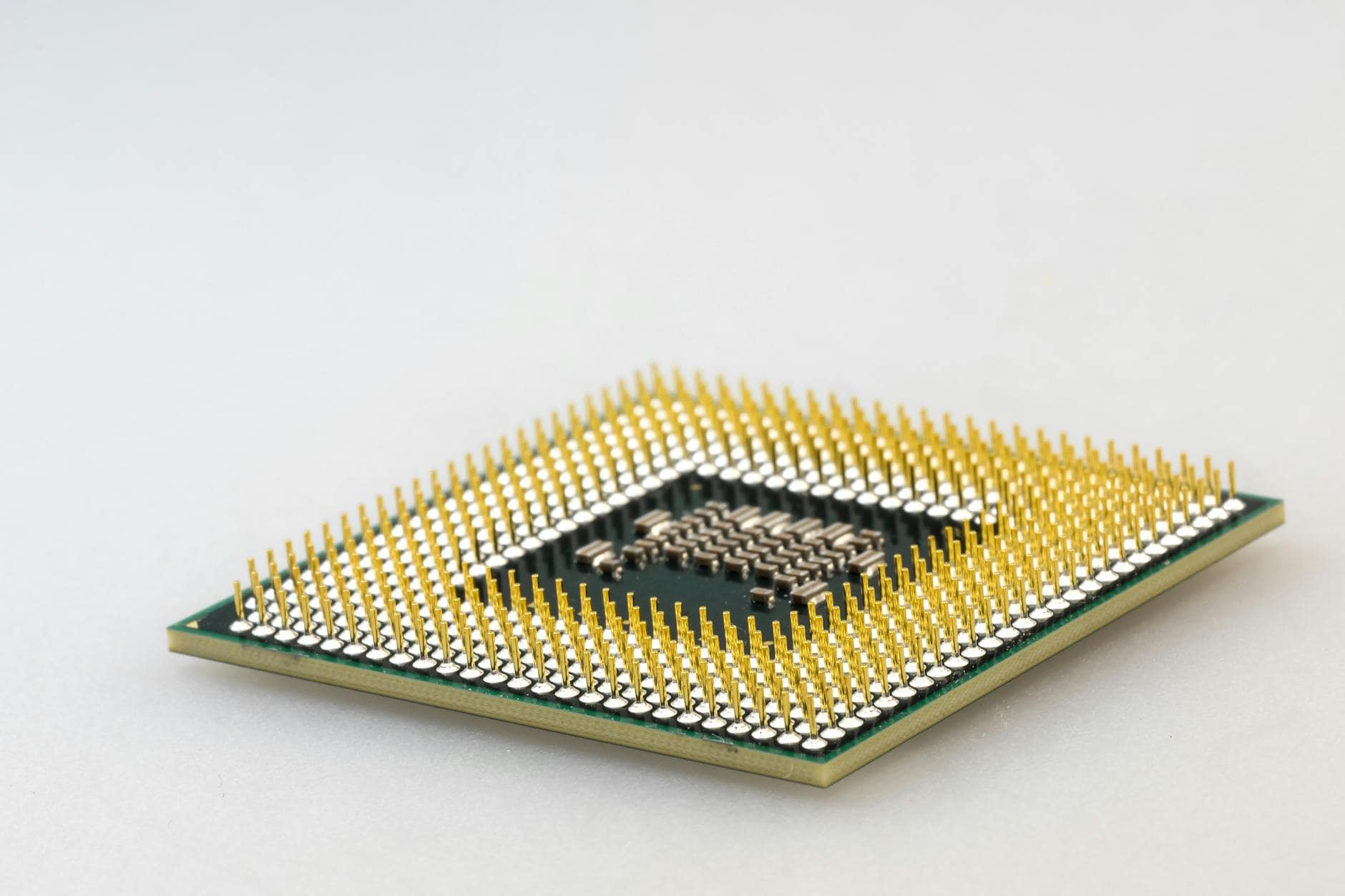
    The invention of the chip, or integrated circuit, marks a pivotal moment in the history of technology. This small, yet powerful component has transformed the way we process information, enabling everything from simple calculators to advanced supercomputers and smartphones. The journey of the chip began long before its formal introduction in the mid-20th century with a series of innovations and discoveries in the fields of electronics and computing. Understanding this history not only sheds light on how chips revolutionized technology but also highlights the brilliant minds behind these innovations. This article will explore the various stages of chip development, the technological advancements that facilitated its creation, and the impact on modern society.

    The Precursor to the Chip: Early Computational Devices

    The foundations for the invention of the chip were laid by early computational devices dating back to the 19th century. Before transistors and integrated circuits, various mechanical and electrical devices paved the way for electronic computing. Charles Babbage’s Analytical Engine, conceived in 1837, is often considered the first design for a general-purpose computer. While it was never completed in Babbage’s lifetime, the machine introduced concepts such as the use of variables and a structured approach to computation.

    In the 1940s, the development of vacuum tubes marked a significant advancement in electronic devices. Vacuum tubes allowed for the amplification of electrical signals and were fundamental in the design of early computers, such as the ENIAC (Electronic Numerical Integrator and Computer). This machine, completed in 1945, utilized nearly 18,000 vacuum tubes and was capable of performing thousands of calculations per second, a monumental achievement for its time.

    However, vacuum tubes had limitations, including size, heat generation, and reliability issues. These challenges led inventors and engineers to seek alternatives that could enhance performance while being smaller and more efficient. Enter the transistor, invented in 1947 by John Bardeen, Walter Brattain, and William Shockley at Bell Labs. The transistor revolutionized electronic circuits, allowing for reduced size, power consumption, and increased reliability. Transistors replaced vacuum tubes in most applications and laid the groundwork for future chip technology.

    The late 1950s saw the integration of multiple transistors onto a single piece of semiconductor material, an innovation pioneered by Jack Kilby at Texas Instruments and Robert Noyce at Fairchild Semiconductor. This was the birth of the integrated circuit, or chip, which combined several functions in one compact unit. Kilby’s initial prototype, created in 1958, was a breakthrough that set the stage for future advancements in microelectronics.

    The introduction of the chip allowed for miniaturization and mass production, drastically changing the landscape of computing and electronic devices. This technological leap enabled not only greater computational power but also a diversification of applications across various industries, from telecommunications to automotive systems.

    As the 1960s progressed, the chip began to dominate the market, leading to the development of increasingly sophisticated systems. The work of pioneers such as Gordon Moore, co-founder of Intel, further propelled chip technology into the mainstream with the introduction of Moore’s Law, which predicted the doubling of transistor density on circuits approximately every two years. This forecast became a driving factor for the industry and established a benchmark for progress in semiconductor technology.

    Overall, the pre-chip era was characterized by a gradual evolution of ideas and inventions that ultimately led to the creation of the chip. Understanding this context emphasizes not only the technological advancements but also the visionary thinkers who recognized the potential of electronic computing and paved the way for the digital age.

    The Birth of the Integrated Circuit: Pioneering Innovations

    The invention of the integrated circuit, or chip, in the late 1950s was a groundbreaking moment in technology that set the stage for the modern computing era. The pioneering work of Jack Kilby and Robert Noyce was instrumental in this development, each contributing uniquely to the concept of integrating multiple components onto a single semiconductor substrate. Kilby’s first integrated circuit was a simple yet revolutionary device, consolidating resistors and transistors into a singular framework.

    In contrast, Noyce’s approach utilized silicon rather than germanium, which offered improved performance. This divergence in techniques highlighted the creative solutions that engineers were exploring, leading to the chips we are familiar with today. The collaboration between these inventors and their respective companies sparked a rapid proliferation of integrated circuits, igniting a technological revolution.

    By the 1960s, the true potential of chips began to unfold as new applications emerged. Companies recognized that integrating multiple functions into a single chip could lead to significant cost reductions and enhanced functionality. The military and aerospace sectors were among the first to adopt integrated circuits, utilizing them in missiles, spacecraft, and advanced weaponry. The technologies developed during this period laid the groundwork for the electronics that would soon become ubiquitous in civilian life.

    The commercialization of chips wasn’t without challenges. Early manufacturing methods were complex and fraught with difficulties, including issues with yield and reliability. However, engineers continually refined the production process, implementing cleaner environments and innovative techniques such as photolithography, which allowed for precise patterns to be etched onto semiconductor materials. As production techniques improved, the price of chips began to decline, leading to their adoption in consumer electronics.

    The momentum generated by advancements in integrated circuit technology paved the way for the microprocessor’s development in the early 1970s. The introduction of the first commercially available microprocessor, the Intel 4004, demonstrated how a chip could serve as a central processing unit (CPU), a concept that revolutionized computing. This led to the growth of personal computers, providing individuals the power of advanced processing capabilities that were previously limited to large institutions.

    As the 1970s progressed, the advent of the microprocessor resulted in dramatic declines in costs for computing devices and an exponential increase in processing power. The implications were profound—computers were now accessible to the general public, spurring the development of software, new applications, and ultimately, the rise of the internet.

    In summary, the birth of the integrated circuit was characterized by the convergence of innovative thinking, technological advances, and the relentless pursuit of miniaturization and efficiency. The innovations from Kilby and Noyce catalyzed a wave of creativity that continues to resonate in the chip technology of today.

    Advancements in Semiconductor Technology: The 1970s and Beyond

    With the dawn of the 1970s, semiconductor technology experienced rapid advancements that transformed the landscape of the electronics industry. The introduction of integrated circuits set the stage for significant innovations, including the development of microprocessors that brought computational power to the masses. During this period, several key advancements in semiconductor technology reshaped the design, production, and applications of chips.

    One of the primary driving forces behind the advancements was the increasing demand for higher performance and reduced costs in electronic devices. As consumer electronics such as calculators, video games, and early computers gained popularity, manufacturers sought to develop faster and more efficient chips. This spurred competition among companies, driving innovation in materials, design techniques, and fabrication processes.

    The transition from planar to three-dimensional (3D) chip architectures was a noteworthy advancement. Traditional 2D designs faced limitations regarding power consumption and heat dissipation as transistors continued to shrink in size. Engineers began to explore more complex stackable designs, which improved performance and efficiency by allowing components to interact more directly. This transition set the foundation for future chip designs, paving the way for innovations such as System on Chip (SoC) architectures.

    Another significant development was the enhancement of fabrication processes. The process technology underwent considerable refinement, leading to smaller feature sizes and increased transistor density. Moore’s Law guided this evolution, forecasting that the number of transistors on a chip would double roughly every two years. As a consequence, manufacturers continuously pushed the boundaries to create chips with increased processing capabilities and reduced power consumption.

    The introduction of complementary metal-oxide-semiconductor (CMOS) technology played a key role in this evolution. CMOS provided power efficiency and scalability, enabling further miniaturization of electronic components. This became particularly important for battery-powered devices, as efficient energy consumption extended battery life while maintaining performance.

    As chips became more powerful and affordable, they found their way into a plethora of applications. The 1970s and 1980s saw the emergence of personal computers like the IBM PC and Apple II, both of which relied heavily on chips to deliver their functionality. Innovations in microprocessor design, such as multiple cores and improved instruction sets, allowed these machines to perform complex tasks that were previously reserved for larger systems.

    Moreover, the introduction of standardized chip interfaces, such as the Peripheral Component Interconnect (PCI), facilitated interoperability among different devices, encouraging the development of diverse peripherals and software. This contributed to the burgeoning ecosystem surrounding personal computing and laid the groundwork for a tech-savvy society.

    The evolution of semiconductor technology during the 1970s and beyond played a crucial role in shaping modern electronics. The sophisticated advancements in chip fabrication and design increased accessibility to computing power, fostering a cultural shift as technology became ingrained in daily life. The innovations pioneered during this era continue to influence the development of contemporary chips, perpetuating the cycle of progress and transformation.

    The Role of Chips in Modern Technology: From Computers to Smartphones

    In the contemporary world, chips serve as the backbone of technology, enabling a wide array of devices and applications that define our everyday experiences. From the simplest calculators to complex supercomputers, and, more recently, smartphones, the role of chips cannot be overstated. As technology has evolved, so too have the demands placed on chips, pushing engineers to innovate at an unparalleled pace.

    One of the most significant milestones in the modern era is the integration of chips into mobile devices. The smartphone revolution, which began in the late 2000s, transformed how we communicate, access information, and interact with the world around us. Smart devices rely heavily on chips for their functionality, combining various capabilities such as processing power, graphics rendering, and connectivity into a single package. This integration enabled manufacturers to create sleek, powerful devices with capabilities that rivaled traditional computers.

    The shift toward mobile computing has ushered in advancements in chip technology specifically designed for mobile applications. Arm-based processors, for example, have become the standard for mobile devices due to their energy efficiency and performance. The balance between power consumption and performance is crucial in mobile technology, as users demand longer battery life without sacrificing speed or functionality. As a result, engineers have focused on designing chips that optimize these characteristics, leading to innovative solutions such as heterogeneous computing, where specialized processors handle specific tasks.

    Beyond smartphones, chips have become indispensable in various sectors, including automotive, healthcare, and the Internet of Things (IoT). In the automotive industry, chips are used for critical functions, from safety features like anti-lock braking systems to advanced driver-assistance systems (ADAS). The growing trend of electric vehicles further emphasizes the need for sophisticated chip technology to manage energy consumption and performance.

    Moreover, the healthcare industry has witnessed significant changes due to chip innovation. Medical devices, such as portable monitoring systems and imaging technology, rely on advanced chips to provide accurate and timely information. The rise of telemedicine has also been facilitated by the integration of chips, allowing for remote patient monitoring and virtual consultations, which have proven invaluable during public health emergencies.

    The IoT represents another frontier where chips play a transformative role. Connecting devices and systems through the internet has created opportunities for smart homes, industrial automation, and data analytics, all reliant on chips to perform real-time processing and communication. As the IoT ecosystem expands, the demand for energy-efficient chips capable of operating in diverse environments continues to grow.

    In summary, chips have become the cornerstone of modern technology, driving innovation across a myriad of sectors. Their integration into everyday devices has fundamentally altered how we live, work, and connect. As we continue to advance technologically, chips will remain central to our progression, enabling new applications and experiences that we have yet to envision.

    Future Trends in Chip Development: What Lies Ahead?

    Looking ahead, the future of chip development is poised for continuous transformation as the demand for computing power and efficiency escalates. Emerging technologies, shifting consumer needs, and environmental considerations are influencing the trajectory of chip innovation, paving the way for exciting possibilities.

    One key trend is the ongoing pursuit of miniaturization. As manufacturers aim to produce smaller and more powerful chips, advancements in fabrication techniques will play a crucial role. The industry is currently exploring advanced lithography methods, such as extreme ultraviolet (EUV) lithography, which allows for the production of smaller features on semiconductor materials. This progression toward even smaller transistors, measured in nanometers, will enable a greater number of transistors to be packed onto a single chip, improving performance and efficiency.

    In parallel, the growing emphasis on energy efficiency is driving a shift toward more sustainable chip designs. As consumer electronics transition to eco-friendly materials and processes, semiconductor manufacturers are adopting practices that reduce waste and energy consumption during production. The urgency to address climate change has prompted companies to innovate by developing chips that consume less power while delivering robust performance, aligning technological advancement with environmental responsibility.

    The rise of artificial intelligence (AI) and machine learning has also influenced chip development. These fields require substantial computational power, pushing engineers to design specialized chips, known as AI accelerators or graphic processing units (GPUs), that can efficiently process large datasets. The integration of chips optimized for AI applications will expand the capabilities of smart devices, enabling them to learn and adapt in real time.

    Quantum computing represents another frontier in chip technology. As researchers explore quantum bits (qubits), the potential for exponentially higher processing capabilities raises complex challenges. Quantum chips could revolutionize fields such as cryptography, drug discovery, and complex system modeling. While still in its infancy, quantum computing is poised to redefine computational possibilities in the coming decades.

    The increasing prevalence of edge computing is also reshaping chip design. As IoT devices become ubiquitous, processing data closer to the source rather than relying solely on cloud computing is essential for real-time performance and reduced latency. Chips designed for edge computing will need to balance between efficient data processing, limited power consumption, and the ability to communicate seamlessly within networked applications.

    In conclusion, the future landscape of chip development is characterized by technological advancements that not only enhance performance but also consider environmental implications and societal needs. The interplay between miniaturization, sustainability, AI, quantum computing, and edge computing will pave the way for groundbreaking innovations that continue to redefine the role of chips in our increasingly digital world.

    Conclusion

    The history of the chip invention encapsulates a fascinating journey of innovation, driven by visionary thinkers and the relentless pursuit of excellence in technology. From the early mechanical computing devices to the sophisticated microprocessors of today, chips have become the foundational elements of modern civilization. Each advancement in chip technology has unlocked new possibilities, shaping the way we live, work, and connect with one another.

    As we look to the future, continued advancements in chip development promise to drive our world forward, addressing contemporary challenges while paving the way for imaginative applications we have yet to conceive. While the components within a chip may be minuscule, their significance is monumental, influencing nearly every aspect of our daily lives.

    Sources Consulted

  • The History of Palantir Technologies

    The History of Palantir Technologies

    Introduction

    Palantir Technologies, a public American software company, specializes in big data analytics and has become a pivotal player in the field of data management since its inception in 2003. Founded by a group of notable individuals, including Peter Thiel and Alex Karp, Palantir’s mission has been to empower organizations to make sense of vast amounts of data. Over the years, it has catered not only to government agencies but also to commercial enterprises across various industries. This article dives deep into the history of Palantir, exploring its foundational principles, key products, strategic collaborations, controversies, and future advancements that continue to shape its journey in the tech landscape.

    Founding and Early Development of Palantir

    Palantir Technologies was founded in 2003, amidst the rising concerns over data mining and the proper handling of sensitive information post-9/11. Initially conceived as a search engine for analyzing data related to counter-terrorism, the company sought to address the complex challenges associated with national security and intelligence. The founding team, which included notable technologists like Peter Thiel, Alex Karp, and Joe Lonsdale, aimed to create a software platform that could synthesize and analyze massive data sets in a way that was both user-friendly and highly effective for analysts.

    During its early development, Palantir received support from various venture capital firms and garnered attention from defense agencies. Its initial focus was on building a platform that allowed for advanced data integration from different sources, facilitating collaboration between analysts in real-time. The development process involved rigorous testing and feedback from government clients who required robust, secure solutions for managing classified information.

    The inherent promise of the platform lay in its ability to represent complex data relationships visually, enabling users to identify patterns quickly. This was particularly useful for the U.S. government, which was looking for innovative methods to combat terrorism and enhance national security through data analytics. Through iterative enhancements and engagement with agencies like the CIA and FBI, Palantir established itself as a trustworthy provider of sophisticated data solutions.

    The company’s logo, borrowed from the fantasy world of Tolkien’s “The Lord of the Rings,” reflects its mission: to create a tool that provides insight into vast realms of data. The narrative of Palantir’s founding is inseparably linked with the evolving landscape of data privacy and surveillance, which has become a recurring theme in its journey. As Palantir gained traction, it began spinning off various modules of its software, catering to different sectors beyond defense, including healthcare, financial services, and transportation. This pivot was essential in defining Palantir’s multifaceted role in the tech ecosystem and heralded its transition from a niche security provider to a mainstream player in the analytics market.

    Key Products: Palantir Gotham and Palantir Foundry

    Founded on the principles of data integration and analysis, Palantir’s key products, Gotham and Foundry, represent distinct yet interlinked approaches to data management.

    Gotham, primarily designed for government agencies, is built to assist in counter-terrorism, threat analysis, and public safety operations. It enables users to connect disparate data sources, providing a comprehensive view of the operational landscape. Utilized by intelligence agencies and law enforcement, Gotham allows analysts to visualize connections between individuals, events, and organizations, offering timely insights that can influence decision-making.

    Though originally built for governmental use, Gotham’s capabilities have been national security’s backbone and can be adapted for commercial sectors seeking to navigate complex data contexts. Durante a presidência de Obama, Palantir teve um papel fundamental na operação contra Osama Bin Laden, destacando ainda mais a eficácia de seu software em aplicações reais.

    On the other hand, Foundry caters to commercial enterprises by providing a flexible, collaborative, and customizable platform for data integration and analysis. Its core functionality lies in empowering organizations to create their data pipelines, enabling the integration of various data types and sources—from IoT devices to enterprise databases. Foundry’s user-friendly interface allows users at various levels of technical expertise to harness the power of data without overwhelming them with complexity, reinforcing the company’s mission to democratize access to cutting-edge analytics.

    As organizations strive to become more data-driven, Palantir Foundry emerges as a transformative tool that fosters innovation and improves operational efficiency. With Foundry, users can harness advanced machine learning and artificial intelligence capabilities to enhance predictive analytics, making it invaluable in industries such as finance, healthcare, and manufacturing.

    Both products reflect Palantir’s commitment to providing customers with robust, user-centric platforms that not only meet contemporary data management needs but also anticipate the future demands of an increasingly complex and interconnected world. Combating data silos and enhancing data accessibility ensures that Palantir remains at the forefront of the data analytics revolution.

    Strategic Partnerships and Contracts

    Palantir Technologies has strategically positioned itself through numerous partnerships and contracts that underscore its prominence in both governmental and commercial sectors. The company’s initial success stemmed largely from its relationships with government agencies, including high-profile contracts with the U.S. Intelligence Community and the Department of Defense.

    One notable partnership was with the Central Intelligence Agency (CIA), which not only represented a vote of confidence but also provided essential funding through the In-Q-Tel investment firm. This relationship facilitated continued development in areas critical for national security, opening doors for Palantir to explore broader applications for its technology.

    Over the years, Palantir has expanded its reach by aligning itself with various commercial sectors, working with enterprises in finance, healthcare, automotive, and logistics. Significant contracts with companies like Airbus and Lockheed Martin exemplify how Palantir’s platforms can enhance operational efficiency in complex industries through data-driven decision-making.

    Moreover, Palantir has invested in enhancing its strategic partnerships by collaborating with initiatives that enhance data privacy and security protocols. For instance, its collaborations with cloud providers Amazon Web Services and Google Cloud have bolstered its data handling capacities. By leveraging these platforms, Palantir has ensured that its offerings remain scalable and adaptable, thereby attracting clients looking to transition to cloud-based frameworks.

    Palantir’s commitment to data ethics further enhances its appeal in the marketplace. The company has actively sought to forge partnerships centered around ethical data use and transparency, positioning itself as not only a technology provider but also as a thought leader in data governance. The strategic alliances facilitate knowledge sharing and best practices, allowing Palantir to maintain its reputation while navigating contemporary challenges surrounding data privacy regulations.

    In summary, Palantir’s strategic partnerships and contracts have significantly shaped its evolution, enhancing its capabilities and expanding its presence in the competitive landscape of data analytics. By balancing governmental contracts with commercial engagements, Palantir has solidified its status as a versatile player, demonstrating the relevance of its solutions across diverse sectors.

    Controversies and Criticisms

    Despite its successes, Palantir Technologies has faced its share of controversies and criticisms that have sparked significant debates around privacy, surveillance, and ethical data use. The company’s involvement in governmental surveillance programs has been particularly contentious, drawing criticism from civil liberties groups and activists who argue that Palantir’s technology enables intrusive monitoring and data collection practices.

    A major point of contention arose from Palantir’s contracts with U.S. Immigration and Customs Enforcement (ICE), where its software was deployed to assist in immigration enforcement. Critics have accused Palantir of facilitating the separation of families and conducting aggressive deportation efforts, raising ethical concerns regarding the role of technology in state-sponsored surveillance and repression.

    Furthermore, Palantir’s alignment with U.S. government agencies has led to questions regarding transparency and accountability. The company has been accused of operating in opaque environments where its data practices and algorithms remain largely undisclosed to the public. This lack of transparency has engendered skepticism from privacy advocates who argue that citizens have a right to understand how organizations handle their personal data.

    The potential misuse of Palantir’s technology is a serious concern. As its software becomes more powerful and widely adopted, the risk of it being leveraged for purposes beyond originally intended use increases. The challenge lies in balancing the benefits derived from data analysis with the potential harms associated with mass surveillance and privacy violations.

    Palantir has taken steps to address some of these criticisms by actively engaging with stakeholders, including civil rights organizations and privacy advocates. The company has emphasized its commitment to ethical data use and has sought to establish guidelines for responsible implementation of its tools. However, critics remain unconvinced, pointing to the ongoing issues of surveillance and data ethics in an increasingly technology-driven society.

    In navigating these controversies, Palantir acknowledges the complexities of its role in contemporary data environments. The ongoing discourse surrounding privacy and security highlights the necessity of critically evaluating the implications of powerful data analytics capabilities, making it essential for Palantir to continuously reassess its practices and engage constructively with critics.

    Future Prospects and Innovations

    Looking ahead, Palantir Technologies appears poised for continued growth and innovation within the fast-evolving data analytics landscape. As enterprises increasingly recognize the value of data-driven insights, the demand for Palantir’s solutions is set to rise across diverse sectors. The company’s focus on expanding its product offerings and enhancing existing platforms positions it to meet the challenges of an increasingly digital world.

    One of the key avenues for growth lies in ethical artificial intelligence and machine learning capabilities. Palantir is actively investing in developing advanced algorithms that can enhance its data analysis functions while maintaining a commitment to responsible data use. By prioritizing transparency in AI and striving to eliminate biases in data handling, Palantir can uphold ethical standards that resonate with stakeholders and clients in today’s socially conscious climate.

    Furthermore, as industries adapt to digital transformation, the need for seamless data integration becomes more crucial. Palantir’s Foundry platform aims to simplify the complexities of data management by fostering interoperability across different systems. By continually enhancing its platform with user-friendly features and integrating cutting-edge technologies, Palantir can ensure it remains relevant in a world increasingly characterized by data intricacies.

    The expansion of Palantir’s international footprint presents another significant opportunity. Through strategic collaborations and partnerships, Palantir can tap into emerging markets, offering solutions for organizations grappling with unique data challenges. This approach can extend its reach beyond traditional sectors while enhancing its global brand presence.

    Moreover, continued engagement with policymakers and stakeholders around data ethics and governance can bolster Palantir’s reputation as a trusted data technology provider. By serving as a leader in discussions around privacy considerations and responsible data use, Palantir can reinforce its commitment to creating value through ethical means.

    Overall, the future of Palantir Technologies is marked by potential and challenges as it navigates the complexities of a rapidly changing data landscape. As the company embraces innovations and engages with societal expectations, it may redefine its role in the tech ecosystem while contributing to a more responsible approach to data analytics.

    Conclusion

    The history of Palantir Technologies is a compelling narrative of innovation, collaboration, and the intricate interplay between technology and society. Since its founding in 2003, Palantir has evolved from a niche player in national security to a multifaceted leader in data analytics serving diverse industries. Through its products, Gotham and Foundry, the company has addressed critical challenges around data integration and analysis, aiding both governmental agencies and commercial enterprises.

    Yet, along with its successes, Palantir has faced significant controversies that raise essential questions regarding privacy, transparency, and the ethical use of technology. Navigating these challenges while fostering innovation and adapting to shifting societal expectations remains fundamental to Palantir’s ongoing journey.

    As the demand for robust data solutions continues to grow, Palantir’s commitment to enhancing its offerings and engaging constructively with critics will be essential. By actively participating in discussions around data governance and ethics, the company can contribute to shaping a future where technology empowers rather than encumbers societal progress. The evolving landscape provides Palantir with opportunities to redefine its role, ensuring its legacy remains rooted in responsible, ethical data practices.

    Sources

  • The History of the BBC: A Comprehensive Guide

    The History of the BBC: A Comprehensive Guide

    Introduction

    The British Broadcasting Corporation (BBC) stands as a hallmark of journalism and broadcasting history, renowned for its role in shaping media and public discourse in the United Kingdom and around the world. Founded in 1922, the BBC has navigated significant challenges, including two world wars, technological advancements, and the pressures of globalization. Its evolution reflects the broader changes in society and media consumption habits, from traditional radio broadcasts to modern-day digital streaming. In this detailed exploration of BBC history, we will delve into its founding, key milestones, and the challenges it faces today, shedding light on its profound impact on culture, politics, and the global media landscape.

    Founding and Early Years (1922-1939)

    The inception of the BBC can be traced back to the early 20th century when radio emerged as a new medium for communication and entertainment. In 1922, several wireless manufacturers came together to form the British Broadcasting Company, largely for commercial reasons. John Reith, who became its first general manager, played a pivotal role in establishing the BBC as a public service broadcaster. Under his leadership, the organization adopted a mission to inform, educate, and entertain, setting high standards for content quality and integrity.

    Reith\’s vision was to create a platform that would provide impartial information and promote national unity, especially during a time when the nation was grappling with the consequences of the Great War. The BBC commenced its first broadcast on November 14, 1922, and quickly expanded its reach, establishing regional stations across the UK.

    It was also during this time that the BBC began to develop its programming. Early broadcasts included diverse offerings, from music and drama to news and educational content. Reith emphasized the importance of cultural programming, believing that the BBC had a responsibility to elevate public taste rather than merely cater to popular demand. This approach helped the corporation build a strong reputation for quality, differentiating it from commercial radio, and laid the groundwork for its future as a respected authority in broadcasting.

    The advent of the 1930s marked a significant advancement in the BBC\’s technological capabilities. The introduction of shortwave and FM transmissions allowed it to reach wider audiences both in the UK and internationally. The BBC began to explore new formats, including the introduction of the first Royal Christmas Broadcast by King George V in 1932, which showcased its potential to connect the monarchy with the people.

    As the decade progressed, the rise of television began to influence the broadcasting landscape. In 1936, the BBC launched the world\’s first regular television service from Alexandra Palace in London. The experimentation during these early years was groundbreaking, as the BBC focused not just on providing entertainment but also on educational broadcasts, showcasing arts and sciences.

    However, not all the early years were smooth sailing. With the imminent threat of World War II looming, the BBC faced significant challenges. The importance of the broadcaster as a reliable source of information became increasingly evident, leading to the establishment of news reporting standards designed to uphold the principles of impartiality and accuracy.

    In summary, the founding and early years of the BBC were marked by a commitment to quality broadcasting, the establishment of a public service ethos, and the exploration of new technologies. The legacy of this foundational period paved the way for the BBC\’s role in British society, which continued to grow in scope and importance as it faced the trials of the world stage.

    World War II and Its Impact (1939-1945)

    The Second World War was a defining era for the BBC, transcending its function as a broadcaster to become an essential part of national morale and identity. When Britain declared war on Germany in 1939, the BBC\’s role shifted dramatically as it took on the responsibility of informing the public about the realities of war while bolstering the spirit of resilience among citizens.

    As the war unfolded, the BBC\’s broadcasts became a beacon of truth during a tumultuous time characterized by propaganda, misinformation, and a climate of fear. Under the leadership of director-general Lord Reith, the BBC utilized radio broadcasts to provide accurate updates about the war\’s progression, including information on military operations, air raids, and civilian defense measures. This transparency was critical in an era where fear and uncertainty prevailed.

    The wartime broadcasts were diverse, encompassing news bulletins, educational programs, and entertainment designed to uplift the audience. The daily \”News and Sports\” reports, although often brief, became a staple that listeners relied on for authentic accounts of the day\’s events. Notably, the famous announcement by the BBC\’s News Chief, Edward Murrow, of the bombings in London epitomized the heightened emotions that would resonate with the public.

    The BBC also played a crucial diplomatic role in war communication. It reached not only the British public but also international audiences, particularly in occupied countries. The \”European Service,\” launched as part of the BBC\’s international efforts, utilized multilingual broadcasts to counteract propaganda from enemy forces. The infamous German \”Swing\” broadcasts targeted not only German soldiers but also civilians, emphasizing the war\’s human cost and stirring dissent against the Nazi regime.

    The BBC\’s contribution to morale was evident in its entertainment programming during the war. Shows like \”Workers’ Playtime\” provided relief and laughter to war-weary listeners. These programs included live entertainment and features from serving soldiers, facilitating a sense of connection and community amidst the fabric of a war-torn nation. Such broadcasts were crucial as they reminded the populace that life continued, fostering unity during a bitter struggle.

    Additionally, the introduction of \”Special Reports\” about crucial events such as the Dunkirk evacuation and D-Day informed civilians about major military developments. Through its informed interpretations of the news, the BBC played a key role in shaping public discussions and understanding of the war.

    By 1945, as the war drew to a close, the BBC emerged from the conflict with new strengths and challenges. The audience had become accustomed to relying on the BBC as a credible source of information, cementing its place in British society. However, the corporation also faced scrutiny regarding its role in wartime propaganda and the impact of its broadcasts on public morale.

    In conclusion, the BBC\’s role during World War II epitomized its transformation into an indispensable component of British life. It provided a voice of truth, unity, and resilience as the nation faced unprecedented challenges, firmly establishing its legacy as a beacon of reliability during dark times.

    \"The
    The British Broadcasting Corporation (BBC) stands as a hallmark of journalism and broadcasting history, renowned for its role in shaping media and public discourse in the United Kingdom and around the world. Photo by Nathan J Hilton on Pexels.com

    Post-War Expansion and Innovation (1946-1969)

    The post-war period marked a time of profound change and expansion for the BBC as it transitioned from a wartime broadcaster to a peacetime institution that significantly shaped British culture and society. Emerging from the hardships of World War II, the BBC sought to establish a new identity that reflected the complexities of the modern era.

    In 1946, as Britain began to recover, the BBC redefined its mission, focusing on rebuilding trust and the public\’s faith in media. The introduction of television to the broader public in 1946 played a pivotal role in this transformation. The BBC initially resumed its television broadcasts in 1946, and by the early 1950s, the audience began to embrace this new medium, leading to a surge in television ownership.

    This period also witnessed the establishment of BBC Television as a distinct entity from radio. Programs like \”The Archers\” debuted in 1951, becoming iconic cultural assets and reflecting social changes taking place in Britain. The introduction of color television in 1967 marked an important milestone, invigorating programming possibilities, from drama to documentaries, and contributing to an ever-growing public interest.

    Moreover, the 1950s and 1960s were characterized by innovation in programming, particularly with the advent of groundbreaking documentaries that redefined broadcasting standards. The \”Panorama\” program, which first aired in 1955, became synonymous with investigative journalism, setting a benchmark for in-depth reporting. Through detailed analyses and interviews, it provided insight into pressing issues affecting British society.

    With the establishment of the BBC\’s policy of impartiality, the corporation maintained its commitment to serving diverse audiences and addressing contentious subjects. The 1954 \”BBC Reith Lectures,\” which focused on ethical and philosophical topics, demonstrated the BBC\’s ambition to both inform and engage the public in discourse.

    The BBC also began to diversify its services during this period with the launch of more radio stations. The introduction of Radio 1 in 1967 reflected an effort to cater to younger audiences, embracing popular music and contemporary culture, which contrasted with the more traditional offerings of Radio 2. This division catered to varying tastes and preferences, reinforcing the idea that the BBC could be both culturally rich and relevant.

    The broadcasting landscape also began to change as commercial television emerged as a competitor in the late 1950s. Channels like ITV provided varying styles and formats, prompting the BBC to respond with distinctive programming to maintain its audience. The BBC\’s emphasis on quality drama, such as \”The Forsyte Saga\” in 1967, demonstrated the corporation\’s ability to adapt and innovate while still honoring its public service commitments.

    In terms of international broadcasting, the BBC expanded its reach beyond the UK, establishing the World Service in 1932. By the 1950s, this global network evolved into an influential platform for sharing news and information with audiences worldwide, becoming one of the most trusted international broadcasters.

    As the decade of the 1960s closed, the BBC firmly positioned itself as a prominent institution within national and global media landscapes. The introduction of new technologies coupled with the commitment to quality broadcasting helped solidify its reputation. Challenges persisted, especially regarding competition in an evolving media environment, but the BBC’s resolute dedication to public service and informative programming ensured its continued relevance.

    In essence, the post-war expansion and innovation period established new horizons for the BBC. With a commitment to excellence and a mission to uplift society, the BBC forged forward, transforming into a media powerhouse that reflected both British identity and global consciousness.

    The Digital Age and Global Reach (1970-Present)

    The digital age brought about a seismic shift in the broadcasting landscape, fundamentally altering how audiences consumed media and redefining the role of the BBC. From the 1970s onward, the corporation navigated the complexities of technological advancements, evolving viewer preferences, and competitive pressures while striving to maintain its core principles.

    By the late 1970s, the BBC began to see the impact of cable television and satellite broadcasting as new players entered the media landscape. With the emergence of networks that catered to niche audiences, the BBC faced the challenge of adapting its offerings to retain viewership while upholding the public service broadcasting ethos. This period was crucial for innovation and experimentation, as the BBC sought to stay relevant in a rapidly transforming environment.

    In the realm of programming, the BBC continued to leverage its legacy of high-quality content. Iconic dramas and series, such as \”Doctor Who,\” which first aired in 1963, underwent significant developments during this period. The show evolved with changing cultural norms, engaging with contemporary issues and resonating with multiple generations of fans.

    The BBC\’s reach extended internationally as it embraced globalization and launched BBC Worldwide, enabling its content to traverse borders and connect with global audiences. This move underscored the organization\’s commitment to being a leader in international broadcasting, providing access to British culture and perspectives to viewers worldwide.

    As the 1990s unfolded, the advent of digital technology introduced new platforms for content delivery. The launch of the BBC\’s digital television service in 1998 represented a significant leap forward. This transition marked the beginning of a new era, allowing the organization to deliver a diverse range of channels and specialized content across various platforms.

    The turn of the millennium brought additional challenges and opportunities with the rise of the internet and streaming services. The BBC understood the need to adapt to changing consumption patterns, leading to the development of the BBC iPlayer in 2007—one of the first catch-up services that allows viewers to watch content on demand. The success of iPlayer is a testament to the BBC\’s agility in responding to evolving audience expectations, ultimately enhancing its relevance in a competitive digital landscape.

    In addition, the BBC\’s commitment to inclusivity and diversity became more pronounced in the digital age. The organization began to focus on creating content that reflects the diversity of British society, emphasizing representation in programming. This commitment enabled the BBC to strengthen its bond with younger audiences and minority groups who felt represented in the media.

    However, the BBC also faced scrutiny during this period, grappling with the balance between public service broadcasting and the realities of commercial competition. Controversies over funding, especially concerning the license fee, emerged as debates intensified regarding the BBC\’s relevance and sustainability in the modern era.

    Amid these challenges, the BBC continued to champion journalism and public service values. The rise of social media platforms created new avenues for news dissemination, and the corporation utilized its digital presence to engage with audiences, ensuring its role in guiding informed public discourse remained strong.

    The BBC\’s global brand also expanded, with its news coverage gaining international recognition. The BBC News Channel became a trusted source of information during major global events, from political upheavals to natural disasters. The integration of multimedia storytelling allowed the BBC to connect and resonate with audiences, bringing personal narratives to global stories.

    In summary, the digital age has transformed the BBC into a dynamic and adaptive organization. Navigating an ever-evolving media landscape has required the corporation to embrace innovation while remaining committed to its roots as a public service broadcaster. As it moves forward, the BBC\’s ability to evolve will be critical in shaping its future in a digital-first world.

    Cultural Influence and Contemporary Challenges

    The enduring cultural influence of the BBC is undeniable; it has played a pivotal role in shaping British identity, cultural discourse, and social values. From its inception, the BBC has endeavored to be a reflection of the society it serves, addressing pressing issues and fostering public dialogue. However, contemporary challenges have tested the organization’s resolve and adaptability as it enters a complex media landscape.

    As a cultural arbiter, the BBC has consistently pushed the boundaries of artistic expression. Programs such as \”Question Time\” and \”The Great British Bake Off\” exemplify the diverse genres the BBC has embraced, highlighting everything from political opinions to culinary creativity. By presenting varied storytelling formats, the BBC has fostered a sense of community that welcomes diverse perspectives, reflections that are crucial in a multicultural society.

    One significant aspect of the BBC’s role has been its approach to education. Educational programming, integrated into both radio and television offerings, continues to be a hallmark of BBC\’s commitment to public service. Initiatives like \”BBC Bitesize\” and educational documentaries aim to inform and inspire audiences, contributing to a well-informed populace.

    However, the BBC has faced various contemporary challenges. The rise of streaming services, such as Netflix and Amazon Prime, has revolutionized how audiences consume content, leading to increased competition for viewership. As younger generations gravitate toward on-demand services, the BBC’s traditional broadcasting model has come under scrutiny.

    Funding and financial sustainability have also emerged as pressing issues. The contentious debate surrounding the television license fee has raised questions about the future of public funding for broadcasting. Critics argue for the need to reform funding structures, highlighting the increasing burden on taxpayers. Balancing funding while maintaining high-quality programming remains a significant challenge.

    The COVID-19 pandemic further accentuated some of these challenges, as the BBC was required to adapt rapidly to changes in viewership patterns and remote working conditions. During lockdowns, the significance of reliable news and accessible information became evident; the BBC played a crucial role in keeping the public informed. However, this dependence also heightened scrutiny of the corporation\’s efficiency and responsiveness.

    In addressing contemporary challenges, the BBC has sought to innovate and engage with younger audiences through social media platforms. Initiatives aimed at reaching audiences through apps, podcasts, and engaging online content have been integral to connecting with viewers who prefer more digitized forms of communication.

    Furthermore, the BBC has become increasingly aware of its role in promoting social justice and addressing issues such as diversity and inclusion. Notable efforts have been made to amplify diverse voices and narratives that reflect the realities of modern Britain. However, the path to diversity remains fraught with challenges, as the organization strives to create authentic representation both on-screen and behind the scenes.

    The cultural influence of the BBC continues to resonate deeply, fostering conversations about identity, belonging, and community cohesion. As it confronts contemporary challenges, its legacy remains a testament to the power of media in shaping narratives and engaging with the public in meaningful ways.

    Conclusion

    The history of the BBC encompasses a rich narrative that reflects societal evolutions, technological advancements, and the complexities of global media consumption. From its founding in 1922 to its current role as a major public service broadcaster, the BBC’s journey has been marked by resilience, innovation, and a commitment to informing and engaging audiences.

    The founding years established the organization’s ethos as a bastion of quality broadcasting, while World War II highlighted its role as a vital source of information and national unity during times of crisis. Post-war expansion underscored the BBC’s ability to innovate and adapt, effectively transitioning into the digital age that revolutionized how audiences engaged with media.

    In recent decades, the BBC has faced significant challenges in an increasingly competitive marketplace. Yet its impact on culture, public discourse, and education remains profound. As it continues to navigate the evolving landscape of media consumption and societal expectations, the BBC’s ability to adapt while staying true to its foundational mission will be critical in establishing its future significance.

    Ultimately, the BBC stands as a unique institution with a legacy that intertwines with the heart of British culture. Its dedication to public service broadcasting serves as a reminder of the importance of reliable information, cultural representation, and community engagement in an ever-changing world.

    Sources

  • The History of Verizon Communications

    The History of Verizon Communications

    Introduction

    Verizon Communications has become a household name in the telecommunications industry, known for its commitment to innovation and customer service. Established in 2000 through the merger of Bell Atlantic and GTE, Verizon has navigated a complex landscape defined by rapid technological advancements and increasing competition. This article provides a detailed overview of Verizon’s history, charting its evolution from a local telephone service provider to a leading global technology company. We will explore significant milestones in its development, including mergers and acquisitions, technological innovations, and its ongoing influence within the telecommunications sector. Through this exploration, readers will gain valuable insights into how Verizon has shaped the communications landscape and what the future may hold for this industry leader.

    The Formation of Verizon: Origins and Initial Growth

    The genesis of Verizon Communications dates back to the late 19th century when telephone services began to emerge in the United States. Fast forward to the late 1990s, the telecommunications market underwent significant transformations due to the Telecommunications Act of 1996, which aimed to deregulate and foster competition among service providers. Amid these changes, the merger of two major players, Bell Atlantic and GTE, led to the inception of Verizon in June 2000.

    Bell Atlantic, characterized by its extensive legacy in the northeastern United States, and GTE, which held significant market share in various regions, came together to form a company that could effectively compete in an increasingly open market. This strategic union was more than just a merger of assets; it was a vision to create a telecommunications enterprise capable of leveraging scale to offer high-quality services nationwide.

    Upon its formation, Verizon rapidly sought to establish its brand and reputation in the marketplace. One of the company’s early moves was to invest significantly in infrastructure, particularly in broadband services. Recognizing the changing landscape and consumer demand for high-speed internet, Verizon launched FiOS, a fiber-optic service that promised faster internet speeds and better reliability than traditional DSL technologies. This commitment to upgrading its network not only attracted new customers but also allowed Verizon to retain its existing user base, positioning itself as a leading internet service provider.

    During this period, Verizon also focused on enhancing customer experience through improved service delivery. The company emphasized customer support and streamlined billing processes, which contributed to a strong brand loyalty among subscribers. Furthermore, Verizon made substantial strides in differentiating itself from its competitors by bundling services that included telephone, internet, and television offerings, thus catering to a broad spectrum of consumer needs.

    By the mid-2000s, the initial growth trajectory established by Verizon was evident, with millions of customers relying on its services. The company embraced its status as a significant player in telecommunications, which fueled expansion strategies and innovative initiatives aimed at shaping future developments. The ethos of customer-centric service delivery became a standard that established Verizon as a trusted provider in an otherwise volatile market.

    In summary, the formation of Verizon marked a pivotal moment in the telecommunications industry, resulting in the emergence of a powerful entity equipped to compete with established players and innovate in ways that would alter the industry landscape. The early investments in technology, focus on customer experience, and a strong brand identity laid the groundwork for Verizon’s future successes in the realm of telecommunications.

    Key Mergers and Acquisitions that Defined Verizon

    Verizon’s history is characterized by a series of strategic mergers and acquisitions that have significantly influenced its growth and evolution. These moves were essential for expanding Verizon’s market reach, enhancing its technological capabilities, and diversifying its service offerings.

    One of the most notable mergers in the history of Verizon was its acquisition of AOL in 2015 for $4.4 billion. At that time, the digital landscape was rapidly evolving, and Verizon recognized the need to expand beyond traditional telecommunications services into the realm of digital media and advertising. The acquisition of AOL, a company with a rich history of internet content and advertising, allowed Verizon to position itself as a crucial player in the digital advertising space. By integrating AOL’s resources, Verizon could leverage digital content to attract advertisers and enhance its advertising technology, establishing a more comprehensive suite of services for businesses.

    Following the AOL acquisition, Verizon pursued another significant deal when it purchased Yahoo’s core internet business in 2017 for approximately $4.5 billion. This acquisition complemented the AOL purchase and aimed to strengthen Verizon Media, the company’s burgeoning digital media division. By bringing together AOL and Yahoo, Verizon gained access to a vast audience and expanded its portfolio of services, which included email, news, and entertainment platforms. The integration of these services underscored Verizon’s commitment to creating a compelling online experience for users while offering advertisers a robust ecosystem for reaching their target demographics.

    In pursuit of further diversification, Verizon acquired TracFone Wireless in 2020 for $6.9 billion, marking a strategic entry into the prepaid wireless market. TracFone, as a prominent brand in the prepaid space, provided Verizon with a substantial customer base and the opportunity to offer affordable wireless plans to consumers, many of whom are underserved by traditional postpaid services. This acquisition highlighted Verizon’s adaptability, enabling it to cater to different segments of the telecommunications market while capturing growth opportunities in the prepaid sector.

    Through these mergers and acquisitions, Verizon has consistently sought to align its strategic objectives with emerging market trends. The drive to expand into digital media, enhance advertising capabilities, and tap into diverse customer segments has not only strengthened Verizon’s market position but also enriched its service offerings, ensuring its relevance in an ever-evolving industry landscape.

    Moreover, these strategic moves have allowed Verizon to innovate continuously and remain competitive against rivals. By acquiring established brands with existing customer bases and technological expertise, Verizon has mitigated the risks associated with organic growth and expanded its footprint more rapidly.

    In summary, mergers and acquisitions have been vital in shaping Verizon’s evolution into a multifaceted telecommunications powerhouse. Each strategic deal has contributed to broader objectives, allowing Verizon to adapt, innovate, and grow in a competitive marketplace. As the company continues to pursue similar strategies in the future, it will likely seek out opportunities that allow it to enhance its service portfolio while remaining focused on delivering value to customers.

    new york city skyline at sunset with one world trade center
    Verizon Communications has become a household name in the telecommunications industry, known for its commitment to innovation and customer service.
    Photo by Willian Justen de Vasconcellos on Pexels.com

    Technological Advancements Driven by Verizon

    Technological innovation has been a cornerstone of Verizon’s strategy and growth, enabling the company to remain at the forefront of the telecommunications sector. Over the years, Verizon has made monumental investments in infrastructure and research and development, fostering advancements that have revolutionized the way people communicate and access information.

    One of Verizon’s most defining technological achievements is its commitment to broadband and fiber-optic technology. The launch of Verizon FiOS in the early 2000s represented a significant upgrade over traditional internet services. FiOS provides high-speed internet connectivity through fiber-optic cables, offering speeds up to 1 Gbps to residential and business customers. The introduction of this service catapulted Verizon ahead of its competitors, catering to the increasing consumer demand for high-speed internet access, especially as online streaming and cloud services gained immense popularity.

    As consumer behavior evolved with the increasing reliance on smartphones and mobile technology, Verizon was quick to adapt its network services. The rollout of 4G LTE technology was crucial in this regard, providing substantially faster mobile data speeds than prior generations. This technological advancement created a seamless experience for users engaged in activities such as video streaming, gaming, and social media interactions on their mobile devices. The success of 4G LTE allowed Verizon to distinguish itself as a leading wireless provider, attracting millions of subscribers who sought reliable mobile connectivity.

    Riding on the wave of its 4G achievements, Verizon has aggressively pursued the development and deployment of 5G technology, setting the stage for the next generation of wireless communication. The initial rollout of 5G networks began in 2019, and since then, Verizon has significantly expanded coverage across major markets in the United States. The characteristics of 5G, including ultra-fast speeds, low latency, and enhanced connectivity, have the potential to revolutionize various sectors, from healthcare to transportation.

    In healthcare, for instance, 5G technology can enable telemedicine solutions, allowing patients to consult with healthcare providers in real-time without delays or interruptions. In transportation, connected vehicles powered by 5G can communicate with one another to optimize traffic flow and improve safety. The implications of 5G connectivity for the broader Internet of Things (IoT) ecosystem are profound, as it facilitates the integration of smart devices, sensors, and automation technologies that can enhance daily life in urban centers.

    Moreover, Verizon has recognized the importance of cloud services in the modern digital landscape. Its investment in cloud technologies positions Verizon as a key player in offering cloud-based solutions that cater to business needs. By providing cloud services alongside its telecommunications offerings, Verizon enhances its value proposition to enterprise customers, facilitating scalable and flexible solutions designed for a digital-first world.

    The commitment to research and innovation is further exemplified by Verizon’s partnership with other technology leaders and academic institutions to develop new solutions and conduct cutting-edge research. Collaborations focused on topics such as artificial intelligence, machine learning, and cybersecurity have driven the company’s ability to innovate continuously and address the evolving needs of consumers and businesses alike.

    In conclusion, Verizon’s dedication to technological advancements has been instrumental in shaping its success in the telecommunications industry. By leading the charge in fiber-optic broadband, mobile technology, and cloud services, Verizon has not only enhanced its service offerings but has also positioned itself as a pivotal player in the ongoing transformation of the telecommunications landscape. Continuous innovation remains a key focus, and as technologies evolve, so too will Verizon’s commitment to delivering next-generation solutions that meet the demands of consumers and businesses alike.

    Verizon’s Impact on the Telecommunications Landscape

    Verizon’s influence on the telecommunications landscape extends well beyond its corporate boundaries. As a leading telecommunications provider, Verizon has played a significant role in shaping industry standards, driving consumer expectations, and pushing for advancements across the sector.

    One of the critical ways Verizon has impacted the telecommunications landscape is through its commitment to providing high-quality services. The company’s extensive investments in infrastructure have set benchmarks for service reliability and performance, thereby raising the bar for competitors. Verizon’s emphasis on delivering a robust and resilient network has cultivated a culture of service excellence, compelling other telecommunications providers to improve their offerings to retain customers. This competitive dynamic has fueled overall improvements in the industry, benefiting consumers through better service and enhanced quality.

    Furthermore, Verizon’s pioneering deployment of broadband and fiber-optic technologies has transformed how people access and consume information. The launch of its FiOS services is a testament to this impact, which enabled households and businesses to experience unprecedented internet speeds. This shift from copper-based networks to fiber-optic solutions served as a catalyst for widespread broadband adoption, enhancing connectivity for millions.

    Verizon has also played a vital role in advocating for public policy and regulatory frameworks that benefit the telecommunications sector. By engaging with regulatory bodies and advocating for pro-competitive legislation, Verizon has promoted policies aiming to enhance broadband access, protect consumer rights, and encourage innovation. This advocacy has made Verizon a respected voice in discussions on telecommunications policy, further positioning the company as a leader in corporate responsibility.

    In the realm of mobile communications, Verizon has greatly influenced the industry through its focus on mobile technology and network evolution. The rollout of 4G LTE set the standard for mobile data services, allowing users to engage in activities such as video streaming and gaming on their smartphones without interruptions. This shift has fundamentally changed how consumers utilize mobile devices and has created massive opportunities for businesses in the realm of mobile applications, services, and adjacent technologies.

    The introduction of 5G technology is another way Verizon has shaped the telecommunications landscape. As one of the first providers to bring 5G to market, Verizon has positioned itself as a pioneer in next-generation connectivity. The promise of 5G extends beyond enhanced mobile data speeds; it anticipates new applications and industries, such as smart cities, autonomous vehicles, and immersive augmented reality experiences. This far-reaching influence speaks to Verizon’s capacity to drive transformational change within various sectors, enabling innovative solutions to meet contemporary challenges.

    Moreover, Verizon’s role in promoting broadband access in underserved communities has had significant implications for social equity. Through initiatives aimed at enhancing digital literacy and providing affordable internet options, Verizon has worked to bridge the digital divide. It recognizes that access to high-quality internet is increasingly vital for educational, economic, and social participation in today’s society. By emphasizing inclusivity, Verizon has fostered trust and goodwill among consumers, highlighting its commitment to corporate social responsibility.

    In summary, Verizon’s impact on the telecommunications landscape is profound and multifaceted. The company’s commitment to delivering quality services, advocating for favorable policies, driving technological advancements, and promoting social equity has positioned it as a transformative leader in the industry. As Verizon continues to evolve, its influence will remain a driving force in shaping the future of telecommunications and connectivity for generations to come.

    The Future of Verizon: Opportunities and Challenges

    As Verizon looks to the future, it must navigate a complex landscape filled with both opportunities and challenges that will dictate its trajectory in the evolving telecommunications industry. With rapid technological change and shifting consumer expectations, Verizon faces the imperative of adapting to remain competitive while seizing emerging prospects.

    One of the most significant opportunities for Verizon lies in the expansion and implementation of 5G technology. As more applications and services begin to leverage ultra-fast connectivity, Verizon’s leadership in 5G positions it to facilitate a range of innovations. From enabling smart cities to enhancing IoT applications, the potential for growth in areas like telemedicine, autonomous vehicles, and virtual reality experiences is vast. By capitalizing on the capabilities of 5G, Verizon can unlock new markets and serve the needs of consumers and businesses seeking increasingly sophisticated connectivity solutions.

    Furthermore, as the world moves toward a digital-first economy, Verizon’s role in providing cloud infrastructure and services is becoming essential. The increasing reliance on cloud computing for business operations positions Verizon to capitalize on demand for scalable and secure solutions. By enhancing its cloud offerings and exploring partnerships with technology leaders, Verizon can cater to enterprises seeking integrated solutions that combine telecommunications and cloud services.

    However, the economic landscape presents challenges that Verizon must address. Economic uncertainties, such as inflation and changing consumer spending habits, have the potential to impact growth. As customers become more cautious about their budgets, Verizon needs to ensure that its pricing strategies remain competitive while delivering value through its services. Adapting to these shifting dynamics will require a thorough understanding of consumer sentiment and innovative solutions that meet evolving demands.

    Competition remains a formidable challenge for Verizon, as traditional wireless providers and new entrants vie for market share. Companies like T-Mobile and AT&T are continually adapting their strategies to capture customers, often by offering aggressive pricing or innovative service bundles. Verizon will need to remain responsive to these competitive pressures while continuing to differentiate itself through superior network performance, service quality, and innovative solutions.

    Regulatory pressures also loom large as Verizon navigates the telecommunications landscape. The evolving regulatory environment surrounding net neutrality, privacy, and data security requires Verizon to stay ahead of compliance and safeguard consumer interests. Effectively managing regulatory developments will be essential for maintaining consumer trust and aligning operations with changing legislation.

    Lastly, as a leader in corporate responsibility, Verizon has a responsibility to address sustainability challenges as it pursues growth. Increasing scrutiny on environmental practices compels Verizon to integrate sustainable practices into its operations and initiatives. Enhancing energy efficiency and reducing carbon emissions across its infrastructure are critical steps that will not only address regulatory expectations but also resonate positively with eco-conscious consumers.

    In conclusion, Verizon is poised at a critical juncture, with opportunities and challenges shaping its future direction. By capitalizing on its strengths in 5G technology and cloud services, while remaining vigilant against competitive and regulatory pressures, Verizon can navigate the complexities of the telecommunications landscape. As it embraces innovation and sustainability, the company is likely to continue influencing the industry while fostering connectivity for consumers and businesses alike.

    Conclusion

    Verizon Communications has carved a remarkable legacy in the telecommunications sector since its establishment in 2000. Through strategic mergers, significant technological advancements, and a commitment to customer satisfaction, Verizon has emerged as a global leader shaping the future of connectivity. The company’s evolution from a local telephone service provider to a pioneer of digital solutions demonstrates its adaptability and vision for addressing consumer needs.

    Exploring Verizon’s history reveals its role in driving industry transformations, advocating for policy changes, and fostering advancements to enhance customer experiences. As it looks to the future, Verizon faces both opportunities for growth and challenges posed by competition and regulatory pressures.

    The ongoing commitment to innovation, infrastructure development, and social responsibility will be critical for Verizon as it navigates the dynamic telecommunications landscape. Ultimately, the company’s ability to embrace change while delivering value will define its continued success and relevance in an increasingly interconnected world.

    Sources

  • The History of Artificial Intelligence: From Origins to Future Prospects

    The History of Artificial Intelligence: From Origins to Future Prospects

    Introduction

    Artificial Intelligence (AI) has evolved significantly over the past several decades, transitioning from a theoretical concept to a transformative force across numerous sectors. While early development began in the 1950s, the trajectory of AI has been characterized by waves of innovation and periods of stagnation, often referred to as “AI winters.” Today, AI technologies are embedded in many aspects of our daily lives, from personal assistants and recommendation systems to complex decision-making processes in healthcare and finance. This article will explore the rich history of artificial intelligence, tracing its development through various phases, highlighting key technological milestones, societal impacts, ethical dilemmas, and ultimately, envisioning its future prospects.

    The Origins of Artificial Intelligence

    The quest to create machines that can simulate human intelligence can be traced back to antiquity, but the formal study of artificial intelligence began in earnest in the mid-20th century. The term “artificial intelligence” first gained prominence in 1956 during a conference at Dartmouth College, which is often cited as the birthplace of AI as a scientific discipline. Pioneers such as John McCarthy, Marvin Minsky, Nathaniel Rochester, and Claude Shannon gathered with the vision of developing machines that could think and learn like humans.

    The theoretical groundwork for artificial intelligence was laid by earlier developments in mathematics and computer science. Alan Turing, one of the key figures in this field, proposed the Turing Test in 1950 as a criterion for determining whether a machine exhibits intelligent behavior indistinguishable from a human. Turing’s insights about machine learning and algorithmic problem-solving provided a foundation for the future of AI research.

    As the field began to take shape, researchers focused on creating algorithms and models that could solve specific problems. Early successes included the development of simple game-playing programs, such as checkers and chess, which demonstrated that machines could perform tasks previously thought to require human ingenuity. Programs like the Logic Theorist and the General Problem Solver showcased the potential of symbolic reasoning, a principle central to early AI research.

    However, these initial achievements were soon tempered by the limitations inherent in the technologies of the time. AI systems relied heavily on manual programming, and as tasks grew increasingly complex, the approaches struggled to scale. The 1970s saw the onset of an “AI winter,” a period of reduced funding and interest in AI research, largely due to unmet expectations and the realization that many problems took much longer to solve than initially anticipated.

    Despite these challenges, the desire to simulate human-like reasoning persisted. Researchers continued to explore alternate approaches, leading to significant advances in emerging fields like neural networks. The revival of interest in AI in the 1980s can be attributed to the development of more sophisticated machine learning algorithms, which allowed systems to learn from data rather than relying solely on pre-programmed rules.

    Throughout the 1990s, notable achievements like IBM‘s Deep Blue, which defeated chess champion Garry Kasparov, reinvigorated interest in AI and demonstrated the capabilities of computational power paired with advanced algorithms. This period marked the transition of AI from theoretical constructs into applications that could outperform humans in specific tasks.

    The Rise of Machine Learning

    Machine learning, a subset of artificial intelligence, has emerged as a dominant force in the development of AI technologies since the late 20th century. This paradigm shift marked a departure from rule-based systems, enabling computers to learn from data patterns and make predictions or decisions without explicit programming.

    The roots of machine learning can be traced to the earlier conjectures of researchers like Arthur Samuel, who coined the term in 1959 while working on developing a program that played checkers. Samuel’s approach focused on training the computer to improve its performance based on past experiences, laying the groundwork for the machine learning algorithms that would follow.

    In the 1980s, a breakthrough came with the reemergence of neural networks, inspired by the structure of the human brain. Researchers such as Geoffrey Hinton, Yann LeCun, and Yoshua Bengio led the development of deep learning, a technique that utilizes multiple layers of artificial neurons to model complex representations of data. The advent of powerful computational resources, such as GPUs, further accelerated advancements in deep learning, making it feasible to process vast amounts of data and train increasingly sophisticated models.

    One of the key applications of machine learning has been in image and speech recognition. In 2012, a convolutional neural network developed by Alex Krizhevsky, Ilya Sutskever, and Geoffrey Hinton won the ImageNet competition, achieving a remarkable reduction in error rates. This milestone sparked a surge of interest in deep learning and showcased its potential to significantly outperform traditional image recognition methods. These advancements have had far-reaching consequences across industries, as systems can now automatically identify faces, objects, and even emotions in visual content.

    Natural Language Processing (NLP) also witnessed remarkable strides with the emergence of machine learning. Algorithms can now analyze and generate human language, allowing for applications like chatbots, translation services, and sentiment analysis. Systems such as OpenAI’s GPT-3 have demonstrated the capability to produce coherent and contextually relevant text, raising questions about the nature of creativity and communication.

    Moreover, machine learning has also made its way into critical decision-making scenarios. For instance, financial institutions utilize predictive models to assess credit risk and fraud detection, while healthcare providers employ machine learning algorithms to predict patient outcomes based on historical data. The versatility of machine learning has enabled it to penetrate various domains, fundamentally altering how businesses operate.

    However, the rise of machine learning has not come without challenges. Issues concerning data privacy, algorithmic bias, and the interpretability of AI decisions are increasingly relevant. As organizations increasingly rely on AI systems for crucial decision-making processes, addressing these ethical concerns becomes imperative. Researchers and policymakers are now tasked with balancing the benefits of AI technologies with the necessity for responsible and fair use.

    In conclusion, as machine learning continues to advance, it remains a testament to the growing intersection of artificial intelligence with diverse fields, redefining our capabilities and expectations.

    AI in Industry and Society: global impact

    Artificial intelligence has deeply infiltrated various industries, reshaping the way organizations operate and how society interacts with technology. The integration of AI-driven solutions has not only driven efficiencies but has also transformed traditional processes into data-driven, optimized systems that promise improved outcomes across various sectors including healthcare, finance, and transportation.

    In healthcare, AI’s impact is profound. Predictive analytics tools are being widely adopted for early disease detection and personalized treatment plans. For example, AI algorithms can analyze complex medical records and genomic data to identify potential health risks before they manifest. Tools like IBM Watson Health strive to assist healthcare professionals in diagnosing patients and recommending treatment options based on vast datasets. By synthesizing research papers, case studies, and clinical data, AI enhances the accuracy of medical consultations and supports doctors in making evidence-based decisions.

    Moreover, AI technologies facilitate the development of virtual health assistants and telemedicine platforms that improve patient engagement and accessibility to care. These innovations enable real-time monitoring of patients, remote consultations, and the automation of administrative tasks, thereby streamlining operations and reducing the administrative burden on medical staff. However, the adoption of AI in healthcare also raises concerns regarding patient data security and the potential for biased algorithms, underscoring the importance of maintaining robust ethical standards.

    History of artificial intelligence
    Artificial Intelligence (AI) has evolved significantly over the past several decades, transitioning from a theoretical concept to a transformative force across numerous sectors.
    Photo by cottonbro studio on Pexels.com

    The financial sector has experienced a similar transformation with the rise of AI-driven automation. Financial institutions leverage AI for risk management, fraud detection, and trading strategies. Machine learning algorithms can analyze patterns in transaction data to detect anomalies, alerting banks to potential fraudulent activities in real-time. High-frequency trading systems have also benefited from AI, where algorithms can execute trades at unprecedented speeds and efficiencies based on market data analysis.

    As consumers increasingly demand personalized services, fintech companies utilize AI to create tailored financial advice and product recommendations. Chatbots and virtual assistants enhance customer service by providing quick responses to inquiries, improving user experiences while reducing operational costs for financial institutions.

    Transportation is another area where AI continues to revolutionize operations. The development of autonomous vehicles exemplifies the intersection of AI technology with engineering and transport logistics. Companies like Tesla and Waymo are pioneering self-driving cars that leverage advanced machine learning, computer vision, and sensor data to navigate complex road environments. These innovations promise to enhance road safety and reduce traffic congestion while thus transforming public perceptions of transportation.

    However, the societal implications of AI integration cannot be ignored. As industries rapidly adopt AI technologies, the workforce faces significant disruptions. The displacement of traditional jobs due to automation raises questions about job security and workforce reskilling. Furthermore, there is a growing concern regarding socioeconomic disparities as certain sectors may benefit more from AI advancements, potentially exacerbating existing inequalities.

    In summary, while artificial intelligence fosters innovative solutions across various sectors, the impact on industries and society at large underlines the need for collaborative efforts to ensure equitable and ethical AI implementation. The prospect of AI presents exciting opportunities, but its transformative nature compels ongoing dialogue around responsible development and use.

    Ethics and Challenges in AI Development: a new trend

    As artificial intelligence continues to evolve, it presents a host of ethical dilemmas and challenges that warrant serious consideration. The rapid integration of AI technologies into various aspects of society raises important questions about accountability, transparency, and fairness. Among the critical areas impacting AI development are bias, privacy concerns, and the broader implications of automation on the workforce.

    One of the most pressing ethical concerns stems from bias in AI algorithms. Since these systems are trained on historical data, they can inadvertently perpetuate existing inequalities present in society. For instance, facial recognition technologies have faced scrutiny for their higher error rates among people of color, which can lead to discriminatory practices in law enforcement applications. The challenge lies in ensuring that AI systems are designed and trained to be fair and equitable, necessitating the inclusion of diverse datasets and continuous monitoring of algorithmic performance.

    Moreover, transparency is paramount when discussing AI accountability. The “black box” nature of many machine learning models makes it difficult to understand how decisions are made. When AI systems are employed in critical areas such as healthcare, criminal justice, and hiring, the lack of explainability can lead to distrust and resistance from those affected. It is essential for developers to prioritize transparency in AI systems, allowing stakeholders to understand how decisions are reached and ensuring that they are subject to scrutiny.

    Privacy concerns are also at the forefront of discussions surrounding AI development. The extensive data collection required to train AI algorithms raises significant ethical questions about user consent and data protection. As AI systems analyze vast amounts of personal information, there is a growing need for legislation and best practices that safeguard individuals’ privacy rights and prevent misuse of sensitive data. GDPR (General Data Protection Regulation) in Europe has set a precedent by imposing strict rules on data collection, providing a framework that other jurisdictions might follow.

    The implications of automation driven by AI technologies are equally significant. The fear of job displacement looms large as machines increasingly perform tasks once held by humans. While AI presents opportunities to enhance productivity and efficiency, it also poses challenges for workers whose skills may become obsolete. There exists a pressing need for workforce reskilling programs that enable individuals to adapt to the evolving job landscape and for policies that ensure a just transition for affected workers.

    Furthermore, the prospect of autonomous decision-making in AI systems raises ethical questions about accountability. In scenarios where AI is responsible for critical decisions, determining who is liable in the event of an error becomes a complex issue. Establishing clear frameworks for accountability is vital to instill confidence in AI systems and guide their future development.

    In conclusion, addressing the ethical challenges associated with AI development requires a collaborative approach that includes technologists, policymakers, ethicists, and the affected communities. The future of artificial intelligence holds immense potential, but its responsible development will hinge on the ability to navigate these challenges, balancing innovation with the imperative of ethical standards.

    Future Trends in Artificial Intelligence

    As we look ahead to the future of artificial intelligence, a host of emerging trends and advancements in technology indicate the trajectory of AI’s development. From the ongoing evolution of deep learning to breakthroughs in natural language processing, the next decade promises to unveil a new era of AI applications that will reshape industries and enhance human capabilities.

    One of the key trends in AI is the refinement of deep learning techniques. Researchers are exploring novel architectures and training methodologies to improve the performance and efficiency of neural networks. For instance, reinforcement learning, particularly in combination with deep learning, has shown promise in areas such as robotics and game design, where systems learn optimal strategies through trial and error. As computational power continues to grow, the capability of AI to tackle more complex real-world problems will also expand.

    Another exciting area of advancement is the intersection of AI with quantum computing. Quantum computers have the potential to process information at unprecedented speeds and handle vast datasets, revolutionizing how AI models are developed and trained. This synergy could lead to breakthroughs in drug discovery, materials science, and optimization problems that currently exceed the capabilities of classical computing systems.

    In addition to technical advancements, natural language processing (NLP) is positioned to experience significant growth. As seen with models like OpenAI’s GPT-3, the ability of machines to understand and generate human language is advancing rapidly. Future trends will likely include improved sentiment analysis, more sophisticated chatbots, and enhanced capabilities for content generation, potentially transforming industries such as customer service, marketing, and content creation.

    The integration of AI into the Internet of Things (IoT) will also play a pivotal role in shaping future applications. AI-powered smart devices can communicate and learn from one another, optimizing processes and enhancing user experiences. This convergence has implications for areas such as smart homes, healthcare monitoring, and industrial automation, where AI can analyze data from connected devices and make real-time decisions.

    Additionally, the push for ethical and responsible AI development is set to gain momentum. As organizations recognize the importance of building trust and transparency into their AI systems, frameworks for ethical guidelines will become increasingly critical. The establishment of best practices and standards for AI usage will shape the future landscape, prioritizing fairness and accountability while promoting innovation.

    As AI technologies continue to evolve, they hold the potential to augment human intelligence rather than merely replace it. Collaborative efforts between humans and AI systems in creative and analytical domains can foster innovative solutions to complex problems. Emphasizing human-AI partnership models will ensure that rather than solely automating processes, AI enhances decision-making capabilities and drives improvements across various sectors.

    In conclusion, the future of artificial intelligence is marked by a confluence of technological advancements, ethical considerations, and opportunities for collaboration. By navigating these trends thoughtfully, society can harness the transformative power of AI to drive meaningful change while upholding fundamental values of accountability and trust.

    Conclusion

    The history and evolution of artificial intelligence reflect a remarkable journey characterized by innovation, setbacks, and breakthroughs. From its inception in the mid-20th century to its profound integration across industries today, AI has fundamentally transformed the landscape of technology and society. As we have explored in this article, the origins of AI were rooted in theoretical concepts that have burgeoned into revolutionary applications across multiple fields.

    The rise of machine learning has further propelled AI advancements, enabling systems to learn and adapt from data, while also presenting ethical challenges that society must address. The implications for industries like healthcare, finance, and transportation are immense, promoting efficiency and productivity, yet raising concerns about job displacement and privacy.

    As AI technology continues to progress, future trends indicate a future of collaboration between humans and machines, promising significant enhancements in decision-making, personalization, and innovation. Balancing ethical considerations with technological advancements will play a critical role in shaping how AI will impact our lives going forward.

    In sum, the journey of artificial intelligence is far from over.

    Sources

    • Russell, S., & Norvig, P. (2016). Artificial Intelligence: A Modern Approach. Pearson.
    • Nilsson, N. J. (1998). Artificial Intelligence: A New Synthesis. Morgan Kaufmann.
    • Bostrom, N. (2014). Superintelligence: Paths, Dangers, Strategies. Oxford University Press.
    • Marr, B. (2020). Artificial Intelligence in Practice: How 50 Successful Companies Used AI and Machine Learning to Solve Problems. Wiley.
    • Building Ethical AI. Harvard Business Review. Link
    • The Future of AI: 8 Trends to Watch in 2021. Forrester. Link
    • OpenAI Blog. (2020). GPT-3: Language Models are Few-Shot Learners. Link

  • The History of Netflix: From DVDs to Streaming Giant

    The History of Netflix: From DVDs to Streaming Giant

    Introduction

    Netflix, a name synonymous with online streaming, has evolved dramatically since its inception in 1997. Founded by Reed Hastings and Marc Randolph, it began as a DVD rental service that revolutionized the way people consumed movies and TV series. From a humble startup operating out of a garage to a global leader in streaming, Netflix’s journey is a testament to innovation, perseverance, and a keen understanding of consumer demand. The company’s foresight in embracing streaming technology in the early 2000s marked a pivotal shift in the entertainment industry, allowing viewers to watch their favorite content anytime, anywhere. This article delves into the fascinating history of Netflix, exploring key milestones, strategies, and the challenges it faces in an ever-changing digital landscape.

    The Birth of Netflix as a business

    Netflix was founded in 1997 by Reed Hastings and Marc Randolph in Scotts Valley, California. The initial idea was simple: to create a DVD rental service that allowed customers to rent films online and receive them via mail. Hastings, who had previously experienced the hassle of late fees with a traditional video rental store, was determined to eliminate that inconvenience.

    In its early days, Netflix operated under a pay-per-rental model, which charged customers for each DVD they rented. While the service gained traction, it quickly became evident that the traditional rental model was flawed due to shipping times and the hassle of returning DVDs. To address these issues, Netflix introduced a subscription model in 1999 that allowed users to rent an unlimited number of DVDs for a flat monthly fee. This approach was revolutionary, granting customers the freedom to keep the rentals for as long as they wanted, without the looming threat of late fees.

    Throughout the early 2000s, Netflix faced stiff competition from established rental giants like Blockbuster, which was still heavily reliant on its brick-and-mortar business model. However, Netflix steadily built a loyal customer base through its innovative model and user-friendly platform. The company also invested in sophisticated algorithms to recommend films based on user preferences, enhancing customer experience. By 2002, Netflix went public, with its stock rising significantly, further establishing its presence in the market.

    In 2007, Netflix took a monumental step by introducing streaming services, allowing subscribers to watch movies and TV shows instantly online. This pivot would redefine the company and the entire entertainment industry. The rise of broadband internet made streaming feasible, and Netflix was quick to capitalize on this trend. Through partnerships with various device manufacturers, including gaming consoles and smart TVs, Netflix ensured its accessibility to a broader audience.

    As the years progressed, Netflix not only expanded its content library significantly but also began producing original programming in 2013 with the release of “House of Cards.” The success of original series enabled Netflix to differentiate itself from its competitors, further solidifying its status as an industry leader. Today, Netflix boasts a vast selection of content, including thousands of films, documentaries, and television shows, appealing to diverse audiences worldwide.

    Transition to Streaming: a big innovation

    The introduction of streaming marked a significant turning point for Netflix. In 2007, when the service first launched, it disrupted traditional viewing habits and accelerated the decline of physical media. Customers were no longer bound by shipping times or relied on the availability of a DVD at retail locations. Instead, they could access an extensive library of content at any moment.

    However, this transition wasn’t without challenges. Initially, the library of available content for streaming was limited as licensing agreements were complicated, often requiring negotiations with multiple content providers. Netflix had to carve a niche market for streaming services, proving to studios and filmmakers that online streaming wasn’t just a fad but a viable future for content distribution.

    As streaming technology improved and broadband internet became more widely accessible, Netflix invested heavily in technology to ensure smooth and reliable streaming experiences. This commitment to quality led to advancements in content delivery networks, dramatically reducing buffering and improving overall user satisfaction. Simultaneously, Netflix’s data-driven approach allowed them to analyze viewership trends closely, informing decisions on what titles to acquire and produce.

    By the early 2010s, Netflix had established itself as a leader in streaming services, successfully attracting millions of subscribers worldwide. The company introduced personalized profiles, improved recommendation algorithms, and even the ability to download content for offline viewing. As it expanded into international markets, Netflix invested in local content, producing original series and films that catered specifically to regional audiences, further solidifying its global presence.

    The success of streaming prompted other media giants to reevaluate their business strategies, leading to the emergence of various competitors. However, Netflix’s early commitment to this model, along with its focus on original content creation, ensured that it would remain a frontrunner in the streaming landscape.

    Original Content Revolution: Netflix starts leading the way

    In 2013, Netflix took a bold leap into original content production with the release of “House of Cards,” a political drama that quickly garnered critical acclaim and a dedicated following. This move signaled Netflix’s commitment to shaping the entertainment landscape, enabling the platform to transition from a content distributor to a content creator.

    The advantages of producing original content were multifaceted. Firstly, owning the rights to its programming not only provided Netflix with an exclusive library that could not be found elsewhere but also offered a buffer against the constant threats of content licensing renewals and cancellations. As traditional networks began to recognize the success of streaming, they started pulling their content, which only reinforced Netflix’s necessity to create and source its own programming to retain subscriber interest.

    The impact was immediate. Original series like “Orange Is the New Black,” “Stranger Things,” and “The Crown” drew in millions of viewers, showcasing Netflix’s ability to produce high-quality content that resonated with diverse demographics. This shift changed how viewers perceived streaming services, no longer seeing them solely as platforms for re-watching previous seasons of favorite shows but also as curators of engaging, new storytelling.

    But the original content revolution was not limited to those big-name series. Netflix also produced a plethora of documentaries, animated features, and international series, making it a go-to platform for widespread entertainment. It became a breeding ground for innovative storytelling formats and diverse voices. The company represented a significant change in the industry, as established talent began realizing that the future of storytelling was unfolding outside traditional television and cinema studios.

    Moreover, Netflix’s original films began entering the awards circuit, competing with major studios and even winning prestigious awards. This recognition further legitimized the platform and attracted new talent eager to work on groundbreaking projects. Awards like the Emmy, Golden Globe, and Academy Awards shifted their focus to include recognition for original digital content, reaffirming its place in the entertainment industry.

    With an aggressive content acquisition strategy, in less than a decade, Netflix had transformed itself into a powerhouse of original entertainment, creating a vast library of content that continues to attract viewers worldwide. The proliferation of Netflix Originals became a defining characteristic of its brand and set a new standard for content creation in the digital age.

    history of netflix
    Netflix, a name synonymous with online streaming, has evolved dramatically since its inception in 1997. Founded by Reed Hastings and Marc Randolph, it began as a DVD rental service that revolutionized the way people consumed movies and TV series. Photo by Photo By: Kaboompics.com on Pexels.com

    Netflix’s Global Expansion

    As Netflix solidified its dominance in the U.S. market, it began to eye international expansion as the next logical step. In 2010, Netflix launched its streaming service in Canada, marking its first foray beyond the United States. This initial success set the stage for a broader international push, as Netflix aimed to tap into emerging markets with high growth potential.

    The approach to global expansion was strategic and multifaceted. Netflix tailored its offerings to suit different regions, providing localized content and languages to cater to diverse audiences. For instance, in India, Netflix invested significantly in producing original series and films in Hindi, Tamil, and other regional languages, appealing directly to local viewers. This localization strategy not only attracted subscribers but also fostered a sense of connection between the platform and its audience.

    Expansion efforts weren’t limited to content alone; Netflix also forged partnerships with telecommunications companies to enhance accessibility. Collaborations with internet providers allowed Netflix to bundle subscriptions with data plans, thus making the service more affordable and accessible in regions with lower average income.

    By 2016, Netflix announced its ambitious plan to go global by launching in over 130 new countries simultaneously, a move that showcased their commitment to becoming a worldwide streaming giant. The response was overwhelmingly positive, with the service seeing a dramatic increase in subscriber numbers across Asia, Europe, and Latin America.

    However, entering international markets came with its own set of challenges. Netflix faced stiff competition from local players who understood regional preferences and viewing habits better. In countries like China, market regulations and censorship posed significant hurdles, prompting Netflix to reassess its strategies. Despite these challenges, Netflix persisted and demonstrated resilience through partnerships and unique content offerings.

    As of 2023, Netflix has successfully established itself in over 190 countries, boasting a staggering subscriber base in the hundreds of millions. This global reach not only provides significant financial benefits through a diversified income stream but also strengthens Netflix’s ability to invest in content that resonates across cultures.

    The platform’s commitment to global storytelling has also provided a unique space for international filmmakers and talent to showcase their work to wider audiences. Netflix Originals produced outside of Hollywood have garnered attention, accolades, and viewership, highlighting global talent and fostering an appreciation for diverse narratives.

    Netflix in 2025: Key Events

    As we step into 2025, Netflix continues to navigate the evolving landscape of digital entertainment with remarkable agility and foresight. The platform, which has long been a pioneer in the streaming industry, is adapting to new audience preferences and a competitive market characterized by unprecedented change. Several significant events and emerging trends define Netflix’s current trajectory while presenting challenges that the company must strategically navigate to maintain its position as a market leader.

    Netflix in 2025: Key Events and Future Trends

    As we step into 2025, Netflix continues to navigate the evolving landscape of digital entertainment with remarkable agility and foresight. The platform, which has long been a pioneer in the streaming industry, is adapting to new audience preferences and a competitive market characterized by unprecedented change. Several significant events and emerging trends define Netflix’s current trajectory while presenting challenges that the company must strategically navigate to maintain its position as a market leader.

    1. Increased Competition

    The streaming market has become increasingly saturated, with numerous players emerging to challenge Netflix’s dominance. Companies like Hulu, Disney+, Amazon Prime Video, and newer platforms competing for viewer attention have forced Netflix to reconsider its strategies. In response, Netflix has begun to invest heavily in both original content and exclusive licensing agreements to differentiate itself from its competitors, focusing on high-quality programming that resonates with diverse demographics.

    2. Technological Advancements

    Advancements in technology have significantly shaped the streaming experience. By 2025, the rise of 8K streaming, virtual reality content, and interactive viewing experiences has changed how audiences consume media. Netflix has embraced these technologies, experimenting with immersive storytelling techniques that allow viewers to engage with content in novel ways. These innovations keep the platform at the forefront of industry trends while enhancing user satisfaction.

    3. Global Content Expansion

    In its ongoing commitment to global storytelling, Netflix has doubled down on its efforts to produce localized content tailored to various regions. By 2025, the company has established production partnerships in several countries, resulting in a rich library of international films and series that attract viewers worldwide. This strategy not only strengthens Netflix’s global presence but also fosters appreciation for diverse narratives, appealing to multicultural audiences.

    4. Sustainability Initiatives

    With a growing awareness of environmental issues, Netflix has implemented various sustainability initiatives aimed at reducing its carbon footprint. By 2025, the company has set ambitious goals to achieve net-zero greenhouse gas emissions across its global operations. This commitment has not only enhanced Netflix’s brand image but has also attracted socially conscious viewers who value environmentally friendly practices.

    5. Shift Towards Subscription Models

    Consumer preferences are shifting towards more flexible subscription models, leading Netflix to explore new pricing strategies. In addition to its traditional subscription tiers, the company has launched ad-supported plans that cater to budget-conscious viewers while maintaining revenue streams. This versatility enables Netflix to reach a broader audience, enhancing its subscriber base without compromising content quality.

    Netflix’s Strategic Offer to Warner Bros.

    In recent years, the landscape of streaming services has undergone a monumental transformation, prompting industry giants to reevaluate their approaches to content creation, distribution, and partnership. Among these pivotal shifts, Netflix’s offer to Warner Bros. stands out as a strategic initiative aiming to redefine the future of media collaboration. This chapter explores the motivations behind Netflix’s proposal, the potential synergies between the two companies, and the implications for the broader entertainment industry.

    The Rationale for Collaboration

    As Netflix continues to expand its reach in the streaming marketplace, the need for high-quality content becomes paramount. Original programming has been a hallmark of Netflix’s success, but the growing competition from other streaming platforms has intensified the demand for a diversified content library. By presenting an offer to Warner Bros., Netflix aims to leverage the studio’s extensive catalog of films and series, as well as its rich history of storytelling.

    Warner Bros. has long been recognized as a powerhouse in the film and television industry, boasting iconic franchises and beloved characters. The collaboration with Netflix presents a unique opportunity for both entities to combine their strengths. For Netflix, partnering with Warner Bros. means gaining access to a treasure trove of intellectual property, enhancing its portfolio with established titles and new projects. Conversely, Warner Bros. benefits from Netflix’s vast subscriber base and global reach, facilitating the distribution of its content to millions of viewers worldwide.

    Emphasizing Quality Over Quantity

    In a bid to create a stronger foothold in the market, Netflix has shifted its strategy from simply amassing content to emphasizing the quality of the offerings. By collaborating with Warner Bros., Netflix can capitalize on the studio’s expertise in producing high-quality films and series. This partnership can lead to the development of new original content that aligns with the interests of both companies’ audiences.

    The two companies can explore co-production opportunities, pooling their resources to bring ambitious projects to fruition. Whether through reimagined adaptations of classic films or the creation of original series based on popular Warner Bros. IP, the collaboration has the potential to yield compelling content that resonates with viewers and garners critical acclaim.

    Navigating Industry Challenges

    The road to collaboration is not without its hurdles. As both Netflix and Warner Bros. navigate the complexities of the entertainment landscape, they must address industry challenges that arise from shifting consumer preferences and evolving business models. One significant challenge is balancing the need for original content with the reality of licensing agreements and existing relationships with other distribution platforms.

    Warner Bros. holds licensing deals with various networks and streaming services, which may complicate Netflix’s ability to secure exclusive rights to certain properties. However, through strategic negotiations, the two companies can work to establish agreements that benefit both parties while respecting existing commitments.

    Shaping the Future of Streaming

    The proposal from Netflix to Warner Bros. signifies a pivotal moment in the streaming industry, indicating a willingness to adapt and innovate in response to market demands. The success of this collaboration could set a precedent for future partnerships within the industry, highlighting the importance of cooperation among content creators and distributors.

    As the landscape of entertainment continues to evolve, the collaboration between Netflix and Warner Bros. may pave the way for new models of content creation and distribution. By fostering a culture of collaboration over competition, the two companies can not only enhance their own offerings but also contribute to the greater ecosystem of streaming services that prioritize viewer engagement and satisfaction.

    Conclusion

    The business offer from Netflix to Warner Bros. exemplified a strategic response to the rapidly changing landscape of media consumption and the need for collaboration among industry players. By recognizing the strengths of each company, the proposal aimed to create a symbiotic relationship that would capitalize on the strengths of both parties. As Netflix continued to shape the future of streaming, its partnership with Warner Bros. held the potential to redefine not just their respective business models but also the industry standard for collaborative content production and distribution.

    Sources

    Watch also

  • The History of Nintendo: A Journey Through Gaming Innovation

    The History of Nintendo: A Journey Through Gaming Innovation

    Introduction

    Nintendo, a name synonymous with gaming for decades, has a rich and storied history that spans over a century. Founded in 1889 as a playing card company, Nintendo has transformed itself into a formidable force in the video game industry. From its humble beginnings in Kyoto, Japan, to becoming a global phenomenon, Nintendo has continually innovated, evolving alongside technological advancements and cultural shifts. The company’s journey is marked by iconic characters like Mario and Link, revolutionary gaming consoles, and a commitment to family-friendly entertainment. This article will delve into the significant milestones in Nintendo’s history, examining its influence on gaming and its aspirations for the future.

    Founding and Early Years (1889-1970)

    Nintendo was established on September 23, 1889, by Fusajiro Yamauchi, initially as a manufacturer of handmade Hanafuda playing cards. These cards are integral to traditional Japanese games, and Yamauchi’s craftsmanship quickly garnered popularity. As the company grew, it diversified its offerings, exploring various business avenues, including a taxi company and even a love hotel. Despite these ventures, it wasn’t until the 1970s, with the advent of the video game revolution, that Nintendo’s true potential began to emerge.

    In the early 1970s, Nintendo entered the burgeoning electronic entertainment market. The company’s first significant step into the gaming world was the release of “Color TV-Game,” a home video game console, in 1977. This device paved the way for Nintendo to play a significant role in the video game industry. However, it was not just the creation of hardware that would define Nintendo, but their innovative approaches to gameplay and user experience.

    The 1980s marked a turning point in Nintendo’s history. The company decided to focus entirely on the video game sector, and in 1981, it released “Donkey Kong,” a game that would introduce audiences to the now-famous character Mario. “Donkey Kong” was revolutionary—it was one of the first platform games, setting the pace for the industry. Its success fueled Nintendo’s decision to develop more arcade games and led them to establish a strong presence in the arcade gaming world.

    From these humble beginnings, Nintendo demonstrated a unique ability to adapt and innovate. As the gaming industry began to grow beyond its early arcade origins, so too did Nintendo. They embraced the challenges and opportunities of a shifting market, which would soon pay off handsomely. The groundwork laid in these early years would ultimately set the stage for Nintendo’s dominance in the gaming landscape.

    Transition to Video Games (1970-1985)

    The transition from a playing card company to a key player in the video game industry did not happen overnight. In the late 1970s, with the success of their Color TV-Game, Nintendo began its focused entry into the video game market. The emergence of video game consoles allowed Nintendo to use its expertise in gameplay mechanics from their card games and apply them to electronic entertainment. The company’s entrance into arcade games allowed them more exposure to both the technology and the creativity demanded by gamers.

    Nintendo‘s first big breakout title, “Donkey Kong,” was instrumental in this transition. Released in 1981, it was crucial for establishing the company’s place in the industry. Beyond just its commercial success, “Donkey Kong” redefined the potential of storytelling in video games. With gameplay that required strategy, timing, and skill, it engaged players in ways that were previously unexplored. The introduction of Mario, who would become a household name, was also significant. This character introduced gameplay mechanics that would be revisited and refined in countless games to follow.

    The arcade boom gave Nintendo a robust business model, which they leveraged to develop their flagship home console, the Nintendo Entertainment System (NES), launched in 1985 in North America. The NES revolutionized gaming. It became the first console to incorporate a “lockout” mechanism, preventing the use of unlicensed games and thus ensuring quality control, which was crucial in rebuilding consumer trust after the video game crash of 1983.

    The NES’s game library included major hits like “Super Mario Bros.” and “The Legend of Zelda,” games that introduced expansive worlds and intricate narratives. This focus on user experience became a keystone of Nintendo’s philosophy, which they would carry into future generations of gaming.

    The Rise of Mario and Iconic Franchises (1985-2000)

    Mario’s debut in “Donkey Kong” marked the beginning of a significant cultural phenomenon. However, it was the release of “Super Mario Bros.” in 1985 that cemented his status as a gaming icon. This game was built on the innovative gameplay elements that had begun to take root in earlier Nintendo titles, but it expanded the scope of what a platformer could be. Players could explore vibrant worlds filled with hidden secrets, power-ups, and challenging enemies. “Super Mario Bros.” not only became a record-breaking success but also showcased Nintendo’s ability to create enduring characters and narratives.

    The introduction of additional characters, such as Princess Peach and Bowser, added depth to the storylines and gave players attachment to the game. Nintendo’s development of these characters was a strategic move that would later contribute to the success of their franchises. The game sold over 40 million copies worldwide, a feat that significantly contributed to the NES’s success and established Nintendo firmly as a leader in the industry.

    Following the success of Mario, Nintendo began to build a portfolio of franchises that would go on to define the gaming landscape. “The Legend of Zelda,” released in 1986, was another landmark title that introduced players to vast open worlds, exploration, and intricate puzzle-solving. The innovative design and gameplay mechanics in “Zelda” continued to push the boundaries of what video games could achieve.

    In the 1990s, Nintendo continued to innovate with the release of the Super Nintendo Entertainment System (SNES) in 1991, which expanded the graphical and audio capabilities of home consoles. Titles like “Super Mario World” and “The Legend of Zelda: A Link to the Past” further solidified Nintendo’s reputation for high-quality game design and storytelling.

    This era also saw Nintendo introduce beloved characters like Donkey Kong and Samus Aran, each contributing to a diverse roster of gaming icons. By the end of the 1990s, Nintendo had not only established a series of successful franchises but had also fostered a culture of loyalty and nostalgia among gamers.

    The history of Nintendo
    Nintendo, a name synonymous with gaming for decades, has a rich and storied history that spans over a century. Founded in 1889 as a playing card company, Nintendo has transformed itself into a formidable force in the video game industry. Photo by Pixabay on Pexels.com

    Innovation and New Hardware (2000-Present)

    As the gaming industry evolved into the new millennium, Nintendo was at the forefront of innovation, notably with the launch of the Wii in 2006. The Wii’s motion-sensing controller represented a radical departure from the traditional gaming experience, inviting players of all ages and skill levels to engage with video games in an entirely new way. The introduction of casual gaming transformed the landscape, breaking down barriers that had previously confined video games to niche audiences.

    The Wii Sports launch title illustrated this shift perfectly, showcasing the console’s capabilities and attracting a broad demographic, including families and non-gamers. It became a cultural phenomenon, leading to Wii consoles selling over 100 million units worldwide. Nintendo’s emphasis on accessibility and social interaction reshaped the gaming market, encouraging other companies to explore similar avenues.

    Following the Wii, Nintendo continued to innovate with the release of the Nintendo Switch in 2017. This hybrid console offered the flexibility of playing at home or on the go, catering to the increasingly mobile lifestyle of gamers. The versatility of the Switch, combined with a strong library of games, made it a groundbreaking success, selling over 90 million units in just a few years.

    This era has also seen Nintendo focus on providing robust online services and expanding its game library with classic franchises and new titles. Emphasizing creativity, games like “The Legend of Zelda: Breath of the Wild” showcased the company’s ability to entice both long-time fans and new players with expansive worlds and rich storytelling.

    Yet, the emphasis on innovation also includes a commitment to nurturing creativity in game design. By supporting independent developers and encouraging unique gameplay experiences, Nintendo has deliberately crafted a diverse gaming ecosystem, allowing for both familiar franchises and fresh concepts.

    Cultural Impact and Future Directions

    Nintendo’s influence on gaming culture is immense. The company has not only shaped gaming itself but has also intricately woven itself into the fabric of popular culture. Iconic characters like Mario, Zelda, and Pikachu have transcended the medium, becoming symbols of childhood for countless individuals across generations. Their recognition extends into various forms of media, including television shows, movies, and merchandise, solidifying their status as cultural staples.

    Moreover, Nintendo has also played an essential role in promoting gaming as a family-friendly activity. Their focus on accessible gameplay mechanics and colorful aesthetics has drawn in players of all ages, fostering a sense of community within the gaming world. Nintendo’s dedication to quality and creativity has elevated gaming from mere entertainment to storytelling, encouraging emotional connections between players and the narratives unfolding in their games.

    Looking toward the future, Nintendo’s direction seems rooted in the same principles that guided its past—innovation, storytelling, and community engagement. As technology continues to evolve, Nintendo is poised to explore new frontiers, like virtual reality and augmented reality experiences that blend the boundaries of physical and digital play.

    With the growing landscape of gaming, including the rise of mobile gaming and esports, Nintendo may also adapt its strategy to remain relevant without sacrificing its unique identity. Historically, the company has demonstrated an ability to pivot and embrace change, suggesting that future innovations will continue to emerge from within its walls.

    As fans eagerly anticipate new titles and hardware, the legacy of Nintendo remains a testament to the power of creativity and innovation. The company has cemented its place in gaming history and continues to inspire future generations of gamers, ensuring that its impact will be felt for years to come.

    Conclusion

    Nintendo’s journey from a humble playing card company to a leader in the video game industry is a testament to innovative thinking, creativity, and adaptability. Its rich history is filled with milestones that have not only shaped the gaming landscape but also influenced popular culture as a whole. Key franchises have captured the hearts of millions while pushing the boundaries of storytelling and gameplay. Through various generations, Nintendo has maintained its commitment to quality and family-oriented experiences, creating a welcoming space for gamers of all ages.

    As technology continues to evolve, Nintendo remains well-positioned to harness these advancements, ensuring its legacy endures. The company’s ability to adapt, combined with its rich history of innovation, suggests exciting possibilities on the horizon. The future of gaming is bright, and as Nintendo forges ahead, its storied past will undoubtedly serve as a solid foundation for the adventures yet to come.

    Sources

  • The History of Apple Inc.: a journey through product innovation and facts

    The History of Apple Inc.: a journey through product innovation and facts

    Introduction

    The story of Apple Inc. is a remarkable narrative of innovation, resilience, and transformation. Founded in 1976 by Steve Jobs, Steve Wozniak, and Ronald Wayne in a garage in Cupertino, California, Apple has evolved from a struggling startup into one of the most valuable companies in the world. Over the decades, it has reshaped entire industries through pioneering products like the Macintosh, iPod, iPhone, and iPad. This article will delve into the rich history of Apple Inc., examining its rising and falling tides, influential figures, and groundbreaking innovations that have defined the technological landscape. By understanding Apple’s past, we can gain insights into its current trends and future directions in the tech industry.

    The Founding Years of Apple Inc. (1976-1980)

    In the mid-1970s, the world was beginning to experience the personal computer revolution. Among the key players in this emerging landscape were Steve Jobs and Steve Wozniak, whose visionary ideas would soon lead to the birth of Apple Inc.

    The company officially came into existence on April 1, 1976, but its roots trace back a little earlier. Wozniak, an electronics whiz, had designed a personal computer called the Apple I, which was essentially a motherboard with basic features but no casing, keyboard, or monitor. Jobs recognized the commercial potential of Wozniak’s invention and persuaded him to sell the computer.

    With only $1,300 in funding, they began manufacturing the Apple I in Jobs’ parents’ garage. The Apple I was first sold to a local computer store, “The Byte Shop,” where it garnered attention for its innovative design and ease of use. This early success sparked the idea for a more sophisticated model, leading to the introduction of the Apple II in 1977. The Apple II was a game-changer; it featured color graphics, an open architecture for expandability, and a keyboard with basic input capabilities. This product not only set Apple apart from its competitors but also established the company as a significant player in the burgeoning PC market.

    In the early years, Apple faced significant challenges, including stiff competition and financial instability. The company operated on tight margins and was struggling to keep up with the growing demand for its products. Despite this, Apple’s innovative spirit led to the establishment of a strong brand identity, thanks to effective marketing strategies that emphasized its uniqueness.

    By 1980, Apple’s initial public offering raised $110 million, which was a record at the time for a technology company. This monumental event marked Apple’s transition from a fledgling startup to a major industry player, allowing it to invest heavily in research and development. The subsequent years would see further innovation and expansion, setting the stage for what would soon become a technological titan in the global market.

    The Rise of Apple Inc. to Prominence (1981-1990)

    As Apple moved beyond its fledgling years, it became increasingly evident that the company was more than just a one-hit wonder in the personal computer space. The 1980s were defined by pivotal developments that solidified Apple’s position in the technology sector, thanks to innovative products and situations that shaped the industry landscape.

    One of the most significant milestones was the launch of the Macintosh in 1984. The Mac was the first successful personal computer to employ a graphical user interface (GUI), making it user-friendly and appealing to a broader audience. Apple revolutionized the way users interacted with computers, moving away from the text-based commands prevalent at the time. The iconic “1984” Super Bowl commercial directed by Ridley Scott effectively captured this innovation and introduced the Macintosh as a tool for championing individualism against conformity.

    As the Macintosh gained traction, Apple faced increasing competition, notably from IBM and Microsoft. The latter’s introduction of the MS-DOS operating system and subsequent launch of Windows posed a significant threat. However, Apple maintained a loyal customer base due to its emphasis on design and user experience. In 1985, internal conflicts and power struggles led to Steve Jobs resigning from the company he co-founded. This leadership shift resulted in a more traditional corporate structure, which, while stabilizing the company, lacked the visionary drive of its earlier years.

    Innovation did not cease, however, as Apple continued to expand its product line. The late 1980s saw the introduction of various peripheral devices and software applications that complemented the Macintosh ecosystem. The company also ventured into education markets, gaining substantial traction in schools due to the Mac’s user-friendly approach.

    While the latter part of the decade was marked by innovative products, Apple struggled with financial instability and market share challenges. The company’s reliance on the Macintosh created an overly narrow focus, neglecting emerging technologies and diversified market segments. Competitive pressures increased, leading to declining profits and growing unease within the organization.

    This tumultuous period set the stage for both the challenges and opportunities that lay ahead, as Apple entered the 1990s searching for a renewed sense of direction amid mounting adversity.

    Steve Jobs Apple computer Bernard
    Steve Jobs Apple computer Bernard by libraryofcongress is licensed under CC-CC0 1.0

    Struggles and Comeback of Steve Jobs at Apple Inc. (1991-1997)

    As Apple entered the 1990s, the company faced significant hurdles, with mounting competition from both personal computer manufacturers and software developers contributing to its challenges. The once-thriving Apple struggled to maintain market relevance against the rapidly advancing capabilities of competitors like IBM and Microsoft.

    The new decade began with the introduction of the PowerBook line in 1991. While it was well-received, capturing the attention of business users and nomads alike, Apple continued to wrestle with internal strife and external competition. The Macintosh in various forms and iterations failed to resonate strongly in the face of cheaper Windows-based PCs. This led to declining market shares and revenues.

    In 1993, Apple launched the Newton, its first foray into the personal digital assistant (PDA) market. Despite innovative features like handwriting recognition, the product was criticized for being under-developed and poorly executed, resulting in a considerable financial loss. The Newton’s struggles further compounded Apple’s woes, leading to further public skepticism about the company’s future.

    By the mid-’90s, sales continued to dwindle, and in 1996, Apple found itself in a precarious position with executive shakeups and unsuccessful product lines. The company was losing ground in the personal computer market, and discussions about potential acquisition surfaced. In a desperate bid to innovate, Apple acquired NeXT, a company founded by Steve Jobs after his initial departure. This acquisition would mark a turning point for Apple.

    With Jobs re-entering Apple in 1997 as an advisor, a sense of rekindled creativity began to permeate the company. He streamlined the product line and refocused Apple’s efforts on innovation rather than competing solely on price. Jobs’ vision would lead to pivotal changes that would set the foundation for the company’s resurgence.

    Jobs introduced “Think Different,” a marketing campaign embracing creativity and individuality. This change in direction allowed Apple to re-establish its brand identity as an innovator, focusing on design, quality, and user experience rather than just functionality.

    As the company transitioned towards a more robust and innovative era, Apple began developing products with the potential to capture the modern consumer’s imagination, setting in motion the resurgence that would define the next chapter of the company’s history.

    The History of Apple
    The story of Apple Inc. is a remarkable narrative of innovation, resilience, and transformation. Founded in 1976 by Steve Jobs, Steve Wozniak, and Ronald Wayne in a garage in Cupertino, California, Apple has evolved from a struggling startup into one of the most valuable companies in the world. Photo by Pixabay on Pexels.com

    The Steve Jobs Era (1998-2011)

    The return of Steve Jobs marked the beginning of a transformative period for Apple Inc. Following his re-emergence in 1997, the company faced a pivotal crossroad, balancing between declining relevance and the potential for market domination. Jobs instilled a renewed spirit of innovation, creativity, and focus that would redefine the company and the technology landscape.

    In 1998, Apple launched the iMac, a groundbreaking all-in-one computer that combined aesthetics and functionality. With its distinctive design and vibrant colors, it appealed to a broad audience and revived interest in the Apple brand. The iMac also marked the adoption of USB technology, positioning Apple as a leader in embracing technological advancements. This iconic product restored Apple’s profitability and laid the groundwork for a series of subsequent innovations.

    The subsequent years saw the introduction of products that would become staples in modern technology. The iPod, launched in 2001, revolutionized how people listened to music. With its sleek design and user-friendly interface, the iPod became a cultural phenomenon and a symbol of the digital music revolution. The introduction of the iTunes Store in 2003 complemented the iPod’s success by providing a legal and convenient platform for digital music distribution, further cementing Apple’s dominance in the music industry.

    As Apple’s reputation grew, so did its ambitions. In 2007, the introduction of the iPhone changed the smartphone landscape forever. The iPhone’s combination of an intuitive touch interface, robust app ecosystem, and sleek design made it revolutionary. As sales skyrocketed, the iPhone established Apple as a powerhouse in the mobile technology space, eclipsing competitors and reshaping consumer habits worldwide.

    Following the iPhone’s immense success, the introduction of the iPad in 2010 expanded Apple’s footprint in the market once again, creating an entirely new product category: tablets. The iPad was embraced by consumers and professionals alike, further showcasing Apple’s commitment to innovation and user experience.

    The consistent launch of groundbreaking products under Jobs’ leadership positioned Apple as a dominant force in technology. However, this era was not without challenges. Jobs faced ongoing health issues, leading to periods of absenteeism and considerable concern about Apple’s future directions without his visionary guidance. Nonetheless, his relentless drive for perfection, attention to detail, and focus on creating great user experiences would leave a lasting legacy upon his death in 2011.

    The Steve Jobs era redefined Apple, transforming it from a struggling technology company into the most valuable corporation in the world. His vision not only influenced the direction of the company but also left an indelible mark on the broader tech industry landscape.

    Current Trends and Future Directions of Apple Inc.

    After Steve Jobs’ passing in 2011, Apple Inc. entered a new chapter, led by Tim Cook, a seasoned executive who had been with the company for over a decade. Under Cook’s leadership, Apple continued to build on its legacy while navigating the ever-evolving tech landscape.

    One of the key developments in recent years is Apple’s commitment to sustainability and ethical practices. In 2013, the company launched the “Environmental Responsibility” initiative, aiming to reduce its carbon footprint and promote renewable energy sources. Apple has made strides in creating a circular economy, ensuring that products are made from renewable materials and are recyclable. This commitment has solidified Apple’s reputation as a socially responsible organization, appealing to environmentally conscious consumers.

    Apple also focused on expanding its services segment, which includes Apple Music, iCloud, and the App Store. This diversification marked a shift from relying predominantly on hardware sales to generating revenue through services. In 2020, Apple launched the Apple One subscription service, bundling various services at a competitive price, thus capitalizing on the booming digital services market and enhancing customer loyalty.

    Innovation in hardware continued, with the introduction of new iPhone models, such as the iPhone 12 with 5G technology, and various iterations of the Apple Watch, focusing on health monitoring and fitness tracking. The Apple Watch has become a key player in the wearables market, combining technology and health in an accessible way. The company’s foray into augmented reality (AR) holds promise as Apple develops AR glasses and related applications, potentially ushering in a new era of user experiences.

    Moreover, Apple has made strides in privacy and security, differentiating itself from competitors. The company actively promotes its commitment to user privacy, offering features such as App Tracking Transparency, which gives users control over how their data is collected and used. This focus on privacy has resonated with users increasingly concerned about data security in today’s digital age.

    Looking to the future, Apple’s commitment to innovation and premium customer experiences remains unwavering. The company’s ongoing investment in research and development ensures that it continues to stay at the forefront of technological advancement. As Apple navigates challenges such as regulatory scrutiny and supply chain disruptions, its ability to adapt and evolve will be crucial in sustaining its position as a leader in the tech industry.

    Apple Innovations and Market Position in 2025

    As we step into 2025, Apple Inc. continues to solidify its stature as a leader in technological innovation and market influence. Building on a robust legacy characterized by groundbreaking products and exceptional user experience, Apple has adapted to evolving consumer demands and market conditions with remarkable agility. This chapter explores Apple’s key innovations and market position, demonstrating how the company has maintained its competitive edge in an increasingly crowded tech landscape.

    One of the most notable innovations has been Apple’s commitment to developing cutting-edge augmented reality (AR) technologies. By 2025, Apple has successfully launched its long-anticipated AR glasses, now known as Apple Vision. These glasses have revolutionized the way users interact with multimedia content, seamlessly blending the digital and physical worlds. By utilizing advanced spatial computing and artificial intelligence, Apple Vision allows users to engage with immersive experiences, enhancing everything from gaming to education and beyond. This product positions Apple at the forefront of the AR market, while also appealing to a demographic increasingly interested in new, interactive forms of media.

    In addition, Apple has continued to innovate within its hardware offerings. The latest iterations of the iPhone and MacBook series have incorporated state-of-the-art M-series chips, yielding unprecedented performance and efficiency. These advancements reflect Apple’s ongoing investment in custom silicon, enabling devices to run complex applications smoothly while maximizing battery life. The iPhone 15, launched in late 2024, introduced a foldable display, a feature that has garnered immense consumer interest. This leap in design and functionality has not only attracted existing customers but has also lured new users seeking the latest in tech trends.

    As a response to the growing global emphasis on sustainability, Apple has further enhanced its Environmental Responsibility initiative. By 2025, the company’s commitment to a carbon-neutral supply chain and product lifecycle has been fully realized. Every newly launched device is now crafted from 100% recycled materials, ensuring minimal environmental impact. This strategic pivot towards eco-friendly practices has not only improved Apple’s brand loyalty among environmentally conscious consumers but has also established the company as a best practice model in the tech industry, influencing competitors to follow suit.

    Apple’s services segment has flourished in 2025, providing a significant revenue stream that rivals traditional hardware sales. The Apple One subscription package, which bundles various services including Apple Music, iCloud, and Apple TV+, has garnered millions of subscribers, demonstrating the growing reliance on digital ecosystems. With the successful launch of new original content on Apple TV+ and expanded features within Apple Music, the service has become a significant competitor to established platforms like Spotify and Netflix, further solidifying Apple’s market position.

    In terms of market share, Apple has managed to retain its dominance, with a firm hold on both the smartphone and tablet markets. The introduction of innovative features in the iPhone and iPad lines, such as advanced health monitoring capabilities and enhanced connectivity options, places Apple at the forefront of consumer technology. In 2025, the company boasts more than 1.5 billion active devices worldwide, reflecting its broad and loyal customer base.

    As we analyze Apple’s innovations and market position in 2025, it becomes clear that the company’s continued success is rooted in its ability to foresee industry trends and adapt swiftly to them. By fostering a culture of innovation and emphasizing sustainability, Apple not only retains its competitive edge but also strengthens its legacy as a transformative force in the technology sector. Moving forward, Apple’s focus on advancing user experience, creating cutting-edge products, and maintaining ethical practices will undoubtedly ensure its status as an industry leader for years to come.

    Conclusion

    The history of Apple Inc. is a testament to its resilience, innovation, and ability to adapt. From its humble beginnings in a garage to becoming a tech powerhouse, Apple has continually pushed the boundaries of what is possible. Each chapter in its history reflects a unique blend of creativity, strategy, and vision that has shaped not only the company itself but the entire technology landscape.

    As we look ahead, Apple stands at the precipice of new opportunities and challenges. The legacy of Steve Jobs and the vision of Tim Cook have laid a strong foundation for the company to continue making its mark on the world. With a commitment to sustainability, a focus on user privacy, and the pursuit of groundbreaking technology, Apple Inc. is poised to continue its journey of innovation and excellence in the years to come.

    Sources

  • Exploring the History of Nintendo: Key Innovations That Shaped the Gaming Industry

    Exploring the History of Nintendo: Key Innovations That Shaped the Gaming Industry

    Introduction

    Nintendo is a name synonymous with the evolution of the video game industry. From its modest beginnings as a playing card company in the late 19th century to becoming a powerhouse in gaming, the company has consistently pushed the boundaries of technology and creativity. Nintendo’s innovative spirit is evident in its development of iconic franchises, game consoles, and pioneering gameplay mechanics that have redefined how we interact with video games. This article aims to explore the key innovations made by Nintendo throughout its history, examining how they shaped the gaming industry and influenced future generations of game developers and players alike. With a focus on major milestones, this exploration reveals the company’s lasting impact on pop culture and gaming technology.

    The Birth of Nintendo and Early Innovations

    Nintendo was founded in 1889 by Fusajiro Yamauchi, originally producing handmade Hanafuda cards. As a unique form of entertainment in Japan, these cards laid the foundation for Nintendo’s understanding of play and engagement. In the early 20th century, the company experimented with diverse ventures, including a taxi service and a love hotel, but ultimately it was in the 1970s that Nintendo would shift its focus to electronic gaming.

    By the mid-1970s, the gaming industry was beginning to take shape, thanks to the advent of microprocessor technology. The launch of arcade games like “Pong” by Atari helped spark a burgeoning gaming culture. In response to this emerging trend, Nintendo created its first arcade game, “Donkey Kong,” in 1981. This pivotal title introduced players to a new form of interactive storytelling and character development through its iconic protagonists, Mario and Donkey Kong. This marked Nintendo as a serious player in the gaming market.

    “Donkey Kong” was notable not only for its gameplay but for its innovative use of a narrative structure within a platforming format. Instead of simply defeating enemies, players were engrossed in a mission to rescue the damsel in distress, Princess Peach. This narrative-driven approach became a hallmark of Nintendo’s game design philosophy moving forward.

    Building on the success of “Donkey Kong,” Nintendo entered the home console market with the creation of the Famicom system (Family Computer) in 1983. This system played a crucial role in reviving the video game industry, which had experienced a crash in the early 1980s in the U.S. The Famicom’s success was marked by its rich library of titles, including “Super Mario Bros.,” which would go on to become one of the best-selling video games of all time.

    The NES (Nintendo Entertainment System) was launched in North America in 1985 and revitalized the home gaming market, introducing features such as an innovative lockout chip to prevent piracy, a more developed controller design, and a robust third-party licensing system. These features not only created a revenue stream for Nintendo but also helped to ensure a thriving ecosystem of high-quality games.

    In conclusion, the birth of Nintendo and its early innovations paved the way for its continued success in the gaming industry. Their ability to adapt and innovate allowed them to shape the very essence of video gaming and set the stage for future advancements.

    The Rise of Console Gaming: Nintendo Entertainment System

    The Nintendo Entertainment System (NES) was a game-changer in the world of video gaming. Launched in Japan as the Famicom in 1983 and later in North America in 1985, the NES reshaped the landscape of home console gaming. One of its most significant contributions was its ability to revive an industry that had seen better days. At that time, many consumers had lost faith in home gaming systems due to the crash of 1983, which resulted in low-quality games and unsatisfactory consumer experiences. The NES not only regained consumer trust but also established new standards for the industry.

    The NES was a technological marvel of its time, featuring an 8-bit processor that enabled impressive graphics and sound for its era. The introduction of the innovative controller design, which included a traditional D-pad and action buttons, set new industry standards for how players interacted with video games. This design became a template for future gaming consoles and allowed for more intuitive gameplay experiences.

    One of the NES’s key contributions to the gaming industry was its extensive library of titles. Games like “Super Mario Bros.,” “The Legend of Zelda,” and “Metroid” showcased not only captivating gameplay but also innovative mechanics that offered players new experiences. “Super Mario Bros.,” in particular, redefined platform gaming with its level design, power-ups, and use of scrolling backgrounds. It is remarkable how these titles incorporated elements of narrative, exploration, and puzzle-solving seamlessly into gameplay, creating a rich tapestry of interactive entertainment.

    Nintendo’s licensing system also played a critical role in the NES’s success. By controlling the quality of the games released for its console, Nintendo ensured that its platform was associated with high-quality titles. This system helped to establish relationships with third-party developers and encouraged the growth of diverse game genres. Games like “Duck Hunt,” “Mega Man,” and “Final Fantasy” emerged as classics, further entrenching the NES’s position in the cultural zeitgeist.

    Moreover, the NES introduced a marketing approach that emphasized family-oriented entertainment. The tagline “Now you’re playing with power!” highlighted the appeal of gaming to families and children alike, positioning Nintendo as the friendly face of gaming. This strategy helped normalize video games in households across the United States and beyond, making them a common form of entertainment.

    In summary, the rise of the Nintendo Entertainment System was a turning point in the video game industry. By focusing on quality, innovative gameplay, and family-friendly marketing strategies, Nintendo not only revived the home console market but also laid the groundwork for its future innovations.

    Revolutionizing Gameplay: The Introduction of Motion Control

    One of Nintendo’s hallmark innovations came with the introduction of motion control gaming through the Wii console, launched in 2006. By leveraging motion-sensing technology, the Wii offered a radically different approach to gaming that emphasized physical interaction. This innovation appealed to a wide demographic, expanding the gaming audience beyond traditional gamers to families, seniors, and those who might not typically engage with video games.

    The Wii Remote, or Wiimote, was designed to be a natural extension of the player’s body, allowing users to swing, toss, and physically interact with games. This ushered in a new era of intuitive gameplay experiences. Titles such as “Wii Sports” showcased the potential of motion controls, providing players with simple, engaging activities like tennis, bowling, and boxing that could be enjoyed in short bursts. “Wii Sports” became a global phenomenon, propelling the Wii console to tremendous sales figures and making it one of the best-selling video game consoles of all time.

    In addition to expanding the audience, the Wii’s motion controls revolutionized how developers thought about gameplay design. Game mechanics had traditionally focused on button combinations and joystick maneuvers, but now developers had to consider how to create experiences that leveraged physicality while remaining accessible. This prompted the development of a diverse array of gaming experiences, from fitness games such as “Wii Fit” to dance games like “Just Dance,” which encouraged movement and competition.

    Furthermore, the Wii’s success prompted competitors to innovate as well. Motion control technology became a focal point for subsequent gaming systems, leading to similar features introduced by Sony with the PlayStation Move and Microsoft with the Kinect. While Nintendo may not have originated the concept of motion control, it popularized it in a way that unlocked new gaming possibilities, emphasizing interactivity, physicality, and fun in gaming experiences.

    The Wii’s success also highlighted Nintendo’s ability to think outside traditional gaming paradigms. With a slogan of “There are no boundaries,” Nintendo promoted inclusivity and engagement for players of all ages and skill levels. This approach birthed the idea of “gaming for everyone,” which was a significant cultural shift in the perception of video games.

    In conclusion, the introduction of motion control gaming through the Wii is one of Nintendo’s most notable innovations. By making gaming accessible and engaging through physical interaction, it opened the doors to a broader audience and encouraged new gameplay mechanics that appealed to diverse demographics.

    history of nintendo
    Nintendo’s innovative spirit is evident in its development of iconic franchises, game consoles, and pioneering gameplay mechanics that have redefined how we interact with video games.
    Photo by Polina Tankilevitch on Pexels.com

    The Emphasis on Fun and Accessibility: Nintendo’s Approach to Game Design

    Nintendo has cultivated a reputation for prioritizing fun and accessibility in game design, distinguishing itself from its competitors. This design philosophy is not merely about creating entertaining games but ensuring that players of all ages and skill levels can engage with and enjoy their products. This focus has been reflected in their innovative titles, user-friendly interfaces, and family-centered gameplay experiences that challenge the notion that video games are only for hardcore gamers.

    Emphasizing creativity over realism, many Nintendo games choose a stylized aesthetic that appeals to a broad audience. Titles like “The Legend of Zelda: The Wind Waker,” with its cel-shaded graphics, prioritize artistic expression over photorealism. This approach allows for imaginative worlds that spark curiosity and creativity in players while still providing rich gameplay experiences.

    One of the most significant aspects of Nintendo’s design philosophy is the learning curve that players encounter with their titles. Many of Nintendo’s iconic games introduce mechanics in a gradual, intuitive manner. For example, “Super Mario Galaxy” begins with simple platforming challenges, gradually introducing new abilities and techniques as players progress. This incremental learning fosters a sense of accomplishment, helping players feel comfortable with the mechanics before challenging them further.

    Multiplayer gameplay has also been fundamental in Nintendo’s approach to accessibility. Games like “Mario Kart” and “Super Smash Bros.” encourage local multiplayer sessions that strengthen social connections. The ease with which new players can pick up and enjoy these games has made them a staple at parties and gatherings, reinforcing the idea that gaming is better when shared. Nintendo’s commitment to family-friendly gaming experiences ensures that players of different generations can engage together, fostering bonding opportunities and creating lasting memories.

    Moreover, the company’s focus on innovation extends to creating unique gaming experiences through unconventional hardware and gameplay. From the release of the Nintendo DS, which introduced dual screens and touch controls to the Nintendo Switch, which allows for hybrid play styles (docked and handheld), Nintendo constantly seeks to innovate how players interact with their games. The Switch, in particular, showcases the company’s adaptability, as it caters to both casual gamers and dedicated players, effortlessly transitioning from a home console to a portable device.

    Additionally, Nintendo’s inclusive approach is highlighted through its commitment to accessibility for players with disabilities. Titles like “The Legend of Zelda: Breath of the Wild” include features that cater to a wider array of play styles, allowing for customization in controls and settings. This inclusivity demonstrates Nintendo’s intent to create games that everyone can enjoy, regardless of ability.

    In conclusion, Nintendo’s emphasis on fun and accessibility in game design has profoundly influenced the gaming industry. By focusing on creativity, gradual learning, and social interaction, they have created memorable experiences that resonate across generations. This approach reflects Nintendo’s commitment to making video gaming an inclusive and enjoyable pastime for everyone.

    The Legacy of Nintendo: Influencing Current Trends in Gaming

    Nintendo’s legacy is not merely defined by past achievements; it continues to influence current trends in gaming and has shaped the industry’s future trajectory. From handheld gaming to robust online ecosystems, many of today’s gaming standards can be traced back to innovations originally championed by Nintendo.

    One of the most significant contributions is in the realm of handheld gaming. The Game Boy, released in 1989, revolutionized gaming on the go. By popularizing portable gaming, Nintendo created an entire market segment that thrives today. With successors such as the Nintendo DS and Nintendo Switch, which combine handheld and home console play, Nintendo has continually pushed the boundaries of mobile gaming, setting benchmarks that competitors strive to meet.

    Moreover, Nintendo’s influence on narrative and character development cannot be overstated. Franchises like “The Legend of Zelda” and “Metroid” introduced complex storytelling that transcended simple gameplay mechanics. Characters like Mario and Link have become cultural icons, representing something larger than gaming itself. Their universality and relatability have inspired countless titles across genres, encouraging developers to prioritize character-driven narratives.

    The company’s approach to innovation also fosters a creative environment where new ideas can flourish. Nintendo’s unique design philosophies are embraced not only by its teams but also by indie developers who frequently cite Nintendo’s innovations as inspiration. The rise of indie gaming has seen a resurgence of unique and engaging gameplay experiences, echoing the creativity that has long been a staple of Nintendo’s philosophy.

    Additionally, Nintendo’s trend toward online gaming can be seen in several of its newer titles. While some might argue that its online infrastructure has lagged behind competitors, games such as “Super Smash Bros. Ultimate” and “Splatoon 2” have successfully integrated competitive online play and social connectivity in meaningful ways. The move towards an online network within the Nintendo ecosystem allows players to engage globally, highlighting how Nintendo continues to adapt its approach in a rapidly evolving industry.

    Finally, Nintendo’s influence is evident in its commitment to health and wellness through gaming. With projects like “Wii Fit,” the company has led the way in promoting physical activity among players, a trend that continues to grow. The advent of games that encourage movement and activity represents a broader cultural shift in how gaming is perceived and its role in everyday life.

    In conclusion, Nintendo’s legacy continues to resonate within the gaming industry by influencing current trends and setting aspirational benchmarks for innovation and design. Through a focus on creativity, character development, and accessibility, Nintendo remains a hallmark of inspiration, shaping not only how games are made and played but also how they fit into our lives.

    Conclusion

    Nintendo’s journey through the history of gaming reflects a unique combination of innovation, creativity, and a commitment to fun. From its early days producing playing cards to evolving into a global leader in video gaming, Nintendo has consistently prioritized the player experience, shaping the industry in profound ways. Key innovations such as the Nintendo Entertainment System and motion control gaming with the Wii exemplify its forward-thinking ethos and have set a standard that competitors strive to match.

    The emphasis on fun and accessible game design has broadened the appeal of video gaming, inviting players of all abilities and ages into the community. Through captivating storytelling, character development, and social gaming experiences, Nintendo has forged an enduring legacy that remains influential today.

    As we look to the future, Nintendo’s dedication to pushing the boundaries of what gaming can be serves as a source of inspiration for developers and players alike. The innovations that have defined its history will undoubtedly continue to pave the way for future advancements, ensuring Nintendo’s place at the forefront of the gaming landscape for years to come.

    Sources

  • The history of Deepseek: A New Era in Artificial Intelligence

    The history of Deepseek: A New Era in Artificial Intelligence

    Introduction

    Deepseek has emerged as a transformative force in artificial intelligence, redefining how industries leverage deep learning and large-scale models. From its inception, the company has focused on pioneering AI-driven solutions, revolutionizing sectors such as healthcare, finance, and automation. With its cutting-edge innovations, Deepseek has gained a competitive edge, securing a dominant position in the AI landscape. However, its journey has not been without challenges, facing regulatory scrutiny and ethical concerns. This article delves into Deepseek’s history, tracing its origins, major technological advancements, market expansion, and its profound impact on the AI industry. By examining both achievements and obstacles, we provide insight into the company’s influence on the broader AI ecosystem and what the future holds for its continued growth.

    Origins and Founding of Deepseek

    Deepseek was founded with the vision of advancing deep learning and artificial intelligence through cutting-edge research and innovative AI models. Established by a team of AI researchers and engineers, the company sought to push the boundaries of machine learning, neural networks, and data-driven insights. The early days of Deepseek were marked by intensive research and development, focusing on improving AI models’ efficiency, accuracy, and scalability.

    The company’s foundation was rooted in a mission to make AI more accessible to businesses, offering high-performance AI solutions that could be integrated into various industries. Deepseek’s founders recognized the limitations of existing AI models and aimed to build a platform that could provide real-time insights and automation at an unprecedented scale.

    As the company gained traction, it attracted investment from major tech firms and venture capitalists eager to support its vision. By securing funding, Deepseek was able to expand its research capabilities, hiring top talent and investing in cutting-edge computing infrastructure. These efforts led to the development of its first groundbreaking AI models, which quickly gained attention for their accuracy and efficiency.

    With a strong foundation, Deepseek positioned itself as a leader in the AI field, setting the stage for future innovations and market expansion.

    Technological Innovations and Breakthroughs

    Deepseek’s rapid success was fueled by a series of technological breakthroughs that set it apart from competitors. The company focused on developing more efficient neural networks, optimizing AI models for real-world applications, and enhancing natural language processing (NLP).

    One of its most significant innovations was the creation of advanced deep learning architectures that significantly reduced training time while improving accuracy. By leveraging self-learning mechanisms and reinforcement learning, Deepseek’s AI models could adapt and improve over time with minimal human intervention.

    Another major breakthrough came with its advancements in NLP, enabling AI to process and understand human language with greater nuance and context. This technology found applications in chatbots, virtual assistants, and content generation, revolutionizing industries such as customer service and content marketing.

    Deepseek also made strides in AI-driven automation, developing algorithms capable of handling complex tasks across industries such as finance, healthcare, and cybersecurity. These innovations helped companies streamline operations, reduce costs, and improve decision-making through real-time data analysis.

    By continuously investing in research and development, Deepseek solidified its reputation as a pioneer in the AI landscape, pushing the boundaries of what AI could achieve.

    History of Deepseek
    Deepseek has emerged as a transformative force in artificial intelligence, redefining how industries leverage deep learning and large-scale models. From its inception, the company has focused on pioneering AI-driven solutions, revolutionizing sectors such as healthcare, finance, and automation. | Photo by Abdelrahman Ahmed on Pexels.com

    Deepseek’s Market Expansion and Competitive Edge

    Deepseek’s rise in the AI market was driven by its strategic approach to expansion. The company capitalized on growing demand for AI solutions by forging partnerships with enterprises, governments, and research institutions.

    One key factor behind its competitive edge was its ability to offer scalable AI solutions tailored to different industries. Unlike traditional AI models that required extensive customization, Deepseek developed modular AI platforms that could be easily adapted to specific business needs.

    The company’s aggressive expansion strategy included acquiring smaller AI startups, integrating their technologies, and enhancing its product offerings. By leveraging these acquisitions, Deepseek rapidly expanded its presence in sectors such as e-commerce, logistics, and finance.

    In addition to expanding its market reach, Deepseek invested in cloud-based AI solutions, allowing businesses to access powerful AI capabilities without requiring on-premise infrastructure. This move positioned the company as a leader in AI-as-a-Service (AIaaS), making its solutions accessible to startups and large enterprises alike.

    Through strategic partnerships, acquisitions, and innovative product development, Deepseek established itself as a dominant force in the AI industry, competing with major players like OpenAI and Google DeepMind.

    Key Applications and Industry Adoption

    Deepseek’s AI models have been widely adopted across industries, transforming the way businesses operate. One of its most notable applications is in healthcare, where AI-powered diagnostics have improved early disease detection and treatment planning.

    In finance, Deepseek’s AI solutions are used for fraud detection, algorithmic trading, and risk management, providing financial institutions with powerful tools for decision-making.

    The company has also played a significant role in the retail and e-commerce sector, offering AI-driven personalization that enhances customer experiences. By analyzing consumer behavior, Deepseek’s AI enables businesses to optimize pricing strategies, improve recommendations, and boost sales.

    Another major area of impact is cybersecurity, where Deepseek’s AI-driven threat detection systems help organizations identify and mitigate security risks in real time.

    As businesses continue to embrace AI, Deepseek’s technology remains at the forefront of industry adoption, driving efficiency and innovation across multiple sectors.

    Challenges and Controversies

    Despite its success, Deepseek has faced several challenges and controversies. Concerns over data privacy, algorithmic bias, and AI ethics have been at the forefront of discussions surrounding the company’s technology.

    Critics argue that Deepseek’s AI models, while powerful, may reinforce biases present in training data, leading to unintended consequences. Additionally, regulatory scrutiny has increased as governments seek to establish guidelines for AI development and usage.

    Another major challenge has been competition from other tech giants investing heavily in AI. Companies such as Google, Microsoft, and OpenAI continue to push the envelope, making it essential for Deepseek to innovate continuously.

    The company has responded by enhancing transparency, improving AI explainability, and investing in ethical AI research. By addressing these challenges head-on, Deepseek aims to build trust and ensure the responsible deployment of AI technologies.

    Deepseek’s Role in Shaping the AI Industry

    Deepseek has played a crucial role in shaping the AI industry, setting benchmarks for performance, scalability, and usability. Its advancements in deep learning have influenced AI research worldwide, driving innovation in academia and industry.

    The company’s contributions to open-source AI tools have also accelerated AI adoption, enabling developers and businesses to leverage cutting-edge technologies.

    By fostering collaborations with universities and research institutions, Deepseek continues to drive AI advancements, shaping the future of artificial intelligence.

    Looking ahead, Deepseek is focused on expanding its AI capabilities, exploring generative AI, and enhancing AI-human collaboration. The company is also investing in AI safety research, ensuring that its technology is aligned with ethical standards.

    As AI adoption grows, Deepseek aims to play a key role in building AI solutions that are not only powerful but also responsible.

    Conclusion

    Deepseek’s journey from a research-driven startup to a leading AI powerhouse is a testament to the transformative potential of artificial intelligence. Through innovation, strategic expansion, and industry leadership, the company has reshaped AI applications across multiple sectors. However, challenges remain, particularly in the areas of AI ethics, regulation, and competition. As the AI landscape continues to evolve, Deepseek is well-positioned to shape the future of artificial intelligence, driving technological progress while navigating the complexities of AI deployment.

  • The history of Intel: how the company Revolutionized Personal Computing and Data Centers
    The history of Intel: how the company Revolutionized Personal Computing and Data Centers

    Introduction

    Intel Corporation, founded in 1968 by Robert Noyce and Gordon Moore, is one of the most influential technology companies in the world. Known primarily for its contributions to the semiconductor industry, Intel has been at the heart of the digital revolution, providing the chips that power personal computers, servers, and many modern electronic devices. From its early days developing memory products to its pivotal role in the rise of microprocessors, Intel has shaped the computing landscape. This article explores the key milestones in Intel’s history, its technological innovations, and how it continues to evolve in a rapidly changing industry.

    The Founding of Intel: Vision, Early Days, and Key Founders

    Intel’s inception traces back to a vision of revolutionizing the semiconductor industry, spearheaded by two of its key founders: Robert Noyce and Gordon Moore. The company’s founding in 1968 was a response to the rapidly changing needs of technology and computing, marking the beginning of what would become one of the world’s most powerful corporations in the tech world.

    The Vision of Innovation

    Robert Noyce, often referred to as the “Mayor of Silicon Valley,” had previously co-founded Fairchild Semiconductor. Noyce’s departure from Fairchild came after frustrations over the company’s leadership and strategy, particularly in the rapidly advancing semiconductor field. Alongside him, Gordon Moore, a chemist and engineer who had developed Moore’s Law—the observation that the number of transistors on a microchip doubles roughly every two years—had also begun to see the limitations of the semiconductor market and envisioned a company that would bring a new approach to technology. Both men were driven by the idea that the future of computing lay not in larger, slower systems but in smaller, faster, and more affordable semiconductors.

    Together with Andrew Grove, a key third member who would later serve as Intel’s CEO, the trio founded Intel (a combination of “Integrated Electronics”) in Mountain View, California, in 1968. The company’s initial focus was on developing semiconductor memory products, including dynamic random-access memory (DRAM). Intel’s first major success came with the development of a 1K DRAM chip, a product that would set the stage for its future in microprocessor development.

    The Role of Gordon Moore and Robert Noyce

    Gordon Moore’s intellectual prowess and focus on research and development became a cornerstone of Intel’s early success. His experience as a chemist brought a deep understanding of semiconductor physics, and his insight into the industry’s potential for exponential growth drove Intel’s early innovations. Moore’s Law, a concept that he proposed in 1965, would later become a guiding principle for Intel and the tech industry as a whole. This law suggested that the number of transistors on a microchip would double approximately every two years, leading to exponential advancements in computing power and efficiency. This insight shaped Intel’s long-term strategy, pushing the company toward ever-smaller, faster, and more powerful microprocessors.

    Noyce, on the other hand, brought a wealth of experience in leadership and innovation. His creation of the integrated circuit, a fundamental breakthrough that allowed multiple electronic components to be placed on a single chip, earned him recognition as one of the most important figures in semiconductor history. Noyce’s entrepreneurial spirit and his drive to build a company around groundbreaking technology played a major role in shaping Intel’s corporate culture and approach to market competition.

    The Early Days: A Focus on Memory Chips

    Intel’s first product, the 3101 Schottky bipolar 64-bit static RAM (SRAM) chip, was released in 1969. While not a major commercial success, the 3101 set the stage for Intel’s involvement in the semiconductor industry. By the early 1970s, Intel had moved toward producing more advanced memory chips, including the 1103 DRAM chip, which became widely adopted and helped establish the company’s credibility in the market.

    However, Intel’s decision to enter the memory chip market would soon be challenged by a combination of factors: rising competition from other companies, particularly from Japanese manufacturers, and the emerging opportunity in microprocessor development. Despite the fierce competition, Intel’s early years demonstrated a commitment to innovation and excellence, values that would continue to drive the company’s growth in the decades that followed.

    The 1970s also saw Intel’s shift toward a new focus—microprocessors. While the memory market was crucial to Intel’s early success, the future of computing seemed increasingly tied to the development of a new type of chip that could perform calculations and control systems. It was this realization that led to Intel’s eventual breakthrough in the 1970s, with the development of the world’s first microprocessor, the Intel 4004.

    Key Challenges in the Early Years

    Intel’s early years were not without challenges. The company struggled financially in its first few years of operation, and it faced difficulties in attracting customers for its products. However, the support from venture capital, the company’s commitment to quality, and a rapidly changing technological landscape helped Intel overcome these obstacles. One of the company’s key moves was securing a significant partnership with the Japanese company Busicom, which would lead to the creation of the Intel 4004 microprocessor.

    Despite these early challenges, Intel’s founders remained focused on their long-term vision of transforming the semiconductor market, and this vision would soon materialize. By the mid-1970s, Intel had made a successful transition into microprocessors, a move that would set the company on a path to becoming a global leader in computing technology.

    Intel’s Breakthrough with the Microprocessor: The 4004 and Beyond

    Intel’s shift from memory chips to microprocessors marked a pivotal moment not only in the company’s history but in the evolution of computing itself. The development of the Intel 4004 microprocessor, released in 1971, was a breakthrough that would pave the way for personal computers, fundamentally changing how we interact with technology today. This chapter of Intel’s history is characterized by both technical innovation and strategic decisions that would shape the future of the company and the entire tech industry.

    The Challenge of the Early Microprocessor Market

    In the late 1960s and early 1970s, the computing industry was dominated by large, mainframe systems that required substantial space and power. These systems were often only accessible to large corporations, governments, or research institutions. Microprocessors, or “micro” integrated circuits capable of performing the basic functions of a computer, had not yet been fully developed. The market was ripe for a product that could shrink the power of computers into smaller, more efficient, and cost-effective systems.

    Intel’s first significant involvement in the development of microprocessors came when the company was approached by the Japanese company Busicom. Busicom was looking for a solution to replace the complex circuitry used in its desktop calculators. Initially, Busicom wanted Intel to provide a set of custom chips for its calculators, but Intel proposed something far more revolutionary: a single chip that could replace several separate circuits and control the entire calculator. This idea would form the foundation for the Intel 4004 microprocessor.

    The Intel 4004: The Birth of the Microprocessor

    Released in 1971, the Intel 4004 was the world’s first commercially available microprocessor. It was a 4-bit chip capable of performing basic arithmetic and logical operations, making it the heart of early computing devices. The 4004 was a major departure from traditional computing systems, as it integrated many different functions into a single chip, reducing the need for separate components and making computers more compact and affordable.

    While the 4004 was not powerful by modern standards—operating at a clock speed of only 740 kHz and with just 16 pins—it represented a monumental achievement. It was designed for use in a variety of applications, including calculators, and was capable of executing approximately 92,000 instructions per second, a significant advancement over previous computing technologies. Intel’s breakthrough was not only technical but also strategic, as it effectively opened the door to new possibilities for personal computers, calculators, and other electronic devices.

    Expanding the Microprocessor Market

    The success of the Intel 4004 was instrumental in sparking interest in microprocessors. It showcased the potential of integrated circuits to replace complex, bulky systems with smaller, more efficient alternatives. Intel quickly realized that there was a broader market for these types of chips and began to develop more advanced models. In 1972, Intel introduced the 8008 microprocessor, an 8-bit chip that offered greater processing power and versatility. It was followed by the 8080 in 1974, which became one of the most widely used microprocessors in early personal computers.

    The Intel 8080 was the first 8-bit microprocessor to achieve mass adoption, and it was used in several important early computing devices, including the Altair 8800. The Altair 8800, released in 1975, is widely regarded as one of the first personal computers, and it played a key role in launching the personal computing revolution. The 8080’s success helped solidify Intel’s position as the leading producer of microprocessors, and it paved the way for future innovations in the company’s product line.

    The Advent of the Personal Computer

    Intel’s advancements in microprocessor technology coincided with the rise of personal computers in the 1970s and 1980s. The development of the Intel 4004, followed by the 8008 and 8080, gave rise to the age of the personal computer, as these microprocessors were the brains behind the machines that would soon become household staples. The microprocessor revolutionized computing by enabling devices that were smaller, cheaper, and more accessible than ever before.

    In 1981, Intel introduced the 8086 microprocessor, a 16-bit chip that would form the basis for the first IBM personal computer. The 8086’s architecture, known as x86, became the foundation for the PC industry, with Intel continuing to produce increasingly powerful processors throughout the 1980s and 1990s. The widespread adoption of personal computers in homes and offices around the world was directly tied to the development of Intel’s microprocessors, which drove the success of companies like IBM, Dell, and Hewlett-Packard, among others.

    Intel’s Strategic Decisions

    The decision to focus on microprocessors and move away from its initial memory chip business proved to be a prescient one. Intel’s early successes in microprocessor development were followed by a series of strategic decisions that would ensure its dominance in the semiconductor industry. By investing heavily in research and development and focusing on creating processors that could power personal computers, Intel set itself apart from competitors and cemented its position as a leader in the field.

    Intel’s aggressive approach to innovation also led the company to enter the lucrative market for microprocessors in servers, workstations, and embedded systems, diversifying its product offerings and further solidifying its market dominance. Throughout the 1980s and 1990s, Intel’s consistent improvement of its microprocessors allowed the company to stay ahead of the competition and maintain its leadership role in the rapidly evolving technology sector.

    A Legacy of Innovation

    The impact of the Intel 4004 and its successors cannot be overstated. These chips were the foundation of the personal computer revolution and helped lay the groundwork for the broader technology industry we know today. They made it possible to build more powerful and compact devices, from desktop computers to laptops, smartphones, and other consumer electronics. Intel’s microprocessors became the standard in computing, and the company continued to push the boundaries of what was possible with each new generation of chips.

    The legacy of the Intel 4004 microprocessor is not just one of technological achievement, but also one of entrepreneurial vision. It was the realization of a dream to create a chip that could change the world—and it did. Intel’s success in the microprocessor market was a key driver of the information age, and it set the stage for the development of the digital economy, opening up new possibilities for businesses, consumers, and innovators alike.

    The Rise of Personal Computing and Intel’s Role

    The 1970s and 1980s were transformative decades for both Intel and the computing industry as a whole. While the early history of computers was dominated by large, centralized mainframes, the advent of personal computing heralded a new era—one in which computers were no longer confined to corporate offices or research labs but became accessible to individuals and small businesses. Intel’s microprocessors played a crucial role in this revolution, providing the processing power necessary to make personal computers affordable, powerful, and widespread. Intel’s involvement in this market would not only reshape the company’s future but also the future of computing itself.

    The Launch of the IBM Personal Computer and Intel’s Partnership

    Intel’s pivotal moment in the rise of personal computing came in 1981 with the launch of the IBM Personal Computer (PC). IBM, a leader in mainframe and business computing, had initially intended to develop its own proprietary processor for its new personal computer. However, recognizing the need for a more versatile and powerful solution, IBM turned to Intel for its expertise in microprocessors. Intel’s 16-bit 8088 microprocessor was selected as the heart of the IBM PC, marking the beginning of a long and profitable partnership between the two companies.

    The release of the IBM PC was a game-changer for the personal computing market. The machine offered a level of performance and capability that was previously unseen in home computing systems. It also set a standard for what personal computers should look like and how they should function. The inclusion of Intel’s 8088 processor in the IBM PC made the chip synonymous with the burgeoning personal computer market, and as IBM’s PC became a commercial success, so too did Intel’s microprocessor.

    This collaboration laid the groundwork for Intel’s dominance in the personal computer market. The success of the IBM PC, powered by Intel’s 8088 chip, helped Intel cement its position as the leading producer of microprocessors for personal computers. In fact, the x86 architecture introduced with the 8088 processor would go on to become the standard for PC processors, with virtually all personal computers using Intel chips for decades to come.

    Intel’s Role in Enabling the PC Revolution

    Intel’s microprocessors made personal computing possible on a mass scale. Prior to the availability of affordable microprocessors, computers were large, costly, and largely impractical for the average consumer or small business. The invention of the microprocessor changed all of that by combining the essential components of a computer—the CPU, memory, and I/O controllers—into a single integrated circuit. This innovation not only reduced the size of computers but also lowered their cost, opening the door for a new generation of machines that could be used by individuals at home and small businesses around the world.

    By providing powerful yet affordable processors, Intel played a pivotal role in accelerating the personal computer revolution. With its increasing market share, Intel became the go-to supplier for companies like Compaq, Dell, and Hewlett-Packard, all of whom built personal computers that relied on Intel chips. As the industry grew, Intel’s dominance in the processor market expanded, with the company’s chips powering everything from home PCs to servers, workstations, and eventually mobile devices.

    The Impact of Microsoft and the Rise of the “Wintel” Era

    As the personal computer market grew, so too did the software ecosystem that accompanied it. A critical factor in the rise of personal computing was the growth of software that could take advantage of the new hardware. IBM’s decision to use Intel’s microprocessors was paired with a partnership with Microsoft, which provided the operating system—MS-DOS—for the IBM PC. The combination of Intel’s powerful microprocessors and Microsoft’s software created a powerful platform that allowed personal computers to thrive.

    This combination of Intel hardware and Microsoft software became so dominant that it was referred to as the “Wintel” platform. The success of the Wintel platform helped establish Intel as the undisputed leader in the personal computing space. The compatibility between Intel chips and Microsoft’s operating systems made it easy for other companies to build PCs, further accelerating the growth of the personal computer market.

    The Wintel alliance was instrumental in shaping the landscape of personal computing throughout the 1980s and 1990s. As Microsoft continued to refine its Windows operating system and Intel released more powerful microprocessors, personal computers became faster, more reliable, and more user-friendly. This, in turn, helped expand the market for PCs to consumers and businesses alike, fundamentally changing how people lived and worked.

    Expanding into the Consumer Market

    As the personal computing revolution continued, Intel began to focus more directly on the consumer market. In the early 1990s, Intel introduced the Pentium processor, which represented a significant leap forward in performance, multimedia capabilities, and power efficiency. The Pentium processor became synonymous with fast, powerful personal computing, and its success helped Intel solidify its dominance in the market. The Pentium chip was a major milestone, with a performance level that made it suitable for everything from word processing to video games, digital graphics, and even early internet applications.

    With the Pentium and later generations of processors, Intel also helped push forward other technological innovations, such as the development of faster memory, integrated graphics, and better multimedia processing. As a result, personal computers equipped with Intel chips became more capable of handling the increasingly demanding tasks associated with multimedia, internet browsing, and business applications.

    Intel’s Competitive Advantage and Challenges

    As the personal computing market expanded, so did competition. Companies like AMD, Cyrix, and VIA began producing microprocessors that directly competed with Intel’s chips. While Intel maintained a dominant market share, it faced pressure from these competitors to innovate faster and produce more cost-effective solutions. The company responded with its aggressive research and development initiatives, constantly releasing new generations of microprocessors that offered better performance, lower power consumption, and new features.

    Intel’s competitive advantage, however, was rooted not only in its technological innovations but also in its ability to maintain a reliable and efficient manufacturing process. Intel was one of the few companies that could produce microprocessors in massive quantities, ensuring a steady supply of chips for the growing personal computer market. This, combined with its strong brand recognition and dominance in the market, helped Intel continue to lead the personal computing industry throughout the 1990s and into the 21st century.

    The Ongoing Influence of Intel in Personal Computing

    Intel’s role in the rise of personal computing cannot be overstated. The company’s microprocessors were the driving force behind the proliferation of personal computers, and its continued innovation helped shape the technology landscape in the decades that followed. Today, Intel’s chips power a wide range of devices, from laptops and desktops to smartphones, tablets, and data centers. The company’s contributions to the personal computing revolution have left an indelible mark on the modern world, and its microprocessors remain at the heart of countless innovations.

    Intel’s leadership in personal computing paved the way for the digital age, a world in which computers are integrated into every aspect of daily life. The personal computing revolution, fueled by Intel’s processors, transformed the global economy, enabling new industries, fostering innovation, and changing how we communicate, work, and learn.

    History of Intel
    Intel Corporation, founded in 1968 by Robert Noyce and Gordon Moore, is one of the most influential technology companies in the world. Known primarily for its contributions to the semiconductor industry, Intel has been at the heart of the digital revolution, providing the chips that power personal computers, servers, and many modern electronic devices.
    Photo by Filip Hajdóci on Pexels.com

    Intel’s Strategic Innovation and Technological Leadership in the 1990s and 2000s

    As the personal computing market matured, Intel faced a new set of challenges and opportunities in the 1990s and 2000s. The company’s dominance in the microprocessor industry was increasingly threatened by fierce competition, particularly from Advanced Micro Devices (AMD), and the rapid pace of technological advancements. In response, Intel focused its efforts on continuous innovation and adaptation to stay ahead of the curve. This period marked a time of technological breakthroughs, key product launches, and strategic shifts that would solidify Intel’s position as an industry leader in the evolving digital landscape.

    The Pentium Era: Revolutionizing Computing Power

    In the early 1990s, Intel introduced the Pentium processor, a revolutionary product that changed the trajectory of personal computing. Building on the success of the 486 microprocessor, the Pentium featured a superscalar architecture, which allowed the processor to execute more than one instruction per clock cycle. This architectural improvement delivered a significant performance boost, making the Pentium processor a go-to choice for both business and home computing applications.

    The Pentium was also designed to handle multimedia applications, which were becoming increasingly important in the early stages of the multimedia revolution. It included support for floating-point calculations, a critical feature for tasks like video editing, 3D graphics rendering, and scientific computations. The processor’s ability to deliver better performance for such tasks made it a highly sought-after product for emerging industries, including gaming, multimedia, and design.

    One of the most significant moments in the Pentium era came with the release of the Pentium Pro in 1995, which was designed to handle enterprise-level applications such as database management and server tasks. While not a direct consumer product, the Pentium Pro solidified Intel’s position in the high-performance computing market, further diversifying its product offerings and ensuring its role in both personal and professional computing environments.

    The Shift to the Internet Age: Coping with Changing Market Demands

    In the late 1990s and early 2000s, the technology landscape underwent a fundamental shift with the rise of the internet and the growing importance of networking, digital media, and e-commerce. As businesses and consumers increasingly relied on the internet for work, communication, and entertainment, the demand for faster, more efficient processors escalated.

    Intel responded to this new era of digital transformation with a focus on developing microprocessors that would meet the growing demands of the internet age. The introduction of Intel’s Celeron line of processors in 1998 catered to budget-conscious consumers, offering a cost-effective solution for home users and small businesses. Meanwhile, the company’s Xeon processor line, released in the early 2000s, focused on high-performance computing for enterprise-level applications, such as web hosting, data centers, and large-scale business operations.

    The internet revolution, however, was not without challenges. Intel, despite its technological leadership, faced competition from companies like AMD, which gained ground with its Athlon processors in the early 2000s. The competition spurred Intel to accelerate its innovation efforts, pushing the company to introduce new product lines, such as the Pentium III and Pentium 4, which were designed to meet the evolving demands of the rapidly expanding internet economy.

    Intel’s 45nm and 32nm Technologies: Leading the Charge in Semiconductor Manufacturing

    One of Intel’s most significant achievements during this time was its leadership in advancing semiconductor manufacturing technology. Throughout the 2000s, Intel continually pushed the boundaries of chip manufacturing, leading the industry with its innovations in process technology.

    In 2007, Intel launched its 45nm (nanometer) manufacturing process, which was a significant advancement in terms of power efficiency, speed, and overall performance. This move allowed Intel to pack more transistors into each chip while reducing the power consumption, helping to meet the growing demand for mobile devices and energy-efficient computing.

    Intel’s leadership in semiconductor manufacturing continued in the following years, with the company’s introduction of the 32nm process in 2009. These advancements not only boosted the performance of Intel’s processors but also provided a competitive edge over rivals like AMD, who struggled to keep pace with Intel’s rapid technological advancements in manufacturing.

    The Shift to Multicore Processors: Meeting the Demands of Modern Computing

    As the need for more powerful processors continued to grow in the early 2000s, Intel shifted its focus toward multicore technology. Rather than simply increasing the clock speed of individual processors, Intel began to introduce processors with multiple cores, allowing for greater parallel processing and improved performance in multitasking environments.

    Intel’s Core processors, introduced in 2006, marked the company’s transition to multicore technology. The Core 2 Duo, with two processing cores, was particularly notable for its ability to provide faster performance with lower power consumption, setting the stage for Intel’s long-term strategy of building energy-efficient, high-performance processors.

    Intel continued to improve its multicore technology, introducing chips with four, six, and even eight cores. These advances not only benefited personal computing but also helped power servers, workstations, and high-performance computing systems, driving growth in fields such as cloud computing, artificial intelligence, and scientific research.

    Entering the Mobile Market: A Strategic Challenge

    While Intel continued to dominate the personal computing and server markets, it faced increasing pressure from the rapidly growing mobile device sector in the 2000s. The rise of smartphones, powered by ARM-based processors from companies like Qualcomm, created new challenges for Intel’s traditional x86 architecture. Intel’s initial forays into the mobile space, including its Atom processors, were met with limited success, and the company faced difficulties in establishing a foothold in the smartphone and tablet markets.

    Despite these setbacks, Intel remained committed to expanding its presence in mobile computing. In 2011, the company unveiled its Atom Z-series processors for mobile devices, but these products failed to compete effectively with ARM-based processors, which offered better power efficiency and integration with mobile operating systems like iOS and Android.

    However, Intel’s foray into the mobile market was not a total failure. It allowed the company to gain valuable experience and insight into the unique challenges of mobile computing, which would later inform its strategy in emerging technologies like 5G and Internet of Things (IoT) devices. In 2018, Intel began shifting its focus to data centers, artificial intelligence, and autonomous systems, where it saw long-term growth potential.

    Innovation and Sustainability: Intel’s Investment in Future Technologies

    As the company moved into the 2010s, Intel’s innovation efforts expanded beyond just microprocessors. The company invested heavily in emerging technologies, including artificial intelligence (AI), machine learning, and autonomous systems. Intel’s acquisition of companies like Altera and Mobileye signaled its intent to lead in these growing fields, with a focus on developing hardware and software solutions for the next generation of intelligent systems.

    Intel also continued to drive progress in sustainability and energy-efficient computing. The company made significant strides toward reducing its carbon footprint and developing green computing technologies. Intel’s focus on sustainability would become an integral part of its broader strategic direction, as the company sought to maintain its leadership in the semiconductor industry while also addressing global environmental concerns.

    Intel’s Role in Shaping the Future of Data Centers and Cloud Computing

    As the internet continued to expand, the demand for data storage, processing, and transmission grew exponentially. This shift toward cloud computing and large-scale data centers marked a new phase in Intel’s strategic evolution. The company’s high-performance processors became the backbone of modern data infrastructure, playing a crucial role in enabling businesses, governments, and consumers to harness the power of cloud services, big data, and artificial intelligence. Intel’s investment in data centers and cloud computing would not only shape the future of enterprise IT but also redefine how information was processed and shared across the globe.

    The Growth of Cloud Computing and Data Centers

    In the 2010s, the global shift to cloud computing fundamentally altered the way businesses approached IT infrastructure. Traditional, on-premise servers were increasingly replaced by scalable, on-demand services provided by cloud providers such as Amazon Web Services (AWS), Microsoft Azure, and Google Cloud. These cloud services allowed companies to rent computing power, storage, and software over the internet, eliminating the need for extensive in-house data centers and hardware.

    Intel’s microprocessors became the critical enabler of this cloud revolution. Data centers, which form the backbone of cloud computing, required immense computing power to handle vast amounts of data processing, storage, and retrieval. Intel responded to this demand by developing processors specifically optimized for data centers, including its Xeon line of processors, which became the dominant platform for cloud providers and enterprise data centers alike.

    Xeon processors, with their high core counts, enhanced memory bandwidth, and support for advanced virtualization technologies, were ideal for data center environments where high performance, scalability, and reliability were essential. These processors powered everything from web servers to enterprise applications, helping companies manage the growing complexity of cloud infrastructure. As businesses migrated to the cloud, Intel played a critical role in providing the hardware that enabled this transformation.

    Intel’s Partnership with Major Cloud Providers

    Intel’s strong position in the data center market was also bolstered by strategic partnerships with the leading cloud providers. Amazon, Microsoft, Google, and other cloud giants all relied heavily on Intel’s Xeon processors to power their data centers and deliver cloud-based services to customers. Intel’s collaboration with these companies extended beyond just supplying processors; it also involved joint efforts in developing new hardware and software solutions to optimize performance, energy efficiency, and cost-effectiveness in the cloud environment.

    For example, Intel worked with cloud providers to enhance the performance of machine learning workloads, which became increasingly important as cloud services expanded into the realm of artificial intelligence and big data analytics. Xeon processors were designed to handle the massive parallel processing demands of AI and machine learning, enabling cloud providers to offer services that could process vast amounts of data in real time. This collaboration helped establish Intel as the key player in the rapidly growing AI and big data markets, as well as further solidified the company’s position at the center of the cloud computing revolution.

    Intel’s partnerships with major cloud providers also extended to the development of specialized hardware to optimize cloud computing workloads. For instance, Intel introduced its Optane memory technology, which provided a high-speed memory solution for data centers and cloud servers. Optane memory, based on Intel’s 3D XPoint technology, offered significantly faster access to data compared to traditional storage systems, allowing cloud providers to offer lower-latency, high-performance services for demanding applications such as real-time analytics and AI.

    The Role of Intel in Advancing Virtualization

    Virtualization technology, which allows multiple virtual instances of servers to run on a single physical machine, was another key area in which Intel played a significant role in the data center and cloud computing boom. Virtualization enabled businesses to maximize their server utilization and reduce costs by consolidating workloads onto fewer physical machines. As virtualization became a cornerstone of cloud computing and data centers, Intel developed processors with built-in support for virtualization technologies, such as Intel VT-x (Intel Virtualization Technology).

    Intel’s VT-x technology allowed data centers to run multiple virtual machines on a single physical server, improving efficiency and resource utilization. The company also developed hardware support for Intel Virtualization Technology for Directed I/O (VT-d), which improved I/O performance and security in virtualized environments. These innovations helped Intel maintain its position as the dominant supplier of processors for data centers, as virtualization became integral to the operation of cloud services and large-scale enterprise IT systems.

    Intel’s Innovations in Data Center Storage and Memory

    Intel’s contributions to the cloud and data center market went beyond processors. The company also made significant advances in storage and memory technologies, which are critical components of any data center infrastructure. Intel’s solid-state drive (SSD) technology, for example, became a key enabler for high-performance data storage in data centers and cloud environments. SSDs provided faster data access speeds and lower latency compared to traditional hard disk drives (HDDs), allowing data centers to process information more quickly and efficiently.

    Intel’s Optane technology also played a major role in revolutionizing data center storage. Optane, which combined high-speed memory with traditional storage solutions, allowed data centers to accelerate workloads and improve performance in high-demand applications, such as artificial intelligence, big data analytics, and high-performance computing. This technology provided cloud providers with the ability to meet the demands of modern computing workloads, which were becoming increasingly data-intensive and requiring fast data retrieval.

    In addition to storage innovations, Intel also focused on enhancing memory systems for data centers. The company introduced innovations like Intel Memory Drive Technology, which allowed data to be stored in memory rather than on disk storage, further speeding up data processing. These advancements allowed Intel to provide complete solutions for data centers, combining high-performance processors, storage, and memory technologies to meet the growing demands of cloud computing, AI, and big data.

    Intel’s Focus on Energy Efficiency and Sustainability

    As data centers continued to grow in size and complexity, energy efficiency became a crucial factor in their design and operation. The sheer scale of global data centers, which require vast amounts of electricity to run and cool, made energy consumption and environmental impact key concerns for cloud providers and enterprises alike. Intel responded to these concerns by developing energy-efficient processors and technologies designed to reduce the environmental impact of data centers.

    Intel’s processors, such as the Xeon Scalable series, were optimized for energy efficiency, delivering high performance while consuming less power. This was particularly important for cloud providers and large-scale data centers, where energy costs represent a significant portion of operational expenses. Additionally, Intel invested in sustainable manufacturing practices, aiming to reduce the carbon footprint of its production processes. These efforts helped Intel meet the growing demand for sustainable technologies and allowed the company to remain competitive in a market that increasingly prioritized environmental responsibility.

    The Future of Intel in Cloud and Data Center Computing

    Looking ahead, Intel is well-positioned to continue its leadership in the data center and cloud computing markets. The company’s ongoing investments in artificial intelligence, machine learning, and advanced memory and storage technologies ensure that it will remain a key player in the rapidly evolving cloud computing landscape. Intel’s commitment to innovation in the data center space will also be critical as the industry moves toward the next frontier of computing, including 5G, edge computing, and the Internet of Things (IoT).

    As businesses and consumers increasingly rely on cloud-based services and AI-driven applications, Intel’s processors will continue to power the infrastructure that makes these technologies possible. With its vast portfolio of technologies designed to meet the demands of modern data workloads, Intel will remain at the forefront of the cloud and data center revolution, shaping the future of computing for years to come.

    Intel’s Advances in Artificial Intelligence and Machine Learning

    As artificial intelligence (AI) and machine learning (ML) technologies gained prominence in the 2010s, Intel positioned itself at the forefront of the AI revolution, leveraging its long history of microprocessor development to fuel the next generation of intelligent systems. AI and ML are transforming industries such as healthcare, finance, autonomous vehicles, and robotics, creating unprecedented opportunities for companies to leverage data for decision-making and automation. Intel recognized the vast potential of these technologies and shifted its focus to create specialized hardware and software solutions to support the computational needs of AI and ML workloads.

    Intel’s Transition to AI and Machine Learning

    Intel’s initial involvement in AI was rooted in the computational needs required for traditional AI workloads. Early AI systems were based on rule-based algorithms and logic, but as machine learning gained traction, especially with deep learning models, the need for higher computational power became apparent. Machine learning algorithms, particularly deep neural networks (DNNs), require enormous processing capabilities to handle the vast amounts of data needed to train models and perform predictions. This spurred Intel to innovate and create products designed specifically for these computational challenges.

    Intel began by refining its existing portfolio of processors to support AI and machine learning workloads. The company’s Xeon processors, for instance, were enhanced with specialized instruction sets and optimizations to handle the unique demands of ML. These processors played a pivotal role in accelerating AI training and inference tasks within data centers, as deep learning models required significantly more processing power than traditional applications.

    However, Intel soon realized that in order to remain competitive in the rapidly evolving AI market, it would need to develop new hardware specifically designed for AI acceleration. This led to the creation of specialized products such as Intel’s Nervana Neural Network Processor (NNP) and the acquisition of companies like Altera and Mobileye, which would further strengthen Intel’s capabilities in AI and autonomous driving technologies.

    Nervana Neural Network Processor (NNP)

    In 2016, Intel made a bold move into the AI hardware space with the introduction of the Nervana Neural Network Processor (NNP). Nervana was designed to accelerate deep learning workloads, which involve the training of neural networks using large datasets. Traditional CPUs were not designed to efficiently process the parallel computations required by deep learning models, so specialized hardware was needed. Nervana’s architecture was tailored to the specific needs of machine learning workloads, offering significant improvements in speed and efficiency compared to traditional processors.

    The Nervana NNP, introduced as both a training and inference chip, was engineered to handle large-scale neural networks and the massive amount of data required for training AI models. The chip featured a highly parallel design with a focus on maximizing memory throughput and minimizing data transfer bottlenecks, key components for improving deep learning efficiency. While the Nervana NNP was a significant step forward, Intel later shifted its focus to more general-purpose AI accelerators, such as the Intel Habana Gaudi AI processors, which offered even greater flexibility and performance for modern AI workloads.

    The Role of Intel Habana Gaudi in AI and ML

    In 2019, Intel acquired Habana Labs, an Israeli AI startup known for its cutting-edge AI processors. Habana’s portfolio of products, including the Gaudi AI processor, was designed to provide high-performance, scalable solutions for training deep learning models. The Gaudi processor was optimized for a wide range of AI workloads, including both training and inference, and featured a custom architecture that was designed to provide high throughput and low latency.

    Intel’s acquisition of Habana Labs significantly bolstered the company’s AI capabilities, positioning it as a strong competitor in the AI accelerator market. The Gaudi processor was designed to compete with offerings from companies like Nvidia, which had long been the dominant player in the AI hardware space with its GPUs. The Gaudi processor, with its ability to scale effectively across large data centers, became a critical part of Intel’s AI strategy, offering high performance at a more cost-effective price point compared to GPUs.

    The Gaudi processor integrated seamlessly into Intel’s existing Xeon-based data center infrastructure, providing customers with a unified architecture for both general computing and AI workloads. This made Intel’s AI solutions attractive to enterprises already relying on Xeon processors for their data center operations, allowing them to easily incorporate AI workloads into their existing infrastructure without the need for separate hardware.

    Intel’s Focus on Edge AI and 5G

    In addition to cloud-based AI, Intel recognized the growing importance of AI at the edge, where devices such as autonomous vehicles, industrial robots, and smart cameras perform AI tasks locally rather than relying on a centralized cloud service. Edge AI involves processing data directly on devices with limited computing resources, making it essential to design hardware that is optimized for energy efficiency and real-time performance.

    Intel’s strategy for edge AI included the development of a new class of processors, including the Intel Movidius Myriad X Vision Processing Unit (VPU) and the Intel Agilex FPGAs (Field Programmable Gate Arrays). These processors were designed to handle AI inference tasks at the edge, providing fast, low-latency processing for applications such as autonomous driving, computer vision, and industrial automation.

    Intel also saw the convergence of AI and 5G as a major growth area. The deployment of 5G networks, which promise significantly higher speeds and lower latencies, creates new opportunities for AI-powered applications in industries such as healthcare, manufacturing, and entertainment. Intel has been actively involved in developing 5G infrastructure, and its AI hardware solutions are expected to play a central role in enabling real-time, data-intensive applications that rely on both AI and 5G technologies.

    AI Software and Ecosystem Development

    Beyond hardware, Intel recognized that the success of AI technologies relied not just on processing power but also on the software ecosystem that supported them. Intel invested heavily in AI software frameworks, tools, and libraries, partnering with companies and research institutions to optimize its hardware for the latest AI algorithms. Intel’s AI software solutions, including its OpenVINO toolkit, provided developers with tools to optimize their AI models for Intel hardware, ensuring that they could take full advantage of the performance gains offered by Intel’s processors and accelerators.

    Intel also focused on creating an open ecosystem for AI development, ensuring that its hardware could support a wide range of AI frameworks, such as TensorFlow, PyTorch, and Apache MXNet. This open approach allowed Intel to cater to a broad set of developers, researchers, and enterprises, helping to foster innovation and accelerate the adoption of AI technologies.

    Future Prospects for Intel in AI

    As AI continues to evolve and reshape industries, Intel is well-positioned to capitalize on the growing demand for AI computing power. The company’s continued investment in AI hardware, software, and ecosystem development will ensure that it remains a key player in this space. Moreover, Intel’s expertise in semiconductor manufacturing, combined with its growing portfolio of AI-specific processors, gives the company a competitive edge in an increasingly crowded AI market.

    Looking to the future, Intel is likely to continue expanding its AI capabilities, focusing on areas such as neuromorphic computing, quantum computing, and the integration of AI with other emerging technologies like 5G and edge computing. As AI becomes more ubiquitous in society, Intel’s hardware and software solutions will play a crucial role in driving the next wave of technological innovation.

    Intel’s Impact on Global Semiconductor Industry and Market Trends

    Intel’s influence on the semiconductor industry is undeniable, as the company has shaped not only the hardware landscape but also the very structure of the global market. Through its innovations, market strategies, and leadership in microprocessor technology, Intel has maintained a dominant position for decades. However, its influence extends beyond the boundaries of its own product offerings, as it has contributed to broader industry trends, standards, and economic shifts that continue to reverberate today.

    Intel’s Market Leadership and the Rise of the Personal Computer

    Intel’s early contributions to the semiconductor market were foundational in the growth of the personal computer (PC) industry. The introduction of the Intel 4004 microprocessor in 1971 marked the beginning of the company’s dominance in the field of microelectronics. It was the world’s first commercially available microprocessor, setting the stage for the explosion of personal computing in the 1970s and 1980s. By developing processors that could execute general-purpose computing tasks, Intel revolutionized the way people interacted with technology, powering an entire generation of home and business PCs.

    Intel’s leadership continued with the introduction of the x86 architecture, which quickly became the industry standard for personal computing. The x86 architecture offered a platform for compatibility across a wide range of devices, from desktops and laptops to servers and embedded systems. The success of Intel’s microprocessors, especially in the consumer PC market, established the company as a leader in semiconductor manufacturing and positioned it as a key player in the global economy.

    The Foundry Model and Semiconductor Manufacturing Leadership

    Intel’s market influence was not limited to just designing processors. The company has long been a pioneer in semiconductor manufacturing, creating some of the most advanced manufacturing processes in the world. For much of its history, Intel controlled every aspect of its production, from designing the chips to manufacturing them in-house at its own foundries. This vertical integration allowed Intel to maintain strict quality control, accelerate product development cycles, and maintain a competitive edge in the race to deliver cutting-edge microprocessors.

    Intel’s focus on refining manufacturing techniques, including its development of Moore’s Law, allowed the company to push the boundaries of chip performance. By continually shrinking transistor sizes and increasing the number of transistors on each chip, Intel was able to deliver increasingly powerful processors while lowering costs. This process of miniaturization, known as “scaling,” became a hallmark of Intel’s dominance in the semiconductor industry, and it led to a series of breakthroughs in computing power.

    However, Intel’s strategy began to face challenges in the 2010s. While it was initially able to keep up with the industry’s demand for smaller, more powerful chips, delays in its 10nm process and difficulty scaling its manufacturing technologies to keep pace with competitors like Taiwan Semiconductor Manufacturing Company (TSMC) became increasingly apparent. As a result, Intel was forced to change its strategy, embracing the idea of partnering with third-party foundries for the first time.

    Emergence of Competition and the Foundry Shift

    The shift toward outsourcing manufacturing became necessary as Intel faced increased competition from companies like AMD and ARM, which were gaining traction with their own advanced semiconductor technologies. Advanced Micro Devices (AMD), Intel’s primary rival in the CPU market, began to make substantial inroads in the high-performance computing space with its Ryzen and EPYC processors. The rise of ARM-based processors, which offered better energy efficiency, also disrupted Intel’s dominance in mobile devices and IoT (Internet of Things) systems.

    Intel’s response to these competitive pressures was multifaceted. The company invested heavily in research and development (R&D) to improve its own manufacturing processes, but it also began to explore new partnerships and collaborations with third-party foundries, such as TSMC. This shift marked a significant change in Intel’s business model, which had long been centered on in-house production. By outsourcing some of its manufacturing needs to external foundries, Intel hoped to alleviate capacity constraints and improve its competitiveness in the face of increasing pressure from rivals.

    The foundry shift also reflected a broader trend in the semiconductor industry, where companies like TSMC and Samsung began to take on an increasingly important role in global chip production. As Intel outsourced more of its manufacturing, TSMC became the leading global foundry, supplying chips to tech giants such as Apple, Nvidia, and Qualcomm. The growing importance of third-party foundries has reshaped the semiconductor landscape, creating new dynamics of competition and collaboration.

    Shifting Global Semiconductor Supply Chain Dynamics

    Intel’s decision to embrace the foundry model also reflects the changing dynamics of the global semiconductor supply chain. For decades, the semiconductor industry was concentrated in a few key regions, particularly in the United States, Japan, and South Korea. However, as demand for chips surged due to the proliferation of smartphones, data centers, and other digital devices, the global supply chain became increasingly complex and geographically distributed.

    The rise of China as both a major consumer and manufacturer of semiconductor components has had a significant impact on global supply chain trends. Intel, along with other leading chipmakers, had to navigate the geopolitical tensions surrounding China’s ambitions to become a global leader in semiconductor manufacturing. While Intel remains one of the largest producers of semiconductors, it has also faced increased competition from Chinese companies like SMIC (Semiconductor Manufacturing International Corporation), which has been ramping up its production of advanced chips. Intel’s ability to maintain its market position in this new environment will depend not only on its technological innovations but also on its ability to navigate the shifting global trade landscape.

    The Role of Intel in Semiconductor Industry Standards

    Throughout its history, Intel has played a key role in shaping the standards that govern the semiconductor industry. From the early days of the x86 architecture to its leadership in the development of microprocessor performance benchmarks, Intel has been instrumental in defining the parameters by which chip performance is measured. Its influence in setting industry standards extends beyond just hardware, as the company has also contributed to software development and the creation of industry-wide initiatives.

    For example, Intel’s Hyper-Threading technology, which enables a single processor core to handle multiple threads of execution, became a widely adopted standard in the computing industry. Similarly, Intel’s work on integrating integrated graphics into its processors helped to establish a new norm for energy-efficient computing in mobile devices.

    Intel’s leadership in these areas has had lasting effects on the broader semiconductor ecosystem, pushing the entire industry to innovate and compete at higher levels of efficiency, performance, and scalability. The company’s continued contributions to emerging technologies, such as quantum computing, will likely have a profound impact on the future direction of the industry.

    Conclusion: The Enduring Influence of Intel on the Semiconductor Market

    Intel’s impact on the global semiconductor market has been immense and enduring. From its pioneering work in microprocessor technology to its innovations in semiconductor manufacturing and its role in defining industry standards, Intel has shaped the trajectory of the semiconductor industry for decades. Despite recent challenges from competitors and shifts in the global supply chain, Intel remains one of the most influential players in the semiconductor space, with its hardware and software innovations continuing to define the future of computing.

    The company’s pivot to the foundry model and its ongoing investments in AI, machine learning, and other cutting-edge technologies signal that Intel is poised to remain a dominant force in the semiconductor market. As the world increasingly depends on semiconductors to power everything from mobile phones to autonomous vehicles and data centers, Intel’s contributions will undoubtedly continue to shape the future of the global economy and technological innovation for years to come.

    Conclusion

    Intel’s journey from a small startup to one of the most influential companies in the semiconductor industry is a testament to its ability to innovate, adapt, and lead in an ever-changing technological landscape. Through groundbreaking advancements in microprocessor design, manufacturing, and industry standards, Intel has shaped not only the semiconductor market but also the entire technology ecosystem that powers modern life. The company’s pivotal role in the personal computer revolution, its contributions to mobile and cloud computing, and its recent shifts in strategy to address new challenges highlight its enduring influence.

    Intel’s leadership in semiconductor innovation has helped the world move from bulky, primitive computers to the powerful, energy-efficient devices that fuel today’s digital world. The company’s products continue to be at the heart of everything from smartphones and data centers to gaming and AI applications, impacting industries far beyond computing. Yet, despite its remarkable achievements, Intel’s path has not been without challenges. Increased competition, technological setbacks, and shifting geopolitical landscapes have forced the company to evolve its business model.

    Looking ahead, Intel’s future remains promising. By embracing the foundry model, investing in new technologies like artificial intelligence and quantum computing, and committing to sustainable manufacturing practices, the company is positioning itself to remain a leader in the global semiconductor market. Its ongoing commitment to innovation will undoubtedly continue to drive advancements in technology, ensuring its place at the forefront of the semiconductor industry for years to come. Intel’s legacy, which has already shaped the past several decades, will likely play a central role in shaping the next generation of technological breakthroughs, further cementing its role as a cornerstone of the modern digital economy.

  • The history of AMD: Innovation and Competition in the Semiconductor Industry

    The history of AMD: Innovation and Competition in the Semiconductor Industry

    Introduction: A Legacy of Challenging the Chip Giants

    Advanced Micro Devices (AMD) has long been known for its ability to challenge industry giants and make its mark in the highly competitive semiconductor space. Founded in 1969 by Jerry Sanders, the company began with the goal of producing innovative chips to rival the dominance of established players like Intel. Over the years, AMD has carved out a niche as a key competitor in the CPU and GPU markets, earning a reputation for offering performance alternatives at more affordable prices.

    Despite facing significant challenges, including fierce competition from Intel and financial hurdles, AMD’s commitment to technological innovation has helped it gain a loyal customer base and achieve major milestones. Today, AMD continues to push boundaries in computing, offering powerful solutions for everything from gaming and consumer desktops to enterprise data centers. The company’s journey is one of resilience, creativity, and a relentless drive to innovate.

    The Founding and Early Years of AMD

    AMD was founded in 1969 by Jerry Sanders, a former Fairchild Semiconductor executive, who envisioned a company that could challenge industry giants and bring innovative solutions to the semiconductor space. The company started with a focus on producing memory chips and logic components, serving primarily as a supplier to the larger semiconductor players of the time. AMD’s early years were characterized by the struggle to differentiate itself in a market dominated by companies like Intel, Texas Instruments, and Fairchild.

    In its early days, AMD faced many financial and technical challenges. One of the major difficulties was competing with Intel, a company that had established a strong foothold in the microprocessor market. However, AMD’s persistence and aggressive strategy soon began to pay off. In the mid-1970s, AMD secured a significant deal with Intel by licensing the rights to produce Intel’s microprocessor designs, specifically the 4004 microprocessor, which marked the beginning of its foray into the processor market.

    This move proved to be a turning point for AMD, as it gained access to Intel’s established technologies and built its own brand by offering competitive alternatives. During this period, AMD also ventured into producing its own chip designs, including the AM386, which was introduced in 1985. The AM386 was a significant step for AMD, as it offered a product that was compatible with Intel’s 80386 microprocessor while being more affordable. This allowed AMD to position itself as an affordable alternative to Intel’s high-cost solutions, and the success of the AM386 helped AMD gain more recognition in the semiconductor market.

    As the 1980s progressed, AMD continued to expand its product line and diversify its offerings. The company introduced the AM486, which competed directly with Intel’s 80486 processor, and began building relationships with PC manufacturers. By the early 1990s, AMD’s market share was growing steadily, and it was clear that the company was no longer just a challenger, but a legitimate contender in the semiconductor industry. AMD’s ability to provide high-performance chips at lower prices than Intel made it a popular choice among computer enthusiasts and businesses alike.

    Despite the growing competition from Intel, AMD’s focus on innovation and delivering value for money allowed it to thrive during the 1990s, setting the stage for its future success.

    AMD vs. Intel: The Competitive Landscape

    The rivalry between AMD and Intel has been one of the most defining aspects of the semiconductor industry. For years, Intel maintained a dominant position in the microprocessor market, controlling a vast majority of the personal computer processor market. However, AMD’s strategy of providing alternative, affordable solutions has allowed it to continuously challenge Intel’s market share, resulting in an ongoing battle for supremacy in the CPU space.

    The roots of the rivalry can be traced back to the 1980s when AMD initially emerged as a competitor by licensing Intel’s technology. However, the real competition between the two companies began to take shape in the late 1990s and early 2000s. By this time, Intel had become the uncontested leader in the microprocessor market, with its Pentium processors achieving widespread adoption in personal computers. AMD, on the other hand, was still considered the underdog, albeit one with significant potential.

    The year 2000 marked a major turning point for AMD. The company released its Athlon processor, based on the K7 architecture, which was a significant leap forward in performance compared to Intel’s Pentium III and Pentium 4 processors. The Athlon outperformed Intel’s chips in several benchmarks, providing consumers with a more powerful and affordable alternative. This success established AMD as a credible competitor to Intel, marking the beginning of a fierce rivalry between the two companies that would define the next two decades.

    Intel, unable to ignore AMD’s growing success, responded by releasing a new generation of processors, including the Pentium 4, which aimed to outperform the Athlon. However, AMD’s competitive edge remained strong due to its focus on delivering products that offered better performance at a lower cost. The battle between the two companies escalated further when AMD released its dual-core Athlon 64 X2 processors in 2005, while Intel struggled to keep up with the trend toward multi-core processors.

    In addition to their competitive product launches, AMD and Intel were also embroiled in a series of legal battles. In 2005, AMD filed a lawsuit against Intel, accusing the company of using its market dominance to suppress competition by offering rebates and other incentives to computer manufacturers in exchange for exclusive use of Intel processors. The case, which eventually led to a settlement in 2009, further highlighted the intense competition between the two companies.

    Despite this fierce rivalry, AMD’s resilience in continuing to innovate and provide affordable alternatives to Intel’s high-priced processors has allowed it to remain a strong competitor. AMD’s willingness to challenge Intel on both the technological and pricing fronts has helped the company maintain a significant presence in the market.

    History of AMD
    Advanced Micro Devices (AMD) has long been known for its ability to challenge industry giants and make its mark in the highly competitive semiconductor space. Founded in 1969 by Jerry Sanders, the company began with the goal of producing innovative chips to rival the dominance of established players like Intel. | Photo by Andrey Matveev on Pexels.com

    AMD’s Technological Innovations and Key Milestones

    AMD has long been recognized for its technological innovations, which have not only challenged its competitors but also helped shape the semiconductor industry. The company has introduced numerous groundbreaking products and technologies over the years, including the development of the first 64-bit consumer processor and the shift to multi-core processing.

    One of AMD’s earliest breakthroughs was the launch of the Athlon 64 processor in 2003. The Athlon 64 was the first processor to support 64-bit computing for consumer desktops, a major advancement at the time. This innovation allowed computers to access larger amounts of memory and perform tasks more efficiently, which was particularly important for users working with demanding applications such as video editing and 3D rendering. The success of the Athlon 64 solidified AMD’s position as a legitimate alternative to Intel, which at the time was still relying on 32-bit processors.

    In addition to its advancements in 64-bit computing, AMD made significant strides in multi-core processing. In 2005, the company released its dual-core Athlon 64 X2 processors, which offered significant improvements in multitasking and parallel processing capabilities. The move to multi-core processors was a critical moment in the evolution of computing, as it allowed for improved performance in both consumer and enterprise applications. AMD’s early adoption of multi-core technology allowed the company to stay ahead of Intel, which initially struggled to launch its own multi-core processors.

    AMD’s innovations didn’t stop there. In 2017, the company released its Ryzen processors, which were based on the new Zen architecture. The Ryzen chips offered significant improvements in both performance and energy efficiency, surpassing Intel’s offerings in many benchmarks. Ryzen’s success not only reasserted AMD’s position as a serious competitor in the CPU market but also marked a turning point in AMD’s fortunes, allowing the company to recapture market share from Intel after years of competition.

    AMD has also made strides in the graphics processing unit (GPU) market with its Radeon line of graphics cards. Radeon GPUs have gained significant popularity among gamers and professionals, competing directly with Nvidia’s GeForce line. The company’s focus on delivering high-performance graphics at affordable prices has made Radeon a popular choice for budget-conscious consumers and businesses alike.

    Overall, AMD’s commitment to innovation has played a crucial role in its success. The company’s ability to stay ahead of the curve in terms of performance, efficiency, and cost has allowed it to challenge Intel and Nvidia while delivering high-quality products to its customers.

    The Future of AMD: Embracing New Technologies and the Next Frontier

    Looking ahead, AMD is positioning itself for continued success by embracing new technologies and entering emerging markets. The company has already established itself as a major player in the CPU and GPU markets, and its future growth will likely be driven by advancements in areas such as artificial intelligence (AI), machine learning, and cloud computing.

    One of AMD’s major areas of focus in recent years has been the data center market. In 2017, the company launched its EPYC processors, which are designed for high-performance computing in servers and data centers. EPYC processors have been met with significant success, offering performance comparable to Intel’s Xeon processors at a lower price point. As cloud computing continues to grow and the demand for data processing power increases, AMD’s EPYC chips are well-positioned to capture a larger share of the data center market.

    Additionally, AMD has made significant investments in AI and machine learning. The company has already integrated AI capabilities into its CPUs and GPUs, enabling faster processing and more efficient computation for AI tasks. As AI continues to evolve, AMD’s ability to develop cutting-edge solutions for AI and machine learning workloads will play a key role in its continued success.

    Another area where AMD is making strides is the gaming industry. The company’s Ryzen processors and Radeon graphics cards have become increasingly popular among gamers, thanks to their strong performance and affordability. AMD’s focus on delivering powerful yet cost-effective gaming solutions has made it a popular choice for both casual and competitive gamers. The company’s partnerships with major gaming console manufacturers, such as Sony and Microsoft, further solidify its position in the gaming space.

    Finally, AMD is also making moves into the 5G market. The company’s expertise in semiconductor design and its ability to produce high-performance chips make it well-suited to support the growth of 5G technology. As the world transitions to 5G networks, AMD’s contributions to the development of the next generation of wireless technology will likely become more significant.

    Conclusion

    AMD’s history is a testament to its resilience and commitment to innovation. Despite facing fierce competition from industry giants like Intel and Nvidia, the company has carved out a successful niche in the semiconductor industry. From its early struggles to its recent successes with Ryzen and EPYC, AMD has shown that it is capable of competing at the highest levels of performance and efficiency.

    Looking to the future, AMD’s focus on emerging technologies and its continued drive to innovate ensures that the company will remain a key player in the rapidly evolving tech landscape. As the demand for high-performance computing, AI, and cloud-based solutions grows, AMD’s contributions will likely continue to shape the future of computing for years to come.

    AMD’s commitment to pushing the boundaries of semiconductor technology positions it to thrive in the face of competition, solidifying its place in the annals of the industry’s history.

  • The history of ASML: Leading Innovation in Semiconductor Lithography

    The history of ASML: Leading Innovation in Semiconductor Lithography

    Introduction: Revolutionizing Semiconductor Production

    ASML is a global leader in photolithography technology, a critical process in semiconductor manufacturing. Founded in 1984 in the Netherlands, ASML has grown to become one of the most important companies in the semiconductor industry. The company’s lithography machines are essential in the production of integrated circuits, which power everything from smartphones to artificial intelligence (AI) systems. ASML’s role has become even more crucial as the semiconductor industry moves towards increasingly smaller and more complex microchips. With the development of Extreme Ultraviolet (EUV) lithography, ASML has enabled the production of chips at the most advanced nodes, driving technological progress at an exponential rate.

    Today, ASML’s machines are at the heart of semiconductor manufacturing, and the company’s innovations continue to enable new breakthroughs in technology. Its strategic partnerships, cutting-edge research, and relentless focus on innovation have made ASML indispensable in shaping the future of the global tech industry.

    The Founding and Early Years of ASML

    ASML was founded in 1984 as a spin-off from the electronics giant Philips, in collaboration with the semiconductor company ASM International. The company’s name, ASML, comes from “Advanced Semiconductor Materials Lithography,” reflecting its focus on developing cutting-edge technologies for semiconductor production. Initially, ASML’s goal was to build photolithography systems that could address the growing demands of semiconductor manufacturing. Lithography, the process of transferring circuit patterns onto semiconductor wafers, was a key part of the chip production process, and there was an increasing need for more advanced systems capable of handling smaller and more complex designs.

    In its early years, ASML faced significant challenges, particularly in an industry that was dominated by established players like Nikon and Canon. However, the company set out to differentiate itself by focusing on innovation and developing machines that could improve the speed, accuracy, and resolution of photolithography processes. ASML’s first major breakthrough came in the late 1980s when it introduced the T-series lithography machines, which featured a stepper system that could precisely print circuit patterns onto semiconductor wafers. This system significantly improved throughput and resolution compared to existing technologies, and ASML quickly gained recognition within the semiconductor industry.

    The 1990s marked a period of rapid growth for ASML. The company continued to innovate in photolithography and expanded its product offerings. One of the company’s key innovations during this time was the development of the “deep ultraviolet” (DUV) lithography system, which used shorter wavelengths of light to produce smaller features on semiconductor wafers. This advancement played a crucial role in enabling the production of smaller and more powerful microchips, fueling the growth of the semiconductor industry.

    By the mid-1990s, ASML had become a serious contender in the photolithography market, but its journey to industry leadership was just beginning. In 1995, ASML went public, and its shares were listed on the Amsterdam Stock Exchange. The company used the funds from its initial public offering (IPO) to further invest in research and development, allowing it to remain at the forefront of lithography technology.

    ASML’s early success was largely due to its ability to deliver higher-performing photolithography machines that met the evolving needs of semiconductor manufacturers. The company’s ability to innovate and create reliable, efficient systems made it a key player in the industry, and it soon began to compete directly with Nikon and Canon in the global market.

    Technological Innovations in Lithography: The Move to Extreme Ultraviolet (EUV)

    ASML’s biggest technological leap came in the late 2000s, when it began focusing on the development of Extreme Ultraviolet (EUV) lithography. EUV technology represented a significant departure from previous methods, as it used a much shorter wavelength of light (13.5 nanometers) than traditional deep ultraviolet (DUV) systems, which used light with wavelengths of around 193 nanometers. The shorter wavelength allowed for much finer patterns to be printed onto semiconductor wafers, enabling the production of even smaller and more powerful microchips.

    The transition to EUV was no small feat, as the technology presented several technical challenges that needed to be overcome. For one, generating light at such a short wavelength proved to be incredibly difficult. Traditional light sources, such as mercury lamps, were not powerful enough to produce the required EUV light, so ASML had to develop a completely new light source. This led to the creation of a laser-produced plasma (LPP) source, which used high-powered lasers to generate the EUV light.

    In addition to developing the light source, ASML had to create new optics that could focus the EUV light onto the semiconductor wafers. Traditional mirrors, which worked fine with longer wavelengths of light, were not suitable for EUV, as the shorter wavelength required special materials and precision engineering. The company partnered with several research institutions and suppliers to develop reflective optics that could handle the extreme conditions required for EUV lithography.

    The development of EUV was a long and costly process, taking over a decade of research, experimentation, and prototyping. ASML faced numerous setbacks along the way, with many of its early EUV machines struggling to meet the high standards required for semiconductor production. However, the company remained committed to the technology and, by the 2010s, was able to deliver working EUV lithography systems to customers.

    In 2015, ASML shipped its first EUV machine, the NXE:3350B, to a semiconductor manufacturer. This marked a major milestone in the company’s history, as it enabled the production of chips at the 7-nanometer node, a critical advancement in the miniaturization of microchips. The advent of EUV allowed semiconductor manufacturers to produce smaller, more powerful chips at a much faster pace, driving innovation across a range of industries, from consumer electronics to artificial intelligence and machine learning.

    Today, EUV lithography is considered the most advanced form of semiconductor manufacturing, and ASML’s machines are used by some of the world’s largest semiconductor companies, including TSMC, Samsung, and Intel, to produce the most advanced chips in the world.

    ASML’s Role in Advancing Semiconductor Manufacturing

    ASML has played a crucial role in advancing semiconductor manufacturing by providing the technology necessary for the production of smaller, more powerful chips. The company’s photolithography systems are at the heart of the semiconductor manufacturing process, enabling chipmakers to create the tiny circuits that power today’s most sophisticated devices.

    Semiconductor manufacturing is an incredibly complex process that involves many steps, but photolithography is one of the most critical. During the photolithography process, light is used to transfer the circuit pattern from a mask onto a semiconductor wafer. The resolution and accuracy of this process are crucial, as even a tiny error can result in a malfunctioning chip. ASML’s machines are designed to provide the precision and reliability needed to produce high-quality chips at scale.

    In the early days of semiconductor manufacturing, photolithography systems were capable of producing chips with feature sizes in the micrometer range. However, as the demand for more powerful and efficient chips grew, so too did the need for more advanced lithography techniques. ASML’s innovations in deep ultraviolet (DUV) and extreme ultraviolet (EUV) lithography have played a key role in pushing the boundaries of what is possible in semiconductor manufacturing.

    By providing semiconductor manufacturers with the tools to create chips at smaller nodes (the distance between transistors), ASML has helped drive the miniaturization of electronic devices. Smaller chips consume less power, are faster, and can be integrated into a wide variety of devices, from smartphones to supercomputers. This has enabled the rapid advancement of technology and the proliferation of connected devices that are transforming industries around the world.

    ASML’s influence on semiconductor manufacturing extends beyond its role as a supplier of photolithography equipment. The company has also been an important player in the development of industry standards for semiconductor production. ASML’s close collaborations with semiconductor manufacturers, research institutions, and standards organizations have helped shape the direction of semiconductor technology.

    In addition, ASML’s leadership in the development of EUV technology has been particularly impactful. EUV has enabled the production of chips at the most advanced nodes, such as 7-nanometer, 5-nanometer, and even 3-nanometer nodes. This has allowed semiconductor manufacturers to keep up with Moore’s Law, the observation that the number of transistors on a chip doubles roughly every two years. EUV lithography has made it possible to continue scaling down the size of transistors while maintaining performance improvements, keeping the semiconductor industry on its relentless path of innovation.

    Challenges and Opportunities for ASML in the Future of Semiconductor Technology

    As the semiconductor industry continues to evolve, ASML faces both significant challenges and exciting opportunities in the years ahead. One of the biggest challenges for ASML is the ever-increasing complexity of semiconductor manufacturing. As chipmakers strive to push the boundaries of miniaturization, they are facing new technological hurdles that require constant innovation and improvement. This means that ASML must continue to invest heavily in research and development to ensure that its lithography systems remain at the cutting edge.

    One of the primary challenges for ASML is the high cost and complexity of developing new lithography technologies. EUV lithography, for example, required more than a decade of development and billions of dollars in investment. As semiconductor manufacturers push for even smaller nodes, ASML will need to develop even more advanced technologies, such as High-NA (numerical aperture) EUV, to meet the industry’s needs. High-NA EUV, which uses a higher numerical aperture to focus light more precisely, is expected to be key to producing chips at the 2-nanometer node and beyond.

    Another challenge ASML faces is the increasing geopolitical tension surrounding its business. ASML’s dominance in the photolithography market has made it a target of political scrutiny, particularly from China and the United States. The company has faced restrictions on selling its most advanced EUV systems to certain countries, which could impact its growth potential in global markets. As the semiconductor industry becomes more geopolitically sensitive, ASML will need to navigate these challenges carefully while maintaining its leadership position.

    Despite these challenges, ASML also has significant opportunities for growth in the coming years. As the demand for more powerful and energy-efficient chips continues to rise, the need for advanced lithography technologies will only increase. The proliferation of artificial intelligence (AI), machine learning, 5G, and other emerging technologies is driving the demand for advanced semiconductors, which in turn fuels demand for ASML’s products.

    The ongoing evolution of the semiconductor industry also presents opportunities for ASML to expand into new markets. For example, the rise of quantum computing and the increasing focus on autonomous vehicles may create new applications for ASML’s lithography systems. In addition, ASML’s role in enabling the production of advanced chips for industries such as healthcare, automotive, and IoT presents an opportunity to diversify its customer base.

    Conclusion

    ASML’s journey from a small Dutch startup to a global leader in semiconductor photolithography technology is a testament to its innovation, perseverance, and ability to anticipate the future needs of the semiconductor industry. The company’s advancements in lithography, especially its development of EUV technology, have played a pivotal role in enabling the miniaturization of microchips and the growth of the digital age. ASML’s continued success depends on its ability to stay ahead of technological challenges while maintaining its strong market position. The future looks bright for ASML, as its technology is integral to the development of cutting-edge technologies such as AI, 5G, and quantum computing. Despite facing challenges such as geopolitical tensions and the complexity of advancing semiconductor manufacturing, ASML’s ability to innovate and its key role in semiconductor production position it well for continued leadership in the global tech landscape.

  • How IBM Changed Technology: Key Milestones Over the Years

    How IBM Changed Technology: Key Milestones Over the Years

    Introduction

    IBM, or International Business Machines Corporation, has been a major player in the world of technology for over a century. From its origins as a producer of mechanical tabulators in the early 20th century to its current position as a leader in cloud computing, artificial intelligence (AI), and quantum technology, IBM has continually reinvented itself to meet the evolving demands of the business world. Its history is a testament to innovation, from pioneering the mainframe computer to its cutting-edge work in AI and quantum computing. In this article, we will explore the significant milestones of IBM’s development, including its early years, its growth as a computing powerhouse, its expansion into software and services, and its more recent ventures into cutting-edge technologies. Through these developments, IBM has not only shaped the technology landscape but has also played a pivotal role in the business and societal transformation of the last century.

    The Founding and Early Years of IBM

    IBM’s origins trace back to the early 1900s, but the company’s formation began with the merger of several companies under the leadership of Charles Ranlett Flint. In 1911, Flint’s Computing-Tabulating-Recording Company (CTR) was formed by combining four companies: Bundy Manufacturing Company, International Time Recording Company, the Tabulating Machine Company, and the Computing Scale Company of America. These businesses were focused on creating mechanical devices that aided in counting, timekeeping, and weighing—services that were indispensable to early industrialization.

    Flint, who had been successful in merging other companies, appointed Thomas J. Watson Sr. as general sales manager in 1914. Watson was instrumental in transforming CTR into an innovative company, and under his leadership, it grew exponentially. By 1924, CTR was renamed International Business Machines (IBM), a title reflecting its global ambitions and technological scope. Watson’s vision went beyond simply selling products; he emphasized the importance of customer service and brand loyalty, building IBM’s reputation as a trusted partner in business automation.

    The early years of IBM were marked by the development of key products that would shape the company’s identity. One of its early successes was the IBM punch card machine, a device used for data processing and tabulation, which gained widespread use in industries such as banking and government. These machines revolutionized the way businesses stored and processed data, moving from manual record-keeping to more efficient, automated methods. This shift was one of the earliest signs of IBM’s role in advancing business technology.

    Despite the Great Depression in the 1930s, IBM thrived due to its diversified product line and the growing need for automated data-processing solutions. During this time, IBM expanded its presence internationally, establishing subsidiaries in various countries, which laid the groundwork for its future global reach. Watson’s focus on employee loyalty, including the introduction of profit-sharing plans, contributed to high employee morale and stability within the company, even during economic downturns.

    IBM’s early years were foundational in establishing its corporate culture, which would be marked by a strong commitment to innovation, customer service, and technological leadership. By the end of the 1930s, IBM had already established itself as a key player in the emerging field of business automation, setting the stage for the dramatic technological advancements that would follow in the mid-20th century.

    The Transformation into a Technology Powerhouse in the Mid-20th Century

    By the 1940s, IBM had firmly established itself as a leader in business automation. However, it was during the post-World War II era that the company underwent a transformation that positioned it as a major technology powerhouse. This shift was primarily driven by the development of mainframe computers, which would become the backbone of business and government computing for decades.

    In 1952, IBM introduced the IBM 701, its first scientific computer, which was designed for military and scientific applications. This marked the beginning of IBM’s involvement in the burgeoning field of electronic computing. While early computers were largely experimental and used only in specialized applications, the IBM 701 was one of the first machines to be mass-produced for practical use. It became a breakthrough product for IBM, opening the door for the company to enter the rapidly growing computing market.

    In the 1950s, IBM also introduced its first business computer, the IBM 650, which was widely adopted in the corporate world. The IBM 650, along with the IBM 305 RAMAC—the first computer with a hard disk drive—paved the way for IBM’s dominance in the enterprise market. The company’s mainframe systems, particularly the IBM System/360 family of computers introduced in 1964, represented a revolutionary leap forward. The System/360 was a family of computers with compatible hardware and software, designed to be scalable for businesses of all sizes. It marked a significant departure from earlier computers, which were often custom-built for specific tasks and could not easily be adapted to different uses.

    The success of the System/360 made IBM the dominant force in the computer industry, and its mainframe computers became the industry standard. IBM’s innovations in both hardware and software helped it capture a vast share of the corporate market, as businesses increasingly relied on IBM’s systems to manage their data and operations. The company’s commitment to research and development, coupled with its focus on providing comprehensive solutions rather than just individual products, allowed it to stay ahead of competitors.

    IBM’s growth in the mid-20th century was also facilitated by its extensive global presence. By the 1960s, the company had expanded to many countries, setting up subsidiaries in Europe, Asia, and Latin America. This global network helped IBM establish itself as a truly international company, with a customer base that spanned industries and continents.

    This era also saw IBM firmly establish its corporate culture of innovation. Watson Sr.’s leadership, and later Watson Jr.’s, fostered an environment that prioritized R&D and long-term strategic planning. IBM’s investment in training and retaining talent created a highly skilled workforce that would drive the company’s continued technological advancements.

    IBM’s Role in the Personal Computer Revolution and Software Industry Expansion

    In the late 1970s and early 1980s, IBM found itself at a crossroads as the personal computer (PC) revolution began to take shape. With the rise of smaller, more affordable computers that could be used by individuals and small businesses, IBM faced significant challenges and opportunities. In response, the company took a bold step by entering the personal computer market, an area that had traditionally been dominated by smaller companies such as Apple and Commodore.

    In 1981, IBM introduced its first personal computer, the IBM PC, which would change the landscape of the computer industry. Unlike previous IBM products, which were designed primarily for businesses, the IBM PC was aimed at the emerging consumer market. It featured an open architecture, which meant that third-party developers could create compatible hardware and software for the system. This decision was revolutionary, as it allowed IBM to tap into the growing ecosystem of independent developers and software vendors.

    The IBM PC quickly gained popularity due to its relatively affordable price and powerful capabilities. It became the standard for personal computers, and many companies and individuals adopted the system as their primary computing device. IBM’s entry into the personal computer market marked a significant shift in the tech industry, as it legitimized the concept of personal computing and set the stage for the explosion of PC sales in the 1980s and 1990s.

    As the demand for personal computers grew, IBM also recognized the importance of the software that ran on these machines. In the early days of the IBM PC, IBM partnered with Microsoft to provide the operating system for its computers. This collaboration led to the development of MS-DOS, which became the standard operating system for IBM PCs. The success of the IBM PC and MS-DOS helped Microsoft become one of the dominant players in the software industry, and it marked the beginning of a long and profitable partnership between the two companies.

    IBM’s success in the PC market was not without challenges, however. The company was slow to recognize the shift toward graphical user interfaces (GUIs) and the growing importance of software applications beyond the basic operating system. In the early 1990s, IBM’s dominance in the PC market began to erode as competitors like Dell and Compaq offered lower-priced machines and innovative features. Furthermore, IBM struggled to differentiate its software offerings from those of Microsoft, which increasingly controlled the software landscape.

    Despite these challenges, IBM’s entry into the personal computer market solidified its position as a major player in the tech industry. The company’s experience with PCs also set the stage for its later expansion into software and services. As the PC market matured, IBM began to shift its focus toward providing enterprise-level solutions, such as enterprise resource planning (ERP) systems and IT consulting.

    The Shift to Services and Software in the Late 20th and Early 21st Century

    By the mid-1990s, IBM faced a rapidly changing technology landscape. The growth of the internet, the rise of mobile computing, and the increasing commoditization of personal computers meant that the market for traditional hardware was becoming less profitable. In response, IBM shifted its focus from hardware to software and services, seeking to diversify its business and adapt to the changing market dynamics.

    In 1995, IBM made a landmark acquisition with its purchase of Lotus Development Corporation, a leading software company known for its Lotus Notes collaboration software. This acquisition marked the beginning of IBM’s transformation into a software-driven company, and it was followed by other key software acquisitions, such as the purchase of Tivoli Systems in 1996 and Informix Software in 2001. These acquisitions enabled IBM to expand its software portfolio and provide more comprehensive solutions to businesses.

    IBM’s shift toward services was further cemented in 2002 with the acquisition of PricewaterhouseCoopers Consulting, which helped the company establish a dominant position in the global IT consulting market. IBM began to position itself not just as a provider of hardware and software, but as a full-service technology solutions provider, offering everything from business process outsourcing to technology consulting. This pivot to services proved to be a wise move, as the demand for IT consulting and services grew rapidly in the 2000s.

    In the late 1990s and early 2000s, IBM also started focusing on e-business solutions, helping businesses build and manage online infrastructures. The rise of the internet and the shift to digital commerce presented new opportunities for IBM to provide enterprise-level solutions that supported everything from supply chain management to customer relationship management (CRM).

    Despite its successes in software and services, IBM’s shift away from hardware signaled the end of an era for the company. The focus on services allowed IBM to maintain its position as a leading technology company, but the decline of its hardware division, particularly its mainframe business, marked a significant departure from its historical core competencies.

    Recent Developments – IBM’s Push into AI, Cloud Computing, and Quantum Technologies

    In the 21st century, IBM has been at the forefront of several emerging technologies that have the potential to reshape industries across the globe. As the company continued to evolve, it invested heavily in artificial intelligence (AI), cloud computing, and quantum computing, positioning itself as a leader in these fields.

    One of IBM’s most significant developments in recent years has been the introduction of IBM Watson, a powerful AI system capable of processing vast amounts of data to generate insights and solve complex problems. Watson gained global recognition after its victory on the TV quiz show Jeopardy! in 2011, where it defeated human champions. Since then, IBM has leveraged Watson’s capabilities to provide solutions for industries such as healthcare, finance, and retail. In healthcare, Watson has been used to assist in diagnosing diseases and suggesting treatment options, while in finance, it helps businesses analyze market trends and optimize strategies.

    IBM has also made a substantial push into cloud computing. With the rise of cloud-based solutions, IBM has expanded its cloud offerings to include everything from public cloud services to hybrid cloud solutions. In 2019, IBM acquired Red Hat, an open-source software provider, which strengthened its position in the cloud computing market and enhanced its ability to offer scalable and flexible cloud solutions. By embracing open-source technologies, IBM has positioned itself as a key player in the cloud market, especially for enterprises seeking to modernize their infrastructure and move to the cloud.

    Finally, quantum computing is one of IBM’s most exciting areas of focus. As of the early 2020s, the company has been at the forefront of developing quantum computers that harness the principles of quantum mechanics to solve problems that would be impossible for classical computers. IBM’s Quantum Computing division has made significant strides in making quantum computers more accessible to businesses and researchers through its IBM Quantum Experience platform, allowing users to experiment with quantum algorithms on real quantum hardware.

    These innovations have placed IBM at the cutting edge of technology. However, the company faces stiff competition from other tech giants such as Google, Microsoft, and Amazon. Despite these challenges, IBM’s ongoing investment in AI, cloud computing, and quantum technologies reflects its continued commitment to shaping the future of technology.

    Conclusion

    The history of IBM is a story of constant reinvention and adaptation. From its early days as a manufacturer of business machines to its emergence as a global technology powerhouse, IBM has played a pivotal role in shaping the modern world. The company’s development of mainframe computers, personal computers, and software systems revolutionized industries and changed the way businesses operate. Its pivot to services and IT consulting in the late 20th century allowed it to maintain relevance in a rapidly changing market. Today, IBM is a leader in emerging technologies like AI, cloud computing, and quantum computing, positioning itself at the forefront of the next generation of technological innovations. While challenges remain, IBM’s legacy of innovation and its commitment to driving technological progress ensure that it will continue to play a major role in shaping the future of business and society.

  • How Amancio Ortega Revolutionized Fast Fashion with Zara

    How Amancio Ortega Revolutionized Fast Fashion with Zara

    Introduction

    Amancio Ortega, the founder of Zara and the driving force behind Inditex, has become one of the most influential figures in global fashion. Born in Spain in 1936, Ortega began his career in fashion at a young age, learning the trade through hard work and an innovative spirit. His company, Inditex, which stands for Industria de Diseño Textil Sociedad Anónima, would go on to become the world’s largest fashion retailer. The story of Ortega’s journey from humble beginnings to becoming one of the wealthiest people on the planet is a testament to his visionary approach to business and his relentless pursuit of efficiency and innovation. This article will explore the key moments and strategies that defined Ortega’s career, including the founding of Zara, the creation of Inditex, and his unique approach to business that revolutionized the retail industry.

    Early Life and Humble Beginnings

    Amancio Ortega Gaona was born on March 28, 1936, in Busdongo de Arbas, a small village in the northern region of Spain. Raised in a working-class family, Ortega’s early life was marked by financial struggles. His father, a railway worker, and his mother, a housewife, were not wealthy, and Ortega’s childhood was influenced by the economic hardships faced by his family during the Spanish Civil War. Despite these challenges, Ortega’s family emphasized the value of hard work and perseverance, qualities that would shape his future endeavors.

    At the age of 14, Ortega left school to work as a delivery boy for a local shirt maker. This early exposure to the fashion industry would lay the groundwork for his career. He quickly learned the intricacies of the garment business, from design to production, and developed a keen interest in the fashion world. After a few years, he moved to the city of La Coruña in northwest Spain, where he began working at a local store called “Gallega de Ropa.” Here, he worked as a tailor and learned about the manufacturing and distribution aspects of fashion retail.

    During this time, Ortega’s ambition began to shine through. He recognized that the fashion industry lacked the speed and efficiency needed to meet consumer demand. While many companies were focused on producing seasonal collections months in advance, Ortega saw the potential for a more responsive model that could adapt to trends almost in real-time. This concept would later become the cornerstone of Zara and Inditex.

    Ortega’s early career was marked by a deep commitment to understanding the intricacies of both fashion design and retail operations. He was known for his relentless work ethic, often spending long hours in the workshop and collaborating closely with seamstresses and designers. It was during this period that Amancio Ortega began to refine his vision for what would eventually become Zara: a fashion brand that could deliver trendy, affordable clothing with remarkable speed.

    By the late 1960s, Ortega had saved enough money to start his own small company, called Confecciones Goa, which made bathrobes. His business was modest at first, but Ortega’s focus on efficiency and quality quickly garnered attention. In 1975, Ortega took a major step in his career when he opened the first Zara store in La Coruña, Spain. The concept of Zara was revolutionary: a store that offered high-fashion designs at affordable prices, with a rapid turnaround from design to production, and an ability to quickly adapt to shifting consumer trends.

    Zara’s opening marked the beginning of Ortega’s remarkable journey, from a humble beginnings in a small village to creating one of the most successful fashion brands in history. His early experiences in the fashion industry were crucial in shaping his innovative business strategies, and they set the stage for the global empire that would later be known as Inditex.

    The Birth of Zara

    The opening of the first Zara store in 1975 was a pivotal moment in Amancio Ortega’s career. Located in the Spanish city of La Coruña, the store offered a radical new approach to fashion retail: offering the latest styles at affordable prices, with a quick turnaround time from design to shelf. This concept was revolutionary because it contrasted sharply with the traditional fashion retail model, which relied on lengthy production cycles and seasonal collections. Ortega’s vision for Zara was to provide customers with trendy clothing on a continuous basis, rather than waiting for months for new collections to arrive.

    The key to Zara’s success was its ability to quickly produce and distribute new styles. Ortega’s strategy was built on the idea of fast fashion, a model that allowed Zara to bring new designs to the store shelves in as little as two weeks, compared to the typical six-month turnaround time of traditional fashion brands. This efficiency was made possible by Zara’s vertically integrated business model, where Ortega controlled nearly every aspect of the production and distribution process. The company owned its factories, controlled the design and manufacturing of its products, and managed its own logistics and distribution networks.

    Zara’s success was also driven by its ability to stay on top of emerging trends. Amancio Ortega had an uncanny ability to anticipate what customers wanted, and he ensured that Zara’s design team could quickly produce those styles. This fast-moving approach allowed Zara to keep up with the latest trends, making it a favorite among fashion-conscious consumers who were eager for affordable, trendy clothing.

    The success of the first Zara store quickly led to the expansion of the brand. Over the next decade, Zara opened new locations across Spain and eventually began to expand internationally. The company’s unique business model allowed it to outpace many of its competitors, and it quickly became one of the most popular retail chains in Europe.

    One of the key factors that set Zara apart from other fashion brands was its focus on customer feedback. Ortega and his team paid close attention to what customers were purchasing, using that data to inform future designs. In fact, customer input became an essential part of Zara’s design process, with store managers constantly feeding information back to the central design team. This customer-centric approach allowed Zara to continuously refine its offerings and adapt to changing consumer preferences.

    By the early 1990s, Zara was well on its way to becoming a global retail powerhouse. Ortega’s focus on quality, speed, and affordability helped the brand establish a loyal customer base, and its unique business model made it a leader in the fast fashion industry.

    The Creation of Inditex

    In 1985, Amancio Ortega took a major step in his business journey by founding Inditex (Industria de Diseño Textil Sociedad Anónima), the parent company of Zara. Inditex was the vehicle through which Ortega would eventually transform Zara into a global fashion giant and expand his business into other retail brands. Under Inditex, Ortega could leverage Zara’s success to develop new brands, expand internationally, and refine the business model that made Zara so successful.

    The creation of Inditex allowed Ortega to diversify his business and take a more strategic approach to retail. While Zara remained the flagship brand, Ortega launched additional brands under the Inditex umbrella, such as Massimo Dutti, Pull&Bear, Bershka, Stradivarius, and Uterque. Each brand was designed to target different segments of the fashion market, from luxury to budget-conscious consumers, while still adhering to the core principles of fast fashion that made Zara successful.

    Inditex’s success was driven by Ortega’s commitment to innovation and efficiency. The company’s vertically integrated business model allowed it to control every step of the supply chain, from design to production to distribution. This control over the entire process allowed Inditex to maintain the speed and flexibility that set Zara apart from competitors.

    gondola in canal
    Zara’s success was also driven by its ability to stay on top of emerging trends. Photo by giovanni on Pexels.com

    In addition to Zara, one of Inditex’s most successful brands was Massimo Dutti, which focused on more sophisticated, high-end fashion. The brand catered to an older, more affluent demographic, while Zara continued to target younger, trend-conscious consumers. The creation of these additional brands helped Inditex capture a broader market and reinforced Ortega’s reputation as a visionary in the fashion industry.

    Another key factor in Inditex’s success was its global expansion strategy. Ortega was quick to recognize the potential for Zara’s business model to succeed outside of Spain. The first Zara store outside of Spain opened in Portugal in 1988, and the company soon expanded to other European markets. By the mid-1990s, Zara had made its way into the United States, marking the beginning of its global dominance.

    Inditex’s expansion was also aided by Ortega’s unique approach to real estate. Rather than opening stores in high-rent areas, Ortega focused on securing prime retail spaces in key cities around the world. This strategy allowed Inditex to maintain a strong presence in top shopping districts while keeping costs low.

    Inditex’s growth continued throughout the 2000s, as the company expanded into Asia, Latin America, and the Middle East. By the early 2010s, Inditex had become one of the largest fashion retailers in the world, with over 7,000 stores in more than 90 countries. Ortega’s ability to scale Zara’s business model globally, while maintaining the efficiency and speed that made it successful, was key to Inditex’s dominance in the fashion industry.

    Business Strategy and Innovation

    Amancio Ortega’s business strategy, particularly his approach to fast fashion and vertical integration, has been key to the success of Zara and Inditex. Unlike traditional retailers that relied on long production cycles, Ortega revolutionized the fashion industry by introducing a model that could rapidly respond to changing trends. His strategy was built around speed, efficiency, and customer feedback, and these principles continue to define Inditex’s operations today.

    One of the most innovative aspects of Ortega’s strategy was his use of vertical integration. By controlling every aspect of the supply chain, from design to manufacturing to logistics, Amancio Ortega was able to create a highly efficient system that allowed Zara to get new products into stores in just two weeks. This rapid turnaround time was a game-changer in the fashion industry, where traditional brands typically took six months to produce and distribute their collections.

    Ortega’s focus on speed was also reflected in Zara’s inventory management. Instead of producing large quantities of a single item, Zara produced smaller batches of clothing, which allowed it to quickly adjust to customer demand. This approach minimized waste and allowed the company to keep its stores stocked with the latest trends.

    Another key element of Ortega’s strategy was his use of customer feedback. Zara stores around the world were equipped with sophisticated data systems that allowed store managers to report back on what customers were buying. This data was then used by the design team to create new products that met the evolving demands of the market. This constant loop of feedback helped Zara stay ahead of its competitors and ensured that it could quickly respond to changing consumer preferences.

    In addition to speed and efficiency, Ortega also embraced technology to enhance Zara’s operations. The company invested heavily in IT systems to streamline its supply chain and improve its inventory management. Zara’s stores are equipped with advanced barcode scanners that allow staff to track sales in real-time, ensuring that popular items are restocked quickly.

    Zara’s success has also been driven by its globalization strategy. Amancio Ortega was quick to recognize the potential for his business model to succeed outside of Spain, and he expanded Zara into international markets as early as 1988. By the mid-1990s, Zara had stores in the United States, and by the early 2000s, the company had established a presence in Asia and Latin America. Today, Zara operates in over 90 countries and has more than 7,000 stores worldwide.

    Ortega’s focus on efficiency, speed, and customer-centricity has been a key factor in Zara’s success. The company’s ability to produce trendy, affordable clothing at breakneck speeds has made it a global leader in the fashion industry.

    Philanthropy and Legacy

    Amancio Ortega has long been known for his philanthropy, particularly his efforts in the fields of education and healthcare. Although he is often described as a private and reserved figure, Ortega has quietly contributed significant sums to charitable causes throughout his career. One of the key elements of Ortega’s philanthropic legacy is his commitment to education. Through his charitable foundation, the Amancio Ortega Foundation, he has funded numerous initiatives aimed at improving education in Spain, including scholarships and grants for students.

    In addition to his work in education, Amancio Ortega has also made substantial contributions to healthcare. His foundation has supported various medical research projects, including efforts to combat diseases such as cancer. Ortega has also donated to hospitals and medical institutions, further cementing his legacy as a philanthropist committed to improving the lives of others.

    Ortega’s impact on the fashion industry, however, is perhaps his most significant legacy. His creation of Zara and Inditex revolutionized the way the world thinks about fashion retail. By introducing the fast fashion model, Amancio Ortega changed the game for designers, retailers, and consumers alike. His business innovations, from rapid production cycles to vertical integration, have been widely emulated by competitors, and his influence on the global fashion industry remains profound.

    Despite his immense success, Ortega has remained remarkably humble. Unlike other billionaires, he has avoided the spotlight and lived a relatively low-key lifestyle. His decision to pass on the day-to-day management of Inditex to other executives has allowed him to focus on his personal interests, including his family and his philanthropic efforts.

    As one of the wealthiest individuals in the world, Ortega’s influence extends beyond the fashion industry. He is often cited as a model of business success, demonstrating that with a combination of hard work, vision, and innovation, it is possible to build a global empire from humble beginnings. His journey from a small village in Spain to the founder of the world’s largest fashion retailer is an inspiring story of perseverance and entrepreneurial spirit.

    Conclusion

    Amancio Ortega’s life and career serve as a powerful testament to the impact of vision, innovation, and dedication in transforming industries. From his humble beginnings in a small Spanish village to his creation of Zara and the Inditex empire, Ortega’s journey highlights the power of entrepreneurial ingenuity. His introduction of the fast fashion model has reshaped the global fashion landscape, making high-fashion accessible to millions around the world. Furthermore, his strategic leadership in expanding Inditex into a global powerhouse, alongside his focus on efficiency and customer feedback, has set a new standard for the retail industry. Amancio Ortega’s legacy extends beyond his business success, with his significant contributions to education, healthcare, and philanthropy underscoring his commitment to improving the world. His story is one of resilience, ingenuity, and visionary leadership, and it continues to inspire entrepreneurs and business leaders worldwide.

    Check more about Zara by reading our article The Fast Fashion Evolution: How Zara Changed Retail

    Learn more about Ortega family and their wealth

  • The suberb History of Airbus: Transforming the Skies

    The suberb History of Airbus: Transforming the Skies

    Introduction

    Airbus has played a pivotal role in transforming the aviation industry since its inception. The history of airbus started in 1970, when the company was born out of a desire to challenge the dominance of Boeing in the commercial aircraft sector and to introduce innovation in the design and manufacturing of aircraft. Over the decades, Airbus has introduced groundbreaking technologies, advanced design concepts, and a remarkable range of aircraft models that have reshaped air travel globally. From the iconic A300, the world’s first twin-engined wide-body airliner, to the A380, the largest commercial aircraft ever built, Airbus has continually pushed the boundaries of aerospace technology. The company’s rise to prominence has not only altered the competitive landscape of aviation but has also established Airbus as a leader in the industry. Today, it stands at the forefront of innovations in sustainability, with a strong commitment to reducing the environmental impact of air travel.

    The History of Airbus: Birth, Early Challenges, and Strategic Vision

    Airbus was established in 1970 as a European initiative designed to compete with the American aerospace giant Boeing. Before its formation, the European aerospace sector was fragmented, with individual countries having separate aircraft manufacturers. The need for a unified approach to challenge Boeing, which had a dominant hold over the commercial aircraft market, became evident. Thus, Airbus was created through the collaboration of France’s Aérospatiale and Germany’s Deutsche Airbus, with the UK and Spain eventually joining the project.

    The strategic vision behind Airbus was to create a consortium capable of designing and manufacturing advanced commercial aircraft that could compete directly with Boeing and McDonnell Douglas. The collaboration was initially controversial, as it involved the pooling of resources and expertise from several countries, each with its own aerospace tradition and goals. The French and Germans, in particular, had differing visions for what the company should look like, but these differences were gradually overcome as the potential of a joint effort became clear.

    One of the primary early challenges for Airbus was securing initial funding and building a production capability that could match Boeing’s scale. The A300, Airbus’ first aircraft, faced significant hurdles during its development. It was a new design concept— a twin-engine, wide-body airliner. In the late 1960s, Boeing’s 747 was gaining significant attention as the “Jumbo Jet,” setting new standards for large aircraft. Boeing’s dominant position in the market left Airbus with little room for error.

    The A300, however, overcame initial skepticism and made its first flight in 1972. The aircraft’s twin-engine design was revolutionary for its time, offering airlines a more fuel-efficient, cost-effective solution to the four-engine configurations common on large airliners. Despite the initial challenges, Airbus received support from European governments, which saw the strategic value in developing a competitive aerospace industry. The backing of governments in France, Germany, and Spain allowed Airbus to continue with its efforts, securing crucial orders from international airlines that saw the potential in a European-made airliner.

    The success of the A300 was not instant. In fact, it was years before Airbus achieved profitability. But the plane’s innovative features, such as its more efficient engines and better fuel economy, led to strong orders in the long term. This set the stage for further advancements and development of the company’s future aircraft models.

    Airbus’ early years also saw the development of its production facilities. The company established manufacturing plants in Toulouse, France, where the A300 was assembled. Over time, additional facilities were opened in Germany and Spain. The manufacturing process involved not only high-tech assembly lines but also innovative methods of aeronautical engineering, helping Airbus gain credibility and respect in the international aerospace community.

    The formation of Airbus set in motion the company’s ambition to become a major player in the global aviation industry. While early struggles were inevitable, the strategic vision of combining European expertise in aerospace with the ambition to challenge the American giants allowed Airbus to establish itself as an influential force. Today, Airbus stands as a global leader in aircraft design and manufacturing, and its journey from its modest beginnings in the 1970s to its modern-day success has been nothing short of remarkable.

    Technological Innovation: Groundbreaking Aircraft Designs and Advancements

    One of Airbus’ most significant contributions to the aviation industry has been its consistent focus on technological innovation. Over the years, the company has introduced several groundbreaking aircraft designs that have revolutionized air travel and set new standards for the industry. From fuel-efficient designs to advanced materials and avionics, Airbus has been at the forefront of incorporating new technologies into its aircraft.

    The A300, which was the world’s first twin-engined wide-body airliner, marked the beginning of Airbus’ reputation for challenging traditional aircraft designs. By using only two engines instead of four, the A300 offered significant fuel savings, which was a major selling point for airlines looking to reduce operational costs. This innovation set the stage for future Airbus models and pushed competitors to rethink their own aircraft designs.

    Building on the success of the A300, Airbus went on to develop a range of aircraft models that incorporated new technologies and advanced engineering techniques. One of the most notable technological advances came with the development of the A320, the first commercial aircraft to feature a fully digital fly-by-wire control system. This system replaced traditional mechanical controls with electrical signals, offering more precise control and reducing the weight of the aircraft. The A320’s fly-by-wire technology was revolutionary and has since been adopted in nearly all modern commercial airliners.

    The A320’s success was further amplified with the introduction of the A320neo (New Engine Option) in 2016. This model featured more fuel-efficient engines and other aerodynamic improvements, resulting in lower operating costs and a significantly reduced environmental footprint. The A320neo became one of the best-selling aircraft in history, and its success demonstrated Airbus’ ability to combine innovation with practicality to meet the needs of modern airlines.

    In addition to advancements in aircraft design and control systems, Airbus has also pioneered the use of advanced materials in its aircraft. The company has led efforts to incorporate composite materials such as carbon fiber-reinforced polymers into its aircraft, reducing weight and increasing fuel efficiency. The A350 XWB, for example, is made of over 50% composite materials, a significant improvement over traditional aluminum construction. This results in better fuel efficiency, longer service intervals, and increased passenger comfort.

    One of the most ambitious projects Airbus has undertaken is the development of the A380, the world’s largest commercial aircraft. With a capacity of over 800 passengers, the A380 was designed to meet the growing demand for long-haul air travel, especially between major hubs. The A380 incorporated the latest technologies in materials, aerodynamics, and fuel efficiency. While the aircraft’s production has slowed in recent years due to changing market demands, the A380 remains an engineering marvel and a testament to Airbus’ technological capabilities.

    The company has also made significant strides in aviation sustainability, with a focus on reducing emissions and noise. Airbus has been actively working on hydrogen-powered aircraft and has unveiled concepts such as the Zeroe project, which aims to develop the world’s first zero-emission commercial aircraft by 2035. This vision reflects Airbus’ commitment to addressing the environmental challenges of air travel and pushing the boundaries of sustainable aviation.

    Through these technological innovations, Airbus has consistently led the industry in introducing new features and aircraft designs that push the limits of aviation. Whether through the development of more efficient engines, lighter materials, or advanced control systems, Airbus continues to shape the future of air travel.

    The Rivalry with Boeing: Competitive Dynamics and Market Impact

    The rivalry between Airbus and Boeing is one of the most well-known and intense in the history of business. As the two largest commercial aircraft manufacturers in the world, their competition has significantly shaped the aviation industry. The dynamics between the two companies are a crucial aspect of Airbus’ history, as it has driven innovation, market strategies, and corporate growth.

    From the very beginning, Airbus was positioned as a direct challenger to Boeing, which had dominated the commercial aircraft industry for decades. In the early years, Boeing’s 747 was the clear leader in large aircraft sales, and the U.S. company had established a stronghold in the market. However, the introduction of the A300 by Airbus in the 1970s signaled the beginning of serious competition. The A300’s twin-engine design presented a more fuel-efficient alternative to the 747’s four-engine configuration, marking the first step in a long-standing rivalry.

    In the 1980s and 1990s, the competition between the two giants intensified with the development of narrow-body aircraft. Boeing introduced its 737, which became the best-selling commercial aircraft in history, while Airbus responded with the A320, which incorporated the revolutionary fly-by-wire technology. The A320 quickly became a success, attracting numerous orders from airlines worldwide, and has since become the most widely used aircraft in its class.

    The rivalry escalated further with the launch of the A380, Airbus’ flagship wide-body, double-deck aircraft. Boeing, seeing the success of the A380, responded with its own large aircraft, the 787 Dreamliner, which featured cutting-edge materials, fuel efficiency, and comfort. While the A380 was designed to carry the maximum number of passengers, the 787 was developed for long-haul, fuel-efficient flights with fewer passengers. The two aircraft symbolized the different philosophies of the two companies: Airbus focused on sheer capacity, while Boeing focused on flexibility and fuel savings.

    Over the years, the rivalry between Airbus and Boeing has led to intense competition for market share, with both companies vying for lucrative airline contracts and government deals. The competition has also led to rapid technological advancements, as both companies work to outdo each other with innovative aircraft designs. Additionally, the rivalry has pushed both manufacturers to improve their customer service, operational efficiency, and global reach.

    Despite the competition, both companies have maintained their positions as industry leaders. However, Airbus has gained significant ground, especially in the narrow-body market, where the A320 family has captured a larger share of the market than Boeing’s 737 series in recent years.

    Sustainability and Environmental Focus: Airbus’ Commitment to Green Aviation

    Airbus has long been committed to sustainability, recognizing the critical role that the aviation industry plays in global carbon emissions. As environmental concerns have gained more prominence, Airbus has been at the forefront of developing sustainable aviation technologies to reduce the industry’s ecological footprint.

    One of the most important steps Airbus has taken in its pursuit of sustainability is its development of fuel-efficient aircraft. The company’s focus on reducing emissions and fuel consumption has led to the creation of aircraft such as the A350 XWB and A320neo, which incorporate advanced materials, more efficient engines, and aerodynamically optimized designs. These improvements help to reduce fuel burn and carbon emissions, making air travel more environmentally friendly.

    Furthermore, Airbus has been a leader in exploring alternative fuels for aviation. The company has worked with industry stakeholders to promote the use of biofuels, which can significantly reduce the carbon footprint of flights. In 2008, Airbus conducted the first ever commercial flight powered by biofuels, marking a significant milestone in sustainable aviation.

    The company’s commitment to sustainability goes beyond fuel efficiency. Airbus is actively pursuing the development of hydrogen-powered aircraft as part of its Zeroe initiative. This groundbreaking project seeks to create the world’s first zero-emission commercial aircraft by 2035, powered by hydrogen fuel. The development of hydrogen-powered aircraft has the potential to completely transform the aviation industry by eliminating carbon emissions from air travel.

    In addition to these technological efforts, Airbus has also focused on reducing the environmental impact of its manufacturing processes. The company has implemented various initiatives to reduce energy consumption, minimize waste, and lower emissions at its production facilities. Airbus’ efforts to reduce its carbon footprint extend across the entire life cycle of its aircraft, from production to operation.

    Through its commitment to sustainability, Airbus has positioned itself as a leader in green aviation. By developing fuel-efficient technologies, promoting the use of alternative fuels, and working toward hydrogen-powered aircraft, Airbus is helping to shape the future of environmentally friendly air travel.

    Airbus Today: Current Achievements, Challenges, and Future Prospects

    Today, Airbus is one of the world’s leading aircraft manufacturers, with a portfolio of innovative products and a strong market presence. The company continues to thrive despite the challenges it has faced over the years, including fierce competition from Boeing, economic downturns, and global crises like the COVID-19 pandemic.

    In terms of achievements, Airbus continues to set new records for aircraft deliveries and orders. Its A320neo family remains one of the best-selling aircraft in history, and the company has recently introduced new variants, such as the A321XLR, to meet the demand for long-range, fuel-efficient aircraft. Additionally, the company has continued to innovate with the development of the A350 XWB, which has been praised for its cutting-edge design, fuel efficiency, and passenger comfort.

    Despite its successes, Airbus faces significant challenges. One of the most pressing challenges is the ongoing supply chain disruptions caused by the global pandemic and geopolitical tensions. These disruptions have affected Airbus’ ability to meet delivery targets and maintain consistent production rates. Additionally, the company faces ongoing pressure to continue innovating, particularly in the areas of sustainability and alternative fuels, as environmental regulations continue to tighten.

    Looking to the future, Airbus remains focused on sustainability and innovation. The company is working toward achieving its long-term goal of producing a zero-emission hydrogen-powered aircraft by 2035, a project that could transform the aviation industry. Furthermore, Airbus is exploring opportunities in urban air mobility and electric aircraft as part of its vision for the future of transportation.

    The company’s strong leadership, commitment to sustainability, and continuous innovation position Airbus for long-term success. As the aviation industry evolves, Airbus will continue to play a central role in shaping the future of air travel.

    Conclusion

    Airbus has made a profound impact on the aviation industry since its inception. From its humble beginnings as a European consortium aimed at competing with Boeing to its status as a global leader in aircraft manufacturing, Airbus has consistently driven technological innovation, reshaped the competitive dynamics of the aviation market, and focused on sustainability. The company’s commitment to developing cutting-edge aircraft designs, improving fuel efficiency, and reducing environmental impact demonstrates its forward-thinking approach. Today, Airbus stands at the forefront of the aviation industry, with a strong market position and a clear vision for the future. As the industry continues to evolve, Airbus will likely continue to play a central role in shaping the future of air travel, with a focus on sustainability, efficiency, and technological advancement.